
UNESCO World Heritage Sites
Palestine has three sites inscribed on the UNESCO World Heritage list:
Battir (2014)
This very old village near Bethlehem is a UNESCO World Heritage site for its cultivated terraces and irrigation network.
This very old village near Bethlehem is a UNESCO World Heritage site for its cultivated terraces and irrigation network.
Church of the Nativity in Bethlehem (2012)
One of the oldest churches in the world (4th century), built on the presumed site of Jesus' birth. It is a UNESCO World Heritage site.
One of the oldest churches in the world (4th century), built on the presumed site of Jesus' birth. It is a UNESCO World Heritage site.
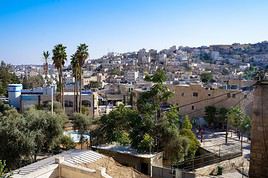
Hebron (2017)
The ancient city in the Judean Hills boasts numerous historical landmarks, including the Tomb of the Patriarchs, the Monastery of the Holy Trinity, and several archaeological sites. It has been a UNESCO World Heritage Site since 2017.
The ancient city in the Judean Hills boasts numerous historical landmarks, including the Tomb of the Patriarchs, the Monastery of the Holy Trinity, and several archaeological sites. It has been a UNESCO World Heritage Site since 2017.
West Bank
Battir
This very old village near Bethlehem is a UNESCO World Heritage site for its cultivated terraces and irrigation network.
This very old village near Bethlehem is a UNESCO World Heritage site for its cultivated terraces and irrigation network.
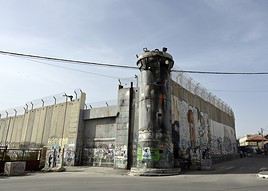
Bethlehem
A few kilometres from Jerusalem (and partially surrounded by a wall built by the Israelis), the birthplace of Christ is a Christian pilgrimage site, but also a holy place in Judaism with the Tomb of Rachel located there. The Church of the Nativity and the Nazareth–Bethlehem pilgrimage route are UNESCO-listed.
A few kilometres from Jerusalem (and partially surrounded by a wall built by the Israelis), the birthplace of Christ is a Christian pilgrimage site, but also a holy place in Judaism with the Tomb of Rachel located there. The Church of the Nativity and the Nazareth–Bethlehem pilgrimage route are UNESCO-listed.
Hebron
The ancient city in the Judean Hills boasts numerous historical landmarks, including the Tomb of the Patriarchs, the Monastery of the Holy Trinity, and several archaeological sites. It has been a UNESCO World Heritage Site since 2017.
The ancient city in the Judean Hills boasts numerous historical landmarks, including the Tomb of the Patriarchs, the Monastery of the Holy Trinity, and several archaeological sites. It has been a UNESCO World Heritage Site since 2017.
Herodium
This artificial hill on the outskirts of Bethlehem houses the remains of an ancient fortified palace.
This artificial hill on the outskirts of Bethlehem houses the remains of an ancient fortified palace.
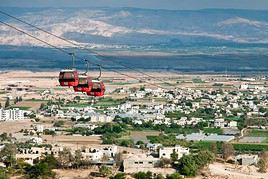
Jericho
Below sea level, Jericho is also one of the oldest cities in the world. Several archaeological and historical sites (Tower of Jericho, Hisham's Palace, Monastery of the Temptation, etc.) bear witness to its past and attract many visitors. You can hike in the surrounding area.
Below sea level, Jericho is also one of the oldest cities in the world. Several archaeological and historical sites (Tower of Jericho, Hisham's Palace, Monastery of the Temptation, etc.) bear witness to its past and attract many visitors. You can hike in the surrounding area.

Jerusalem
The city is the capital of Israel (though not internationally recognized as such), but also the claimed capital of the Palestinian state for its eastern part. A city of history, cultures, and religions (Jewish, Christian, and Muslim), Jerusalem is a must-visit for its museums and, above all, its Old City with its UNESCO-listed walls (at Jordan's request).
The city is the capital of Israel (though not internationally recognized as such), but also the claimed capital of the Palestinian state for its eastern part. A city of history, cultures, and religions (Jewish, Christian, and Muslim), Jerusalem is a must-visit for its museums and, above all, its Old City with its UNESCO-listed walls (at Jordan's request).
King Hussein Bridge
Also known as the Allenby Bridge, this is the "border crossing" between Jordan and Israel/Palestine (Jericho) spanning the Jordan River.
Also known as the Allenby Bridge, this is the "border crossing" between Jordan and Israel/Palestine (Jericho) spanning the Jordan River.
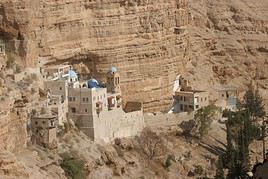
Saint George Monastery
This impressive 6th-century Orthodox edifice is built into the cliffside in the Wadi Qelt valley, not far from Jerusalem.
This impressive 6th-century Orthodox edifice is built into the cliffside in the Wadi Qelt valley, not far from Jerusalem.
Nablus
The commercial hub of Palestine. It is home to an old city, a lively souk, and holy sites for Muslims, Christians, Samaritans, and Jews. Several archaeological sites nearby, including Tell Balata and Samaria.
The commercial hub of Palestine. It is home to an old city, a lively souk, and holy sites for Muslims, Christians, Samaritans, and Jews. Several archaeological sites nearby, including Tell Balata and Samaria.
Qumran
This archaeological site dating from antiquity, located on the shores of the Dead Sea, is where the Dead Sea Scrolls were discovered. Visitors can explore the ruins of buildings and around a dozen caves.
This archaeological site dating from antiquity, located on the shores of the Dead Sea, is where the Dead Sea Scrolls were discovered. Visitors can explore the ruins of buildings and around a dozen caves.
Ramallah
The administrative capital of the Palestinian Authority is a dynamic, liberal, and lively city with its cafés, cinemas, and nightlife. It has an old center and is also home to the mausoleum of Yasser Arafat, who is buried there.
The administrative capital of the Palestinian Authority is a dynamic, liberal, and lively city with its cafés, cinemas, and nightlife. It has an old center and is also home to the mausoleum of Yasser Arafat, who is buried there.
Also...
- Israeli settlements *: These Israeli-occupied settlements include over 150 sites (with 500,000 inhabitants) across the West Bank and are a recurring source of conflict between the two parties. These locations are not necessarily tourist-oriented.
Natural Heritage

Judean Desert
Located in Palestine and Israel, bordering the Dead Sea and extending from the Negev, this very arid area offers stunning landscapes and a few remarkable sites like Masada. You can hike here.
Located in Palestine and Israel, bordering the Dead Sea and extending from the Negev, this very arid area offers stunning landscapes and a few remarkable sites like Masada. You can hike here.

Dead Sea
Straddling Israel/Palestine and Jordan, it is the lowest point on Earth (-429 m) and one of the saltiest bodies of water in the world (you float effortlessly). It is also one of the main attractions on both the Jordanian and Israeli sides.
Straddling Israel/Palestine and Jordan, it is the lowest point on Earth (-429 m) and one of the saltiest bodies of water in the world (you float effortlessly). It is also one of the main attractions on both the Jordanian and Israeli sides.
Wadi Qelt Valley
This valley in the Judean Desert offers beautiful hiking trails and climbing opportunities. It is also home to the impressive Monastery of Saint George and one of the oldest synagogues in the world.
This valley in the Judean Desert offers beautiful hiking trails and climbing opportunities. It is also home to the impressive Monastery of Saint George and one of the oldest synagogues in the world.
Gaza
Warning: The entire Gaza Strip is strongly advised against for security reasons by the French Ministry of Foreign Affairs.
- Gaza City *: The main city in the Gaza Strip. While it still has various old districts and historic buildings (mosques, churches, museum), the city—as well as the rest of the territory with its refugee camps—is hardly conducive to tourism given the current situation and access difficulties to this part of Palestine.