last edited Dec 11, 2019
When to Go Camping?
Location Map of Destinations
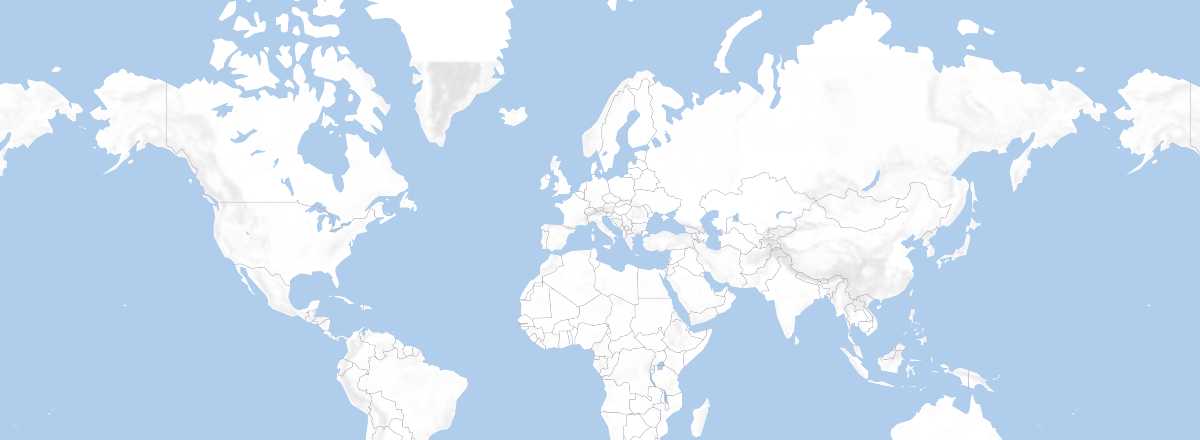 Destinations
Open the interactive map
Destinations
Open the interactive map
Reasons
Even if you're not a fan of this type of accommodation, every traveller will consider sleeping in a tent (or even under the stars) at some point during a trip. Whether it's by choice, to save money, or simply because there are no other options.
For Any Occasion or by Choice
For enthusiasts, the key words are "freedom and independence," as some will tell you. It's true that camping (or "open-air hospitality," as it's now called) is a way for travellers to immerse themselves in a landscape or atmosphere, in full communion with nature. Those who have pitched their tent on a beach in Indonesia, in a forest in Madagascar, on the Mongolian steppe, or in front of a mountain range in Zanskar, South America, or elsewhere will remember those magical moments for a long time.
In short, these travellers will seek out campsites on any occasion or, more often, just about any spot to pitch their tent. Even if, in the latter case, wild camping is far from possible everywhere—whether due to local regulations, the layout of the area, or safety concerns.
To Save Money
For many, this is ultimately the main reason when travelling in regions where roofed accommodation remains expensive.
Interesting Destinations
This is especially true in Western Europe (and some Eastern European countries), the USA and Canada, certain Caribbean or Pacific islands, Argentina, Chile, Uruguay, Brazil, South Africa, Australia and New Zealand, or even Japan. Between pitching a tent (on a campsite) and staying under a roof, the price ratio is usually at least 2 to 3. For a night of camping at less than 15 € for two, a hotel will cost 30 € or 45 €, often more. Even a bed in a youth hostel will be significantly more expensive.
Generally, all these countries have campsites, often numerous and well-equipped, in tourist areas (including natural parks), along coastlines or in seaside resorts, and even on the outskirts of cities. So, the infrastructure exists, prices are attractive, and camping remains an interesting accommodation option—even if you must also consider various additional criteria and costs.
Less Interesting Destinations
On the other hand, most Asian, African, and some Latin American or Eastern European countries offer little to no camping infrastructure, or the value is low compared to the budget "backpacker" hotels available. In such cases, saving a few euros or dollars is hardly worth it.
Camping as the Only Option
This scenario only arises during treks or hikes in the wilderness or mountains, where there are no lodges or homestay options at the stop. It also applies in deserts or very sparsely populated areas like Mongolia.
Meanwhile, most people who embark on such adventures do so with agencies or local guides, who usually provide equipment and handle all the camping logistics. So, in this case, there’s little need to question your motivation for camping.
Prices and Value for Money
The Pitch
Almost everywhere, you can camp on a (mid-range) site for less than 15 € per person, often much less. So, the prices are attractive, even if some rates are flat fees (often for 2 people + car + tent) with no specific price for solo travellers or those without a vehicle.
As for restrictions, note that in countries like the UK or the USA, not all campsites accept tents, as some only accommodate caravans or mobile homes.
The value for money will, of course, also depend on the available facilities. Some campsites, especially in Europe, are very well-equipped with shared kitchens, laundry, shops, pools, etc., while others offer little more than a bare patch of ground. Don’t forget that some services (like hot showers) may come at an extra cost.
Additional Costs
Beyond the price and facilities, another important factor is the campsite’s distance from the city or site you want to visit. For those with a vehicle, this is usually not an issue, but travellers on foot or using public transport must consider this before choosing a campsite.
In short, it’s useful to know the distance to the places you want to visit and the available transport options, including prices and frequency. This information is usually available in tourist office materials, guides, or, better yet, on the campsites’ websites. So, it’s essential to research beforehand—if the extra costs or constraints add up, another, closer accommodation option might end up being more "cost-effective."
Equipment to Bring
For specific equipment, besides a tent (choose one that’s lightweight, durable, and waterproof if possible), don’t forget a good sleeping bag (useful to know the expected nighttime temperatures), a sleeping mat (your bag can double as a pillow), a lamp, and waterproof bags (like garbage bags) to protect your belongings from rain and humidity. For a good night’s sleep, earplugs and, if needed, a sleep mask can also be useful.
You might also add a camping stove and a few cooking utensils, especially if you plan to wild camp.
For Those Travelling Without a Vehicle
If you have a vehicle, transporting this equipment is usually not a problem. However, if you’re backpacking, a tent, sleeping mat, or cooking gear can quickly become cumbersome.
In this case, first consider how useful it will be. Will you spend several nights in a tent? If not, would the cost of a hotel be quickly offset by the savings in weight, space, and freedom? Also, if the tent is only for a hike or trek, you can usually rent equipment on-site—unless it’s already provided by the organiser (guide, agency, etc.).
Finally, keep in mind that many campsites increasingly rent bungalows or caravans at prices roughly between tent and hotel rates, especially if you’re in a group of three or four.
Choosing Your Spot
A few basic tips:
First, in high season or if you’re heading to a very touristy area, don’t hesitate to book in advance—even well ahead—if you’re sure of your dates. And if there’s a change or delay on the day, remember to notify the campsite.
Most campsites have check-in and check-out times, so it’s best to respect them to avoid finding no one at reception or being unable to set up.
When it comes to setting up, scout your spot beforehand. Consider certain factors for your peace of mind, and avoid pitching near toilets (with their additional drawbacks...), reception, the bar, or other communal areas, as well as the road. If you think some campers might be partygoers (judging by the number of empty cans), keep your distance. Likewise, camping near a river or under large trees isn’t always wise in terms of safety.
Once you’ve chosen your spot, see how others have positioned their tents or caravans (there’s usually a reason). Then, depending on the terrain—especially with a tent—avoid rocky ground, hollows (in case of rain), and high spots if it’s very windy (also avoid facing the wind with the entrance). Finally, opt for shaded areas if possible.
Regarding neighbours, respect the distance. Even if you don’t have any when you arrive, things may change during your stay.