last edited Aug 27, 2020
Where and When to Go Hiking?
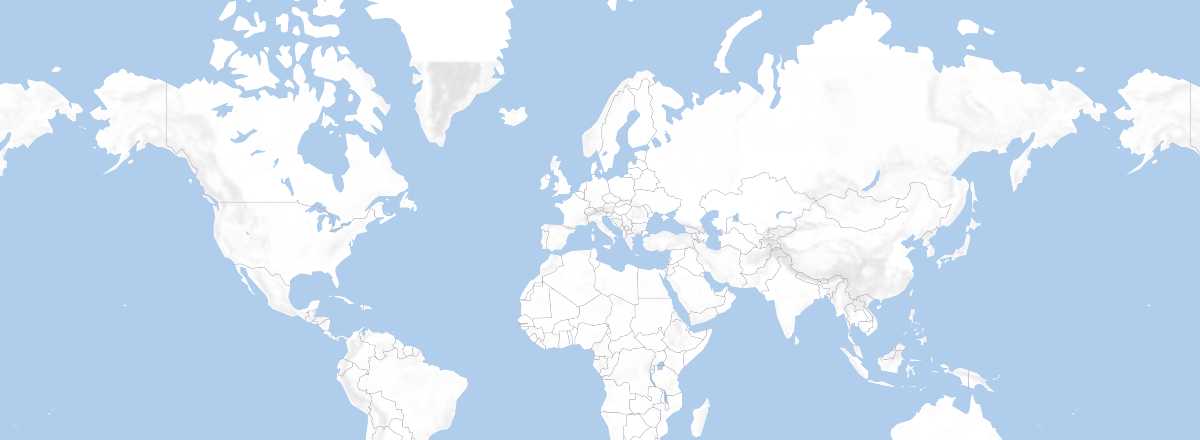
Location Map of Destinations
 Destinations
Open the interactive map
Destinations
Open the interactive map
Where to Hike?
You can hike almost anywhere in the world, often starting right near home. Whether in the mountains, countryside, city (yes, "urban hikes" are a thing), or even for short walks in more challenging places like deserts or jungles, enthusiasts will always find suitable spots.
Where to Go Trekking?
Generally, treks are organised in deserts or desert-like areas, mountains, and jungles.
Mountains
There are plenty of options on every continent, from Europe (Pyrenees, Alps, Corsica, Carpathians...) to the Americas (Andes, Rockies...) and across Asia (notably the entire Himalayan range) or the Pacific region (Australia, New Zealand, Papua New Guinea). Africa offers fewer choices, but the Moroccan Atlas, South African mountains, Réunion, and ascents of several peaks (Kilimanjaro, Mount Kenya...) provide excellent opportunities.
Depending on what you're looking for, you’ll usually find options for all levels, whether self-organised or guided.
Main challenges: altitude, elevation changes, and climate.
Deserts
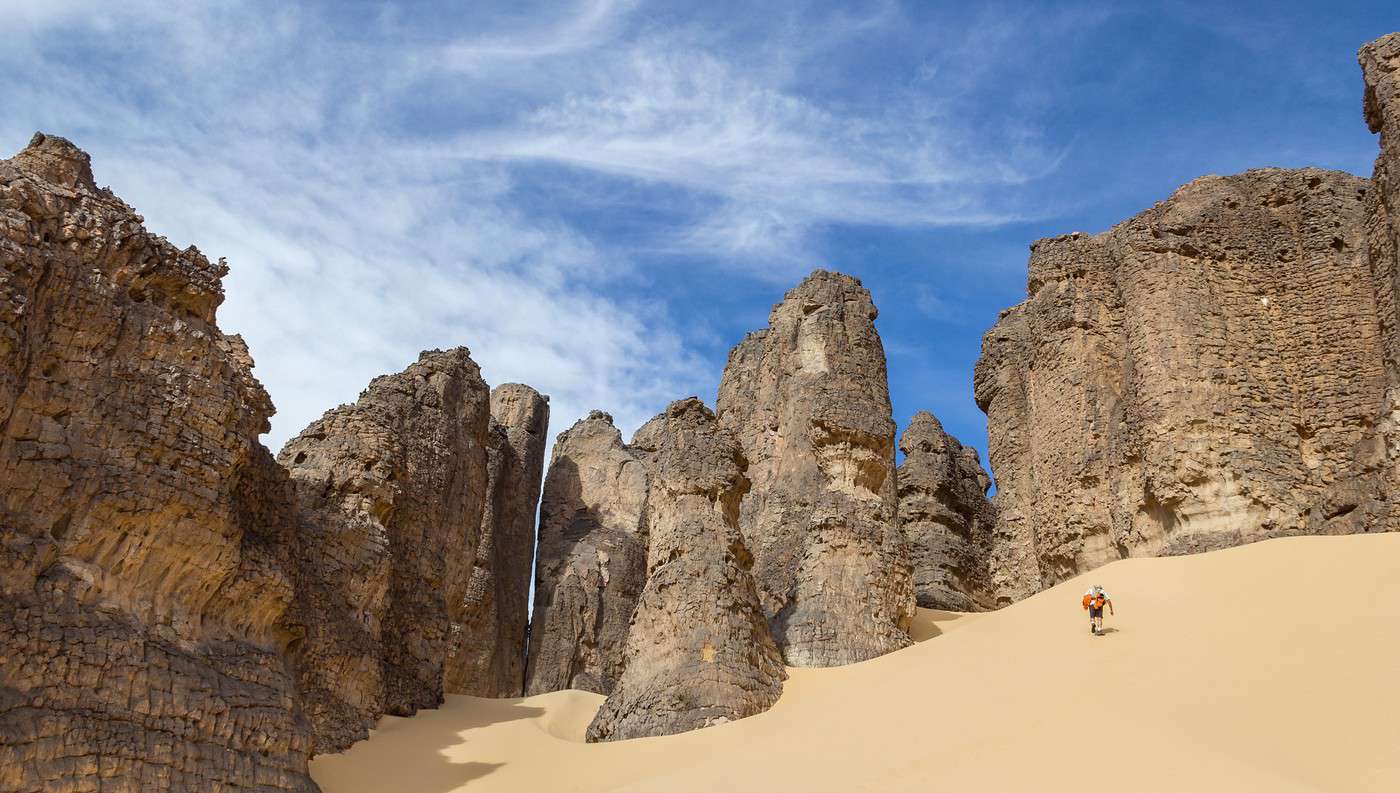
Whether made of sand, ice, salt, or rock, deserts cover one-fifth of the globe. Africa offers the most possibilities, especially in the Sahara and Southern Africa (Namib Desert). Treks are also available in Australia (the many central deserts), South America (the famous Salar), North America (Mexico, USA), and parts of Asia (Gobi, Thar Desert in India) or the Middle East (Jordan, Oman...). For ice deserts, head to Antarctica, which offers a few options for experienced travellers.
Unlike mountain treks, opportunities to go solo are quite limited.
Main challenges: isolation and climate.
"Desert-like" Areas
Not quite deserts in the traditional sense, but rather steppes, tundra, or vast, nearly uninhabited expanses. Such areas exist on every continent: in Europe (Lapland, northern Scotland, Iceland’s interior), North America (Greenland, Canadian Far North, Alaska) and South America (Andean plateaus, Patagonia), Africa (Sahel, Southern Africa, Madagascar), Iran, Central Asia, Siberia, northern China, and Mongolia.
Depending on your preferences, you’ll find options for all levels, sometimes self-organised but mostly guided.
Main challenges: isolation, climate, and sometimes altitude.
Jungles
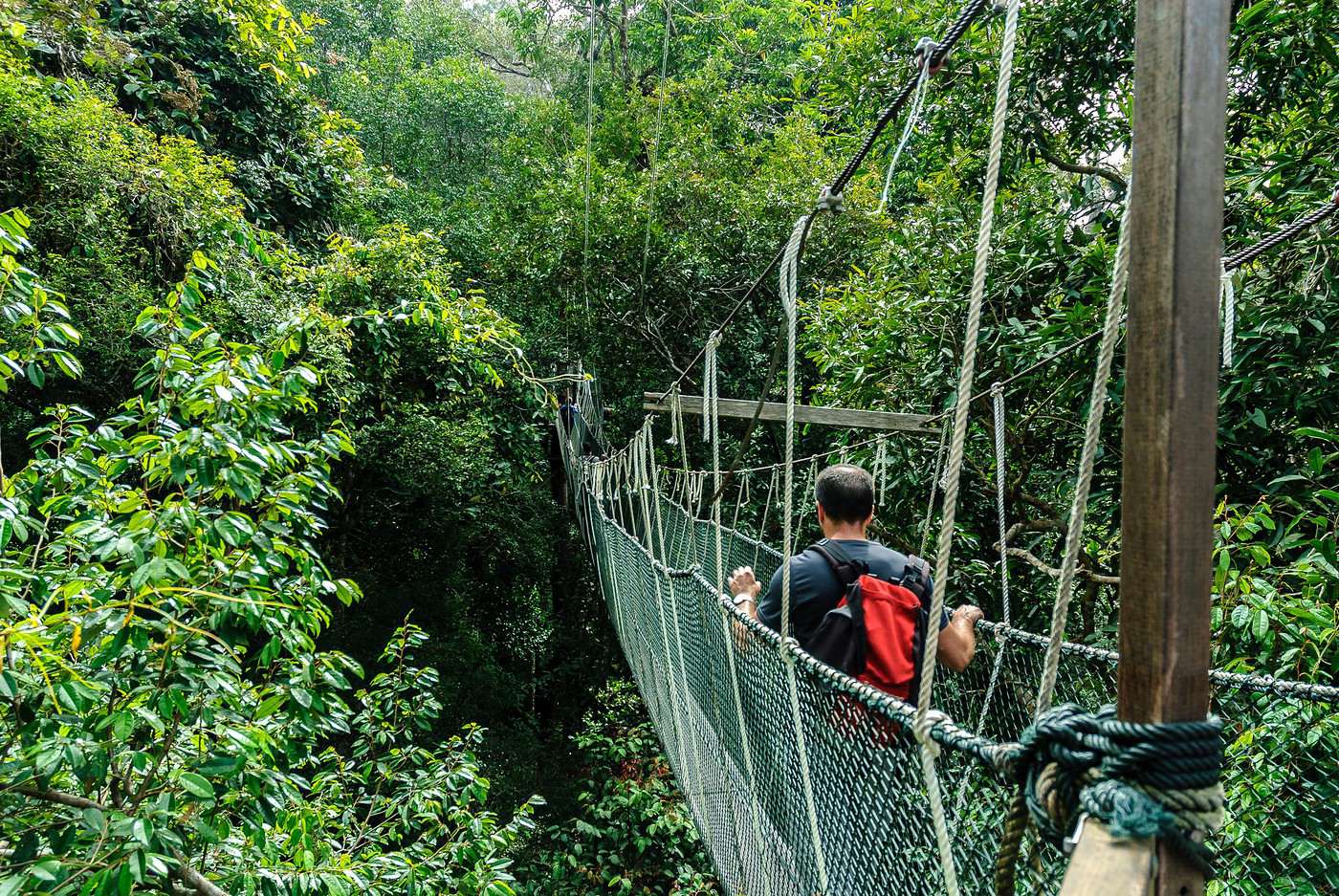
Beyond the clichéd Indiana Jones image, Latin America offers the most opportunities, especially the Amazon and Central American jungles (from southern Mexico to Panama). Asia also has plenty, notably New Guinea, Borneo, the Philippines, northern Thailand, and a few spots in India, China, or Indochina. Don’t forget Africa and its equatorial forests.
Almost always, these treks require a guide.
Main challenges: isolation, often hot and humid climate, and, at the limit, wildlife and health risks.
Some Famous Treks and Hikes
GR 10 (France): 870 kilometres of hiking across the Pyrenees, from the Atlantic to the Mediterranean.
GR 20 (France): A two-week traverse of Corsica, from northwest to southeast, with steep high-altitude terrain.
Camino de Santiago (France/Spain): From Le Puy-en-Velay to Santiago de Compostela, 1,417 km of paths following a route over a thousand years old.
Toubkal (Morocco): Near Marrakech, the Atlas summit (4,167 m) and its valleys can be explored in two or three days. Not far away and quite similar, another renowned trek is Mount M’Goun.
Kilimanjaro (Tanzania): Four days of walking to reach Africa’s highest peak at 5,895 m. In the region, a slightly easier—and cheaper in terms of permits—alternative is the similar ascent of Mount Kenya (Kenya).
GR R2 or Réunion Traverse (Réunion): From north to south in about 12 days of challenging hiking through mountains, cirques, volcanoes, and *îlets*.
Pacific Crest Trail (USA): The ultimate long-distance hike in North America. 4,200 km—about five months of walking—along the U.S. West Coast, from the Mexican border to British Columbia (Canada), crossing two mountain ranges.
Inca Trail (Peru): A high-altitude four-day hike to reach the famous Machu Picchu. Around 40 km with significant elevation gain, this now heavily regulated trek is increasingly becoming a tourist trap and a money pit...
Annapurna Circuit (Nepal): Roughly two to three weeks of high-altitude hiking for the full circuit. A journey that combines nature and local cultures.
Zanskar Traverse (India): A multi-day crossing of this northern region of India.
When to Go Hiking?
Climate-wise
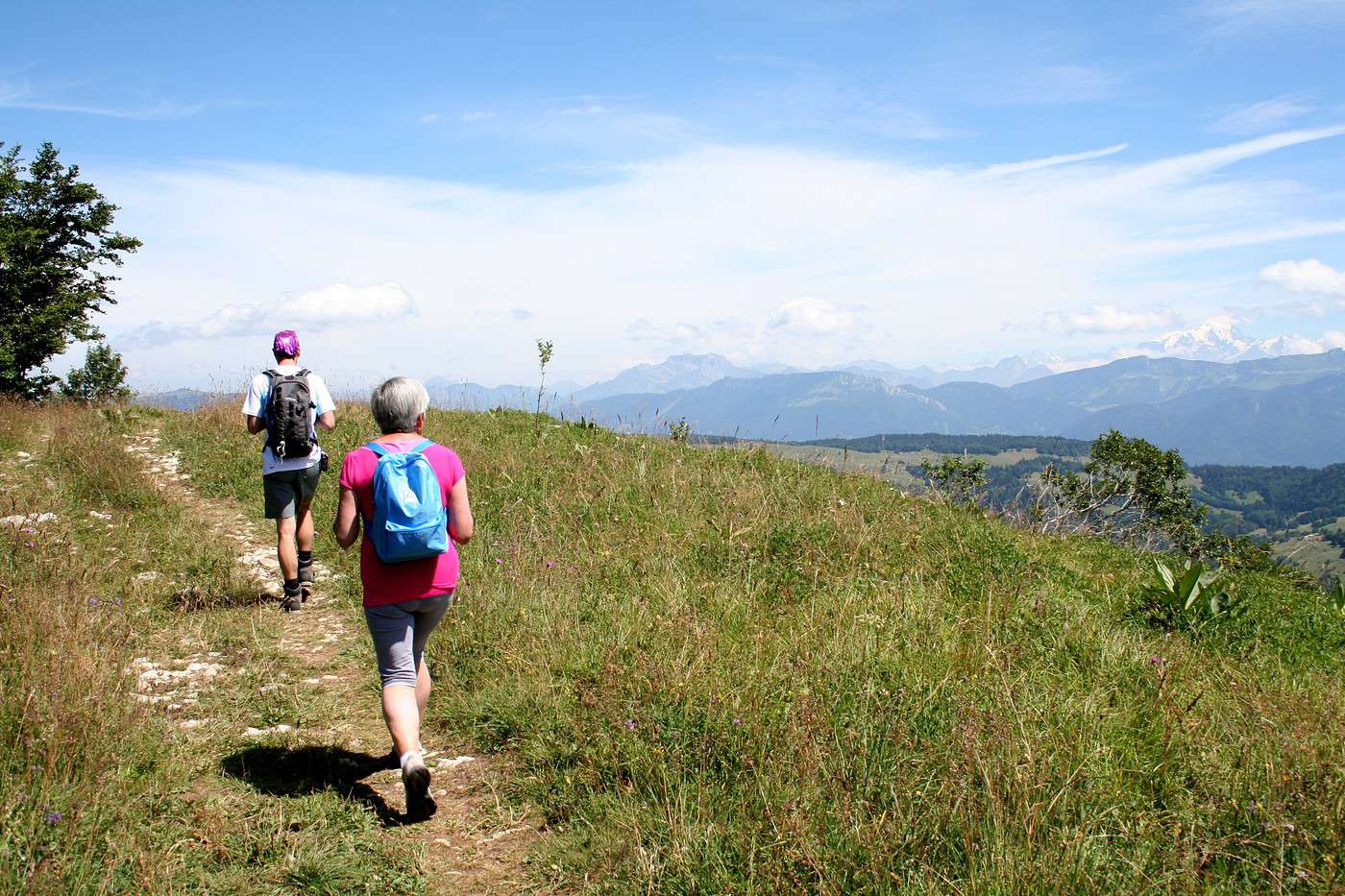
For hiking, choosing the right season or time is crucial. Always prioritise the "best season." Avoid monsoon or rainy seasons, extreme heat, or severe cold, depending on the location. Some regions may even be "closed" for months due to weather conditions.
Also, watch out for unexpected weather changes en route: sandstorms in the desert, storms or snowfall in the mountains, sudden temperature drops, etc. Even for a short walk, always check the forecast before setting out (especially alone) with local weather services, rangers, or other sources, and equip yourself accordingly.
Crowds
Beyond weather, crowd levels are another factor to consider. A fantastic trek surrounded by hundreds of other hikers can quickly become a frustrating experience. Plus, prices rise during peak periods.
If possible, avoid holiday periods (both European and local) and high season. You’ll gain peace, freedom, and save money. Generally, shoulder seasons are often the best.
By Region
Europe
- Mountains: May to late September, with June and September best for avoiding crowds.
- Lapland, Iceland: June to late August (some crowds in July-early August).
North America
- Far North, Alaska, Greenland: June to early September.
- North American mountains: Late May to mid-September.
- Deserts of Mexico and the USA:
Central America
- Mountains:
- Jungles:
South America
- Andes:
- Salar:
- Patagonia:
- Amazon:
Australia and New Zealand
- Mountains:
- Australian deserts:
Indonesia, Borneo, Philippines, PNG
- Jungles:
Southeast Asia
- Jungles:
- India and Nepal:
- Nepal Himalaya: October to April, but January-February are very cold.
- India Himalaya (and western Nepal): Late May to September, with June and September best for avoiding European crowds.
Central Asia, China, Mongolia, Russia
- Mountains:
- Steppes and desert-like areas:
Middle East
- Deserts:
North Africa
- Sahara:
- Atlas:
- Sahel zones:
Central and Southern Africa
- Equatorial forest:
- Southern African deserts:
- East African mountains:
- Réunion mountains: