last edited Dec 11, 2019
Which Currency in What Form?
Location Map of Destinations
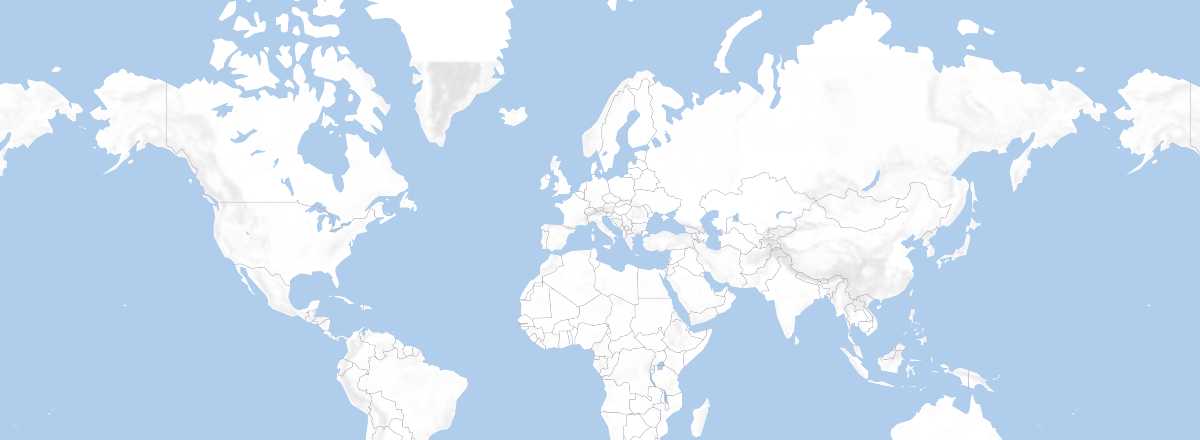 Destinations
Open the interactive map
Destinations
Open the interactive map
What Form Should You Carry Your Money In?
Cash
Essential because it will always bail you out in case of problems. Bring euros and/or US dollars (depending on your destinations) in small denominations (maximum 20). Opt for new bills; old or damaged ones may sometimes be refused by exchange offices.
Also note that in some countries or regions, the dollar and increasingly the euro can replace the local currency. So, always carry several dozen in cash, and if you're traveling for a long time, replenish your supply as you spend.
Credit Card
Undoubtedly, it will make your life easier thanks to the (sometimes theoretical) ability to withdraw money anywhere in the world and the financial credibility it provides. Not to mention, it often avoids deposit requirements, especially when renting vehicles.
Unless you're traveling with others, there's no need to carry multiple different cards. Among all, Visa and its extensive network of ATMs seems the most suitable for those traveling to different countries. Avoid lesser-known cards and overly "high-end" ones, which some merchants may refuse due to high commission rates.
Importantly, check the maximum weekly withdrawal limit allowed by your bank, especially if you plan on making large occasional purchases on the road. Don’t hesitate to negotiate the limit with your banker (whom you should visit before departure).
And finally, if you need to renew it, make sure its validity covers the duration of your trip (it’s not ideal to have to request a new card while traveling!).
Travelers Cheques
With the spread of credit cards and ATMs worldwide, travelers cheques are far less used than before, even though they offer the advantage of being refundable in case of loss or theft. In fact, American Express, known for its traveler’s cheques, stopped producing them in France and several other countries in 2013.
Otherwise, in practice, especially for a trip involving multiple countries, have your travelers cheques issued in the most appropriate currency for your destinations and avoid large denominations.
Holiday Cheques
So What Should You Take?
Euros, Dollars, or Local Currency?
Euros or Dollars?
Or more simply, should you bring euros or US dollars to exchange on the spot?
While the US dollar was long the reference currency, things have now changed significantly. The euro is now widely accepted almost everywhere in the world, and its exchange rate is "normal"—unlike in its early days when it was undervalued in some countries. Therefore, there’s no point in accumulating bank fees if you can directly exchange euros for the local currency without going through the dollar. So, check which currency is most suitable for your itinerary and plan accordingly, mixing them if necessary for both cash and travelers cheques.
Currently, the euro exchanges very well across Europe, the Middle East, the Mediterranean region, most of Africa, and increasingly in Asian and Pacific countries. The only "resistance" is in the Americas. There, even if the European currency is accepted, the rates offered aren’t always the best, and the dollar remains dominant, sometimes even recognized as a parallel currency.
Also, note that Thomas Cook exchange offices, present in nearly 100 countries, accept euros and other currencies worldwide (you can also have money sent there).
Local Currency
As for exchanging money before departure to have the local currency upon arrival, even though some banks and online services now offer various currencies, there’s little benefit in doing so. The exchange rates offered are often quite poor.
In any case, the simplest solution remains withdrawing money via your bank card on the spot. That way, you don’t have to think about it, and you get the local currency without worrying about which exchange currency to bring.