last edited Aug 27, 2020
World Religions
Location Map of Destinations
 Destinations
Open the interactive map
Destinations
Open the interactive map
Major Religions
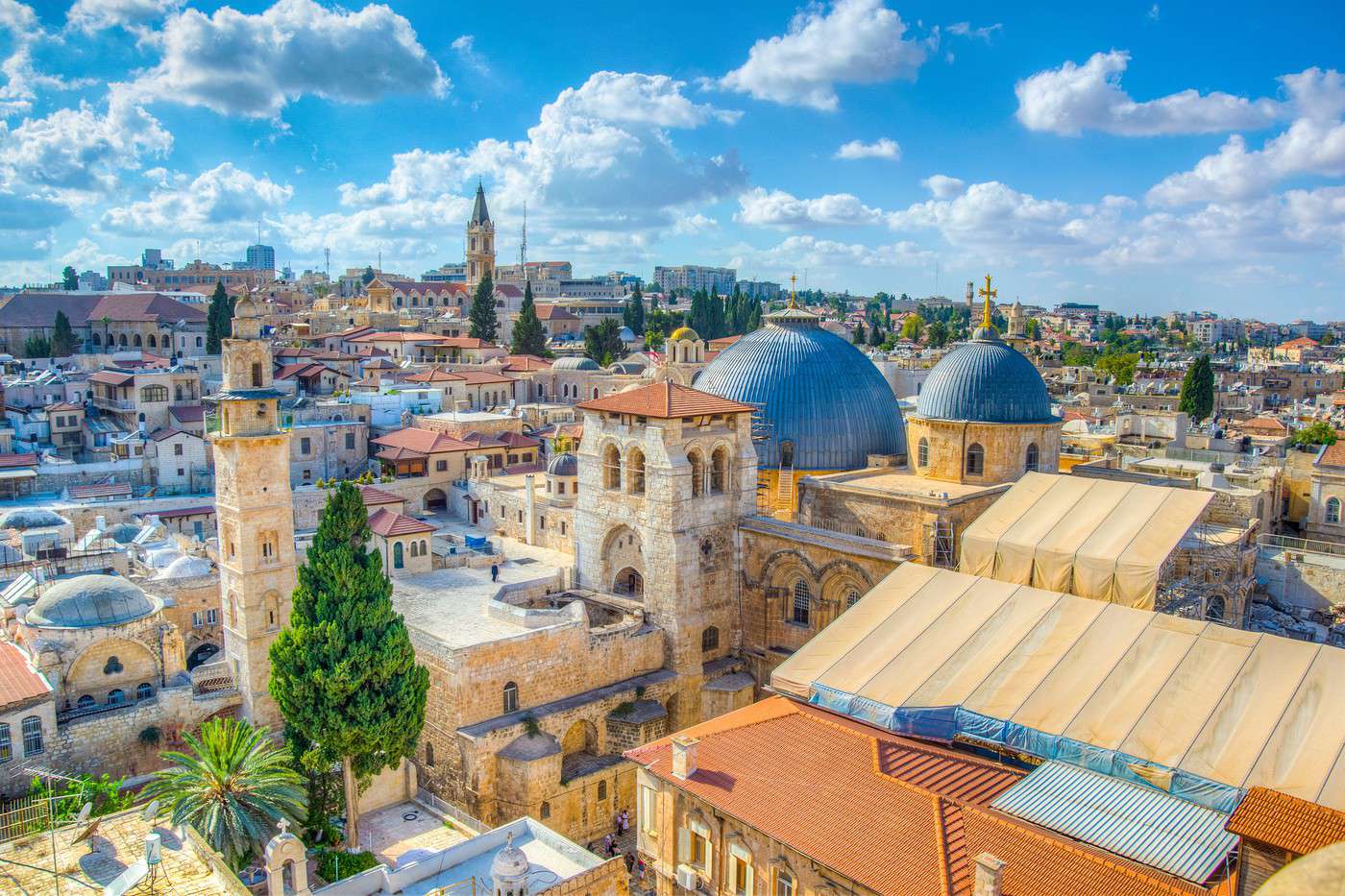
In many countries, religion—or rather, religions and beliefs—plays a foundational role in culture and society, often raising questions for travelers. To discover or better understand these religions or philosophies, we offer some basics here, along with links to articles that explore them in detail.
To start, here are some definitions and "generalities" about religions, as well as a very comprehensive "portal" on the topic.
Christianity
Christianity is the world’s largest religion, with roughly 30% of the global population identifying as Christian (over 2.6 billion people). It is divided into three main branches: Catholics (1.2 billion believers), Protestants (around 1 billion), and Orthodox Christians (300 million, primarily in Eastern Europe). Each of these branches, particularly Protestantism, is further divided into various movements that travelers may encounter. Among them:
- Mormons: 13 million, mostly in Canada and the United States (notably Utah).
- Mennonites: 1.3 million, primarily in the USA, Belize, Yucatán, and Paraguay.
- Amish: Closely related to the Mennonites, they number around 200,000, mainly in the northeastern USA.
Islam
Islam is the world’s second-largest religion, with roughly 15% of the global population (1.3 billion adherents). It is widespread in Asia, the Middle East, Africa, and increasingly in Europe. Indonesia is the world’s largest Muslim-majority country. Islam encompasses various movements, with two dominant branches:
- Sunni Islam: The traditional form, found notably in Southeast Asia and Saudi Arabia.
- Shia Islam: Another major branch, particularly prominent in Iran and the Middle East.
Hinduism
Hinduism is the third most widespread religion, with nearly a billion practitioners, primarily in India, Nepal, and Bangladesh. It is also a cornerstone of Indian society (80% of the population is Hindu), and in practice, it has given rise to numerous movements and sects across India and the region.
Other Indian Religions
- Jainism: With 8 million adherents worldwide, Jains number 3 to 4 million in India, particularly in Gujarat, where several sacred sites are located.
- Sikhism: This religion has 27 million followers, mostly in northern India (Punjab, Kashmir) and significant minorities in English-speaking countries (USA, UK, etc.). Originally a sect founded in the 16th century, it gradually evolved into a religion and a political movement (Kashmir).
- Zoroastrianism (or Parsi): A minority religion in India with roots in Iran, its members (often from affluent backgrounds) are concentrated around Mumbai. Known for the Towers of Silence in Mumbai, a sacred site where the bodies of adherents are left to be consumed by birds.
Buddhism
Derived from Hinduism, Buddhism is one of the world’s major religions/spiritual traditions, with 325 million followers, many of whom live in Sri Lanka, Southeast Asia, and Tibet.
Confucianism and Taoism
These are popular philosophies and religions in China, with around 230 million adherents combined.
- Taoism: A blend of nature spirit worship, ancestor veneration, the teachings of Lao-Tzu, and various beliefs.
- Confucianism: A moral and political philosophy based on the teachings of Confucius.
Judaism
Judaism has around 15 million adherents, primarily in Israel, as well as in Europe and North America.
Other Religions
Animism
Under the broad term Animism (and Shamanism), we find so-called "primitive" religions whose foundations lie in the relationship between humans and nature. Animist religions are found worldwide, particularly in Africa (traditional religions), while shamanism is more common among Indigenous peoples of the Americas and many populations in Northeast Asia (Siberia, Mongolia, China, etc.).
Vodou
Beyond its portrayal in cinema and literature, Vodou is both a religion and an animist philosophy brought from West Africa by enslaved people. It combines African rituals with occasional elements of Catholicism.
Vodou is practiced in Haiti and among the Haitian diaspora, as well as in Cuba under the name Santería and in Brazil as Candomblé. Though only 6% of Haitians officially identify as Vodou practitioners, the vast majority of the population engages with and believes in Vodou. However, visitors are unlikely to witness (authentic) ceremonies or discuss the topic with locals.
Rastafari
Known for reggae, Bob Marley, and ganja, Rastafari has its roots in the Ethiopia of Haile Selassie. It is a mystical, political, and cultural movement (not limited to music), primarily found in Jamaica and other Caribbean islands (around 600,000 adherents).
Shinto
Shinto is Japan’s indigenous religion, centered on the veneration of ancestors. It blends animism, shamanism, and polytheism.