

Lola’s breakfast is still as hearty and delicious as ever!
This morning, guided by Javlon, we’re visiting the small Avicenna (Ibn Sina) museum, the father of modern medicine, in the village of Afshana. It’s an interesting visit but not a must-see.
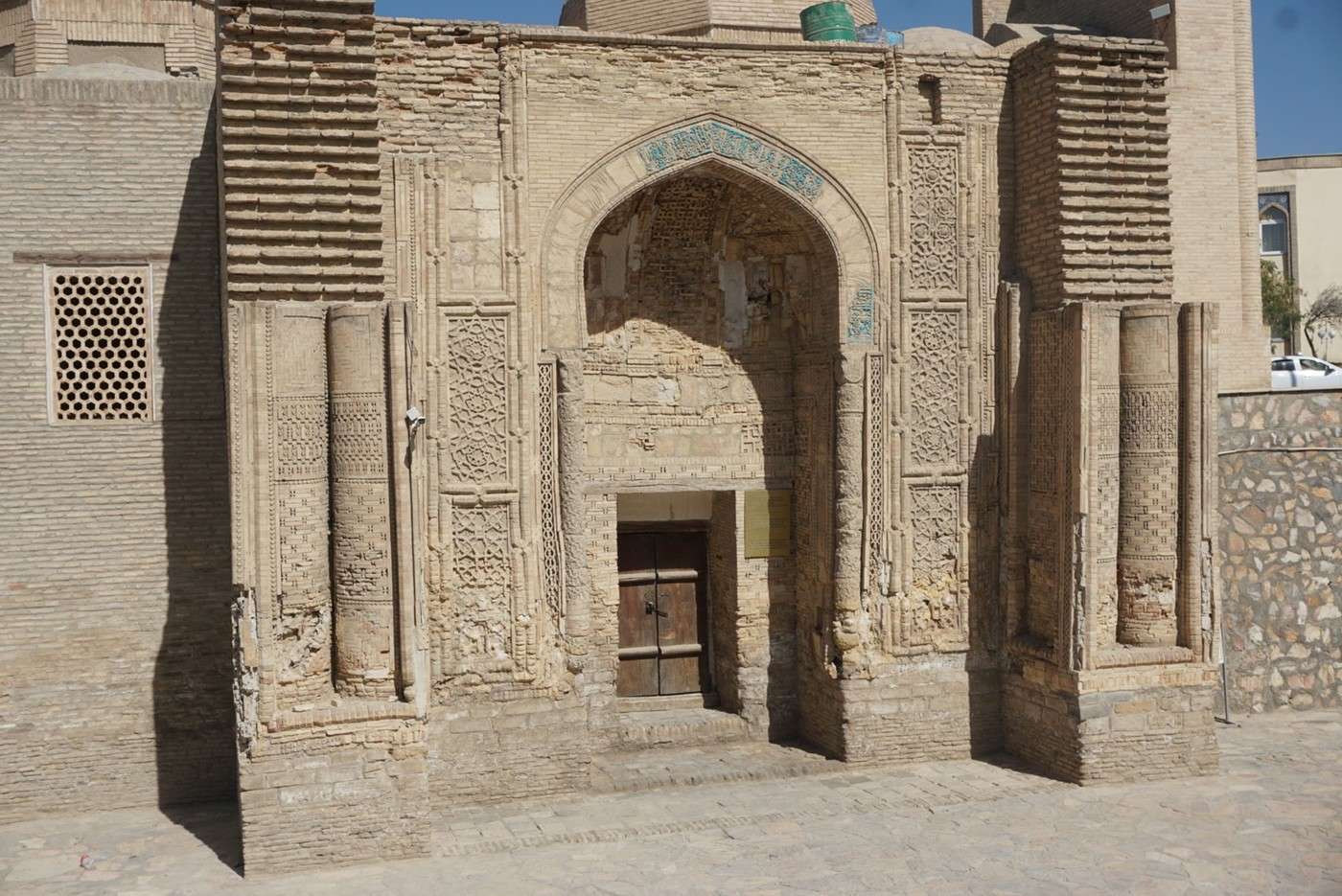
Back at the hotel, we take another stroll through the Jewish quarter and along the outer edge of the old city. I discover a small mausoleum and am invited inside. Here, no tourists—just Uzbeks coming to pray.
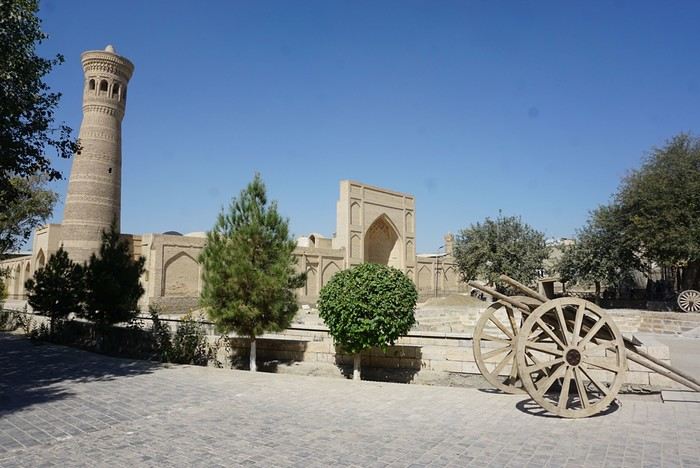
This afternoon, we’ll continue our visits with a guide to the outer sites. But first, we’re having lunch at one of the restaurants by the Samani Park basin. We start by heading to the village of Kasri Orifon, where we visit the Bakhaouddin Naqshbandiy complex, one of the most important pilgrimage sites for Muslims. Bahahouddin Naqshbandi was a master of the Naqshbandi tariqa, one of the four Sufi brotherhoods. This mausoleum, almost empty of tourists, is also called the 'Mecca of Central Asia.'
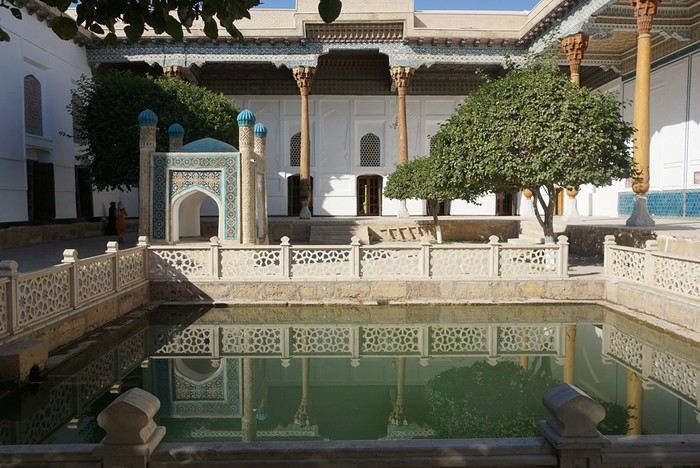
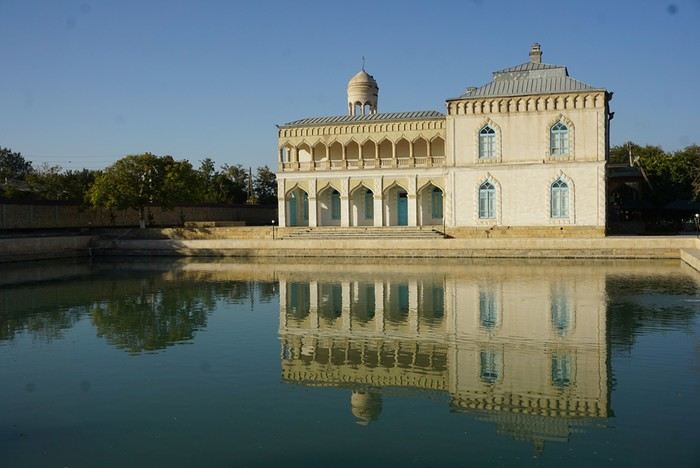
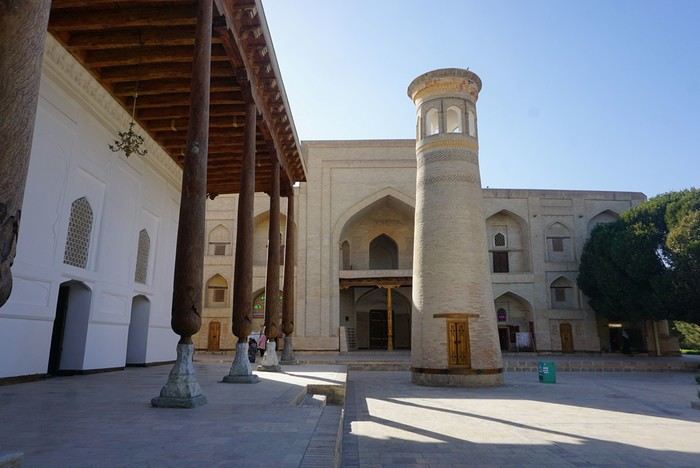 Next, we visit the Palace of the Moon and Stars, Sitorai-Mokhi-Khossa, the summer residence of Bukhara’s last emirs (early 20th century). The last emir managed to negotiate his departure with the Russian revolutionaries and left with all the gold he could carry. A long caravan formed toward Afghanistan, allowing him and his family to escape exile and forced labor (unlike the young Khan of Khiva).
This afternoon, there aren’t many people at the palace. Our guide tells us we’re lucky—last time he was here in the morning, the visit was unbearable because of the crowds! Does that mean this visit is best saved for the afternoon?
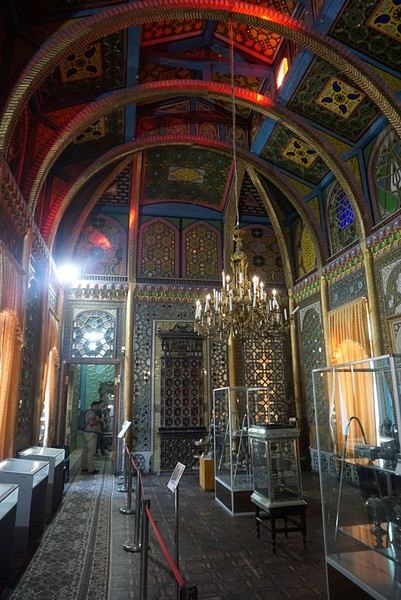
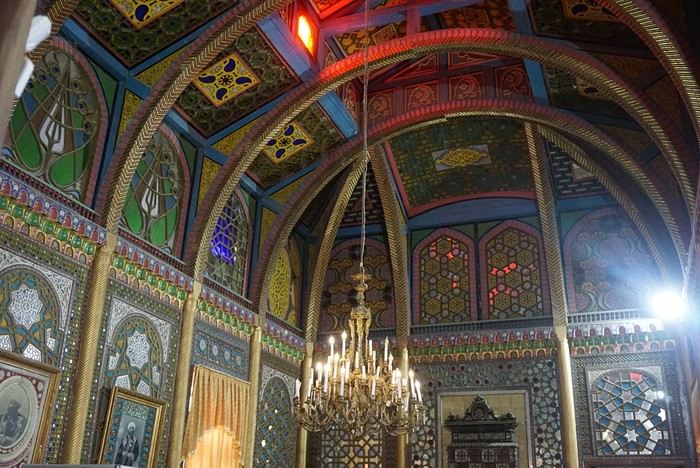 Inside, the White Hall—a Bukharan version of the Hall of Mirrors—is absolutely stunning. The banquet hall had movable decorations, one for each season. Unfortunately, only autumn remains, the season when the Russian Revolution arrived here. The panels for the other three seasons disappeared, along with the know-how to change them. This room is magnificent. The tea salon, with its glass walls overlooking the gardens and now filled with precious vases, is also a true marvel. The garden’s trees are species the emir imported to impress his visitors. At the far end of the park, you’ll find the harem and a pool. The emir had a habit of watching his concubines bathe from a terrace in the harem. It’s said he’d toss an apple to the one he’d chosen for the night.
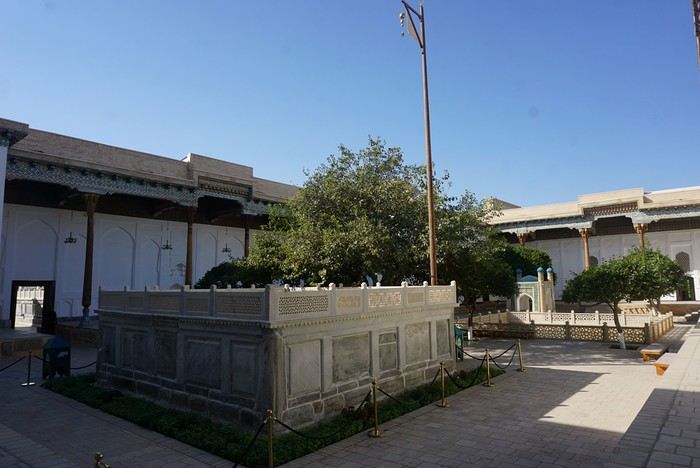
There’d be so many more anecdotes to share, but this travel journal would get way too long! So I’ll just invite you to either contact me or, even better, go see it all for yourself! In the late afternoon, we wrap up our walk at the Chor Minor necropolis. We’re really lucky to be here at this time—we’re the only visitors, and the colors at sunset are breathtaking! Direct descendants of the Prophet Muhammad are buried here. The place is so peaceful, with an atmosphere somewhere between mystery and romance.
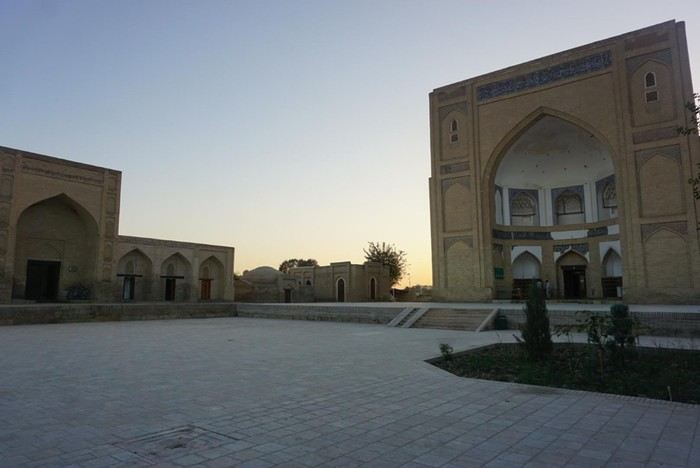
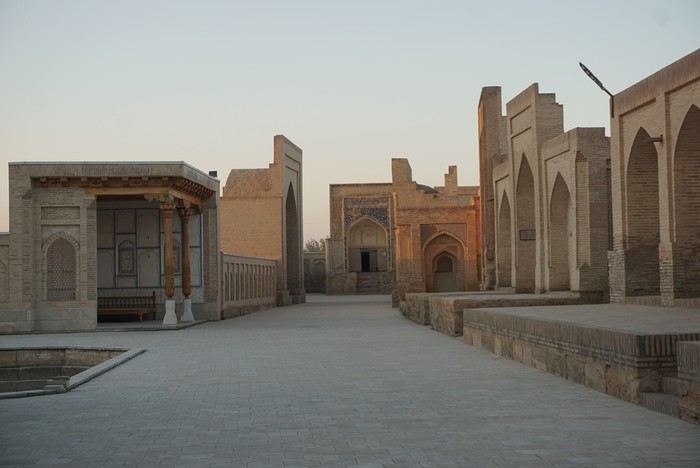 A must-visit, in my opinion.
This afternoon, we’ll continue our visits with a guide to the outer sites. But first, we’re having lunch at one of the restaurants by the Samani Park basin. We start by heading to the village of Kasri Orifon, where we visit the Bakhaouddin Naqshbandiy complex, one of the most important pilgrimage sites for Muslims. Bahahouddin Naqshbandi was a master of the Naqshbandi tariqa, one of the four Sufi brotherhoods. This mausoleum, almost empty of tourists, is also called the 'Mecca of Central Asia.'
There’d be so many more anecdotes to share, but this travel journal would get way too long! So I’ll just invite you to either contact me or, even better, go see it all for yourself! In the late afternoon, we wrap up our walk at the Chor Minor necropolis. We’re really lucky to be here at this time—we’re the only visitors, and the colors at sunset are breathtaking! Direct descendants of the Prophet Muhammad are buried here. The place is so peaceful, with an atmosphere somewhere between mystery and romance.