



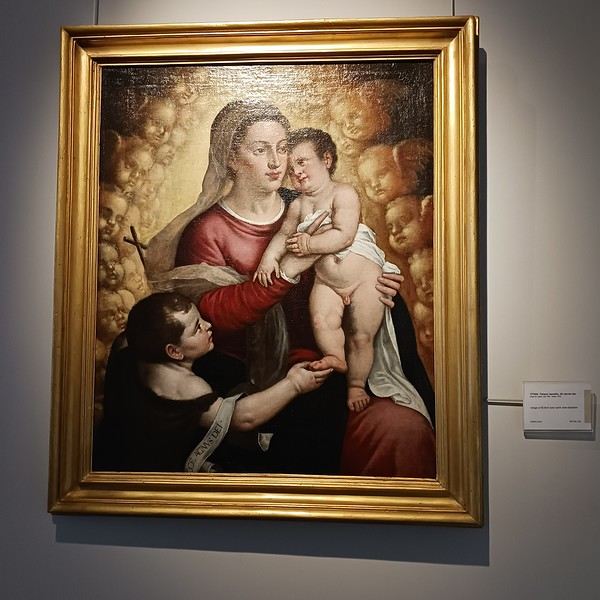
It’s also in this street that you’ll find the FESCH museum, a real surprise for anyone who enjoys pictorial art. The collection is impressive—not because of its size, but because of its diversity and the signatures of some of the greatest masters of the Italian Renaissance. Here’s a Madonna and Child by Titian (1488–1576). Even though the subject has been depicted hundreds of times, Titian remains a major name in the Venetian school.
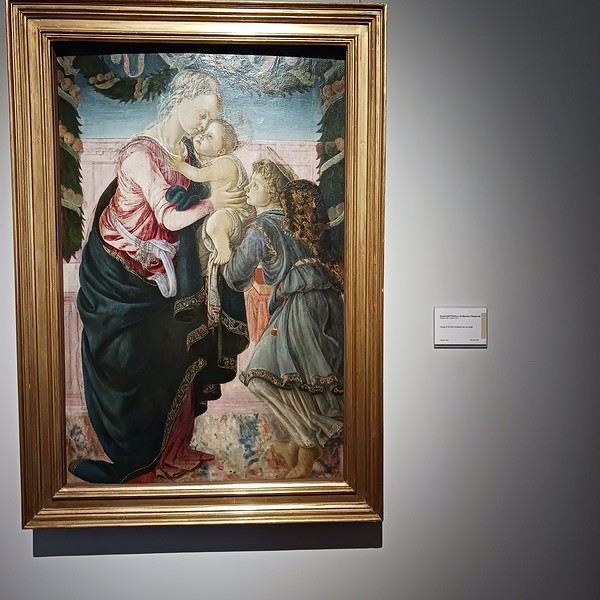
Another Madonna and Child, this time by Sandro Botticelli (1445 - 1510).
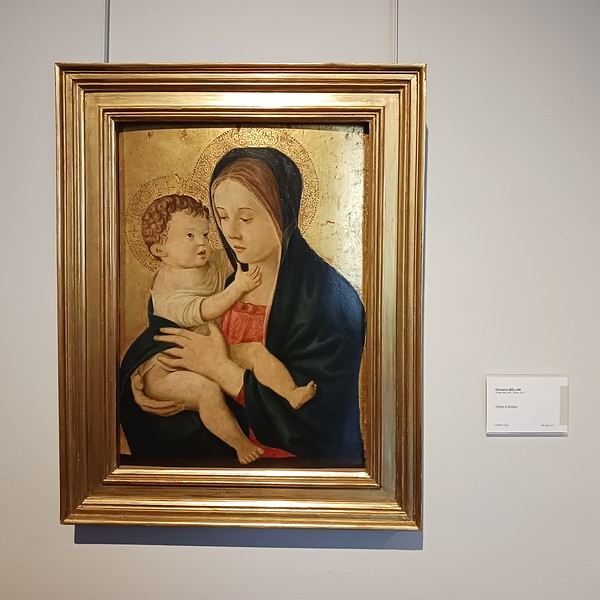
Yet another Madonna and Child, but this one is by Giovanni Bellini (1425 - 1516), a precursor of the Venetian school. I really love Bellini for the softness of his lines and his art, which borders on the Byzantine. I was surprised to see one of his works here—usually, they’re in the biggest museums. The Fesch Museum is truly a first-rate museum. I don’t regret coming at all!
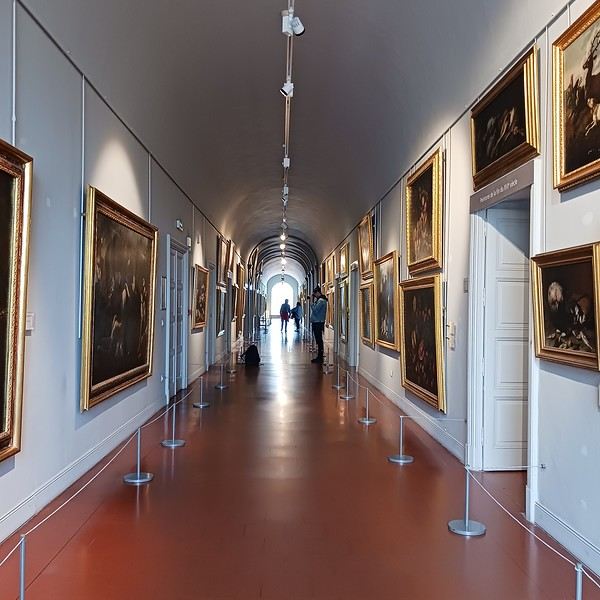
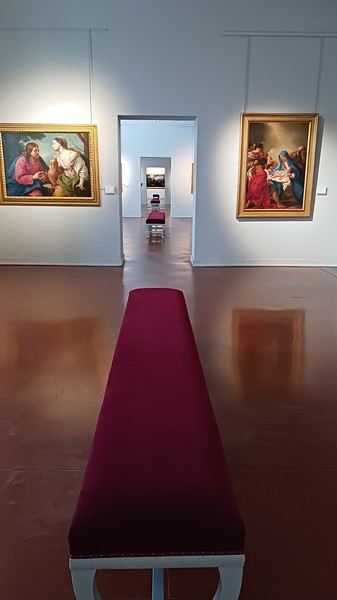
Between the rooms with large vaulted galleries...
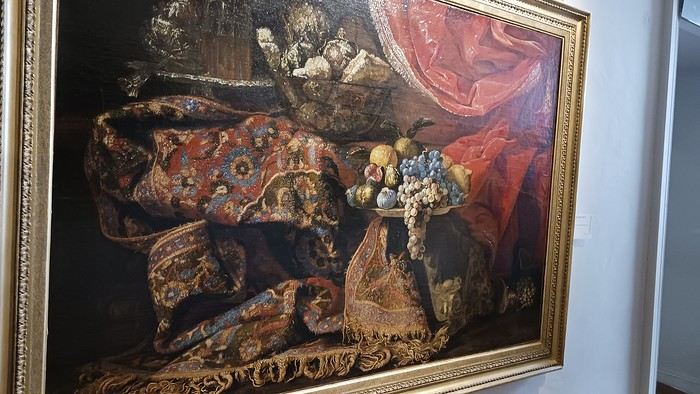
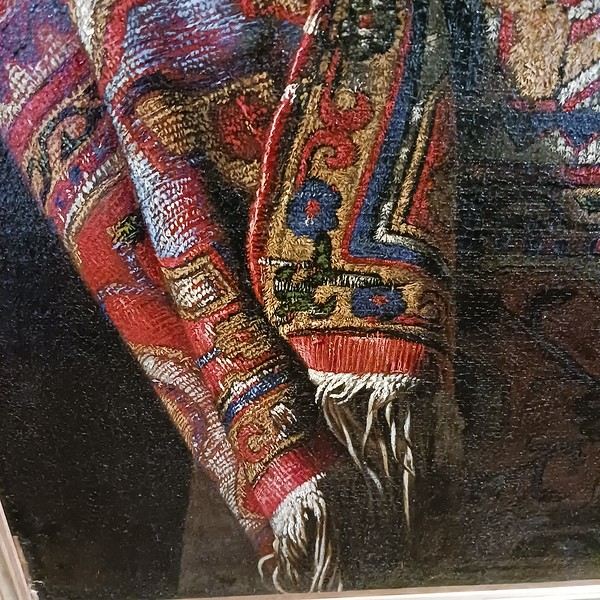
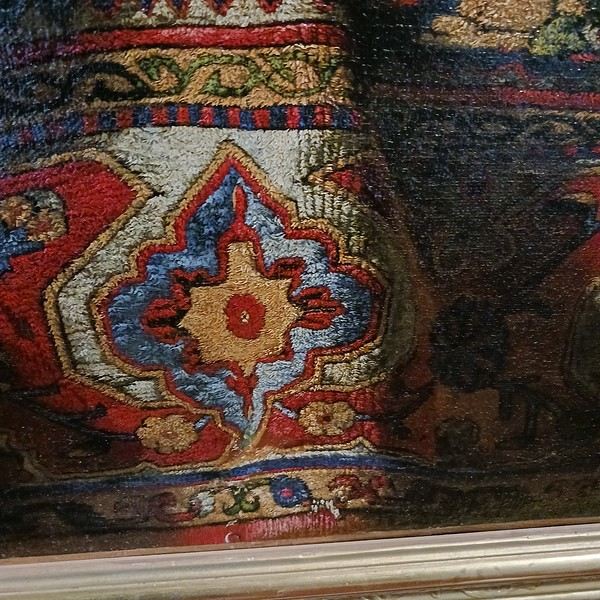
Among these exceptional works, I’ve chosen to invite you to take a closer look at the remarkable pieces by Francesco Noletti, known as IL MALTESE (he was born in Malta), 1611 - 1654. I was really impressed by his talent. At a time when artists barely dared to step away from religious subjects, some painters excelled in still lifes—some with bouquets (Netherlands) and others, like Il Maltese, with carpets. Just look at the shimmering threads in this carpet... (Still Life with Oriental Carpet and Drapery)
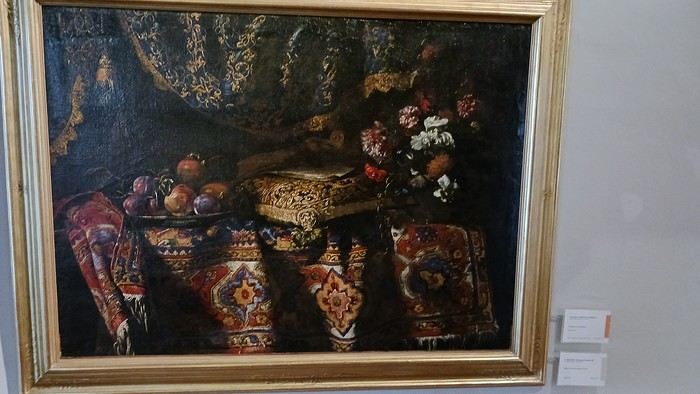
In this other work by the master, Still Life with Oriental Carpet, the shimmering threads are gone, but you can almost feel the softness of the carpet under your fingers. How many hours of work must have gone into achieving such perfection?
(Since each post is limited to 10 photos, I invite you to follow me...)