Skip to content
Why South Africa? A simple example!Chapter 32 of 52
Why South Africa? A simple example!Travelogue by Michel85200 · 52 chapters

Chapter 32 · Jul 22, 2018

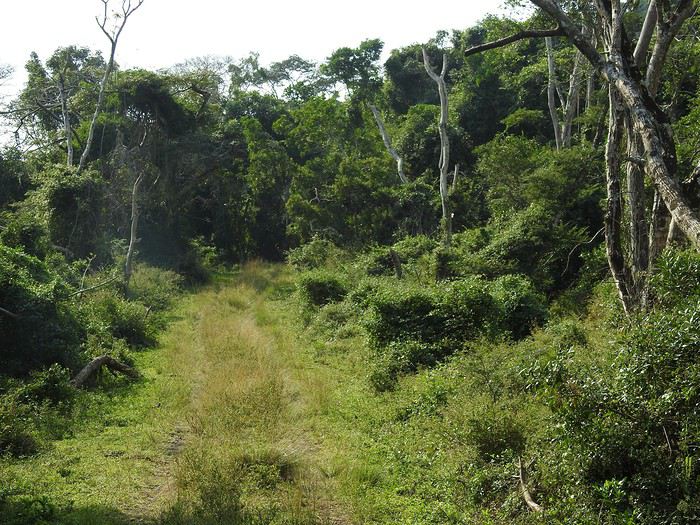
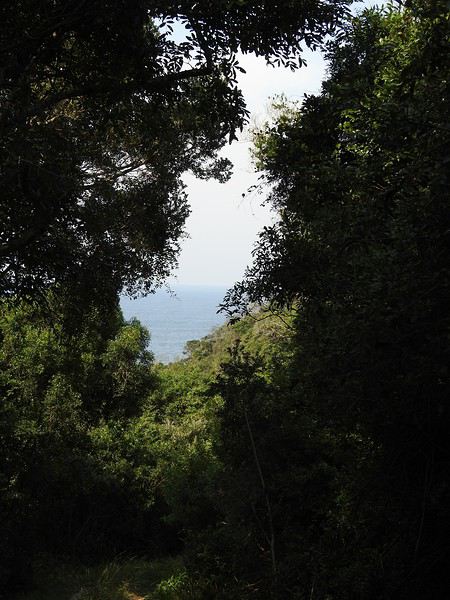
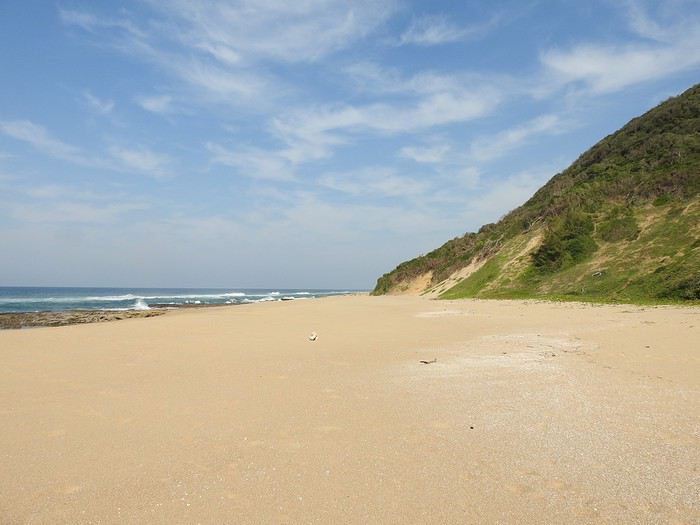
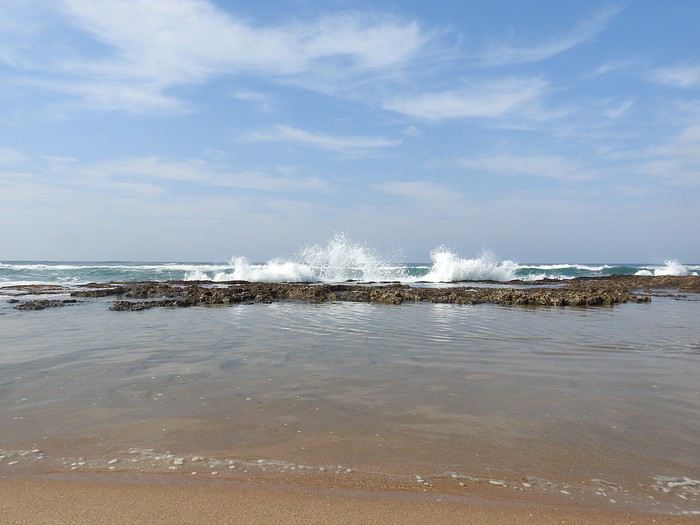
And now a trip to the other side, Eastern Shores (near Cape Vidal)

Michel85200 · 1 min read · 7 photos
For a quick dip.

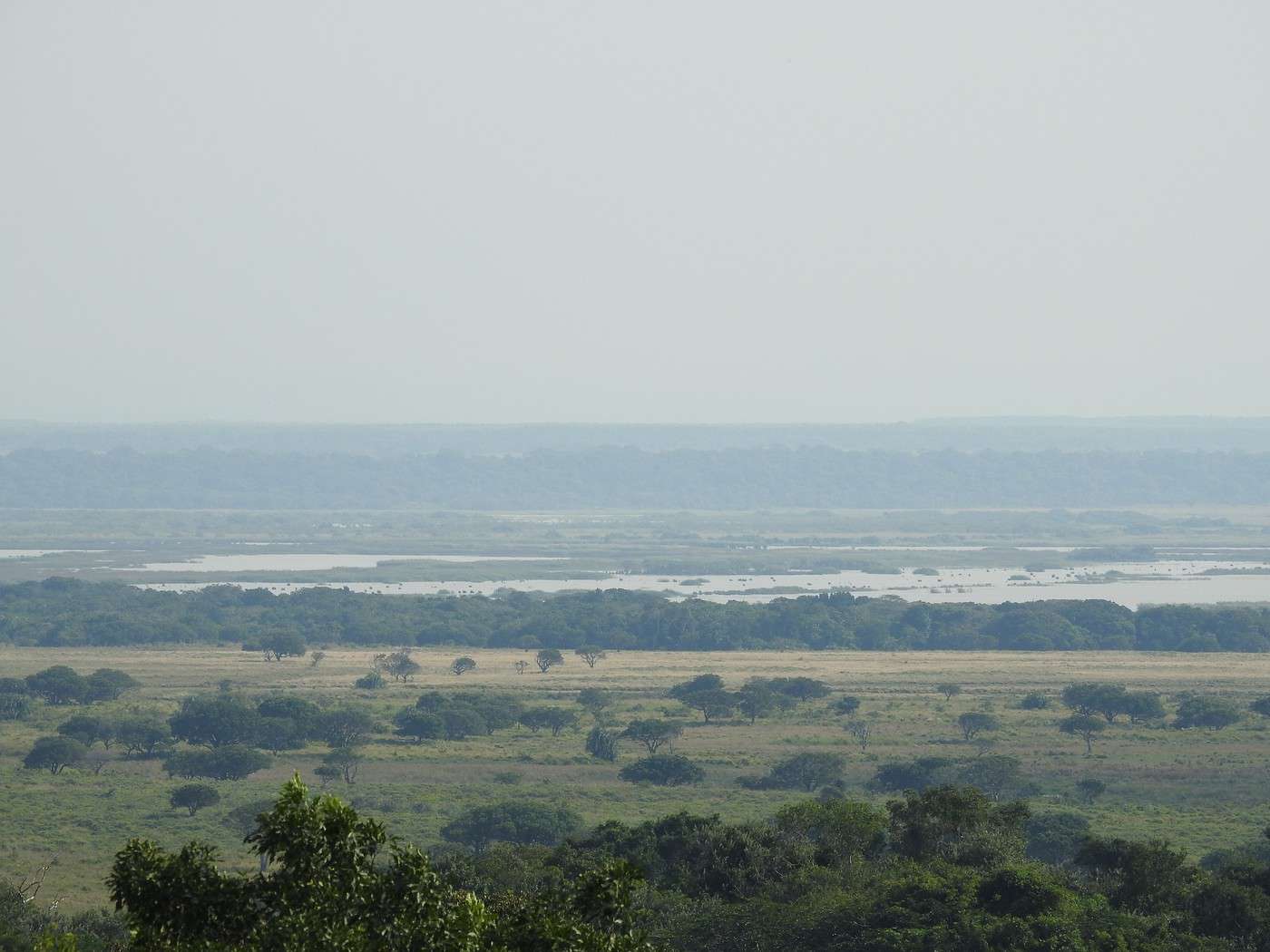
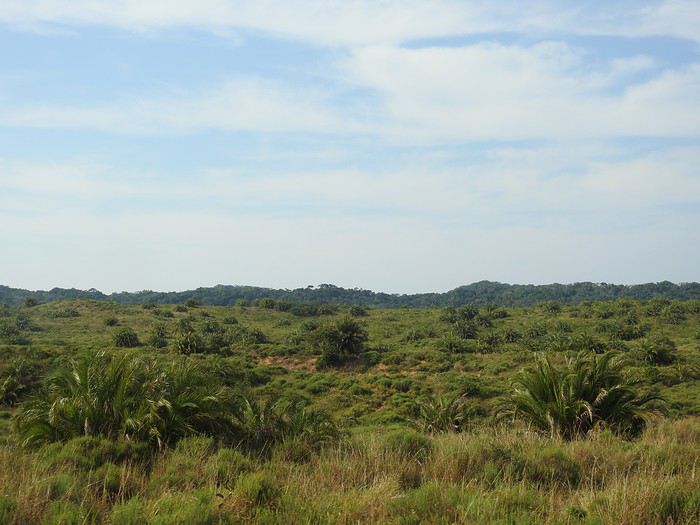
Don’t forget that the defining feature of this area is... a flood zone. Protected from the sea by the dune ridge. And a sand forest.


The Eastern part is even richer in wildlife.

3 replies to this chapter

See all
Michel85200OPGlobetrotter4,052 posts· 8 years ago
By the way...

The Charters Creek section of the Western area is closed.

All the Eastern areas are open.

The elephants? Four young males, without a matriarch, are hanging around in the Eastern areas and pose a certain danger. The main herd—'Who’s big? I’m not big, I’m just well-padded!'—is deep in the Western area, in the Charters Creek section and beyond. Didn’t see them!

Isimangaliso wrap-up!

Not going or not spending time there is a travesty I condemn in the strongest terms. For the landscapes, the beaches, the sand forest, the wildlife...

If you’re really short on time...hit the Eastern areas first.

St Lucia is the base for supplies and accommodation, but you can find quieter spots around... (check out Mme Attila’s latest travel journal).

Anecdote: A German couple with a young child had truly mistaken the country... Well, South Africa isn’t a pool, beach, and sea destination... especially at the end of May! The beach is beautiful but the water’s dangerous and chilly. The pools are more for penguins than humans (Bretons and those north of the Seine excluded).

BofVeteran1,723 posts· 8 years ago
The pair of African fish eagles was magnificent! 🙂

I didn’t get the chance to see any in such great conditions during my last trip. 😕
Michel85200OPGlobetrotter4,052 posts· 8 years ago
Hippos.

A seemingly unique event: twins were born in Isimangaliso (hippo twins, no less!).

How do we know they’re twins?

The female about to give birth isolates herself from her group and stays alone for at least a month, fearing another ill-tempered hippo might kill them.

So, one isolated female + two brand-new hippos = twins.

Hippos form groups, usually around one big male. At night, everyone scatters to graze on dry land. That’s when the younger (and not-so-young) male hippos flirt with the females (young and not-so-young)... (the hippo version of a village dance? Saturday Night Fever?). By dawn, the hippo and his lady return to the male’s group.

Two options:

The big male accepts the new arrival without counting her as another conquest. In this case, the group grows. Or the big male has more... ahem... intentions, and the pair moves away to start a new family.

That’s life among hippos.