

- The ascent of Grand Pico and descent via Petit Pico
To make everything clear, let’s start with a brief description of the places:
The caldera: It resembles a vast volcanic crater but isn’t one. During a mega-eruption tens of thousands of years ago, the magma chamber beneath the volcano emptied, causing a gigantic collapse—this is how the caldera was born. Its diameter is nine kilometers. At the bottom of this vast circular depression, lava spreads during each eruption, and this is also where the inhabitants of Chã das Caldeiras live. The interior of the caldera is dotted with numerous craters, including Grand Pico and Petit Pico. Grand Pico: This is the famous volcanic cone whose summit reaches 2,829 meters, the highest point in Cape Verde. Eruptions occurred at its summit until 1769. Petit Pico: Located on one of Grand Pico’s flanks, this is the crater from which the devastating 2014 eruption occurred. The other craters: Eruptions after 1769 took place from the flanks of Grand Pico, forming several craters of relatively modest sizes.
The classic ascent of Grand Pico takes an average of six to seven hours. Once at the top, you descend on the other side, allowing you to discover Petit Pico, which is truly worth the detour. To get a guide, just ask José the day before.
Theoretically, the departure is at 6:00 AM, but for us, it was 6:20! Meaning we started in the dim light. Our guide is Dony, also a resident of the caldera—a true local, just like José. He’s always in a good mood and laughs a lot, which is really nice. Finally, Leïla, whom we met the day before in the car that brought us here from São Filipe, joins our group.
So, we set off as a group of six, and after twenty minutes of fairly easy walking (since the incline is gentle so far), the rising sun suddenly warms the colors of the caldera behind us.
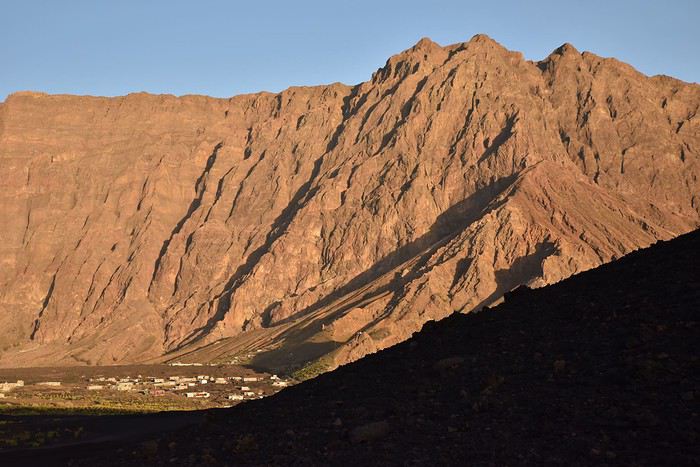
As for the volcano, it stands majestically before us. The few hikers we spot far ahead on the slopes seem tiny, even though they’re nowhere near the top. It quickly becomes clear that the summit is much farther away than it appears. And even though the sun is still low, it’s already starting to get hot.
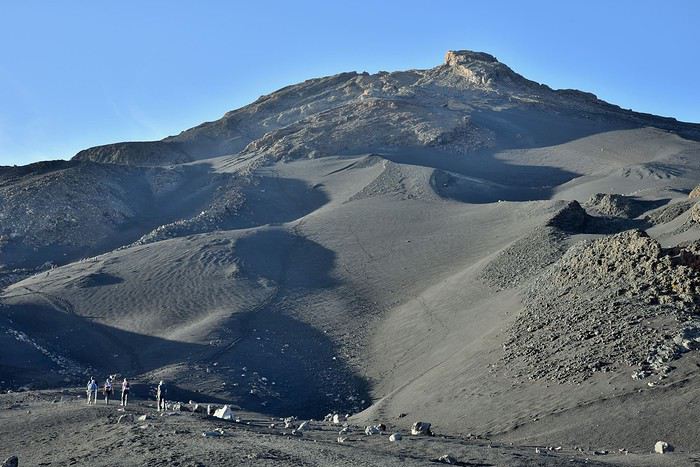
Photo: Our little team tackling the volcano
We leave behind the last vines used to make the famous Manecom, sometimes nicknamed "lava wine." This means that for the harvest, the villagers-winegrowers still have quite a trek to come and pick the grapes here.
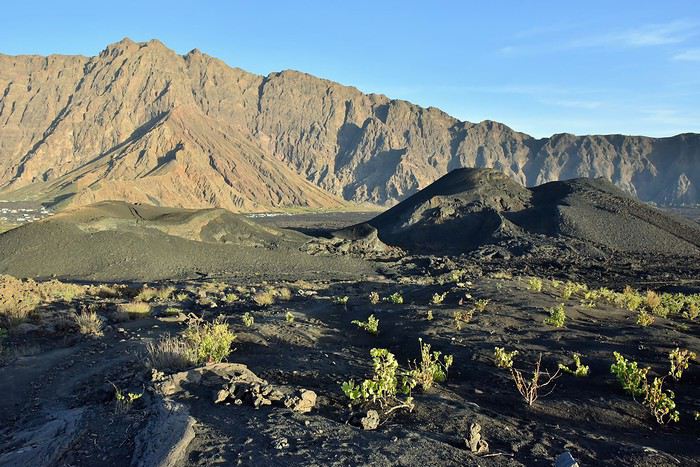
Photo: A few vines amid the craters
Then we dive into the heart of the matter, finding ourselves in the middle of endless lunar landscapes.
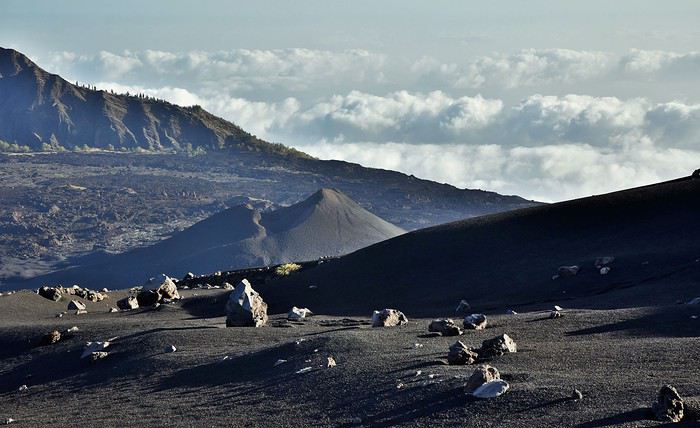
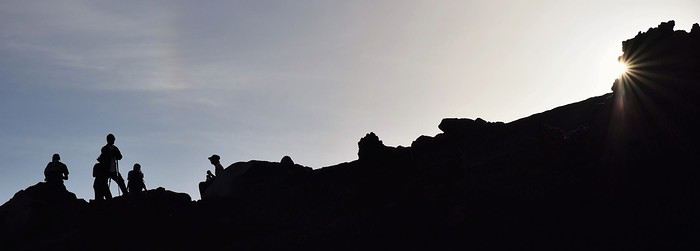
The blazing sun forces us to take a few breaks, during which we try not to waste our water supply.
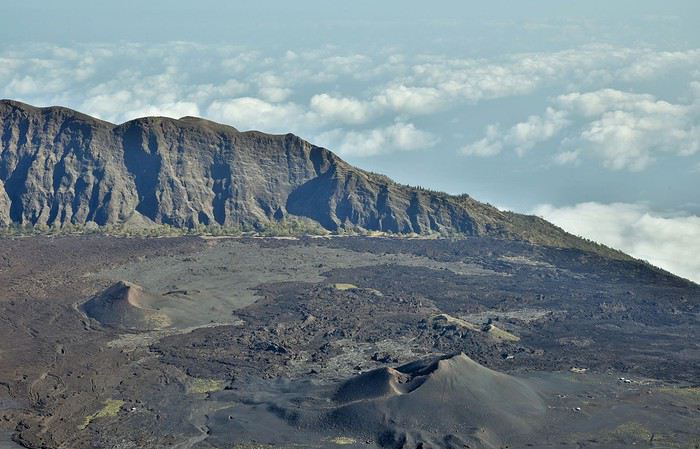
Below us, we spot several craters, each responsible for eruptions of varying importance since the 18th century. Behind them, the caldera’s walls mark its boundaries, and beyond, a sea of clouds stretches endlessly over the ocean.
After four hours of climbing, we finally reach the summit. 2,928 meters above sea level: here, we’re geographically at the country’s highest point, but this volcano also marks the highlight of our trip in terms of landscapes and emotions.
We had warned Dony before departure that we wanted to take our time to stop for photos and "rest breaks." Very attentive, he perfectly adapted to our pace.
We take a long break on the small summit ridge, which offers two different views. On one side, the crater of Grand Pico.
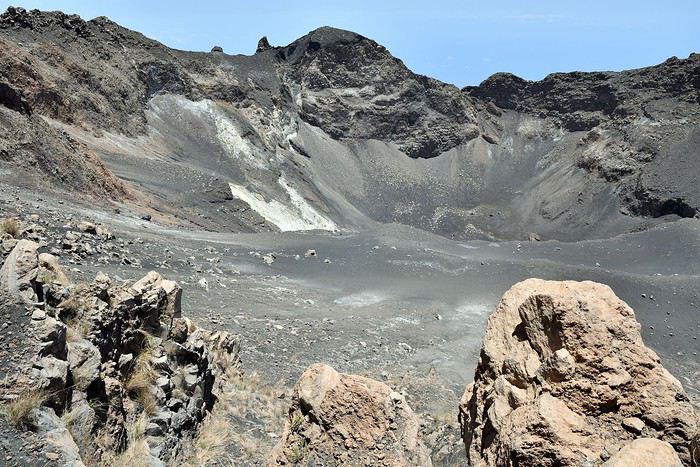 Photo: Inside the Grand Pico crater
On the other side, the view of the caldera and its contents: houses, craters, lava flows...
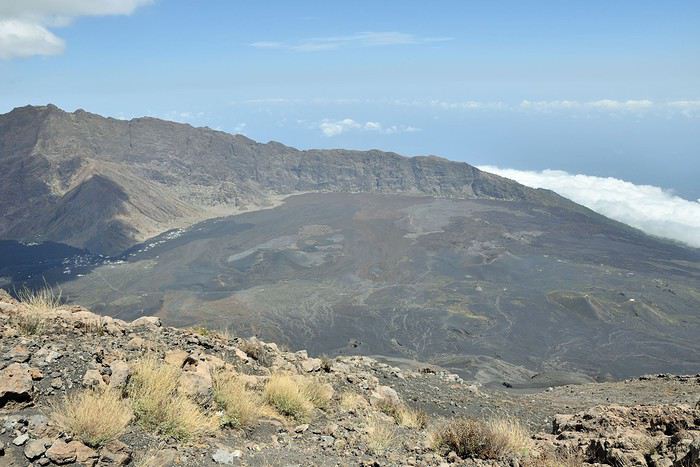
Dony then suggests descending to the bottom of the crater. My wife Marie, Leïla, and I aren’t too keen and prefer to stay and admire the landscape, unlike Victor and Arthur, our sons, who don’t seem tired at all. So Dony takes them a few hundred meters lower, into a breathtaking setting.
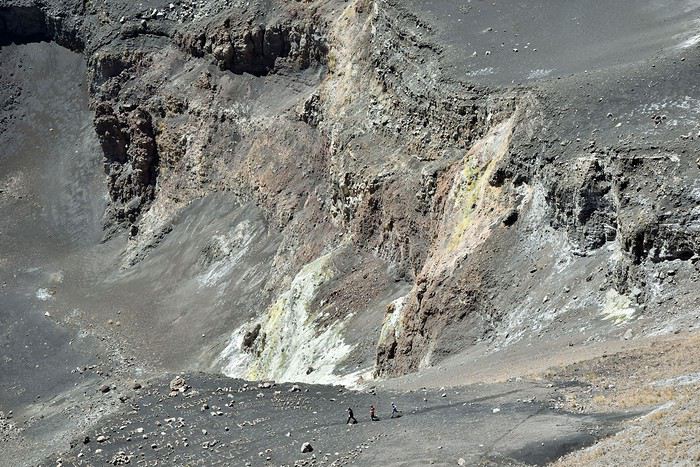
When we look at Petit Pico from the start of this memorable descent, it seems so close that we think we’ll reach it in just a couple of minutes. In reality, it takes us twenty—even though we run the whole way.
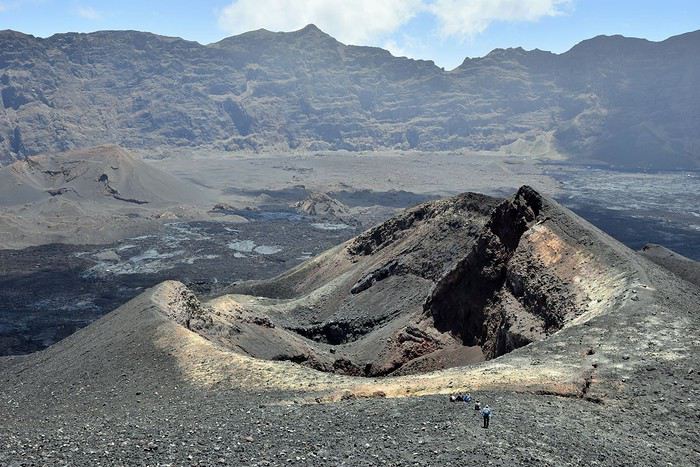
This crater lives up to its name—it’s tiny compared to its big brother we just came from. And yet, it was this Petit Pico that devastated everything below in 2014–2015.
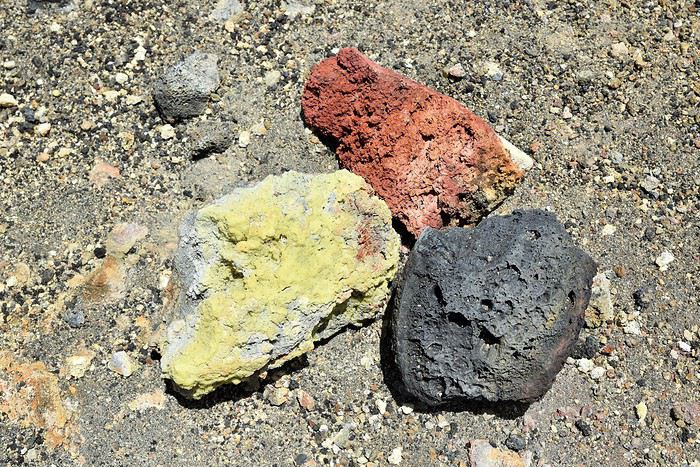
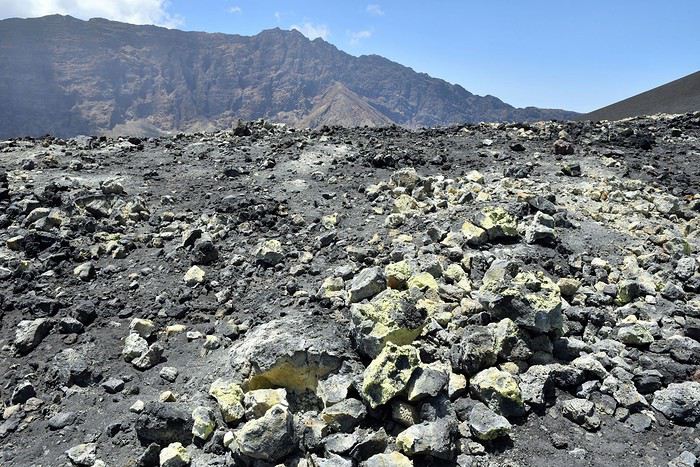 Photo: Sulfur deposits around Petit Pico
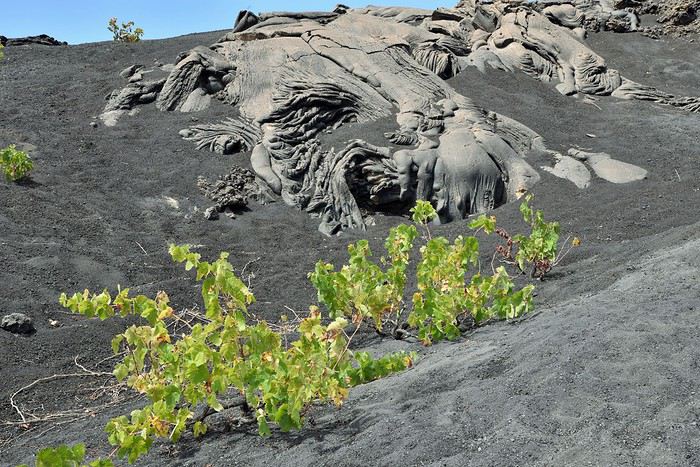
A little lower down, we reunite with vegetation. We’re dying of heat, and the grapes Dony lets us taste—picked from the vines around us—are pure bliss. Some are ripe and juicy, others older and dried out, but they all do us a world of good.
Near these first vines, the old lava flows take on tortured shapes.
Just before reaching the guesthouse, we take one last look at the sleeping giant (for now) that we spent most of the day climbing and descending.
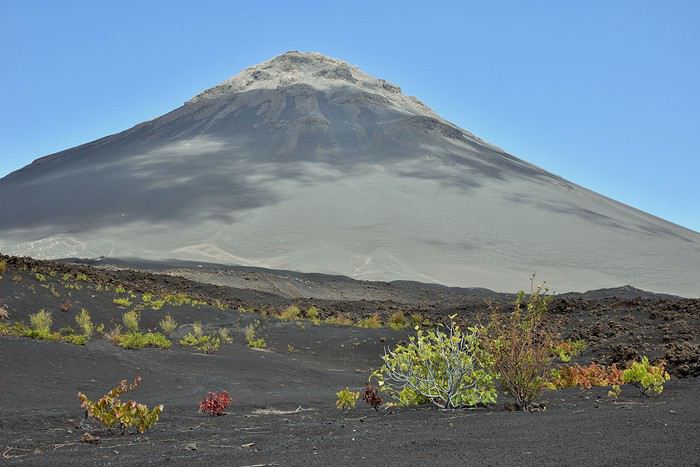
In total, it took us eight hours instead of the average six to seven. Back at José’s, we rush for the fridge’s cold drinks before heading to the shower. Then I go to add to my collection of images before the restorative evening meal.
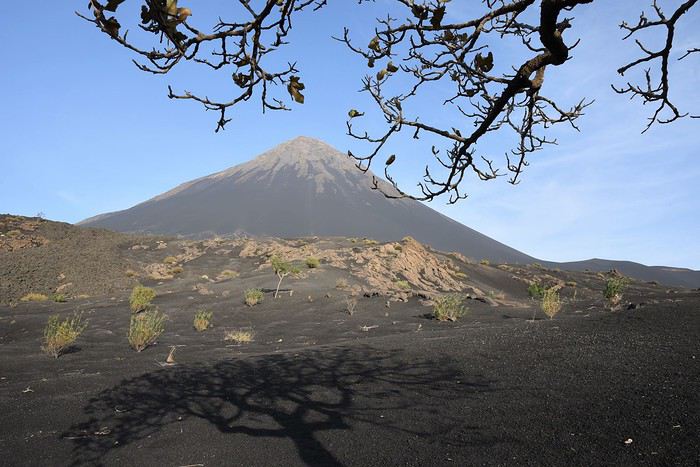
Since there’s no electricity at the guesthouse, we light candles in the evening. The amazing consequence is that it creates an extremely warm atmosphere during meals shared with other travelers. Each of the three dinners we had there was particularly convivial with everyone we met. Even our son Arthur, at just twelve years old, told us how much he loved and felt that special vibe.
We spend our last night in this magical place, and the next morning, I take advantage of the early light to capture my final images before leaving.
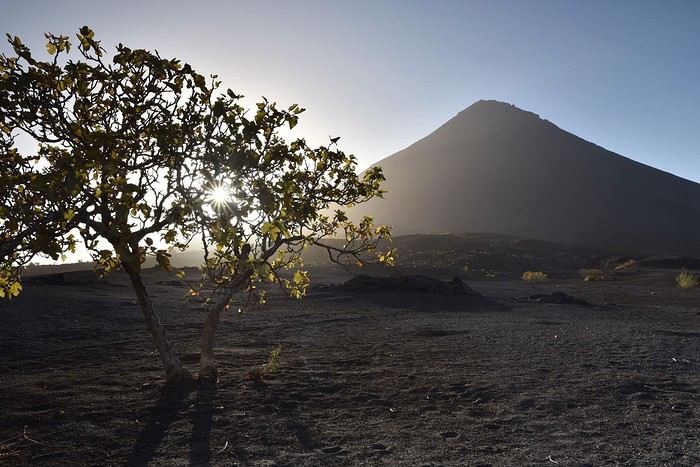 A fig tree thriving in volcanic soil
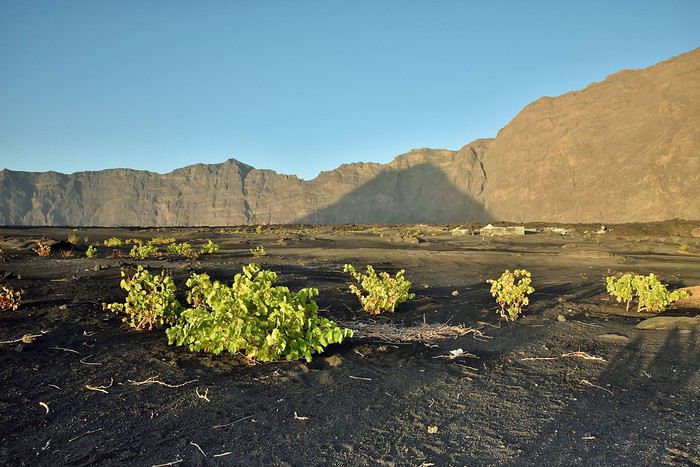 The volcano’s shadow looms over the caldera
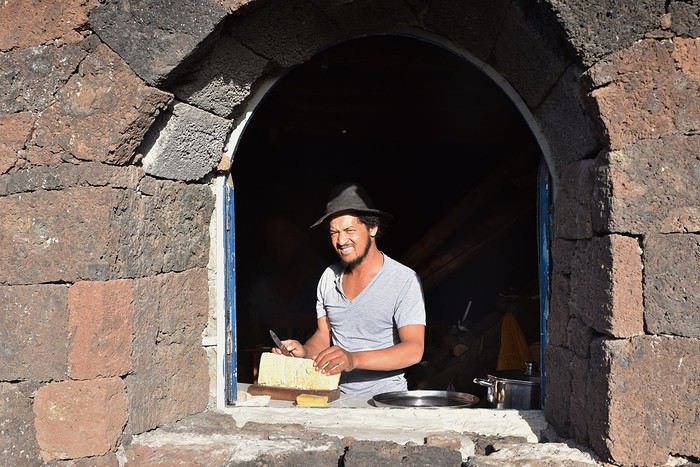 José preparing breakfast bread
Then comes the time to leave this unique place, as well as Carole, José, and Dony, thanks to whom we’ve just lived unforgettable moments. We thank them warmly, and just like on the way here, we have to take a private taxi since it’s Sunday and there are no aluguers that day. Off to Fogo’s main town: São Filipe.
For those interested who haven’t seen it yet, here’s a short video (3 min) I already posted a few days ago in VF’s "travel photos and videos" section, which sums up this (too) brief stay in Chã das Caldeiras... Play video
To make everything clear, let’s start with a brief description of the places:
The caldera: It resembles a vast volcanic crater but isn’t one. During a mega-eruption tens of thousands of years ago, the magma chamber beneath the volcano emptied, causing a gigantic collapse—this is how the caldera was born. Its diameter is nine kilometers. At the bottom of this vast circular depression, lava spreads during each eruption, and this is also where the inhabitants of Chã das Caldeiras live. The interior of the caldera is dotted with numerous craters, including Grand Pico and Petit Pico. Grand Pico: This is the famous volcanic cone whose summit reaches 2,829 meters, the highest point in Cape Verde. Eruptions occurred at its summit until 1769. Petit Pico: Located on one of Grand Pico’s flanks, this is the crater from which the devastating 2014 eruption occurred. The other craters: Eruptions after 1769 took place from the flanks of Grand Pico, forming several craters of relatively modest sizes.
The classic ascent of Grand Pico takes an average of six to seven hours. Once at the top, you descend on the other side, allowing you to discover Petit Pico, which is truly worth the detour. To get a guide, just ask José the day before.
Theoretically, the departure is at 6:00 AM, but for us, it was 6:20! Meaning we started in the dim light. Our guide is Dony, also a resident of the caldera—a true local, just like José. He’s always in a good mood and laughs a lot, which is really nice. Finally, Leïla, whom we met the day before in the car that brought us here from São Filipe, joins our group.
So, we set off as a group of six, and after twenty minutes of fairly easy walking (since the incline is gentle so far), the rising sun suddenly warms the colors of the caldera behind us.
As for the volcano, it stands majestically before us. The few hikers we spot far ahead on the slopes seem tiny, even though they’re nowhere near the top. It quickly becomes clear that the summit is much farther away than it appears. And even though the sun is still low, it’s already starting to get hot.
Photo: Our little team tackling the volcano
We leave behind the last vines used to make the famous Manecom, sometimes nicknamed "lava wine." This means that for the harvest, the villagers-winegrowers still have quite a trek to come and pick the grapes here.
Photo: A few vines amid the craters
Then we dive into the heart of the matter, finding ourselves in the middle of endless lunar landscapes.
The blazing sun forces us to take a few breaks, during which we try not to waste our water supply.
Below us, we spot several craters, each responsible for eruptions of varying importance since the 18th century. Behind them, the caldera’s walls mark its boundaries, and beyond, a sea of clouds stretches endlessly over the ocean.
After four hours of climbing, we finally reach the summit. 2,928 meters above sea level: here, we’re geographically at the country’s highest point, but this volcano also marks the highlight of our trip in terms of landscapes and emotions.
We had warned Dony before departure that we wanted to take our time to stop for photos and "rest breaks." Very attentive, he perfectly adapted to our pace.
We take a long break on the small summit ridge, which offers two different views. On one side, the crater of Grand Pico.
Photo: Inside the Grand Pico craterOn the other side, the view of the caldera and its contents: houses, craters, lava flows...
Dony then suggests descending to the bottom of the crater. My wife Marie, Leïla, and I aren’t too keen and prefer to stay and admire the landscape, unlike Victor and Arthur, our sons, who don’t seem tired at all. So Dony takes them a few hundred meters lower, into a breathtaking setting.
When we look at Petit Pico from the start of this memorable descent, it seems so close that we think we’ll reach it in just a couple of minutes. In reality, it takes us twenty—even though we run the whole way.
This crater lives up to its name—it’s tiny compared to its big brother we just came from. And yet, it was this Petit Pico that devastated everything below in 2014–2015.
Photo: Sulfur deposits around Petit Pico
A little lower down, we reunite with vegetation. We’re dying of heat, and the grapes Dony lets us taste—picked from the vines around us—are pure bliss. Some are ripe and juicy, others older and dried out, but they all do us a world of good.
Near these first vines, the old lava flows take on tortured shapes.
Just before reaching the guesthouse, we take one last look at the sleeping giant (for now) that we spent most of the day climbing and descending.
In total, it took us eight hours instead of the average six to seven. Back at José’s, we rush for the fridge’s cold drinks before heading to the shower. Then I go to add to my collection of images before the restorative evening meal.
Since there’s no electricity at the guesthouse, we light candles in the evening. The amazing consequence is that it creates an extremely warm atmosphere during meals shared with other travelers. Each of the three dinners we had there was particularly convivial with everyone we met. Even our son Arthur, at just twelve years old, told us how much he loved and felt that special vibe.
We spend our last night in this magical place, and the next morning, I take advantage of the early light to capture my final images before leaving.
A fig tree thriving in volcanic soil
The volcano’s shadow looms over the caldera
José preparing breakfast breadThen comes the time to leave this unique place, as well as Carole, José, and Dony, thanks to whom we’ve just lived unforgettable moments. We thank them warmly, and just like on the way here, we have to take a private taxi since it’s Sunday and there are no aluguers that day. Off to Fogo’s main town: São Filipe.
For those interested who haven’t seen it yet, here’s a short video (3 min) I already posted a few days ago in VF’s "travel photos and videos" section, which sums up this (too) brief stay in Chã das Caldeiras...
Play video