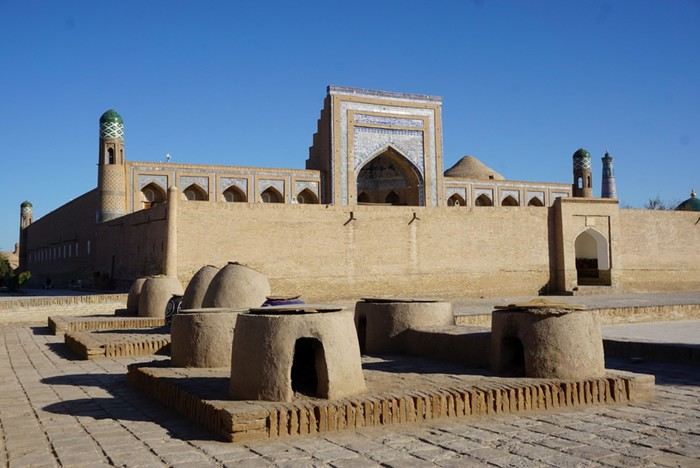


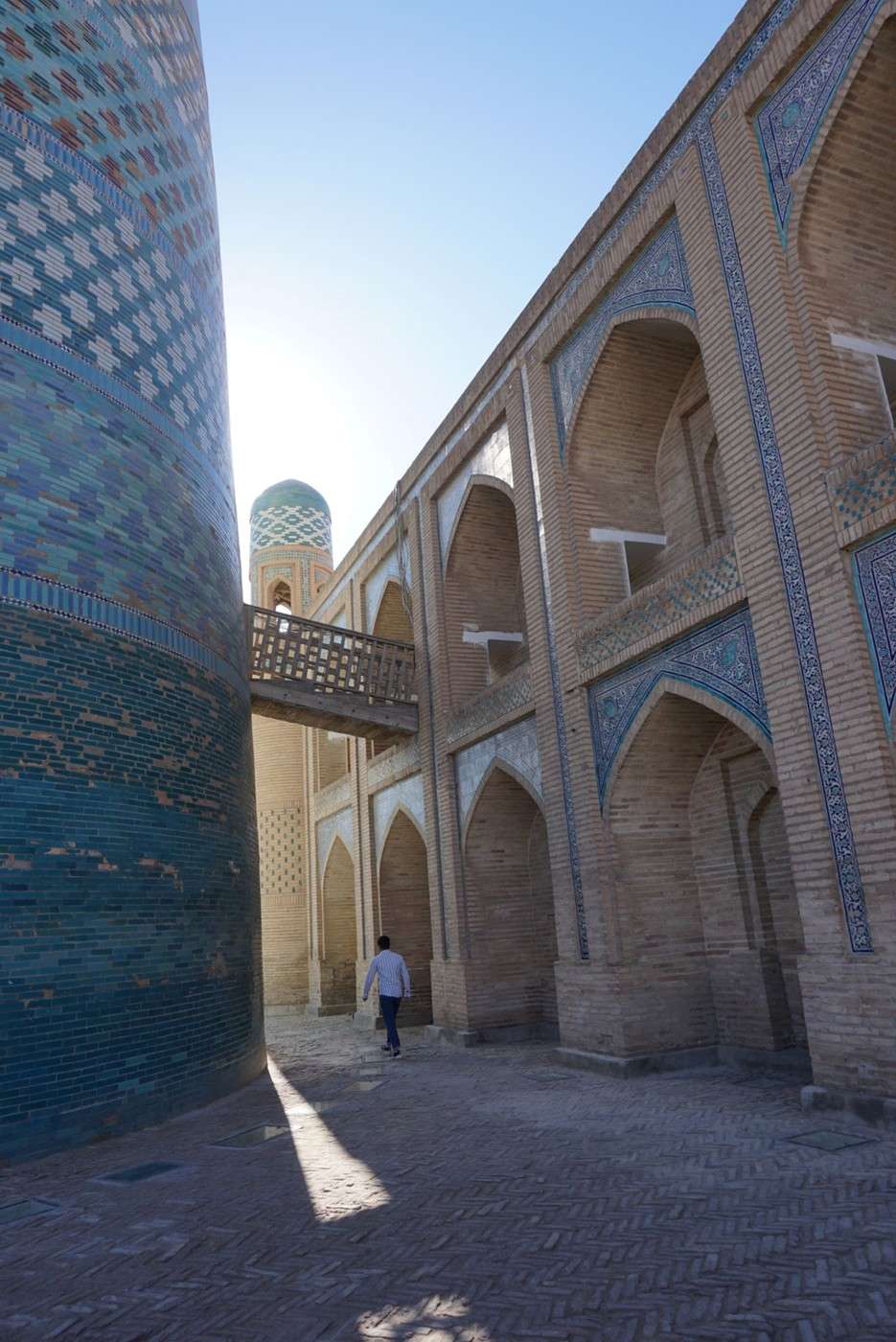
Step 4: Mysterious Khiva
September 21 - Day with a French-speaking guide
According to legend, Khiva was founded by Shem, the son of Noah. It’s the last of the mythical Silk Road cities, alongside Bukhara and Samarkand. It’s the smallest of the three but also one of the oldest, with houses dating back to the 11th century.
The city is divided into two parts: Itchan Kala (inner city) and Dishan Kala (outer city).
This morning, we met up with our French-speaking guide at 9 a.m.
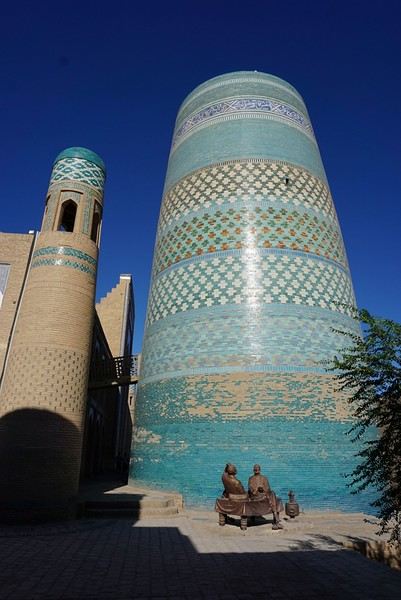
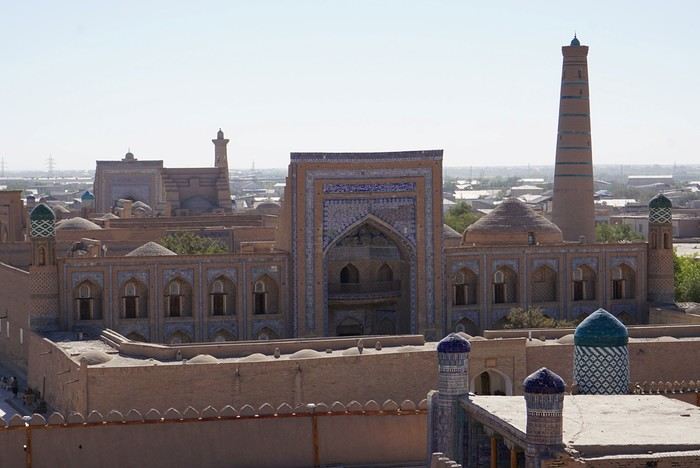
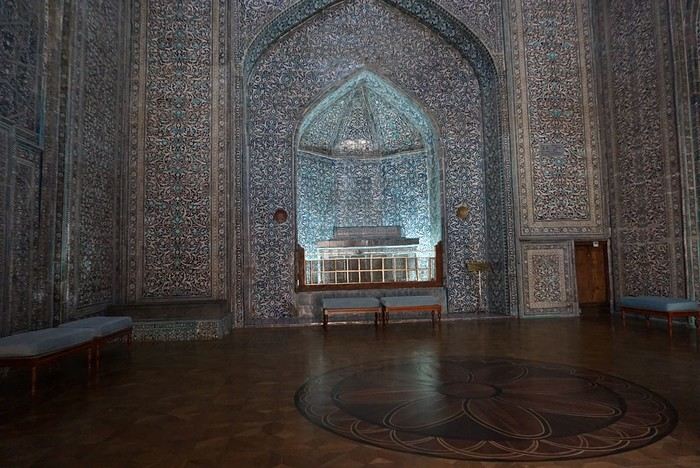
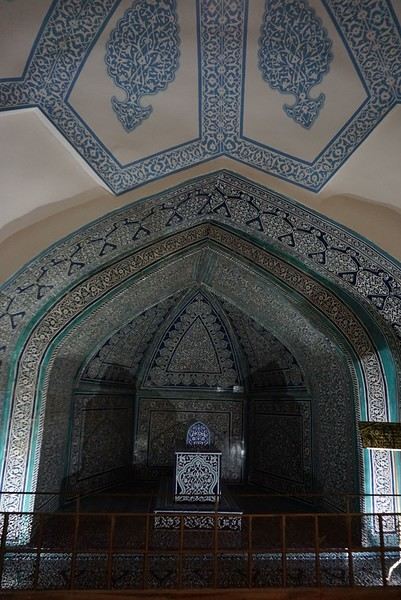
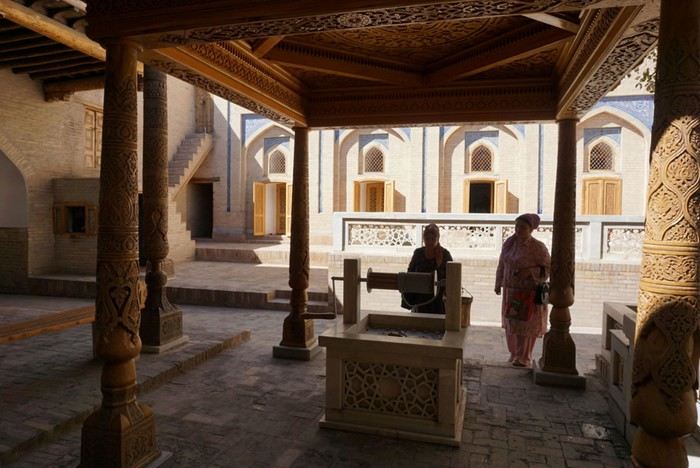
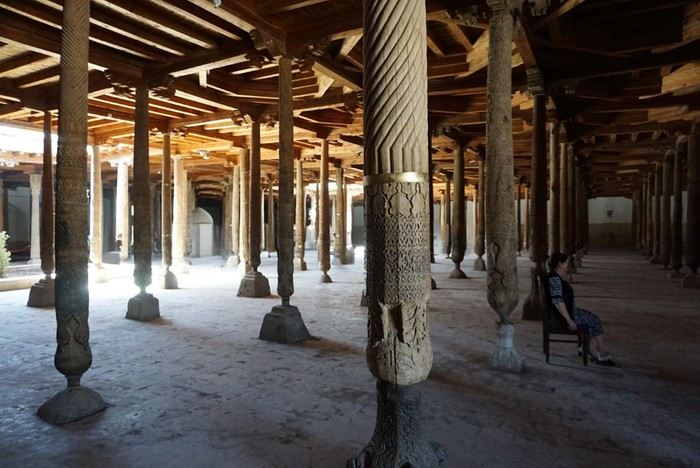 The guided tour was really interesting, and we discovered, among other things: the Muhammad Aminkhan madrasa and its unfinished minaret, Kalta Minor; the mausoleum of Sayyide Alaoudin; the Juma Mosque with its forest of 218 intricately carved and all-different pillars. It’s said to have served as a model for the one in Córdoba. We also visited the mausoleum of Pakhlavan Mahmud and the Islam Khodja madrasa. We climbed the city walls, which gave us a beautiful view of the city. We saw the small prison and learned how condemned prisoners were executed in Registan Square (Sand Square: sand was thrown on the square after executions to absorb the blood). The cruelty of the executions depended on the severity of the crime, but death was always the outcome: buried alive headfirst, impaled, stoned, beaten to death with a whip made of wide leather straps studded with nails and soaked in salt for a long time beforehand, or thrown from the tallest minaret. A special fate was reserved for unfaithful women: they were put in a sack filled with rabid cats and snakes, then beaten to death through the closed sack.
All executions were public.
We also, of course, visited the Tash Hauli Palace and its harem. In this palace, at the exit of the deliberation (and judgment) hall, there were two doors: one for the condemned, leading directly to prison, and one for the innocent, which opened to freedom. And if you were condemned, there was no half-measure—it was death.
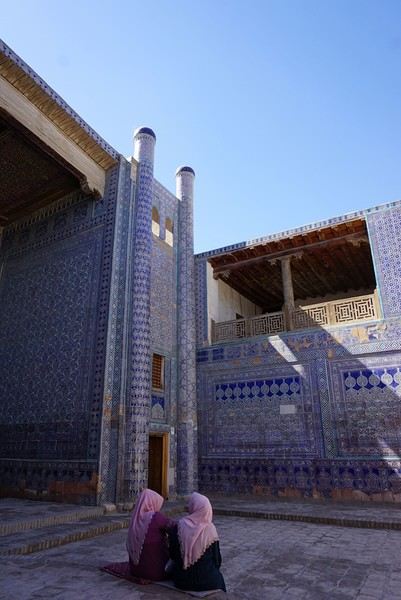
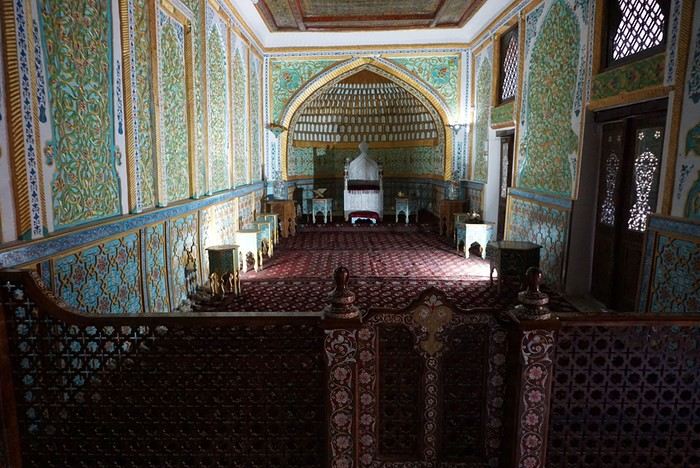 In the courtyard of the deliberation hall, as well as in the throne room, there’s a kind of circular platform. In winter, this was where the Khan’s yurt was set up. It was simply too difficult to heat the palace halls, so the Khan held deliberations or received guests in his yurt.
A little farther on, we entered the harem courtyard, completely isolated from the outside world. There, we saw the Khan’s chamber with a bed fit for Louis XIV at Versailles, one of the chambers of his four official wives, and one of the concubines’ chambers. There was a secret corridor between the Khan’s chamber and those of his four wives so that none of them would know with whom the Khan had chosen to spend the night.
Throughout the palace, we could admire the magnificent blue ceramic decorations, as well as symbols of Zoroastrianism (the religion that preceded Islam).
Fun fact about the four wives: since they could be repudiated at any moment and immediately expelled from the harem in whatever they were wearing at the time, each wife adorned herself with all her jewelry every morning. This could weigh up to 50 kg!
Concubines could enter the harem very young (recruiters spotted them in villages or towns and could "buy" them from their parents). They learned to dance, sing, and make themselves beautiful, and when the harem’s matchmakers deemed them ready, they could be offered to the Khan for the night. Some, in their entire lives, would never "meet" the Khan.