

For our last day in Erbalunga, we’re having lunch by the port in Bastia, the capital of Upper Corsica, then wandering through the city and the citadel. Yep, there are citadels all over Corsica because this island had to defend itself from attacks coming from all over the Mediterranean.
Old Port:
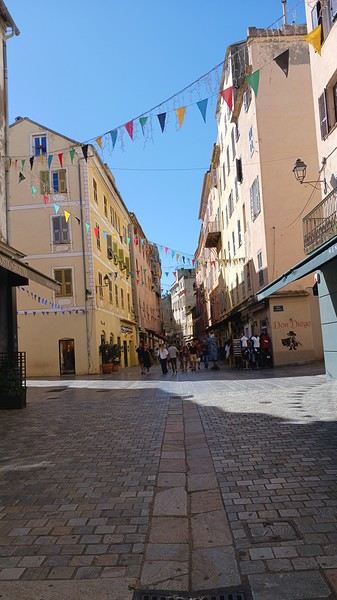
Pedestrian street
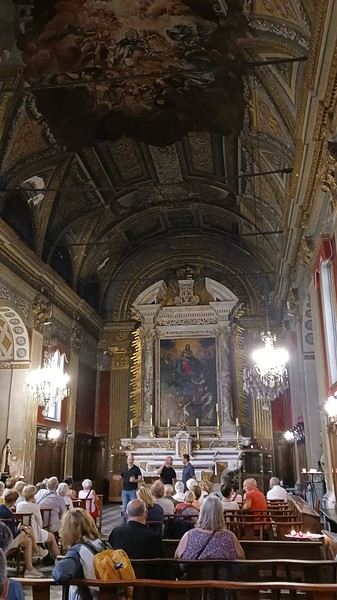
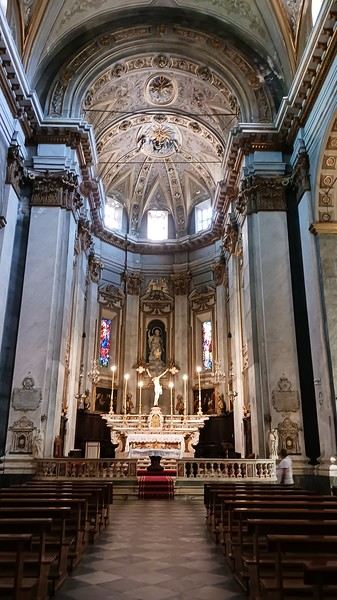
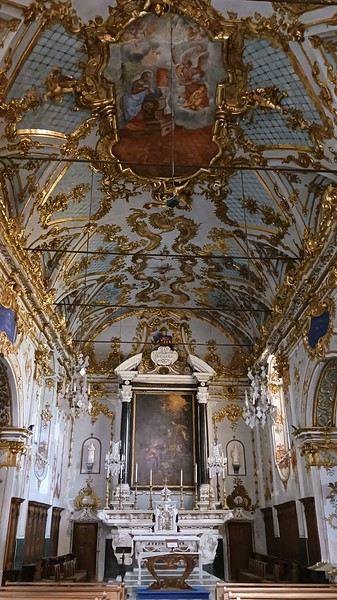
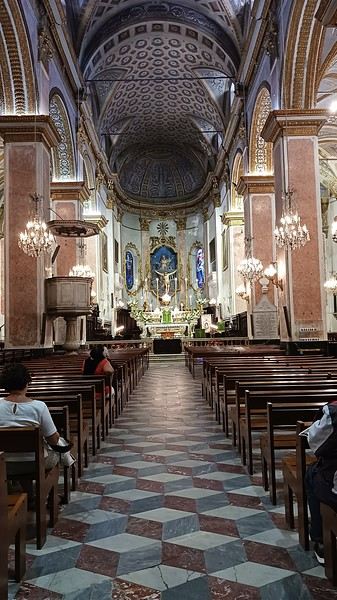
Bastia has so many churches, each more beautiful than the last, with stunning painted ceilings. Jean-Claude and I went into almost all of them. I don’t remember the names of all the churches, but in the first one, the Oratory of the Confraternity of Saint-Roch (17th century), below, three men were singing sacred Corsican polyphonic chants:
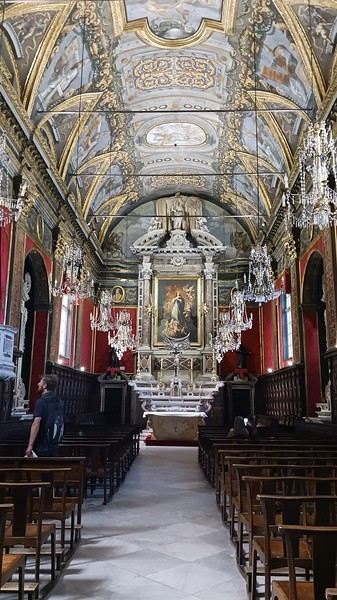 The Church of Saint John the Baptist, in Corsican San Ghjuvanni or San Ghjuvà:
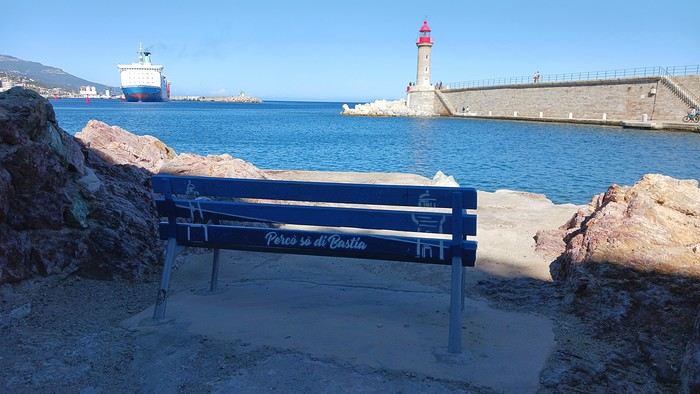
 Entrance to the port of Bastia
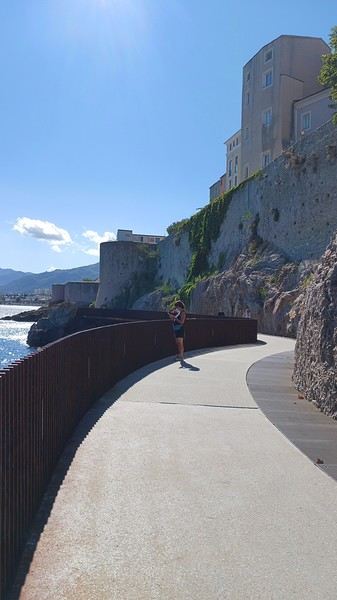
To get up to the citadel here is a breeze—there’s a free elevator!
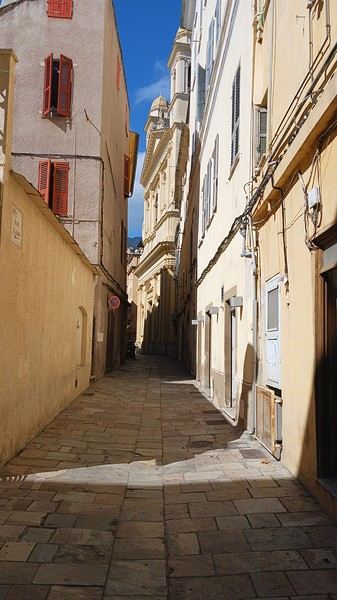
A narrow little street in the citadel:
Bastia is a city with a lot of charm. It’s modernized while keeping its defensive character. Its port is especially pretty. Looking back, we preferred the capital of Upper Corsica to that of Southern Corsica. (To be continued...)
Old Port:
Pedestrian street
Bastia has so many churches, each more beautiful than the last, with stunning painted ceilings. Jean-Claude and I went into almost all of them. I don’t remember the names of all the churches, but in the first one, the Oratory of the Confraternity of Saint-Roch (17th century), below, three men were singing sacred Corsican polyphonic chants:
To get up to the citadel here is a breeze—there’s a free elevator!
A narrow little street in the citadel:
Bastia is a city with a lot of charm. It’s modernized while keeping its defensive character. Its port is especially pretty. Looking back, we preferred the capital of Upper Corsica to that of Southern Corsica. (To be continued...)