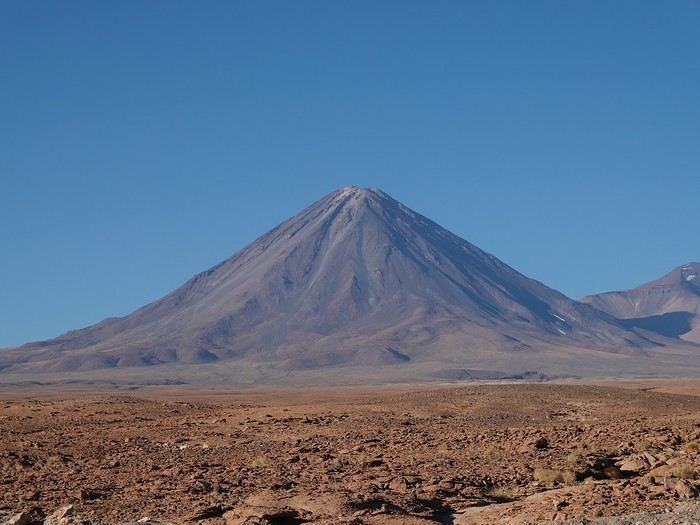
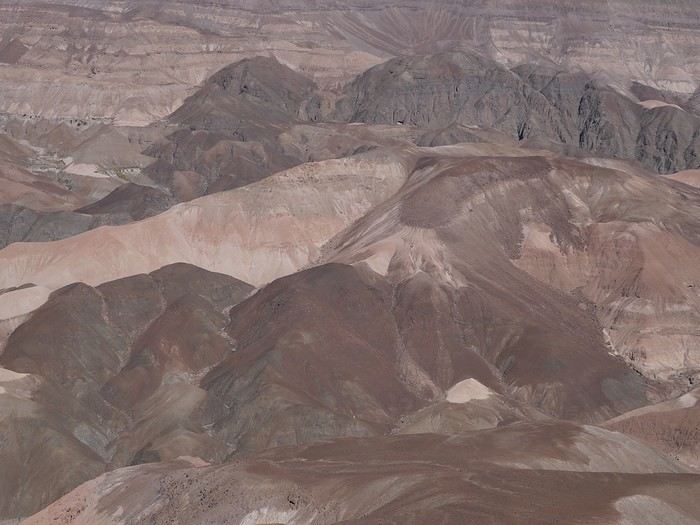
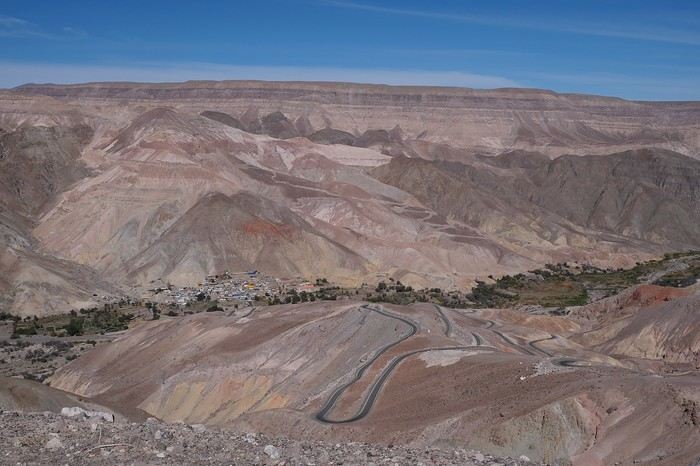
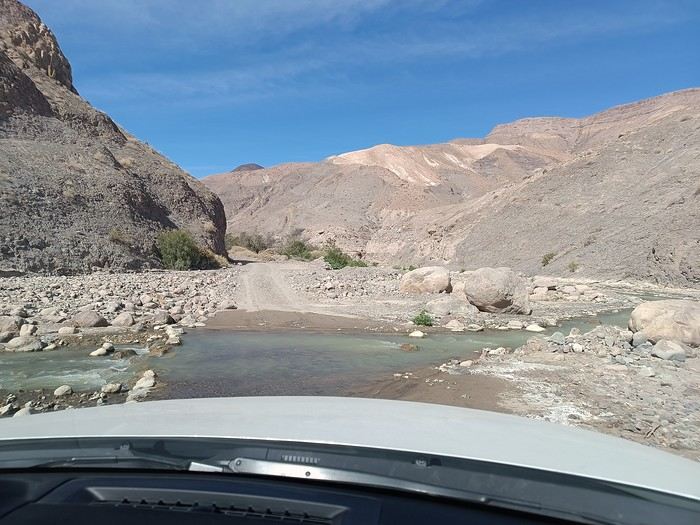
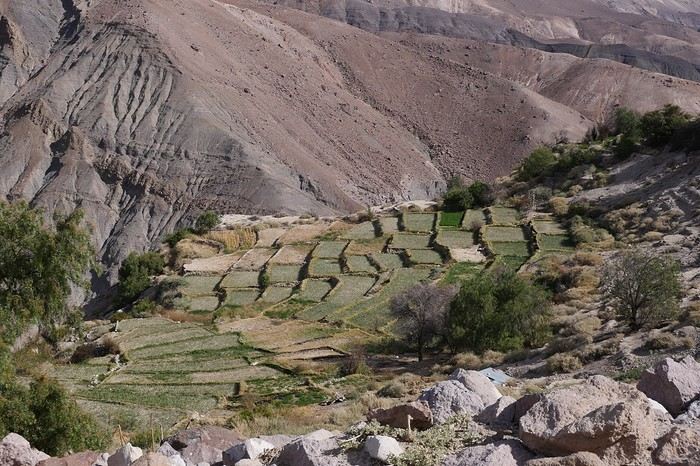
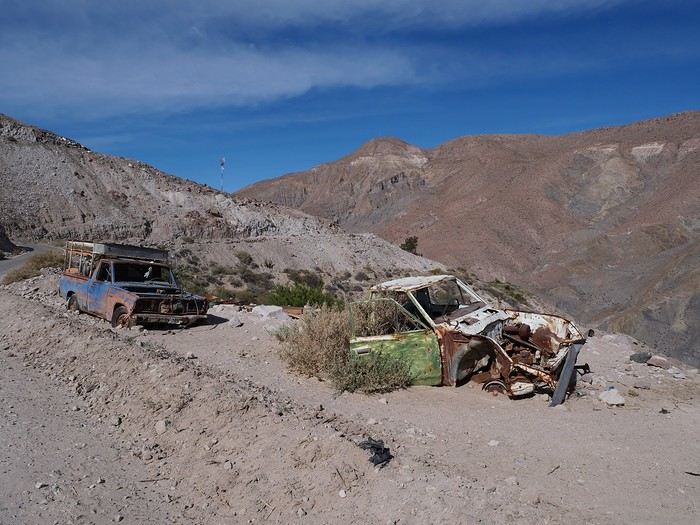
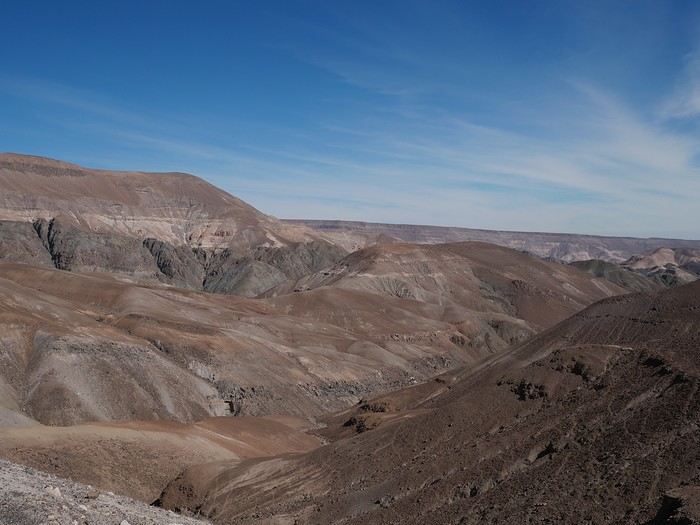
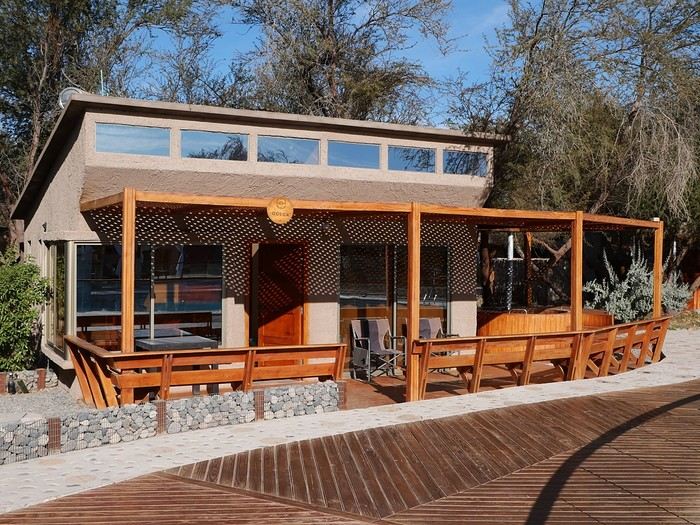
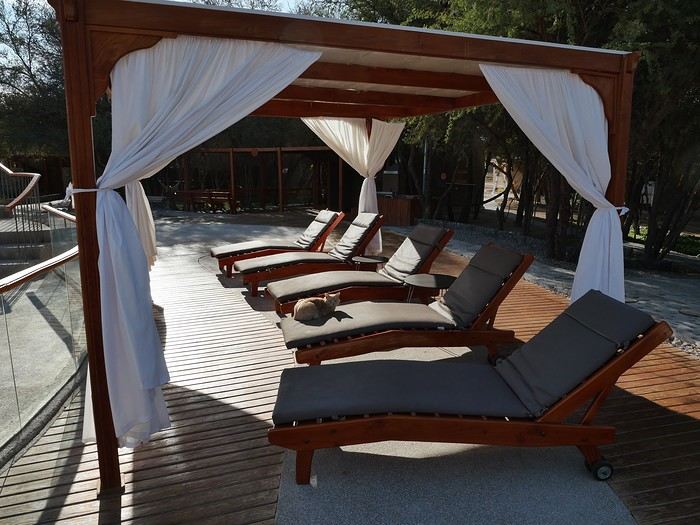
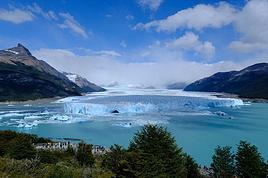
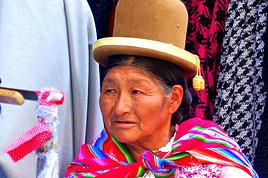
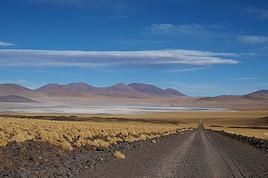
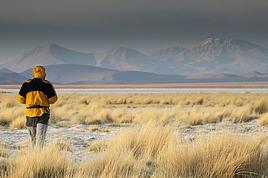
Northern Chile, Andean impressions.
FR

Translated into English.

AT Attila Globetrotter ·
True, it's best not to ruffle any feathers! ;)
Ponts du monde : concours de photos amical de juillet 2026 Rubrique Jeux Voyages C'est le moment de poster vos meilleurs clichés !
MO Montagnard74 Globetrotter ·
Hi Muriel,

It seems to me that you don’t stay at high altitudes for as long in northern Argentina unless you really go off the beaten path.

As for Iguazu, for me it’s number one in the top three. (So in order: Iguazu, Victoria Falls, and way behind, Niagara Falls)

I totally agree with that top three, in the same order!

I was shocked to realize that Niagara Falls is right in the middle of a city—I always imagined it in the middle of nature!!
"Le véritable voyage de découverte ne consiste pas à chercher de nouveaux paysages, mais à avoir de nouveaux yeux." Marcel Proust
AT Attila Globetrotter ·
Val Thorens sleep zone at 2300m. 😉

Otherwise, the highest ski slope in France is at Les Deux Alpes: 3600m. But honestly, I didn’t really click with that resort...

If Guillaume wants to mix things up during his trip, he can ski near Santiago.

I’m really going to come off as an alcoholic on this forum...

Oh no, you won’t...😉

( You’re stealing my spot...)
Ponts du monde : concours de photos amical de juillet 2026 Rubrique Jeux Voyages C'est le moment de poster vos meilleurs clichés !
TH Thierry6789 Veteran ·
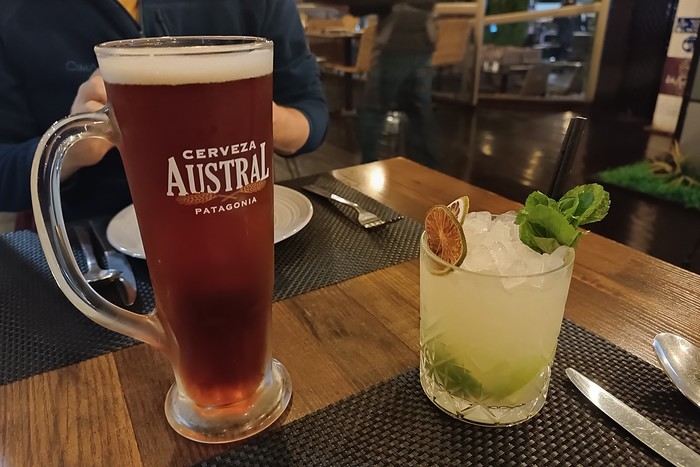
I’ll add to Bruno’s explanations: egg white, lemon juice, and cane sugar syrup.

Recipes vary from one country to another and from one bartender to another.

In Chile, it’s generally made with Pisco, yellow lemon, a bit of egg white, powdered sugar, and a few drops of a Spanish bitters, Angostura, which slightly adjusts the flavor.

The few drops of bitters aren’t added to the shaker but poured directly into the filled glass at the end of the process, just before drinking.

You can also add a few ice cubes to the shaker.

Generally, one part lemon juice is used for 2.5 parts Pisco. Be careful with the alcohol content of the Pisco: the lightest ones start at 35°, but some go up to 46°.

As a variation, you can use lime. In Chile, there are two types: the small, spherical one, called *de Pica*, named after the oasis that traditionally produces it. The larger one, about the size of a yellow lemon, is the *sútil* variety.

You can also replace powdered sugar with sugar syrup, called *goma*, but in Chile, it’s not cane syrup—it’s just simple sugar syrup or liquid glucose.

Cheers! !
Thierry Swysen
AT Attila Globetrotter ·
Here’s a great cocktail idea for New Year’s Eve! 😛

Cheers!
Ponts du monde : concours de photos amical de juillet 2026 Rubrique Jeux Voyages C'est le moment de poster vos meilleurs clichés !
MO Montagnard74 Globetrotter ·
Thanks Thierry, I feel reassured about my reputation—apparently there’s someone even sharper out there! 😏
"Le véritable voyage de découverte ne consiste pas à chercher de nouveaux paysages, mais à avoir de nouveaux yeux." Marcel Proust
TH Thierry6789 Veteran ·
Thanks Thierry, I feel reassured about my reputation—apparently, there’s someone even sharper out there ;)

In Chile, there’s a lovely saying: "The devil knows more because he’s old than because he’s the devil."

Over 30 years in Chile, averaging one pisco sour a month, that still adds up to nearly 400...

I’ve had plenty of time to ask for the recipe and perfect it!

Salud!
Thierry Swysen
TI Ticapi Globetrotter ·
For altitude, the best is to sleep below 3,000m and do day trips above 4,000m without spending too many hours above 4,200-4,500m.

When possible, yes, but that’s not always the case. In Ladakh, you arrive at 3,500m, and if you do treks, you inevitably sleep higher. Same in Bolivia, where we stayed several days above 4,000m.

So far, the highest I’ve been was in Ecuador. 5,100m. During the day !

For us, it was 6,000m, but also during the day. At night, we were around 4,500m, and it wasn’t a problem at all.

We’d slept a few nights at 4,000m. It wasn’t restful... Not great sleep and always a bit of a headache.

We’ve always slept well—I hope it’ll be the same in Peru.
AT Attila Globetrotter ·
You're lucky to handle altitude so well! How high do you live? I think that can make a difference. But not always...🤪
Ponts du monde : concours de photos amical de juillet 2026 Rubrique Jeux Voyages C'est le moment de poster vos meilleurs clichés !
AT Attila Globetrotter ·
you arrive at 3,500 m

Yeah. I think because of that, we won’t be going to Ladakh. If base camp is already that high, it won’t work for my partner.
Ponts du monde : concours de photos amical de juillet 2026 Rubrique Jeux Voyages C'est le moment de poster vos meilleurs clichés !
TI Ticapi Globetrotter ·
You're lucky you handle altitude so well! What elevation do you live at? I think that can make a difference. But not always...

At 450 m elevation, but we often go to the mountains. I don’t know if that has any effect.
RO Rouquine38 Globetrotter ·
You're lucky to handle altitude so well! How high do you live? I think that might make a difference. But not necessarily...🤪

At 450 m altitude, but we often go to the mountains. I don’t know if that has any effect.

No, unfortunately not! Apparently, going to the mountains, skiing, or hiking at high altitude isn’t enough. Even if you go up to over 3,000m, you come back down to sleep at a lower altitude, unless you’re camping out. In France, Val Thorens actually offers the highest-altitude accommodations, but it’s still not enough. It seems you need to sleep above 3,500m to know if you get altitude sickness or not. Plus, it can hit you even if you’ve never had it before... nothing’s that simple 🤪
"Voyager est un triple plaisir : l'attente, l'éblouissement et le souvenir." Ilka Chase
AT Attila Globetrotter ·
How many more kilometers to the Salar?

About ten!


We’ll turn right and should start seeing the lagoon soon. Should we have a picnic now or when we arrive?


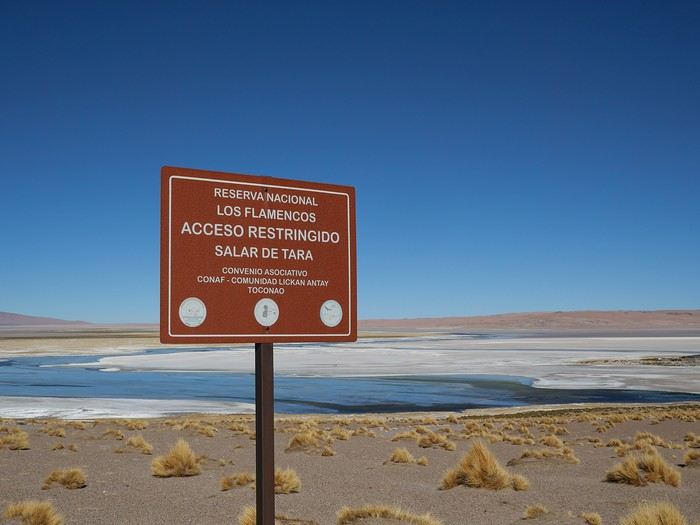
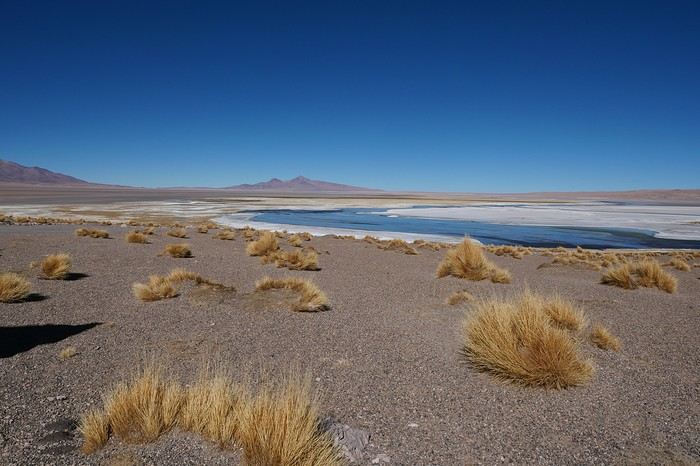
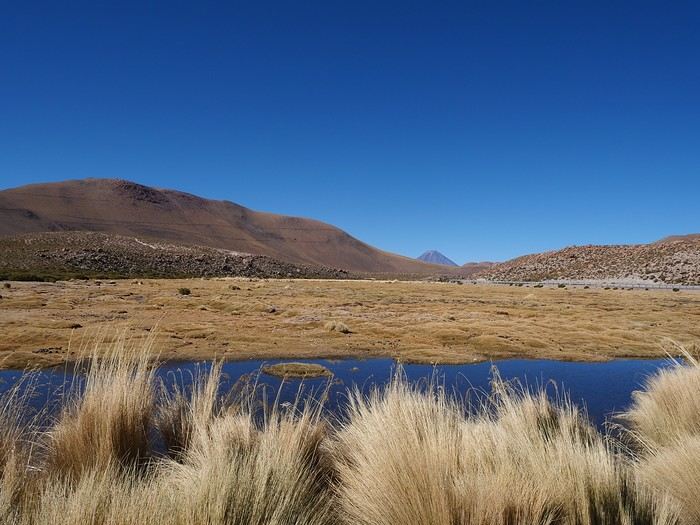
A few sandwiches later, we reach our destination—the Salar de Tara stretches out before us.


To protect the flora and fauna in this extremely fragile area, Chilean authorities have banned close access to the lagoon.

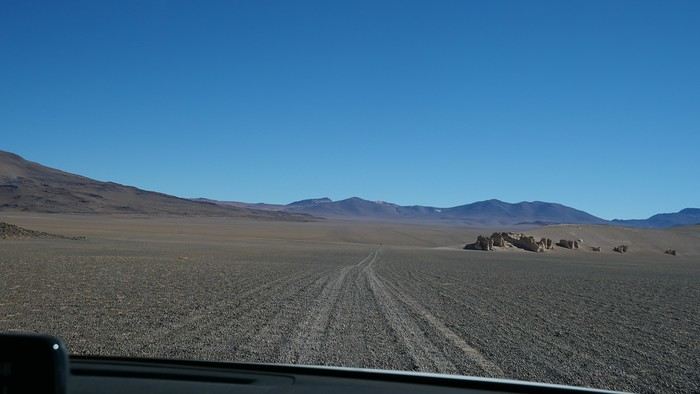
The 4x4 track, the landscapes we crossed, and the view of the distant lagoon are all really great, and we don’t regret our trip at all.


However, my companion starts feeling unwell. Soroche has struck.

We don’t linger and cover the kilometers of dirt roads much faster than on the way there.


The dune is now in front of us.

We wonder if we’ll manage to get over it...

From above, it looked like just a small dune, but from below, it’s a whole different story!

We approach it at an angle, sensing that our pseudo 4x4 doesn’t have enough power for a head-on attack.

Come on, Titine, one last push.

The Mazda seems about to stall, so we make a turn to give it a bit of breathing room.

The top is getting closer—we’re going to make it!

Yessssssss!

Phew...

My companion’s headaches are now really intense; he feels like he’s struggling to breathe.

We hurry back toward the valley.

We still have to cover 70 kilometers to drop below 4,000 meters and another 10 to get below 3,000.

We stop to take deep breaths of air richer in oxygen.


It’ll take a few more hours for the effects of the altitude to wear off.

We stayed too long on the high plateaus (today’s maximum: 4,826 m).

Tomorrow, we’ll try to be more reasonable.
Ponts du monde : concours de photos amical de juillet 2026 Rubrique Jeux Voyages C'est le moment de poster vos meilleurs clichés !
TI Ticapi Globetrotter ·
Plus, it can happen even if you’ve never been prone to it before... nothing’s that simple

True, we’ll see how it goes in Peru. Personally, I’ve always handled altitude well, but you never know. I think good acclimatization is important, but it’s not always possible. You got sick at Colca Canyon, which isn’t *that* high. Ideally, you shouldn’t have continued to Lake Titicaca. But it’s not easy to change your itinerary last minute.

Fatigue, not drinking enough, or an iron deficiency can also play a role.
RO Rouquine38 Globetrotter ·
Yes, there are so many factors to consider that it’s hard to know if you’ll get sick or not. I hope it continues to go well for you! My husband was in great shape even at 5,000 m, while I was a total wreck 😅
"Voyager est un triple plaisir : l'attente, l'éblouissement et le souvenir." Ilka Chase
AT Attila Globetrotter ·
5,000 meters—wow, that’s really high!

Some people start feeling altitude sickness as low as 2,500 meters. 🤪

According to this site, here are the risk factors:

History of altitude sickness

Living at sea level or very low altitude (under 900 meters)

Ascending too high too quickly

Excessive exertion

Sleeping at too high an altitude

La Rinconada is supposedly the highest settlement in the world at 5,300 meters. It’s a Peruvian mining town. Calling it a "town" is a bit of a stretch...
Ponts du monde : concours de photos amical de juillet 2026 Rubrique Jeux Voyages C'est le moment de poster vos meilleurs clichés !
TH Thierry6789 Veteran ·
Apparently, you need to sleep above 3,500m to find out if you get altitude sickness or not. Plus, it can hit even if you’ve never had it before...

From my personal experience, 3,500 meters really is a kind of tipping point. Acute mountain sickness (AMS) usually starts to kick in around that height.

That said, sometimes when you step off the plane in Calama—which isn’t even that high at 2,400 meters—just like in San Pedro de Atacama (SPA), people can already feel some altitude-related discomfort.

What’s more, even locals from small Andean villages can get AMS after spending a few days by the coast and then returning home.

Avoiding sudden movements is super important.

Local remedies usually work well too. Coca tea, known for its vasodilator effects, does the trick. There’s also another less-known plant, chachacoma (Senecio graveolens), that’s really helpful.

In Chile, they don’t use the term "soroche"—altitude sickness is called "puna," and they’ve even turned it into a verb: "apunarse."

See you next time! !
Thierry Swysen
WH Whiskette Regular ·
Hi Agnès. I’m devouring your trip report with gusto after a little week at my son’s place in Gloucestershire. I’m loving it, but I’m really surprised. Eight years ago, apart from the Moon Valley, I never had to pay an entrance fee—and I visited quite a few lagoons (Tébinchique, Miniques, Miscanti, etc.). In fact, I was often alone at these sites, not a soul around. Things seem to have changed *a lot*—the tourist hunt is on. Anyway, I’m loving it! More!!! Whis.
TH Thierry6789 Veteran ·
Eight years ago, apart from the Moon Valley, I never had to pay an entrance fee, and yet I visited quite a few lagoons (Tébinchique, Miniques, Miscanti, etc.).

Yes, now even the smallest entrance is paid.

However, I think that 8 years ago, the lagoons were already paid too. You probably arrived outside of opening hours, very early in the morning.

I perfectly remember that at the Tatio Geysers, they started charging an entrance fee on the day of the opening match of the 1998 World Cup, which took place in France, over 25 years ago! I think I even kept the inaugural ticket as a souvenir. 🙂

In theory, the money from entrance fees is redirected to local indigenous communities so they can improve the existing infrastructure...
Thierry Swysen
AT Attila Globetrotter ·
Hey Gigi,

I guess you were there *way* off-season to see almost nobody. 😮

I went to SPA in the early 2000s, and there were already quite a few tourists for the sunset at Valle de la Luna and at El Tatio.

I don’t remember if it was paid entry because, since I hadn’t rented a car at the time, I booked all my excursions through agencies—everything was included.

Between the staff and the facilities, I get that it’s not free. But it should be simpler!

Why not a pass that gives access to everything, with a price based on the number of days?

That would benefit everyone in the region, not just those lucky enough to be born in a 3-star spot...

The rates vary depending on where you’re from: one for the Atacameños, one for other Chileans, and one for foreigners.
Ponts du monde : concours de photos amical de juillet 2026 Rubrique Jeux Voyages C'est le moment de poster vos meilleurs clichés !
WH Whiskette Regular ·
Hi Agnès. I was there in June 2018. But it's true that apart from the Moon Valley or El Tatio, which are very touristy, I was often alone far away. I should also say that I love quiet places and avoid crowded spots (Salt River, Rainbow Valley—what peaceful spots!). Even on the Jama Pass road, it was very quiet. Luck? And San Pedro de Atacama was still busy in the evening, Caracoles Street was quite full. Anyway, ready for the next part! :)
SB Sbecker Veteran ·
Hi Agnès,

I’ve traveled through these parts many times, and looking at your travel journal brings back so many wonderful memories. Saying I enjoy reading your story and seeing your photos is a bit of an understatement… thanks! 🙂.
AT Attila Globetrotter ·
Hi Samuel,

So glad to reminisce about those great memories! 😉
Ponts du monde : concours de photos amical de juillet 2026 Rubrique Jeux Voyages C'est le moment de poster vos meilleurs clichés !
MU Muriel18 Globetrotter ·
Is this travel journal finished?
Si tu diffères de moi, mon frère, loin de me léser, tu m'enrichis (Saint Exupéry)
MA Marati Globetrotter ·
She can’t, she’s still stuck on a chairlift, and she doesn’t have her laptop with her to keep working on her travel journal... 😏
MU Muriel18 Globetrotter ·
Aaaaah! 😏😏😏
Si tu diffères de moi, mon frère, loin de me léser, tu m'enrichis (Saint Exupéry)
AT Attila Globetrotter ·
I'm back!

The travel journal will resume soon.😛
Ponts du monde : concours de photos amical de juillet 2026 Rubrique Jeux Voyages C'est le moment de poster vos meilleurs clichés !
SB Sbecker Veteran ·
Great, I can't wait to read the rest! 🙂
AT Attila Globetrotter ·
After these last two pretty intense days, we decide not to head to the El Tatio geysers at dawn.

I’d done the excursion 20 years ago, and my travel buddy isn’t exactly a sightseeing workhorse!

So we leave San Pedro de Atacama around 9:00 AM, taking the small Route 245 toward the Tatio volcano.

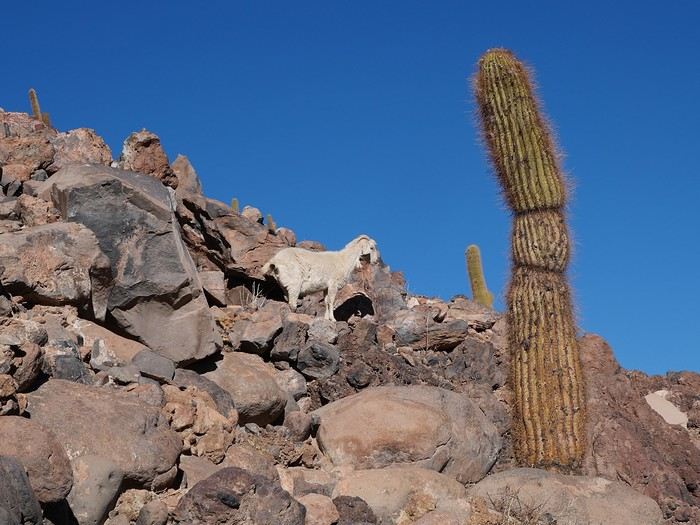
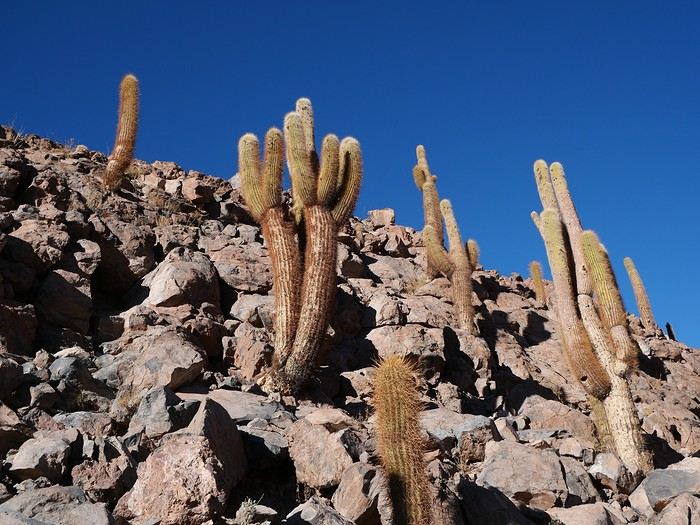
We soon stop at the Cañón de Guatín, also known as the Valley of the Cacti.

You might wonder why?


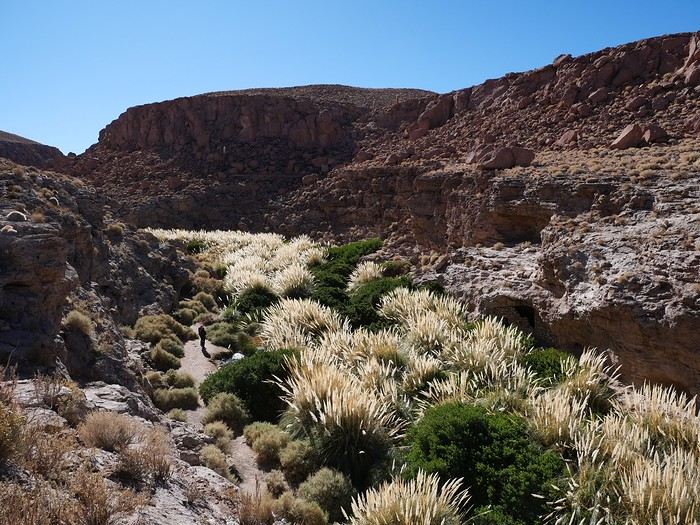
After a short walk, we drive up to the viewpoint over the Quebrada Escalera, which is even more spectacular in person than in photos...


We’re then about fifteen kilometers away from the Laguna Flamingos.

I search high and low for some pink, but no luck!


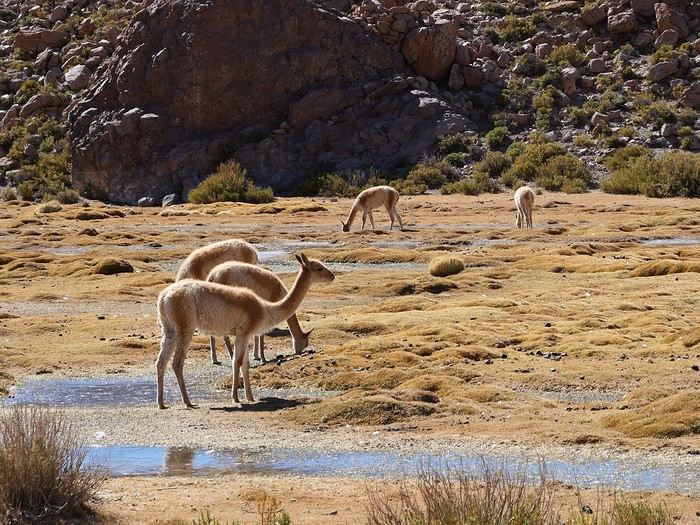
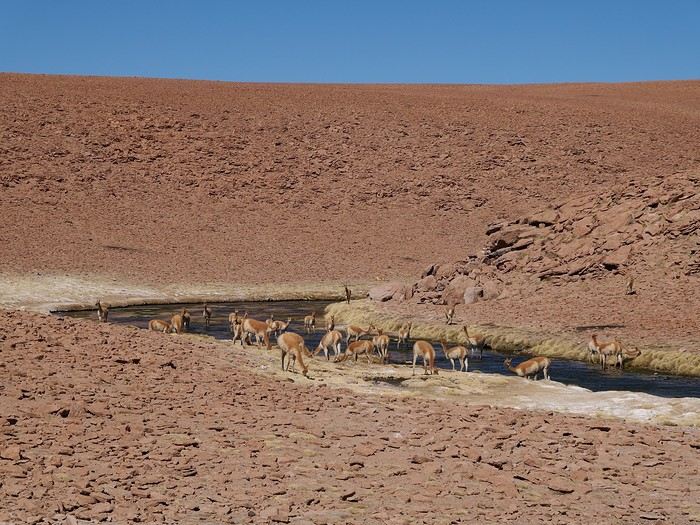
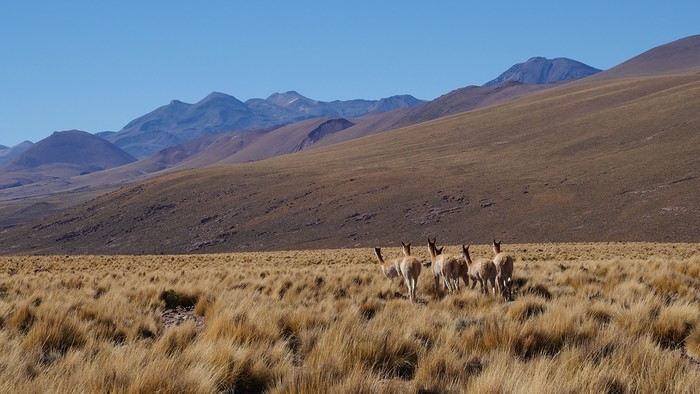
Thankfully, a few vicuñas are more generous with their presence than the expected birds...


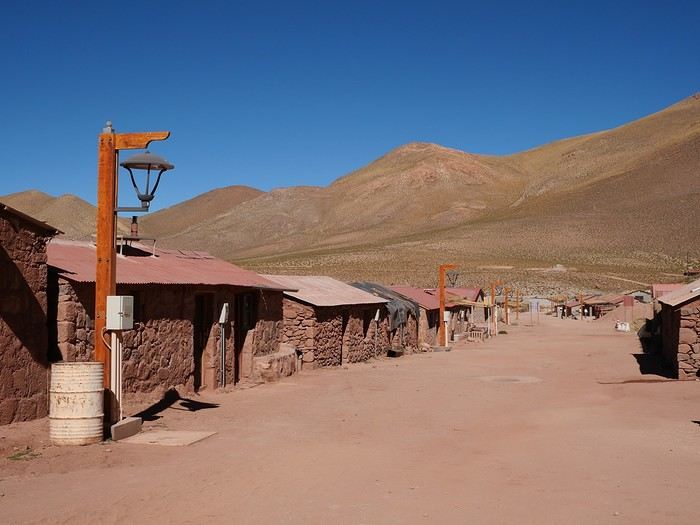
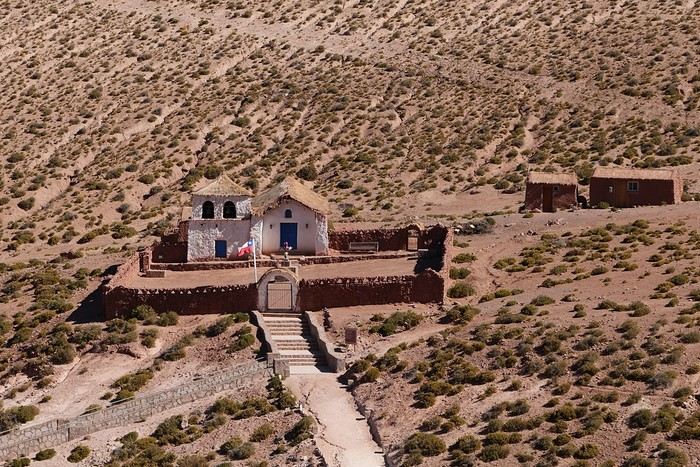
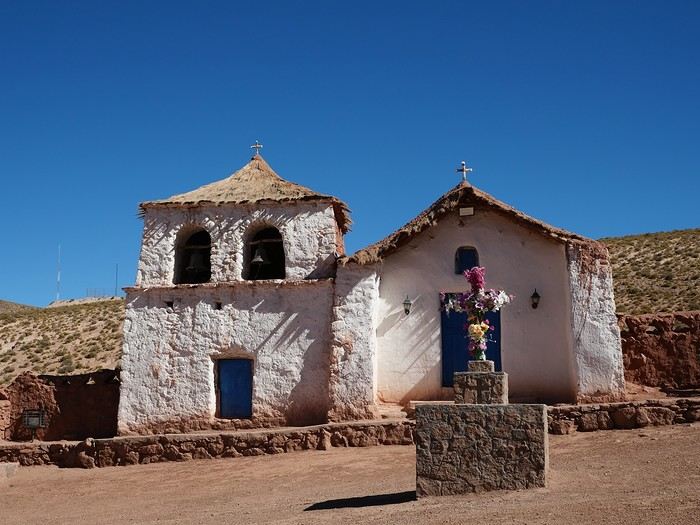
Our next stop is the tiny village of Machuca.

It seems to have changed a bit since my first visit—slightly more touristy—but it’s still very much its authentic self.


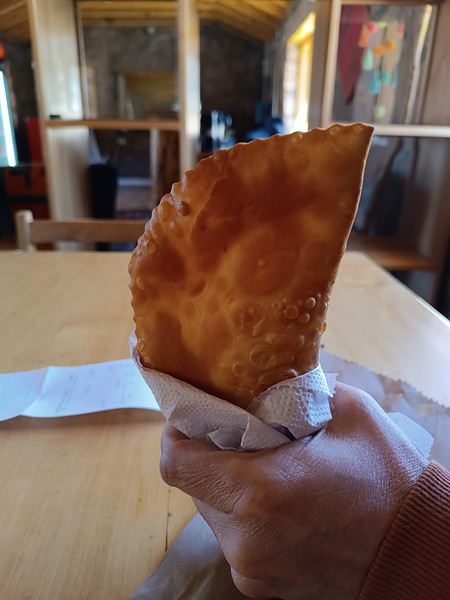
Say, wouldn’t you try a cheese empanada before hitting the road again?

Why not...
Ponts du monde : concours de photos amical de juillet 2026 Rubrique Jeux Voyages C'est le moment de poster vos meilleurs clichés !
AT Attila Globetrotter ·
We’re approaching the turnoff for the geysers when a warning light pops up on the dashboard!

We flip through the vehicle manual, which tells us we need to go to a garage...

What do we do?

The light’s orange, not red, so we can still drive.

There’s a Europcar branch in Calama! Let’s head there!

Taking the shortest route... Goodbye, geysers...

We still get to admire the stunning landscapes along the B 159.


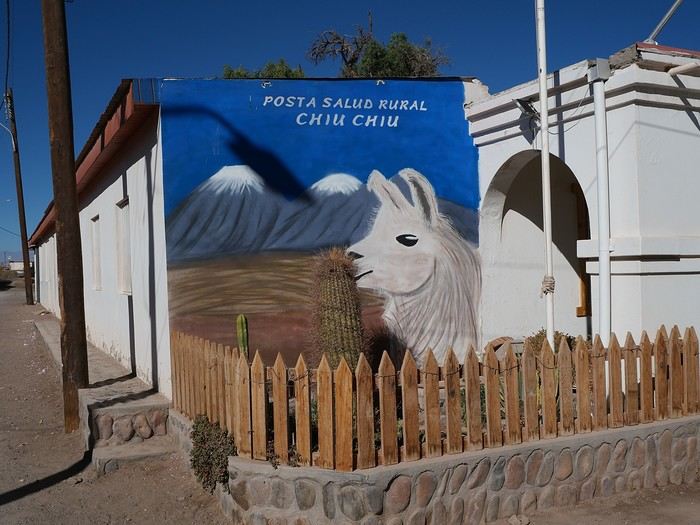
In the village of San Francisco de Chiu-Chiu, we get back on the main road.


The Europcar office is nearby, and we’re a little relieved—though I suspect it’s more about routine maintenance than an actual breakdown.

The staff seem surprised to see us but sort out the issue quickly.

We’ll spend the rest of the afternoon doing some shopping and relaxing!

See you tomorrow for more adventures...
Ponts du monde : concours de photos amical de juillet 2026 Rubrique Jeux Voyages C'est le moment de poster vos meilleurs clichés !
HO Holigirl Veteran ·
Of course, Agnès—we’re really looking forward to seeing you tomorrow!

Gorgeous landscapes, it’s pure travel inspiration!

Thanks for the info and the travel journal, obviously! 🙂
AT Attila Globetrotter ·
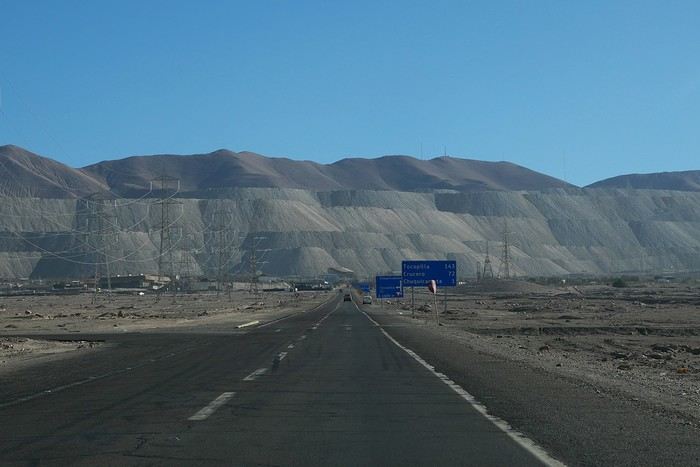
Calama was born from mining.

And you can't miss it when taking Route 24!

The massive open-pit mine of Chuquicamata soon looms on the horizon.

This single copper vein holds 13% of the world's resources of this mineral and drives the development of the entire region.

Tours are organized by the Codelco company, but you need to book in advance.

Maybe next time?


We now pass the immense complex and continue our journey toward the ocean, which we’ll reach in Tocopilla.

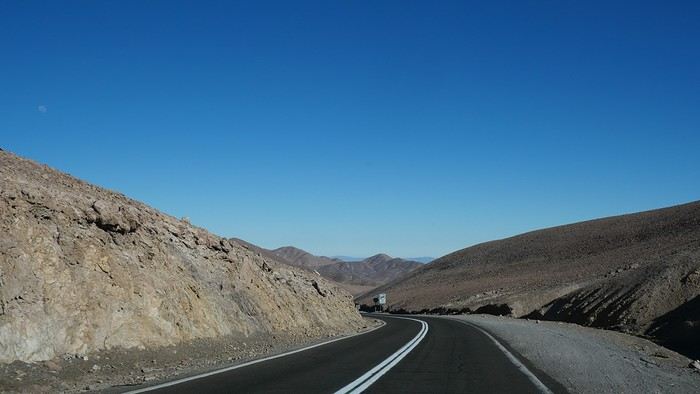
150 kilometers of descent through a landscape as desert-like as it is monotonous...


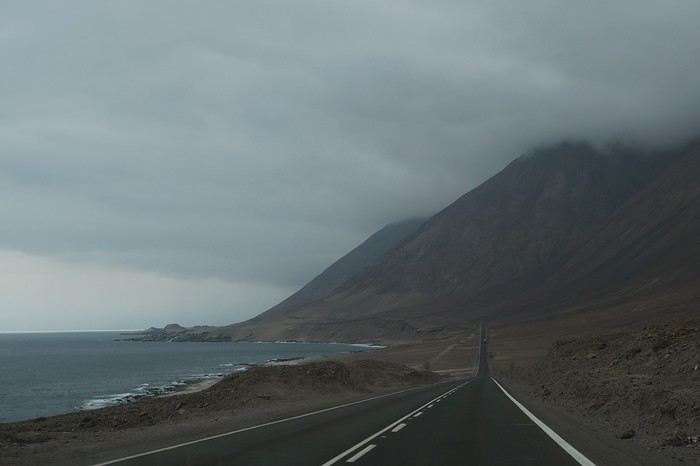
As we near the Pacific, the weather shifts from blue to gray.

At this time of year, the oceanfront is often shrouded in mist, making the landscapes feel quite gloomy!


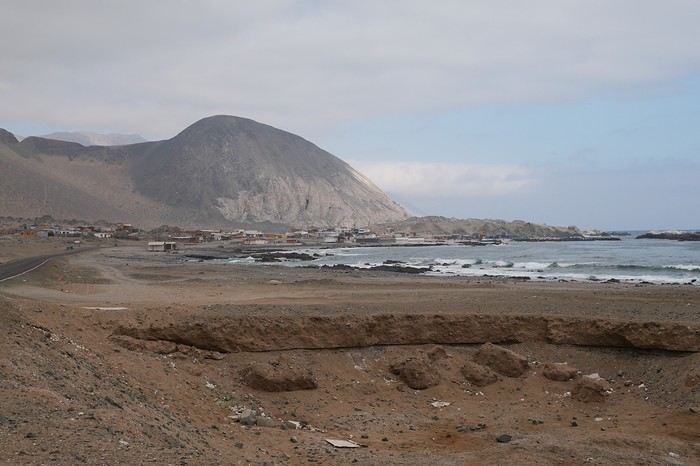
A few fishing villages and seaside resorts dot this coastal road, but in winter, the atmosphere feels rather post-apocalyptic...


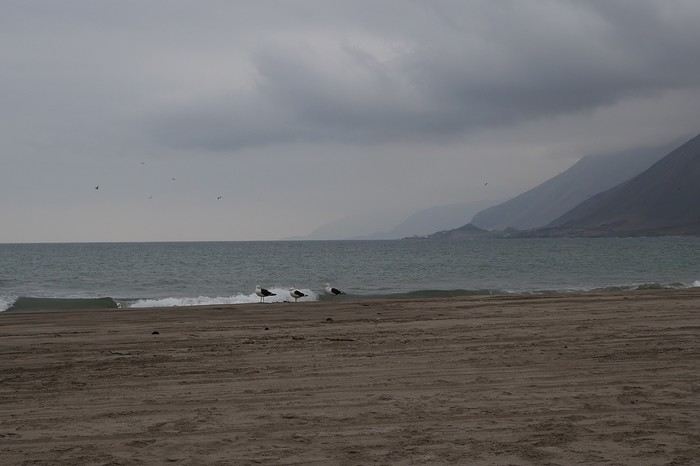
We stop at a wind-swept beach for lunch.

This isn’t exactly the dreamy setting we’d hoped for during our picnic break!


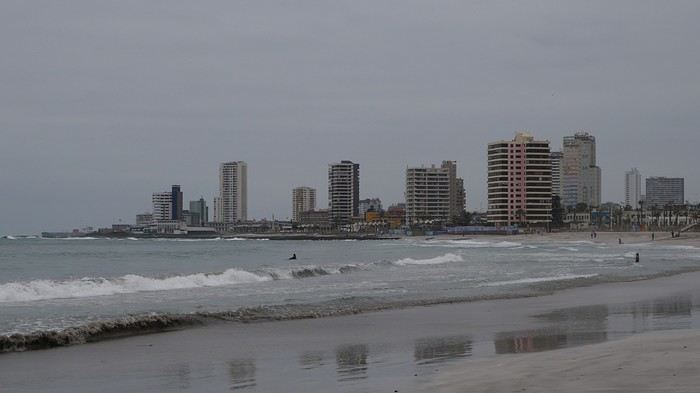
Traffic picks up as we reach the outskirts of Iquique, a large port city dominated by an impressive sand dune, the Cerro Dragón.

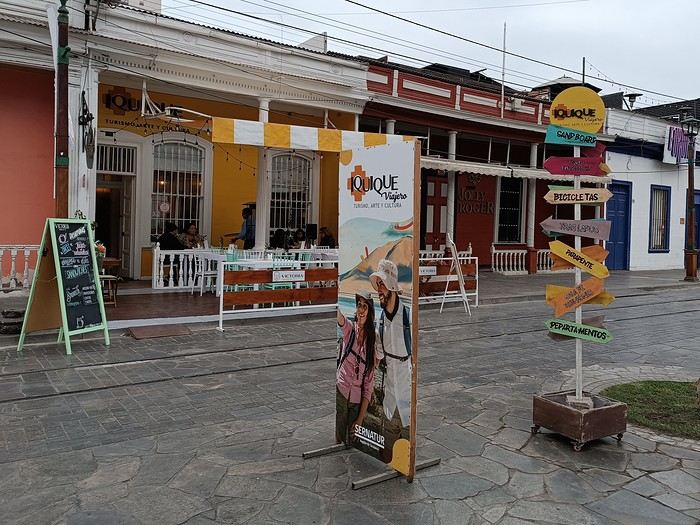
We park at the lot of the booked hotel and set off to explore the charms of this city, which is both a beach resort and a major commercial hub.

First, we walk along Playa Cavancha, a beach that leaves me pretty unimpressed with its unremarkable buildings in the background.

Not to mention the traffic...


Next, we wander through the old town around Baquedano Street.

It’s the area for bars and restaurants, but at this hour and with this still-dreary weather, it’s far from crowded!


Still on foot, we head back to our room.

Without realizing it, we’ve walked over ten kilometers, and our feet are begging for a rest!

Especially since the restaurant we’ve planned for dinner will add another 4,000 meters to our tally...


Or maybe even a bit more with the after-dinner stroll...

Good night!
Ponts du monde : concours de photos amical de juillet 2026 Rubrique Jeux Voyages C'est le moment de poster vos meilleurs clichés !
AT Attila Globetrotter ·
Goodbye gloom, today we're heading back up to altitude, towards Cariquima, a tiny village near the Isluga volcano!

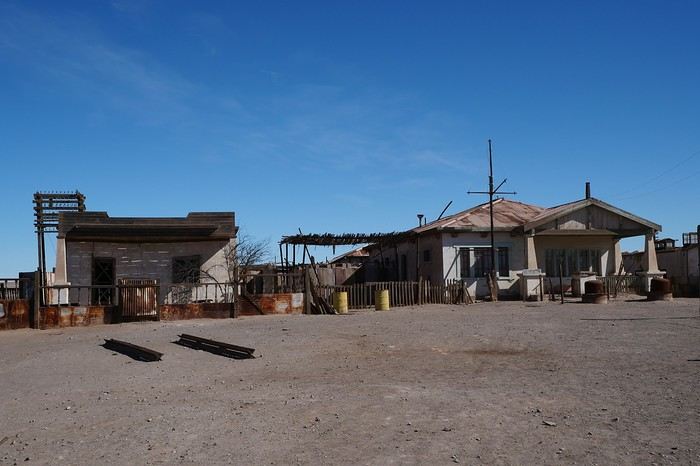
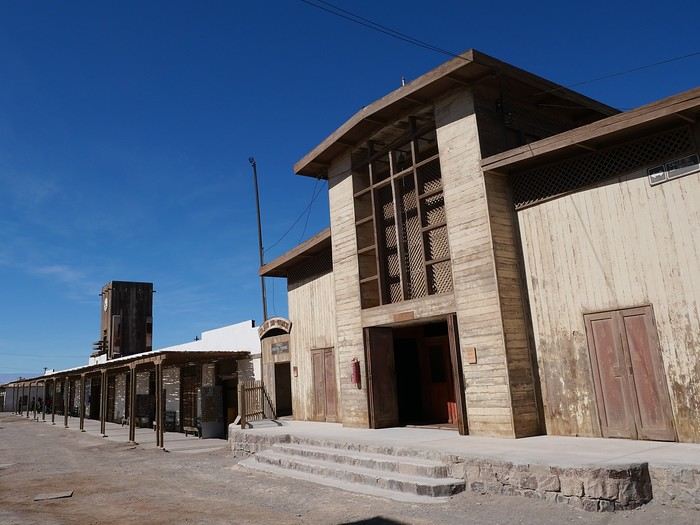
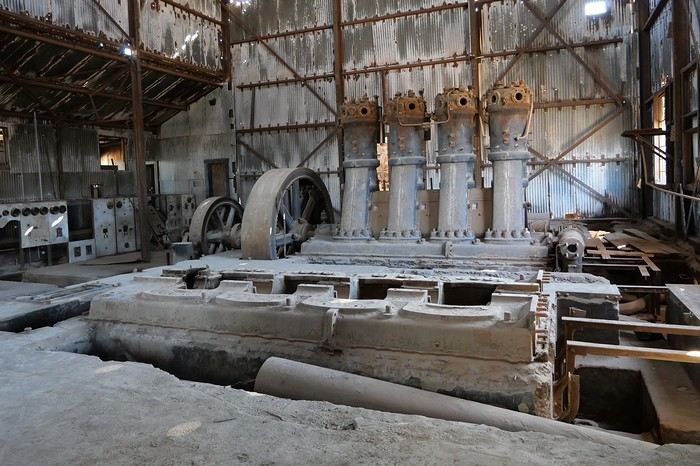
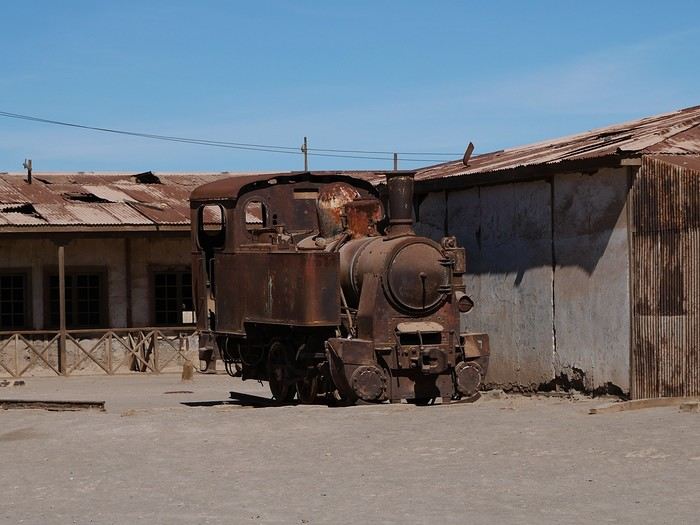
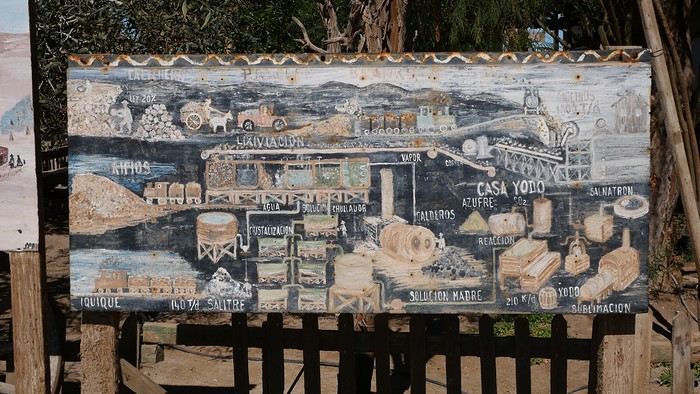
Along the way, we take the time to visit the ghost town of Humberstone, which enjoyed its heyday in the first half of the 20th century thanks to the exploitation of a saltpeter deposit.

This saltpeter was processed on-site to produce sodium nitrate, a powerful fertilizer.

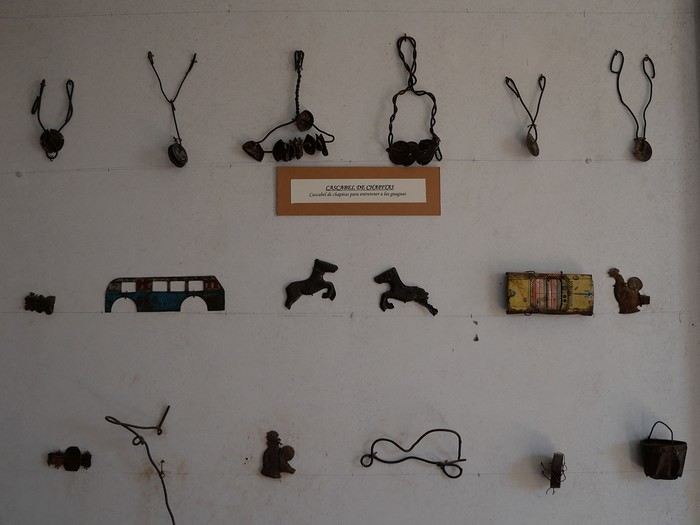
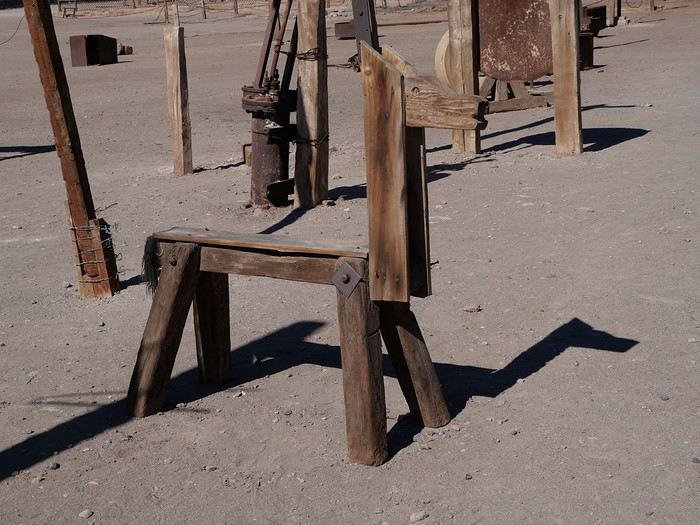
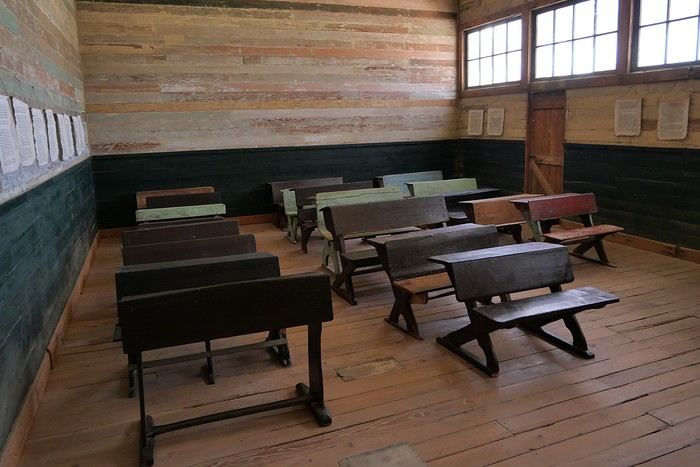
Some houses have been turned into an open-air museum dedicated to the daily life of the former miners, as well as the display of their work tools.


Next, we explore the remains of the town's commercial, sports, and cultural area, which once housed up to 4,000 people: a theater, the market, a swimming pool...


The industrial facilities are also freely accessible, though quite ruined.


A really interesting stop that reminds me of Kolmanskop in Namibia or Bodie in the United States!

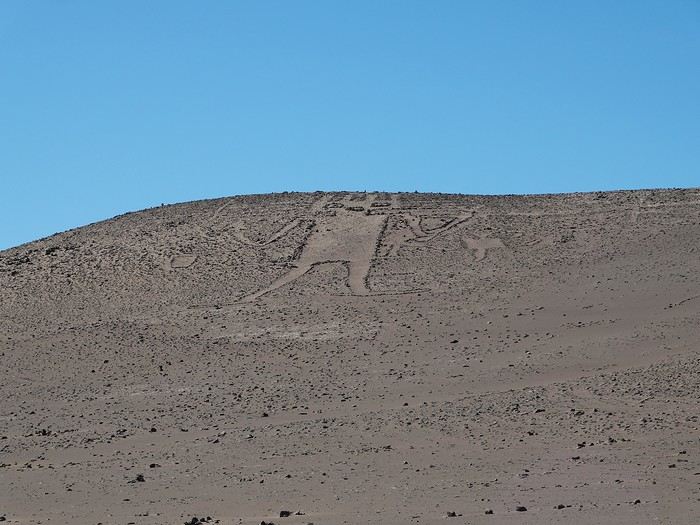
We then have lunch at the foot of the Gigante de Tarapacá, an 86-meter-high pre-Hispanic anthropomorphic figure.

A giant that’s not too easy to spot from the ground despite its size!


The sea level is now just a distant memory, and we soon climb to over 4,000 meters!

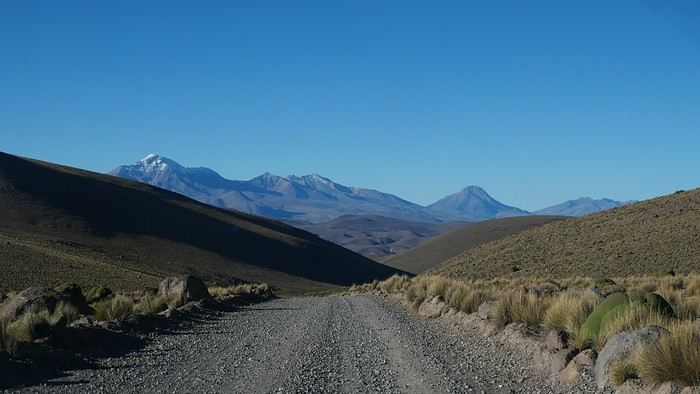
Highway 12, though a cross-border route—if you continue past Colchane, you’ll reach Bolivia—isn’t too busy. We enjoy the landscapes peacefully until the turnoff for the Puchuldiza geyser.

Ponts du monde : concours de photos amical de juillet 2026 Rubrique Jeux Voyages C'est le moment de poster vos meilleurs clichés !
AT Attila Globetrotter ·
Once we left the main road, the track deteriorated but nothing too bad!


We’re now at the entrance hut of the site.

It’s pretty late and there’s no one around...

A sign asks you to leave the ticket price.

Do you have change? Perfect!


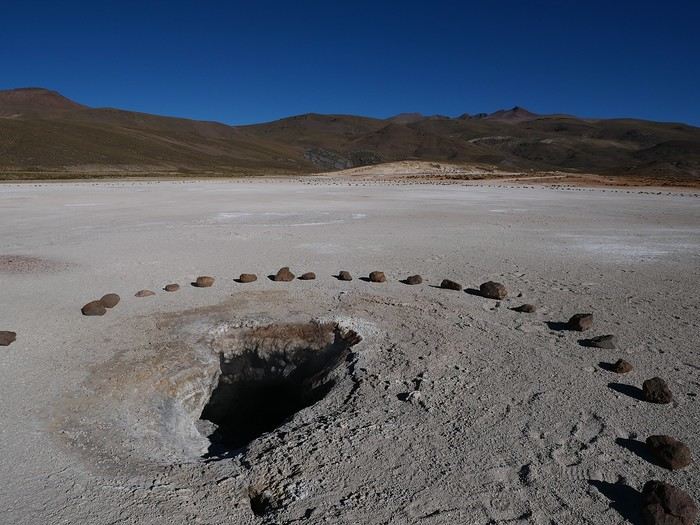
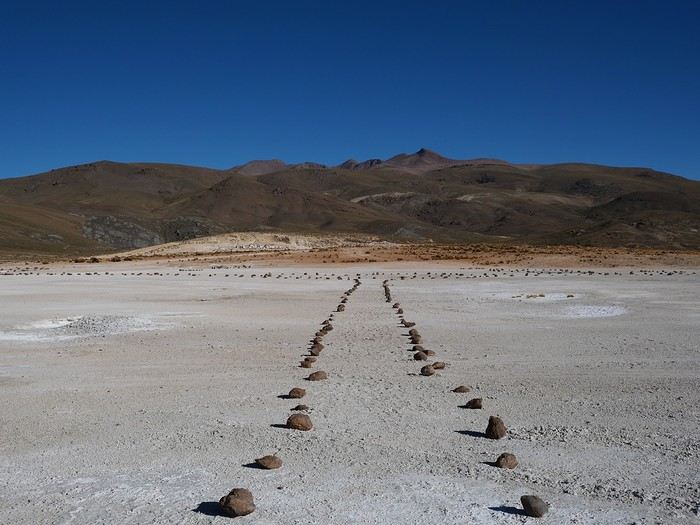
We wander through the geothermal field, following the stone paths.

The activity isn’t at its peak, but we still really enjoy roaming these desert and inhospitable landscapes.


On the way back, the tickets have disappeared. Even though it’s quiet around here, we’re not alone...

We head back to the main road and follow the signs toward Cariquima.


The sun is setting on the horizon as we reach this town with a, let’s say, bracing climate...

The hostel we booked is here.

But where’s the entrance?

A figure finally appears. A woman whose Spanish is even more labored than ours...

She can’t find our names on her register...

Well, that’s a great start...

Luckily, the place isn’t full, and we’re given a small double room with an adjoining bathroom.

It’s clean, but for heating and charm, it’s not really there...

Fortunately, the blankets are as numerous as they are warm, and we’d packed our ski underwear for this leg of the trip!

Well, for the price we paid (around 50 €, dinner included), we’re not going to complain.

Anyway, there’s nothing better within 200 kilometers...

A functional night and meal, then!


We didn’t sleep very well, but it’s more the 3,700 meters of altitude that’s to blame than the lodging.
Ponts du monde : concours de photos amical de juillet 2026 Rubrique Jeux Voyages C'est le moment de poster vos meilleurs clichés !
RO Rouquine38 Globetrotter ·
If I followed correctly, you went from sea level to 3,700 m in altitude.... 😮 No wonder you didn’t sleep well 🤪 I really love these desert landscapes, especially when there’s not a soul around—the feeling of being alone in the world 🙂
"Voyager est un triple plaisir : l'attente, l'éblouissement et le souvenir." Ilka Chase
AT Attila Globetrotter ·
If I followed correctly, you went from sea level to 3,700 m in altitude

Yeah, I thought the five nights we’d previously spent above 2,000 m had acclimatized us.

If I were to do it again, I wouldn’t plan this trip the same way at all.

I was worried the high-altitude tracks would be too 4x4, so I chose an option that used roads and tracks known for being easy. That often meant going back down.

I think that fear wasn’t justified...
Ponts du monde : concours de photos amical de juillet 2026 Rubrique Jeux Voyages C'est le moment de poster vos meilleurs clichés !
MU Muriel18 Globetrotter ·
So, does descending for even just 24 hours really help us readjust to lower altitudes?
Si tu diffères de moi, mon frère, loin de me léser, tu m'enrichis (Saint Exupéry)
AT Attila Globetrotter ·
Not really. But constantly going up and down like a yo-yo can't help...

Plus, I don’t know if you can ever get used to the nights. I feel like you never sleep very well above 3,500m. No headaches, easier to walk, sure. But sleep?
Ponts du monde : concours de photos amical de juillet 2026 Rubrique Jeux Voyages C'est le moment de poster vos meilleurs clichés !
AT Attila Globetrotter ·
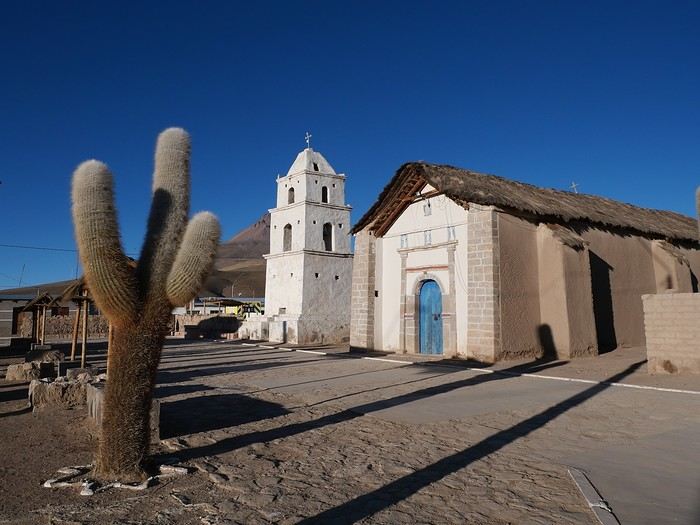
It’s freezing when we leave the hostel around 9 a.m.

Feels like a winter sports morning in January!

The other hotel guests—mostly workers from the nearby mines—have already left, and the villagers seem to be waiting for the sun to warm things up before stepping out of their homes.

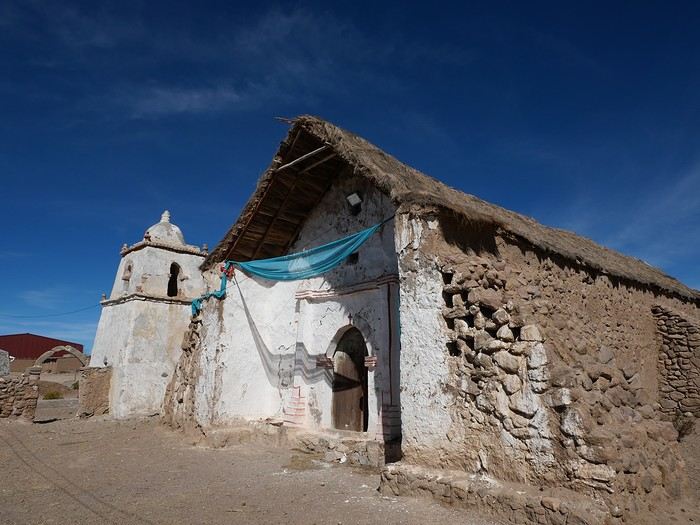
So we’re the only ones admiring the village’s adorable little church and its attached cactus.


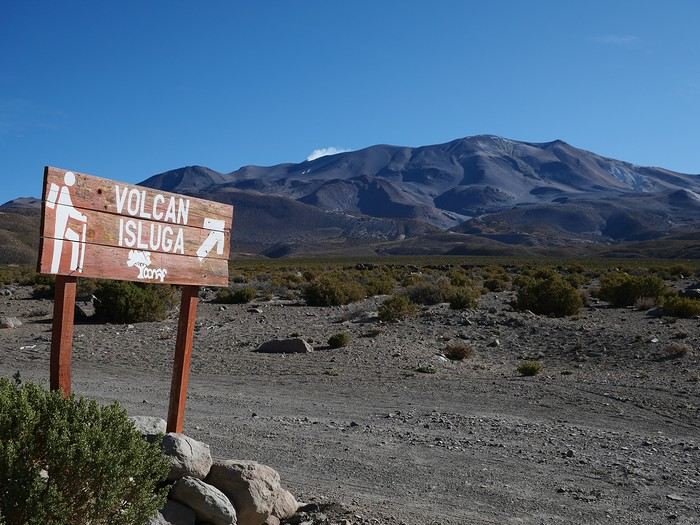
We quickly take refuge in the pleasantly warm interior of our vehicle and start our day’s itinerary: exploring Isluga Volcano National Park.

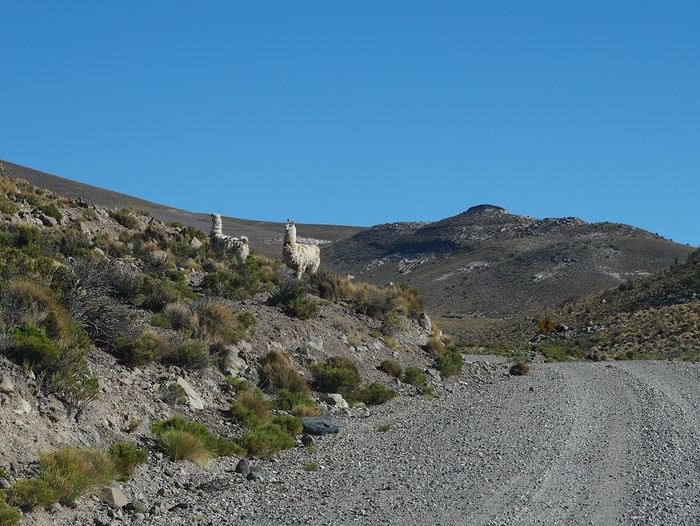
A few llamas keep us company for a while, then we reach the tiny village of Isluga.

Not a soul outside—absolute silence!

I start to wonder if these high plateaus still have any inhabitants left...

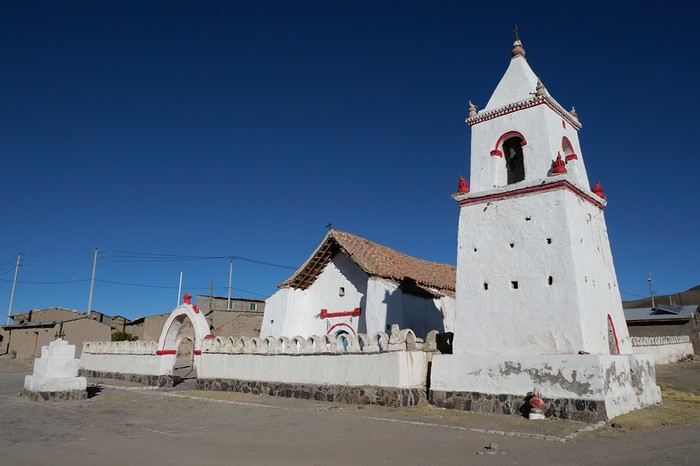
Once again, the church is stunning.

Once again, the church is locked...


Now, let’s follow the desert road!


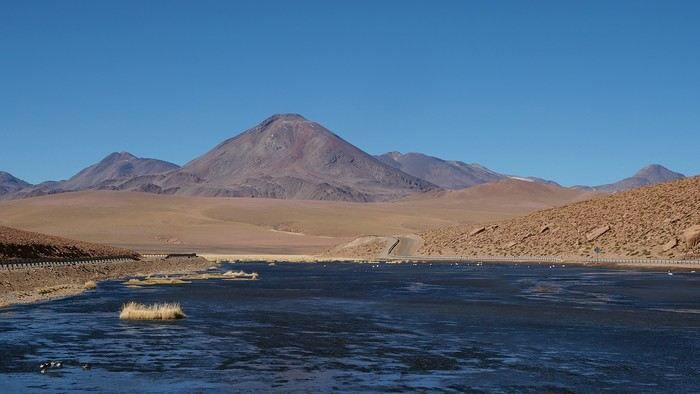
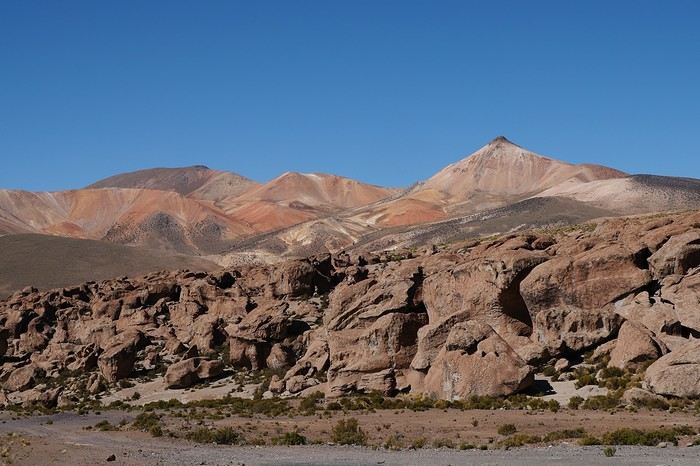
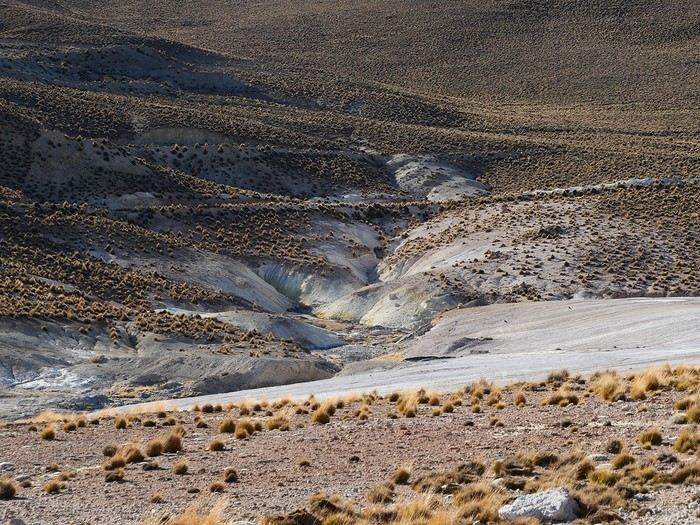
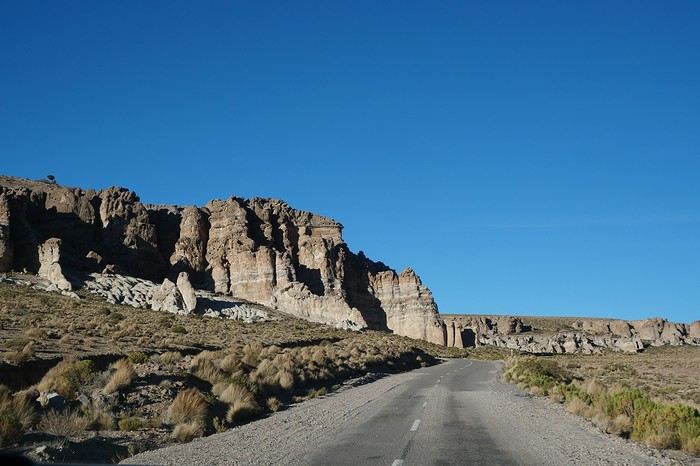
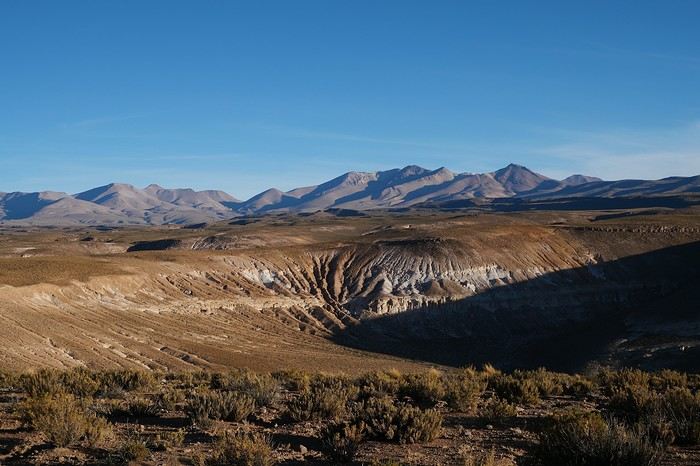
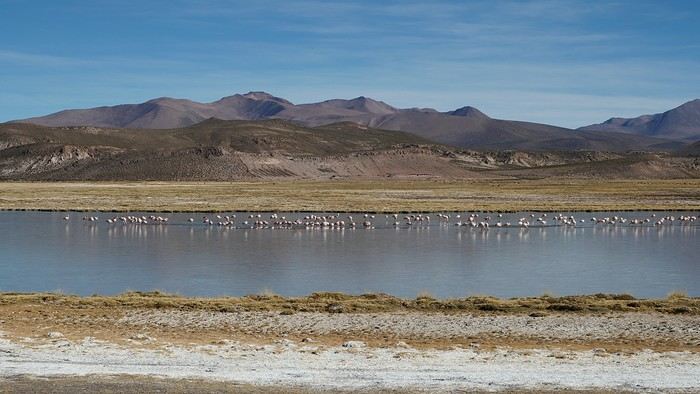
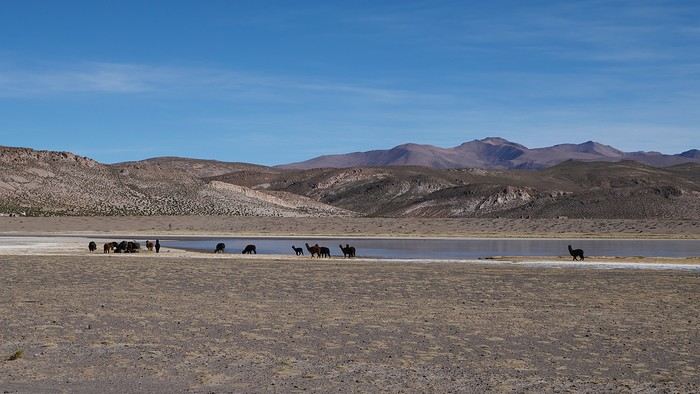
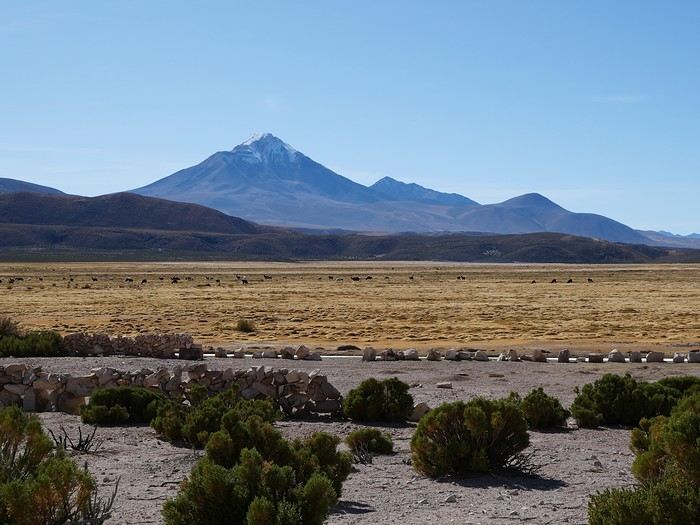
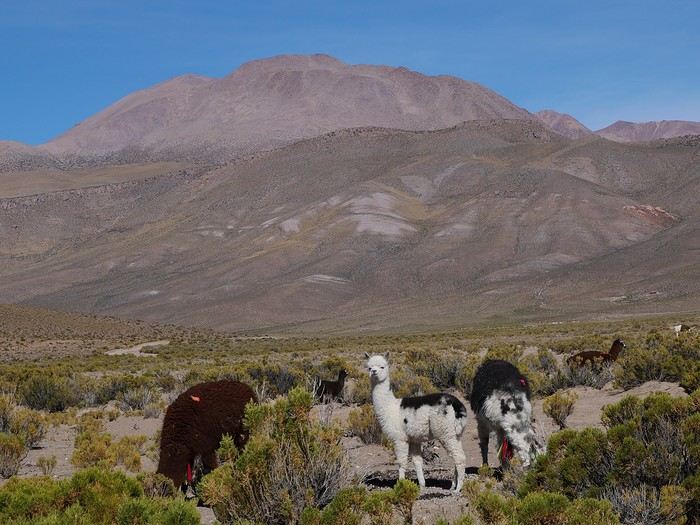
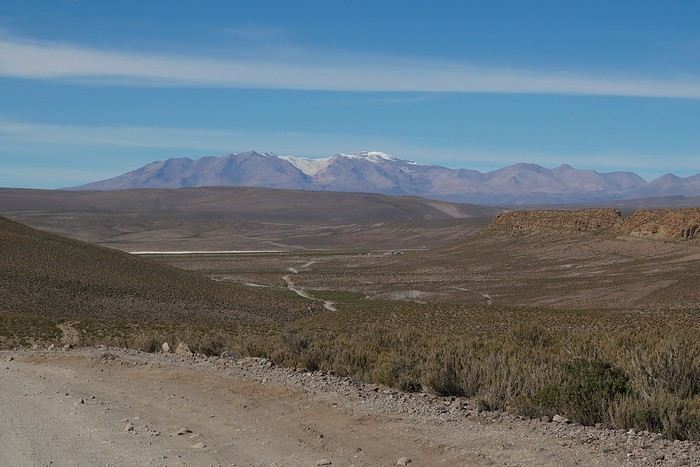
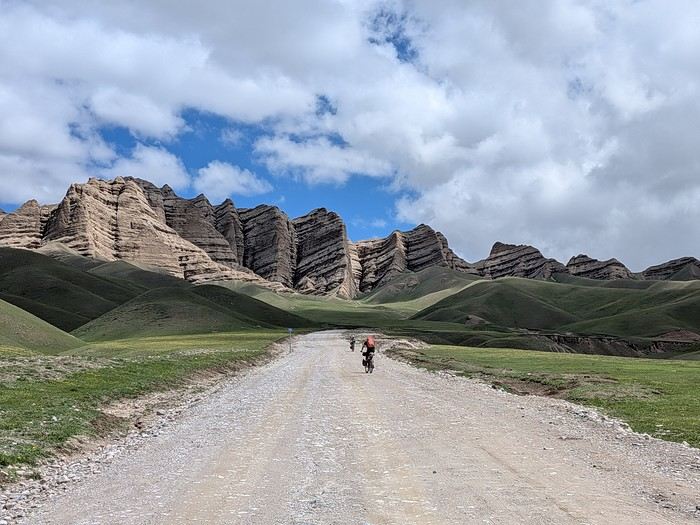
One car per hour, a few vicuñas, plenty of llamas, a lagoon, pink flamingos, breathtaking volcanic landscapes—the daily magic of the Altiplano for a traveler!


The loop through the park ends just as it began—back in a village of ghostly inhabitants, with its white church firmly padlocked!


We then retrace the track we took yesterday to the geyser before heading toward the international road leading to the ocean.
Ponts du monde : concours de photos amical de juillet 2026 Rubrique Jeux Voyages C'est le moment de poster vos meilleurs clichés !
AT Attila Globetrotter ·
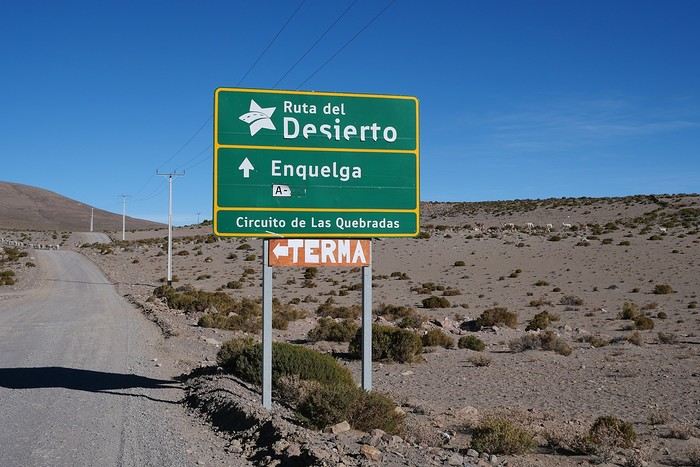
Halfway through, a sign offers a tourist route through the Quebrada de Tarapacá.

We’ve got plenty of time to take a detour, right?


And off we go on an extraordinary 50-kilometer ride (allow two hours...) along narrow roads and tracks that are as dizzying as they are winding!


Back on the main road, we’ll have to step on it to reach our accommodation before nightfall...

Our choice isn’t very logical since it makes us backtrack.

But we wanted a comfortable stop after a rough night and, most importantly, access to a gas station before heading full north toward Arica.

That’s the whole challenge of a road trip in northern Chile—accommodations are scarce, comfortable ones even more so, and don’t even get me started on gas stations...

Plus, it’s tough to know the condition of the tracks since there’s so little information available.

The route we planned was shaky, and if I had to do it again, I wouldn’t do it this way!

The receptionist shows us to our room, which has the comfort we were hoping for.

Even better, we’re upgraded to a bungalow near the pool because, with no guests, the restaurant is closed.


Dinner will be served in the bungalow’s lounge, and we’ll sleep straight through until the next morning! !
Ponts du monde : concours de photos amical de juillet 2026 Rubrique Jeux Voyages C'est le moment de poster vos meilleurs clichés !
AT Attila Globetrotter ·
We’re having breakfast on the terrace, warmed by a dazzling sun.

Then we drive to Arica, where we fill up our tank plus a jerrycan in preparation for the next three days far from any gas station.
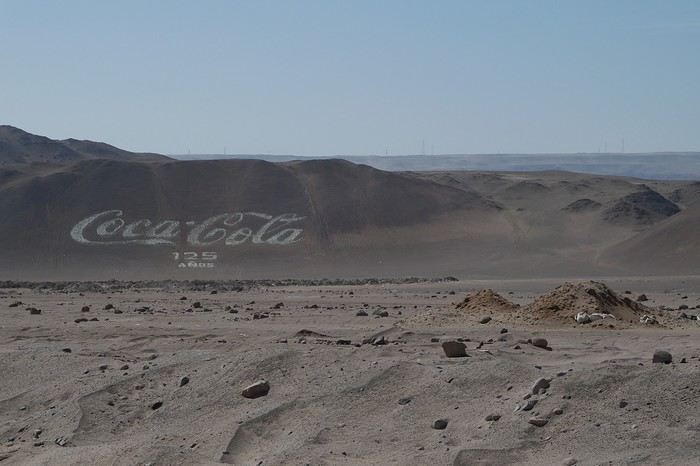
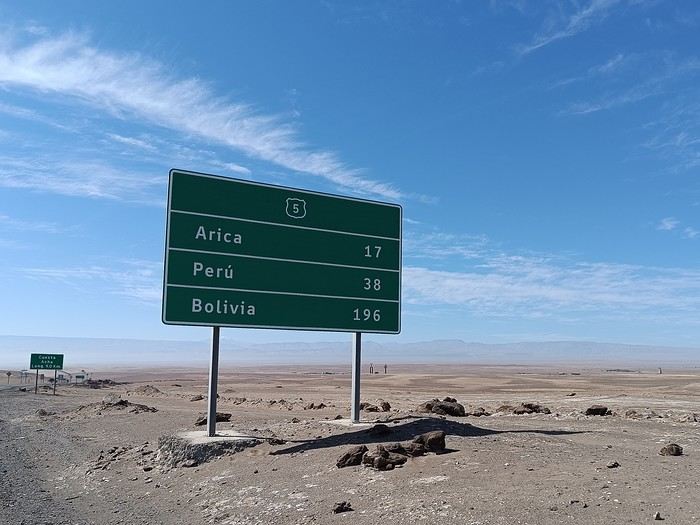


Next, we take Route 11, the transborder road toward Putre.

The first few kilometers follow the Rio Lluta, a ribbon of greenery cutting through the surrounding desert.
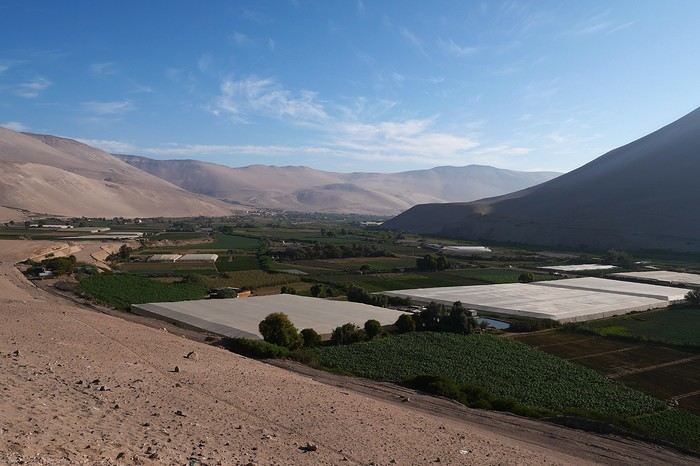
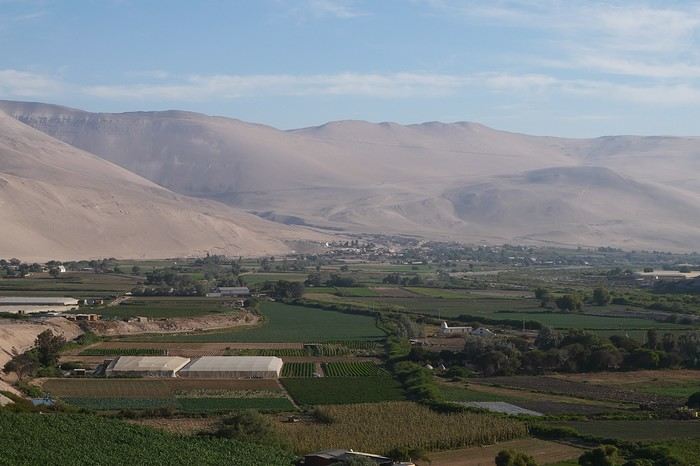


The first hairpin turns start as civilization fades away.

It’s weird—there’s no one around?
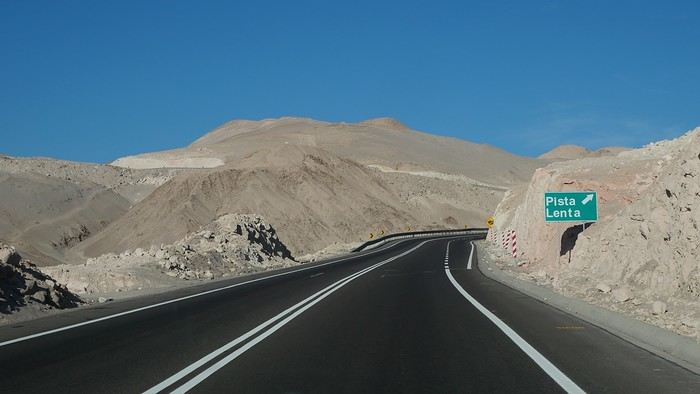


Not too surprised by the lack of traffic on this route, which is essential to the economies of both countries it serves, we keep going, admiring the landscapes.
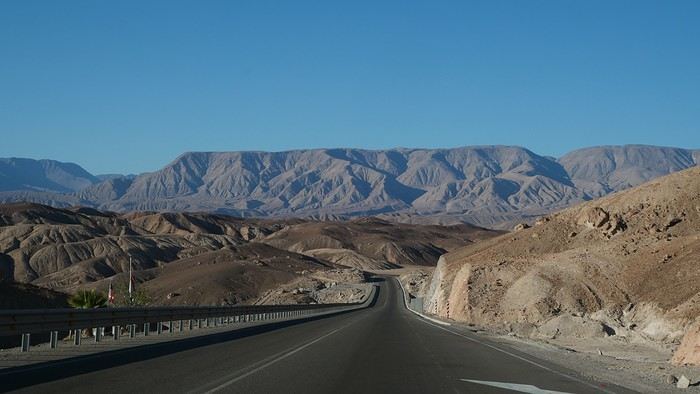


The afternoon is well underway when we reach the village of Zapahuira, about thirty kilometers from our destination.

The rest of the road should just be a series of tight turns.

We’re happy—we should arrive well before nightfall and enjoy some rest at a charming lodge after today’s long drive.

Huh, there’s a traffic jam!

Must be a heavily loaded truck struggling to climb!

10 minutes pass, then 20...

I start wondering if there’s another problem...

Then a flood of trucks appears on the opposite lane.

Strange!

I check online and, after some digging, finally uncover the truth.

The road is under construction, and the worksite requires a full closure of traffic in both directions for a large part of the day.

And this has been going on for months...

It creates a massive bottleneck that takes hours to clear, especially since only one lane is available when traffic resumes...

We’ll have to wait over an hour for our turn.

Then a second blockade is set up a bit further up—another 90 minutes of waiting...

But we won’t find that out until we’ve passed...

So there we are, stuck among the trucks in the dust as daylight fades.
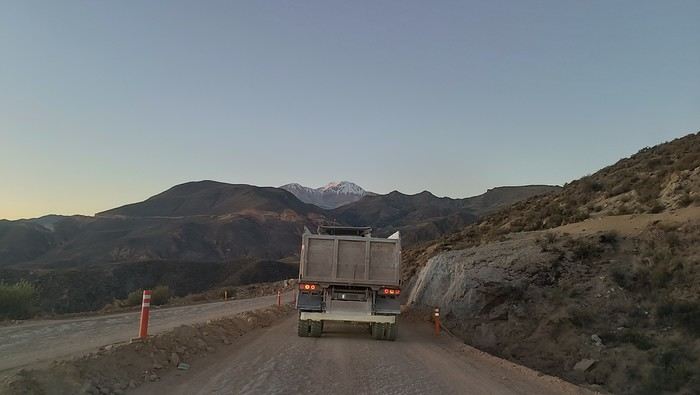


The hotel reception closes at 19:00. We have no idea how long it’ll take to cover these 30 miserable kilometers!

2 hours? 3? 4? Overnight?

Anxiety rises in the car, along with the tension...

We try to reach the hotel owner via Booking, but no answer.

The phone number listed rings with no response either.

We find another number on Google, and—miracle—a voice answers.

A code is given, with the assurance that the room key will be on the door.

A little reassured, we resign ourselves to waiting, wondering how things will go once we get there.

Everything must be jammed every day from the border to Putre, and excursions must be affected!

We didn’t come to Chile to spend hours in traffic jams but to discover vast, empty spaces!

Ah, it’s our turn!

It’s pitch black when we arrive, on edge, at the hotel.

The welcome isn’t very warm, and there’s no apology for the inconvenience or advice for the coming days.

Payment, however, is promptly requested...

The room is comfortable, the decor charming.

But let’s not dawdle—we need to find dinner before everything closes!

We rush out in search of a restaurant without taking the time to bundle up properly.

Big mistake at this altitude, where frost sets in at night and buildings are rarely heated...

We’ll be freezing throughout the meal, only eager to get under the covers!

---/---

You okay? I’m breaking into cold sweats, can’t digest, and feel really uneasy!

My partner thinks he’s got acute mountain sickness and panics completely since it’s impossible to descend quickly because of the roadworks.

I have my doubts. We’ve been at altitude for a while now, and Putre isn’t *that* high (barely 3,400 meters).

I try to reassure him, but it’s no use.

Then comes the mad dash to the bathroom...

I think I’ve got the diagnosis: a classic case of traveler’s diarrhea!

It’s his first time, so he doesn’t believe me, even though I’m a pro at this.

Anyway, we won’t sleep a wink, and I promise to take him back to Arica at sunrise.

We’ll leave the hotel at first light, leaving the keys behind the door and a message on Booking.

We’ll never get a response.

And we weren’t even asking for a refund for the paid nights!

Just a word to say they’d found the keys and wished us a speedy recovery...

So I definitely don’t recommend this stop—it’s nothing but a money-making machine.

Guests should be warned in advance about the access difficulties, what time to hit the road, what’s currently possible, and alternative routes.

A little kindness wouldn’t hurt either...

It’s a shame because the comfort and charm are there.

As for the traveler’s diarrhea, I think it came from the meal the night before.

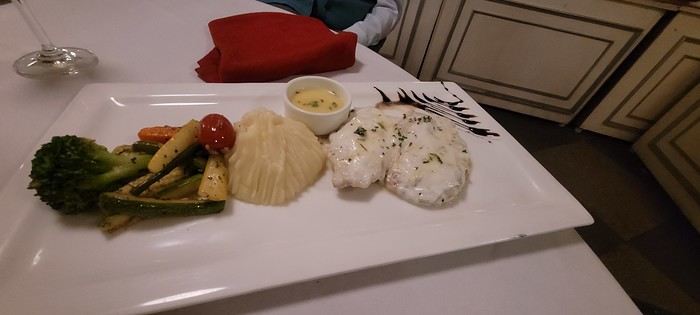
The salmon wasn’t well cooked, and only my partner ate it.

The cold and stress made the crisis worse.

Better that than mountain sickness!
Ponts du monde : concours de photos amical de juillet 2026 Rubrique Jeux Voyages C'est le moment de poster vos meilleurs clichés !
MA Marati Globetrotter ·
What a rollercoaster in 24 hours... 🏴‍☠️ !! And it happened at the worst time, having to give up the Putre area! If it was just traveler’s diarrhea in the end, didn’t you feel like staying to explore, or does the altitude make the trots even worse?
HE Herodotos Regular ·
Good evening,

Tough experience! Unfortunately, this kind of thing happens when traveling. My wife has also suffered from food poisoning multiple times in Asia, especially in Sri Lanka eight years ago. She fainted in the middle of the night. Scariest moment of my life! The next day, she had to stay in bed.

I really don’t recommend this stop at all—it’s nothing but a money-making machine.

Things seem to have changed at the Terrace Lodge because ten years ago, Flavio and Patrizia gave us such a warm welcome. Have they left? Change of ownership?
https://www.myatlas.com/Herodote
AT Attila Globetrotter ·
If it turned out to be just a case of traveler’s diarrhea

There are different levels of traveler’s diarrhea... This was the five-star version...

The kind that ends with bile and your insides completely drained...

Anyway, with the construction work, I don’t see how we could’ve calmly done what we’d planned. Nothing would’ve been possible on day 3 since we’d have had to go back down in the morning. Day 1 would’ve been spent recovering. That left just one day to choose between Suriplaza, Surire, and the northern area before Bolivia.

I’m really upset with the hotel owner for not warning us about the construction. We would’ve made other arrangements.
Ponts du monde : concours de photos amical de juillet 2026 Rubrique Jeux Voyages C'est le moment de poster vos meilleurs clichés !

AT Attila Globetrotter ·
Hi Michel,

Yeah, trips don’t always go as planned.

Weather, flight cancellations or delays, and illnesses often change the course...

Generally, traveler’s diarrhea is more common in Asia or North Africa. Personally, I was sickest in Morocco.🤪

This time, I wasn’t cautious since I’d never had any issues in South America.

It’s always more stressful when it happens far from home.

Hope your wife’s feeling better now!🙂

Did they leave? Change of ownership?

No idea. At the front desk, there was only one woman. Not Hispanic.

On the phone, the man spoke very good English. Plus, we didn’t know it at the time, but the call was routed to England, not Chile. We only noticed afterward because it cost us nearly 10 €...

It’s still unbelievable that they don’t respond to customer requests via Booking. This isn’t some run-down place in the middle of nowhere like Cariquima. There’s a perfectly good connection!

Sure, the construction work must be losing them customers. But by ignoring people, their reputation is going to shreds.
Ponts du monde : concours de photos amical de juillet 2026 Rubrique Jeux Voyages C'est le moment de poster vos meilleurs clichés !

HE Herodotos Regular ·
On the phone, the man spoke very good English. What’s more, and we didn’t know this, the call was actually going to England, not Chile.

So it wasn’t Flavio, who’s Italian and spoke French really well. Plus, he’d told us about a project in Patagonia. That doesn’t surprise me when it comes to the Brits. We’d stayed at a guesthouse in the Périgord where the welcome was exclusively in English from English expats who didn’t speak a word of French, under the pretext that English is the "international" language. Of course, in their own country, you’re supposed to understand this so-called "international" language! !
https://www.myatlas.com/Herodote
AT Attila Globetrotter ·
The day has broken, and we haven’t slept.

I don’t really feel like driving after a sleepless night, but since we have to...

The road is open to traffic until 11:00 AM—we need to take advantage of it!

Still, we’ll have to wait twice for 30 minutes because, like yesterday, it’s a single lane.

It could’ve been much worse if the truck drivers weren’t so kind as to let cars pass.

I’m struggling to keep my eyes open, but mile after mile, we’re getting closer to a bed!

Halfway there, I book a room for two nights at the hotel where we stayed when we first arrived in Arica. We collapse into the room for a long nap...


My travel companion is relieved not to be stuck on the Altiplano anymore, and the Smecta is finally starting to work. We’re feeling better now.

We watch the sun set over the Pacific, then head out for dinner—well, mostly me...


A good night’s sleep should let us plan a more active day tomorrow!
Ponts du monde : concours de photos amical de juillet 2026 Rubrique Jeux Voyages C'est le moment de poster vos meilleurs clichés !
HO Holigirl Veteran ·
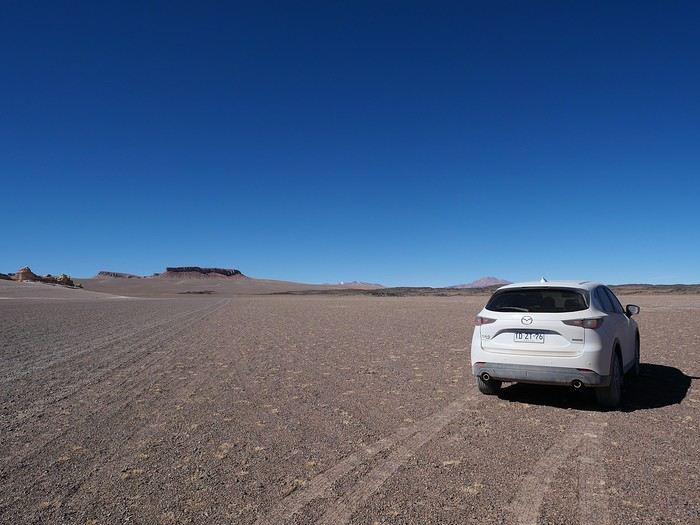
The landscapes of the Altiplano are just mind-blowing 🙂 It's so beautiful, and that feeling of being alone in the world—it really makes you want to book a flight straight away!
HE Herodotos Regular ·
The road is open to traffic until 11:00 AM, we should take advantage of it!

We’ll still have to wait twice for 30 minutes since, like yesterday, it’s single-lane traffic.

It could’ve been much worse if the truck drivers hadn’t been kind enough to let cars pass.

And it must’ve been even worse at the border!

I remember the long lines of trucks we passed, stretching for one or even two kilometers before the border (there were no roadworks that year). Flavio told us that truck drivers, mostly Bolivian, could wait for several days at the two border crossings between Chile and Bolivia.

I really liked the port city of Arica.
https://www.myatlas.com/Herodote
AT Attila Globetrotter ·
The landscapes of the Altiplano are still absolutely mind-blowing :)

Yeah, it's truly breathtaking! :p Especially since there's often almost no one around. You almost feel like the last person on Earth. :o

That said, it does require some acclimatization, and it’s not exactly cheap. That probably explains why...
Ponts du monde : concours de photos amical de juillet 2026 Rubrique Jeux Voyages C'est le moment de poster vos meilleurs clichés !
Similar discussions

You might also like