Back to the discussion

in Entre deux voyages › Carnets de voyage

From Ol Pejeta to Tsavo West (Kenya) (page 10 of 15)

Discussion started by Pygmalion19 on 2019-12-17

286 replies

This thread has been translated into English.


From Ol Pejeta to Tsavo West (Kenya)

Safrou · 2020-01-13 · Message 181 of 287

and I don’t have it in my books 🏴‍☠️😠 yeah, more gray based on your link 🙂

From Ol Pejeta to Tsavo West (Kenya)

Pygmalion19 · 2020-01-13 · Message 182 of 287

Re-

HBW plates favor the poliopterus...

https://www.oiseaux.net/oiseaux/autour.a.ailes.grises.html

Doesn’t look like it! And yet… yes, the oiseaux.net photo is lighter. Let’s go with Grey-winged Kestrel, Meliarax poliopterus—but only if it’s an immature! What do you think? There’s a huge "dimorphism" between the adult and the immature, right!

From Ol Pejeta to Tsavo West (Kenya)

Rjulie95 · 2020-01-13 · Message 183 of 287

EDIT: yellow legs aren’t diagnostic.

What exactly does that sentence mean?

From Ol Pejeta to Tsavo West (Kenya)

Safrou · 2020-01-13 · Message 184 of 287

the EDIT means I edited my message to take up as little space as possible in this lovely travel journal 😊

From Ol Pejeta to Tsavo West (Kenya)

Pygmalion19 · 2020-01-13 · Message 185 of 287

Hi Anne-Marie,

I think Régis is asking: "why isn't the color of this bird's legs a diagnostic identification feature?"

From Ol Pejeta to Tsavo West (Kenya)

Safrou · 2020-01-13 · Message 186 of 287

yes, he says it's not a diagram.

From Ol Pejeta to Tsavo West (Kenya)

Rjulie95 · 2020-01-13 · Message 187 of 287

Yes, there you go—thanks!

From Ol Pejeta to Tsavo West (Kenya)

Rjulie95 · 2020-01-13 · Message 188 of 287

So basically, that means it's not relevant for identifying the bird?

From Ol Pejeta to Tsavo West (Kenya)

Sylvie56 · 2020-01-13 · Message 189 of 287

The serval is gorgeous! With such great lighting too... beautiful shots 🙂

From Ol Pejeta to Tsavo West (Kenya)

Safrou · 2020-01-13 · Message 190 of 287

Yeah, but not always 😛

Wow, a serval—you don’t see those every day! Amazing 🙂

From Ol Pejeta to Tsavo West (Kenya)

Pygmalion19 · 2020-01-13 · Message 191 of 287

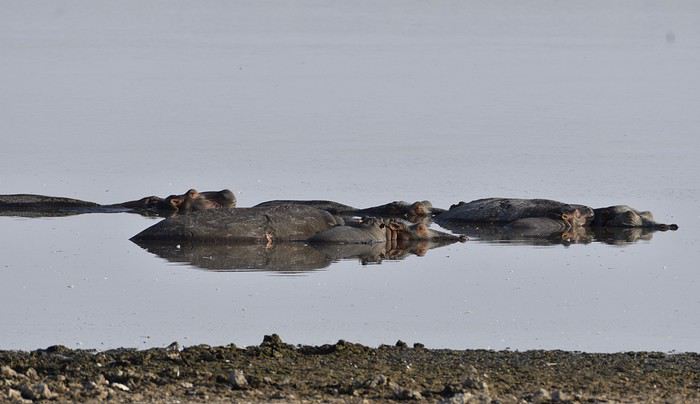
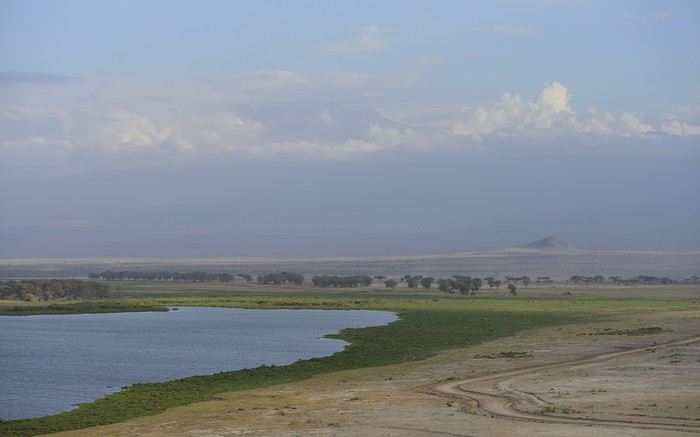
To get a better sense of this park, gain some elevation. Near the lake, there’s a small hill that overlooks the area. To get there, you’ll need to walk along one of the lake’s shores—might as well take the opportunity to see what’s on it:

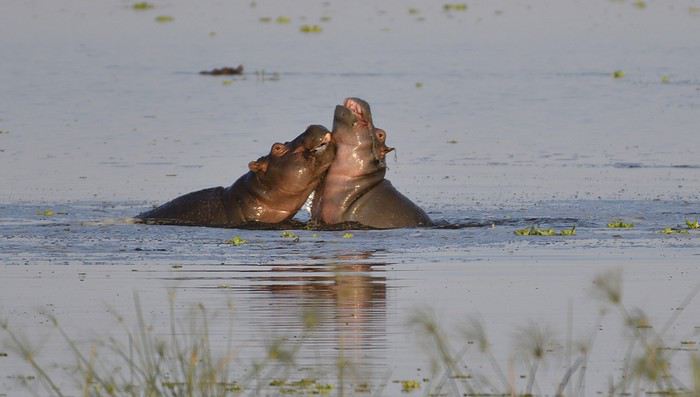
Young hippos playing


More hippos napping with their family


But on the side of the road…


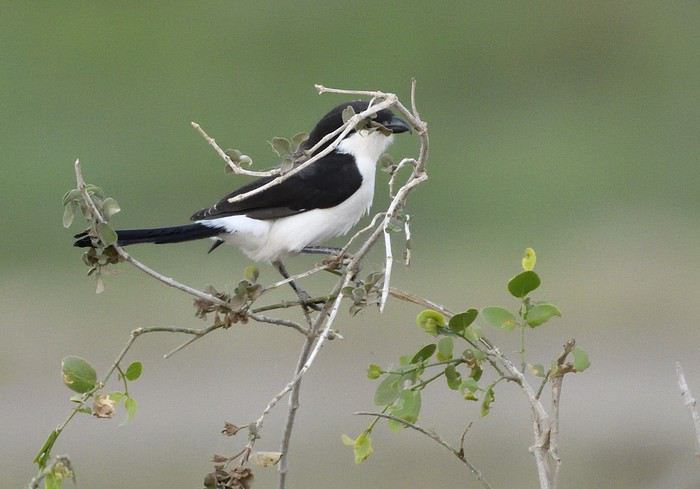
Northern fiscal (seen from another angle)


African hoopoe, *Hupupa africana*


Superb starling, *Lamprotornis superbus*

Not far from there, by the side of the track:


From Ol Pejeta to Tsavo West (Kenya)

Pygmalion19 · 2020-01-13 · Message 192 of 287

Hi Sylvie,

The serval is gorgeous! With such great lighting too... beautiful shots

🙂. I’m blushing with pleasure😊

From Ol Pejeta to Tsavo West (Kenya)

Blesl · 2020-01-13 · Message 193 of 287

EDIT: yellow legs are not diagnostic.

What exactly does this sentence mean?

It means you can’t base a differential species diagnosis between Dark Chanting Goshawk and Grey-winged Kestrel on the yellow color of the bird’s legs.

Have a good evening, Régis

BL

PS: I’ve got initial confirmation from my partner for an M. poliopterus, and I’m waiting for another (or a refutation?) from her mentor.

From Ol Pejeta to Tsavo West (Kenya)

Blesl · 2020-01-13 · Message 194 of 287

A few friendly (or even fellow-birder 😉) details, Éric

Re-

HBW’s plates favor *poliopterus*...

https://www.oiseaux.net/oiseaux/autour.a.ailes.grises.html

That doesn’t look like it! And yet… yes, the oiseaux.net photo is lighter. Let’s go with Grey-winged Kestrel, Meliarax poliopterus, but only if it’s an immature! What do you think? There’s a huge "dimorphism" between the adult and the immature, isn’t there!

We’re on the same page—it can only be an immature. As for dimorphism, it’s pronounced, even if there are worse cases, whether between immature and adult, non-breeding and breeding (Ruff), or especially male and female (many widowbird species).

...
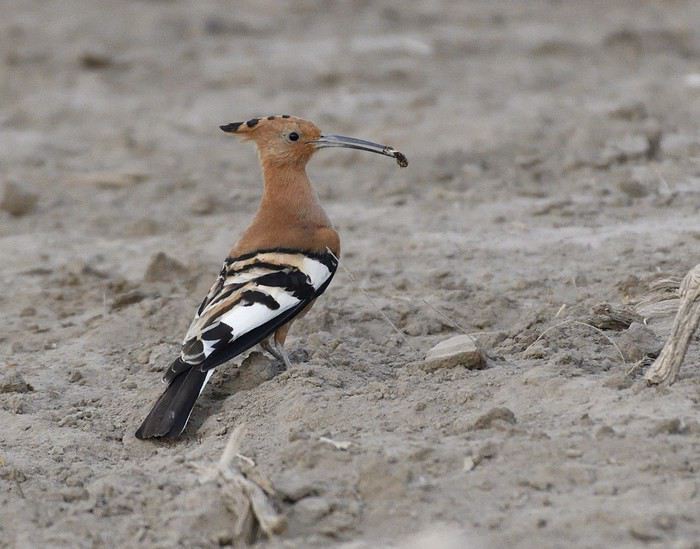


Eurasian Hoopoe, African Hoopoe, *Hupupa epops*

The Eurasian Hoopoe, Upupa epops, is the Common Hoopoe. The African Hoopoe, Upupa africana, is indeed considered a full species by the IOC, but remains a subspecies for HBW, which notes: "Race africana also considered by some to be a full species on the basis of varying amounts of white in the wing and other minor differences in color pattern (possibly also between sexes), but linked to race senegalensis by intermediate waibeli." Expert debates that go way over our heads, but we can’t mix the two names...
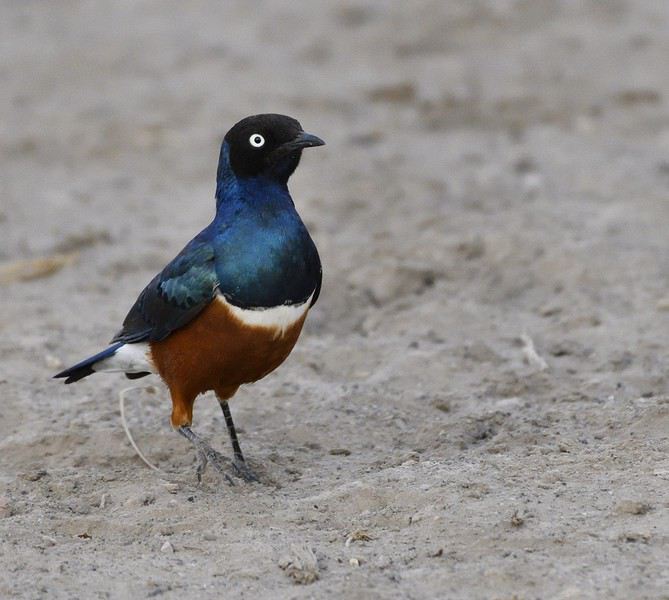


Superb Starling, *Lamprotornis superbus*

Now it’s Superb Starling (still Superb Starling, Lamprotornis superbus). It’s one of birders’ favorite games to "split" (divide) species, lump them in seemingly arbitrary ways, and finally change genus names that date back to Linnaeus himself...

Have a great evening,

Bernard
From Ol Pejeta to Tsavo West (Kenya)

Pygmalion19 · 2020-01-14 · Message 195 of 287

Hi Bernard,

Now it’s Choucador superbe (still Superb Starling, *Lamprotornis superbus*). It’s one of birders’ favorite games to "split" (divide) species, group them in what seems like the most arbitrary way possible, and finally change genus names that go back to Linnaeus himself...
Birders are so quirky and complicated 🙂! Speaking of other things, what’s this acronym—HBW?

From Ol Pejeta to Tsavo West (Kenya)

Pygmalion19 · 2020-01-14 · Message 196 of 287

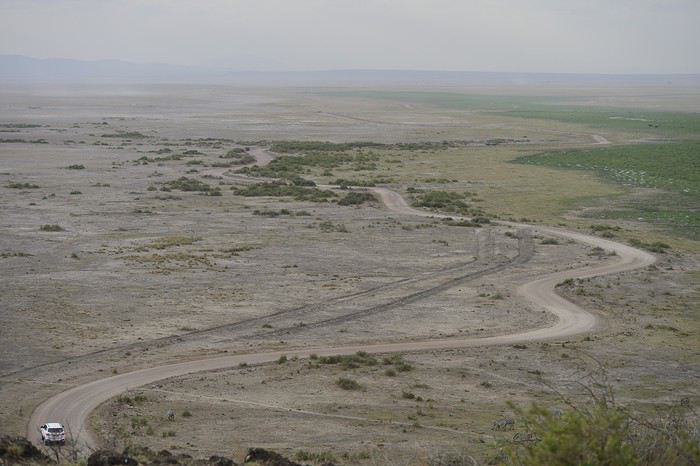
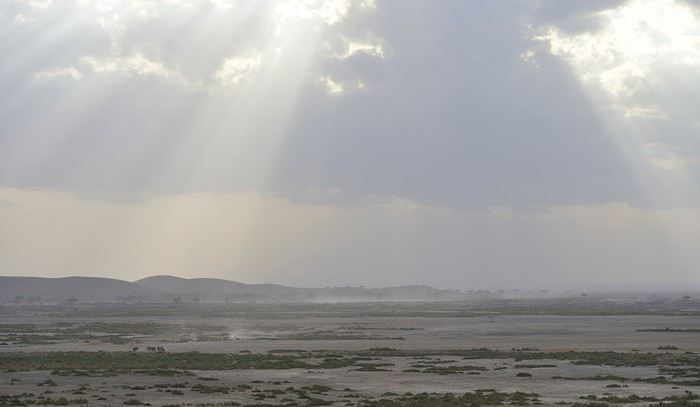
We arrive at this mound, actually a rocky formation I know nothing about except that it’ll serve as our vantage point for a series of views:

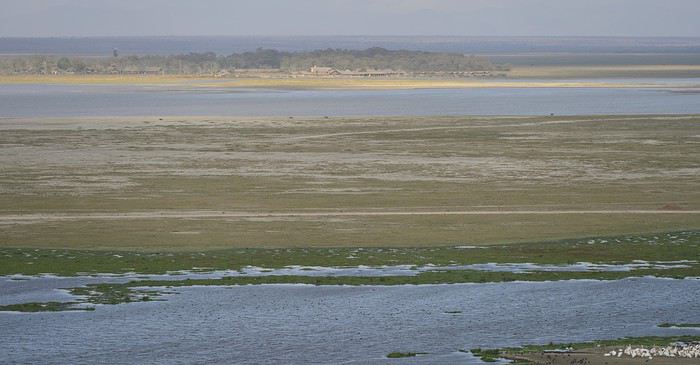
View of the marshes and the lake. In the background, Ol Tukaï and the accommodation where we stayed:


View of the lake and Kilimanjaro


View of the grasslands


View toward Arusha and Tanzania


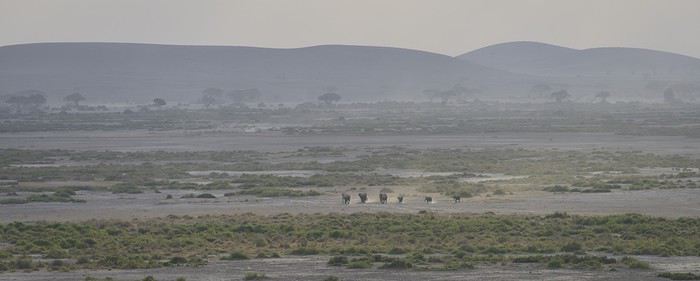
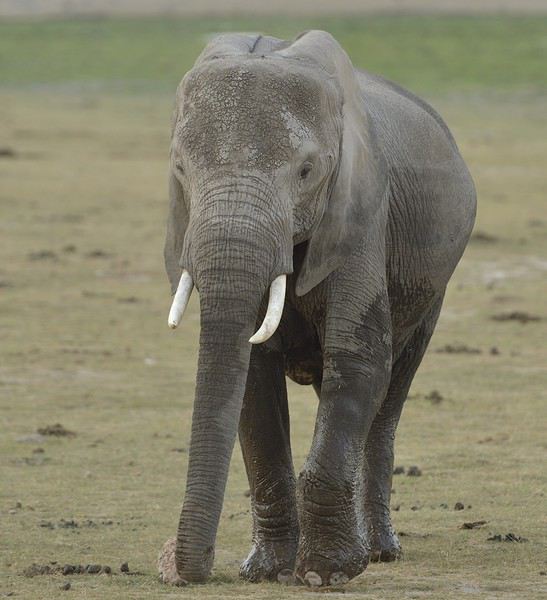
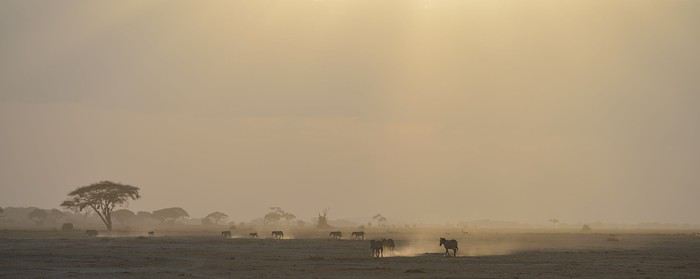
Animals move around a lot in this area, which seems to be a corridor. Here, elephants:


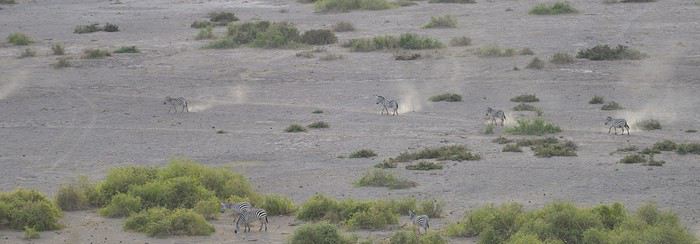
There, zebras


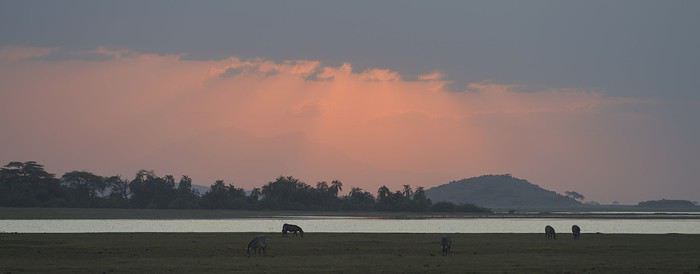
But the sun is sinking on the horizon. The light turns twilight as elephants emerge from the marsh and equids return to their sleeping quarters. The marshes empty of all animal presence for the night.


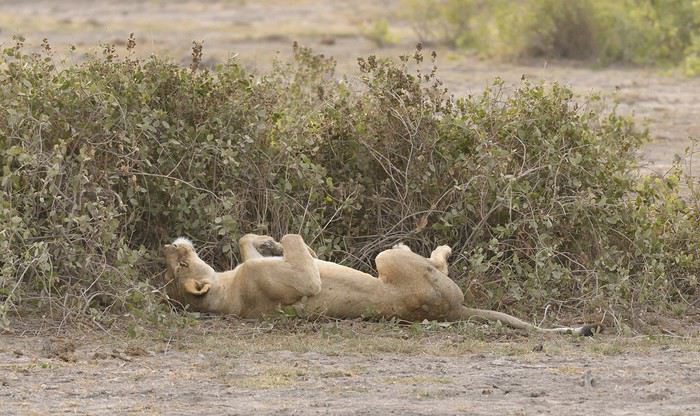
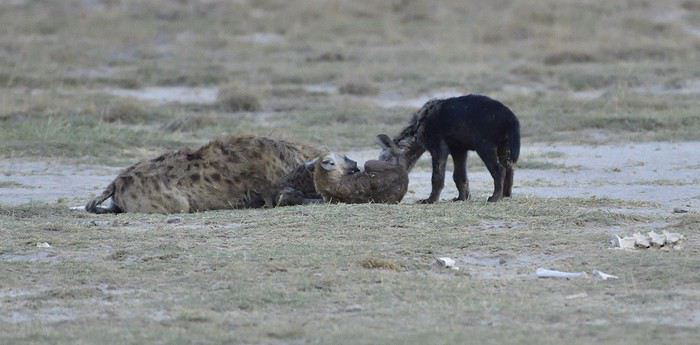
But predators shake off their lethargy for the night:


The sky ignites:


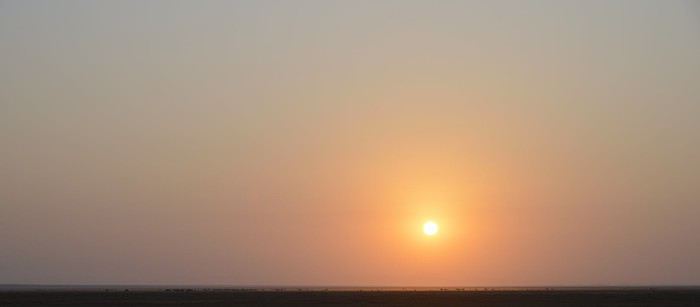
and the sun gradually disappears


From Ol Pejeta to Tsavo West (Kenya)

Rjulie95 · 2020-01-14 · Message 197 of 287

About other things, what does this acronym HBW stand for?

For once I know something—Handbook of the Birds of the World.

I’m having a hard time keeping up with all your bird names 🏴‍☠️

From Ol Pejeta to Tsavo West (Kenya)

Blesl · 2020-01-14 · Message 198 of 287

Well, to wrap up the bird name mystery, I’ve been told it’s an immature Grey-winged Hawk—not based on morphological traits (since telling it apart from a Dark Chanting Goshawk at this stage would be tough, if not impossible), but rather on distribution patterns. The Dark Chanting Goshawk is generally less common in Kenya and Tanzania than the Grey-winged Hawk, and it’s said to be particularly absent from Amboseli.

Beautiful landscapes, Éric !

From Ol Pejeta to Tsavo West (Kenya)

Safrou · 2020-01-14 · Message 199 of 287

Got it, thanks! 🙂

From Ol Pejeta to Tsavo West (Kenya)

Pygmalion19 · 2020-01-14 · Message 200 of 287

Hi Régis,

Thanks for the info.

VoyageForum — the largest community of French-speaking travellers.