Cripple Creek…
First off, I want to acknowledge the respect you four have shown for the work of underground miners—those in Cripple Creek, in this case. That’s the same feeling I had as a student the first time I went "down below."
Hats off and helmets down to the miners who’ve truly earned their advantages.
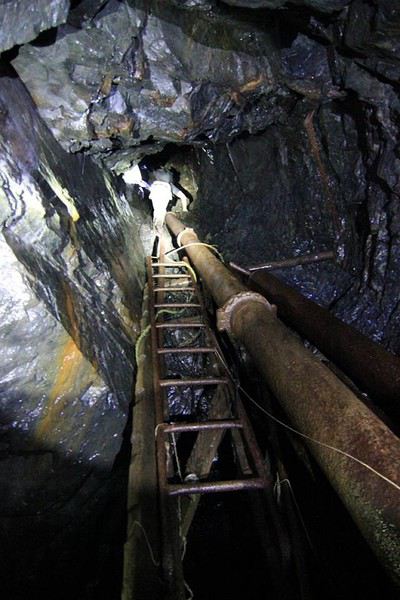
To further illustrate life in the mines, here’s a photo of a manhole, (a vertical shaft) in the former small copper mine of Jordan River near Sooke, BC, which was still in operation in the 1970s.
The technological advances that allowed miners in Cripple Creek—and those in underground mines worldwide—to descend so deep (up to 4 km) have their roots in Central European mines, particularly in Saxony and Bohemia. For centuries, since the 1500s or even earlier, the Bohemians (under various political regimes) mastered underground mining better than anyone. In Bohemia, in the region of Jáchymov, for example, they’ve been the ones—since Roman times—who’ve advanced mining techniques the most. During the Kingdom of Bohemia, the Austrian Empire, and especially the Austro-Hungarian Empire, miners achieved records. Under Franz Joseph, they reached a then-record depth of 800 meters, if I remember correctly—an achievement celebrated by the Emperor himself, who was notified by telegraph and rewarded them fairly. (This comes from an oral interview with local engineers during the communist era.)
In Saxony, in 1556, the first modern mining treatise since Roman times was published in Latin for a wider audience. It was written by a certain Georg Bauer, known as Agricola, who, after spending several years in Bohemia and gaining experience in Jáchymov, returned to Saxony. In his treatise, he was the first to discuss the potential conflicts between mining and the environment.
An interesting confrontation, long before the industrial world—and one that hasn’t aged a bit!
I’ll quote (translation from one of my former bosses):
‘‘ Many quotes from ancient authors and priests claim that man can be happy without metals. The mine destroys fields, vineyards, and orchards. Miners destroy forests to obtain the wood needed for their constructions and furnaces. Waste kills river fish. Many murders and wars are due to greed. How can we deny the destructive power of gold and wealth? Finally, isn’t it unhealthy to seek what nature has taken care to hide?
In defense of mining, one must mention fishing—fish hidden in the sea, just as ores are hidden in the earth—and recall that metals are used to produce other riches. It’s also worth noting that man can no longer live without tools. But we must guard against excess: it’s the same with everything, even wine.
Metals are useful to doctors, painters, architects, merchants, and farmers…’’
However, contrary to what’s sometimes written, it was in Jáchymov, in 1716—now in the Czech Republic, then in the Kingdom of Bohemia—that the first School of Mines in Europe, and thus the world, was founded, fifty years before the one in Freiberg, Saxony.
And when you visit the underground workings of Jáchymov, now a spa town, and walk through the various galleries that have marked centuries of miners’ progress, the emotion is palpable.
For example, in front of the small sanctuary carved into the rock to house a statue of Saint Barbara, the patron saint of miners (among others), where miners would pray upon arriving underground for several days.
Or in front of the small niches carved into the rock walls, blackened by the smoke of oil lamps they once held, lining the oldest galleries.
But, you might ask, what on earth do the miners of old Bohemia have to do with our topic—that is, American miners (and Americans in general)?
It’s simple: they’re the origin of their currency (well, the name of their currency, at least!).
Indeed, thanks to the efforts of Bohemian miners in the early 16th century, a certain family—the Counts of Schlick—became extremely wealthy.
Count Schlick became so rich that he got a big head and started minting his own coins. Thus, in 1519, the Thaler was born, which played a major economic and financial role in Europe and beyond for four centuries and gave rise to the American dollar in 1792.
But the name "dollar" was known long before 1792, as evidenced by its use by William Shakespeare around 1611.
Interesting reading on the subject:
Origin and history of the Word Dollar and Dollar Sign (good online Google translation)
A little wink from history: today, the name Thaler remains associated with economics and finance thanks to a Nobel Prize winner, Richard Thaler.

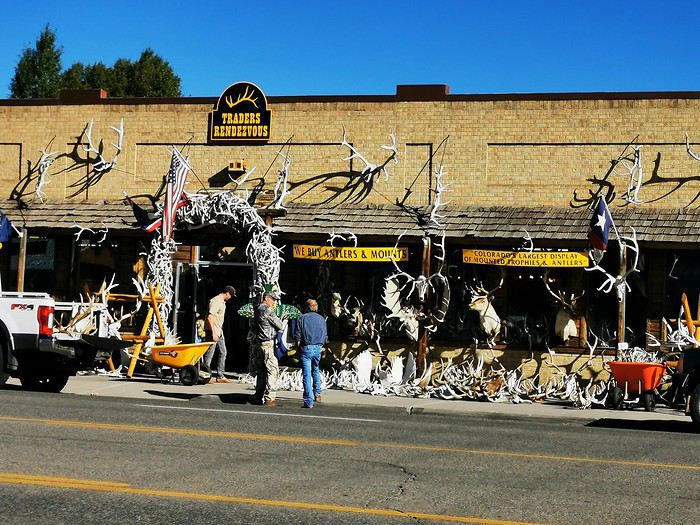
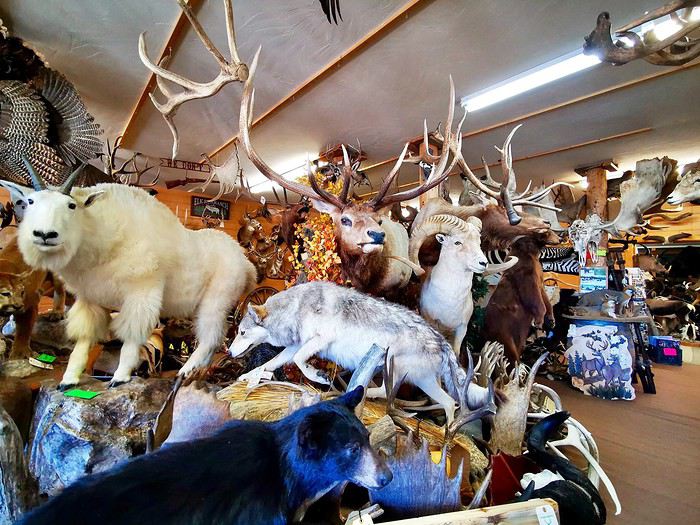

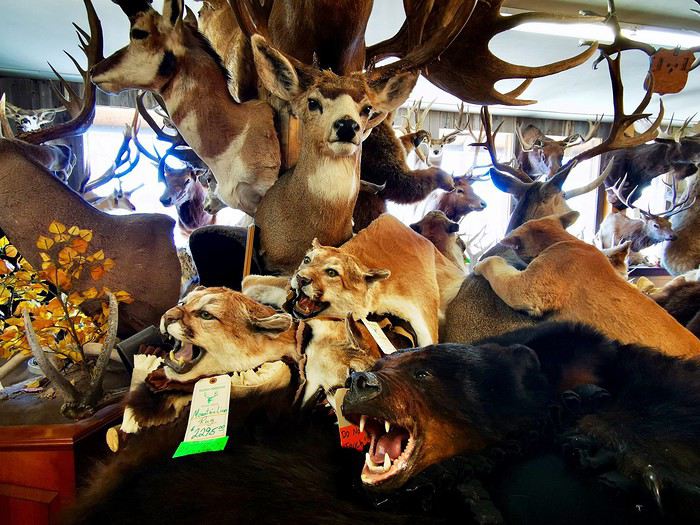
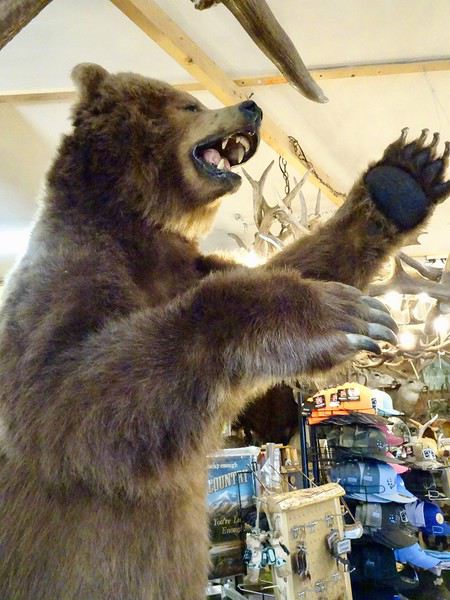 and others that are more unexpected: crocodile, lion, zebra...
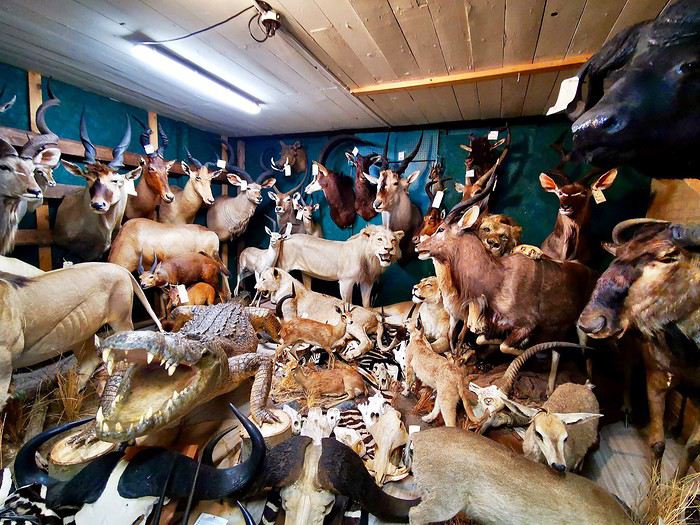 We wander around this jumble where, of course, guns are also for sale.
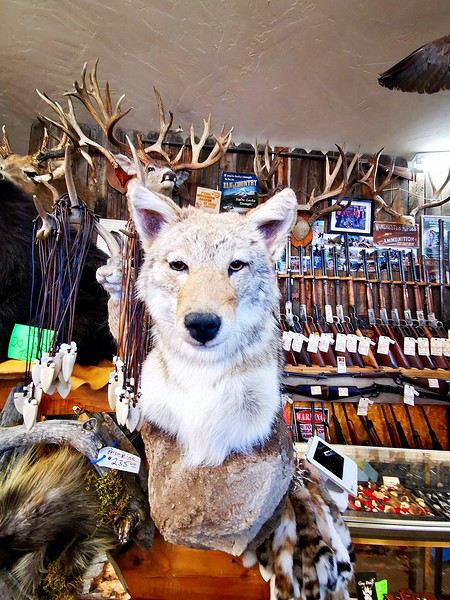 The saleswoman assures us that most of these animals came from road accidents. Mimi and I prefer to take her word for it without asking too many questions.
The only interesting thing about this store was the chance to see certain species up close.
Once again, we realize how kind Americans are when a passerby, thinking our vehicle had broken down, offers to call the rental agency for DD and Maumau.
We cross a pass at nearly 3,500 meters while driving through Monarch Park.
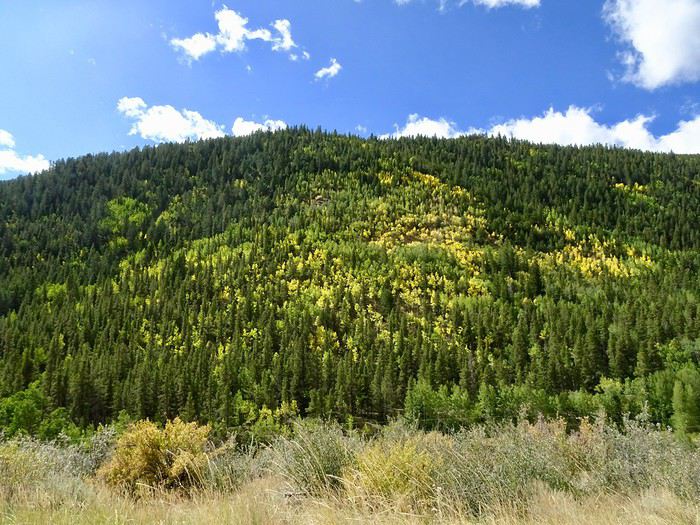
The trees are starting to turn yellow—you can really tell fall is just around the corner.
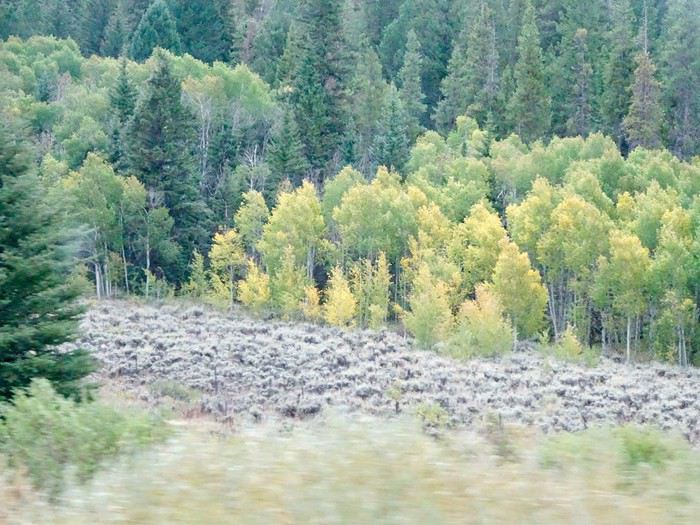
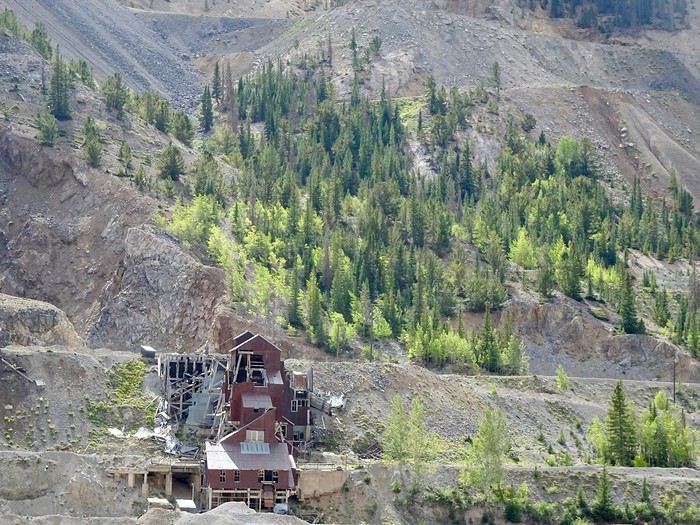
 The landscape of prairies and pinnacles has given way to a mountainous scene with ruins of old buildings.


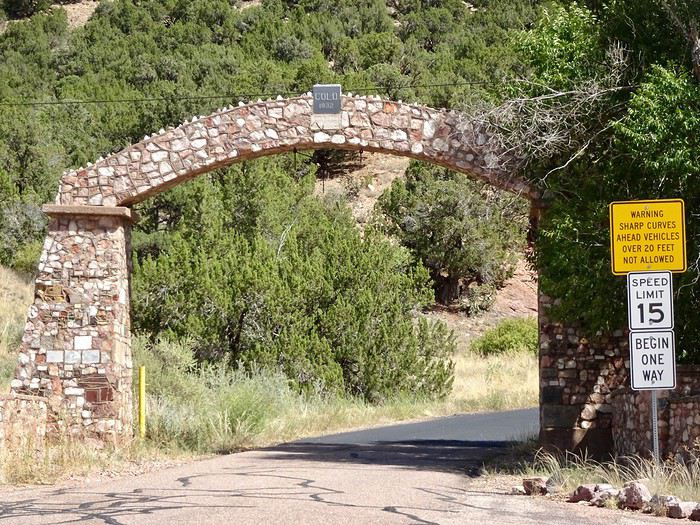 This 5 km road, super narrow and without guardrails, was built by convicts in 1905.
The climb is smooth. It rises gently.
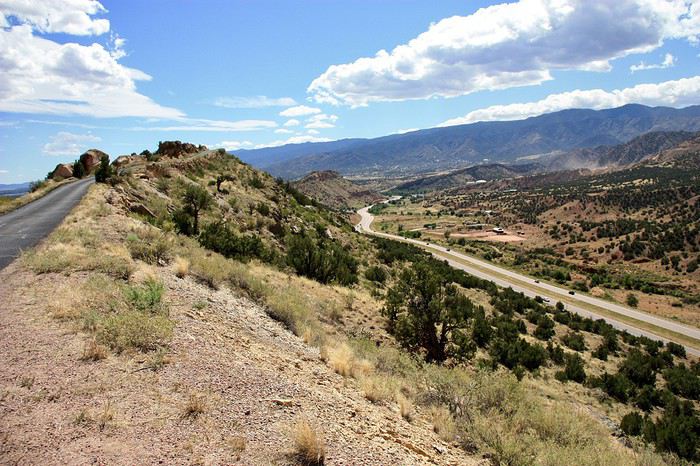 Then it winds in a gentle slope, dropping like a roller coaster onto the ridge 240 m above the ground.
In the photo below, you can really see the road’s path—good grief, it’s not wide!!!
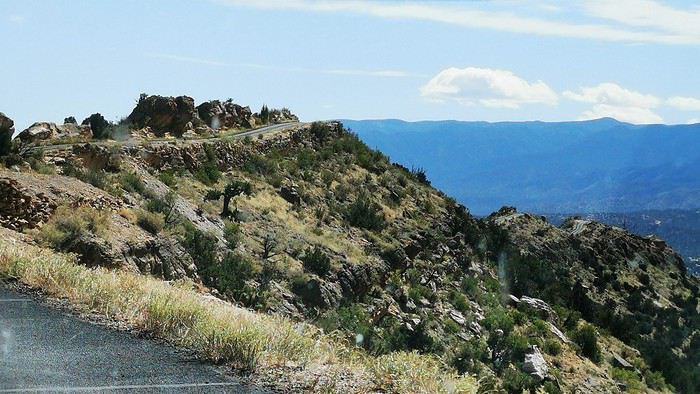
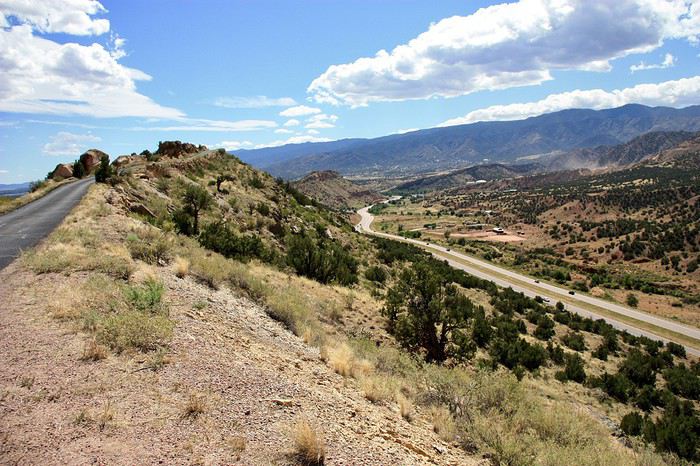
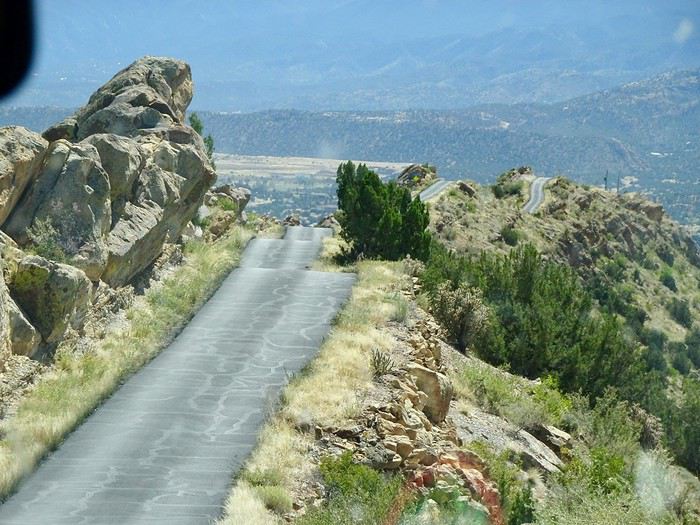 That’s where the ordeal begins.
The precipice on both sides—Maumau is glued to the wheel, a hushed silence fills the car. Mimi is terrified, but she’s not the only one—everyone’s clenching and feeling uneasy!!! Adrenaline rush and guaranteed chills!!!
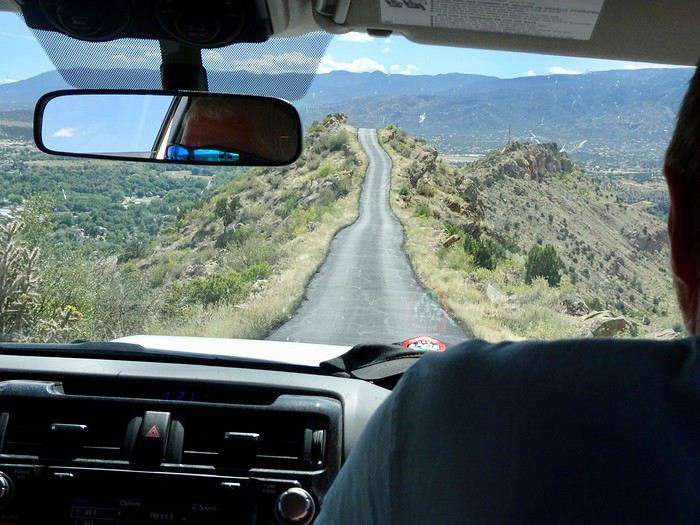 At the summit, a small parking lot lets you see the valleys below.
What a sight—on the right, the highway and the mountains.
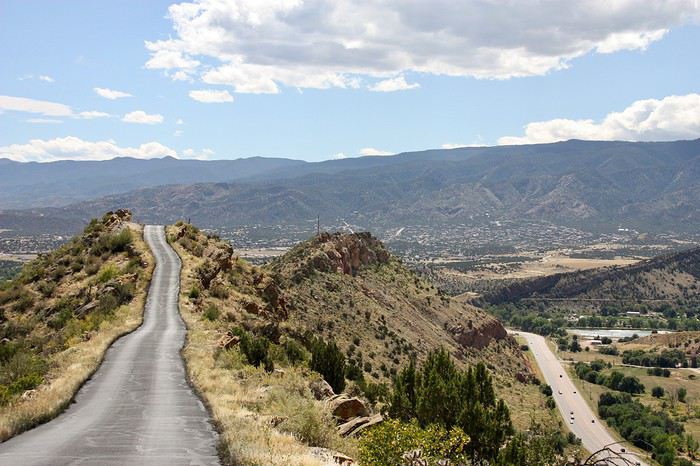 And on the left, the plains of Canon City.
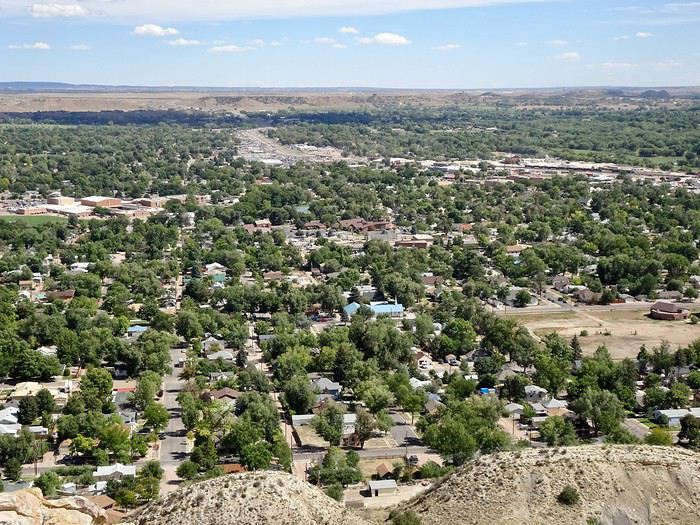 Workers are up there, perched in the void without any protection, picking up all the trash that those piggish tourists toss when they stop.
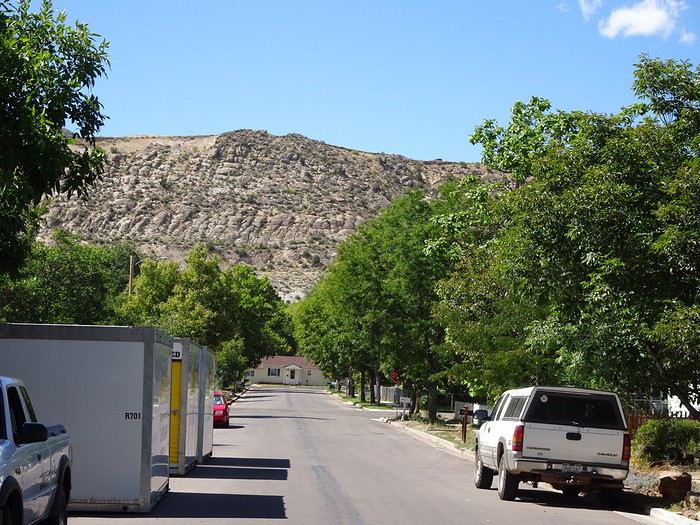
We start the descent, which is pretty easy overall, and finally reach the bottom in a fairly residential neighborhood, thrilled we did it.
We were way up there on the ridge where you can see the tiny dot of a car.
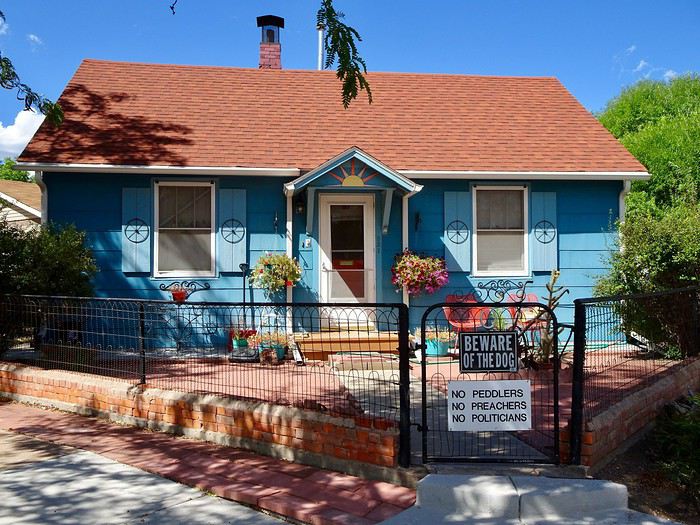
 A strange way to welcome visitors.
 Mau, happy to have driven us safely, is ultimately glad he had to drive because his concentration kept him from thinking too much about the drop.
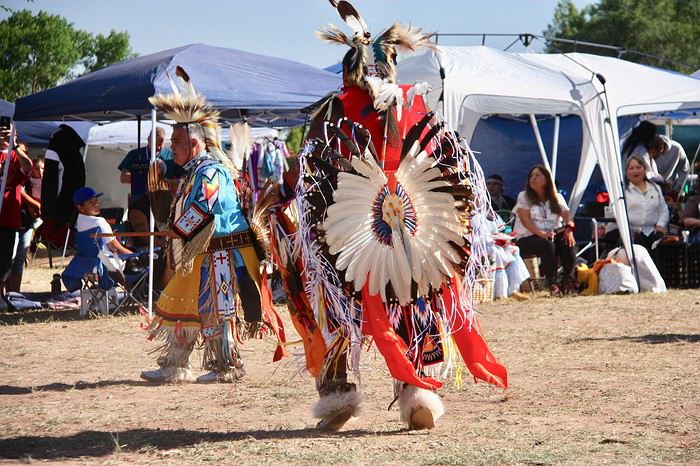
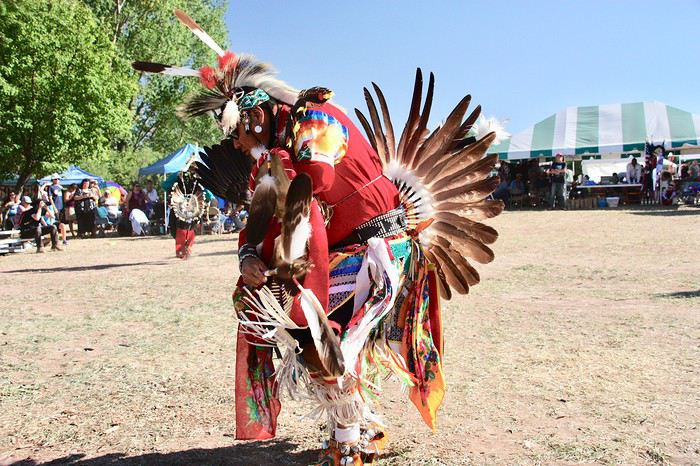
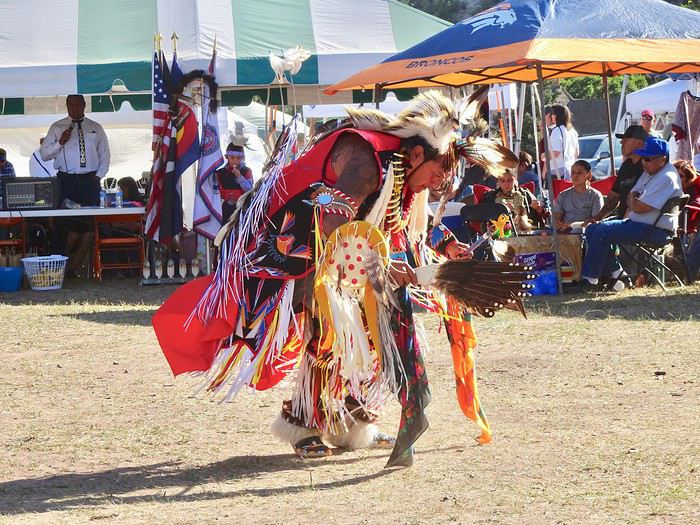
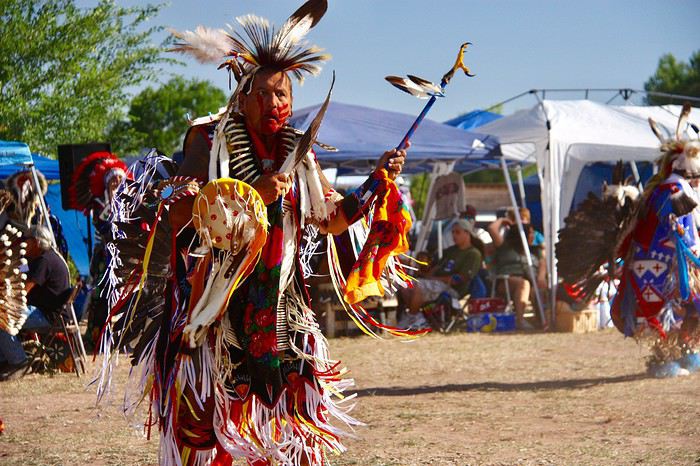
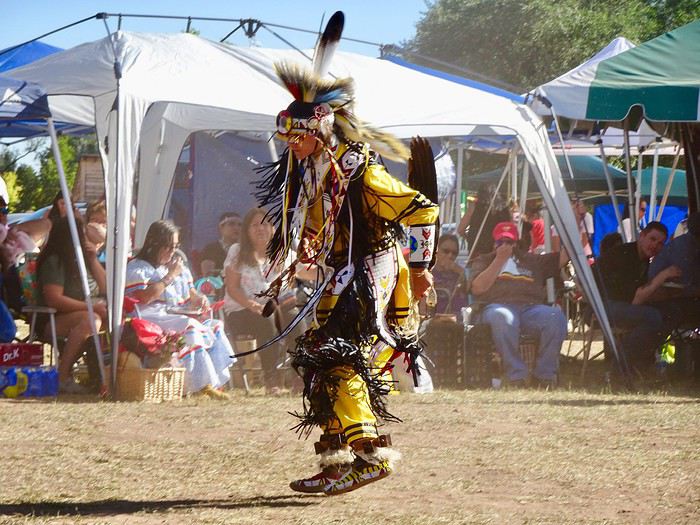
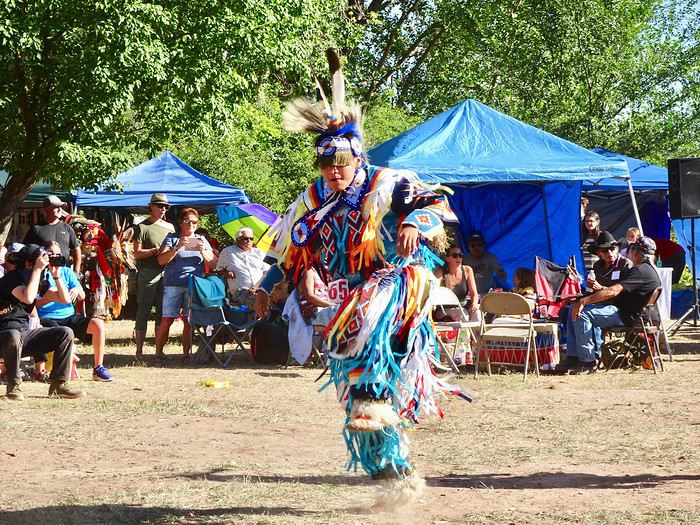
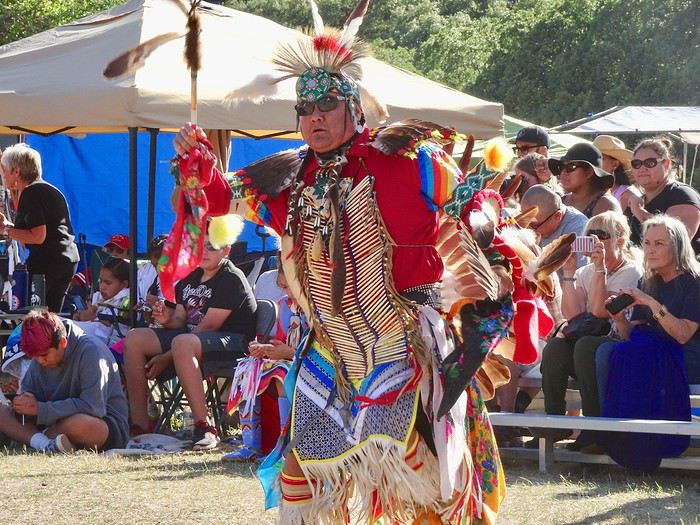
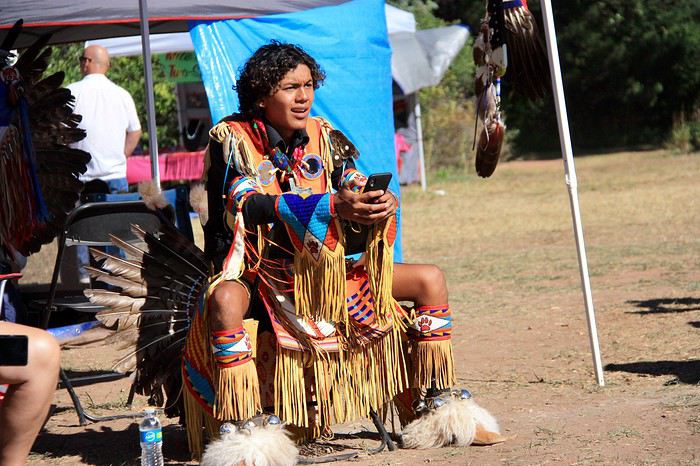
Based on a forum friend’s advice, I’d planned to take Phantom Road after our night in Cripple Creek, descending leisurely toward Manitou Springs, but discovering a last-minute Pow Wow near Garden of the Gods on the day we arrived made us change our plans—we had to be there by 2 p.m. at the latest, so we had to take the shortest route.
Phantom Road
So, we’ll take it on the way up.
We find the start of the trail with difficulty. This path, nestled in the forest with its pines, high walls, and tunnels, is certainly cute.
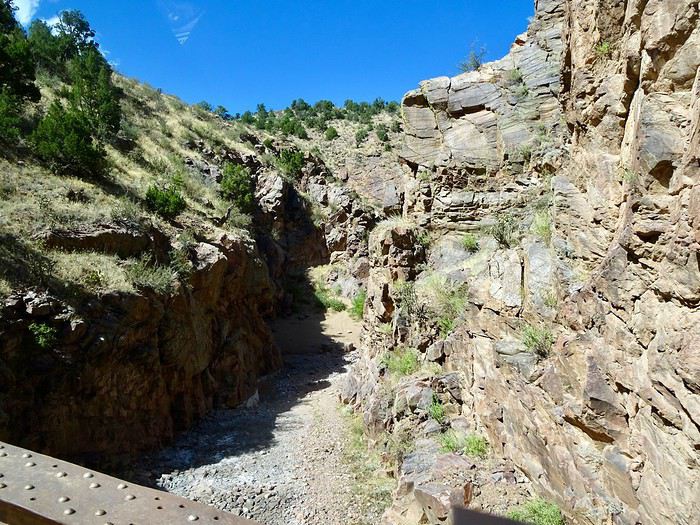
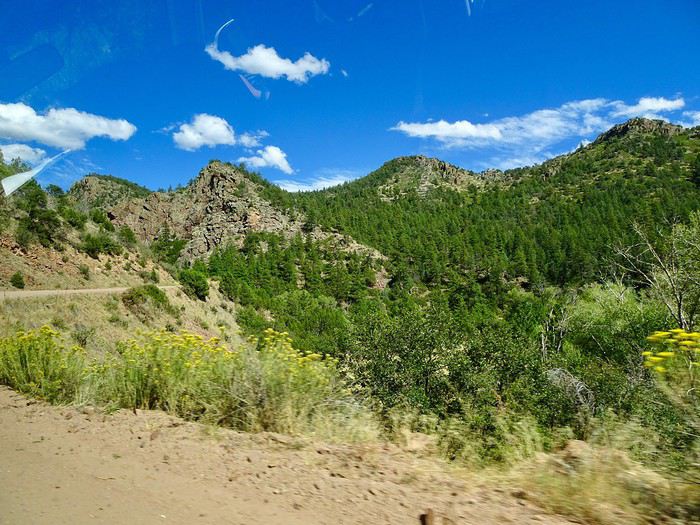 But it takes us longer than expected to reach Cripple Creek, which prevents us from visiting the Mollie Kathleen Mine because we arrive at 4 p.m., just as the last group is coming up—and unfortunately, it’s full.
Disappointed we can’t go down, we settle for taking a few photos.
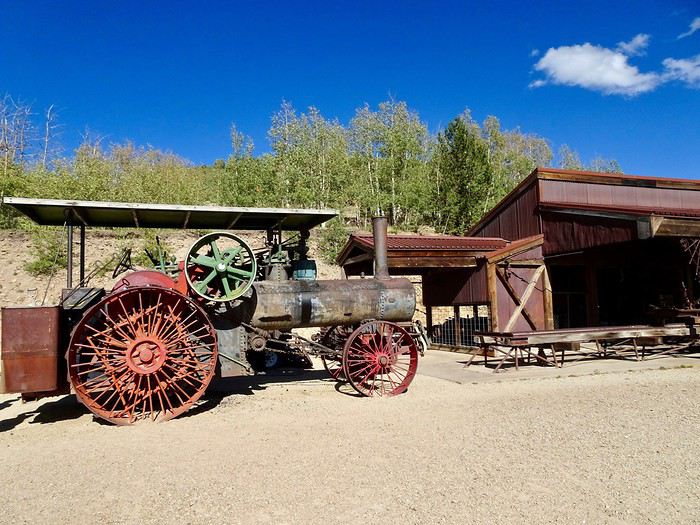
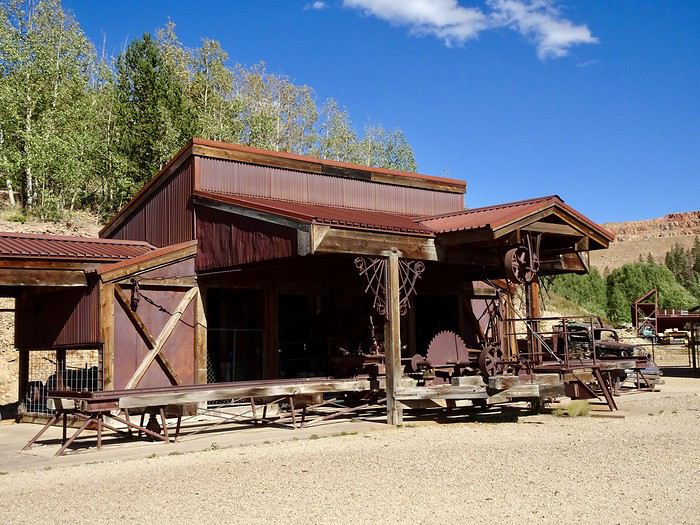
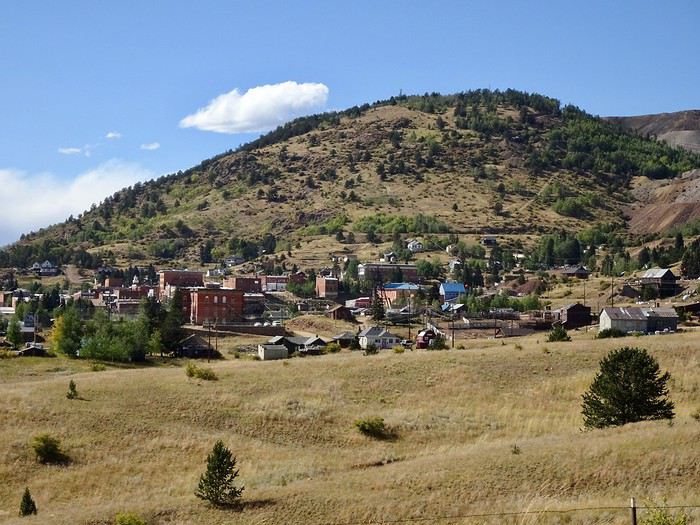
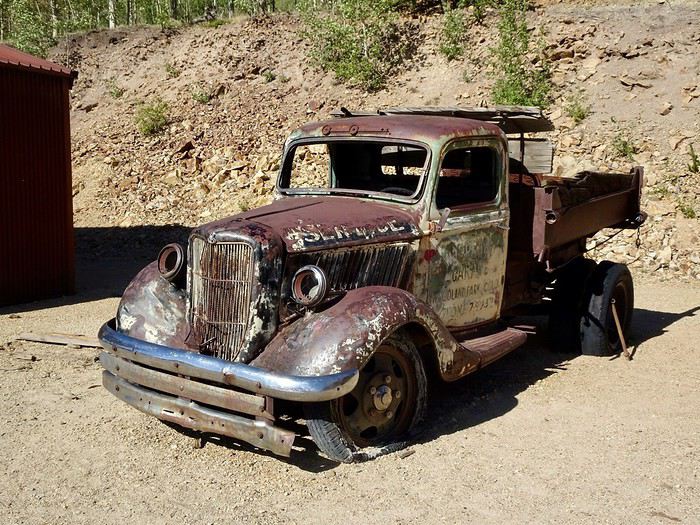 Before heading back to Cripple Creek.
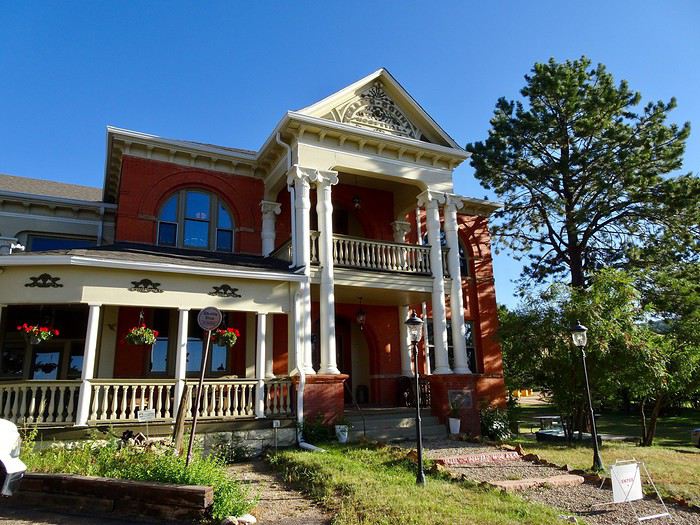
 And our hotel.
 Where we love strolling—the decor is so nice.
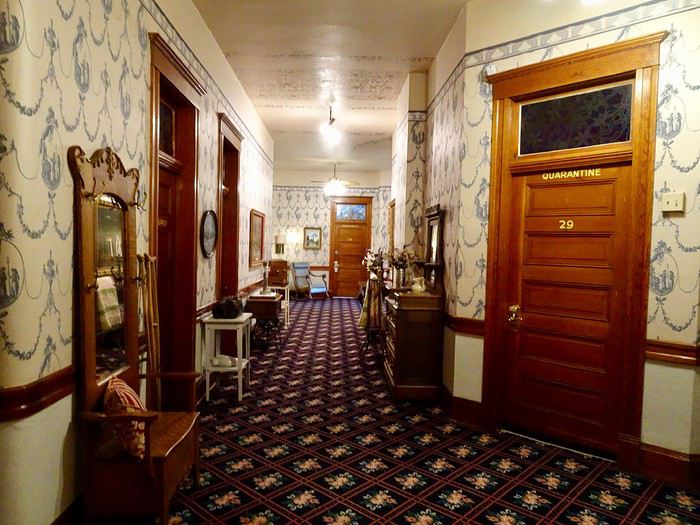
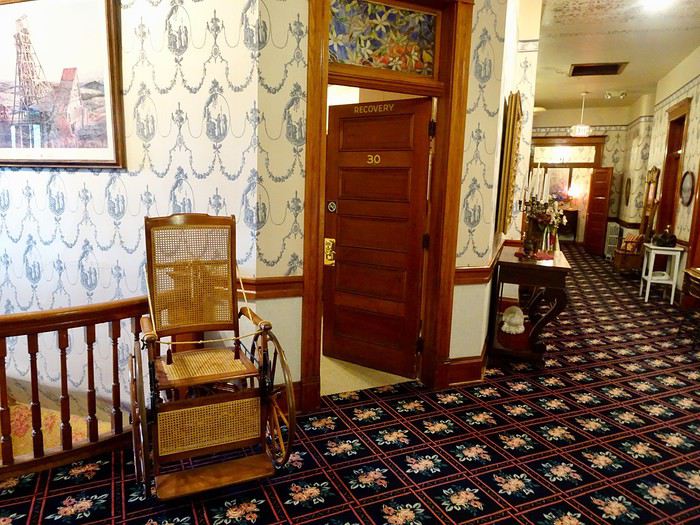
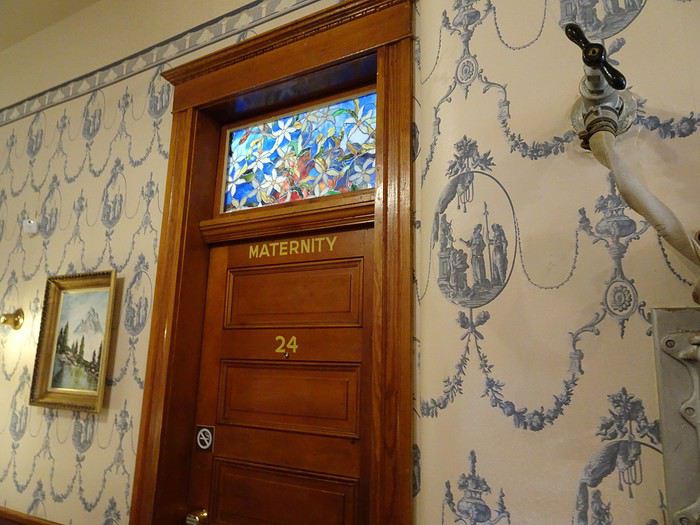


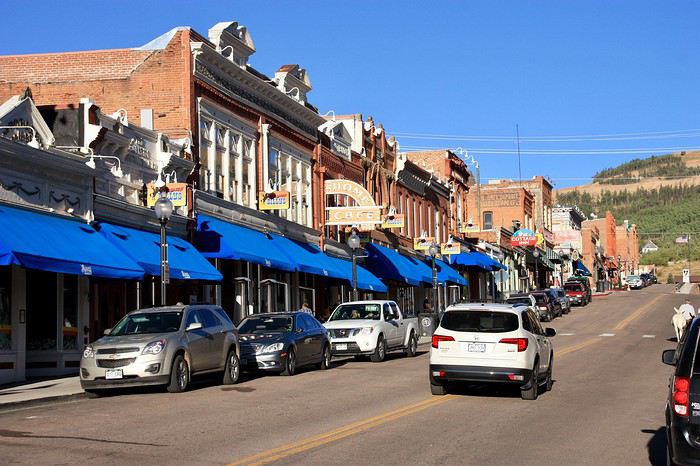
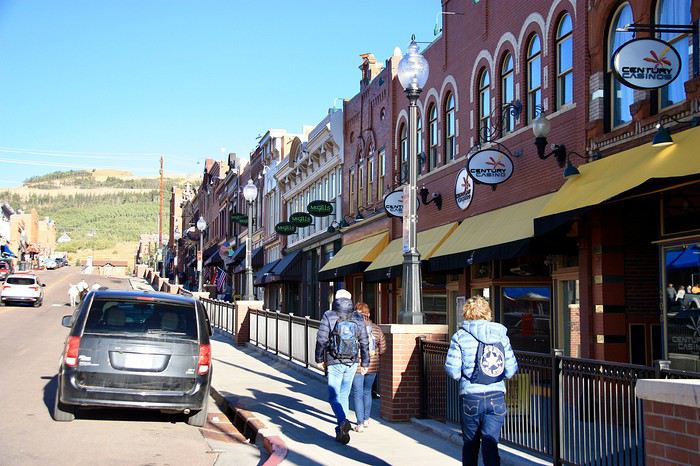 And hotels.
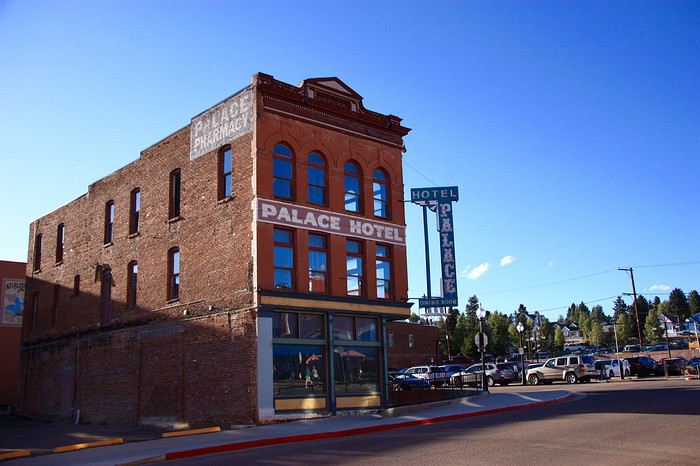
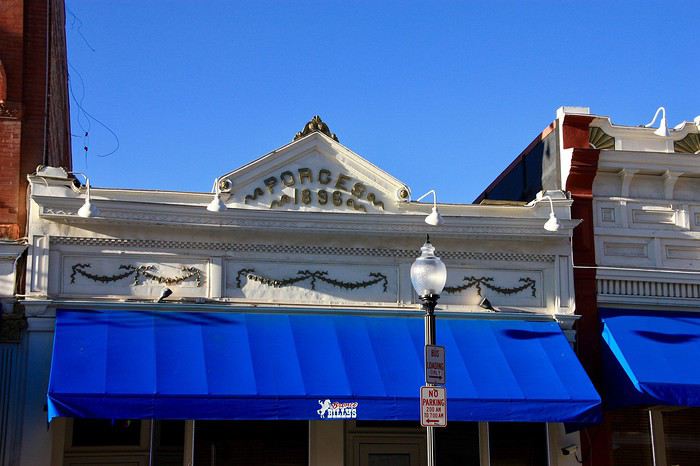
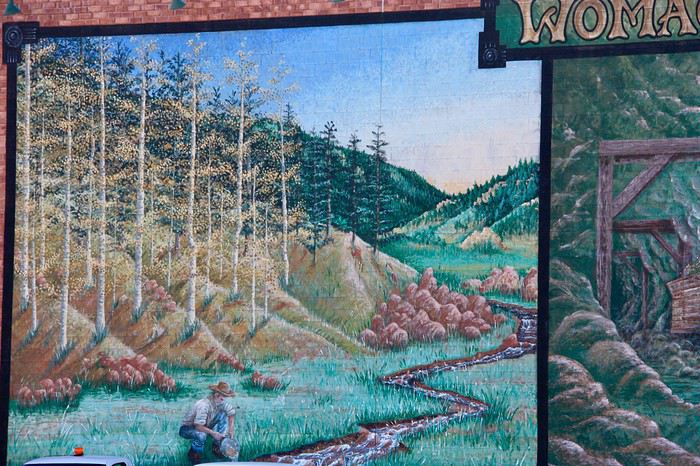
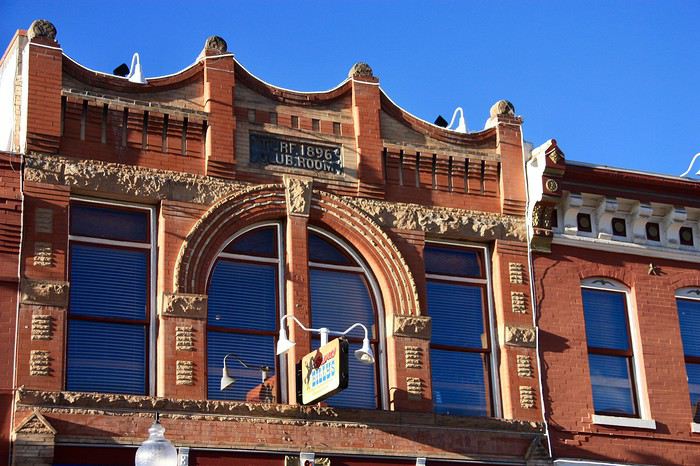 As well as some cool murals.
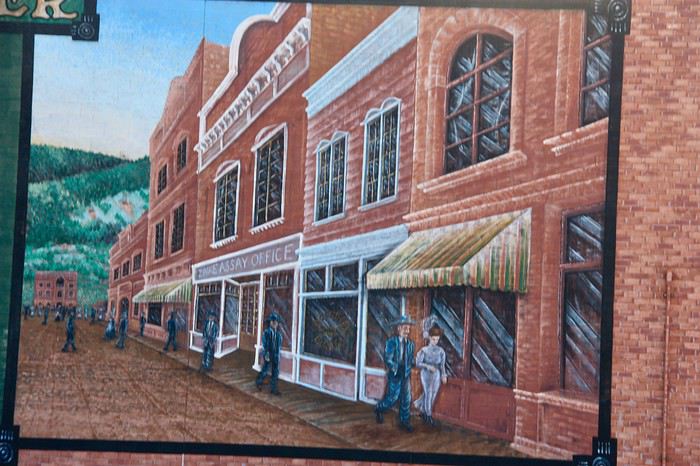
 There are also little donkeys, descendants of those that spent their lives in the mines, but we didn’t see them.

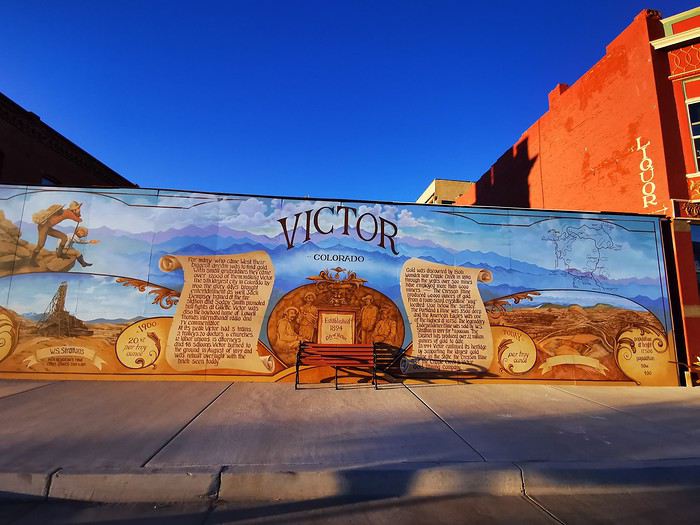
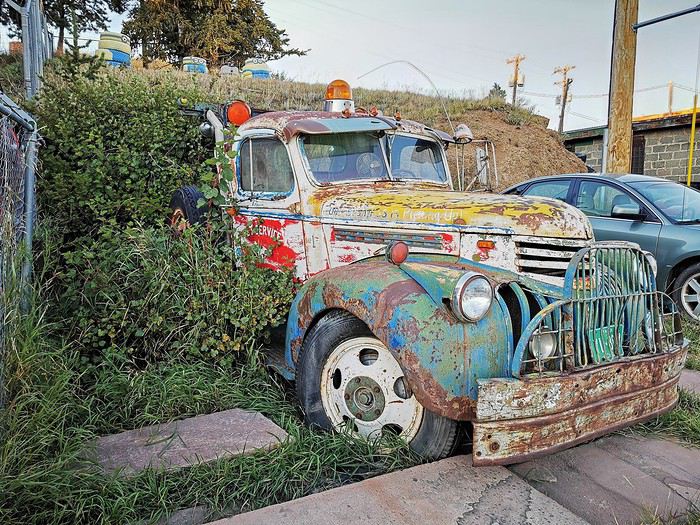
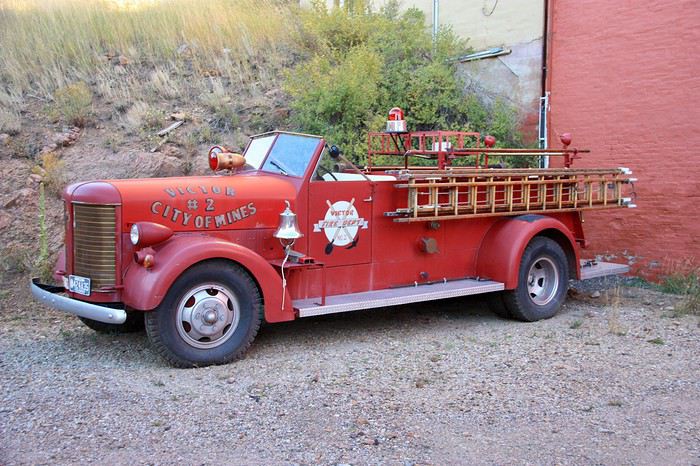
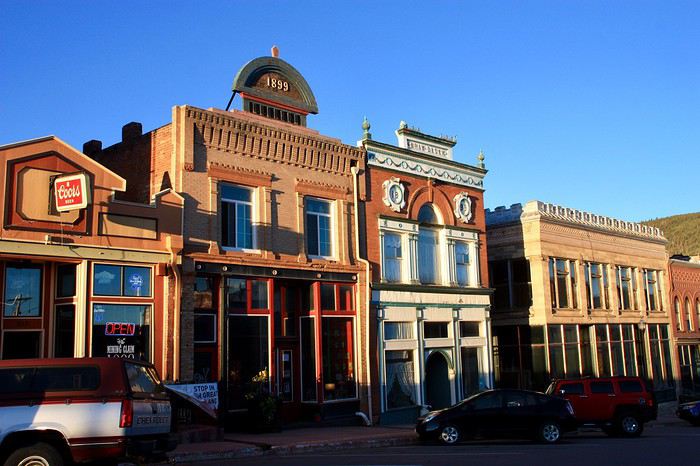
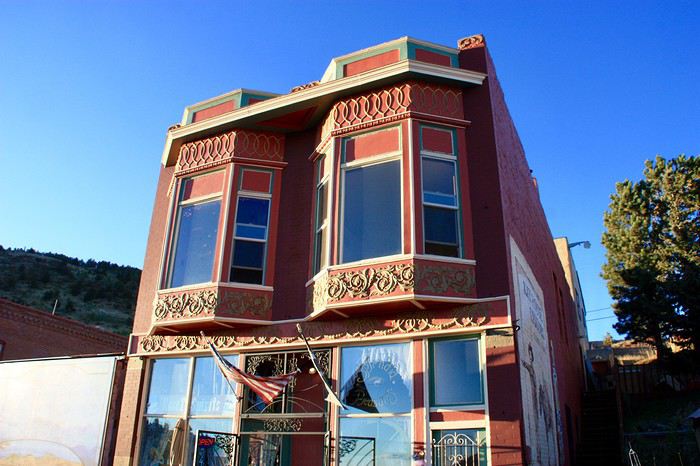
 Victor seemed more authentic to us, even more moving, though it looks more like a ghost town with its antique shops and dilapidated storefronts.
Here too, there are murals.
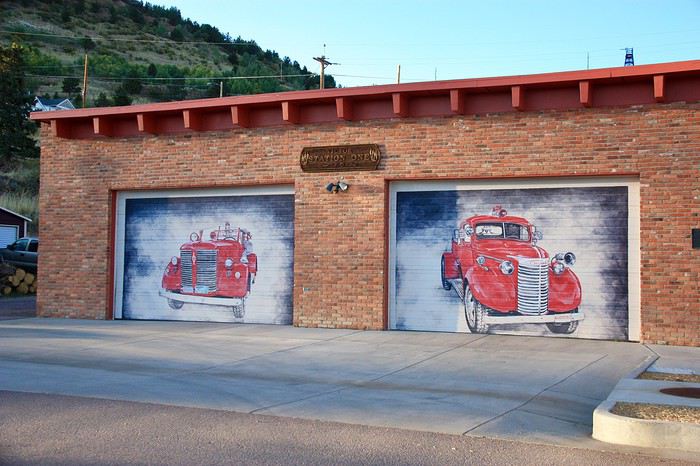 Old cars.
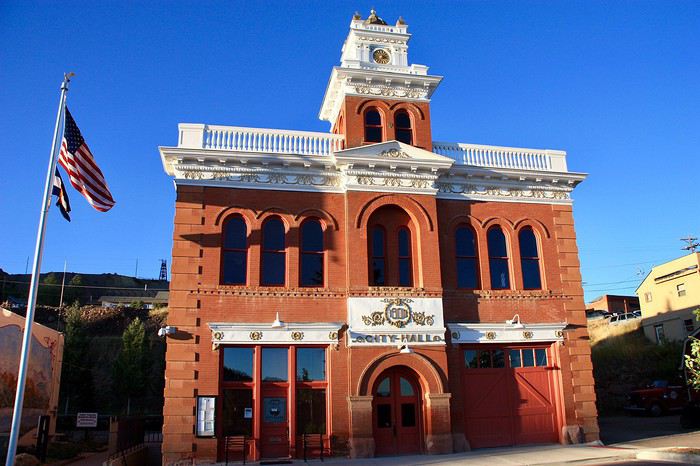
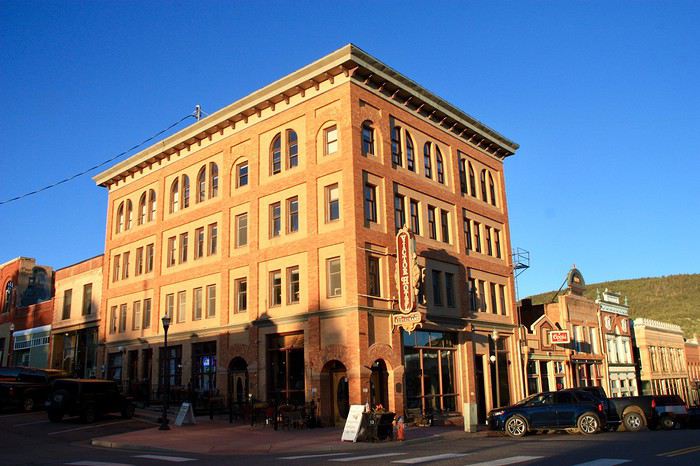 Dusk is setting in.
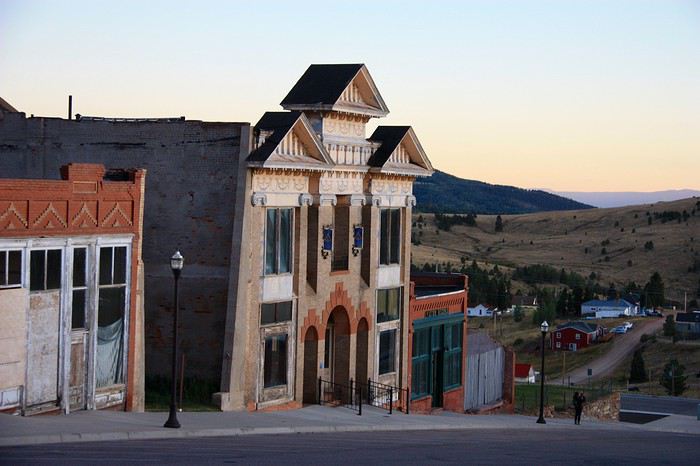
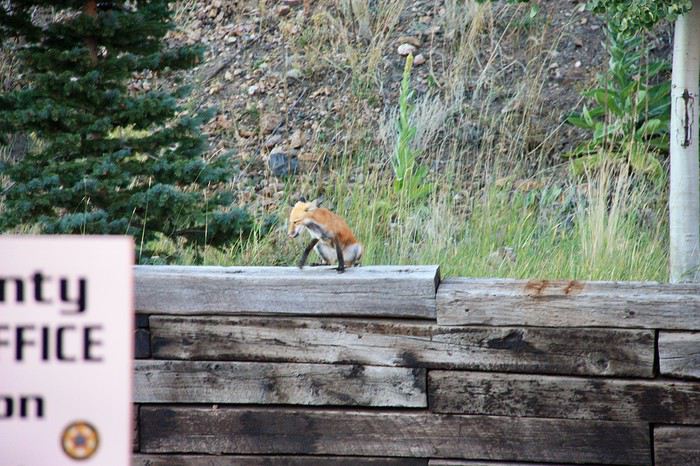
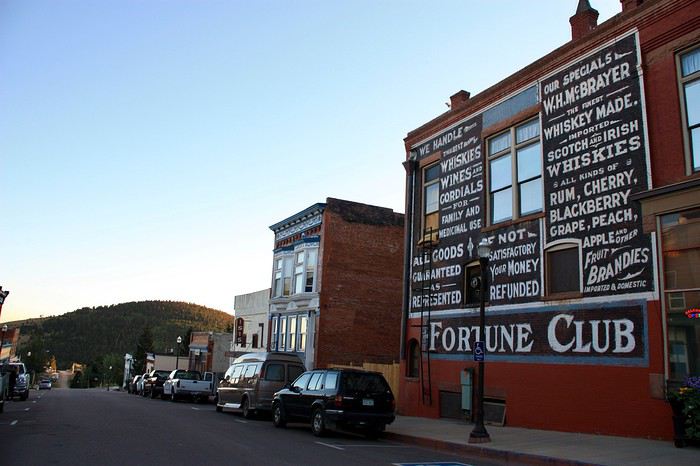 Not a soul on the street except for a young homeless guy and this little coyote.
 And a drunk man, whom a lovely antique shop owner will take care of for us.
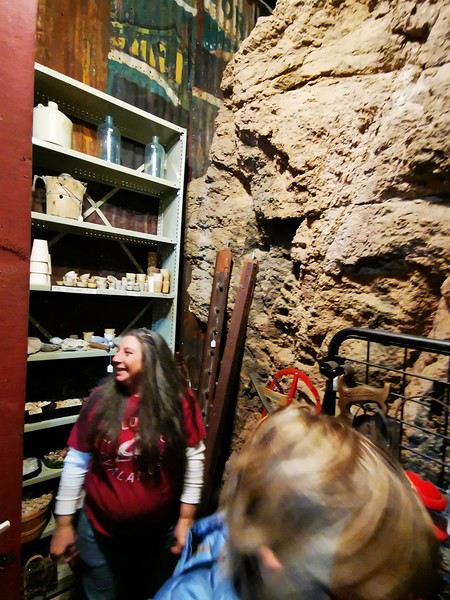 She sells bottles of alcohol and reopens her shop door, which she had already closed, to lead us to the back of her store, where a section of the wall holds gold nuggets.
Victor is also known for its mining relics, which we plan to see tomorrow morning.
The restaurant we’d spotted for dinner was closed, so we head to one of the casinos on the main street that also serves food.
Arriving too late to visit the gold mine is the big disappointment of the day. Tomorrow, we want to walk through the mining ruins—it’ll take time, and if we visit the mine afterward, we’ll arrive too late to see the native costumes and dances, which we really want to see. Oh well, too bad about the mine, but it’s still a shame!!!


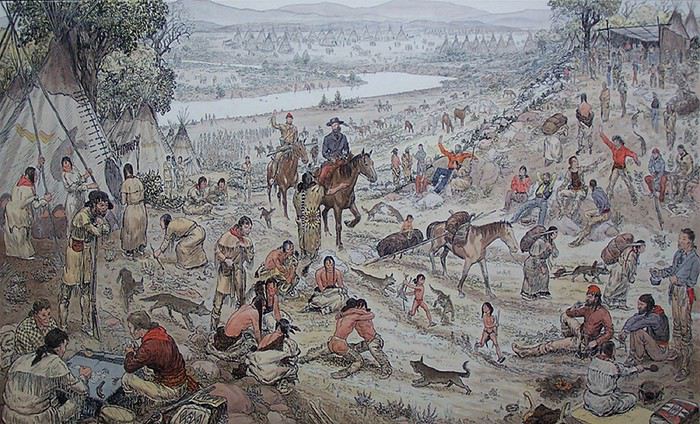

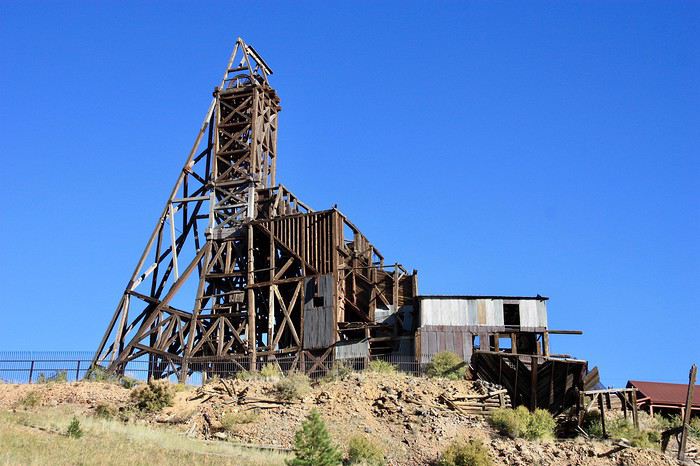
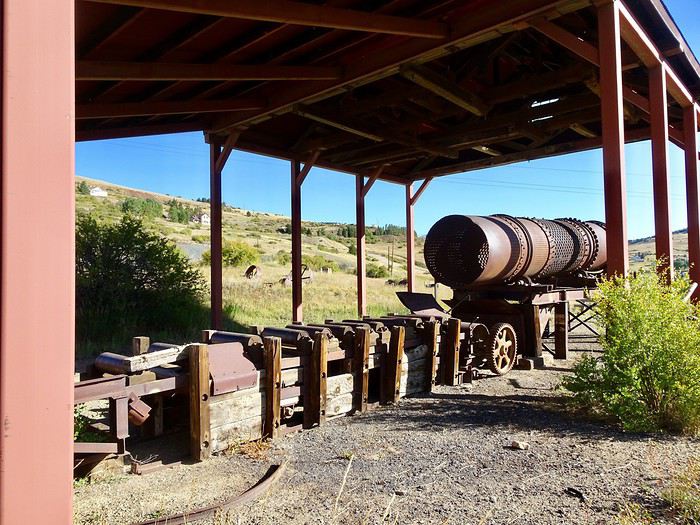
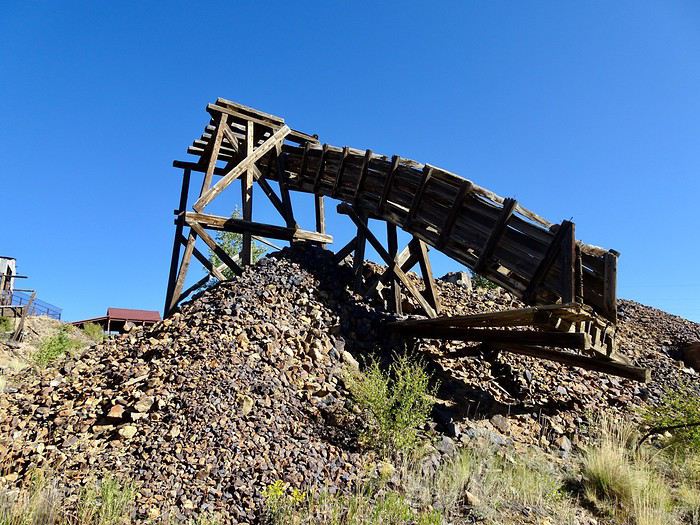
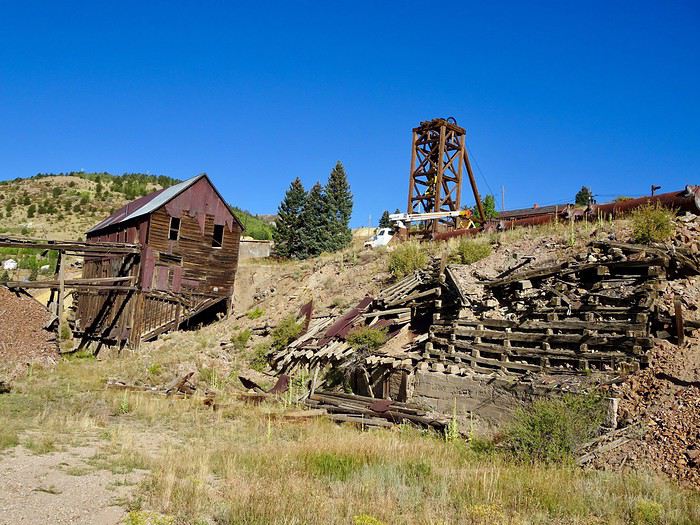 It’s nice out, pleasant but a bit repetitive!! Plus, this whole mine thing is stuck in my head!!!
We were disappointed yesterday for arriving too late!!! We’ve never seen a gold mine, and we already missed the one in Deadwood!!!
The first descent into the Mollie Kathleen mine is at 10 AM. What if we stopped the hike and went back there? We haven’t walked much, and we have time to go. Only DD isn’t too keen!! Come on, let’s vote!!! Three for, one against!!!
Deal, we’re going back!!!!
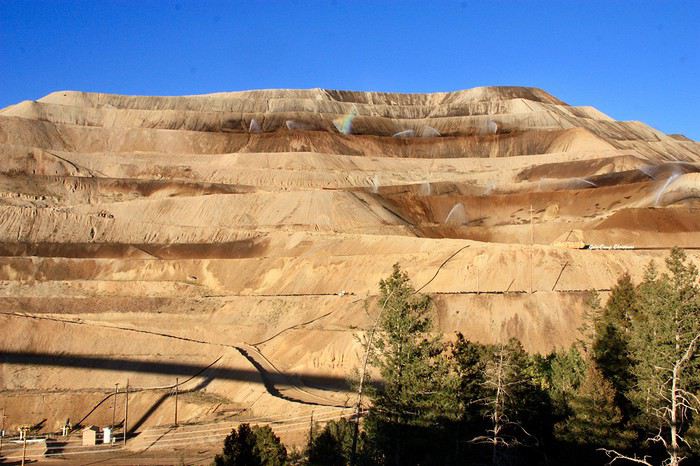
Mining remnants are everywhere.
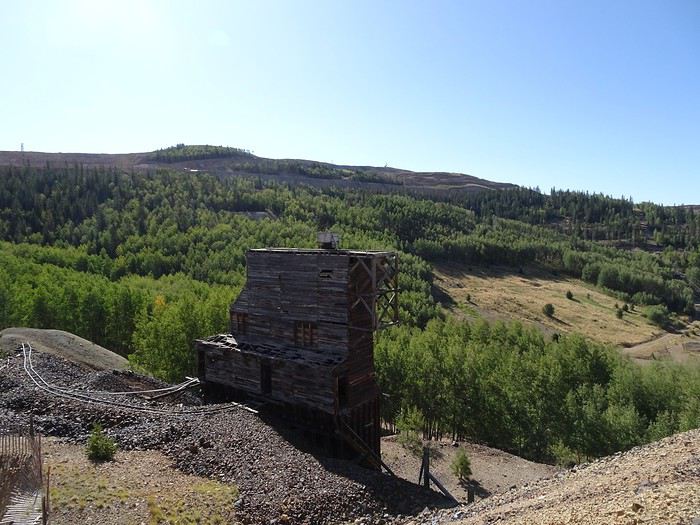
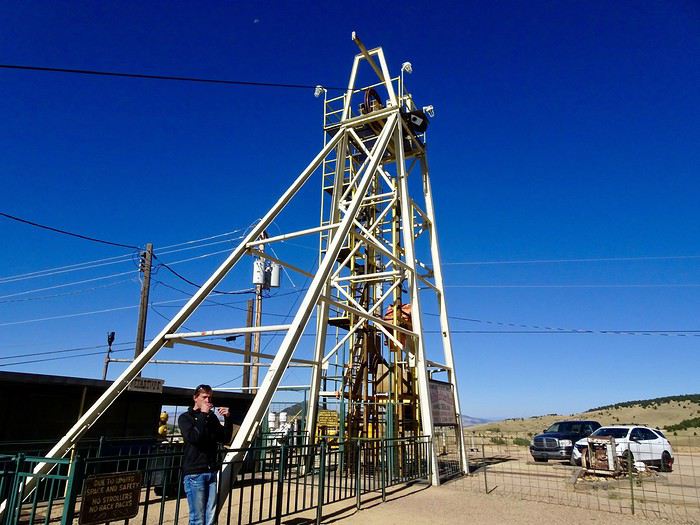
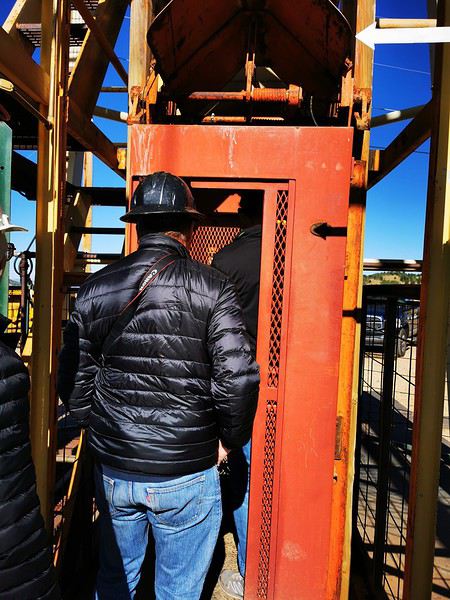 We start humming: “Ah, how cramped we are at the bottom of this box, sing the sardines...” under the amused gaze of the other visitors.
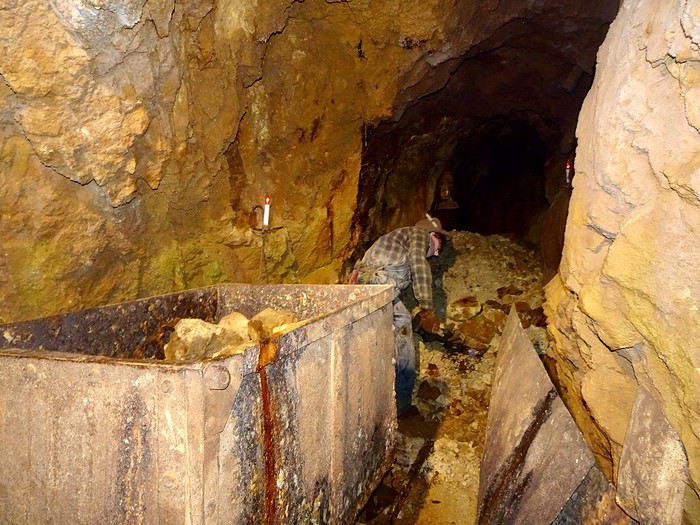
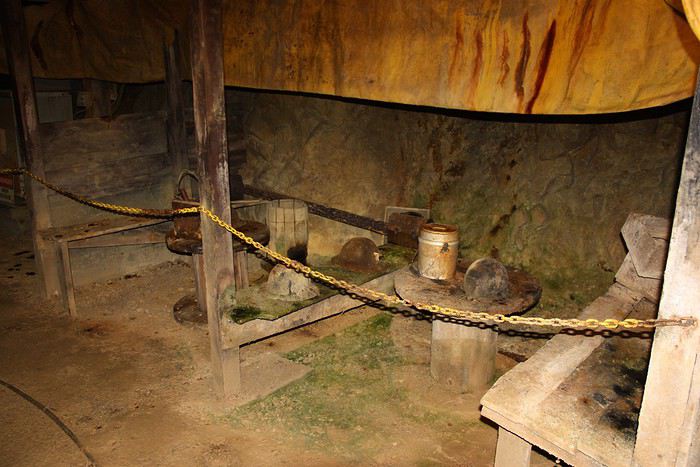
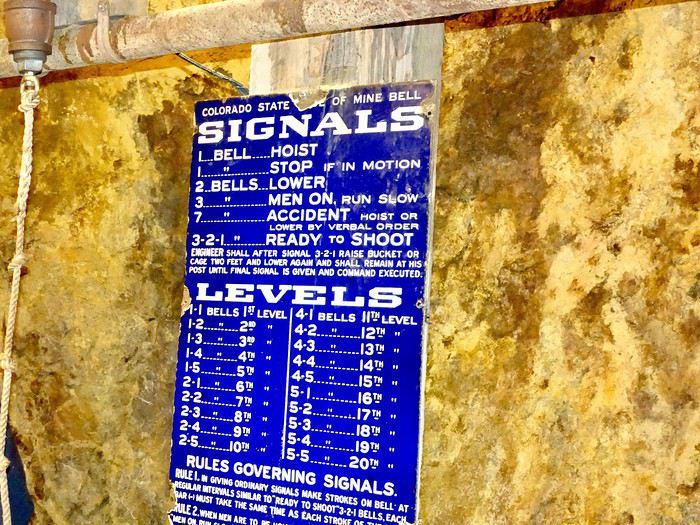
A bell rings, given by our guide standing on the second cage, and off we go at high speed into the darkness, 300 meters underground, in the same conditions as the old miners.
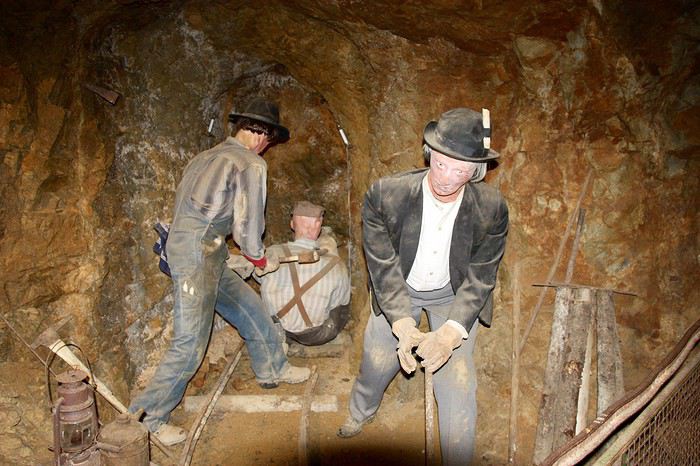
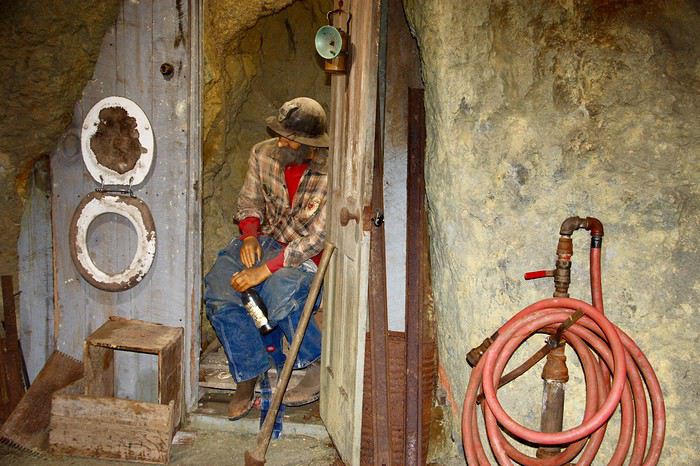
At the bottom, the tour lasts over an hour and gives us a glimpse of the living conditions of those men who once extracted the precious ore from the depths of the earth.
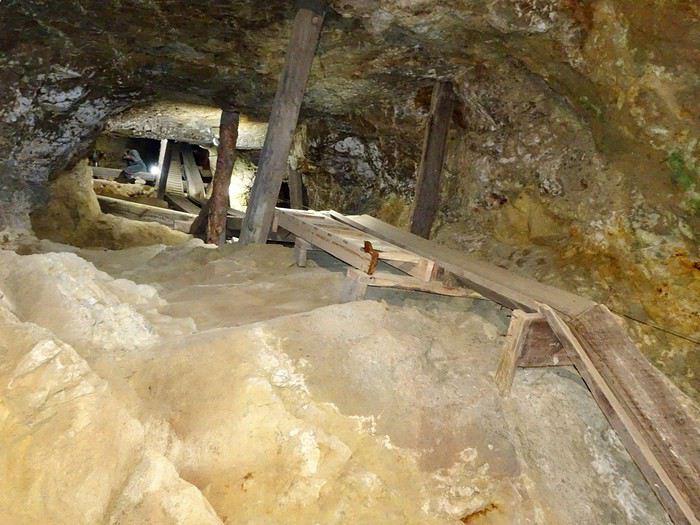
We start by walking through this maze of tunnels.
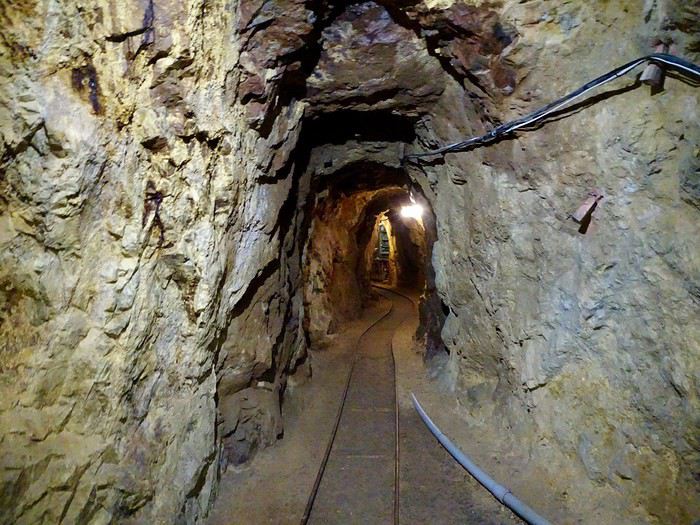 The galleries have names.
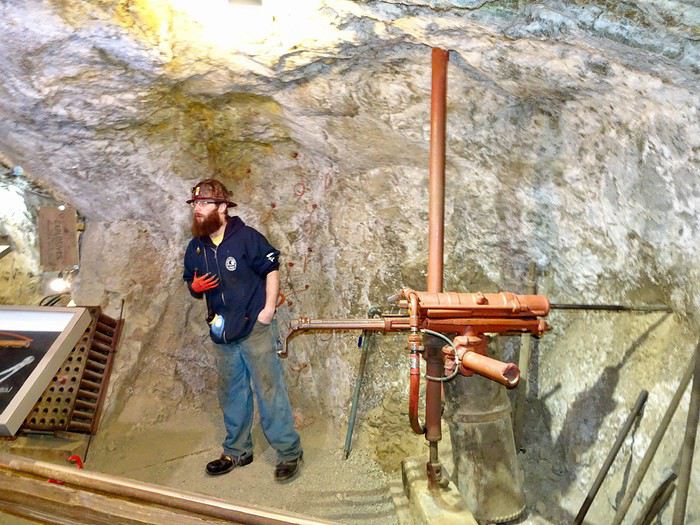
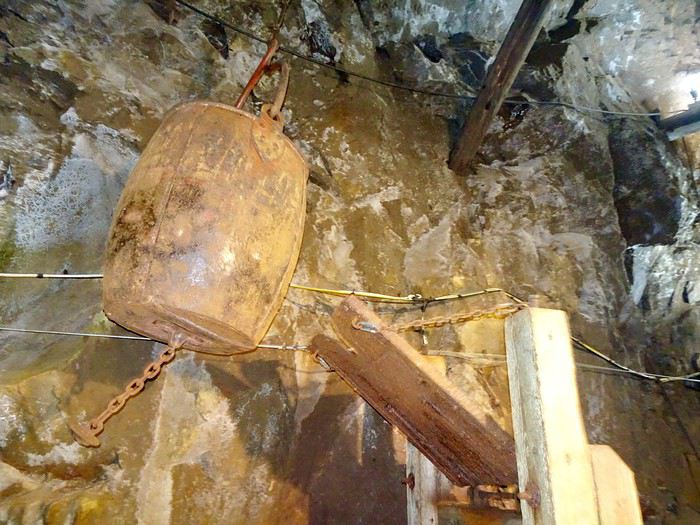
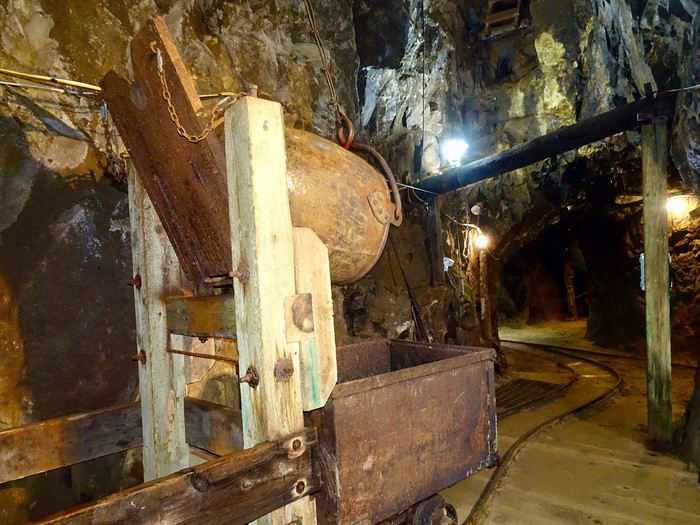
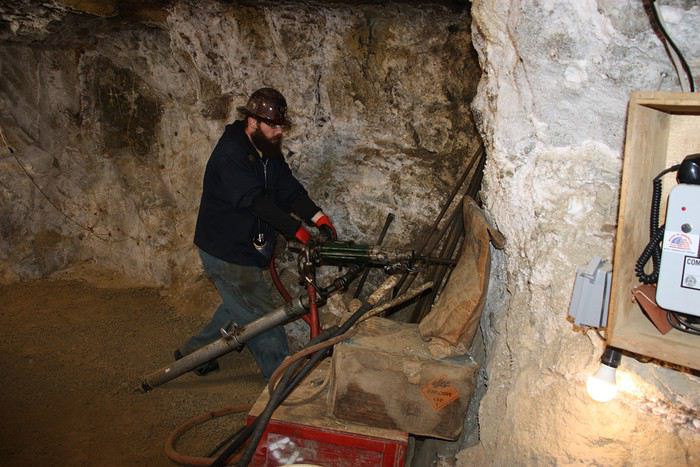
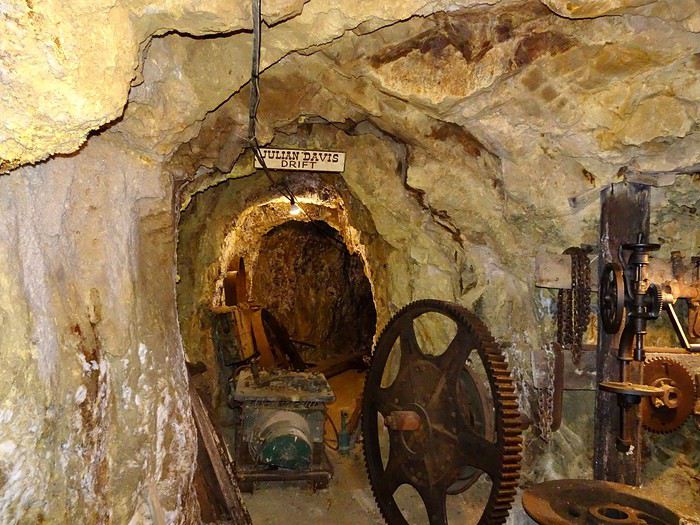 And as we go along, we clearly see the evolution of underground mining over time (lighting, extraction, drilling).
 Clever pulley system!
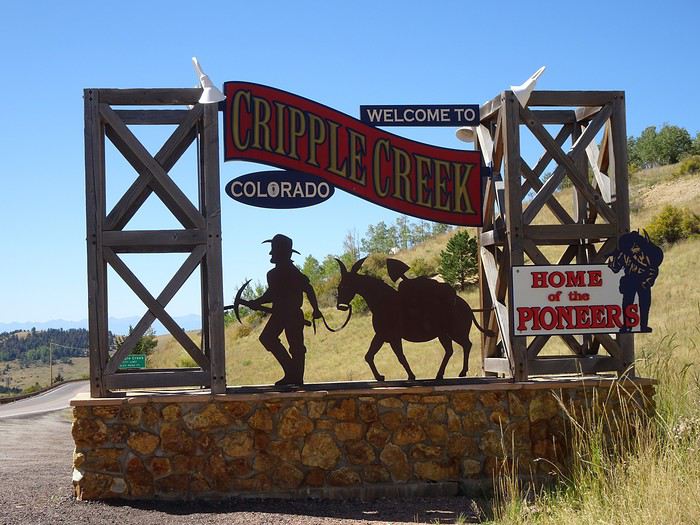 where we went back to fill up on gas.
Last look at this region we really liked, and off to Manitou Springs to get to know the first inhabitants of this amazing country!!!


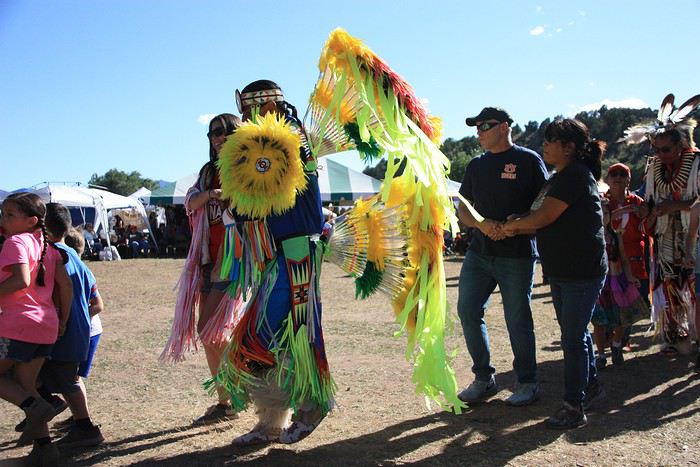
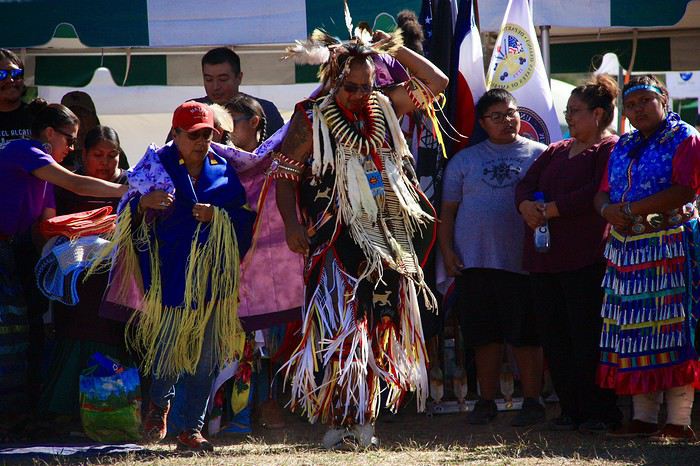
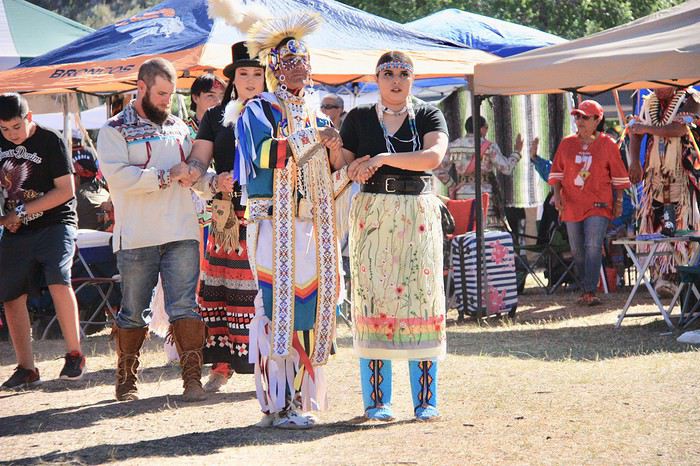
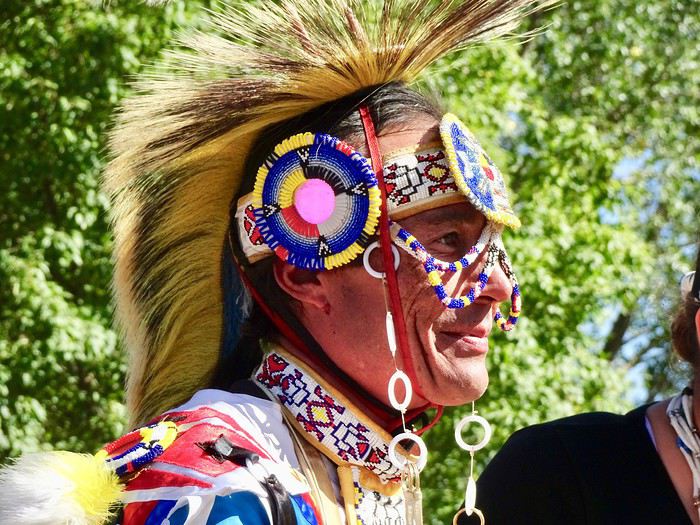
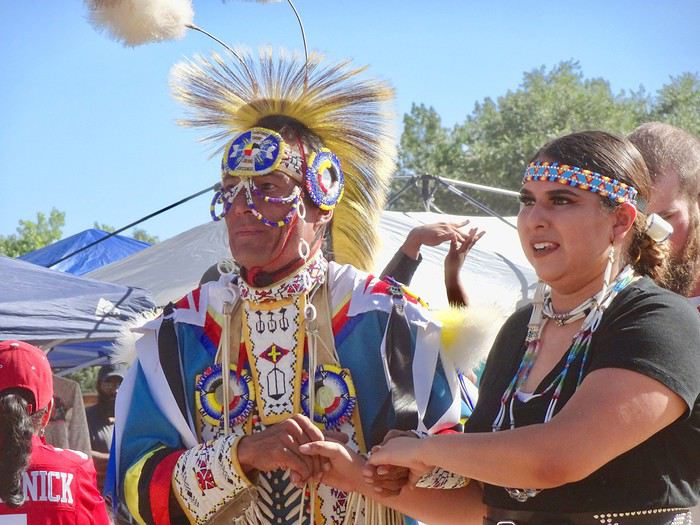
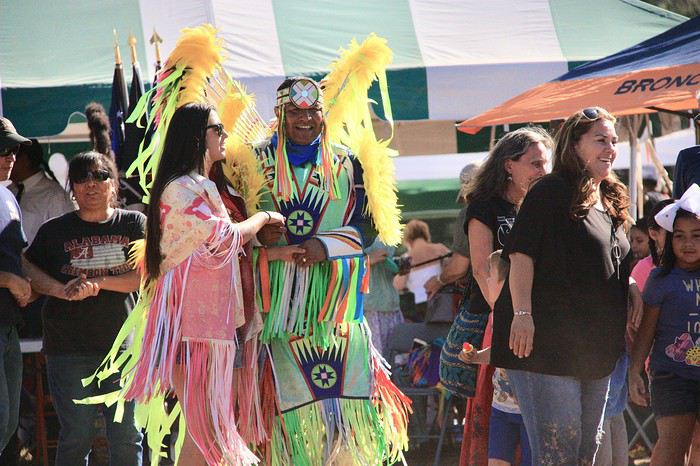

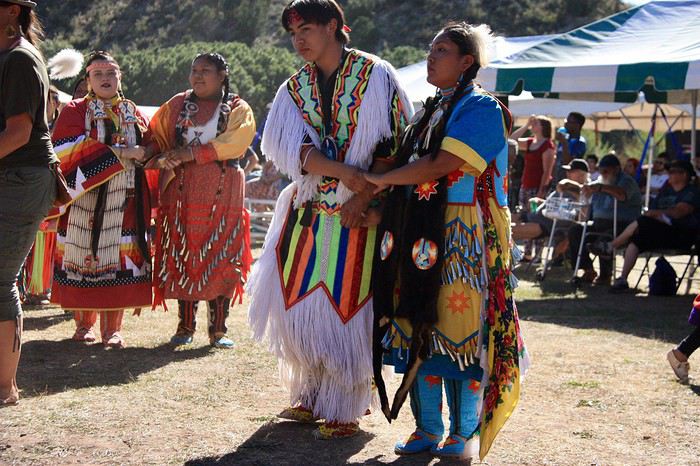

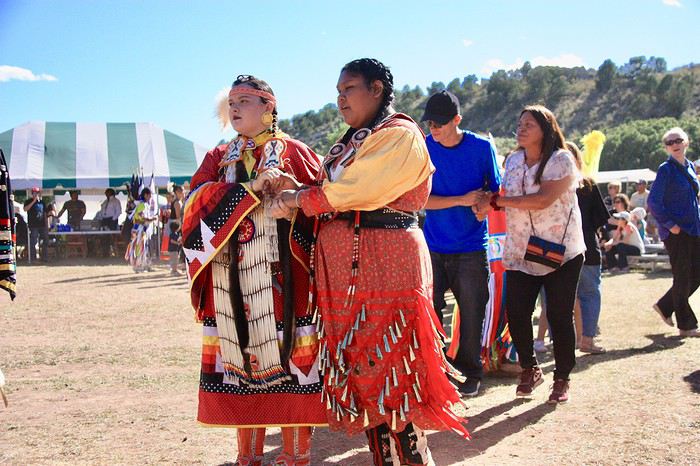
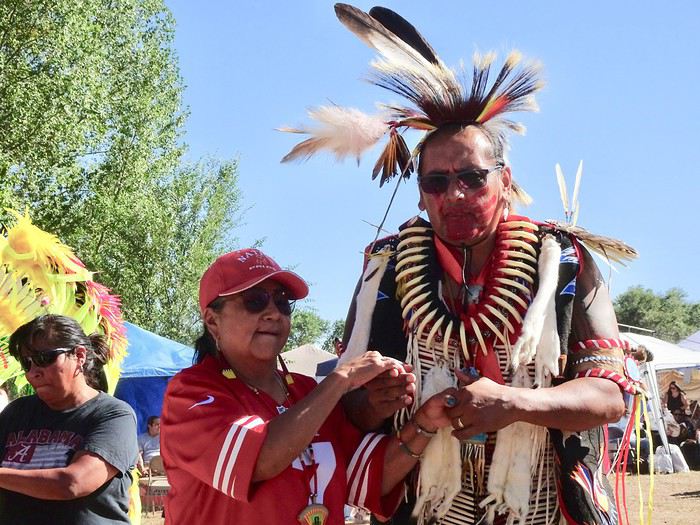
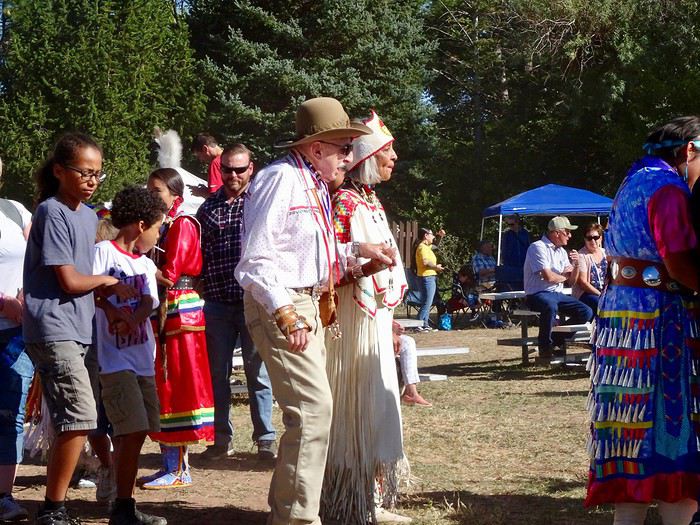
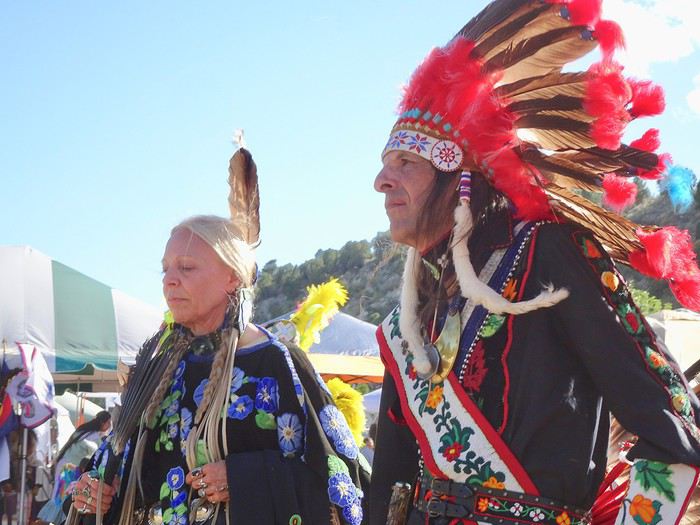
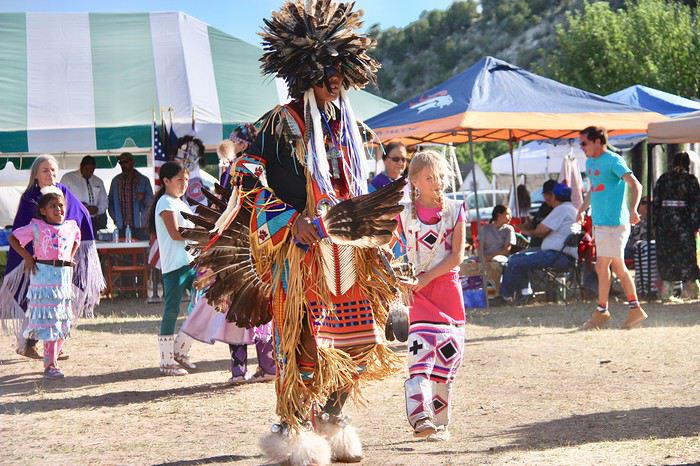
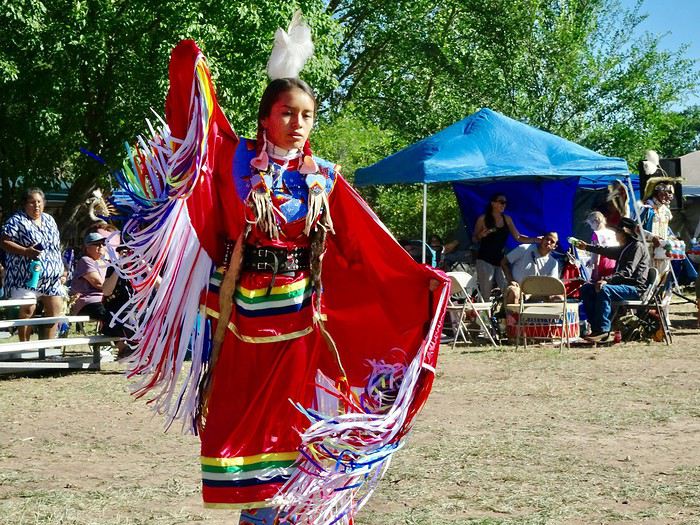
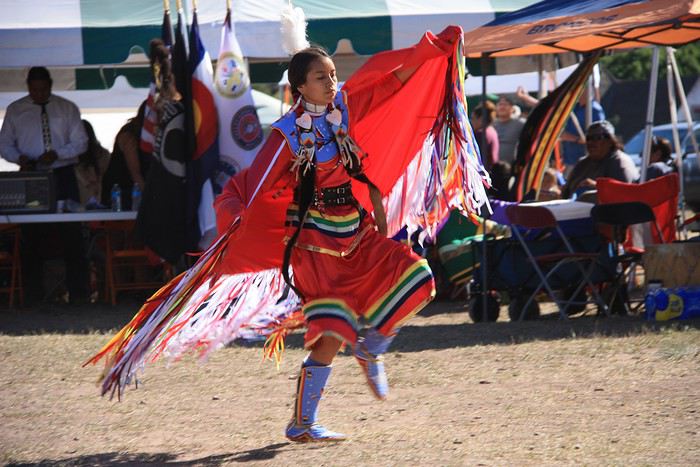
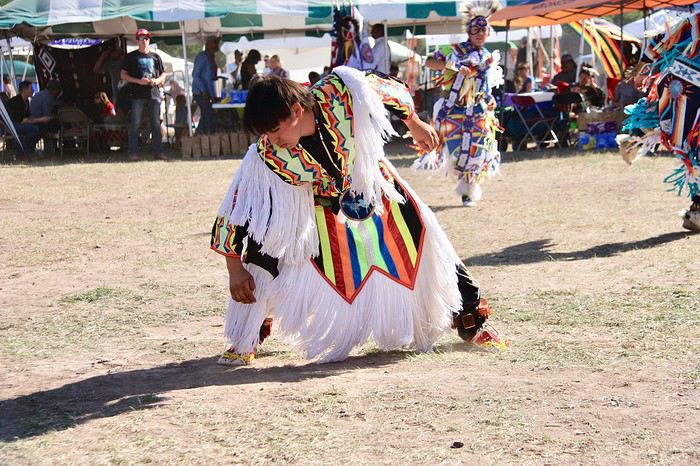
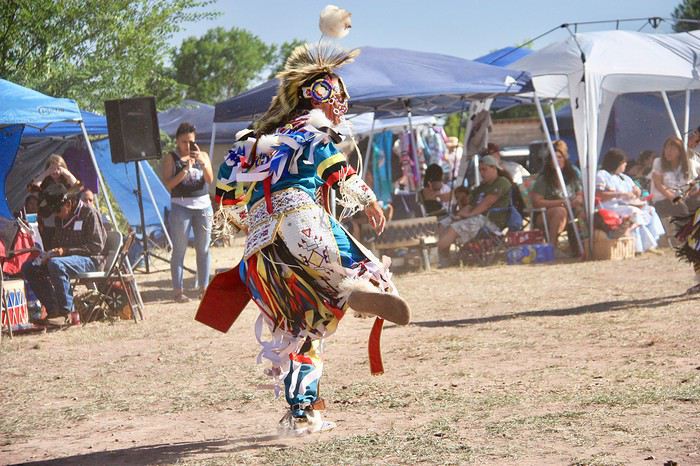
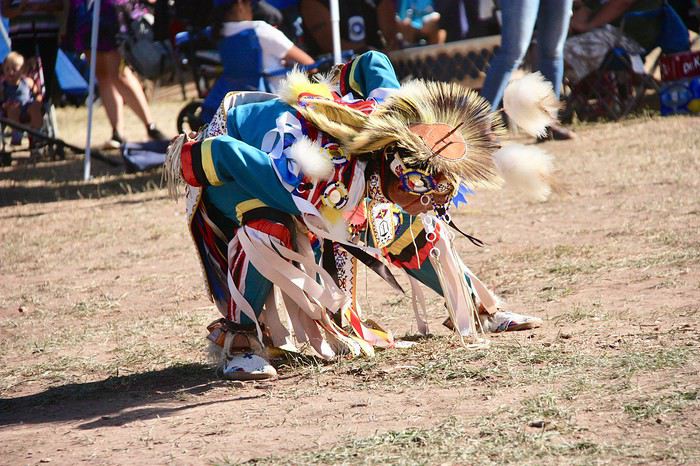
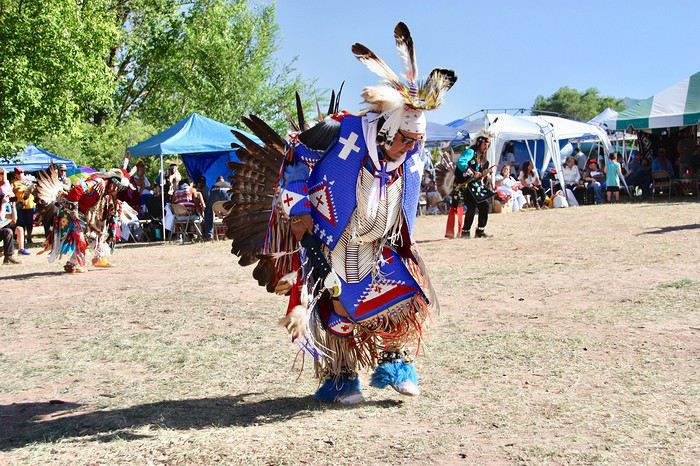
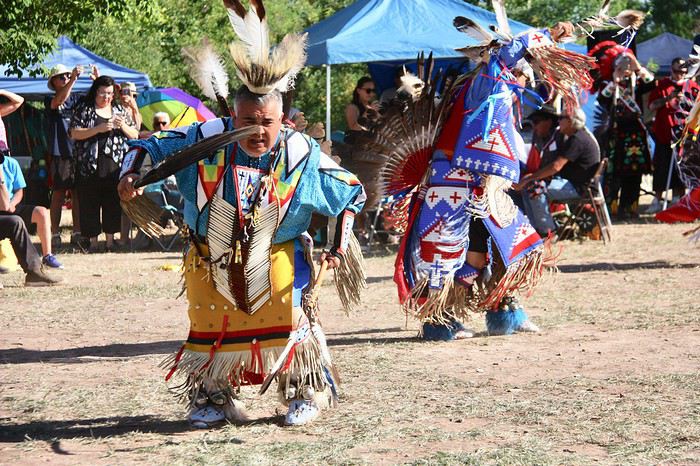
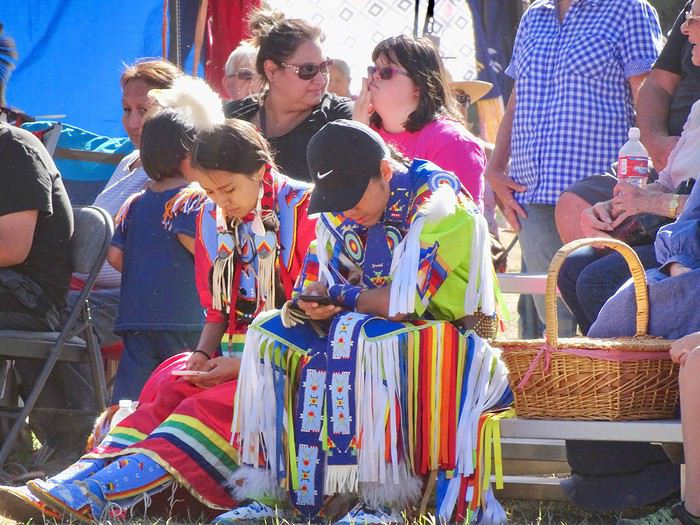
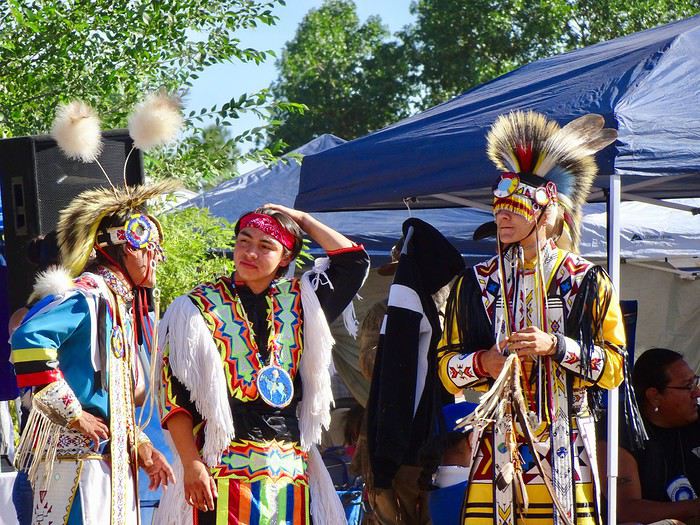
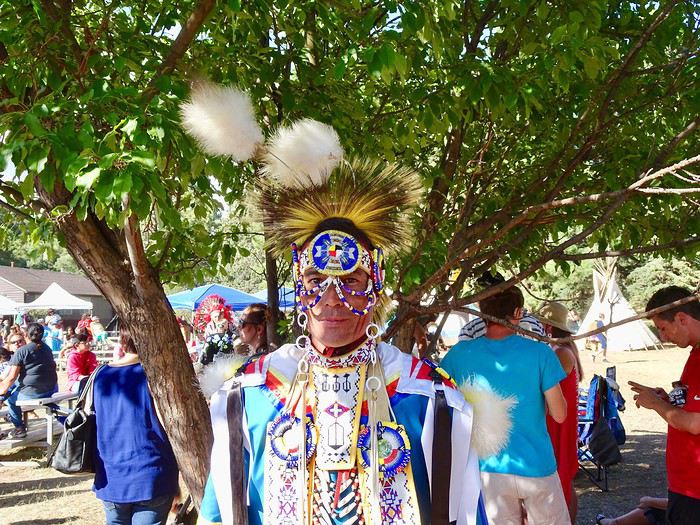
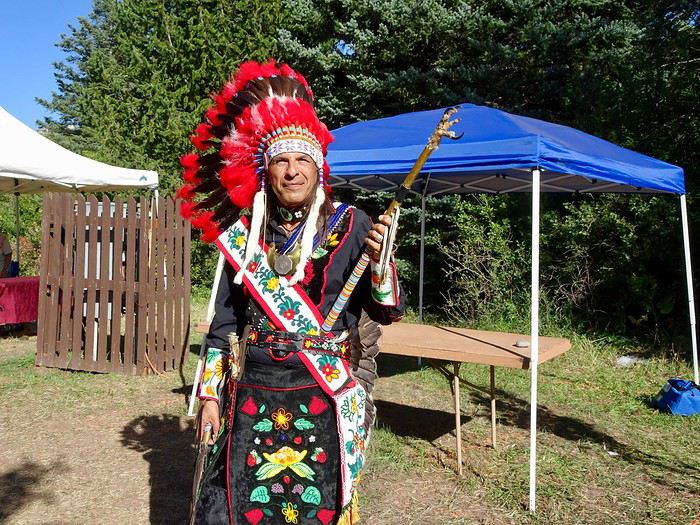
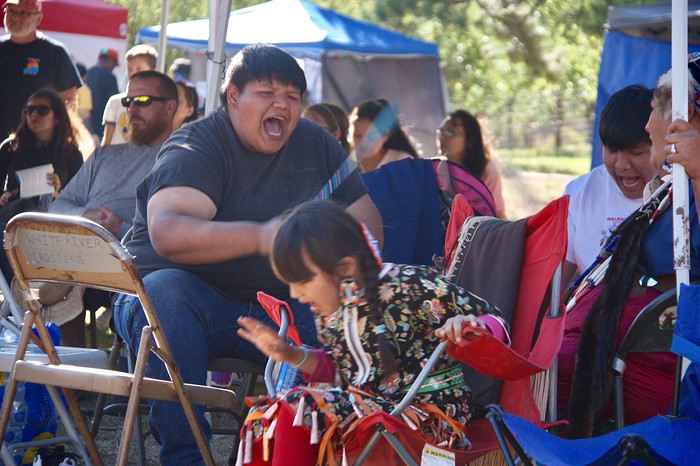 The costumes were all more beautiful than the last.
We were transported a thousand miles and a thousand years away from where we were, our hearts full of emotion.
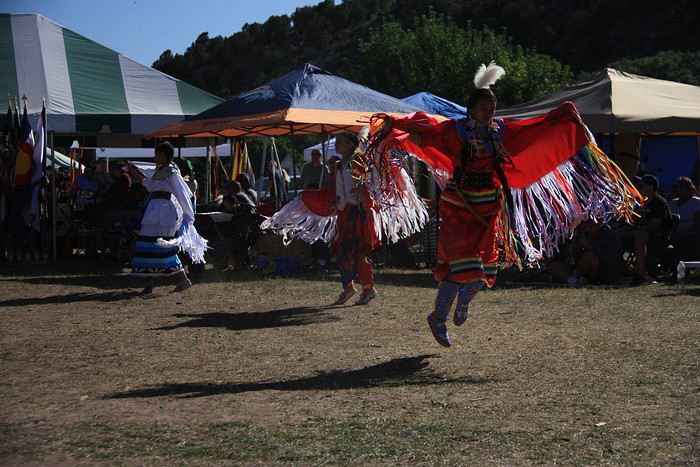
Next came the girls’ dances.
They ran, they jumped, all with so much grace.
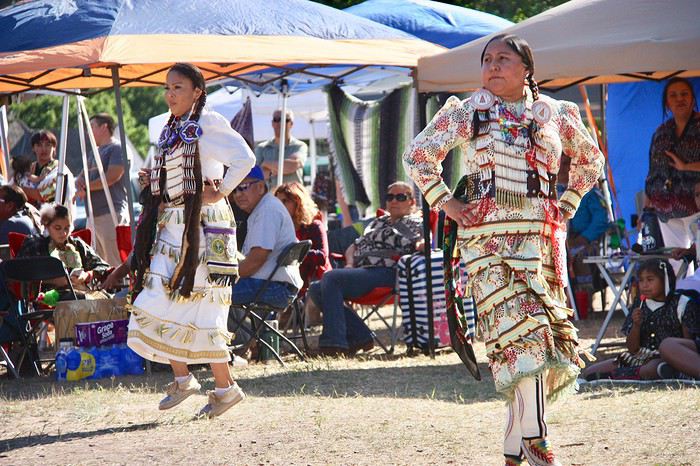
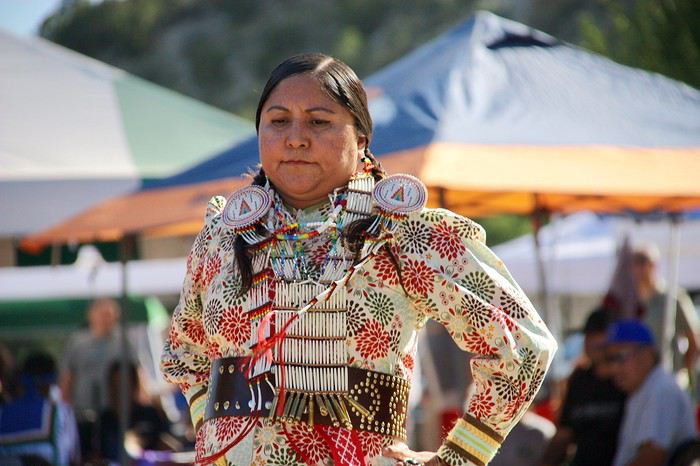
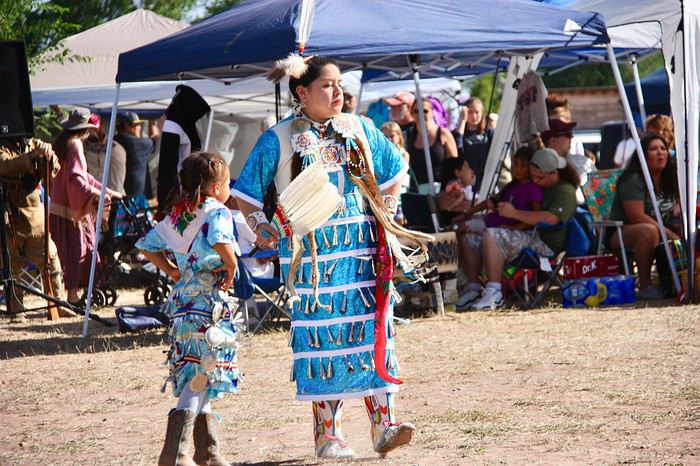
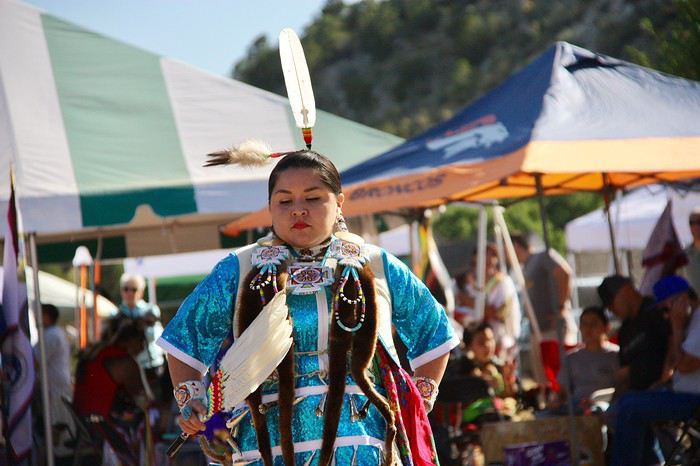 Some of them were downright airborne!