Texas, Louisiana, and a touch of Florida
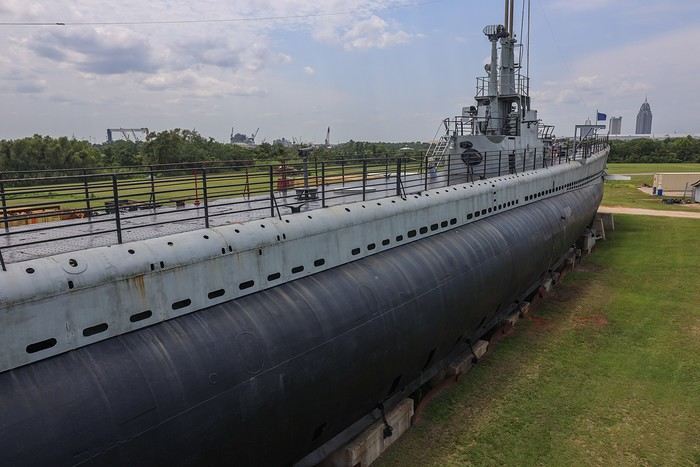
Following the signs, we came across the USS Drum, not the Alabama! The USS Drum is a submarine also dating from World War II.
In my prep, I’d missed that the entry ticket also let us visit a submarine ! What a great surprise—it’s a first for all of us!
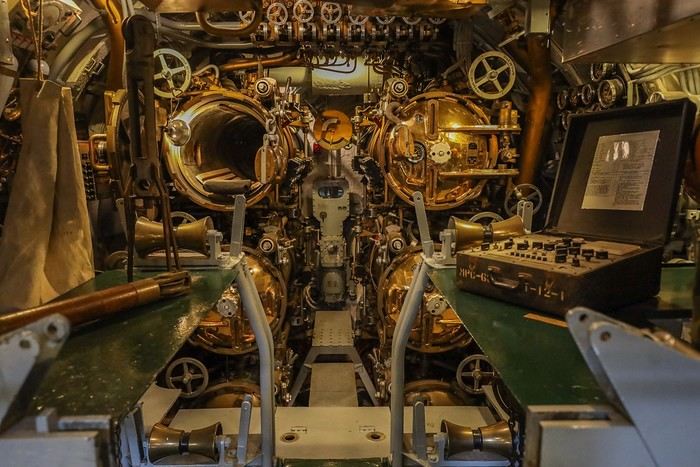
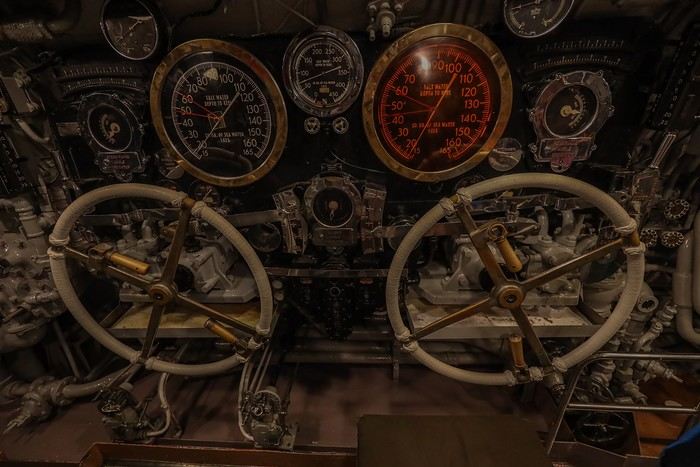
 The inside of the submarine is perfectly maintained, making the visit totally immersive. We’re all impressed by the multitude of equipment and the space optimization. We still wonder how a crew of several dozen men could live completely self-sufficiently for weeks.
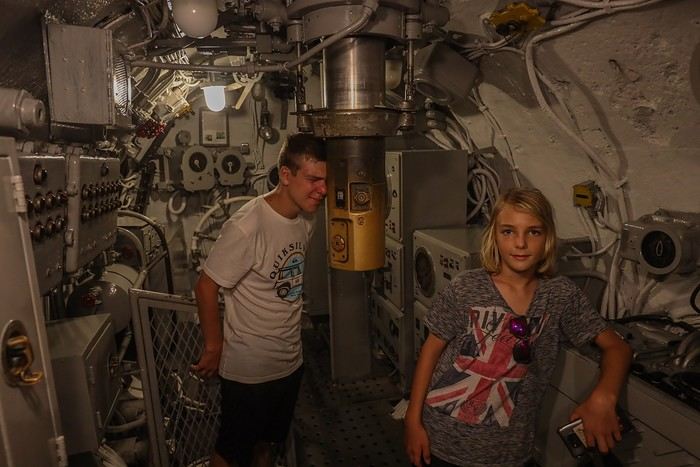
 We even get to go up to the upper level to the periscope.
After this captivating visit lasting nearly an hour, it’s time for the star of the day! Launched in 1942, the impressive battleship USS Alabama served in both the Atlantic and Pacific Oceans during World War II. Over the course of the 9 battles it won, the USS Alabama shot down 22 enemy planes and took part in 6 land bombardments.
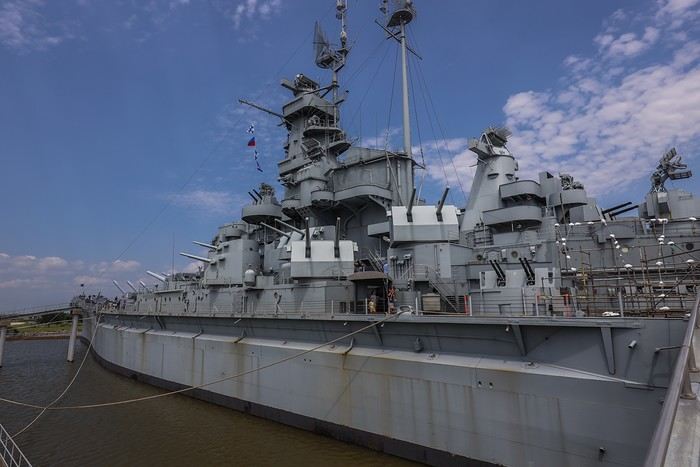 This warship, capable of carrying over 1,500 sailors, is so huge that we don’t know where to start the tour! A paper guide with numbers helps create a "school-like" route. But we spent so much time in the USS Drum, and it’s already 3 PM, with the site closing at 5 PM.
We decide to explore by feel, starting with the exterior.
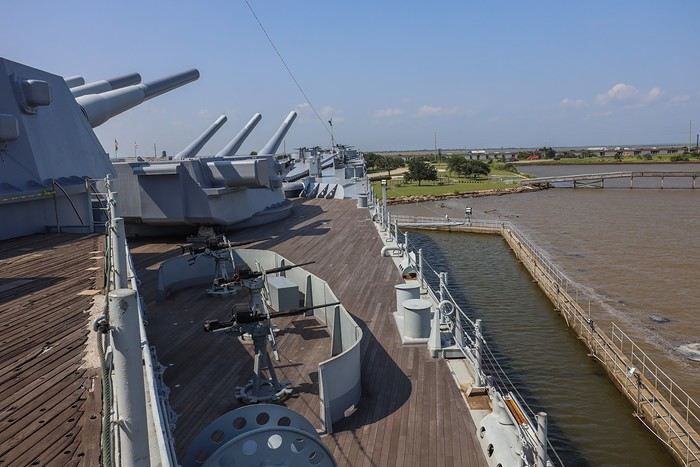
The 40 cm turrets are just mind-blowing!!
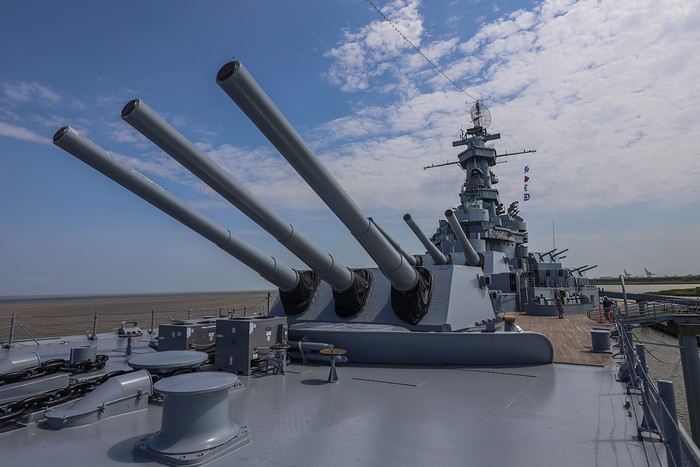 You almost feel like you’re there... even if we’re much better off in 2023...
 Back inside, with dozens of restored rooms and engine rooms just like they were back then.
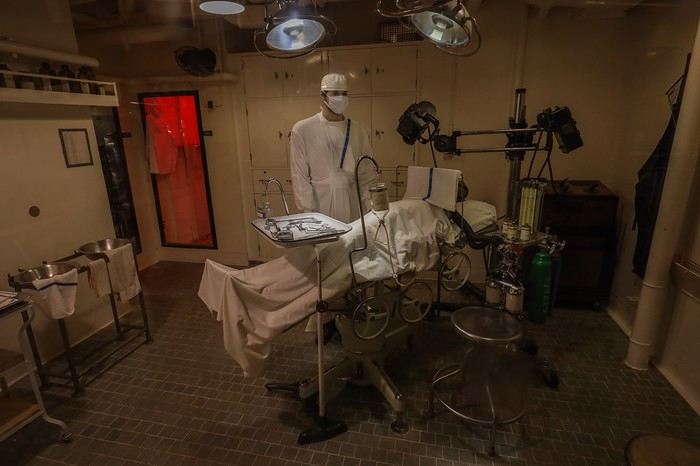 The interior is structured like a real small town, with all the services and medical care needed for the sailors.
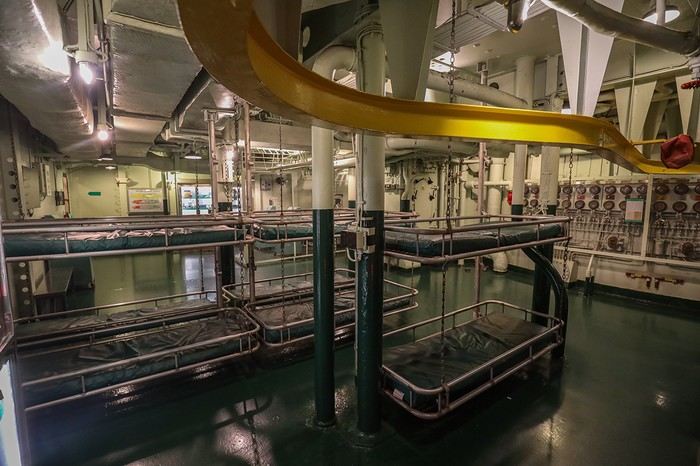
In the dormitory rooms, few beds have been preserved. Too bad—we would’ve loved to be amazed by hundreds of stacked bunk beds crammed next to each other!
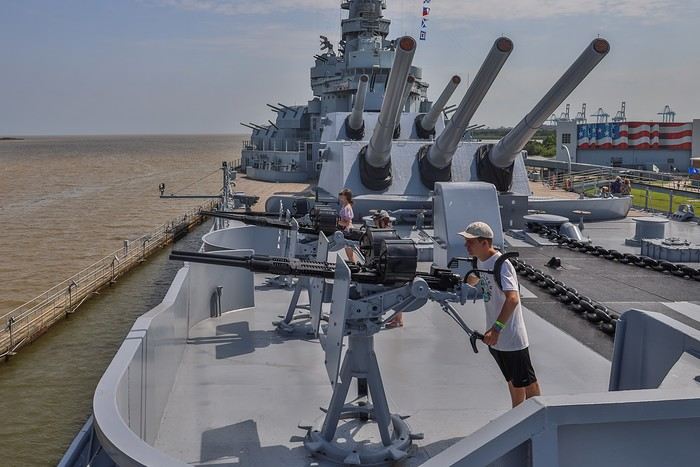
 We also take the chance to climb to the upper levels to reach the highest point open to visitors. From there, we can get close to all the light and heavy artillery!
 We’ve been at Memorial Park for 3.5 hours—time flew by, and we would’ve gladly stayed another hour! But the site’s closing, so we head back to our car to continue our drive to Florida, heading toward Pensacola.
After an hour on the road and a few small traffic jams near Pensacola, we settle into our Airbnb rental. The heat is quite humid, typical of the Gulf of Mexico at this time of year, and thankfully, we’ve got AC to cool off a bit.
No one feels like going out tonight, so we grab a few groceries at Walmart and have a quiet dinner at home.
In my prep, I’d missed that the entry ticket also let us visit a submarine ! What a great surprise—it’s a first for all of us!
The inside of the submarine is perfectly maintained, making the visit totally immersive. We’re all impressed by the multitude of equipment and the space optimization. We still wonder how a crew of several dozen men could live completely self-sufficiently for weeks.
We even get to go up to the upper level to the periscope.After this captivating visit lasting nearly an hour, it’s time for the star of the day! Launched in 1942, the impressive battleship USS Alabama served in both the Atlantic and Pacific Oceans during World War II. Over the course of the 9 battles it won, the USS Alabama shot down 22 enemy planes and took part in 6 land bombardments.
This warship, capable of carrying over 1,500 sailors, is so huge that we don’t know where to start the tour! A paper guide with numbers helps create a "school-like" route. But we spent so much time in the USS Drum, and it’s already 3 PM, with the site closing at 5 PM.
We decide to explore by feel, starting with the exterior.The 40 cm turrets are just mind-blowing!!
You almost feel like you’re there... even if we’re much better off in 2023...
Back inside, with dozens of restored rooms and engine rooms just like they were back then.
The interior is structured like a real small town, with all the services and medical care needed for the sailors.In the dormitory rooms, few beds have been preserved. Too bad—we would’ve loved to be amazed by hundreds of stacked bunk beds crammed next to each other!
We also take the chance to climb to the upper levels to reach the highest point open to visitors. From there, we can get close to all the light and heavy artillery!
We’ve been at Memorial Park for 3.5 hours—time flew by, and we would’ve gladly stayed another hour! But the site’s closing, so we head back to our car to continue our drive to Florida, heading toward Pensacola.After an hour on the road and a few small traffic jams near Pensacola, we settle into our Airbnb rental. The heat is quite humid, typical of the Gulf of Mexico at this time of year, and thankfully, we’ve got AC to cool off a bit.
No one feels like going out tonight, so we grab a few groceries at Walmart and have a quiet dinner at home.


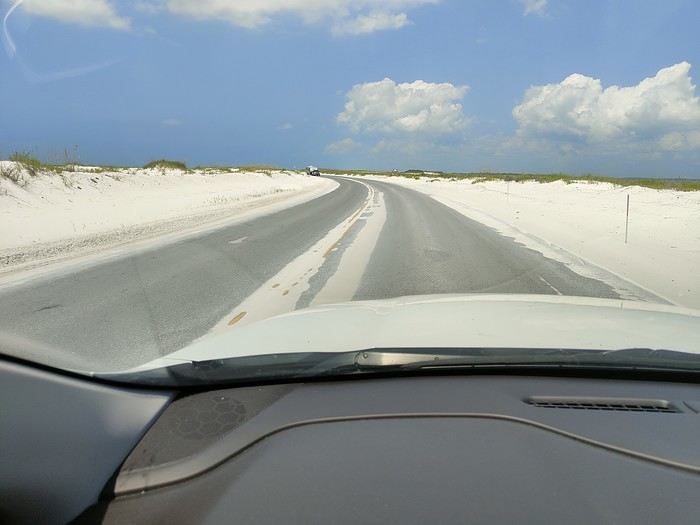 Fort Pickens is pretty sprawling, but its exterior doesn’t really tempt us to explore it further.
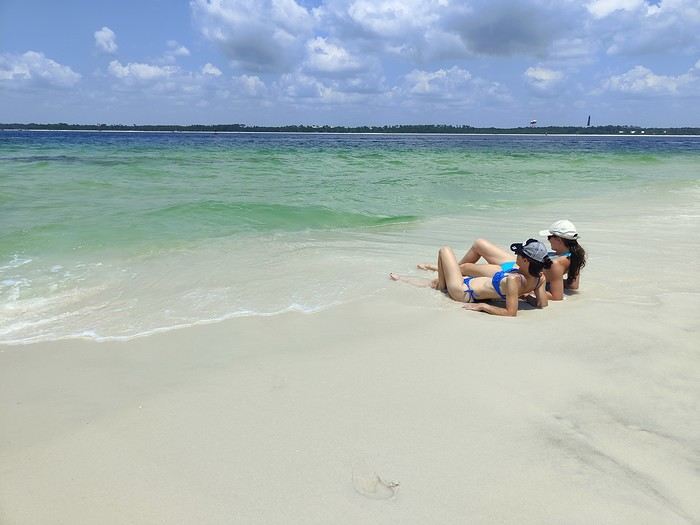
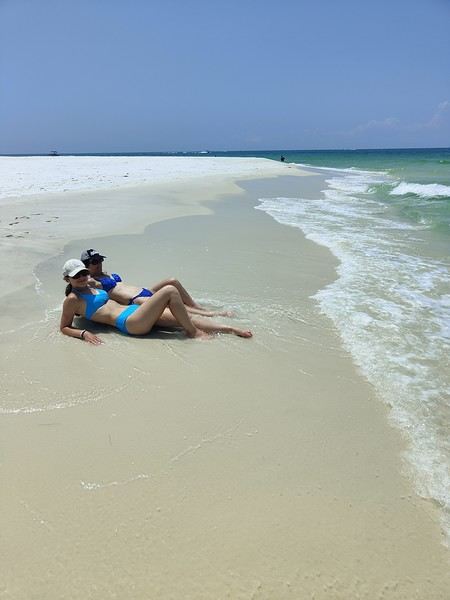
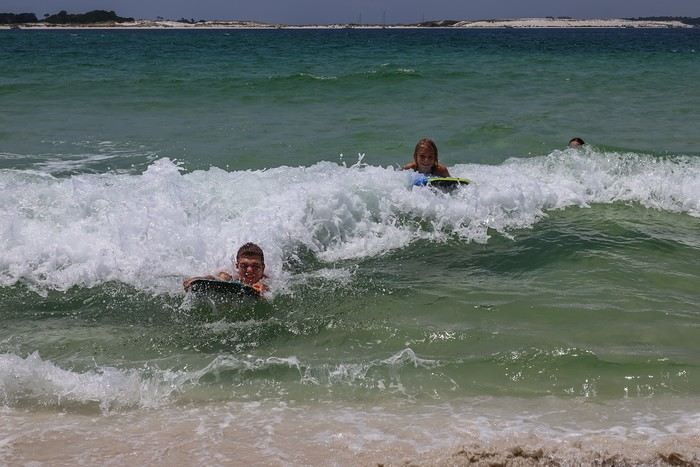 There are a maximum of 10 people on this stretch of beach, which spans several hundred meters. Pure bliss...
 After more than 2 hours, we leave the protected area to check out another beach, but we don’t linger—the sun is beating down, and we want to avoid getting badly sunburned.
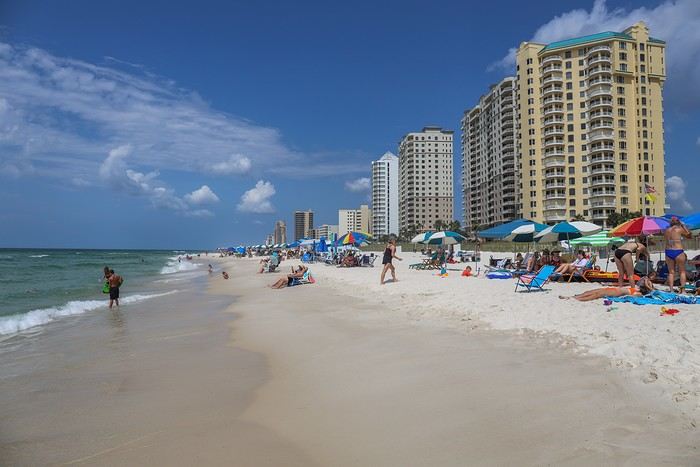 Plus, the water color is way less appealing than yesterday. We swim anyway, but after 20 minutes, everyone’s already out. We watch the spectacle of Americans spending their time drinking beer cans in the water—almost everyone has one in hand!
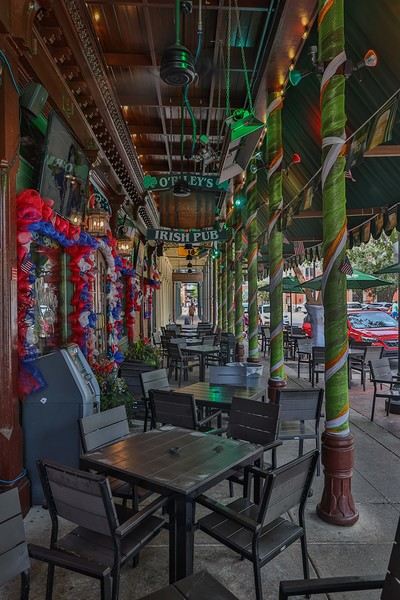
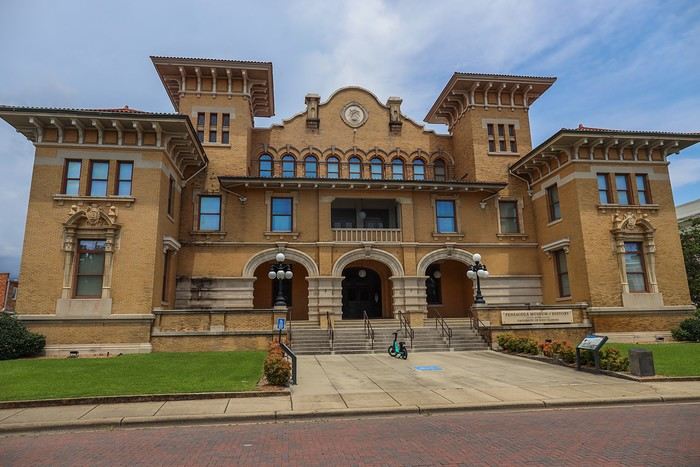 an Irish pub, and various quaint shops.


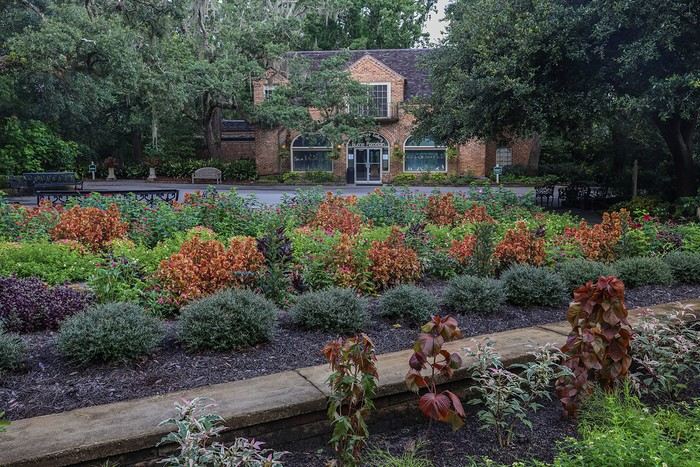
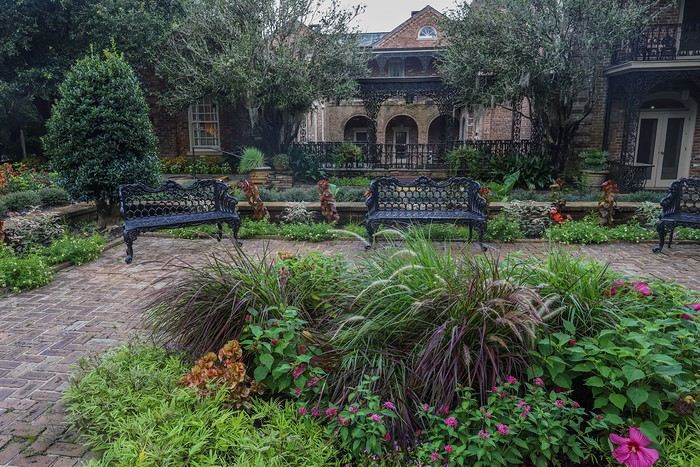 The villa was built along the Fowl River, where we spot a family being pulled on a giant inflatable tube.
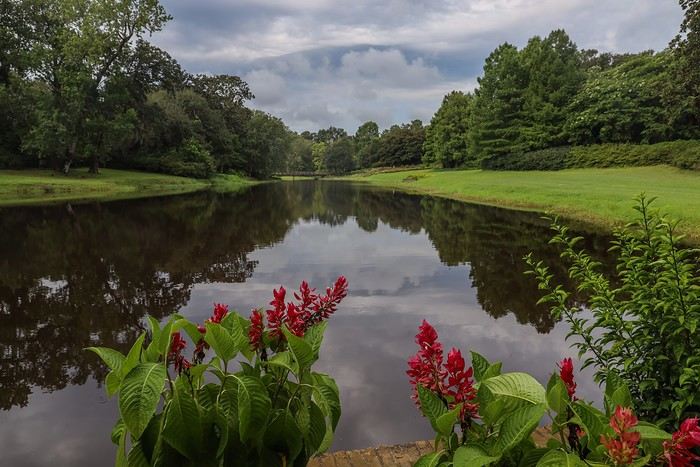
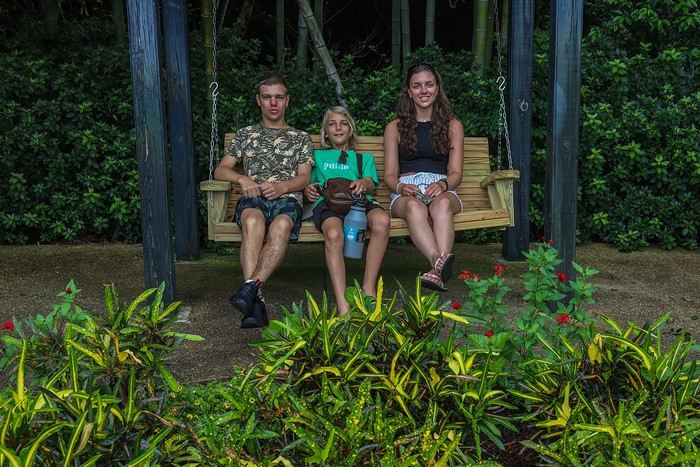 A little further on, we reach a boardwalk that overlooks a marshy area, which, according to the information signs, is frequented by water snakes and alligators.
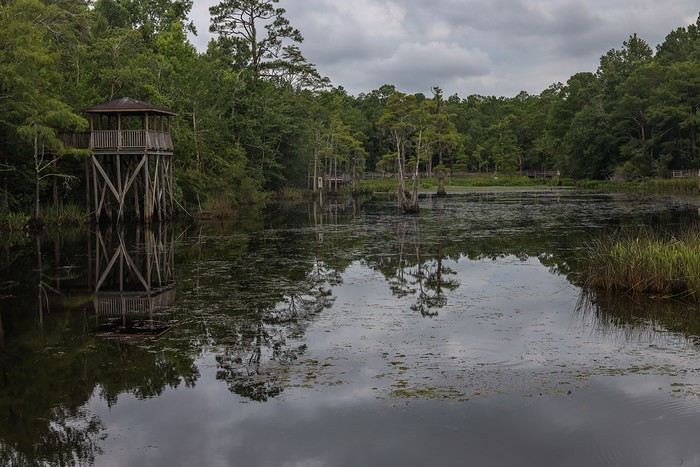 All we see is a huge grasshopper and a few really ugly spiders.
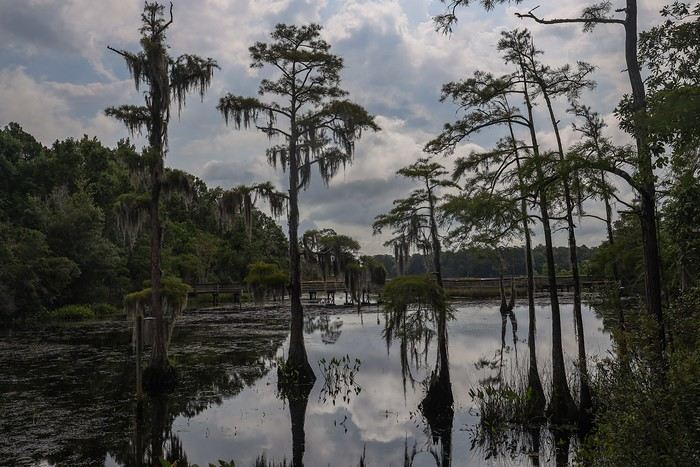 There’s also a Japanese garden, which is Japanese in name only. Really disappointing, since there are almost no plants in that section.
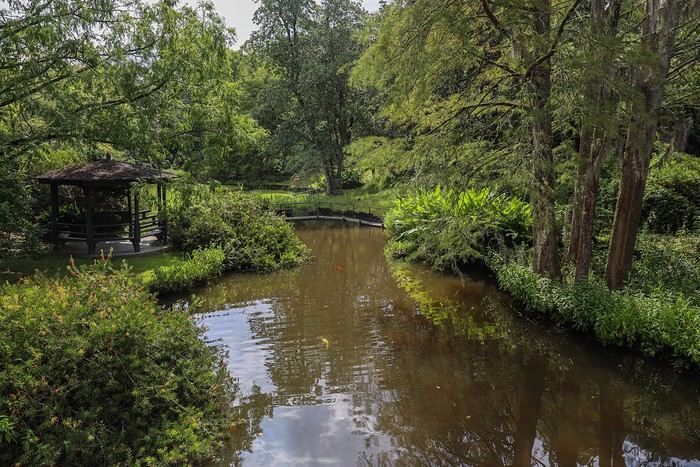 In the end, we found the visit to this garden rather disappointing. The photogenic and plant-rich areas are really limited. And given the almost nonexistent crowds we saw this morning, we’re thinking the financial situation isn’t going to improve...
 Since it’s 3 PM, we take the opportunity to head to our BnB in the Bywater neighborhood, a working-class area a few miles from downtown. We park the car for the next two days in an inner courtyard and start unloading everything from the car—just to avoid tempting fate.
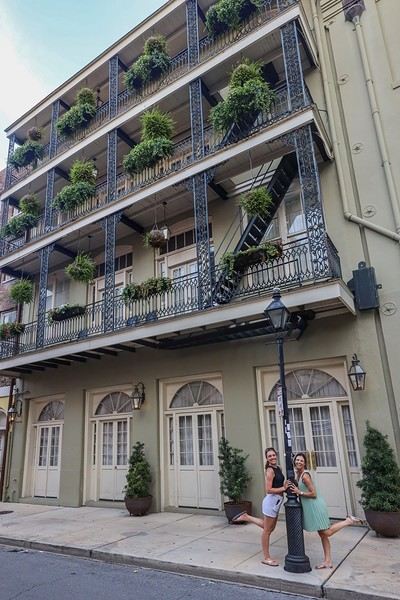
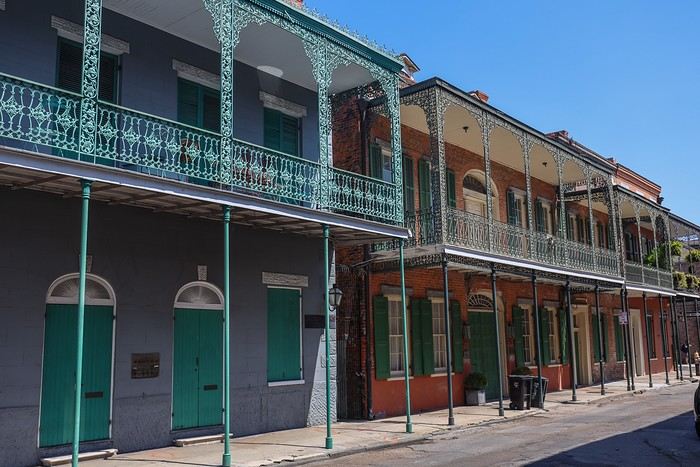
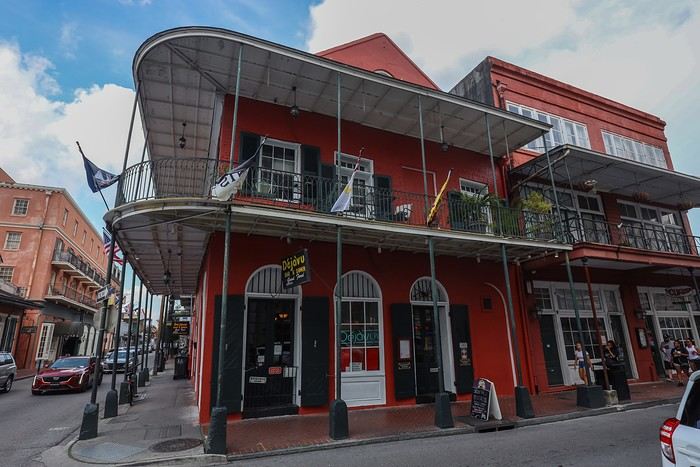 We make our way to the southern end of the Vieux Carré, toward Canal Street, then head toward the Mississippi. Some of the wrought-iron balconies are absolutely stunning.


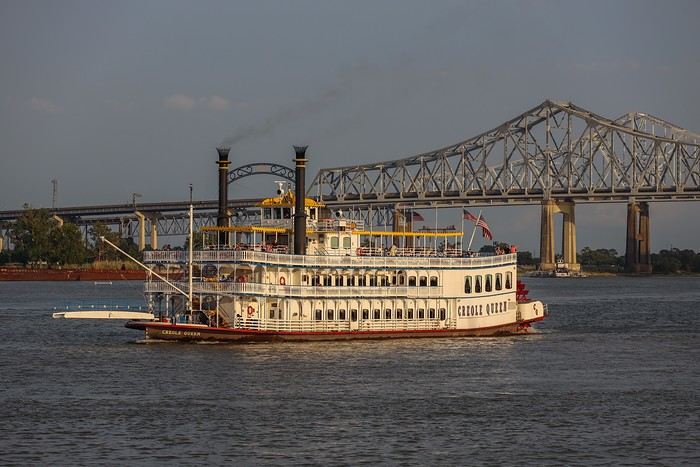
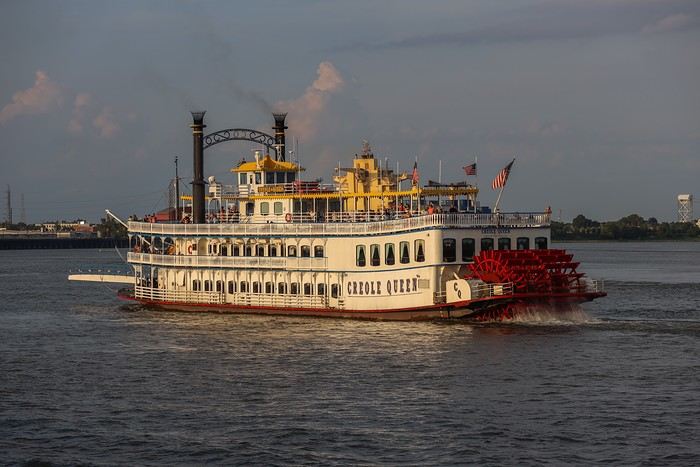
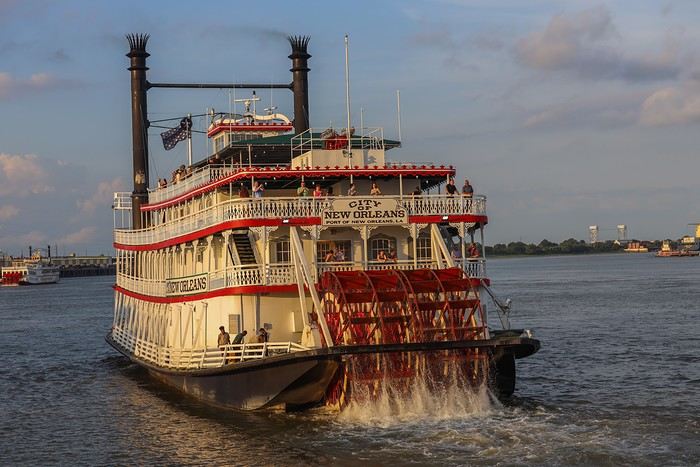 As night falls, we head back to Bourbon Street for a cocktail while strolling through the now-infamous street. The vibe is lively and fun, but honestly, it wasn’t what I’d imagined we’d experience here!
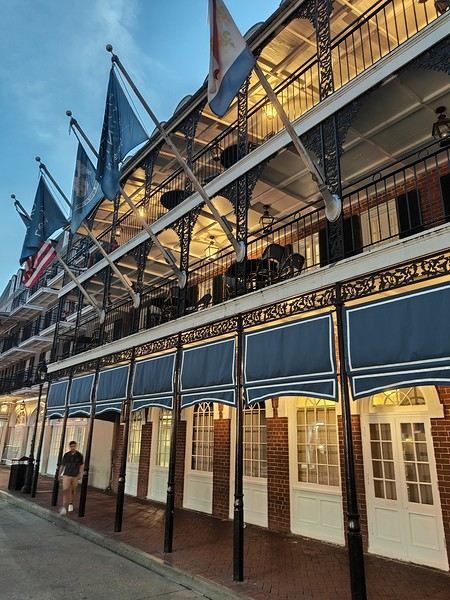 After dark, people really let loose—many have a beer or cocktail in hand, and each bar has its own band to draw in customers. Some singers are fantastic, while others wouldn’t make it past the *The Voice* auditions...
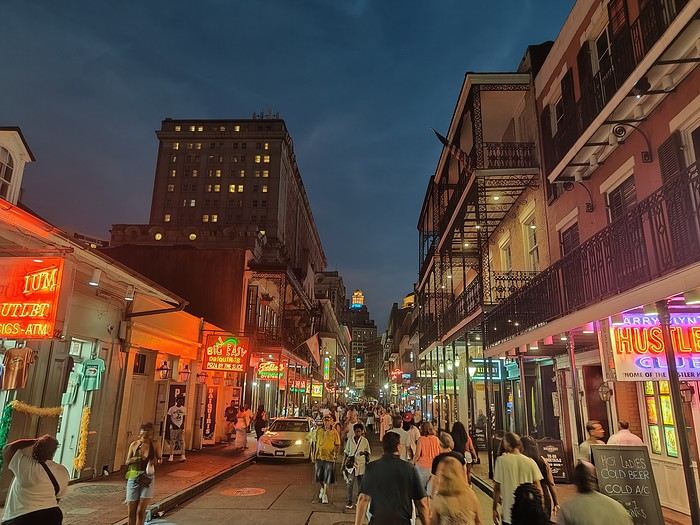 By the end of the evening, we walk up Canal Street to catch our bus back to our BnB.


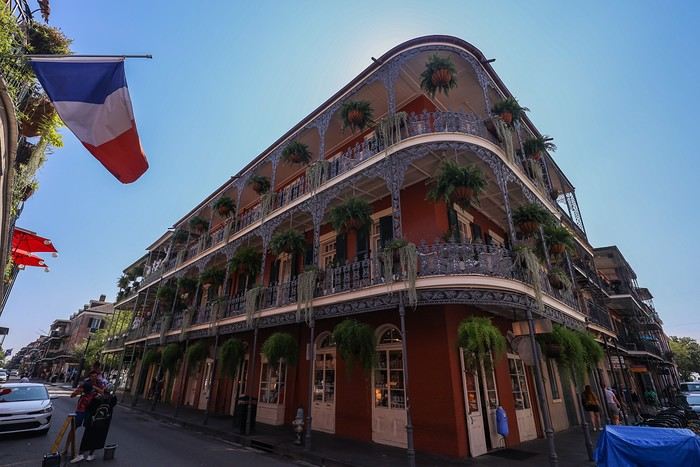
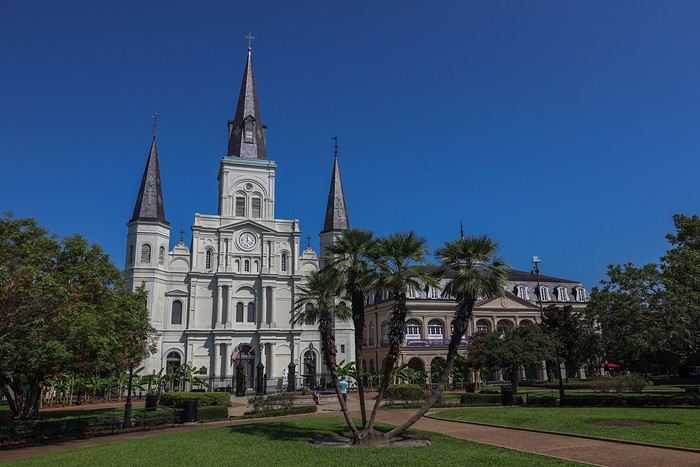
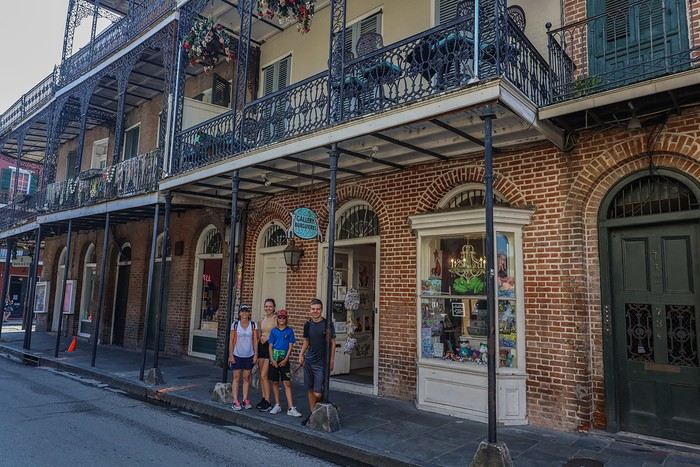 Jackson Square and St. Louis Cathedral, where we appreciate both the cool air and the quality of construction.
 On the way to Chartres Street
 Here we are in front of BK House, which is closed to the public according to a sign on the gate. At the exact time of the tour, with still no guide in sight, we start to doubt. So we "force" our way in, despite the sign, and discover our guide was waiting inside.
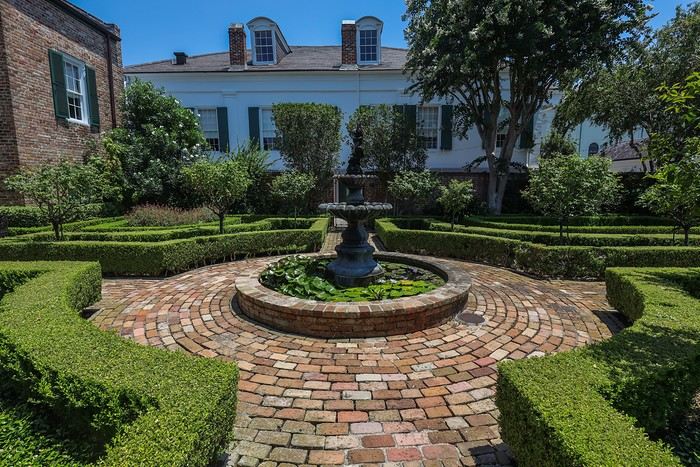 After lunch at an excellent pizzeria, U Pizza, near the Garden District, we start exploring this second neighborhood, which contains many pre-Civil War homes built by Anglo-Saxon immigrants in the mid-19th century.
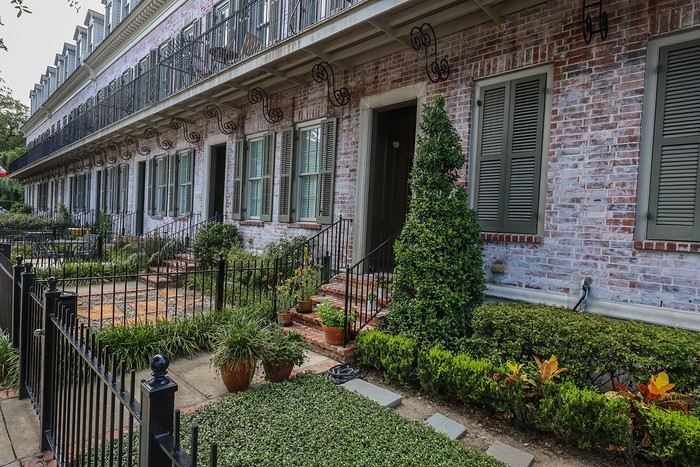
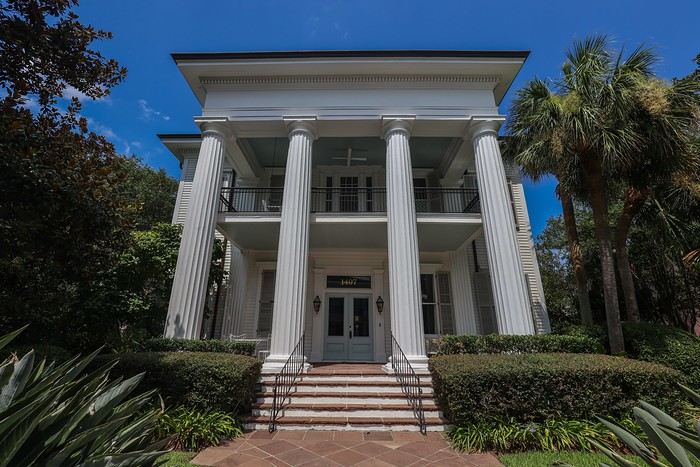 Neo-Greek and Italianate styles dominate the area, but you’ll also find many homes with the famous wrought-iron balconies. Several are undergoing restoration.
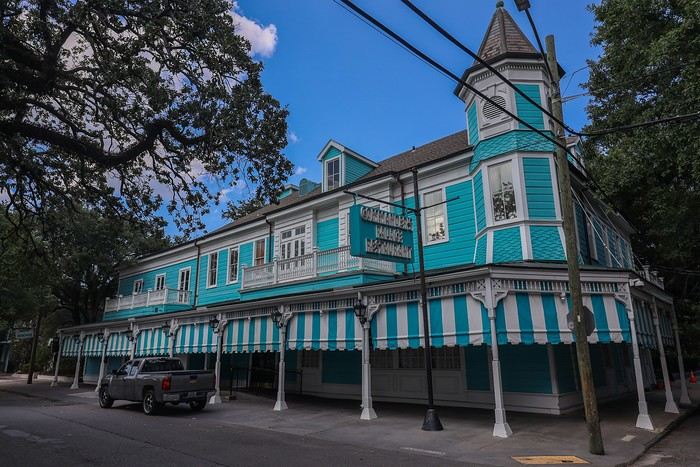
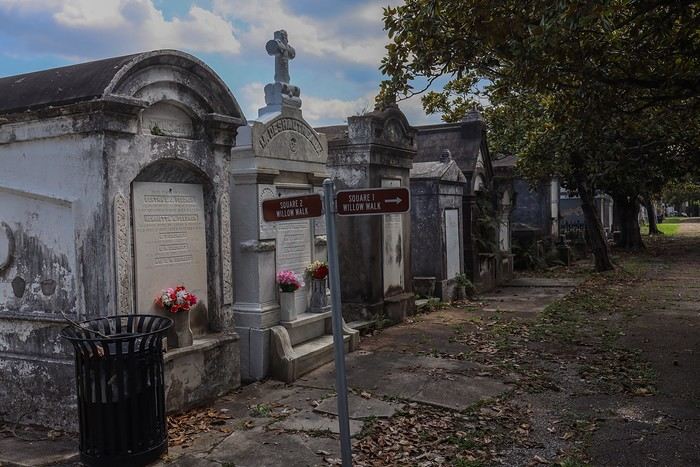 We continue our stroll through the area bounded by St. Charles Avenue, Jackson Avenue, Magazine Street, and Louisiana Avenue.
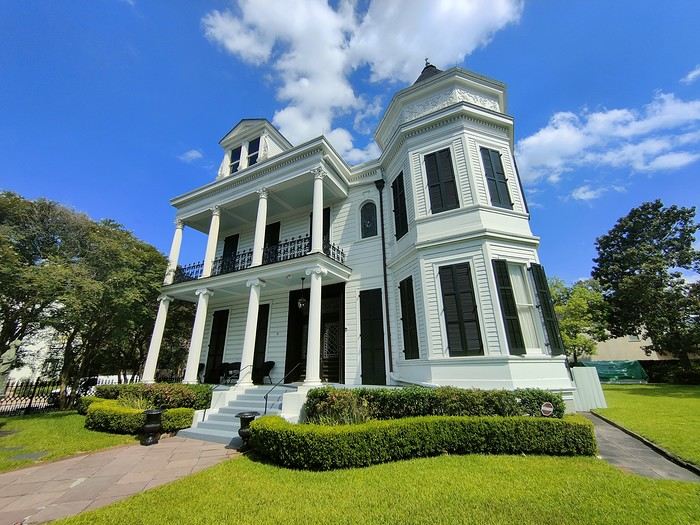 By 4 PM, everyone’s exhausted, so we decide to head back to our place to rest and have dinner.


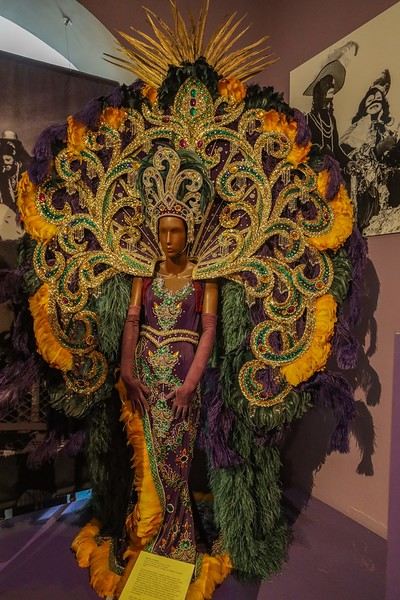 Next up is the 1850 House & Museum, also bordering Jackson Square. The house is small and less lavishly furnished than the other historic homes we’ve visited, so we’re a bit underwhelmed.
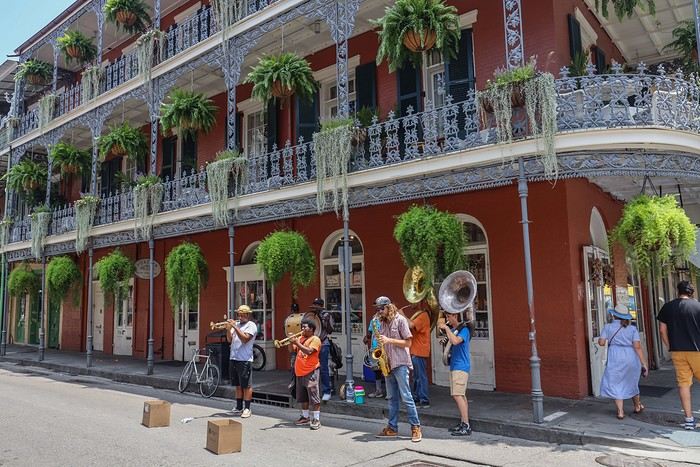
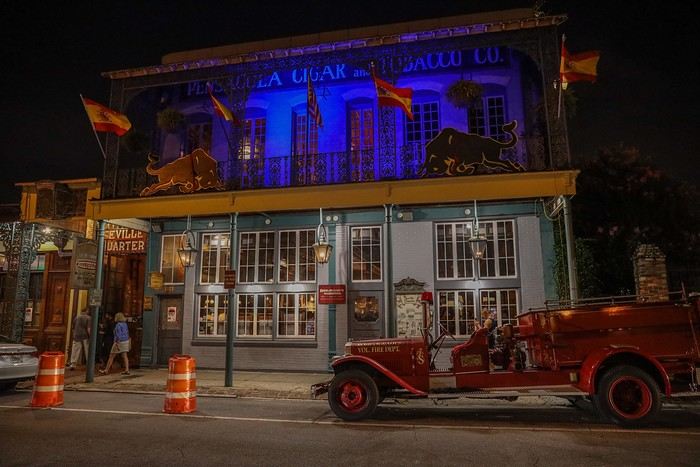
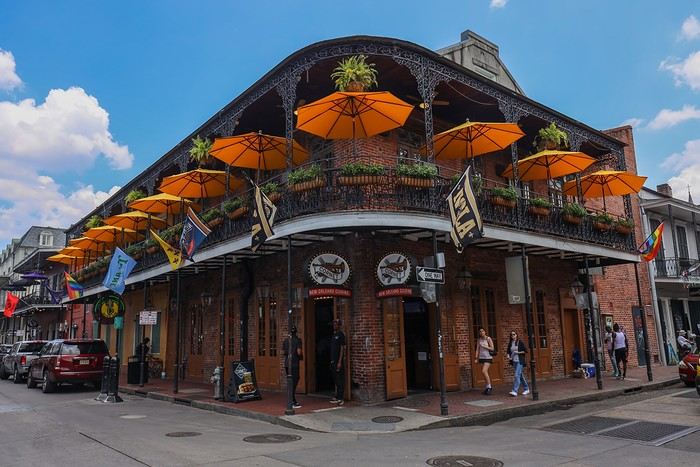 Another evening in the French Quarter—no surprises—trying to find streets with atmosphere, but we inevitably end up back in the touristy areas...


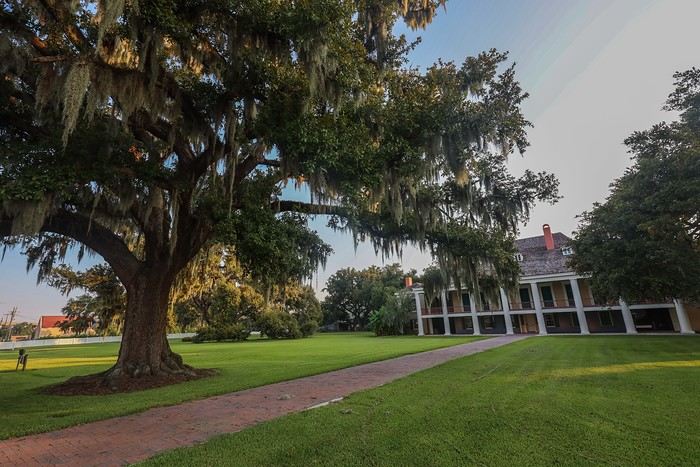 followed by a second stop at Evergreen Plantation, which we were determined to see—even if just from a distance—since it was the filming location for Tarantino’s *Django Unchained*.
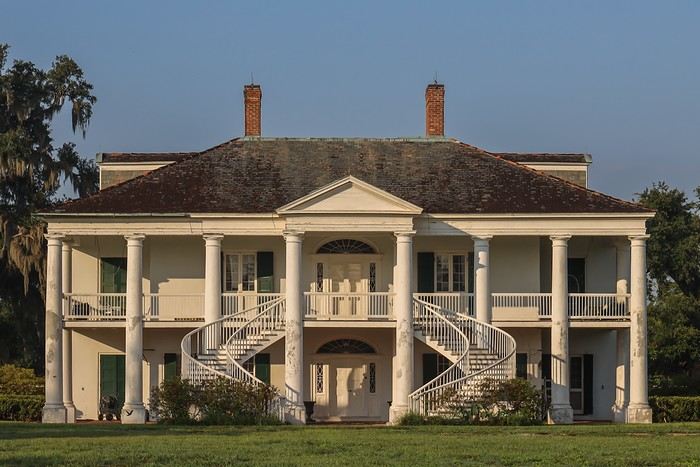 Along the way, sugarcane fields stretch endlessly...
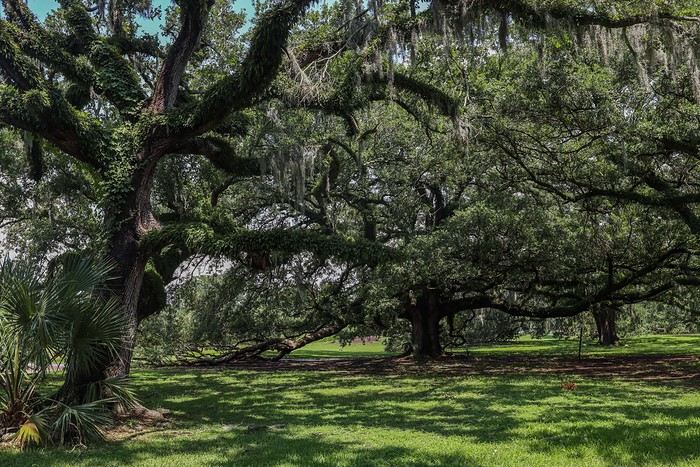
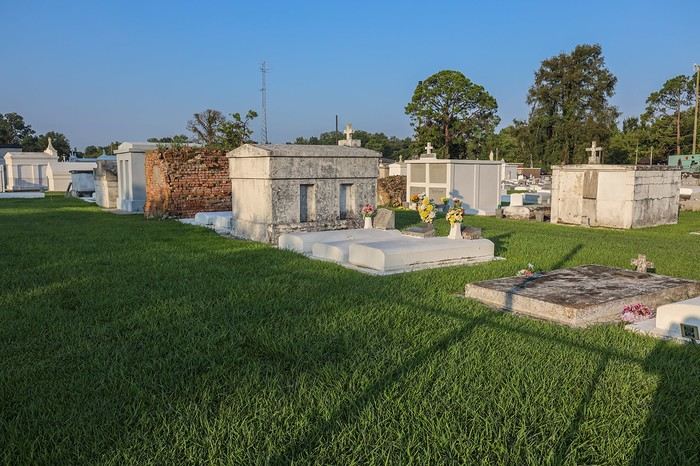 By 8 AM, we’re at Oak Alley Plantation right as it opens, famous worldwide for its alley of 28 three-hundred-year-old oak trees. One of the best photo ops is at the gate—no entry fee required.
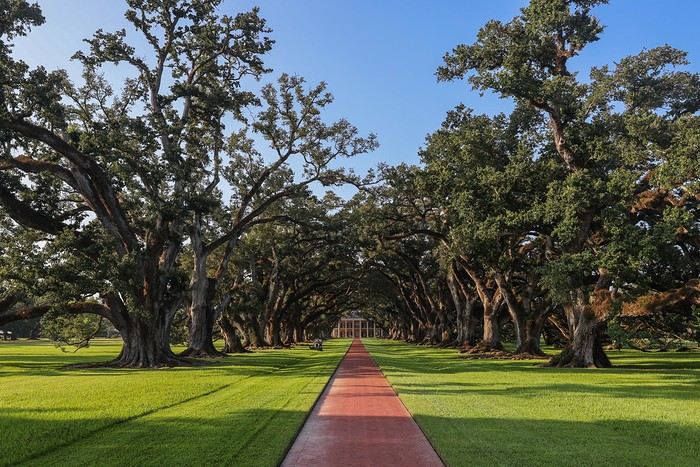 The plantation isn’t open to the public yet, and the gardener takes advantage of the quiet to perfectly manicure the lawn.
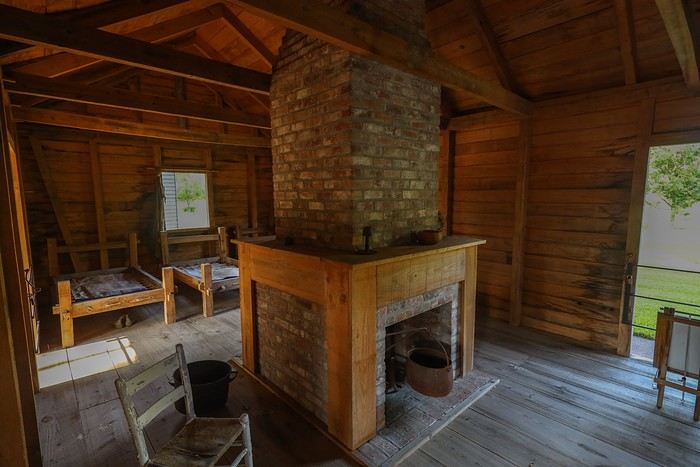
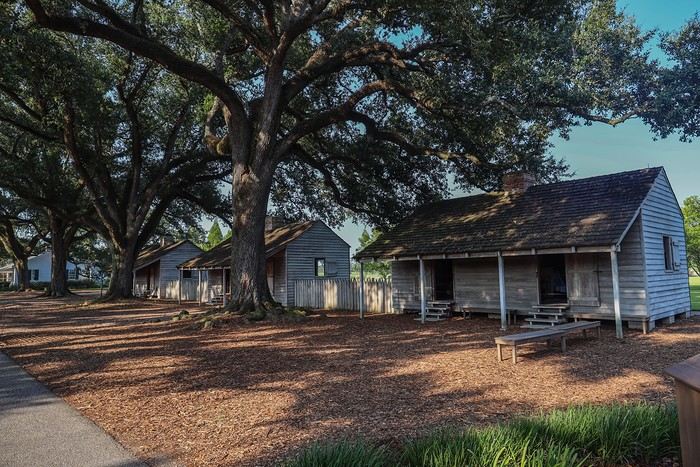 Some of the cabins have been restored to show what life was like for enslaved families, and several personal stories are shared.
 We then follow a path shaded by another row of oaks to reach the main house, where our guide is waiting.
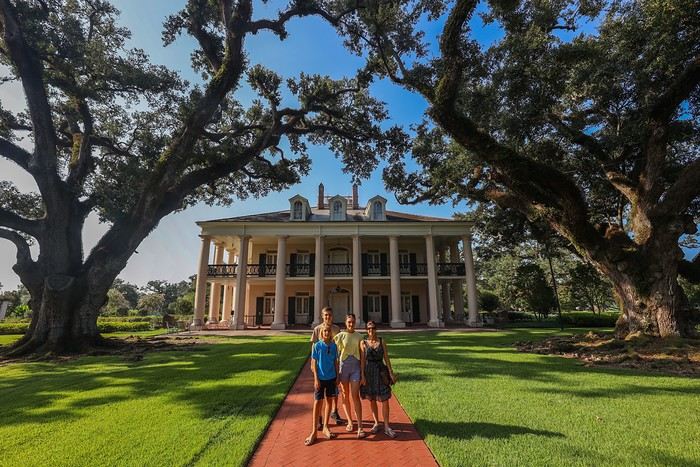 A few of the oaks look a bit worse for wear, but the scene remains breathtaking!
All this beauty tends to immerse us in the romance, Creole culture, and past grandeur—but it’s impossible to forget that this splendor was built on slavery and the deaths of thousands of Black people.
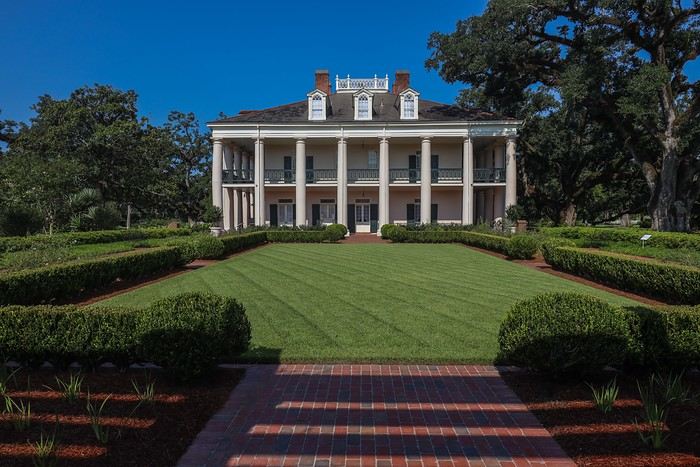
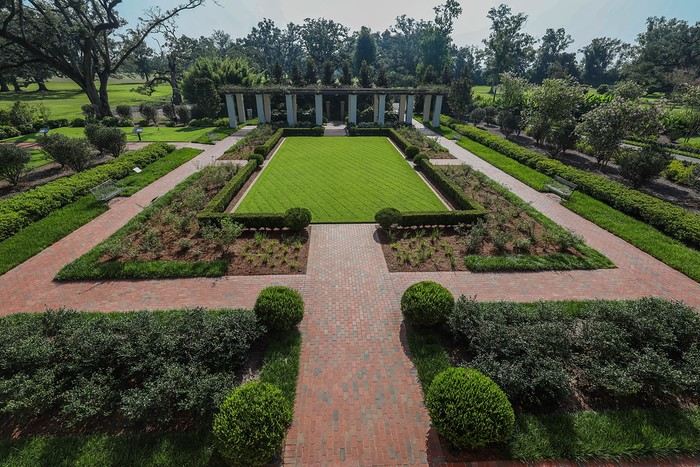 After the tour, we take another full lap around the gardens, which only cover a tiny fraction of the plantation’s original 450 hectares. Another angle of the villa, symbolizing the extravagant opulence of the old plantations!


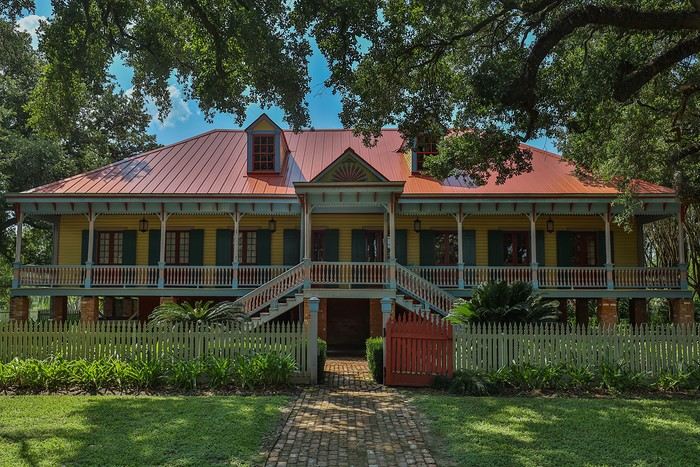 But we quickly discover where the real interest of the guided tour lies. Unlike our recent experience at Oak Alley Plantation, here the guide tells us in minute detail the story of four generations of free and enslaved members of a Creole family from Louisiana.
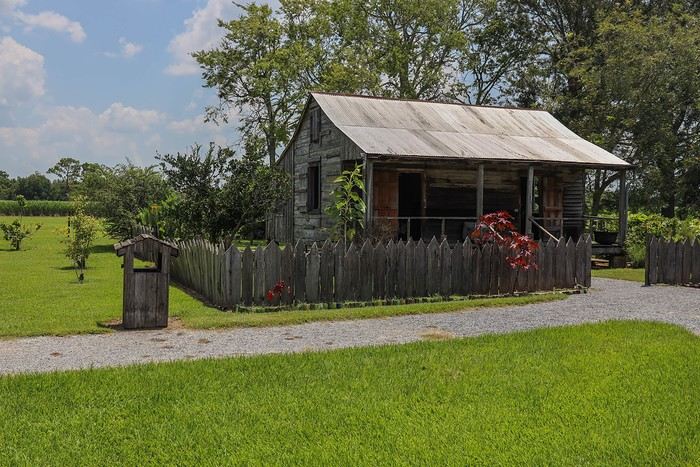 In one of the cabins, we see an authentic register listing the value of each slave according to their category. But our guide’s fascinating account doesn’t just detail the period of slavery—it also covers the very long post-Civil War era, with all the challenges of a society where everyone was now supposed to be free.
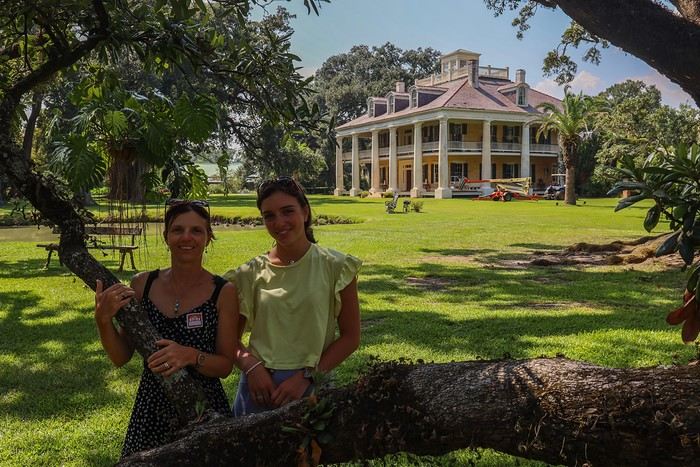 The water lily ponds, ancient oaks, and benches invite us to wander... or maybe it’s the huge steaks we ate less than an hour ago!
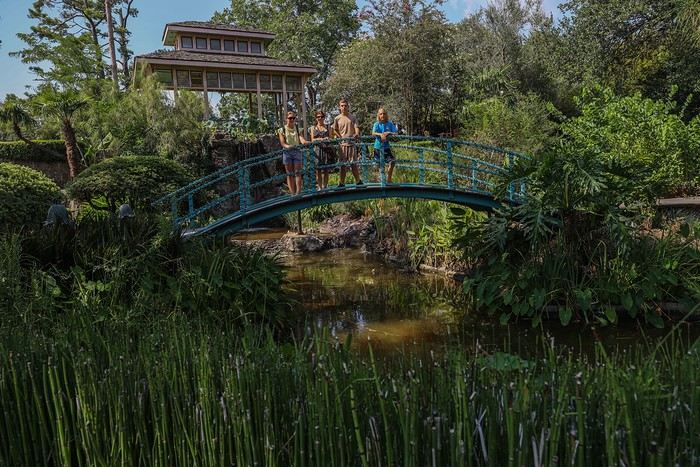
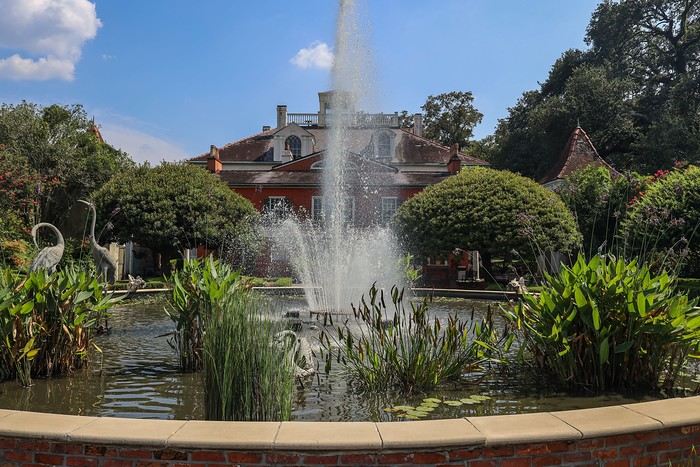 A few Japanese-style ponds add to the changing atmosphere.
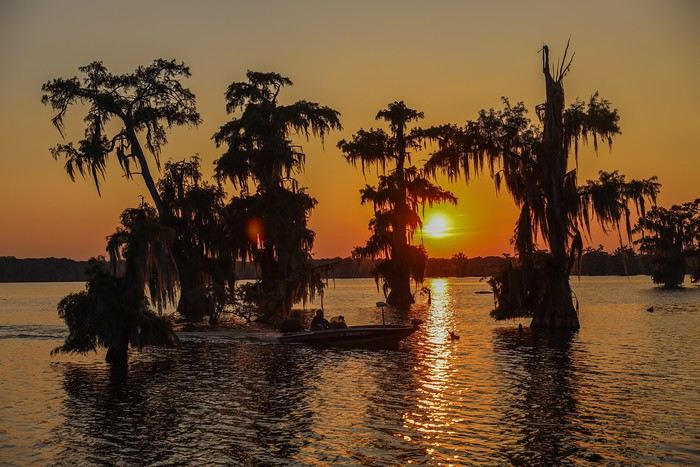
 Time is ticking, and we need to reach our next home for the next four nights in New Iberia. Since self-check-in is possible thanks to a lockbox, we decide to stop by Lake Martin, where we’ve planned a boat tour in the coming days. With no offices open, we book five spots for the sunset tour through the Cajun Country Swamp Tour website.
 We’re even lucky enough to spot several dark shapes, their upper parts just breaking the water’s surface, moving silently without a ripple. Alligators... And in the distance, a wading bird prowls stealthily, hunting for a fish or two.


 A small path led us away from the main trail and into exotic vegetation. A warning sign reminded us that alligators might be around.
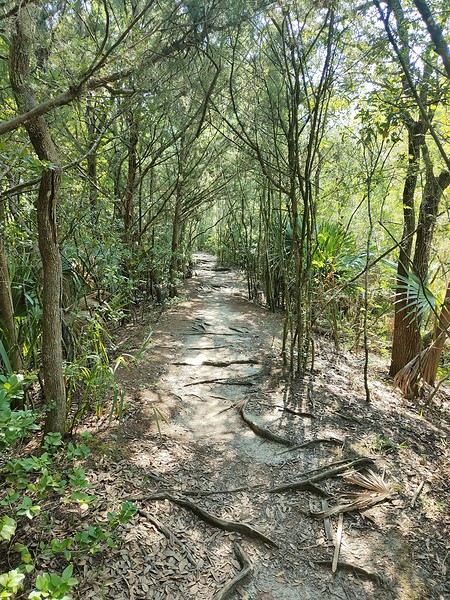
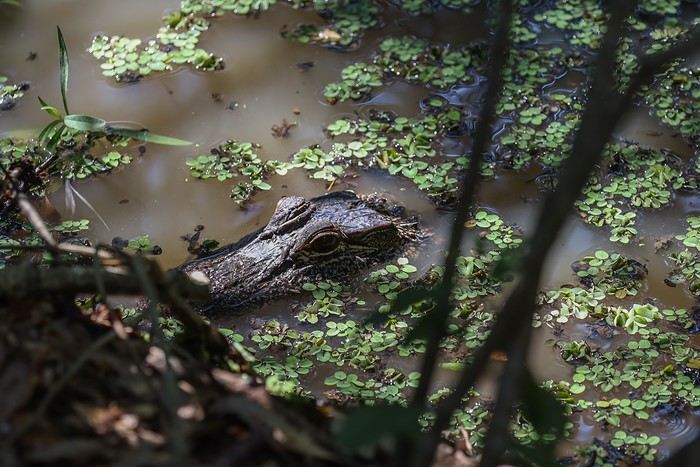 We all froze—wondering if we were really safe or if an attack was possible!!
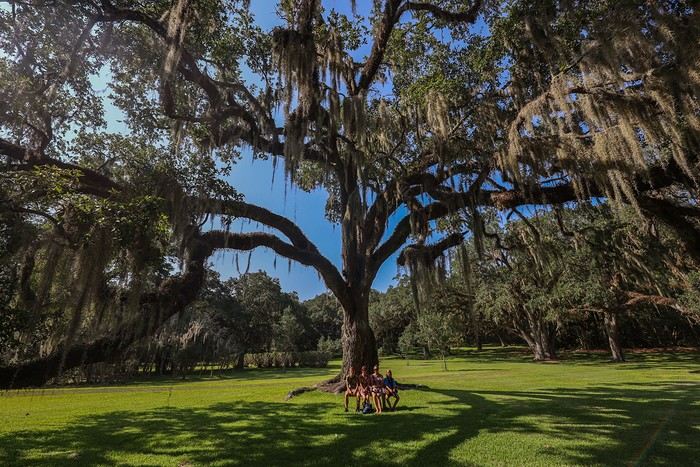
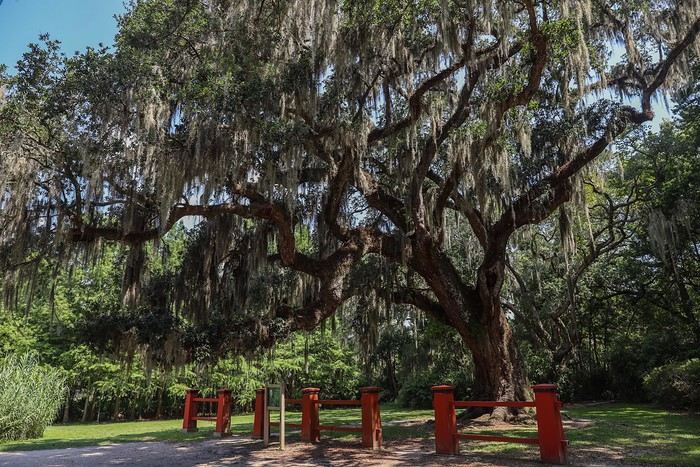
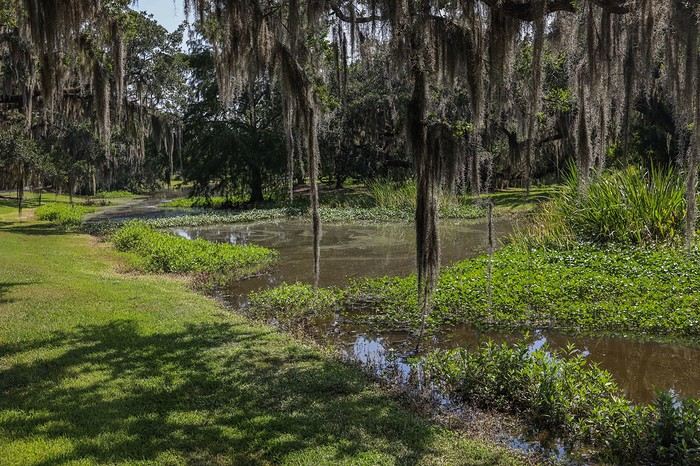 A remarkable oak, the oldest and most impressive in the park.
 We continued through tropical plants, a bamboo grove, a wisteria tunnel, and even a 12th-century Buddha at the heart of a Chinese garden before reaching the bird garden. To get there, we climbed to the top of a promontory overlooking a huge lake covered in duckweed. Online, you can find photos with thousands of birds on the various structures designed to welcome them.
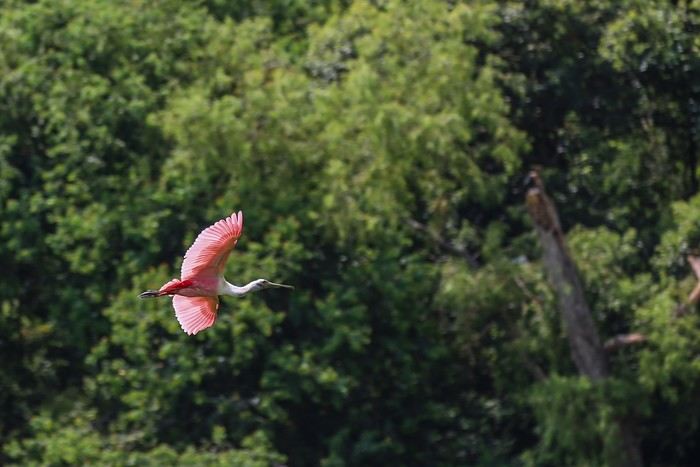
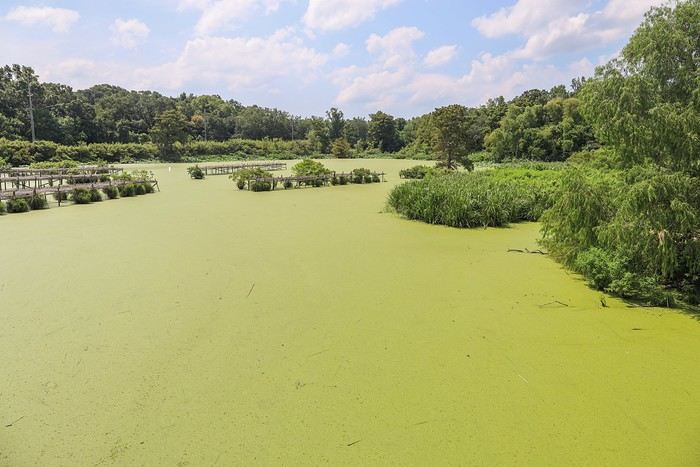 We were clearly not there at the right time. With this heat, the few birds around barely flew before returning to rest in the shade of the trees.
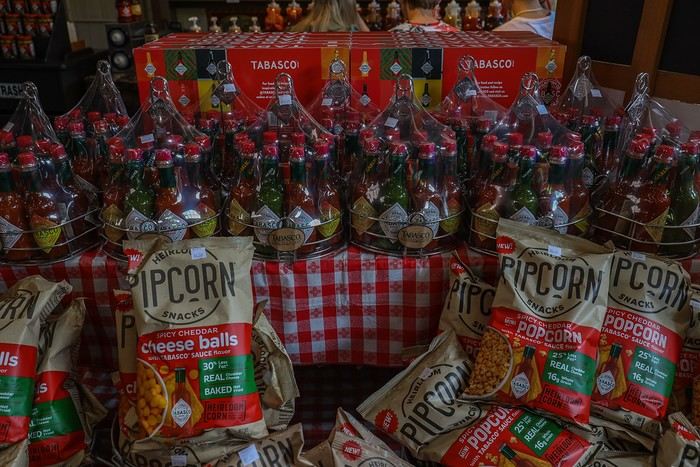
 It was already noon when we got back to the car, and then we headed to the Tabasco factory to learn all about how the famous hot sauce is made. The tour is self-guided, but the signposted route is well done with explanations all along the way.
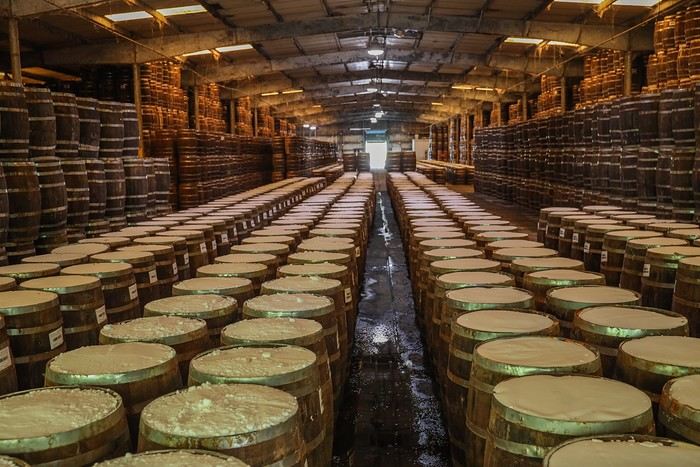 After another mix with a special salt, the mixture is bottled.
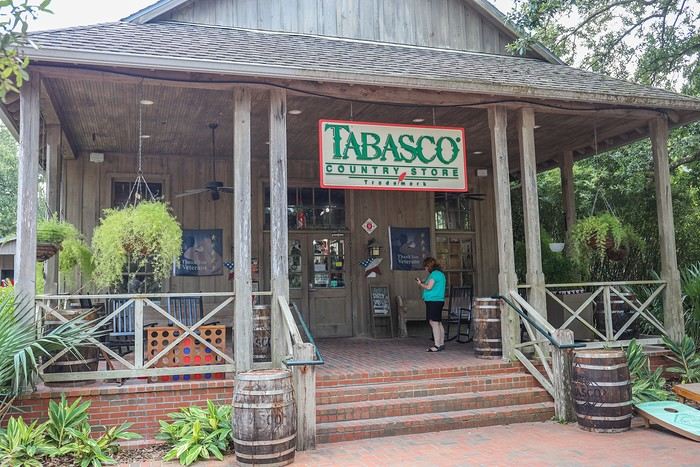


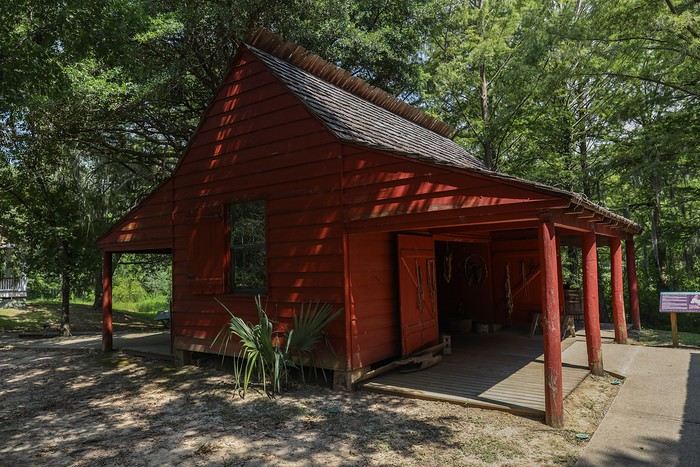
 The renovated buildings feature very bright colors.
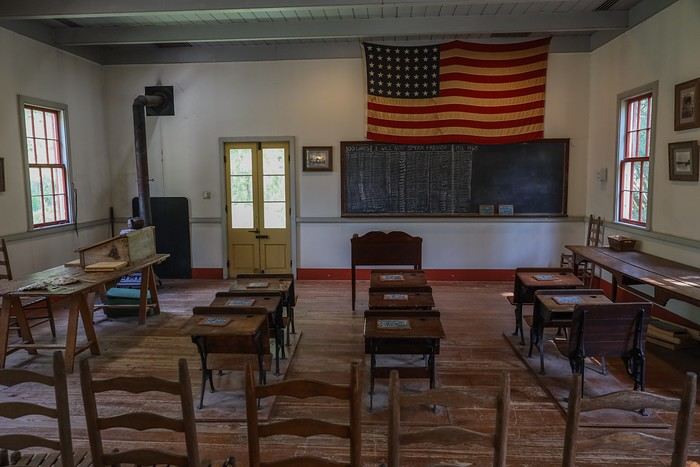
 The school proudly displaying an American flag.
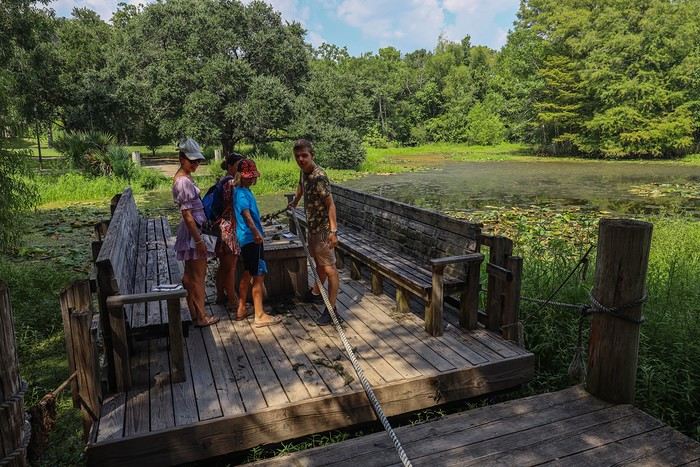
 There’s even a chance to cross the bayou on a floating dock, using a rope tied on both sides. We admire the bravery of a Quebecer who doesn’t hesitate to dip their fingers into the swampy water, which looks pretty unappetizing.
 Of course, you can explore the rest of the village without making that crossing! More beautiful reconstructed houses.
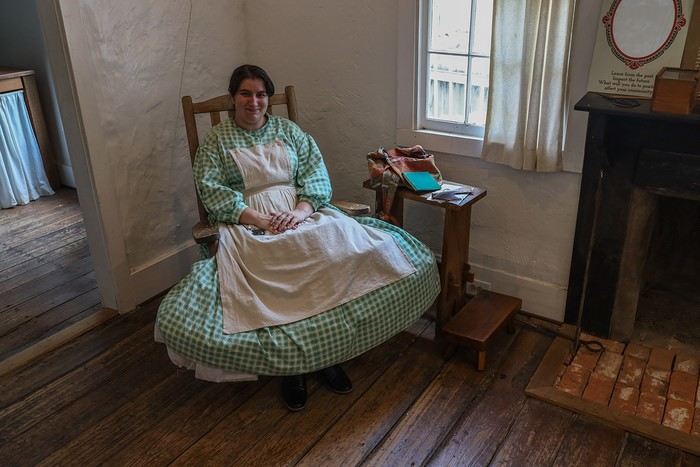
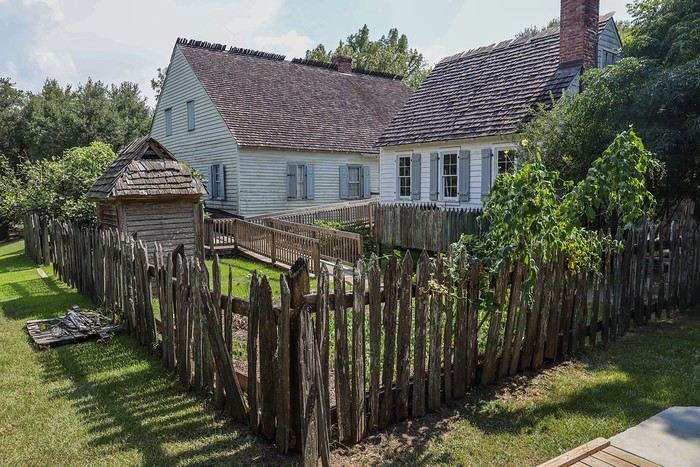 We would’ve loved to stay longer, but the village closes its doors at 4 PM. We say goodbye to the actresses bringing this site to life,


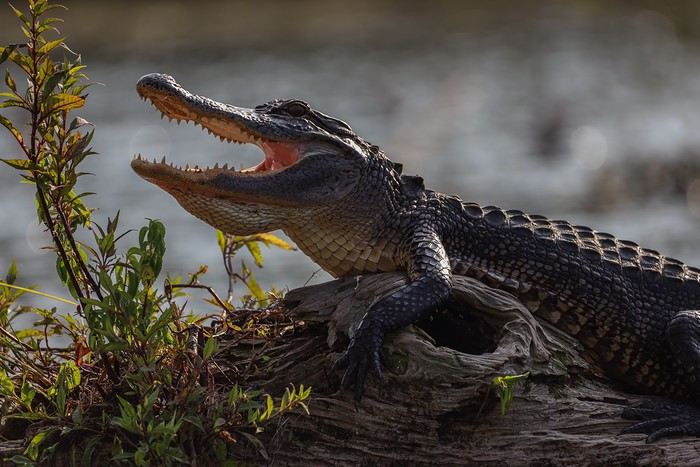
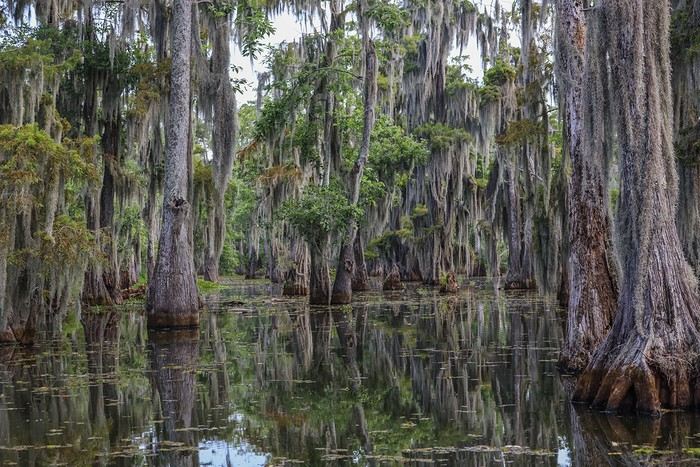
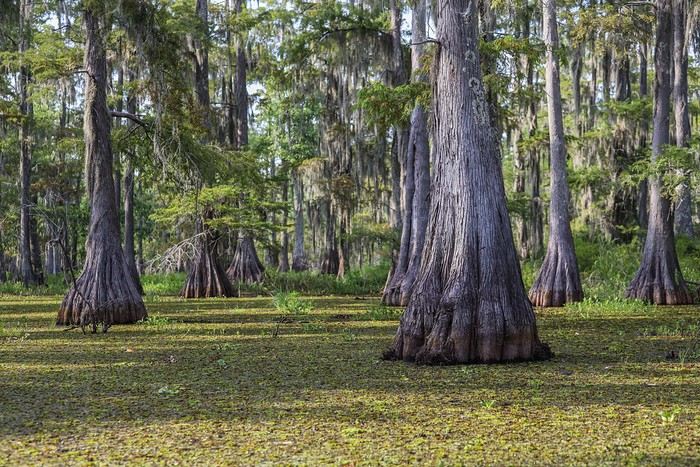
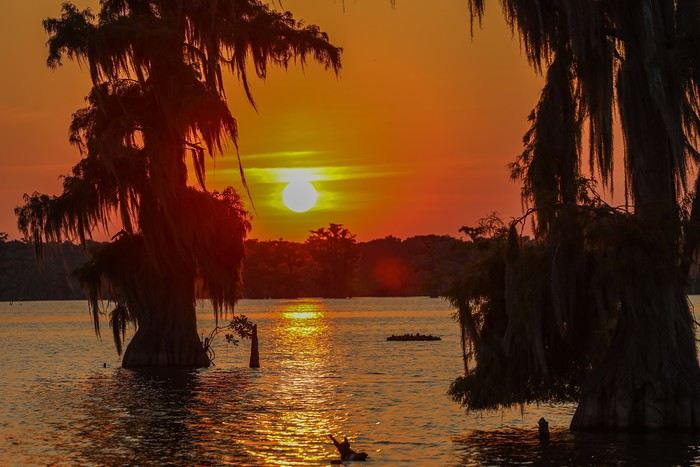
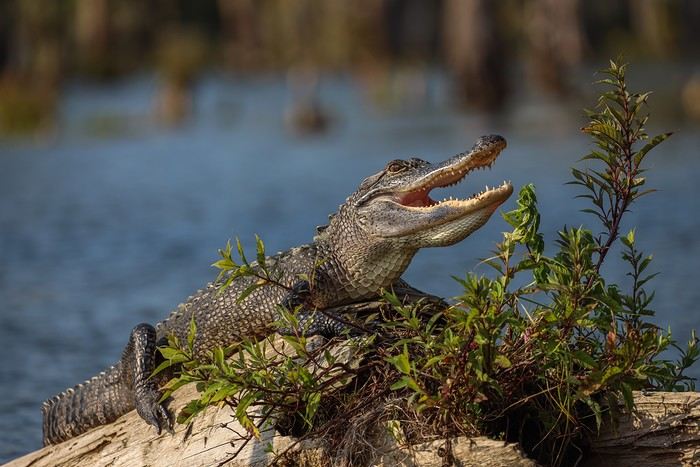
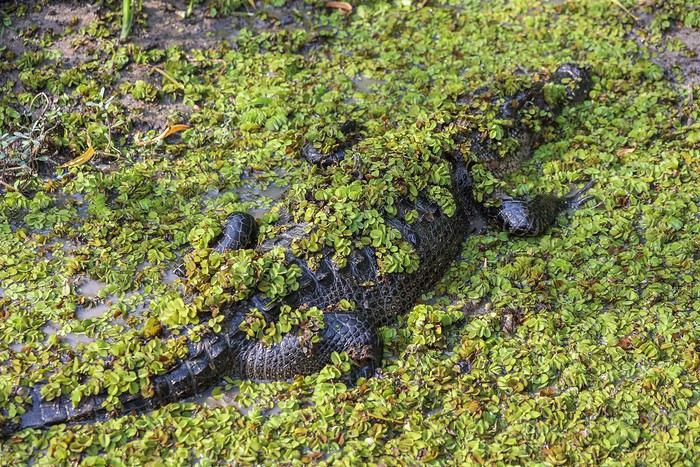 We honestly couldn’t get enough of the scenery—or the alligators, which I happily photographed from every angle.
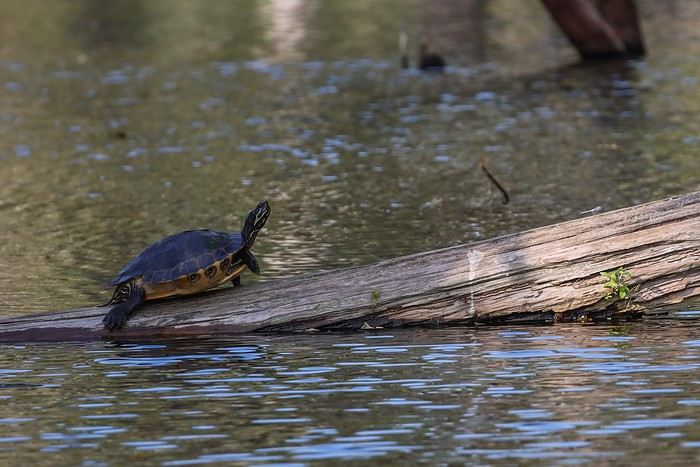 As the sun began to set, we started making our way back, picking up the pace.
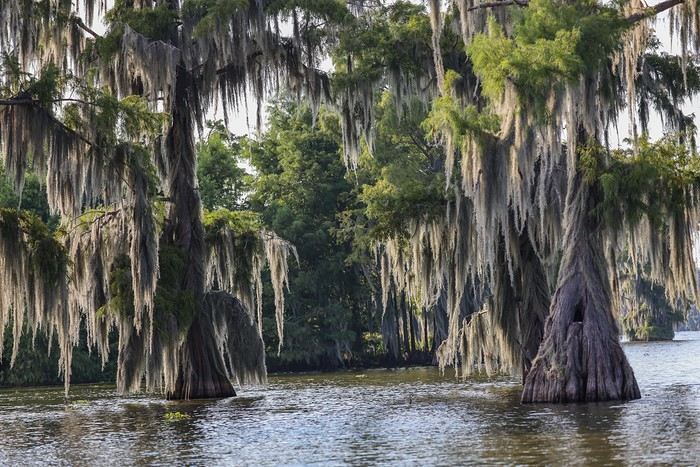 The guide took us to a tree with a hollow trunk that served as a refuge for birds.
And just like that, this amazing adventure came to an end—we were completely blown away!
 Finally, back to our home sweet home for a night where we’d all be dreaming of alligators.


