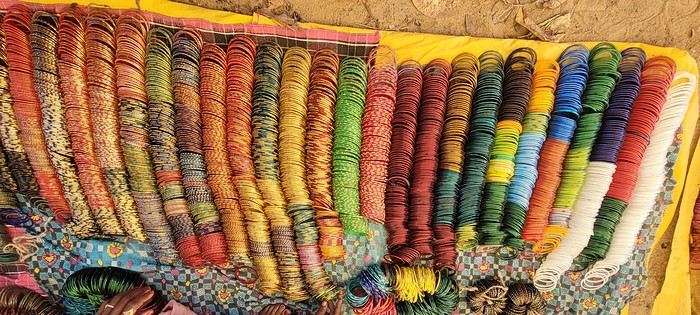
From Delhi to Agra and an extraordinary stay in Chhattisgarh
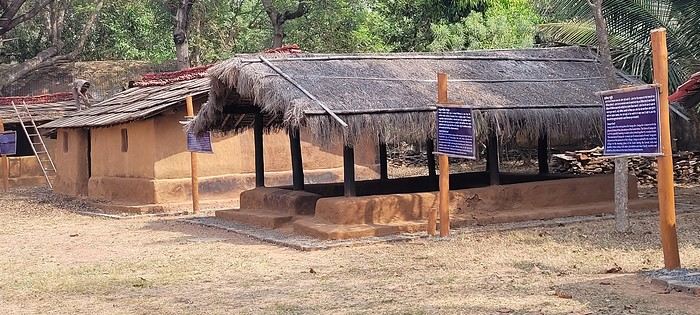
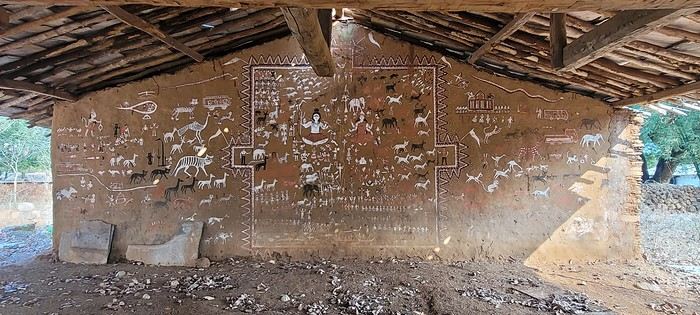
We start the day at the ethnic museum. Akesh explains all the customs really well. The traditional houses are outside. This museum reminds me of the one in Bhopal, but in miniature.
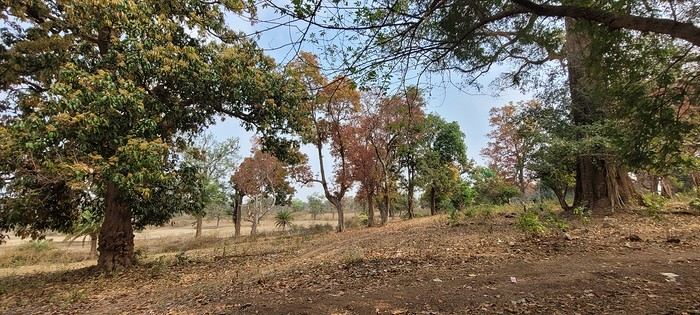
We drive through the countryside. Cashew trees grow around here, but it’s not the season.

We stop in a village that we explore on foot. A fisherman is repairing his net.

the houses are well-maintained.
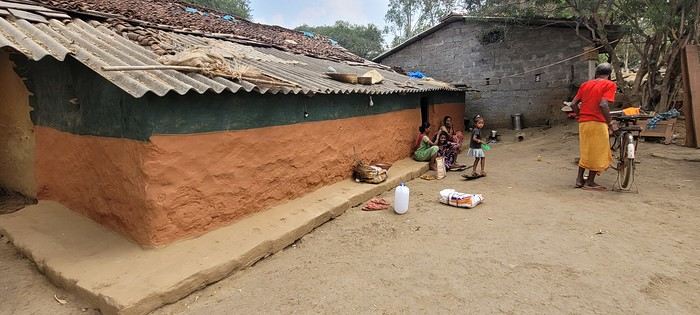
We enter a courtyard where women are busy removing lice from one of their heads.


while the meal cooks

this village is very clean.


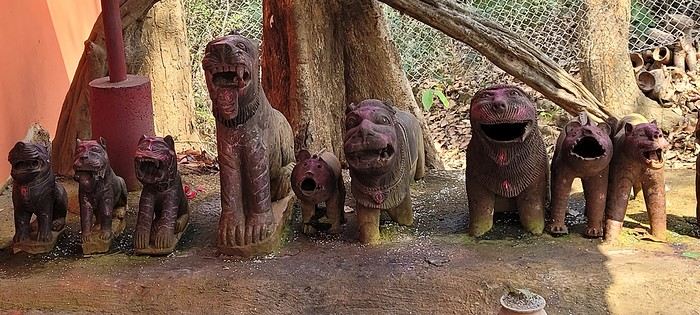
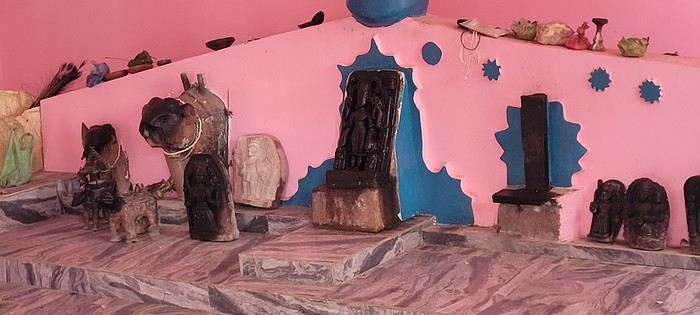
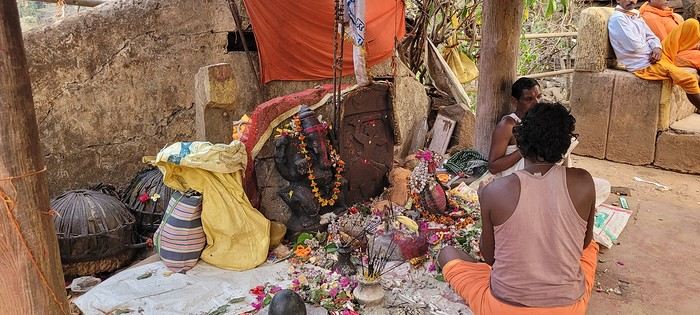
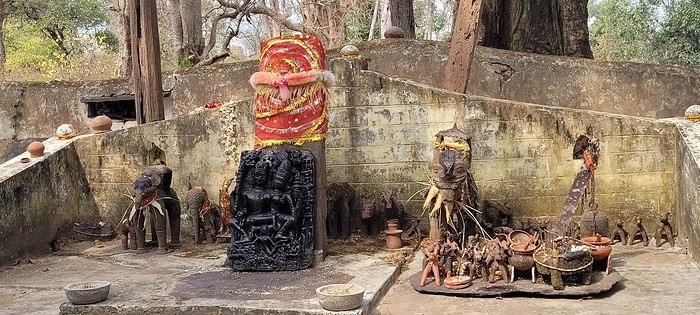
further on, a sanctuary with animals made of terracotta.
We drive through the countryside. Cashew trees grow around here, but it’s not the season.
We stop in a village that we explore on foot. A fisherman is repairing his net.
the houses are well-maintained.
We enter a courtyard where women are busy removing lice from one of their heads.
while the meal cooks
this village is very clean.
further on, a sanctuary with animals made of terracotta.


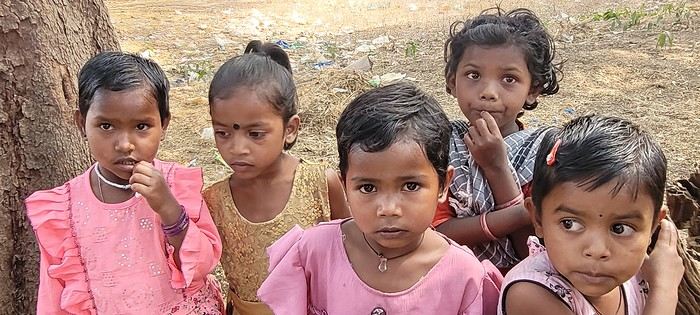


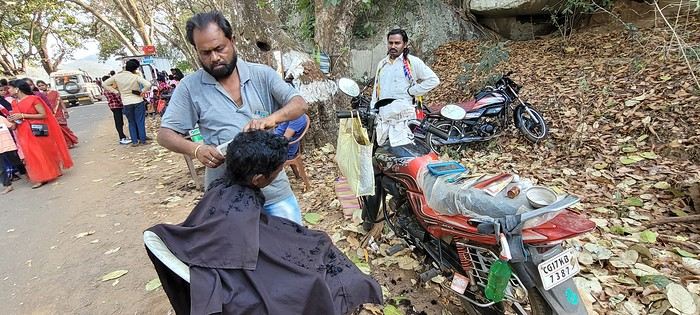
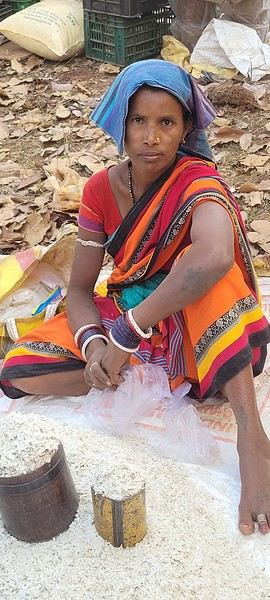

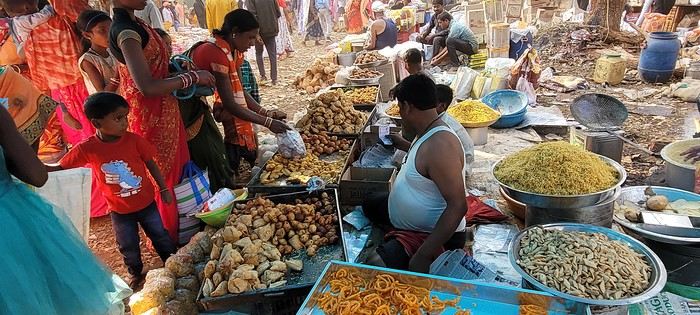


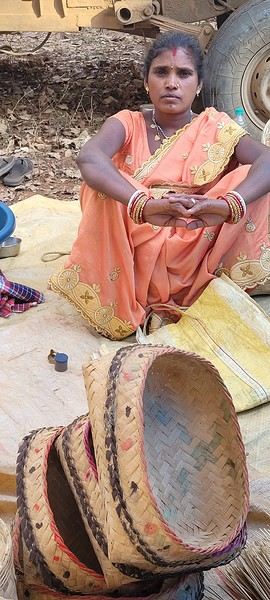


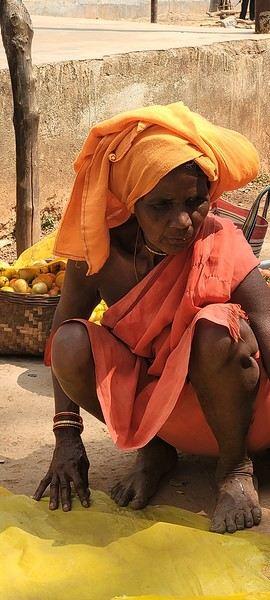




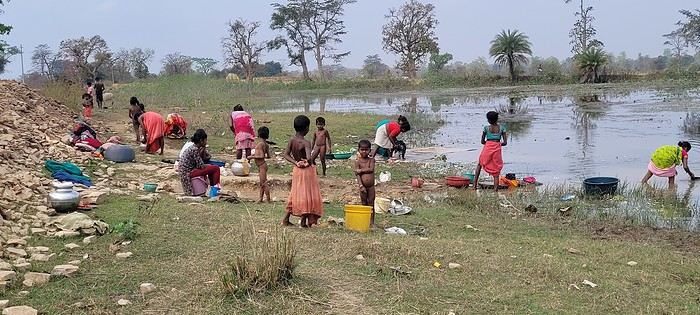



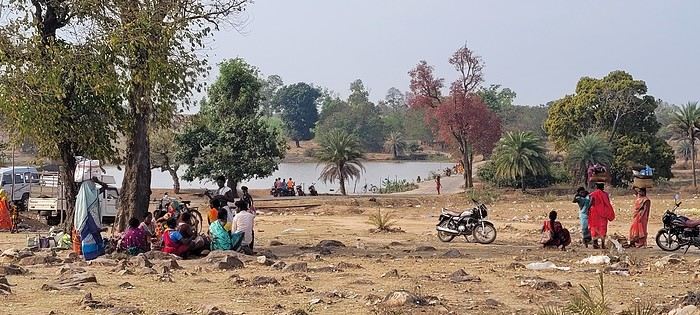






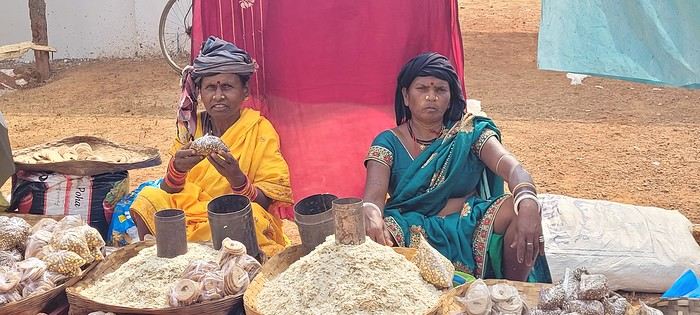


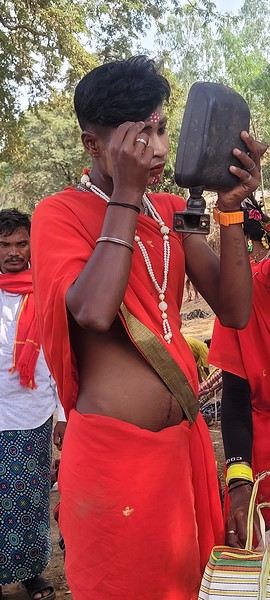


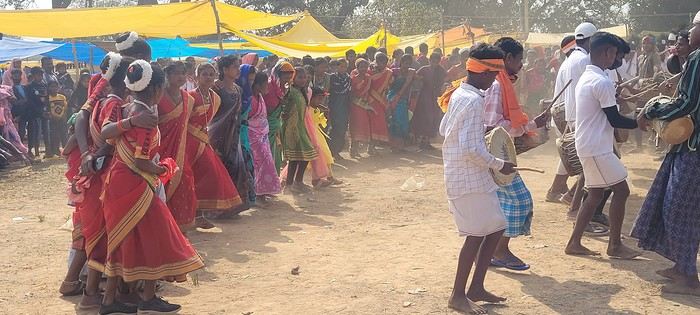
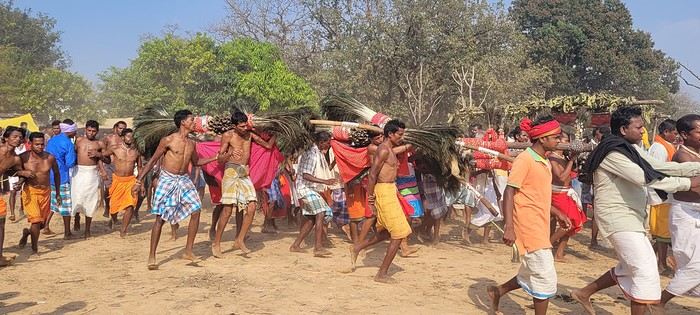
 The women wear the typical tribal jewelry.