A bold combo: Southern Peru, Bolivia and Northern Chile
J3 - 14/07: Machu Picchu
July 14th is Bastille Day, and this special day also means a visual fireworks display for us—the fulfillment of a childhood dream with a visit to Machu Picchu!!
We wake up at 3:55 AM—ouch... 🤪
At 4:30 AM, we return the keys to the manager, who slept on the couch, probably to make sure we left at dawn and didn’t get him in trouble 😄!
Good news: Laetitia is feeling better. After eating bananas for breakfast—bought last minute after our hotel mishap—we start the hike to Machu Picchu at 4:20 AM, beginning with 2 km of gentle incline.
Our goal is to reach the site just before 6 AM, allowing for about 1h30-1h40 of walking. We end up waiting a good fifteen minutes until 5 AM at the access bridge marking the start of the trek. Not great, because now we’ll have to tackle the stair climb with a 460 m elevation gain in just one hour...
Luckily, the cool—even cold—temperature helps us power through the ascent, and Laetitia, despite having almost no energy stored up in 36 hours, holds strong!
Our first entry is scheduled for 6 AM. The guide had strongly recommended this time slot to avoid the crowds and have the chance to witness the sunrise from the best viewpoint in Machu Picchu 😇!!
Visiting conditions at Machu Picchu have significantly deteriorated in recent years. Officially, it’s to prevent overtourism, but we can seriously doubt that—it seems to have become a money-making scheme for the government, lining their pockets.
As a result, instead of a single circuit, you now have to choose between three main circuits and multiple variations. To see the entire city, you need to take two circuits. And no Carrefour promo with the second one at half price...
After studying the schedules and variations of all the circuits, I concluded that we absolutely had to start the day at 6 AM with the first panoramic circuit to have enough time to do two circuits and make the most of this once-in-a-lifetime day that inspired our trip!
For our first circuit, the 2A, we’re lucky to have a French-speaking guide, Manuel Jesus. Passionate and fascinating, his French is perfect, and he speaks at the rapid pace typical of any self-respecting Spaniard. He’s a wealth of knowledge—pure delight!
Plus, he recommends the best viewpoints, slightly off the beaten path from where most people gather. Really great!
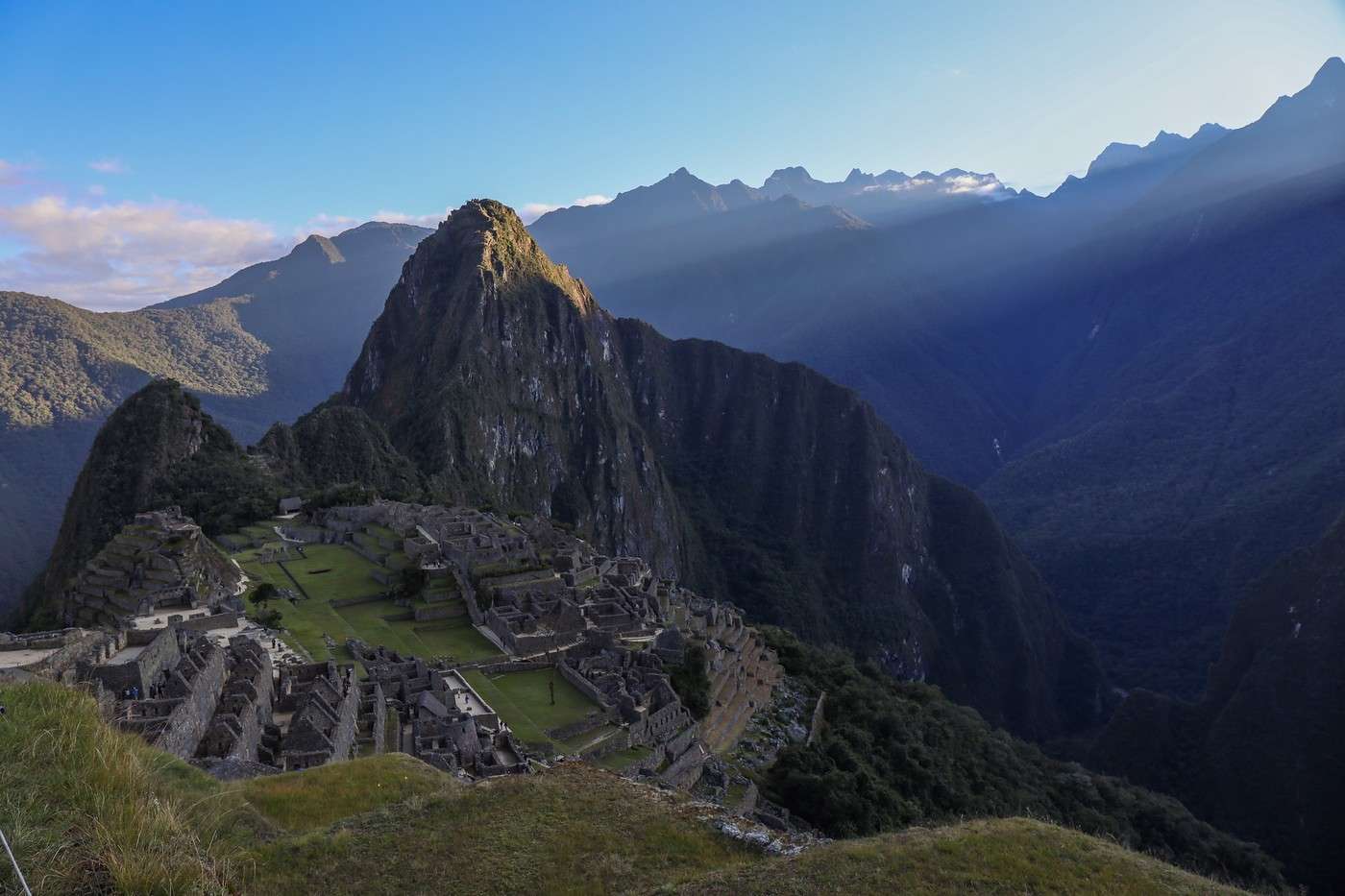
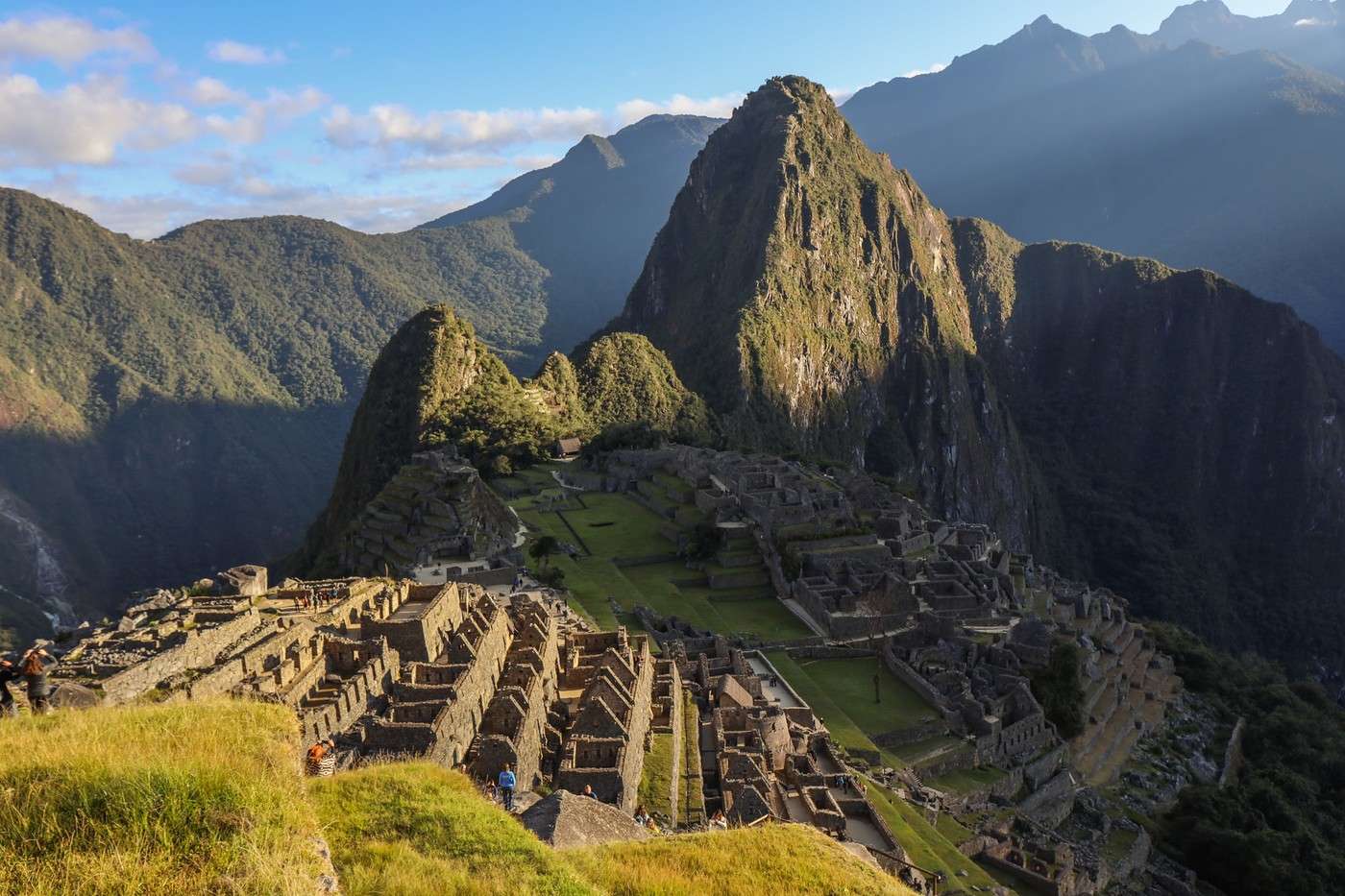
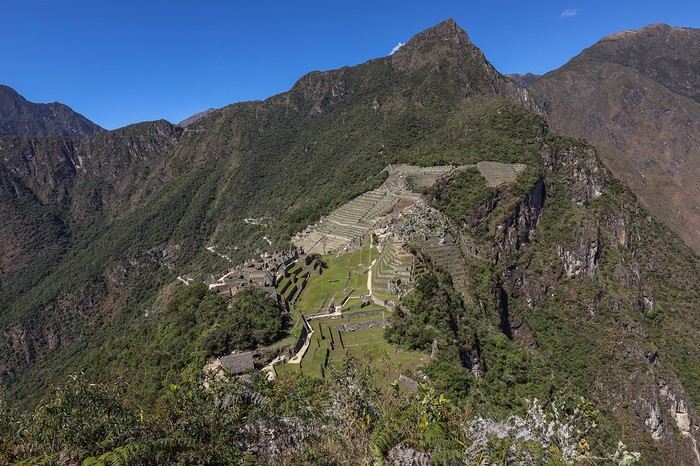
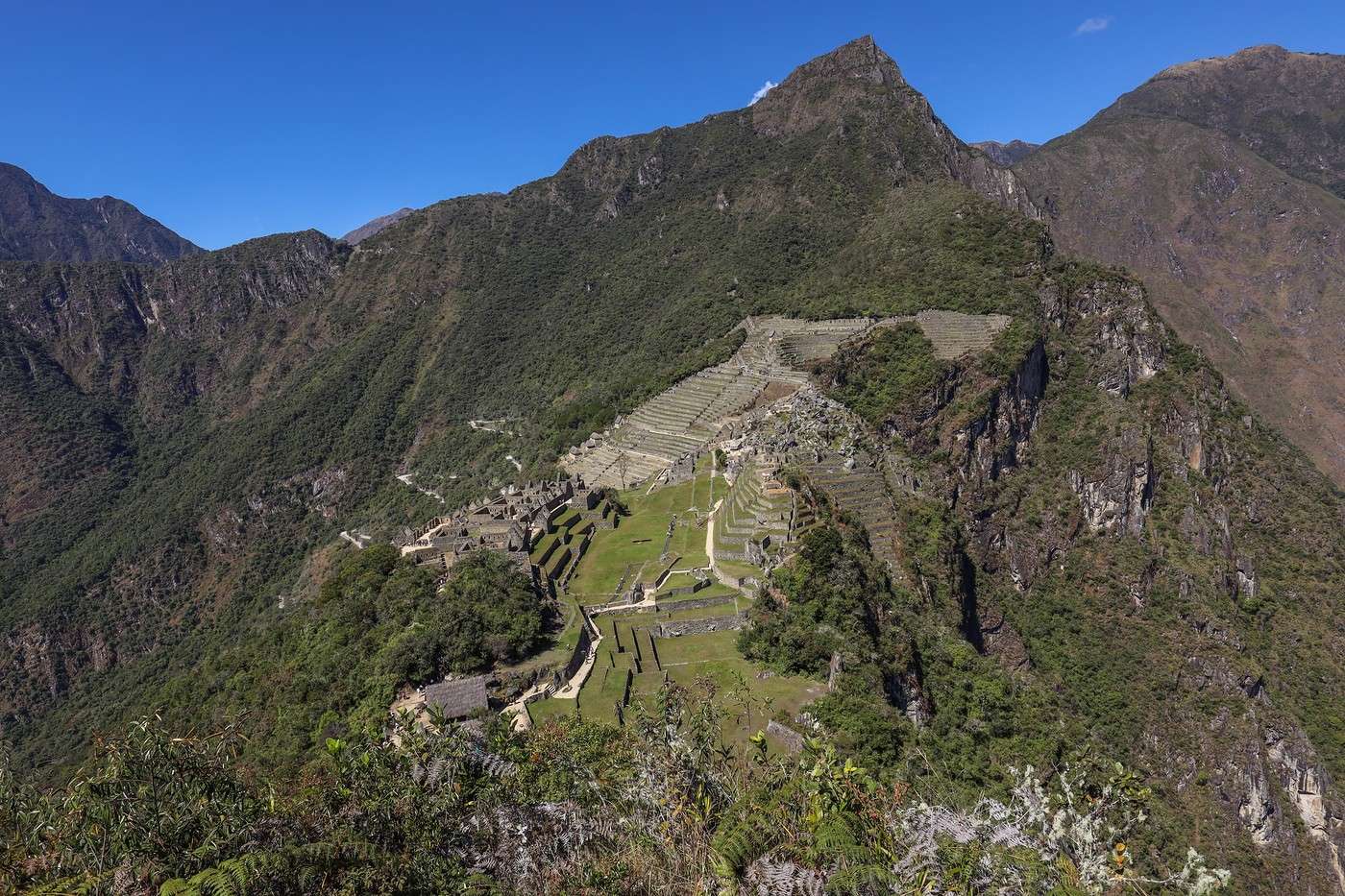
At 7 AM, we find ourselves on a large terrace that lets us enjoy the sunrise without being packed together.
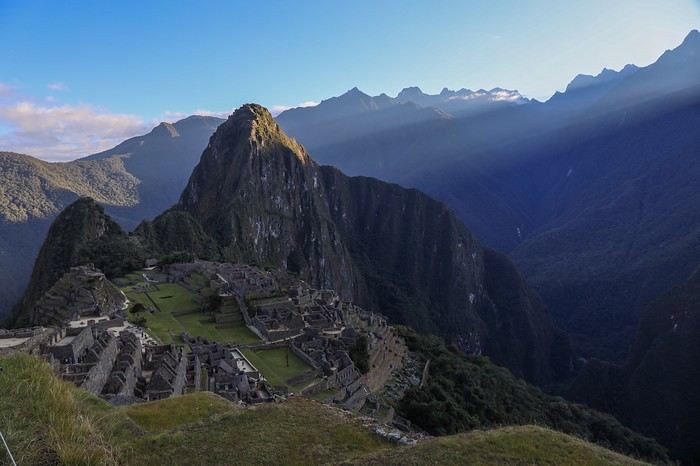
At 7:15 AM, here comes the sunrise, with perfect weather conditions 😇😇😇
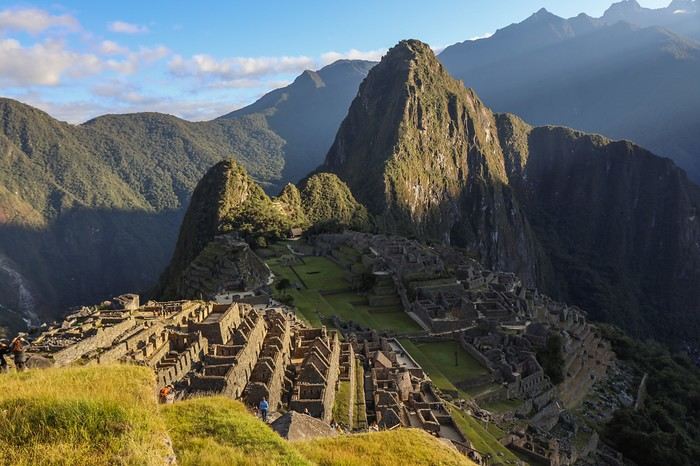
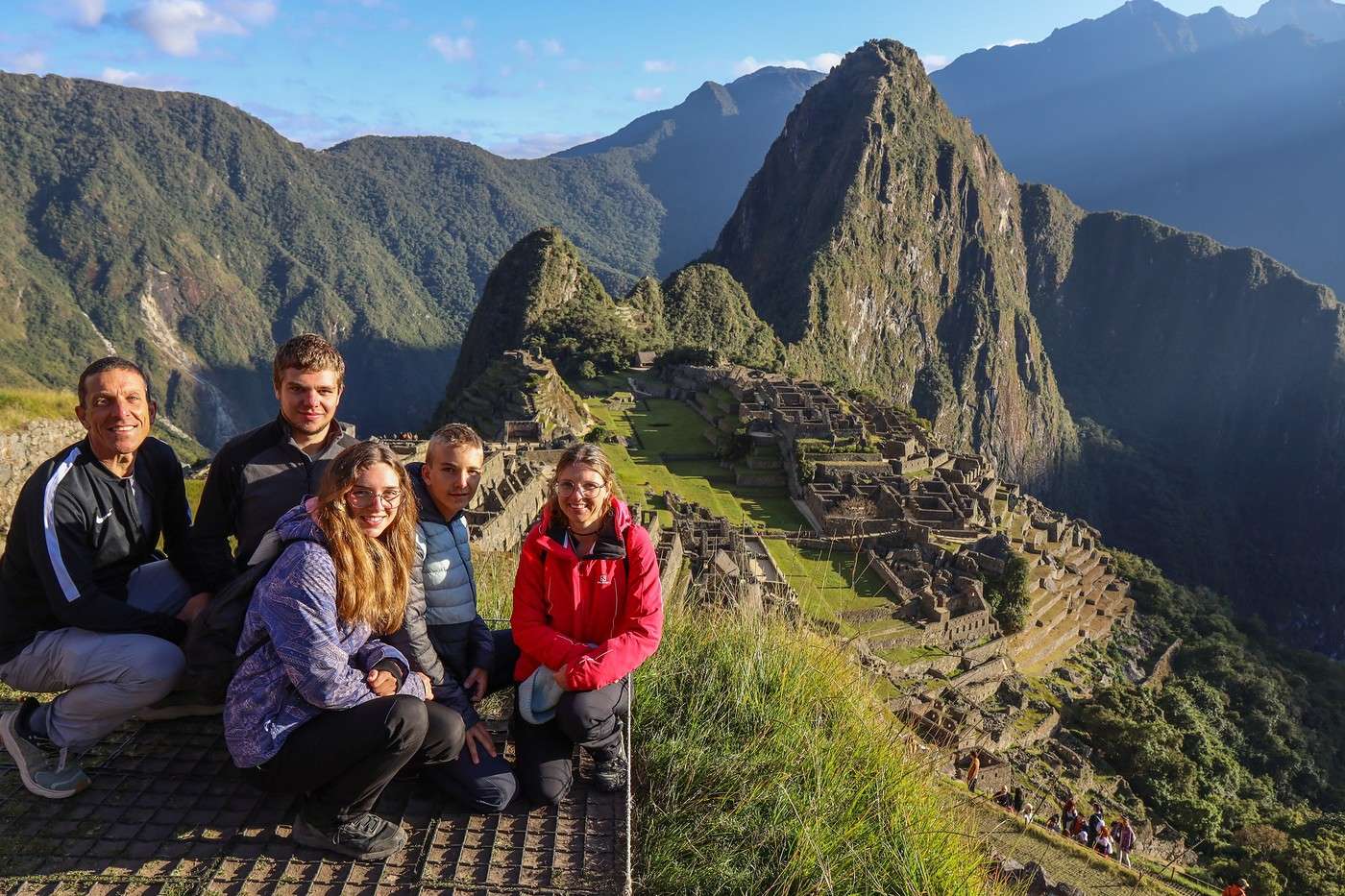
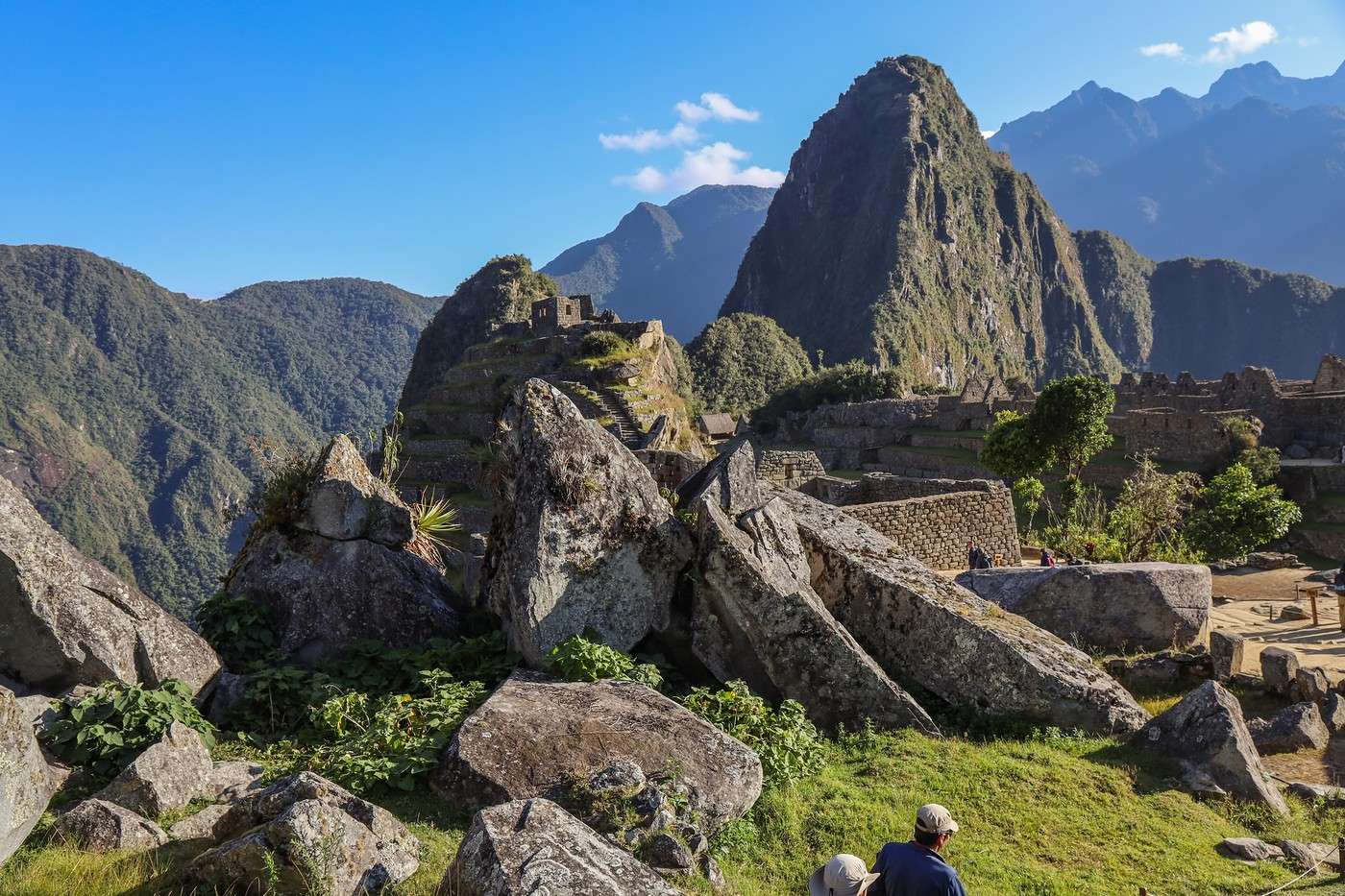
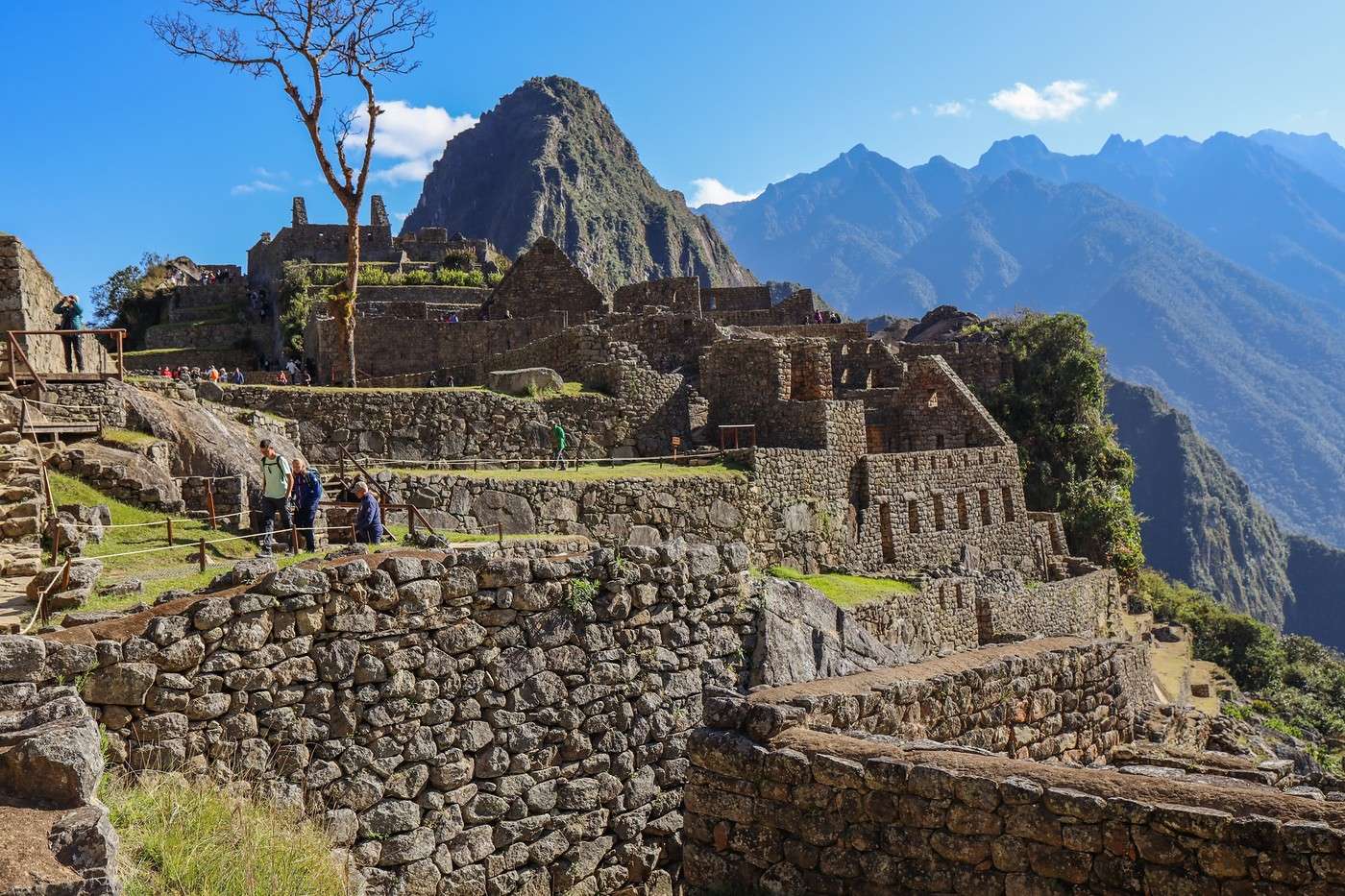
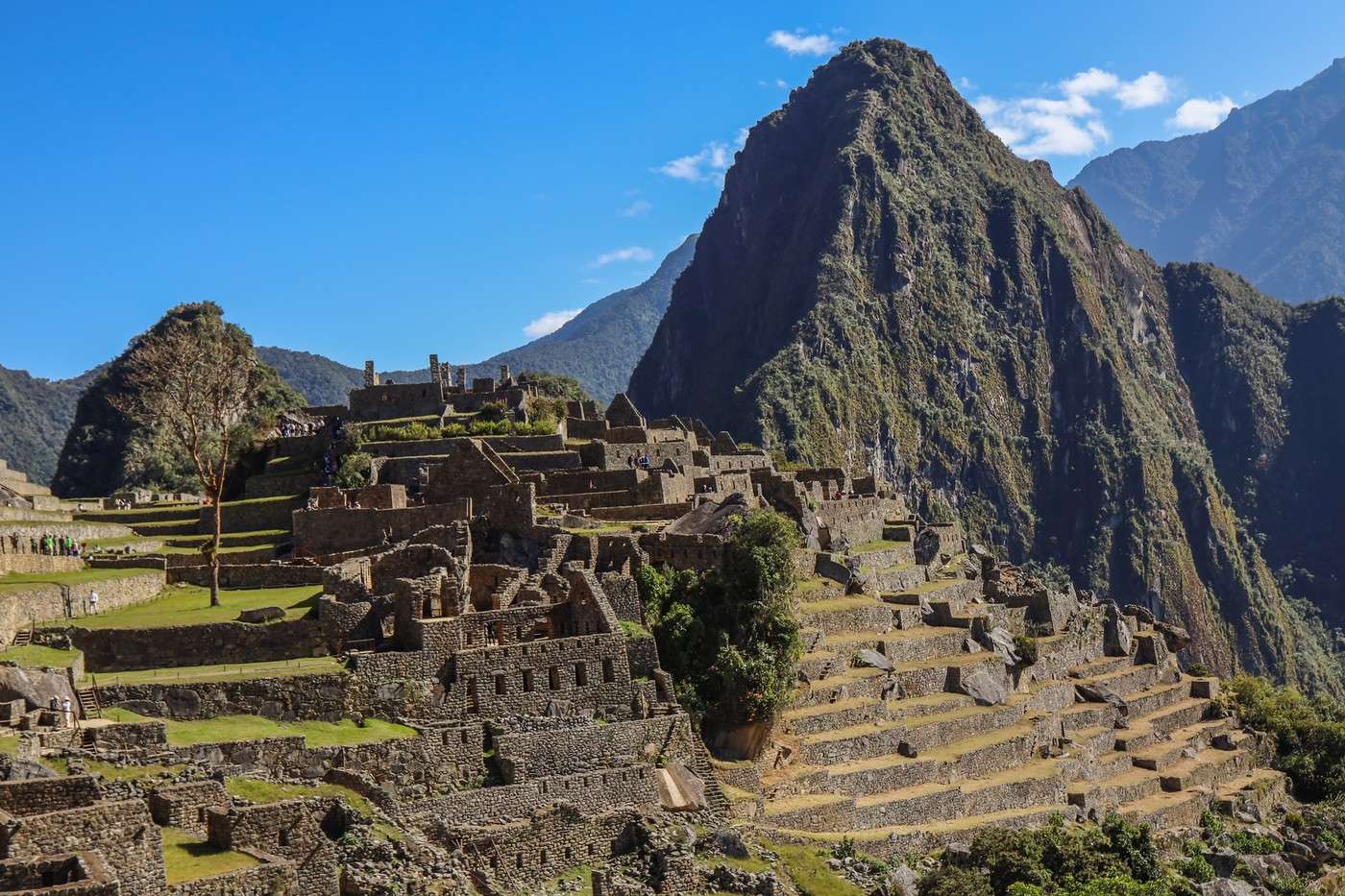
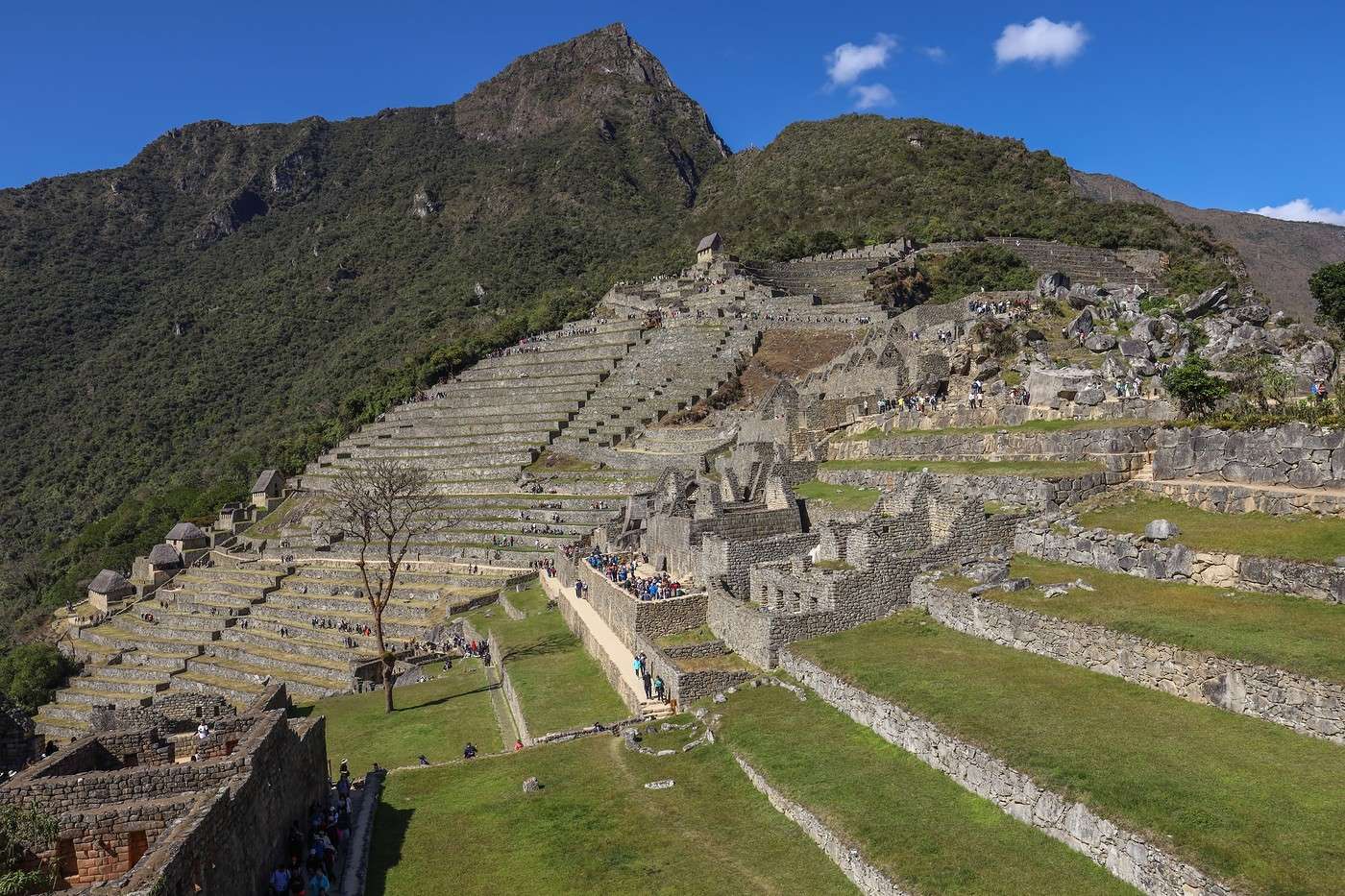
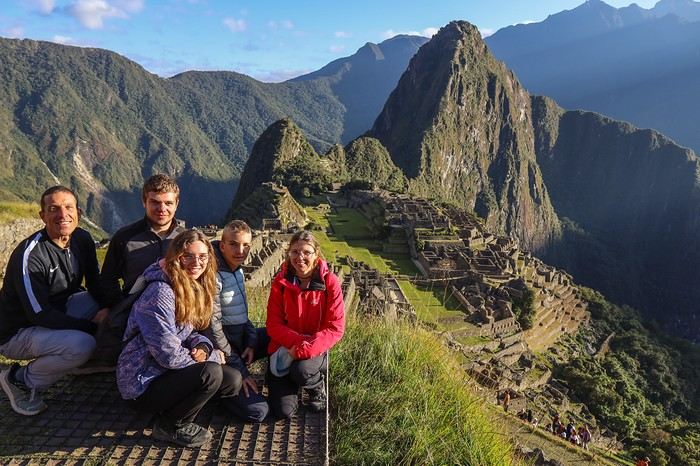 After a nice family photo session, we continue our guided tour and descend with Manu into the nobles’ quarter, with Wayna Picchu always in the background.
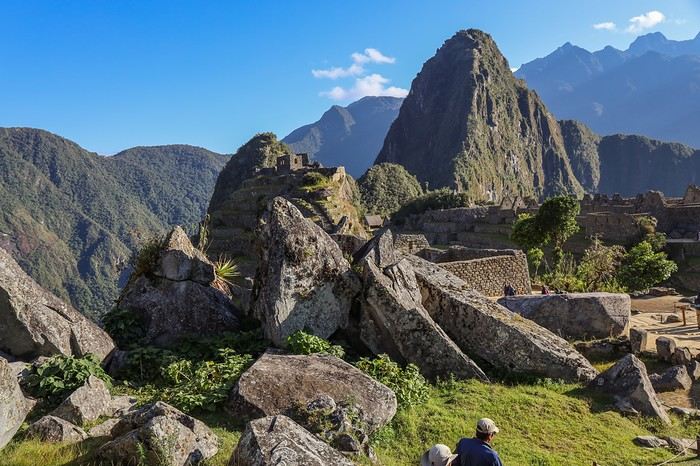
Manu explains that this pile of rocks was used as a quarry for building the city. He points out small holes in the massive rock blocks that follow a fracture line, suggesting that the freeze-thaw method was used to split them.
All the building walls are inclined inward to withstand earthquakes.
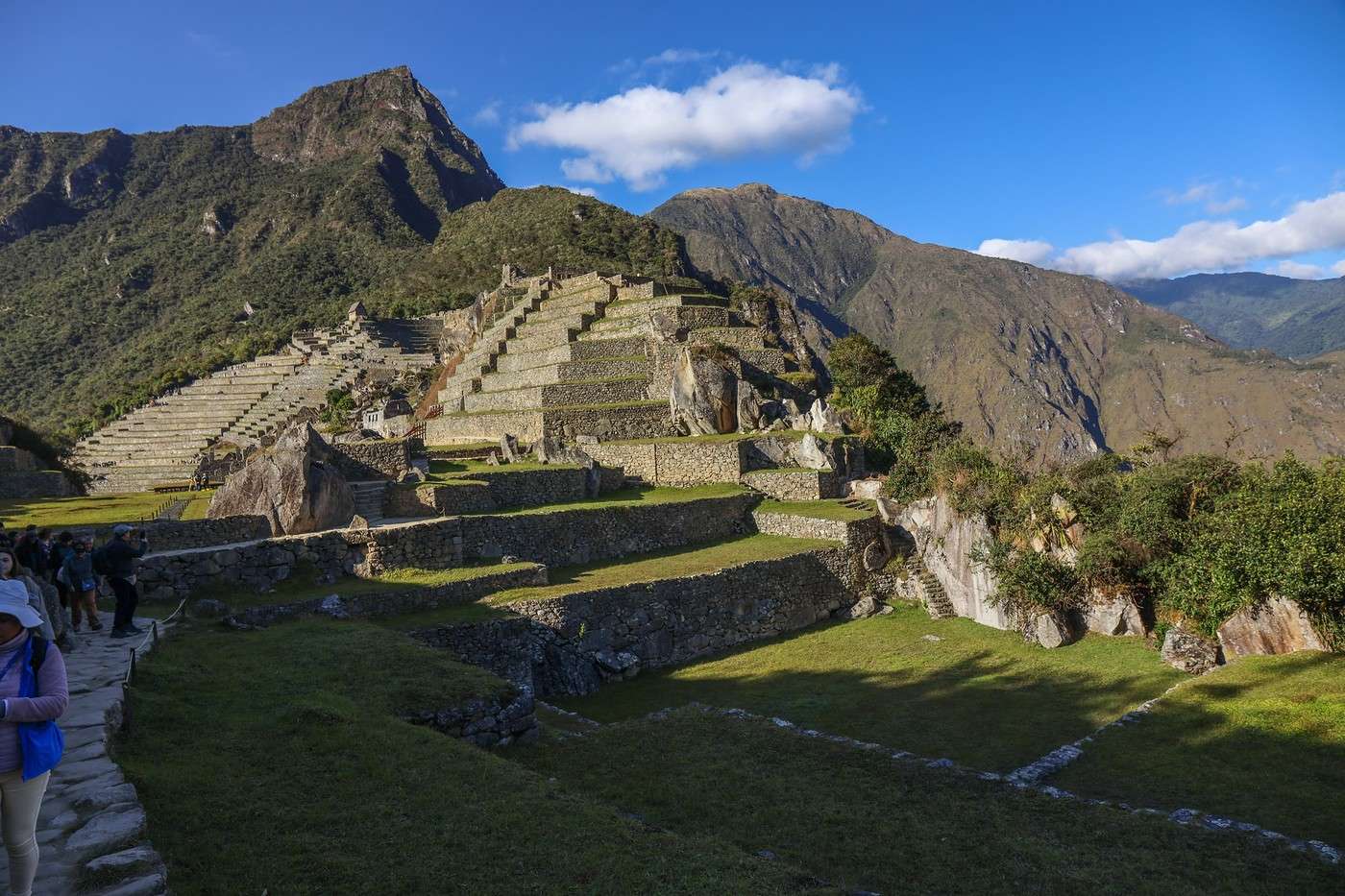
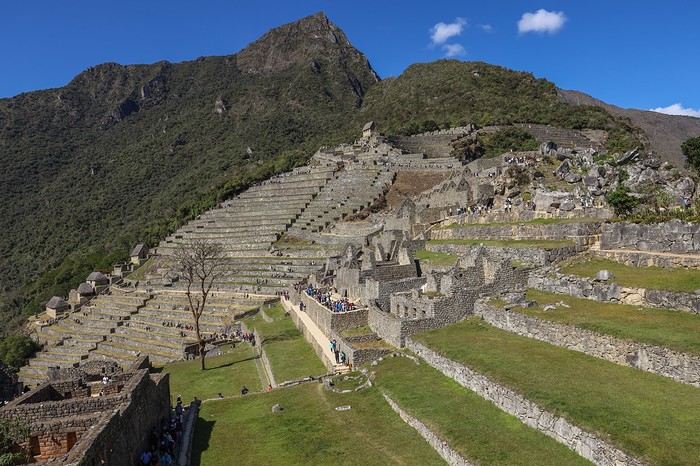
The tour continues to the esplanade where all ceremonies and festivities took place, separating the nobles’ quarter from the people’s and artisans’ quarter.
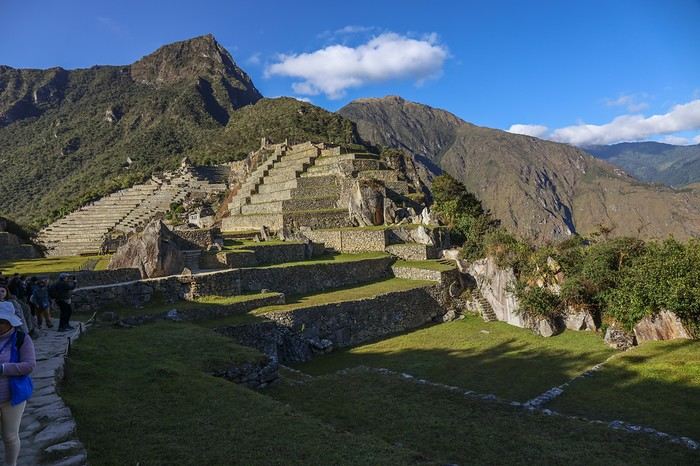 The return loop lets us visit the inside of several houses and understand the central role of the sun in the design and architecture of the temples, especially the Temple of the Sun.
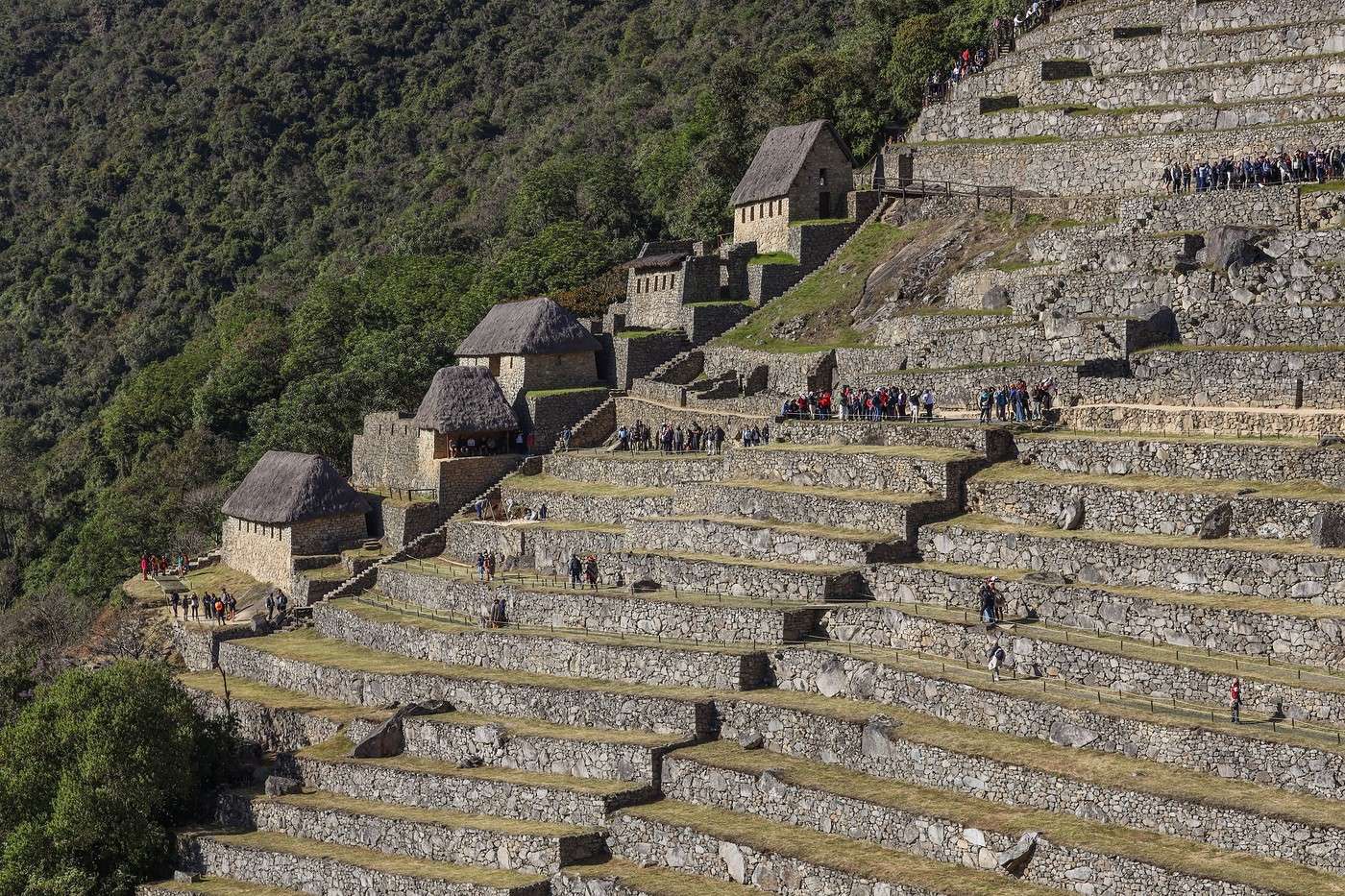
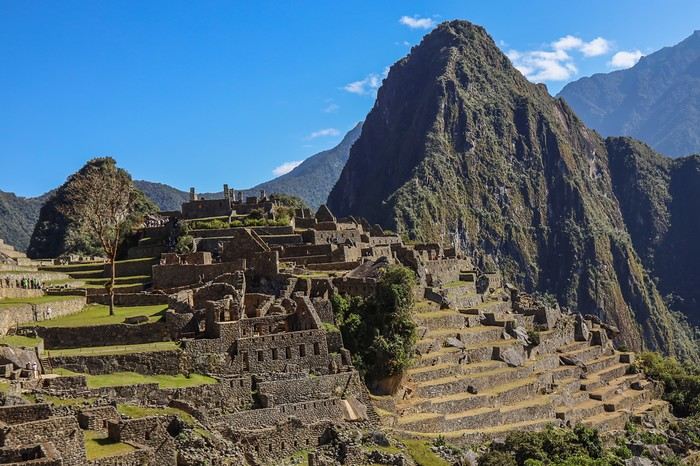
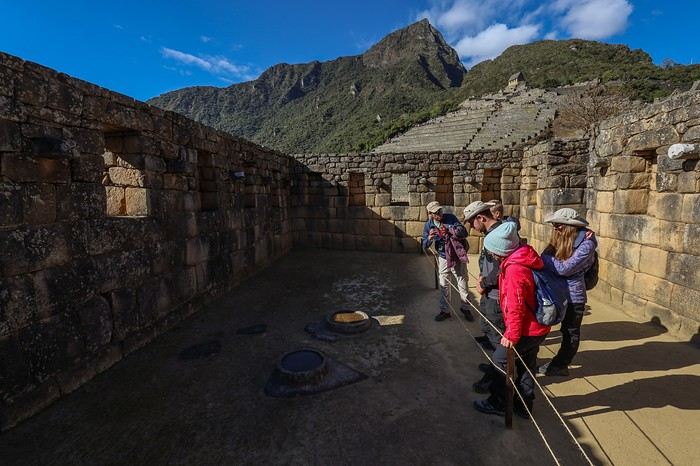 Before heading back to the entrance, we cross through the agricultural terraces sector again.
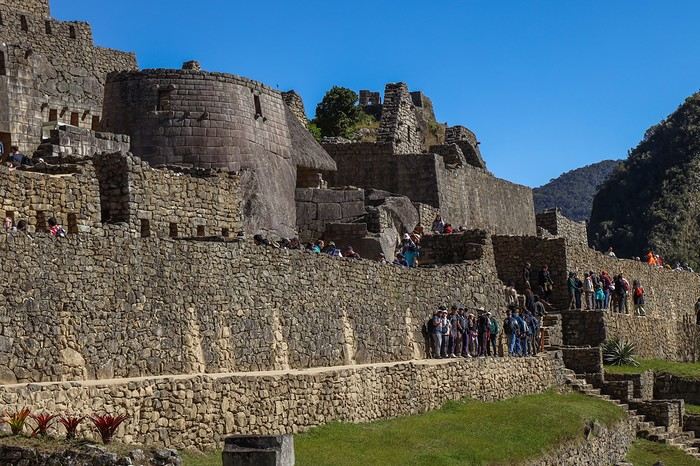
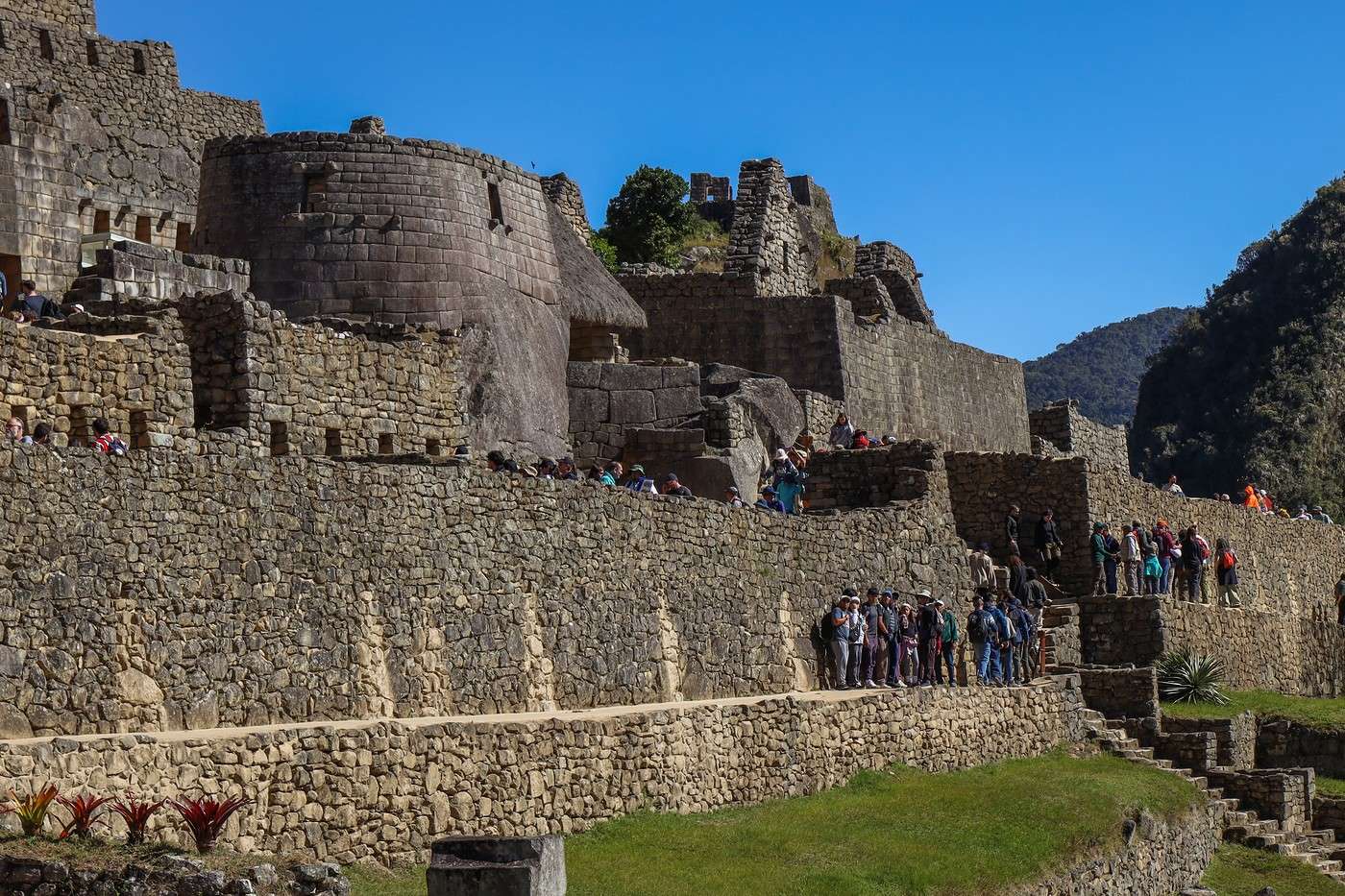
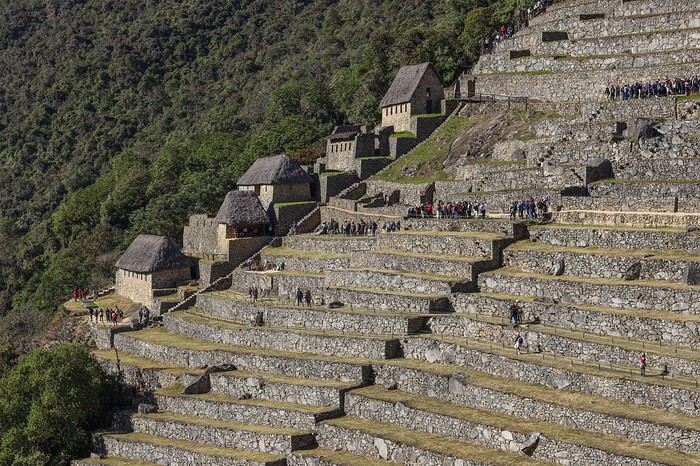 We pass close to the Temple of the Sun, built on natural rock and recognizable from afar by its rounded shapes. Later, with the second circuit, we’ll get even closer.
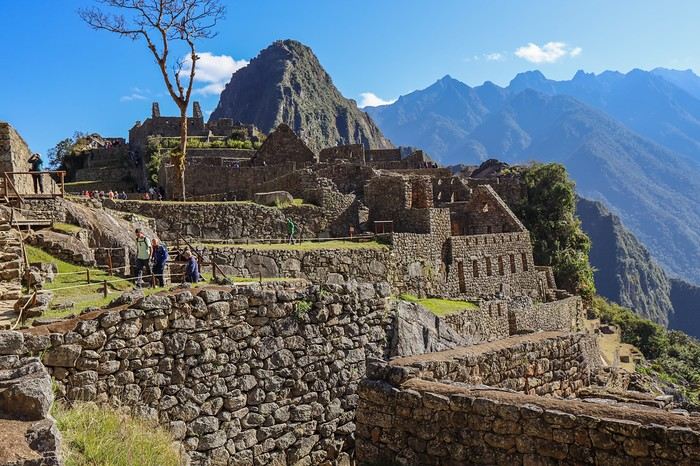
The guided tour ends at 9 AM, after 3 hours of great company with Manu.
It’s only 9 AM, but it feels like it’s already afternoon!
Back to the entrance for a quick break and a long 30-minute wait in the line for our new circuit.
July 14th is Bastille Day, and this special day also means a visual fireworks display for us—the fulfillment of a childhood dream with a visit to Machu Picchu!!
We wake up at 3:55 AM—ouch... 🤪
At 4:30 AM, we return the keys to the manager, who slept on the couch, probably to make sure we left at dawn and didn’t get him in trouble 😄!
Good news: Laetitia is feeling better. After eating bananas for breakfast—bought last minute after our hotel mishap—we start the hike to Machu Picchu at 4:20 AM, beginning with 2 km of gentle incline.
Our goal is to reach the site just before 6 AM, allowing for about 1h30-1h40 of walking. We end up waiting a good fifteen minutes until 5 AM at the access bridge marking the start of the trek. Not great, because now we’ll have to tackle the stair climb with a 460 m elevation gain in just one hour...
Luckily, the cool—even cold—temperature helps us power through the ascent, and Laetitia, despite having almost no energy stored up in 36 hours, holds strong!
Our first entry is scheduled for 6 AM. The guide had strongly recommended this time slot to avoid the crowds and have the chance to witness the sunrise from the best viewpoint in Machu Picchu 😇!!
Visiting conditions at Machu Picchu have significantly deteriorated in recent years. Officially, it’s to prevent overtourism, but we can seriously doubt that—it seems to have become a money-making scheme for the government, lining their pockets.
As a result, instead of a single circuit, you now have to choose between three main circuits and multiple variations. To see the entire city, you need to take two circuits. And no Carrefour promo with the second one at half price...
After studying the schedules and variations of all the circuits, I concluded that we absolutely had to start the day at 6 AM with the first panoramic circuit to have enough time to do two circuits and make the most of this once-in-a-lifetime day that inspired our trip!
For our first circuit, the 2A, we’re lucky to have a French-speaking guide, Manuel Jesus. Passionate and fascinating, his French is perfect, and he speaks at the rapid pace typical of any self-respecting Spaniard. He’s a wealth of knowledge—pure delight!
Plus, he recommends the best viewpoints, slightly off the beaten path from where most people gather. Really great!
At 7 AM, we find ourselves on a large terrace that lets us enjoy the sunrise without being packed together.
At 7:15 AM, here comes the sunrise, with perfect weather conditions 😇😇😇
After a nice family photo session, we continue our guided tour and descend with Manu into the nobles’ quarter, with Wayna Picchu always in the background.Manu explains that this pile of rocks was used as a quarry for building the city. He points out small holes in the massive rock blocks that follow a fracture line, suggesting that the freeze-thaw method was used to split them.
All the building walls are inclined inward to withstand earthquakes.
The tour continues to the esplanade where all ceremonies and festivities took place, separating the nobles’ quarter from the people’s and artisans’ quarter.
The return loop lets us visit the inside of several houses and understand the central role of the sun in the design and architecture of the temples, especially the Temple of the Sun.
Before heading back to the entrance, we cross through the agricultural terraces sector again.
We pass close to the Temple of the Sun, built on natural rock and recognizable from afar by its rounded shapes. Later, with the second circuit, we’ll get even closer.The guided tour ends at 9 AM, after 3 hours of great company with Manu.
It’s only 9 AM, but it feels like it’s already afternoon!
Back to the entrance for a quick break and a long 30-minute wait in the line for our new circuit.
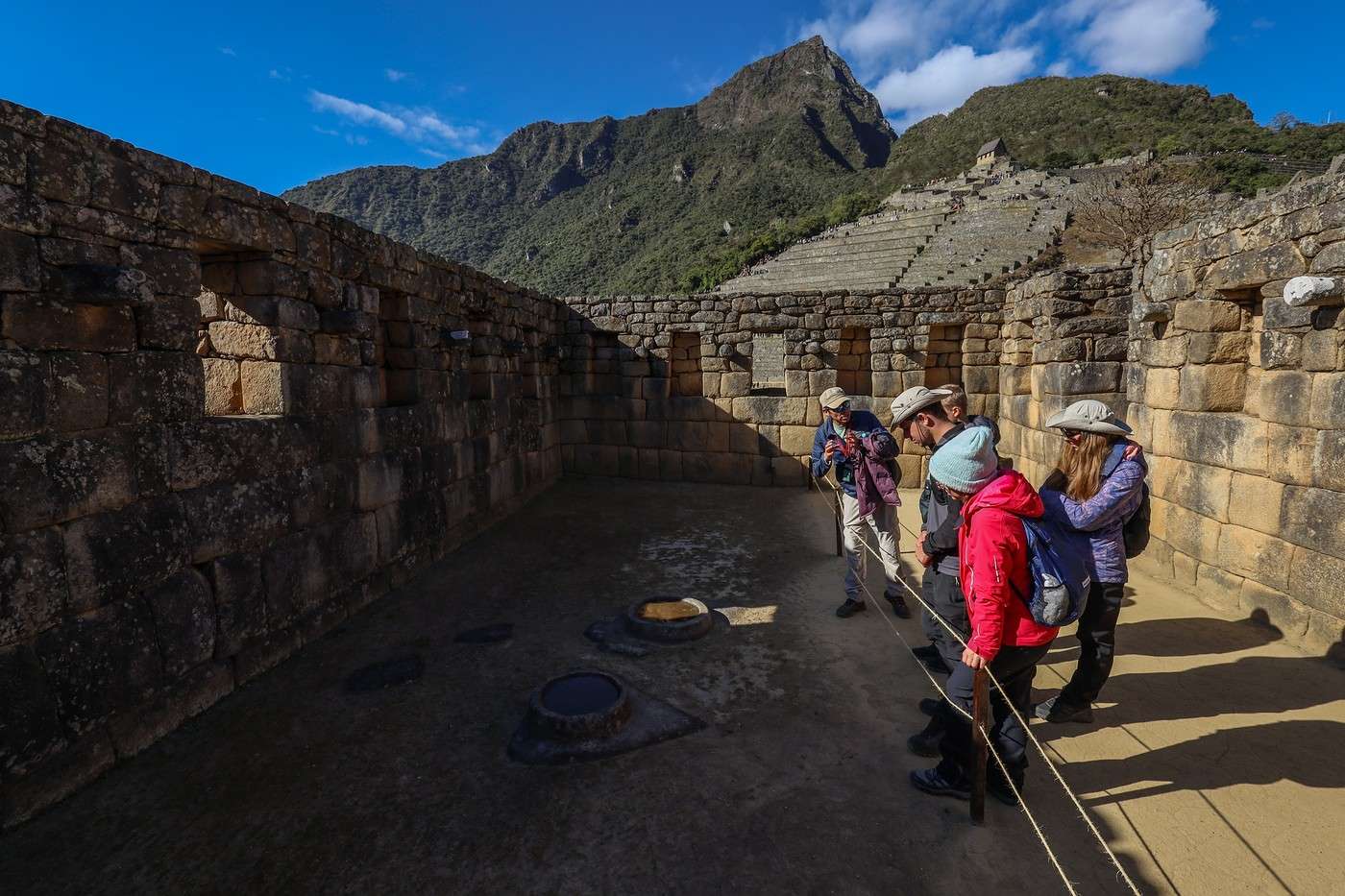
 and we quickly reach the Temple of the Sun. Inside, the rock was used as an altar for solar worship rituals.
 Next, we reach the checkpoint for another ticket scan.
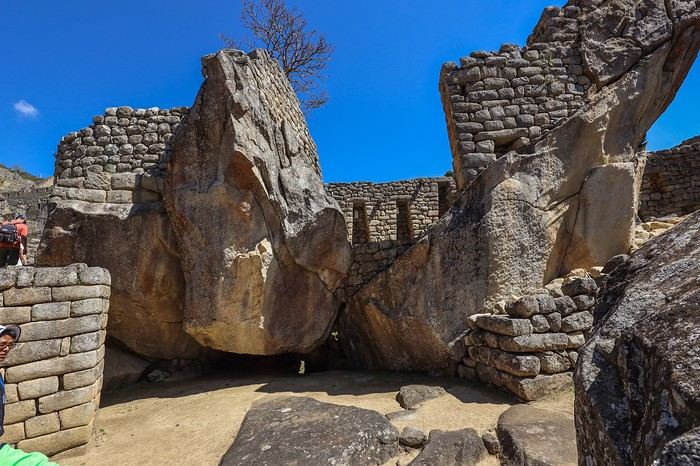
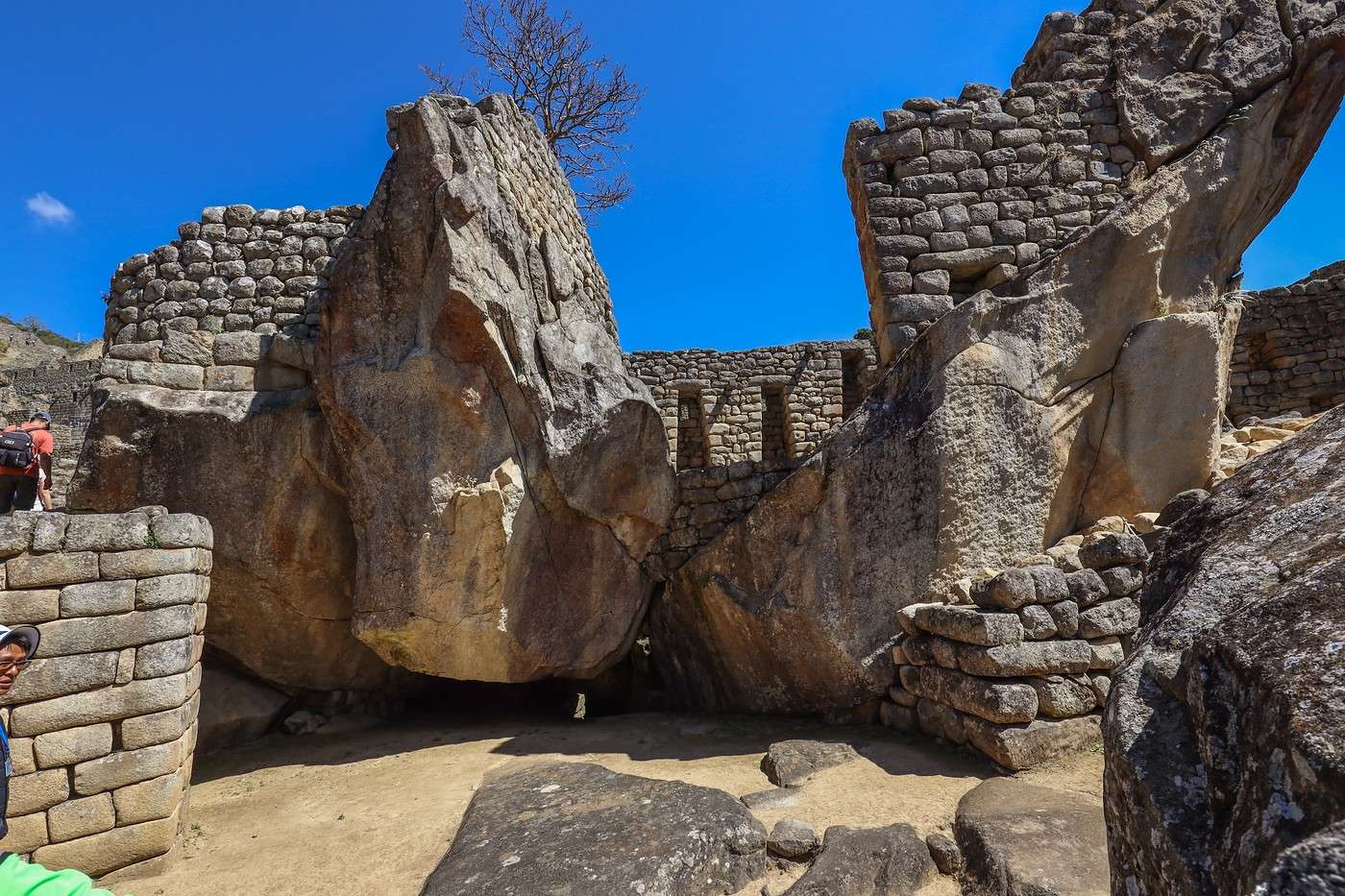
 In the early afternoon, we finish our tour by visiting the Temple of the Condor, where you can make out the beak and ruff of a condor—or at least imagine it...
 We watch for the first rays of sunlight... Once at the top of the stairs, the sun finally peeks out!
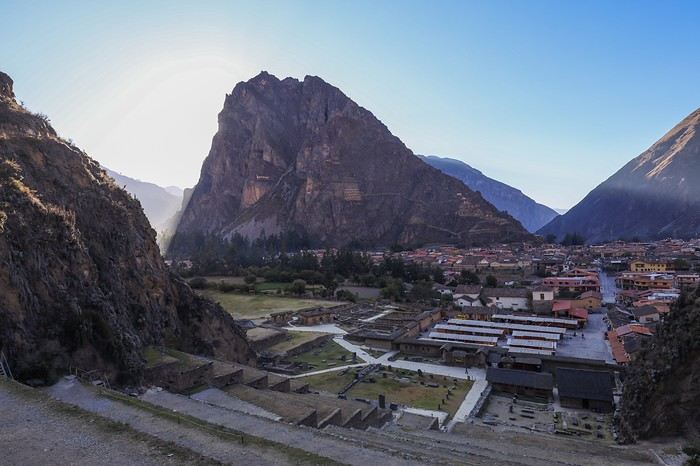
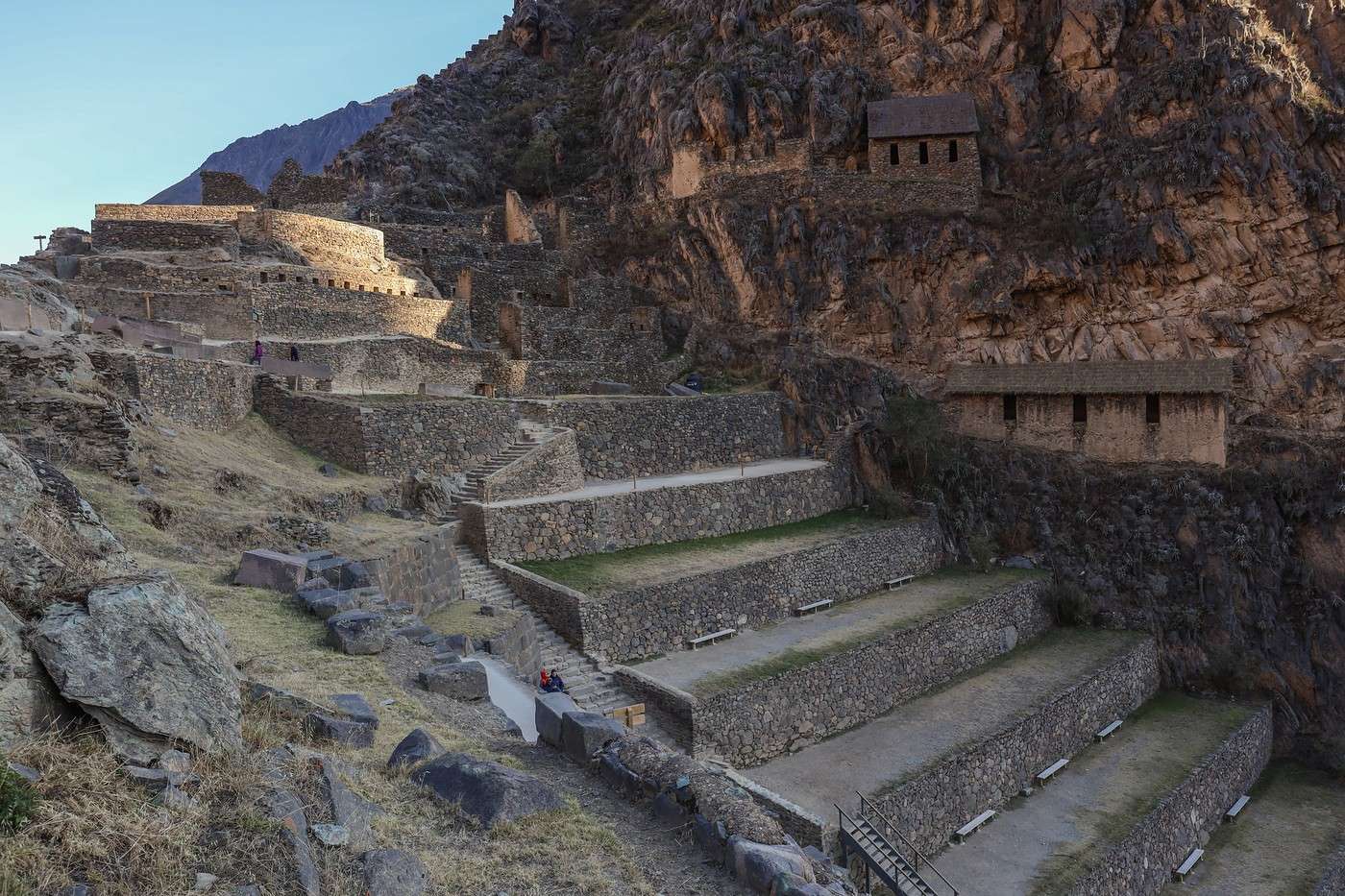
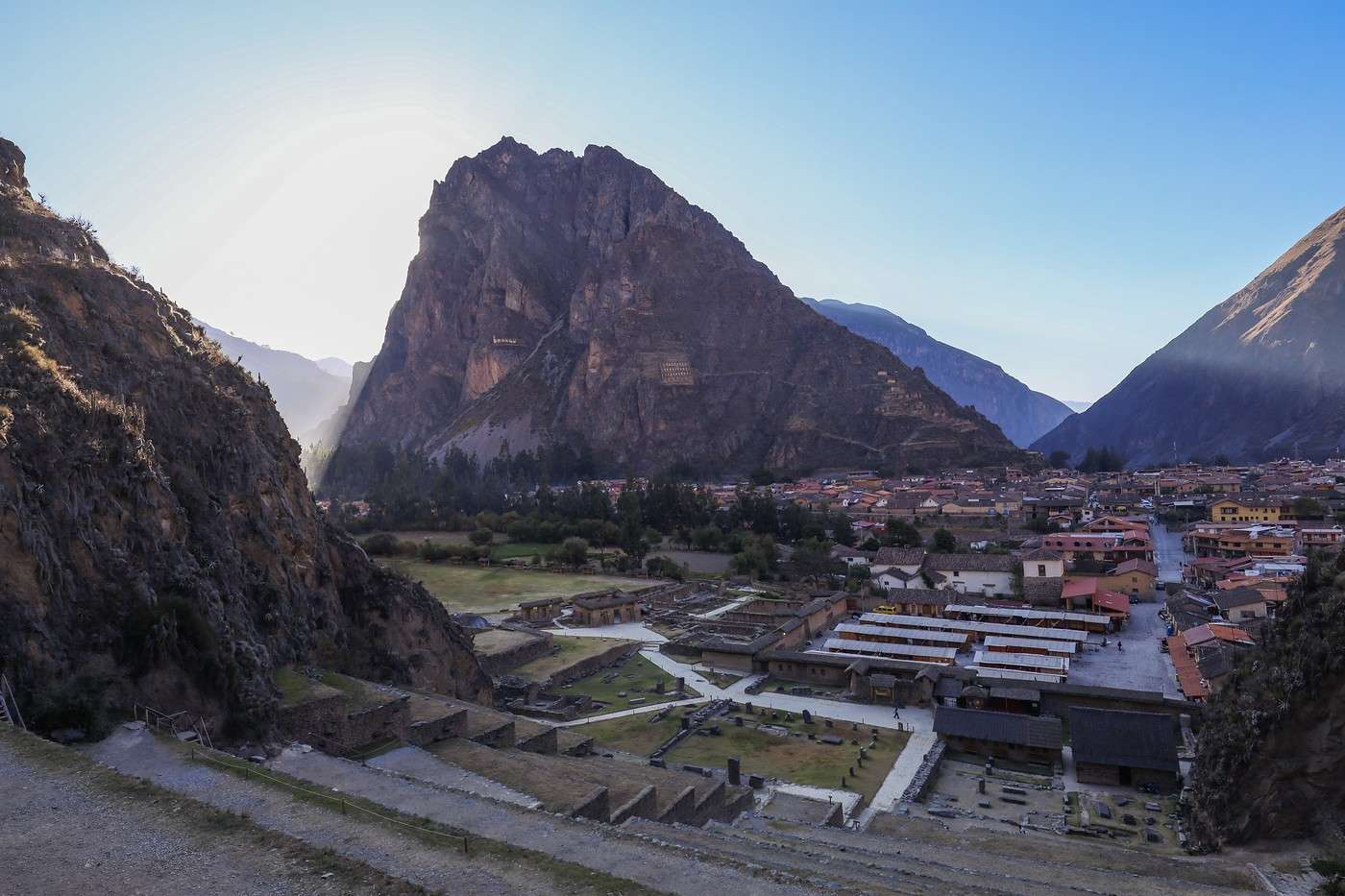
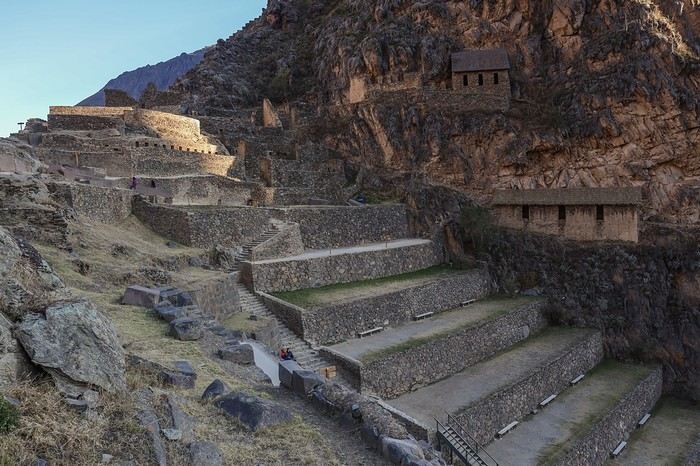 Turning around, we get a beautiful view of the rocky outcrop that houses the Pinkuylluna ruins and overlooks the village of Ollantaytambo.
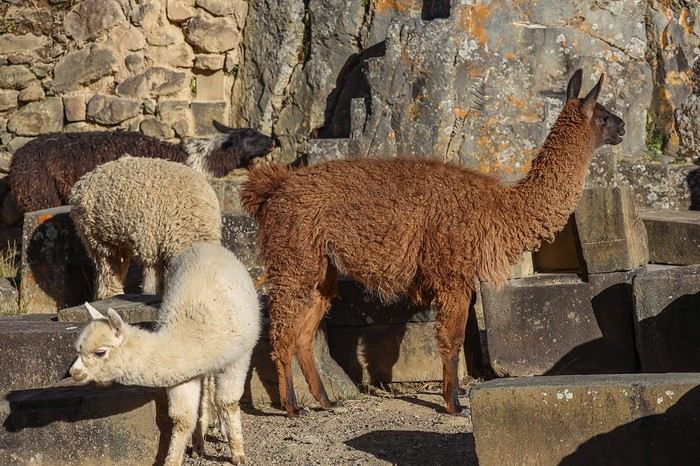 By the time we leave the site, all the ruins are bathed in sunlight.
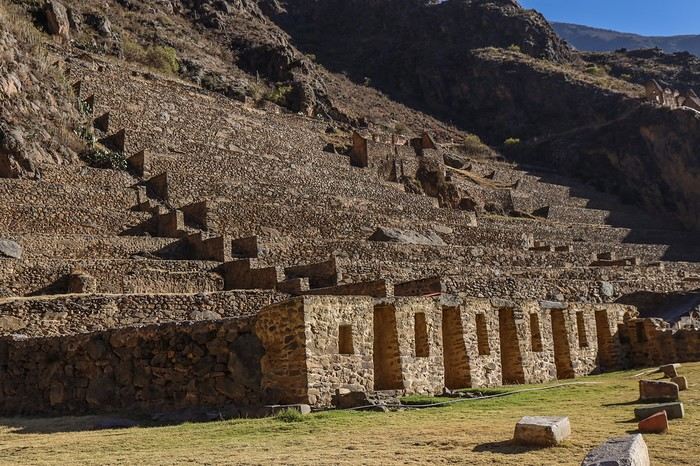 As for us, we head back to our guesthouse for breakfast.
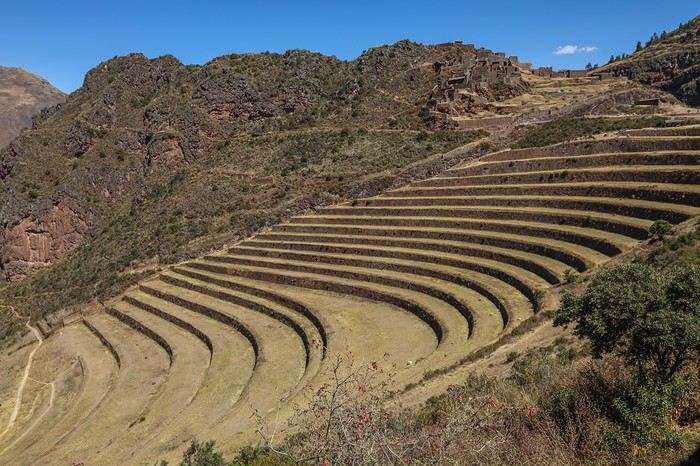
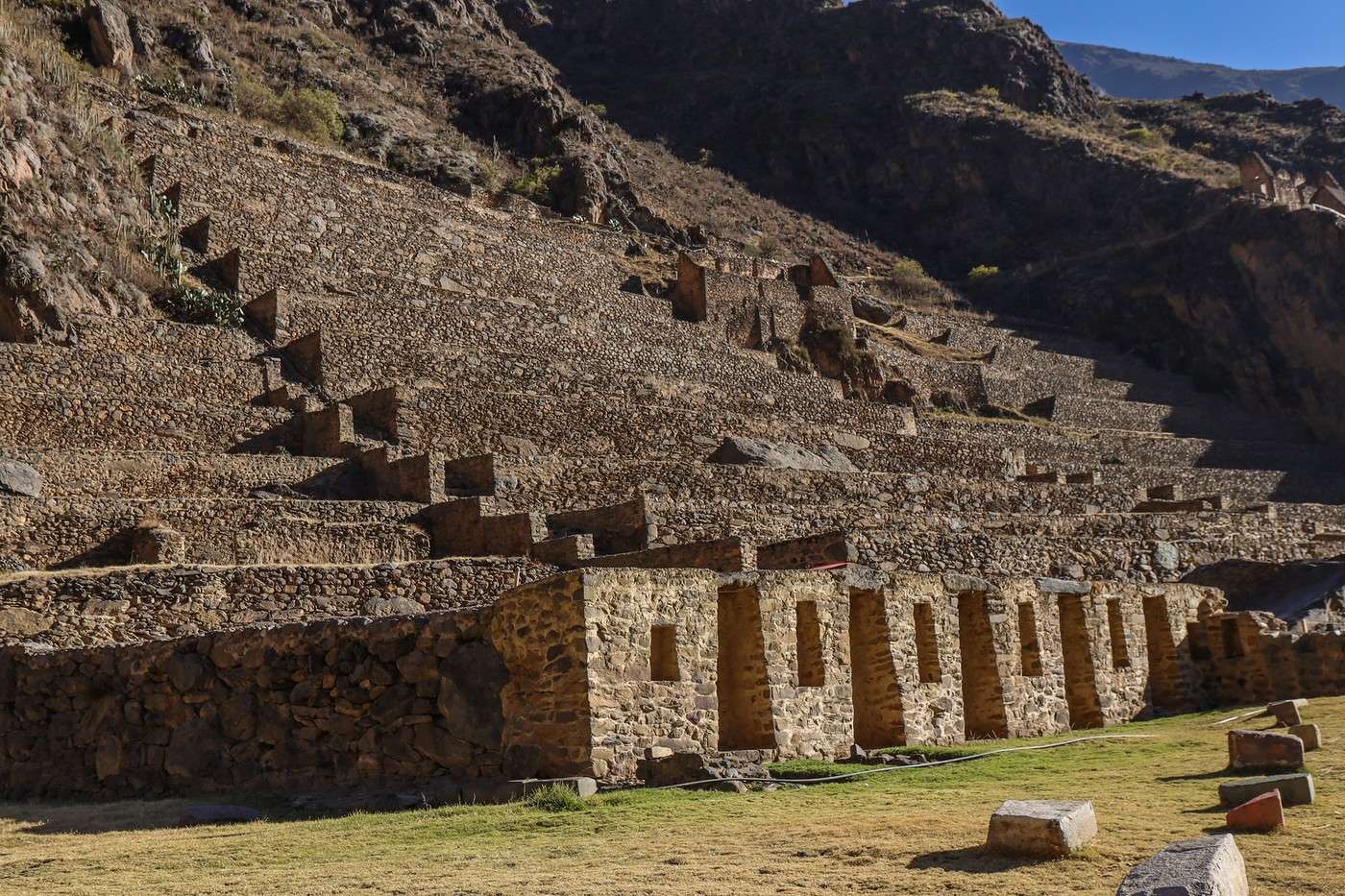
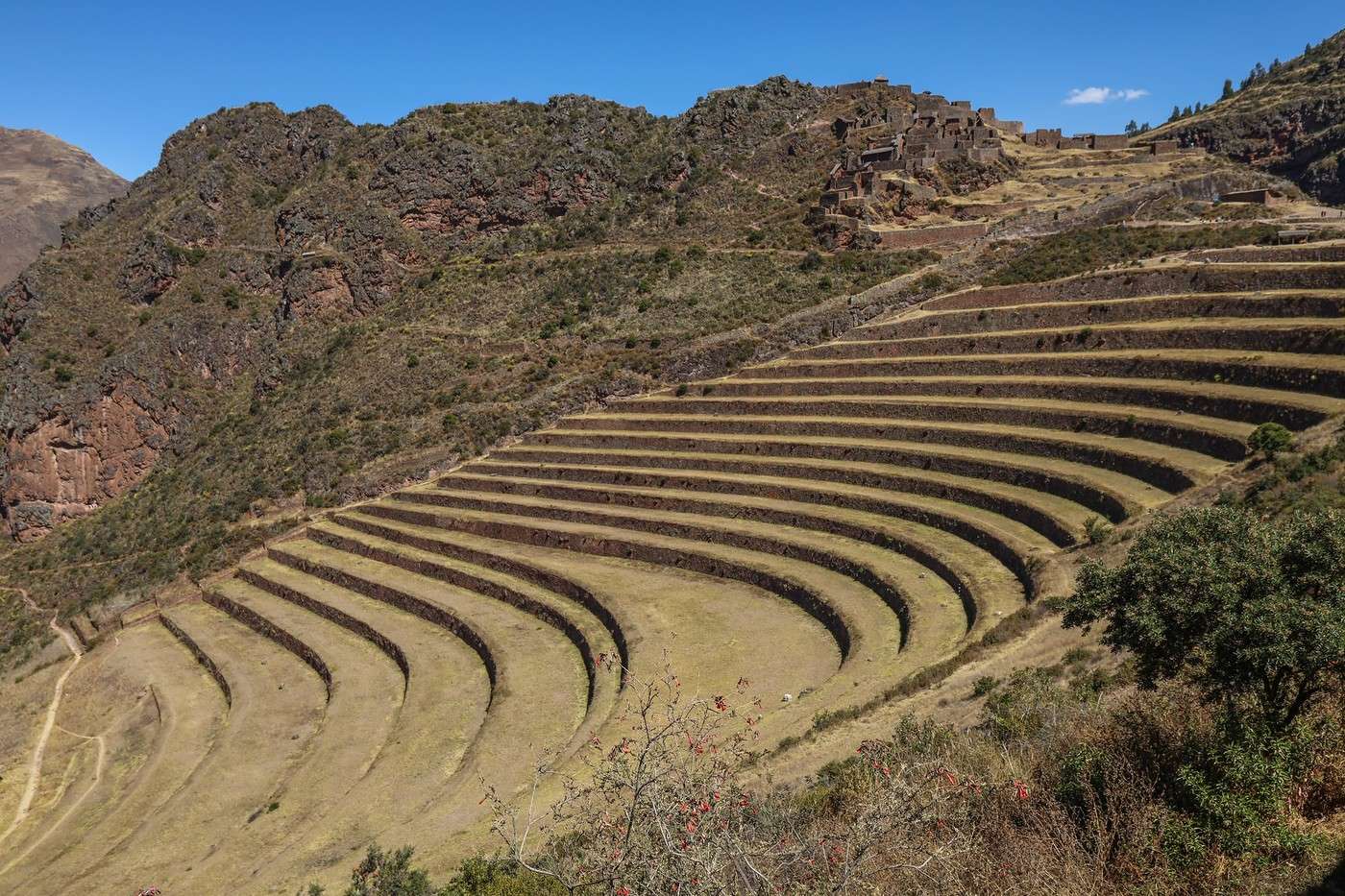
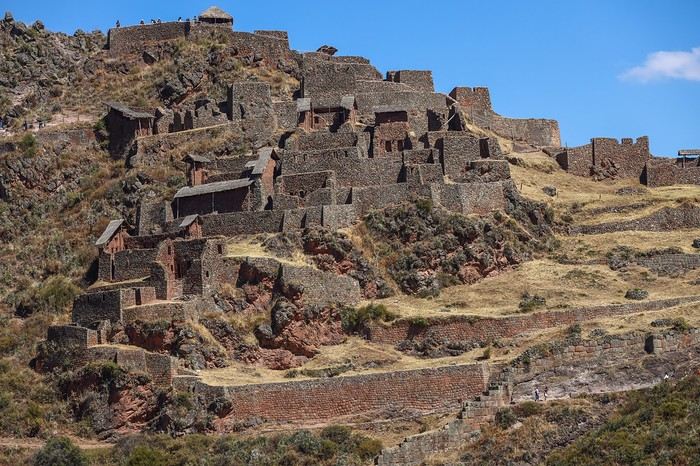 And agricultural terraces built in stone, in excellent condition.
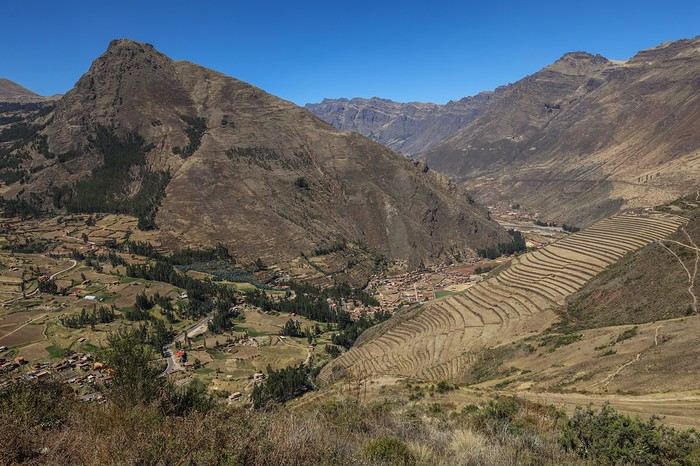
 What a view 😇!!
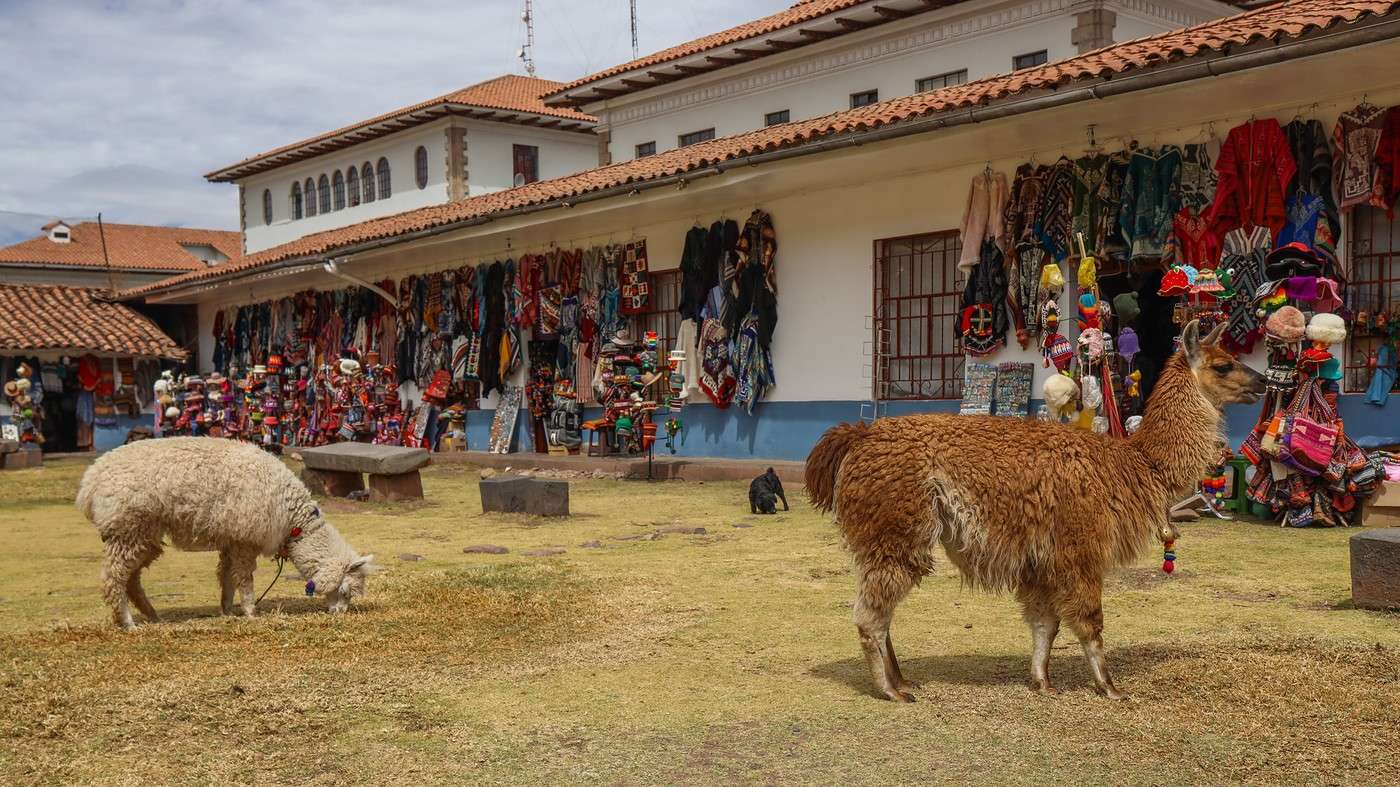
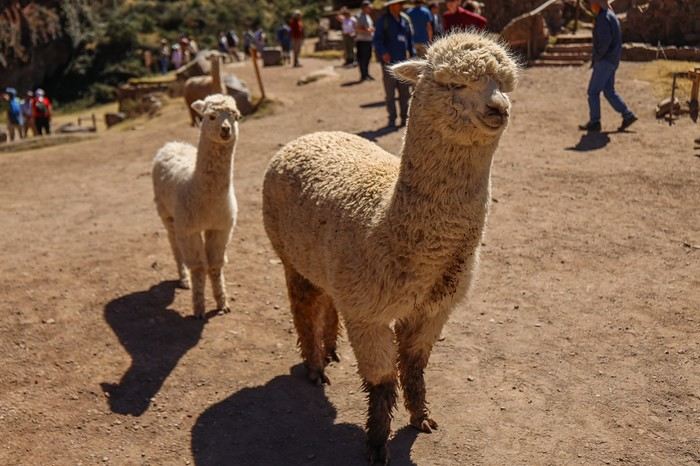
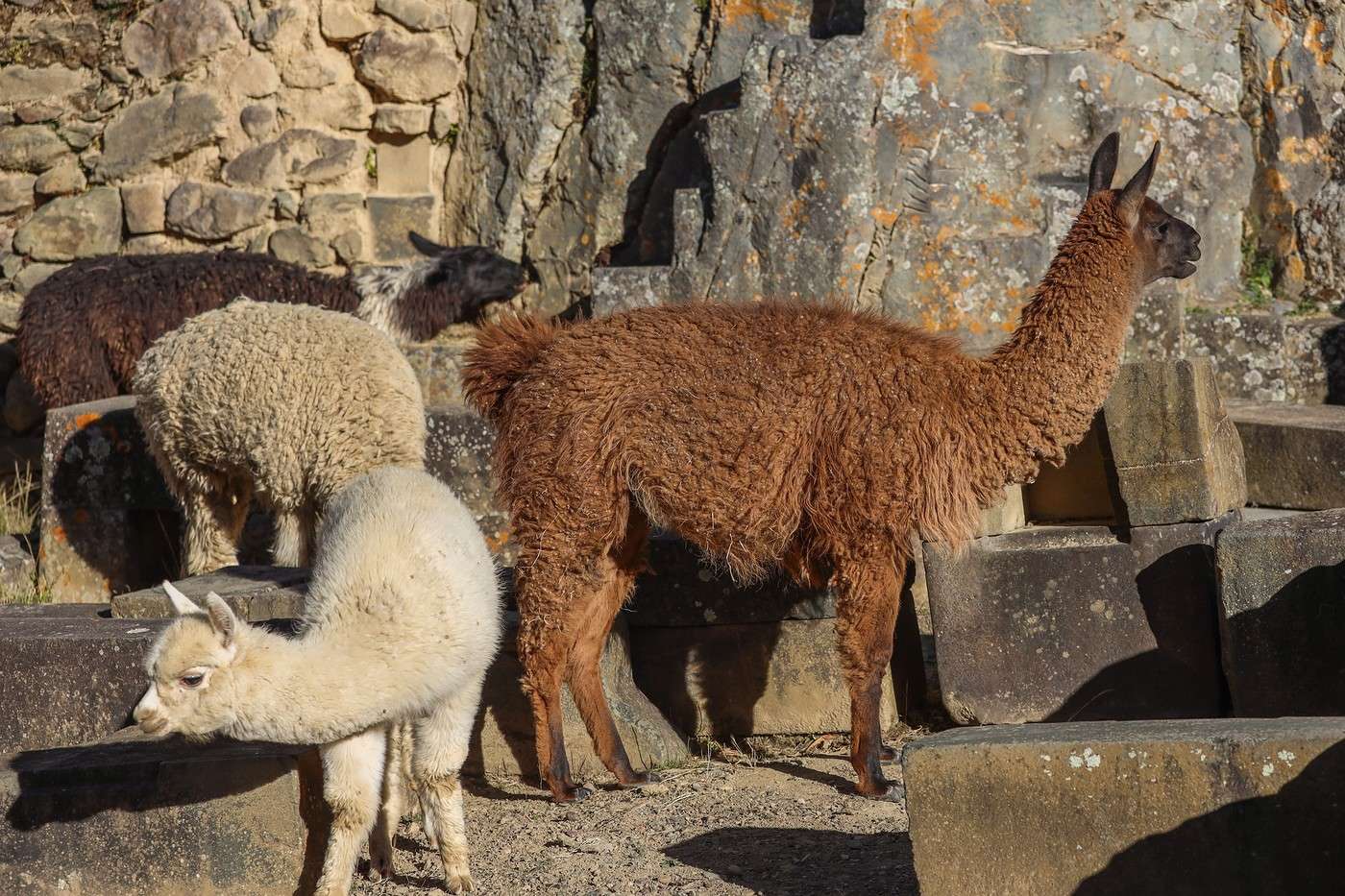
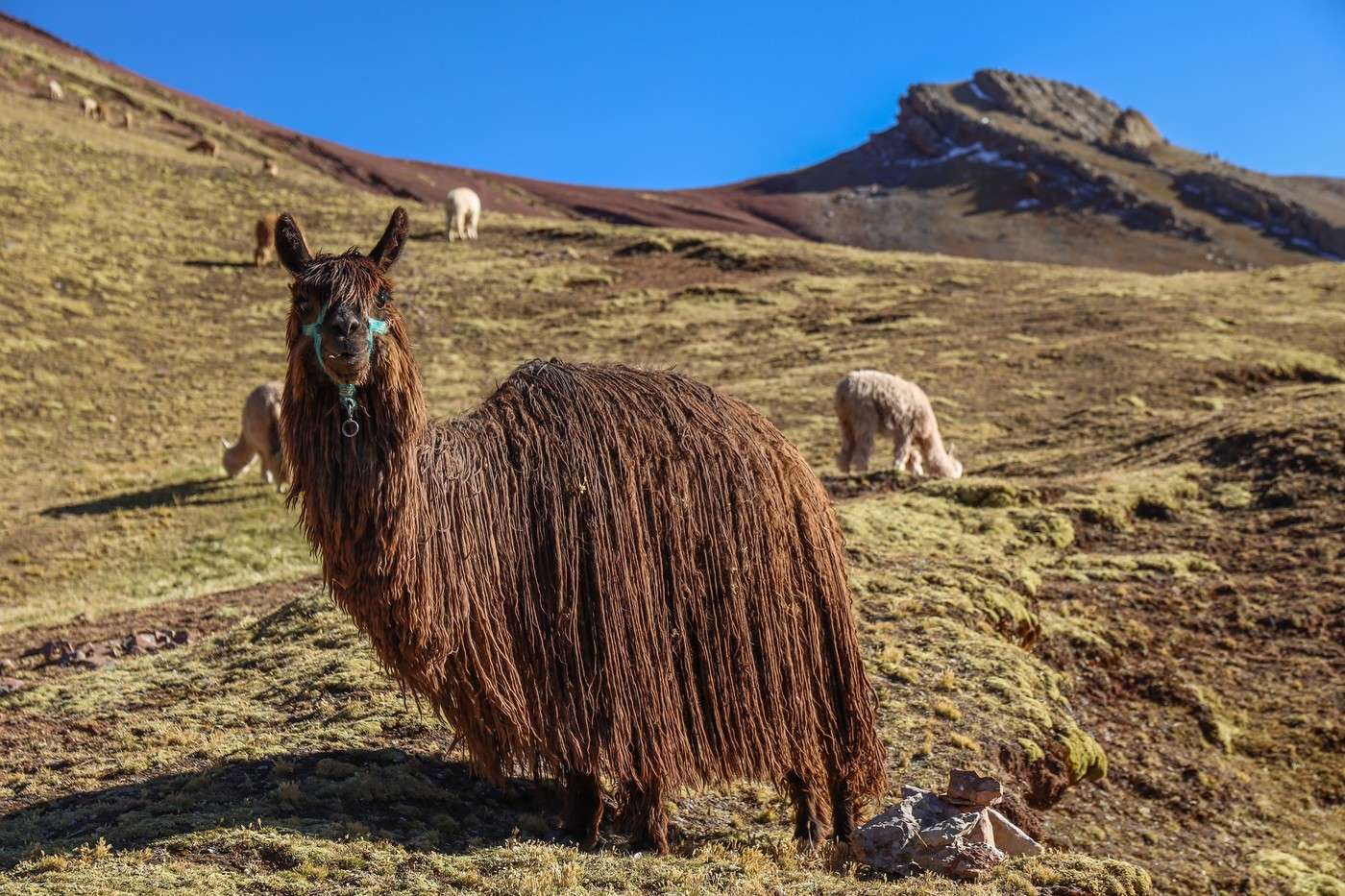
 On the upper platform, we come across several alpacas, used to people. Some of them have such a funny look!!
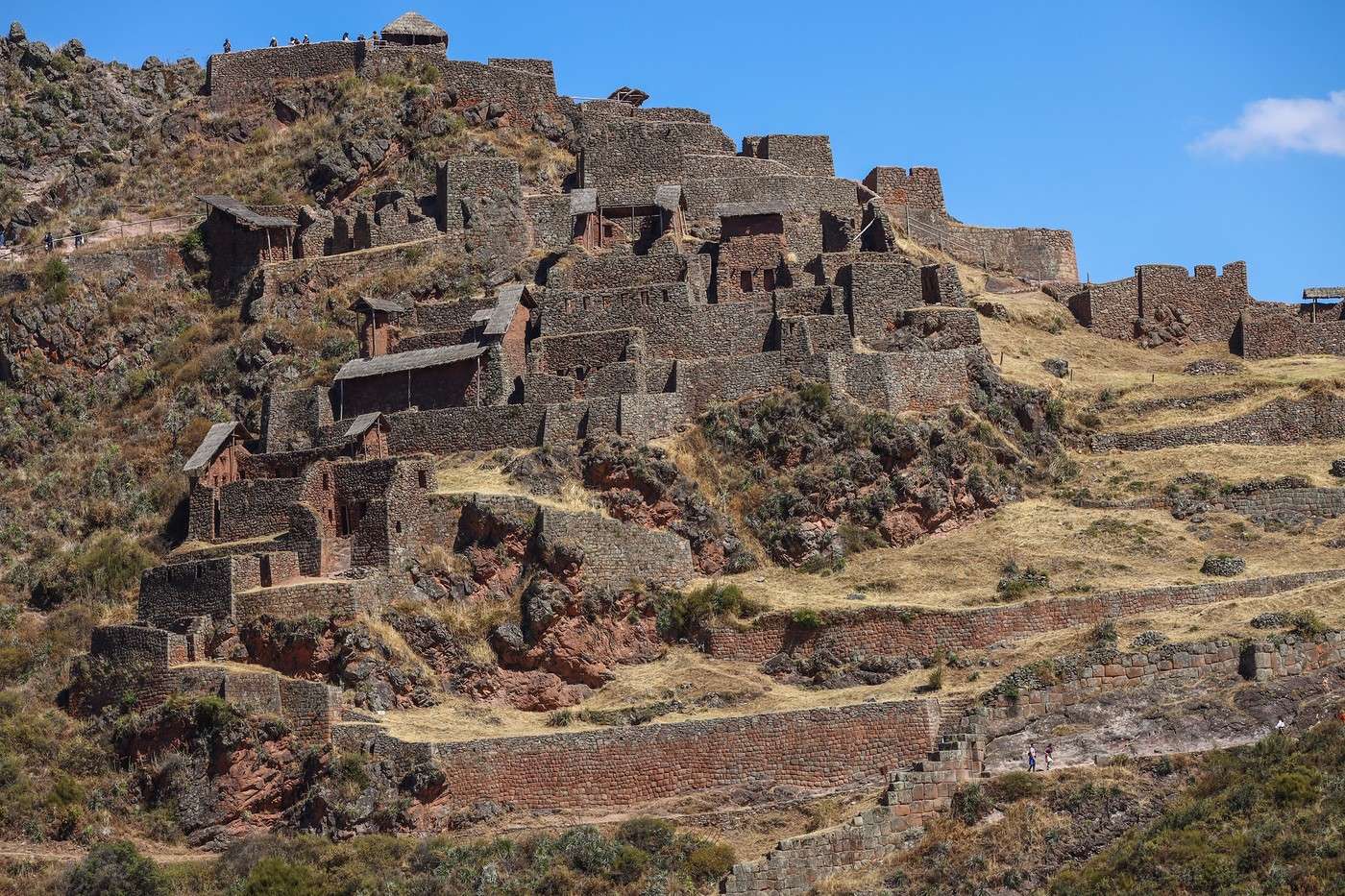
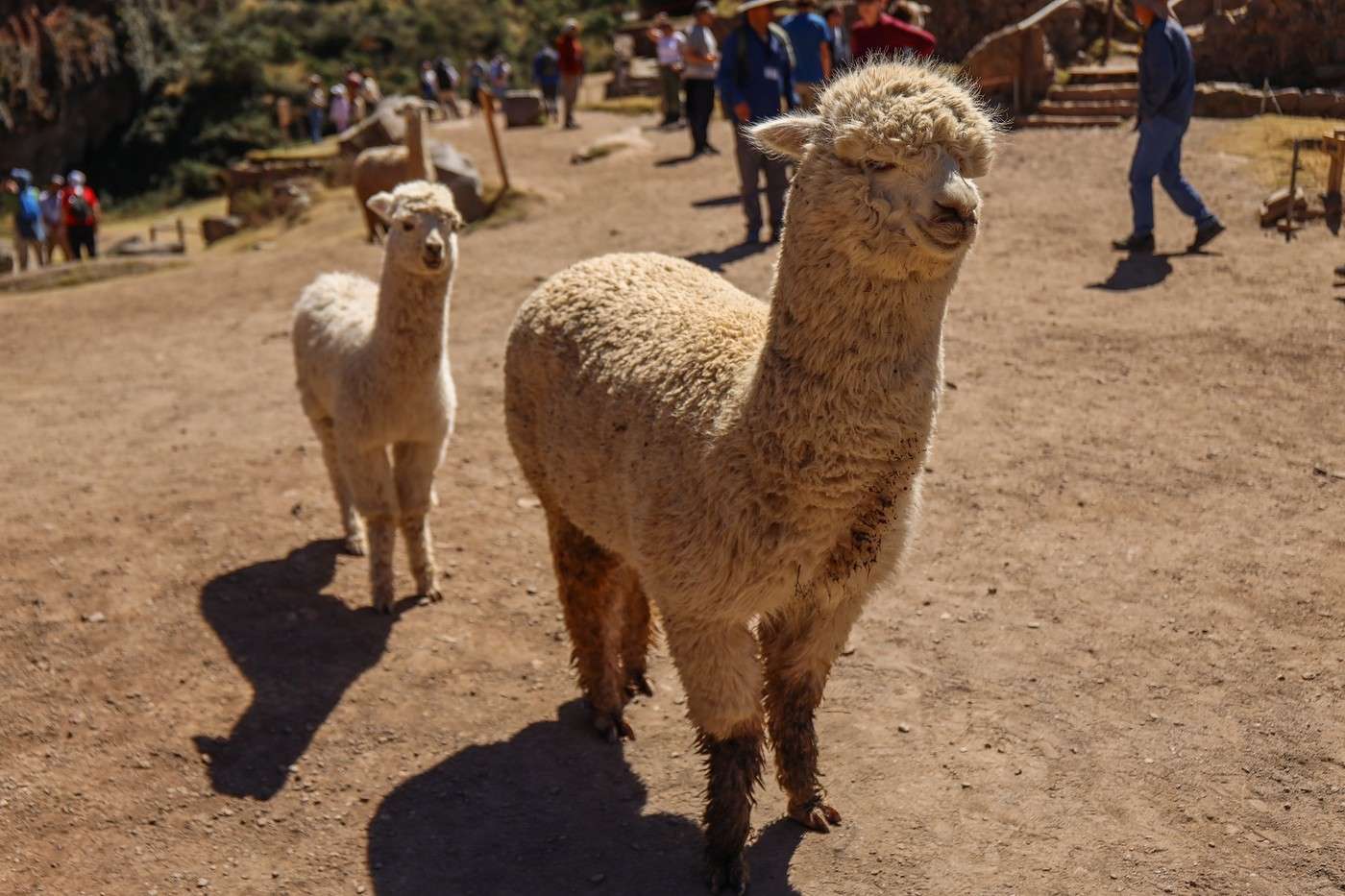
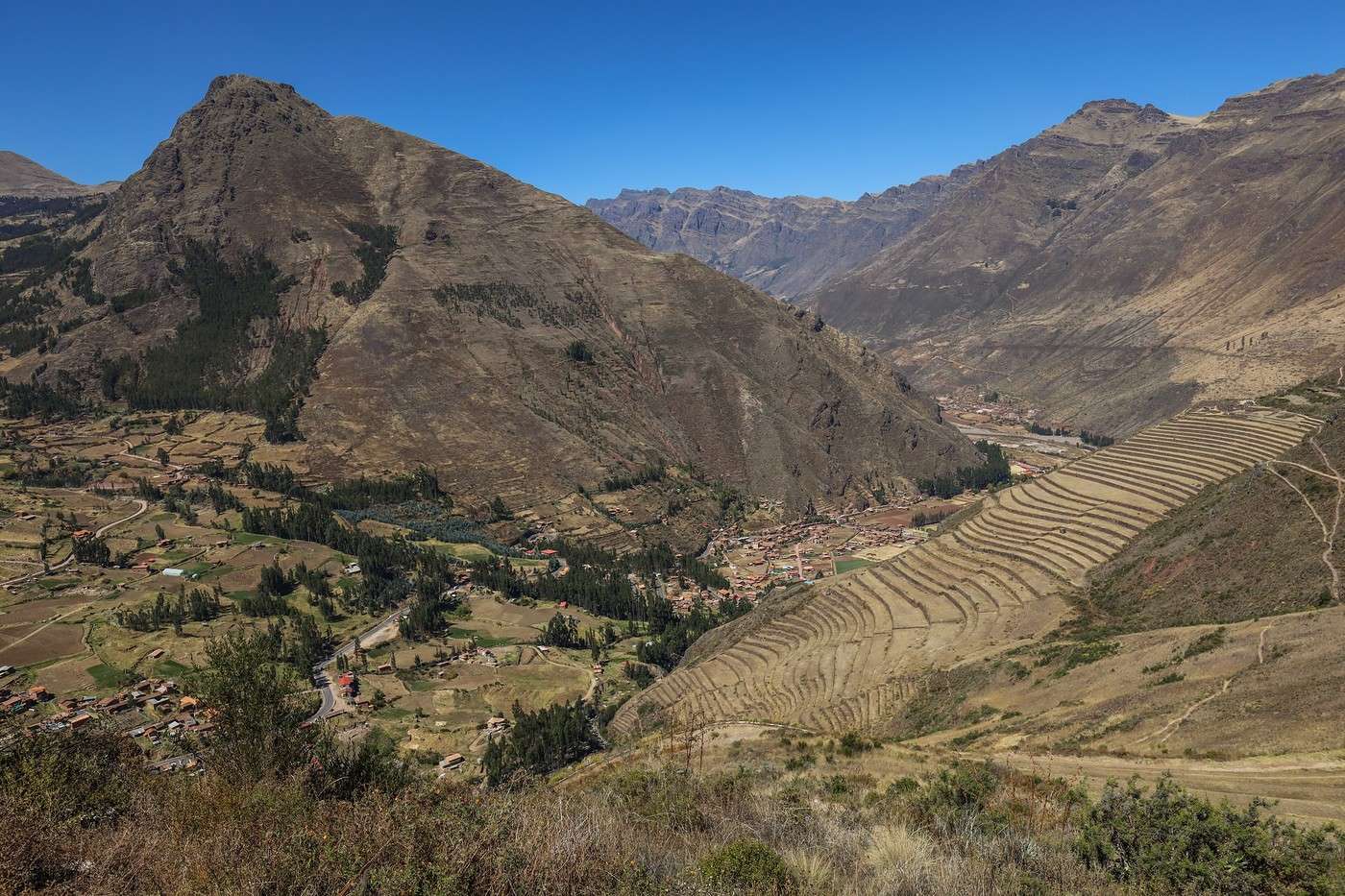
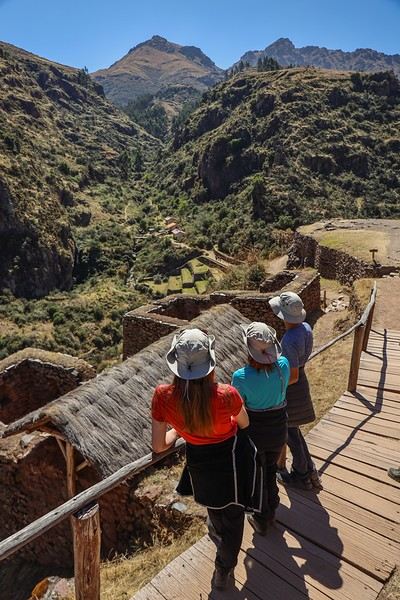
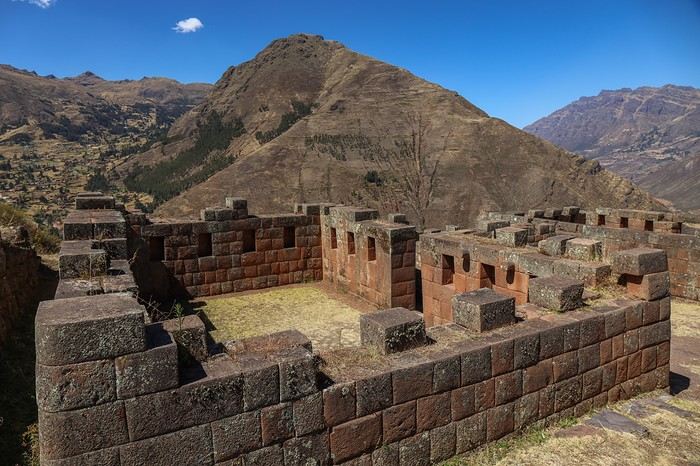
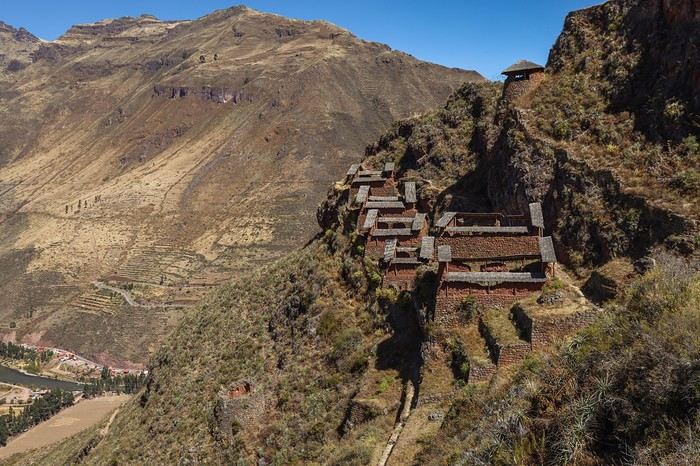
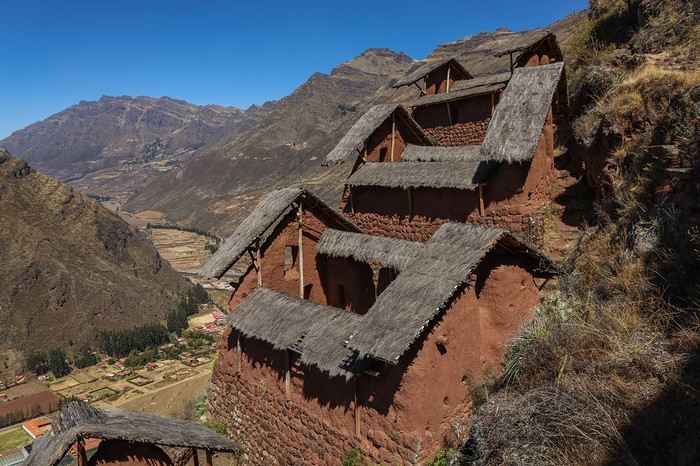 We’re getting hungry, so we shift into high gear to cover the last kilometers of the descent.
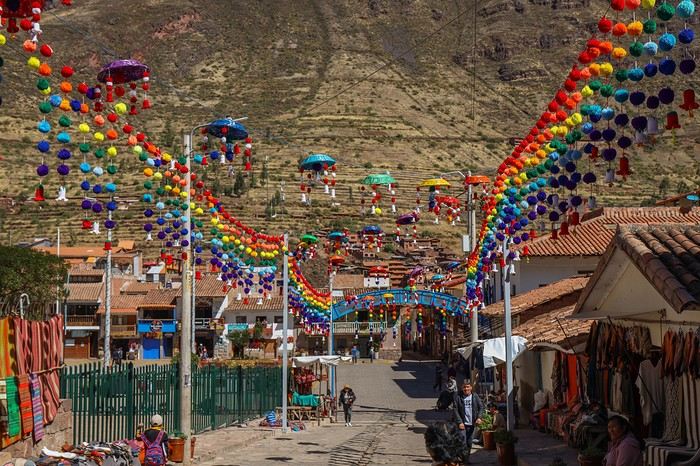
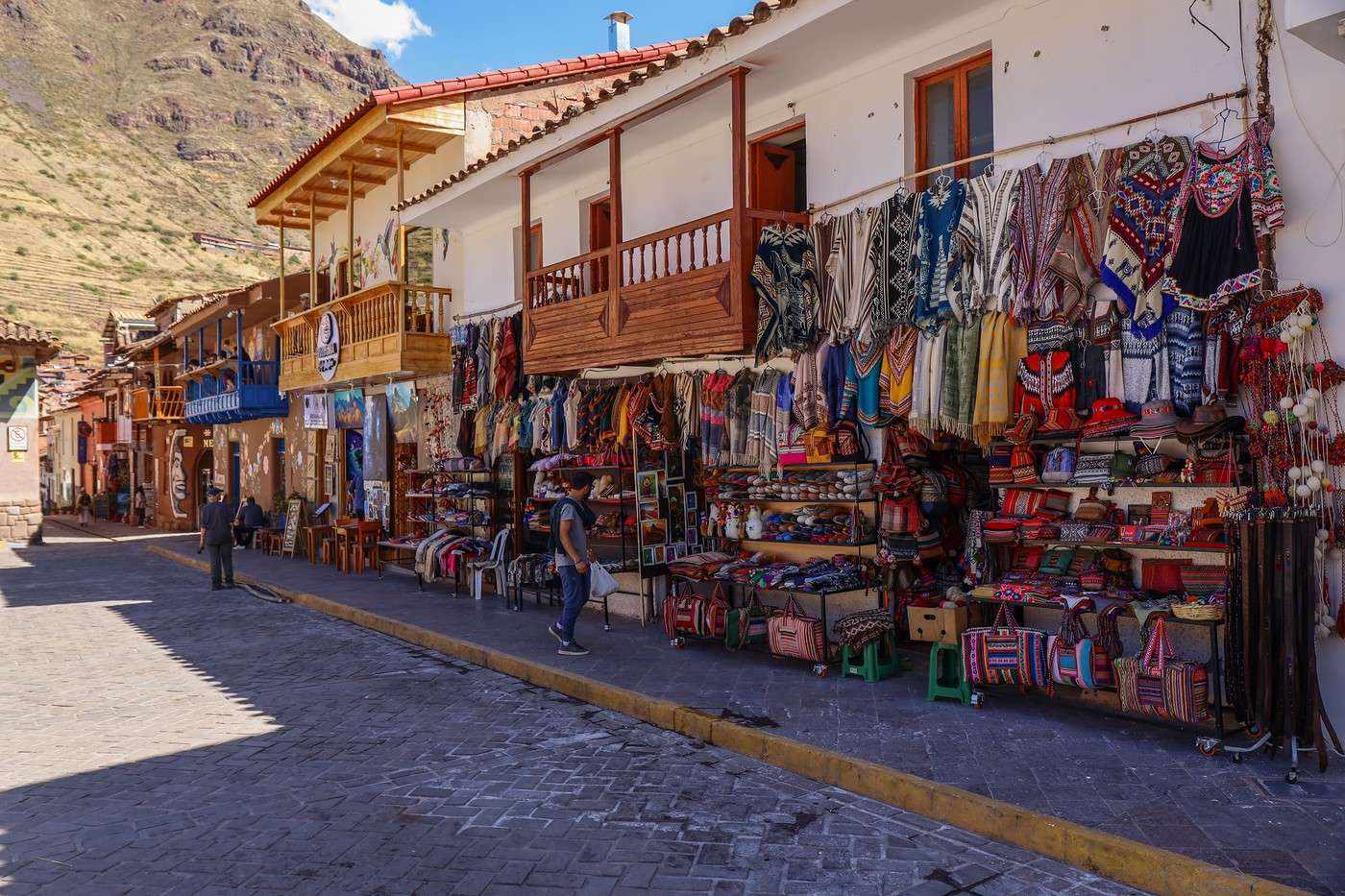
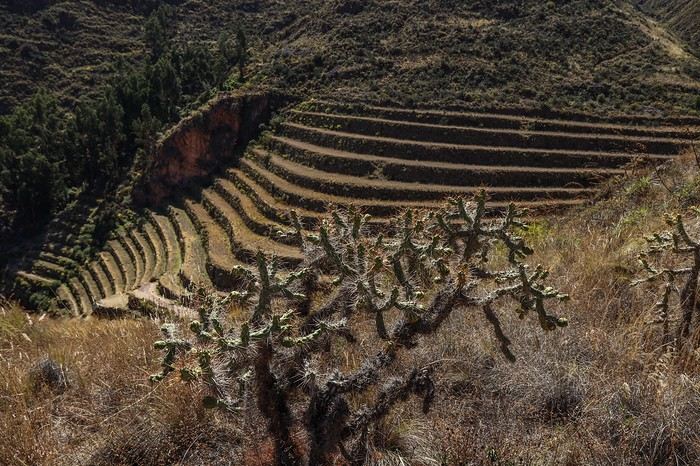 We arrive in Pisac, passing through its artisan market, which stands out from afar thanks to its brightly colored decorations.
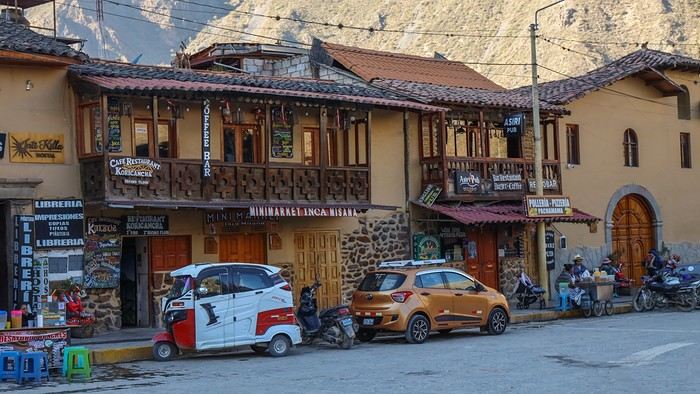
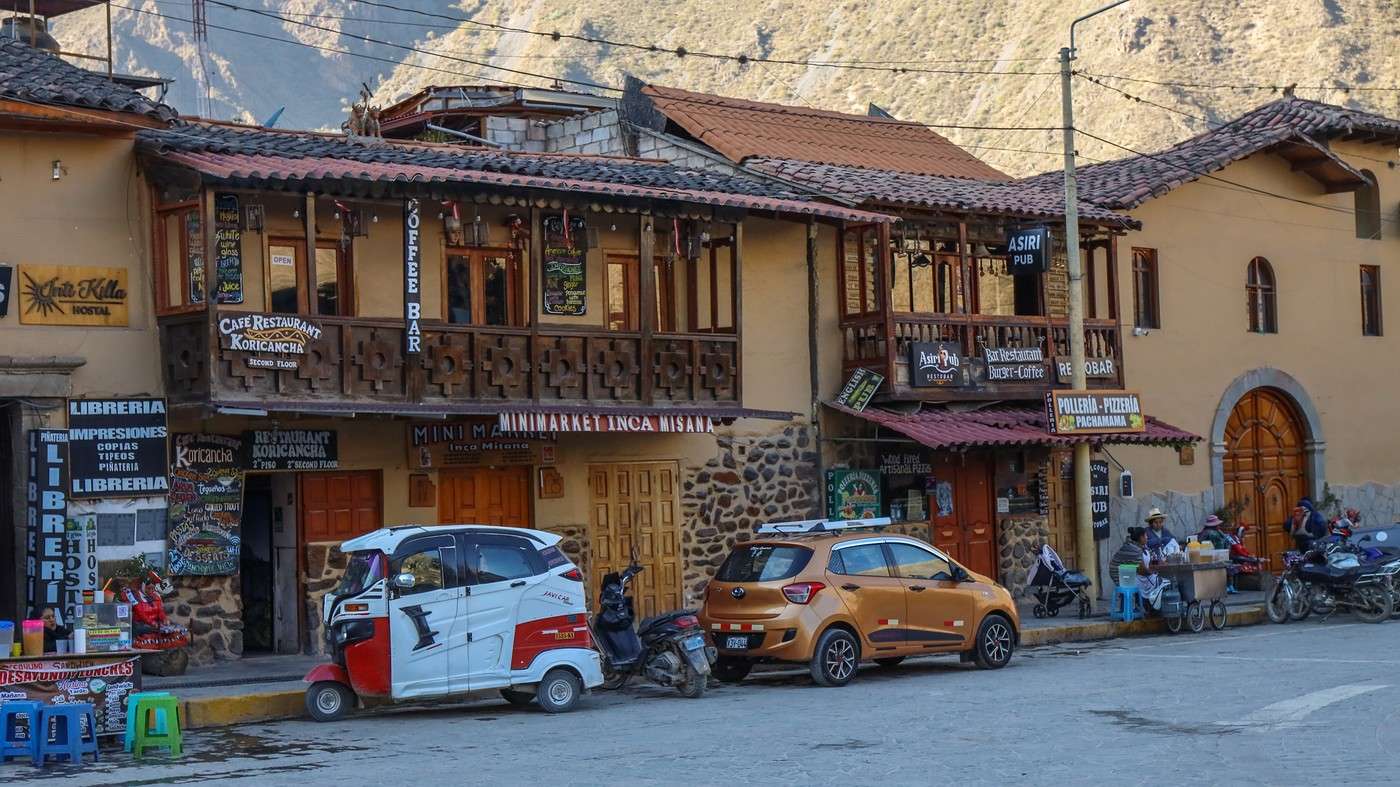
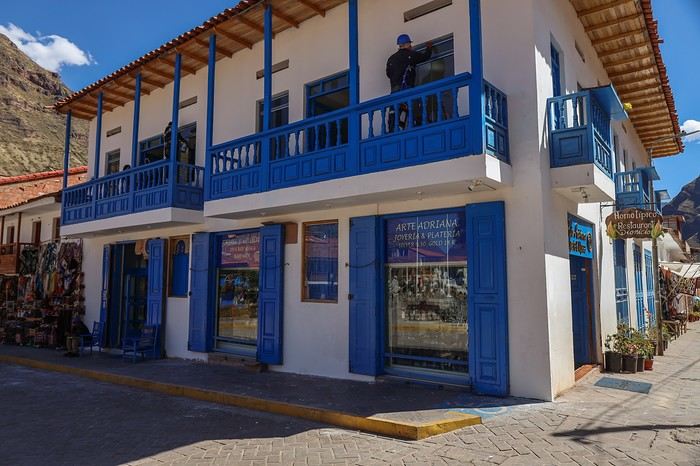
 There are still beautiful traditional houses around the village’s central square.
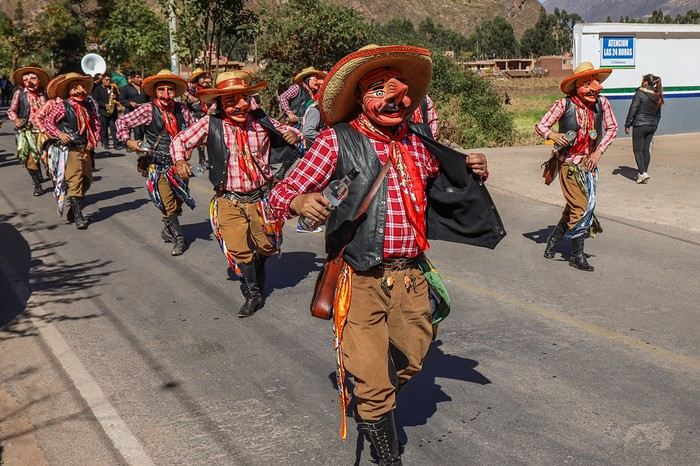
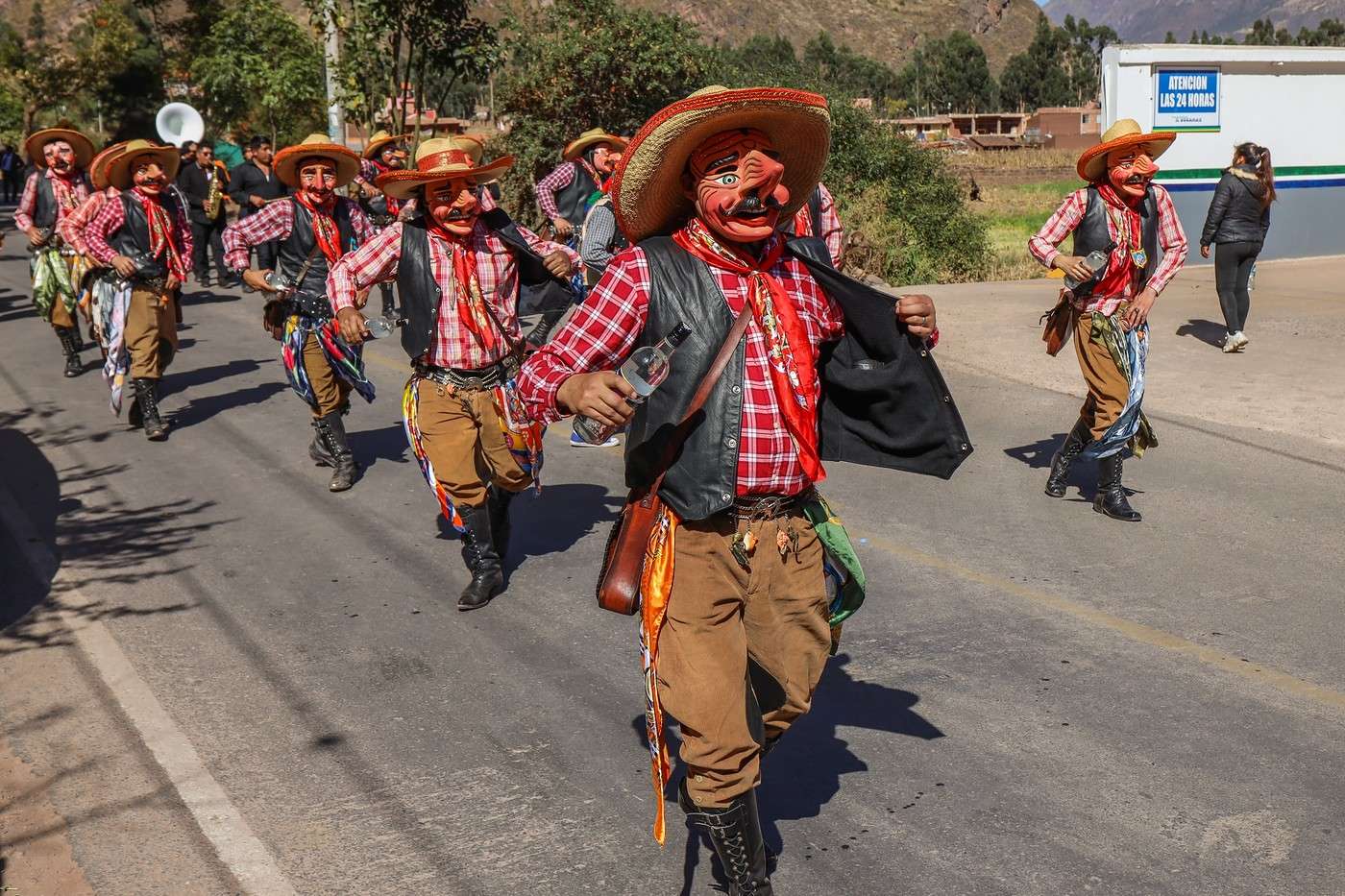
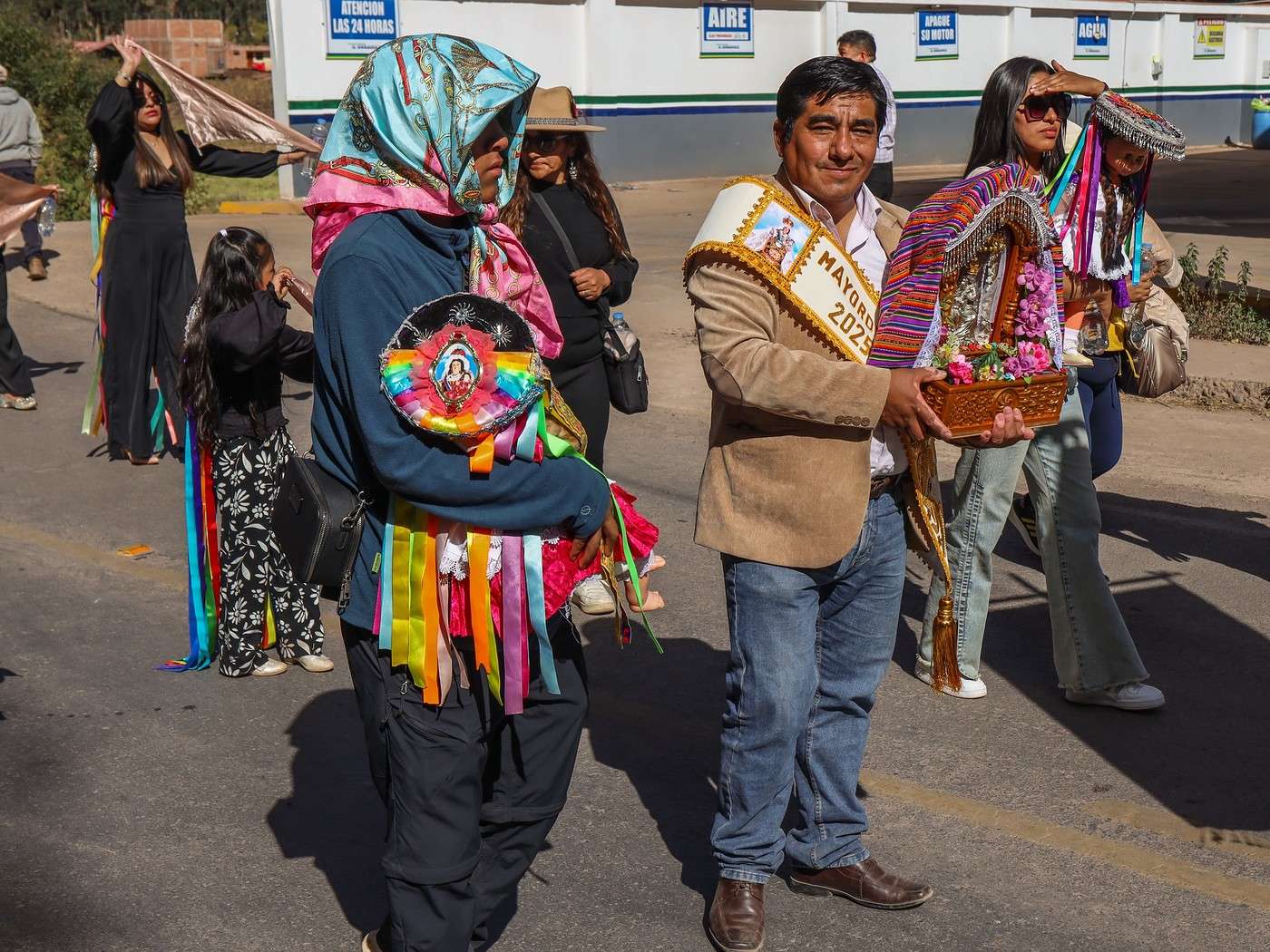
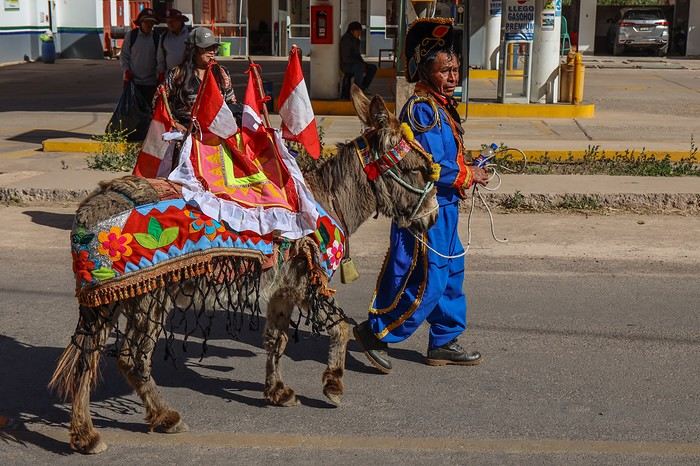
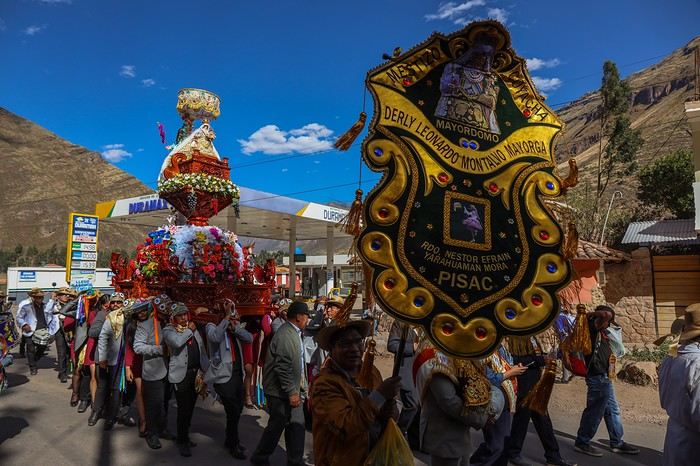
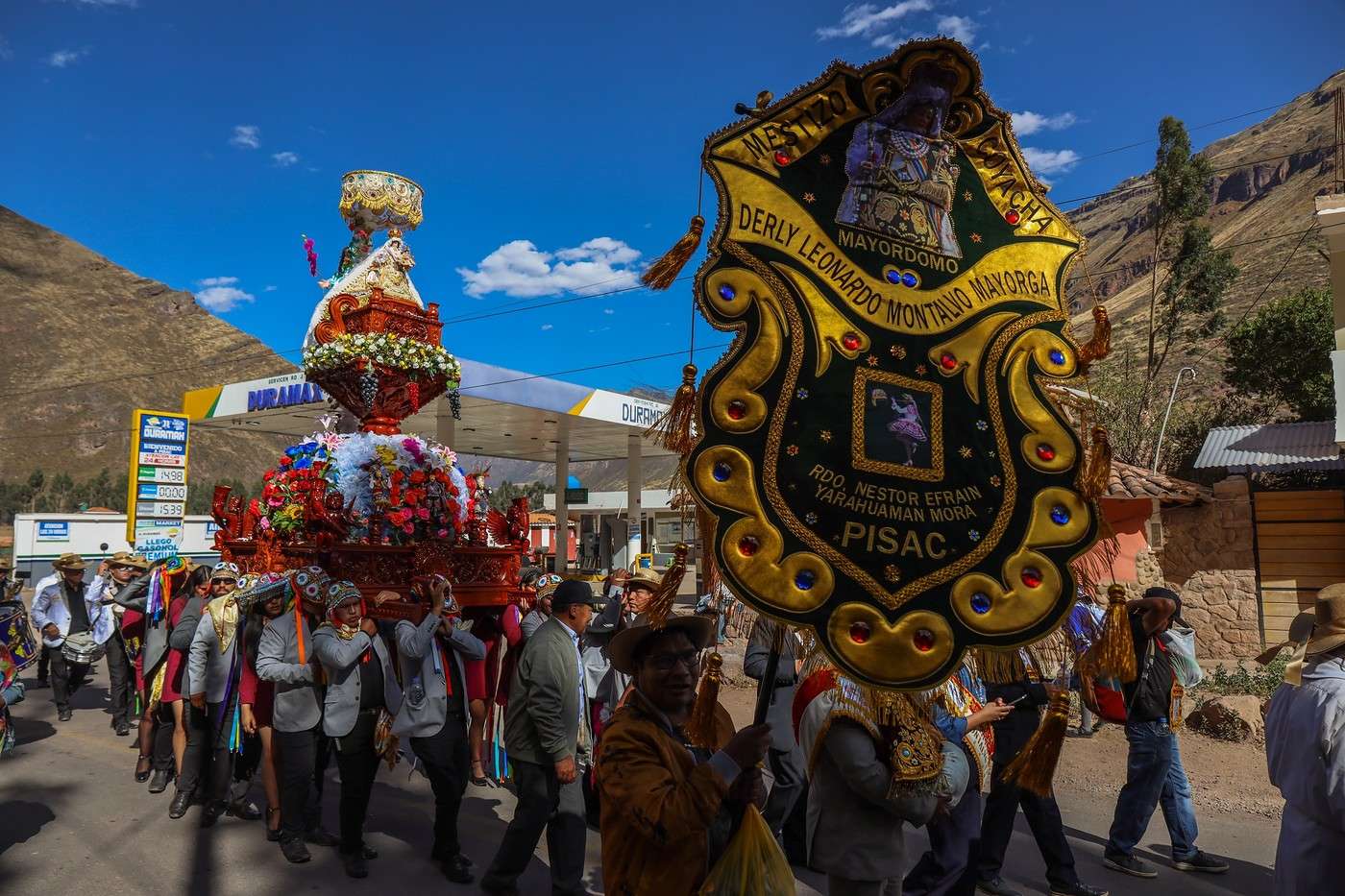
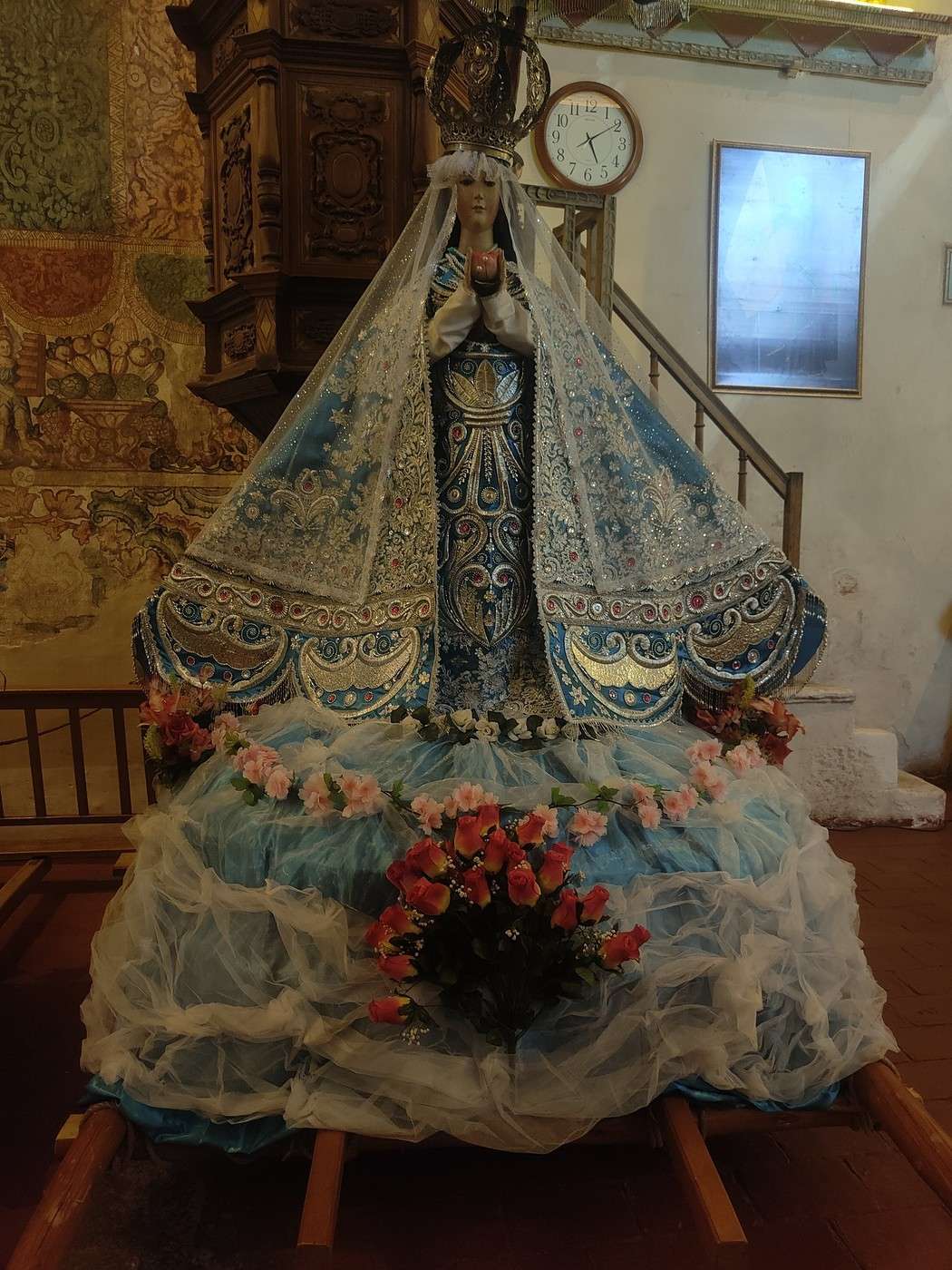
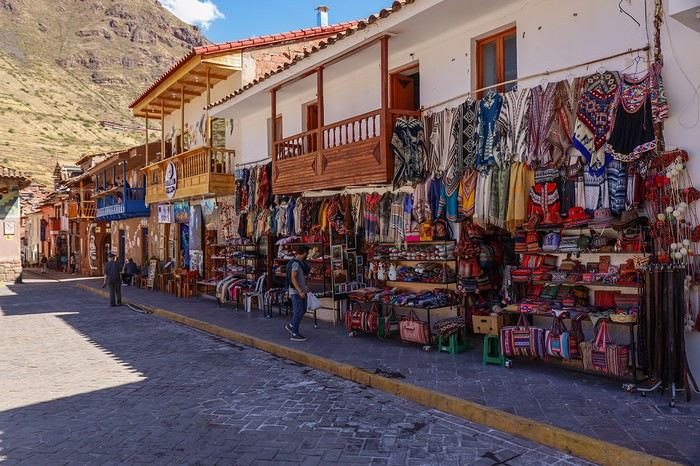 Once in Pisac, we grab a bite at the market for next to nothing, and just as we’re about to leave, Gonzalo tells us that a procession in honor of the Virgin of Carmen has just started 500 meters away!
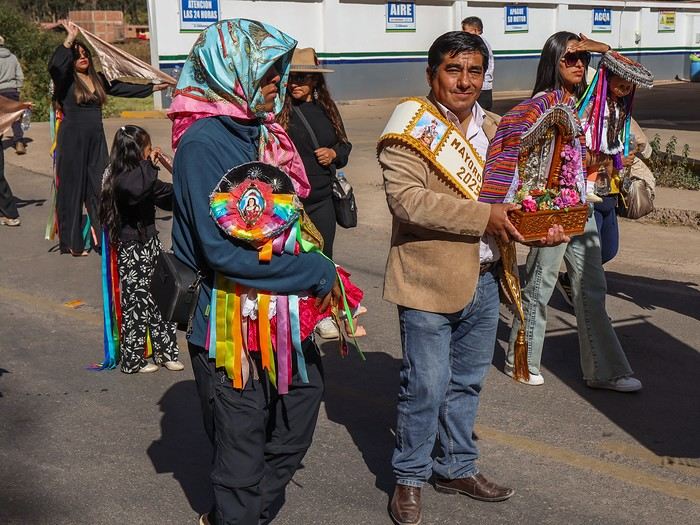
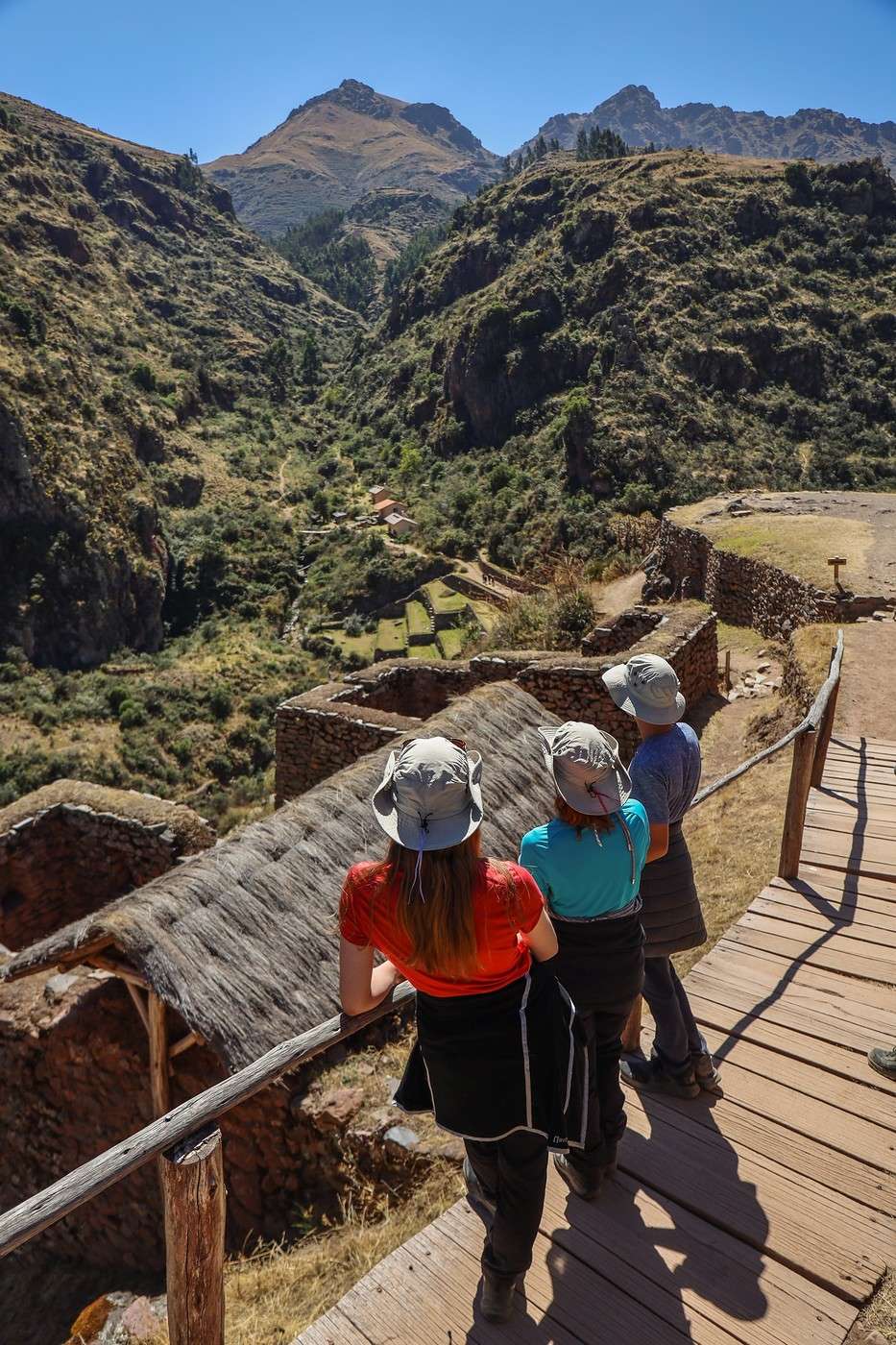
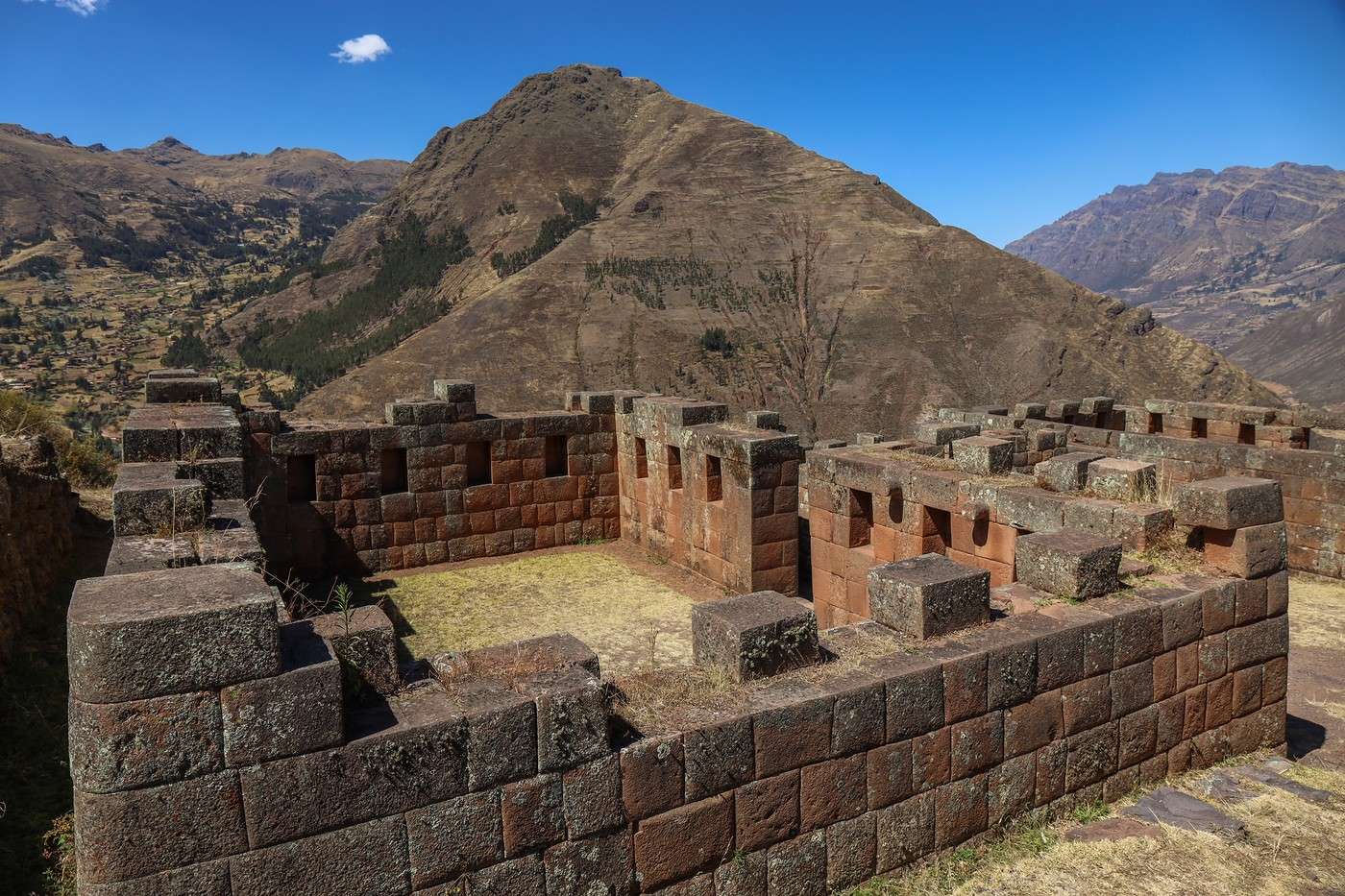
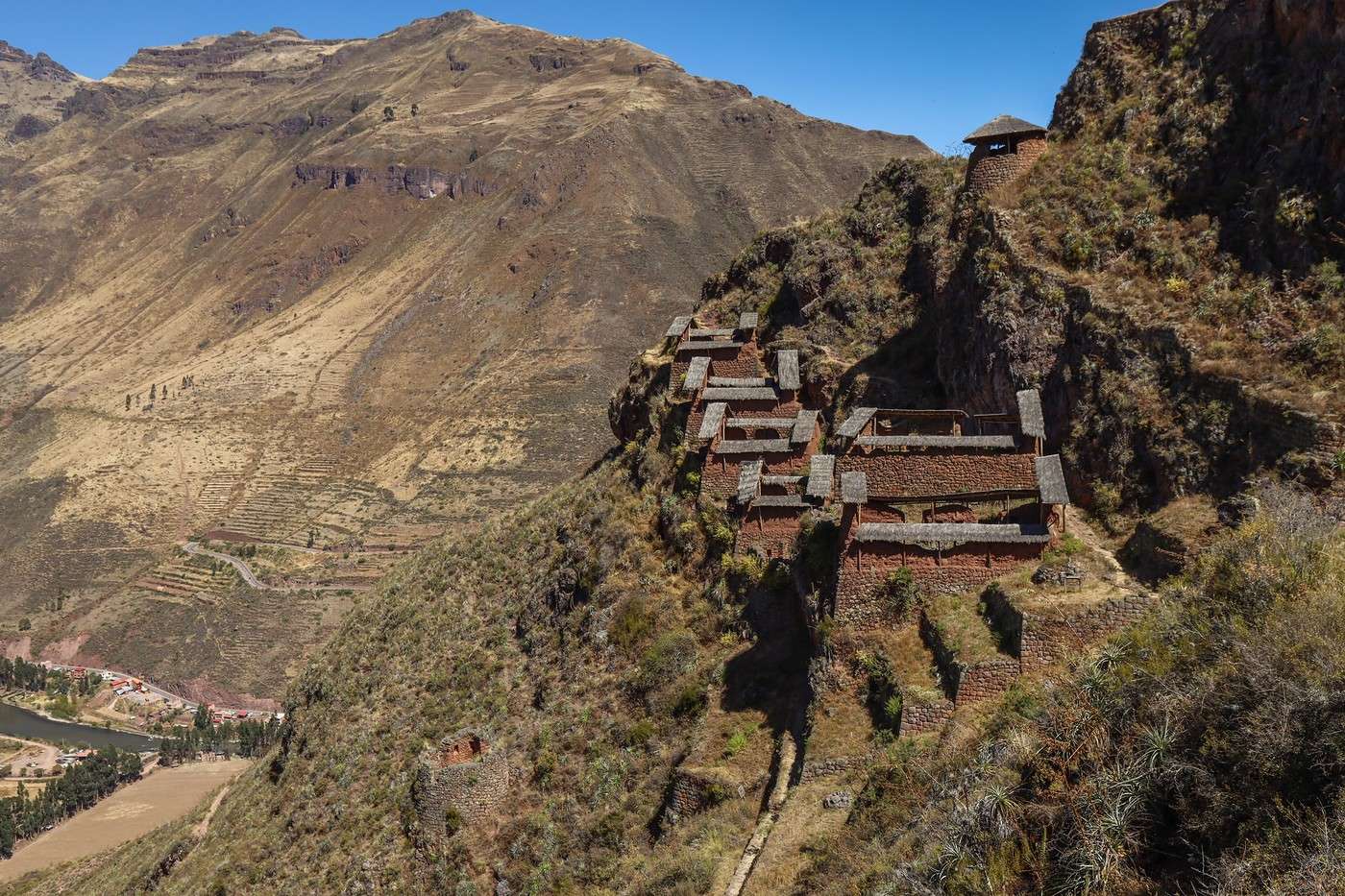
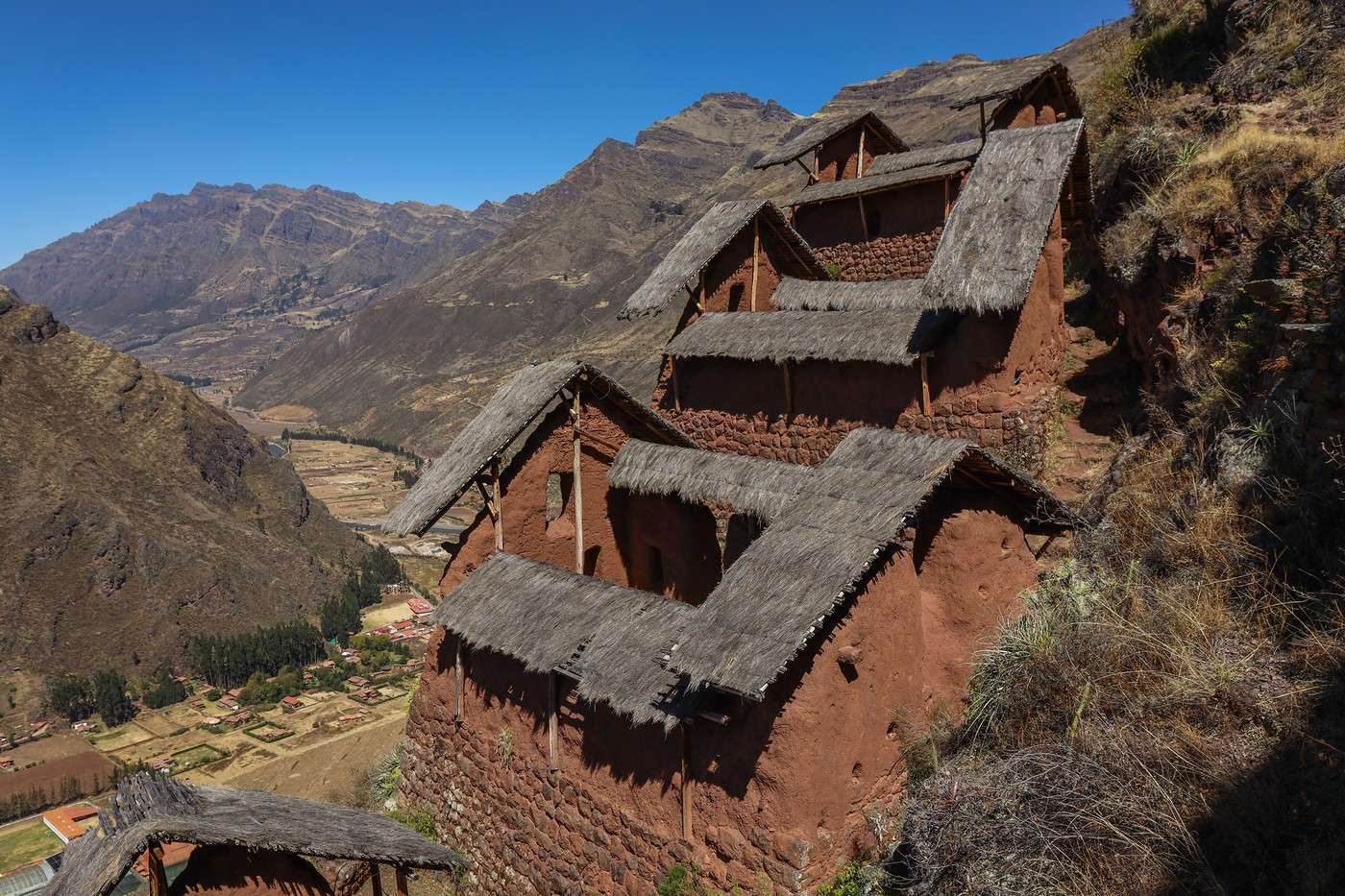
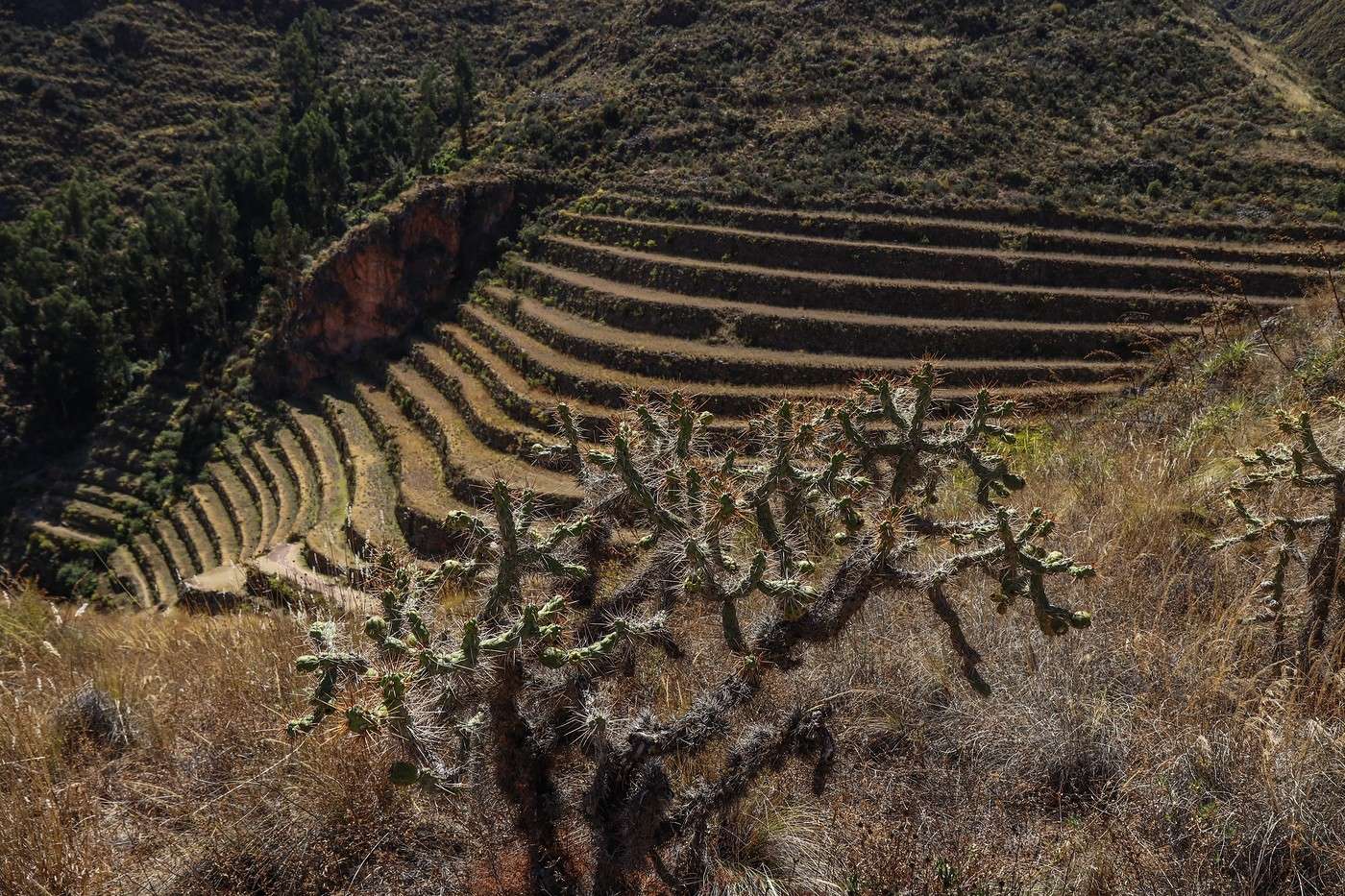
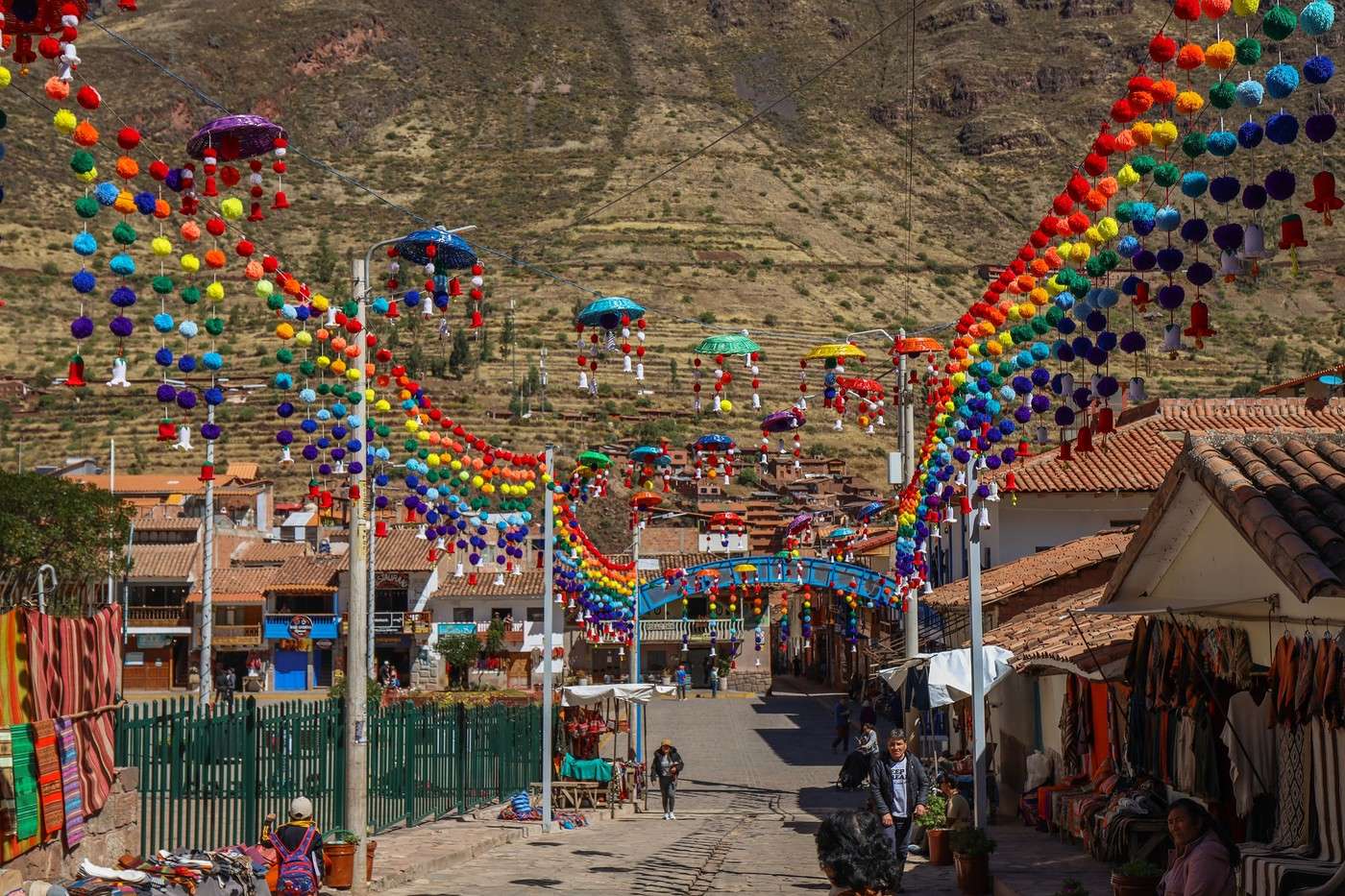
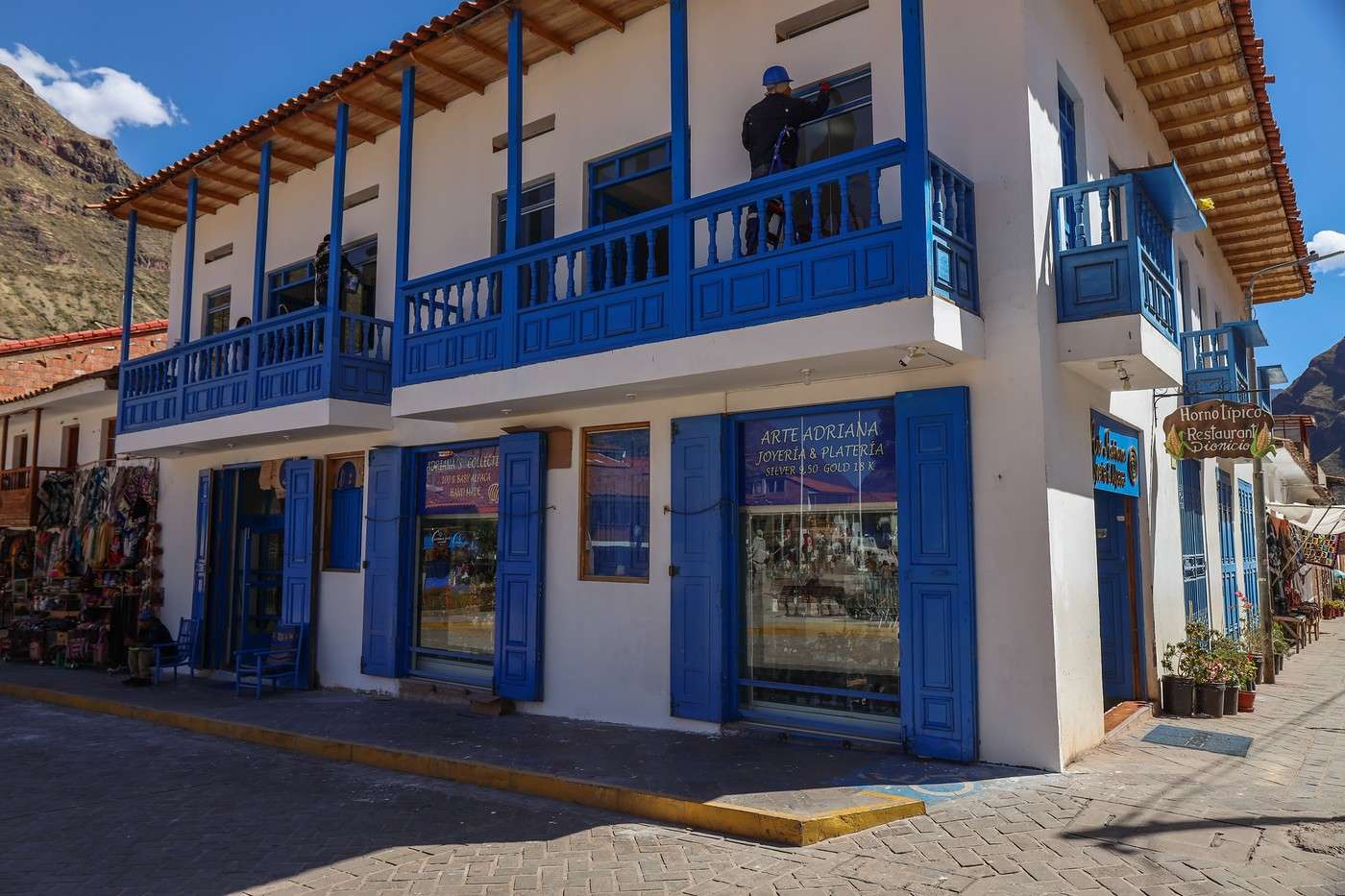
 We hit the road again, heading toward San Pedro, a town near Palcoyo, which is on the agenda for the next day.
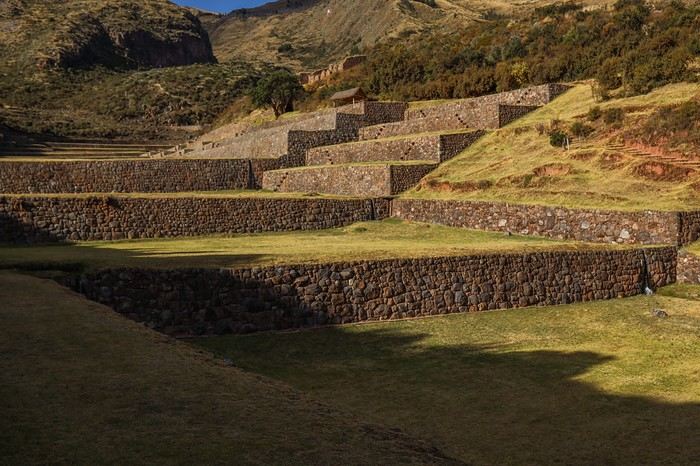
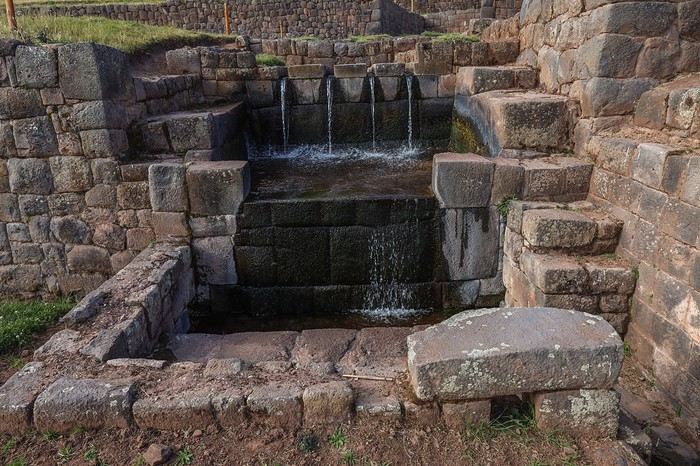
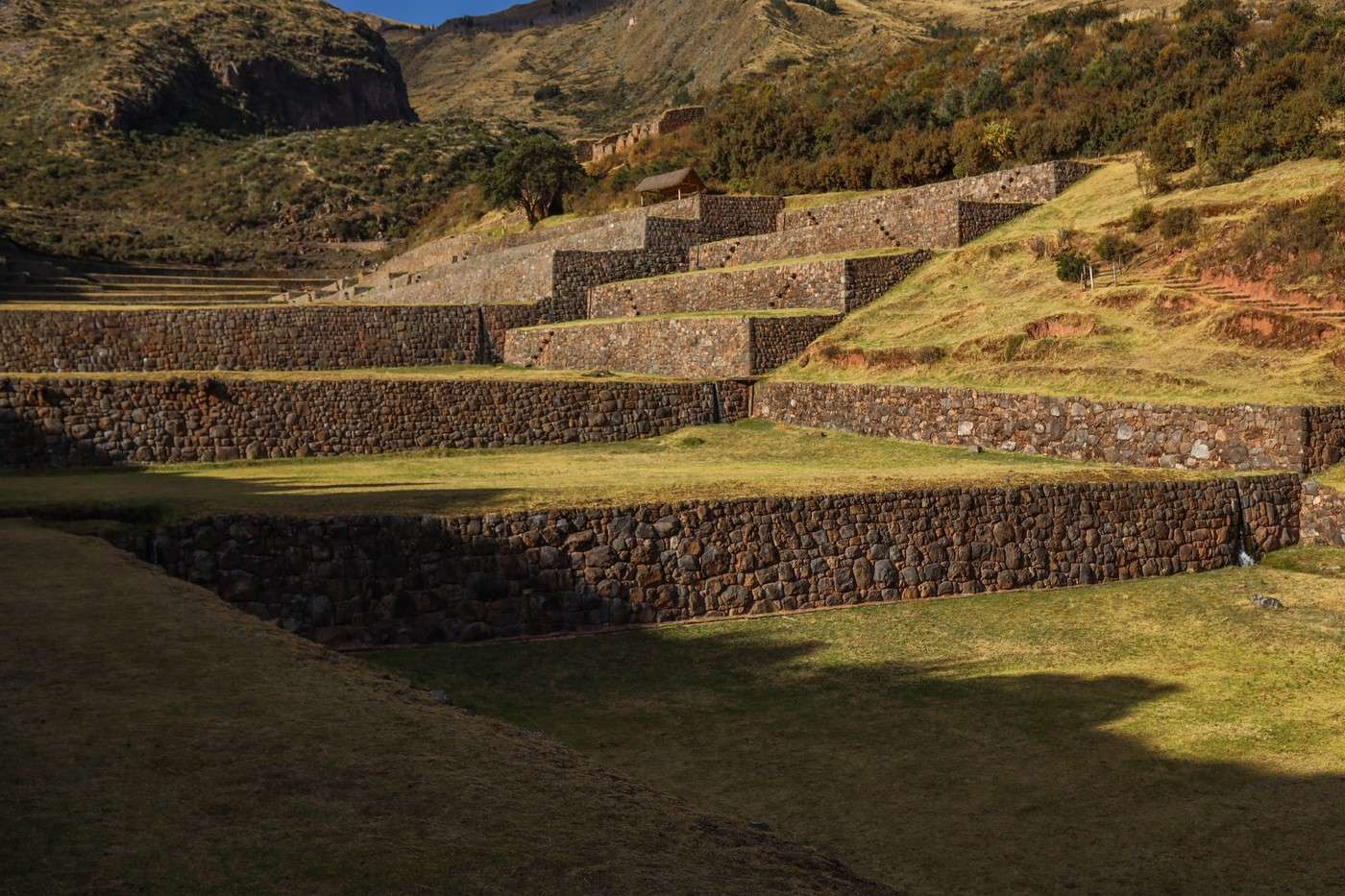
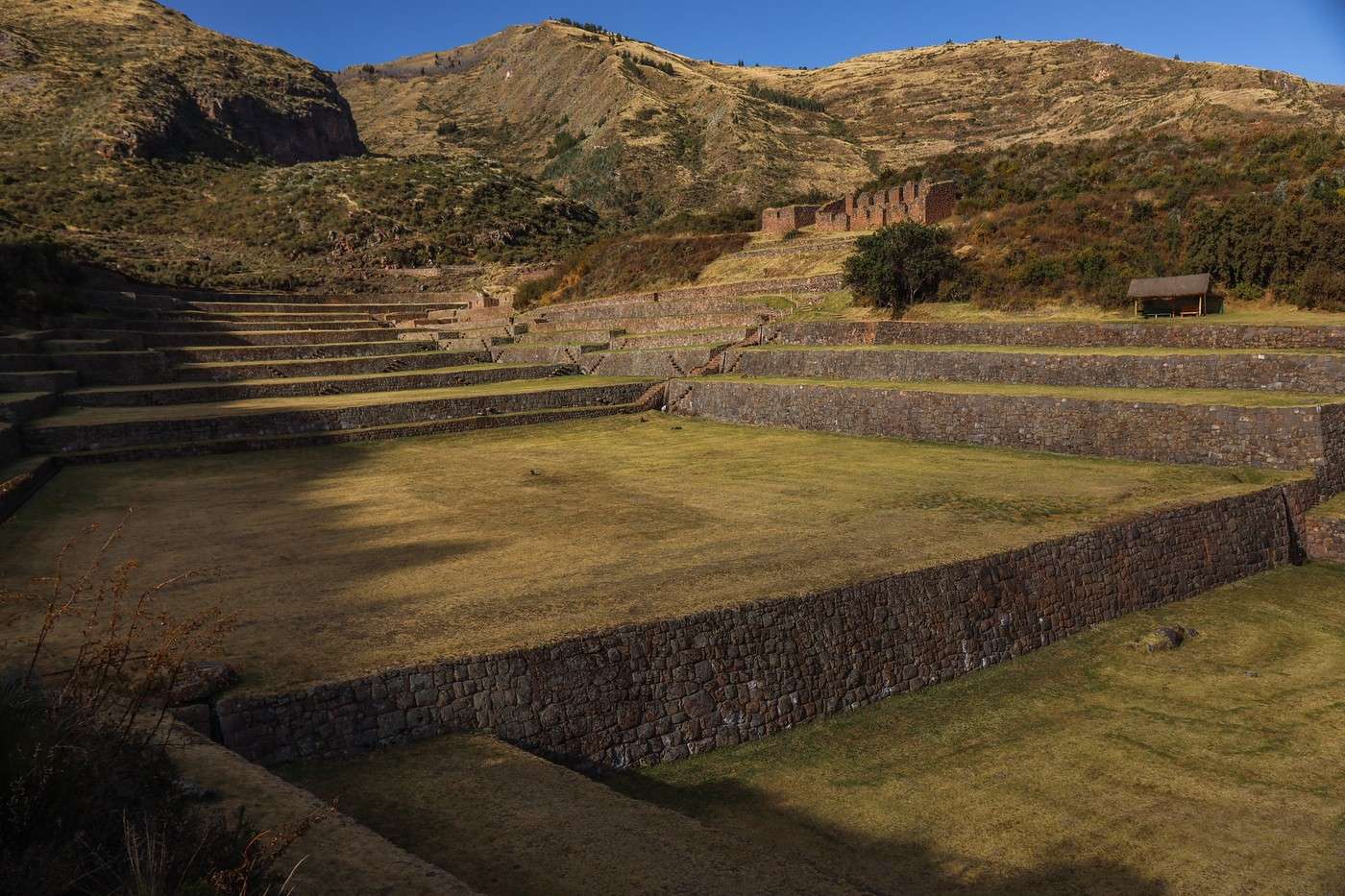
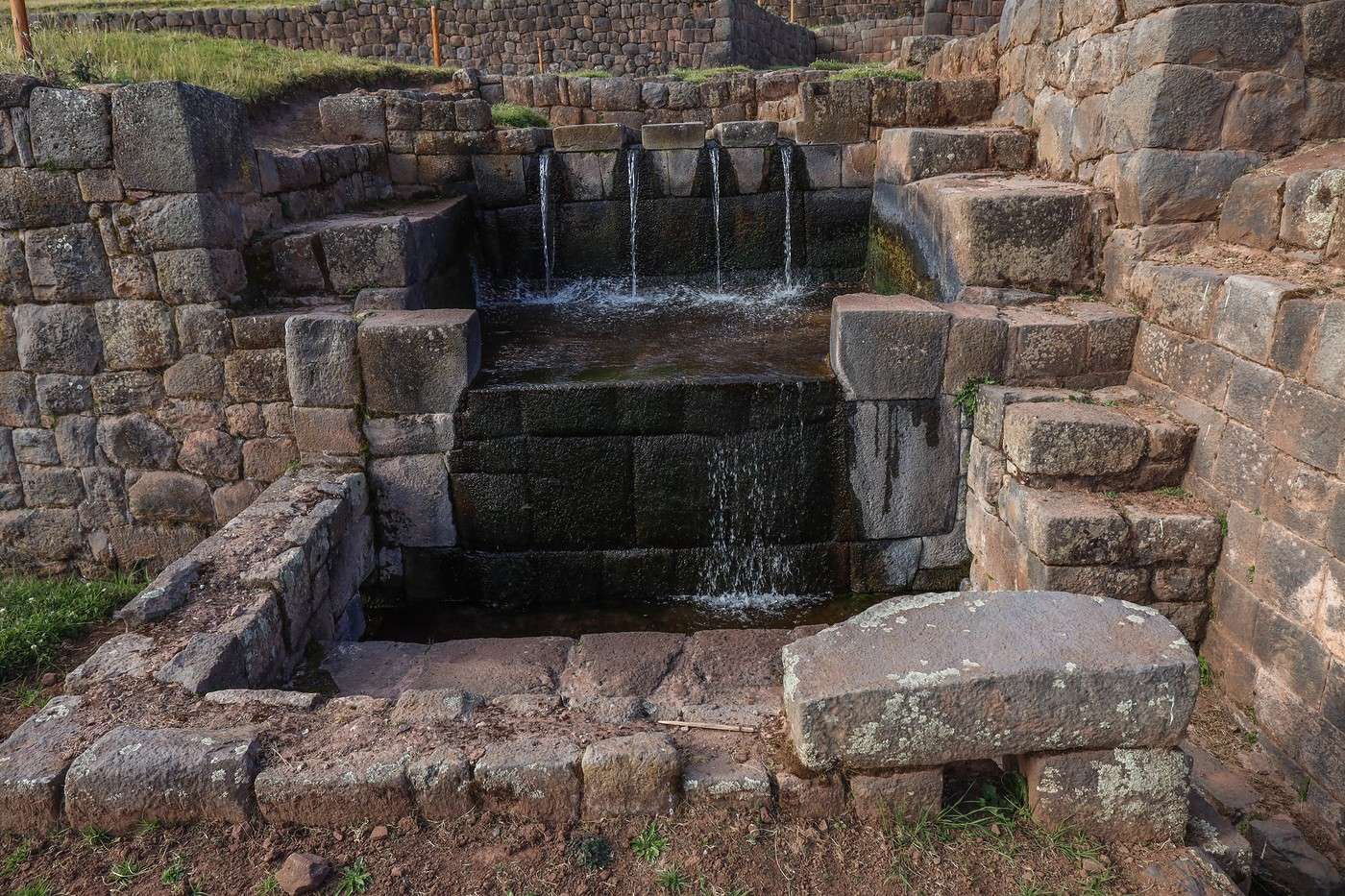
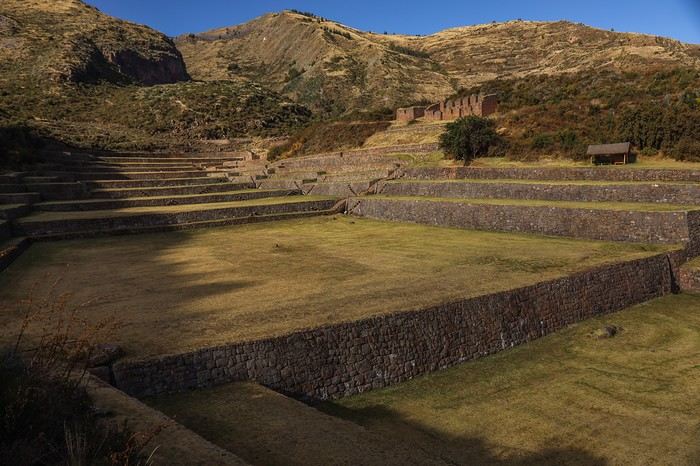 There’s also a temple and an entire network of incredibly clever irrigation canals!
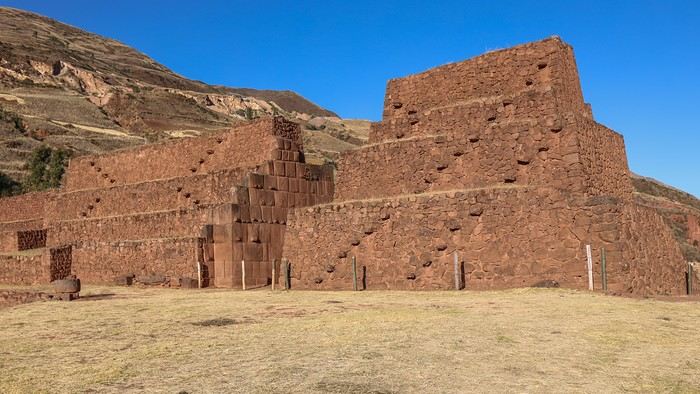
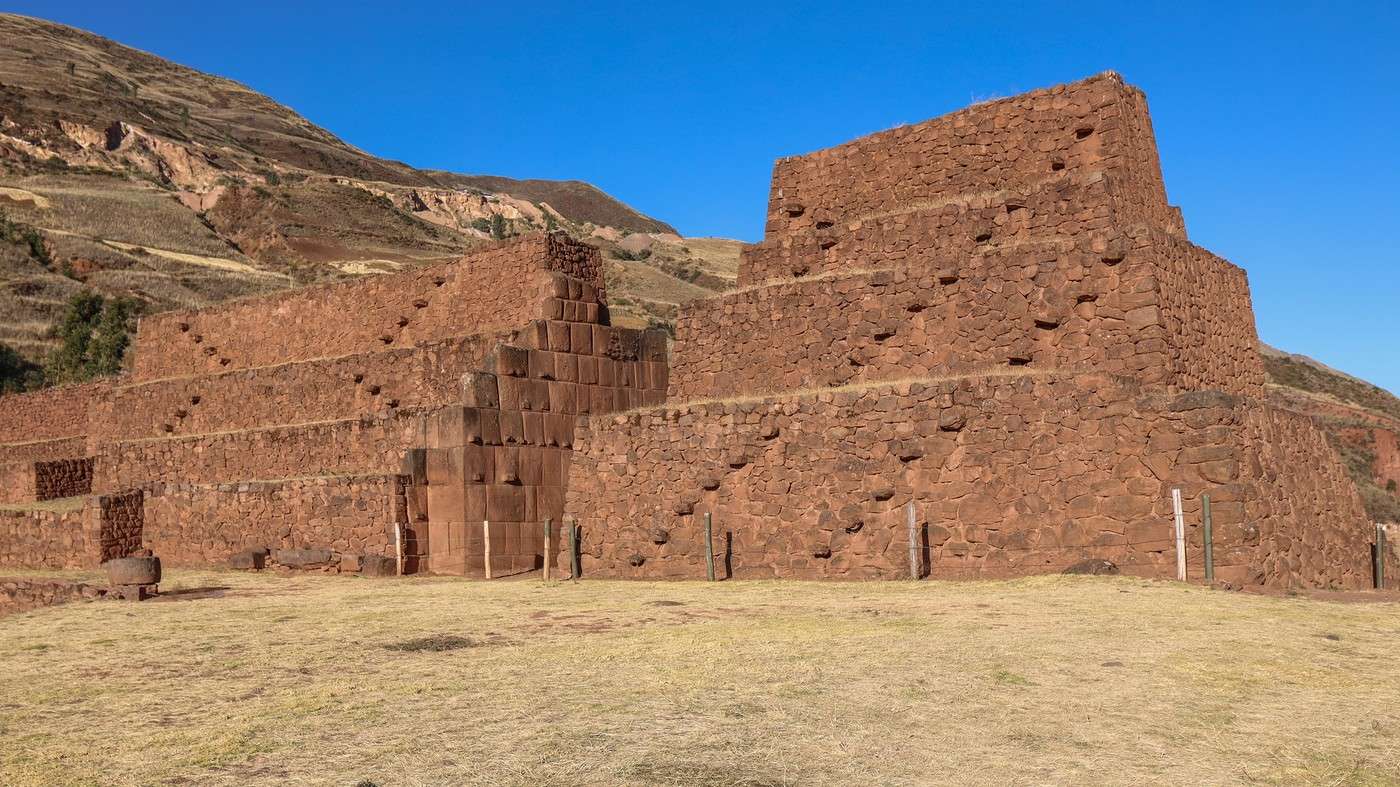
 Gonzalo then takes us to the shores of a lake he likes and to the ruins of Rumiqullqa. Since all these spots are off the beaten path, we have them all to ourselves.
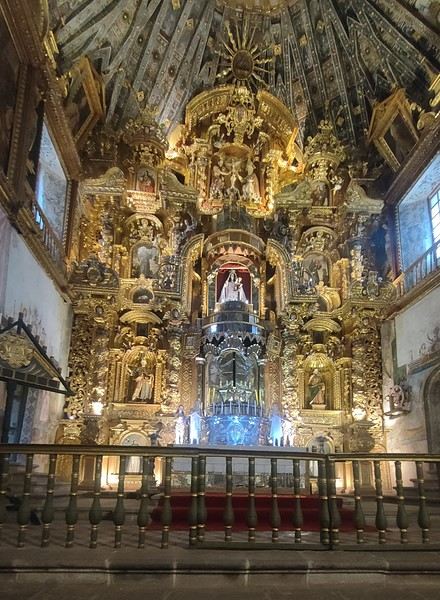
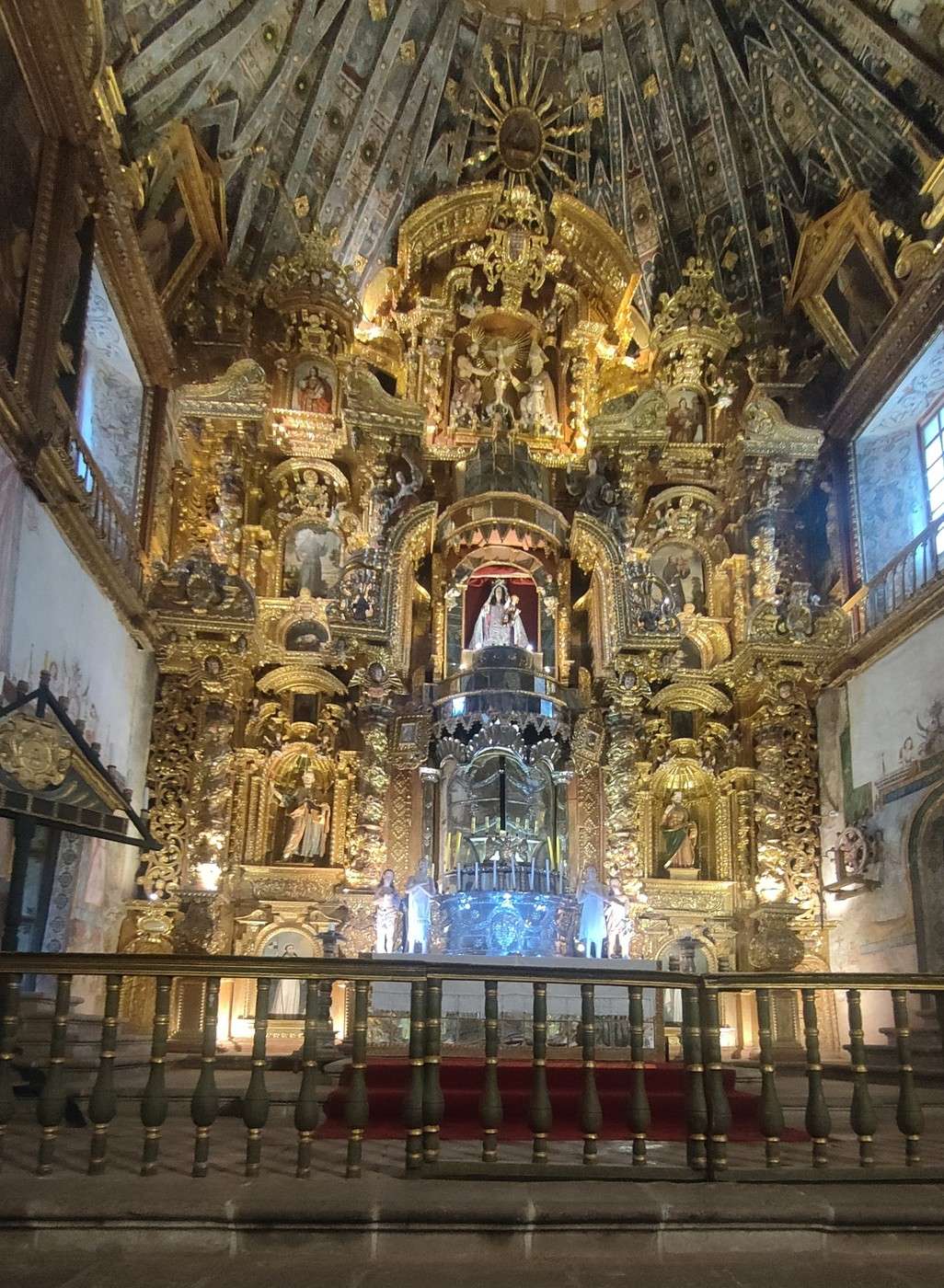
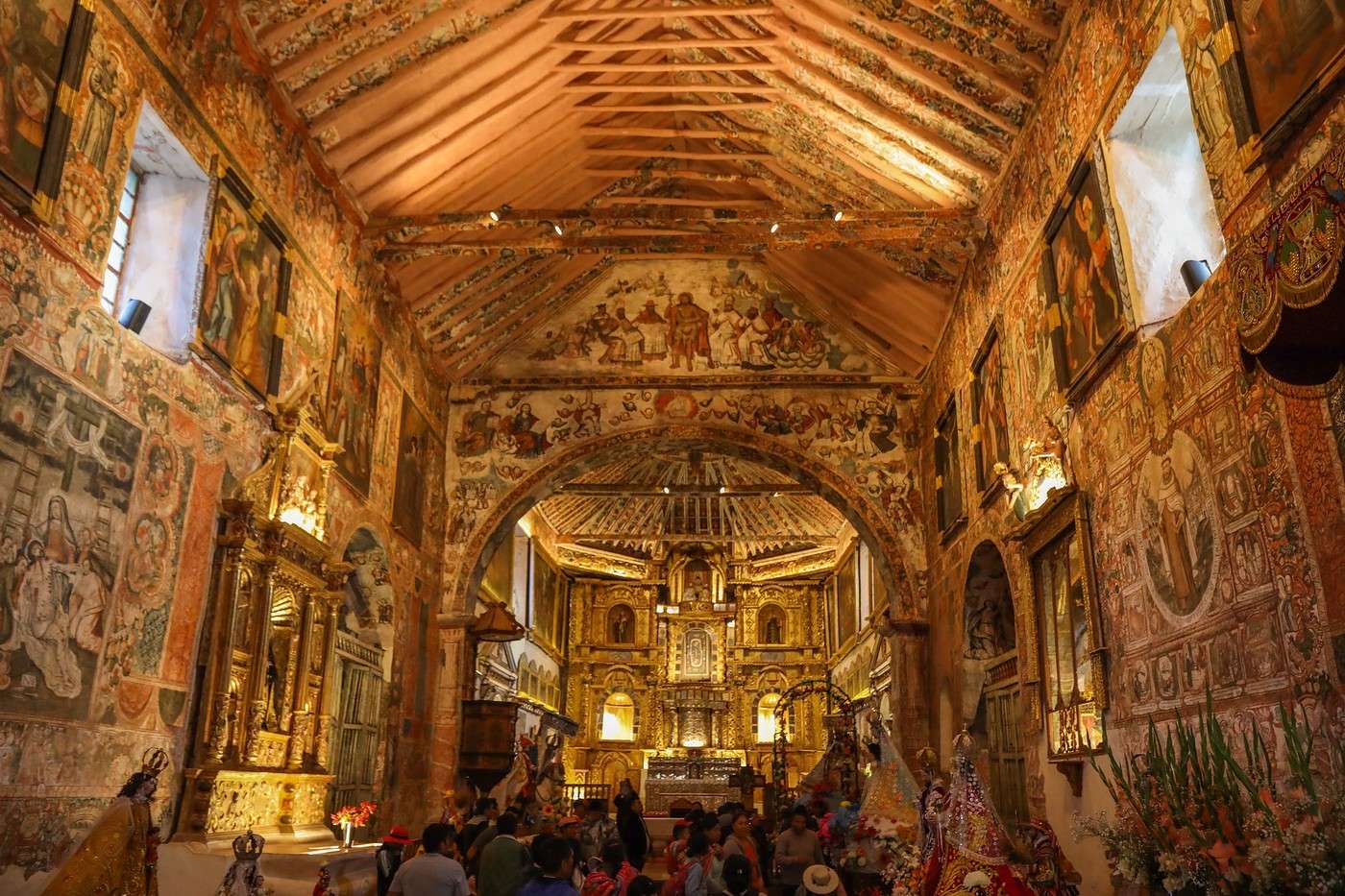
 The last two stops are dedicated to visiting two neighboring churches, one in Andahuaylillas and the other in Huaro.
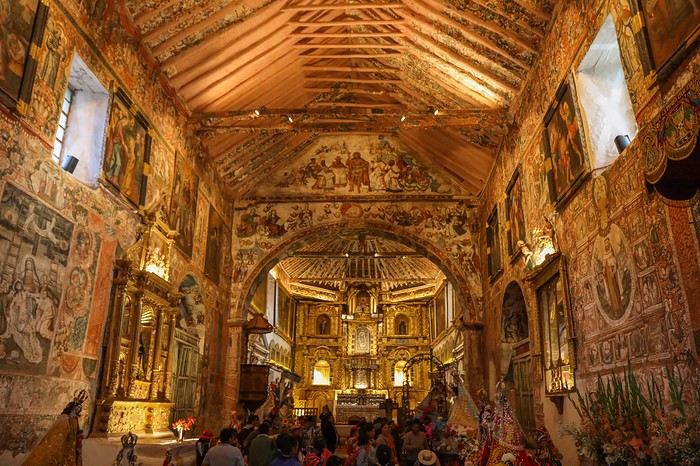
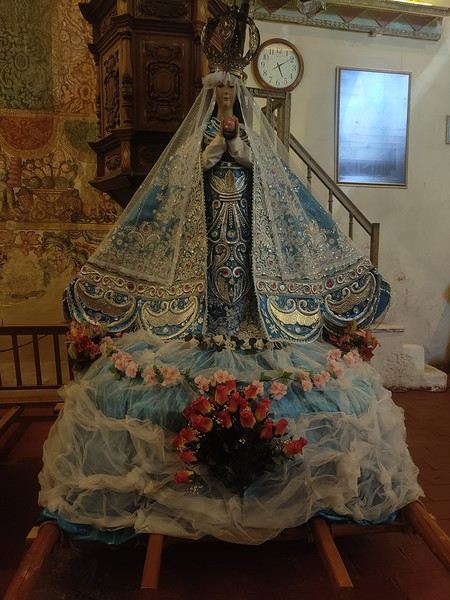
 Just a few kilometers away, the temple in Huaro is another masterpiece, this time in Renaissance style. Photos are allowed here this time.
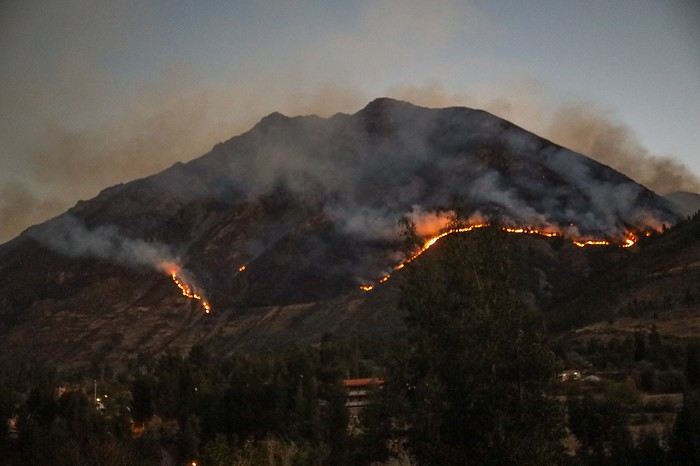
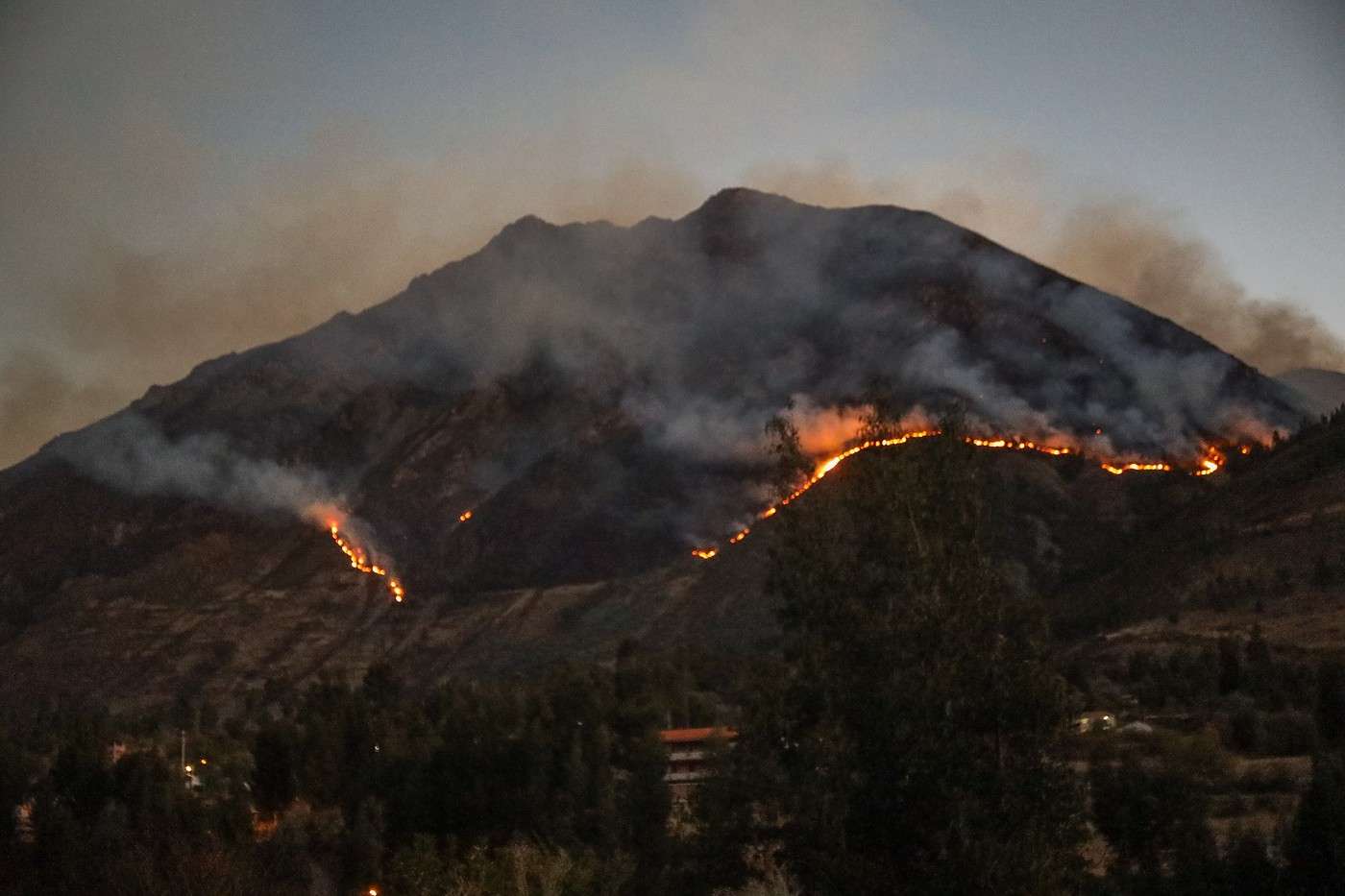
 Once night falls, on the road south, we pass by some impressive fires blazing on a mountainside—hopefully under control. Quite a sight...
 Then we have dinner in Combapata, each of us devouring a quarter chicken with fries and all-you-can-eat veggies.
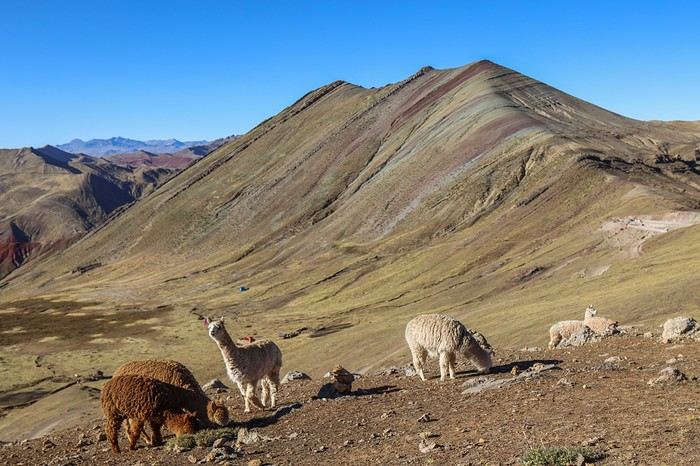
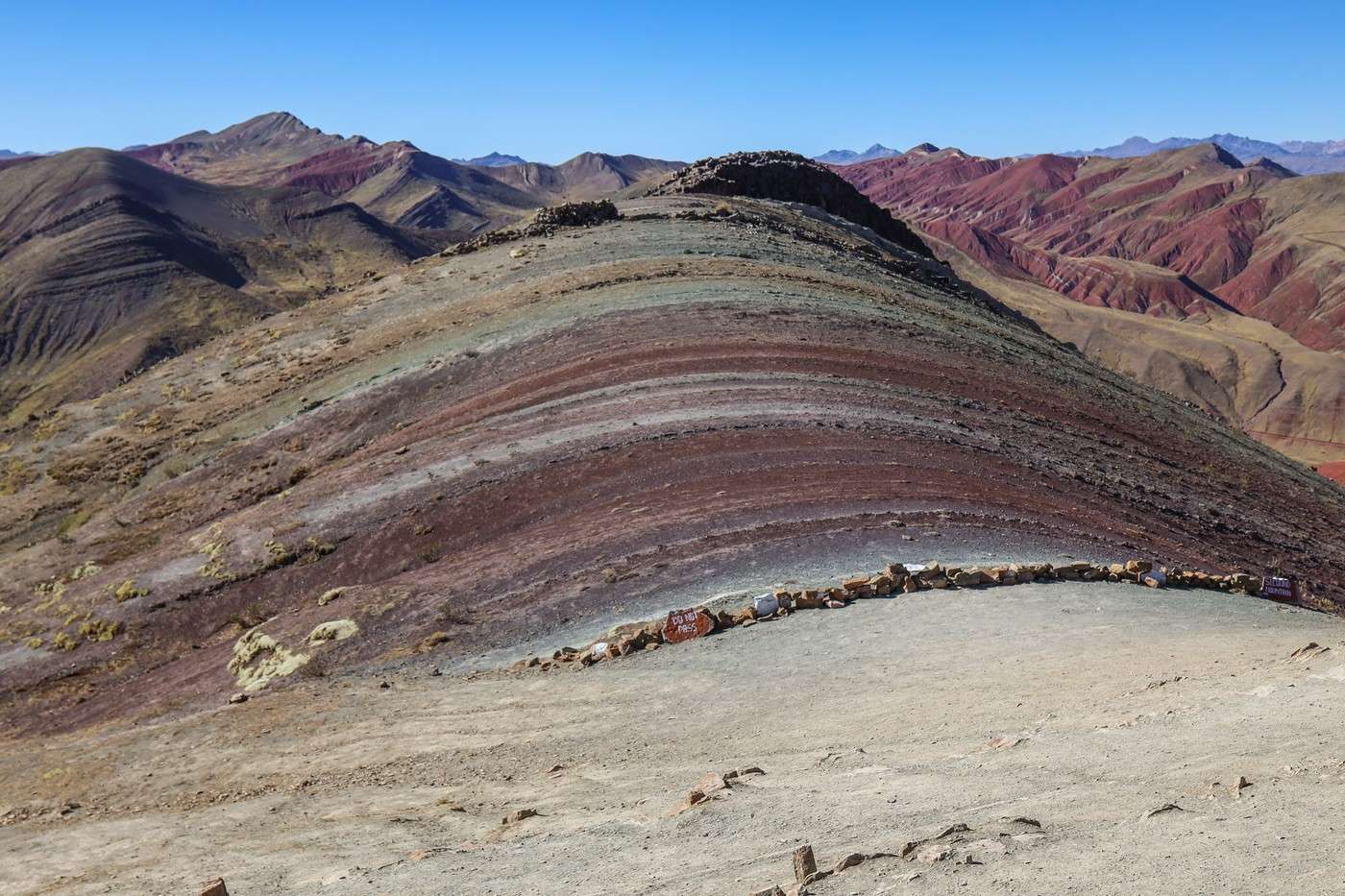
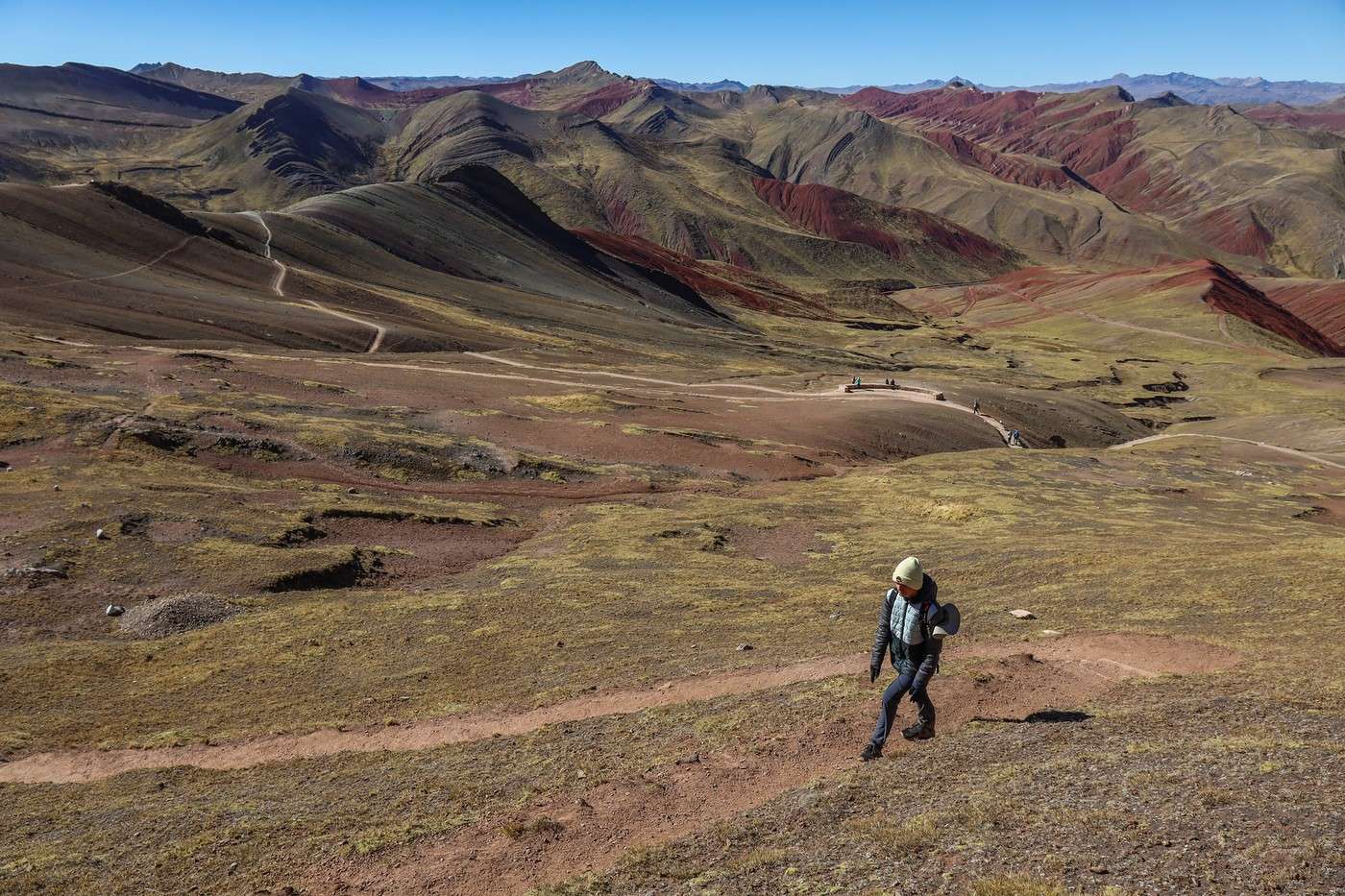
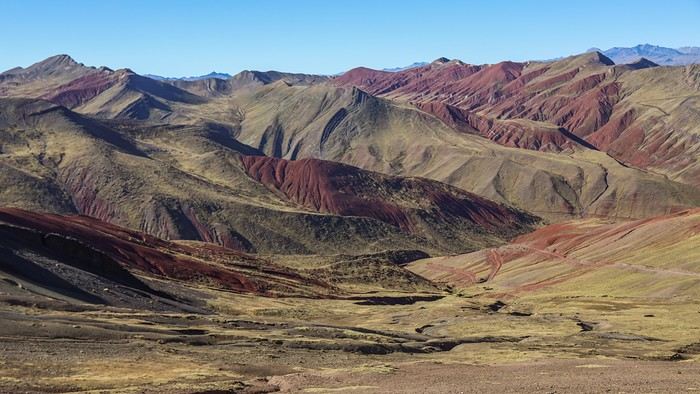 We reach a second viewpoint with rainbow colors.
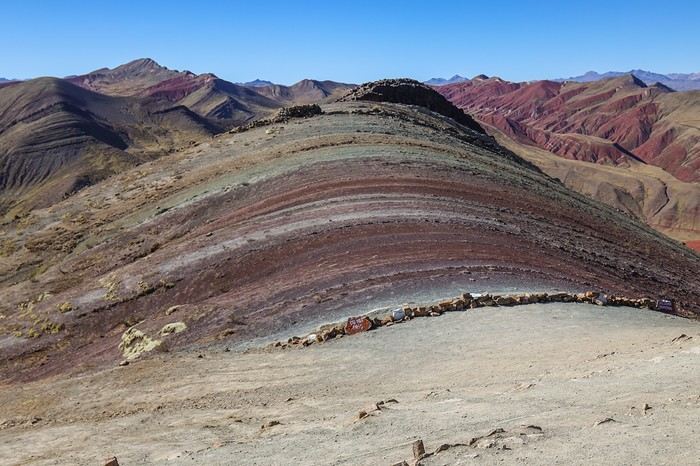
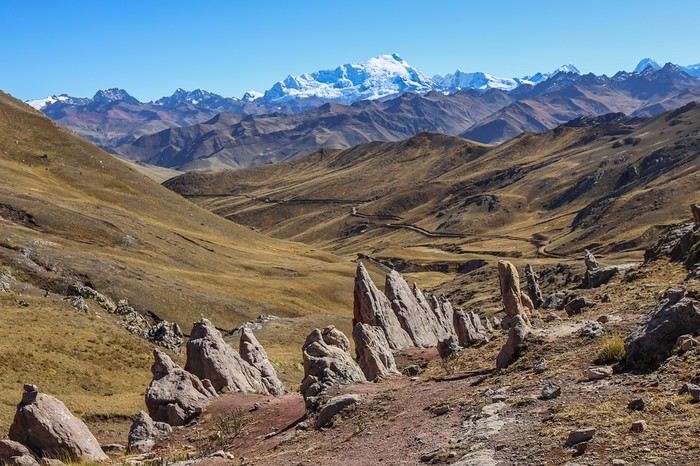 Around 4,930 meters, Tim reaches his limit with the altitude and starts feeling tingling in his forearms. He takes his time and won’t go all the way to the summit at 4,975 meters to avoid unnecessary risks.
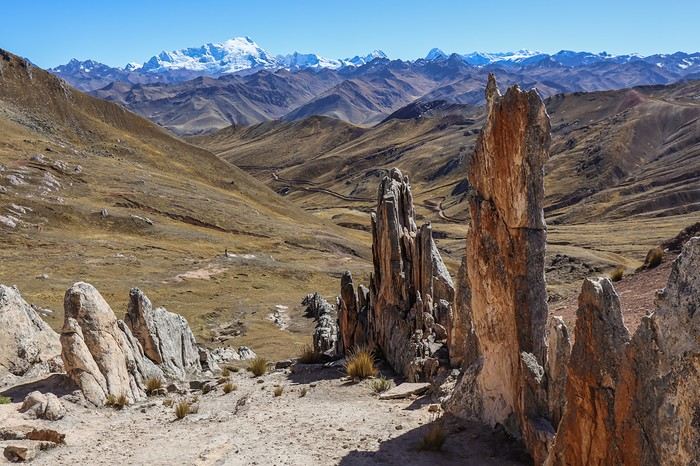
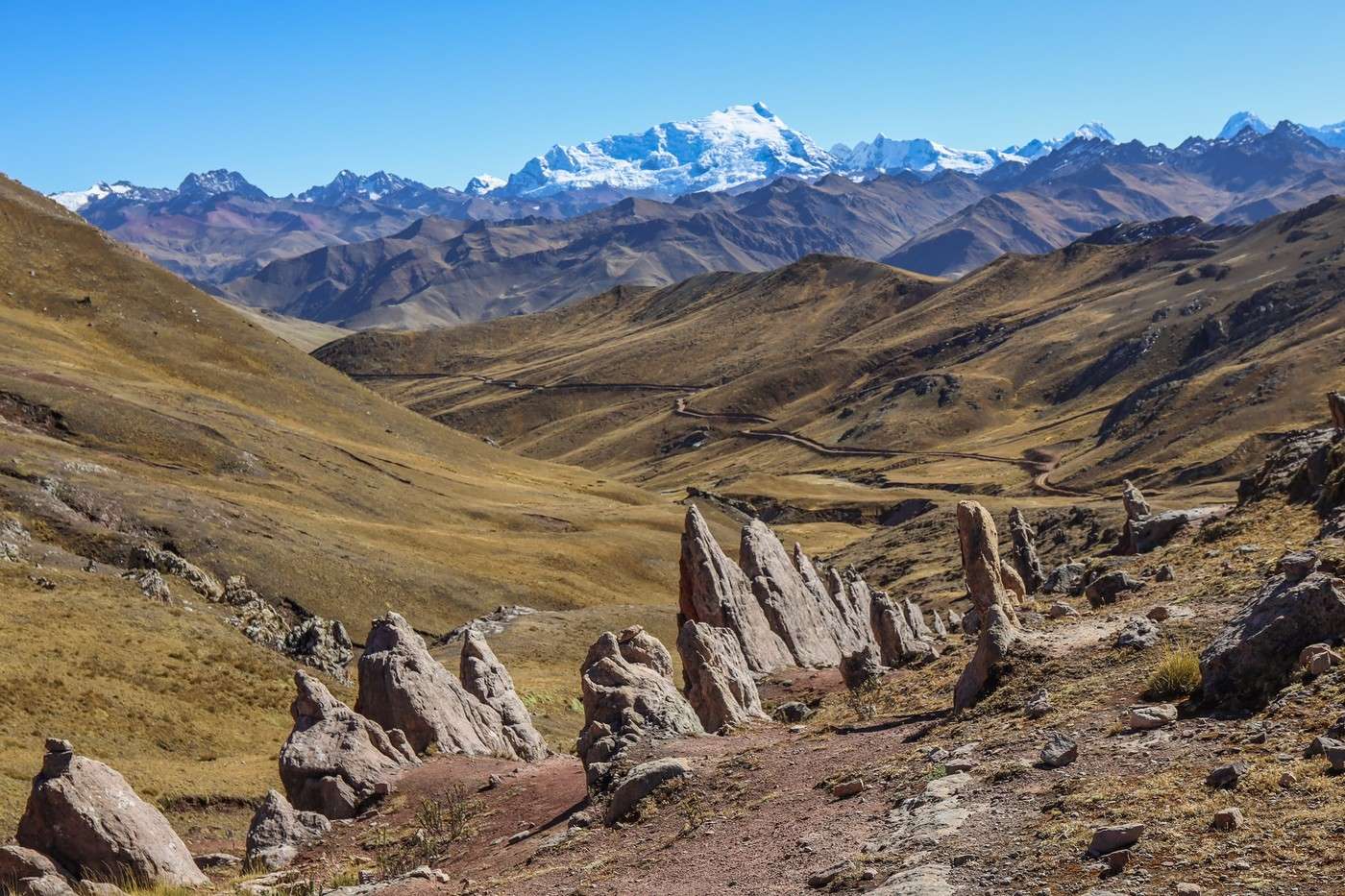
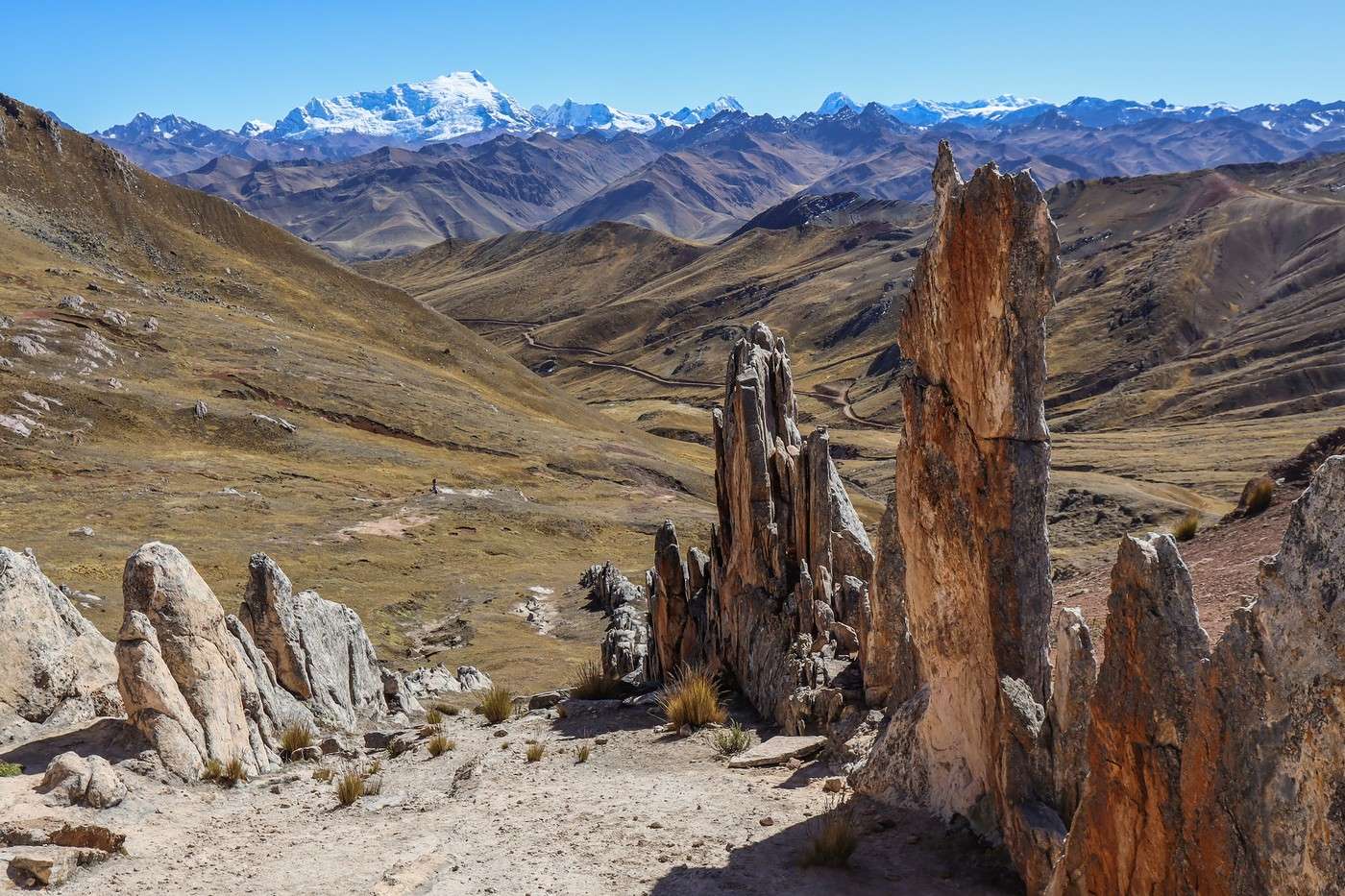
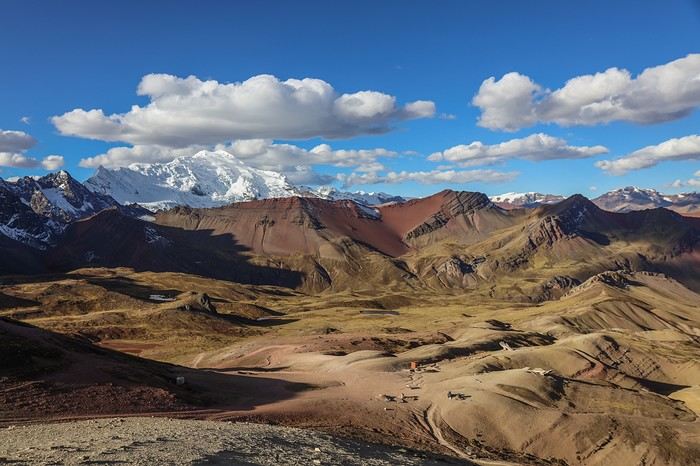
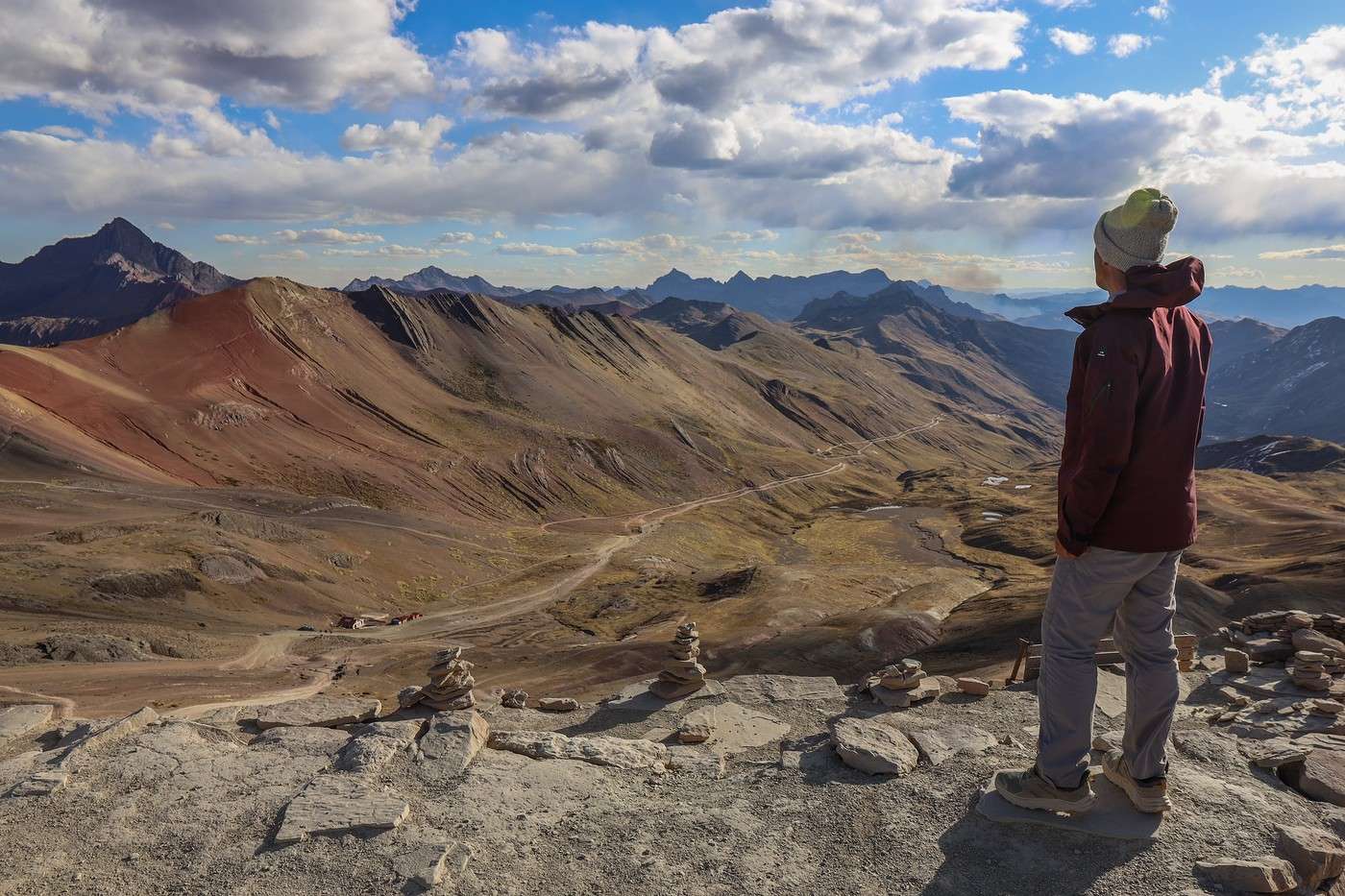
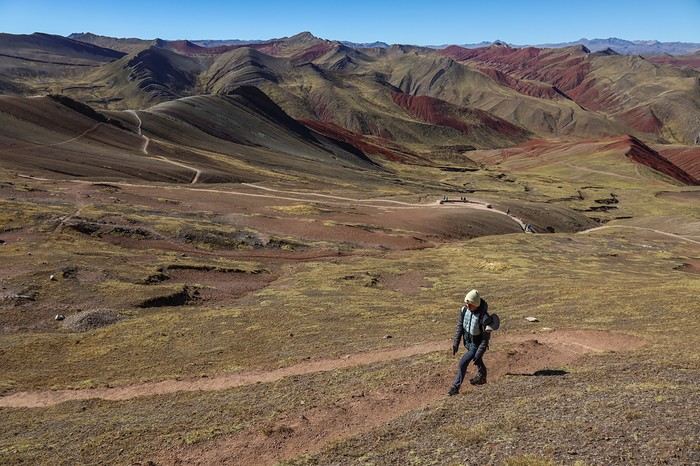 And here we are at the summit, 4,975 meters up! A great reward with more sculpted rocks and an exceptional panoramic view 🙂!
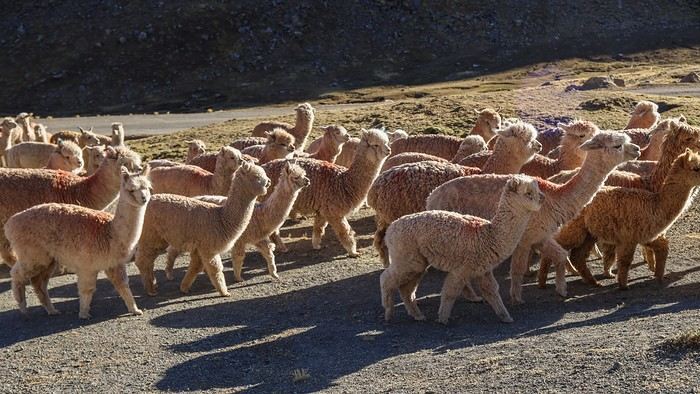
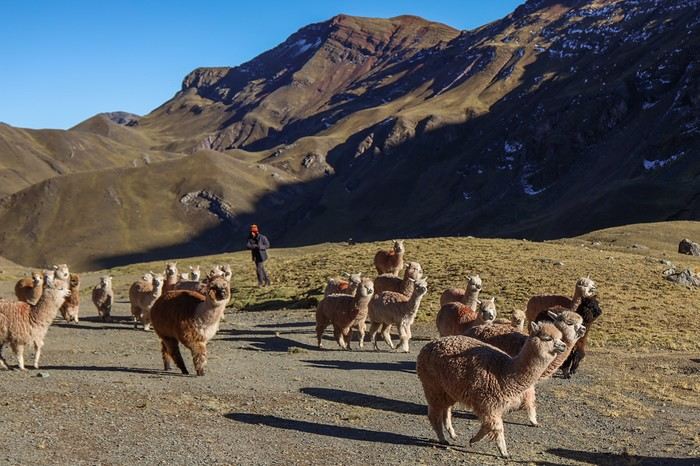
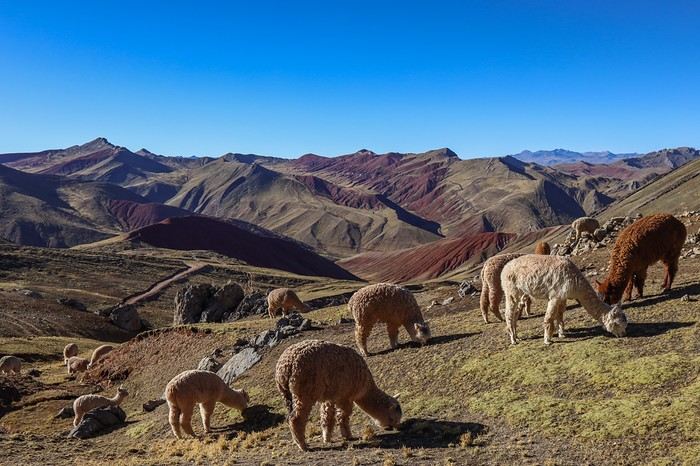
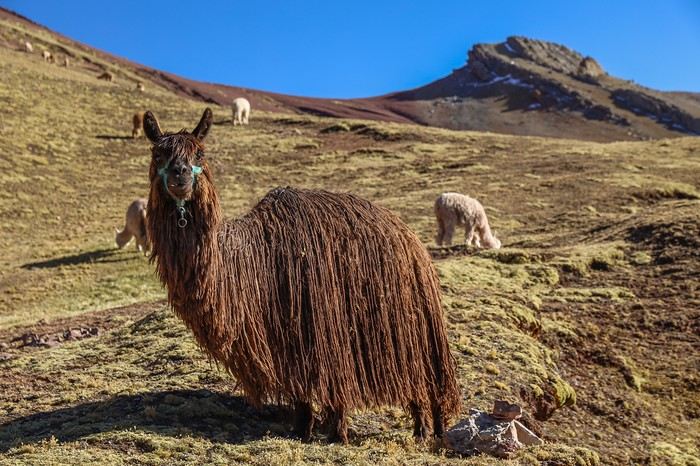
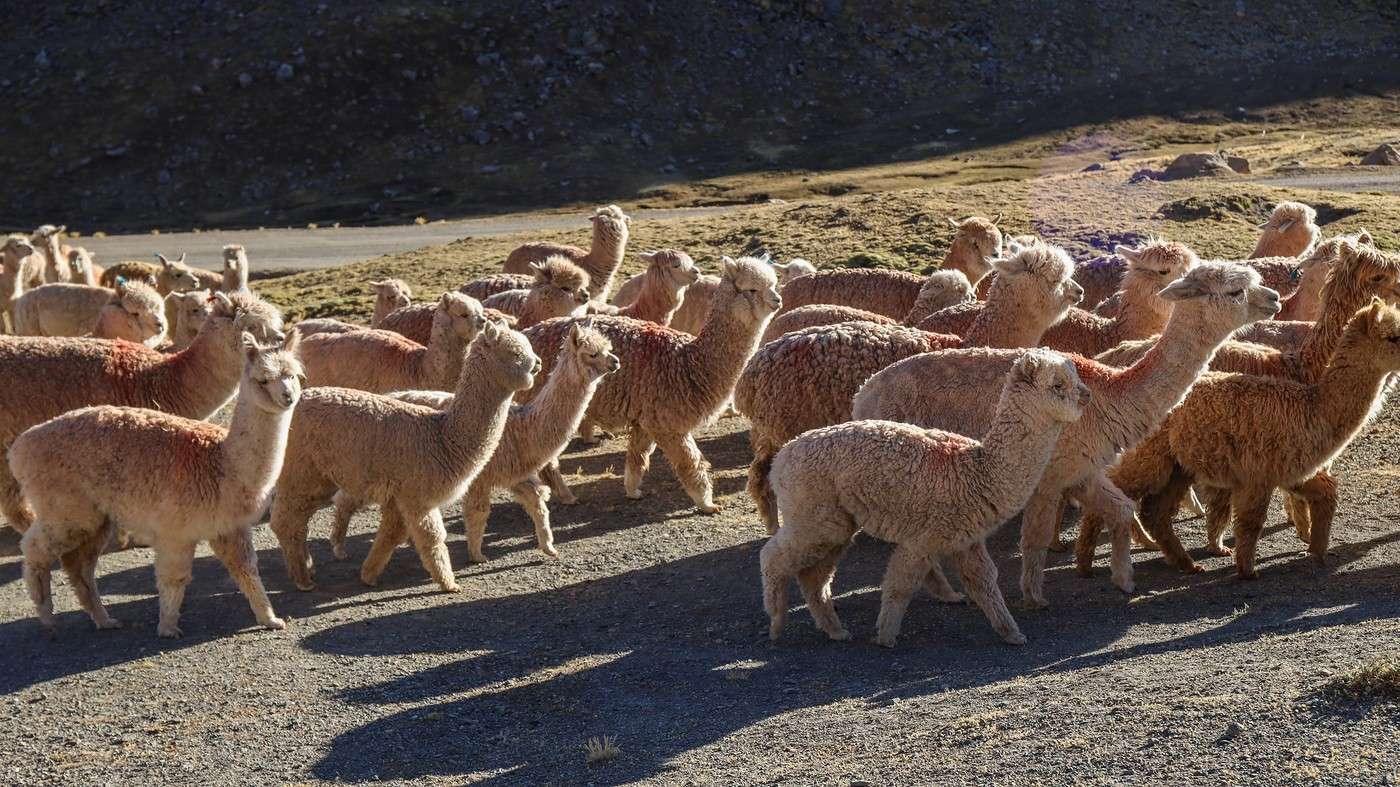
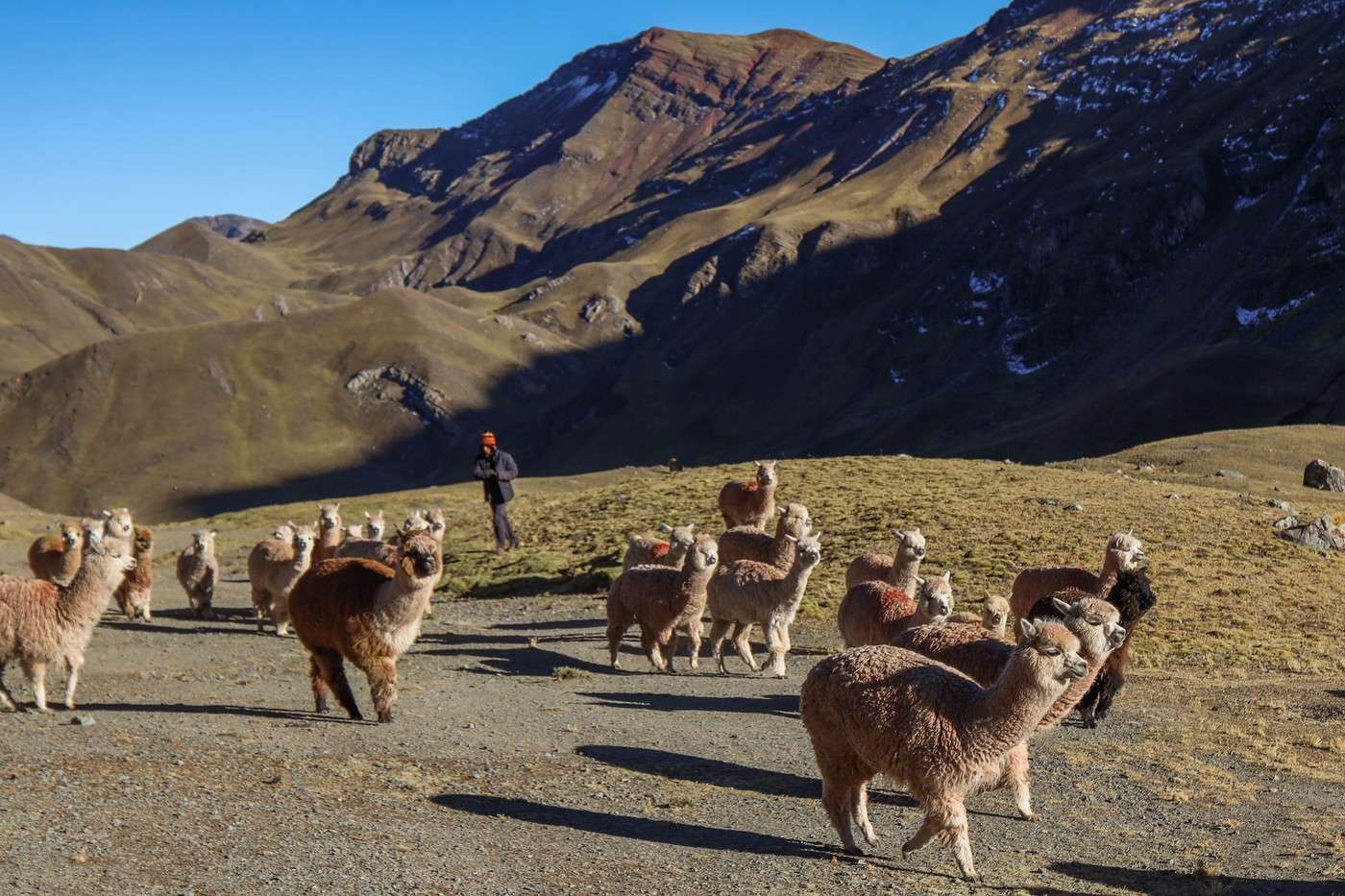
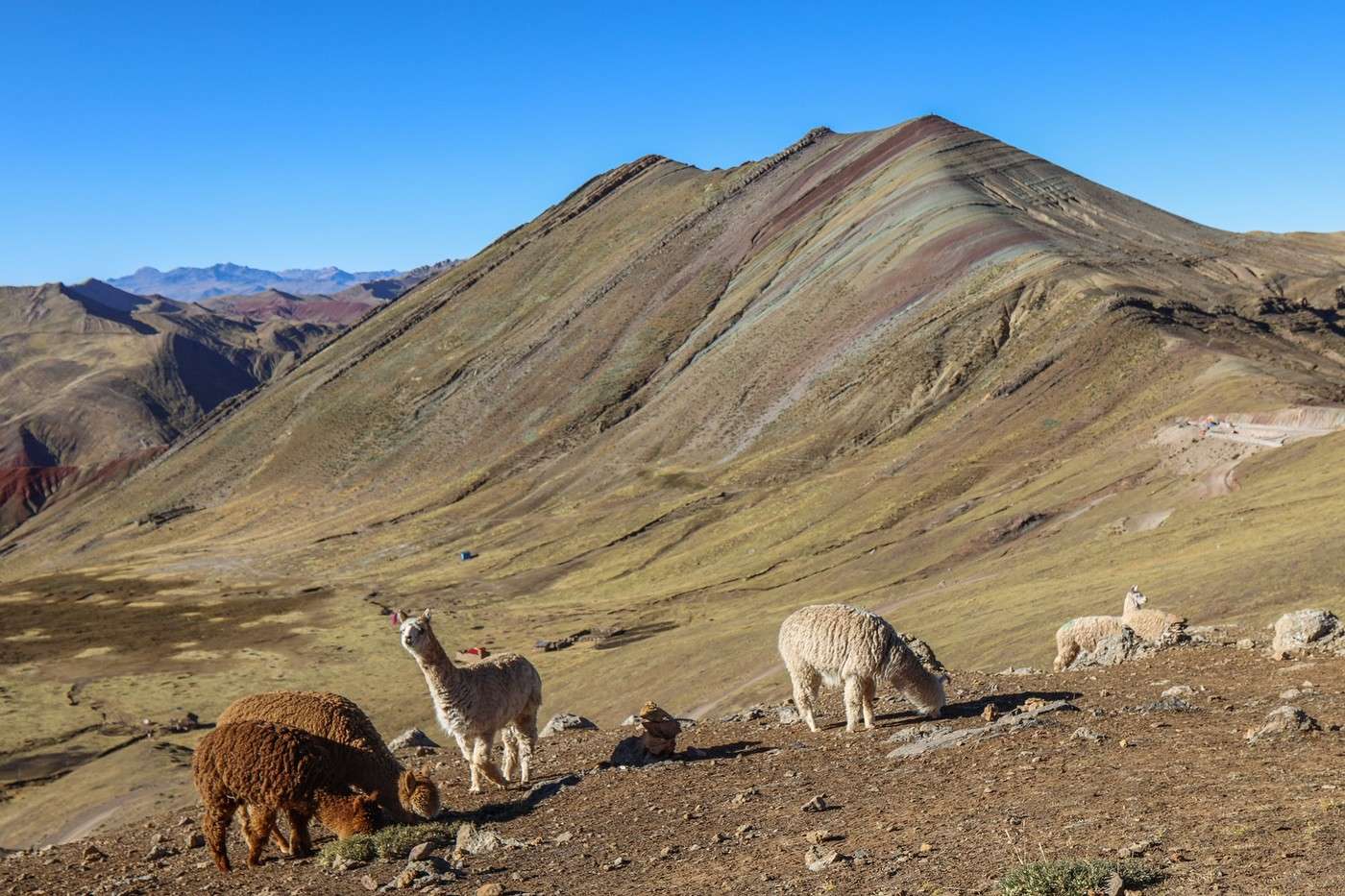
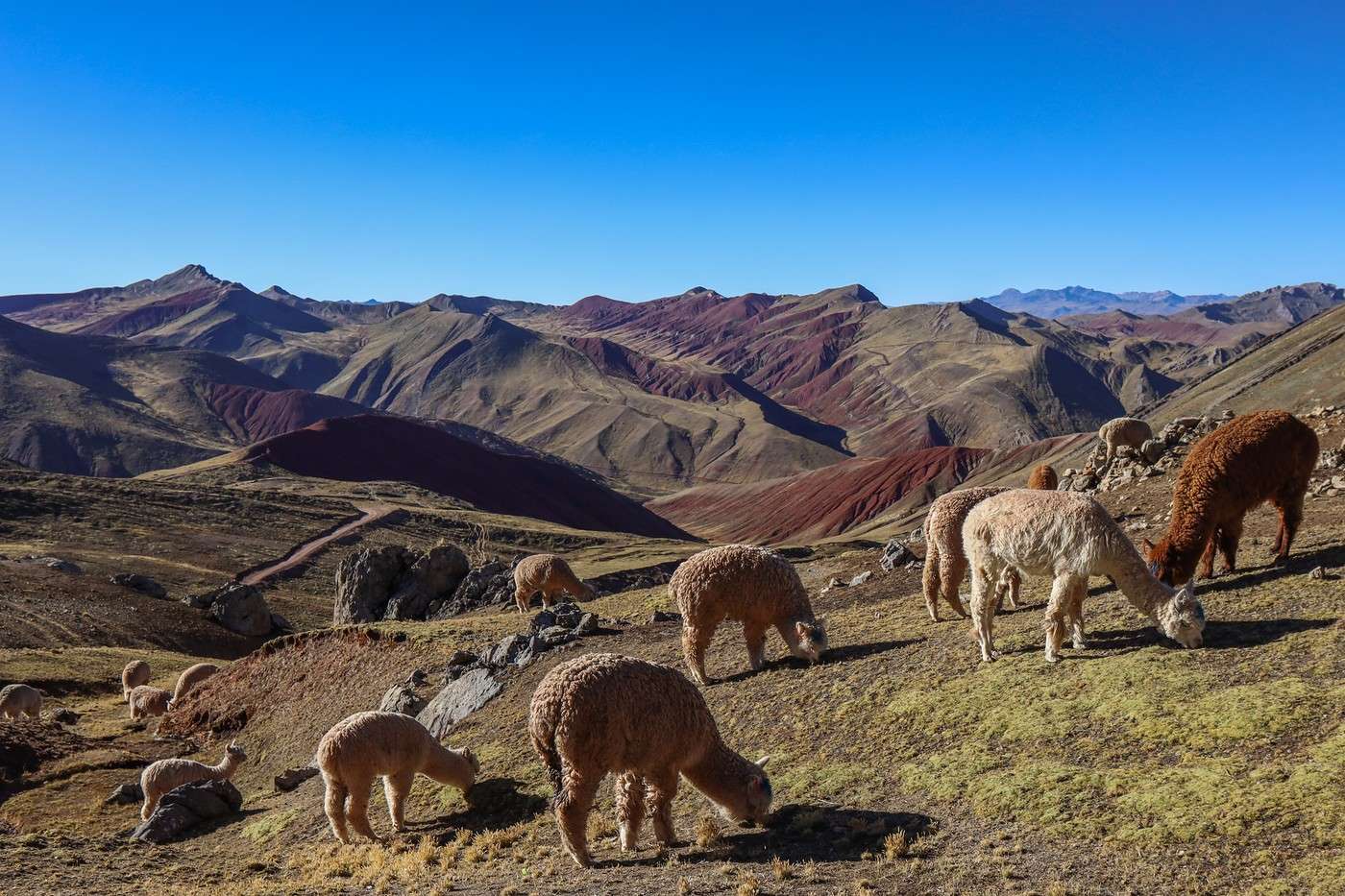
 Then, we head back down to the car, still surrounded by alpacas everywhere.
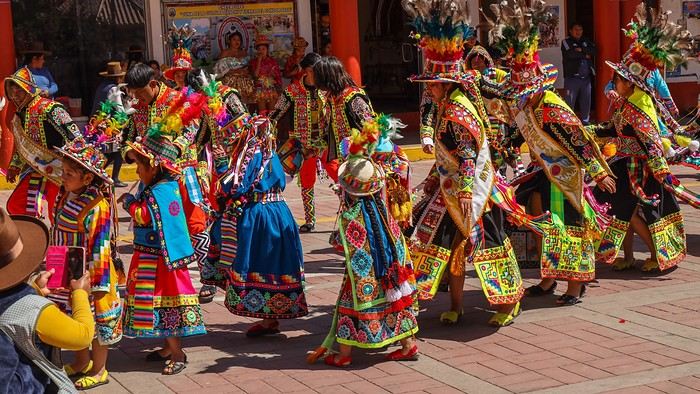
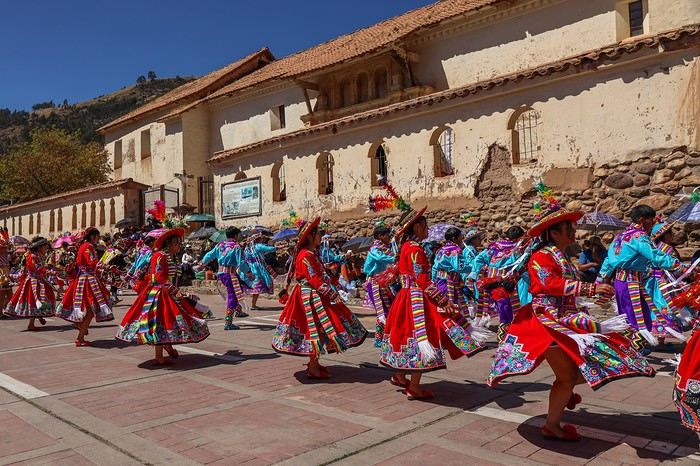
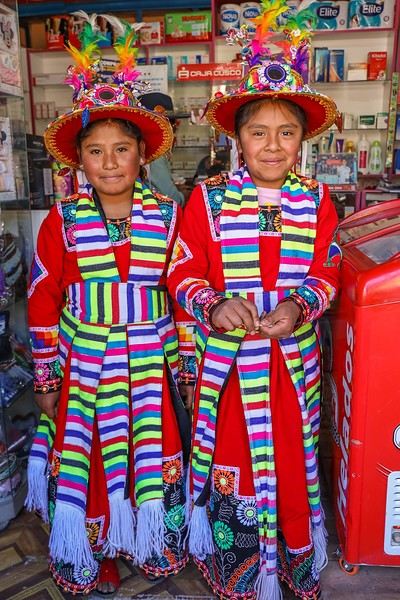
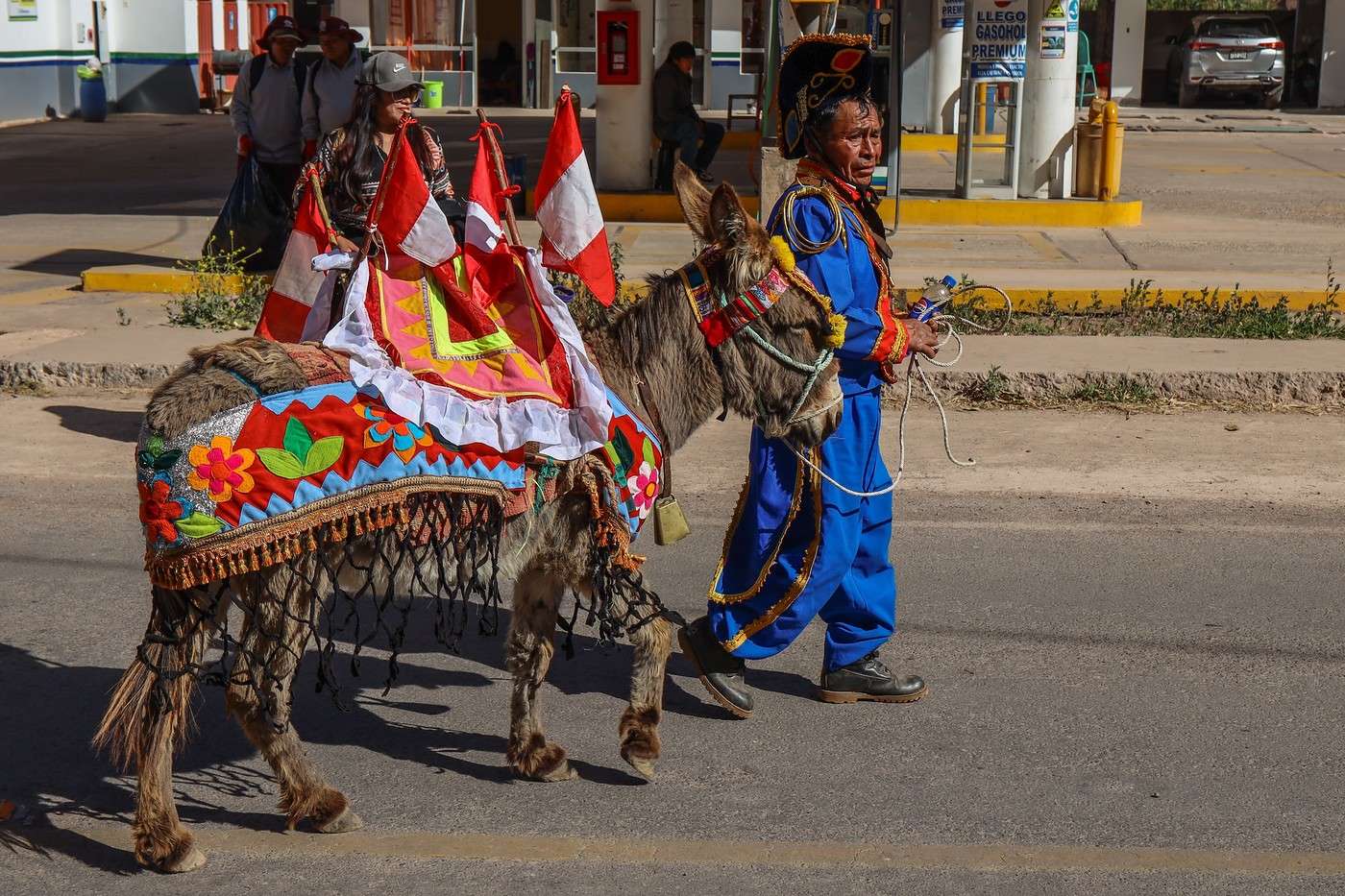
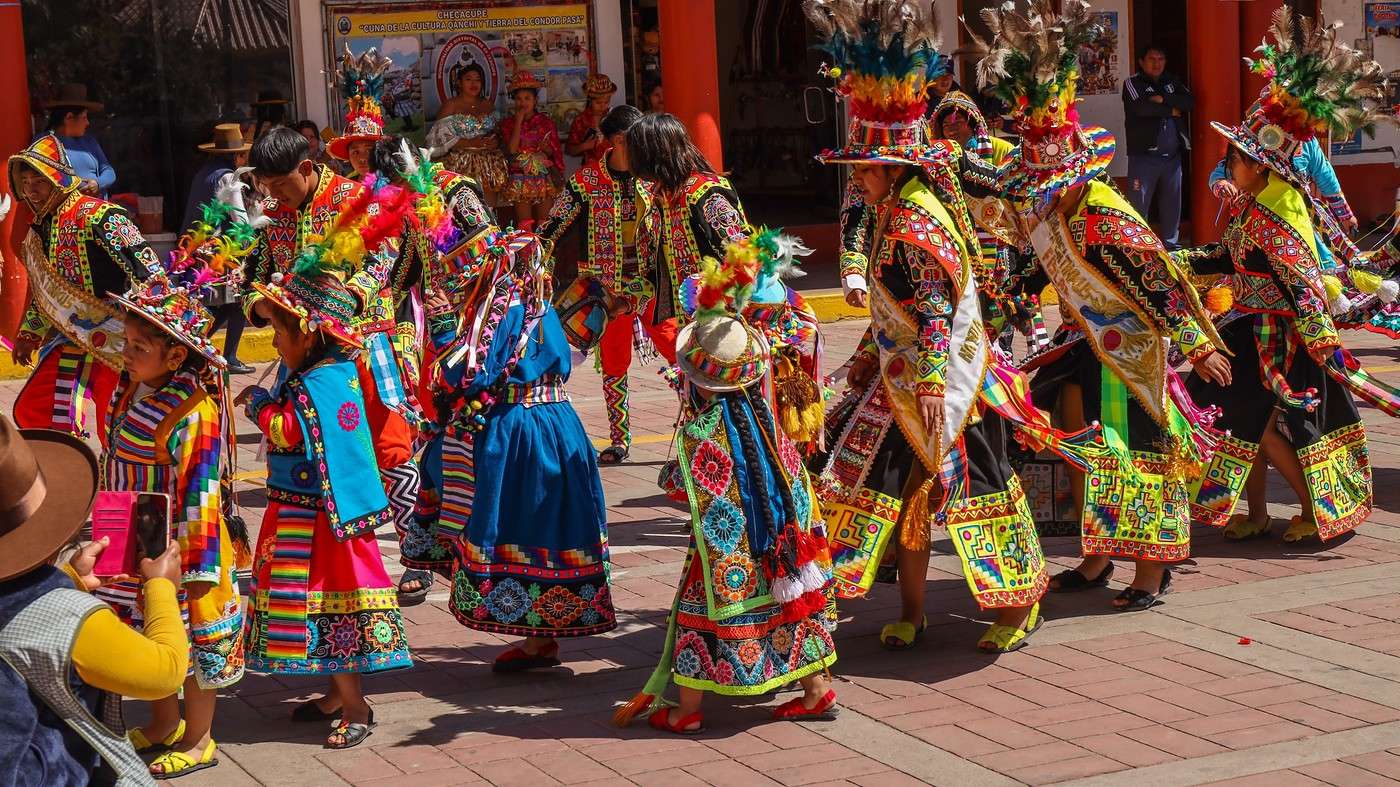
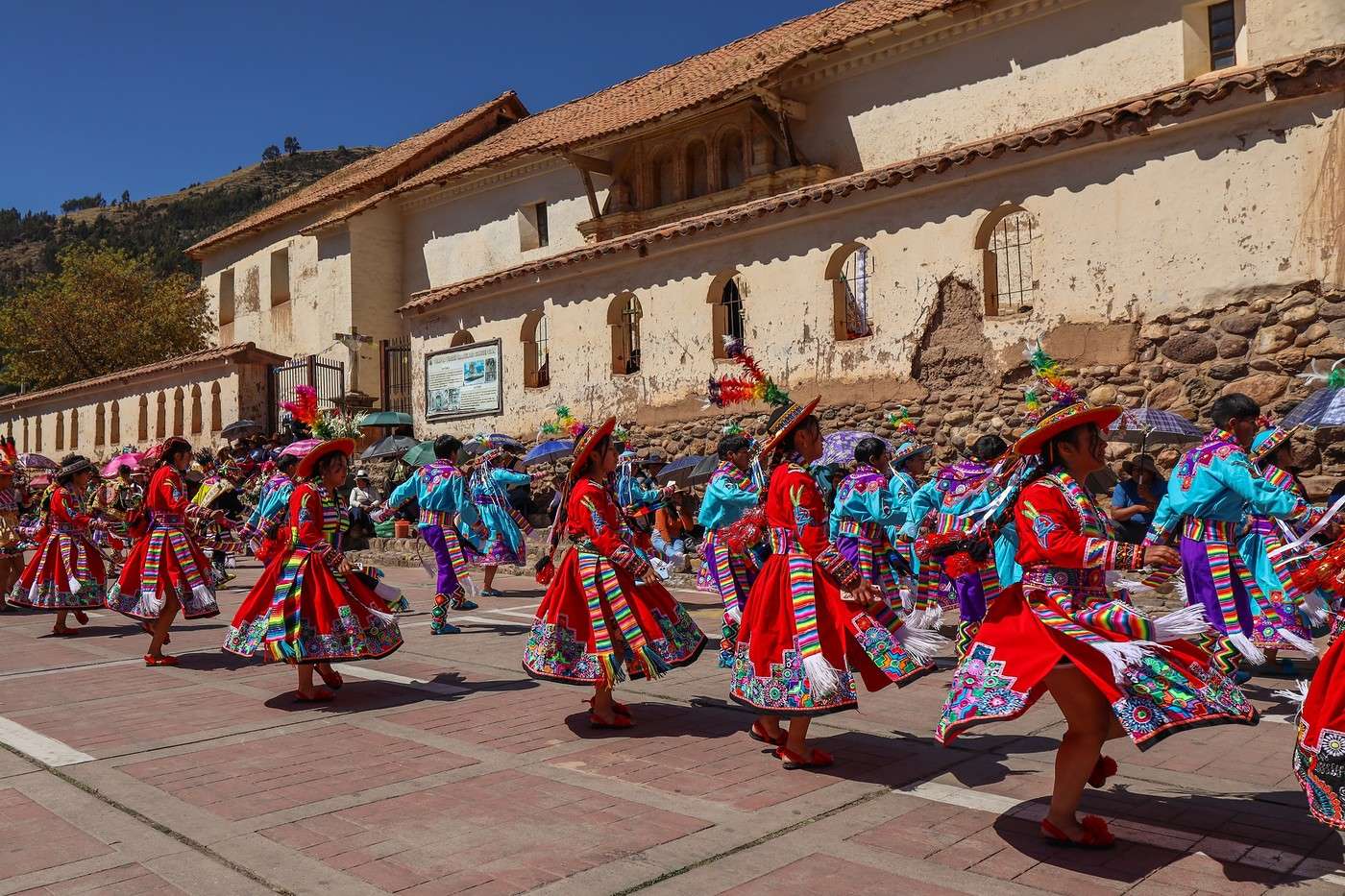
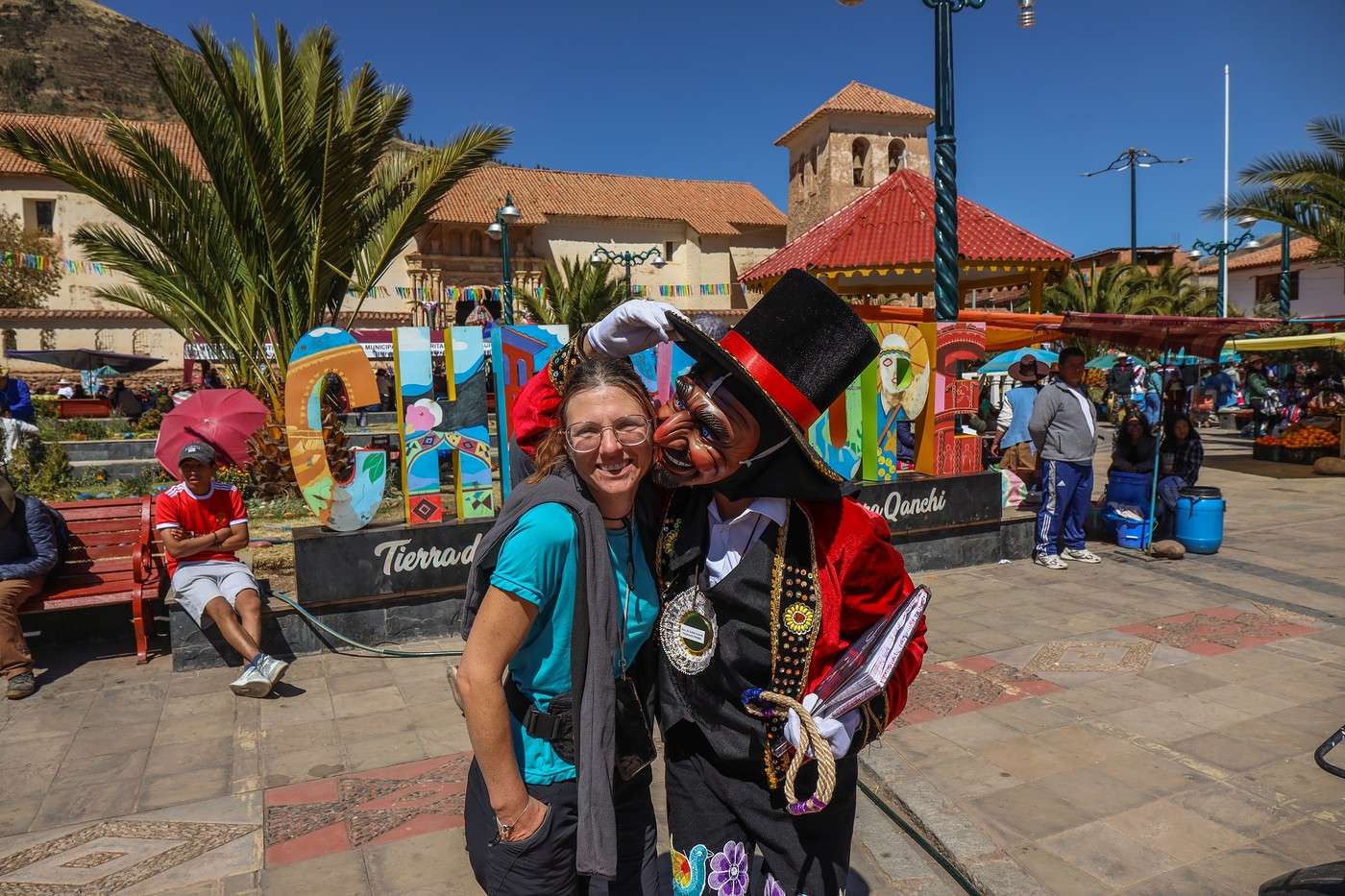
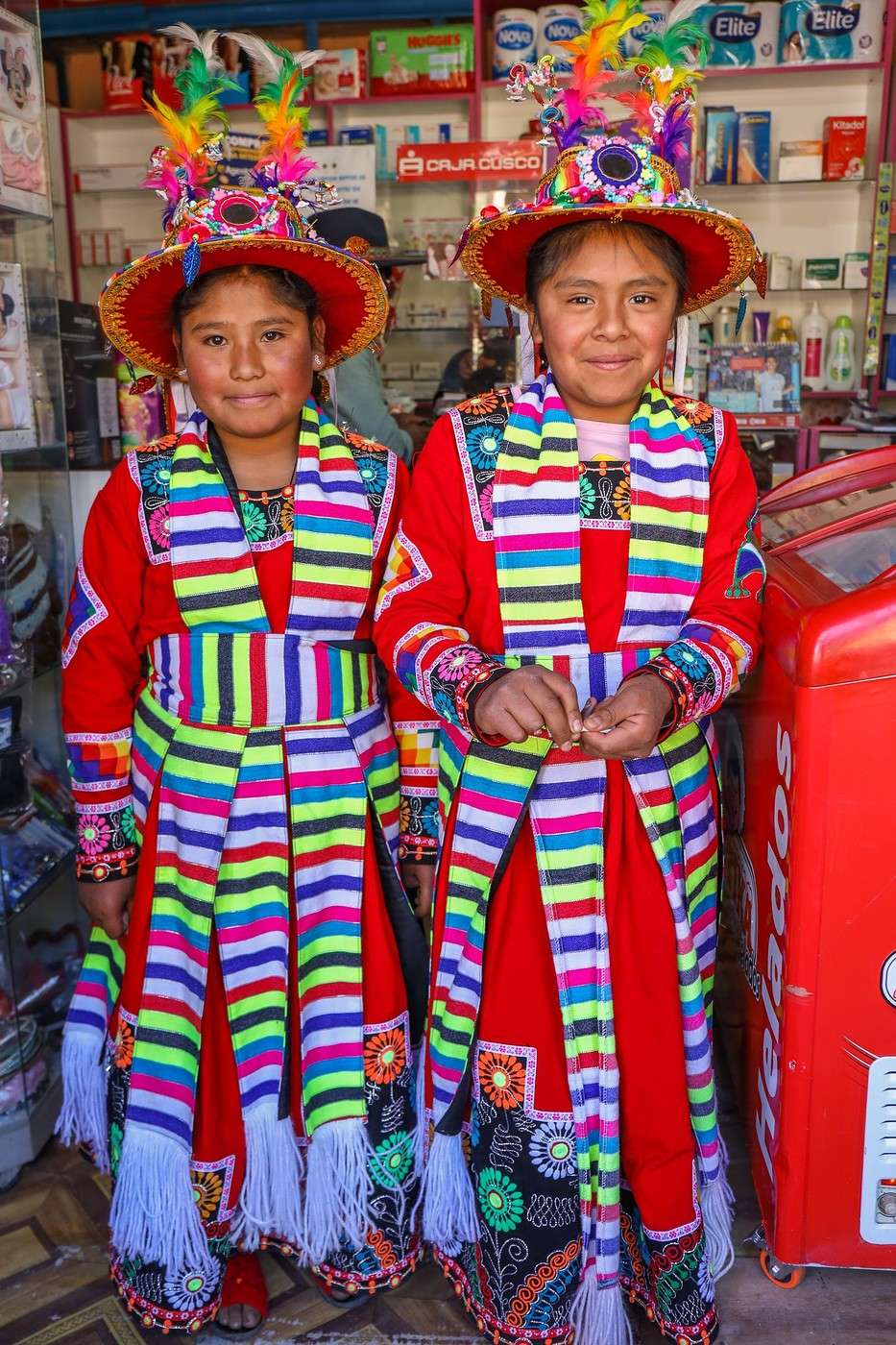
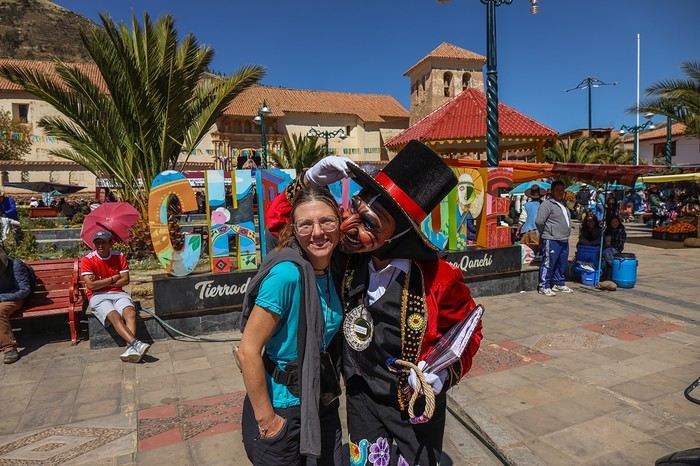 Another beautiful surprise—this local festival with authentic costumes and processions. It’s in moments like these that we realize there’s no point in desperately searching for "authenticity" in touristy spots like Lake Titicaca. Instead, "authenticity" finds us when we least expect it, without even trying...
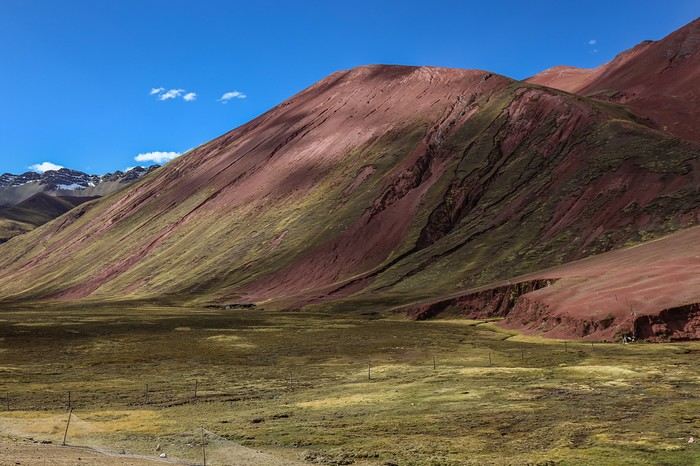
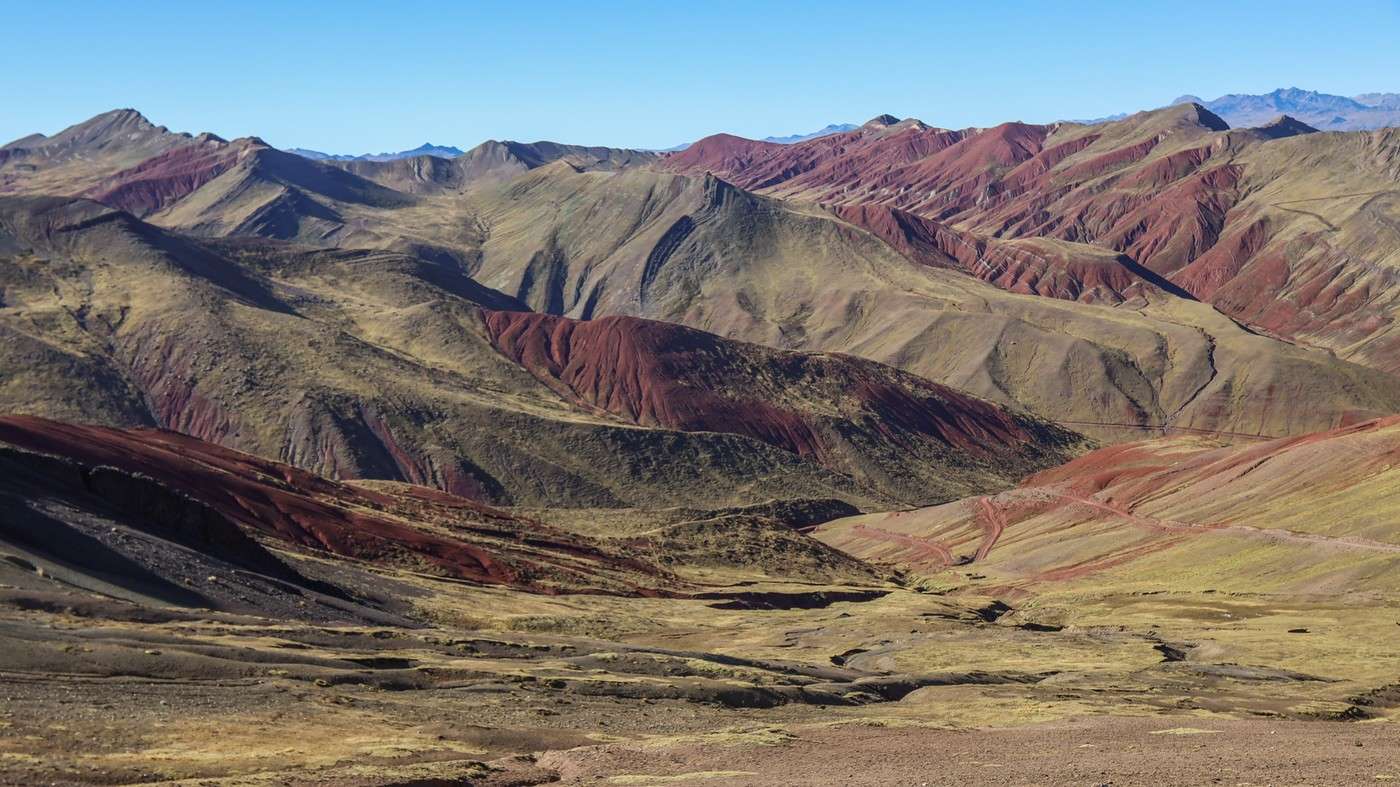
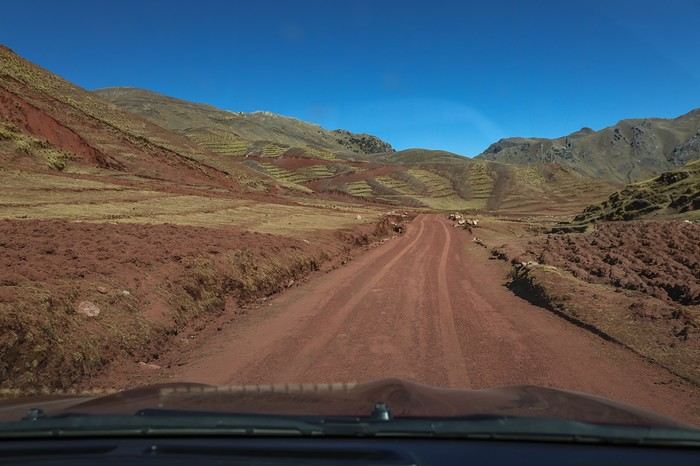
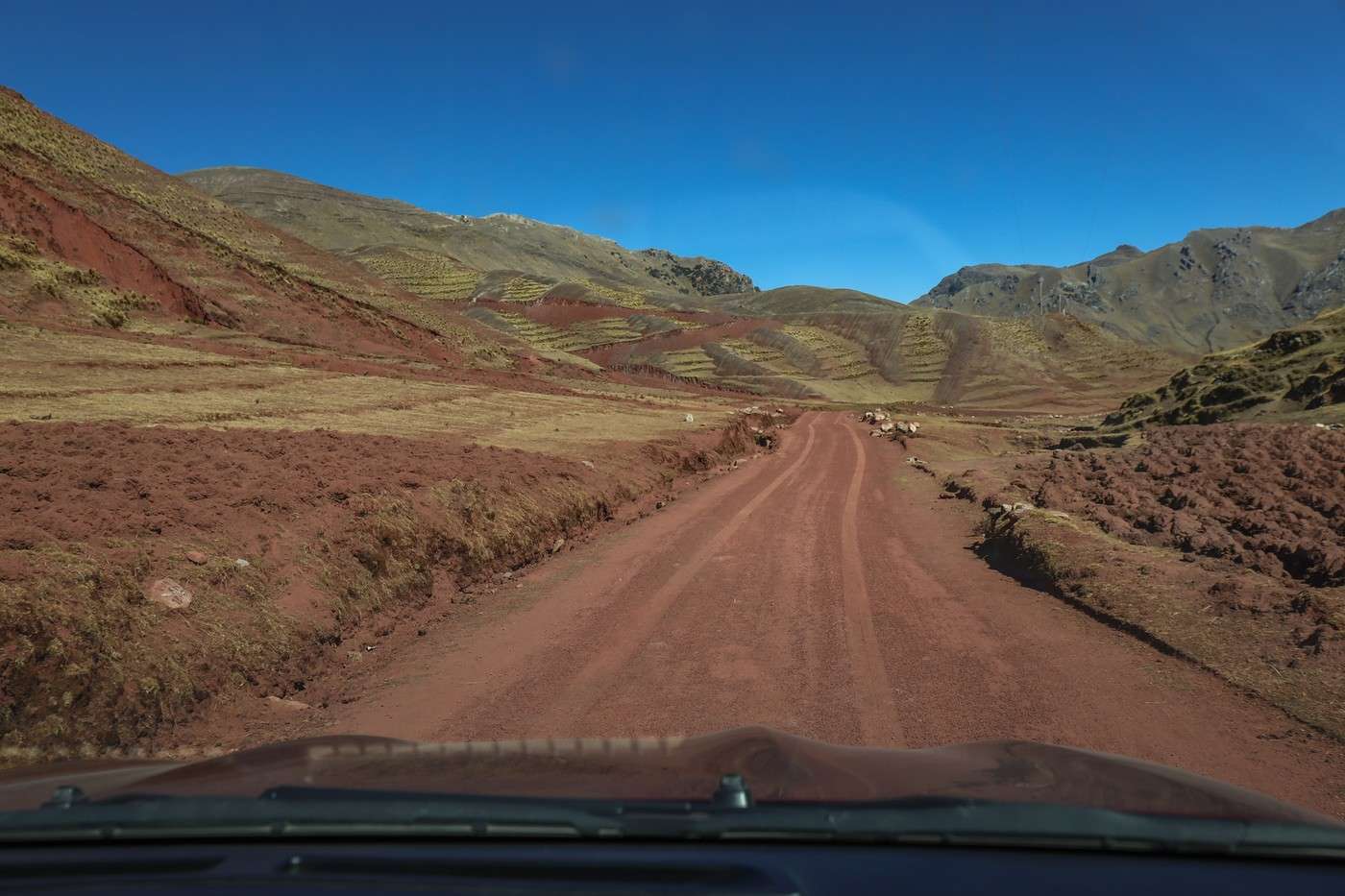
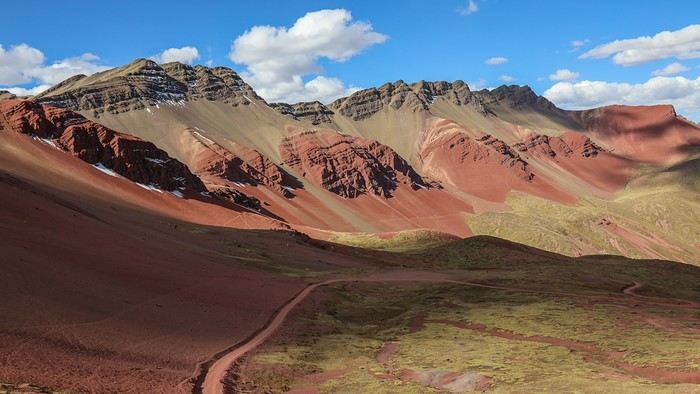 So, Gonzalo parks almost at the top of the Red Valley with a panoramic view without even walking 10 meters...
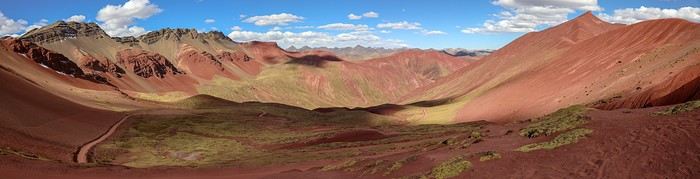 Gonzalo has his own private parking spot, slightly off the main track!!
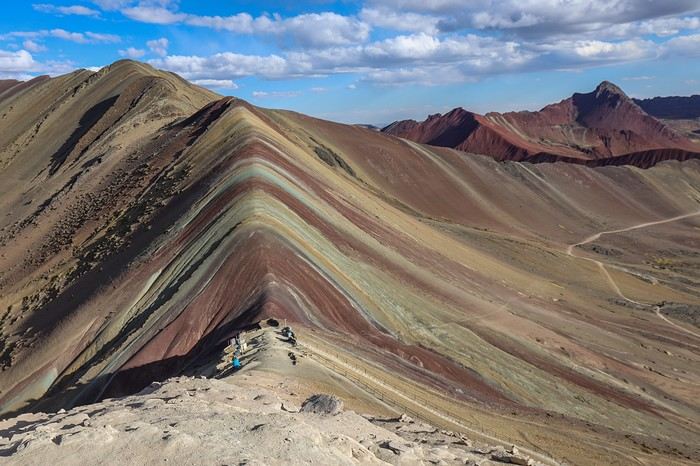 The panoramic views on either side are absolutely stunning, almost as much as the famous seven-color mountain 😇!!
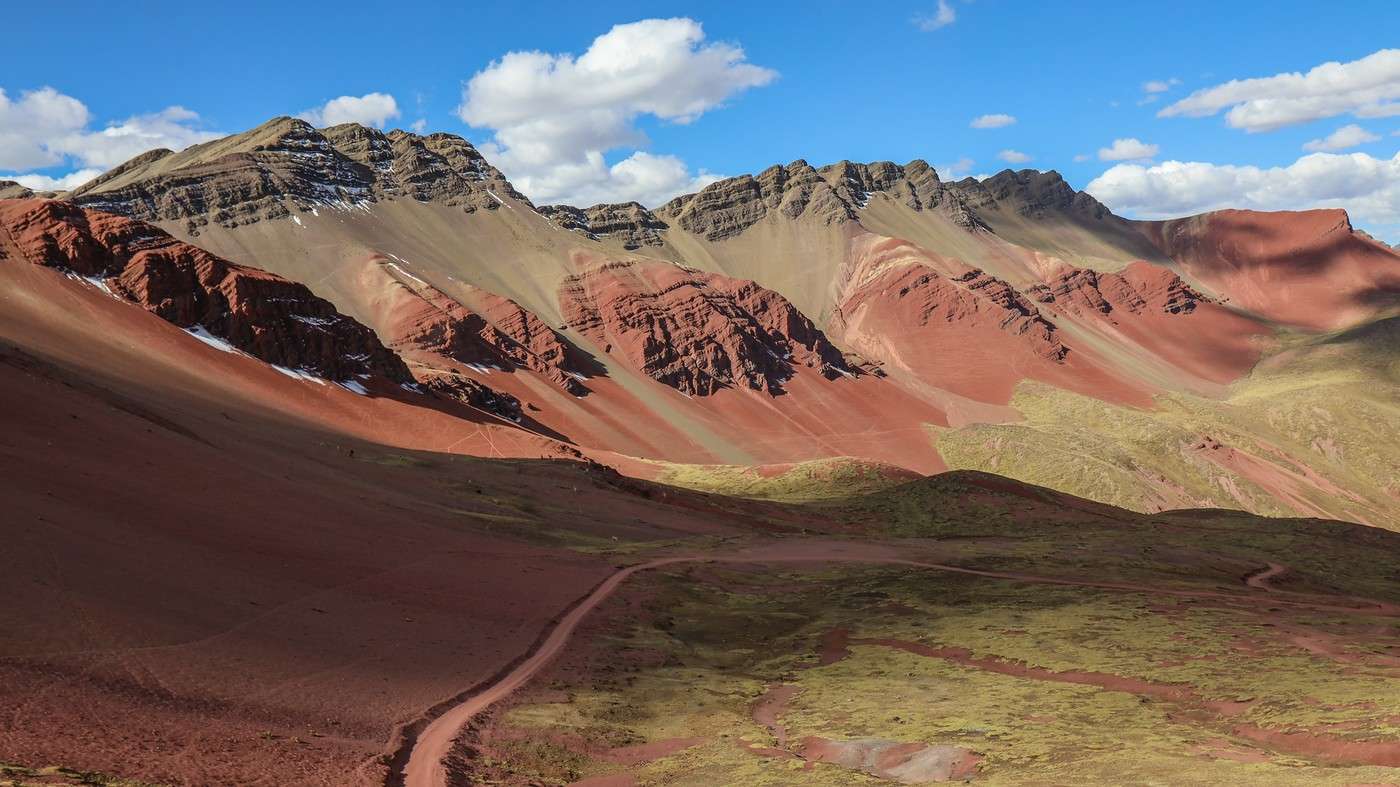
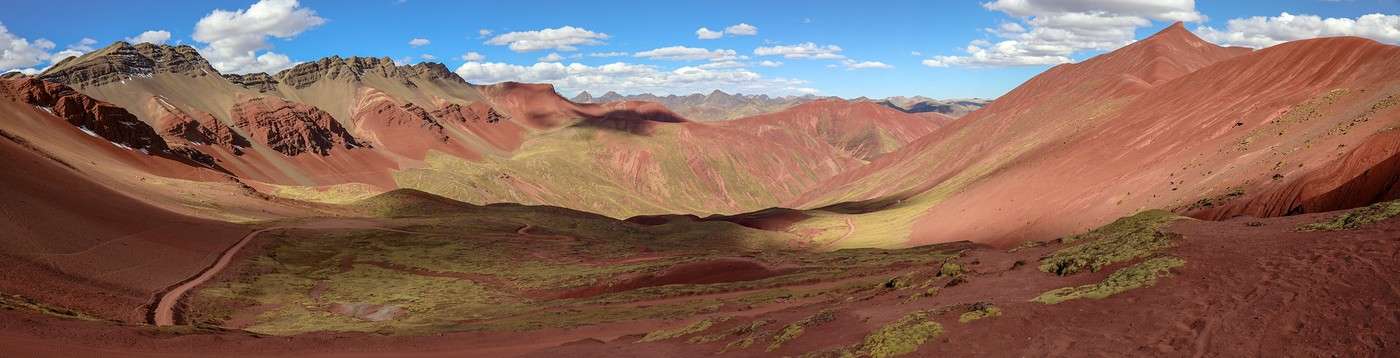
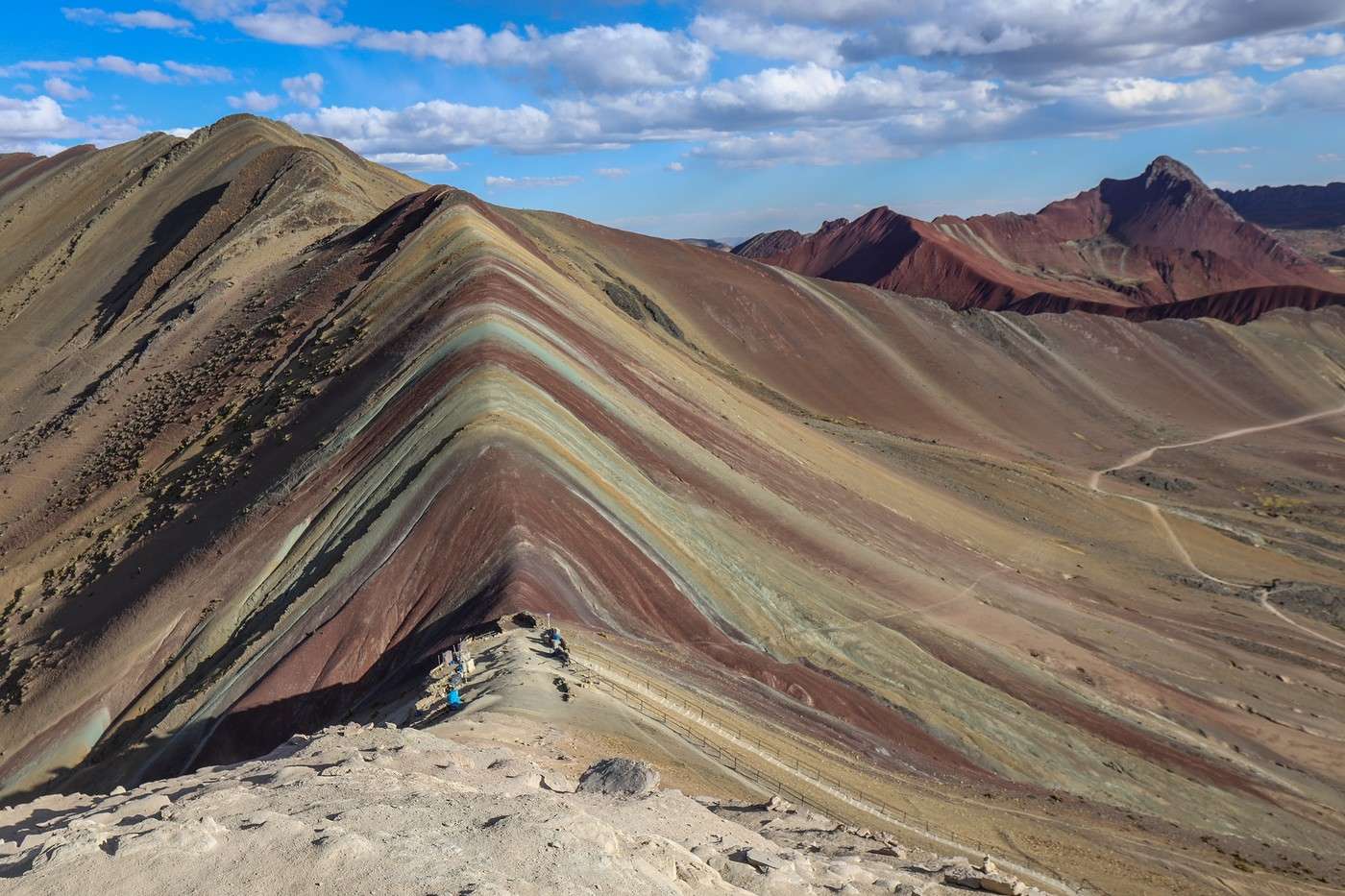
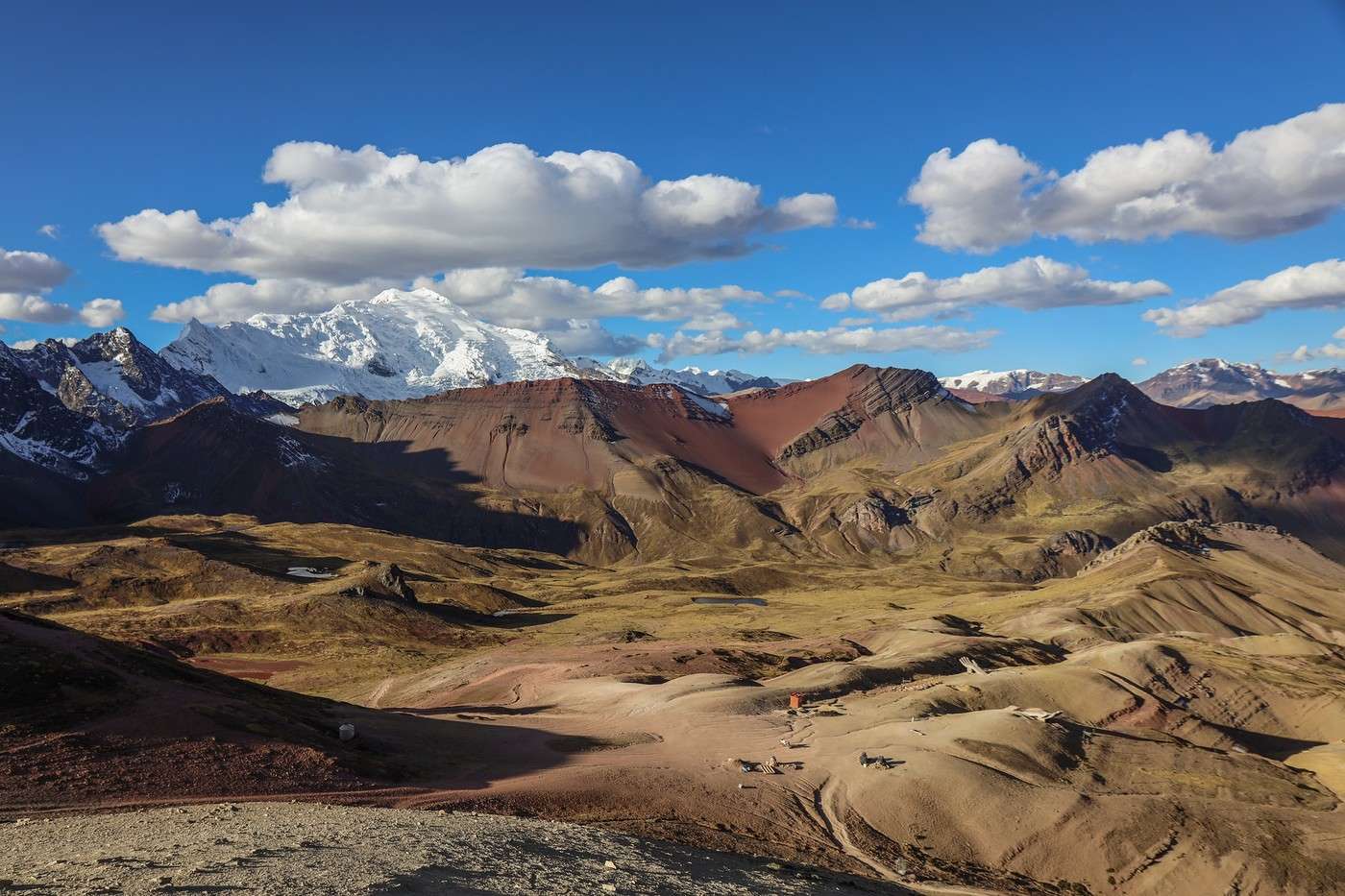
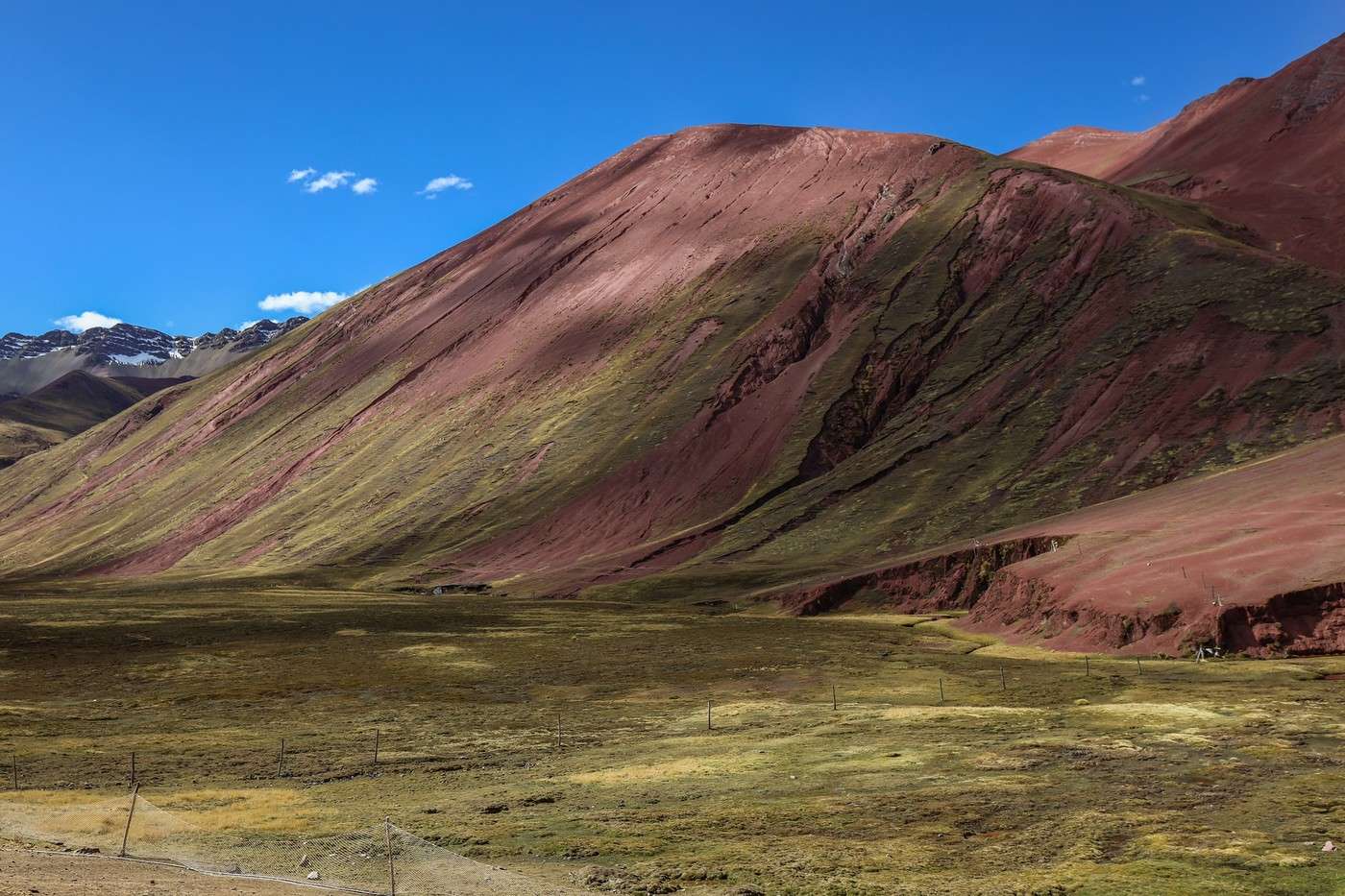
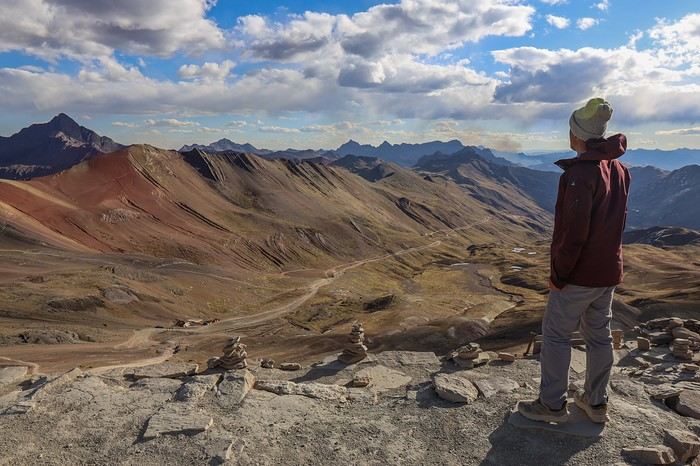 and we head back down to the Valle Rojo viewpoint.
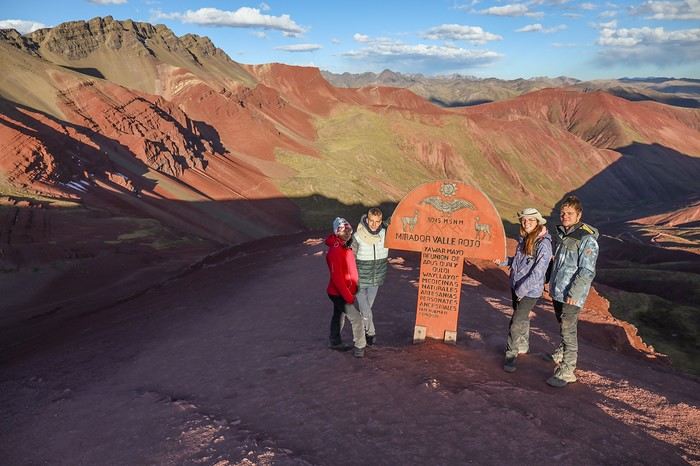
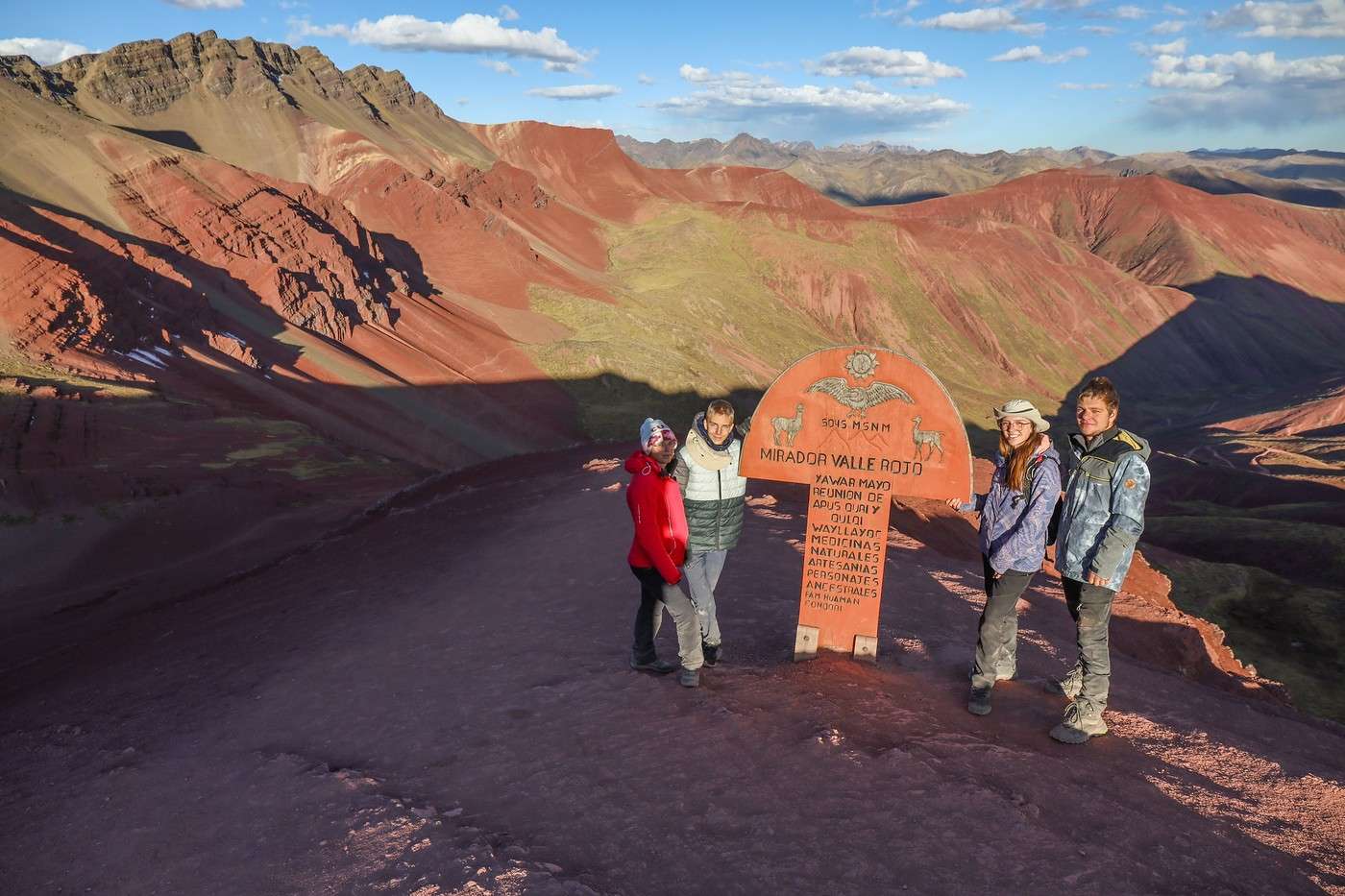
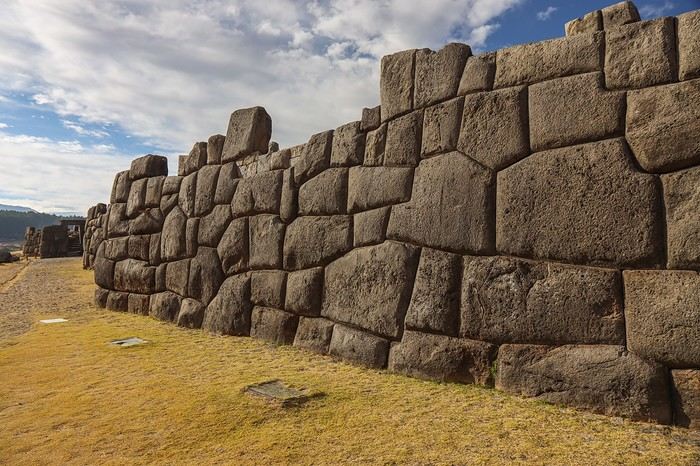
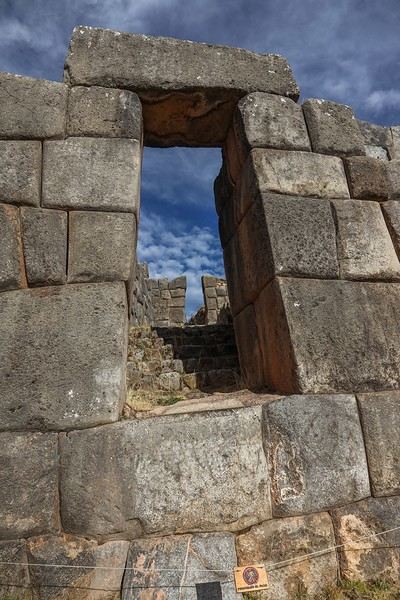
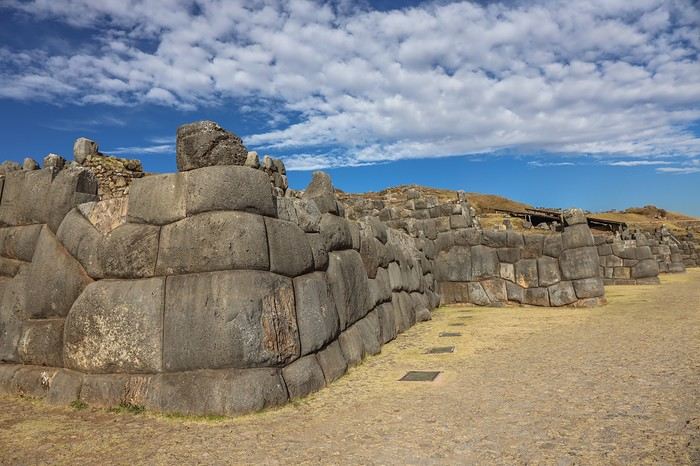 At the top, I’m rewarded with a beautiful 180° view of the city.
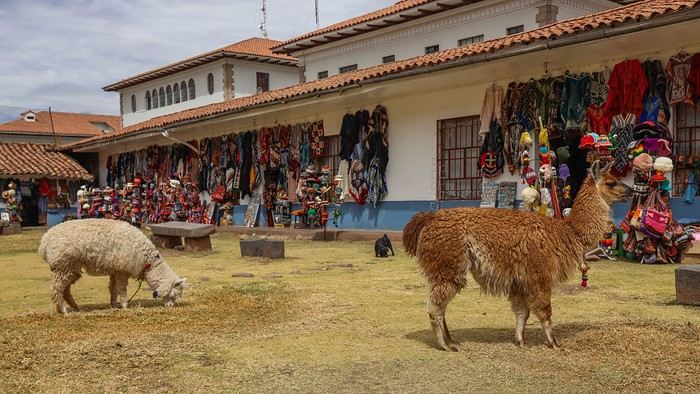
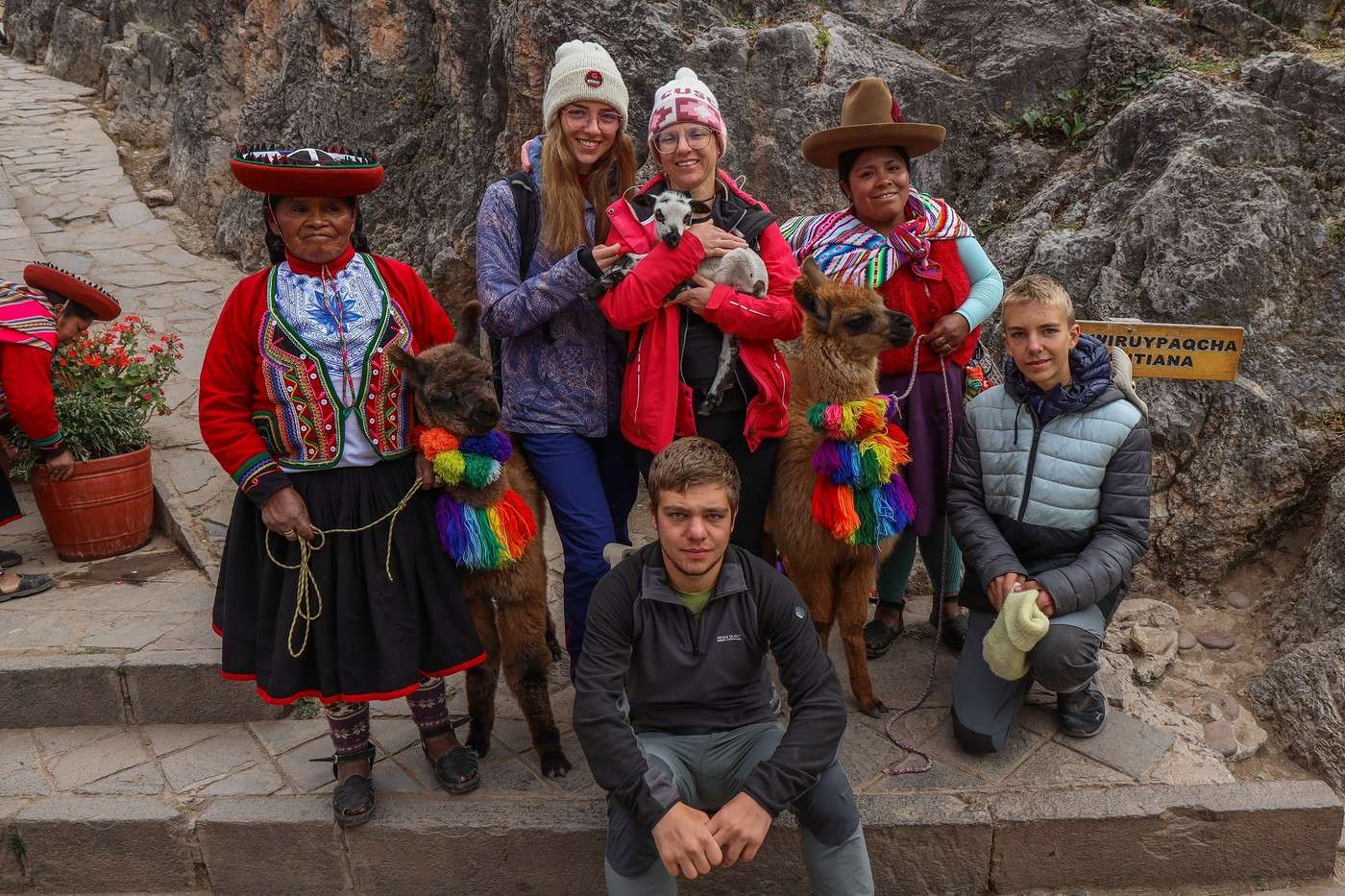
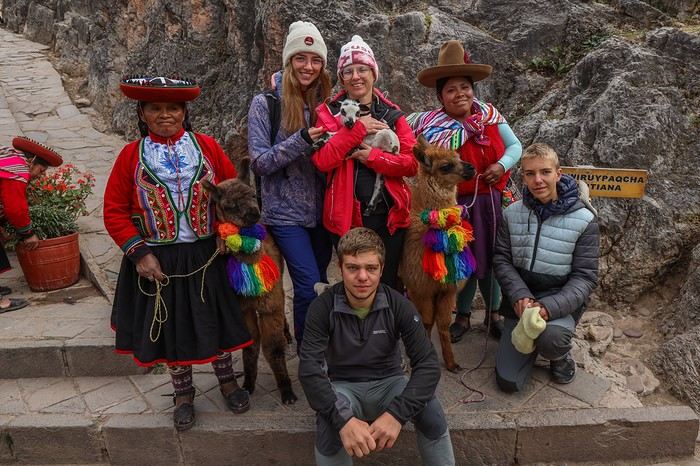
 After breakfast, we’re barely out on the street when we come across these two Peruvian women who take our photo with their llamas. It’s delightfully kitsch—you can see Maxime’s contagious joy—but the few soles we give in return help them make a living!
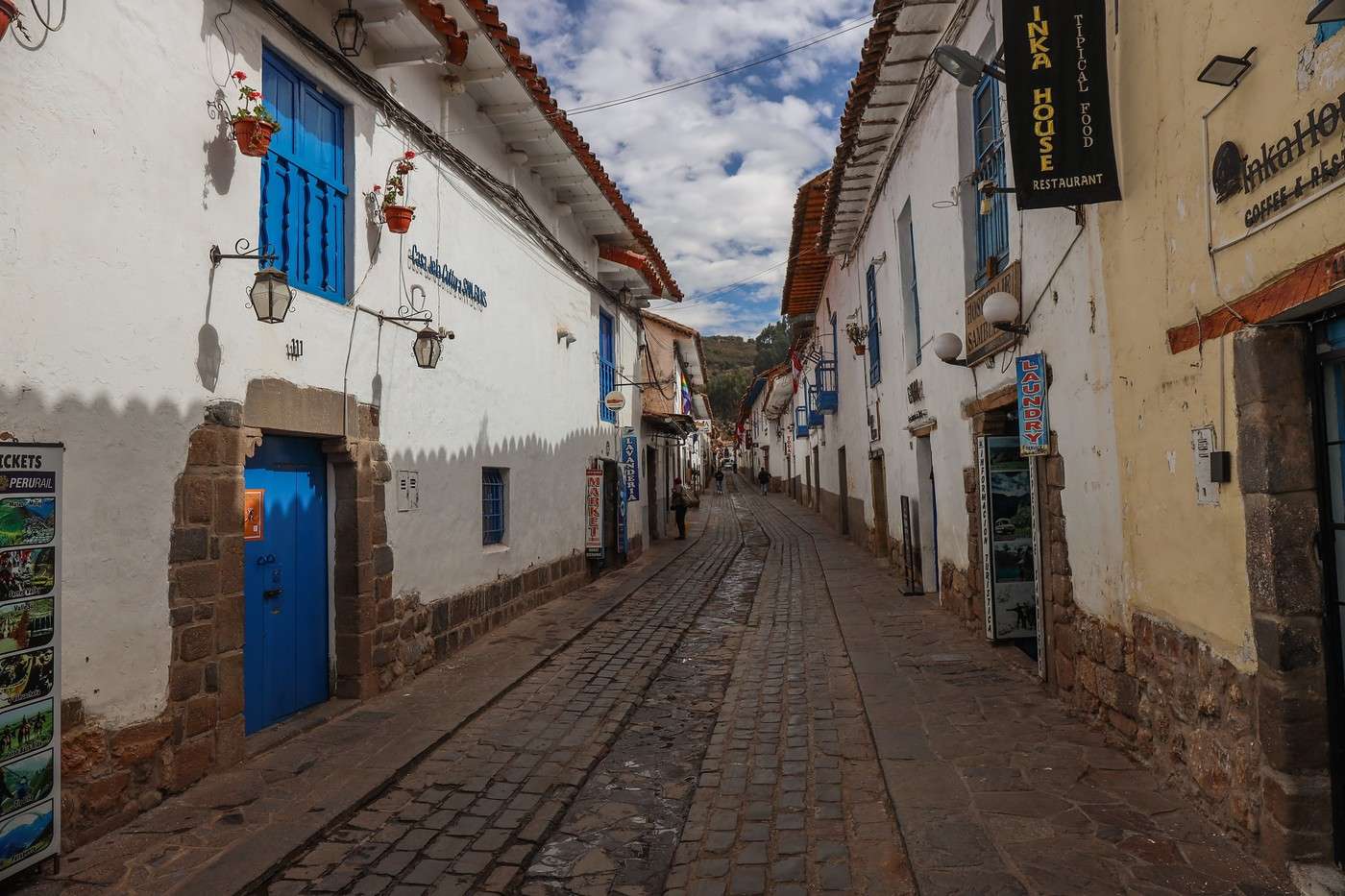
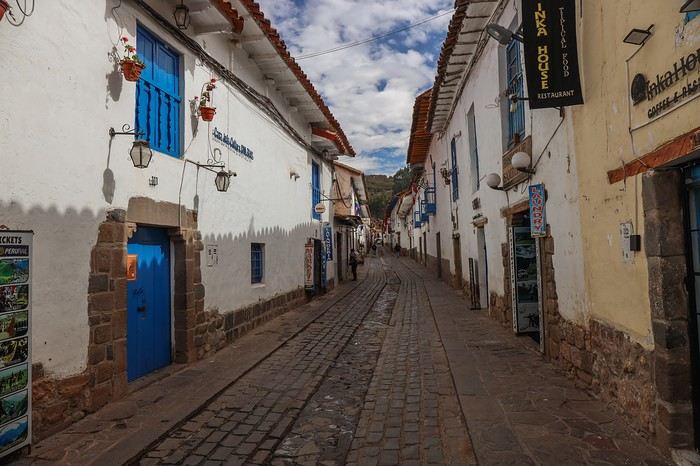
 It’s pleasant to stroll through the streets of downtown Cusco, in the San Blas neighborhood.
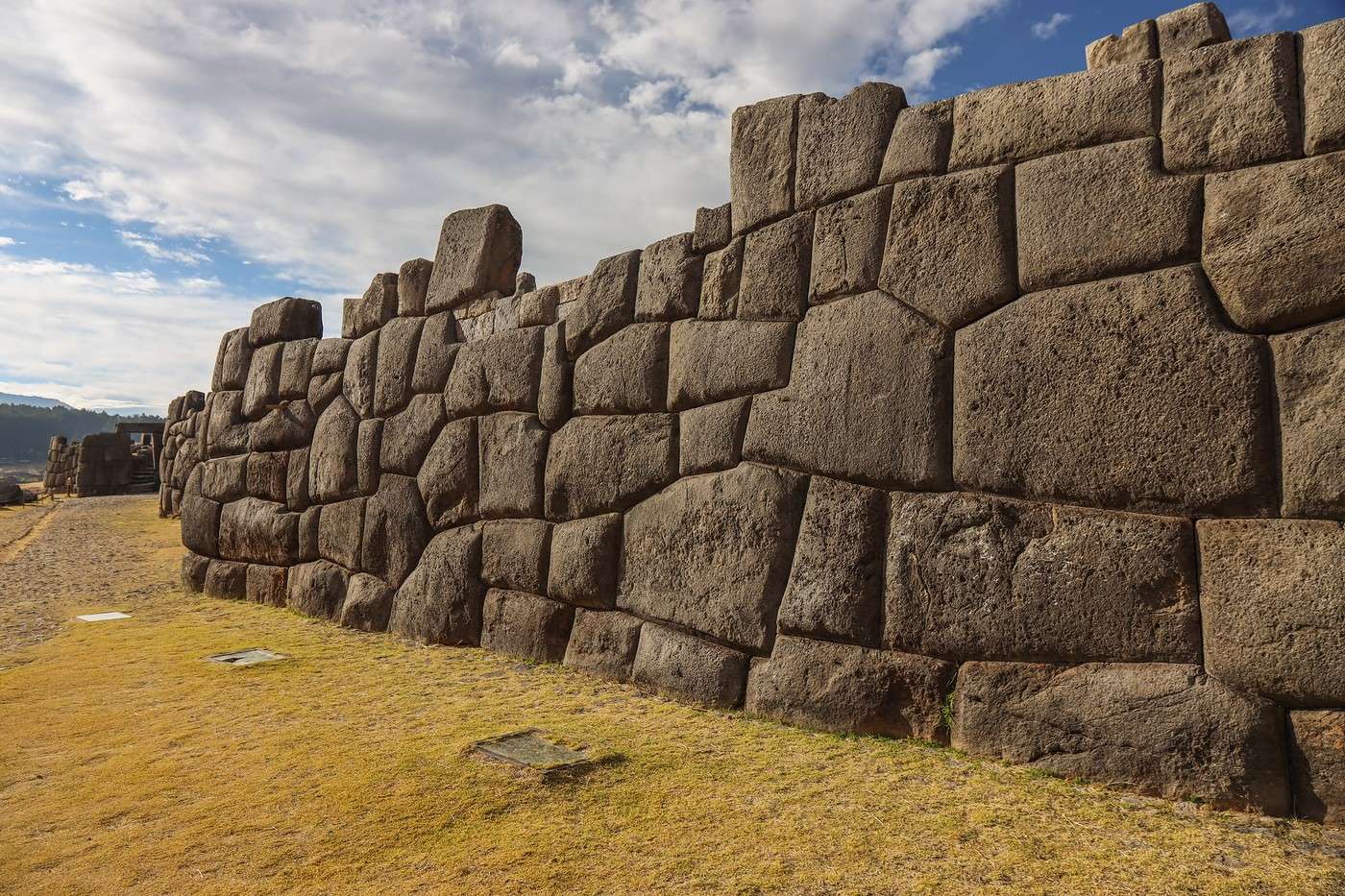
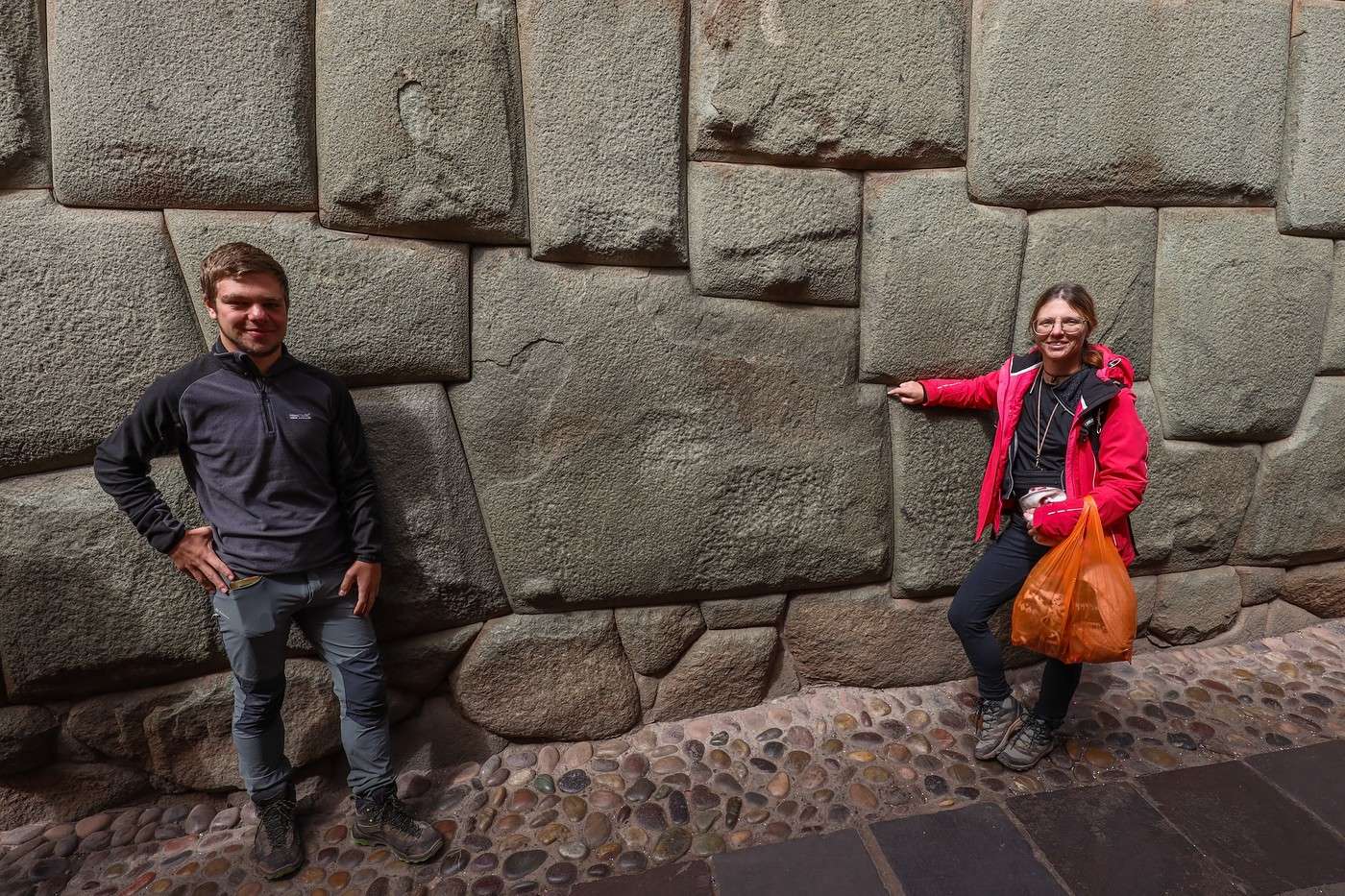
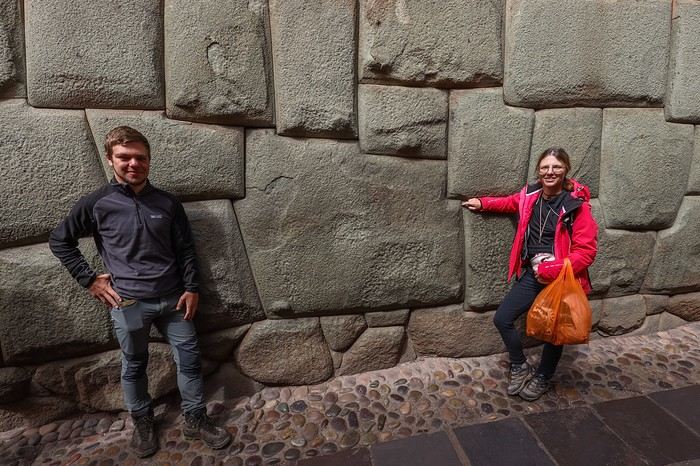
 In one of the alleys, we’re supposed to see a puma and a snake carved into the stone blocks assembled without mortar. We need the help of Peruvians to make out their shapes.
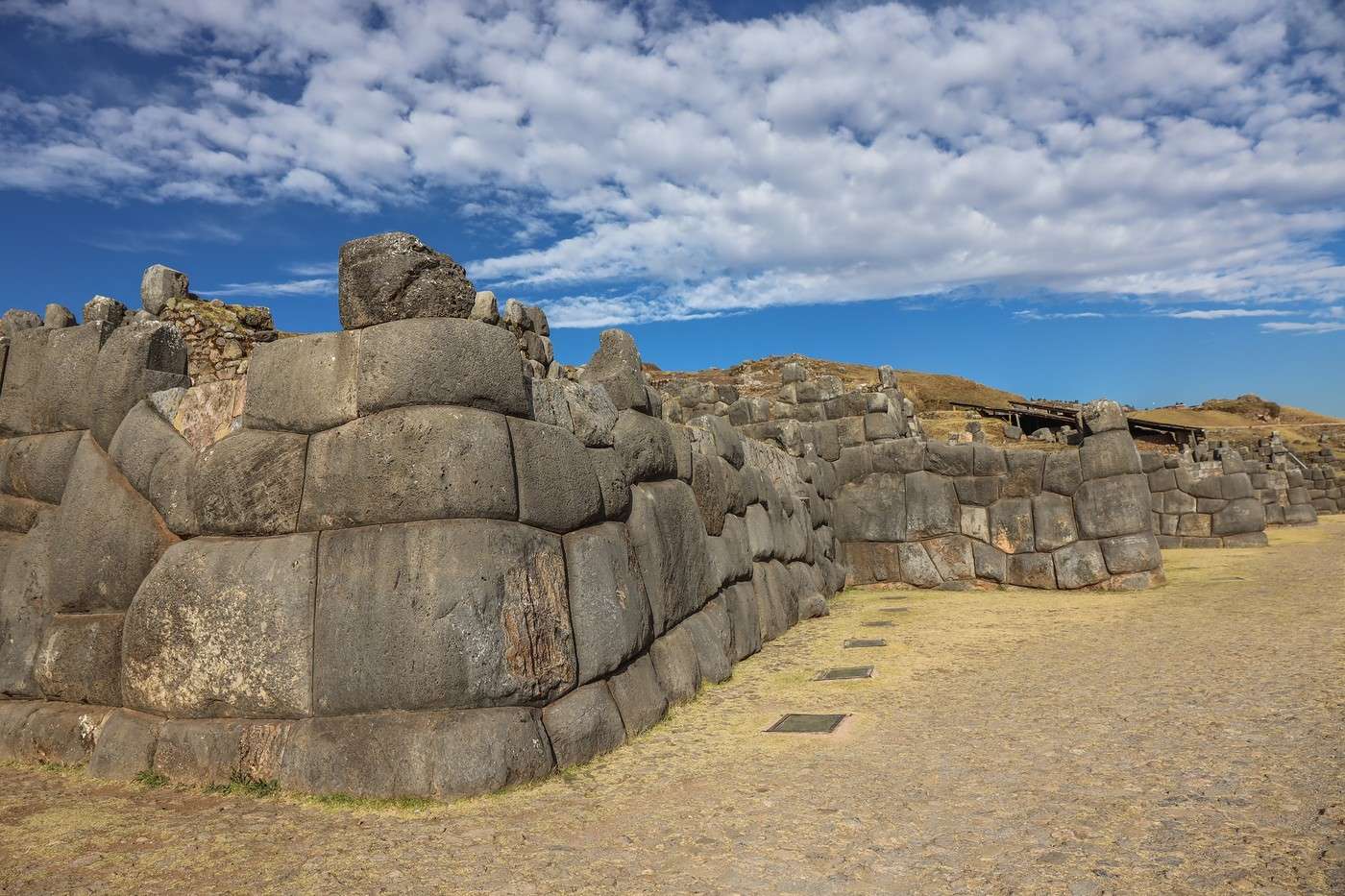
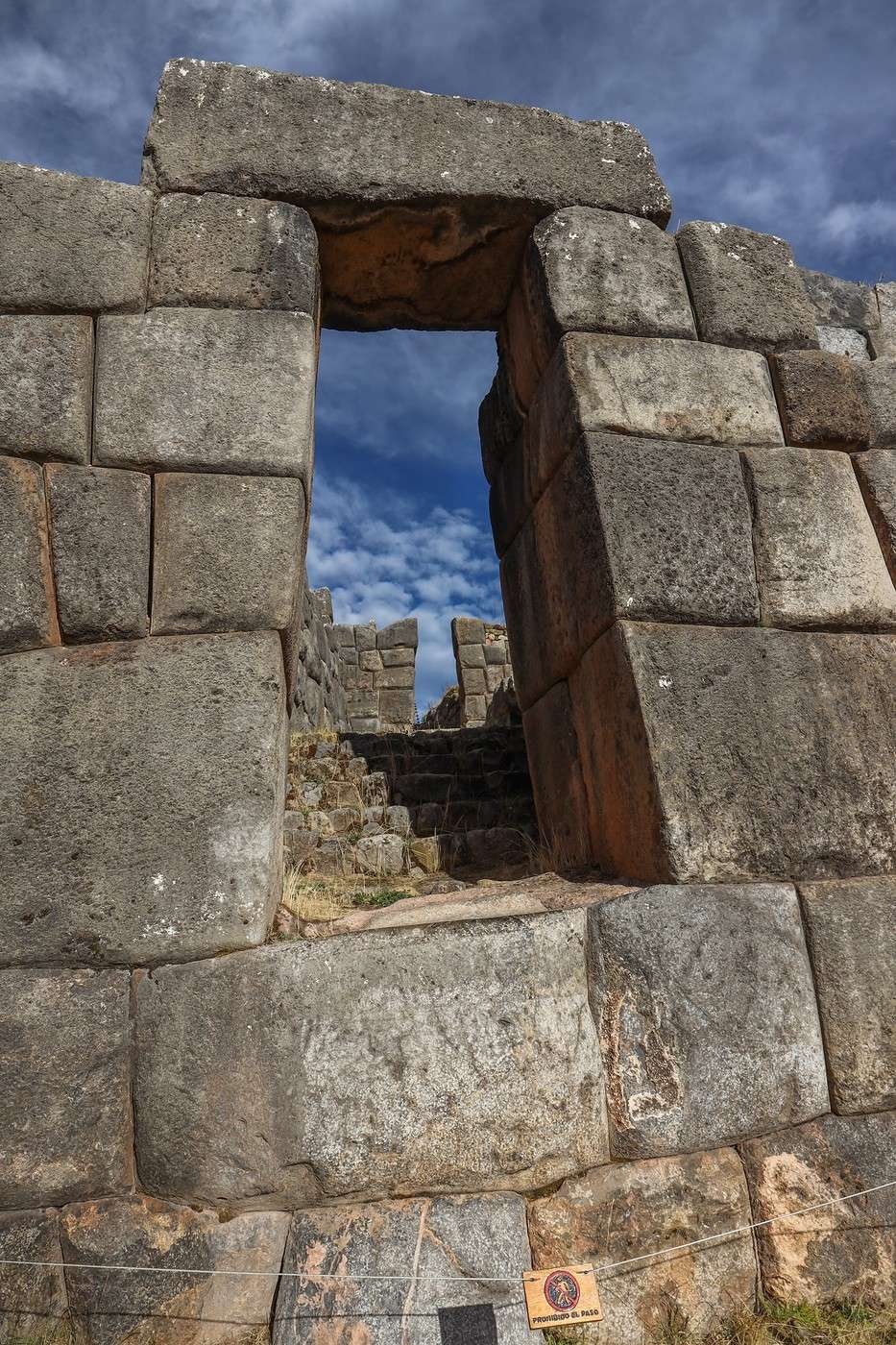
 There are other ruins to visit on the outskirts of Cusco, but our shortened stay—due to a canceled long-haul flight—won’t leave us time to see them. That said, we’ve already seen quite a few since arriving in Peru.
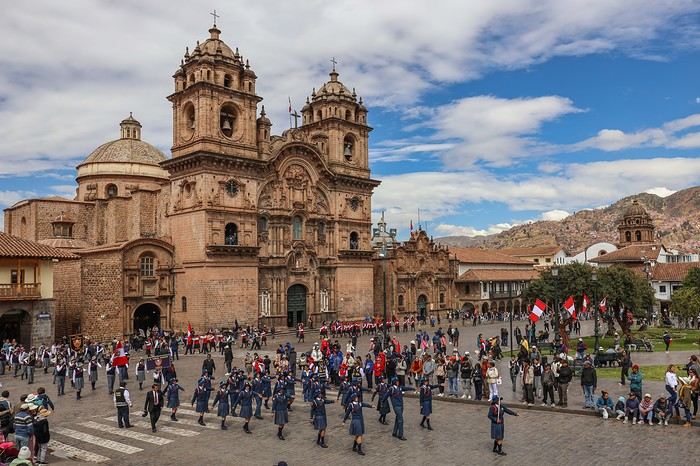 We head up Loreto Street,