MONASTIR ❤️❤️
■ The beach
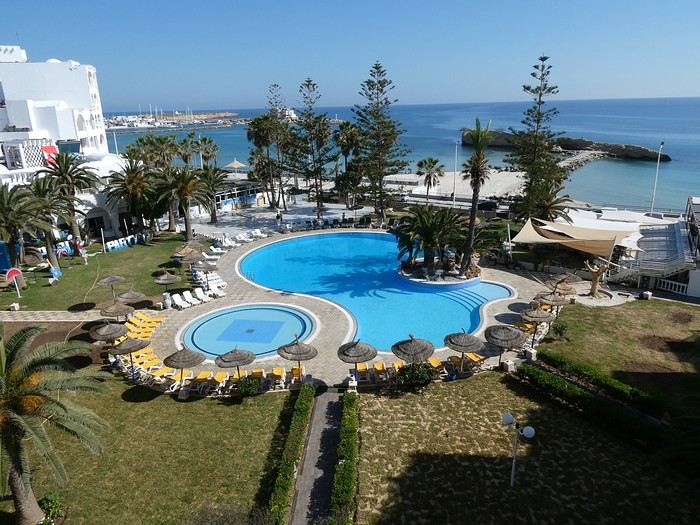
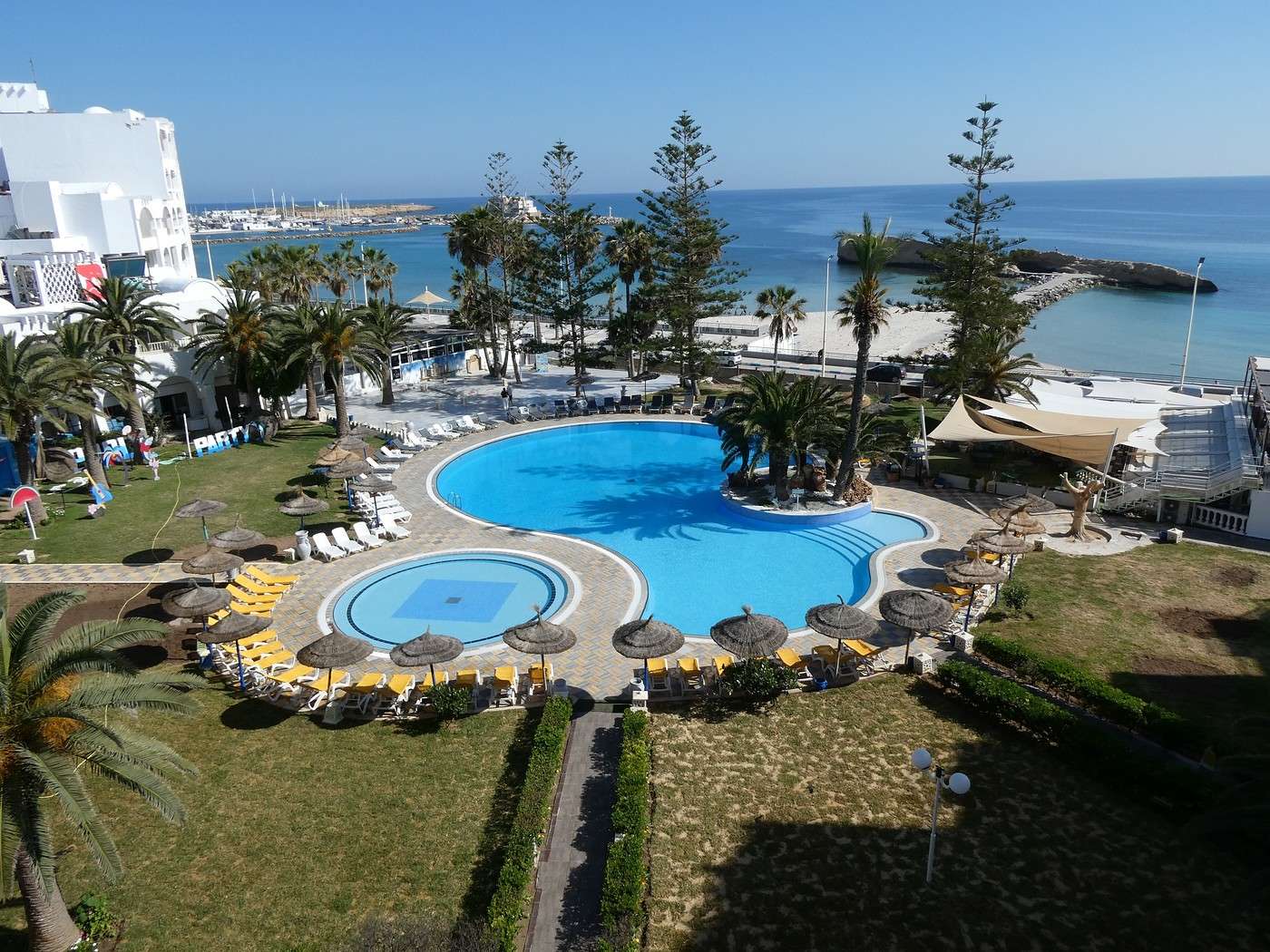
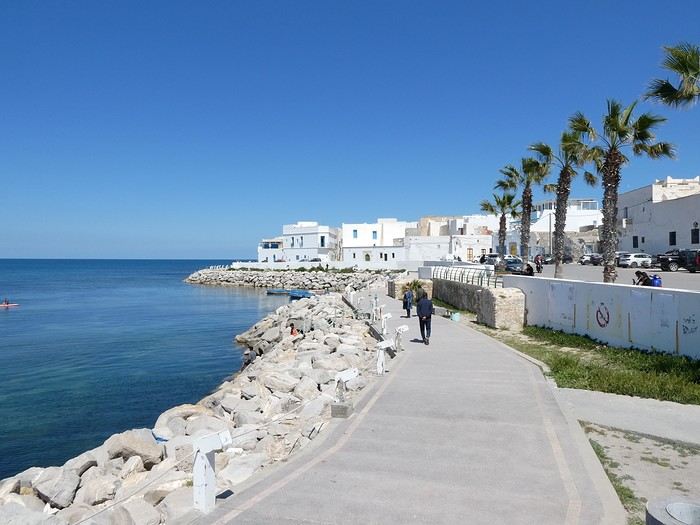
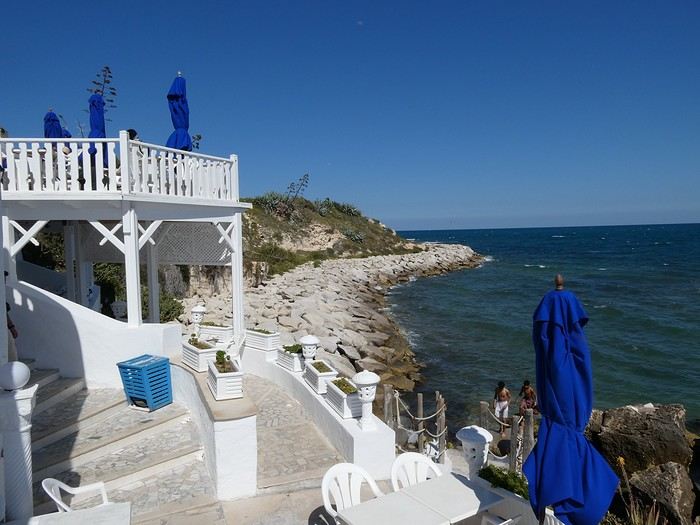
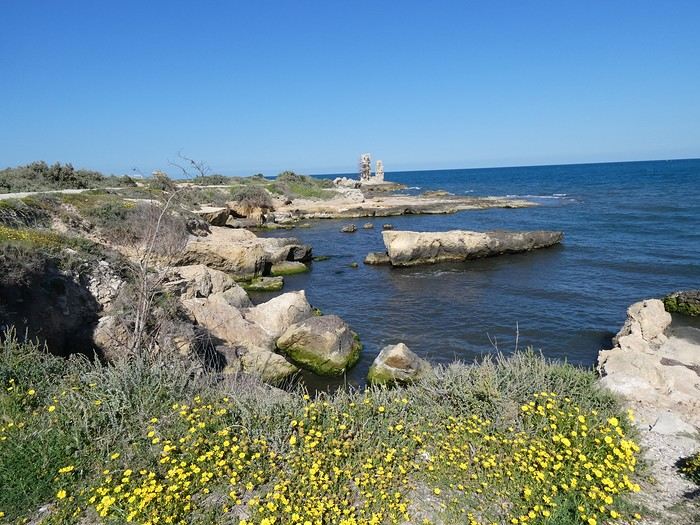
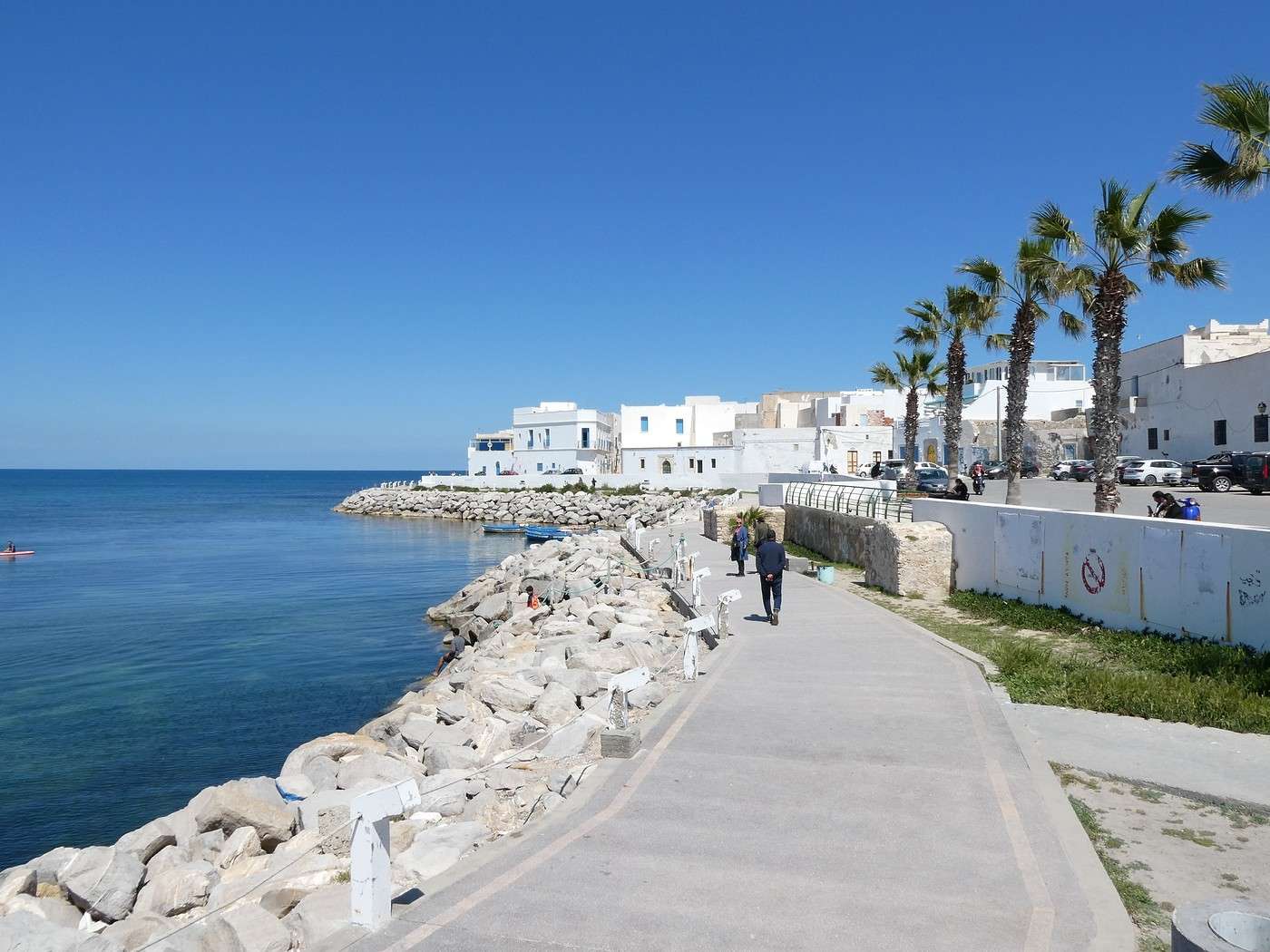
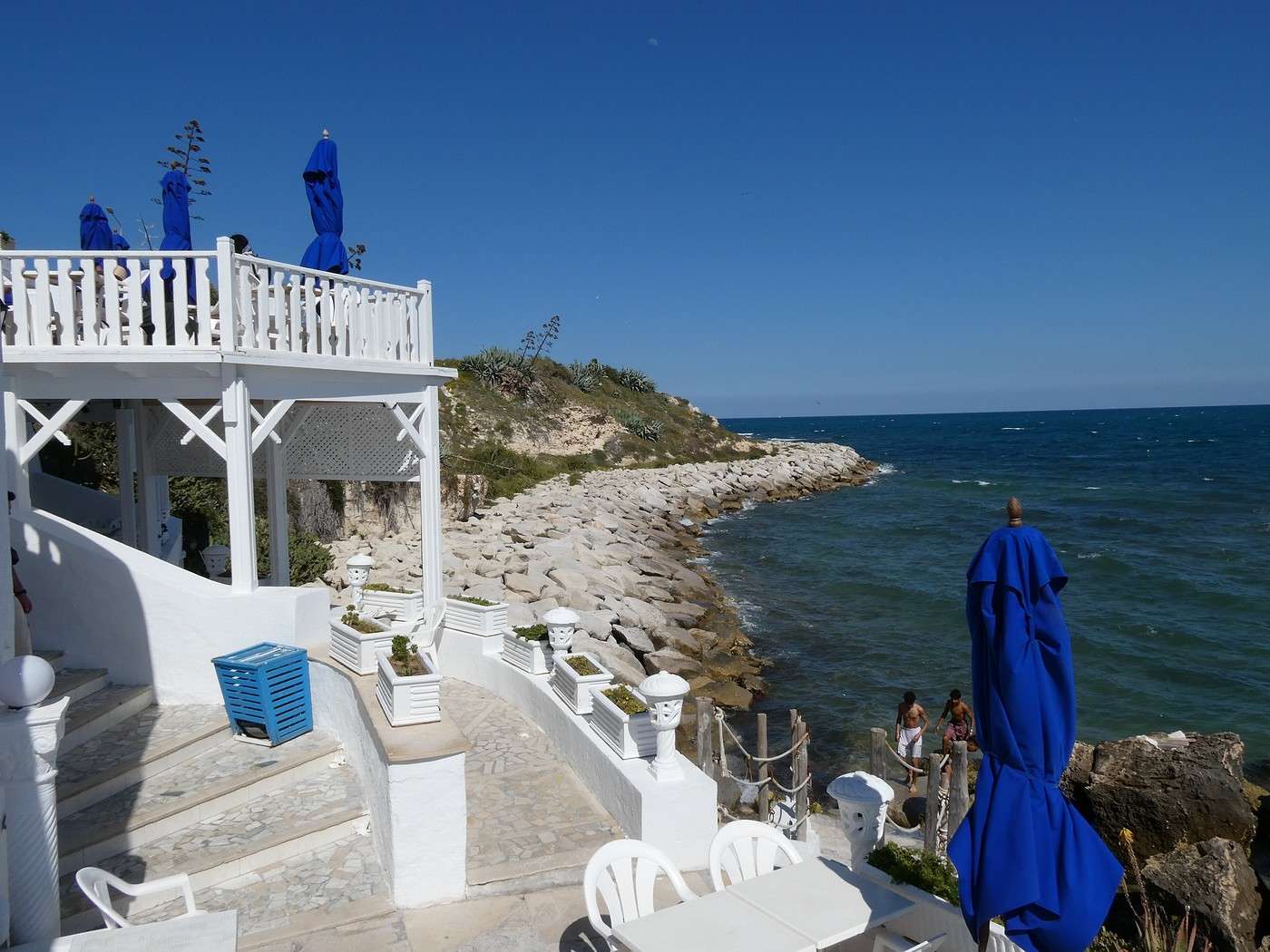
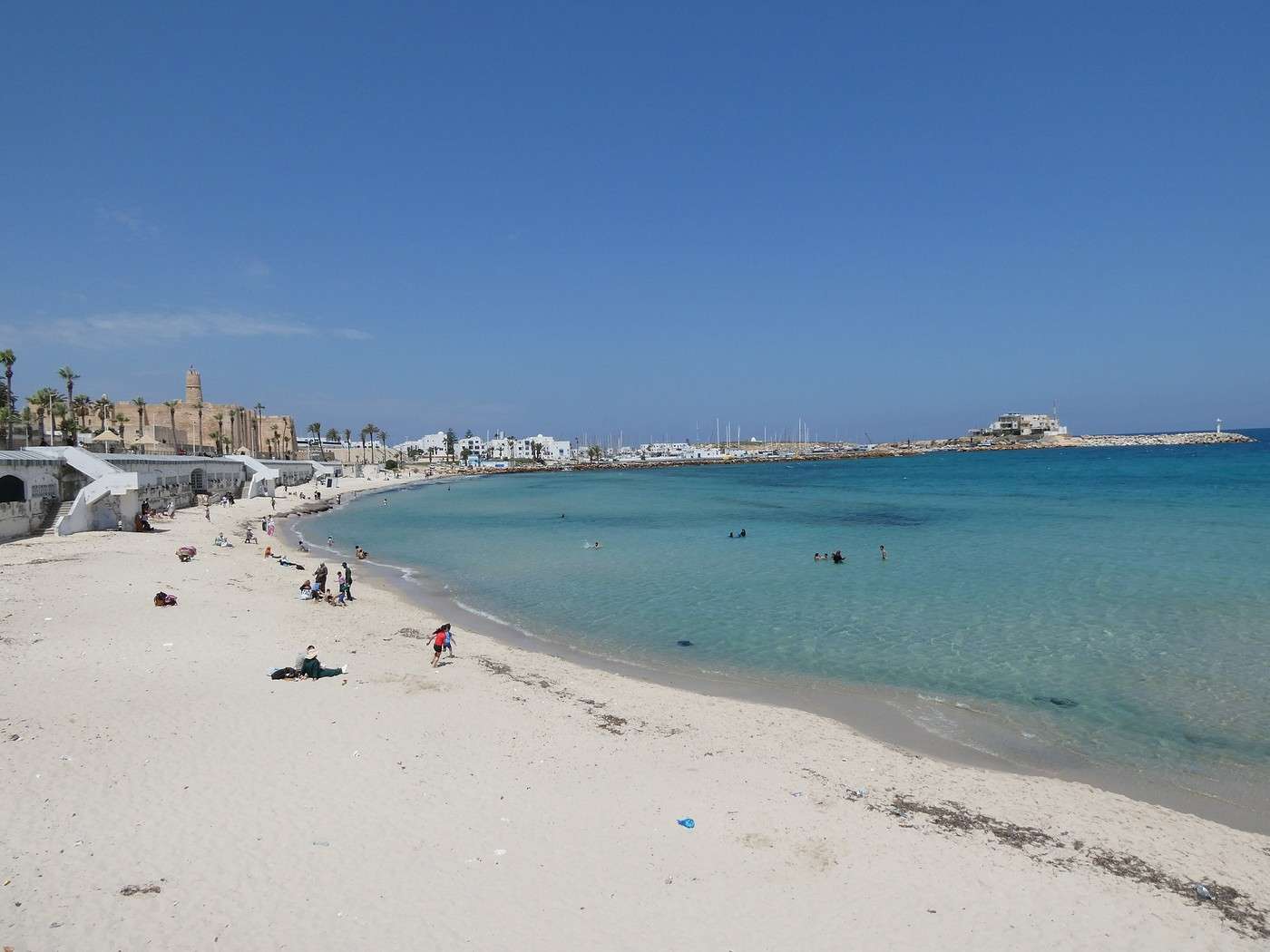
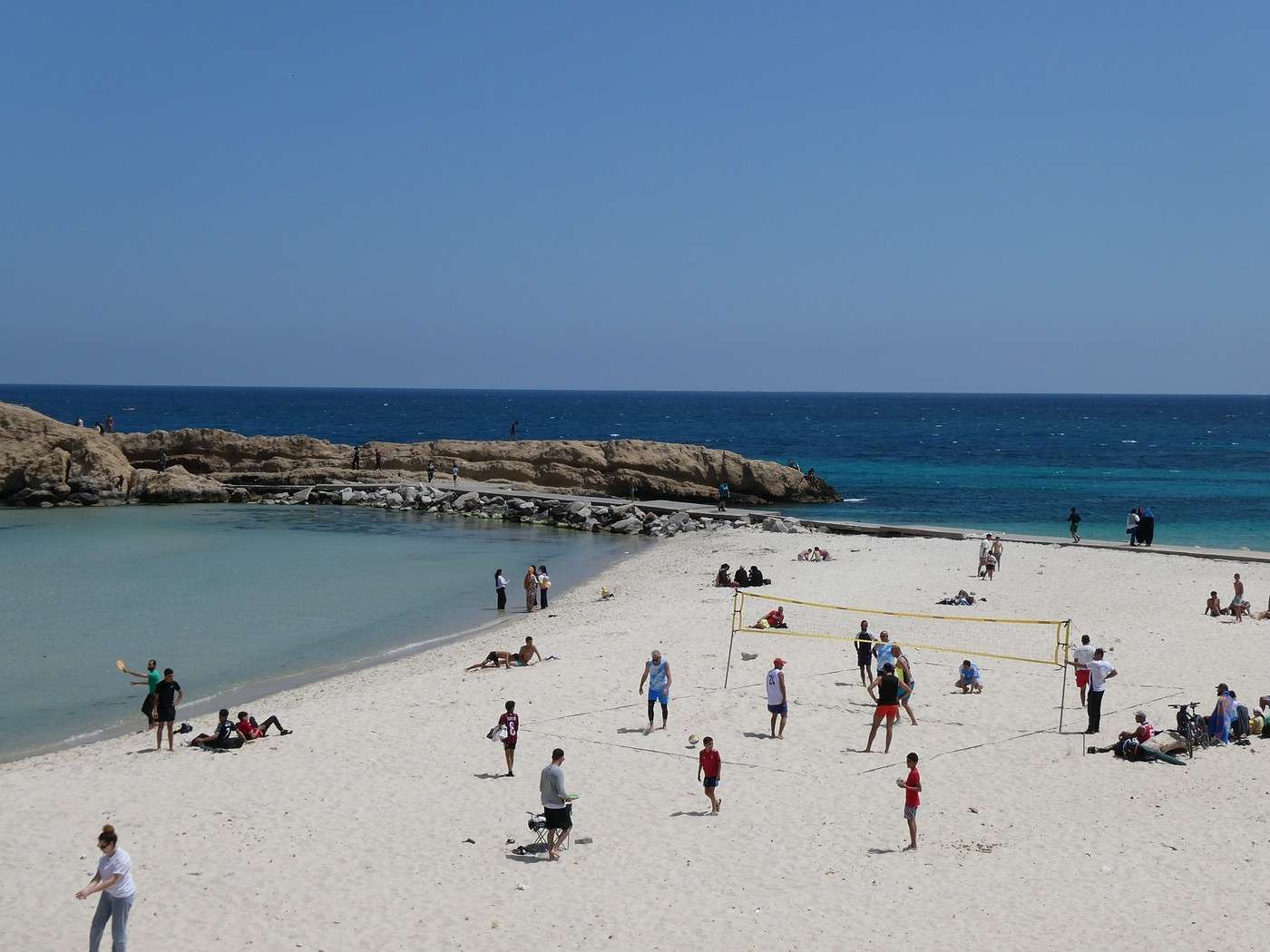
This morning I wrote that the view of the beach and sea from my hotel terrace was really beautiful, so I went down to the beach and what a different story! I’ve never seen such a dirty beach! There’s trash everywhere, even on the steps leading down to the beach—it’s awful! And there aren’t any trash cans anywhere.
Obviously, on such a filthy beach, there aren’t any Western tourists, and I didn’t see any women in swimsuits, either in the water or on the beach (and definitely no topless sunbathing!).
There was a cleaning lady tidying up a building—I thought it was the showers, but it turned out to be a hotel right by the beach. She let me in and went to get a key to show me a room, but I like my current hotel better.
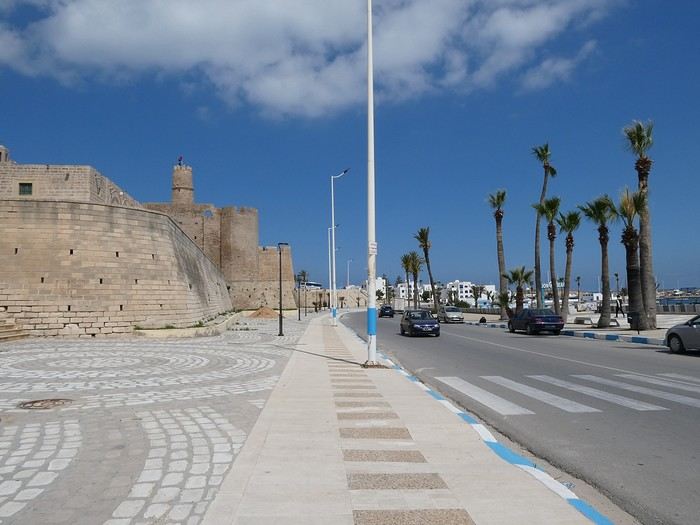
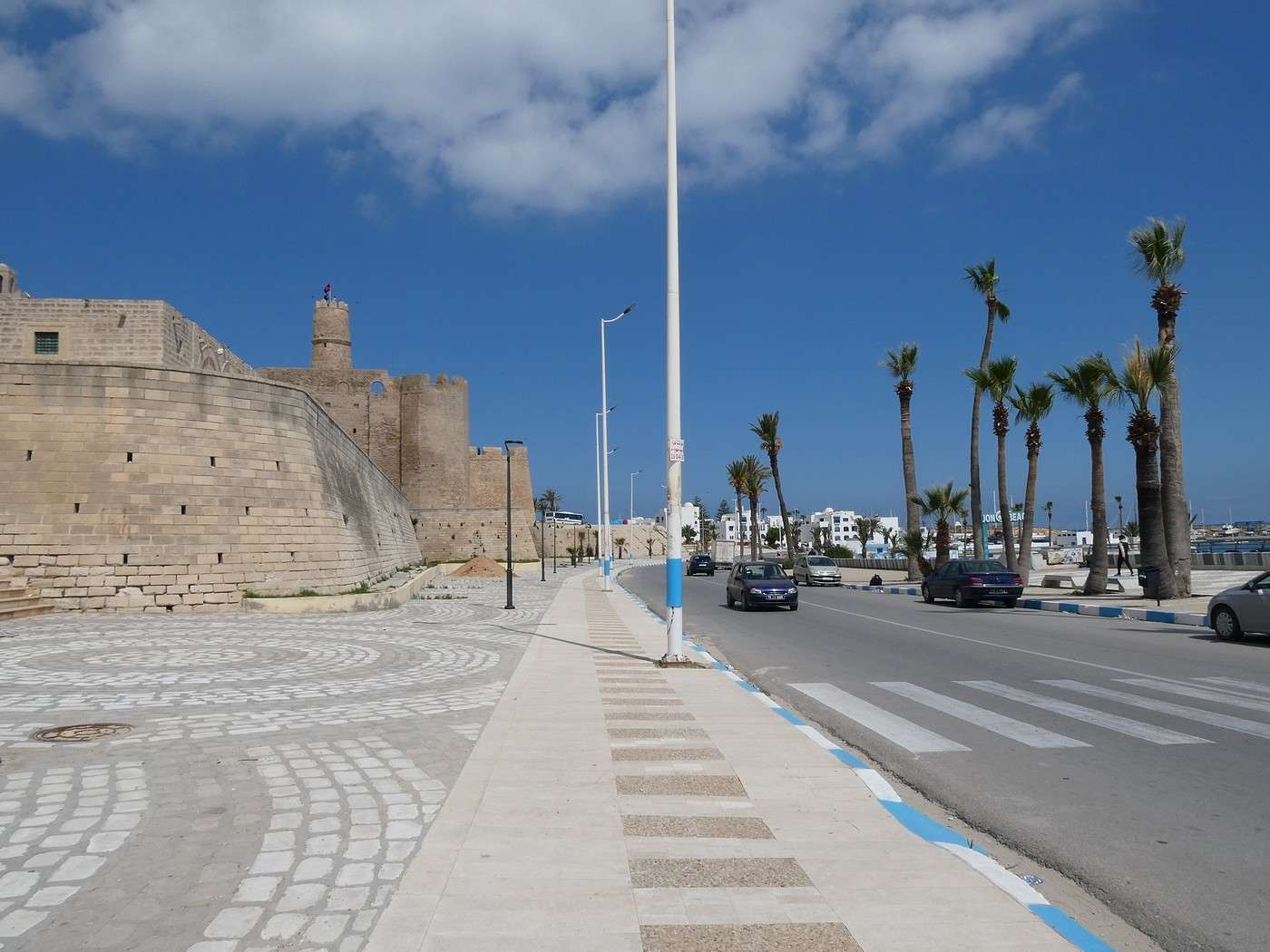
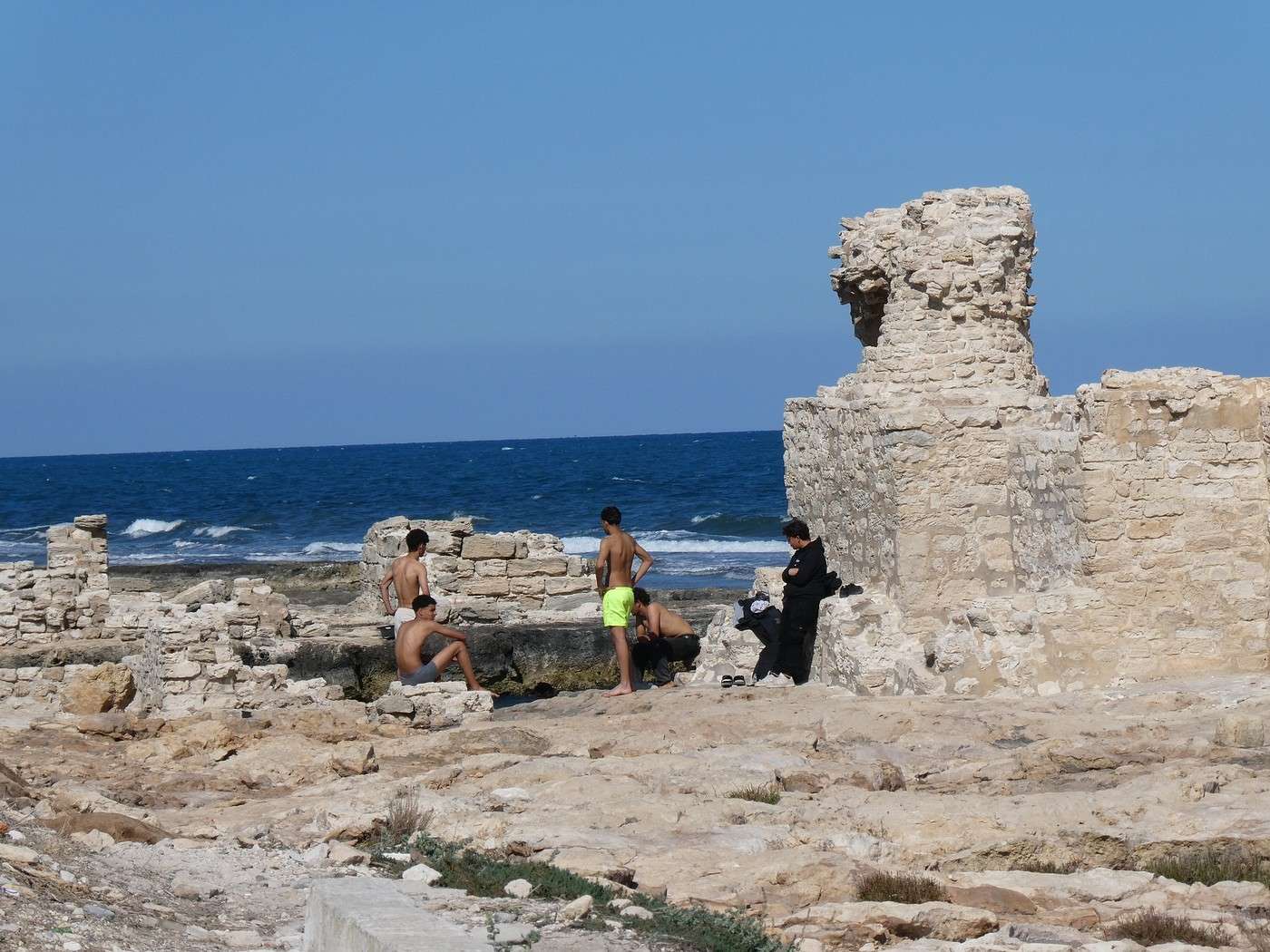
The stairs leading to the area where the ribat is located are also littered with trash.
During my trip in February, I talked about all the trash along the roads with a Tunisian man in a *louage* who was heading back to Paris. A few days ago, I brought it up again in a *louage* with another Tunisian who had lived in France for three or four years. But I’d never discussed it with Tunisians who actually live in Tunisia.
However, in Matmata, at breakfast, a 50-year-old waiter kept me company while talking about Tunisia—especially what’s wrong with the country. One day, he mentioned the endless trash everywhere, and I asked, "And you Tunisians, does it shock you?" He replied, "Of course it shocks us!" The problem, he said, is a lack of education. Even when there are ashtrays, people prefer to stub out their cigarettes on the ground. The topic isn’t taught in schools, etc...
Also worth noting: in convenience stores, they almost always give you a plastic bag, even for a small bottle of water.
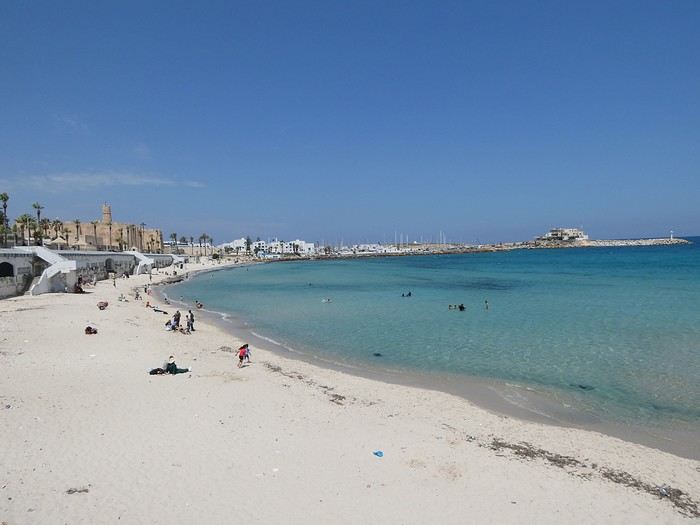

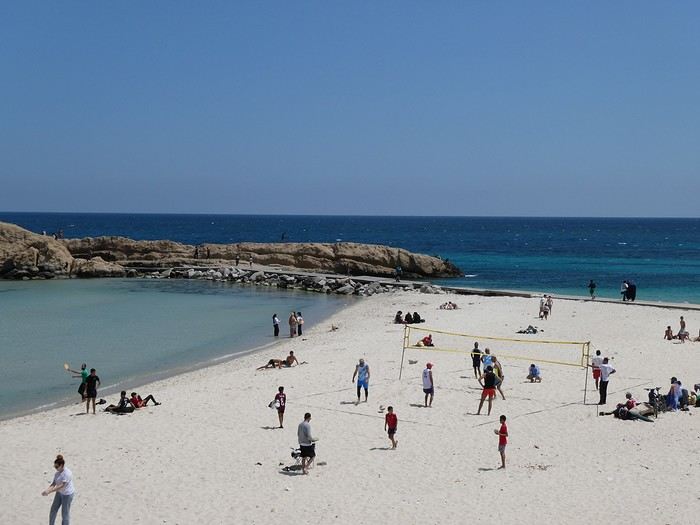
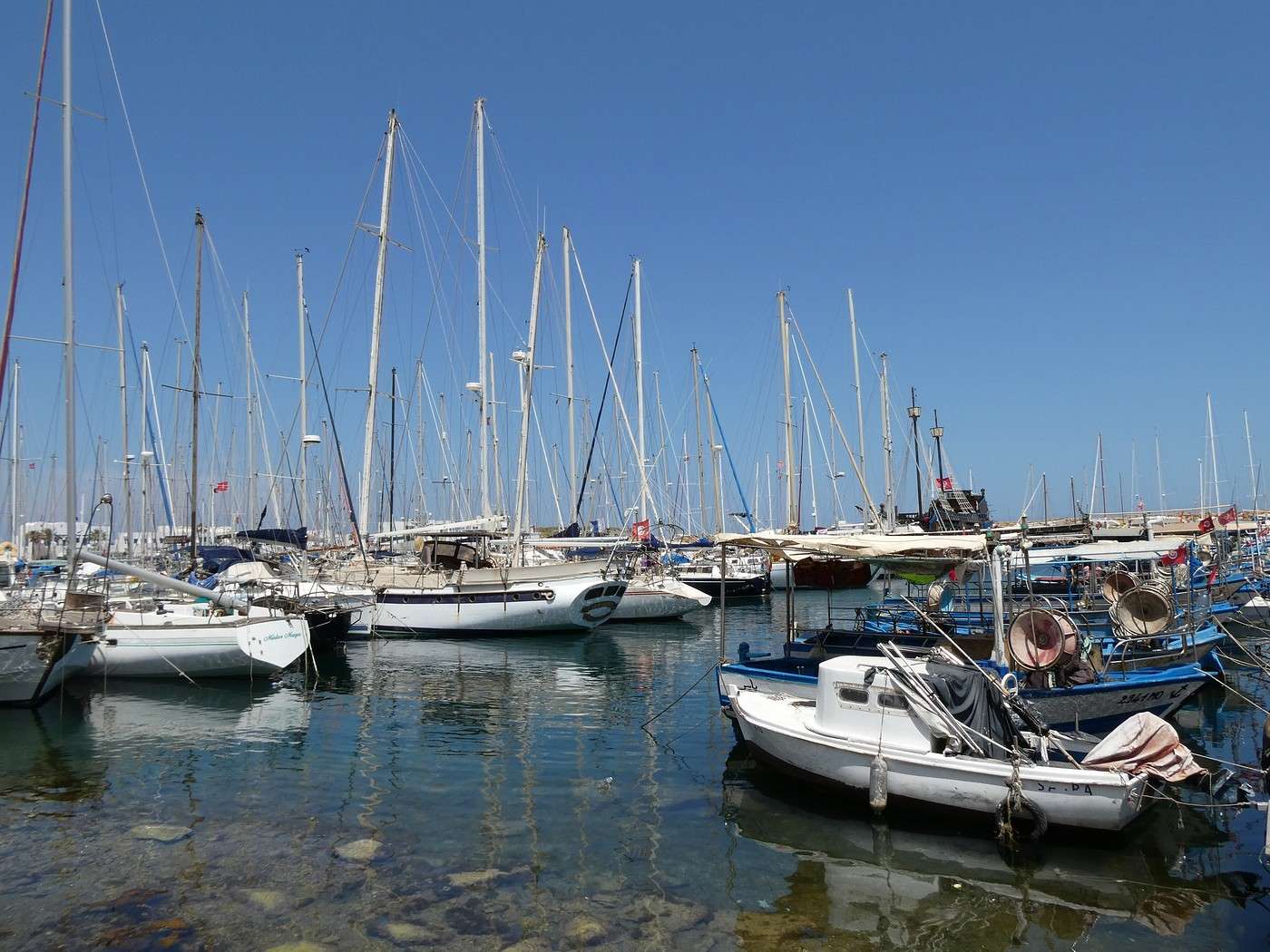
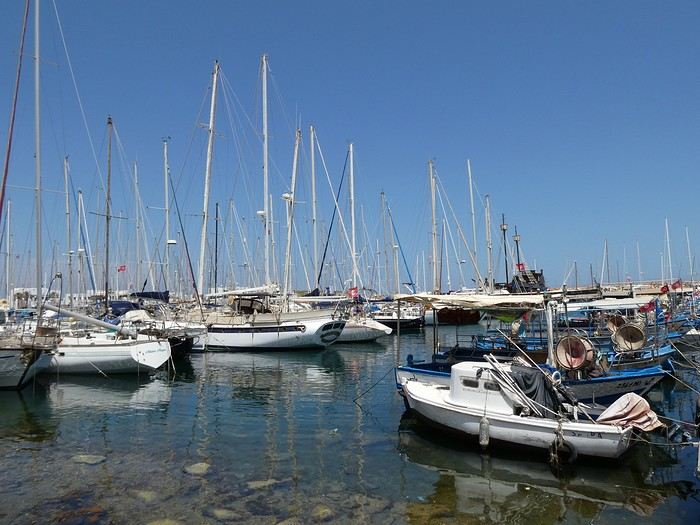
■ The marina looks like European marinas with its sailboats, yachts, and restaurants, and it’s nice to walk around.
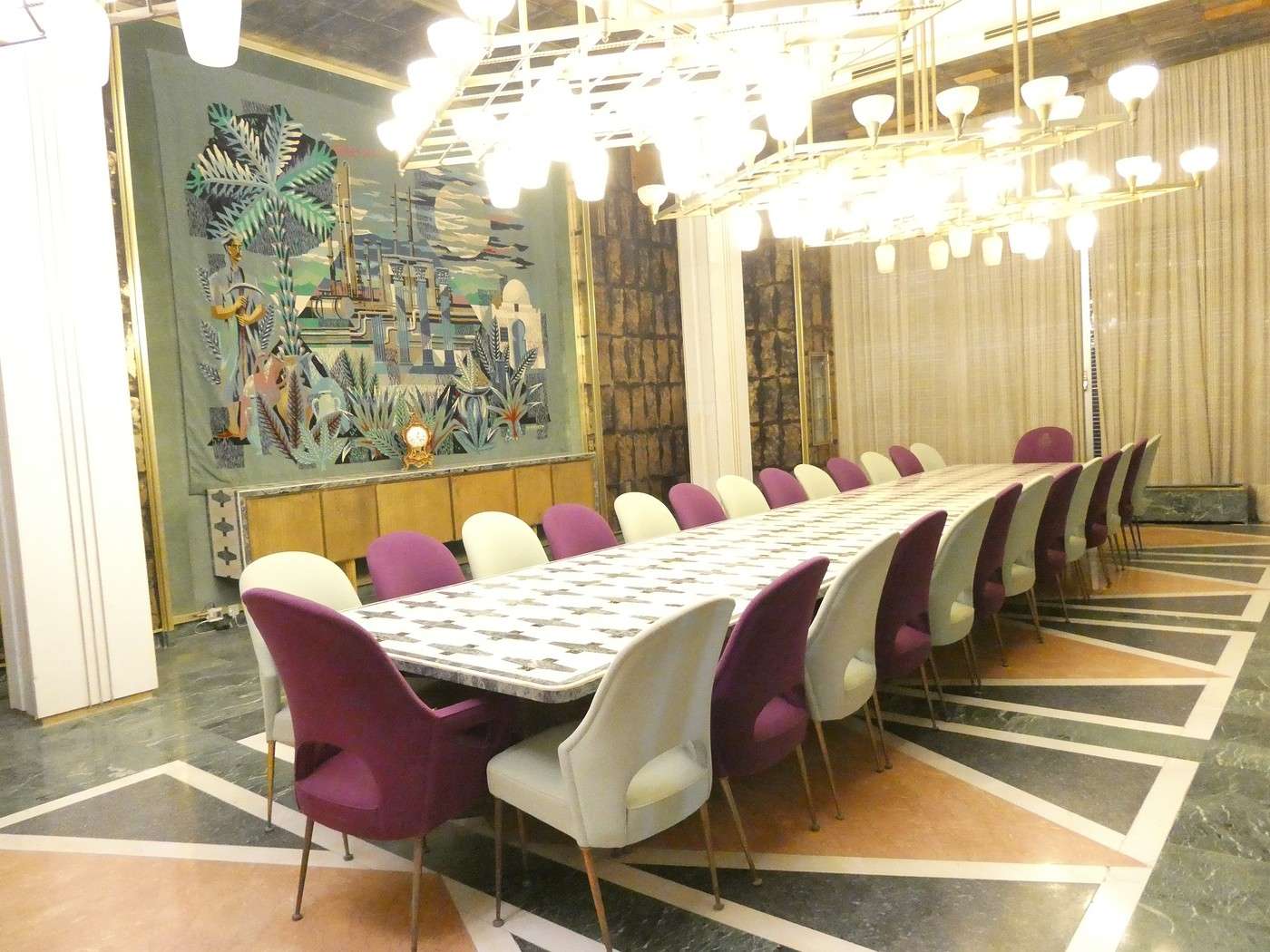
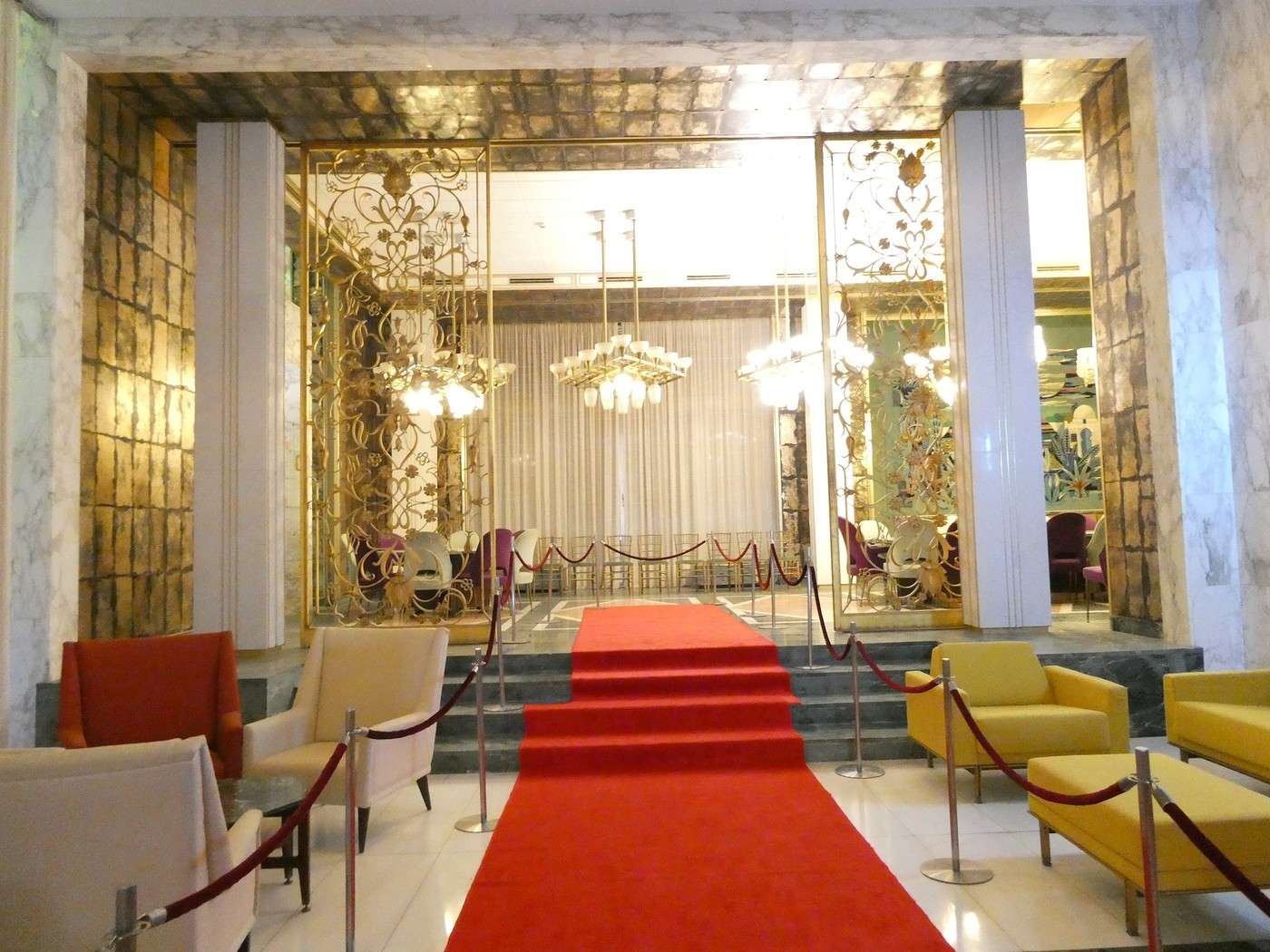
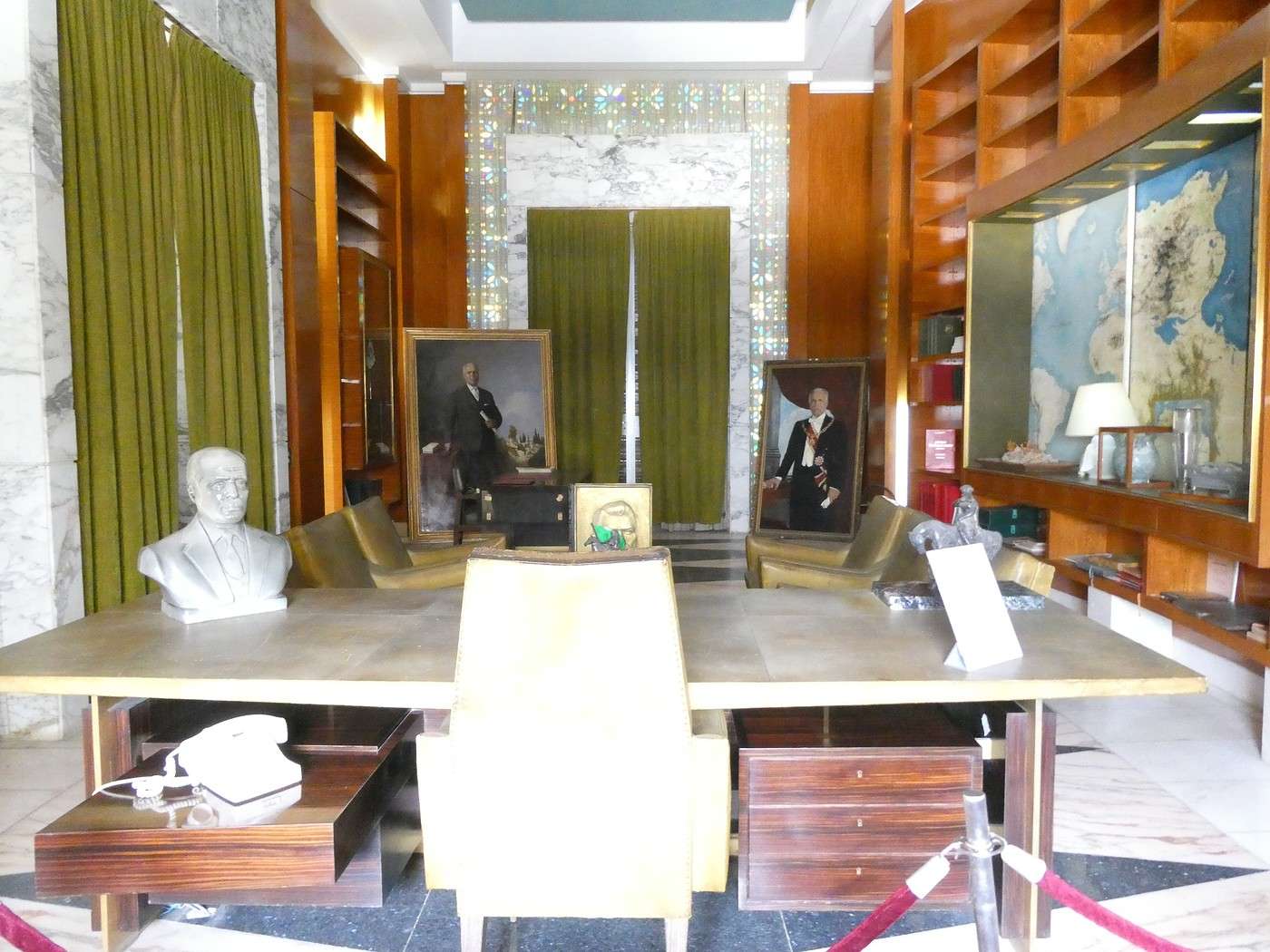
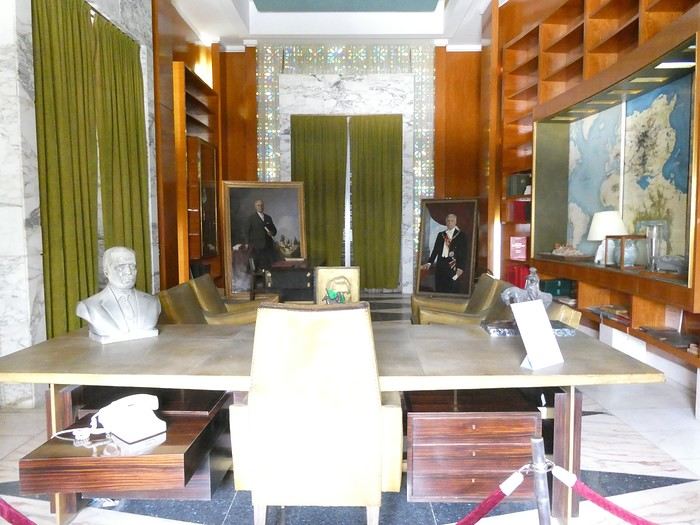
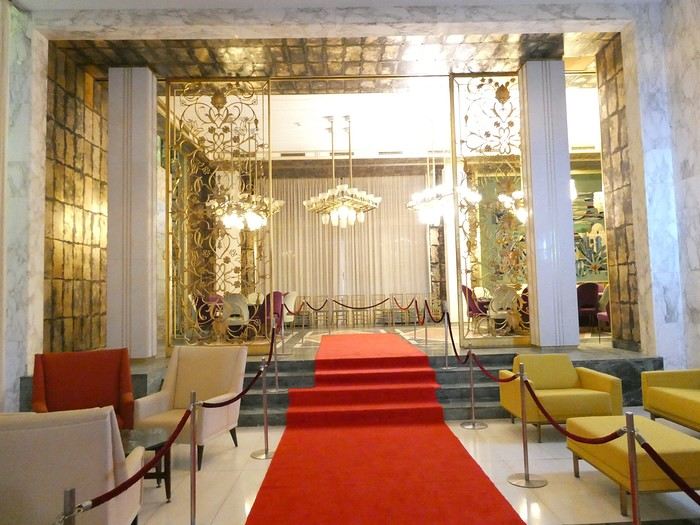
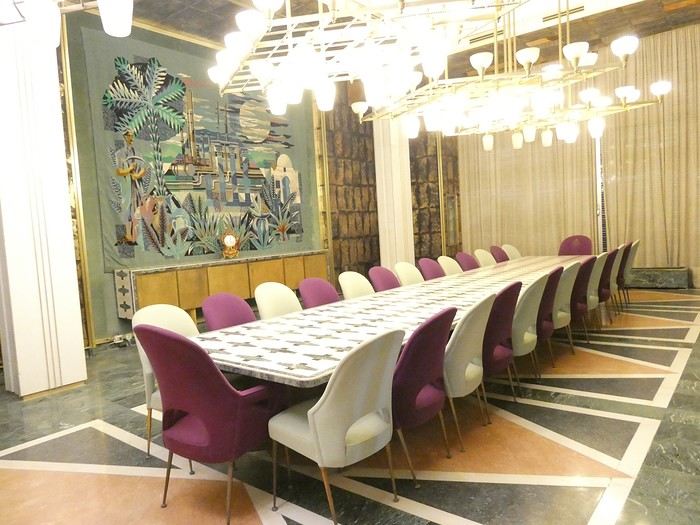
■ Bourguiba Museum (10 dinars = 3 €) is in Skanes, housed in the former presidential palace, which later became a summer residence.
I took a taxi there (you have to negotiate the price—the museum isn’t that far). I met a Swiss tourist, a nurse in her fifties traveling alone and staying in Skanes. I asked if she’d visited the museum, and she said, "No, I don’t care!" Talking to her, I think she has the same vibe as the Spanish woman who sunbathed topless by the pool.
I still think it’s a shame to skip the museum of the man considered the father of the nation and, from what I gather, the most popular president among Tunisians.
The museum doesn’t have a lot of explanations, but you can see a large reception hall, the president’s bedroom, his office, a bathroom with gold-leaf doors, his car, etc... For design lovers, there’s furniture, chairs, lamps, and other items from the 1960s.

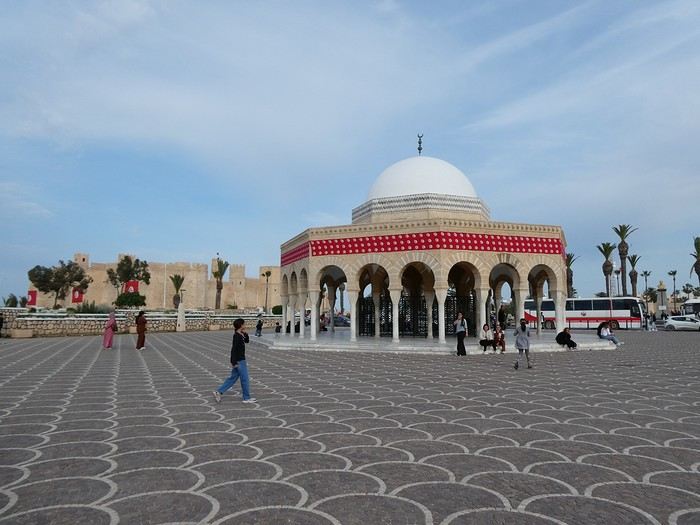
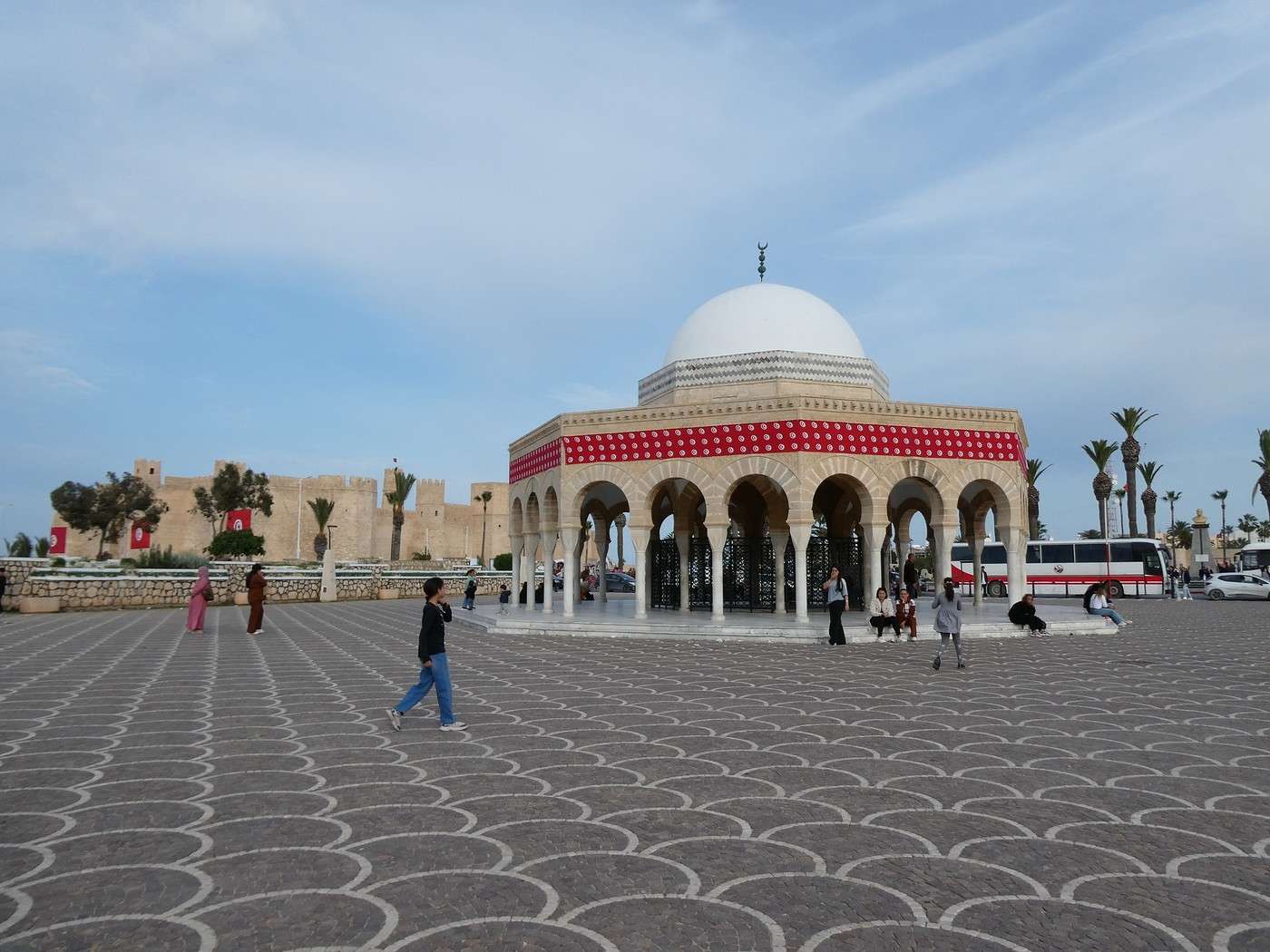
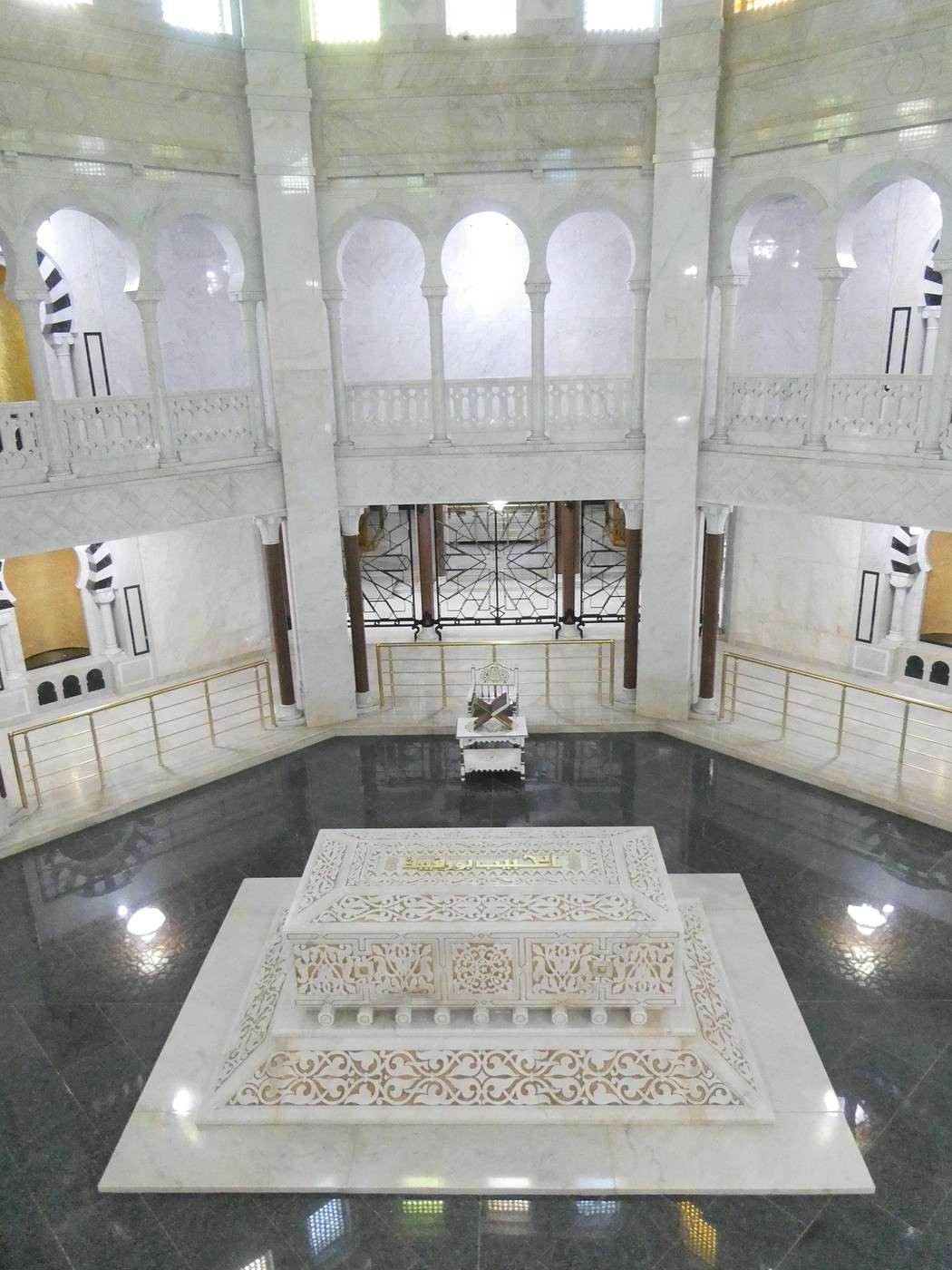
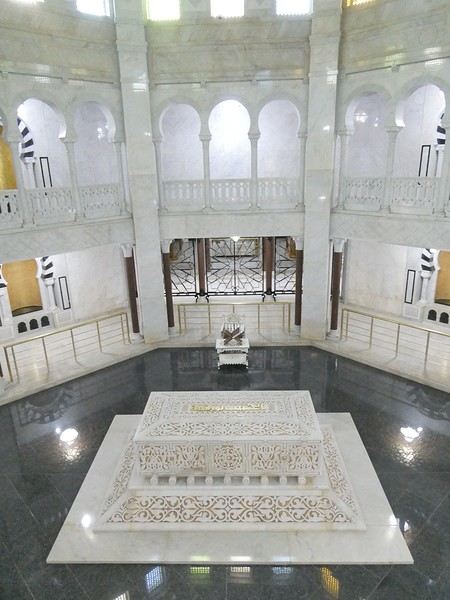
■ Bourguiba Mausoleum (free entry), where the president is buried.
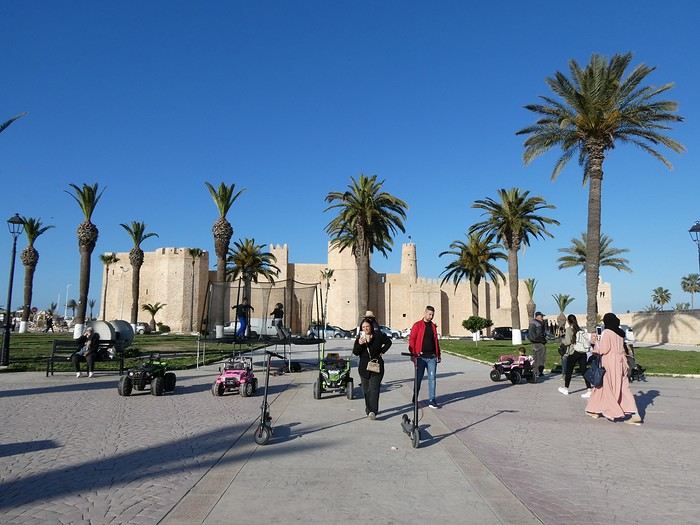
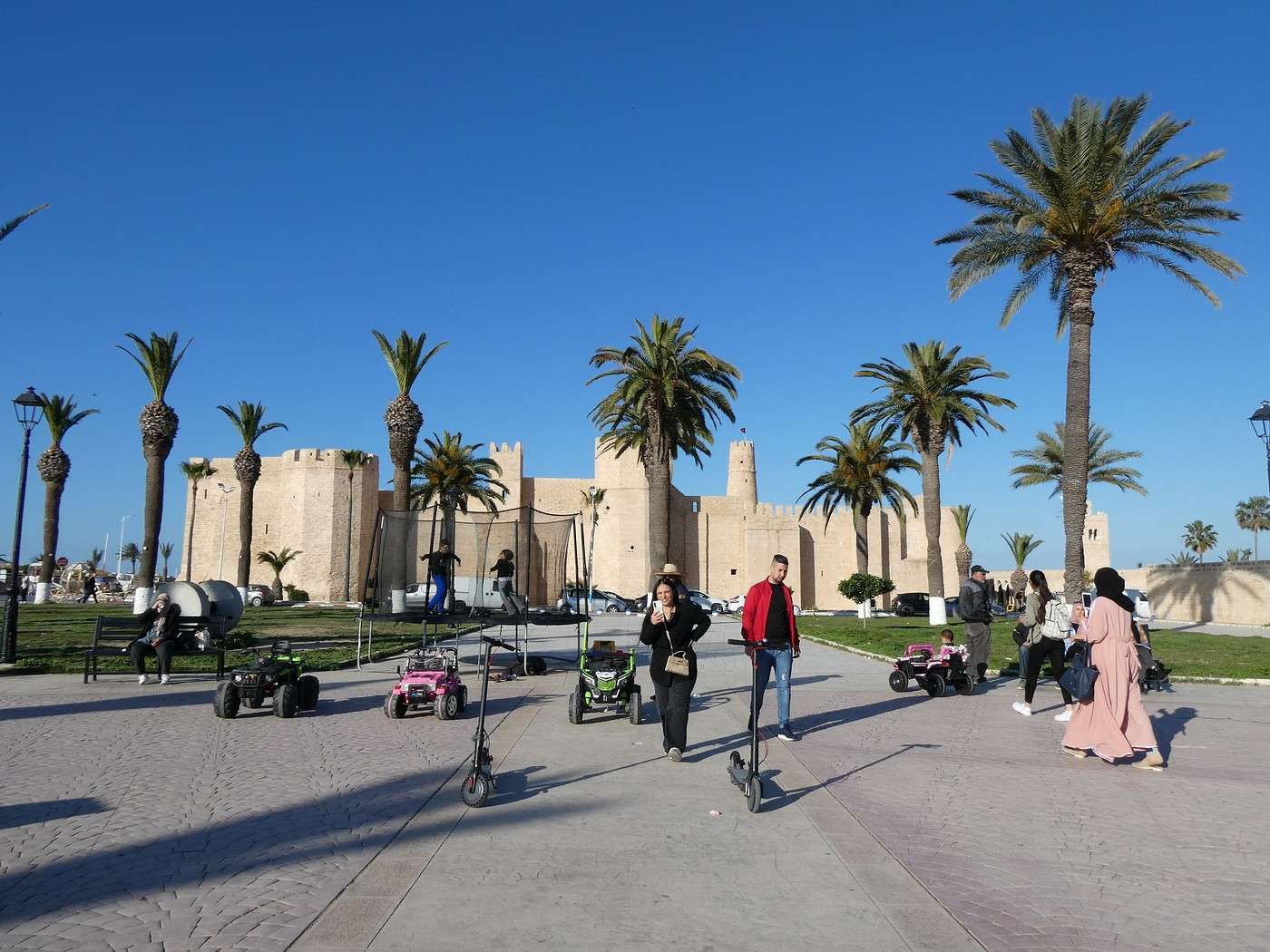
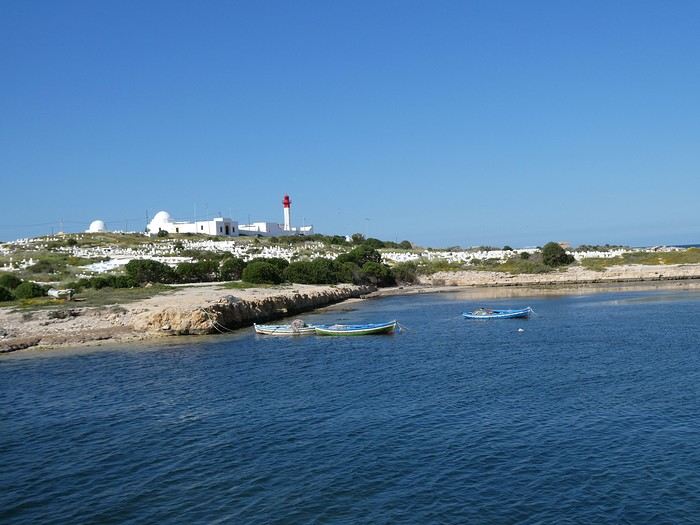
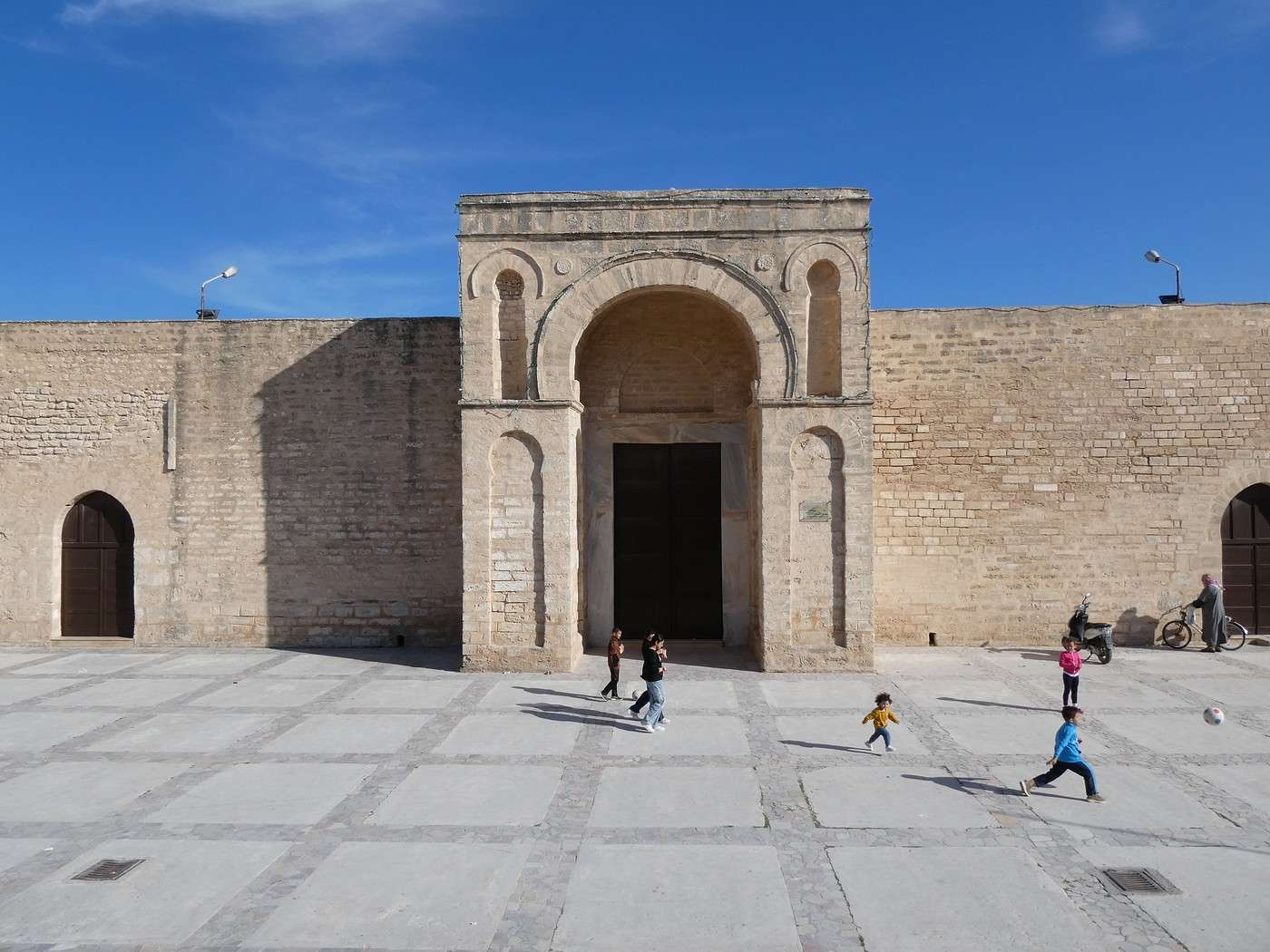
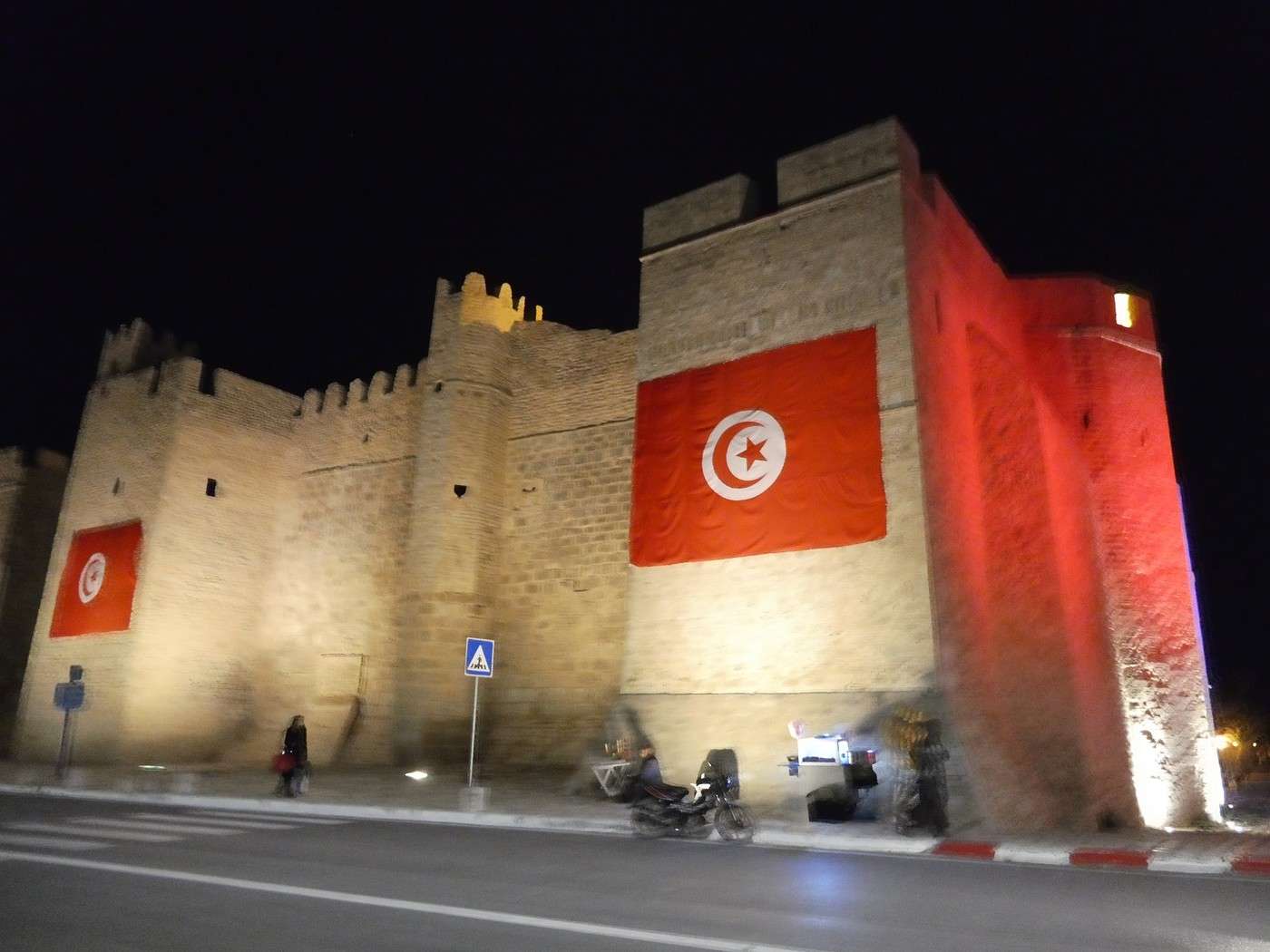
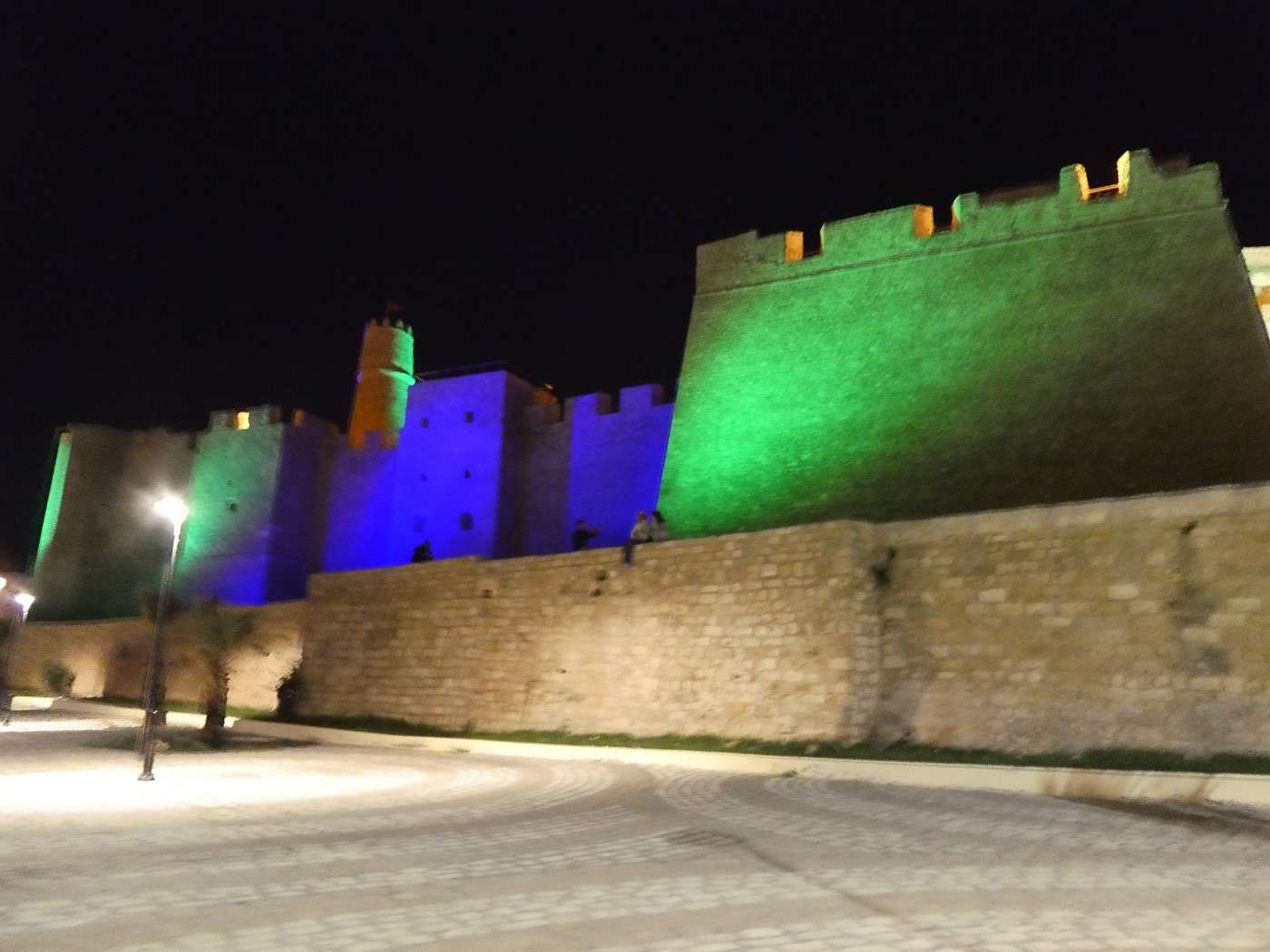
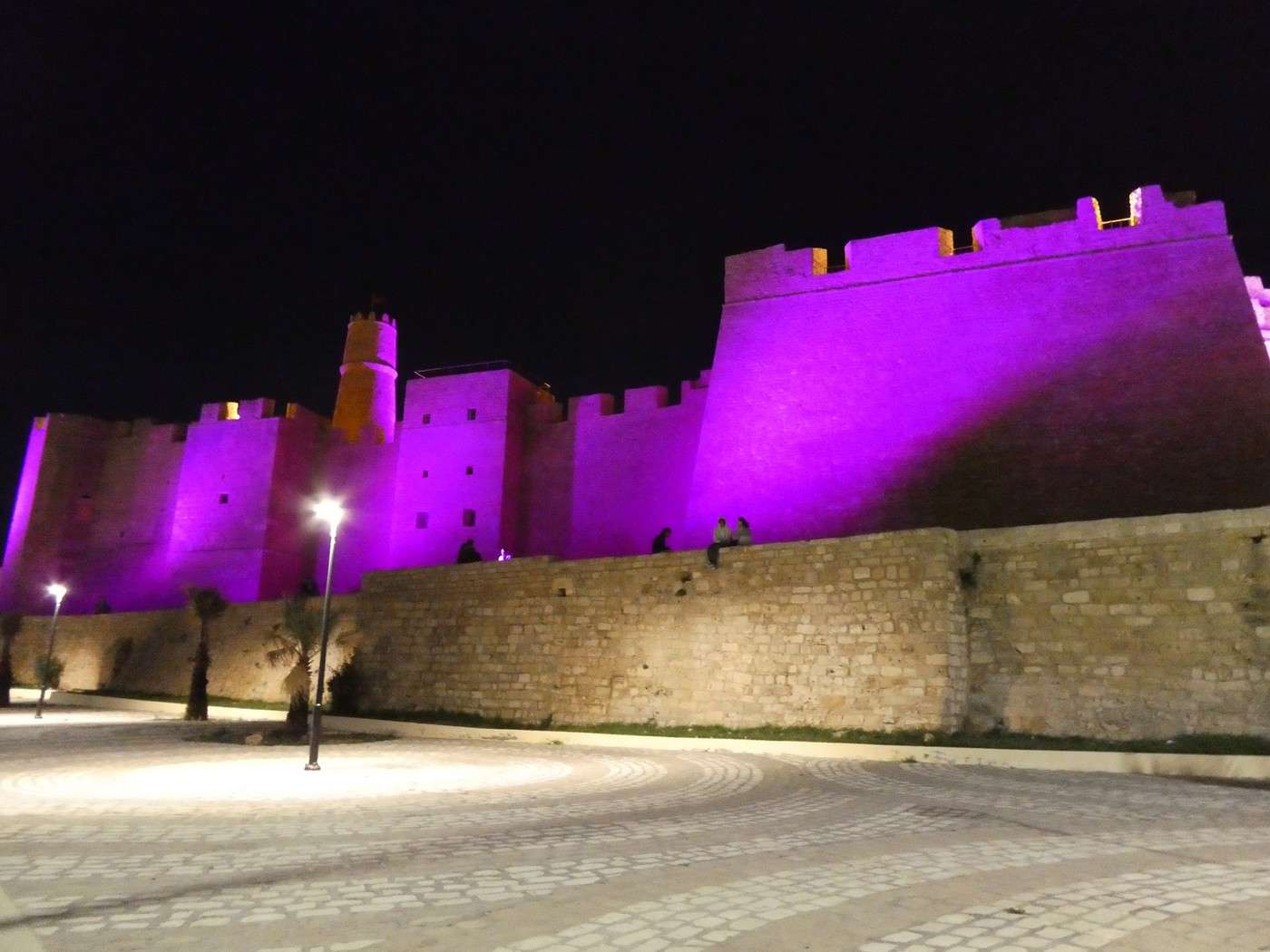
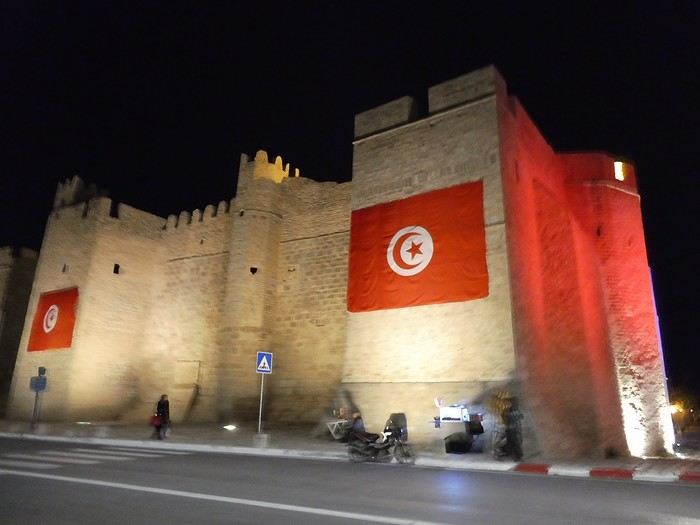
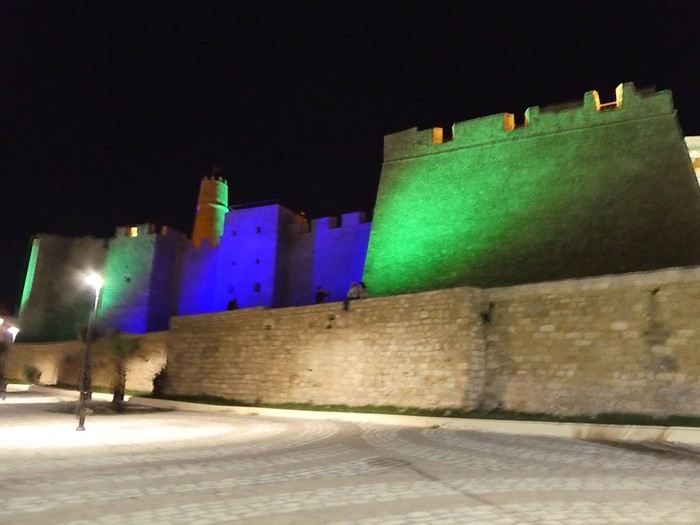
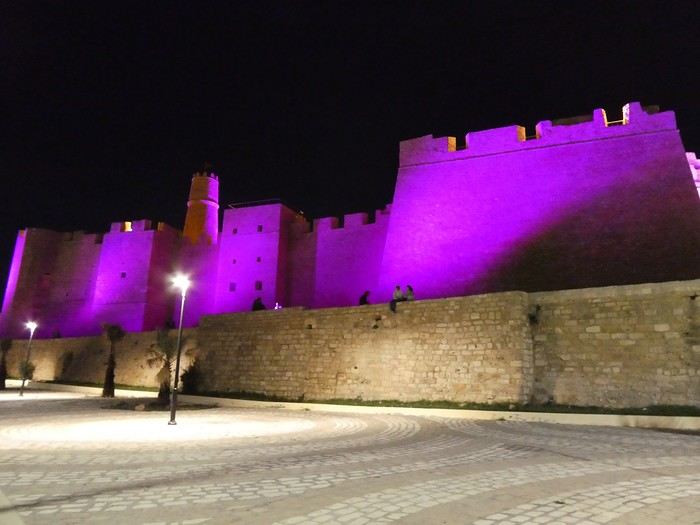
■ The ribat is the oldest in Africa. I didn’t have time to visit it because I came back by bus from the Bourguiba Museum and waited a long time (there’s no schedule, and on Sundays, you never know when it’ll come).
You should see it at night when it’s lit up with changing colors (green, red, pink, etc...).

■ The salt flats
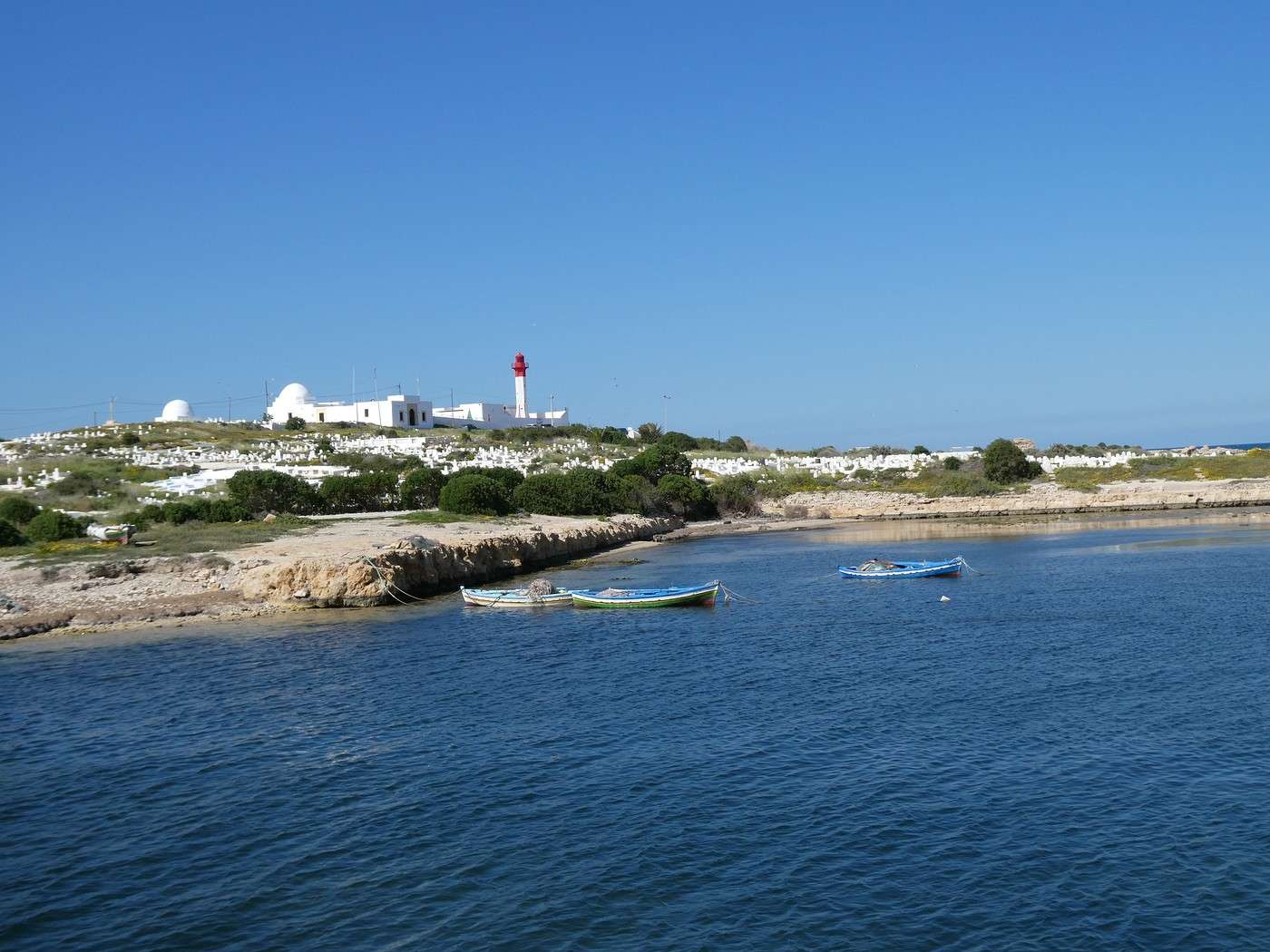
I mentioned that when arriving from Sfax, I saw lots of flamingos on what looked like a lagoon on both sides of the road (I’d also seen them two weeks ago on the way to Tozeur). Well, those lagoons are actually salt flats—a natural salt marsh connected to the sea by two wide canals.
Vacation’s over! I’m heading back to France tomorrow afternoon and going back to work Tuesday morning. In the next few days, I’ll do a recap and add photos to illustrate my posts.