Back to the discussion

in Entre deux voyages › Carnets de voyage

New adventures from Perpignan to Ranchi (Jharkhand) (page 2 of 4)

Discussion started by Aleph240758 on 2026-07-13

60 replies

This thread has been translated into English.


New adventures from Perpignan to Ranchi (Jharkhand)

Marien33 · 2026-07-16 · Message 21 of 61

I wouldn’t have the patience you show when it comes to transport delays and lost bags 🏴‍☠️

Me neither! But I found a way around it: traveling with Air France and flying from an airport in France near my place—or even my own city—to a major Indian airport. That way, I check my bags at departure and pick them up at my final destination. I hate Air France. It’s really expensive, but the comfort, reduced stress, and less fatigue make it worth paying an extra 200 or 300 €. Plus, the free wheelchair for long corridors, transfers between terminals, and priority lanes for various formalities, etc...

New adventures from Perpignan to Ranchi (Jharkhand)

Aleph240758 · 2026-07-16 · Message 22 of 61

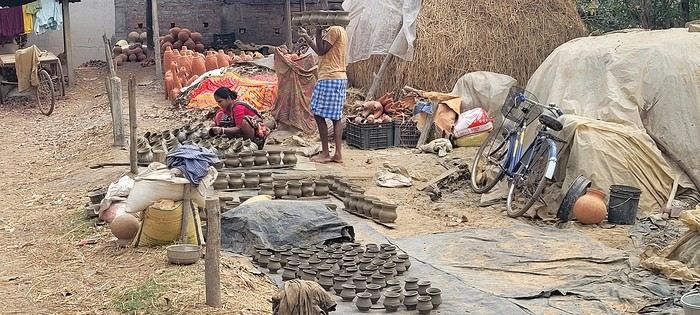
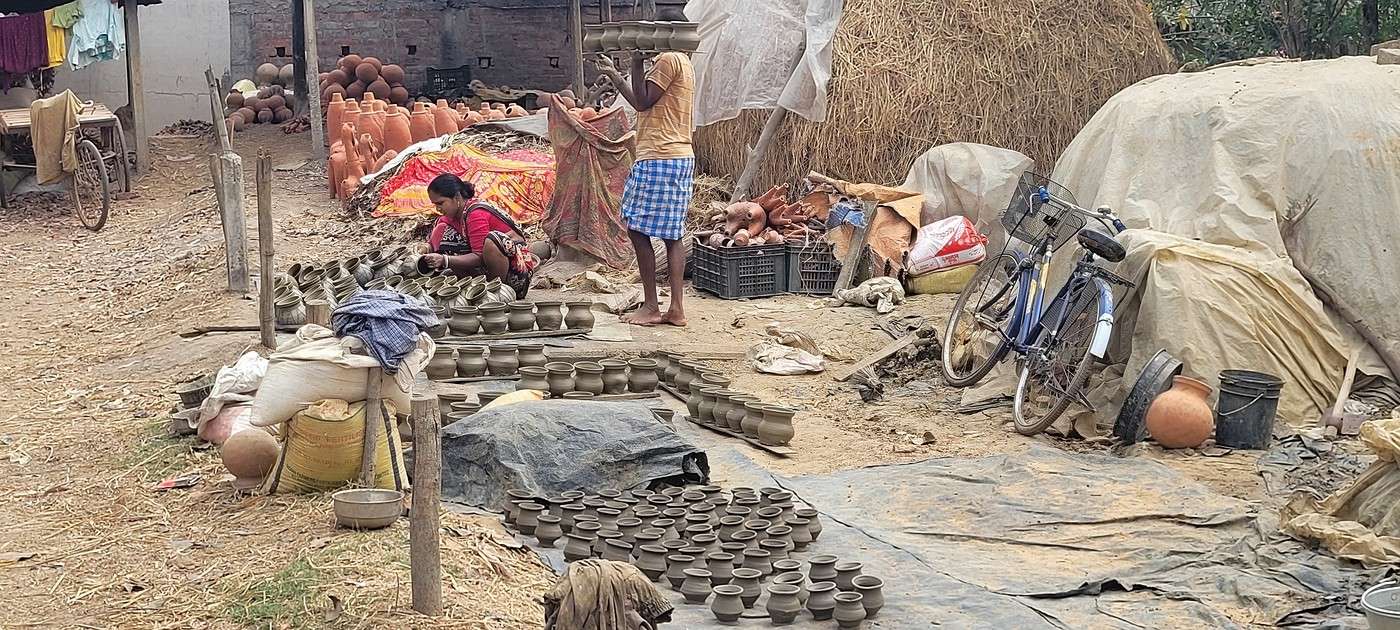
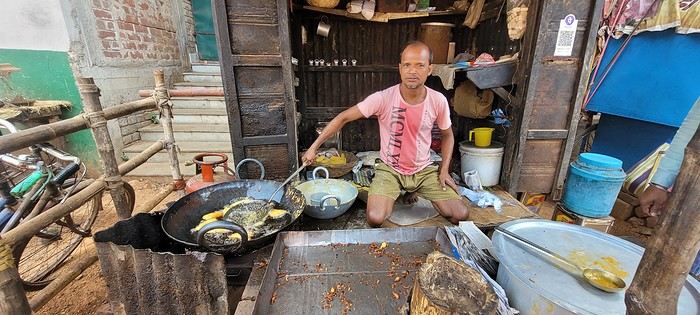
Wednesday, March 11 Breakfast is included in the room price: omelet, toast, two bananas, and a gulab jamun. The server also lets me try a very spicy fried snack, but at breakfast, it really doesn’t sit well. I then head to the bus station, located a kilometer from the hotel. Today, I’m going to Panchmura. The bus is already there and fills up quickly; we leave promptly. The village isn’t very far, but the driver makes a long stop before arriving. In Panchmura, I set off in search of the potters.


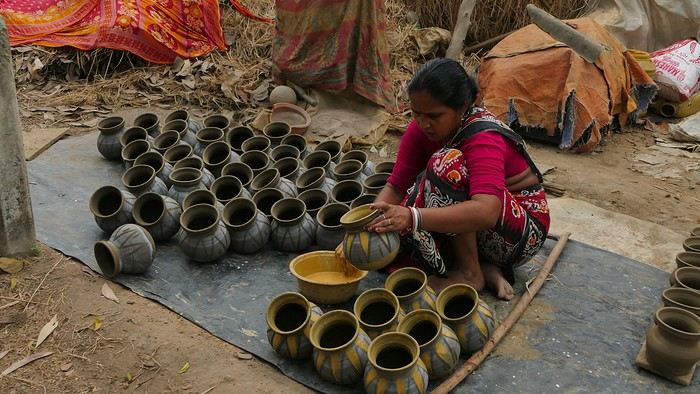
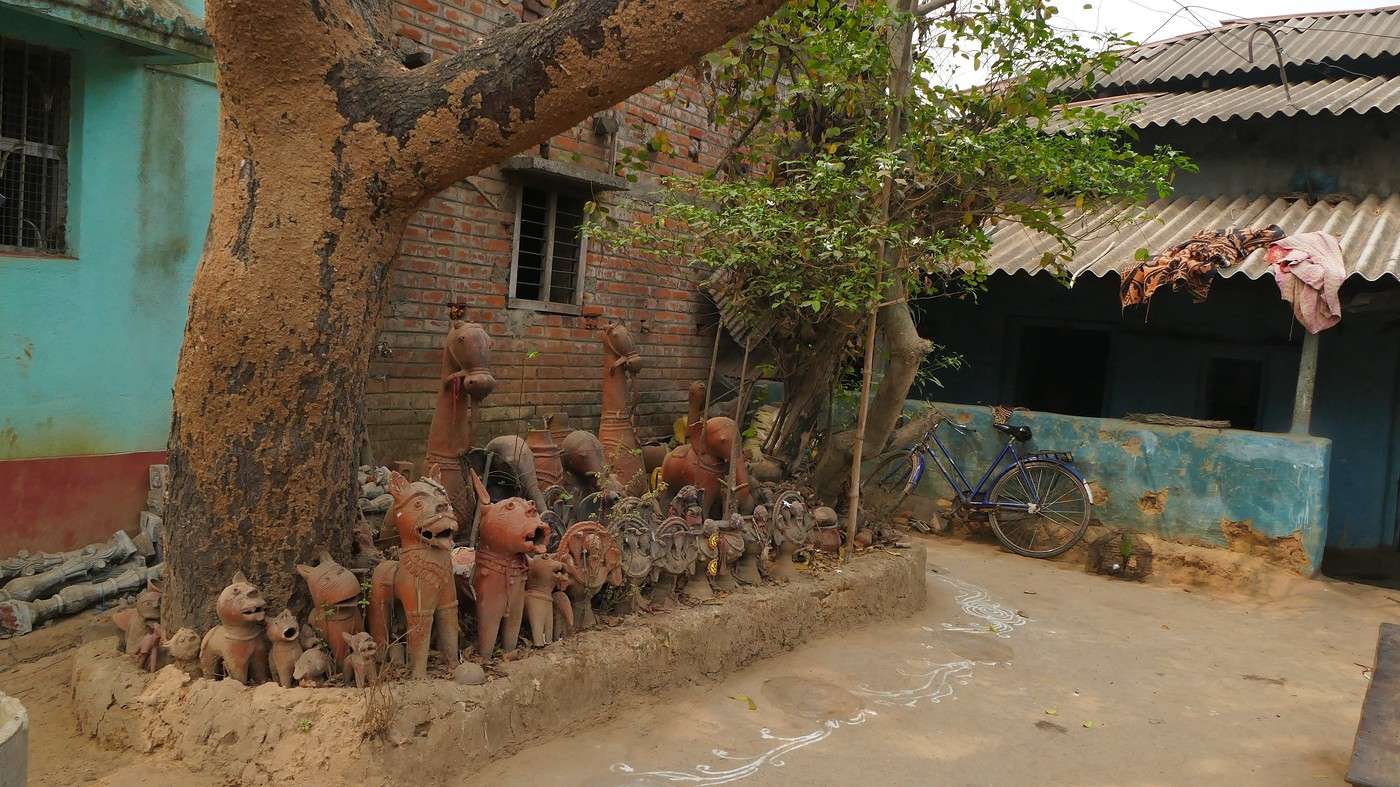
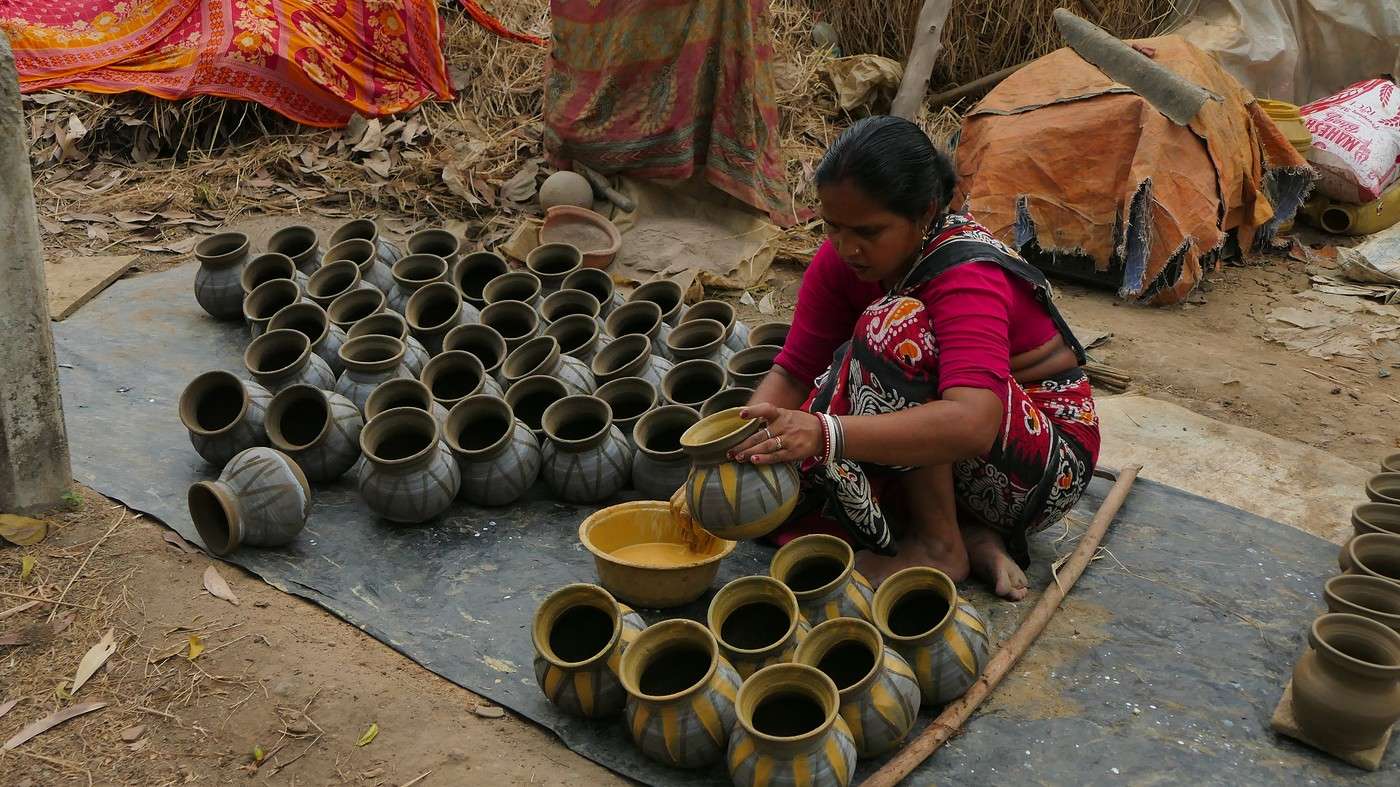
I get the impression there were more of them when I passed through ten years ago, and their stalls are less stocked today. Still, I find a small terracotta horse. I walk past an alley where a woman is painting pots. They’re beautiful, but far too fragile for me to buy one at the start of my trip.


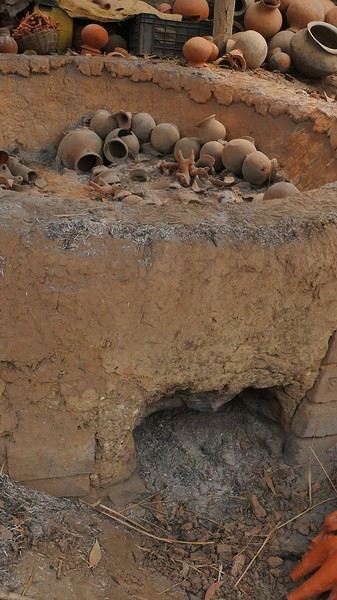
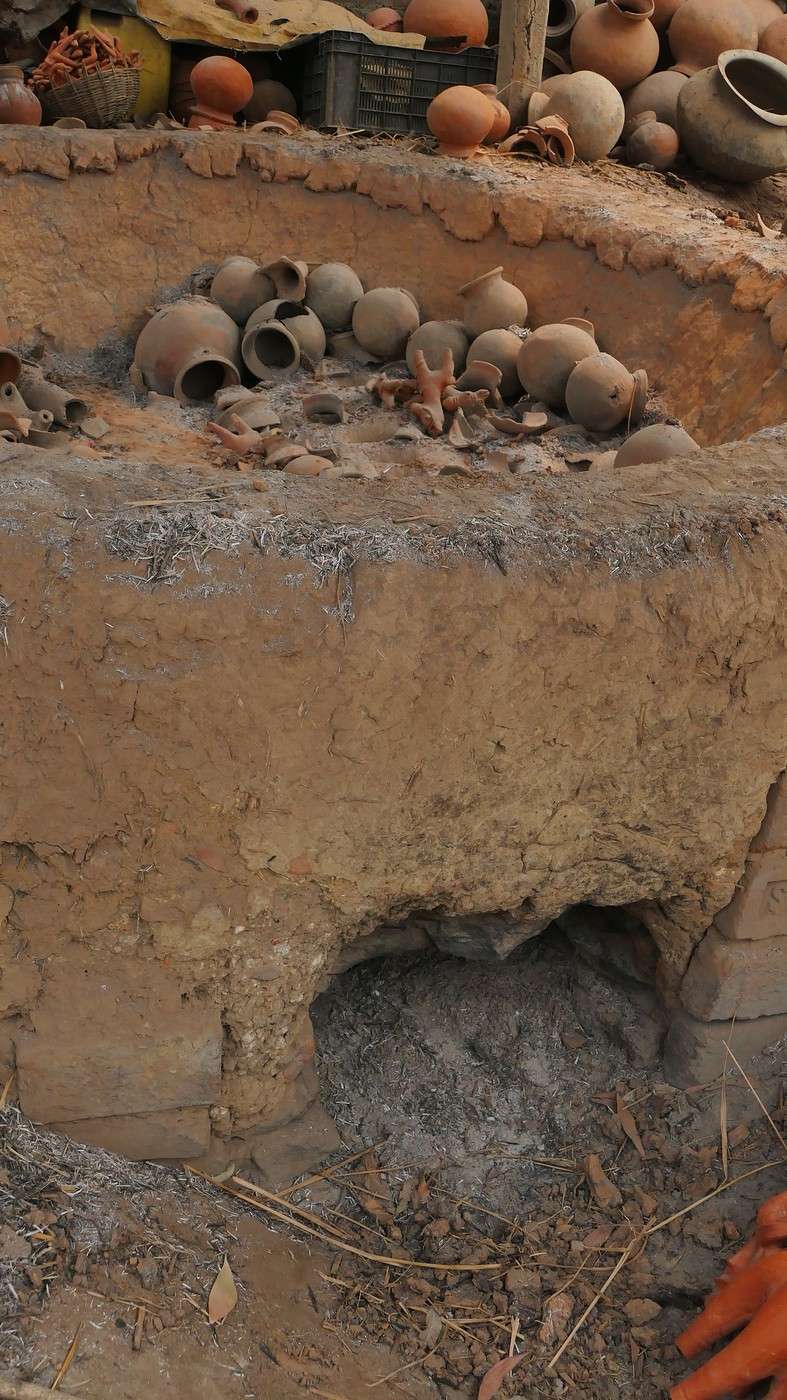
At the end of the alley, I spot two traditional kilns. They’re built on two levels: the firebox is at the bottom, and the firing chamber is above.


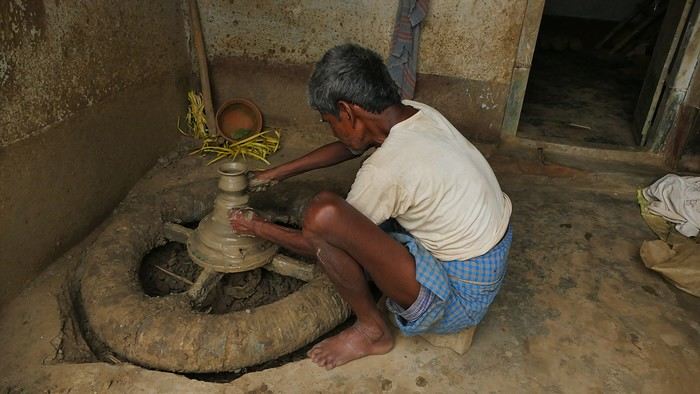
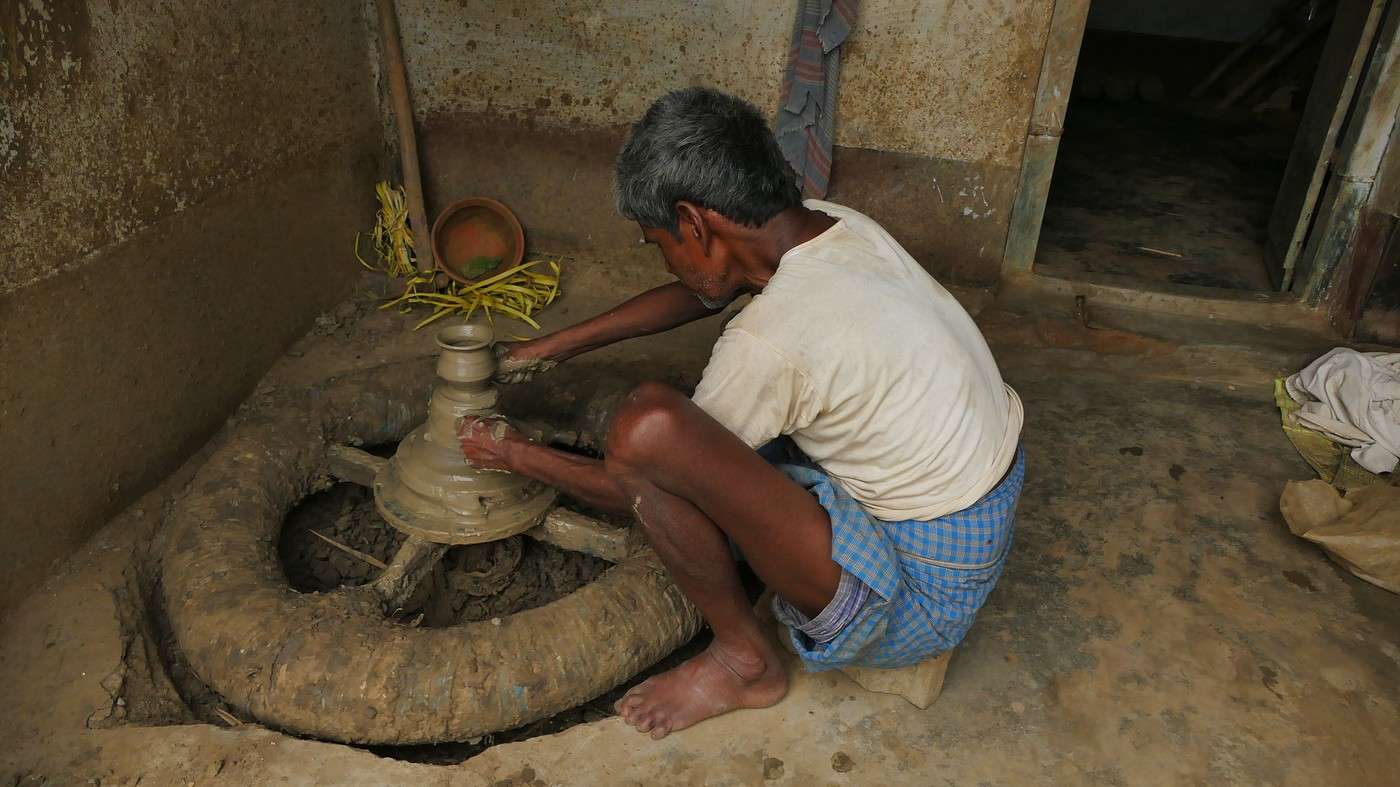
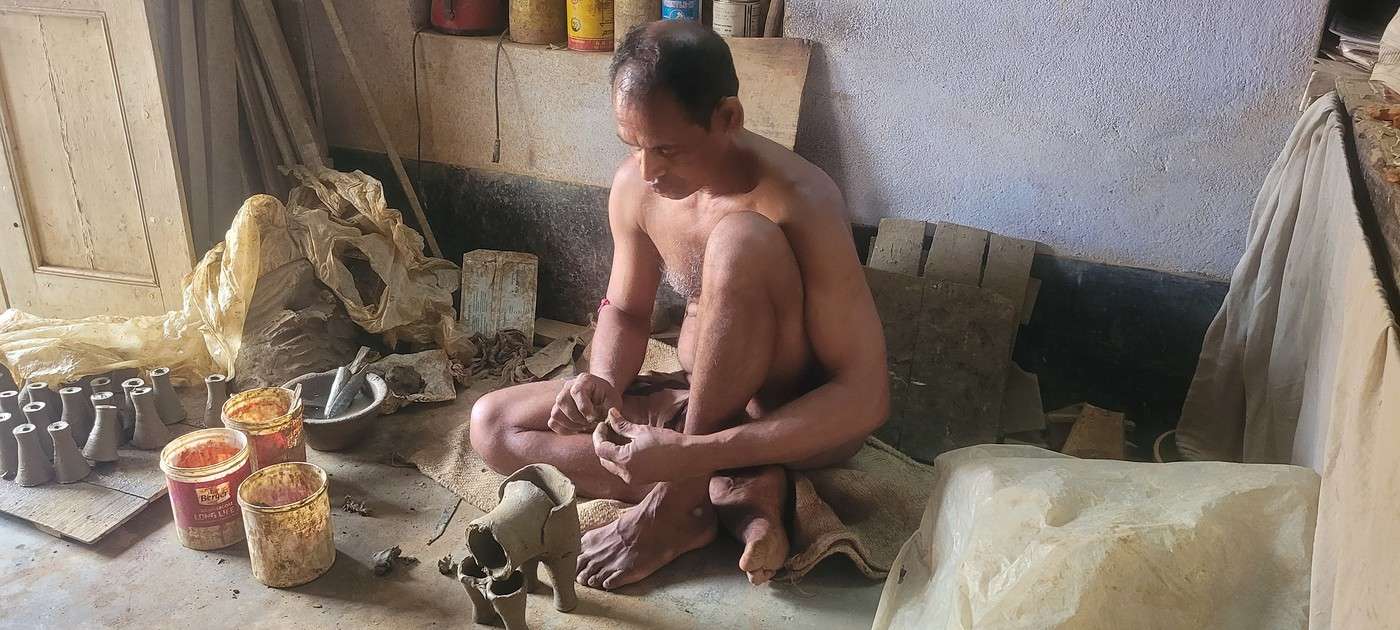
A little further on, men are working at their manual wheels, shaping the clay with remarkable skill.


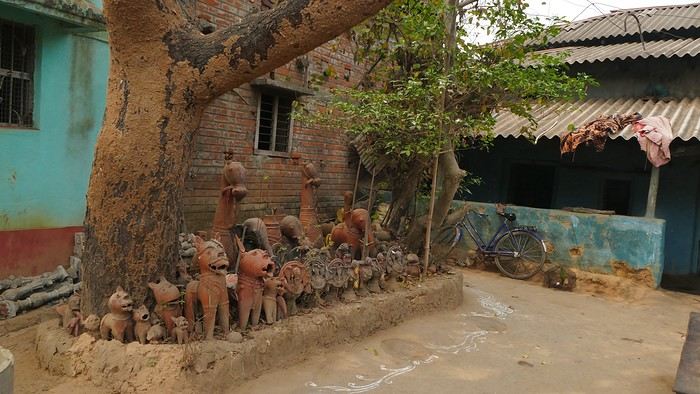
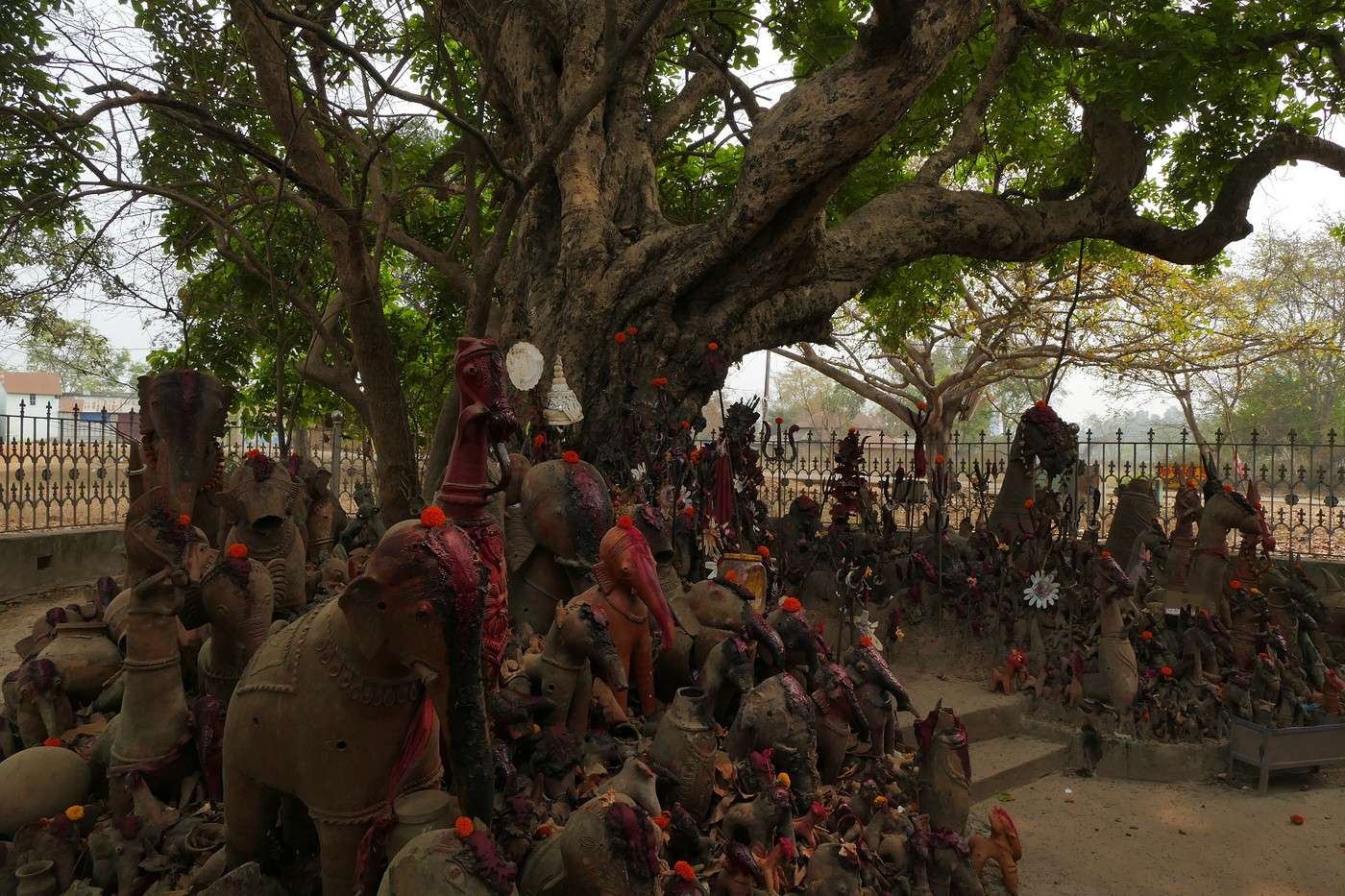
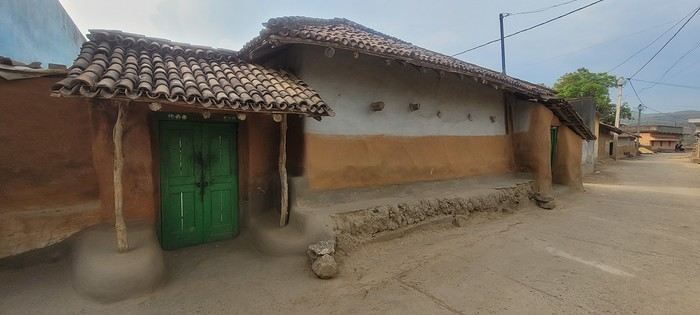
Almost every house has its own small temple in the courtyard. I wander through the village for a long time and spot several small animist shrines.


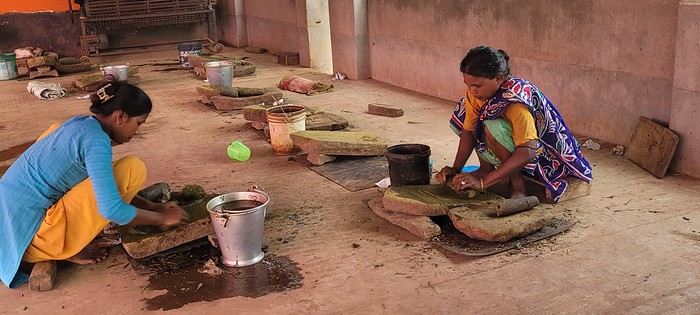
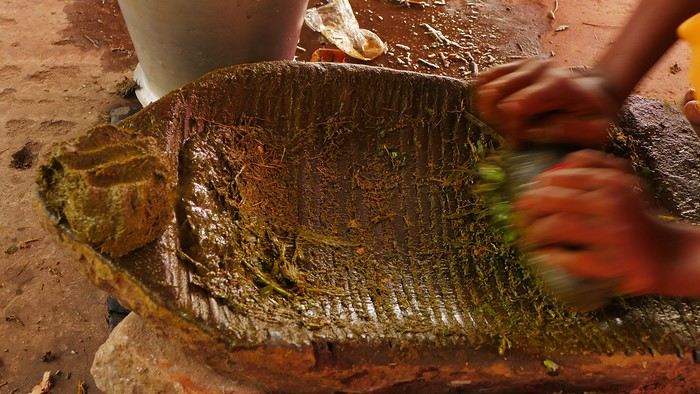
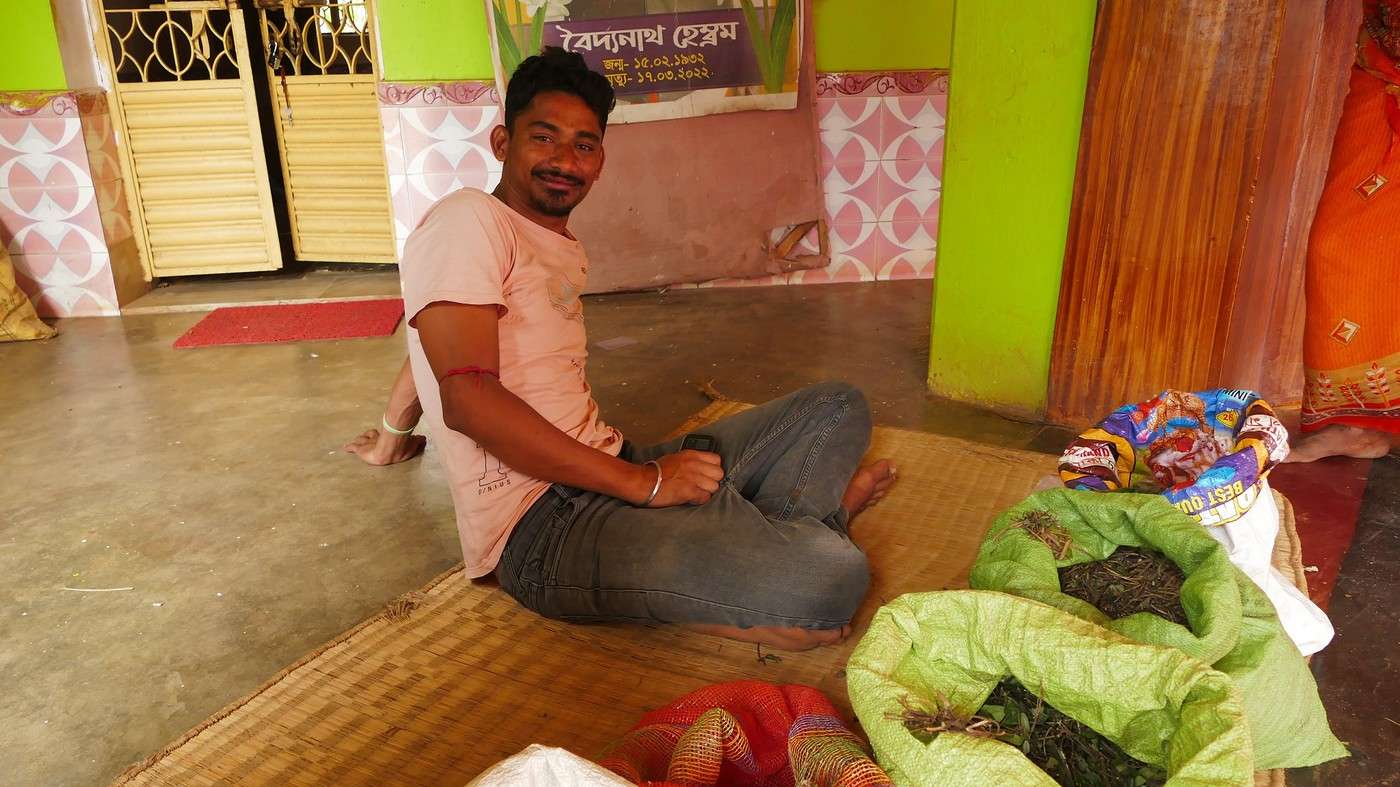
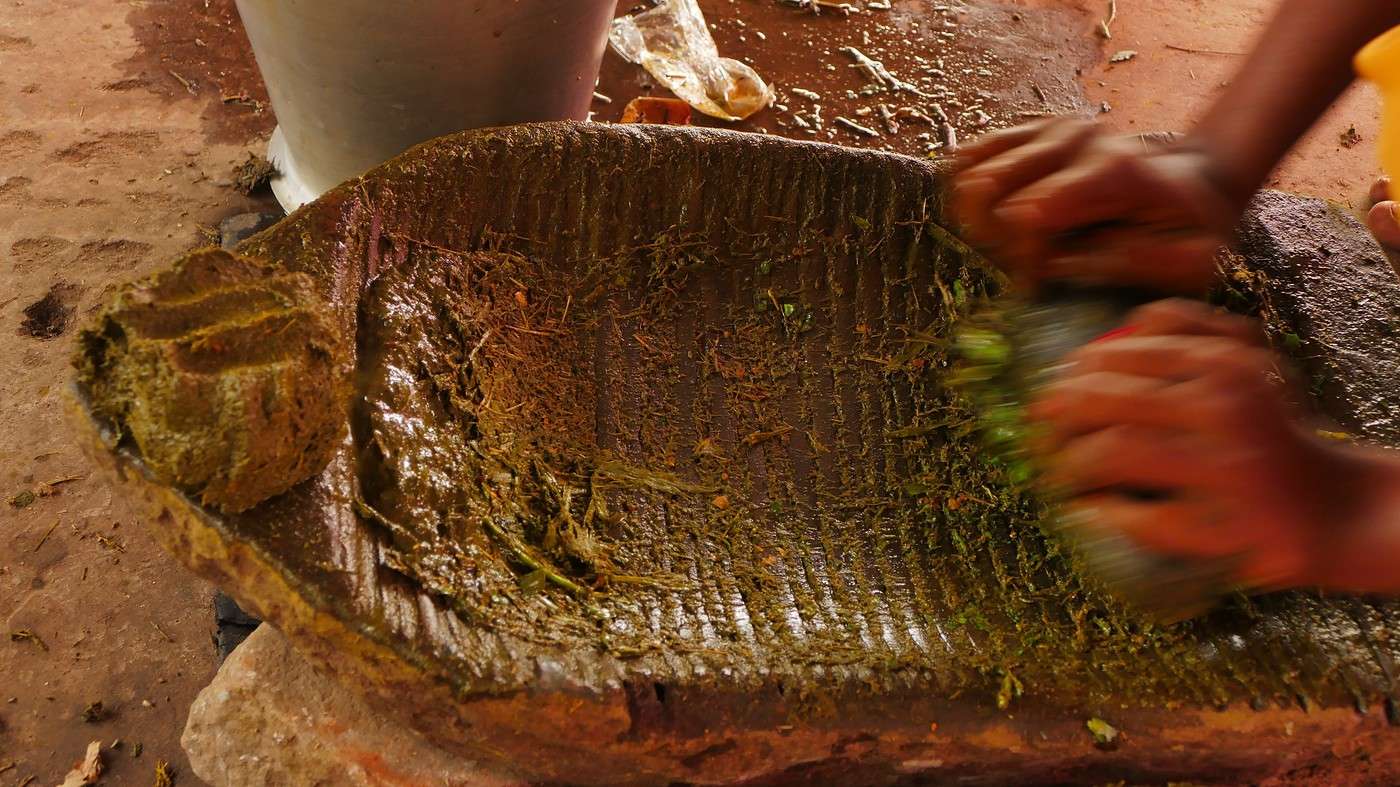
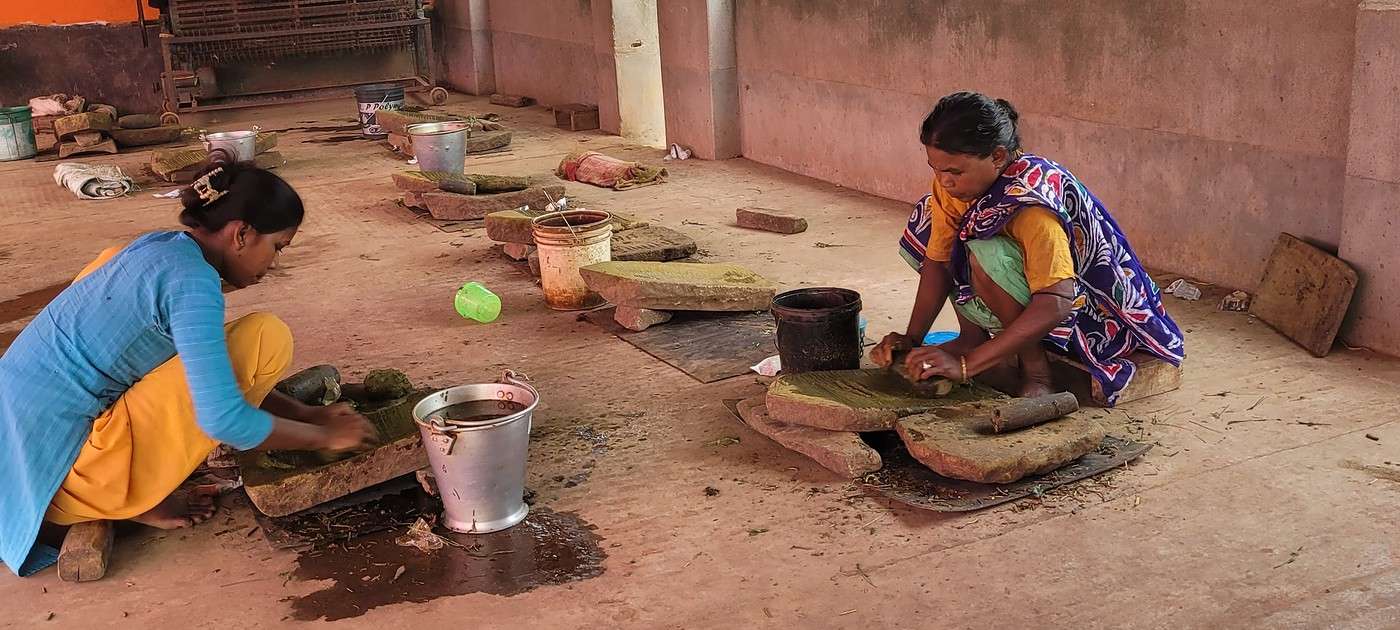
Back on the main street, I ask several shopkeepers where the Ayurvedic hospital is. Finally, a man knows the place. He explains I need to take a rickshaw (200 rupees). He stops one for me and gives the driver directions himself. We take a very small, badly damaged road full of potholes. We move slowly, jostled at every bump; I can’t wait to arrive. The route crosses rice fields and then a sal forest. When I arrive, I’m surprised: this hospital doesn’t look anything like what I imagined a healthcare facility would. Under an open hall, several women are kneeling. They grind different herbs on a grooved stone, endlessly repeating the same motion until they get a paste.


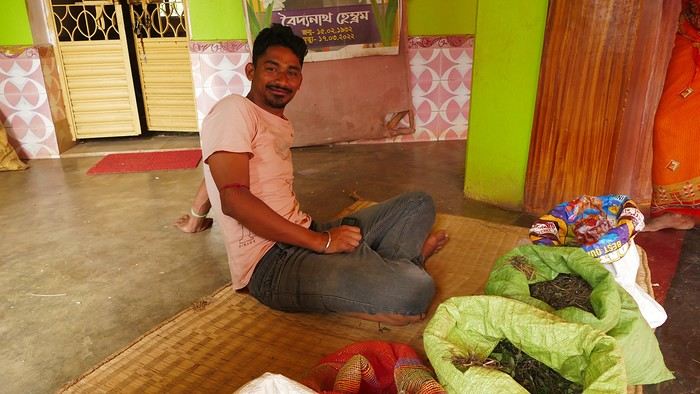
Patients sometimes come from very far away. One man is accompanying his father, who has cancer and lives in Ranchi, in the state of Jharkhand. After the consultation, the doctor prescribes herbal preparations that patients buy immediately from the pharmacist set up next to the hall.


This ancient medicine is still practiced here, using methods passed down from generation to generation. I wonder if such a system hasn’t become almost unique these days. There’s no bus back to Bishnupur. The man I met at the hospital also needs to go there to catch his train. So we share the same rickshaw for the return trip.

New adventures from Perpignan to Ranchi (Jharkhand)

Aleph240758 · 2026-07-16 · Message 23 of 61

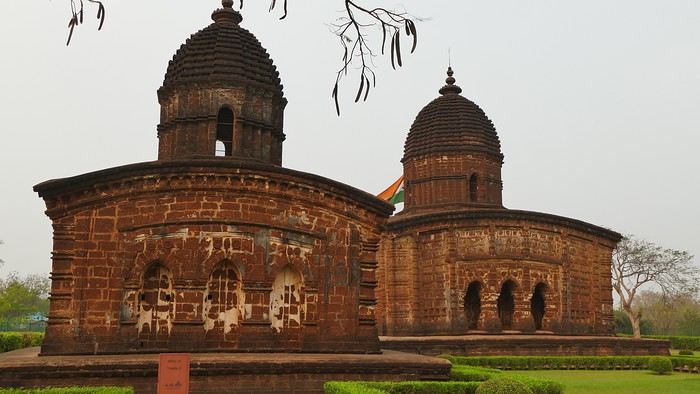
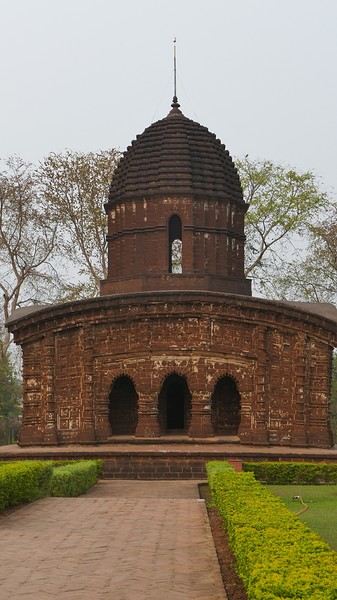
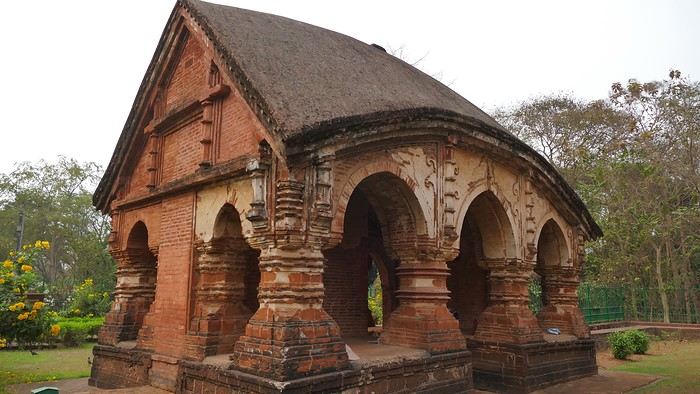
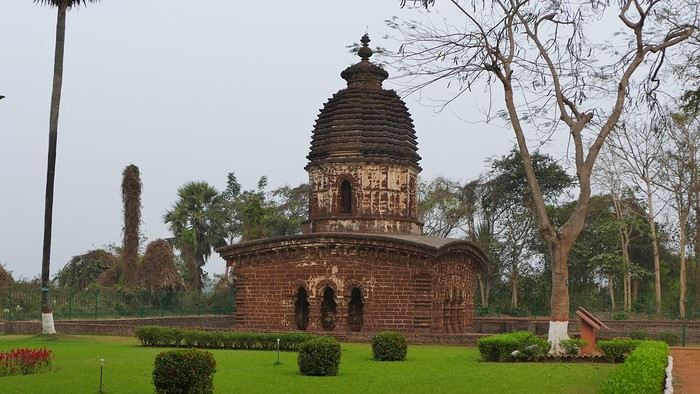
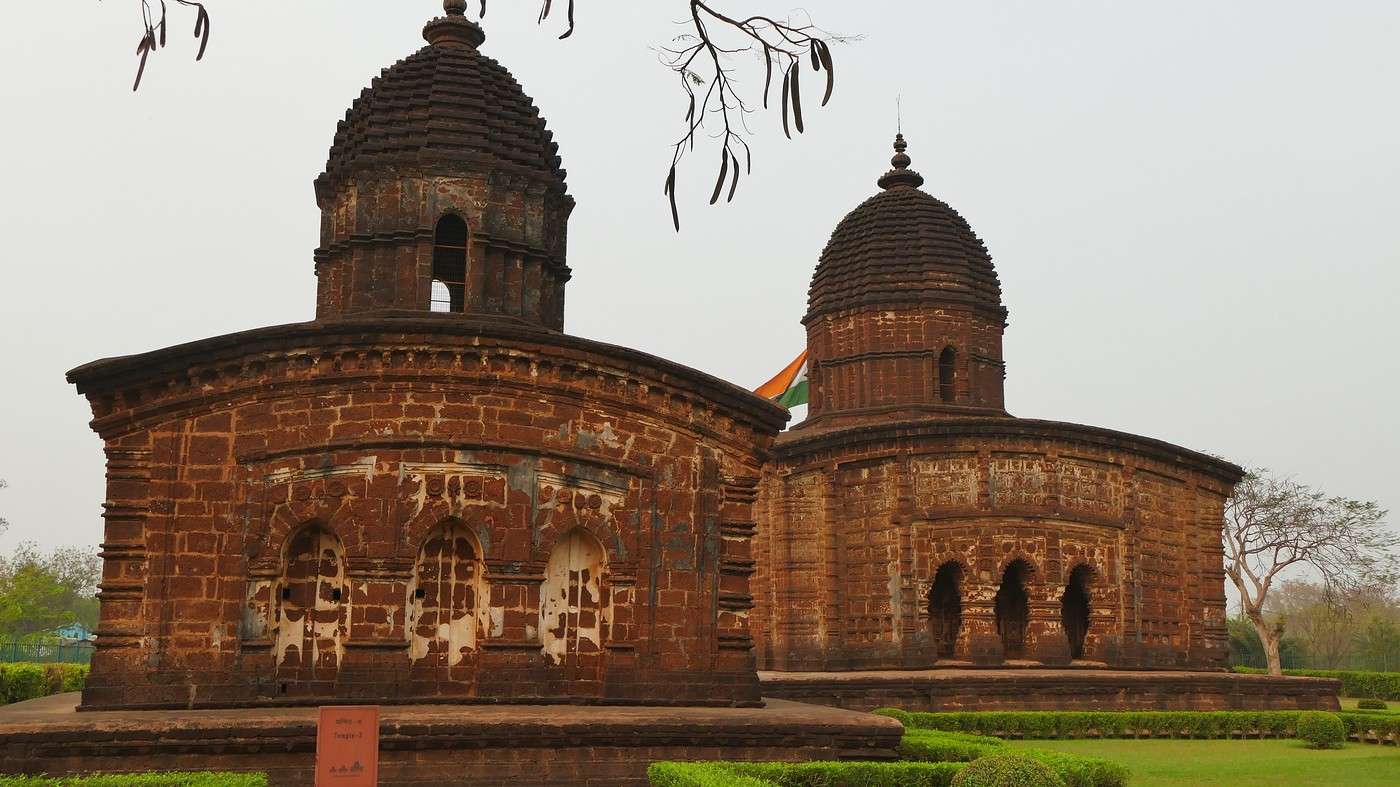
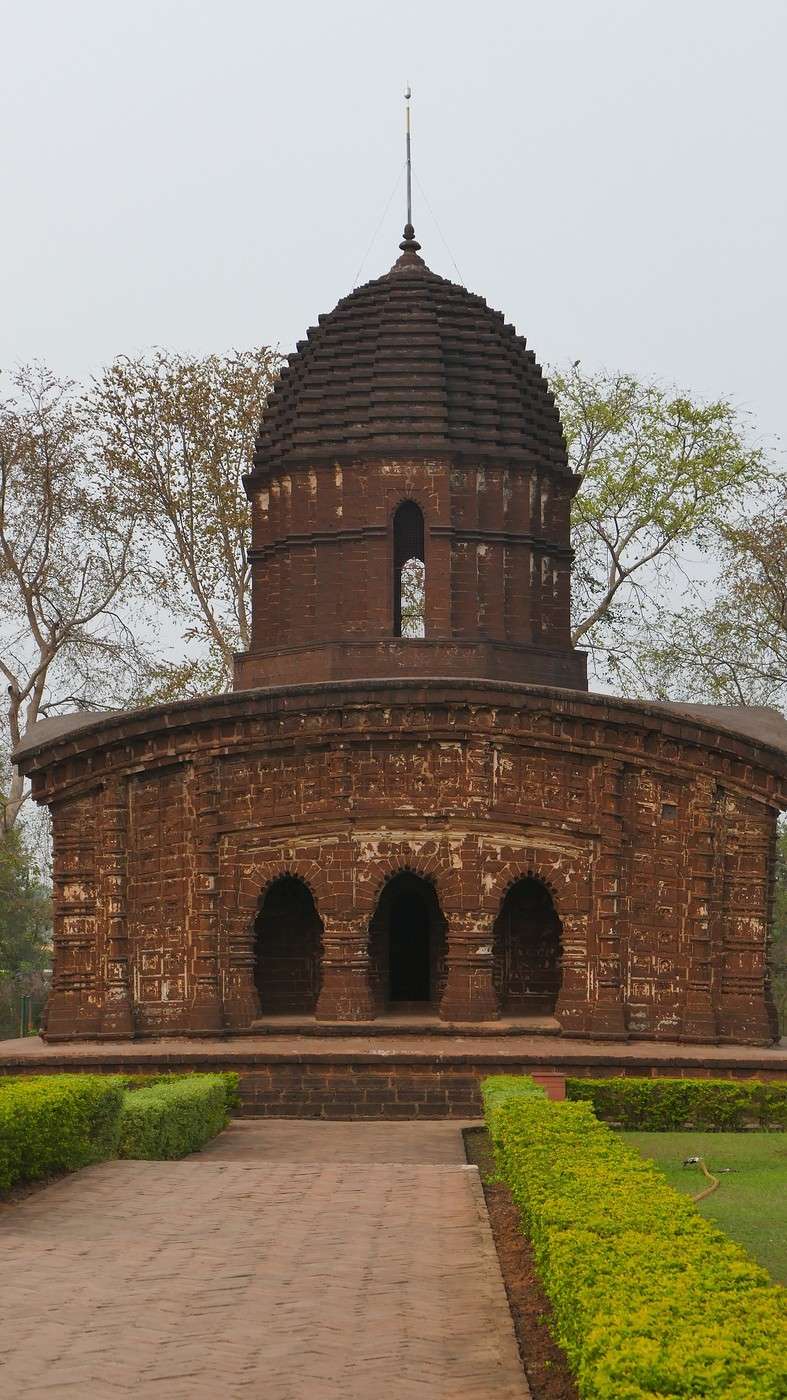
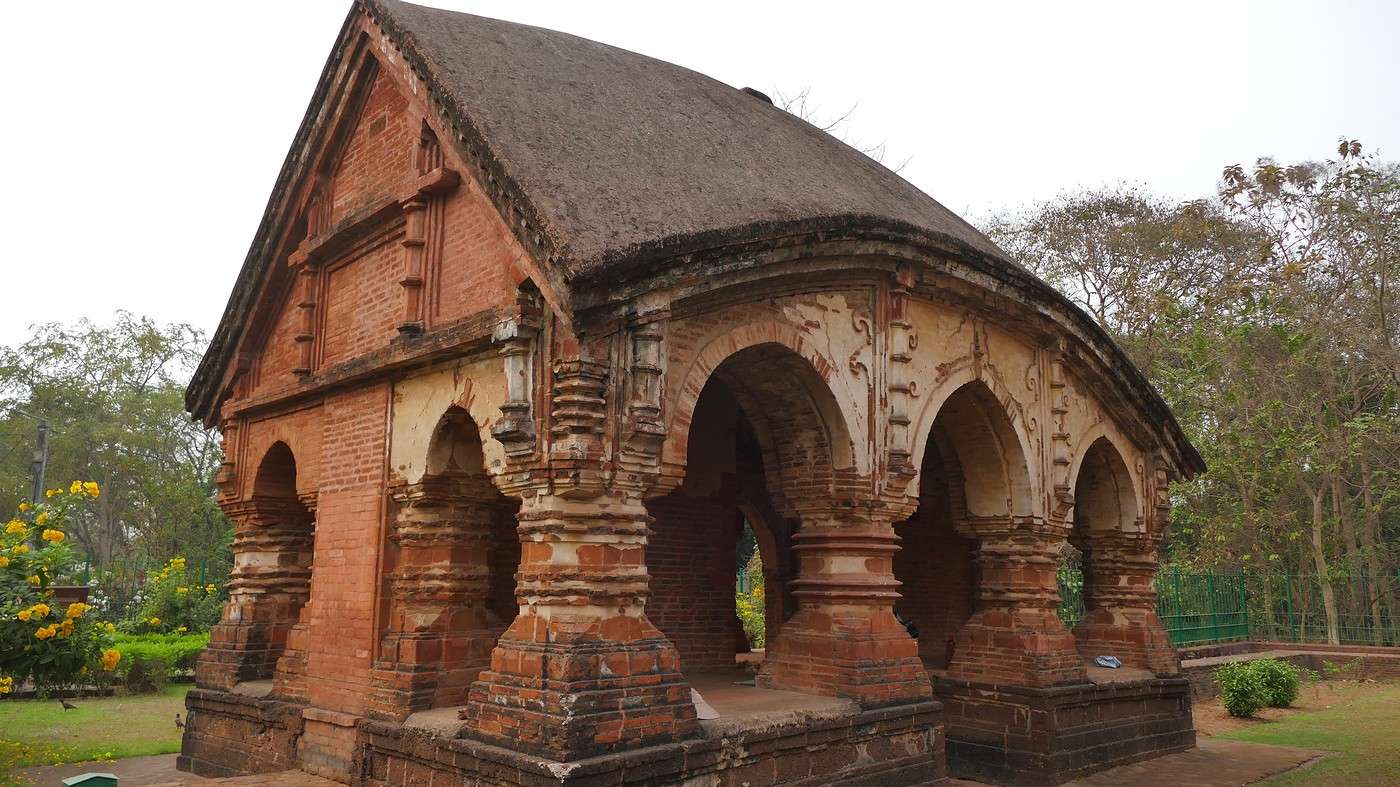
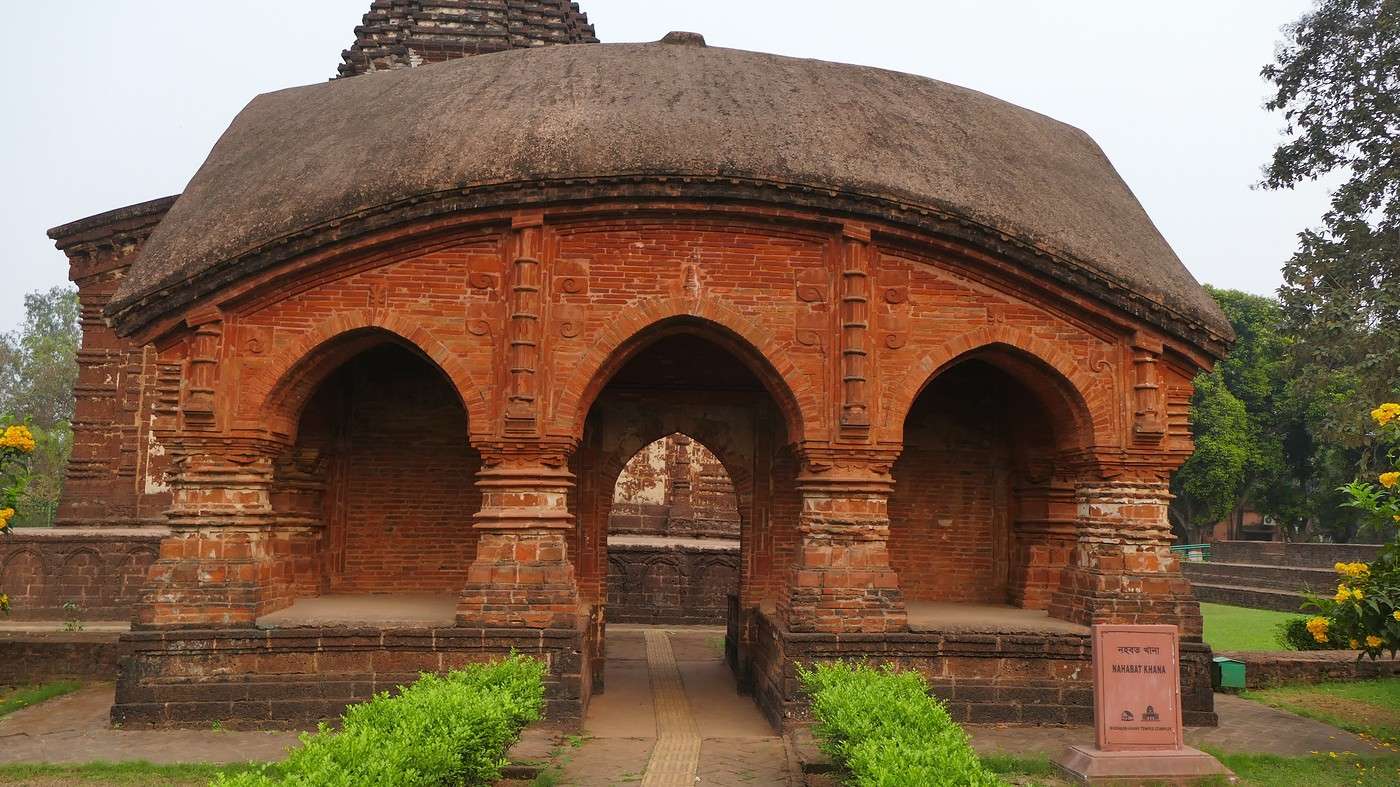
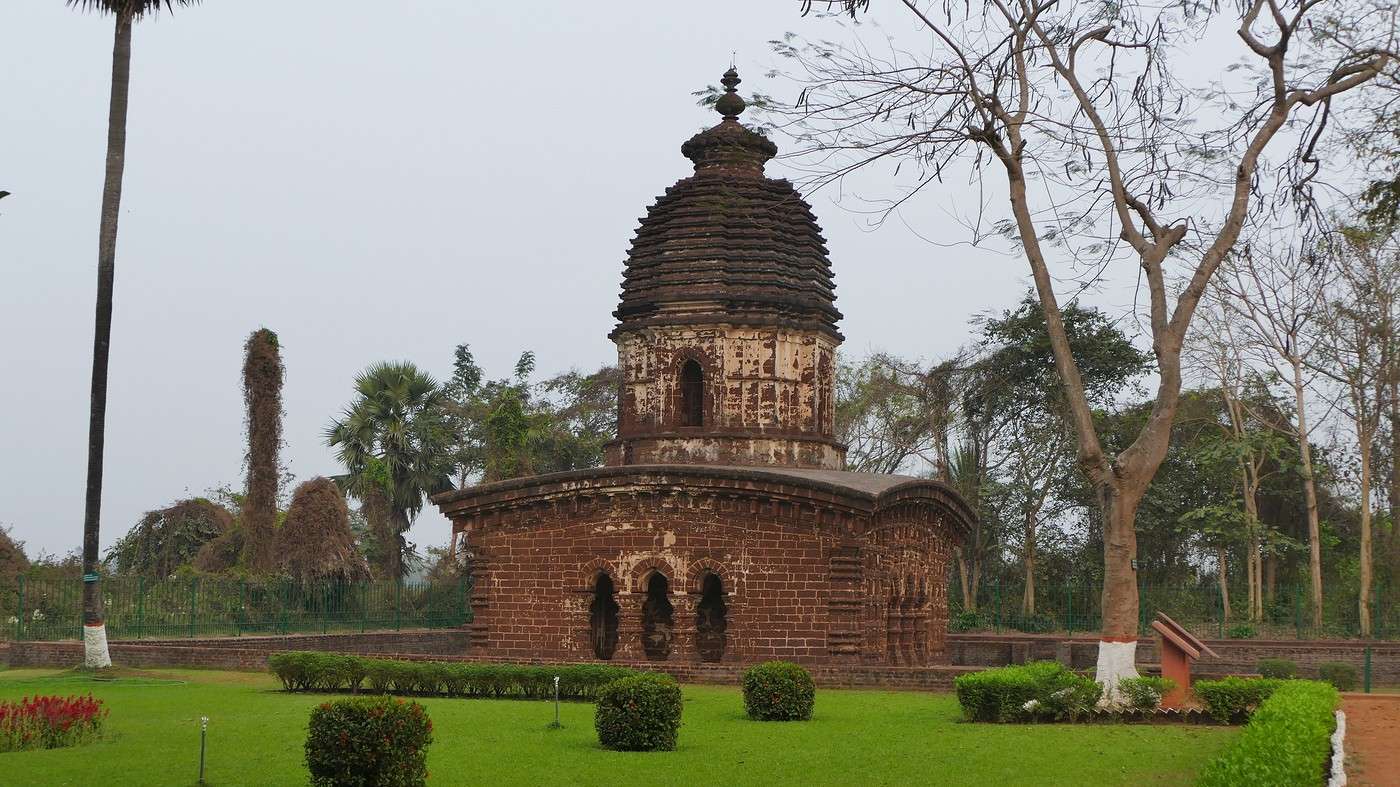
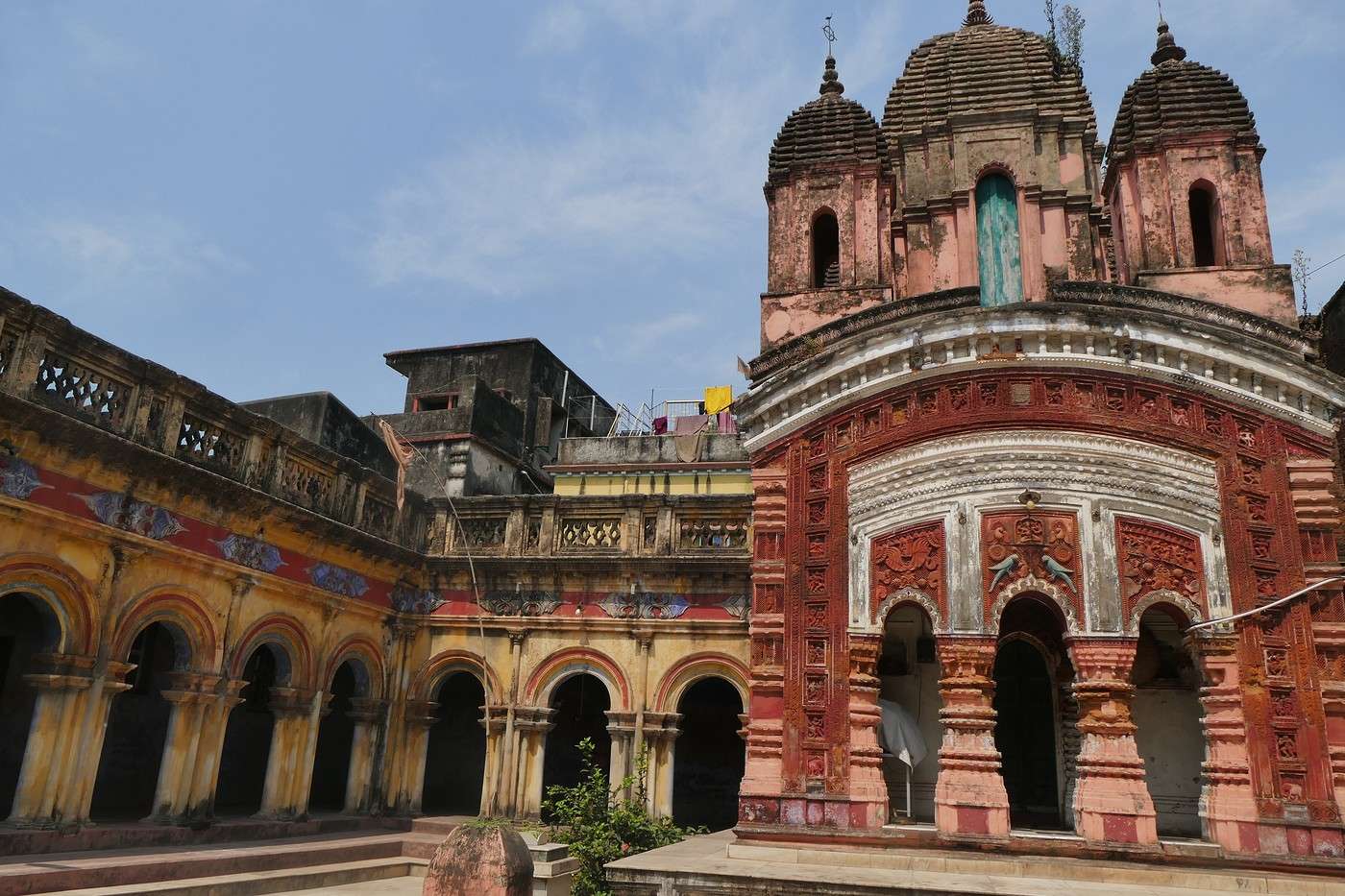
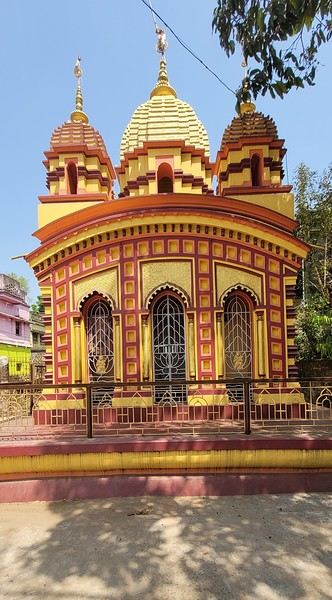
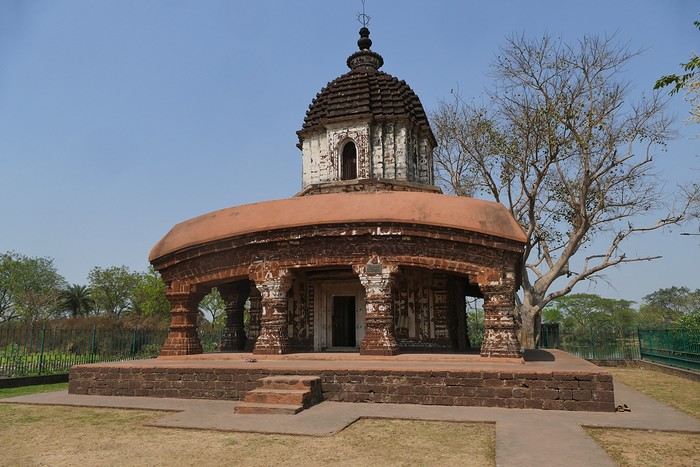
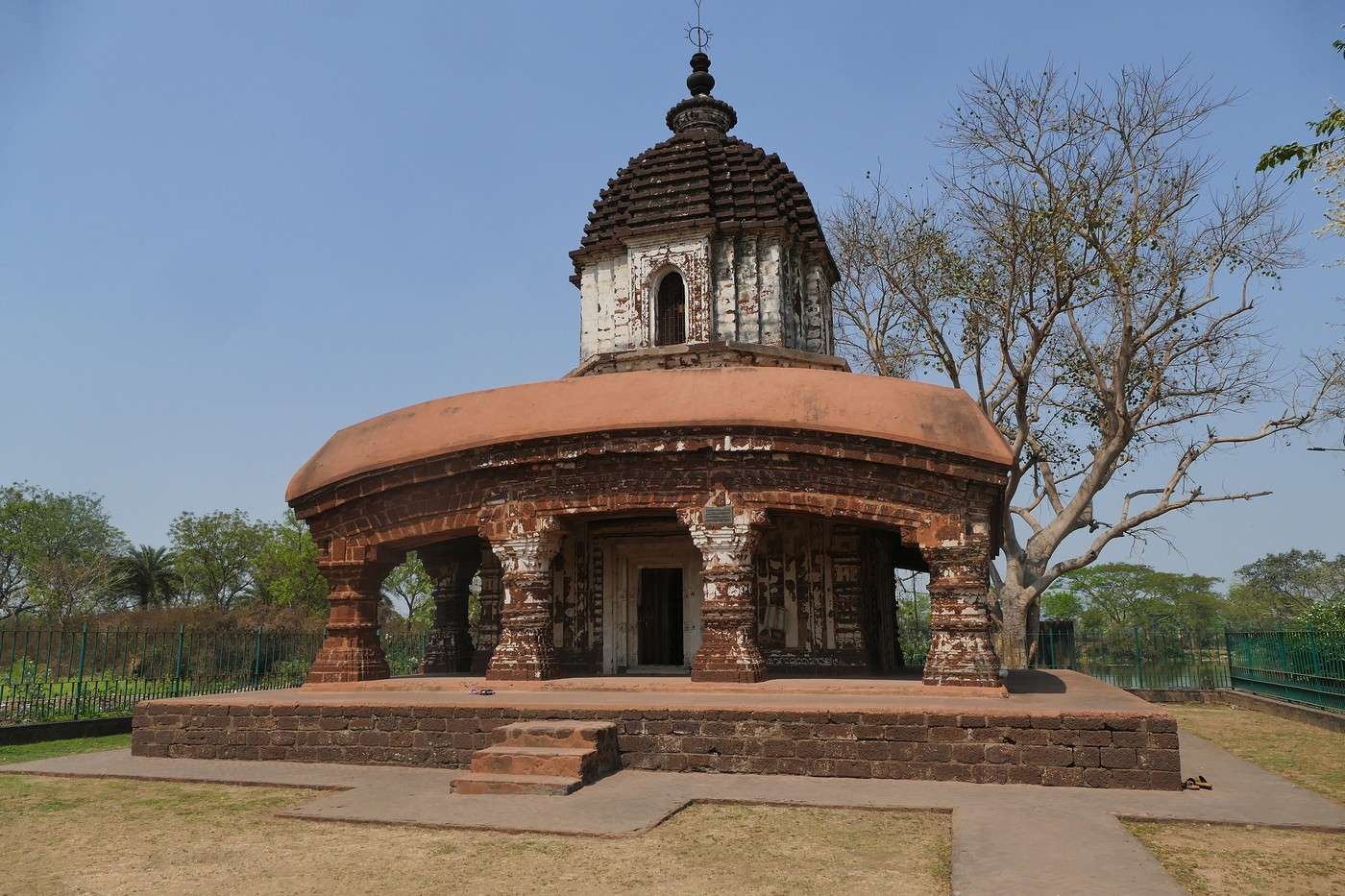
The driver drops me off at the market entrance, and I set off on foot to explore the Jor Mandir temple complex. This complex consists of three temples—two large and one smaller—nestled in the heart of a meticulously maintained park. All three are built from laterite, on raised platforms, with sloping roofs topped by a single shikhara. The entrance facades are richly adorned with sculptures.


Outside, the smallest temple is also the most decorated. You’ll find scenes from the Ramayana and the Mahabharata here.


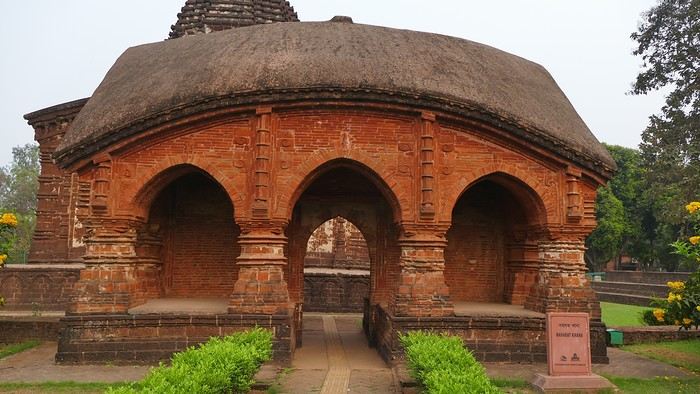
I continue my visit with the Radha Madhab temple, also built from laterite. It has a triple-arched entrance, but only two sides allow access to the interior.


The bas-reliefs, remarkably well-preserved, depict incarnations of Vishnu, floral motifs, as well as birds and various animals. Several scenes from the Ramayana are also featured here. I finish with the Kalachand temple, located in a pleasant complex with beautiful gardens and magnificent trees.

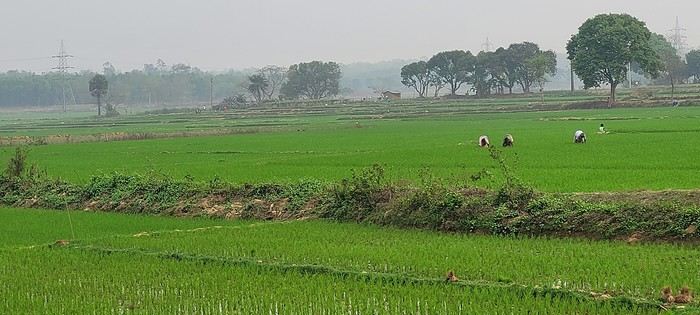
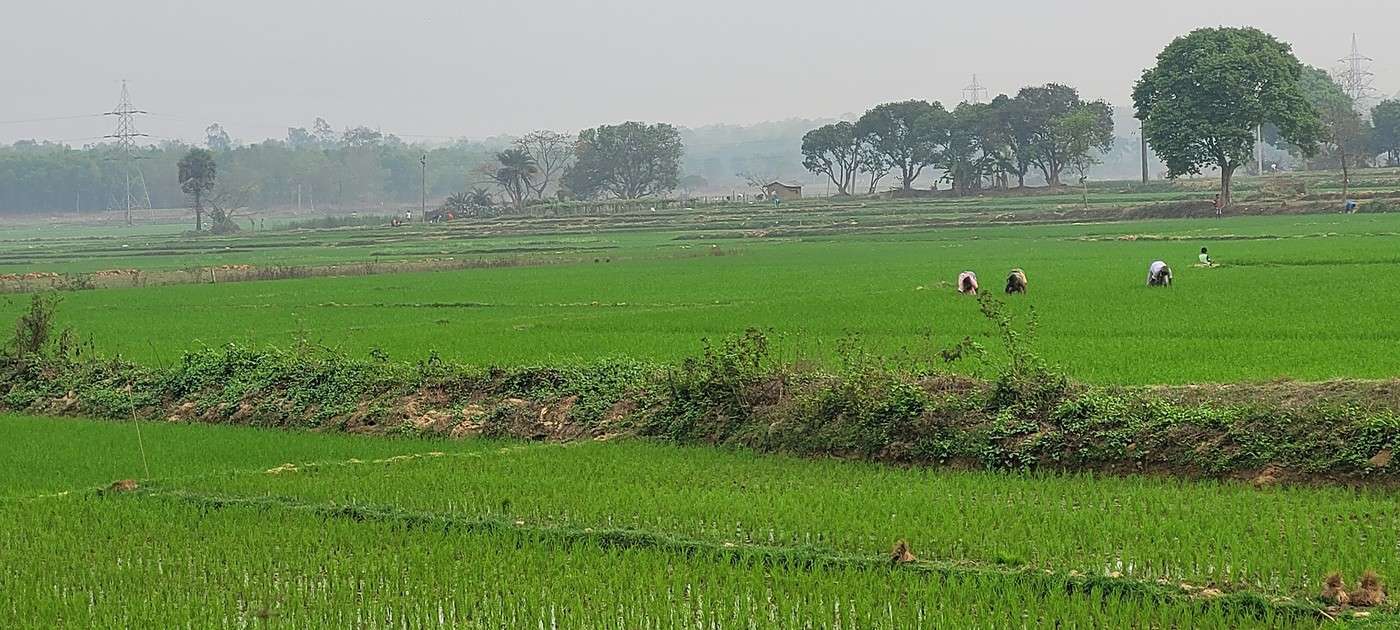
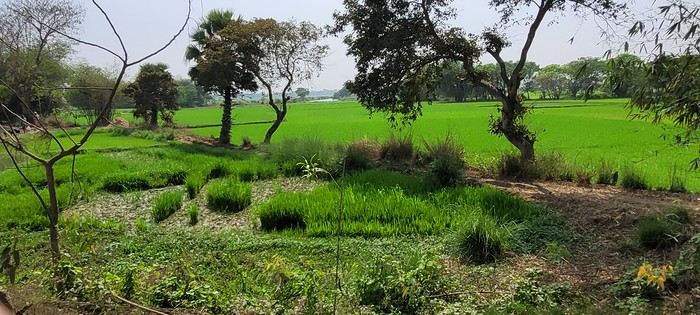
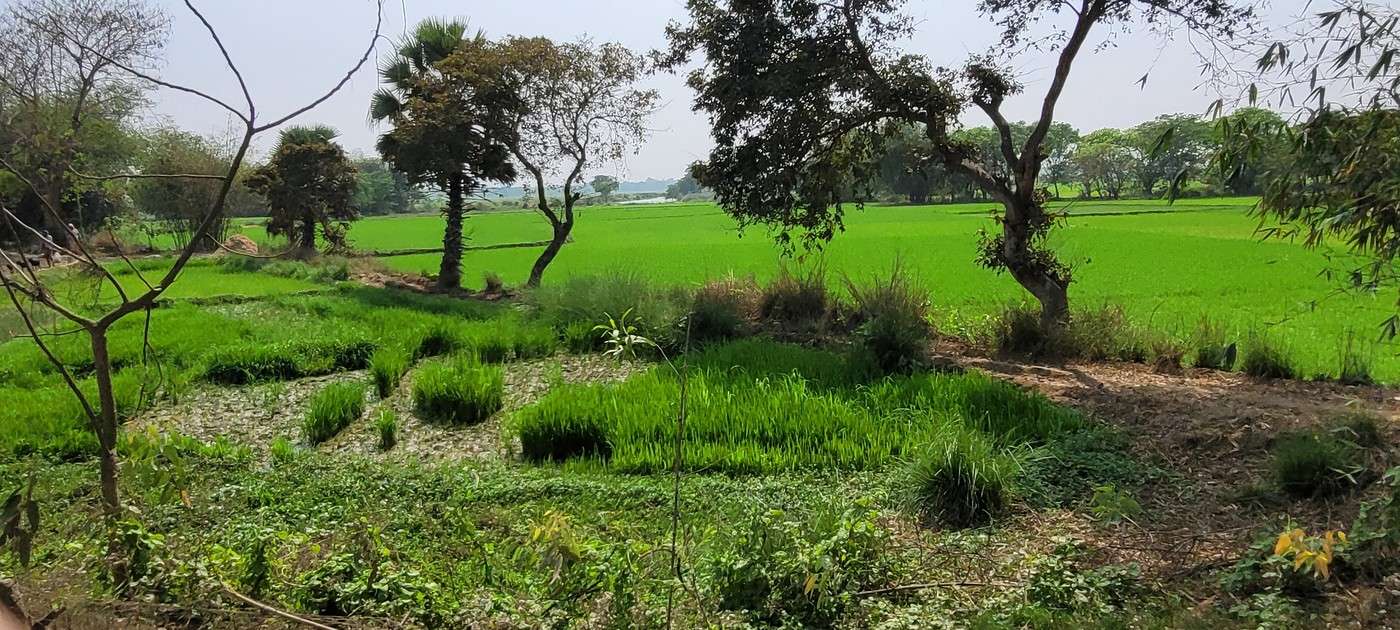
Afterward, I head back to the hotel, wandering through the village alleys and skirting the rice fields.


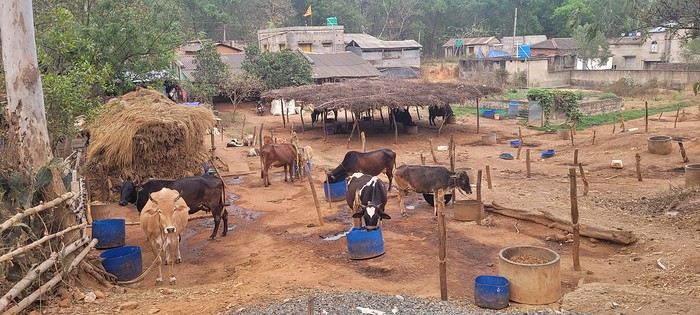
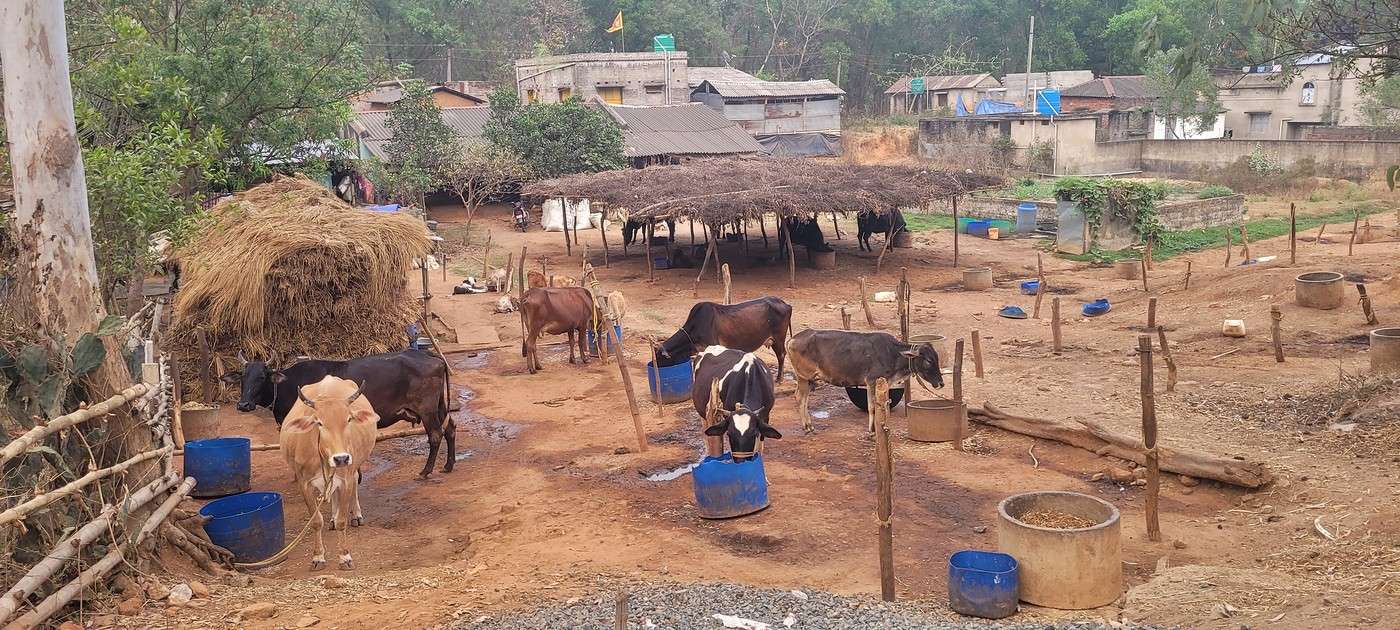
An open-air cowshed—there are so many in this region—I don’t remember seeing this many cows before.


A peaceful walk that nicely wraps up this day of discoveries.

New adventures from Perpignan to Ranchi (Jharkhand)

Aleph240758 · 2026-07-16 · Message 24 of 61

, I wouldn’t have the patience you show when it comes to transport delays and lost bags. Hi Kate! When it comes to traveling, I’m up for anything. I collect unexpected surprises right from the start of my trips ;) For Laos, all my flights were delayed, and this time, one was even canceled. The next one??? I’m still heading back anyway :|

New adventures from Perpignan to Ranchi (Jharkhand)

Aleph240758 · 2026-07-16 · Message 25 of 61

Thanks Alain for your loyalty 🙂 I’m committed—I’ve got to see this through to the end 😏

New adventures from Perpignan to Ranchi (Jharkhand)

Aleph240758 · 2026-07-17 · Message 26 of 61

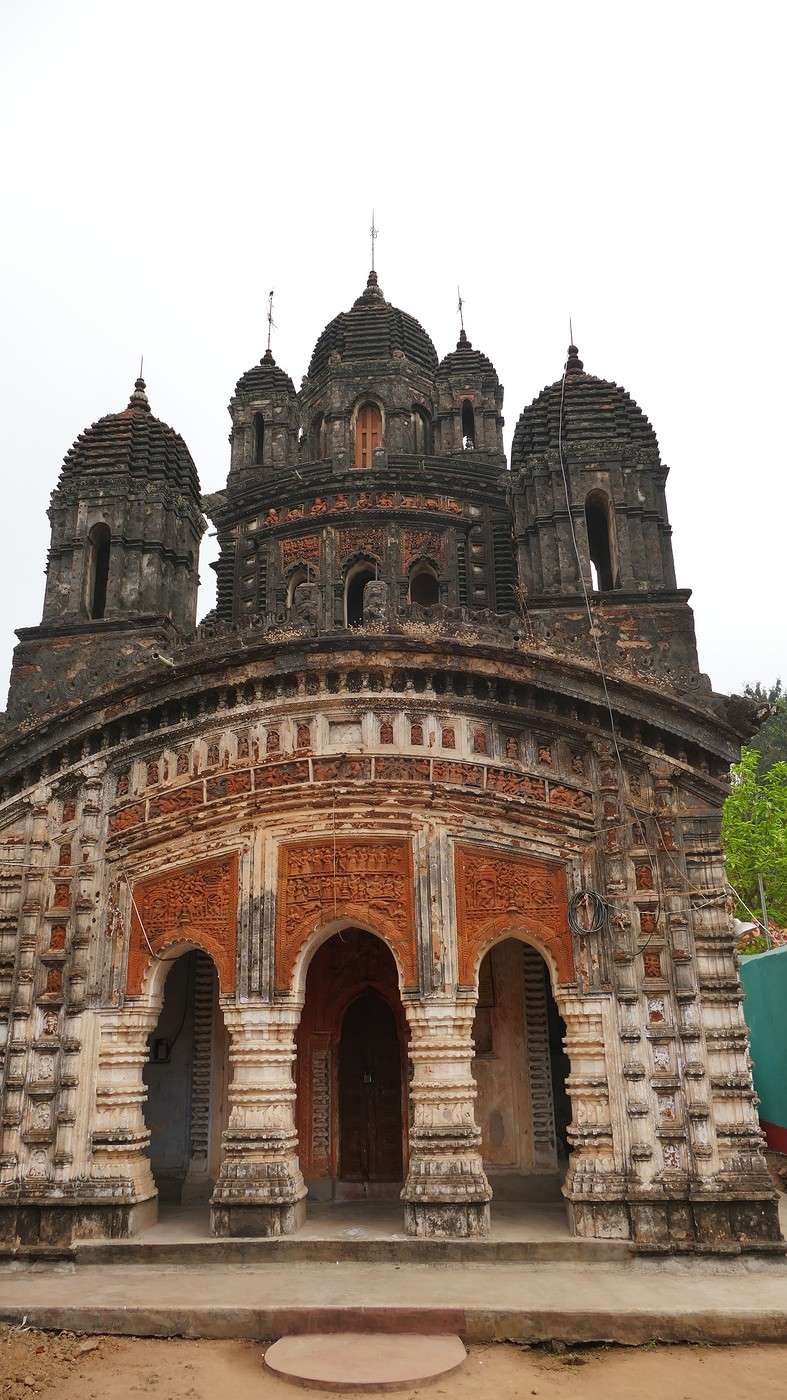
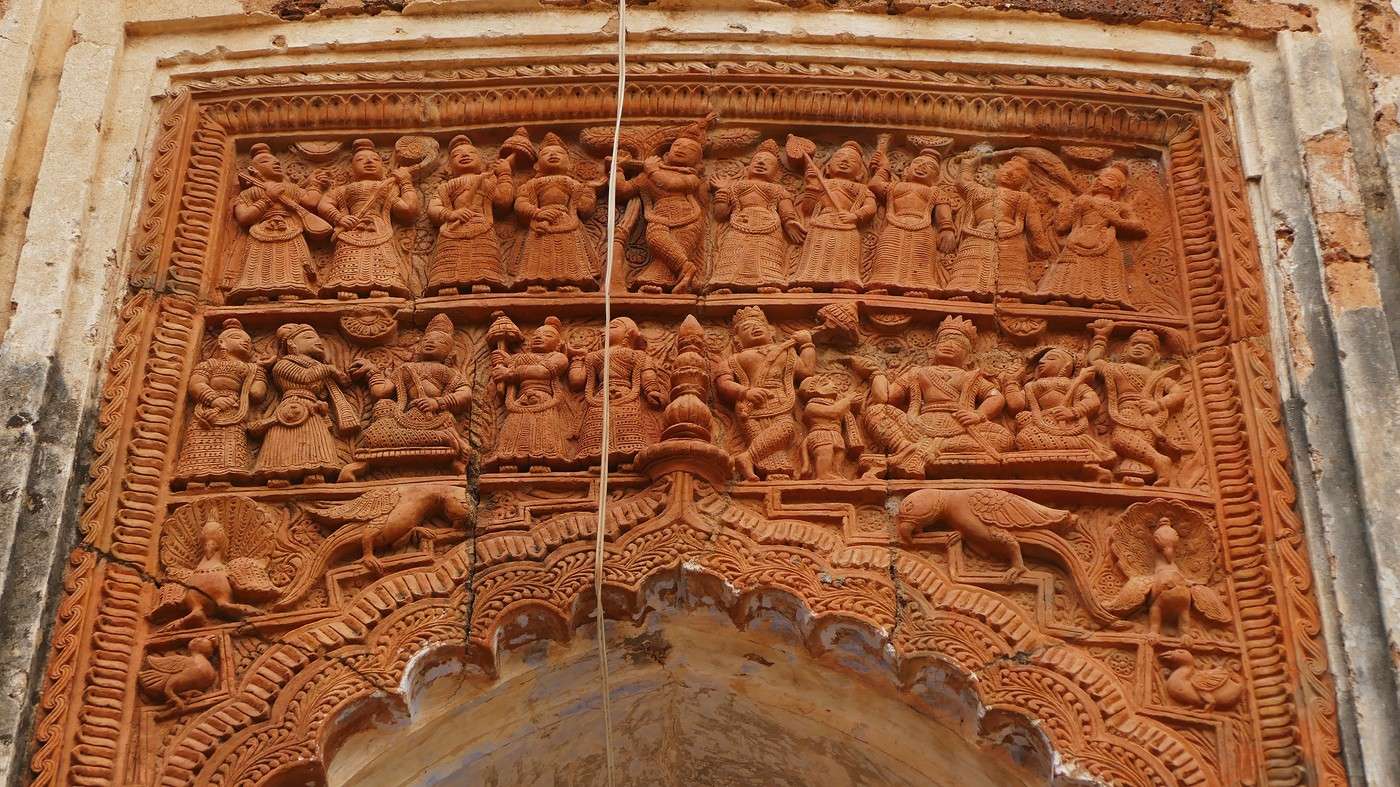
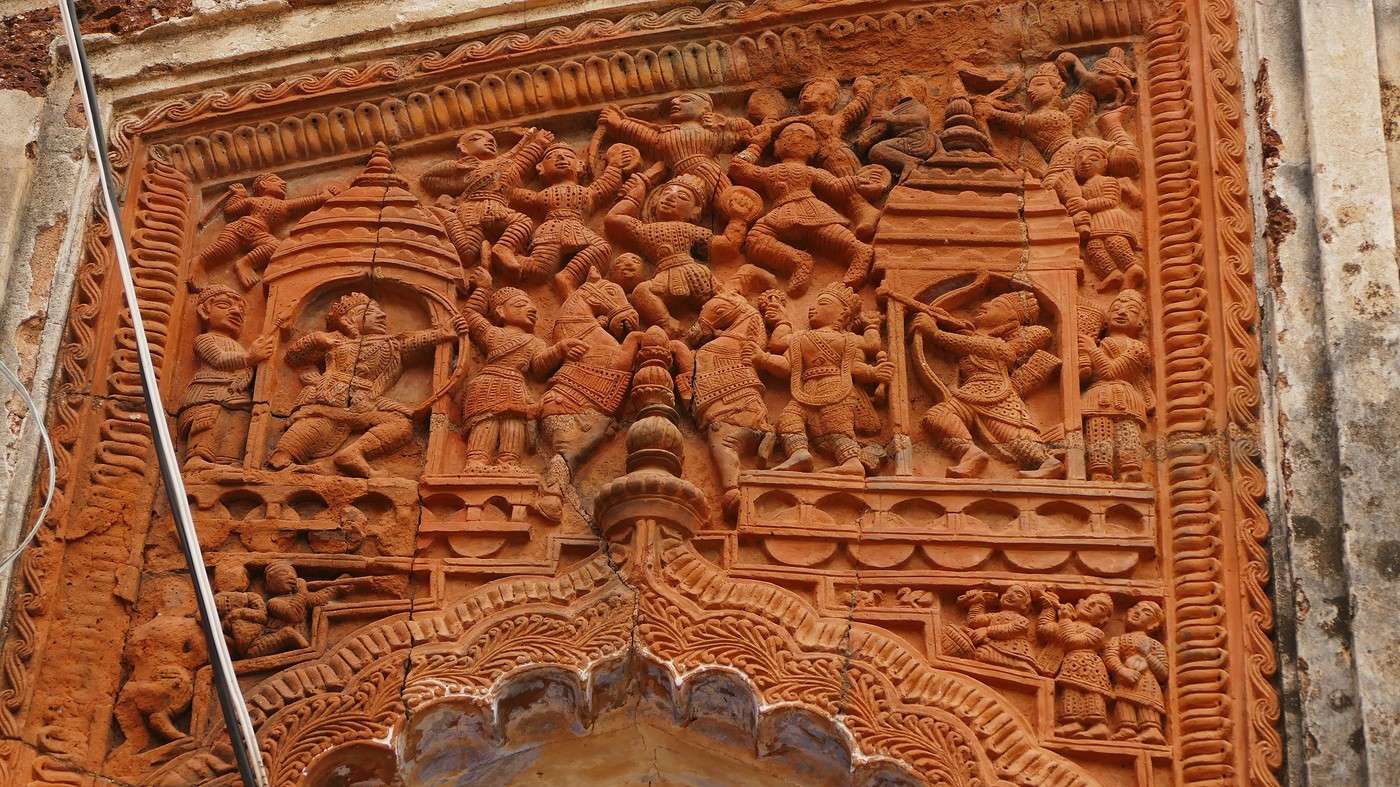
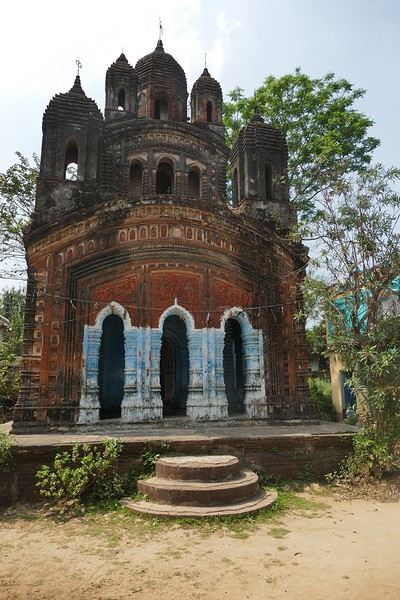
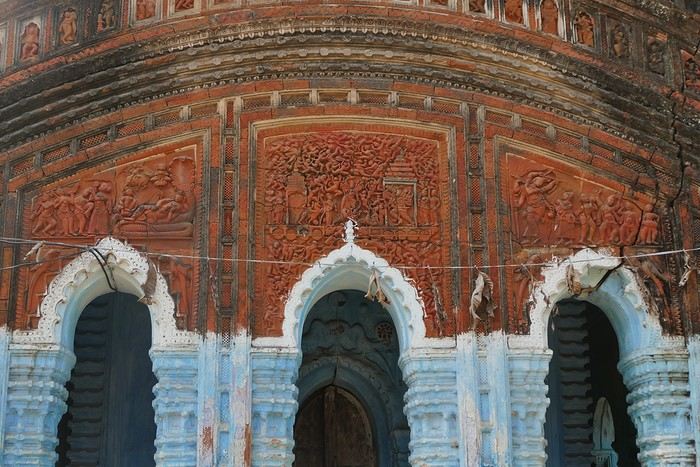
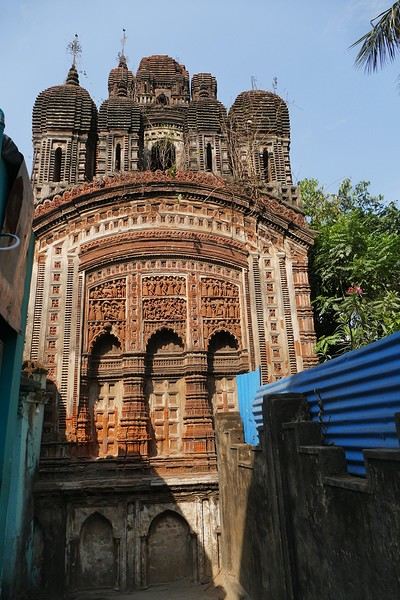
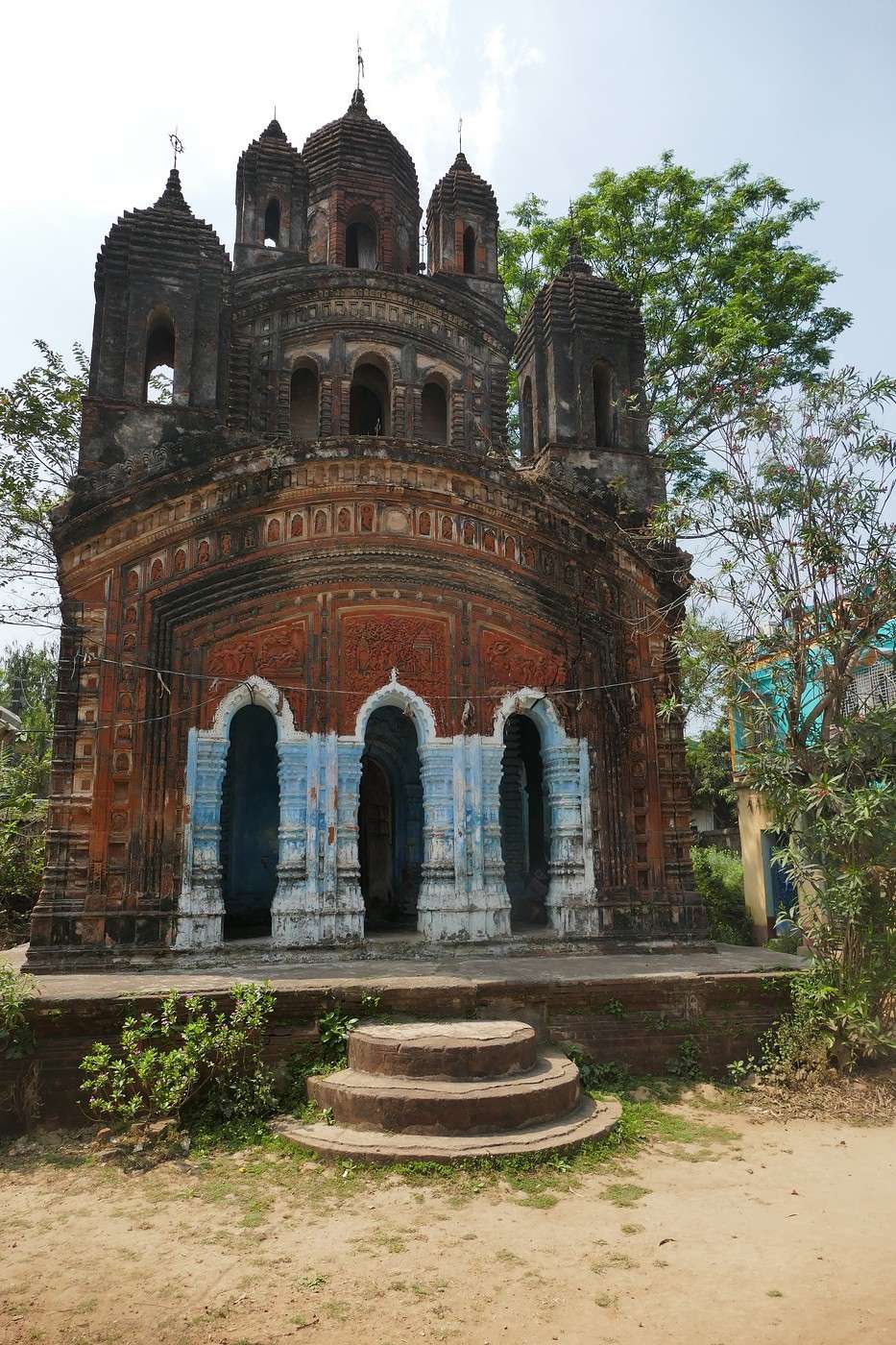
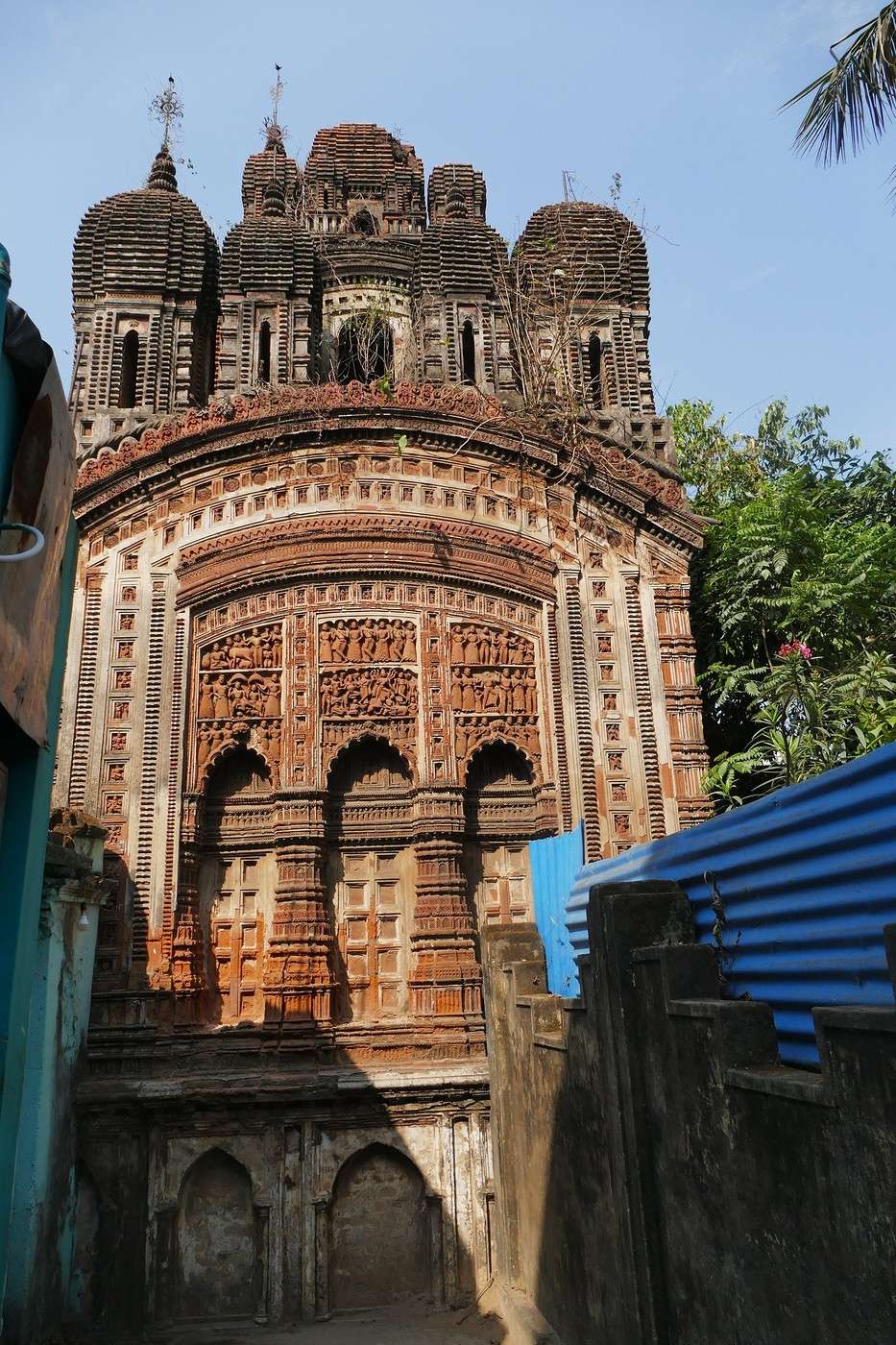
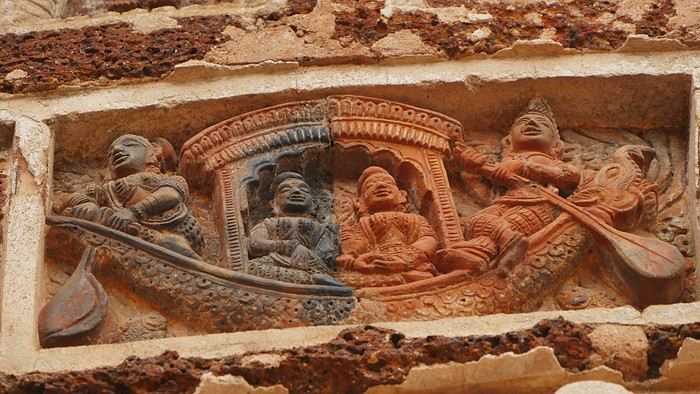
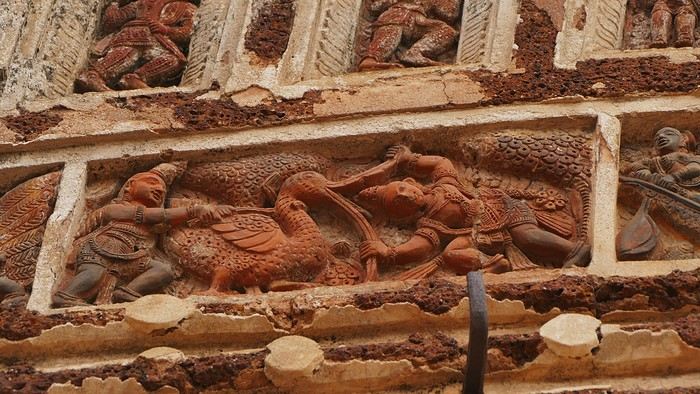
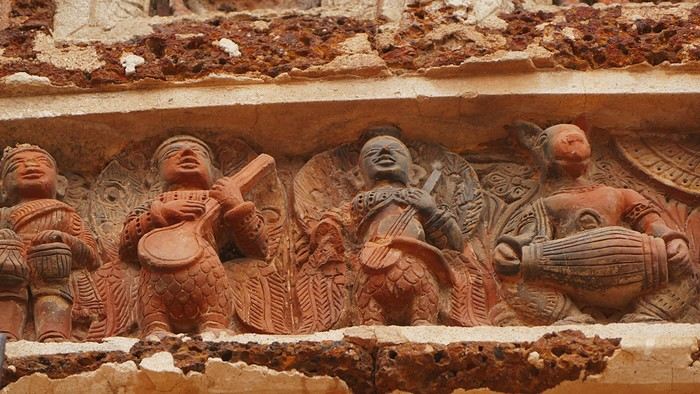
Thursday, March 12 Today, I’m heading to Joypur. On my way out of the hotel to the bus station, I stop by an optician’s: he fixes the frame of my glasses and I take the opportunity to pick out a pair of sunglasses. At the station, my bus is about to leave—perfect, no waiting. Arriving in Joypur, I take a path along a canal. The place is quiet, no traffic, very pleasant. I pass by temples in very poor condition, as well as a large building that once belonged to wealthy merchants, the same ones who had these temples built. The temples of Datta Para and De Para are nine-spired temples, built on two levels. Two of the entrances feature beautiful triple arches adorned with terracotta motifs, while the other two are badly deteriorated.
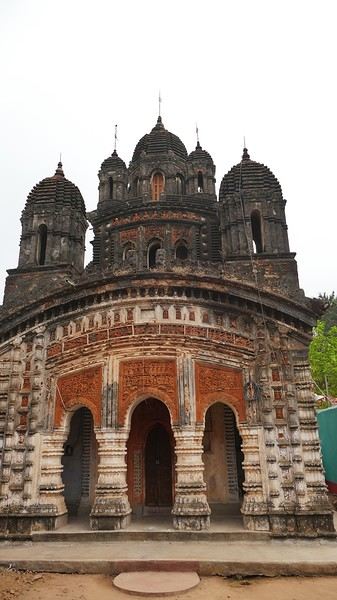


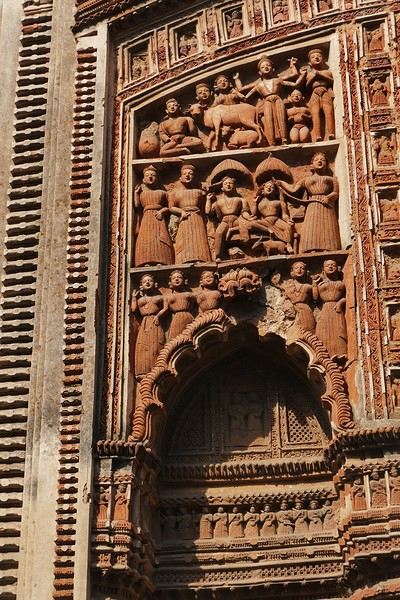
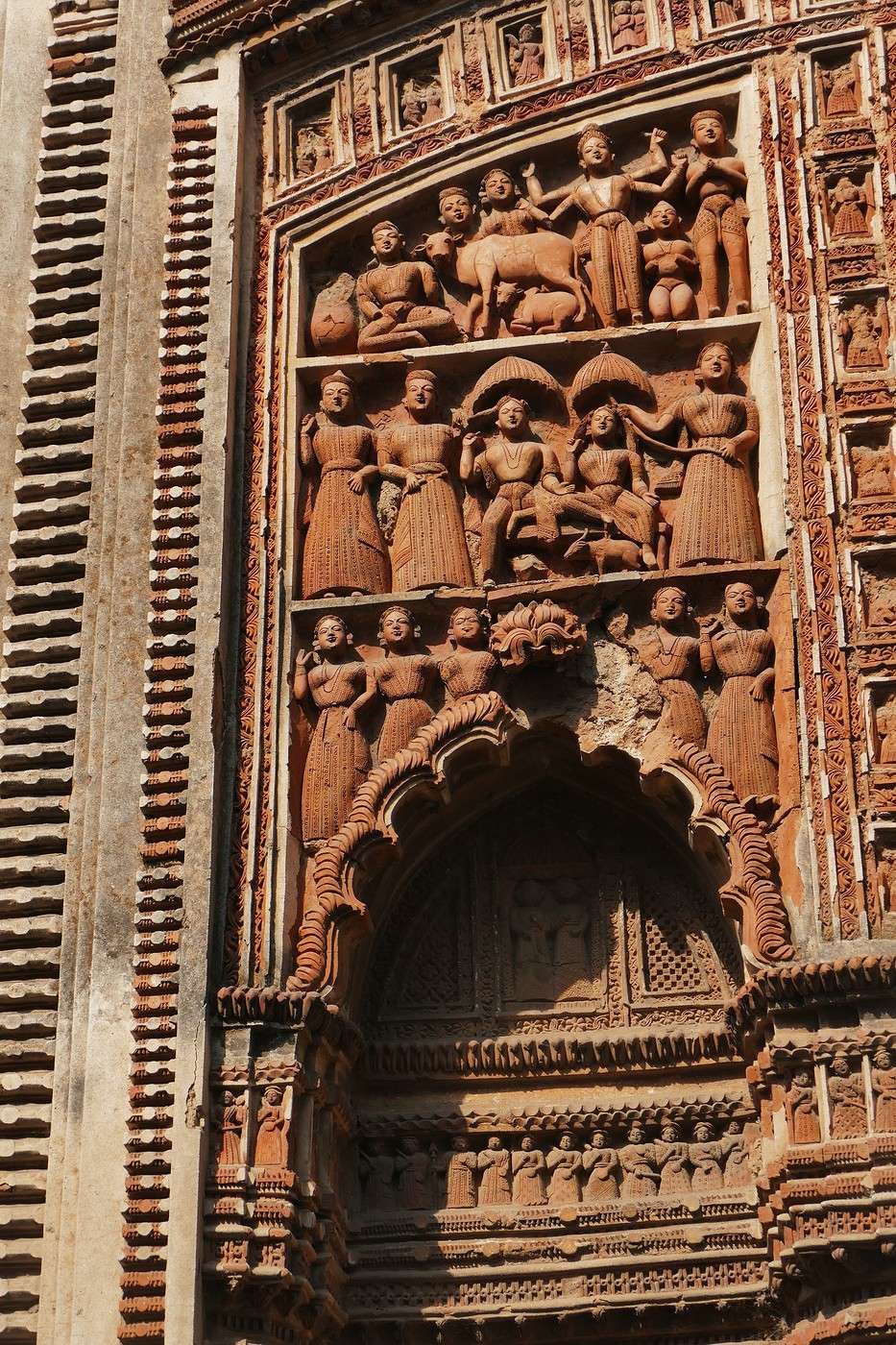
The central panel, in the shape of an arch, is divided into two parts: the upper section depicts Krishna, Radha, and the gopis. The lower section is itself divided in two: on the right, Rama surrounded by Sita and Hanuman; on the left, a figure seated on a throne, surrounded by three women and a man. This is a representation of Radha as a reigning queen.
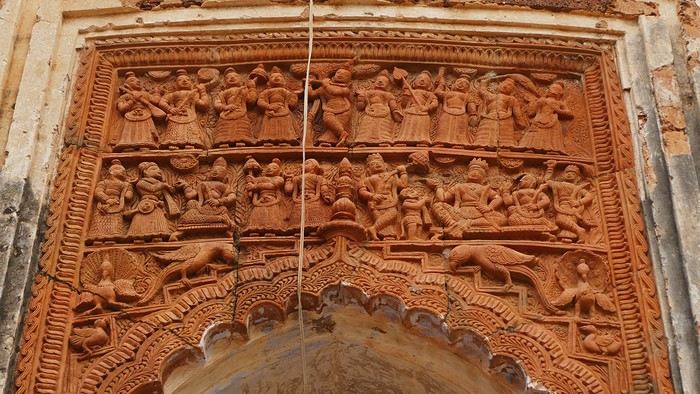


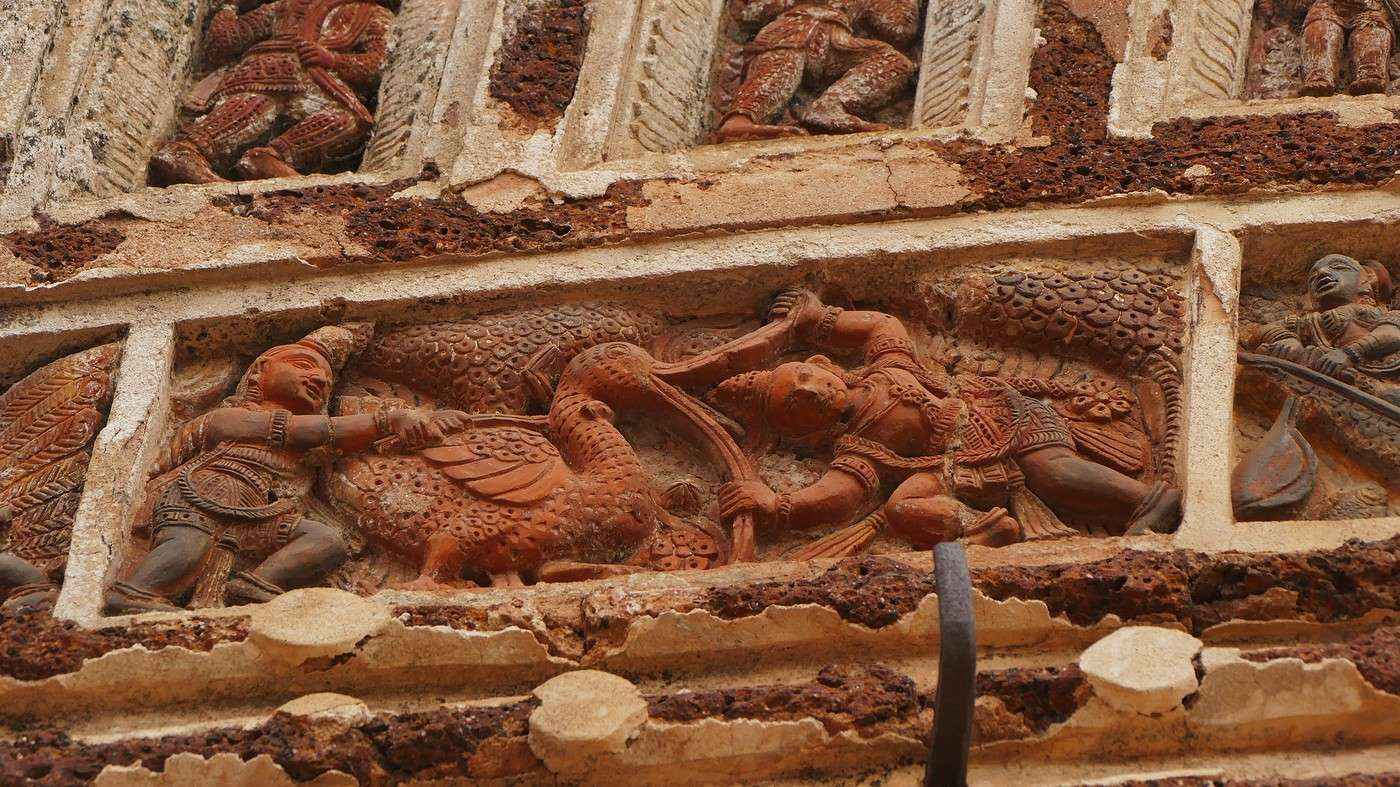
The left arch panel illustrates the battle between Arjuna and Karna during an episode of the Mahabharata.
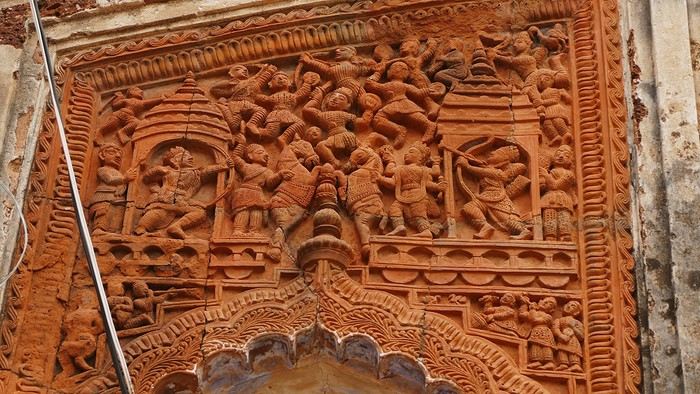


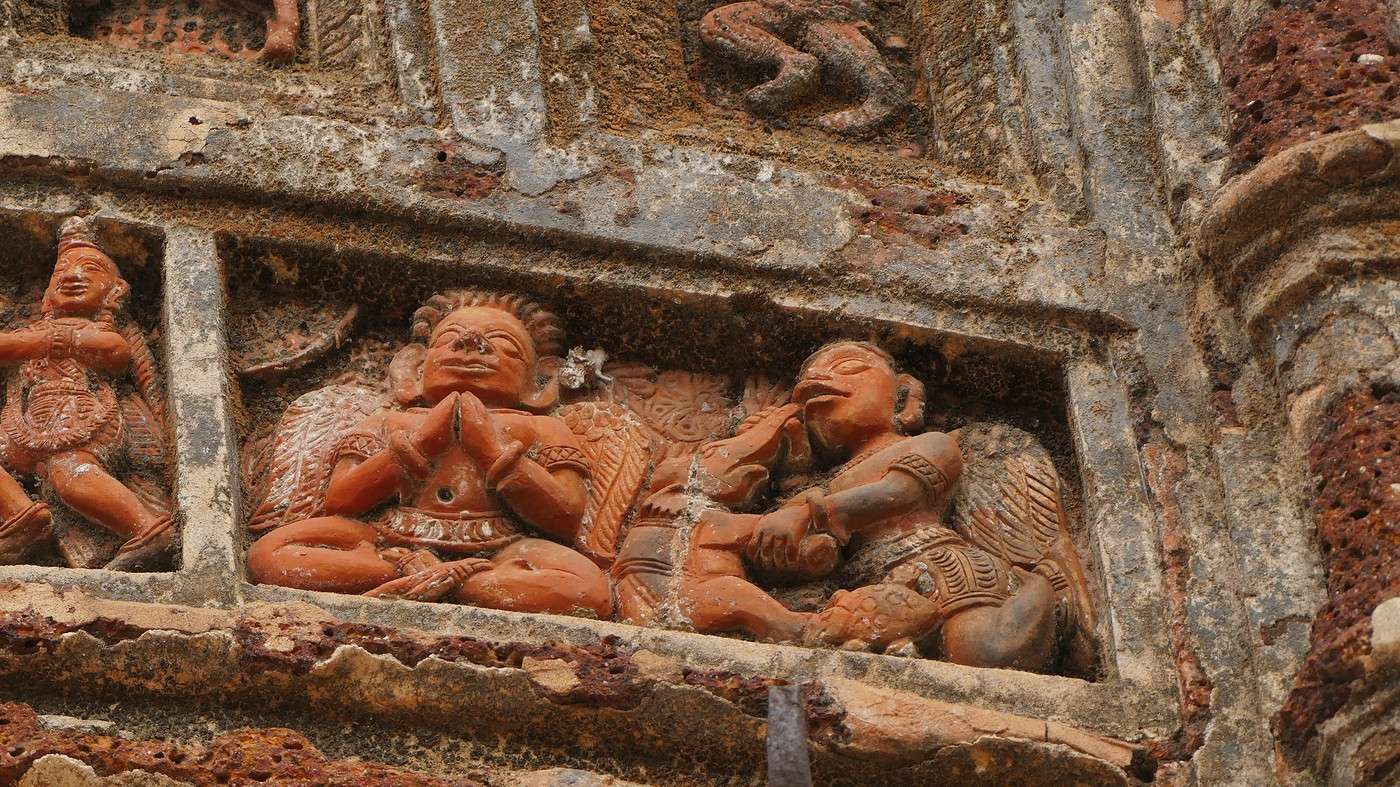
Above, a row of nine terracotta panels depicts different scenes: Garuda, Vishnu’s mount, appears twice: once with hands joined and wings spread, and another time devouring the elephant-tortoise.
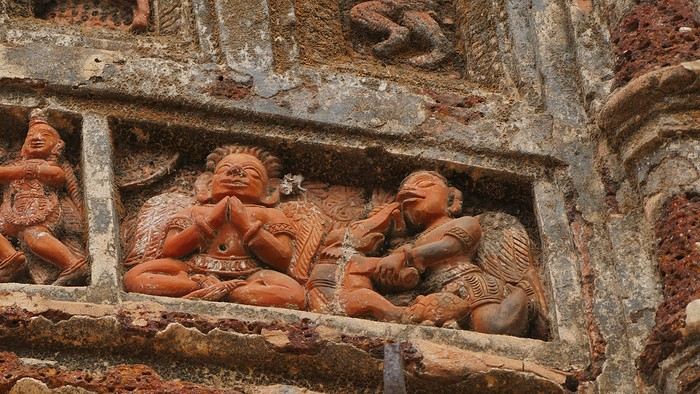


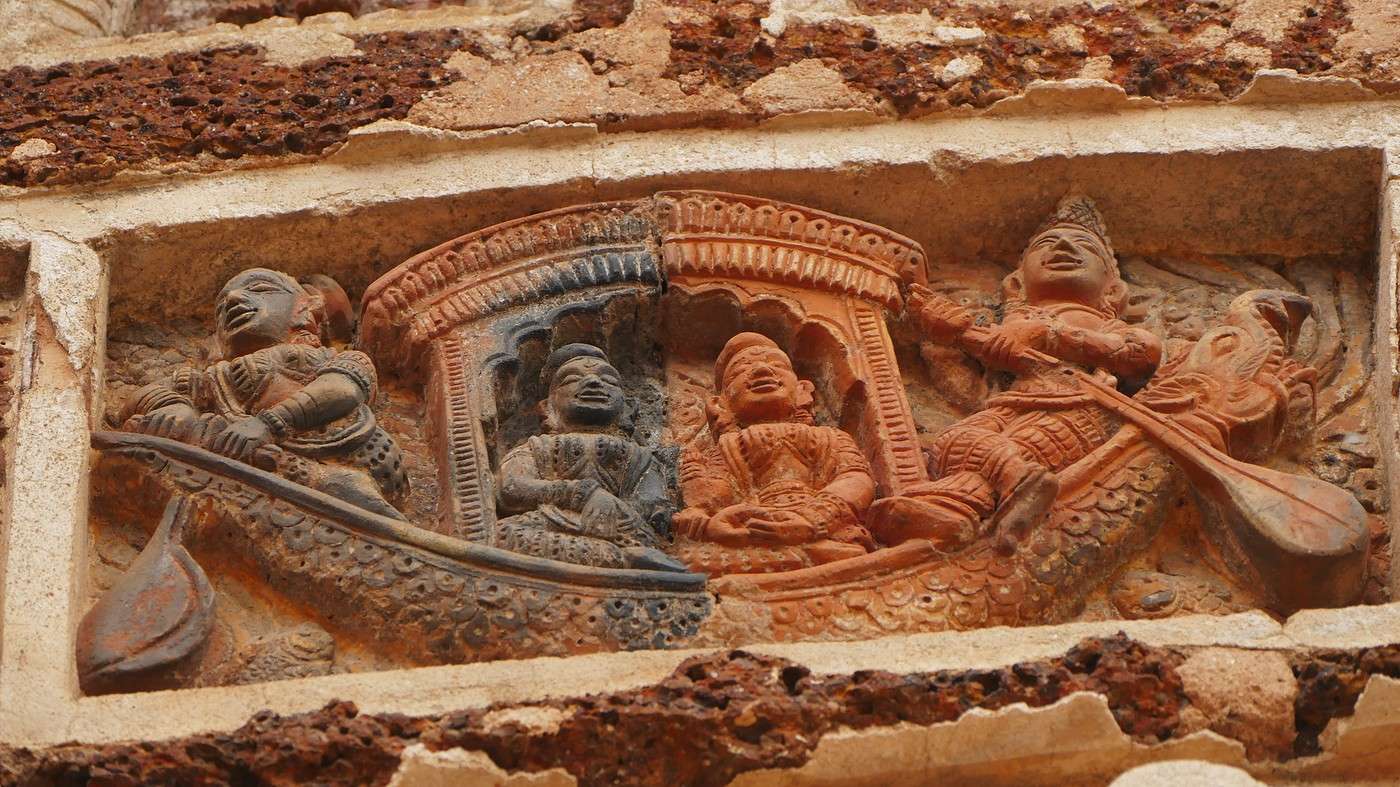
Krishna, Radha, and the gopis boating.


Krishna killing Bakasura, the crane-demon.


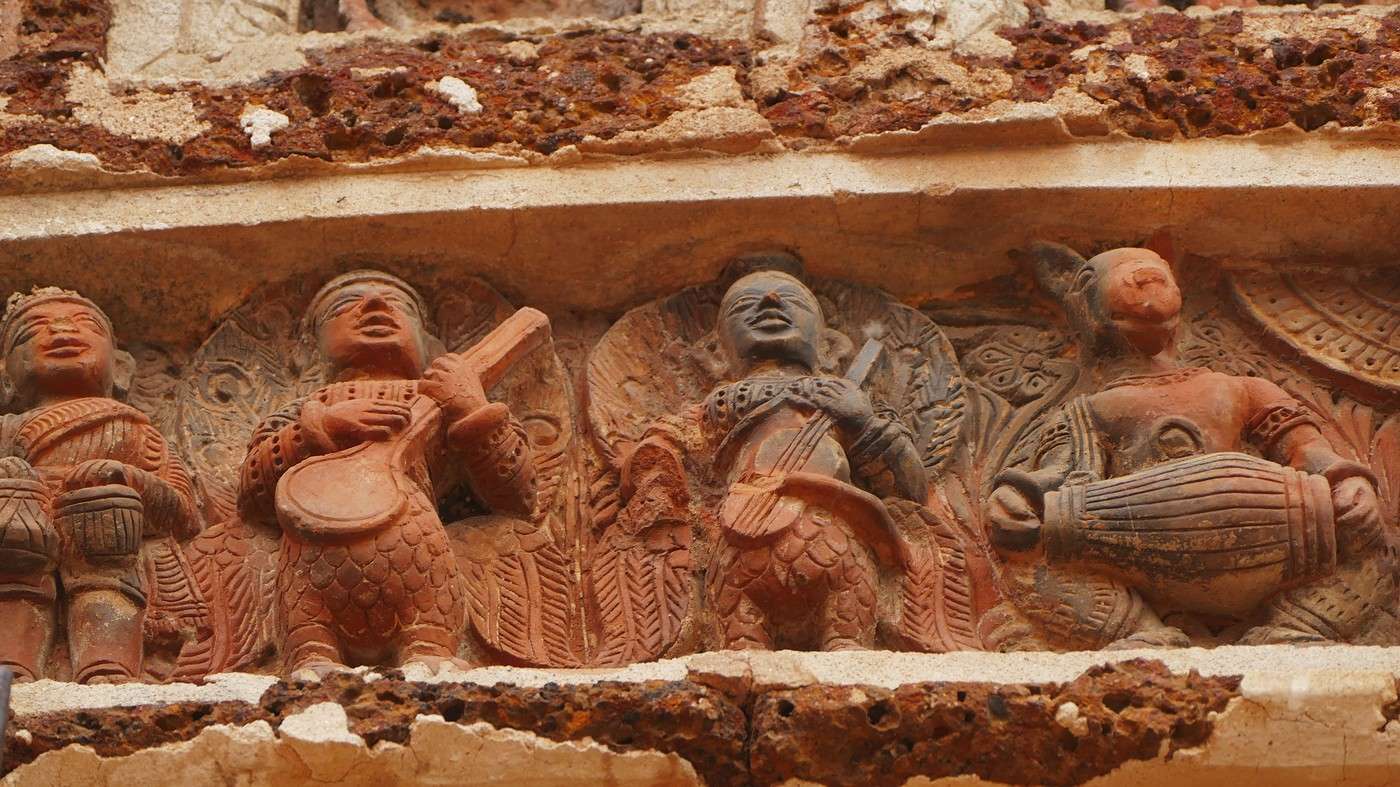
Four mythical beings, half-human and half-animal, exceptional musicians.


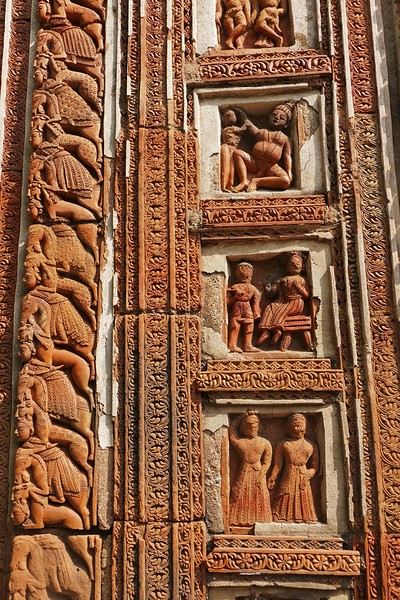
Krishna planting a tree. Krishna and Balaram overthrowing King Kamsa from his throne in Mathura. Krishna and the gopis with Barayi.

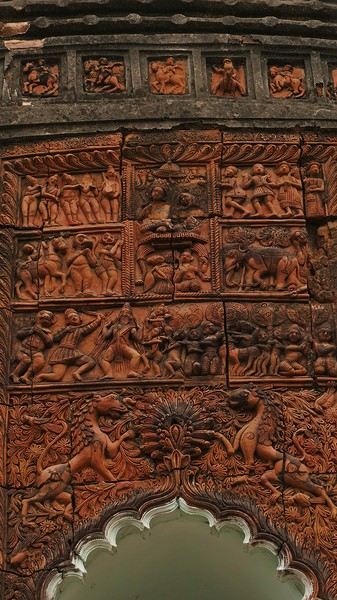
I continue for about 200 meters to reach the Navaratna temple of Raddh Damda, called the Sridharlal temple. To get there, you have to enter the courtyard of a house. This temple, also on two levels, closely resembles the previous one architecturally, but its decorations differ: they depict scenes from the Ramayana. The lower panels show nobles, saints, and monkey-soldiers alongside Rama and Sita, seated on their throne.


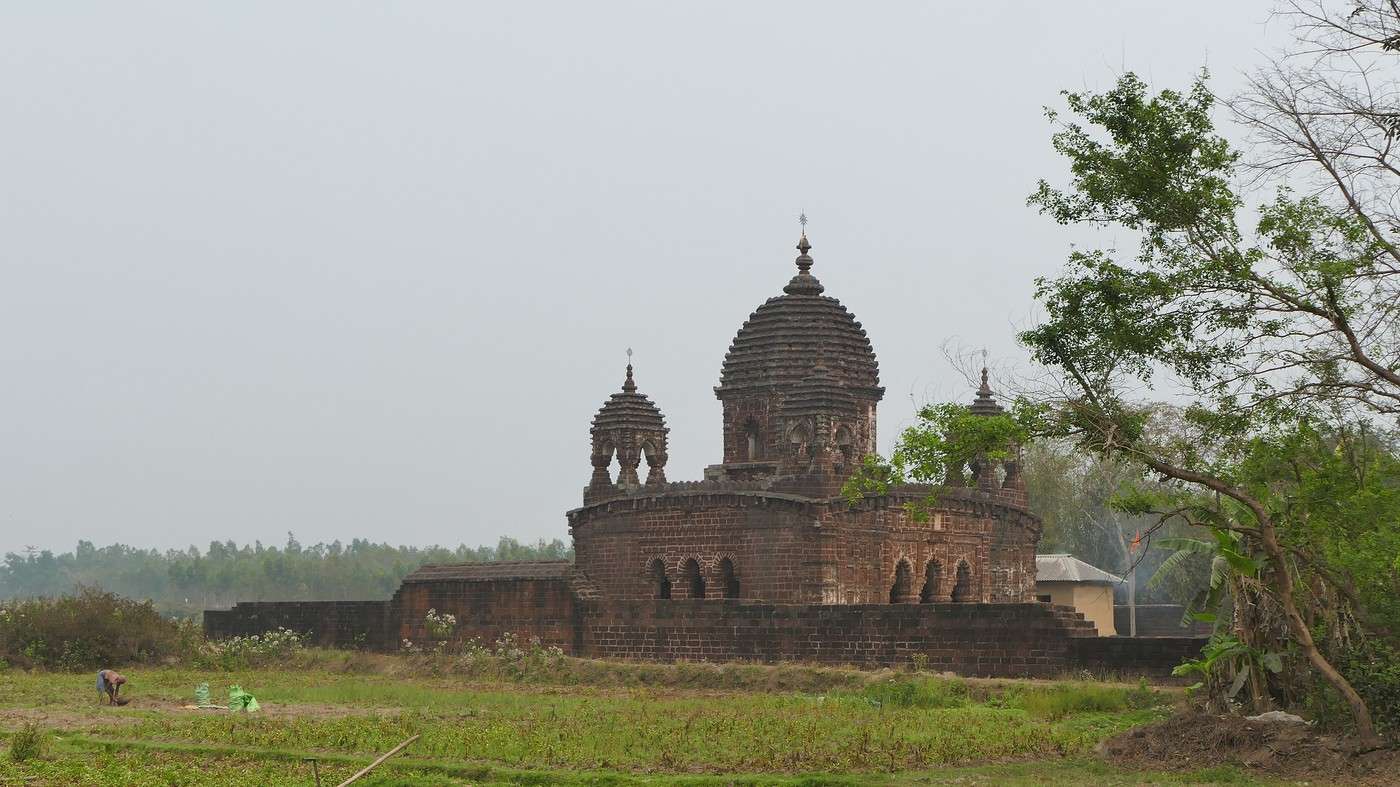
I then decide to walk to Gokulnagar, taking a small road through the countryside. A man on a motorcycle stops beside me and offers me a ride. Along the way, I spot an animist temple decorated with terracotta; it intrigues me, so I’ll come back on foot to check it out. Throughout the journey, we pass by fields: it’s potato harvest time, and you can also see a few rice paddies. He drops me off at the entrance of the temple, which is located within a fortified enclosure. Built from laterite, it has five spires.
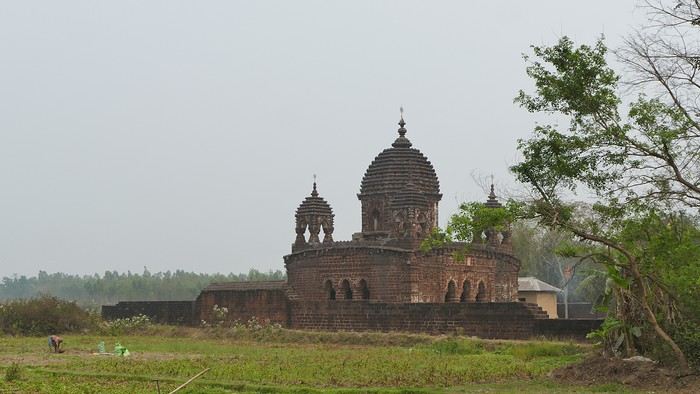


I walk back and discover three temples adorned with terracotta, nestled at the foot of trees. The one I had noticed on the way there is impressive. I make sure not to step on the sacred area at the entrance.
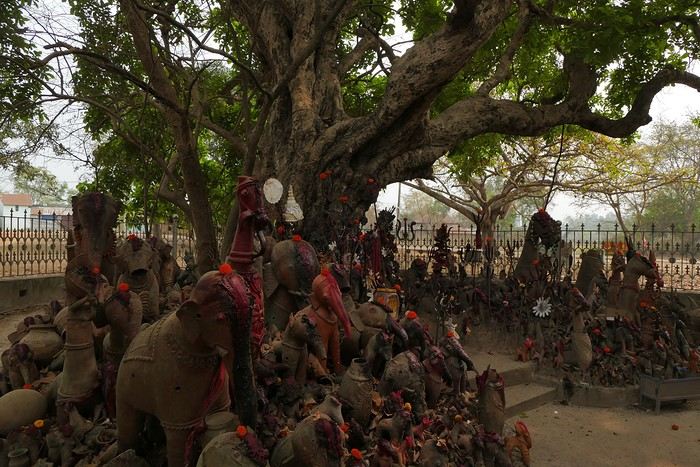


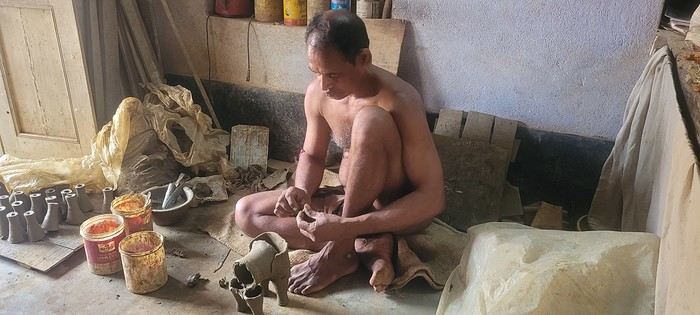
I then head to the bus stop. While waiting, I look at my photos and realize that a series I took in Bishnupur didn’t save. Back in Bishnupur, I pass by the Shyam Rai temple again. I stay outside to avoid paying the entrance fee again. As I walk past the statuette stalls, I notice one that catches my eye. I stop for a chai and notice my backpack is stained—flies are sticking to it. When I look inside, I find a completely squashed banana. It’s pretty gross—and the people around me find it hilarious. Back at the hotel, I wash my bag before going out for dinner.
New adventures from Perpignan to Ranchi (Jharkhand)

Aleph240758 · 2026-07-17 · Message 27 of 61

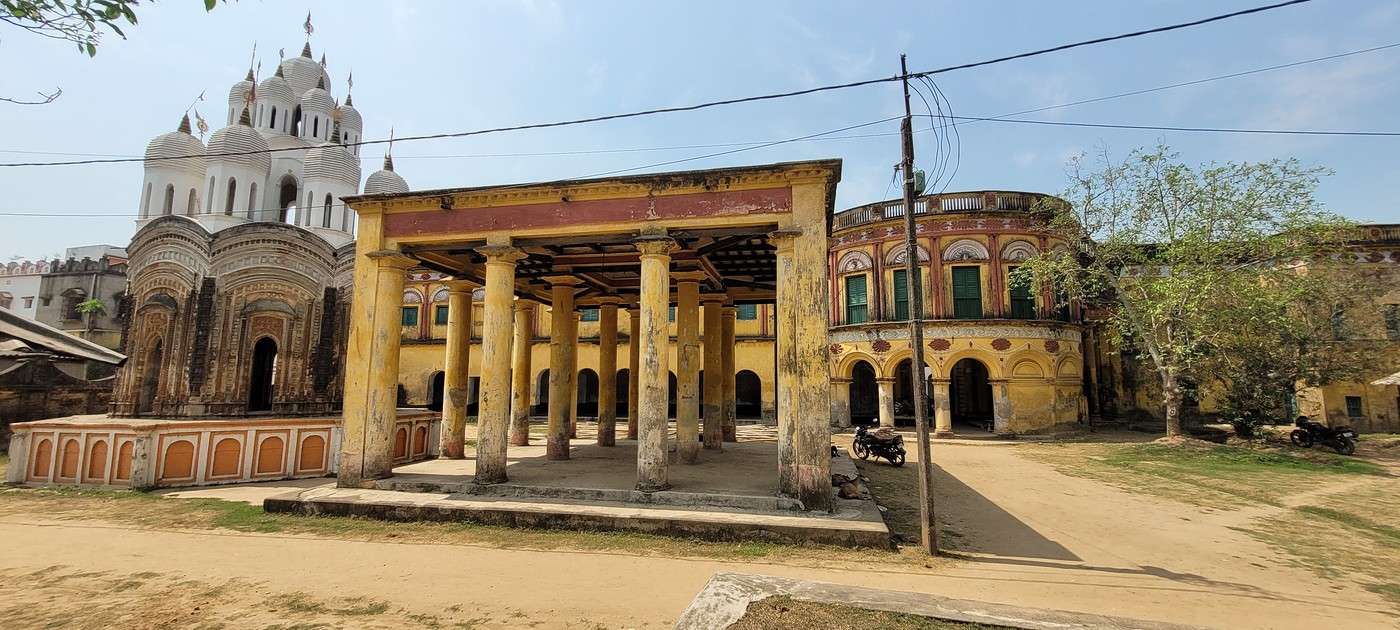
Friday, March 13 I continue my visits around Bishnupur and head to Hadal Narayanpur today. The bus ride takes about two hours. The stop is near the Radha Damodar temple and the palatial residence of the Mandal family. The estate was divided among the three brothers: Baro Taraf for the eldest, Mejo Taraf for the middle brother, and Choto Taraf for the youngest.


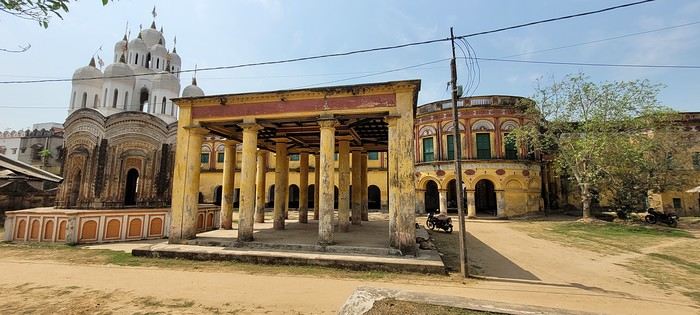
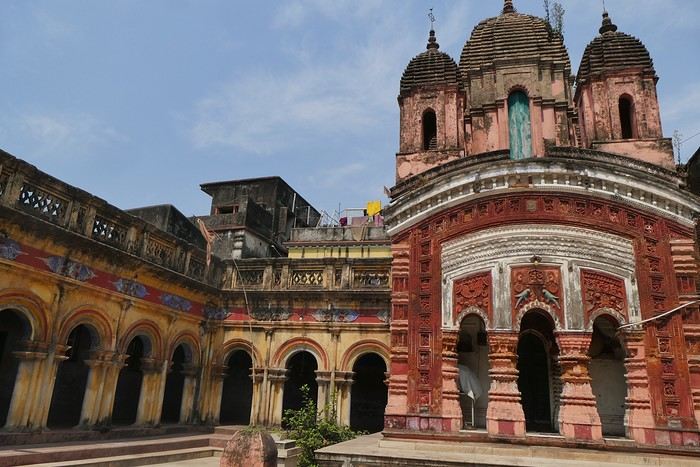
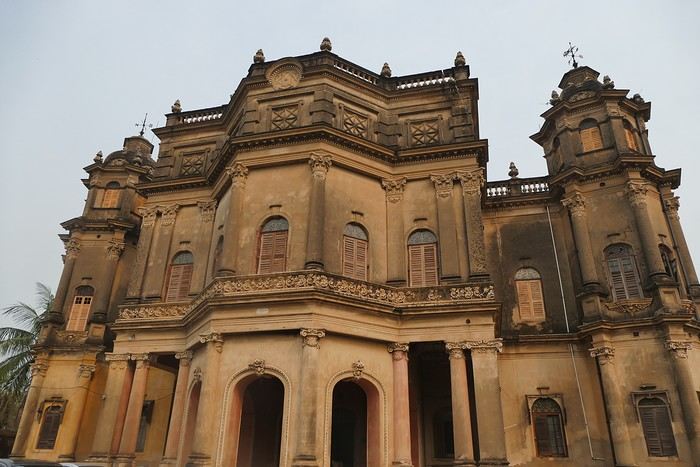
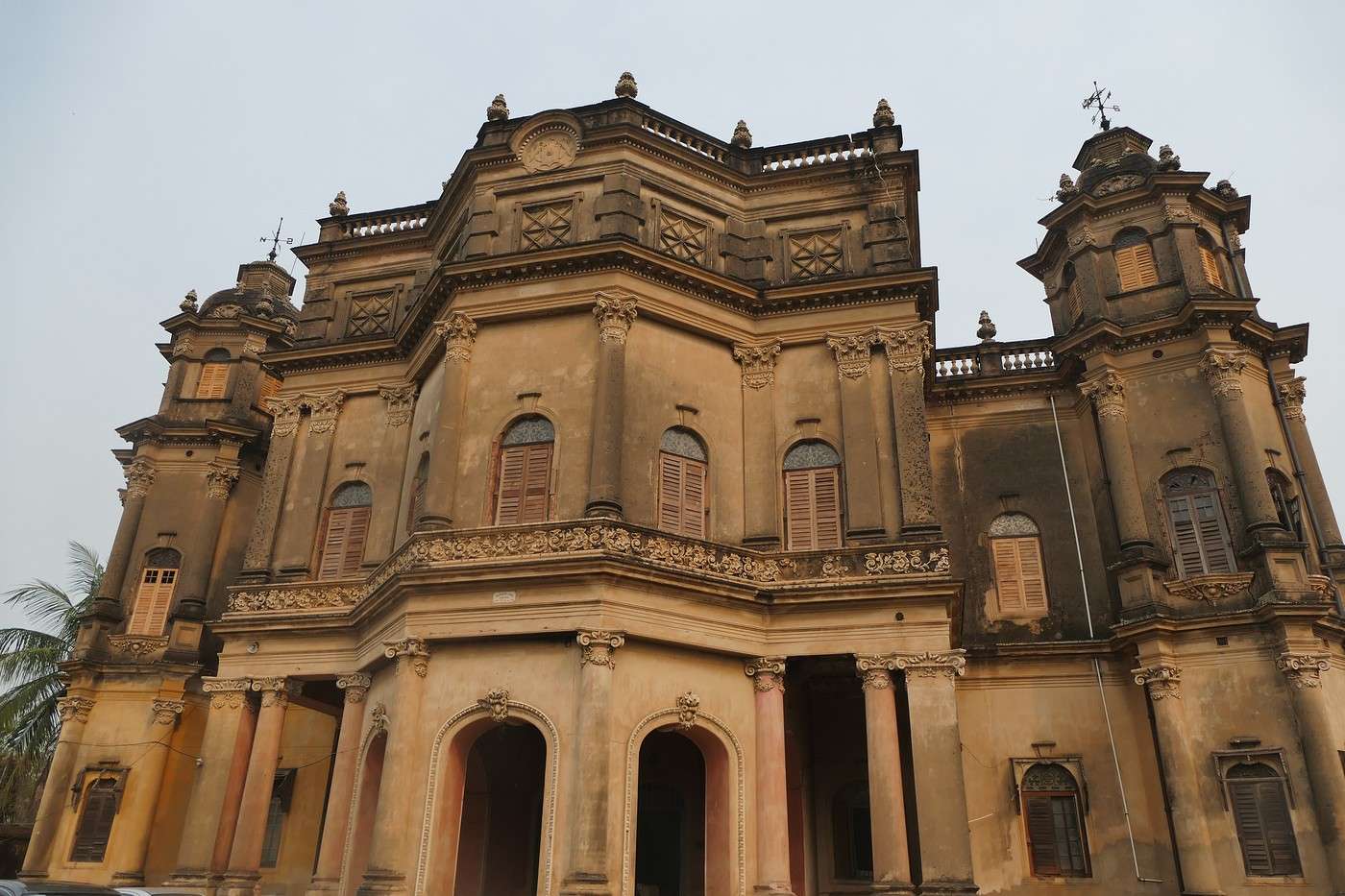
The main temple is a two-story *rasmancha*, located opposite the large family mansion. Octagonal in shape and built in 1854, it features exceptional ornamentation: finely sculpted terracotta panels decorate each of its eight sides. These panels depict various scenes: – Durga surrounded by her family – Shiva with Nandi and Bhringi – Gostho Lila – Shiva’s wedding – Vishnu – Rama and Sita – Krishna and Radha The Baro Taraf residence, with European influences, is painted yellow and has a cylindrical entrance. Each window is adorned with an arch. At the entrance, several men are present, and one of them accompanies me on the tour. We pass through a door leading to a large courtyard, the Thakur Dalan, where Durga Puja is celebrated. A small courtyard then leads to a set of three temples. The most impressive is the Radha Damodar, with its five spires. Opposite are two more modest temples dedicated to Shiva.


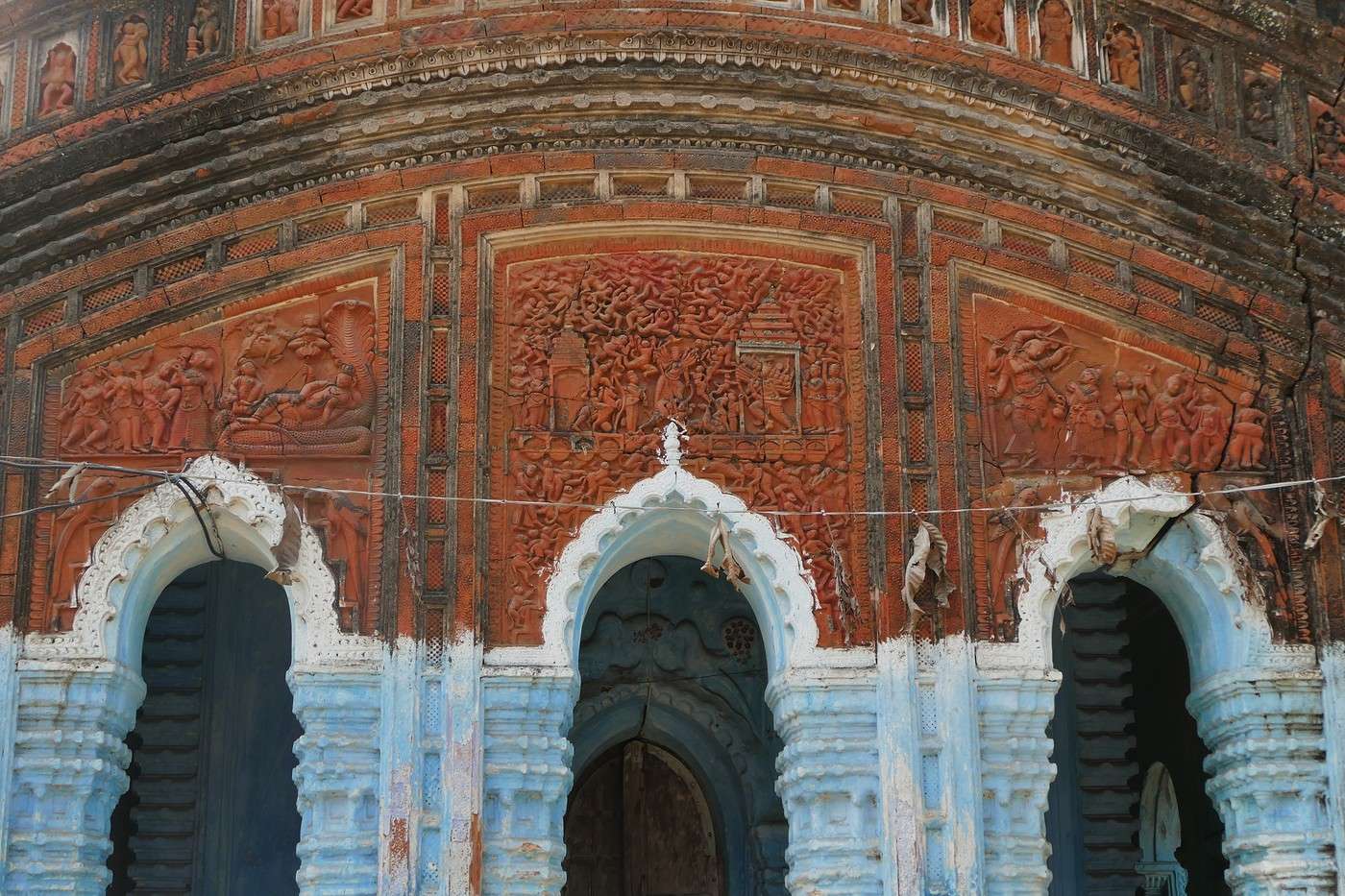
On the way out, I ask the guard where the Radha Damodar is. He takes me there: we pass through a gate and follow a street to a temple near a pond. It’s truly a marvel.


The central panel depicts scenes from the Ramayana, with Durga at the center. Another panel shows Vishnu lying on a bed of snakes, surrounded by his wife Lakshmi. A third reveals a rare composition: Rama and Krishna united in a single figure, holding both a bow and arrow and a flute.


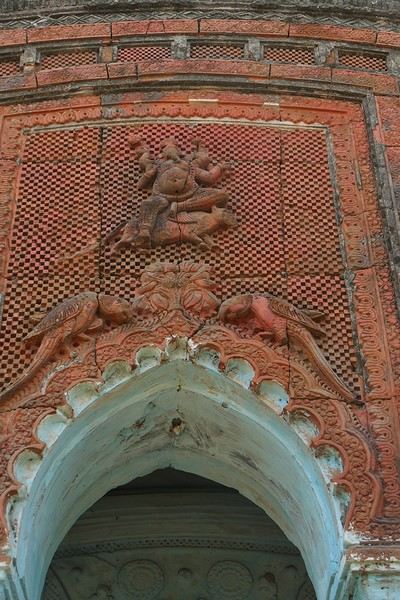
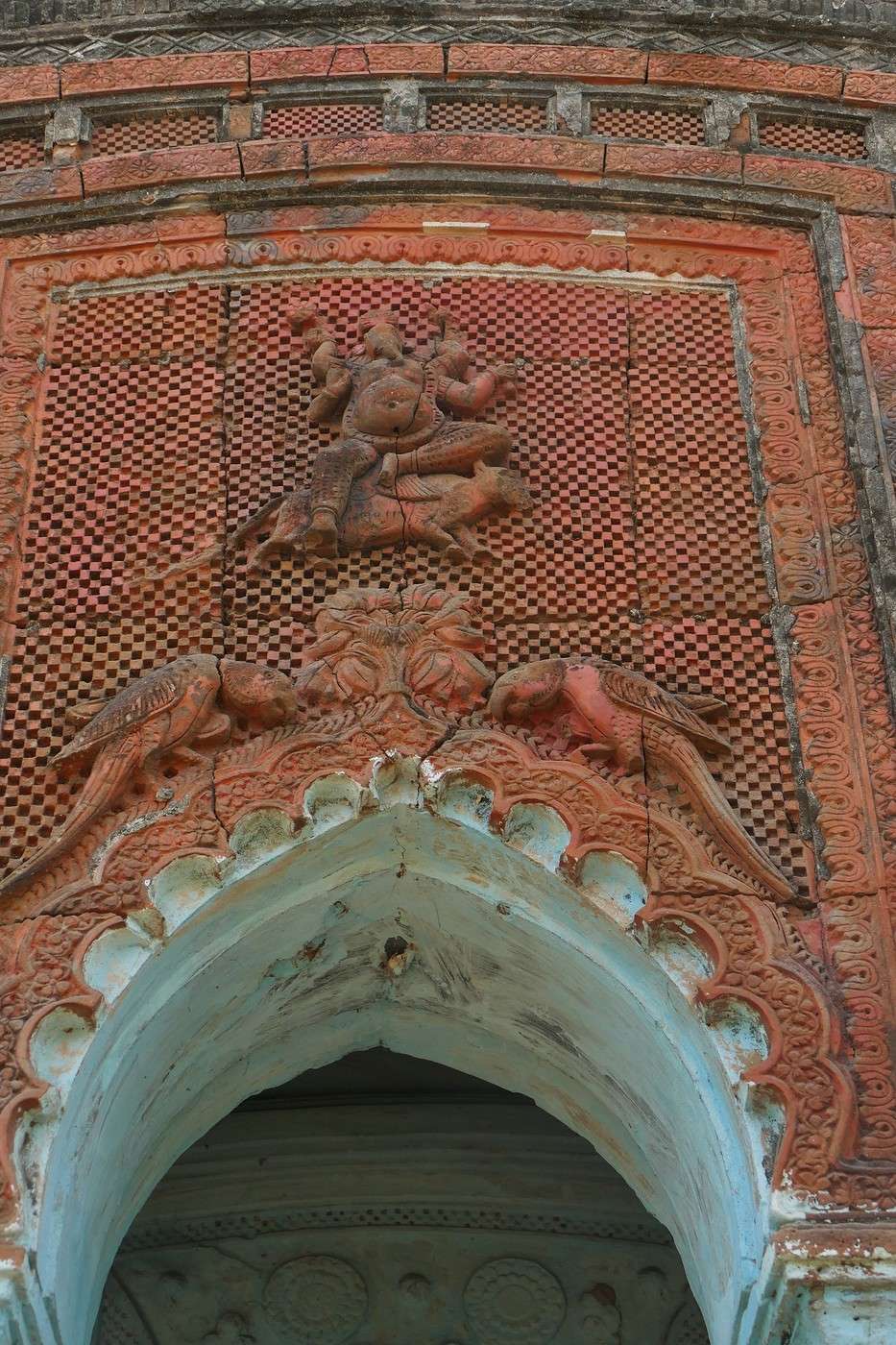
On a fourth panel, Ganesh is seated on a rat—symbolizing desires and ignorance. By dominating it, he embodies wisdom and the ability to guide people beyond materialism, as well as the power to overcome obstacles.


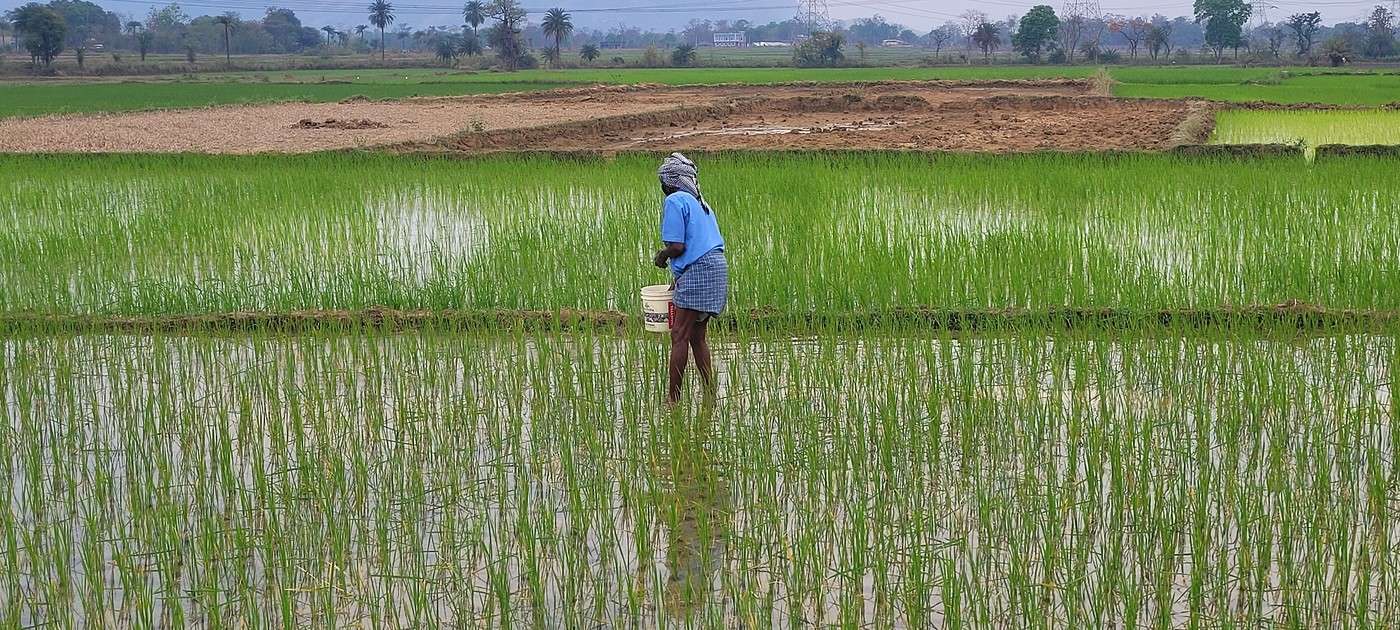
I then head back to the bus stop and look for an autorickshaw to take me to Sonamukhi. It’s hard to find one, but after insisting, one driver agrees to take me for 300 rupees. I accept, though I have to show him the bills first. We drive through landscapes of rice fields and potato fields, which are also being harvested.


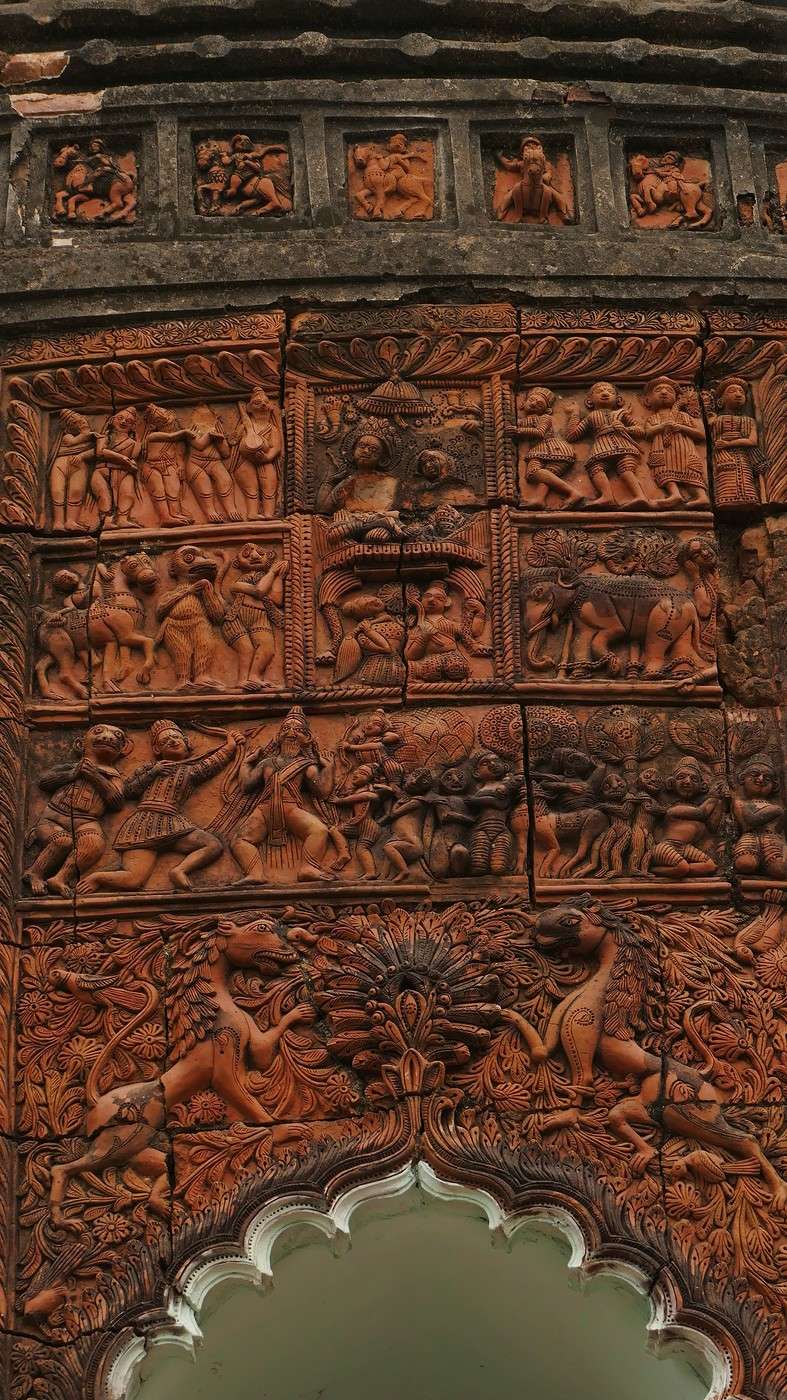
In Sonamukhi, the main street is jammed with traffic. The temple isn’t far: I get dropped off and continue on foot. I take a narrow alley to reach the Sridhar Mandir, tucked away in the heart of a house. This temple has twenty-five spires, which is extremely rare—only five of this type exist in Bengal, and this is the last one to have been built.


The terracotta panels depict: – Krishna with young cowherds – Rama and Sita seated on a throne – Krishna with the *gopis* – Durga and her family


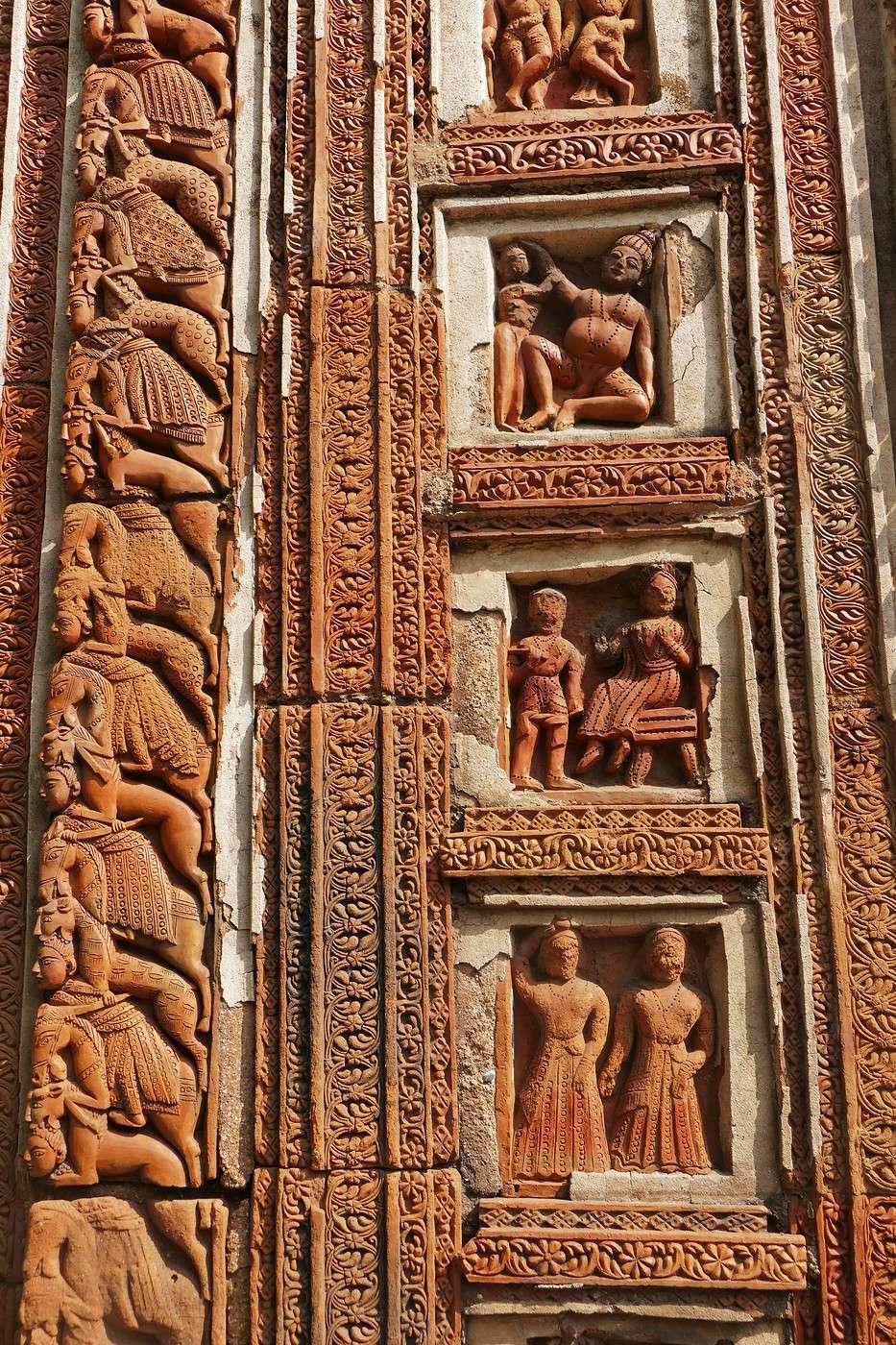
There’s also a wide variety of scenes from the Ramayana and Mahabharata, as well as musicians, dancers, animals, birds, scenes of daily life, and floral motifs. It would take hours to see everything. A remarkable feature of this temple is the [*i]mrityulata[/i*] or "vine of death": a vertical terracotta panel where human and animal figures seem ready to attack the one below.


I spend a long time admiring and trying to interpret these scenes. The owner comes to meet me, surprised and delighted to see me so interested. While chatting, he tells me it’s possible to return to Bishnupur by bus. I follow his directions and head to the bus stop. On the main street, a man calls out to me from his shop. He pulls out a large register and asks me to write my name, the date, and sign it. Before leaving, we take a selfie together. It’s surprising and fun—this country is truly unique. The bus is already there. It takes about an hour to get back to Bishnupur. Today, the heat is unbearable. Dinner: paneer butter masala and jeera rice.
New adventures from Perpignan to Ranchi (Jharkhand)

Milou2008 · 2026-07-17 · Message 28 of 61

I love your travel journals, like Marien's!

New adventures from Perpignan to Ranchi (Jharkhand)

Aleph240758 · 2026-07-17 · Message 29 of 61

I love your travel journals, like Marien’s!

You’re right, we shouldn’t hurt anyone ;)

New adventures from Perpignan to Ranchi (Jharkhand)

Aleph240758 · 2026-07-17 · Message 30 of 61

Saturday, March 14 It’s my last day in Bishnupur. I decide to spend the day wandering and visiting more modest temples, away from the most well-known sites. Google Maps has the great idea of leading me through quieter alleys, dotted with small, lively markets.


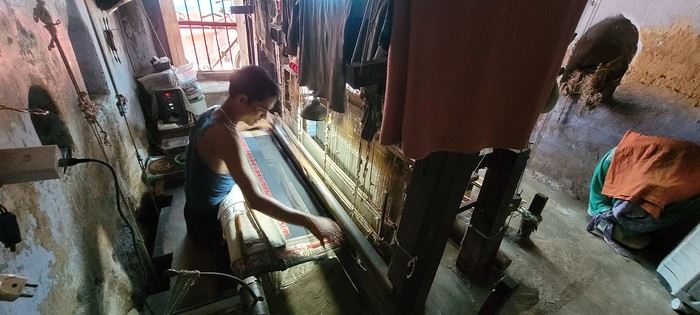
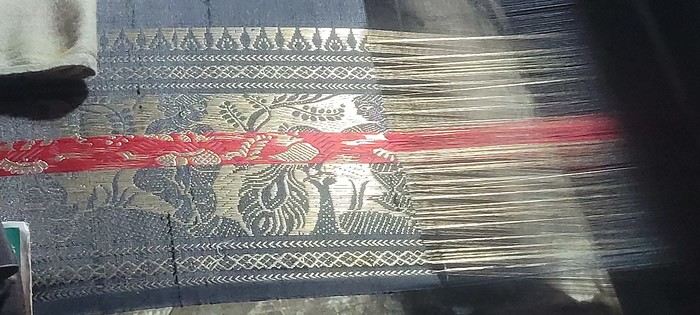
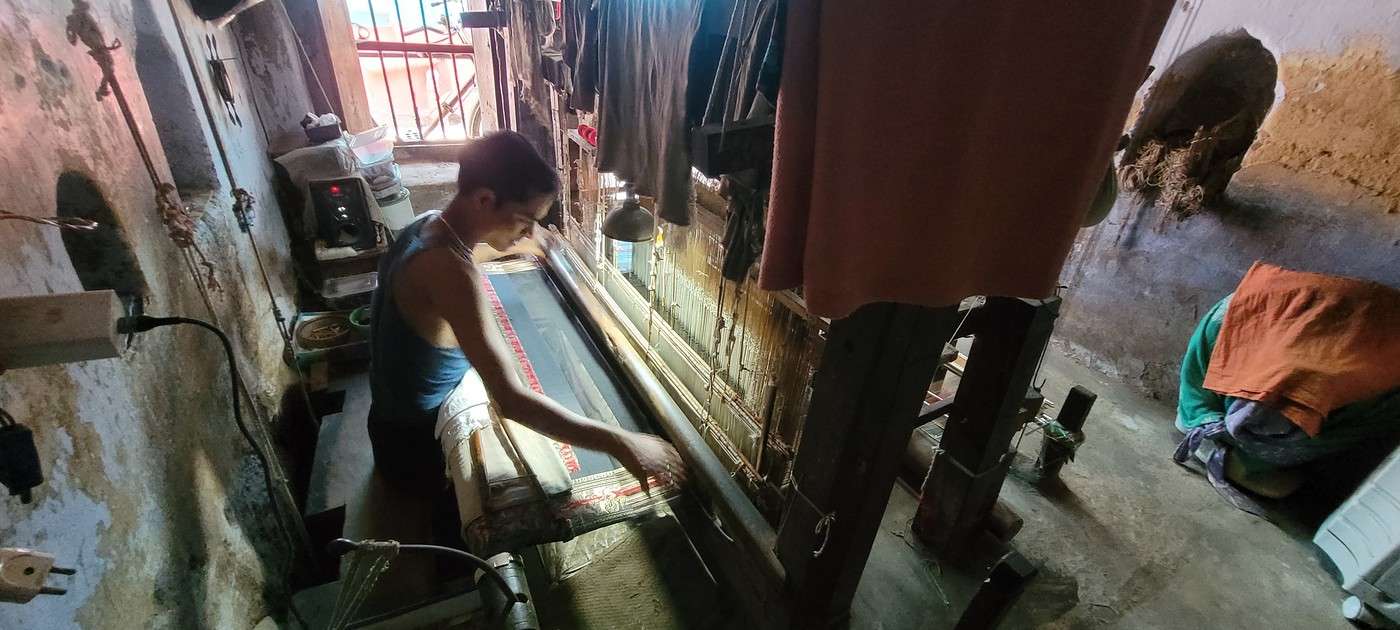
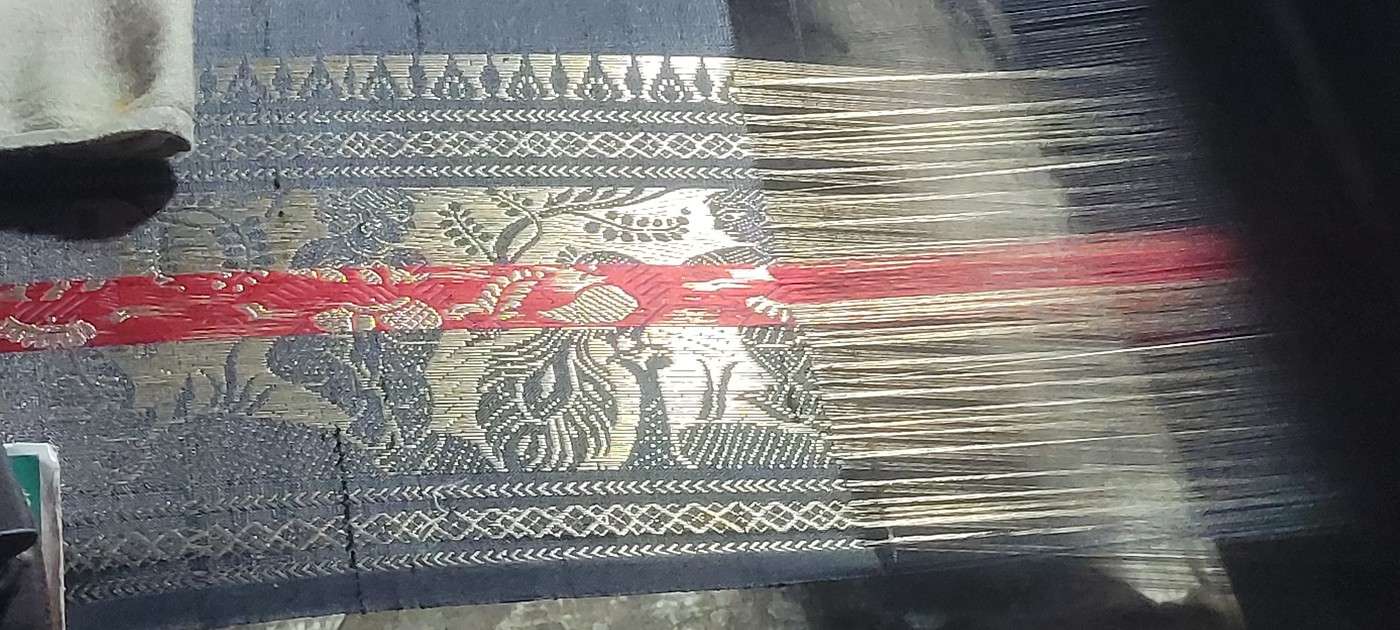
I end up in the weavers’ neighborhood, guided by the steady clatter of looms. I’m delighted to discover them. Here, it’s the men who weave. They work in dark, cramped rooms where the heat is stifling despite a fan. It takes them about four days to make a sari. The ones I see are made of silk, with beautiful patterns, all unique.


A little further on, two men are setting up the warp threads. They stretch them over several meters, each at one end. Once secured, they pass a comb through, carefully checking each thread before starting to wind them. What impressive work. I continue my walk to Sridar MandirBose Para,


then to Murli Mohan Temple,


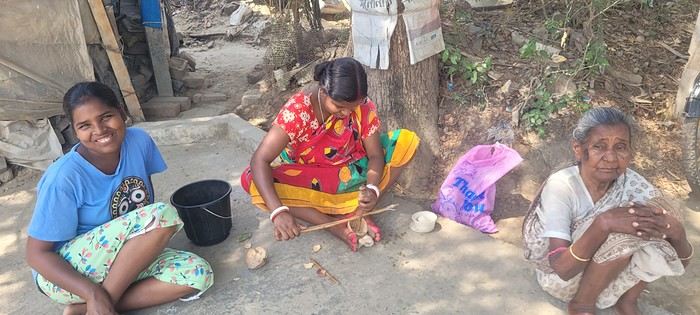
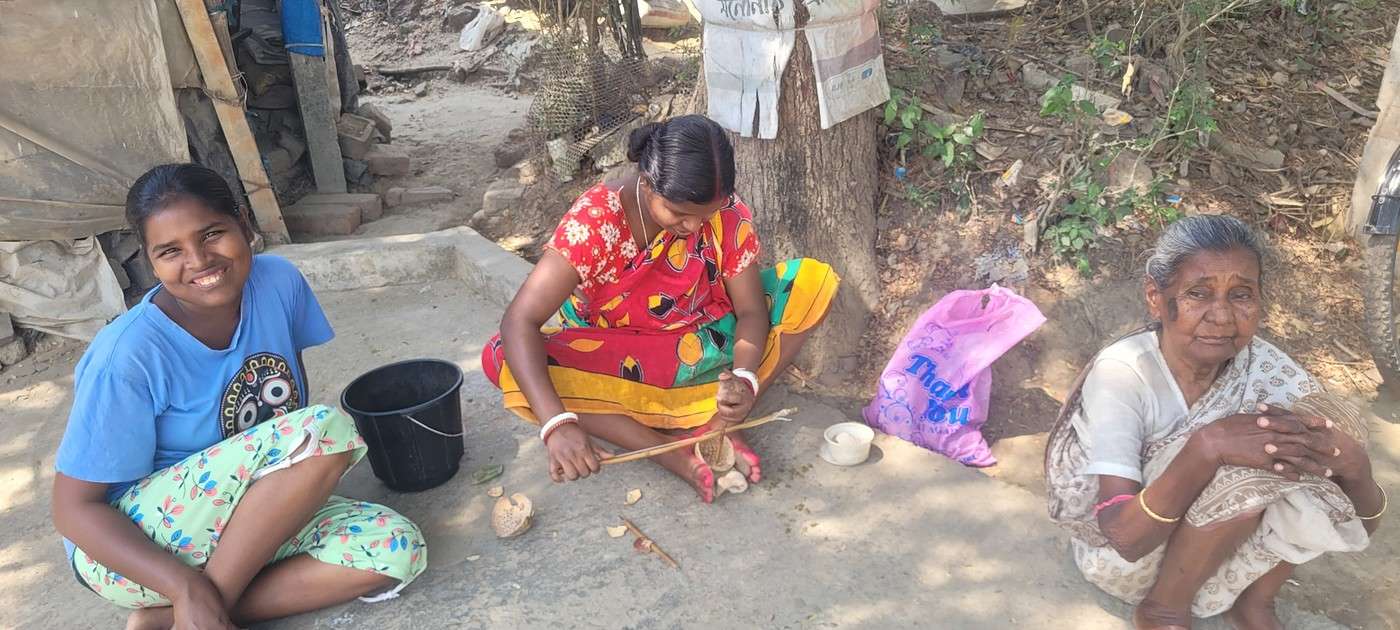
before finishing at Madan Mohan, which I’ve already visited. I stop regularly by women who are piercing nuts to extract small beads. They then string them onto a thread, making necklaces worn by men. I buy two from them, and one of the women ties them delicately around my wrist.


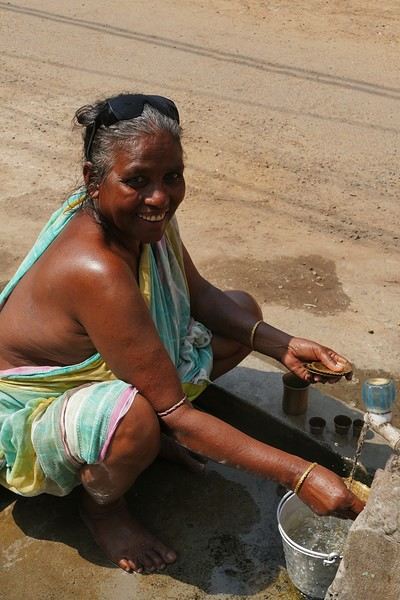
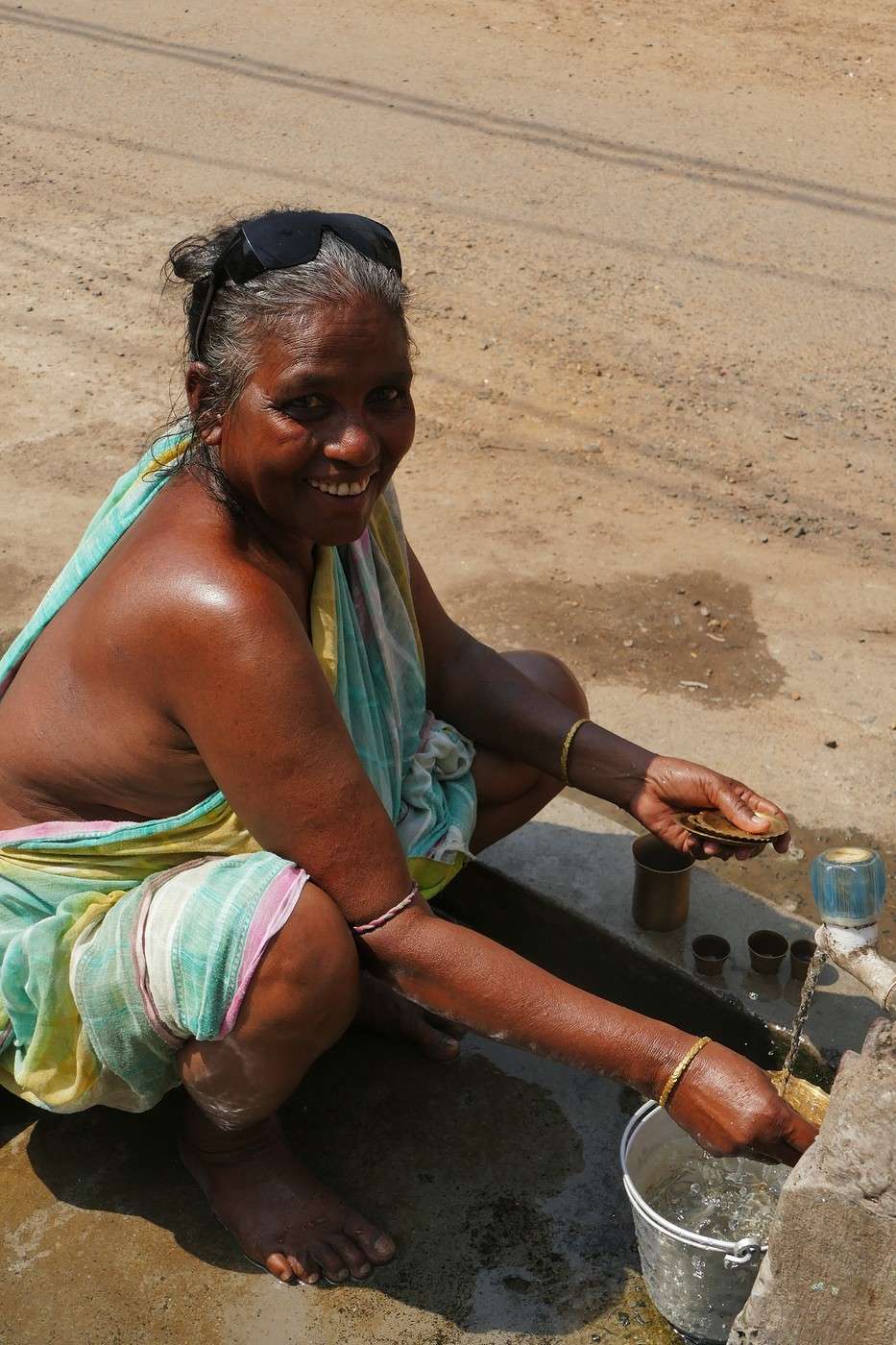
Further on, a woman is doing her dishes,


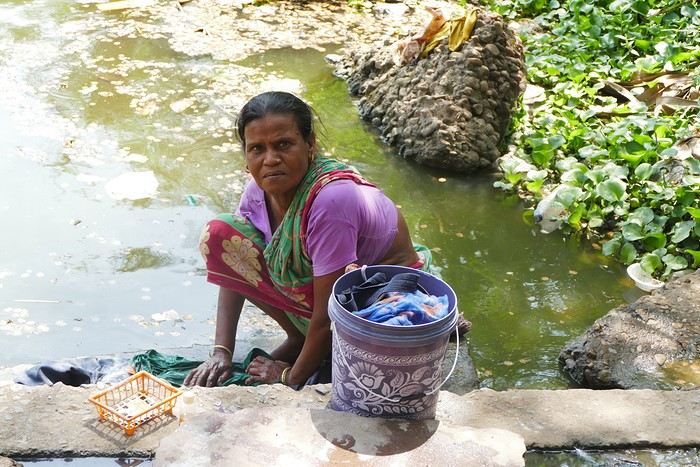
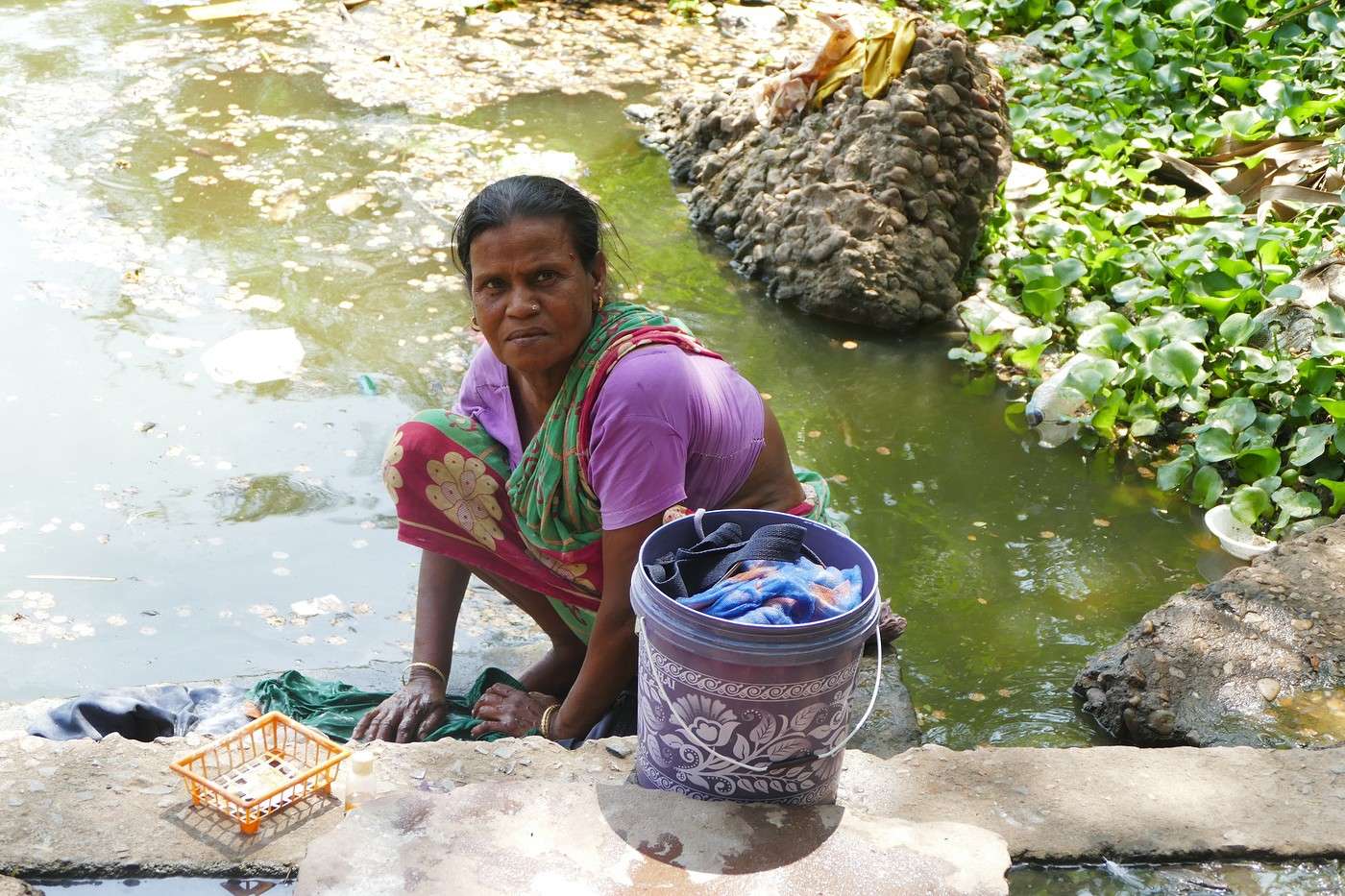
another is doing her laundry.


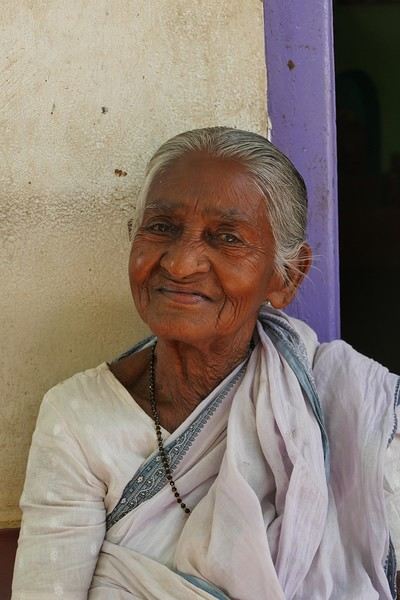
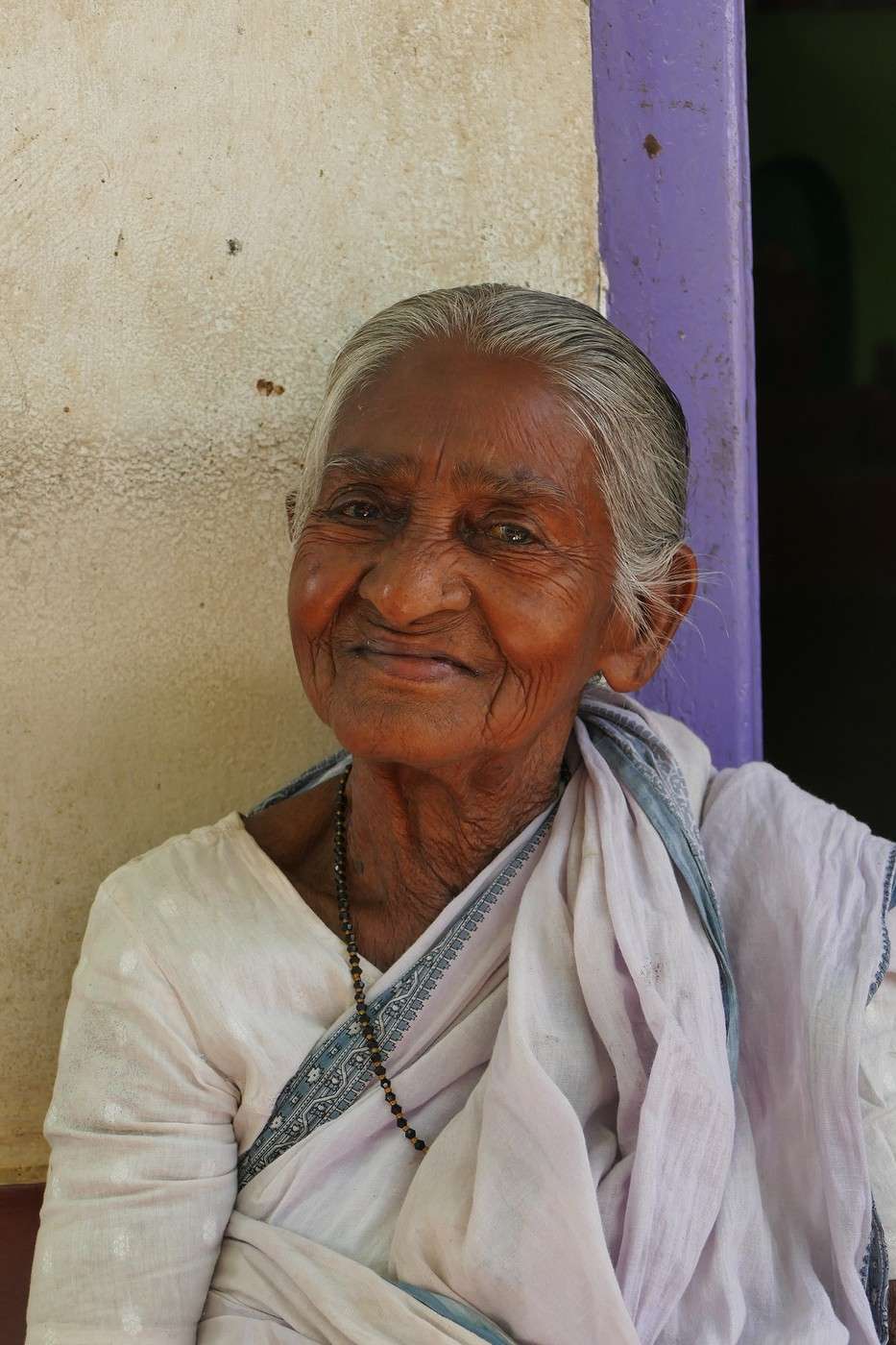
Everyday scenes unfold simply. They all happily agree to pose for a photo, and we exchange knowing smiles.


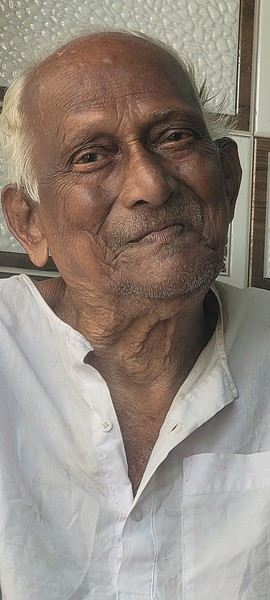
The men present also join in the fun with pleasure.


The day passes peacefully. I spend wonderful moments in their company. I deeply love these moments of wandering, where you discover local life in all its simplicity.

The heat is even more oppressive today, and I decide to return to the hotel in the early afternoon. In the evening, a group of Indian tourists arrives. They’re very loud. At dinner, a couple is seated not far from me: they’re talking loudly, and I get the impression they’re arguing. Dinner: paneer 65 and yogurt. The paneer 65 isn’t as good as the one in Medinipur.

New adventures from Perpignan to Ranchi (Jharkhand)

Aleph240758 · 2026-07-18 · Message 31 of 61

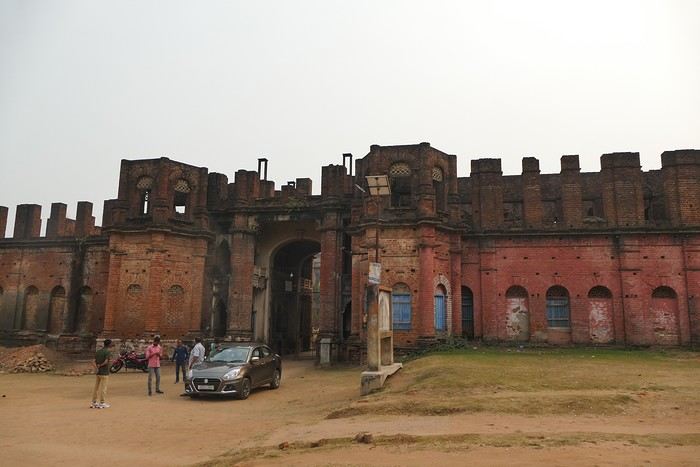
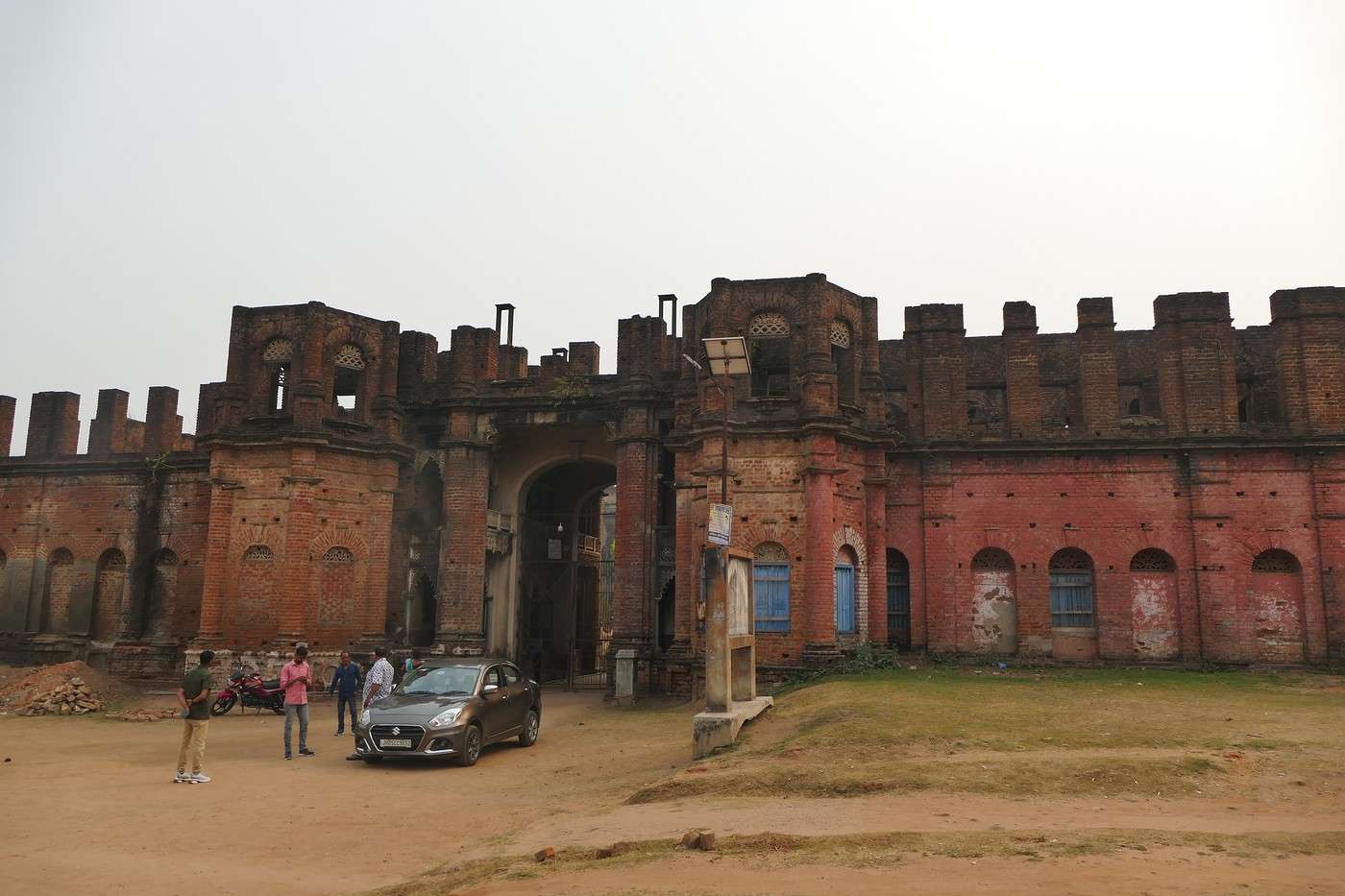
Sunday, March 15 and Monday, March 16 – Purulia A stop in Purulia, not essential, mainly planned as a transition point for changing buses or trains. Today, municipal elections are taking place in France, and the French won the Six Nations tournament. At the restaurant, a group of Indians is already seated and being served a buffet. The waiter brings me an omelet and toast; I ask for a puri. He returns with poha, dhal, and the puri. I won’t eat it all. I take the 9:30 AM train and arrive in Purulia at 12:10 PM. I booked a room at the Rupasi Hotel via WhatsApp, but upon arrival, they refuse to give it to me. They insist I take a suite at a much higher rate. I refuse, and after lengthy discussions, I finally get the originally booked room. I book a taxi with them for the next day to go to Chirudih. In the afternoon, I want to visit the Kashipur Palace. No bus goes there. Near the bus station, taxis are waiting; I approach and negotiate the trip for 1,800 rupees round-trip. After an hour’s drive, we arrive in front of a huge palace surrounded by a high wall. The entrance is closed, but the guard opens the gates to let us in. As soon as I get out of the car, another guard intervenes: the palace is not open to visitors; it’s private. He only allows me to take a few photos of the exterior before asking us to leave. I had read it was open every day... so much for that.


Back in Purulia, a violent storm breaks out, preventing me from going out again. Dinner is pretty mediocre. I want to take a shower before bed, but there’s no water. An employee tries to fix it; after a long time, he ends up moving me to another room.
Monday, March 16 The taxi is very late. He doesn’t know Chirudih, but the receptionist, who seems to know the area well, shows him the route on Google. We finally leave at 10 AM and arrive at 1 PM in a remote village in the middle of the countryside. Men are sitting in the shade; we stop to ask them where the painted houses are. The village is indeed called Chirudih, but it’s not the one we’re looking for: there are several villages with that name, far from each other. There’s nothing to see here, and we turn back. I’m really disappointed with these last two days.
New adventures from Perpignan to Ranchi (Jharkhand)

Kate · 2026-07-18 · Message 32 of 61

I booked a room at the Rupasi Hotel via WhatsApp, but when I arrived, they refused to give it to me.

Back in Purulia, a violent storm breaks out, preventing me from going out again. Dinner is pretty mediocre. I want to take a shower before bed, but there’s no water.

The village is indeed called Chirudih, but it’s not the one we’re looking for: there are several villages with that name, far from each other.

That’s what they call a streak of bad luck 😏 But Marie Jo, patient and fearless, carries on…

New adventures from Perpignan to Ranchi (Jharkhand)

Chris70 · 2026-07-19 · Message 33 of 61

Hi Marie Jo

Yeah, it’s that "law of series" thing Kate mentioned. Oh well, not everything can be perfect all the time...

I know you found the right Chirudih much later... Did you jot down the GPS coordinates or anything to locate that village? As you know, I’m planning another trip to West Bengal and Jharkhand (thanks for the ideas!) and I’d love to visit that artists’ village. There are a few Insta or Facebook posts, but nothing to pinpoint its location, and my searches on maps show 3 or 4 Chirudihs in Jharkhand! It’s tough to find info on these off-the-beaten-path spots.

Christine

New adventures from Perpignan to Ranchi (Jharkhand)

Aleph240758 · 2026-07-19 · Message 34 of 61

They don’t call it the law of series for nothing 😏 But Marie Jo, patient and fearless, keeps going…

Yep, I’m patient and stubborn—I *will* find the right Chirudih. The law of series wasn’t over yet, but I didn’t know that at the time… suspense required 🤪

New adventures from Perpignan to Ranchi (Jharkhand)

Aleph240758 · 2026-07-19 · Message 35 of 61

Hi Marie Jo,

Yeah, the law of series, as Kate says. But hey, not everything can be perfect all the time...

I know you found the right Chirudih much later... Did you note the GPS coordinates or anything to locate that village? As you know, I’m planning a new trip to West Bengal and Jharkhand (thanks for the ideas...) and I’d love to visit this artists’ village. There are a few Insta or Facebook posts, but nothing to pinpoint its location, and my searches on maps show 3 or 4 Chirudihs in Jharkhand! It’s tough to find info on these off-the-beaten-path spots.

Christine

Hey Chris! You’ll need some patience and have to wait a few more days before heading to that amazing village. I didn’t note the GPS coordinates, but I know how to get there—it’s lost in the middle of nowhere.

New adventures from Perpignan to Ranchi (Jharkhand)

Aleph240758 · 2026-07-19 · Message 36 of 61

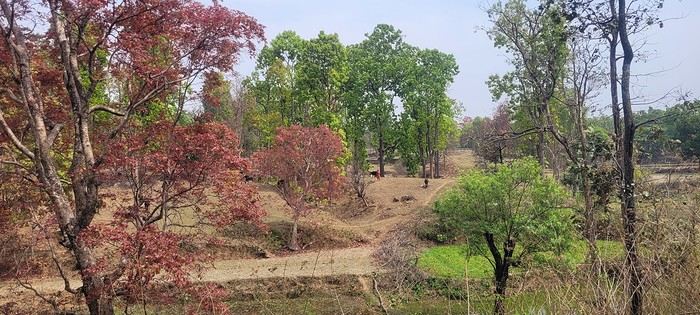
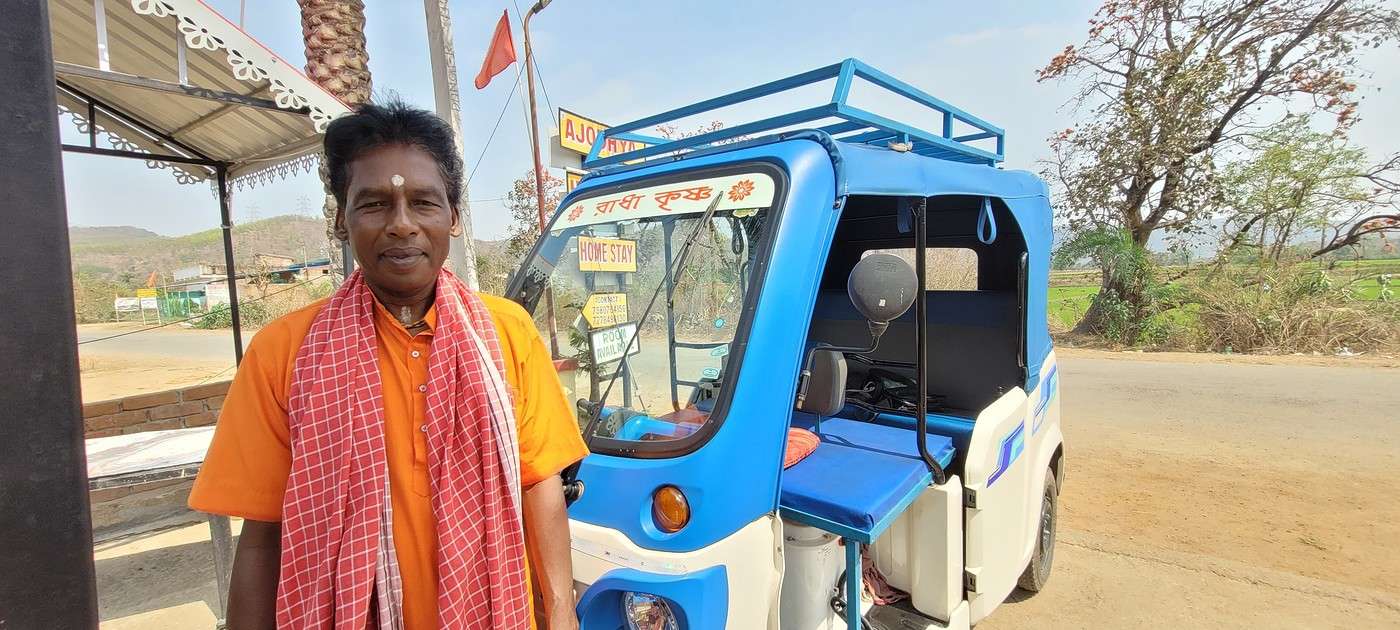
Tuesday, March 17 I’m leaving this morning for Ajodhya. At 7 AM, I go downstairs to order my breakfast and, at the same time, ask for the bus schedules. The receptionist checks and gives me three options; I’ll take the 9:20 one. An hour later, I’m still waiting for my breakfast: they have to serve the group that arrived the night before first. I go to the kitchen and wait even longer. Eventually, they bring me four pieces of toast—no butter, no jam, no omelet—and a cup of tea. Nothing else. I pay for the meals and the taxi from Sunday—the room was already paid for when I arrived. Yet the receptionist tries to make me pay for it again. No way. I storm off in search of an auto. The hotel boy runs after me and stops the driver from leaving. I get out and walk away; it’s not far. A tuk-tuk finally picks me up and drops me off in front of the bus. Purulia really isn’t an interesting stop. The bus, though, has more comfortable seats—finally, a nice surprise. A young woman and her little boy sit next to me. The child is very outgoing: he’s not scared of me and comes to sit on my lap, squirming all over the place. When I arrive in Ajodhya, I need to find an autorickshaw to get to Ajodhya Hills and visit the sites along the way. Taxis are very expensive, and autos are rare. I wait a long time until my savior arrives. He asks for 500 rupees, while taxis wanted 2000. I don’t hesitate. He first takes me to Mayur Pahar, then to Sita Kunda, which isn’t very interesting. The landscapes are still very pretty, though.


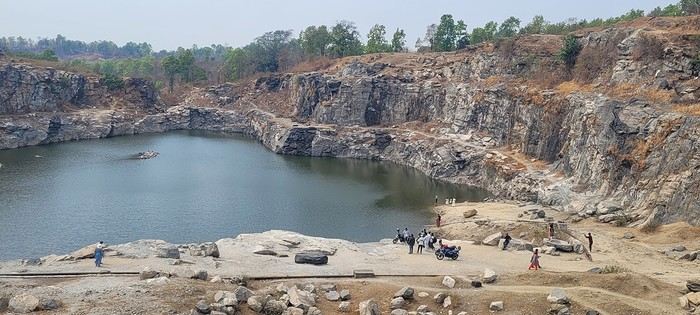
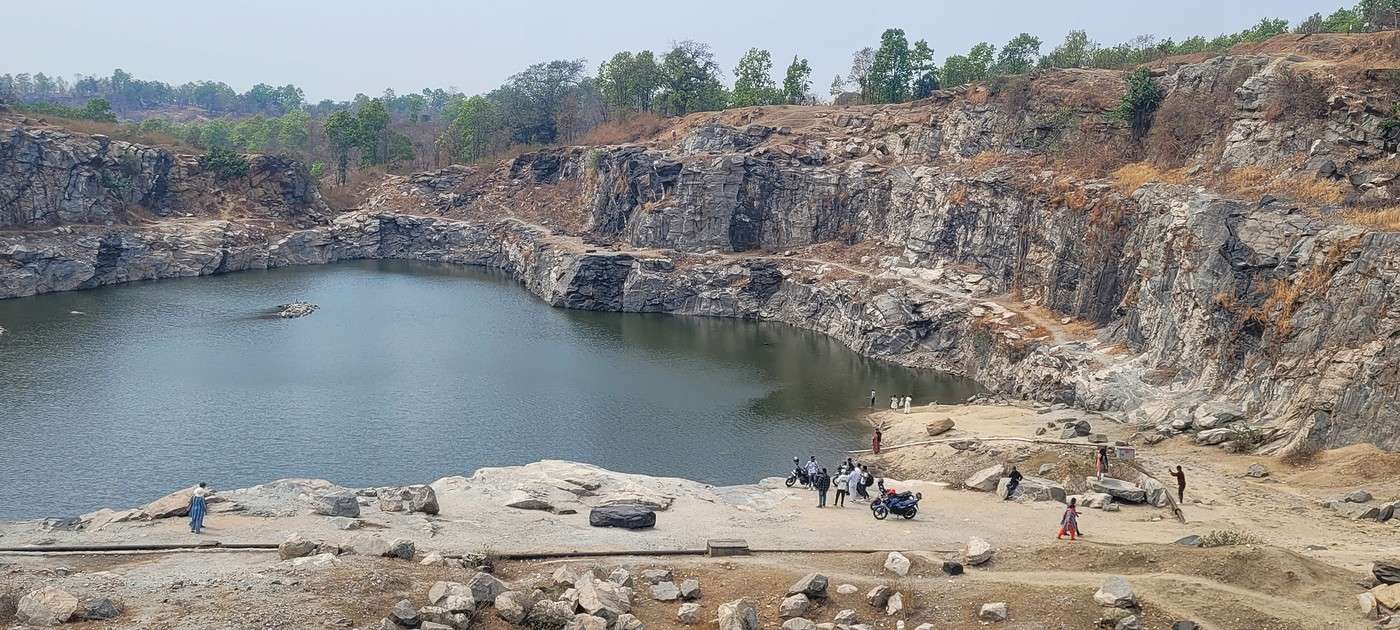
We continue to the marble lake… which leaves me cold. I prefer those in the Hautes Pyrénées—I’m getting picky.


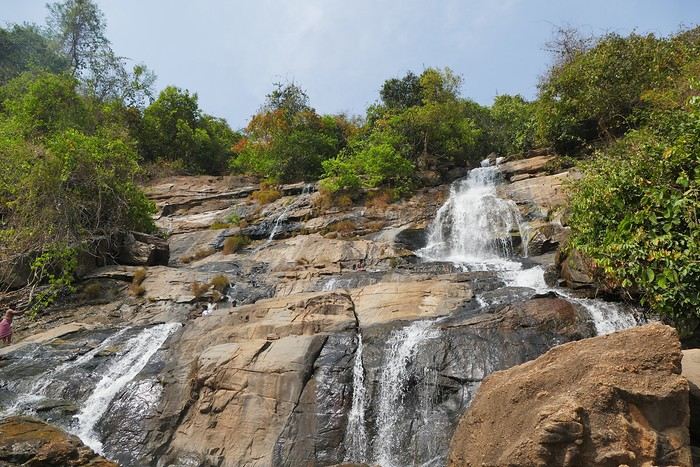
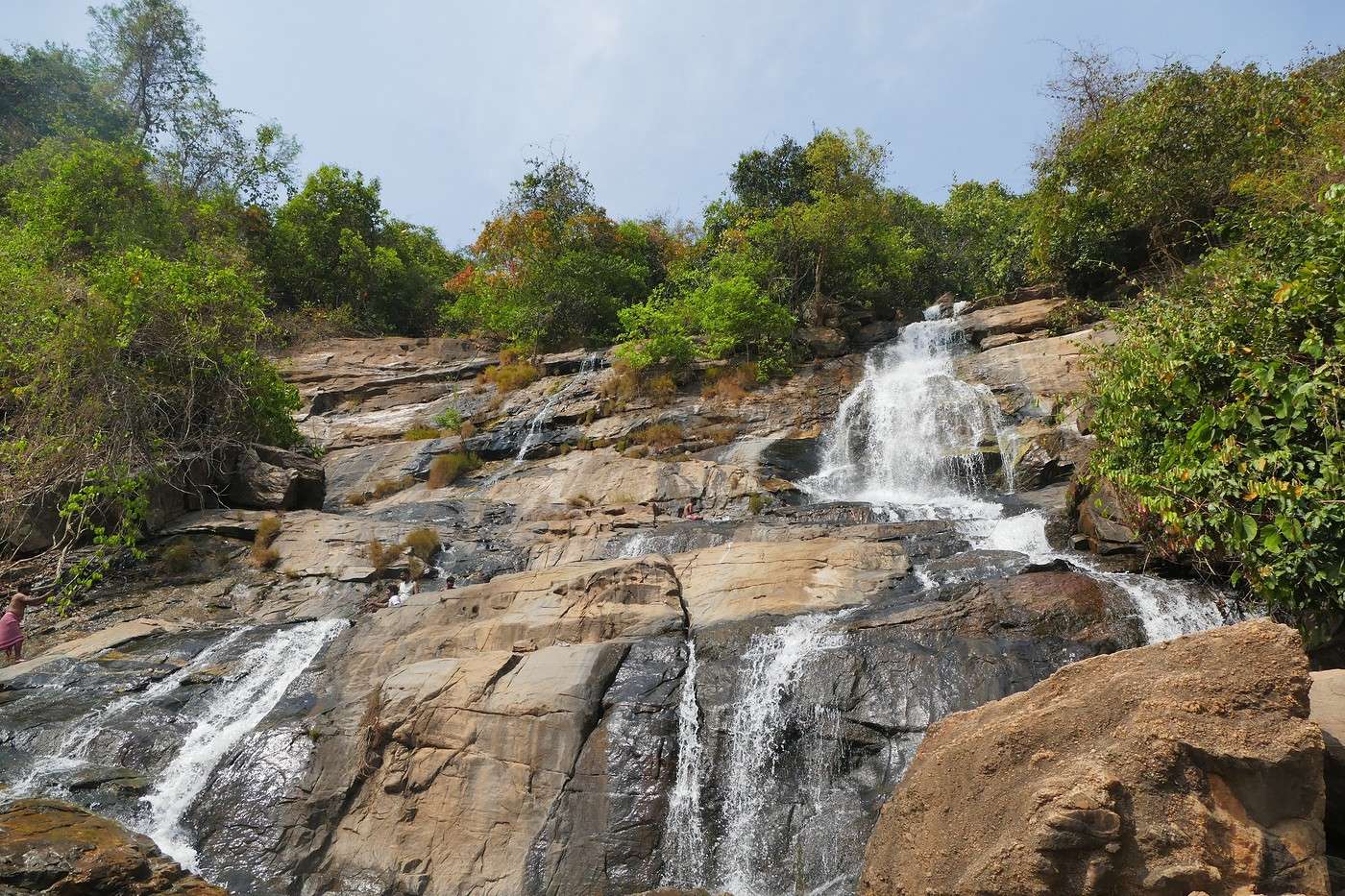
He then stops at some waterfalls where I go without much enthusiasm. There are a lot of Indians here; they love this place, which was why I came. In the end, the waterfalls are beautiful: it’s the most interesting spot of the day.


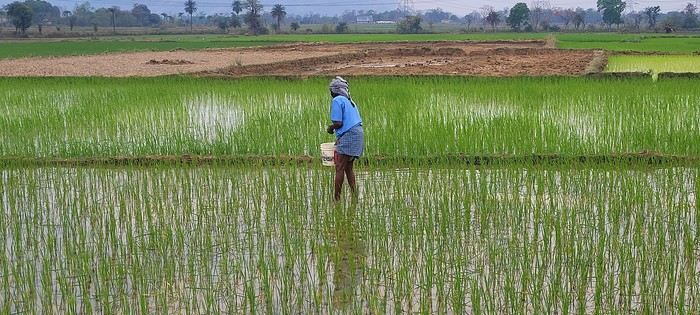
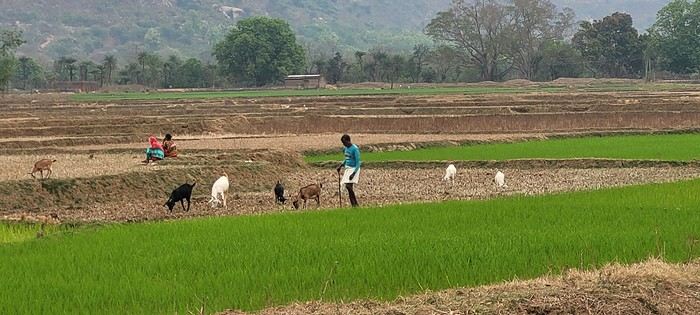
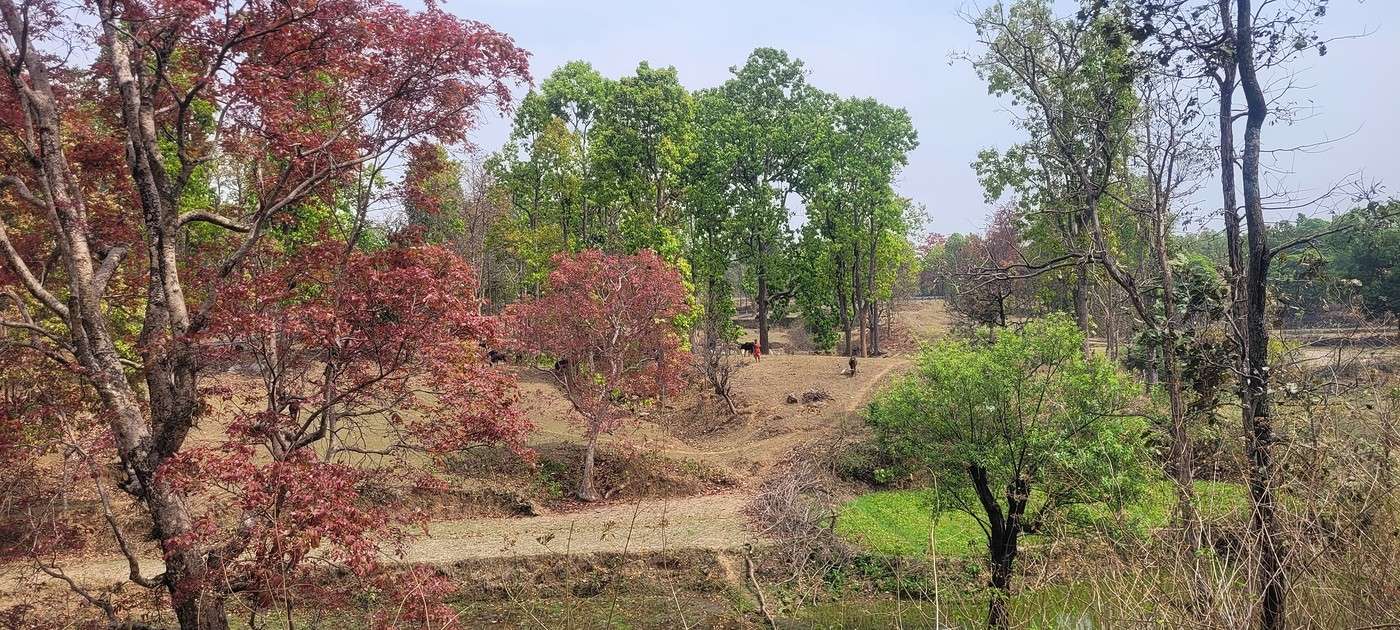
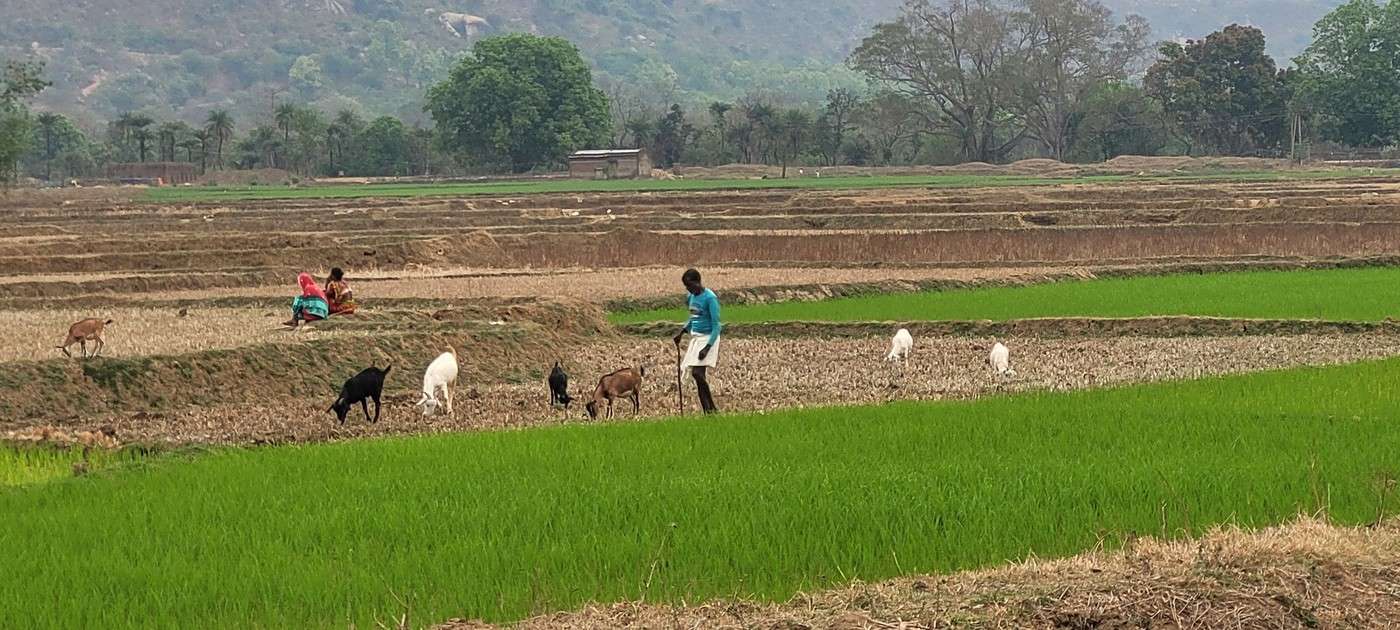
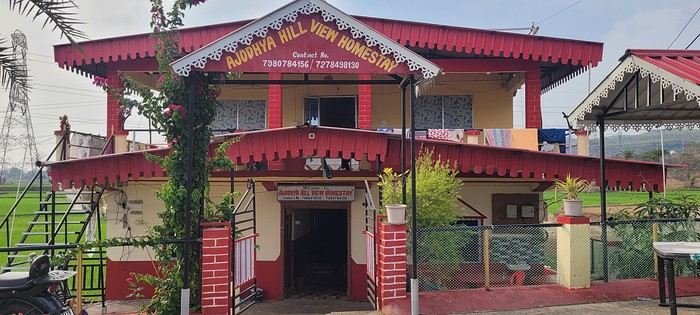
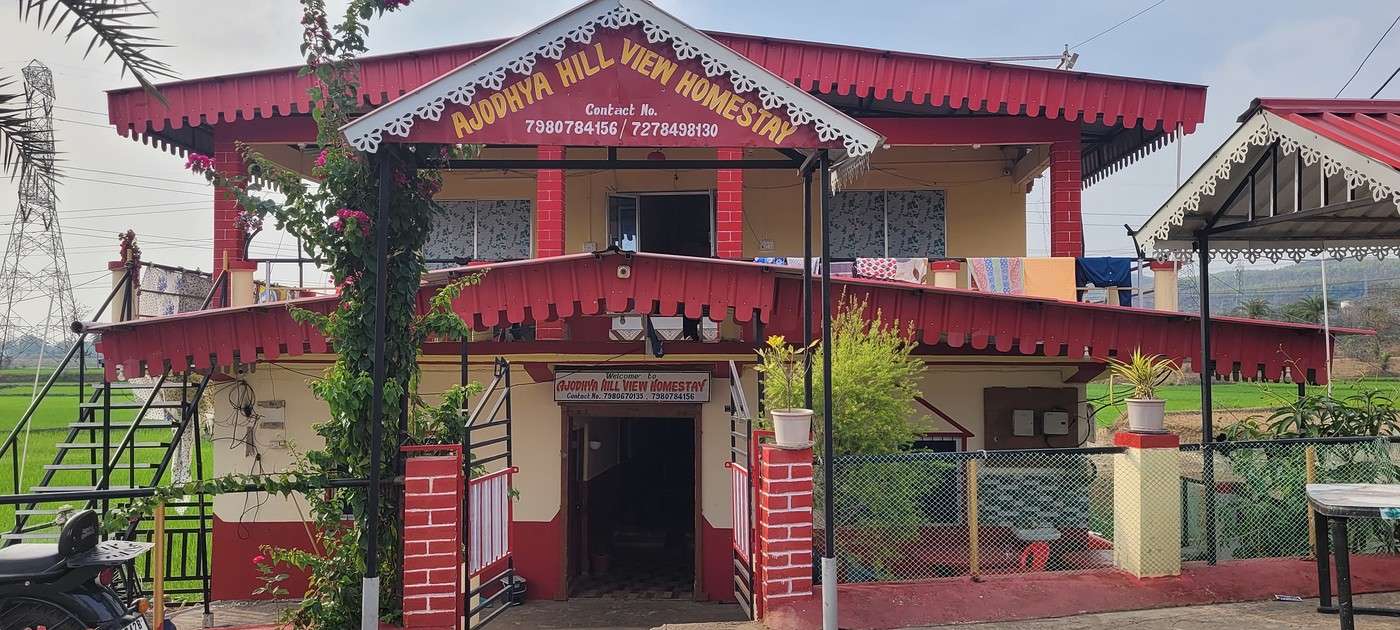
We carry on to Dighal Homestay in Ajodhya. The house is simple, but the welcome is very warm. I feel at home right away. The rooms are upstairs, and a large terrace with tables and chairs is available for guests. The house is surrounded by rice fields, right in the countryside. I go for a walk in the rice fields.


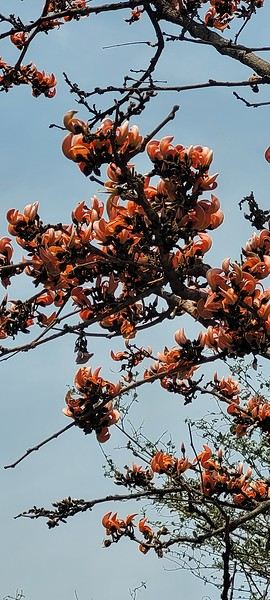
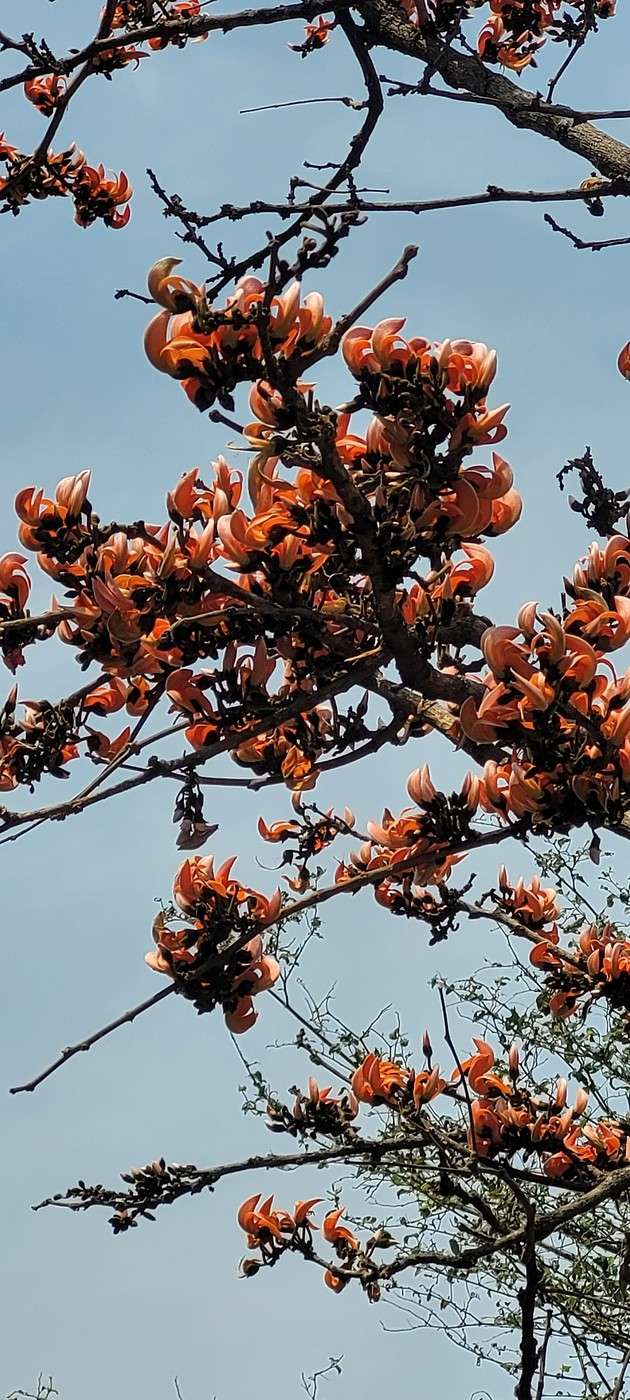
I spot egrets and a woolly-necked stork with a long beak. Flowering trees line the fields; I get closer: they’re palash flowers, the "flame of the forest," used in medicine.

New adventures from Perpignan to Ranchi (Jharkhand)

Aleph240758 · 2026-07-19 · Message 37 of 61

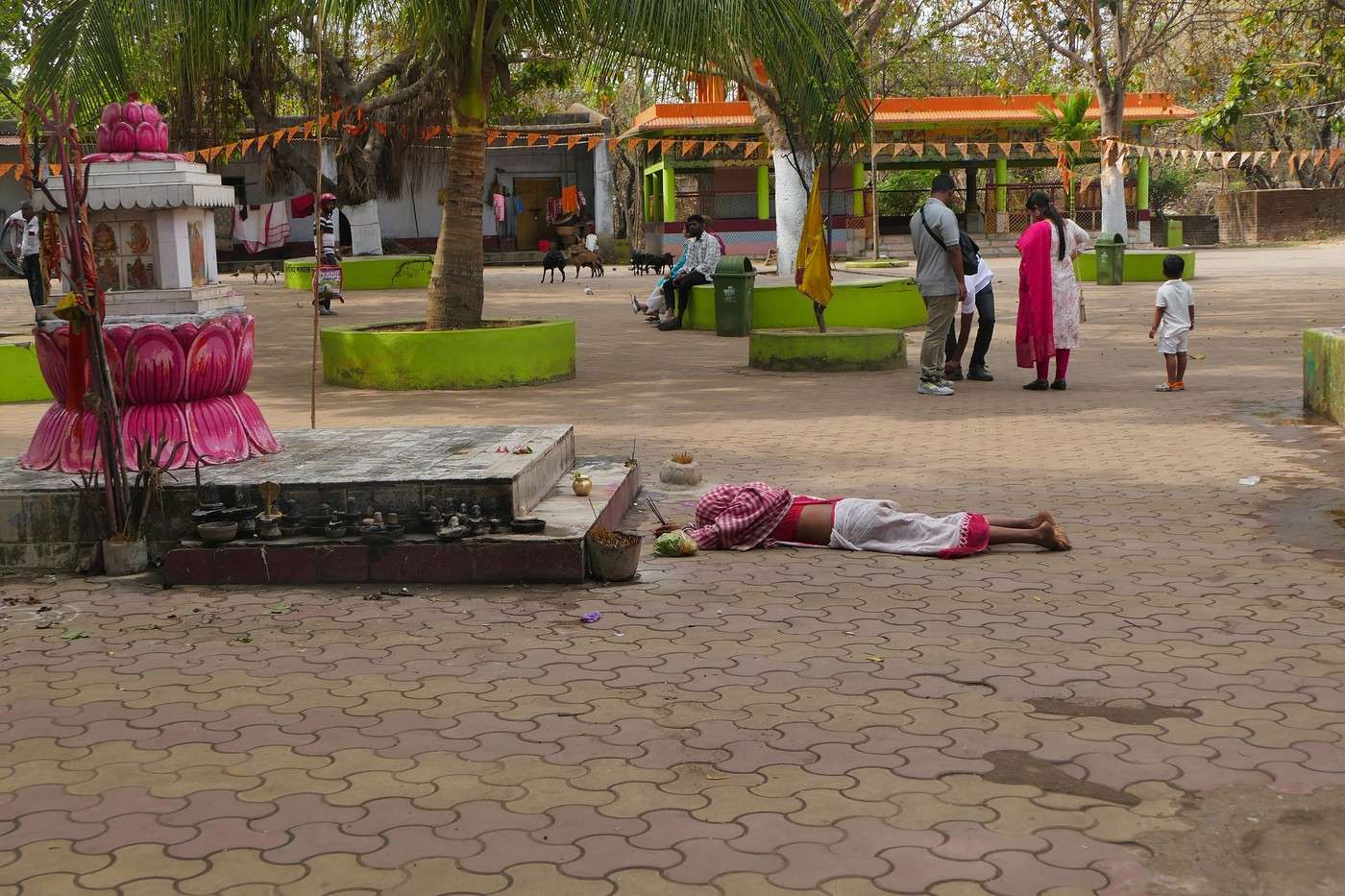
Wednesday, March 18 I heard music in the distance all night. This morning, everything is quiet, even though the house is full. Indian tourists arrive in the evening and leave in the morning; every night, it's fully booked. At breakfast, I'm served tea, an omelet, and puris. Yesterday, I booked a rickshaw driver for the morning. He's on time, and we start at the Lahariya Sita temple. The place is packed with Indians, who come in large numbers. I run into some tourists I met at the guesthouse this morning. We take a few photos and selfies. The place radiates deep devotion. A person is lying in front of the temple, holding incense.


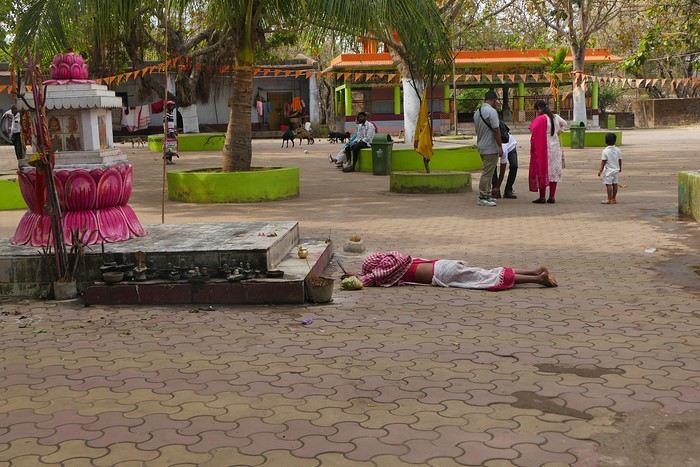
Behind it, a lake attracts walkers. A woman moves forward, prostrating herself regularly, lying on the ground at intervals until she reaches the temple.


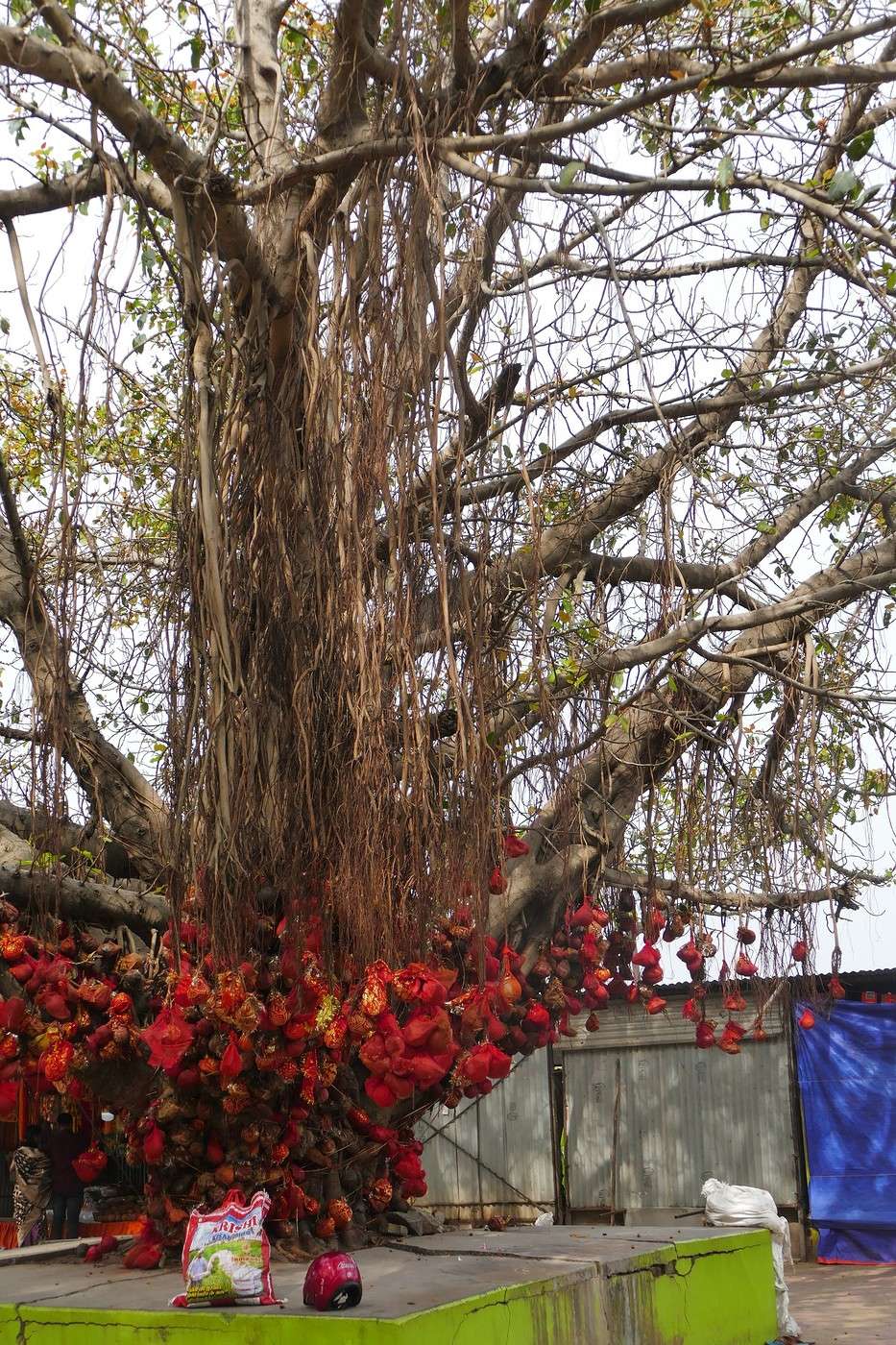
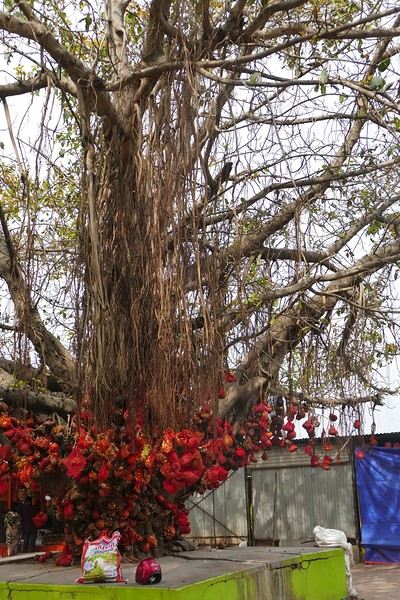
In the courtyard, my gaze stops at a sacred tree where small fabric pouches containing wishes are hung.


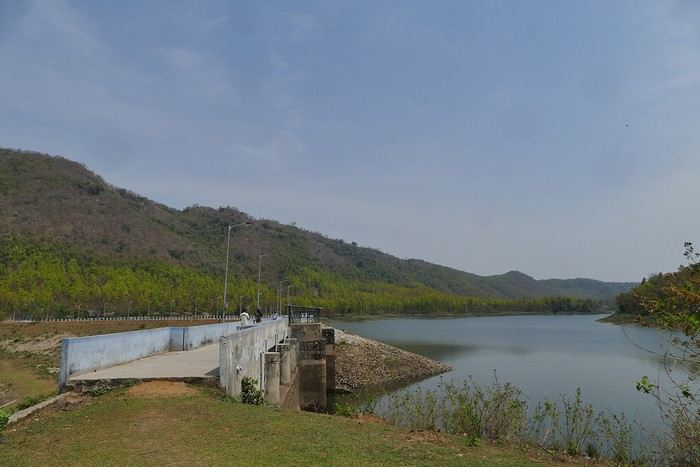
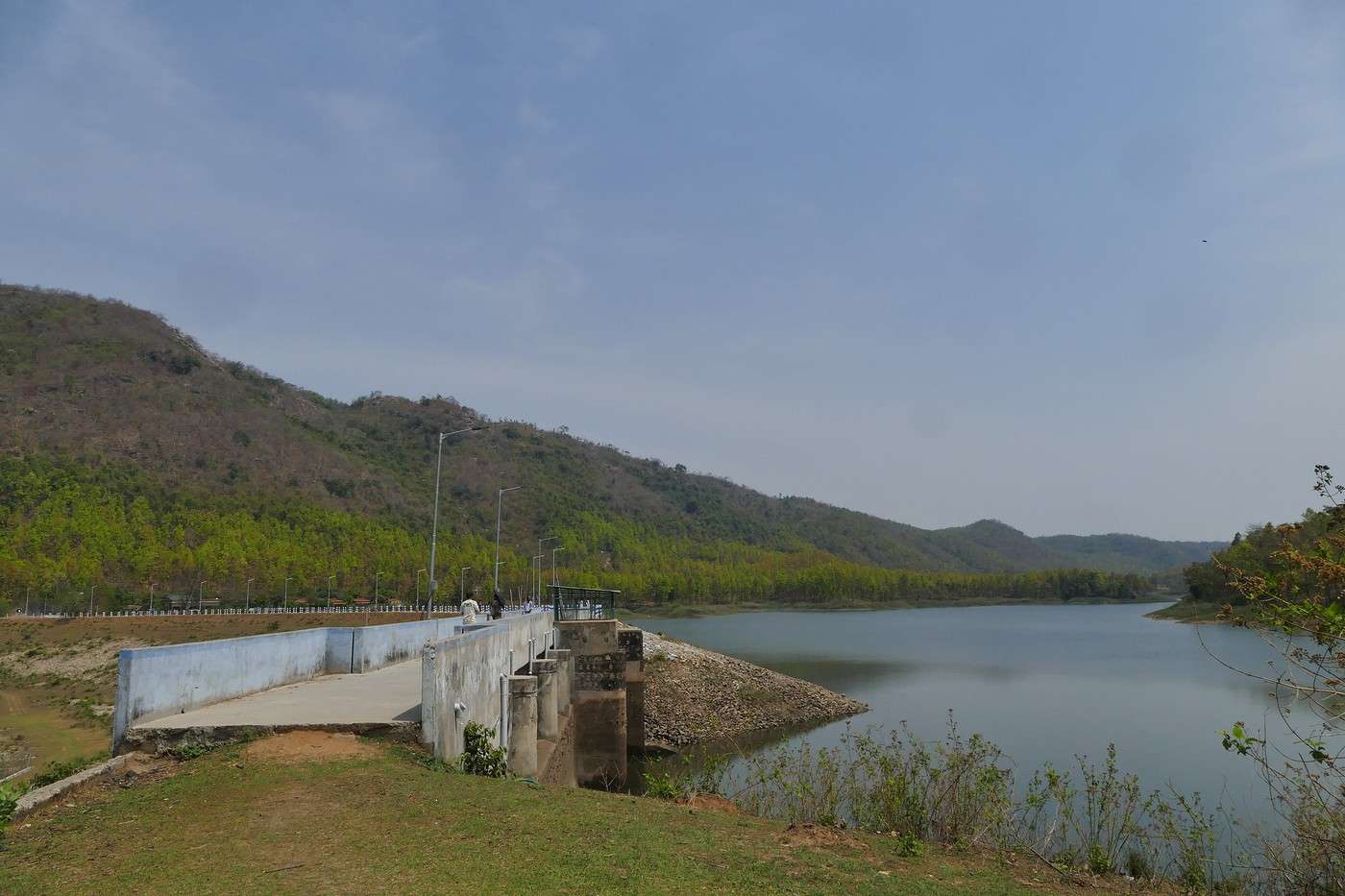
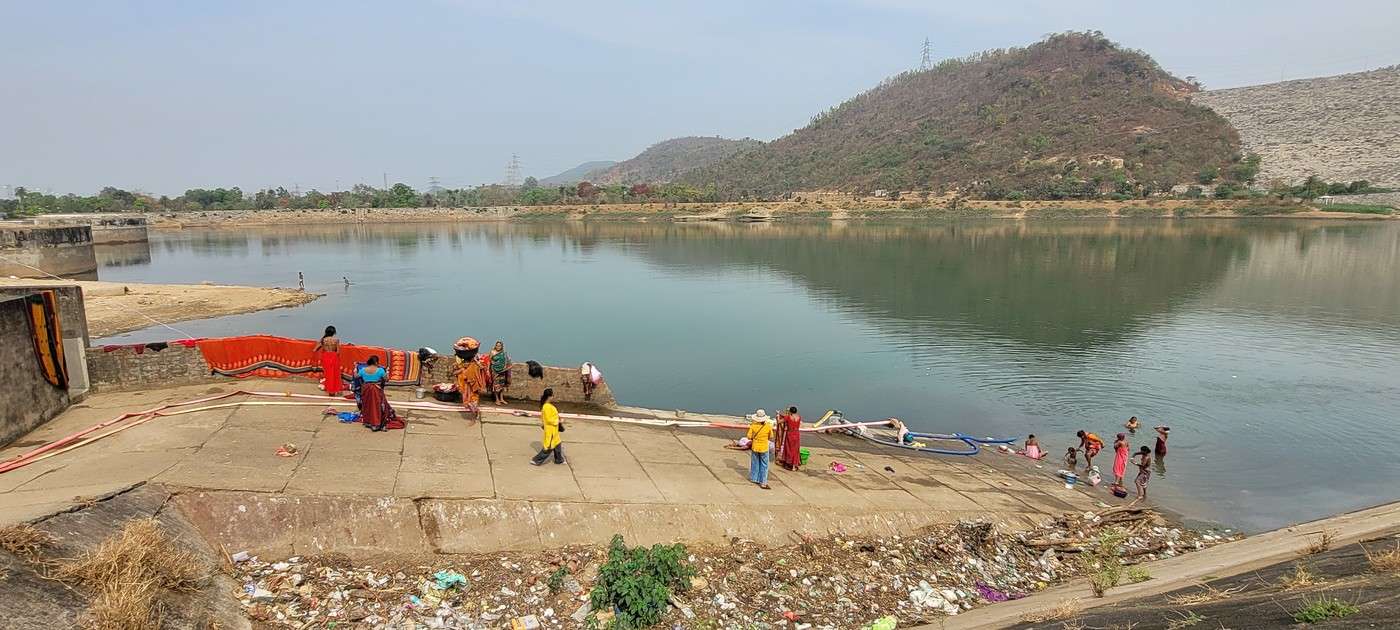
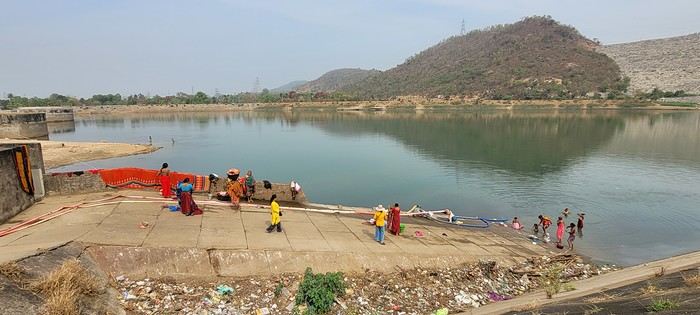
We hit the road again, pass through Charida, and head to a huge dam,


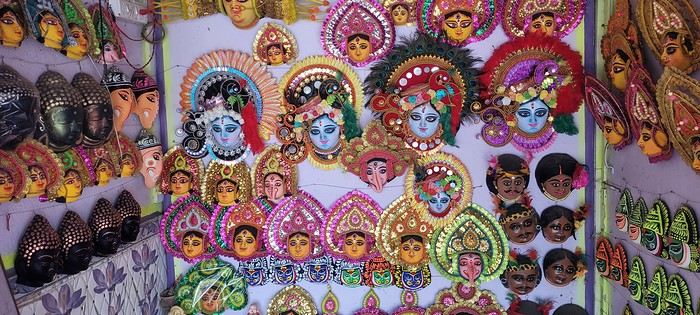
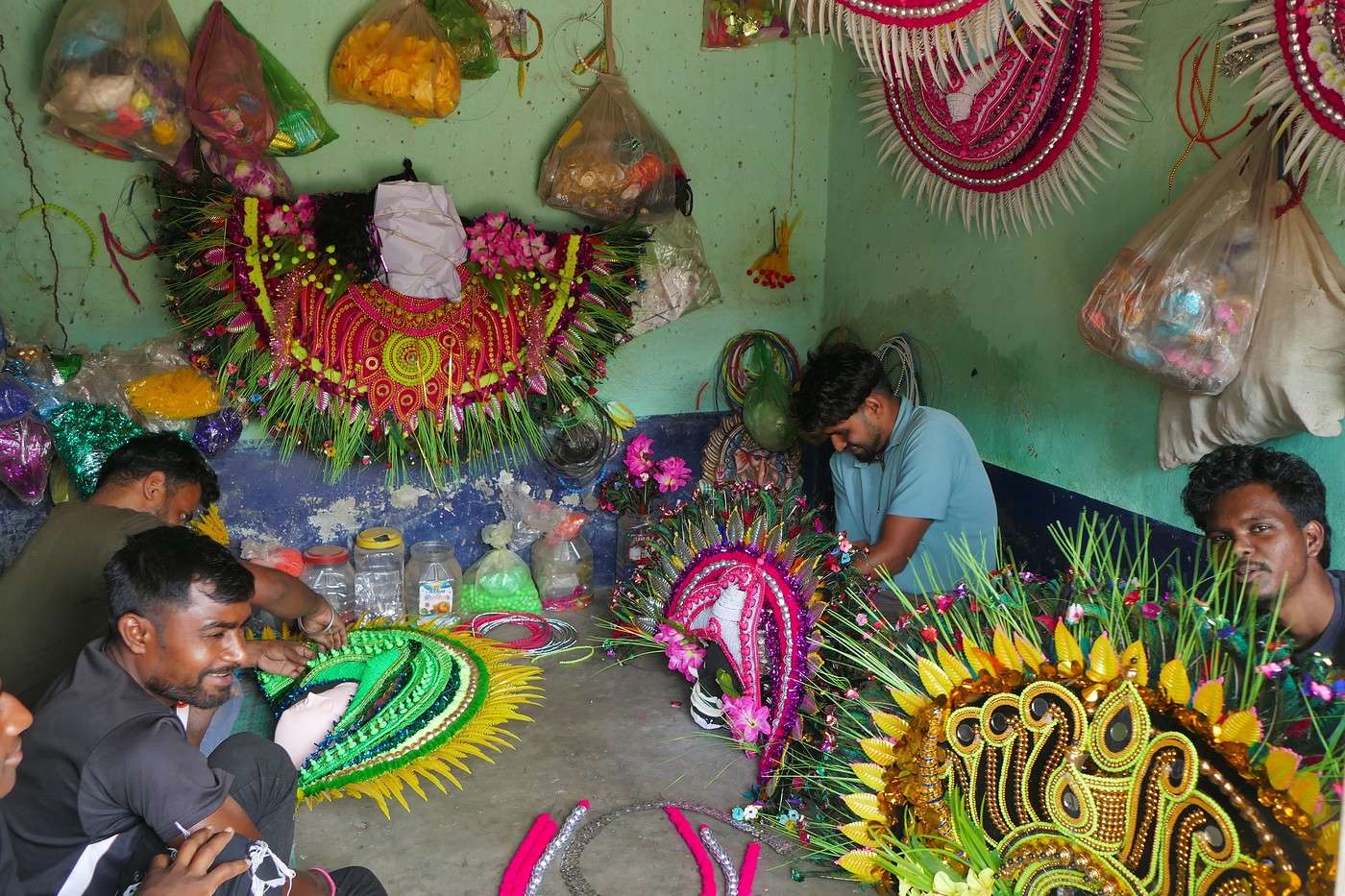
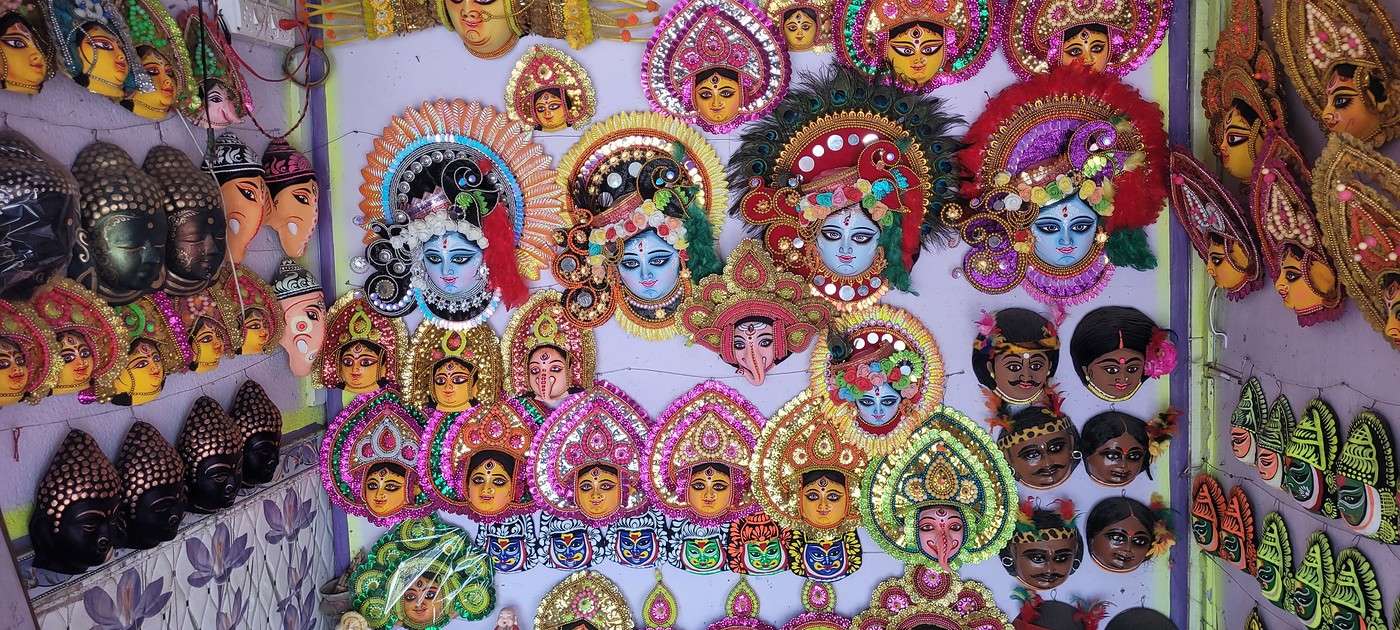
before returning to Charida, the city of masks used for Chhau dances. On both sides of the street, workshop-shops display these masks.


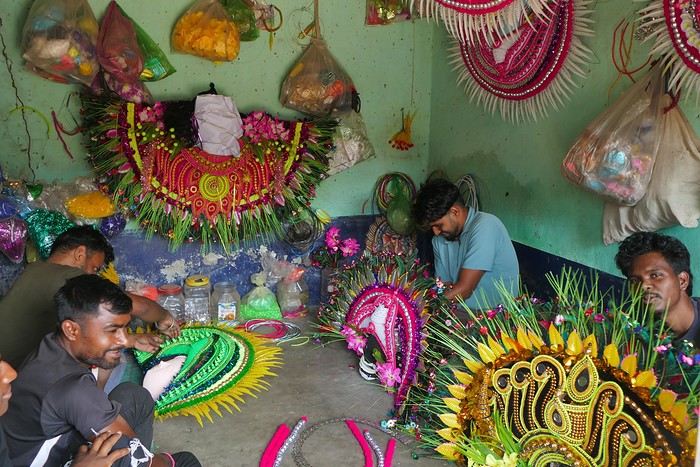
The men work sitting on the ground in cramped spaces.


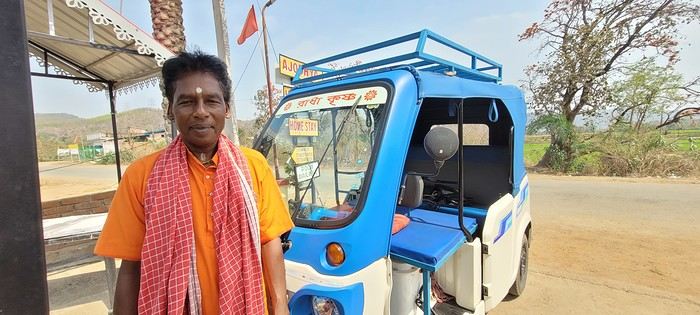
The masks are all stunning and beautiful. I won’t be able to see the dances—it’s not the season; you have to come in January. I buy a miniature model and hope I don’t damage it during the trip. Chhau dance is a tradition from eastern India, inspired by episodes from great epics like the Mahabharata and the Ramayana, as well as local folklore and abstract themes. It comes in three regional styles—Seraikella, Purulia, and Mayurbhanj—with the first two using masks. Closely tied to regional festivals, especially Chaitra Parva, the spring festival, it draws its origins from tribal dances and martial practices. The movements blend simulated combat techniques, stylized animal imitations, and gestures inspired by daily tasks. Traditionally passed down within families of artists or local communities, it’s performed at night, outdoors, to the sound of instruments like the mohuri and shehnai, accompanied by percussion. Today, industrialization, economic pressures, and the influence of new media threaten this practice and reduce collective participation. Back at the homestay, my kind driver refuses to set a price and lets me decide. He turns down the 1000 rupees I offer—too much—and accepts 800 with a big smile.


The homestay manager tells me he organizes Chhau dance performances for tourists with other accommodations. But the season is over, and these shows no longer take place. Too bad.


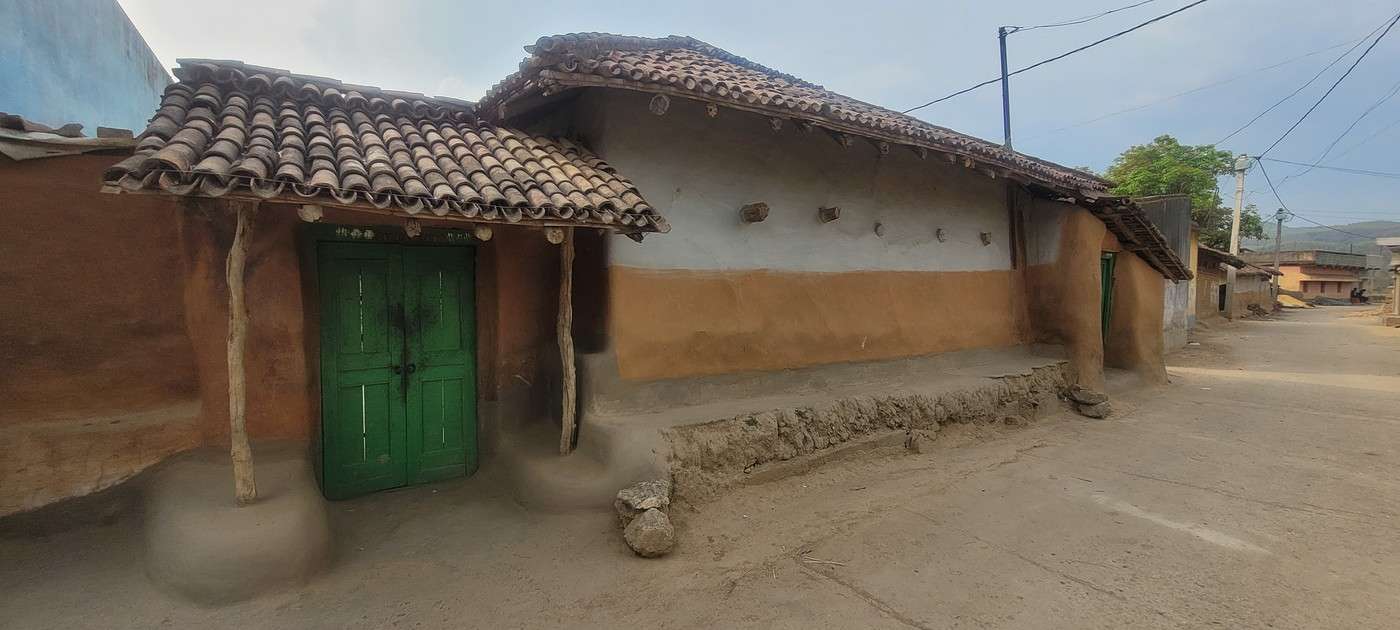
In the afternoon, I go for a walk in the rice fields on the other side of yesterday’s fields and venture into a small hamlet. The locals seem quite wary when they see me.

New adventures from Perpignan to Ranchi (Jharkhand)

Aleph240758 · 2026-07-21 · Message 38 of 61

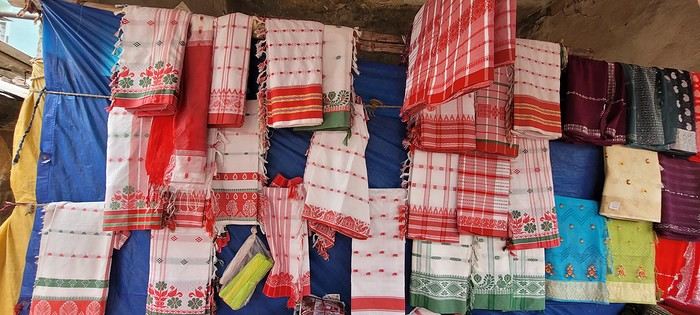
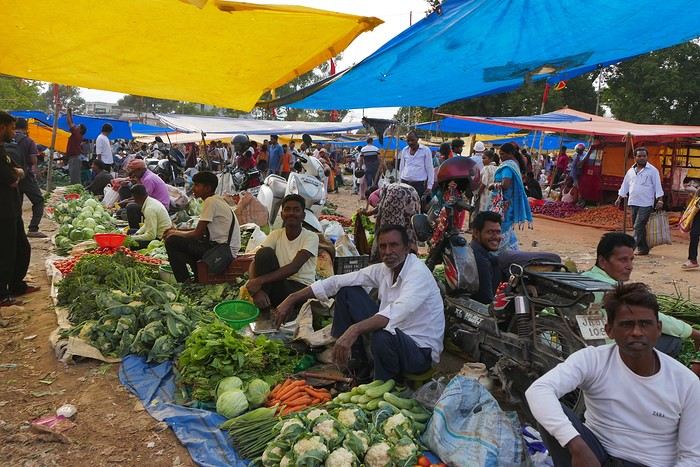
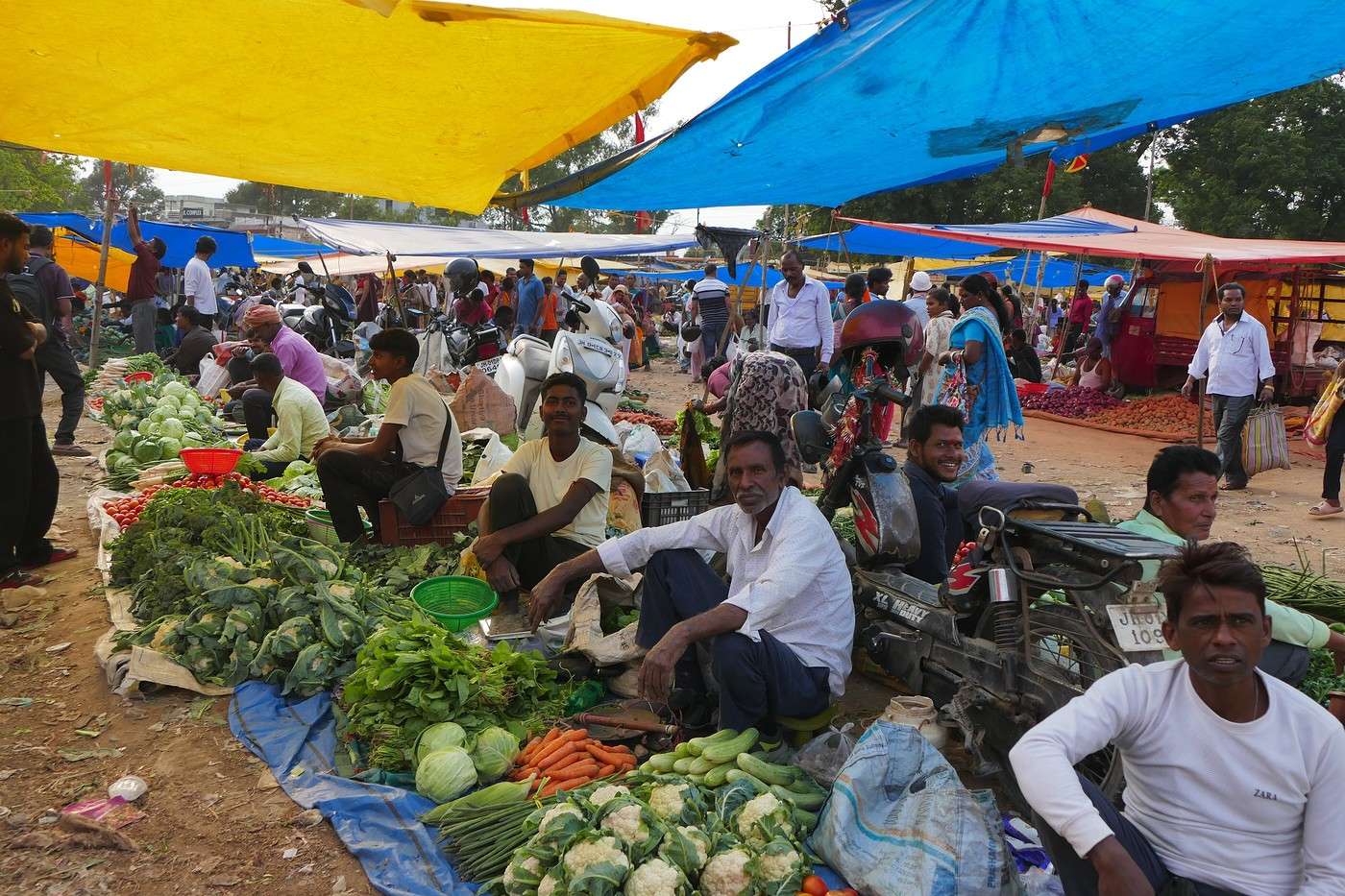
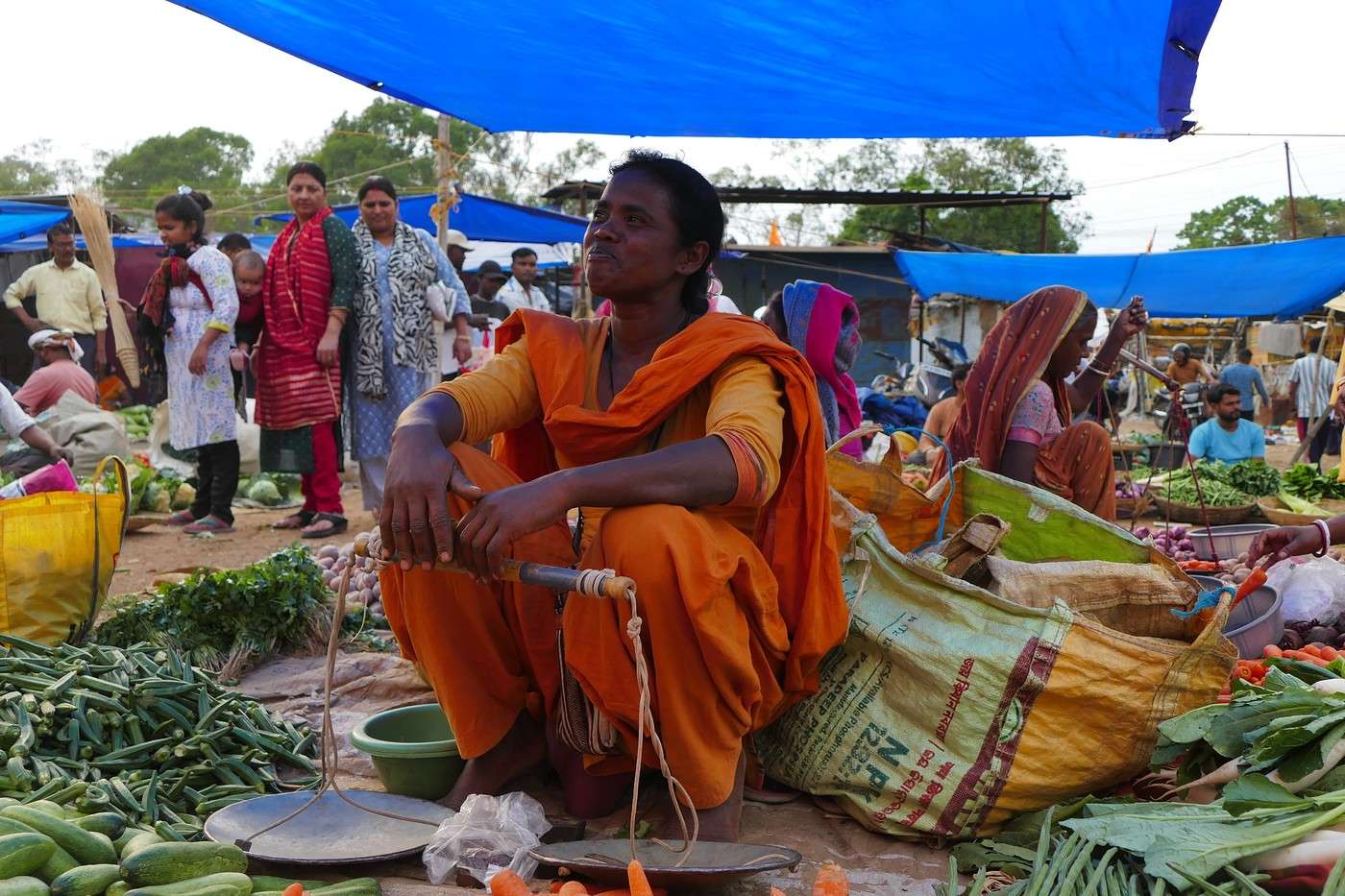
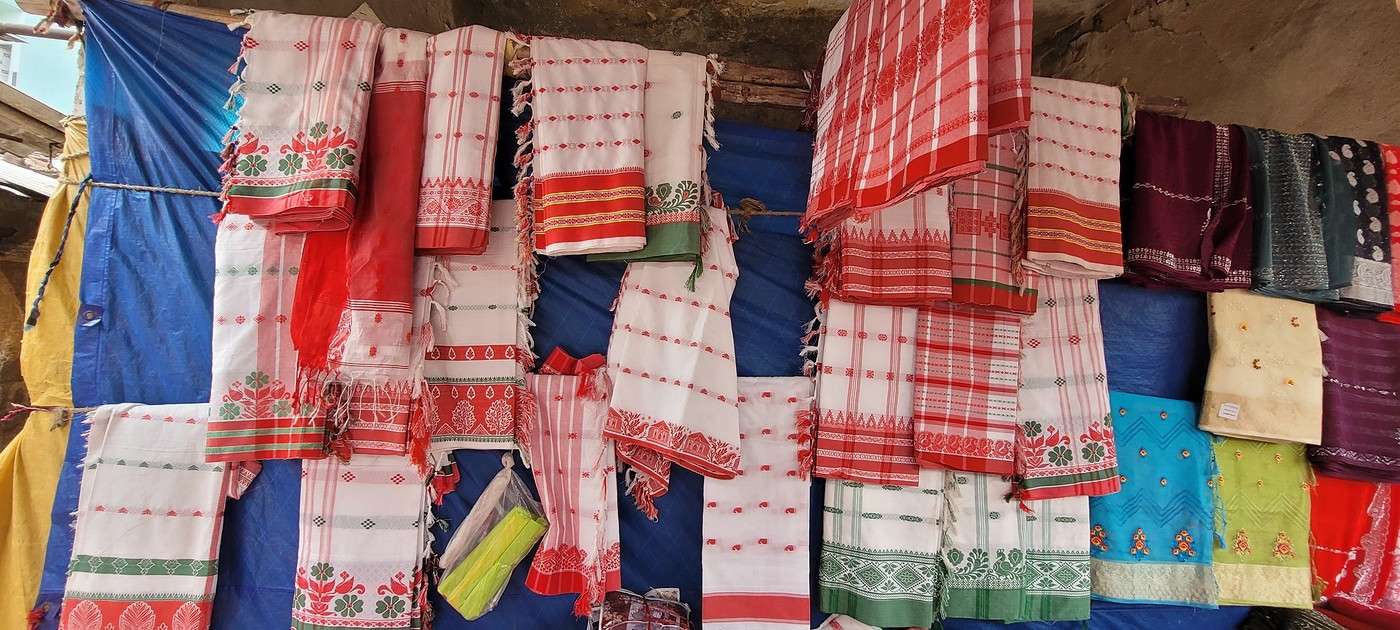
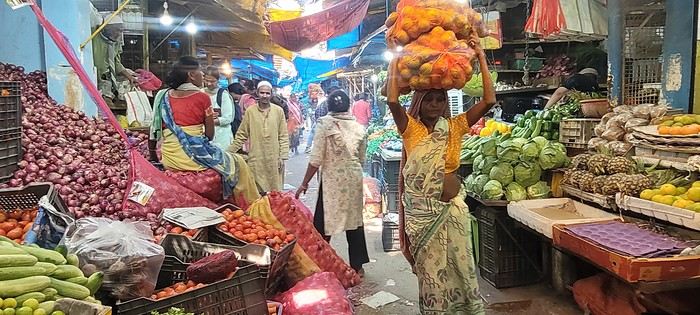
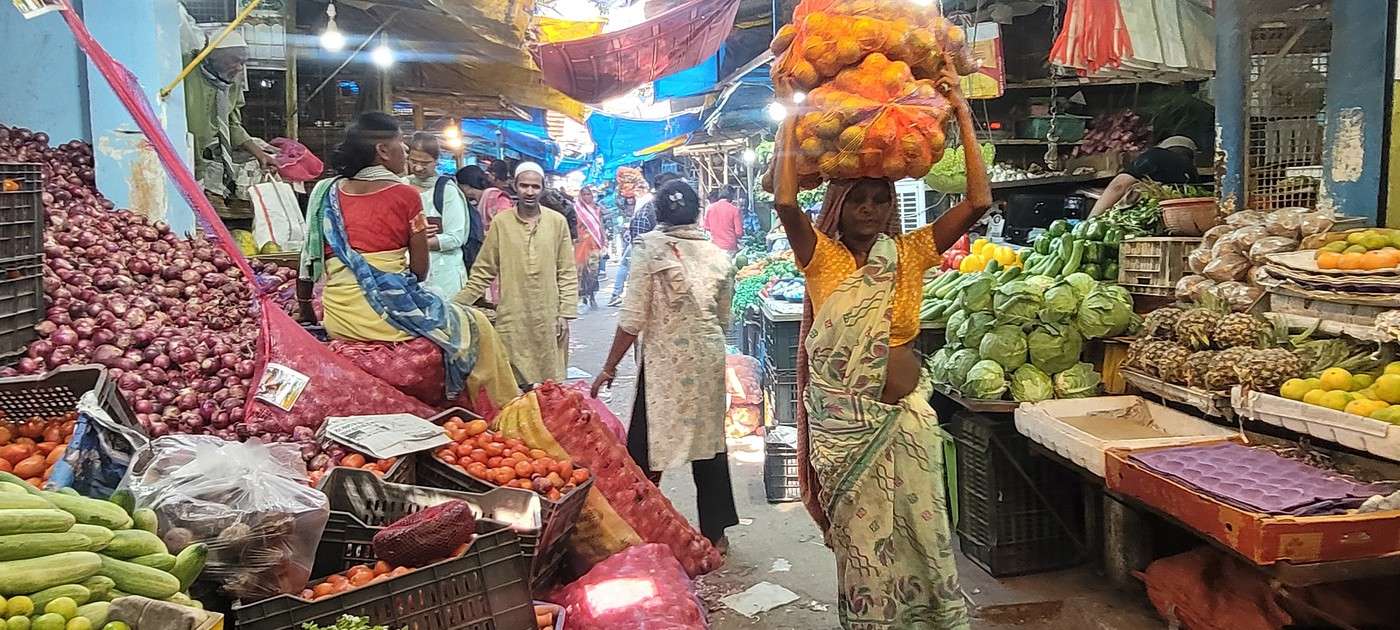
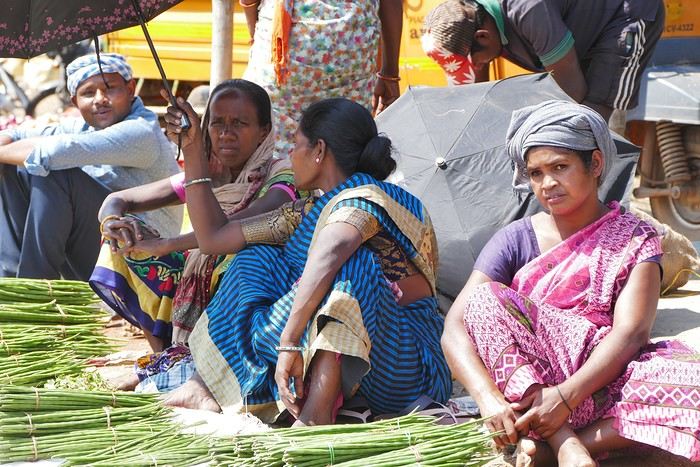
Ranchi, March 19–23 March 19 Breakfast is served at 7:30 a.m. before my departure. I settled the bill the night before. At 8:30 a.m., I leave the place: the manager gives me a ride on his motorcycle to the bus stop. We take a dirt path through the rice fields that leads to the village. He waits with me for the bus, puts my bag in the storage compartment, and gives the driver a few instructions. The trip includes a long stop, and we arrive in Johar around 10 a.m. An auto-rickshaw then takes me to the train station. The driver helps with my bag and walks me to the platform after I buy my ticket. The train arrives at 10:30 a.m.; two hours later, I reach Ranchi. A rickshaw takes me to my hotel, Collection O Ranchi, where I’m warmly welcomed by a young receptionist. Once settled, I go back to see her: she recommends a traditional market happening this afternoon, Namkum Market, about 6 kilometers away. I have plenty of time and decide to walk there. Google Maps leads me down small roads, far from traffic. I don’t feel like I’m in a big city. The market is huge. Along the road, red and white saris with varied patterns are for sale; women will wear them for the Sarhul festival.


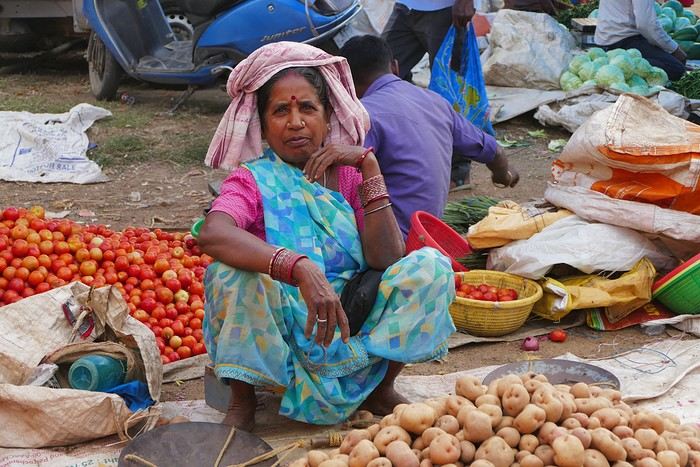
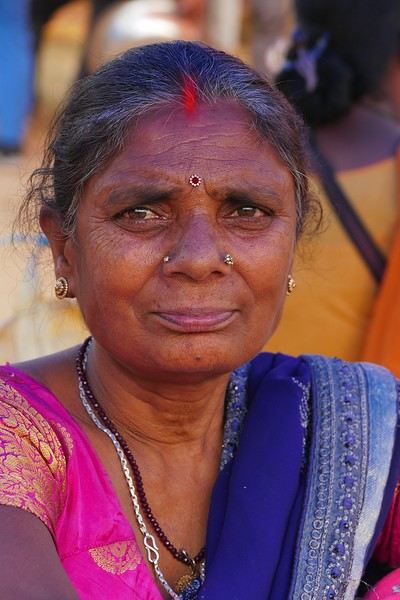
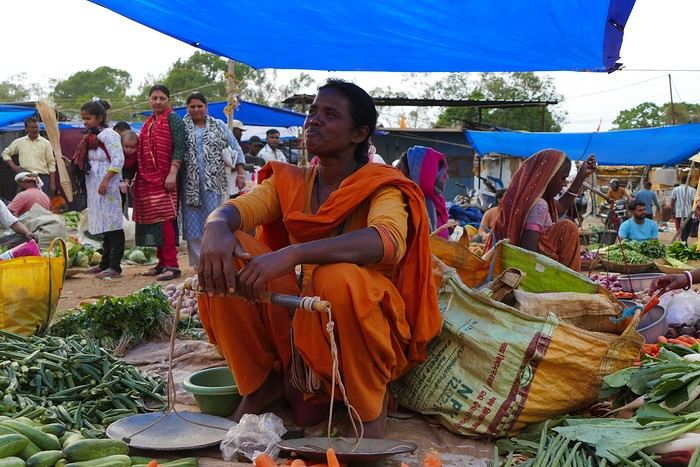
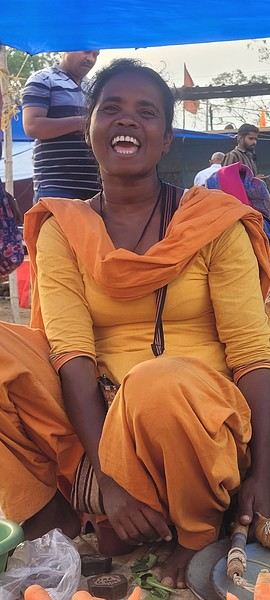
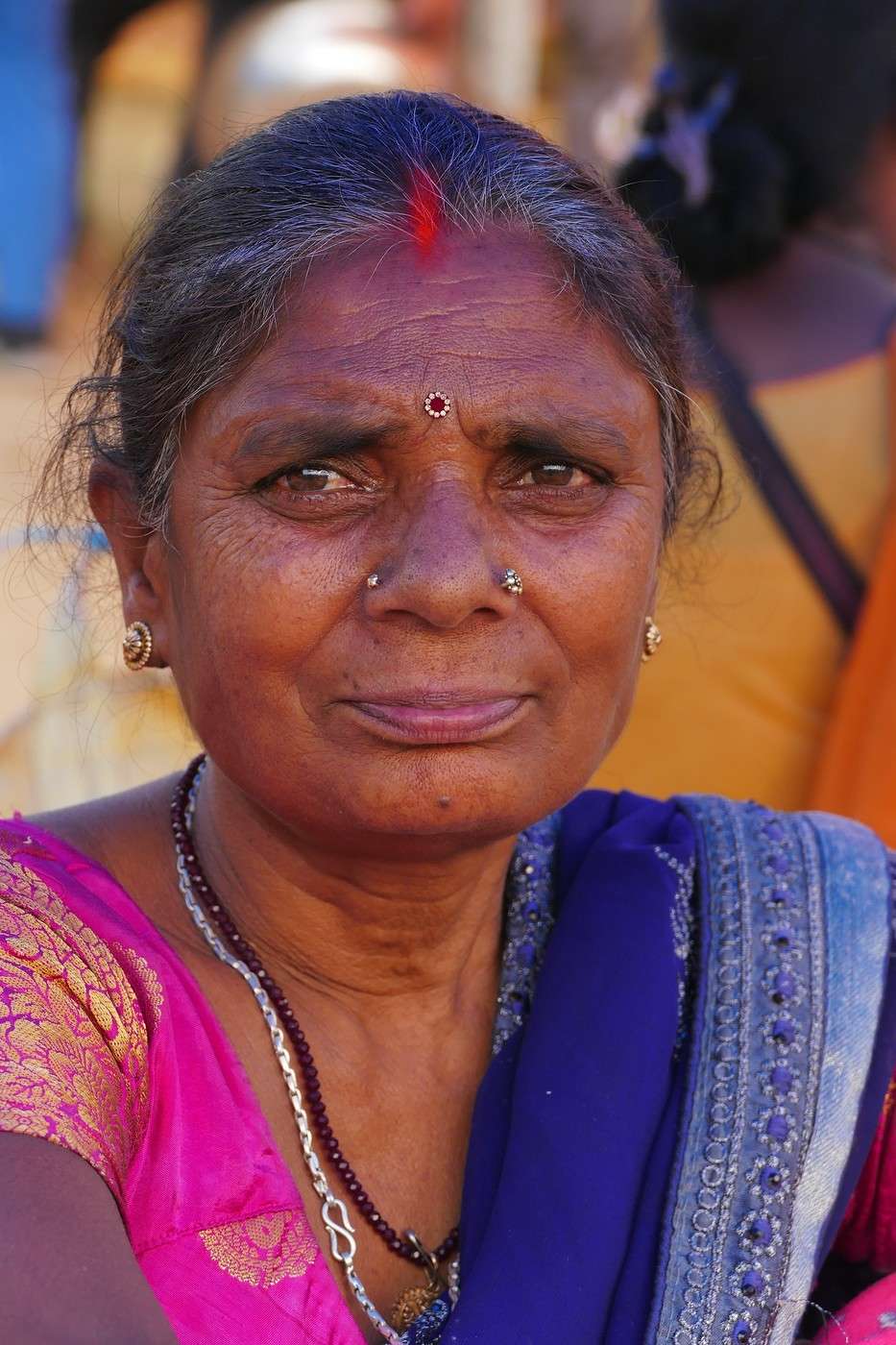
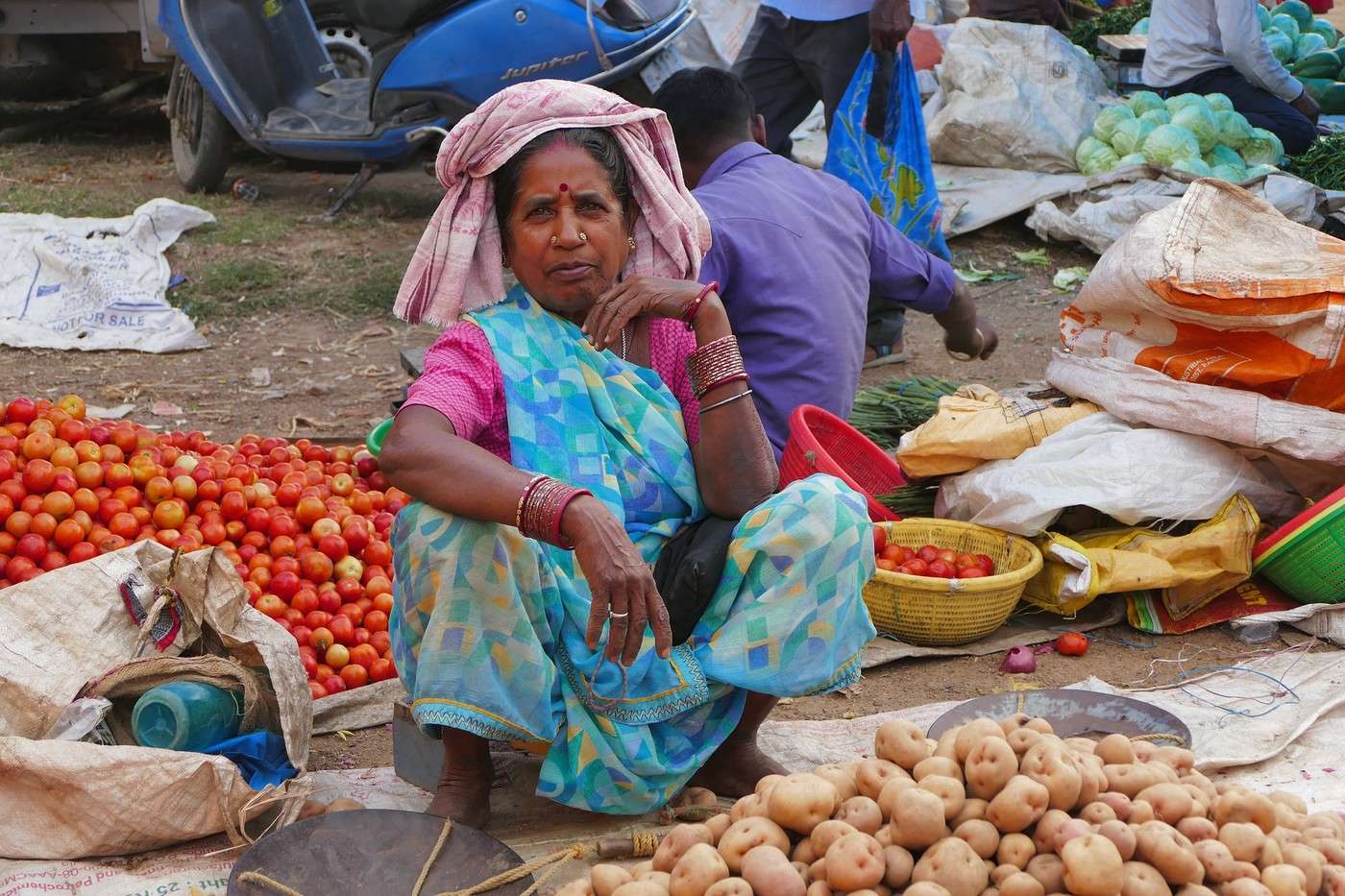
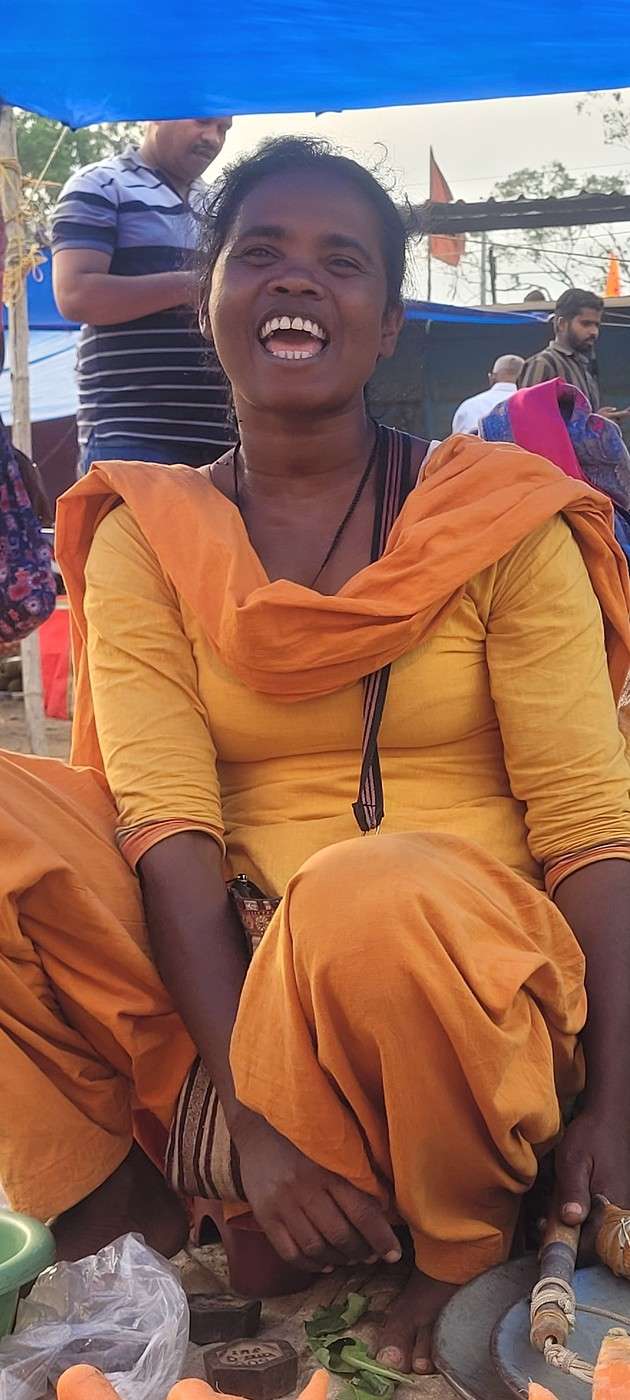
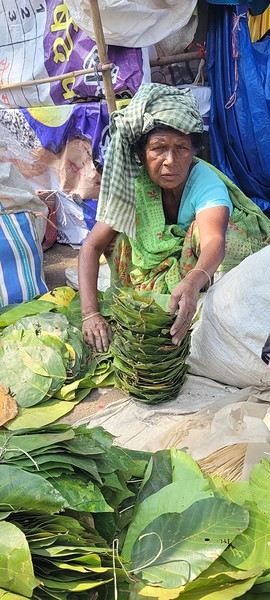
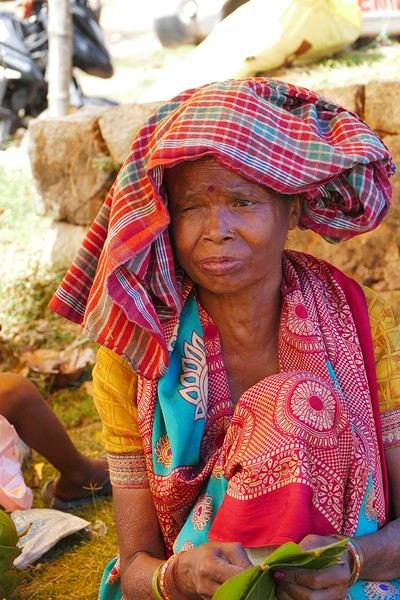
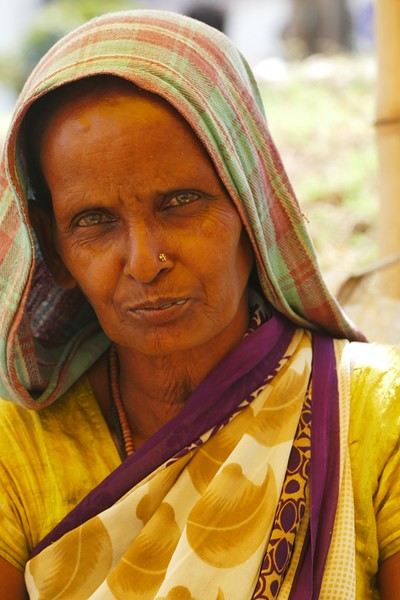
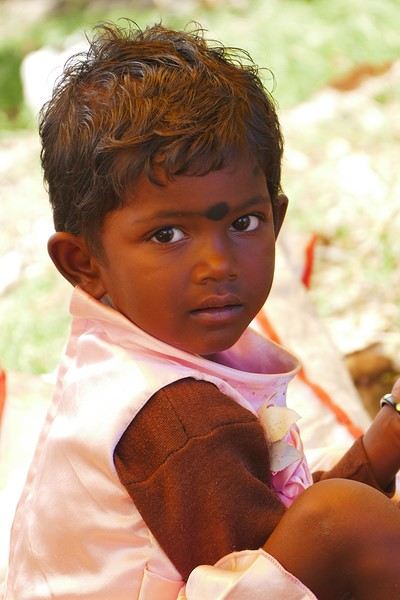
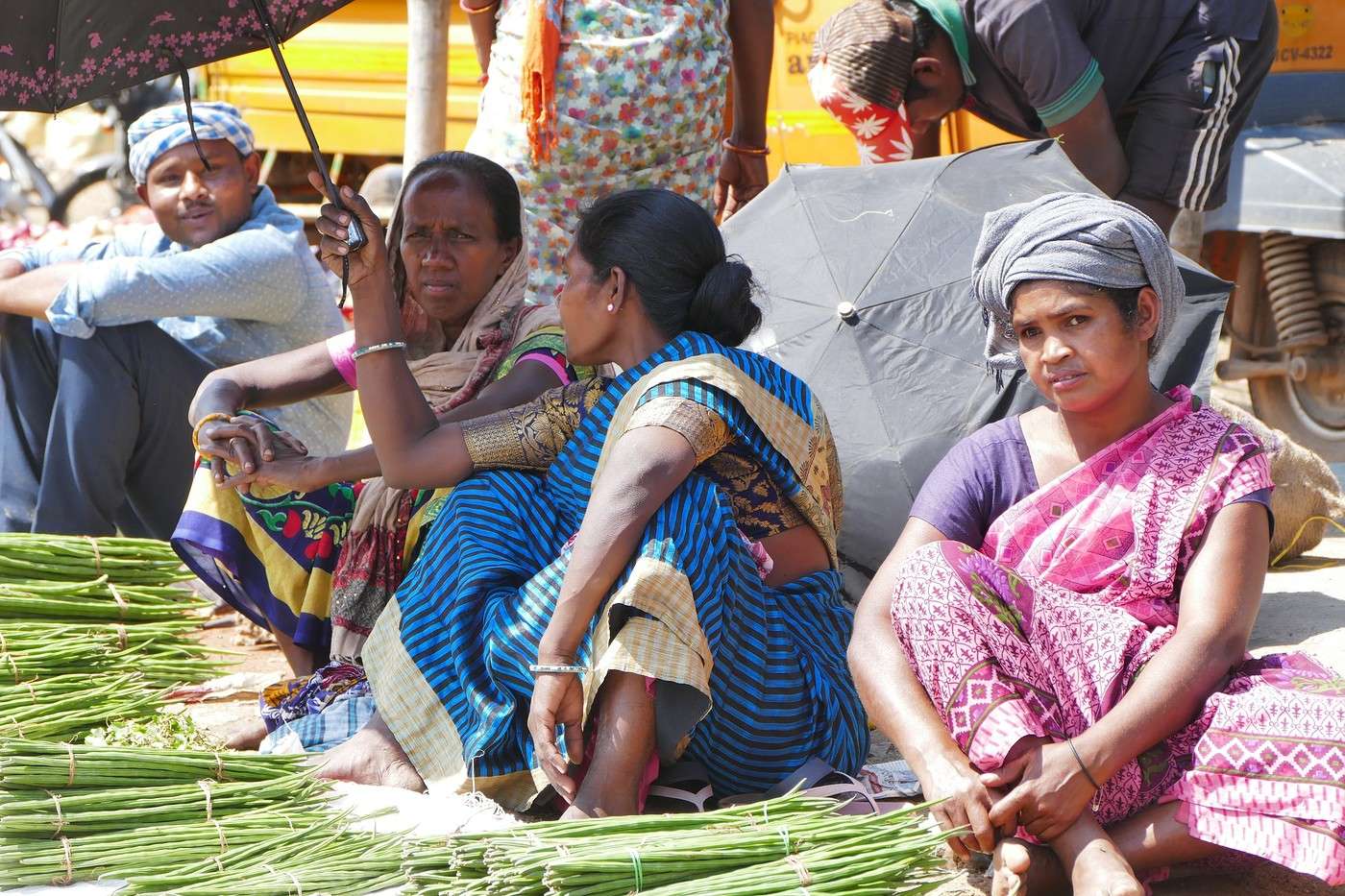
As I walk down an alley, I come to a large square filled with the vegetable market. Men and women run the stalls, and everyone happily agrees to be photographed.


The atmosphere is warm, and I have a great time. Sometimes a little shy or hesitant


but quickly amused


I then take an auto-rickshaw back to the hotel. In the evening, I dine at a nearby restaurant-pastry shop.

New adventures from Perpignan to Ranchi (Jharkhand)

Aleph240758 · 2026-07-21 · Message 39 of 61

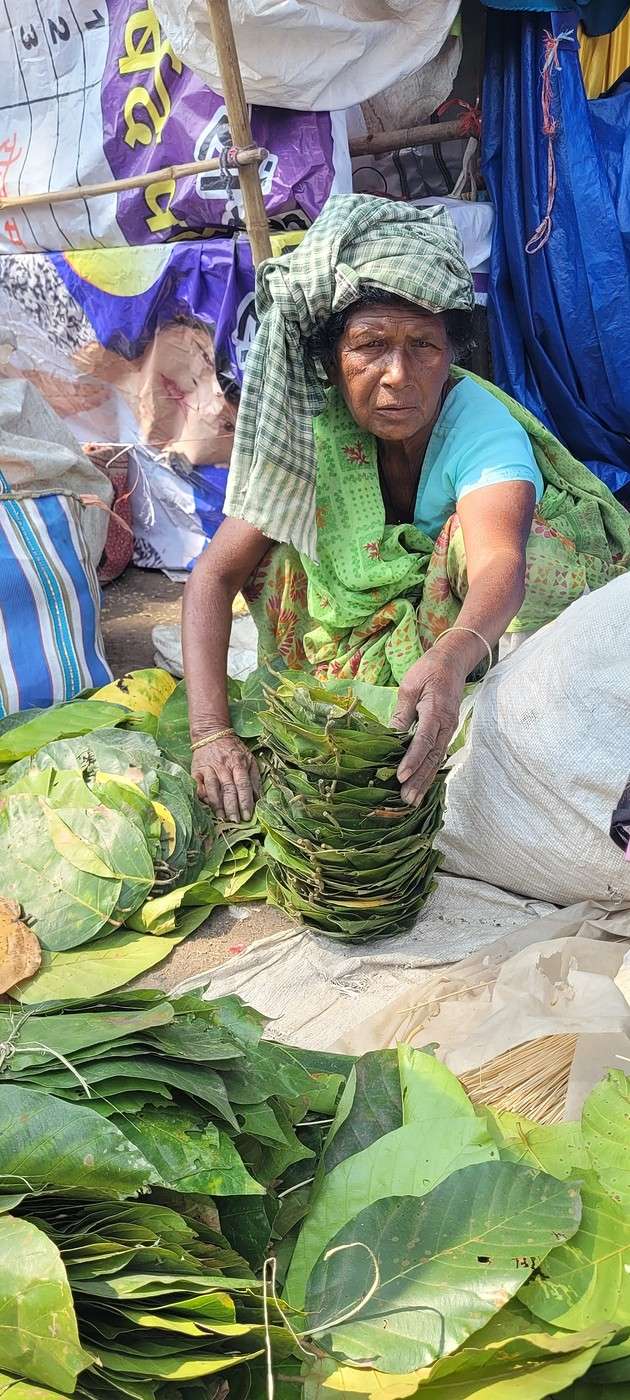
March 20 Breakfast is included in the room price, but it’s not great and is only served after 8:30 AM: three doughnuts and a yogurt, with no tea. I set off on foot toward the Tribal Research Institute, the tribal museum, located over 6 kilometers away. It’s already hot, and the traffic is heavy. The city is dirty and dusty. Along the way, I pass a small market where women are making small containers out of sal leaves, just like in Chhattisgarh.


Inside, the fruit and vegetable stalls are well-stocked and, as always, beautifully displayed. Everything looks fresh and tempting.


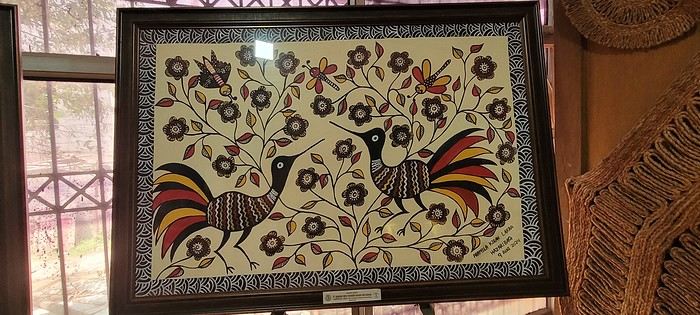
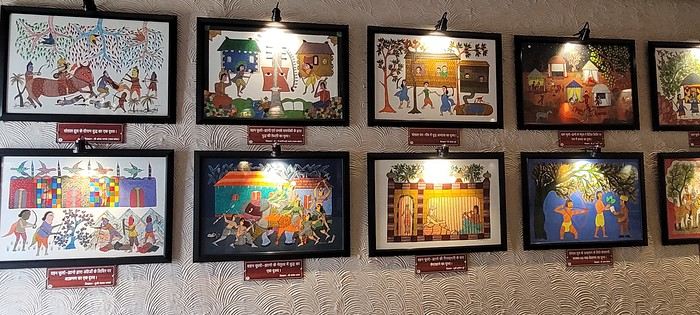
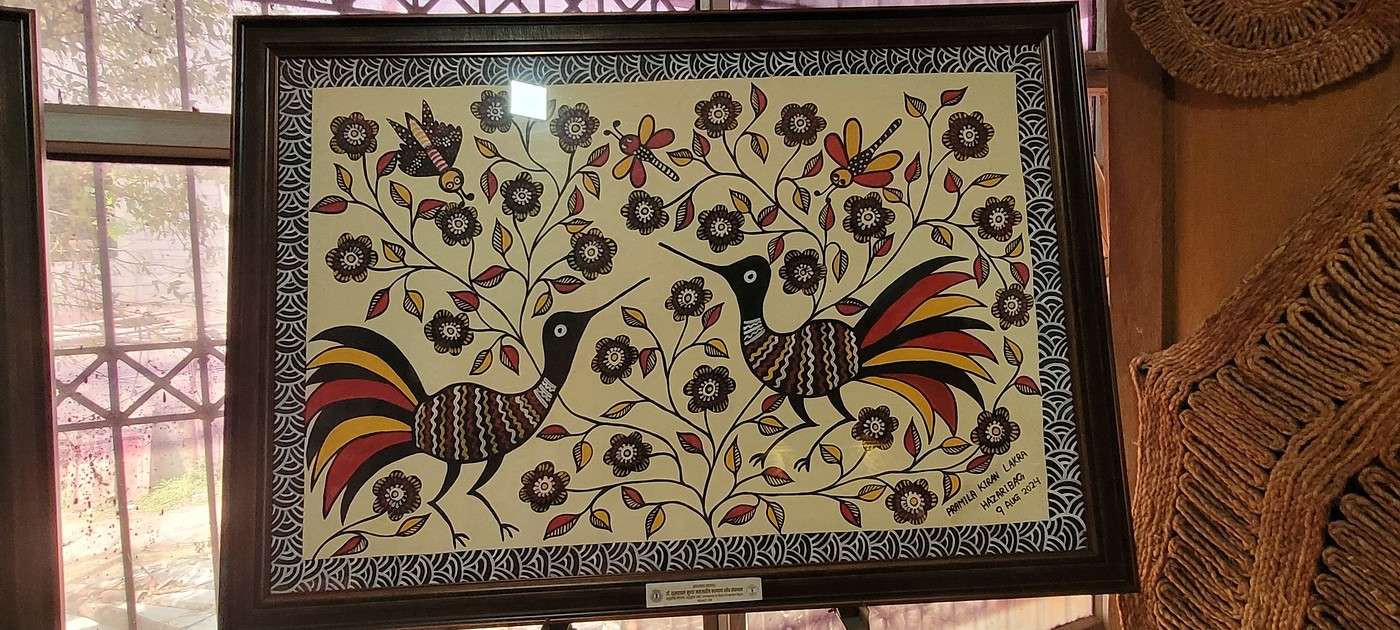
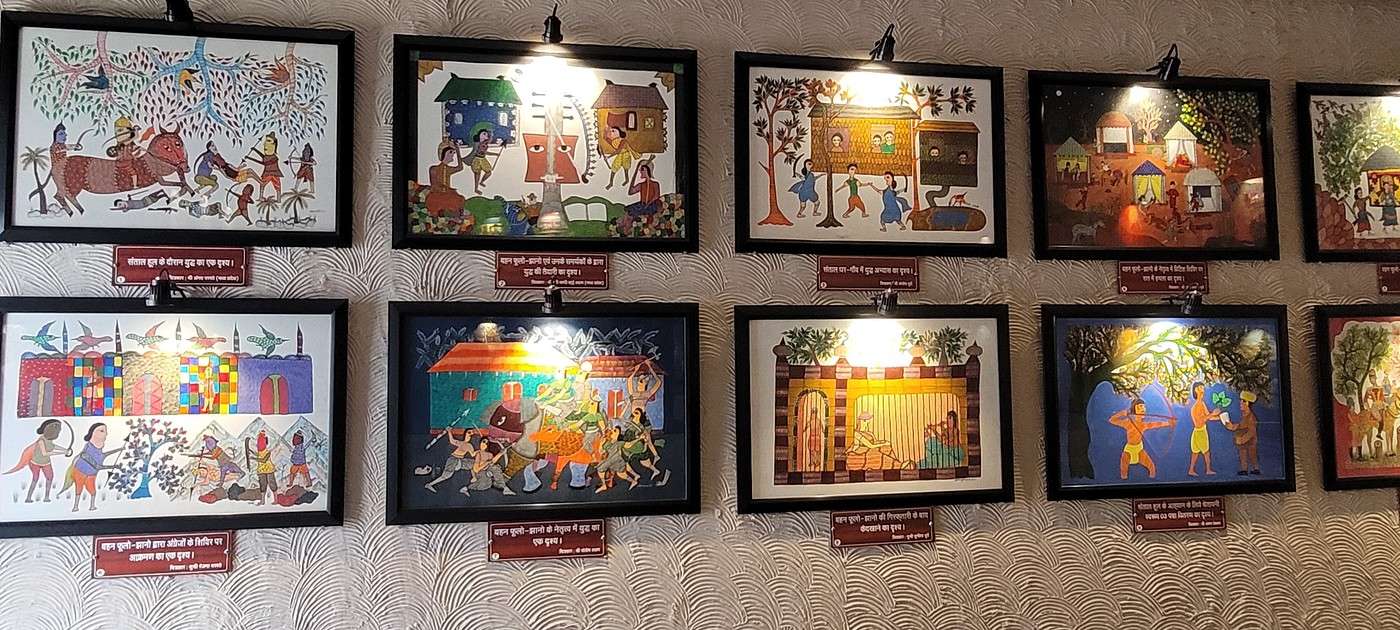
A little further on, I take a tuk-tuk to the museum. The driver doesn’t know the place, so I have to guide him using Google Maps. The museum is quite large, and entry is free, but nothing is really highlighted, which is a shame. However, the room dedicated to the different tribal paintings from Indian states is interesting.


These are more modern, in a different style.


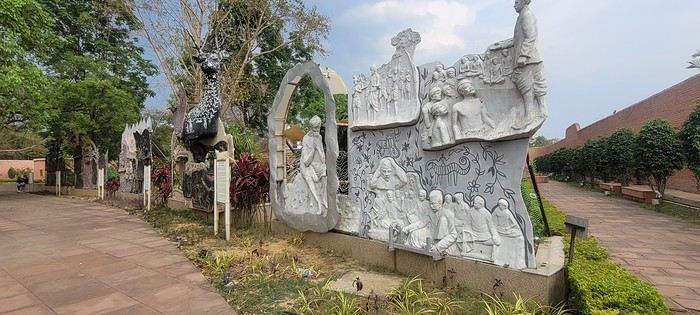
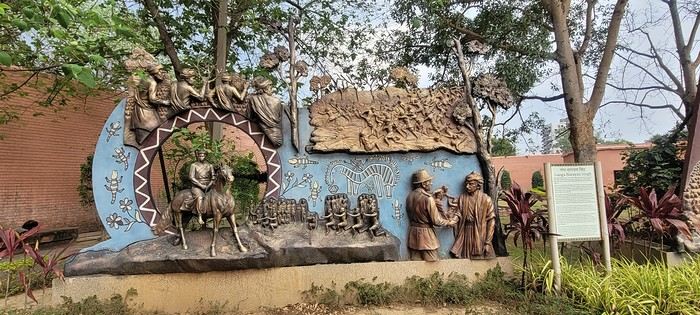
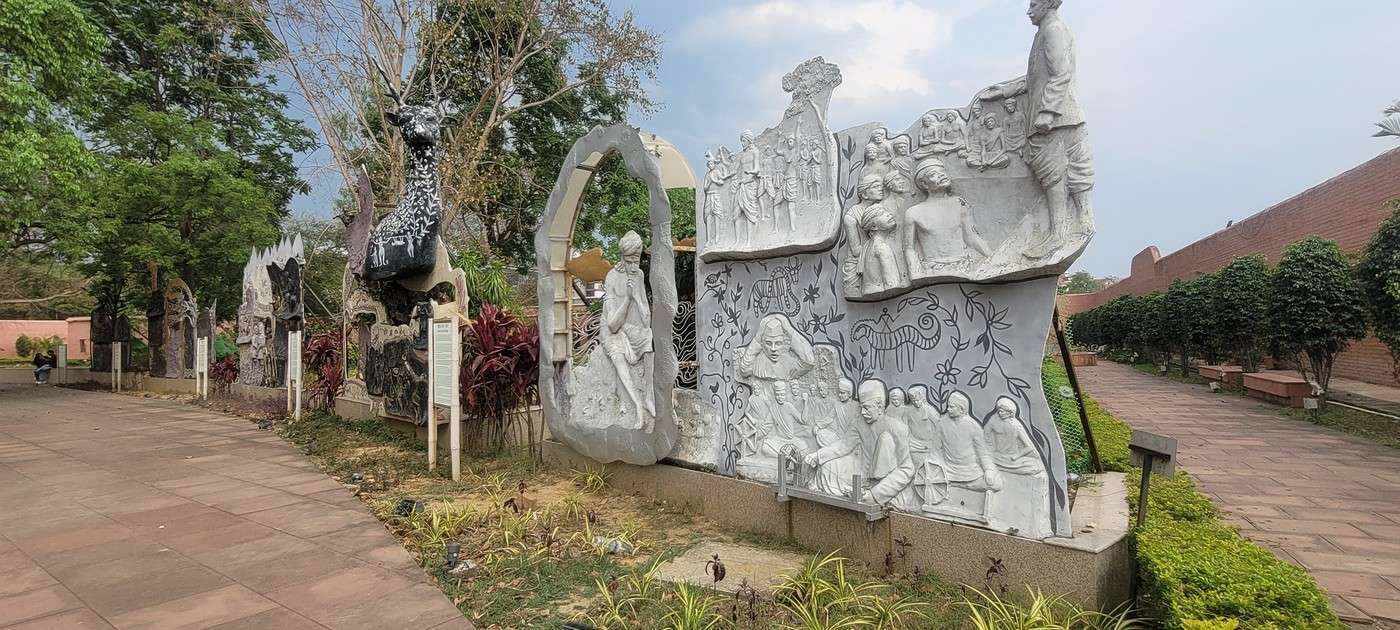
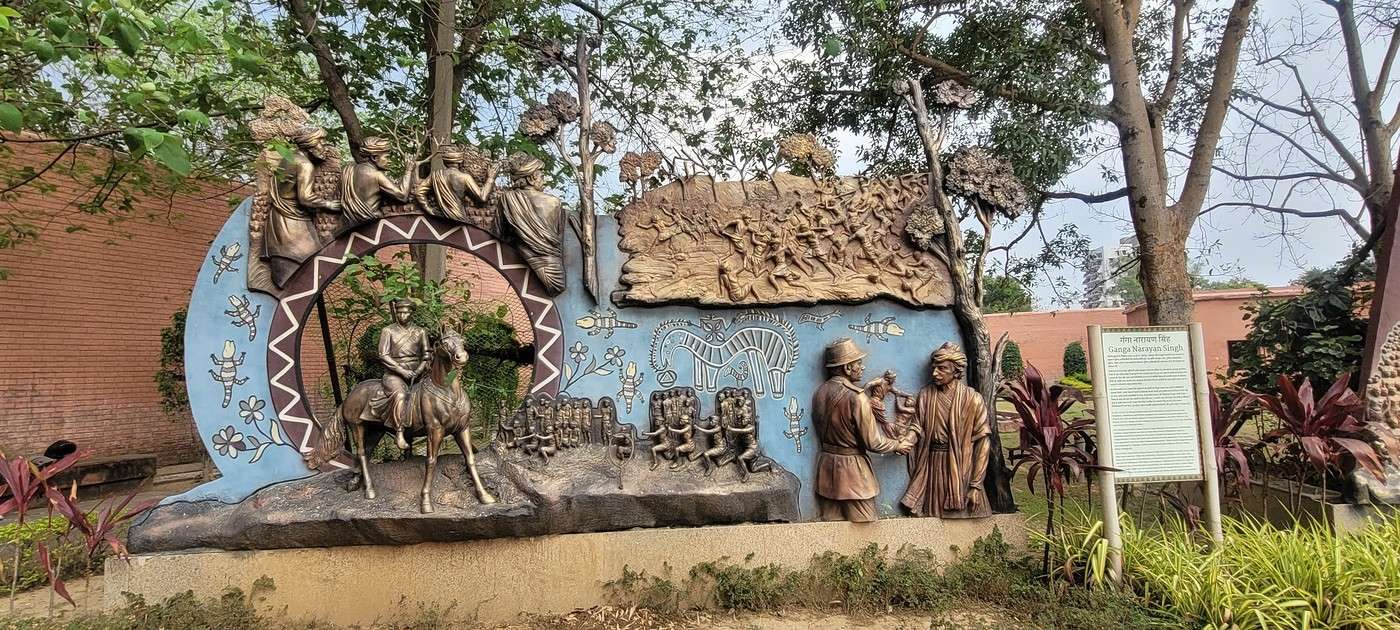
On the way out, I want to continue my visit to the State Museum, located over 8 kilometers away. I struggle to find an auto-rickshaw, and the one who agrees to take me drops me off quickly, considering the trip too long. A young girl then arrives on a scooter. She explains the route to the driver, but he still refuses. She then offers to take me there herself. Unfortunately, she takes the wrong direction, and we drive about fifteen kilometers to an agency she knows well. I’m not happy. She then tells me the museum is closed and offers to take me back to the hotel. In the end, she drops me off at the entrance of a park—the old museum, also closed—where I had already passed in the morning. I cross the park, where a few statues are on display.


I then head back. Along the way, I buy some still-warm pastries for my next breakfasts; I taste one immediately—it’s delicious. I stop by the bakery before returning to the hotel. The receptionist tells me about another market happening the next day, about fifteen kilometers away. I have dinner at the same restaurant: paneer butter masala, naan, and dessert.

New adventures from Perpignan to Ranchi (Jharkhand)

Aleph240758 · 2026-07-21 · Message 40 of 61

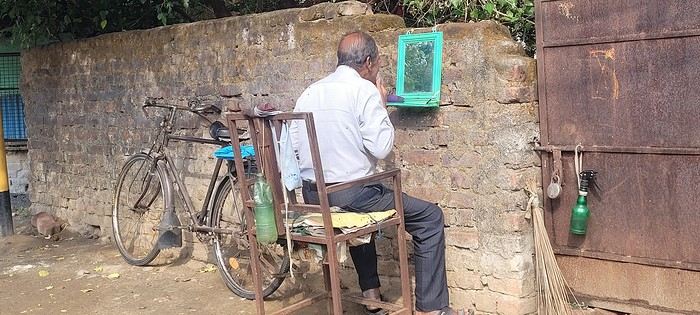
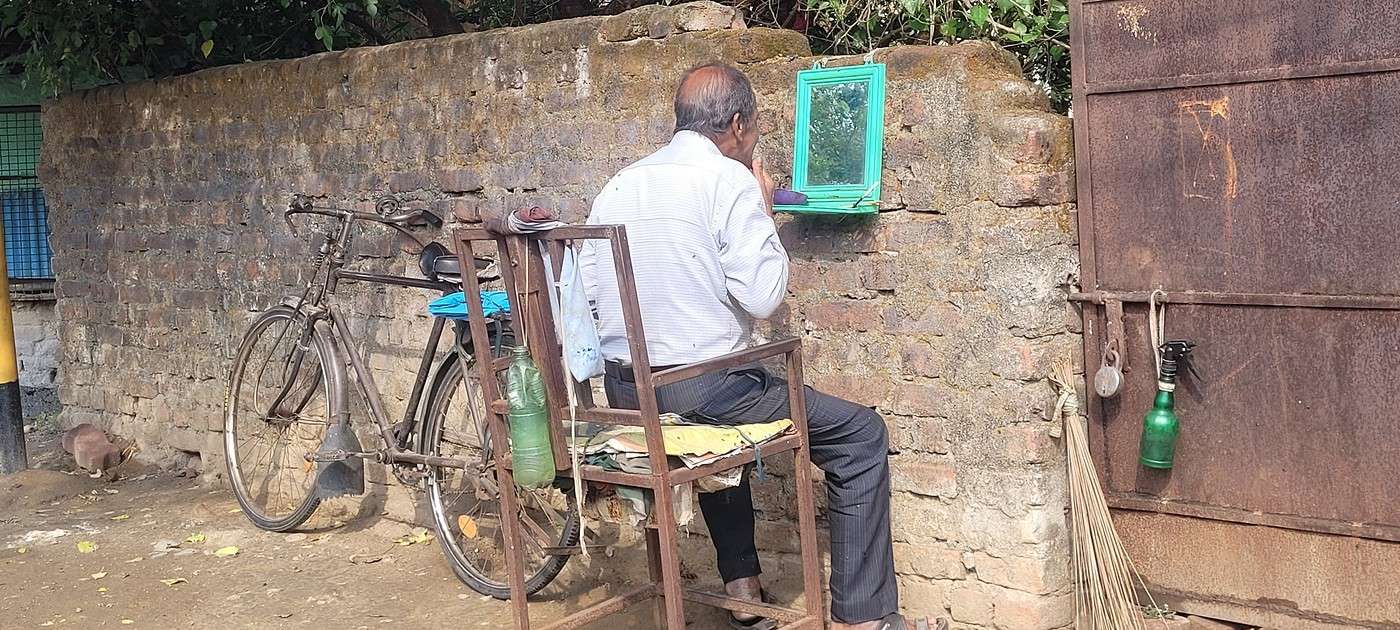
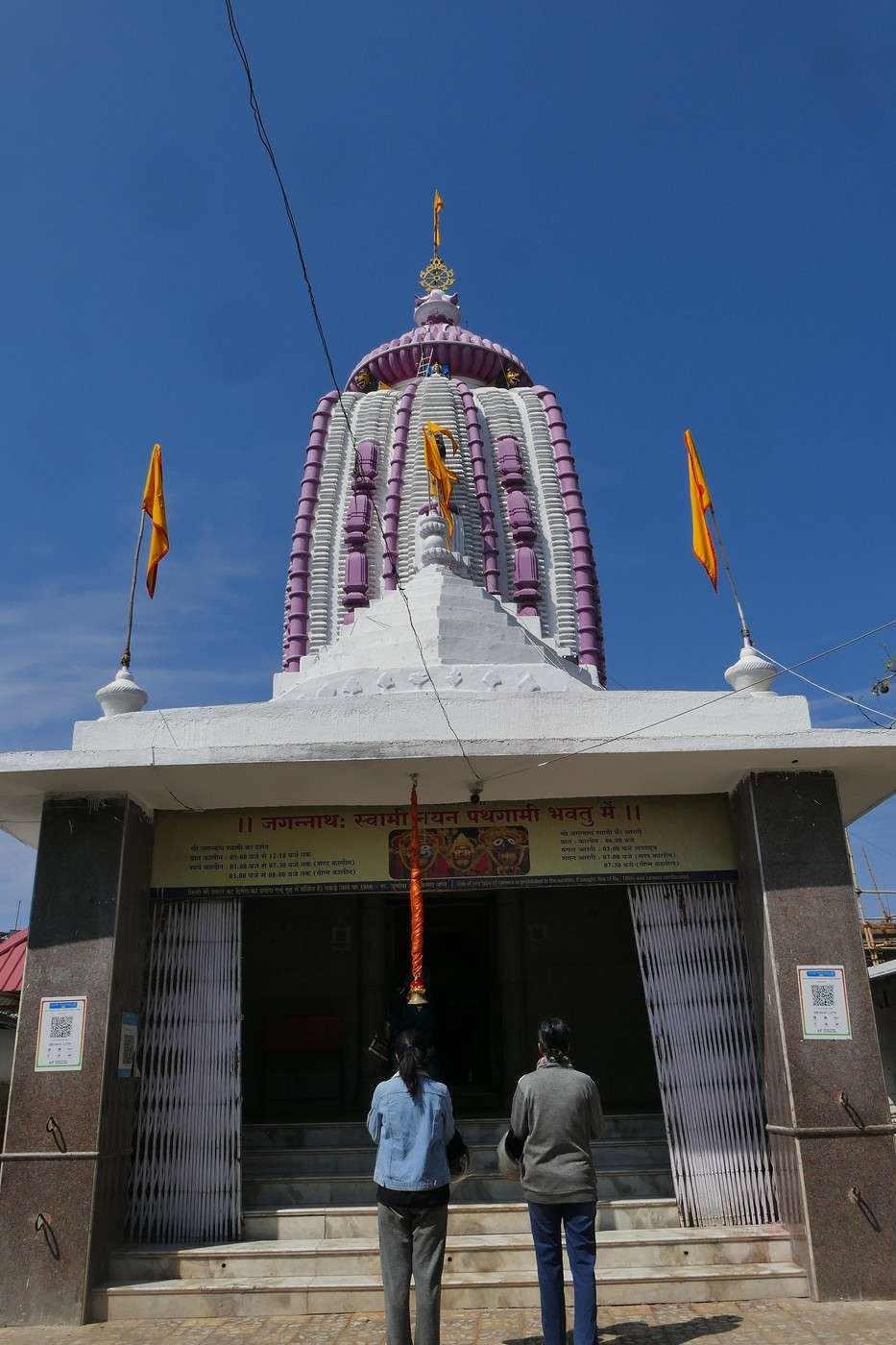
Saturday, March 21 I set off on foot toward Jagannath Mandir, located 6 kilometers away. Along the way, I pass a street lined with barbers hard at work, their clients seated in front of mirrors hung directly on the walls—a lively and typical slice of life.


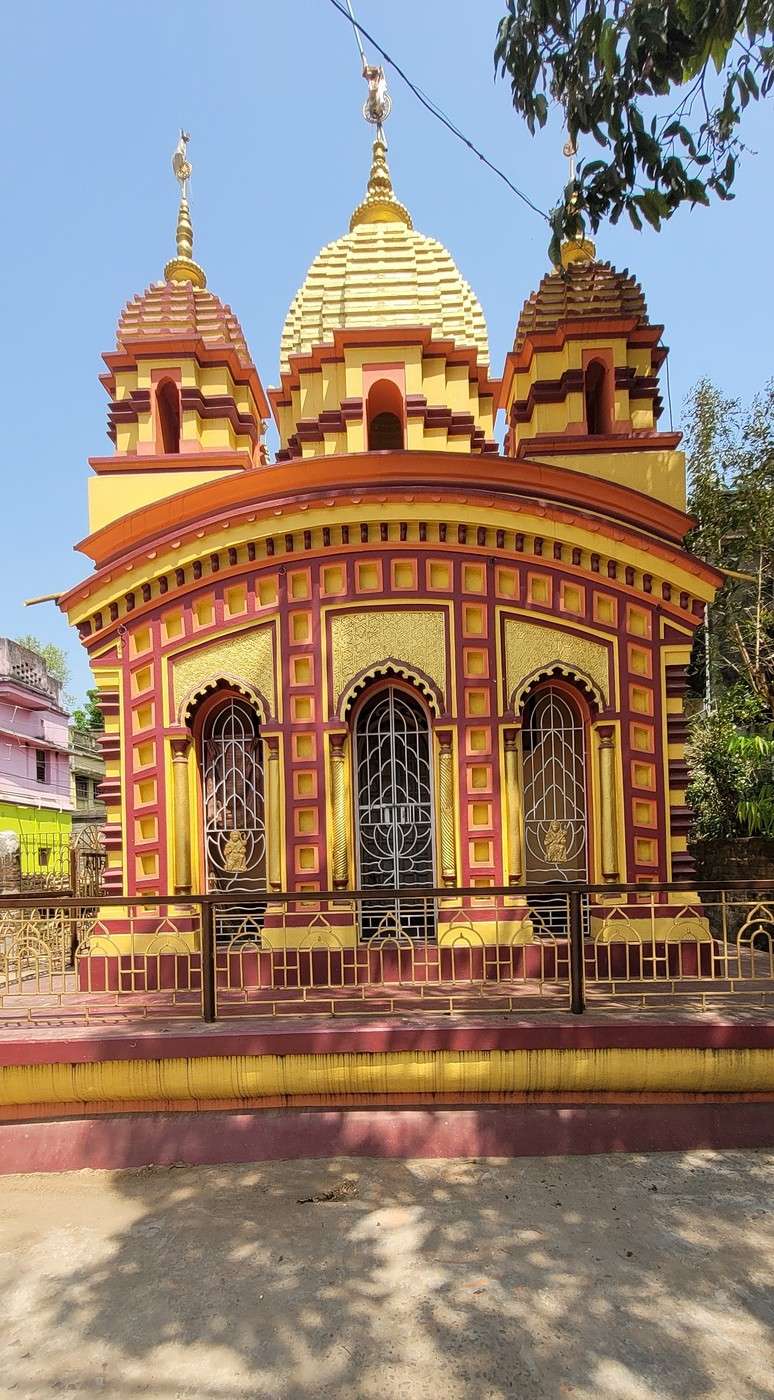
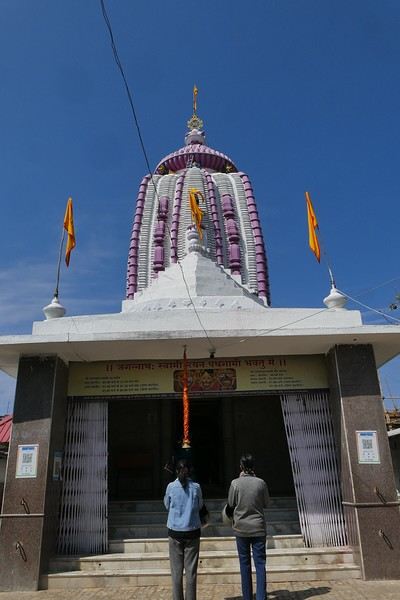
Upon arrival, I have to climb a long series of steps. The temple, painted in pink and white, is very colorful—like a real cake.


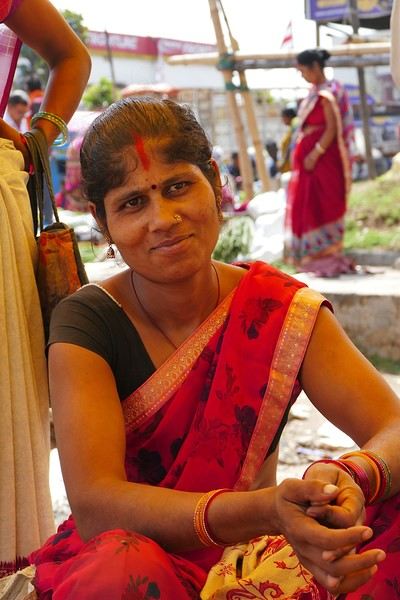
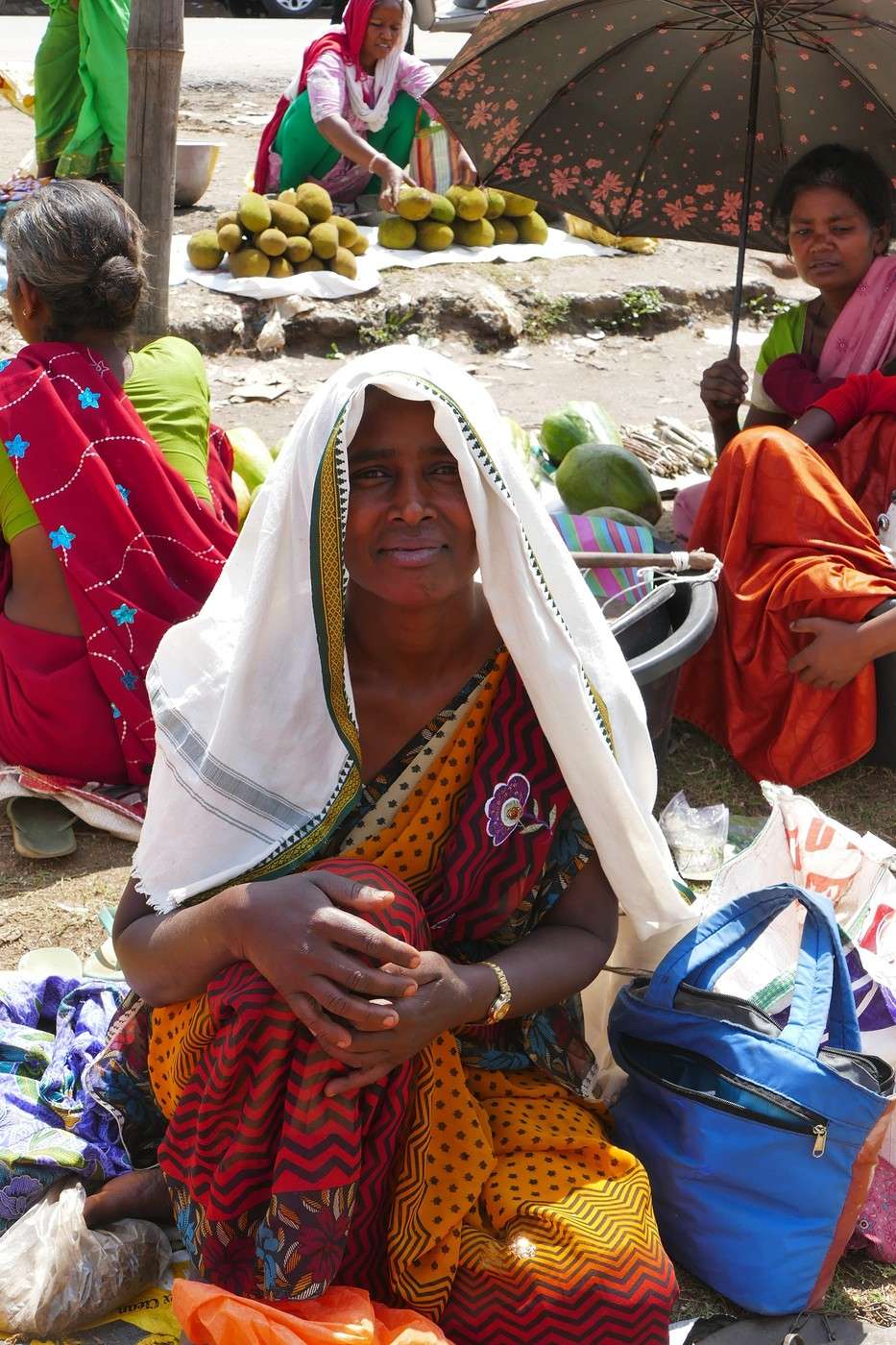
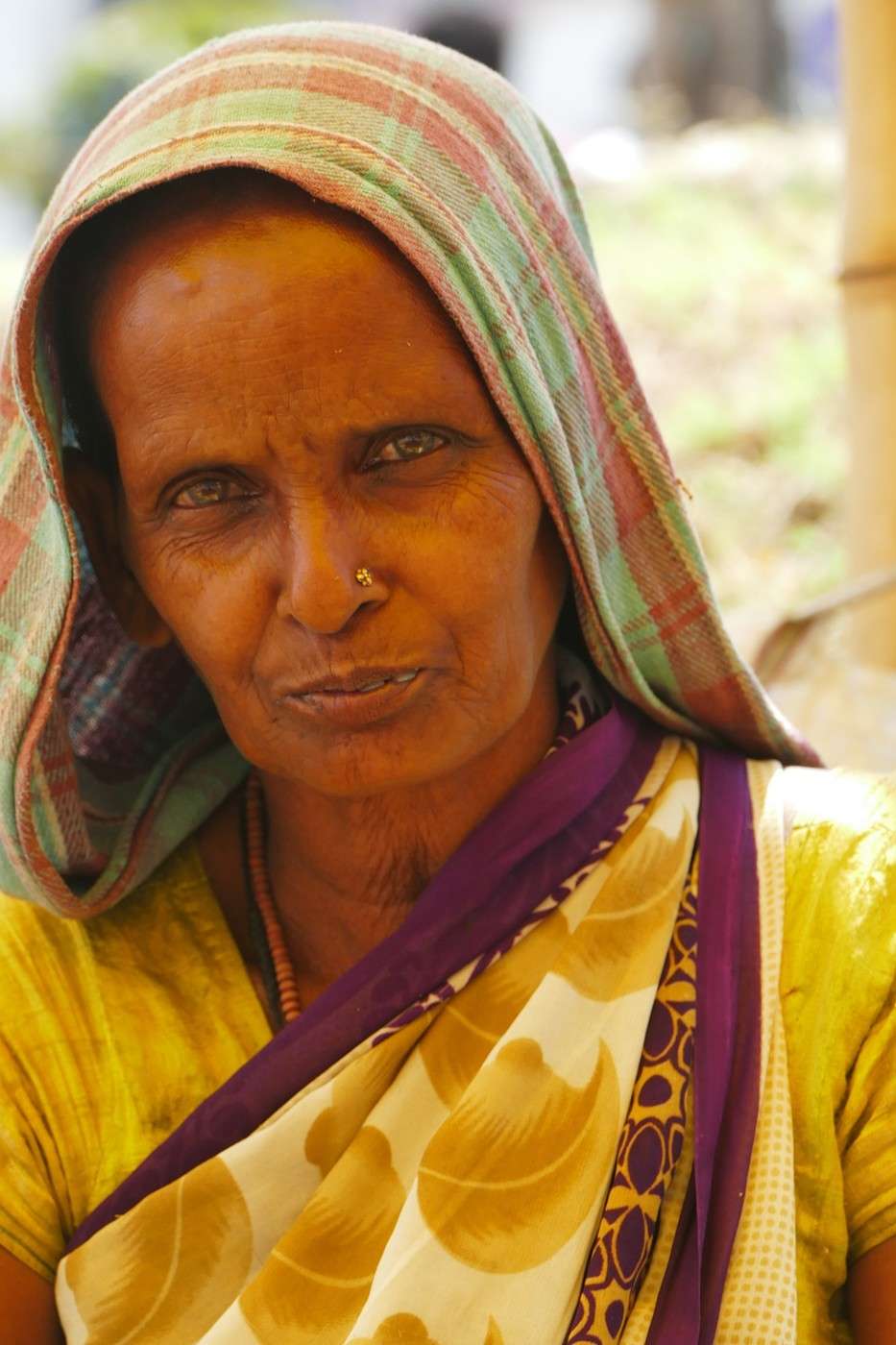
From there, I want to reach Santraji Market, about fifteen kilometers away. I use the Rapido app: a bike arrives in under two minutes. Once there, I spend a great time among the many stalls, mostly selling fruits and vegetables, taking photos.

Here, the women easily join in the fun and are delighted to see themselves on the screen.
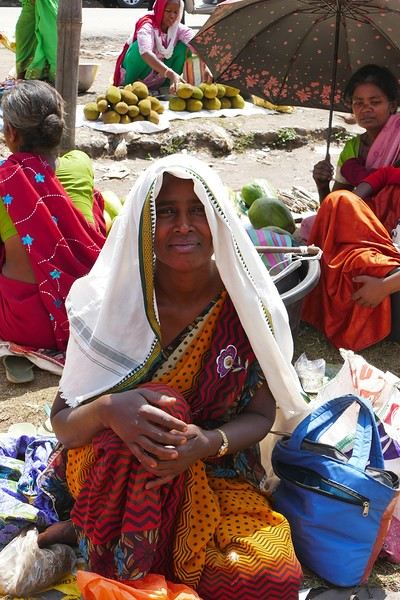


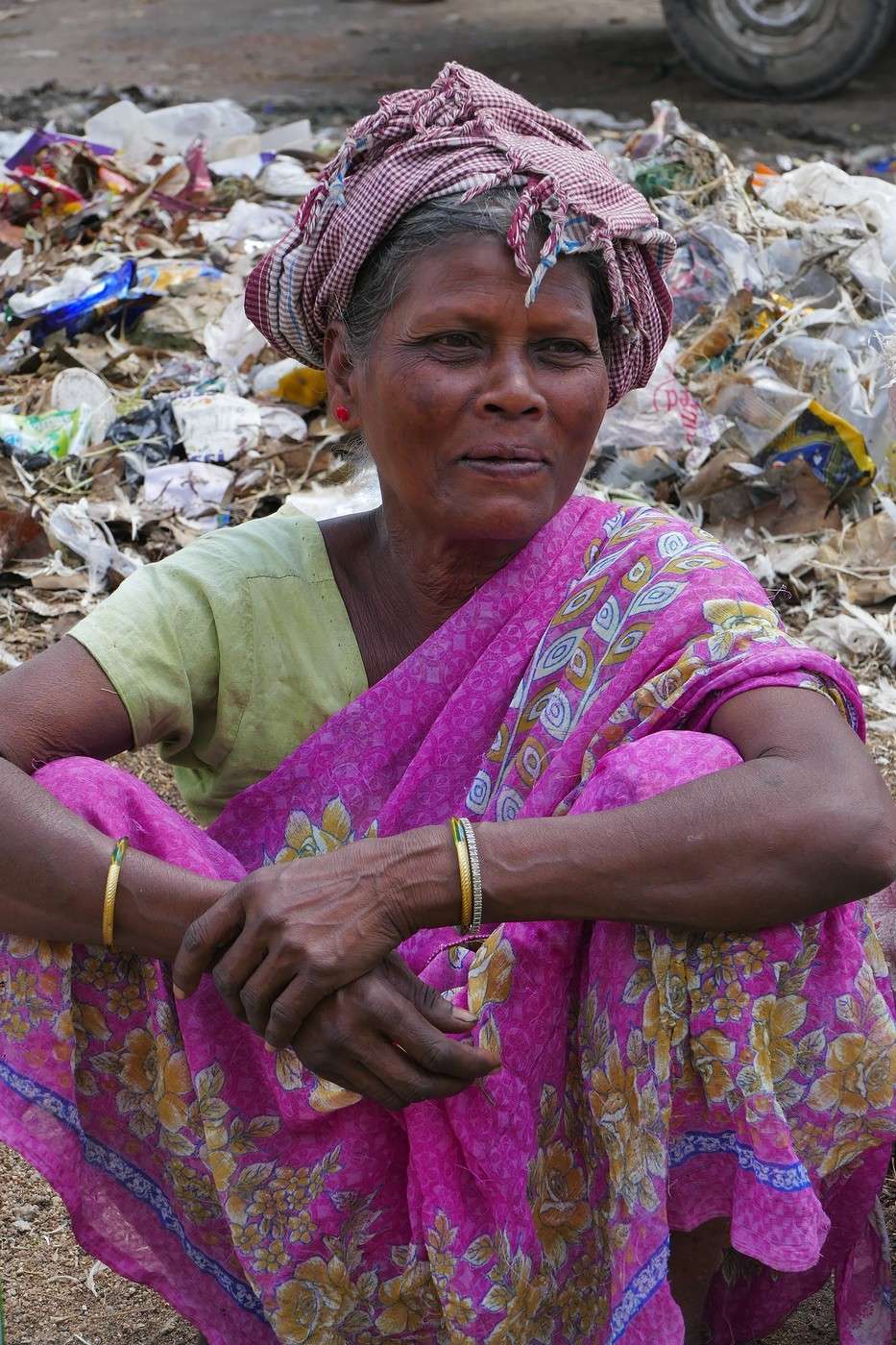
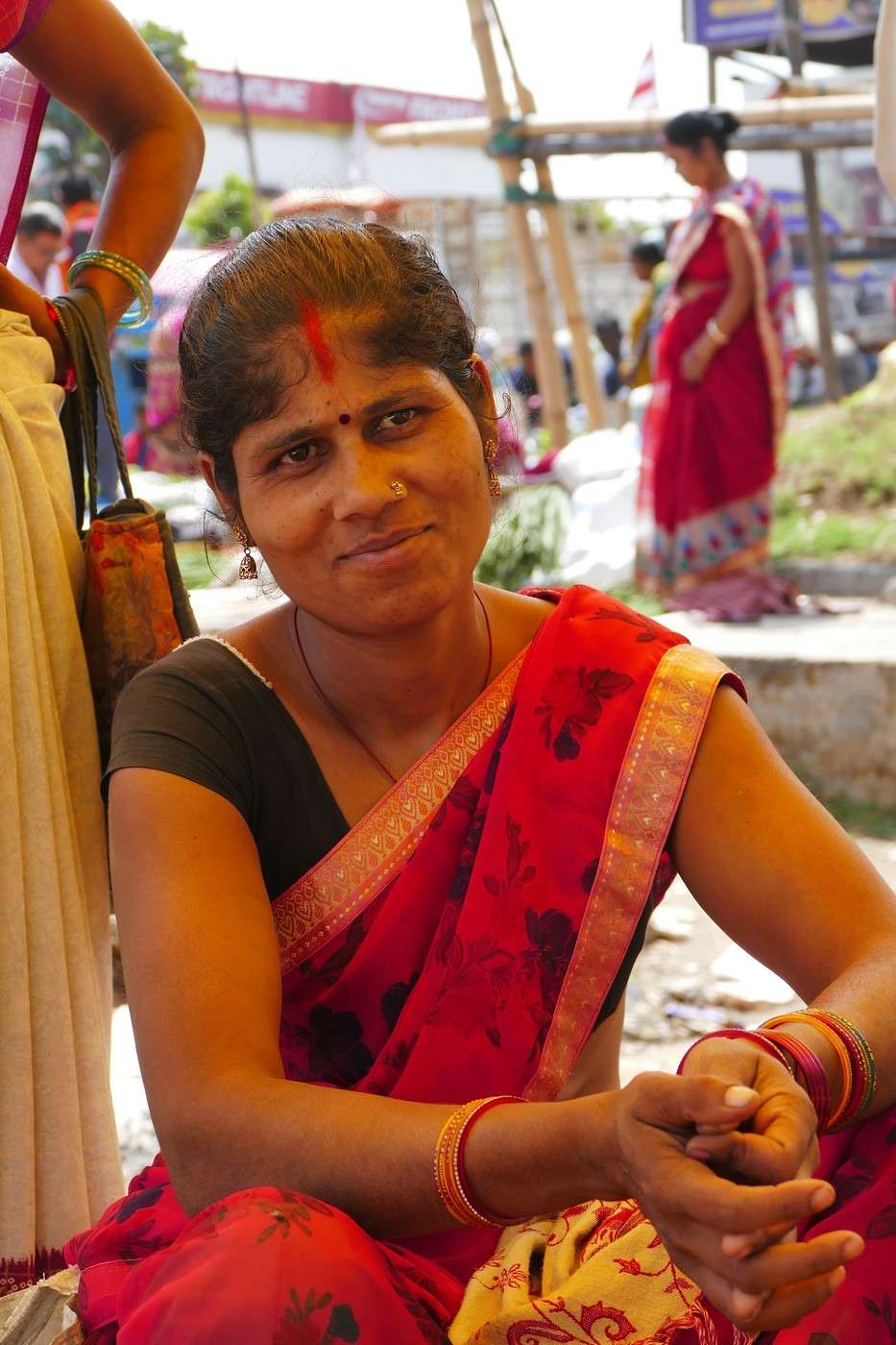
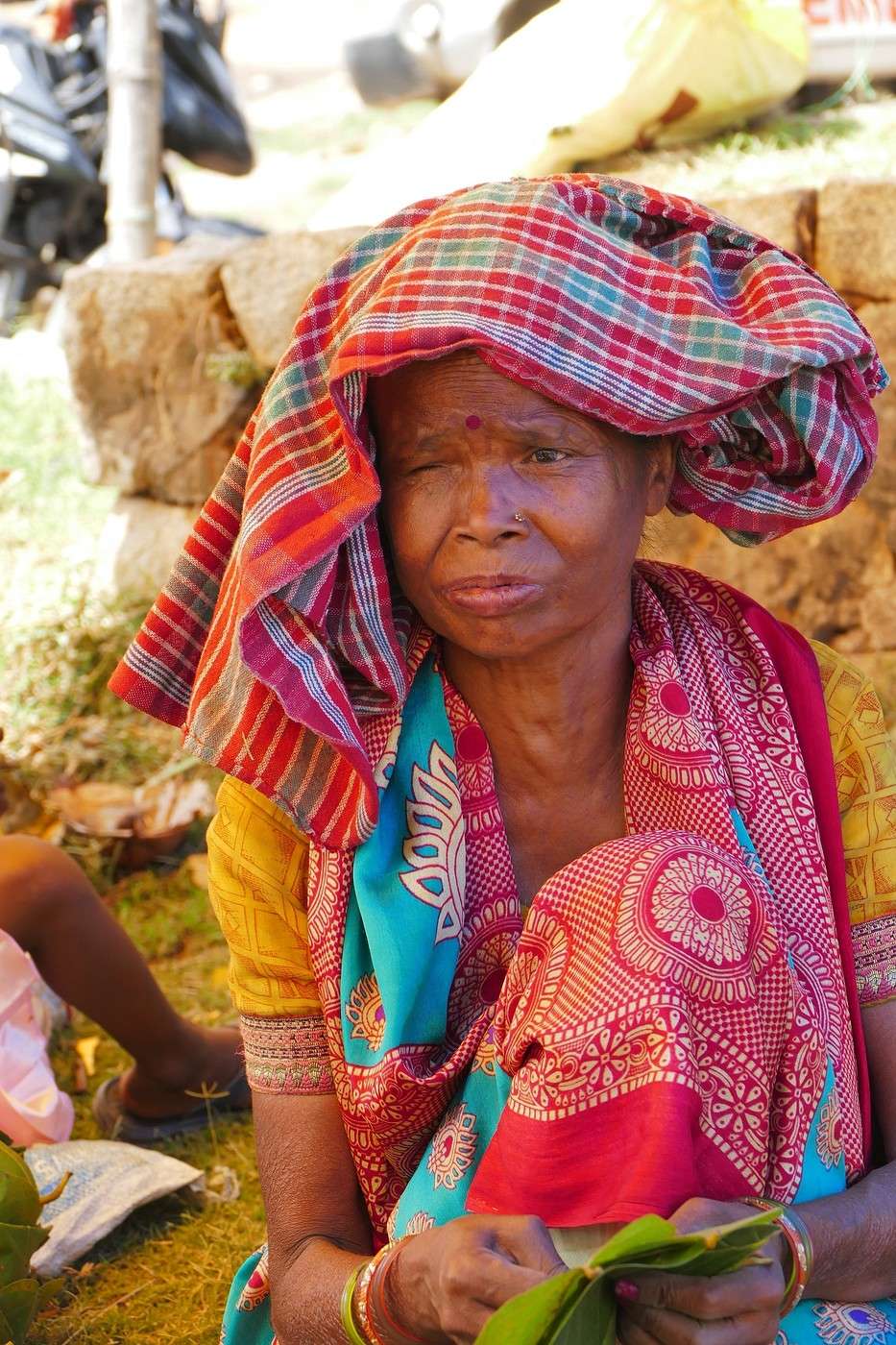
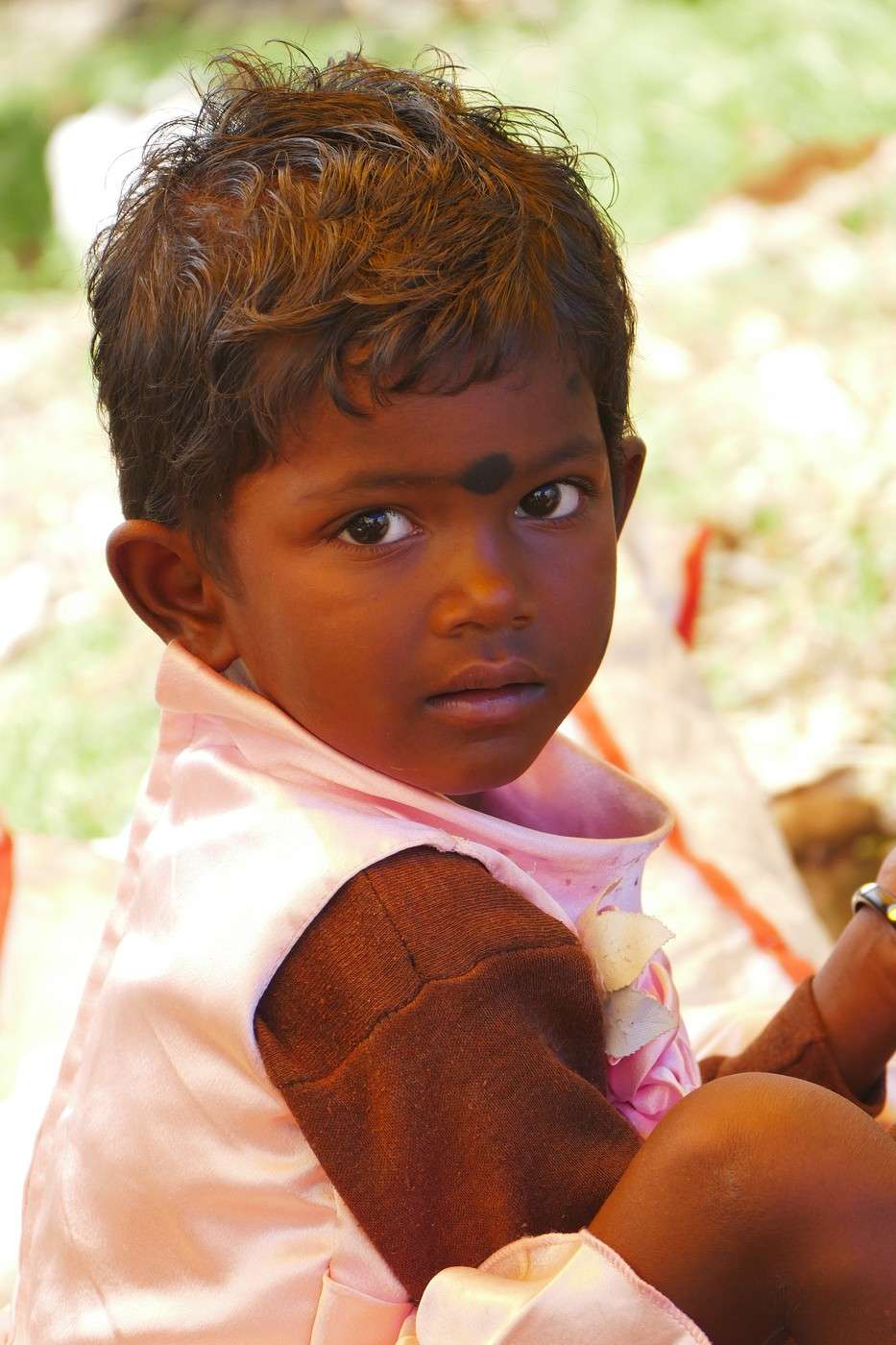
I still have time to try visiting the museum, which is quite out of the way. I call another bike via Rapido. The driver finds the destination very far but agrees to take me. He doesn’t drop me at the right entrance, and I have to finish on foot. Unfortunately, the museum is closed today—no luck. The building is new and nicely decorated, though. I head back on foot, then take two shared tuk-tuks; the last one drops me off in front of the pastry shop, where I take a little break.

VoyageForum — the largest community of French-speaking travellers.