Oman, at the edge of the sands and the horizon
Wadi Tiwi
Wadi Tiwi, which stretches 36 km, has the unique feature of being inhabited along its last 10 km before the coast. Inhabited means that several villages are perched high above the watercourse, and the locals continue to cultivate stunning terraced gardens, with water distributed via the communal falaj system. A road runs above the wadi, connecting the villages to the coast. I’d read that a 4x4 is essential beyond a certain point, but we figured we’d see how it went once we got there—the presence of inhabited villages gave us some reassurance... We followed the road without any issues until the village of Harat Bidah. Beyond that, the track becomes very steep and winding. Sure, the weather was dry, and we *could* have tried, but it didn’t feel right... There was a parking lot where we saw lots of cars and drivers clearly waiting for customers. I chatted with Ahmed, who offered to drive us to the village of Mibam, 7 km further, and then accompany us on foot to the waterfall at the end of the wadi. I negotiated what seemed like a reasonable price (don’t ask me how much—I didn’t write it down), and off we went!
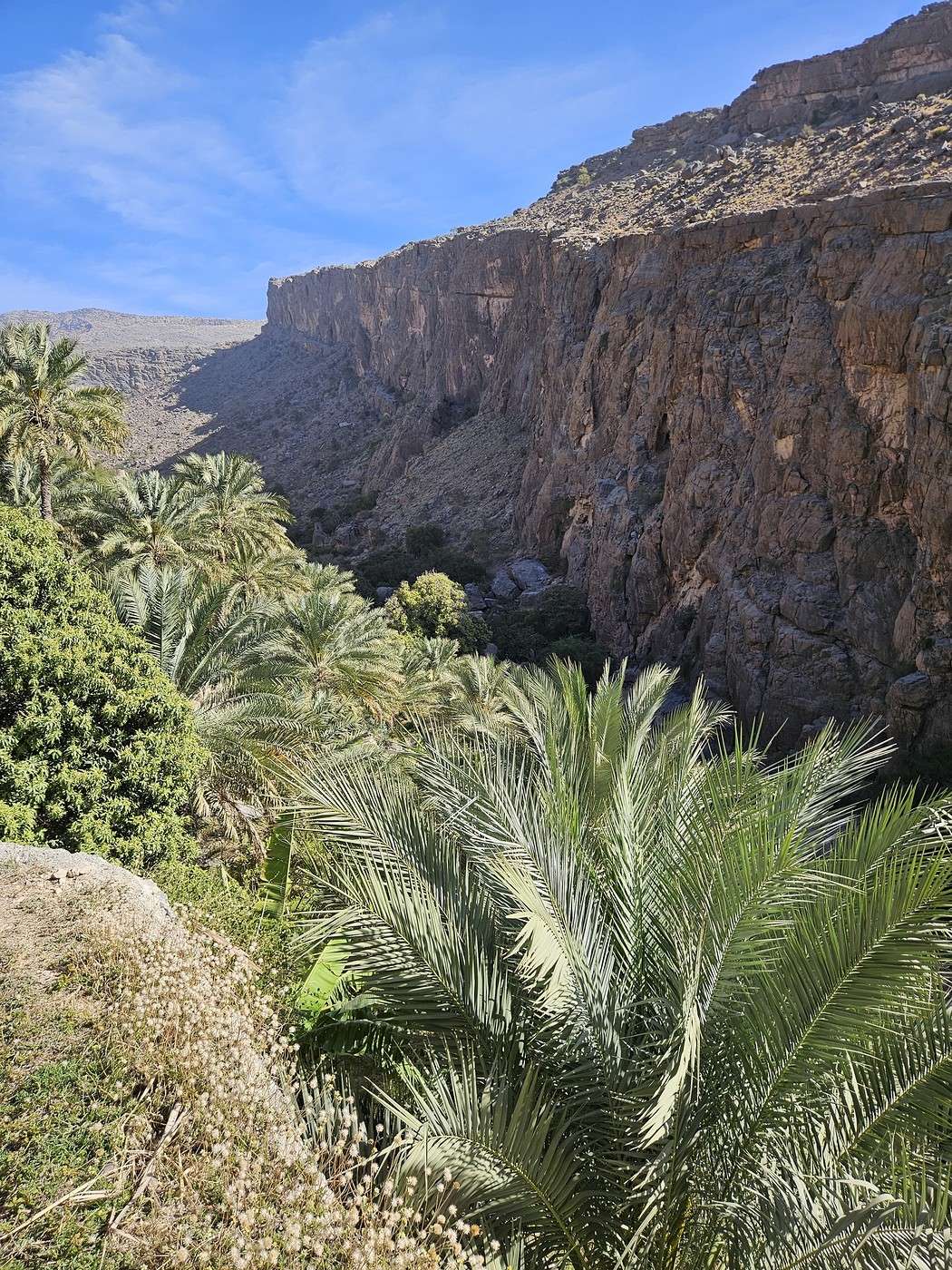
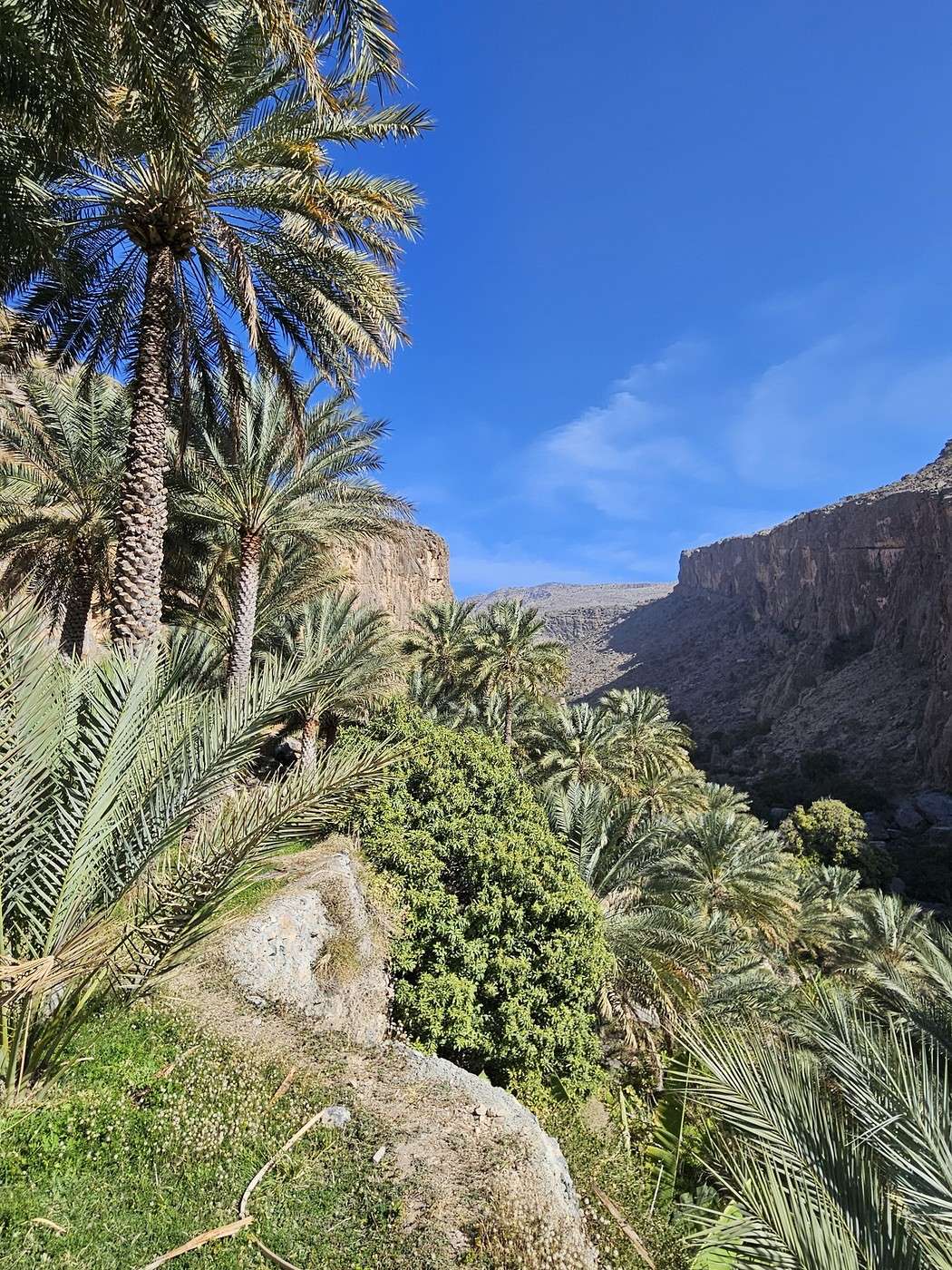
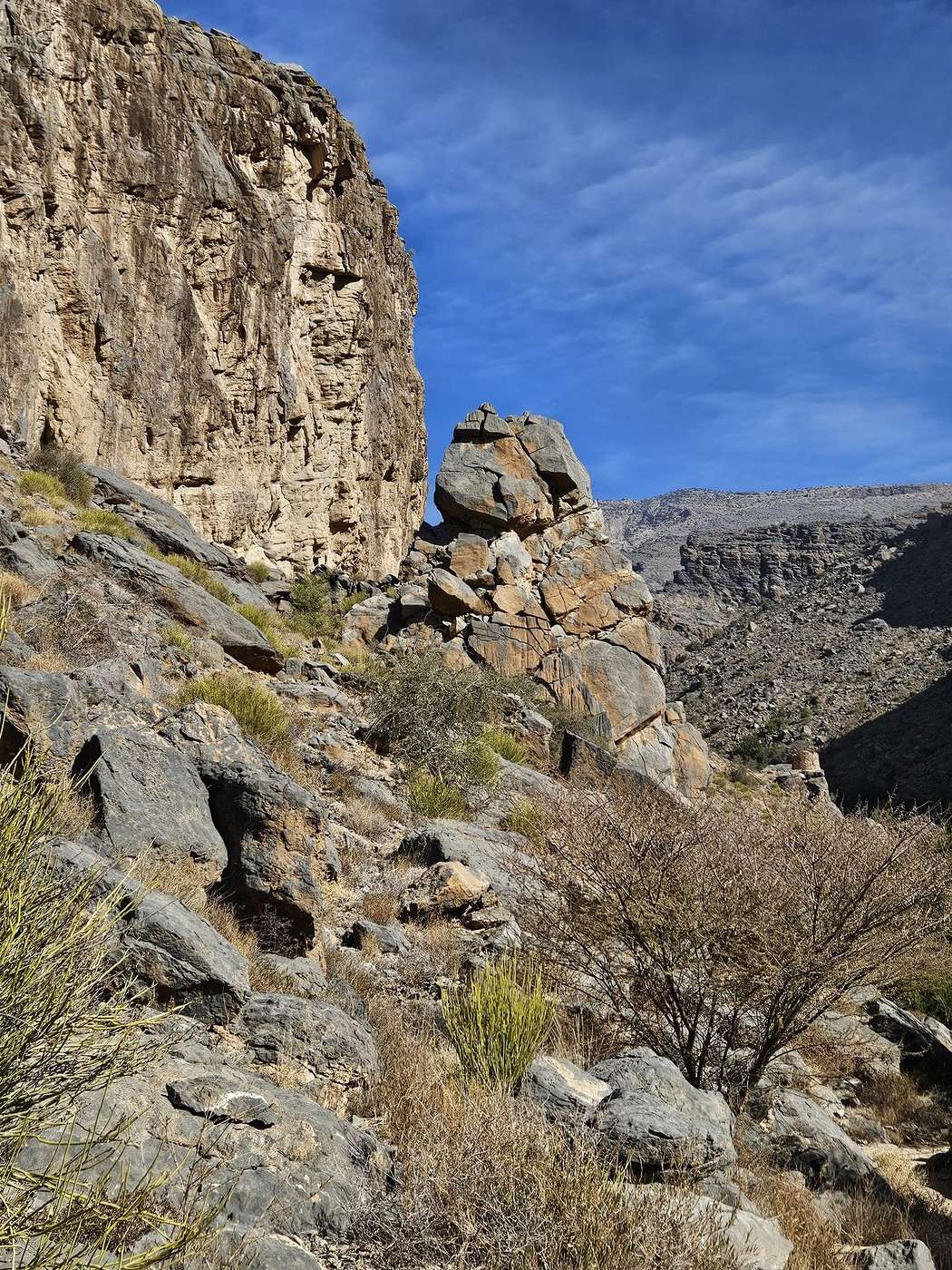
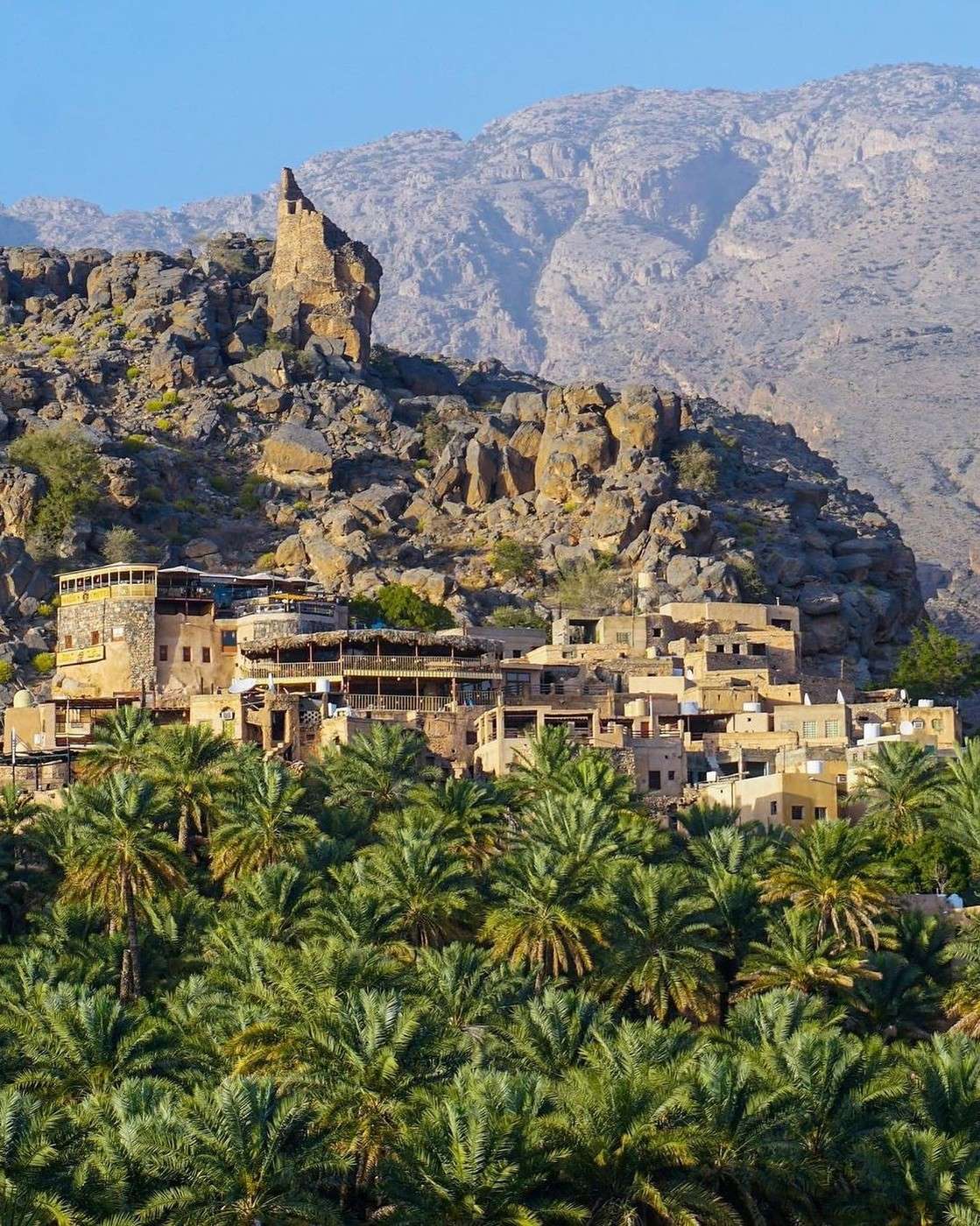
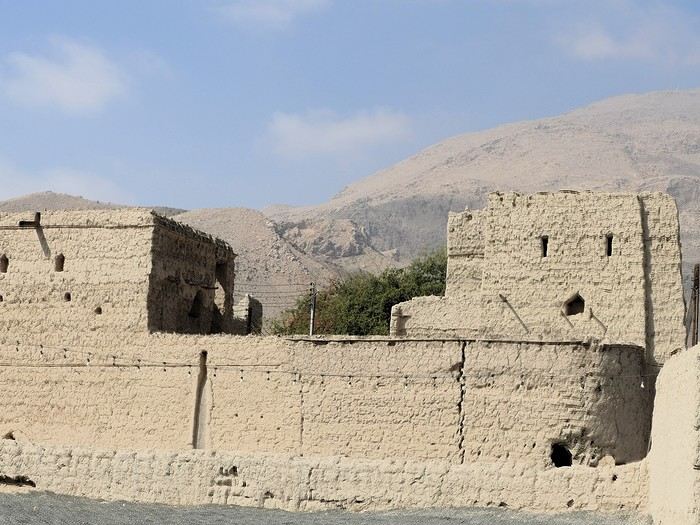
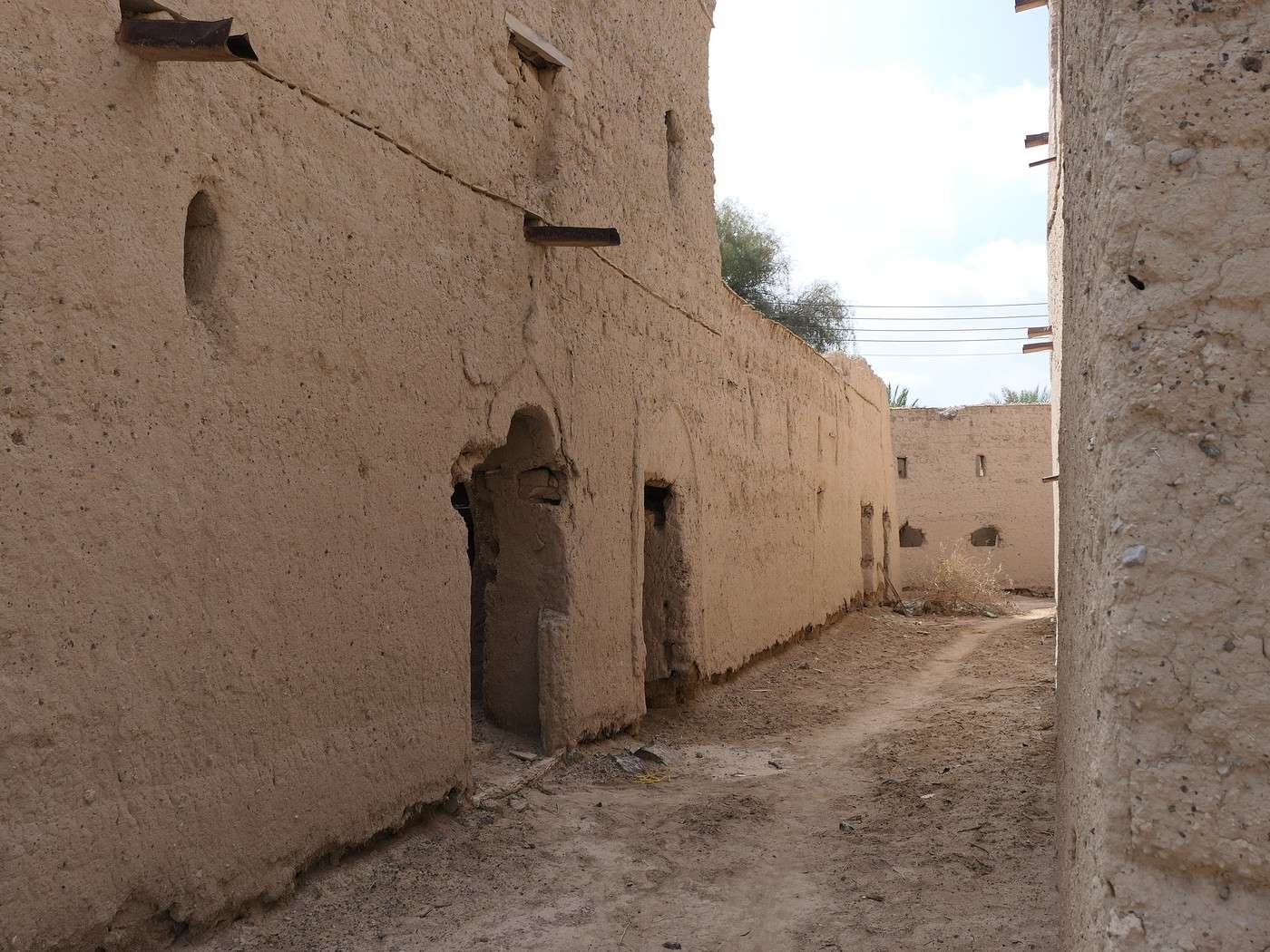
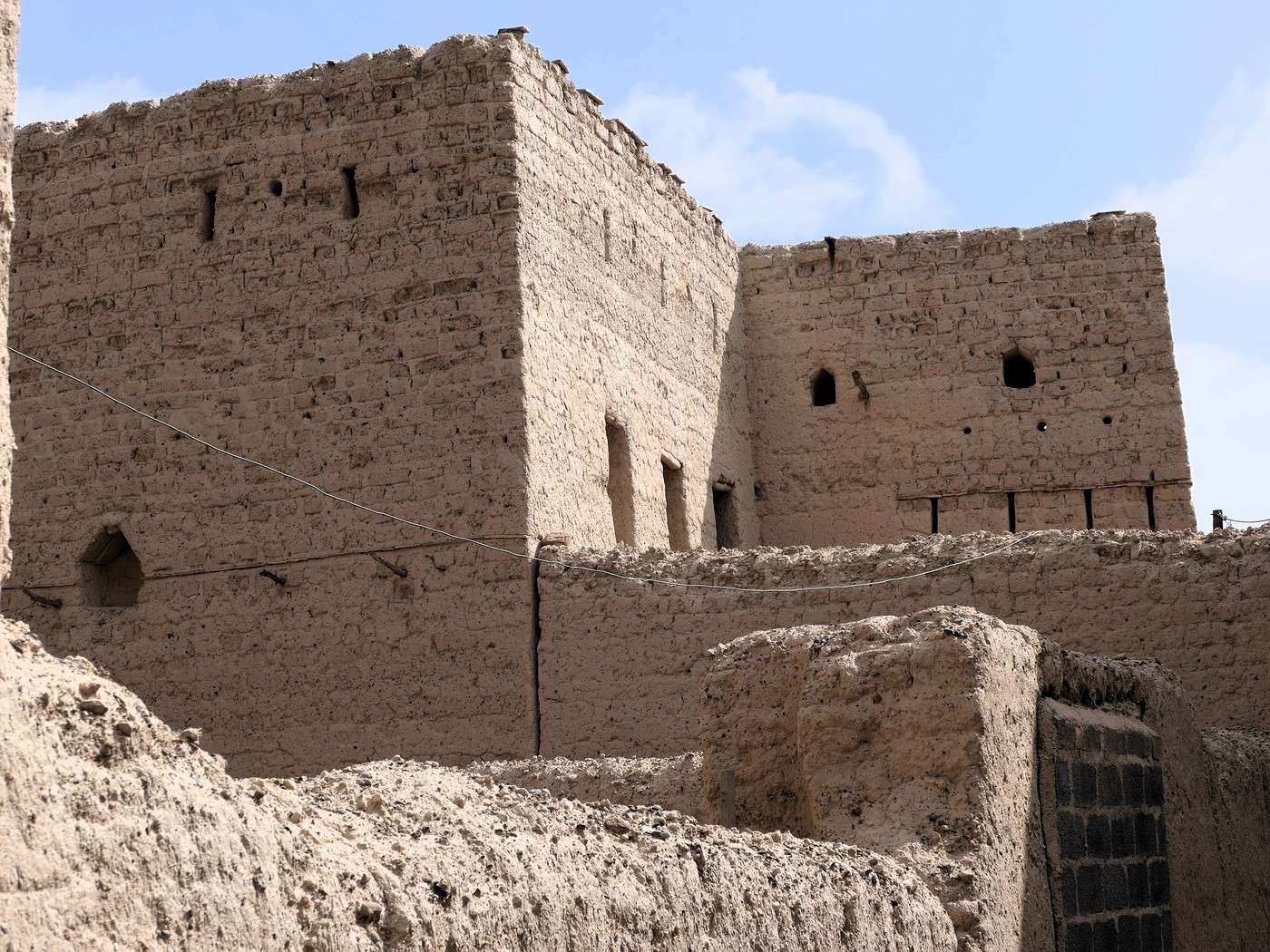
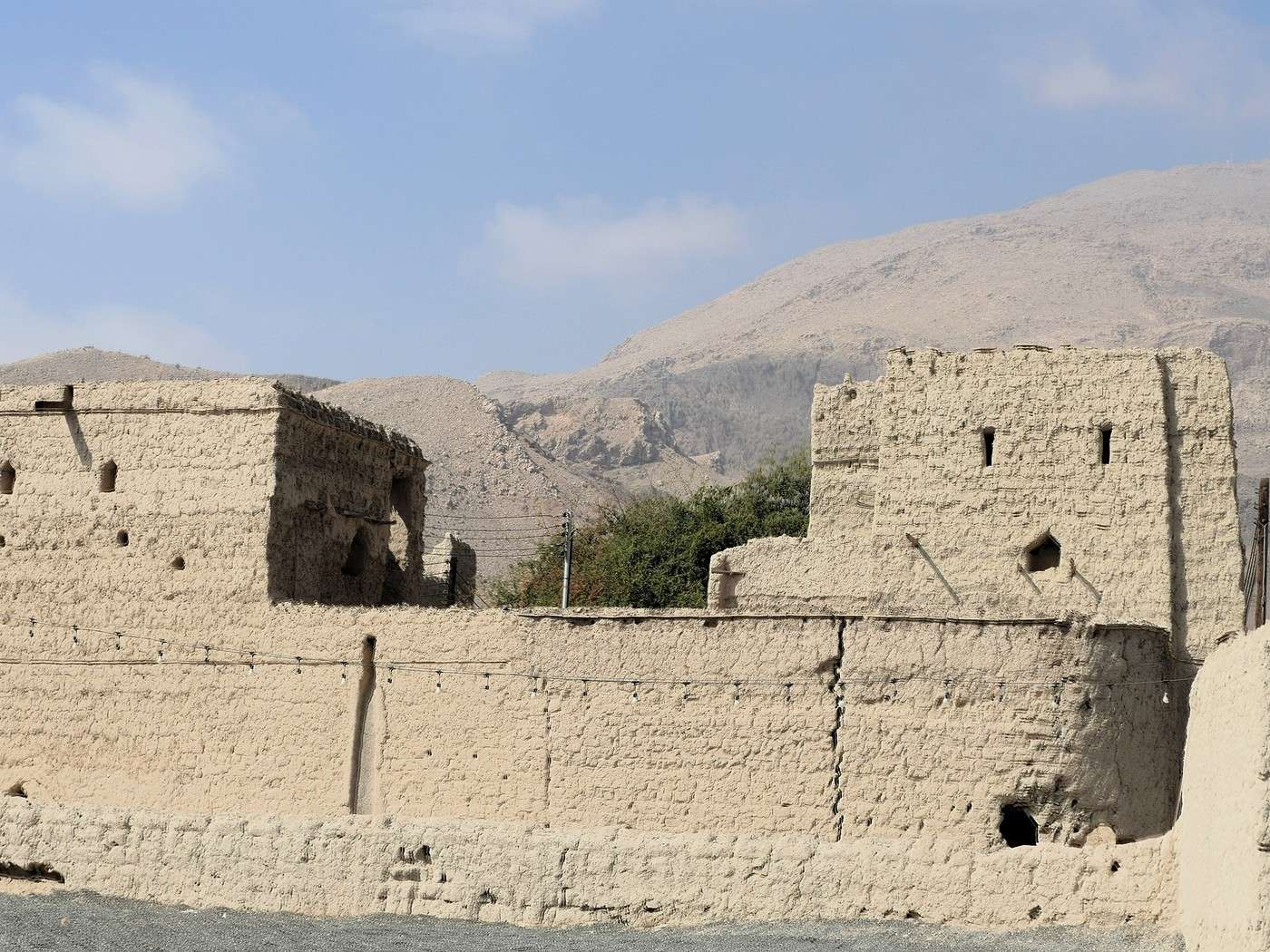
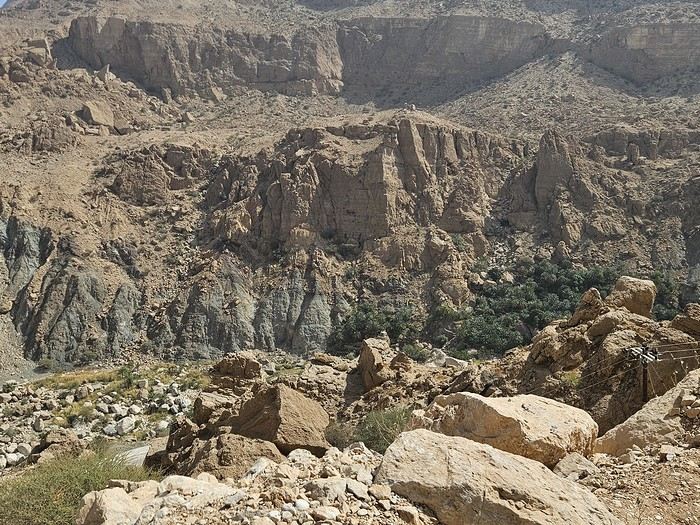
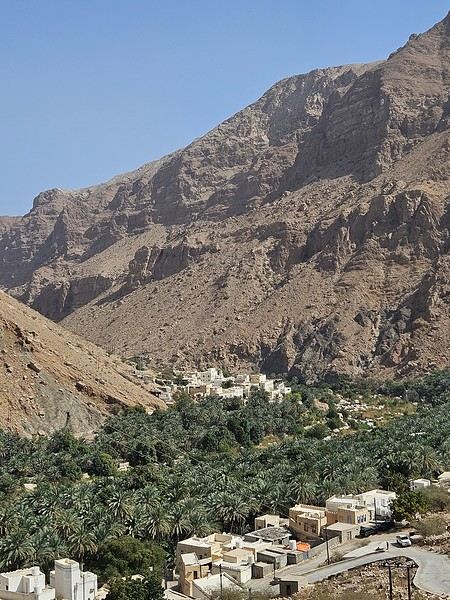
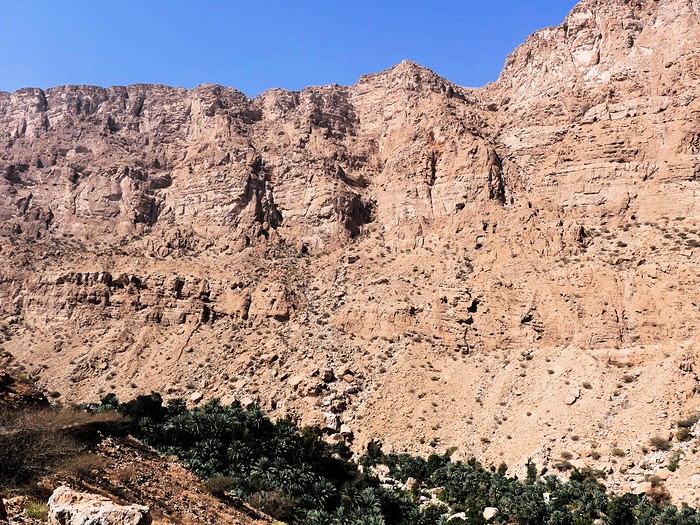
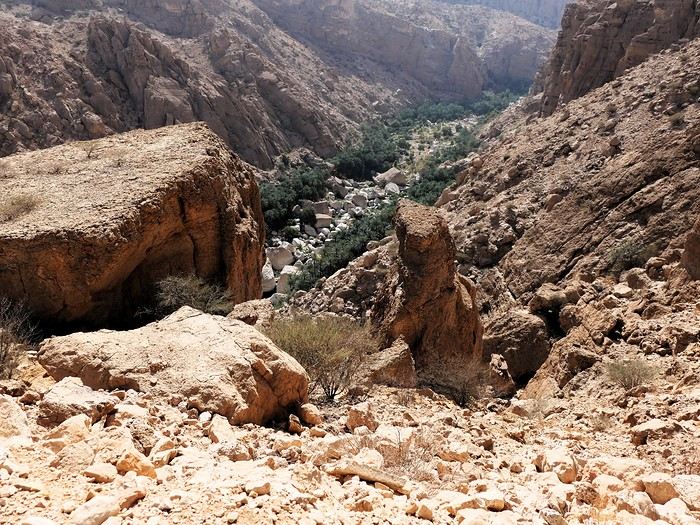
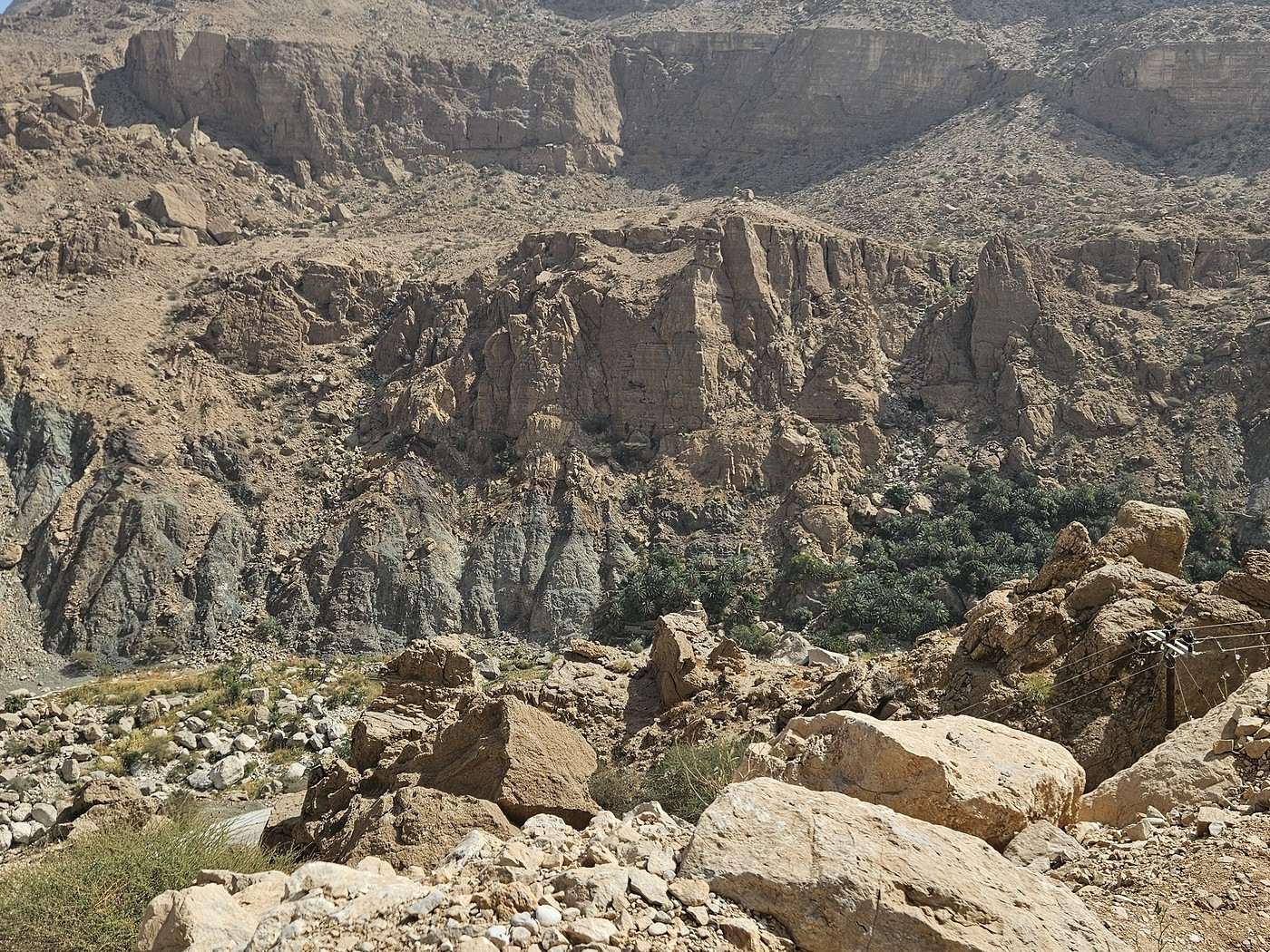
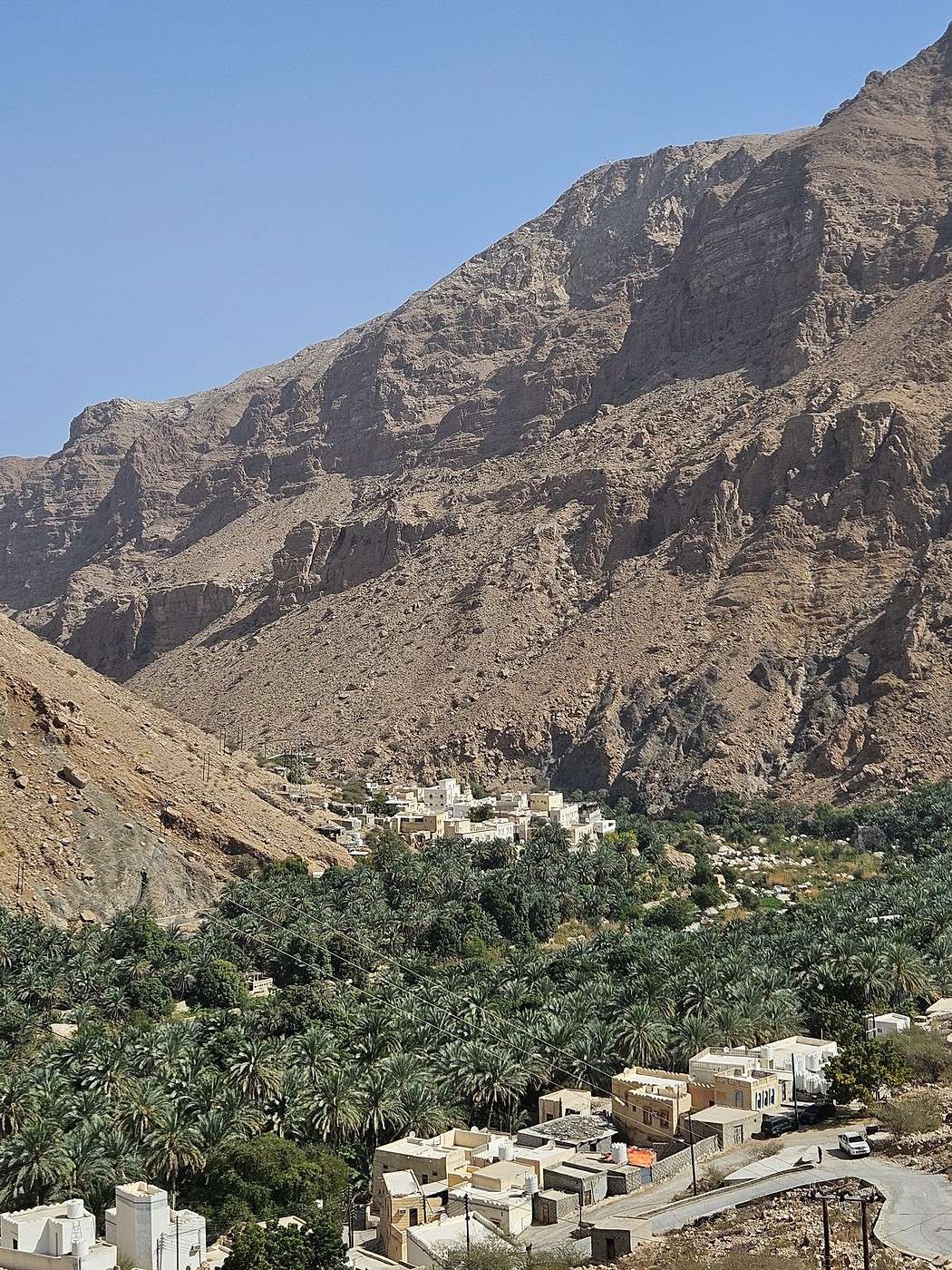
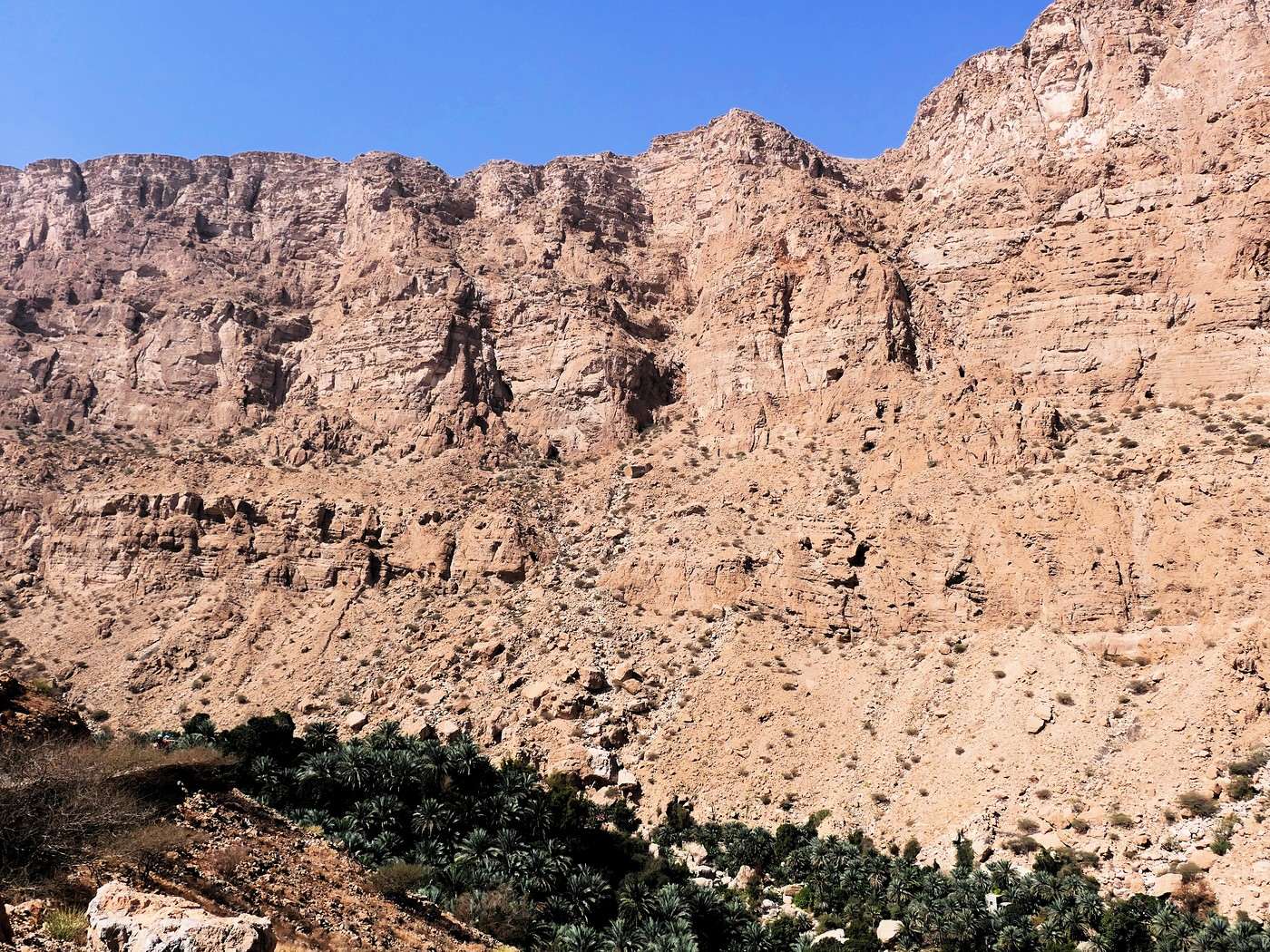
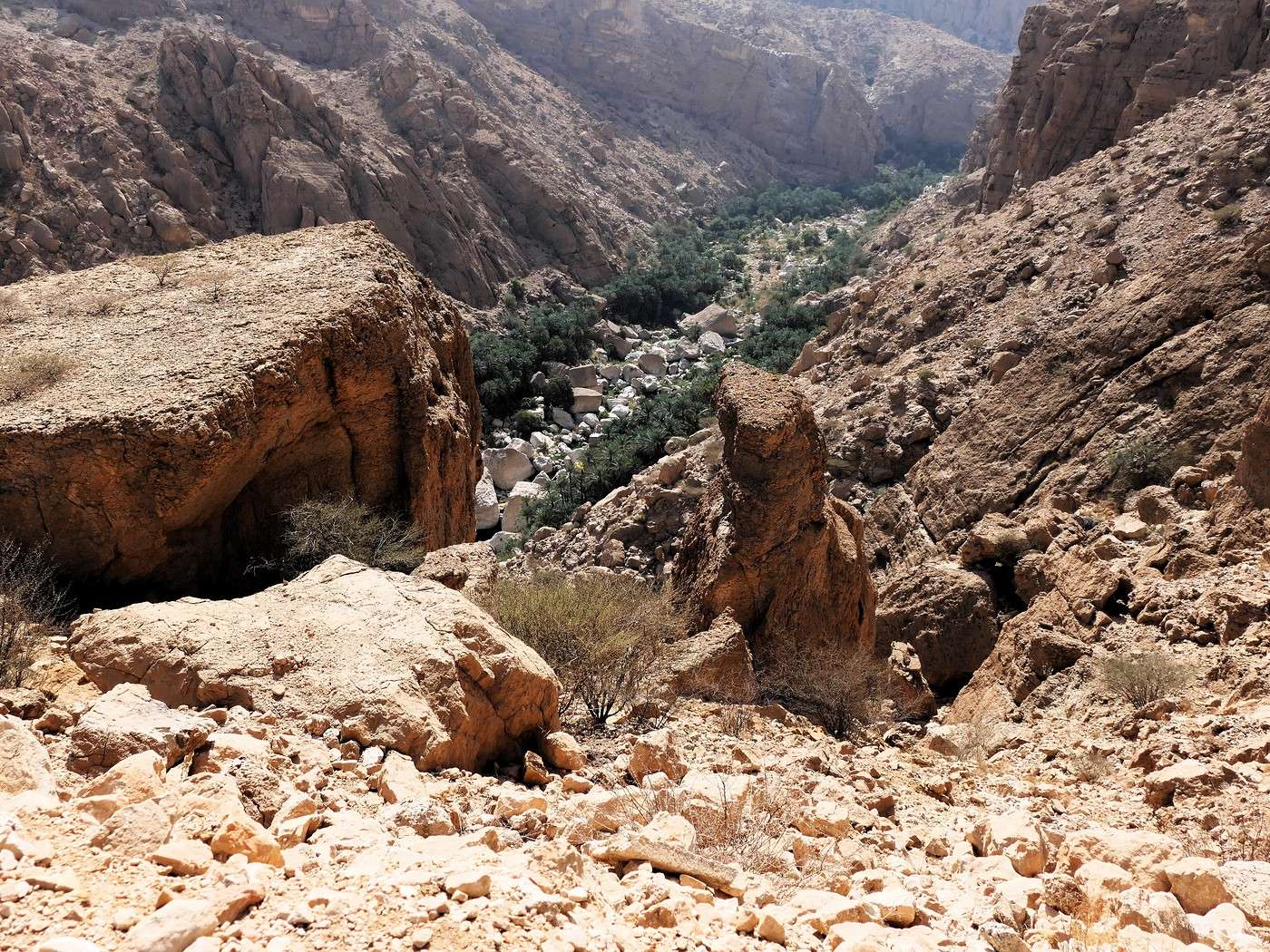
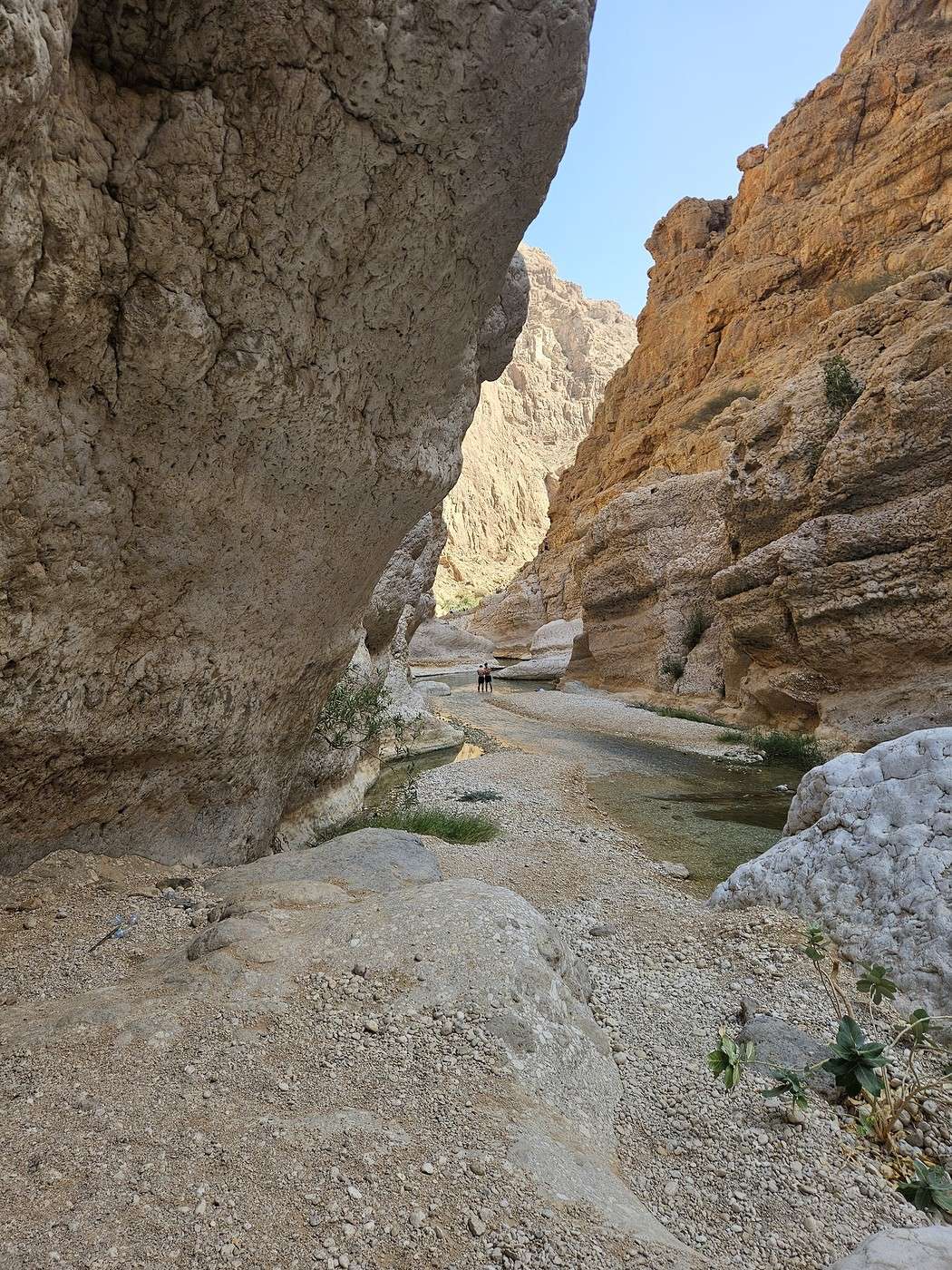
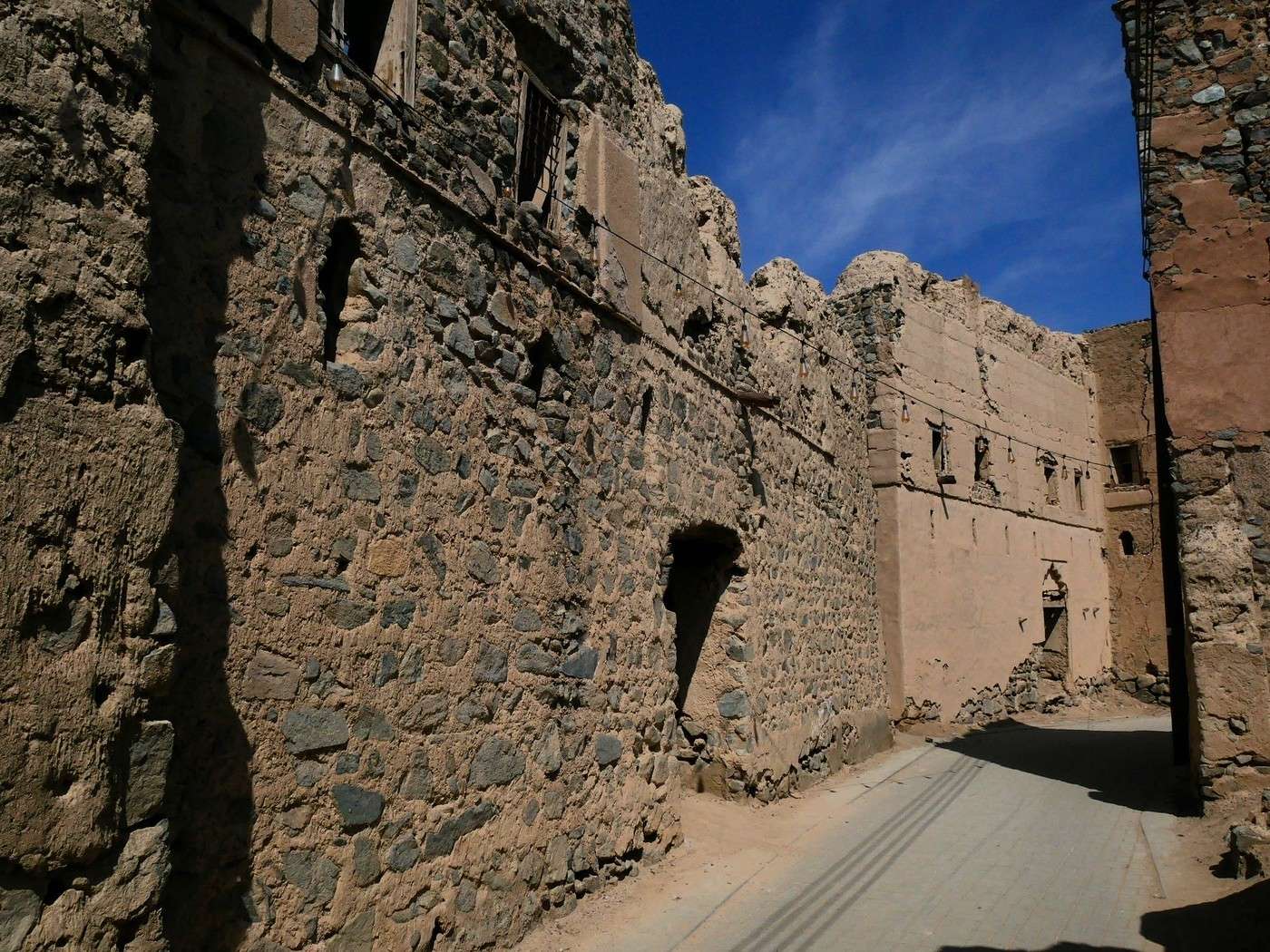
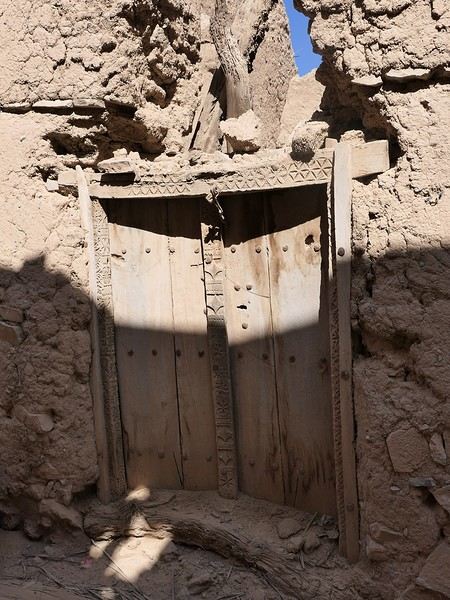
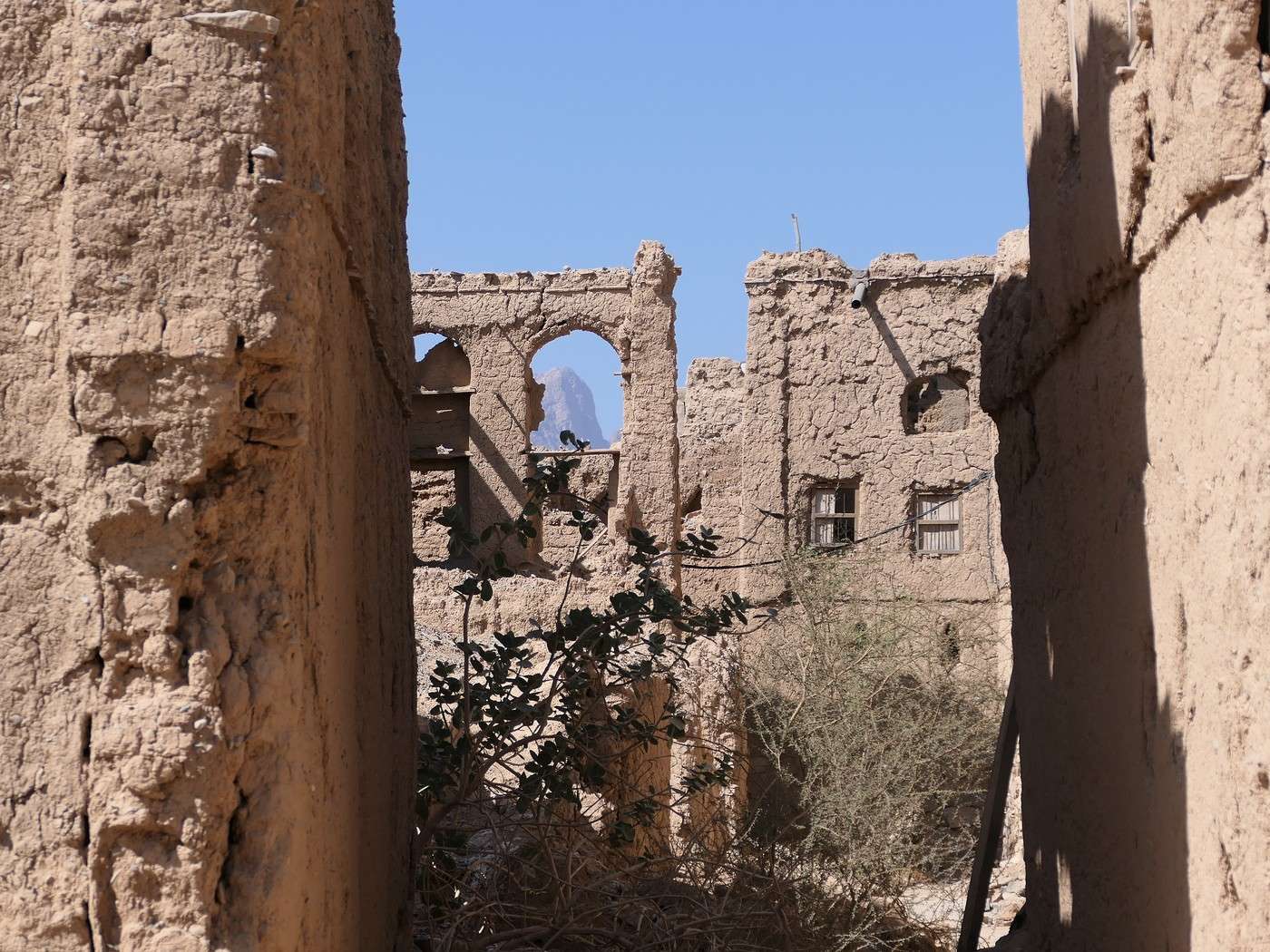
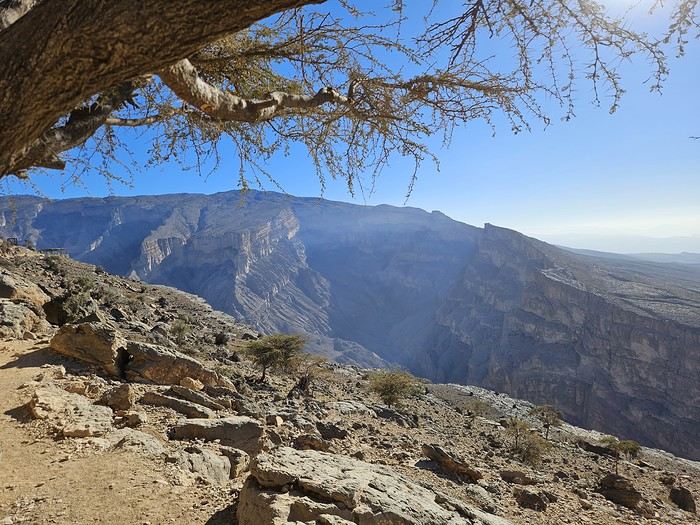
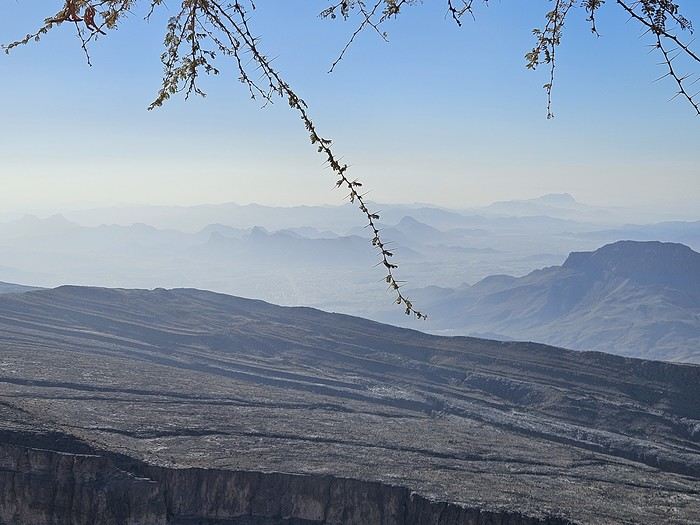
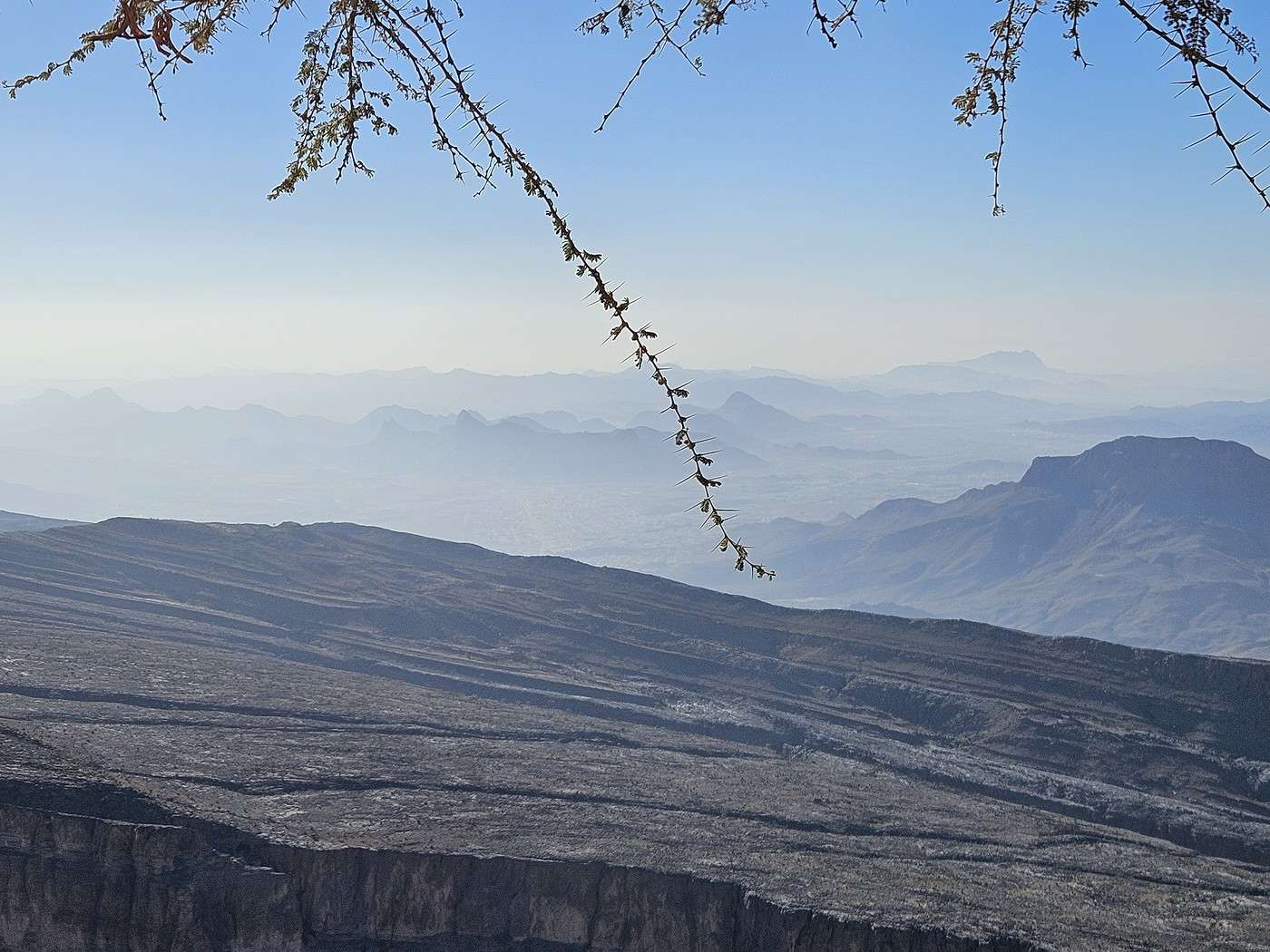
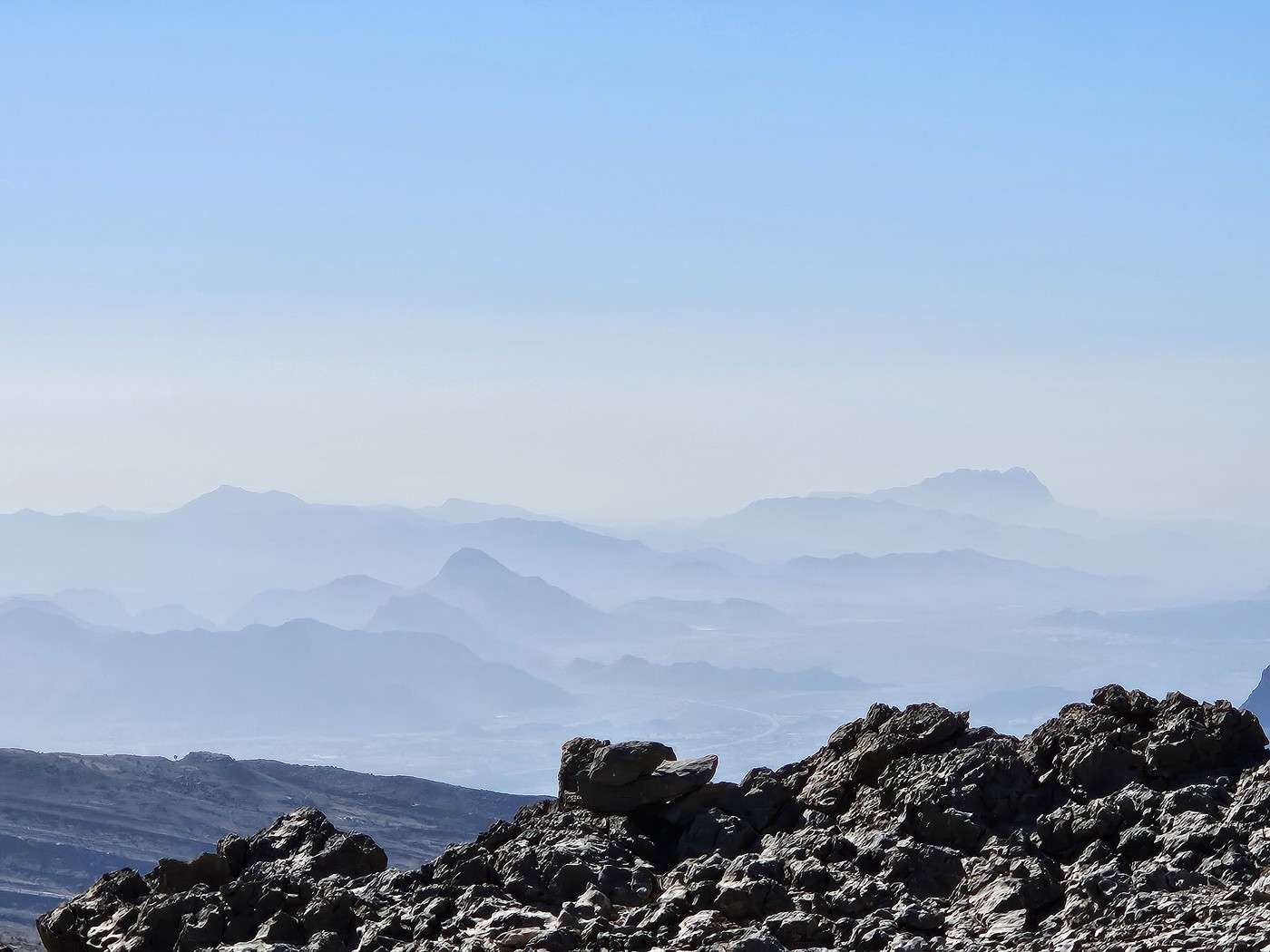
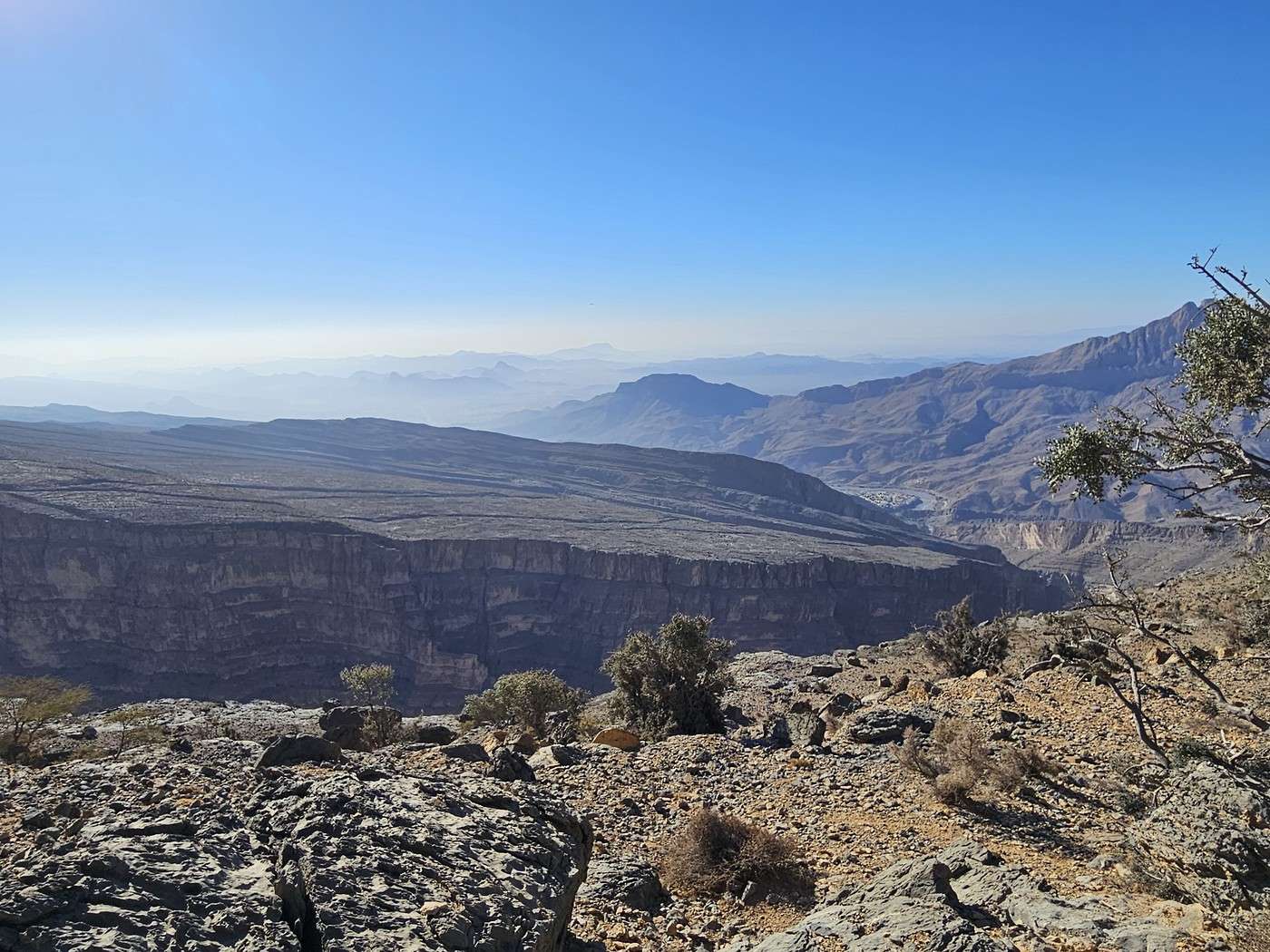
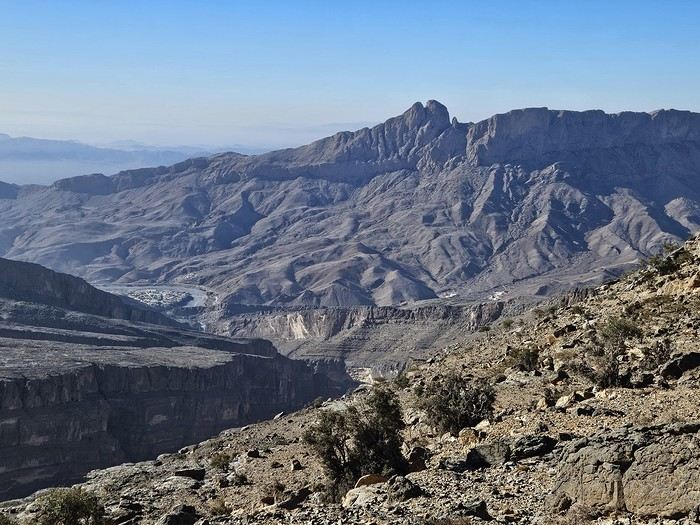
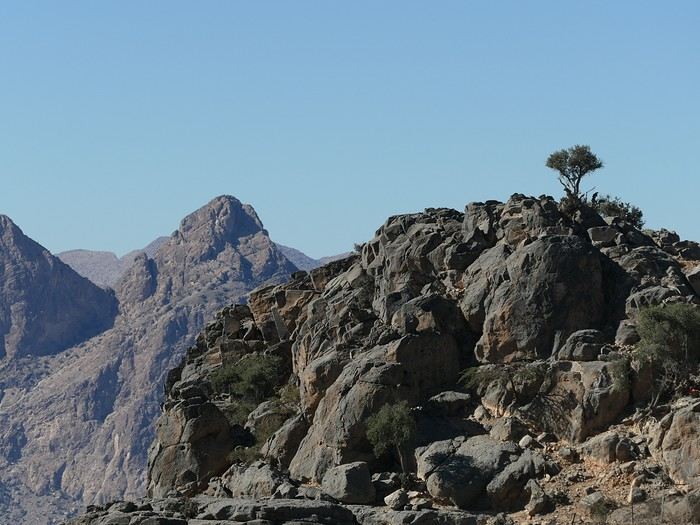
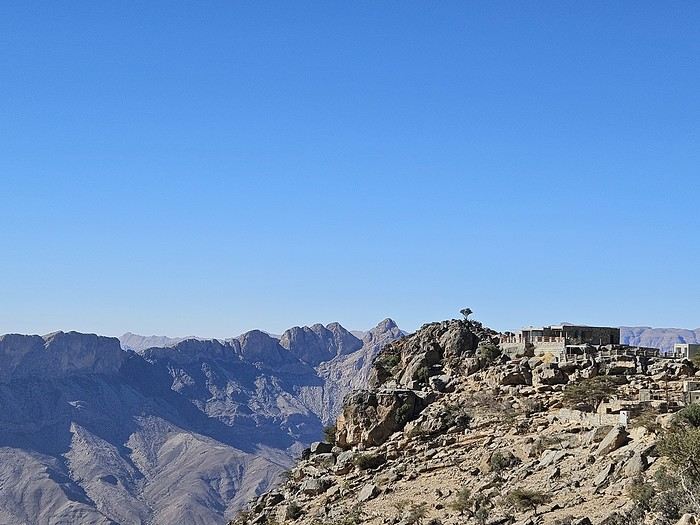
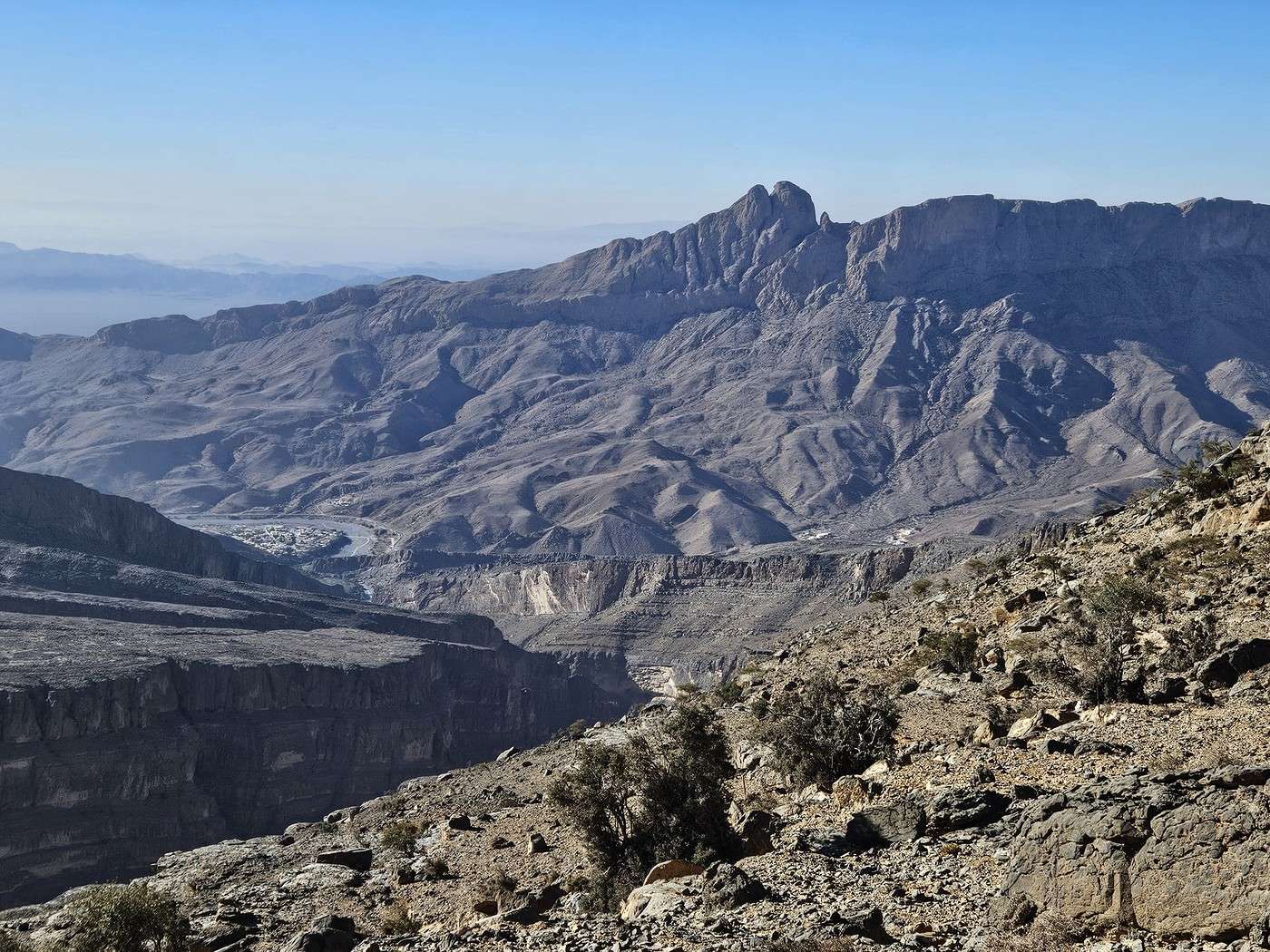
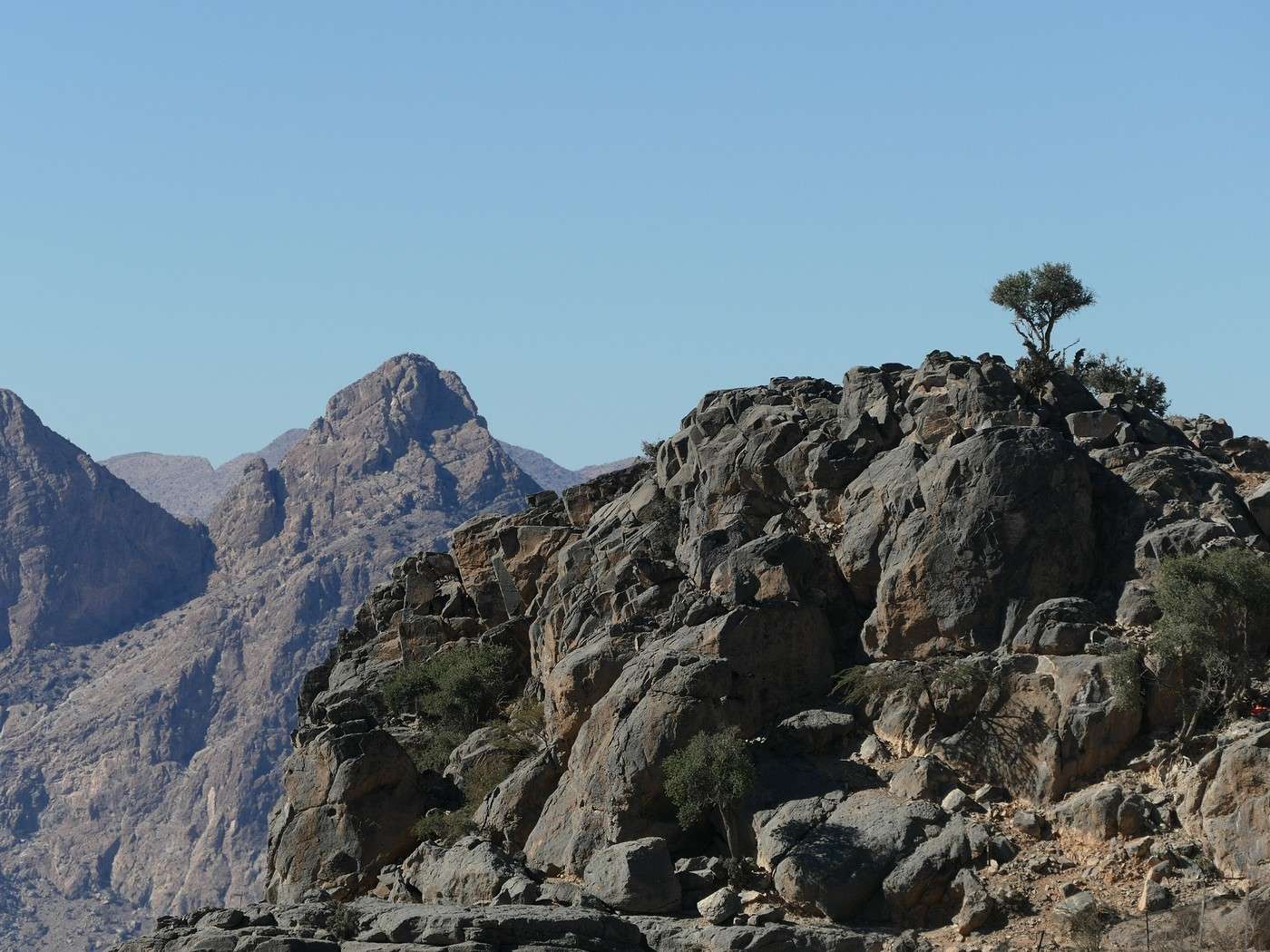
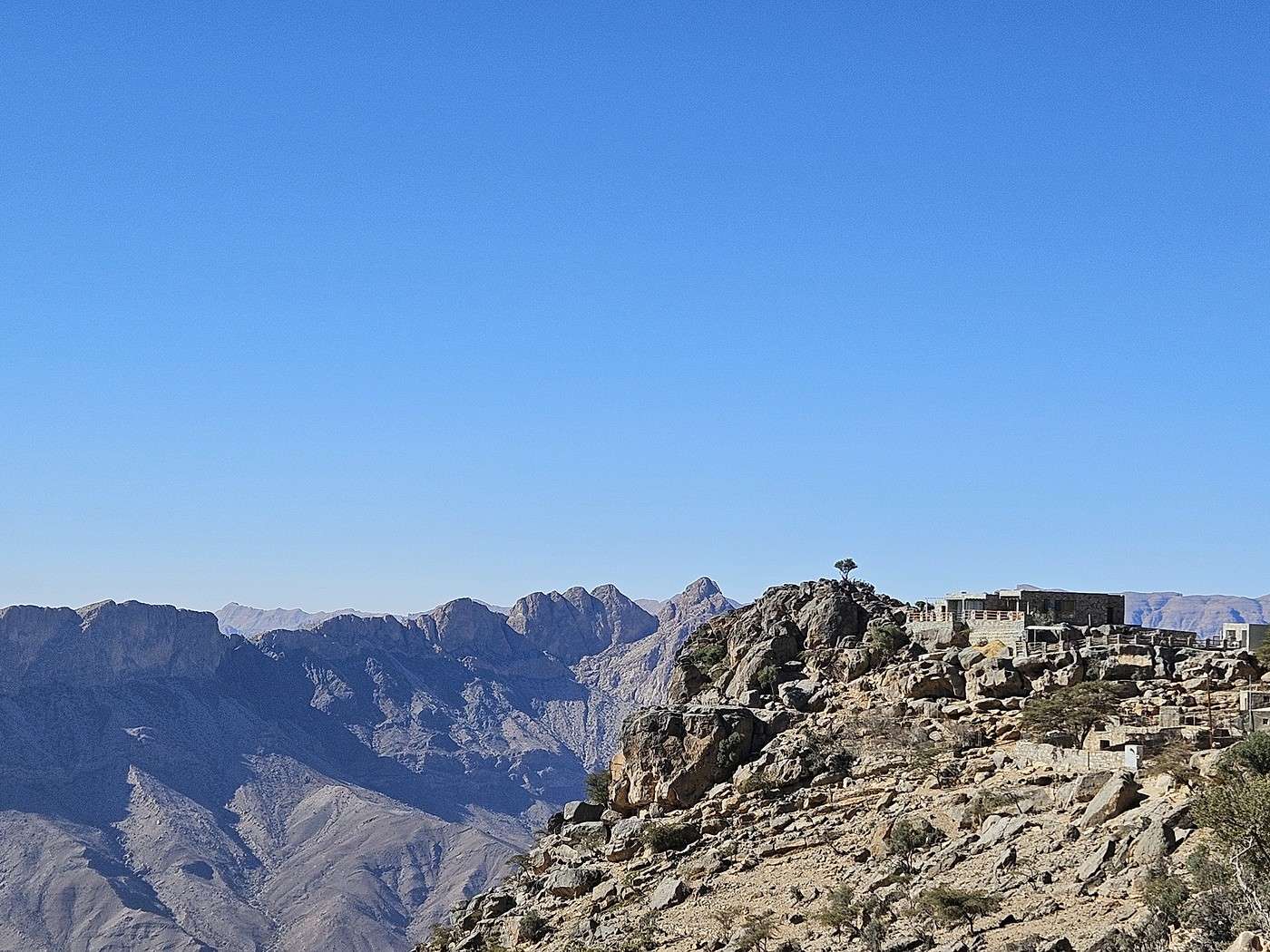
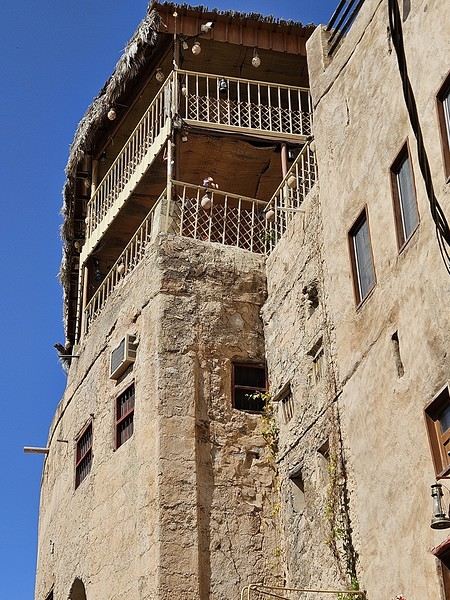
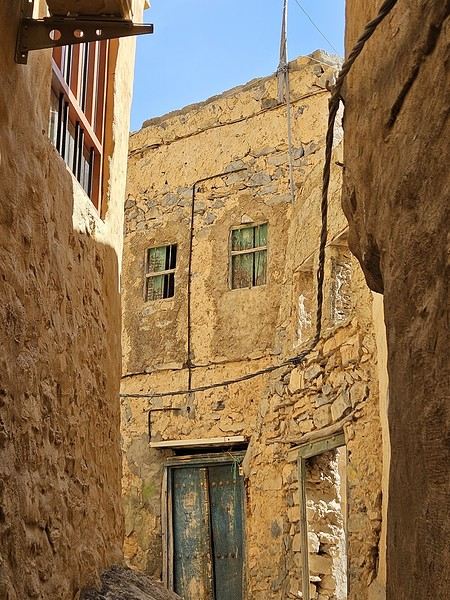
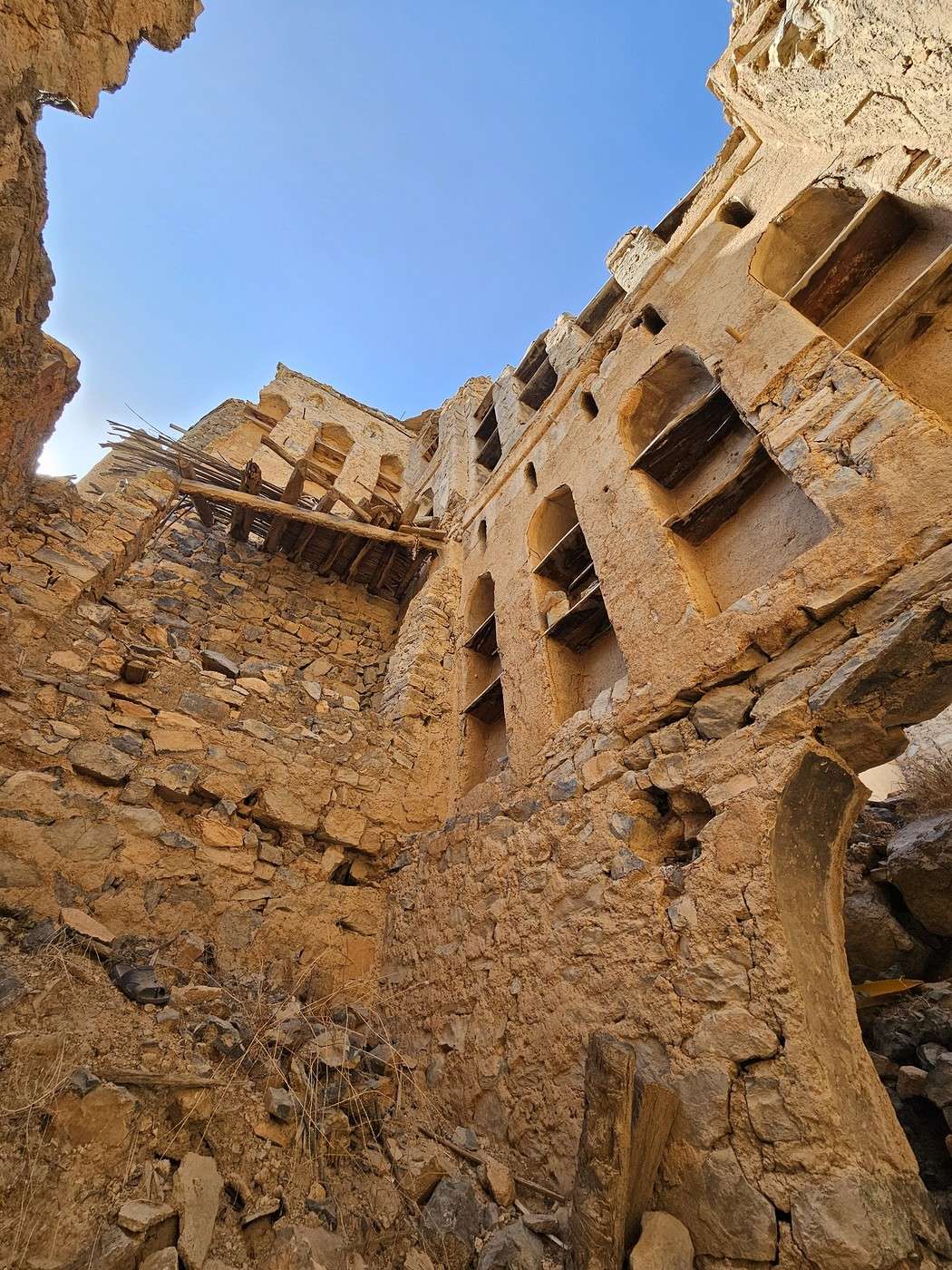
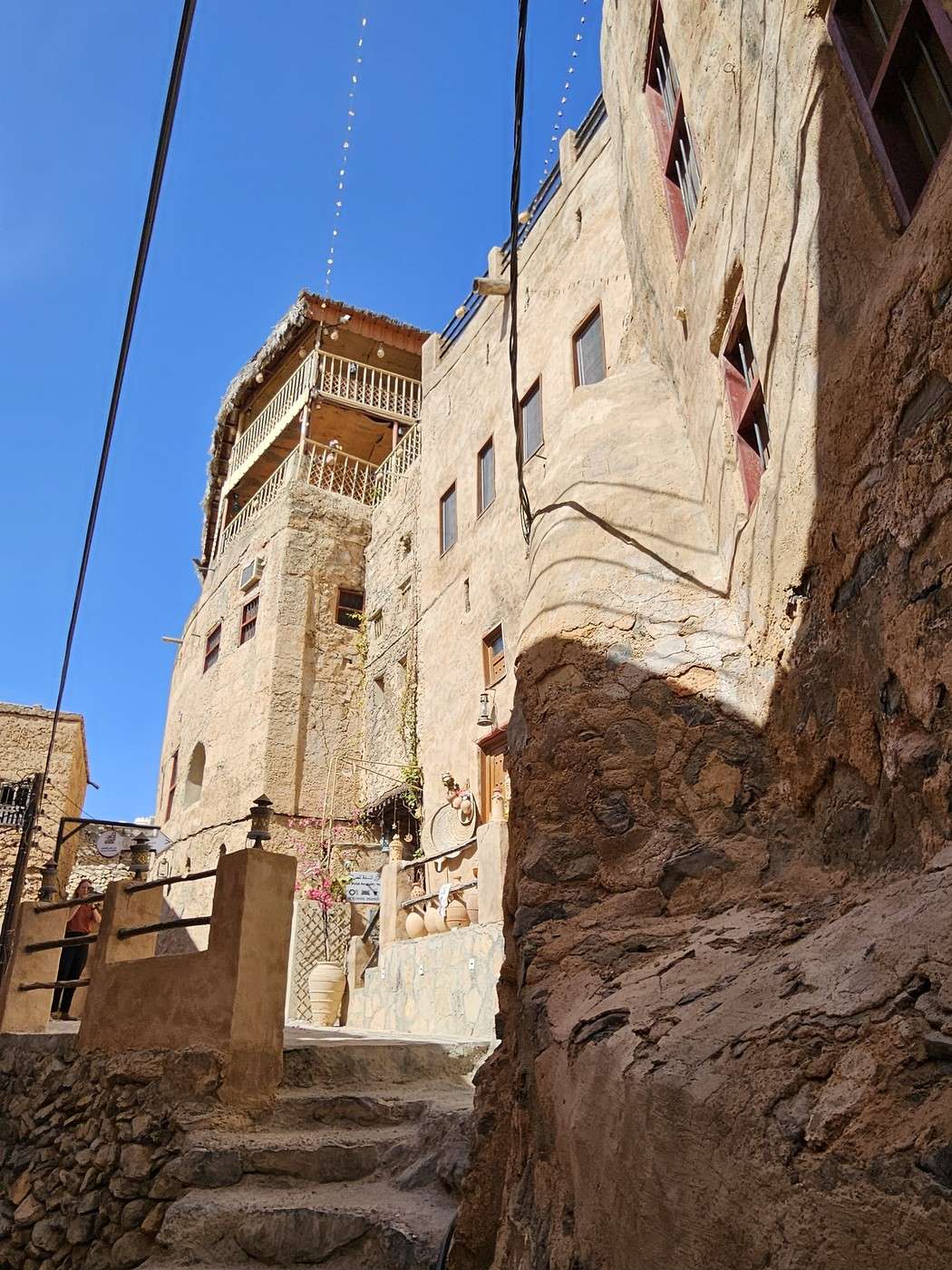
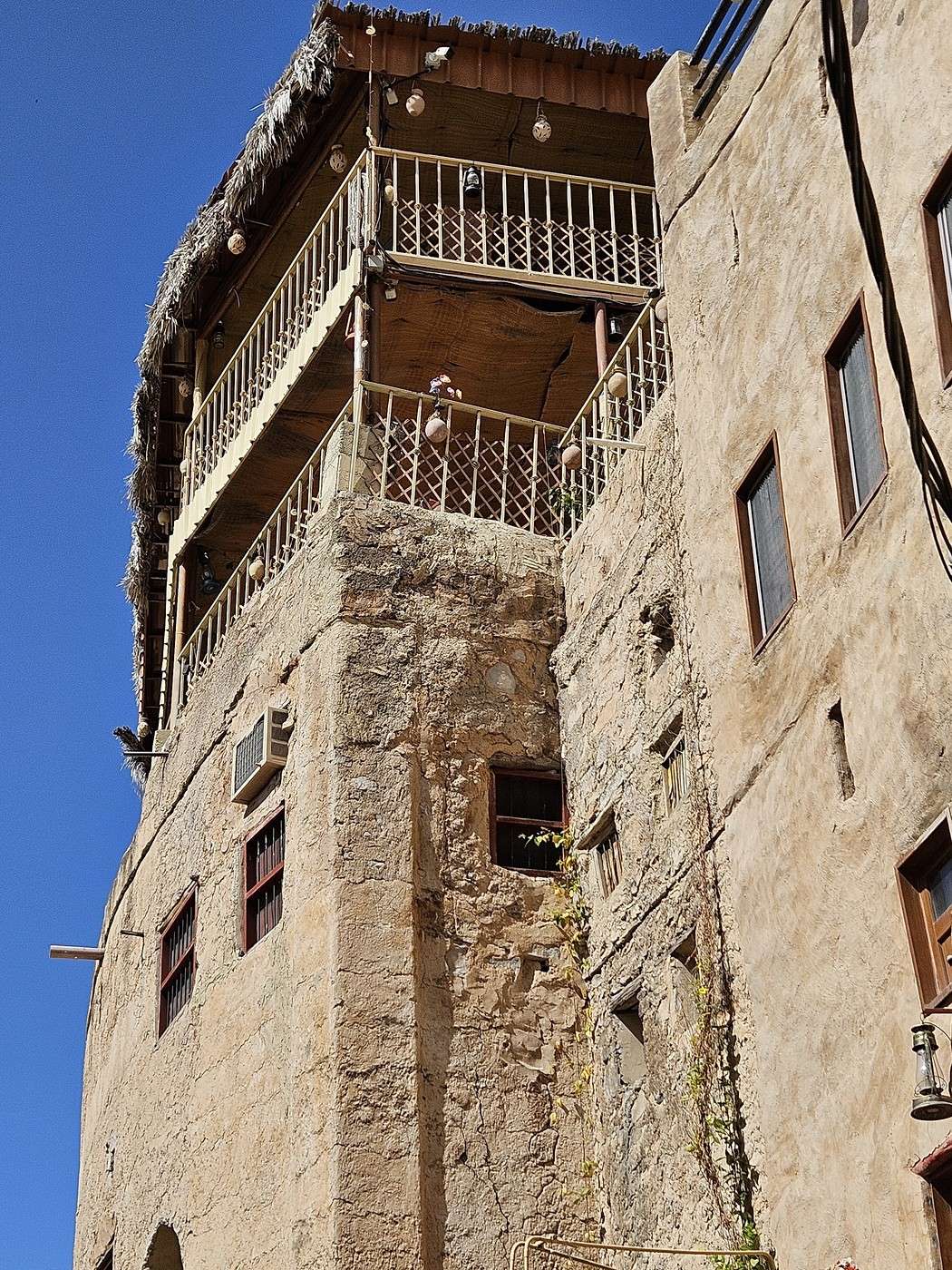
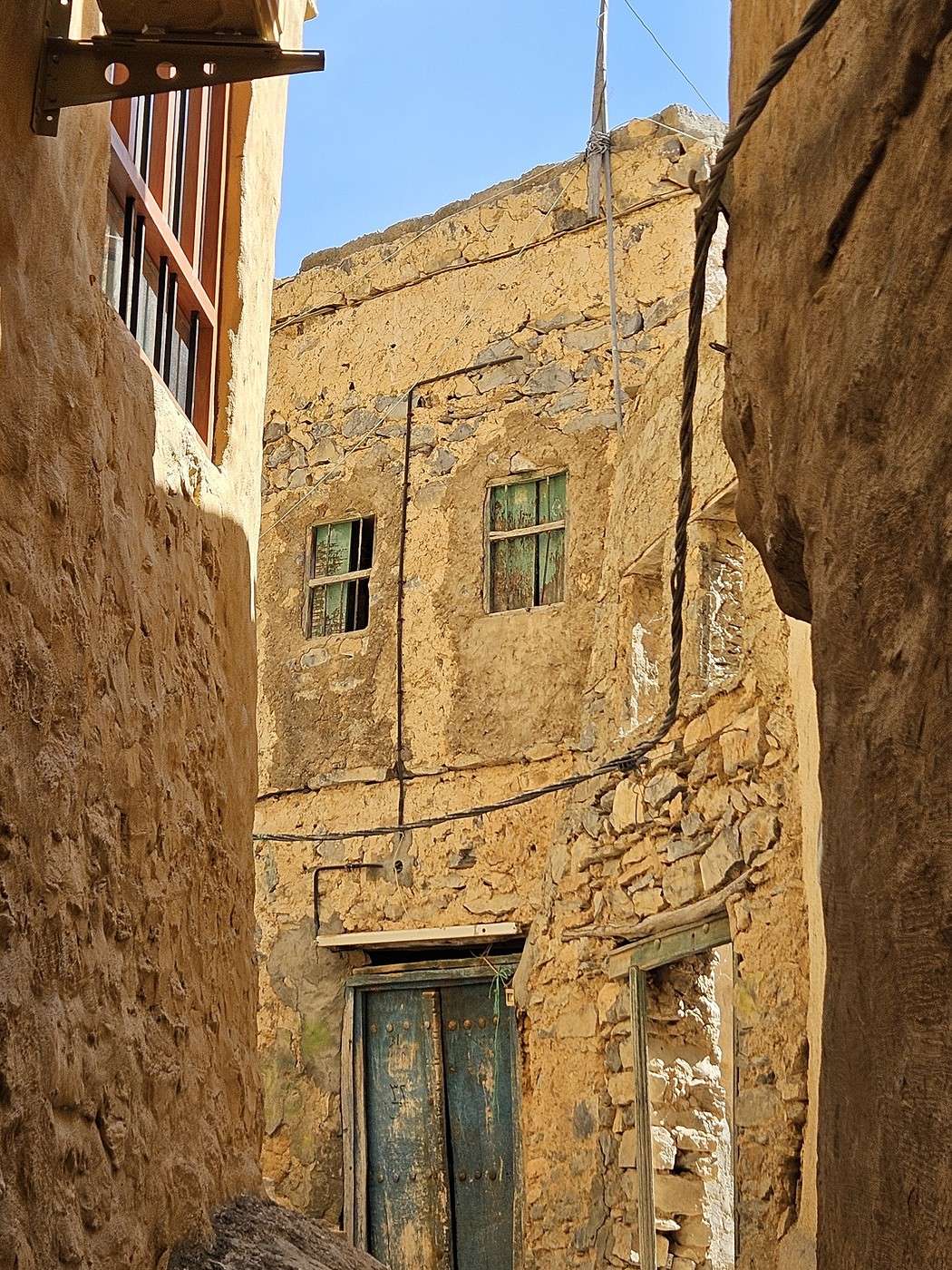
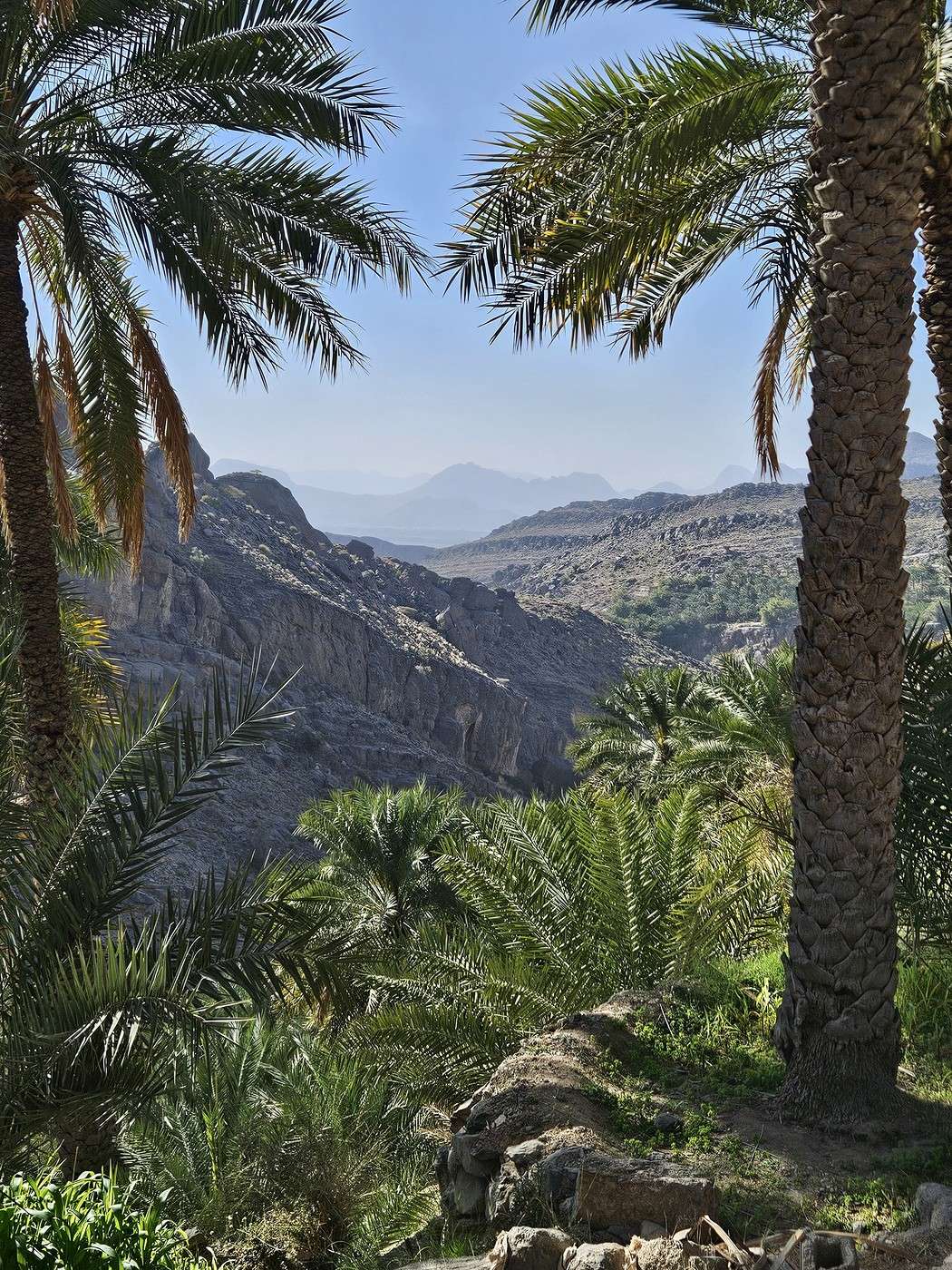
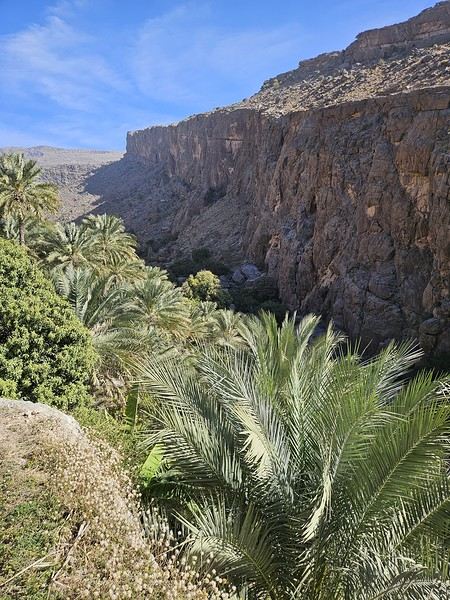
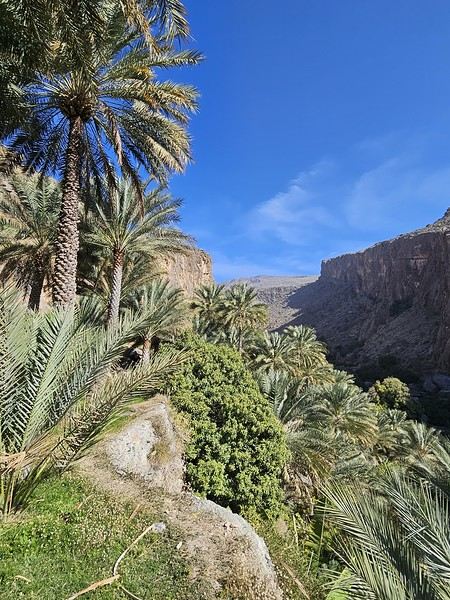
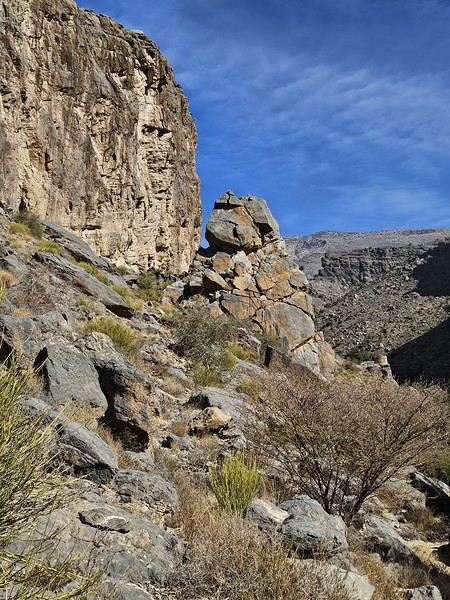
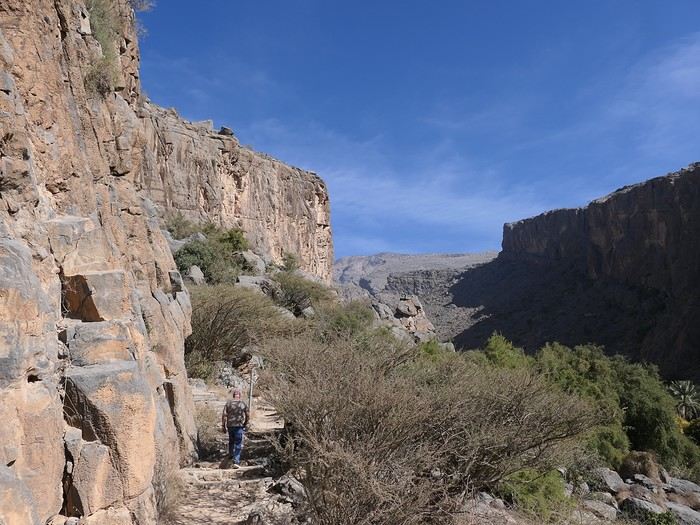
Here are a few stunning views as we followed the steep road climbing into the mountains, giving us a great perspective of the canyon as a whole. We passed through two villages with tall earth-brick houses—the road was *very* narrow, and passing other vehicles was tricky in some spots!
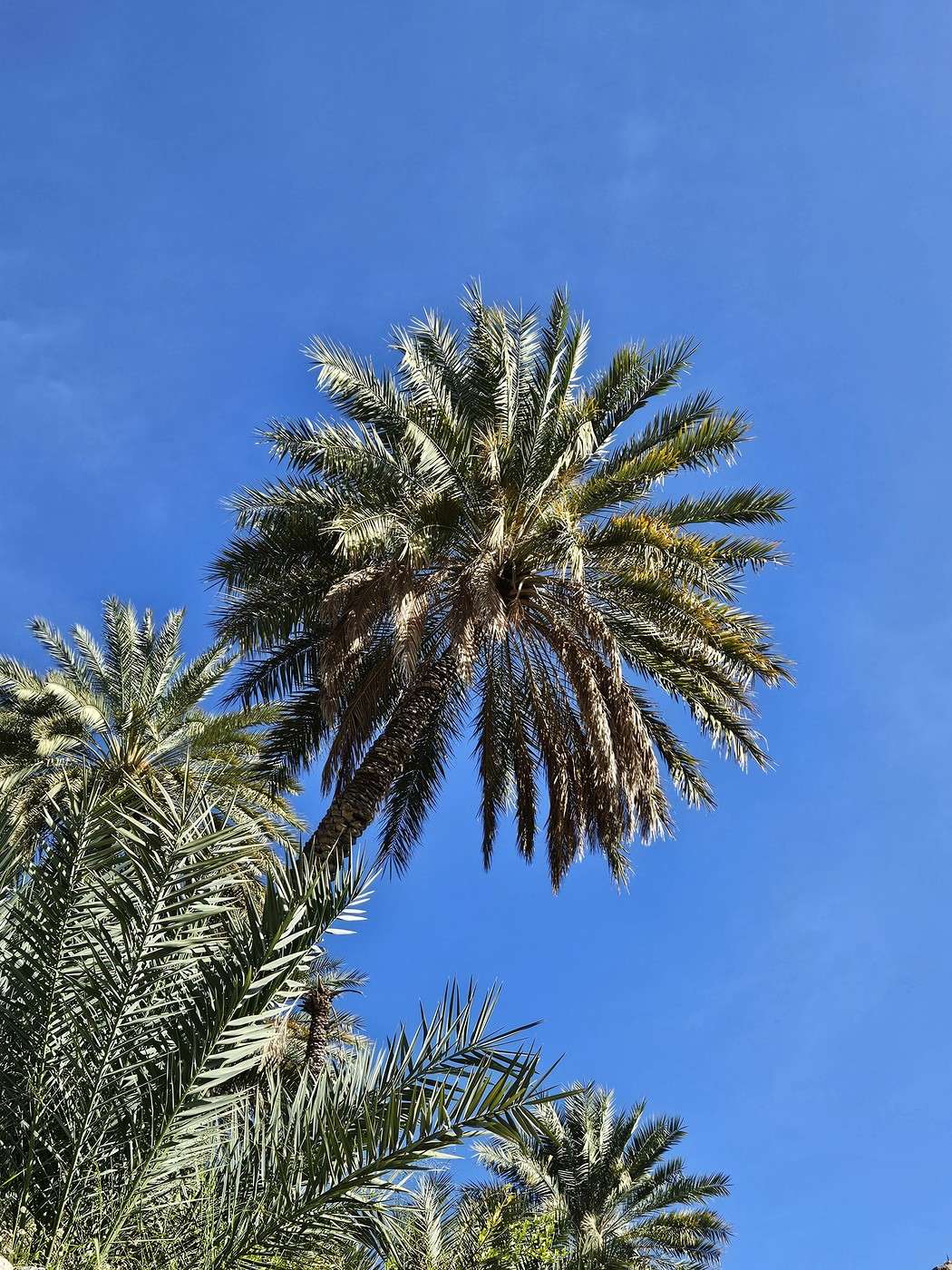
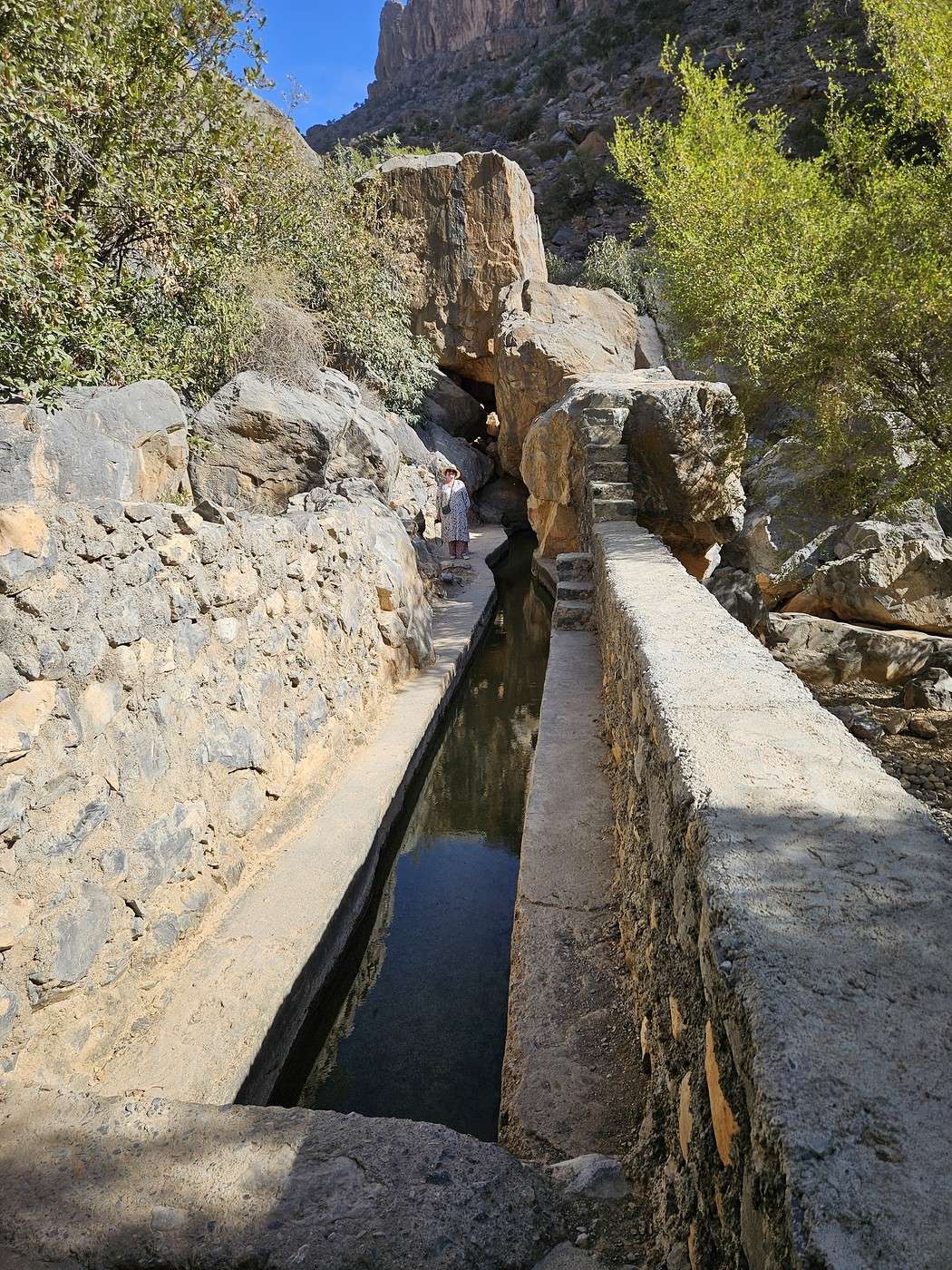
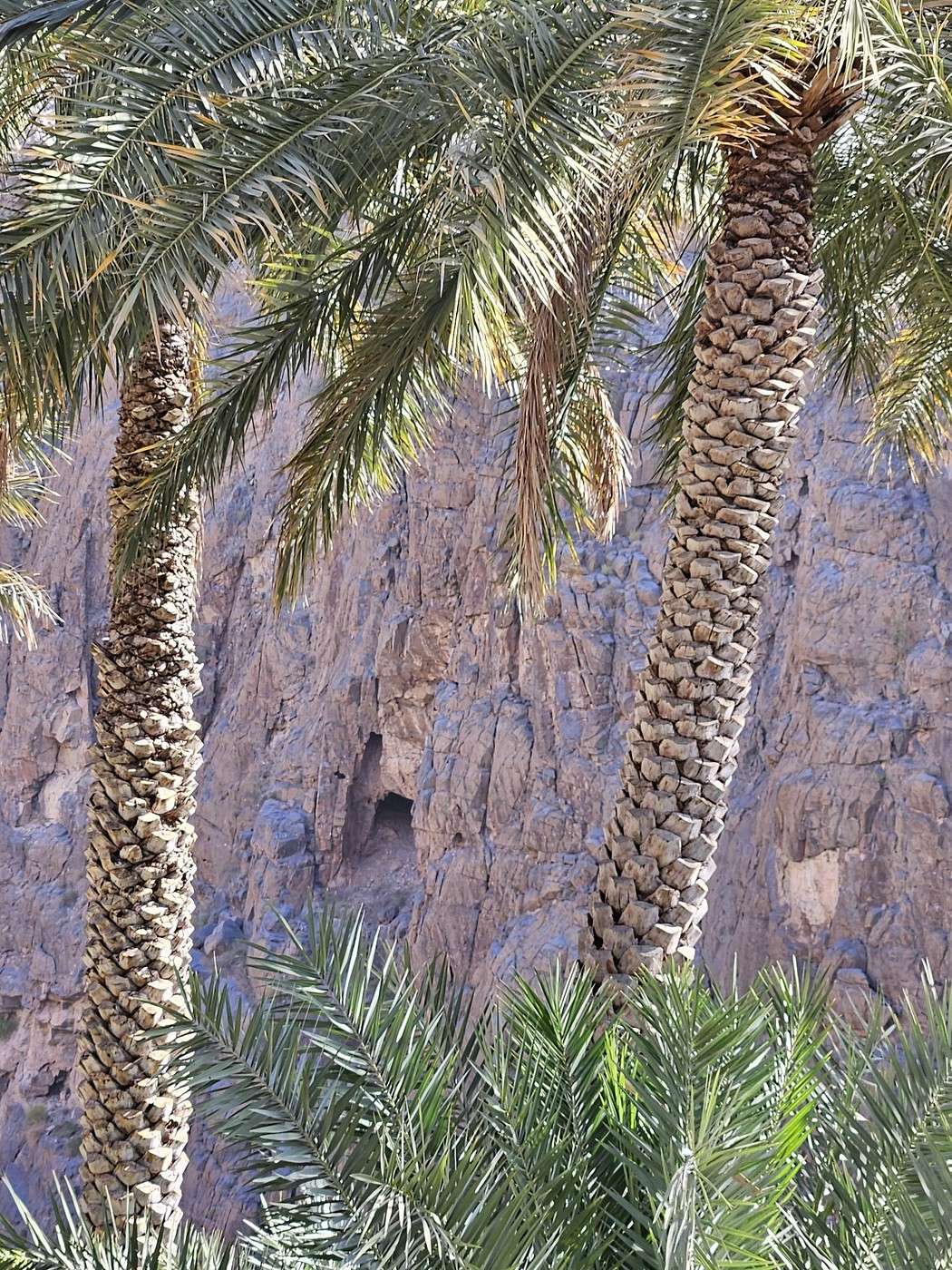
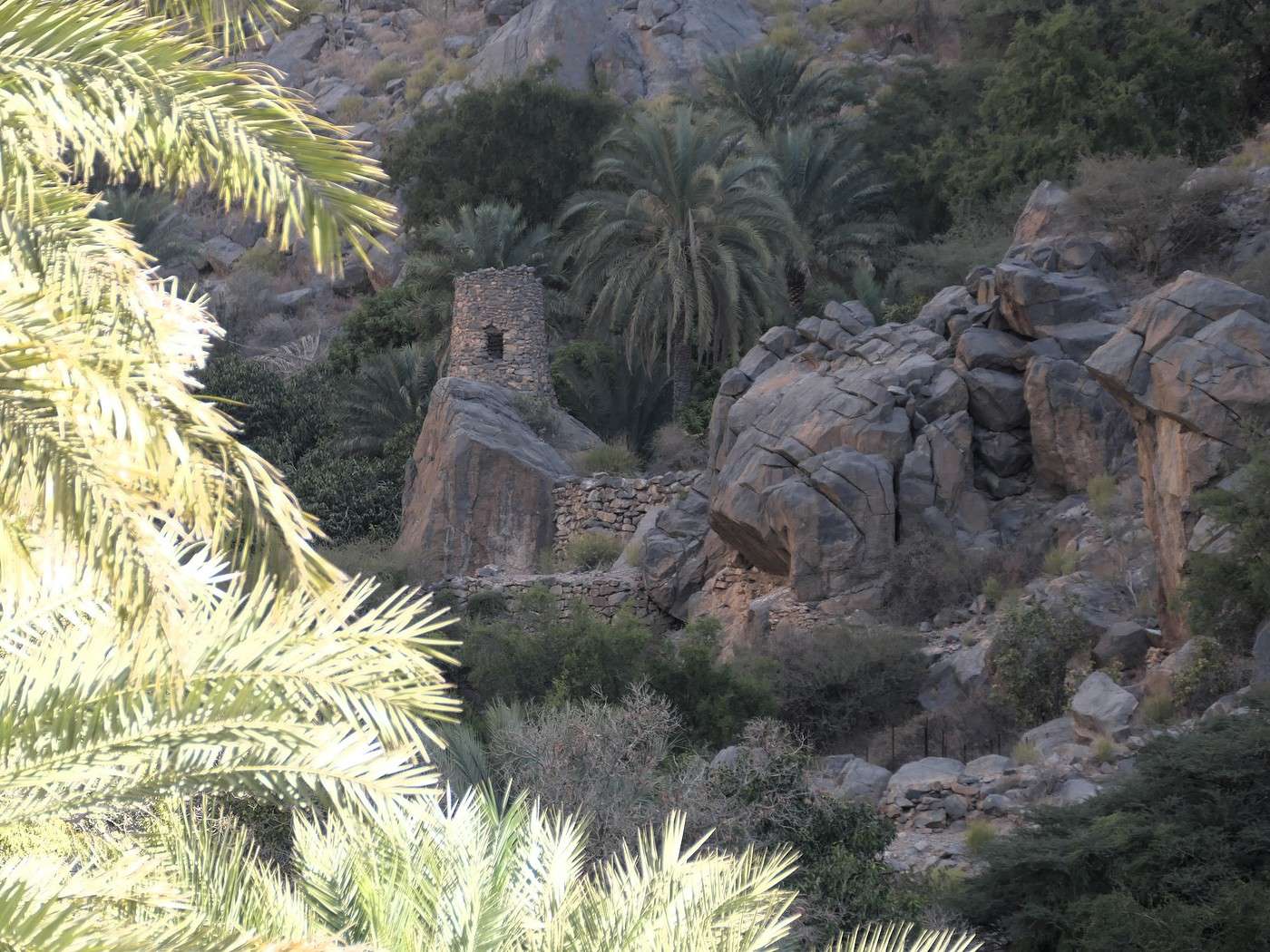
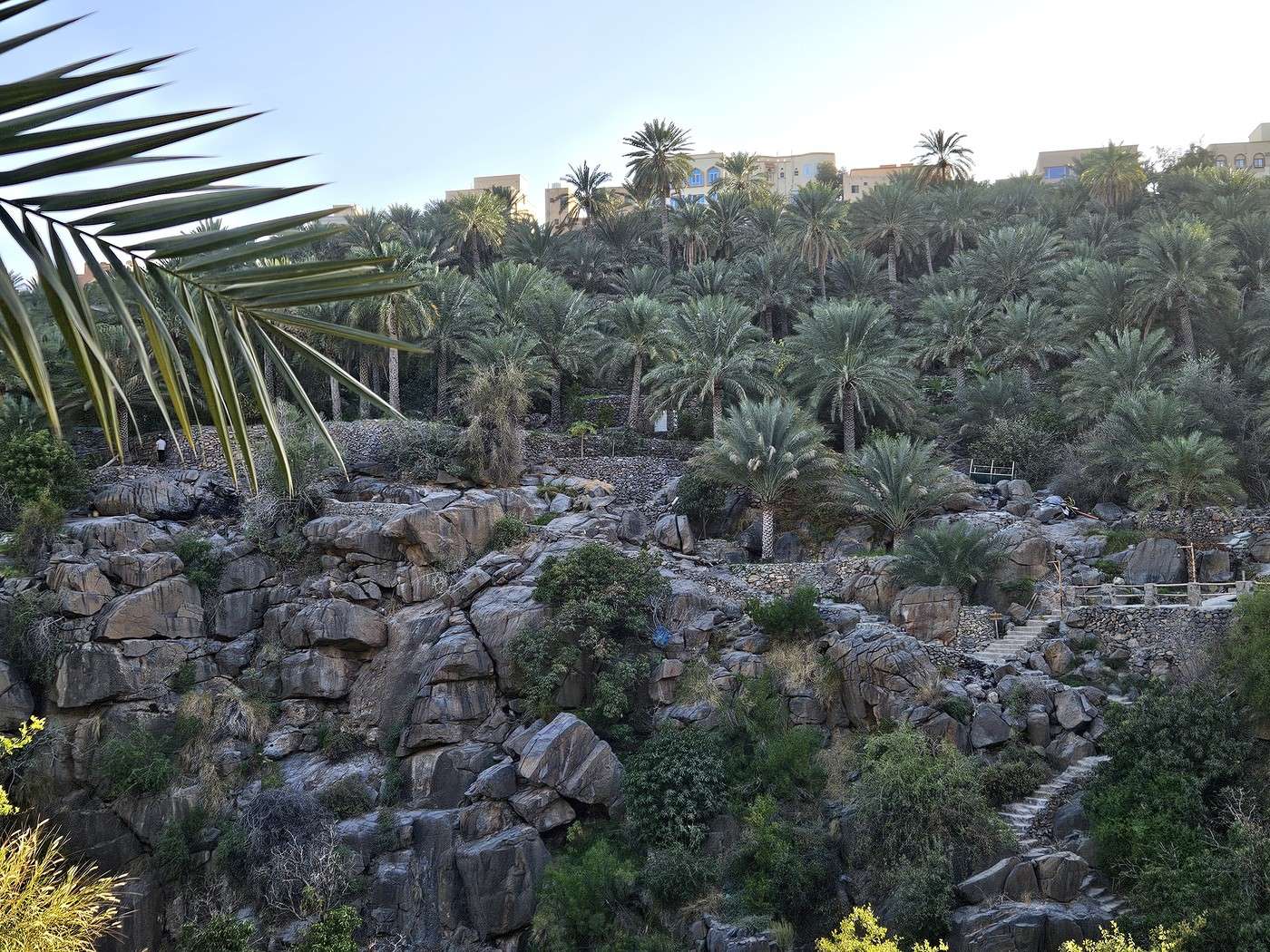
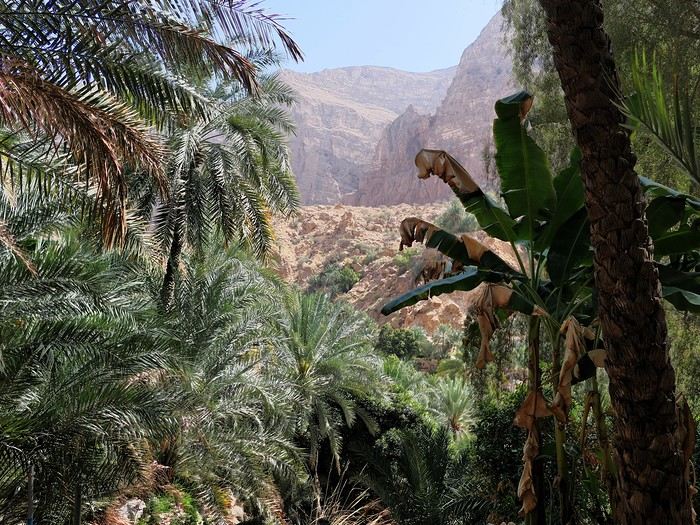
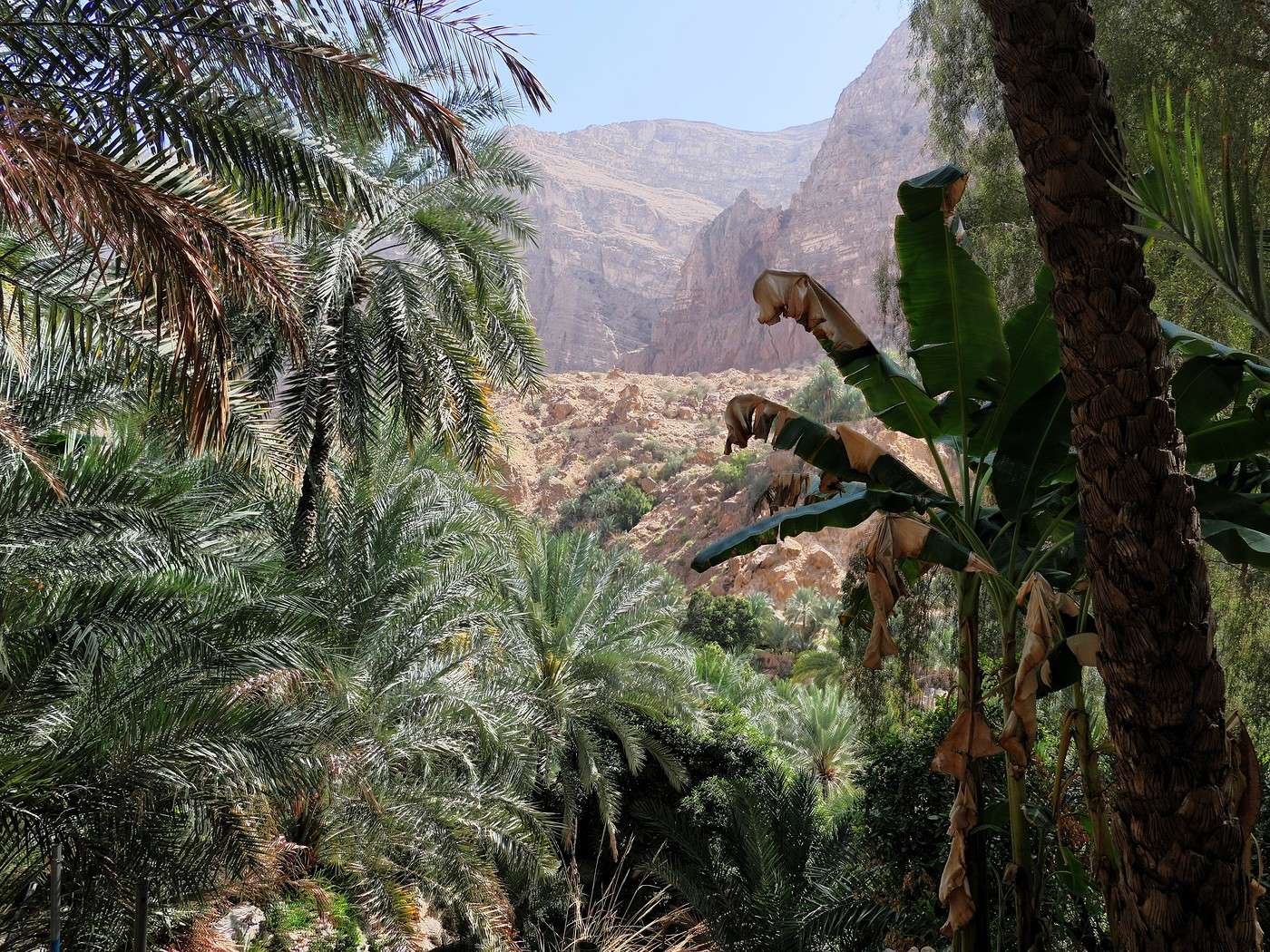
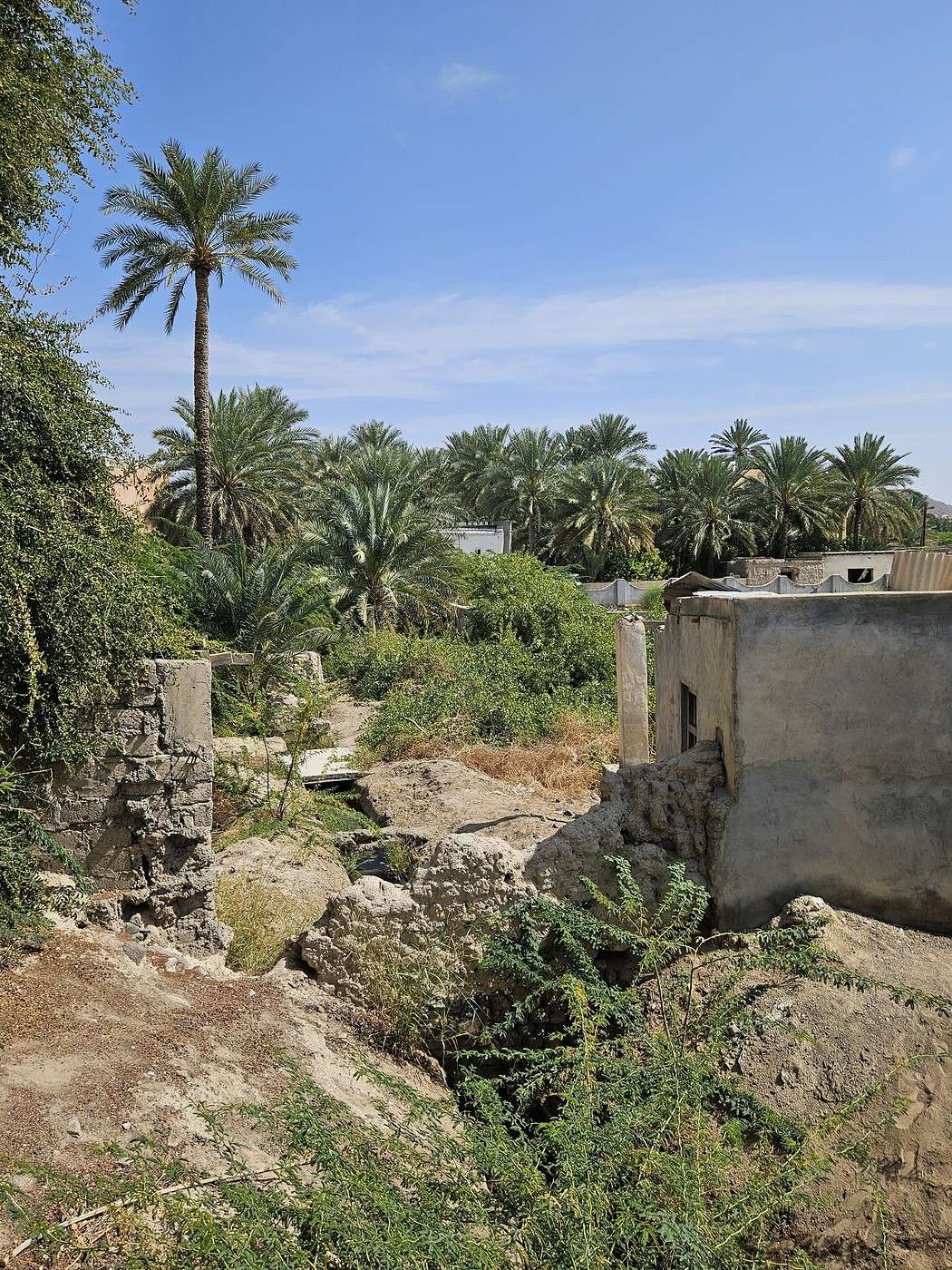
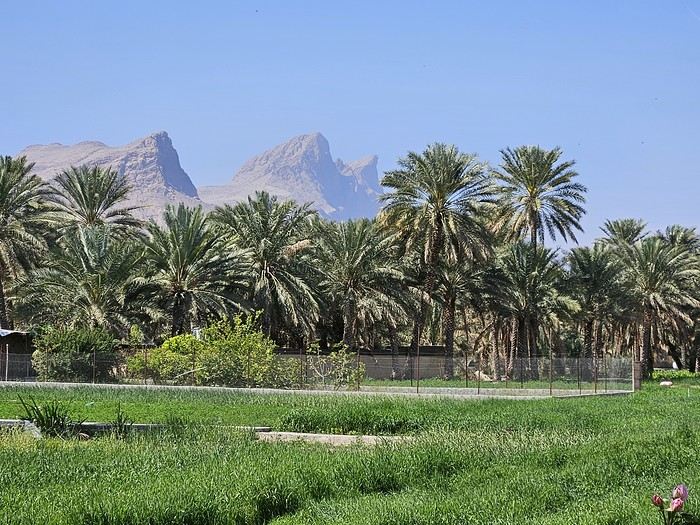
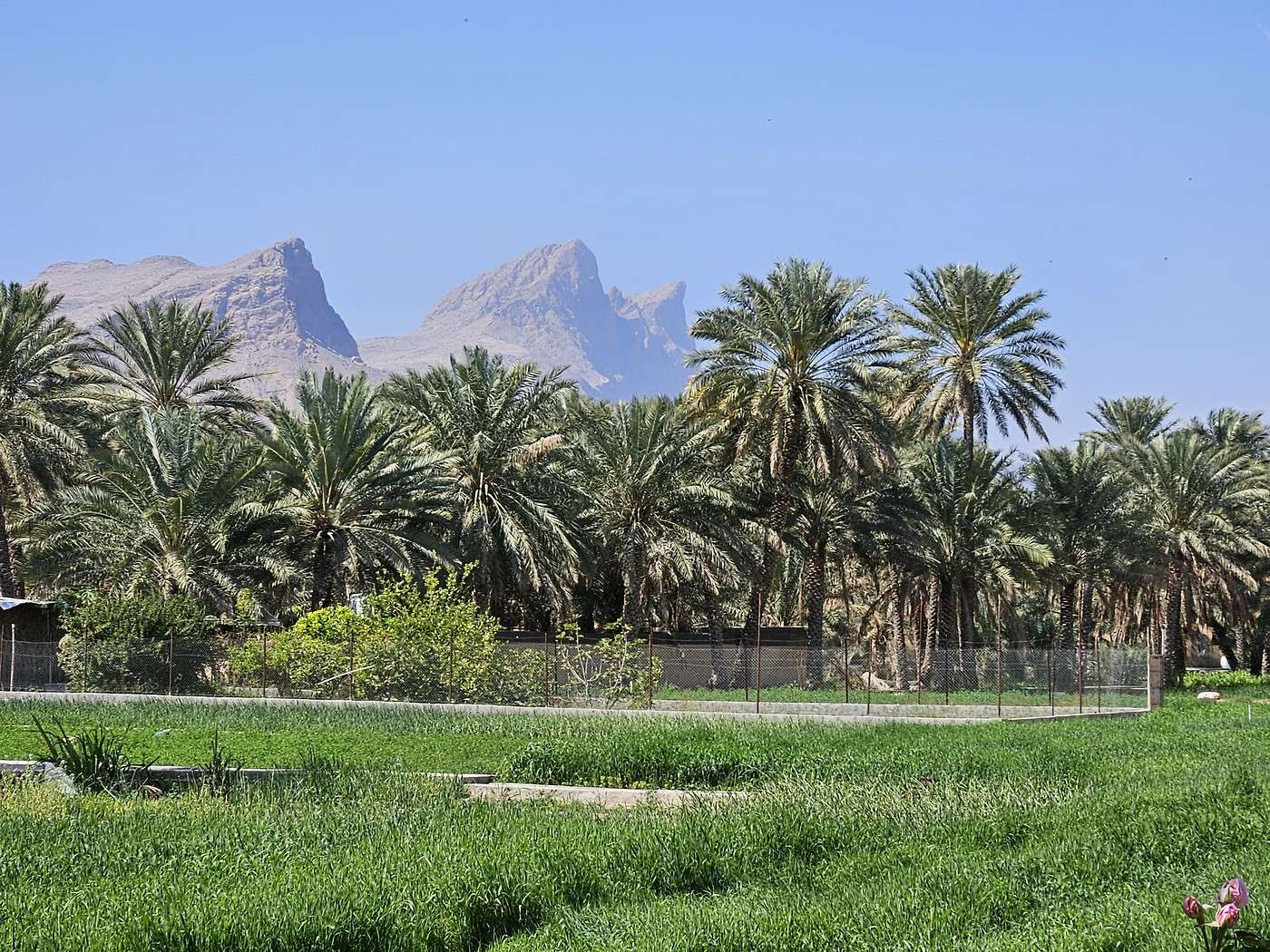
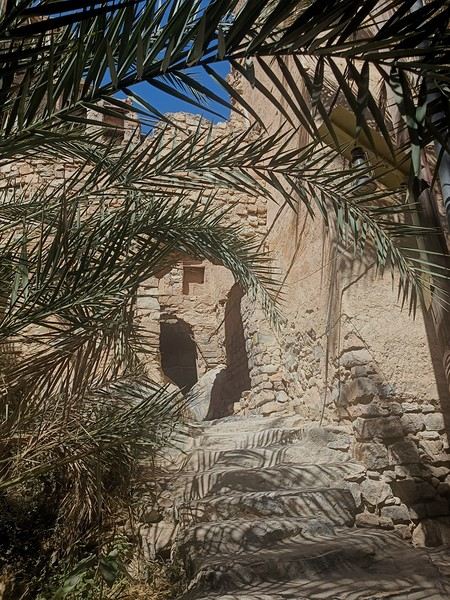
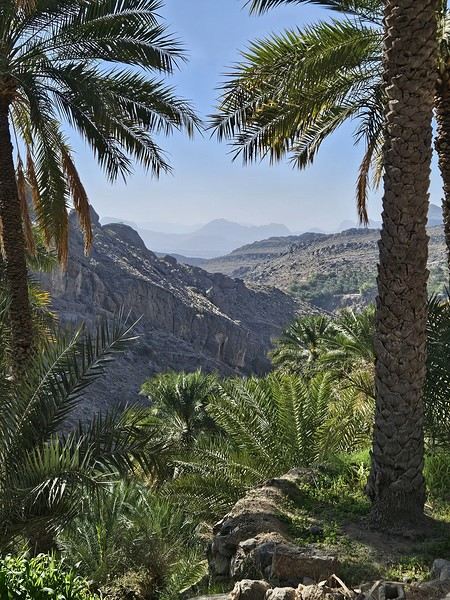
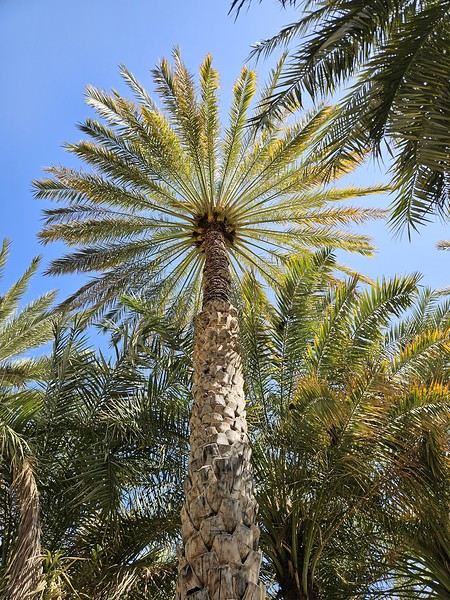
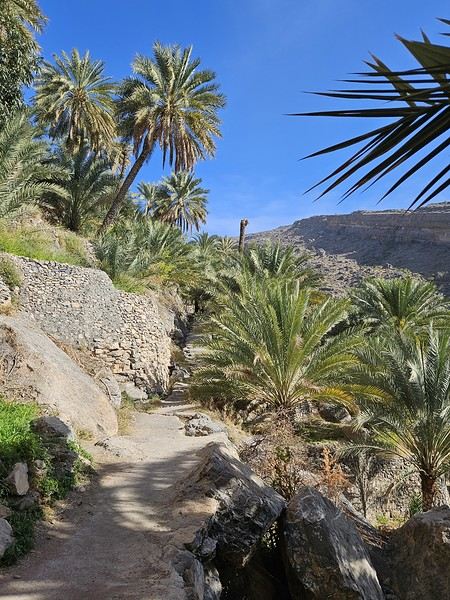
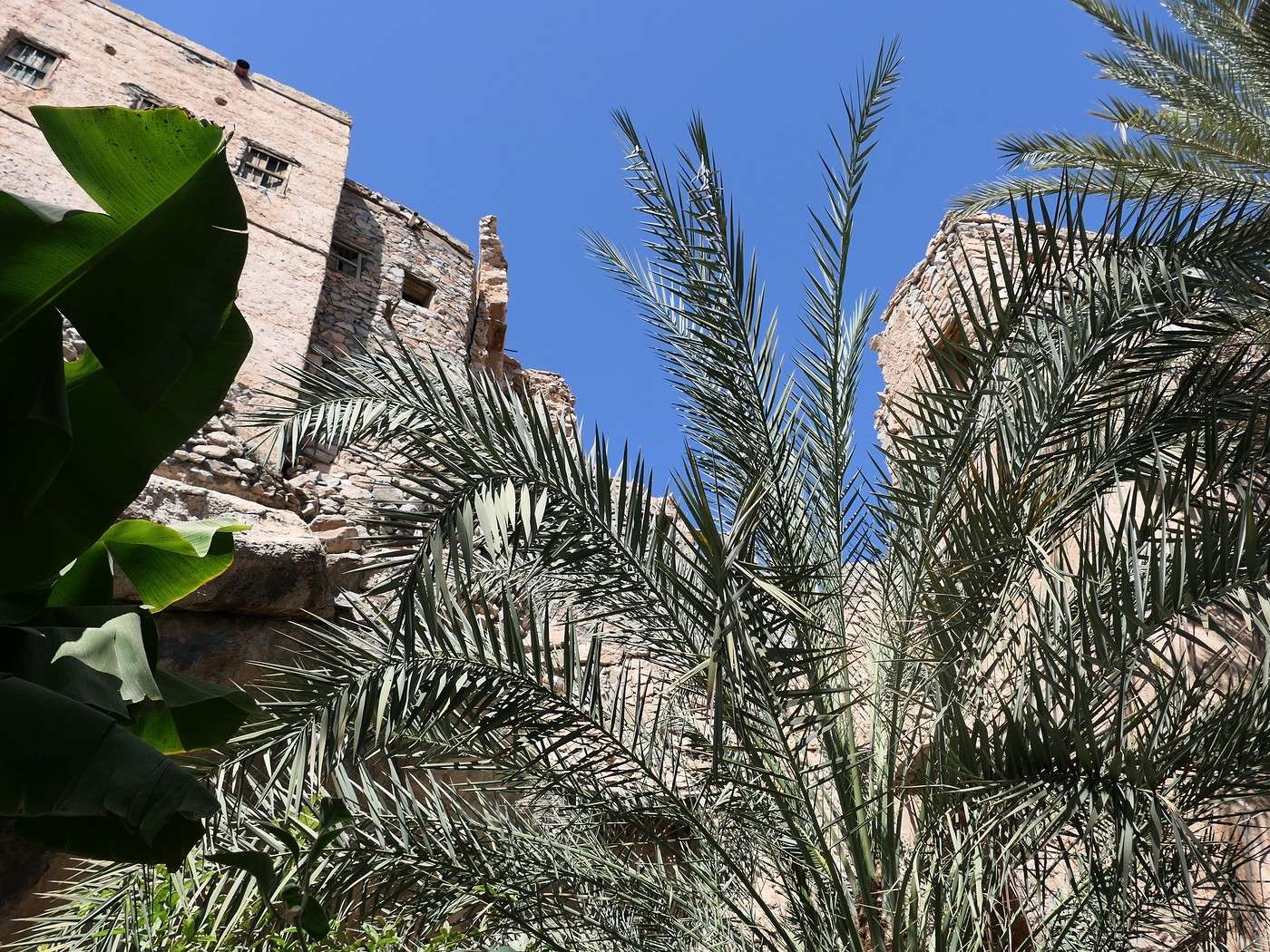
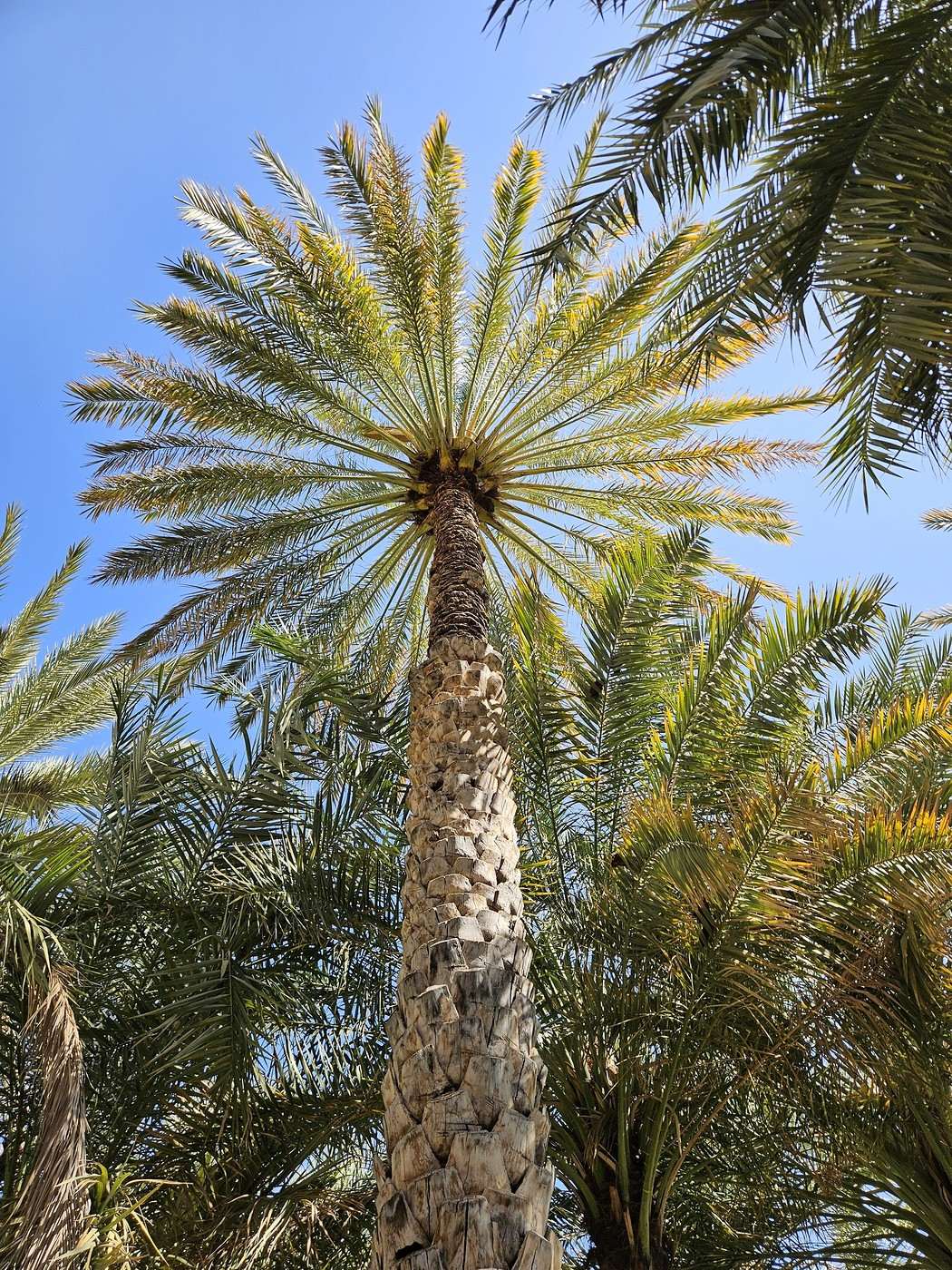
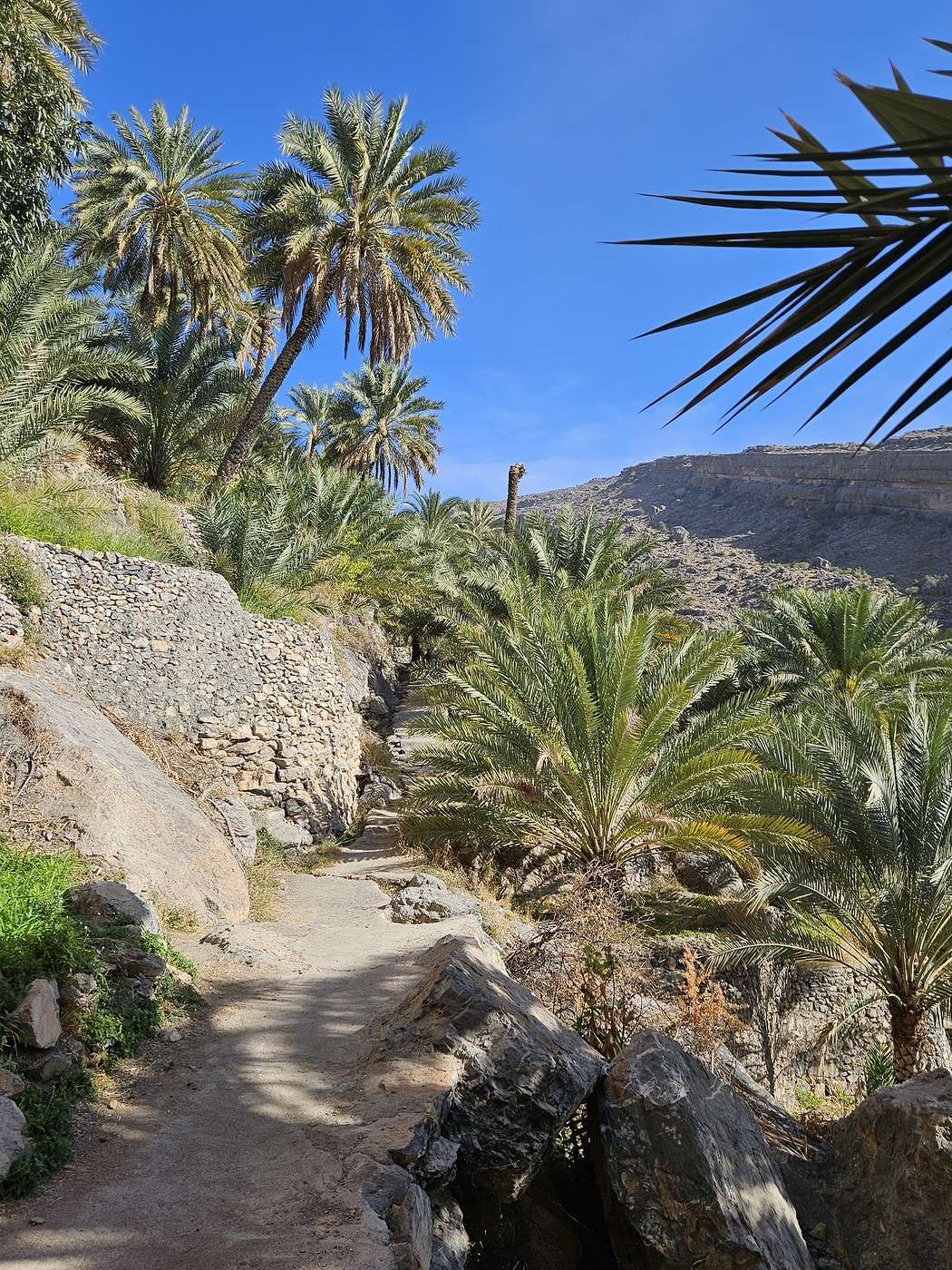
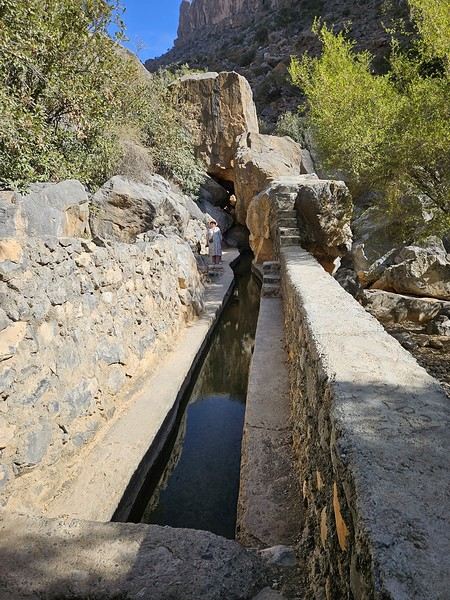
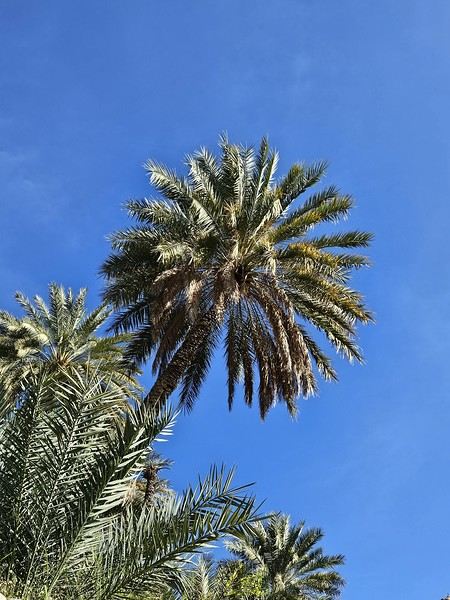
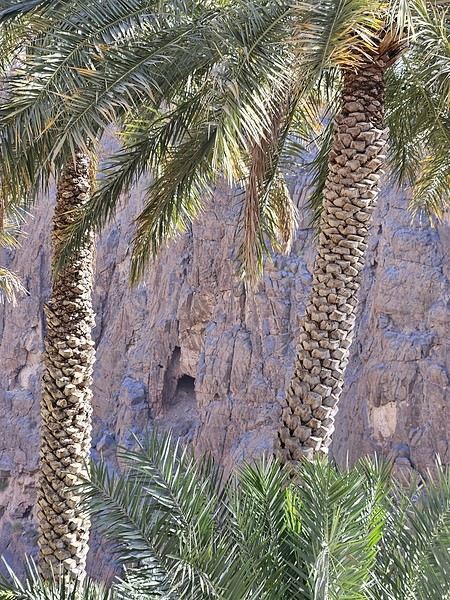
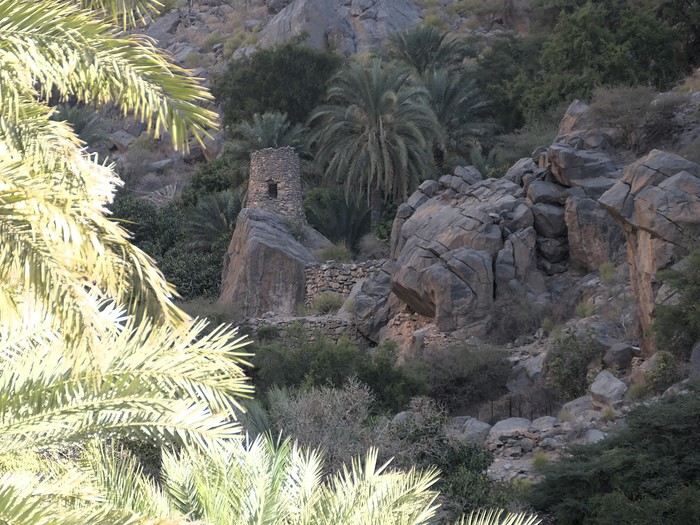
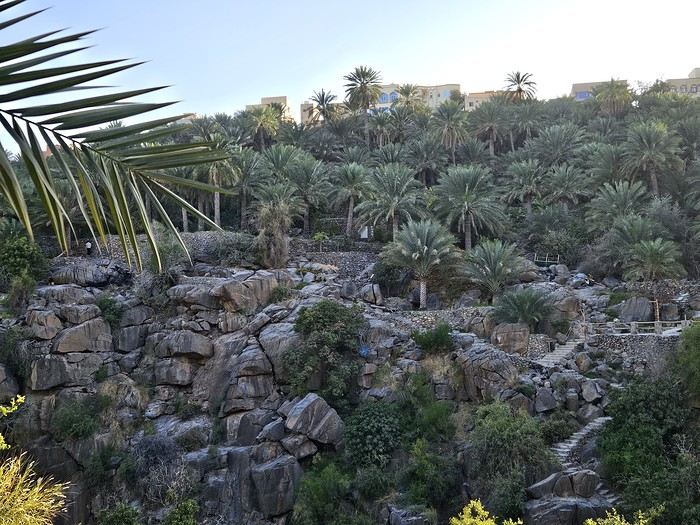
Once parked in Mibam, Ahmed guided us along the falaj through beautiful date palm gardens (with a few banana trees too).
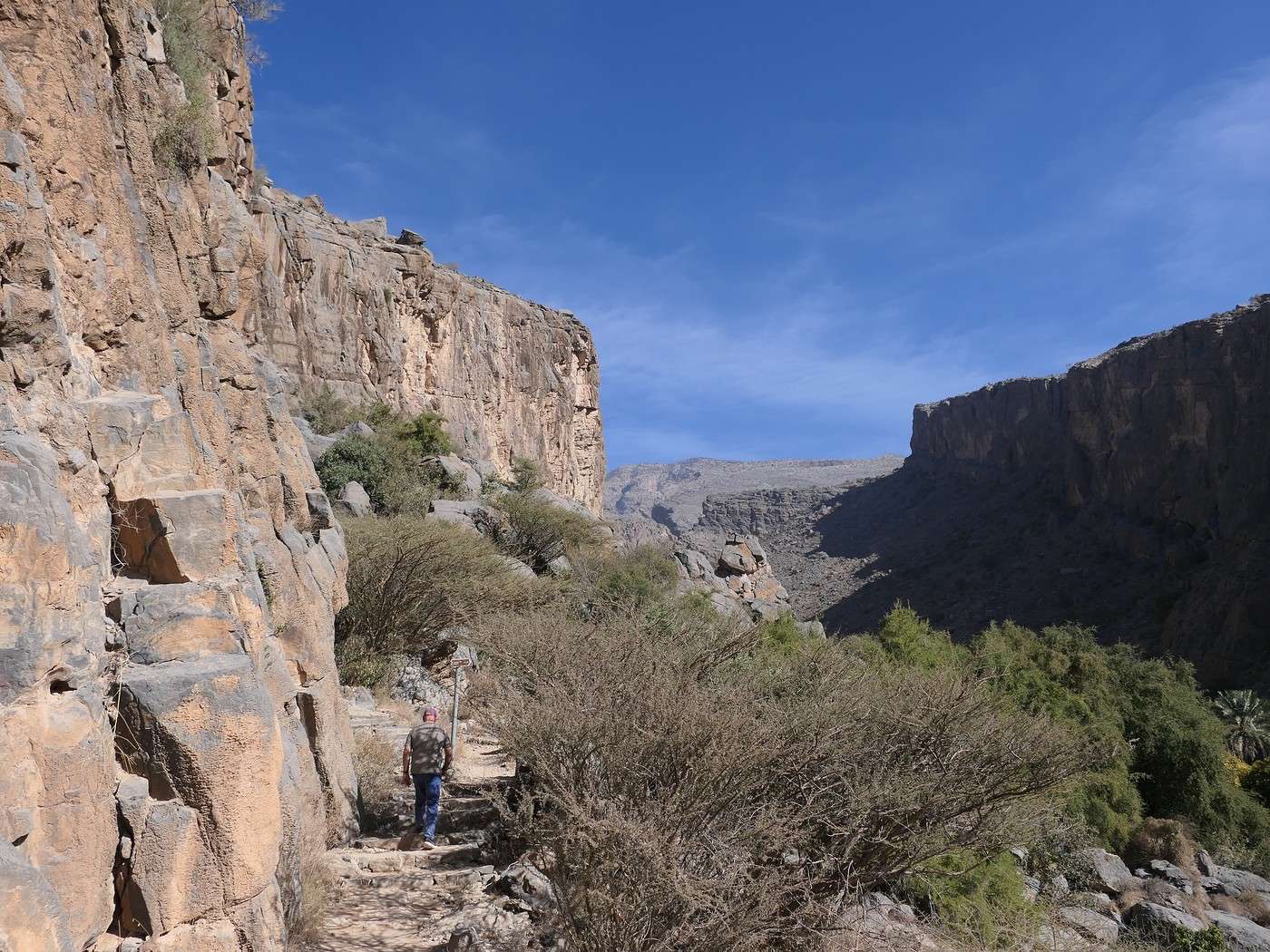
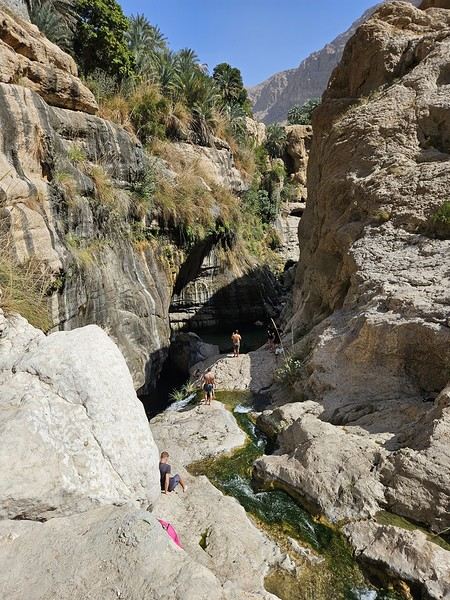
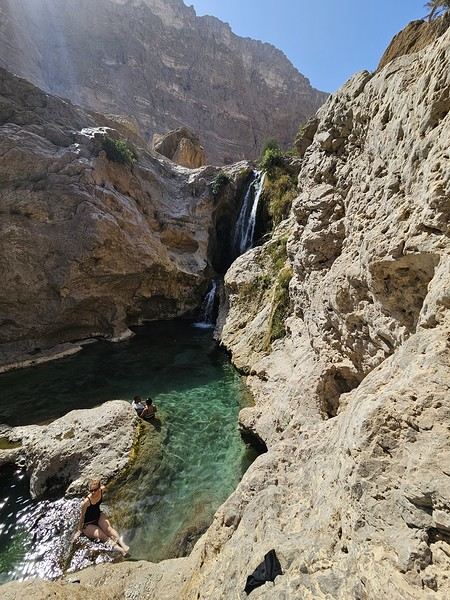
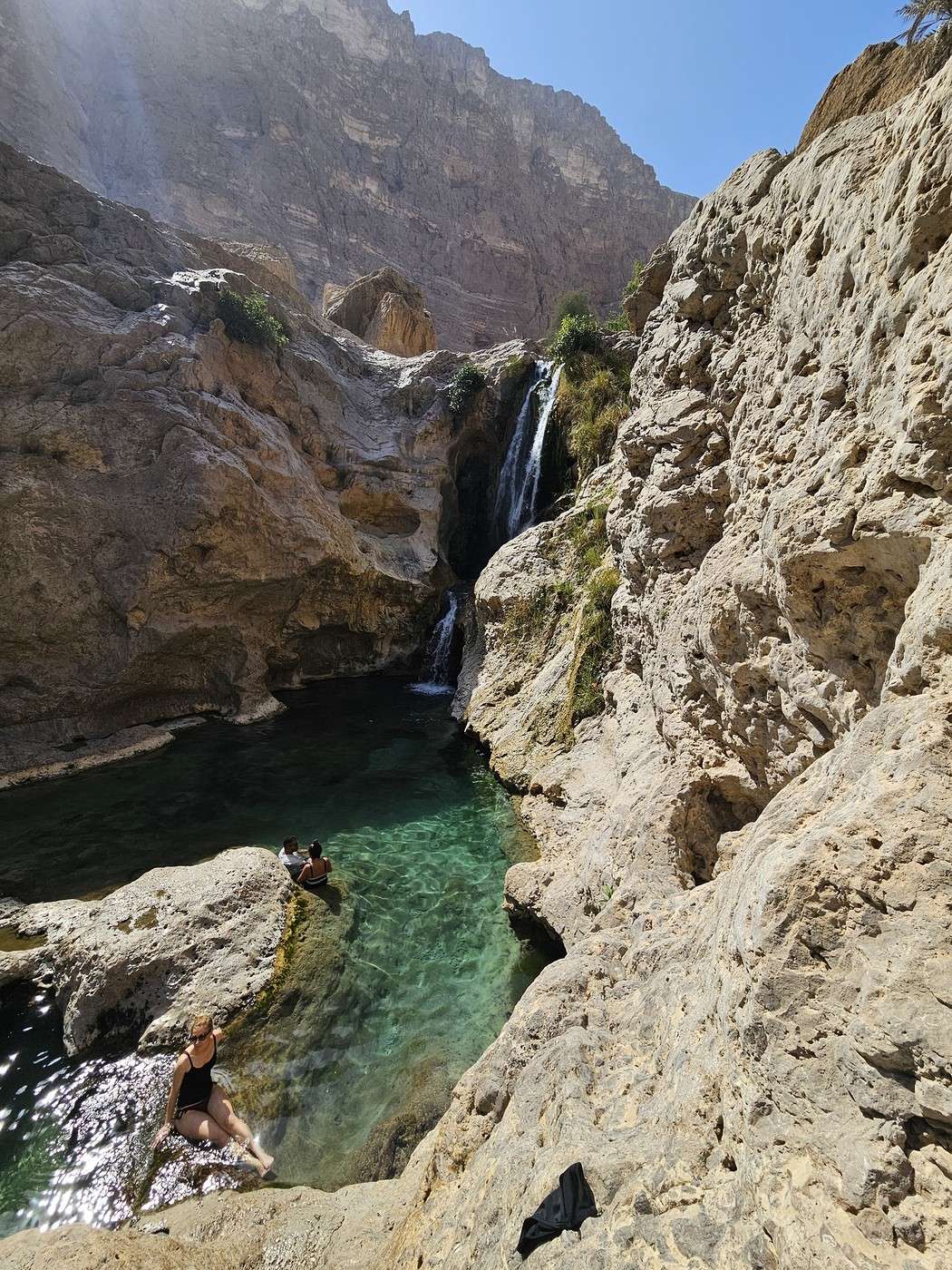
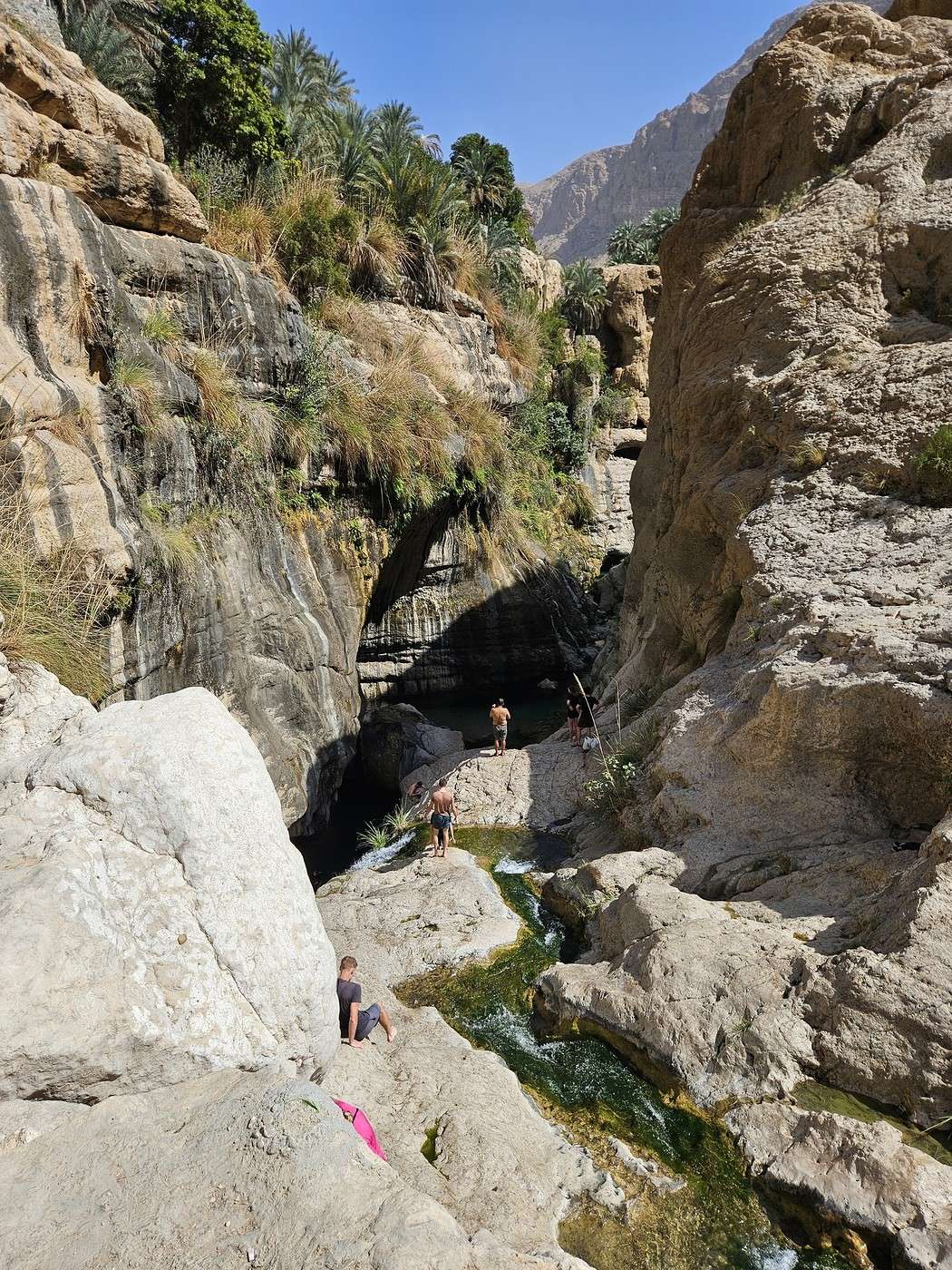
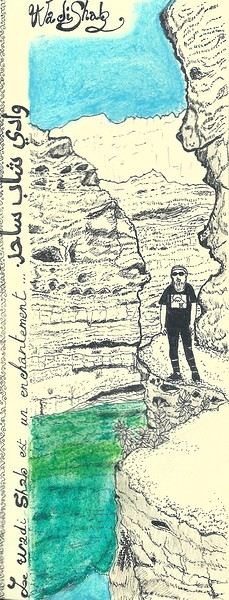
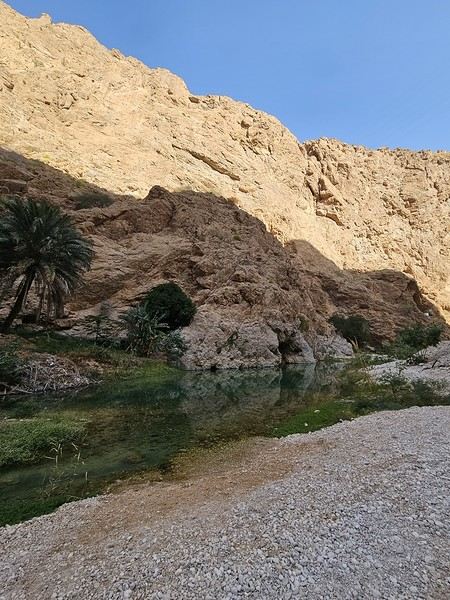
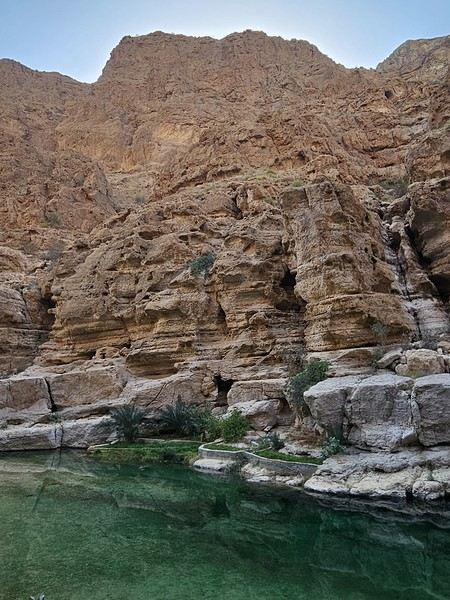
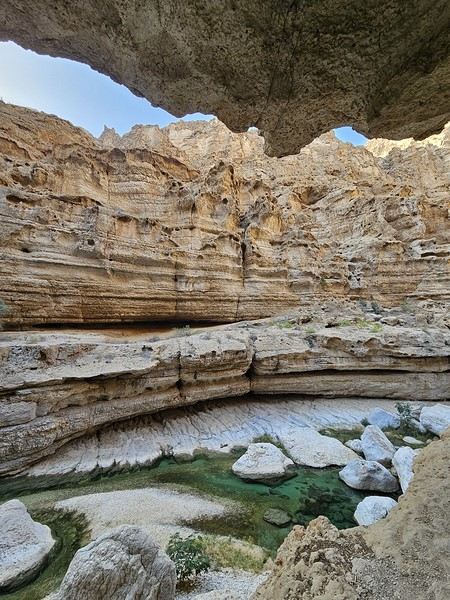
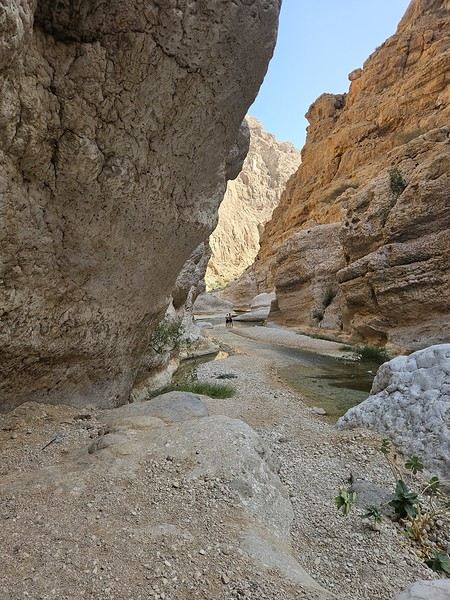
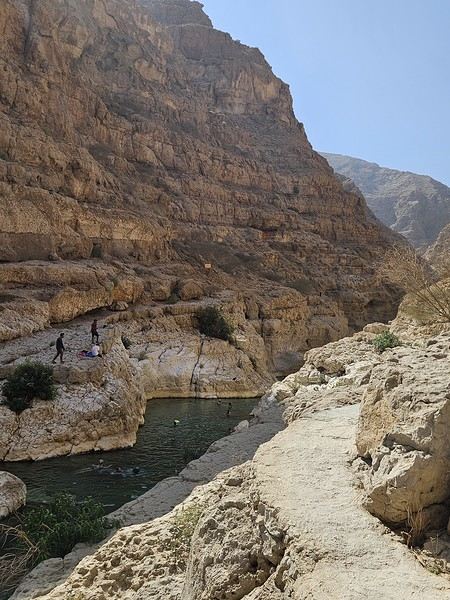
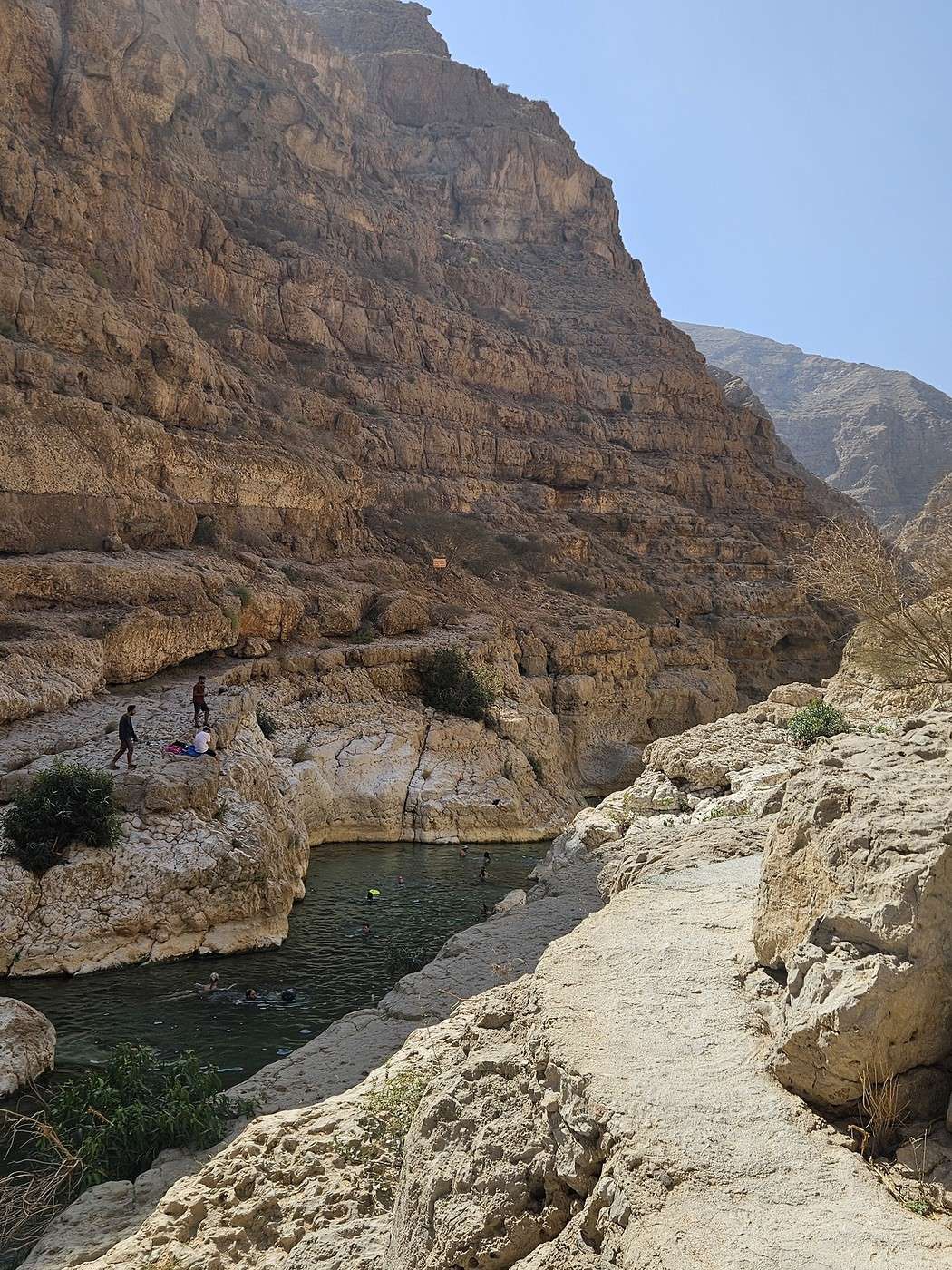
Steps led us down to the bottom of the wadi, where a waterfall cascades into a gorgeous pool.
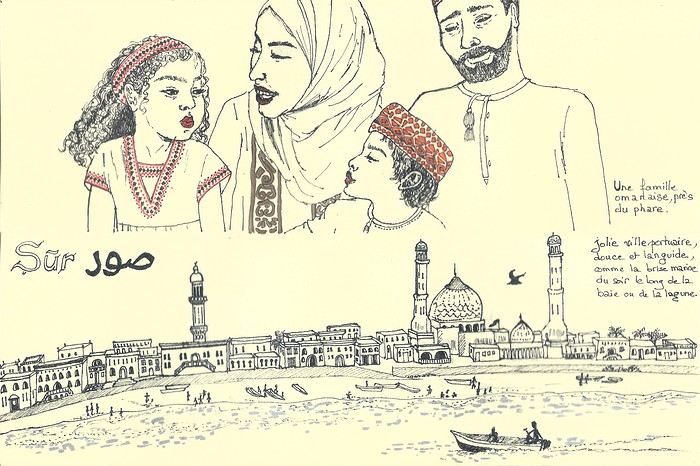
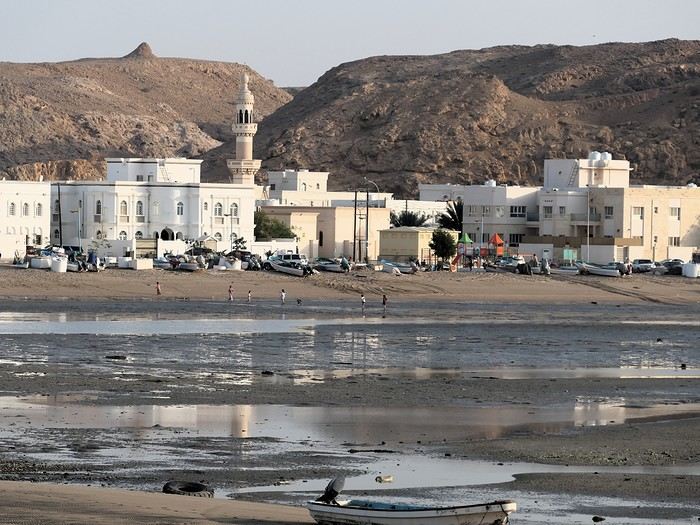
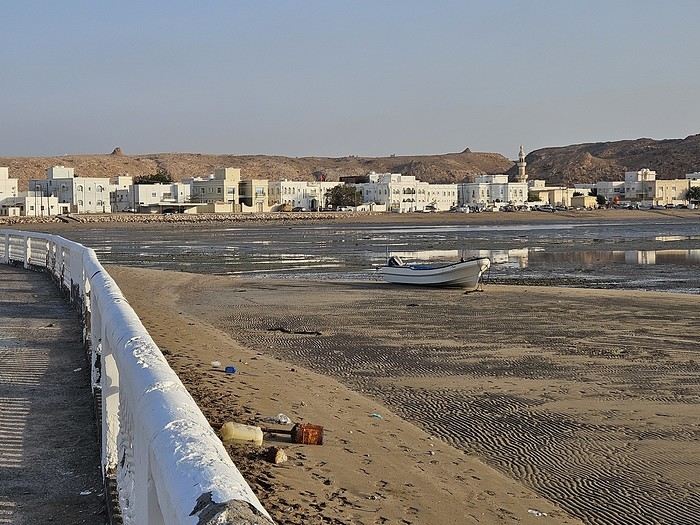
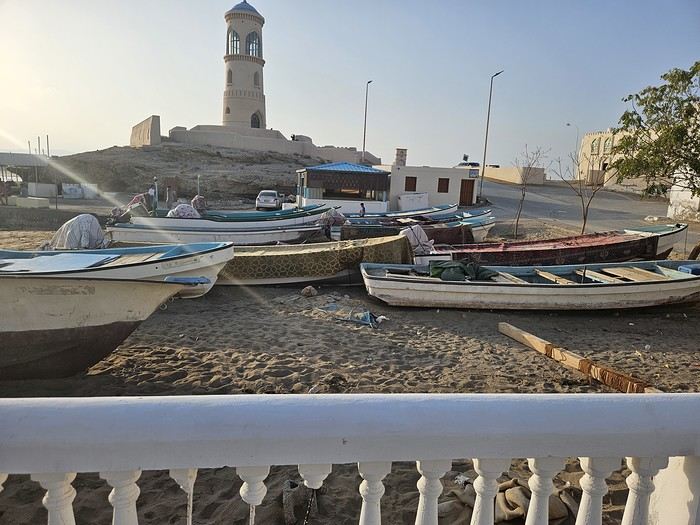
A really enjoyable walk! After picking up our car, we headed to Sur, where we stayed for two nights. The pool at the Best Western hotel was a welcome treat!
Wadi Tiwi, which stretches 36 km, has the unique feature of being inhabited along its last 10 km before the coast. Inhabited means that several villages are perched high above the watercourse, and the locals continue to cultivate stunning terraced gardens, with water distributed via the communal falaj system. A road runs above the wadi, connecting the villages to the coast. I’d read that a 4x4 is essential beyond a certain point, but we figured we’d see how it went once we got there—the presence of inhabited villages gave us some reassurance... We followed the road without any issues until the village of Harat Bidah. Beyond that, the track becomes very steep and winding. Sure, the weather was dry, and we *could* have tried, but it didn’t feel right... There was a parking lot where we saw lots of cars and drivers clearly waiting for customers. I chatted with Ahmed, who offered to drive us to the village of Mibam, 7 km further, and then accompany us on foot to the waterfall at the end of the wadi. I negotiated what seemed like a reasonable price (don’t ask me how much—I didn’t write it down), and off we went!
Here are a few stunning views as we followed the steep road climbing into the mountains, giving us a great perspective of the canyon as a whole. We passed through two villages with tall earth-brick houses—the road was *very* narrow, and passing other vehicles was tricky in some spots!
Once parked in Mibam, Ahmed guided us along the falaj through beautiful date palm gardens (with a few banana trees too).
Steps led us down to the bottom of the wadi, where a waterfall cascades into a gorgeous pool.
A really enjoyable walk! After picking up our car, we headed to Sur, where we stayed for two nights. The pool at the Best Western hotel was a welcome treat!
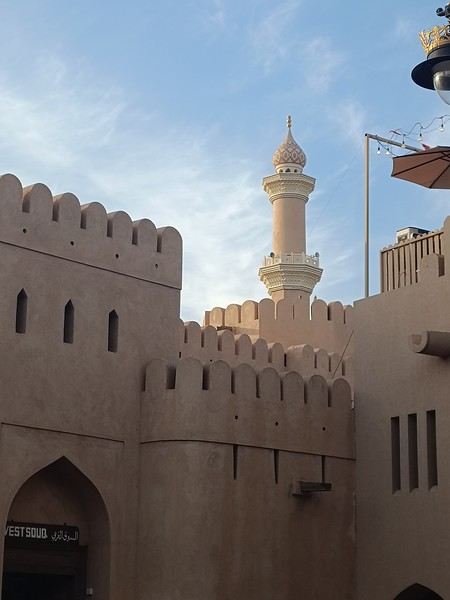
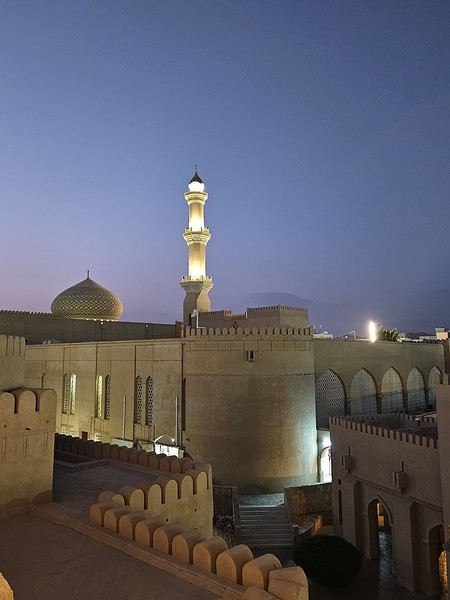

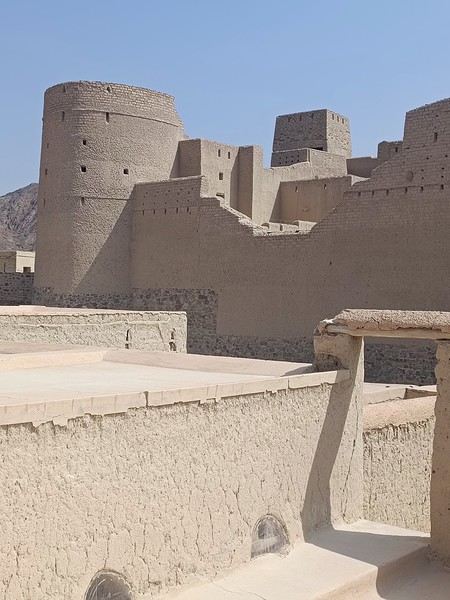
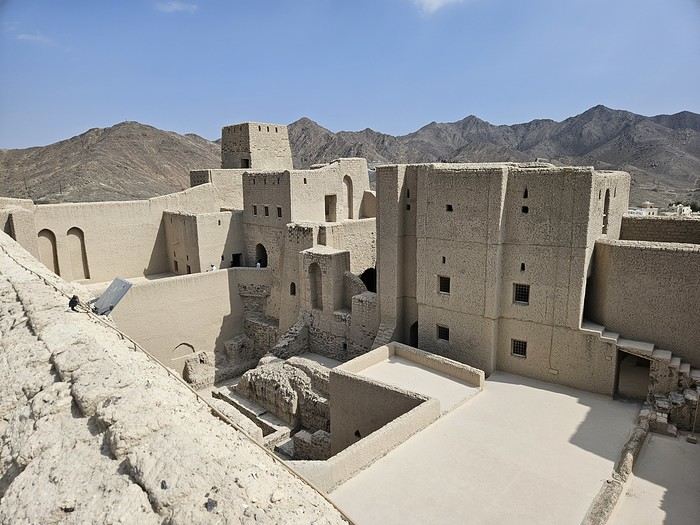

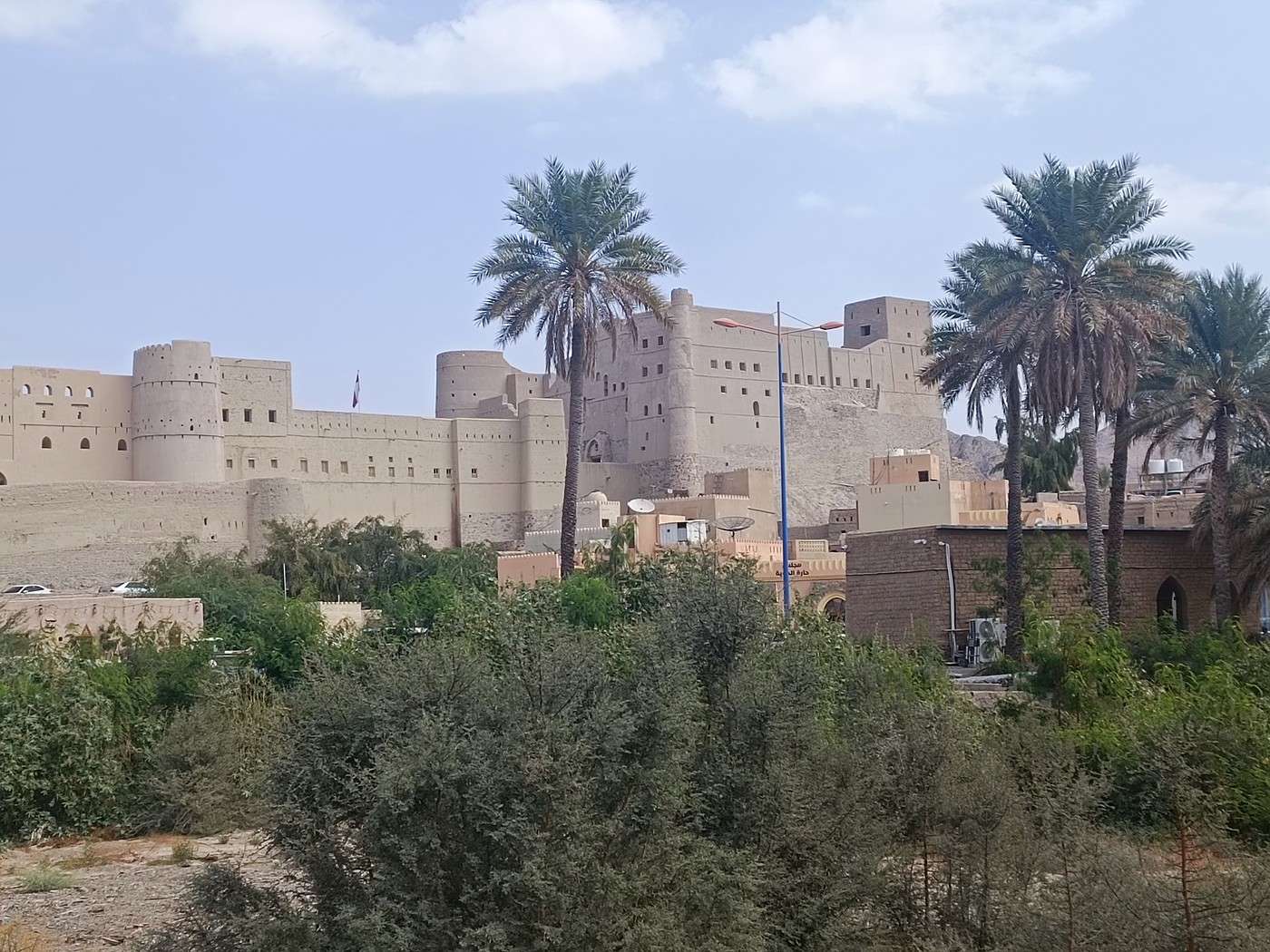
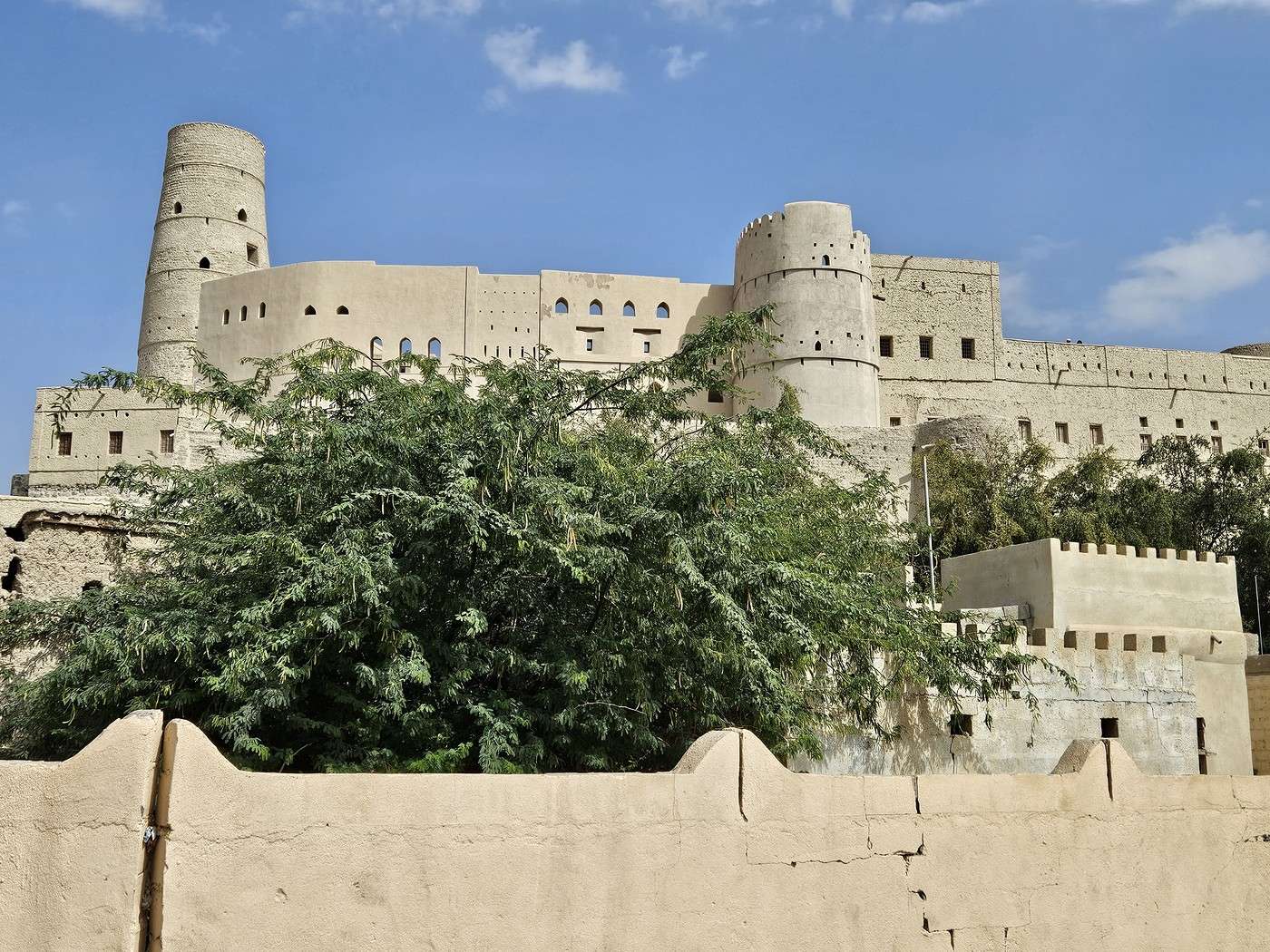
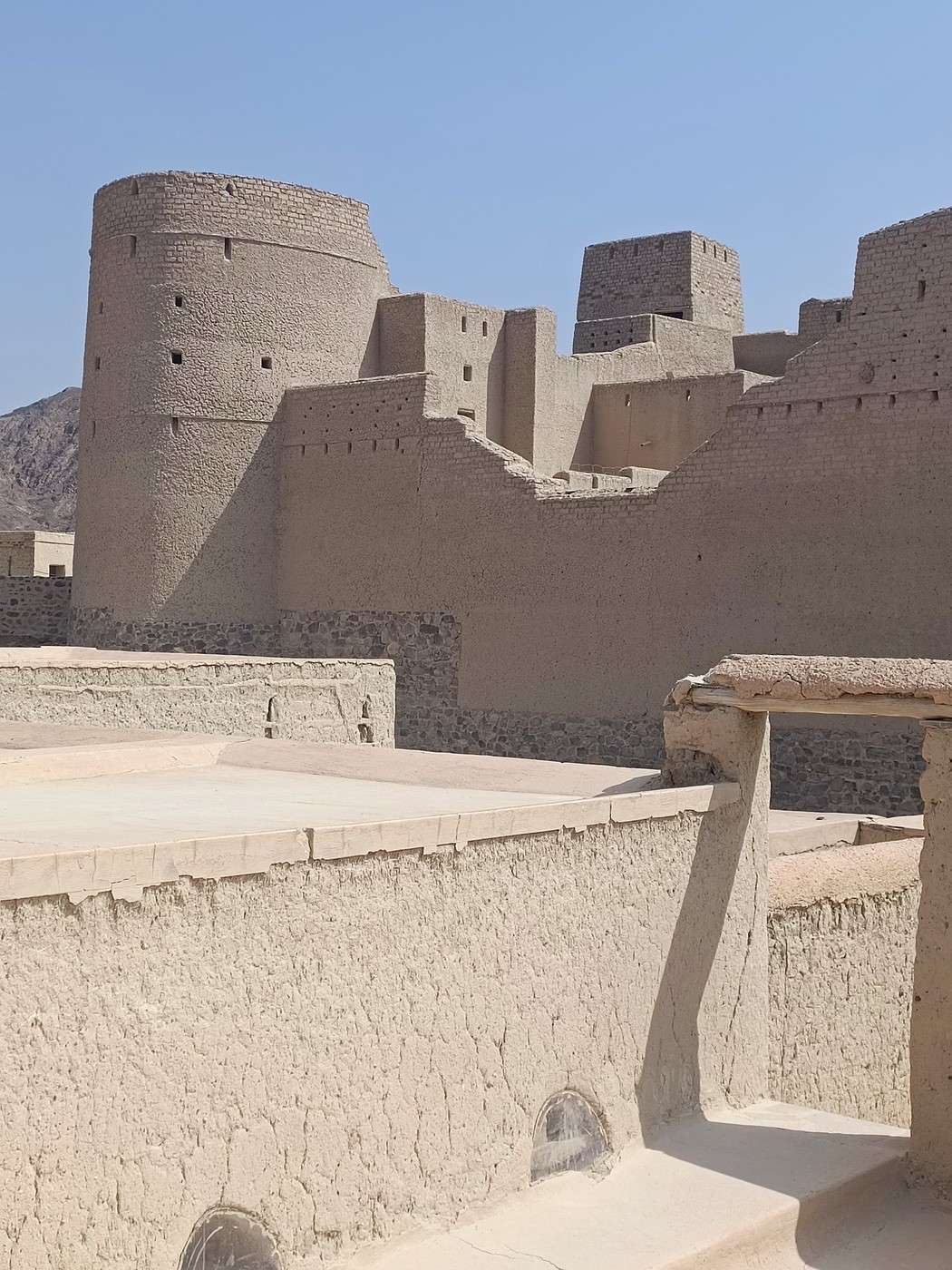
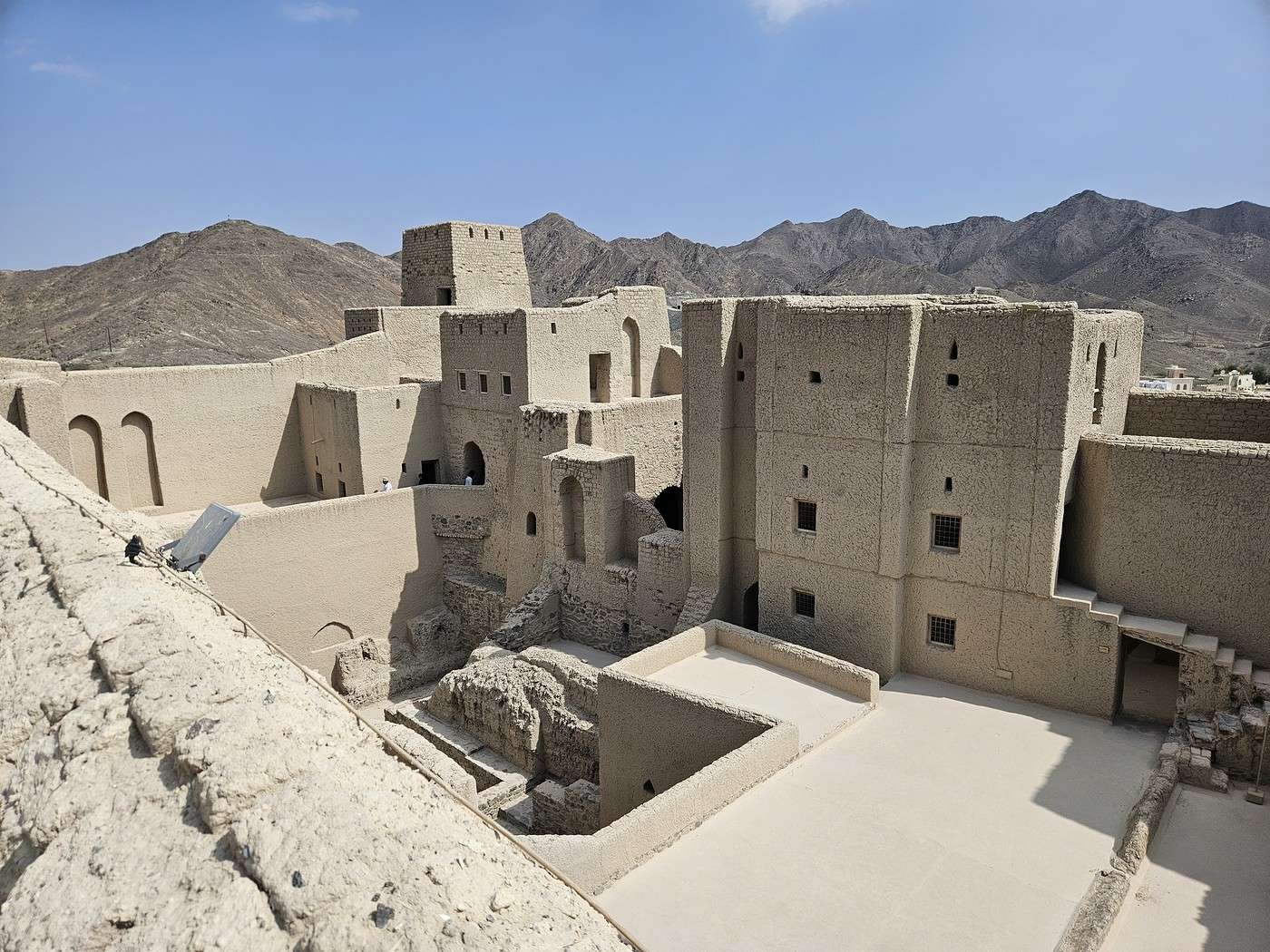

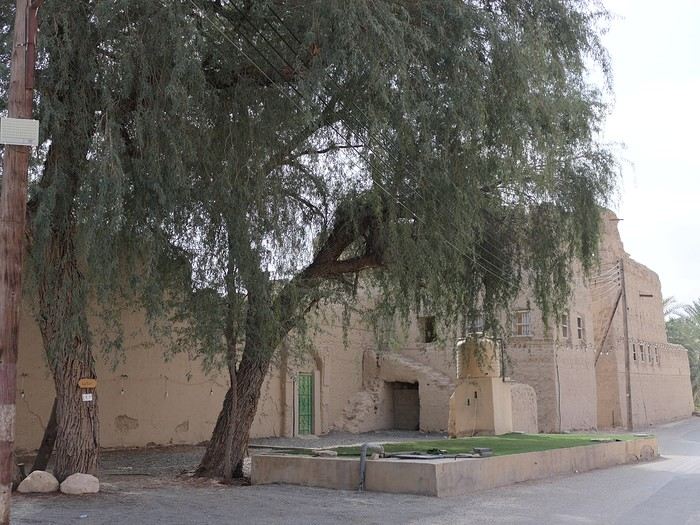
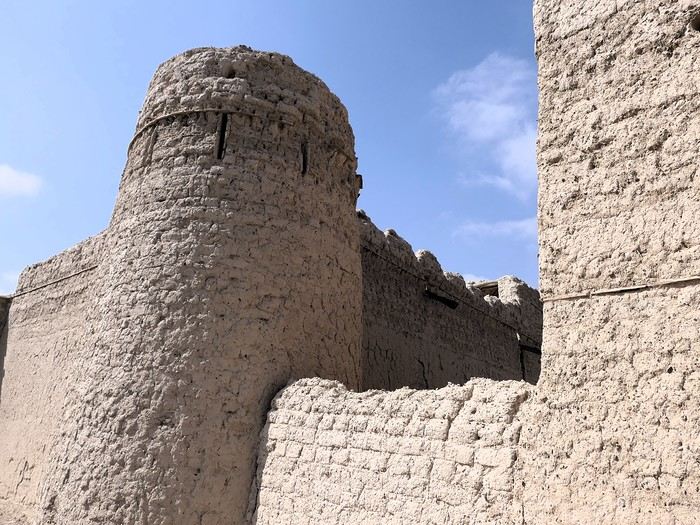
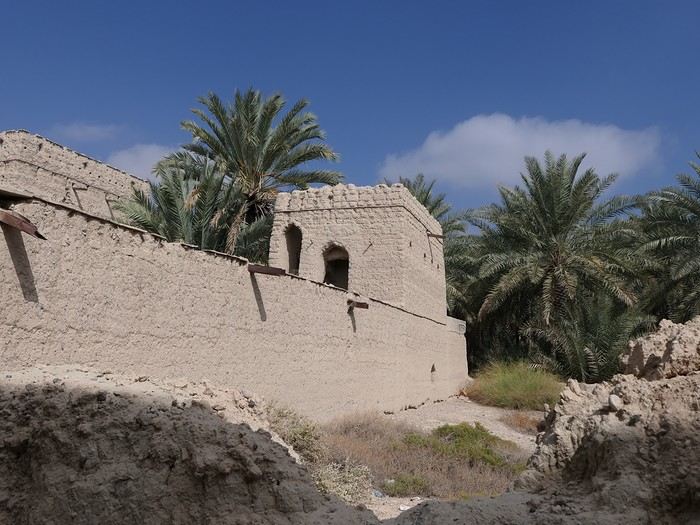
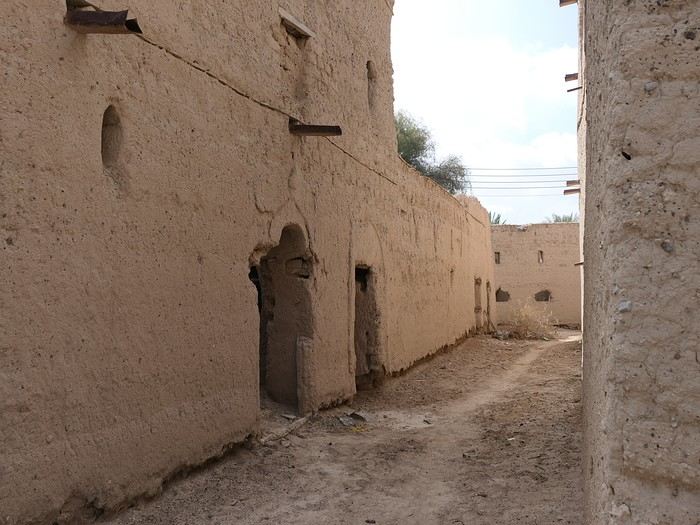
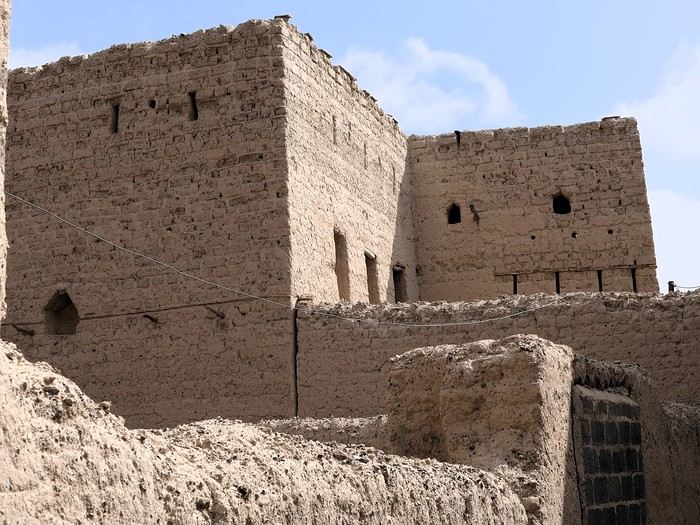
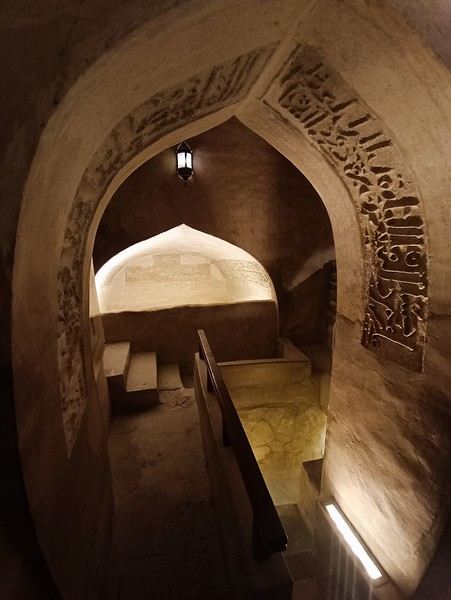
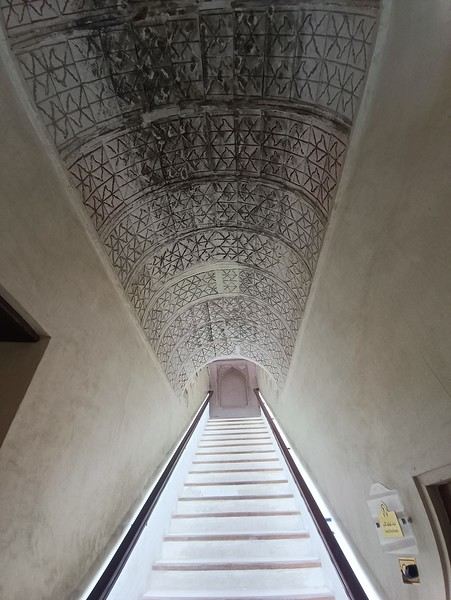
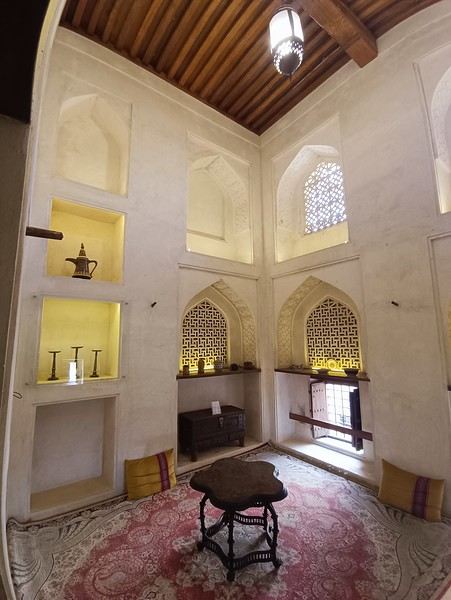
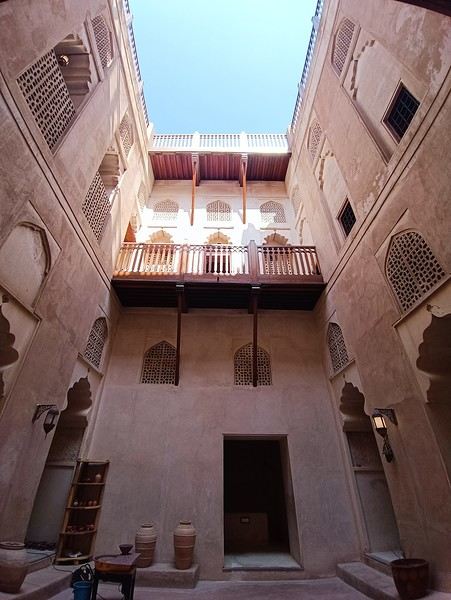
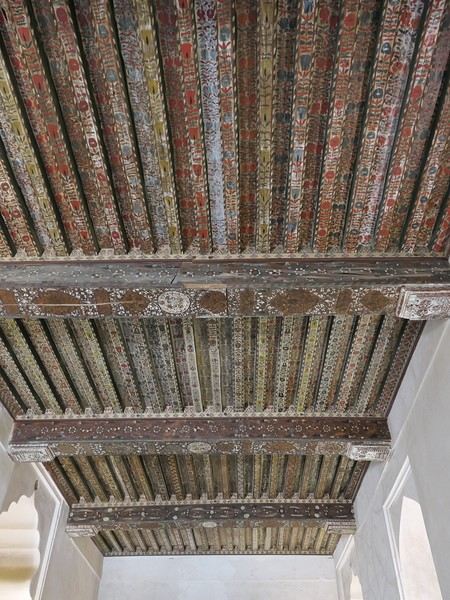
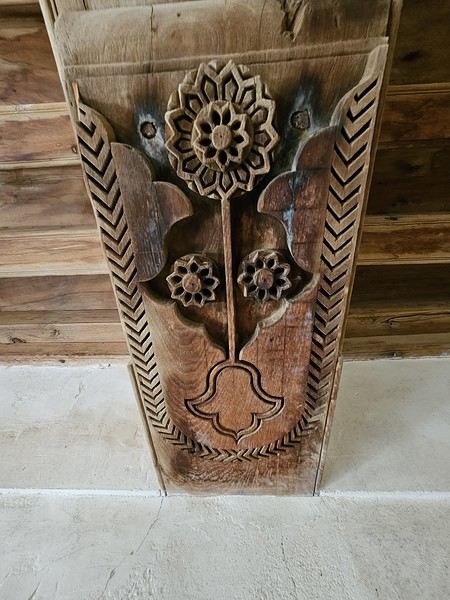
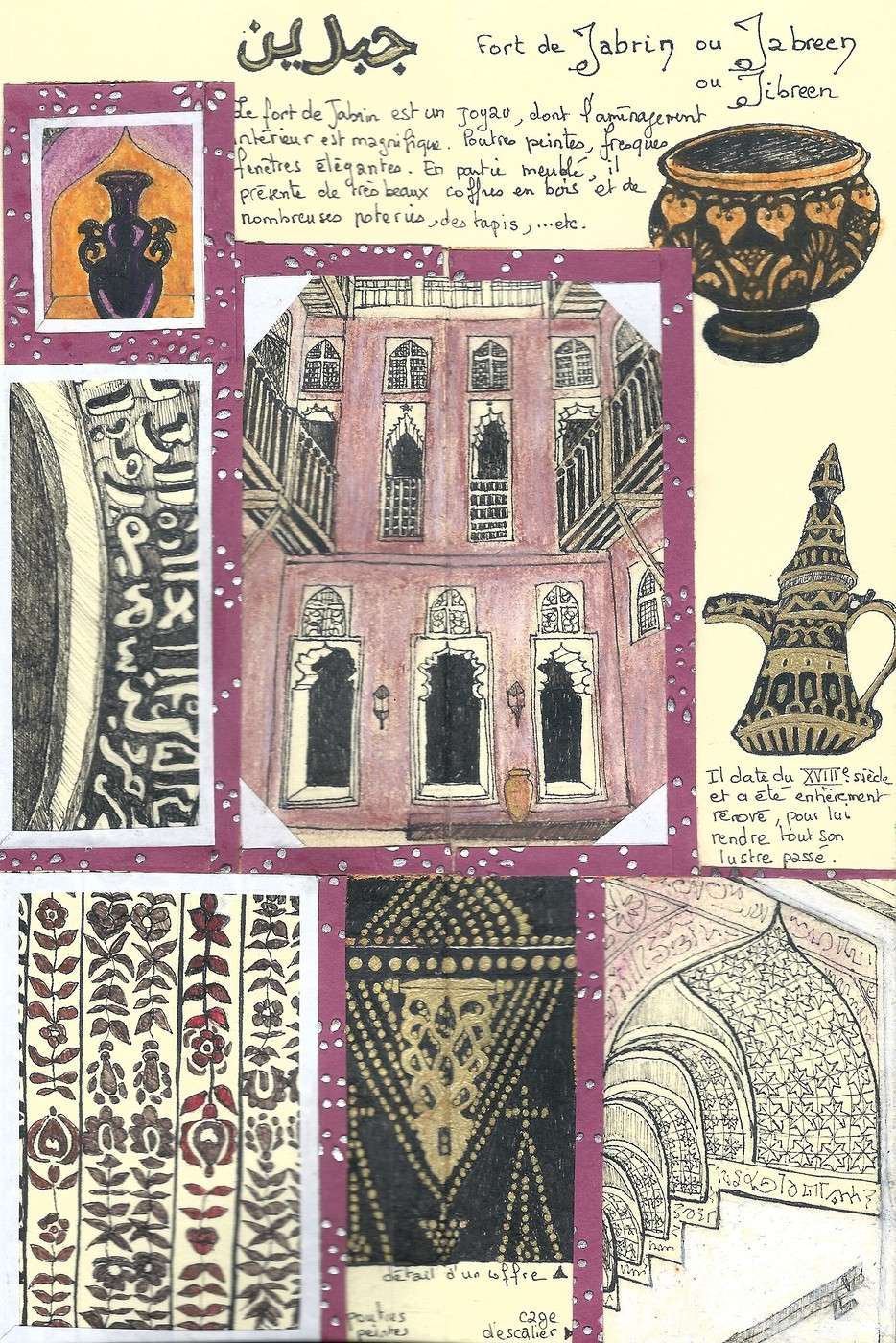
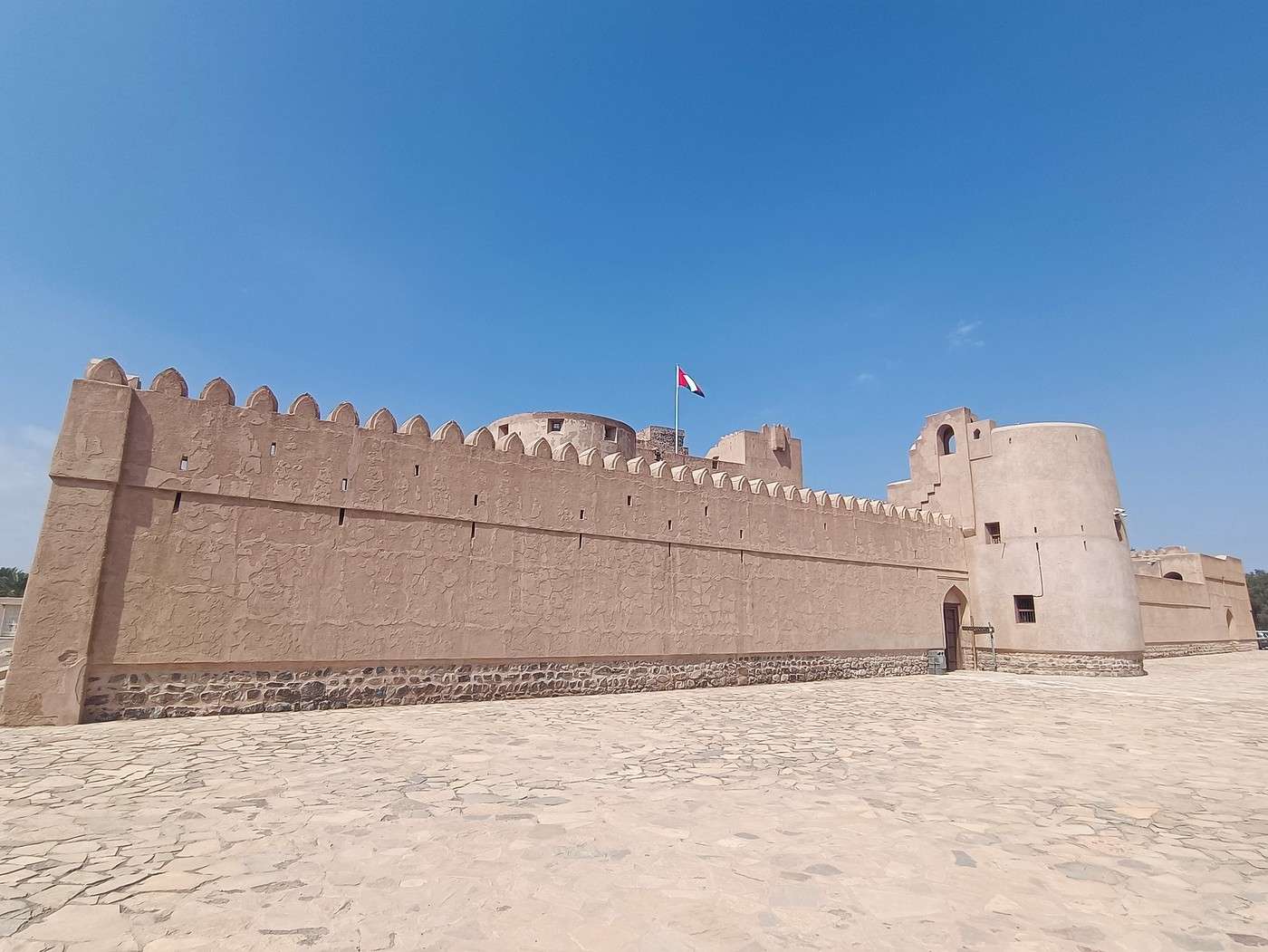
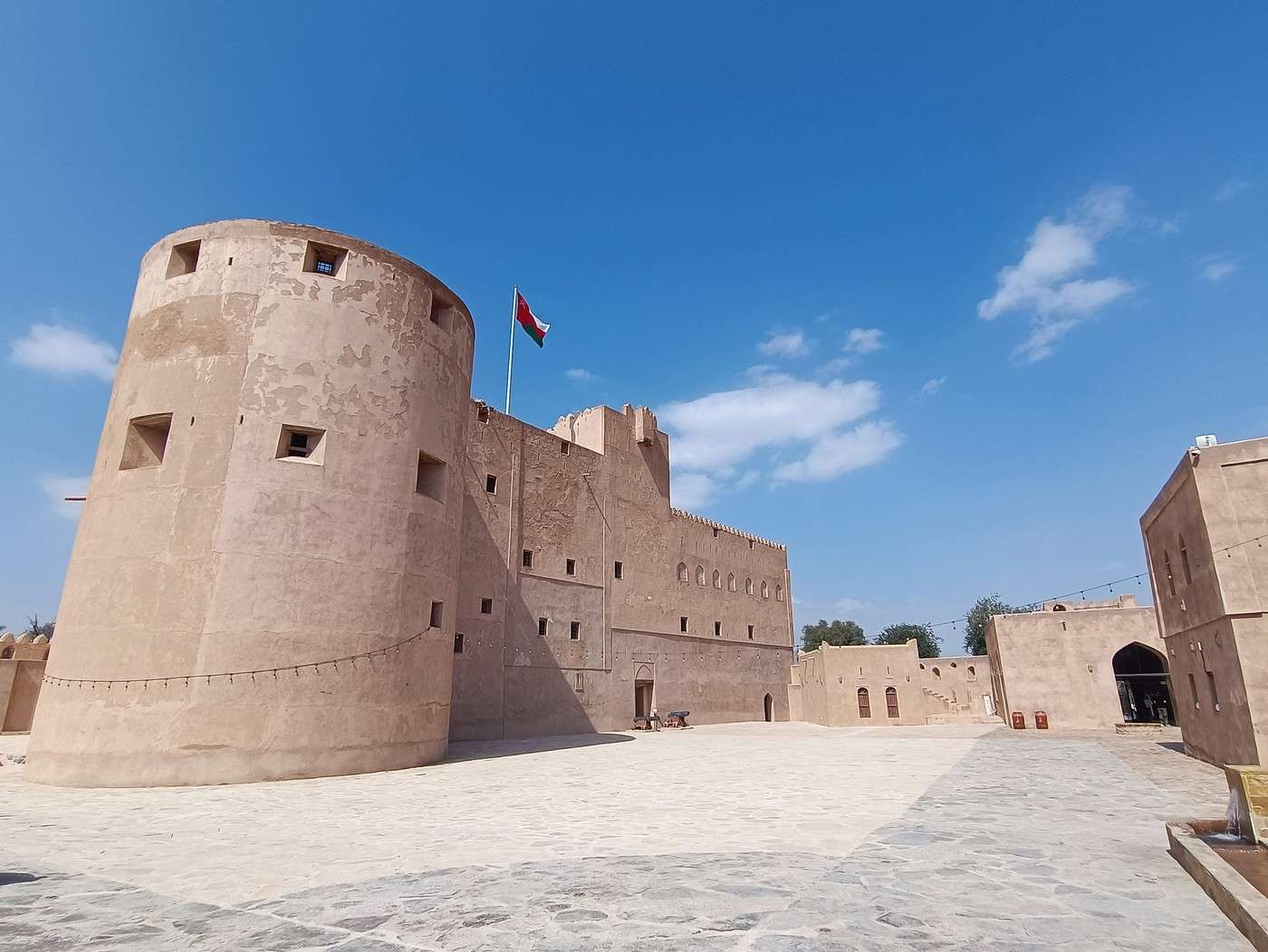
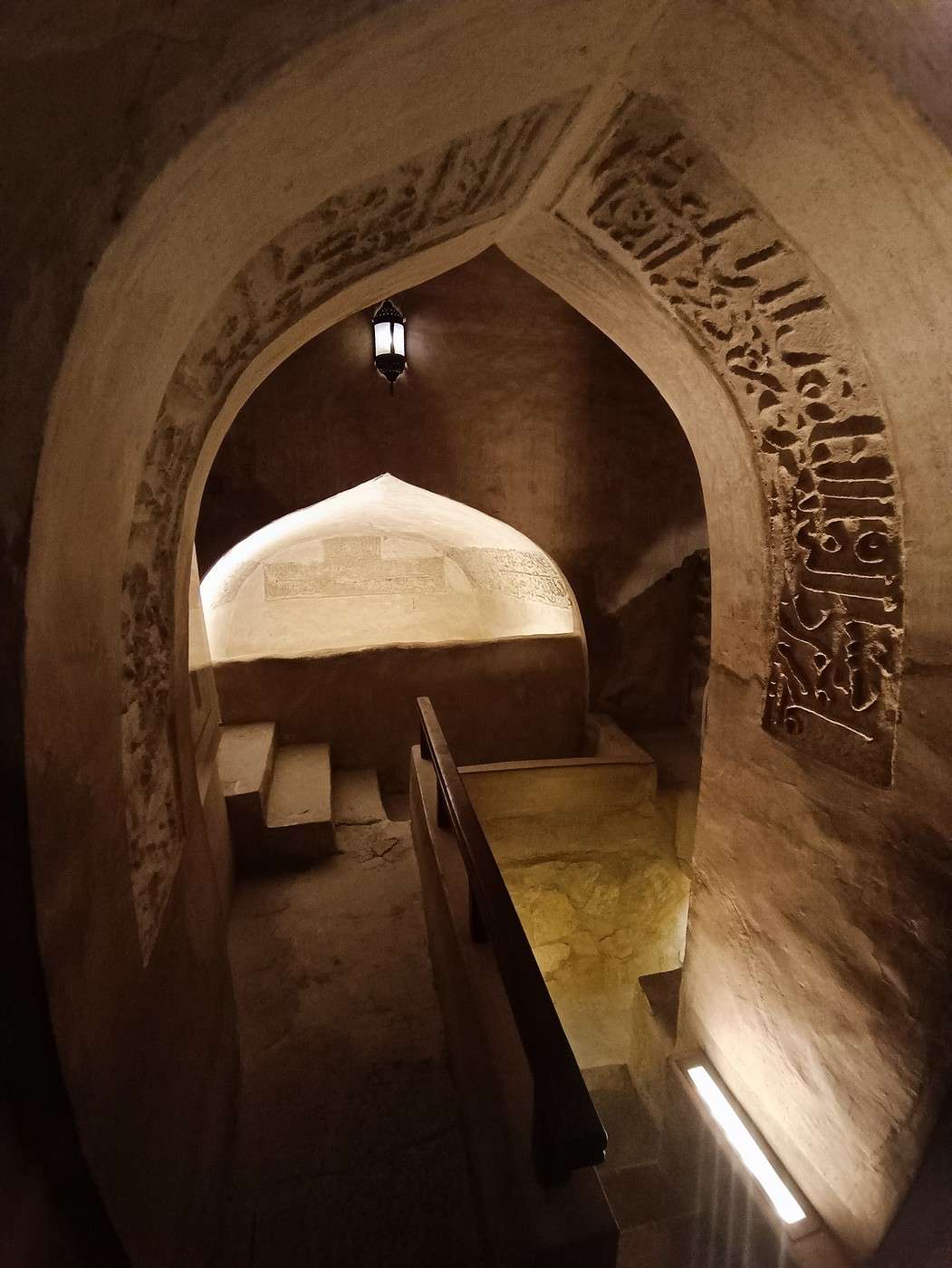
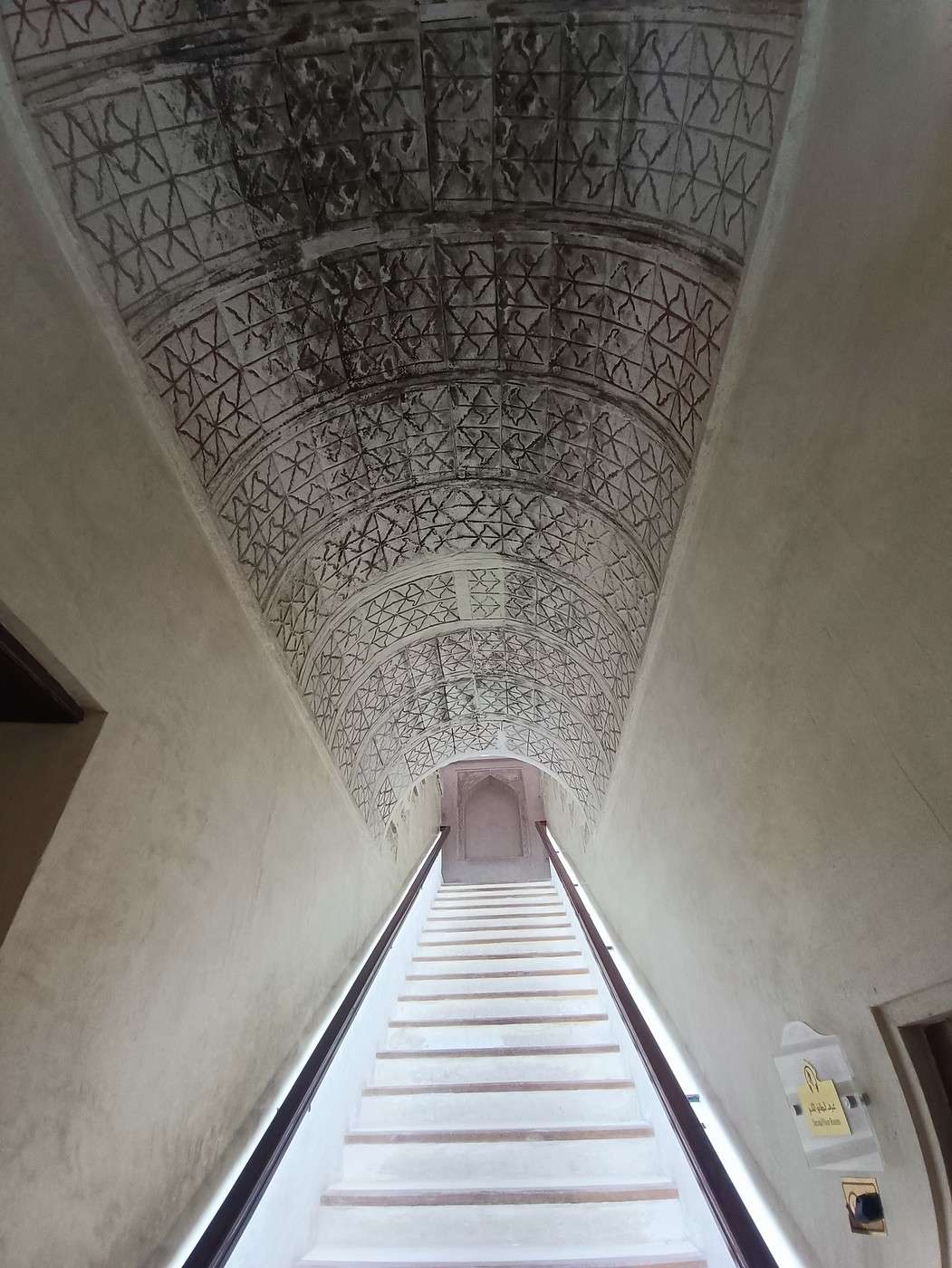
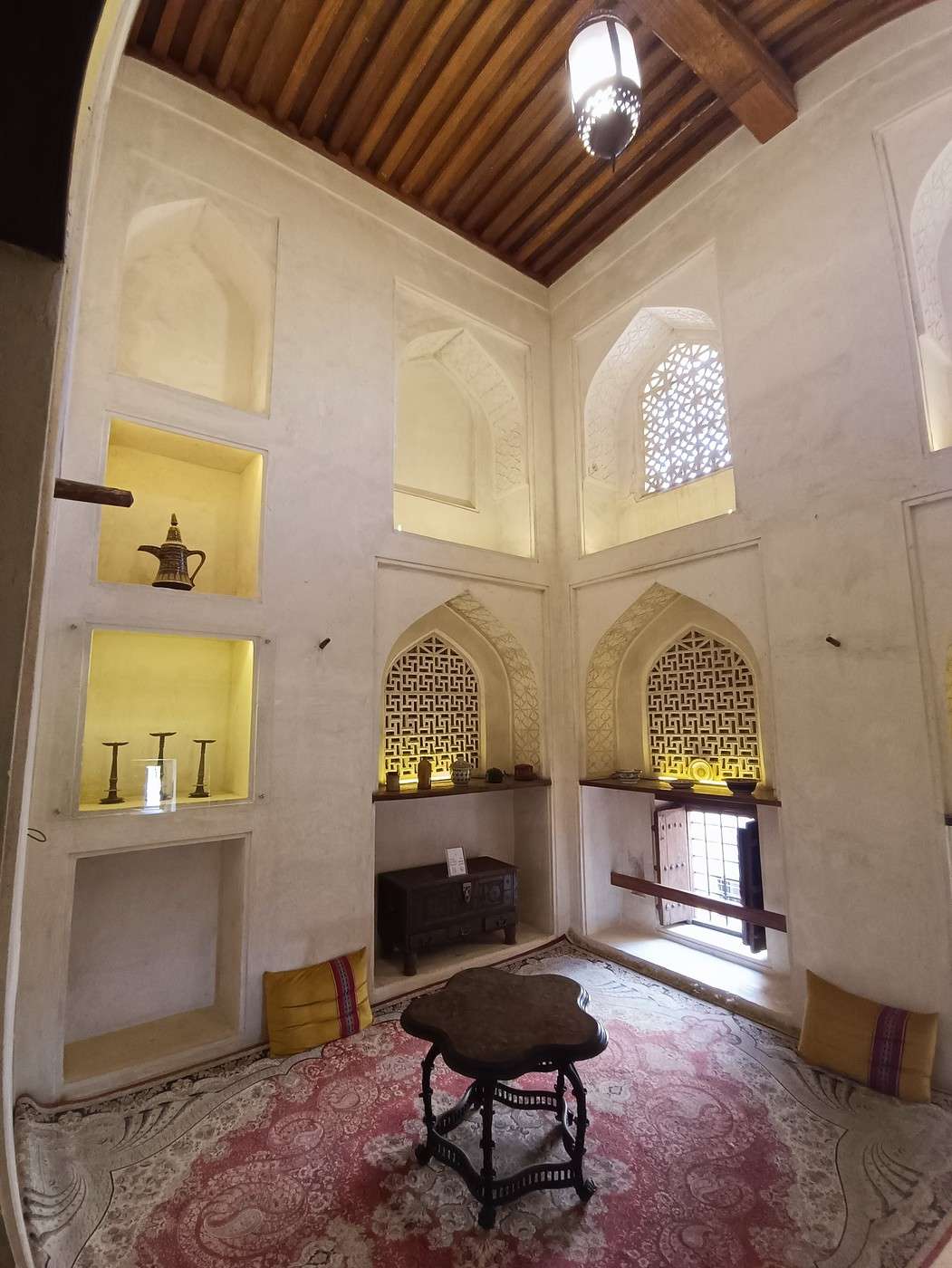
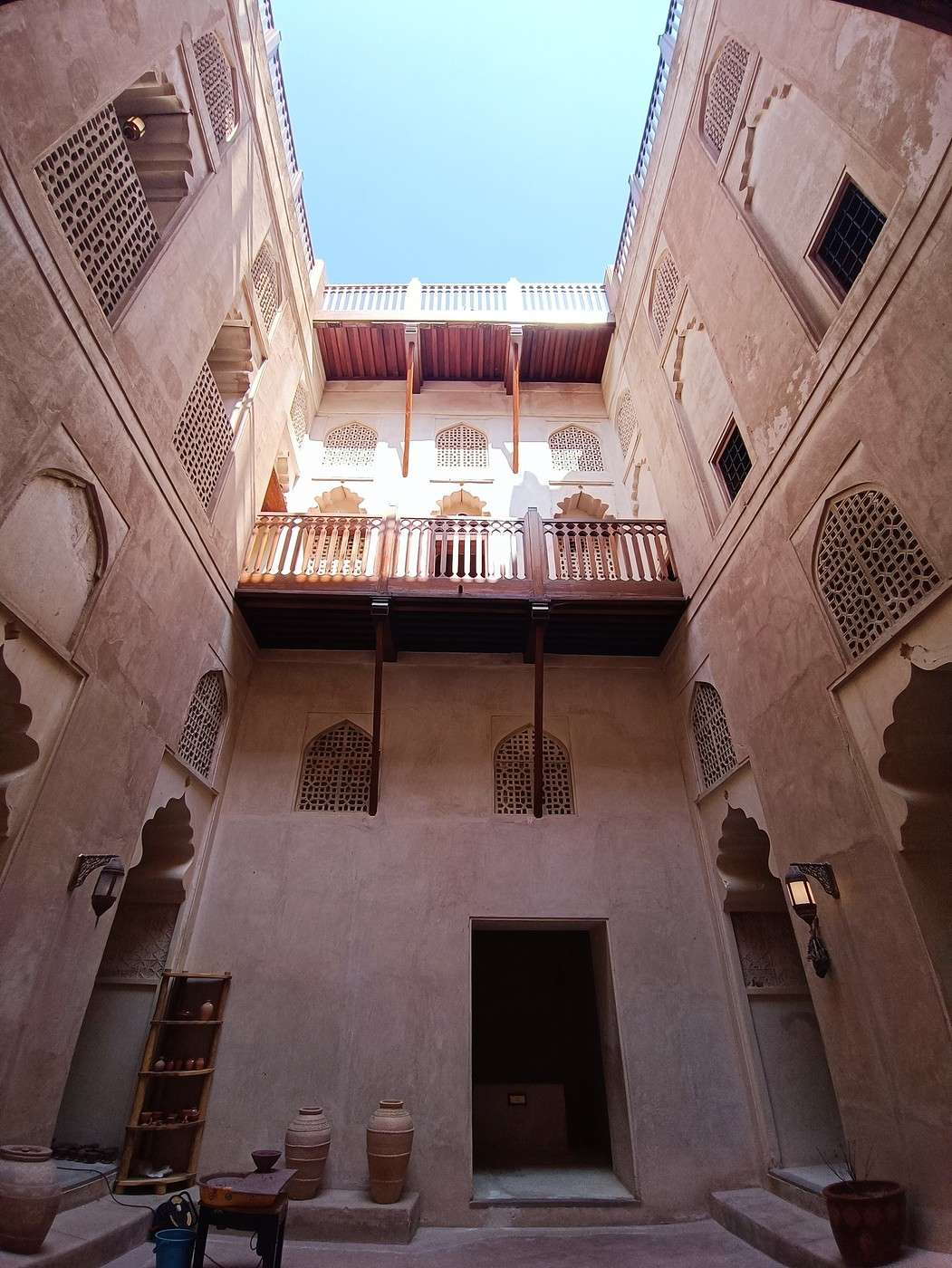
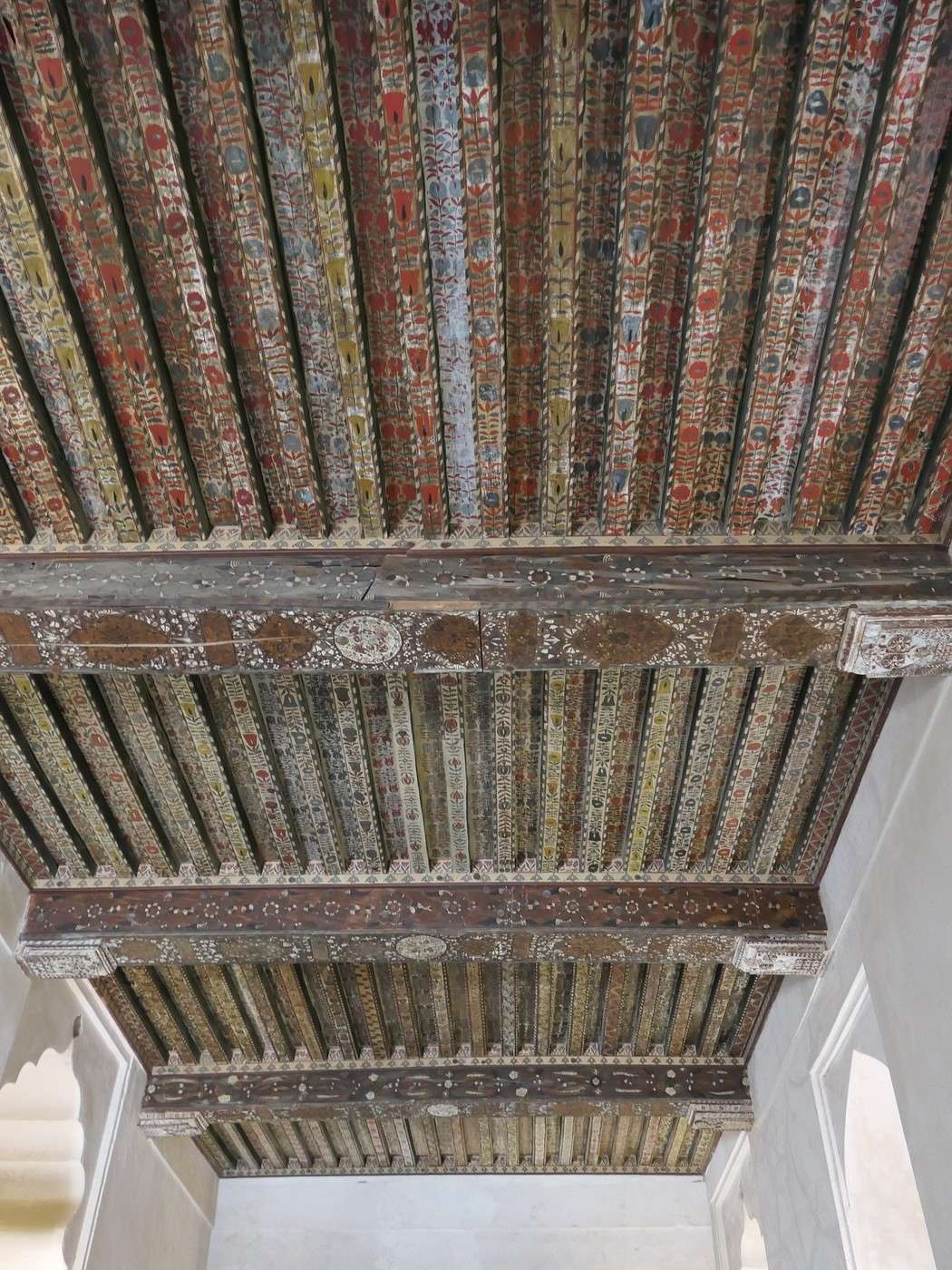
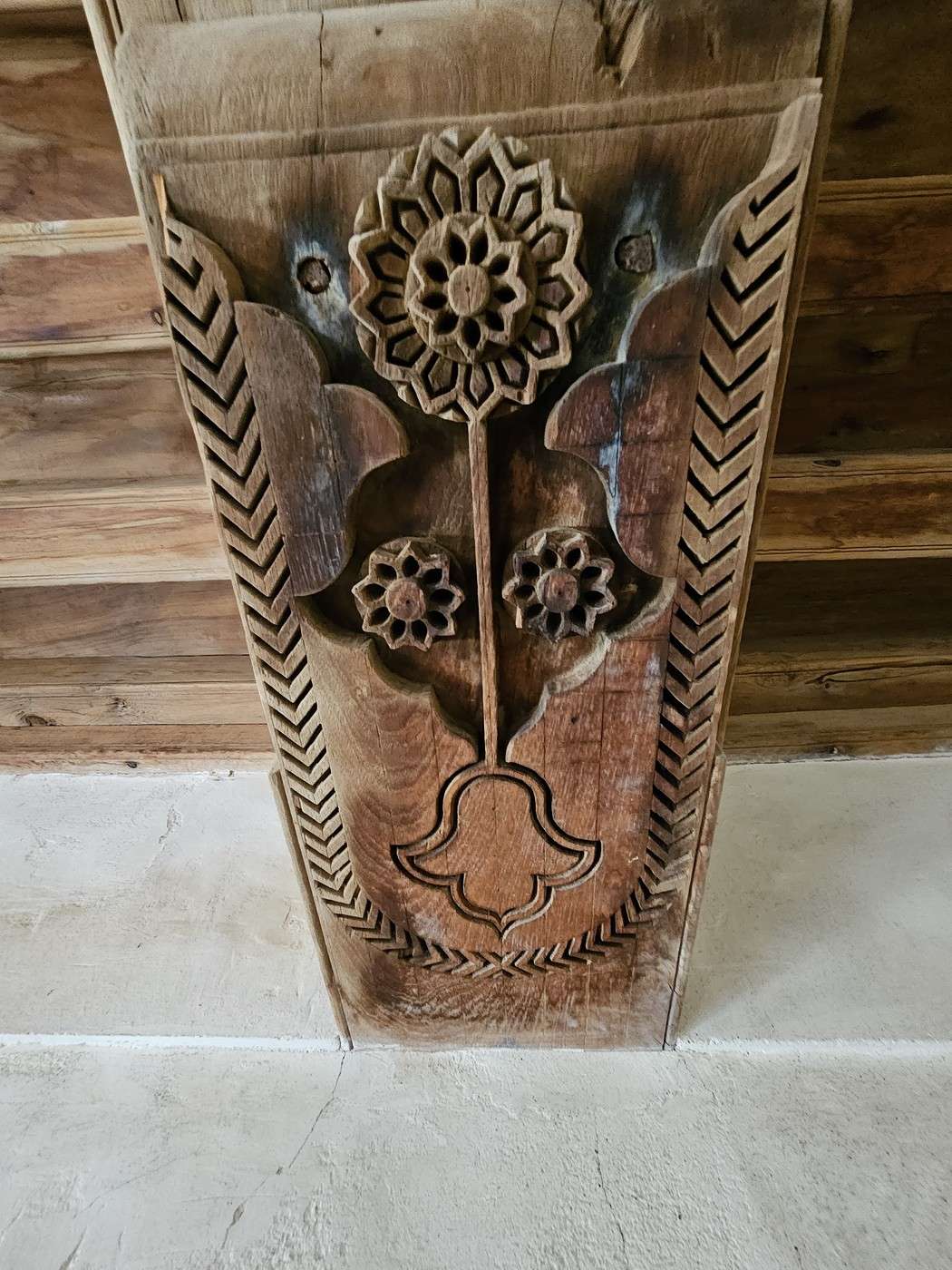
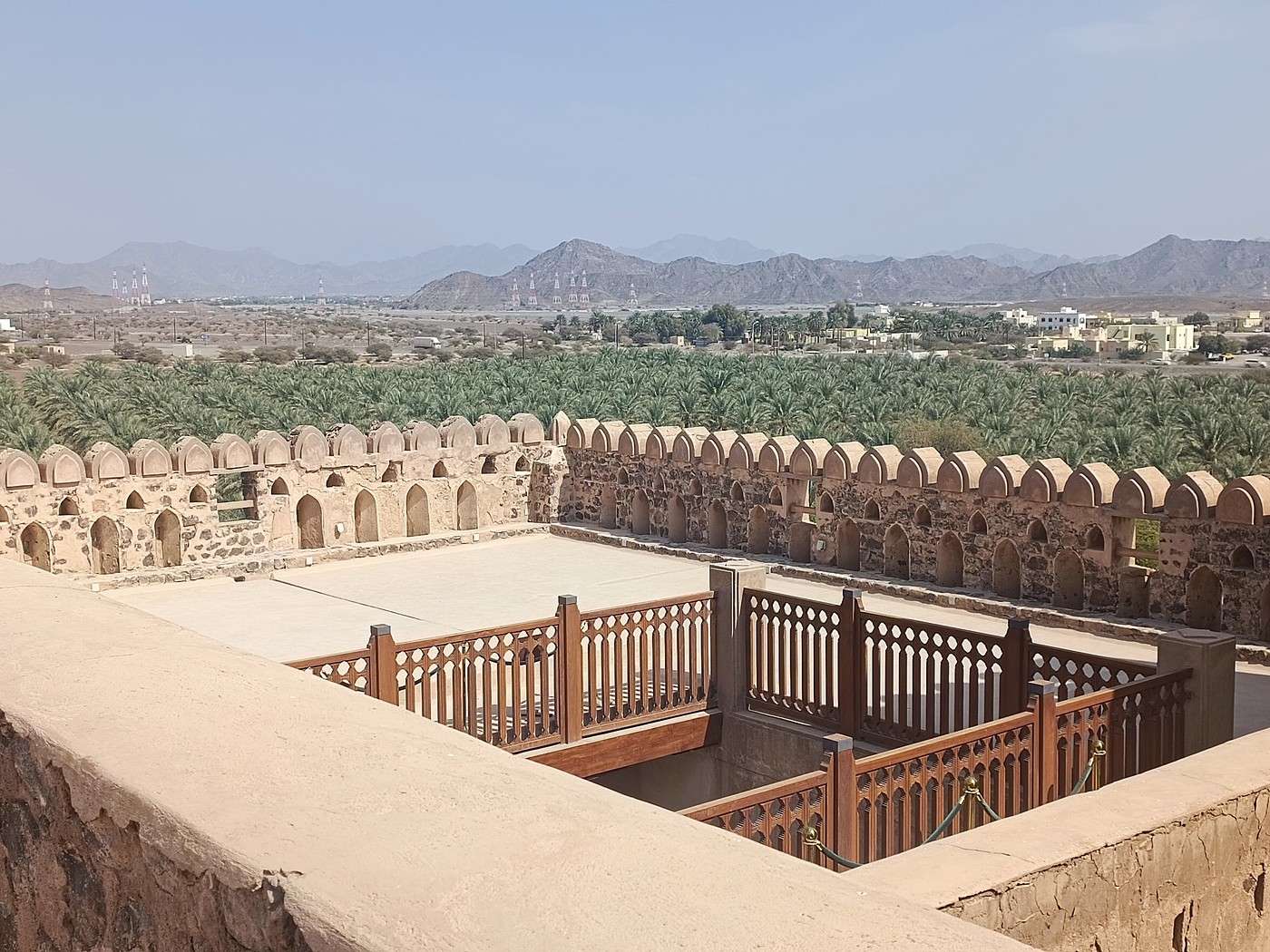
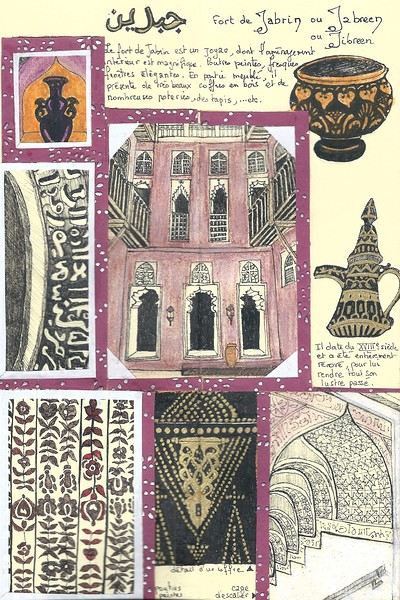 Jibreen Fort is just 10 minutes from Bahla. Actually, it’s more of a fortified residential palace, also located in the heart of a palm grove.
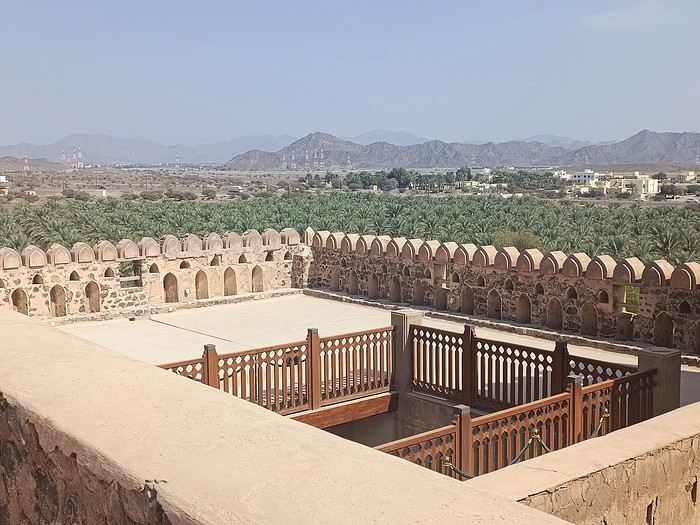
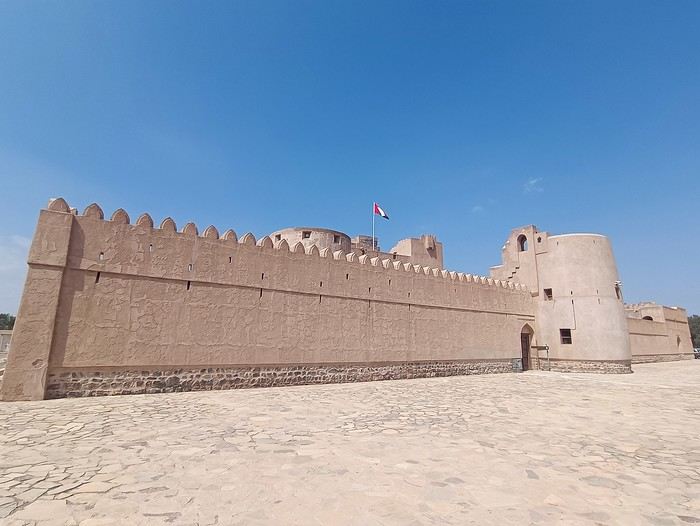
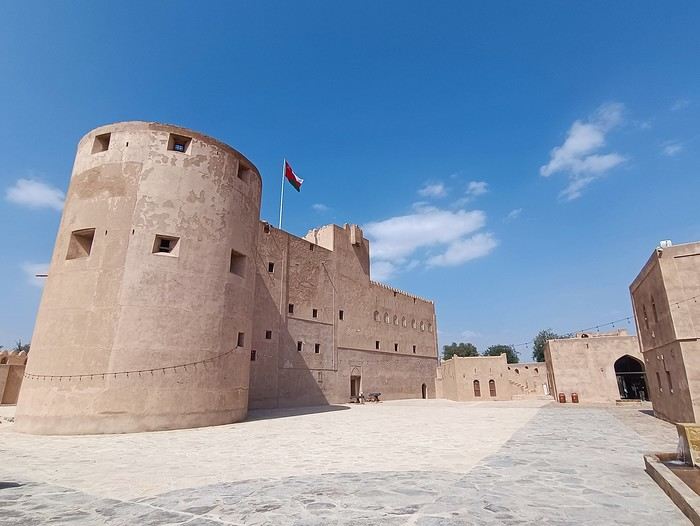

 The next day was delightful.
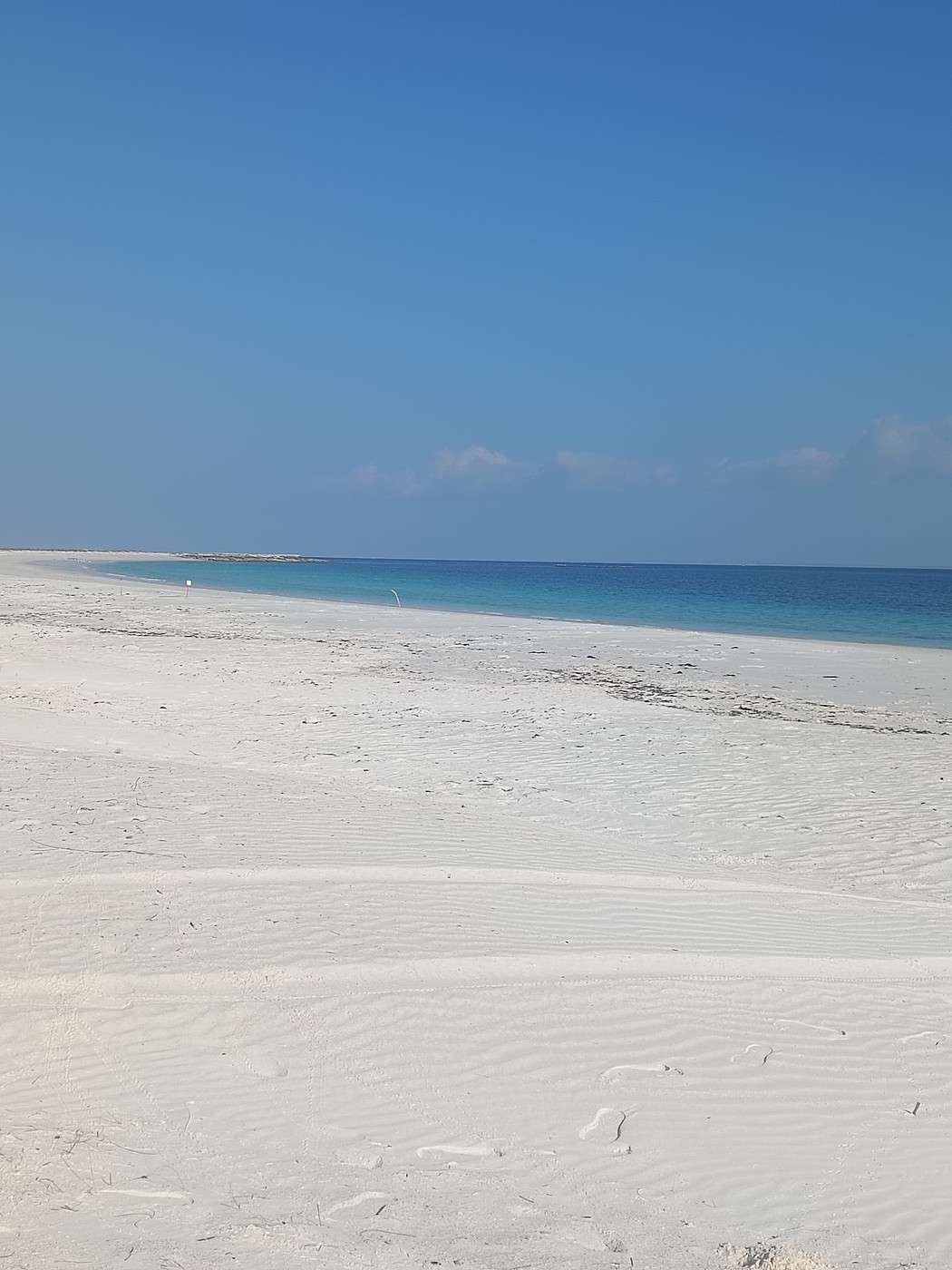
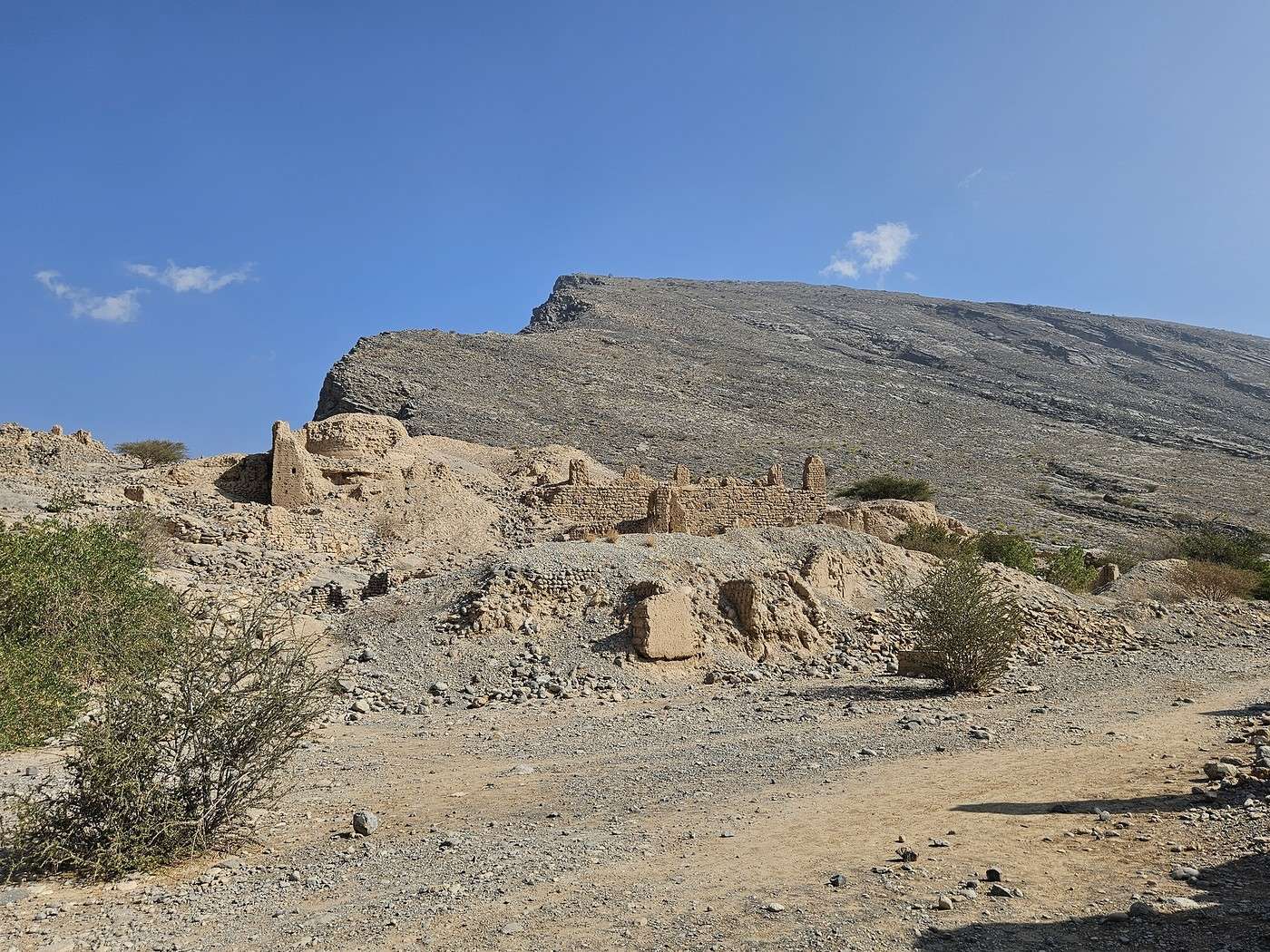
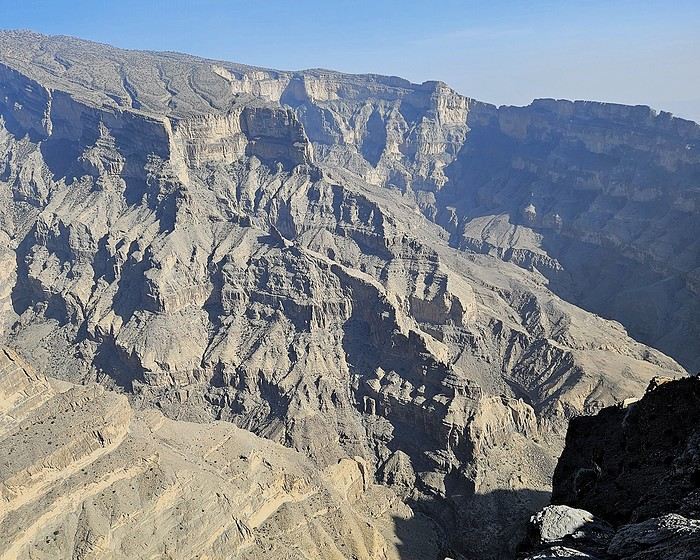
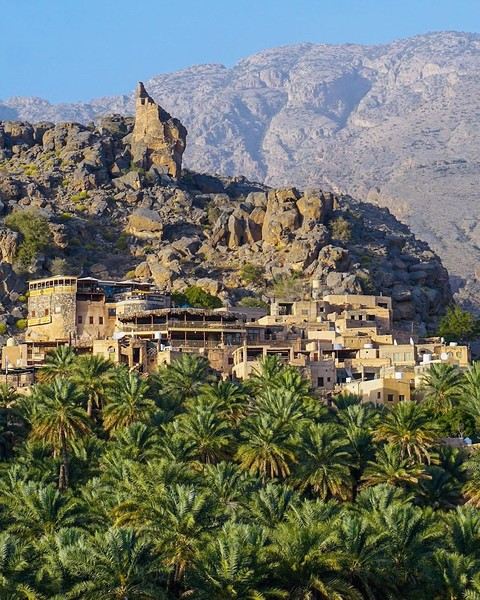 Note: Only this very last photo, meant to give you an overview, isn't ours—I found it online and credit Experience Oman.