Reykjavik and the Golden Circle Monday, August 6
The next day, we booked a tour with Gray Line. Our meet-up was at the end of the port (6 km away), where I thought we’d be docked. But an MSC ship was in our spot. We found the Gray Line office in town and changed our meet-up point—they’d pick us up at the foot of the Astoria.
Gray Line was very punctual, and we set off for the Golden Circle excursion. The organization and schedule adherence were perfect. We were lucky to do the tour on a Monday when it was in French. But the guide was very unpleasant—barely a hello, no smile. She just read from her paper at high speed and was hard to understand, giving only the bare minimum of information. I was so looking forward to a French-speaking tour for once… She only relaxed in the evening when she started dropping off passengers.
We paid 48 € per person without meals and saw more sites than with the ship’s excursion. That one cost 130 € including a meal, but many complained—2 hours wasted for a meager and mediocre meal.
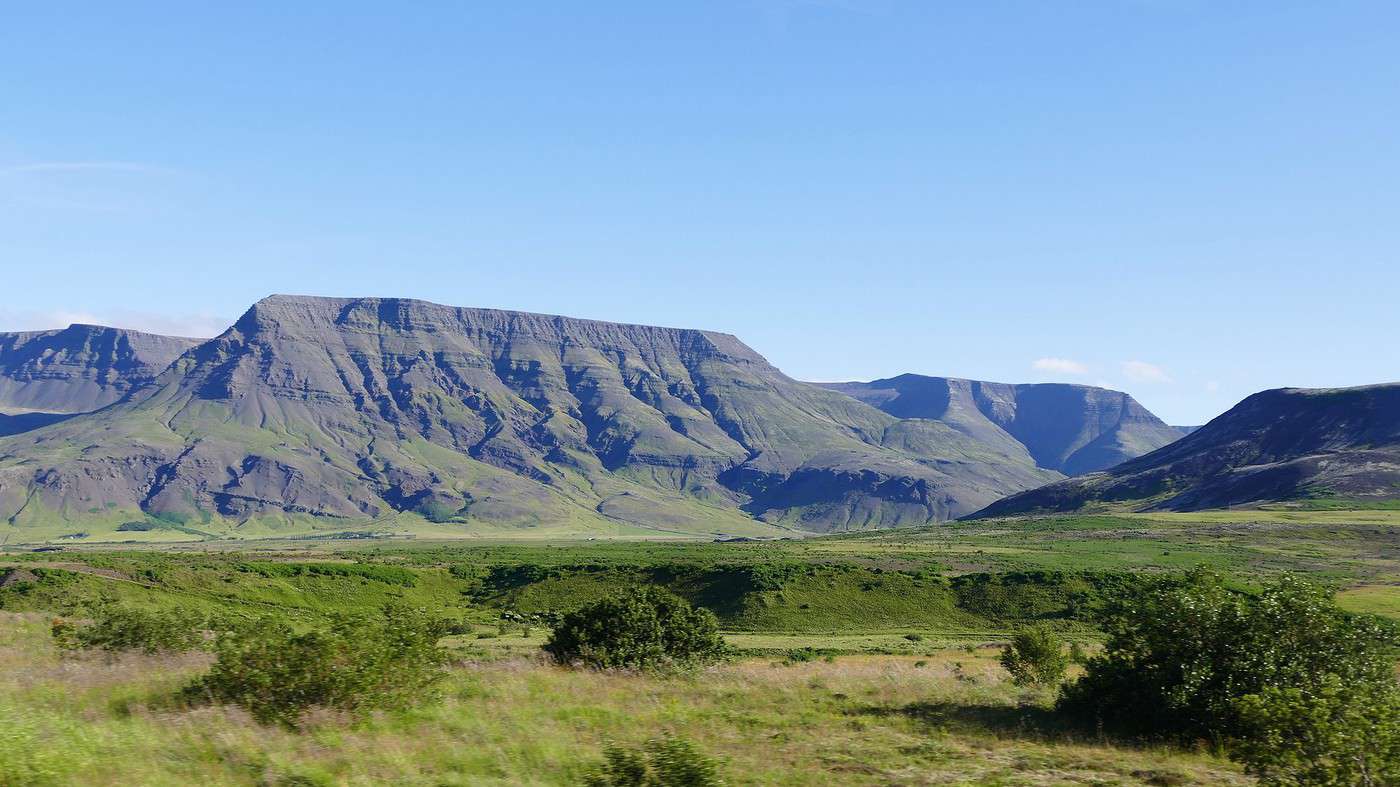
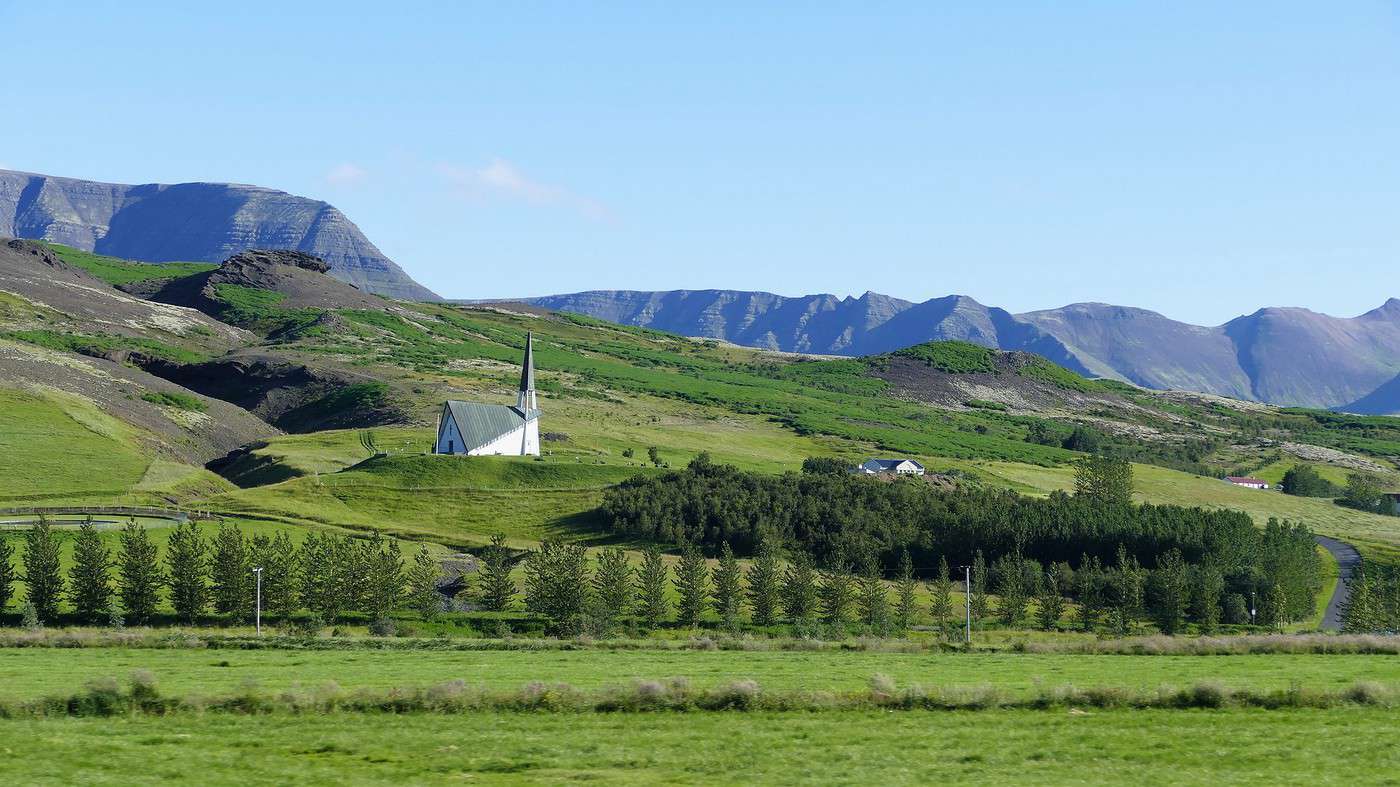
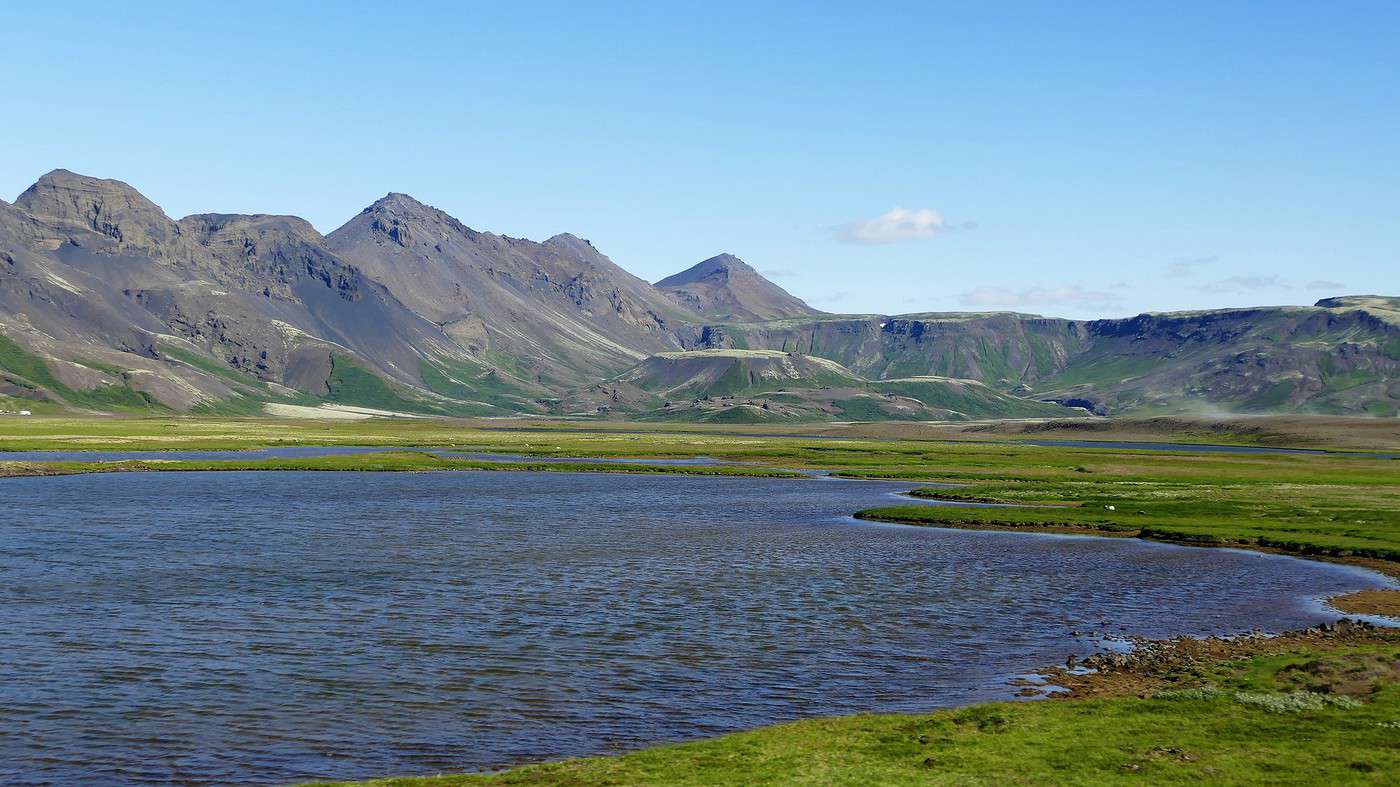
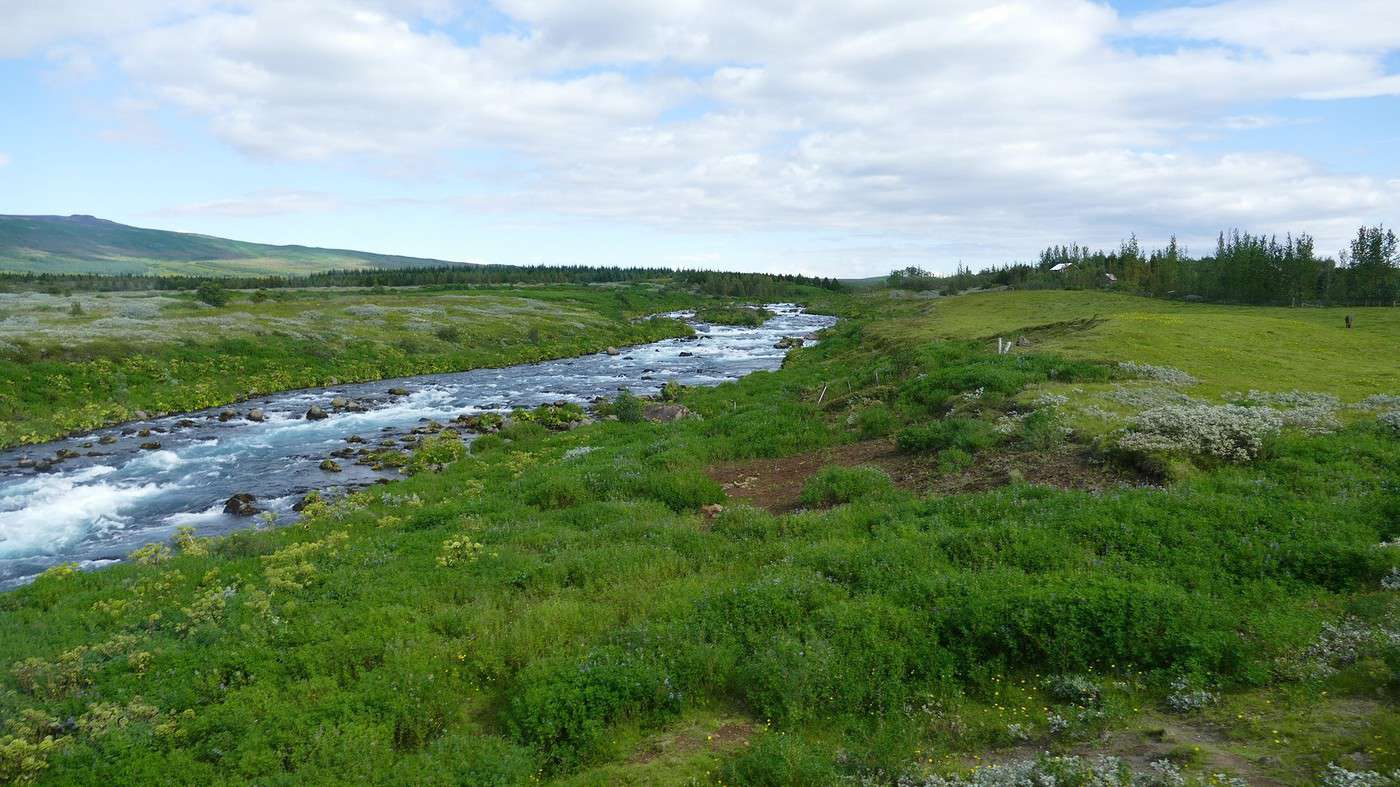
From the start, Iceland’s lush landscapes rolled by.
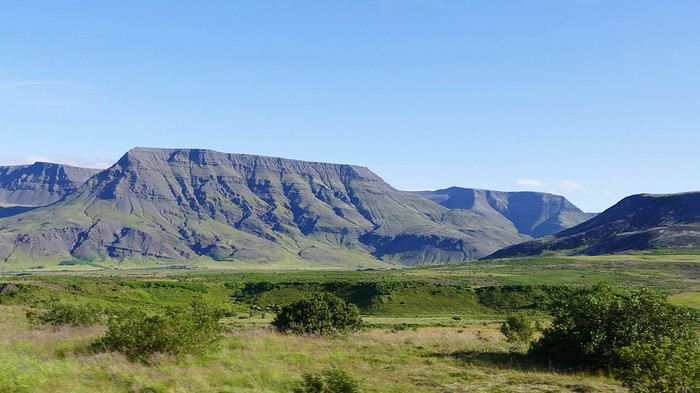
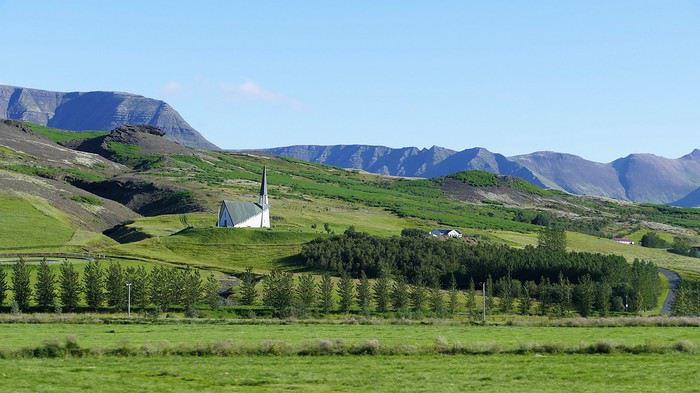
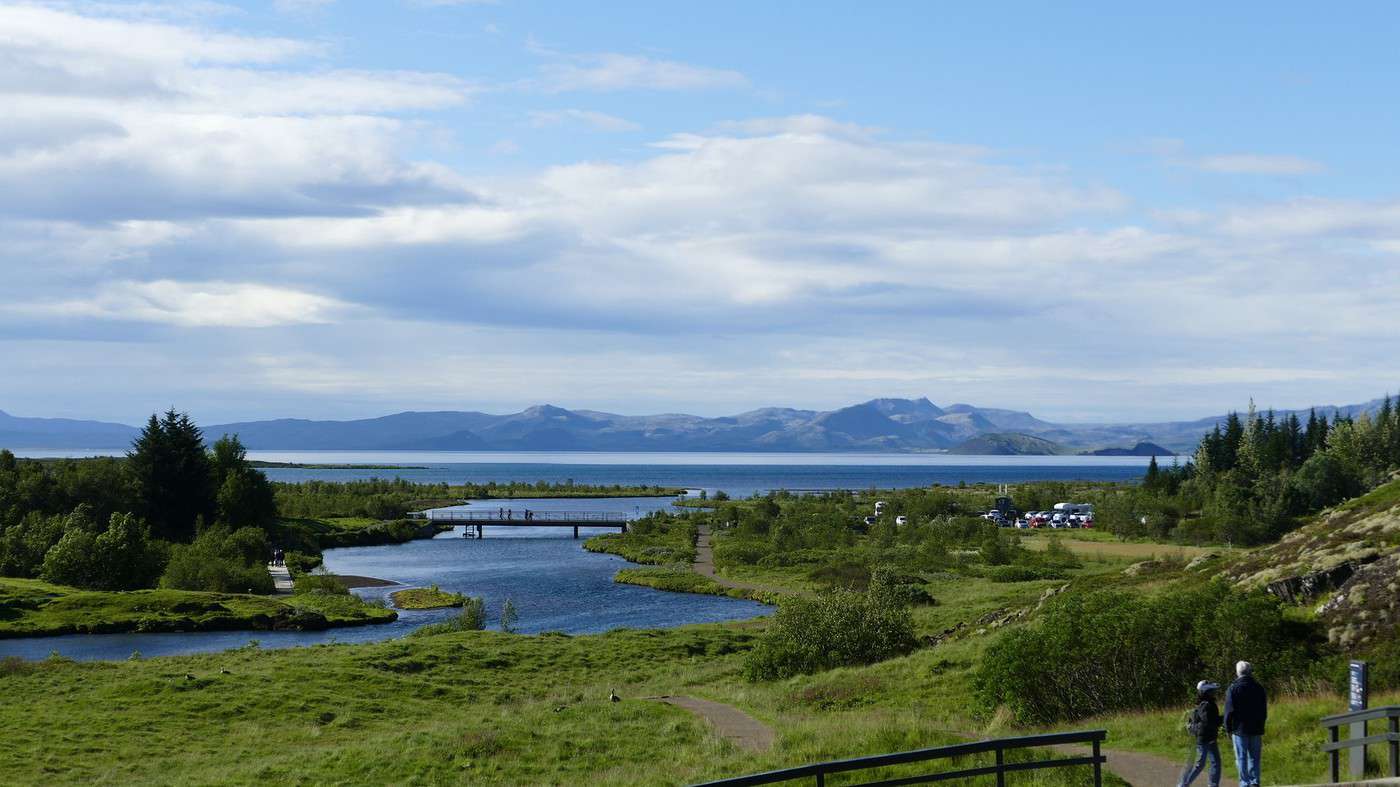
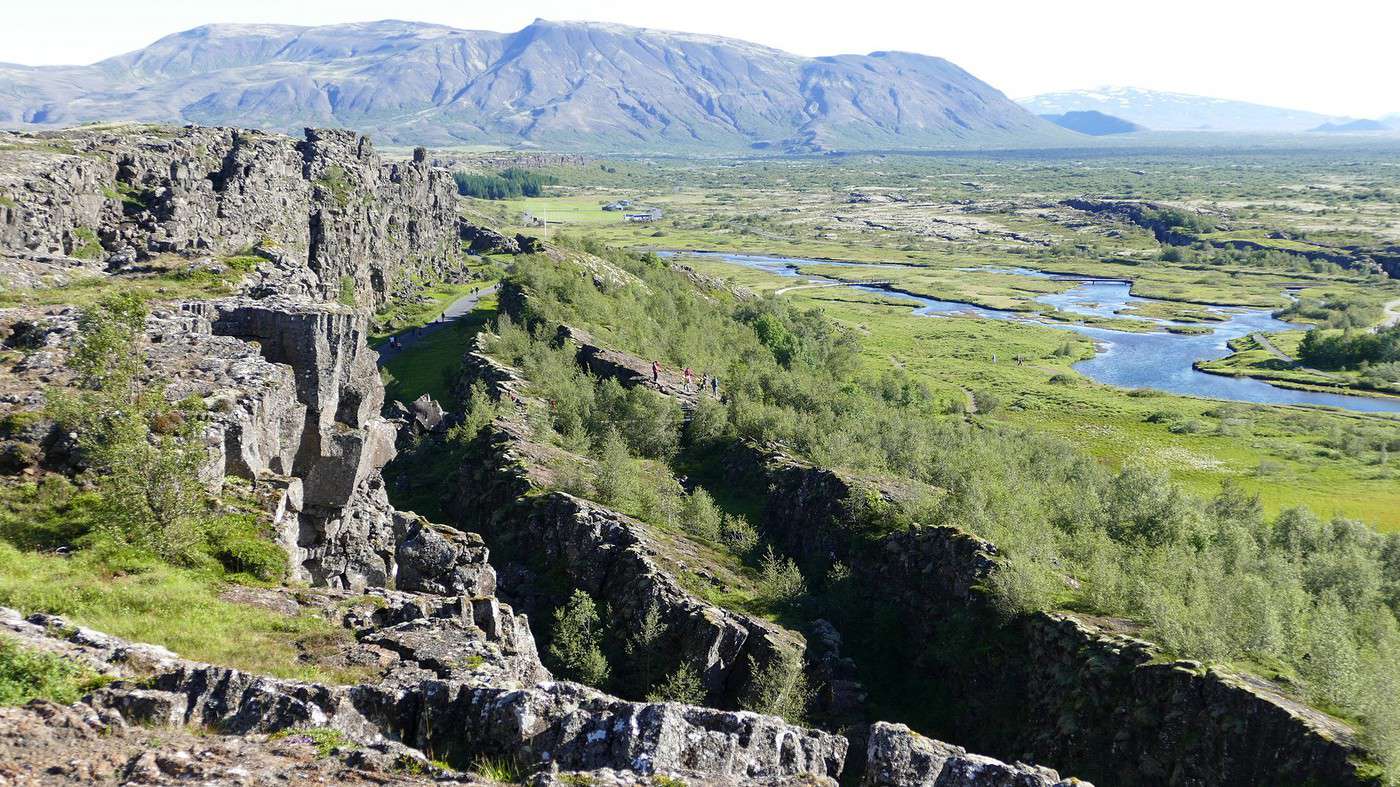
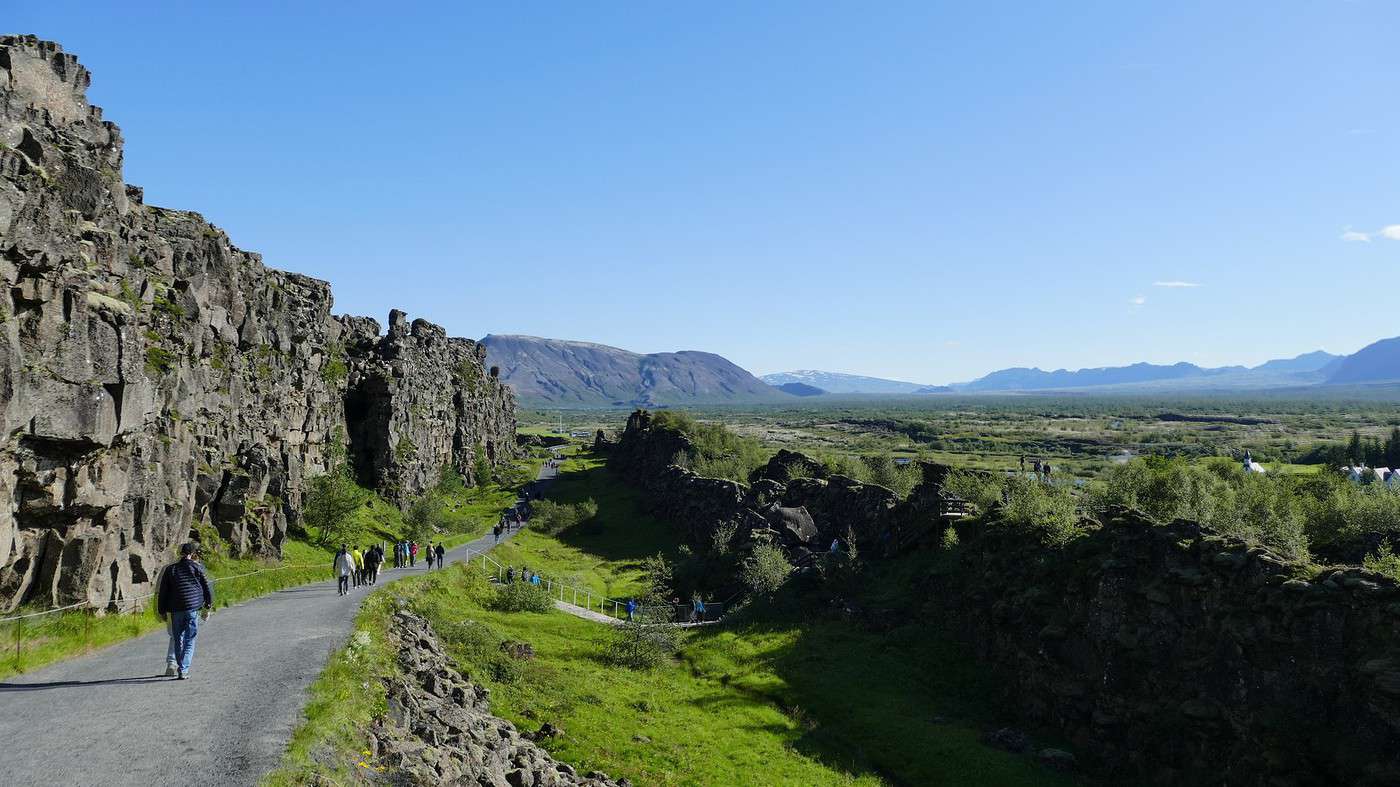
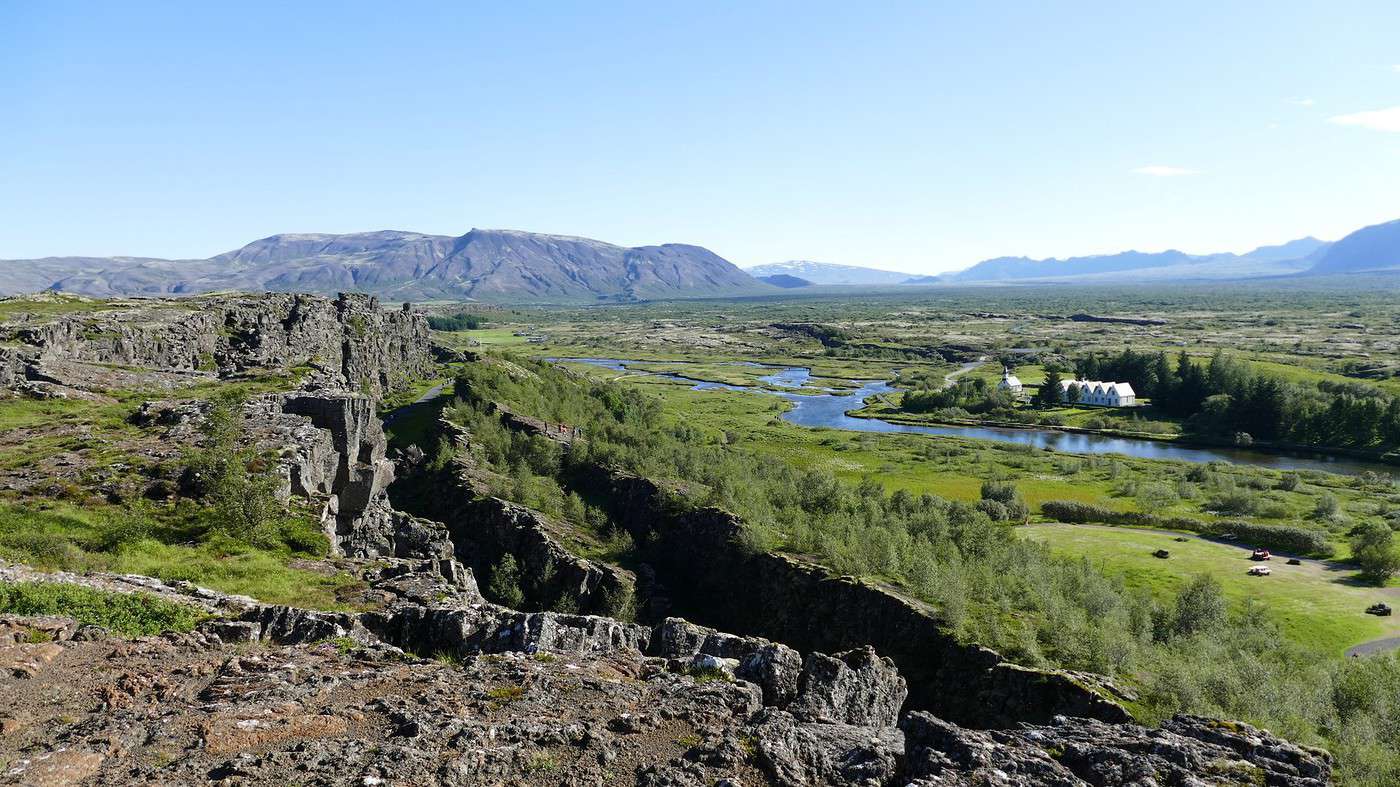
Thingvellir National Park is a UNESCO site for its historical, cultural, and geological significance. The sweeping view stretches endlessly. We were so lucky to have such beautiful sunshine.
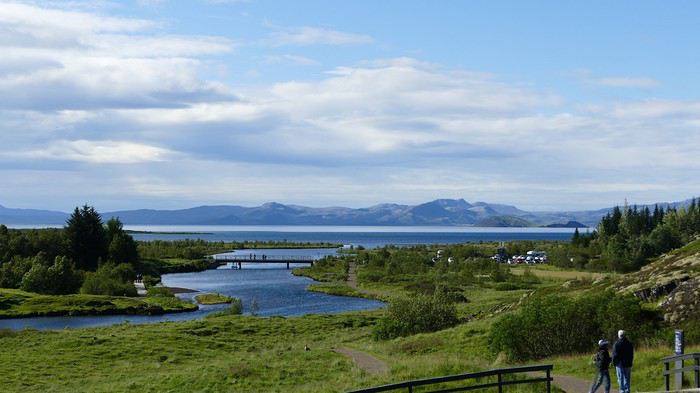
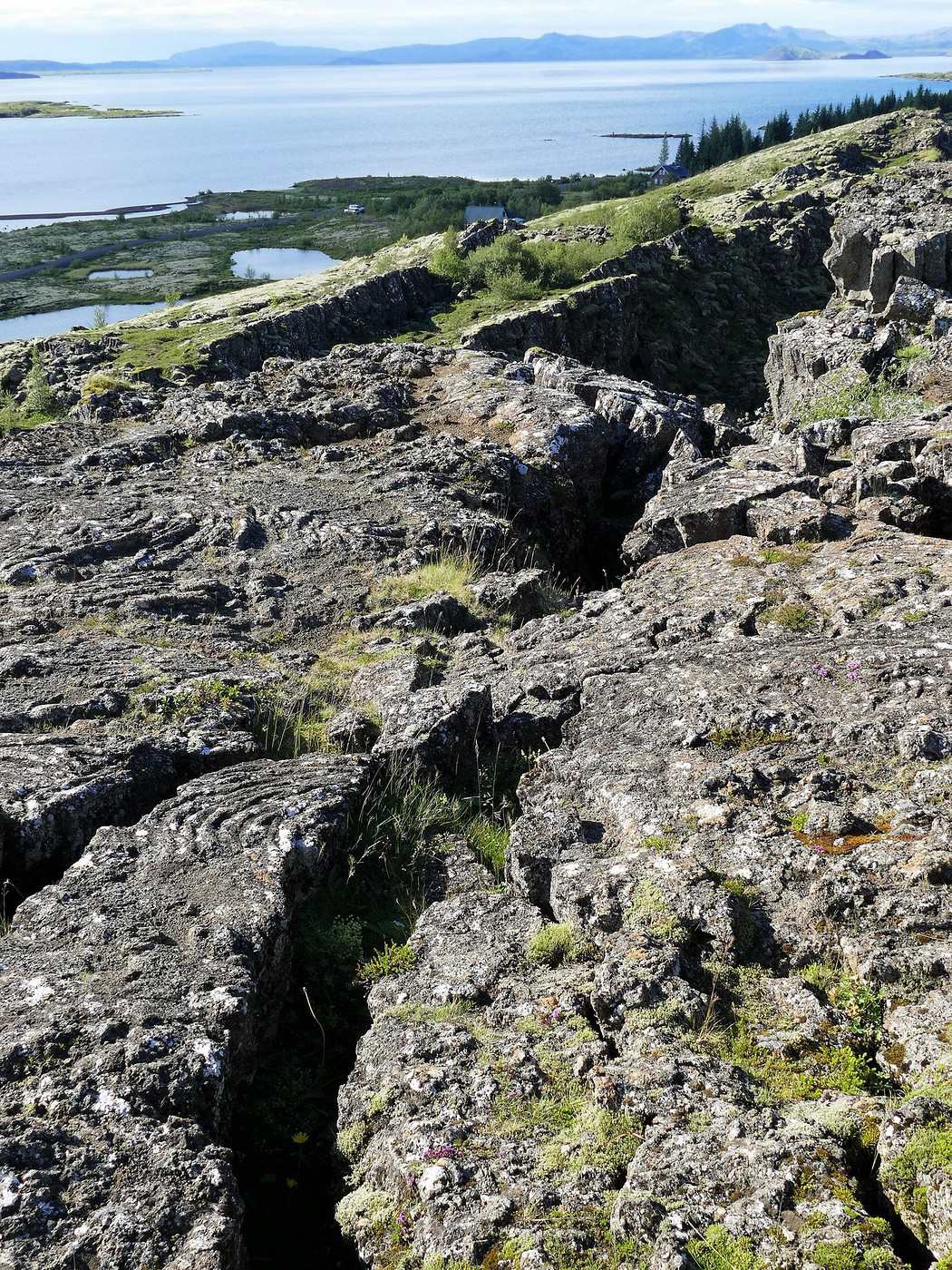
Thingvellir straddles two continental plates. The Earth’s crust has been pulling apart and sinking since time immemorial. The separation of the North American and Eurasian plates forms easily visible and accessible faults. These two plates drift apart by an average of 5 mm per year. Measurements show the gap has widened by 70 m over the past 10,000 years. Meanwhile, the valley has sunk by about 40 meters. It’s clearly visible when you look at the upper edge of the fault and the plain below.
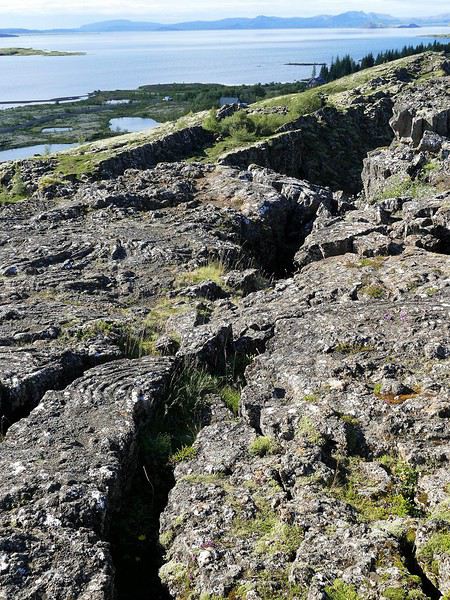
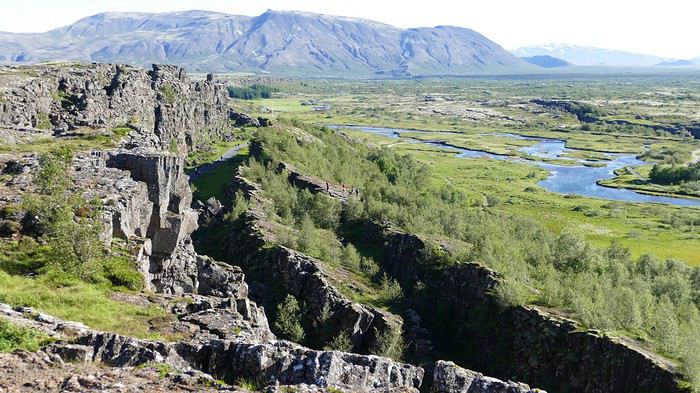
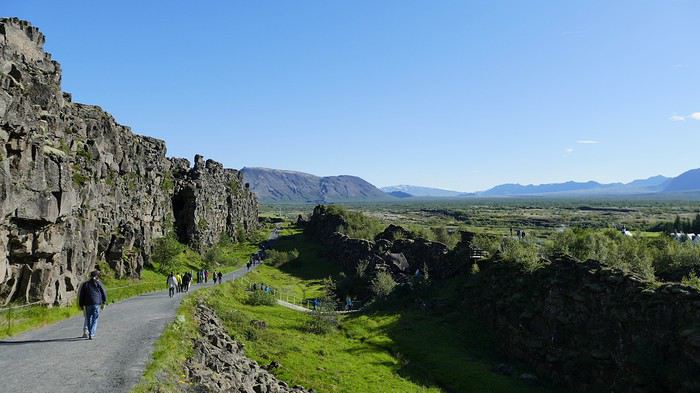
The fault and the view of the old Althing parliament. This is where the Icelandic parliament was established in 930 and remained until 1798.
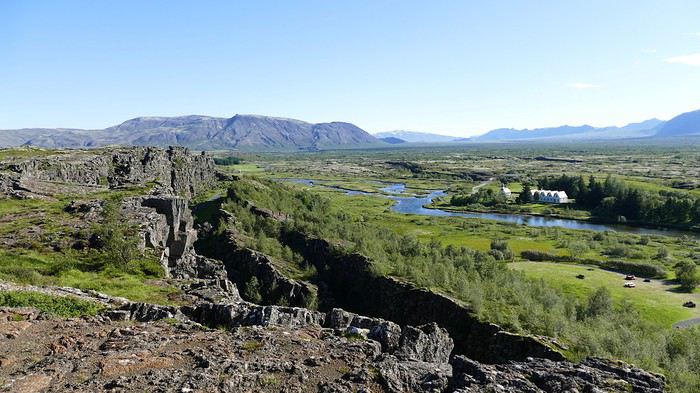
We crossed the rift and passed near divers descending into the Silfra fissure between the two tectonic plates. The sides were covered in flowers. We left the rift and climbed back onto the Eurasian plate.
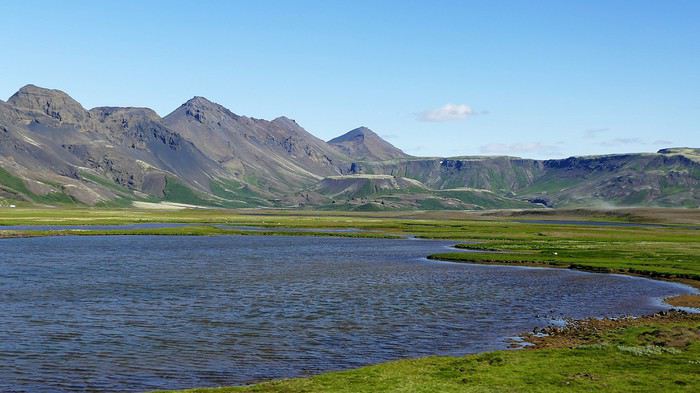
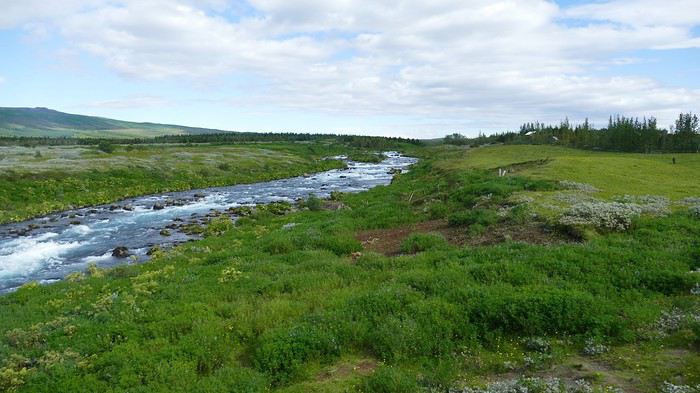
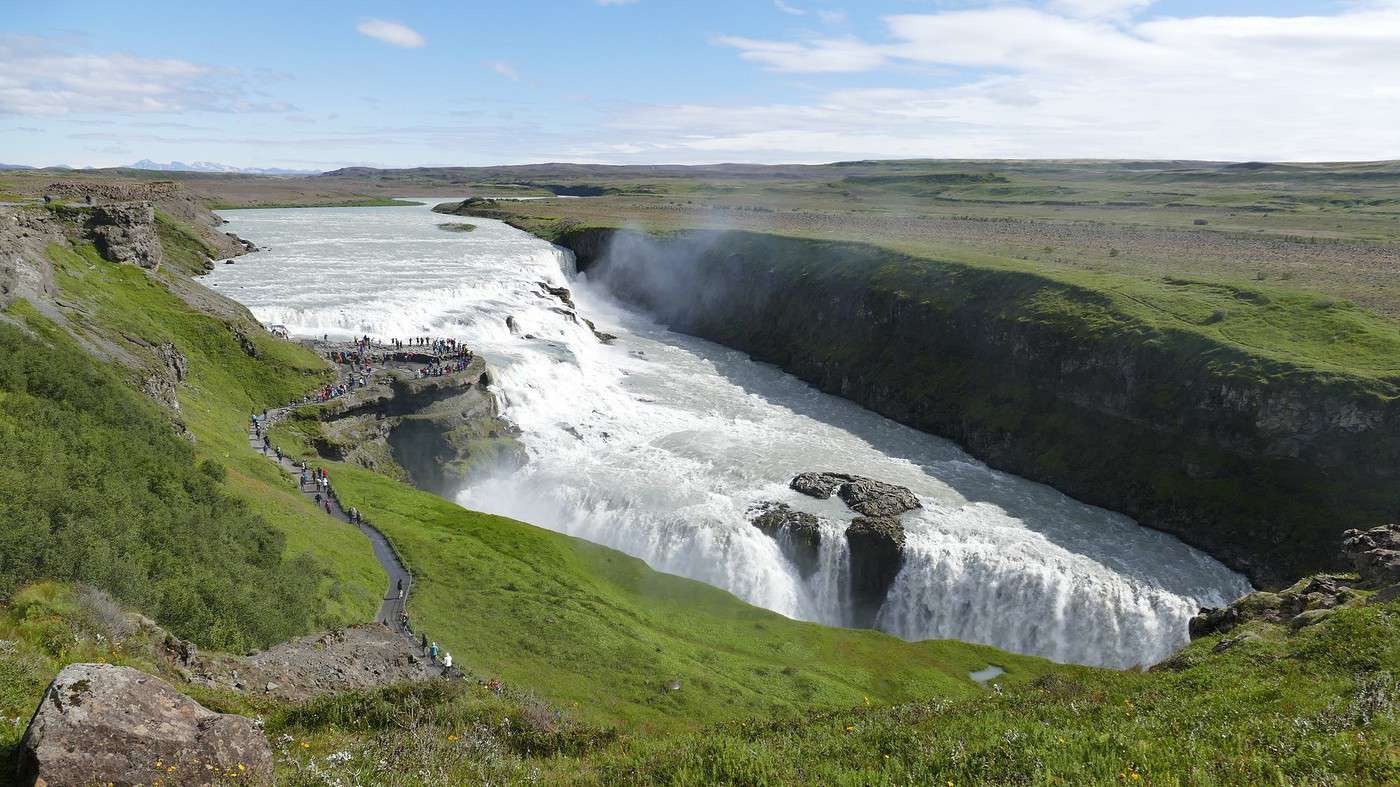
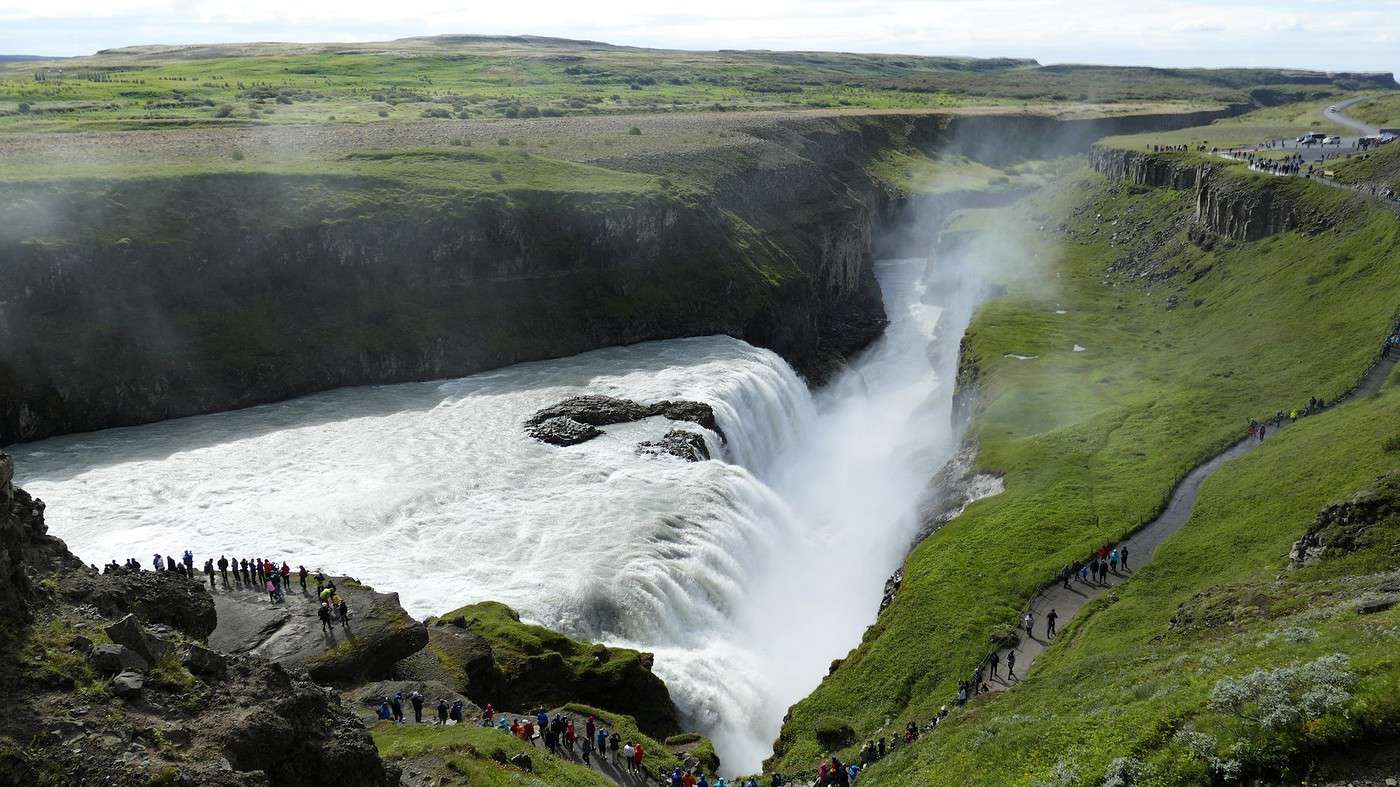
At Gullfoss waterfall, we chose the walk overlooking the falls. From our experience at Iguazu, we remembered getting soaked by the spray, and the temperature here wasn’t the same.
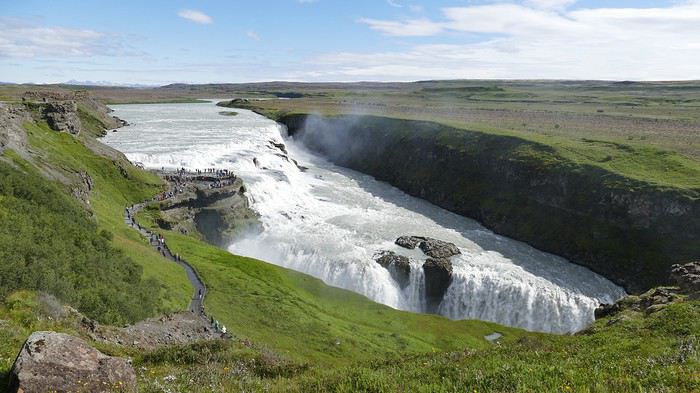
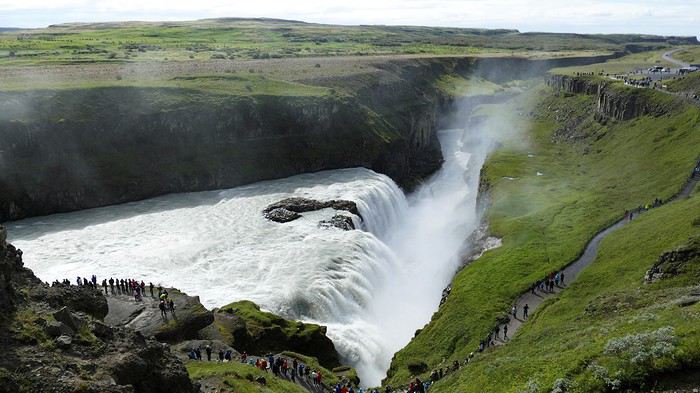
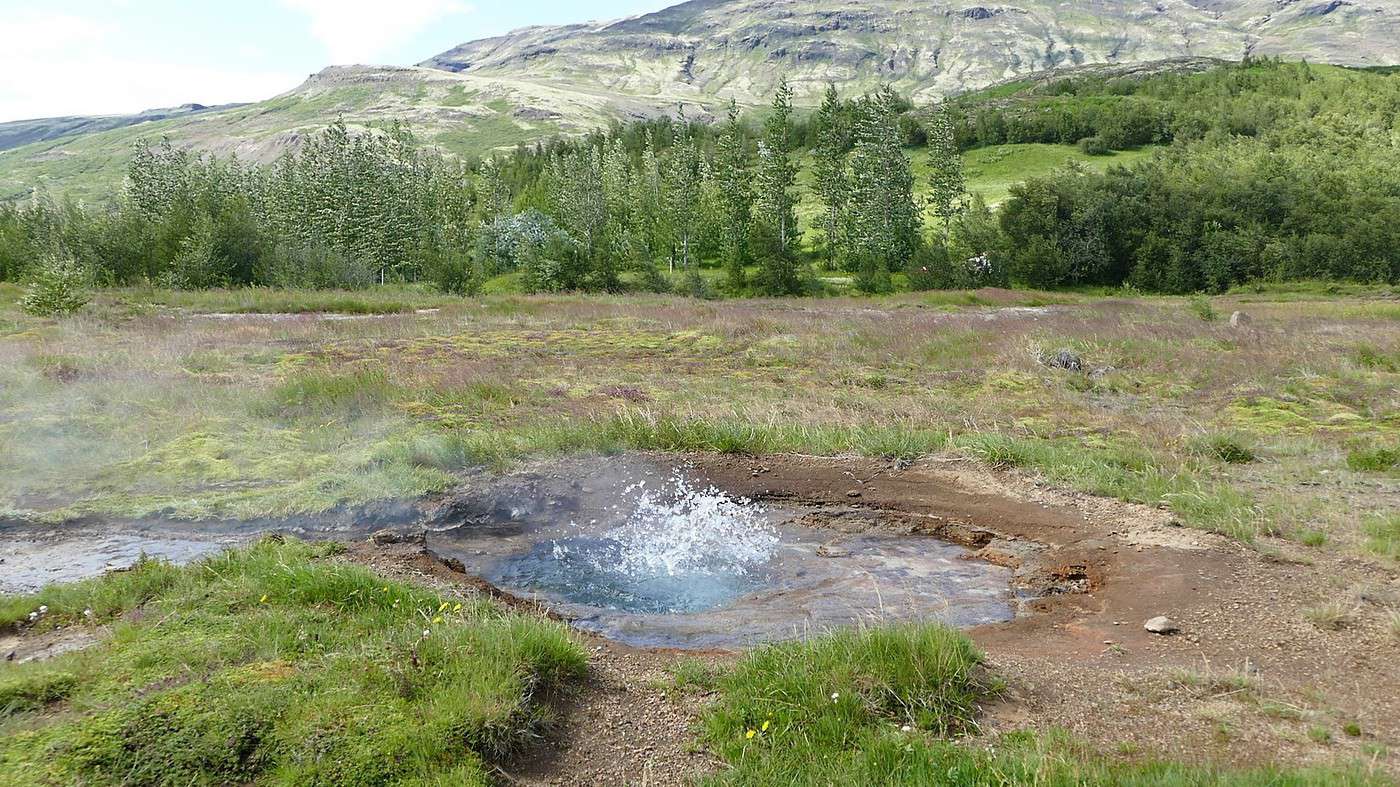
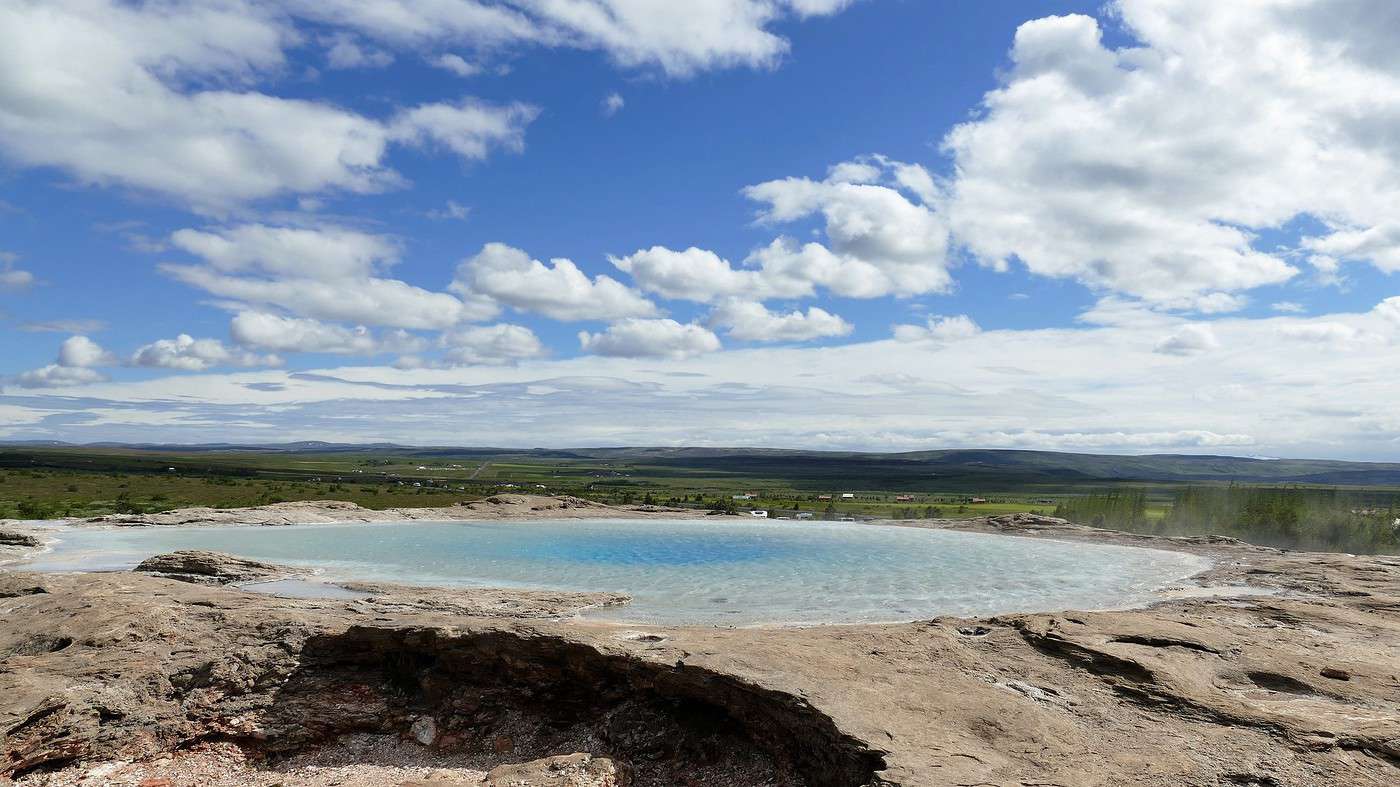
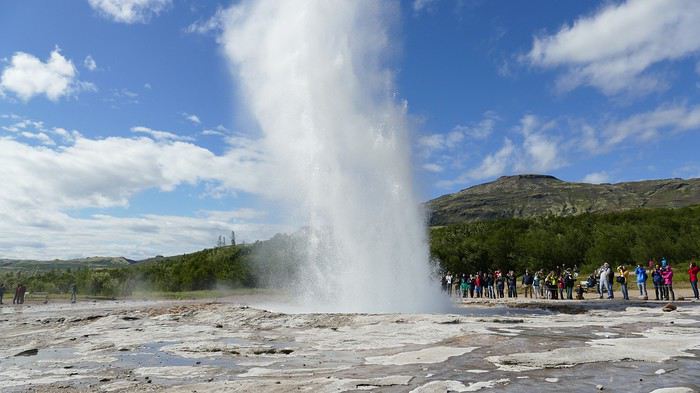
At the Geysir site, hot and acidic springs rise from deep within the Earth.
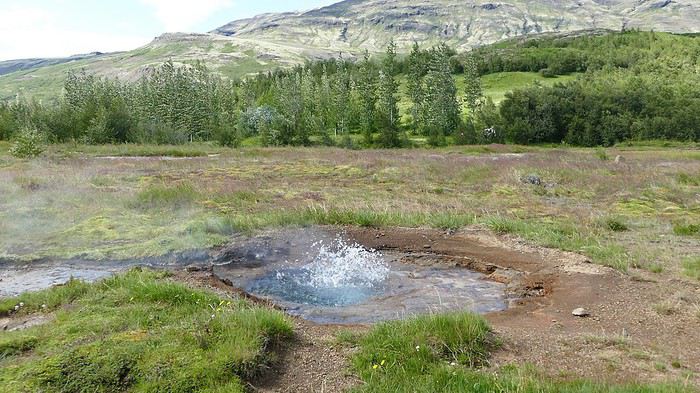
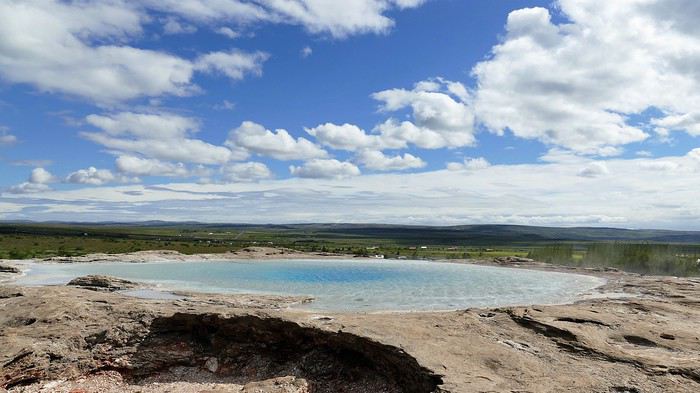
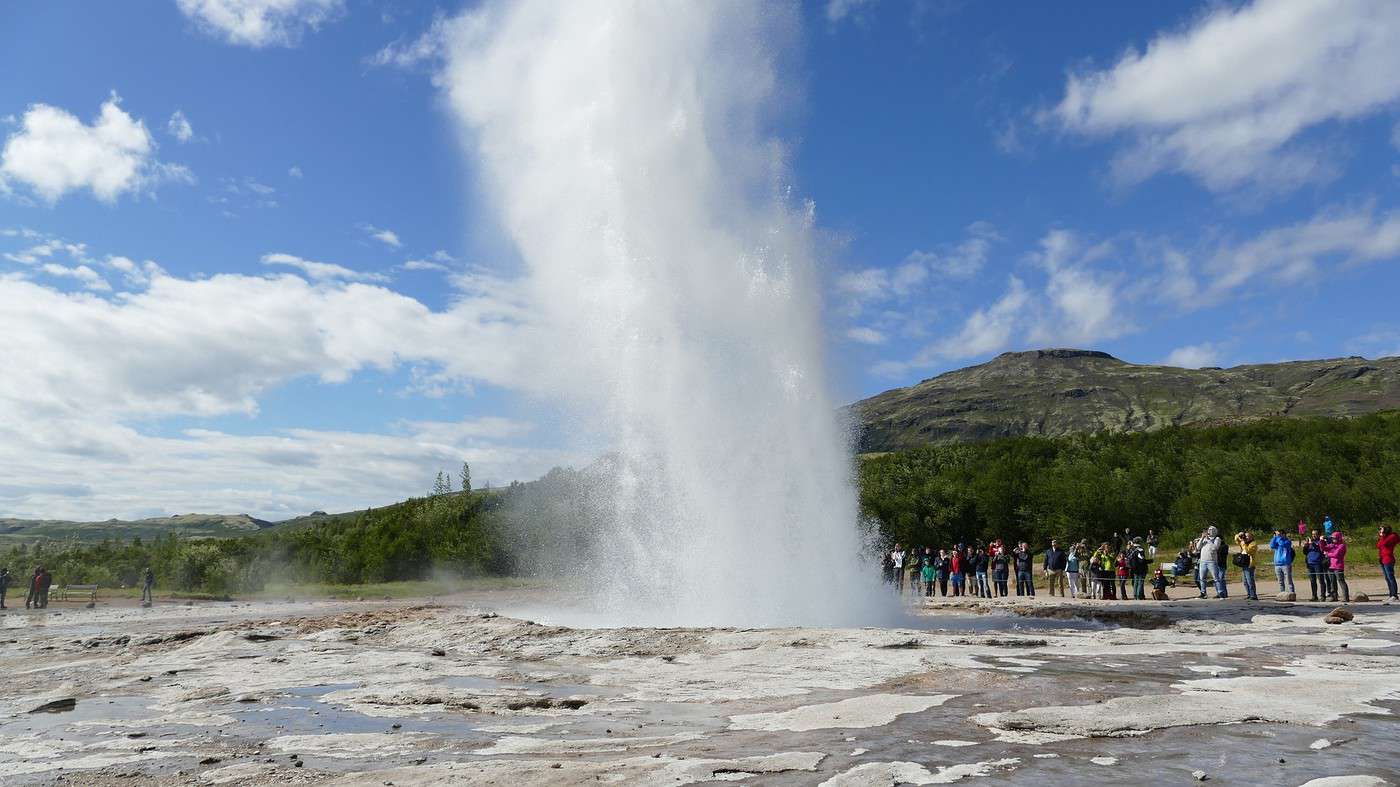
It was Strokkur we saw—Geysir doesn’t erupt often anymore. Strokkur shoots skyward every 5 to 8 minutes. The best part is the bubble of water it forms before bursting into the air.
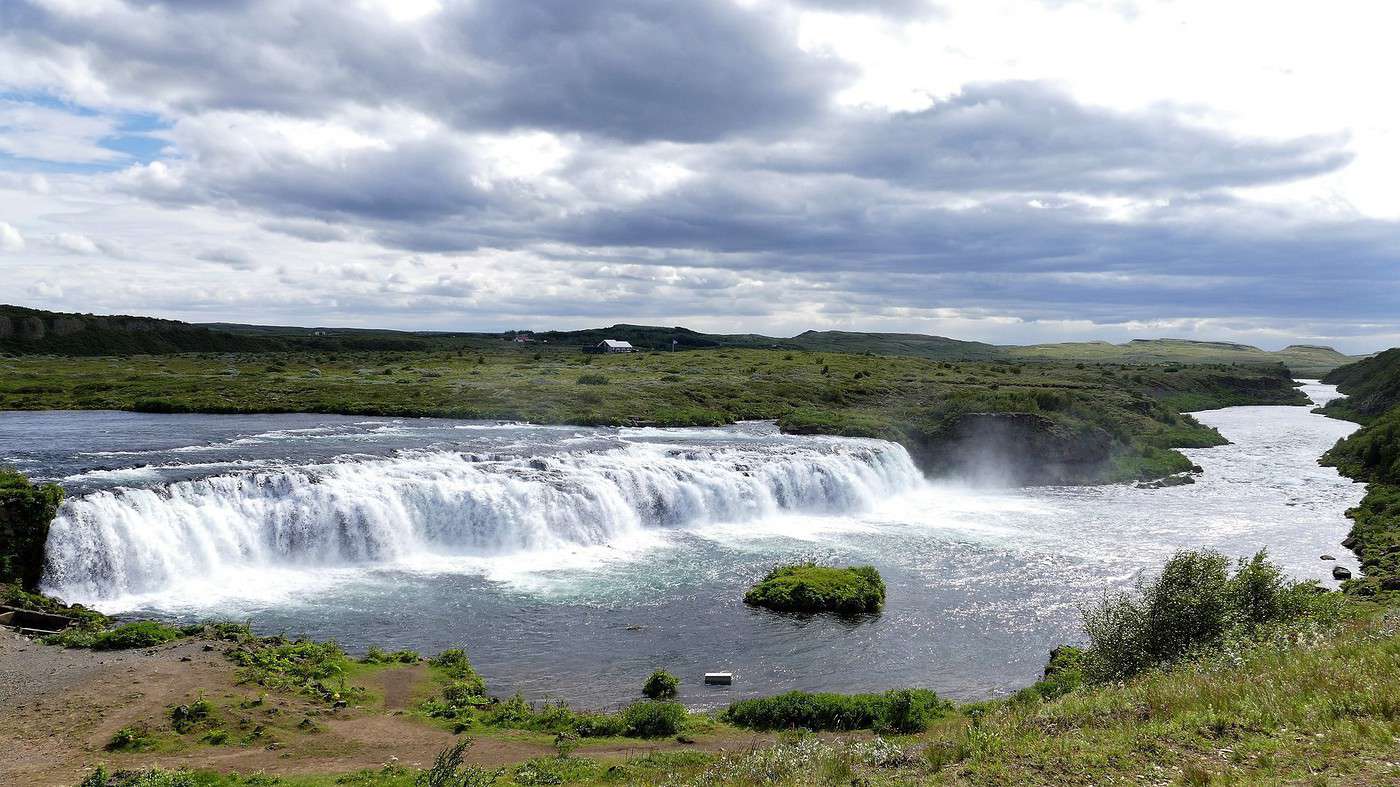
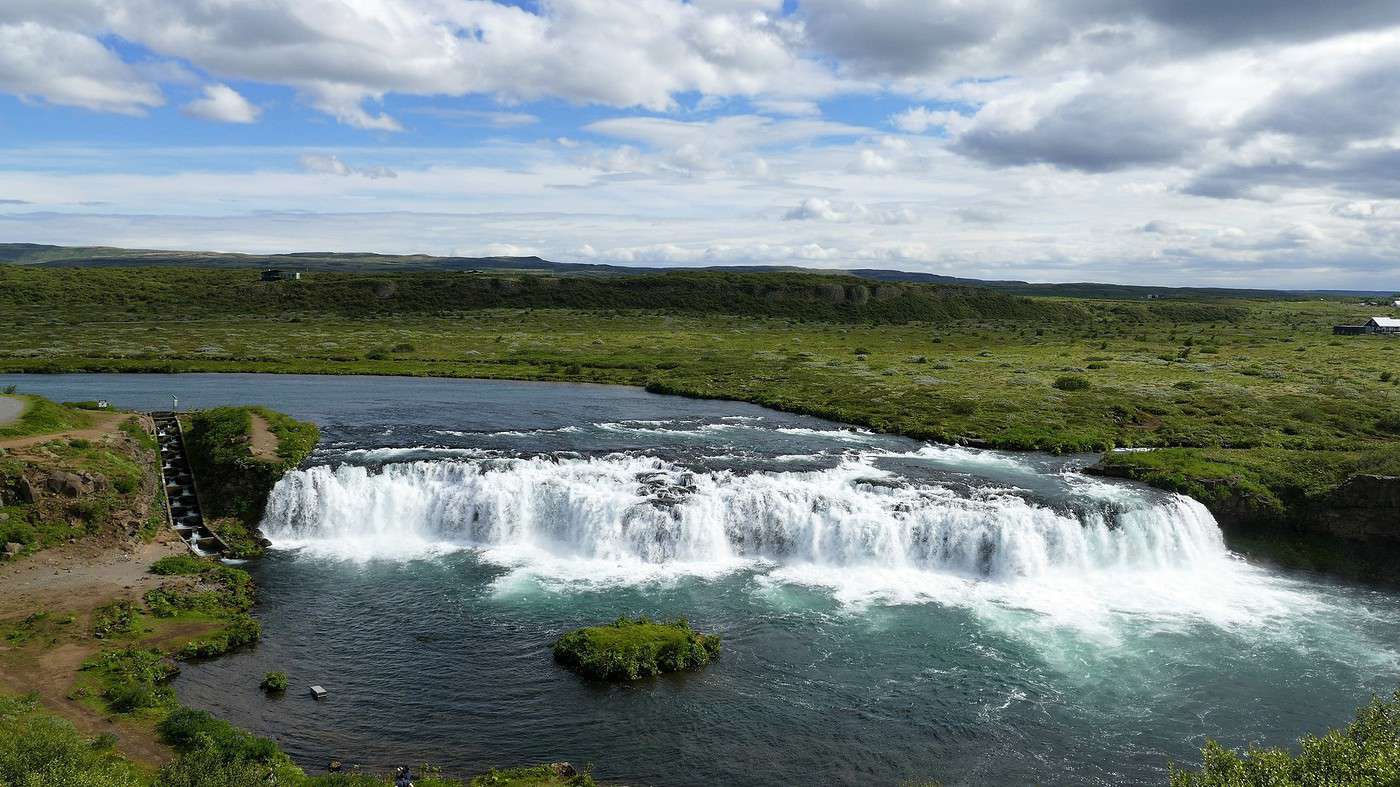
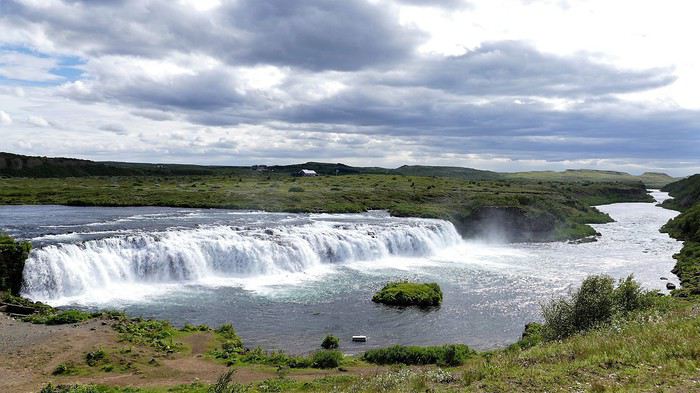
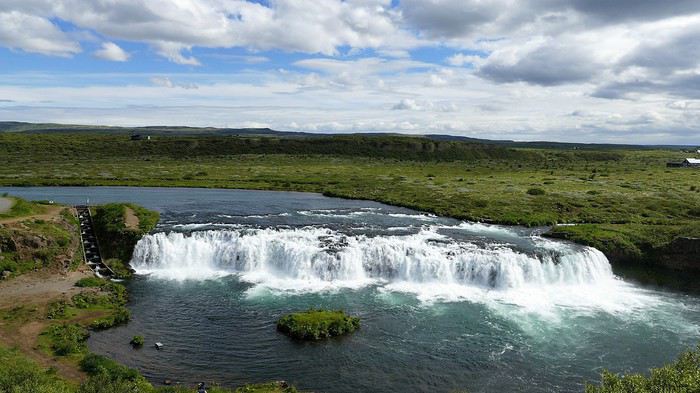
Faxi is a lovely waterfall in a wild, calm, and serene spot 12 km from Geysir, where there’s almost no one. A ladder is provided on the side for the many salmon swimming upstream.
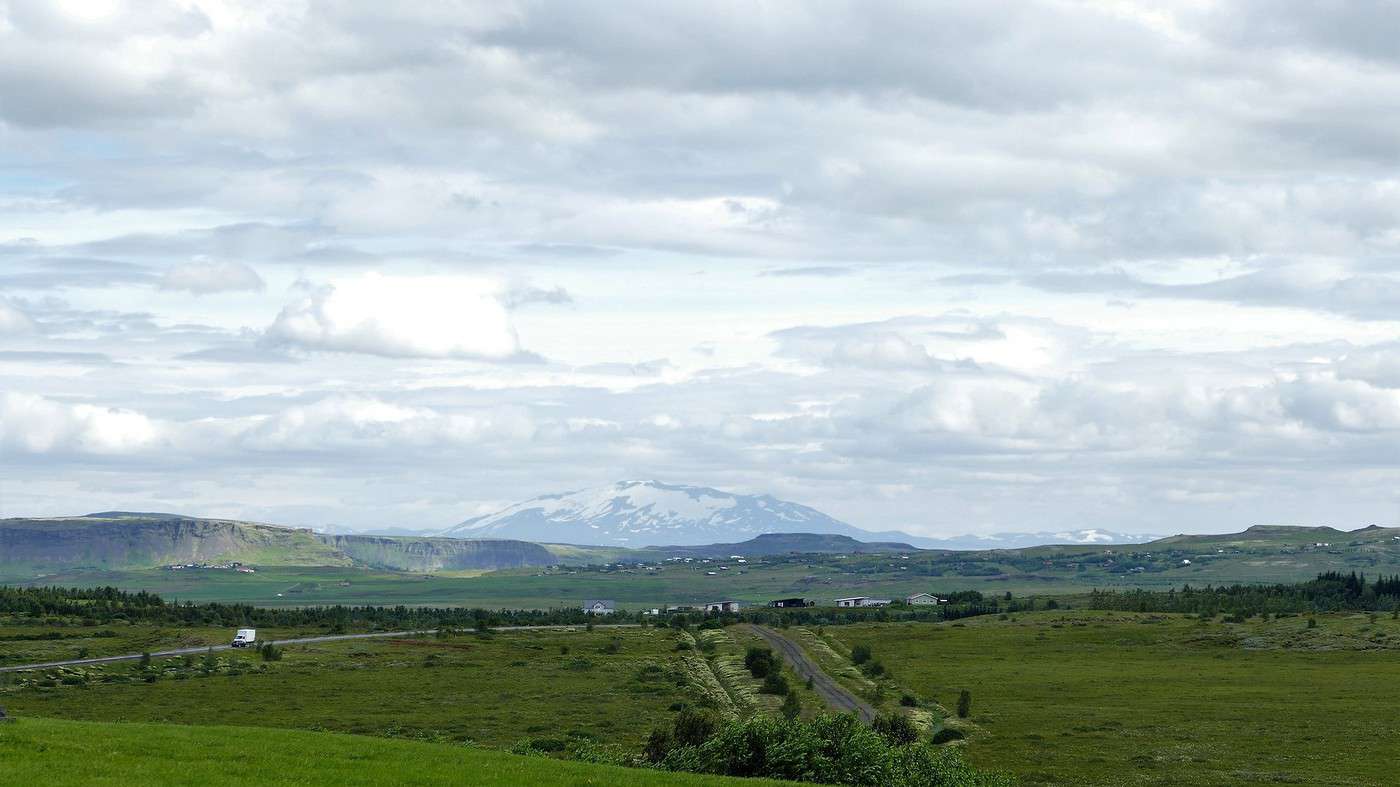
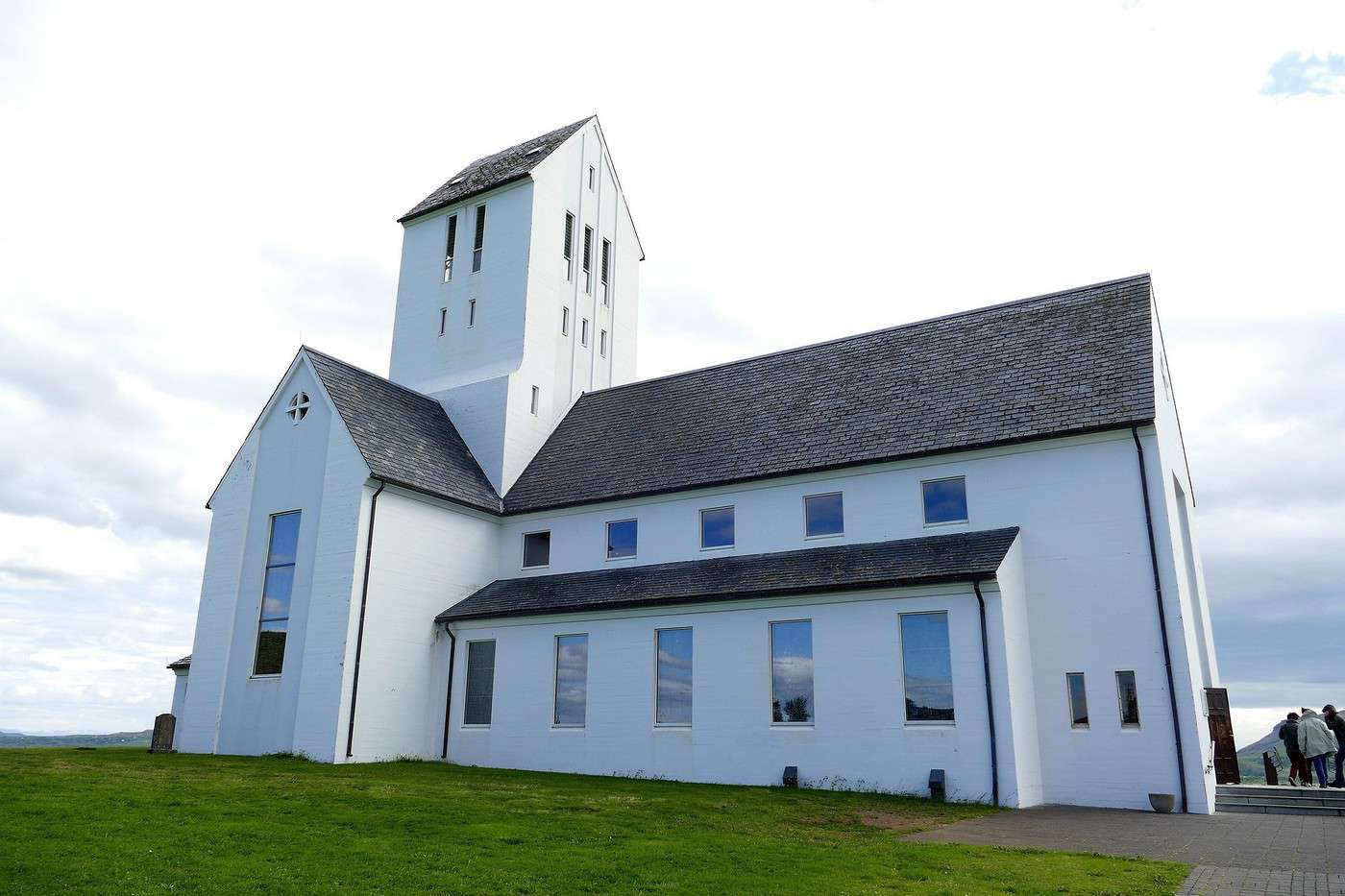
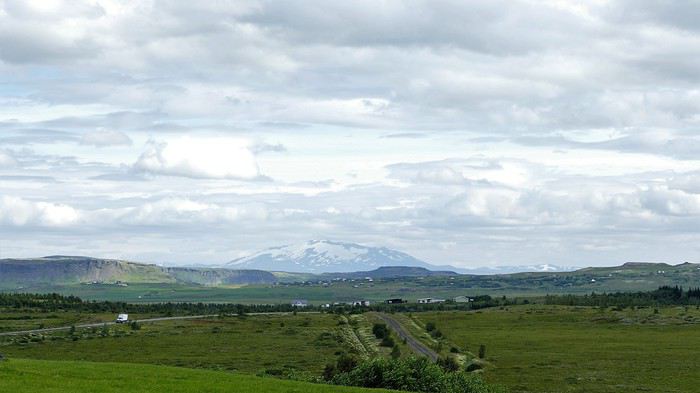
The Skálholt Cathedral isn’t very interesting except for the view of the Eyjafjallajökull volcano, the one that grounded much of the world’s air traffic in 2010.
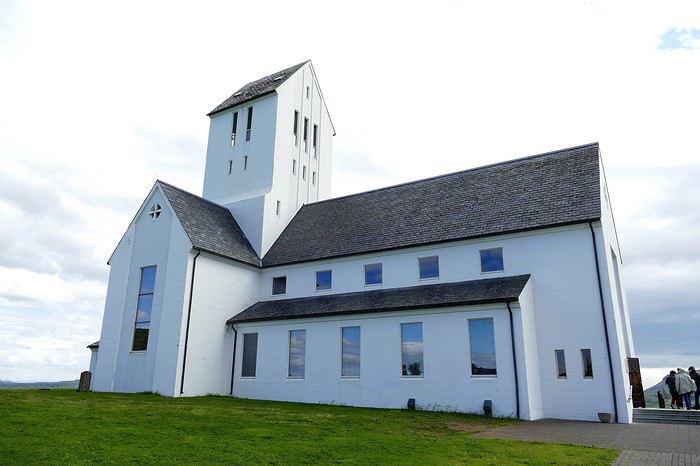
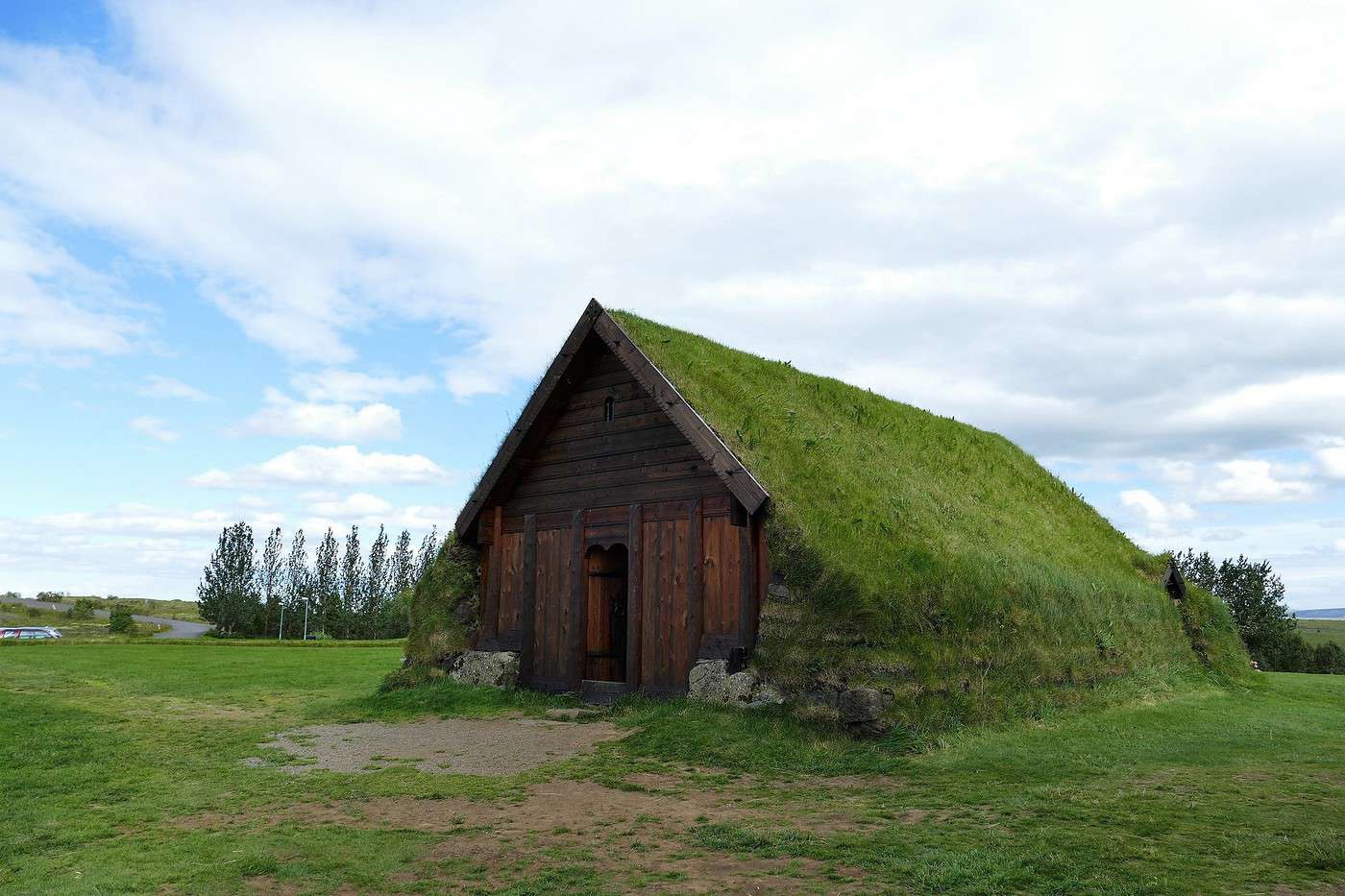
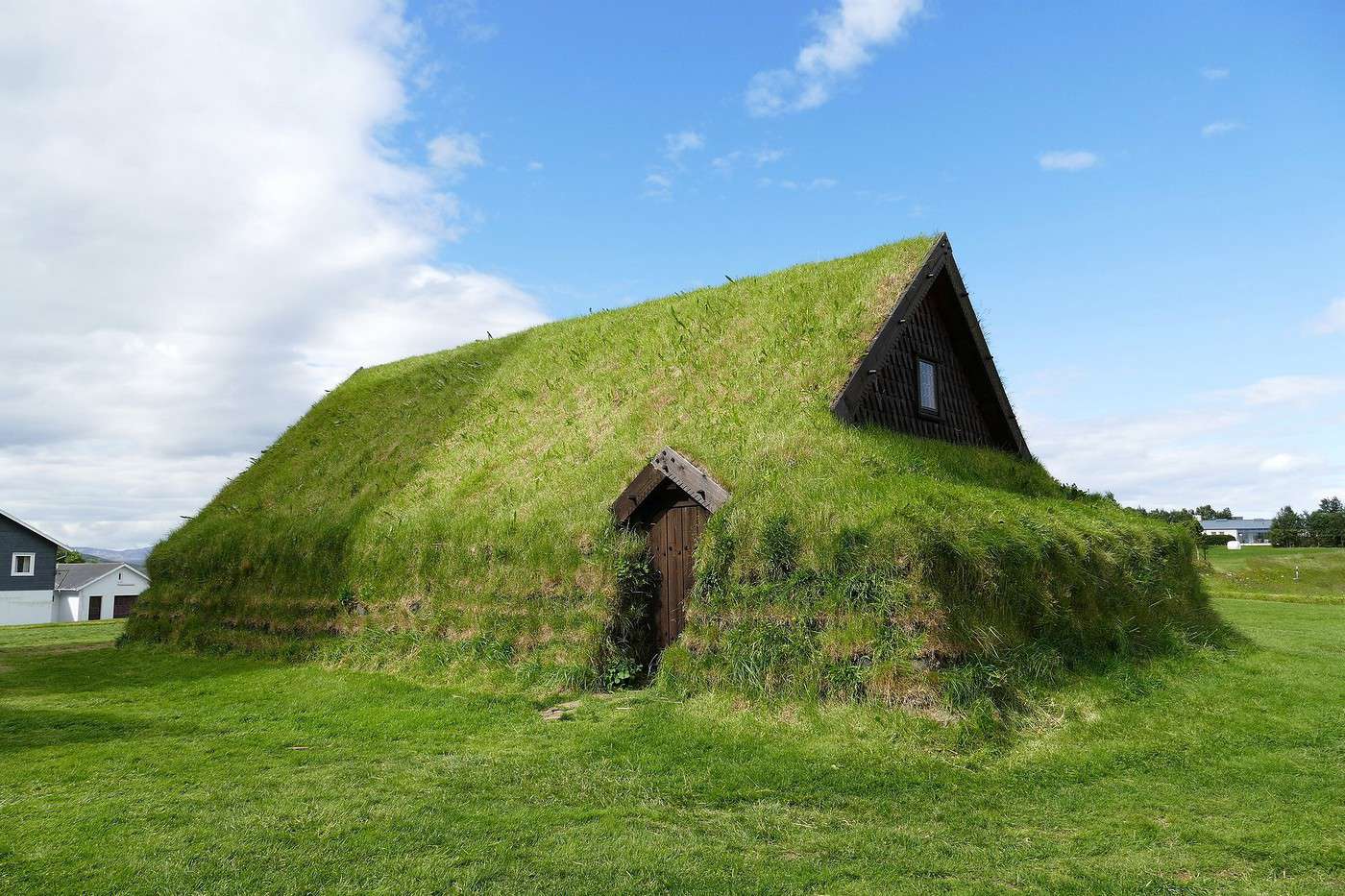
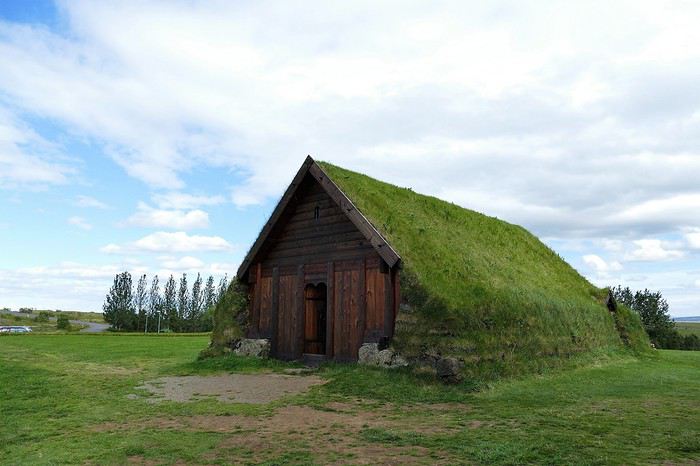
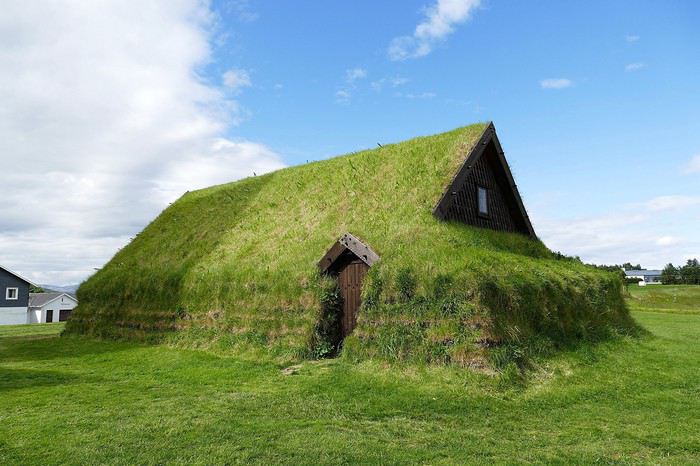
At the foot of the cathedral, a traditional Icelandic sod house—eco-friendly before its time. The grass and turf keep the interior at a comfortable temperature, and drafts are naturally minimized.
As soon as we set sail, it started…
At 6:30 PM, first announcement: everything’s OK, we’d depart in half an hour.
At 7 PM, second announcement: 25-knot winds, we’re waiting for port authority approval to leave.
At 8 PM: The wind’s too strong; the ship isn’t leaving. If conditions improve, we’ll depart tomorrow morning. Yet the weather wasn’t catastrophic, and the Seabourn Quest, docked nearby, had already left, as had the expedition ship near the Astoria.
As a result, our stop in Ísafjörður was canceled, and we had a sea day instead. We were supposed to visit Vigur Island to see the birds.
The cruise director announced that all excursions would be refunded at the end of the cruise—I believed him, since that’s what all companies do in such cases. Well, no, it wasn’t true. As of September 2 (today), we still haven’t received any refunds.
The next morning, the ship set sail at dawn, even though the wind hadn’t let up and the sea was the same.