Off we go to Morotai, whose existence I didn’t even know about a month before our departure to the Moluccas!
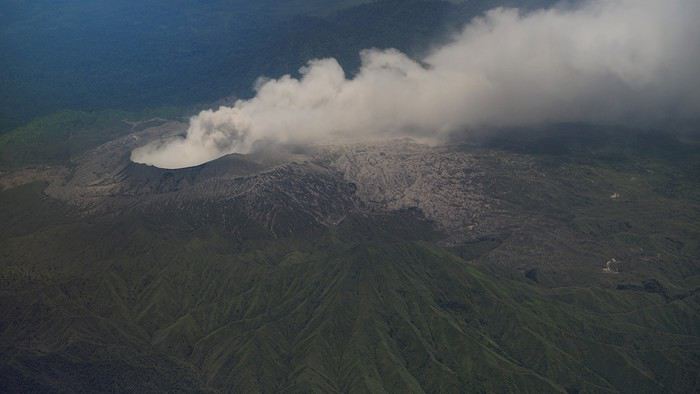
Halmahera, shaped like a strange K, is covered in forest and volcanoes (the highest density in Indonesia—take that, anyone who’s flown over Java!). We’re on the northern part of the K, where the only road doesn’t loop around the island.
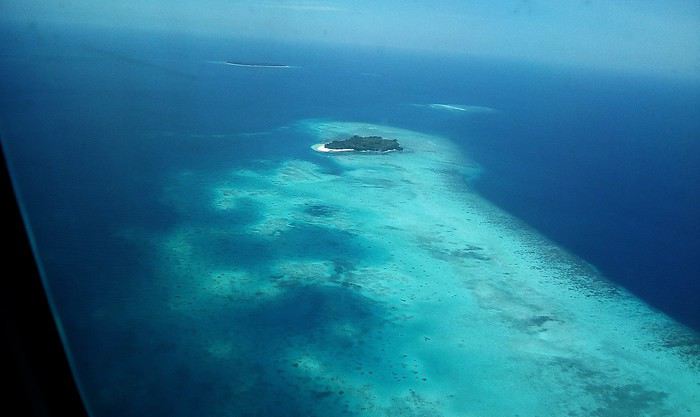
Just before landing, we fly over the unnamed archipelago we’re heading toward.
Here we are at Daruba Airport under scorching sun, waiting for the bus at this tiny airport (1 degree north latitude). I can tell the challenges are about to begin!
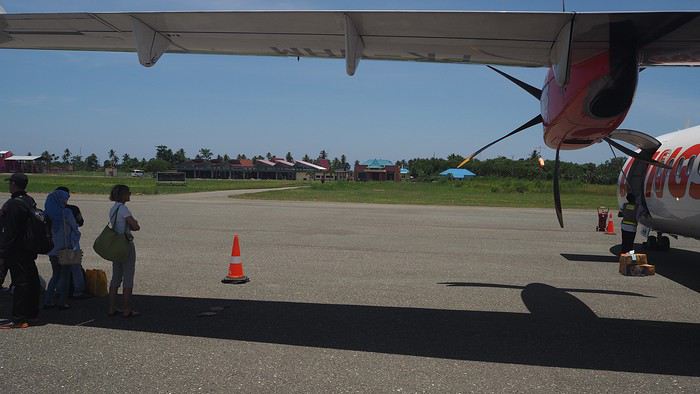
The government subsidizes small routes like this one to connect the most remote regions to the capital (2,600 km from Jakarta).
Time for a little history and geography! 😉
Morotai is about 100 km from north to south, with the tiny town of Daruba in the south and a few villages along the east coast. The rest is mountains covered in impenetrable jungle, from which the famous Teruo Nakamura emerged in 1974—unaware the war had ended. He surrendered to the Indonesian army.
Morotai was actually the Japanese forward base for conquering the Pacific, with nine airstrips, until MacArthur arrived and a major battle ensued. There are still a few cannons, remnants of airstrips on several islets, shipwrecks (not sure if this one is Japanese or American), monuments, and a museum—nothing to shake off the sleepy vibe, though. It must’ve been a lot livelier in 1944!
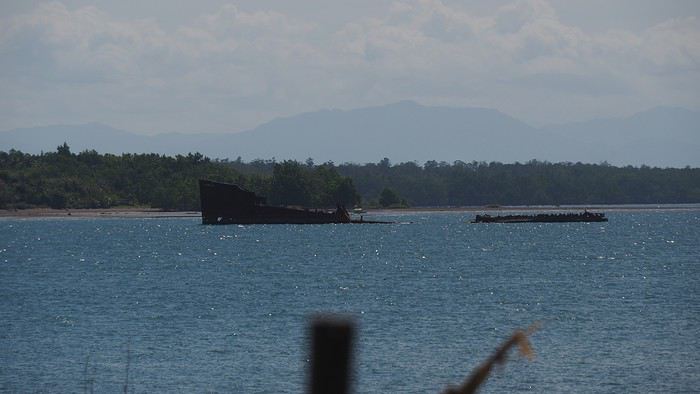
It’s hard to imagine that in this sleepy, remote island—so far from Java, Bali, or Sumatra, where Indonesia’s heart beats—such a major battle between the Japanese and Americans took place (okay, for the Japanese, it wasn’t exactly the end of the world… but still!).
As soon as we landed, questions piled up: Where is this famous archipelago? How do we get there? Where can we sleep? After our disappointment with the unreachable Banda Islands, we weren’t exactly reassured. We were hoping to find Morotai’s lagoon with its idyllic islets, stunning beaches, and marine landscapes.
Since there are almost no tourists here, we didn’t expect anything super organized—no agency to whisk us away with a boat, lodging, and diving or snorkeling trips. But still, it felt like no one knew about this archipelago, even though it’s so close, and that no one had ever been here before 🤪. Just finding someone who speaks a few words of English was a challenge, though we weren’t surprised—it’s been like this from the start (and we were warned, thanks to the forum members already mentioned!).
Luckily, Hasrun pointed us to a place to stay. We somehow managed to make the taxi (yes, THE taxi, which we shared with other passengers) from the airport understand that we wanted to go to the island’s commercial development office (no idea how we did it in Bahasa!!).
He dropped us off in front of a house in the middle of coconut trees… but it seemed to be the right address. A first person came out, but we couldn’t exchange a word. Then a second person arrived, and with a few words of English, we explained we wanted to sleep in the archipelago across the way. To us, it was obvious, but not to them—we figured the rare tourists who come here must all go to the same place 😛.
Finally, he offered to take us to a gorgeous island, Dodola, where there were a few bungalows available. The only catch? I didn’t think there was any food—no permanent residents. Two or three days alone without eating on a paradise island wasn’t exactly our idea of fun 😉. He confirmed there was no way to get food!
Indonesians are always adorable, ready to help at any moment, but they don’t always have the same practical sense as us—like sleeping and eating, which seem obvious to us 🙁.
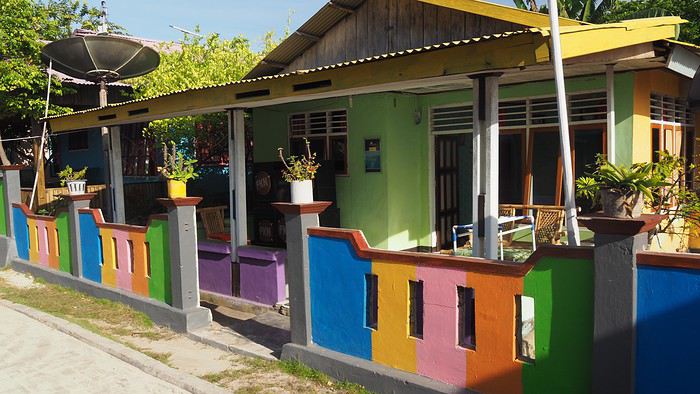
Where is it possible to sleep, Kolorai? Kokoya? After a lot of back-and-forth, he offered us a boat to Kolorai, the archipelago’s “capital,” which has a few homestays (home stays for our Quebec friends), based on the info we had (no use looking in the Lonely Planet for the Moluccas—they don’t know about it, and the Routard only covers Java, Bali, and Lombok).
Okay for Kolorai. Last problem: it was nap time for some, prayer time for others… so we waited. Patience is a necessary skill here. I asked: 10 minutes? Answer: *Ya* (“yes,” like in German), then 1 hour… *Ya*, 30 minutes… *ya*… so we sat down. Luckily, we’d arrived early.
Prayer ended, and an *ojek* (scooter taxi) arrived. The guy wanted us both to get on his bike with our bags!! He didn’t get that it wasn’t possible. After a few minutes, another guy passed by and called a *becak* (tricycle). On two *ojeks* and one *becak*, we set off with our two bags—not sure where, since we still weren’t convinced he’d understood our destination!
We arrived at a beautiful beach lined with coconut trees. I looked for the port!!!
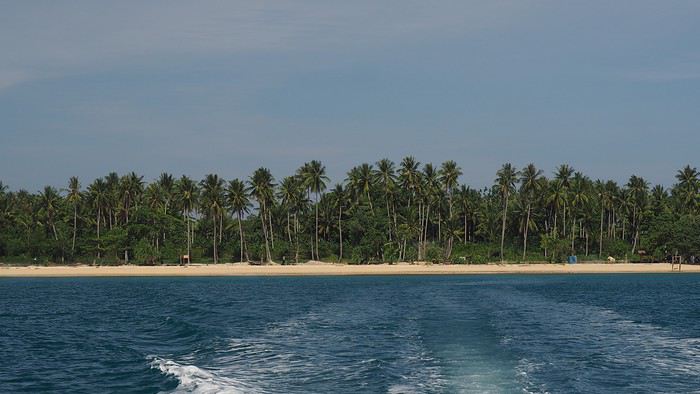
This is where our speedboat would pick us up… why not at Daruba Port? Mystery… when? Soon… sure. And of course, it was low tide—no luck.
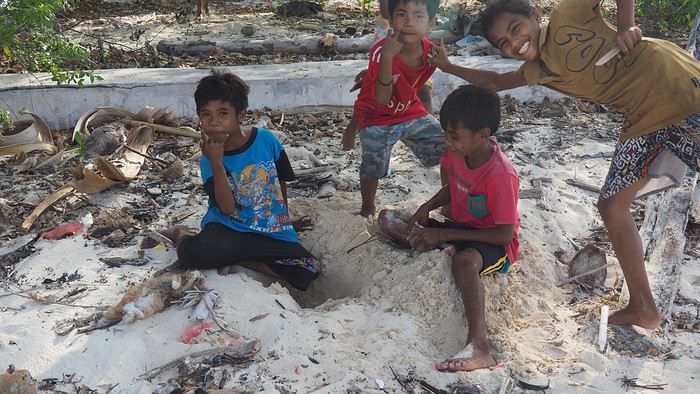
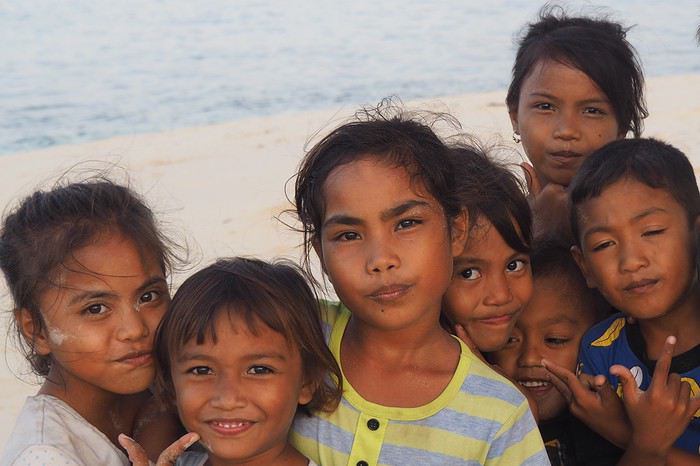
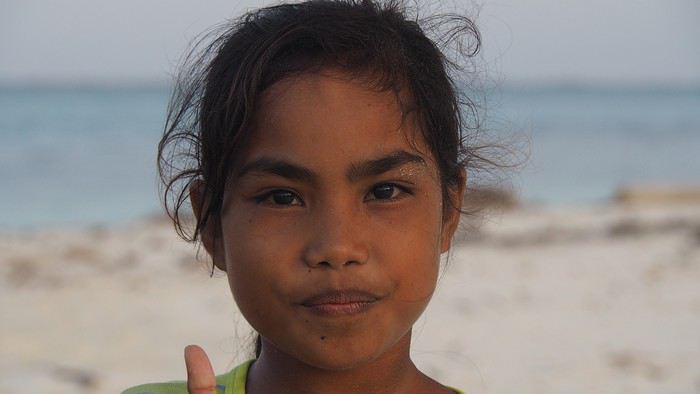
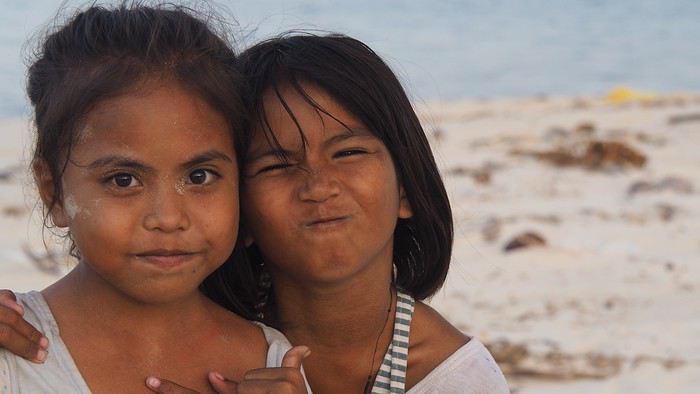
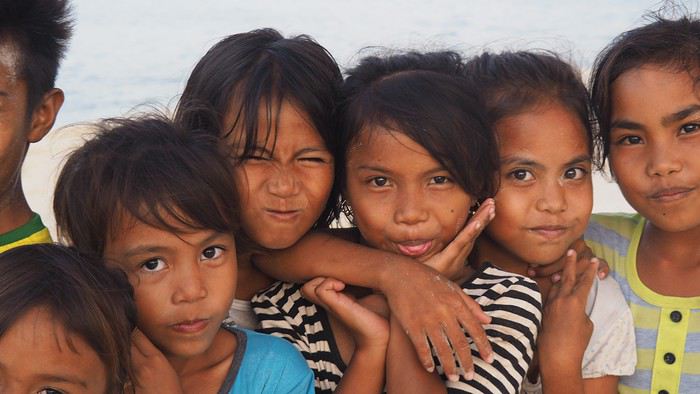
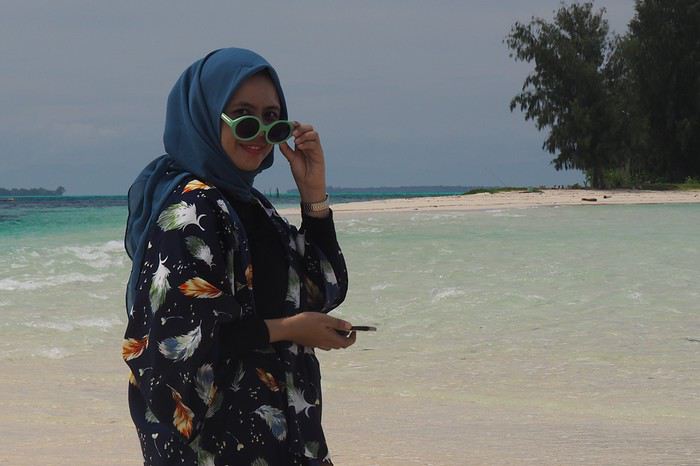
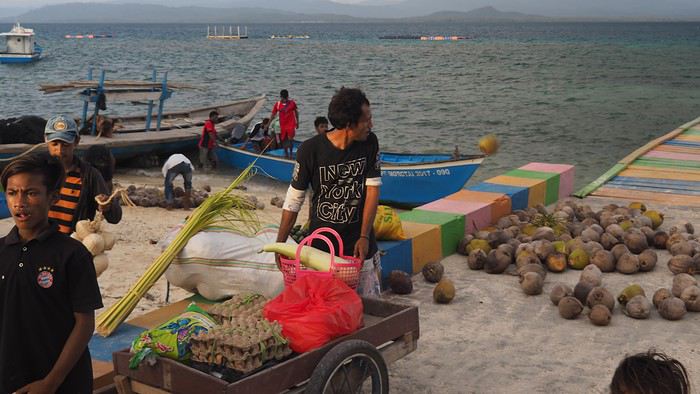
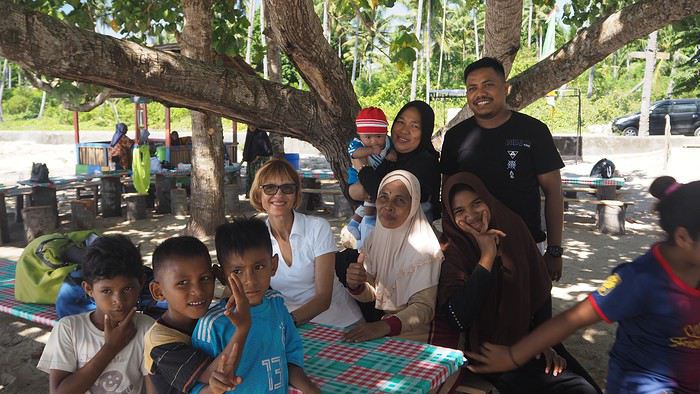
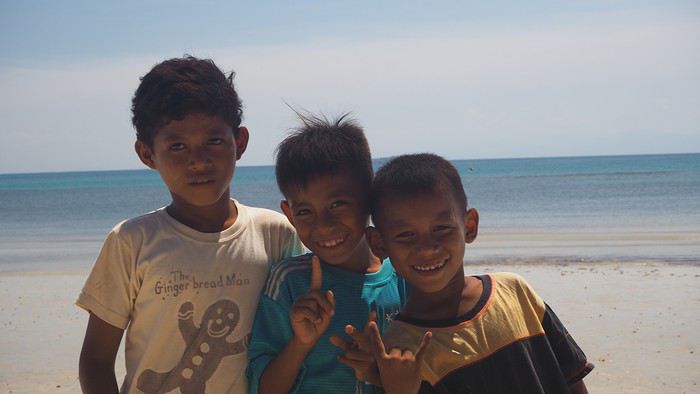
Luckily, a few locals were sitting under the trees and came over to meet us: photo sessions, lots of laughter, and plenty of gestures to communicate, as always.
Question: Negara? Answer: Perancis (“French” is one of the Indonesian words we learned after answering the same question 10 times a day).
Every time, their reply was: M'Bapé, Pogba, with huge smiles. To them, we’re lucky to have players like that in our beautiful country! For soccer fans, in the Moluccas, they’re the most famous. Occasionally, someone even says Zidane 😉.
We love these warm moments with strangers—something impossible in Europe.
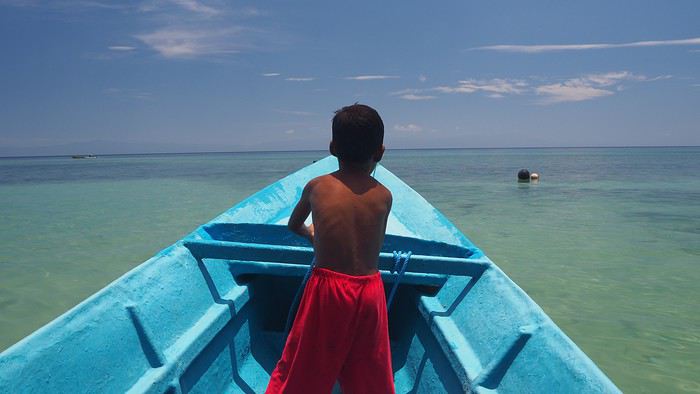
The boat was finally ready (they had to get fuel… speedboats consume a lot… then the driver). We left the beach.
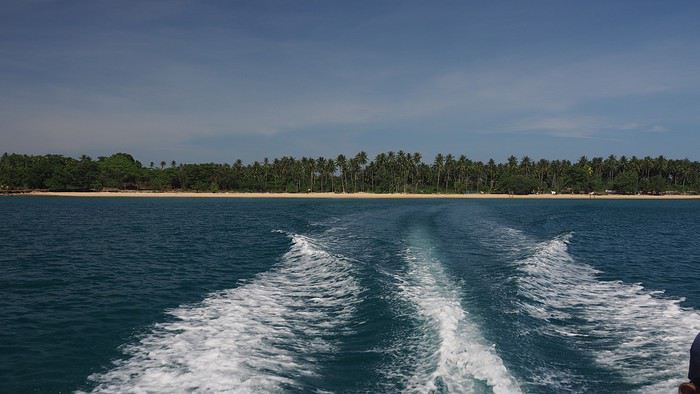
We got a bit ripped off on the price (600,000 IDR)… we suspected as much, but we didn’t have a choice. We didn’t come all this way to stay on that beach (the return trip would be at a normal rate).
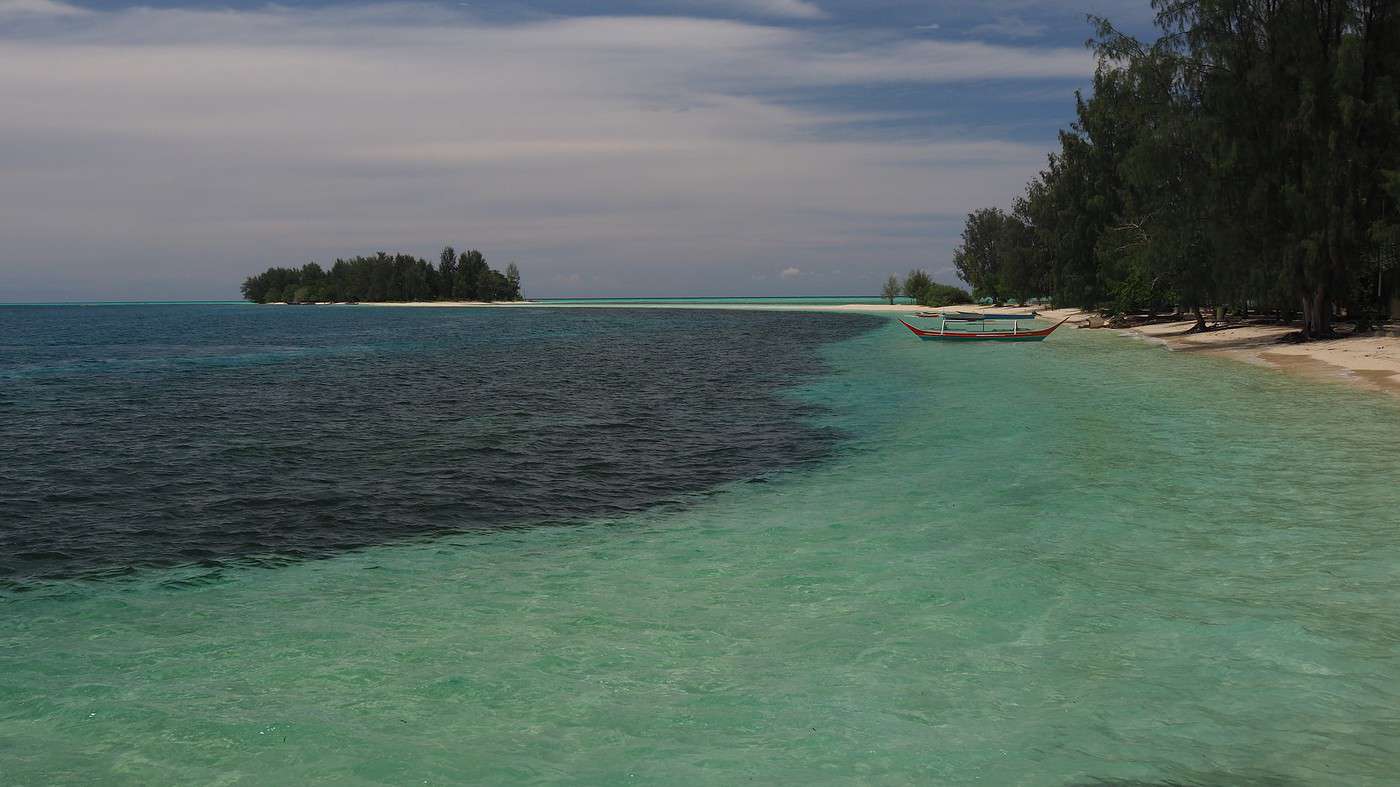
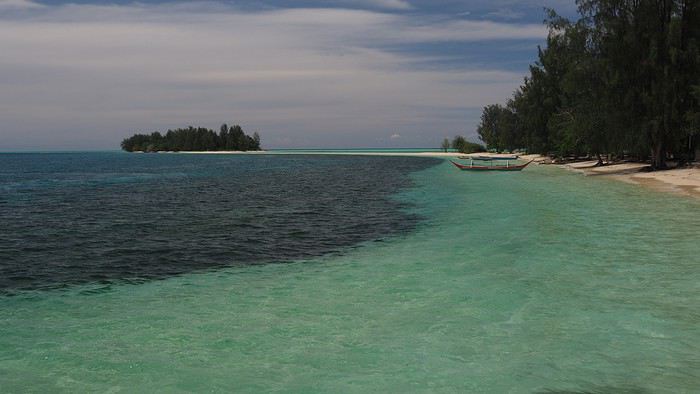
We zigzagged between mostly deserted islands.
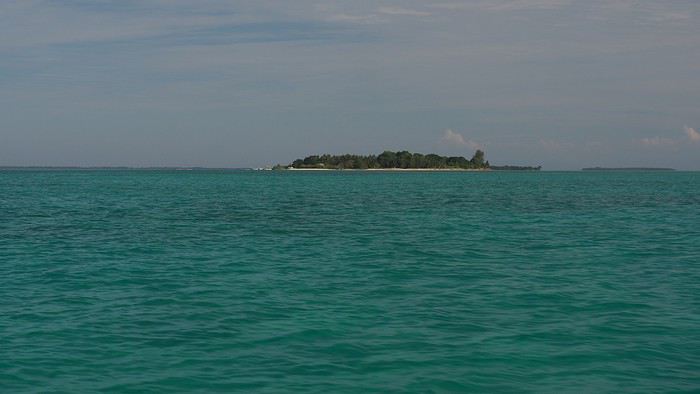
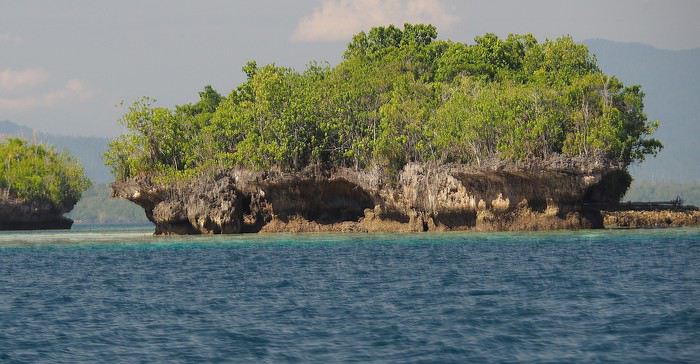
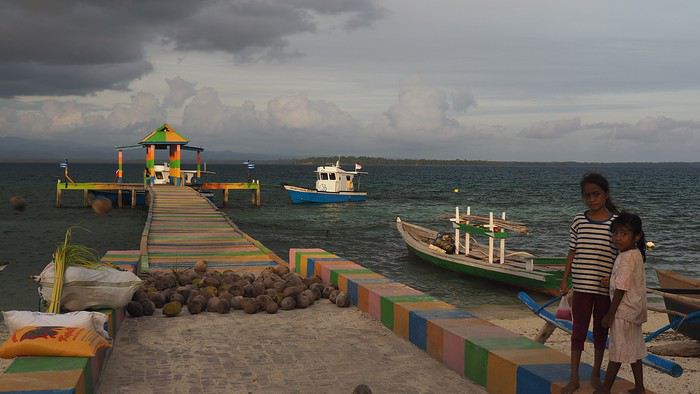
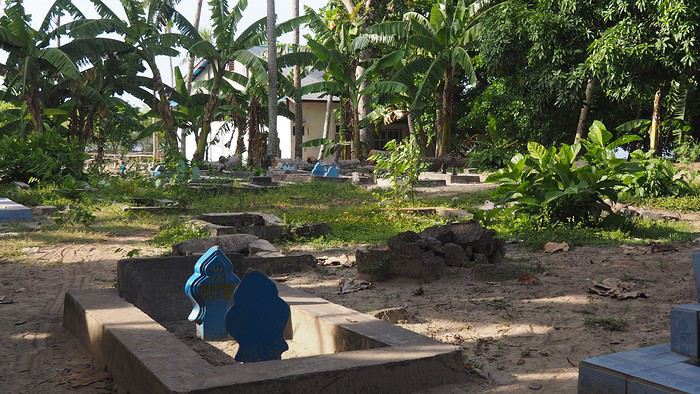
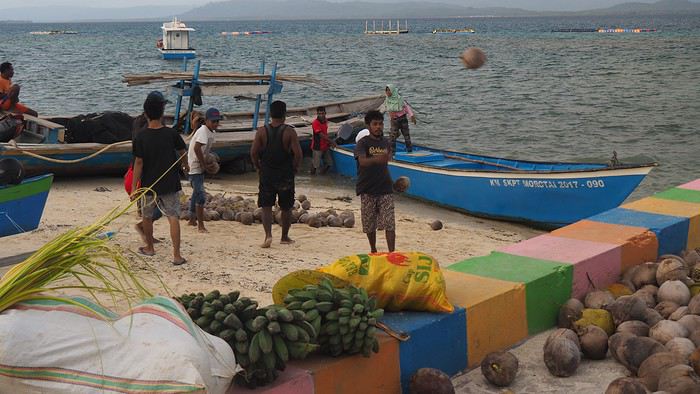
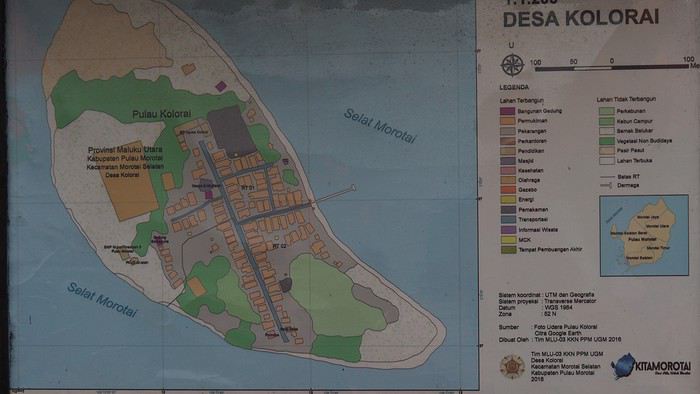
After 45 minutes, we approached Kolorai: the island is 200m by 500m and entirely taken up by the village.
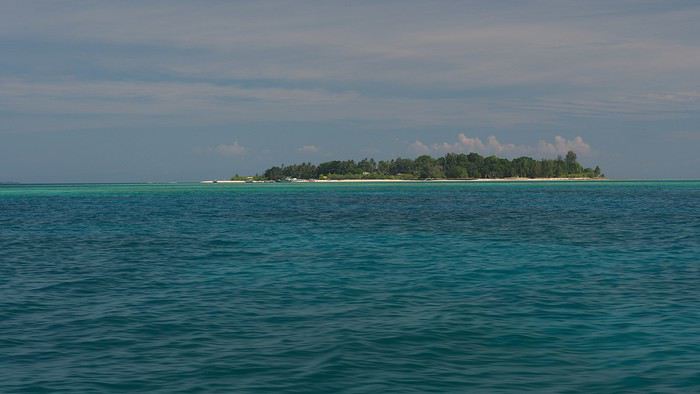
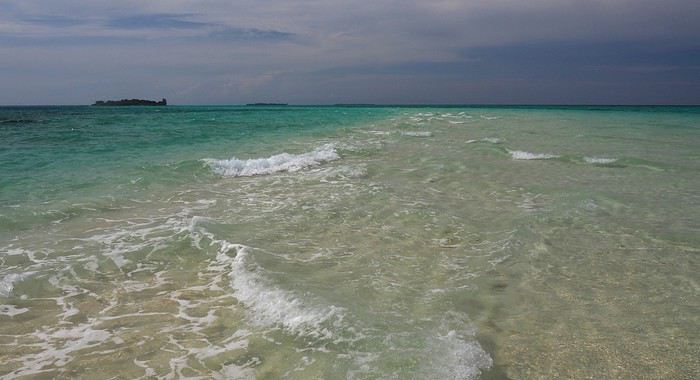
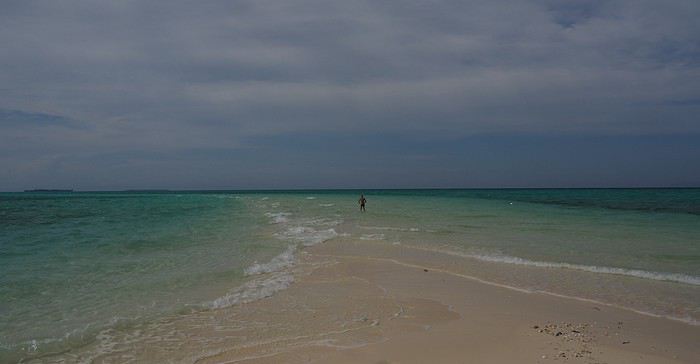
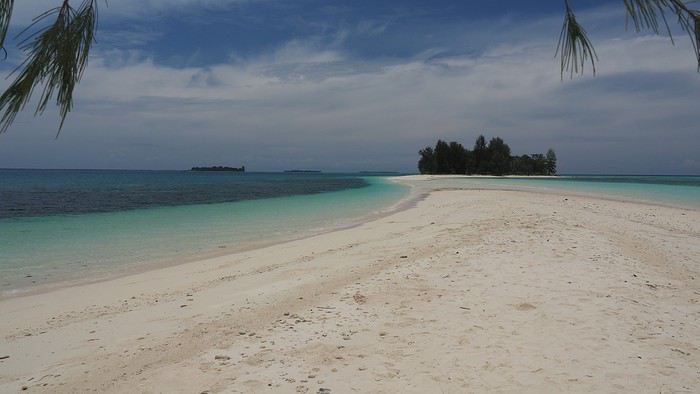
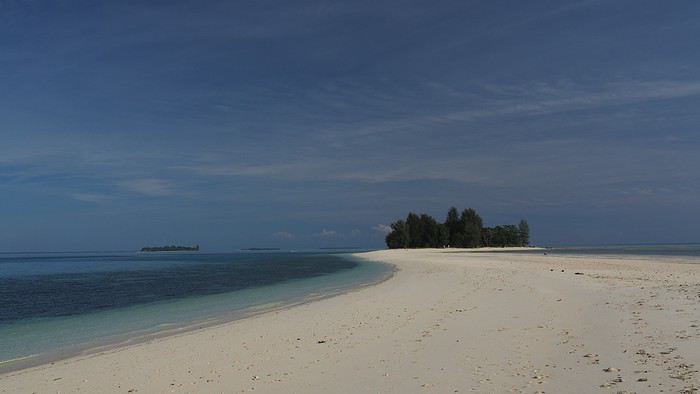
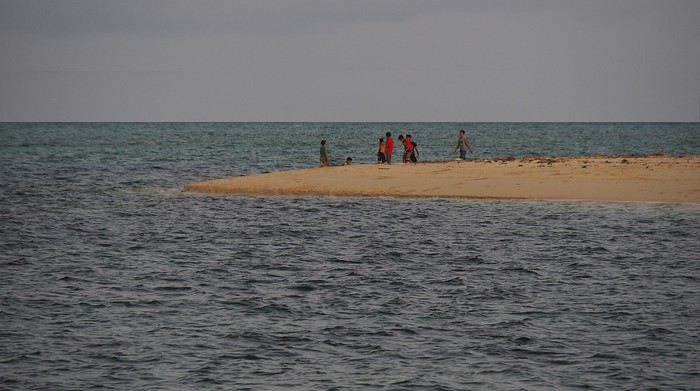
We couldn’t take our eyes off this strip of land (sand?), amazed.
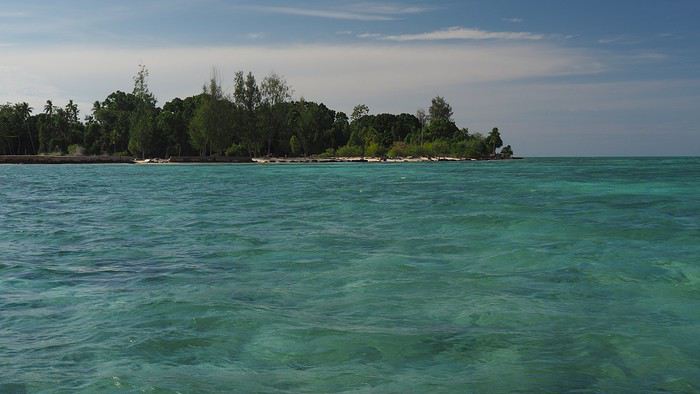
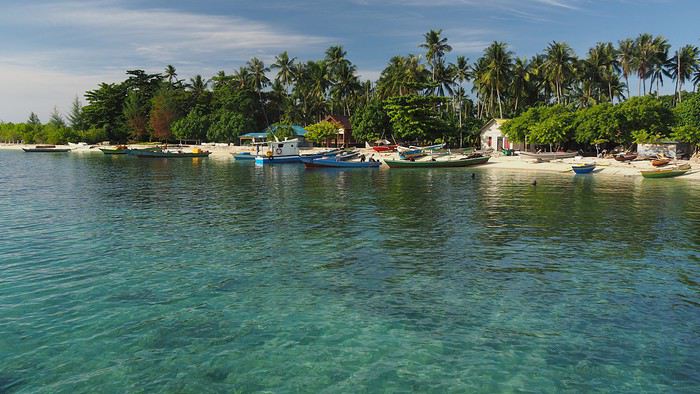
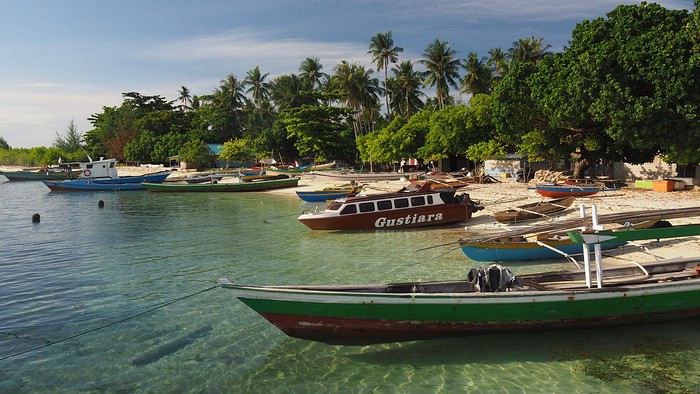
Kolorai… at the end of the jetty:
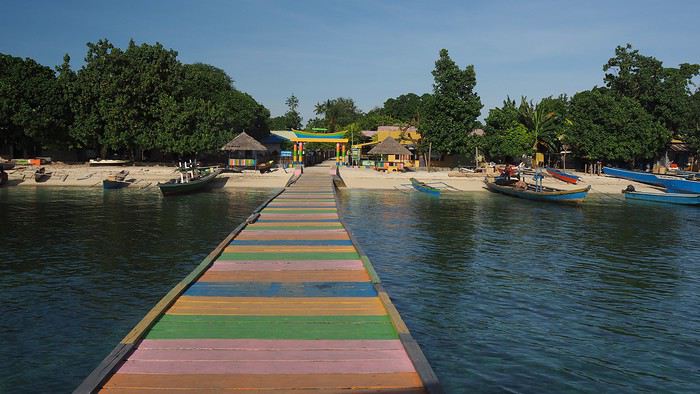
And then we thought, “Wow, we’re here!” 🙂🙂🙂… We felt like we’d accomplished something amazing, even though it was simple from Ternate—“one plane, one *kijang*, two *ojeks*, one *becak*, one boat”—but still so far from home and so complicated: all those discussions, waits, people going to find someone who speaks English—*no, he doesn’t*—then another—*finally, okay* 😎—Where do you want to go?—Kolorai or Kokoya? Where? Kolorai or another island? OK for Kolorai? Yes, if it’s possible to sleep there… etc., etc. 😛.
But we made it:
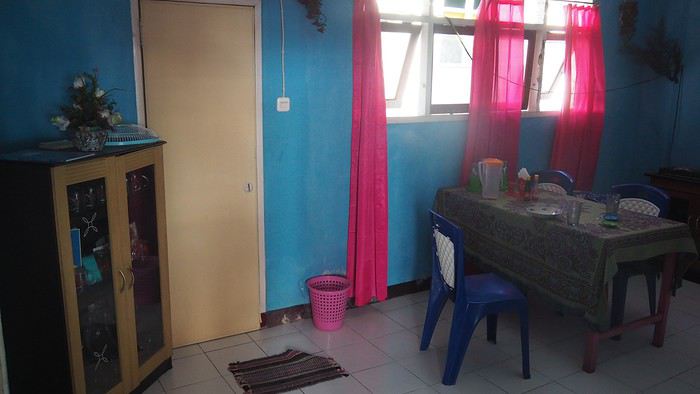
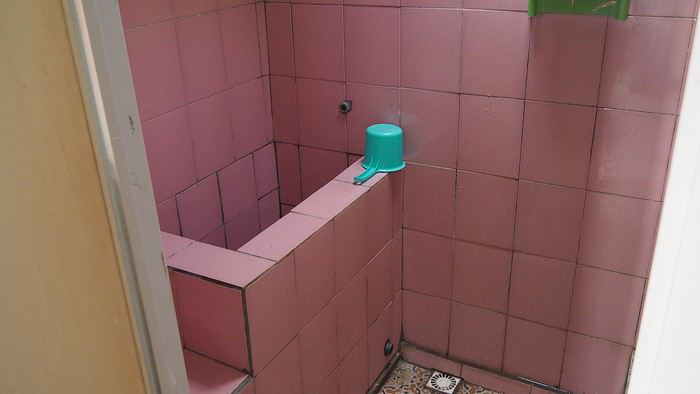
Okay, it’s not over—we still have to find a roof for the nights ahead before exploring the islands.
To be continued in the next episode


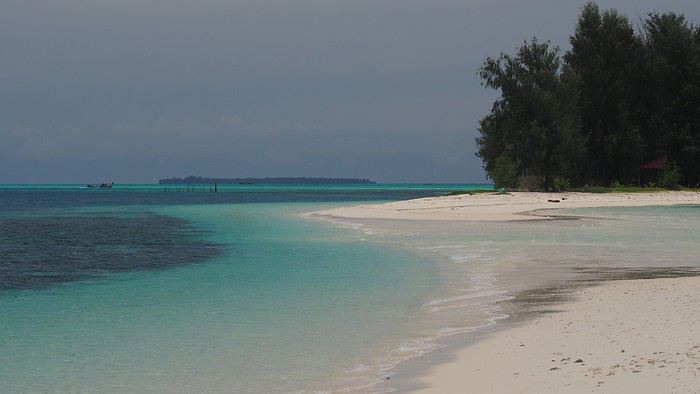
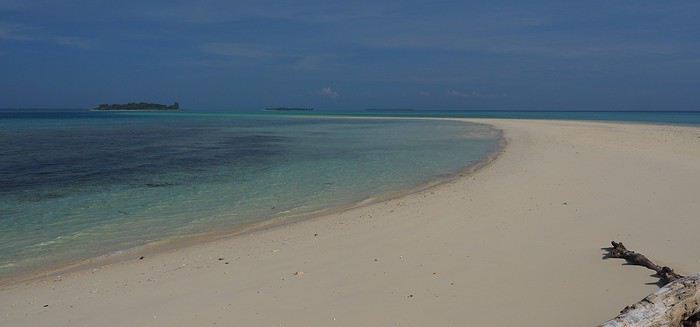
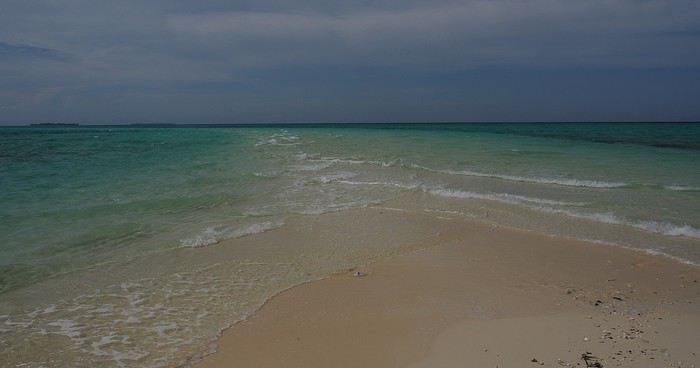
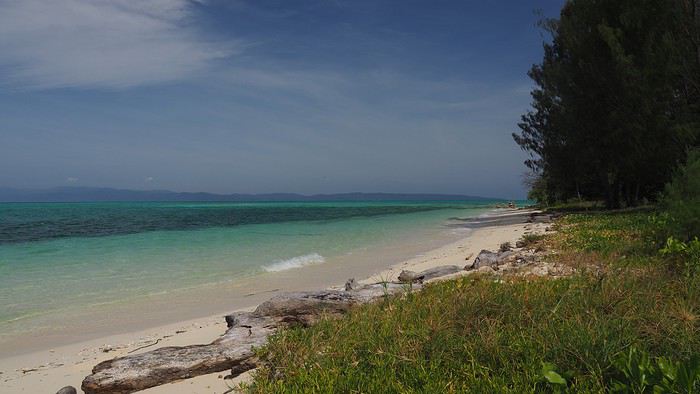
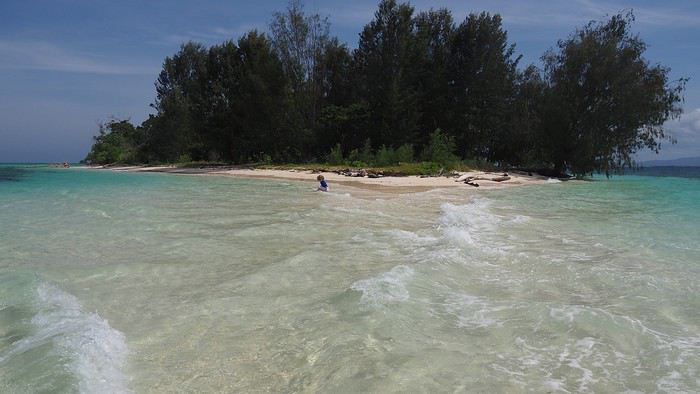
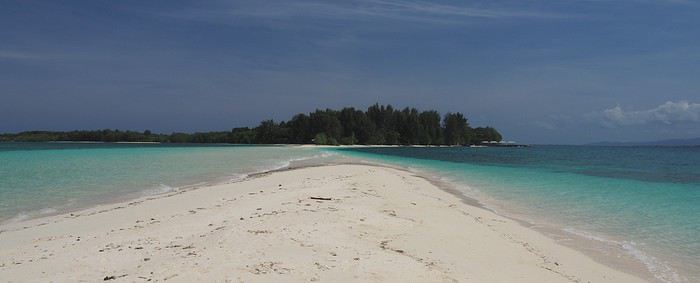 We’ll visit at high tide when 50 cm of water covers the sandbar, and the next day at low tide—magnificent and unforgettable in both cases. 🙂 🙂 😎
The other islands are Kokoya and SumSum.