Four Weeks in Botswana
Tuesday, October 9, 2018
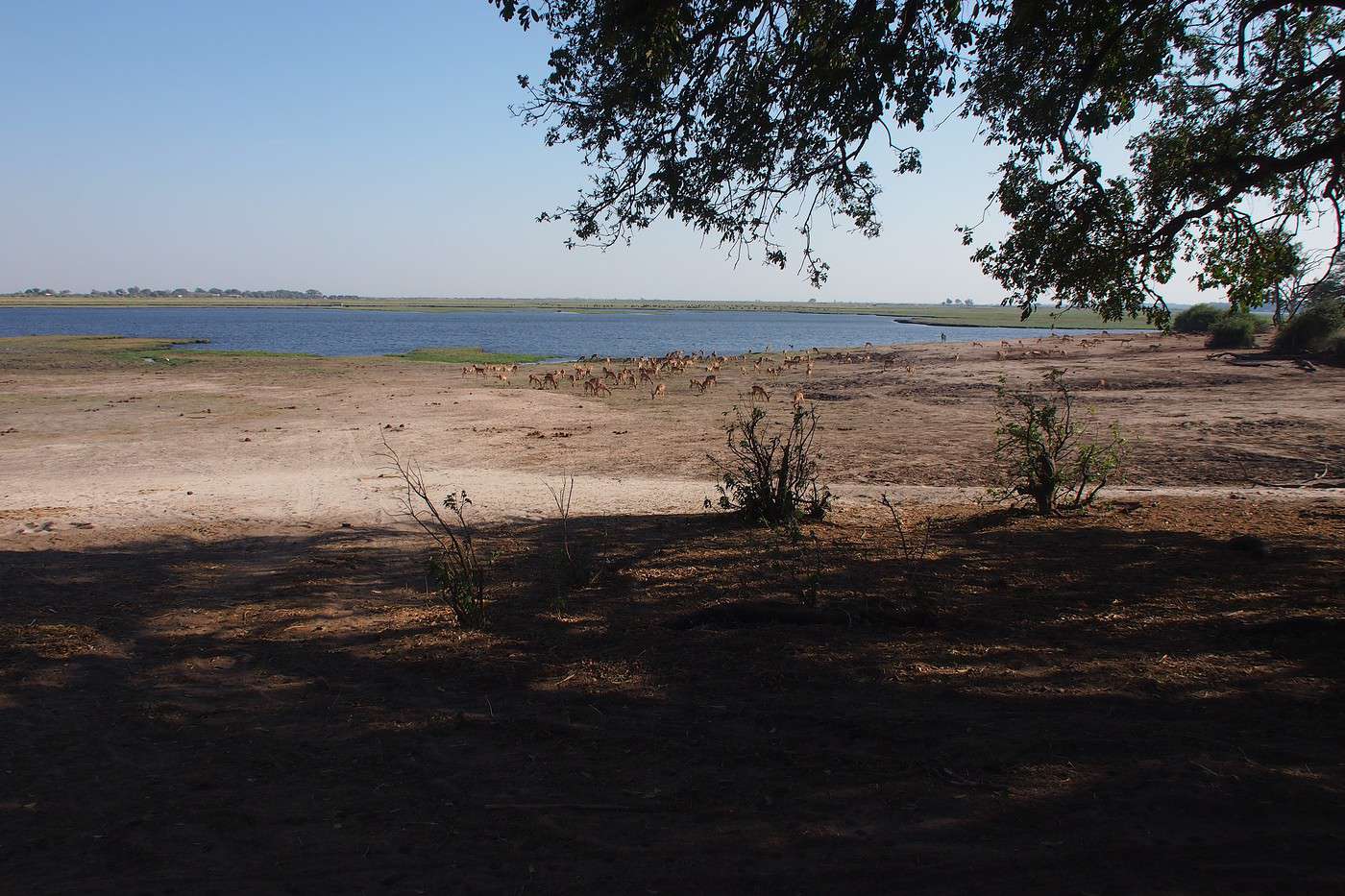
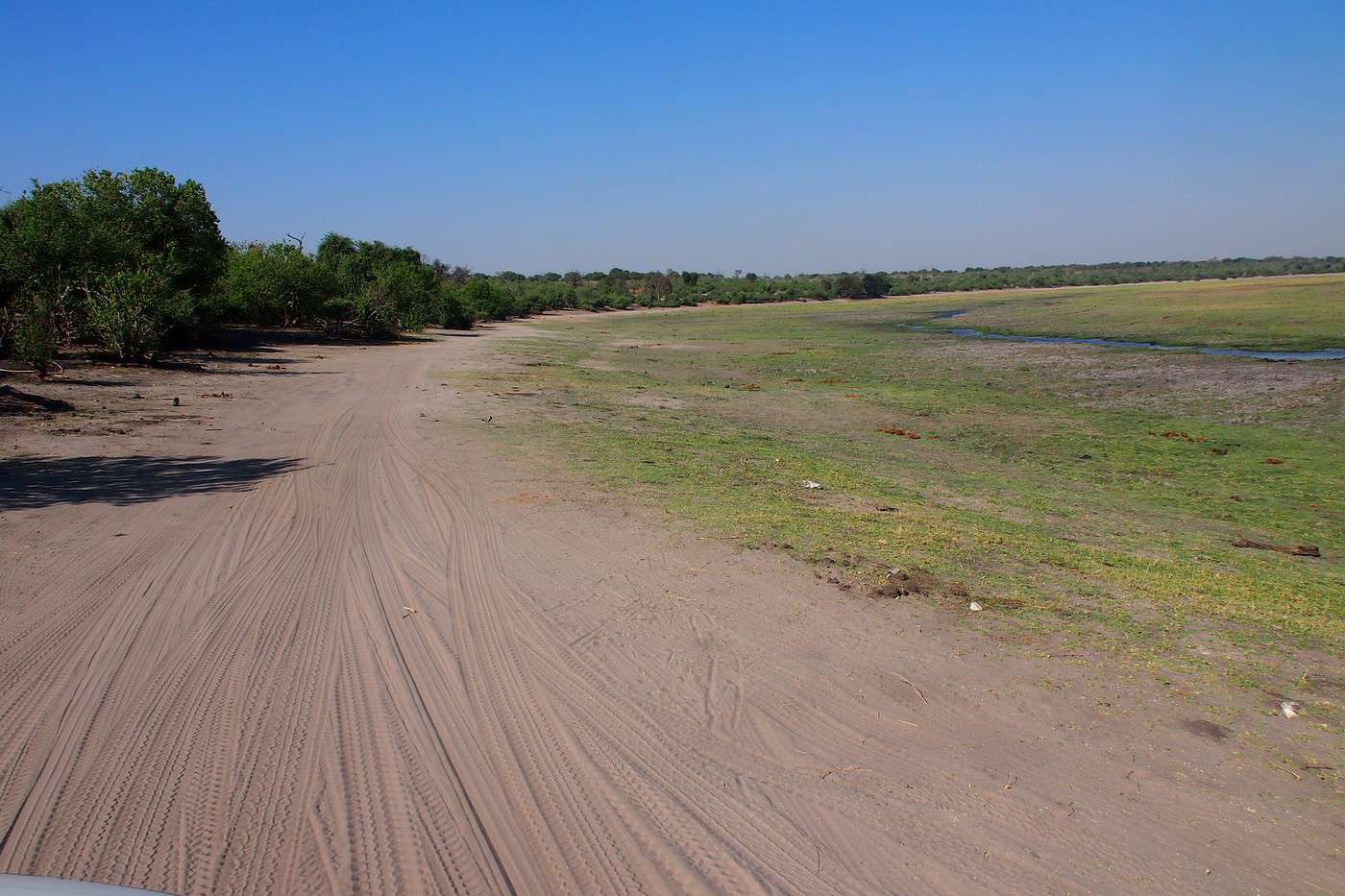
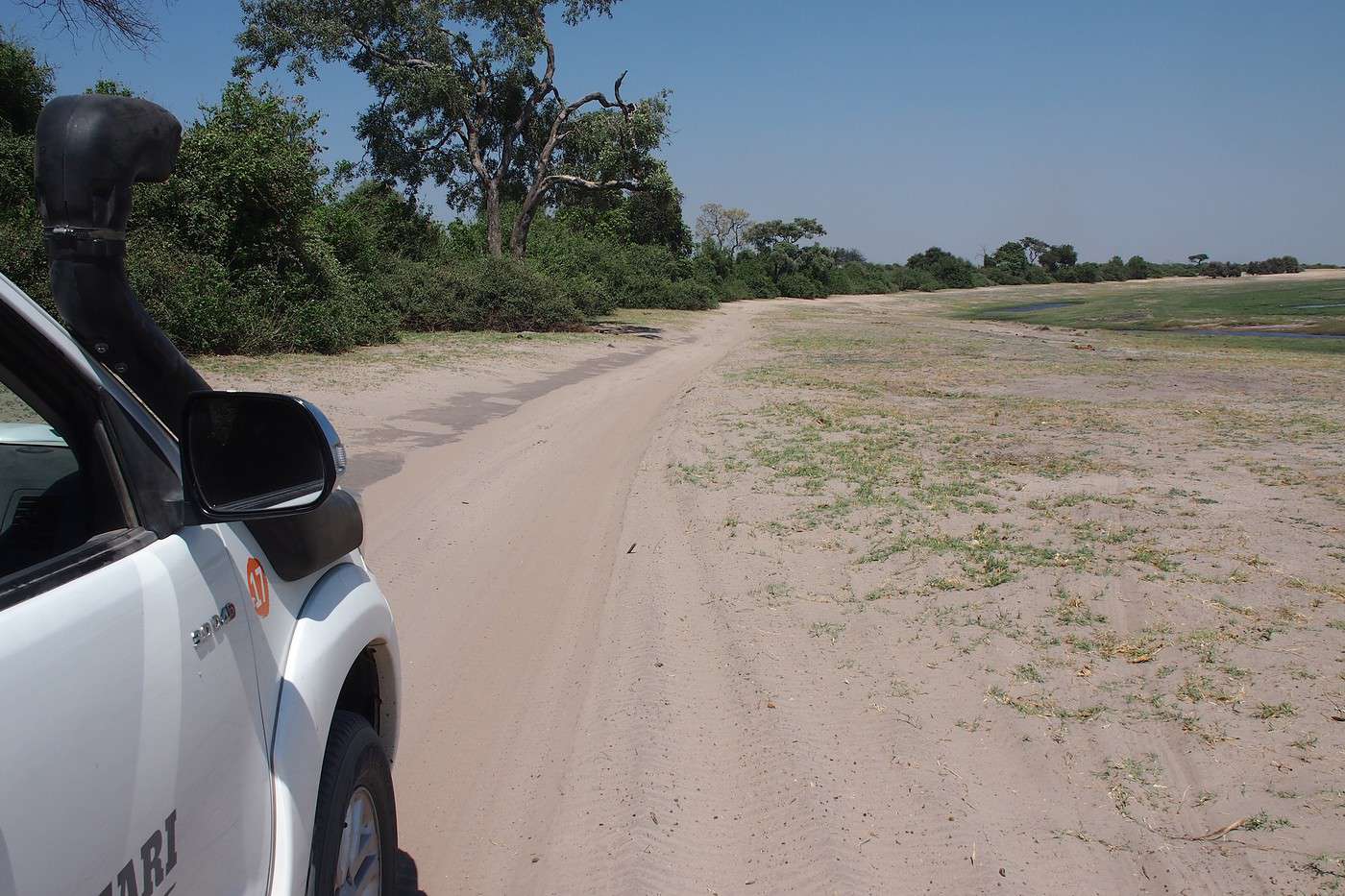
We picked up our Hilux yesterday evening with our repaired hard top. This morning, we reload our gear into the hard top. We leave Senyanti Safari Camp, which deserves nothing but praise. We set off early in the morning heading toward Chobe National Park. We enter through the Phedudu Gate. Cost: 290 Pulas for 2 people and one vehicle. We follow the sandy track along the Chobe River. We come across a huge number of 4x4s outfitted for tourist excursions. We’re not used to so much traffic anymore. It’s worth noting that in Kasane and along the Chobe River, there are many lodges, which explains the high visitor numbers in this easily accessible park.
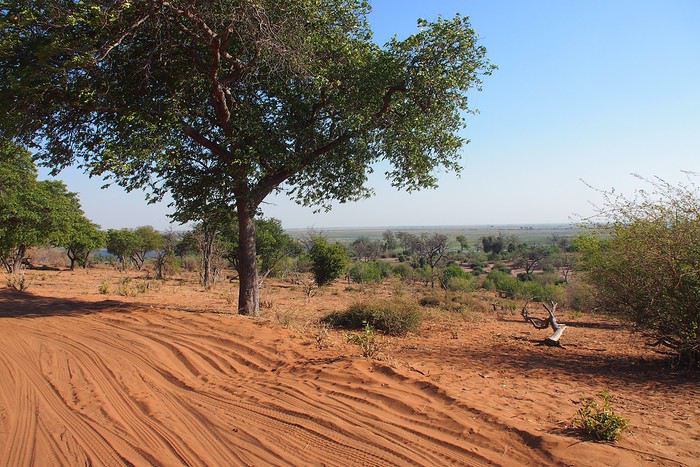
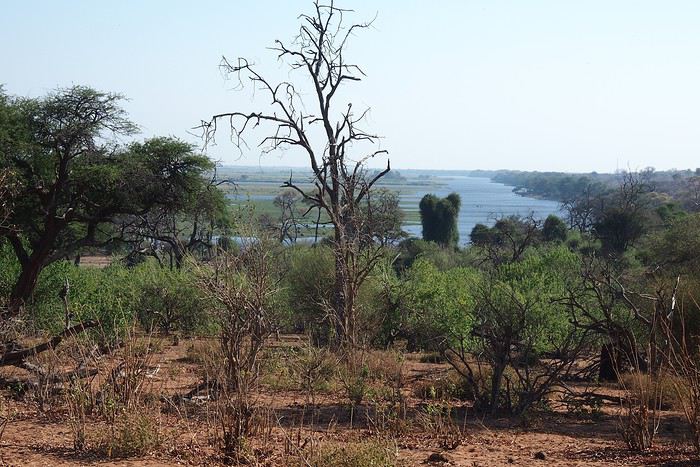
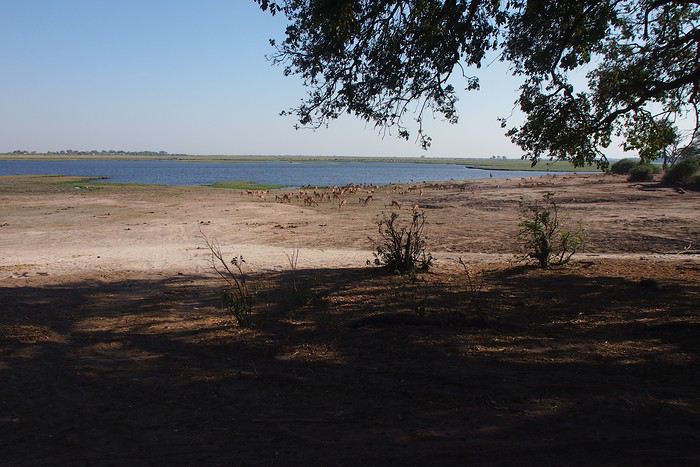
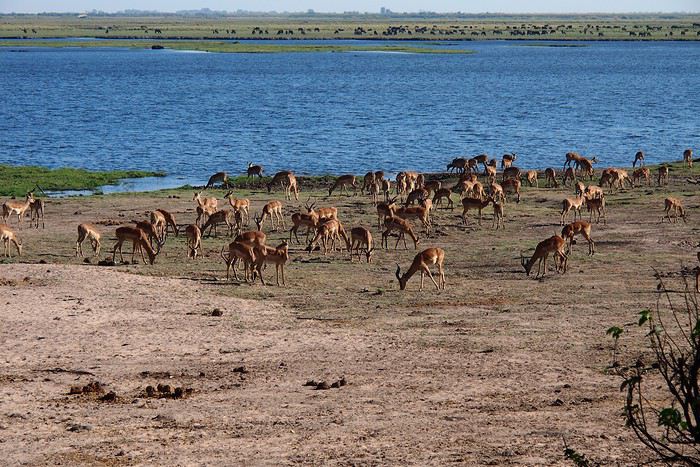
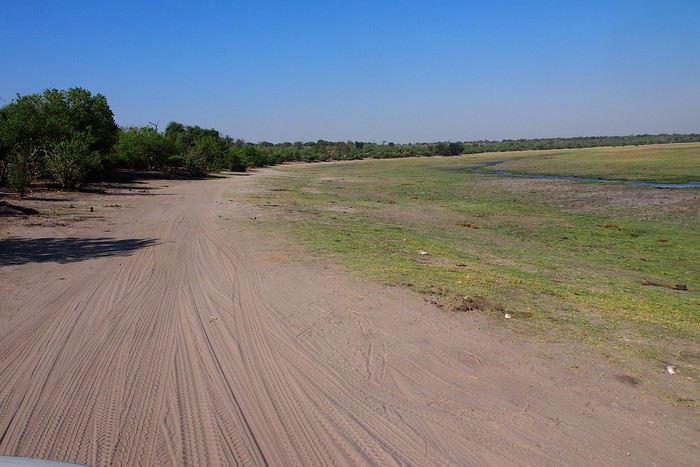
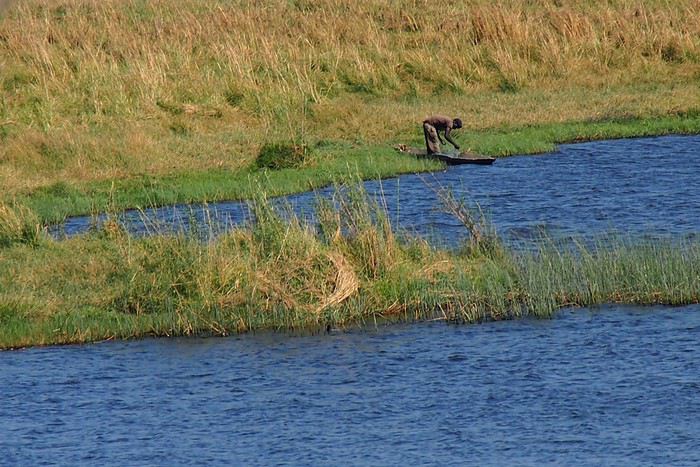
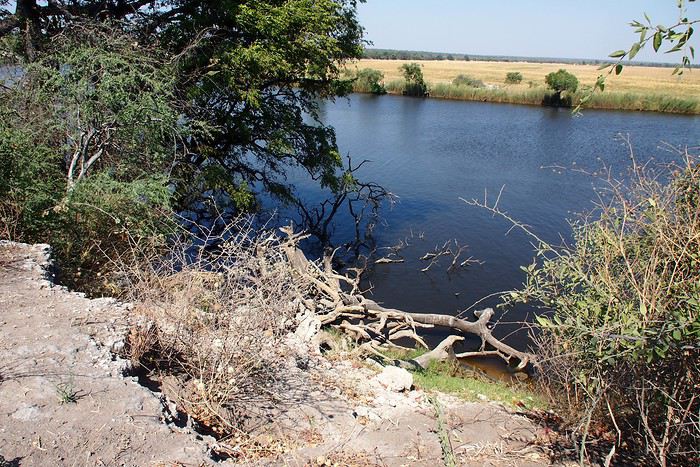
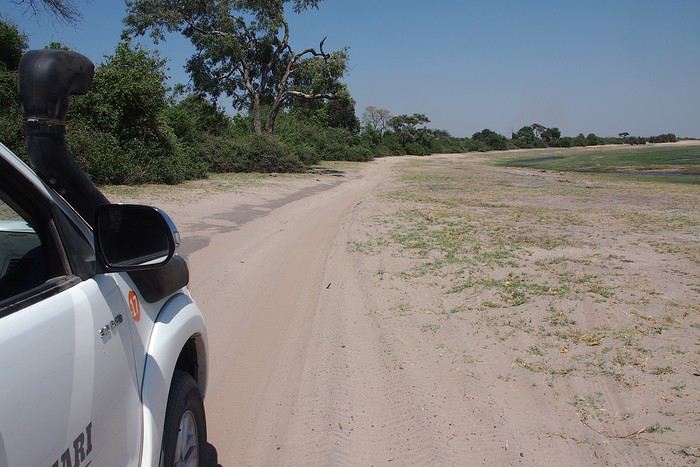
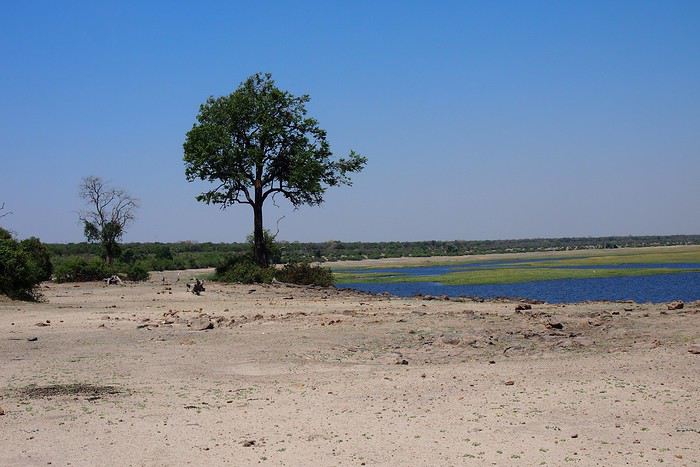
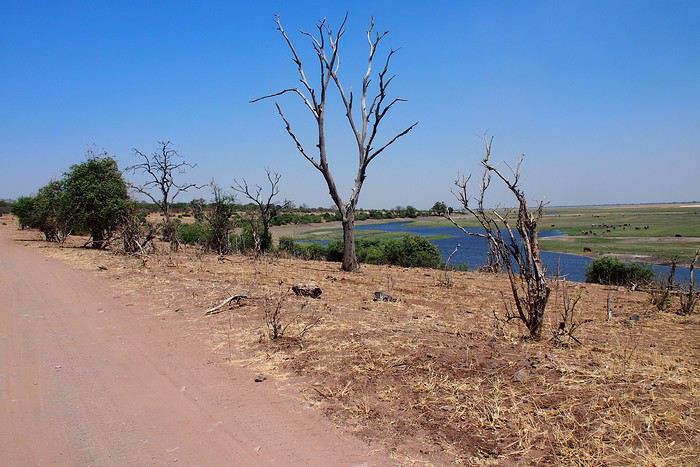
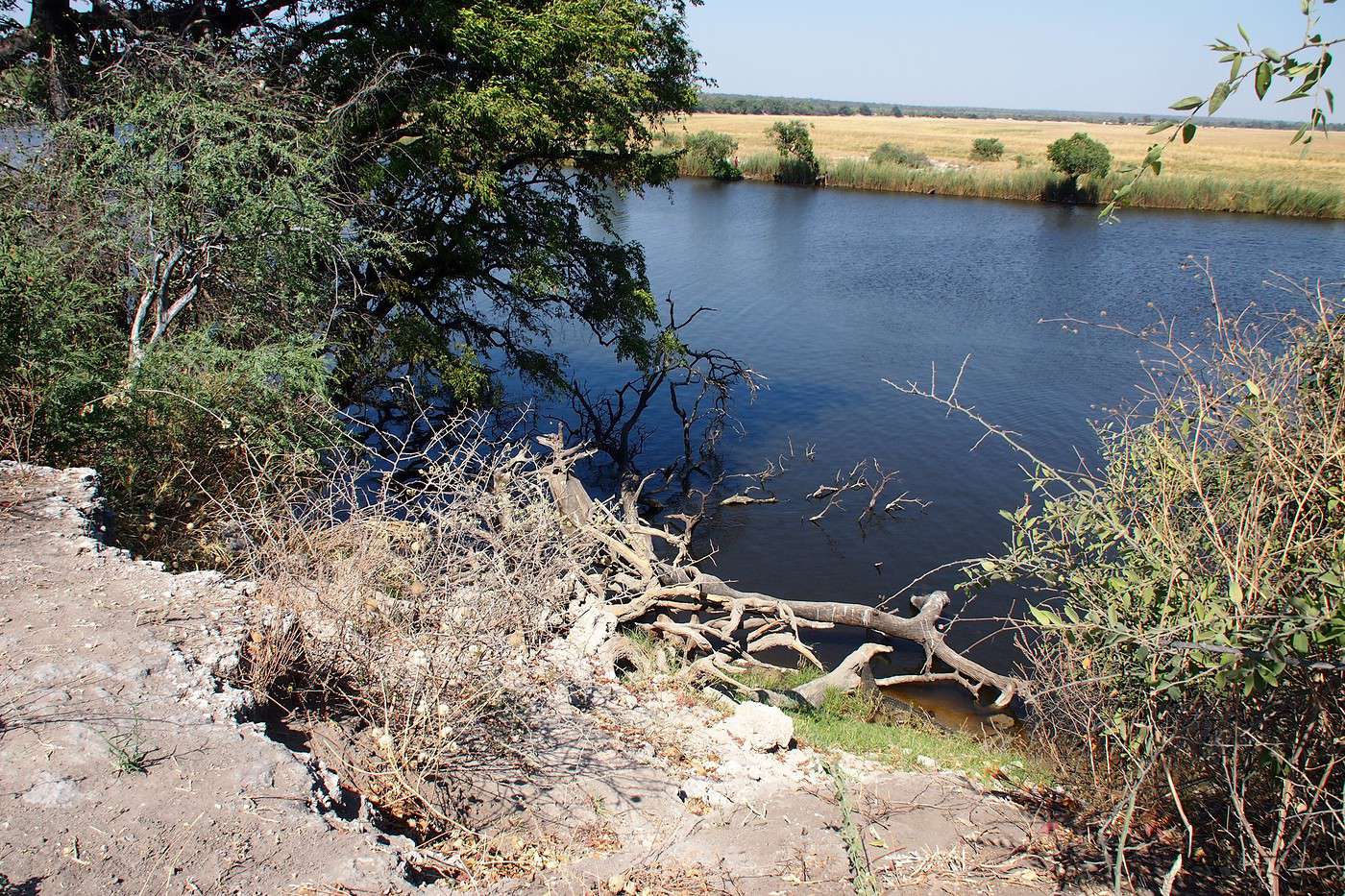
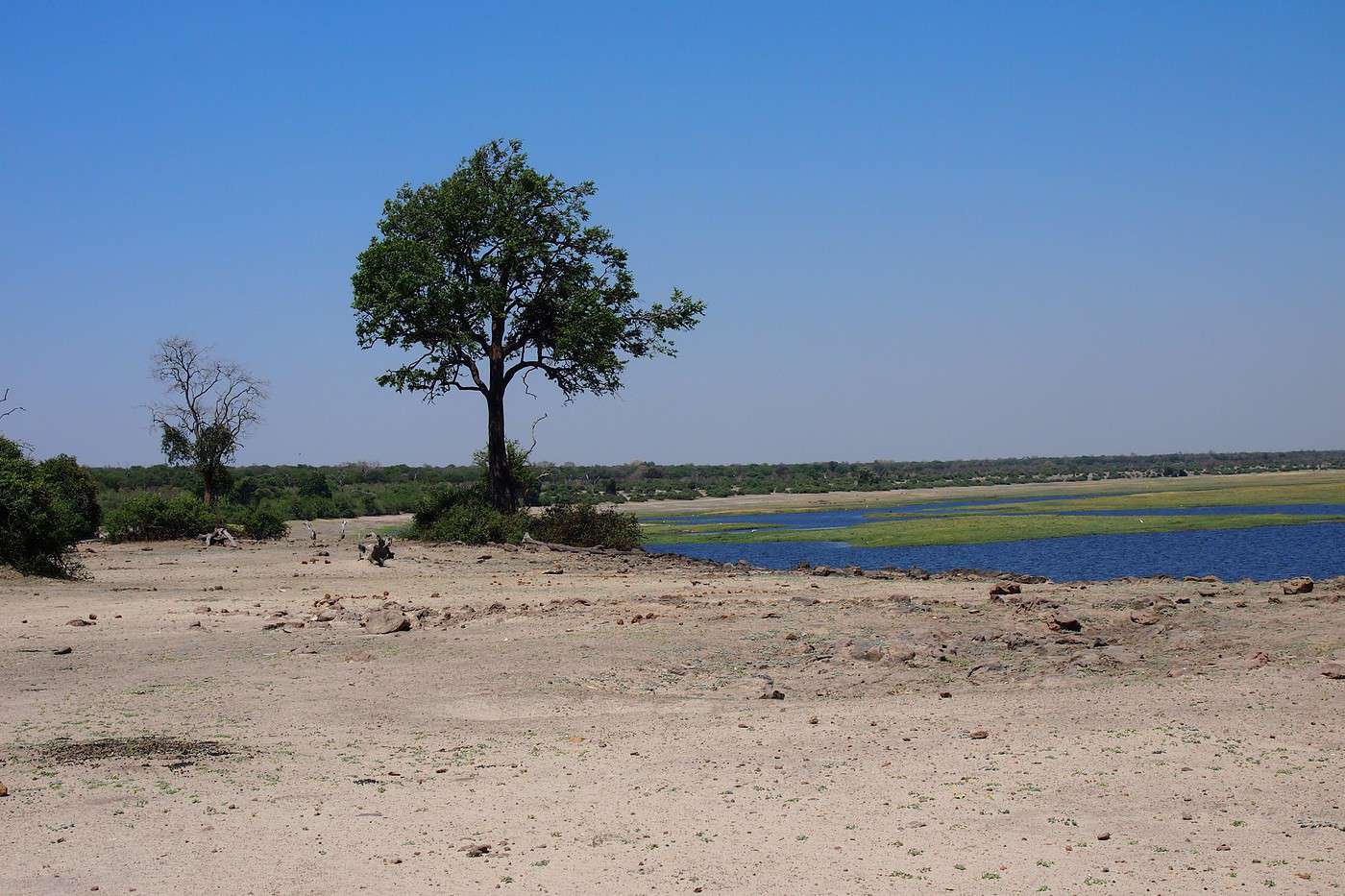
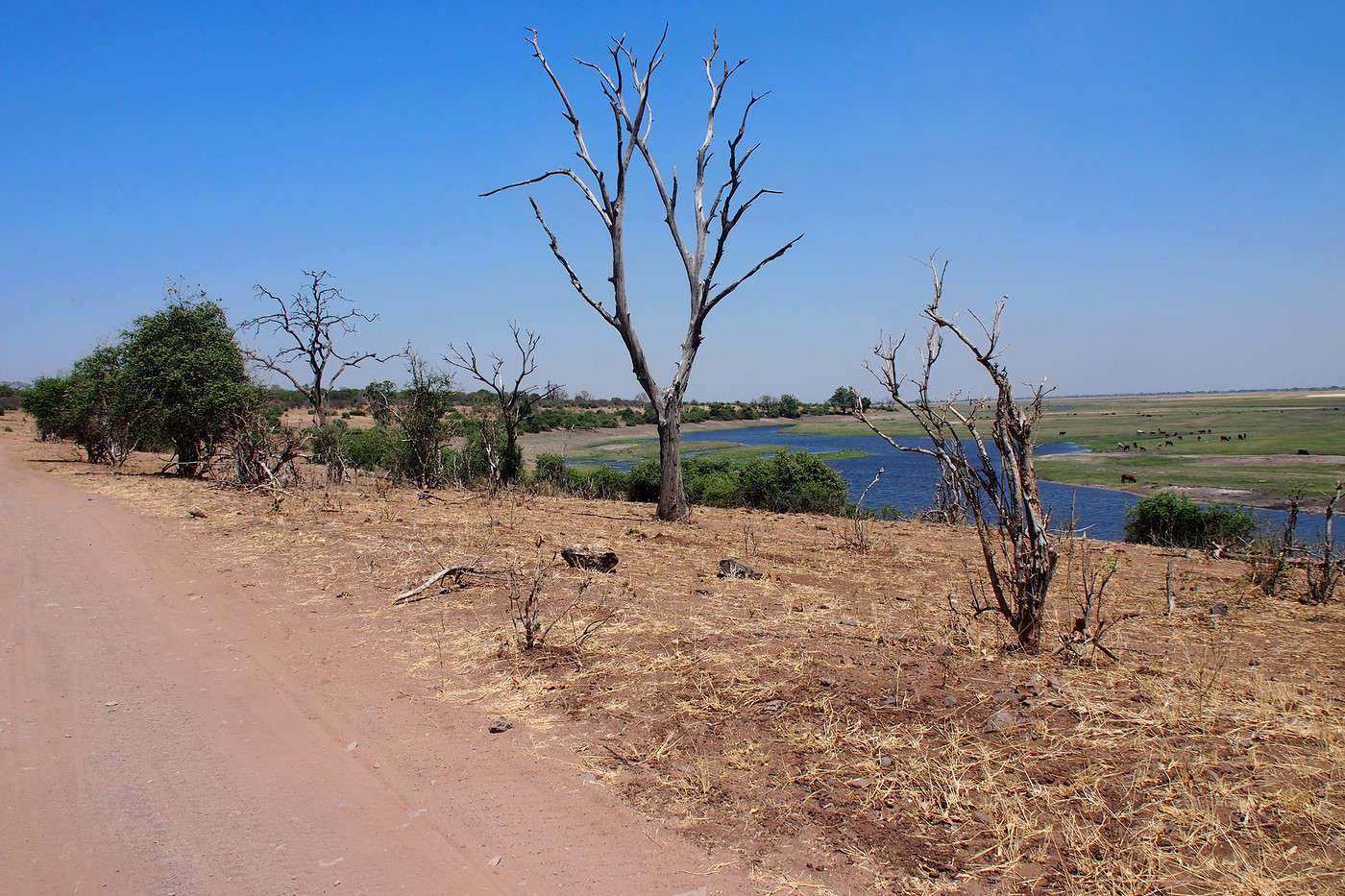
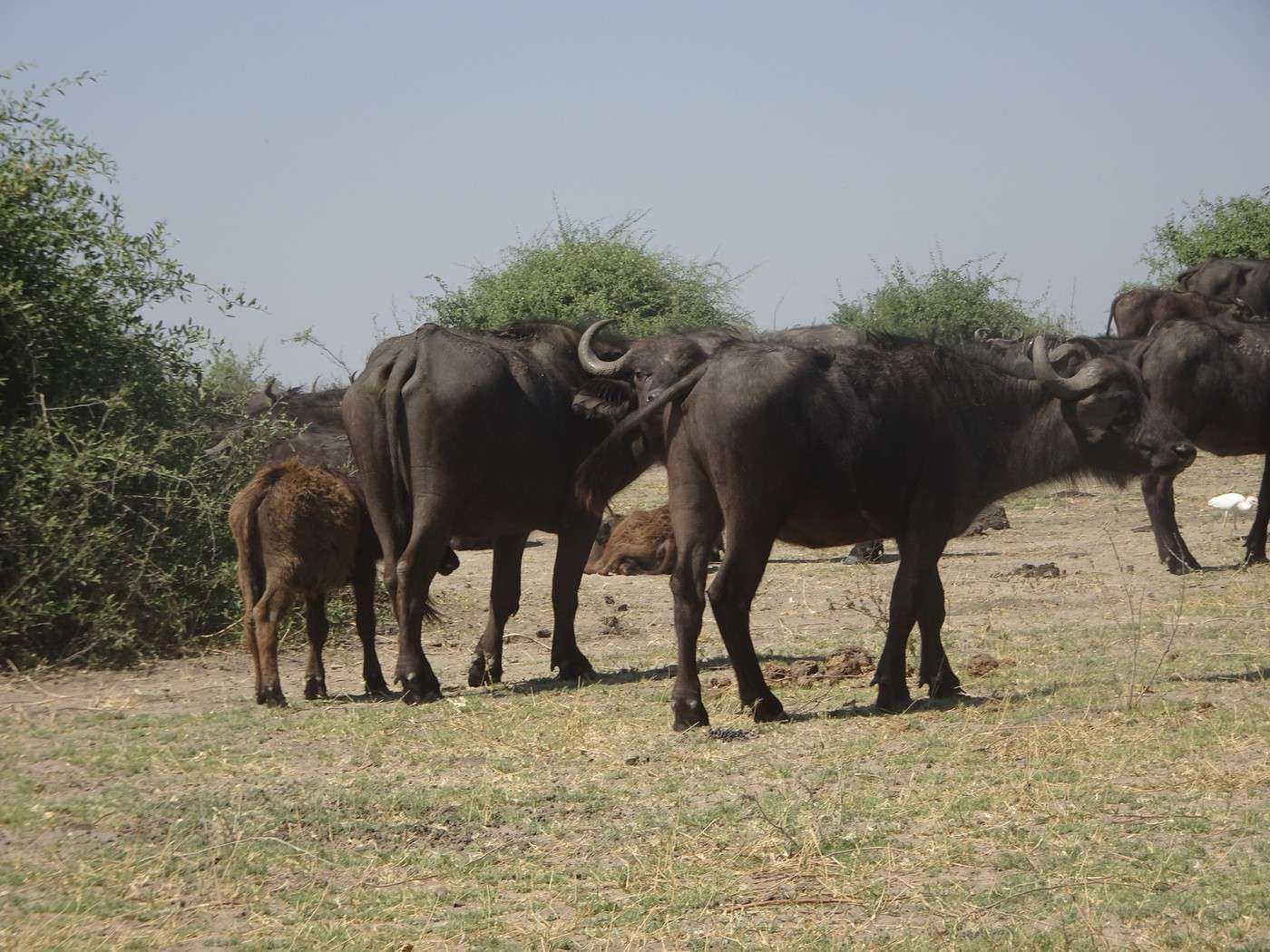
Gorgeous views of the Chobe River, which we sometimes follow very closely. The track is 60 km long. Plan for 4 to 5 hours to cover it. Along the way, we come face to face with a large herd of buffalo blocking the road. There’s no way around them. What to do? Knowing how dangerous these animals can be, I hesitate between waiting for them to move or slowly driving forward to encourage them to clear the track.
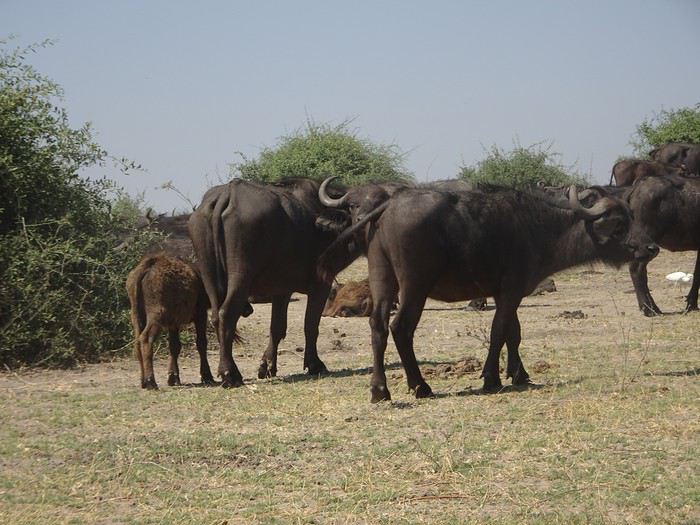
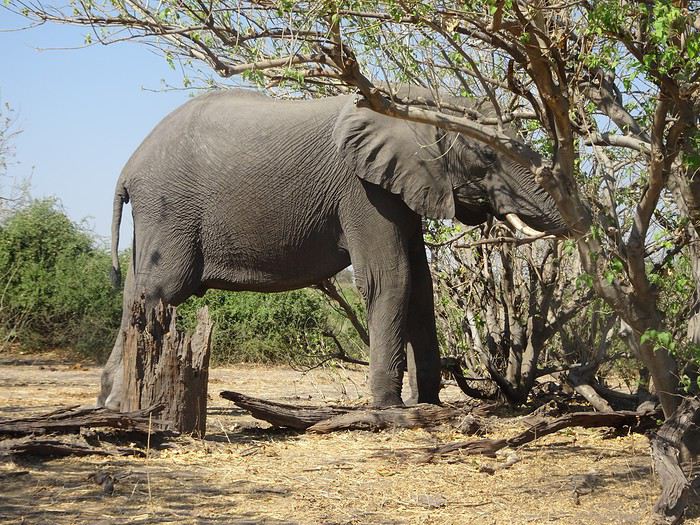
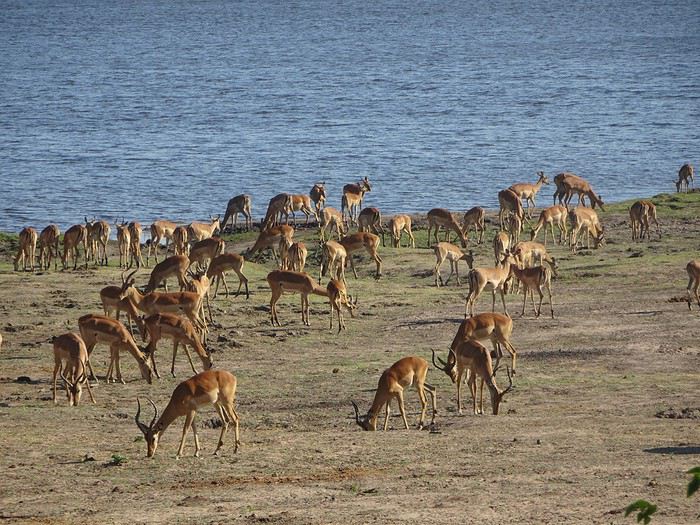
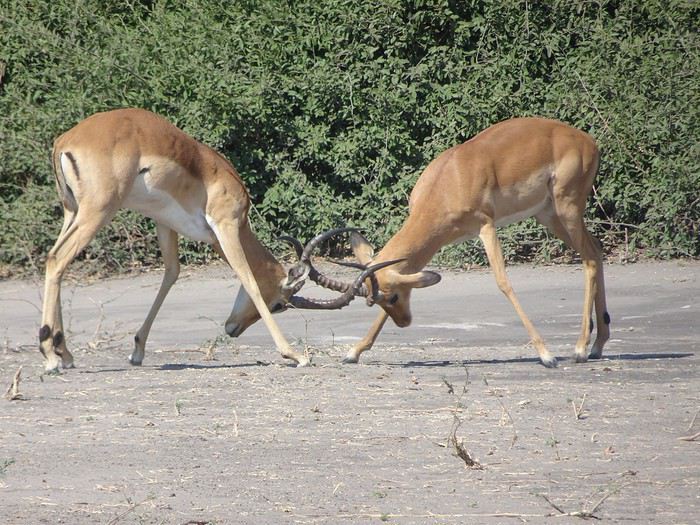
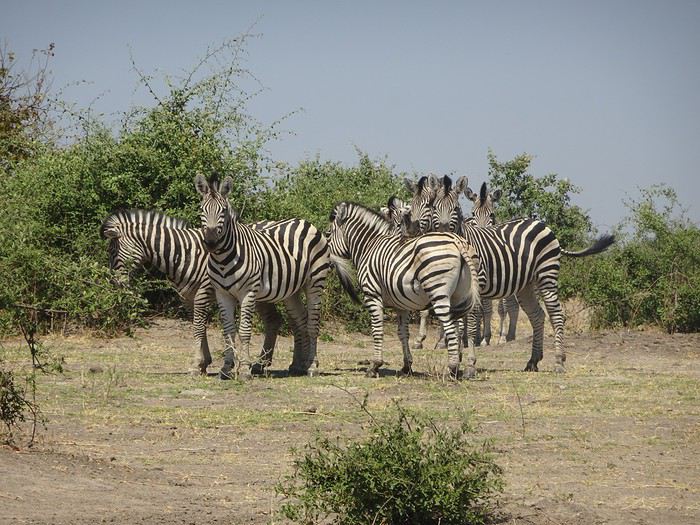
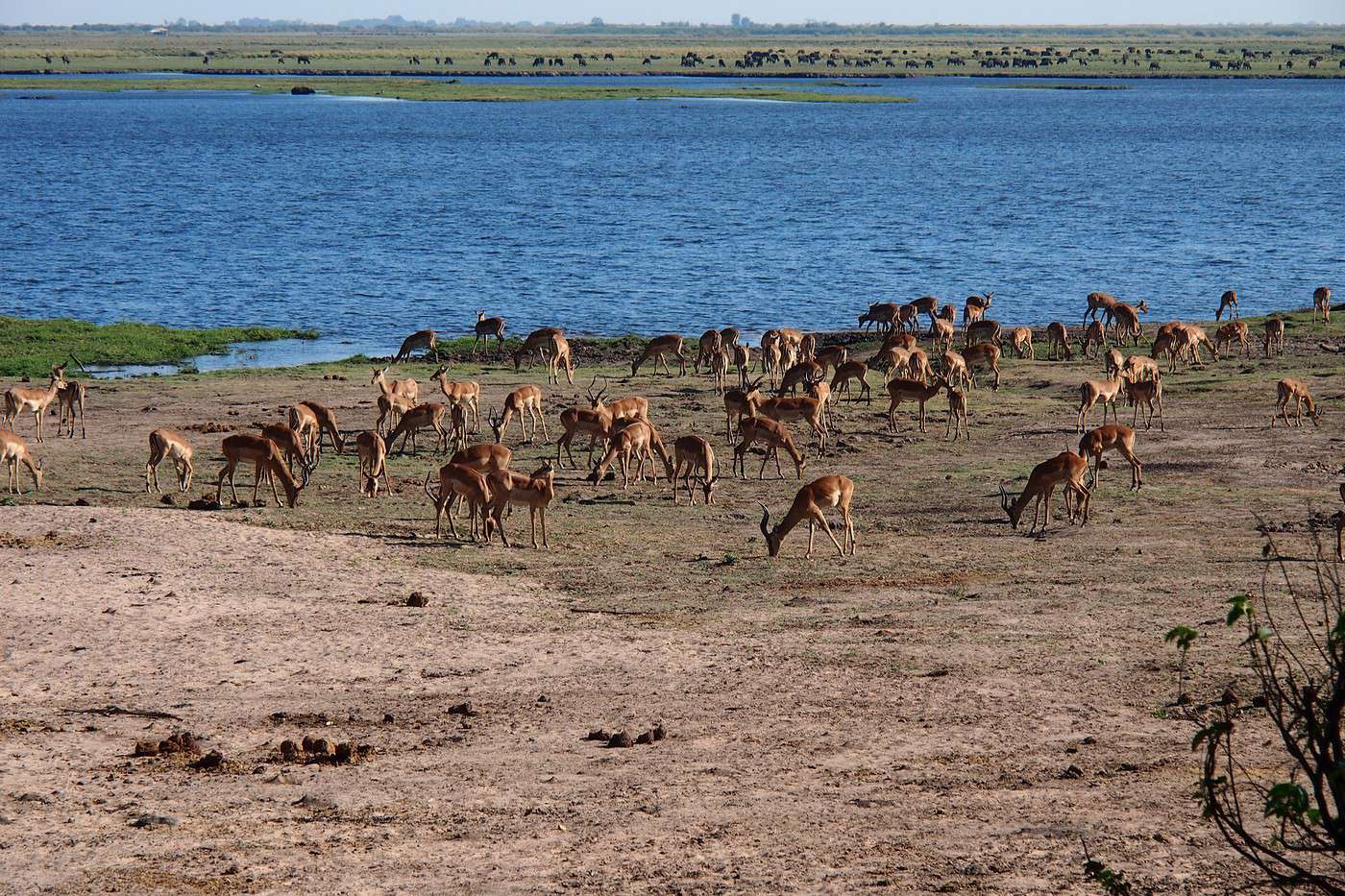
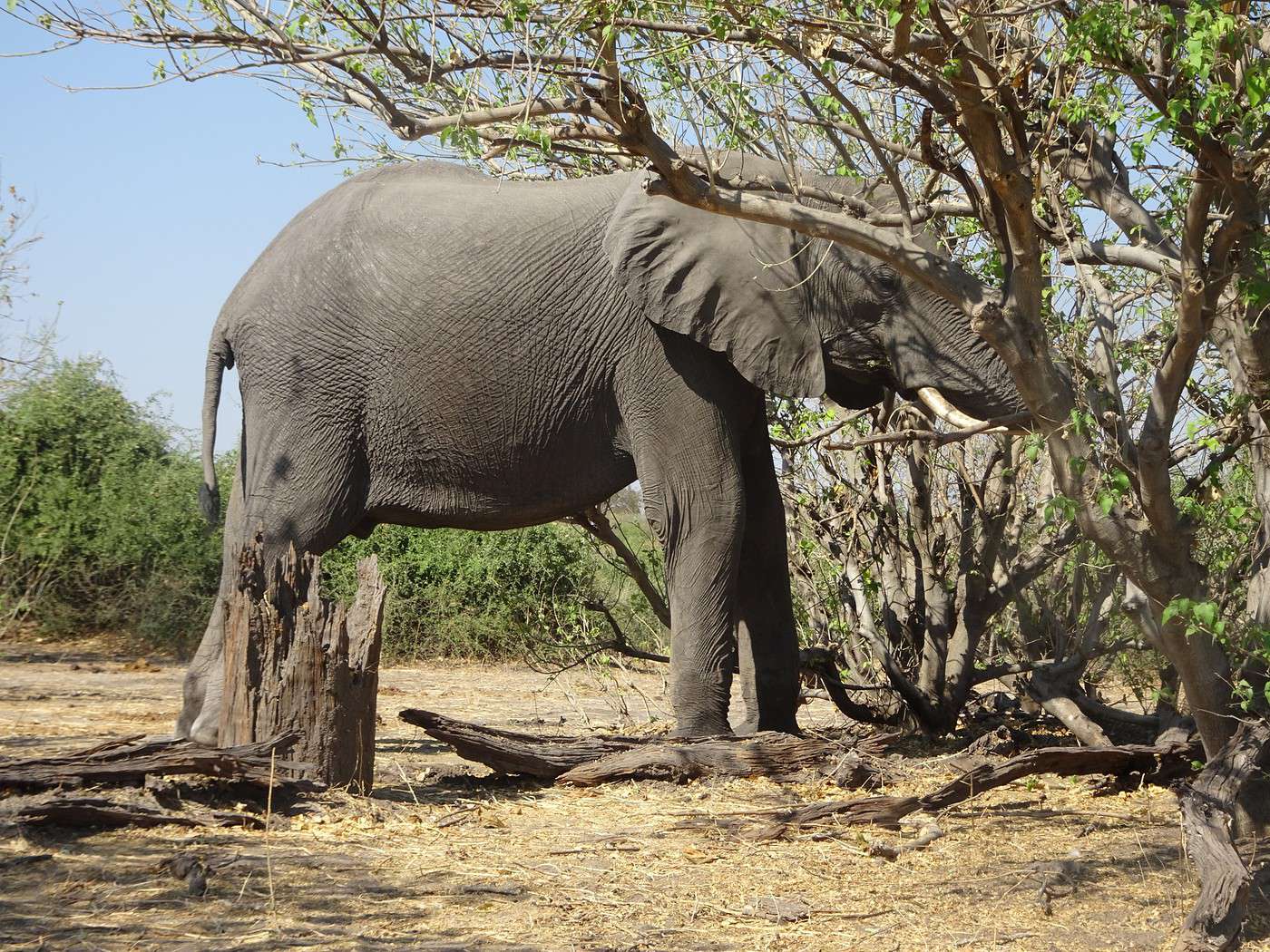
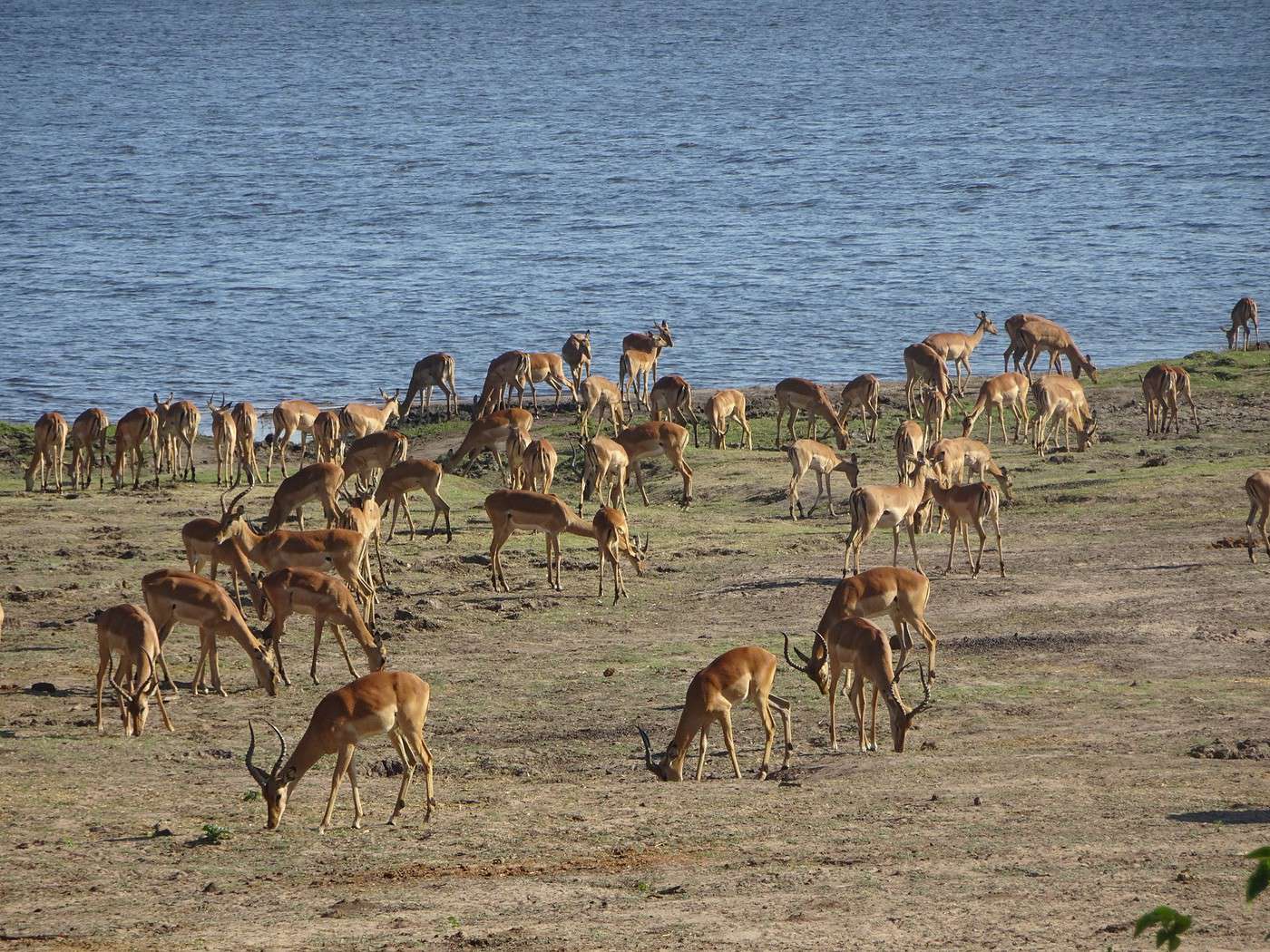
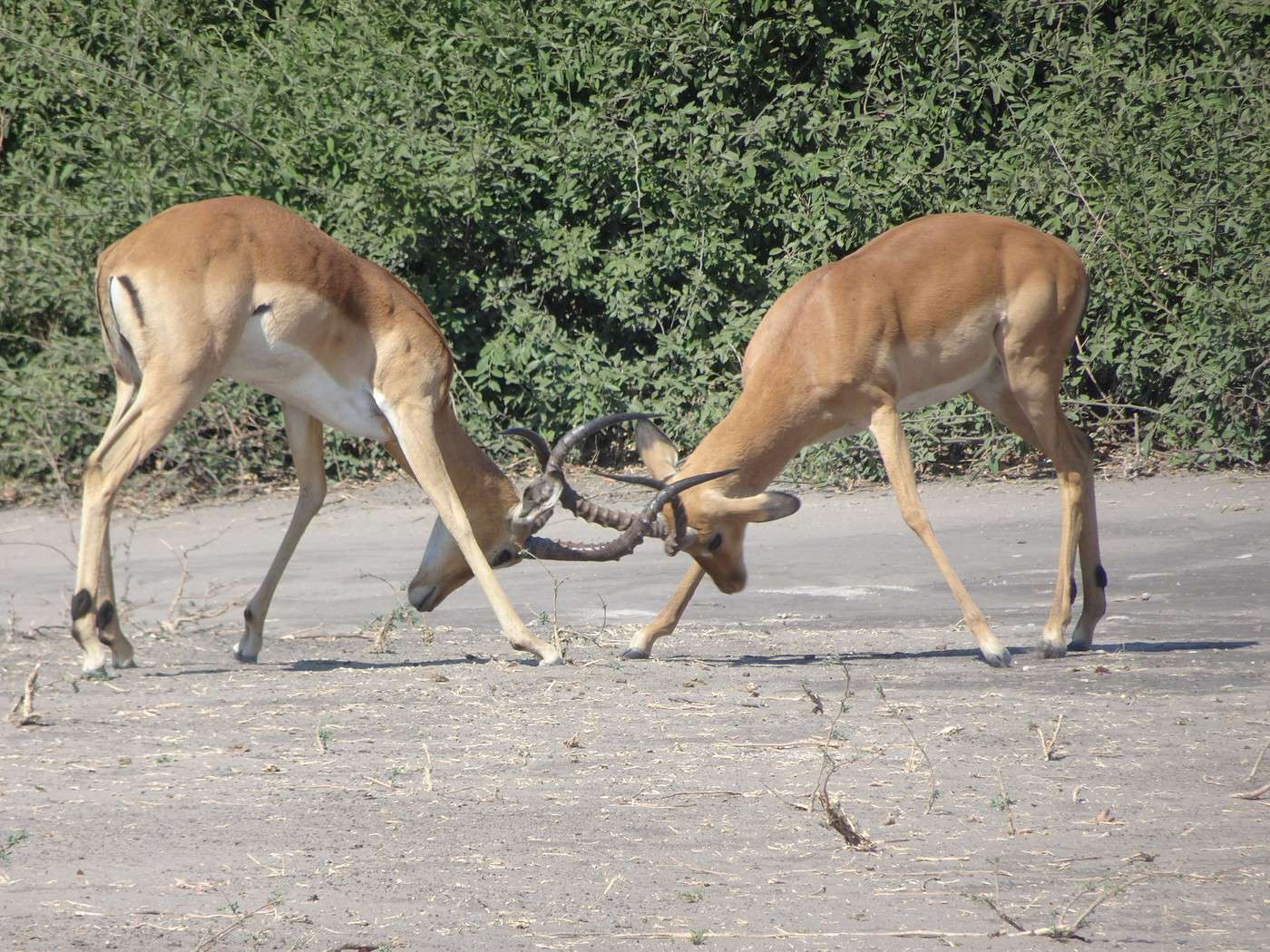
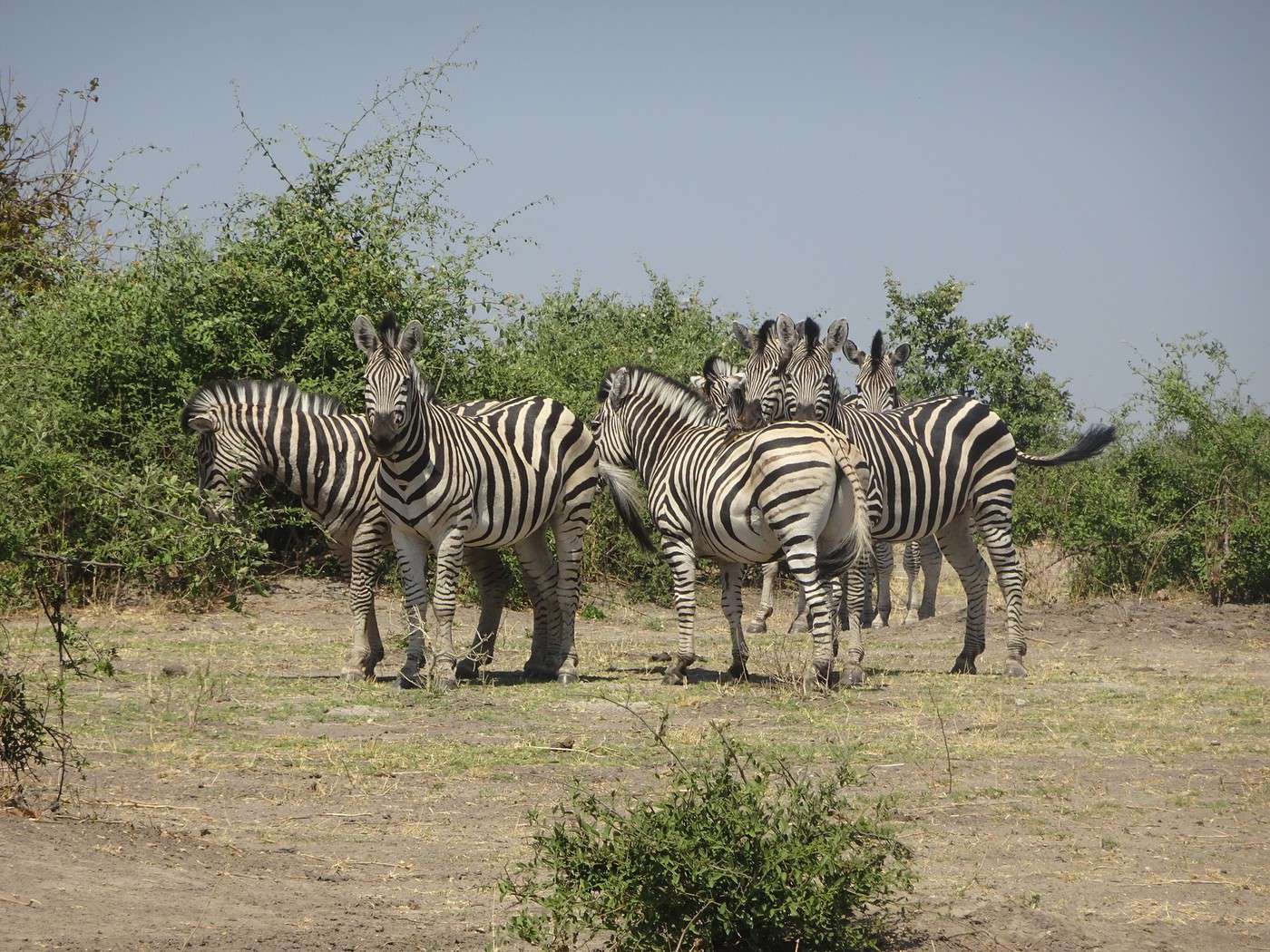
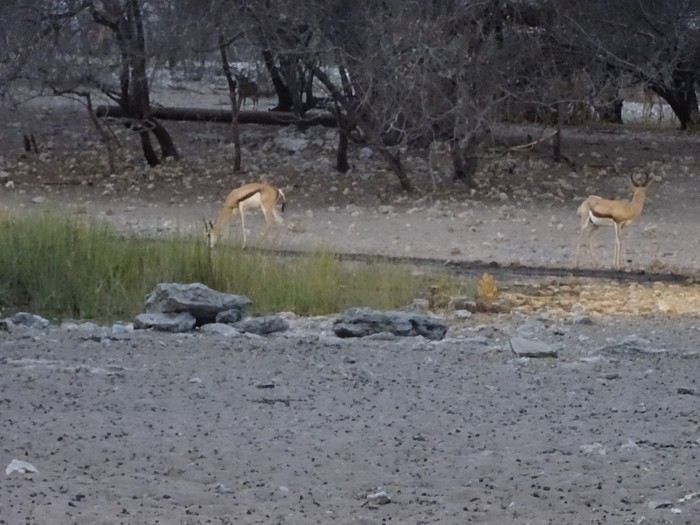
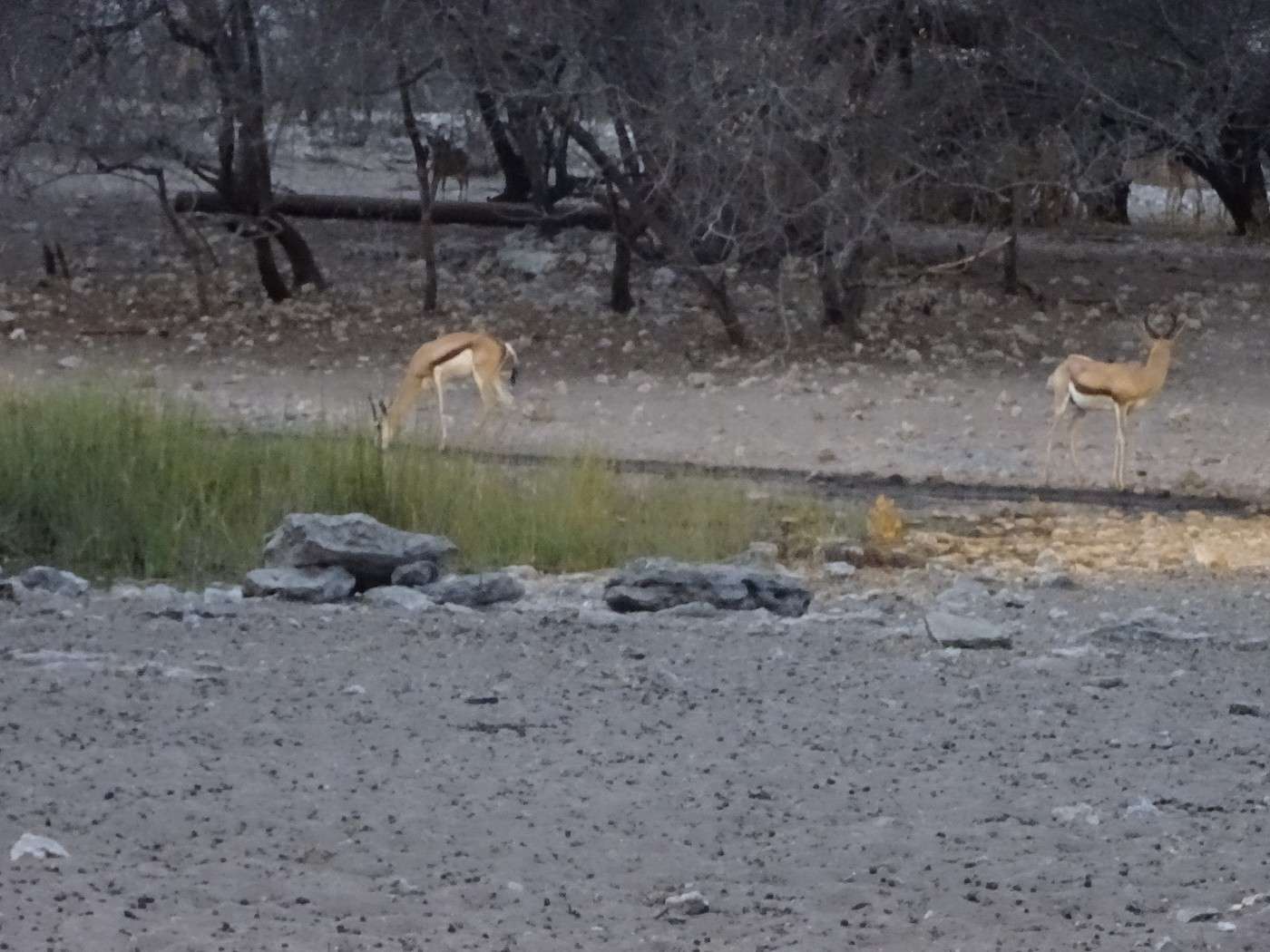
You feel a bit helpless when you don’t know how wild animals will react. I choose the first option, not wanting to risk a charge. After a short wait, we see a 4x4 carrying tourists approaching from the other side of the herd. It starts moving slowly toward the buffalo. The buffalo stand up to let the 4x4 pass, so we do the same and start driving gently, allowing us to cross the herd without any issues. We see elephants, antelopes, zebras, and birds, but fewer animals than we expected based on the various accounts we’d read.
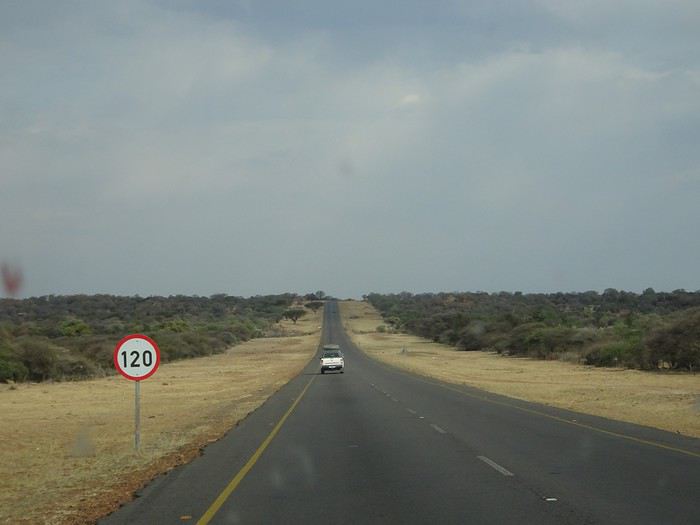
We exit the park via a very sandy track leading to the N'Goma Gate. We leave Botswana through the N'Goma border post. Exit formalities are very quick. We enter Namibia at the end of the bridge over the Chobe River. Cost: 295 Namibian Dollars for the vehicle entry fee. A long 400 km drive awaits us to cross the Caprivi Strip.
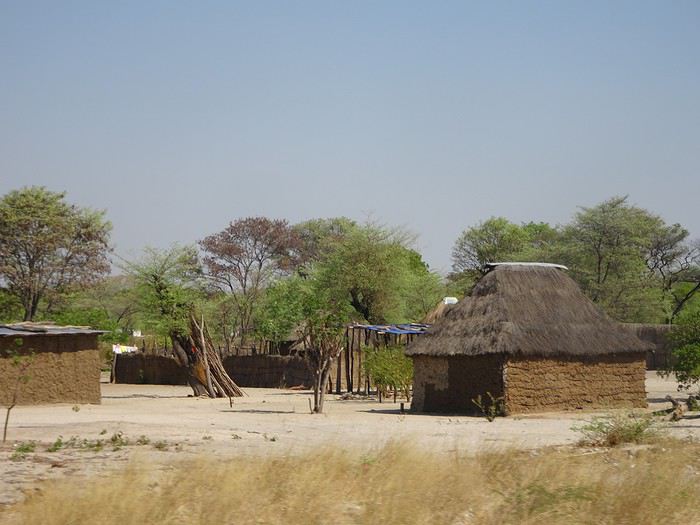
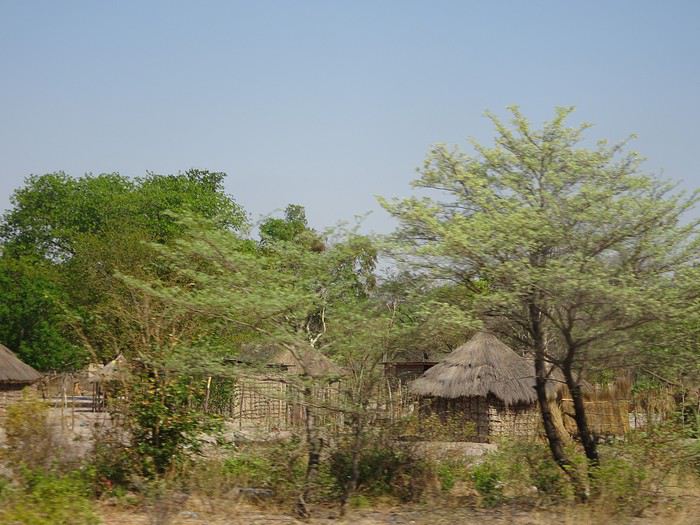
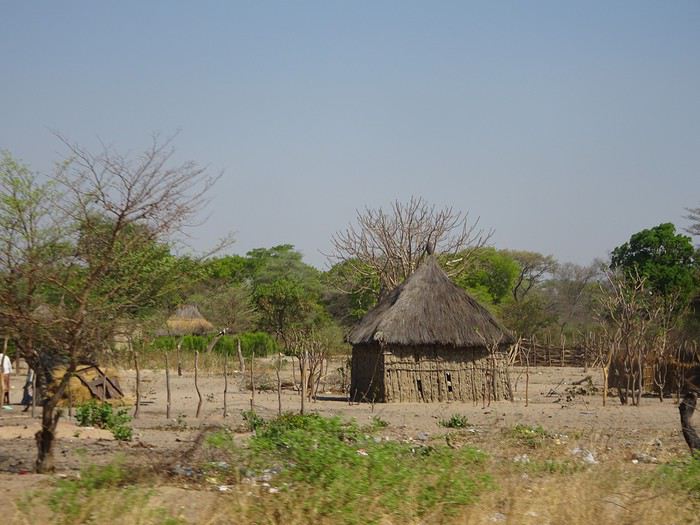
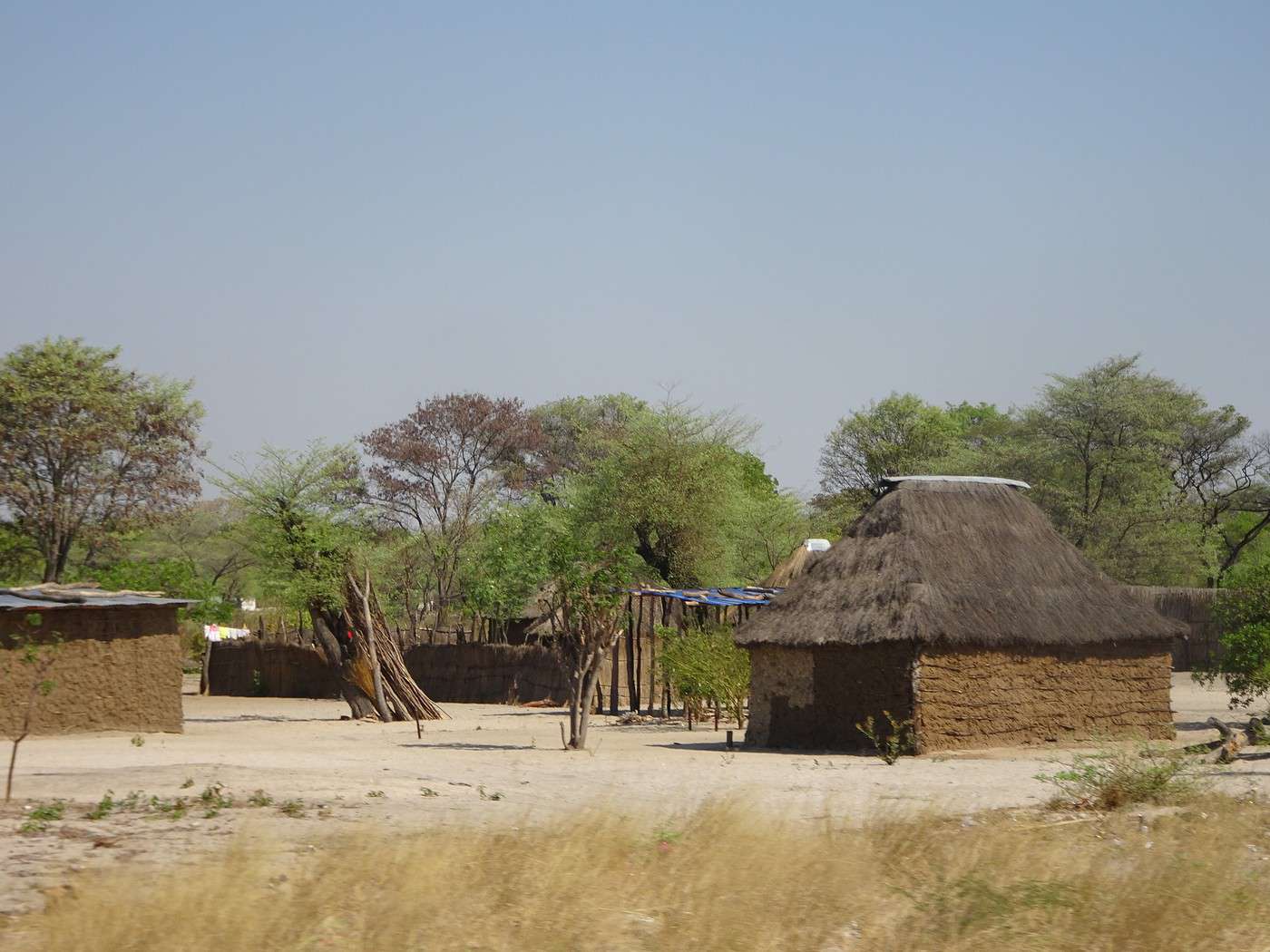
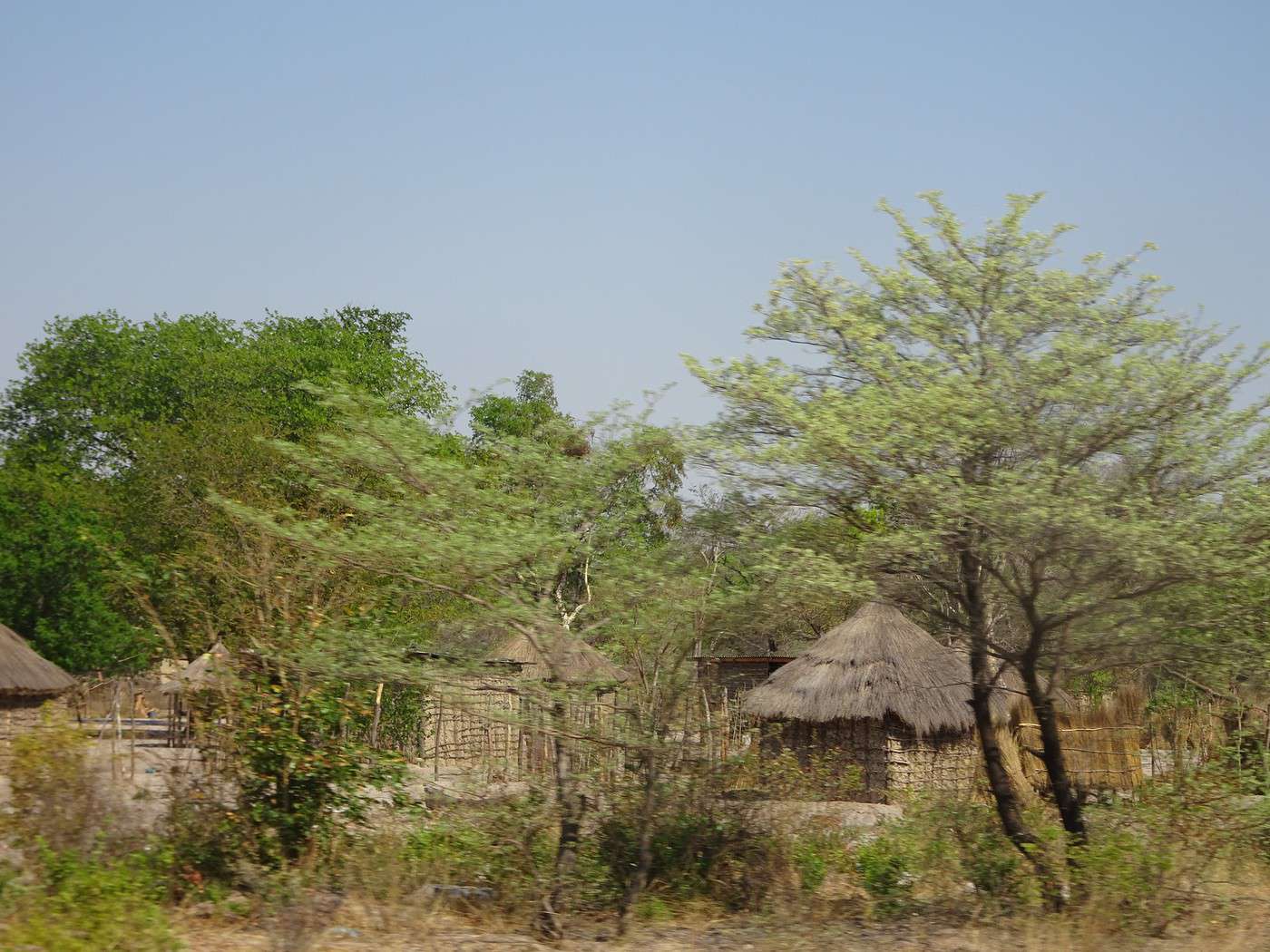
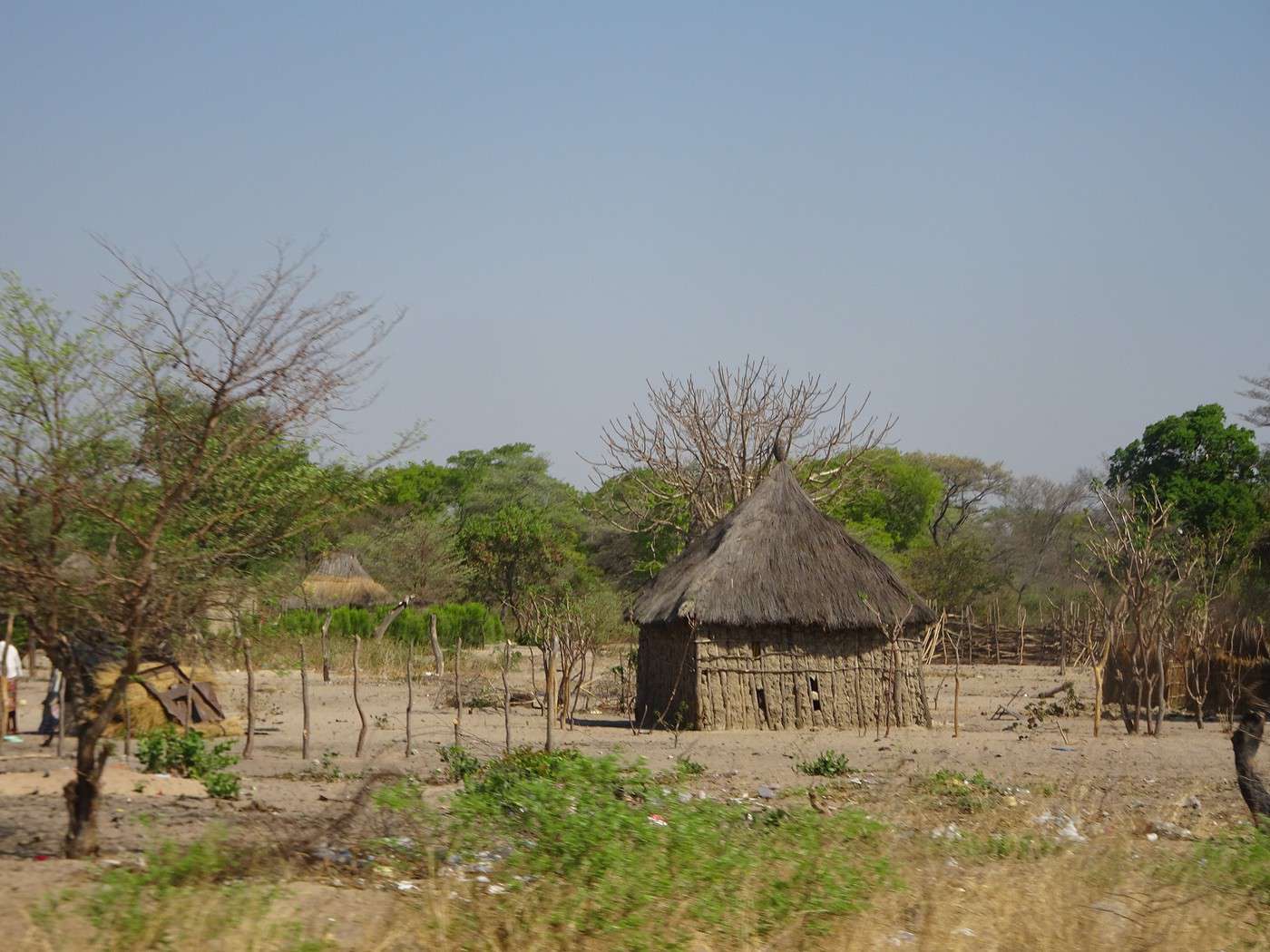
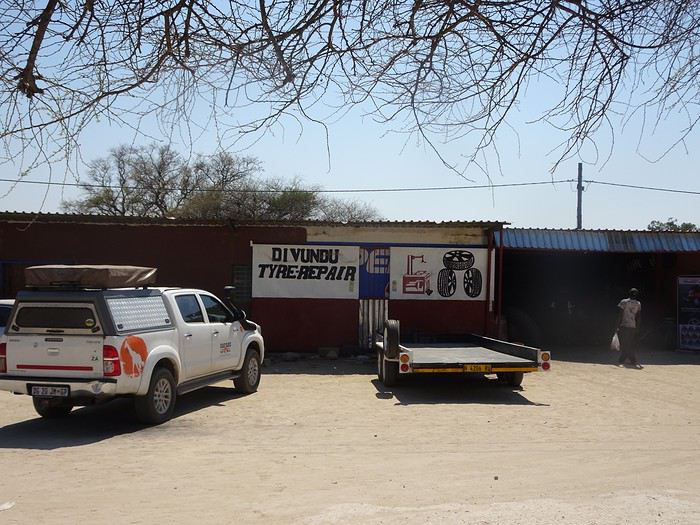
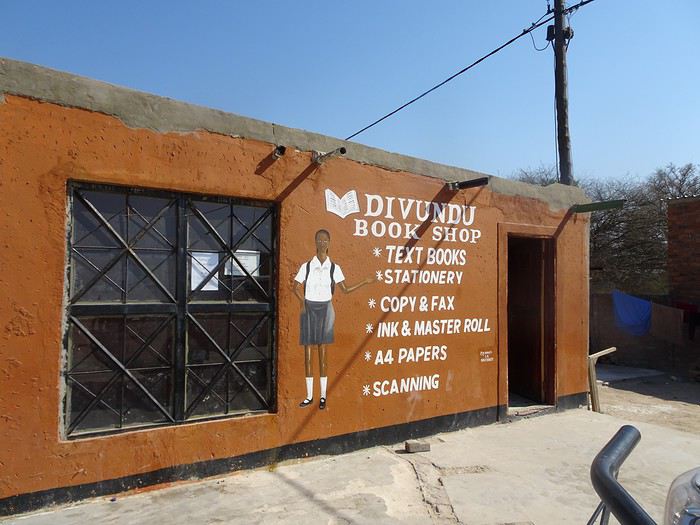
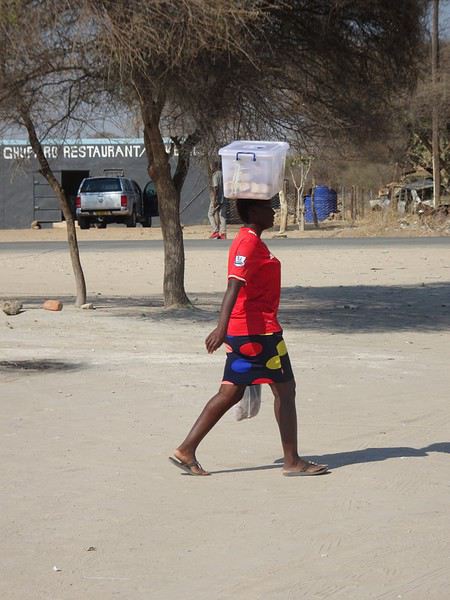
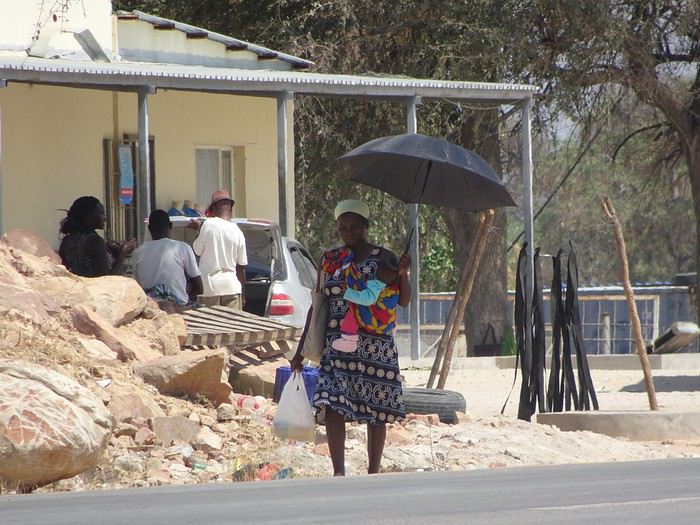
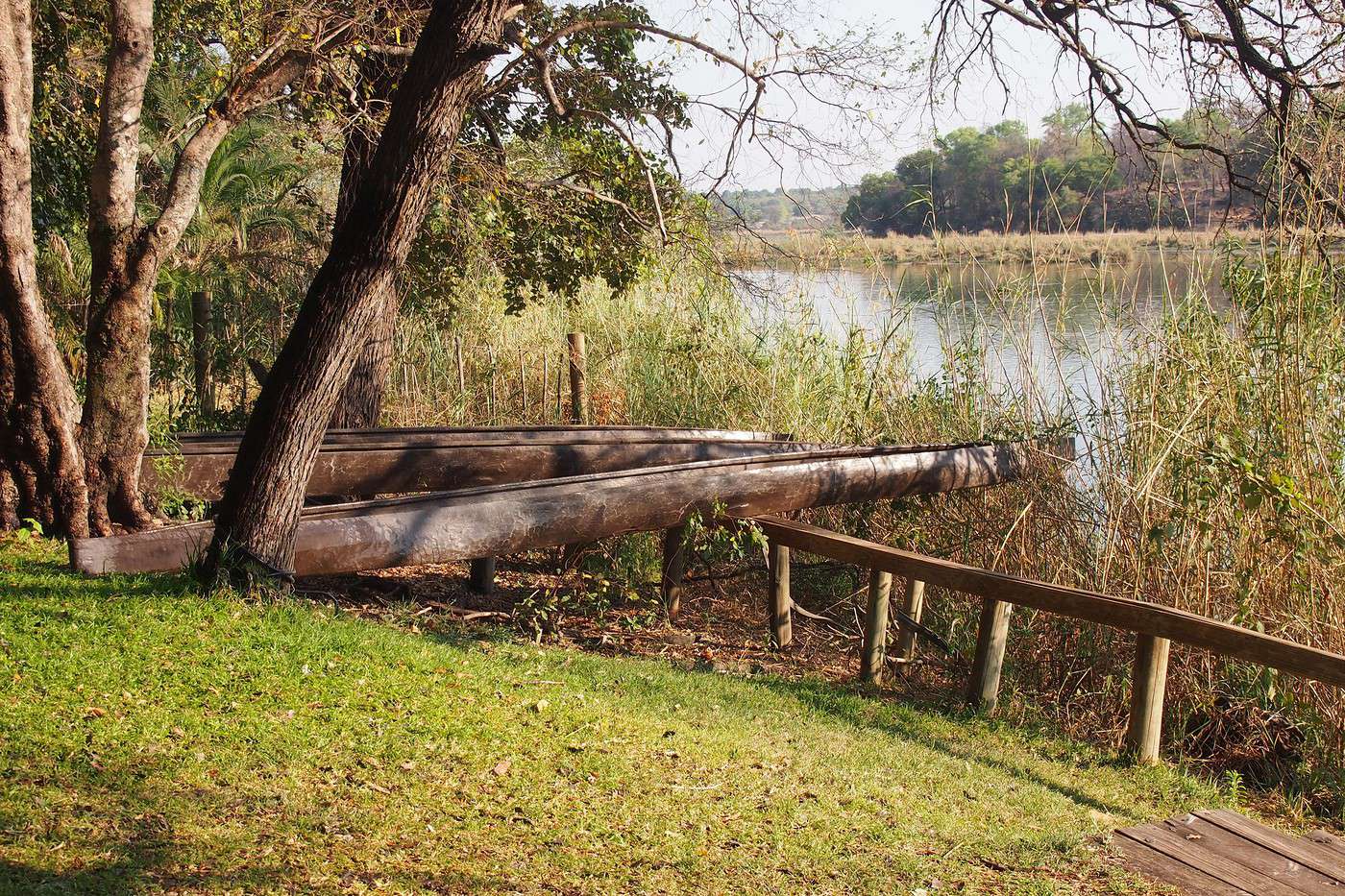
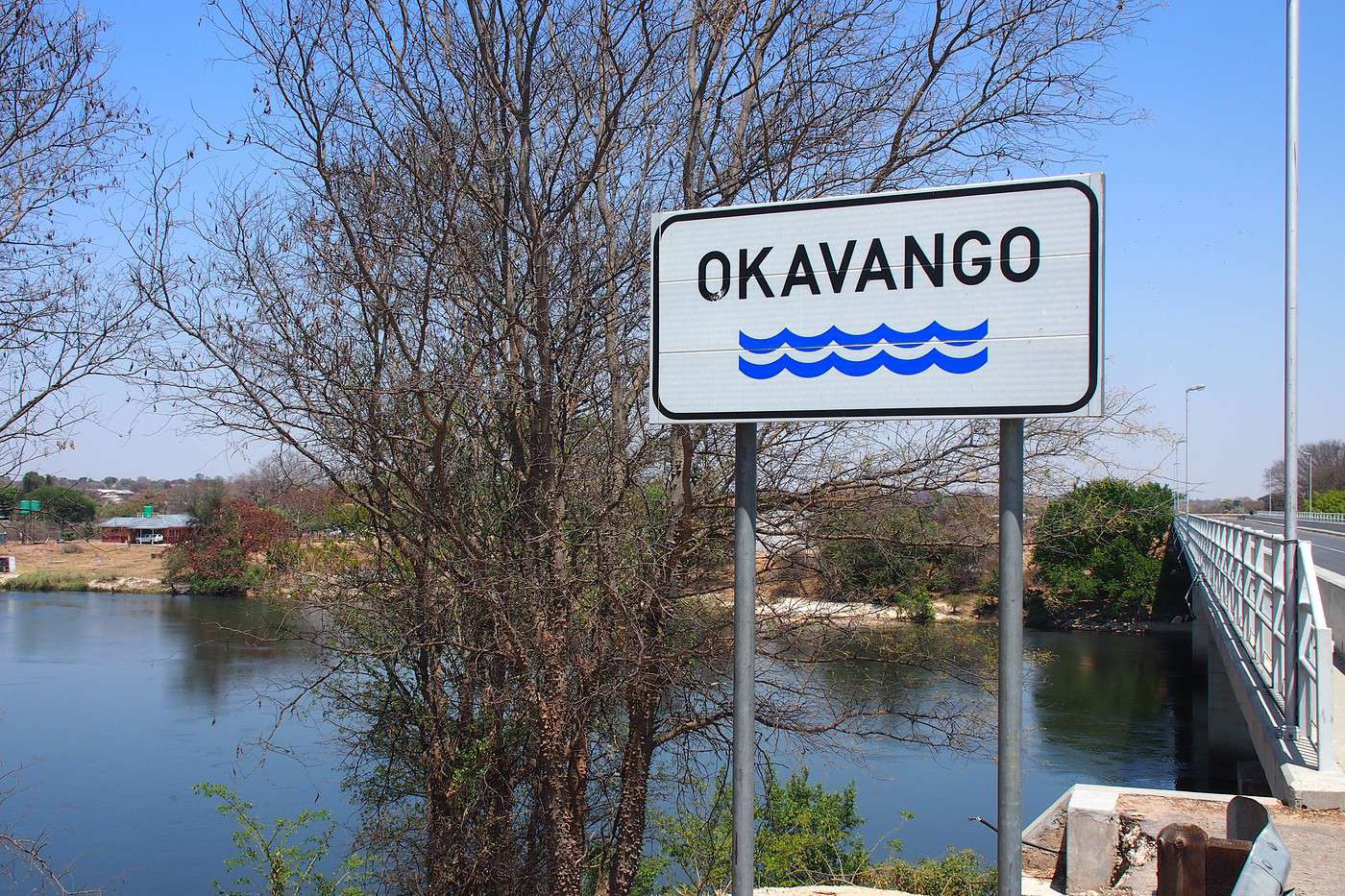
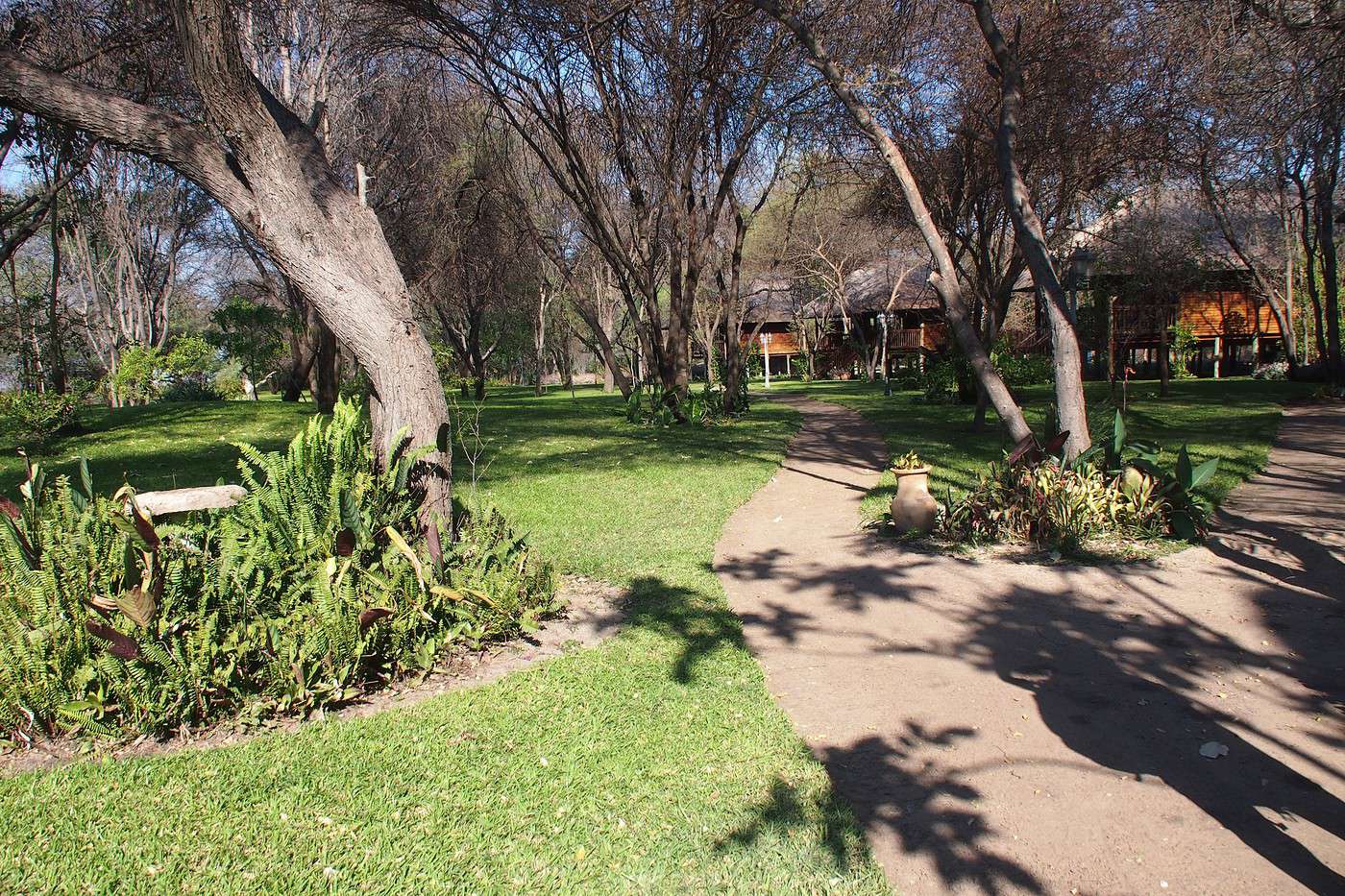
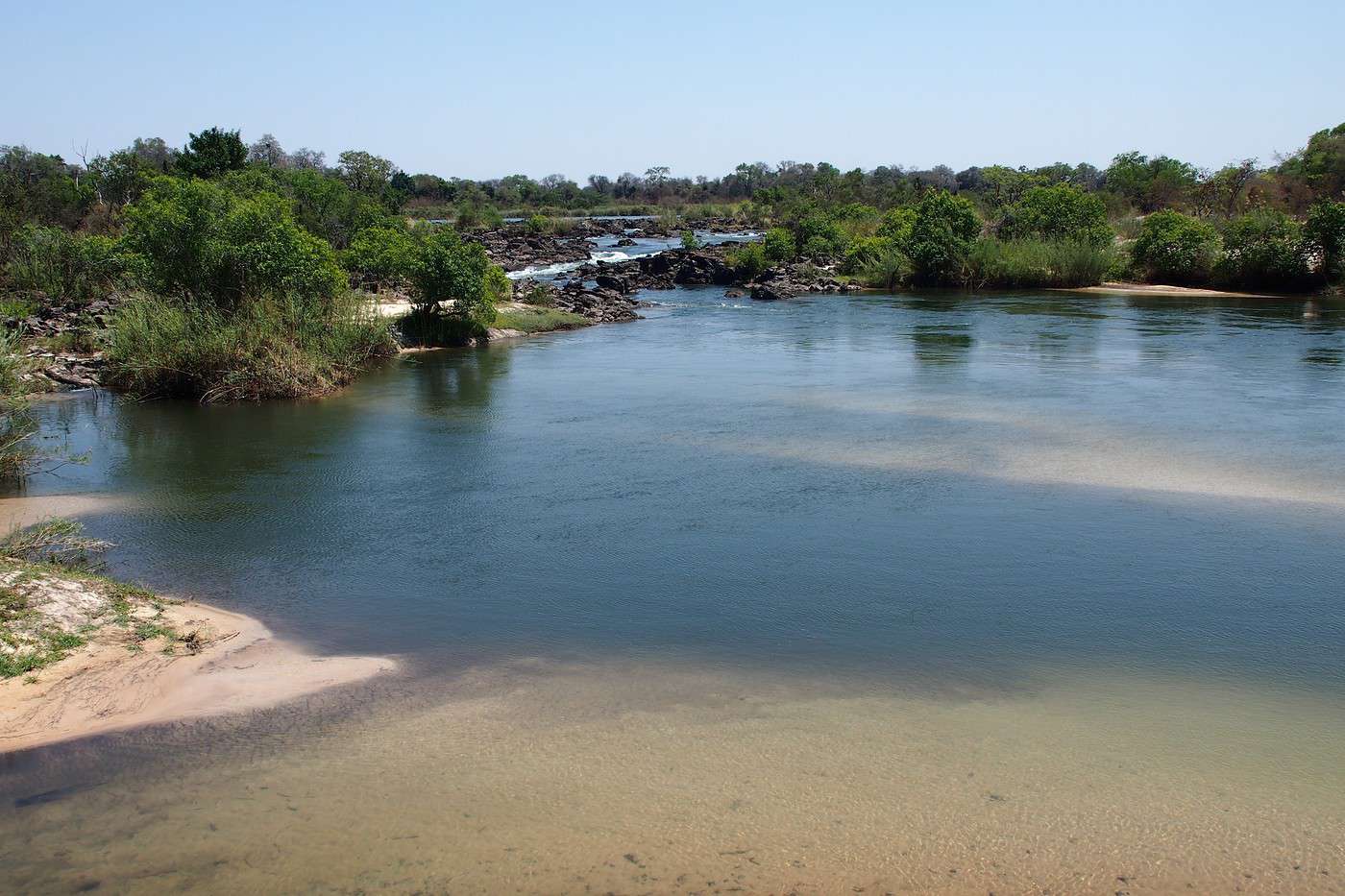
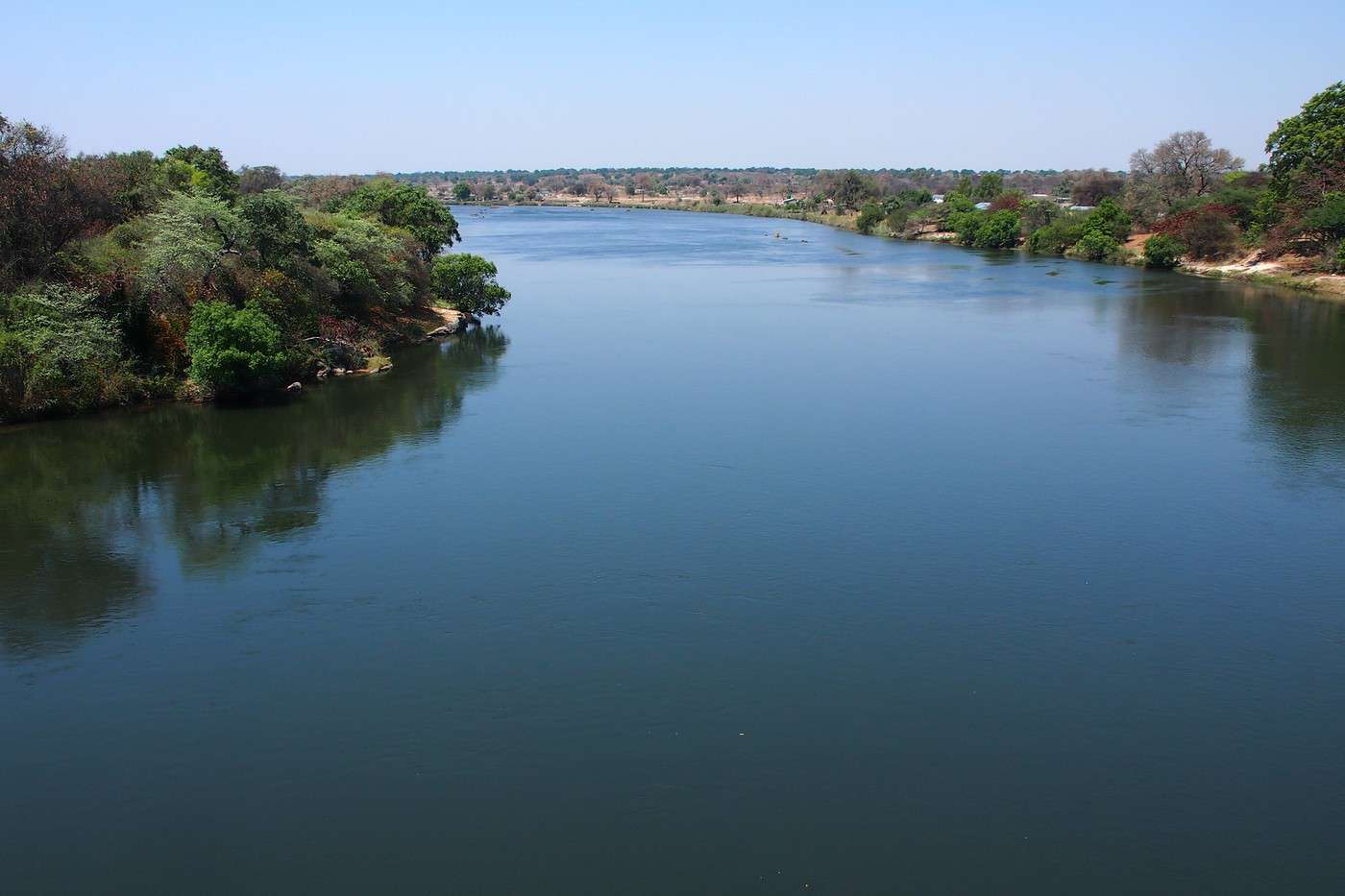
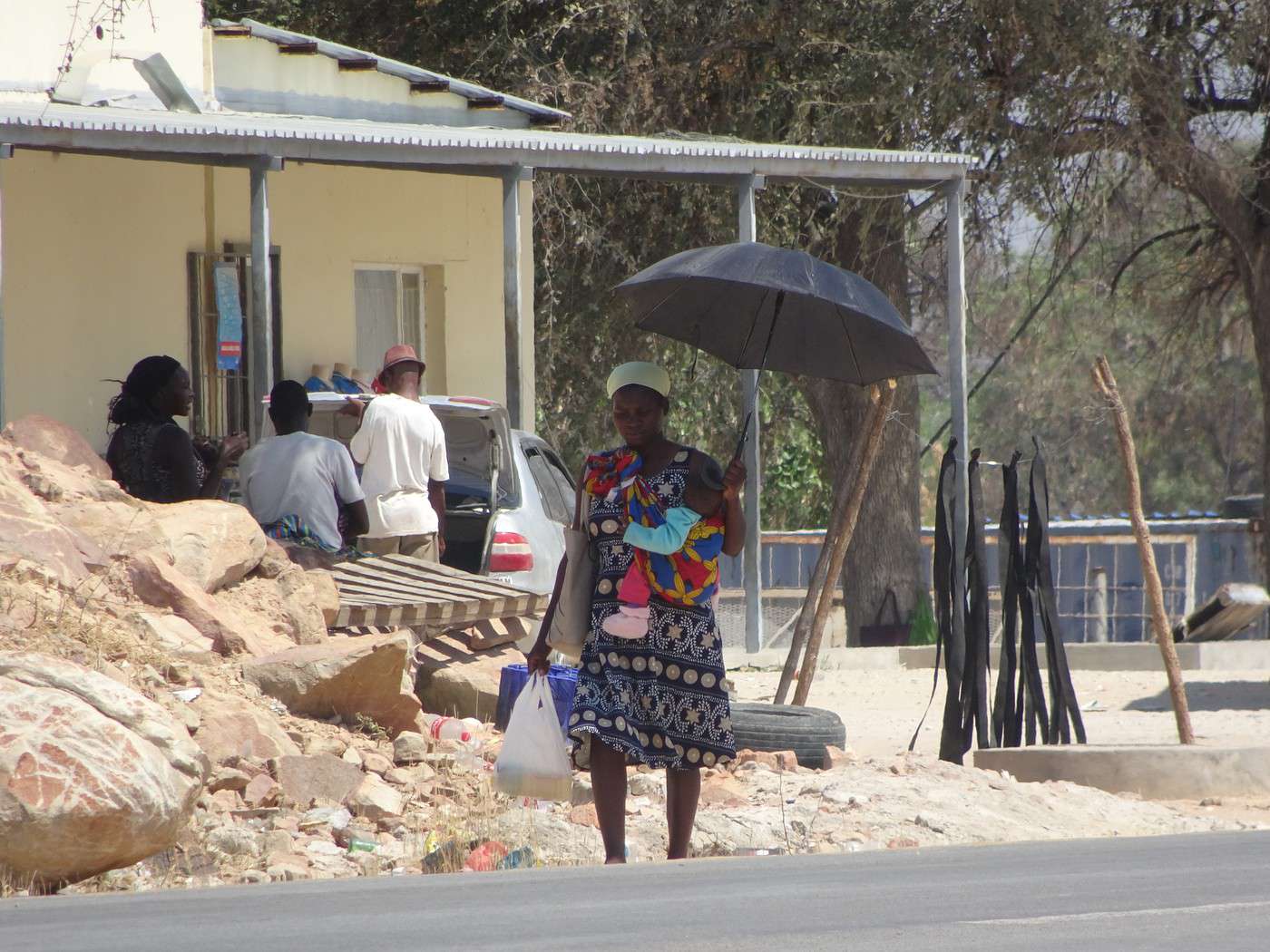
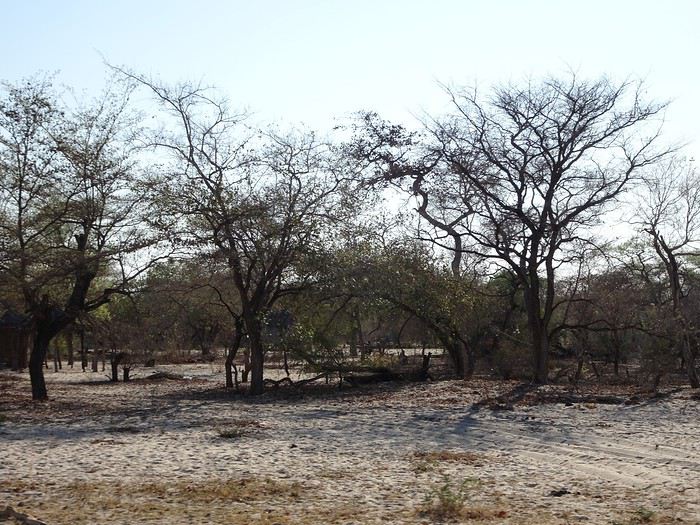
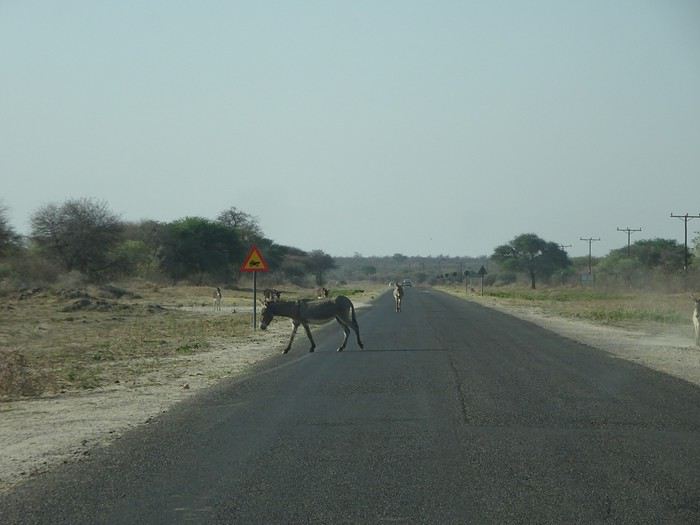
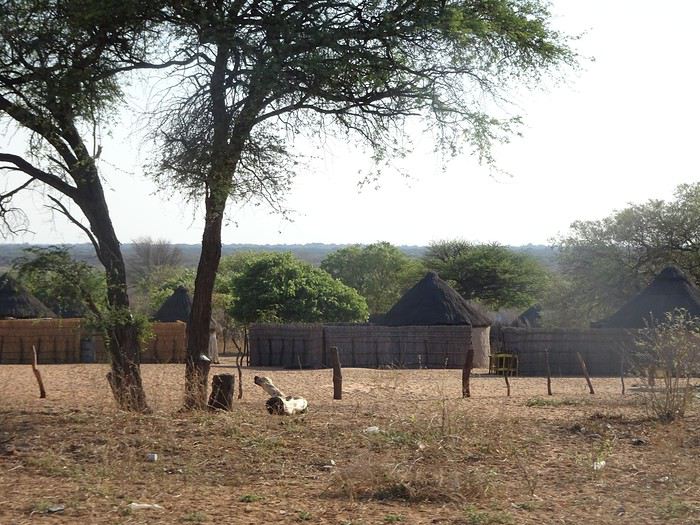
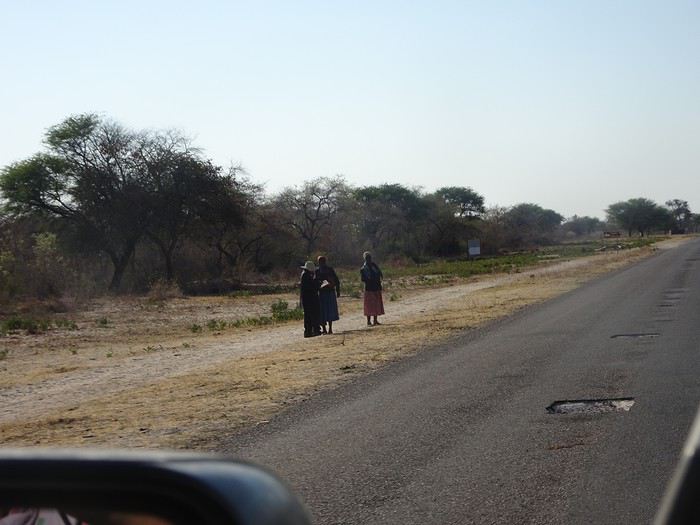
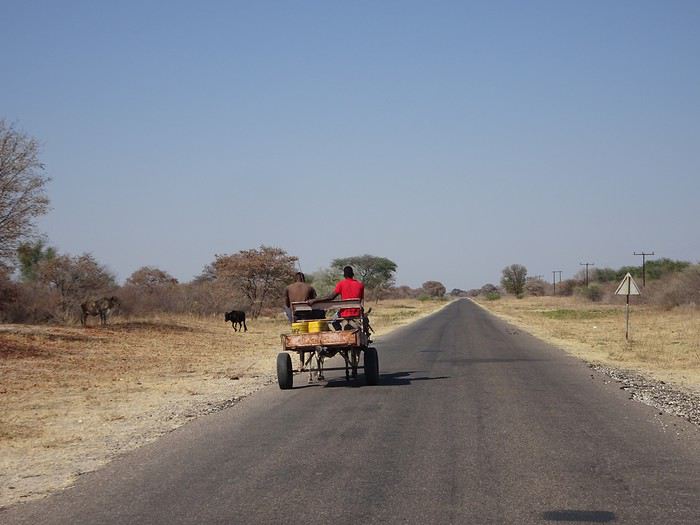
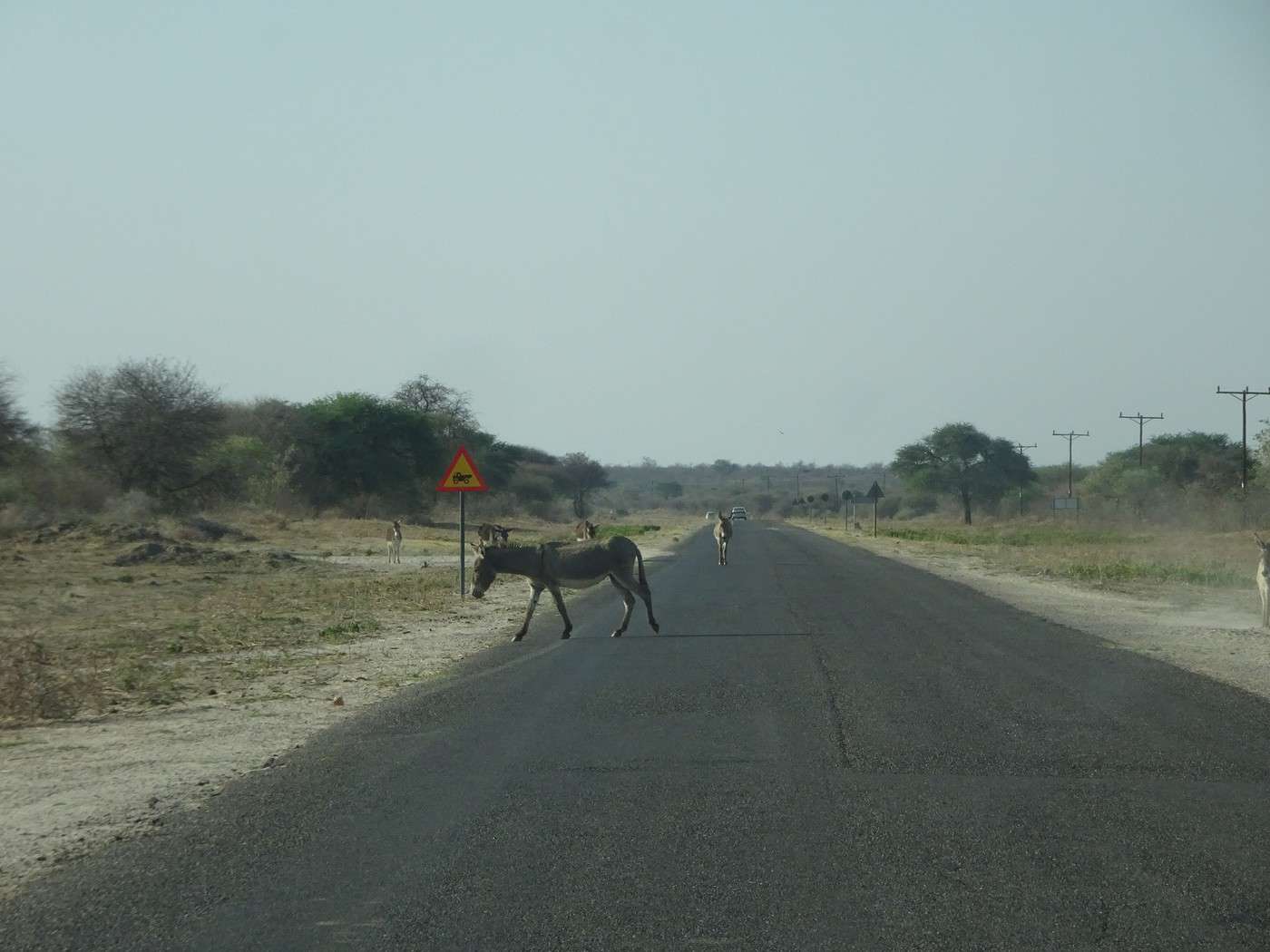
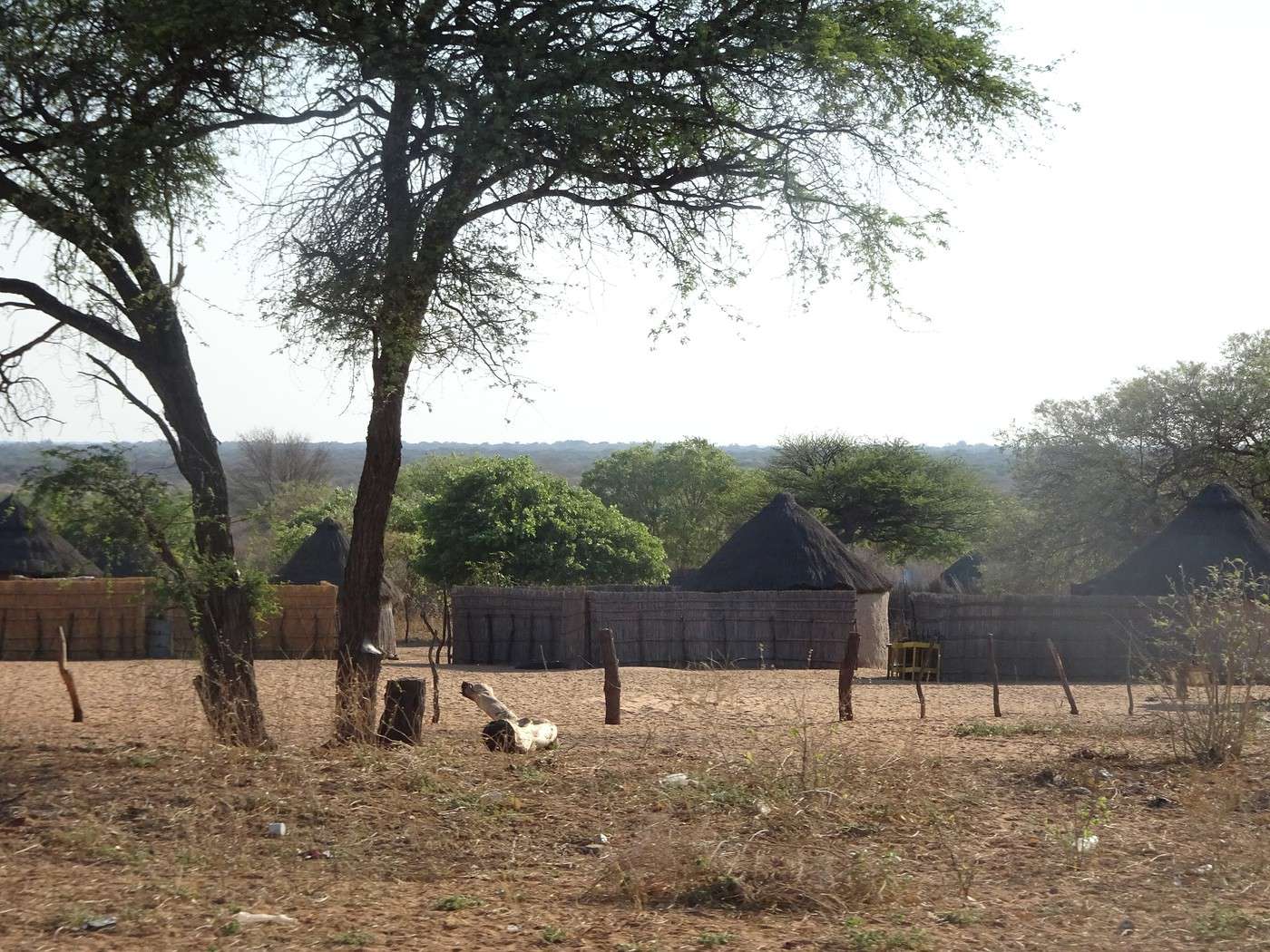
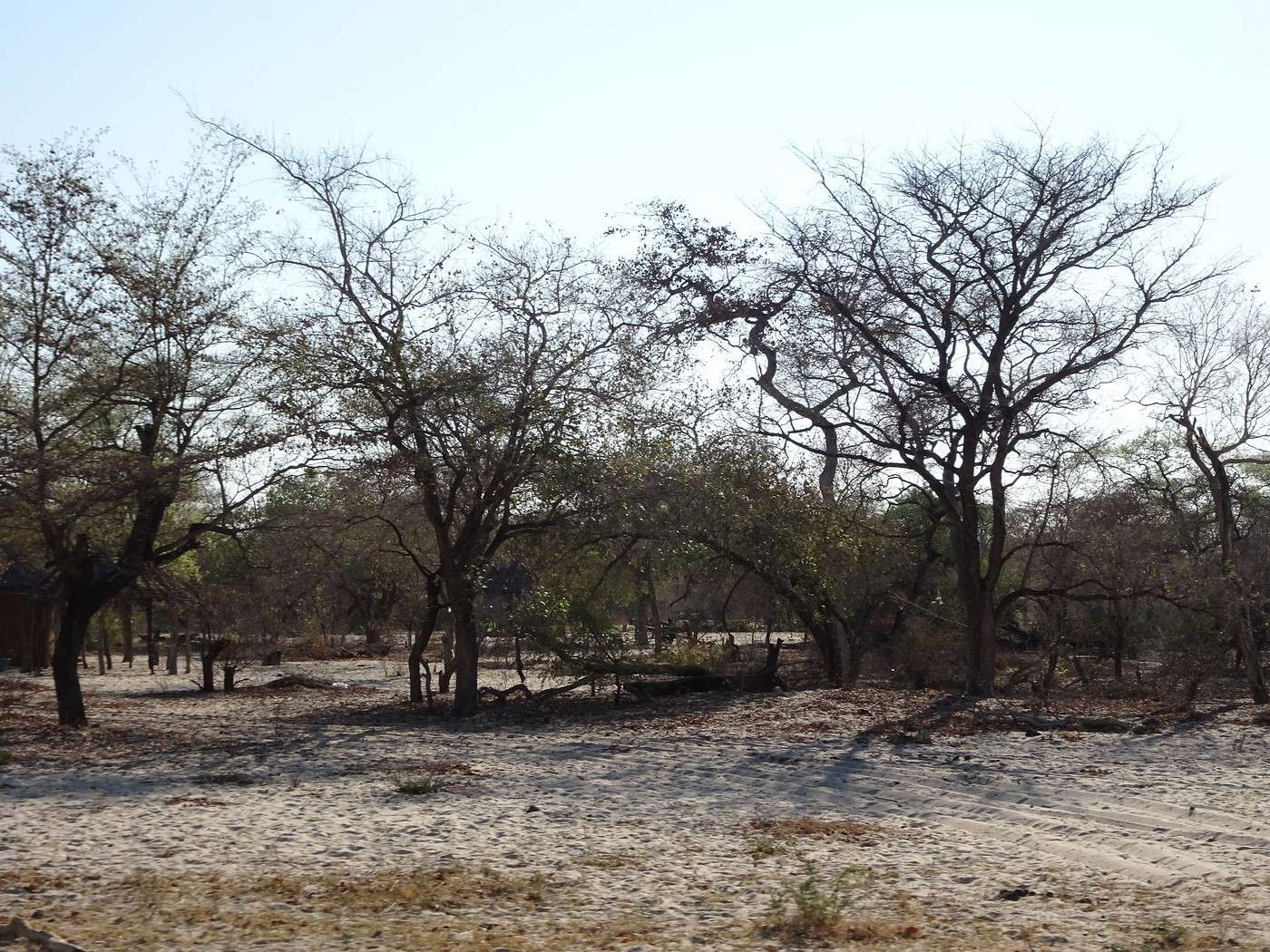
The Caprivi Strip is very populated. We pass through countless villages with huts that are extremely clean and neat. I don’t know how the residents manage to keep their villages completely free of litter. We arrive in the late afternoon at our campsite, N'Gemi Camp, located on the banks of the Okavango River. We have dinner at the campsite, where the meal is excellent (kudu steak, mushroom rice, spinach, butternut purée) for 210 N$ (around 12 €). After dinner, we get an unpleasant surprise when we unfold our tent. It’s twisted, the hinges are torn, and the access ladder is barely holding on by a thread. We didn’t think to check the tent after our hard-top issue, and it seems it also suffered damage. My wife, not trusting the tent’s stability, will sleep in the car, while I’ll sleep in the tent.
We picked up our Hilux yesterday evening with our repaired hard top. This morning, we reload our gear into the hard top. We leave Senyanti Safari Camp, which deserves nothing but praise. We set off early in the morning heading toward Chobe National Park. We enter through the Phedudu Gate. Cost: 290 Pulas for 2 people and one vehicle. We follow the sandy track along the Chobe River. We come across a huge number of 4x4s outfitted for tourist excursions. We’re not used to so much traffic anymore. It’s worth noting that in Kasane and along the Chobe River, there are many lodges, which explains the high visitor numbers in this easily accessible park.
Gorgeous views of the Chobe River, which we sometimes follow very closely. The track is 60 km long. Plan for 4 to 5 hours to cover it. Along the way, we come face to face with a large herd of buffalo blocking the road. There’s no way around them. What to do? Knowing how dangerous these animals can be, I hesitate between waiting for them to move or slowly driving forward to encourage them to clear the track.
You feel a bit helpless when you don’t know how wild animals will react. I choose the first option, not wanting to risk a charge. After a short wait, we see a 4x4 carrying tourists approaching from the other side of the herd. It starts moving slowly toward the buffalo. The buffalo stand up to let the 4x4 pass, so we do the same and start driving gently, allowing us to cross the herd without any issues. We see elephants, antelopes, zebras, and birds, but fewer animals than we expected based on the various accounts we’d read.
We exit the park via a very sandy track leading to the N'Goma Gate. We leave Botswana through the N'Goma border post. Exit formalities are very quick. We enter Namibia at the end of the bridge over the Chobe River. Cost: 295 Namibian Dollars for the vehicle entry fee. A long 400 km drive awaits us to cross the Caprivi Strip.
The Caprivi Strip is very populated. We pass through countless villages with huts that are extremely clean and neat. I don’t know how the residents manage to keep their villages completely free of litter. We arrive in the late afternoon at our campsite, N'Gemi Camp, located on the banks of the Okavango River. We have dinner at the campsite, where the meal is excellent (kudu steak, mushroom rice, spinach, butternut purée) for 210 N$ (around 12 €). After dinner, we get an unpleasant surprise when we unfold our tent. It’s twisted, the hinges are torn, and the access ladder is barely holding on by a thread. We didn’t think to check the tent after our hard-top issue, and it seems it also suffered damage. My wife, not trusting the tent’s stability, will sleep in the car, while I’ll sleep in the tent.
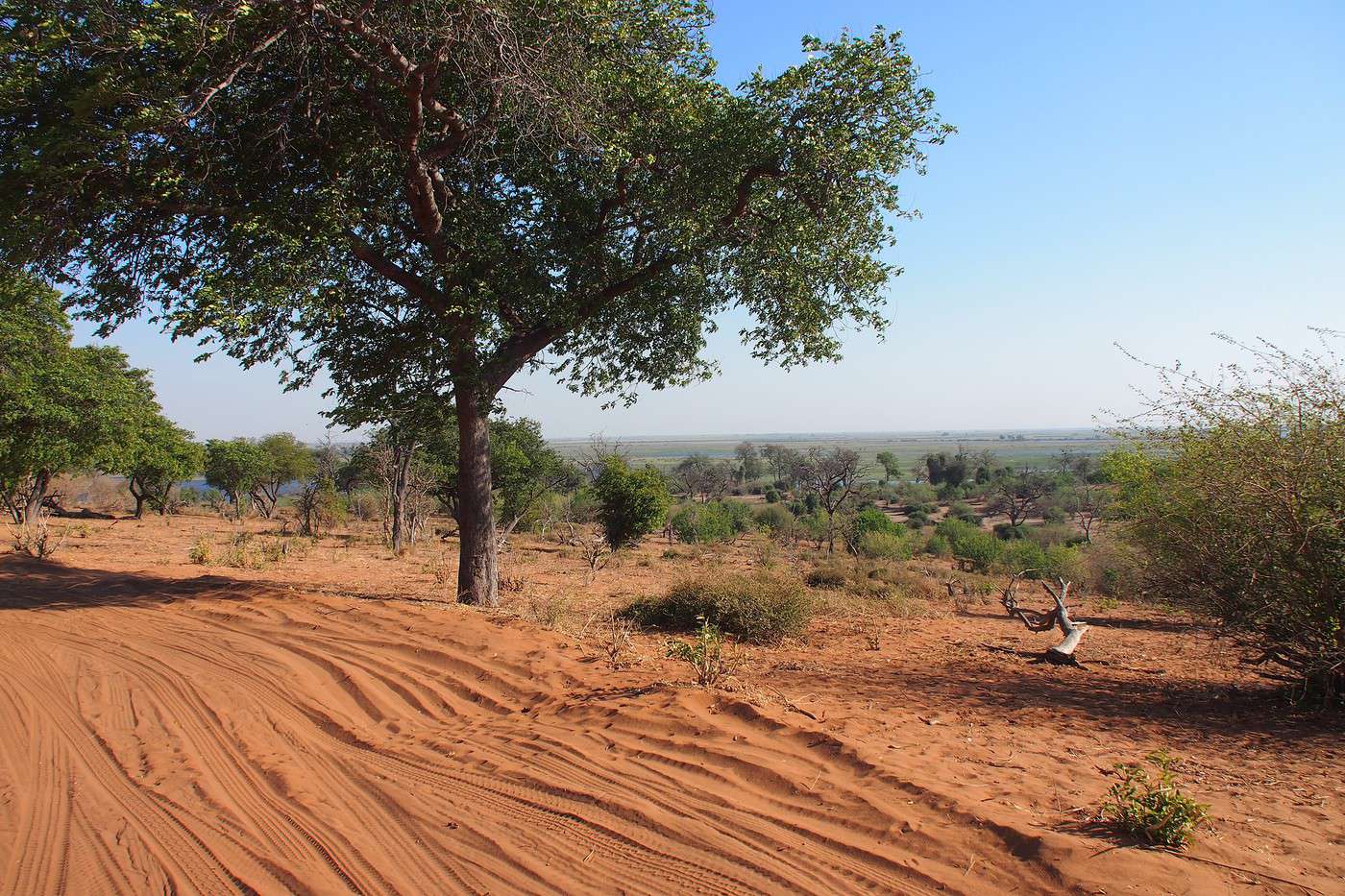
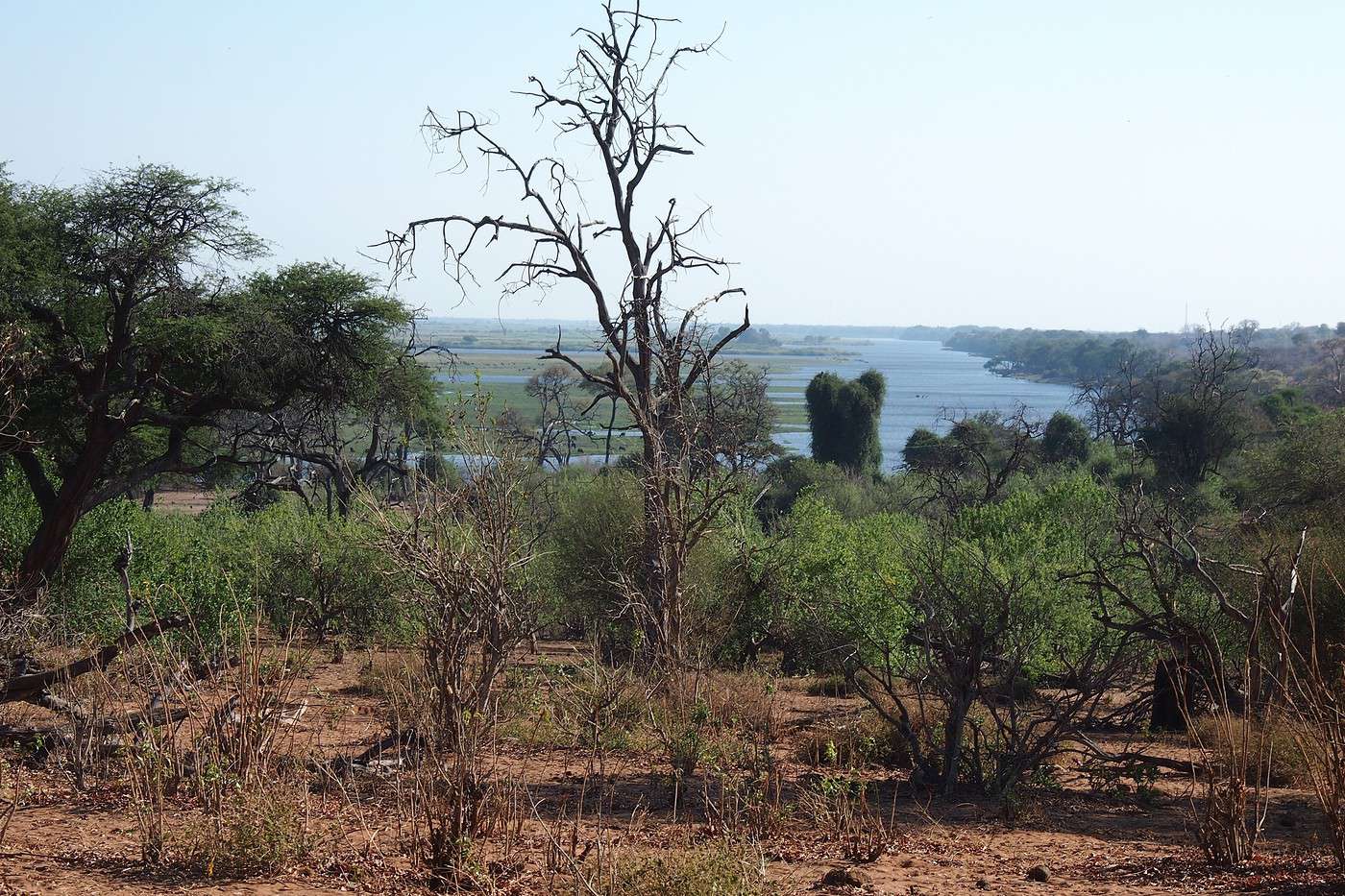
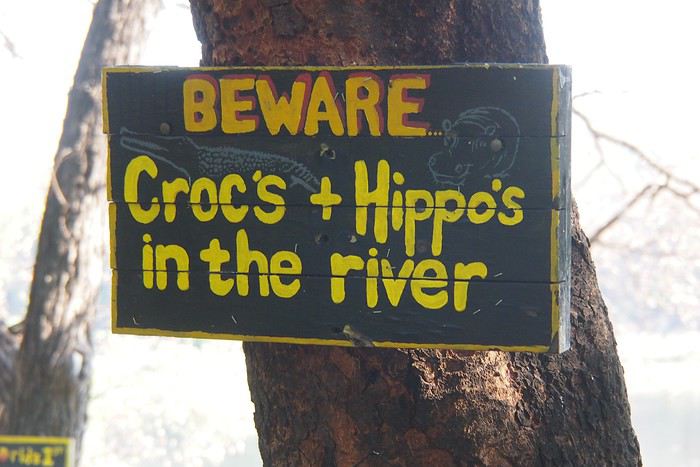
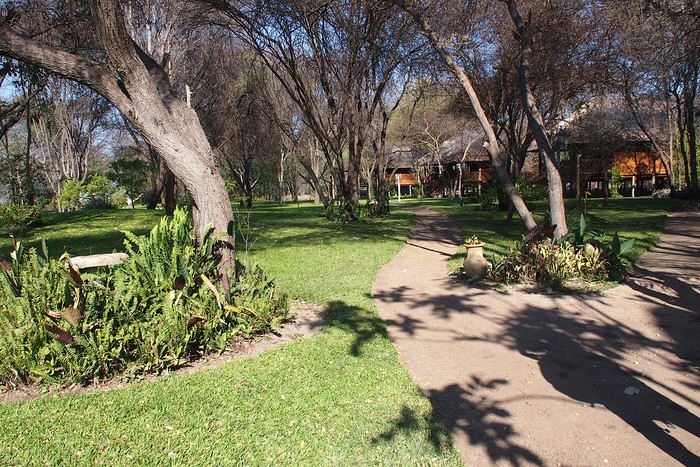
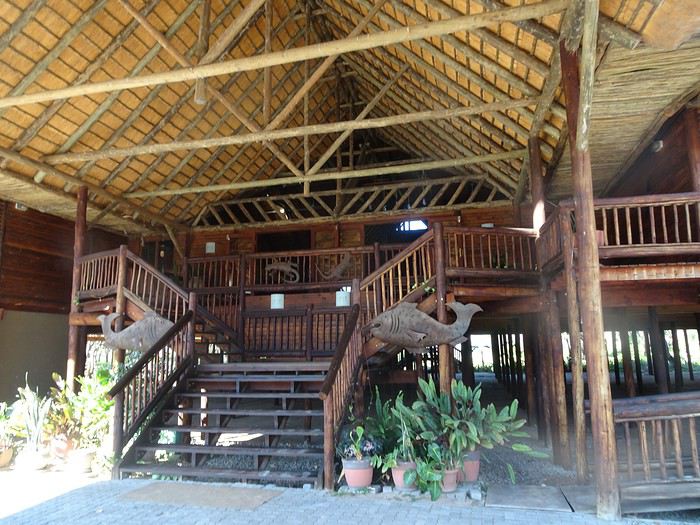
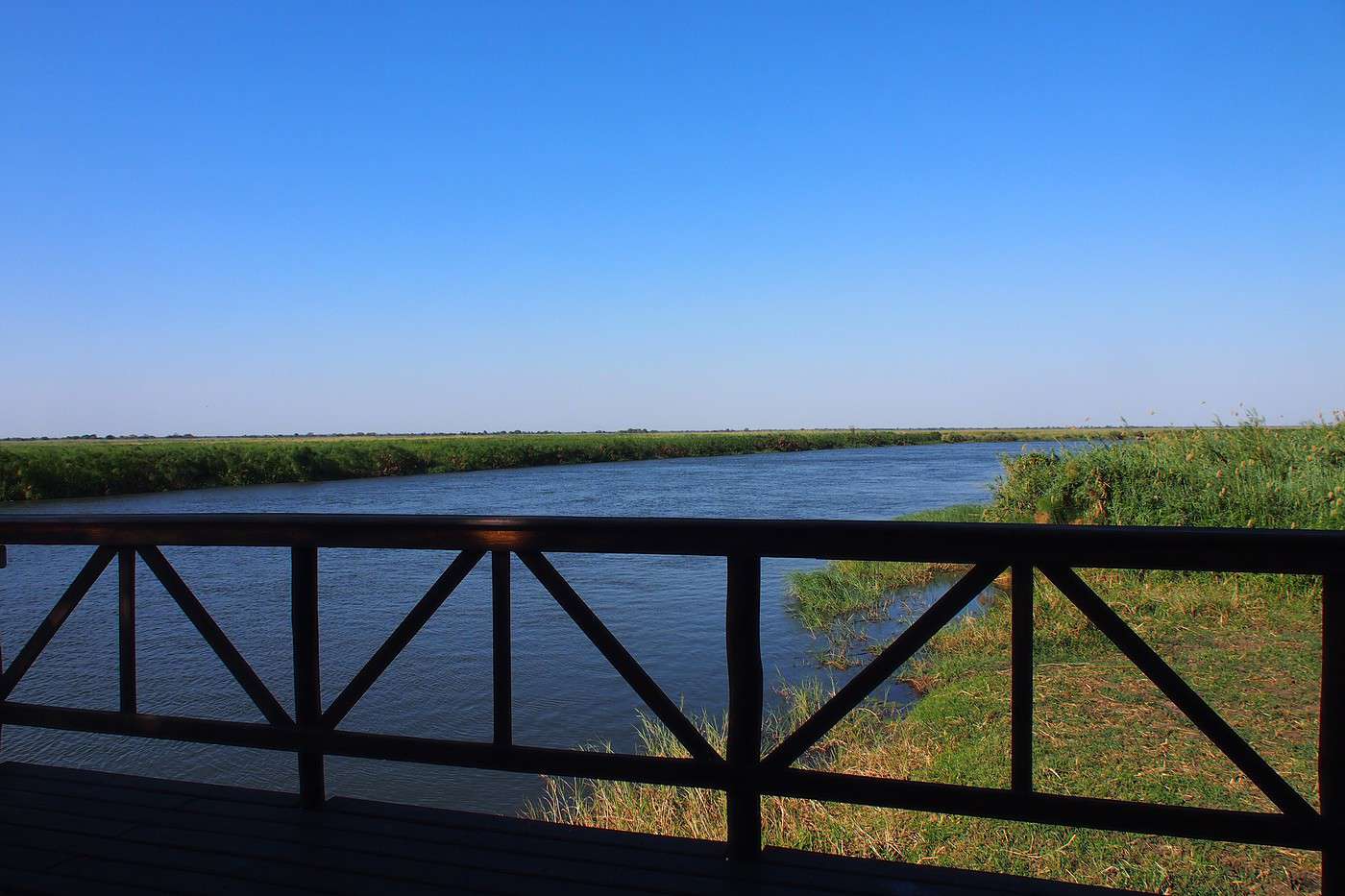
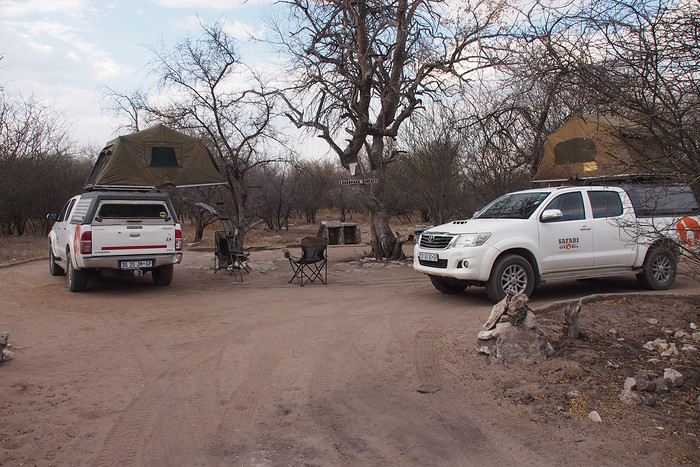
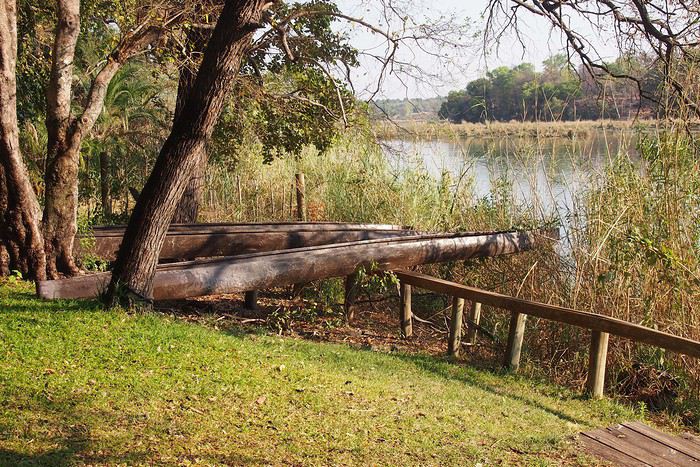 Our campsite by the Okavango.
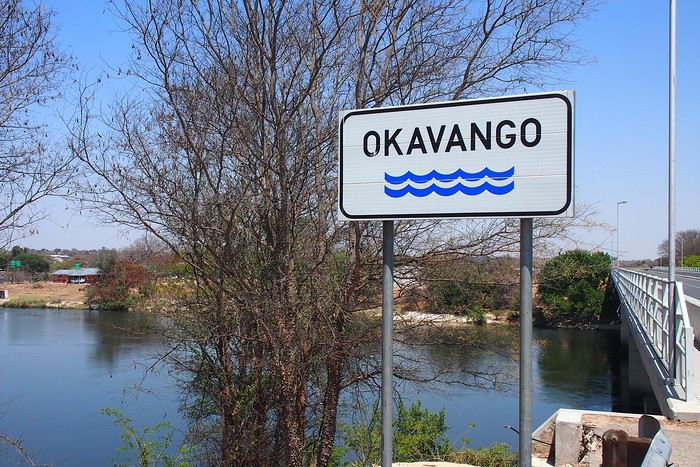
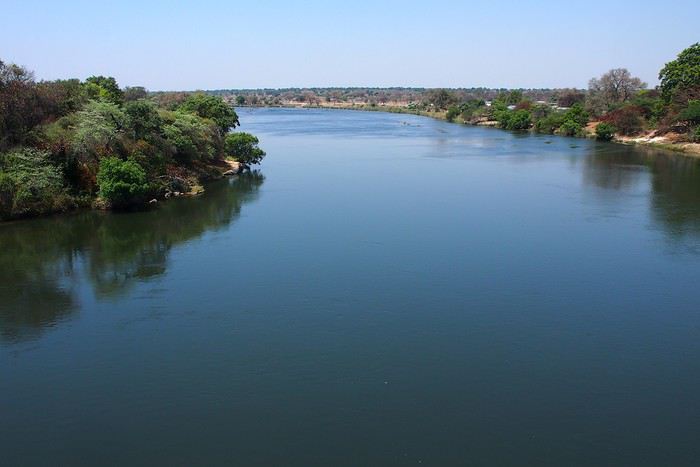

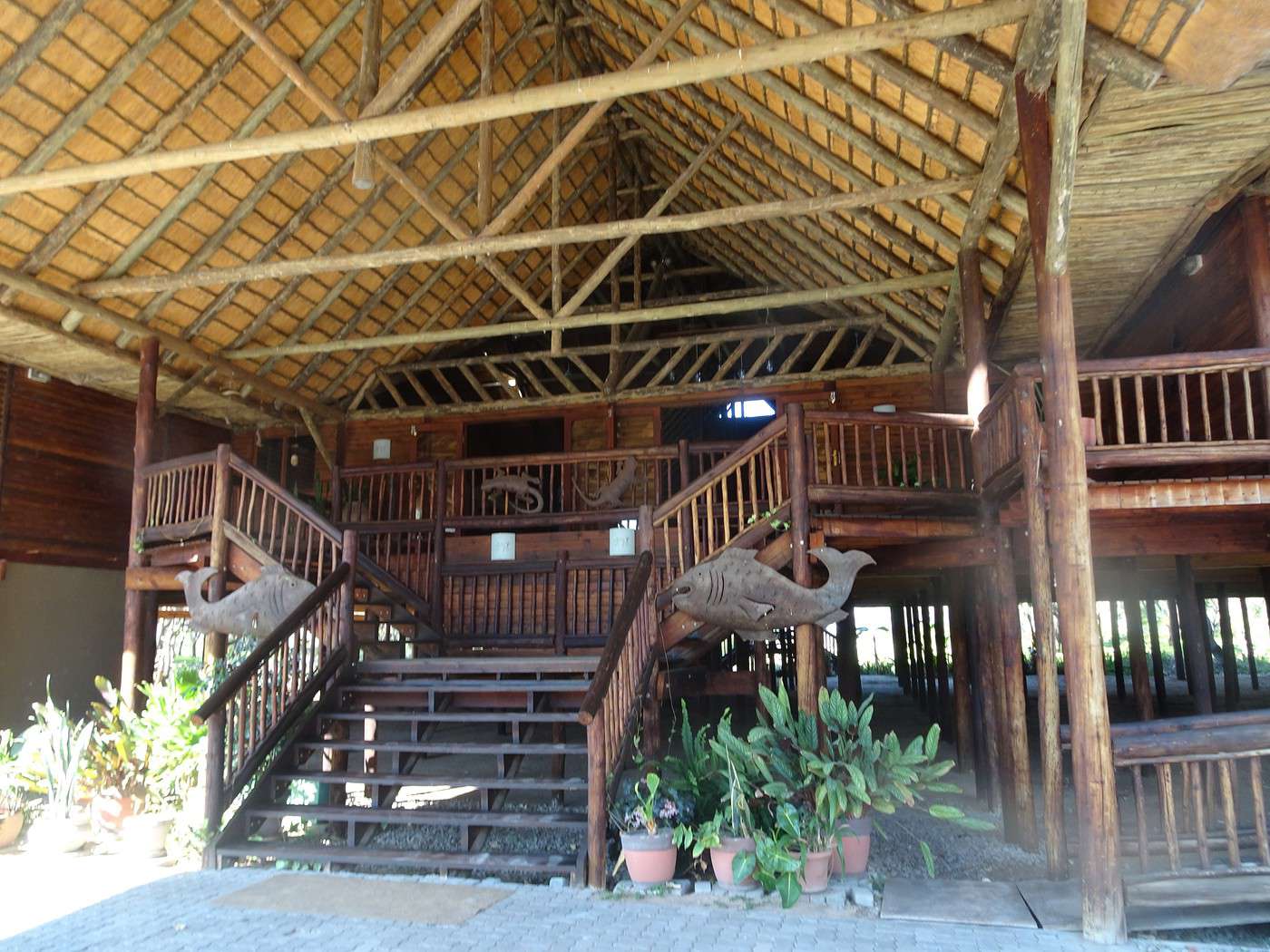
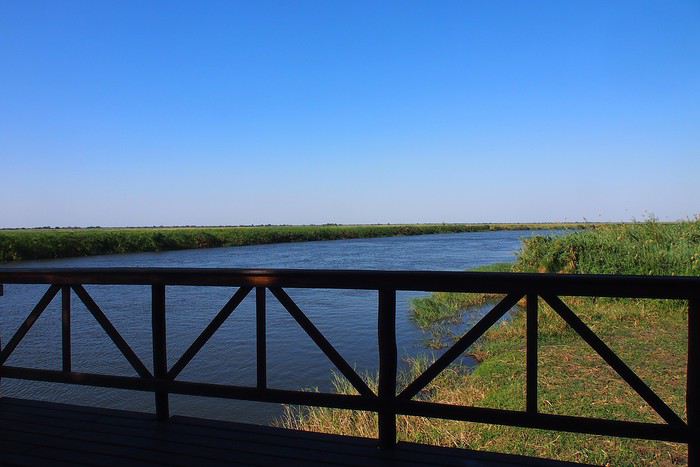 Campsite terrace on a branch of the Okavango
 We have visitors at the campsite.

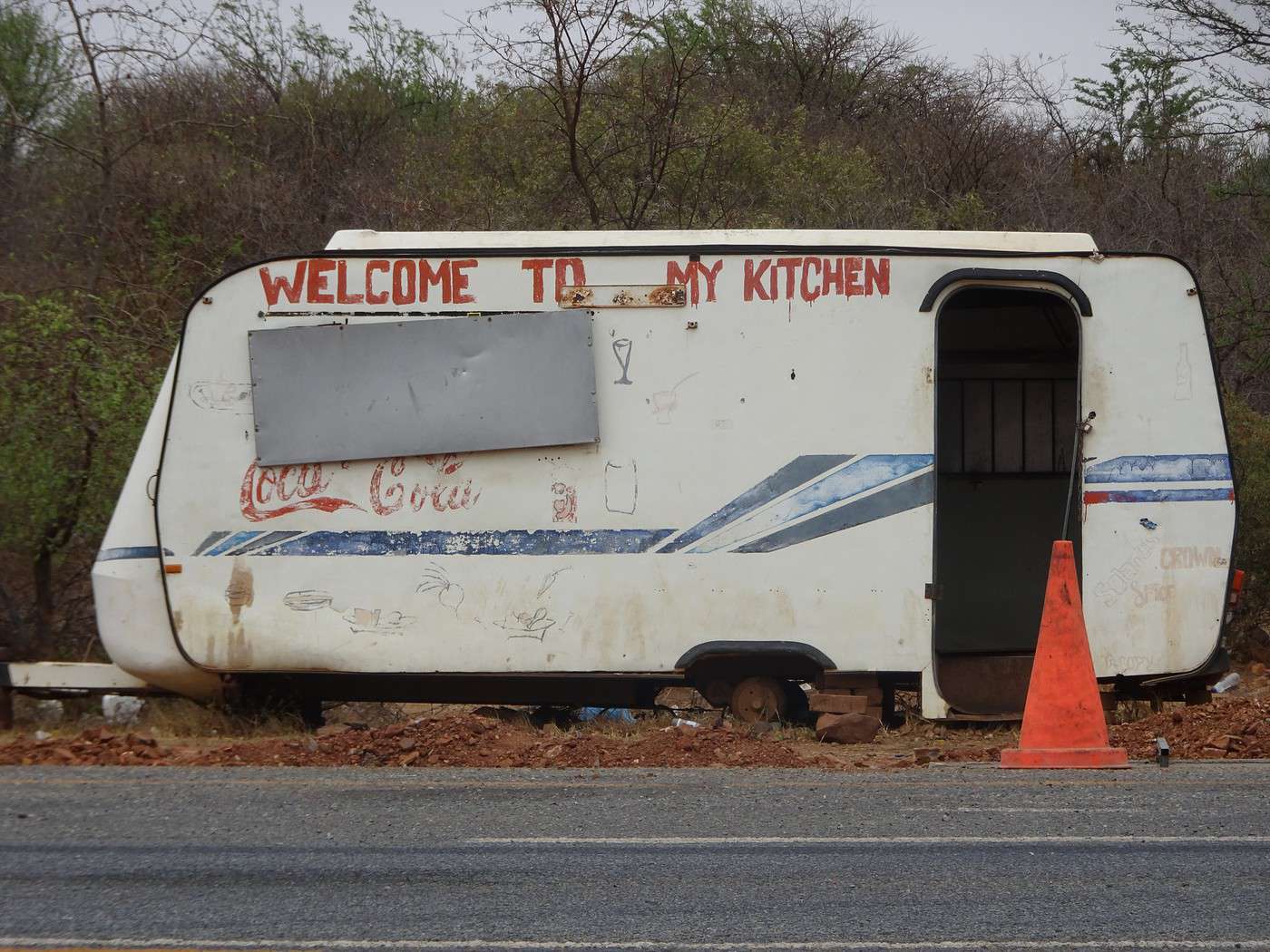
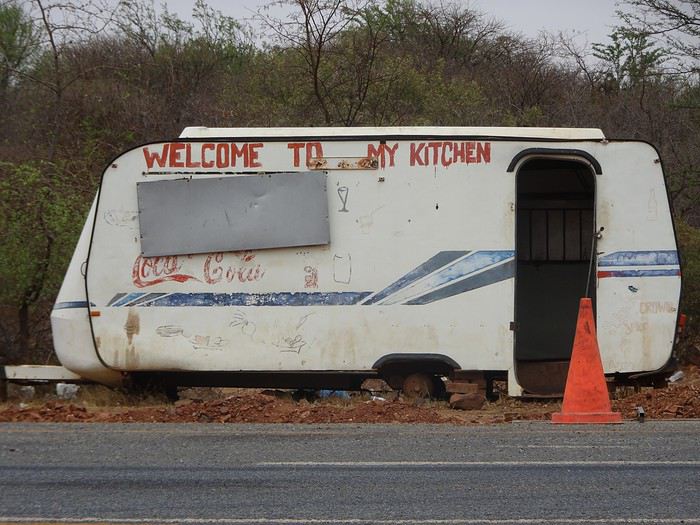 The local food truck.
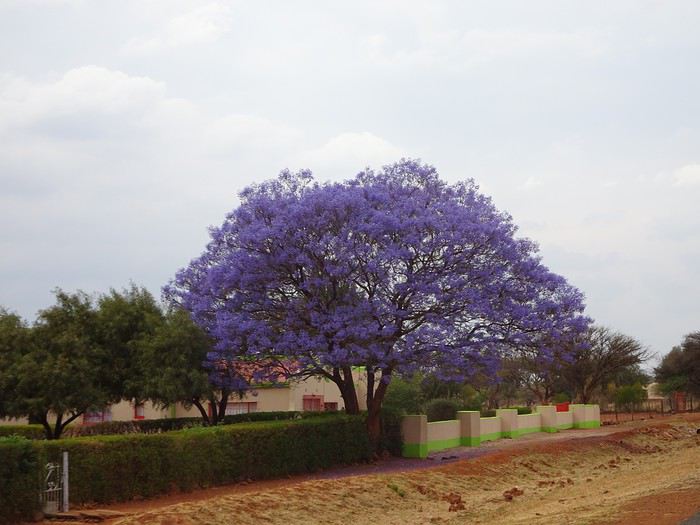

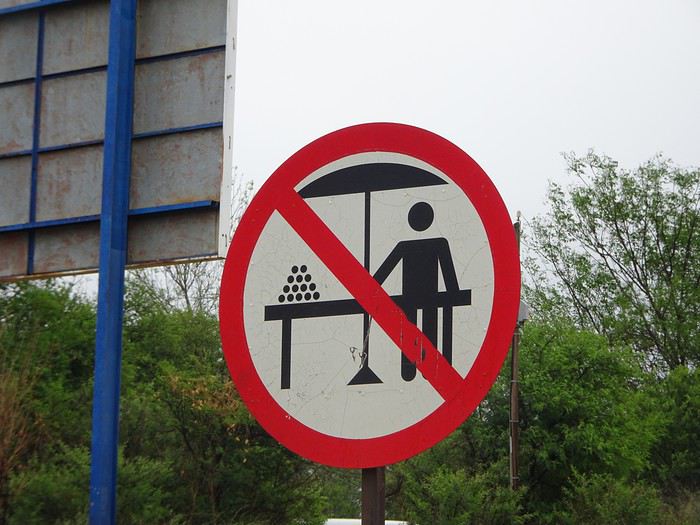
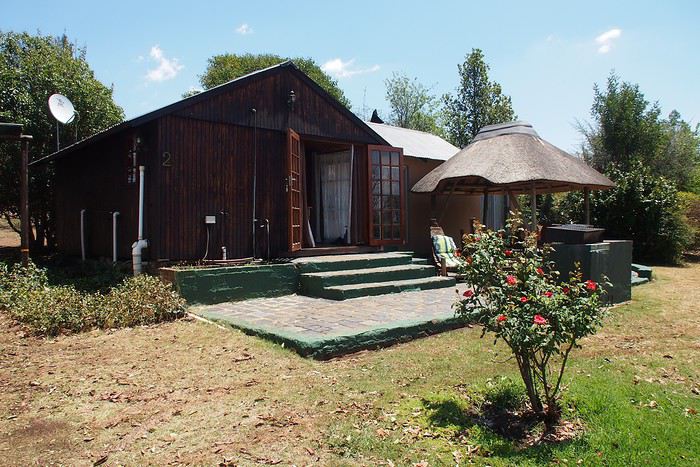
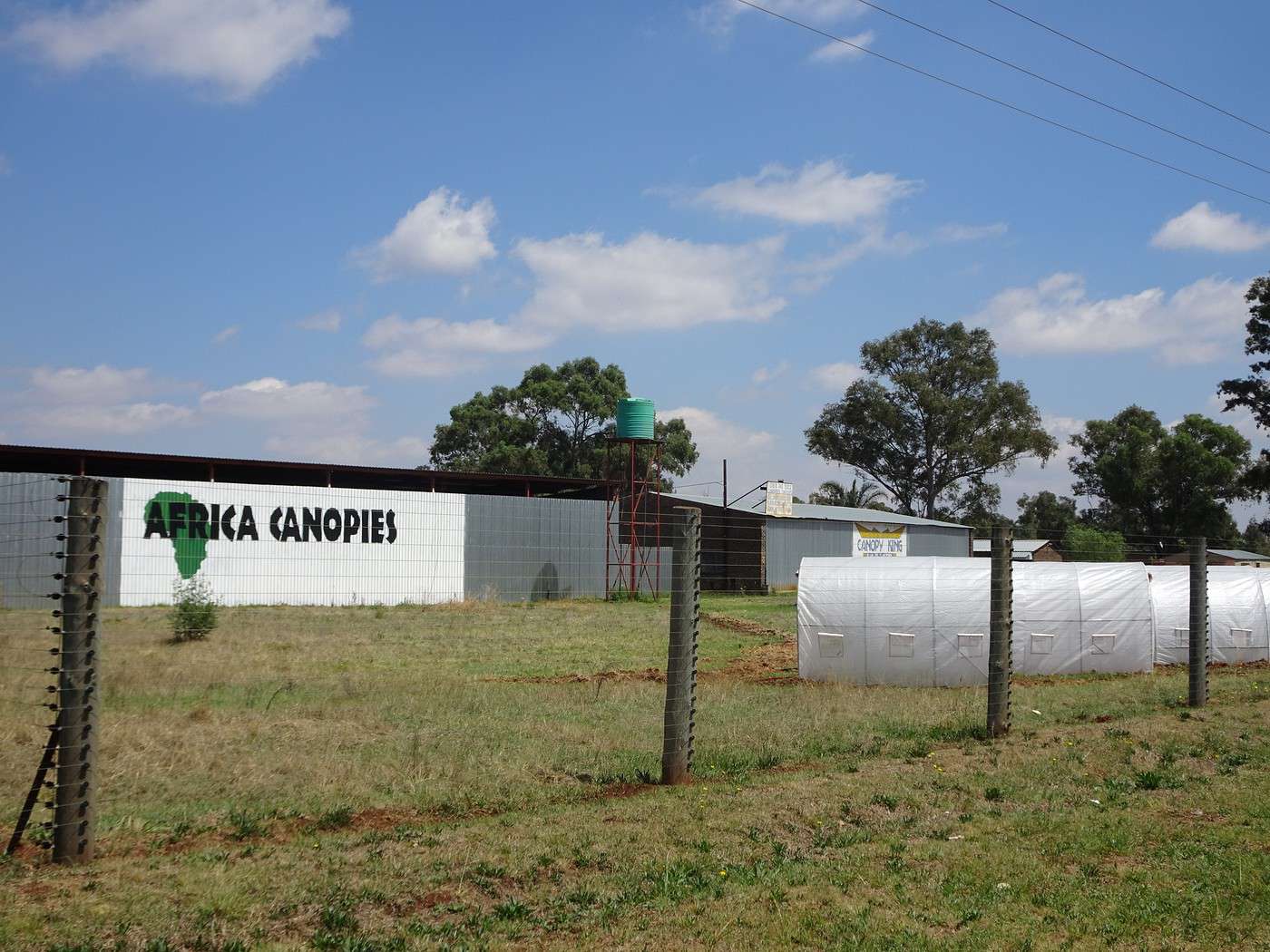
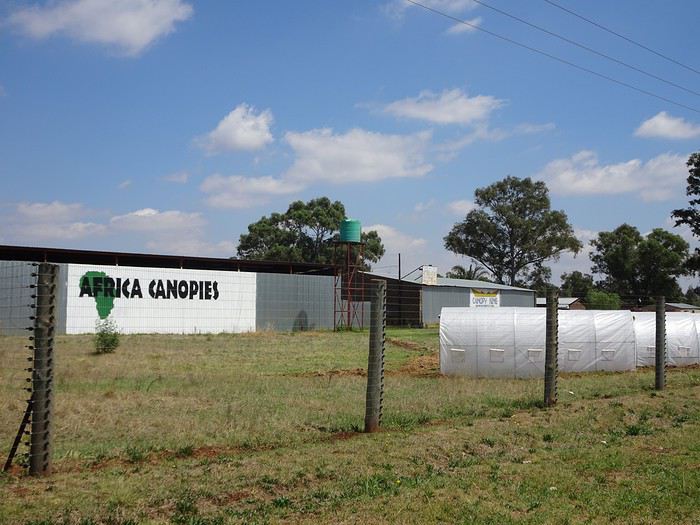 Africa Canopies hard-top factory.
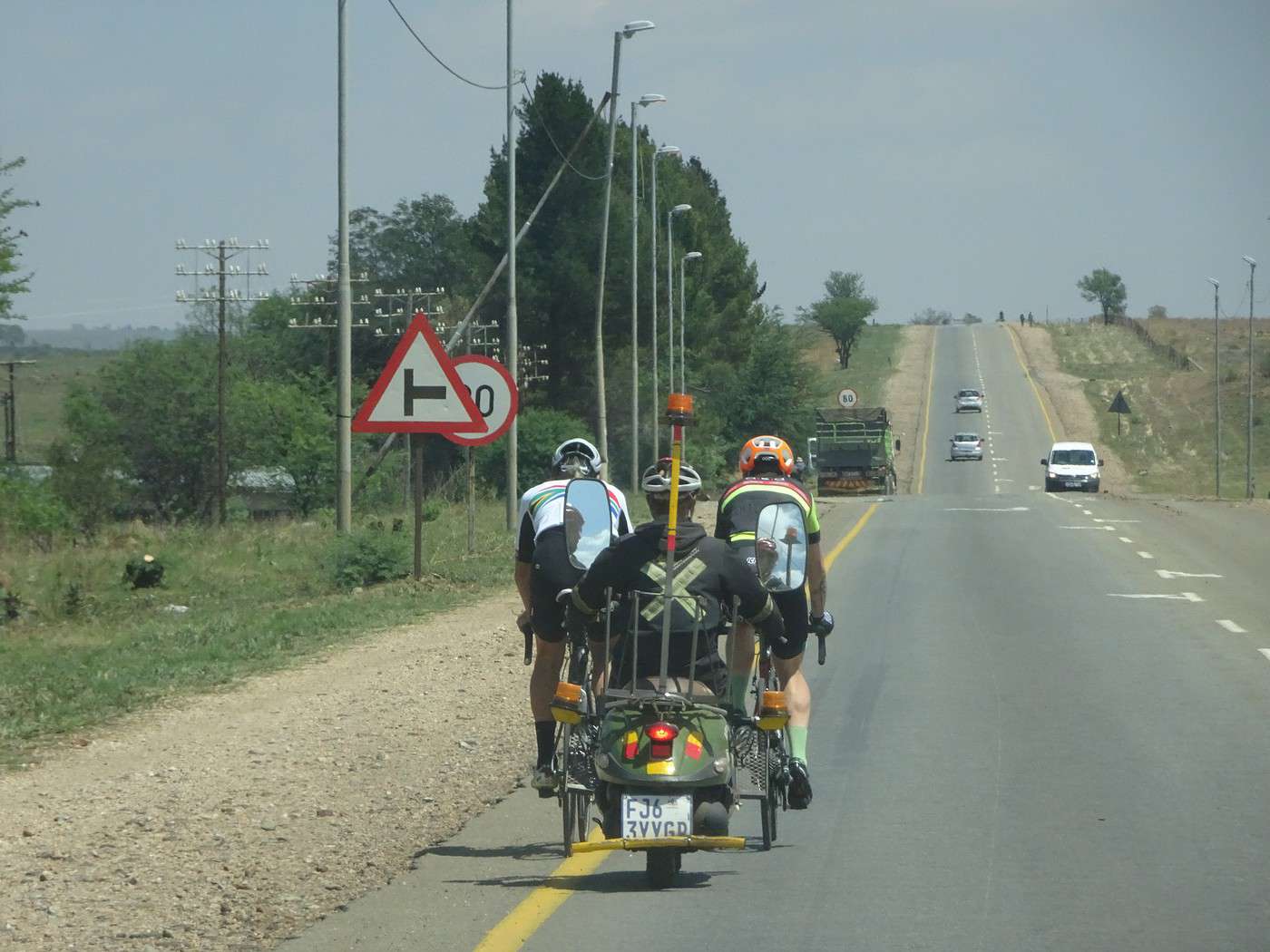
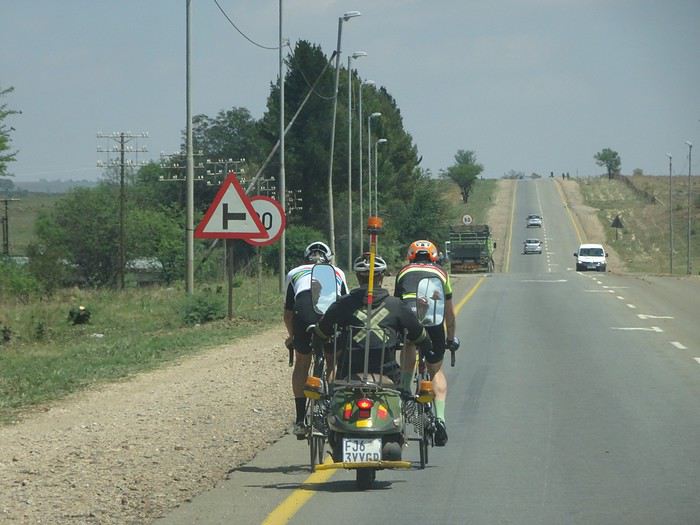 Cyclists training with their escort on a scooter.
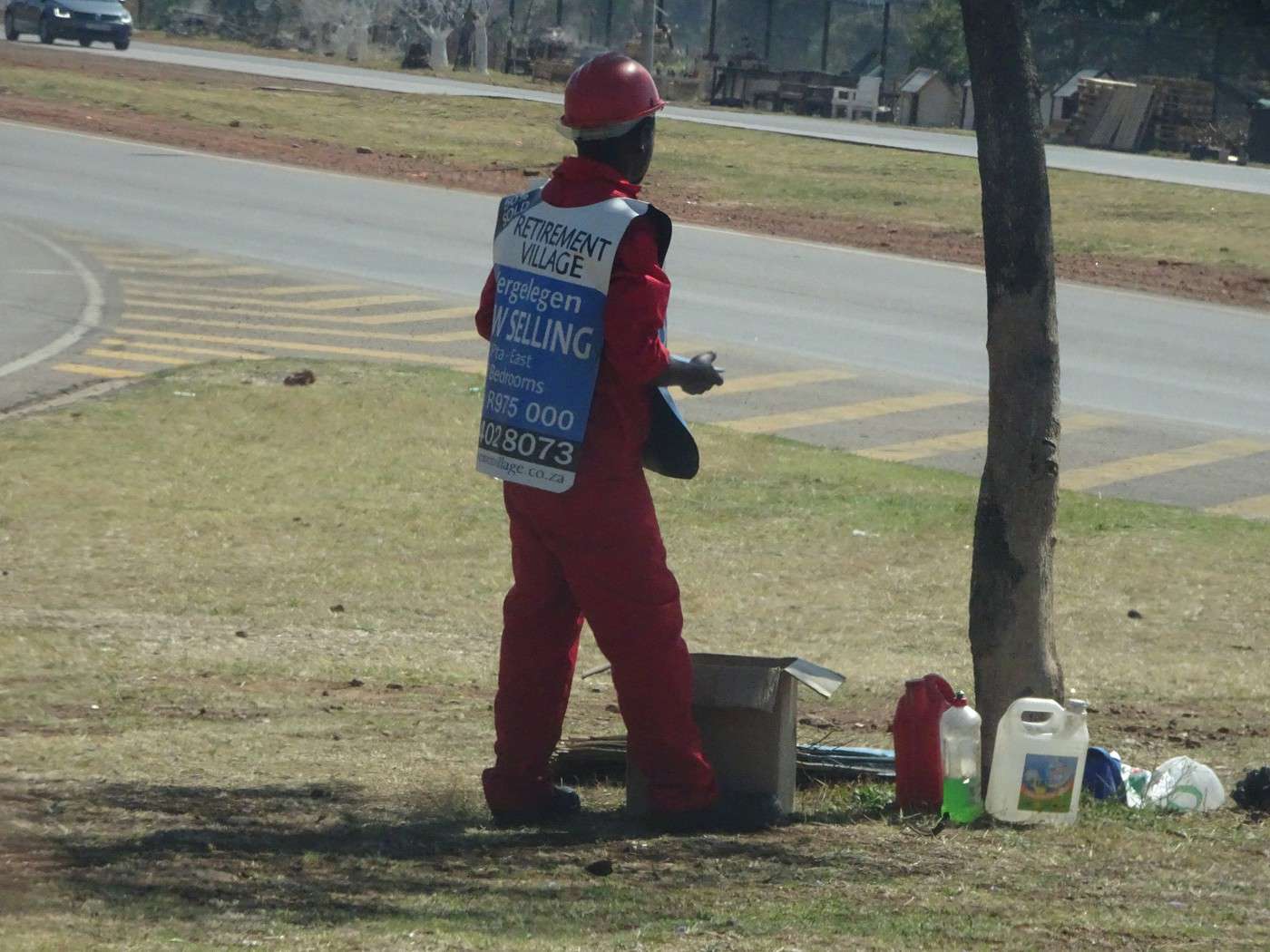
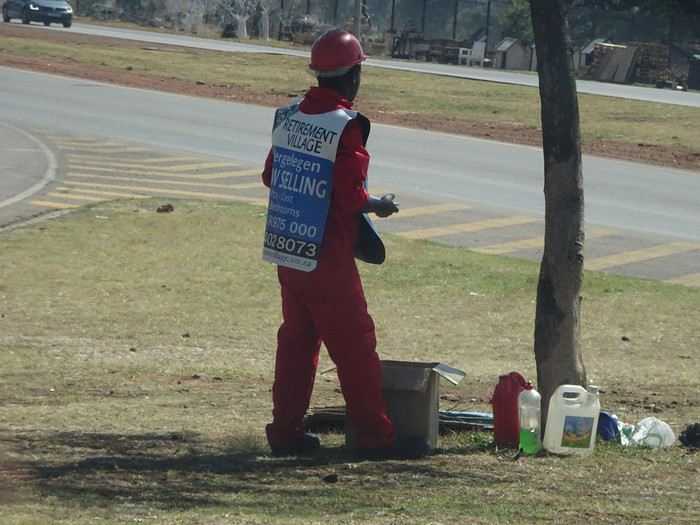 Sandwich board man.