Back to the discussion

in Entre deux voyages › Carnets de voyage

Here and there... my walks in the land of pralines, couques, and gosettes.. (page 2 of 9)

Discussion started by Moushika on 2019-10-26

178 replies

This thread has been translated into English.


Here and there... my walks through the land of pralines, couques, and gosettes..

Moushika · 2019-11-11 · Message 21 of 179

Thanks, Avkash, for mentioning Freyr and its castle. It’s a discovery for me since I’ve never been there.

I see here that the castle’s website mentions tricentennial orange trees grown there: http://www.freyr.be/menu-freyr-en-francais.php#.XclSkMBKiM8

Here and there... my walks in the land of pralines, couques, and gosettes...

Masterpo · 2019-11-11 · Message 22 of 179

I know Brussels pretty well, having been there more than a dozen times, so thank you for these spots that’ll let me get off the beaten path.

But one address really caught my eye.

Le domaine Solvay à La Hulpe.

A few years ago, I spent a three-day weekend in La Hulpe at the Dolce hotel, where I got an unbelievable deal...

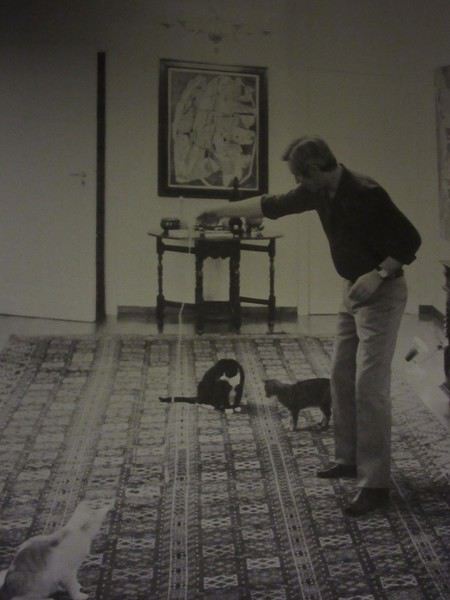
Anyway, moving on. I was able to visit the Domaine Solvay at my leisure. I just wanted to point out that, in addition to the château, the estate is also home to the Folon Foundation, dedicated to the famous artist, where you can, of course, listen to the legendary end of Antenne 2’s programs. And next to it, there’s a nice little restaurant/tea room...

Here and there... my walks in the land of pralines, couques, and gosettes...

Moushika · 2019-11-11 · Message 23 of 179

Absolutely. Thanks for adding it, dear Master 😉

The Folon Foundation is located in the farm of the Château de La Hulpe. For those who want to visit, all the info is here:

https://fondationfolon.be/visiter-parent/visiter-2/

Here and there... my walks in the land of pralines, couques, and gosettes...

Moushika · 2019-11-13 · Message 24 of 179

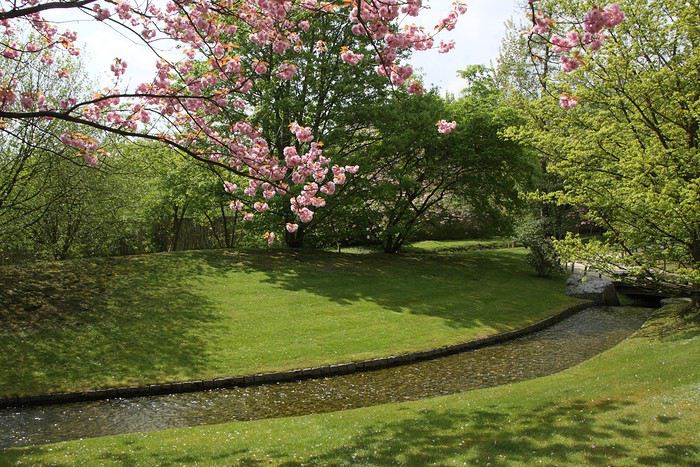
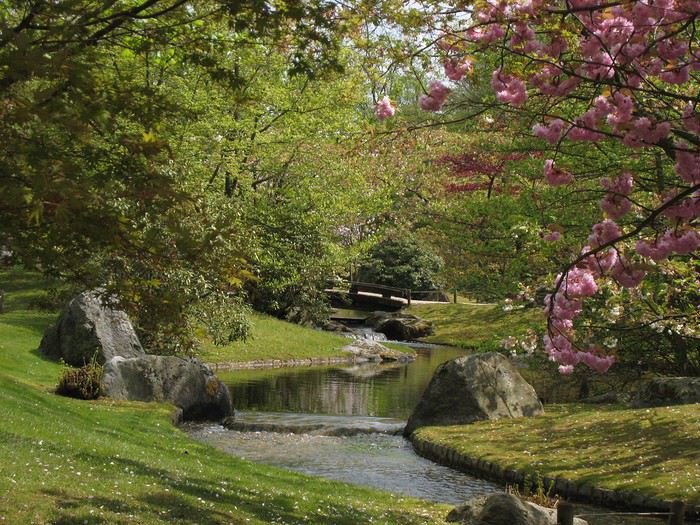
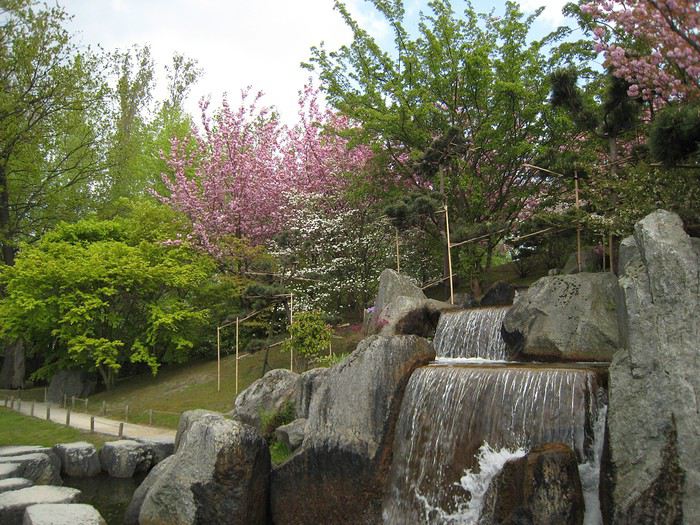
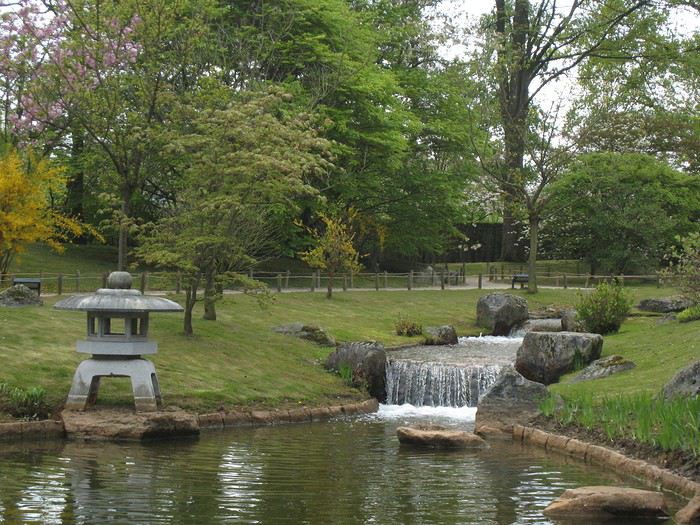
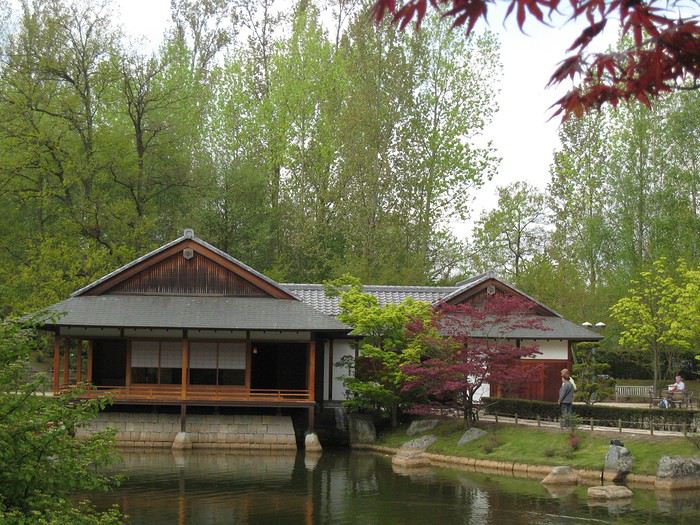
I feel like talking about the Japanese garden in Hasselt, the result of a twinning between the cities of Itami in Japan and Hasselt in the Belgian Limburg, about 80 km east of Brussels.

Its history began in 1985. Today, the garden covers 2.5 hectares, making it the largest Japanese garden in Europe.

It’s recommended to visit it five times to appreciate all its subtleties: once each season, and a fifth time when it’s raining. For my part, so far, I’ve been there three times (first in autumn, then in summer, then in spring—each time under the sun 😎).

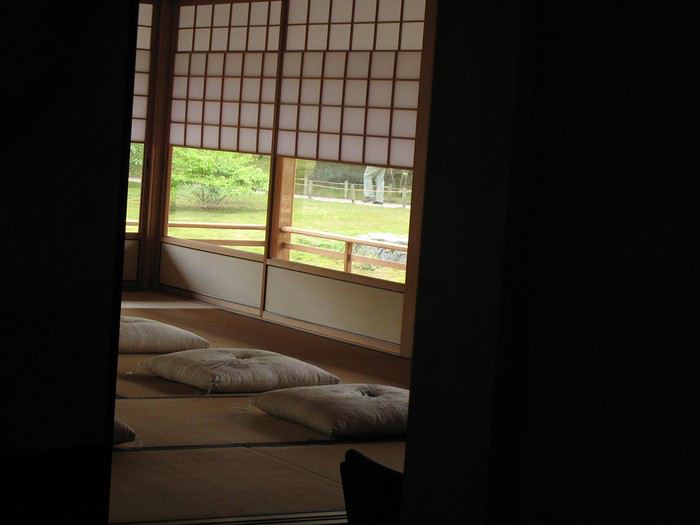
Winding paths, a river, a vertical waterfall, and large rocks harmoniously coexist with a ceremonial house made entirely of natural materials (except for the electrical installation), built by a pond, stone lanterns, cherry trees, a thousand irises, and a small tea house. The whole is designed according to the principles of the 17th-century tea garden.

It’s located at the intersection of Koning Baudewijnlaan and Gouverneur Verwilghensing streets, in the northeast of the city, and is open from mid-March to the end of October, closed on Mondays.


Hmm, it’s tricky to photograph the inside of the ceremonial house because, outside of ceremonies, you can only peek in through the entrance.

Here and there... my walks in the land of pralines, couques, and gosettes..

Titouette · 2019-11-14 · Message 25 of 179

Hi there,

During the summer, you can take a little boat ride on the Meuse or all the way to the Château de Freyr. I wanted to do the latter, but on that day, it wasn’t possible, so I took the shorter excursion instead, which was really nice in the sunshine.

Dinant is a pretty little town. On the day I was there, there were lots of Italian tourists.

I bought a couque shaped like a wild boar (from the Ardennes), but I never got around to eating it!

Here and there... my walks in the land of pralines, couques, and gosettes..

Moushika · 2019-11-14 · Message 26 of 179

I think you did the right thing ;) Besides, a lot of them are sold only as souvenir items.

Here and there... my walks in the land of pralines, couques, and gosettes..

Brigitte42 · 2019-11-20 · Message 27 of 179

Hi Moushika! I’m wrapping up an Italian travel journal, which is also in the reading suggestions; that’s how I came across yours: we’re both Belgian too, originally from Wallonia (Mons, Ath where I went to school!). And I know all the places you mention!

The idea of bringing all these lovely spots together was unexpected and really great; plus, the photos are so inviting and make me want to revisit some of these places. It’s true that Belgians tend to overlook Belgium a bit, and that’s a shame... I really want to congratulate you on this beautiful travel journal... and encourage you to keep enriching it! Have a great day, Brigitte.

Here and there... my walks through the land of pralines, couques, and gosettes..

Moushika · 2019-11-20 · Message 28 of 179

Thanks for your encouragement, Brigitte!

I’m also originally from Brussels—Walloon roots. I grew up in Brussels, but my family is scattered all over Wallonia.

For a long time, I wasn’t very interested in Belgium, like a lot of Belgians. But for the past fifteen years or so, I’ve been happily visiting and revisiting all kinds of little spots around the country.

Here and there... my walks in the land of pralines, couques, and gosettes...

Moushika · 2019-11-25 · Message 29 of 179

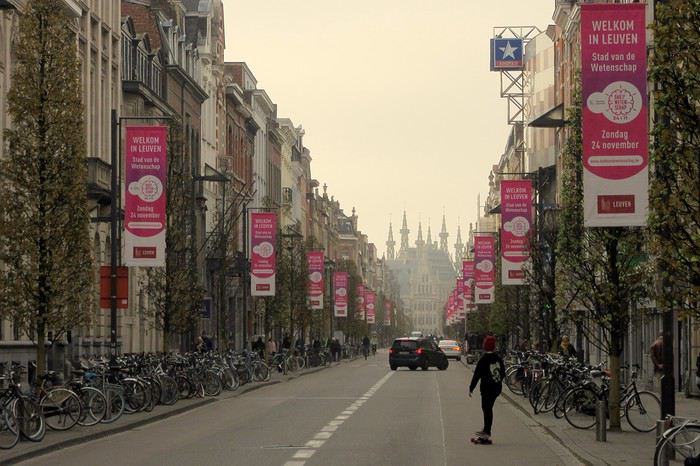
Let’s stay in Flanders a little longer, more specifically in Leuven, about twenty kilometers from Brussels. I went there yesterday under a beautiful late-November sun and a dozen degrees. Getting there is very easy, even on Sundays—there are three trains per hour from Brussels, taking about 25 minutes.

There’s construction all around the station at the moment, so you take a big detour on foot a bit above street level. As you walk, you can see the Grote Markt (the Grand Square) at the end of Bondgenotenlaan, with the town hall recognizable by its six towers.


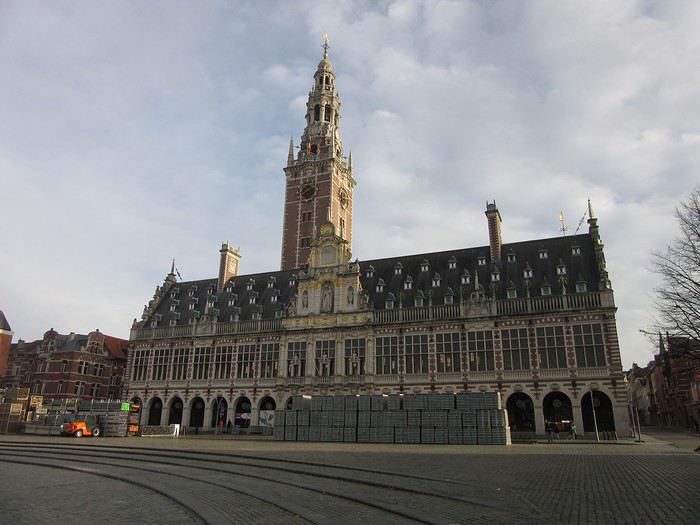
After a ten-minute walk along this avenue, you reach Monseigneur Deleuze Square, where the large building housing the University of Leuven Library stands.


Speaking of the university, I have to tell you one of our Belgian-Belgian stories (just one 😉). In 1966, a law was passed affirming regional unilingualism: Dutch in Flanders and French in Wallonia. This law became the focal point of multiple protests between November 1967 and March 1968, first in the streets of Antwerp and later in Leuven, demanding the departure of the French-speaking university from Leuven. Banners read "Walen buiten" (Walloons out) and "Leuven Vlaams" (Flemish Leuven). The official split was declared on September 18, 1968, and it was decided to gradually move the French-speaking faculties to Walloon Brabant and Woluwe-Saint-Lambert in the Brussels area. It took time, and the first academic year in Louvain-la-Neuve, still under construction in Walloon Brabant, began in October 1972. I’ll talk about Louvain-la-Neuve later—it’s very different from Leuven. The split was particularly painful when it came to dividing the library’s books. 😕 It seems that digitizing the books later helped heal the wounds on both sides. 😛

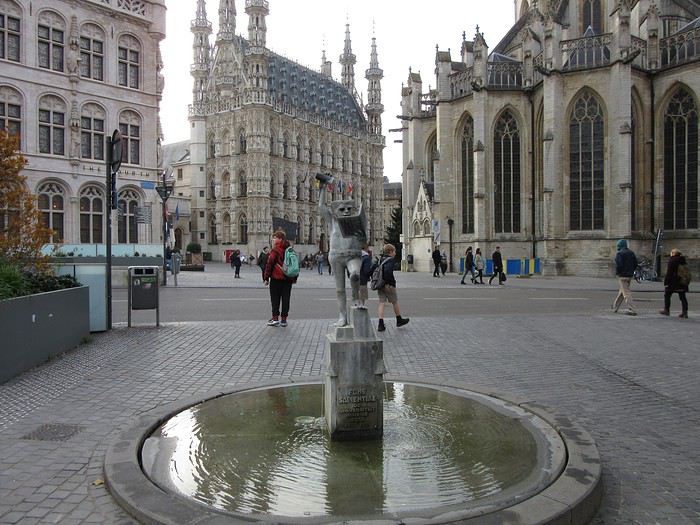
Enough of this story—let’s continue our walk. Just before the Grand Square, on the right, everyone stops in front of a cute little fountain, Fons Sapientiae (source of wisdom). It depicts a student holding a book in one hand and a beer in the other (probably a Stella Artois, Leuven’s beer), and was designed by sculptor Jef Claerhout for the 550th anniversary of the Catholic University of Leuven in 1975.


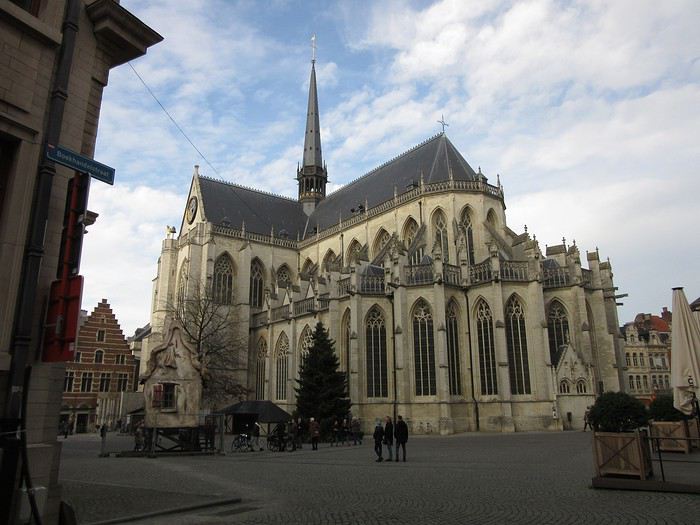
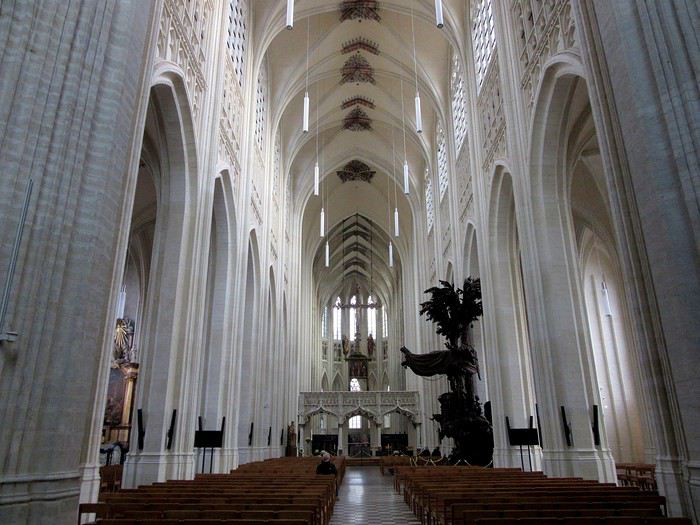
To the right stands St. Peter’s Collegiate Church. This Gothic church holds the title of *Magistral Church*, meaning all its canons are professors at the University of Leuven.


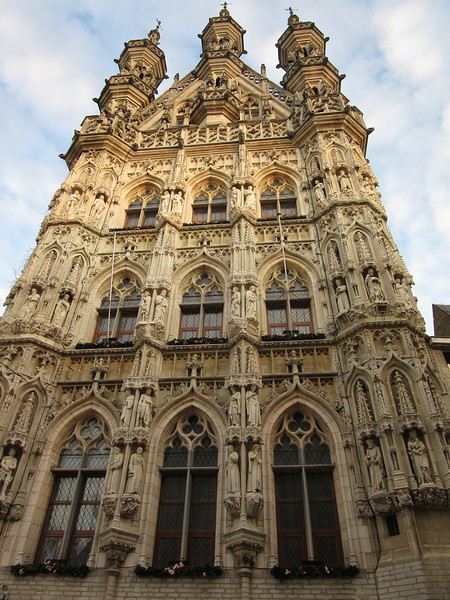
On the left, a masterpiece of civil Gothic architecture: the town hall, whose construction began in 1439. Apparently, it was Victor Hugo who suggested adding a statue to each of the façade’s niches (over 200!)

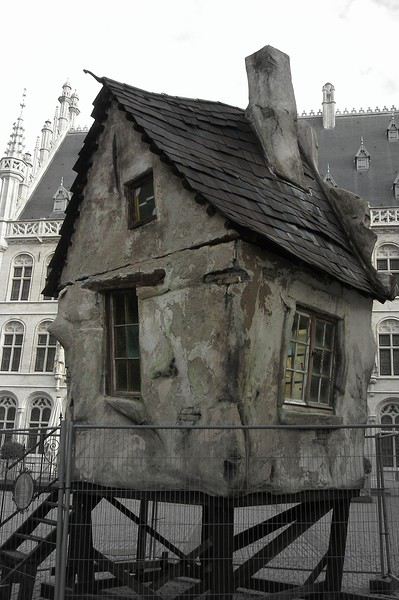
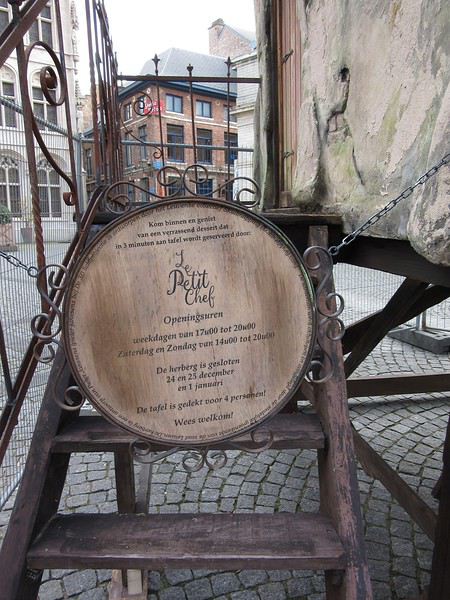
...Between the two, a little house straight out of a Brothers Grimm tale introduces us to Petit Chef, a restaurant that creates virtual dishes reproduced in 3D on plates for customers around the world. Its inventors, Filip Sterckx and Antoon Verbeeck, are from Leuven.


Next, you can stroll down the long Namenstraat (Namur Street) to reach the Grand Béguinage in the south of the city (there’s also a "Petit Béguinage" in the north).

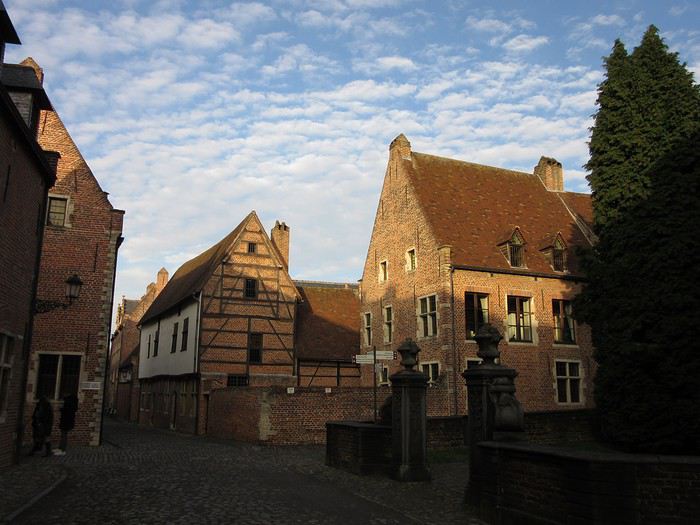
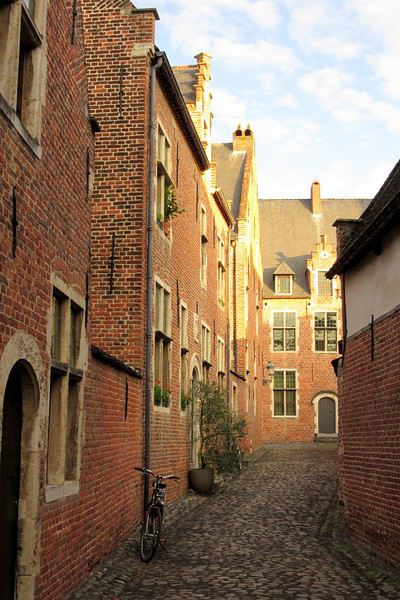
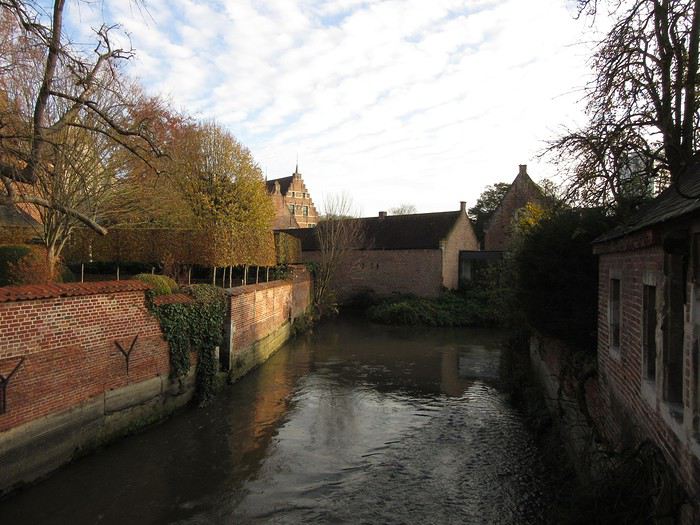
Many Flemish cities have an old béguinage; if I’m not mistaken, there are 13 listed as UNESCO World Heritage sites. They’re like little towns within the city. Leuven’s Grand Béguinage, crossed by two branches of the Dyle River, is the largest of them. It includes 80 houses, about ten convents, wells, and a church—the Gothic Church of St. John the Baptist. It was founded in the 13th century, but most of the houses date back to the 17th century, a prosperous period for the béguinage. The university eventually bought it in 1962 and restored it in three phases. In 1998, it became a UNESCO World Heritage site. Now, the béguinage is home to professors, visitors, and students who prefer tranquility over student parties.


Here and there... my walks in the land of pralines, couques, and gosettes...

Masterpo · 2019-11-25 · Message 30 of 179

I’ll talk about Louvain-la-Neuve later—it’s very different from Leuven.

I had no idea there was a difference between the two, and I must admit I went straight from La Hulpe to LLN to see what you’re imagining (and which I assume you’ll talk about soon) without stopping in Leuven—much to my embarrassment.

Well, now I know what I’ve got left to do...

Here and there... my walks in the land of pralines, couques, and gosettes..

Mdlv · 2019-12-01 · Message 31 of 179

Thanks for these visiting ideas. You don’t mention Liège or Maastricht? During a weekend in Ostend, a family told us about these two cities we also don’t think of? Marc

Here and there... my walks through the land of pralines, couques, and gosettes...

Moushika · 2019-12-01 · Message 32 of 179

Glad I could teach you something! 🙂

As promised, I’m now heading to Louvain-la-Neuve (or LLN), one of the four sections of the Ottignies-Louvain-la-Neuve municipality.

Here, there’s no historic grand square, no grand monuments, no big, noisy avenues. The city is entirely pedestrian and was built from scratch in the Brabant countryside, on the edge of the Bois de Lauzelle, in the early 1970s after the split with Leuven. It was quickly nicknamed *Louvain-la-Vieille* (Old Leuven), *Louvain-l'Ancienne* (Ancient Leuven), or even *Louvain-la-Veuve* (Widowed Leuven) by the French-speaking students at the time, who weren’t happy about it 😕

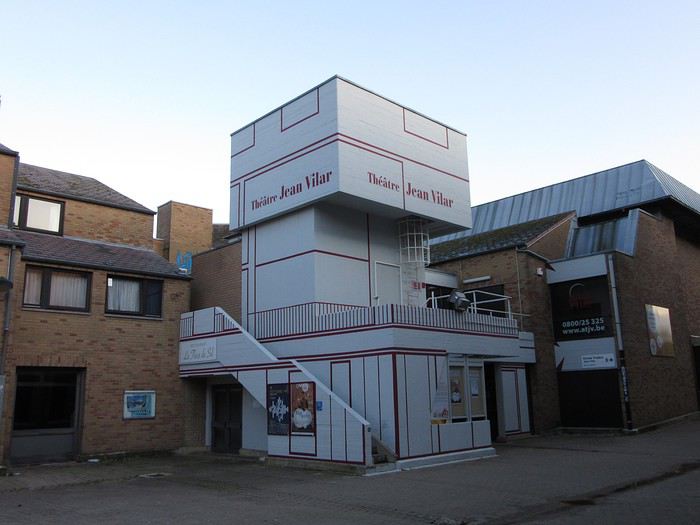
It’s worth noting that for the first academic year, students had to walk on planks to avoid sinking into the mud from the unfinished construction sites. The city only had the bare essentials for a university town: lecture halls, housing, a few shops, bars, restaurants, and some cultural buildings, including the ever-present Théâtre Jean Villar.


The urban center was built on a massive concrete slab. Below it are the parking lots. If you arrive by car, you’ll have to leave it in one of the many underground parking lots. In the evening, there’s a centrifugal movement from the city center toward the outskirts and parking lot entrances. Since its creation, the city has grown considerably. Around 30,000 people come to work here every day in the many shops, SMEs, the Science Park, and primary and secondary schools.

If you arrive by train, you’ll be right in the city center.
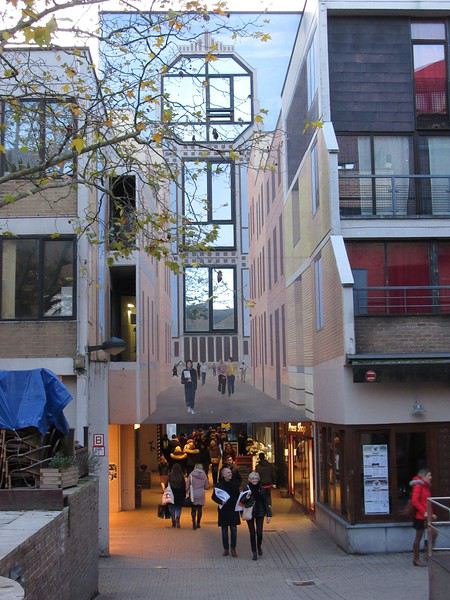
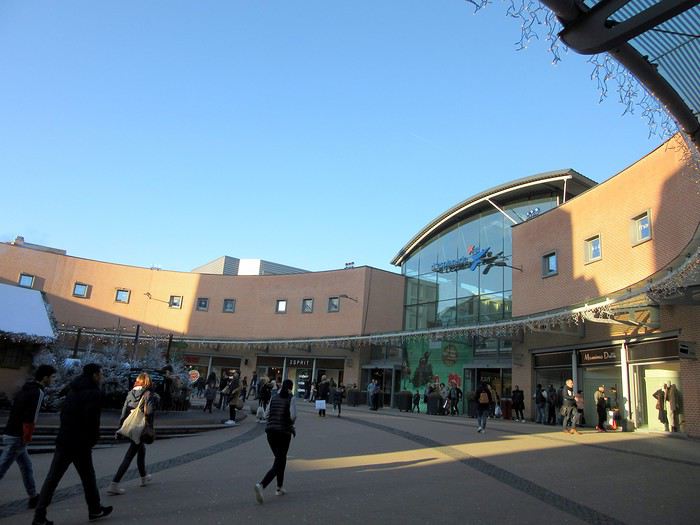
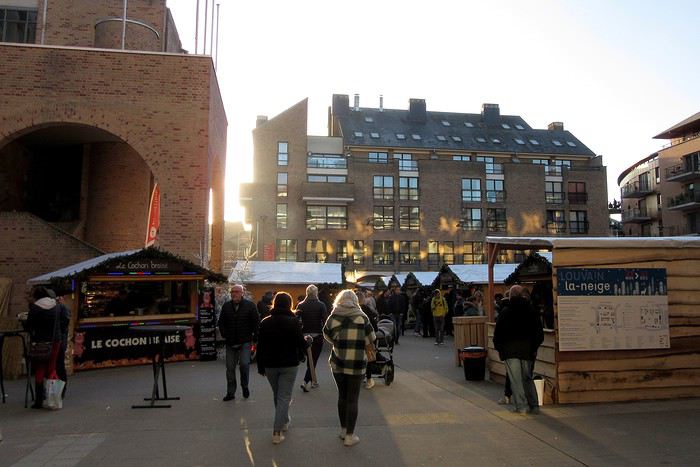
Coming from the train station, you’ll immediately arrive at l'Esplanade, a shopping center overlooking the Grand-Place, which is currently hosting the Christmas Market.


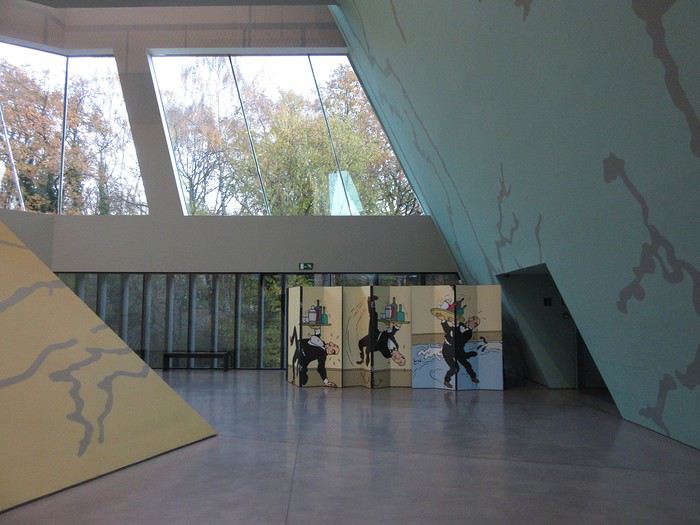
...since 2009, Louvain-la-Neuve has been home to the Hergé Museum (a play on the initials of Georges Rémi: G R → R G), the comic book author (1907–1983) best known for *Tintin and Snowy*, though he also created other characters like *Quick and Flupke* or *Jo, Zette, and Jocko*, etc.

The museum is located in a wooded park at 26, rue du Labrador, just a 5-minute walk from the train station.
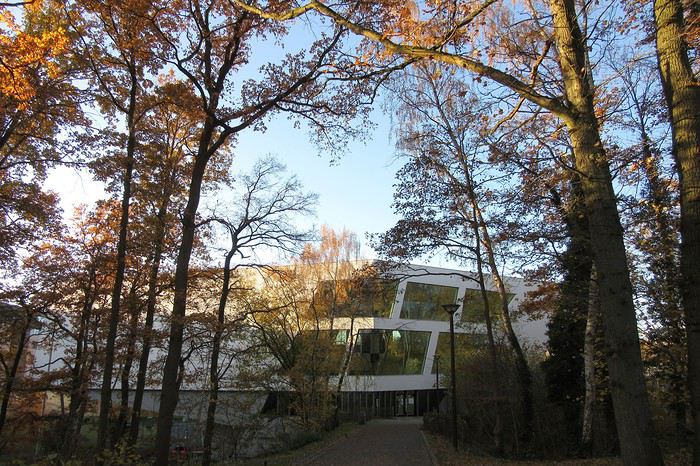
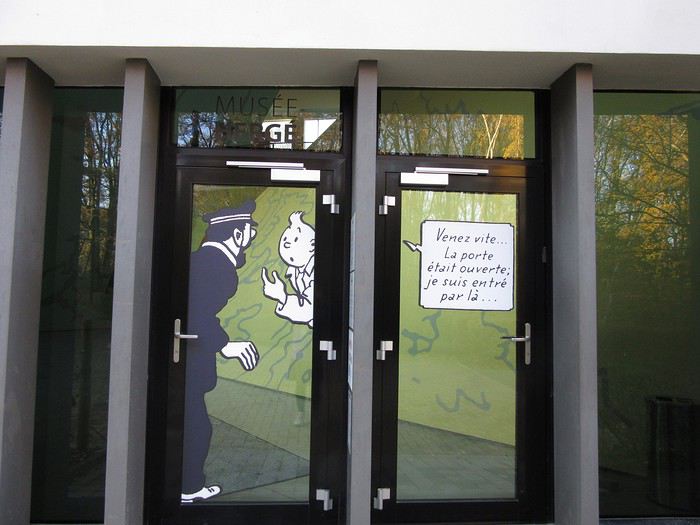

The museum is open from 10:30 AM to 5:30 PM, Tuesday to Friday, and from 10 AM to 6 PM on Saturdays and Sundays (closed on Mondays, December 25, and January 1). SNCB offers a very affordable combined train + admission ticket.

Inside, photos are allowed as long as you don’t use a flash.
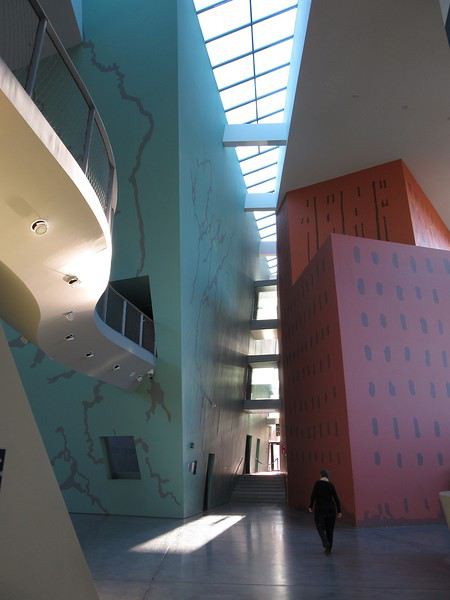


At the end of the visit, which takes about 1.5 to 2 hours depending on the person, you can stop by the restaurant Le Petit Vingtième, named after the weekly supplement of the newspaper *Le Vingtième Siècle*, which featured Tintin’s adventures from January 1929 to May 9, 1940. Inside the museum, you’ll also find the Hergé Bookshop.
Here and there... my walks through the land of pralines, couques, and gosettes...

Moushika · 2019-12-01 · Message 33 of 179

You’re not talking about Liège and Maastricht? During a weekend in Ostend, a family told us about these two cities that don’t come to mind as often? Marc

It’s coming, it’s coming—I plan to talk about Liège a bit later.

But Maastricht is in the Netherlands, not Belgium. The country’s so small, you’re quickly at the neighbors’ place. 😉

Thanks for reading everything this far.

Here and there... my walks through the land of pralines, couques, and gosettes..

Masterpo · 2019-12-01 · Message 34 of 179

the visit, which lasts 1h30 to 2 hours depending on the person

Or even longer 😛 We have a hard time leaving. Even the shop takes quite a bit of time...

Here and there... my walks in the land of pralines, couques, and gosettes..

Moushika · 2019-12-01 · Message 35 of 179

I see you enjoyed it too 😉

Here and there... my walks in the land of pralines, couques, and gosettes...

Lolo197526 · 2019-12-01 · Message 36 of 179

Good evening, I read your travel journal and loved it. We’re planning our vacation in Belgium (2020) in Namur. We’ve found our rental. We’re thinking of staying for 8 days. We’ll probably do what everyone does—explore Brussels, Liège, Namur, and Dinant. I’d love to know if there are any small villages worth discovering besides these big cities. Usually, we head out in the morning with our backpacks and return to the rental in the evening. We’ll have our car to get around, and we don’t mind driving up to 100 km in a day. We love discovering the region we’re visiting. And if I’m not asking too much, do you have any great tips for local markets, restaurants, or anything else? Thanks for reading. See you soon! Kisses.

Here and there... my walks in the land of pralines, couques, and gosettes...

Moushika · 2019-12-01 · Message 37 of 179

Hi Lolo,

There are dozens and dozens of villages 😛 If you're planning to visit Namur, Brussels, Liège, and Dinant, that’ll already take you 4 days.

For the other 4 days, I found this list of weekly markets in the province of Namur:

www.marches-de-belgique.be/...inces-marches/namur/

In the list, I see Floreffe, where you can also visit the abbey, and Mariembourg, a charming little town with stone houses, as well as other villages in the area like Oignies-en-Thiérarche (not on the market list) and the small towns of Philippeville and Viroinval. In Couvin, you can also visit the Neptune Caves. In Jambes, there’s a market and a flea market every Sunday at the foot of the Namur citadel. Hastières is also really charming. I’d recommend following the Meuse River between Liège and Namur, as well as between Namur and Dinant, and stopping again and again.

Have a great trip! 🙂

Here and there... my walks in the land of pralines, couques, and gosettes..

Lolo197526 · 2019-12-01 · Message 38 of 179

Thanks for your reply and your tips. I’ll take a closer look. Wishing you a great evening. Kisses.

Here and there... my walks in the land of pralines, couques, and gosettes...

B737 · 2019-12-01 · Message 39 of 179

I recommend following the Meuse between Liège and Namur, as well as between Namur and Ciney

It’s not the Meuse but the Bocq that flows through Ciney (and joins the Meuse at Yvoir). The Bocq Valley is really picturesque, with a tourist railway (from Ciney to Evrehailles-Bauche) and charming nearby villages: Spontin, Crupet, Purnode...

Here and there... my walks in the land of pralines, couques, and gosettes..

Moushika · 2019-12-01 · Message 40 of 179

Oops, what a nice slip-up. I wrote "Ciney" when I meant "Dinant"... good thing you noticed. Thanks! :) (I just corrected it)

As for the Bocq Valley, it's really pretty too.

VoyageForum — the largest community of French-speaking travellers.