Day 5
Spoiler alert! No car trouble today! 😊.
After another avocado-toast breakfast, we meet Ronnie at 9:00 AM at reception.
He explains he didn’t fully manage to get the car fixed because it was too expensive. Okay… at least the left headlight is repaired. We’re not quite sure what he’s trying to tell us… On our end, we’re still a little nervous about this road trip through Rwanda, wondering what car trouble we’ll run into next.
Before hitting the road, we stop by the exchange office where we get the same rate for $100 and $50 bills. Then, we head to the bank to try withdrawing dollars to pay Ronnie now that we’ve received the money back. No luck—we can’t withdraw US dollars directly. We have to take out Rwandan francs from the ATM and then exchange them for USD at the bureau. We give up because it would cost us too much in fees.
We also stop by the pharmacy because my "voice of a cracked pot" has turned into "no voice at all." Plus, we’re running low on throat lozenges. We grab some cough syrup too since, unfortunately, that’s joined the party… and it’s worrying because our first gorilla trek is in exactly one week!
With all that, we leave Kigali at 10:30 AM… way too late for my liking.
Rwanda truly lives up to its nickname, the "Land of a Thousand Hills," because the landscape is super hilly, and the road just keeps going up and down (and winding).
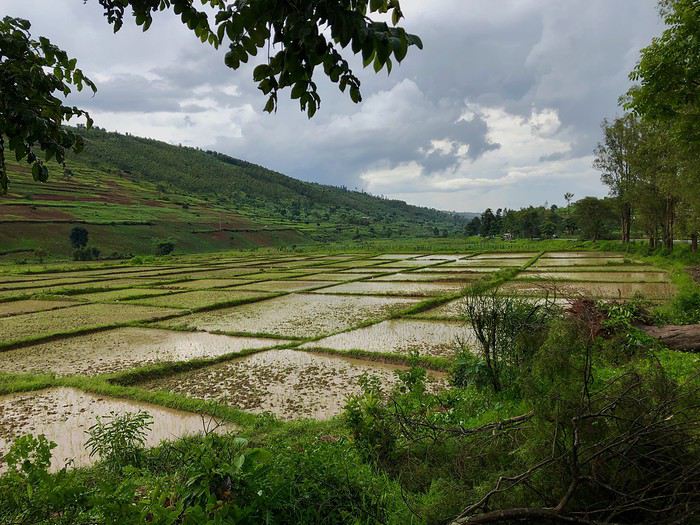
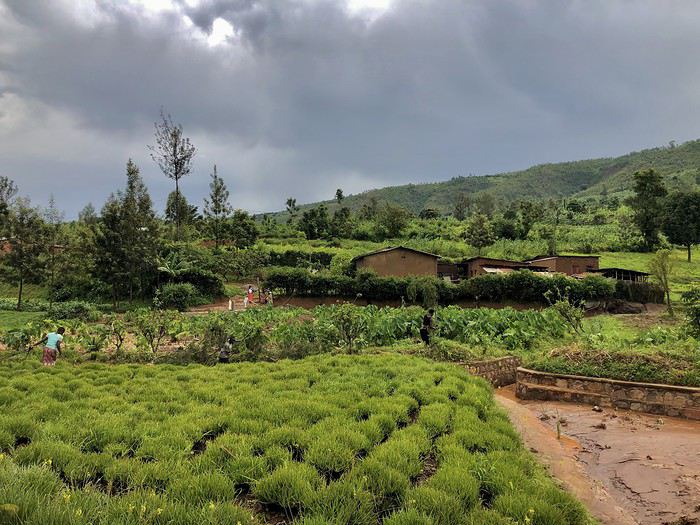
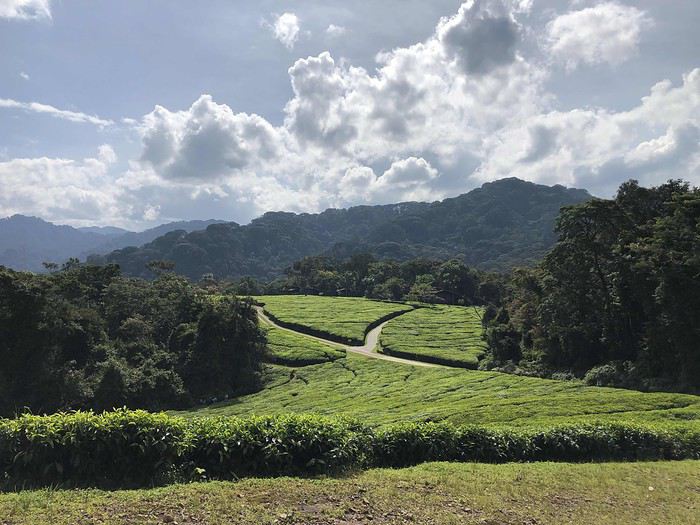
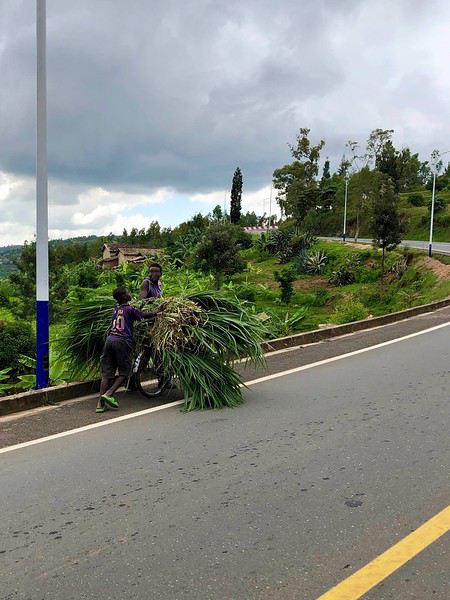
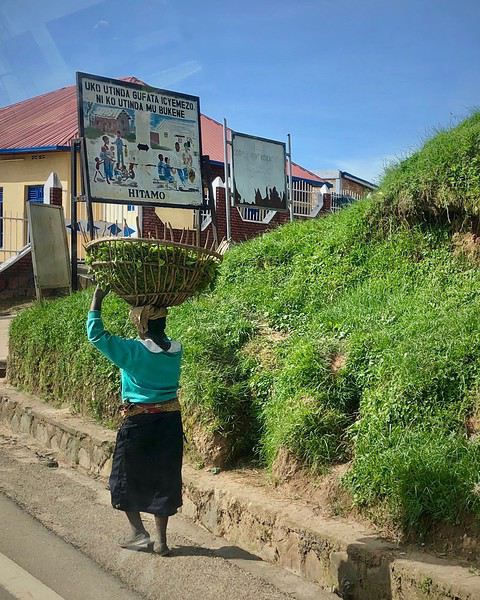
The rice fields soon give way to tea plantations. There are tons of people walking along the roadside, and we’re pleasantly surprised to see how clean the country is.
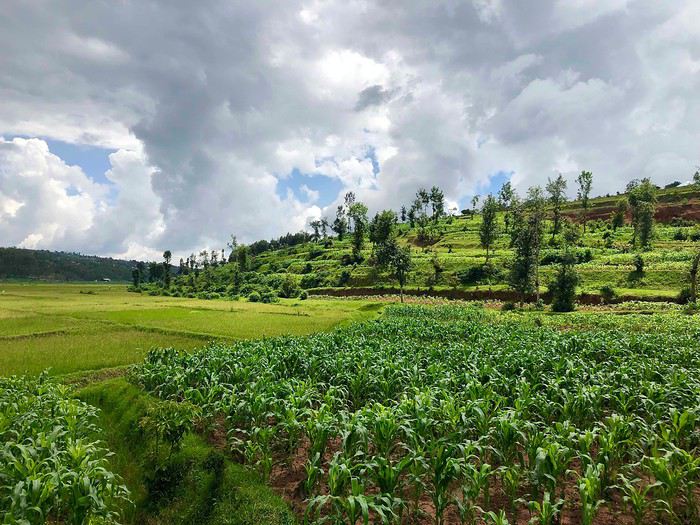
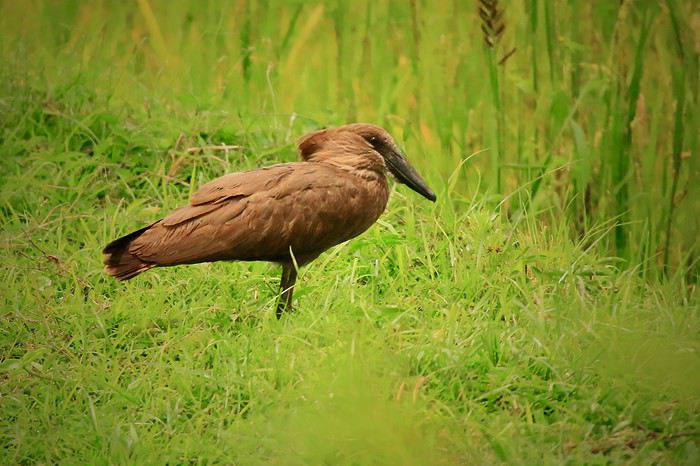
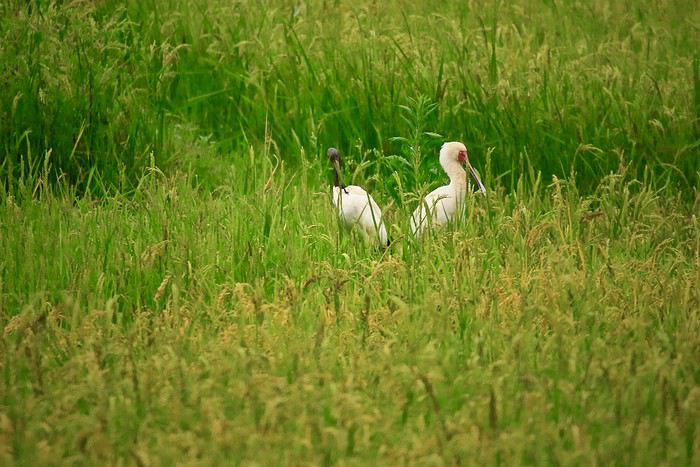
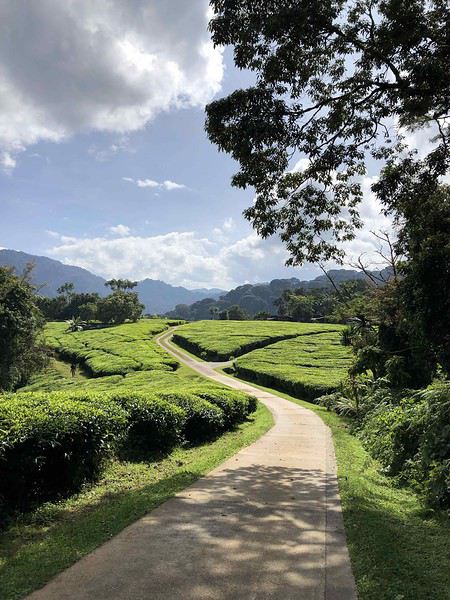
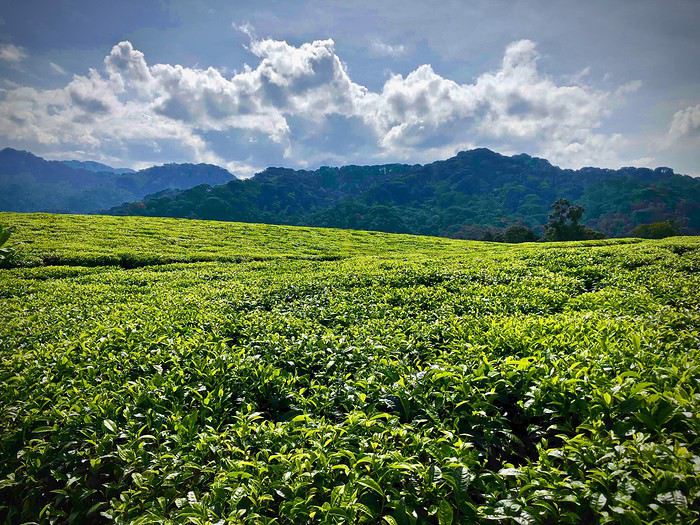
We stop in Buye (formerly Butare) for lunch. We order veggie spaghetti, which arrives 50 minutes later. Around 2:30 PM, we hit the road again toward Nyungwe Park, known for its primates and endemic birds of the Albertine Rift. We make a quick stop along the way to snap some photos of the tea plantations.
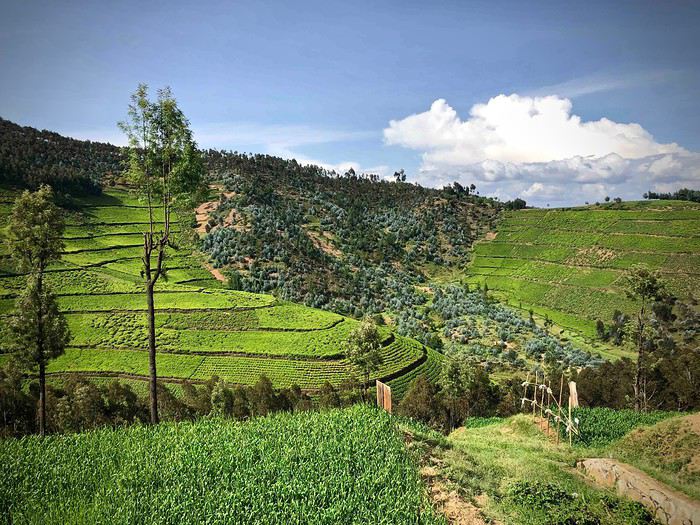
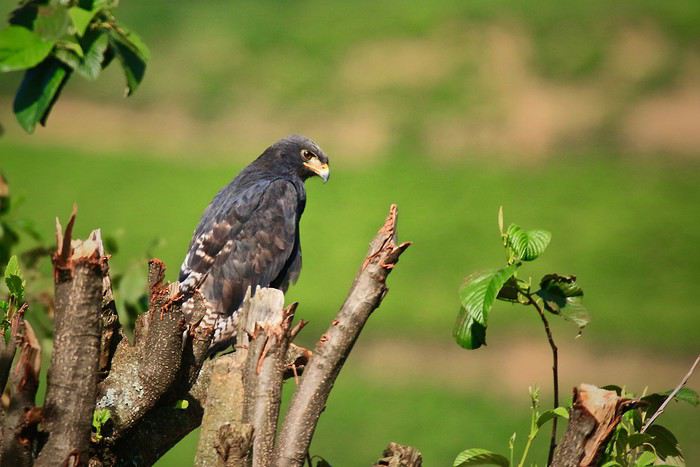
Before reaching the park, Ronnie tells us not to be scared but that because of the nearby DRC border, the military presence is heavy. We have nothing to fear—just don’t take photos of the soldiers. Two minutes later, we see a huge armored vehicle coming toward us. Ronnie goes, "See what I mean?"
We have to cross the park to get to Gisakura, where our lodging for the night is. We thought we might take a short walk before heading to the guesthouse or at least stop to observe some animals… but no such luck. Actually, we were supposed to stay near Uwinka, where the park HQ is and where most of the trails start.
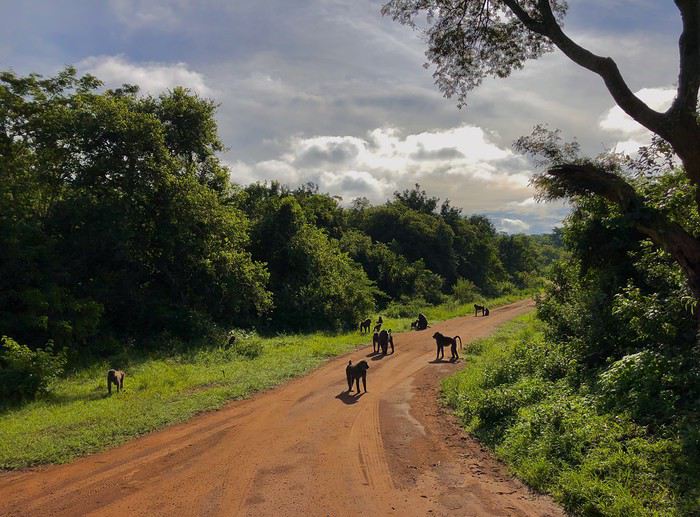
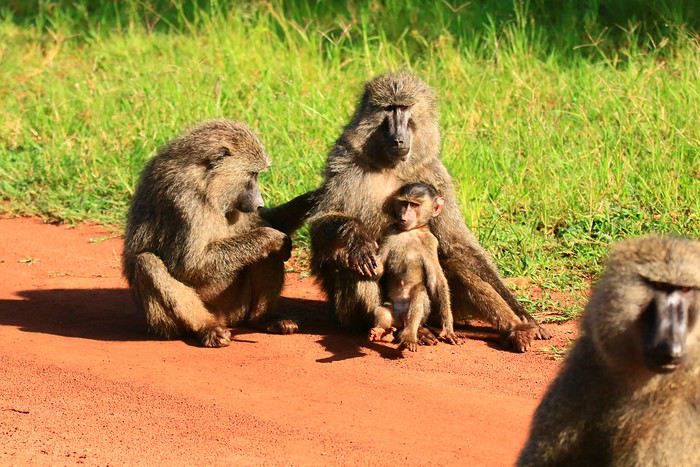
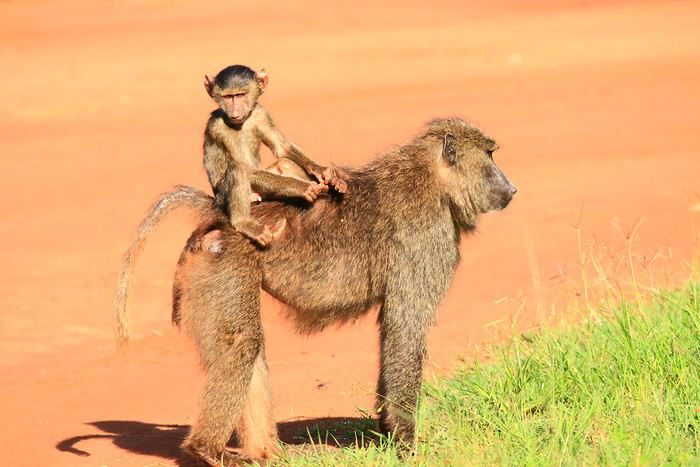
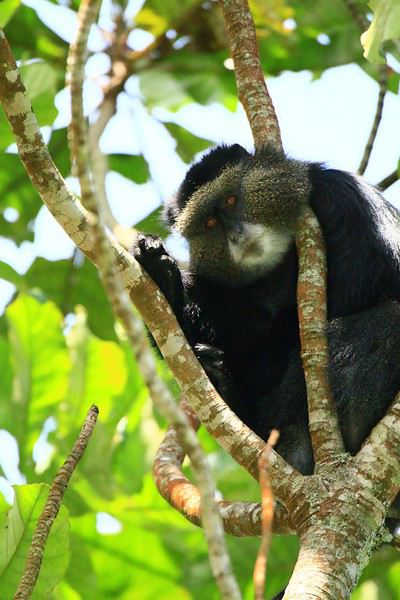
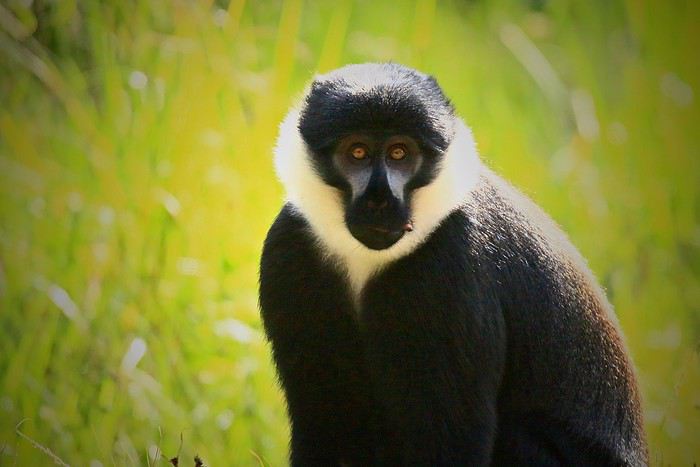
When we arrive at Nyungwe, we quickly spot a few baboons sitting by the RN6 highway that cuts through the park. Then, some L’Hoest’s monkeys (mountain monkeys). We’re thrilled and obviously want to take photos. But Ronnie seems uneasy and tells us to hurry because of the military. Yet, there aren’t any soldiers around. Still, every kilometer or so, there are 3-4 armed soldiers patrolling with machine guns.
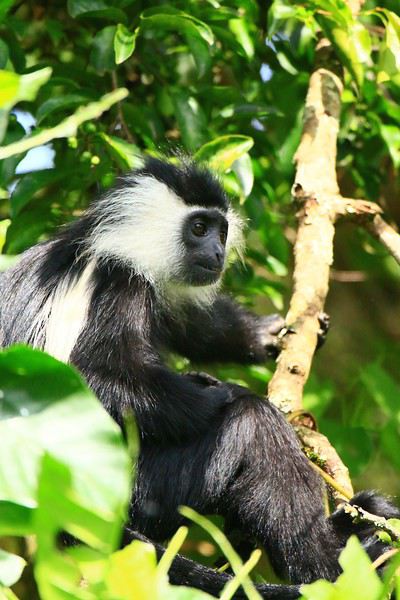
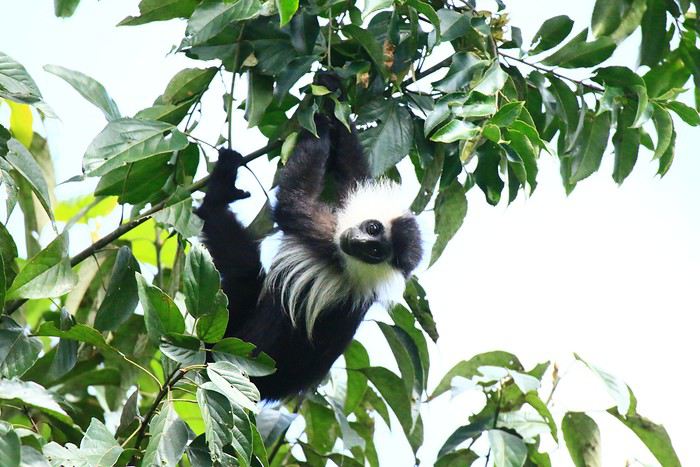
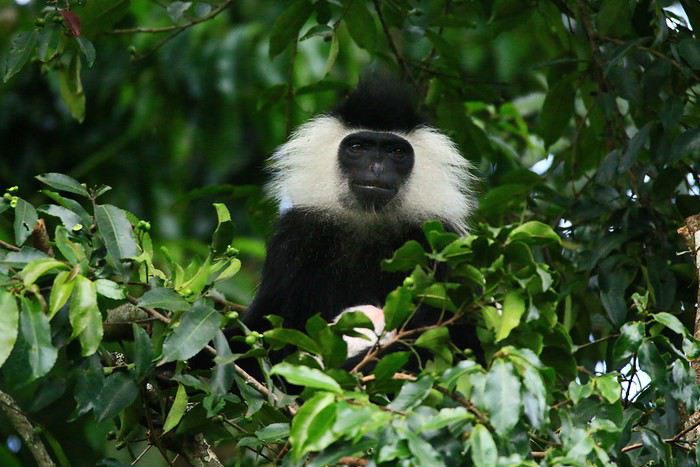
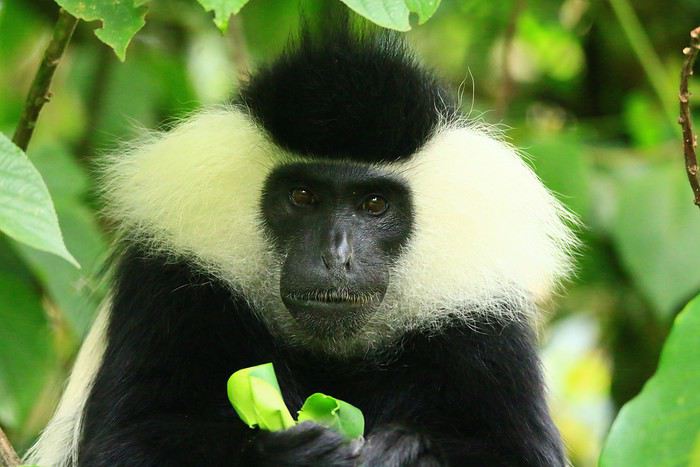
Then, we see a big group of Angola colobus monkeys with their stunning black-and-white coats and white manes. Again, Ronnie doesn’t want to stop for photos. He just slows down. But this is one of the reasons we came! He says we’ll see colobus in Uganda at Bigodi. Yeah, but those are a different species (!). Frustrated by his lack of knowledge (or respect for us—I’ll give him the benefit of the doubt), I point out that even if they both have black-and-white coats, they don’t look the same. Between us, we think these are cuter.
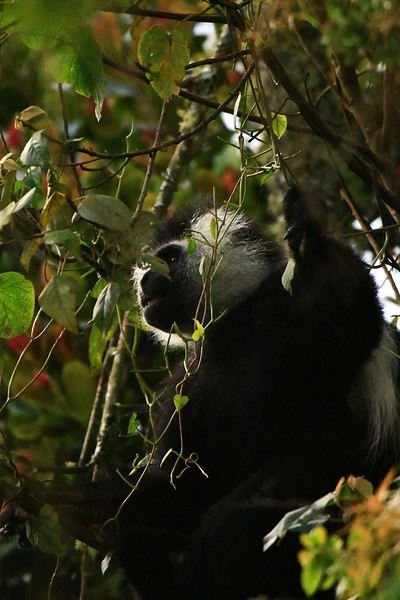
We already suspected his lack of wildlife knowledge after some *very* approximate identifications at Akagera (though I’ll admit finding a guide who’s really good with birds is tough), but this was a pretty glaring mistake…
We keep driving and run into another group of colobus. Again, we ask to stop. Okay, but we can’t get out of the car because of the military… We take a few photos from a distance. Then Ronnie tells us not to mention to the park guides that we took photos of the colobus because they might charge us for it…
Us: "Uh, why?"
Ronnie: "Because there’s a paid activity to see the colobus."
Us: "Uh, okay, but if we see them by chance?"
Ronnie: "It’s paid."
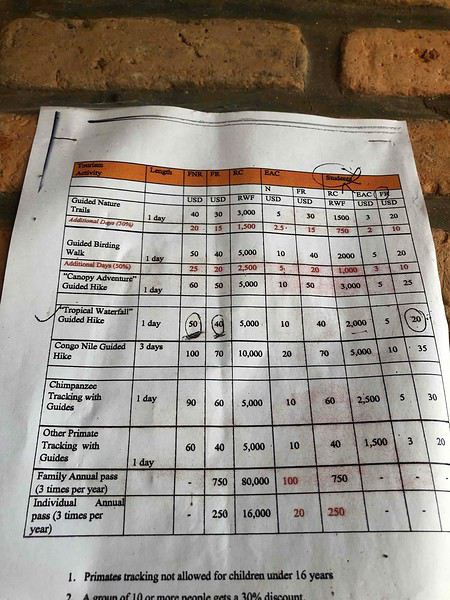
We arrive at Uwinka to pick the trail we’ll do the next day… and that’s when we realize—or rather, a guide there explains—that each trail costs $40 per person (except the Canopy Walk, which is $60 per person), you *have* to be accompanied by a guide (we knew that), and if you take a "short" trail in the morning, you can do another one for free in the afternoon… Wait, for $80, we *better* get a free afternoon. We’re not done being surprised… (but more on that tomorrow).
We ask about birdwatching, and he says it’s $50 per person. That actually seems reasonable compared to the trail prices. For primate tracking, it’s $60 per person. Ronnie quickly and somewhat sharply tells us that what we paid for only covers the classic trails. Okay, relax (!), we’ll pay the difference if we’re interested. Note that we only saw the rates posted at the guesthouse. I’m including the photo here for anyone interested. For non-resident foreigners, check the FNR column, and don’t trust the "1 day" duration—it doesn’t really match reality, at least not the one we experienced.
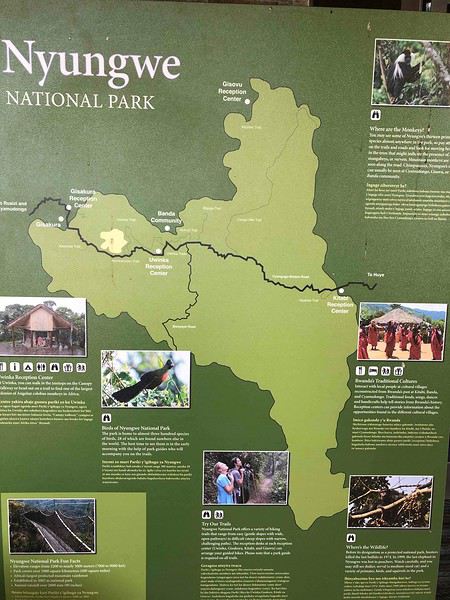
We leave after taking photos of the trail map (I couldn’t find anywhere to buy a park map), but we don’t book anything for the next day since we’re staying in Gisakura and need to reserve at the ranger station there.
We continue toward Gisakura. The road is pretty busy with trucks, mostly Ugandan or Congolese. After about an hour (I think), we arrive at the ranger station. We finally book the "other primate tracking" for the next morning and the "Birding walk" for the day after.
We reach the Gisakura Guesthouse a little before 5:00 PM. It’s located in the tea plantation of the same name. We have a room in Building 3, next to the small reception. The bathrooms are shared (2 bathrooms for 3 rooms).
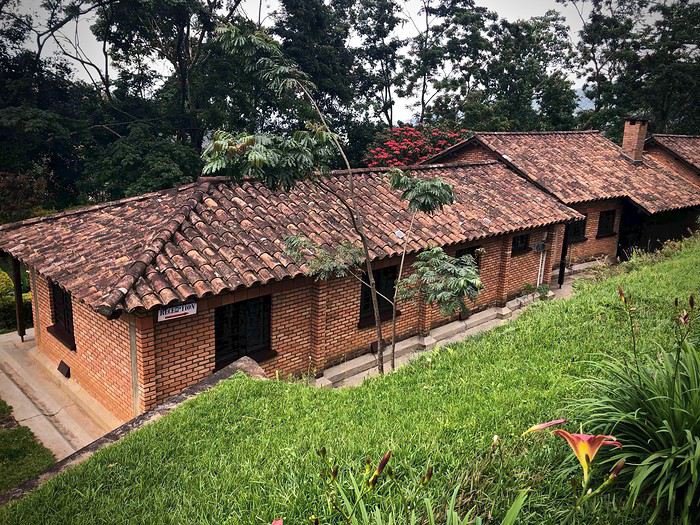
We immediately feel the cool climate due to the altitude and the humidity of the rainforest. The room is functional: a bed, a nightstand, a shelf, a chair, and a light bulb. It’s *so* cold and damp in here… Brrr, we don’t linger… and to think we’re spending the next three nights here… honestly, it’s not exactly thrilling. And we’re having a hard time believing this room fits into the "mid-range" budget category…
Even though the outside temperature is chilly, the welcome is warm. Joseph’s smile and kindness melt our hearts and will stay with us throughout our stay at the guesthouse. It’s also the only time in Rwanda we’ll speak French.
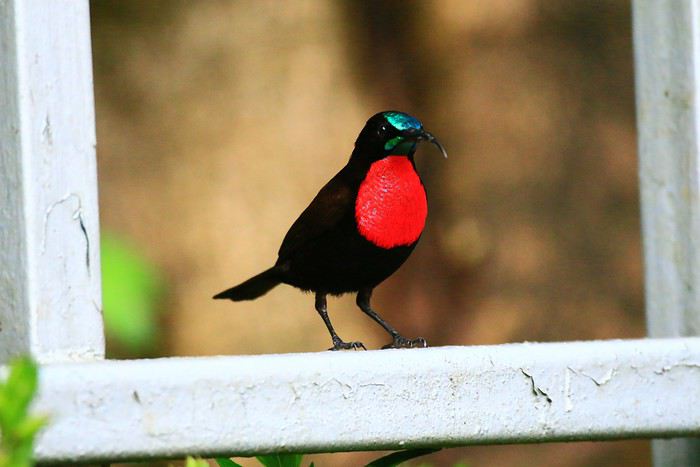
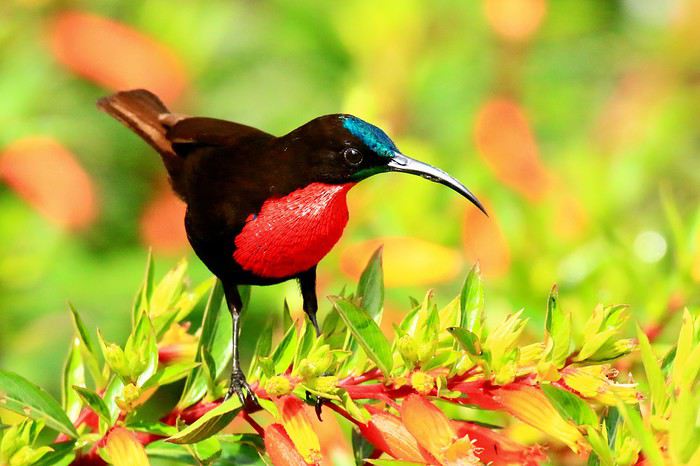
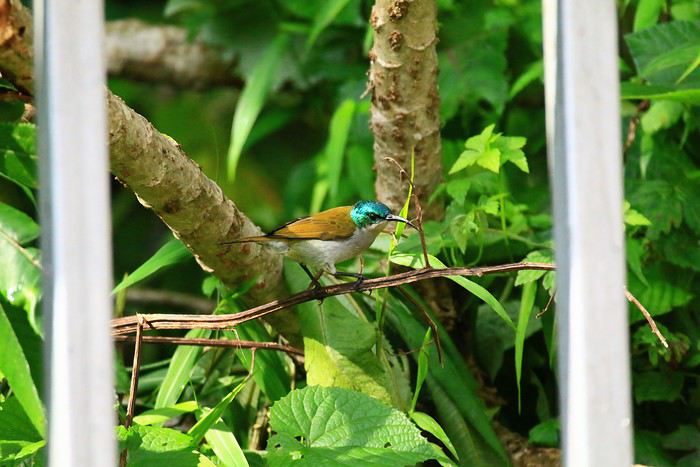
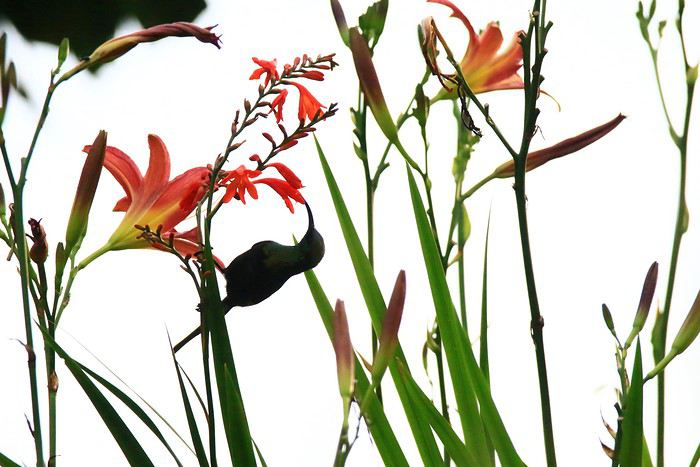
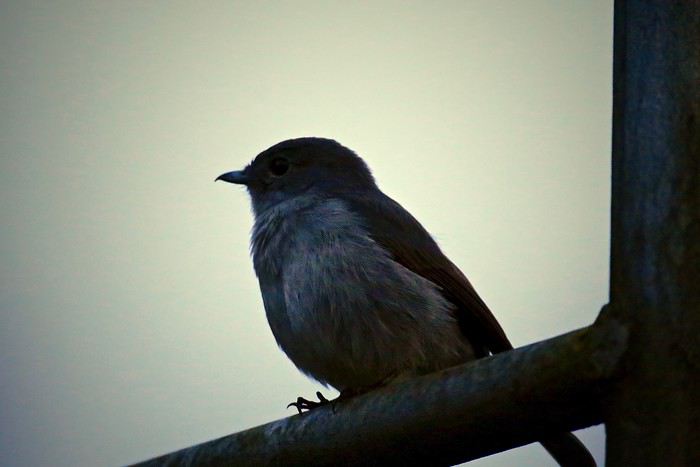
While waiting for dinner (at 7:00 PM), we take a walk in the garden and spot some birds—mostly sunbirds and flycatchers. I ask Joseph if any animals (owls, genets, pottos, etc.) come by at night. He’s never seen any but says there’s no problem with spotlighting (we brought our flashlight).
Dinner is a buffet: stew, potatoes, and peas with carrots. Two slices of pineapple for dessert. Delicious! And special mention for the pineapples!
We head back to the room and go on an expedition in the garden, armed with our rubber boots, fleeces, and—most importantly—flashlights. The garden is deserted… A guard tells us he sometimes sees an owl around 10:00–11:00 PM. We go back to our room, set the alarm for 10:15 PM, and fall asleep. The alarm goes off, and we head out with our flashlight to look for nocturnal animals. After checking every corner, including the small forest, we have to face the facts: there are no animals…
The guard, apologetic, tells us he didn’t see the owl tonight. We reassure him it’s no big deal—it’s part of the magic of wildlife. He offers to wake us up if he sees it during the night. Sure thing! We tell him which room we’re in and that we hope to see him later.
Back to bed now! The night will be short and restless. We take turns coughing—definitely not ideal for resting. And given how thin the walls are, our neighbors probably didn’t sleep much either… :-(
And unfortunately, no owl.