in Entre deux voyages › Carnets de voyage
On the Silk Road: Chronicles of a Sixty-Something Traveling Completely Independently (page 2 of 4)
Discussion started by Sarana on 2020-03-07
73 replies
This thread has been translated into English.
On the Silk Road: Chronicles of a Sixty-Something Traveling Fully Independently
Sarana · 2020-04-22 · Message 21 of 74
Hello,
I found all this super interesting! But, given the numerous checks, I had a practical question: do you need a special visa for this kind of route? (I know there are small differences between France and Belgium, but it’s often quite similar, so it could still be useful for me...)
Anyway, since I’m planning to do the Silk Road in a few years, this is exactly the kind of account that gives a more concrete perspective on this type of trip. Thanks for sharing!
No special visa, just a passport with the correct entry visa, of course. Whatever you do, don’t lose it. The taxi driver taking us to the border took it for checks and left us in a parking lot in Wuqia. He disappeared for over an hour, and we started to panic. But he eventually came back. The same thing happened in Tashkurgan. What can happen is a border crossing closing unexpectedly—it’s rare, but it does happen without warning. I had a backup plan for Kashgar, just in case. But to get to Osh, we had to take a flight to Urumqi, then to Almaty, and then Bishkek!
On the Silk Road: Chronicles of a Sixty-Something Traveling Fully Independently
Sarana · 2020-04-22 · Message 22 of 74
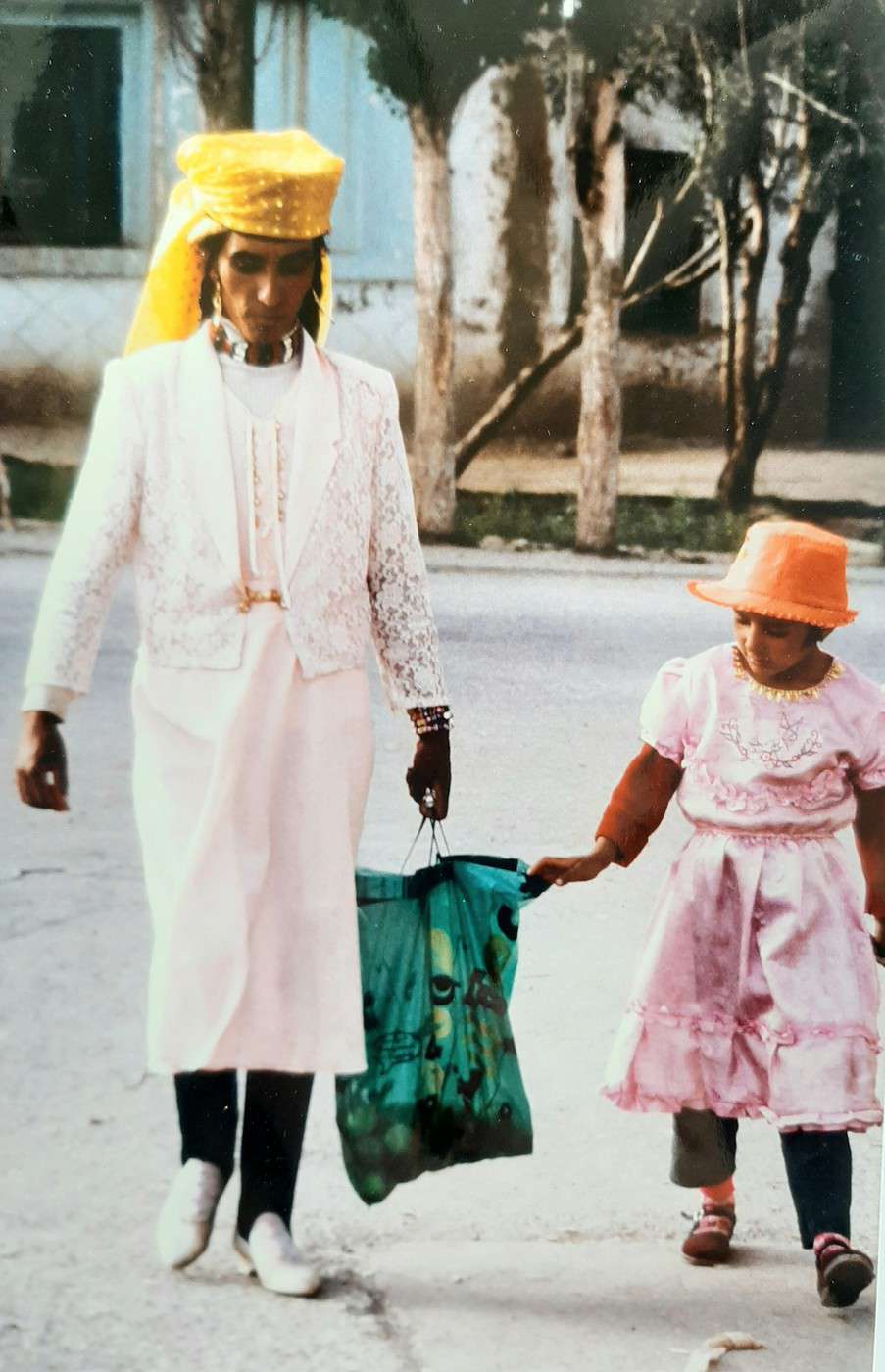
All the women and children were wearing very colorful traditional clothing—it seemed like an ordinary day; I didn’t notice any local festival. I wonder if that’s always the case?
The Pamiri women in Tashkorgan refused, and even feared, my modest camera.
Fabrice
I must’ve hit the jackpot with that one 🙂
https://www.dropbox.com/sh/q8xp1irgyfbp8wc/AADldGsuC7HYzfqTUERc_lRIa?dl=0&preview=IMG_20180904_190152.jpg
On the Silk Road: Chronicles of a Sixty-Something Traveling Fully Independently
FabGreg · 2020-04-22 · Message 23 of 74
Nice photo.
I’ll admit I’m not too pushy about taking photos.
Fabrice
On the Silk Road: Chronicles of a Sixty-Something Traveling Fully Independently
Levelo · 2020-04-22 · Message 24 of 74
Hello,
Thanks for this travel journal.
The section on Xinjiang really caught my interest.
It's terrifying and absolutely heartbreaking.
The steamroller, unfortunately, still has a long way to go.
The bulldozer, though, has already done its work...
Does the livestock market that used to be held in Kashgar's old town still exist?
Edith Roux recently photographed it—her work is incredibly moving:
http://www.actuart.org/article-edith-roux-les-depossedes-115106500.htmlL.
On the Silk Road: Chronicles of a Sixty-Something Traveling Fully Independently
Sarana · 2020-04-22 · Message 25 of 74
Does the livestock market that used to be held in the old town of Kashgar still exist?
L.
It was moved a long time ago, about ten kilometers away. It’s still a must-see—just as authentic as ever, definitely worth checking out. But so many photographers now!
On the Silk Road: Chronicles of a Sixty-Something Traveling Fully Independently
AmandineEV · 2020-04-23 · Message 26 of 74
No special visa, just the passport with the entry visa, of course. Whatever you do, don’t lose it. The taxi taking us to the border took it for checks and left us in a parking lot in Wuqia. He disappeared for over an hour, and we started to freak out. But he eventually came back. The same thing happened in Tashkurgan, actually. What can happen is a border post closing. It’s rare, but it does happen without warning. I’d planned a backup solution for Kashgar, just in case. But to get to Osh, I had to take a flight to Urumqi, then to Almaty, then Bishkek!
Awesome, thanks for the details!
On the Silk Road: Chronicles of a Sixty-Something Traveling Completely Independently
Kmiyetdm · 2020-04-24 · Message 27 of 74
Thanks for the clarification. I never imagined it was to that extent. So, that puts my crush into perspective, kind of like with the Uzbek cities. Let's give the Chinese credit for being really skilled at reconstruction.
Kashgar in August 2015. The remains of the old city were still quite visible but in a "ruins" state.
On the Silk Road: Chronicles of a Sixty-Something Traveling Solo
VP44 · 2020-04-26 · Message 28 of 74
The story is cheerful and fun to follow! Thanks for posting it.
Did you happen to see what a Tajik primary school or middle school looks like? What’s it like?
On the Silk Road: Chronicles of a Sixty-Something Traveling Fully Independently
Sarana · 2020-04-27 · Message 29 of 74
No, we would’ve loved to, but we didn’t ask. We saw lots of schools, but only from the outside.
On the Silk Road: Chronicles of a Sixty-Something Traveling Completely Independently
Sarana · 2020-05-01 · Message 30 of 74
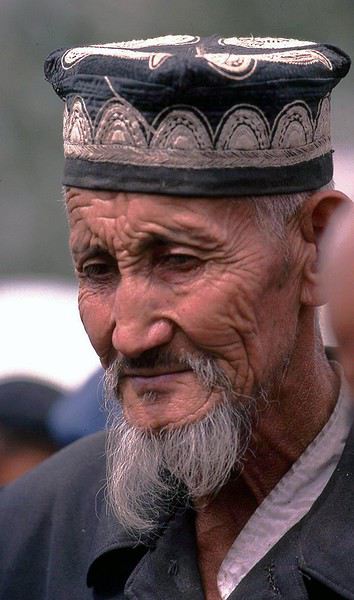
Photo album from the 80s
Photos sent by Jipeg (Jean-Pierre and Jacqueline)
On the Silk Road: Chronicles of a Sixty-Something Traveling Fully Independently
Schischi · 2020-05-01 · Message 31 of 74
Thanks for these great reports.
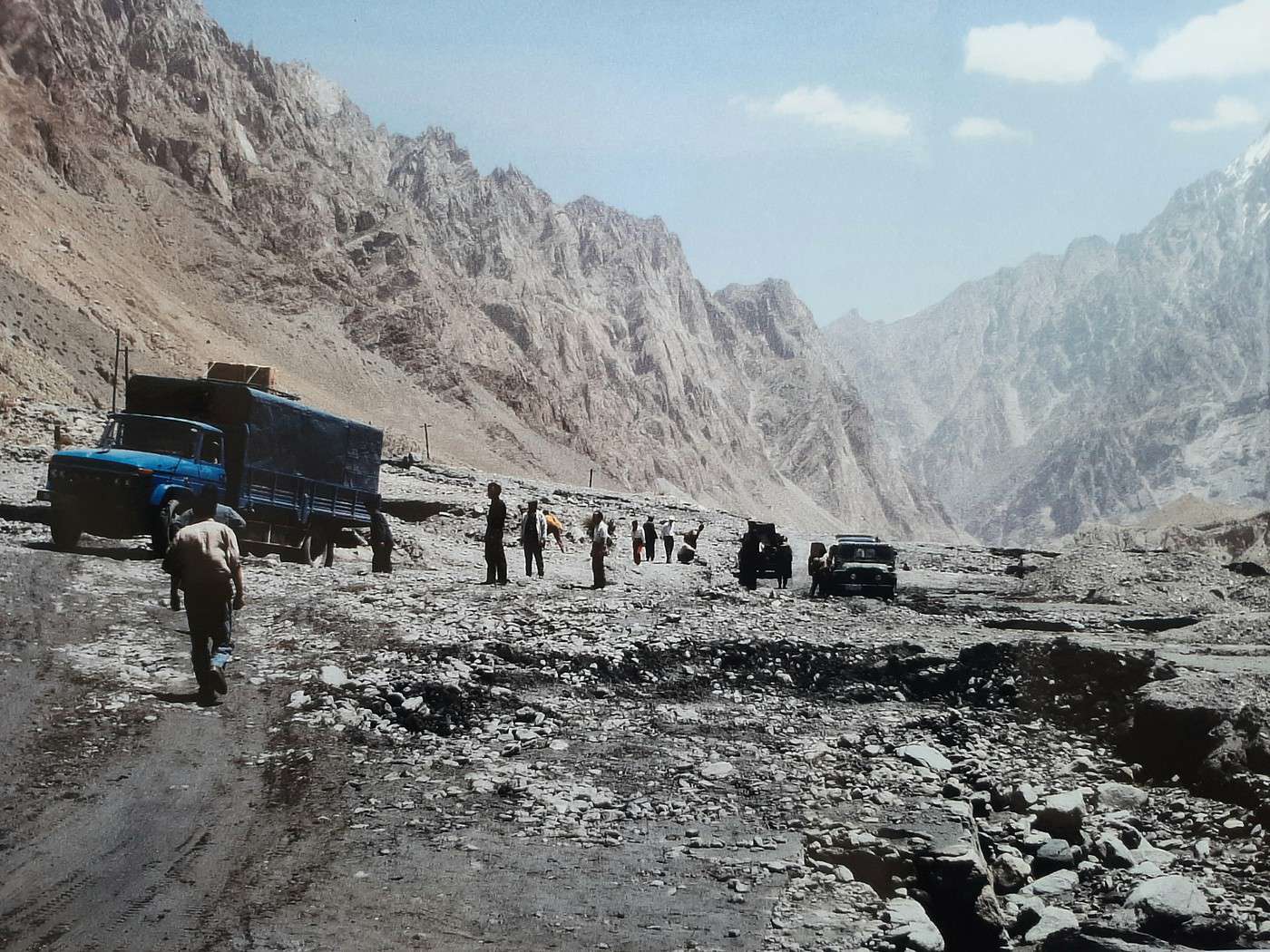
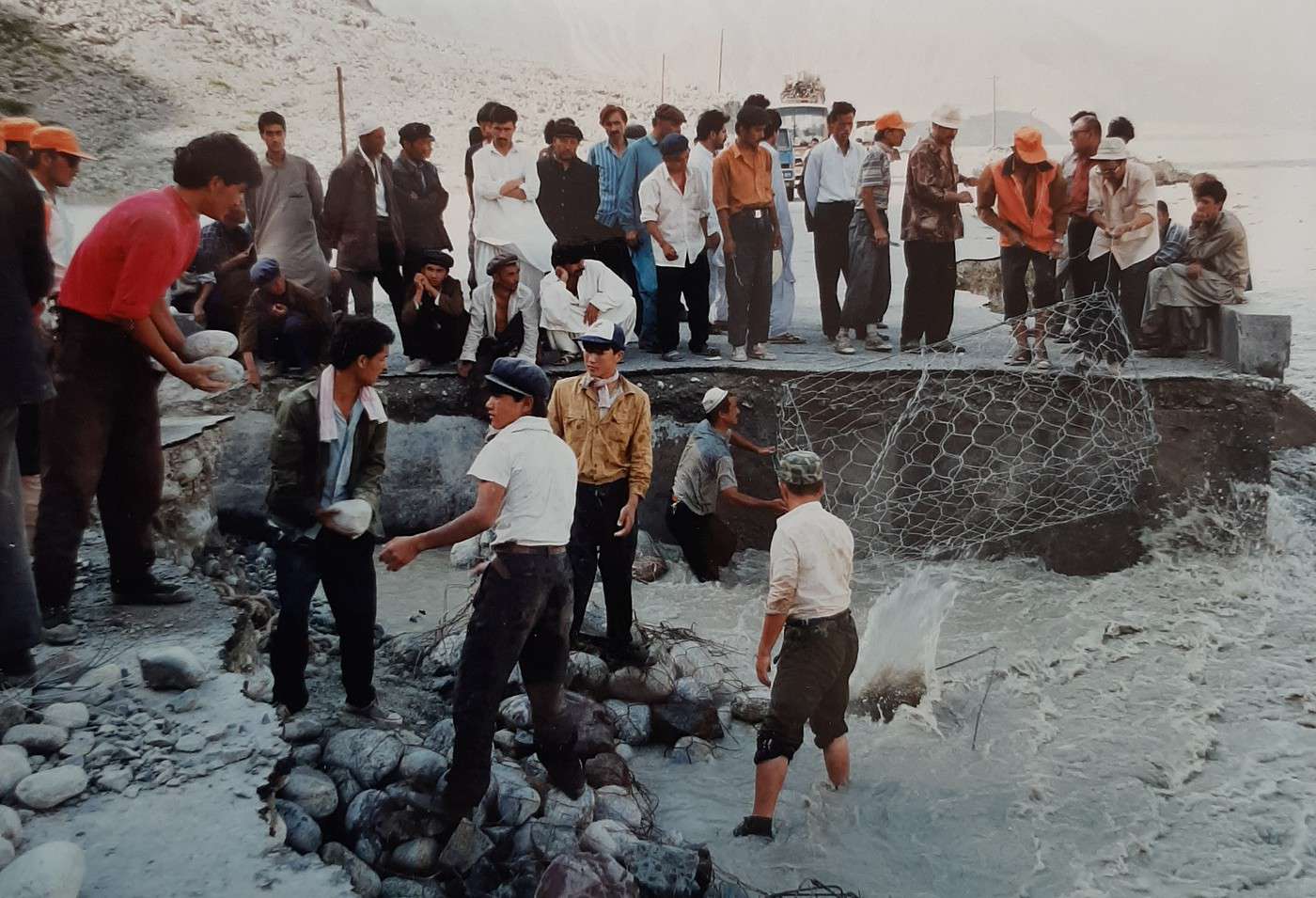
I’ll add a few memories and photos from the summer of 1995, when we crossed from northern Pakistan into China via the Kunjerab Pass. The climb was serious, but the view was breathtaking. A raging torrent had washed away a large section of the road—something that happens often. For several hours, workers placed big rocks into wire-mesh cages and tossed them into the torrent so vans and trucks could forge a path. Plenty of time to make new acquaintances.
Tashgorgan: a disastrous hotel. “No shower,” came the curt, blunt reply from an unfriendly receptionist. Sure enough, the single dilapidated stall in a dim hallway was filled with random debris and broken furniture. The taps around it didn’t work either. It would take more than that to faze our grouchy hostess.
The next morning: blaring government loudspeakers echoed through the city. People on the street seemed used to it. Some women wore tall, colorful headdresses.
Time to move on.
Kashgar: friendly locals, a packed mosque on Friday, a dominant yellow hue from the sandstorm, the old town still charming with its stalls, eateries, small trades, and of course the famous Sunday market.
On the Silk Road: Chronicles of a Sixty-Something Traveling Completely Independently
Schischi · 2020-05-01 · Message 32 of 74
Kashgar (a few more photos).
Another trip: In 2000, we crossed China all the way to Beijing from Uzbekistan and Kazakhstan by bus, train, and every local transport available.
Urumqi, Turfan, the vineyards and old villages, the majestic Mogao Caves in Dunhuang, the Great Wall and its fort in Jiayuguan, the stunning monasteries in Xining and Xiahe, a detour to those in Langmusi, Lanzhou with its remarkable little bronze horses in the museum, and finally Beijing.
The bus waiting rooms are very well designed, a bit like airports with boarding gates. In our Lonely Planet, the places are also written in Chinese, which makes things easier for us. We compare the destinations on the signs with the characters in our guide to avoid mistakes.
Buses with bunks—more or less comfortable (no seats, just beds and quilts)—are great for long distances.
While we met some friendly people in Zhangye, we also experienced the famous "méi yǒu" that travelers know all too well. The firm "méi yǒu" at the bus station ticket counter made it clear they refused to sell us tickets. Thinking there were no more seats, we asked again for the next day. Méi yǒu.
We insisted, *méi yǒu*, got frustrated (even though you’re not supposed to raise your voice in China or make someone lose face). No common language, no one willing to help, and infuriating, stubborn officials. We blocked the counter.
After a while, another employee fetched a dictionary, found the word "wait" (which was all we were doing), and in the end, they finally agreed to sell us four electronic tickets for the two of us. It was either that or she’d take them back. Tough stuff...
When the bus attendant pointed us to the worst spots—no real bunk—we jumped on the best bed, buried ourselves under the quilt, and loudly declared, "We’ll only get out at bayonet point!"
We’ve run into plenty of shady Chinese folks: the taxi driver who takes detours in every direction to jack up the fare. Too bad for him—Gérard has a compass (no maps back then) and a great sense of direction. The hotel owner who shows a slate with all the room prices. This one, the cheapest... *méi yǒu*. That one... *méi yǒu*. The hotel’s empty, but only the most expensive room is left. No way we were getting scammed. Big argument, and we won.
If you’re not careful, you order a dish at a certain price, and when it’s time to pay... it’s more expensive. We got into the habit of paying when we ordered and, if possible, finding out how much locals were paying.
On the flip side, some smiling locals helped us out. We’d gone to the wrong bus station. An employee explained it to us in Chinese. Gérard mimed that he didn’t speak or hear the language by covering his mouth and ears. She understood he was deaf and mute and then wrote the info... in Chinese. After some shared laughter, we were pointed in the right direction.
Beijing... to be continued.
On the Silk Road: Chronicles of a Sixty-Something Traveling Solo
Parigino · 2020-05-01 · Message 33 of 74
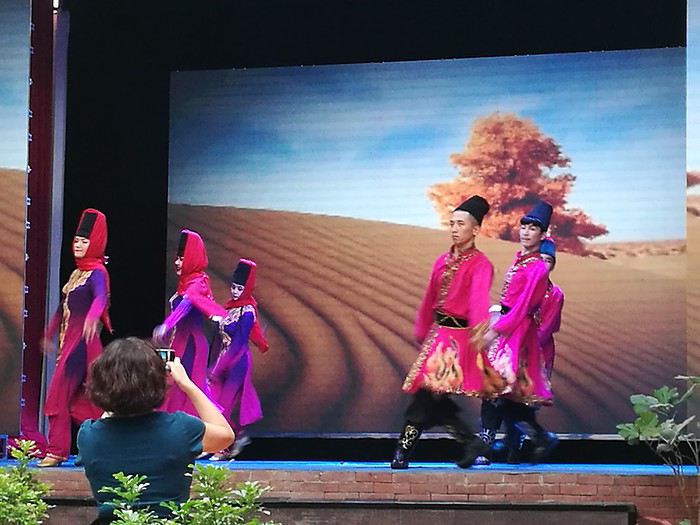
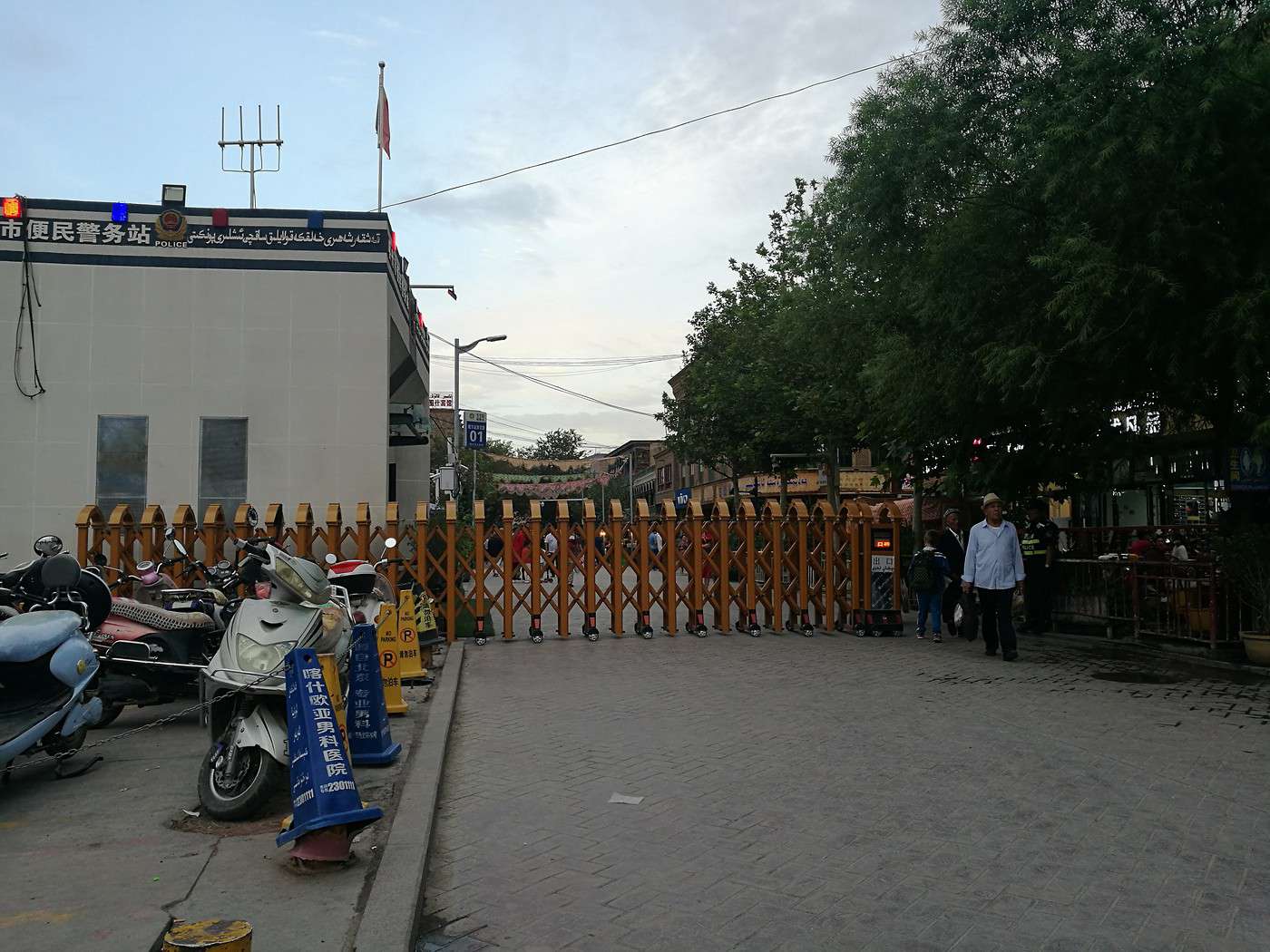
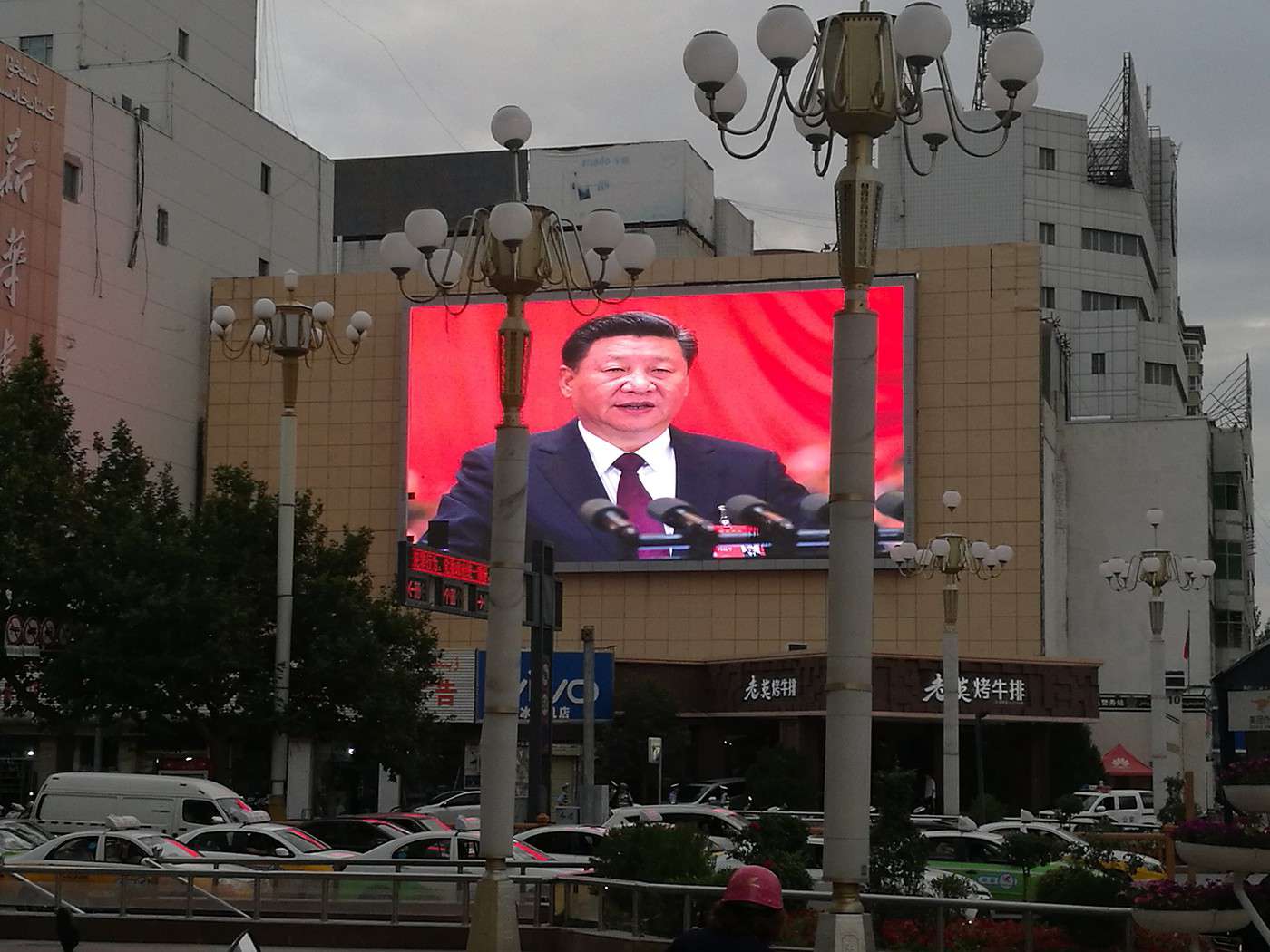
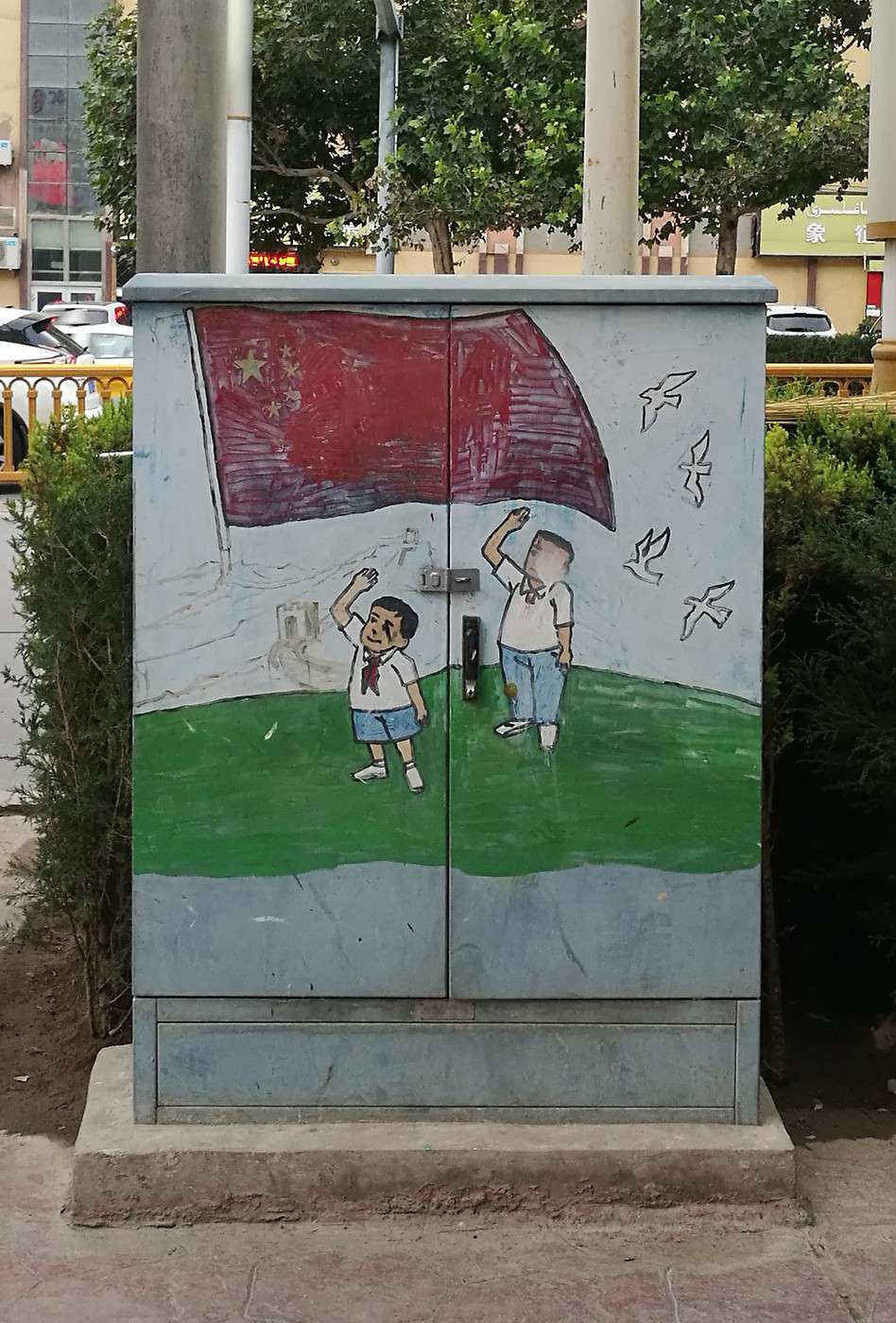
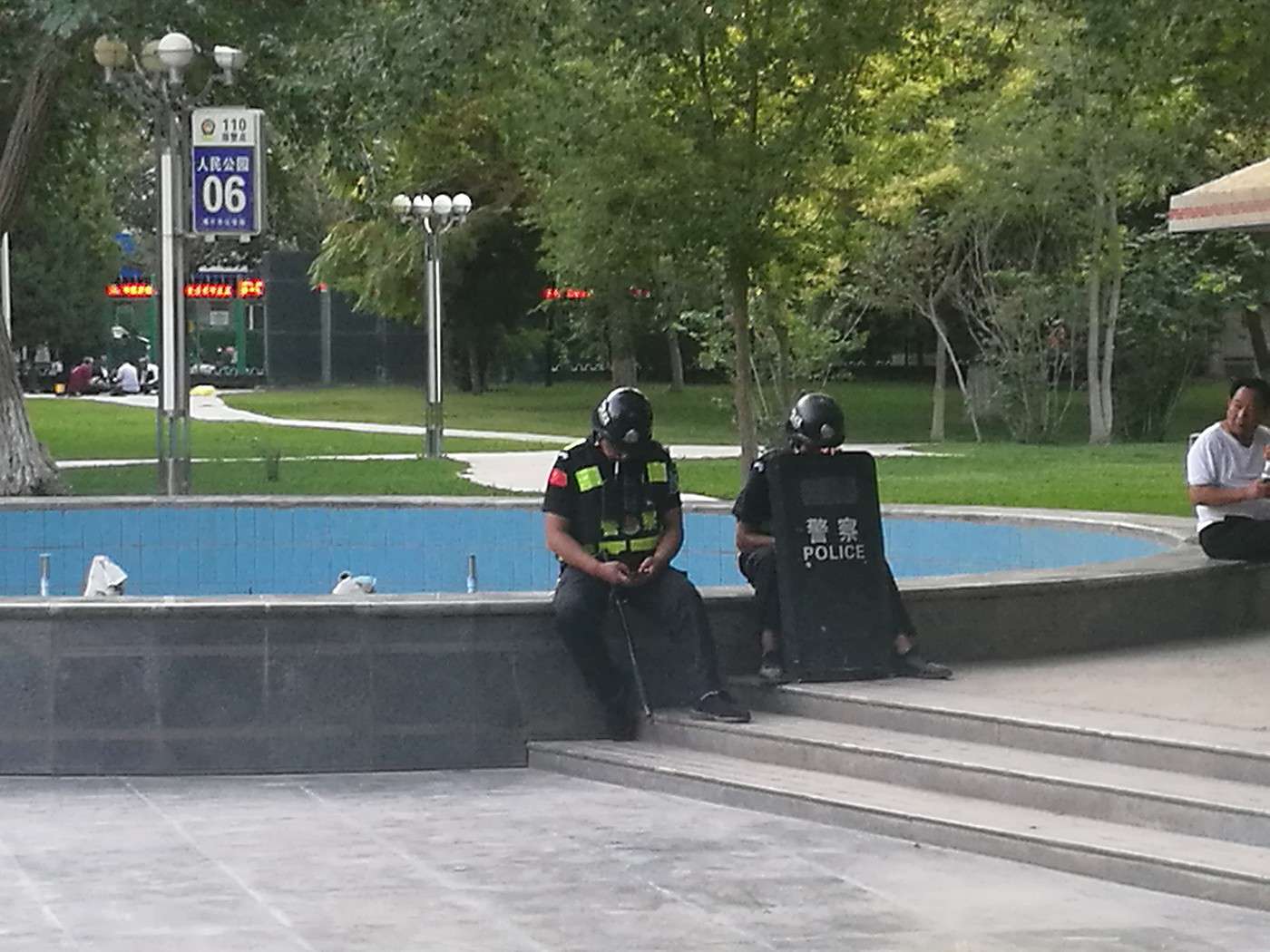
Since we're in Xinjiang, here are a few somewhat "political" photos of Kashgar from 2019
On the Silk Road: Chronicles of a Sixty-Something Traveling Completely Independently
Parigino · 2020-05-01 · Message 34 of 74
This series could be called "The Chinese Tourist Among Minorities"
- Among the Kazakhs in the Tian Shan
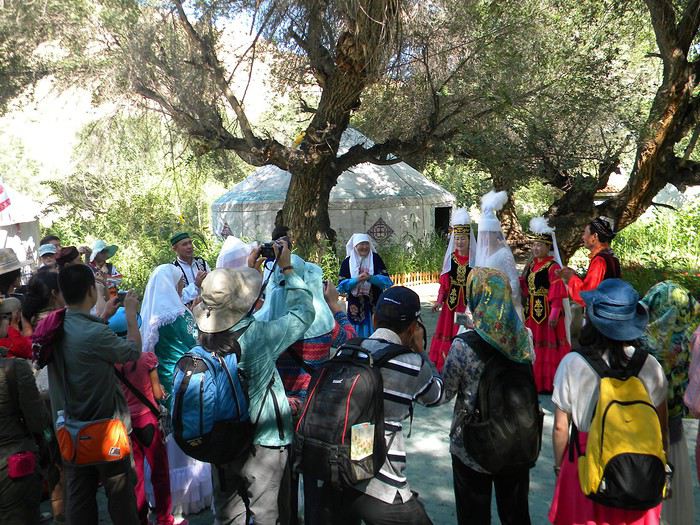
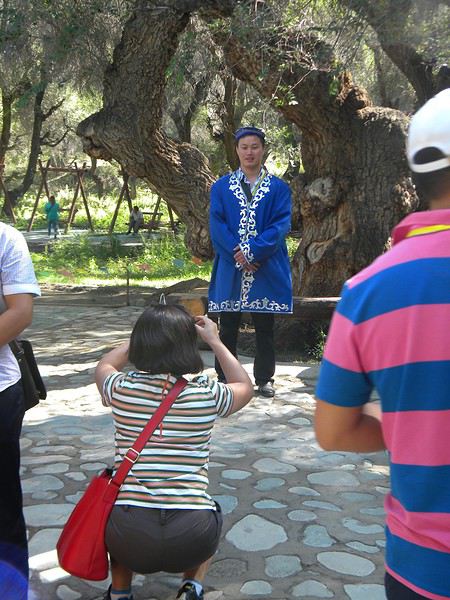
- Among the Uyghurs in Kashgar

On the Silk Road: Chronicles of a Sixty-Something Traveling Completely Independently
Parigino · 2020-05-01 · Message 35 of 74
In Kuqa, the second mosque in Xinjiang has become... not much
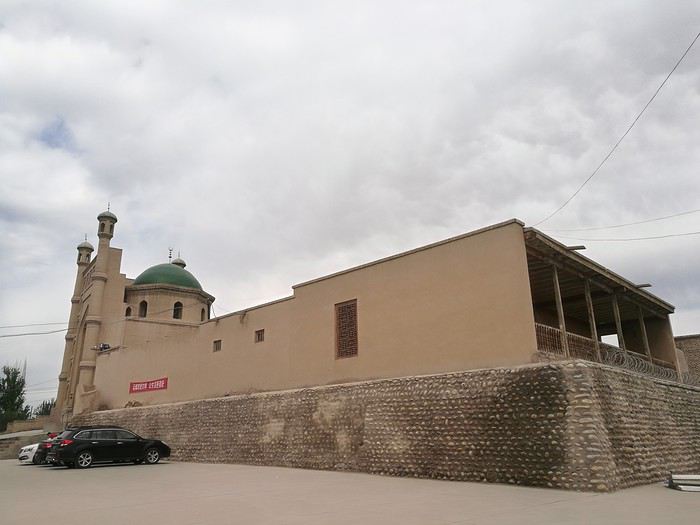
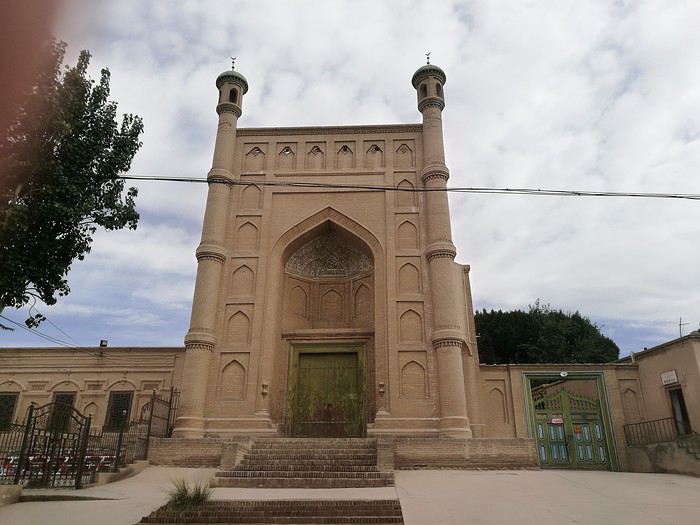
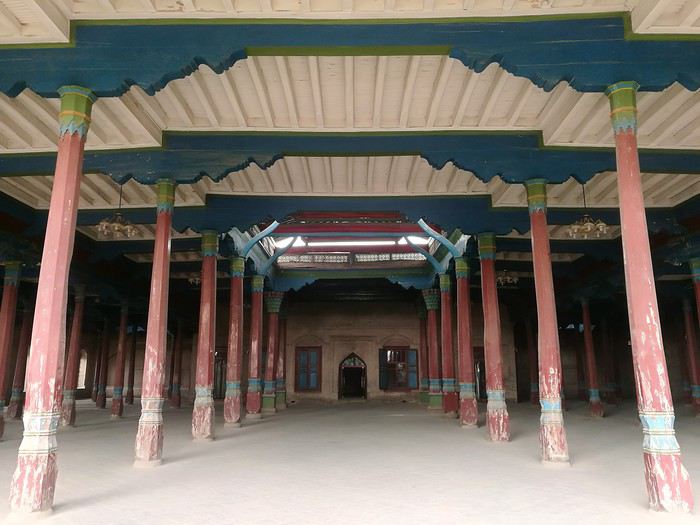
After leaving this mosque to wander around the old town (or what’s left of it before its imminent demolition), I was followed by a not-so-discreet police officer. The day before, I’d been stopped (also in the old town) for an ID check and had a few photos deleted; a police car had even followed me back to my hotel.
That’s Xinjiang for foreigners right now.
On the Silk Road: Chronicles of a Sixty-Something Traveling Fully Independently
Schischi · 2020-05-01 · Message 36 of 74
Thank you. Eye-opening and dramatic. The Uyghurs, if not deported, are reduced to folklore... it was still good back in 1985...
On the Silk Road: Chronicles of a Sixty-Something Traveling Completely Independently
Schischi · 2020-05-01 · Message 37 of 74
I wanted to write...back in 1995...
On the Silk Road: Chronicles of a Sixty-Something Traveling Fully Independently
Levelo · 2020-05-01 · Message 38 of 74
Thanks for the photos...
On the Silk Road: Chronicles of a Sixty-Something Traveling Completely Independently
Jipeg · 2020-05-02 · Message 39 of 74
On the Silk Road: Chronicles of a Sixty-Something Traveling Fully Independently
Jipeg · 2020-05-02 · Message 40 of 74
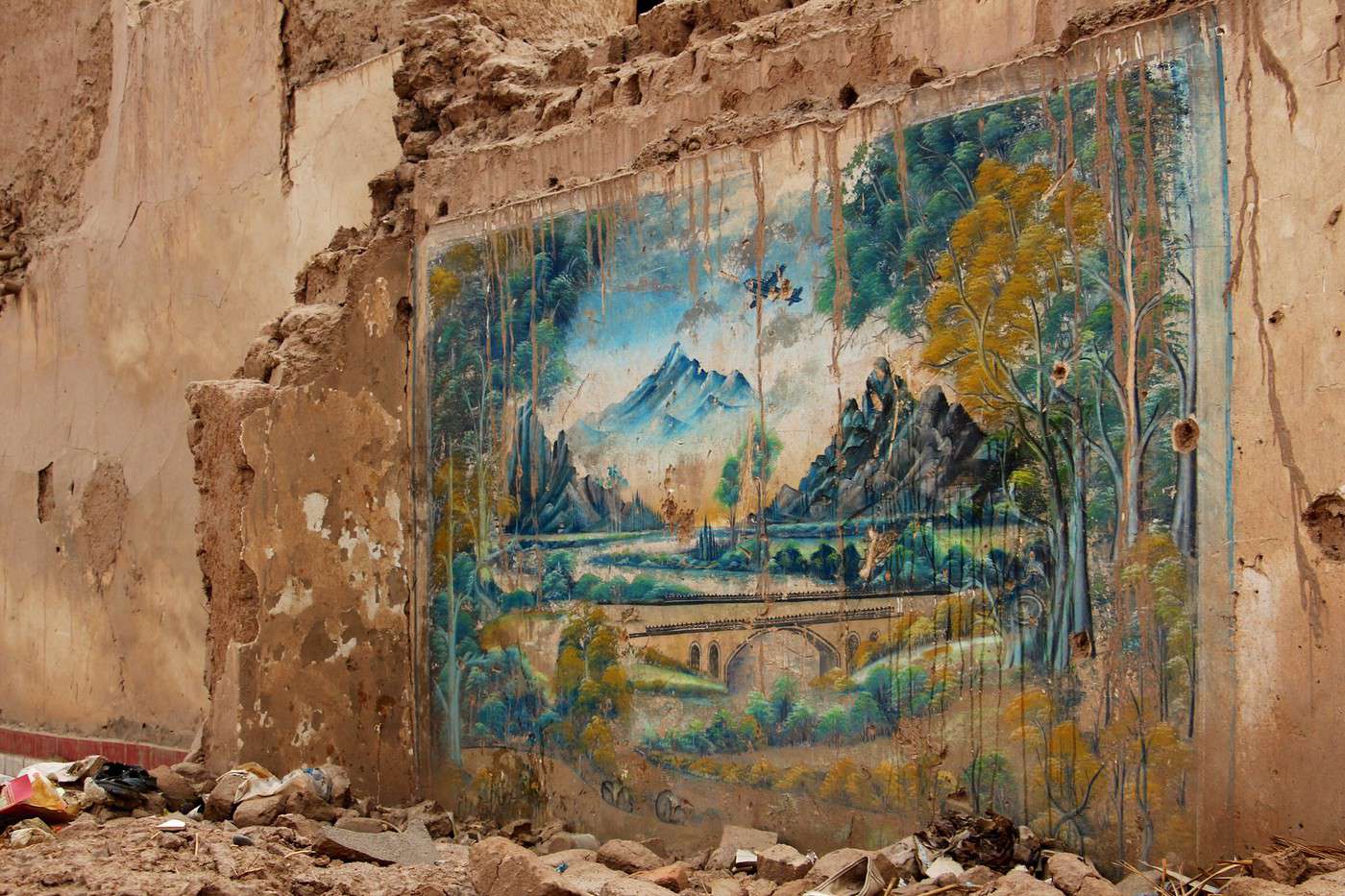
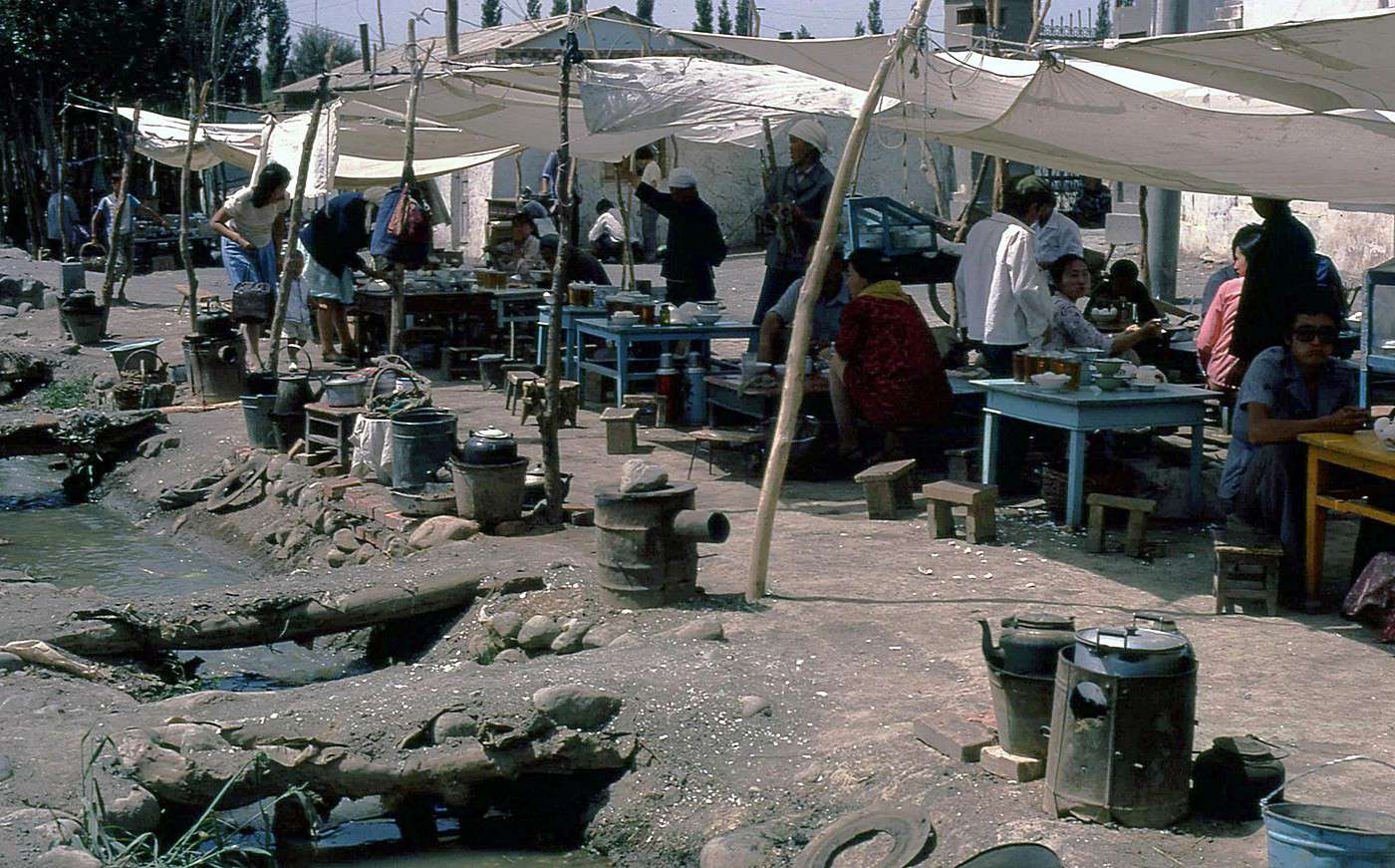
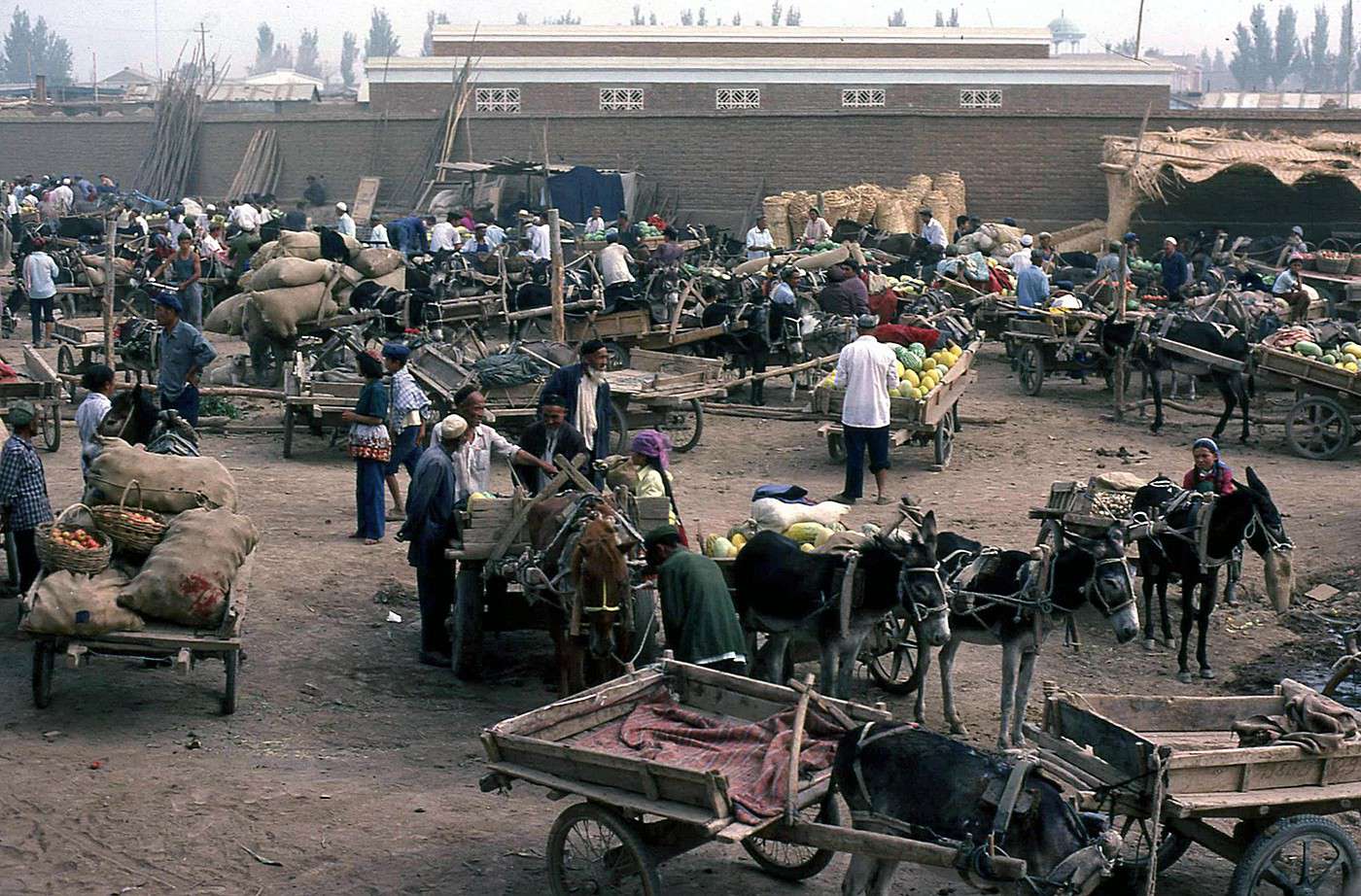
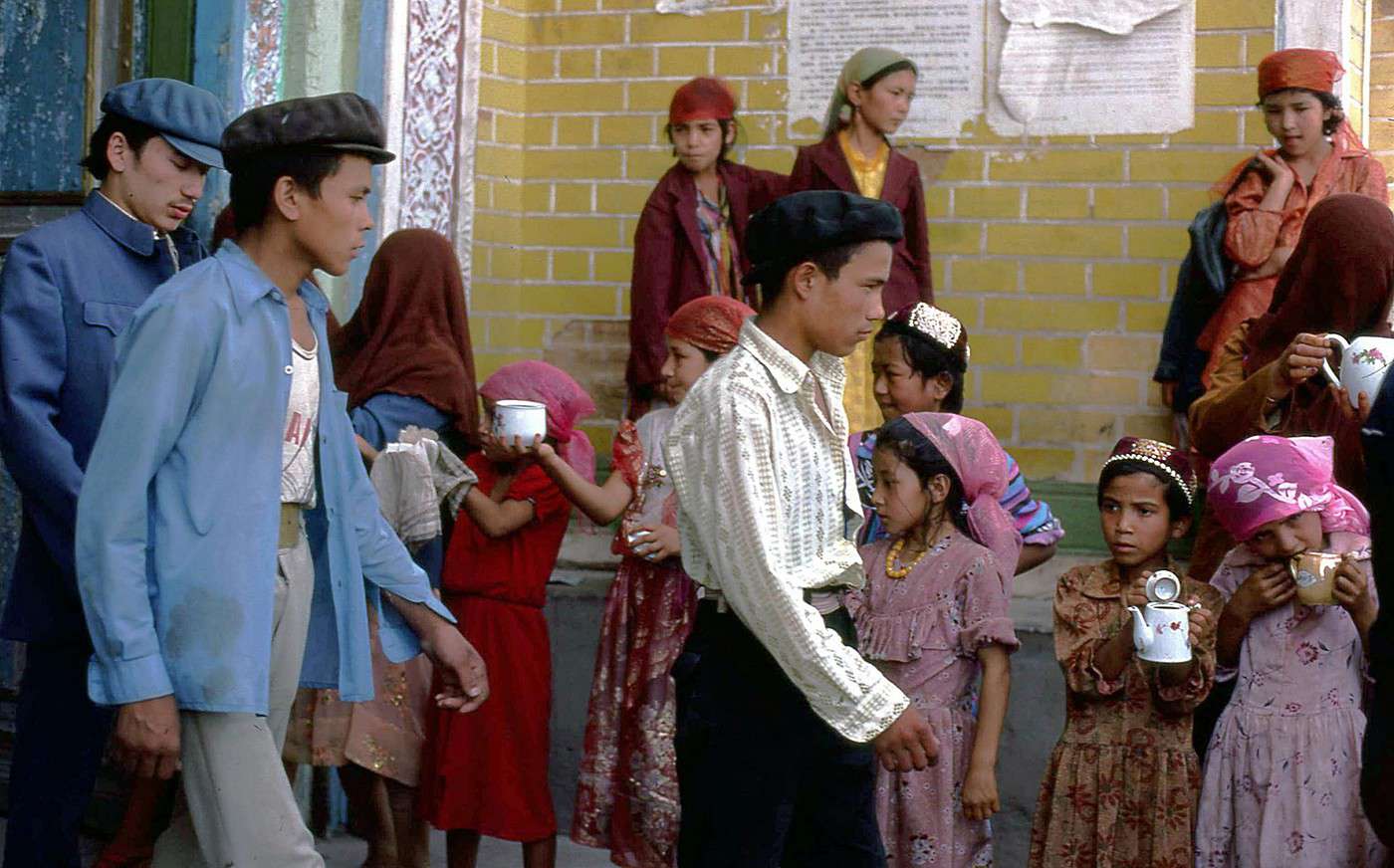
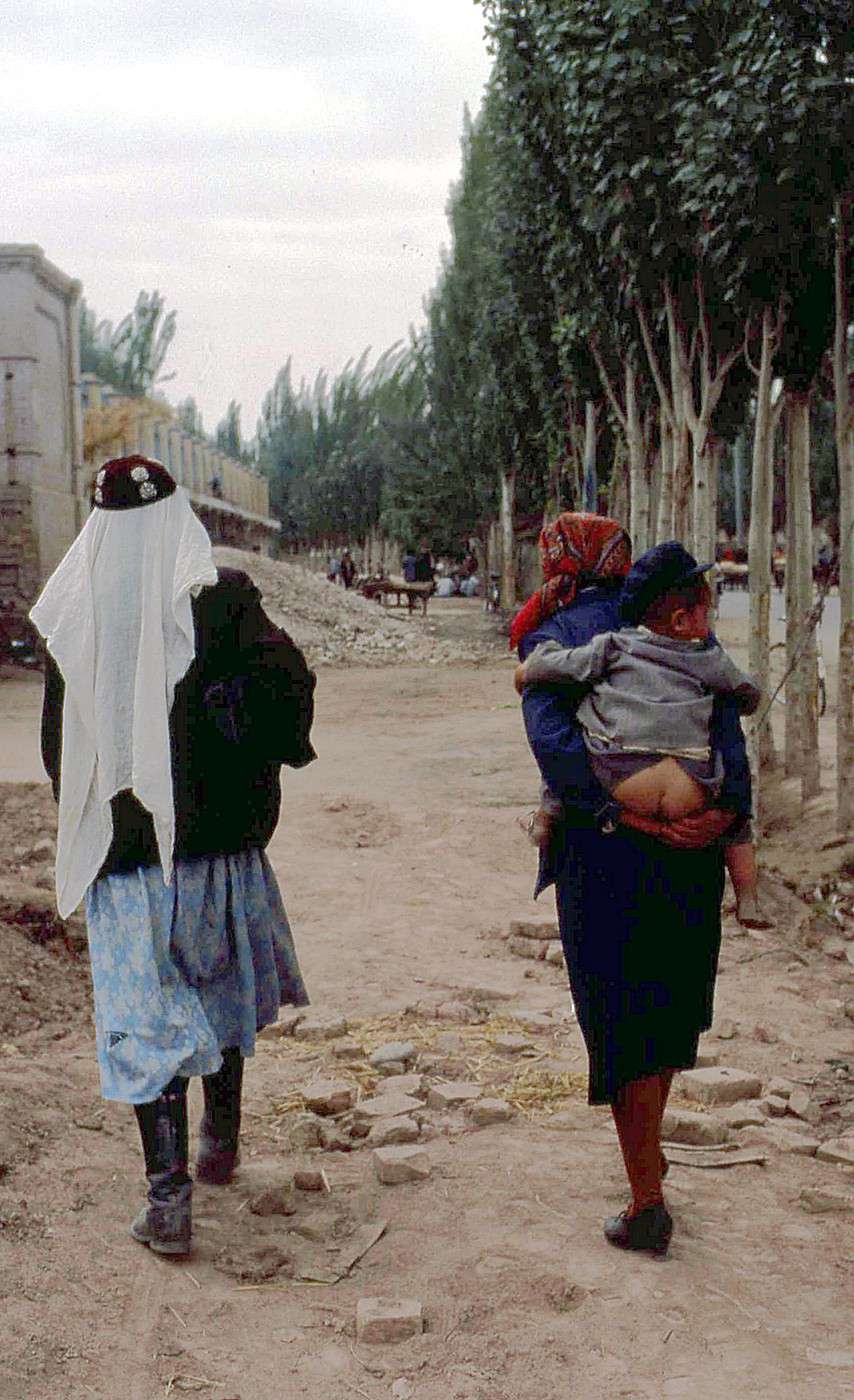
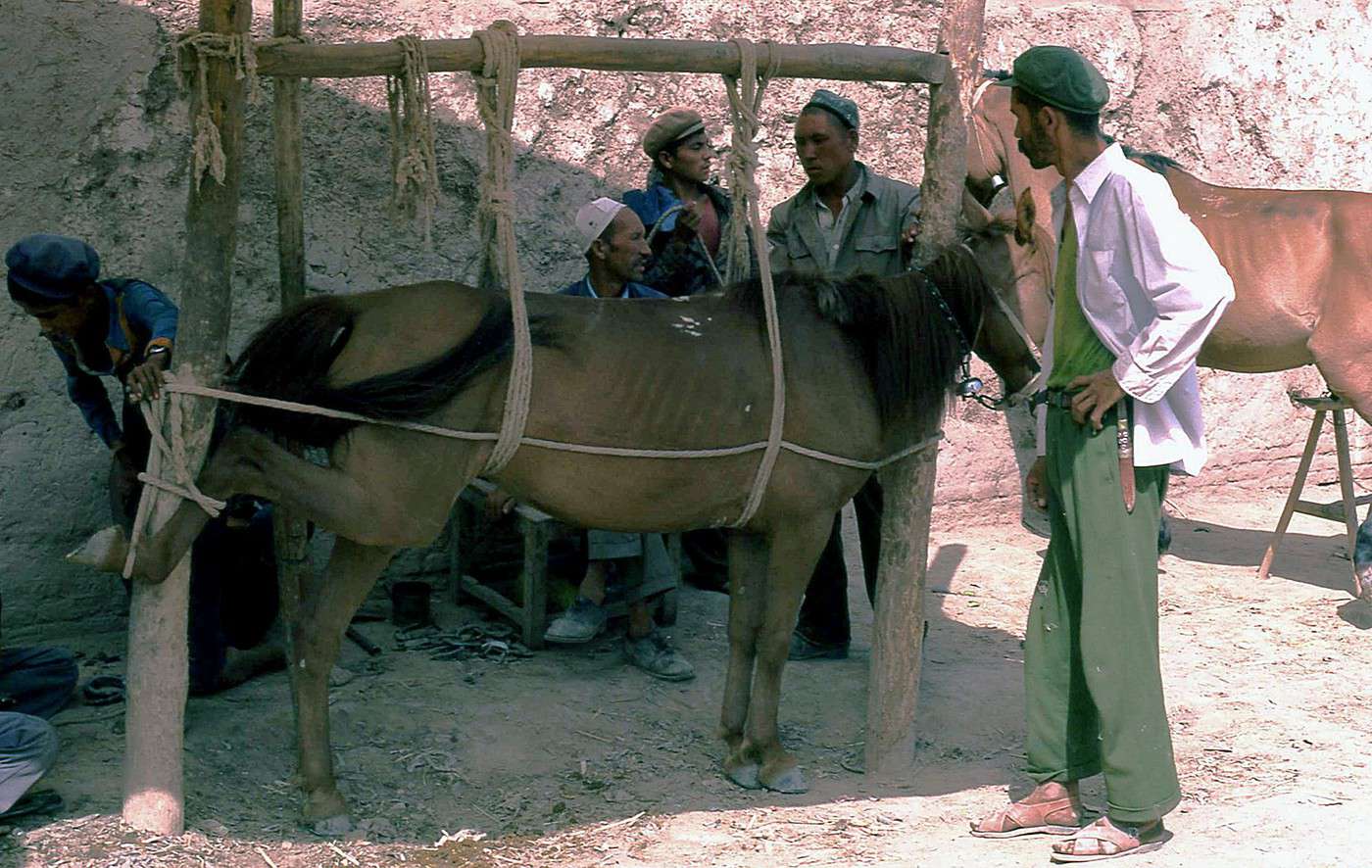
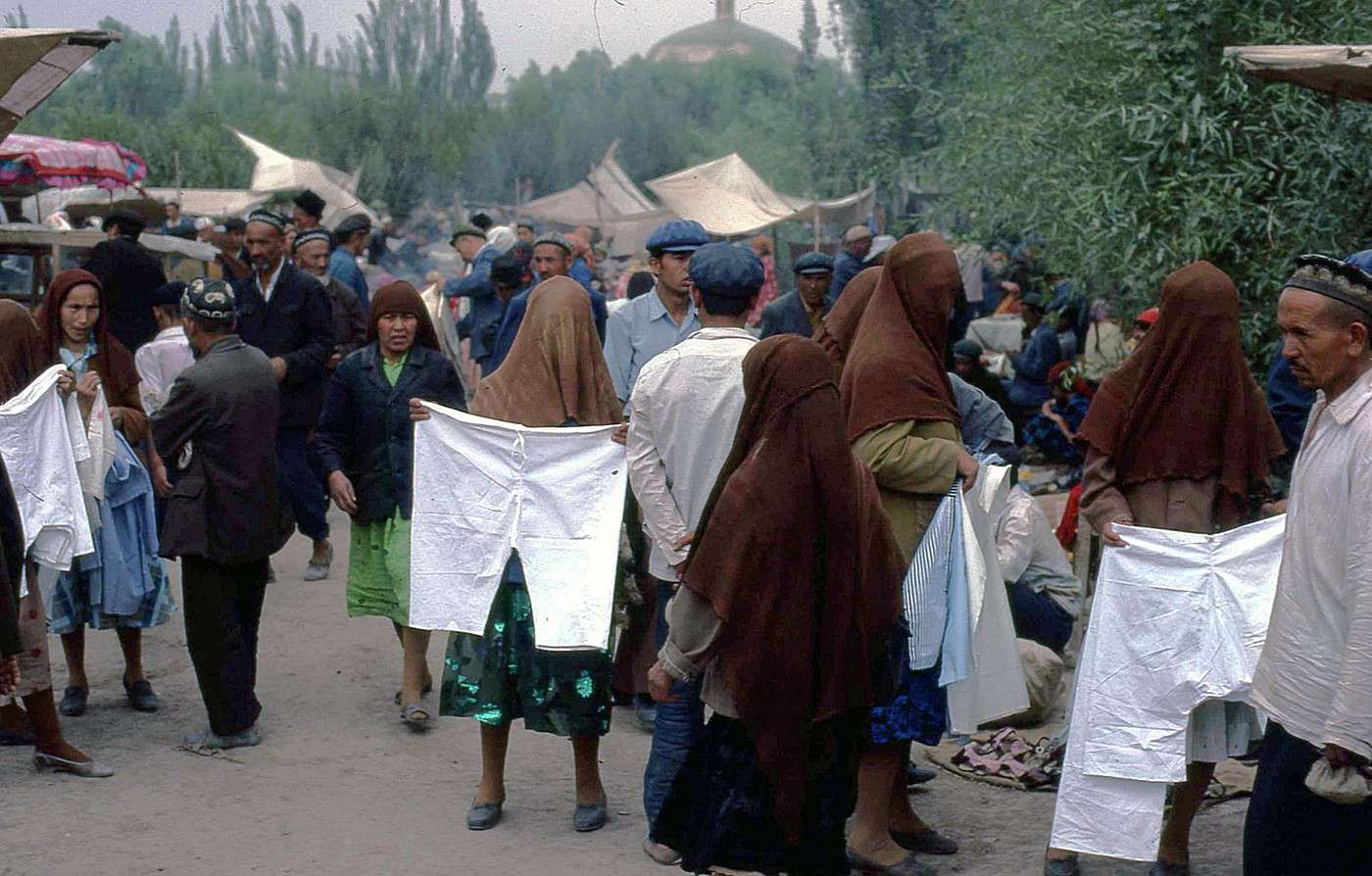
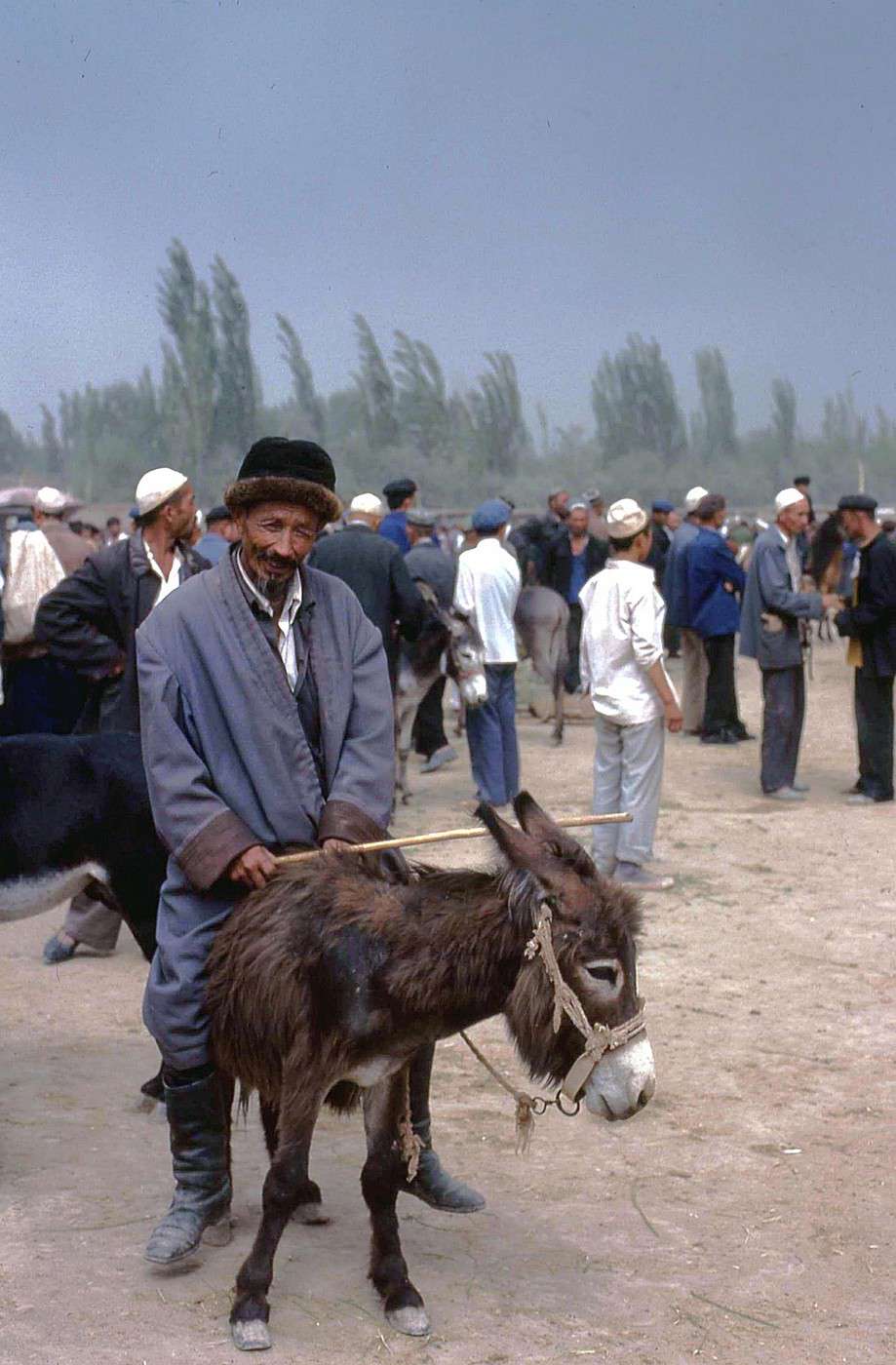
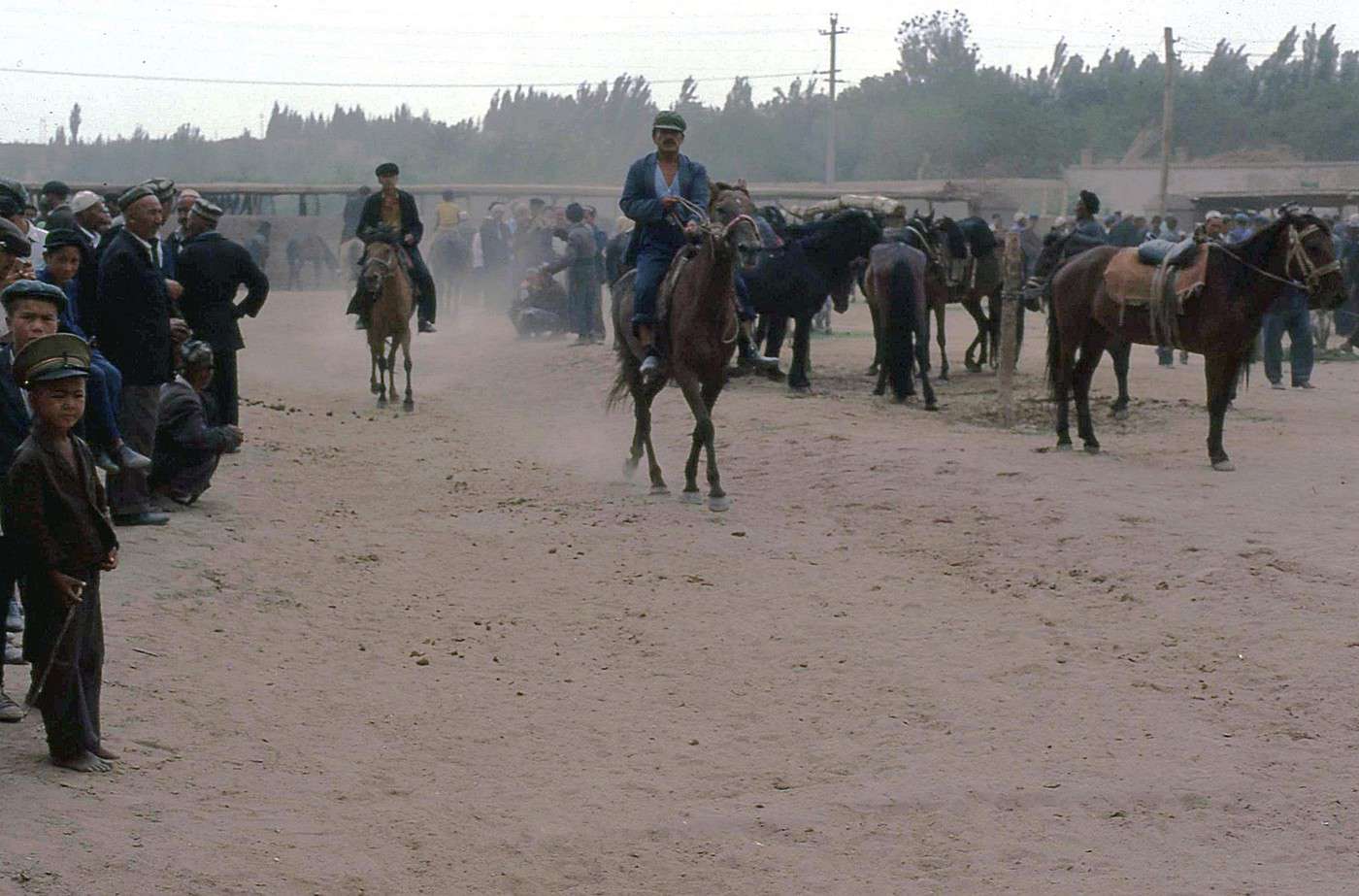
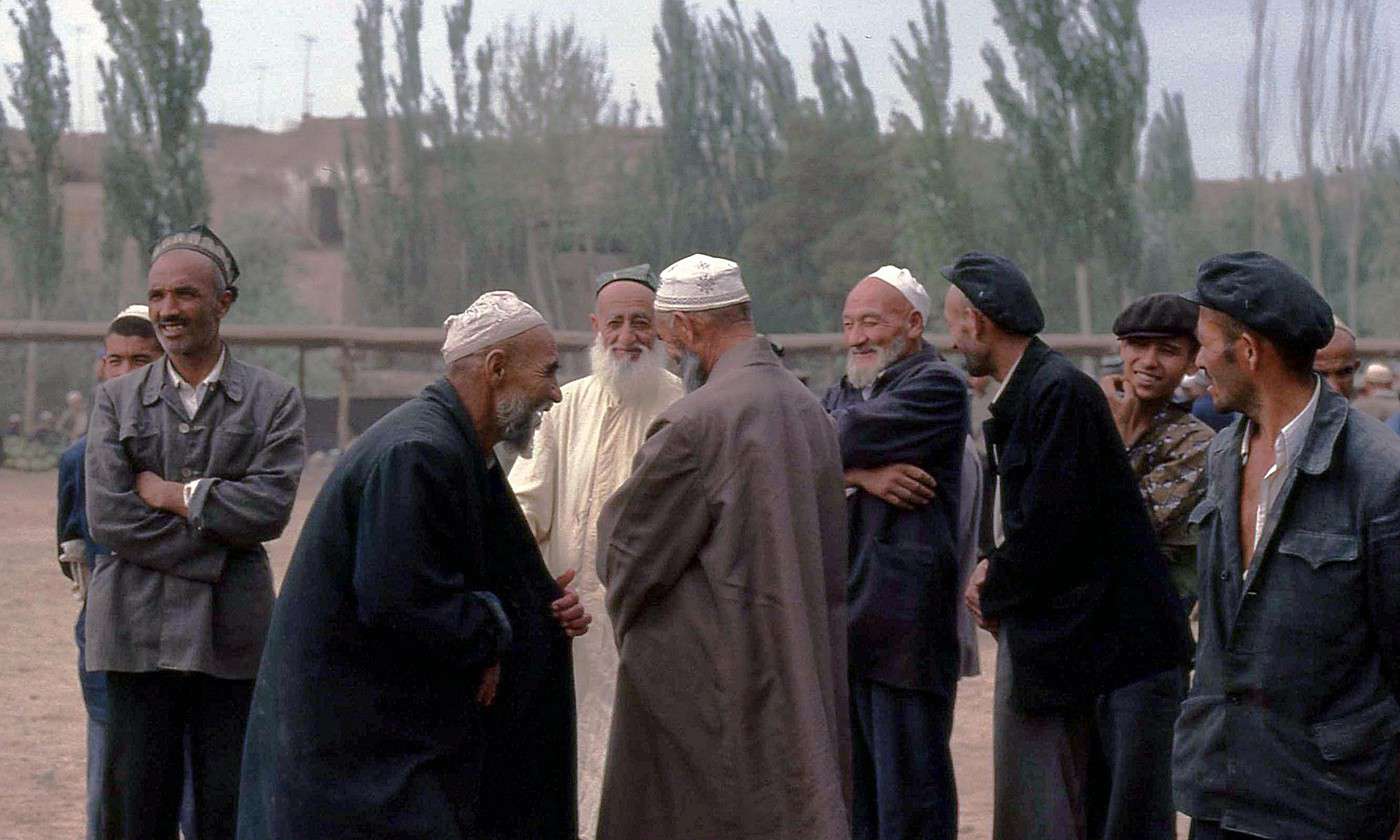

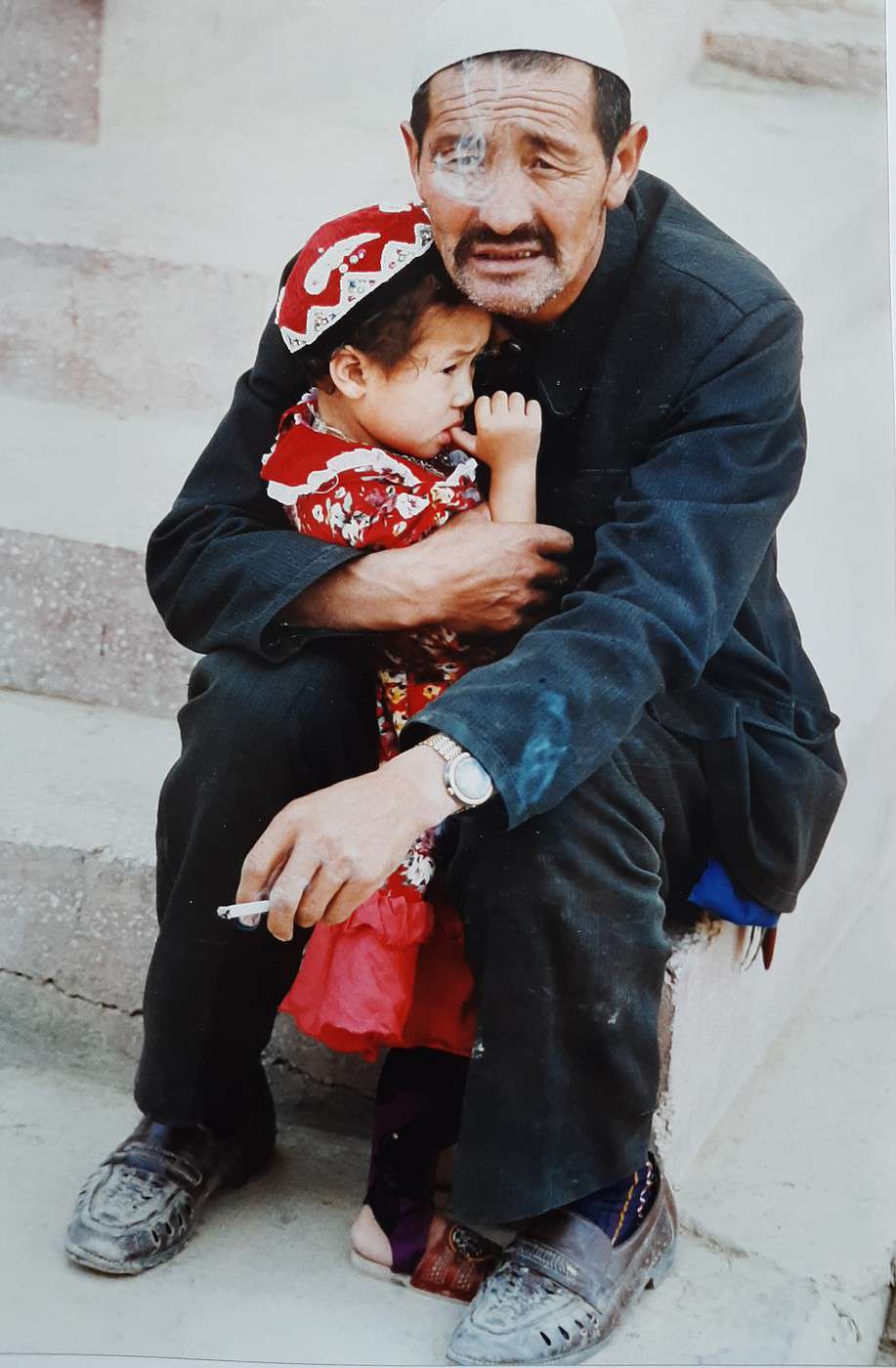
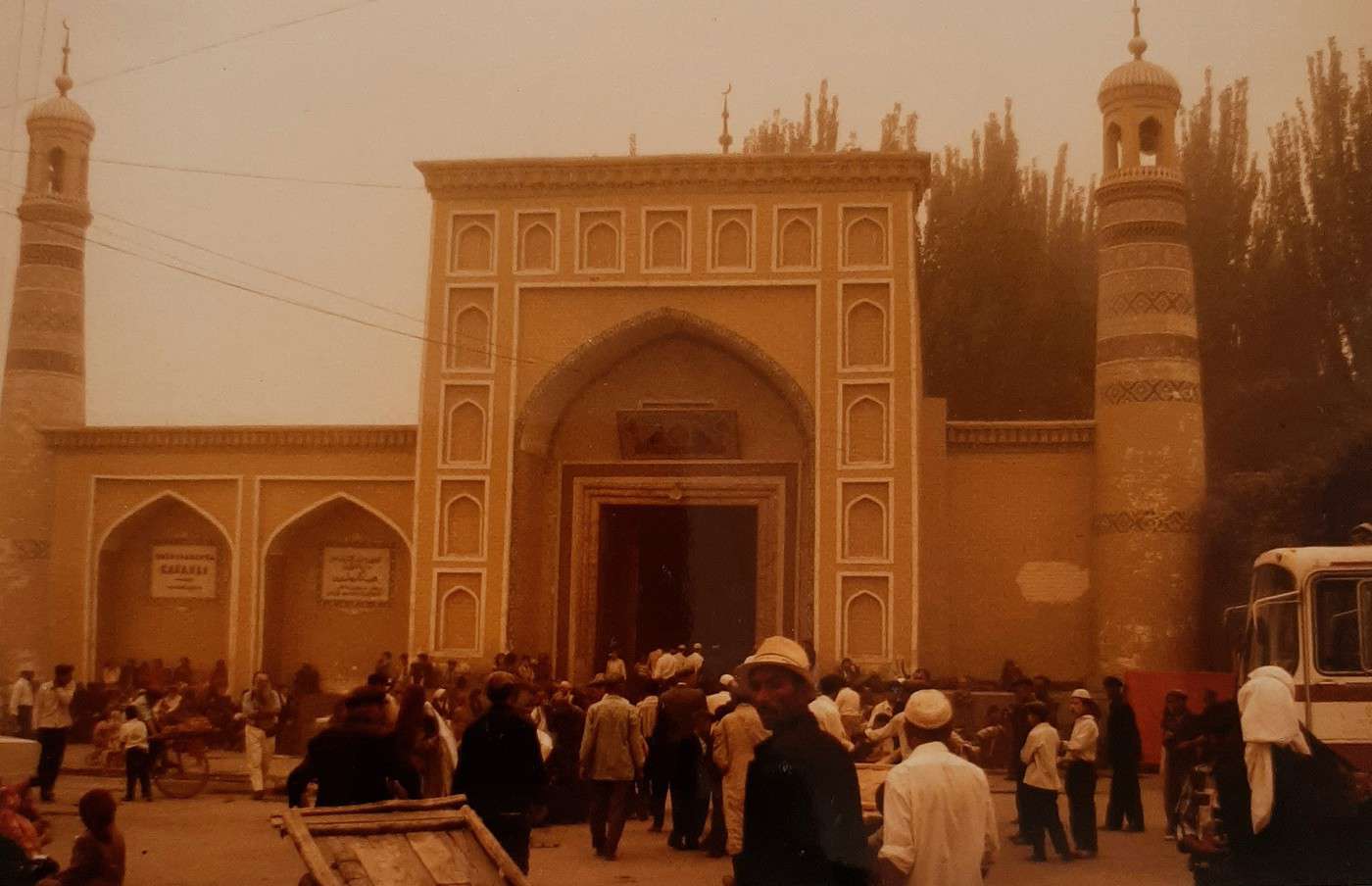
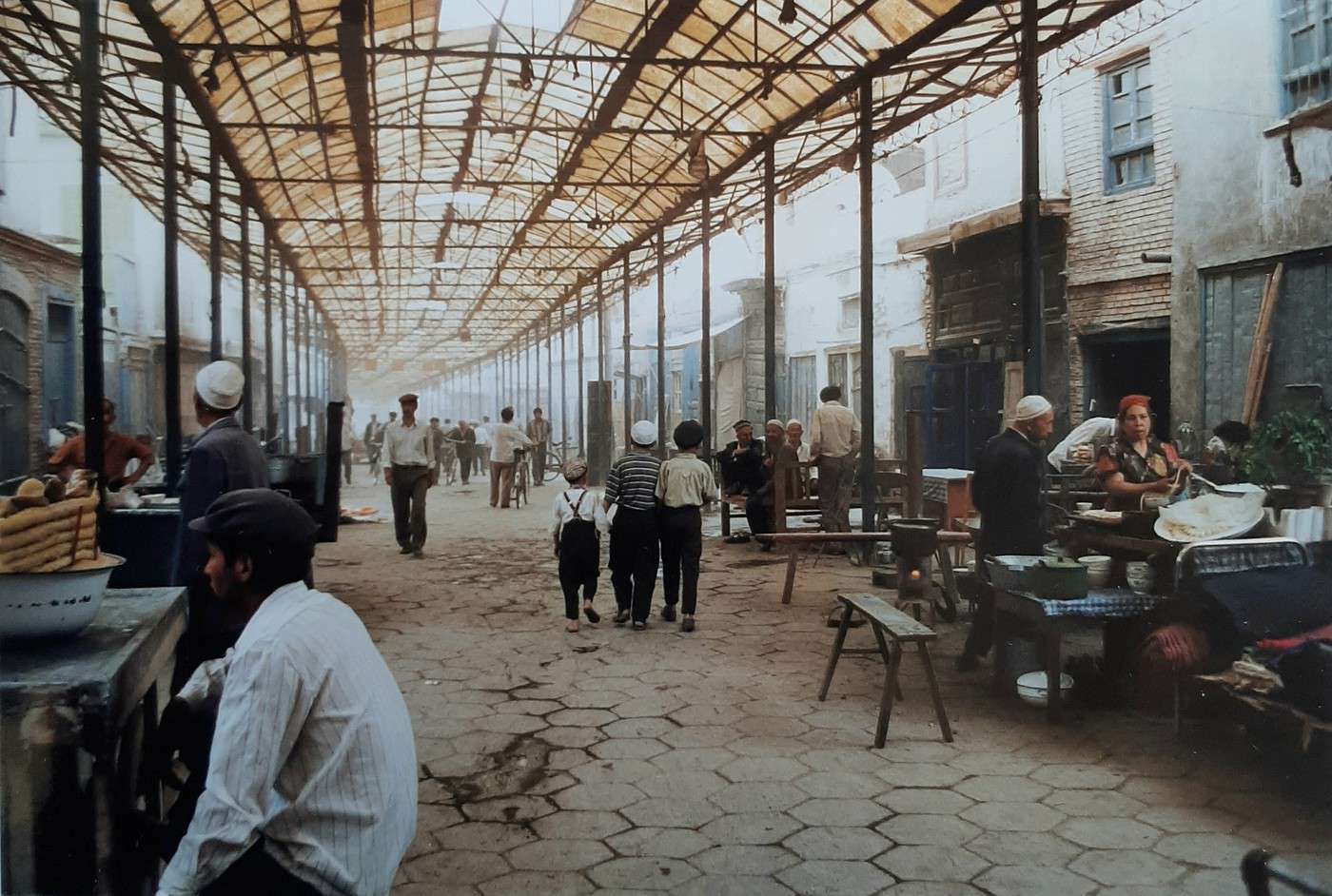
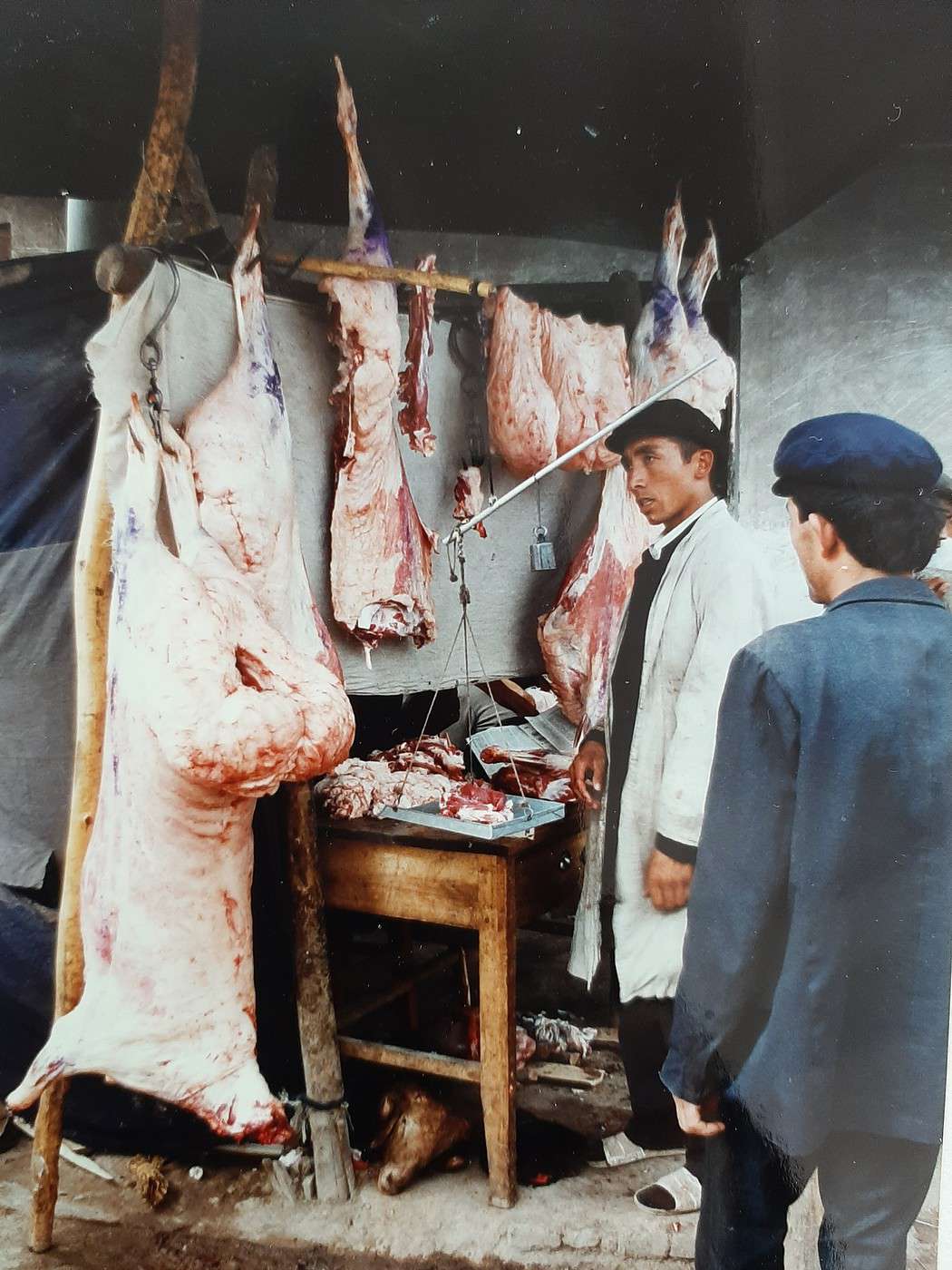
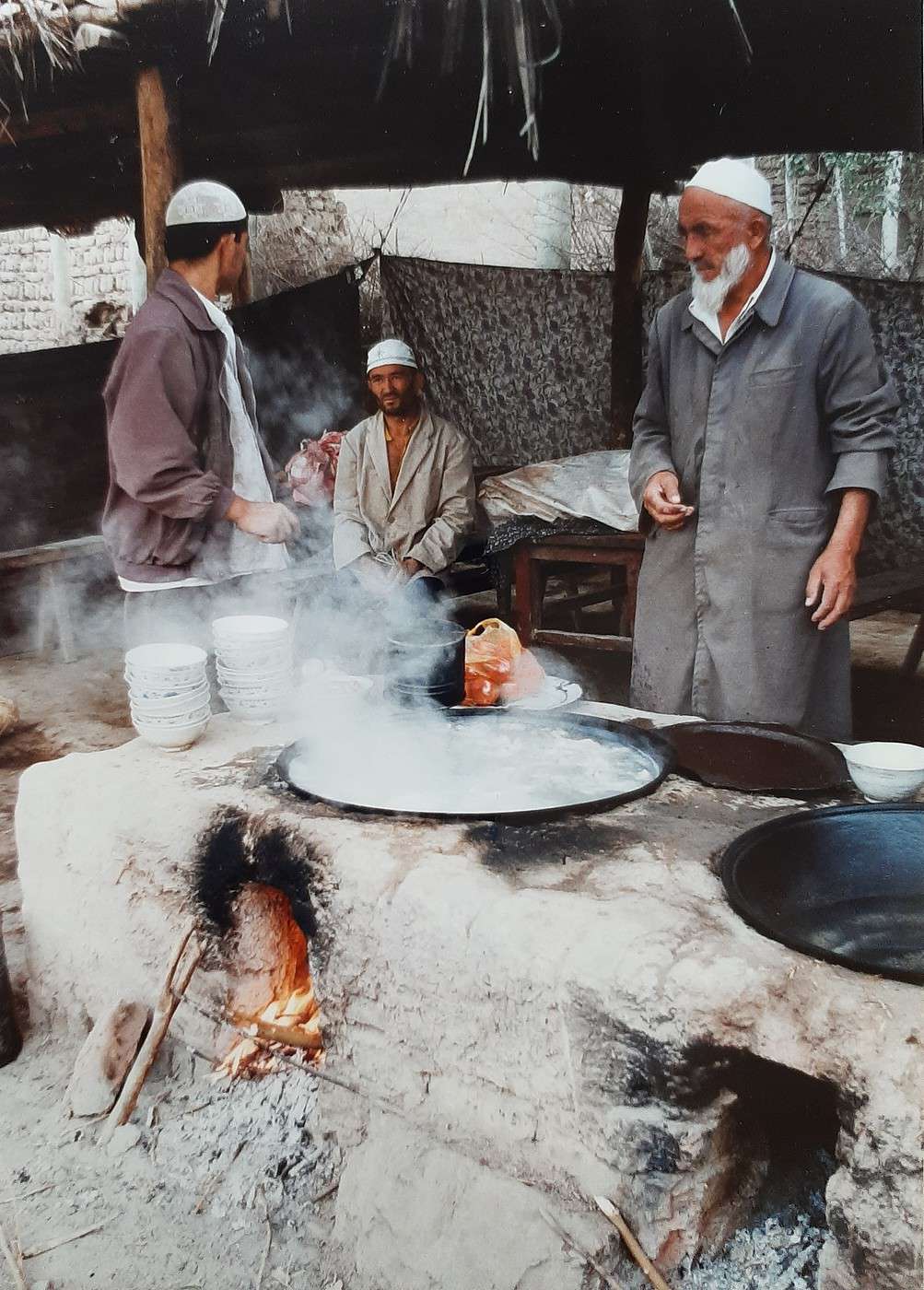
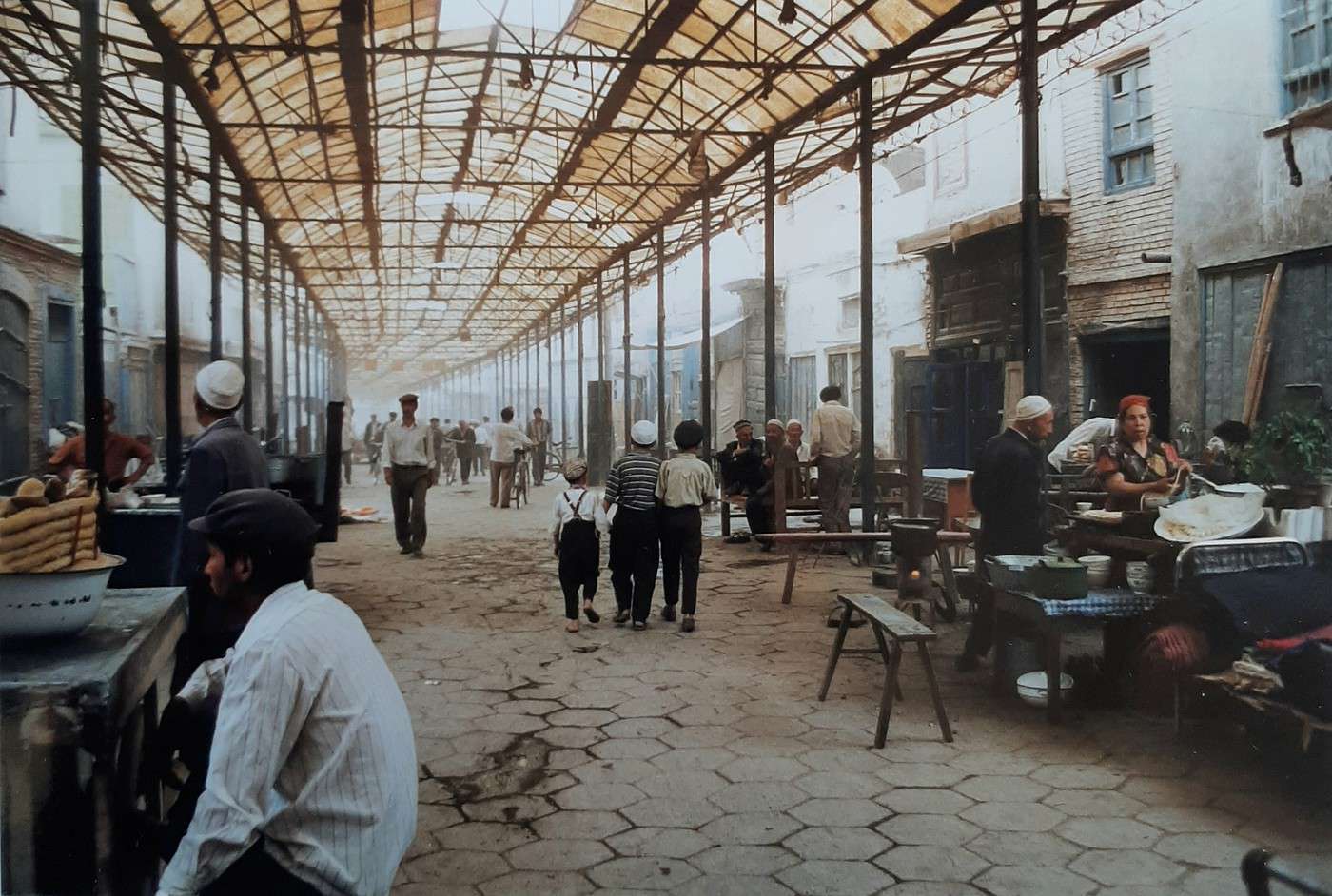
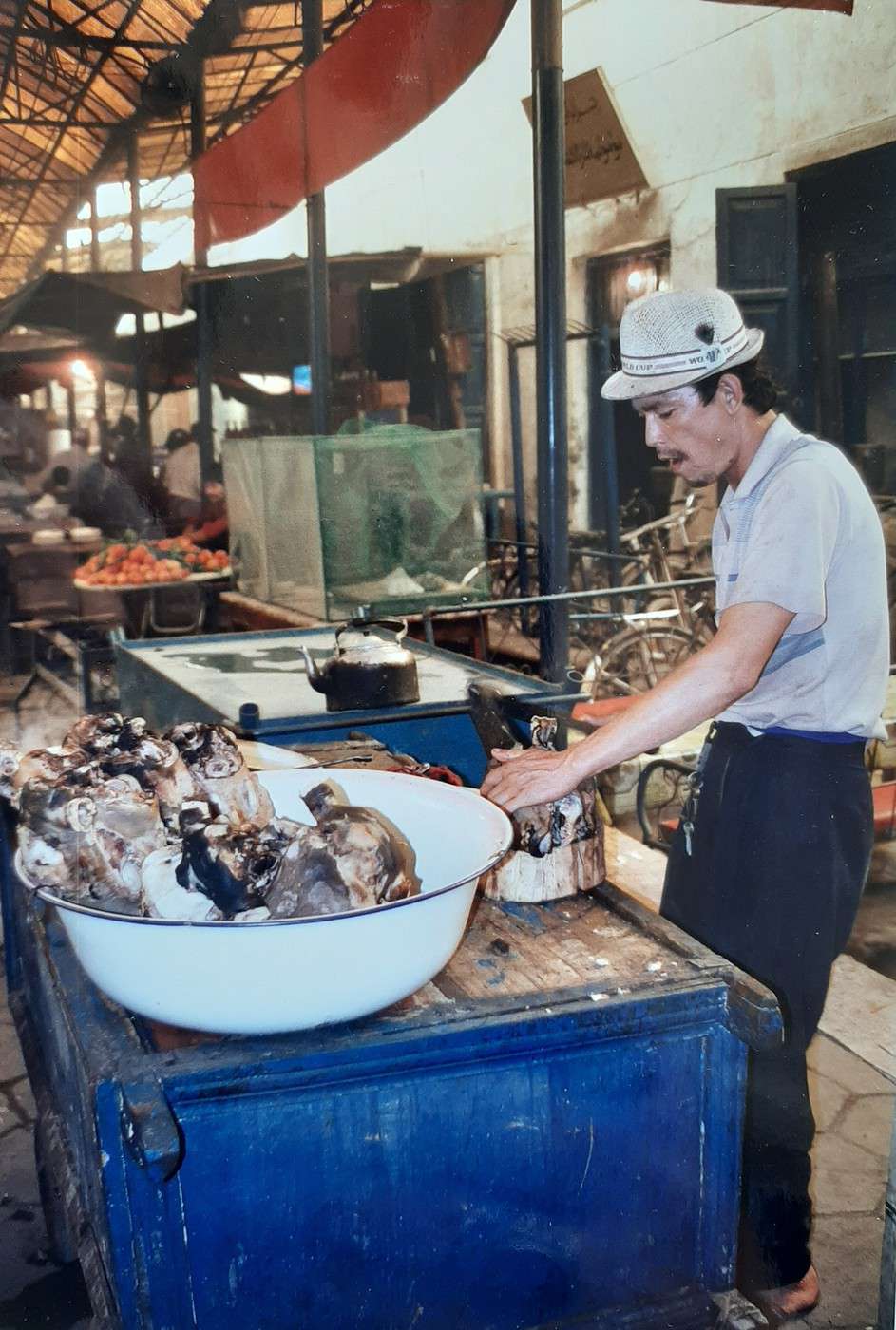
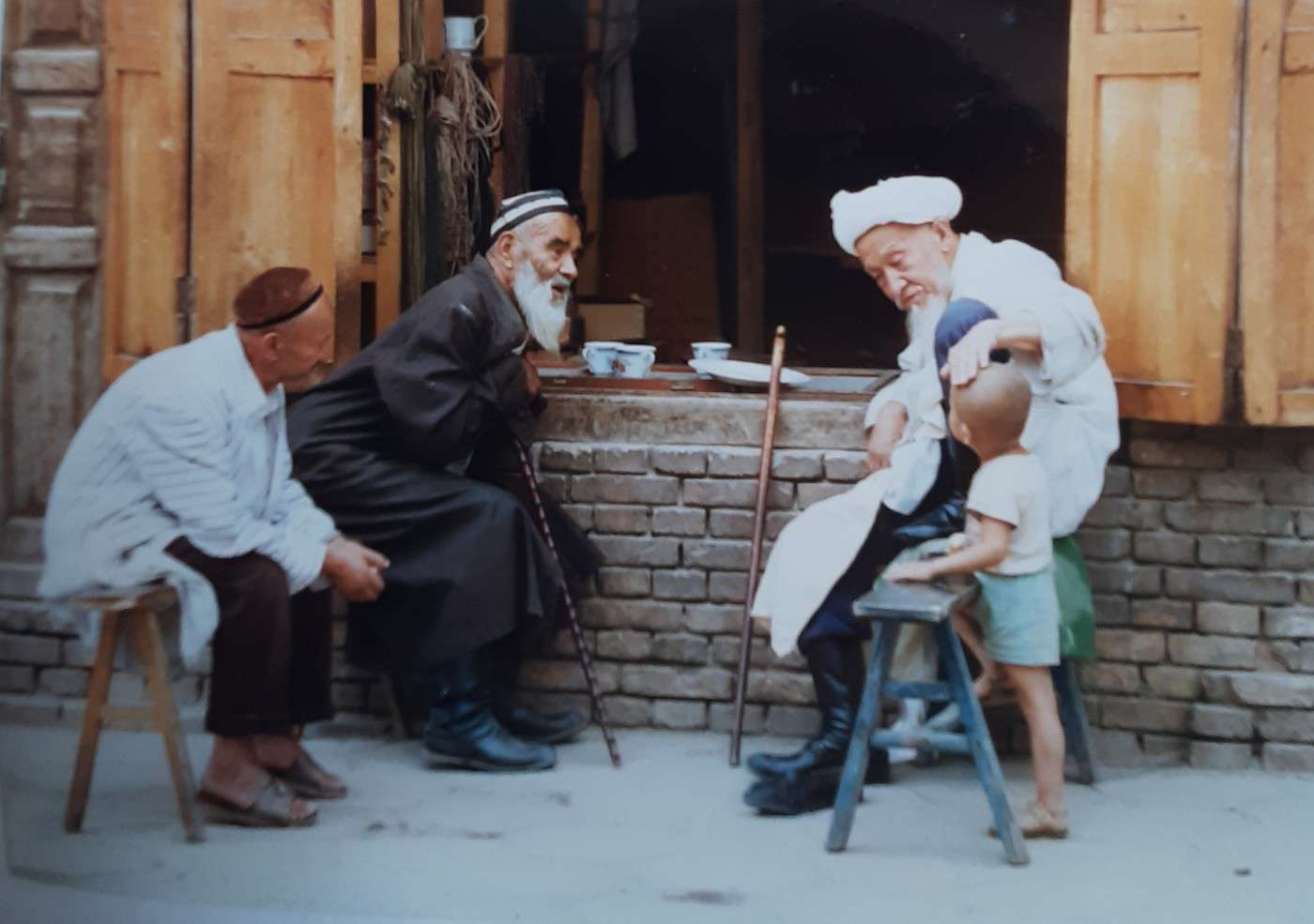
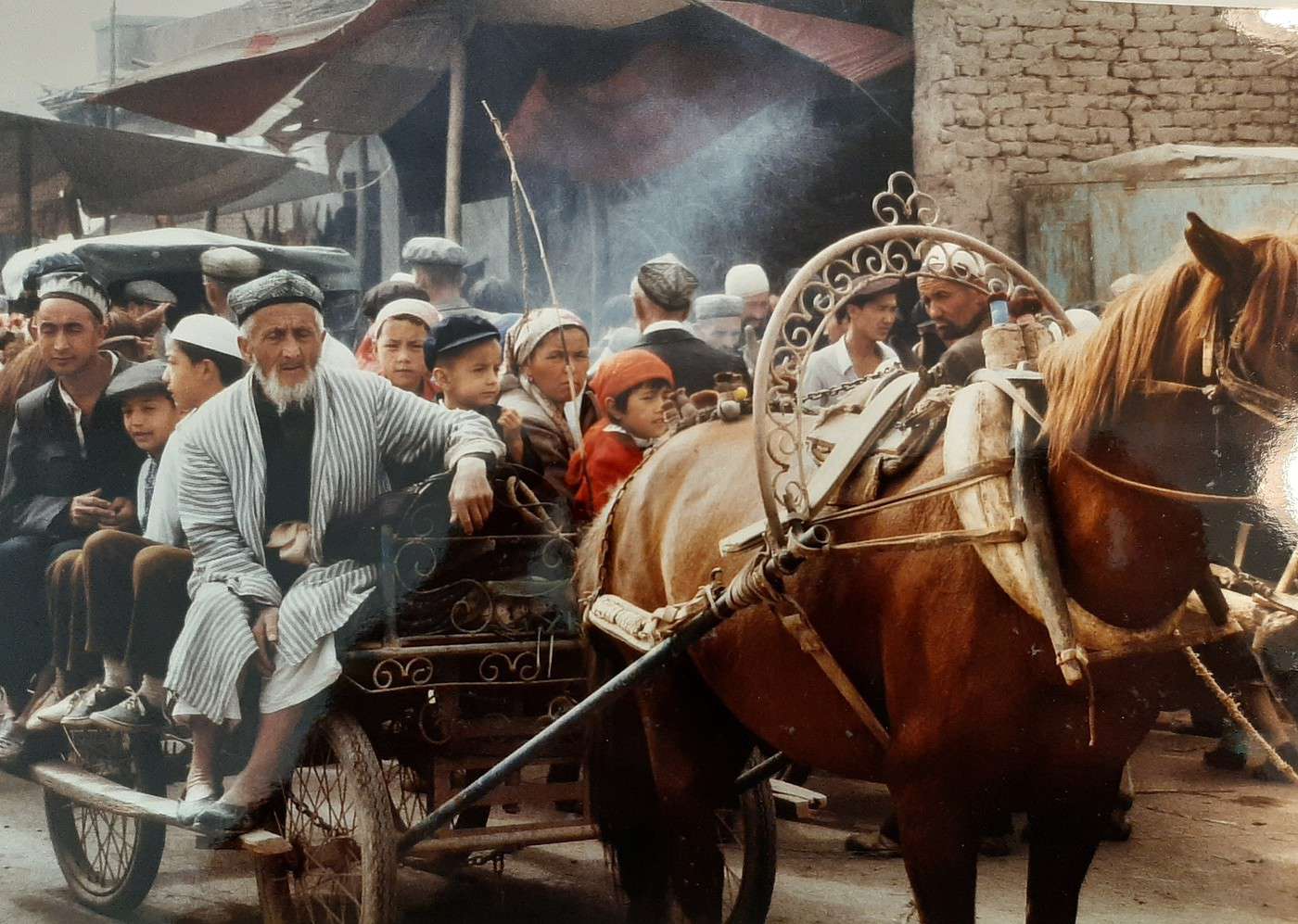
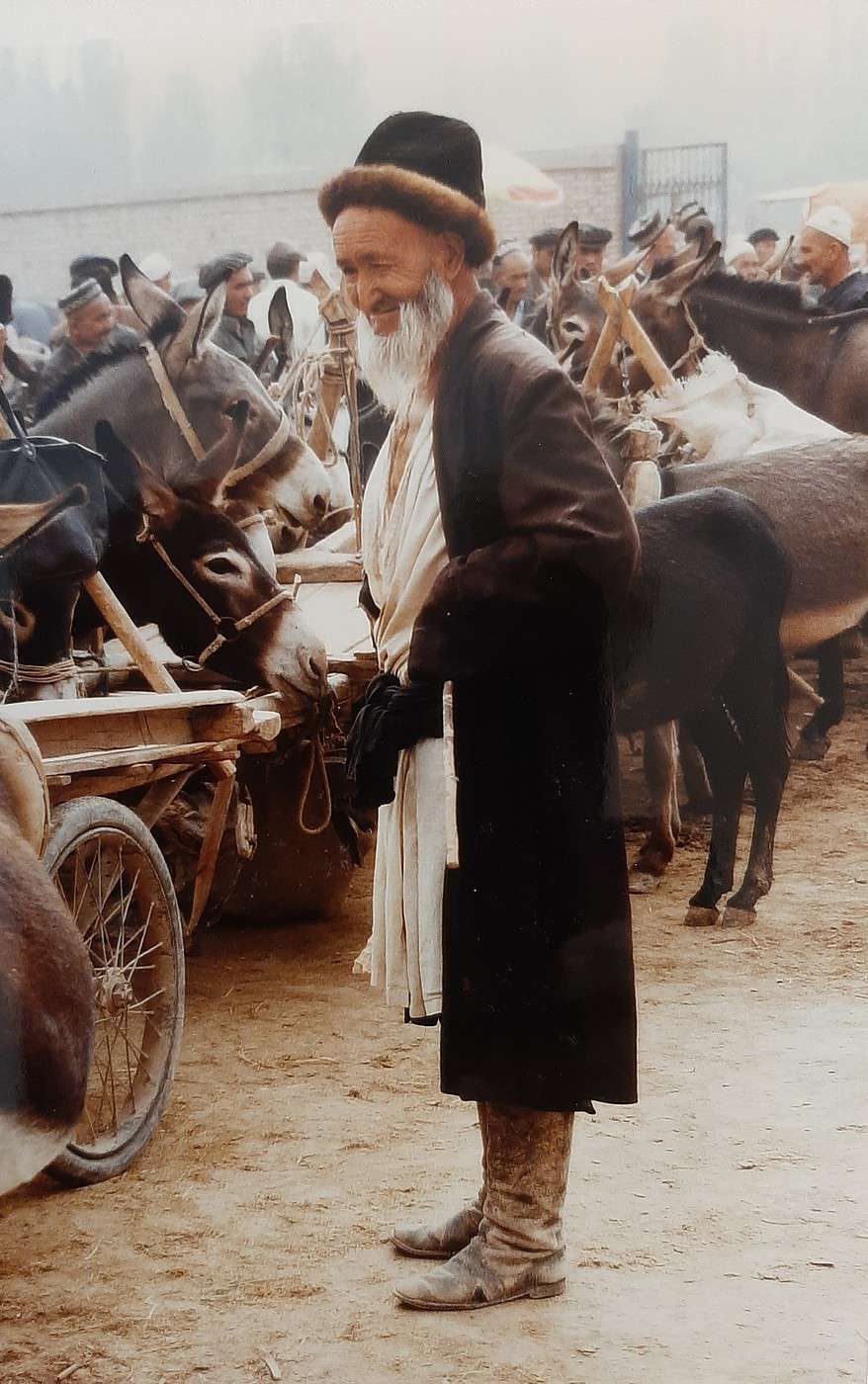
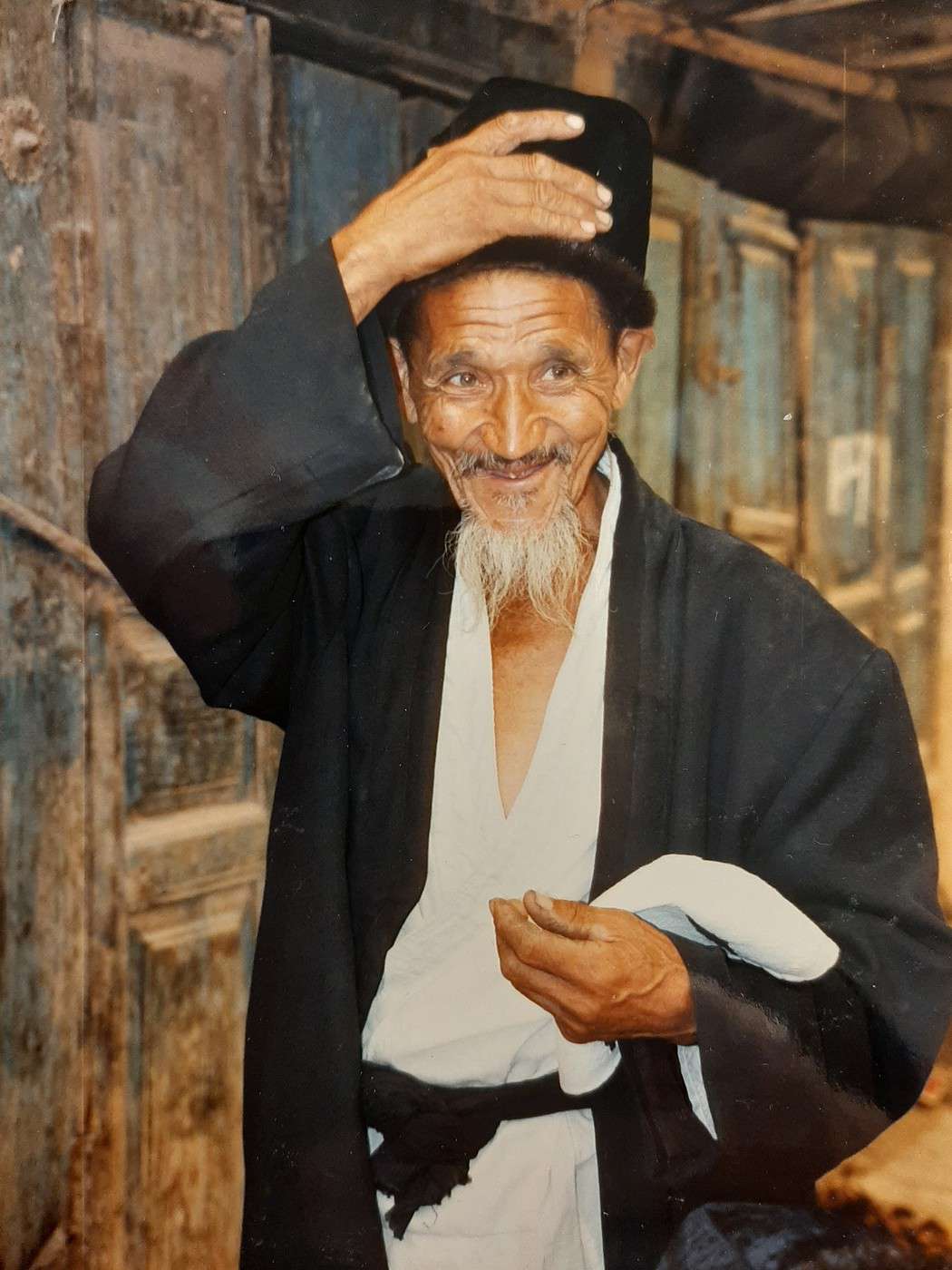
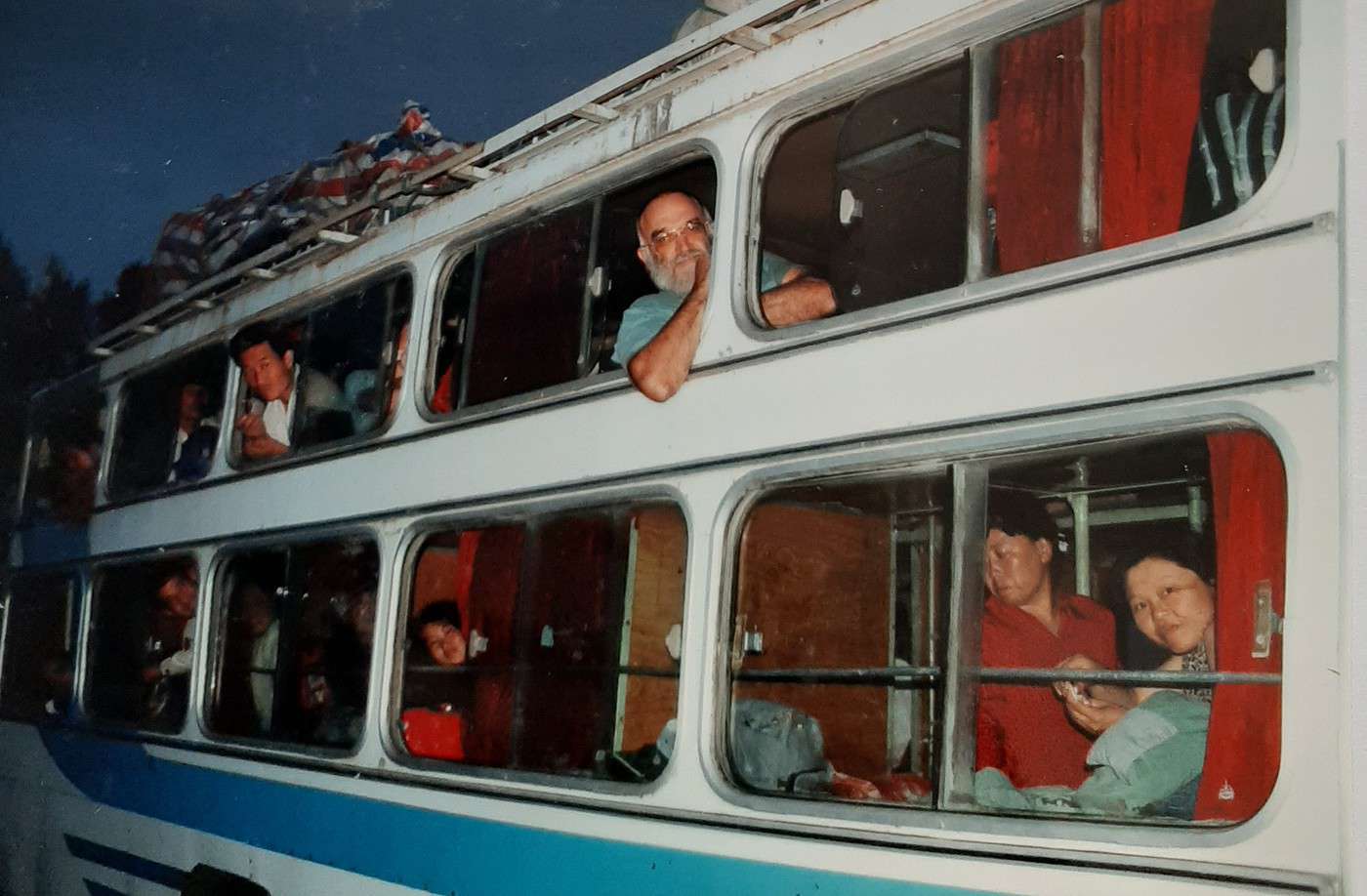
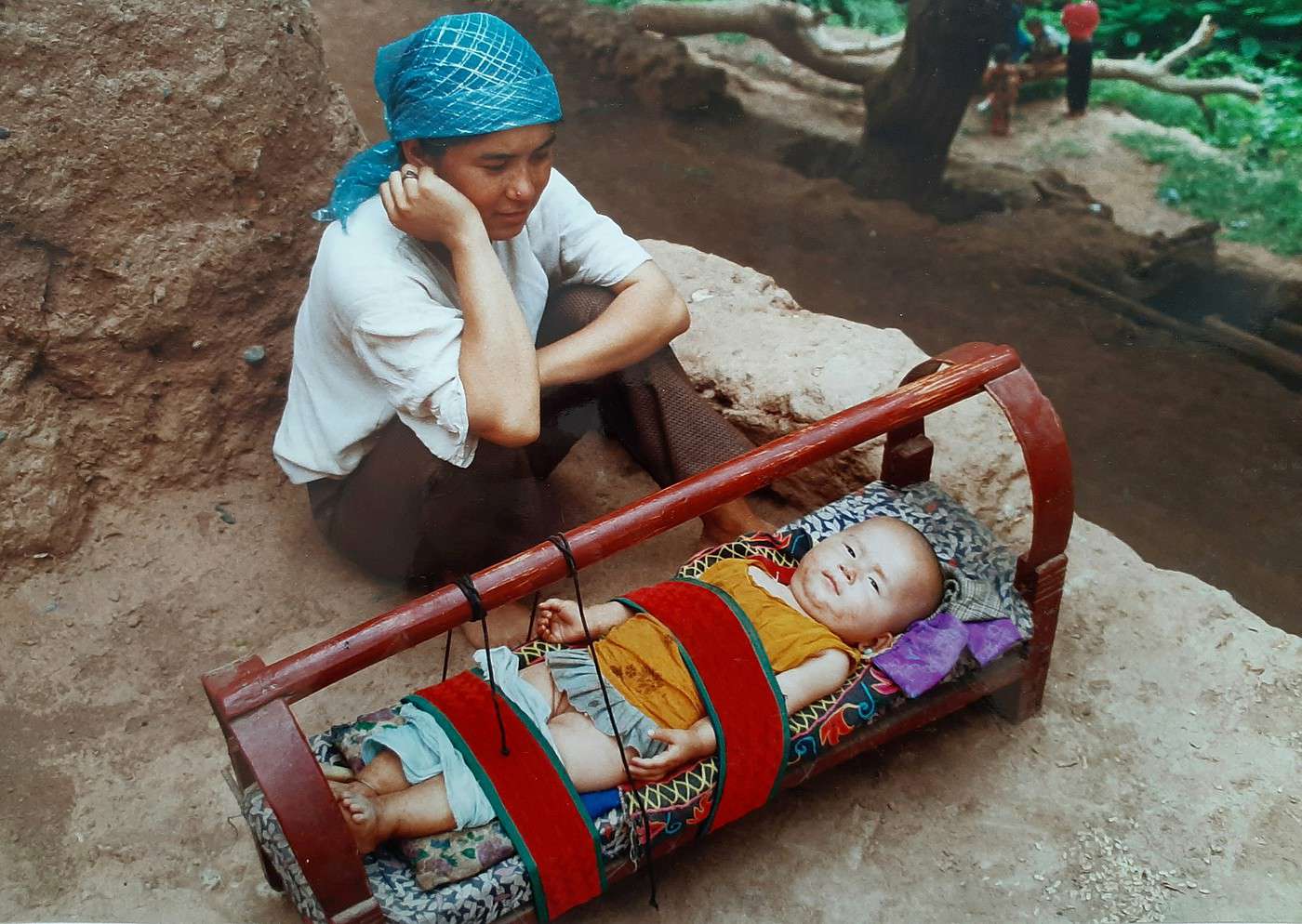
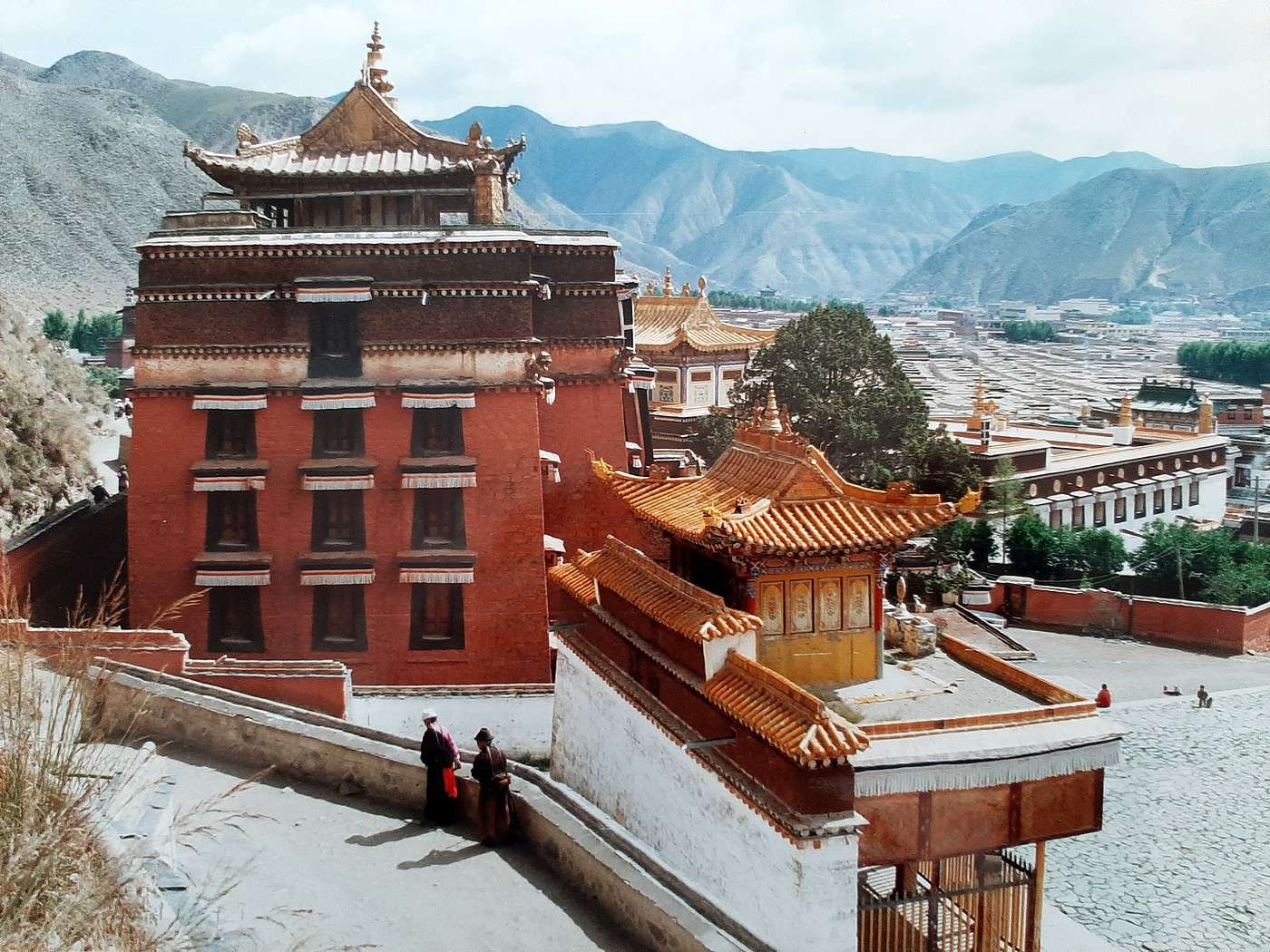
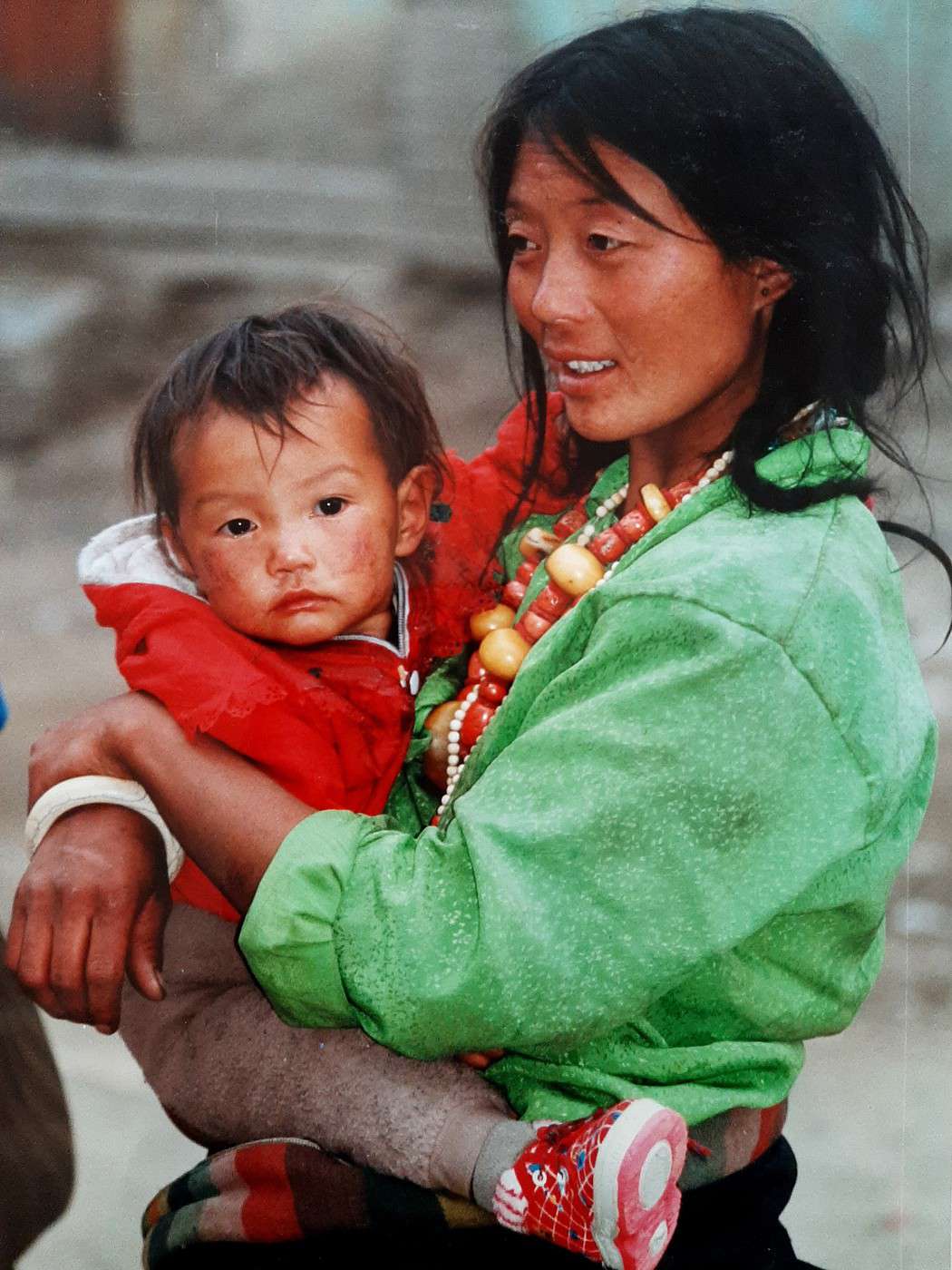
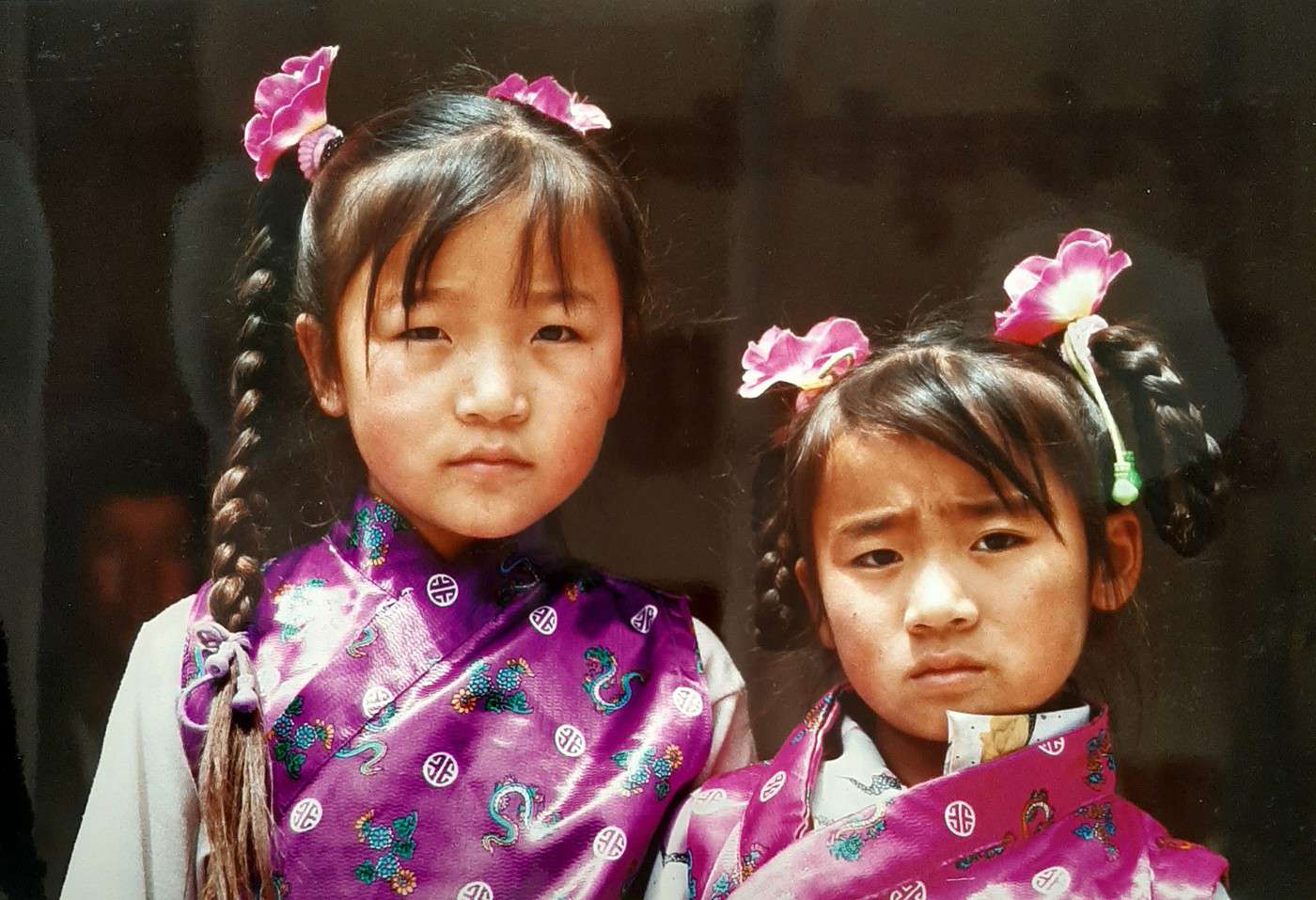
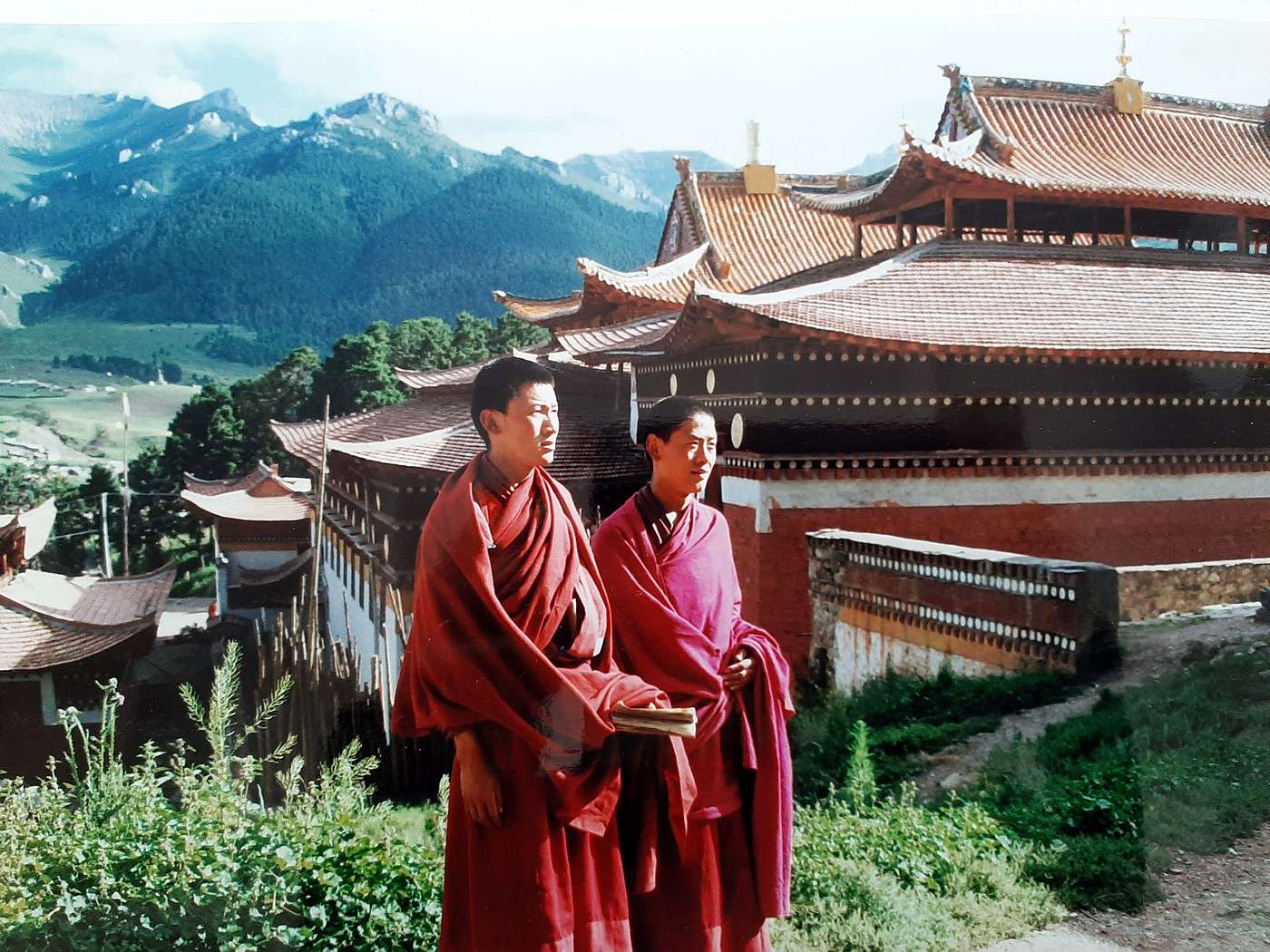


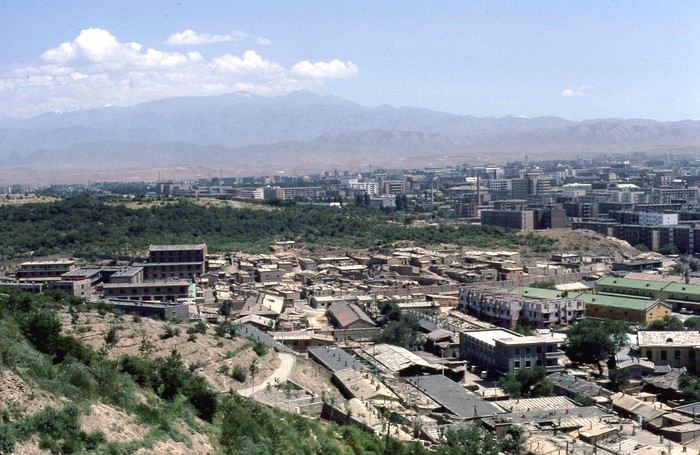
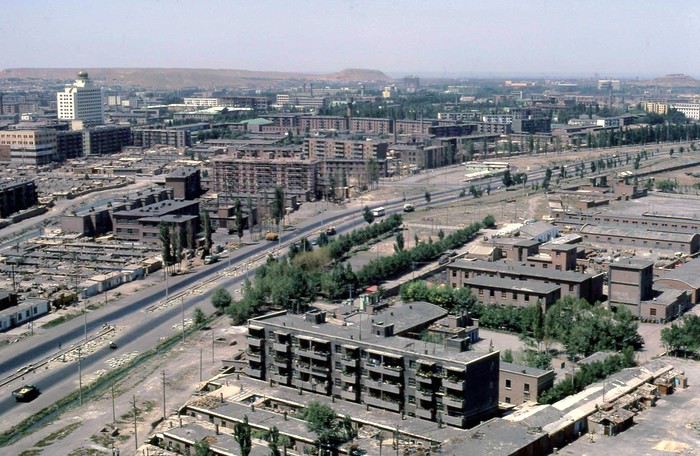
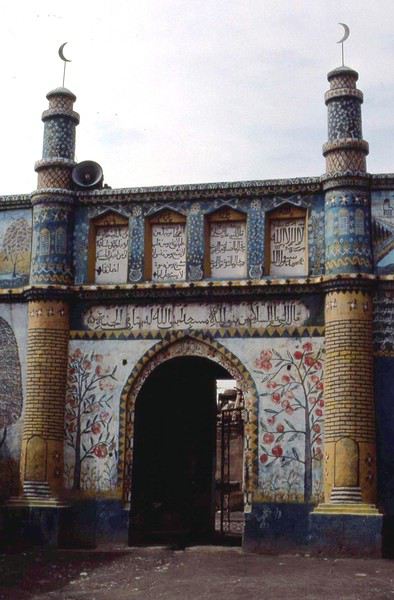


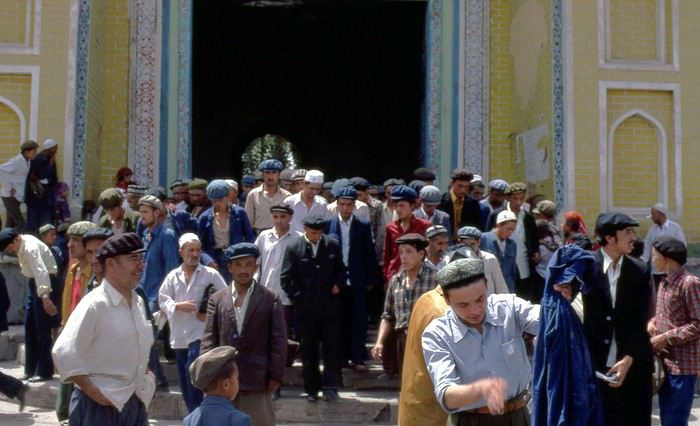
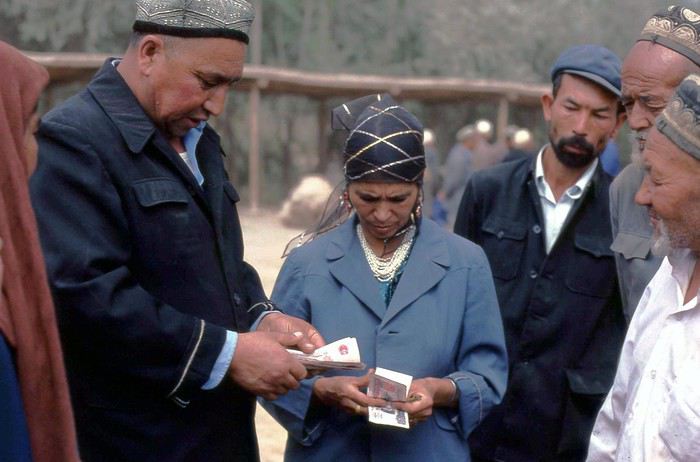
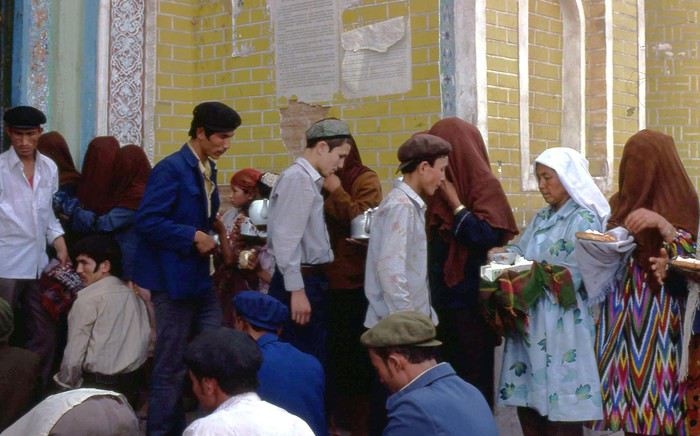 The big Sunday market was moved to the outskirts between those two dates. We even noticed it’s now covered... A few more photos to add to the previous ones.... You can tell the ethnicity by the headwear: Uyghurs, Tajiks, Kyrgyz...
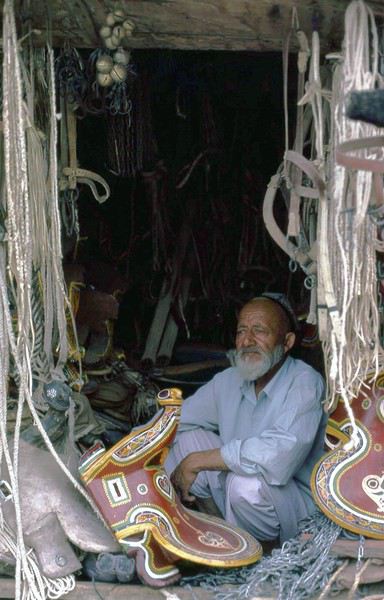
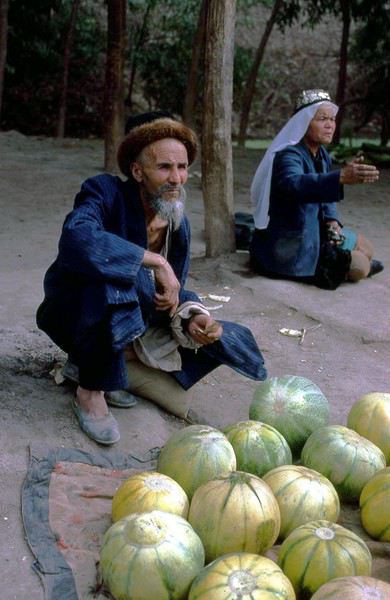
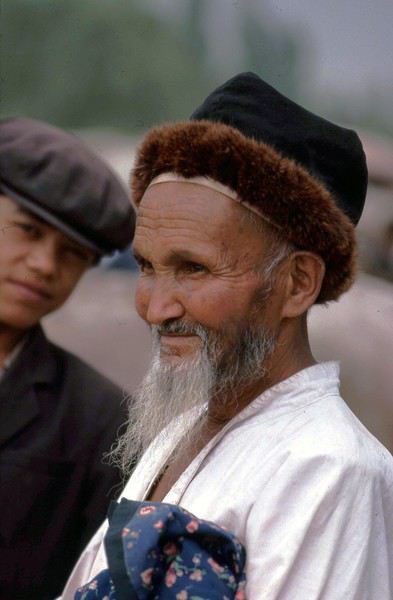
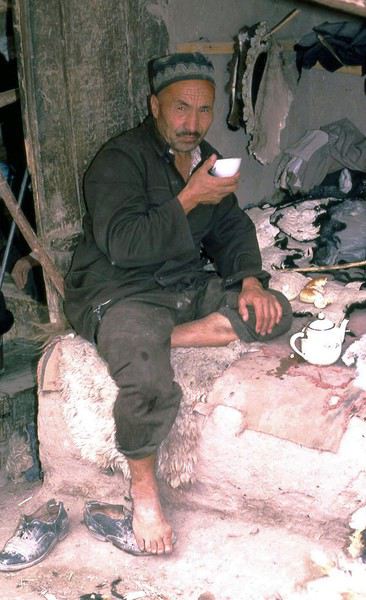 At the livestock market, we were surprised by the transactions, which were done with hands hidden under coats, and the women took part in collecting the money (often Kyrgyz women—Uyghur women wore brown shawls)...
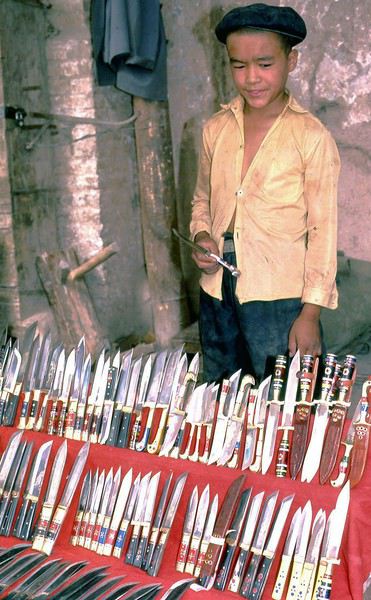 The knives from Yingjishah, not yet for tourists...


