Texas, Louisiana, and a touch of Florida
Thanks for this travel journal that goes a bit off the beaten path!
I know Texas a little, and I have to say, the photos of Caddo Lake are really tempting.
I once considered doing a little round trip between NOLA and Pensacola, but honestly, NOLA is a bit of a turn-off for me—especially since we’re not really big fans of big cities. Still, I guess you’ve got to go to form your own opinion...
On the other hand, I know Florida well (especially the southwest), and I think it’s a shame you’re sticking with the negative image of Pensacola! Florida, like any other state, can’t be summed up by just one city. We’re not big fans of lazing around on the beach, but we love wandering the huge stretches of nearly deserted white-sand beaches, and even stopping for a while to watch pelican flights, dolphins, manatees, and countless birds. Florida is full of hidden gems, on top of its tourist spots 😉 And as for alligators, they’re also really common in Florida—you find them pretty much everywhere... and they’re not really dangerous on land. They tend to avoid humans, and an adult isn’t part of their menu (too big). They’ll only attack to protect their young (never get between a mother and her babies!) or if they feel seriously threatened. That said, young children and dogs *can* be on the menu, especially at feeding times at dawn and dusk. And don’t forget rule #1: never swim or set foot in freshwater (or even in the less salty water of a lagoon!), because they’re everywhere, and water is their element. An adult in the water looks much smaller and more approachable 😉
As for temperatures, summer isn’t the best season because the humidity factor kicks in and really affects how hot it feels!
Anyway, can’t wait to read the rest of your adventures...
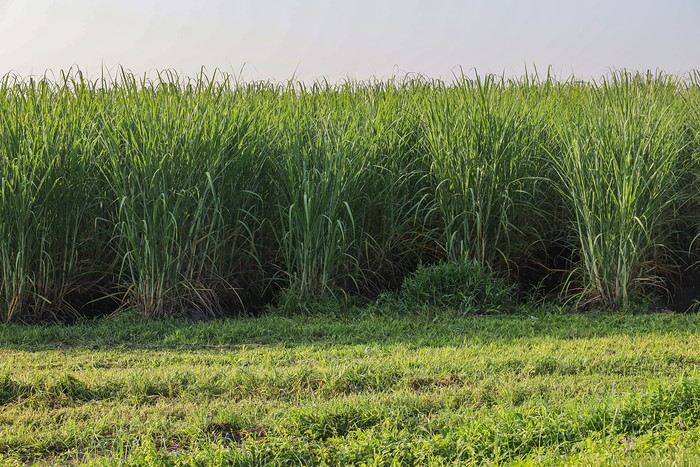 Where there’s sugarcane, there are harvesting machines and processing plants.
 The main attraction in Baton Rouge is the USS Kidd, the famous destroyer that survived World War II, serving in the Pacific, the Philippines, and Korea. It’s named in honor of Admiral Kidd, who commanded the USS Arizona and died in combat during the attack on Pearl Harbor.
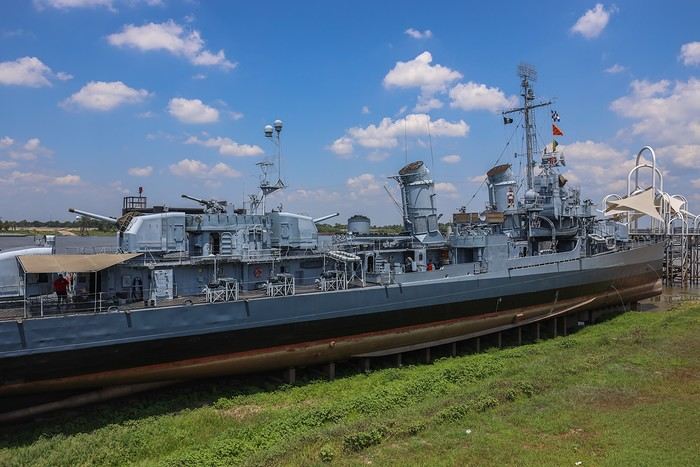 Size-wise, it’s nothing like the USS Alabama—it looks tiny in comparison! Then again, destroyers are meant to be fast and maneuverable.
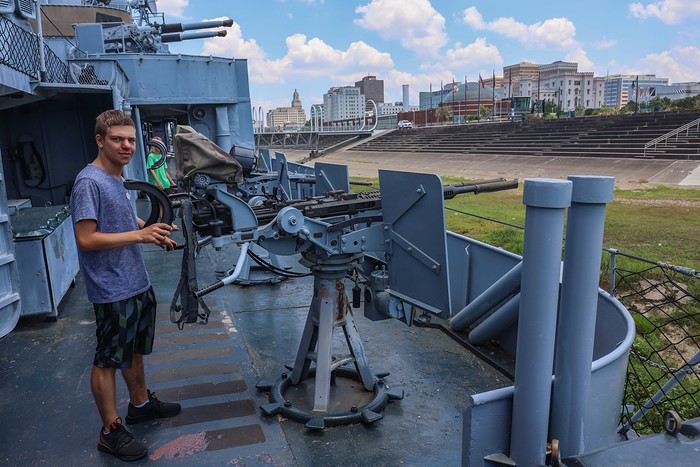 The various cannons are in excellent condition.
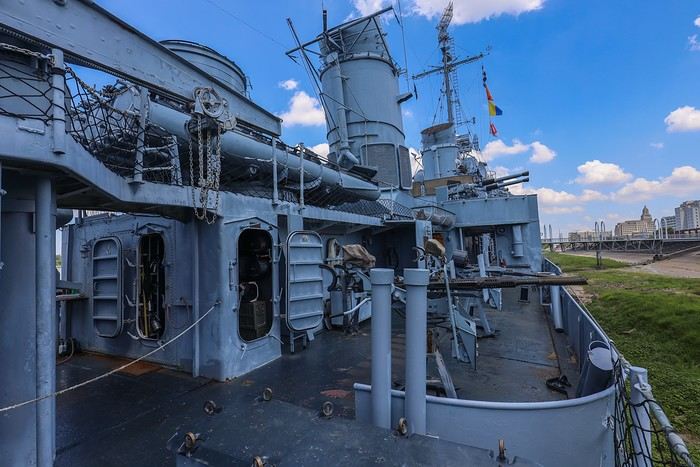 Besides the exterior, you can visit the interior facilities, like the engine room, kitchen, mess hall, and cabins.
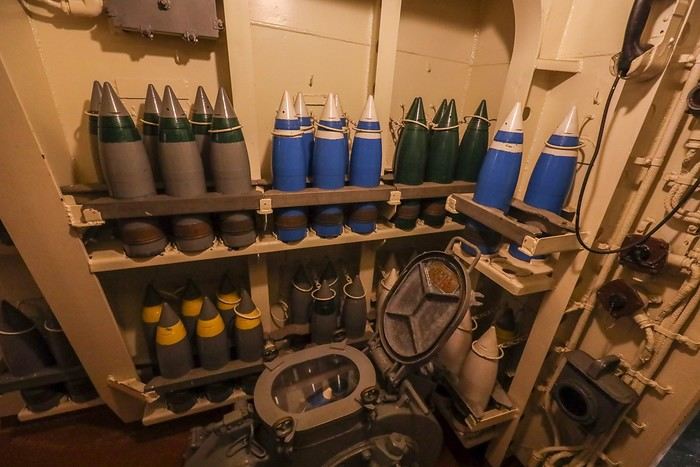 After touring the ship, we spend time in the naval museum admiring model ships and several World War II planes, then head to the Louisiana State Capitol.
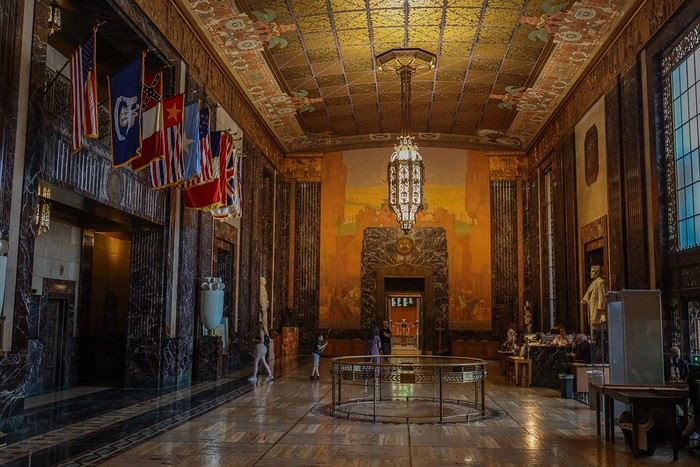
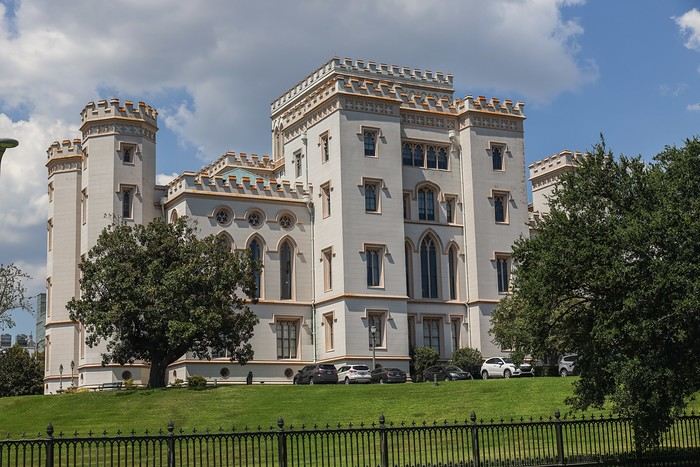 Then the modern version of the Capitol. The steps leading up to it have the names of various U.S. states engraved in capital letters.
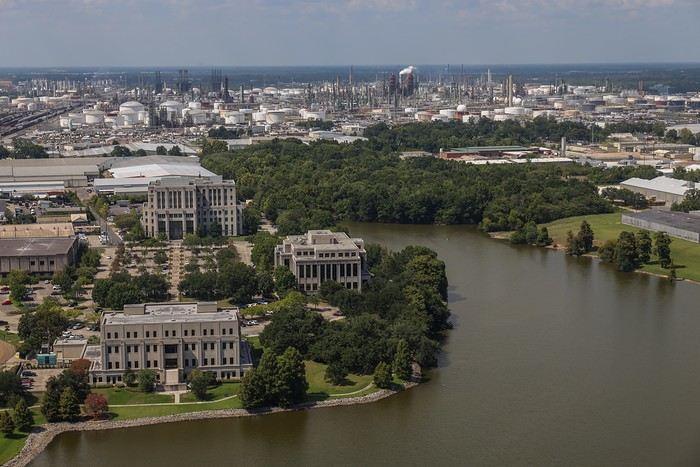
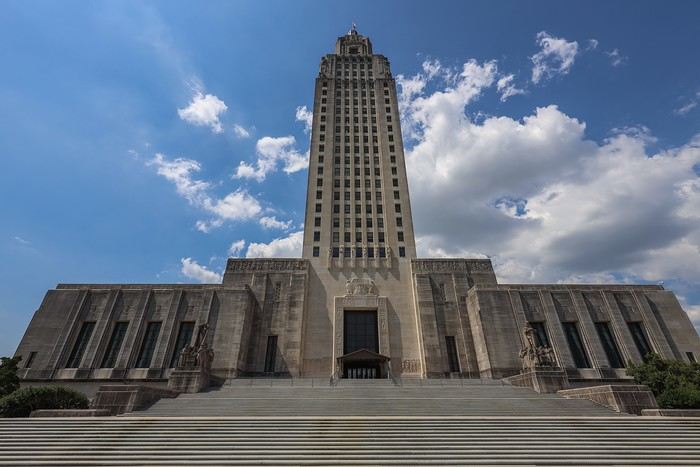 We make sure to go up to the top floor for a panoramic view of the city. Some angles are flattering,
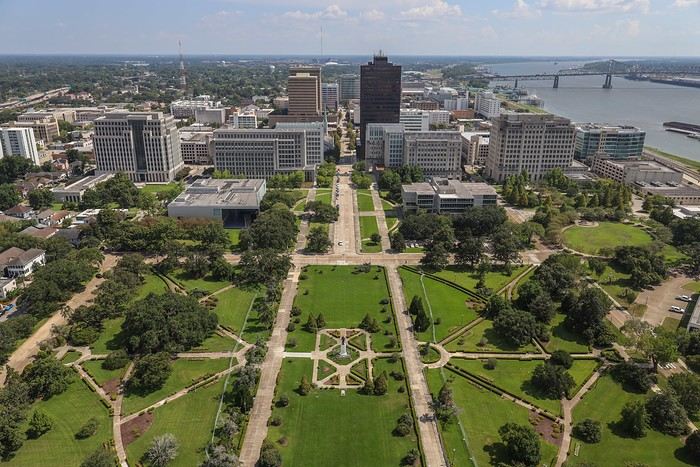 while others, with views of the many factories, are much less so!


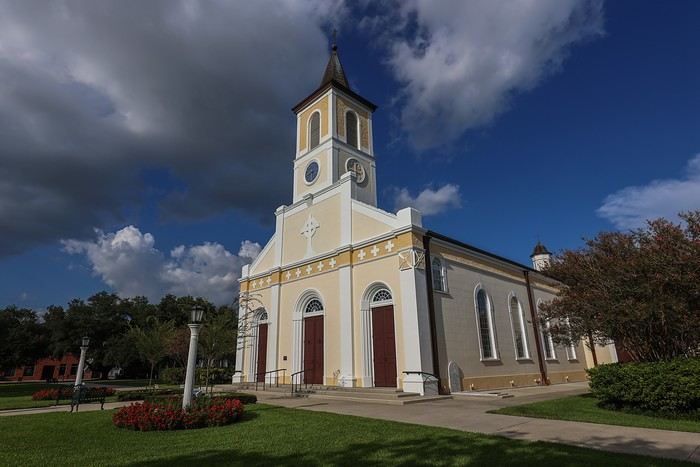 After another dinner at Duffy's Diner, we end our evening by opening a bottle of pecan liqueur bought at Laura Plantation. We’ll have to finish it before the end of our trip!
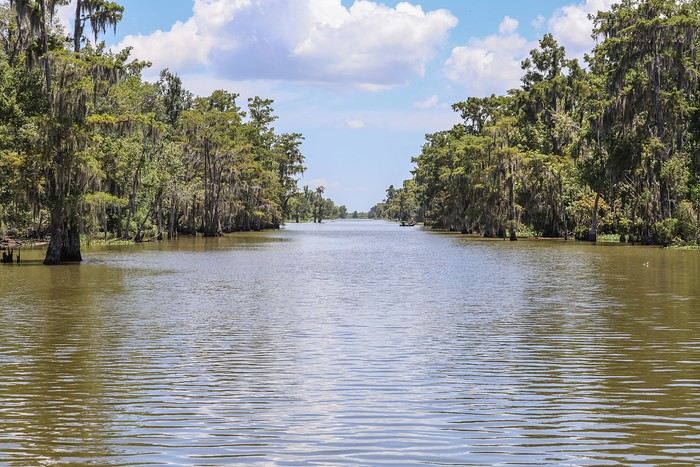
 The very wide canals follow one after another, without us winding through the submerged cypress trees.
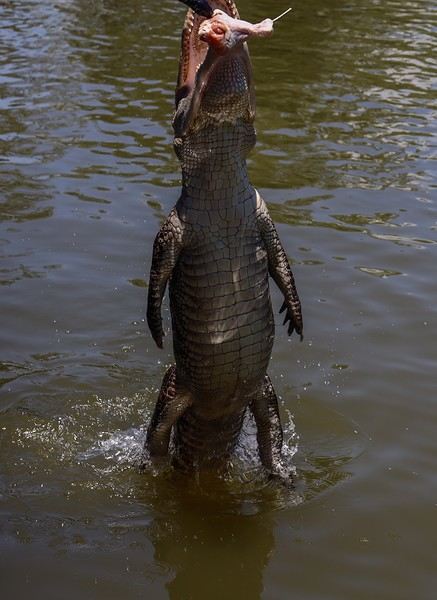
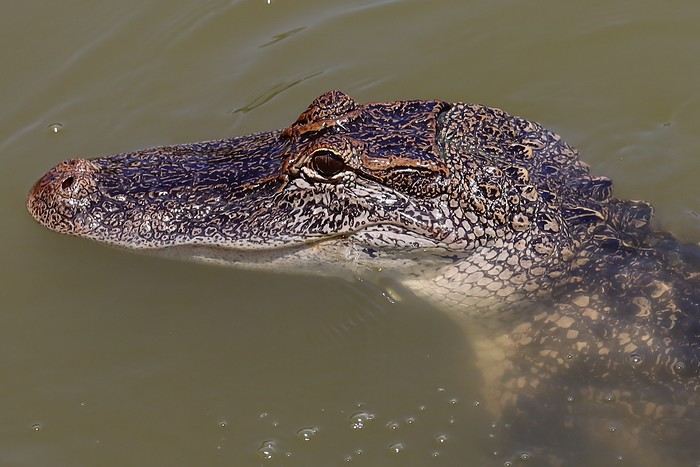
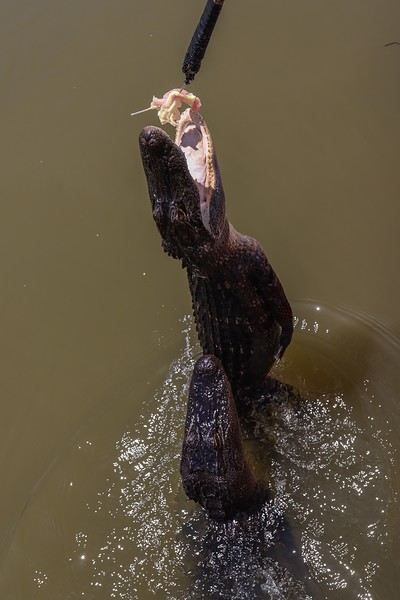
 And every 10 minutes, the guide calls the alligators, who show up immediately for lunch. In nearly 3 hours, we fed about twenty alligators begging for chicken scraps!!
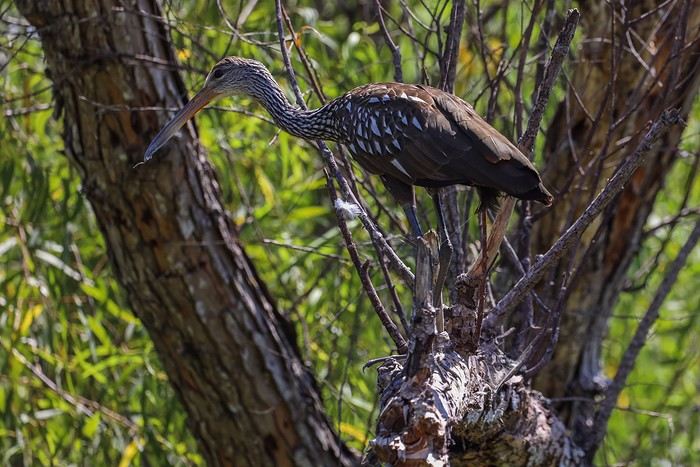
 Ah... we finally reach a more photogenic area, and we’re lucky enough to spot some large birds!
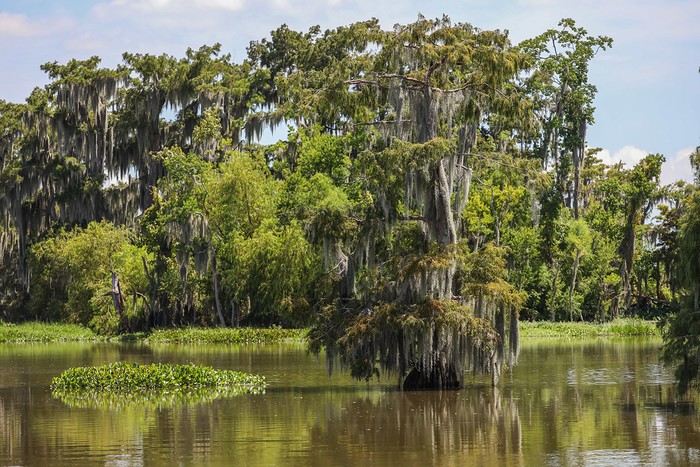
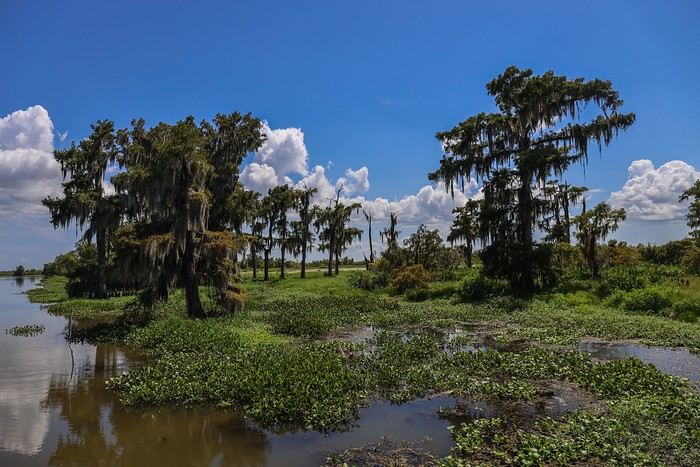
 Toward the end of the 3-hour tour, we get some lively Cajun music, and our guide puts on a real show!


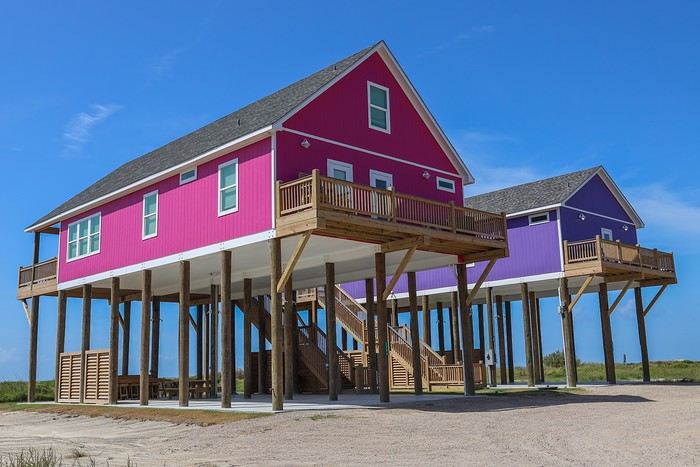
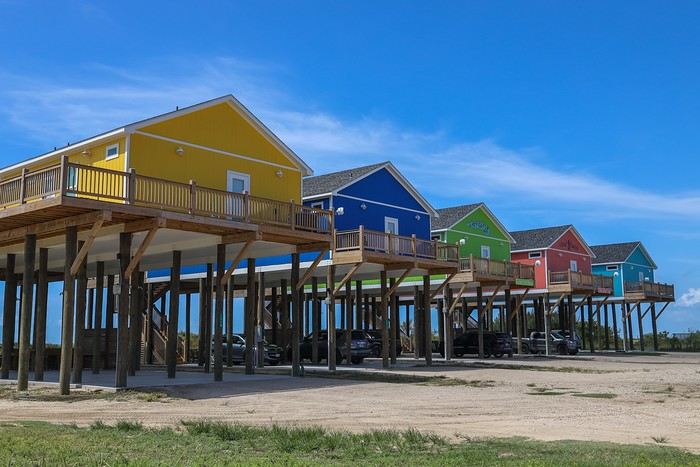
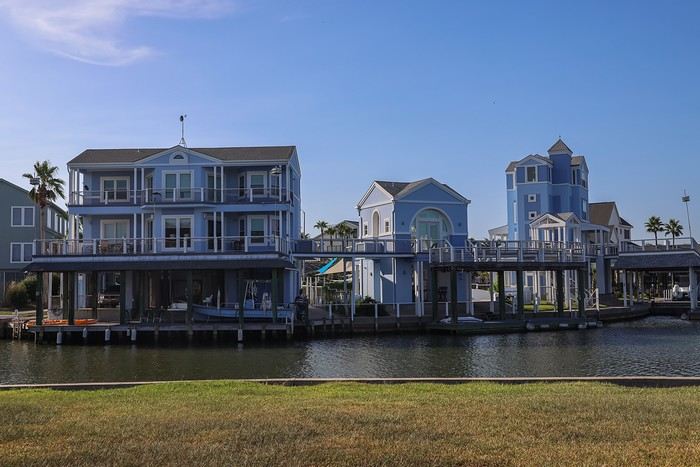
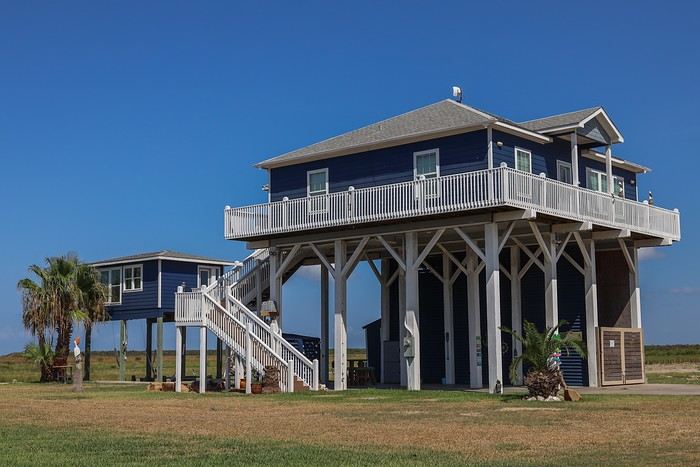 Most of the houses are built in their own unique style, but you can also spot "row" villas with matching colors and layouts.
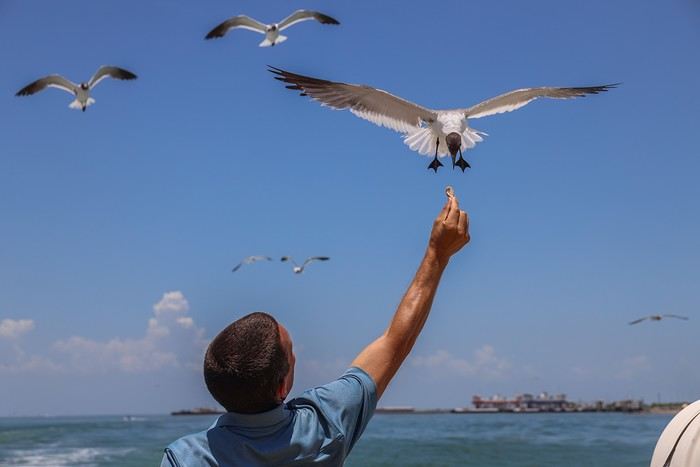
 At the end of Route 87, we reach Port Bolivar, where the ferry terminal is located for the 3 km crossing of Galveston Bay.
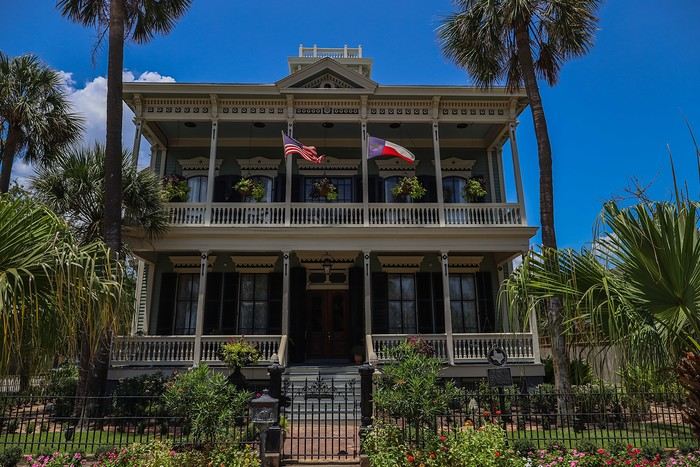
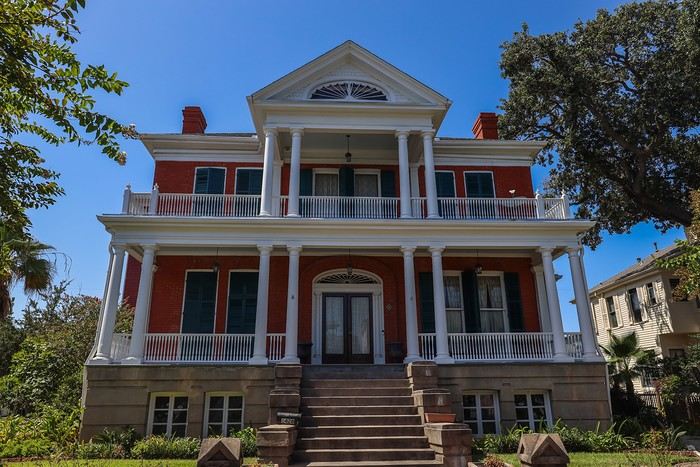
 In Galveston, we park on a street near Bishop’s Palace. This is the kind of mansion you’ll find around here—and it’s easy to see why people love living in this area!
 Sacred Heart Catholic Church, a luxurious and unexpected church with an oriental style.
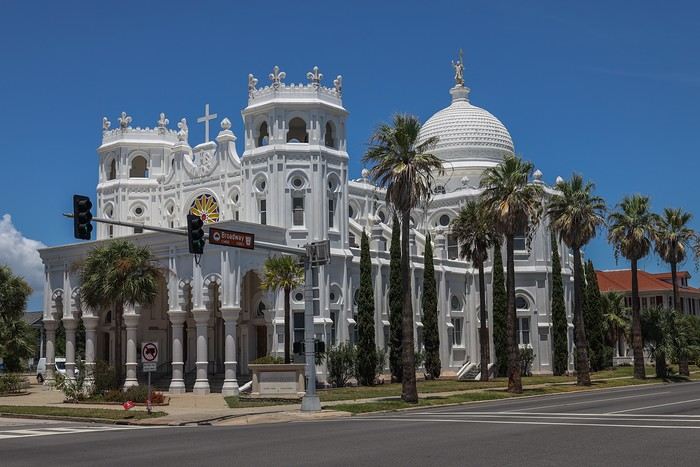 We would’ve loved to visit, but it was closed.
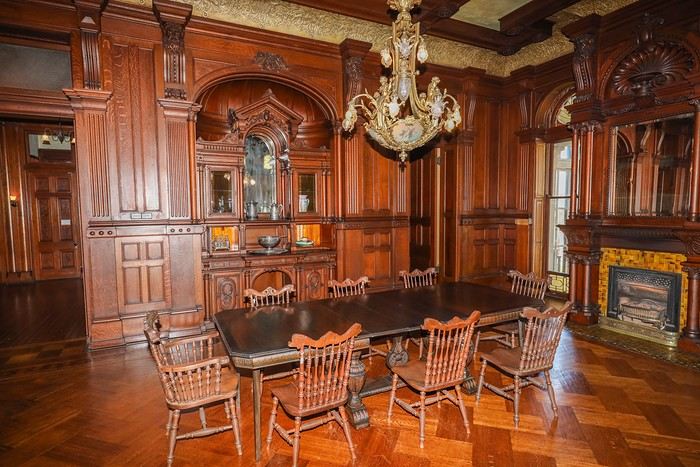
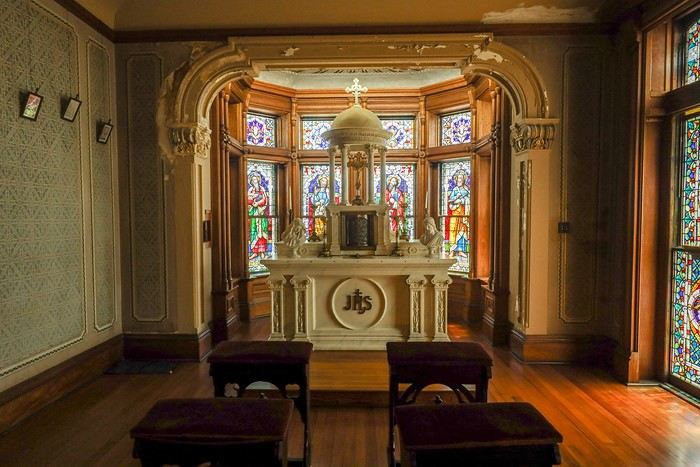
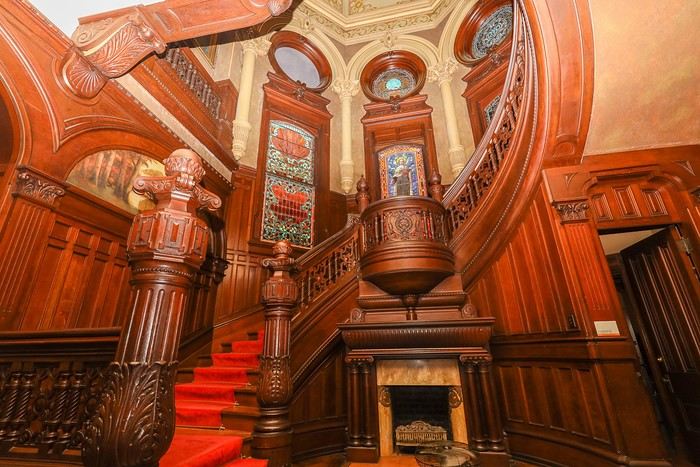
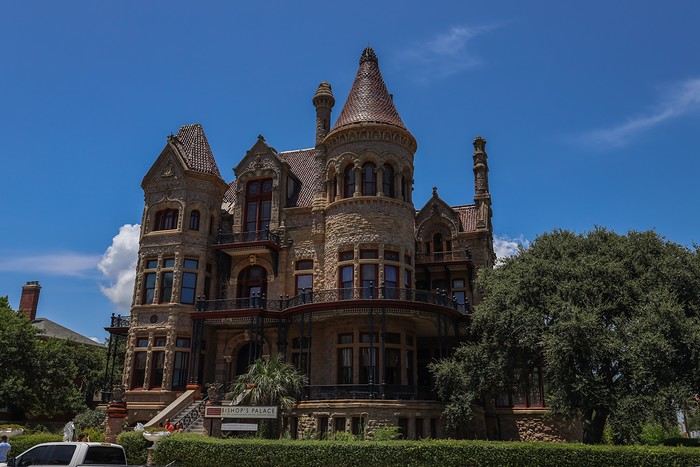 Built with colorful, carved, and engraved stone, this home’s interior is as grand as its exterior. Inside, you’ll find a vast living room furnished with rare woods, Murano glass chandeliers, and stained glass. Constructed between 1886 and 1892 under the direction of Nicholas Clayton, the building was inspired by French castles.
 The most photogenic part of the house is its monumental spiral staircase, highlighted by the massive wood, intricate carvings on the railings and walls, and its stained glass. Every angle reveals its beauty!


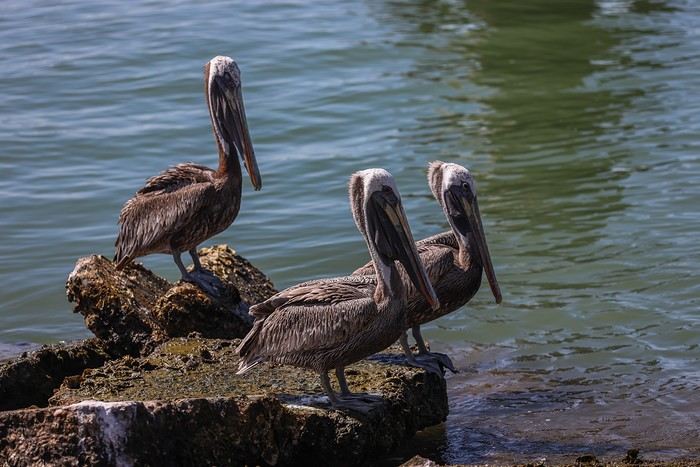
 We head down to the port, where we spot a few pelicans napping or preening.
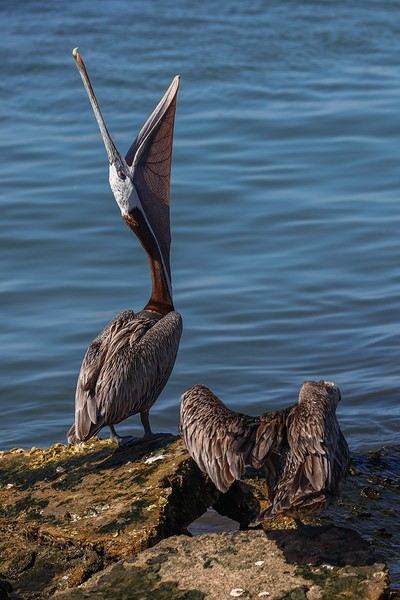 We can’t help but laugh seeing all the birds searching for the tiniest patch of shade! When it comes to midday heat, it feels like being fully dressed in a sauna!
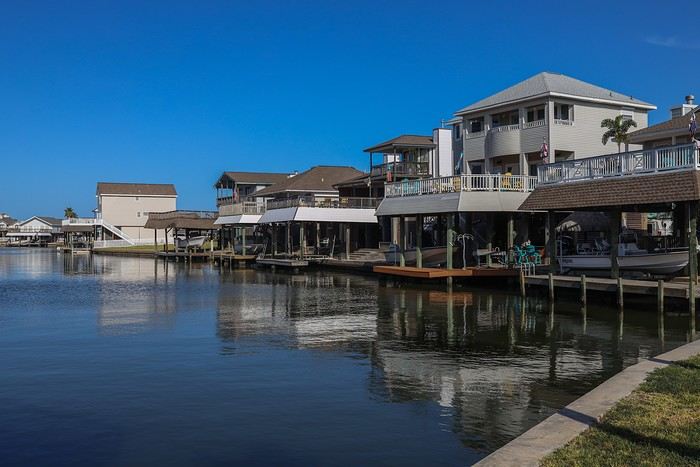 Each villa has a façade facing the canals that lead to the Gulf of Mexico. Still, we don’t see many docked boats.
 We don’t have time to visit Moody Mansion, so we head back to our hotel, Crystal Suites, for just one night.


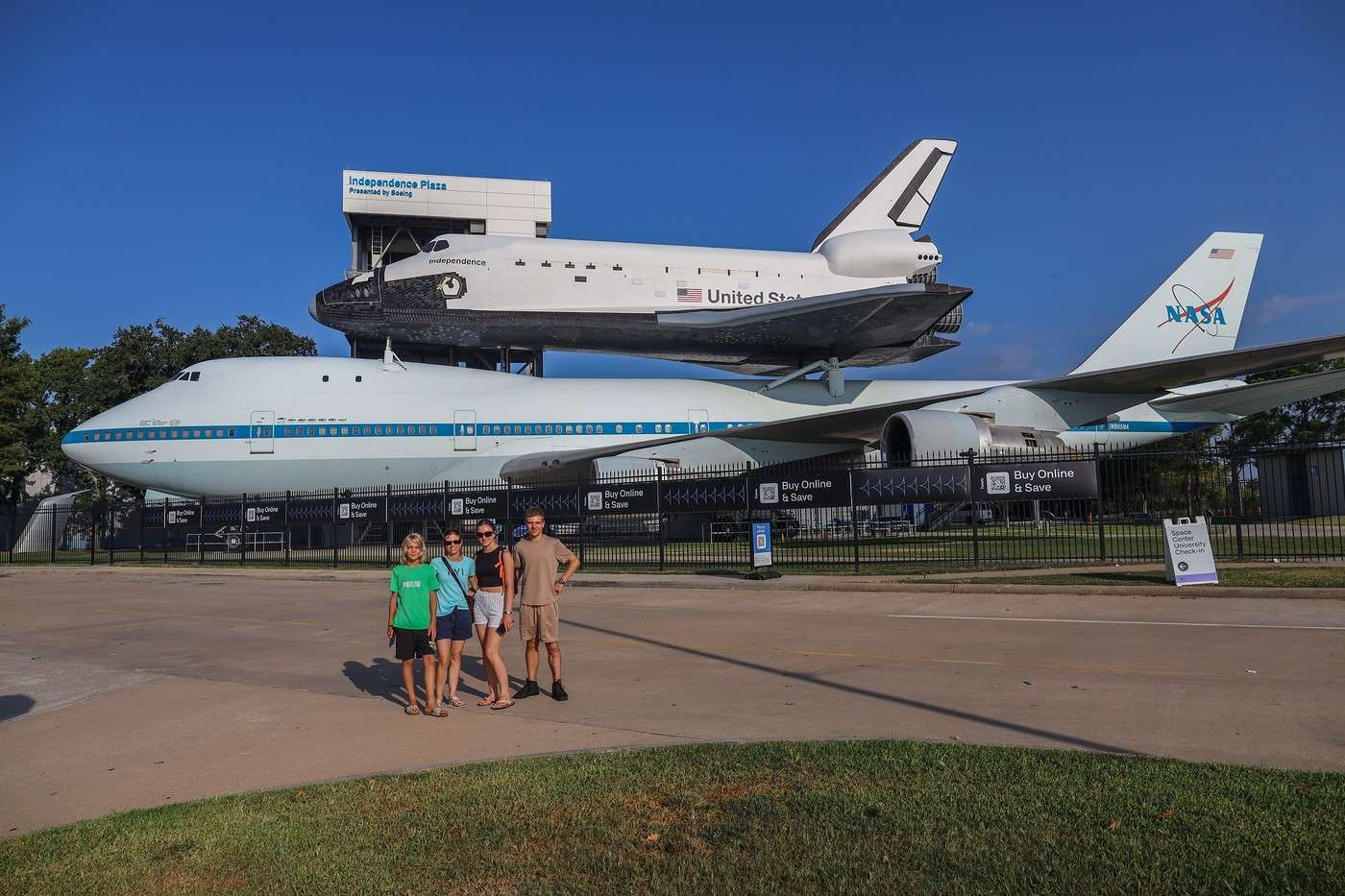
 At the entrance, we got the family photo as a keepsake—after shelling out a few dozen dollars for a photo package. Some of the photo montages turned out great, others not so much!
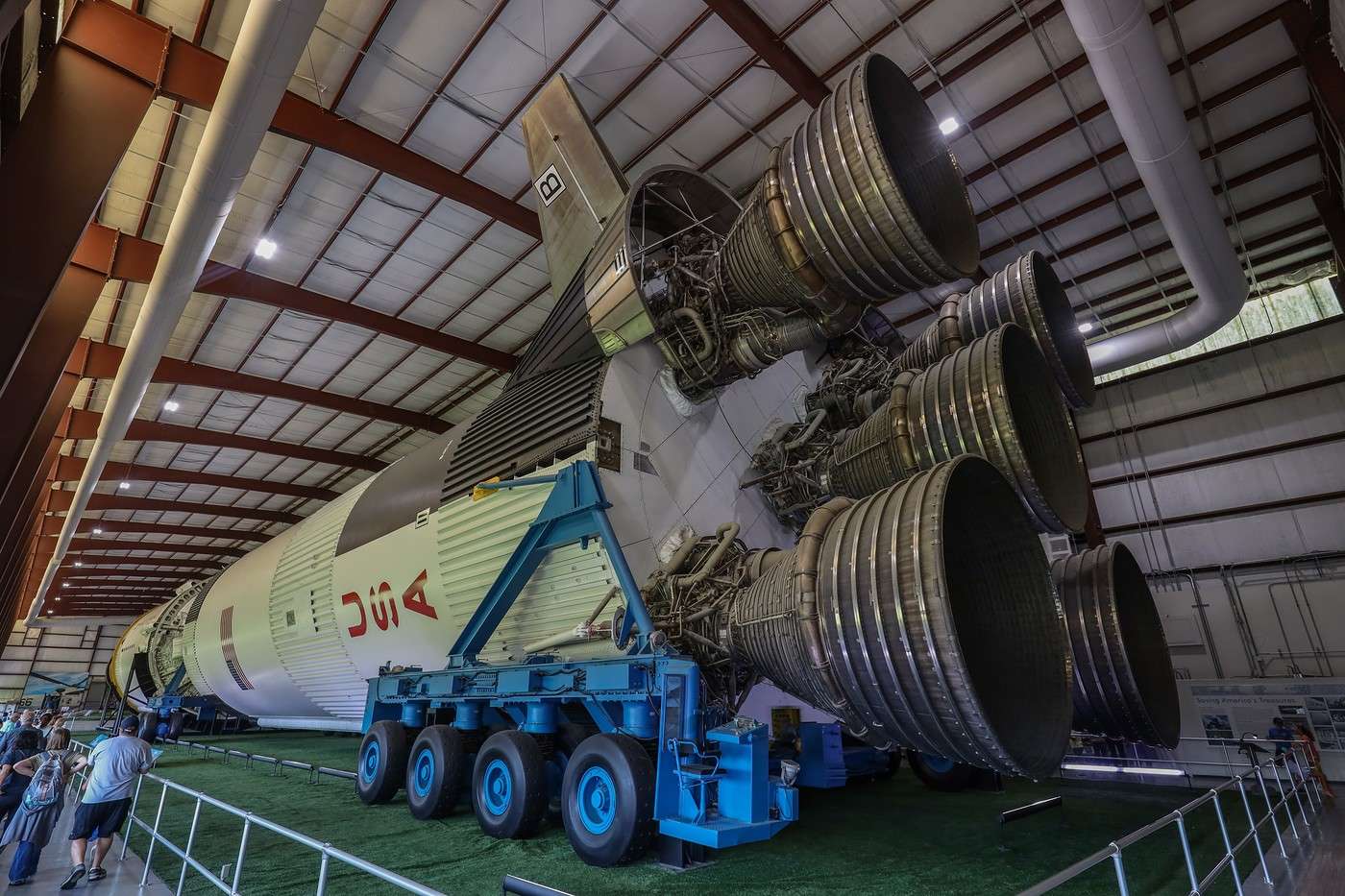
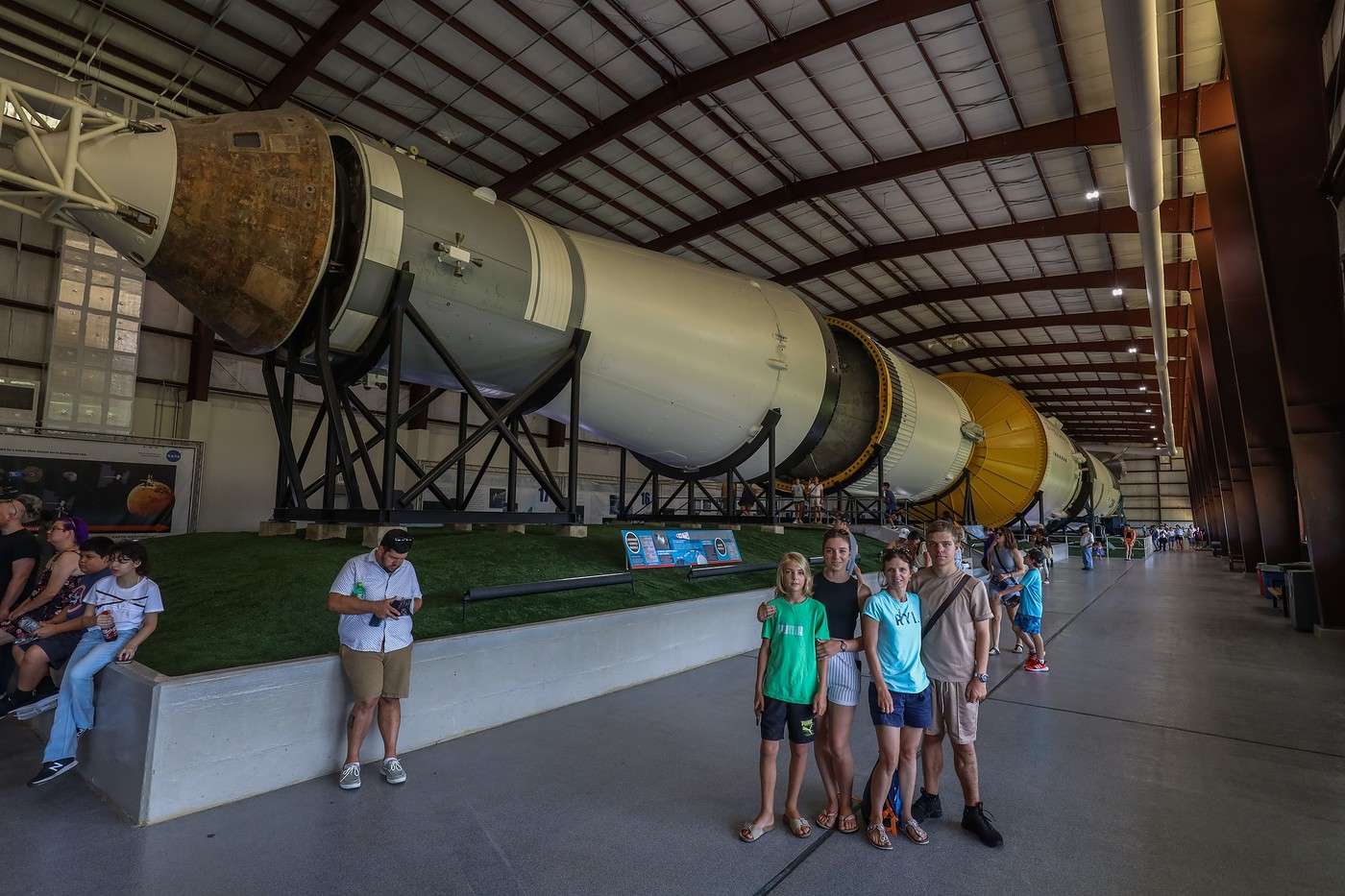
 The visit went by pretty quickly, so we hopped back on the train and headed to the massive building storing the Saturn V rocket.
 Since the rocket was used in all the Apollo missions, the site was naturally dedicated to the history and anecdotes of each one. The most famous, of course, is Apollo 11, when humans first walked on the Moon.
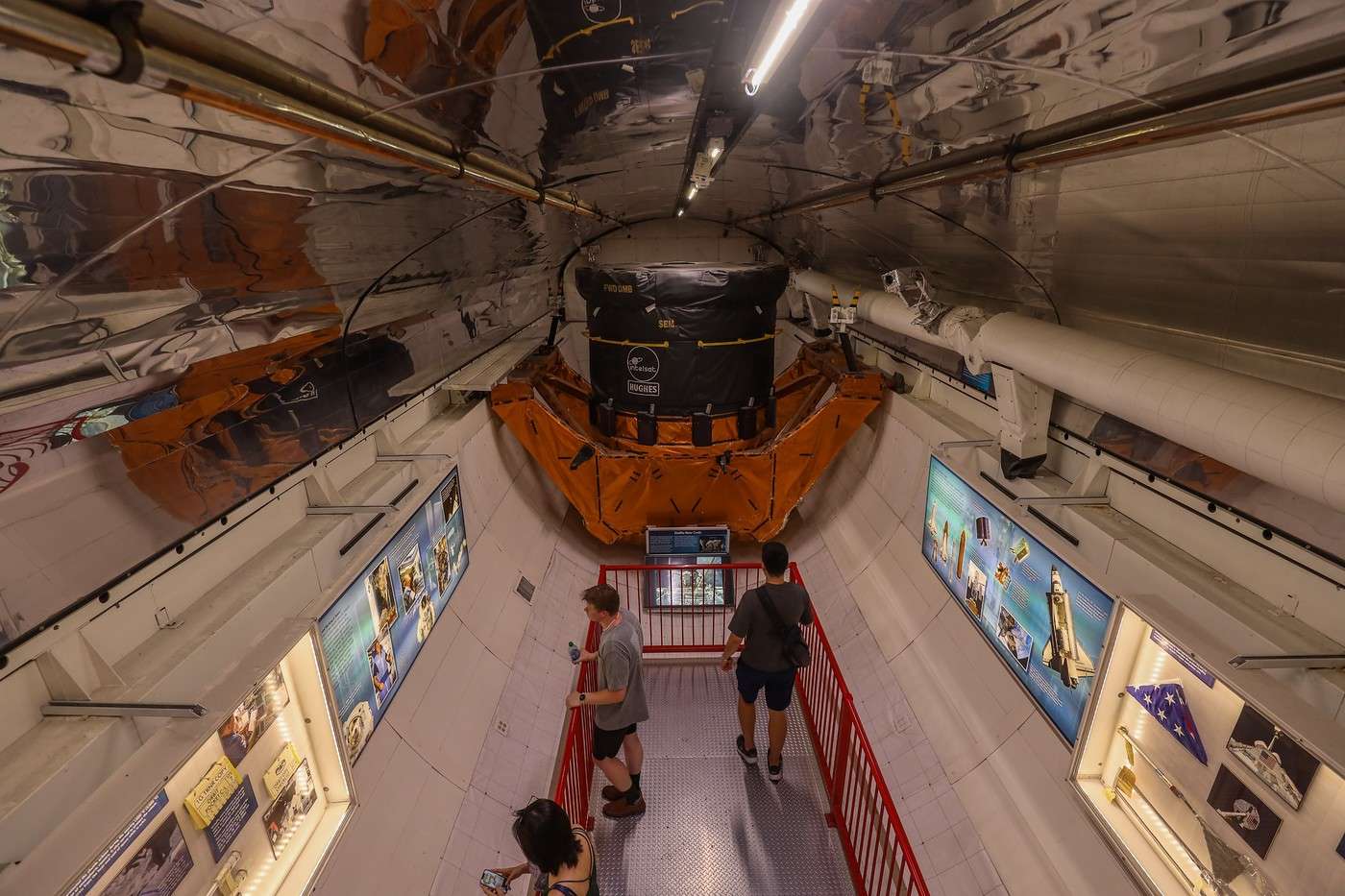
 We then returned to the main site to visit the Boeing 747 carrier with the Space Shuttle Orbiter.
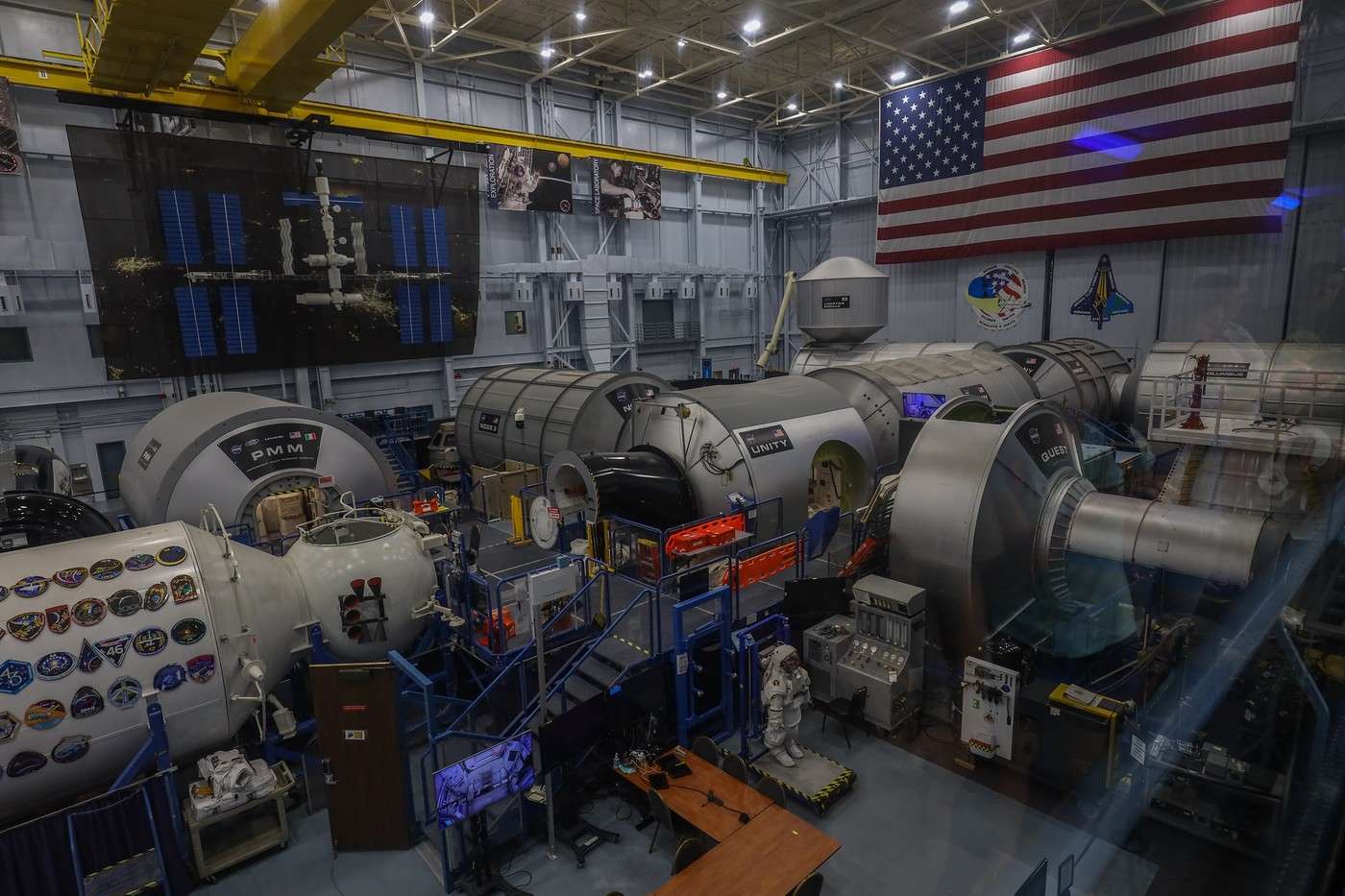
 After that, we went back to the main hall, where we could explore the interiors of several capsules and other spacecraft.


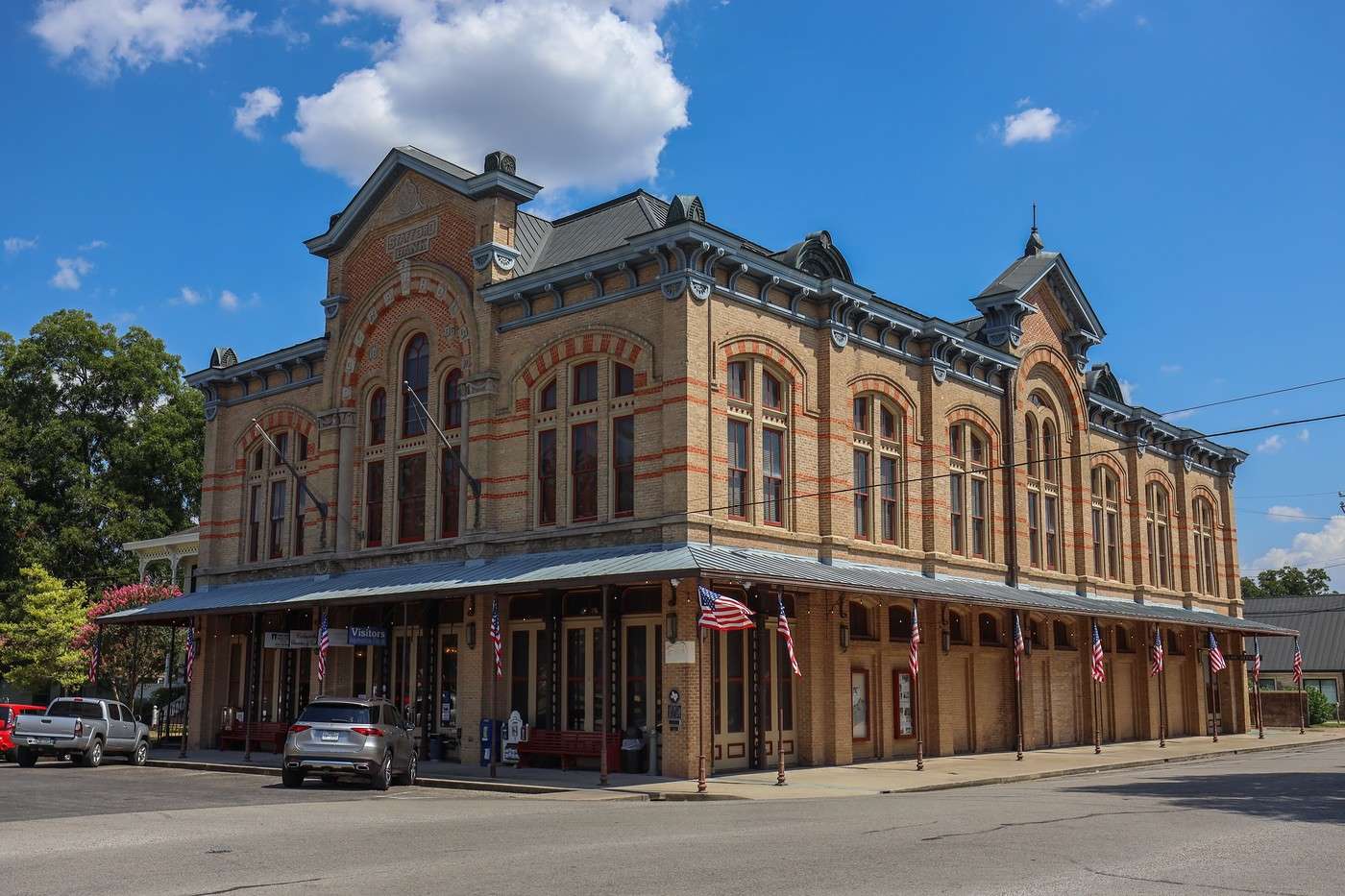
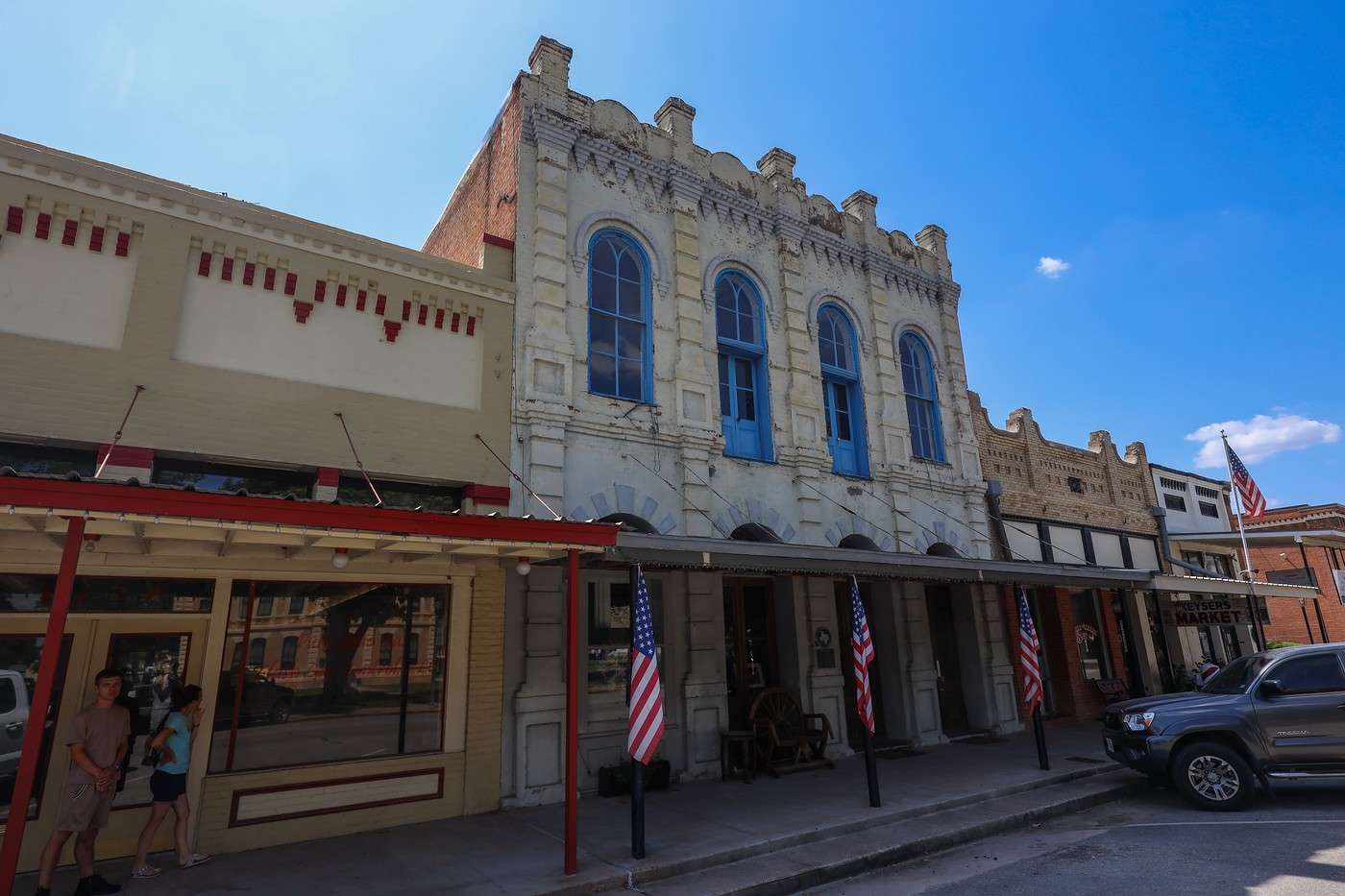

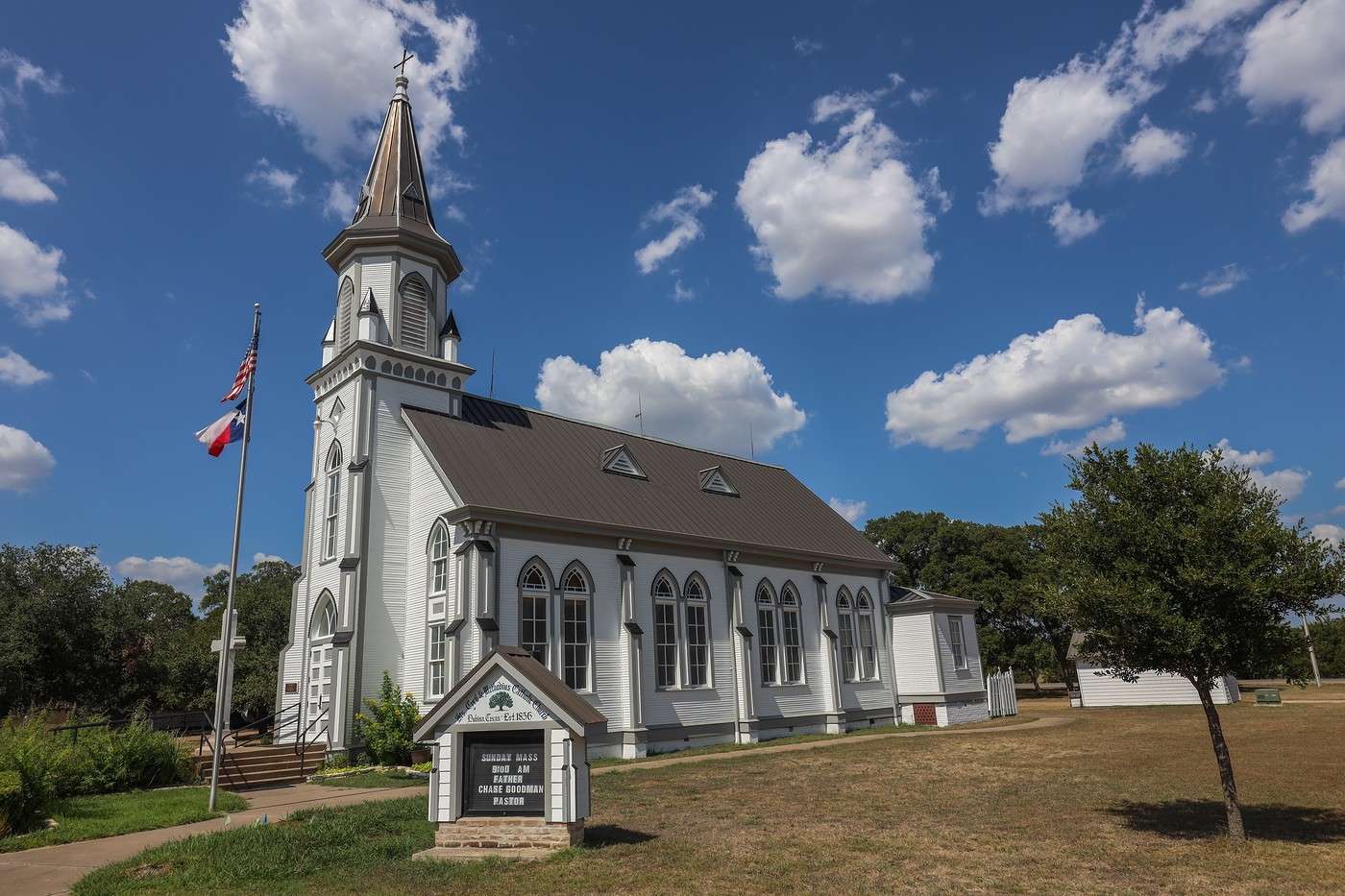
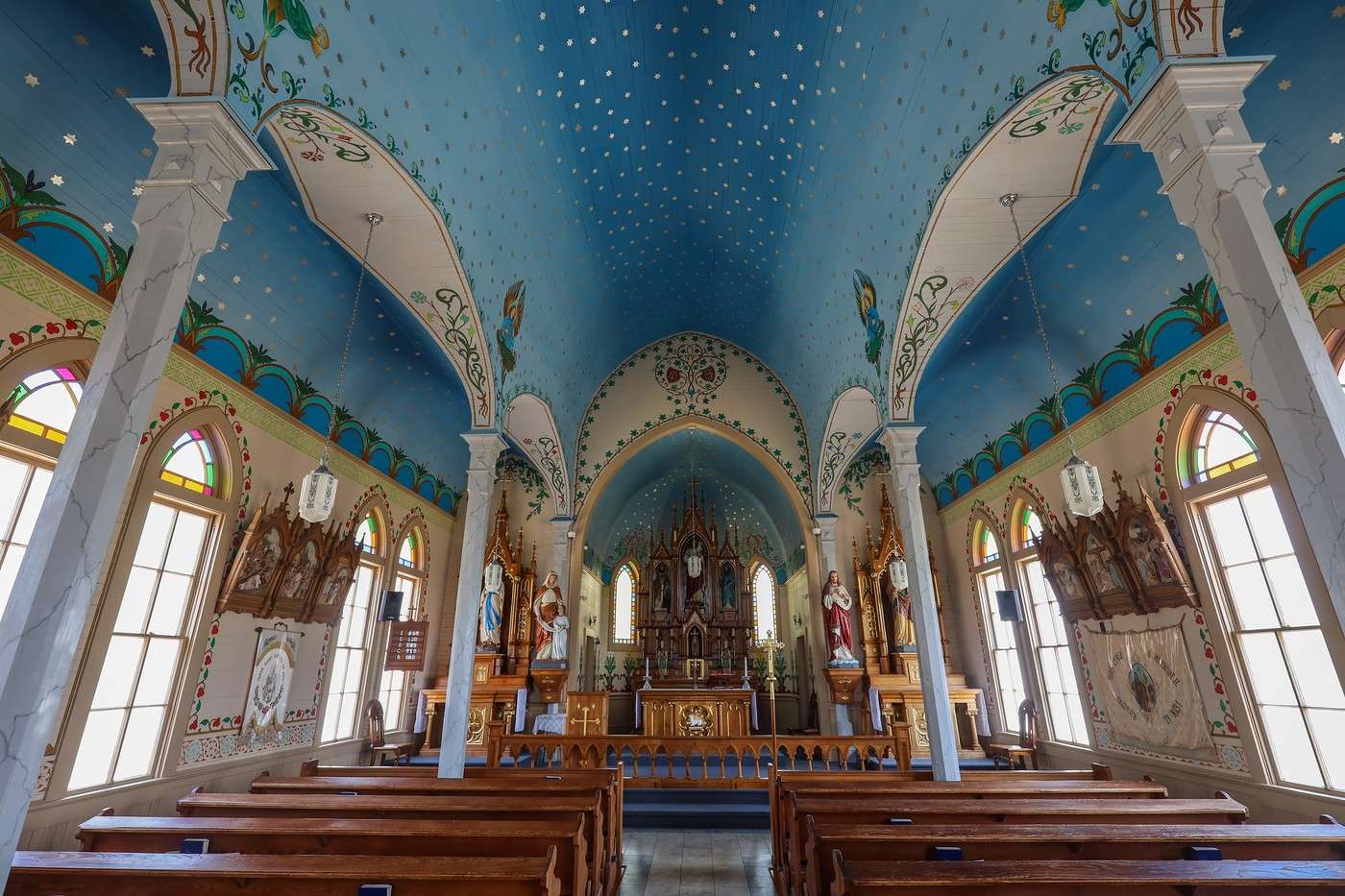
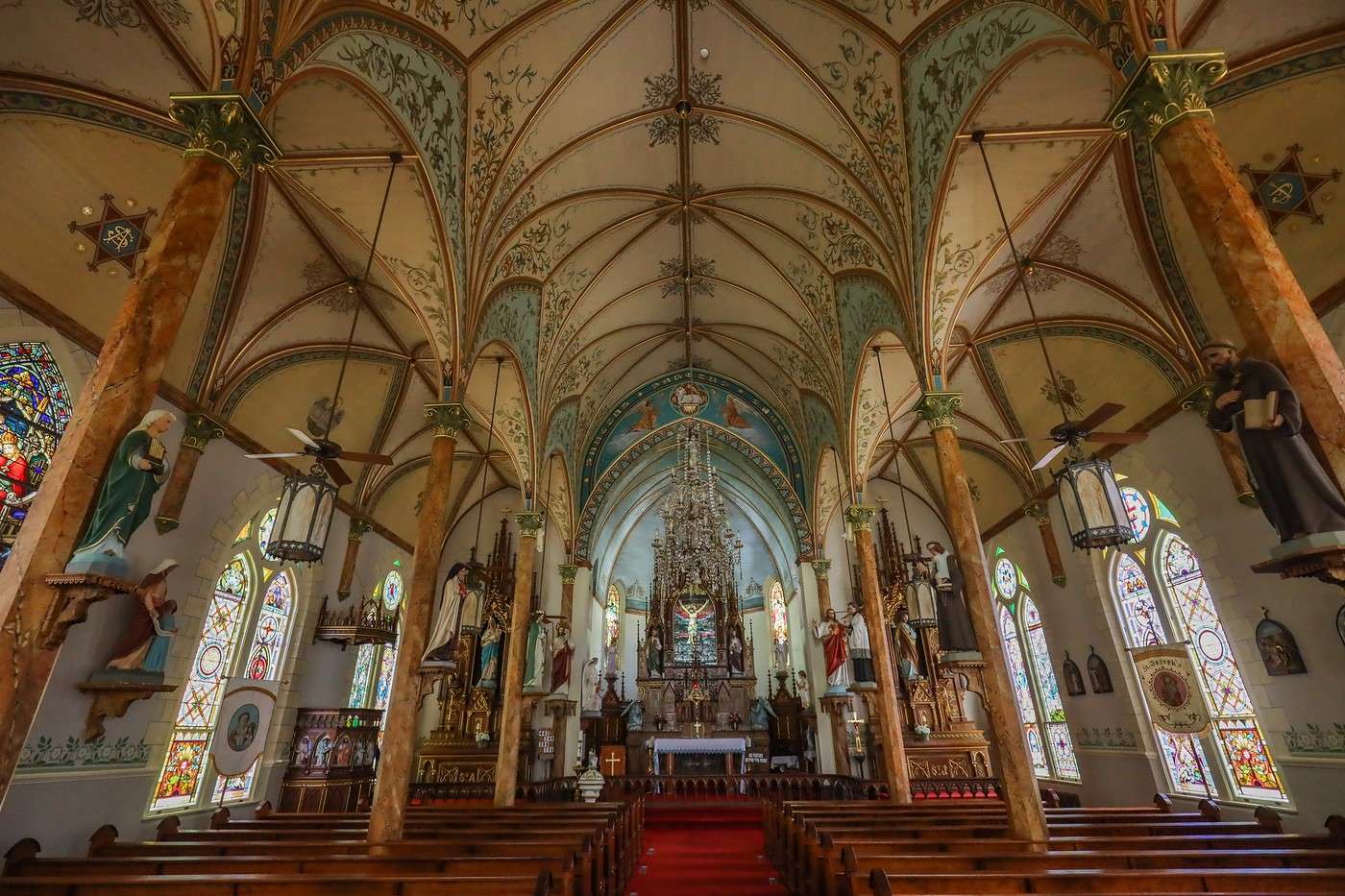
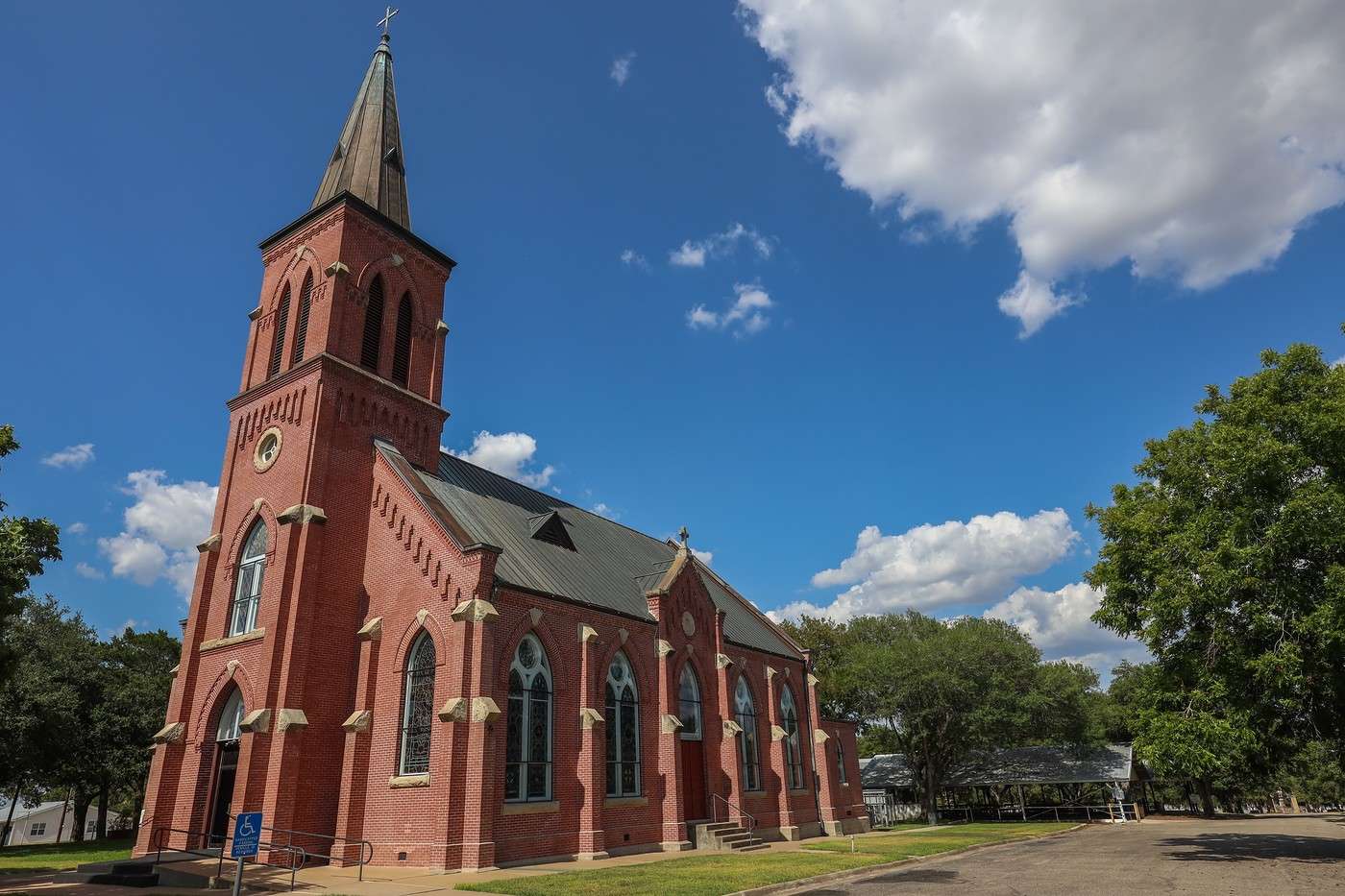
 The second Painted Church is St. Mary Roman Catholic Church, located in Hugh Hill, in the middle of nowhere!

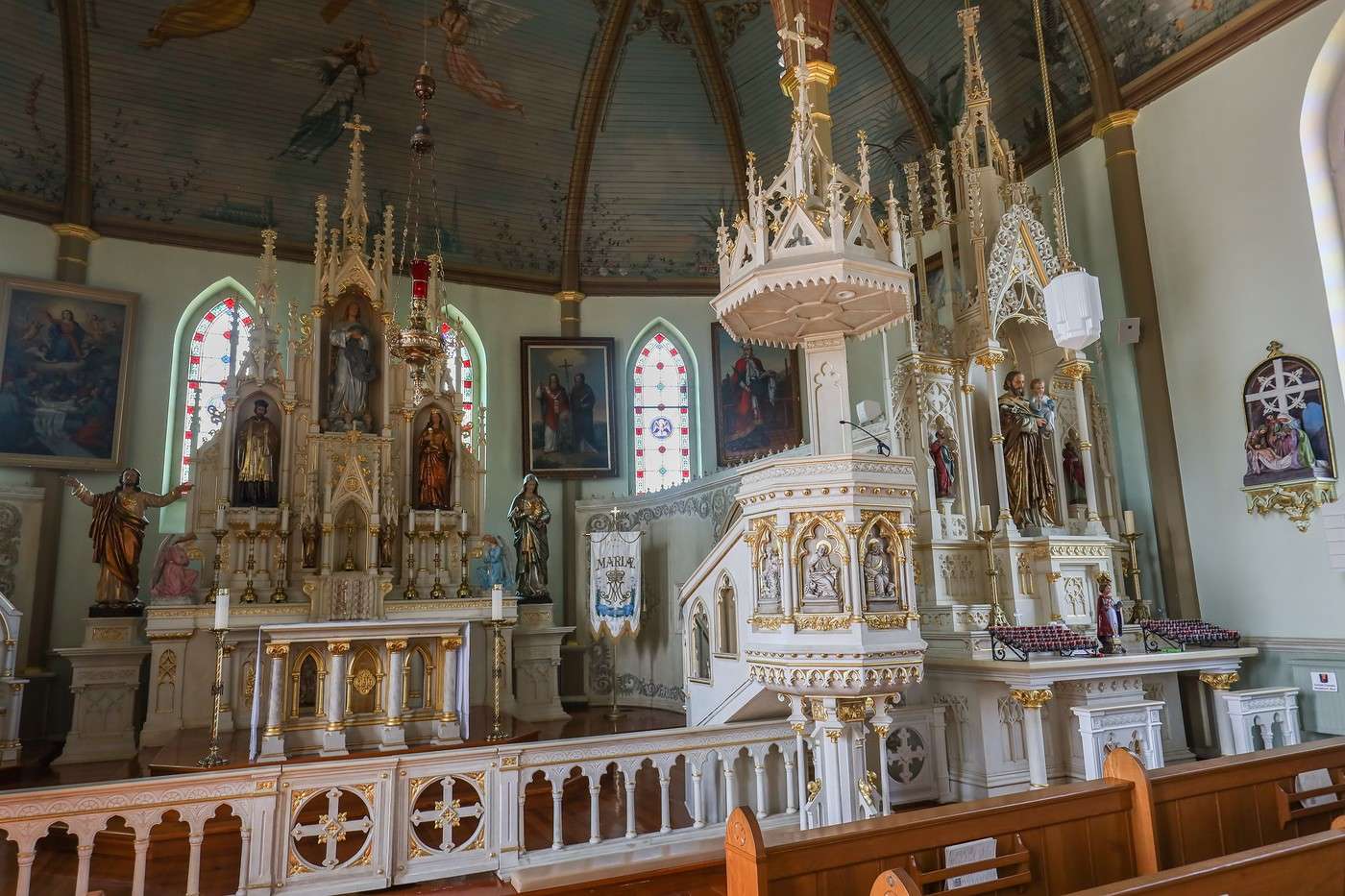
 The last one we visited is the church in Praha. The ceiling is less elaborate than those of the previous churches, but it’s still beautifully painted.
The altar and the pulpit really catch your eye...
 After these unique visits—unknown to paper guidebooks—we stopped at Walmart to grab dinner, then arrived at our 5-room house, the most spacious of the trip, located in the eastern suburbs of San Antonio.
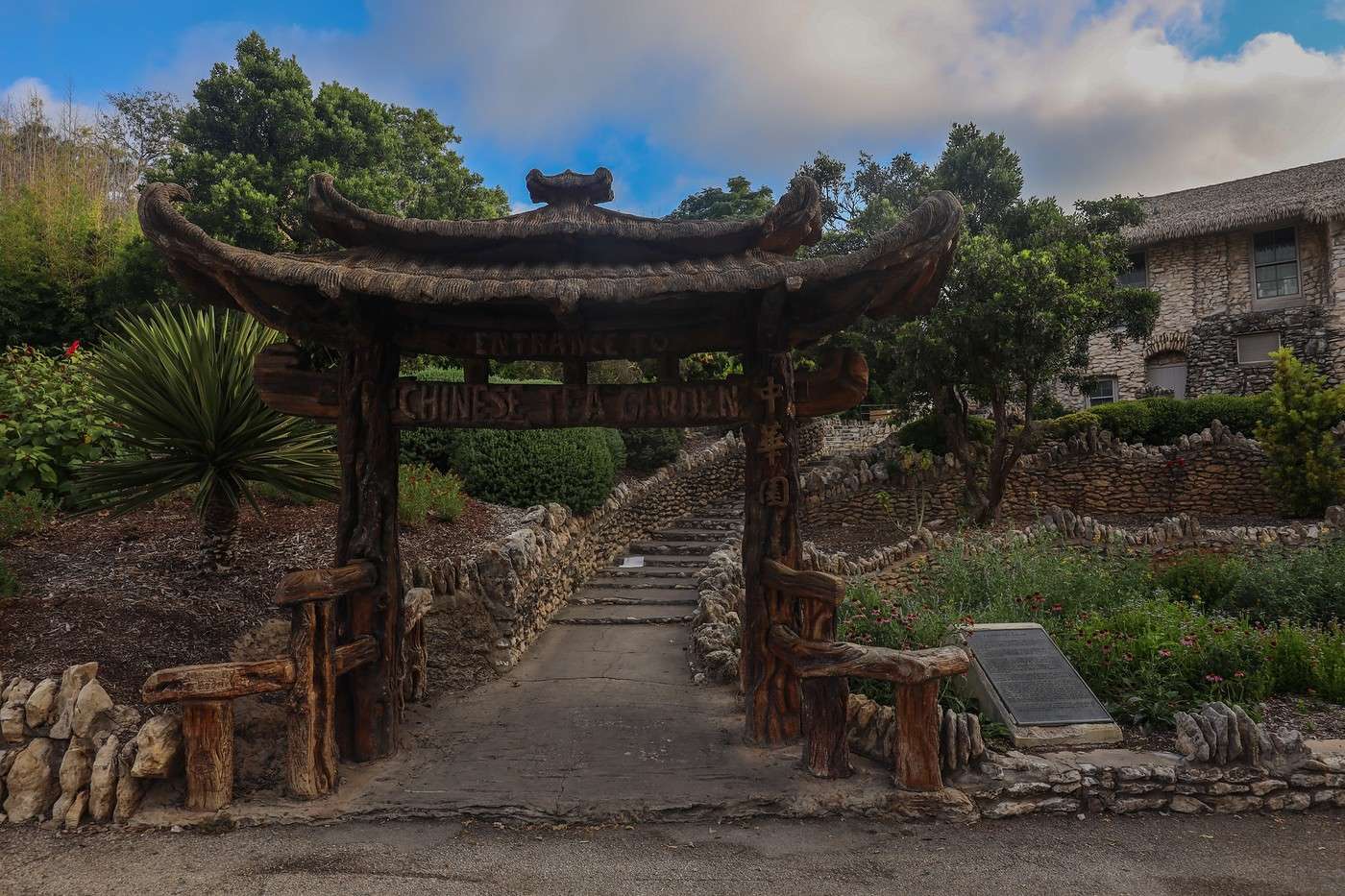
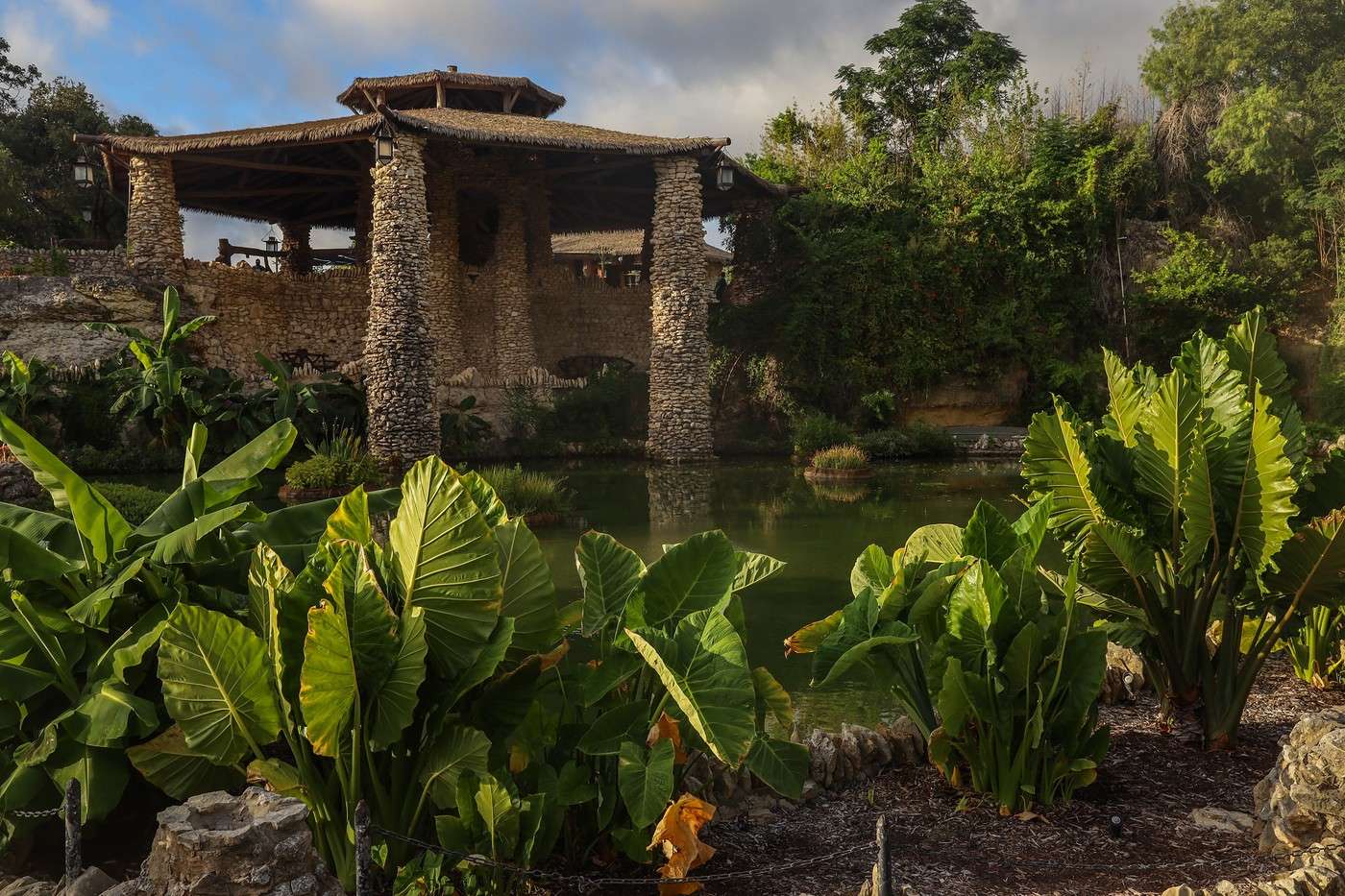
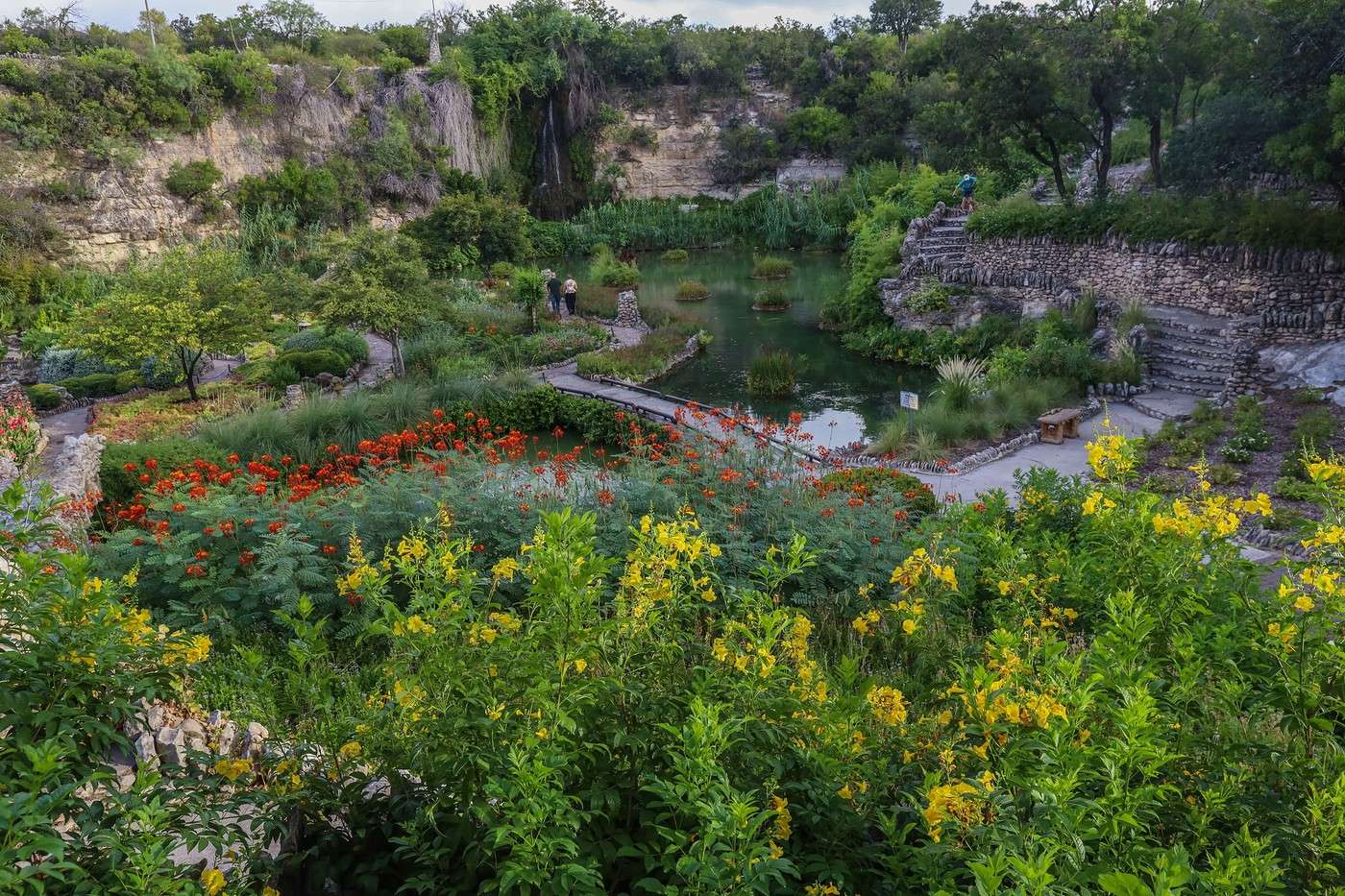
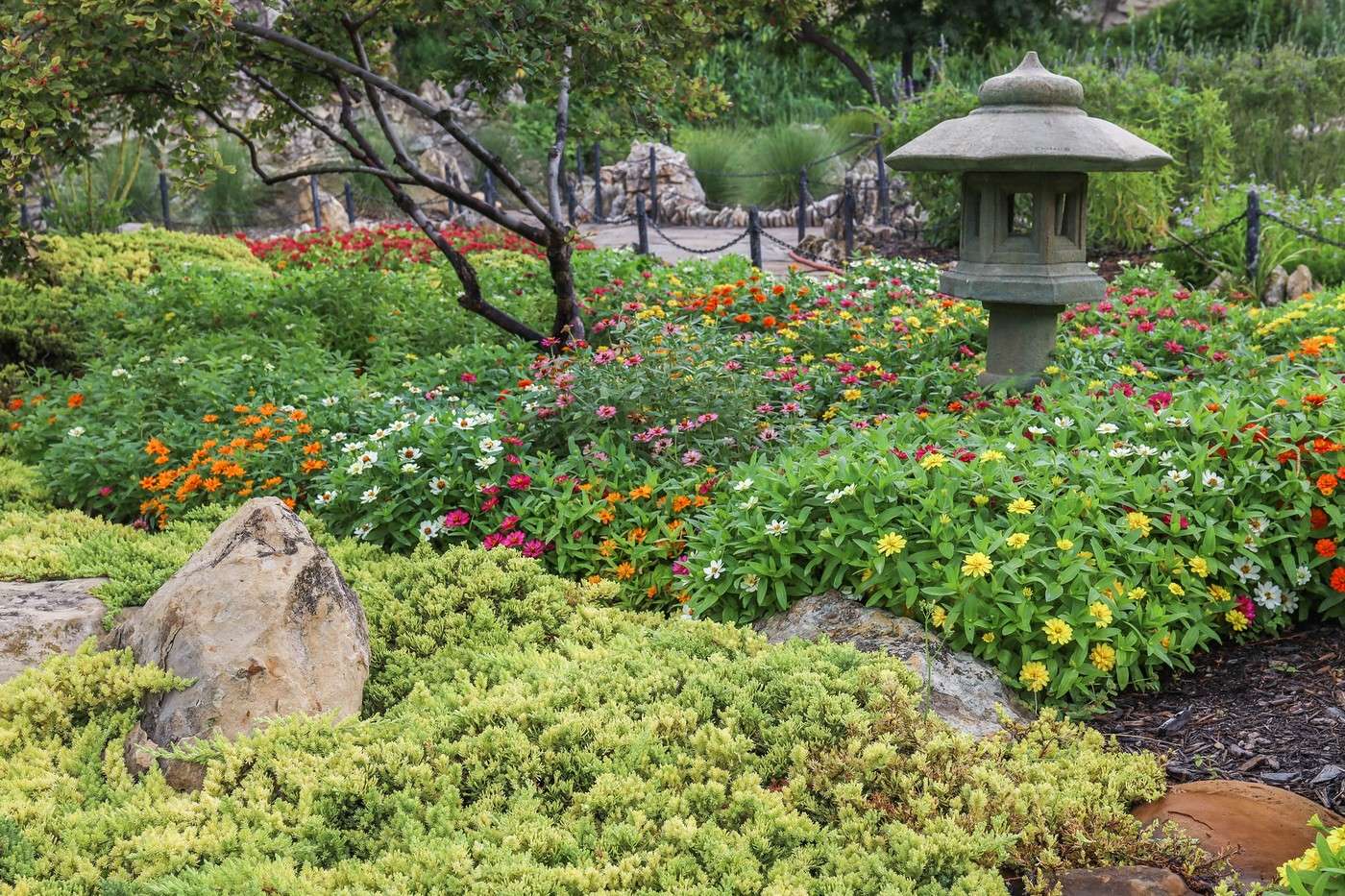
 Even though the garden isn’t very large, the view from the upper section is stunning!
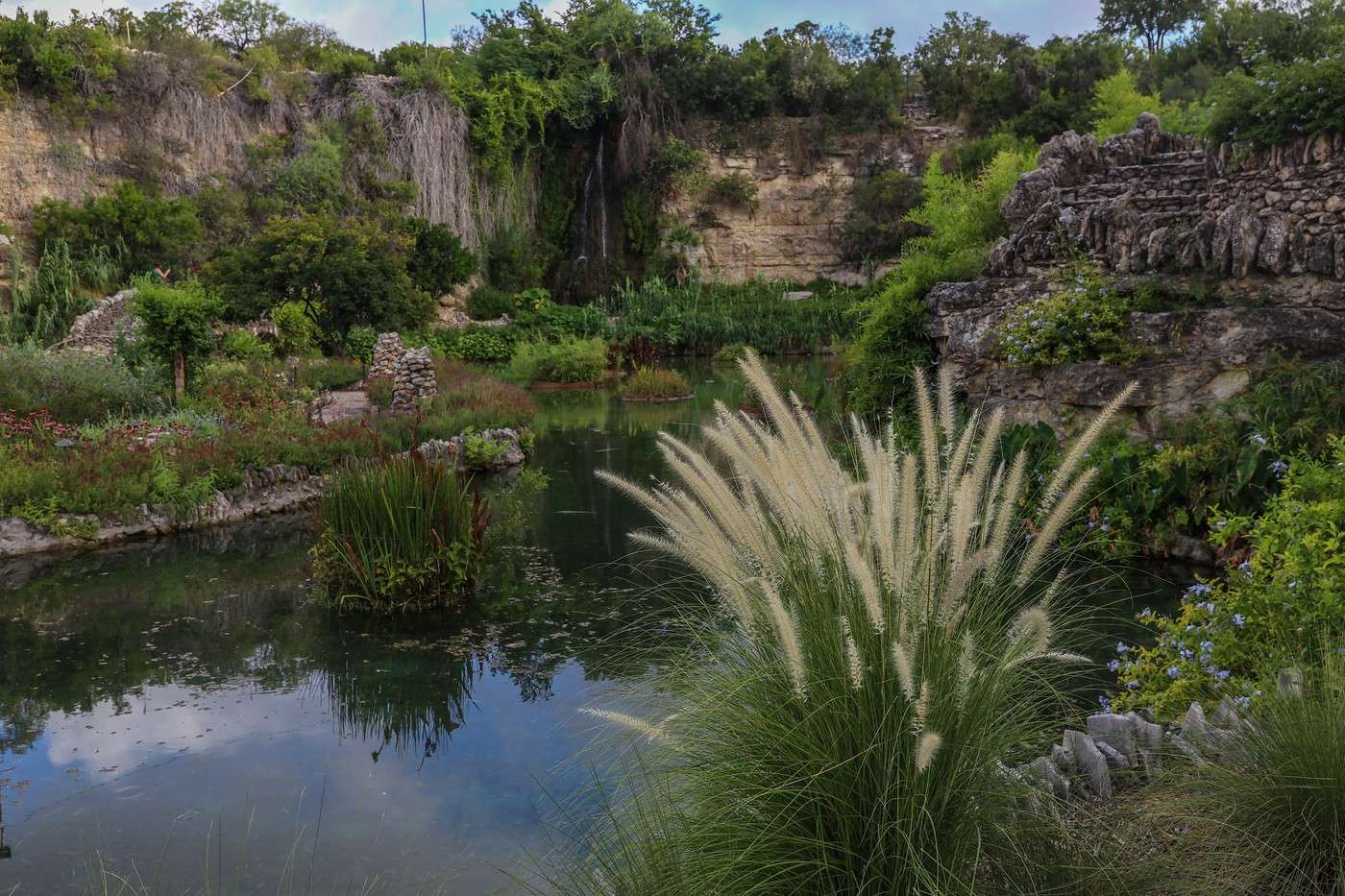
 Strolling along the paths, the scenery and atmosphere shift with each turn. Several small islands are set up in the heart of the water basin.

 It’s not the best season for blooms, but the wide variety of plants still offers plenty of colorful landscapes.
 Next, we head downtown and easily find all-day parking near the hyper-center.
 We’re tempted to climb to the top of the Tower Life Building, but the security guard tells us it’s private property.
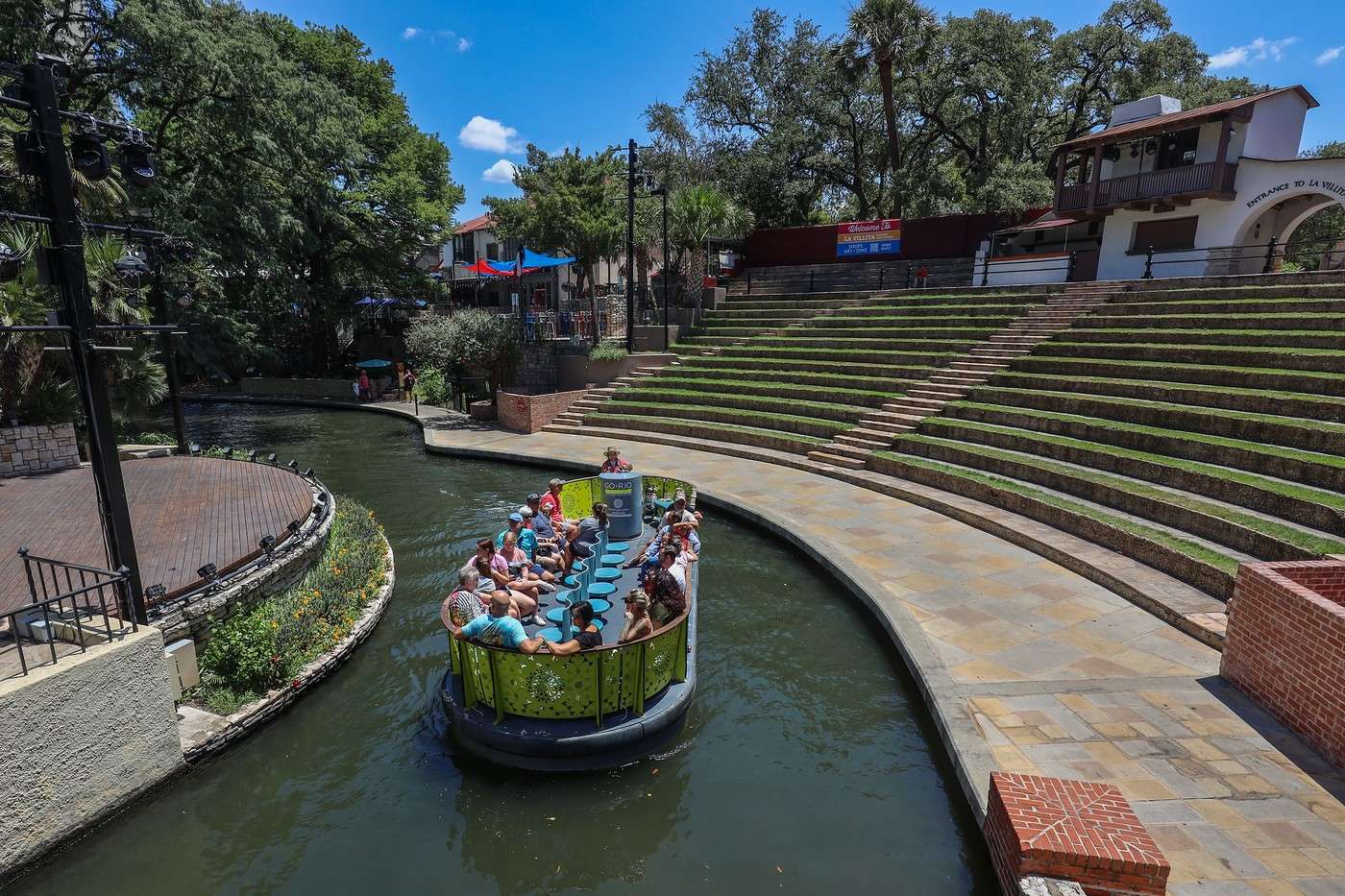
 Boats are already offering guided tours of the canals, showcasing historic, cultural, and commercial buildings from a different angle. Listening to the guide, we realize we don’t understand a word—he’s not making any effort to speak slowly or clearly. Then again, most passengers are Americans, not foreign tourists.
 Some boats are cruising nearly empty.
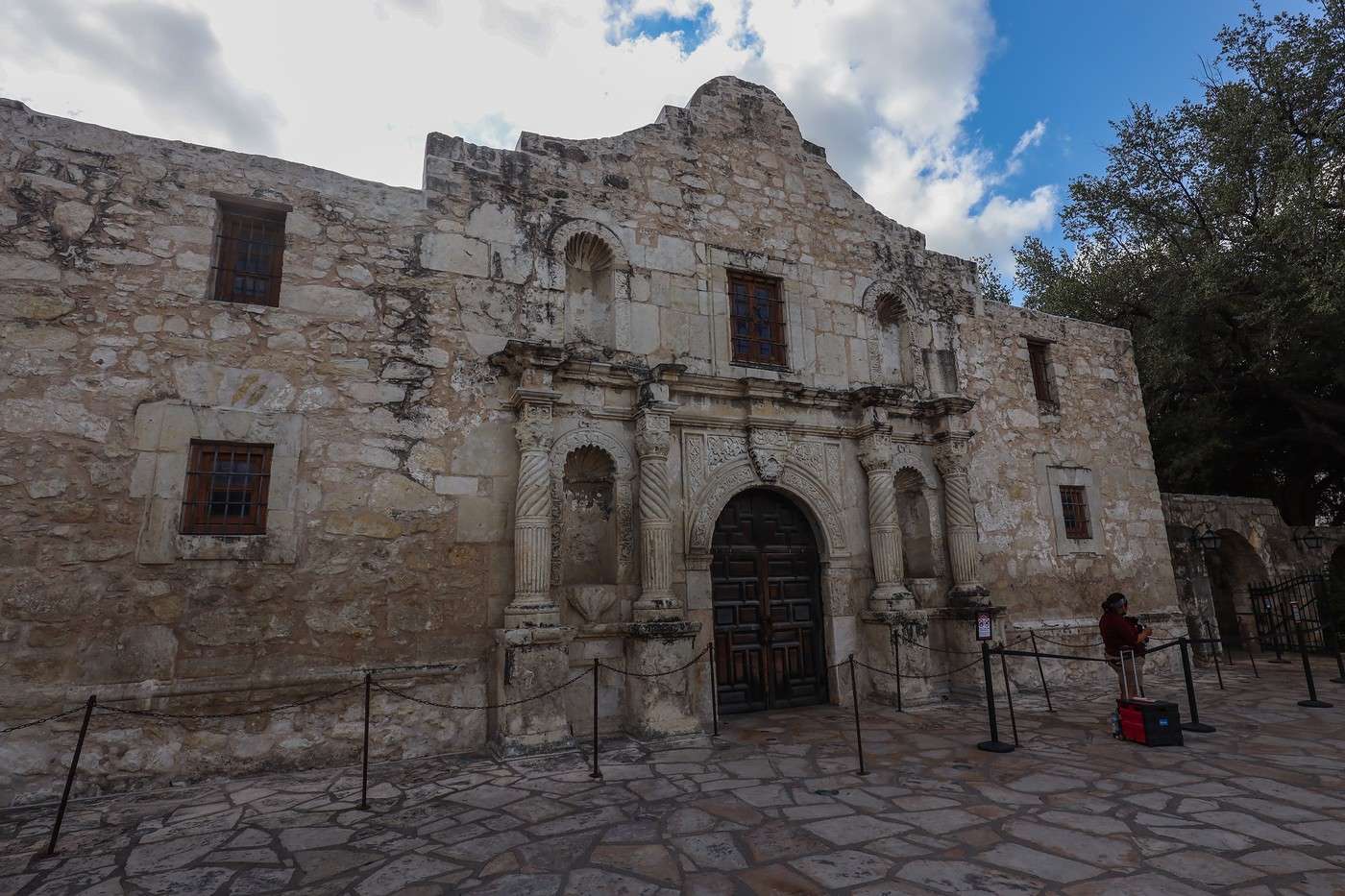
After walking a few hundred meters, we come across the Alamo, Texas’s most famous monument and one of the most photographed sites in the U.S. This former Spanish mission is known for the brutal 1836 siege, when Mexican troops launched thousands of soldiers against the fort, then held by nearly 200 Texan rebels, including the legendary Davy Crockett. All were killed, but during the siege, Texas won its freedom and declared independence.
 The site is mainly symbolic, representing the courage of Texas’s defenders, as the inside of the building is quite plain and not particularly interesting. In the gift shop, the battle cry "Remember The Alamo!" is everywhere.

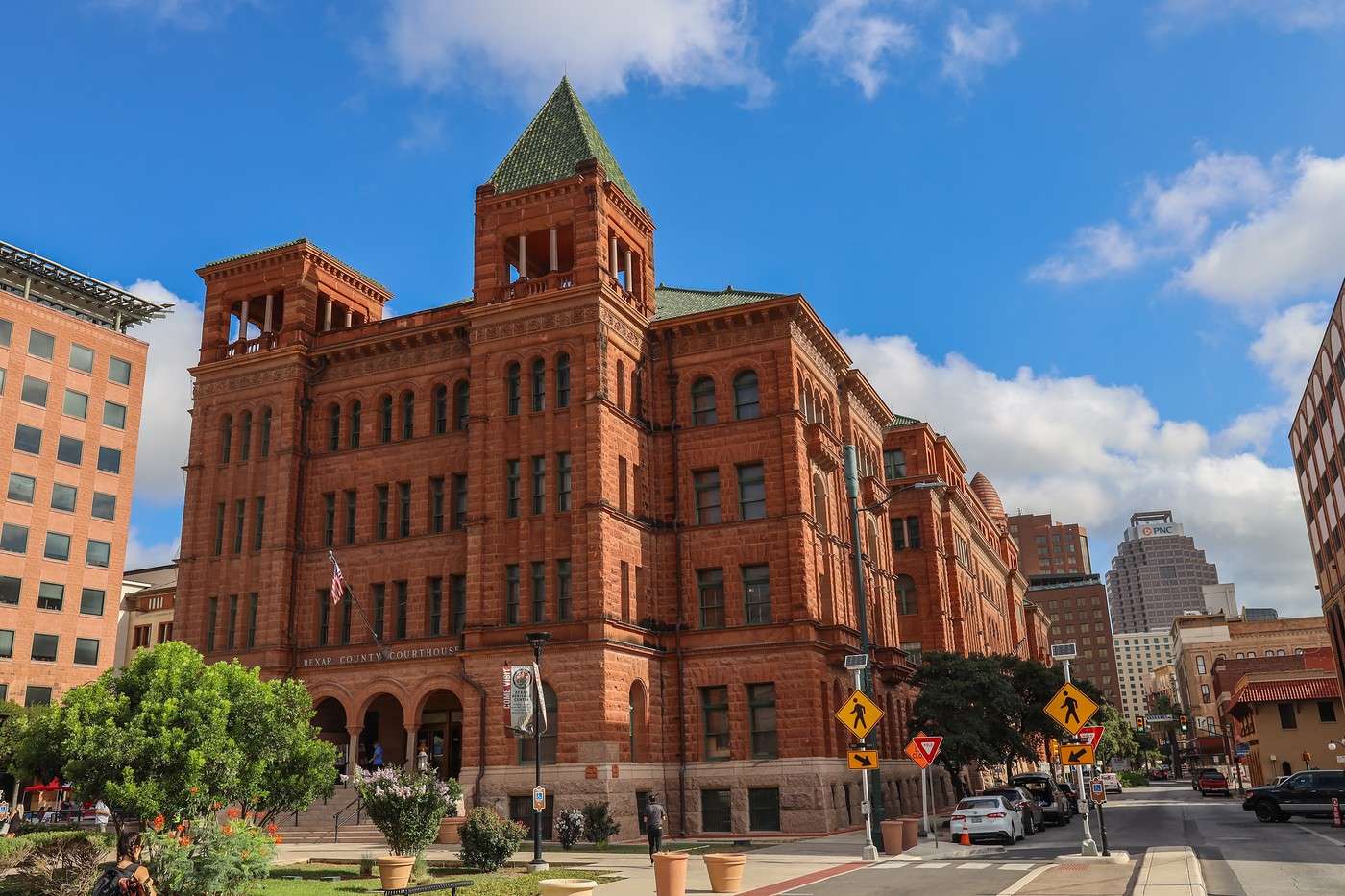
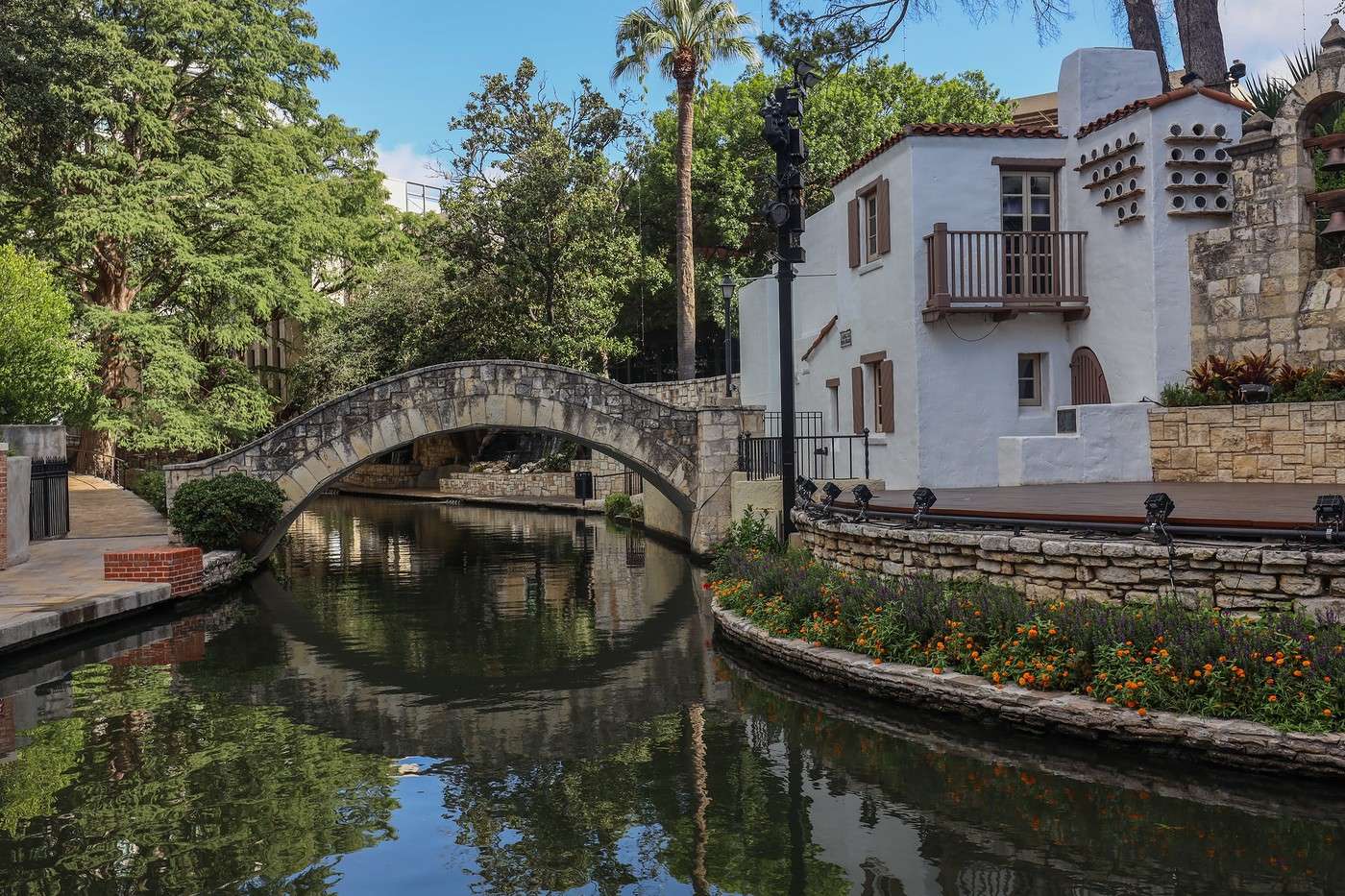
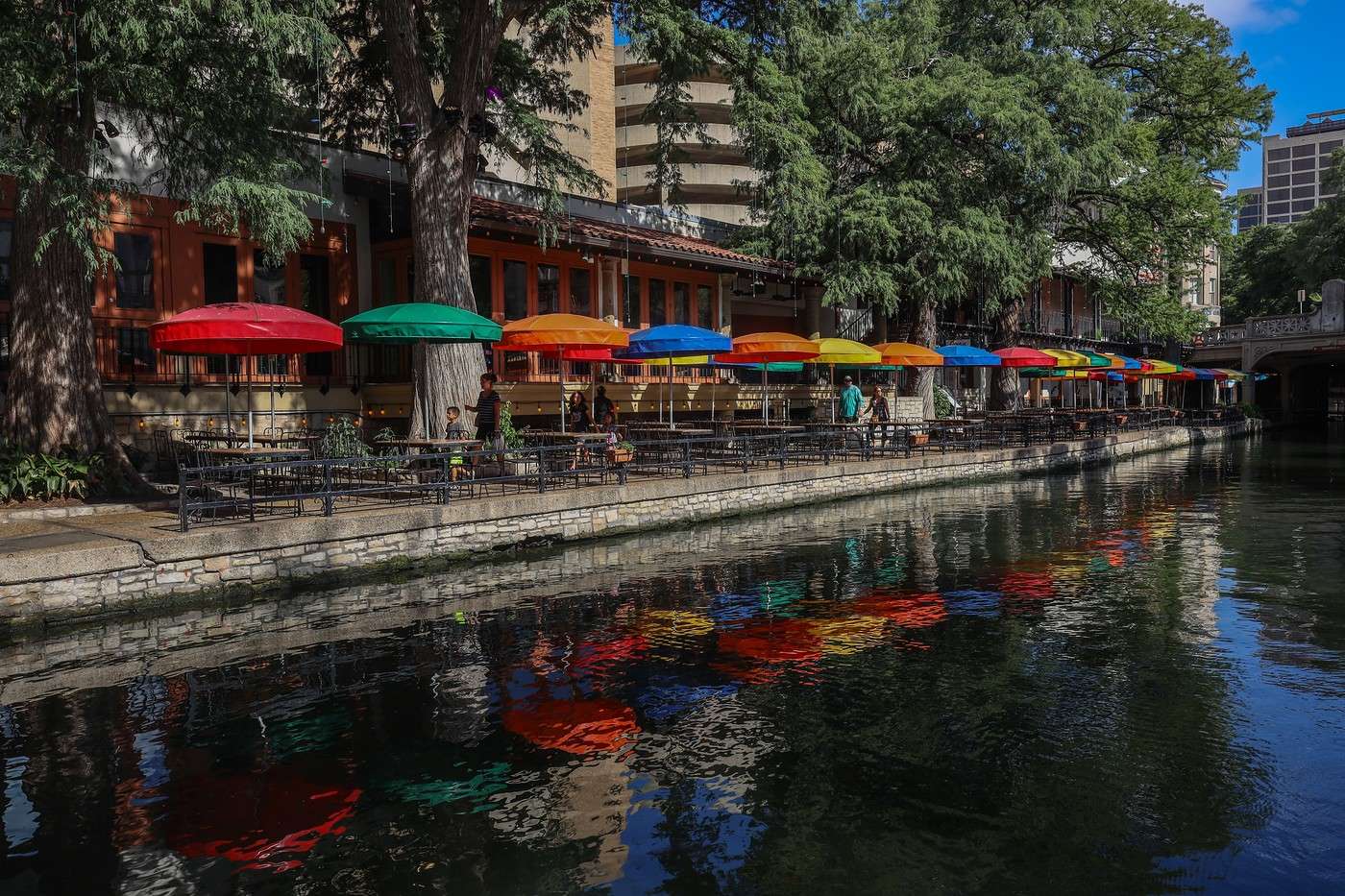
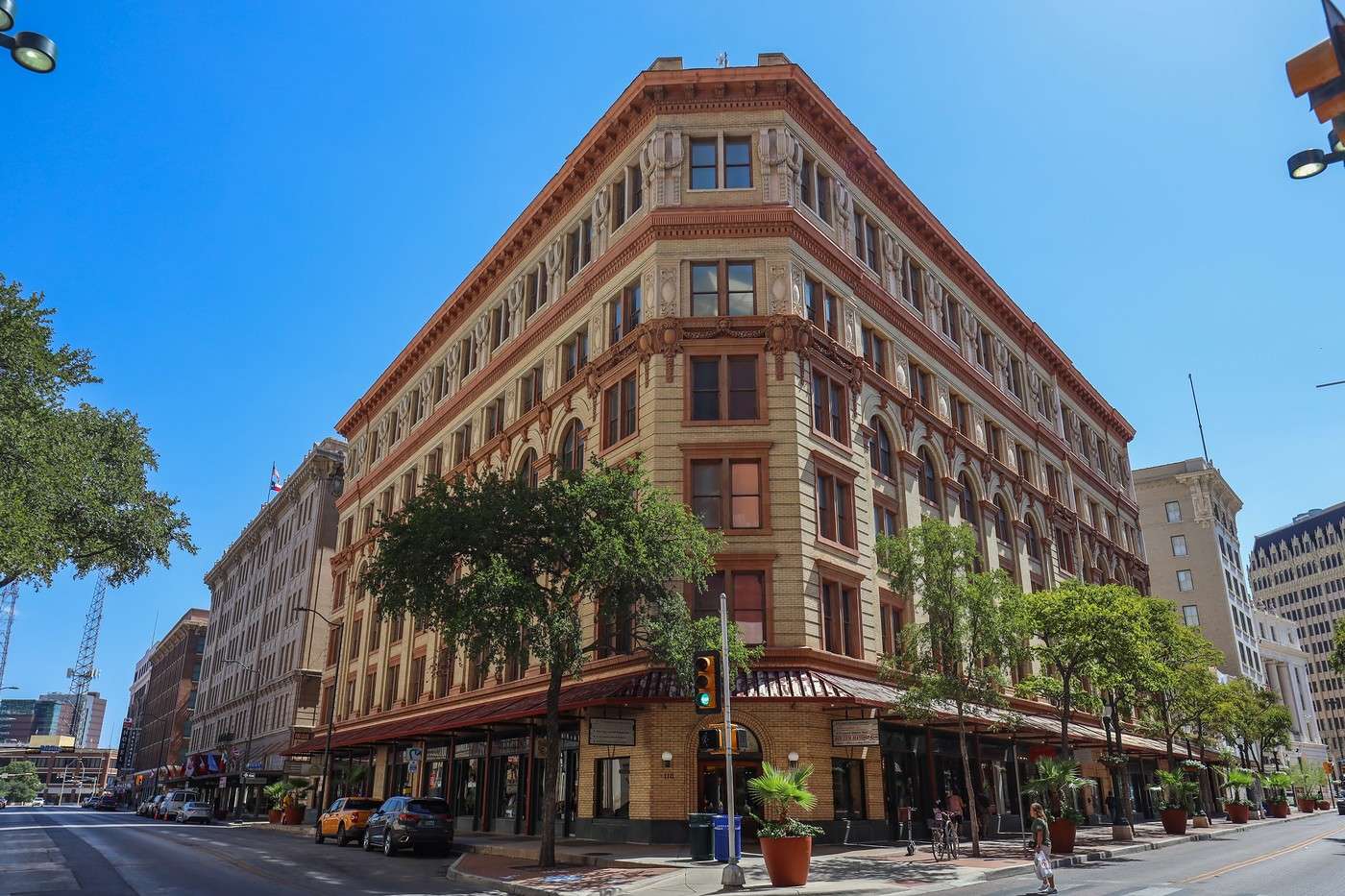

 After another short stroll along the Riverwalk, we visit San Antonio Cathedral, where we stay for quite a while—more to enjoy the refreshing AC than to pray, I’ll admit!
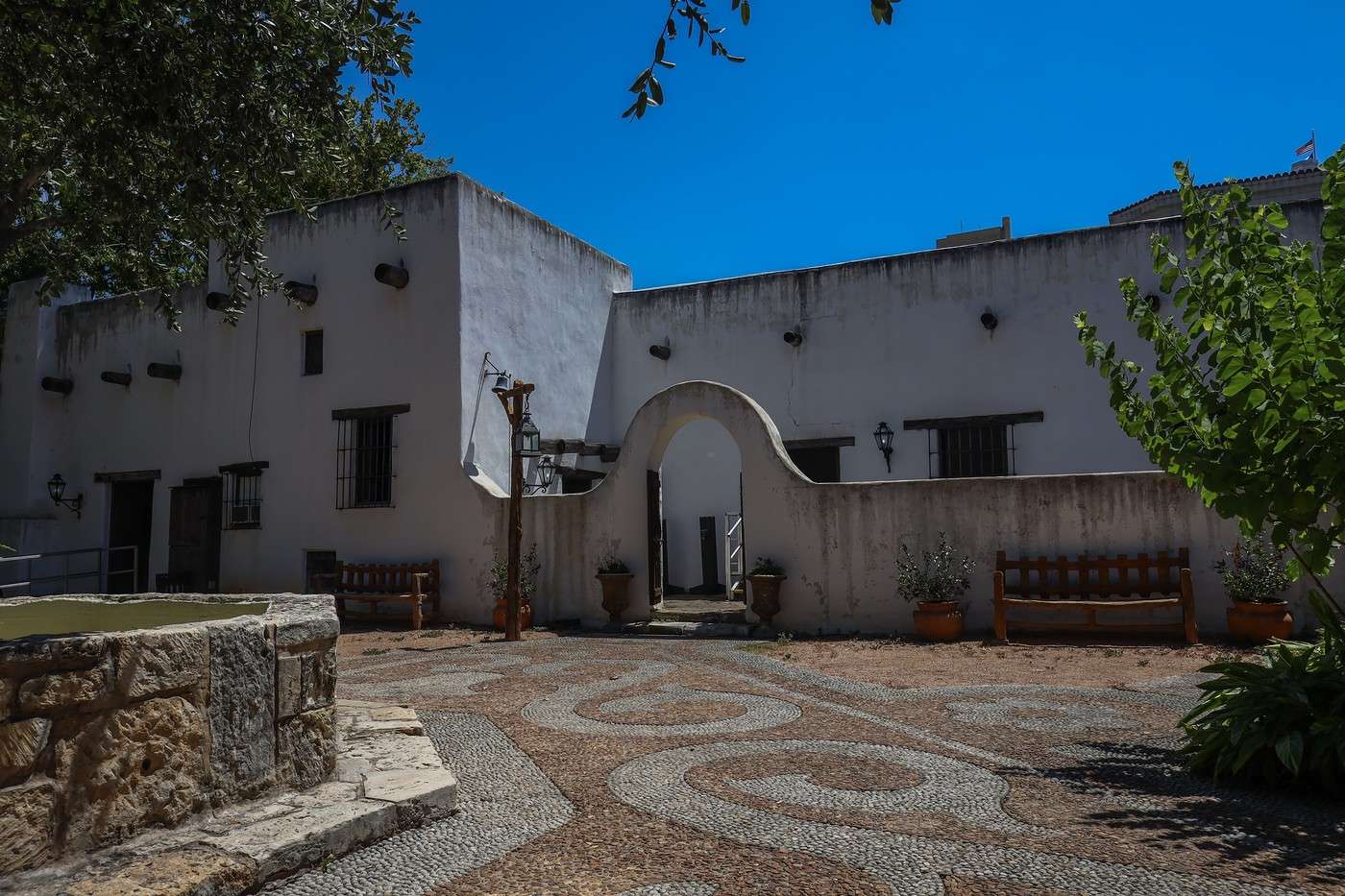
 we arrive at the Spanish Governor's Palace. This historic landmark is the last standing example of a colonial aristocrat’s residence.

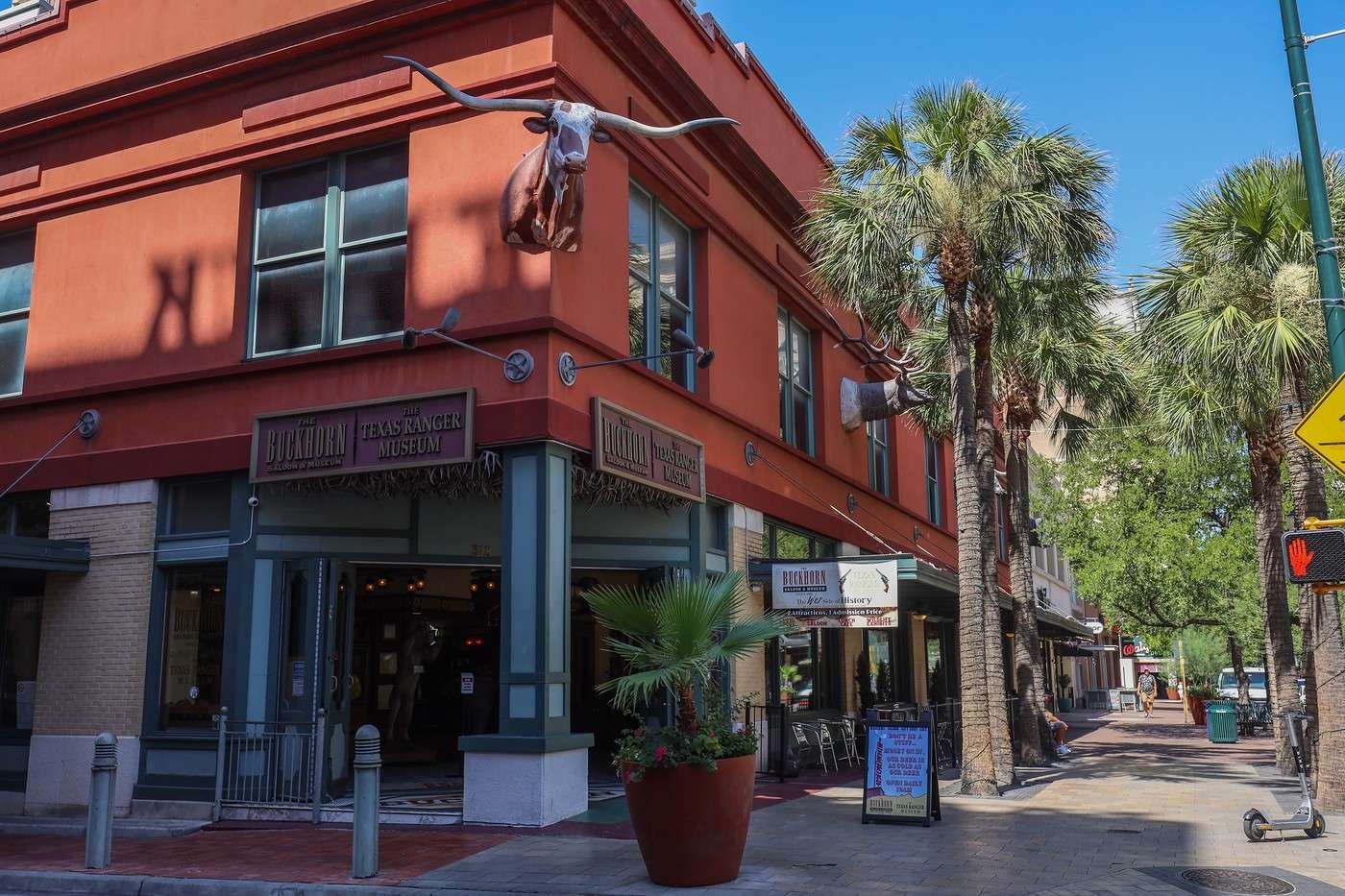
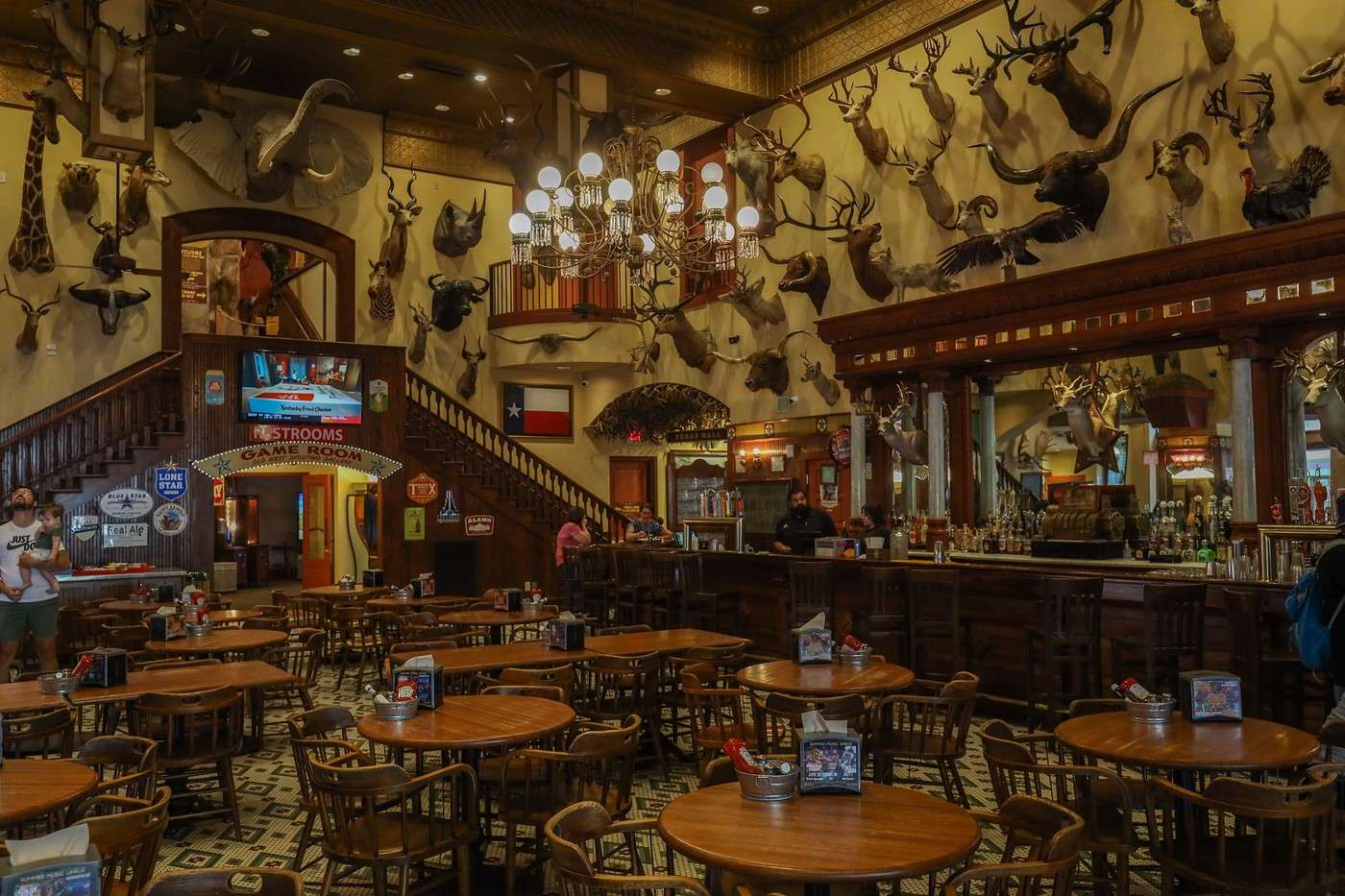
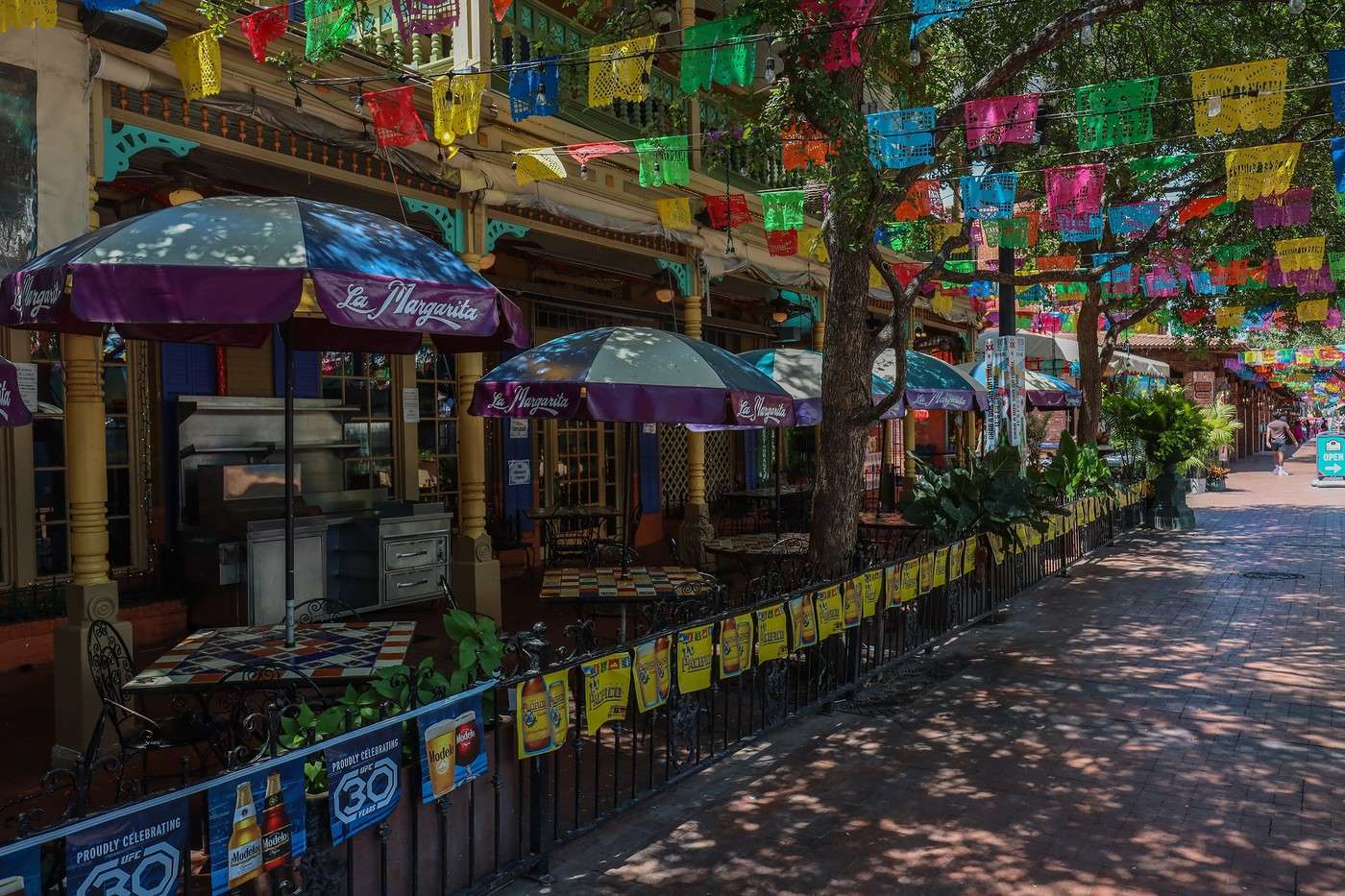
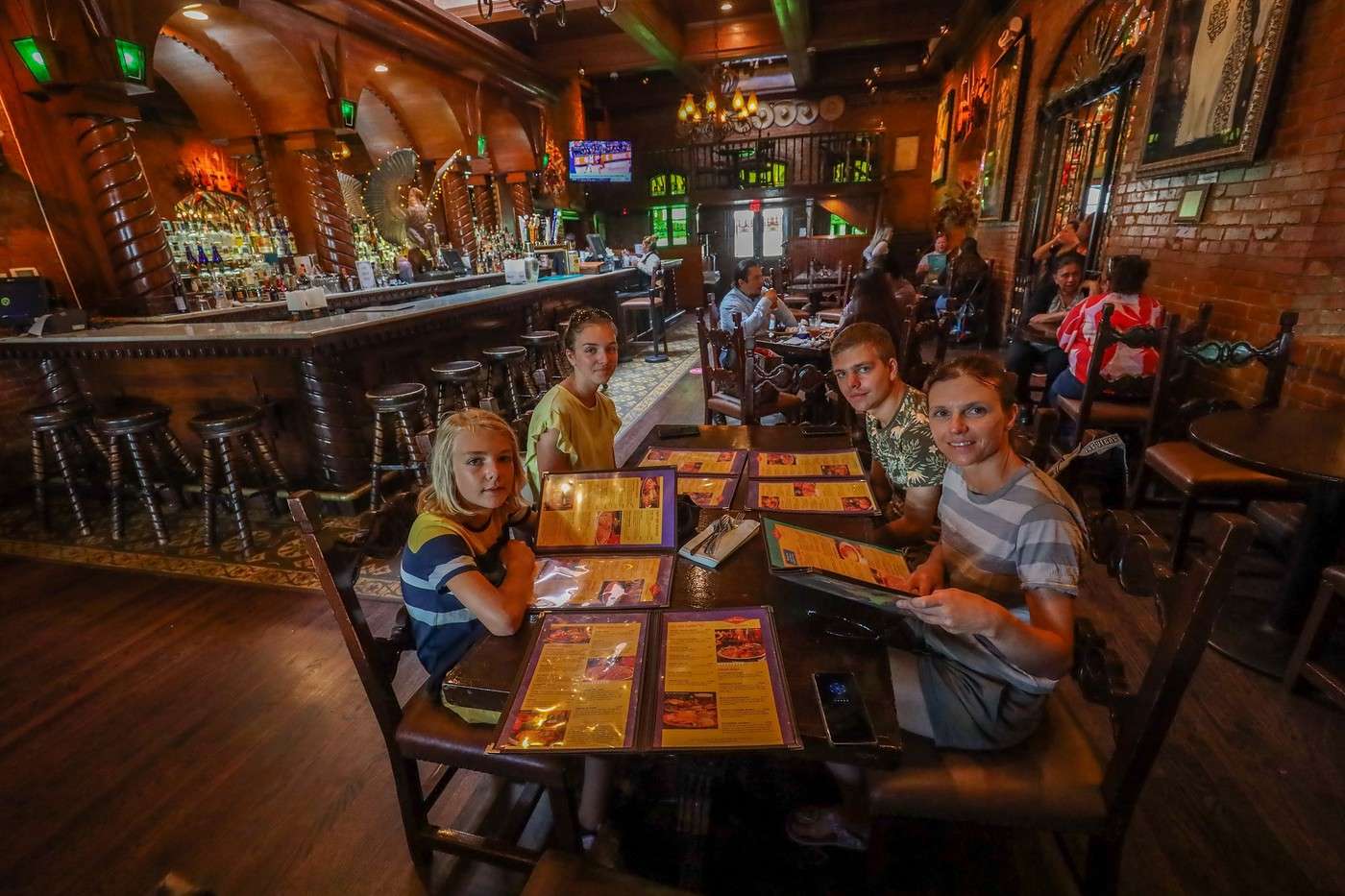
 We find what we’re looking for at Mariachi Bar, right next to the famous Mi Tierra bakery. We love the restaurant’s interior decor, and the food is great.
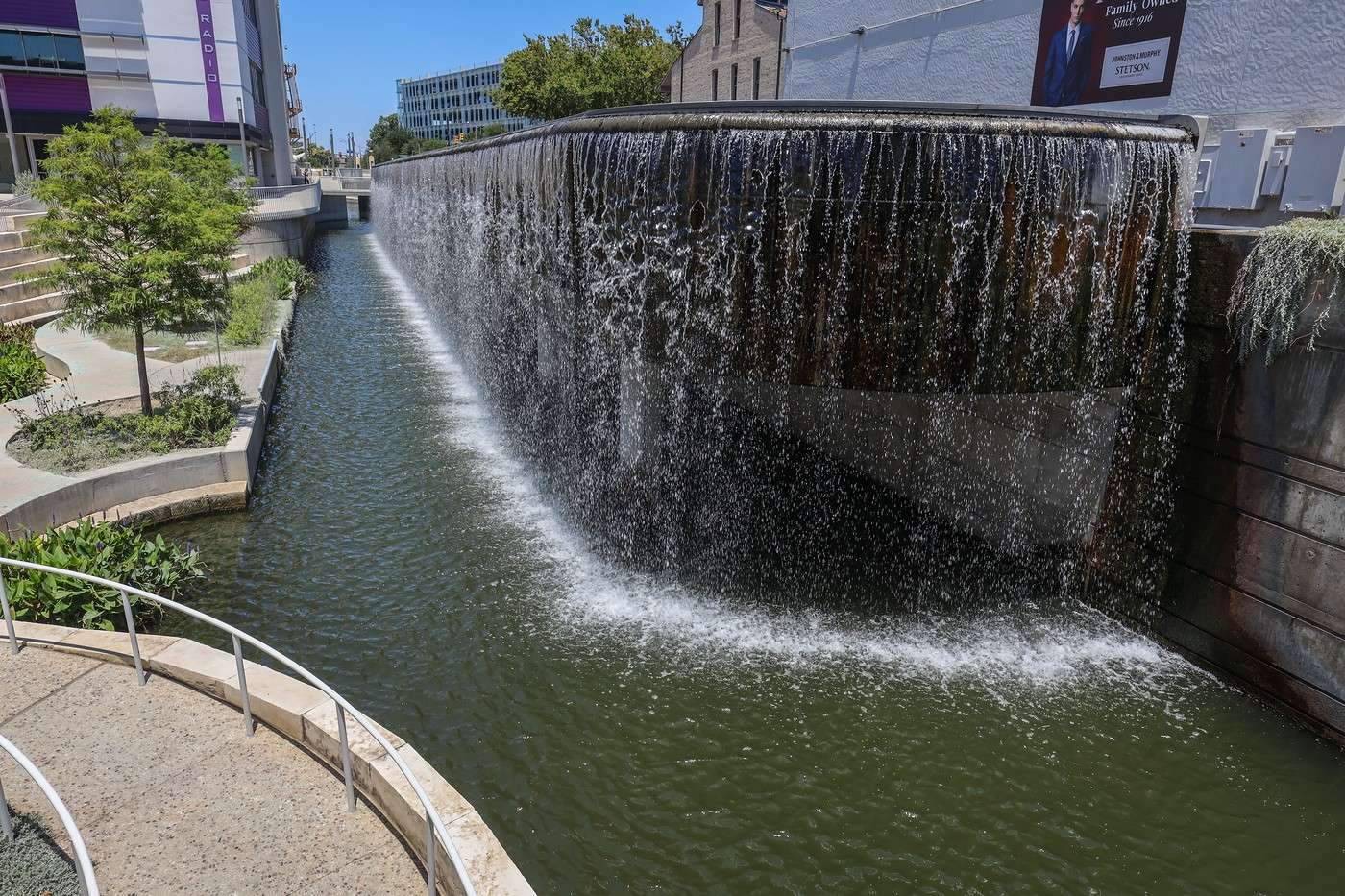
 Our afternoon visits are planned on the outskirts of the city, so we head back to pick up our car, stopping by the Riverwalk again.

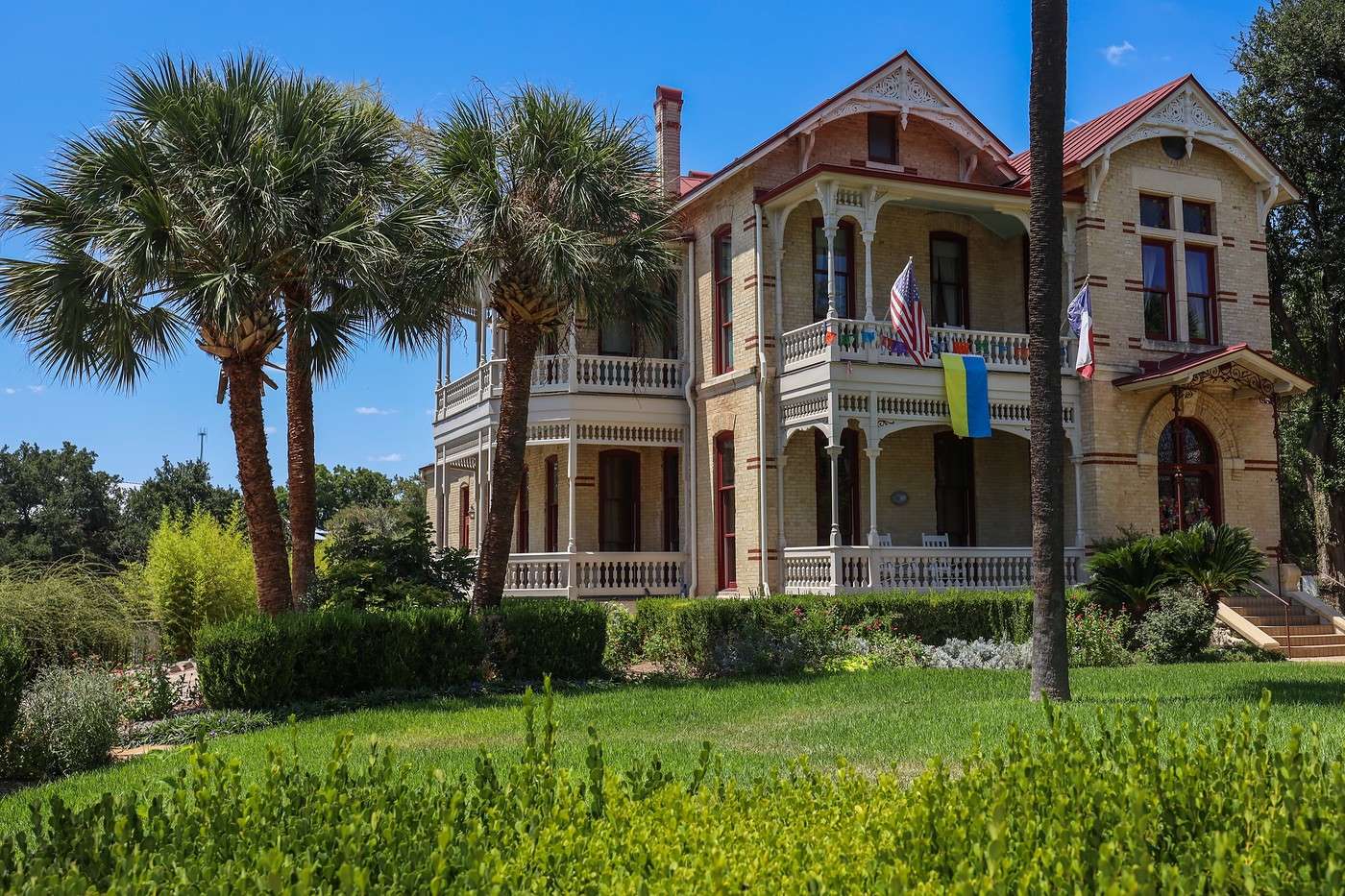
 We then drive to the King William Historic District, hoping to see some beautiful Victorian homes.

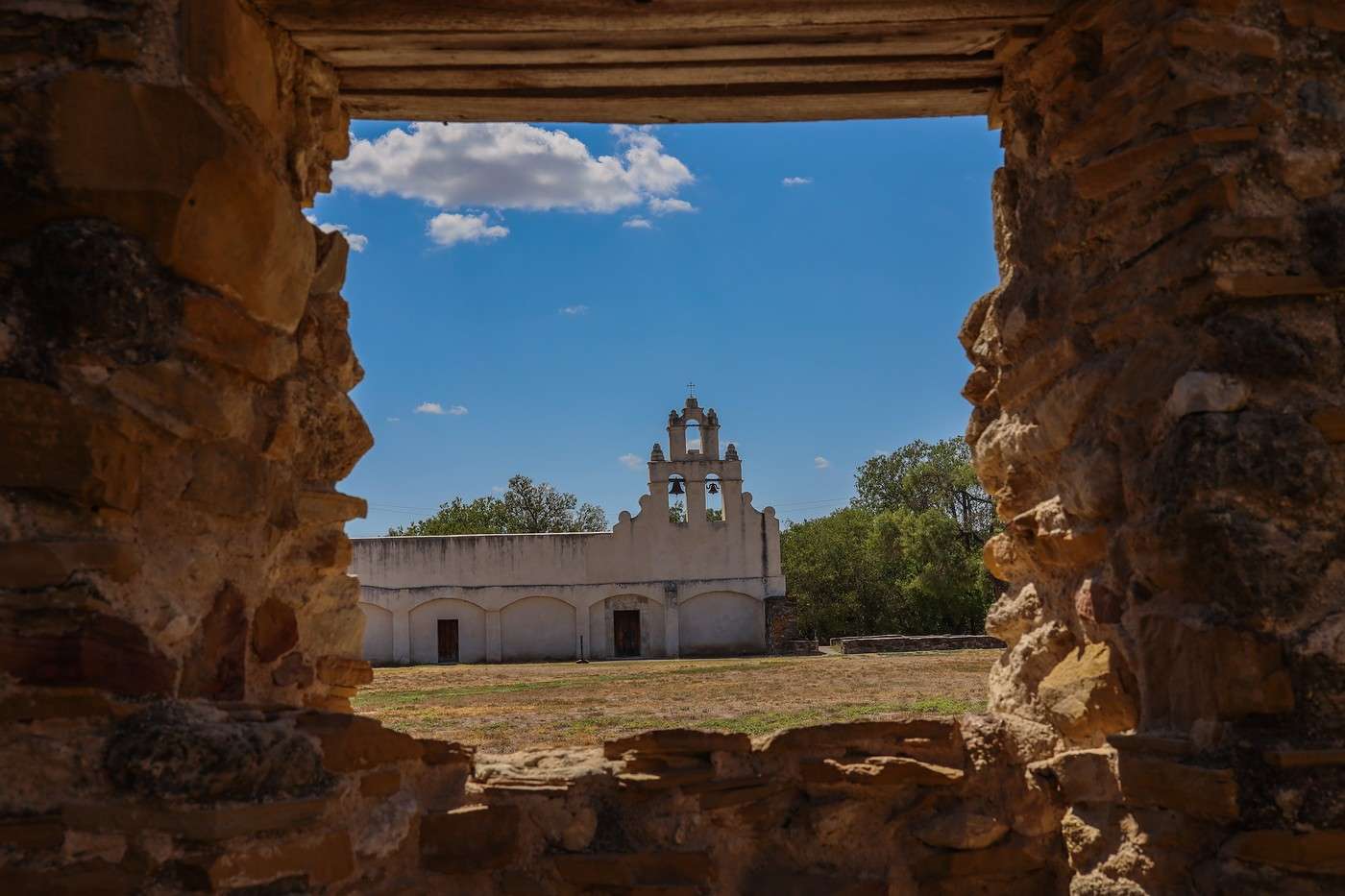
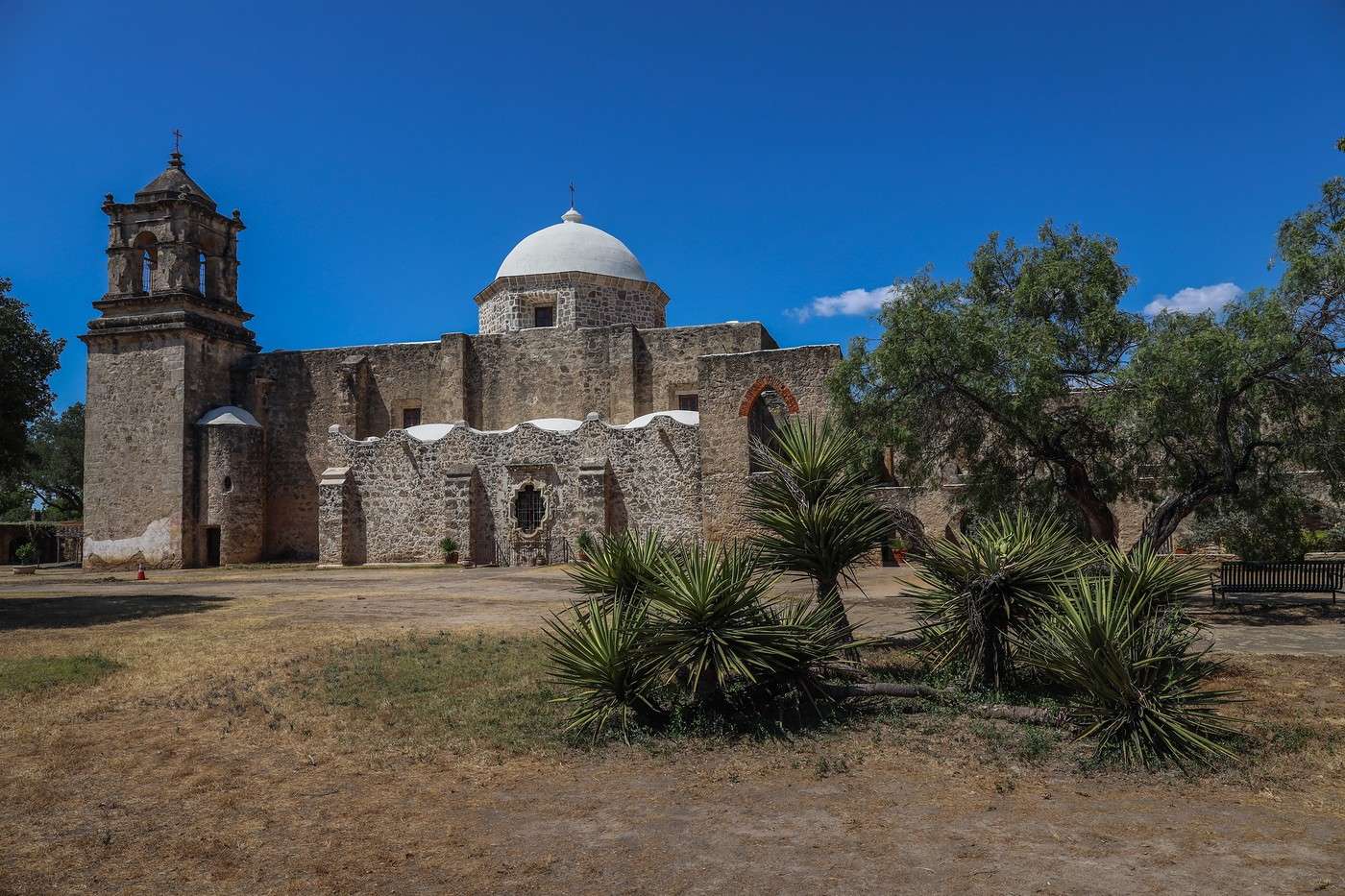
 The second mission is San José, known for being the most beautiful and impressive of the missions!
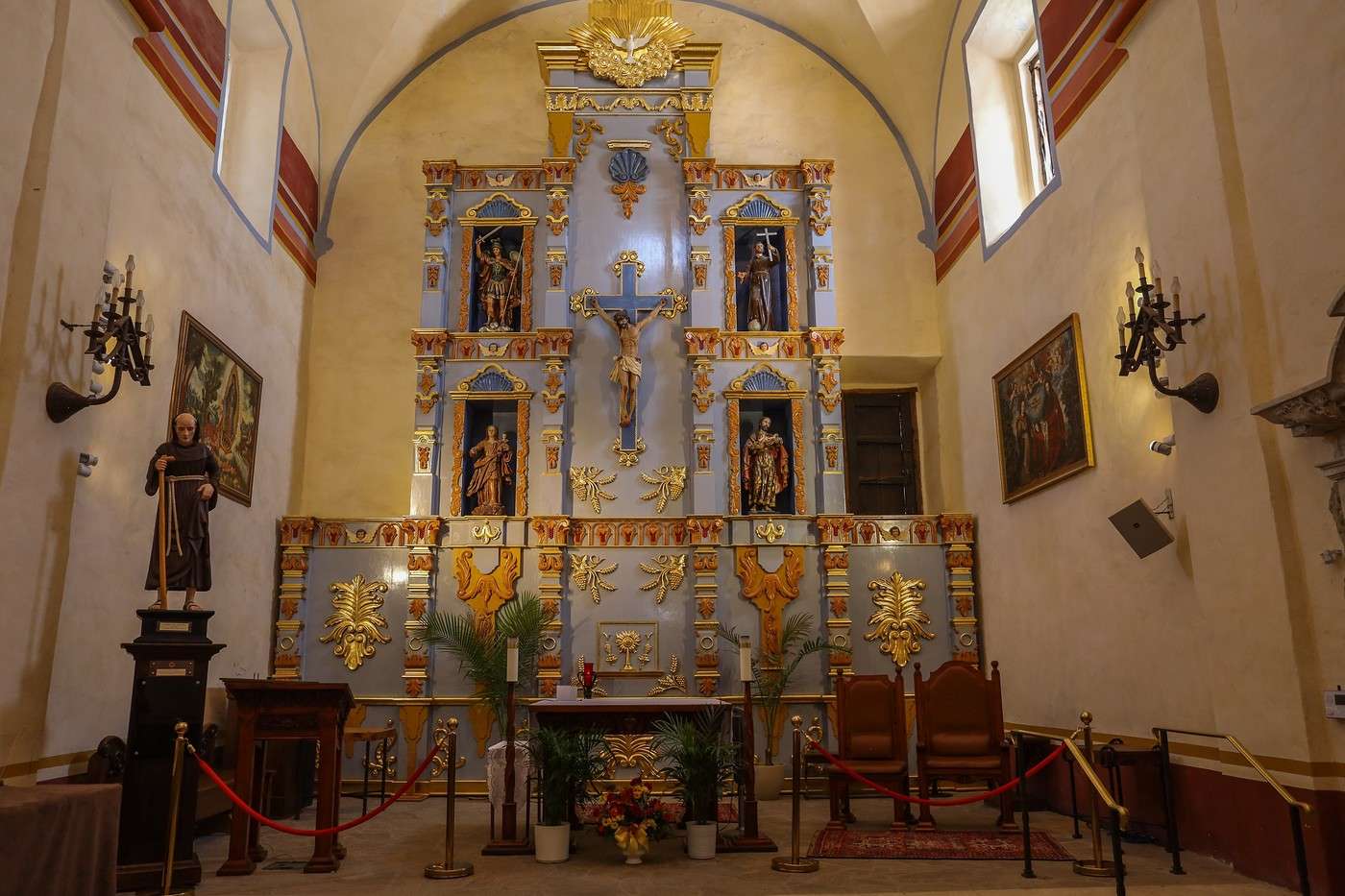
 Inside the church, finely carved stone statues.
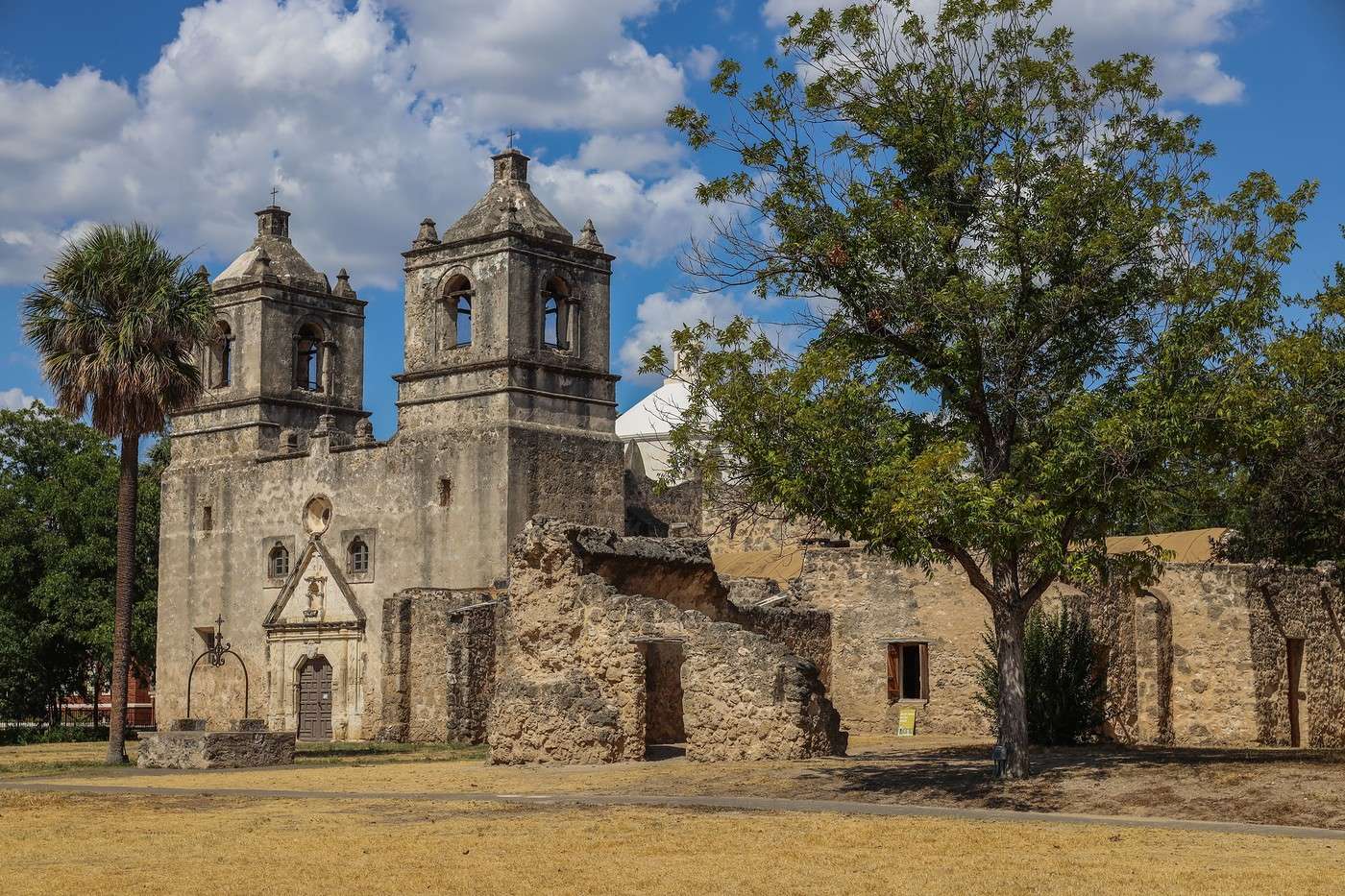
 Finally, Concepción is the oldest mission. Inside the church, a guide explains its history to us.
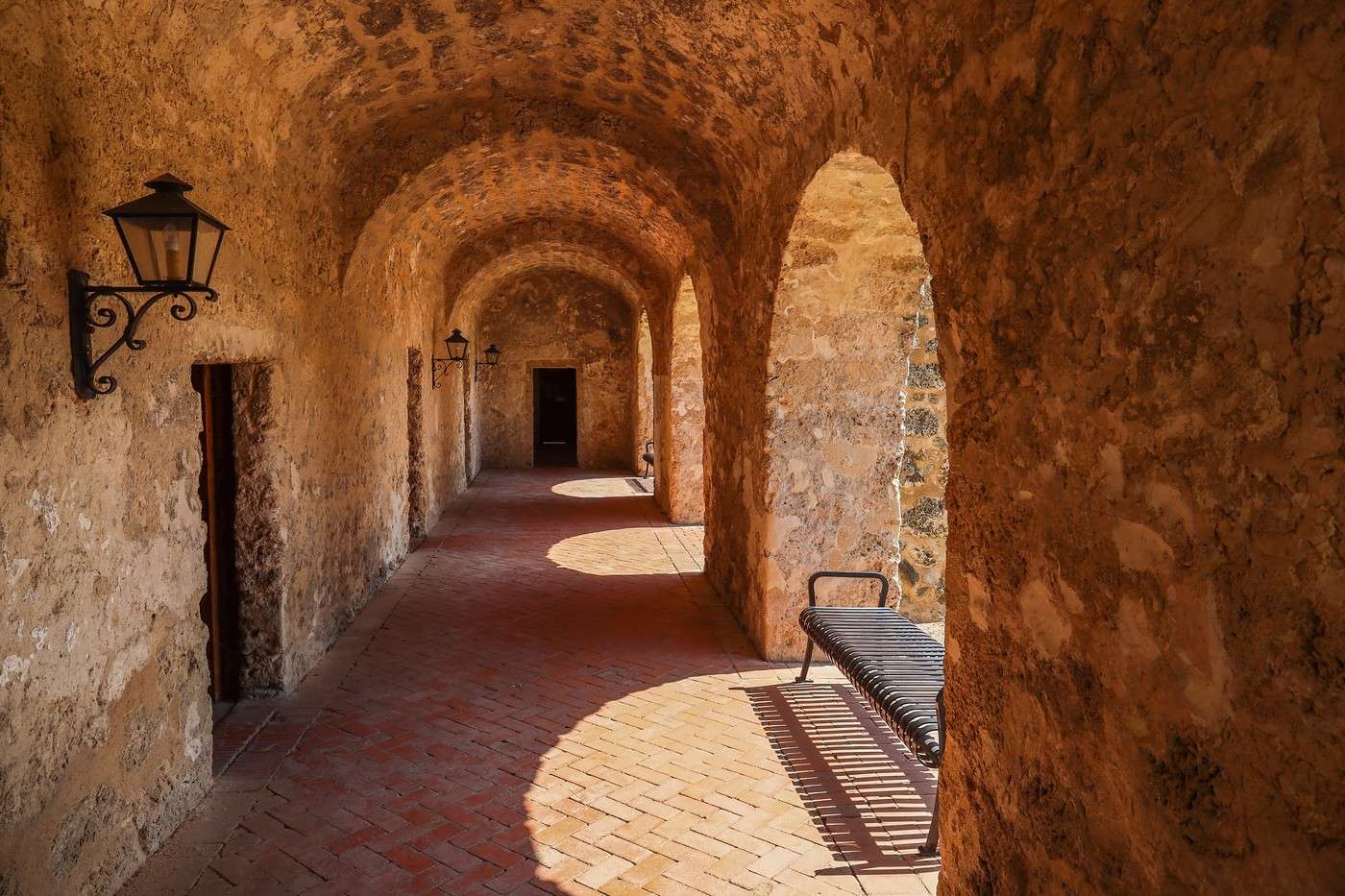
 Some beautiful arcades.
 We leave around 5 PM, at closing time, pretty exhausted. Since no one feels like heading back downtown to enjoy the nighttime atmosphere and lights, we have a quiet dinner at our apartment.