Discovering South India: Tamil Nadu and Kerala
8. Three Highlights in Madurai
The next day, against all odds, turned out to be one of the highlights of our trip. The Indian breakfast we’d ordered was barely edible—hospital food, really. We forced ourselves to eat as much as we could; no way were we wasting it. Bruno offered to take the leftovers to the local cows, the Indian way. In the street, he struck up a real bond with a young stray dog with short fur, whom he named "Snoopie." Every time we entered or left the building, Snoopie would wait for him, tail wagging, overjoyed to see him. After a quick pat for Snoopie, we headed into town for a full tour of the temple. We’d asked Vijay to find us a French-speaking guide so we could better understand what we were seeing.
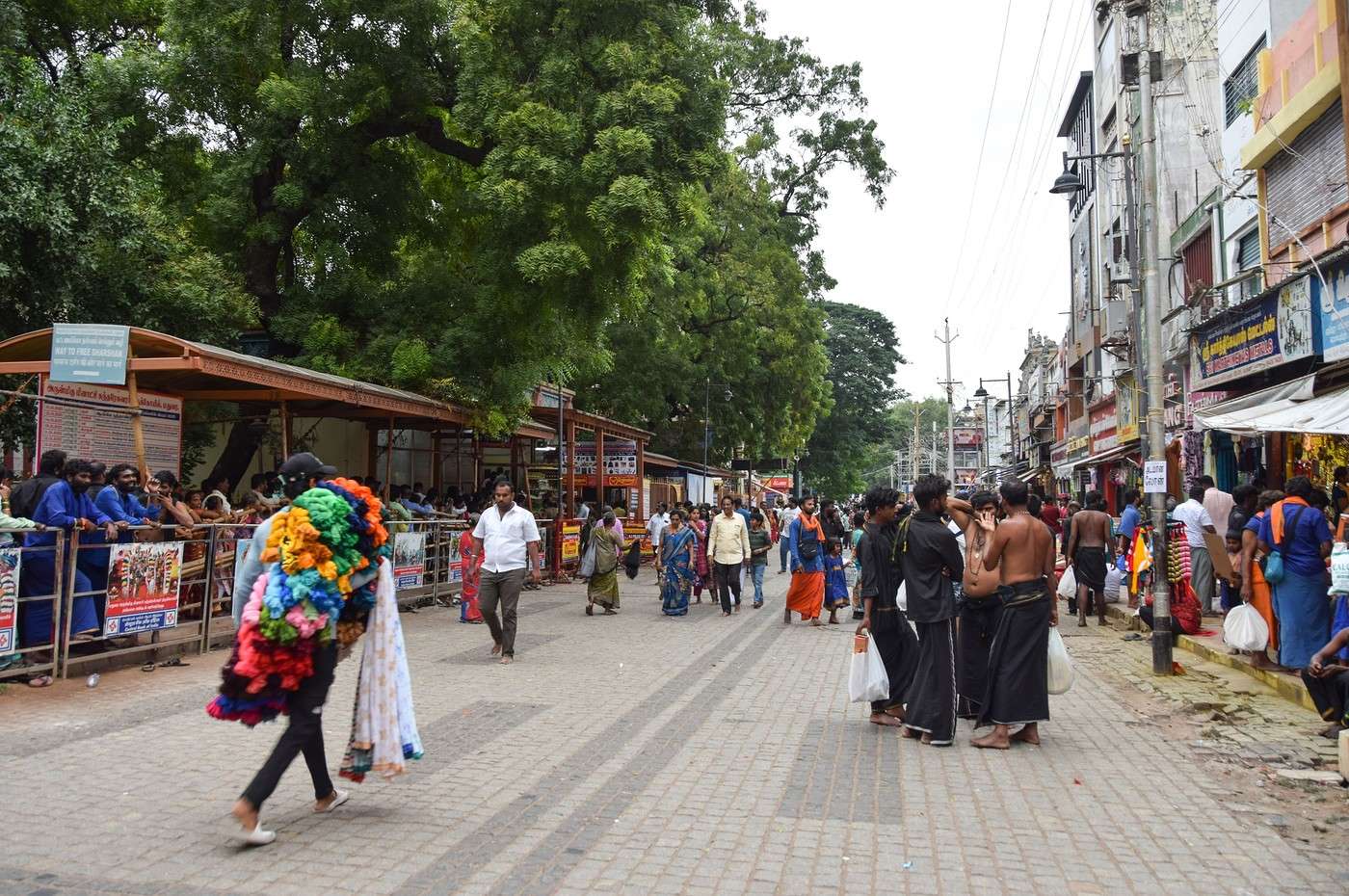
The Meenakshi Temple, an avatar of the goddess Parvati, is also dedicated to Shiva. Our guide greeted us—he spoke excellent French. The rules for entering the temple were strict: no shoes, no cameras, no phones, and we had to pass through an electronic gate. We stepped into the vast sanctuary. Inside the large courtyard leading to the different temples, our guide gave us a quick but welcome lesson on Hinduism. Then the tour began, lasting nearly two hours. Thanks to his explanations, we could more easily feel the general atmosphere of the sanctuary—a spiritual place, a place of art and history, but also a place of life. Nothing like the churches back home, where silence is usually the rule. Here, it was a constant hum of laughter, songs, and strong displays of devotion. The vibe was warm and relaxed. There was even a canteen offering free meals to pilgrims. A moment of intense aesthetic emotion came when we discovered the Hall of a Thousand Pillars. In the massive hall, life-sized statues of Shiva in high relief seemed to literally emerge from the granite they were carved from. The gods danced, smiled—you’d think they were alive. It was breathtaking! We left the visit thrilled, yesterday’s disappointment forgotten.
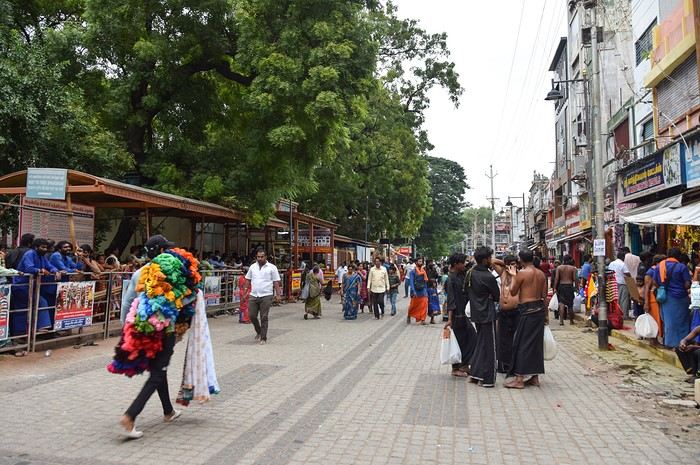
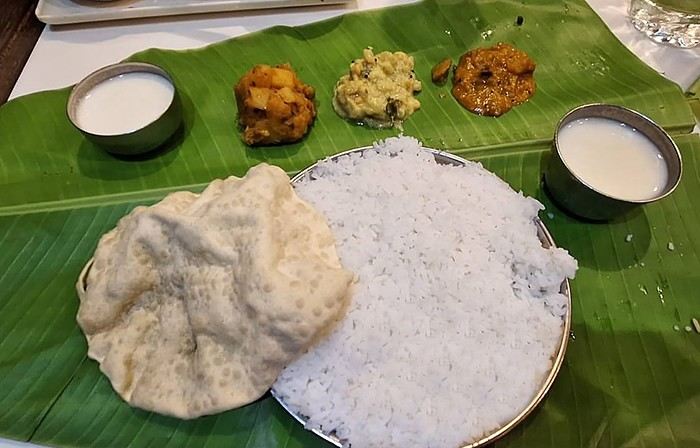
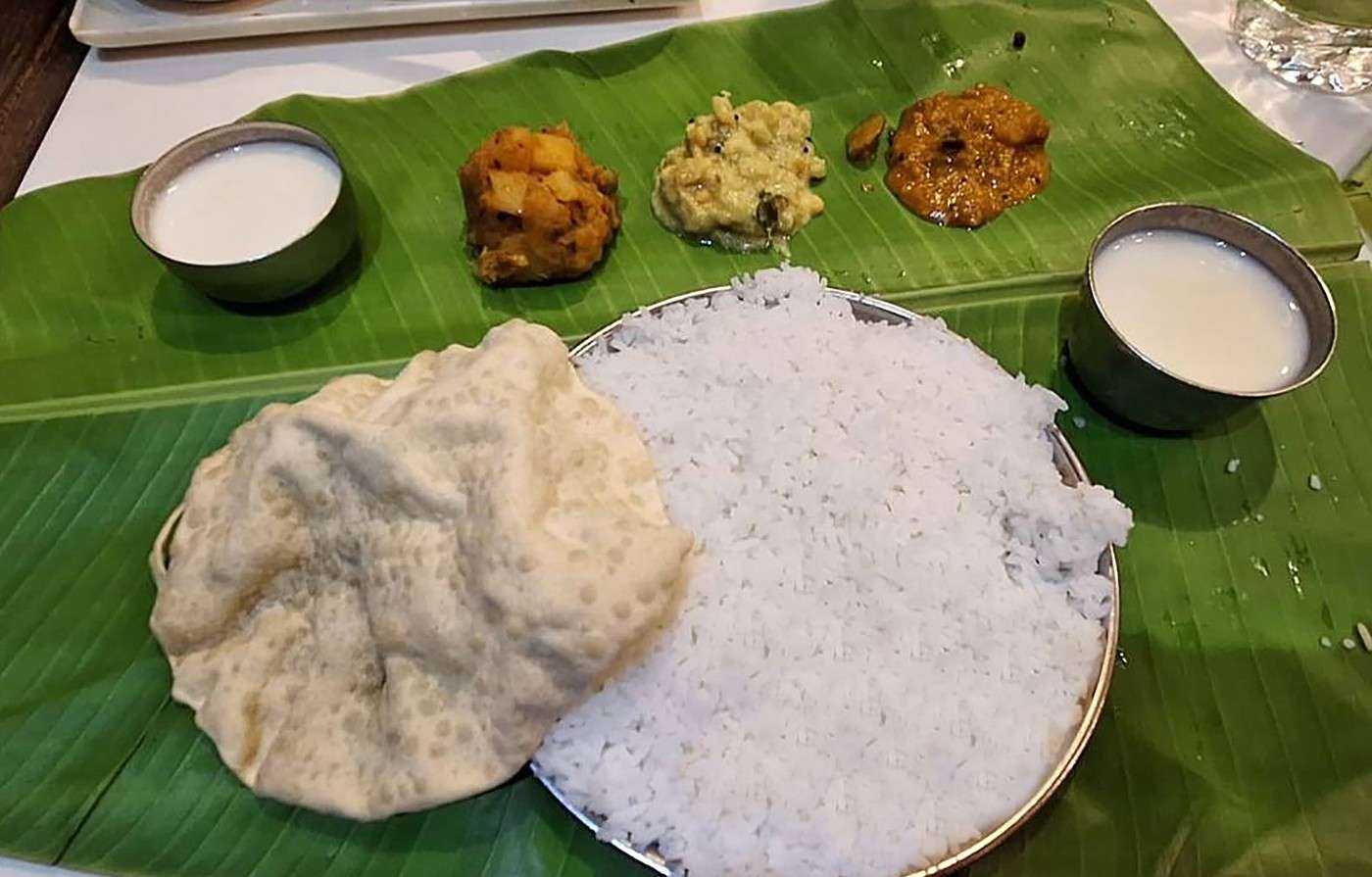
We decided to grab a bite at Sree Sabarees, a spot we’d found in Pagal’s VF travel journal. It turned out to be a chain of popular canteen-style restaurants. The crowd was indescribable—no seats available. The owner spotted us and asked us to wait inside. We stood there in the middle of all the hustle and bustle. The waitresses bumped into us as we watched people eat. Everything moved fast—customers rotated quickly, and no one lingered. The group at our future table was more or less explicitly asked to make way. We felt a little awkward, thinking the owner was doing us a favor as Western tourists. Not at all—it was just how the place worked. Eat fast, then move on. We sat down, and the meal was served on banana leaves. Rice was the main dish, accompanied by three small portions. I recognized a potato and cauliflower curry, probably a chutney, but I couldn’t identify the third. On the leaf, there was also a pappad (a crispy flatbread) and two small pots—one with a mild yogurt-based sauce, the other with a kind of rice pudding. The whole thing was delicious, subtly spiced. No utensils—we ate with our fingers. Kate nudged me to switch hands; I’m left-handed. After about fifteen minutes, a group of Indians stood conspicuously in front of our table. Time for us to clear out too.
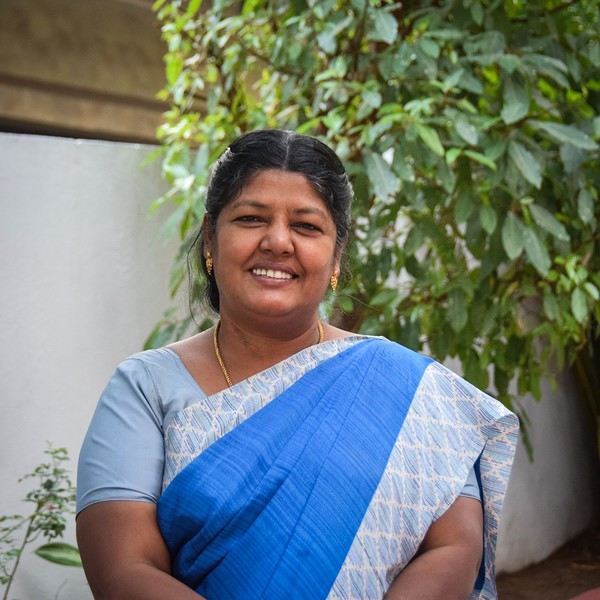
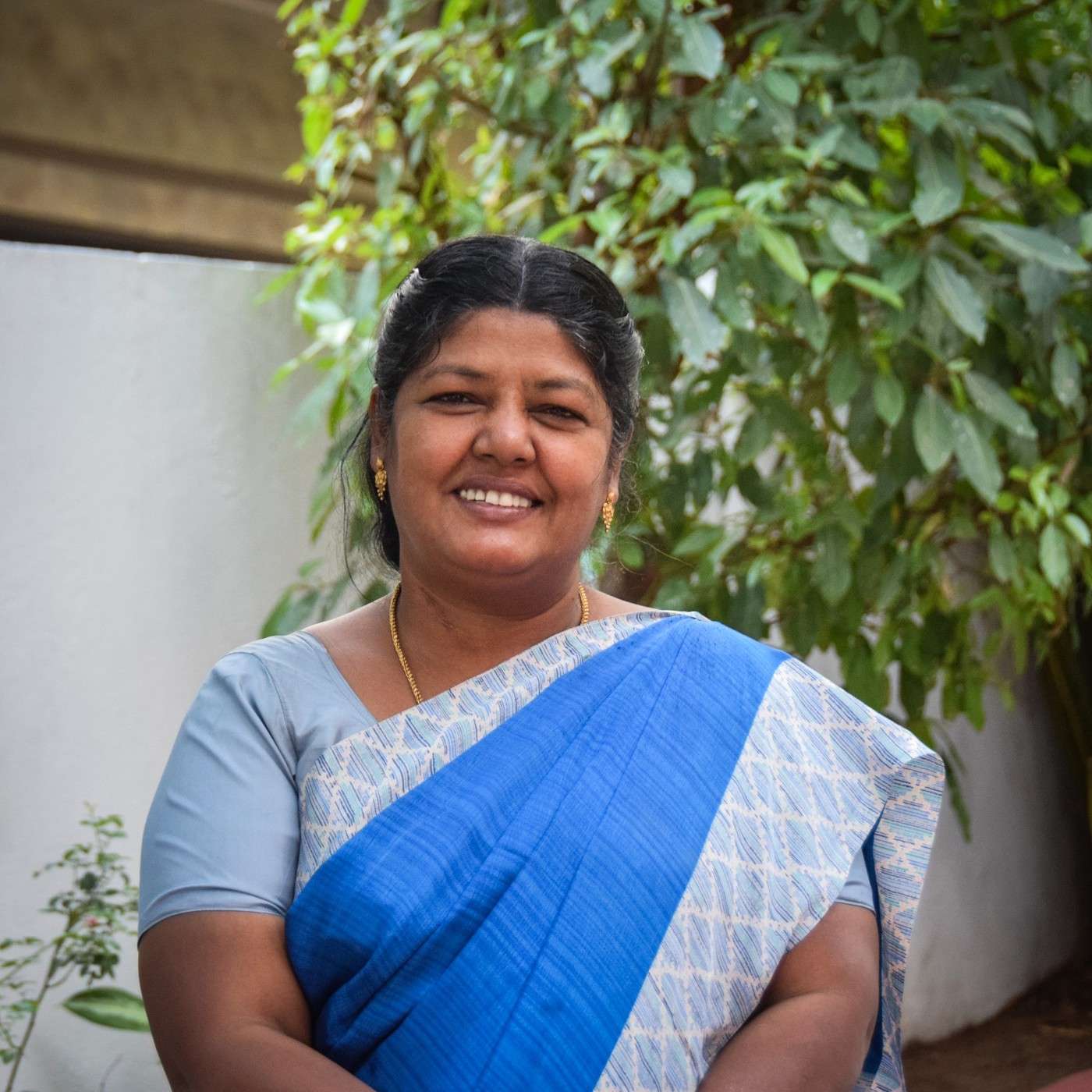
We had a meet-up at the guesthouse in the mid-afternoon to visit an orphanage: the Grace Kennett Foundation. It’s a private social institution that takes in orphans and helps facilitate their adoption. A poised woman with a radiant gaze welcomed us and introduced herself. "My name is Nirmala, I am a social worker." She showed us into her office and asked us to leave our cameras and phones. The conversation started, and she explained how the foundation worked and the immense challenges it faced. Nathalie, who’s also a social worker, was captivated. The two women, who sometimes dealt with similar professional realities, instantly connected. Nathalie’s English improved as if she were bilingual, while the rest of us were lost. But our friend would pause now and then to translate what she was learning. The center currently housed 22 orphans—15 girls and 7 boys. Fourteen of them had been entrusted to the foundation by young mothers, while the other 8 had been left—abandoned—at the center. Most of these children came from rural areas where economic and social poverty was still very strong. Nirmala also mentioned unwanted pregnancies resulting from rape, as well as the birth of girls still being seen as a catastrophe in some villages. It was time to visit the nursery where the children, aged from a few months to 3 or 4 years, lived. We entered this child’s world, which smelled of cleanliness and dirty diapers at the same time. The caregivers greeted us with smiles. The infants lay in cribs, while the older ones were in playpens. All four of us had lumps in our throats and misty eyes, but we forced ourselves to smile. A little dark-skinned boy looked at us in surprise, then started crying. What moved us the most wasn’t the sight of the children themselves, but the idea of the future that awaited them. The luckiest might get a second chance, a different life from the one they were born into. But for the less "appealing" children—those with disabilities, like the little blind girl we’d been introduced to—the future looked much harder. The visit ended. We thanked the staff and Nirmala for their welcome. Before leaving, we decided to make a donation to the Foundation.
Nirmala
The day had been intense, filled with all kinds of emotions. Tomorrow, we leave Tamil Nadu for Kerala. And Bruno won’t forget to say goodbye to Snoopie, another street orphan, though perhaps with a slightly less precarious existence. Bruno would’ve loved to bring her with us, but Nathalie told him it wasn’t going to be possible.
The next day, against all odds, turned out to be one of the highlights of our trip. The Indian breakfast we’d ordered was barely edible—hospital food, really. We forced ourselves to eat as much as we could; no way were we wasting it. Bruno offered to take the leftovers to the local cows, the Indian way. In the street, he struck up a real bond with a young stray dog with short fur, whom he named "Snoopie." Every time we entered or left the building, Snoopie would wait for him, tail wagging, overjoyed to see him. After a quick pat for Snoopie, we headed into town for a full tour of the temple. We’d asked Vijay to find us a French-speaking guide so we could better understand what we were seeing.
The Meenakshi Temple, an avatar of the goddess Parvati, is also dedicated to Shiva. Our guide greeted us—he spoke excellent French. The rules for entering the temple were strict: no shoes, no cameras, no phones, and we had to pass through an electronic gate. We stepped into the vast sanctuary. Inside the large courtyard leading to the different temples, our guide gave us a quick but welcome lesson on Hinduism. Then the tour began, lasting nearly two hours. Thanks to his explanations, we could more easily feel the general atmosphere of the sanctuary—a spiritual place, a place of art and history, but also a place of life. Nothing like the churches back home, where silence is usually the rule. Here, it was a constant hum of laughter, songs, and strong displays of devotion. The vibe was warm and relaxed. There was even a canteen offering free meals to pilgrims. A moment of intense aesthetic emotion came when we discovered the Hall of a Thousand Pillars. In the massive hall, life-sized statues of Shiva in high relief seemed to literally emerge from the granite they were carved from. The gods danced, smiled—you’d think they were alive. It was breathtaking! We left the visit thrilled, yesterday’s disappointment forgotten.
We decided to grab a bite at Sree Sabarees, a spot we’d found in Pagal’s VF travel journal. It turned out to be a chain of popular canteen-style restaurants. The crowd was indescribable—no seats available. The owner spotted us and asked us to wait inside. We stood there in the middle of all the hustle and bustle. The waitresses bumped into us as we watched people eat. Everything moved fast—customers rotated quickly, and no one lingered. The group at our future table was more or less explicitly asked to make way. We felt a little awkward, thinking the owner was doing us a favor as Western tourists. Not at all—it was just how the place worked. Eat fast, then move on. We sat down, and the meal was served on banana leaves. Rice was the main dish, accompanied by three small portions. I recognized a potato and cauliflower curry, probably a chutney, but I couldn’t identify the third. On the leaf, there was also a pappad (a crispy flatbread) and two small pots—one with a mild yogurt-based sauce, the other with a kind of rice pudding. The whole thing was delicious, subtly spiced. No utensils—we ate with our fingers. Kate nudged me to switch hands; I’m left-handed. After about fifteen minutes, a group of Indians stood conspicuously in front of our table. Time for us to clear out too.
We had a meet-up at the guesthouse in the mid-afternoon to visit an orphanage: the Grace Kennett Foundation. It’s a private social institution that takes in orphans and helps facilitate their adoption. A poised woman with a radiant gaze welcomed us and introduced herself. "My name is Nirmala, I am a social worker." She showed us into her office and asked us to leave our cameras and phones. The conversation started, and she explained how the foundation worked and the immense challenges it faced. Nathalie, who’s also a social worker, was captivated. The two women, who sometimes dealt with similar professional realities, instantly connected. Nathalie’s English improved as if she were bilingual, while the rest of us were lost. But our friend would pause now and then to translate what she was learning. The center currently housed 22 orphans—15 girls and 7 boys. Fourteen of them had been entrusted to the foundation by young mothers, while the other 8 had been left—abandoned—at the center. Most of these children came from rural areas where economic and social poverty was still very strong. Nirmala also mentioned unwanted pregnancies resulting from rape, as well as the birth of girls still being seen as a catastrophe in some villages. It was time to visit the nursery where the children, aged from a few months to 3 or 4 years, lived. We entered this child’s world, which smelled of cleanliness and dirty diapers at the same time. The caregivers greeted us with smiles. The infants lay in cribs, while the older ones were in playpens. All four of us had lumps in our throats and misty eyes, but we forced ourselves to smile. A little dark-skinned boy looked at us in surprise, then started crying. What moved us the most wasn’t the sight of the children themselves, but the idea of the future that awaited them. The luckiest might get a second chance, a different life from the one they were born into. But for the less "appealing" children—those with disabilities, like the little blind girl we’d been introduced to—the future looked much harder. The visit ended. We thanked the staff and Nirmala for their welcome. Before leaving, we decided to make a donation to the Foundation.
Nirmala
The day had been intense, filled with all kinds of emotions. Tomorrow, we leave Tamil Nadu for Kerala. And Bruno won’t forget to say goodbye to Snoopie, another street orphan, though perhaps with a slightly less precarious existence. Bruno would’ve loved to bring her with us, but Nathalie told him it wasn’t going to be possible.
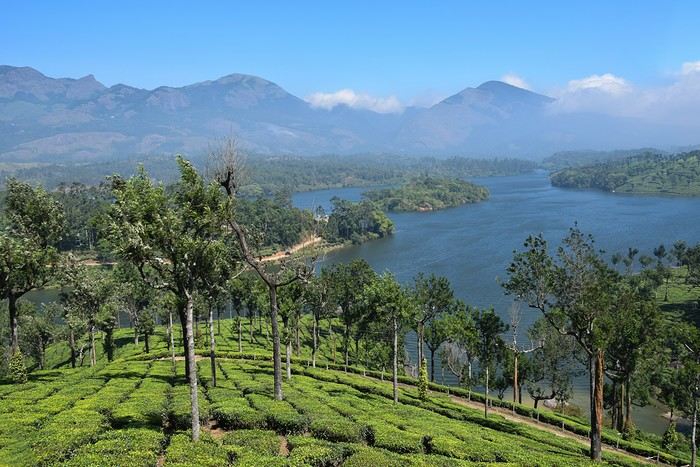
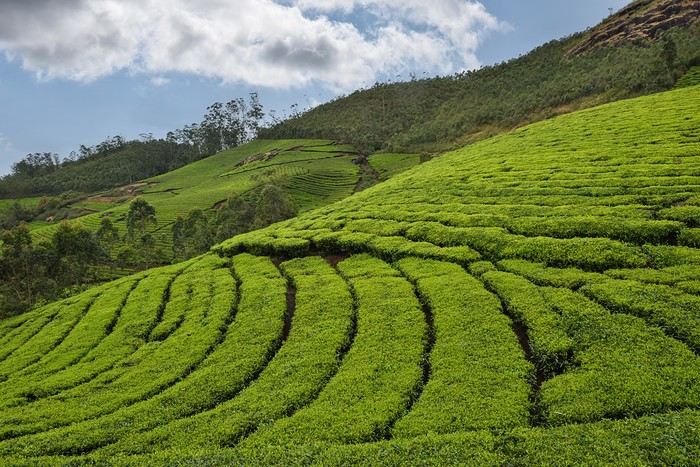
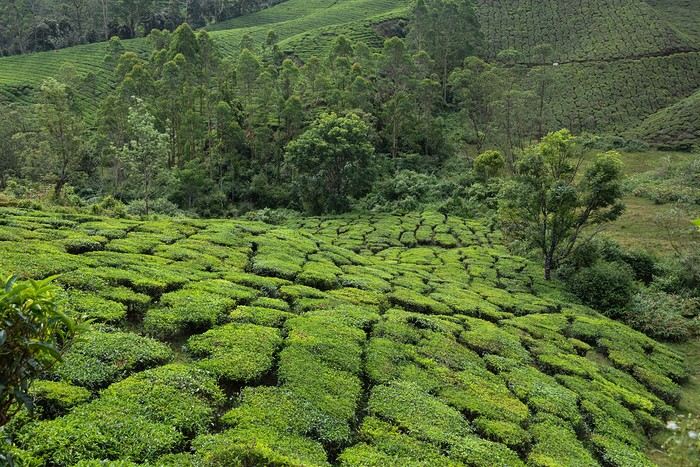
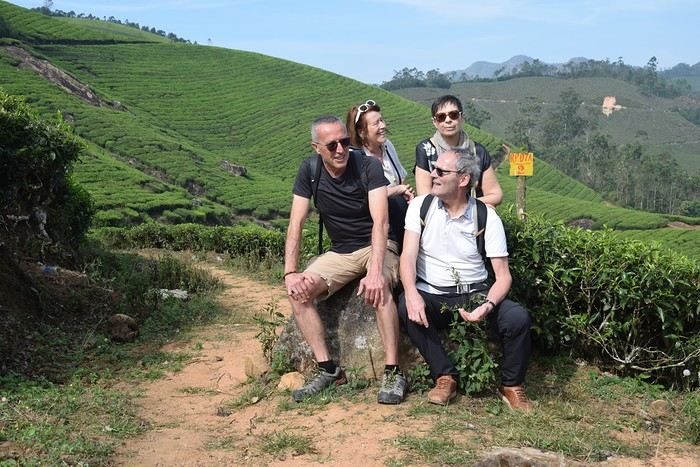
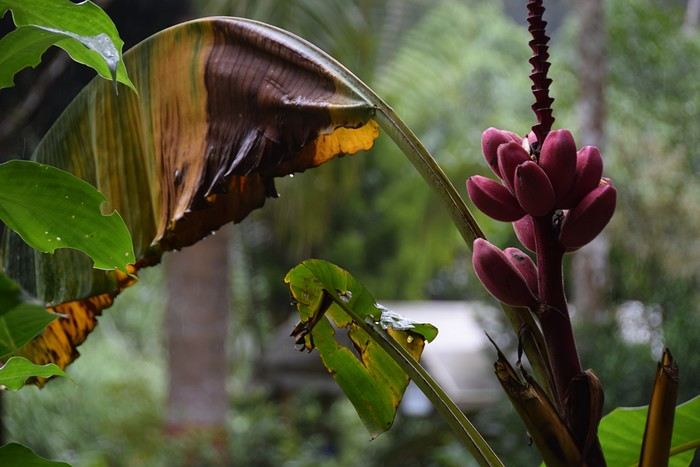
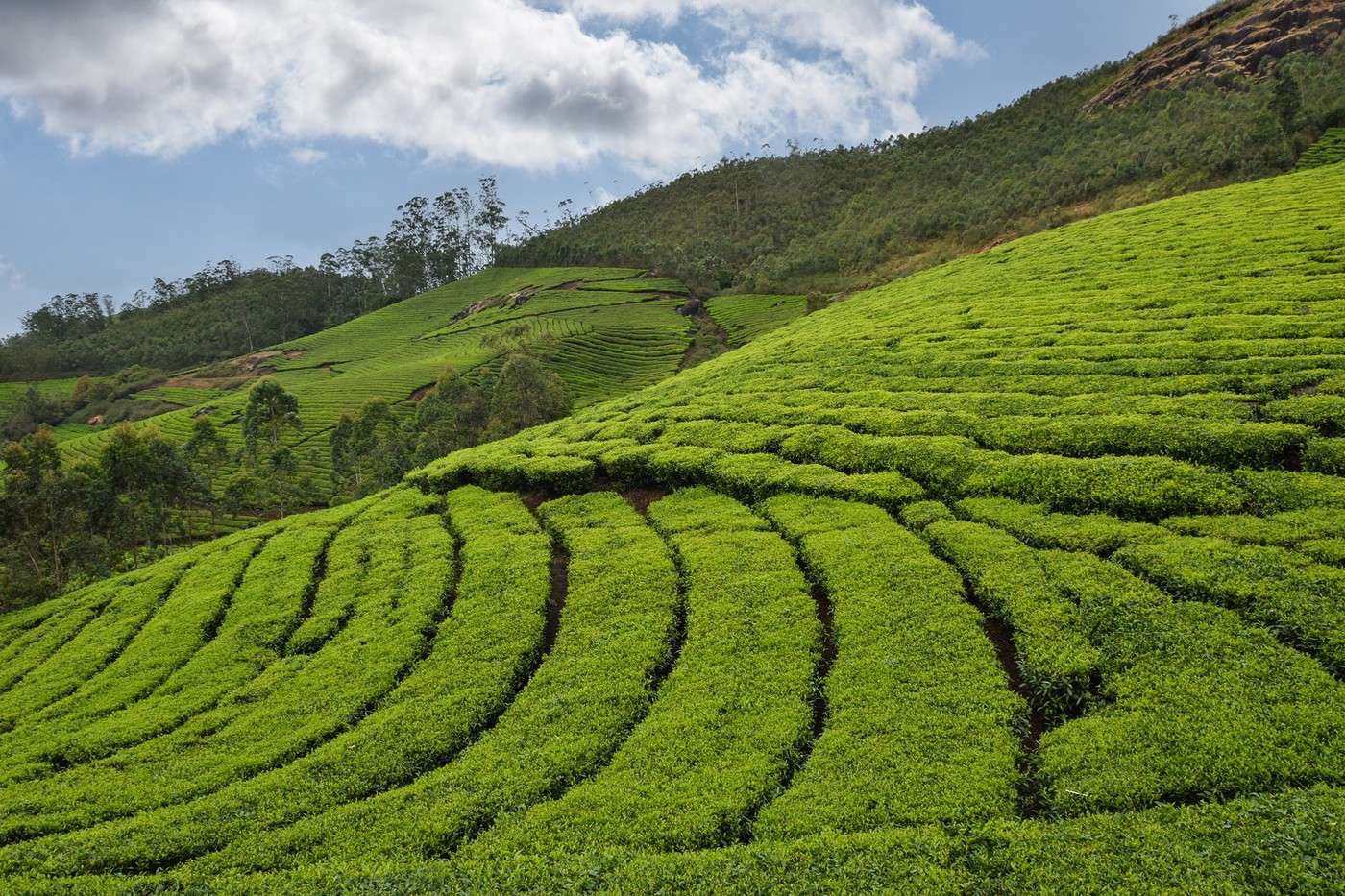
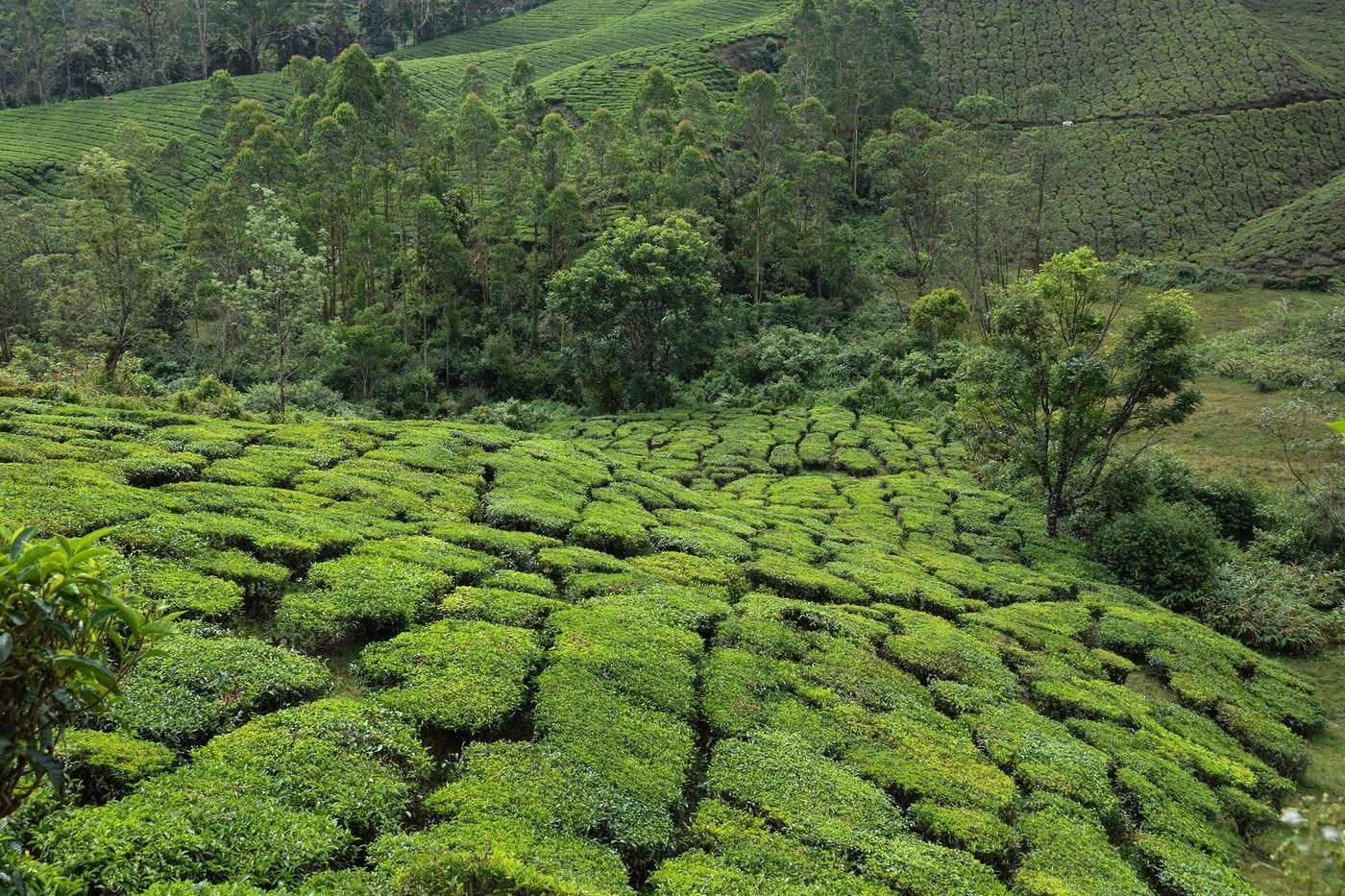
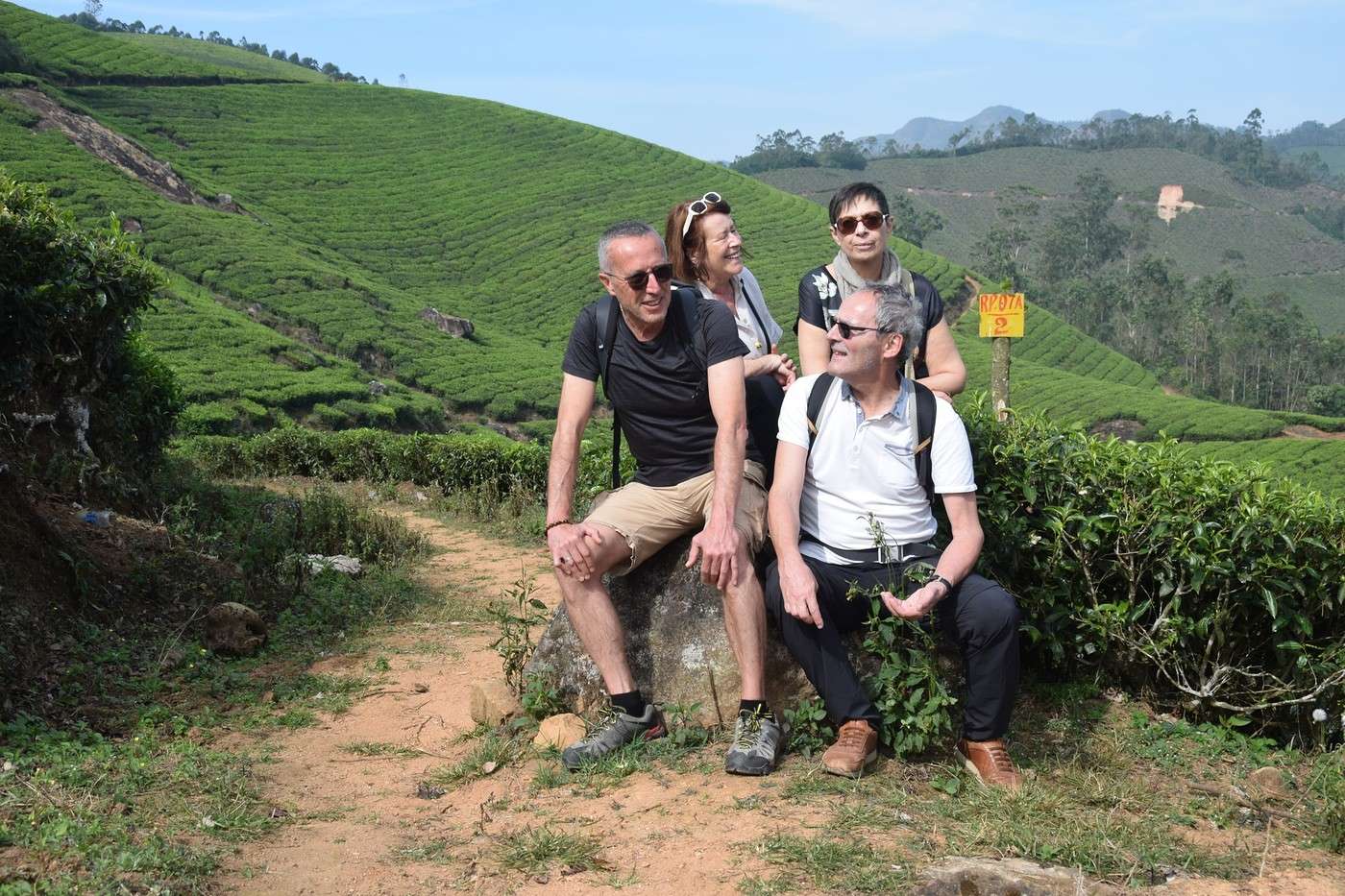
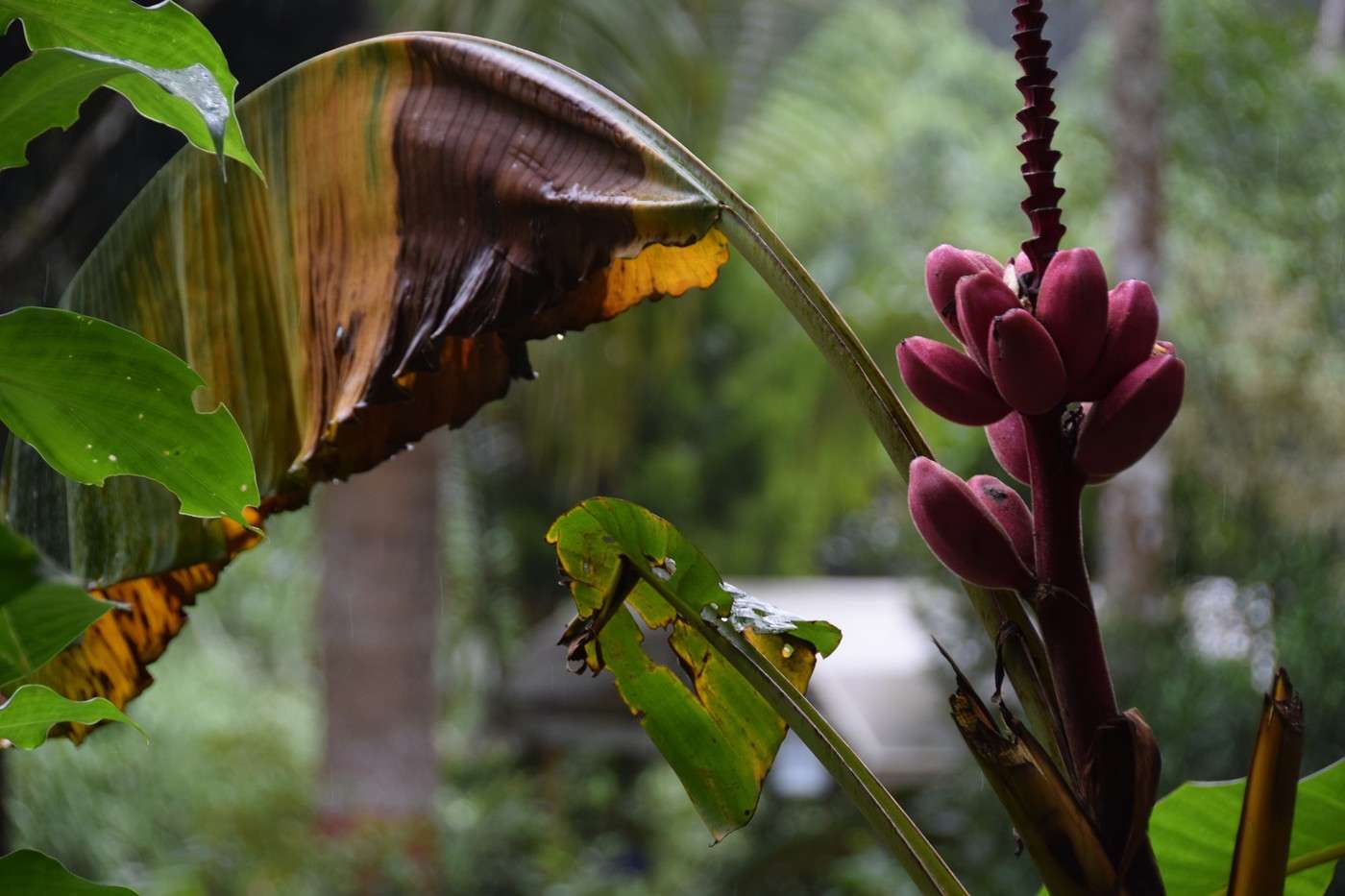
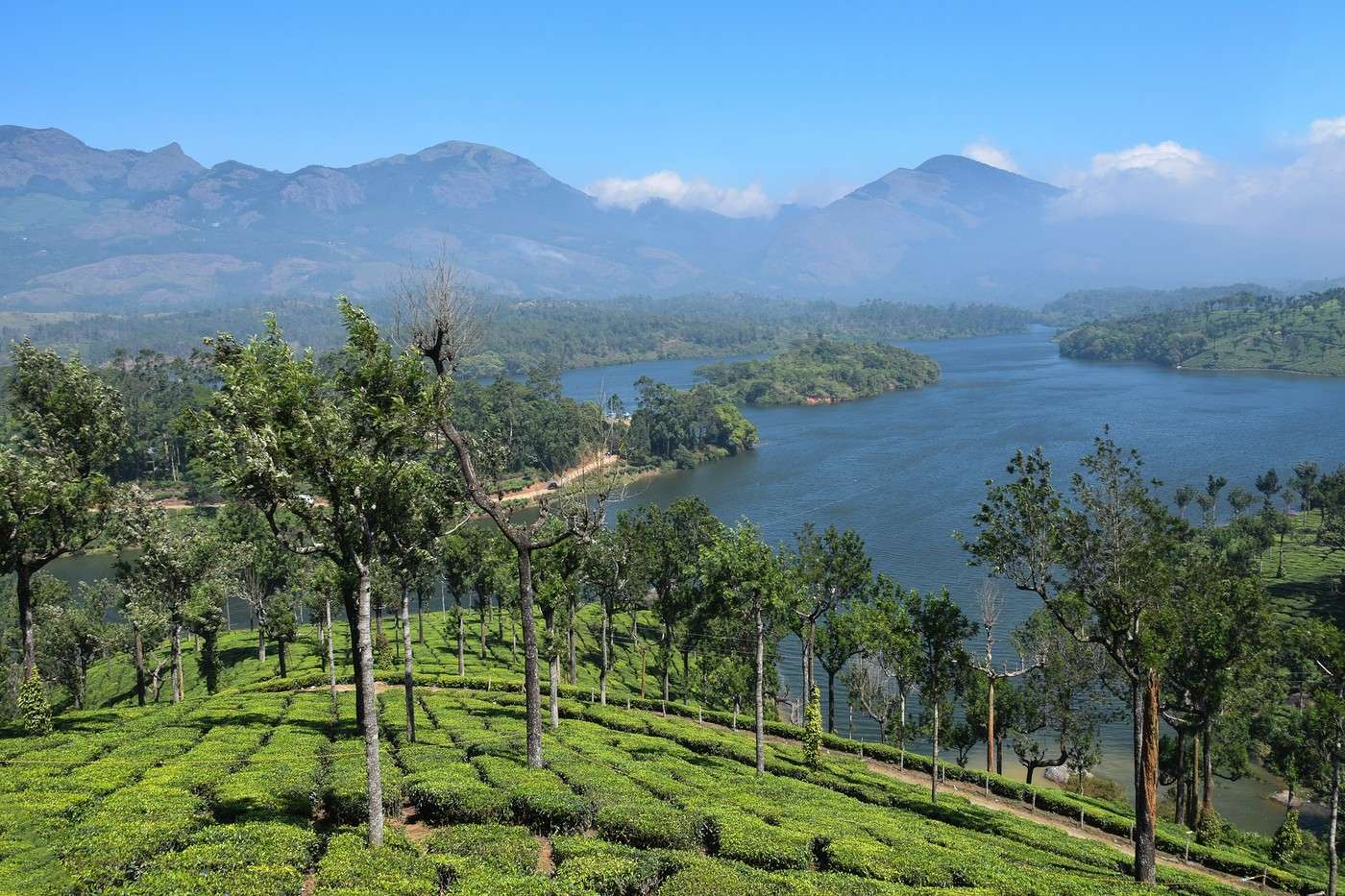



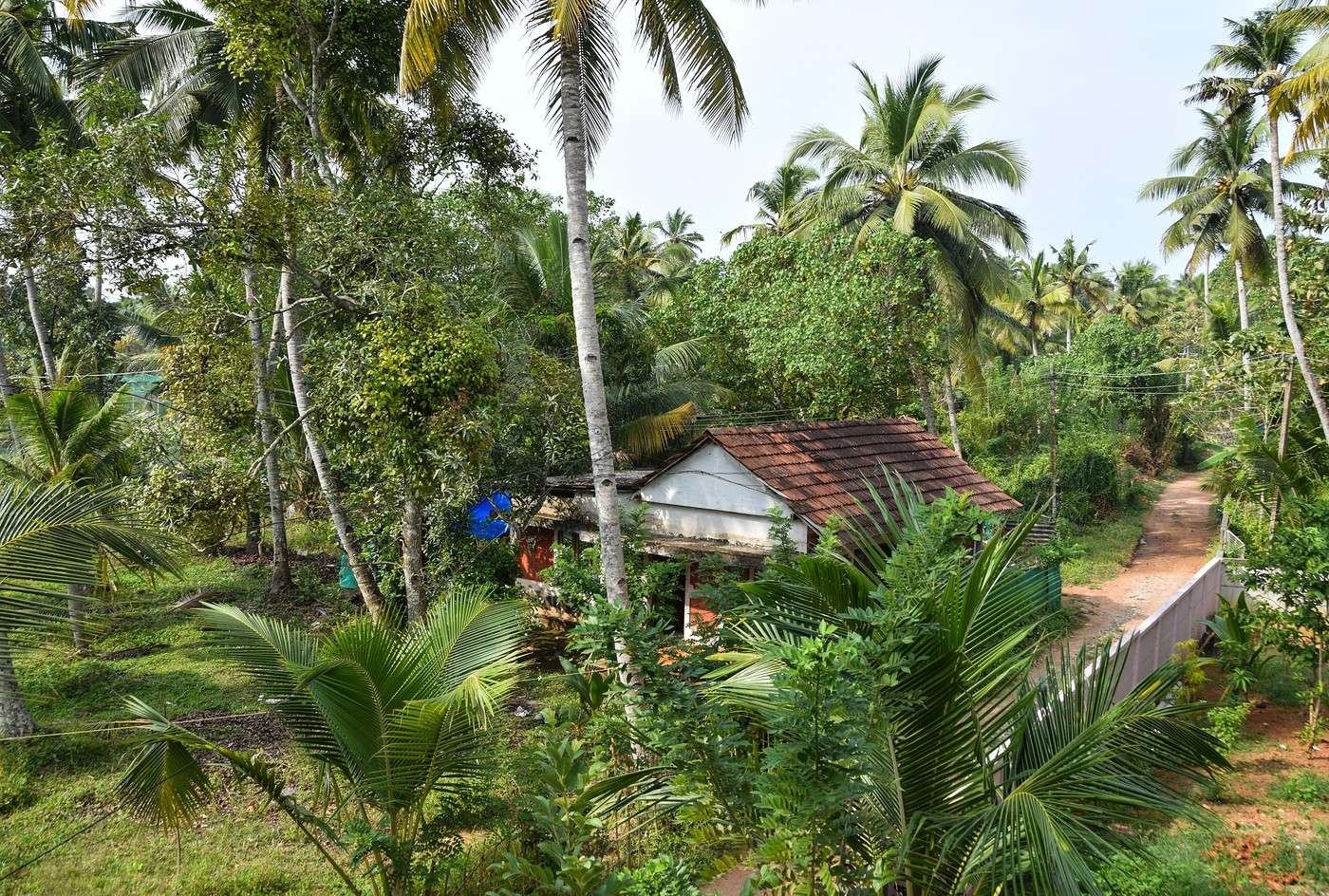
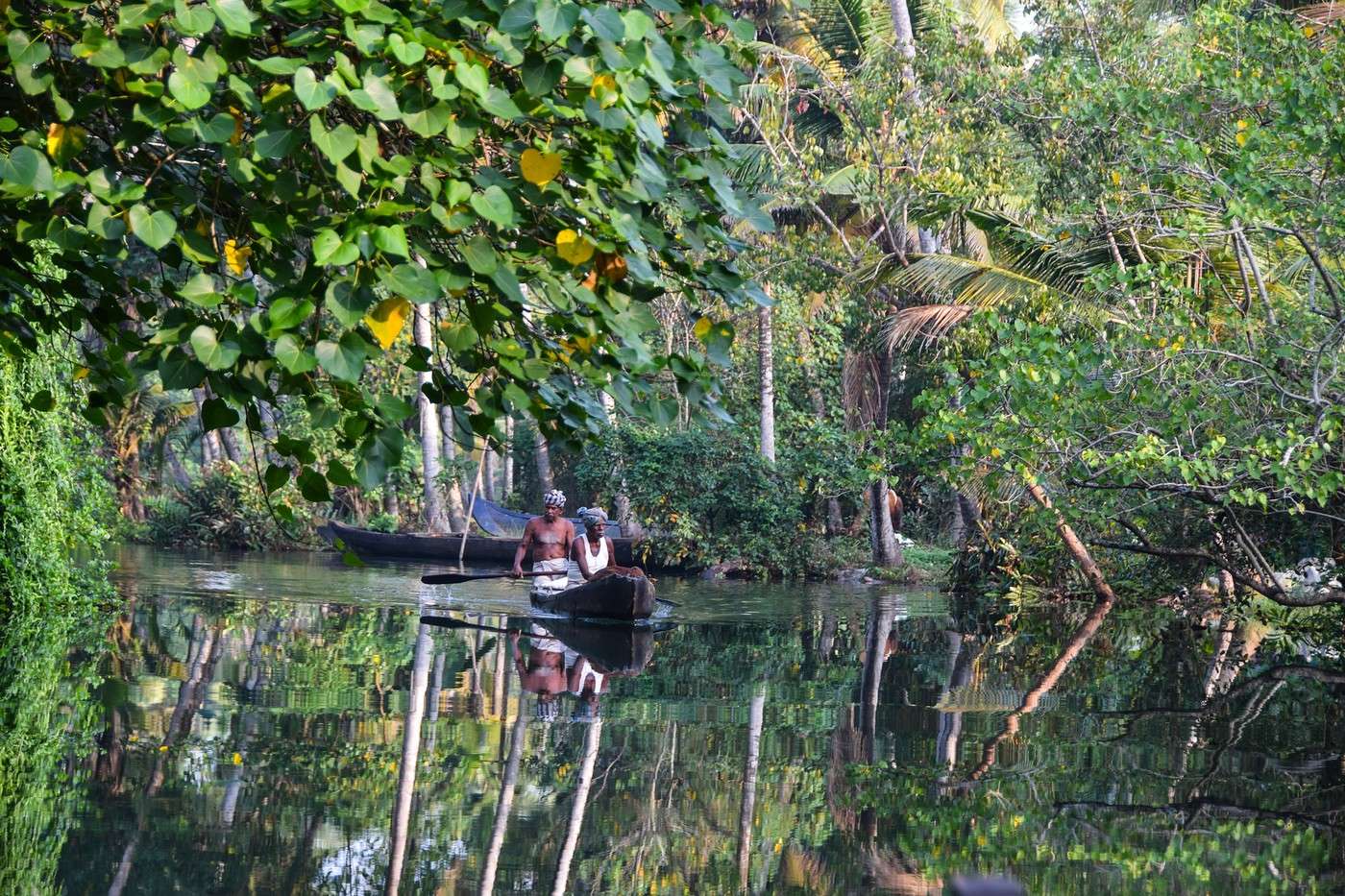
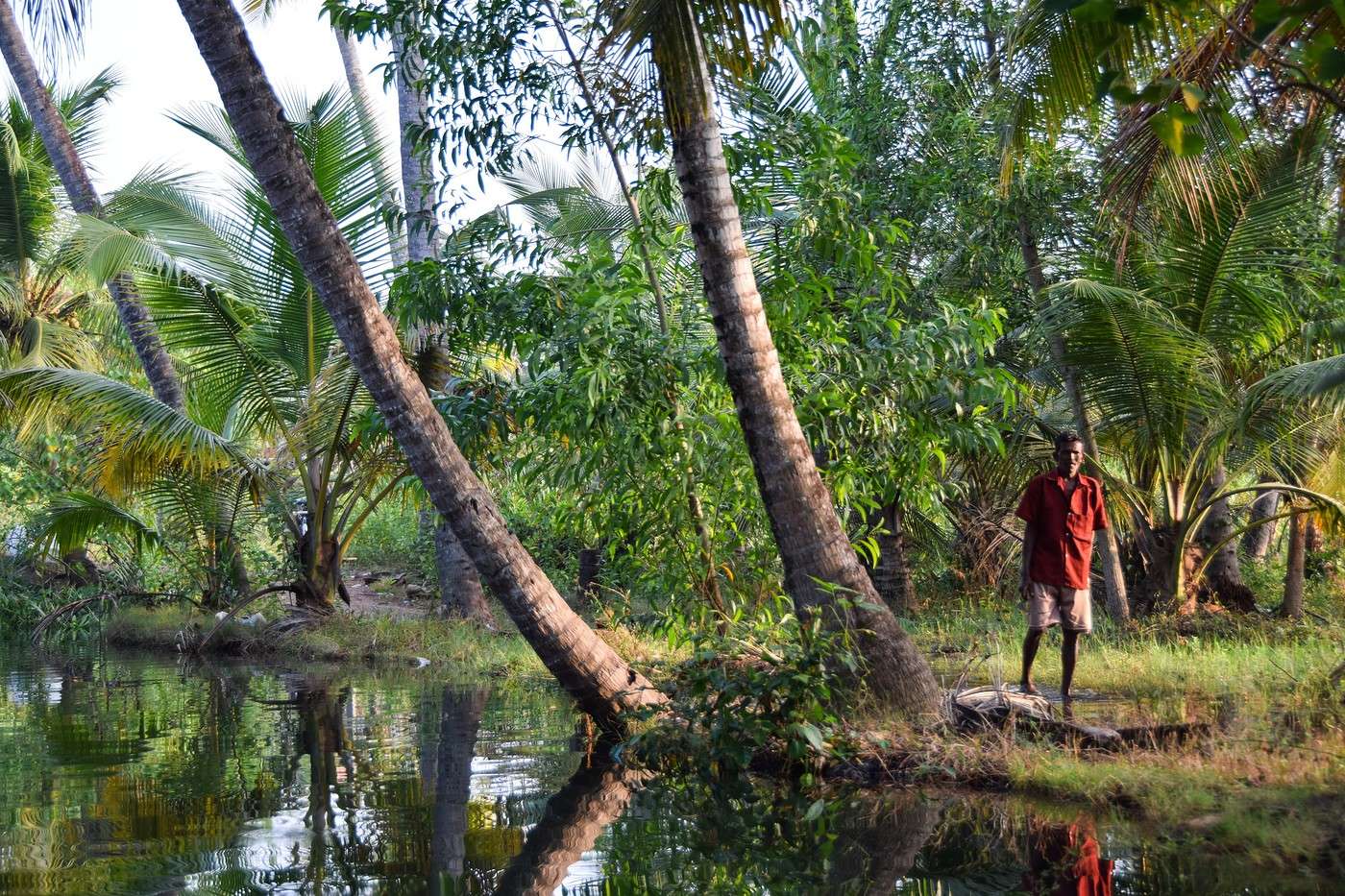
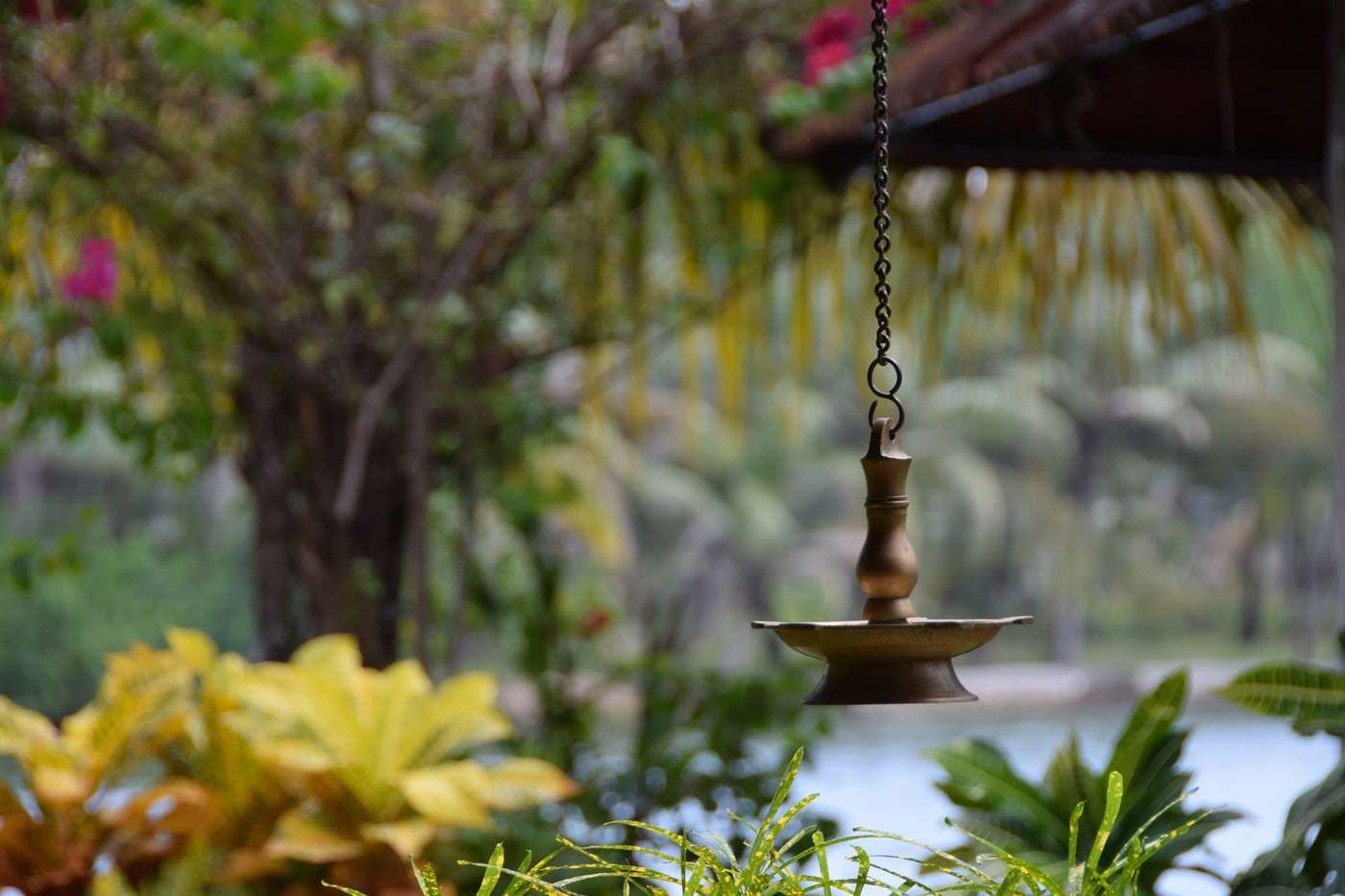
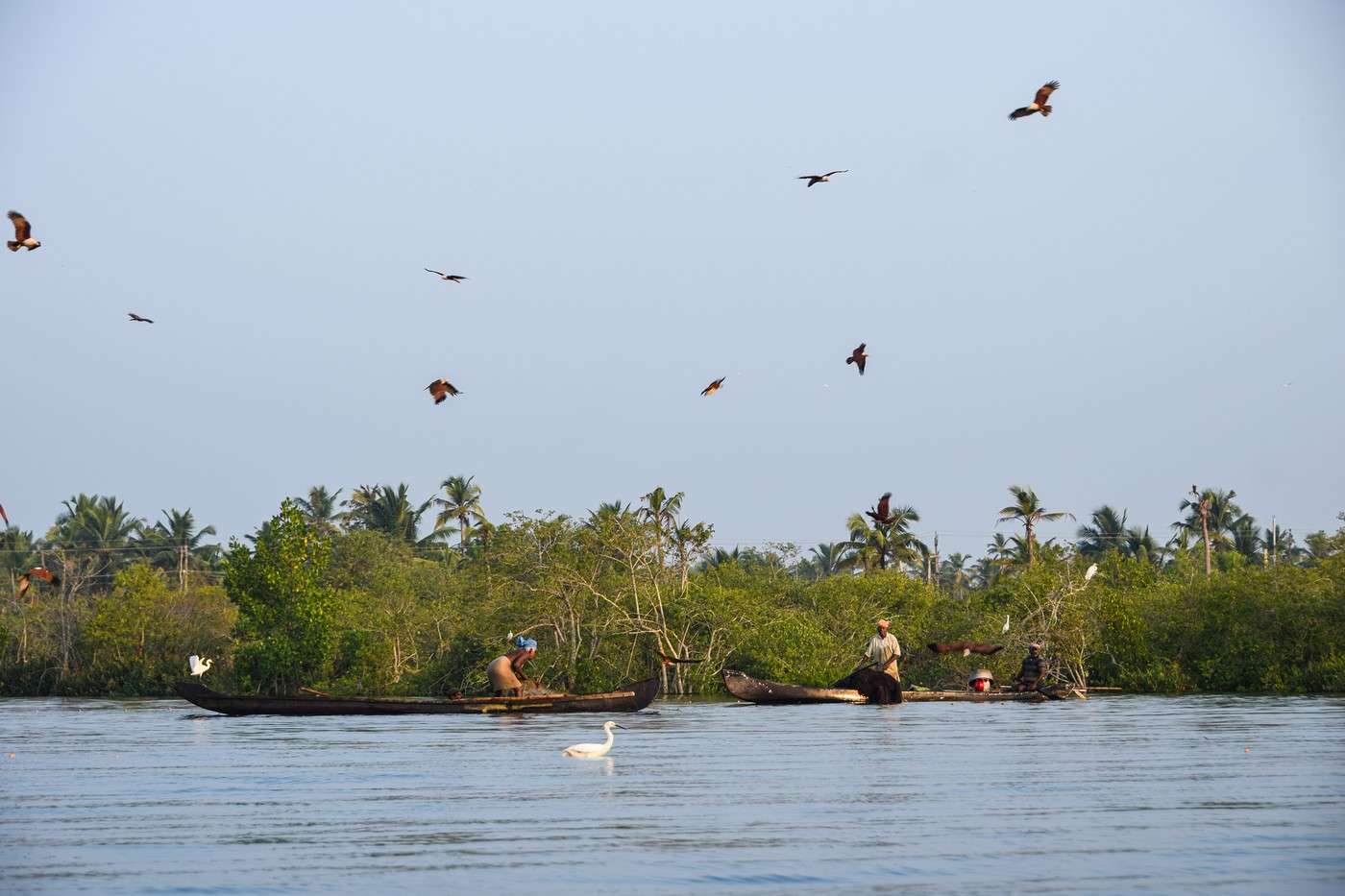
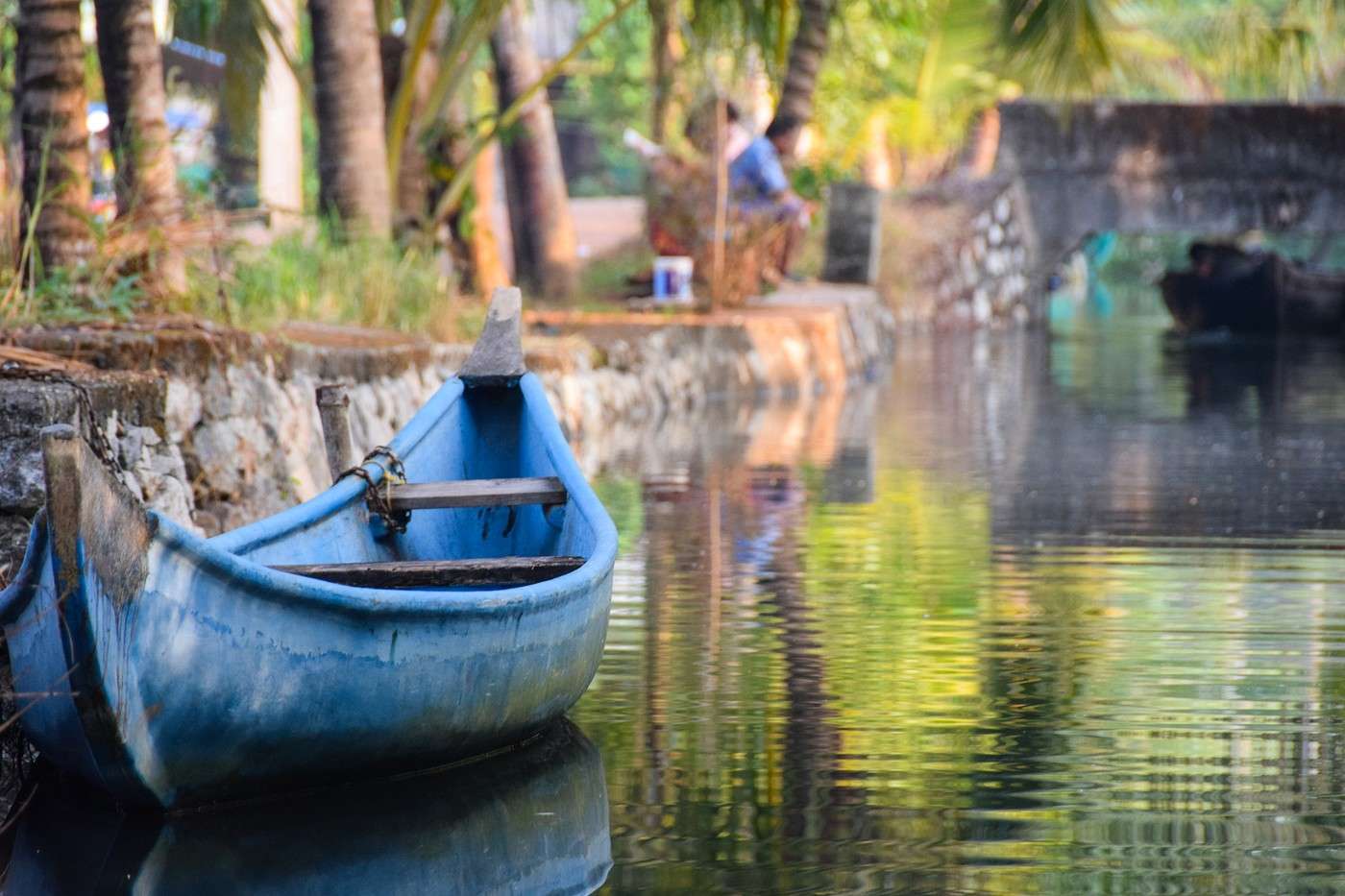
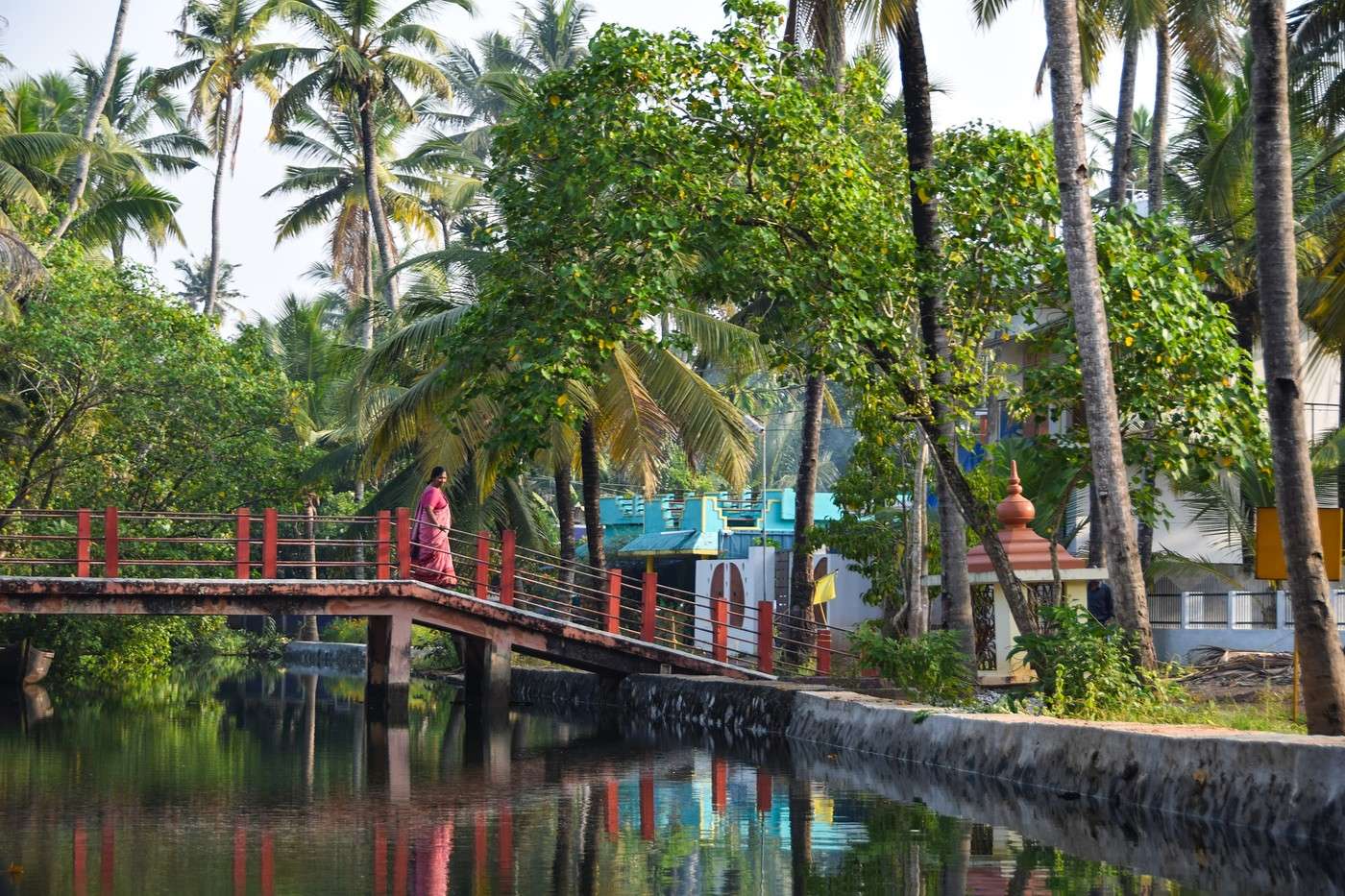
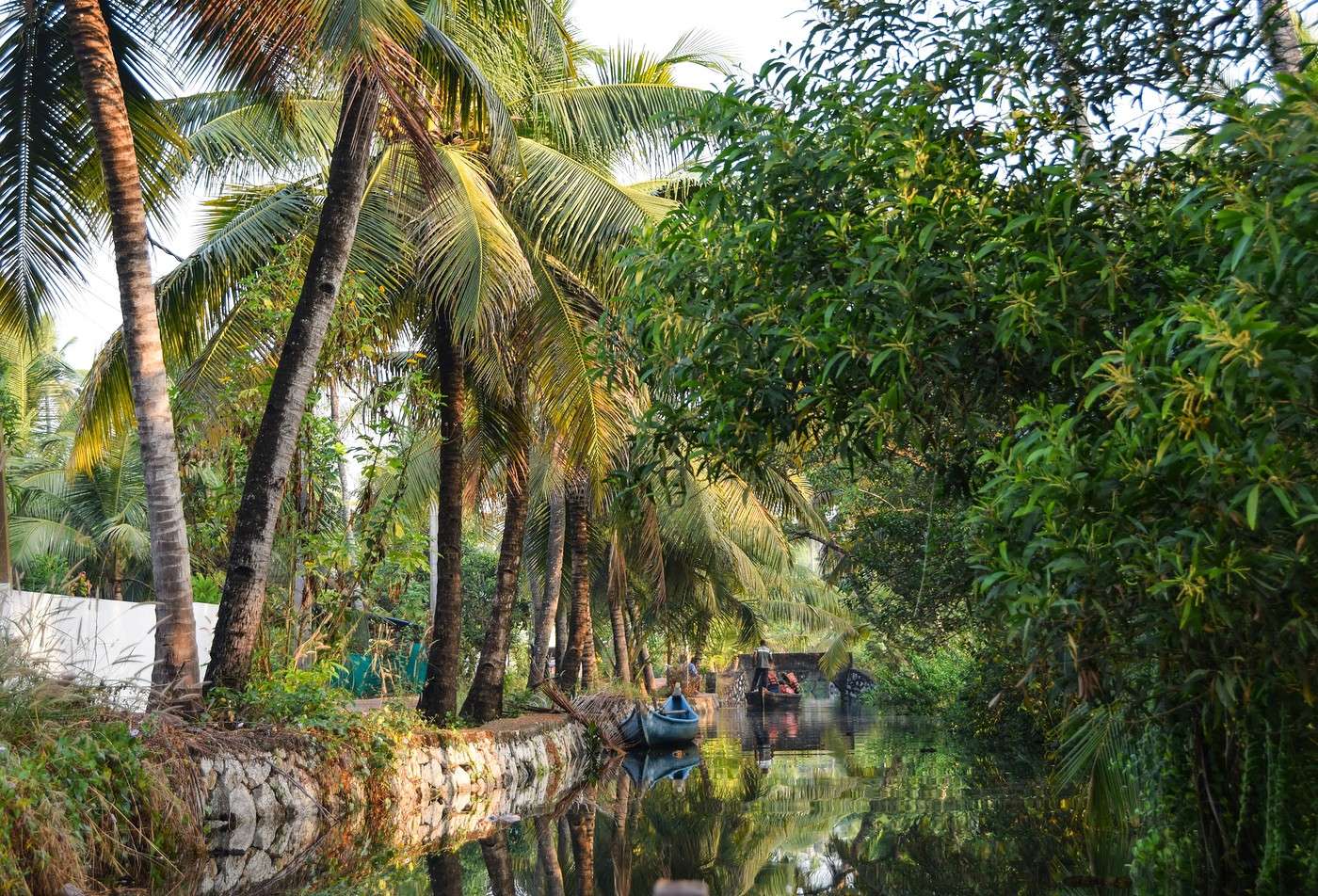
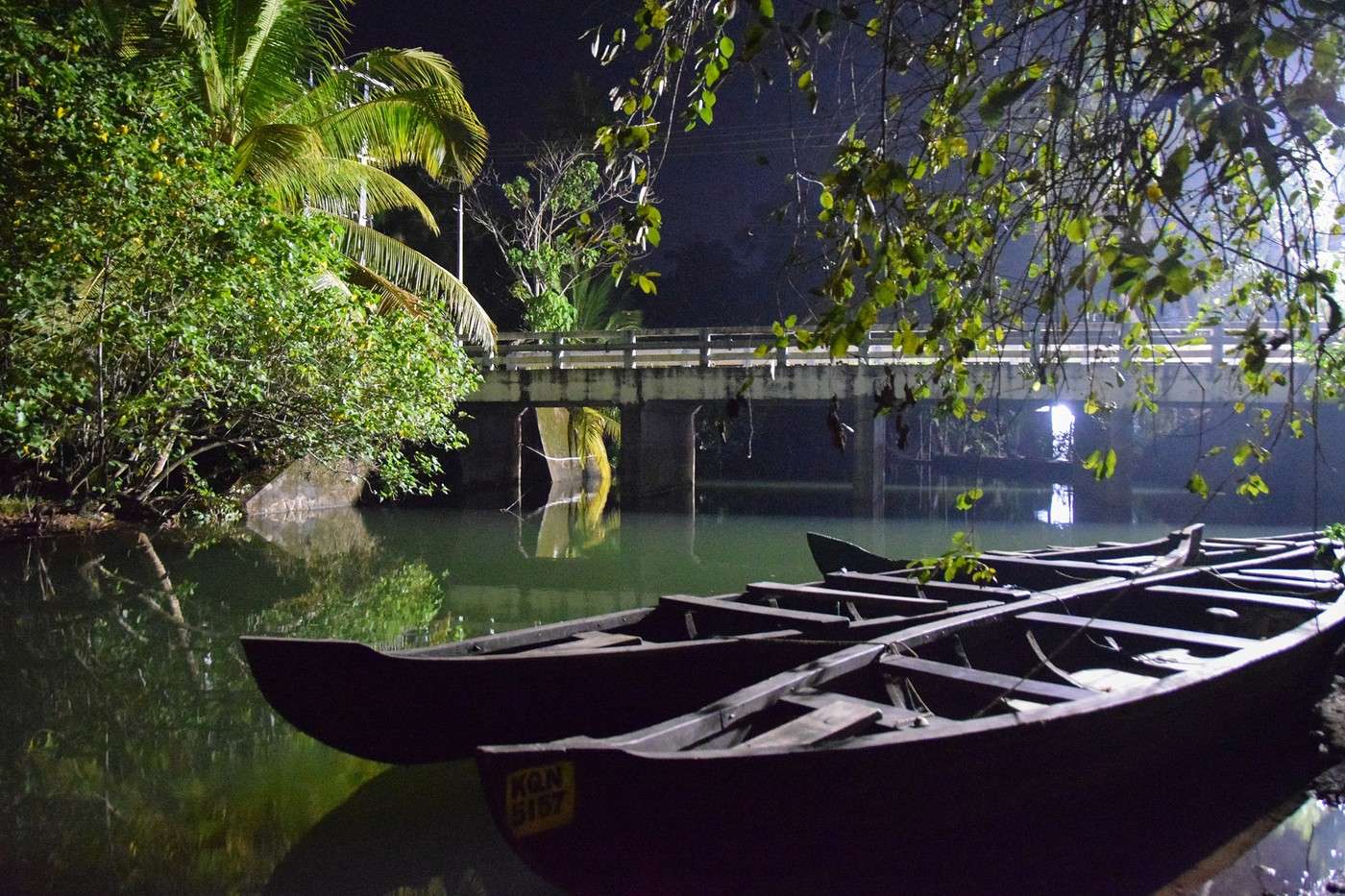
 , is nestled in the heart of a palm grove—actually a coconut plantation—far from the urban hustle and bustle, in an environment where human activities and natural spaces seem to live in harmony.