Saturday, Feb 10.
The Shekhawati Hotel is really nice, the staff is always attentive—it’s a great place to stay in Mandawa.
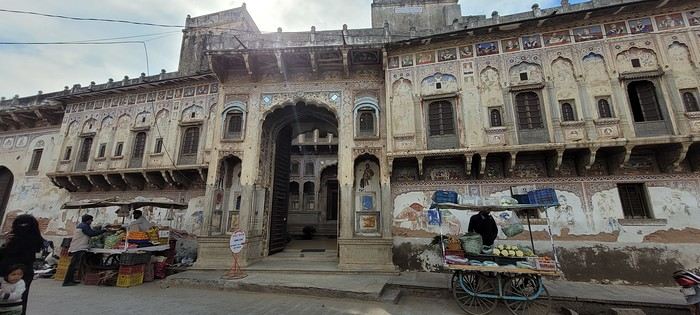
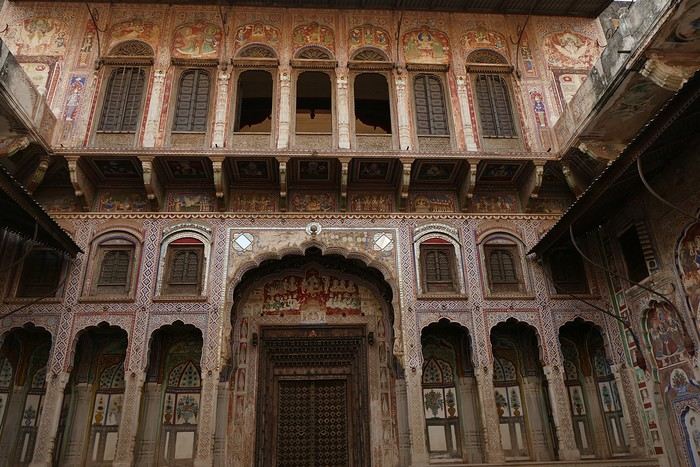
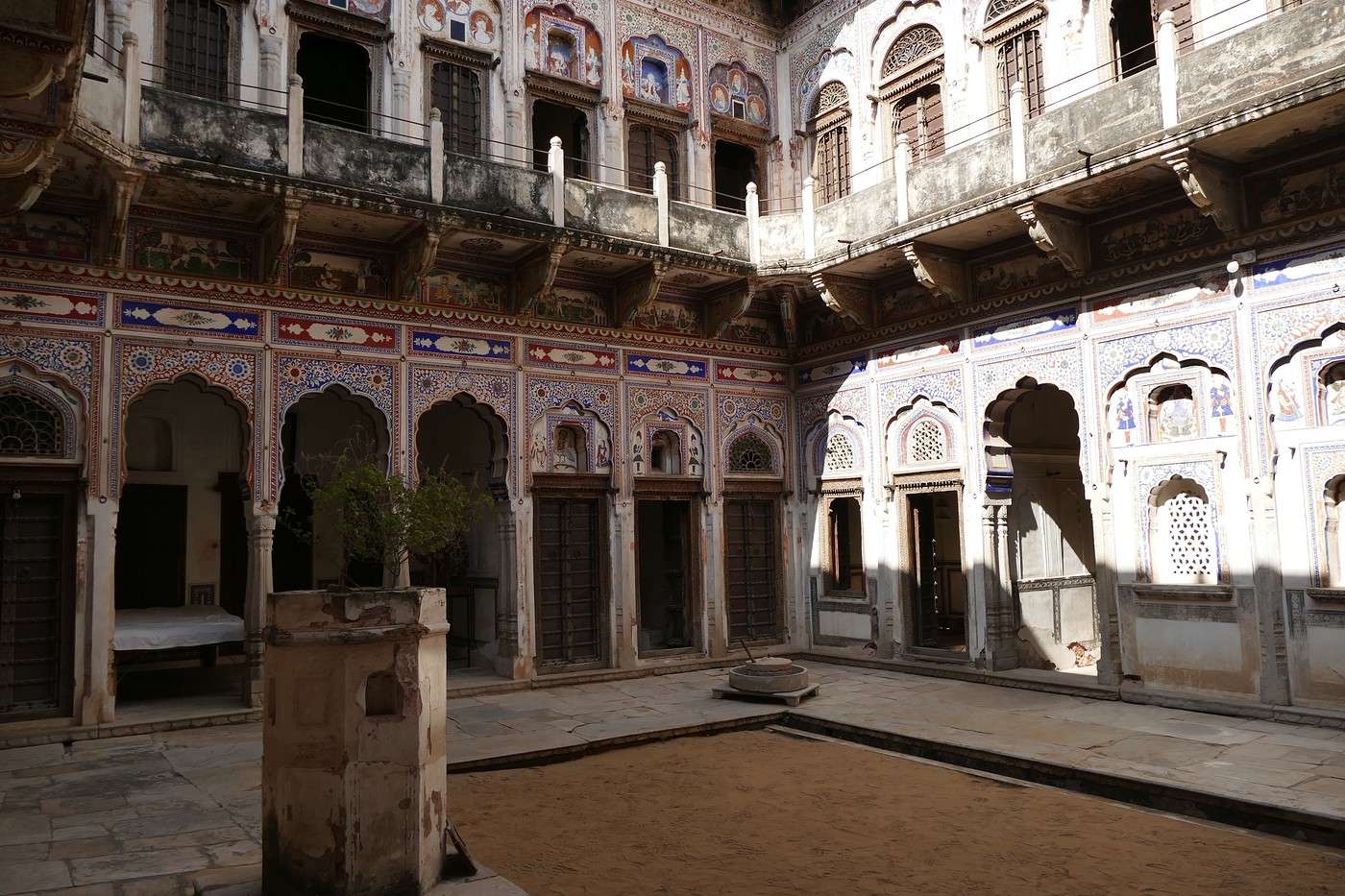
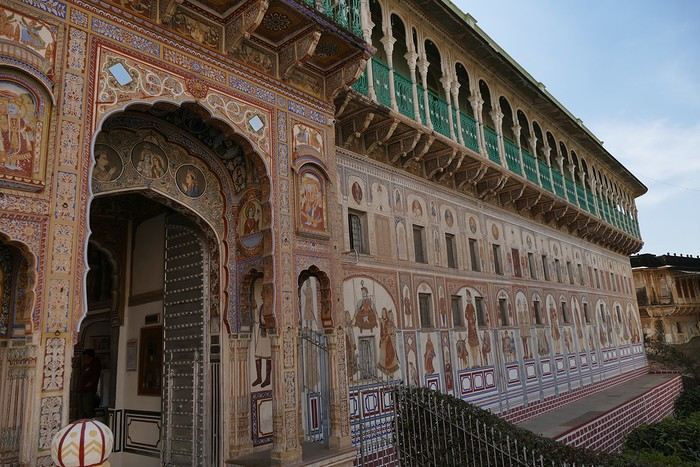
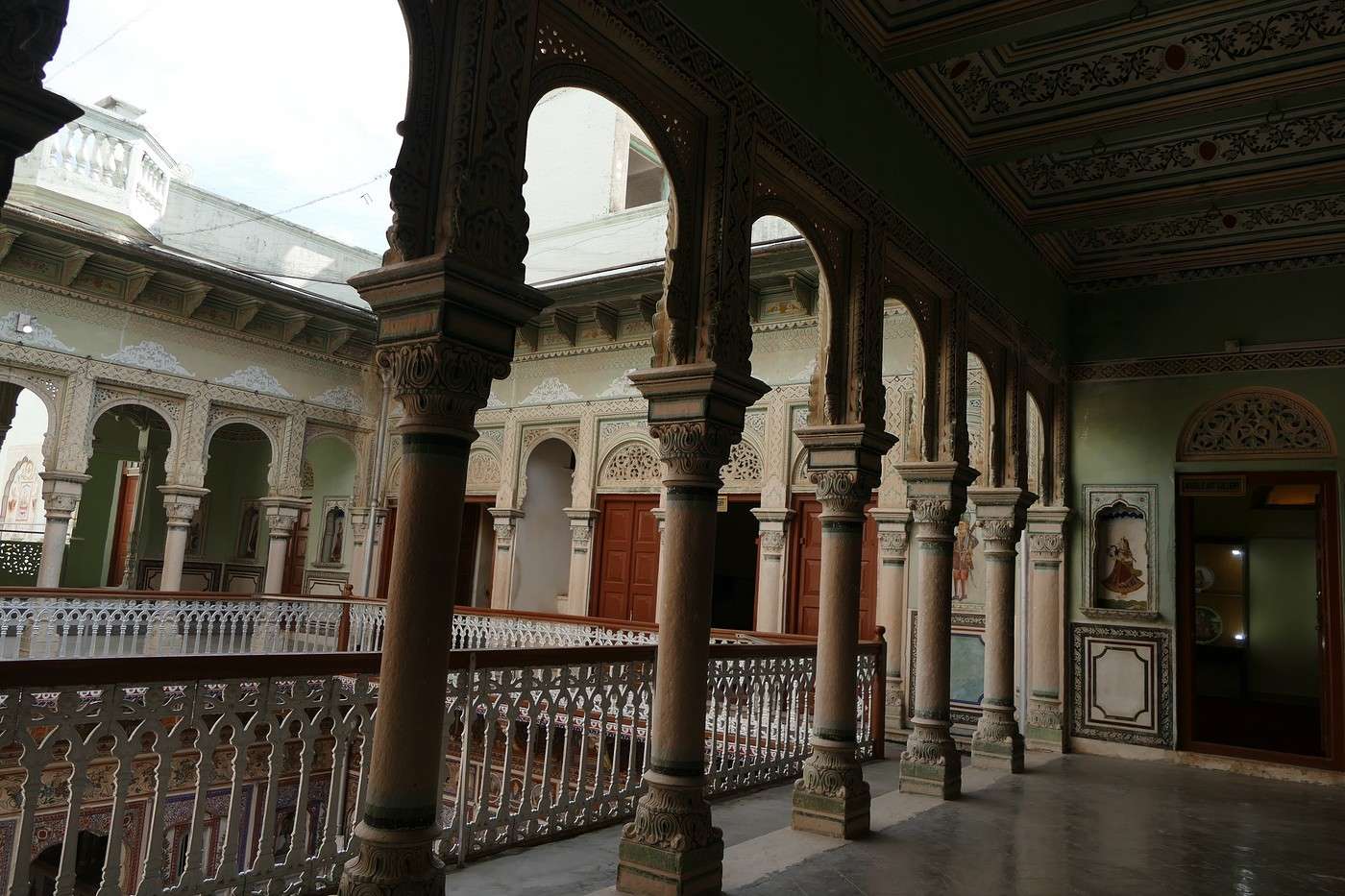
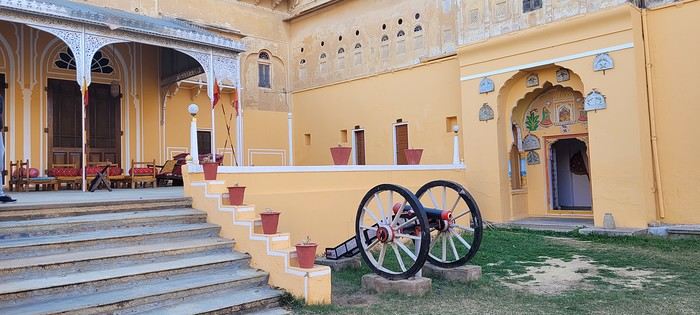
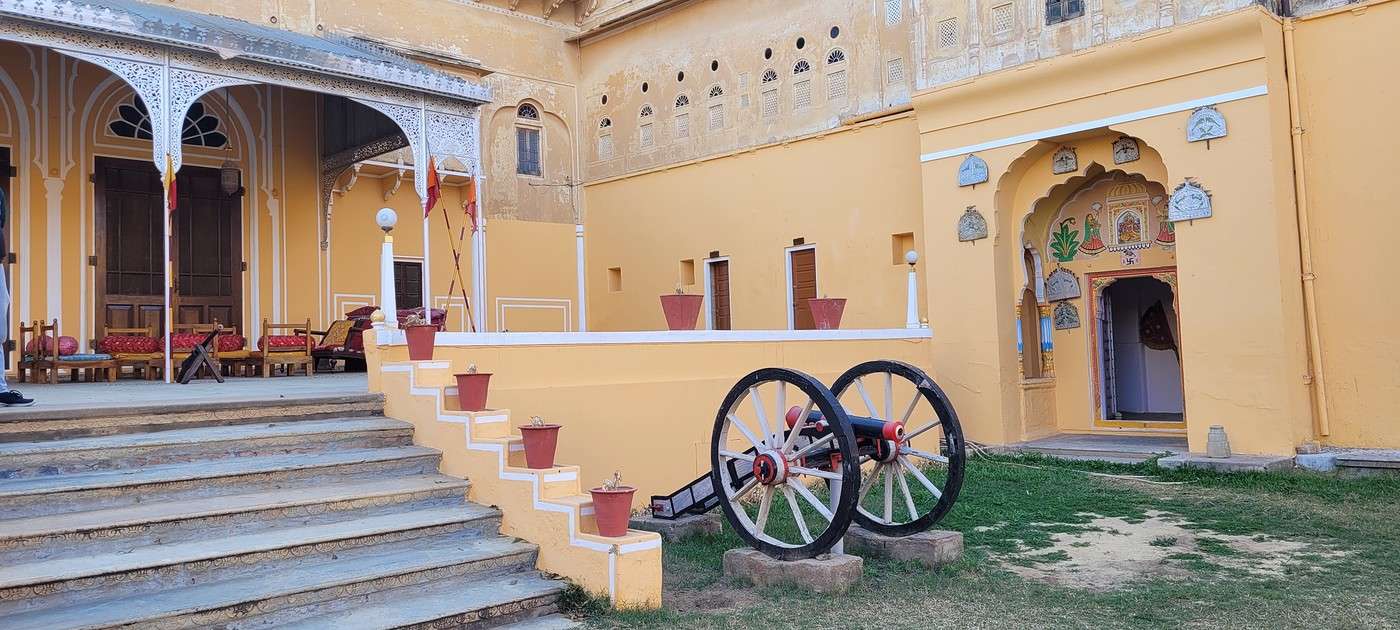
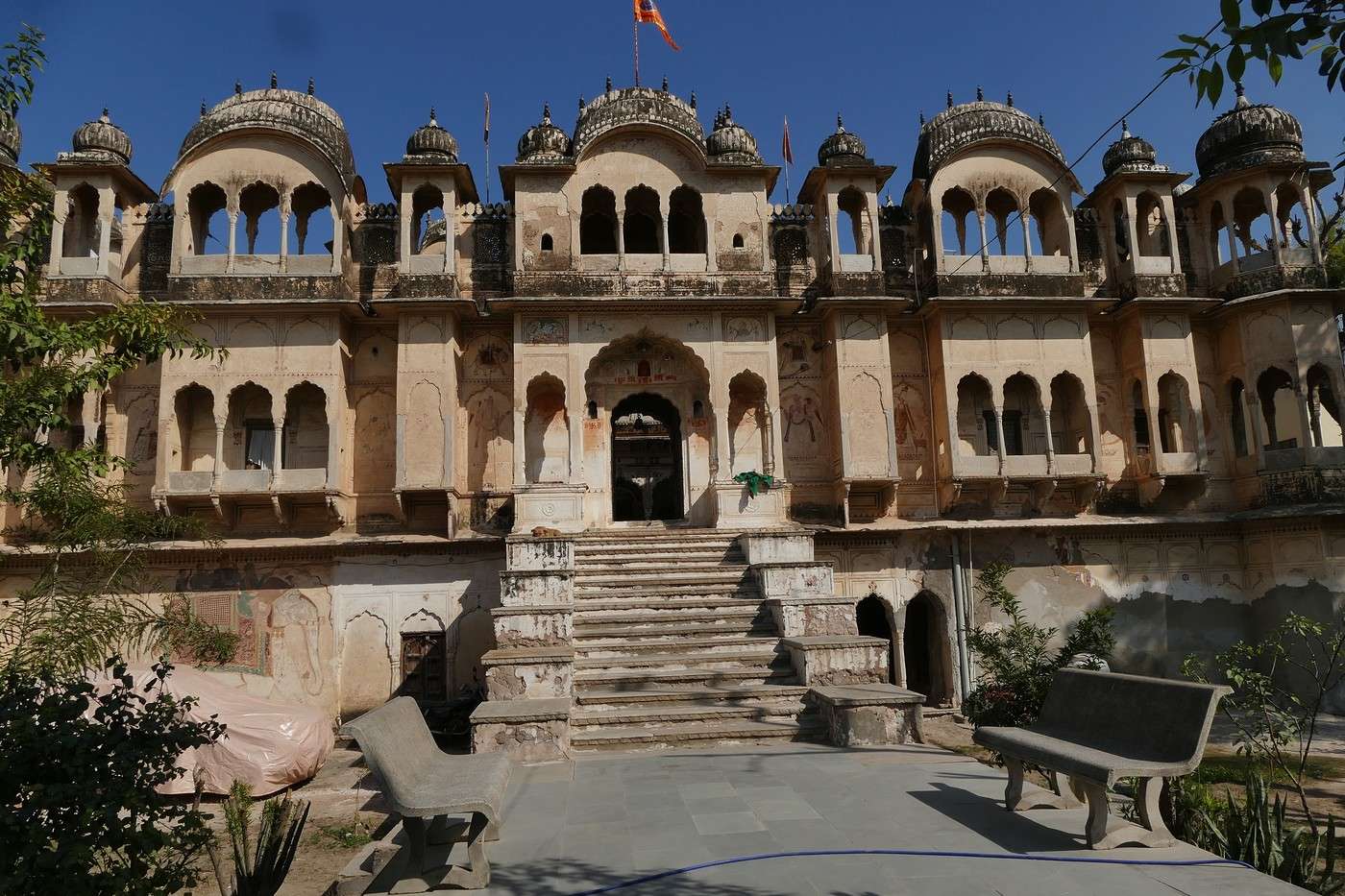
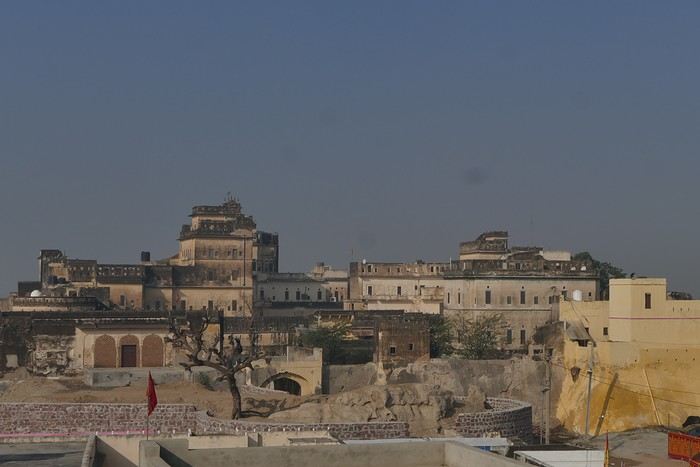
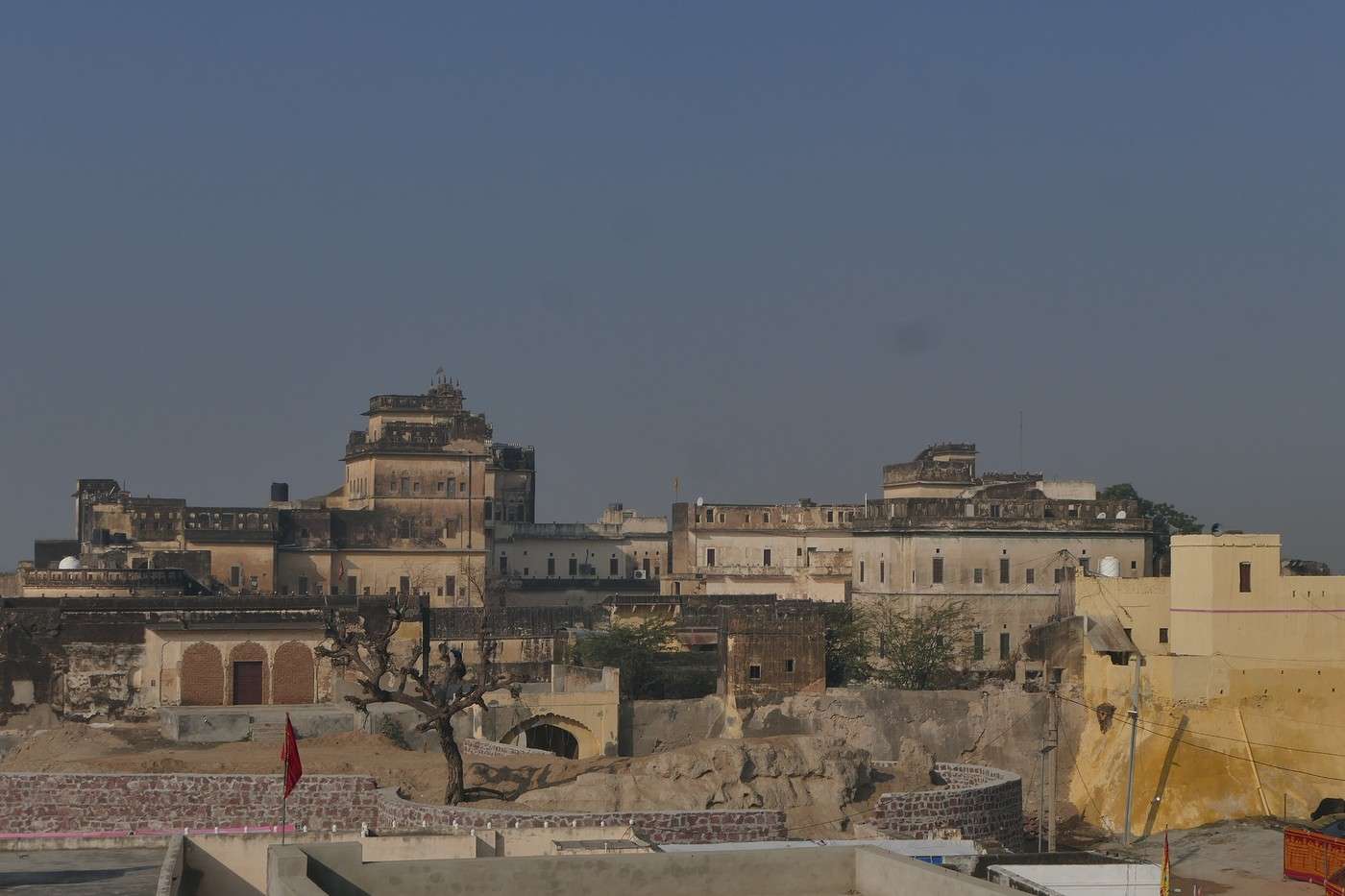
I take the bus at 9:20 AM for Mahensar. I have to go through Bissau and change buses. I’m lucky because I don’t wait too long. In Mahensar, the bus drops me off at the side of the road—it’s in the middle of nowhere, and I don’t know how to get to the fort that’s been turned into a hotel. A man in his shop sees me and offers his services. He goes to get his car and drives me to this old fort. It’s the first time I’ve stayed in a fort, and this one is very run-down.
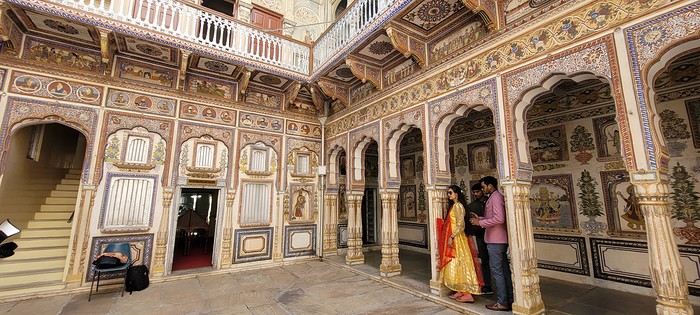
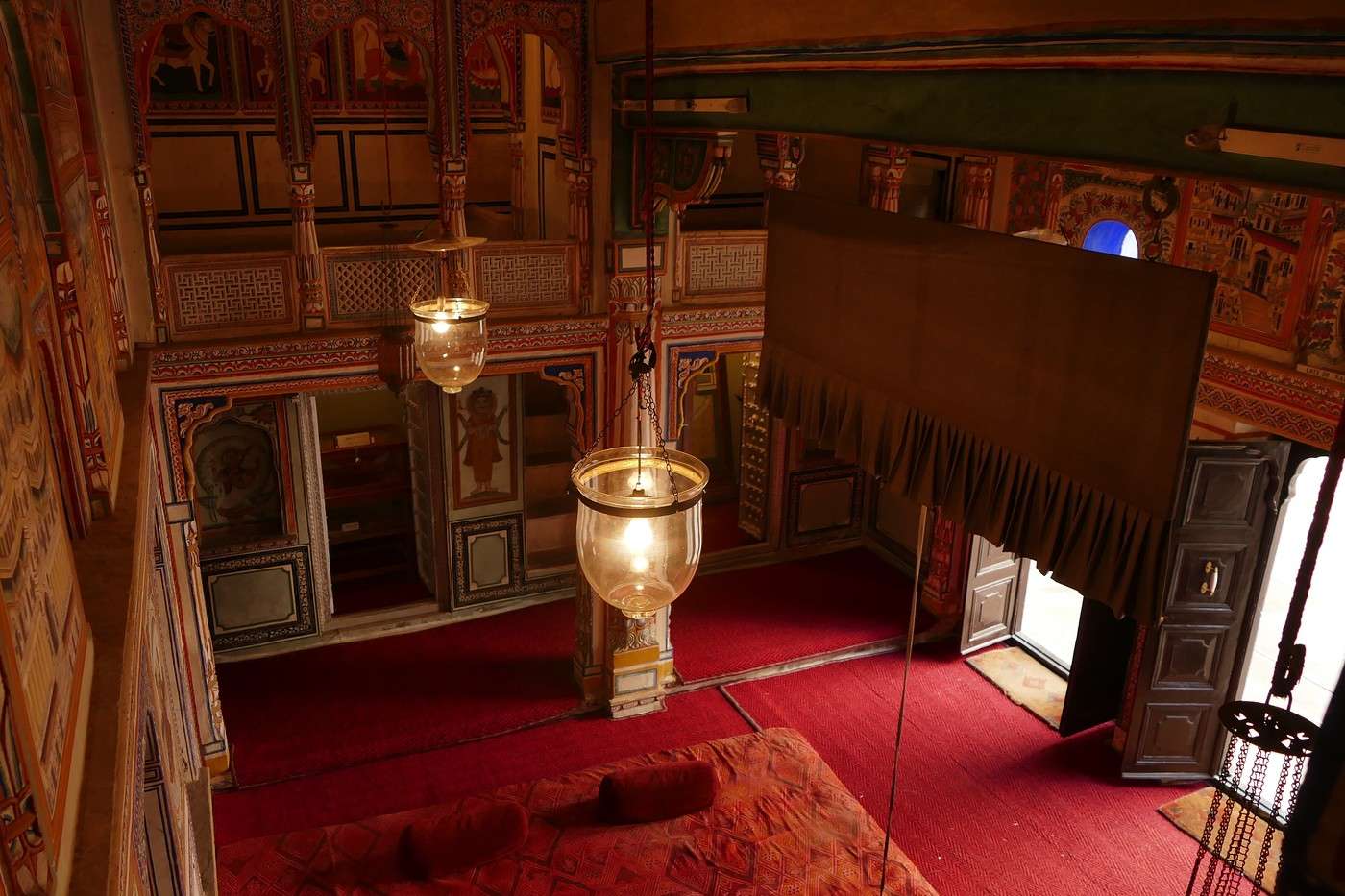
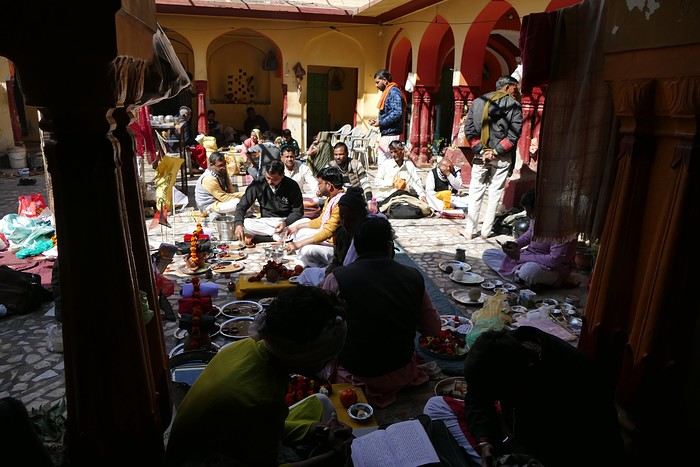
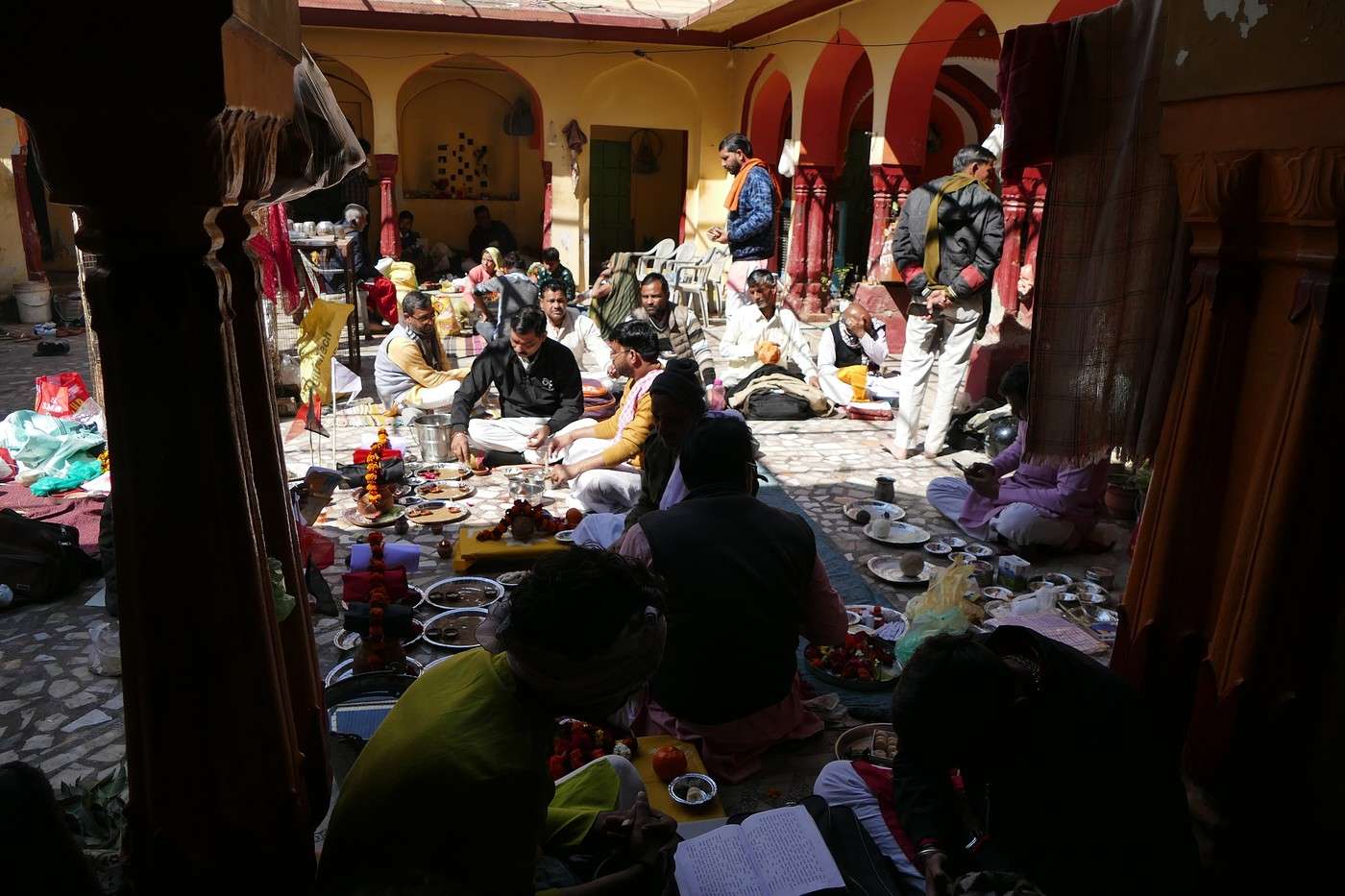
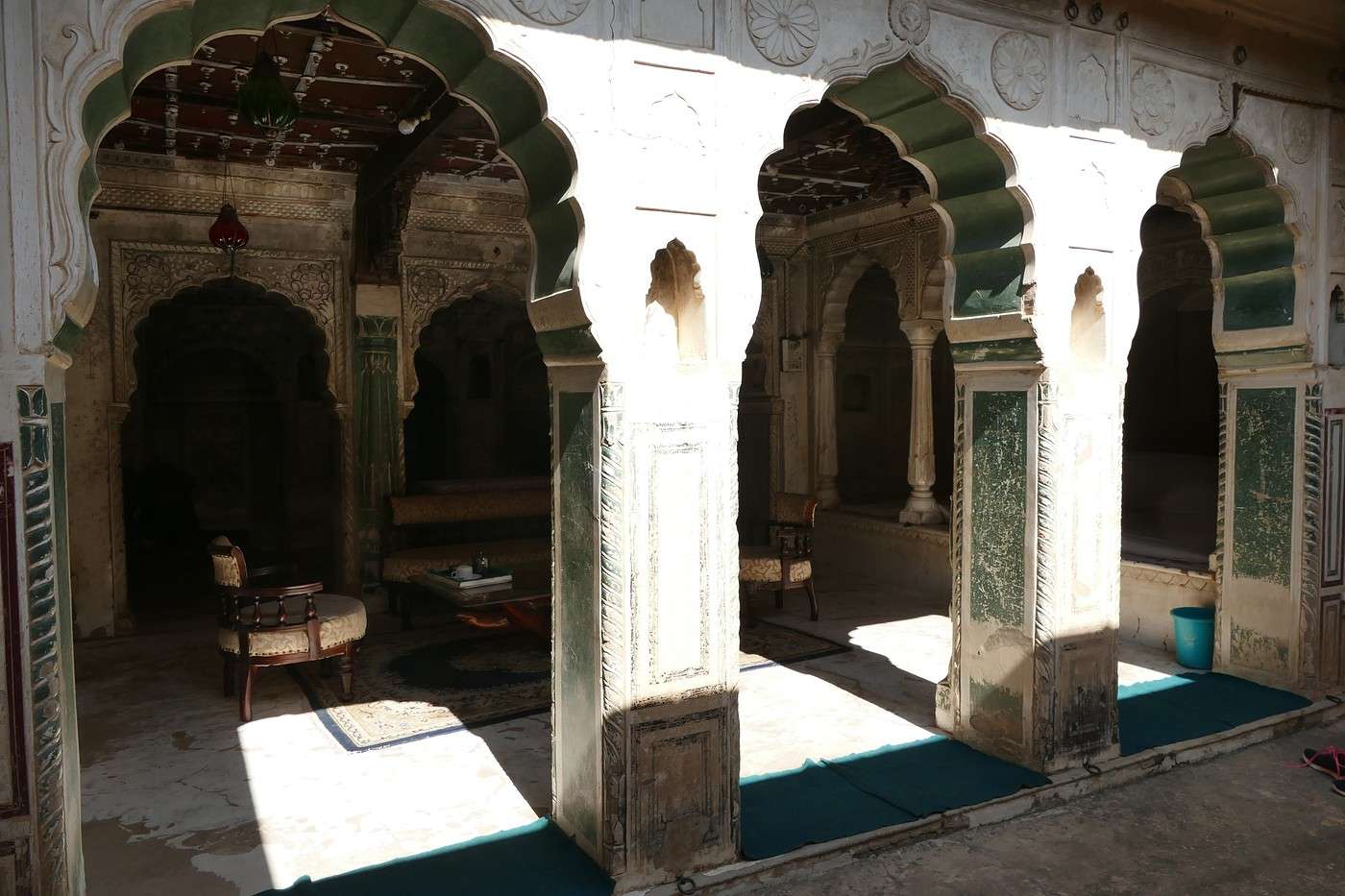
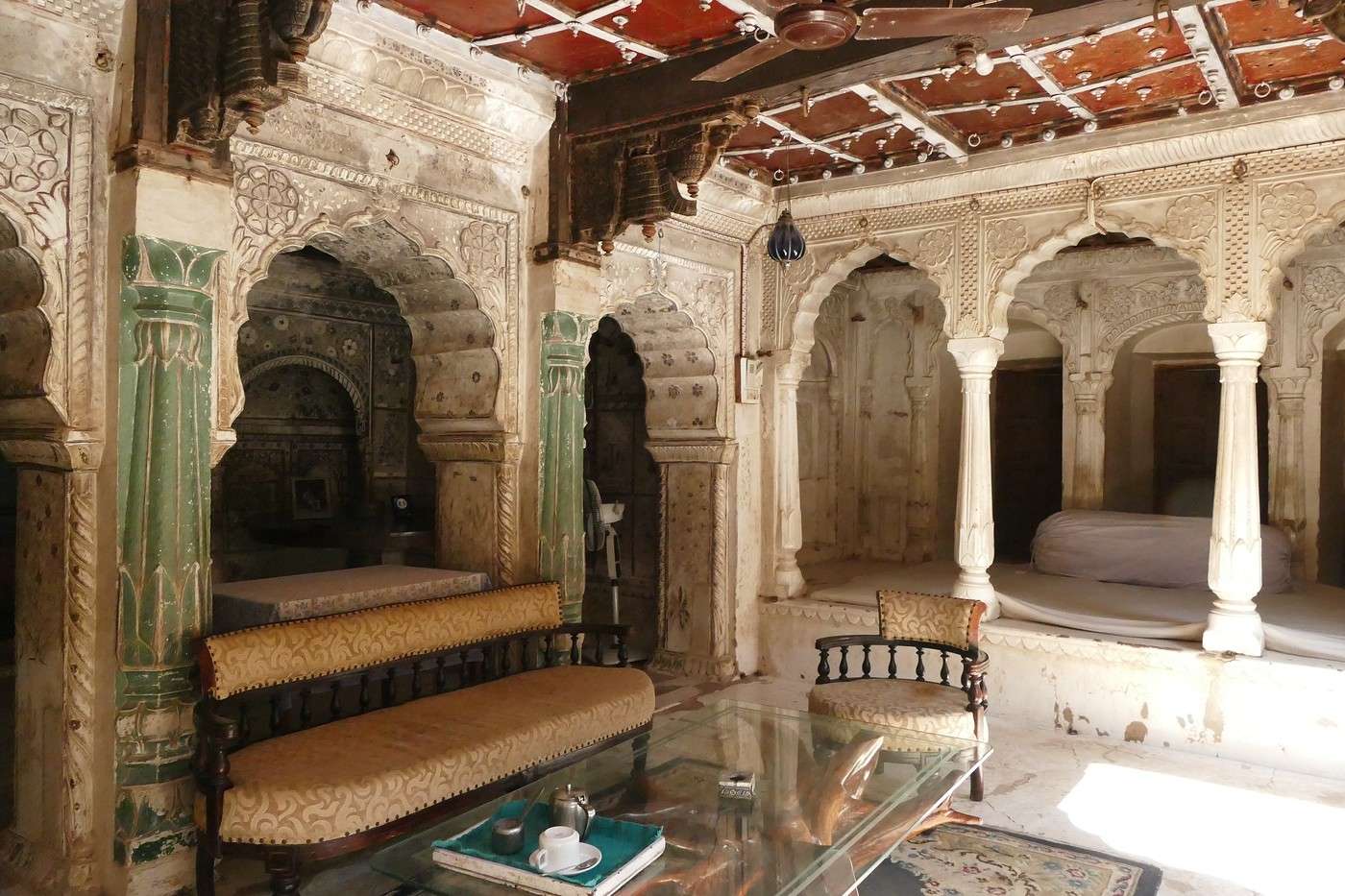
When I arrive, I’m greeted by the Maharaja and his family. Outside, the staff is busy—there’s a small wedding of 200 people tonight. They don’t put me in the room I booked because of the noise but in room No. 1, the largest, which will also be noisy since the windows overlook the courtyard where the wedding will take place.
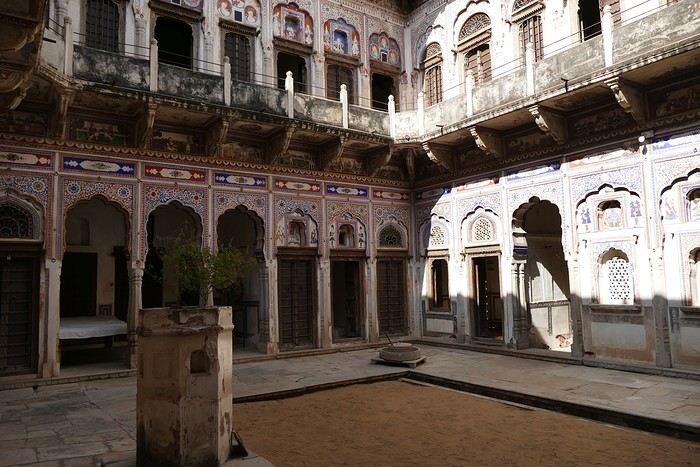
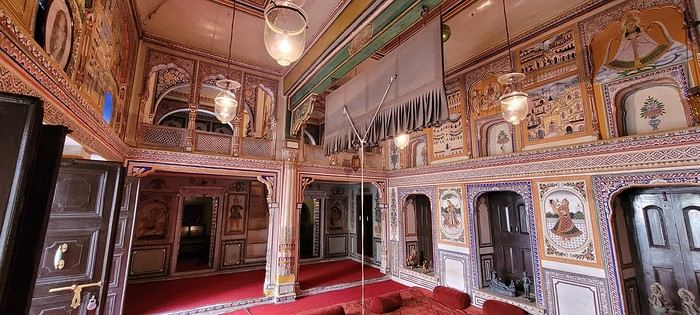
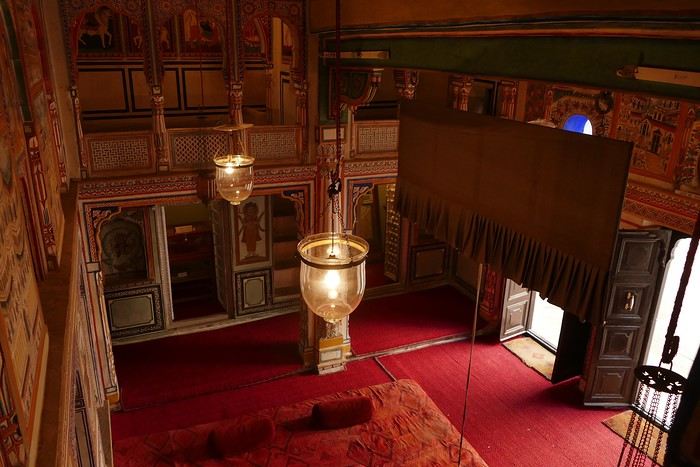
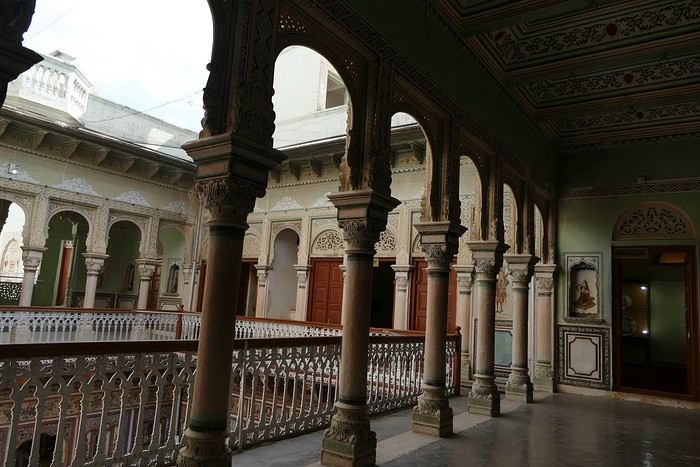
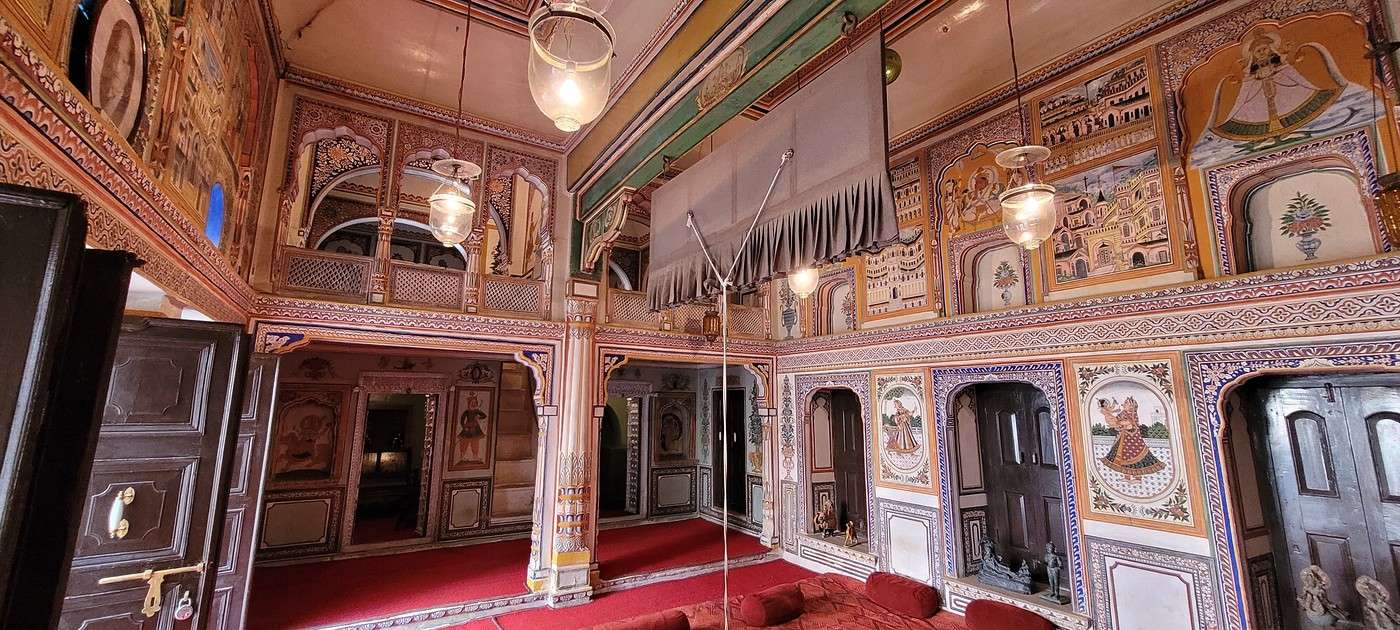
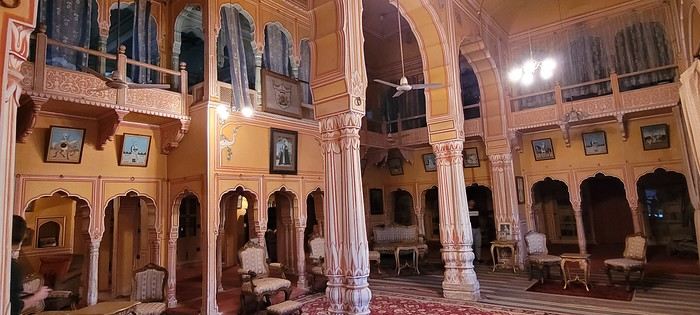
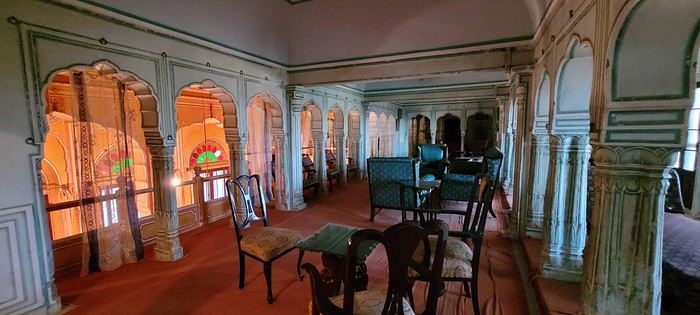
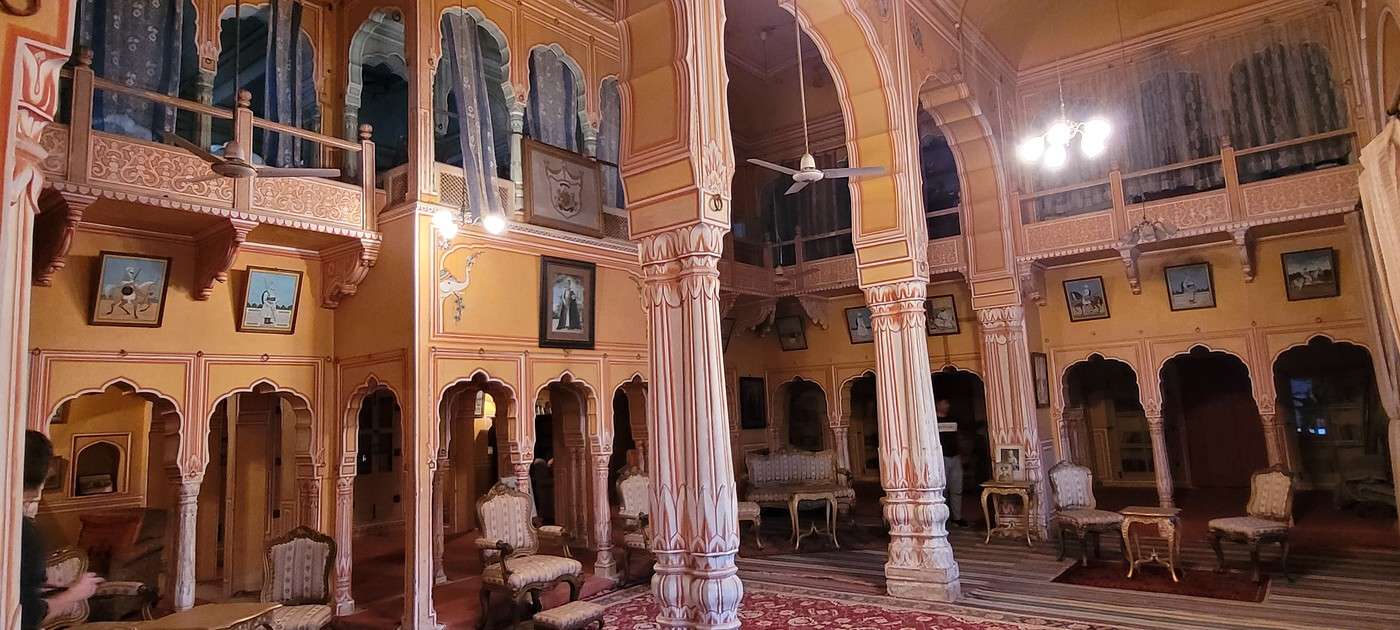
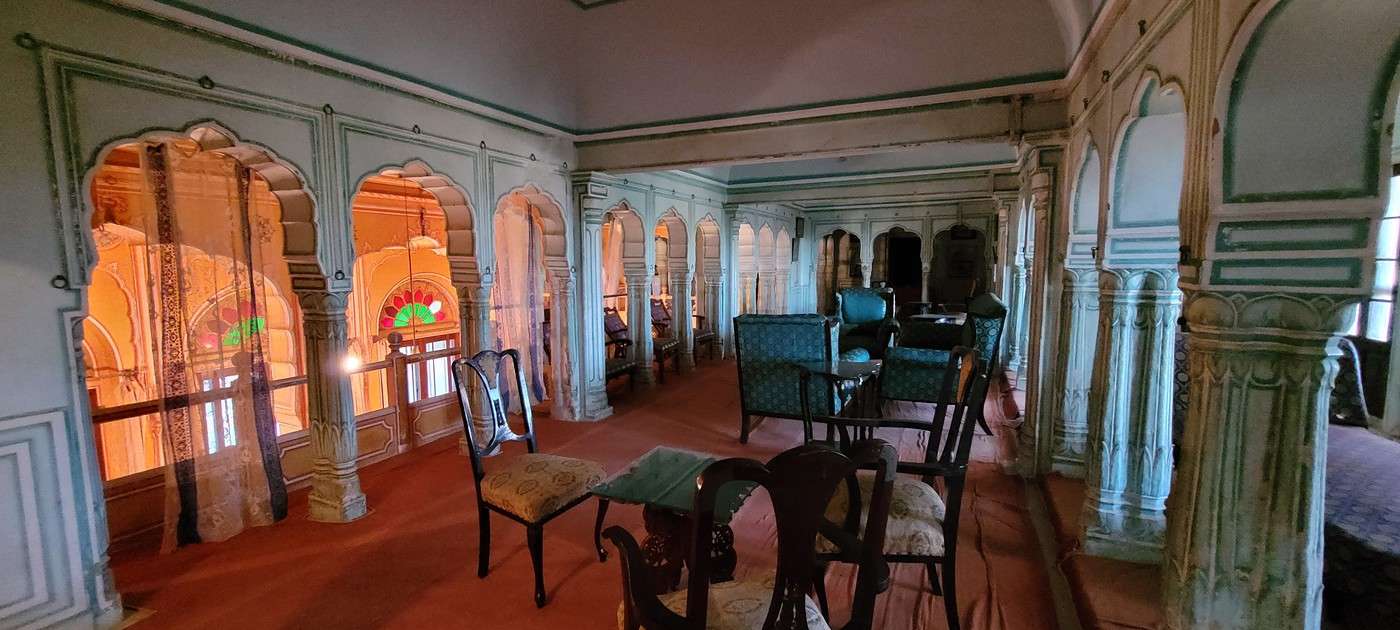
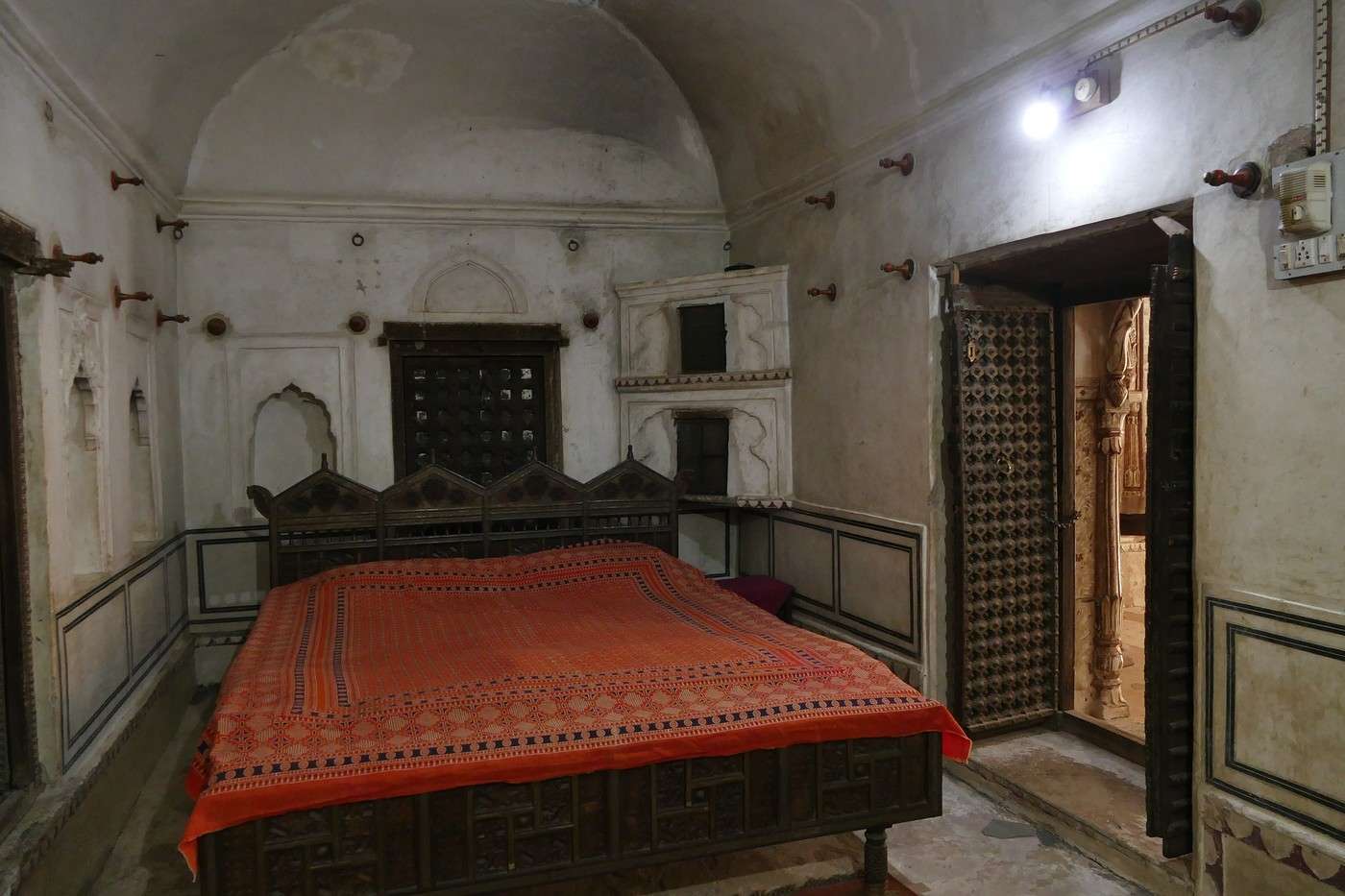
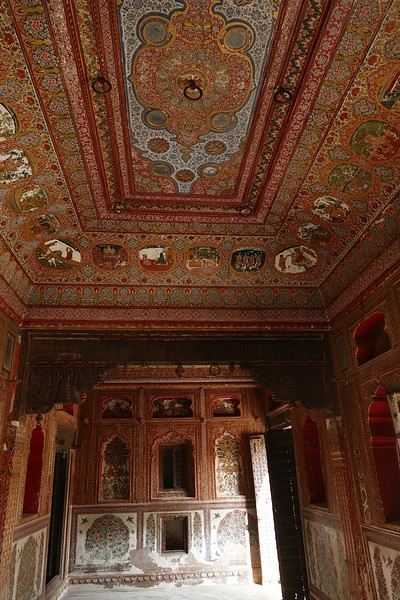
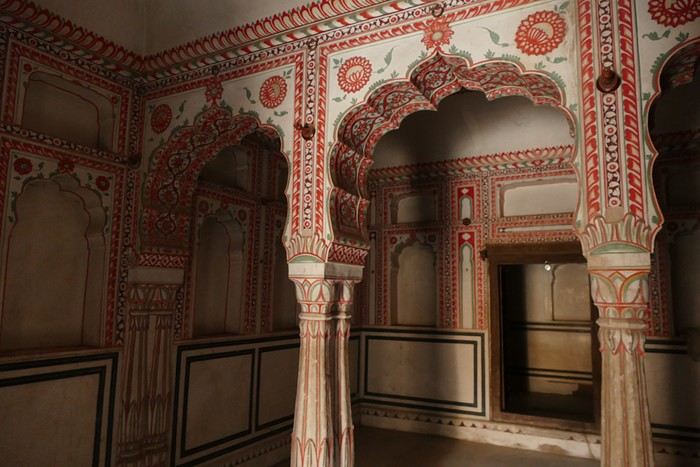
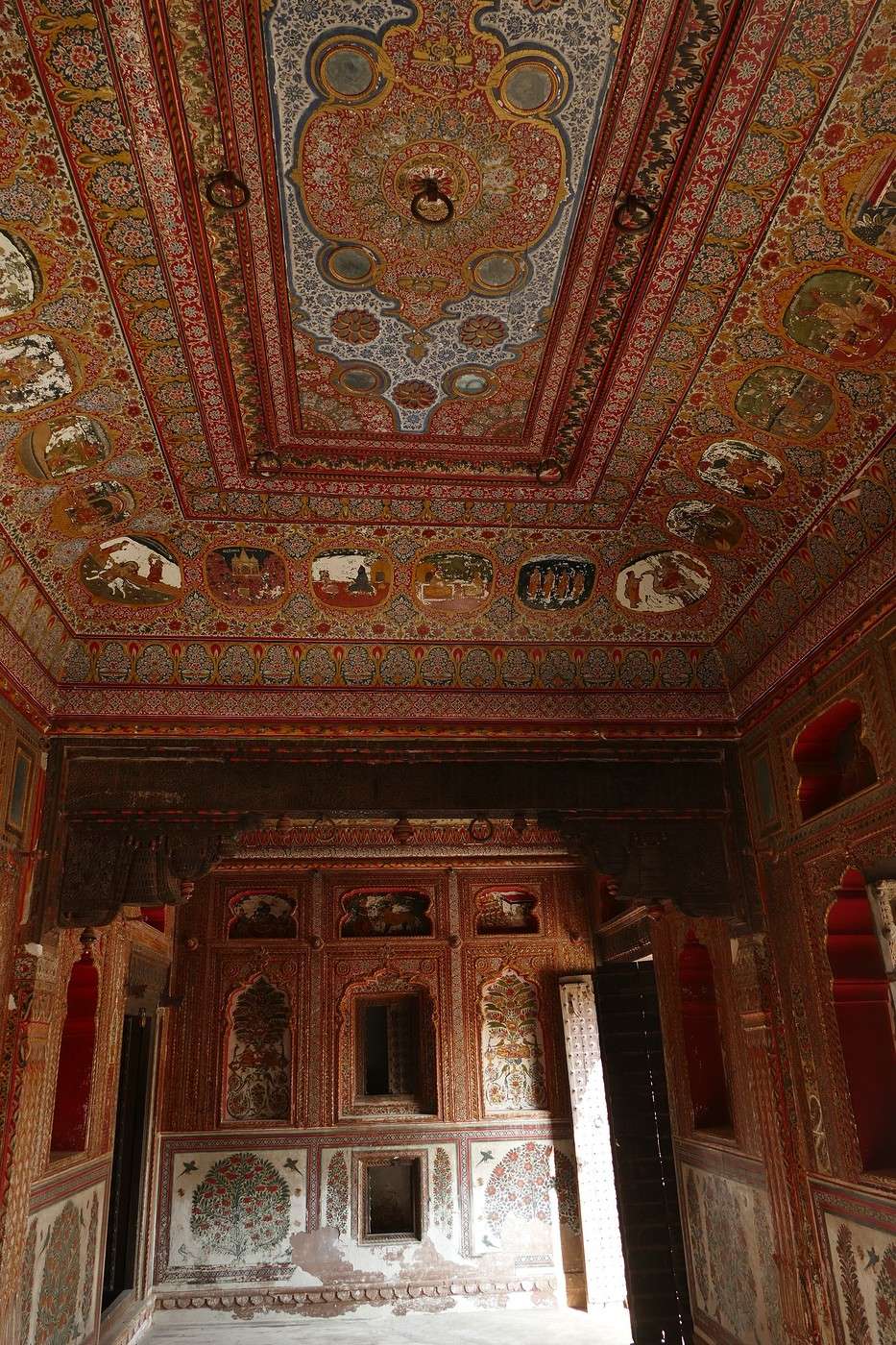
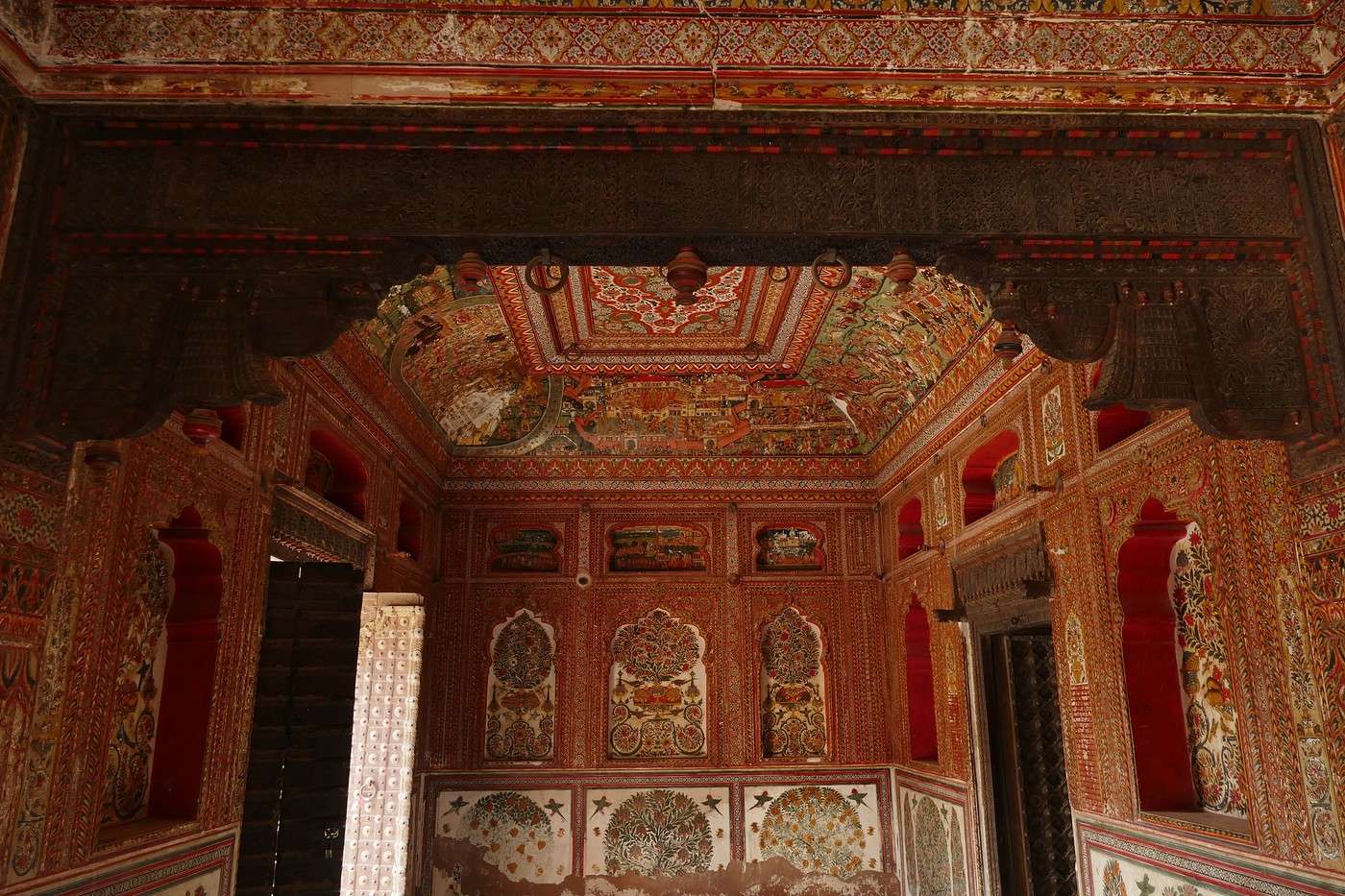
This room is unique—I have a large living room, alcoves in an open courtyard, the bathroom on the side, and at the back of the room, a large bedroom. It’s huge; you could make an apartment out of it. The description sounds dreamy, but you’ll see—it’s as worn-in as the fort itself!
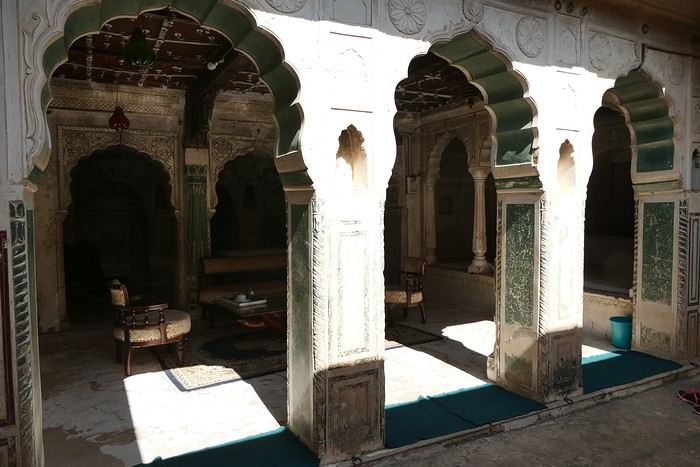
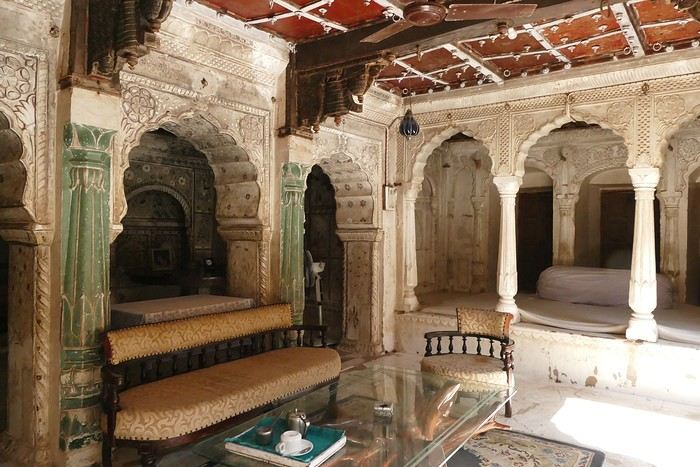
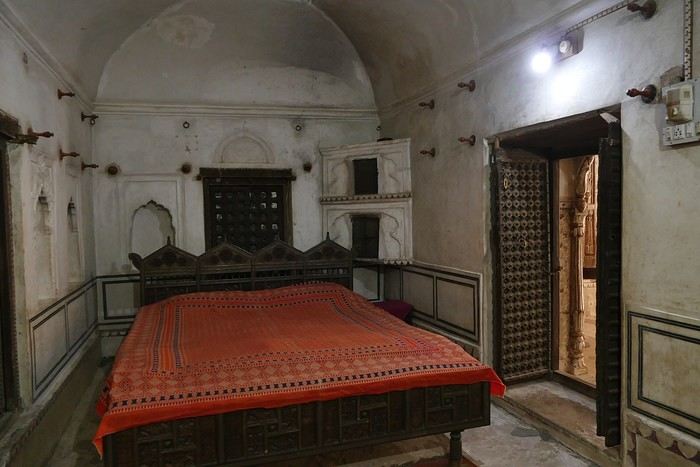
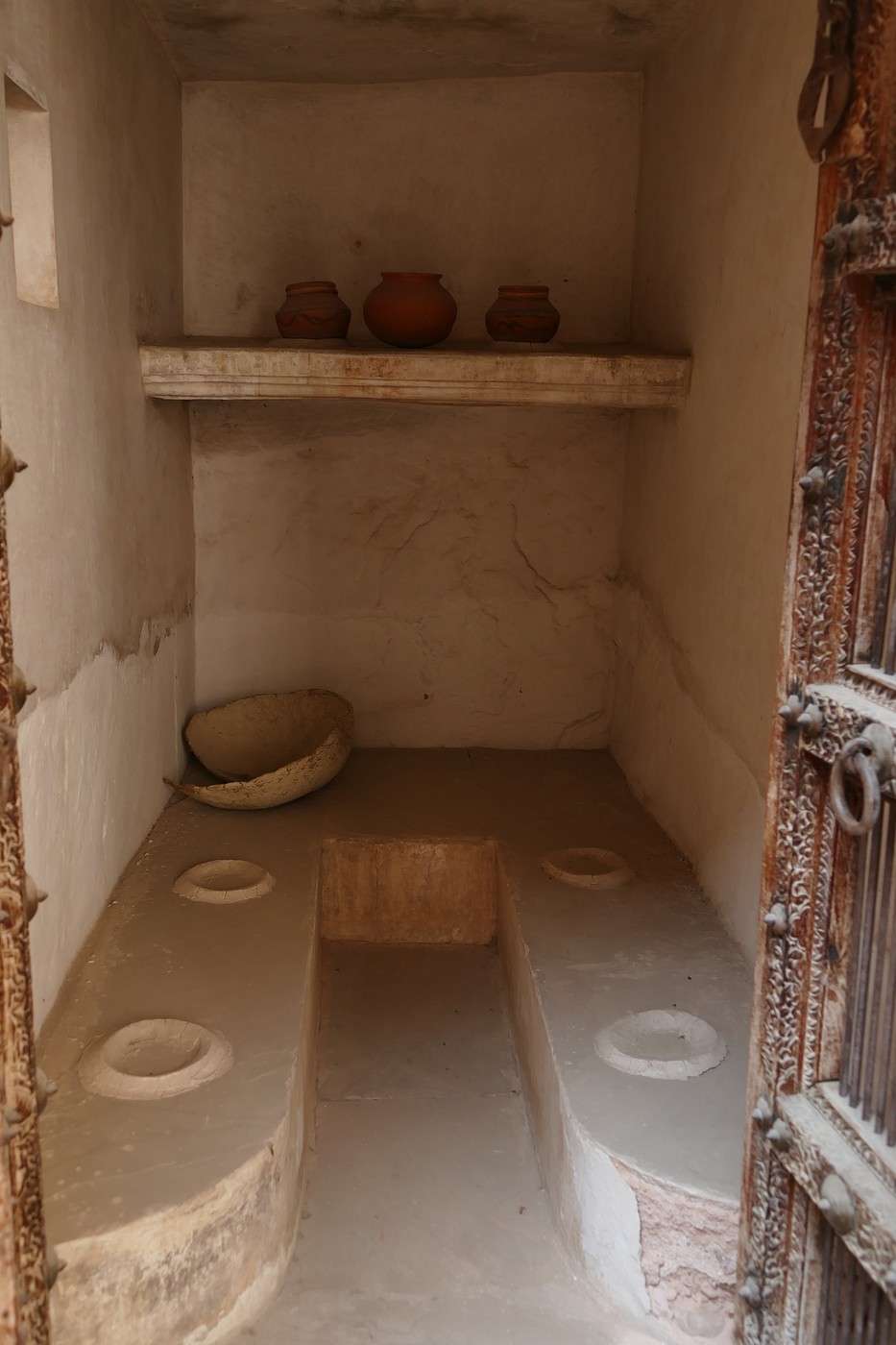
If you’re looking for authenticity, this is the place to come, but for comfort, it’s better to go further into another village.
The Maharaja offers me the services of a young guide, Mudita, to visit Ramgarh this afternoon, then Mahensar, Bissau, and Choru tomorrow.
I leave to meet her by bus in Ramgarh, and an employee takes me to the bus stop, where I have to wait nearly an hour.
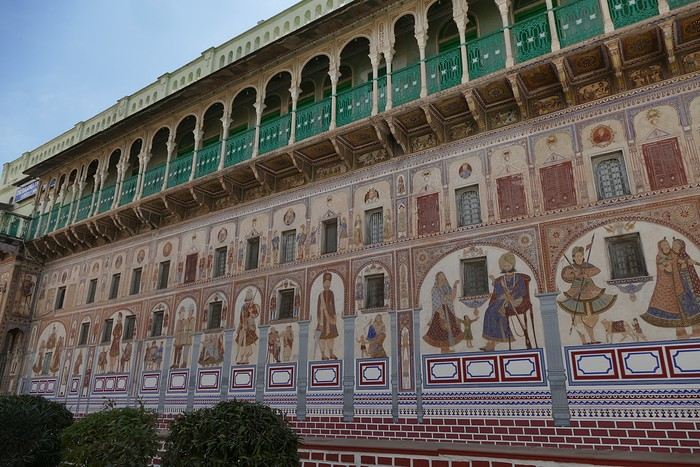
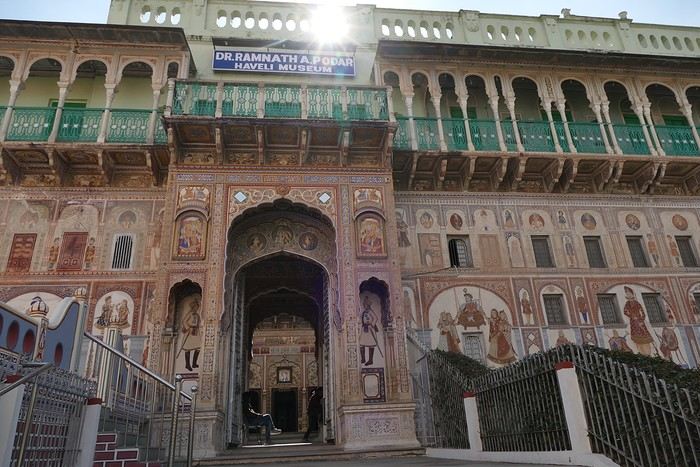
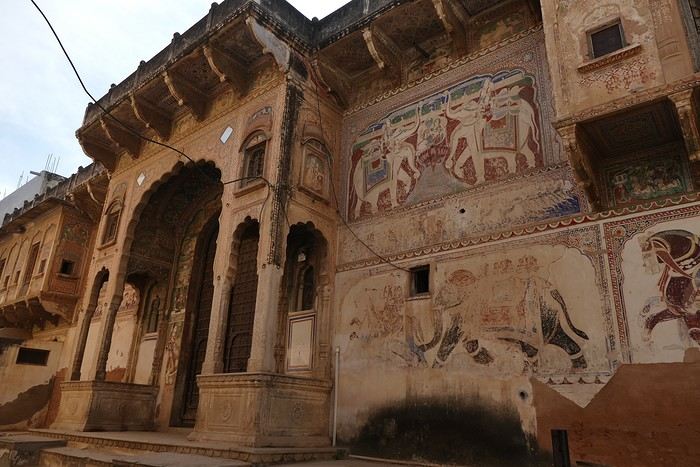
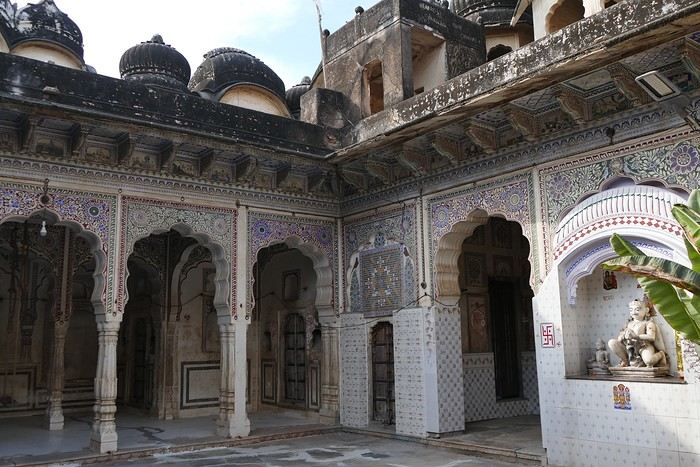
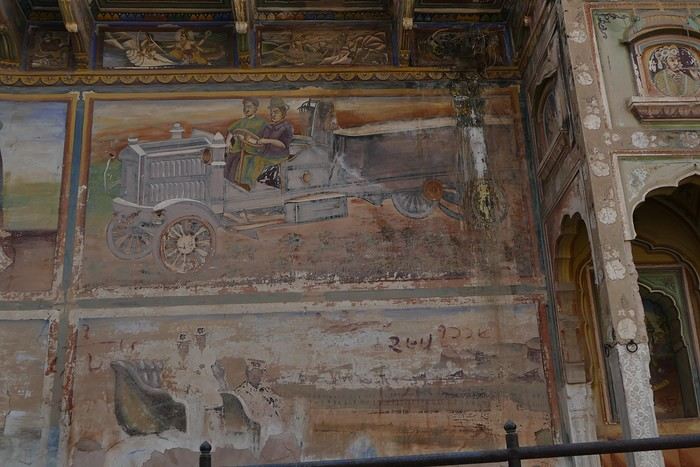
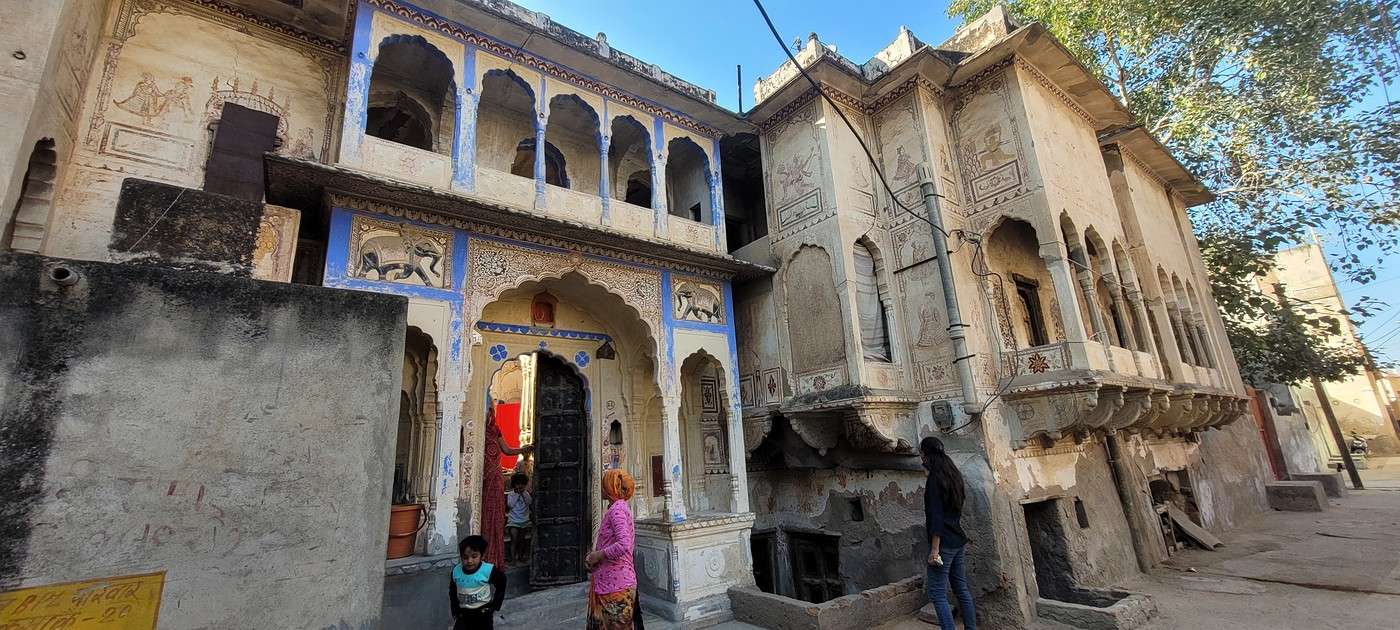
Here in Ramgarh, opium and cotton trading used to take place. The Poddar family founded Ramgarh in 1791 and, along with other wealthy merchants, built havelis, chhatris, and schools.
I meet up with Mudita, a charming young woman who specializes in guiding in the Shekhawati region—she travels from Nawalgarh to Churu.
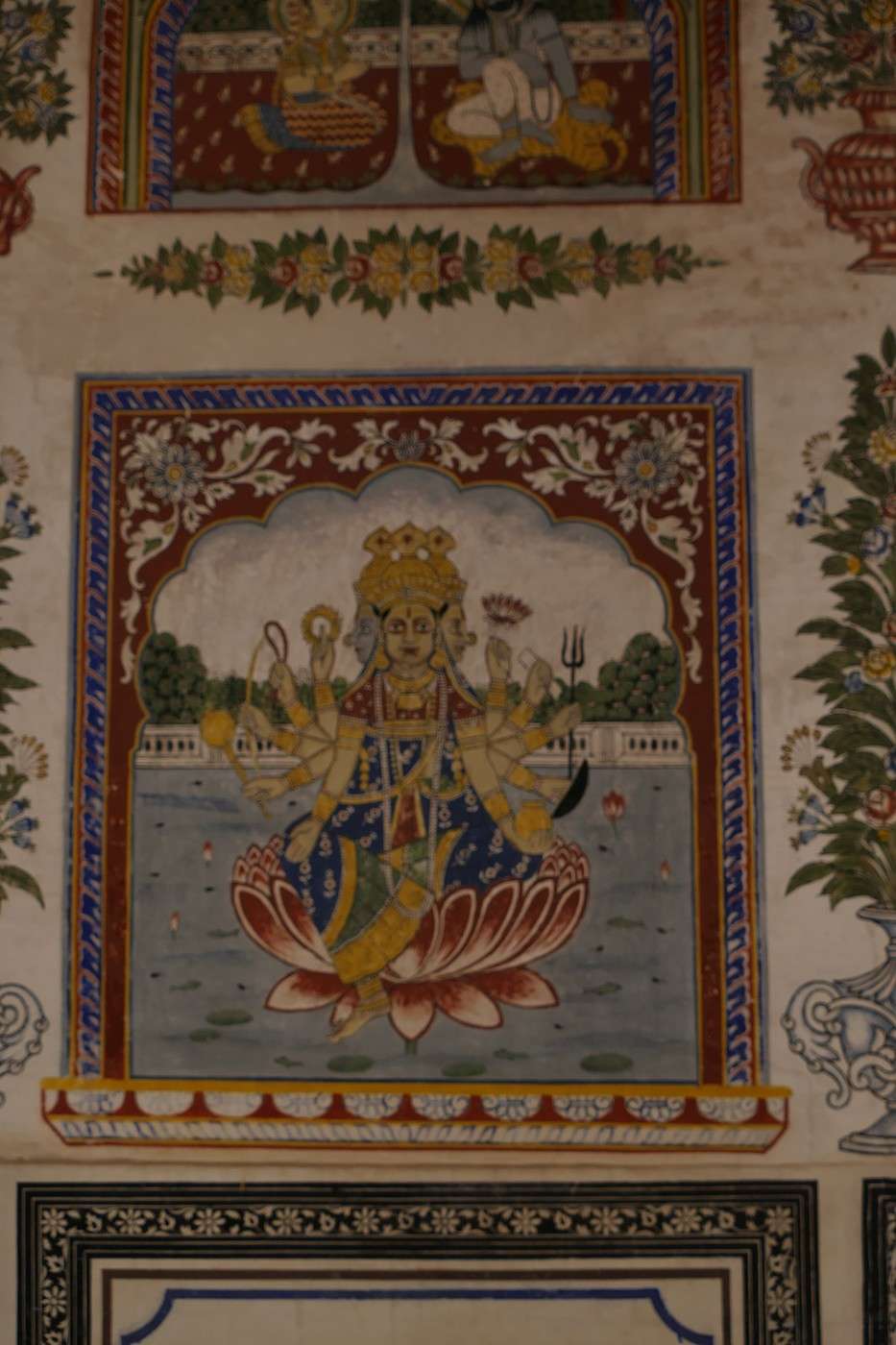
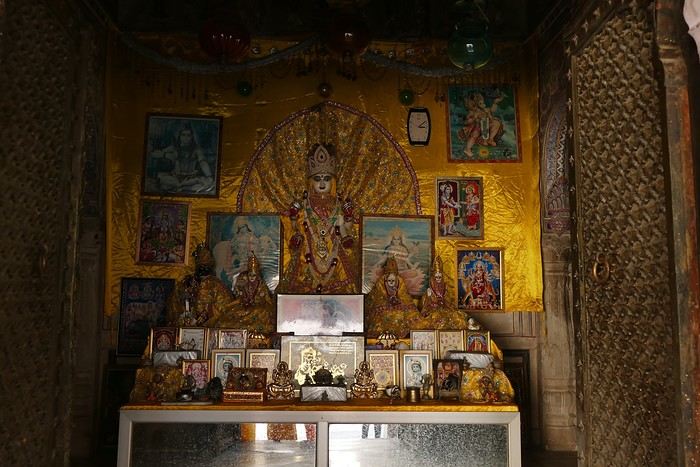
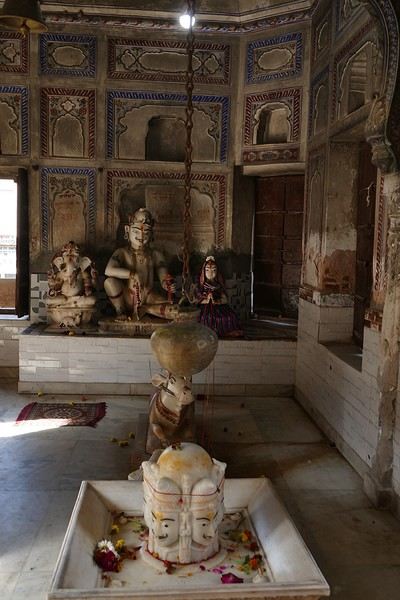
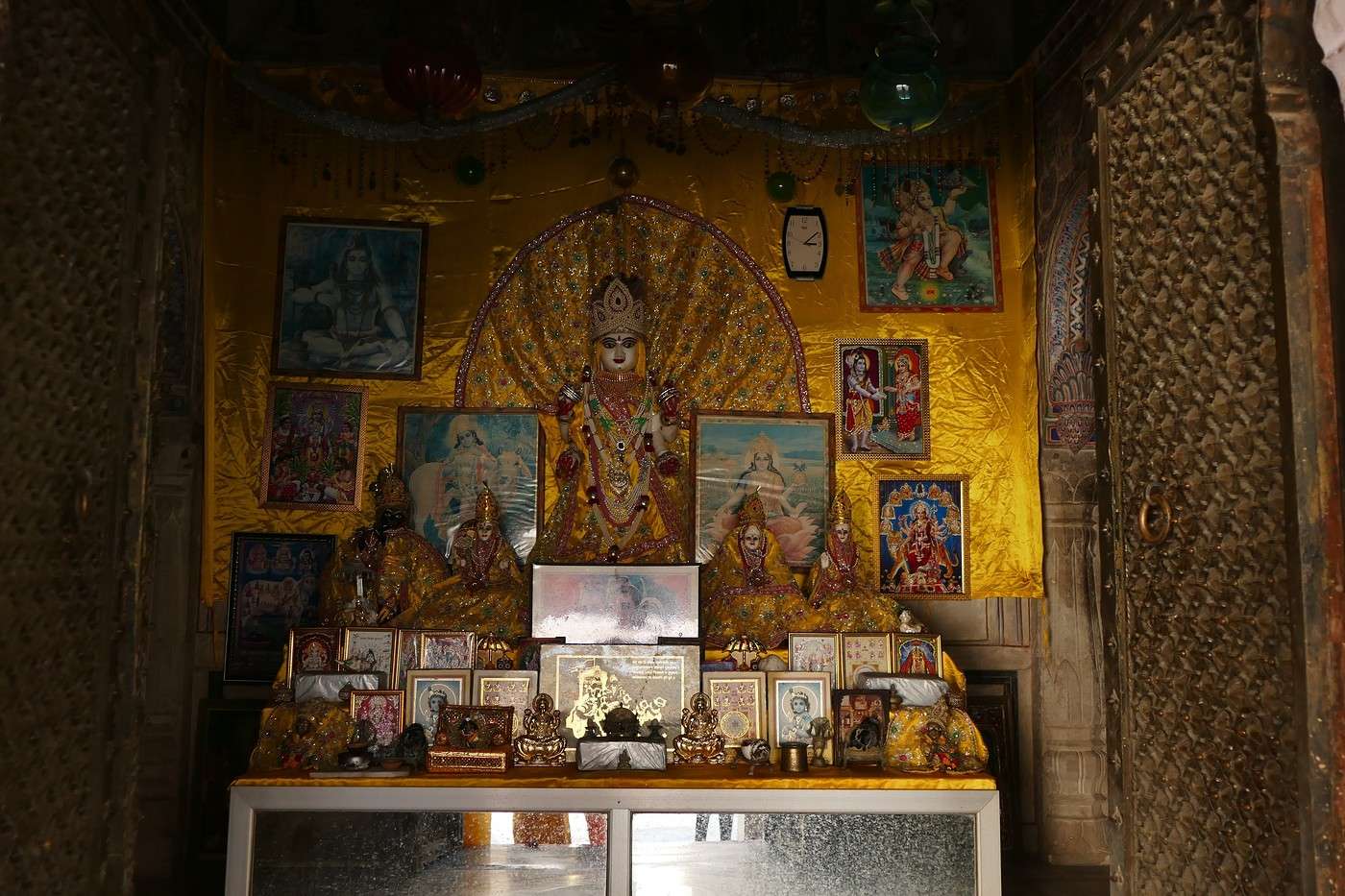
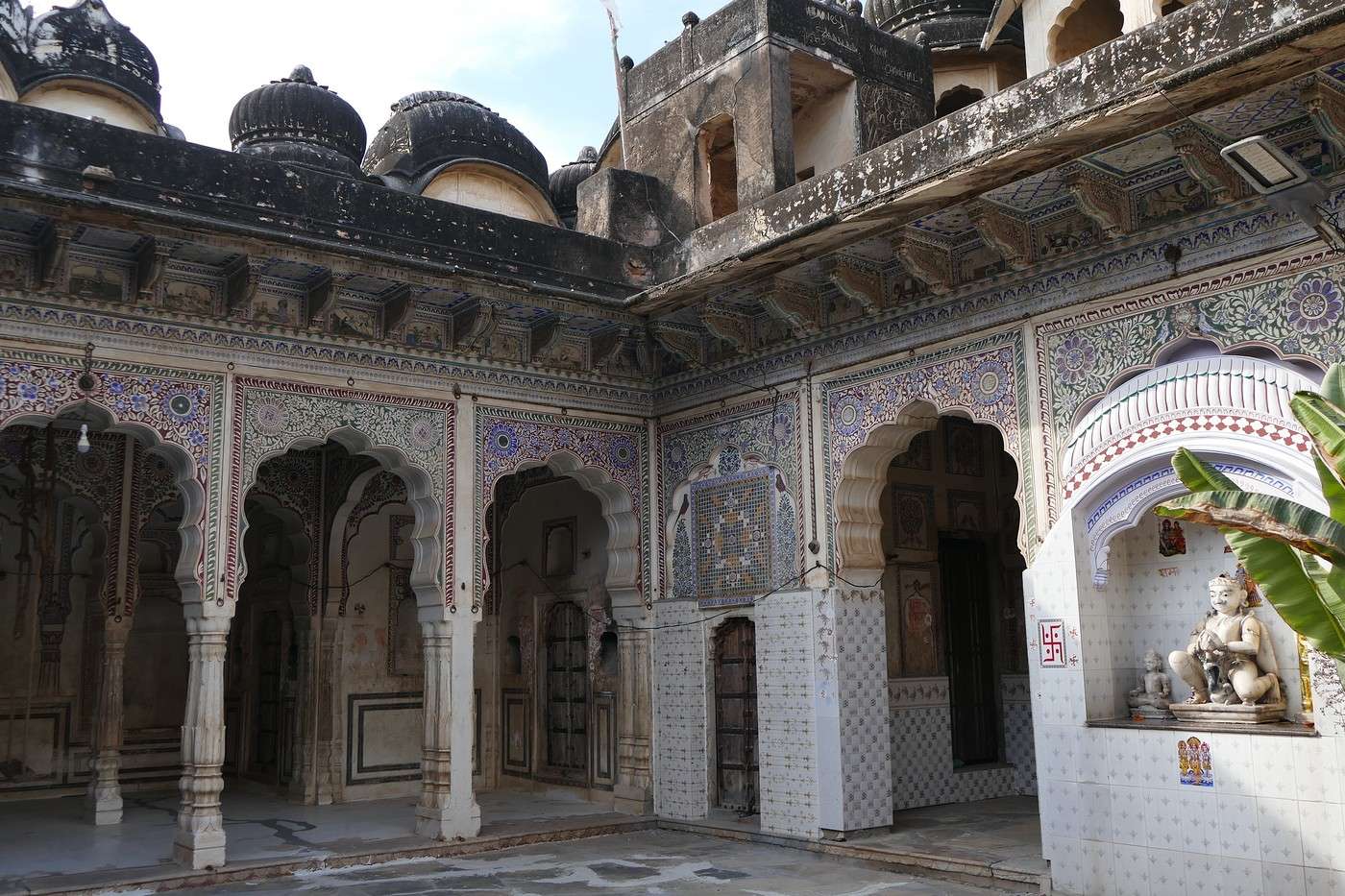
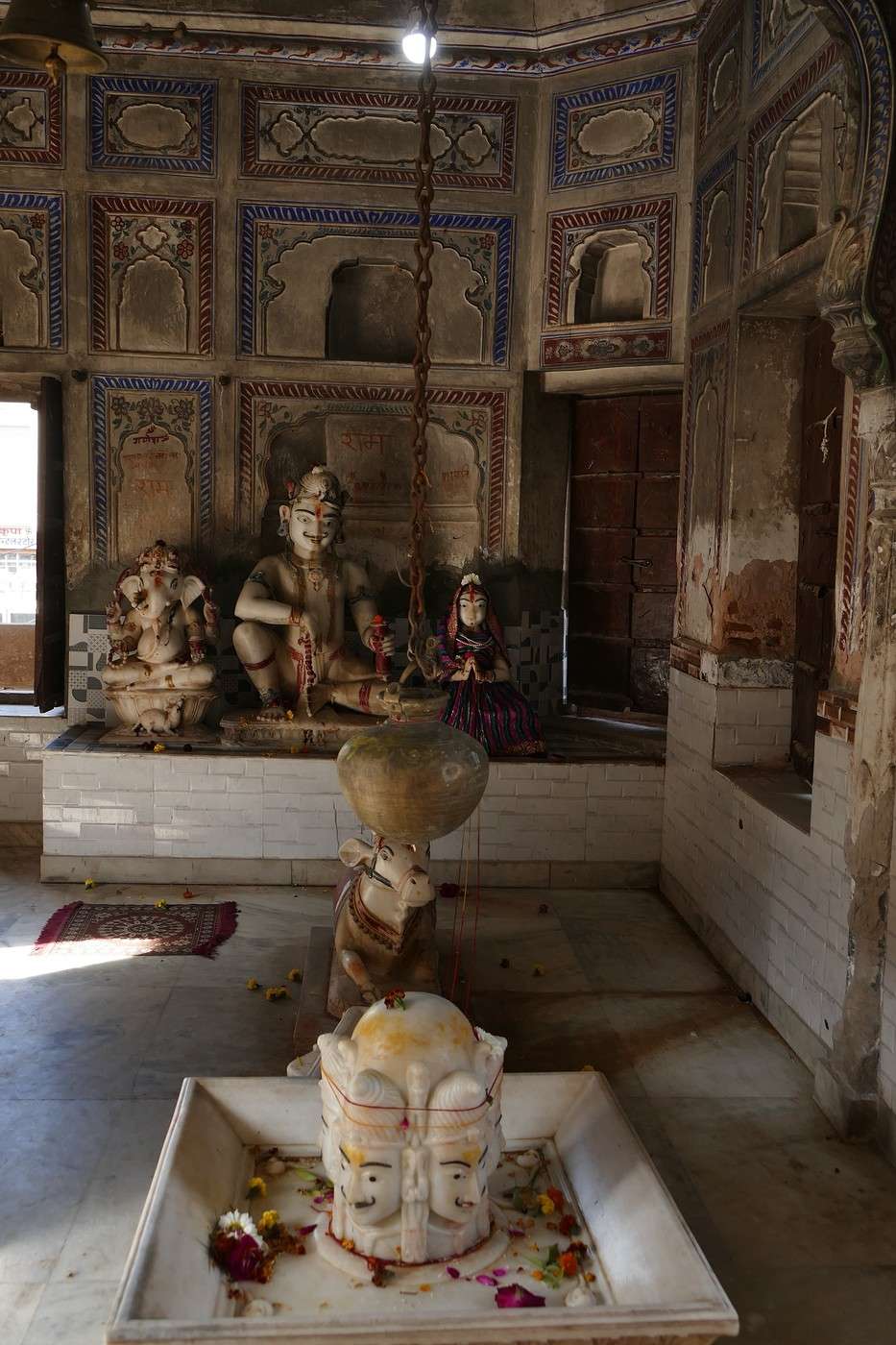
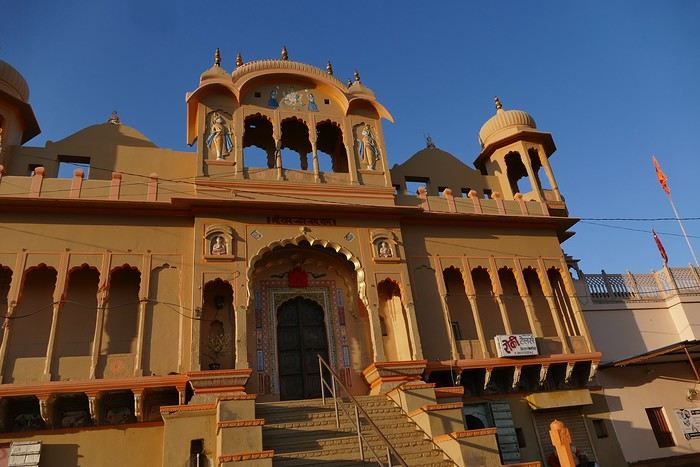
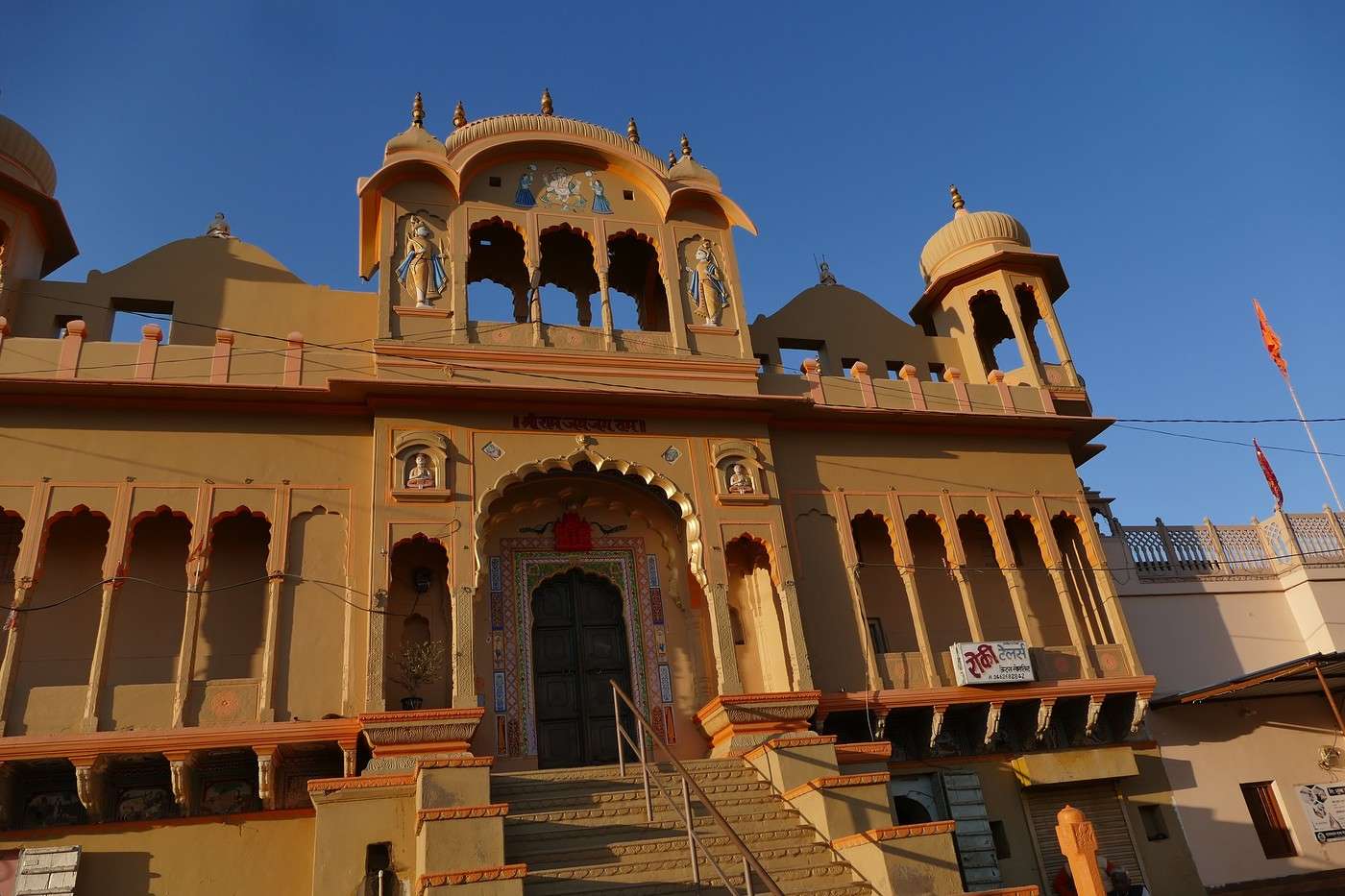
We start the visits with the Ganga Mai Mandir.
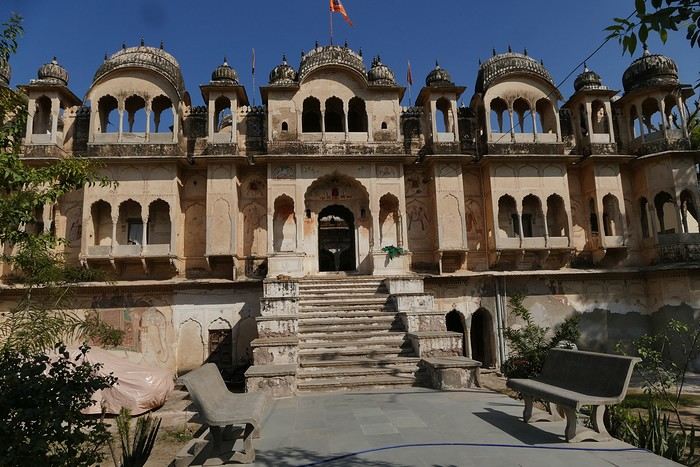
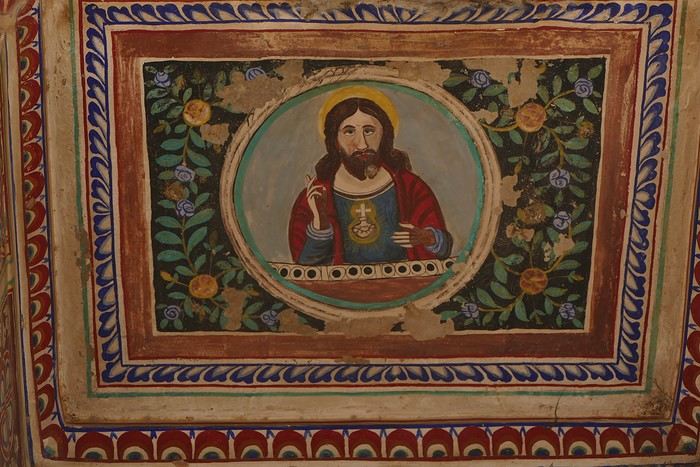
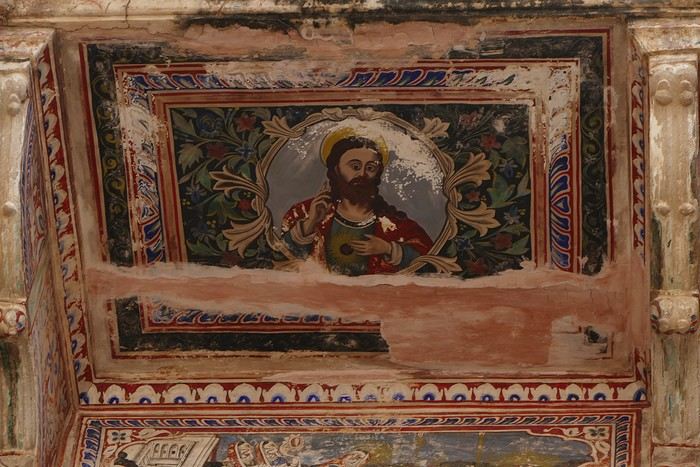
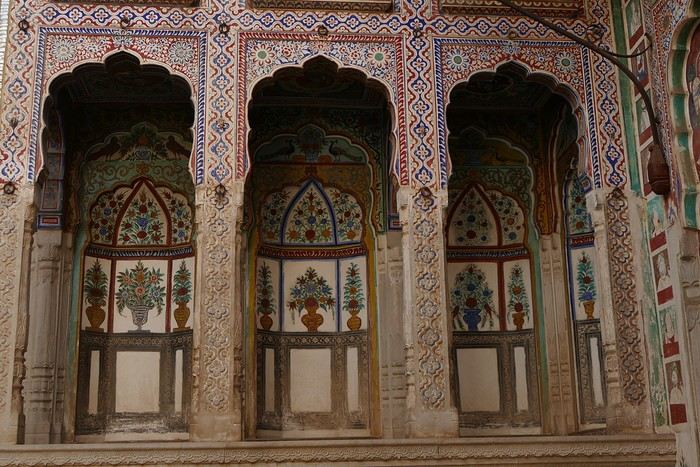
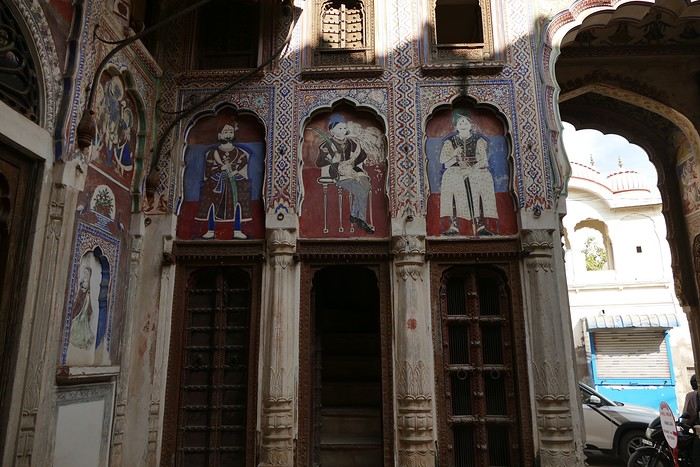
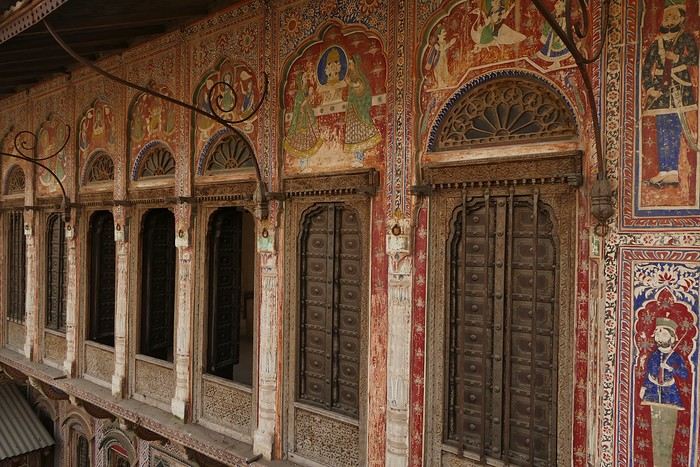
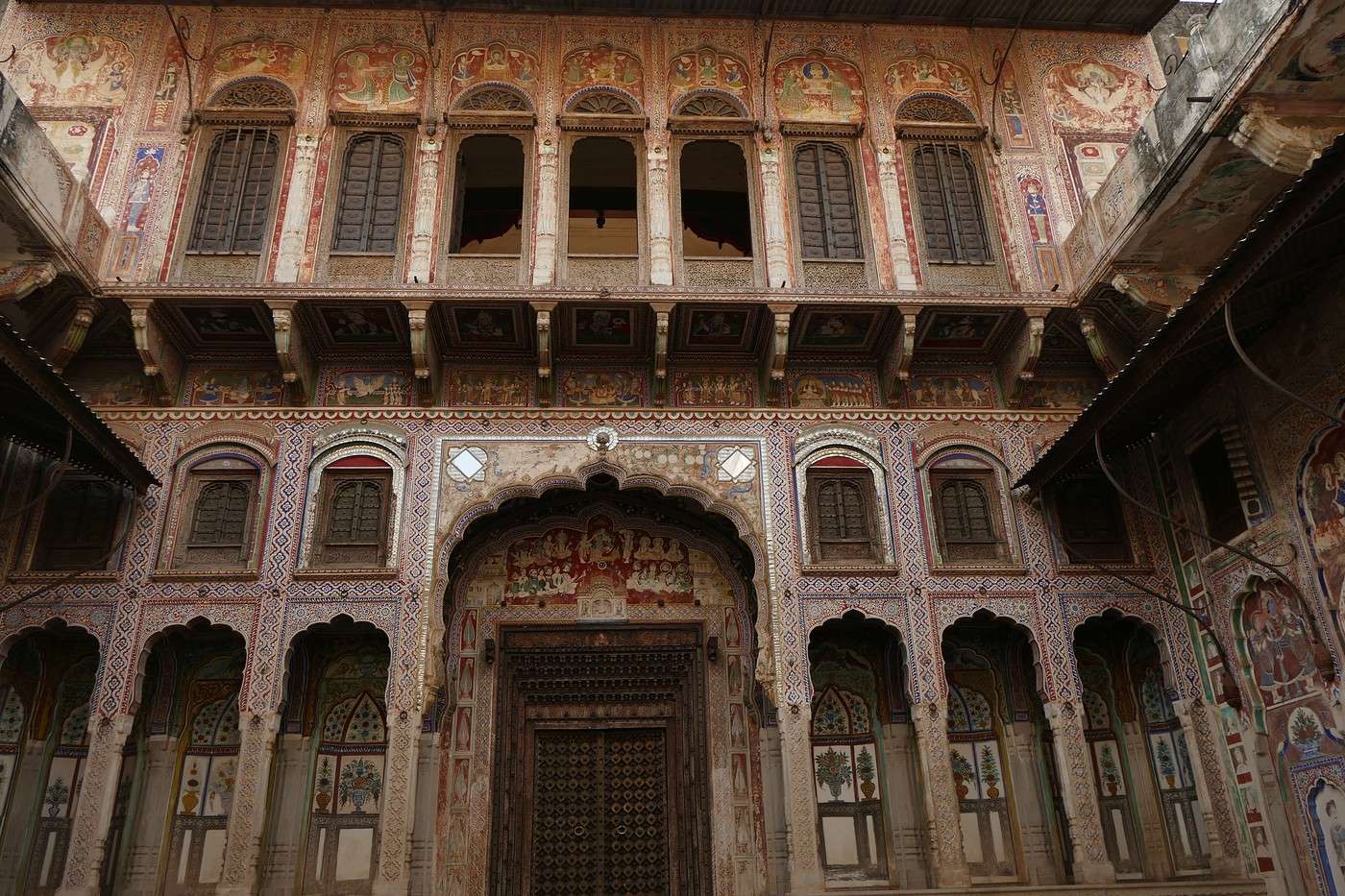
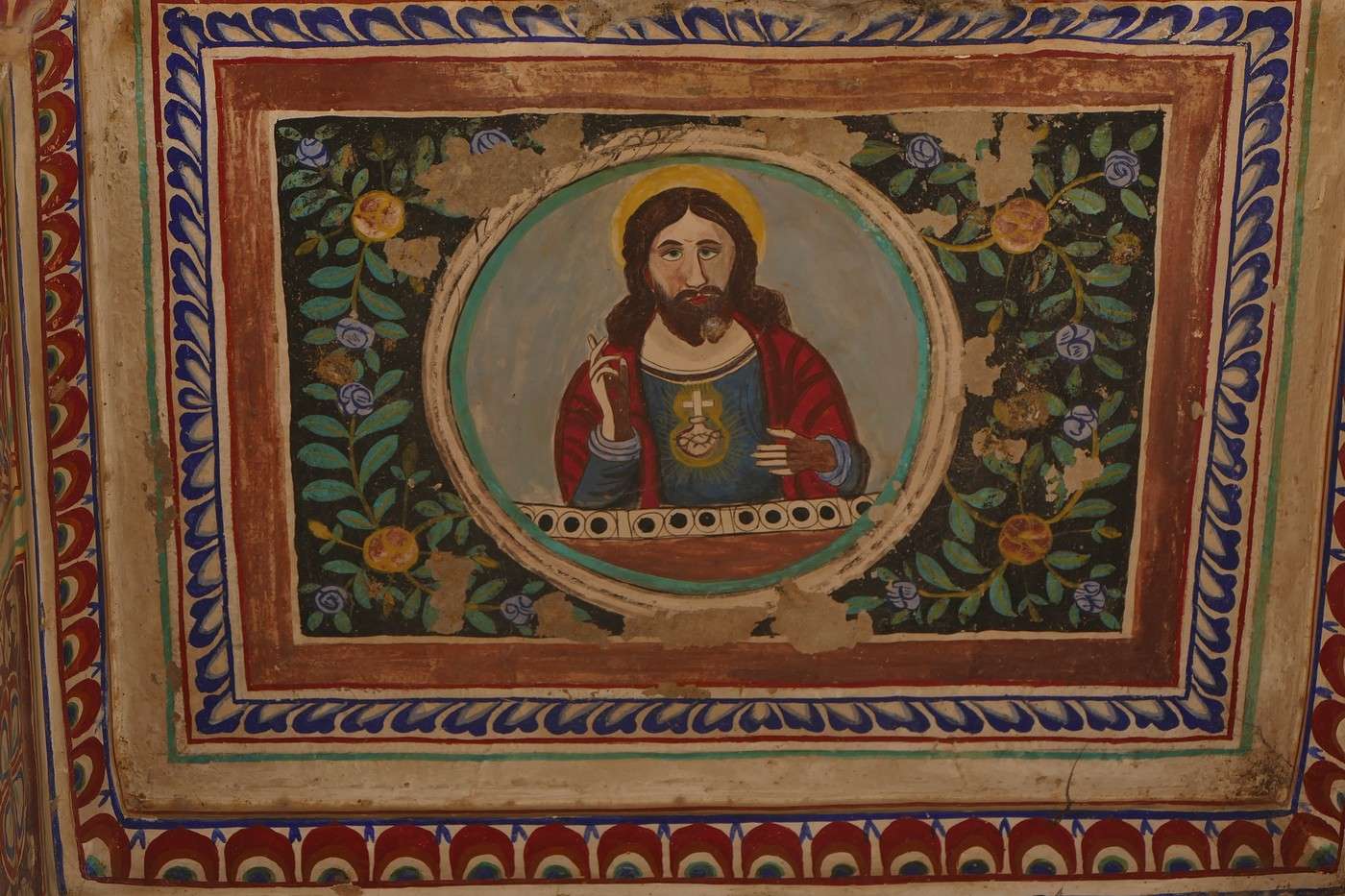
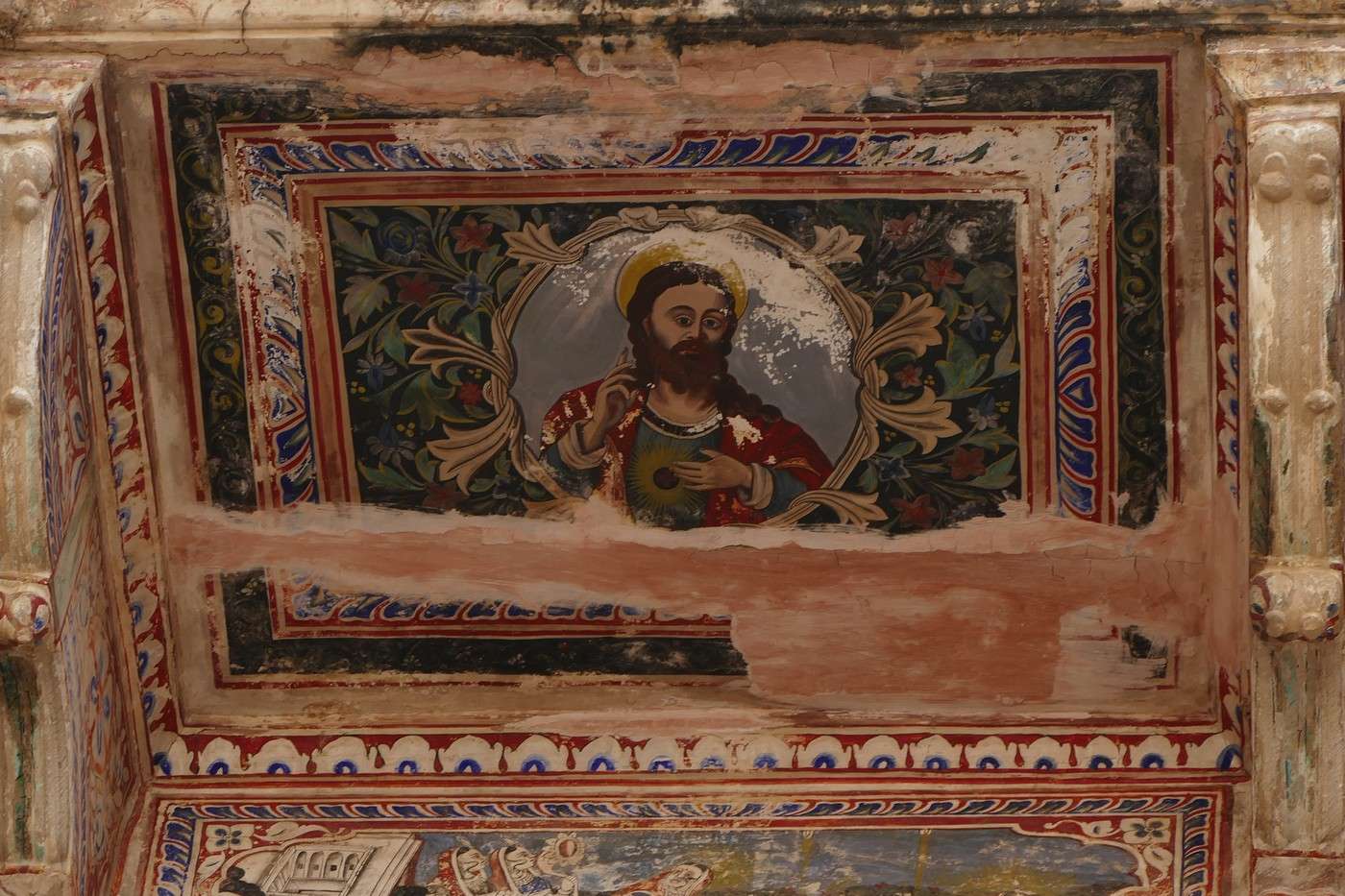
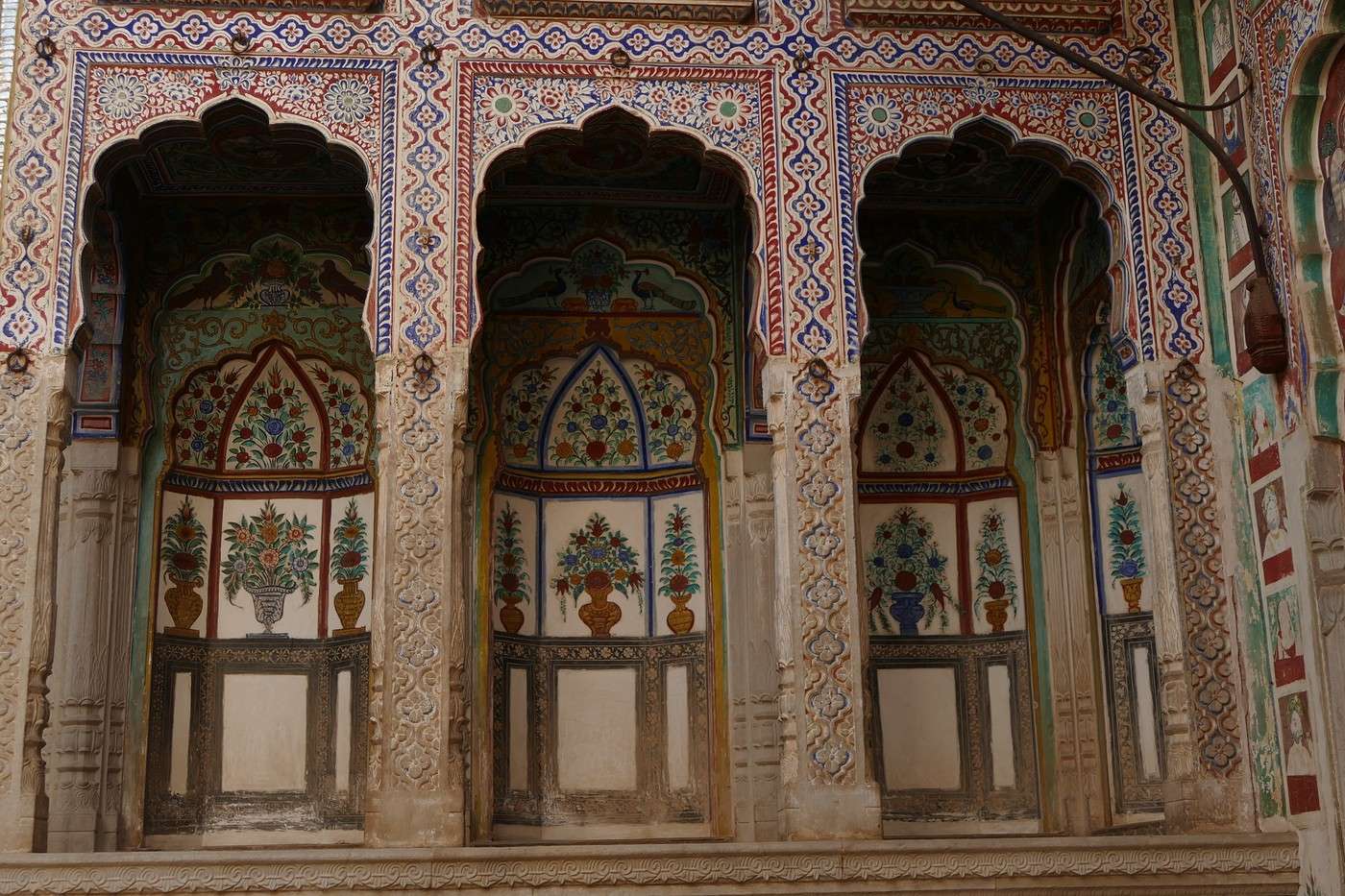
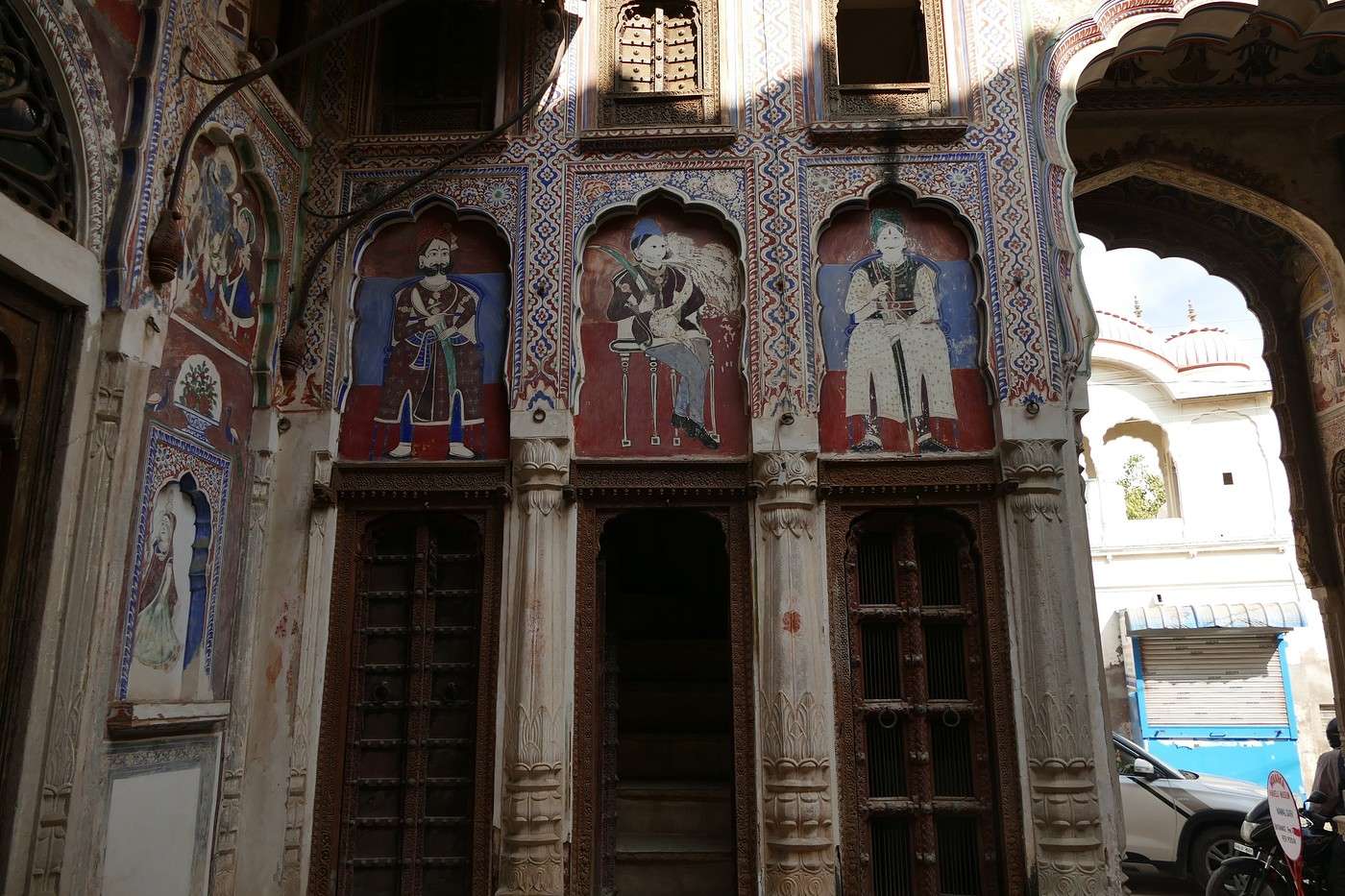
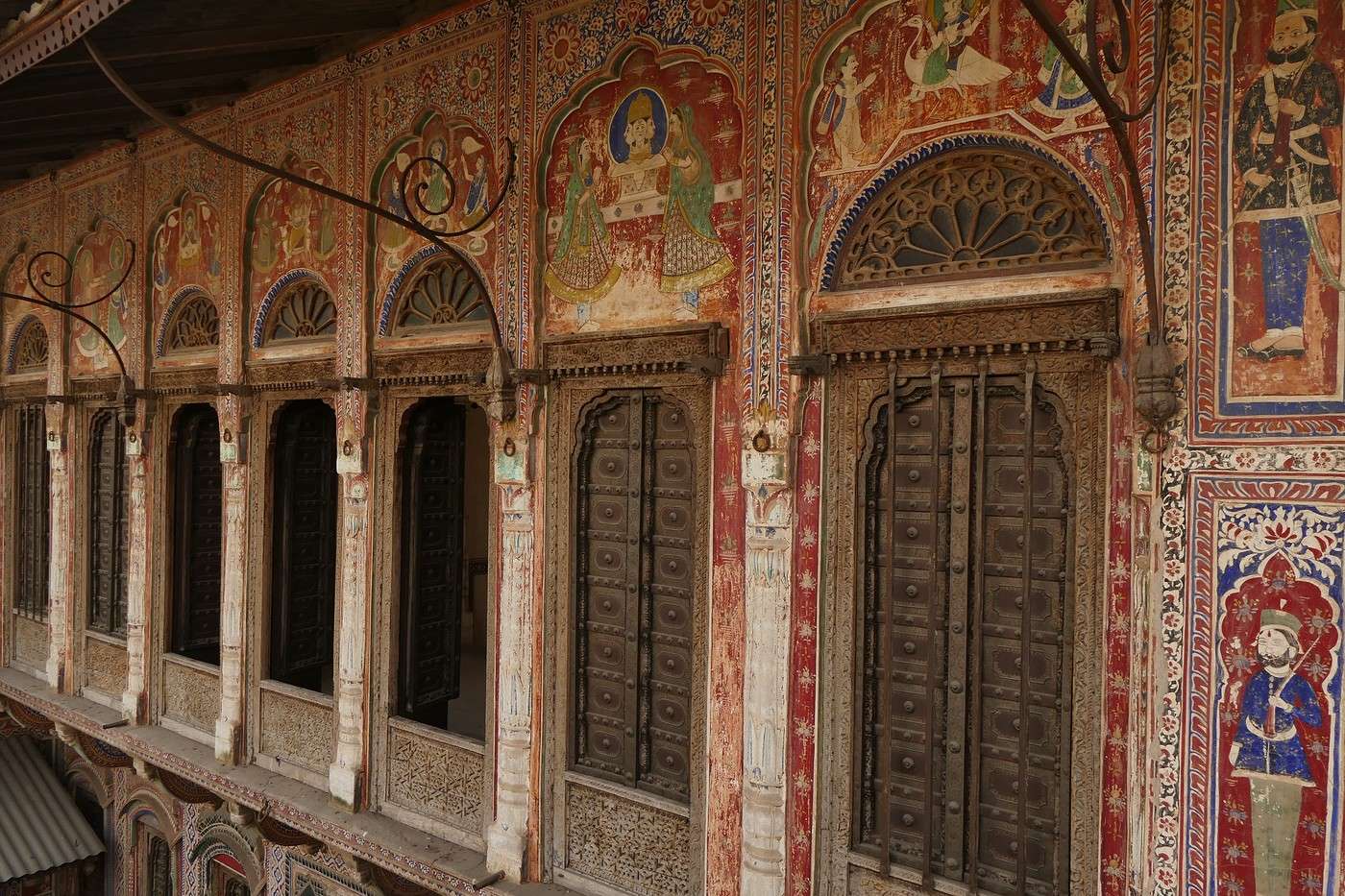
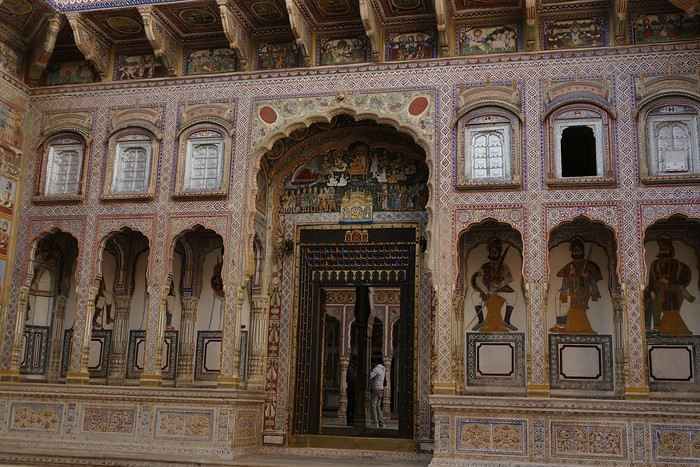
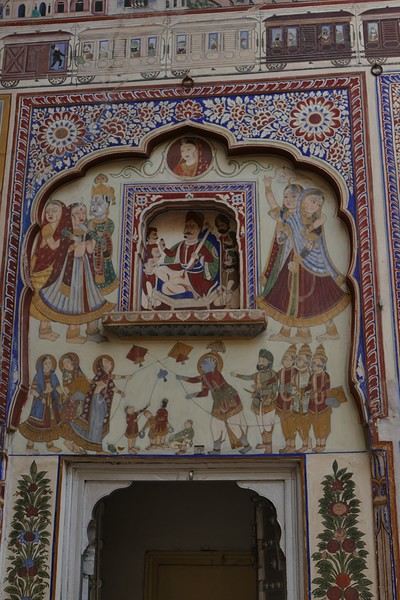
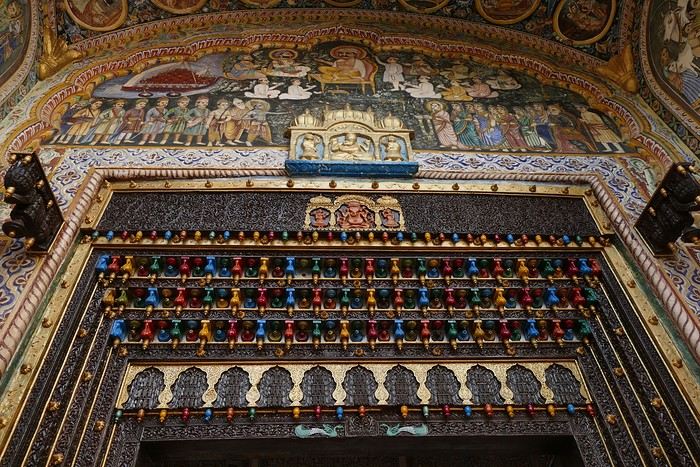
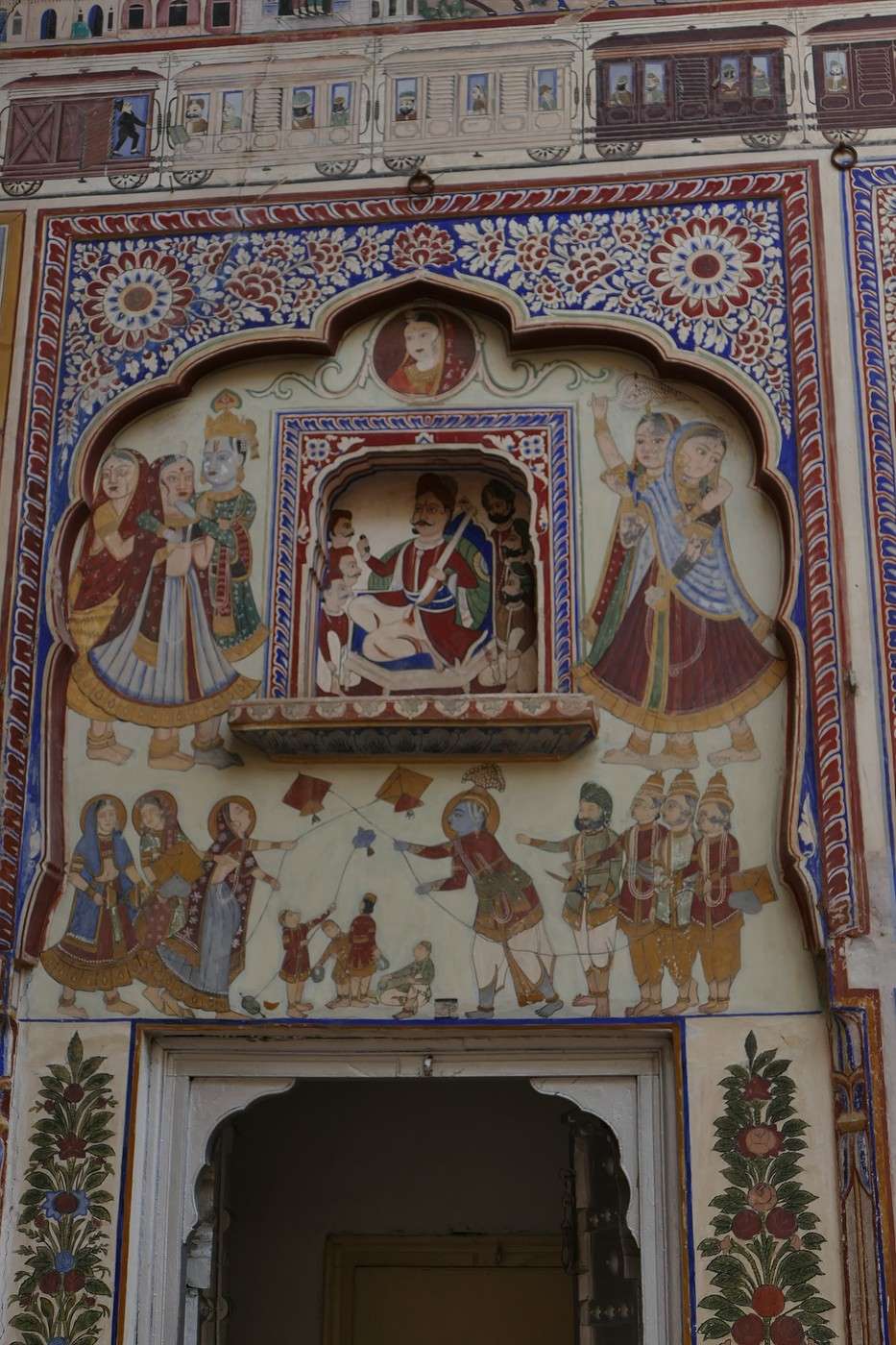
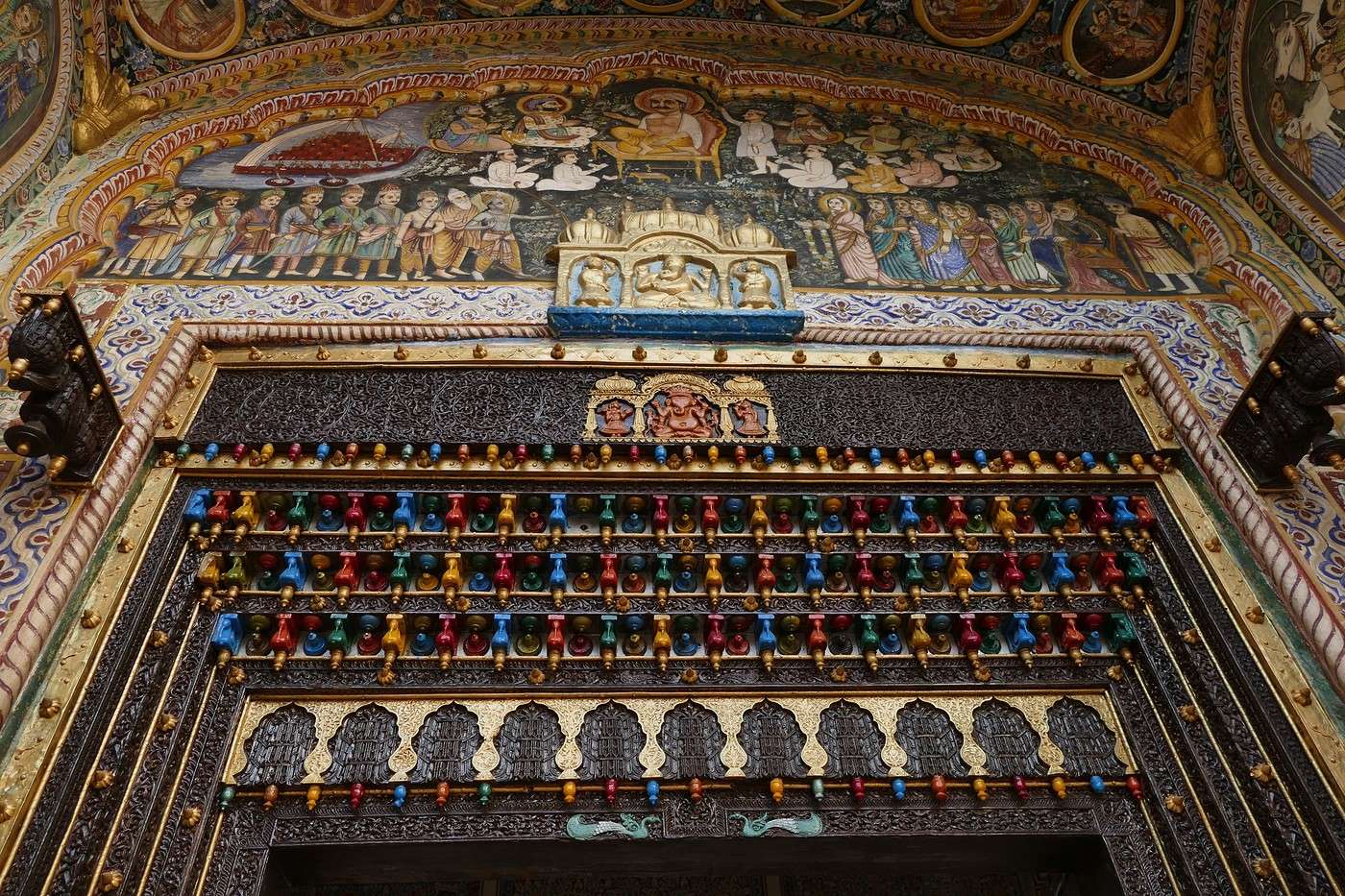
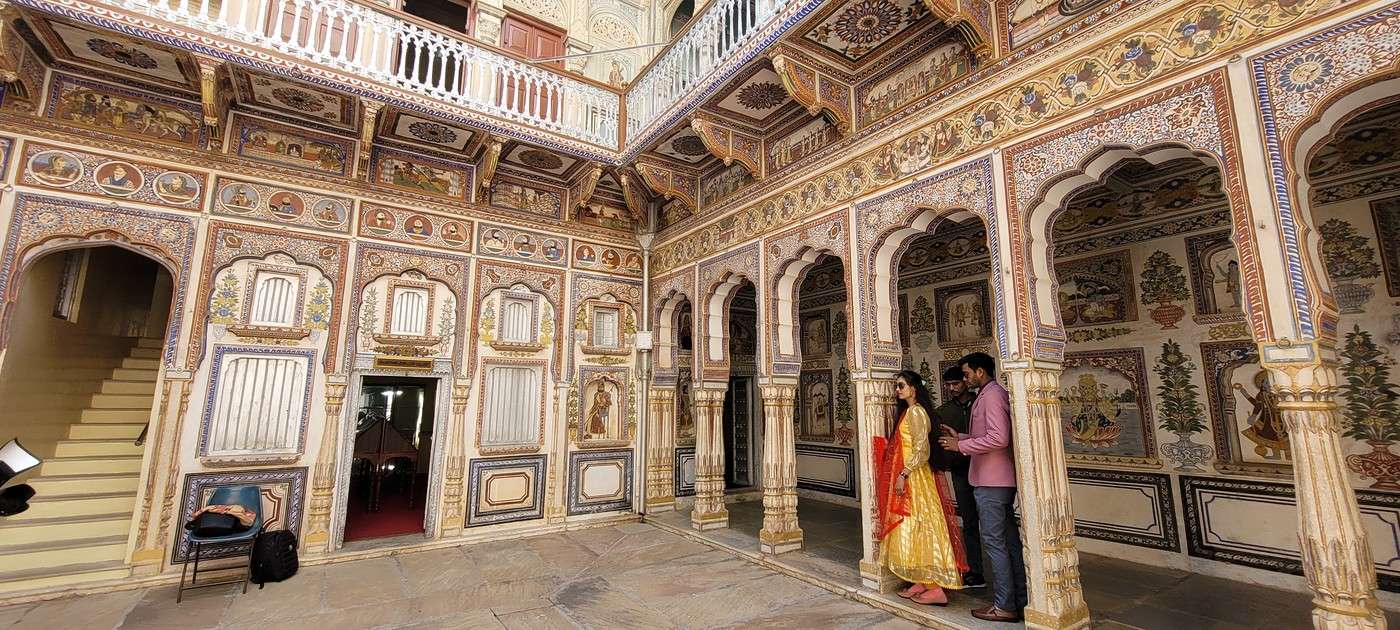
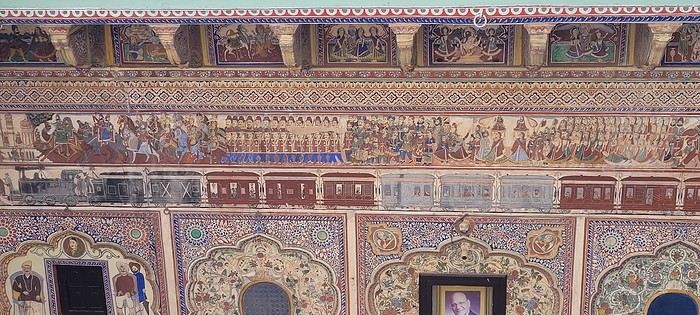
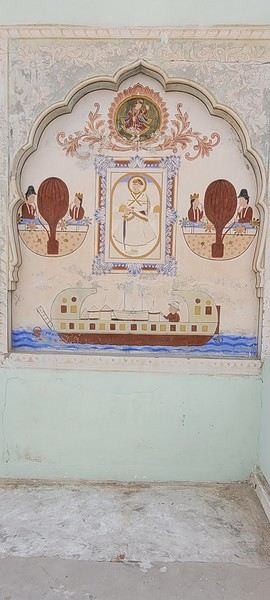
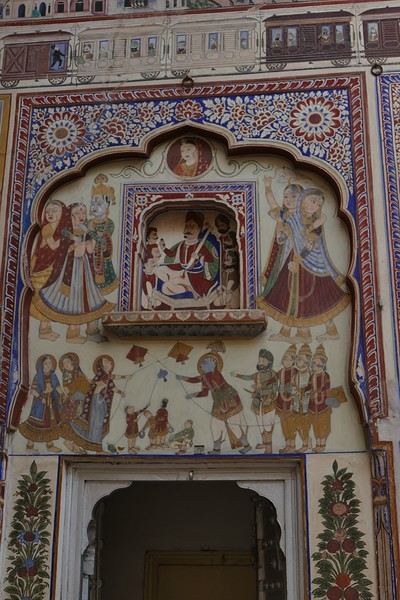
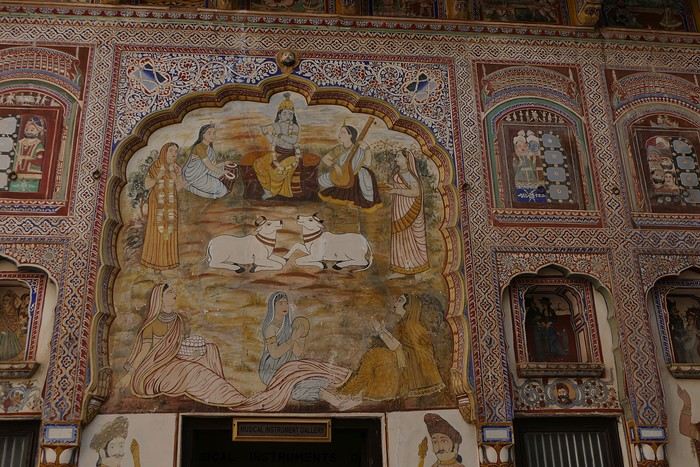
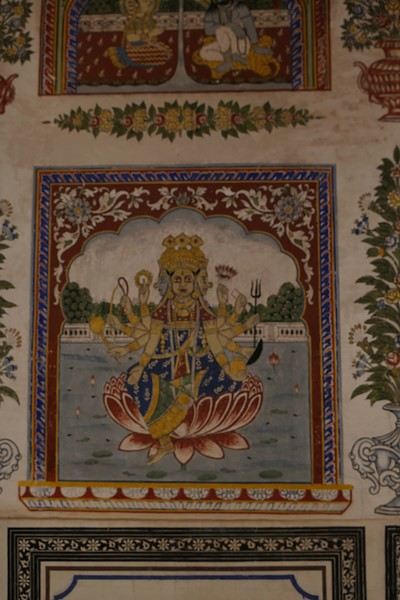
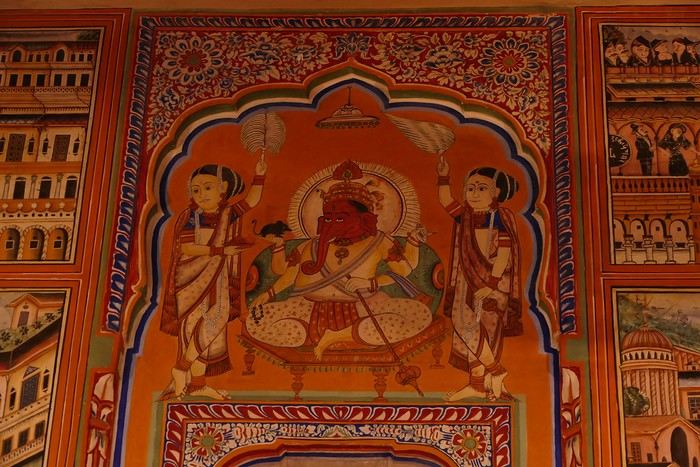
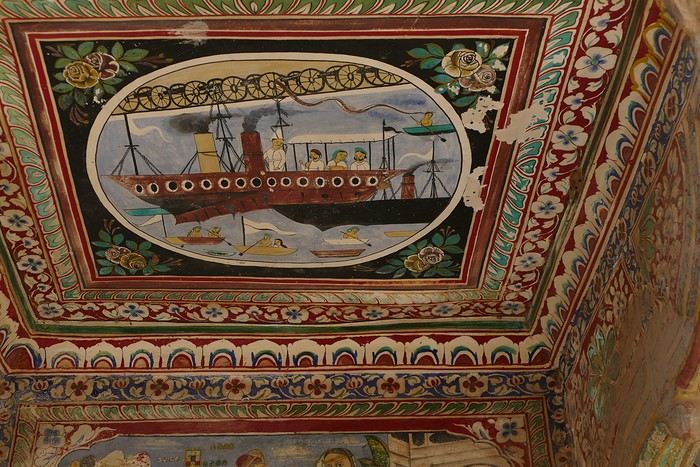
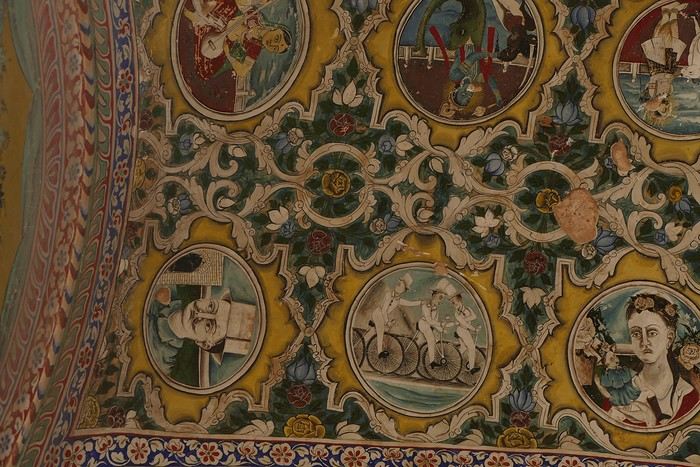
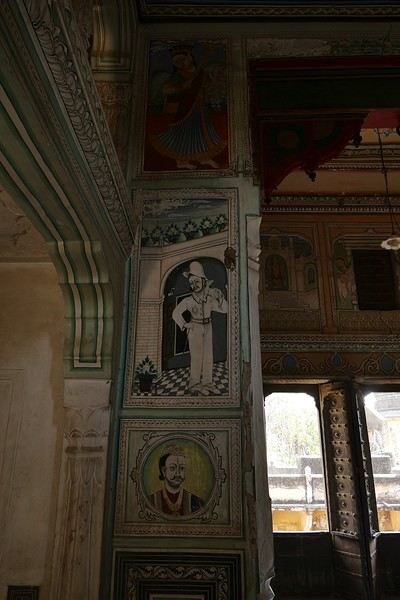
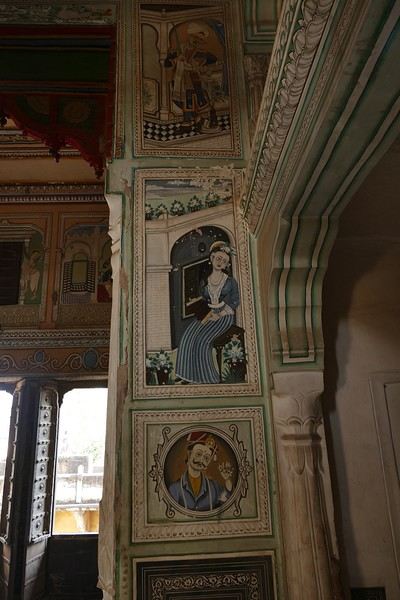
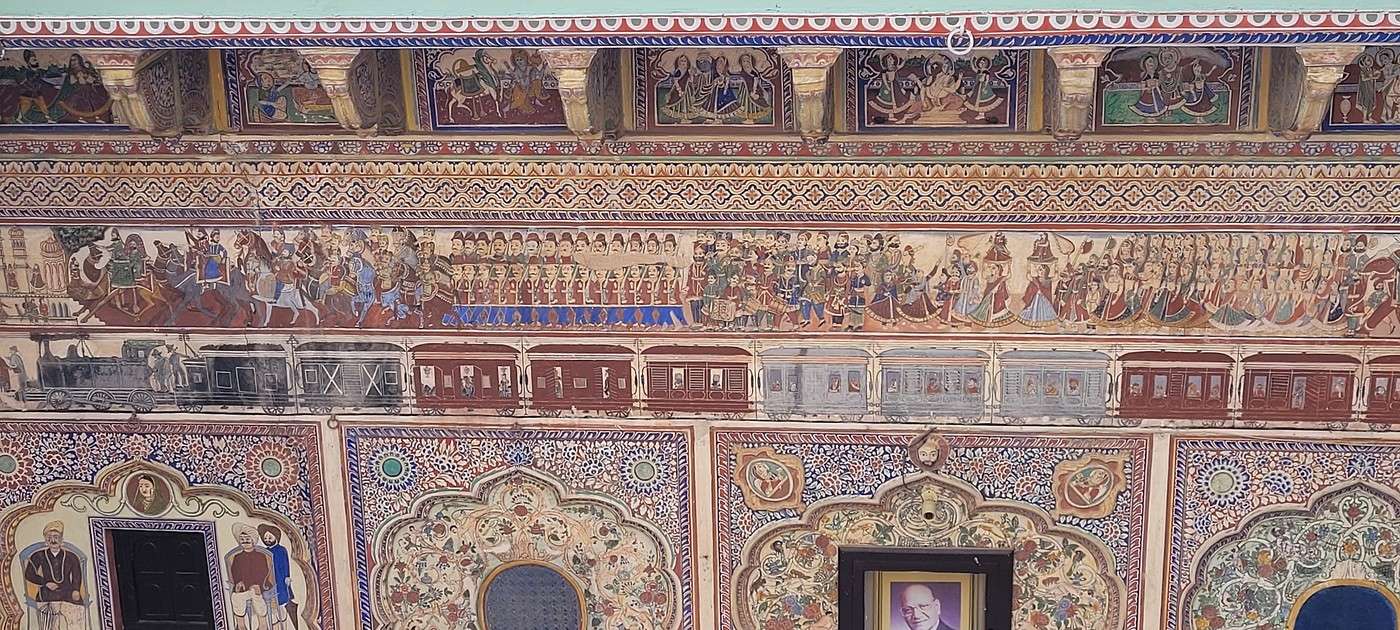
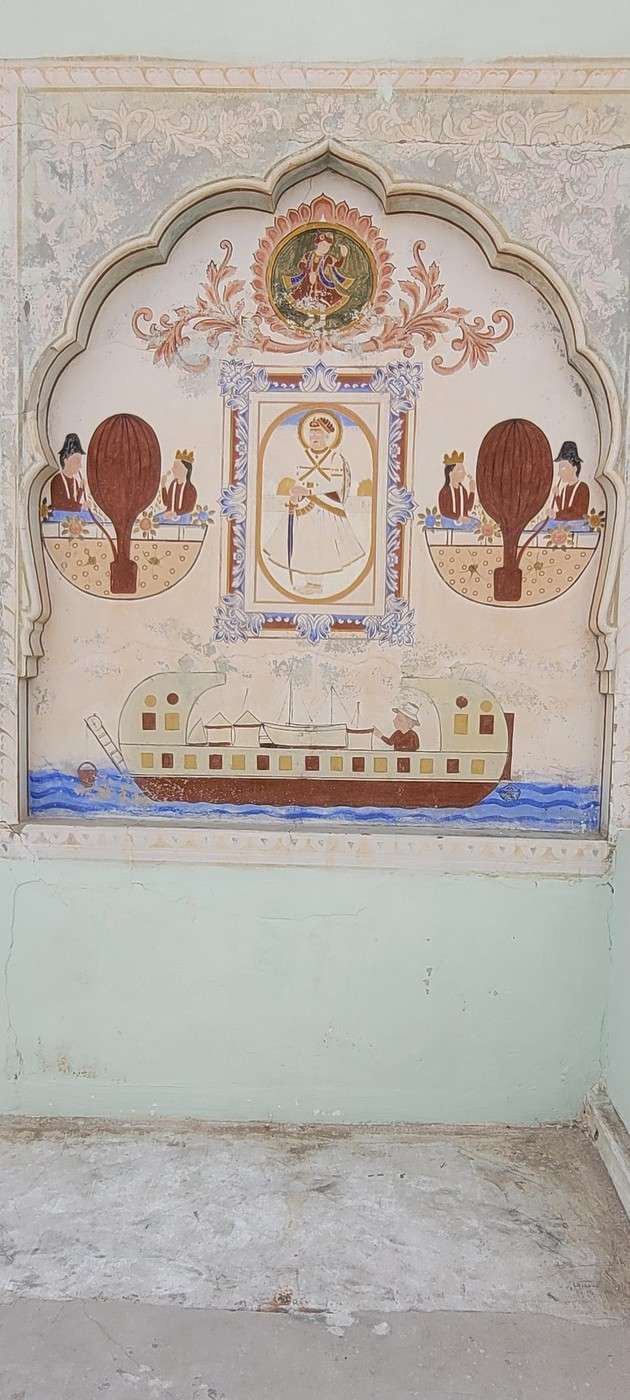
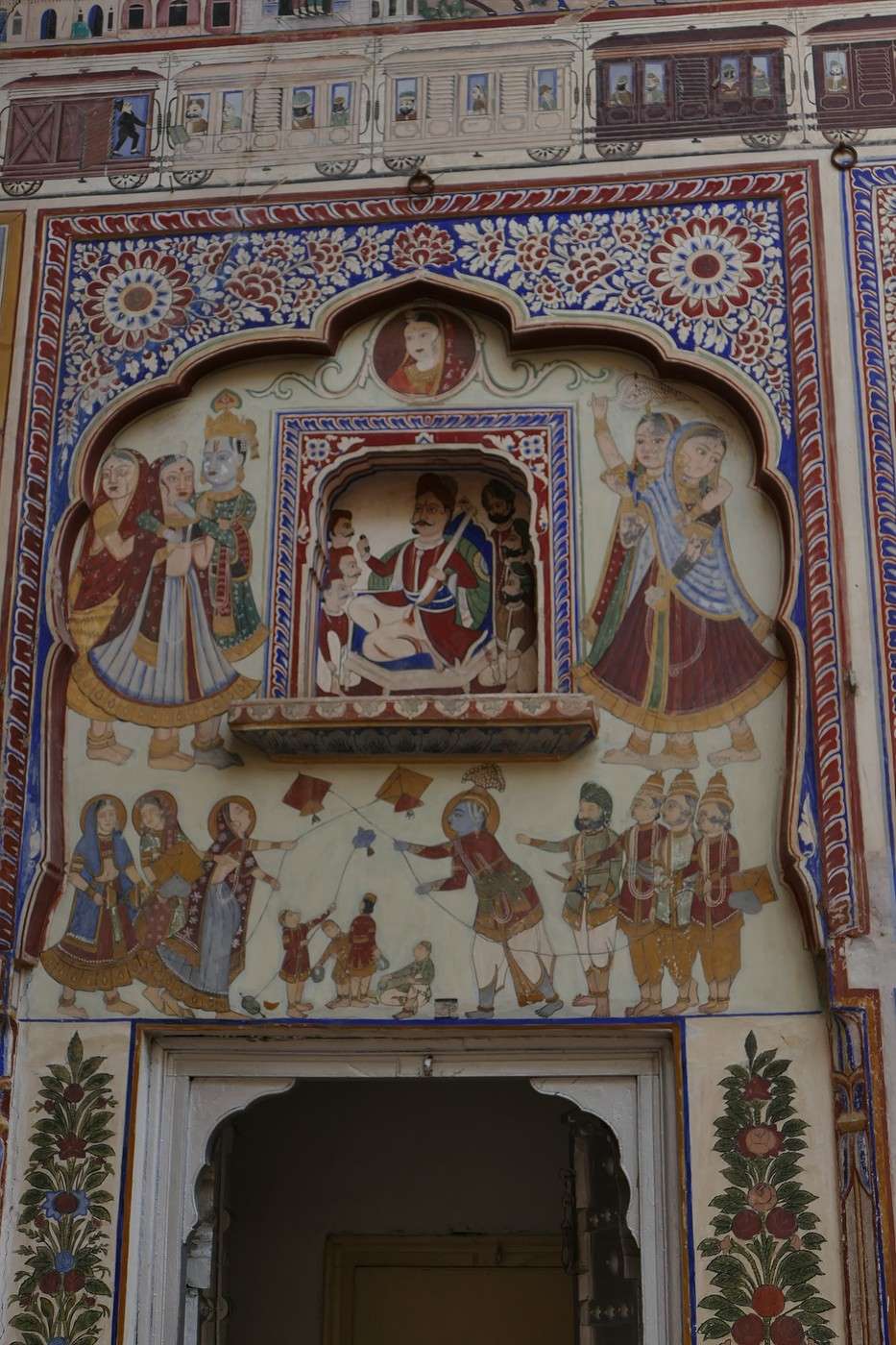
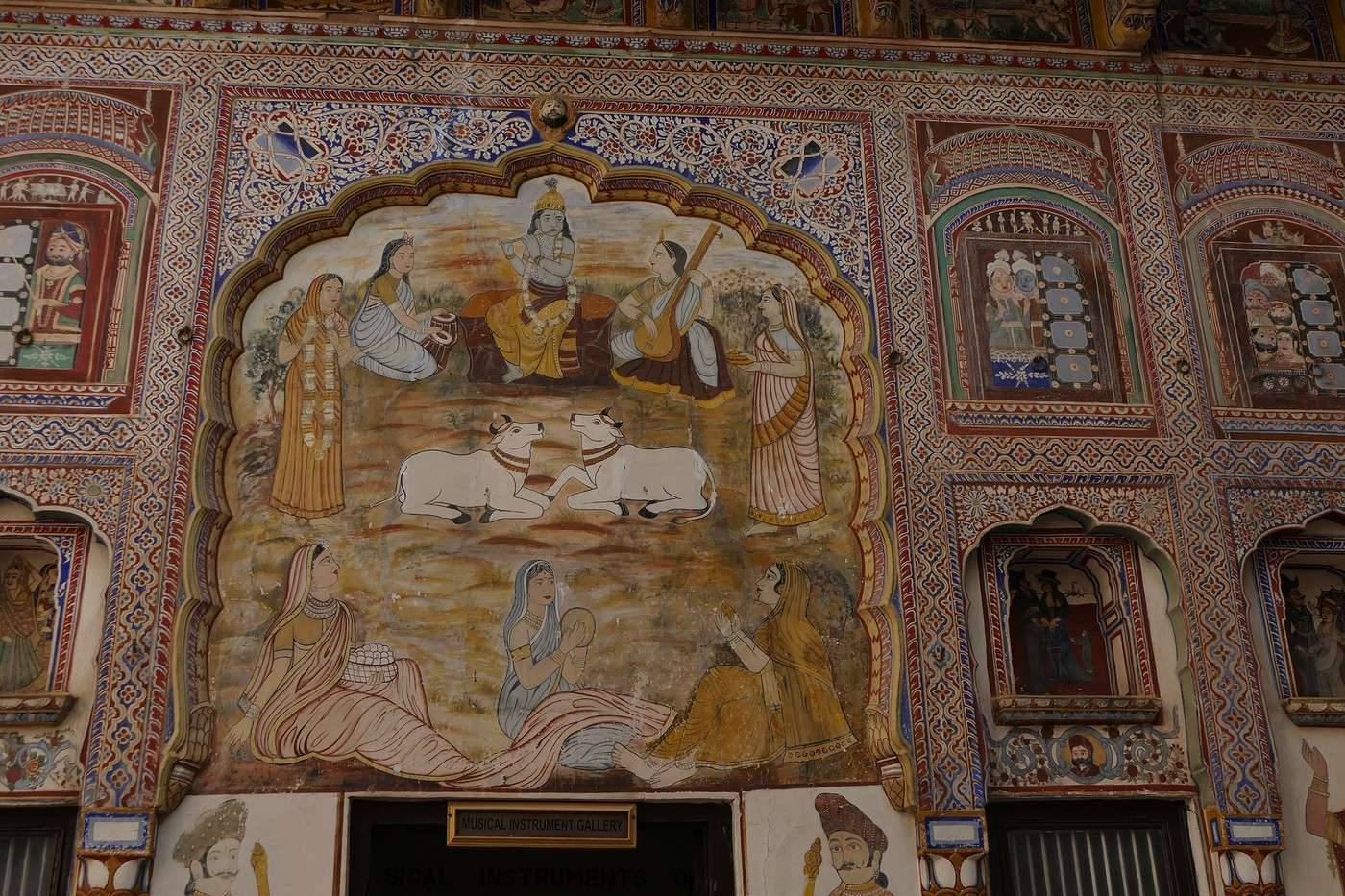
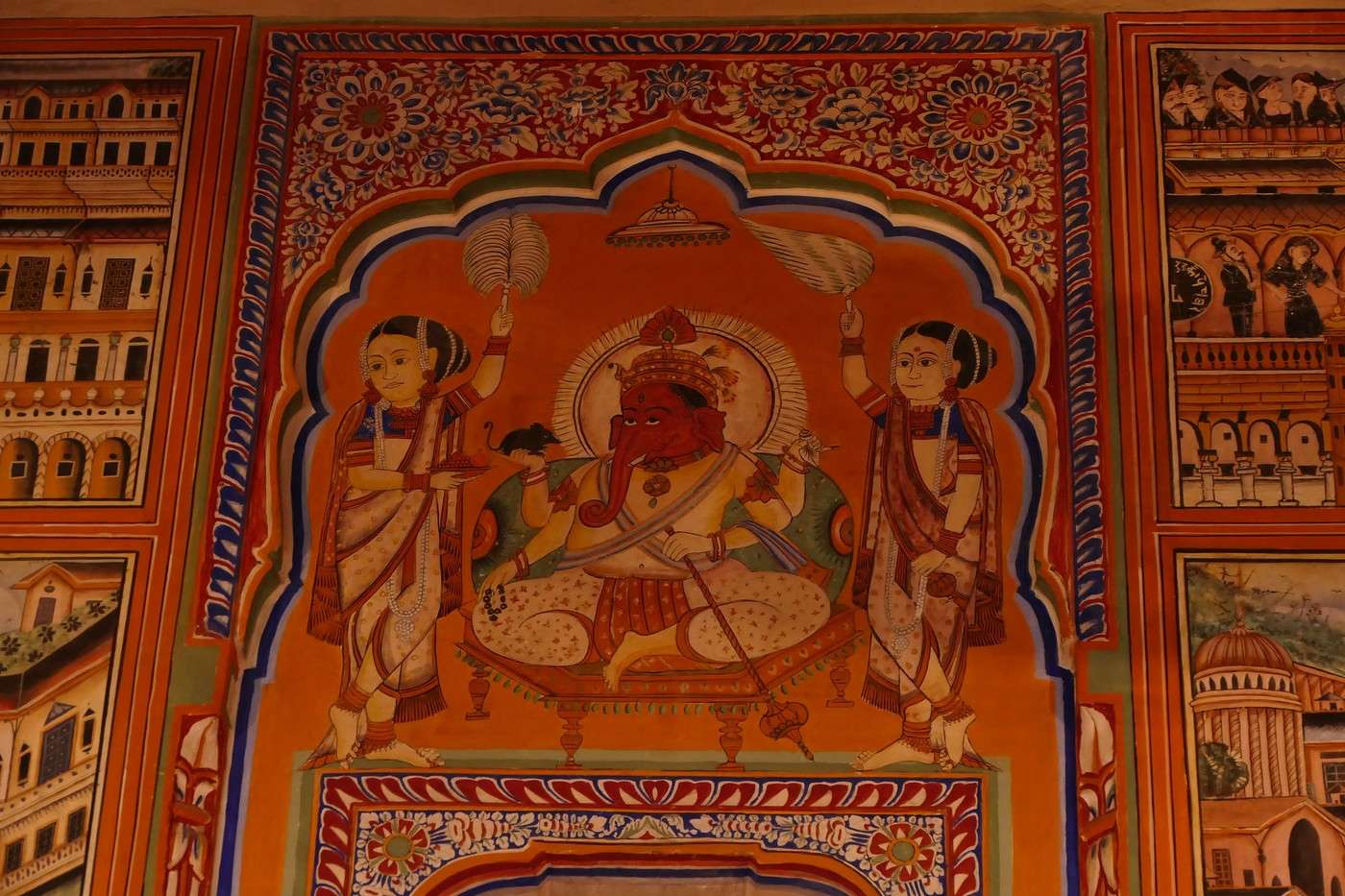
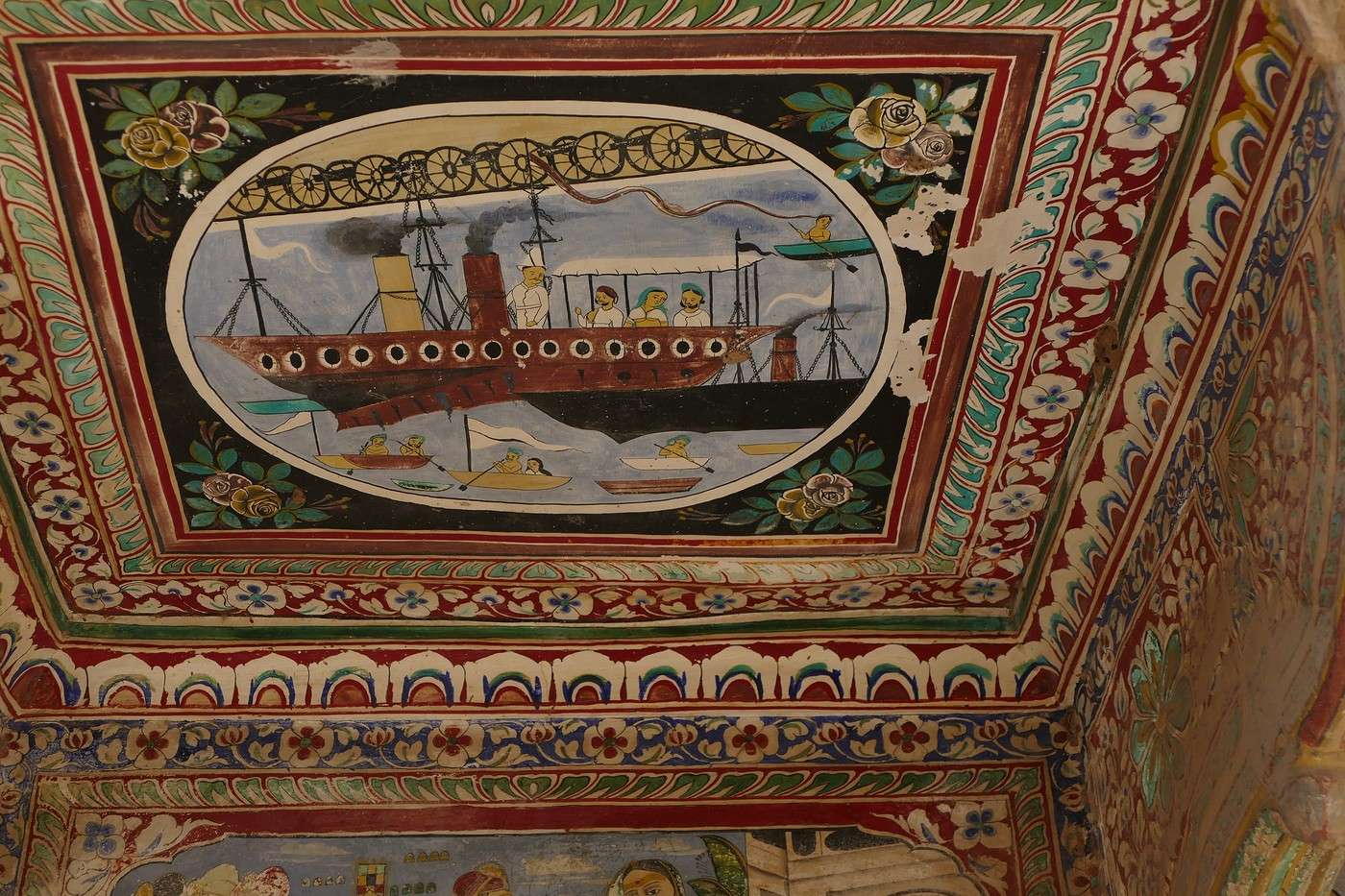
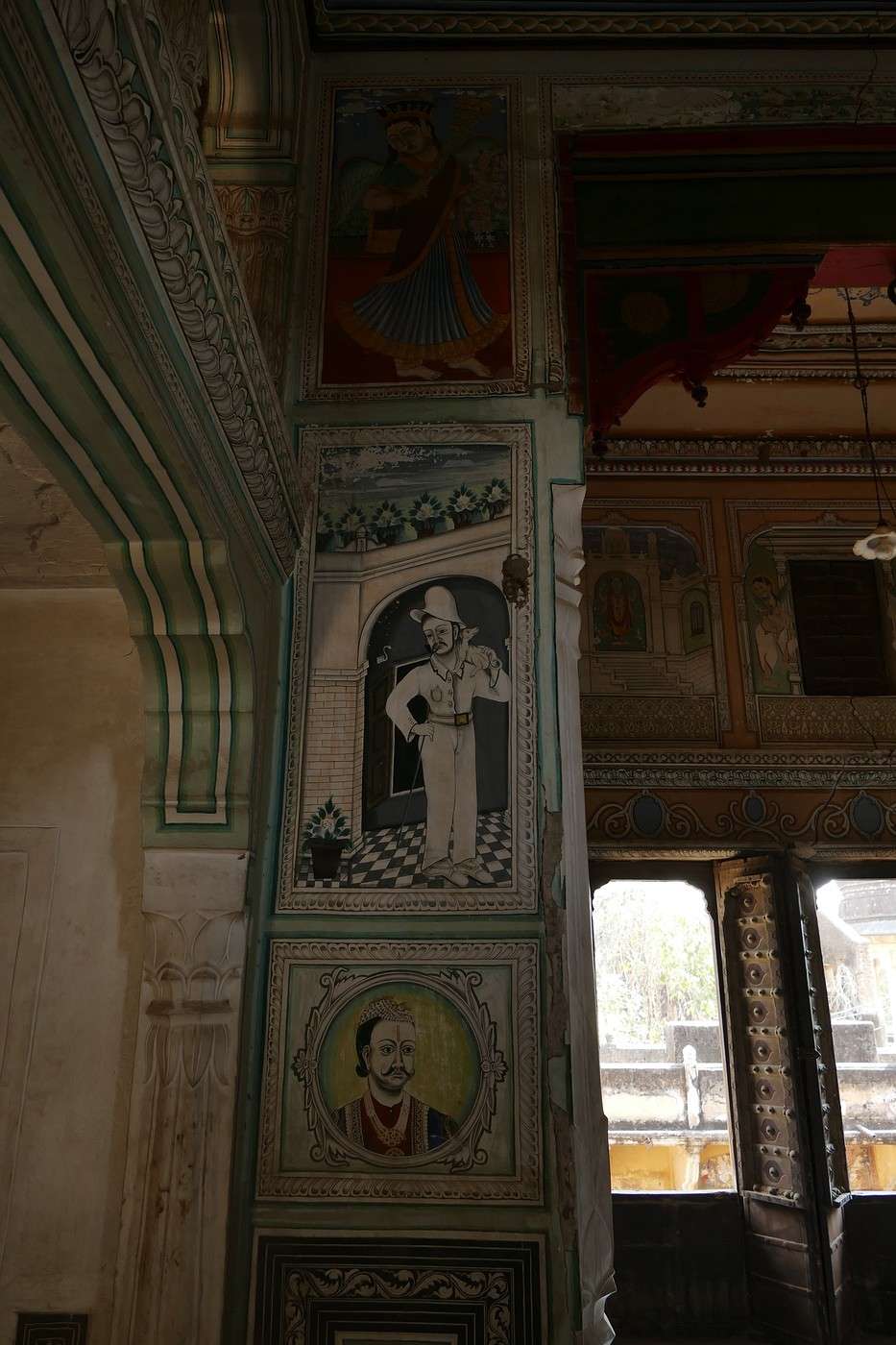
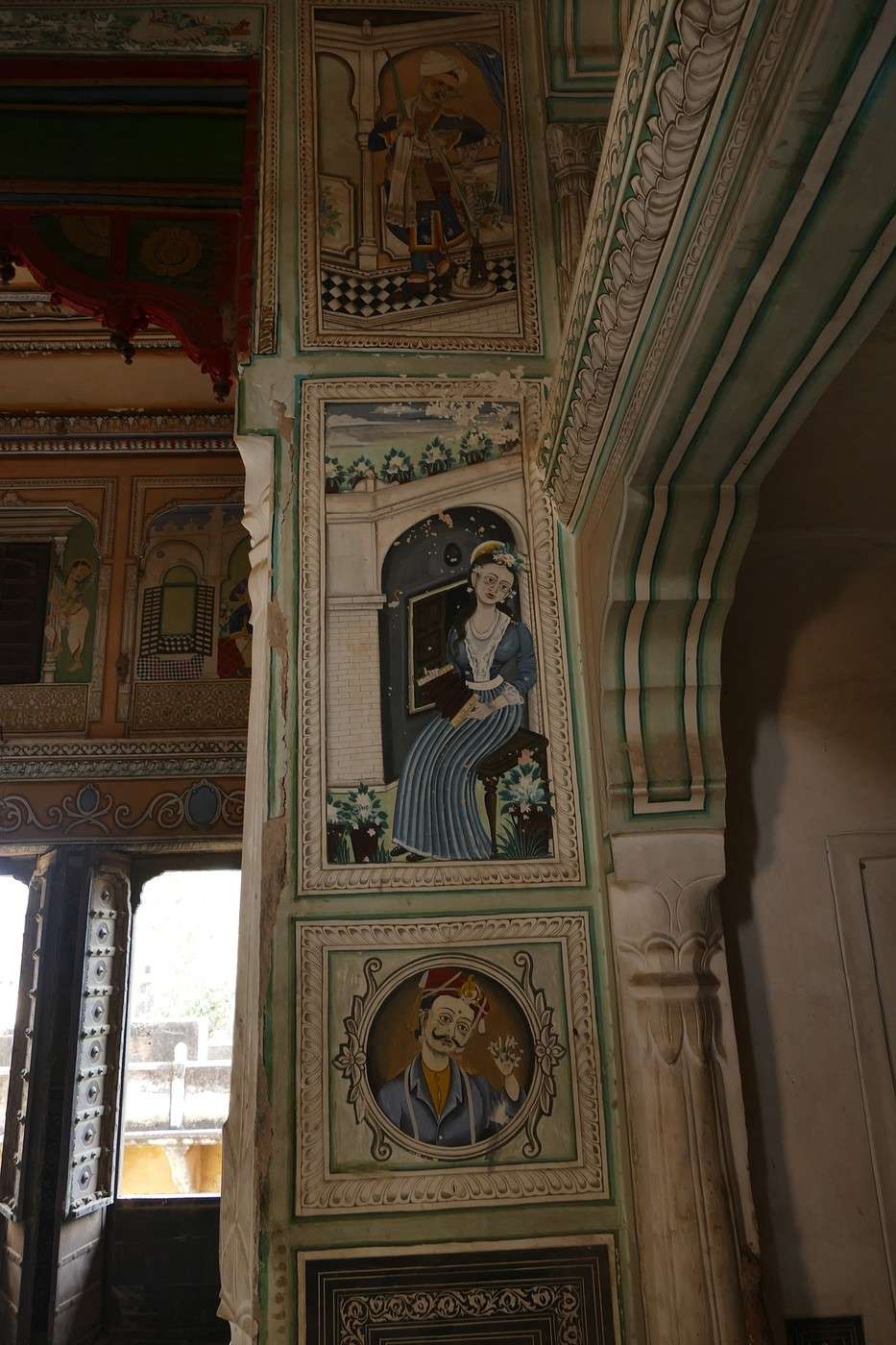
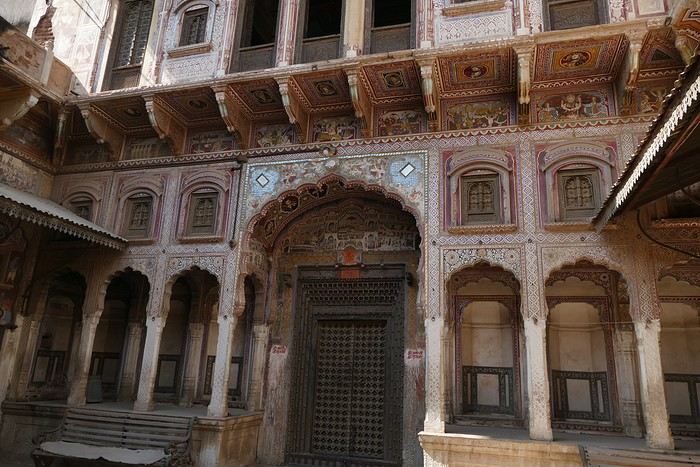
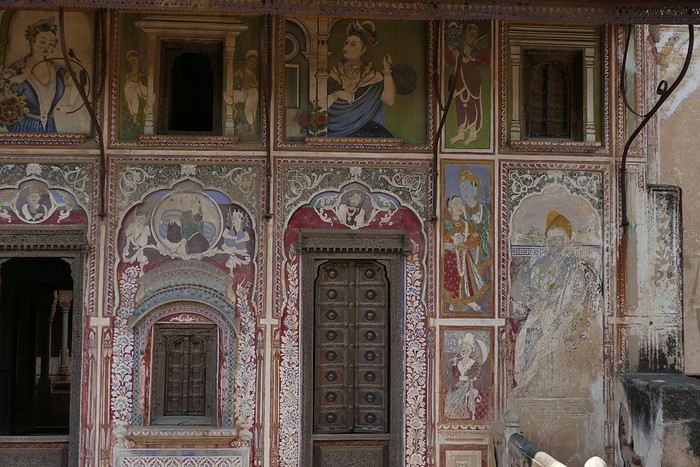
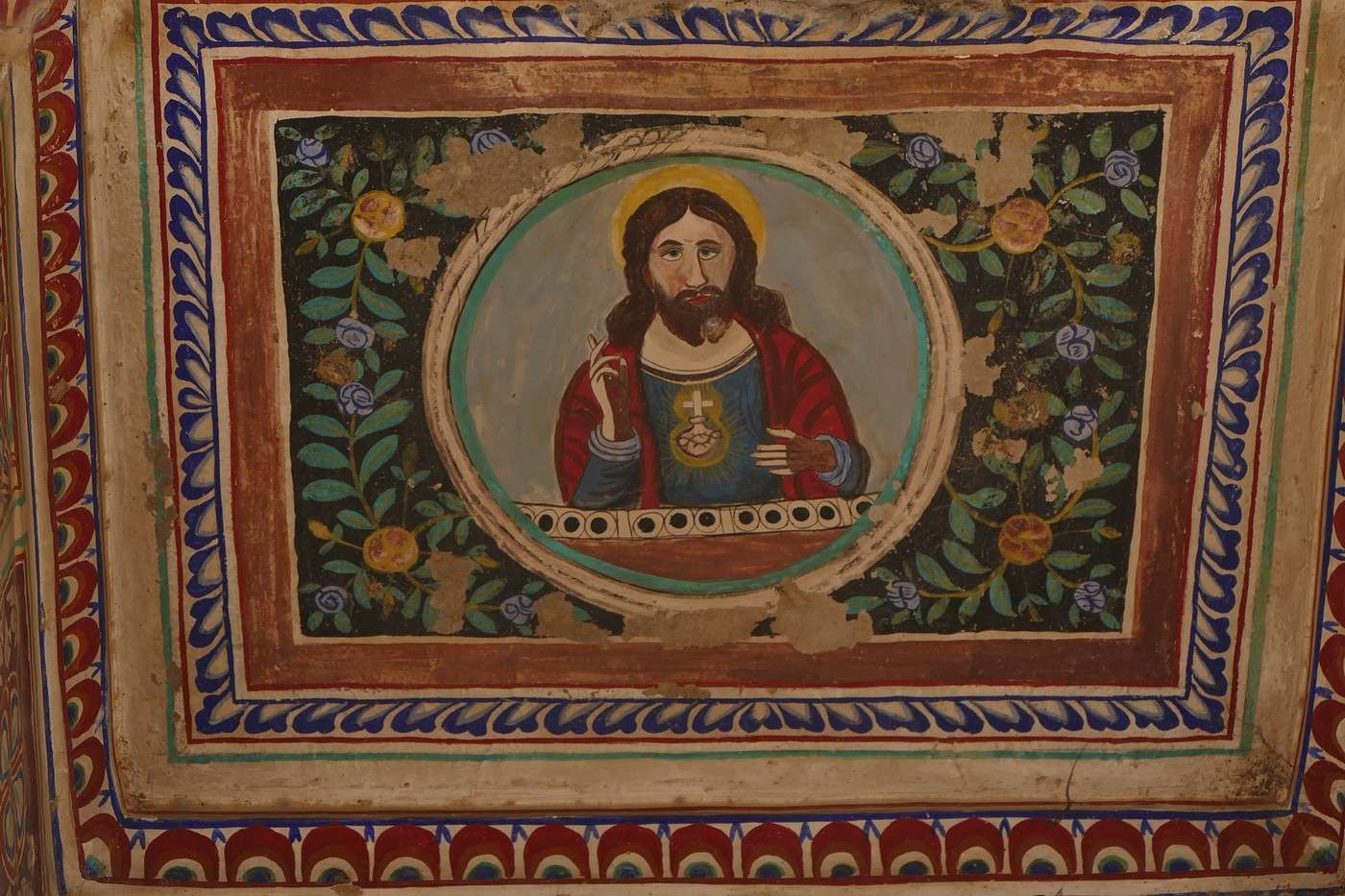
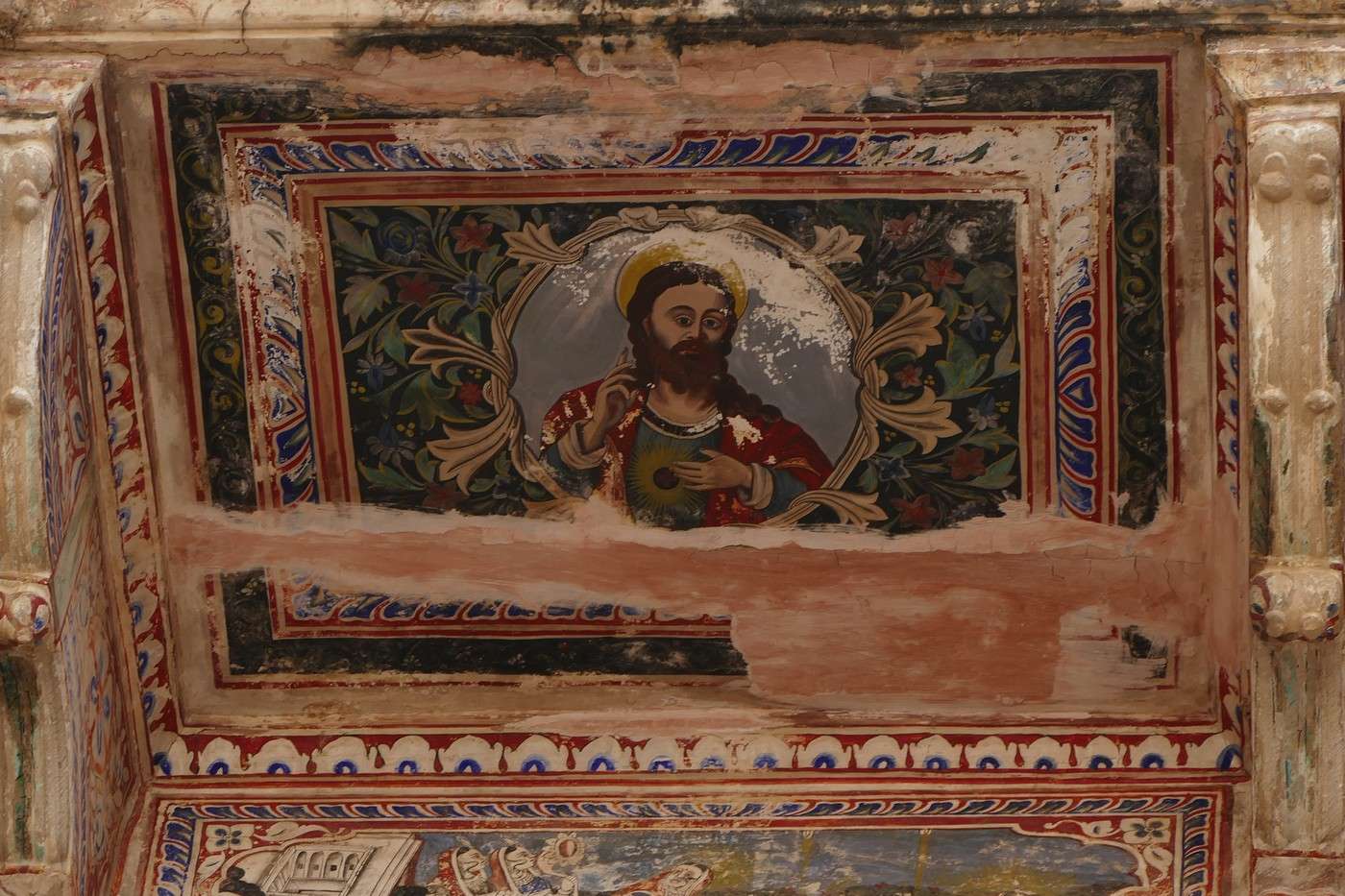
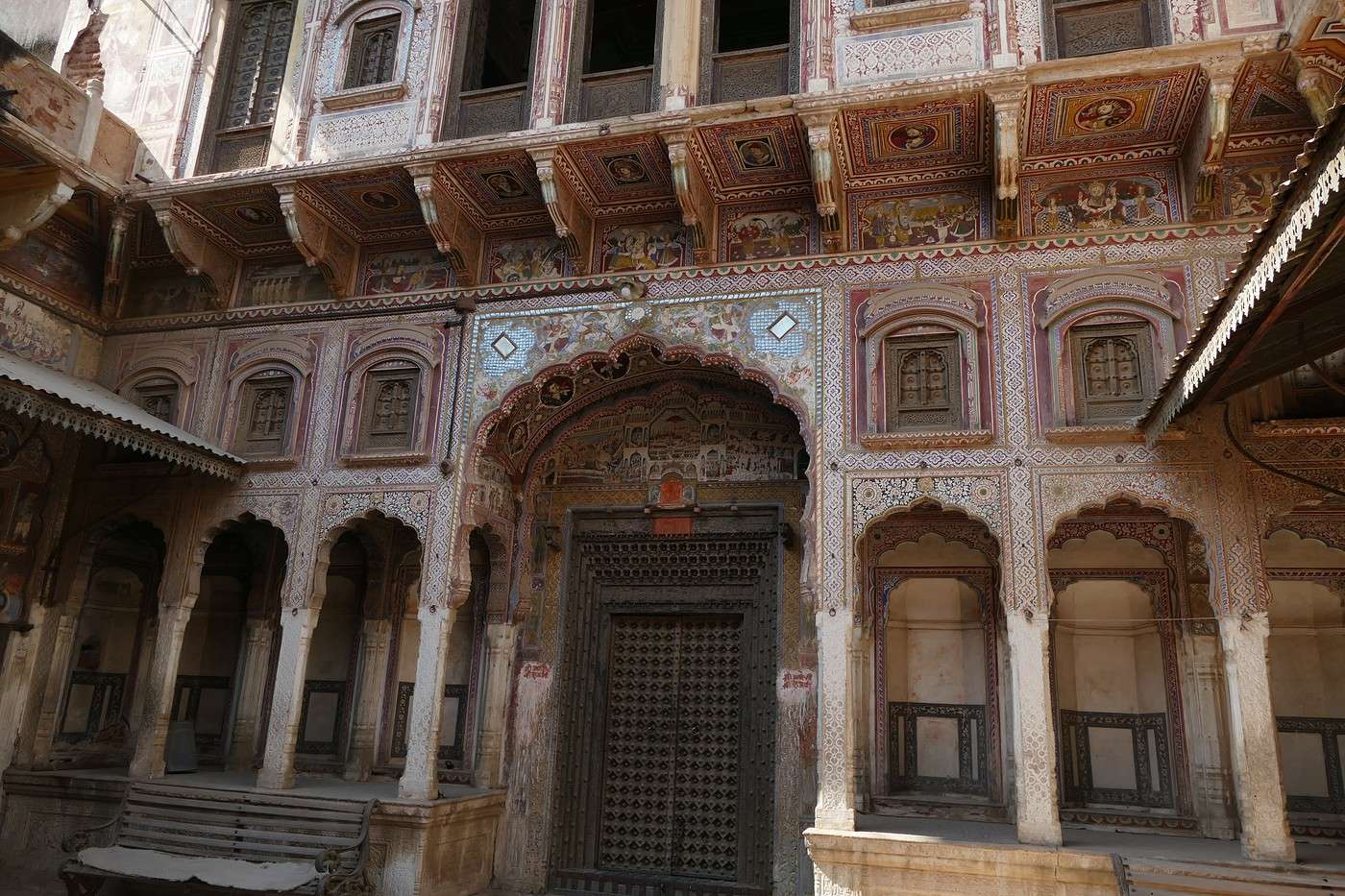
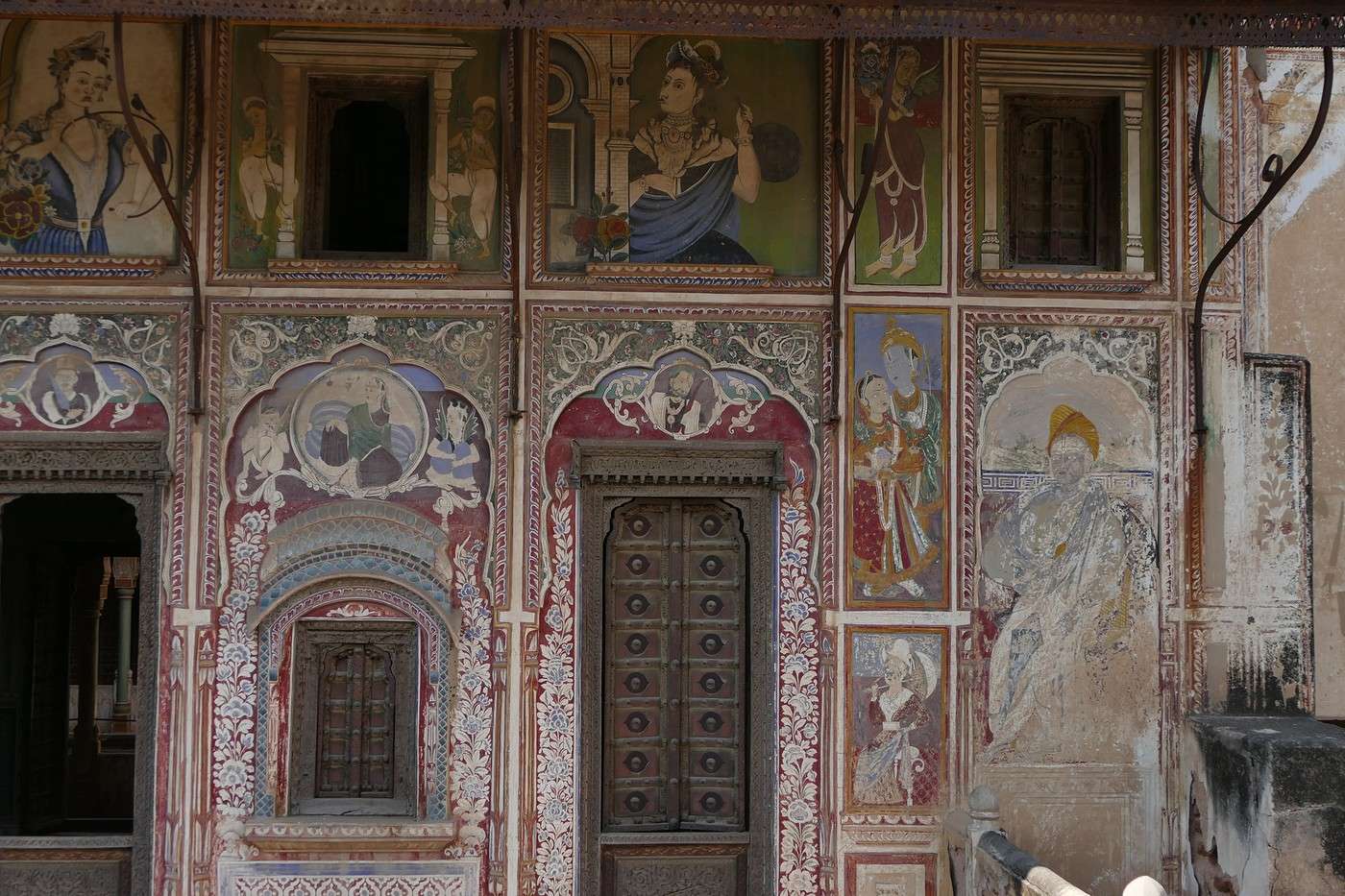
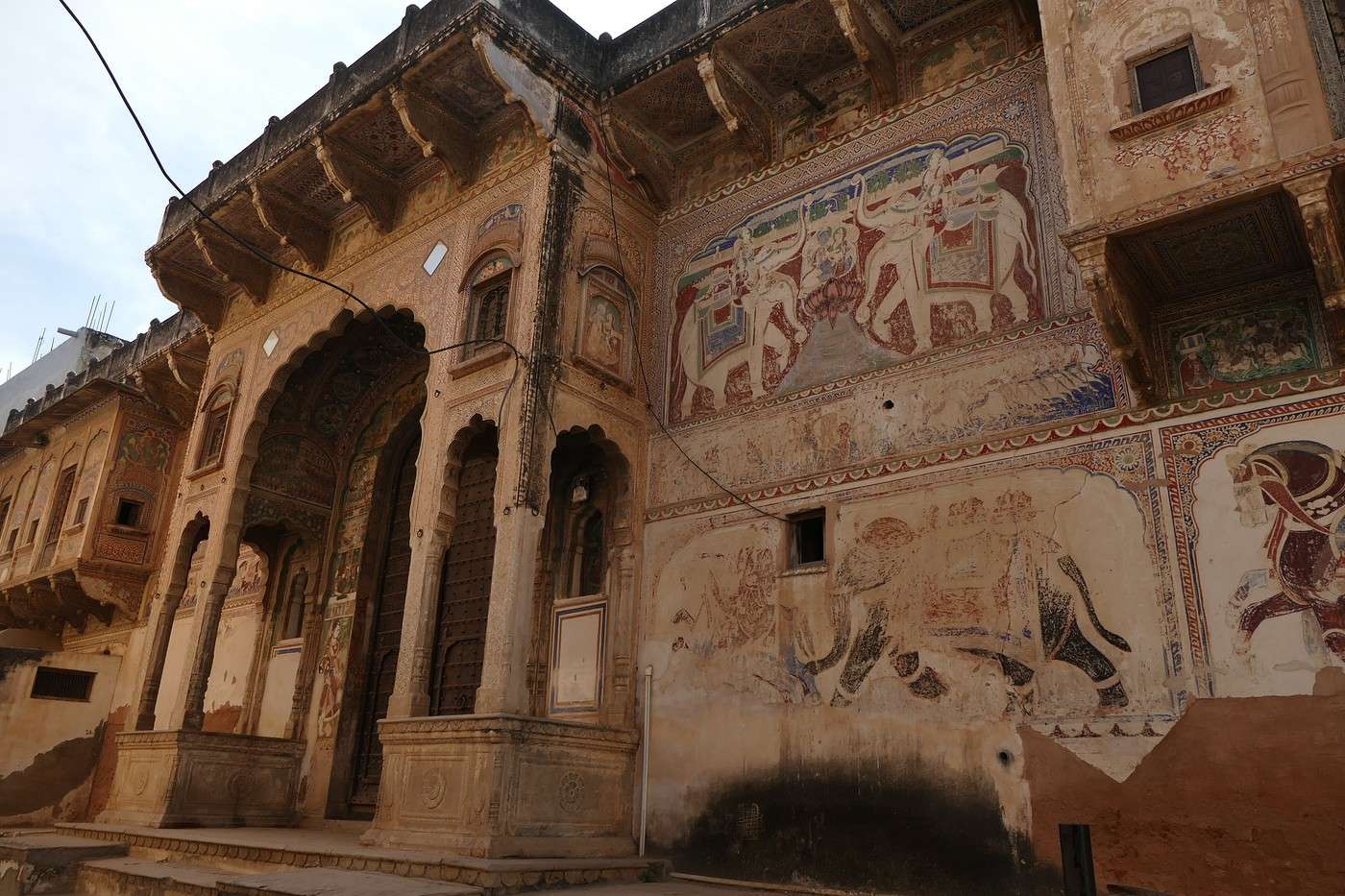
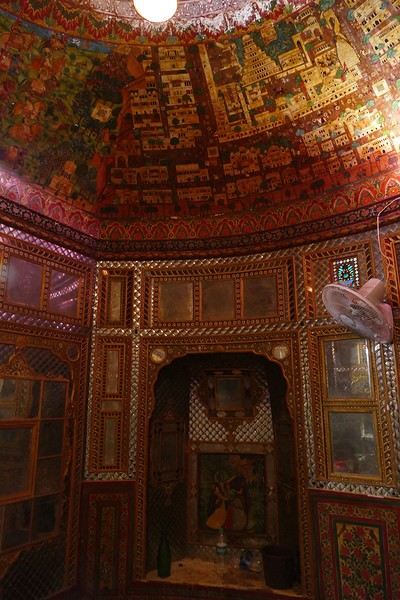
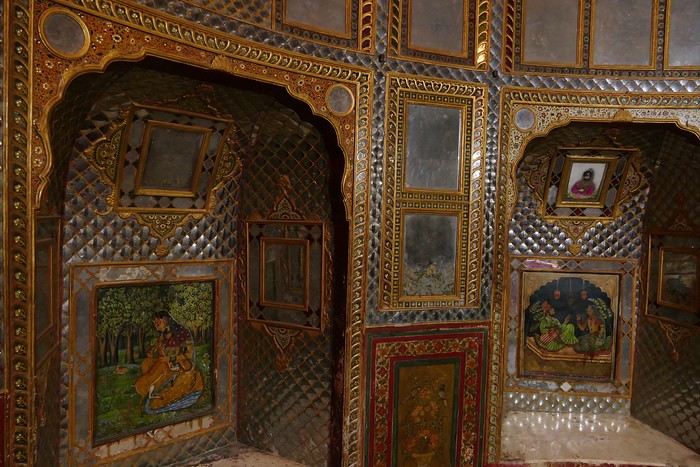
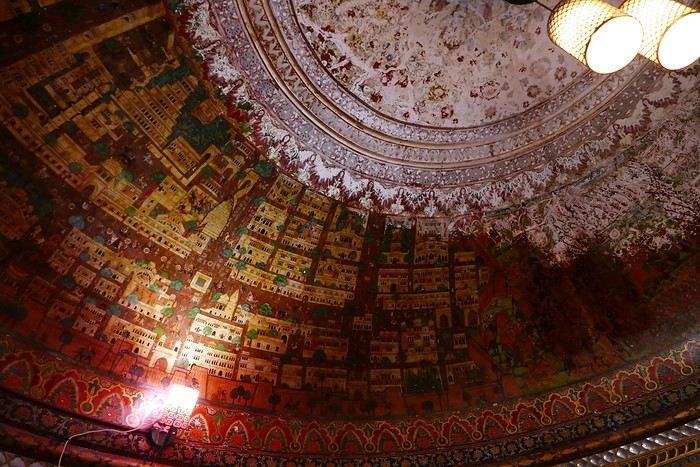
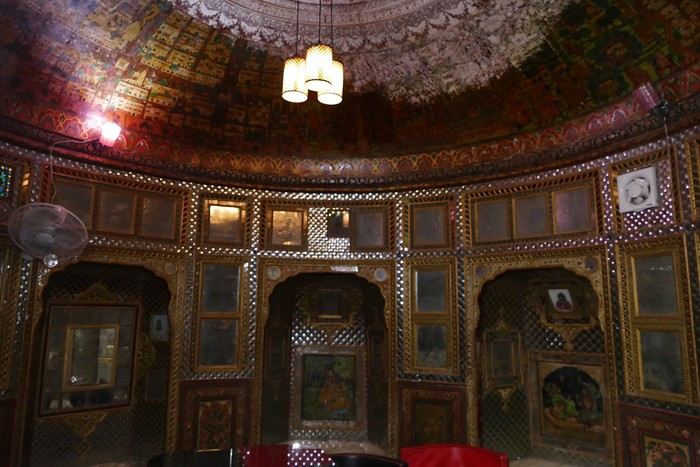
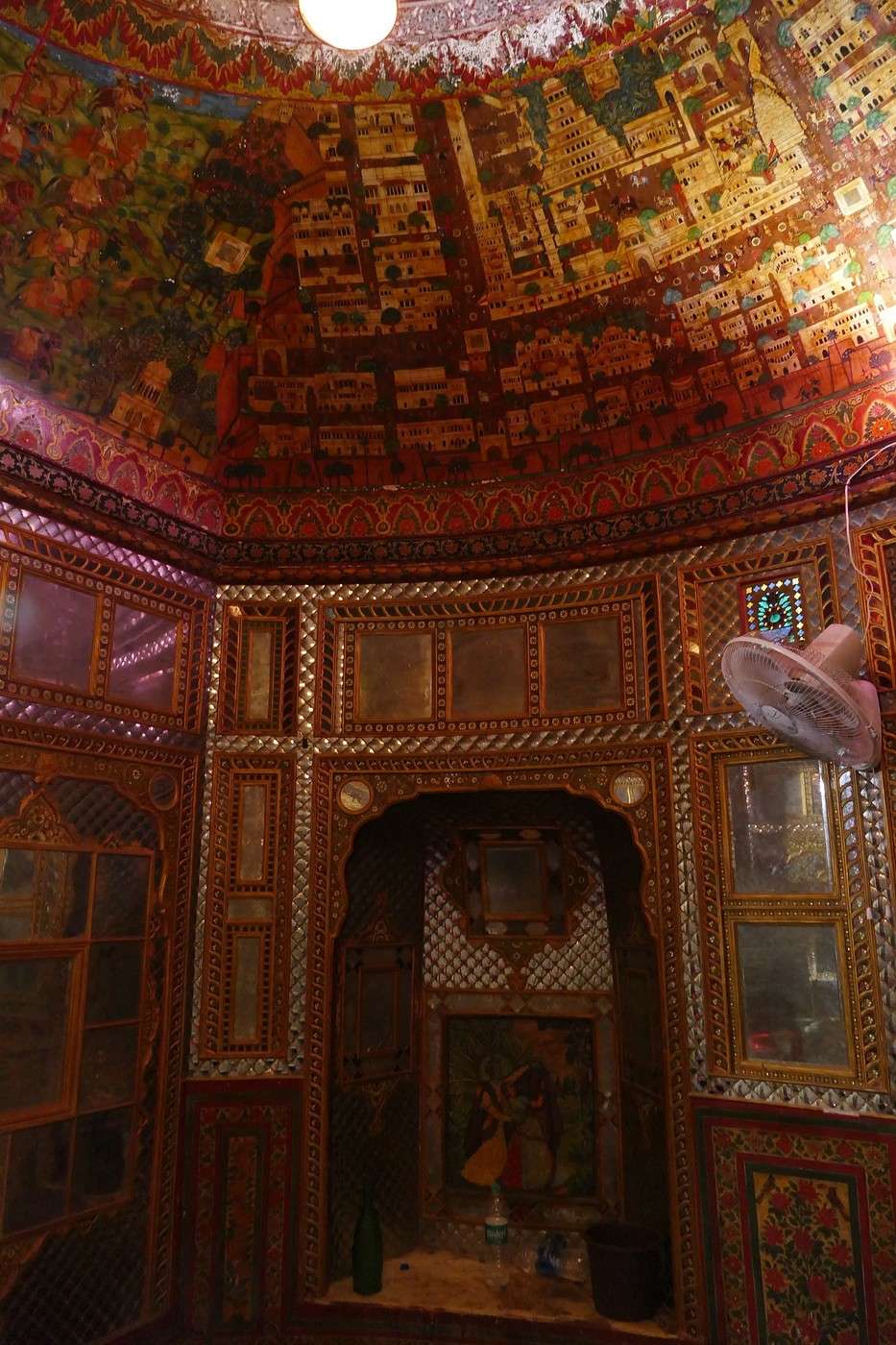
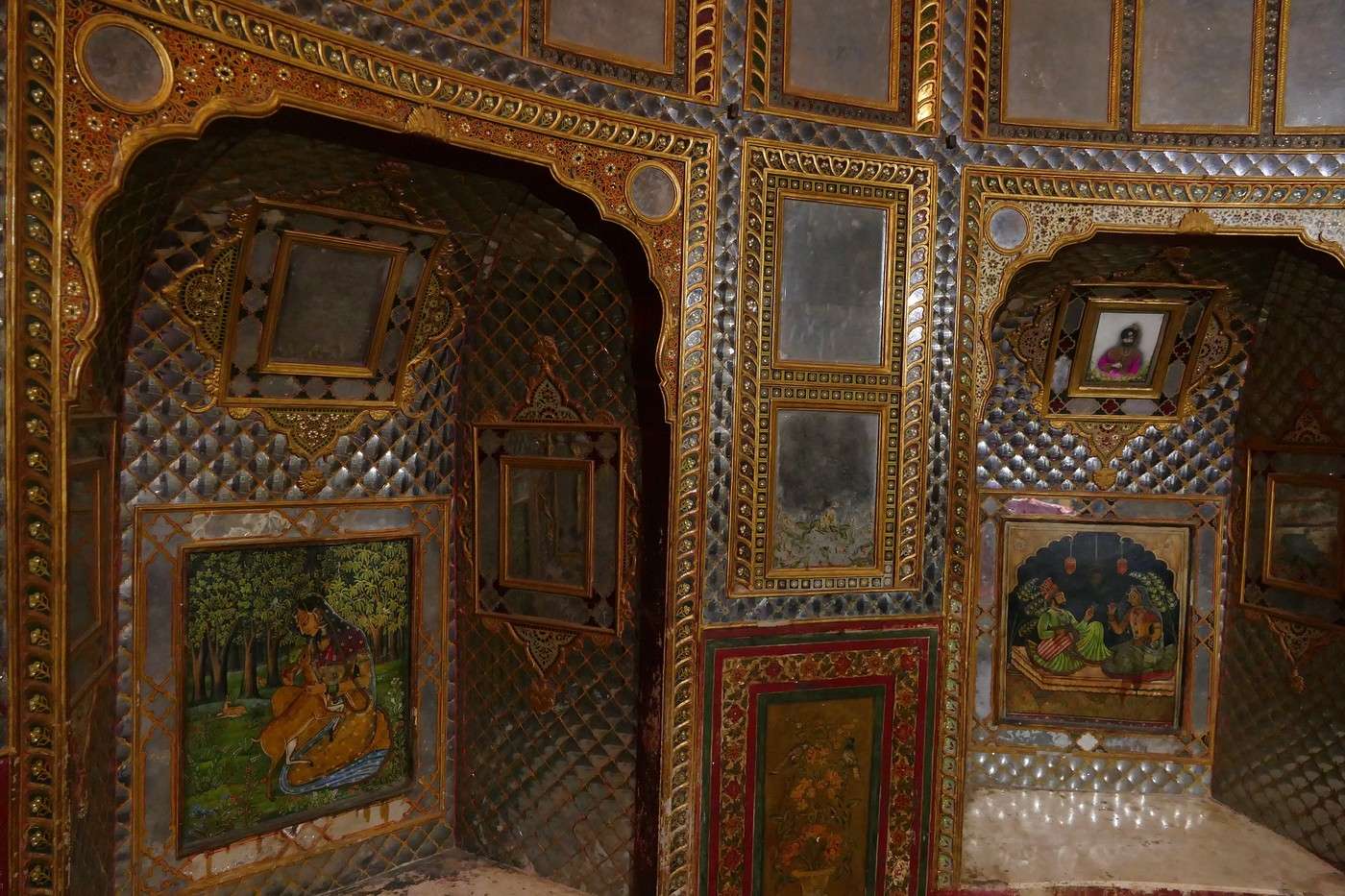
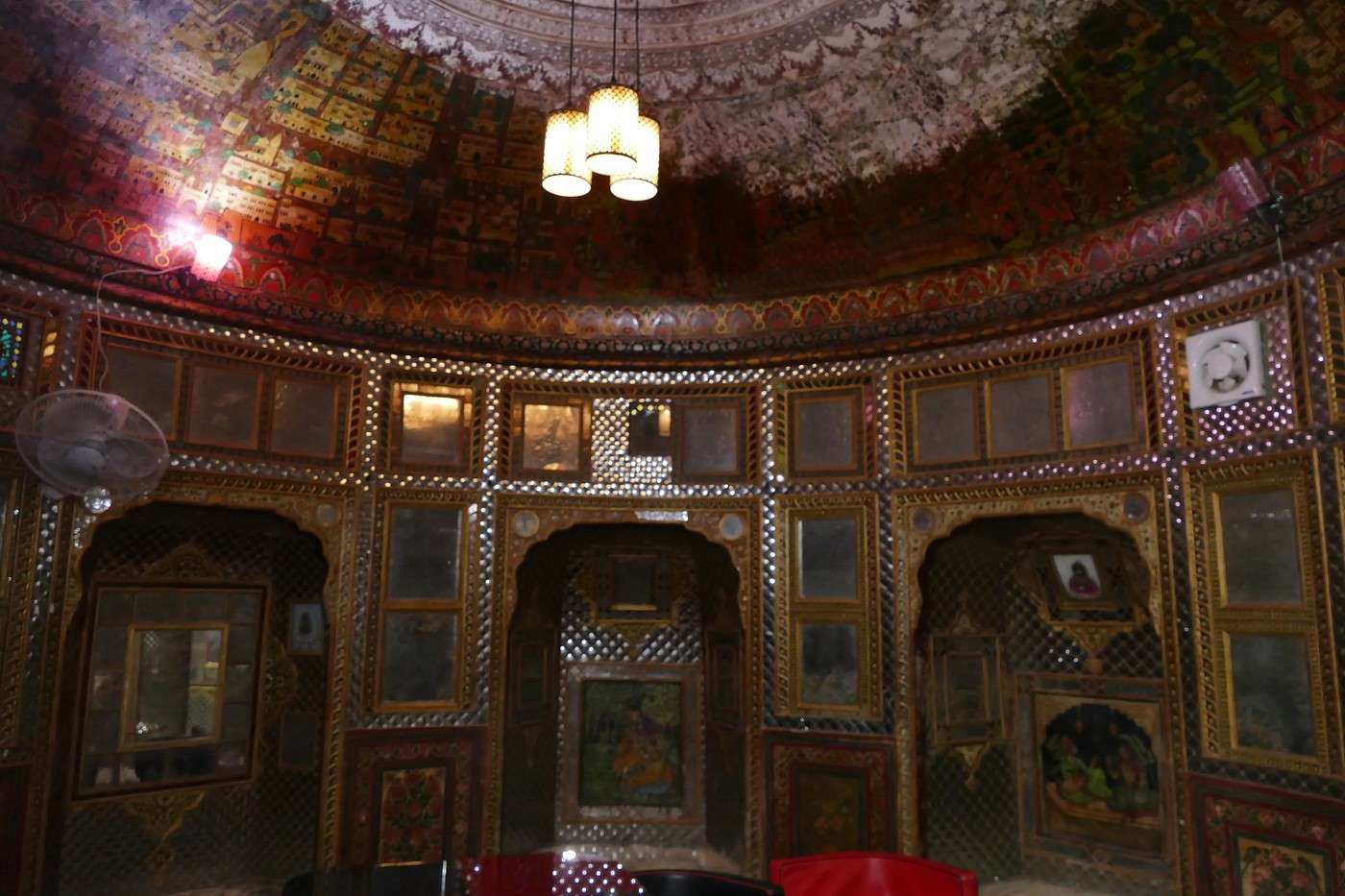
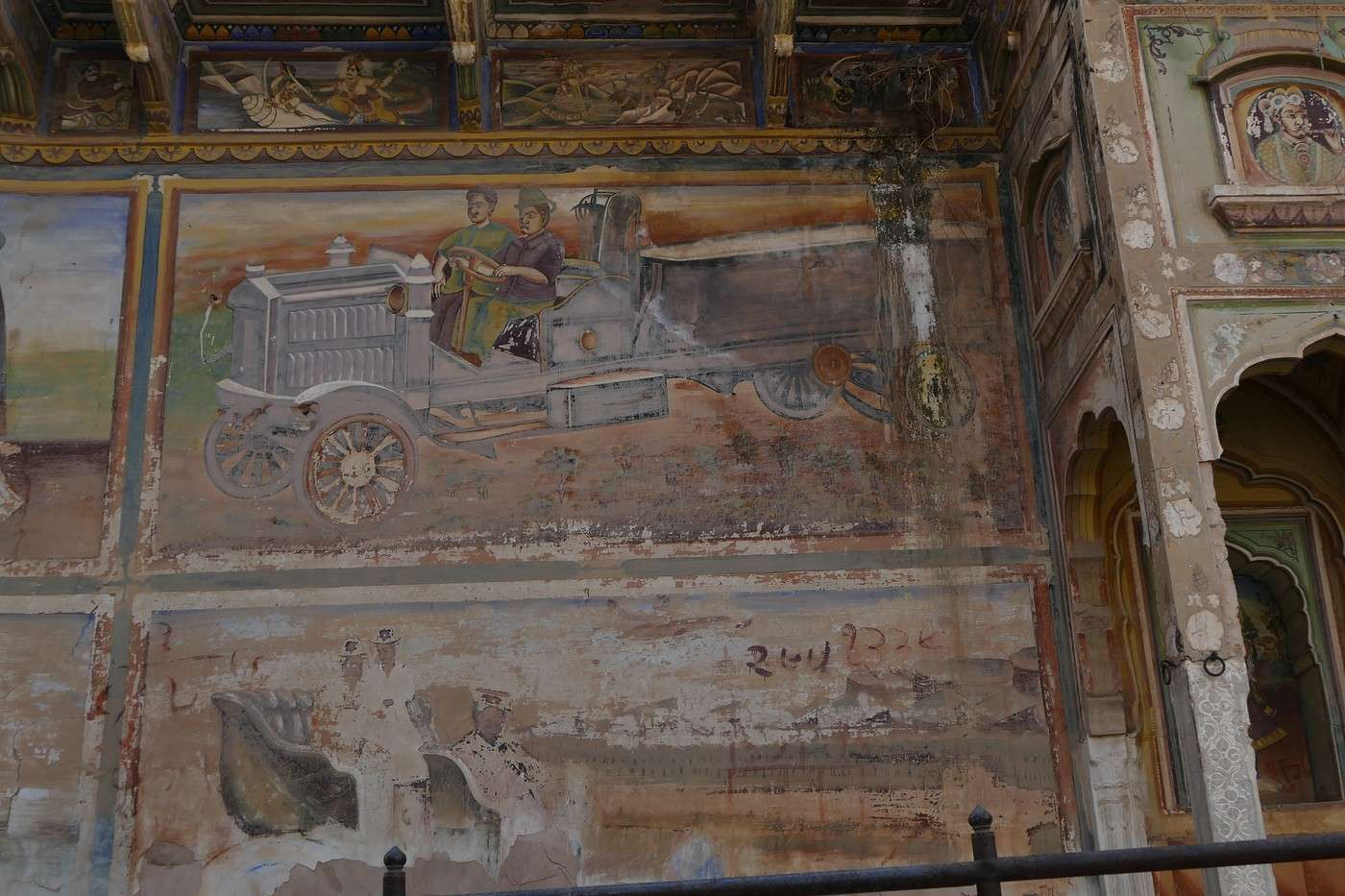
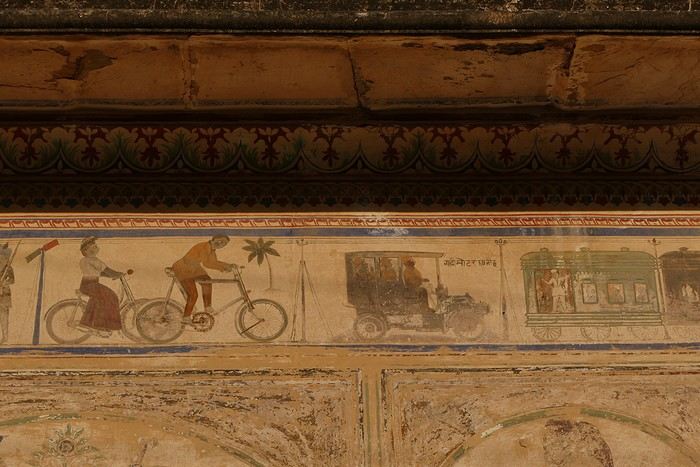
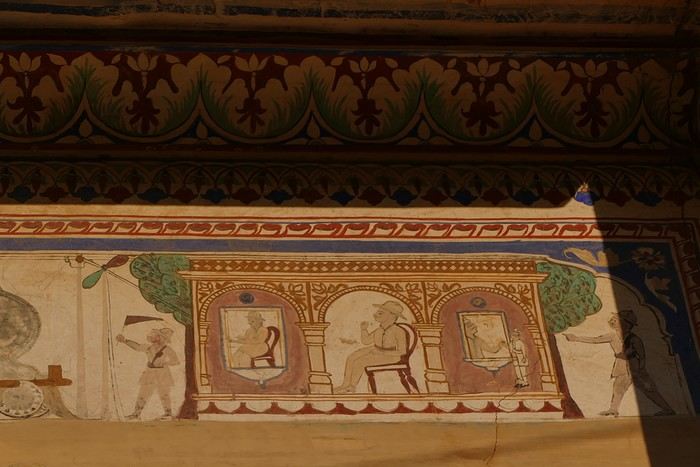
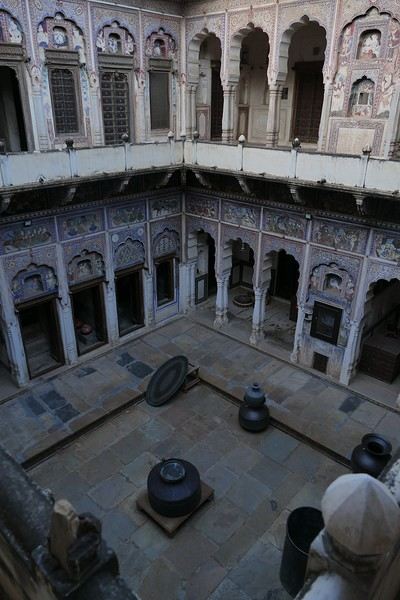
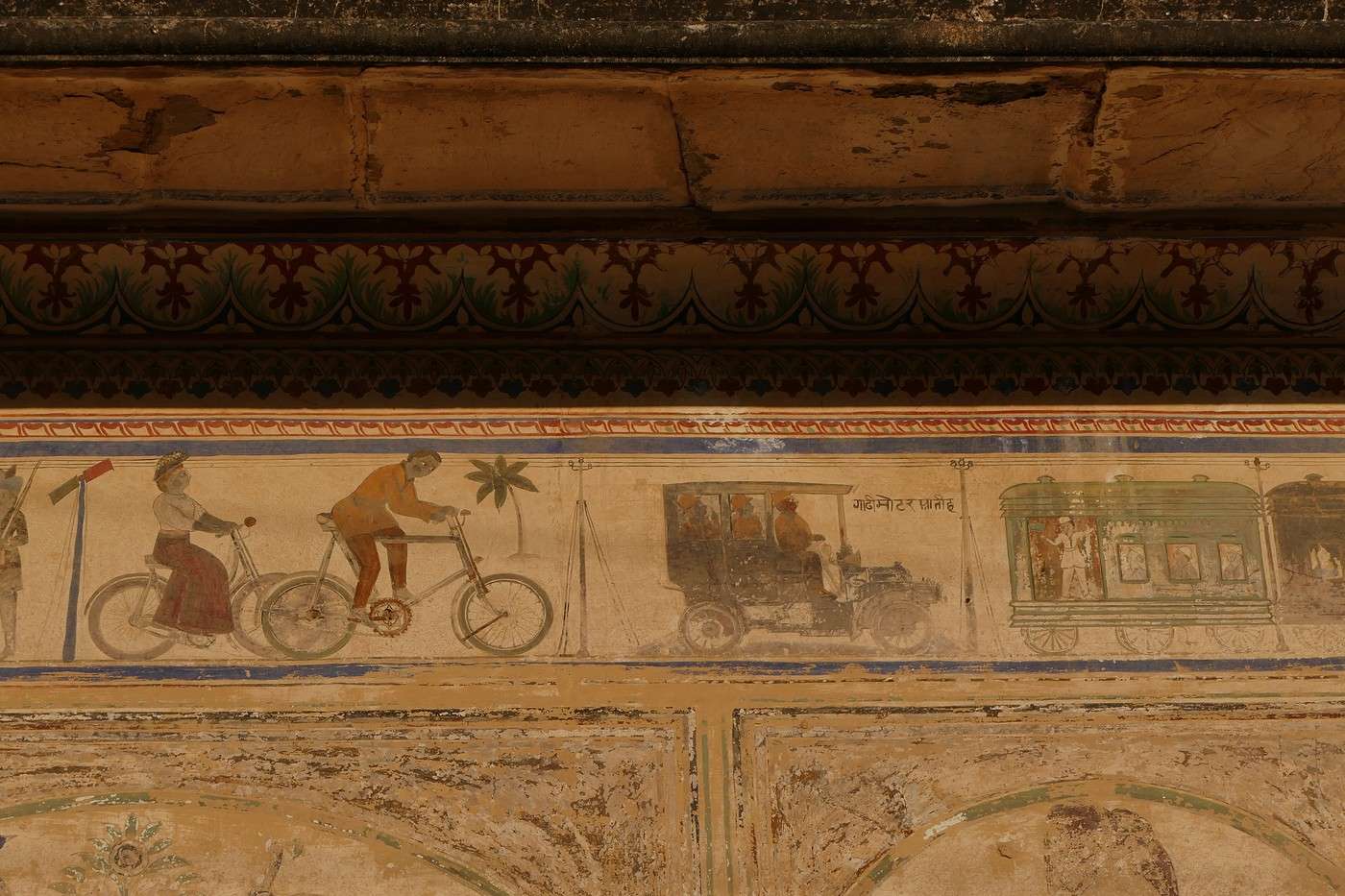
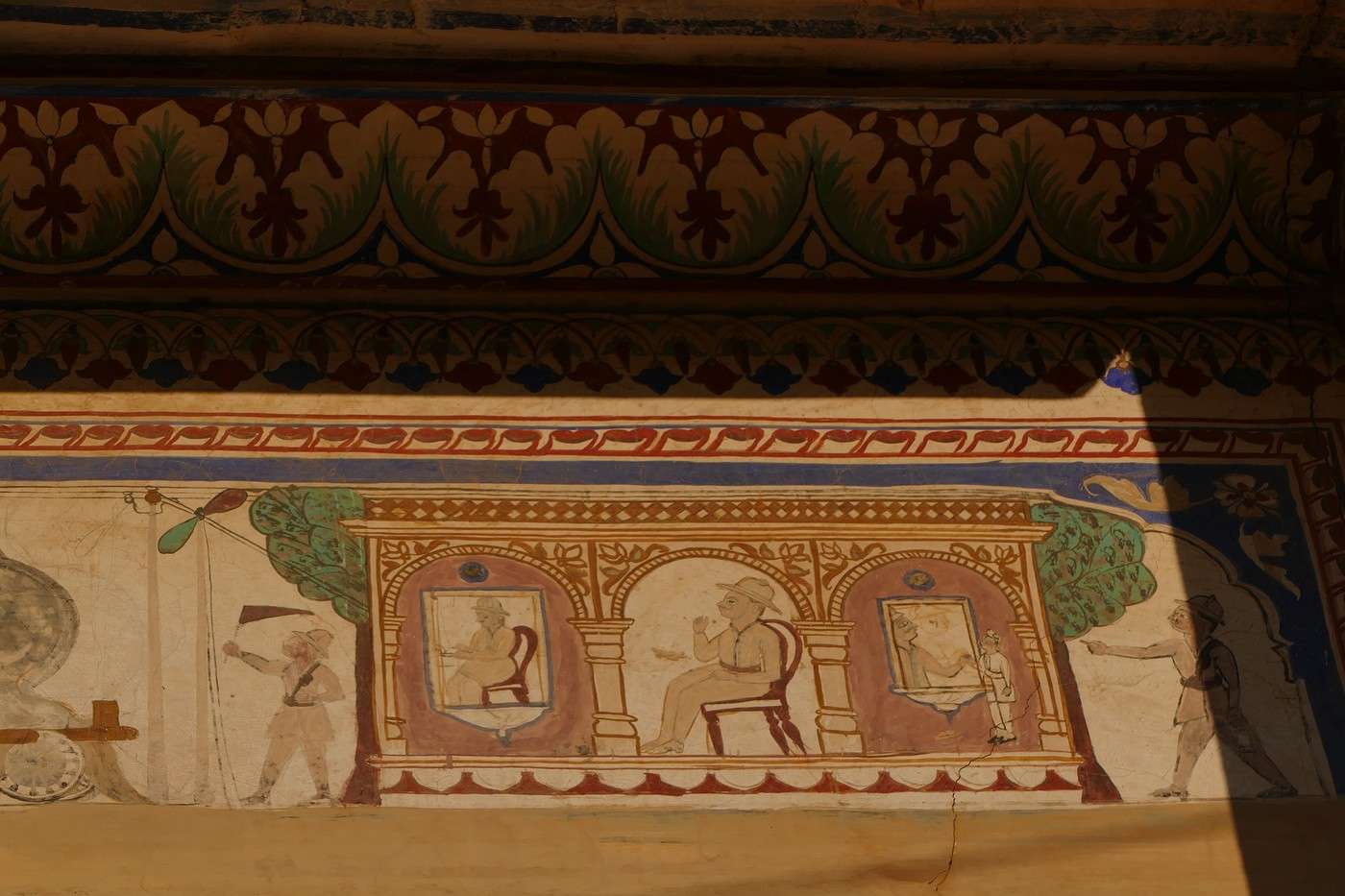
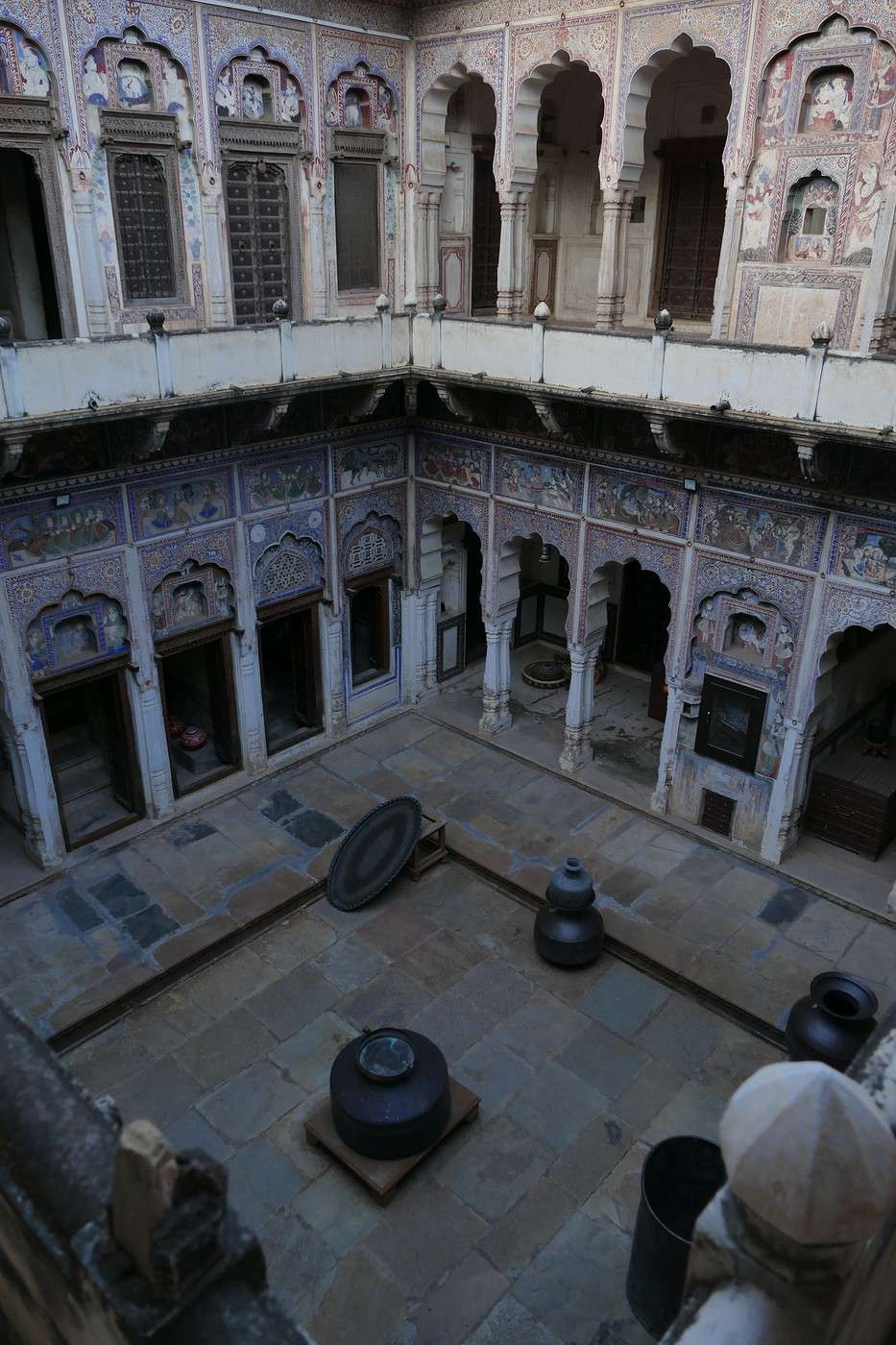
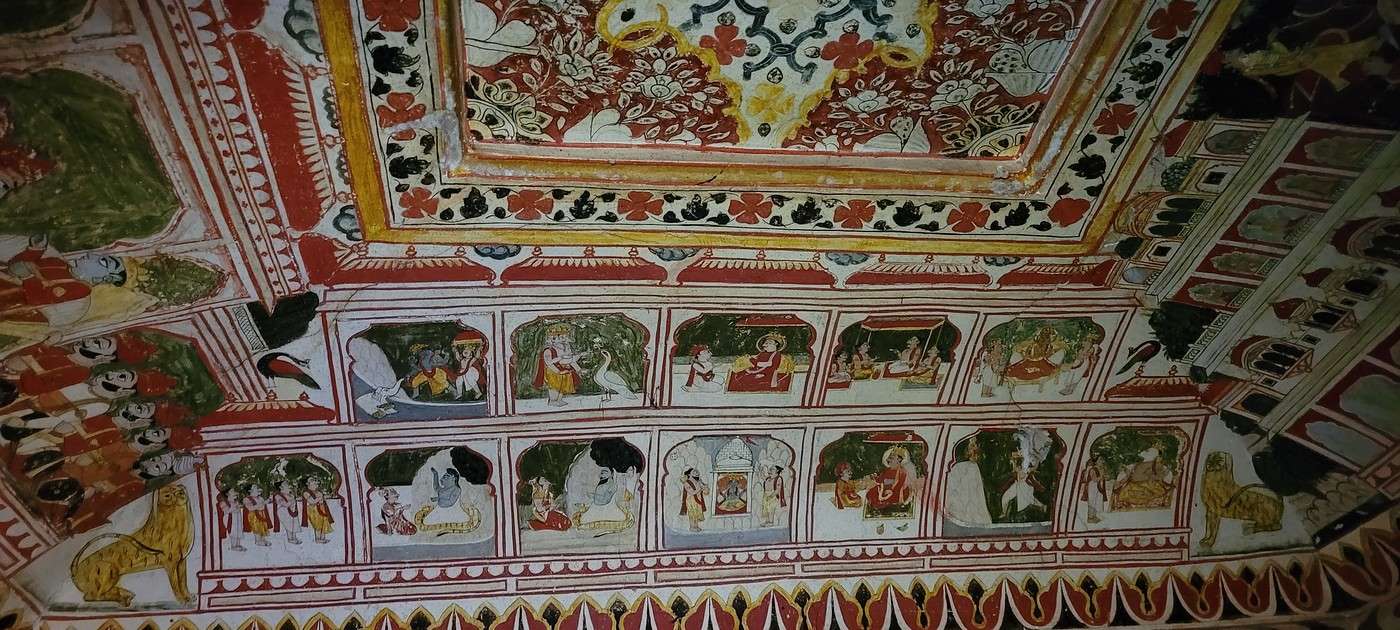
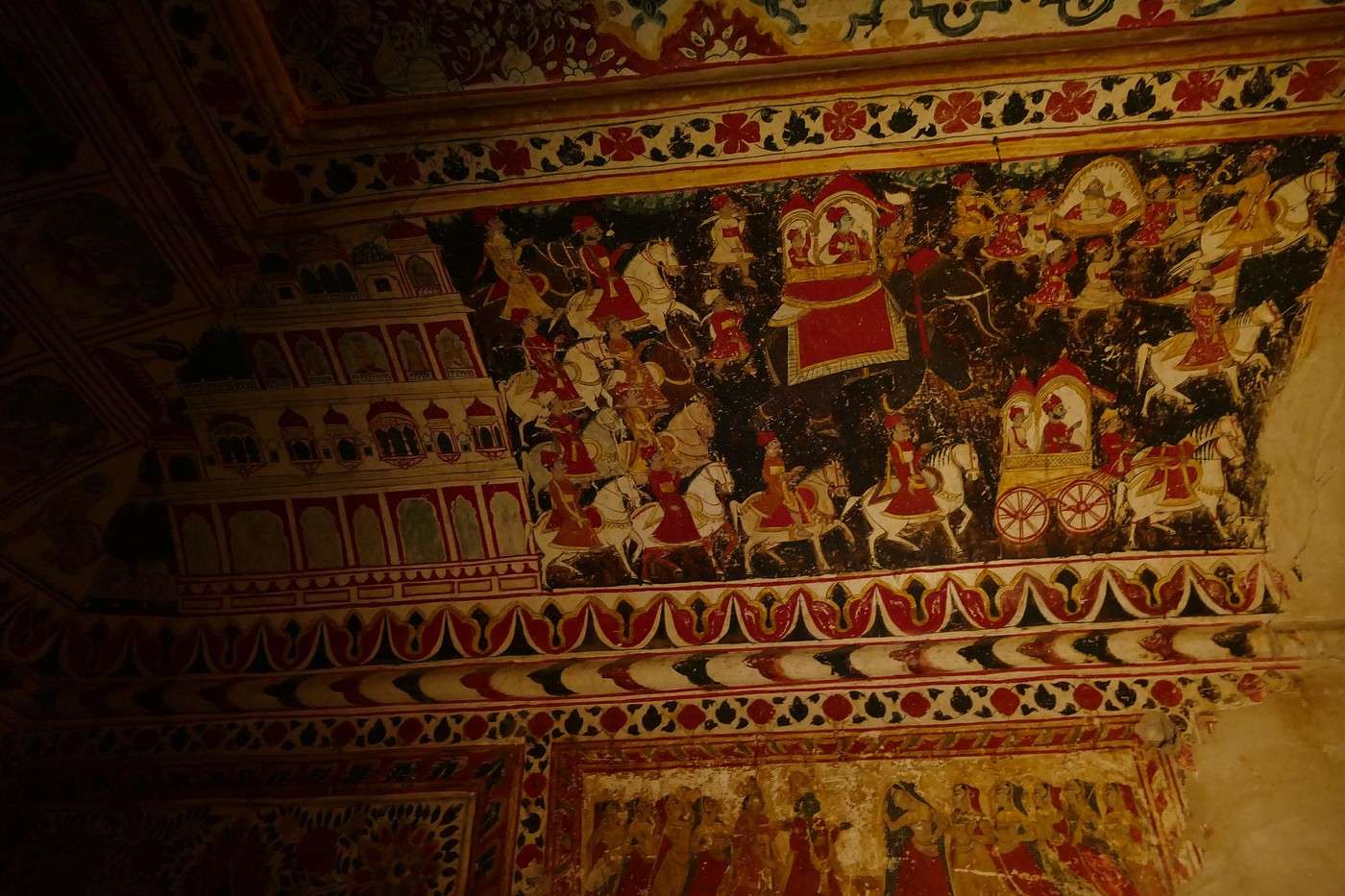
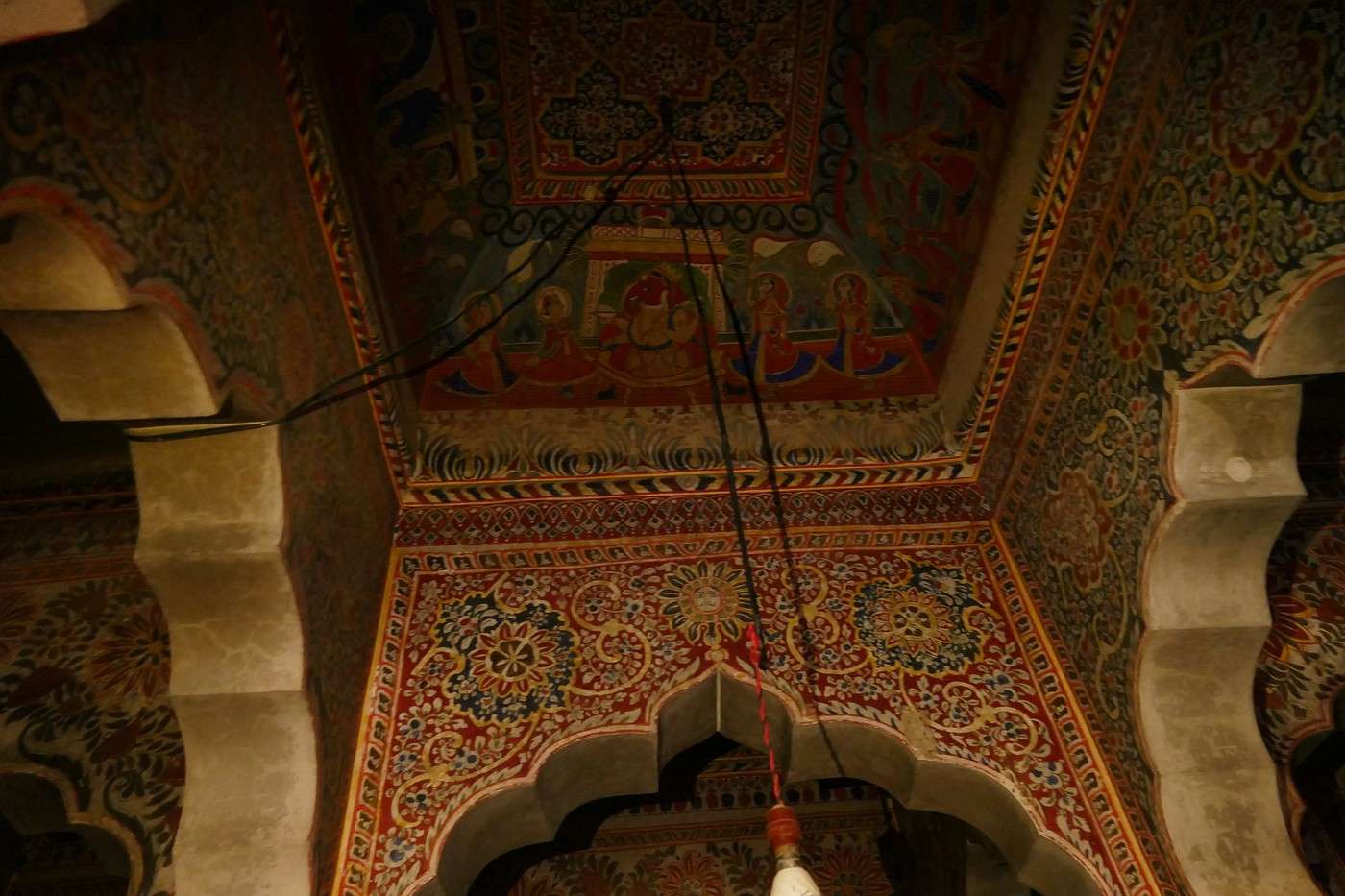
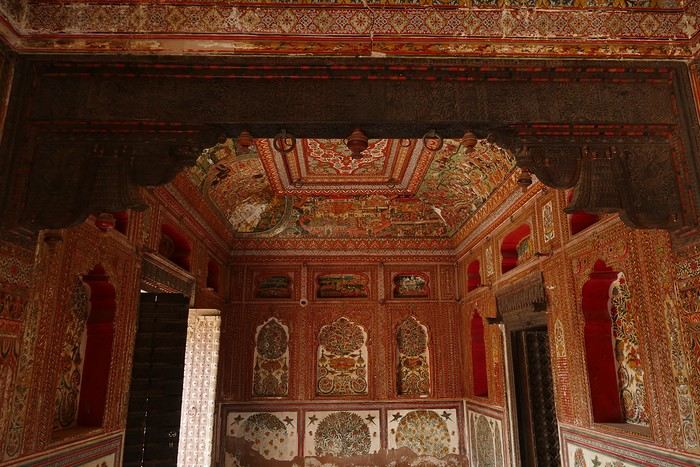
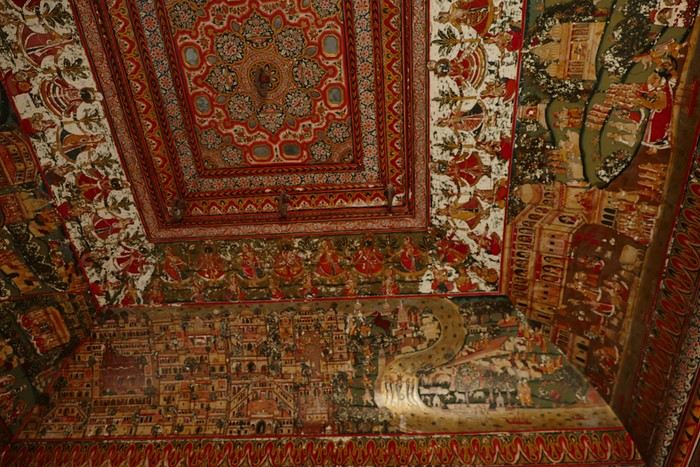
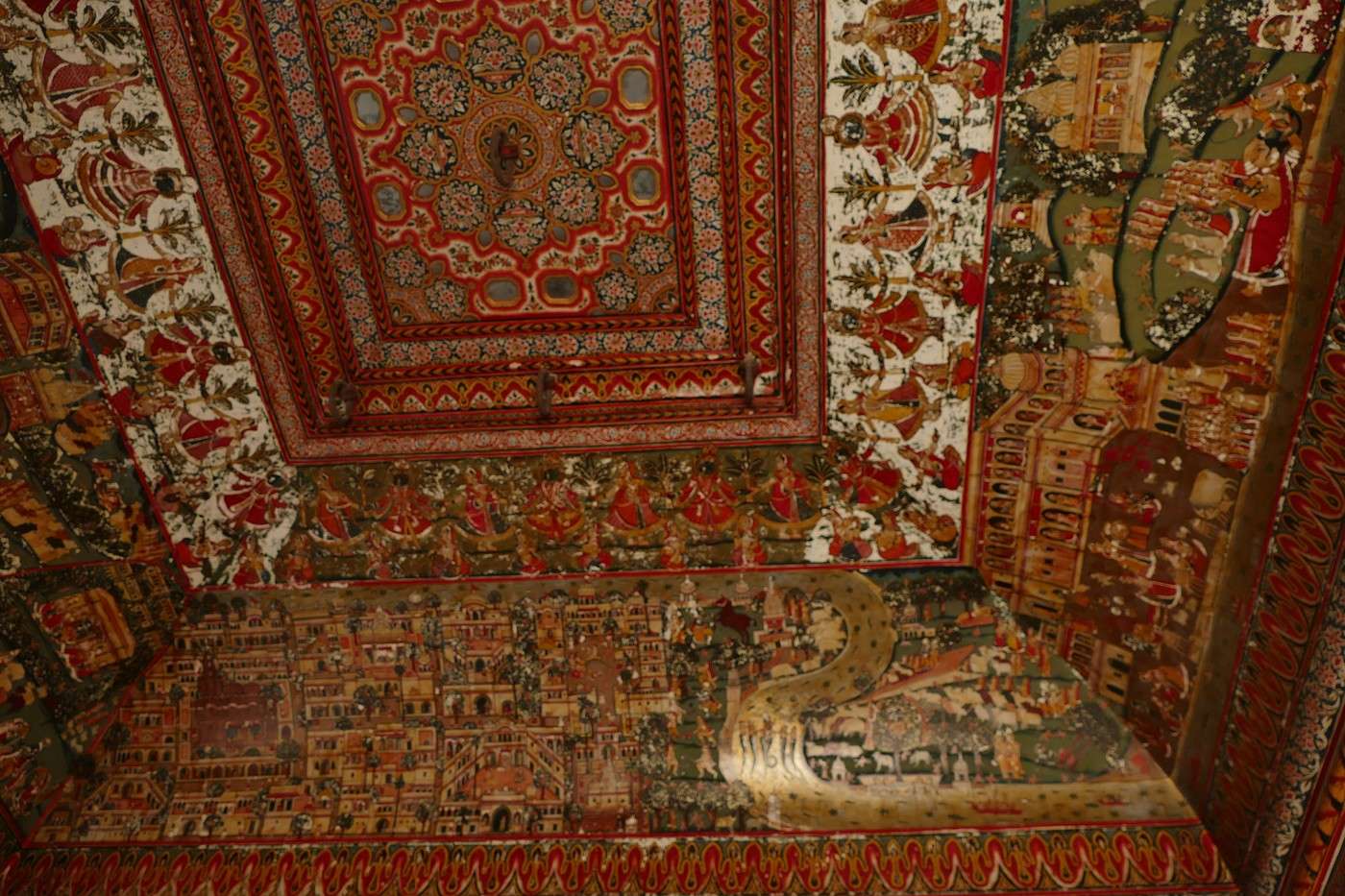
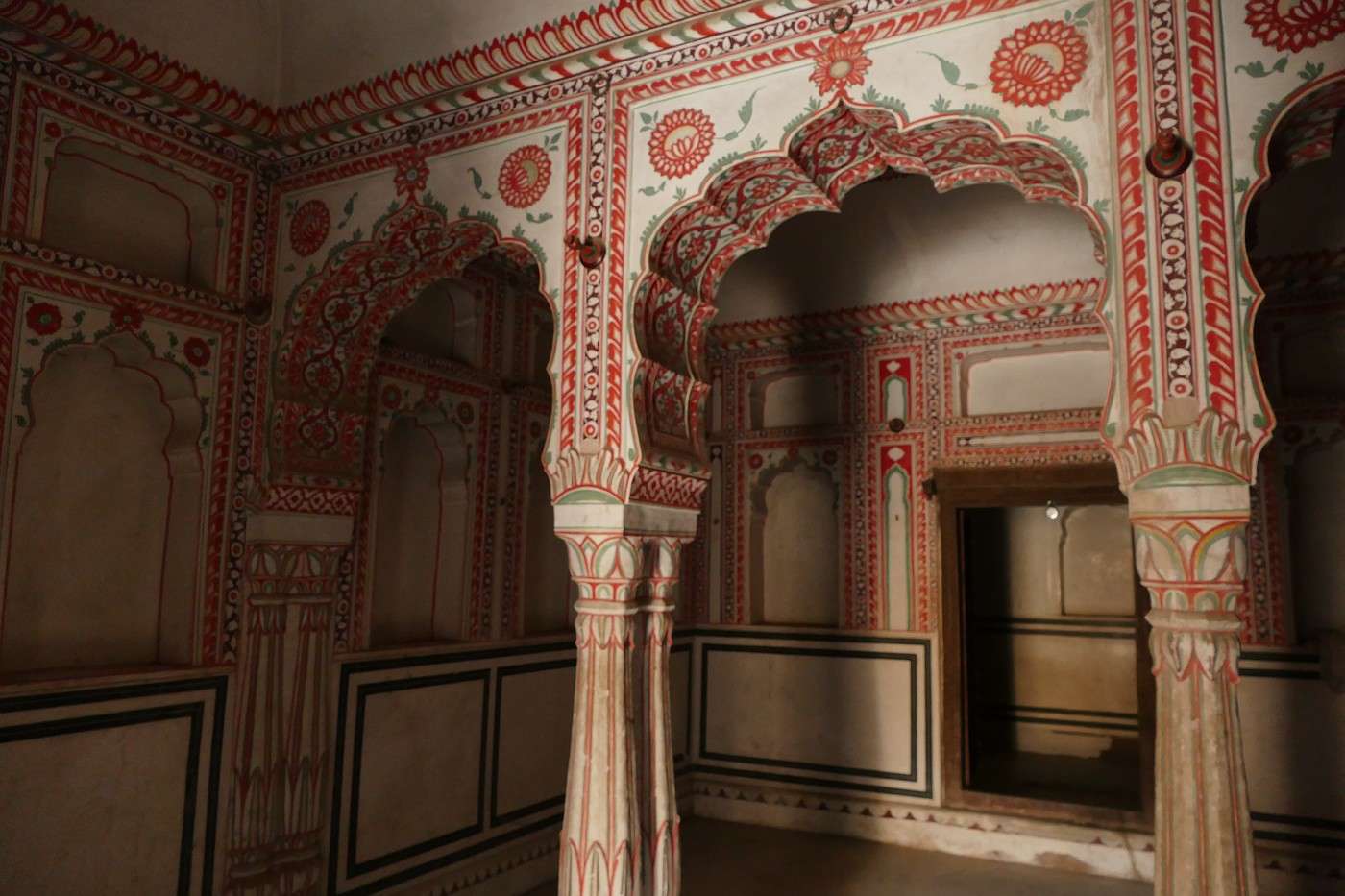
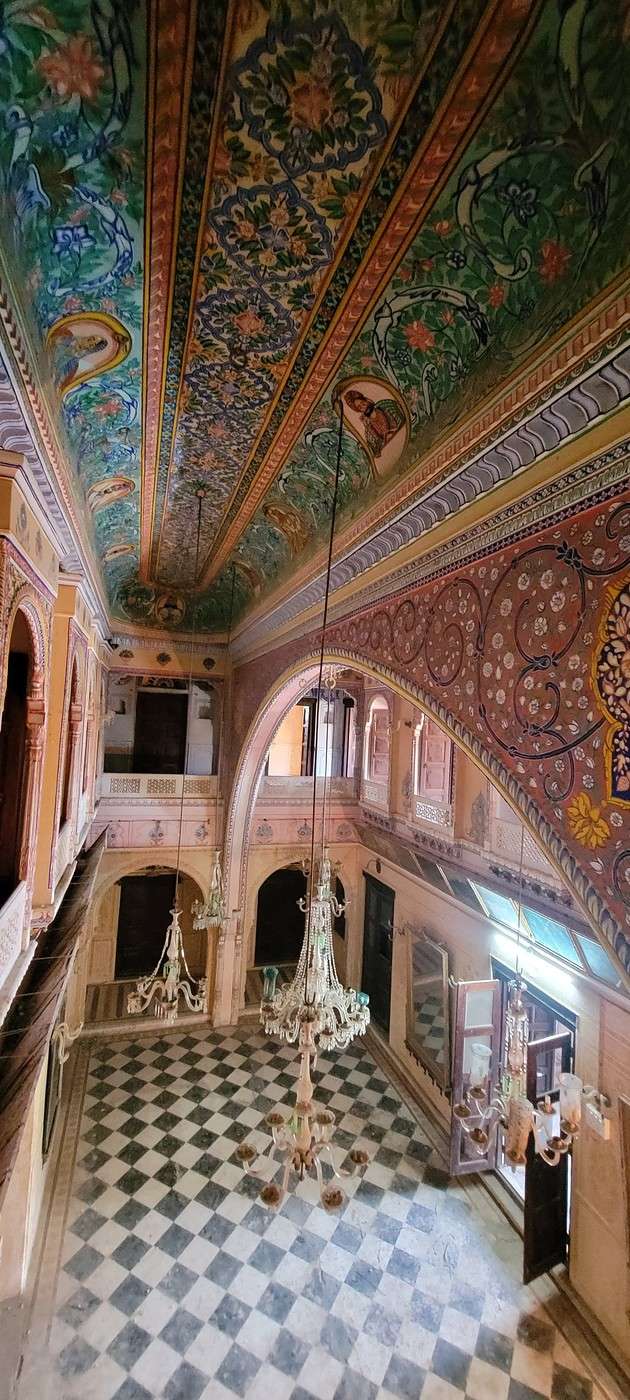
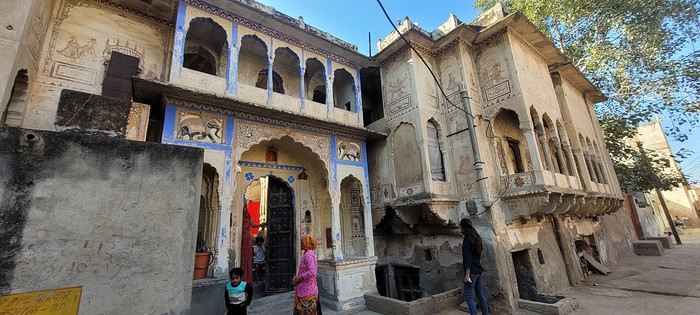
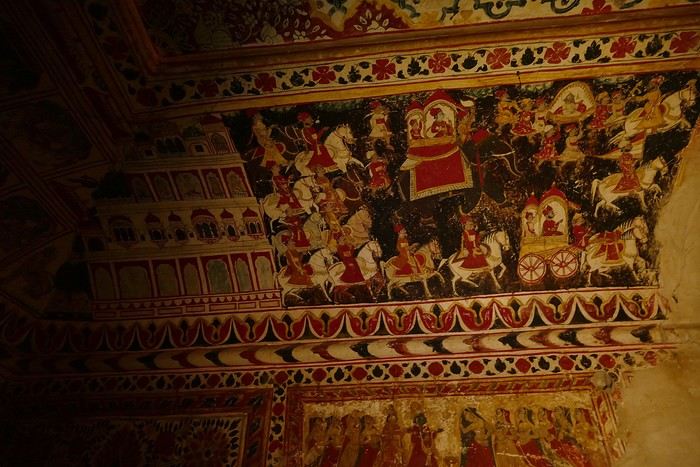
From there, we continue through the alleys, and she takes me to private homes with a secret room where they store wood for cooking. This dark room has magnificent frescoes depicting various epics, the Maharaja’s travels, deities—it’s stunning.
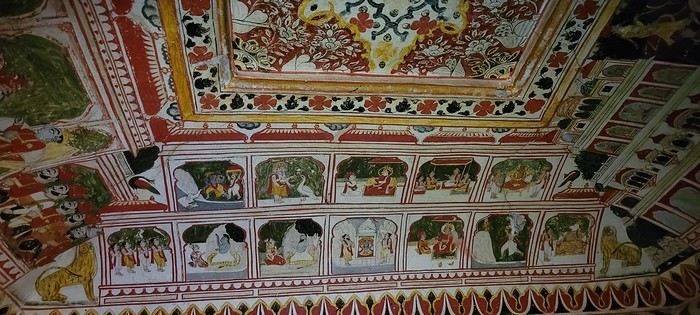
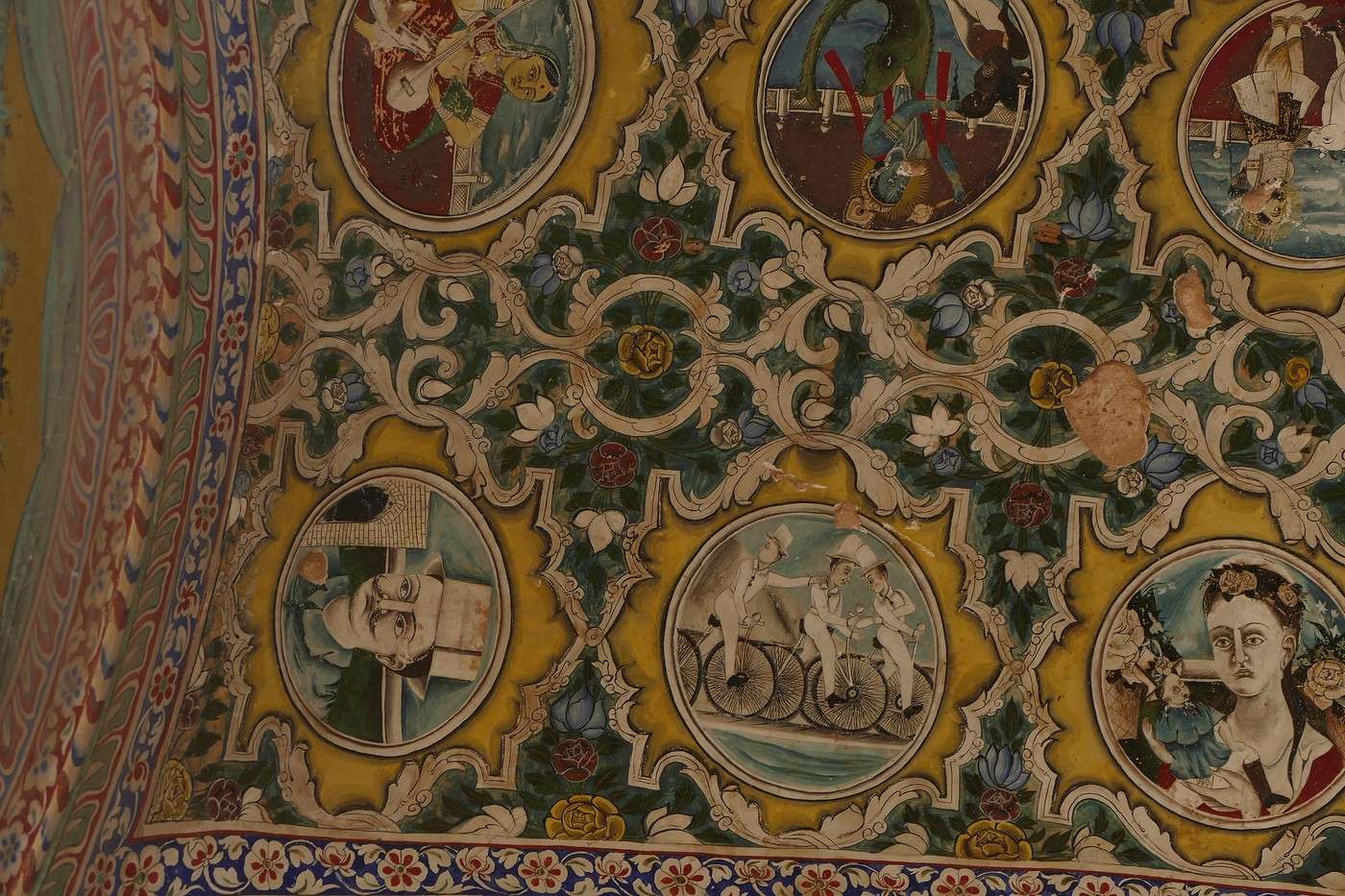
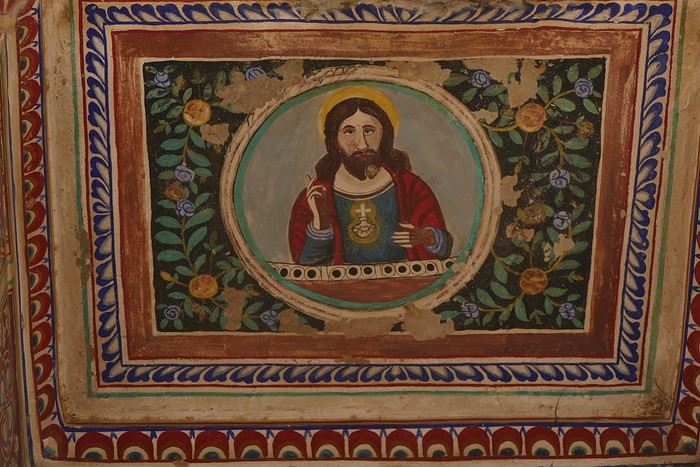
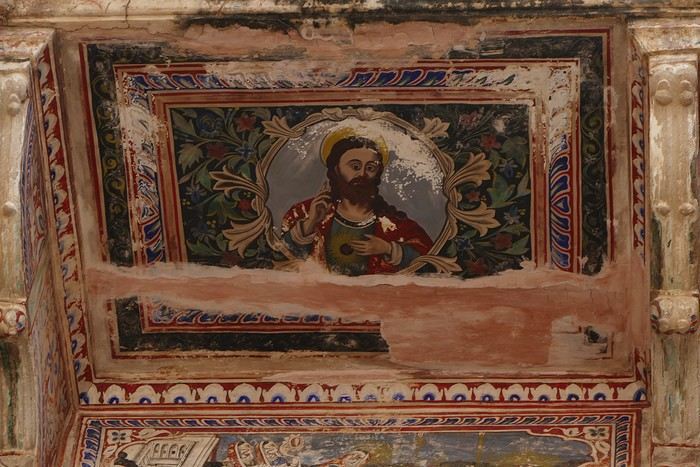
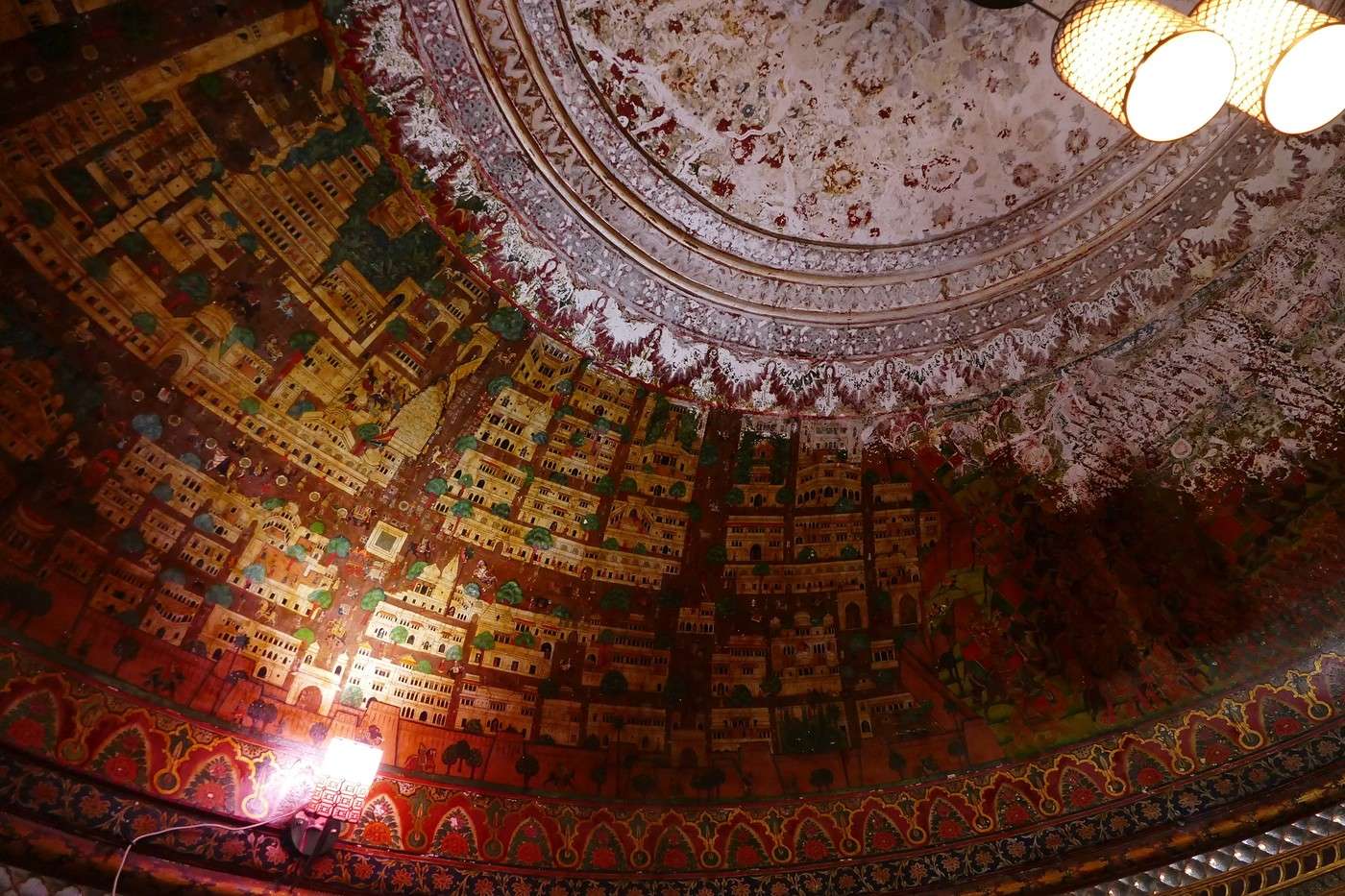
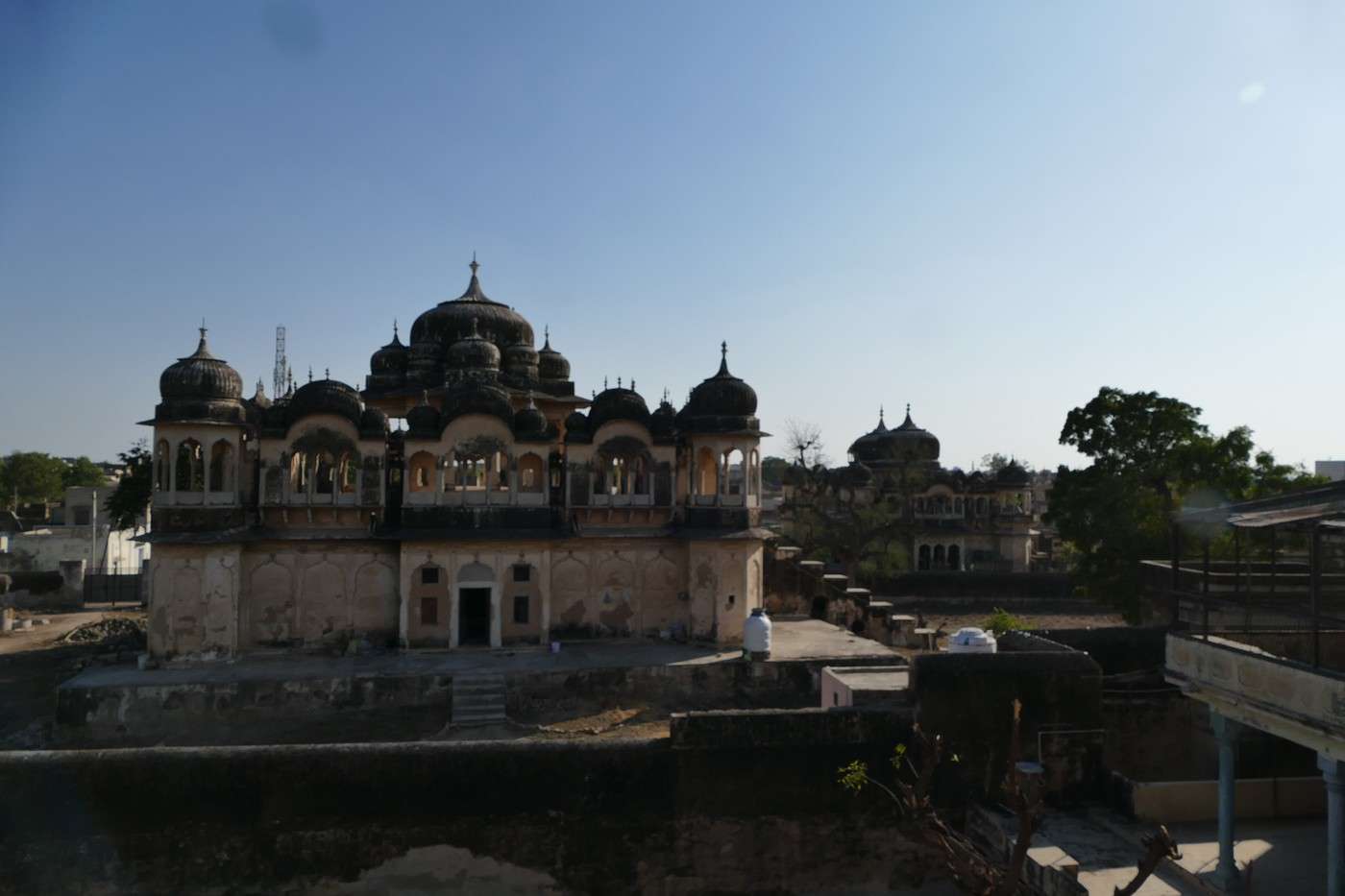
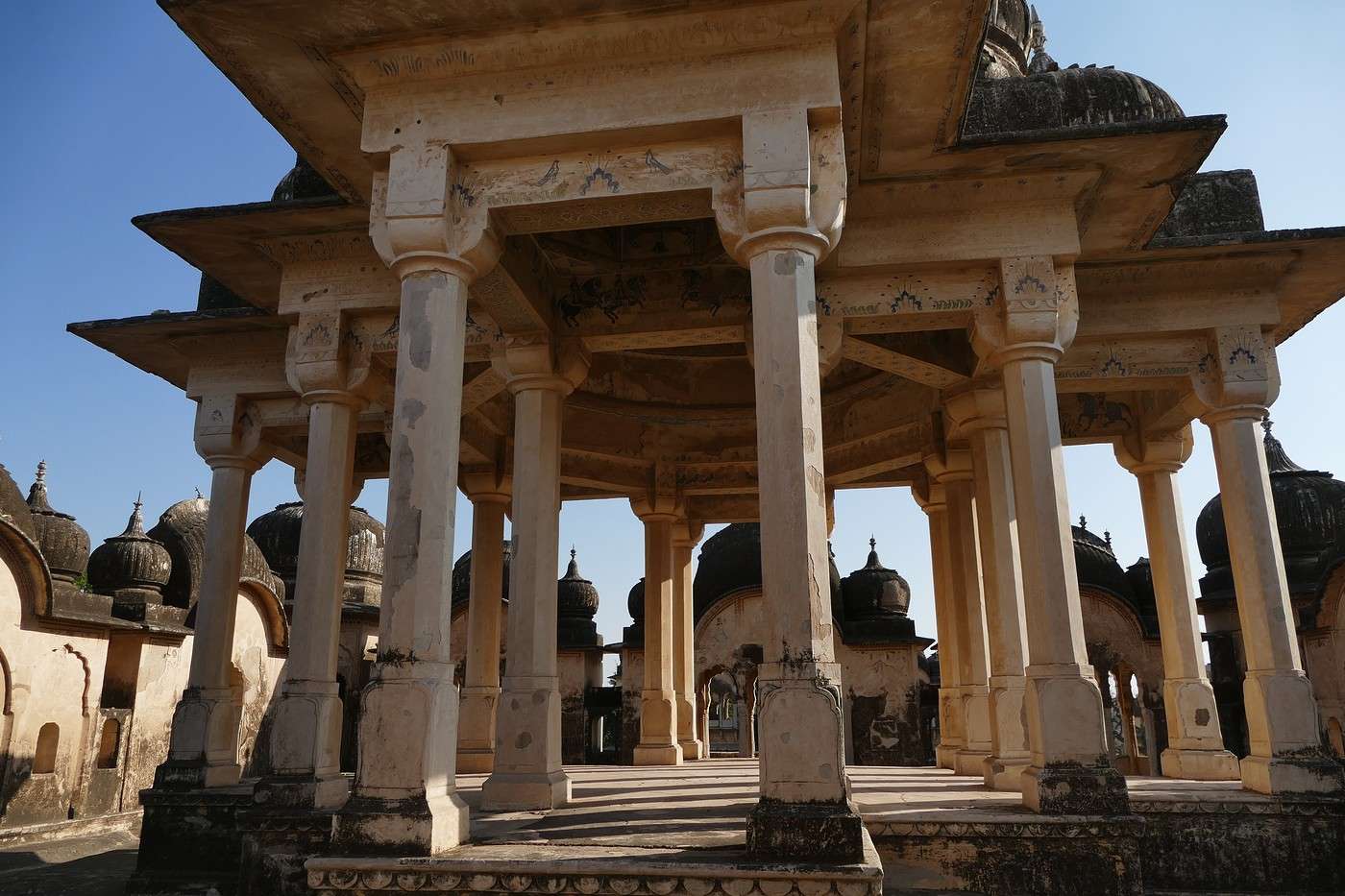
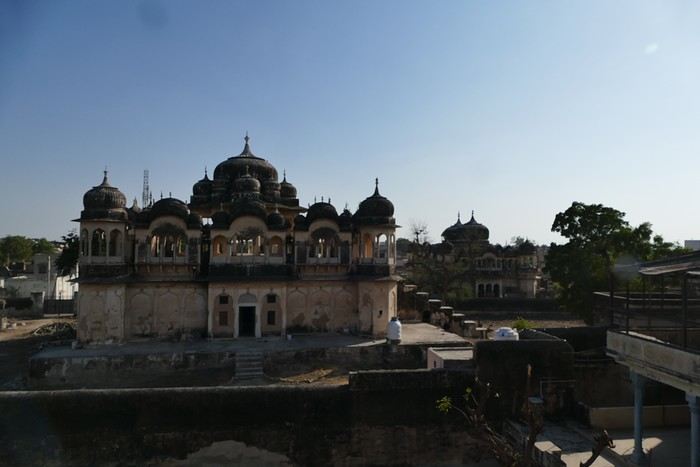
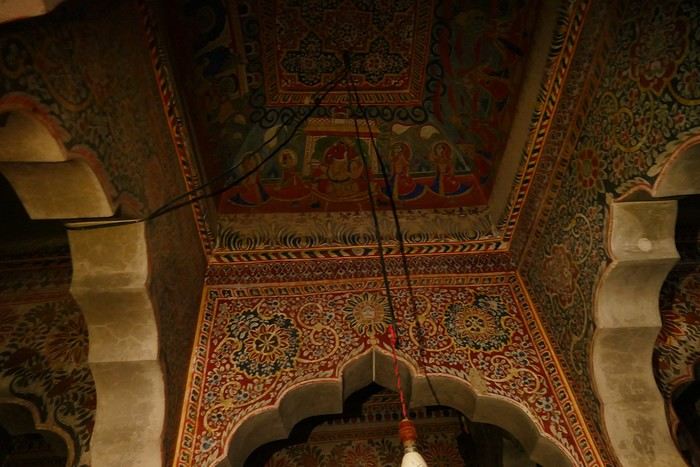
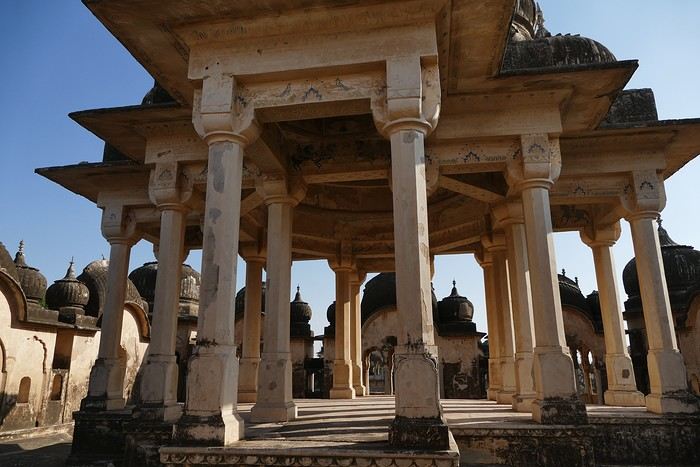
We continue and visit the Ram Gopal Poddar chhatris (1872). It’s a funerary complex made up of 4 pavilions adorned with over 500 frescoes inside the domes.
The bus back to Mahensar isn’t regular, and I have to wait an hour—it’s a bit long.
Back at the fort, everyone is busy with wedding preparations.
The night will be very noisy—music and fireworks until midnight, and at 4 AM, music from the temple. I’m starting to get used to it; the first night in my new hotels is often noisy since the start of the trip.