Back to the discussion

in Entre deux voyages › Carnets de voyage

Kattegat Tour and Norway’s Majestic Fjords – 32 Days (Denmark, Sweden, Norway) (page 3 of 3)

Discussion started by Cendryon on 2025-07-09

57 replies

This thread has been translated into English.


Kattegat Tour and Norway's Great Fjords - 32 Days (Denmark - Sweden - Norway)

Cendryon · 2025-08-14 · Message 41 of 58

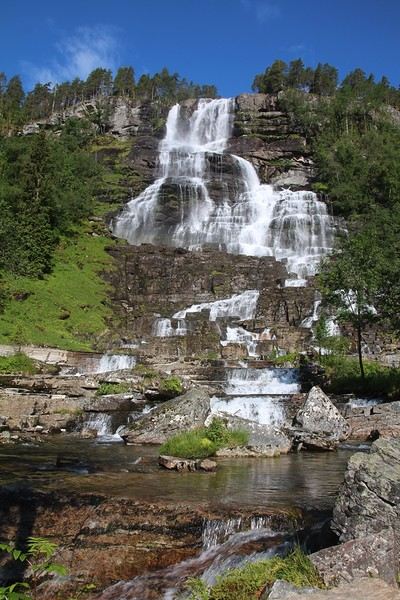
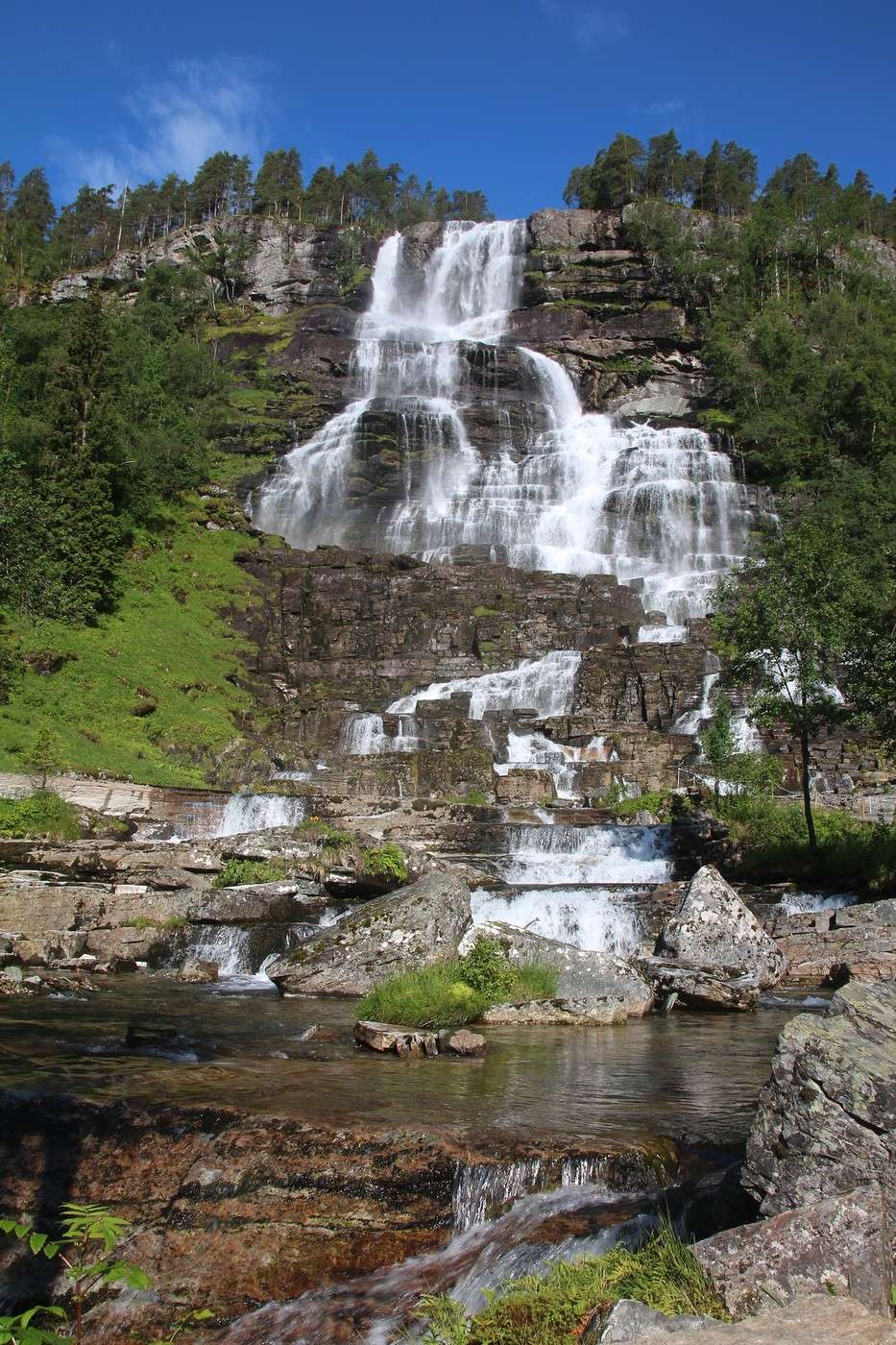
Day 21 – Saturday, June 21 – Bergen This morning, we head to Bergen. The road is beautiful under the sun! As usual, there are plenty of tunnels. We planned just one stop at Tvindefossen, a lovely waterfall that’s easy to access since it’s right by the road with a shop, restrooms, etc. When we arrive, there’s still no one around, but by the time we leave, the buses have arrived!


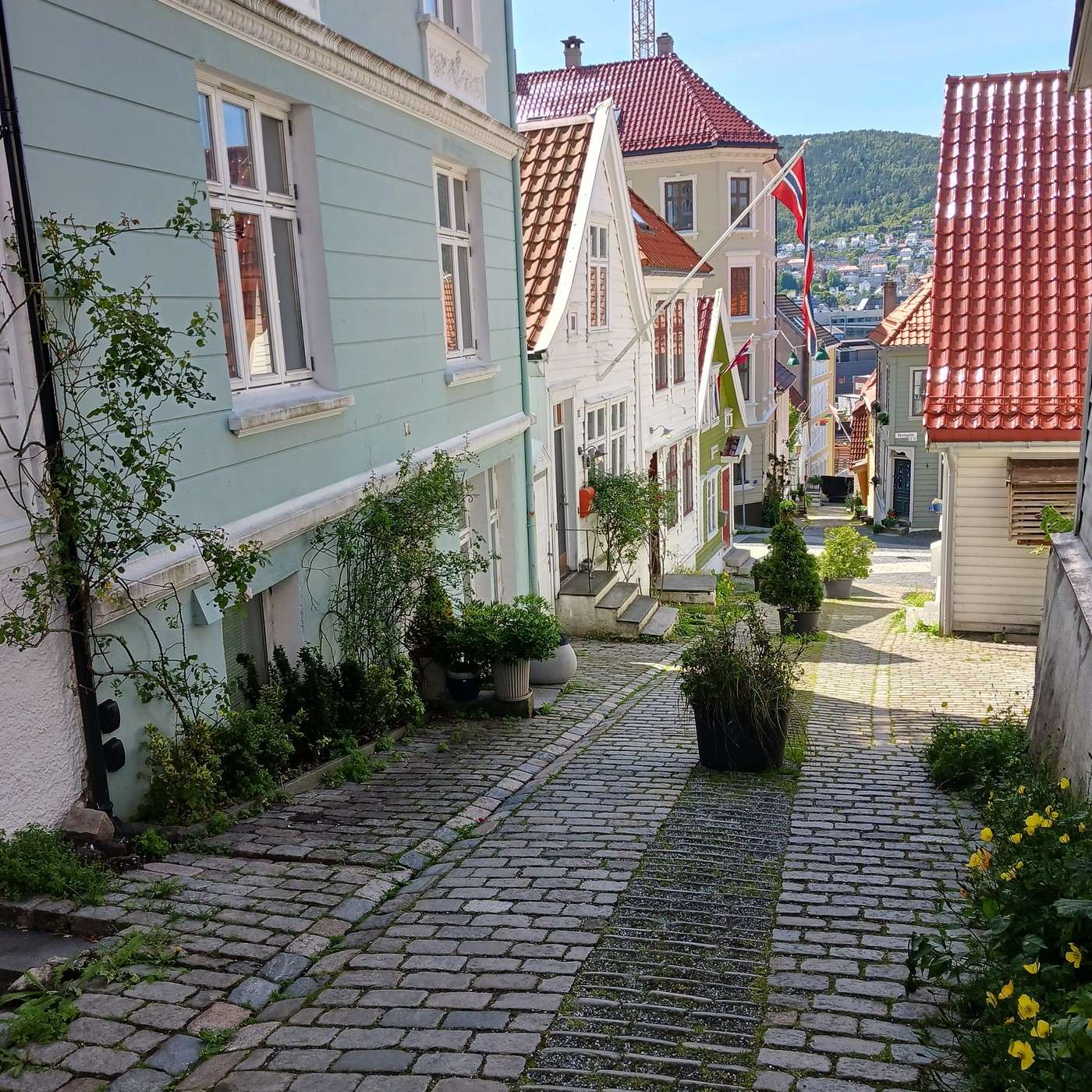
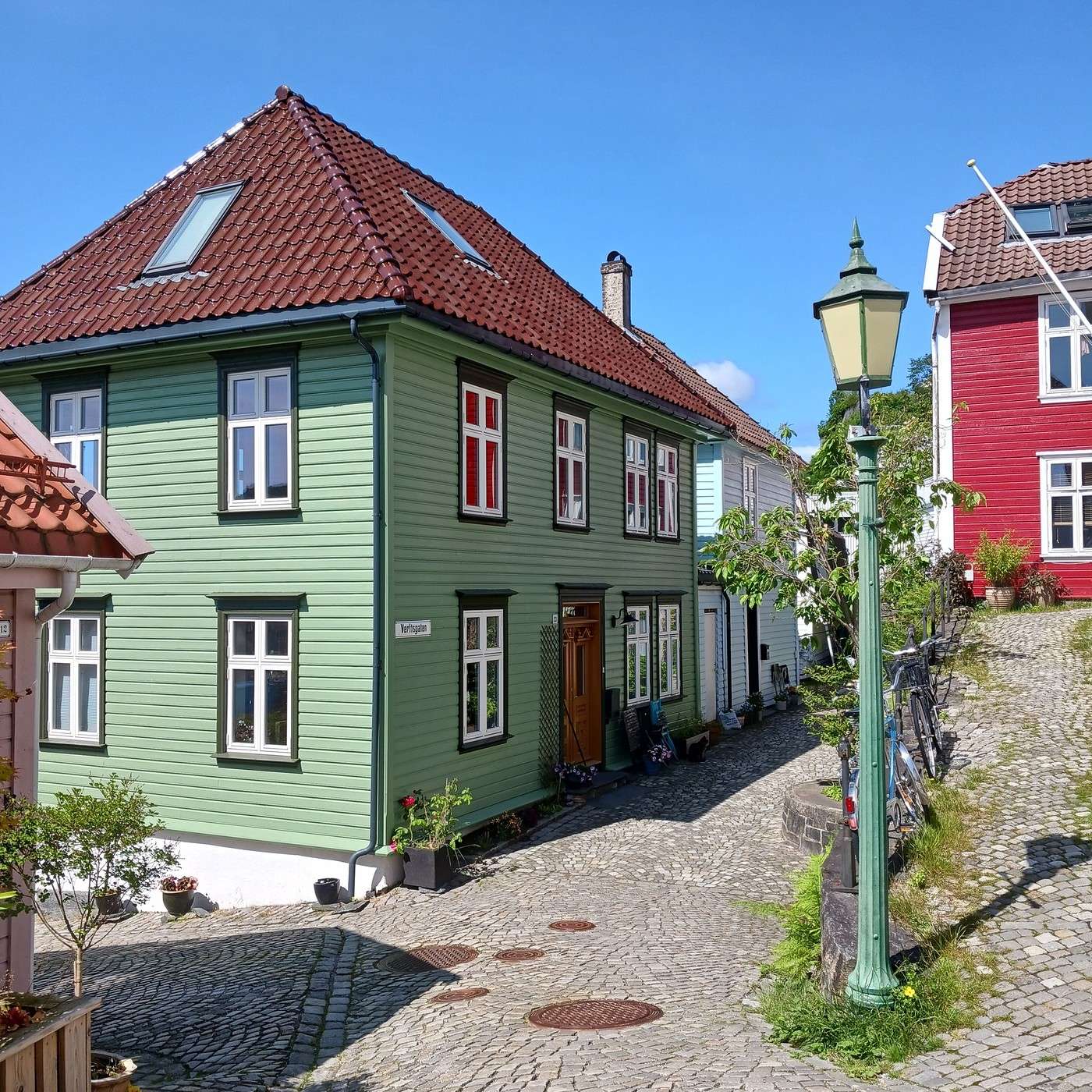
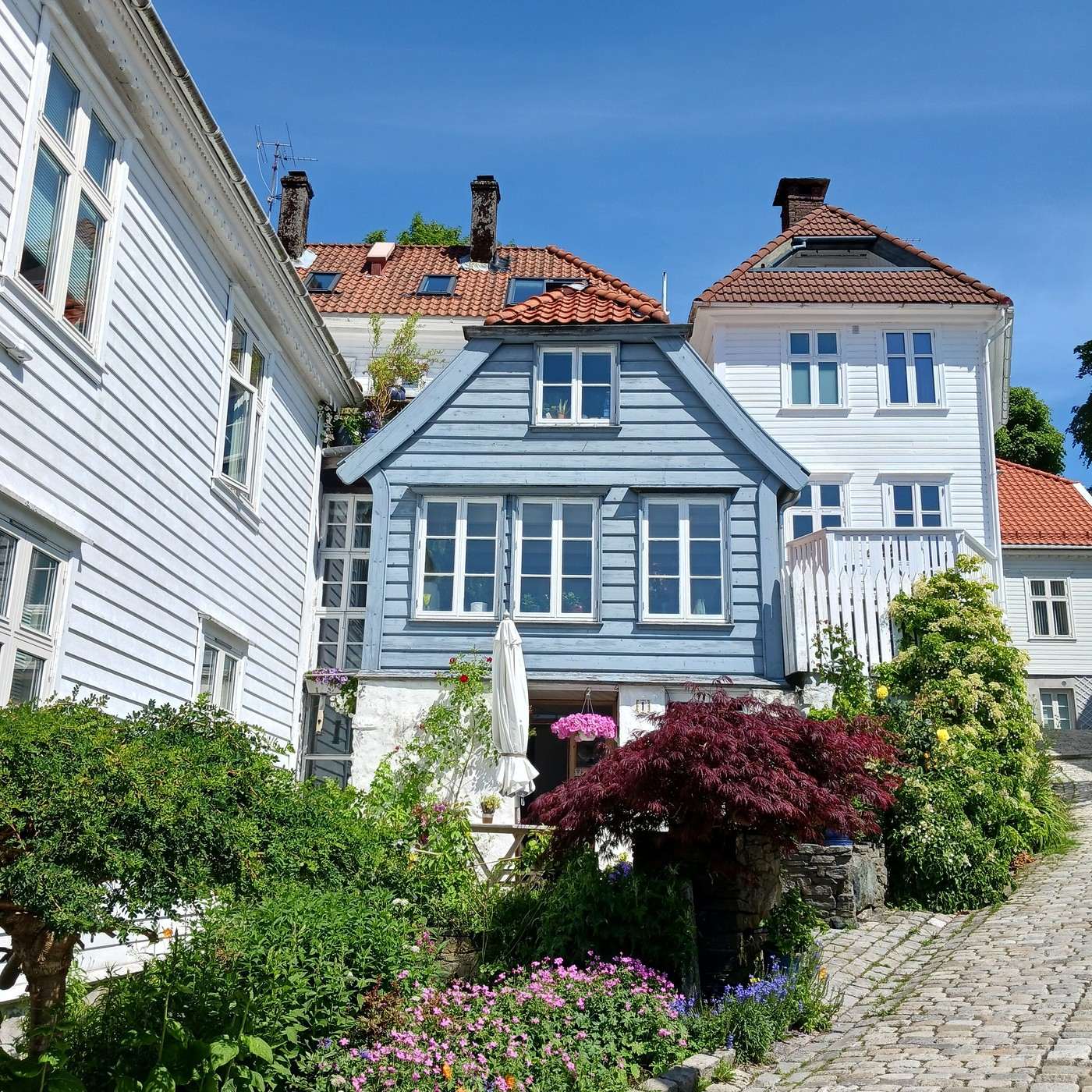
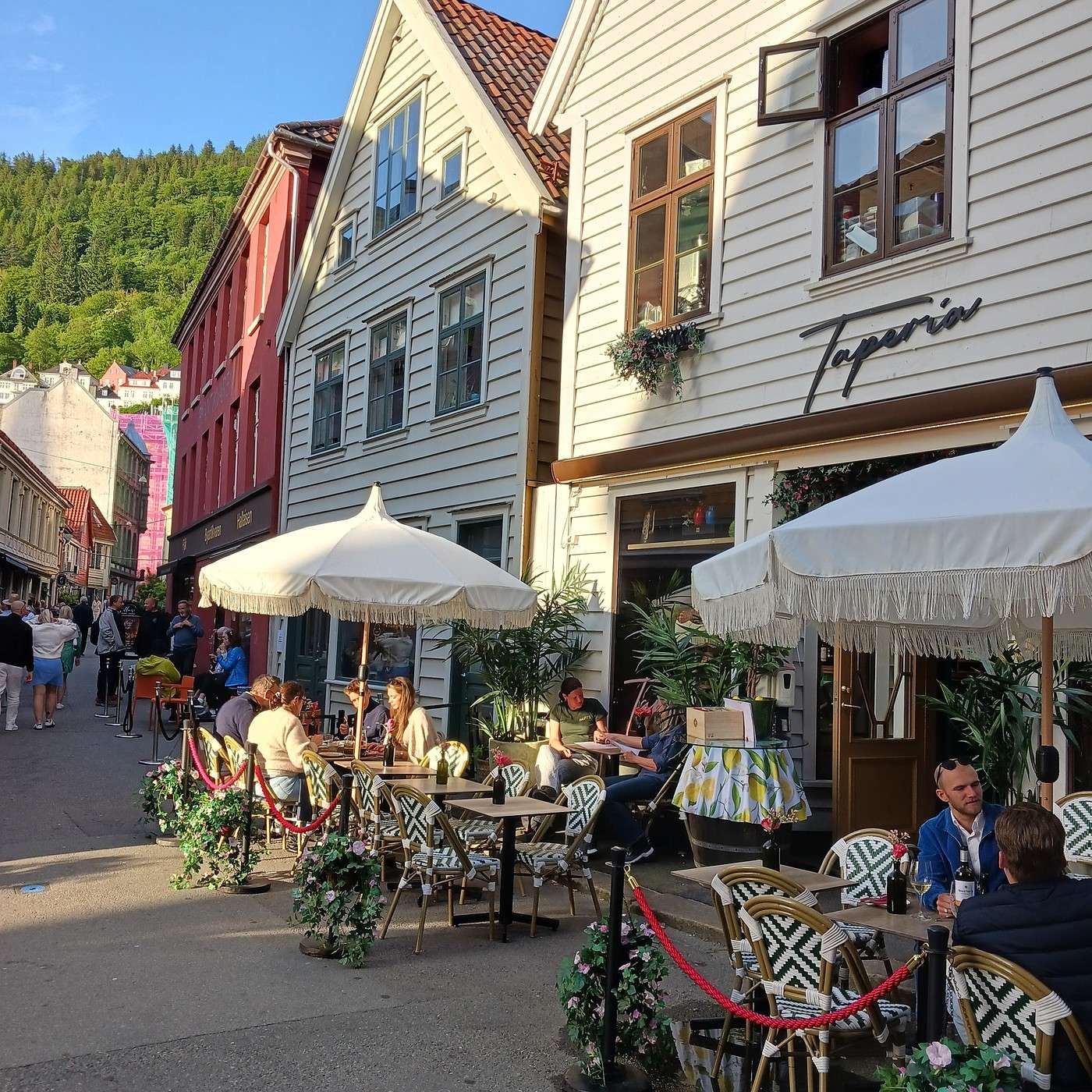
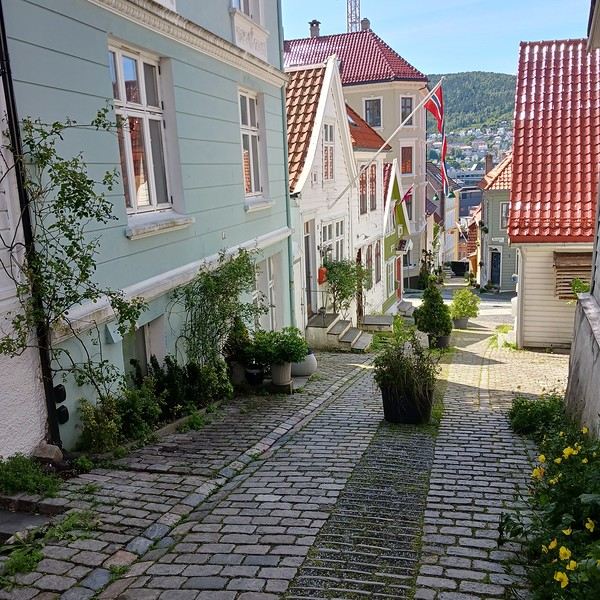
Our hotel for the night is the Scandic Neptun, perfectly located near the harbor, Bryggen, and Nøstet. We park the car at KlosterGarasjen, recommended by the hotel, and head to Café Pomme, a French patisserie run by French owners, where the pastries are excellent—not cheap, but absolutely worth it! We stroll through the charming Nøstet neighborhood. It’s exactly what I love: small white houses, old, neat, and beautifully flowered in narrow little streets...
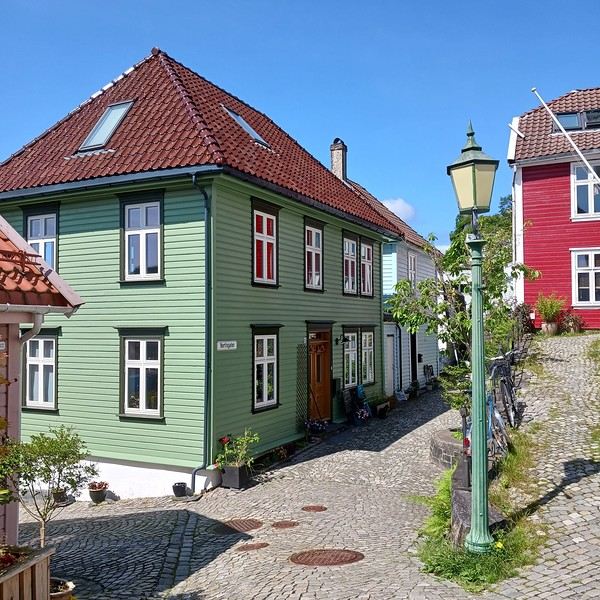
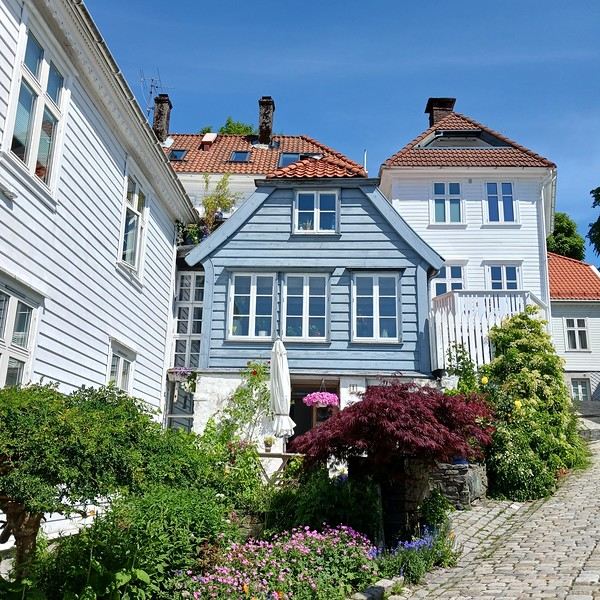


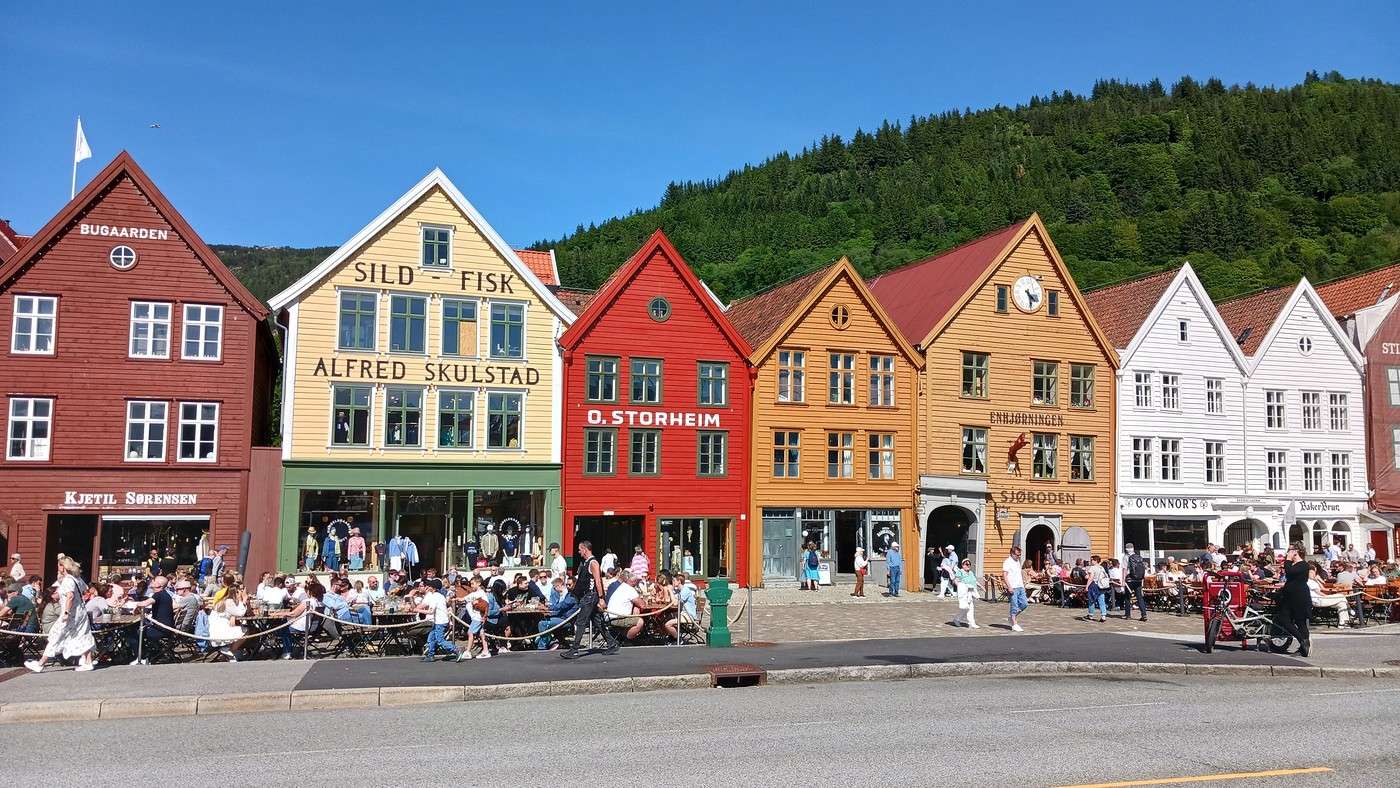
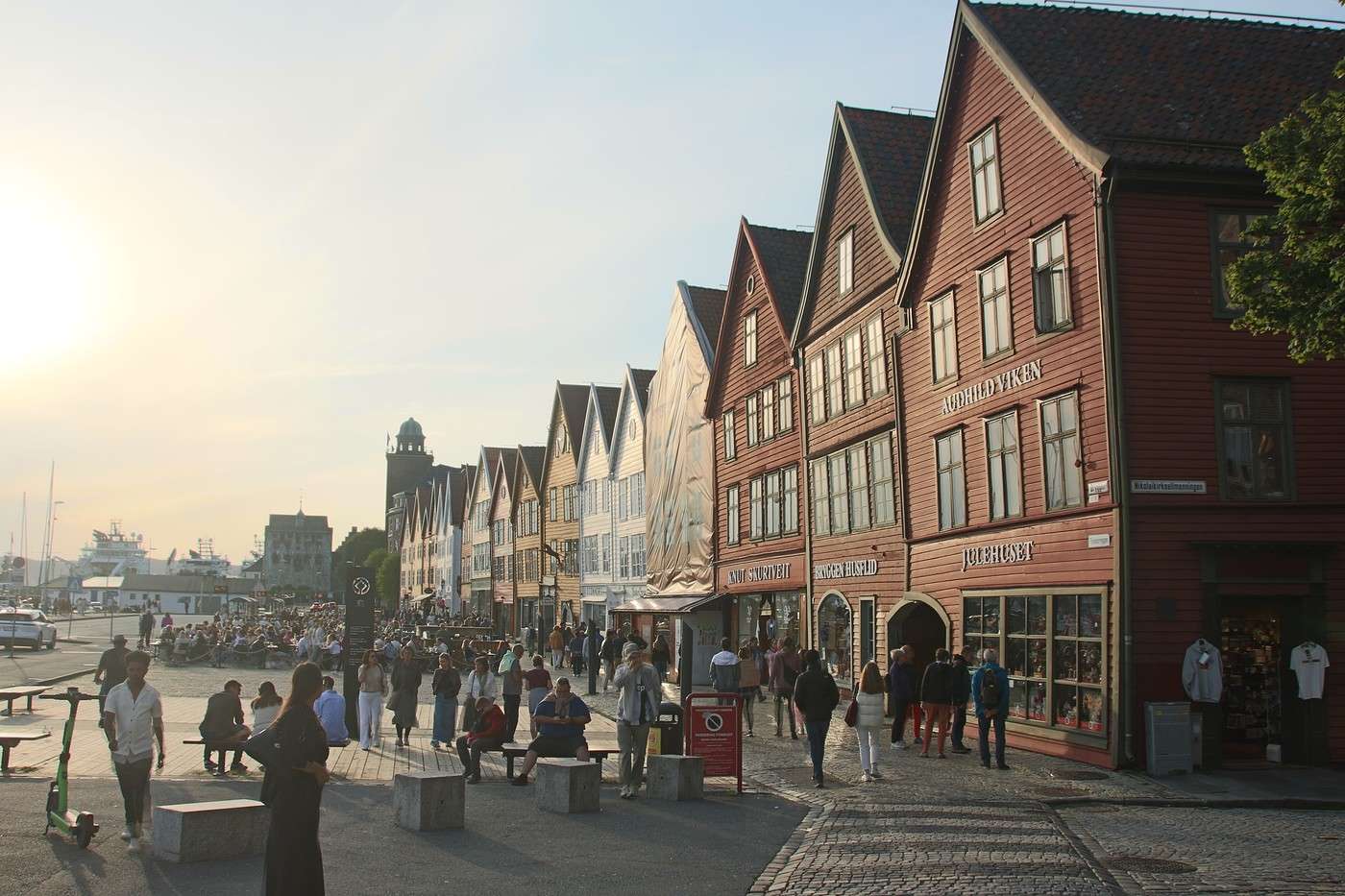
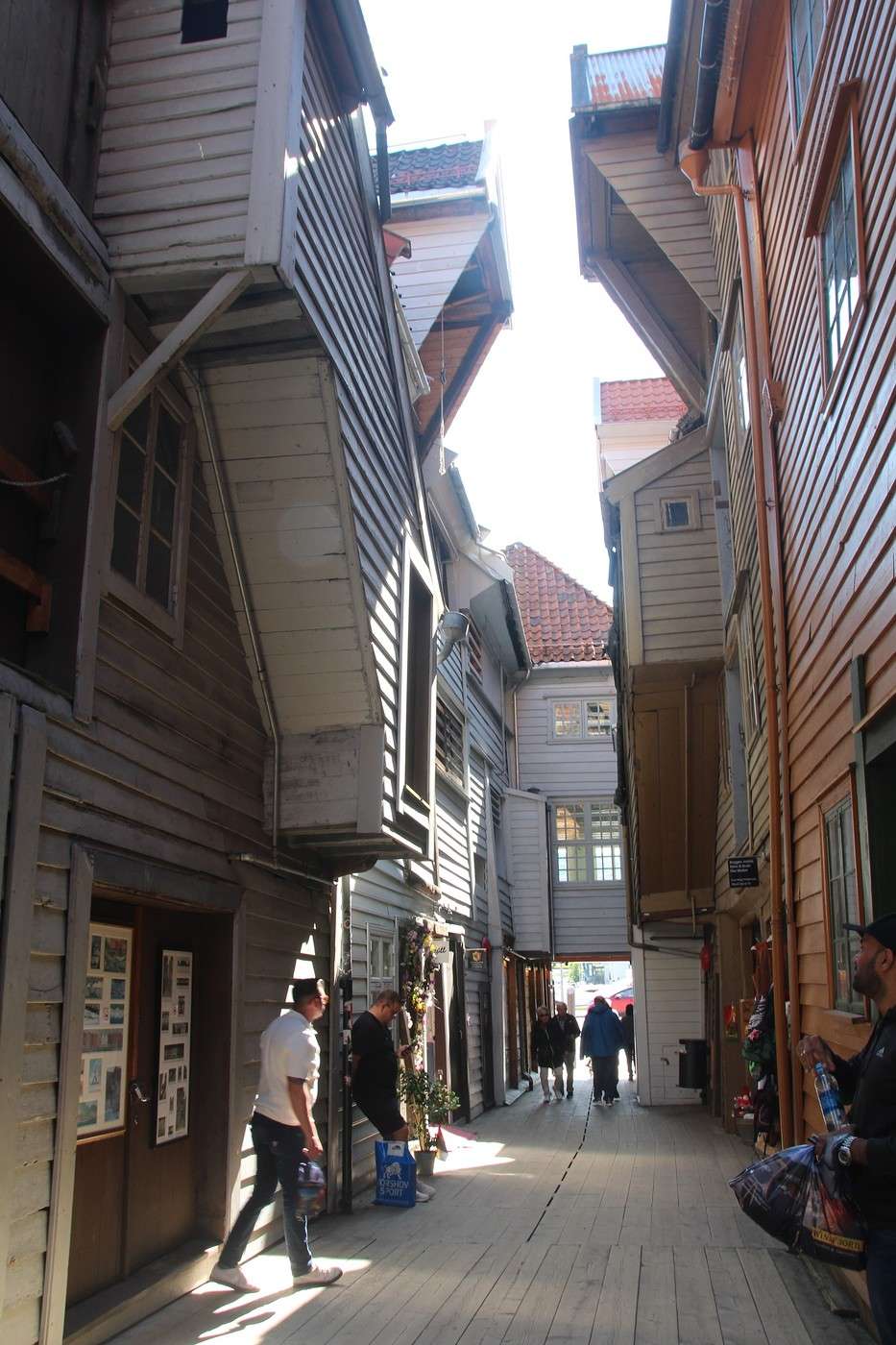
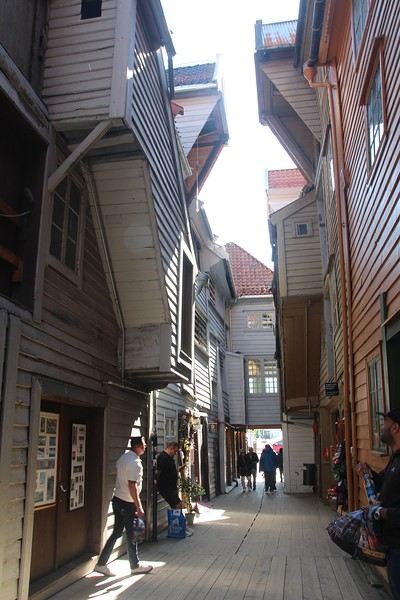
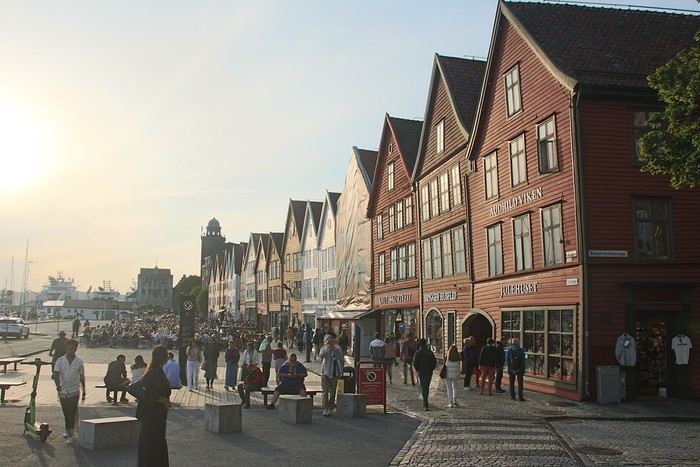
I’d planned to take a boat tour of the harbor, but it’s reserved for a wedding. So, we head to Bryggen, the most visited spot in the city with its Hanseatic wooden houses and narrow passages. It’s really very... old. A group of singers and dancers is performing in the street—they seem to have stepped out of another era and blend right into the scenery!
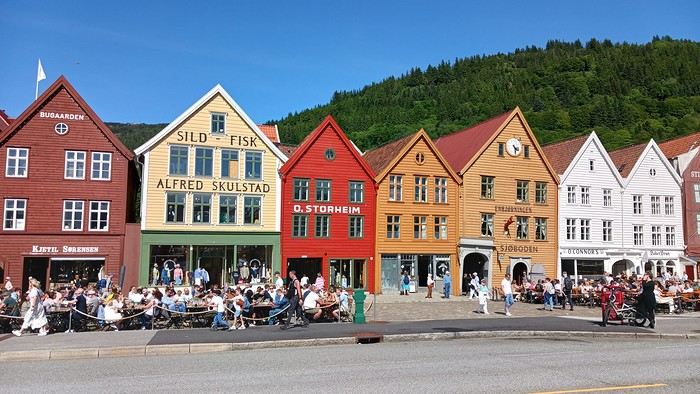


Bryggen’s origins date back to around 1070, shortly after the Viking Age. The town was well situated and easy to defend while being accessible to ships from the far north, Iceland, and the continent. It thus became a major hub for trade in the Nordic countries. Three hundred years later, the Hanseatic League established a trading post there and exerted enormous influence for several centuries. At the time, the sweet smell of tar coating the wooden buildings was probably overshadowed by the stronger scent of dried fish. Tons and tons of dried fish. In fact, the German trading post had monopolized the export of dried and salted cod, caught off the Norwegian coast, to the Nordic countries. In exchange, the Germans supplied seeds, grains, salt, and more valuable goods from the continent, which were then resold along the coast and inland. Bergen never officially belonged to the Hanseatic League, but the Germans had settled there, to the point that the old town center and city hall had to be moved. The same Germans also took over the venerable and charming St. Mary’s Church, where sermons were given in German until the 1900s. Over the centuries following Bryggen’s founding, the district continued to grow, eventually housing around 2,000 Germans who lived and worked there. The trading post existed until 1754, when the Norwegians finally took control.


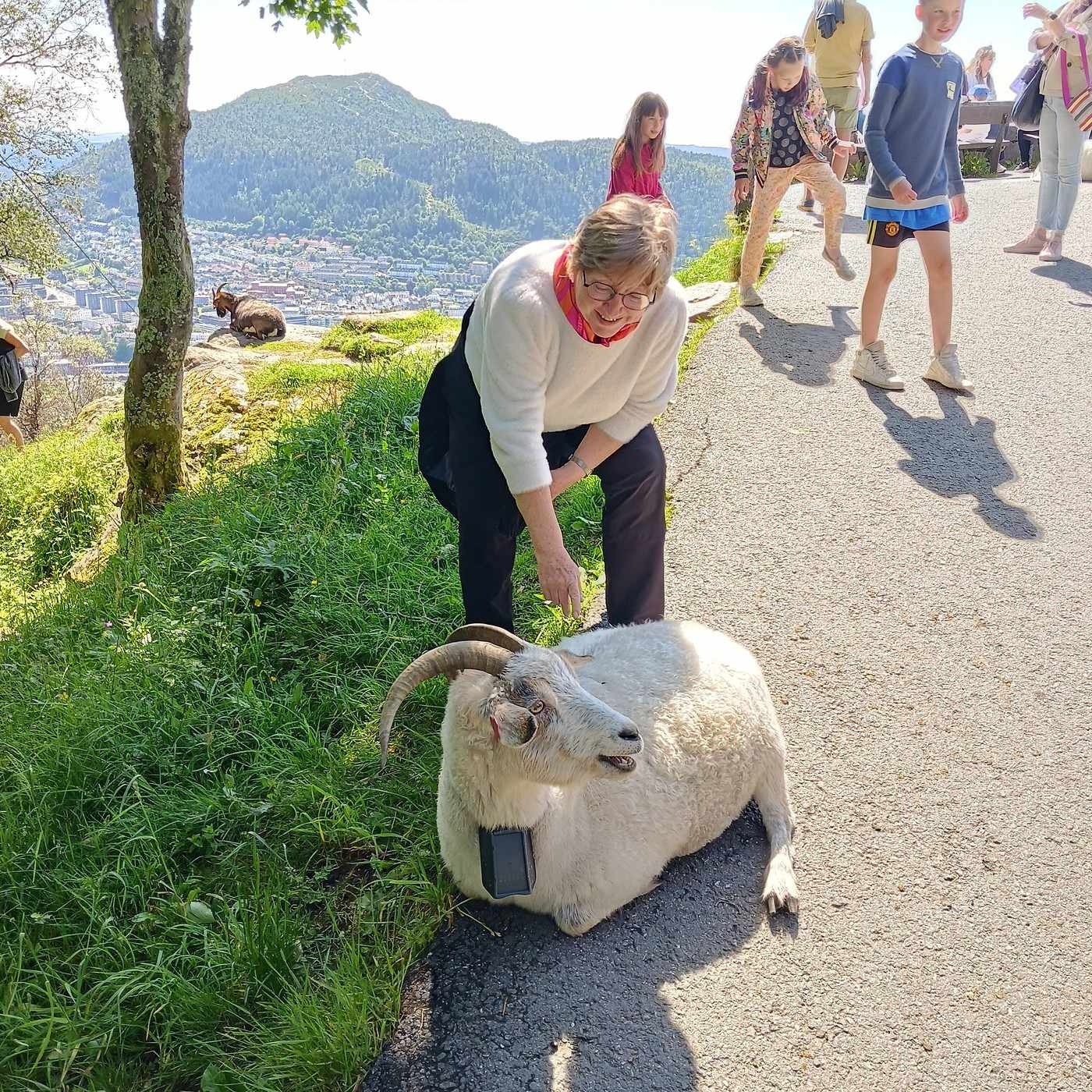
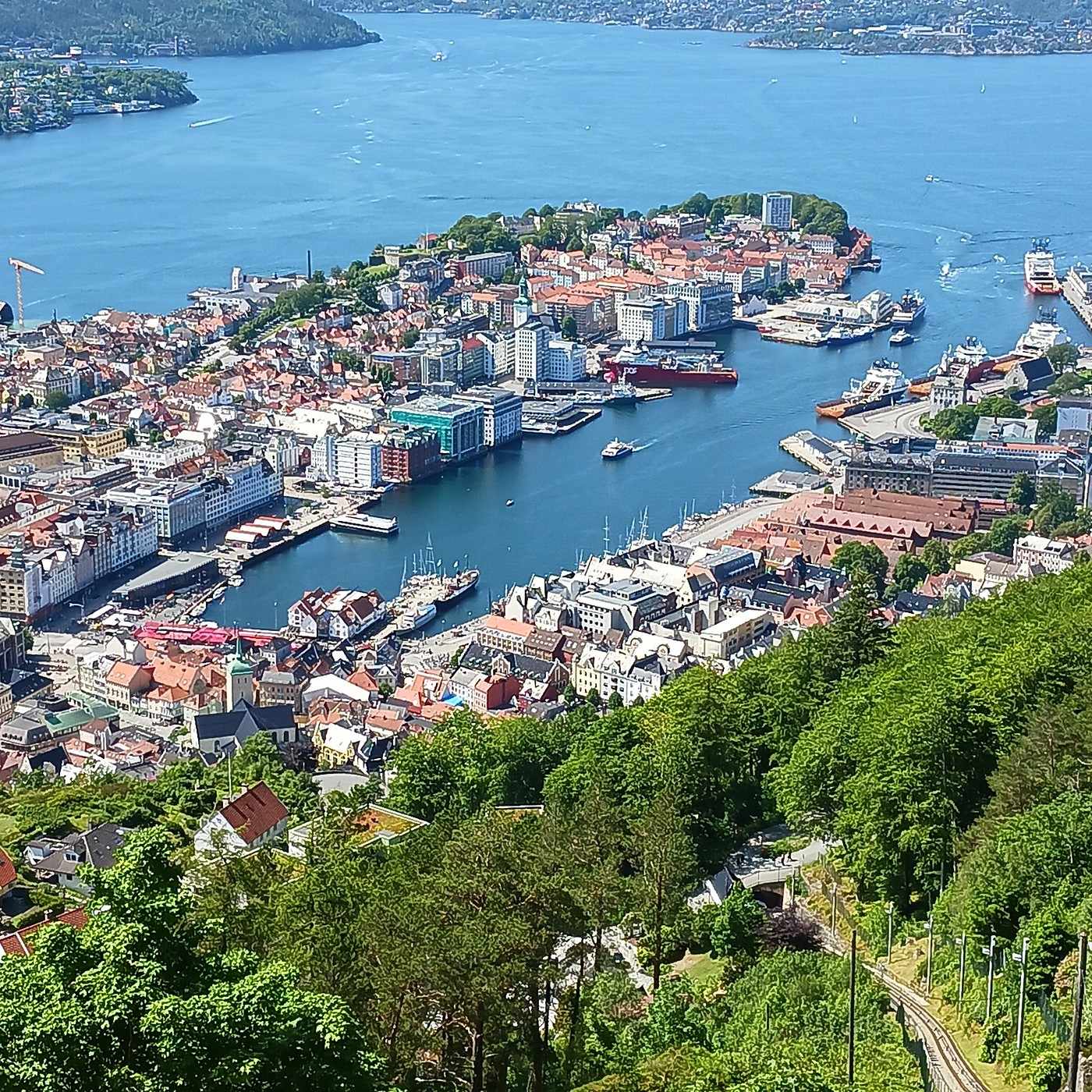
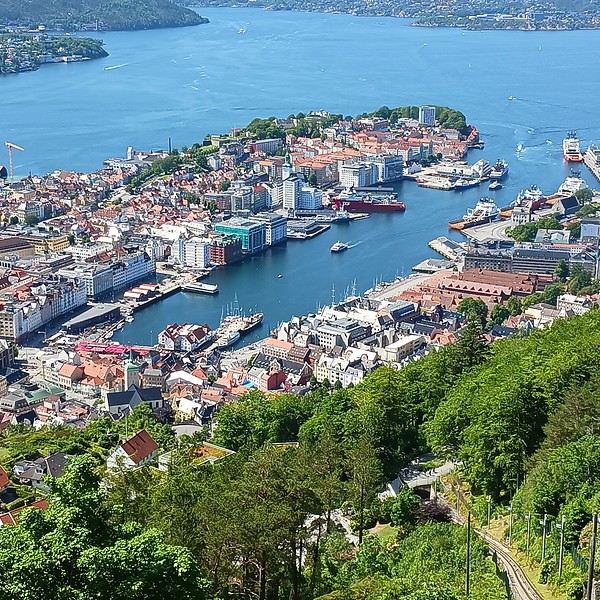
Since the weather is so nice, we continue with a ride up to Fløyen on the funicular. At the top, it’s crowded, so we settle for a drink on a terrace before admiring the view and saying hello to the goats, which are anything but wild.
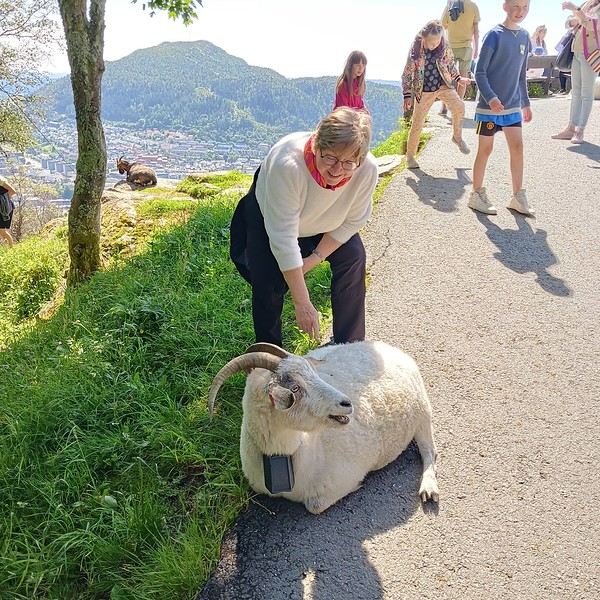


After heading back down, we stop by the hotel to "freshen up" before dinner at Bryggeriet, a restaurant with a dining room right by the water. Mussels and fries for him, and a (very creamy) fish soup for me... After a digestive stroll by the cathedral and the city’s shopping streets, we return to Bryggen to soak in the unique atmosphere of the neighborhood one last time.
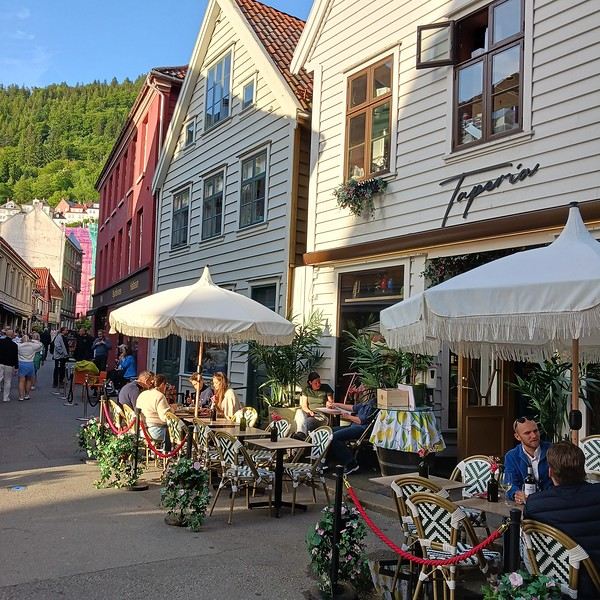


Bergen is really a fantastic city!
Kattegat Tour and Norway's Great Fjords - 32 Days (Denmark - Sweden - Norway)

Cendryon · 2025-08-14 · Message 42 of 58

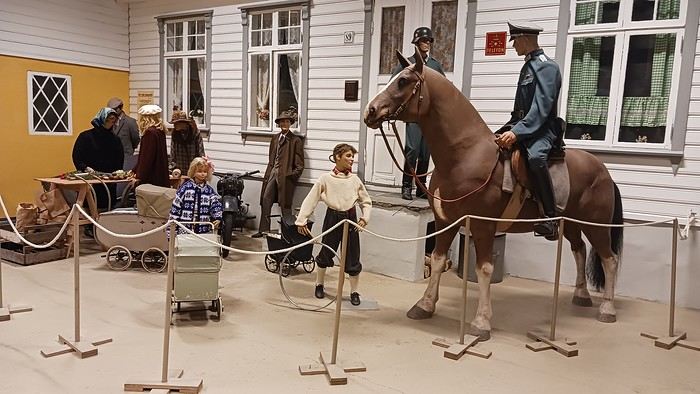
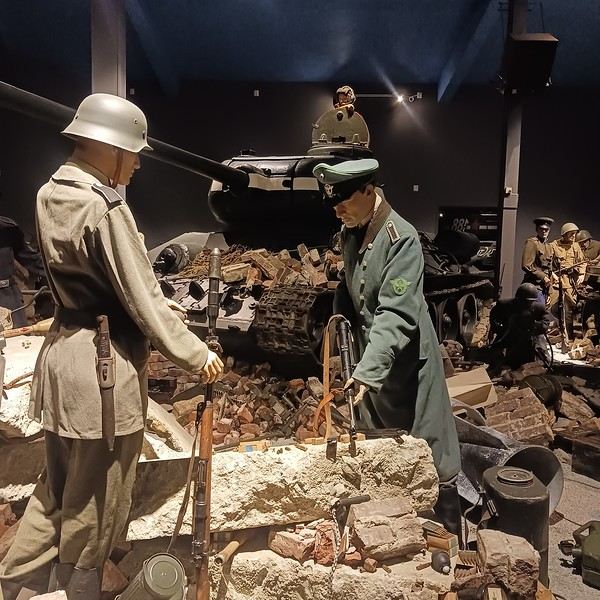
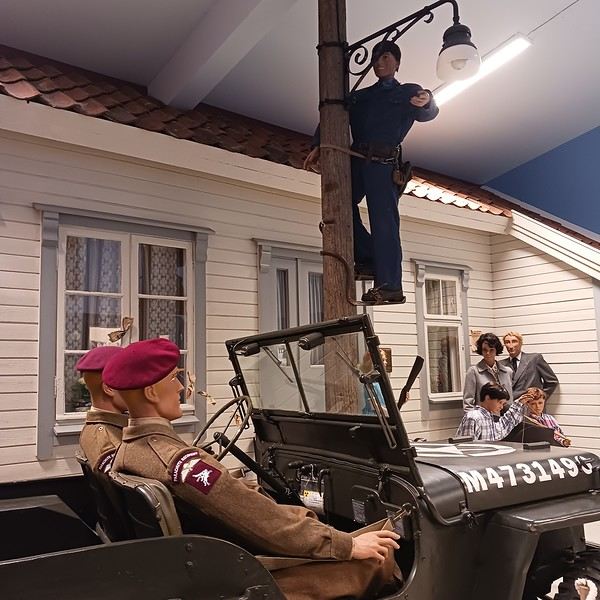
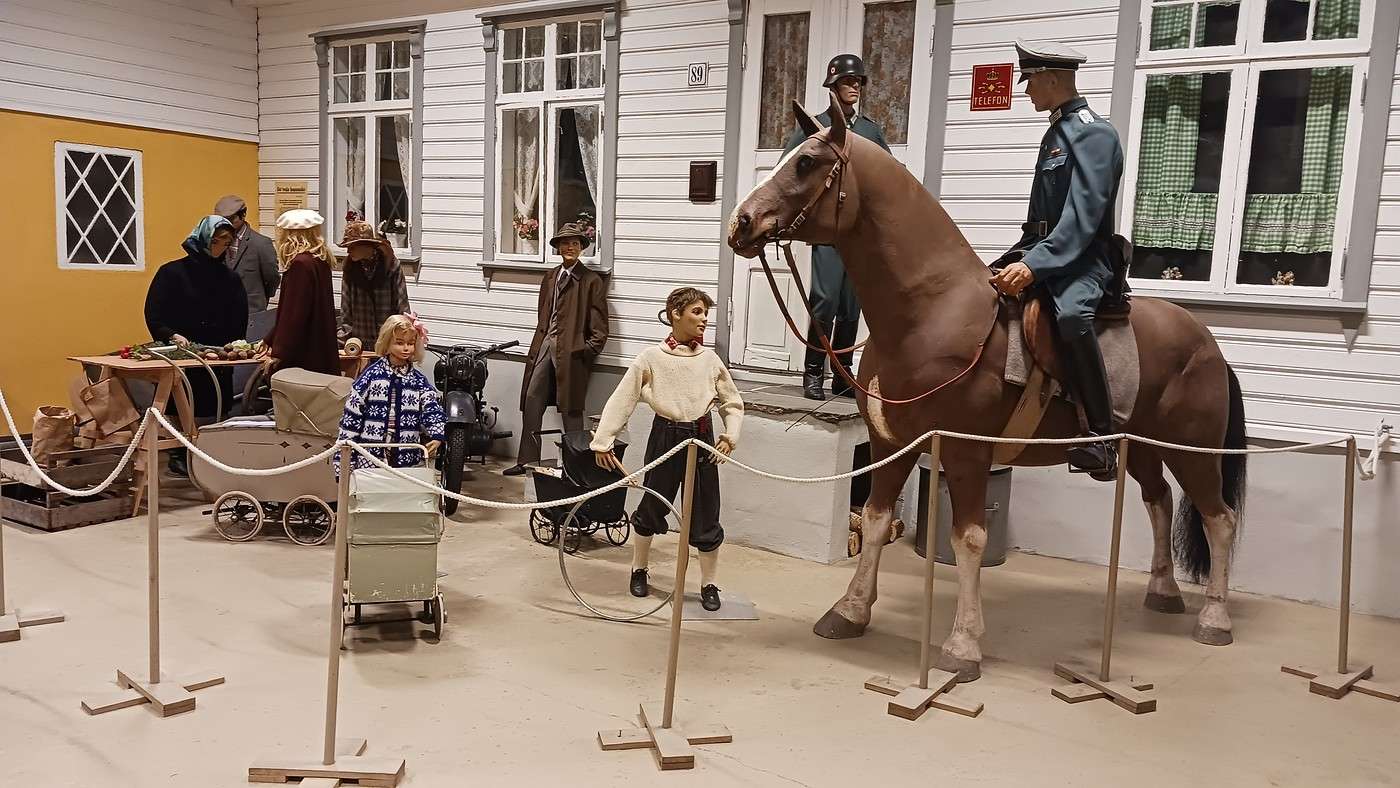
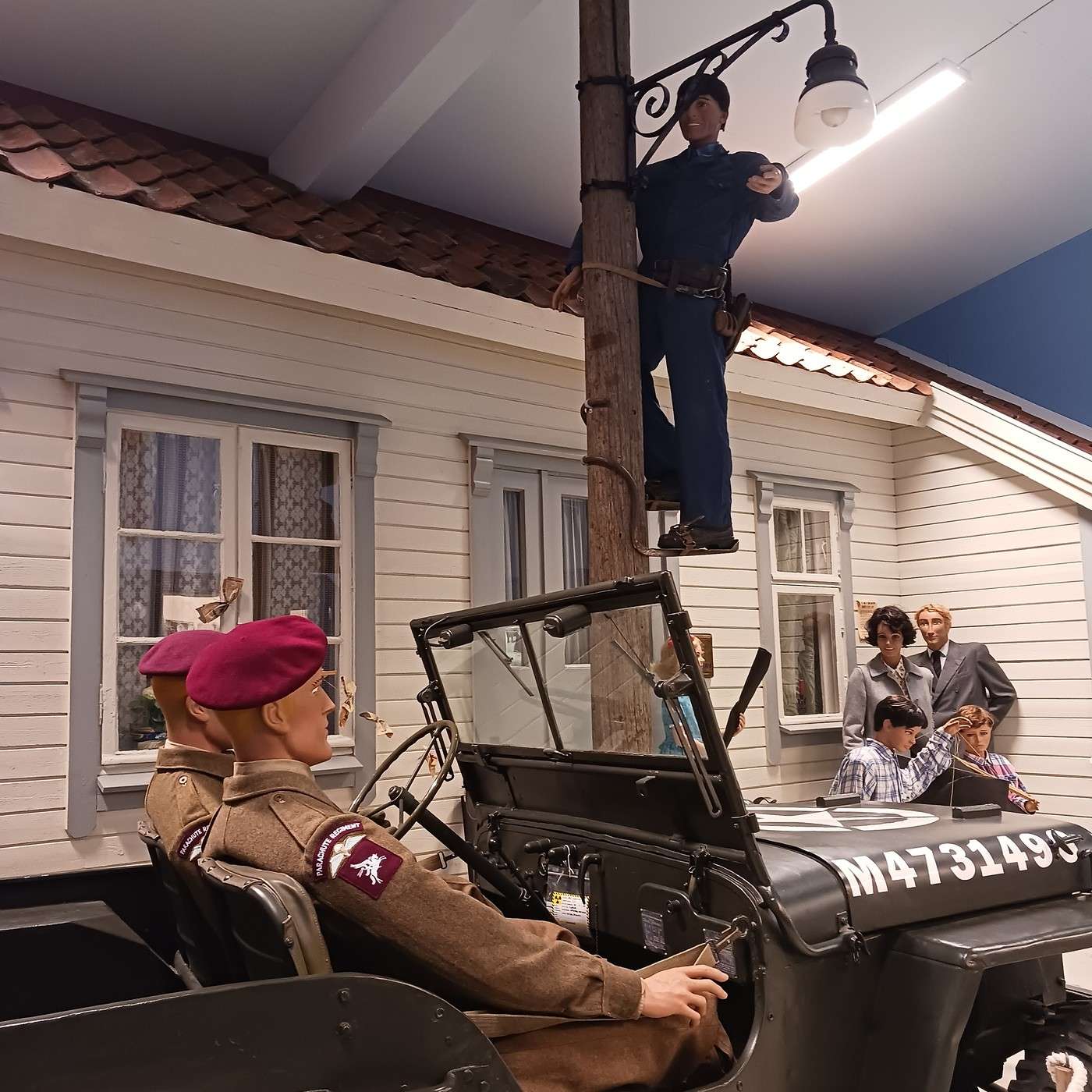
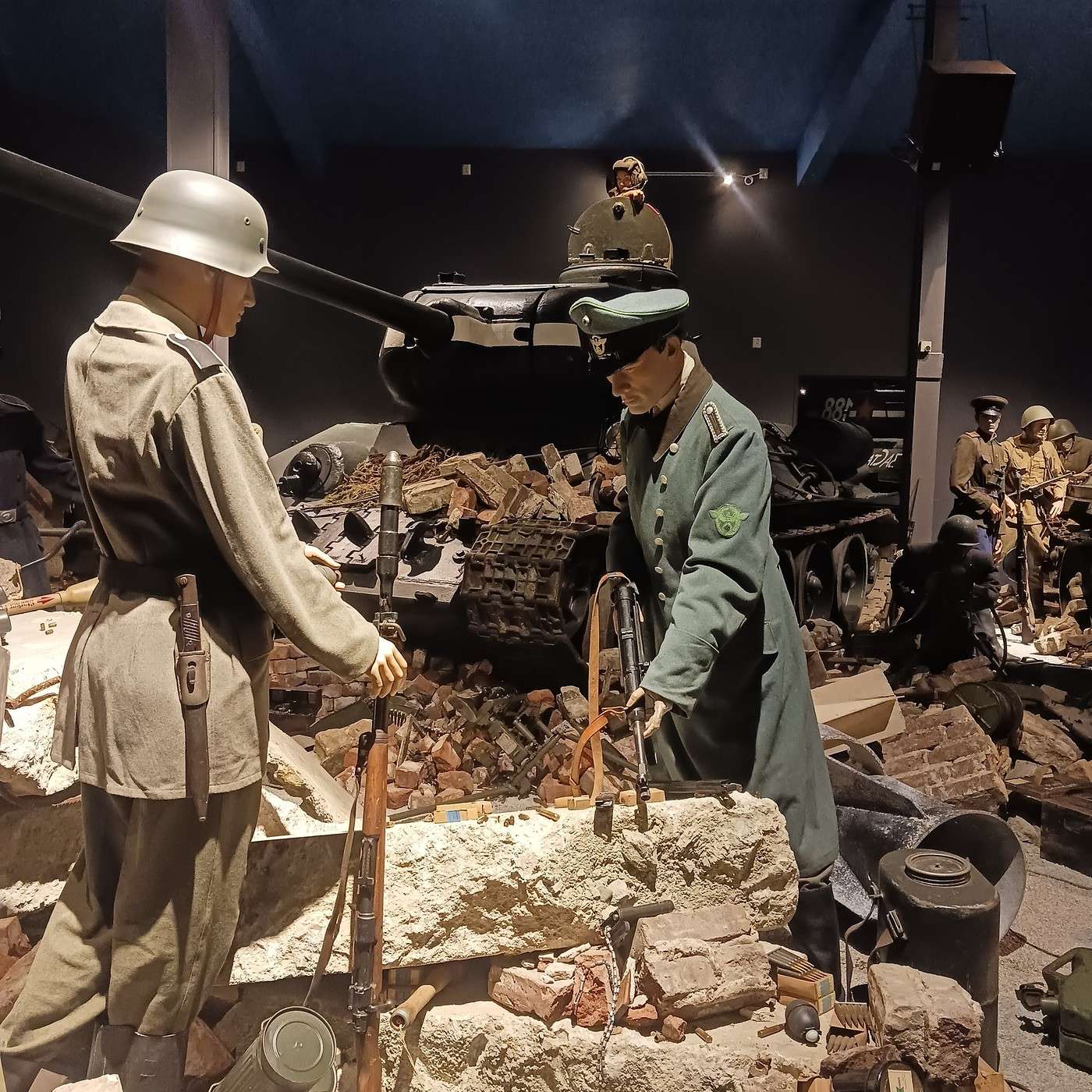
Day 22 – Sunday, June 22 – Stavanger On the road between Bergen and Stavanger, there are ferries, including the one from Halhjem to Sandvikvåg, which takes 45 minutes to cross. There are tons of tunnels, including one with an underground roundabout that you definitely won’t drive over—it’s a rock wall. Pretty original, right? There’s also a museum that might appeal to Monsieur. "The Arquebus War History Museum in Tysvær offers a variety of exhibitions tracing the history of Norway’s occupation from 1940 to 1945. The focus is on wartime operations in Northern Rogaland and Sunnhordland, the role of the merchant navy in the war, the home front, and daily life during the war years. The latest exhibition, *‘Der Untergang,’* recounts the Allied victory in Europe and the German defeat in Berlin in 1945." The museum is named after Sverre K. Andersen, who operated an illegal radio station during World War II under the codename *‘Arquebus.’* The original *‘Arquebus’* radio transmitter is on display at the museum. Over 6,000 objects are exhibited across more than 2,000 m²." Bingo, the Arquebus Krigshistorisk Museum has everything to please. Even though I’m not usually a fan of war history, I’m won over (yet again) by the creativity of the Scandinavians, who really know how to make their museums smart and enjoyable. Right from the entrance, there’s a village scene set during the occupation. Then, the exhibits unfold...


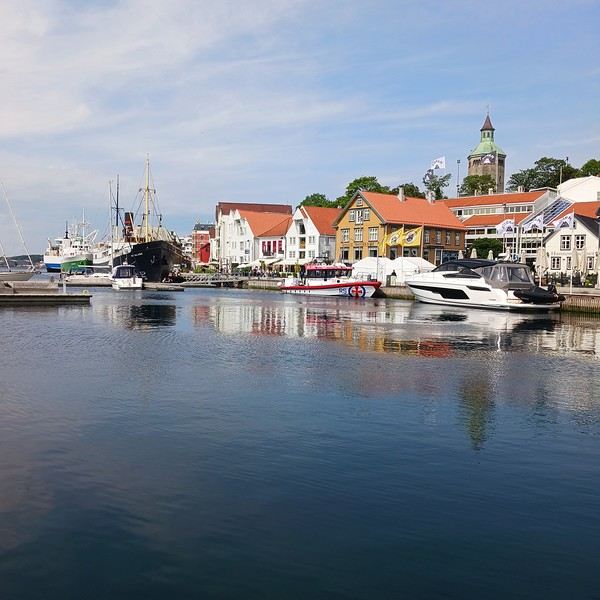
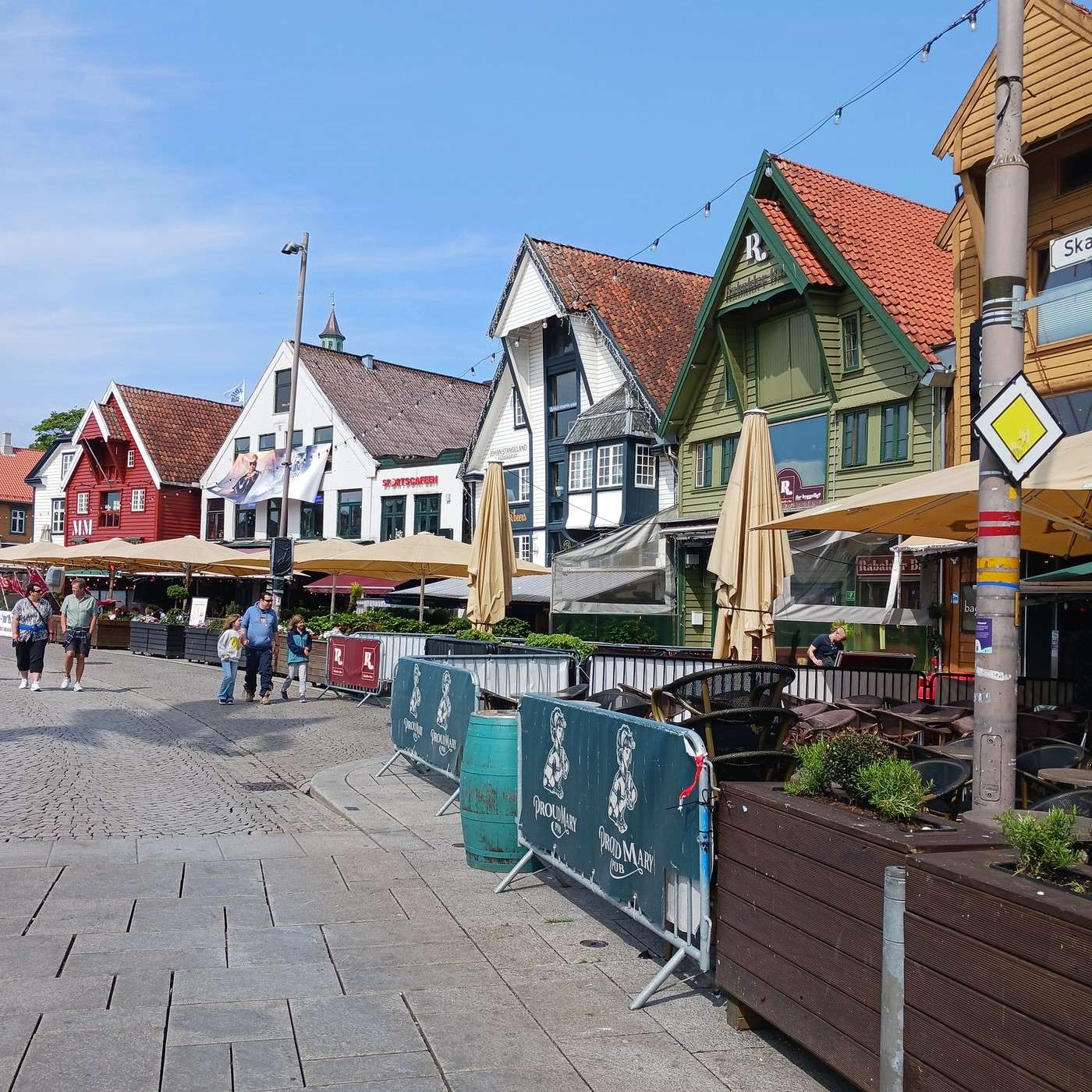
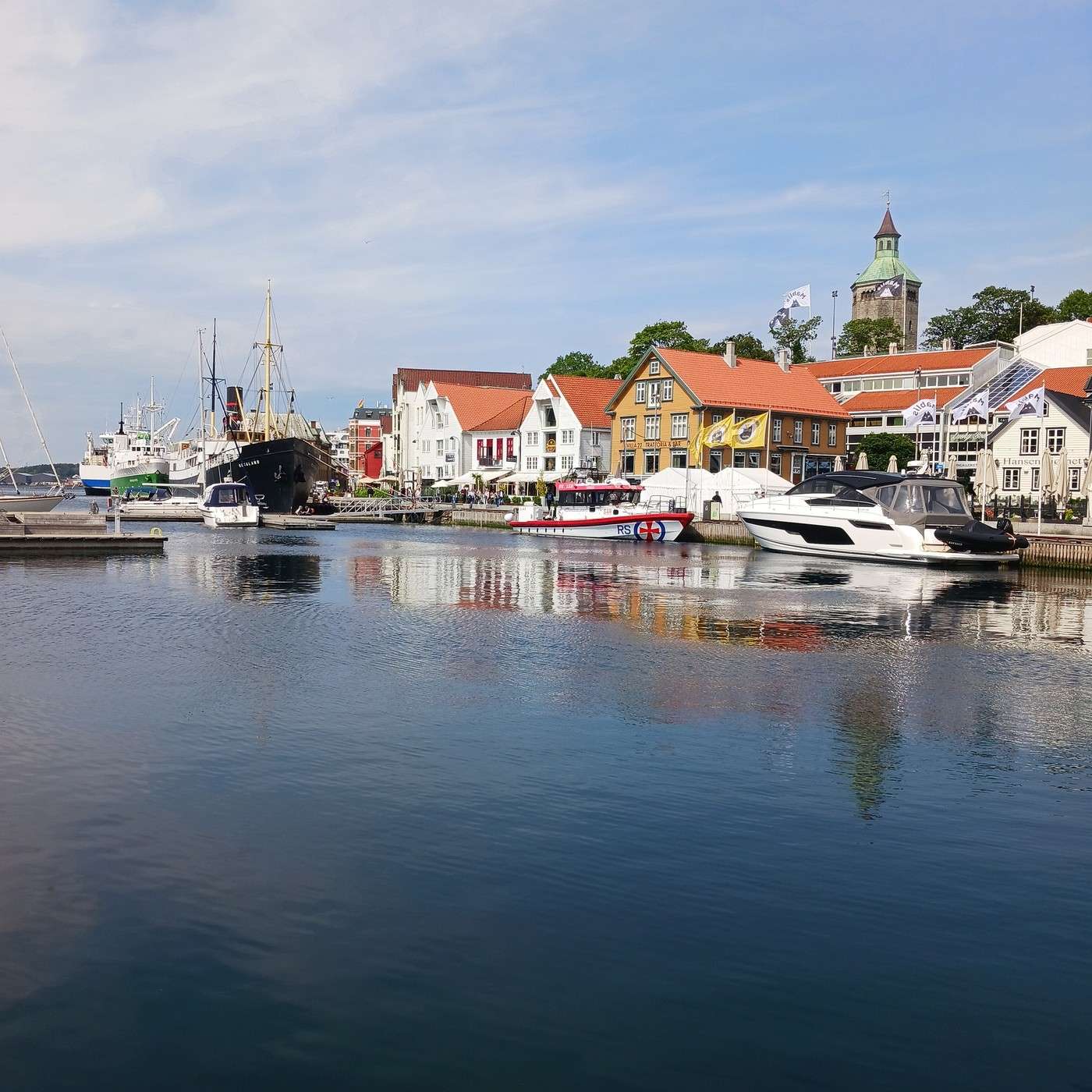
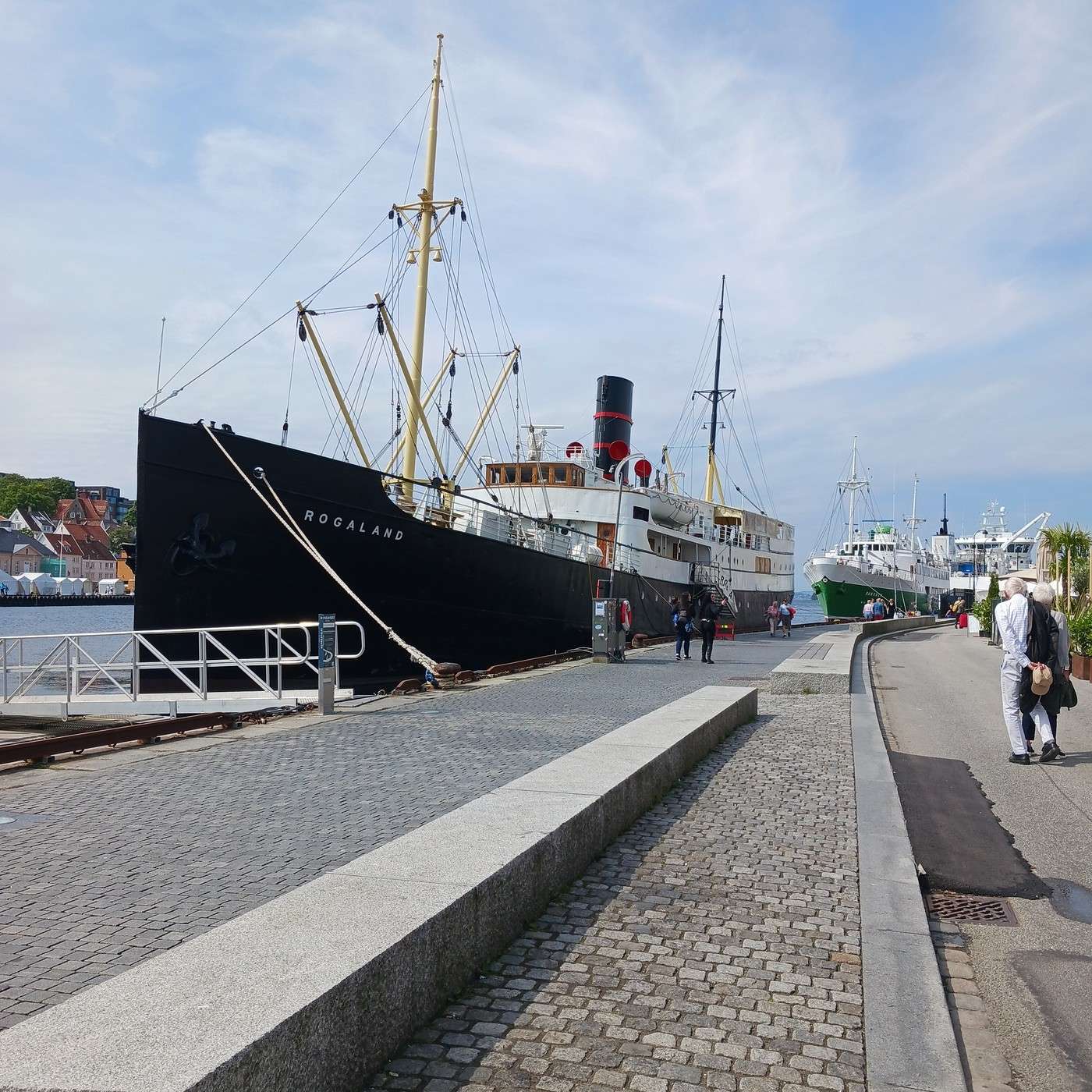
We then head to STAVANGER and check into our Airbnb apartment, where we’ll spend two nights. Stavanger is a mid-sized city just as charming as Bergen. Since we’re within reasonable walking distance of the center, we set off to explore the city on foot.

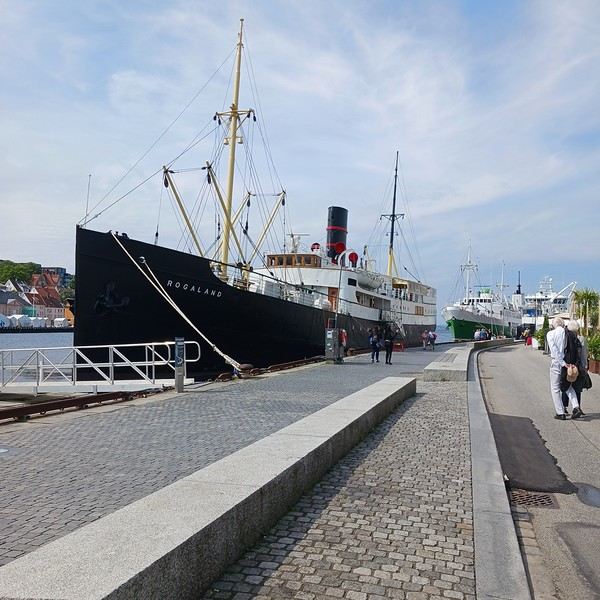
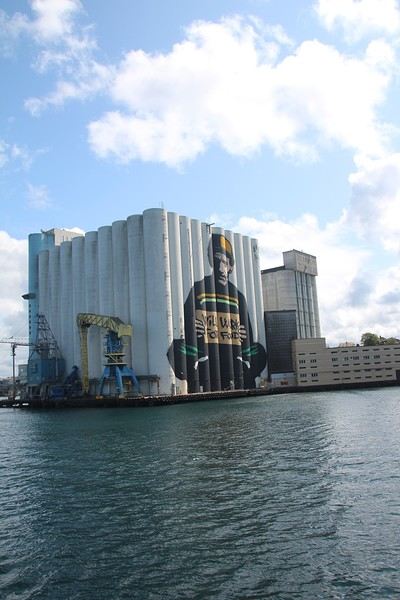
First, we discover the harbor, its quays, and its historic boats...


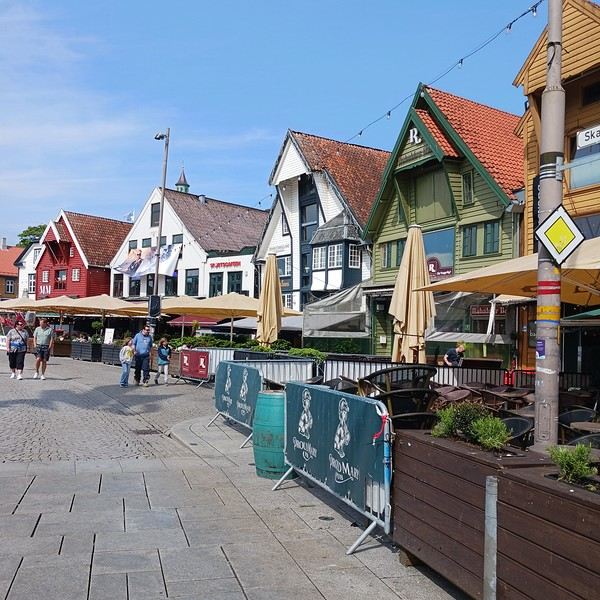
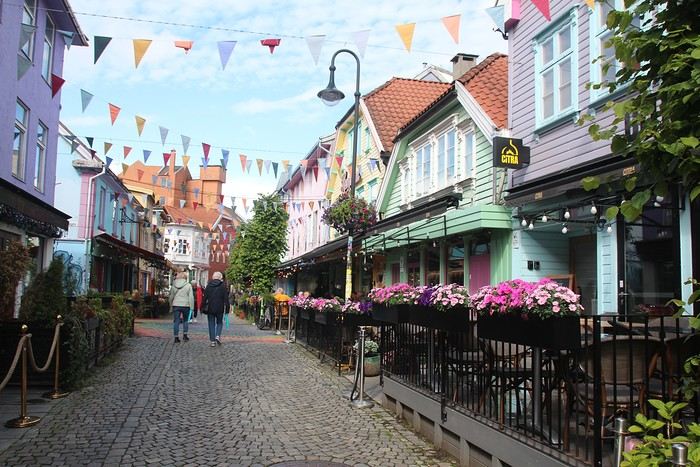
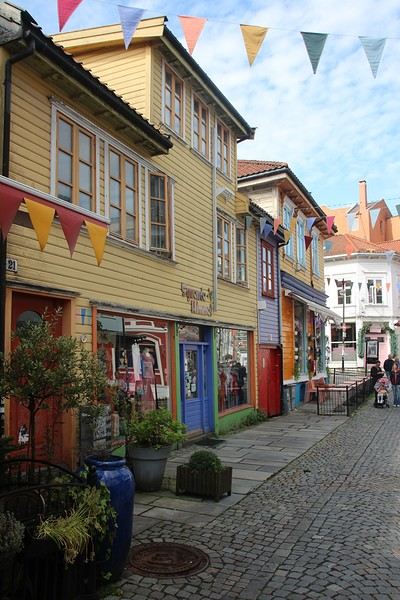
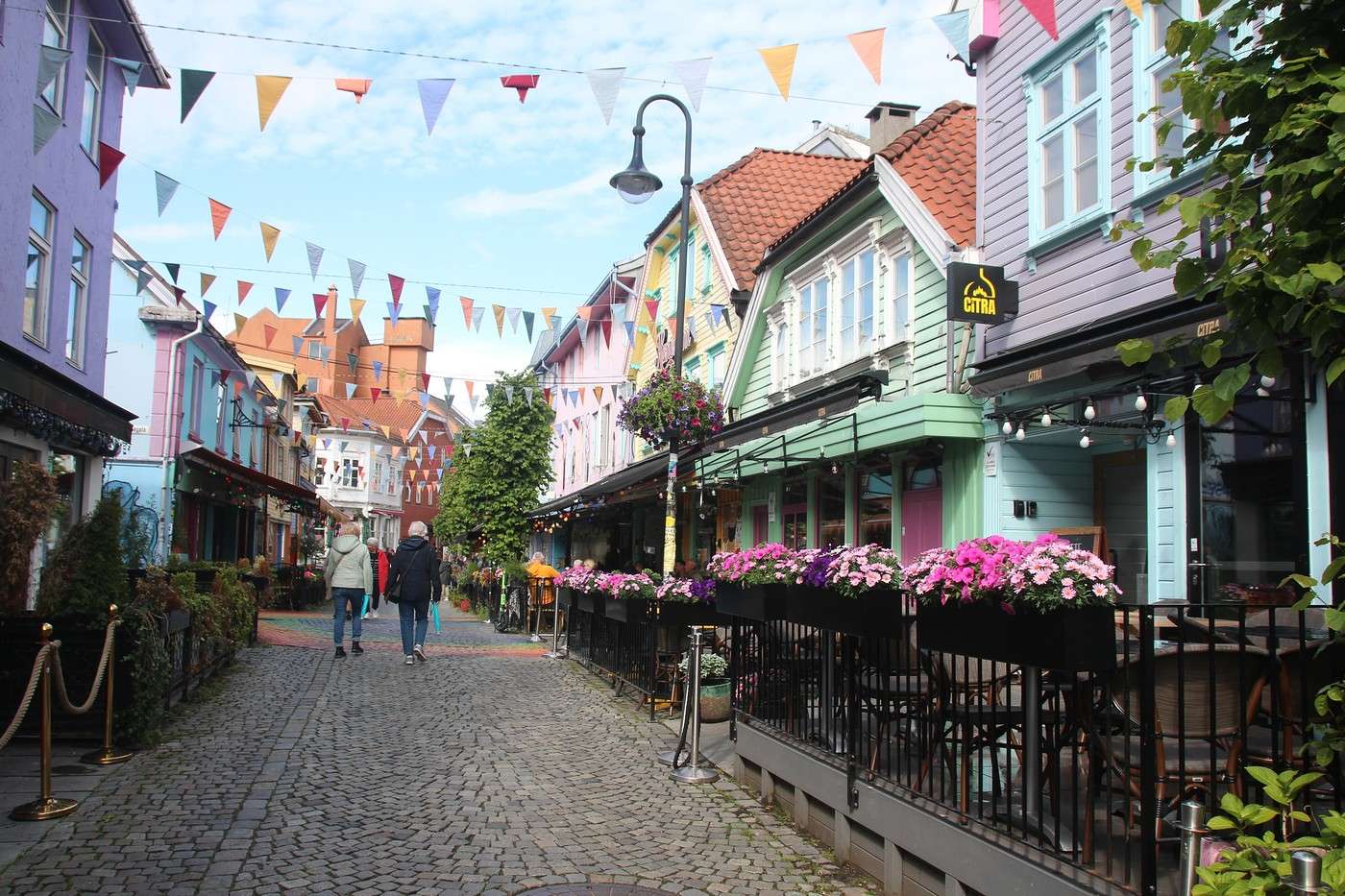
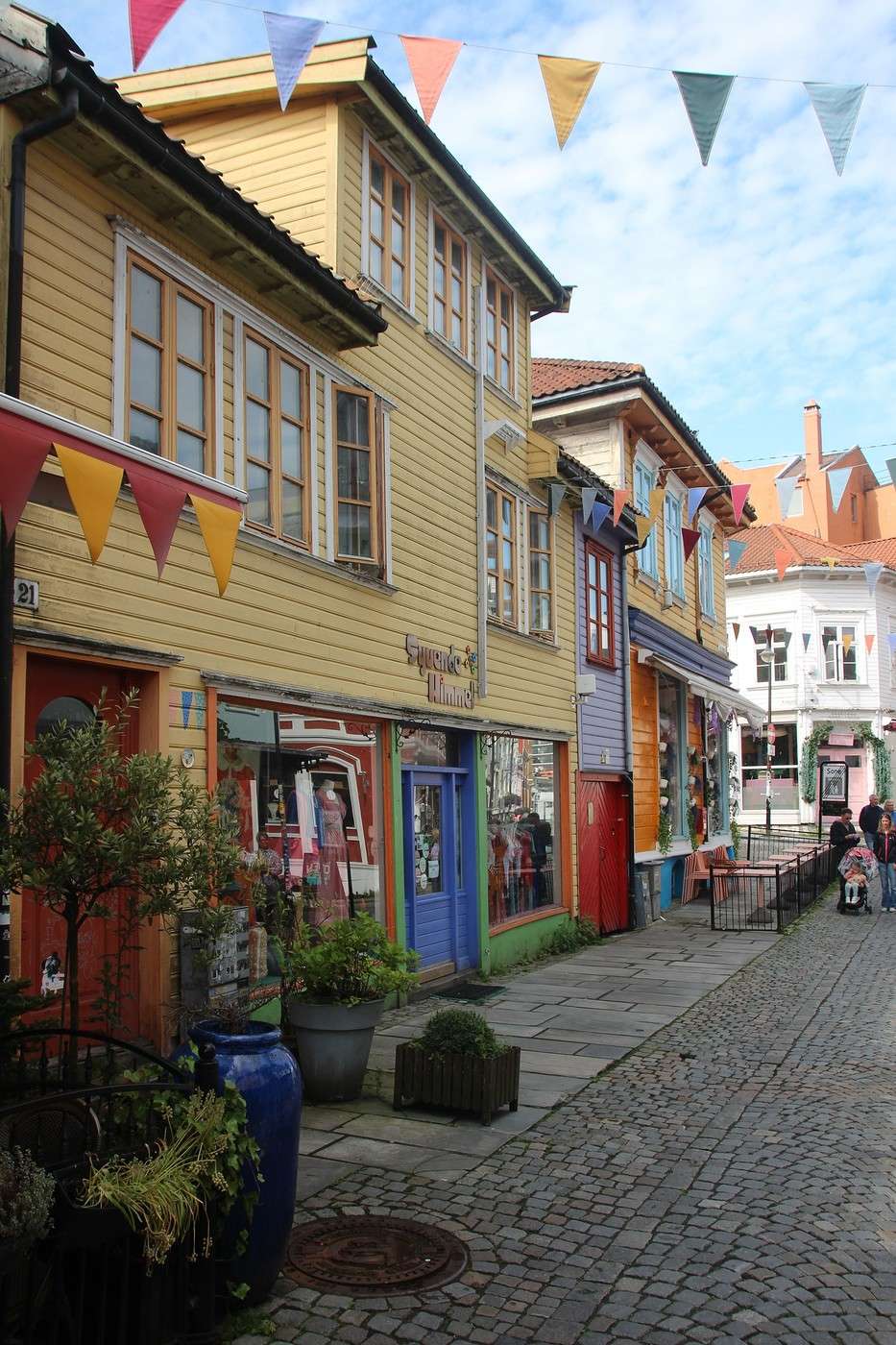
...its shopping streets with colorful houses,


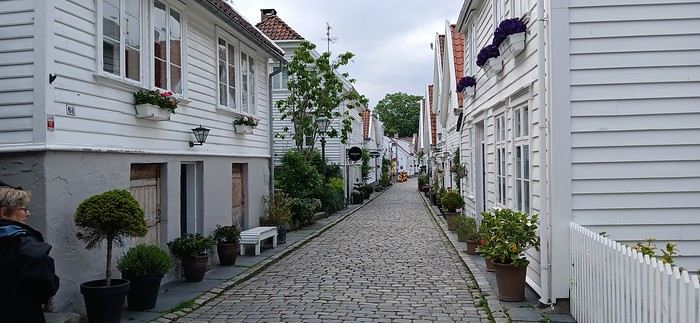
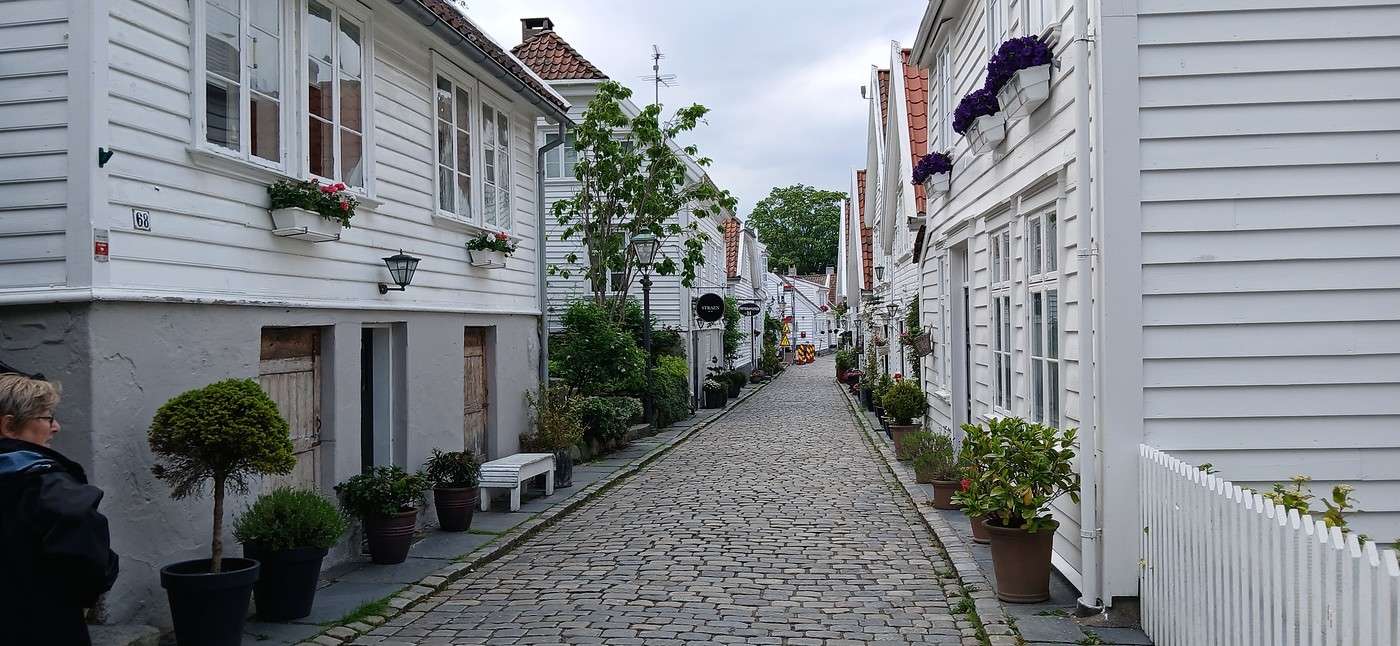
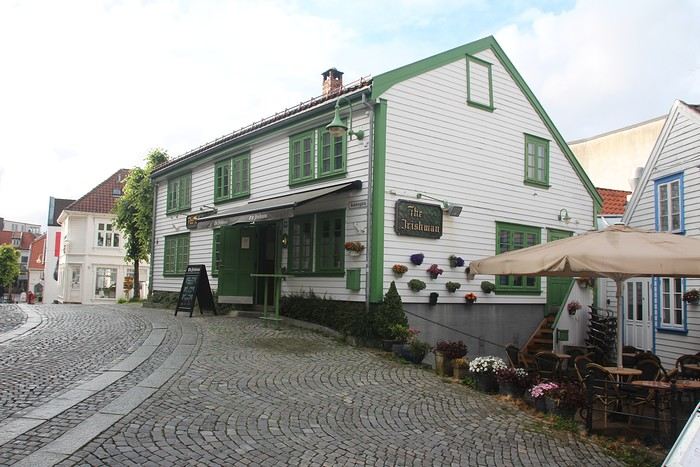
Then Gamle Stavanger, the historic district famous for its preserved white wooden cottages from the 18th and 19th centuries. It looks a lot like Bergen’s Nøstet, and there’s no one around—I love it!


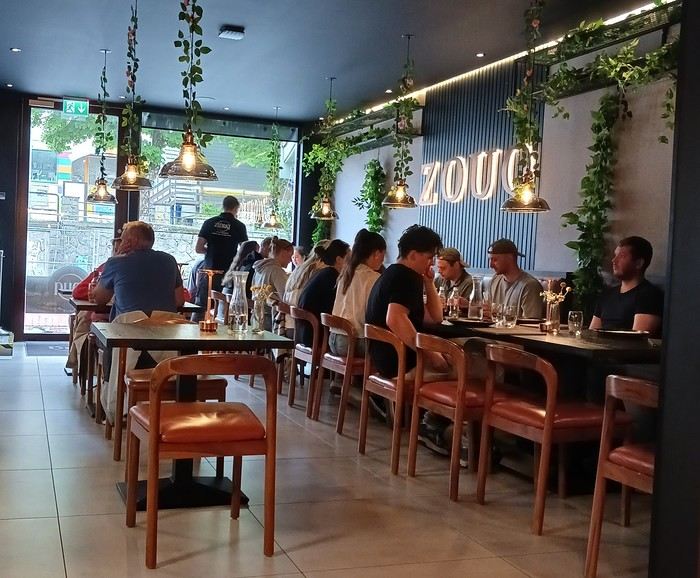
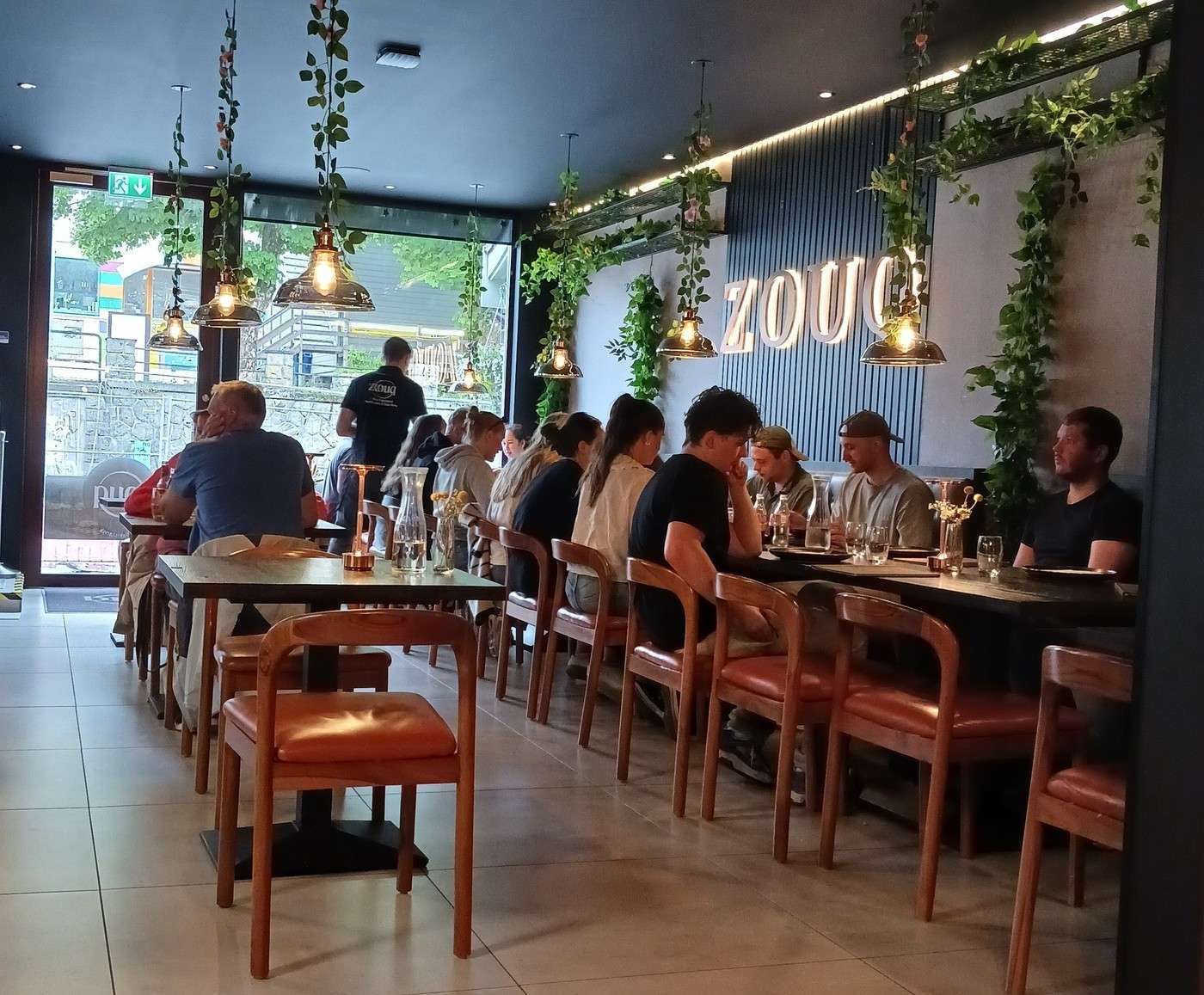
For dinner, we spotted a rather *‘trendy’* Pakistani restaurant, ZOUQ... Yes, because we’re tired of Norwegian restaurants serving burgers or pizzas at outrageous prices. I thought I’d find excellent fish here, like in Iceland, but I’m really disappointed by their gastronomy. Zouq turned out to be a *‘great find.’* I don’t quite remember what we ate—a sort of mixed grill—but it was delicious, and the value for money was actually decent... for Norway!


Kattegat Tour and Norway's Great Fjords - 32 Days (Denmark - Sweden - Norway)

Cendryon · 2025-08-15 · Message 43 of 58

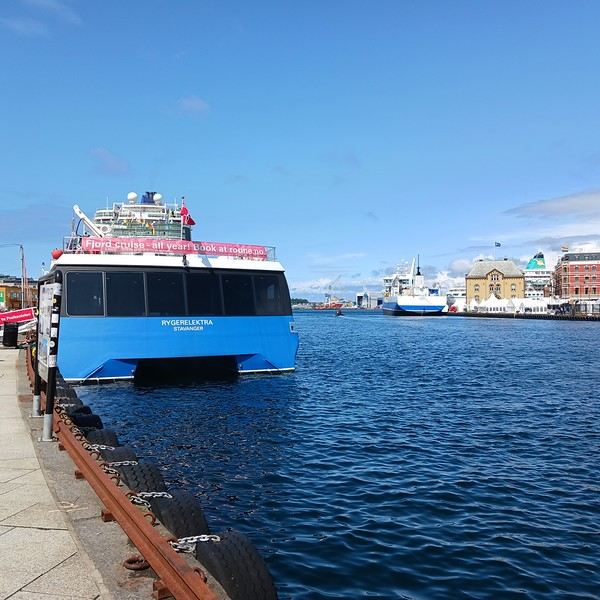
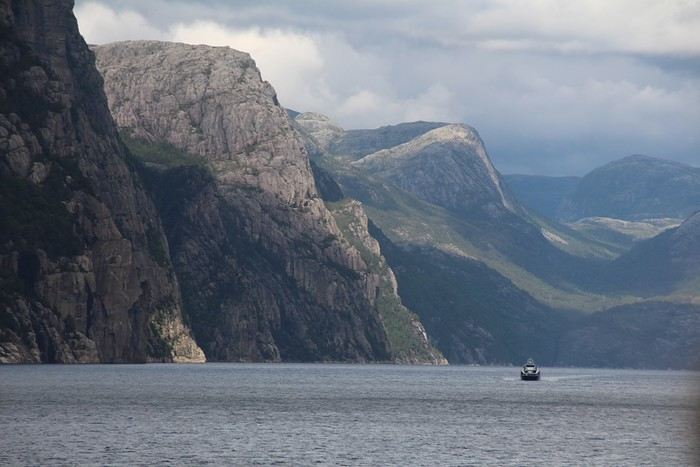
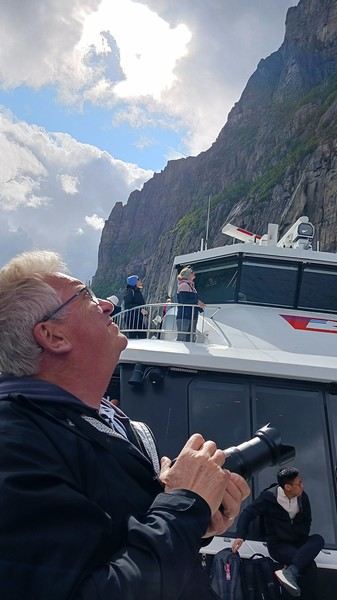
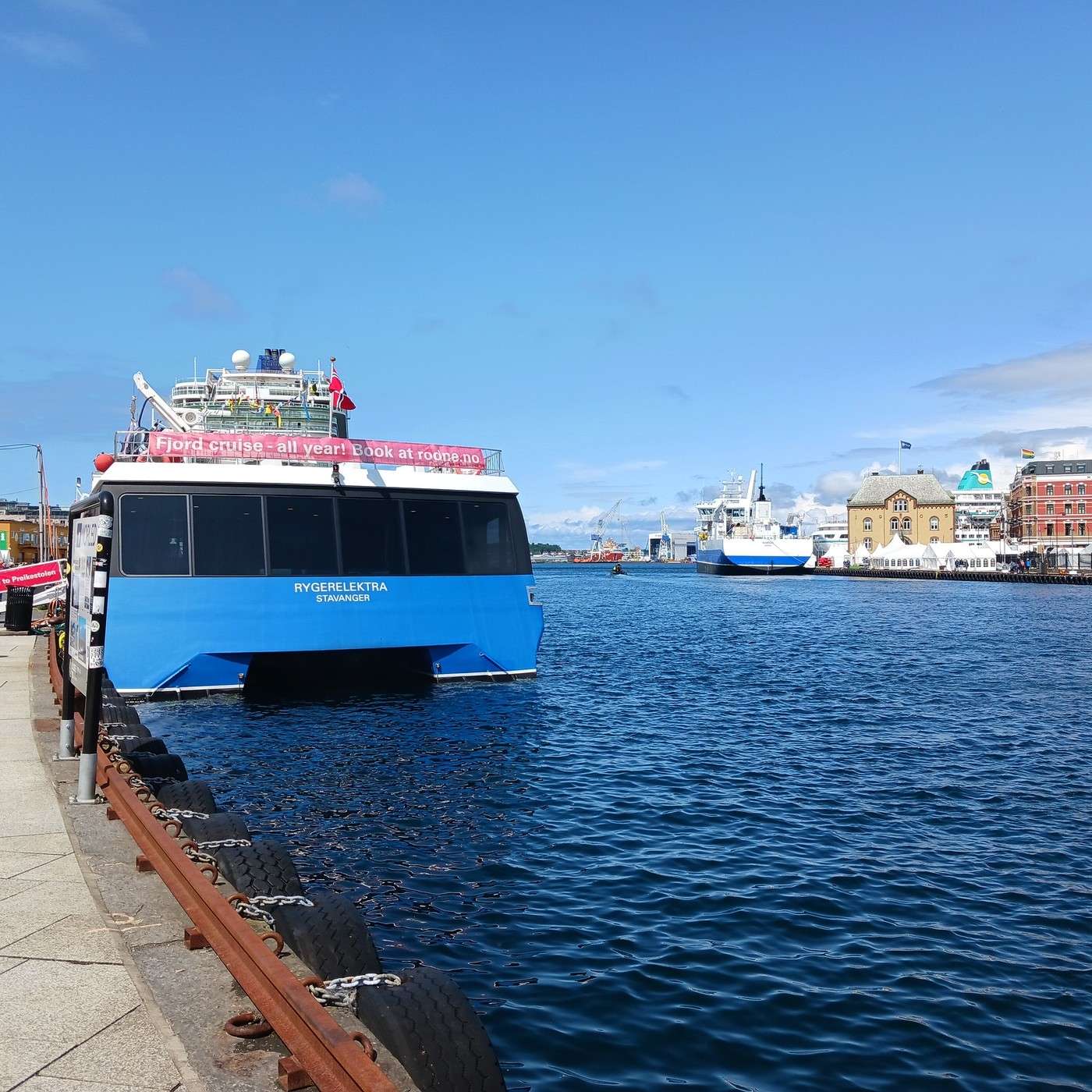
Day 23 – Monday, June 23 – Preikestolen and the Lysefjord This morning, I’d planned to hike Preikestolen, but it rained last night, and the locals warned the trail might be slippery. Since I’ve already fallen three times—pretty hard the last time—we decided it’s best to skip it. But there’s no way we’re just sitting around! Instead, we booked a boat tour of the Lysefjord—a much cooler (and safer) way to see the place. Even if it’s not as spectacular, at least it’s risk-free! We boarded the Rygerelektra—another electric boat! There weren’t too many people on board.


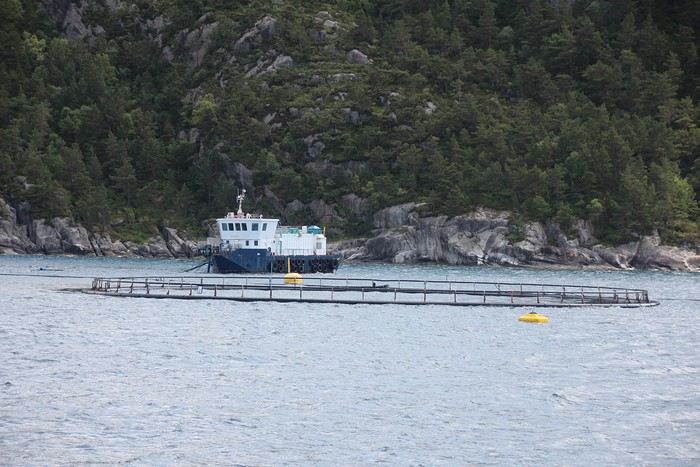
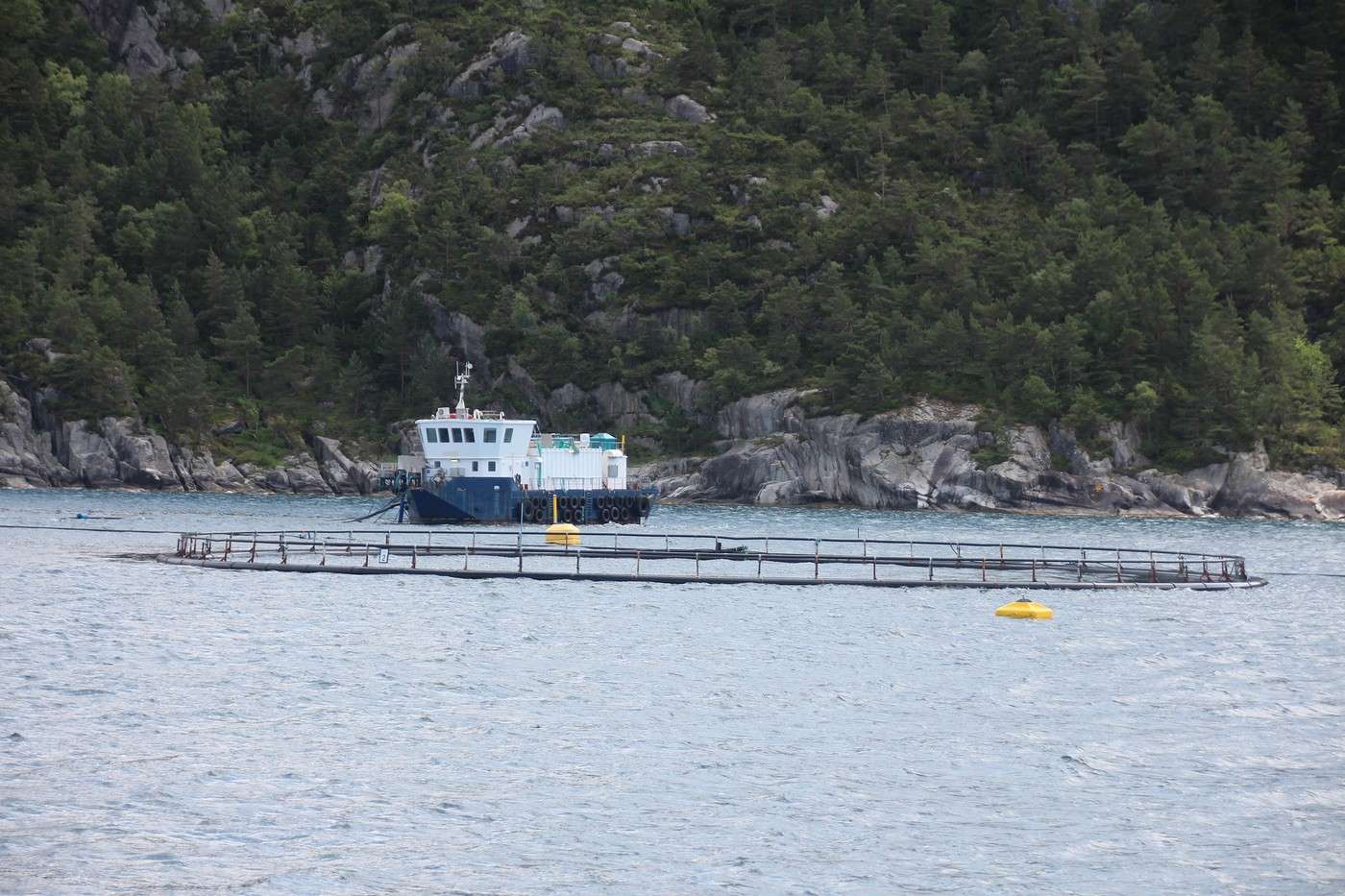
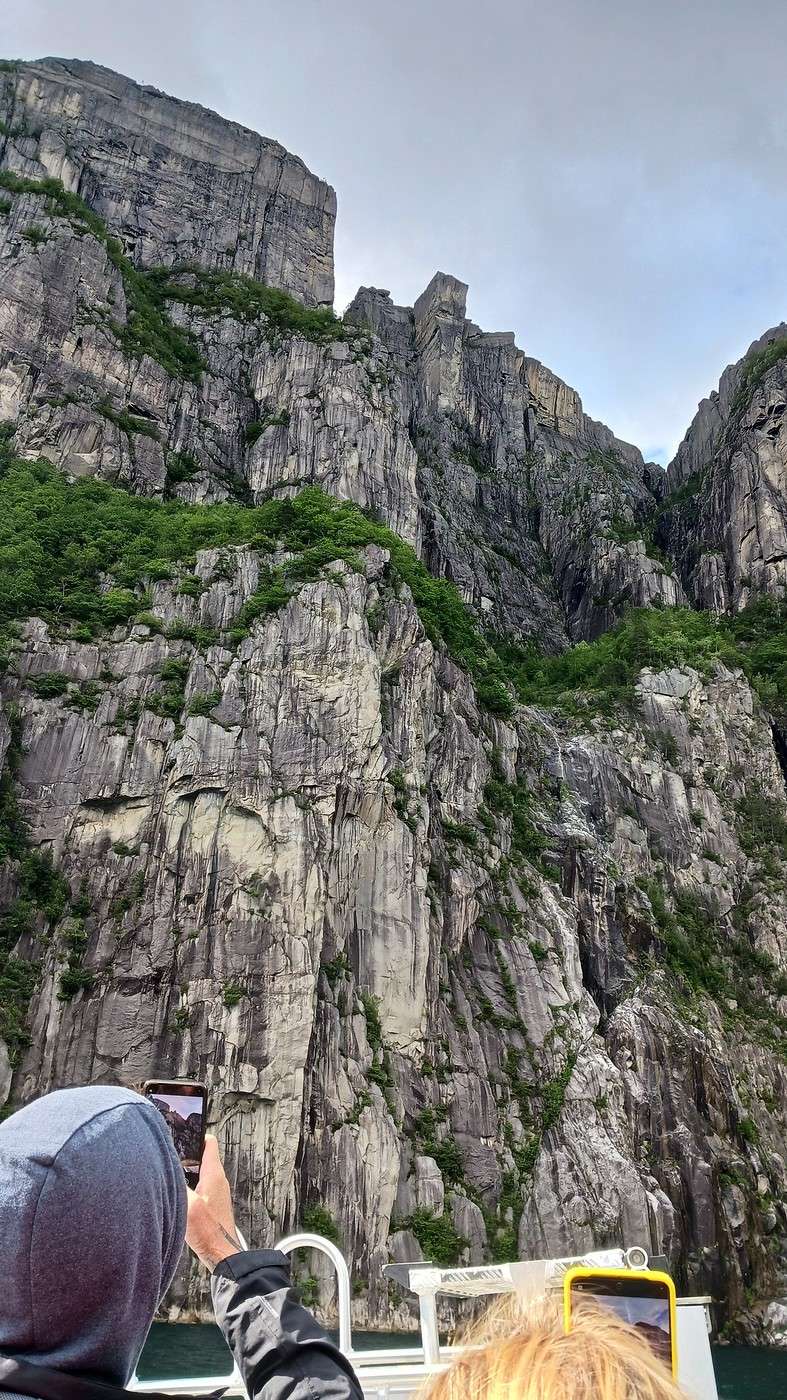
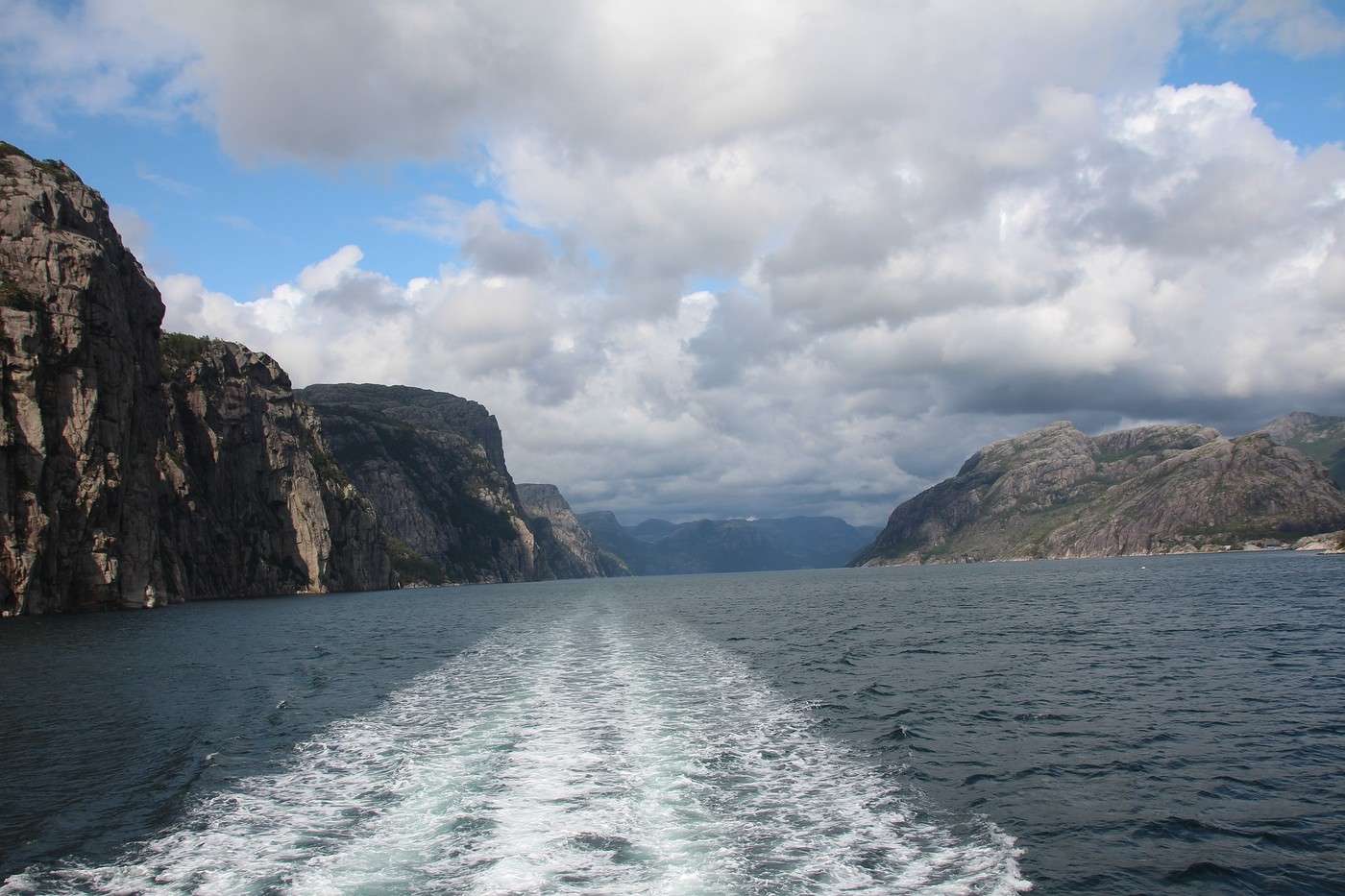
We glided out of the harbor, passed a salmon farm, and entered the Lysefjord.


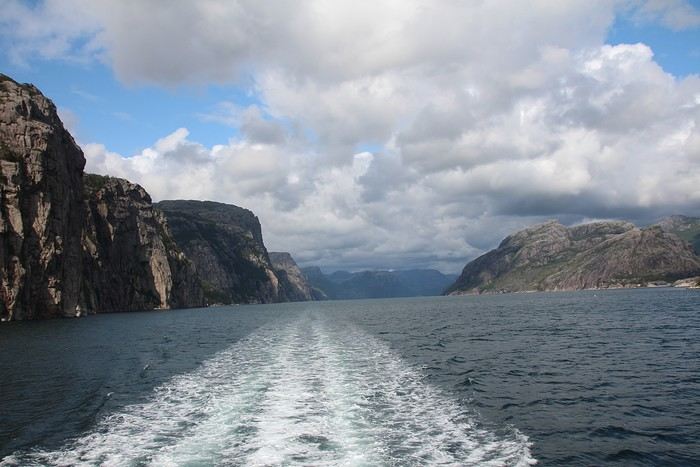
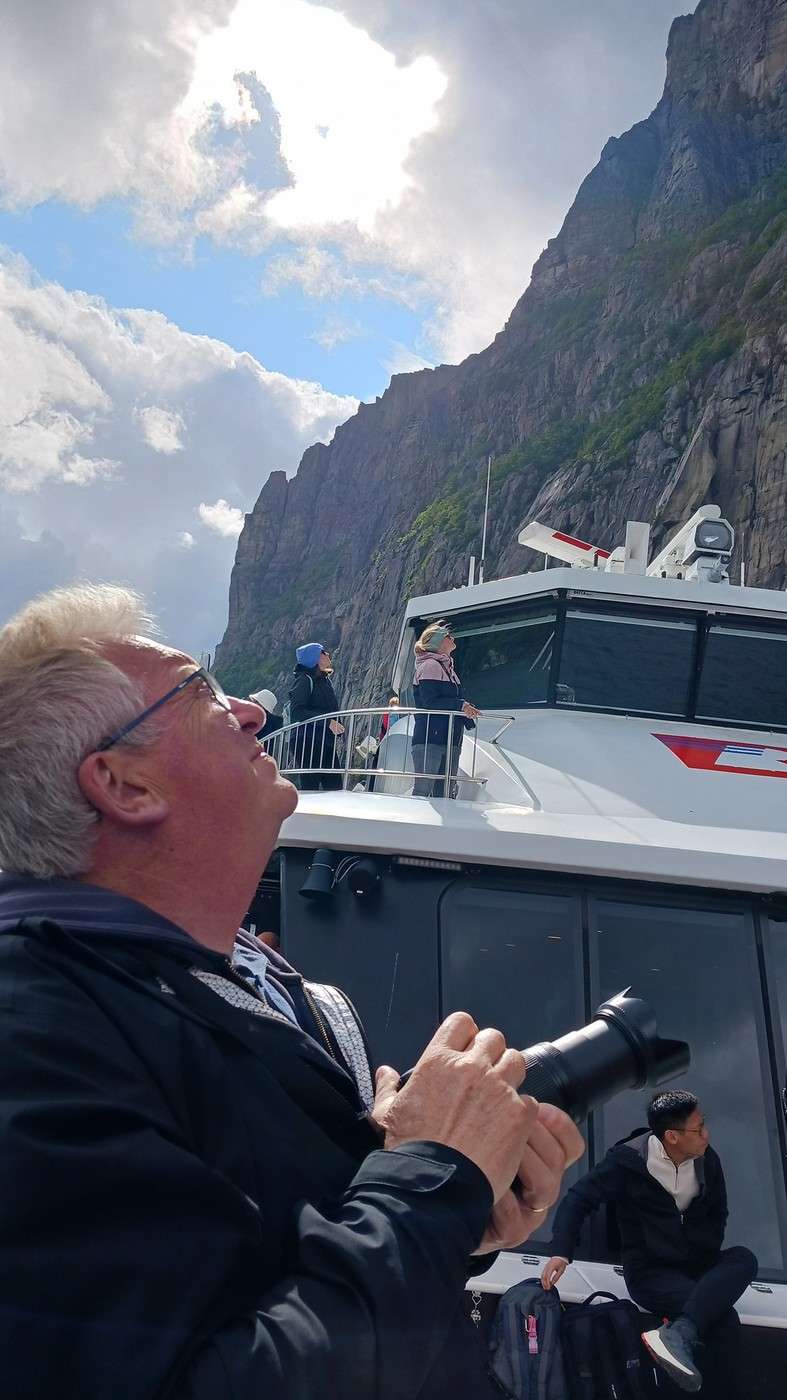
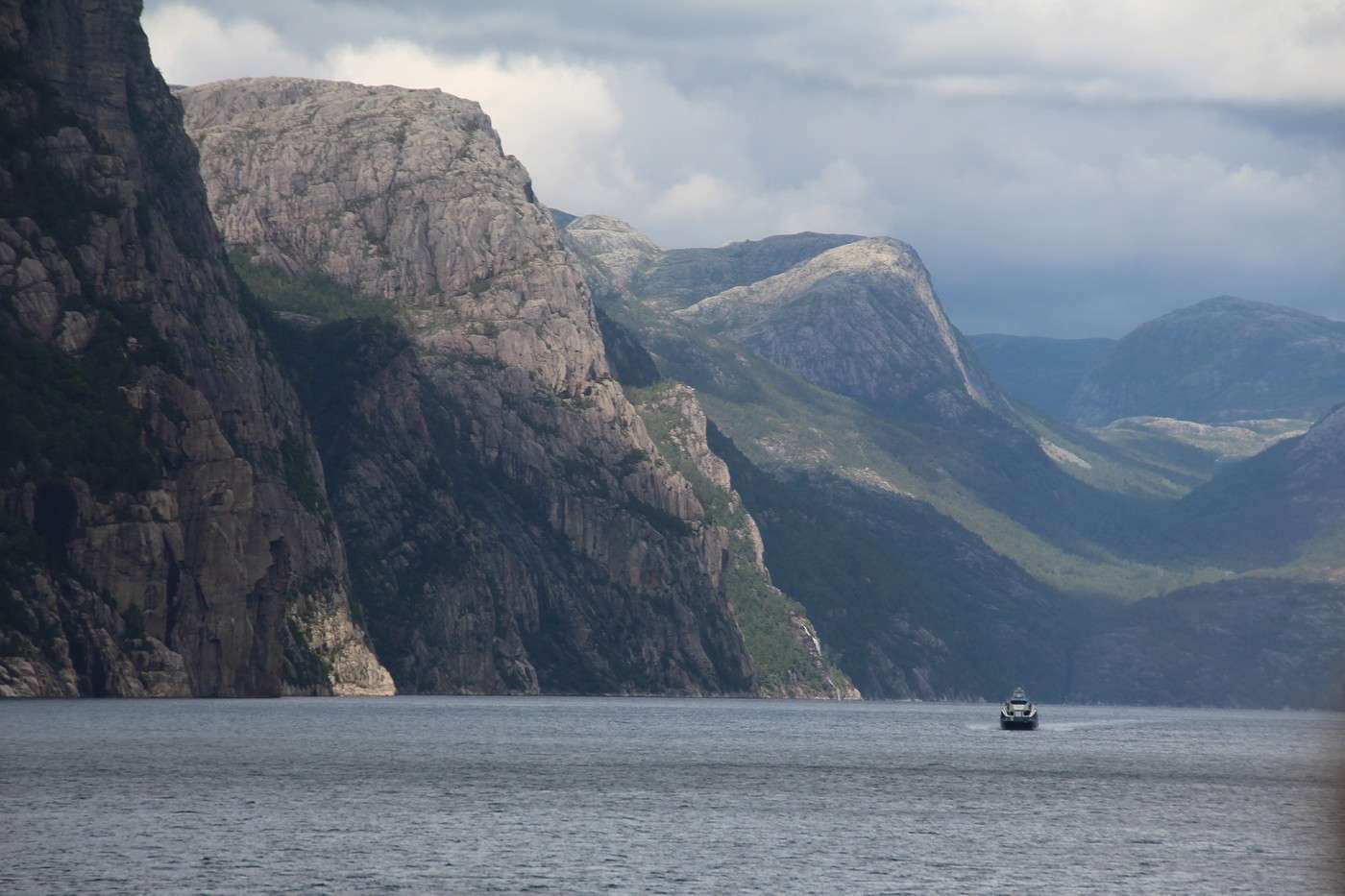
The towering rock walls reminded us of the Nærøyfjord we’d visited a few days earlier. They rise at least 600 meters high.


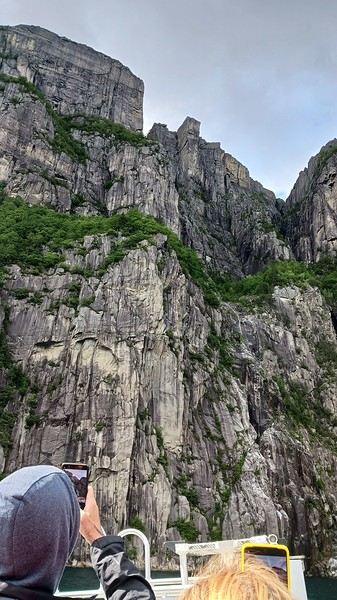
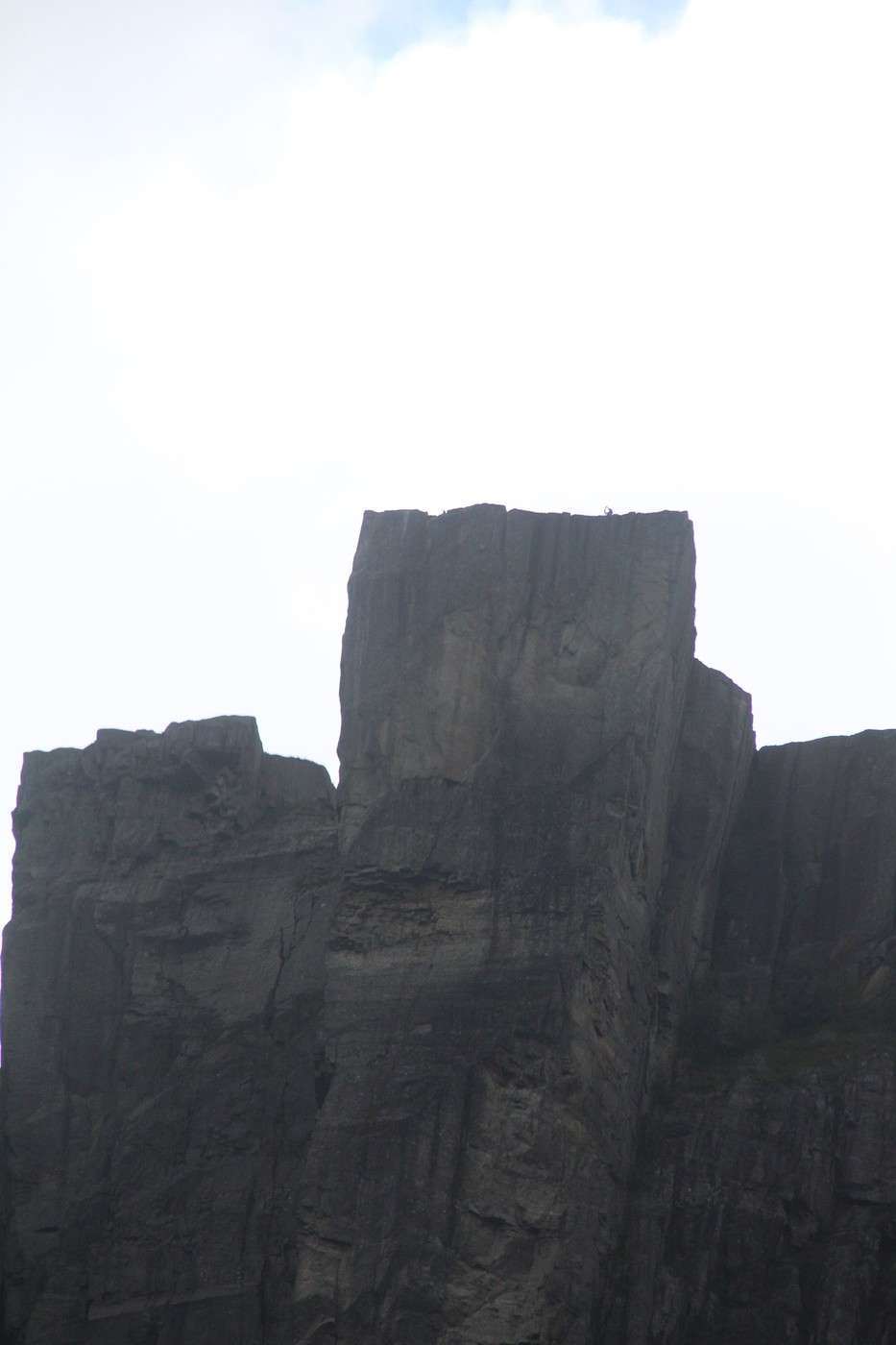
We arrived at the famous Preikestolen, which translates to “the Preacher’s Pulpit.” It’s a cliff hanging over 600 meters above the Lysefjord. Accessible via a long hike, it’s one of Norway’s most stunning viewpoints—and also the most popular trail, meaning it gets *packed*.


See that guy taking a photo from Preikestolen?
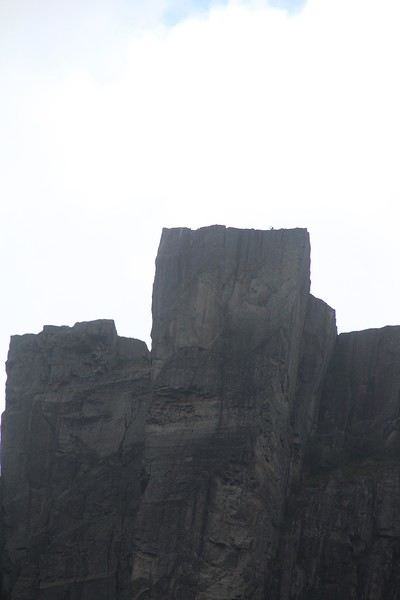


You’d need a serious head for heights, but just so you know—in the last 10 years, there’ve only been 2 deaths here. That’s nothing compared to the tens of thousands of visitors who make the climb!


It was a beautiful, peaceful cruise, and we were lucky it stayed dry—though the sky looked pretty ominous in spots. Oops, almost forgot the goats and the waterfall! Apparently, they’re always part of the boat tour here. ;)

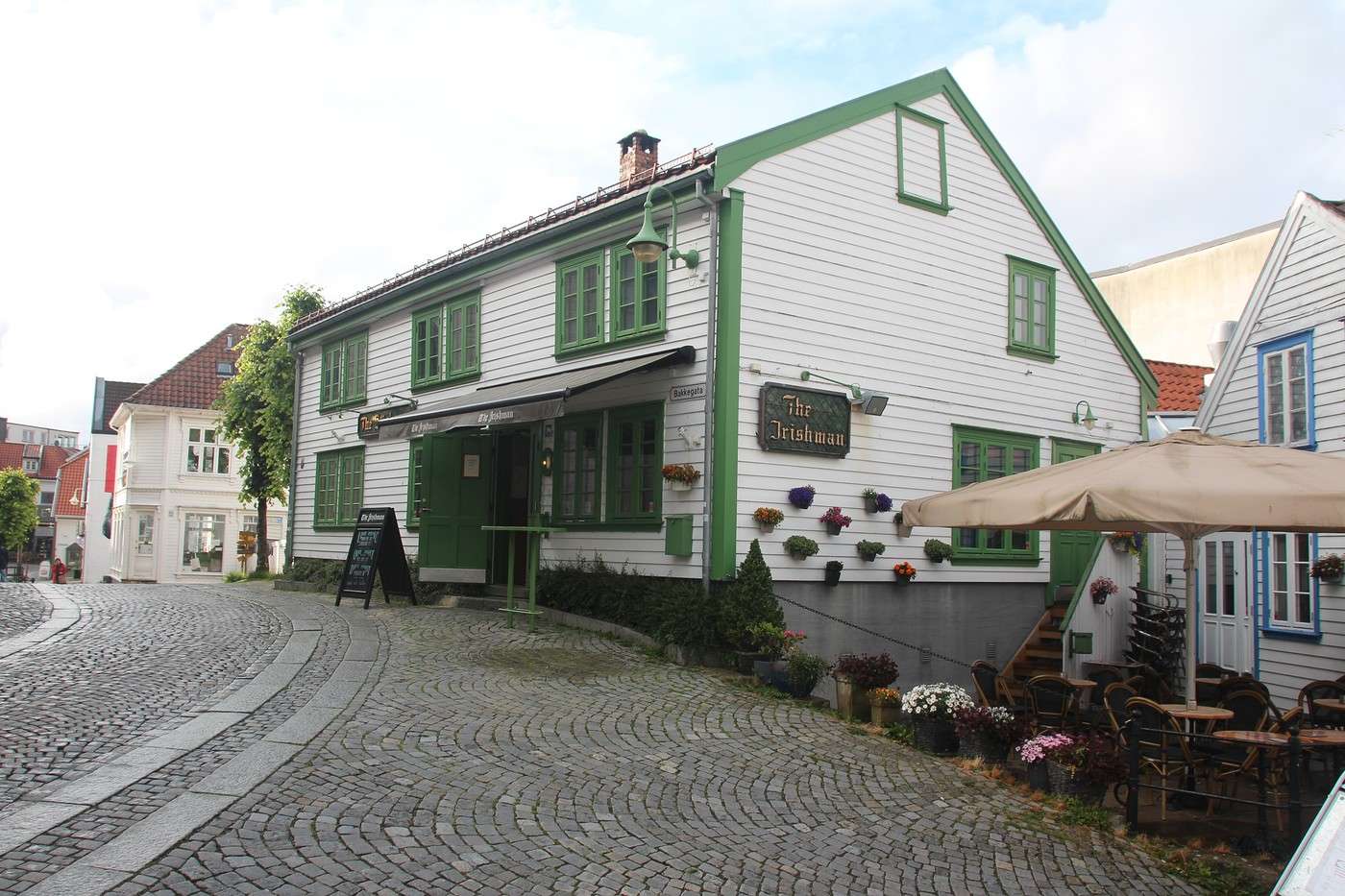
Back in Stavanger to soak up the charm of its old streets and Irish pub one last time...


Funny story: We were disappointed by the fish market at the harbor—just one shop with no prices listed. To avoid getting ripped off, we asked a local (the woman selling boat tour tickets at the dock) for advice. Without hesitation, she told us to head to MENY, a small supermarket in the city center’s shopping mall. It was well-stocked, and we found what we wanted at reasonable prices.


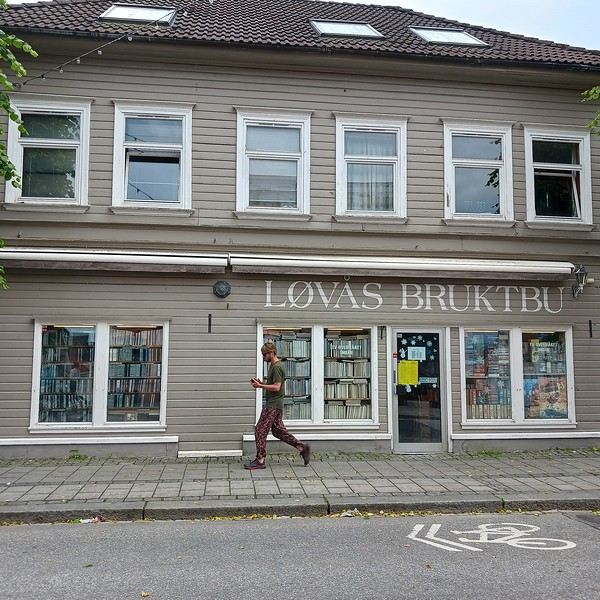
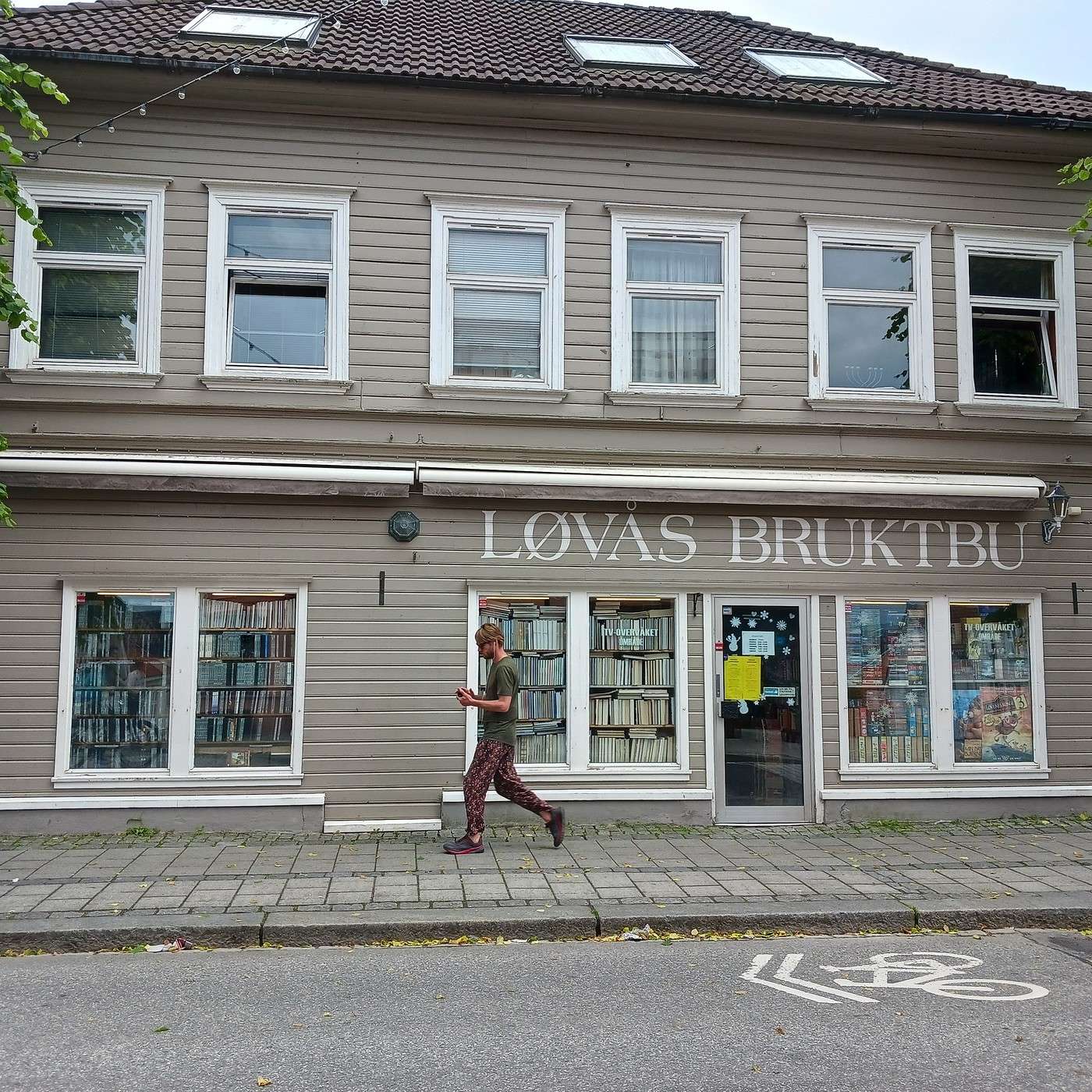
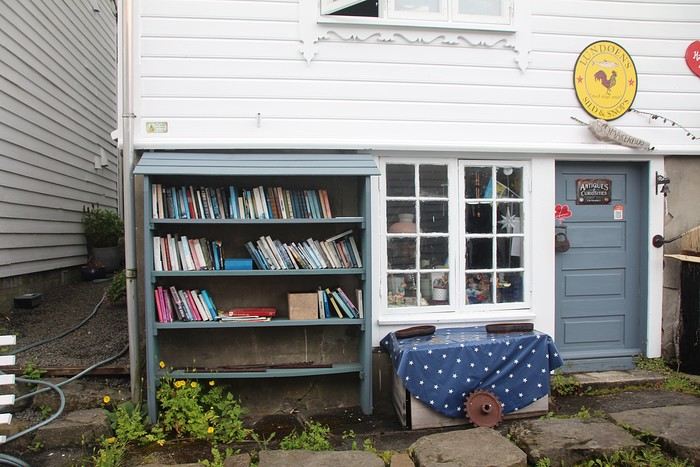
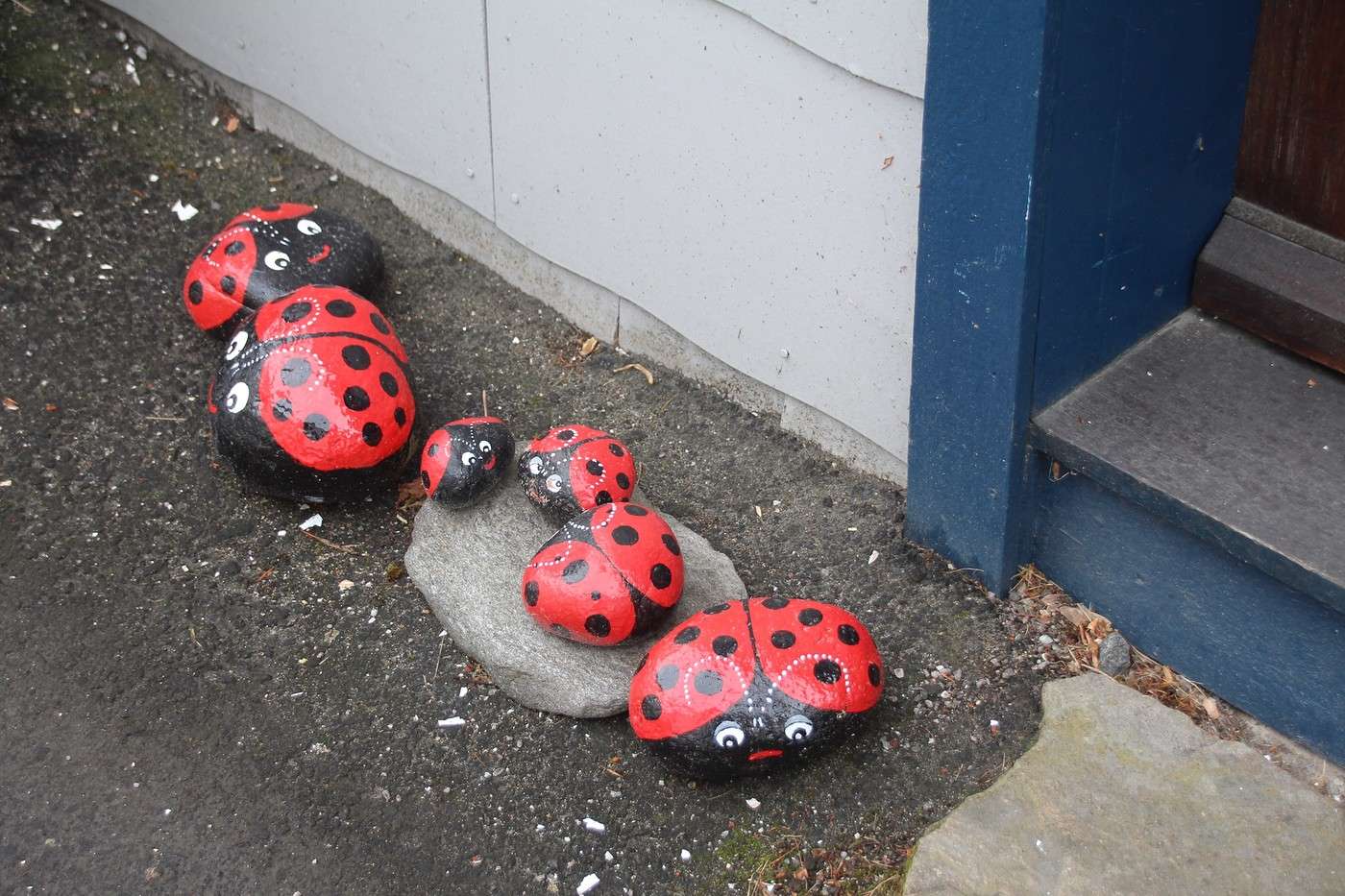
I love this photo taken on a street in Stavanger near our apartment. It really captures the Scandinavian way of life. Norwegians read *a lot*, especially during those long winter nights. They read and write novels—some of which become amazing films or series. Scandinavian (and broader Nordic) literature is hugely popular, especially their dark, gripping crime novels and thrillers. Authors like Stieg Larsson, Camilla Läckberg, and Jo Nesbo have won over international audiences with their work.

"Scandinavians are the world champions of reading. According to a 2010 survey by Norla, the Norwegian agency for promoting literature abroad, 93% of Norwegians read at least one book in 2009—a 2% increase from the previous survey (2005). On average, Norwegians read 16 books a year. 40% read more than 10 books annually, 14% read over 30, and 80% of parents read to their children daily or several times a week." Who does better? Iceland, which—on top of similar stats—boasts an unmatched ratio of writers to its population (just 320,000 people). In Iceland, "half the population writes so the other half can read," as Franco-Icelandic translator Henry Kiljan Albansson puts it. (Le Monde, 2011)
Kattegat Tour and Norway's Great Fjords - 32 Days (Denmark - Sweden - Norway)

Cendryon · 2025-08-15 · Message 44 of 58

Day 24 – Tuesday, June 24 – The Reason Why...

Ever wondered what’s behind that mysterious title? Well, in a trip—and especially this one—there’s sometimes a particular goal, an offbeat must-see, something that the whole itinerary revolves around and depends on to reach at just the right time... Why the Kattegat tour? Because tucked near the rocks in southern Norway, there’s an exceptional place, a spot known to foodies and gourmands, though it’s still pretty low-key. I wanted to discover it for myself. I broke the bank to experience this, but hey, it’s not every day you celebrate 40 years of marriage!

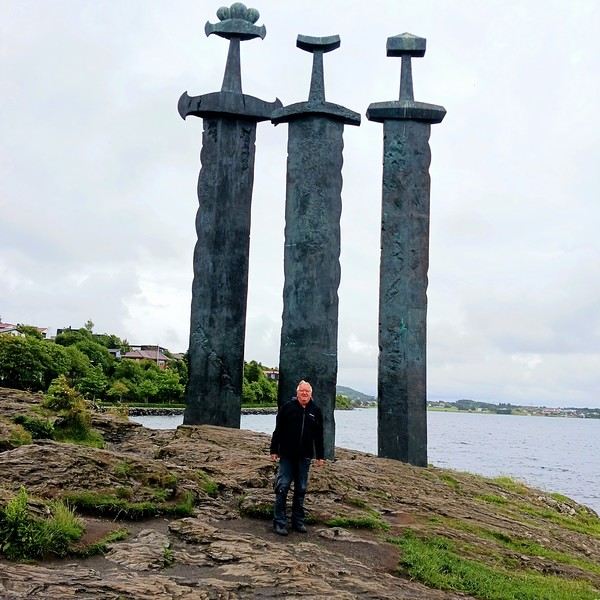
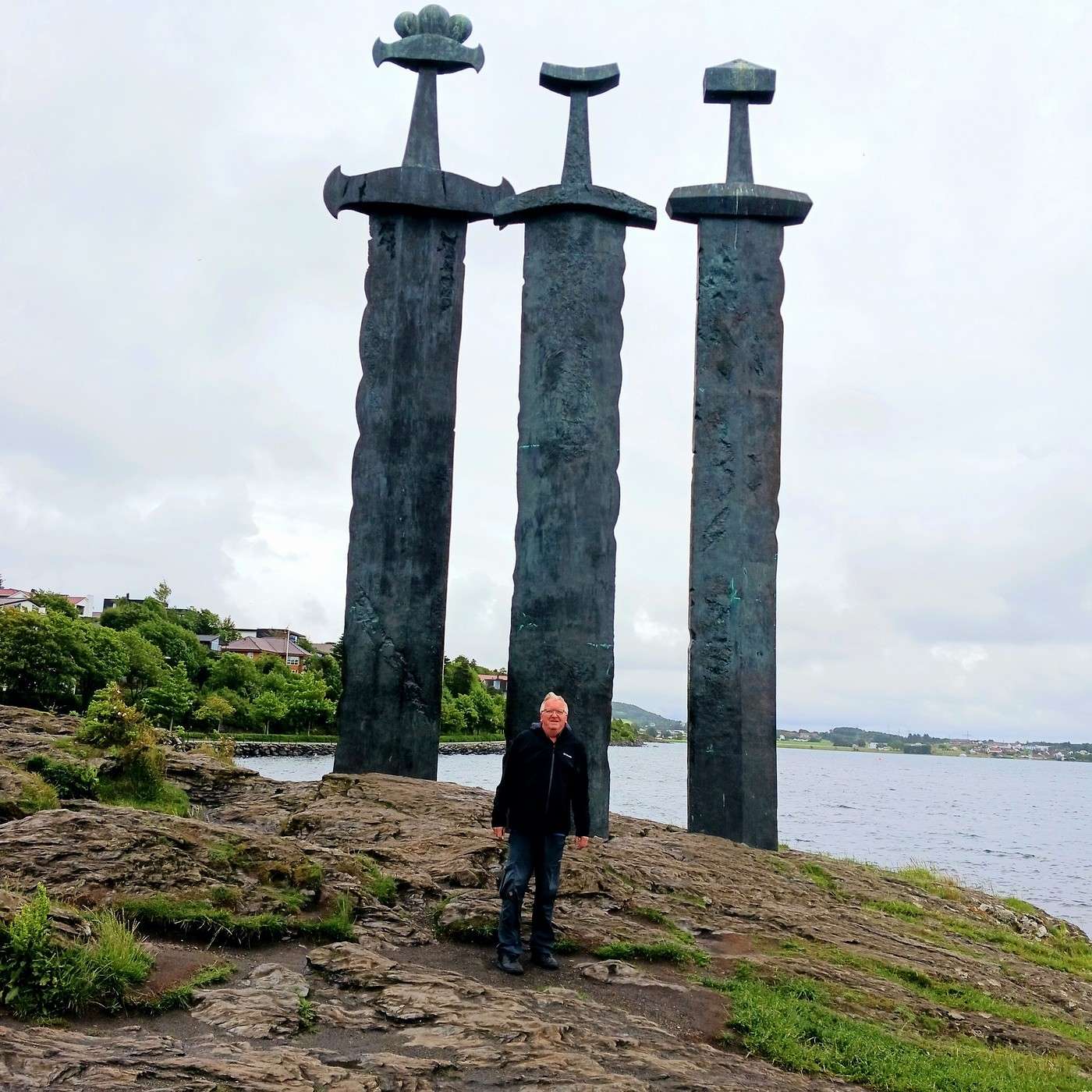
But let’s start the day at the beginning. We leave the lovely town of Stavanger heading south. We make a small detour to see the great Viking swords.

The monument features three swords embedded in the rock. The swords are made of bronze and stand nearly ten meters tall. It was designed by sculptor Fritz ROED and was inaugurated in 1983 by King Olav V to mark the 1,111th anniversary of the Battle of Hafrsfjord. The three swords symbolize the three kings who fought: the largest represents Harald Fairhair, who won the victory, and the other two his opponents. It’s also said that the monument is a symbol of peace, as the swords are now planted in the ground to never be used again. (Wiki)

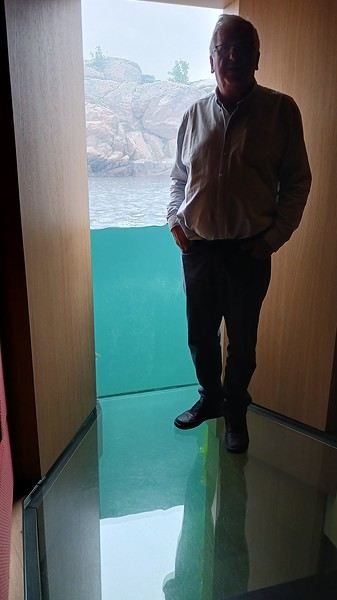
I sometimes ask my husband to stand *in* the photo to give a sense of scale...


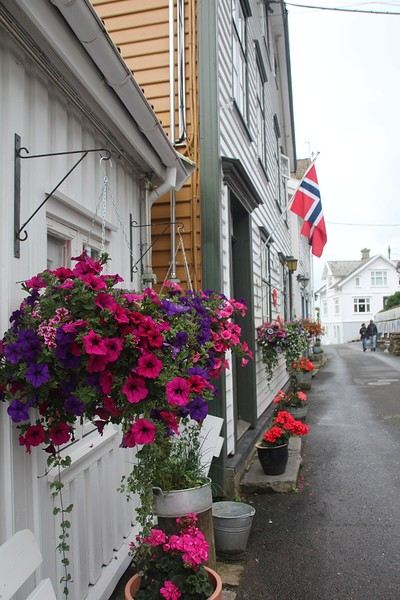
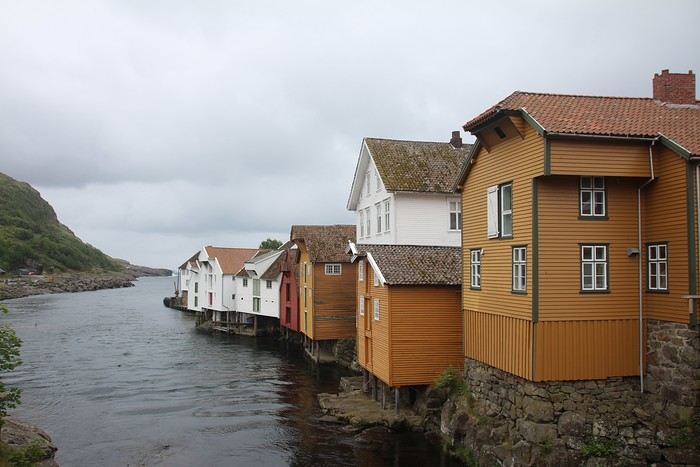
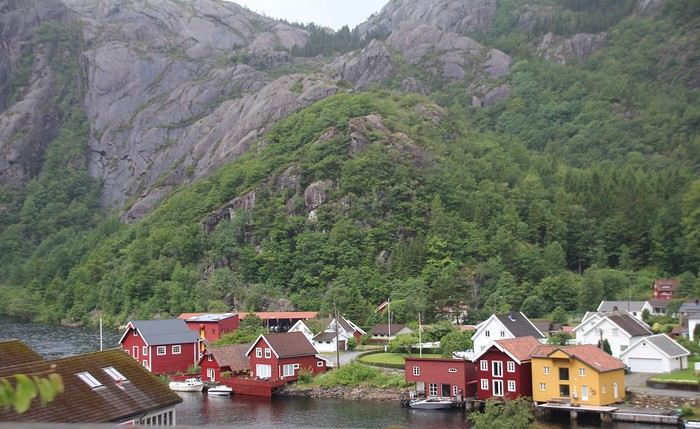
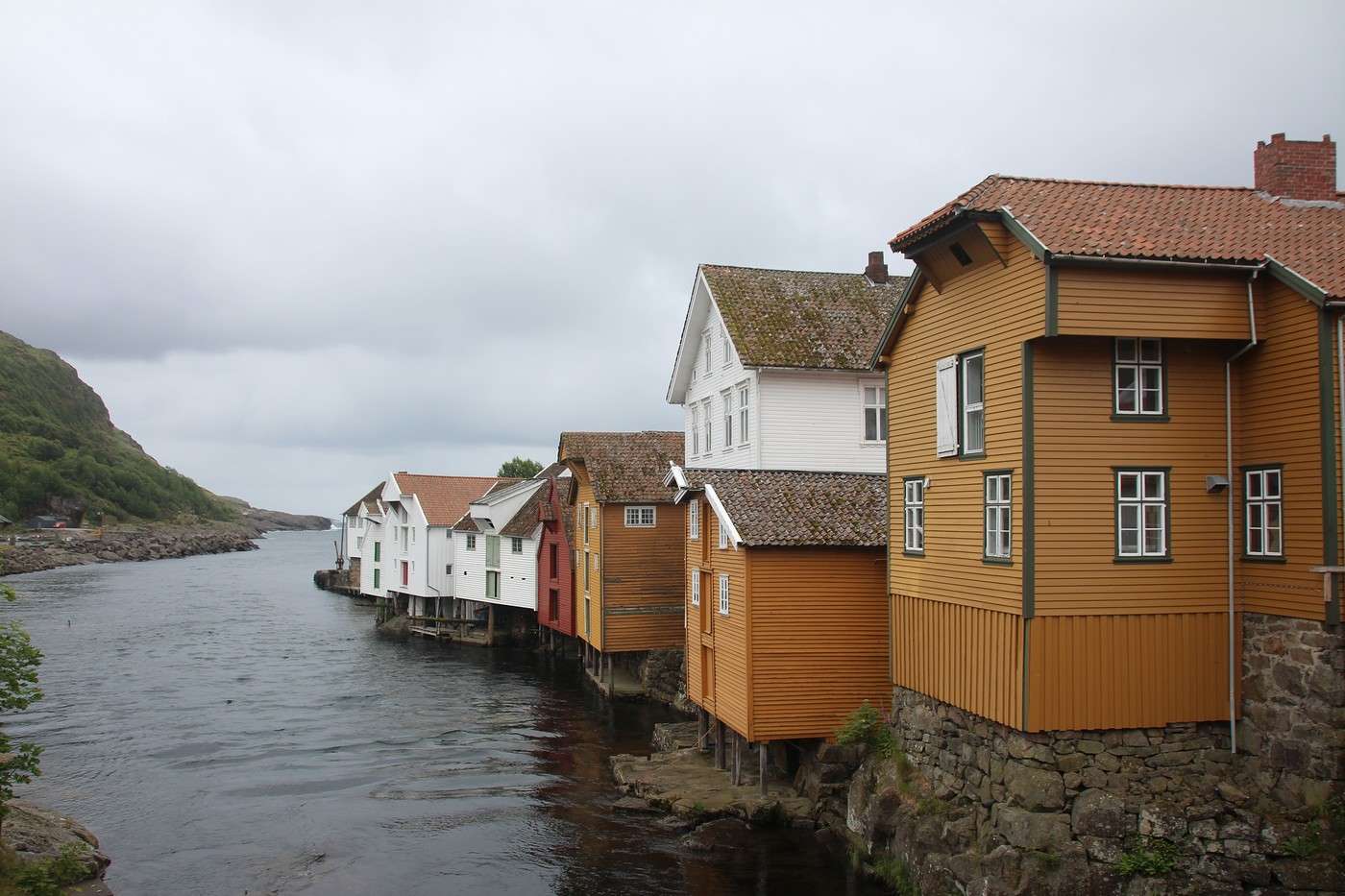
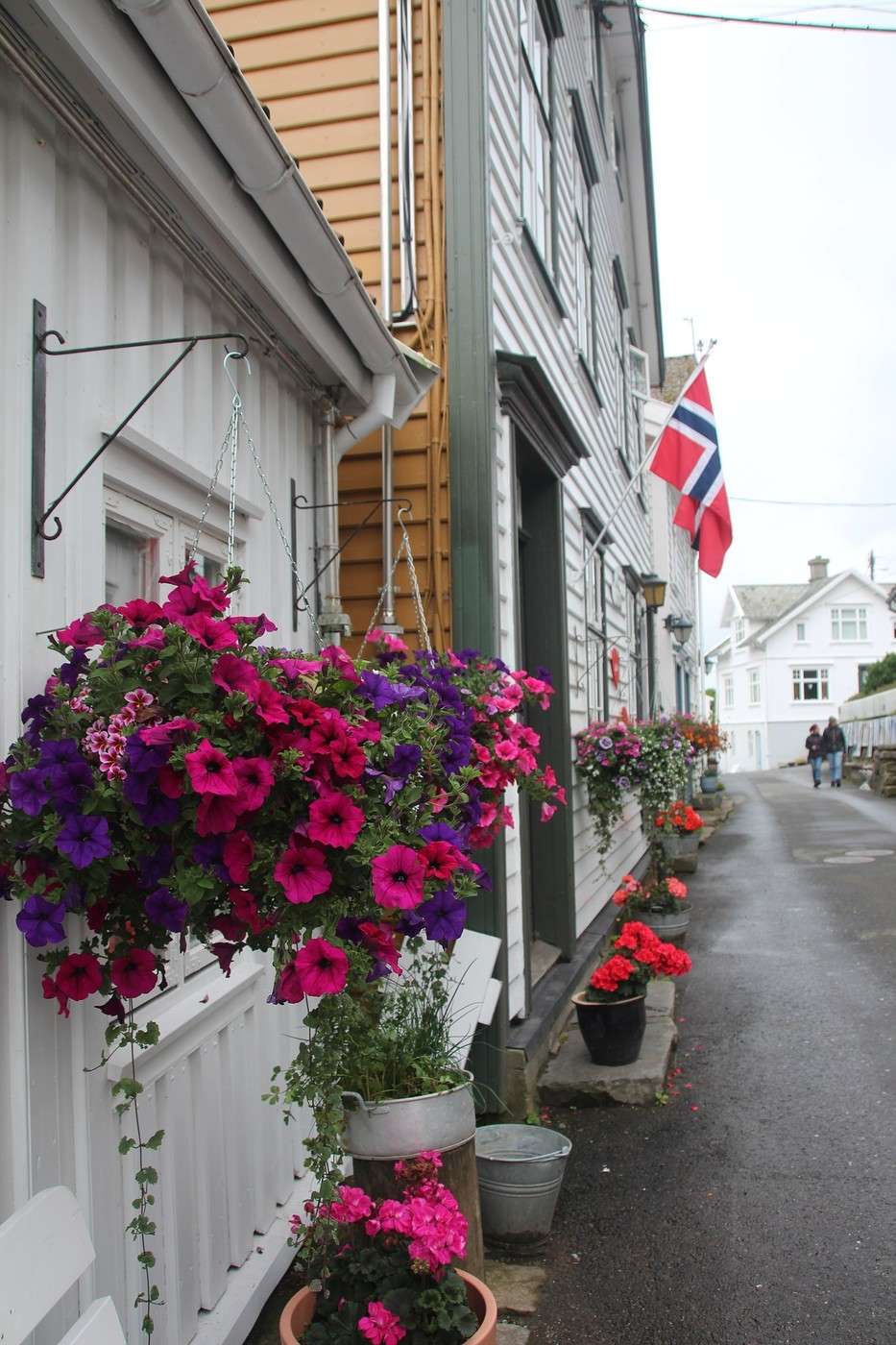
Stop in the quiet little village of Sogndalstrand, with its neat, flower-filled houses...


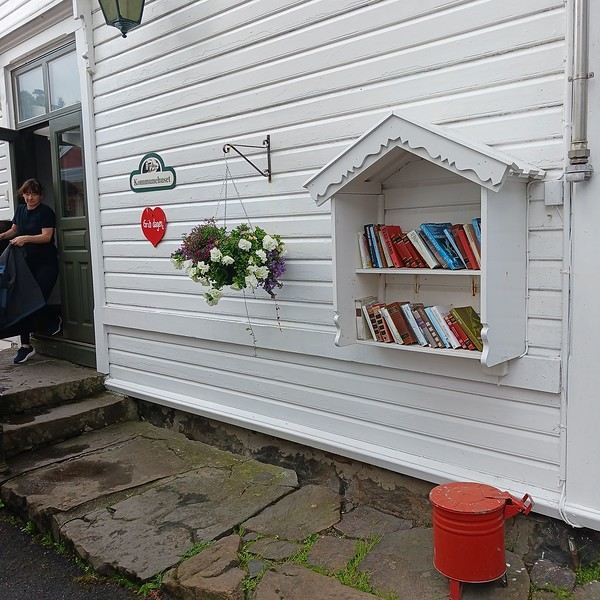
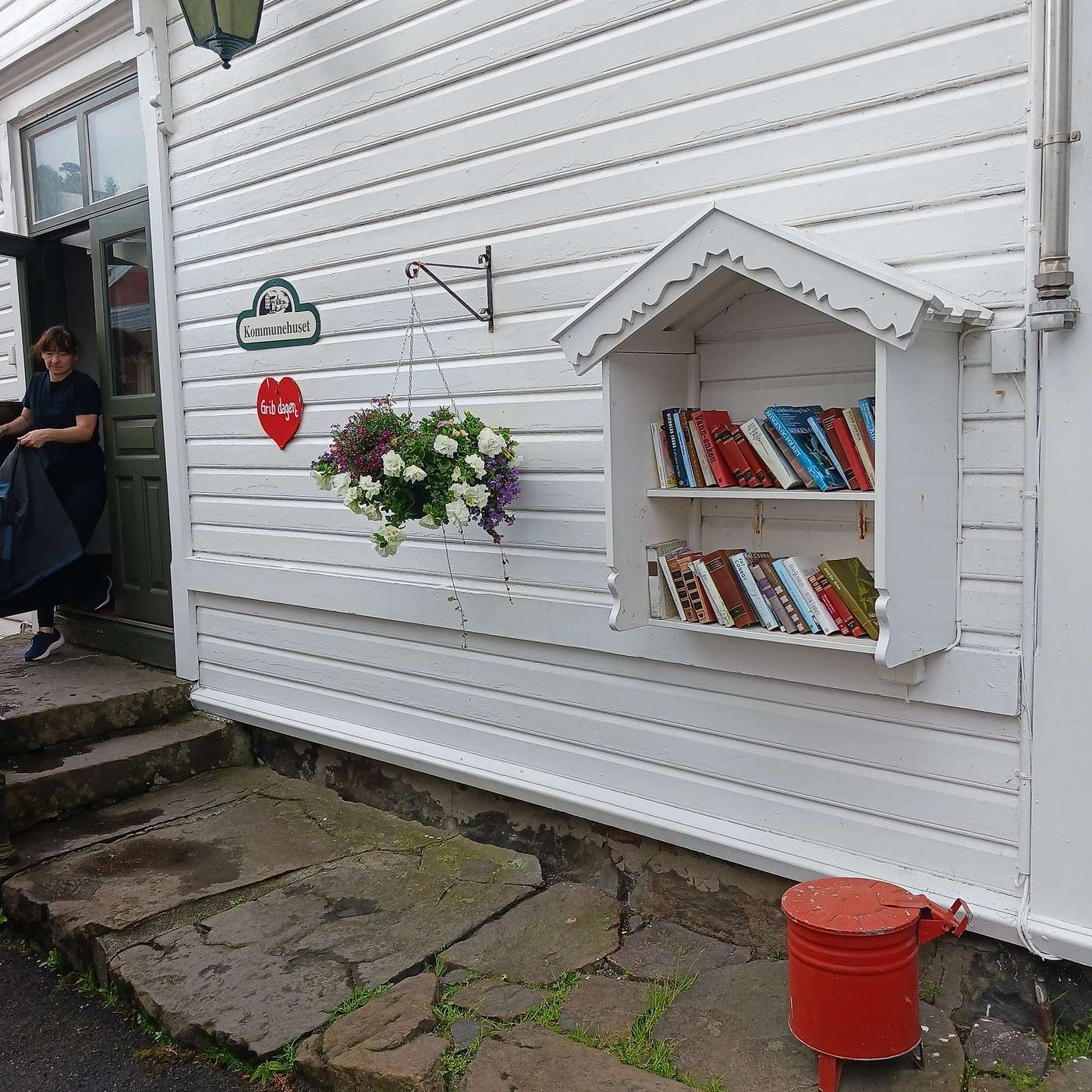
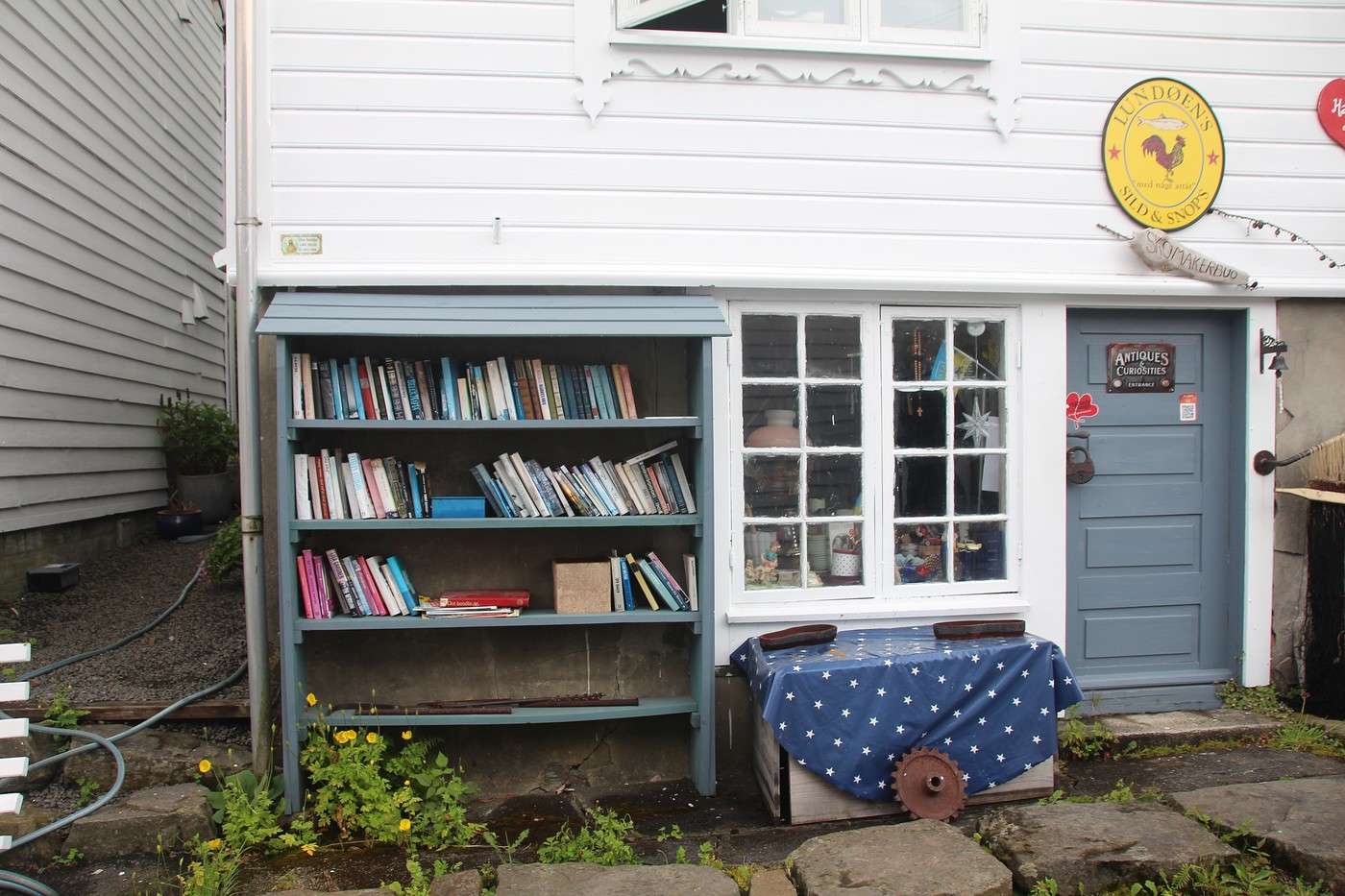
Books available for everyone, still and always...


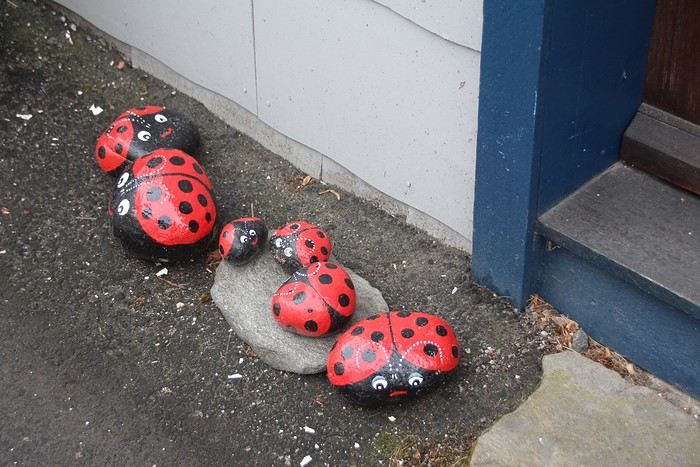
It’s all in the details...


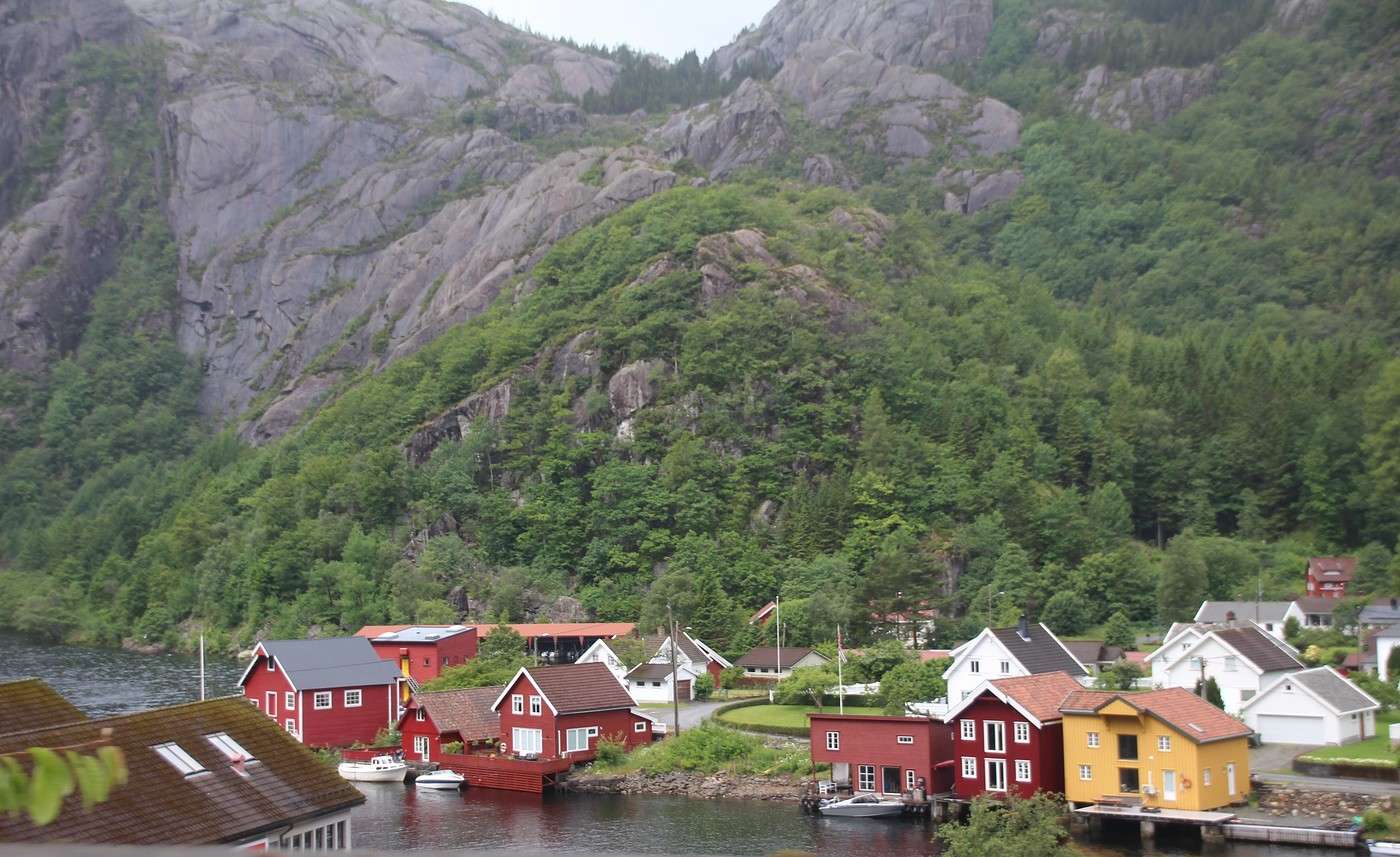
There are many charming villages nestled at the end of small fjords, and what’s more, the region isn’t very touristy. I’d planned to stop at Vinterstø and Oldemor’s Hage, but given the mediocre weather, we decide to "keep moving." Besides, we’ve already seen Sogndalstrand, and that’s not so bad since they all look a bit alike.


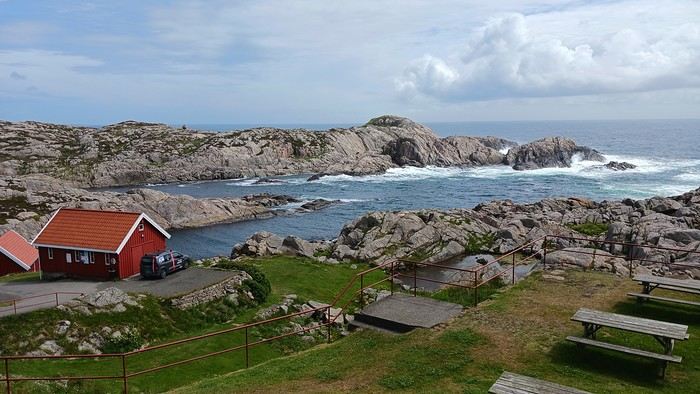
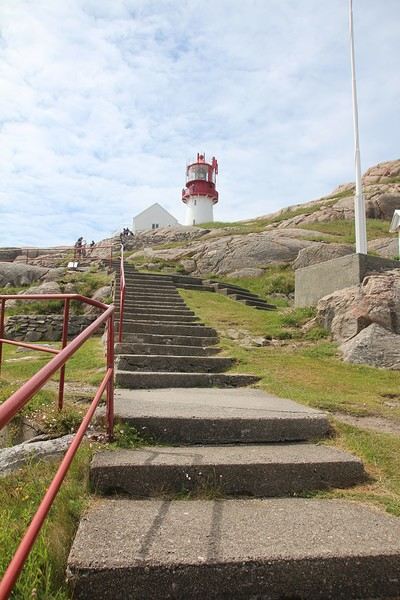
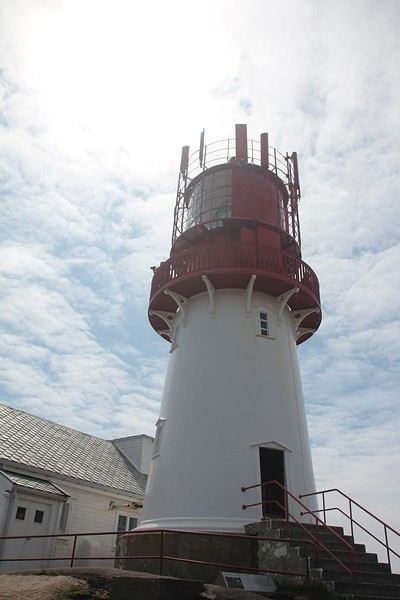
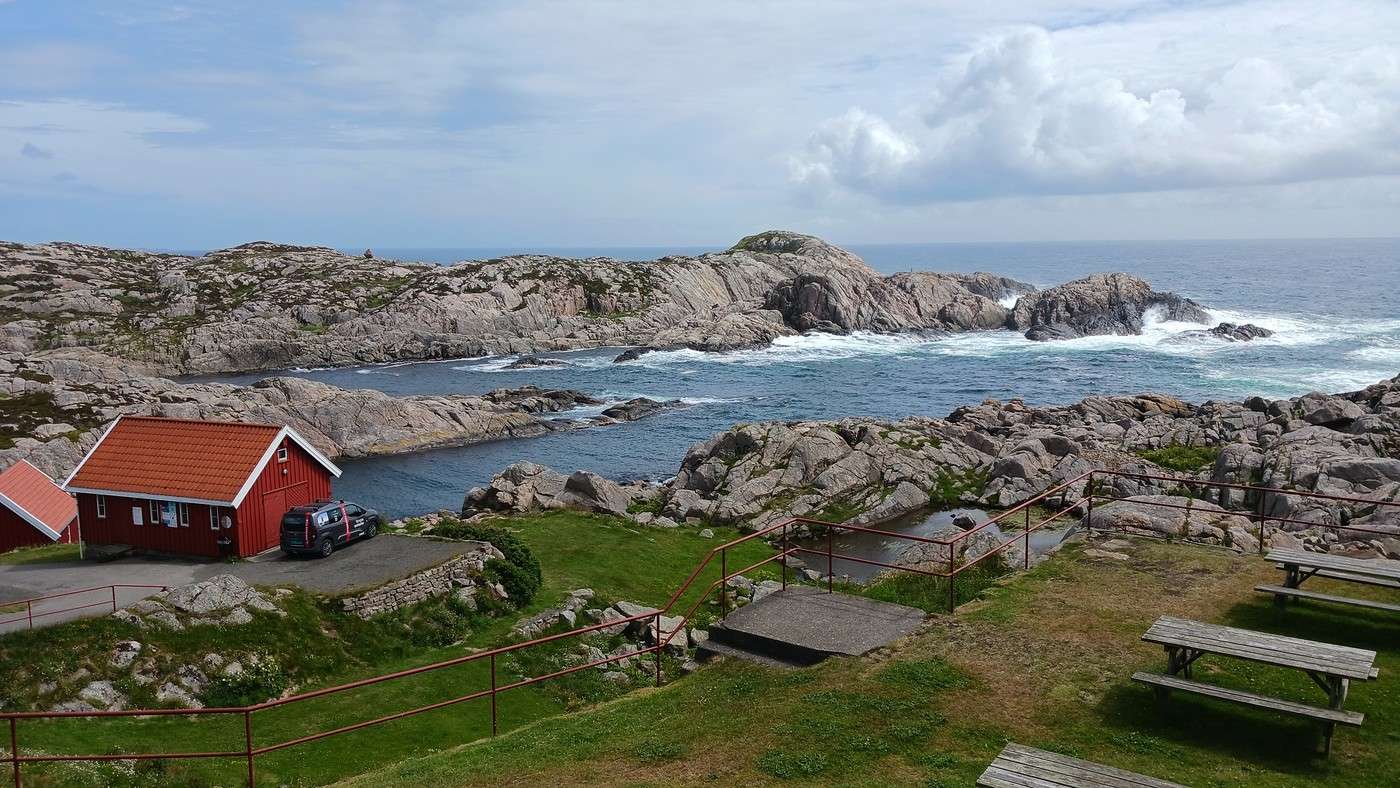
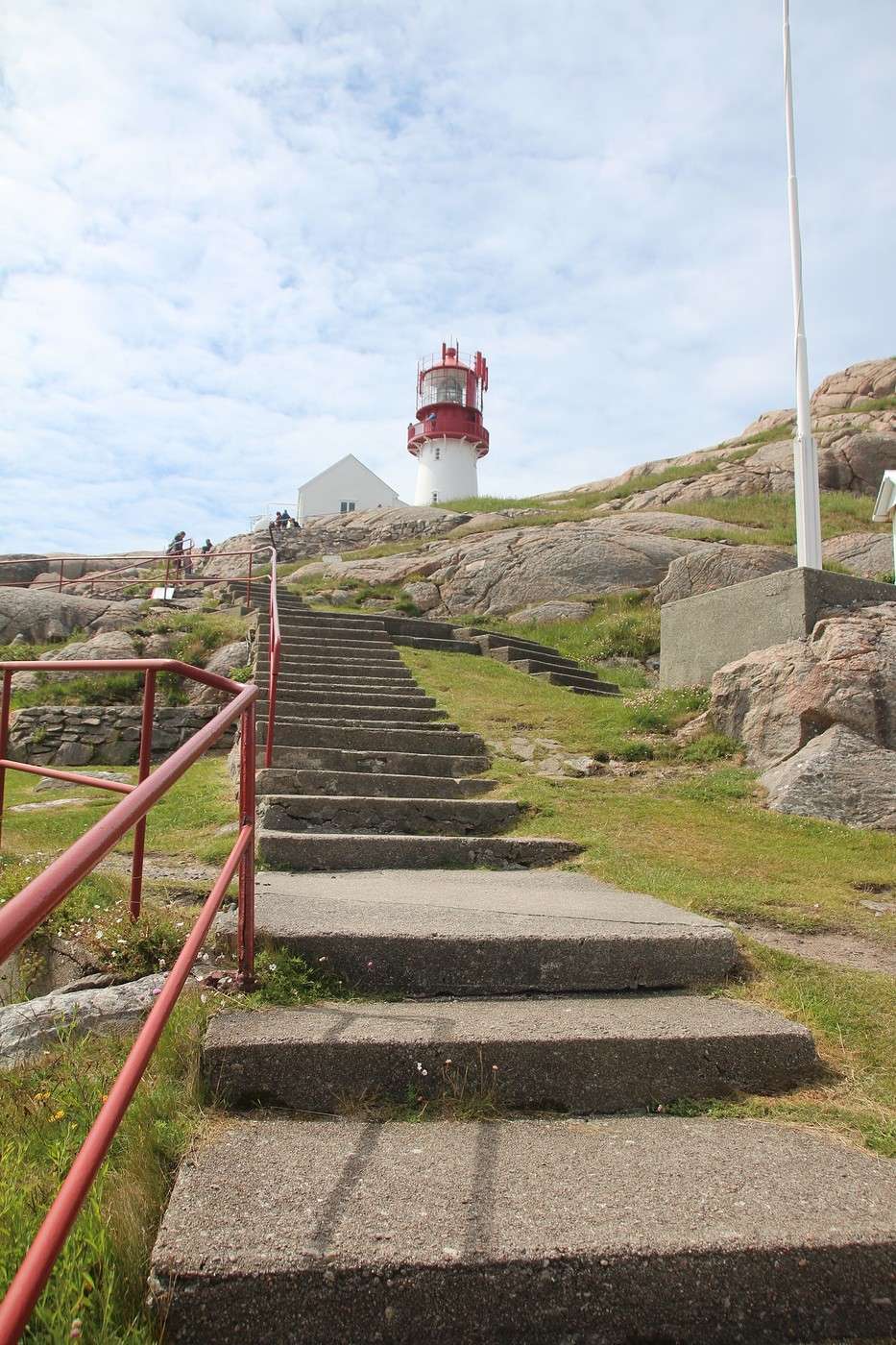
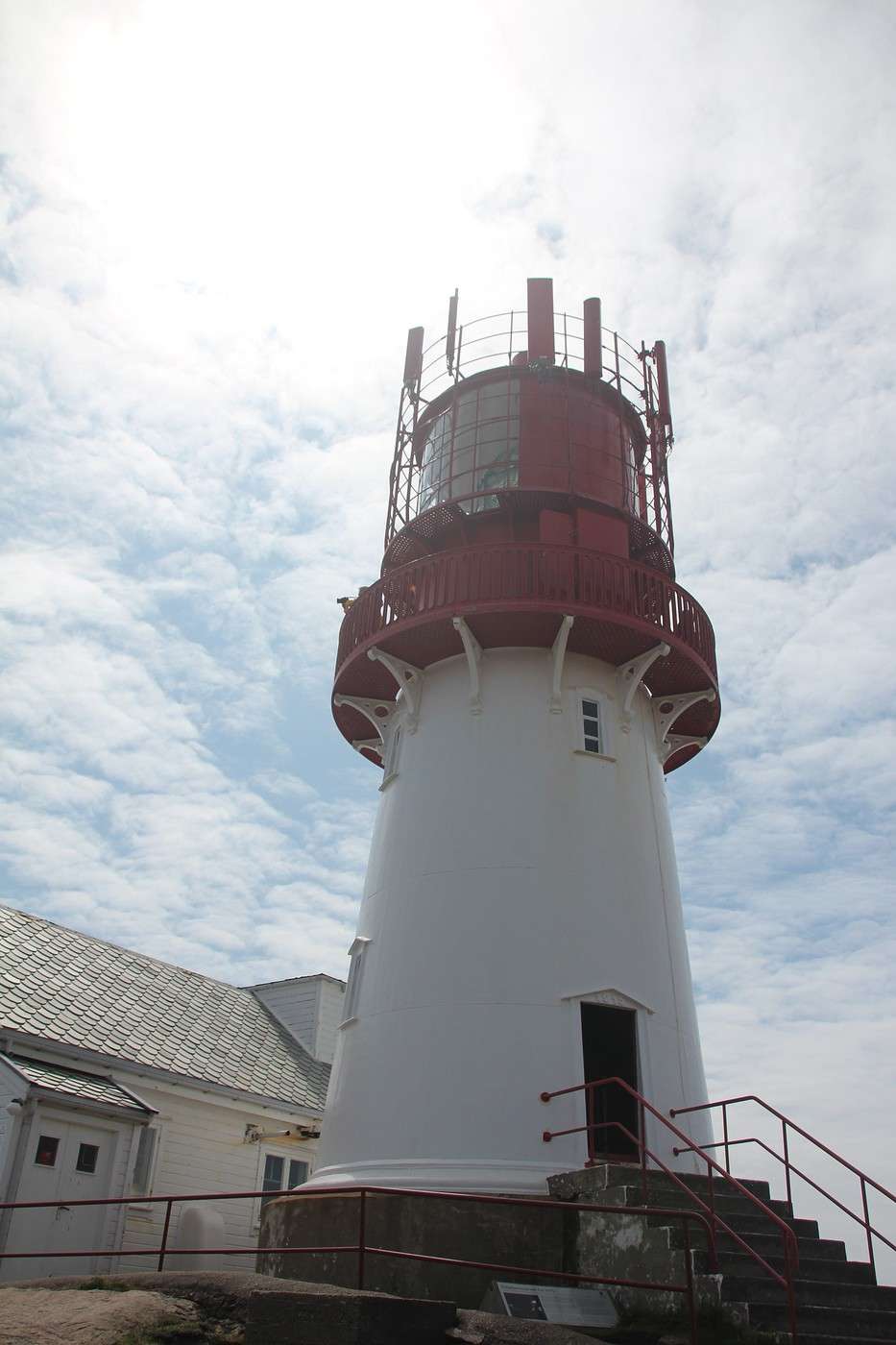
The sun finally comes out when we stop at the Lindesnes Lighthouse, where the sea is quite rough...


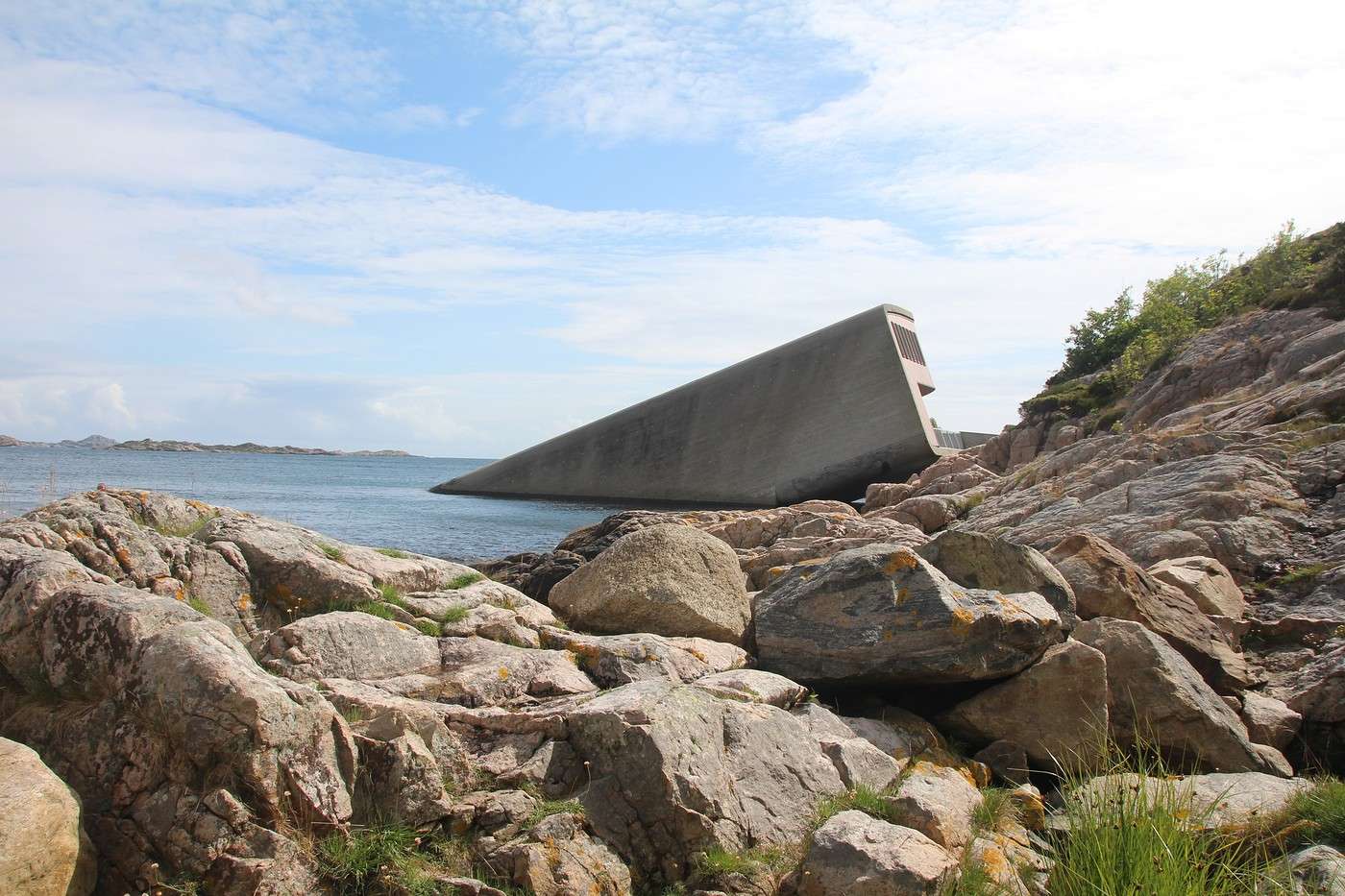
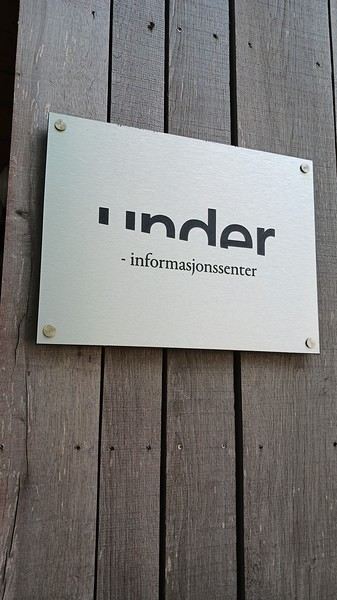
A lovely walk. We then head to our hotel for the night, the Lindesnes Havhotell. I chose this hotel because it’s right next to—you guessed it—our holy grail, the UNDER restaurant... and that’s where I booked a table for dinner... six months ago! Yes, because at this exceptional, Michelin-starred restaurant, you can’t just show up—tables are reserved months in advance!

(to be continued...)

Kattegat Tour and Norway's Great Fjords - 32 Days (Denmark - Sweden - Norway)

Cendryon · 2025-08-15 · Message 45 of 58

(Continued) Still day 24 - Tuesday, June 24, 2025 - UNDER

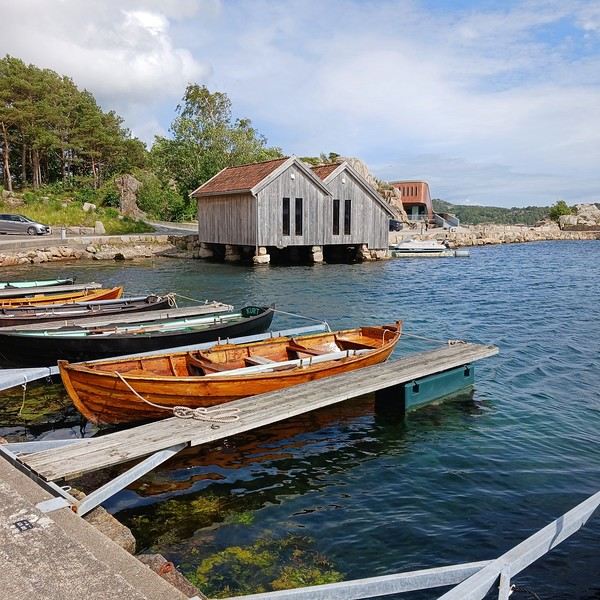
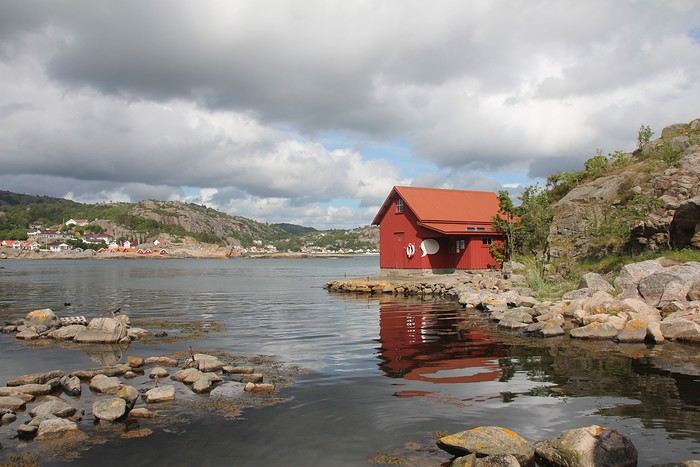
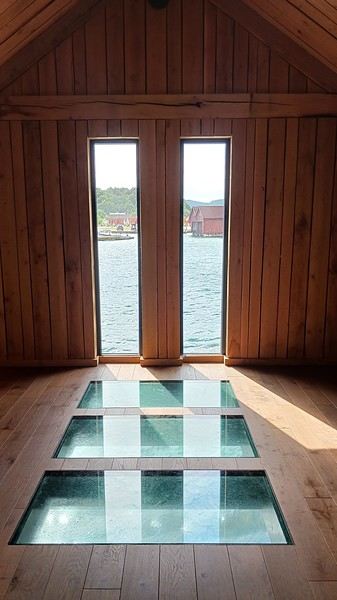
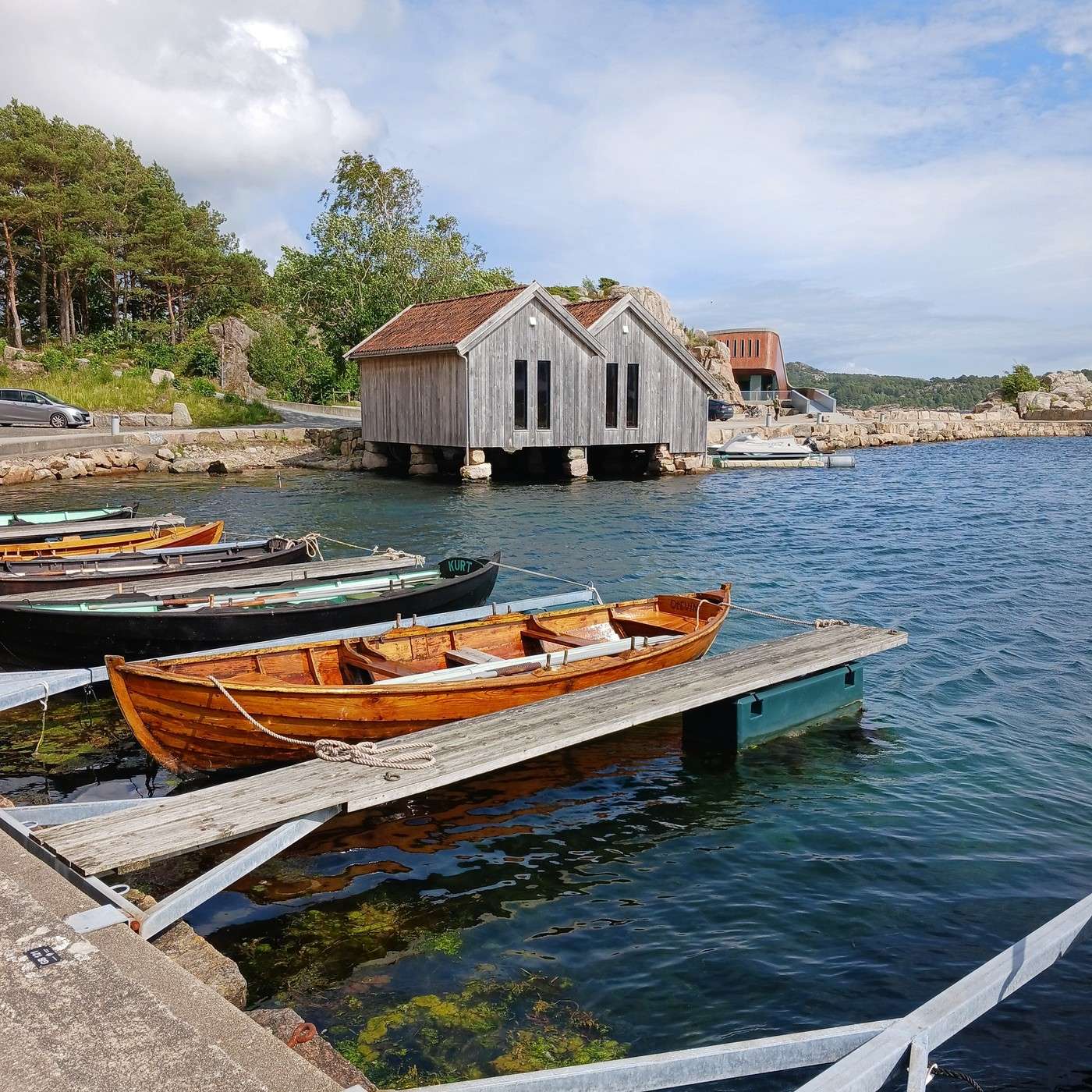
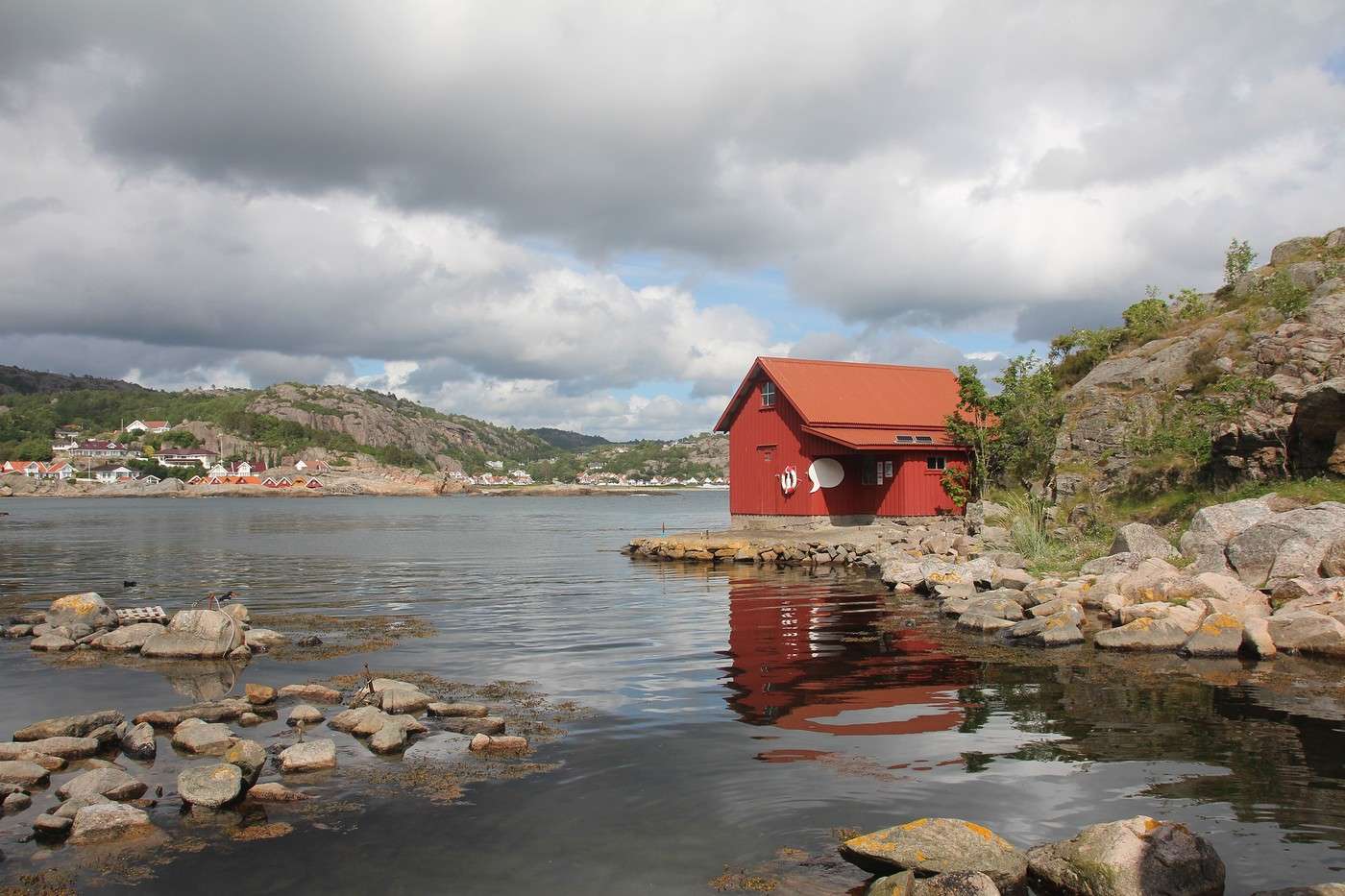
From the hotel, a small path leads to the restaurant, which we reach in 5 minutes. The setting is really pretty, peaceful, and relaxing.


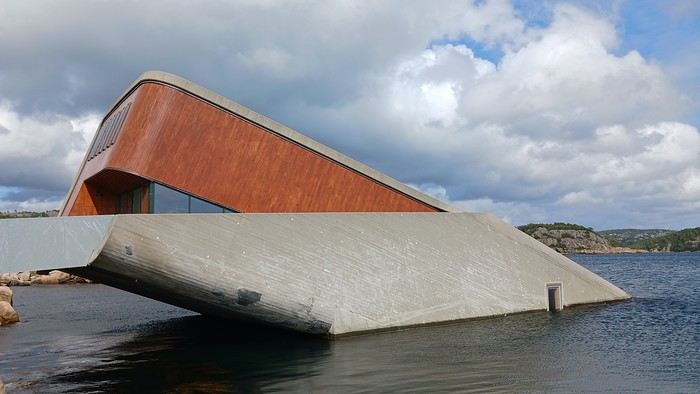
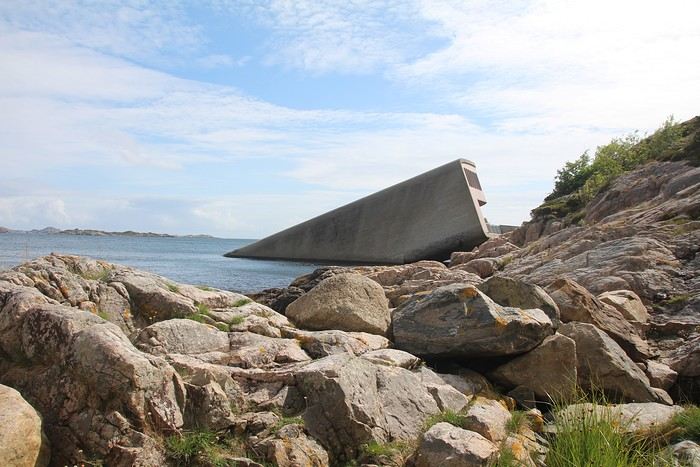
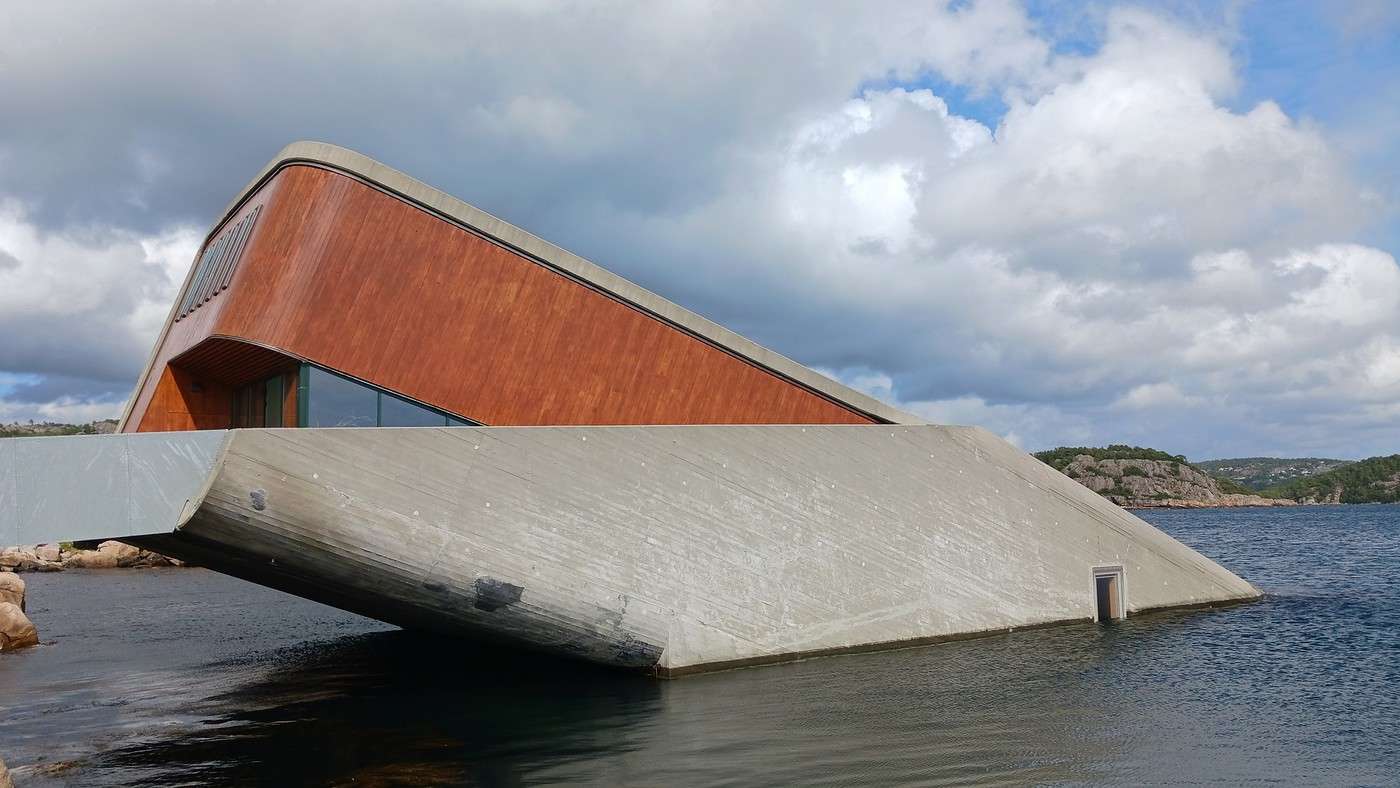
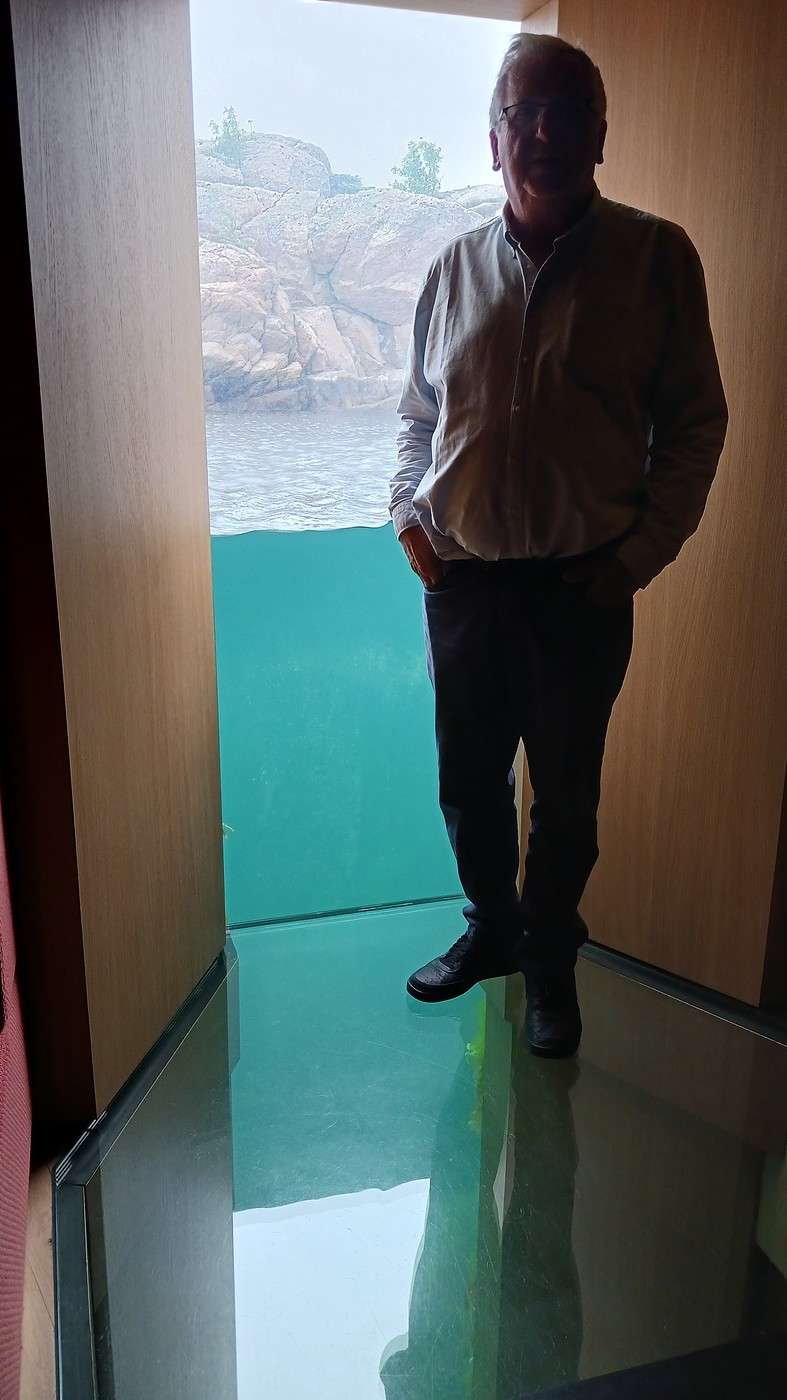
And here’s what the place looks like. From the outside, it’s a concrete block perched on rocks...


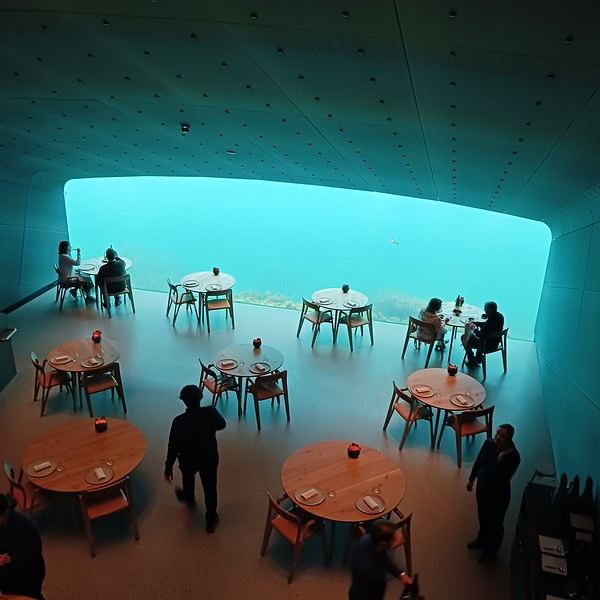
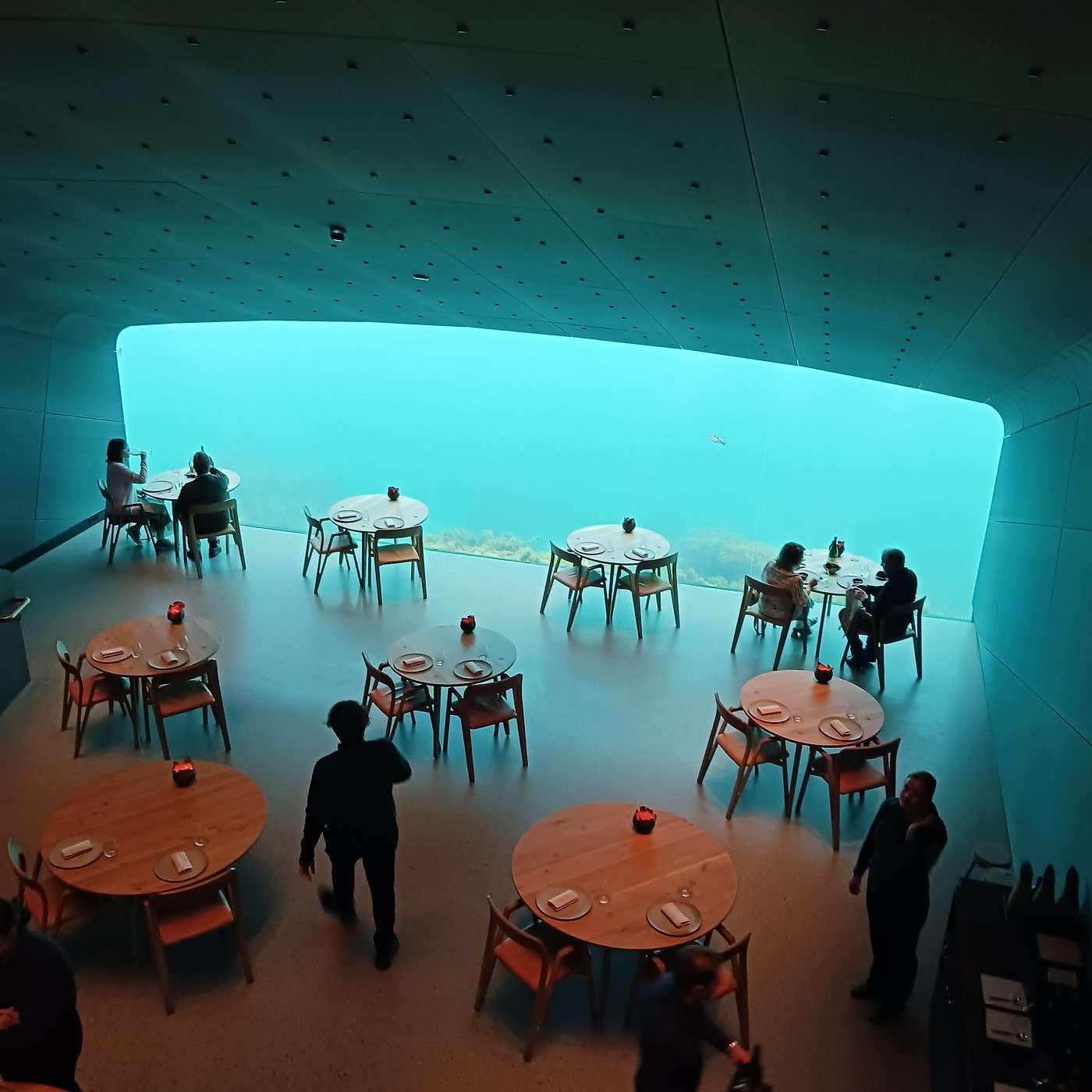
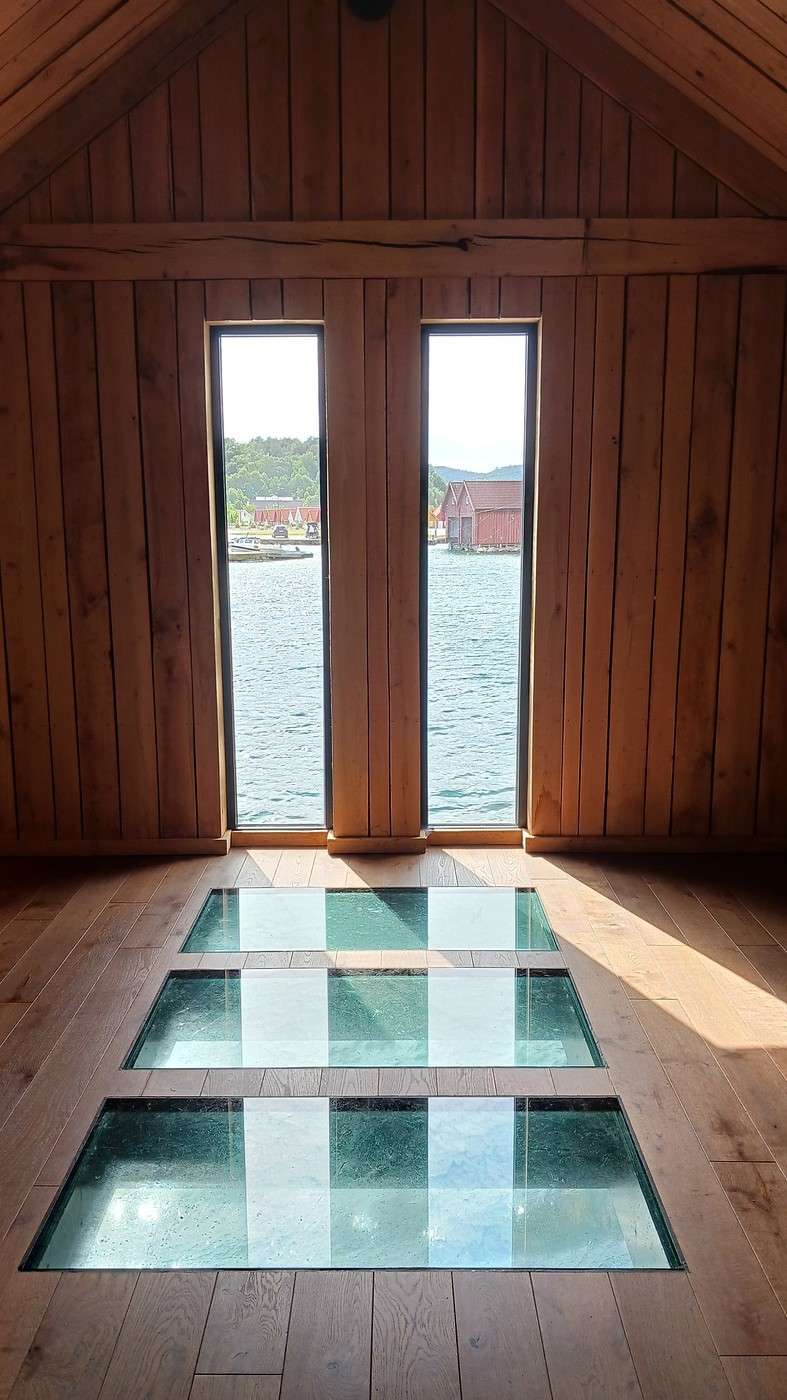
...but inside,


WOW! I’m so happy.


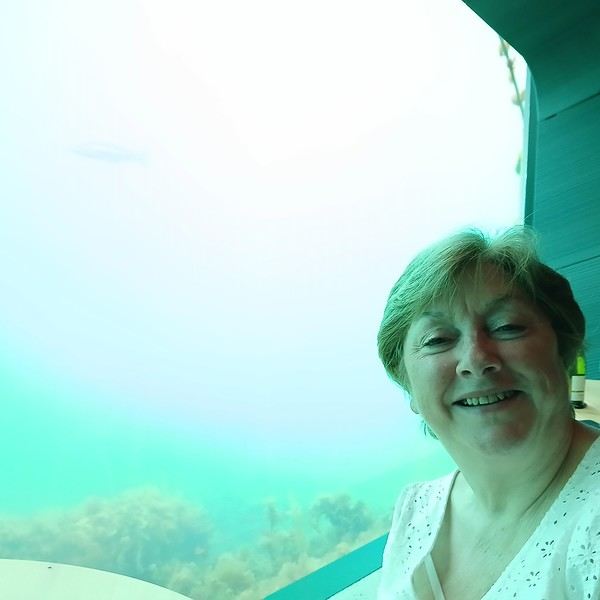
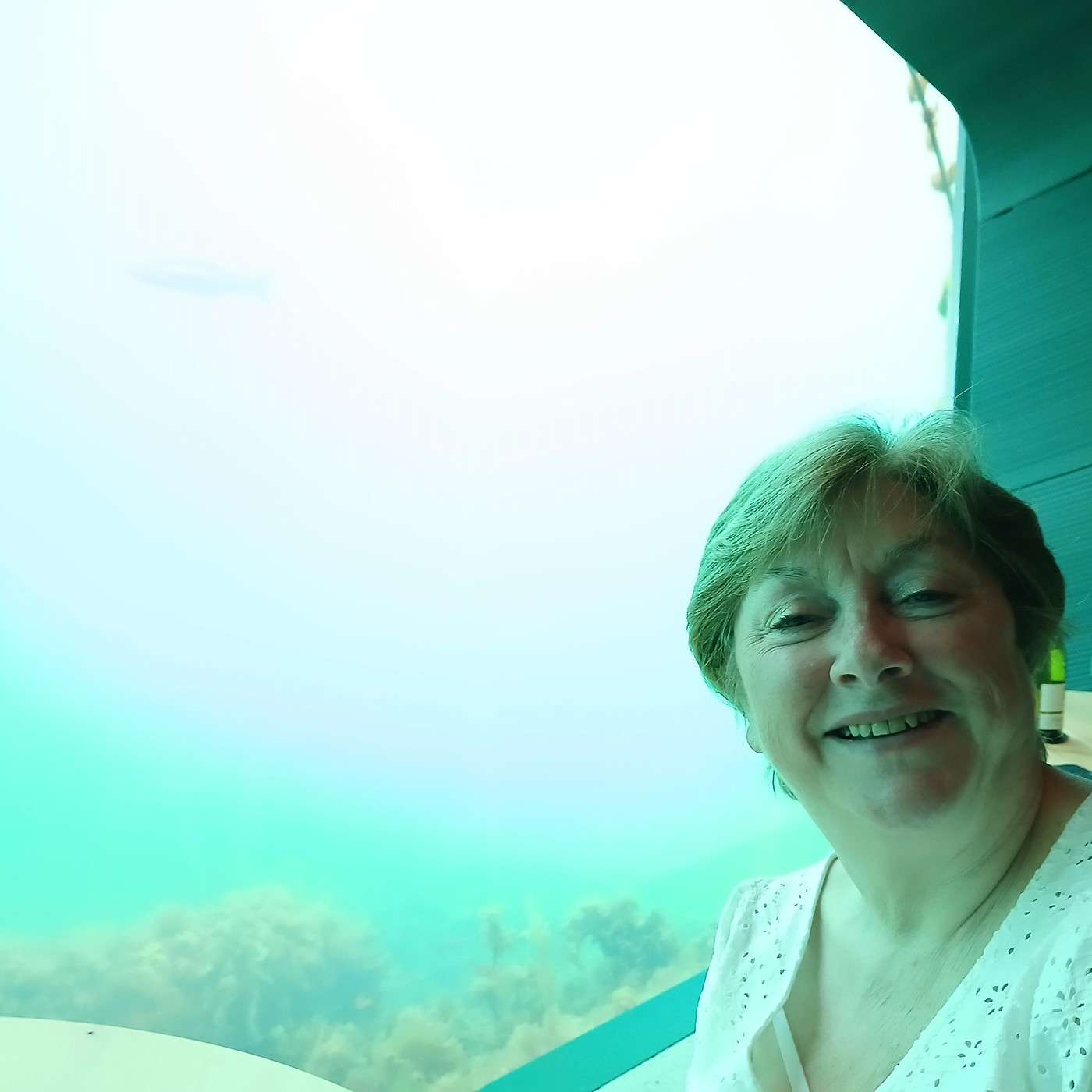
Here’s the long-awaited moment. The welcome is super professional. You feel like you’re the only guests. They seat us right in front of the water! It’s magical! And I won’t even get started on the parade of dishes and desserts—all so refined and special—with hyper-attentive service. My partner hesitates to get up to go to the bathroom because, as we can see, whenever a guest stands up, a staff member accompanies them! We laugh about it, but when it’s our turn... we have to pinch ourselves to keep from laughing!


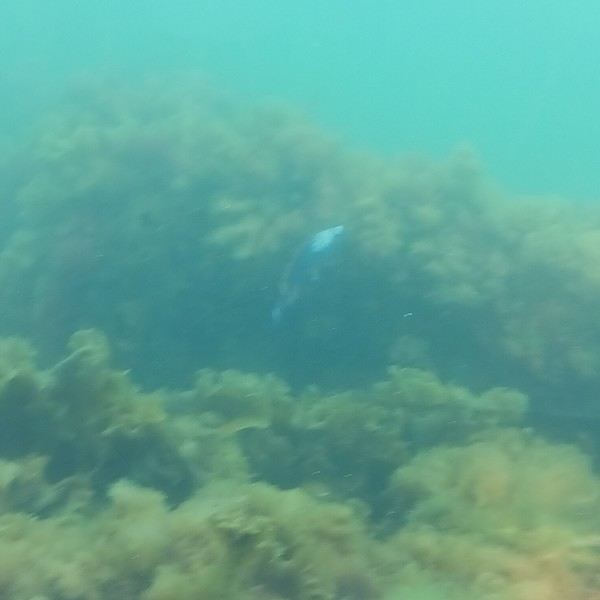
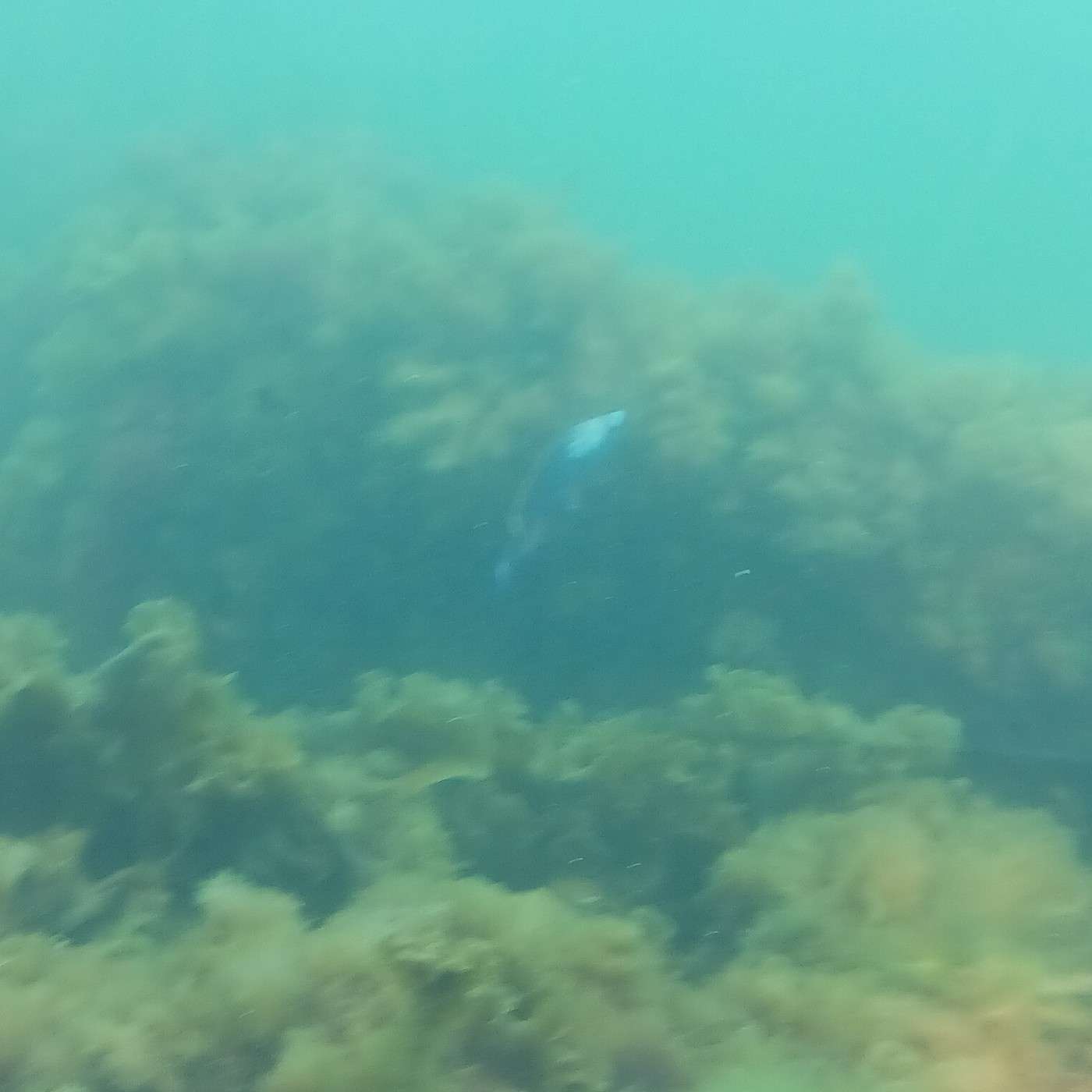
I didn’t dare take photos of the dishes—I figured in this temple of cuisine and the ocean, it wouldn’t be appropriate. I preferred to soak it all in... the depths... watching the fish dance... In short, we spent an exceptional evening in an exceptional place. Given the quality of... everything, we felt it was worth the price! No regrets, just satisfaction. A unique experience that lived up to all its promises. 🙂

Kattegat Tour and Norway's Great Fjords - 32 Days (Denmark - Sweden - Norway)

Ellobo · 2025-08-16 · Message 46 of 58

I really liked Stavanger too! Always nice to follow this travel journal. See you,

Kattegat Tour and Norway's Great Fjords - 32 Days (Denmark - Sweden - Norway)

Cendryon · 2025-08-16 · Message 47 of 58

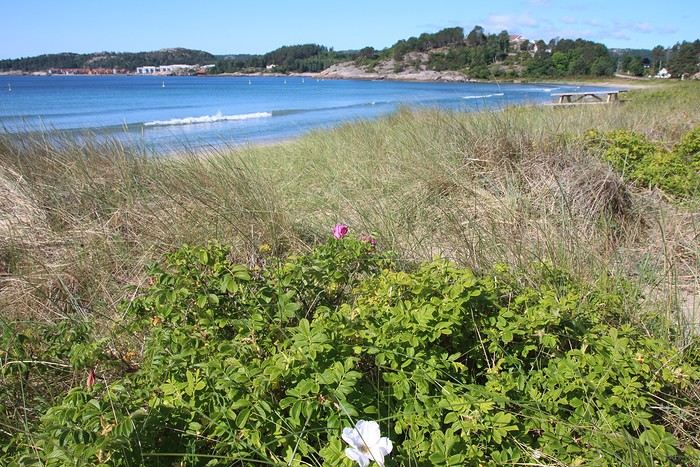
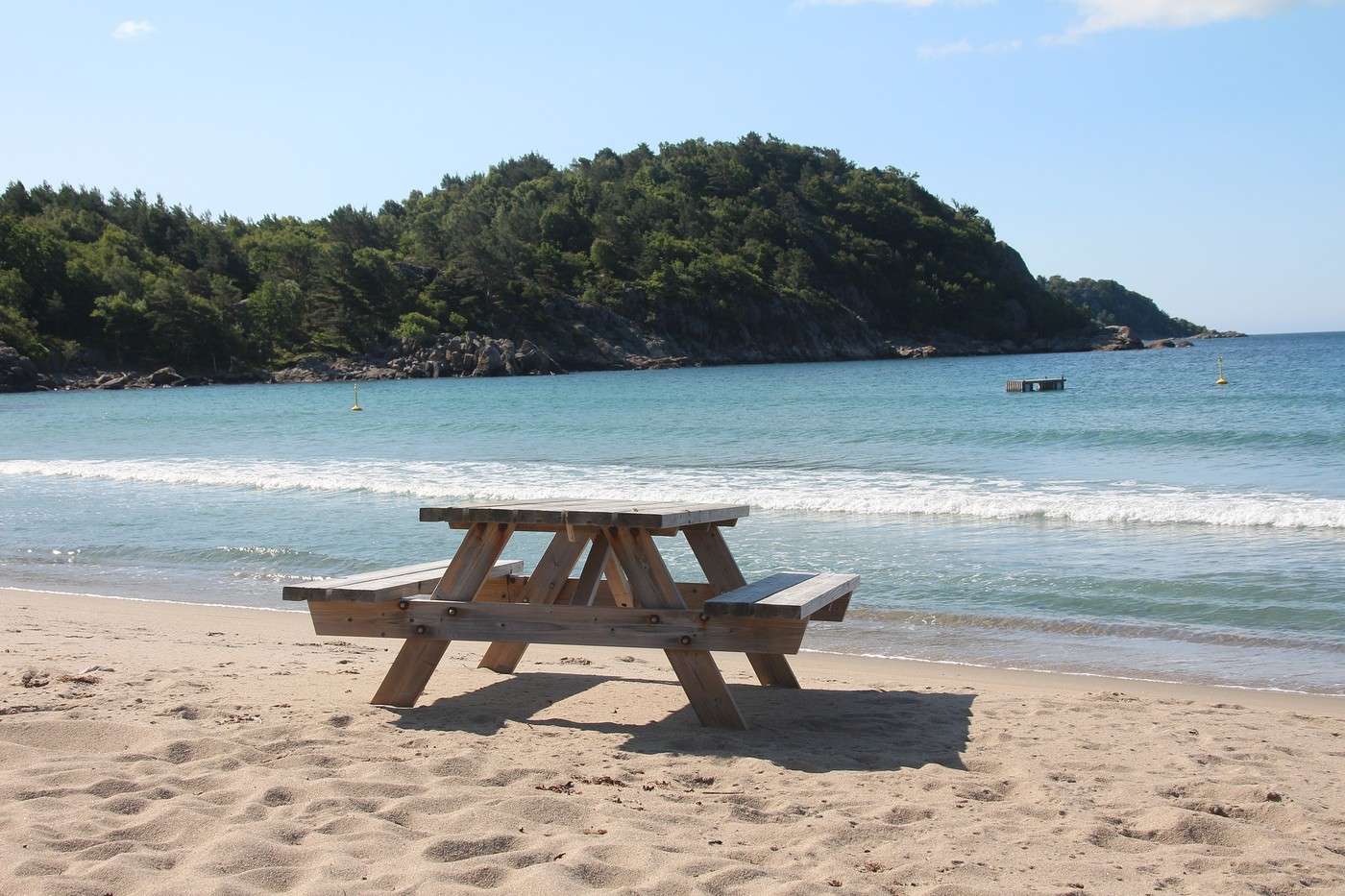
Day 25 – Wednesday, June 25 – Return to Denmark Another transition day as we leave Norway for Denmark today. But before that, since we’re a bit early for the ferry, we stop to enjoy the sun one last time—it’s been playing hide-and-seek with us quite a bit in this country.


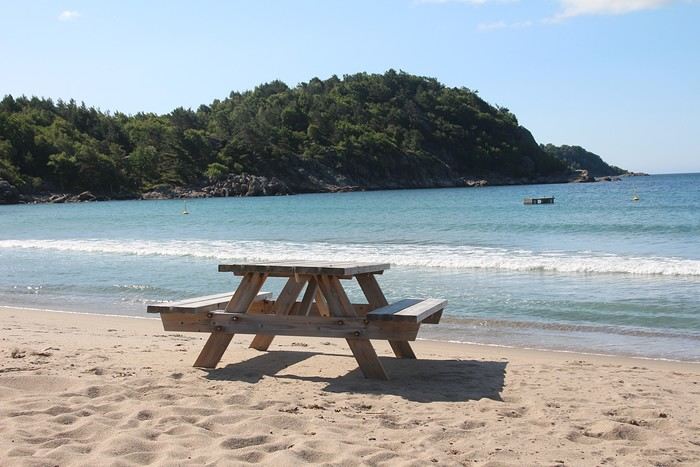
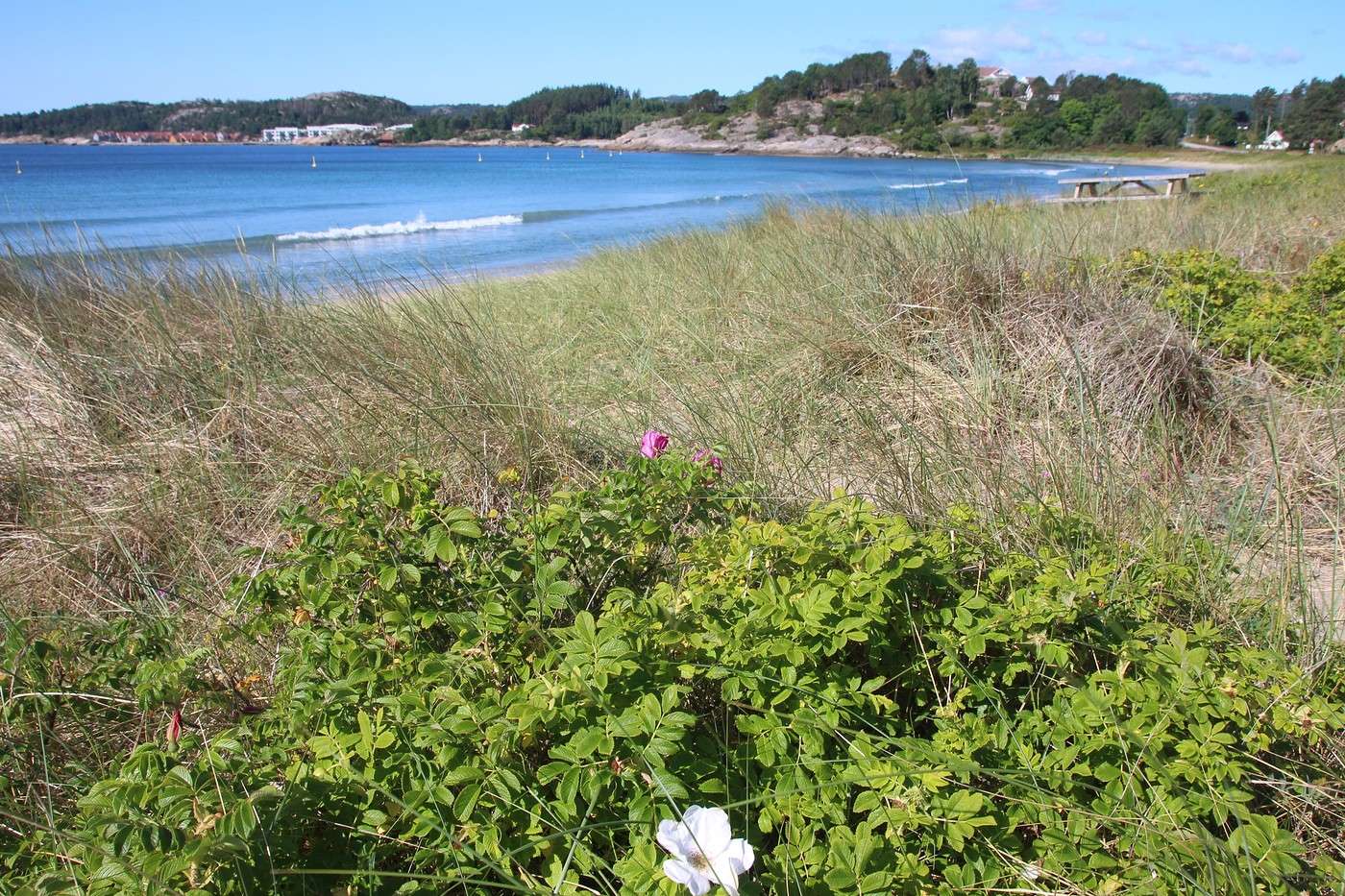
It looks like a beautiful beach in southern Europe, but it’s actually a beautiful beach in southern… Norway. The water is crystal clear… though not very warm. The beach is well-maintained, and there’s no one around. As we leave, we see a few families arriving—they’re already in their swimsuits!


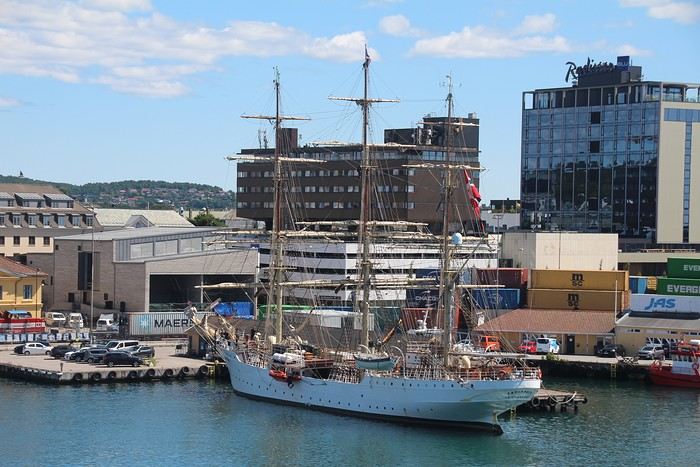
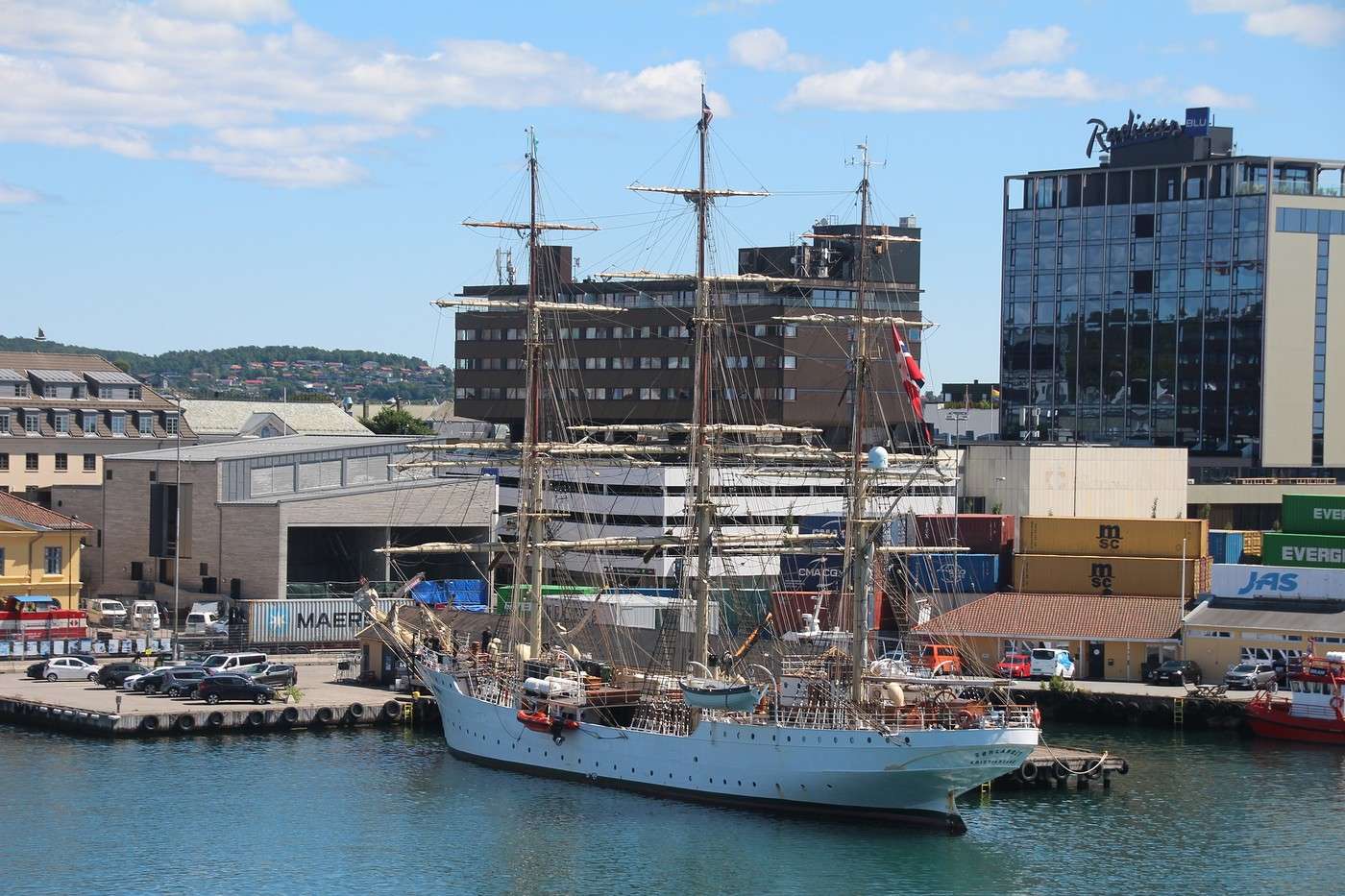
Now heading to Kristiansand, where I booked the FJORD LINE ferry for the crossing to Denmark—it’s the safer option. Boarding is quick, and everything is well organized. We leave the port of Kristiansand, where a beautiful three-masted ship, the Sørlandet, is docked. This vessel currently hosts merchant marine trainees from all over the world for educational voyages across the North Atlantic and the North Sea. It also occasionally welcomes cadets from the Royal Norwegian Navy.


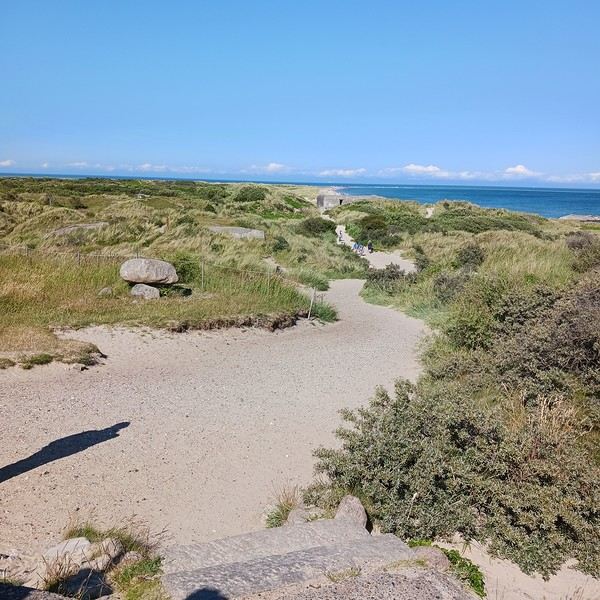
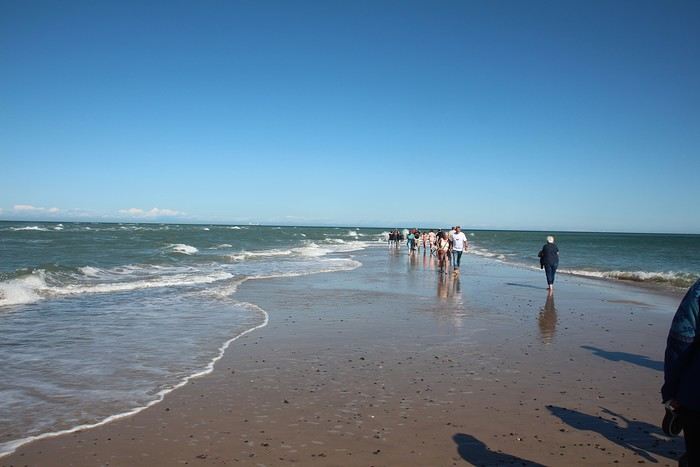
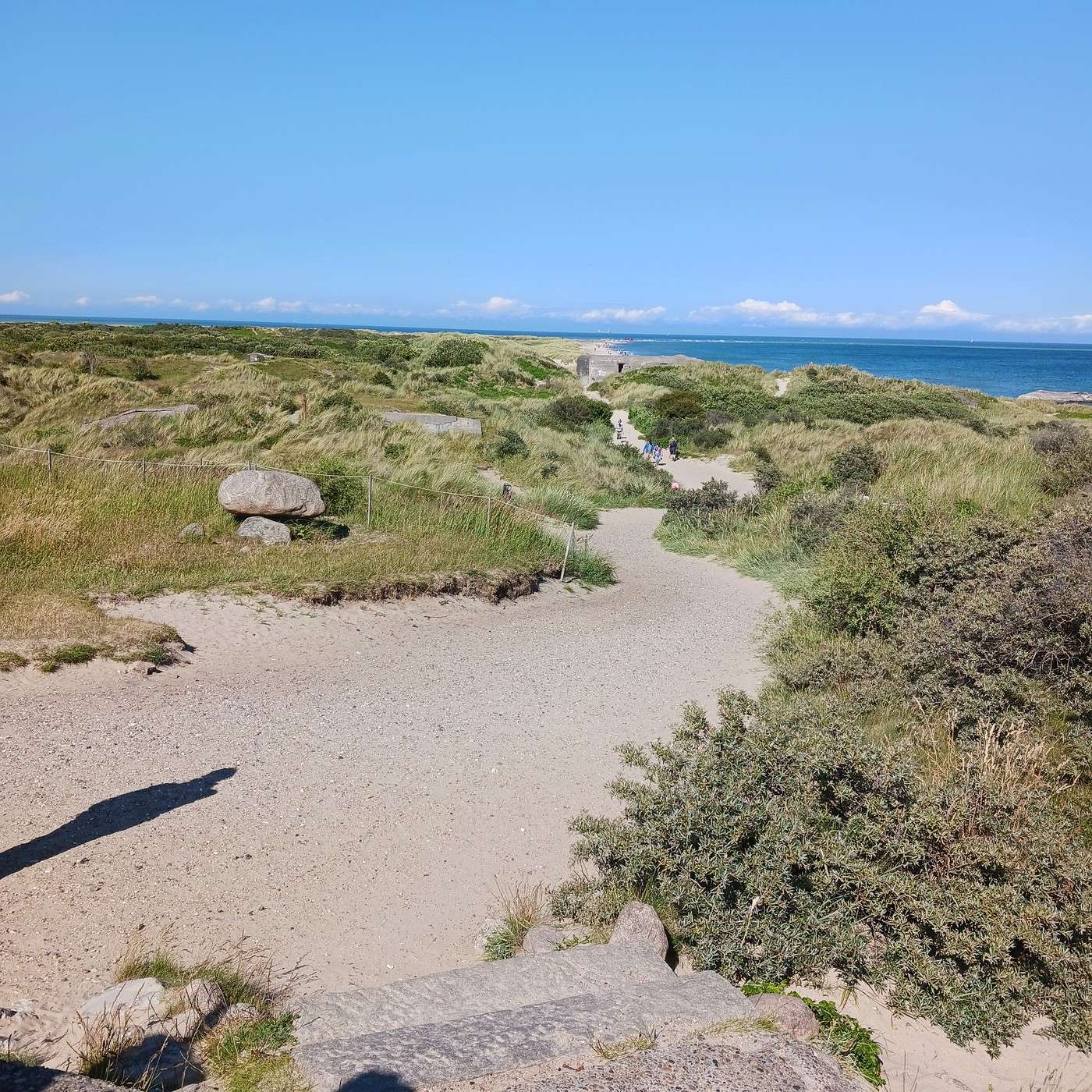
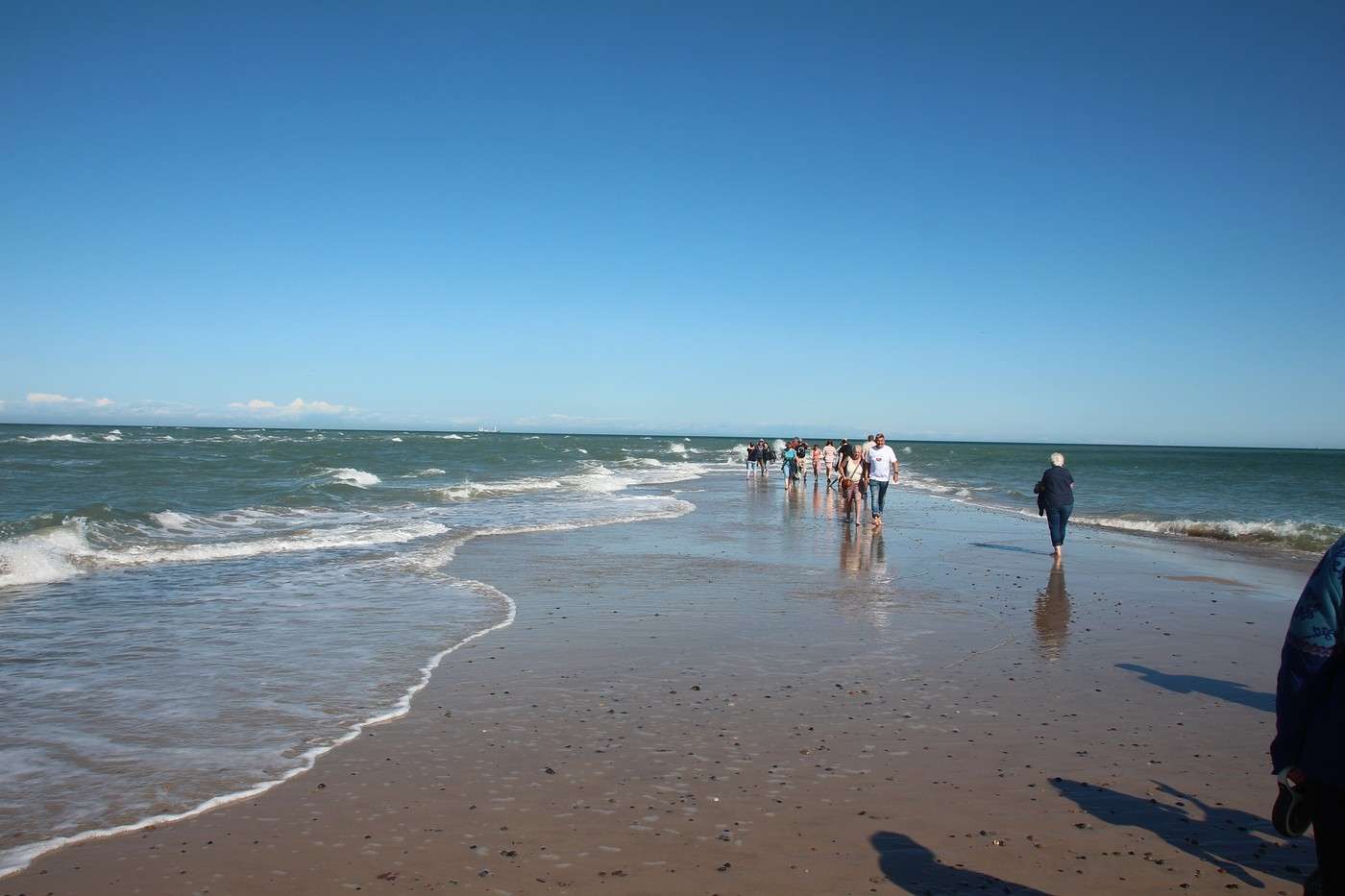
For the crossing, I chose the fast catamaran, which is smaller than the other boats. It makes the trip from KRISTIANSAND to HIRTSHALS in just 2 hours and 25 minutes. I also thought that with a catamaran, there’d be less rocking, since I’m very prone to seasickness. Big mistake! Despite a blue sky and what looked like a calm sea, the boat was moving quite a bit, and I forgot to take a "mercalm" pill. So, I settle into the cafeteria in the center of the boat and try to sleep… Well, that’s over! Time to disembark. This time, we’re in northern Jutland, and I’ve always dreamed of visiting SKAGEN, the northernmost town in Denmark. After a short drive through the green Danish countryside, we head straight to GRENEN, a hamlet north of the village of Skagen. It’s at Grenen that the Skagerrak and Kattegat straits meet. In other words, it’s the only place in the world where you can have one foot in the Baltic Sea and the other in the North Sea! This fascinating sight captivates both young and old: the two bodies of water meet but never mix. By late afternoon, there are quite a few people around. We climb the dune, just long enough to see that the tip of the country—a strip of sand where everyone seems to want to go—isn’t exactly within walking distance.


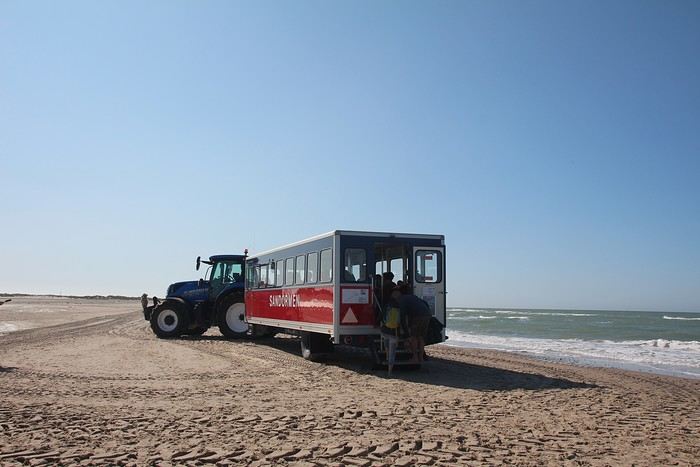
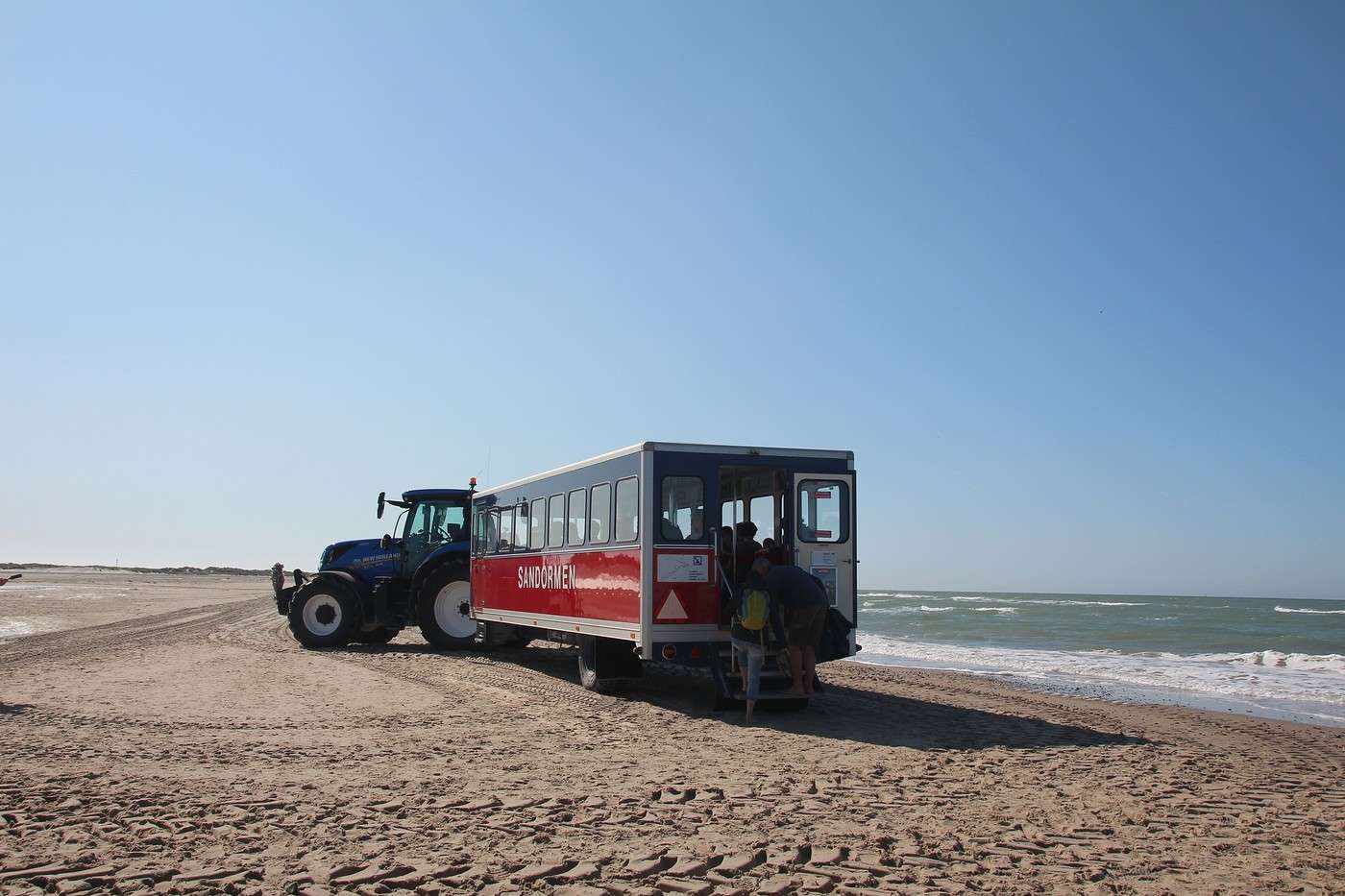
At that moment, we spot the local "public transport"—a tractor with a tourist trailer getting ready to make its last trip of the day to "the very tip." Since we’re not too early, we buy our tickets from the machine and hop on board…


Okay, to get to the very tip, you’d have to get your feet wet, and since we’re not really up for that just for a photo, we’ll stay put, soaking up the sun, cool!


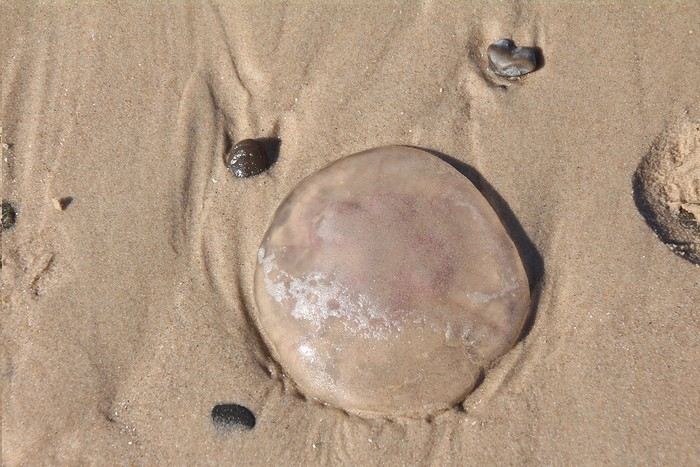
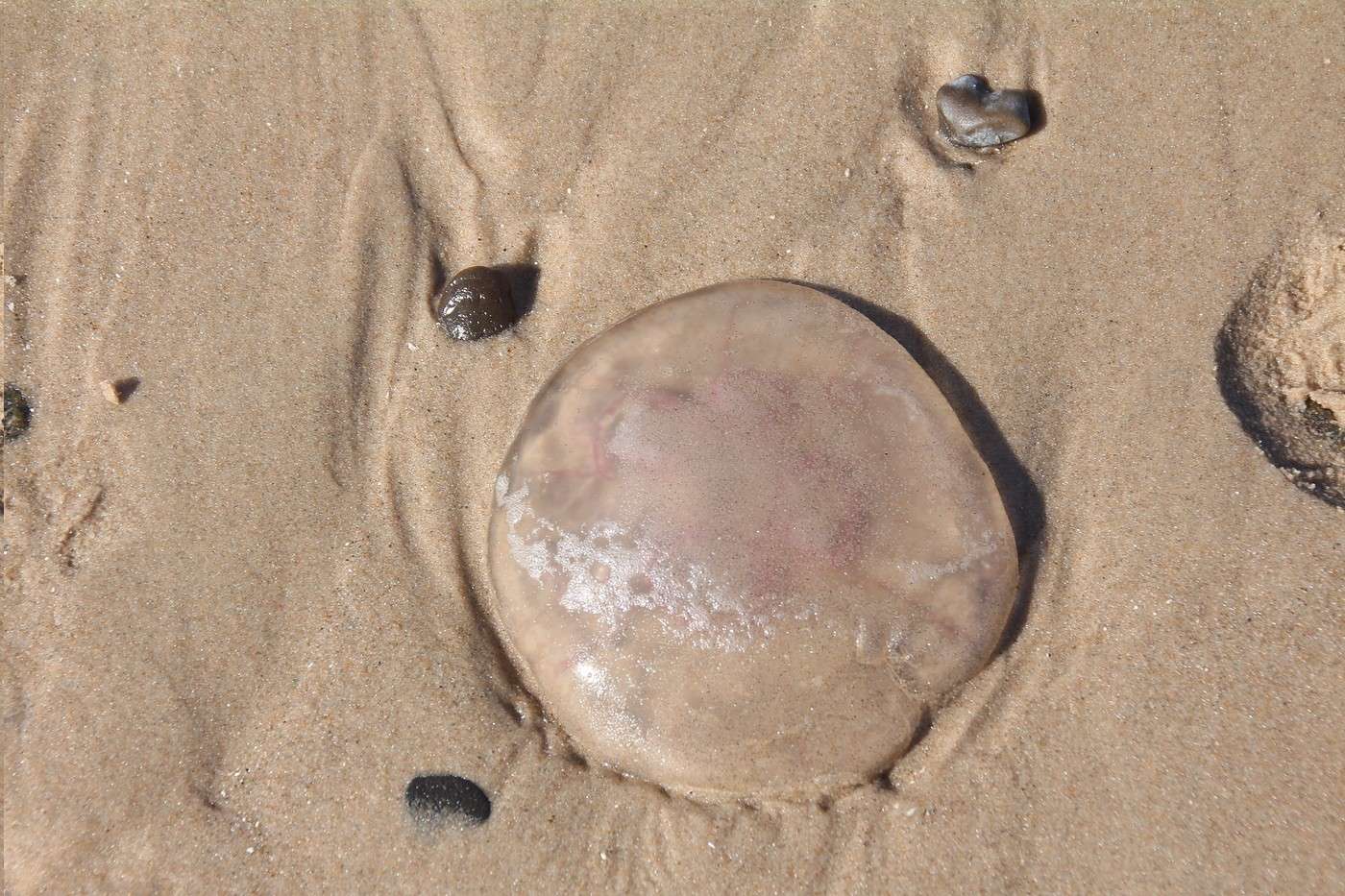
Plus, there are quite a few jellyfish!


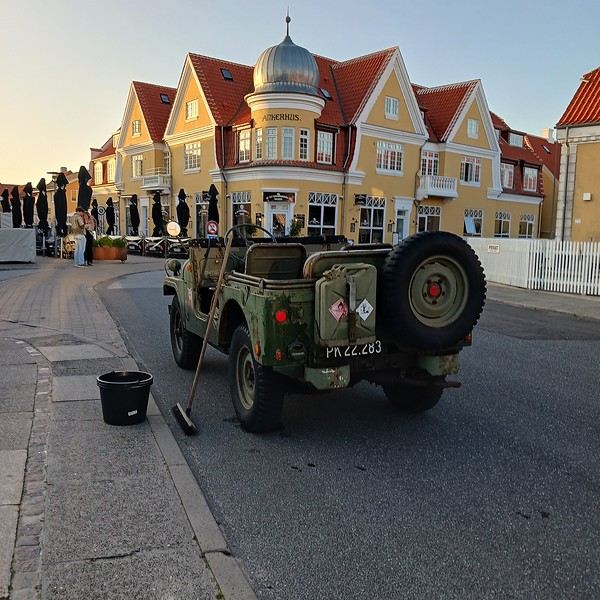
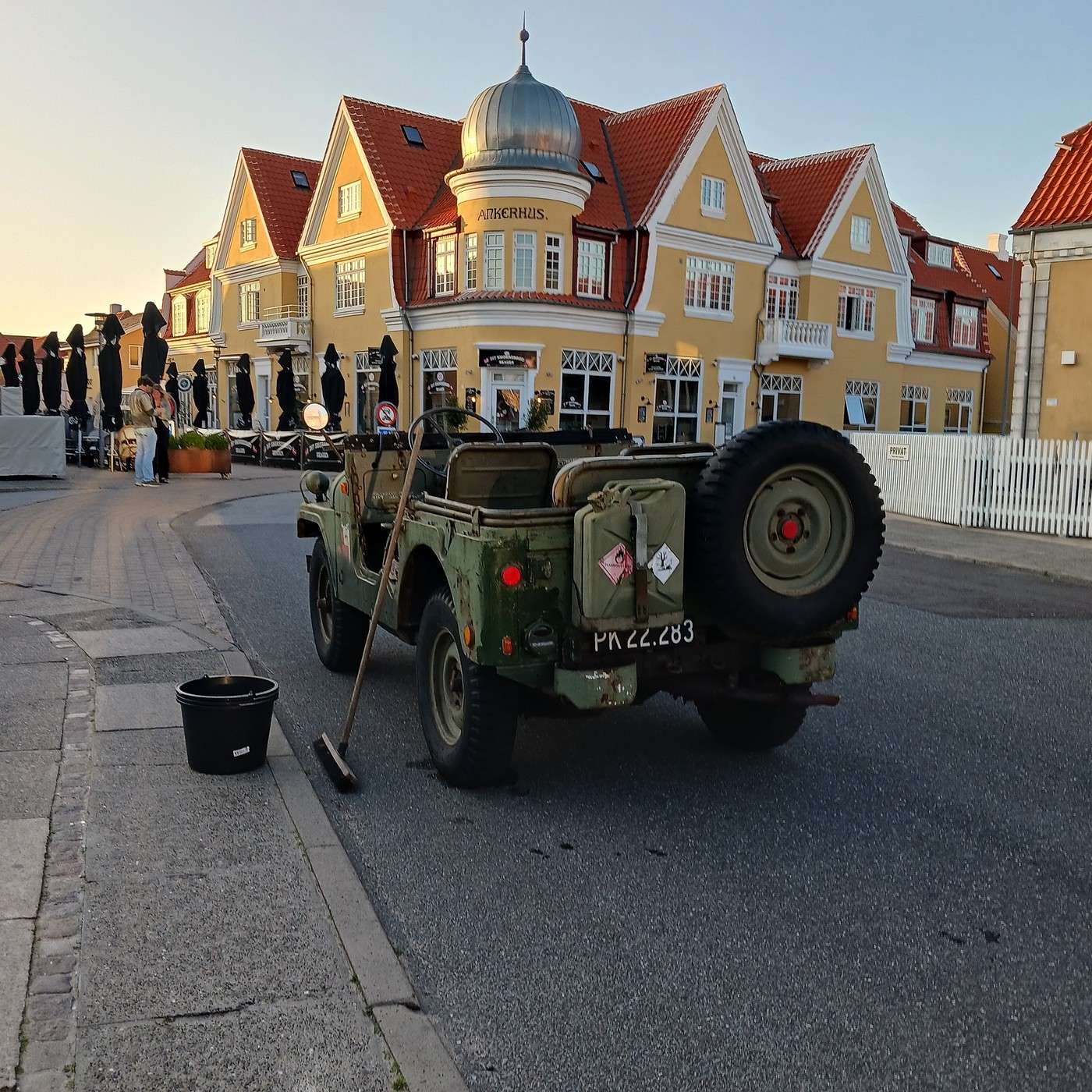
Now heading to the center of Skagen. Goodbye to all-white Norwegian houses, hello to all-yellow Danish houses!


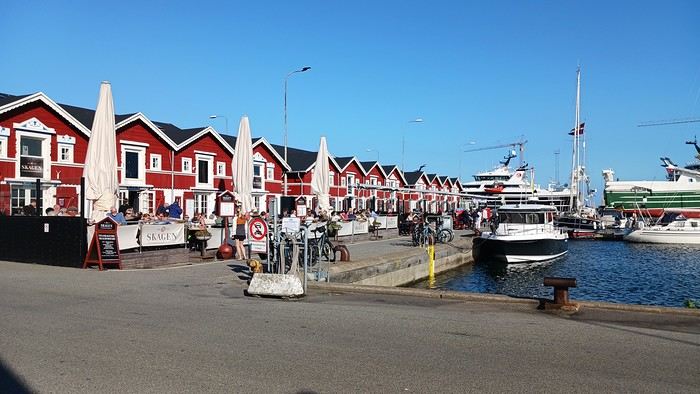
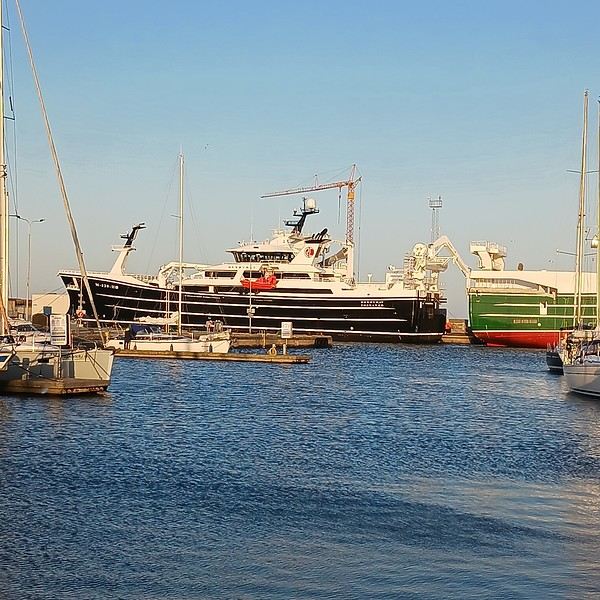
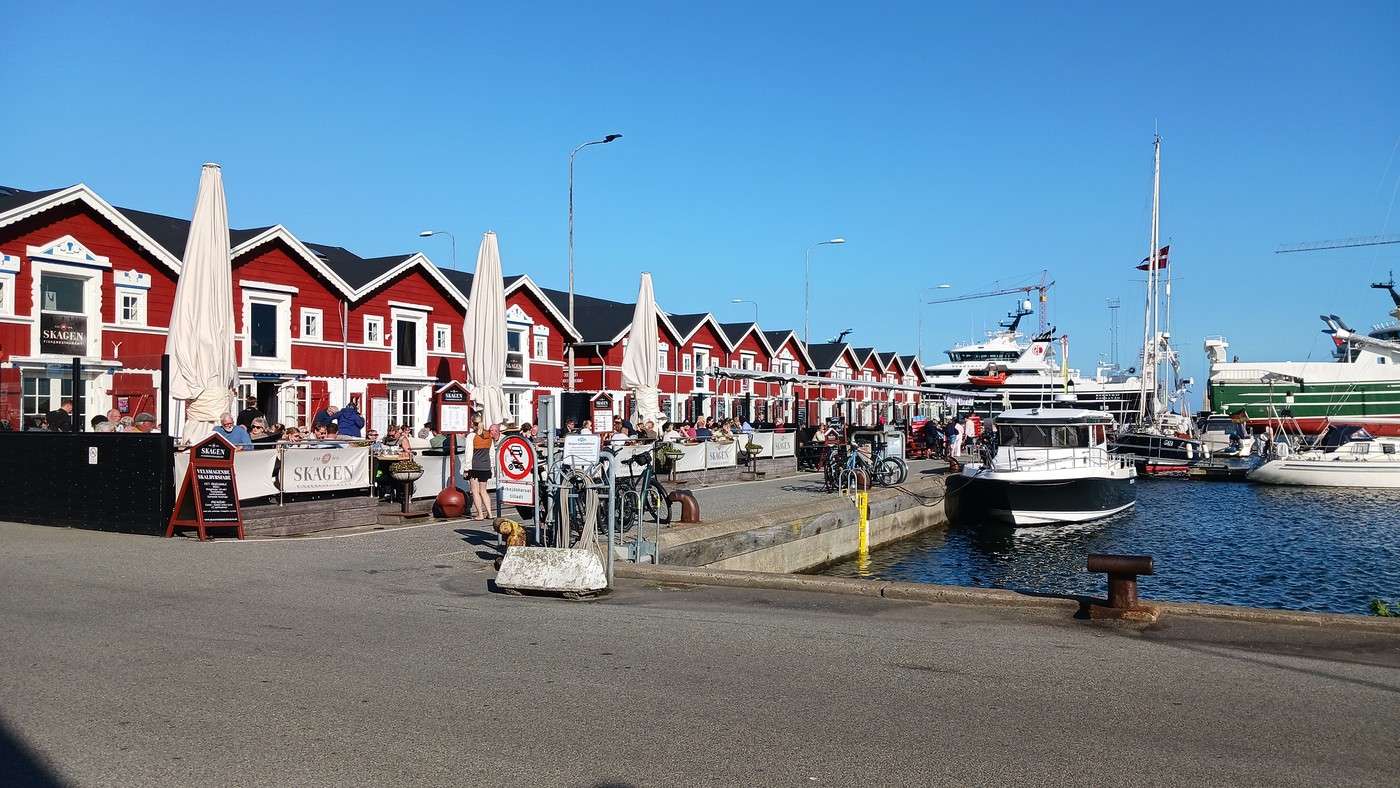
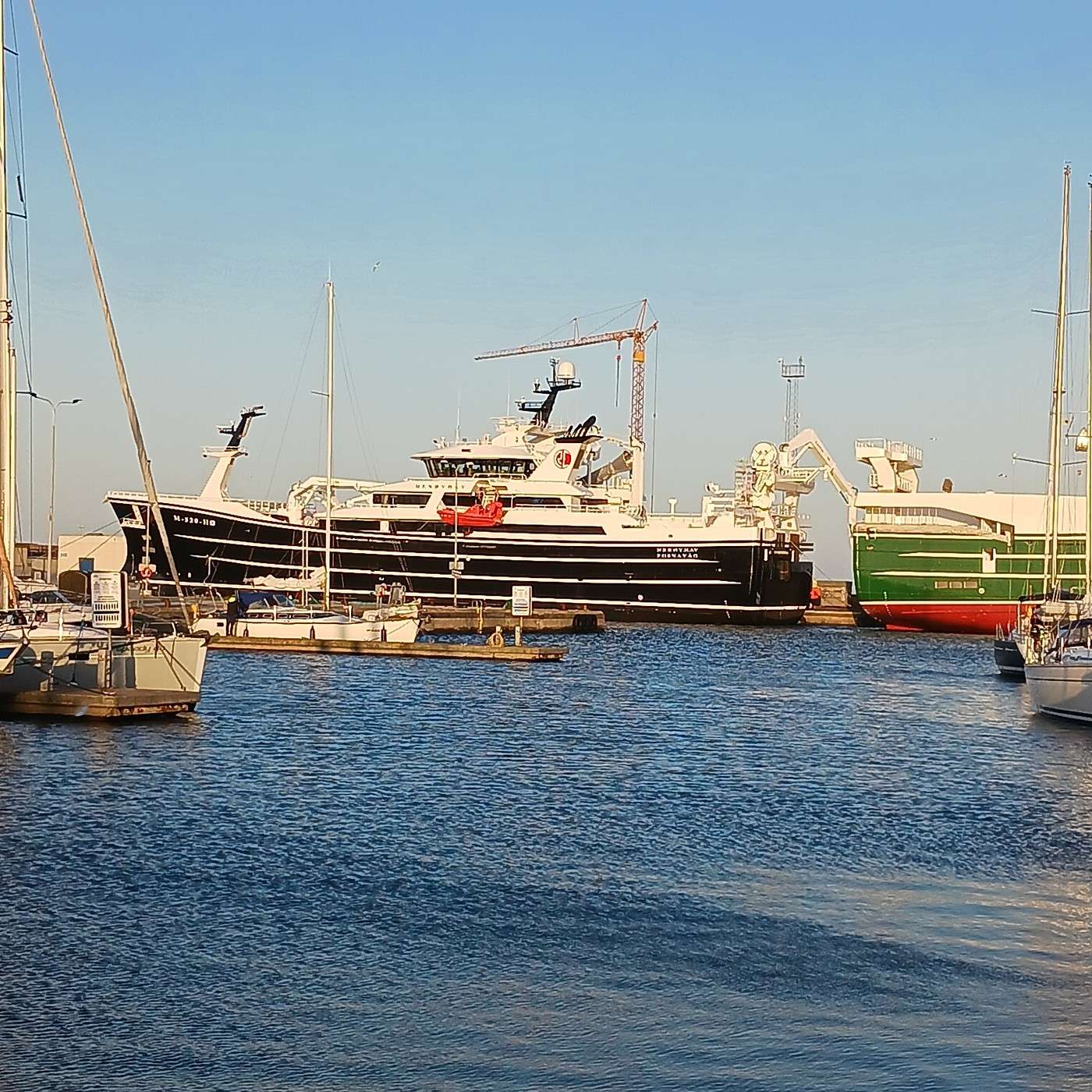
The Skagen Hotel, at the end of June, looks a bit like—without being pejorative—a retirement home where regulars gather to play cards! Watch out for walkers! "Skagen began as a fishing village in the Middle Ages and was particularly famous for its herring. Thanks to its unique location, offering breathtaking views of the meeting point between the Baltic Sea and the North Sea, the town quickly attracted the attention of many painters, including the Skagensmalerne, a group of Scandinavian artists from the late 19th century. Influenced by French Impressionists, these painters worked primarily outdoors, taking advantage of the region’s stunning natural landscape." Alright, we check in and hurry up a bit. Why, you ask? As I mentioned earlier in my story, Scandinavians eat early, so restaurants close early—and we’re hungry! Here, there are quite a few super touristy restaurants with prohibitive prices, so it’s best to be careful. Most are located on the main pedestrian street or by the harbor. After a quick look at Tripadvisor, we steer clear of those busy streets and head to Restaurant K, an establishment offering a great menu that’s a bit out of the ordinary, with impeccable service. A short digestive walk along the harbor leaves us impressed by the size of the trawlers.


"The port of Skagen is Denmark’s largest fishing port, both in terms of volume and value. In recent years, over 1 billion Danish kroner worth of fish have been landed here. In terms of value, the port of Skagen ranks among the top 10 fishing ports in Northern Europe.
Most of the port’s landings are destined for consumption and the pelagic industry. Over 125,000 tonnes of fishmeal and fish oil are exported to more than 60 countries. Pelagic catches consist mainly of herring and mackerel, with herring accounting for over 100,000 tonnes per year. This makes the port of Skagen the most important herring landing port in Northern Europe."

Kattegat Tour and Norway's Great Fjords - 32 Days (Denmark - Sweden - Norway)

Bluequark · 2025-08-18 · Message 48 of 58

Thanks so much for this travel journal with great photos and loads of interesting info!

Kattegat Tour and Great Norwegian Fjords - 32 Days (Denmark - Sweden - Norway)

Cendryon · 2025-08-30 · Message 49 of 58

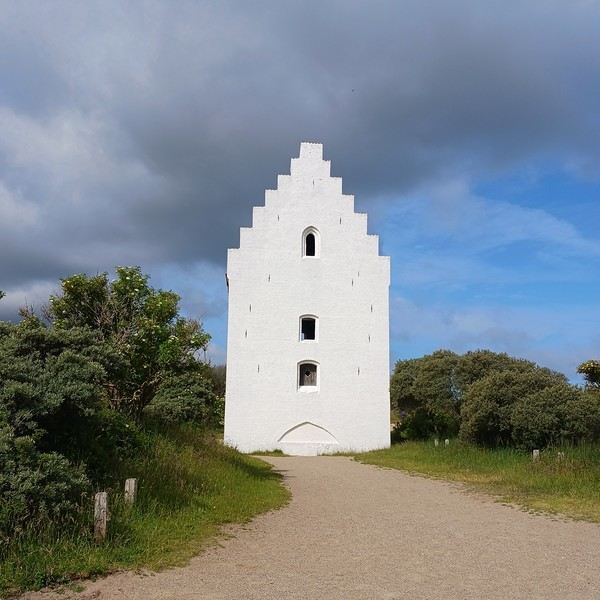
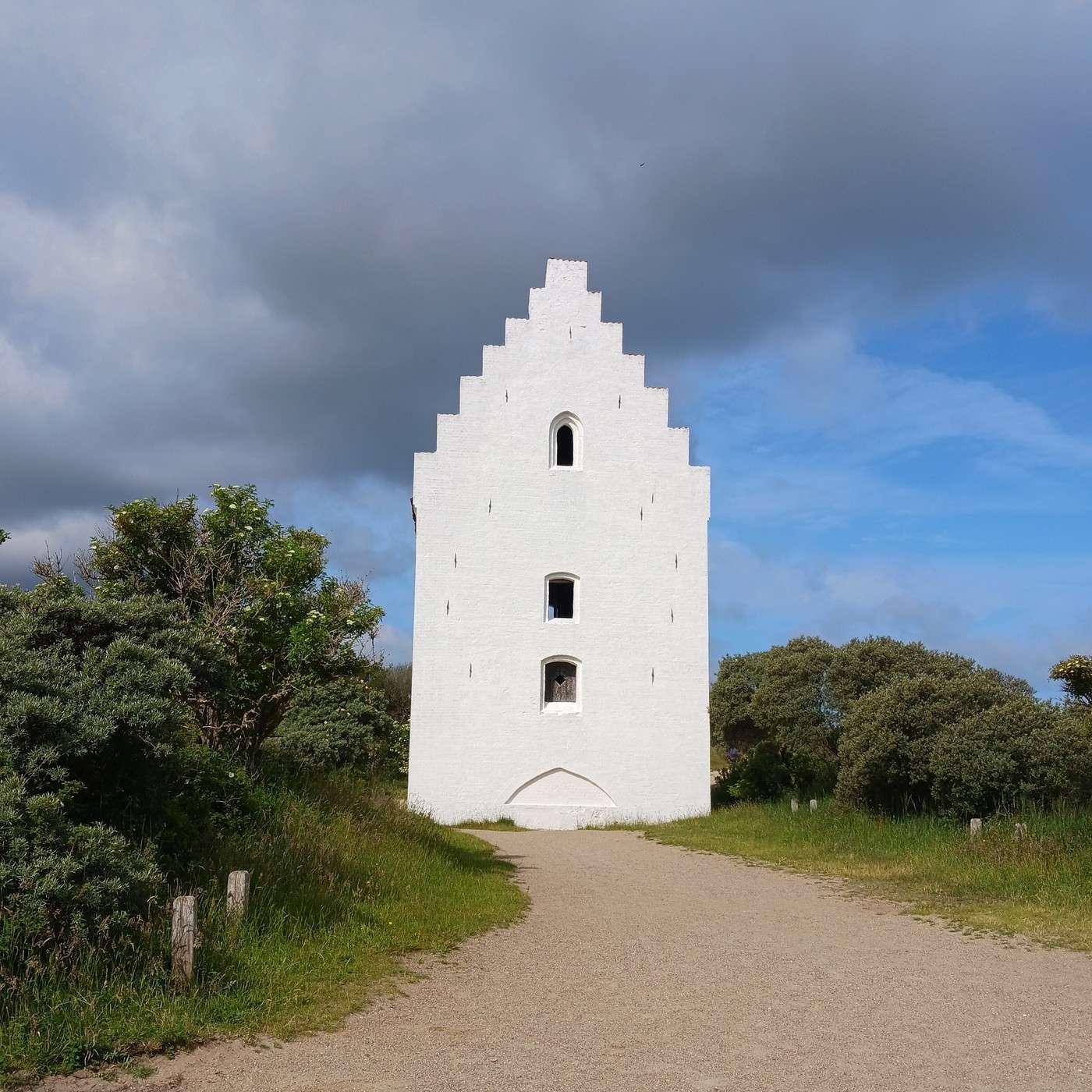
Day 26 – Thursday, June 26 – Aarhus We leave Skagen and its yellow houses to explore the nearby sights. First up is the buried church of Skagen: The buried church of Skagen is an old church where only the bell tower still stands, emerging from the dunes. The whiteness of the walls, just lit by a ray of sunshine against a backdrop of gray clouds, offers a lovely contrast.


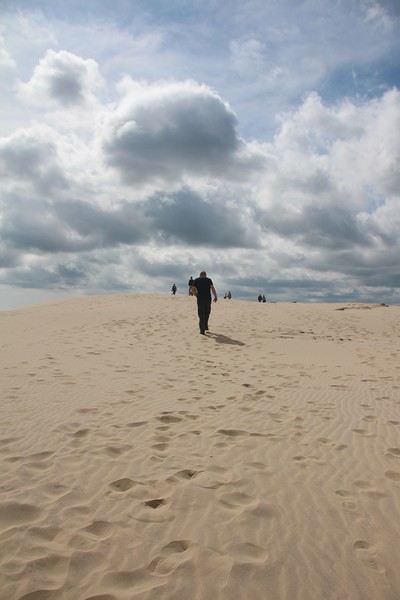
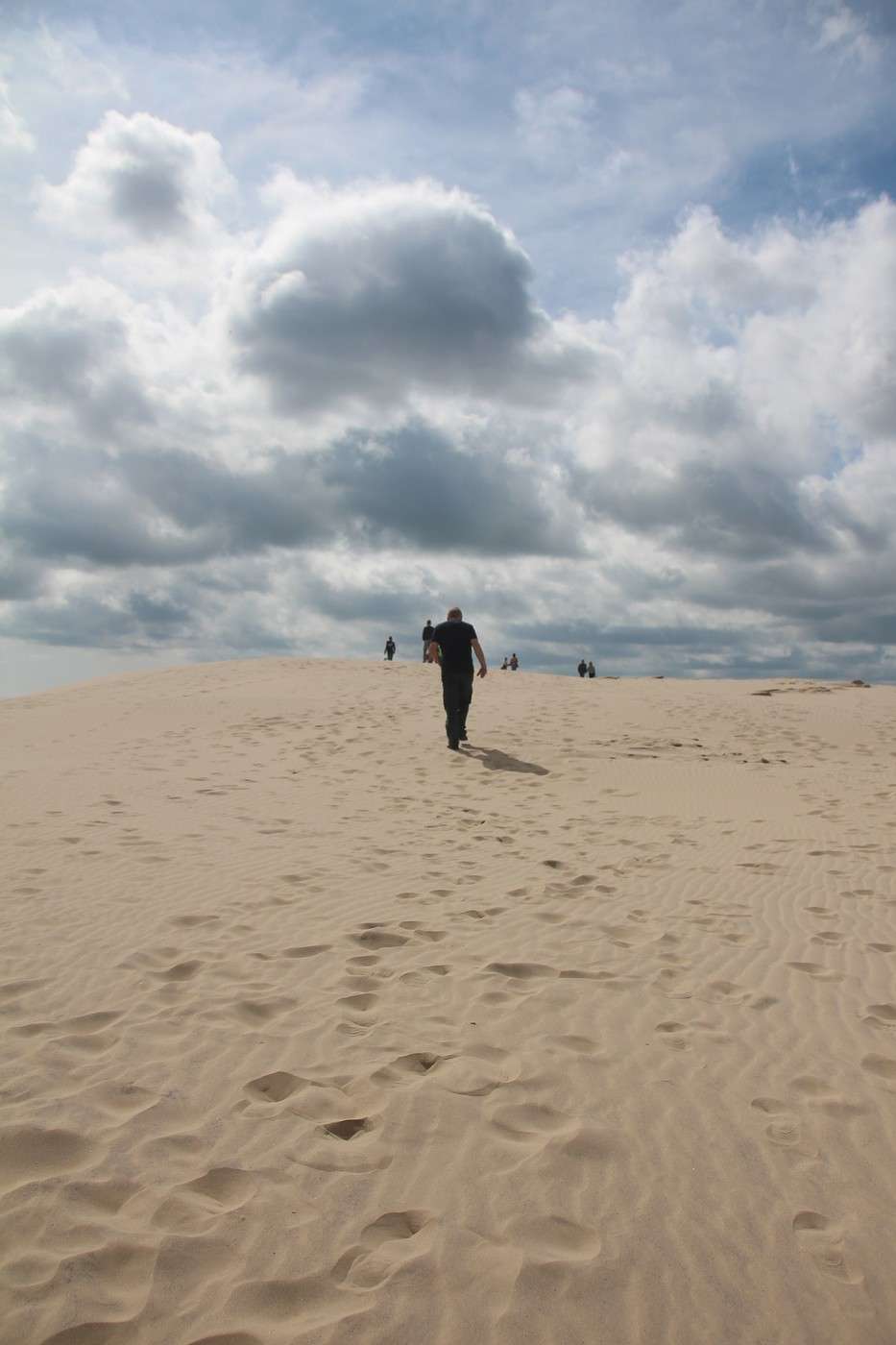
A few kilometers further on, we find Råbjerg Mile, a sea of sand—a shifting coastal dune. It’s the largest moving dune in Northern Europe, covering 1 km² with a maximum height of 40 m. The dune consists of 4,000,000 m³ of sand. The wind moves it up to 18 m per year toward the northeast. The dune leaves behind a thin, damp layer of sand, a trail stretching westward toward Skagerrak, where the dune formed three hundred years ago.


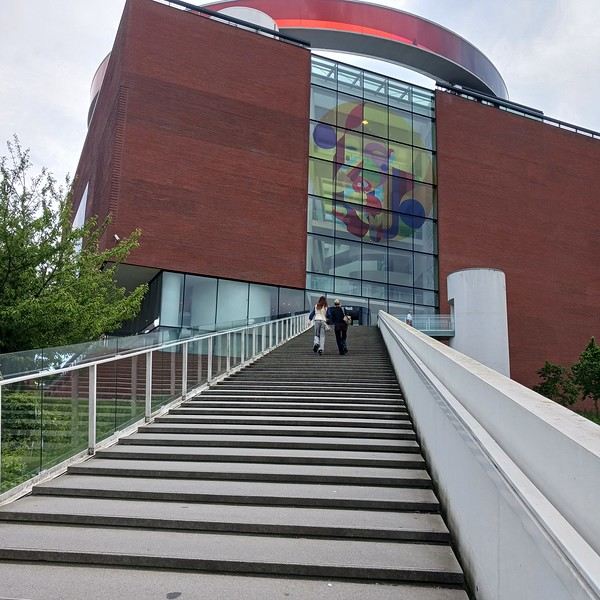
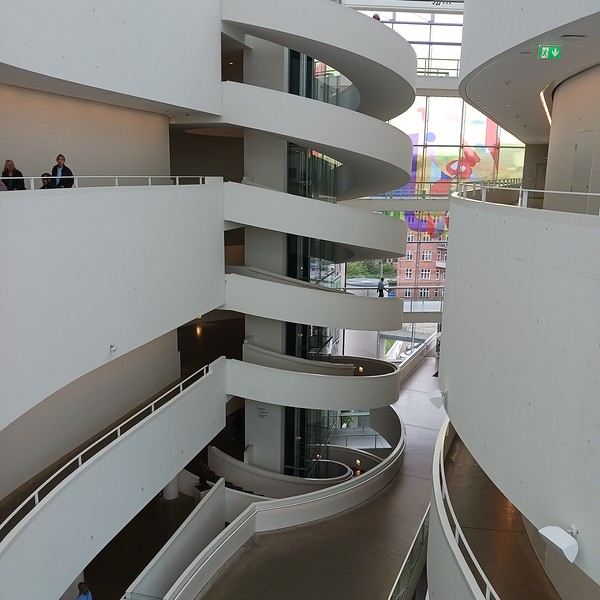
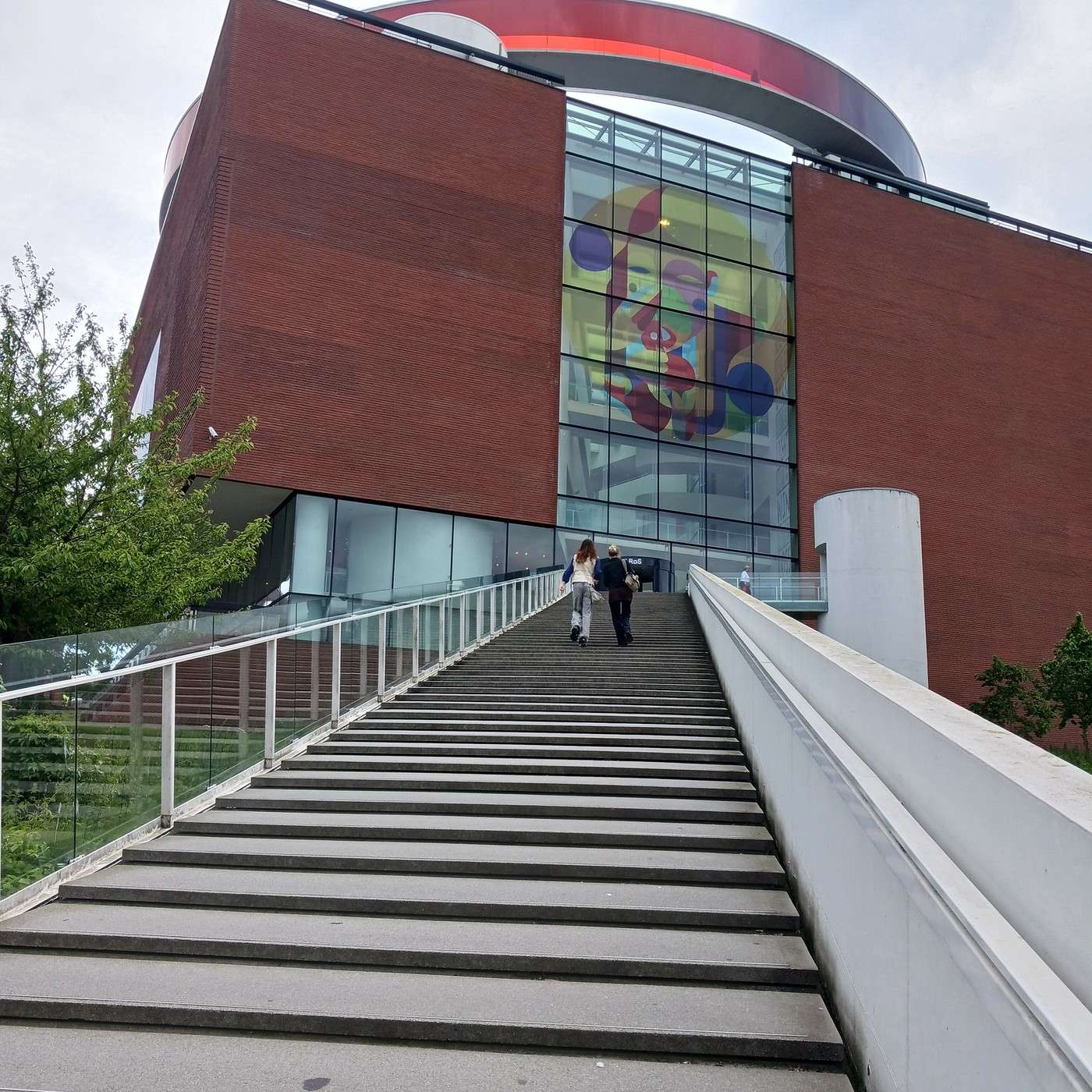
We then head toward AARHUS, Denmark’s second-largest city, located 213 km from where we are. We arrive in Aarhus and specifically at the ARoS Museum around 12:30 p.m., which is the perfect time to grab a quick lunch at the museum café.


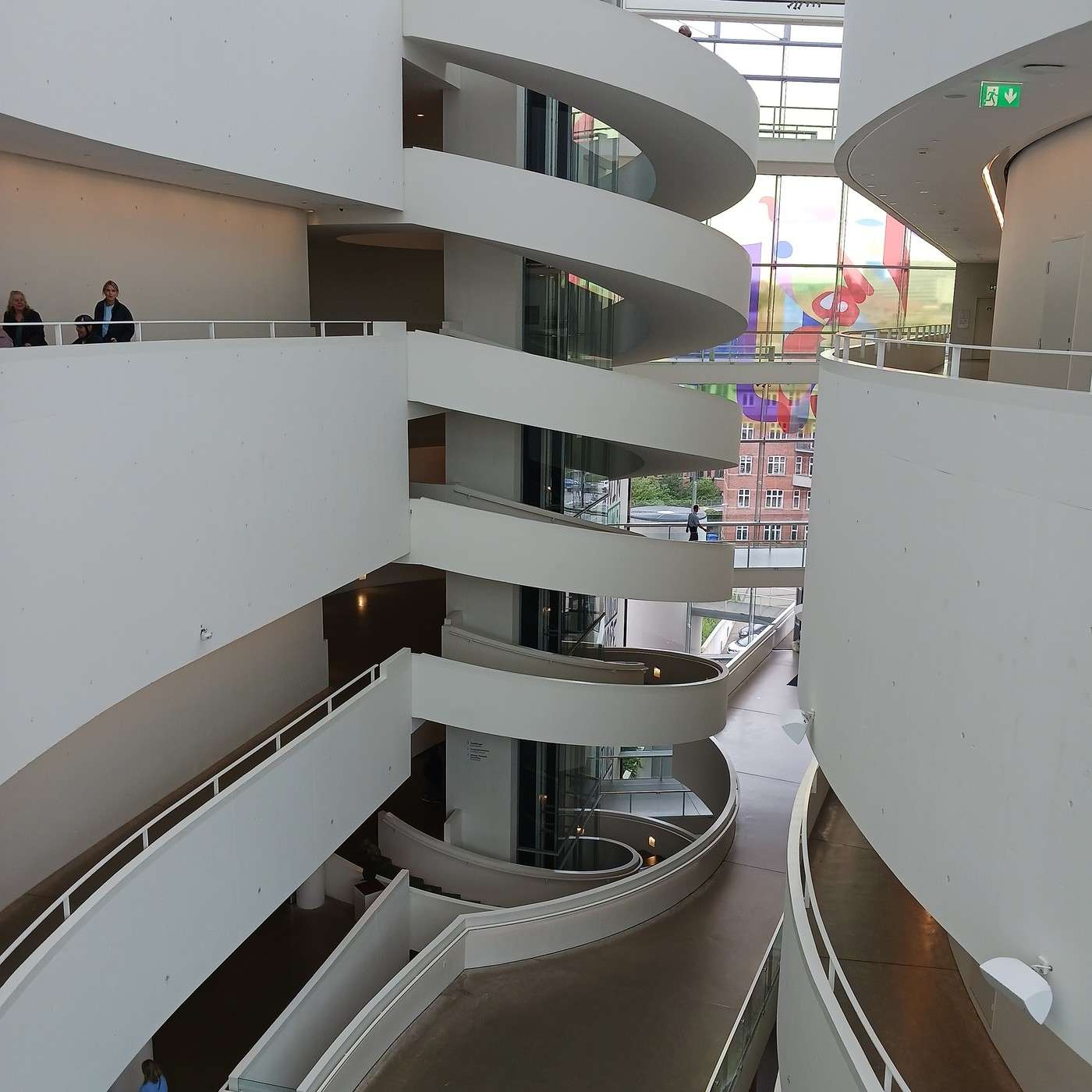
It’s actually the only museum café that really disappointed us during this trip. Let’s be clear: there’s little choice. The salads are expensive, not very filling, and not very good. On the other hand, the architecture of this building is remarkable...


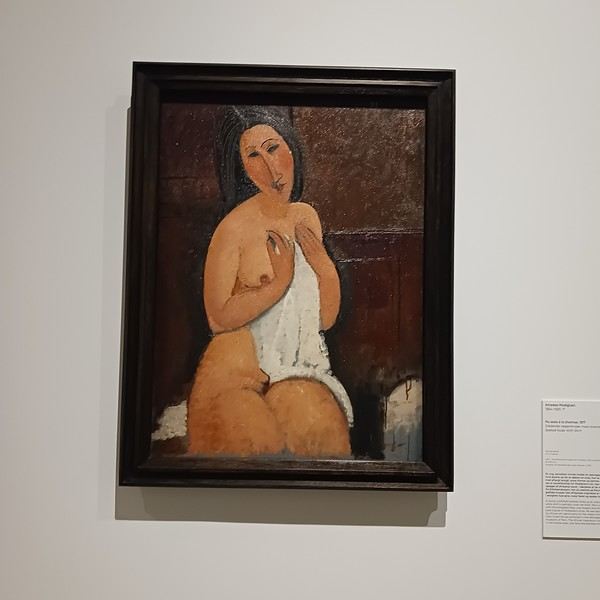
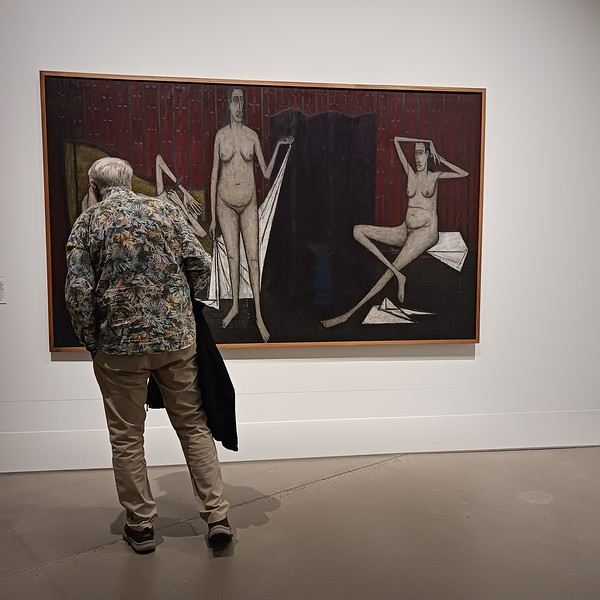
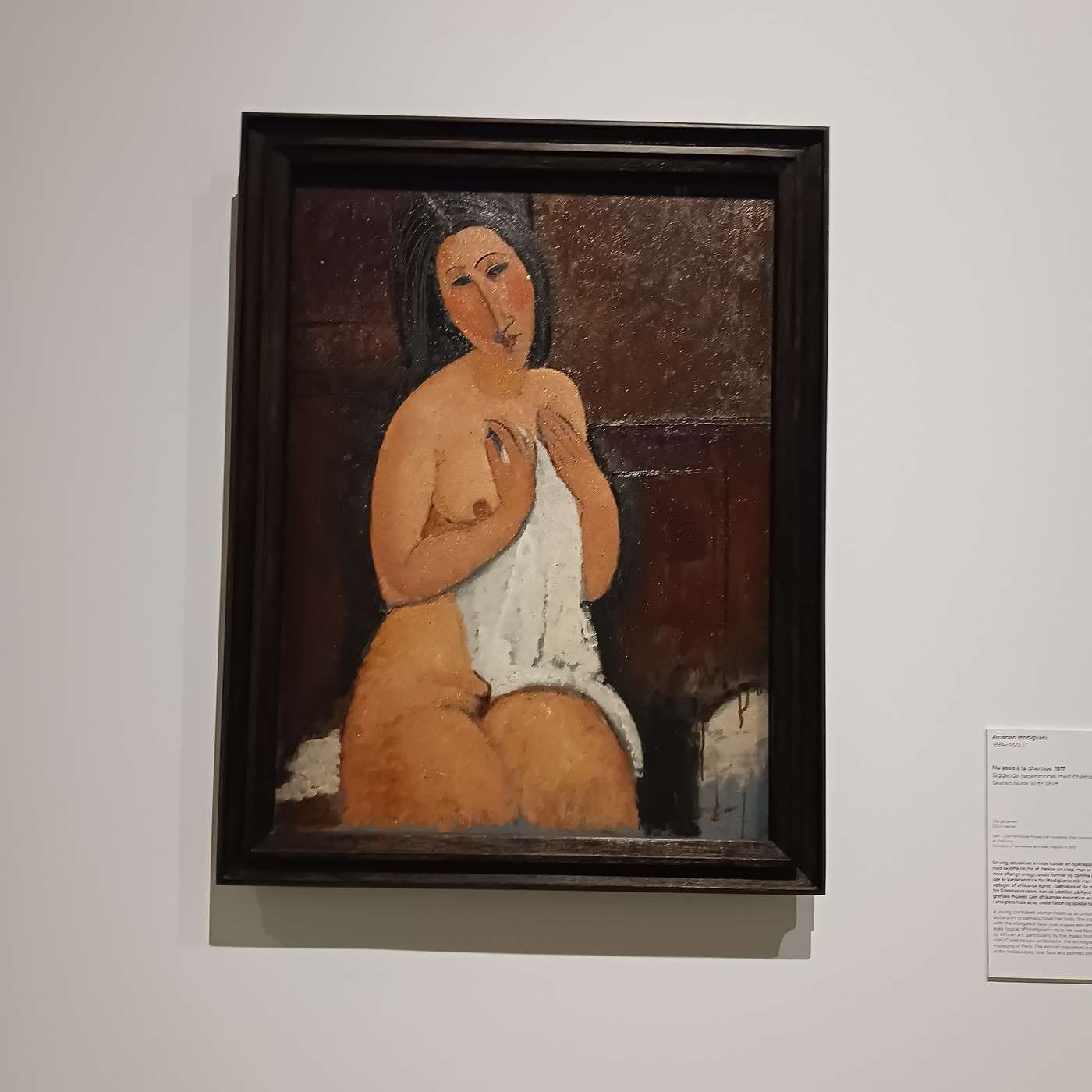
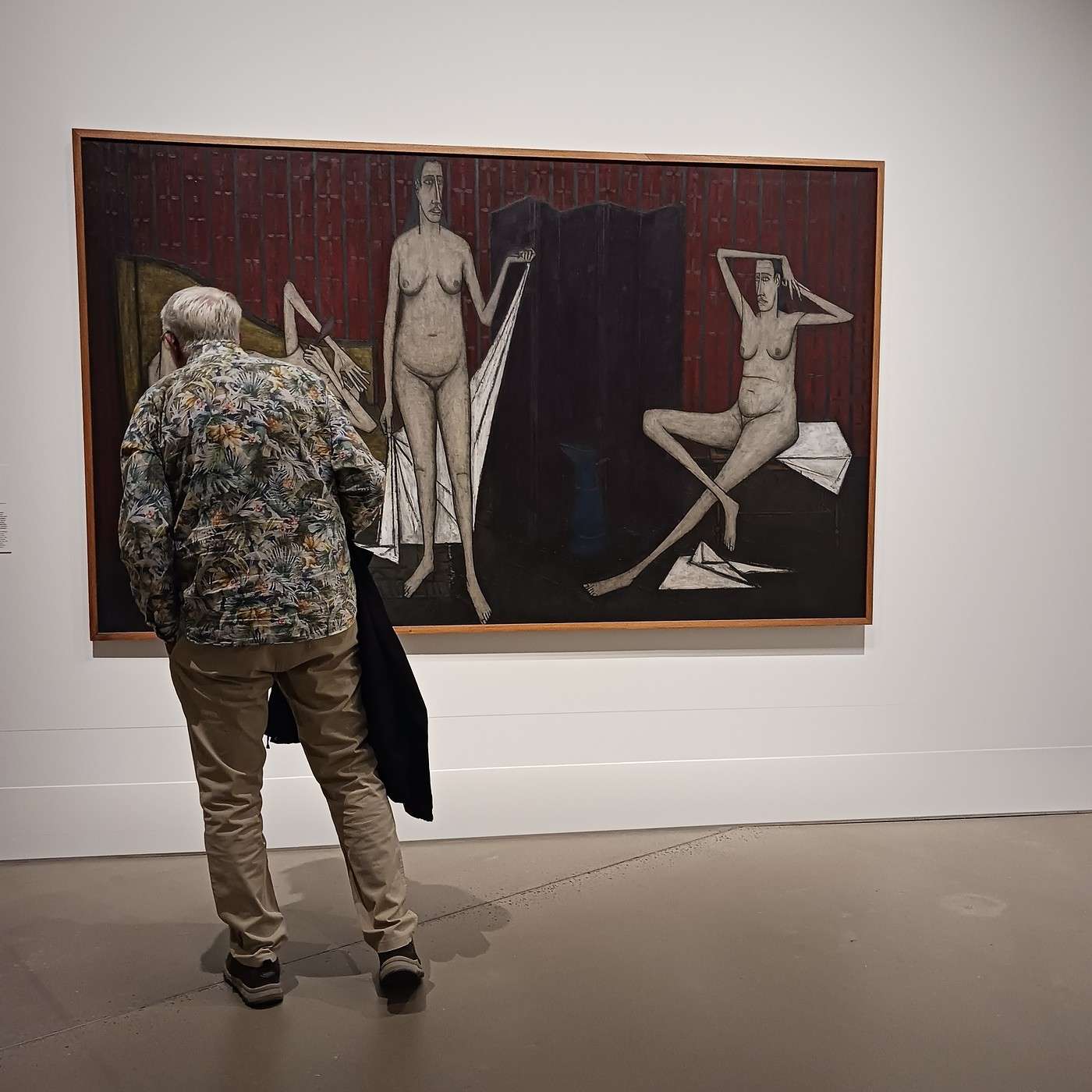
But anyway, we came to visit the museum and its modern art collections. We’re surprised to find a temporary exhibition dedicated to French modernists, including Fernand LÉGER, Georges BRAQUE, Bernard BUFFET, as well as MODIGLIANI, PICASSO, and MIRO.


All the works were loaned by the Lille Museum of Modern Art and the Centre Georges Pompidou in Paris, both of which are currently closed to the public for renovations.


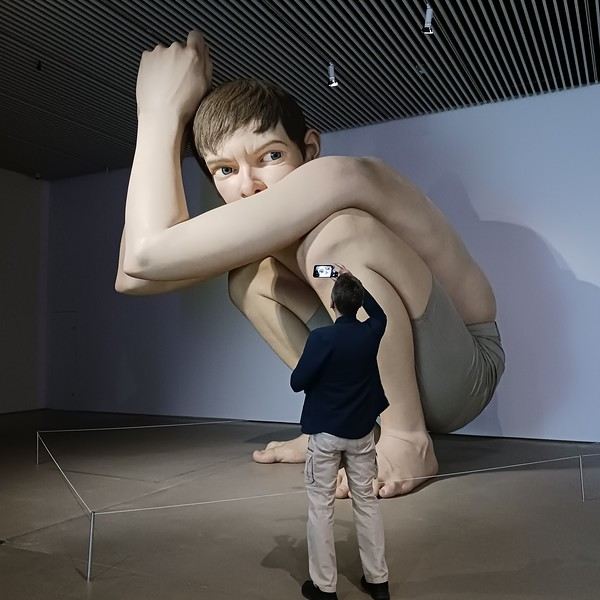
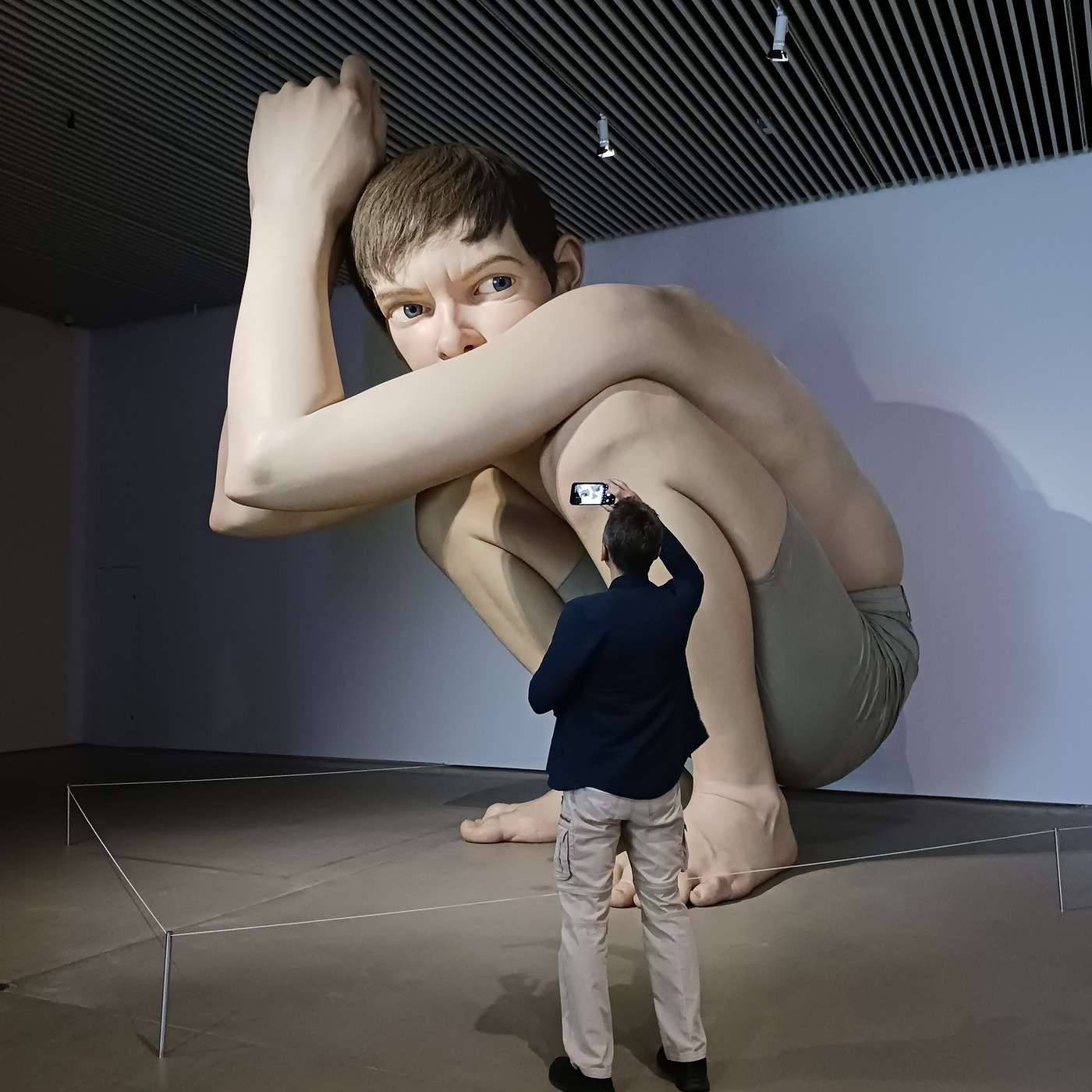
Moving quickly past the other temporary exhibitions, we focus on the museum’s permanent collection... we like some, like Warhol, or not so much, but we can’t stay indifferent when we encounter the major piece, Ron MUECK’s *Boy*.


Ron MUECK (Hans Ronald Mueck), born May 9, 1958, in Melbourne, is an Australian hyperrealist sculptor. His monumental sculptures reproduce the human body in meticulous detail using silicone, polyester resin, and oil paint. Behind his clinical precision, a taste for the morbid shines through, with the decay of his obese and aging bodies accentuated by their abnormal dimensions.

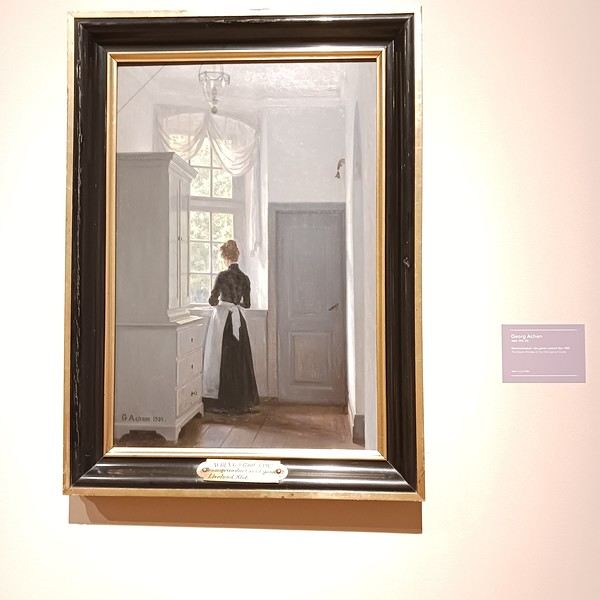
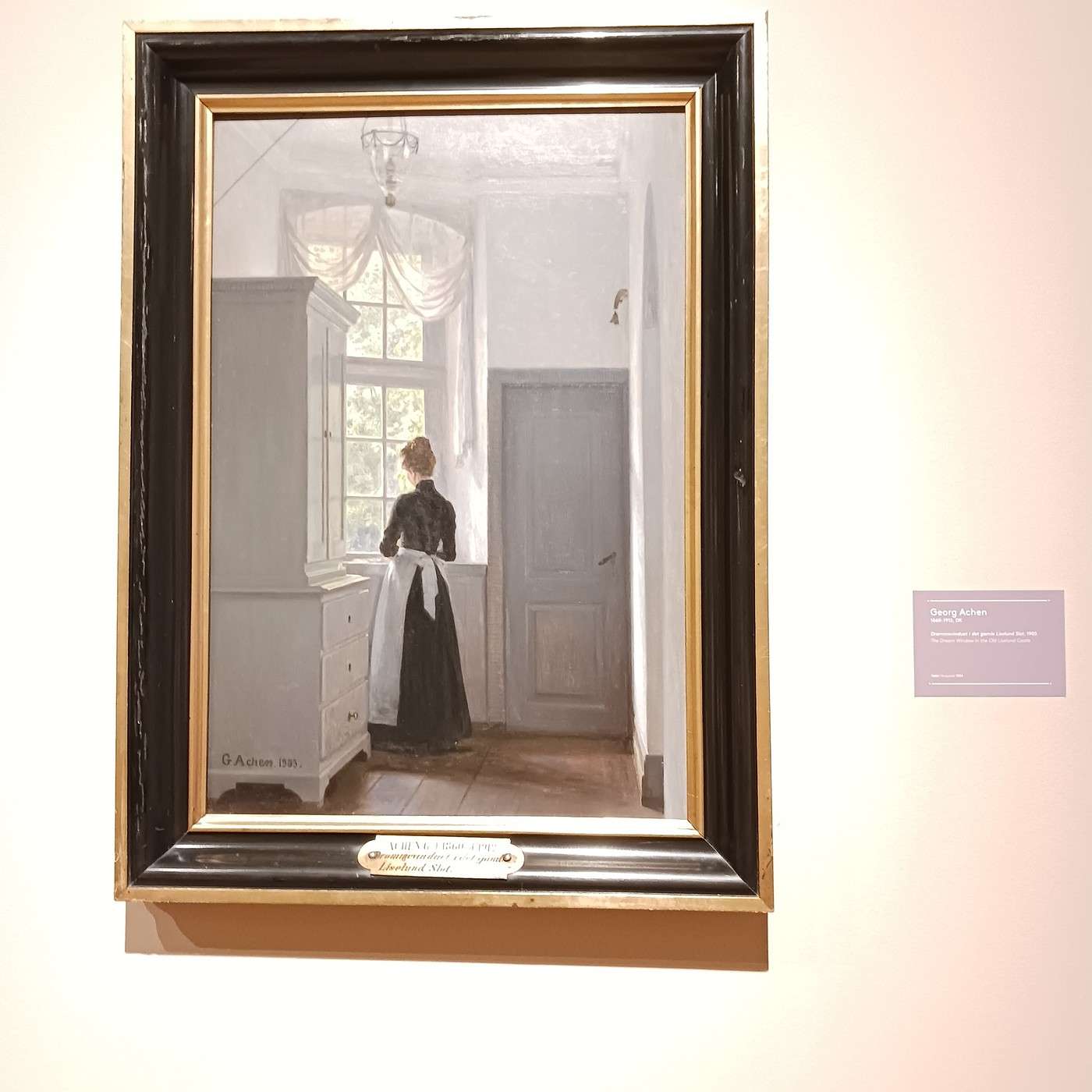
And then there are the classic works, like those by Danish naturalist Georg Nicolai ACHEN, whose paintings remind us of Hopper or Vermeer... different eras, different settings, but always the same emphasis on the window... It’s beautiful!


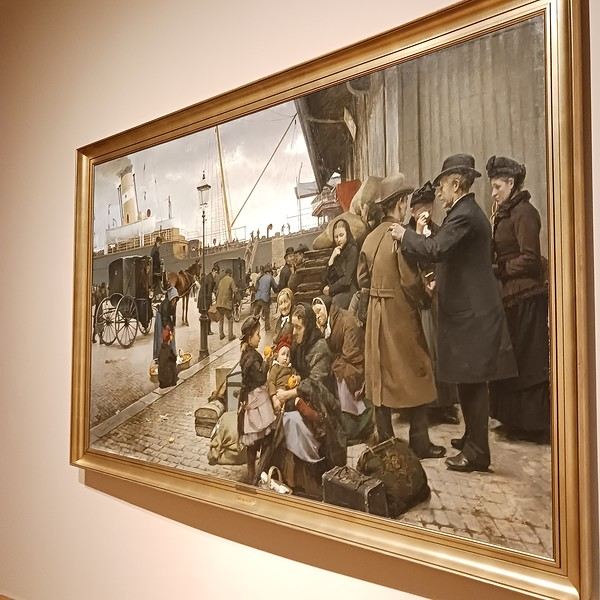
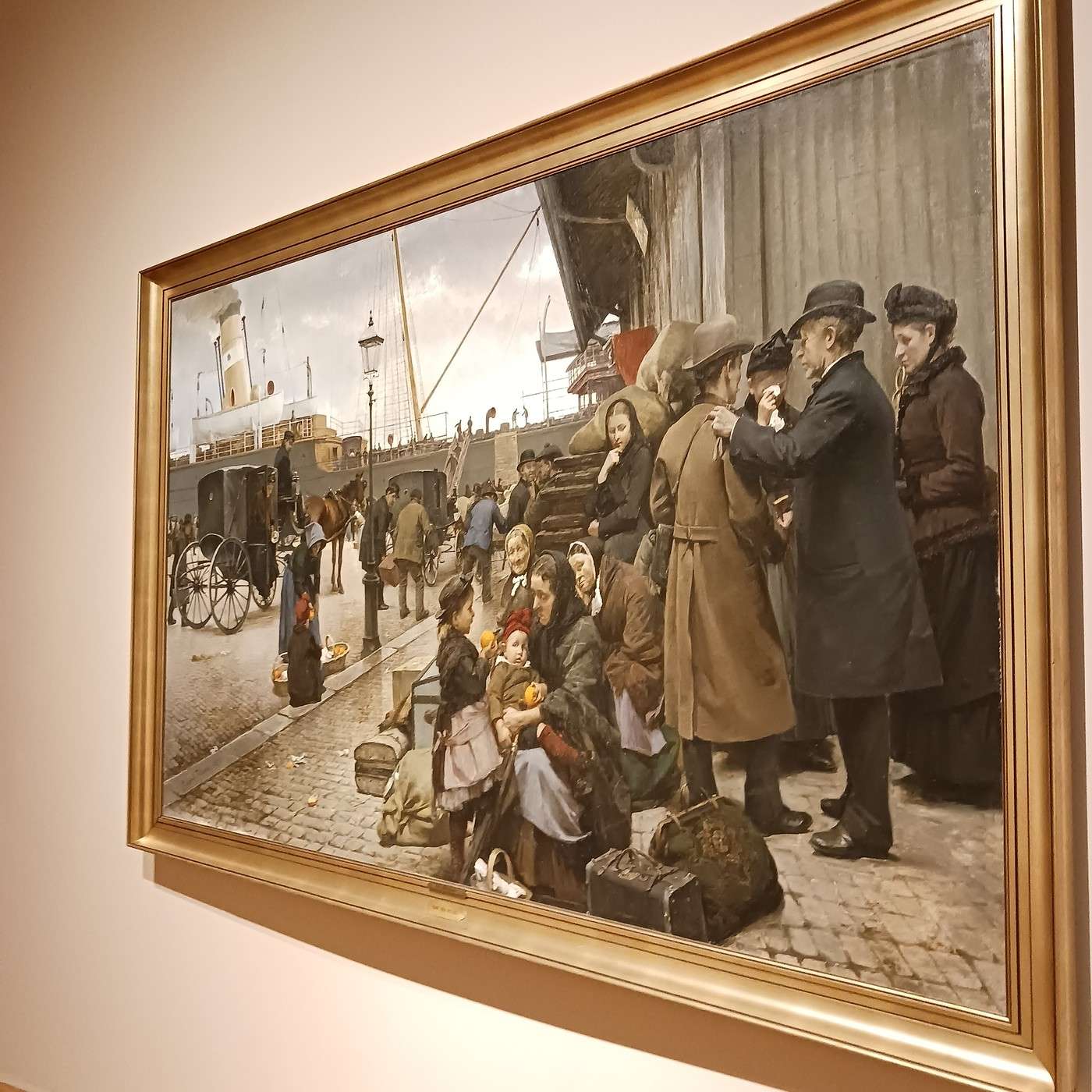
Edvard PETERSEN: *Emigrants at Larsens Square*, for which he received the gold medal: In the 1880s, Petersen painted several works depicting urban life in Copenhagen, influenced by French realism. His most famous paintings are *Emigrants at Larsens Plads* (1890) and *Return of the American Steamer at Larsens Plads* (1894).


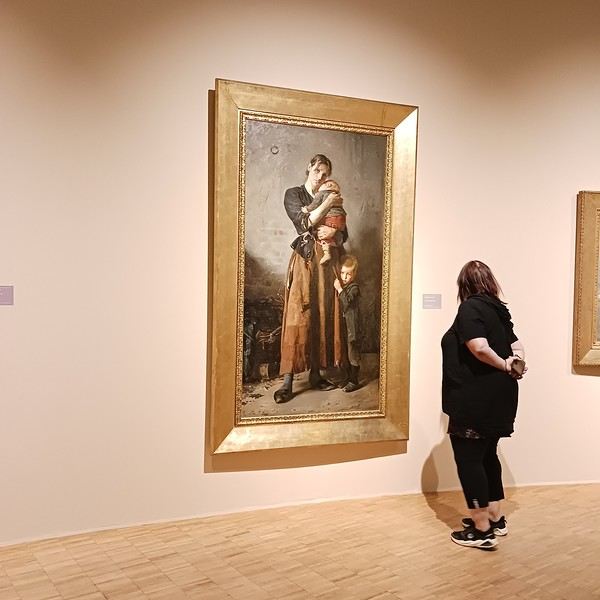
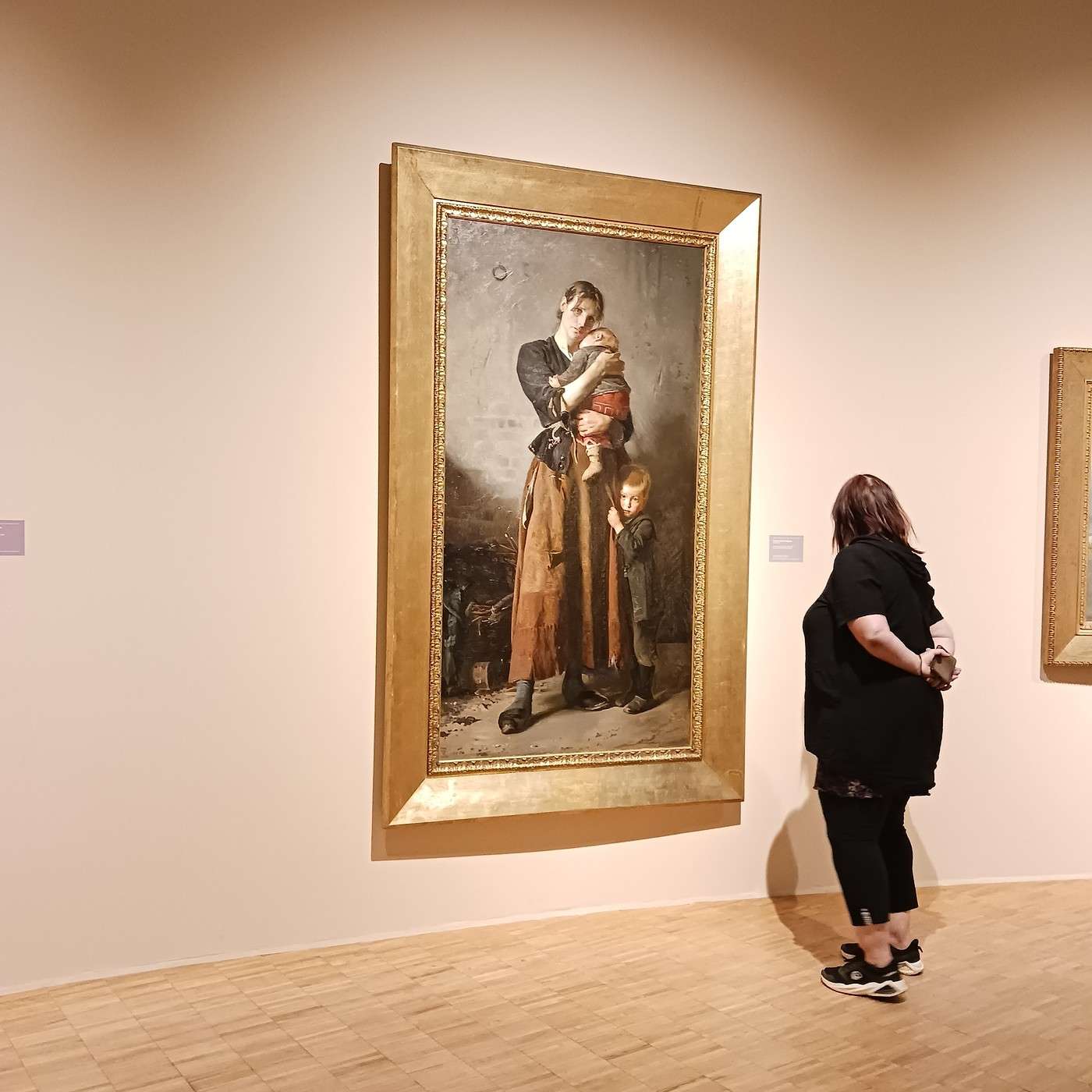
There’s a work by Frants Peter Diderik HENNINGSEN that had struck me at the Copenhagen Museum. It was the eviction of a family from their home in the middle of winter. This painting (*Abandoned...*) confirms his tendency to illustrate unfortunate events in the lives of the middle class living in Copenhagen during difficult times.


We end with the rainbow view of the city from the ring of colors on the museum’s roof, but I won’t post photos here (post limit...). Our Airbnb is located in the countryside, about 15 minutes from Aarhus. As usual, our arrival is "self-check-in," and we won’t see the owners during our 3-night stay. Everything’s perfect.

Kattegat Tour and Great Norwegian Fjords - 32 Days (Denmark - Sweden - Norway)

Cendryon · 2025-08-30 · Message 50 of 58

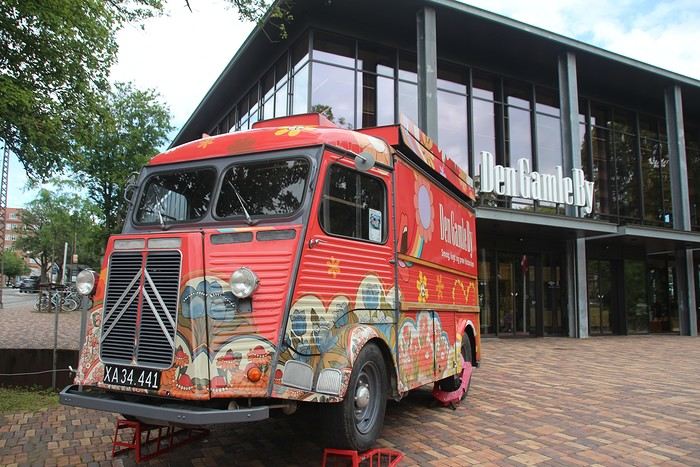
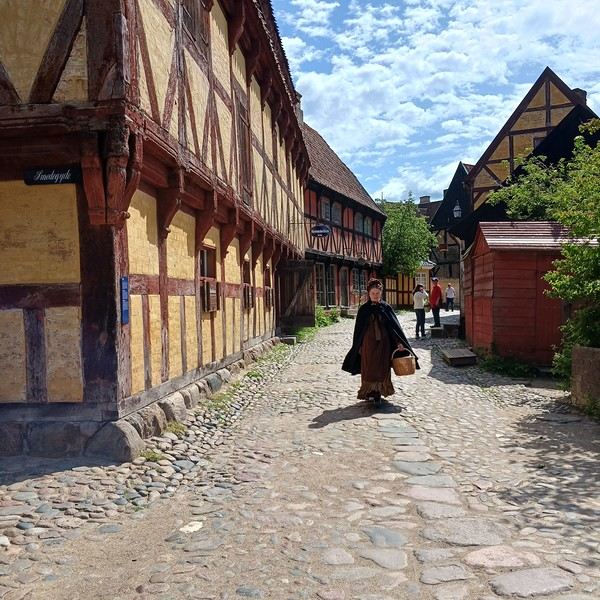
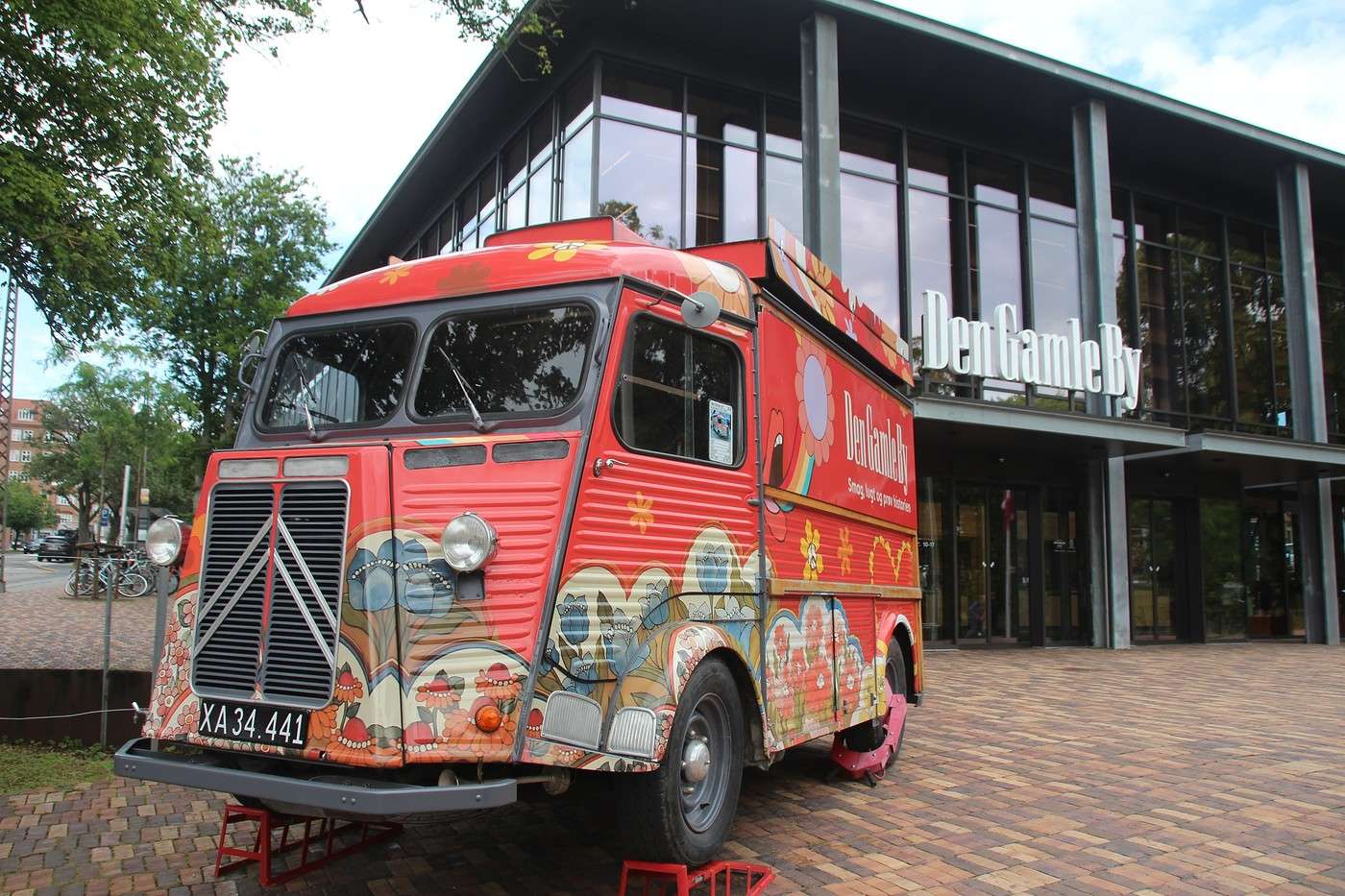
Day 27 – Friday, June 27 – Den Gamle By Ever since planning this trip, I’d spotted one of Denmark’s most extraordinary places: "Den Gamle By," a name that might not sound too inspiring to us non-Scandinavians. But as I explored the Aarhus area a bit more, I quickly realized it wasn’t the only highlight in this city—that’s why we spent 3 nights here. Yesterday, we were in a resolutely futuristic building; today, we’re stepping back in time at Gamle By. Aarhus’s open-air museum isn’t just any open-air museum. First, it’s right in the heart of Aarhus. Second, it recreates entire urban landscapes spanning from the 17th century to the 1970s (our whole childhood, basically… nostalgia overload!)—and it even goes up to 2014! What’s also unusual is its longevity—it’s one of the oldest open-air museums in the world! Since then, many others have popped up around the globe, a sign of the desire to preserve the heritage passed down by our ancestors...


"Den Gamle By is an open-air museum founded in 1909 by the energetic schoolteacher and local historian Peter Holm, who realized that the merchant’s house ‘Den gamle Borgmestergård,’ located at the corner of Immervad and Lille Torv in Aarhus, was about to be demolished. Holm ensured the farm was rebuilt to serve as an exhibition building for the Aarhus National Exhibition in 1909. After the exhibition closed, Holm managed to raise funds to permanently reconstruct the farm. The Aarhus municipality provided land in what was then the ‘Jutland Garden Society’s garden,’ now the botanical garden. On July 23, 1914, the old town opened to the public for the first time. Besides Borgmestergården, there were two other buildings: a small belvedere from Vestergade and Frands Hansens Hus from Mejlgade. Initially, the museum’s scope was modest. For Aarhus’s designation as the European Capital of Culture in 2017, a new exhibition called *Aarhus Tells* about the city’s history was inaugurated in April." (Wiki) Here’s what else they say about it: From our era with the pizzeria and the rainbow family, through the well-being and liberalism of the 1970s and the modern times of the 1920s with the car dealership and Schous’ soap factory, all the way to the old merchant town with the grocer’s farm, the shoemaker, and the brandy distillery. In the old town, you become one with history—you can feel it, taste it, and try it out as you stroll through the streets and alleys, peek into people’s homes, and strike a deal in one of the historic shops. All around you, you’ll meet ‘people from the past’ happy to share their stories. It’s almost like you’re really there. After asking the first staff member we met for advice, we started our visit with the oldest section. I took tons of photos—it’s hard to choose! 1600–1900 The Old Merchant Town Visit a Danish town as it was in Hans Christian Andersen’s time—and before. Meet the people of the past, admire their living rooms and kitchens, and explore their gardens. Take a peek into the grocer’s courtyard and buy a vanilla crown from the baker. Pet the horses, tend to the geese, and try out stilts. The town’s half-timbered houses were moved from cities across Denmark. Look, listen, smell, taste, try, discover—and understand. It’s a fantastic immersion, and there’s even a funfair for the little ones!


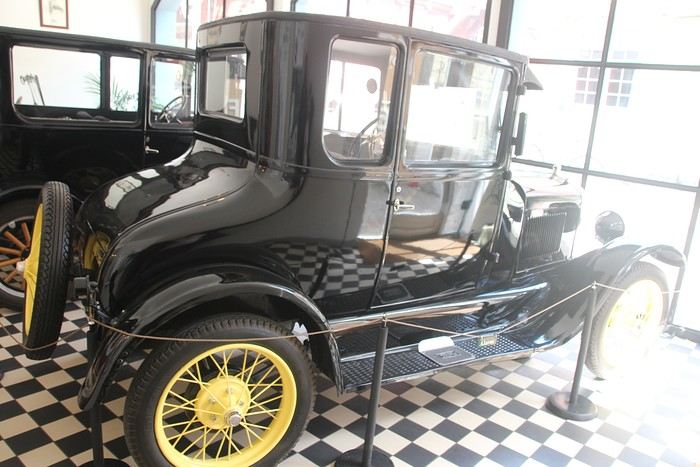
1900–1927 Modern Times In the 1920s, the town becomes modern with sidewalks, streetlights, telephones, and colorful ads everywhere. In the 1920s, the town modernizes with its sidewalks, streetlights, telephones, and brightly colored facades. Shops dominate the urban landscape. Visit the hardware store, the bookshop, Schous, and the fashion store; try the telephone switchboard and admire the latest models at the car dealership. Modern Denmark is on the move. We got to see a demonstration of an old-fashioned telephone switchboard, but the most impressive part was definitely the visit to the car dealership, where a hologram salesman pitched us all the features of the vehicles on display!


1950–1974 The Welfare State and Liberalism An era defined by free spirit, the women’s movement, and experimenting with new ways of living. 1974 marks the peak of the welfare state. An era shaped by liberalism, feminism, and experimenting with new lifestyles—even if most things stayed the same. Admire the butcher’s shop, visit the supermarket, buy records at Pouls Radio, and enjoy a Sarah Bernhardt pastry with coffee at the bakery. Meet the gynecologist, the nuclear family, the commune, the retired couple, the hippie couple, and the Greenlandic student. Try out the kindergarten toys and flip through the risqué magazines at the bookstore.


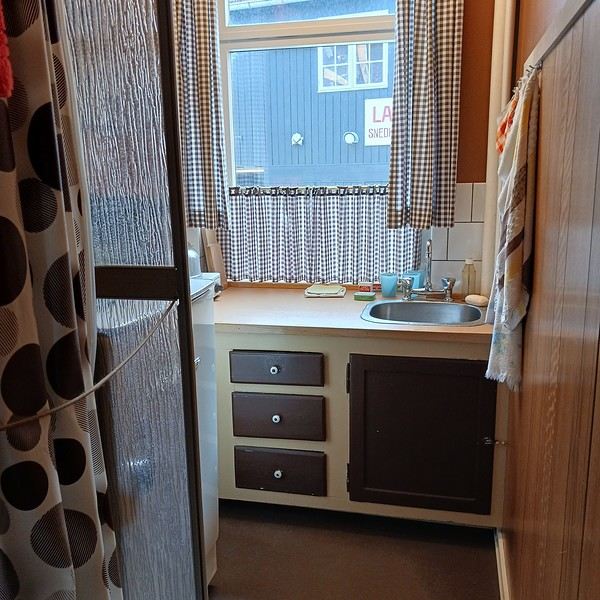
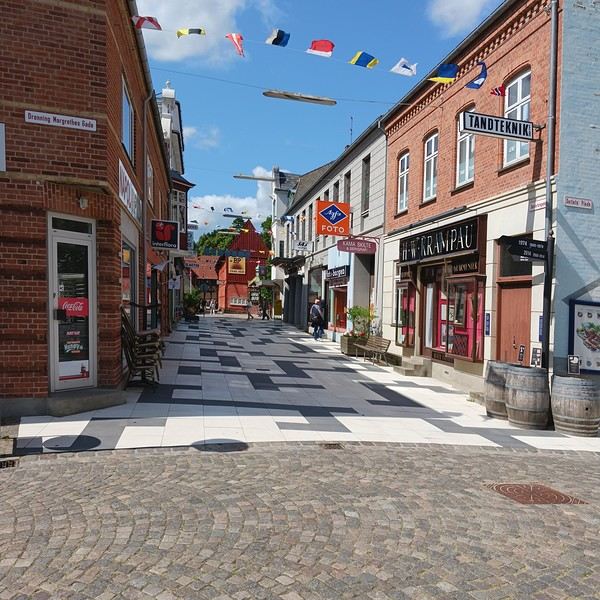
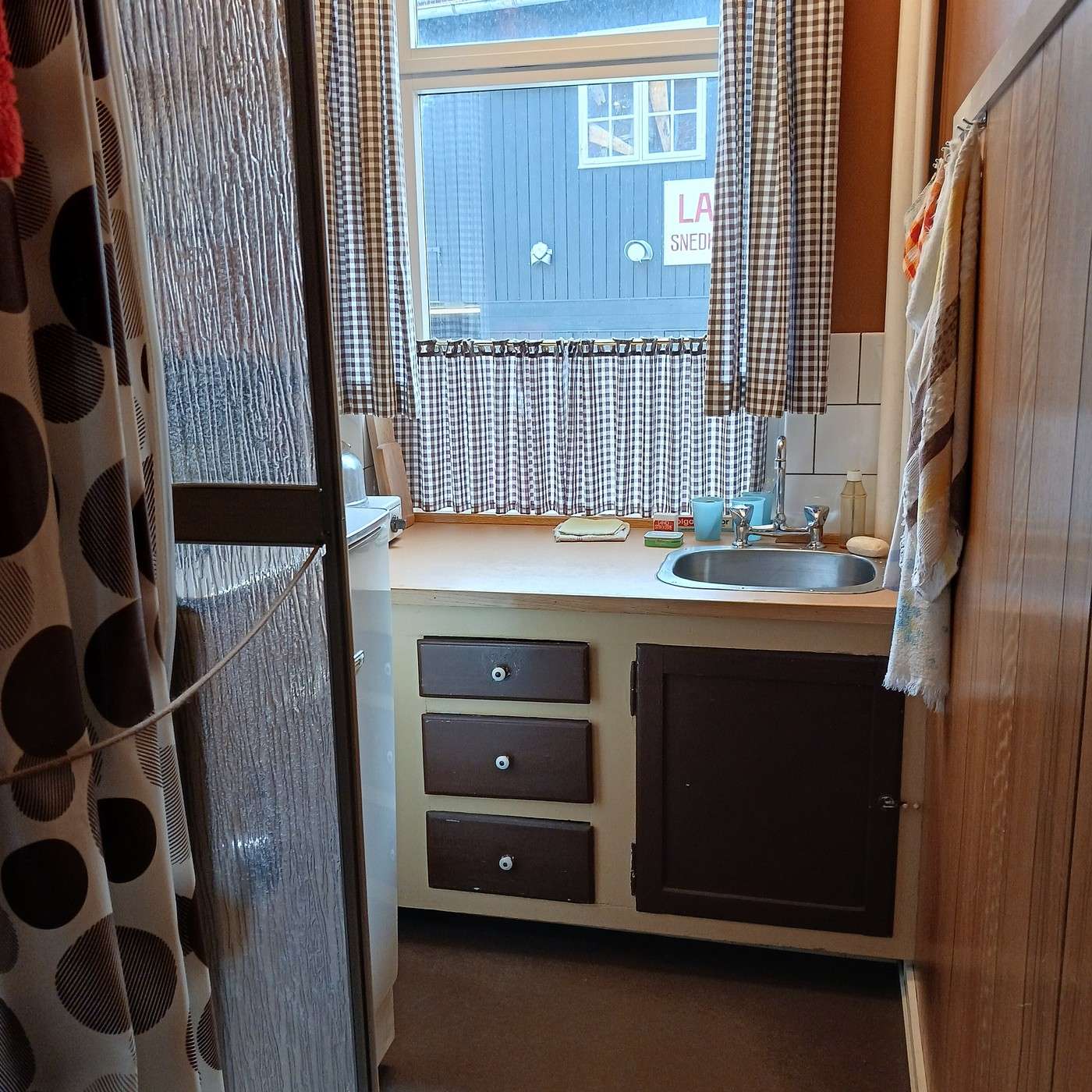
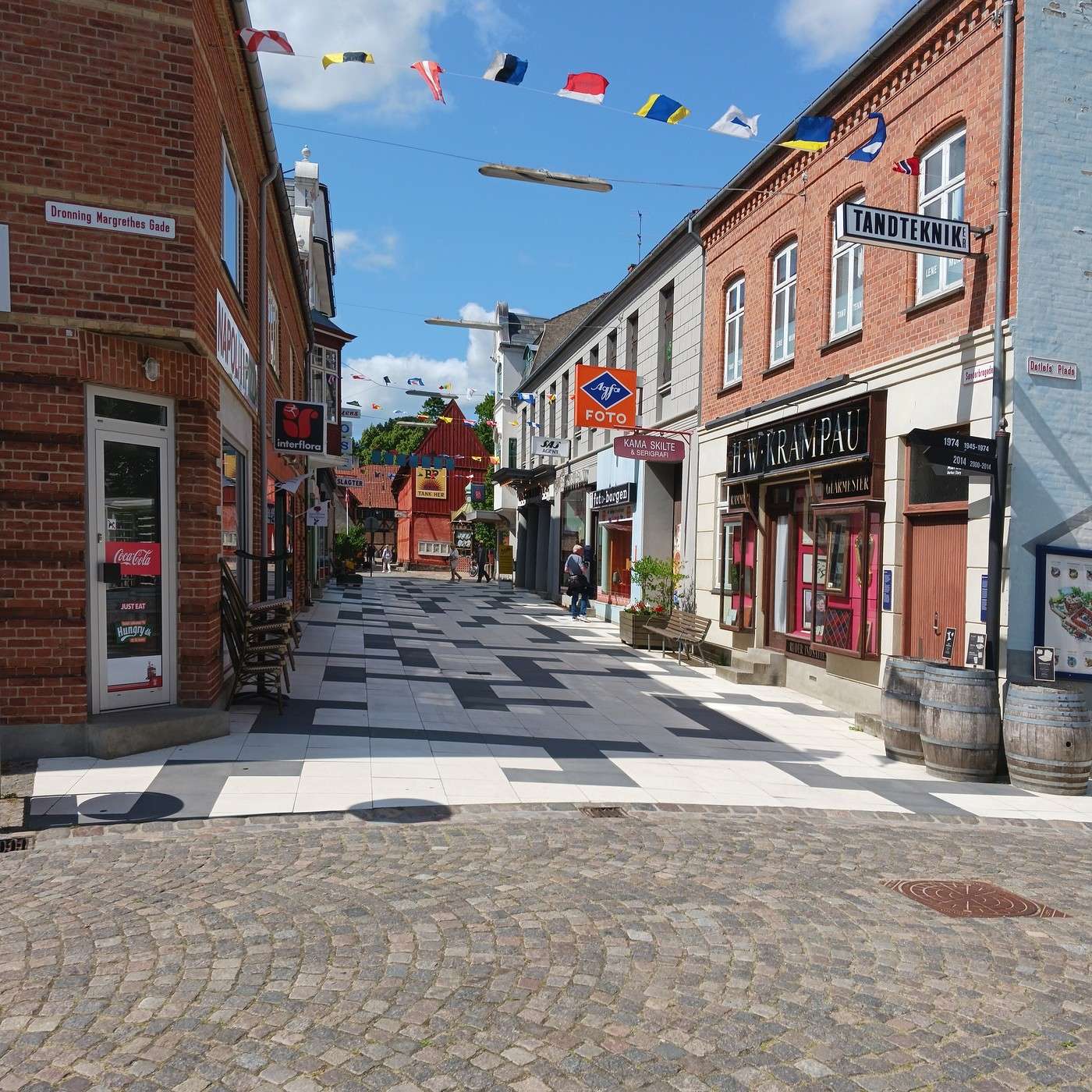
Our Era 2000–2014 Queen Margrethe’s Street is a snapshot of the year 2014. It’s packed with shops, and you’ll also find a shopping center, a 7-Eleven, a bank, a Blockbuster, a pizzeria, and an old jazz bar that smells like smoke and beer. Meet Rikke, a single woman, and visit the rainbow family Isager. Tour their home and listen to interviews about their ordinary lives, juggling kids and work. There’s also a museum here with lovely posters, a collection of clocks and watches, and even… a locomotive!
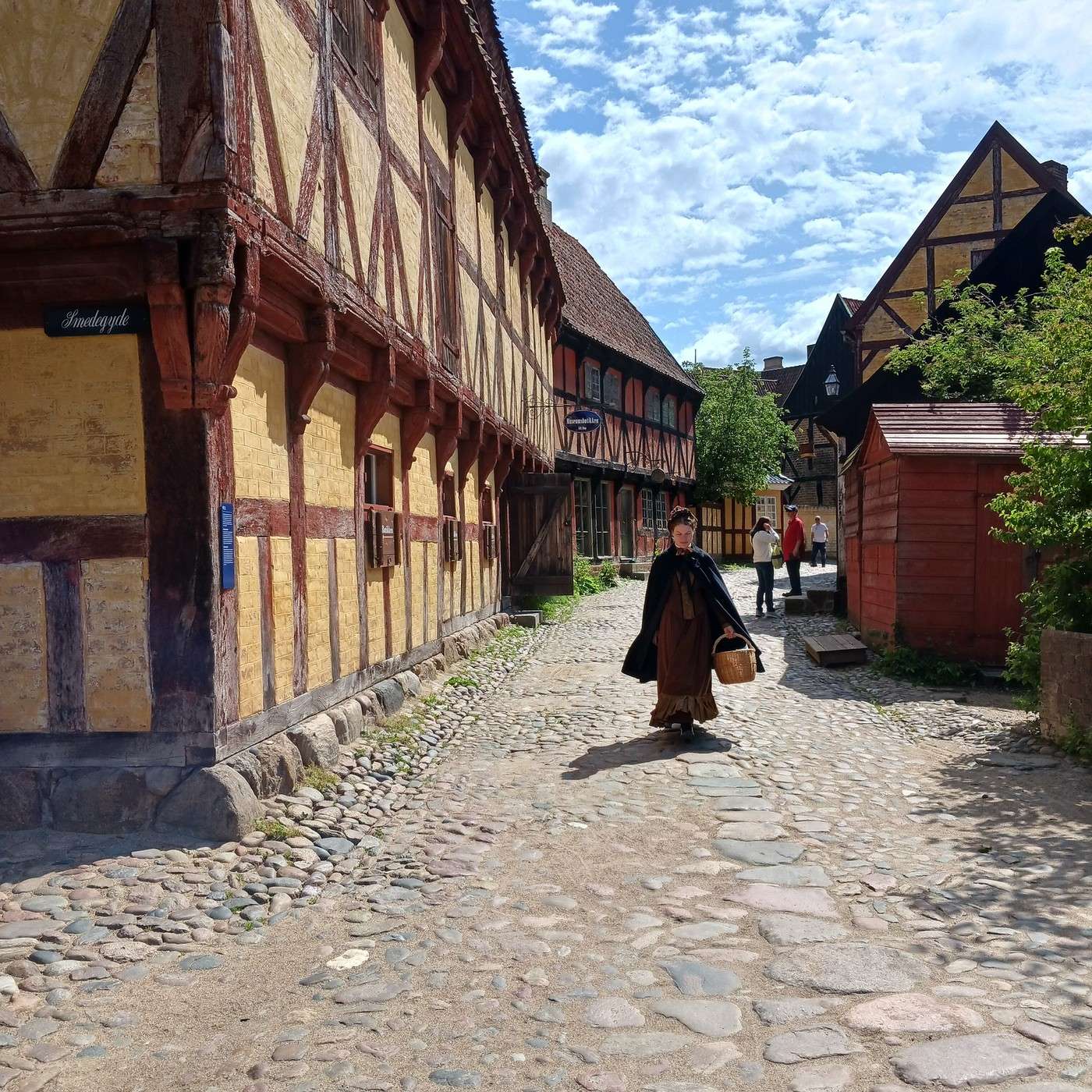
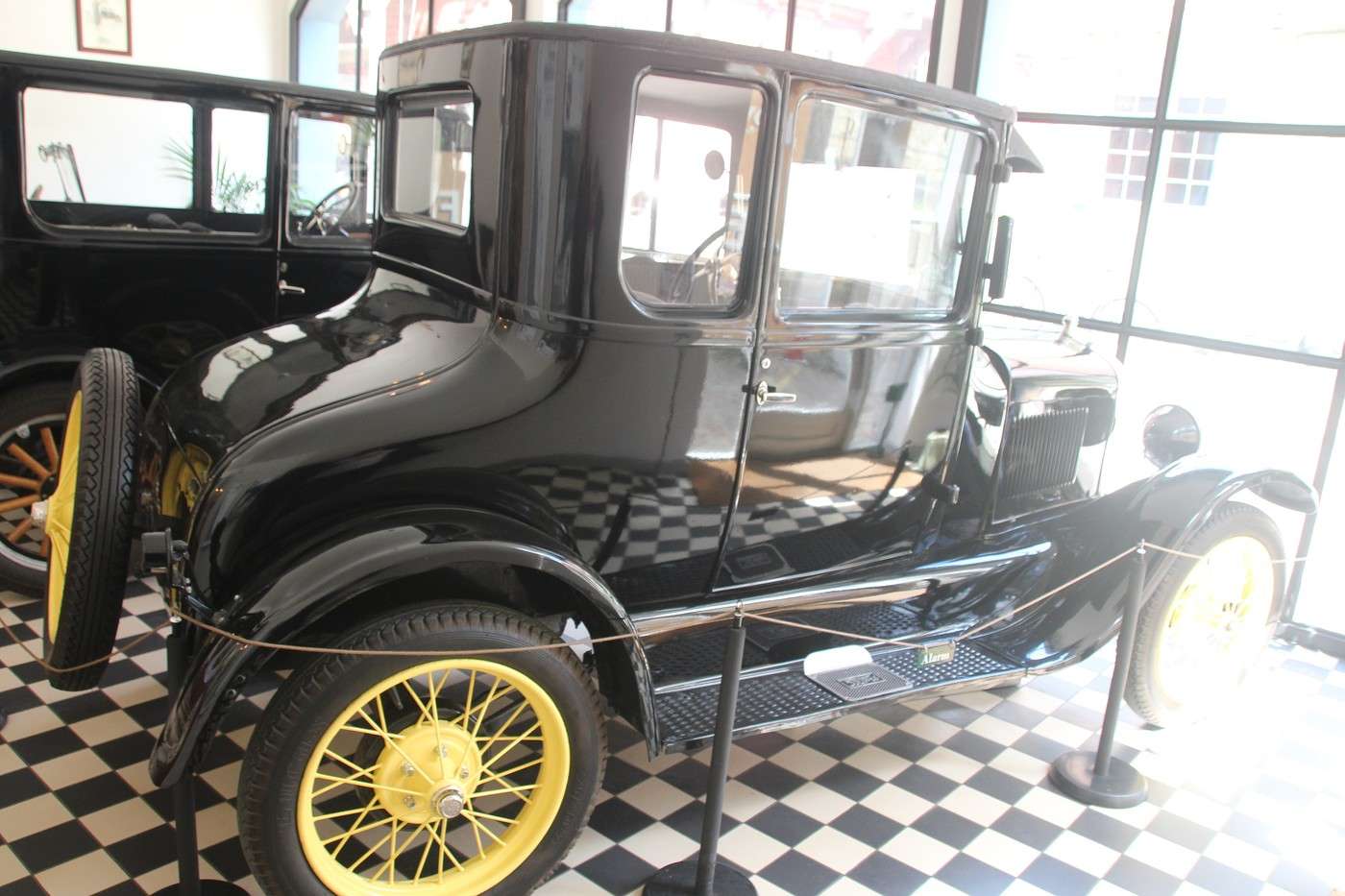
We spent almost the whole day in this museum and loved every minute of it. We had lunch at Gæstgivergaarden and couldn’t resist the pastries at Café Bonnich Petersen. Even though we were exhausted, I wanted to see Aarhus’s city center, since we wouldn’t have another chance to visit later. In the city streets, old half-timbered buildings mix with more recent ones. There’s a festival happening on the cathedral square—nothing particularly Scandinavian about it. The main shopping street is well-stocked. Aarhus left us with the impression of a very dynamic city, one that seems determined to stand out against the country’s capital, where the most innovative architects are leaving their mark on ultra-futuristic buildings.

Kattegat Tour and Great Norwegian Fjords - 32 Days (Denmark - Sweden - Norway)

Cendryon · 2025-08-30 · Message 51 of 58

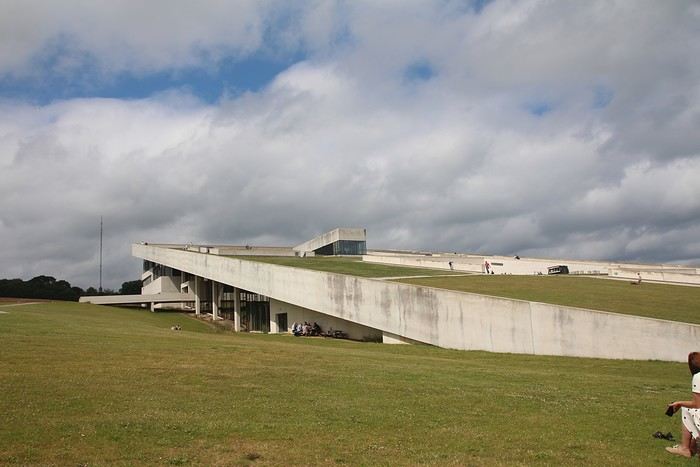
Day 28 – Saturday, June 28 – Moesgård Honestly, this museum with a not-so-sexy name (again) and its insane architecture (again) just proves how creative Danes are—they turn their exhibits into fantastic places! It’s hard to describe this amazing building where I planned to spend almost the whole day, even though I’m not particularly into ethnology...

Let’s see what Wiki says: "This museum is famous not only for its precious archaeological remains from Scandinavia, ranging from the Paleolithic to the Viking Age (including the Mask Stone and other runestones), but also for its major ethnographic exhibitions. The museum notably preserves the mummified body of the Grauballe Man and the Germanic Iron Age artifacts discovered at Illerup Adal."

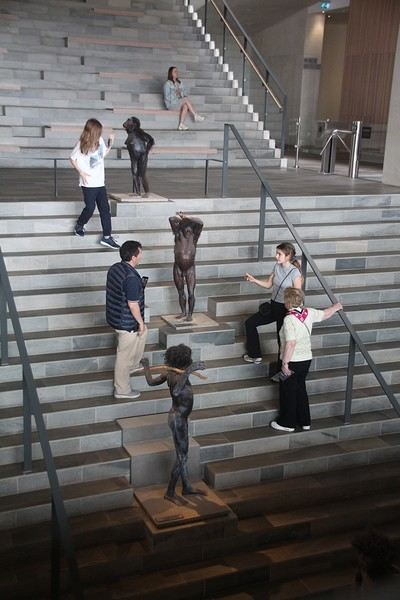
The visit starts with descending the grand staircase adorned with seven wax figures representing prehistoric characters, crafted with striking realism.


Each figure is meticulously sculpted to resemble their real-life counterparts from the past, based on bones and skeletons found. The most famous one is undoubtedly Lucy, who sits on the highest step. Lucy is an *Australopithecus afarensis*, an extinct hominid species and one of the earliest known ancestors of modern humans. This species lived between 3.9 and 2.9 million years ago, mainly in East Africa, in the Afar region of Ethiopia, where her partial skeleton was discovered in 1974. Visitors are allowed to get close but not touch. She’s so tiny, Lucy!


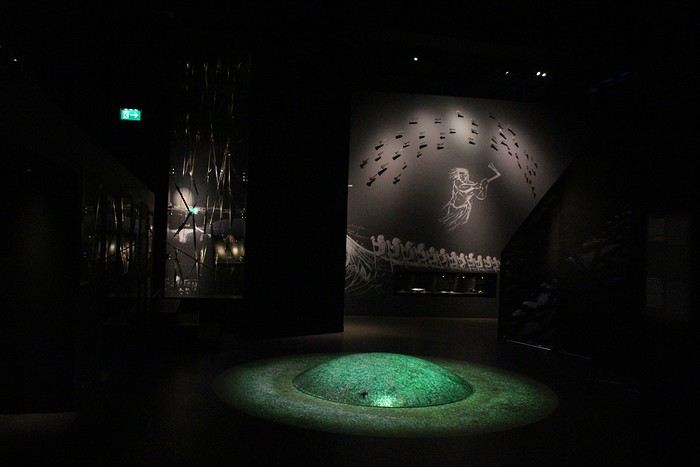
It’s hard to describe everything you can see and do in this museum—there are surprises in every space that photos just can’t capture!


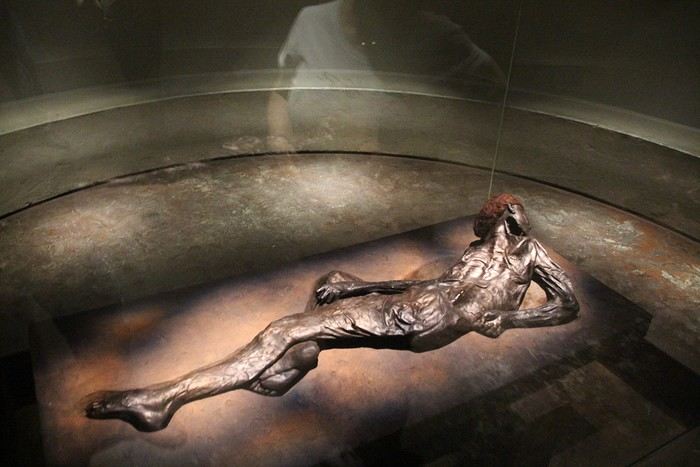
The centerpiece of the museum is undoubtedly the Grauballe Man. This body, found in a bog, is the best-preserved in the world. The Grauballe Man lived over 2,000 years ago during the Iron Age. The unique composition of the bogs preserved his skin, hair, and nails. He’s not as old as Ötzi, the 3,300-year-old Iceman preserved in Bolzano, Italy.


The Grauballe Man can be observed from almost every angle in his museum display case. Other bones found were "translated" into wax figures to give a better understanding of the daily lives of these people. We spent nearly the whole day in this extraordinary museum. Afterward, since the weather was nice, we went outside to climb the sloping roof of the building and check out the surroundings. There are lovely walks in the park, but since it was getting late, we limited ourselves to a small reconstructed Viking church near the museum.


(To be continued)

Kattegat Tour and Norway's Great Fjords - 32 Days (Denmark - Sweden - Norway)

Cendryon · 2025-09-04 · Message 52 of 58

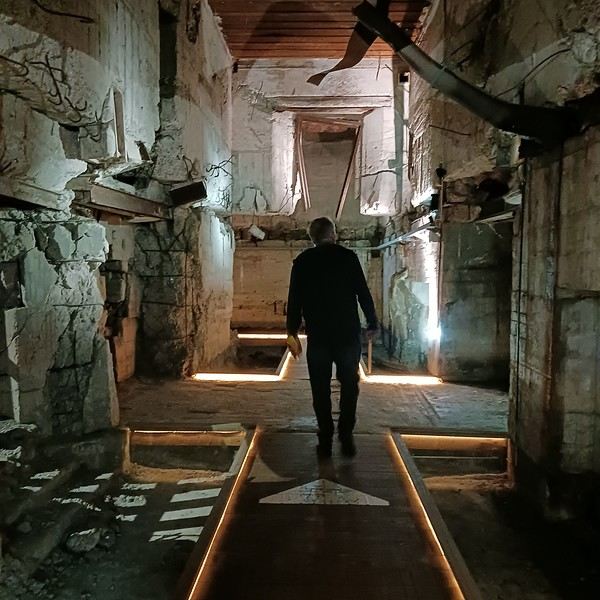
Day 29 – Sunday, June 29 – Heading West Today we cross the Jutland peninsula to reach the North Sea, where the Tirpitz Museum is located—a museum dedicated to a German bunker from World War II. Honestly, I wasn’t expecting much, especially since this dark period of history doesn’t particularly interest me. Well, as usual with Danish museums, we were pleasantly surprised... We start the visit with the bunker...


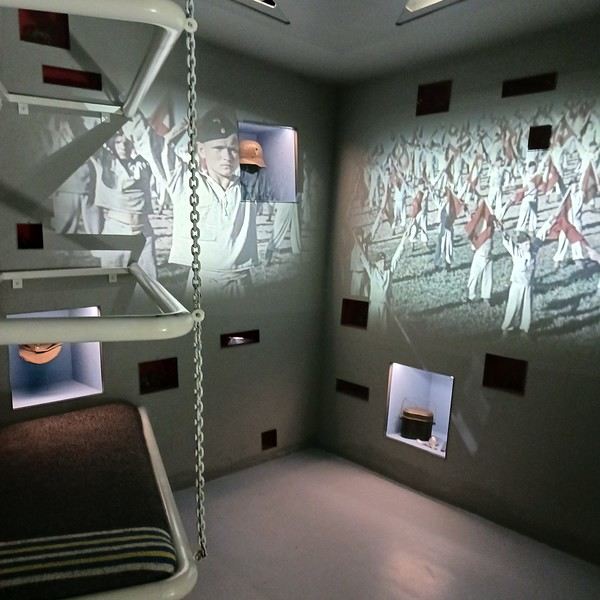
One section is dedicated to a reconstruction of soldiers' life inside the bunker...


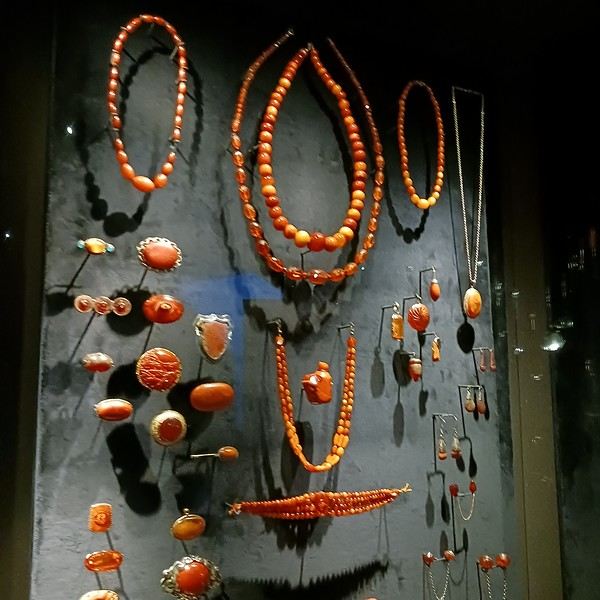
More surprisingly, there’s a section about amber. Why amber? Amber is fossilized resin secreted millions of years ago by conifers or flowering plants. Apparently, you can find a lot of it here on the beach.


Here’s what the museum says: Visit Western Europe’s finest exhibition dedicated to Nordic gold: amber. In a magical world, among the trees of the amber forest, search for real treasures of marine gold and fascinating insects trapped in golden droplets 40 million years ago. The staging is incredible. You can observe amber in all its forms, including jewelry and objects that highlight its rarity and appeal.

It’s not uncommon to find insects trapped in amber, and you can even observe them under a microscope. These remarkably clear images of our distant past offer a glimpse into life on our planet over 40 million years ago. Finally, the last section is dedicated to the sea—or rather, the history of the coast. In daylight, you can’t imagine what’s coming, but when the lights go out, the walls light up, and a journey through time begins. Stunning!


We leave the museum enchanted. I never imagined how a place dedicated to an old concrete block could be so fascinating!

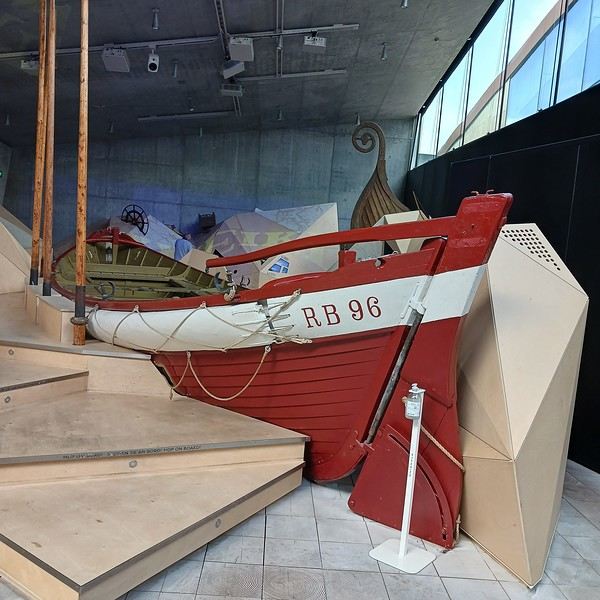
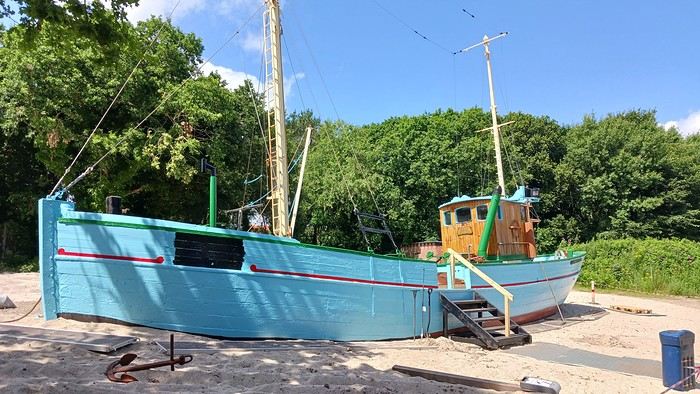
Now, we’re heading south to Esbjerg for a visit to the Fishing and Maritime Museum. Since it’s lunchtime, fish and chips at the museum café will do the trick. As it’s sunny, we start the visit outside, where old fishing boats are on display...


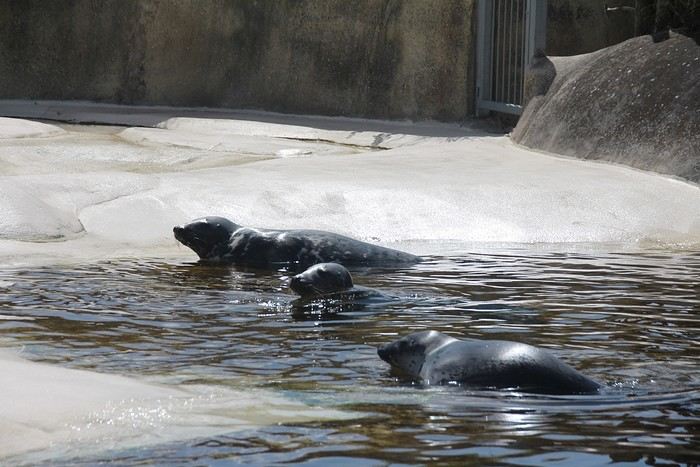
But it’s time for the sea lions’ feeding—always a fun and enjoyable moment...


Objectively, this might be the Danish museum that interested us the least—maybe because we’ve seen so many amazing things elsewhere, or because there are many similar places, like Nausicaá in Boulogne, which is extraordinary and, frankly, much better designed. During our visit, we couldn’t help but compare, and the Danish museum didn’t come out on top. That said, it’s still a respectable place and a great spot for a family visit.

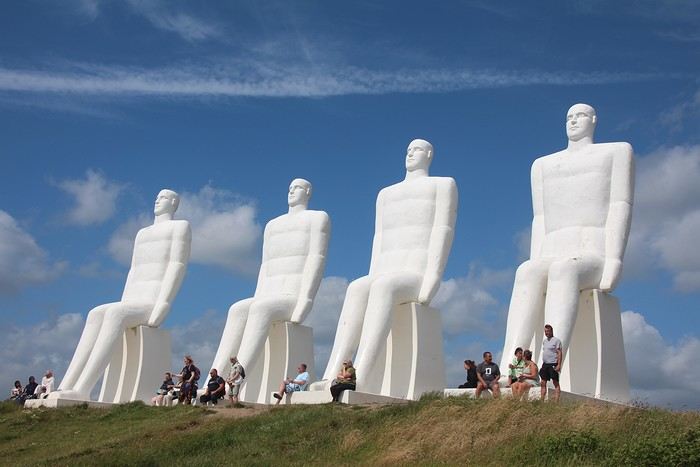
Before leaving, we head to the beach to see the famous *Men at the Sea* statues. Colossal!


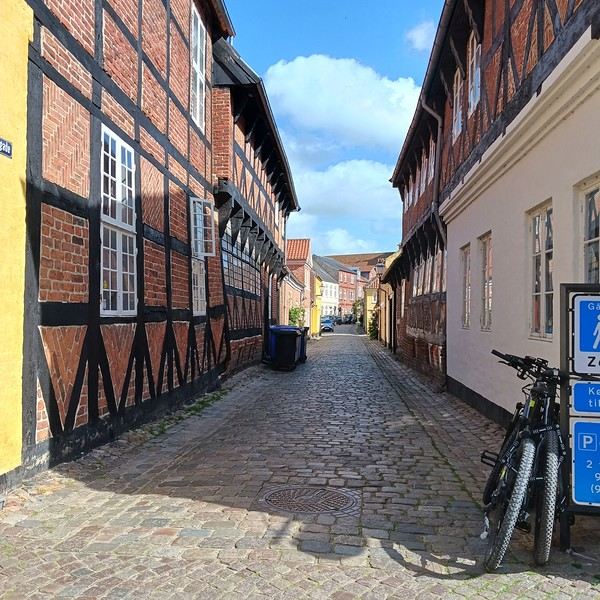
The sculpture was designed by Svend Wiig Hansen and installed on October 28, 1995. It was funded by the Esbjerg municipality, the Statens Kunstfond (an art fund), and several private sponsors to celebrate the municipality’s 100th anniversary in 1994. Since the weather’s nice, we take a little walk on the beach, irresistibly drawn to examine the pebbles on the sand—just in case we find some amber... Now we’re in RIBE, considered one of Denmark’s oldest towns. We didn’t have time to visit it at the start of our trip. It’s a quiet town with peaceful streets lined with old houses...


We head to our Airbnb for the night—a room with all the comforts and a shared kitchen. For once, we meet the charming hostess, who’ll bring us breakfast tomorrow morning.

Kattegat Tour and Norway's Great Fjords - 32 Days (Denmark - Sweden - Norway)

Cendryon · 2025-09-05 · Message 53 of 58

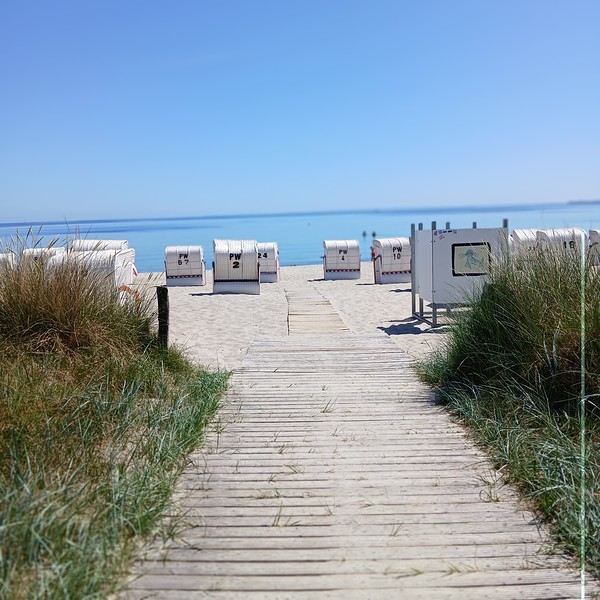
Day 30 – Monday, June 30 – The Little Detour A small detour that should let us bypass Hamburg to the east and avoid the busiest highway, plus see a lovely little Baltic Sea seaside resort and its famous Strandkorb—those beach baskets you only find in Germany! We leave Denmark and head to Scharbeutz, a charming little resort despite its name! It’s really peaceful here. All you see are retirees, but *very* retired retirees! The little café Haüschen is run by a sweet grandma who serves homemade pastries. I really wanted to see the strandkorbs. Mission accomplished! The weather’s gorgeous, and if we had time, I’d take a dip, but we’ve still got quite a drive ahead to Bremen, our stop for the night.


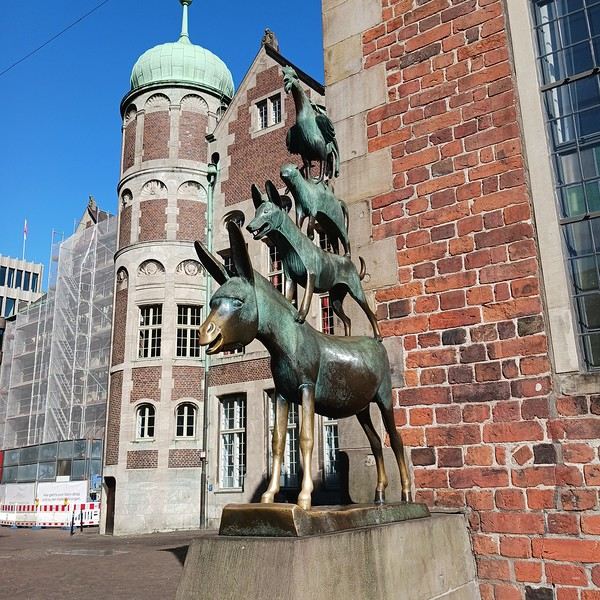
Two hours later, we’re in Bremen. The ibis hotel is near the train station, a bustling, cosmopolitan, grimy, and somewhat sketchy area. It’s a stark contrast to the super calm Denmark. Bremen’s a big city. We head downtown to hunt for the animals from the famous fairy tale.


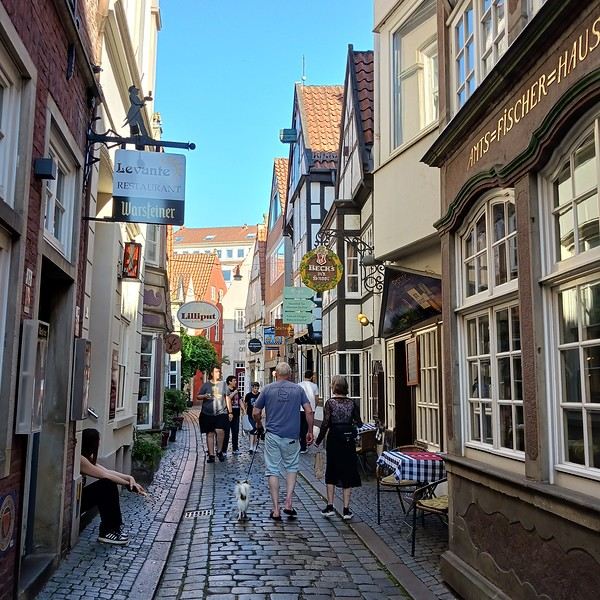
I booked a table at a restaurant in the Schnoor, the old quarter: De kleine Olymp. The pedestrian streets here are pretty nice—way more touristy than the station area!


Day 31 – Tuesday, July 1 – From Germany to the Netherlands There’s not much to say about this transition day. We planned to take the coast and cross the Afsluitdijk—a 32-kilometer-long dike between North Holland and Friesland that literally separates the IJsselmeer from the Wadden Sea. It’s been a flood barrier for over 90 years and plays a crucial role in protecting the Netherlands from flooding. Honestly, there’s not much to see except a few sheep grazing on the dike slopes. I’d have loved to stop at the little fishing port of Den Oever at the end of the dike, especially at Café Tante Pietje, but it’s closed. This is North Holland, the Alkmaar region I really like. We skirt Amsterdam to the west without any traffic hassles and finally arrive in The Hague in the afternoon, our destination for the night. It’s scorching hot—quite a change from the Norwegian temperatures. It wasn’t exactly cold in Scandinavia, but this is a heatwave, and we’re not used to it! We still take a stroll through the shopping streets but quickly duck into air-conditioned department stores. If we planned a stop here, it’s mainly to visit the famous Mauritshuis Museum, and luckily, our hotel is right nearby.

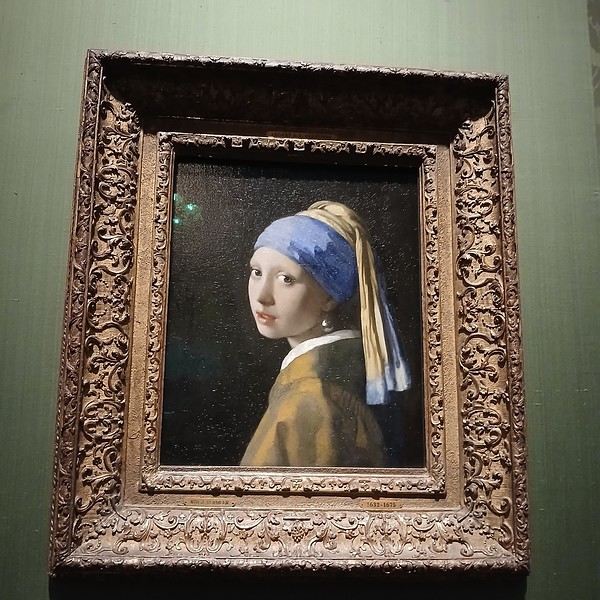
Day 32 – Wednesday, July 2 – The Mauritshuis Here we are—today’s the last day of our trip. We still booked a morning slot to visit the Mauritshuis, one of the world’s most famous museums, even if it’s not very big. This is where you’ll find two of Vermeer’s most famous works: *View of Delft* and *Girl with a Pearl Earring*. Of course, there’s more to see, but since I can’t add any more photos to this travel journal, I’ll skip showing you the other works by Rubens or Savery (a painter born in Kortrijk), among others... The building isn’t huge, and the visit is pretty relaxed since there’s no crowding, even in front of the girl!


On the way back home, I spotted a café serving crêpes, waffles, and poffertjes in the shade of a windmill: De Jonge Johannes. The place is super family-friendly, with tons of games for kids. A perfect way to wrap up this trip. An hour and a half later, we walk through the door of our home.

Kattegat Tour and Norwegian Fjords - 32 Days (Denmark - Sweden - Norway)

Cendryon · 2025-09-05 · Message 54 of 58

Conclusion During this trip, we covered about 6,200 km, visited Denmark, crossed Sweden, and explored Norway’s grand fjords. Our favorite was Denmark—this small, peaceful country where we truly felt at home. The Danes have a wonderful art of living and a fantastic imagination, like that of Hans Christian Andersen. They excel in arts, architecture, and design, and are globally recognized for it. They have a strong sense of staging and aesthetics, which sometimes appears unexpectedly in museums. Budget-wise, the cost of hotels and restaurants is roughly the same as in Belgium, meaning higher than in France. We didn’t explore Sweden enough to form an opinion, but Gothenburg was a slight disappointment, quickly forgotten after visiting the small towns on the west coast. Norway is the land of superlatives for its breathtaking and dramatic landscapes. While Norwegians aren’t the most cheerful bunch, they’re efficient. We were also impressed by some museums there. However, the country isn’t cheap, and costs are higher than in Denmark. This is especially true in tourist-heavy areas like Geiranger or Flam, where restaurant and attraction prices are excessively high for cruise passengers. During this trip, we also visited 22 museums (4 of them open-air), went to 4 amusement parks, and explored 4 castles! So, what would we pick if we had to choose?

Denmark: A museum: Moesgaard Museum An open-air museum: The Old Town (Den Gamle By) A castle: Kronborg Castle (Elsinore) An amusement park: LEGO House A "nature" spot for scenery: Grenen in Skagen. Denmark doesn’t offer vast landscapes like Norway—it’s a fairly flat country with a few "rolling hills" in the countryside. A restaurant: HOST in Copenhagen, a gastro spot that’s still reasonable. But we loved everything in Denmark. There wasn’t a single place that disappointed us.

Norway: A museum: I’m torn between the FRAM Museum for its staging and the MUNCH Museum—a great discovery. An open-air museum: The Norwegian Museum of Cultural History. Though Vigeland Park isn’t officially a museum, it’s one of Oslo’s most surprising spots and arguably more interesting than the cultural history museum! A castle: Akershus Castle, the only one we visited in Norway. A "nature" spot for scenery: The scenic routes above Geiranger and Flam, where you drive between snow patches, snow walls along the roads, and sometimes—sheep! A restaurant: UNDER. Exceptional! Even if you have to break the bank, it’s worth it! We booked a lot of apartments or chalets on Airbnb, which turned out to be the best solution in these countries—it lets you prepare your own meals and cut costs. In places where we could only find a hotel room, our wallets took a bigger hit. I also looked into renting a camper van, but the daily rates were very high, especially when you add parking fees in some areas, higher ferry crossing costs than with a car, and significant diesel consumption (not very eco-friendly!). Plus, we realized some Norwegian roads can be tricky with that kind of vehicle. We saw a lot of them on the road. In the end, it’s probably only worth it if you own a camper van—though even then...

That’s all I’ve written for now. Feel free to ask if you have any questions or anything else...

Kattegat Tour and Norway's Great Fjords - 32 Days (Denmark - Sweden - Norway)

FrançoiseVec · 2025-09-05 · Message 55 of 58

What a beautiful trip!! Thanks for this detailed and really enjoyable travel journal. Françoise

Kattegat Tour and Norway's Great Fjords - 32 Days (Denmark - Sweden - Norway)

Cendryon · 2025-09-06 · Message 56 of 58

Thanks so much! :)

Kattegat Tour and Norwegian Fjords - 32 Days (Denmark - Sweden - Norway)

Fabregal · 2025-09-07 · Message 57 of 58

Good evening

It’s a pleasure reading you. Last year, we spent a few days in Copenhagen—I loved the city, but no bikes for us. We got around on foot, by metro, and took the train for the crossing to Malmö in Sweden. The Lego Museum visit sounds like a lot of fun! Looking forward to reading more

Kattegat Tour and Norway's Great Fjords - 32 Days (Denmark - Sweden - Norway)

Eole34 · 2026-07-19 · Message 58 of 58

Great travel journal! Can't wait to read the next entries. What trip are you planning for 2026?

VoyageForum — the largest community of French-speaking travellers.