Favorite spot in Kenya
...
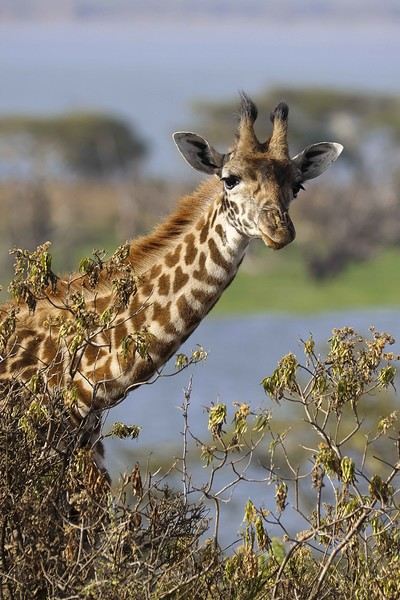
The giraffes presented just before the kori bustard look a lot like Rothschild’s giraffes (unless I’m mistaken). A very endangered and rare species!!
??
...
...
This thread has been translated into English.
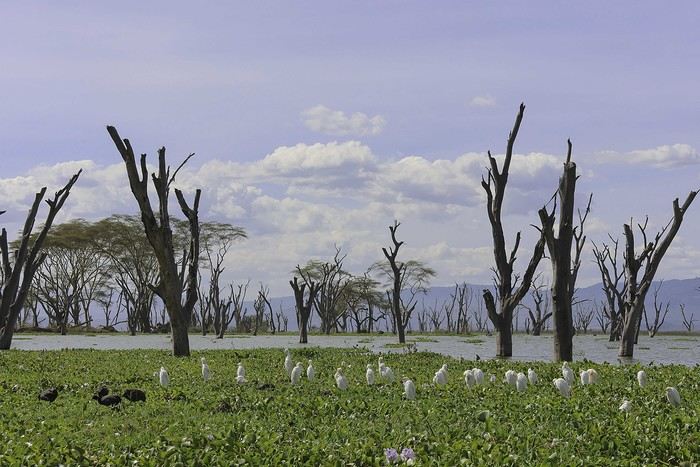
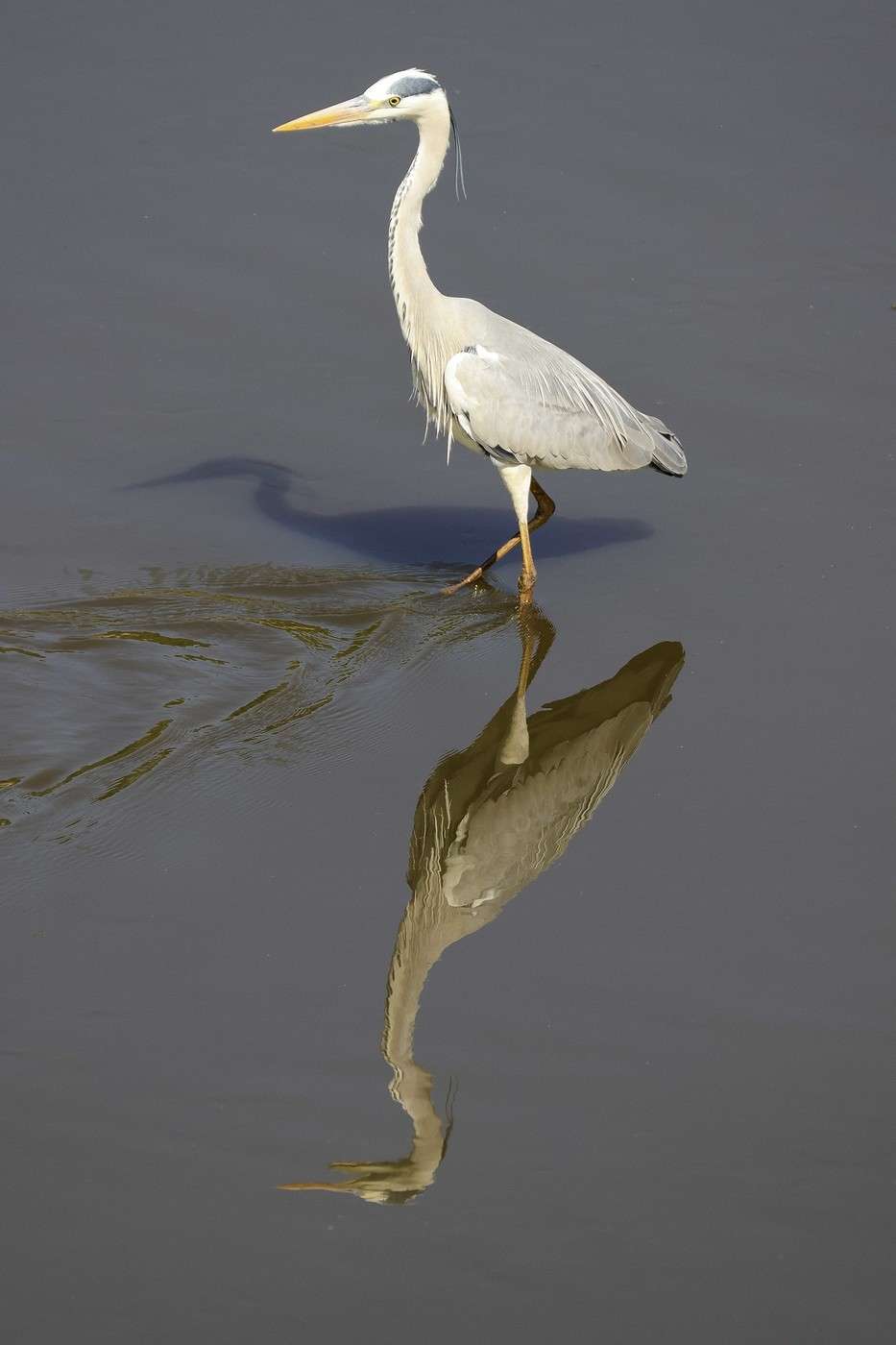
 The lake is teeming with birds, and we get to spot several different species: herons,
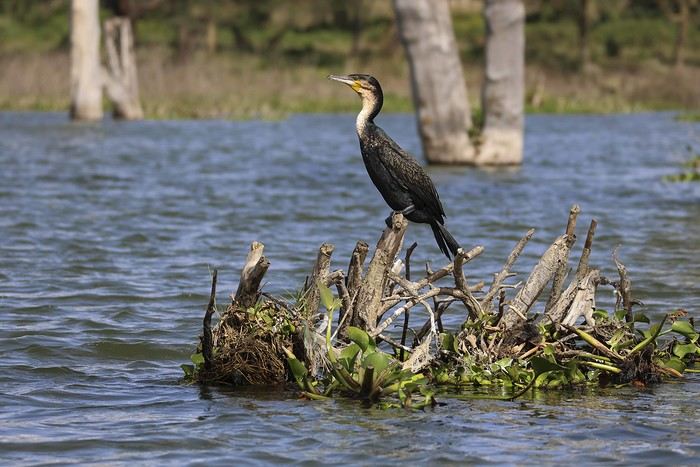
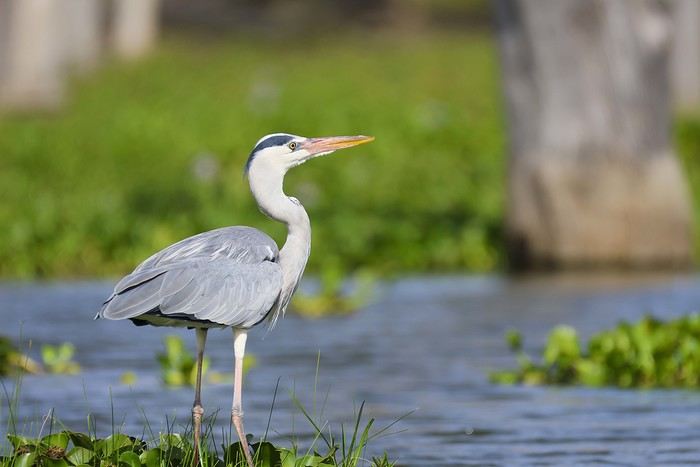 cormorants,
 kingfishers.
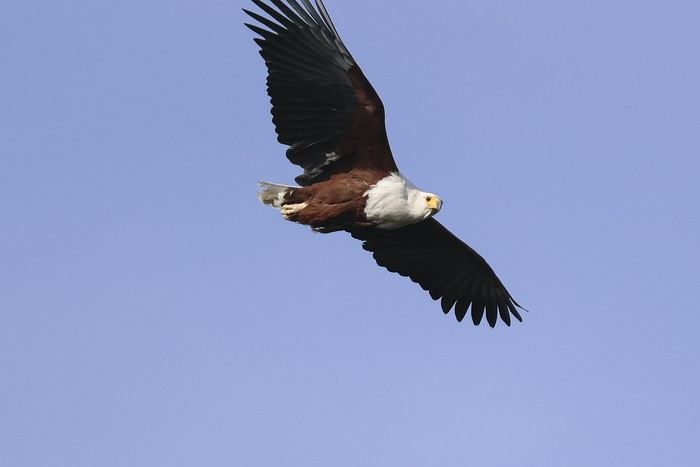
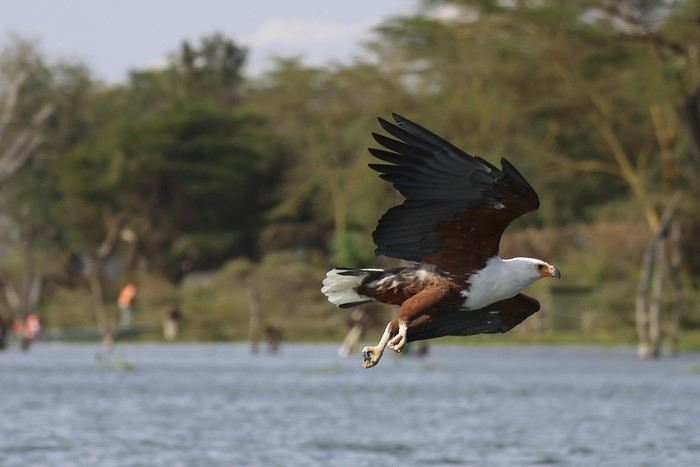
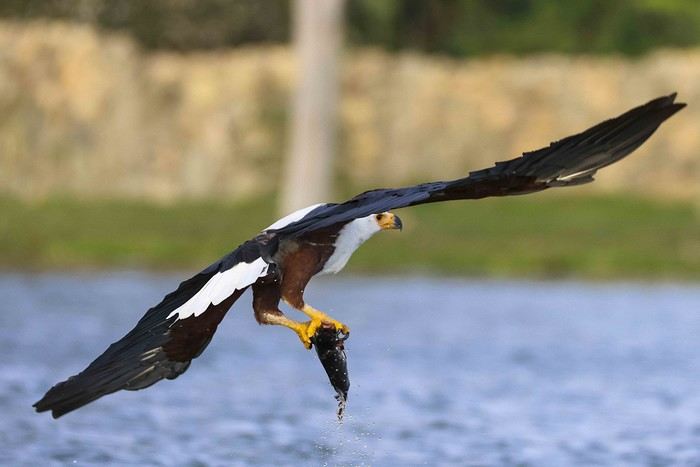
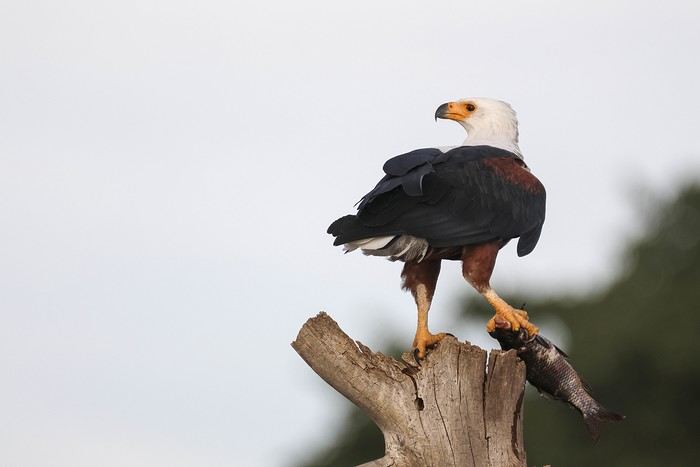
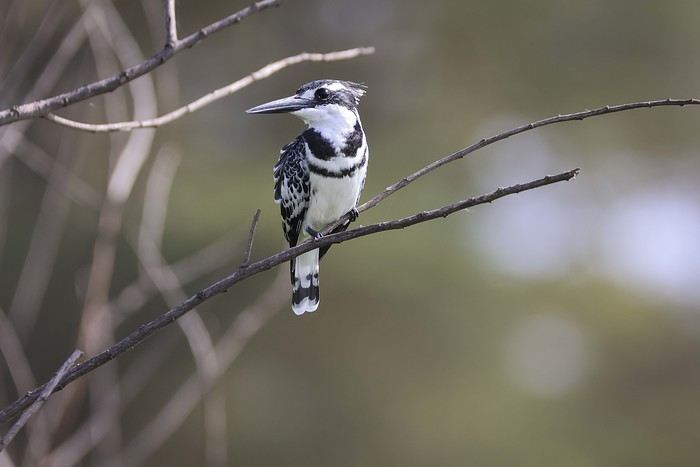 The highlight is feeding the fish eagles—we try to snap photos of them mid-flight with their prey. It’s no easy feat with a bulky zoom lens, but we eventually manage a few decent shots.
 Next, we head to Crescent Island, the filming location for part of *Out of Africa*, where we can walk freely among wild animals.
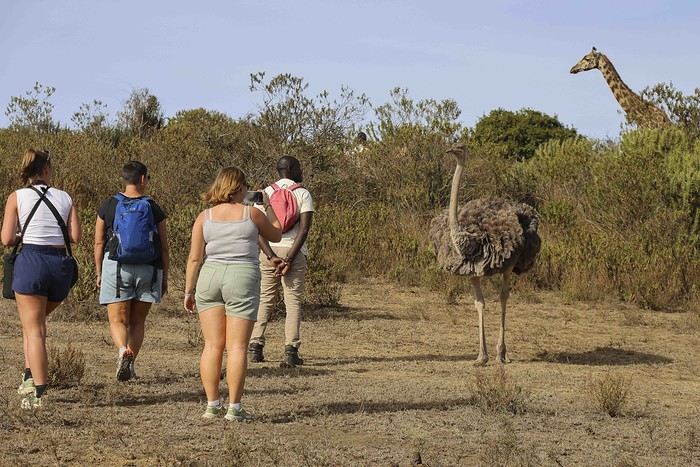


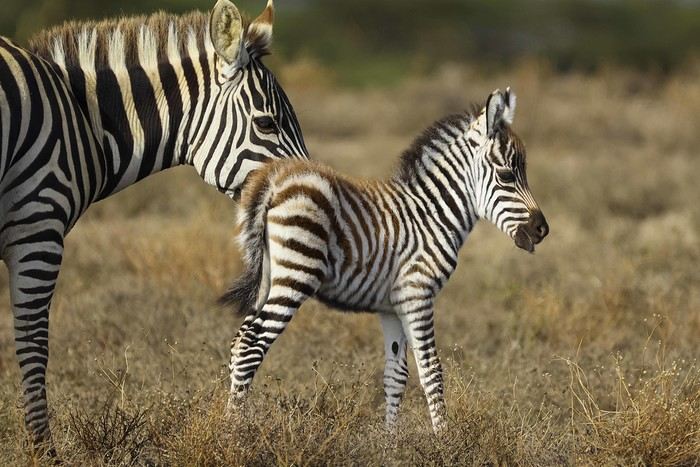 giraffes,
 gazelles,
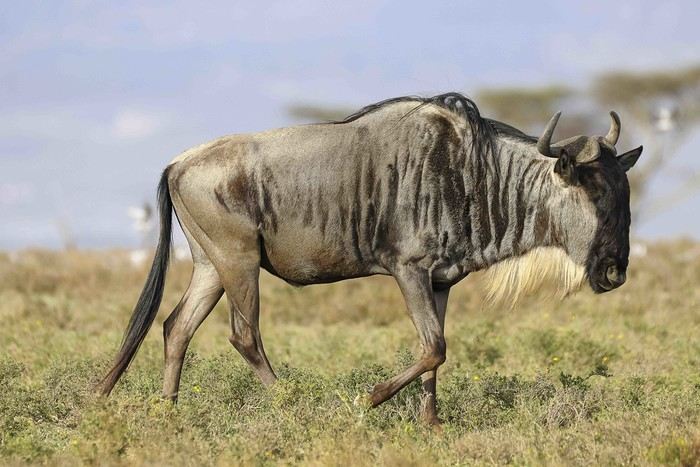
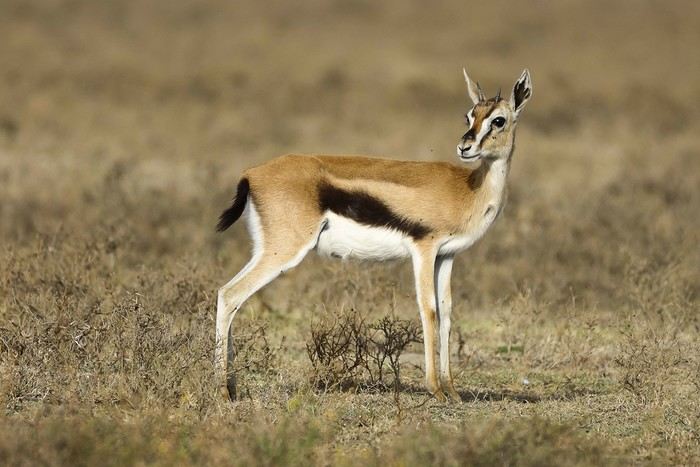 and gnus (these are the first ones we’ve seen on the trip).
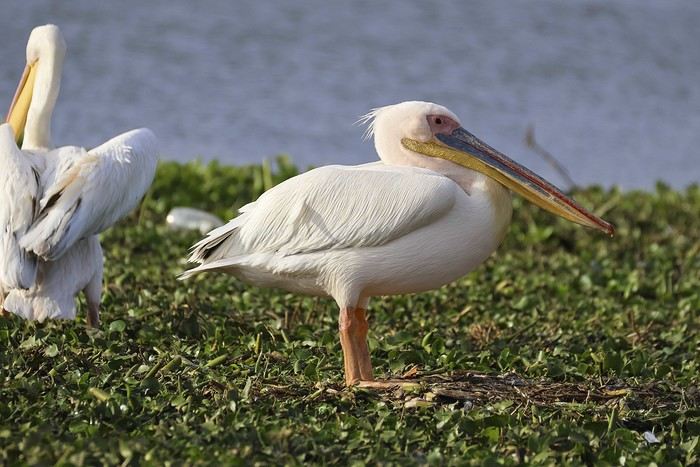
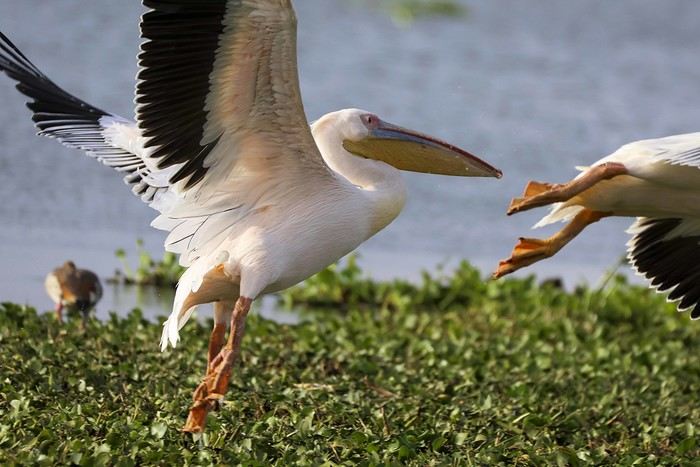
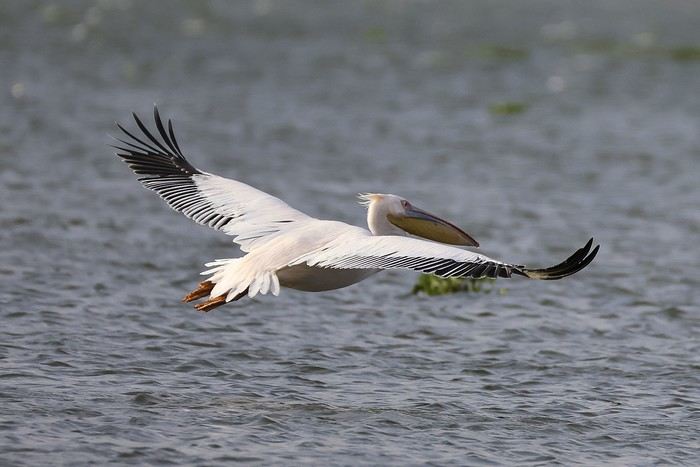
 At the end of the island, we find a large group of pelicans—always so photogenic.
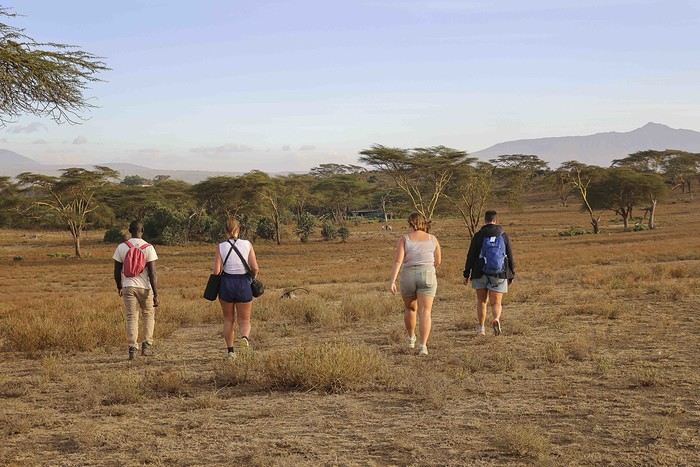
 It’s time to head back and take the boat again.
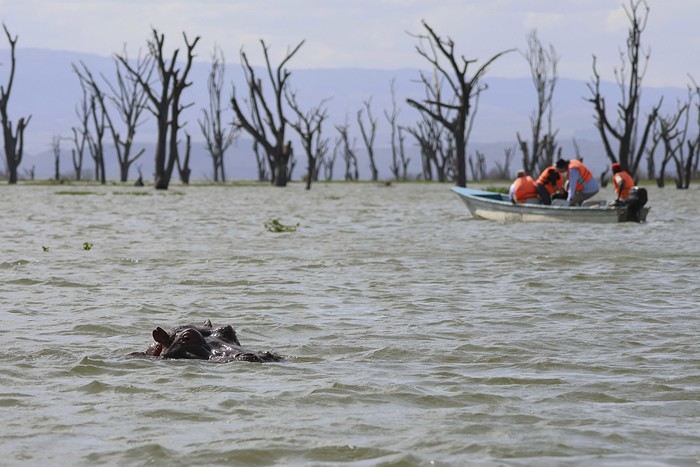
 On the way back, we end up helping two fishermen who are fishing partly submerged near dead trees. Surrounded by hippos, they can’t make it back to dry land.
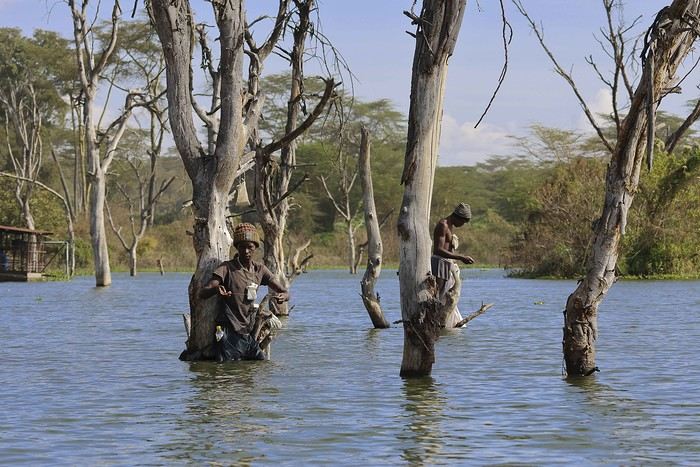 It’s an extremely dangerous activity (but unfortunately necessary), and accidents are very common due to the hippos’ aggressiveness and the fact that most of these young men don’t know how to swim. Just a few days before we arrived, several fishermen died in the area.
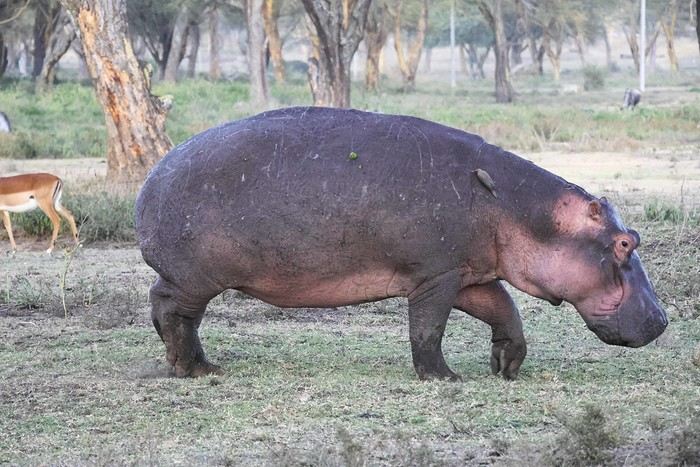
Once we’re back on dry land and in the car, we come across a hippo that’s also decided to come out of the water...
 At dinner, unlike lunch, we’re practically alone. All the tables are marked as reserved, but in reality, they’re all empty, and it feels really strange to be almost the only tourists in the hotel. In theory, there was supposed to be a "surprise" for Charlotte’s birthday, but by the end of the meal, nothing happens, and we head back to the room a little disappointed.


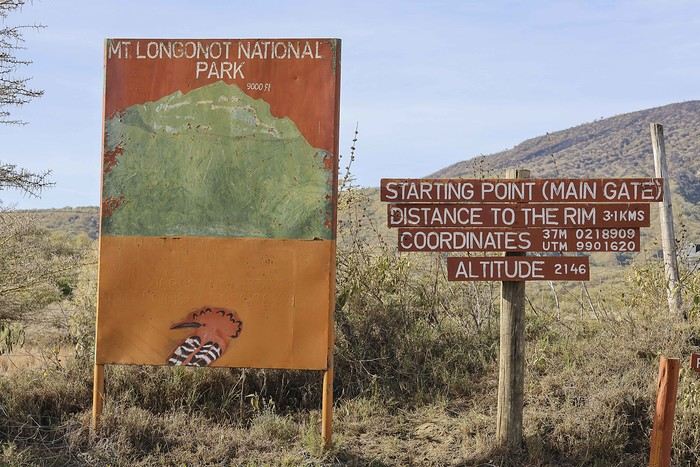 Not a great surprise: plastic water bottles are banned, so we have to buy a large water bottle since we didn’t bring the reusable ones we’ve been using since the start of the trip. The beginning of the hike is pretty easy for just over a kilometer. The real challenge starts after that—first with some pretty high steps that aren’t easy for the little ones, then the slope gets steeper and steeper, especially since the altitude is making our hearts work harder. Still, the trail is wide enough, and we don’t run into any major issues reaching the edge of the volcano, which tops out at just over 2,500m.
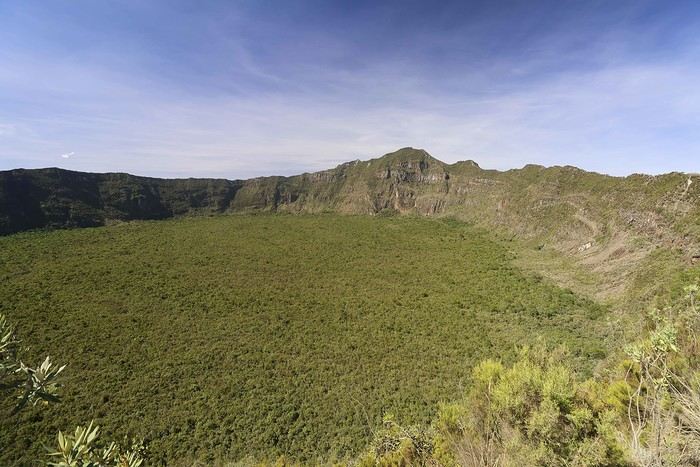
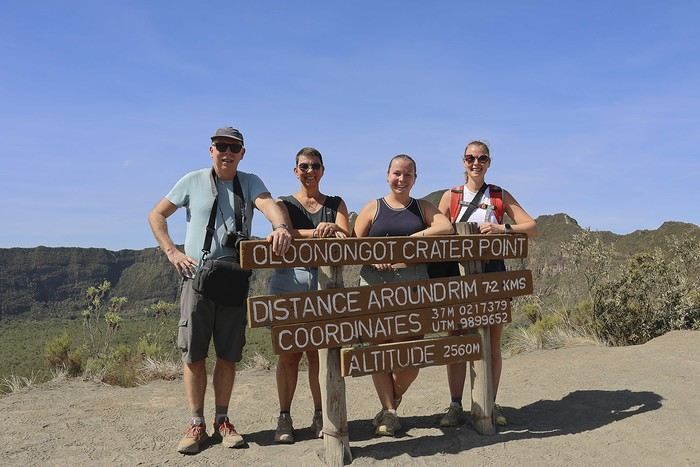
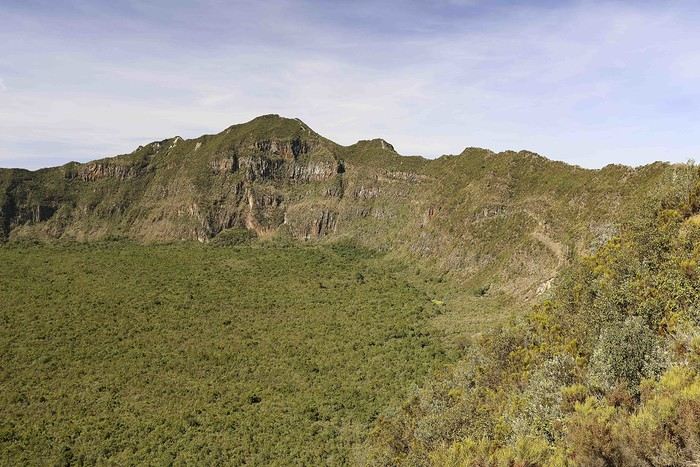 Alfred suggests going all the way to the summit, which means even more hiking. We agree and start following the edge of the volcano.
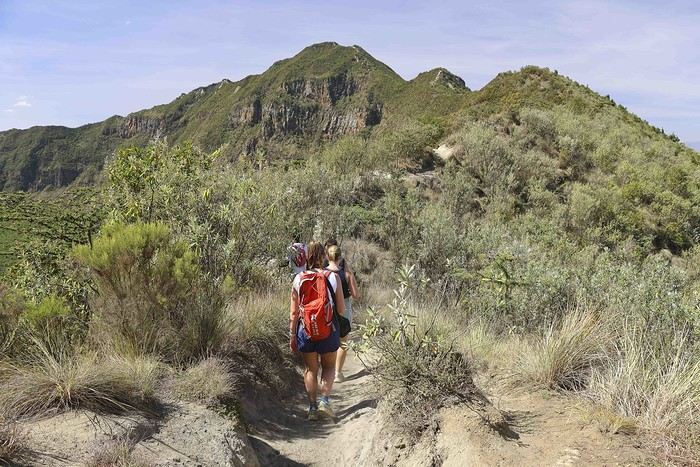
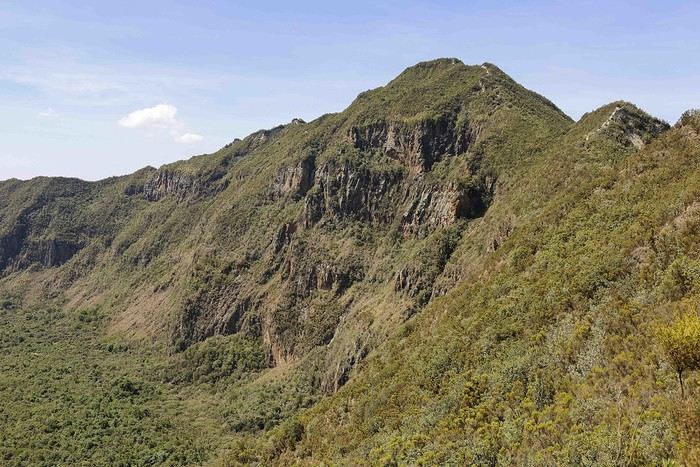 At first, it looks close, but it’s actually endless, and the last steep section gets the better of Anny, who decides to turn back while we keep going—her energy is starting to fade. We finally reach the summit at 2,780m, thrilled to have made it even if it’s not exactly a huge achievement.
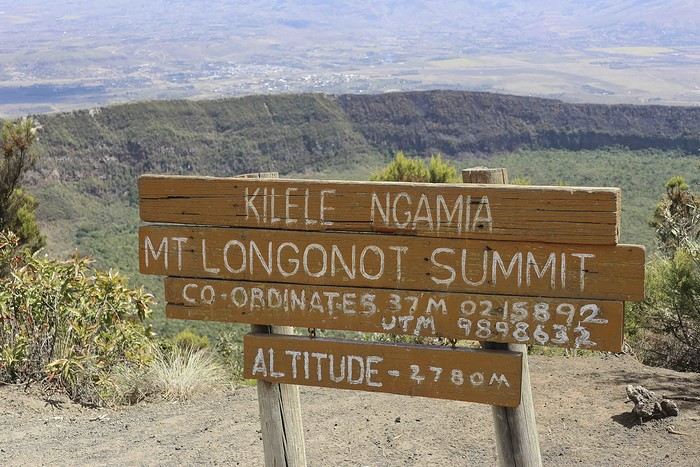
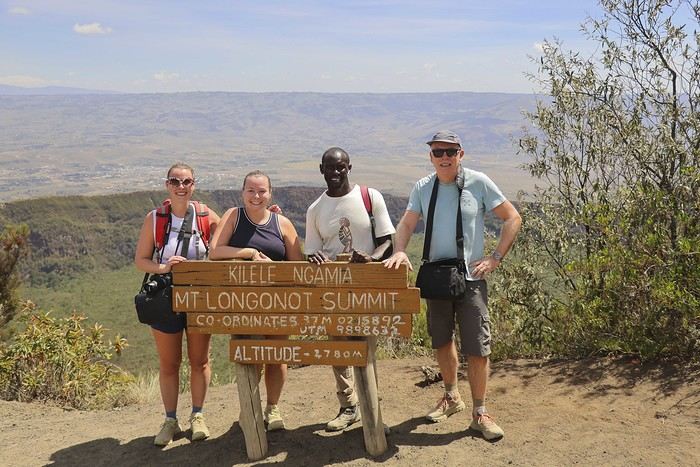 On the way back,
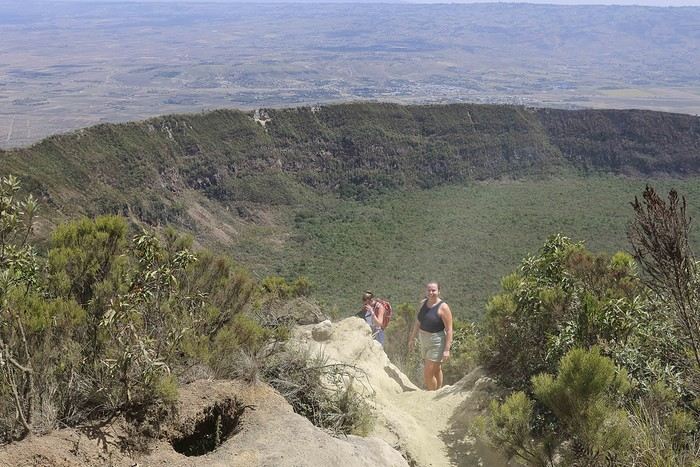 Alfred starts showing signs of struggle—his feet are really hurting, probably because his shoes aren’t up for the job. We meet up with Anny at the 2,500m mark and immediately start descending toward our starting point. Alfred’s condition doesn’t improve, and he’s in more and more pain, to the point where he can’t keep up with Anny and me (Juliette and Charlotte had already gone ahead). Our legs are starting to feel like lead, and we don’t wait for him (not very nice of us!), our only thought being to sit down and drink some water. After just over 4 hours, we finally make it back, wrapping up this amazing hike that was a great break in an otherwise not-so-active trip.
We head back to our hotel and spend the rest of the day by the pool, having given up on going to Hell’s Gate, where we’d maybe thought about renting bikes. Like at dinner the night before, we’re the only ones enjoying the pool.


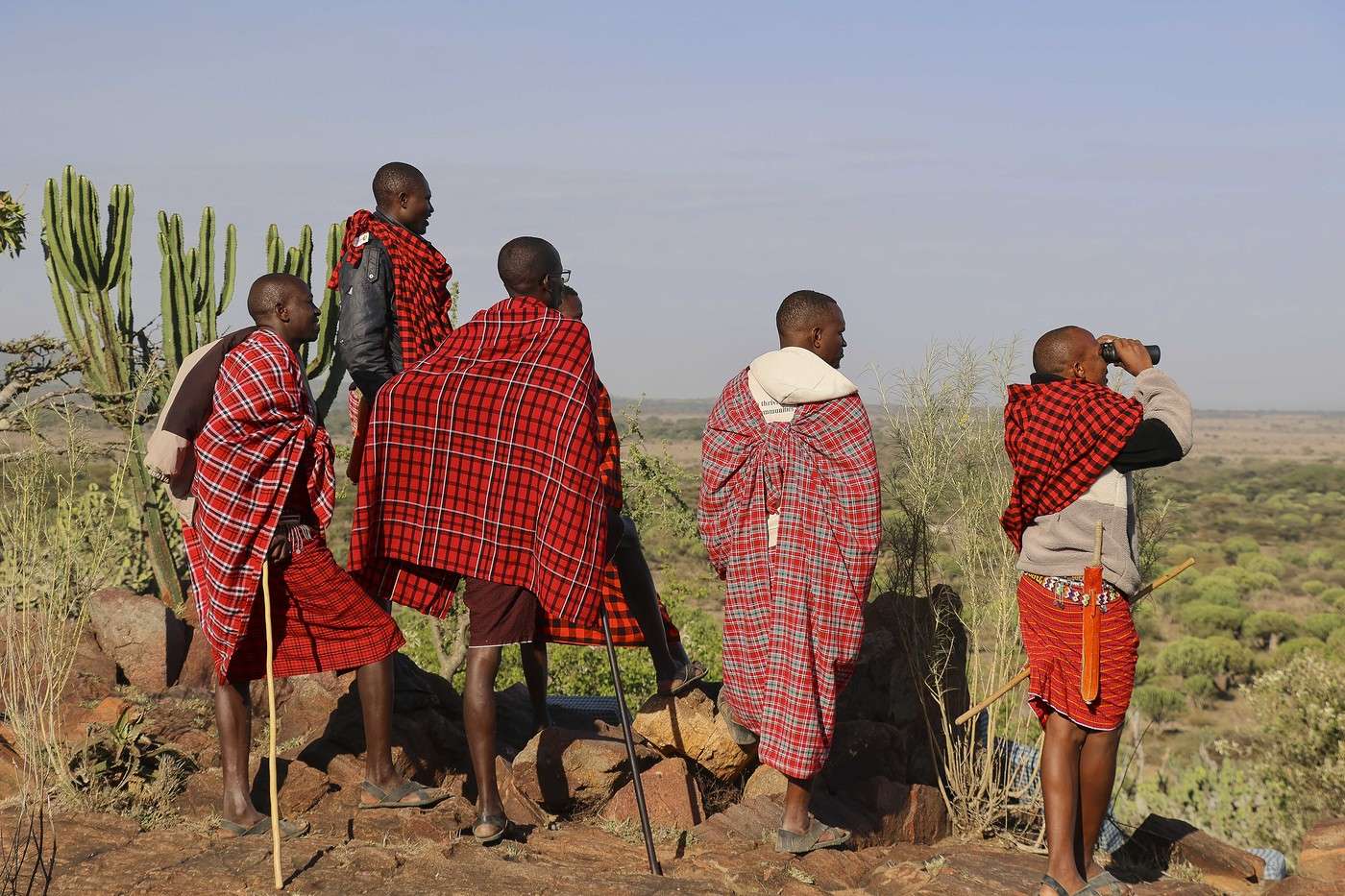
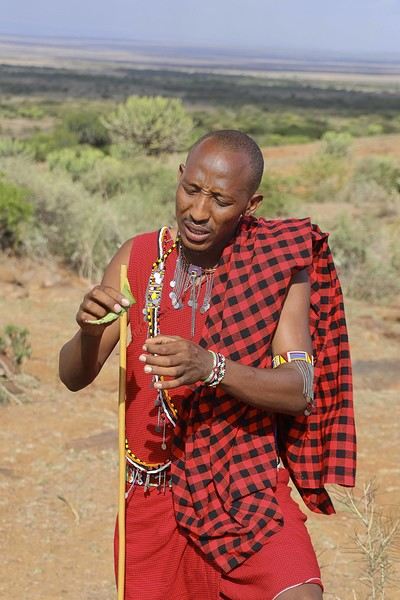 how they hunt... He’s really fascinating, and his English is easy to understand. We visit a small village (actually just a few huts)
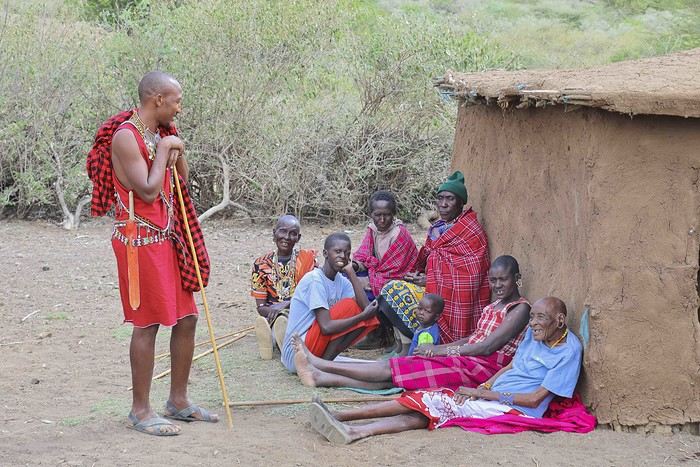
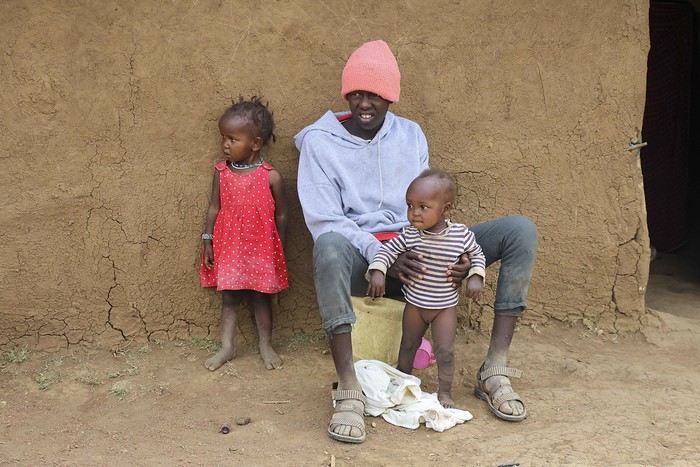
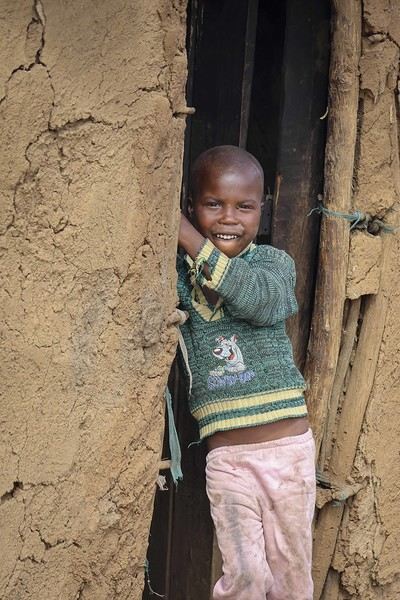 and step inside one of the huts—it’s cramped and shows just how tough living conditions are.
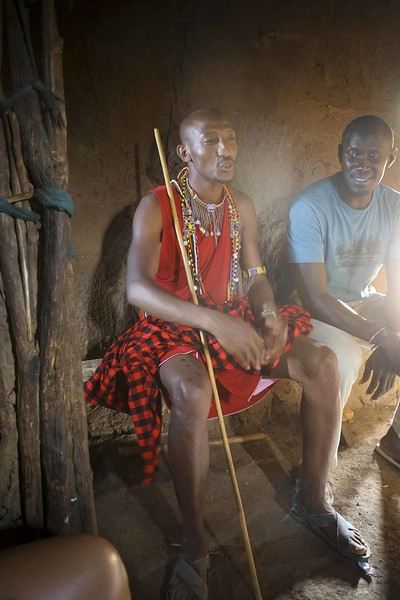 We continue our walk through the breathtaking landscapes around us
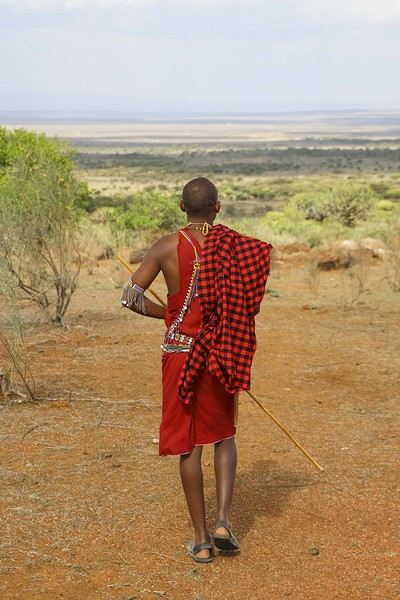
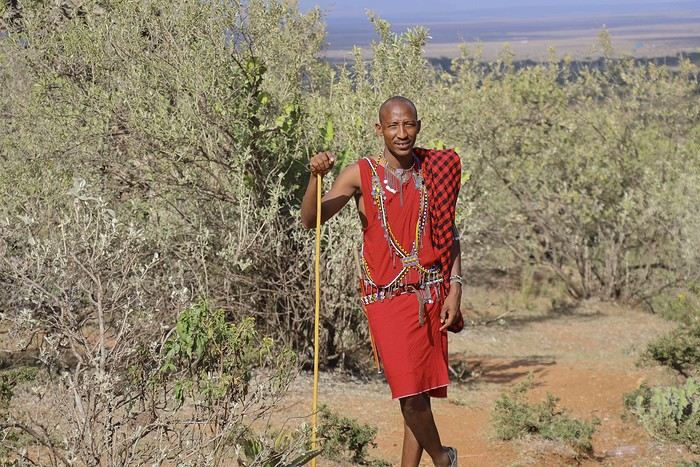 and end up at the bottom of the hill, near the main village, where there are hot springs where women and children come to collect water.
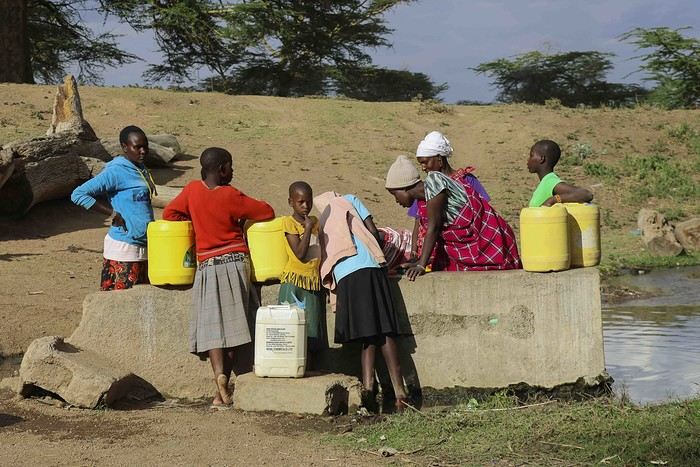
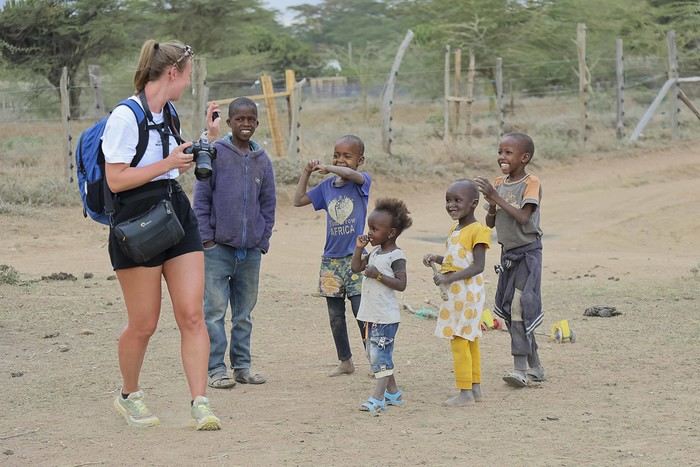
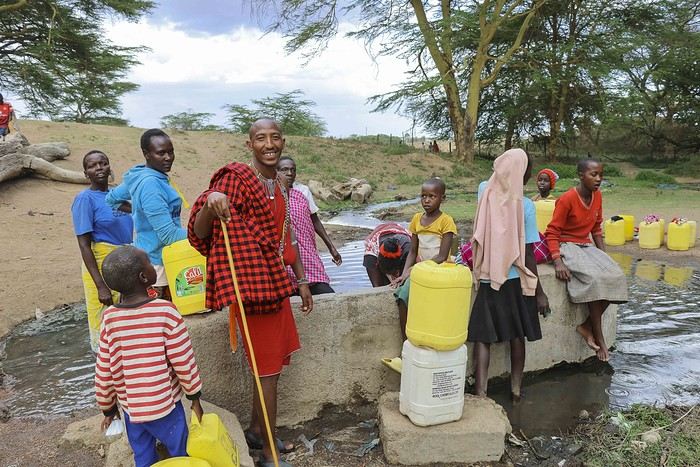 The kids aren’t too keen on having their photos taken but crack up when we show them the pictures afterward.


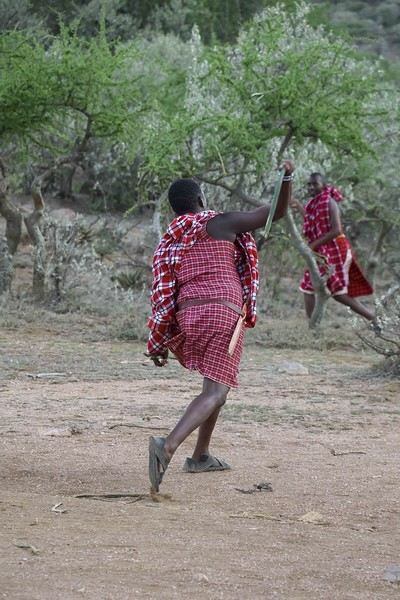
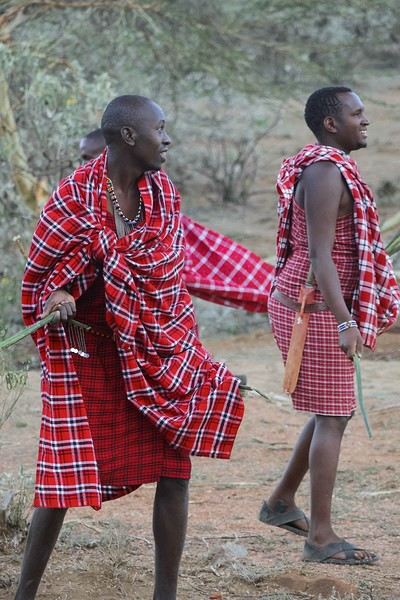 followed by traditional dances and songs—really impressive.
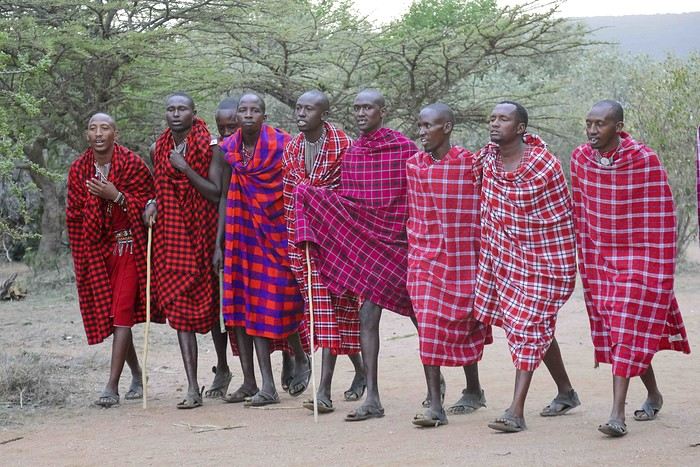
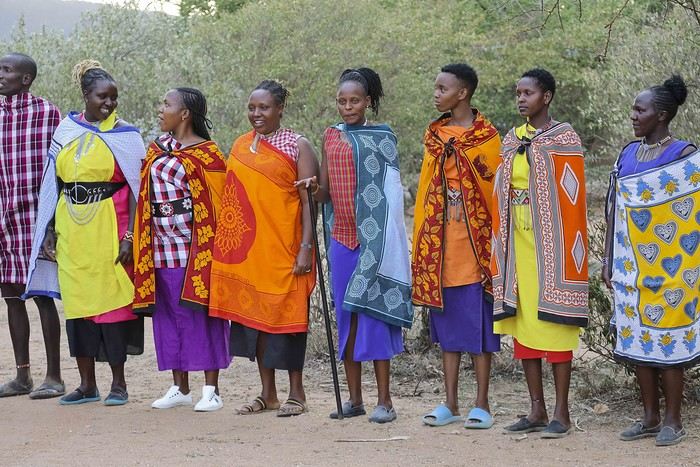
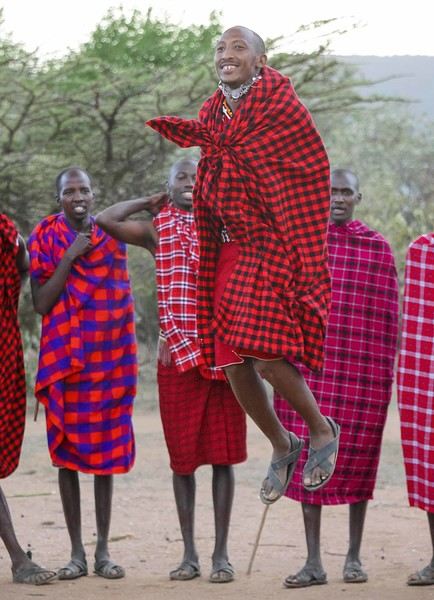
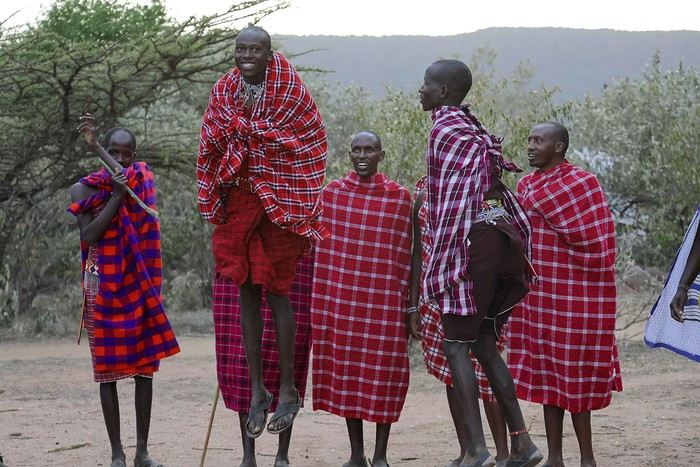
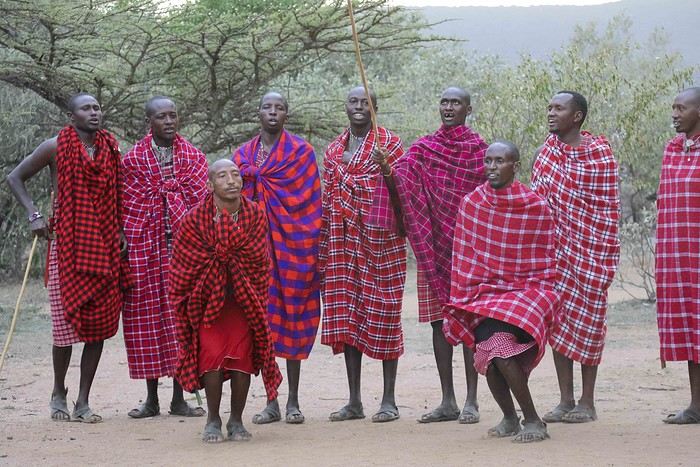
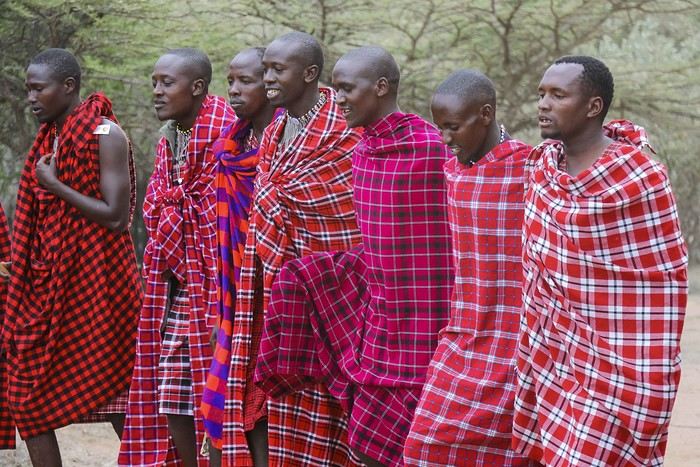
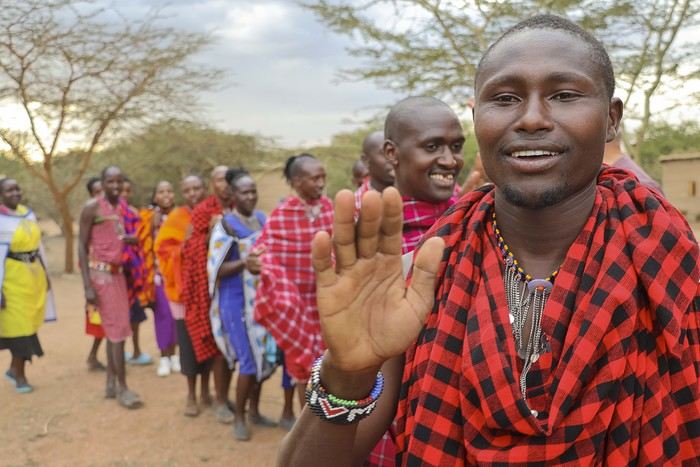 Even though it’s a tourist camp, none of this feels overdone—it’s all very natural. Nothing like other experiences, like with the Nimbas in Namibia, where we didn’t feel at ease. Just before dinner, as night fell, the Maasai from the camp lit a fire the traditional way, without matches. Not easy, since a few raindrops (the first of the trip) started falling.
One of the Maasai told stories, and it continued with another performance of dances and songs.
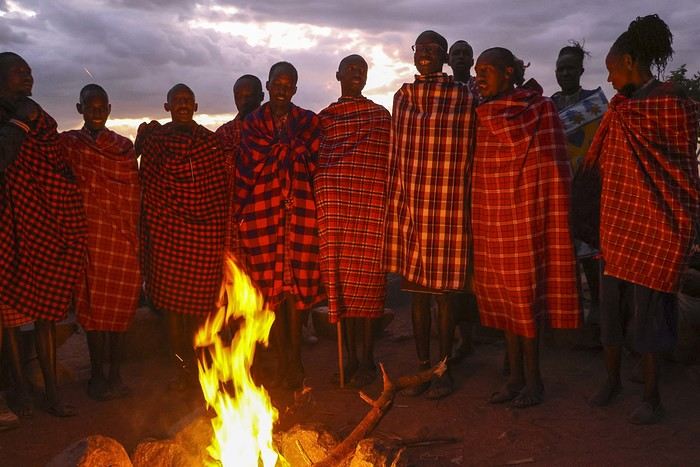 Another amazing day comes to an end.


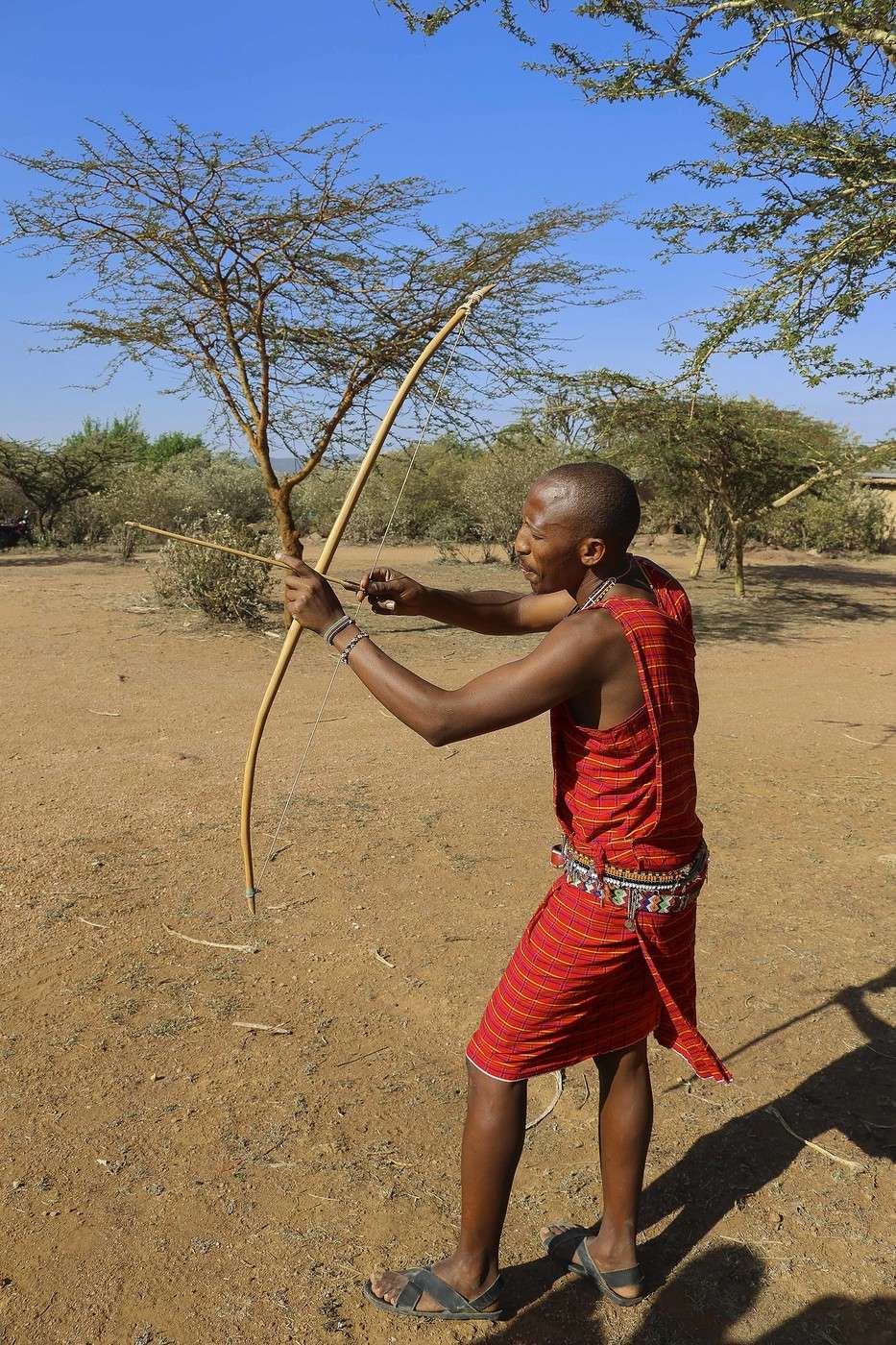
 Ben invites us to join him in the courtyard to introduce us to archery.
 We each take turns shooting a few arrows, with varying degrees of success. Time flies, and it's soon time to head to our next stop. This short stay delighted us, and we hope the next three days in the Maasai Mara will be just as fulfilling.
It takes about 2 hours to reach this new stop, and we arrive at Camp Oloshaiki, located by the Talek River, late in the morning. The welcome is very warm, especially from Meissy, who will be taking care of us for the next 3 days. Here, they also speak Maasai. The tents are really spacious, and the setting is idyllic. We're surprised to be alone but figure the other guests are probably out on safari and will return in the afternoon. In fact, we'll realize in the evening that we're the only guests, and only one other couple will be there on the last night. It's true that it's not peak season, but we didn't imagine there would be so few tourists, as Kenya used to have a reputation for touristy safaris, which clearly isn't the case anymore.
During the meal on the terrace, someone comes to see us to organize tomorrow's hot-air balloon ride. The meet-up is set for 4:45 AM.
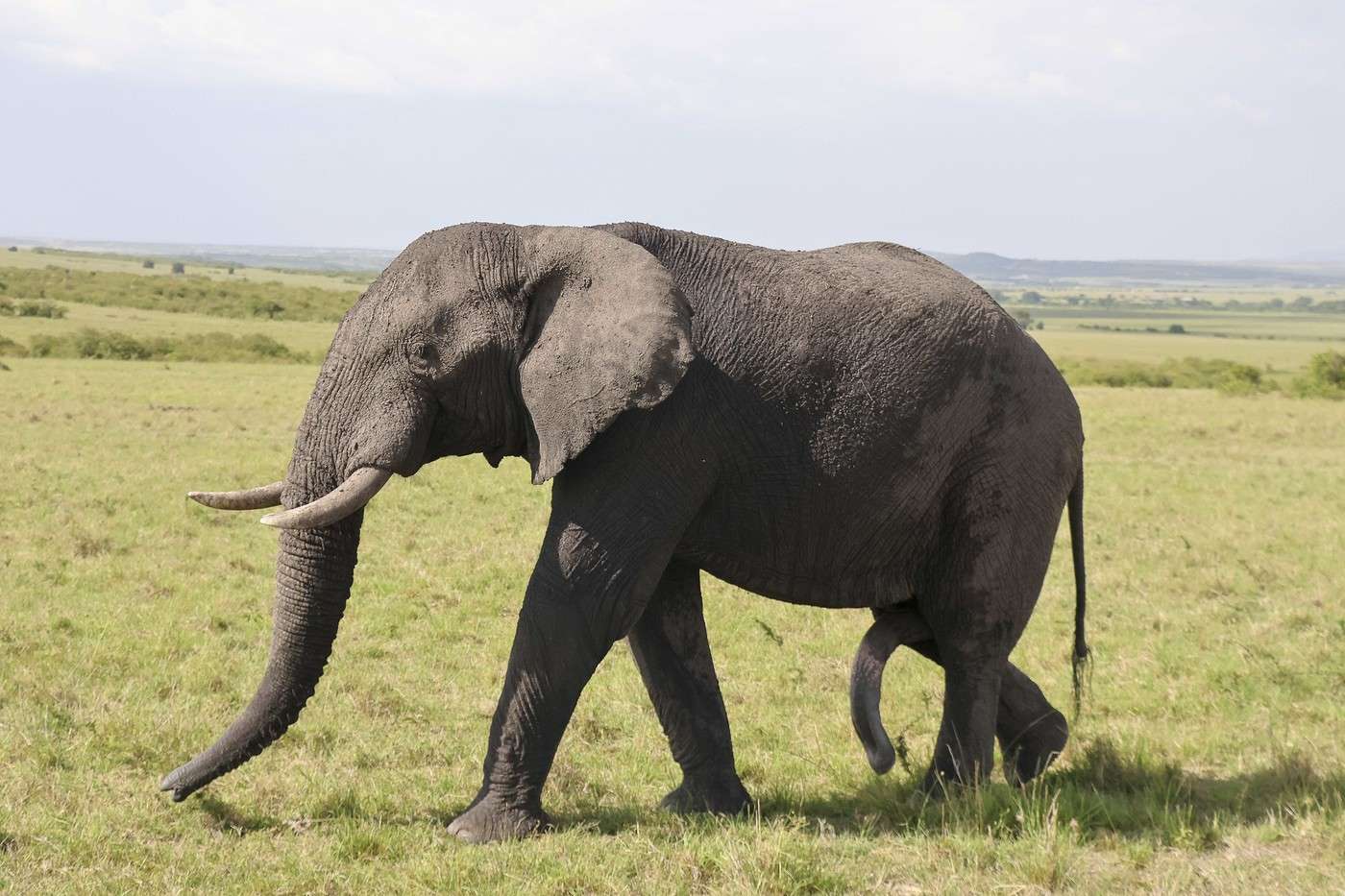
After a good lunch and a little rest near our tents, we head out in the early afternoon for our first safari in the Maasai Mara. Pretty quickly, Alfred tells us that a cheetah has been spotted nearby. He doesn’t rush to the area but takes the time to stop and show us the reserve’s rich wildlife. We come across an elephant with "five legs" (according to Alfred).
 After a while, and as we’ve seen several vehicles heading in that direction, we arrive at the spot where the cheetah is. We don’t take long to spot it since it’s wandering across the plain, surrounded by several 4x4s.


 Off-roading is forbidden, and Alfred makes sure to bend this rule as little as possible, while other guides couldn’t care less—sometimes getting too close to the animal, even though the tourists on board have huge zooms that let them photograph from a distance. We’re lucky to photograph the cheetah for several minutes, and it’s truly magnificent.


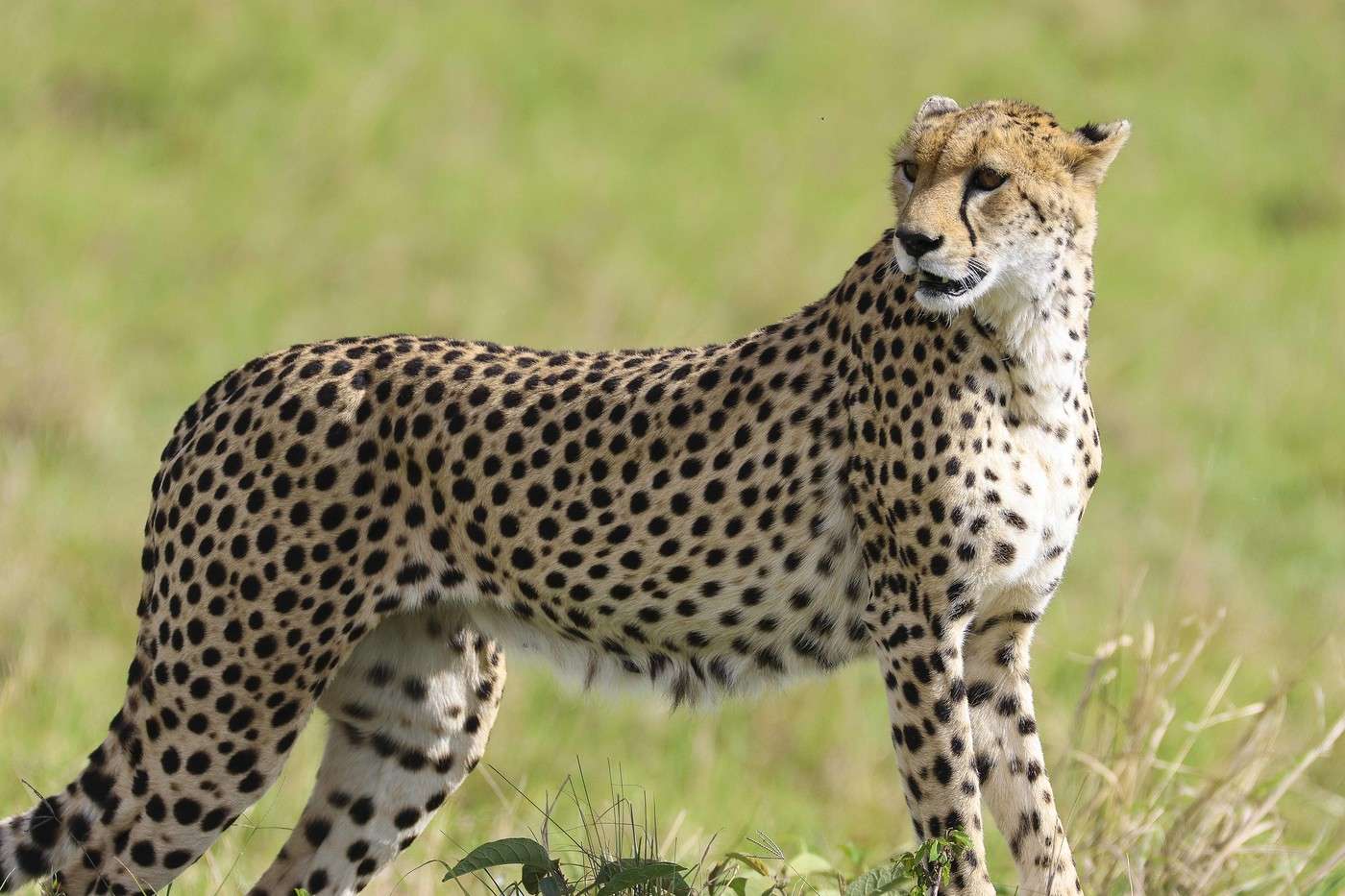
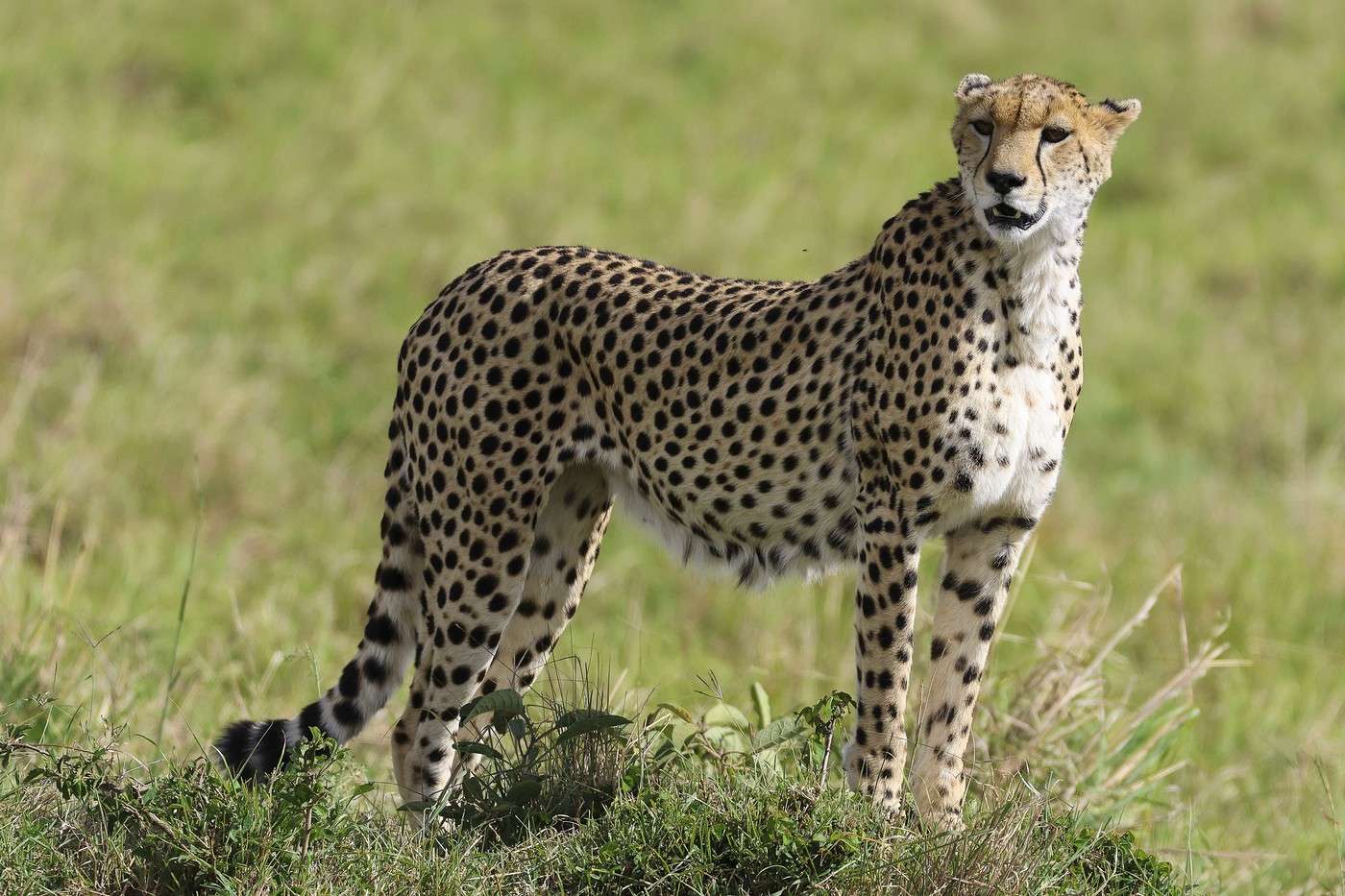
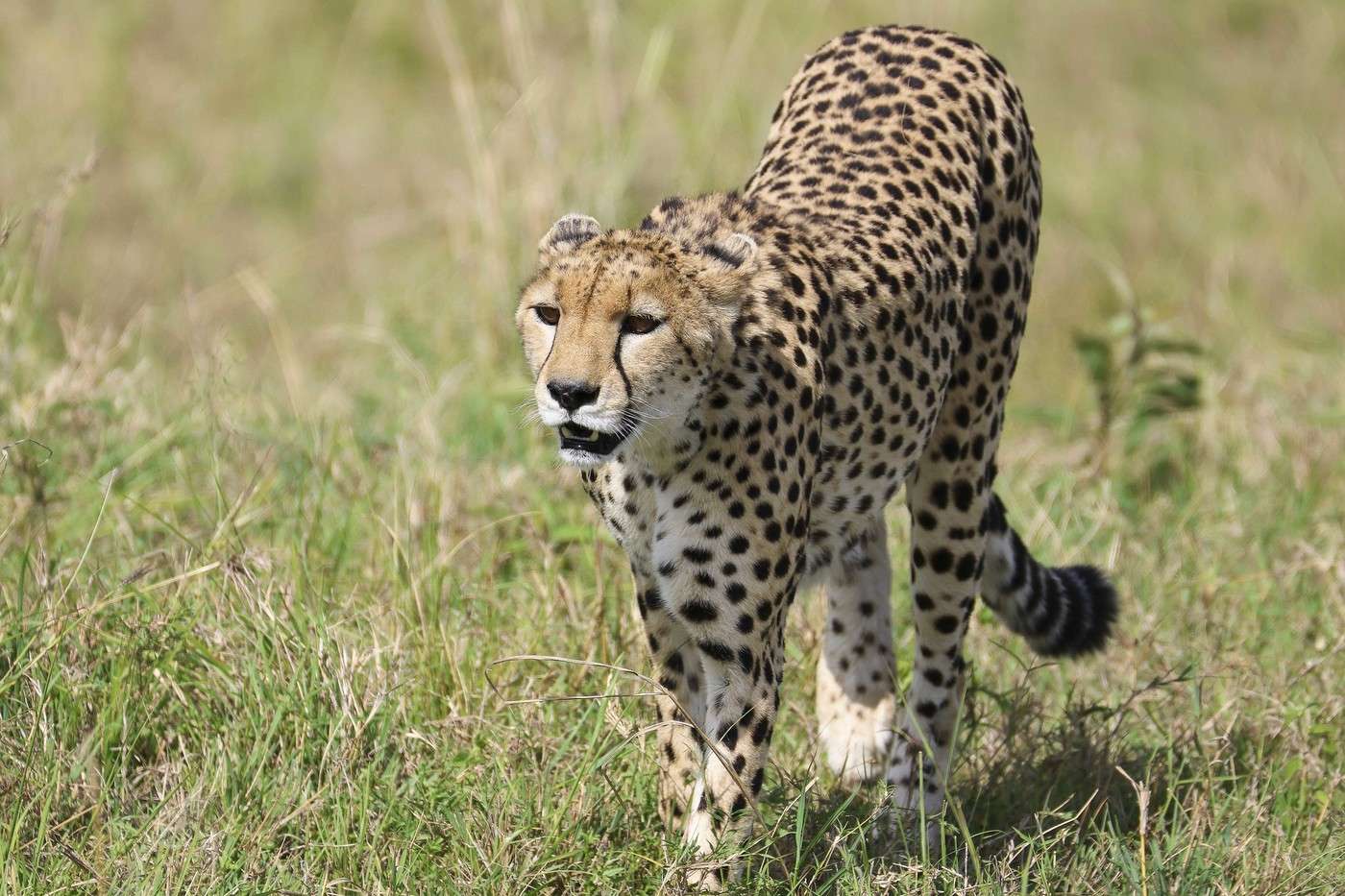
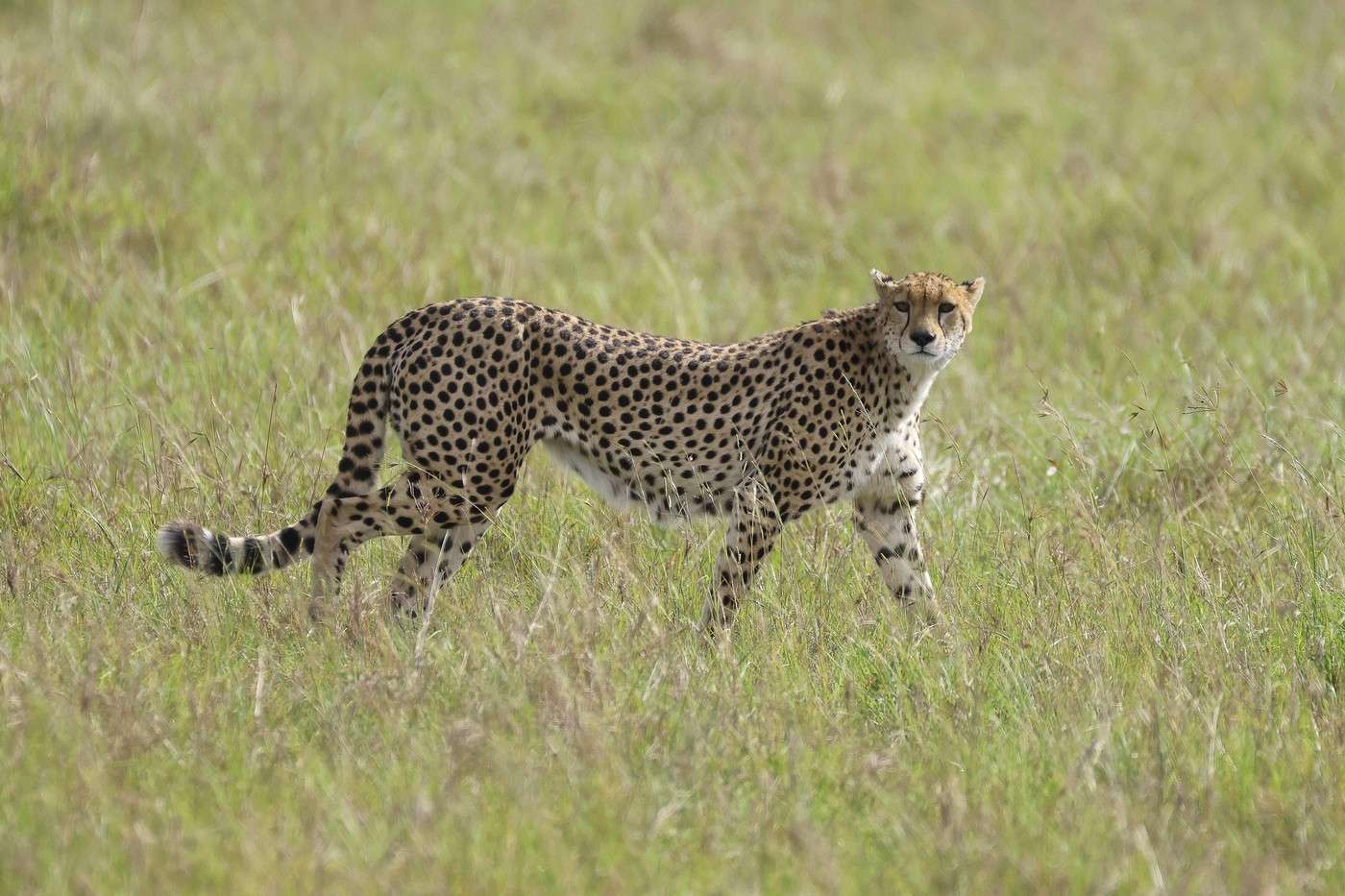
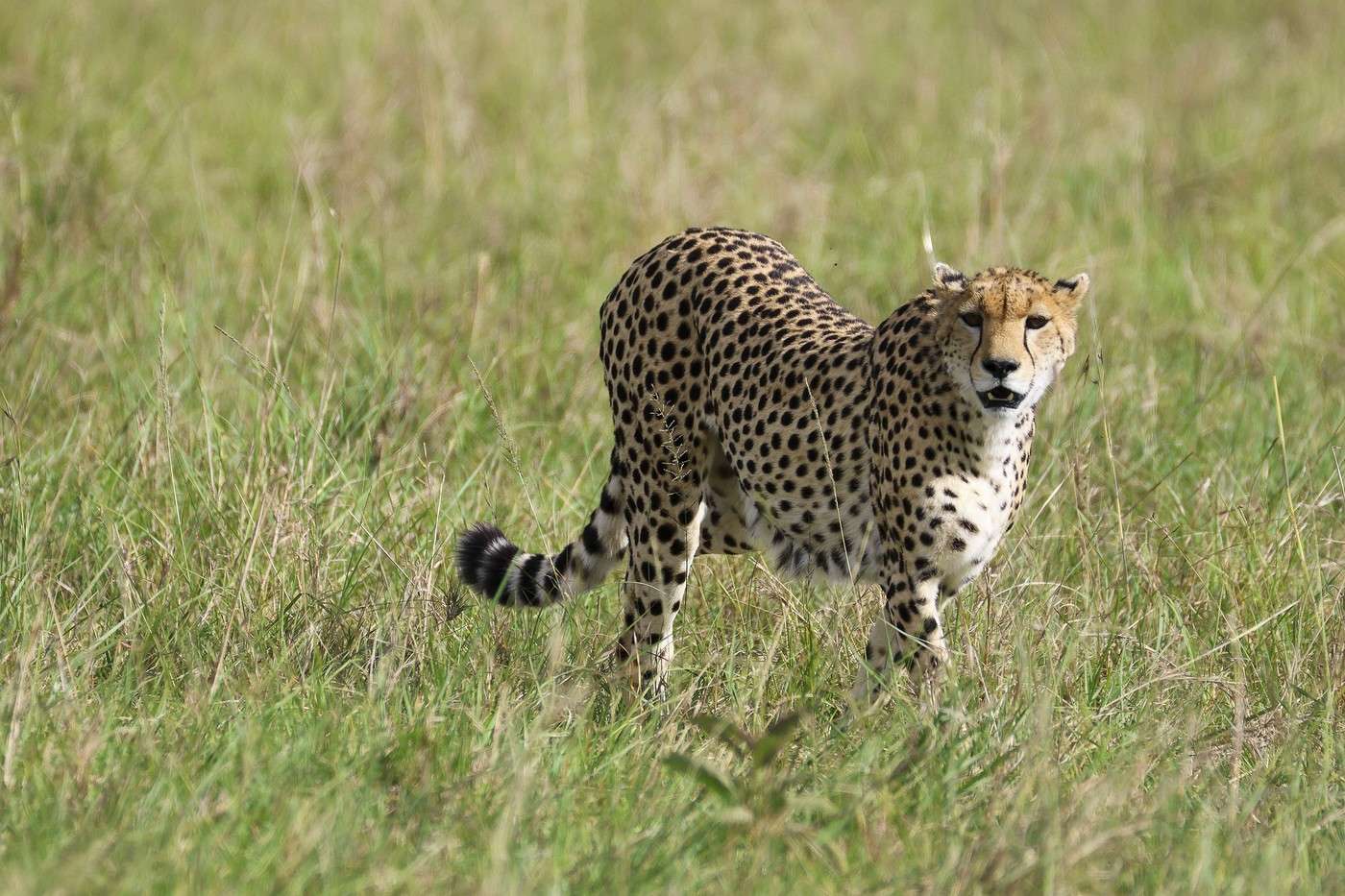
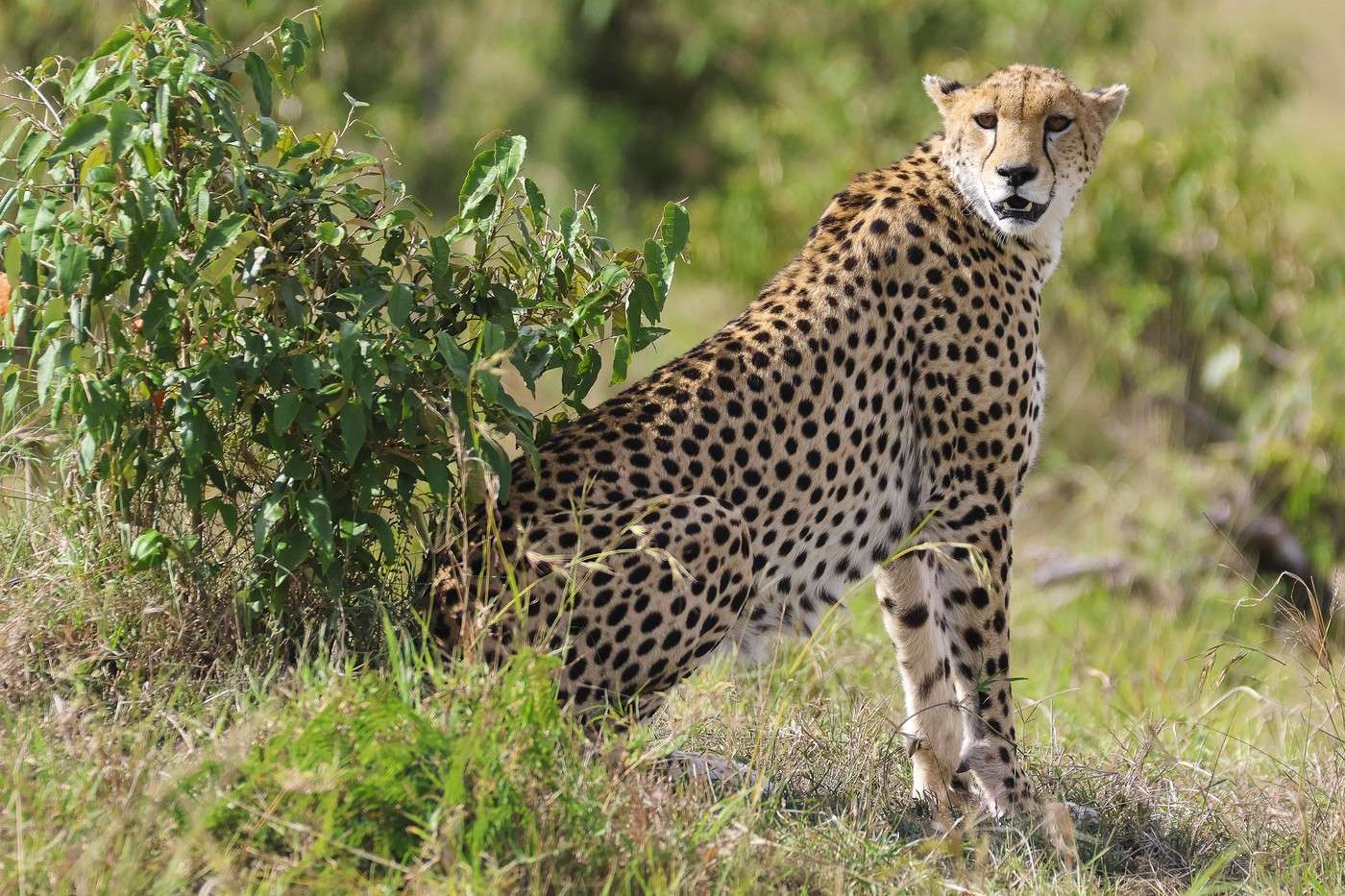
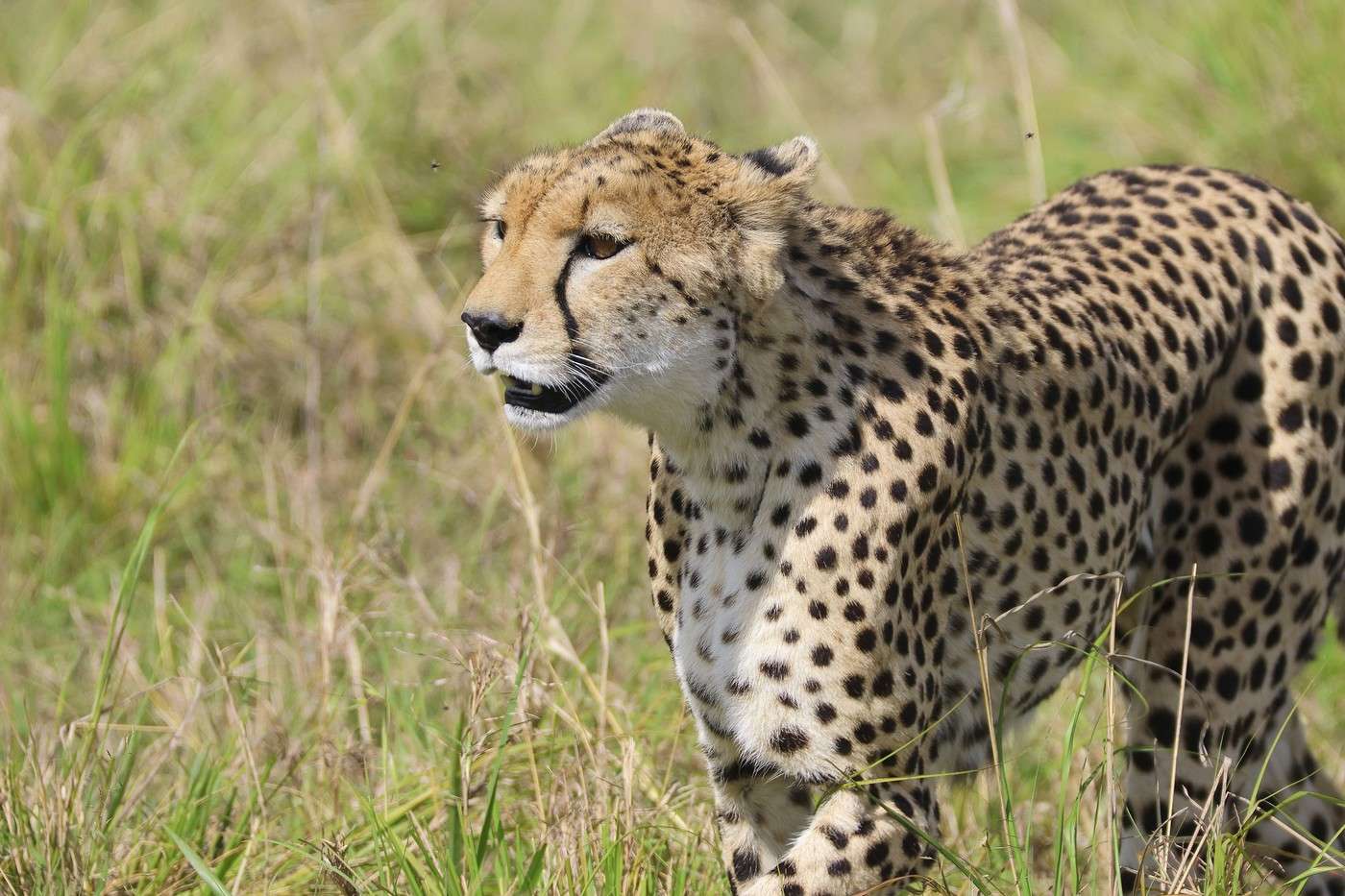

 It’s also on the move and out in the open.

 What luck we have—especially since, for the moment, we’re among the very few observing it.
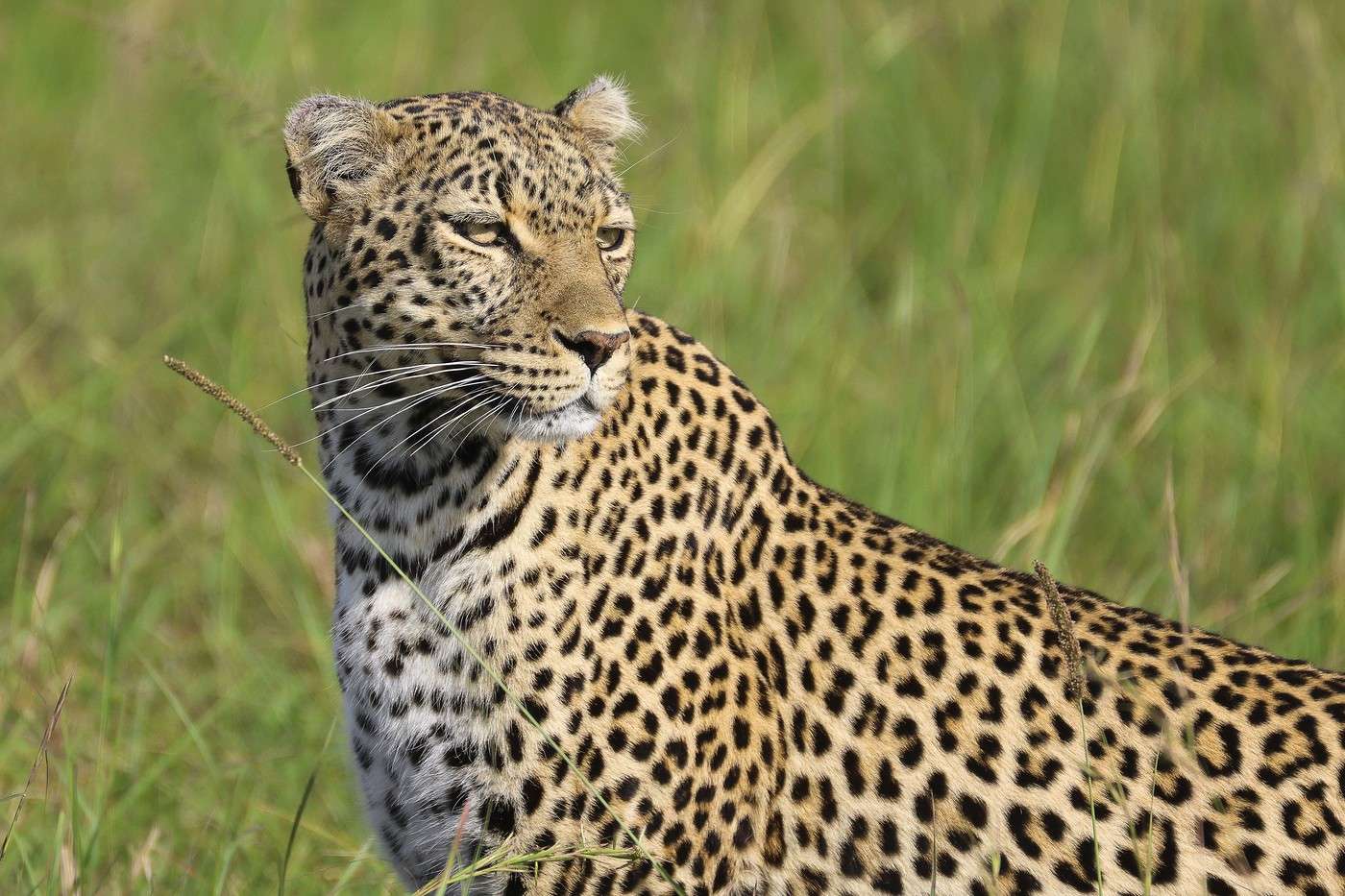
 Unfortunately, it doesn’t last long, and soon many vehicles arrive in the area, turning the scene into total chaos with no respect for traffic rules or the animal. Suddenly, we see the leopard get agitated, and almost simultaneously, we spot another animal—quickly identified as a serval—running and jumping, frightened by the leopard’s presence, which had accelerated toward it. Unfortunately, Alfred, trying to get as close as possible to the scene while the vehicle was moving, couldn’t capture any photos of the serval, which eventually disappeared into the vegetation for good. The leopard itself, spooked by a buffalo appearing out of nowhere, vanishes into thick bushes. I completely missed this moment, and it drives me crazy. Alfred isn’t to blame, but I can’t help sighing—scenes like this are so rare.
With the number of vehicles chasing the leopard turning into total chaos, Alfred doesn’t condone this behavior and suggests we move on, which is the most reasonable thing to do for the animal’s well-being.
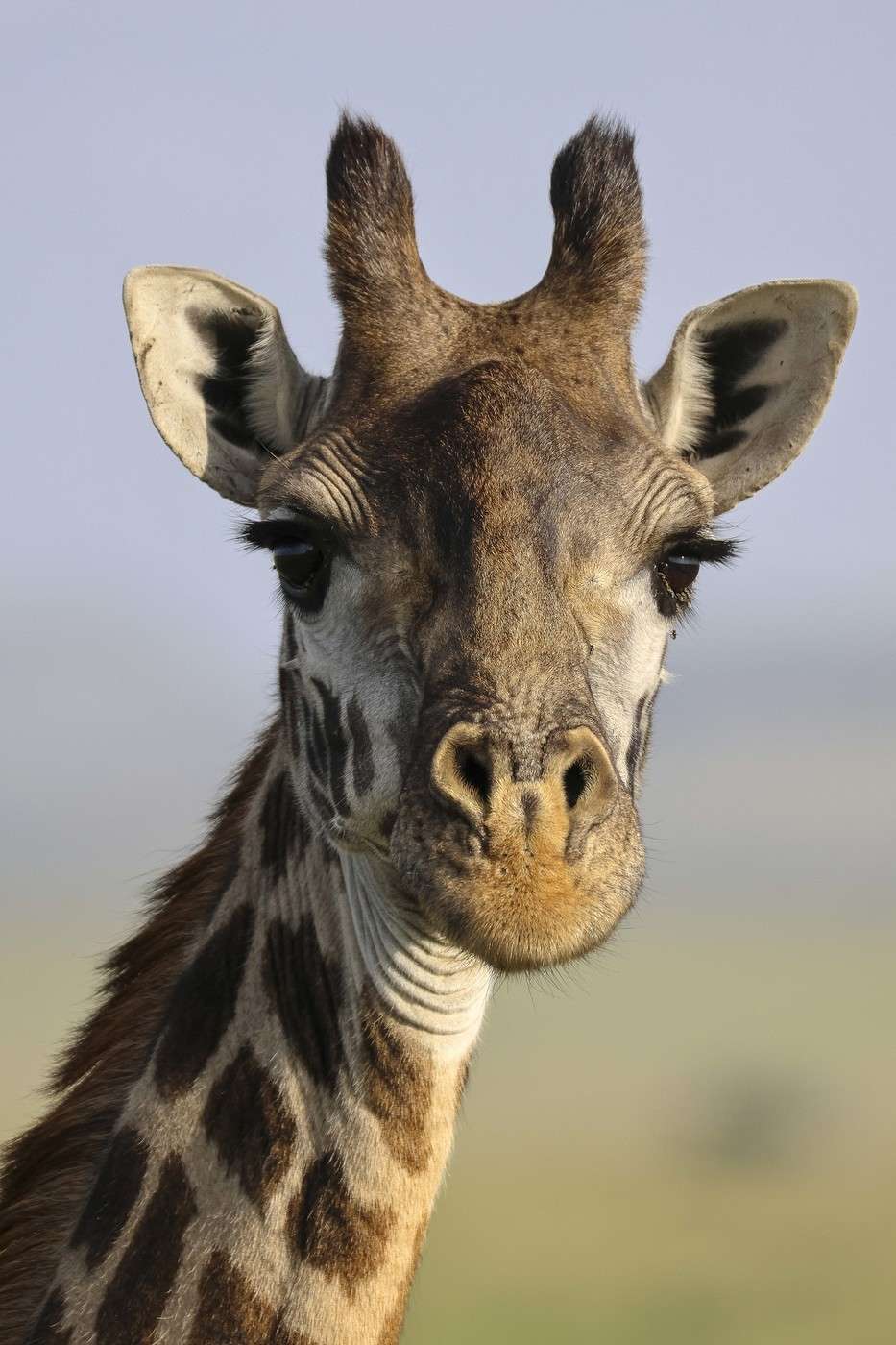
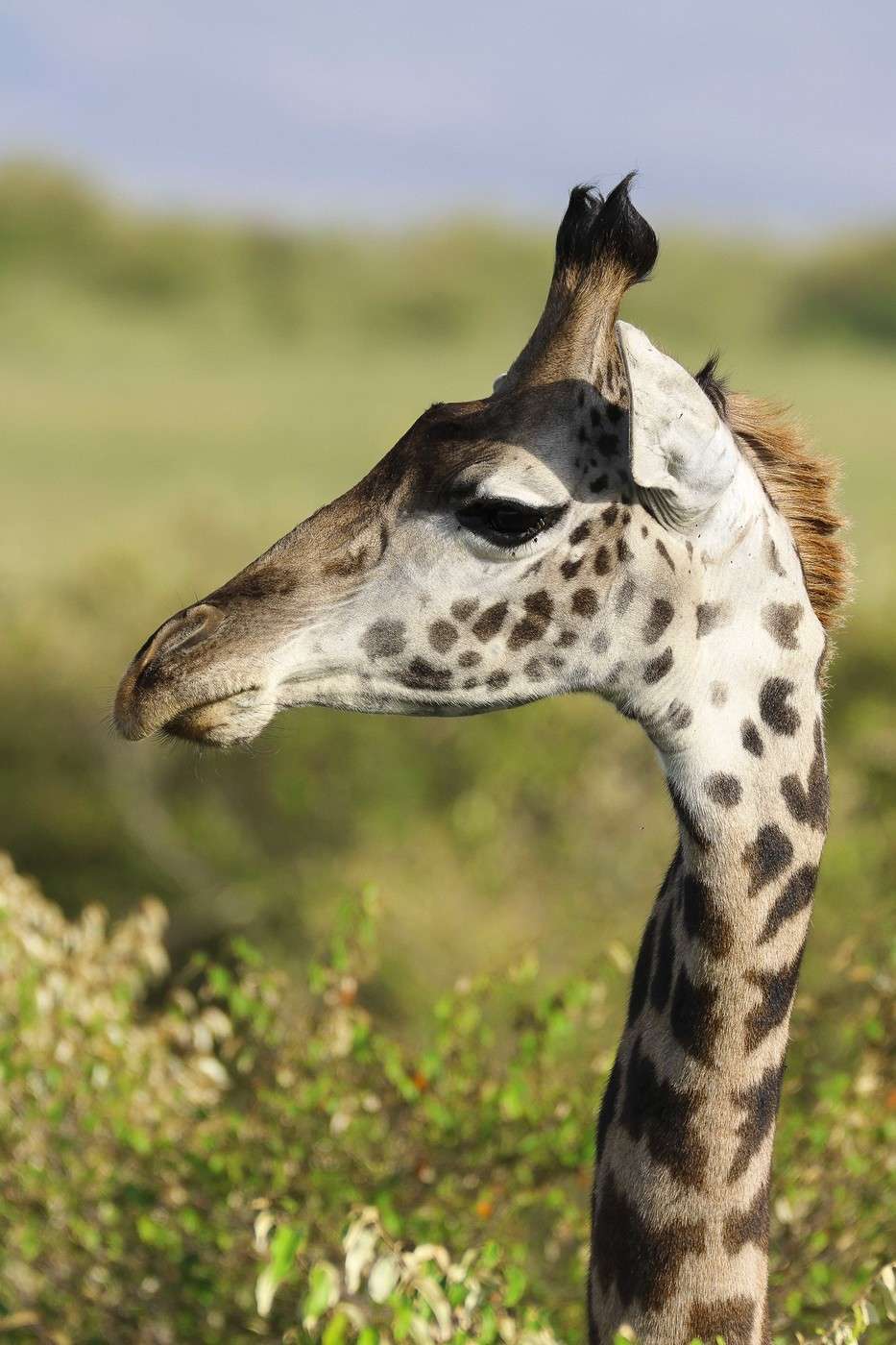
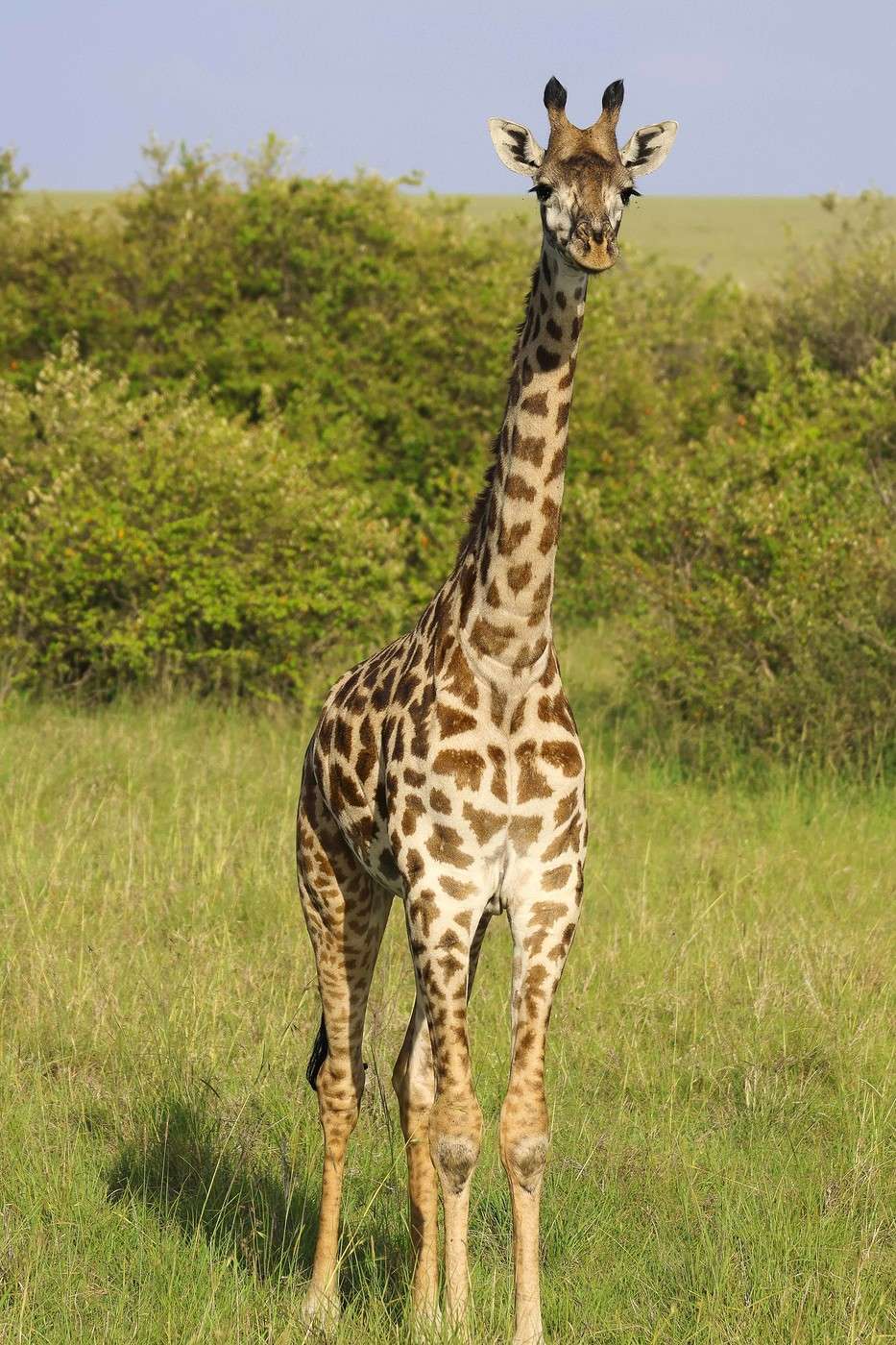
The sightings don’t stop there, as we observe giraffes in excellent conditions,


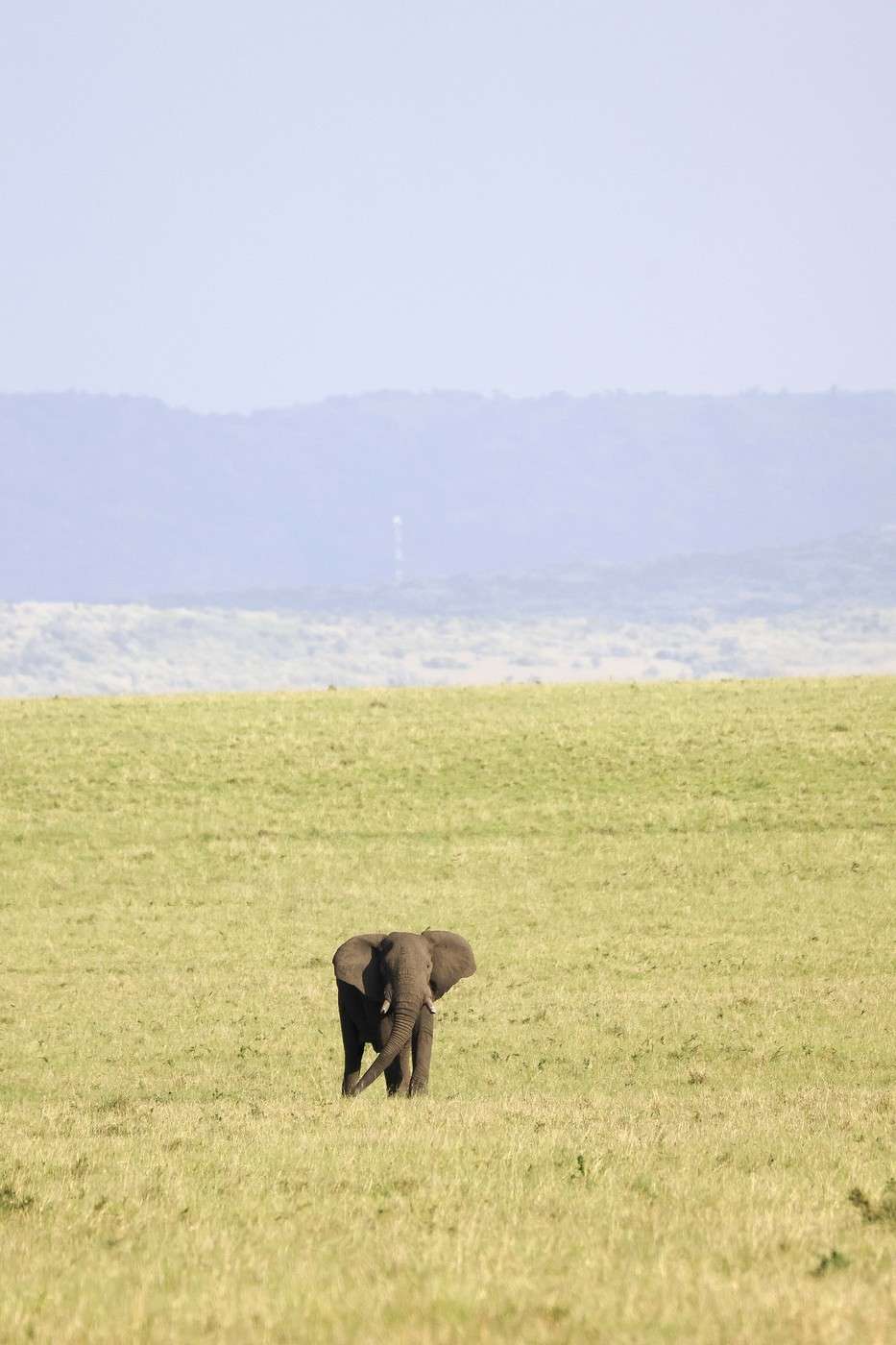
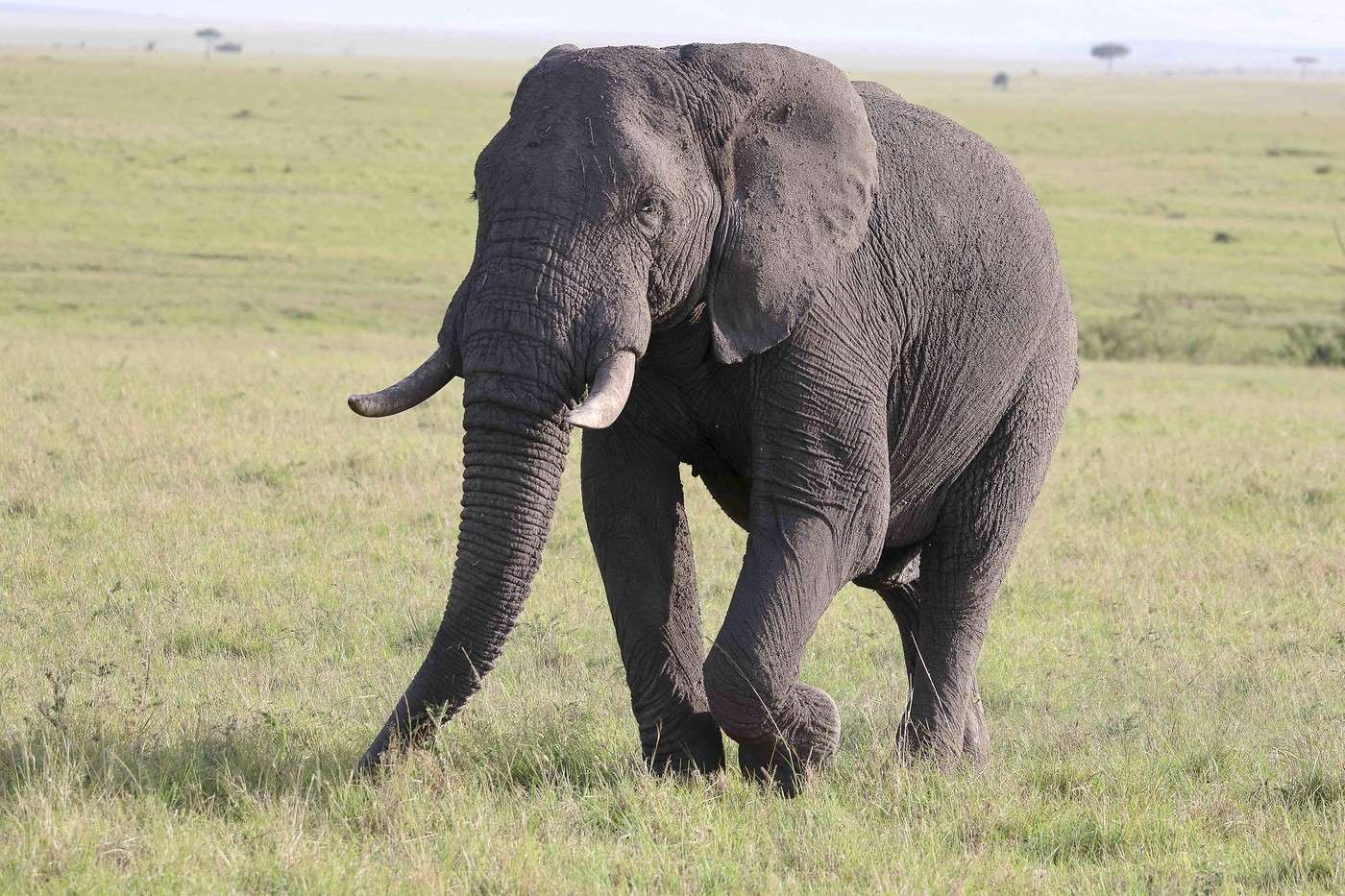
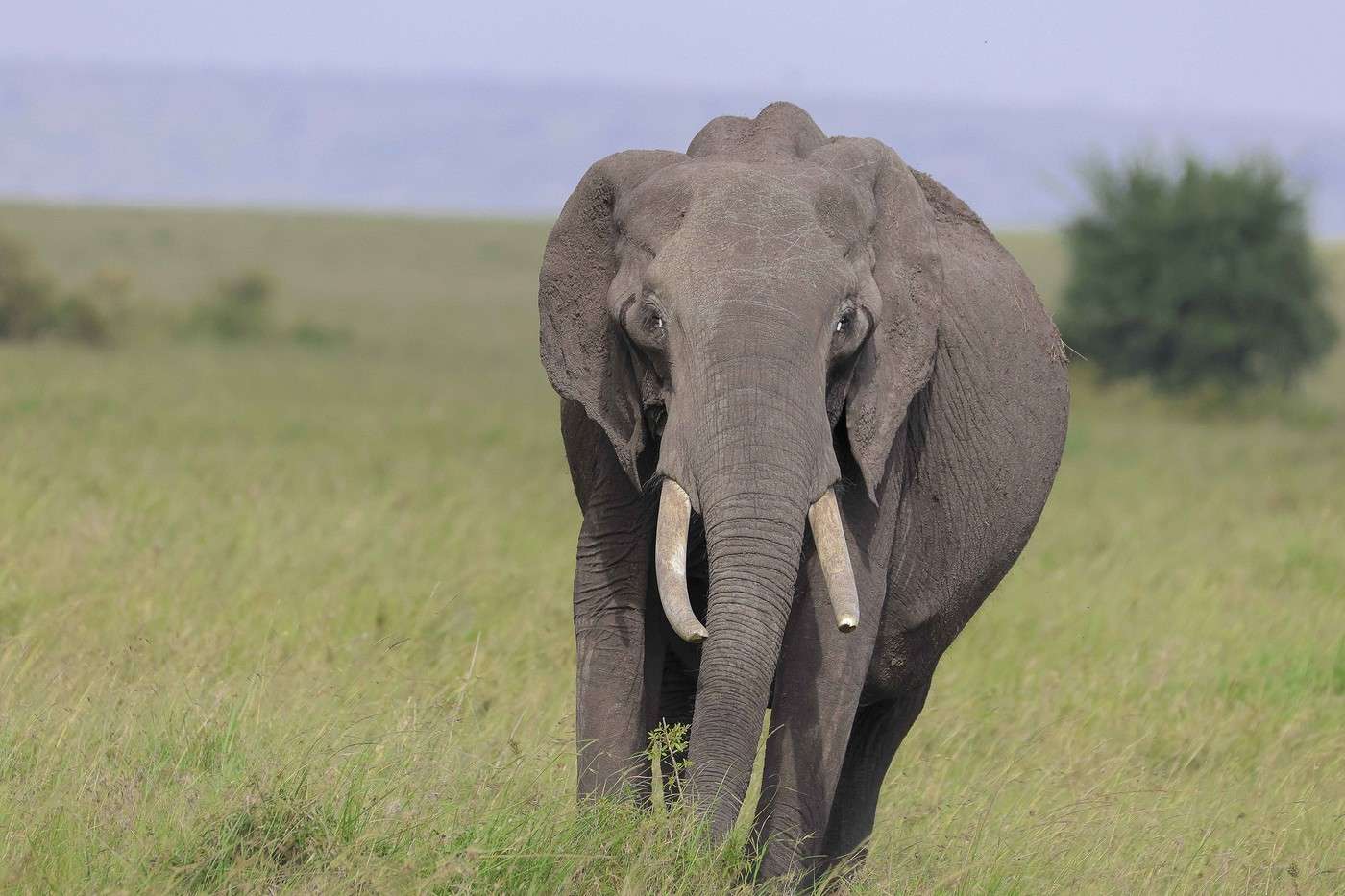
 a solitary elephant,


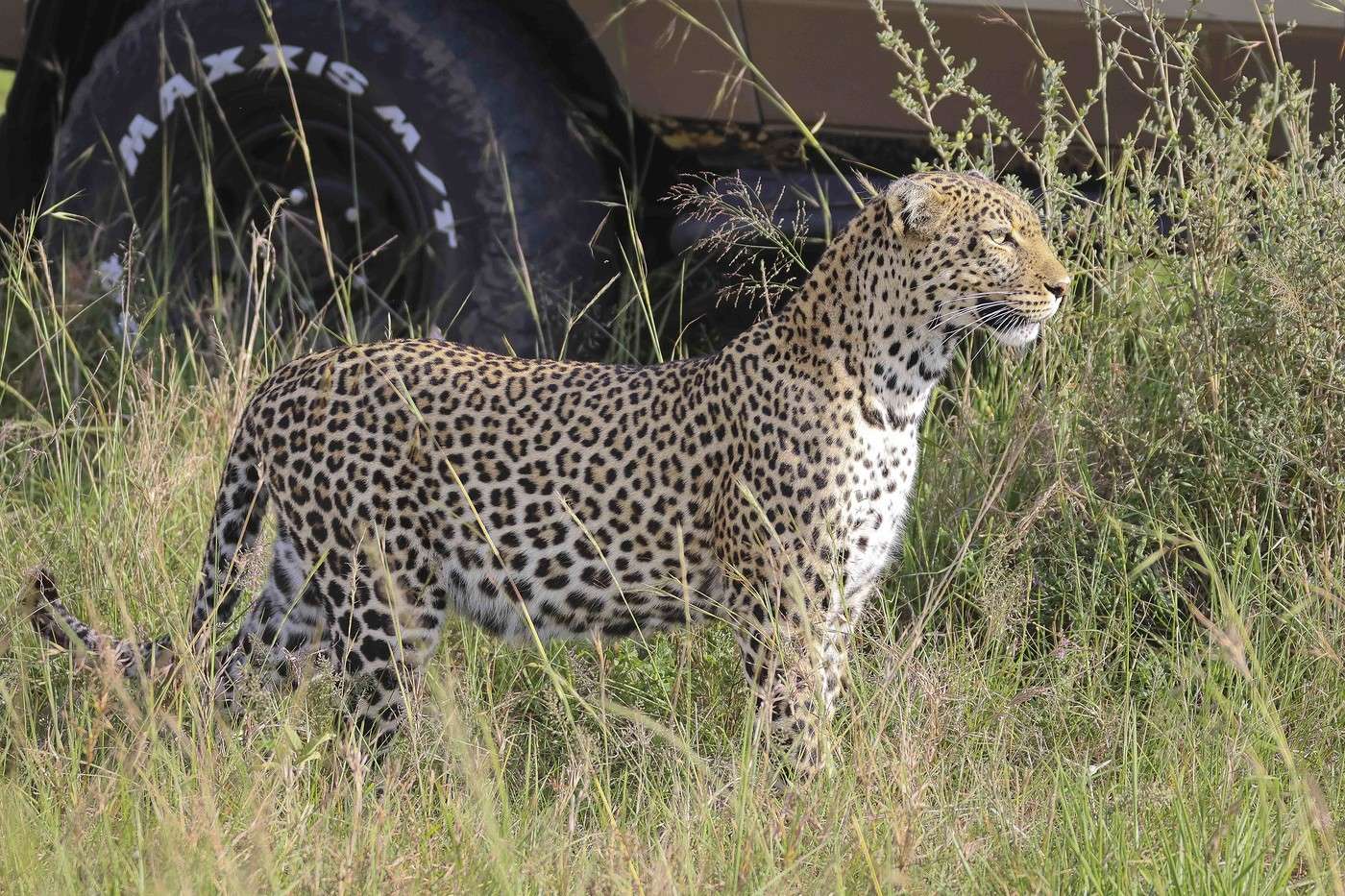
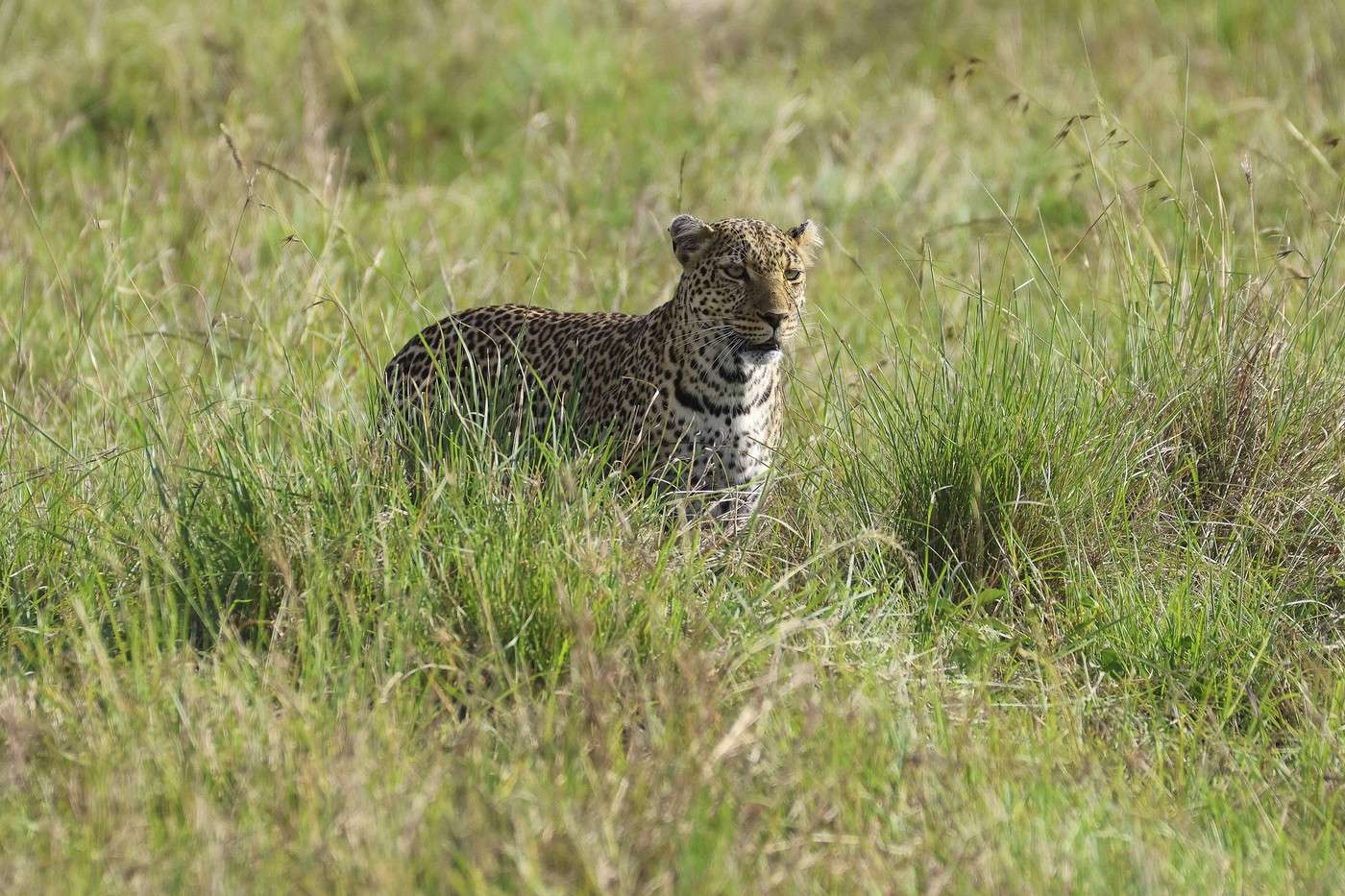
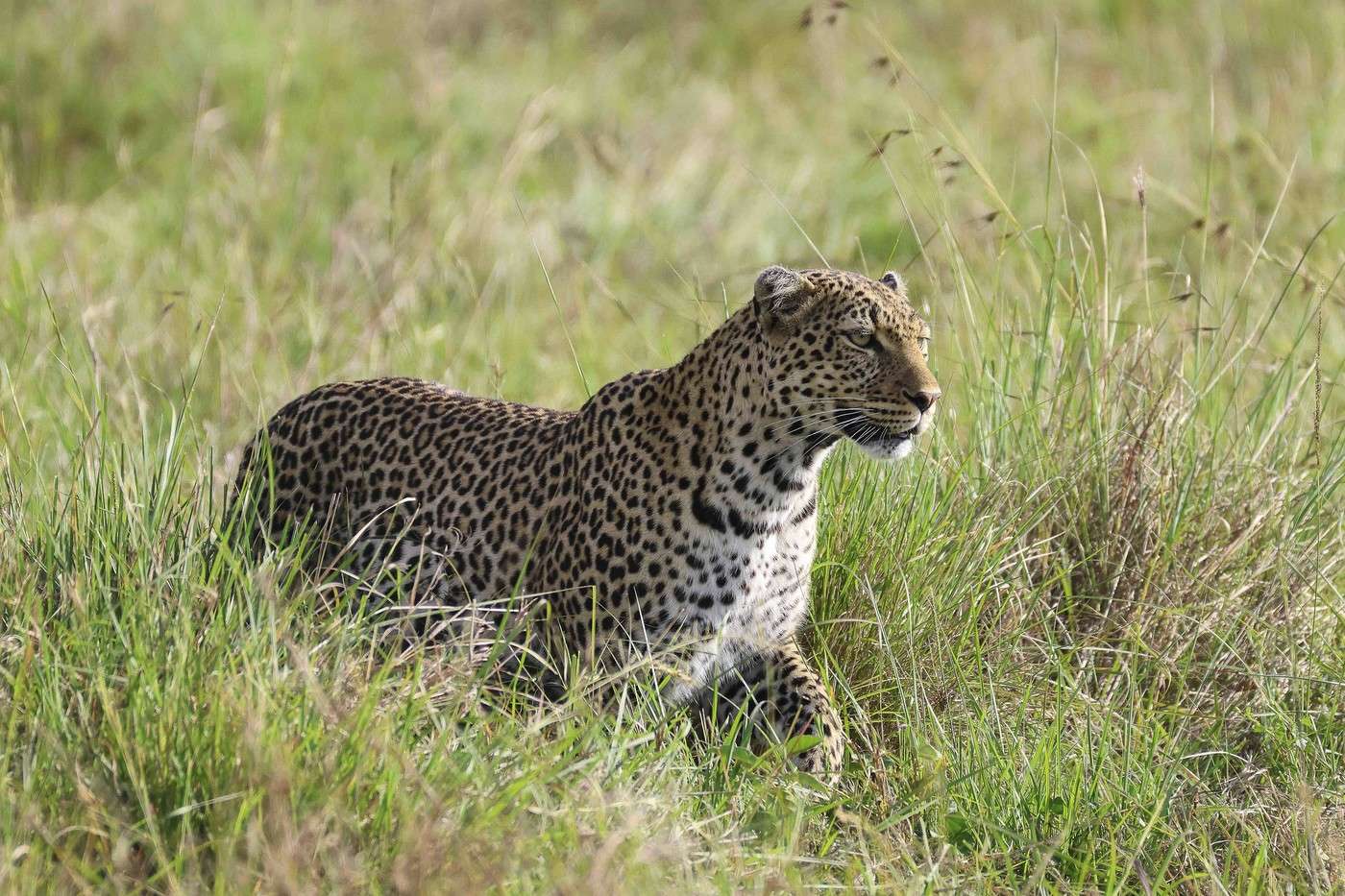
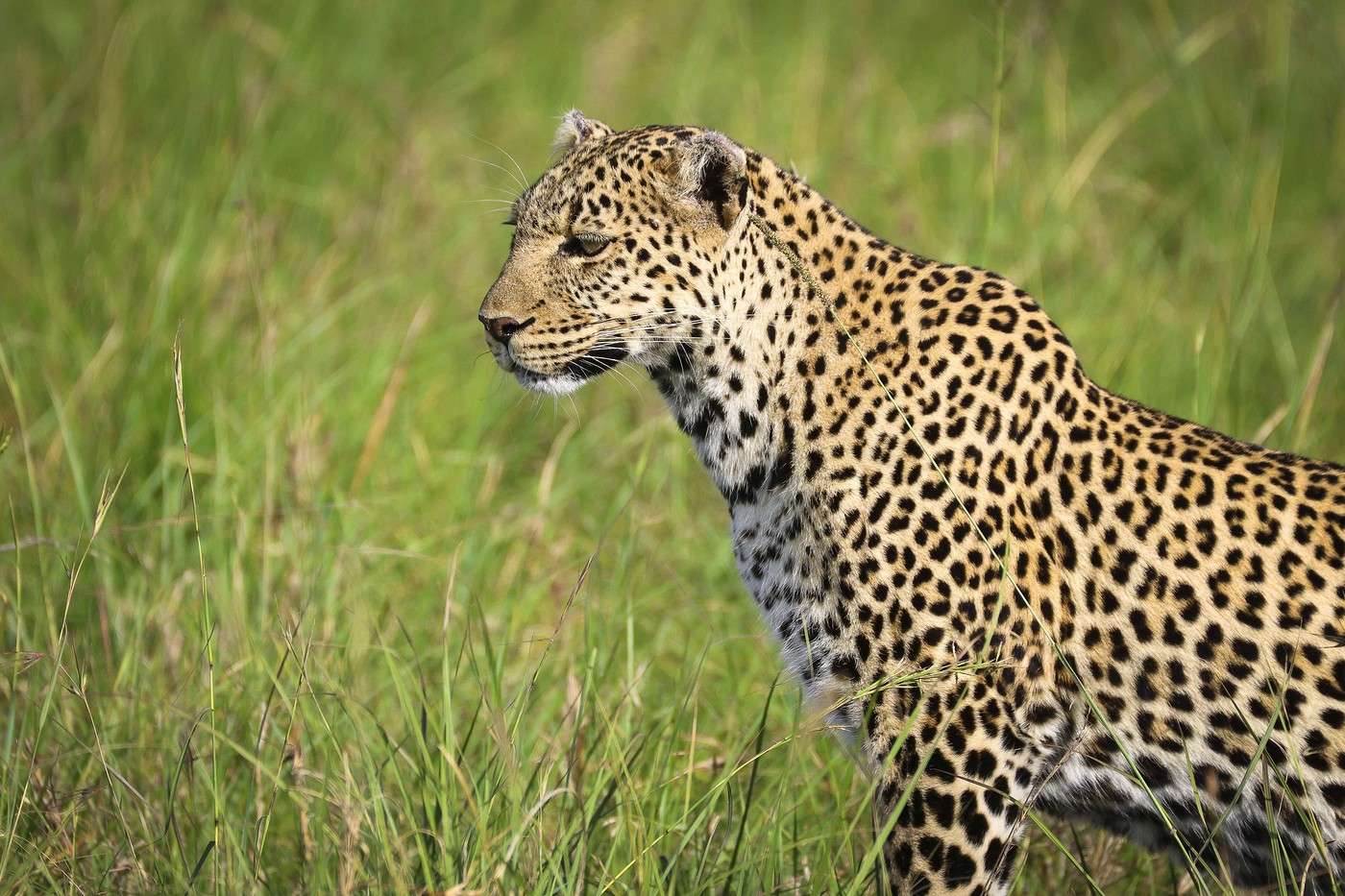
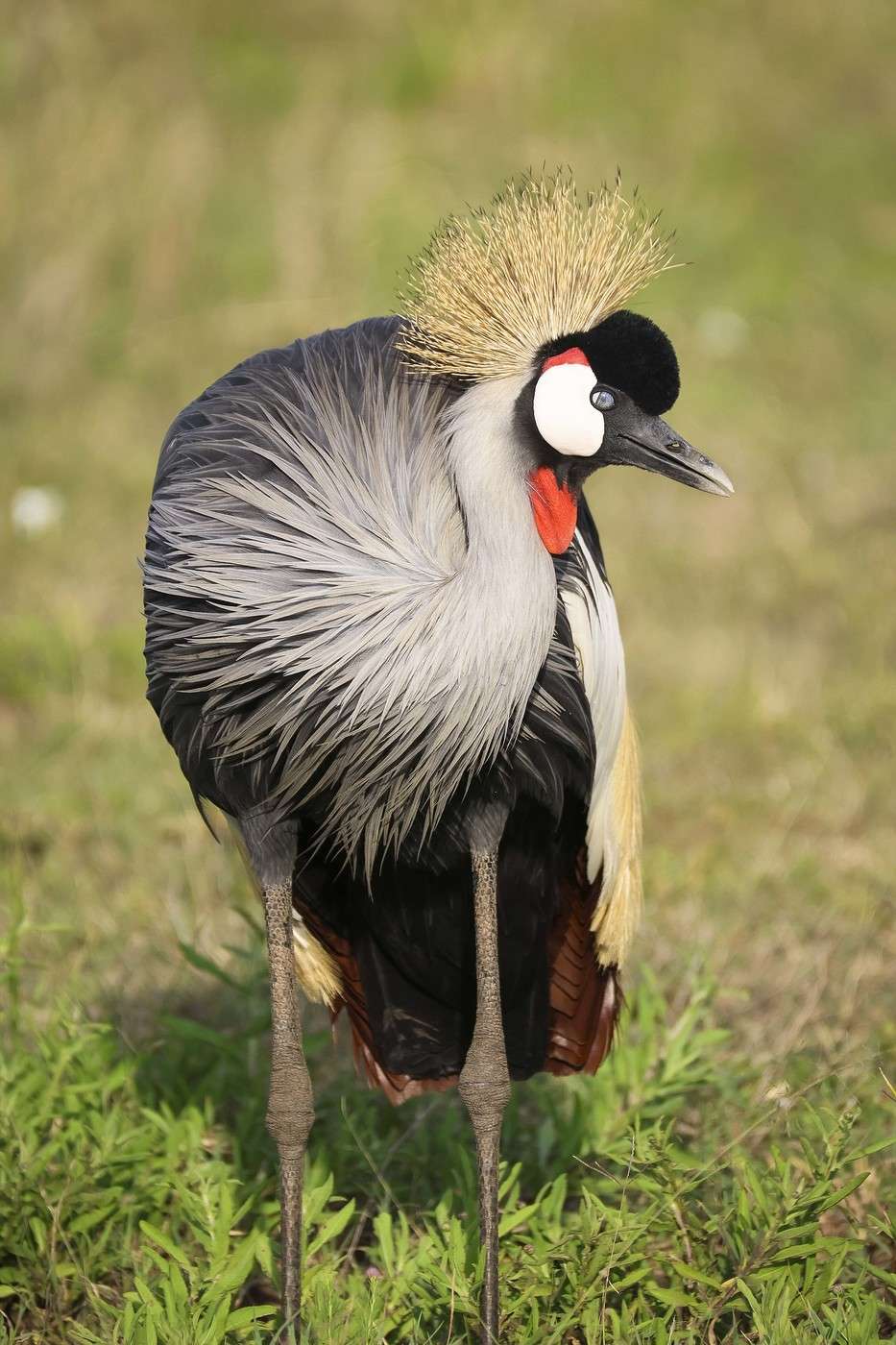
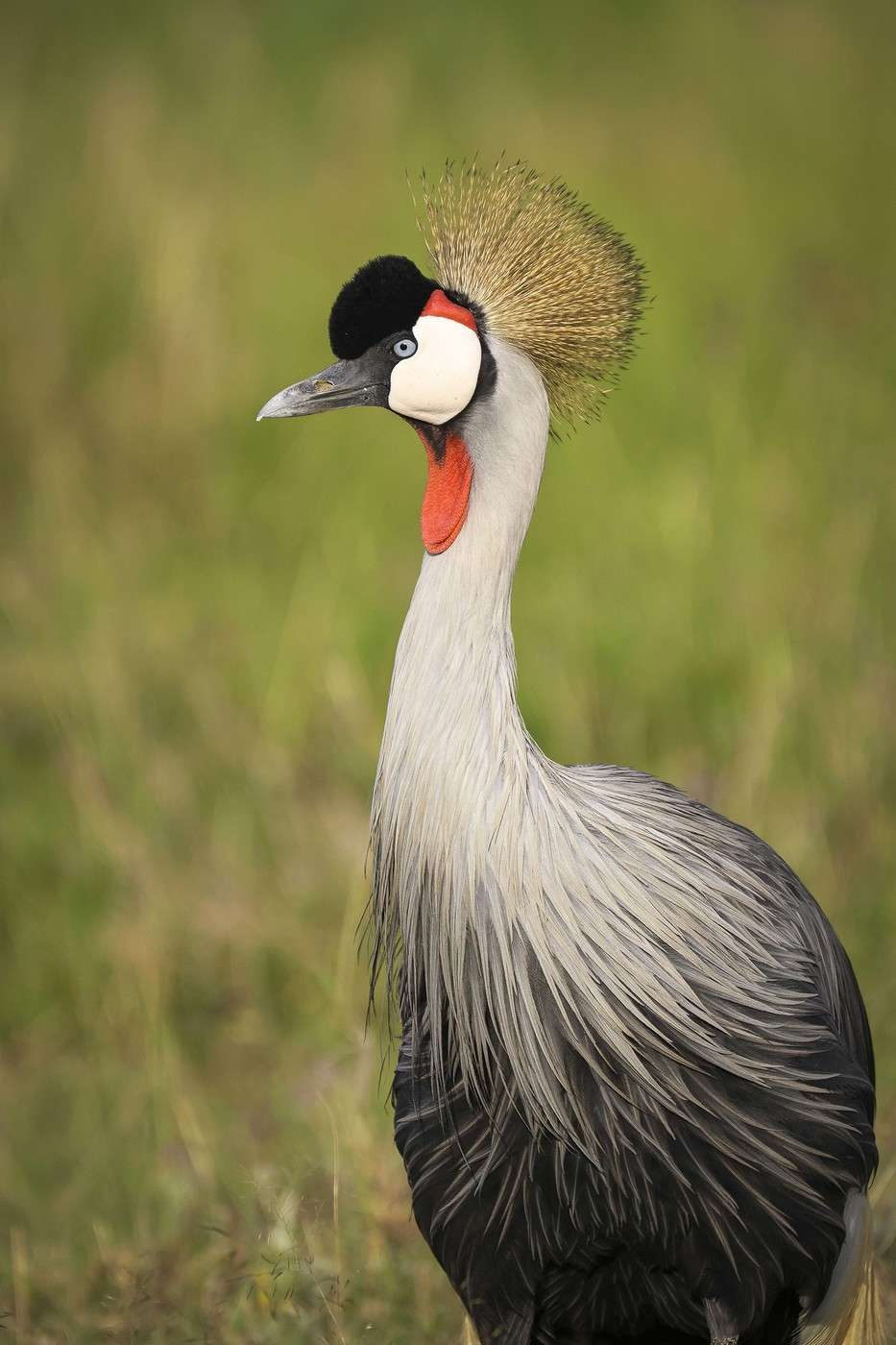
 cranes,

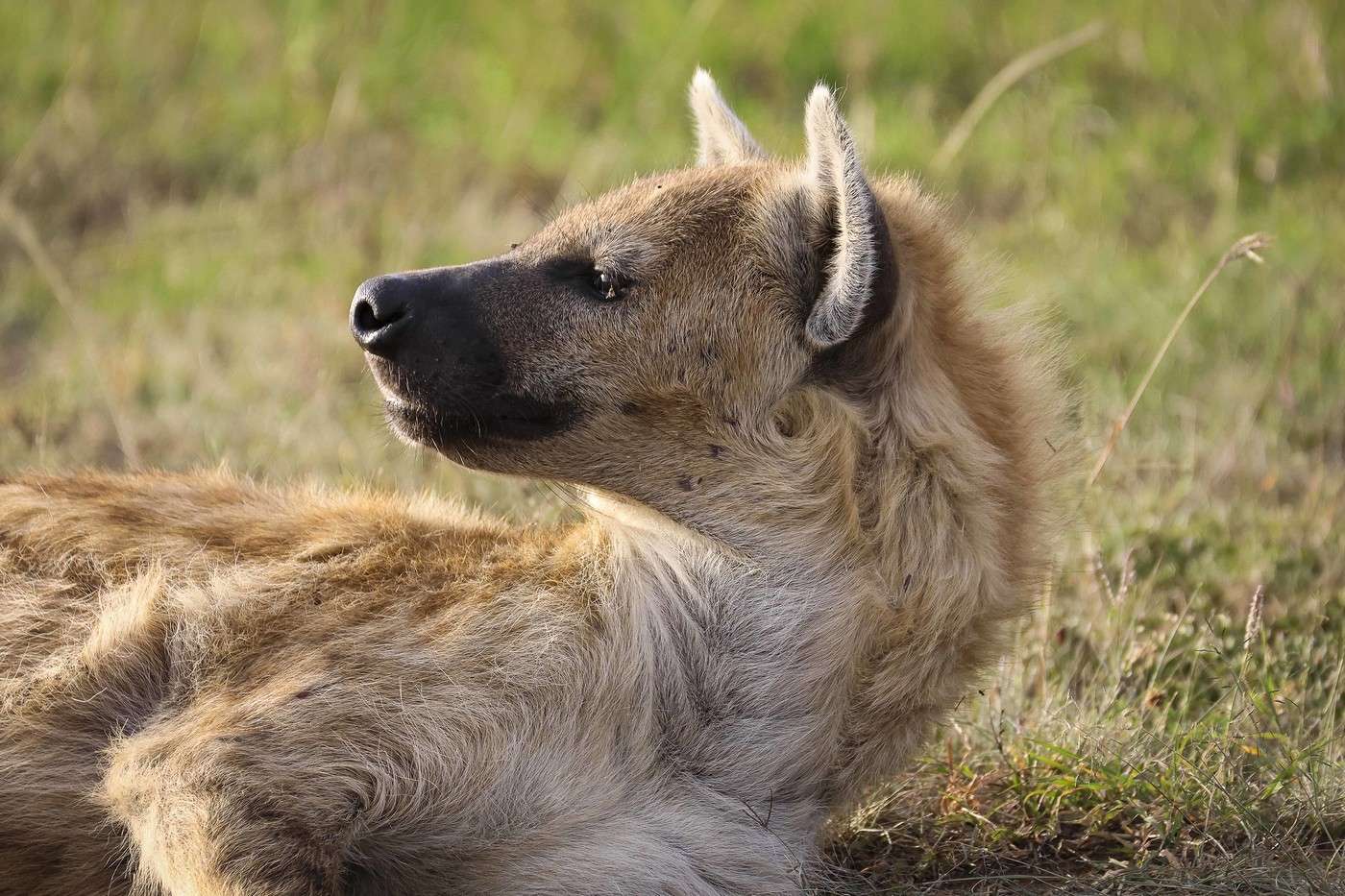
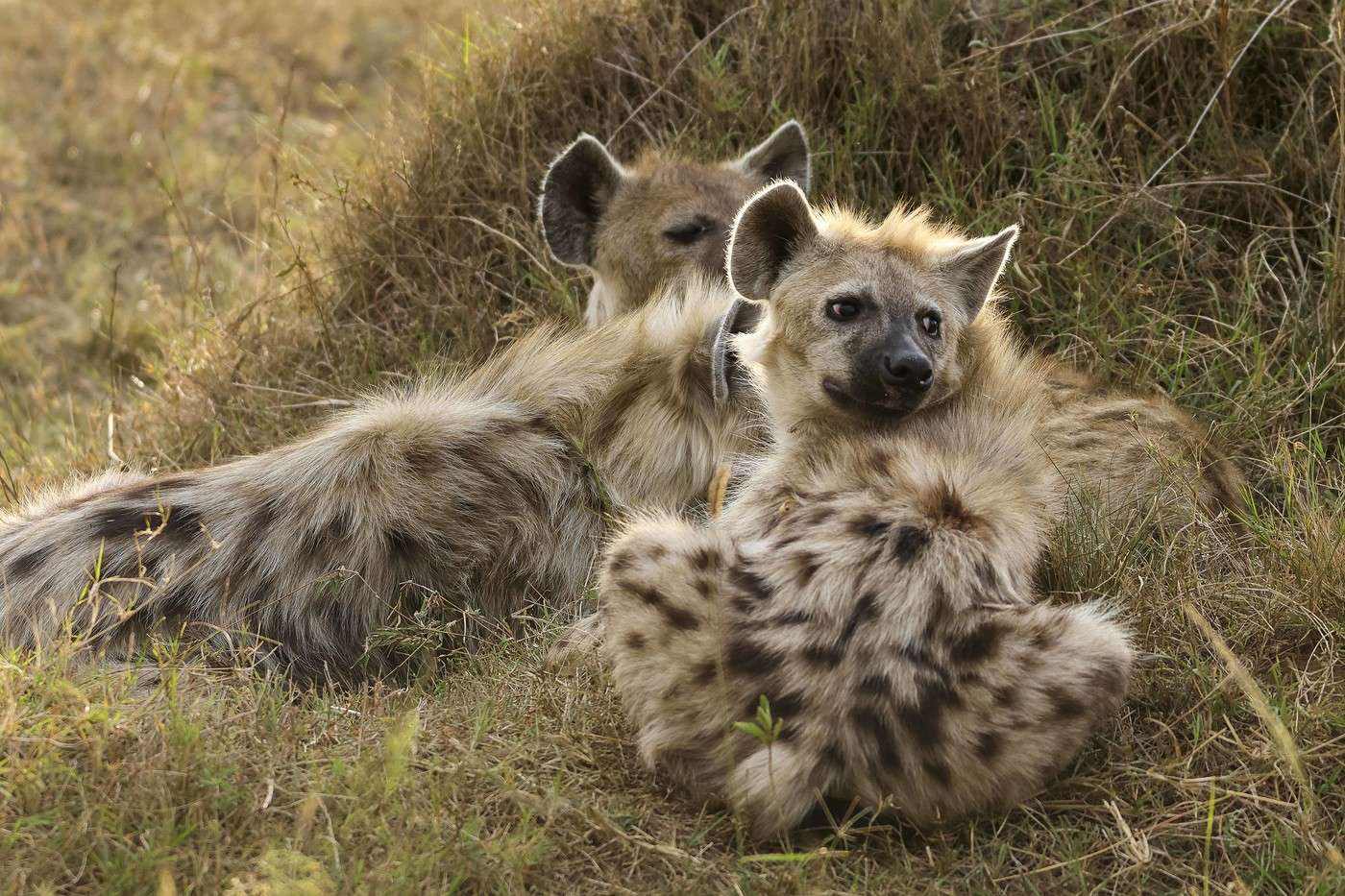
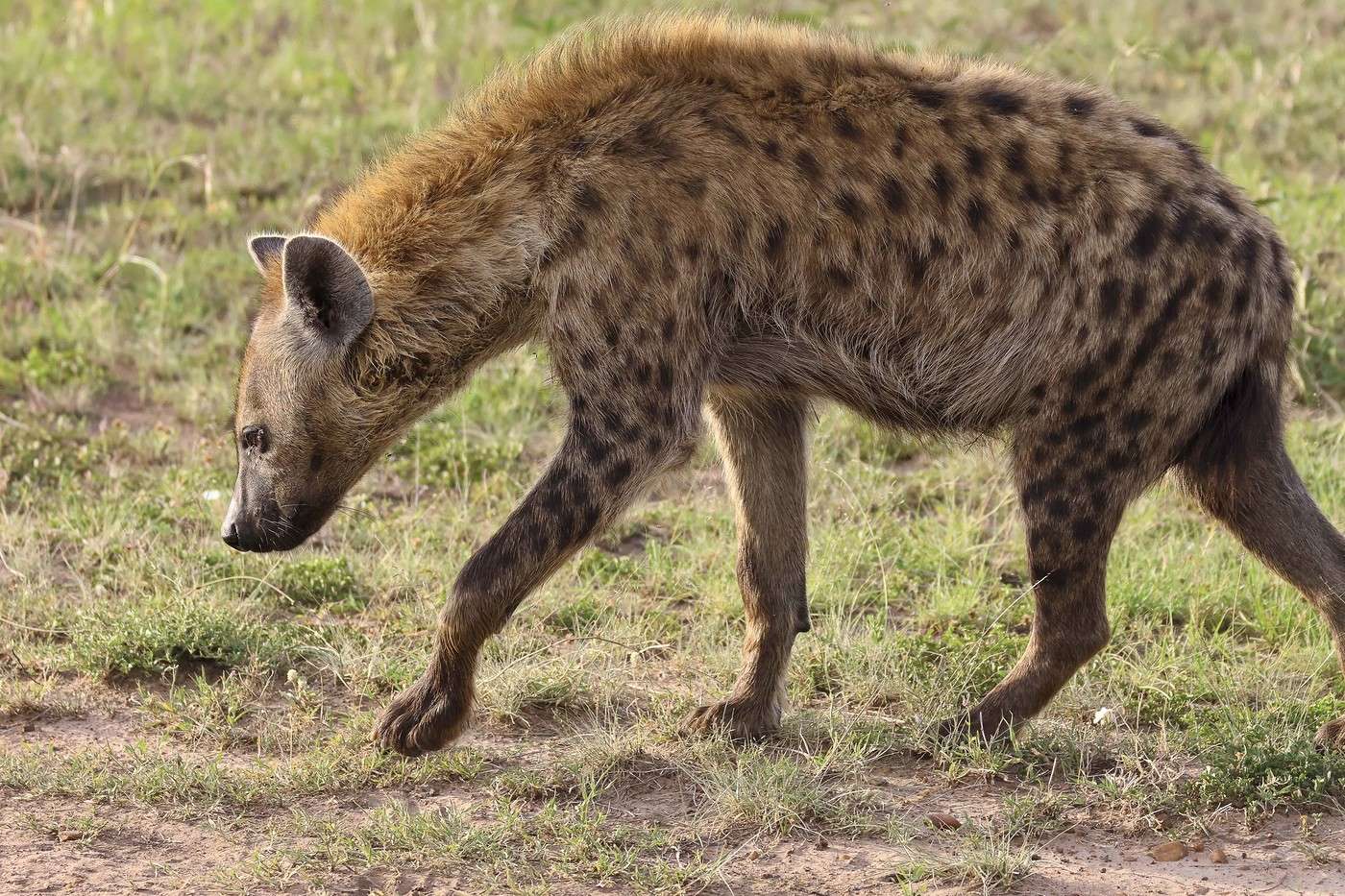
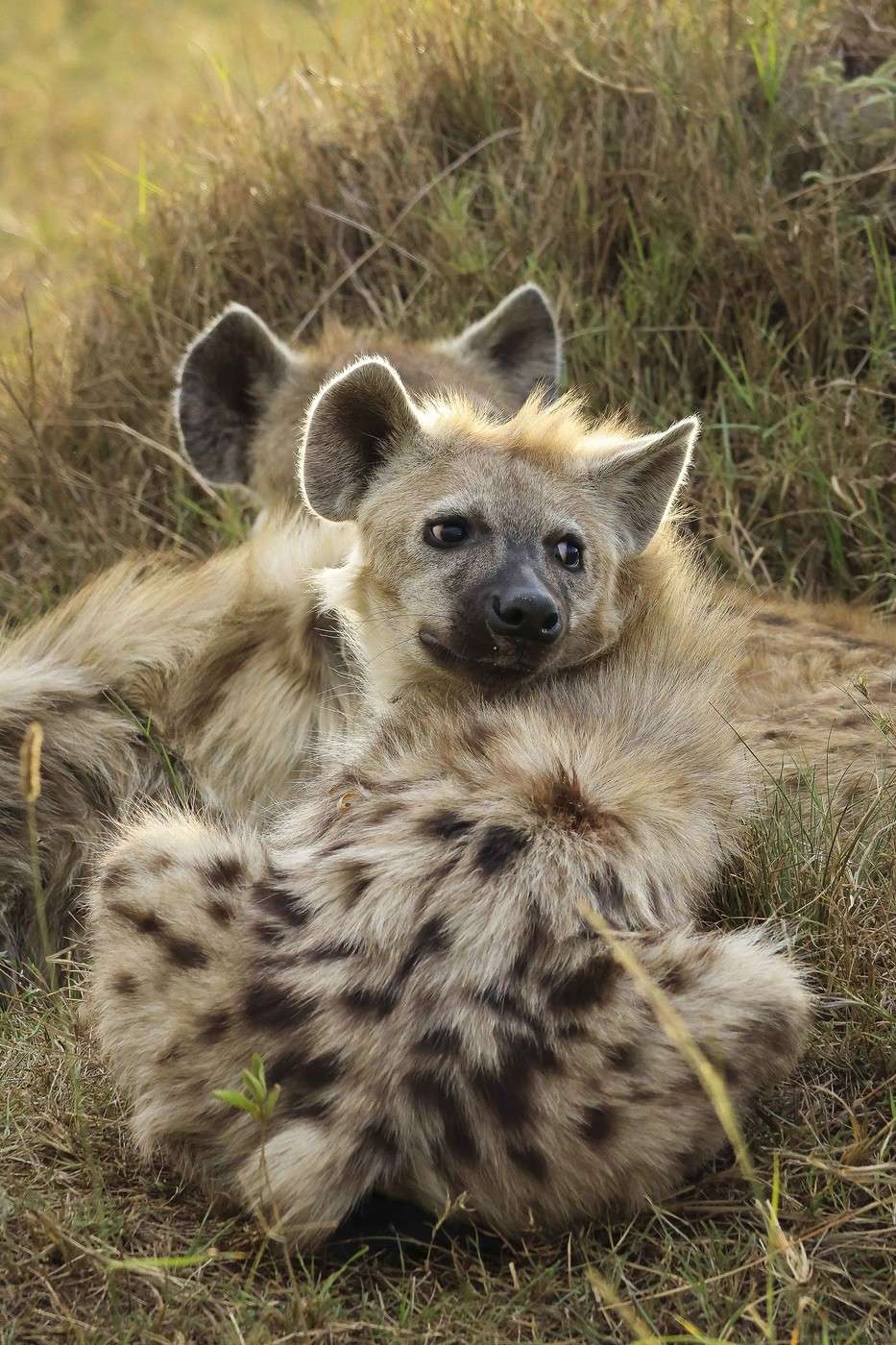
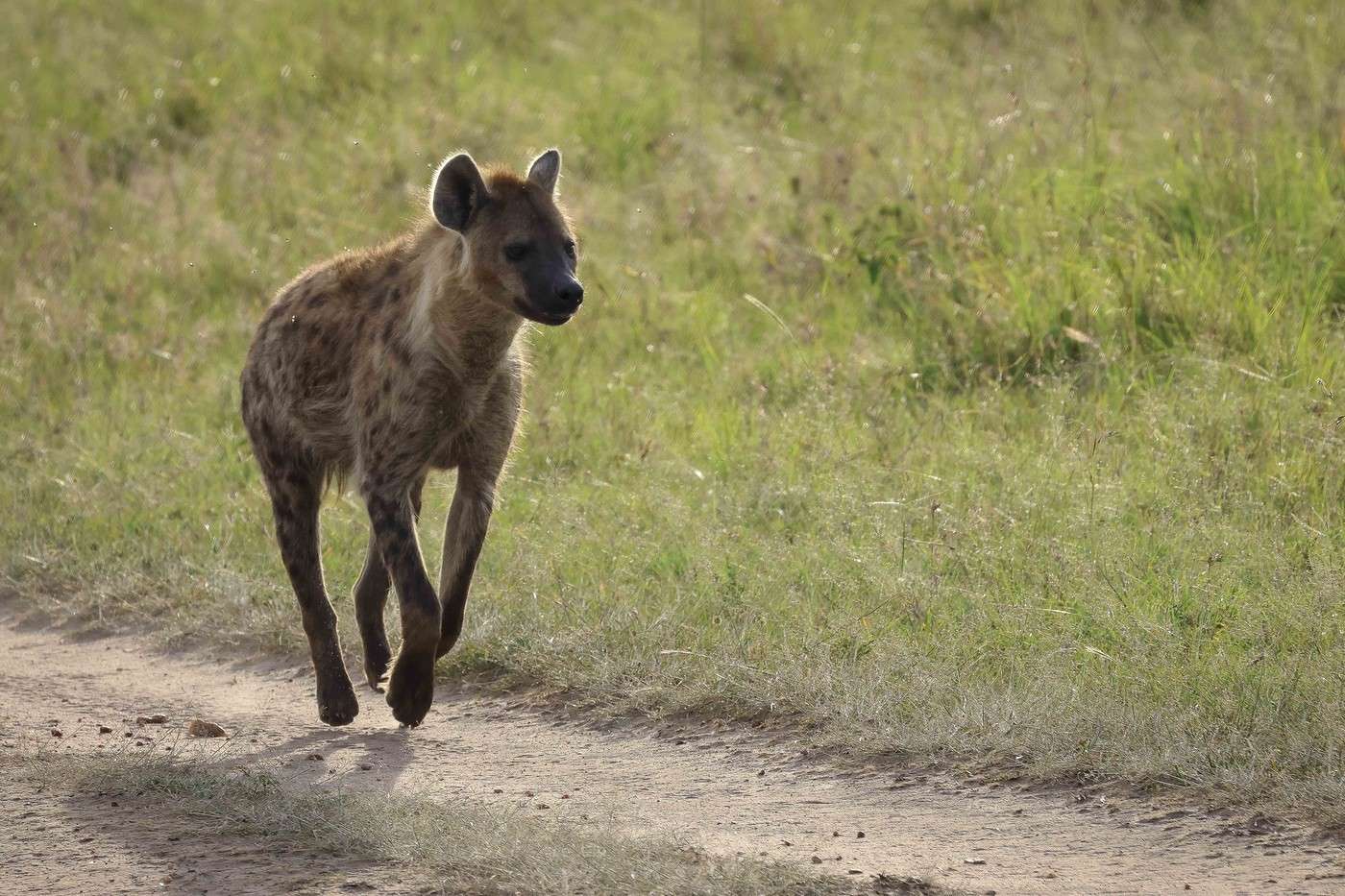
 and finally, several hyenas that start to become active in the late afternoons,


 some with their young.

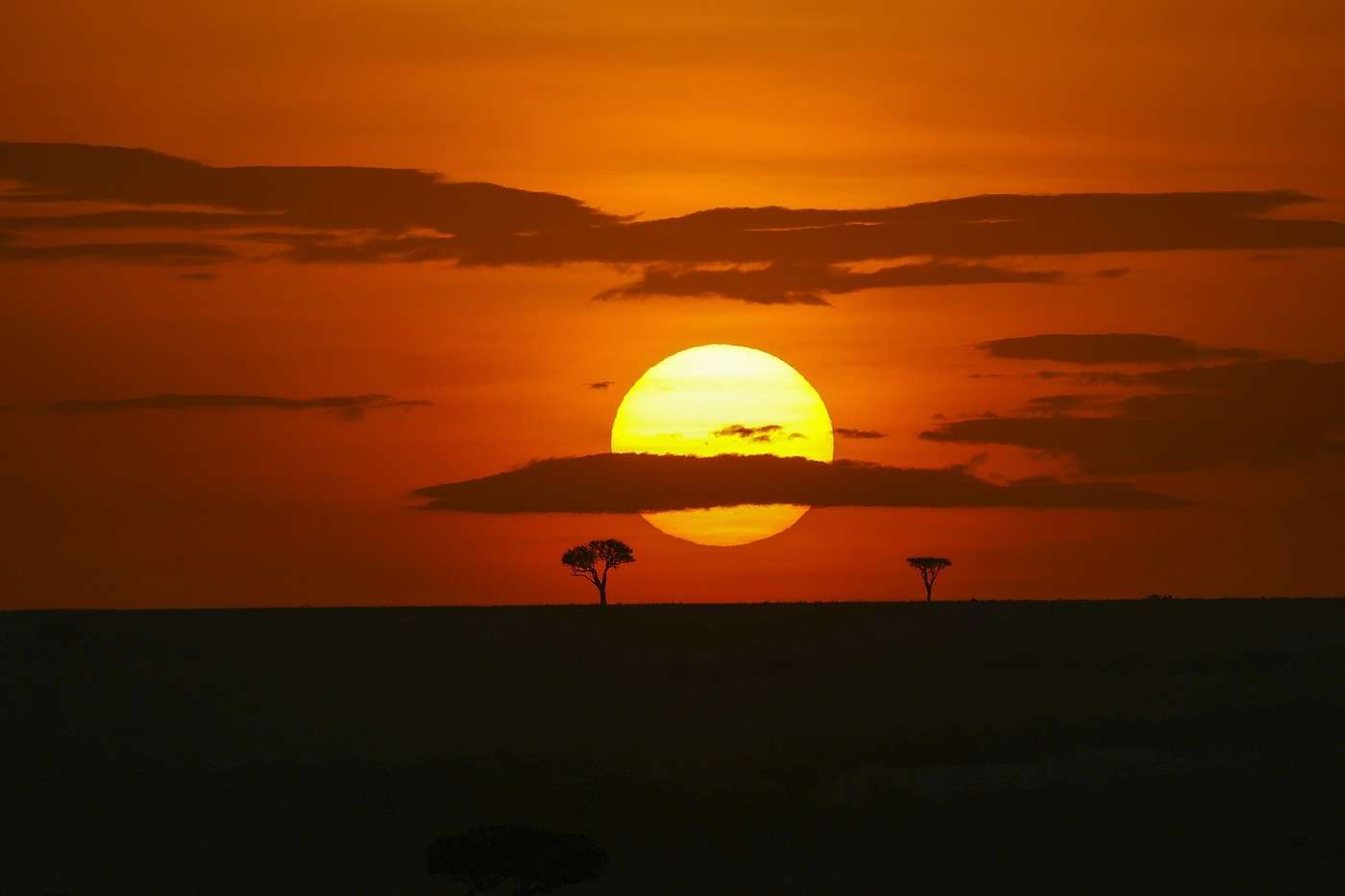
 The sunset is truly magnificent
 and we’re absolutely thrilled with this first afternoon in the Maasai Mara.
Alfred returns to camp via the other side of the Talek River, which saves us a long trip back to camp. All we have left to do is cross the camp’s footbridge and head back to our tents.


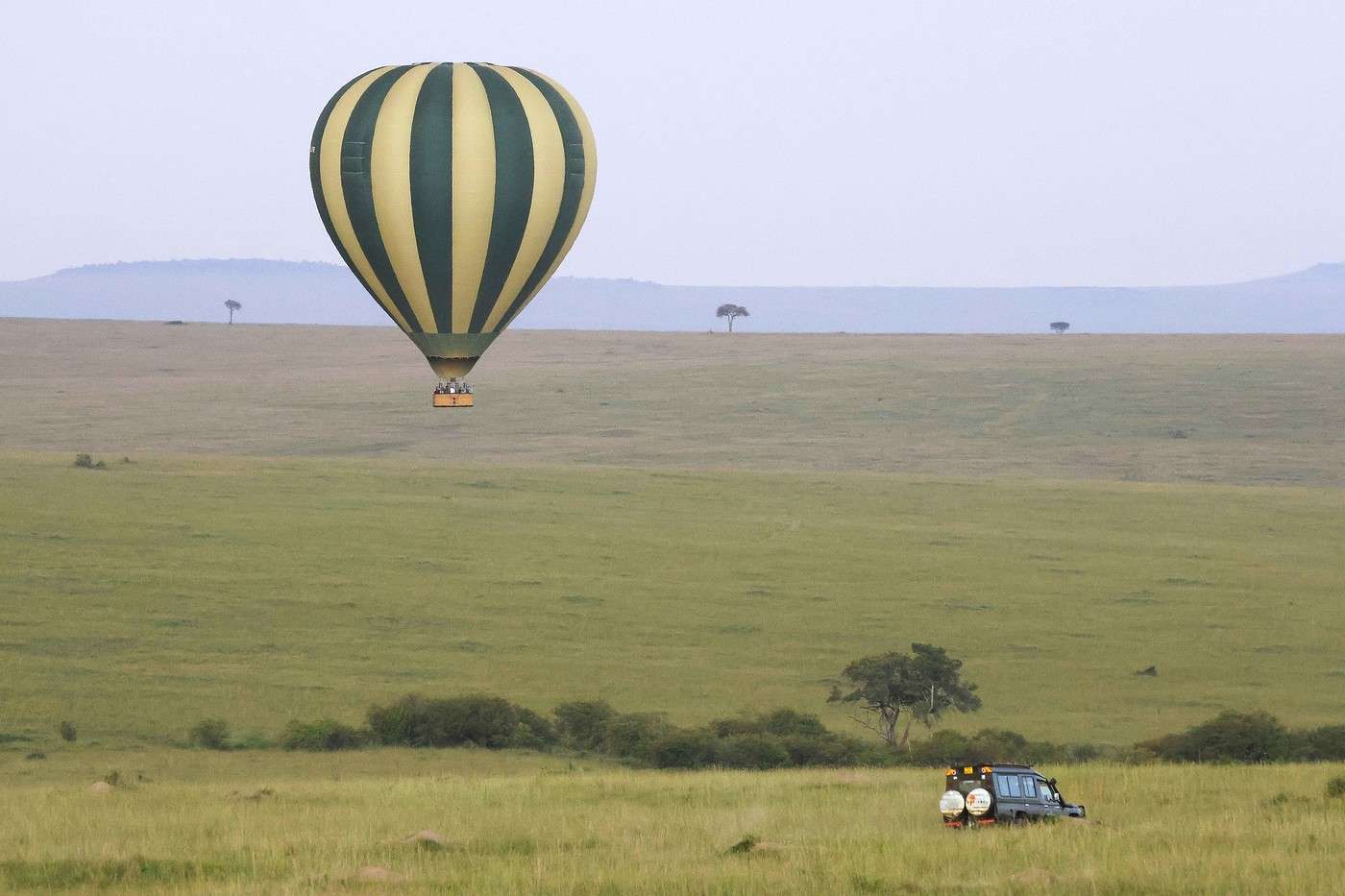
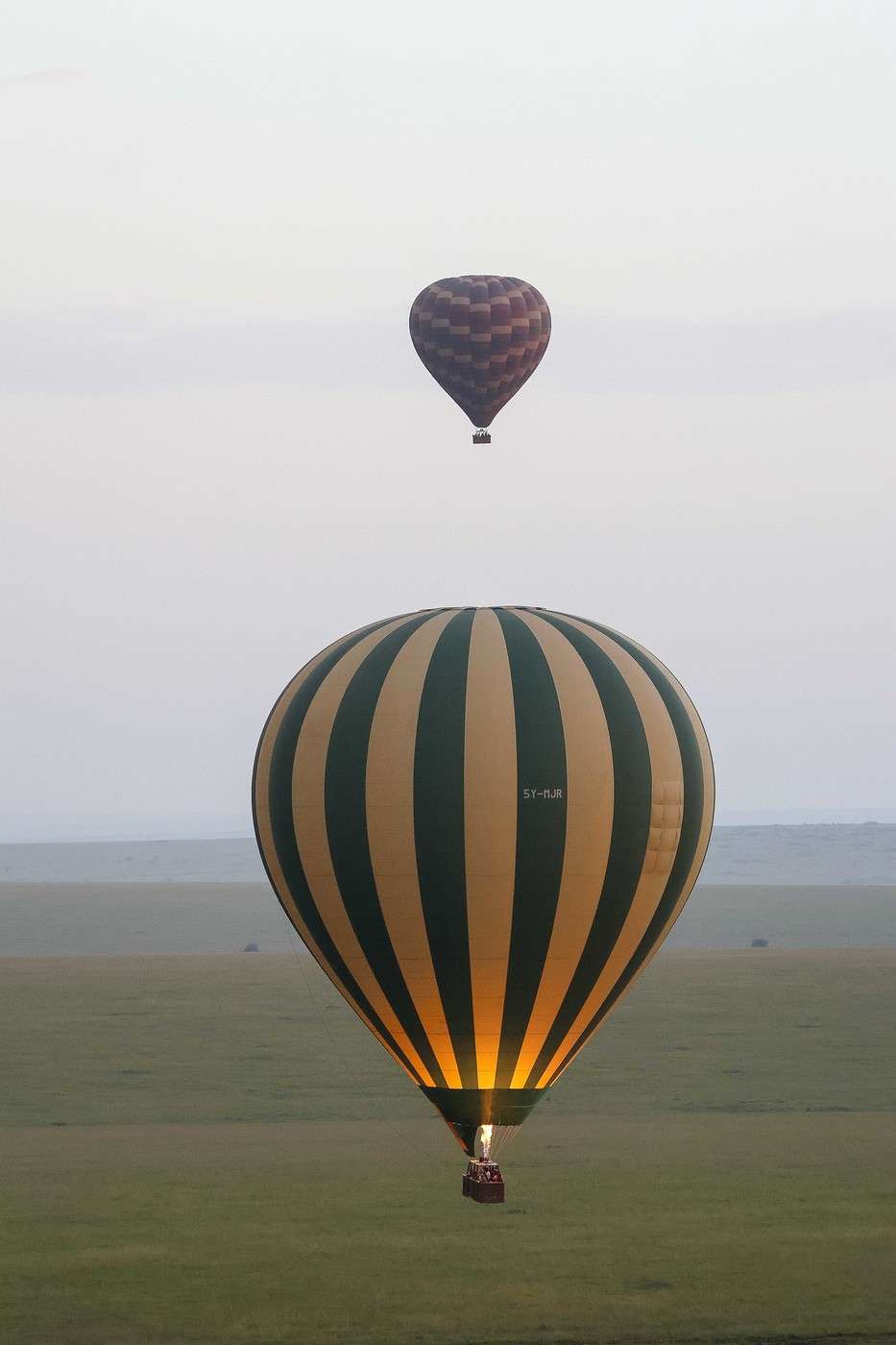
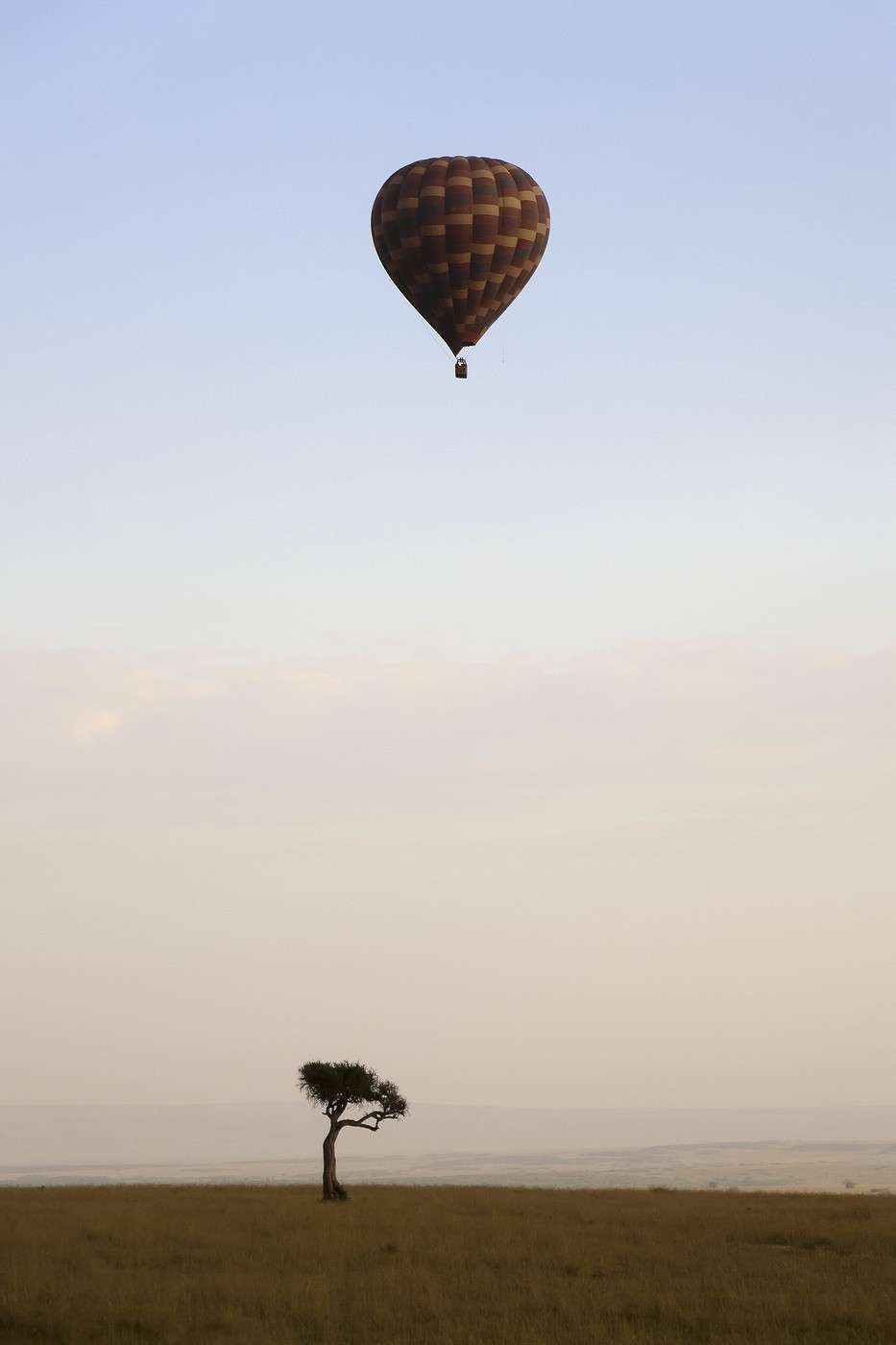
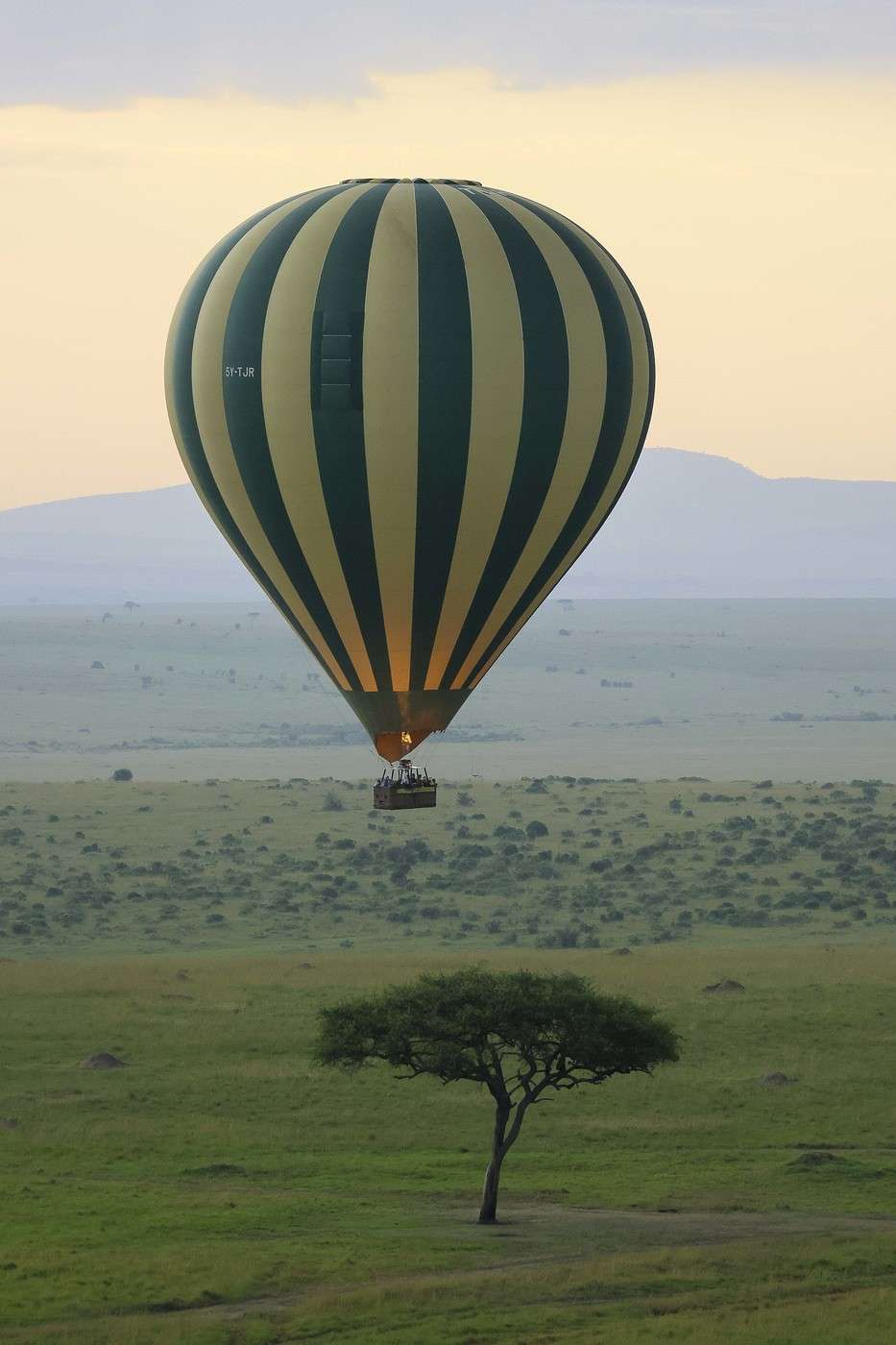
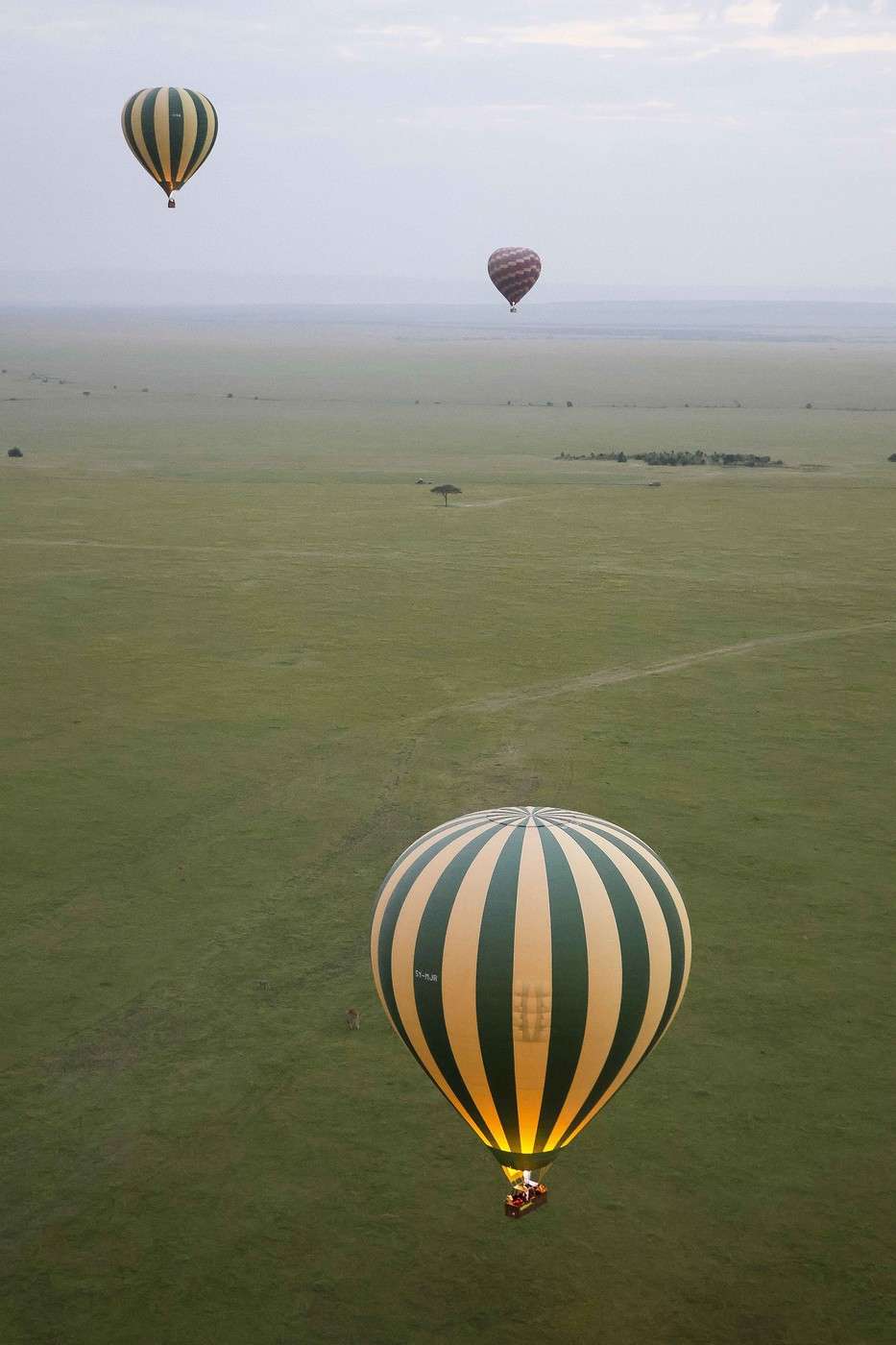
 creating a magnificent spectacle as the sun rose.
 The view from above was stunning, and we truly felt at one with nature—all you could hear was the burner.

 Depending on what we spotted, the captain sometimes brought the balloon very close to the ground. We saw different animals: a large group of hyenas near a watering hole, lions,
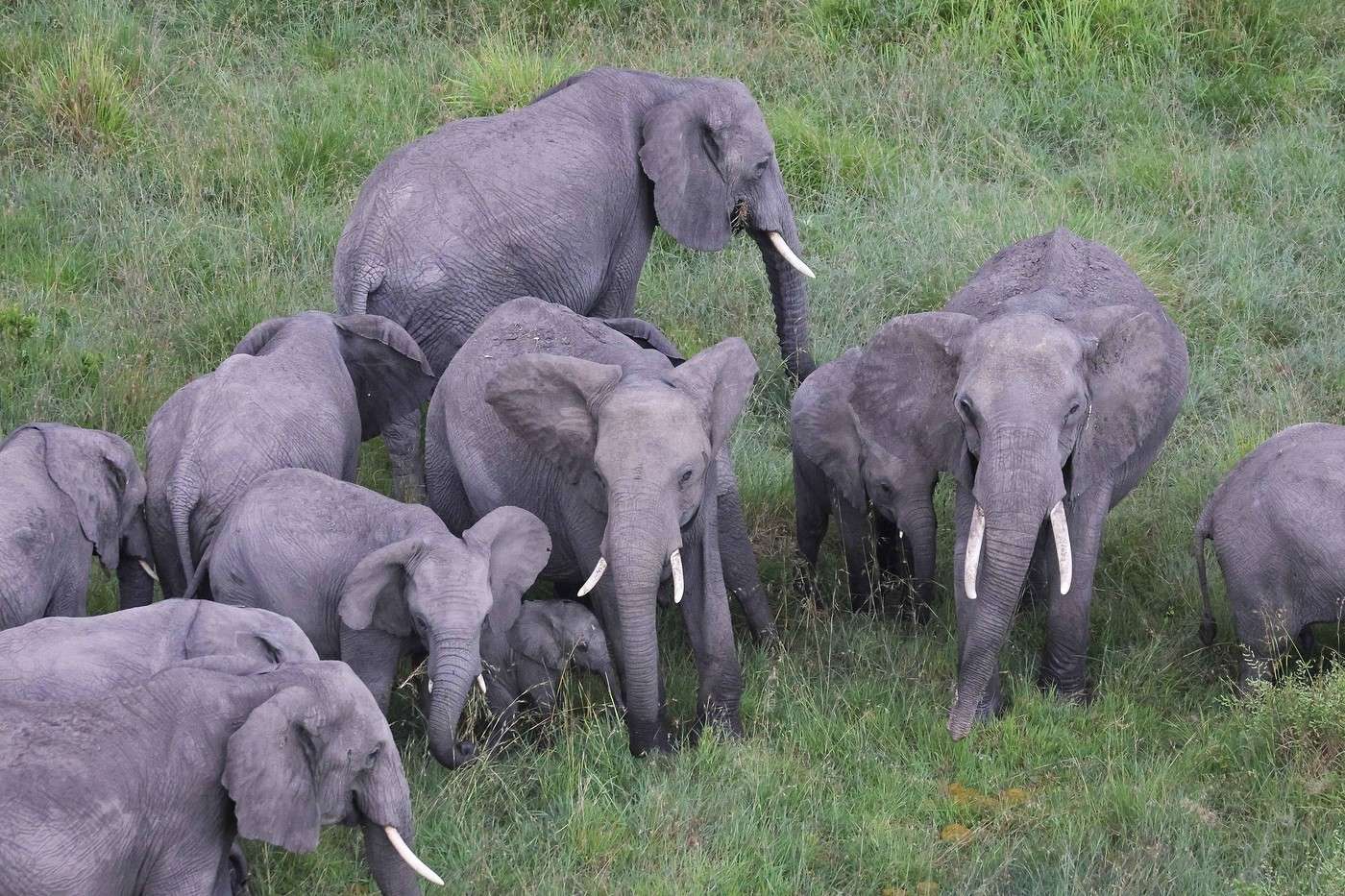
 several herds of elephants,
 and, the highlight of the show, just as we were nearing landing, an otocyon bolting away, startled by our arrival. Like the serval, it was our first time seeing one. We spotted it again a few minutes later from the vehicle taking us to breakfast.
The landing was smooth after nearly an hour in the air. This flight is truly a once-in-a-lifetime experience.
The schedule was tight, and we were taken to the breakfast spot. Numerous tables and food stalls were set up, and we were offered a glass of sparkling wine upon arrival—hard to refuse in that setting! Breakfast was excellent, and at the end, we were given a certificate for this "feat." Alfred, as usual, was super organized and met up with us as we finished breakfast.
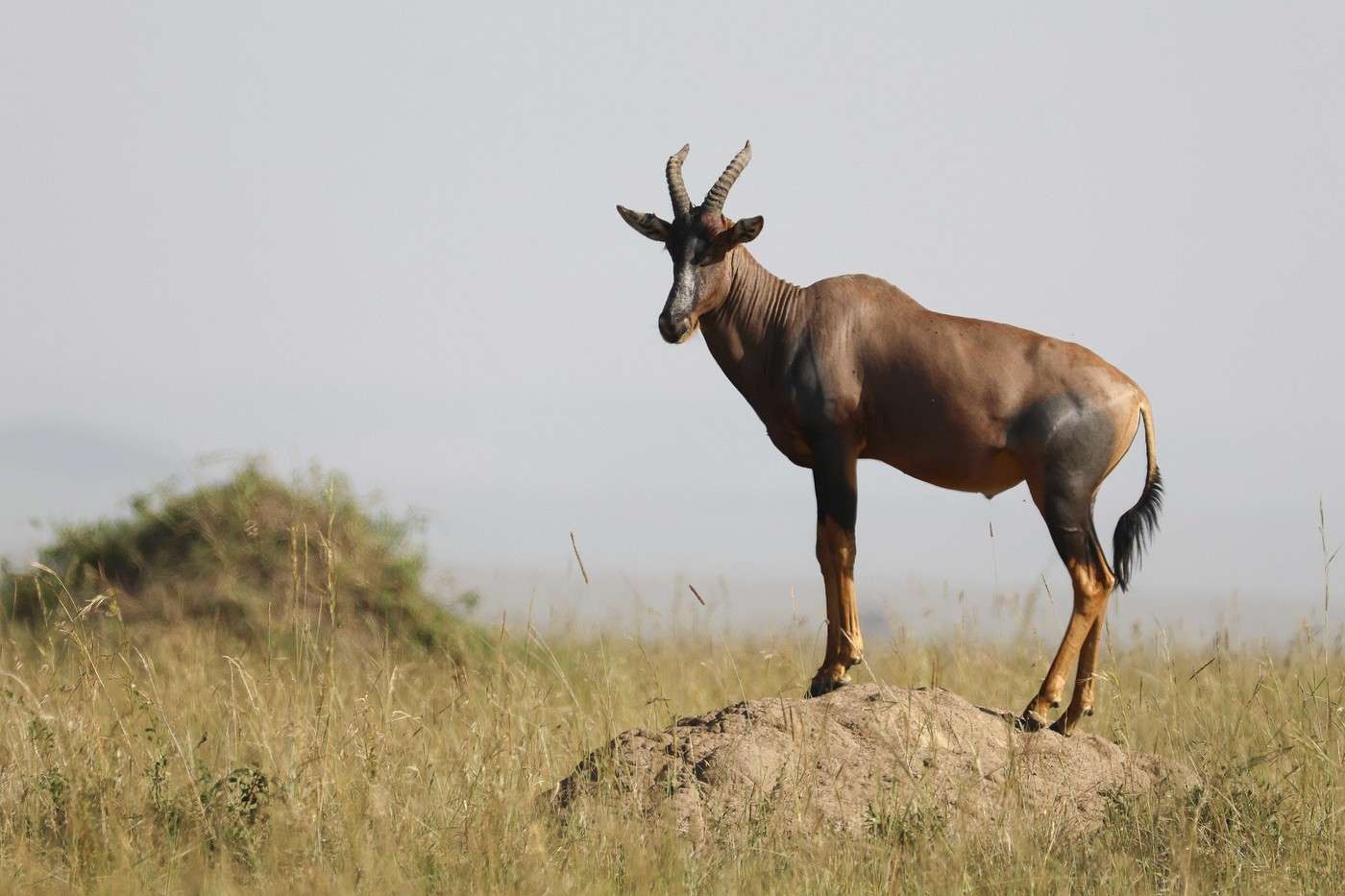
The morning safari that followed wasn’t the most wildlife-rich, but we still saw different species: topi,
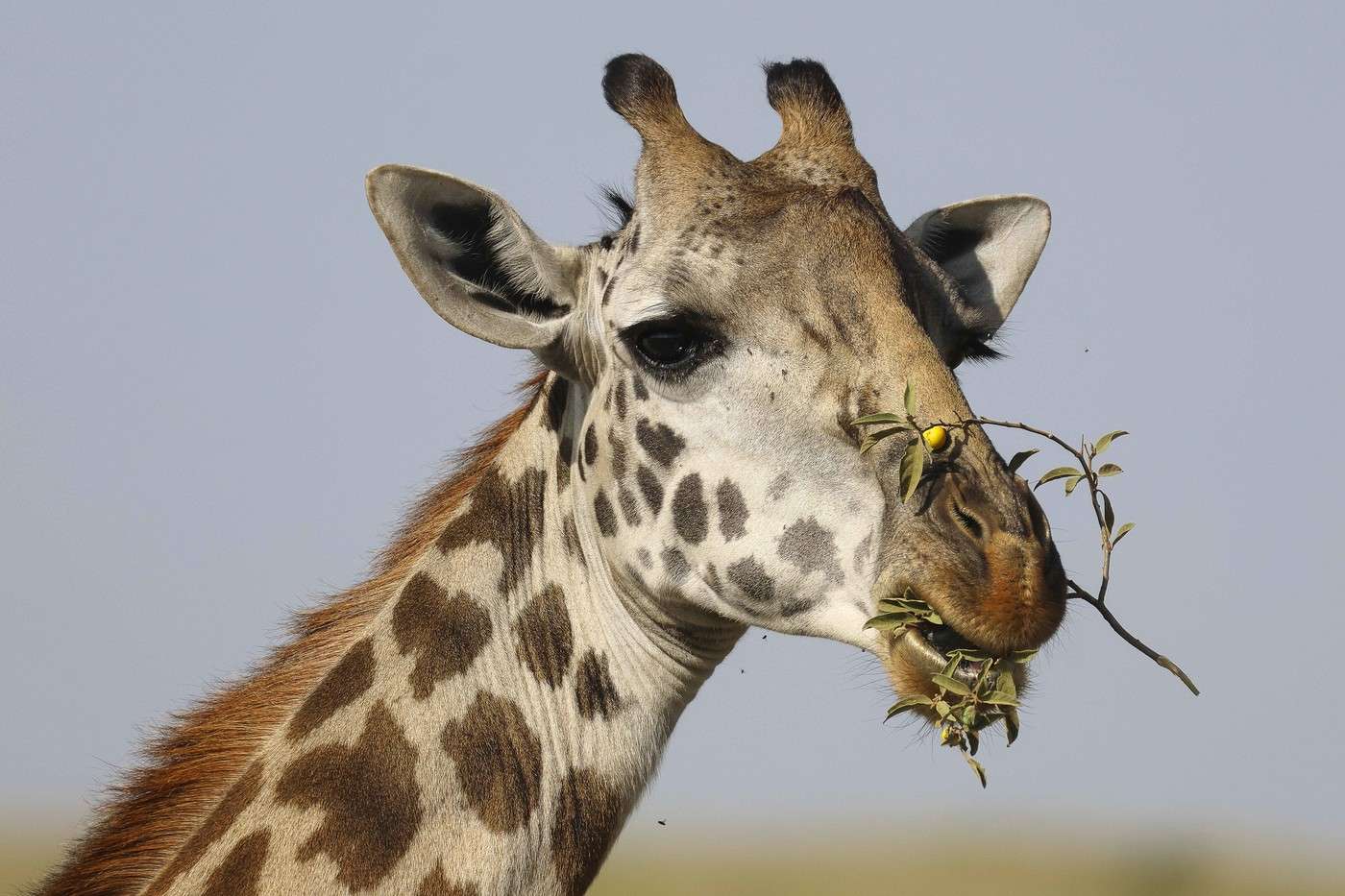
 giraffes,
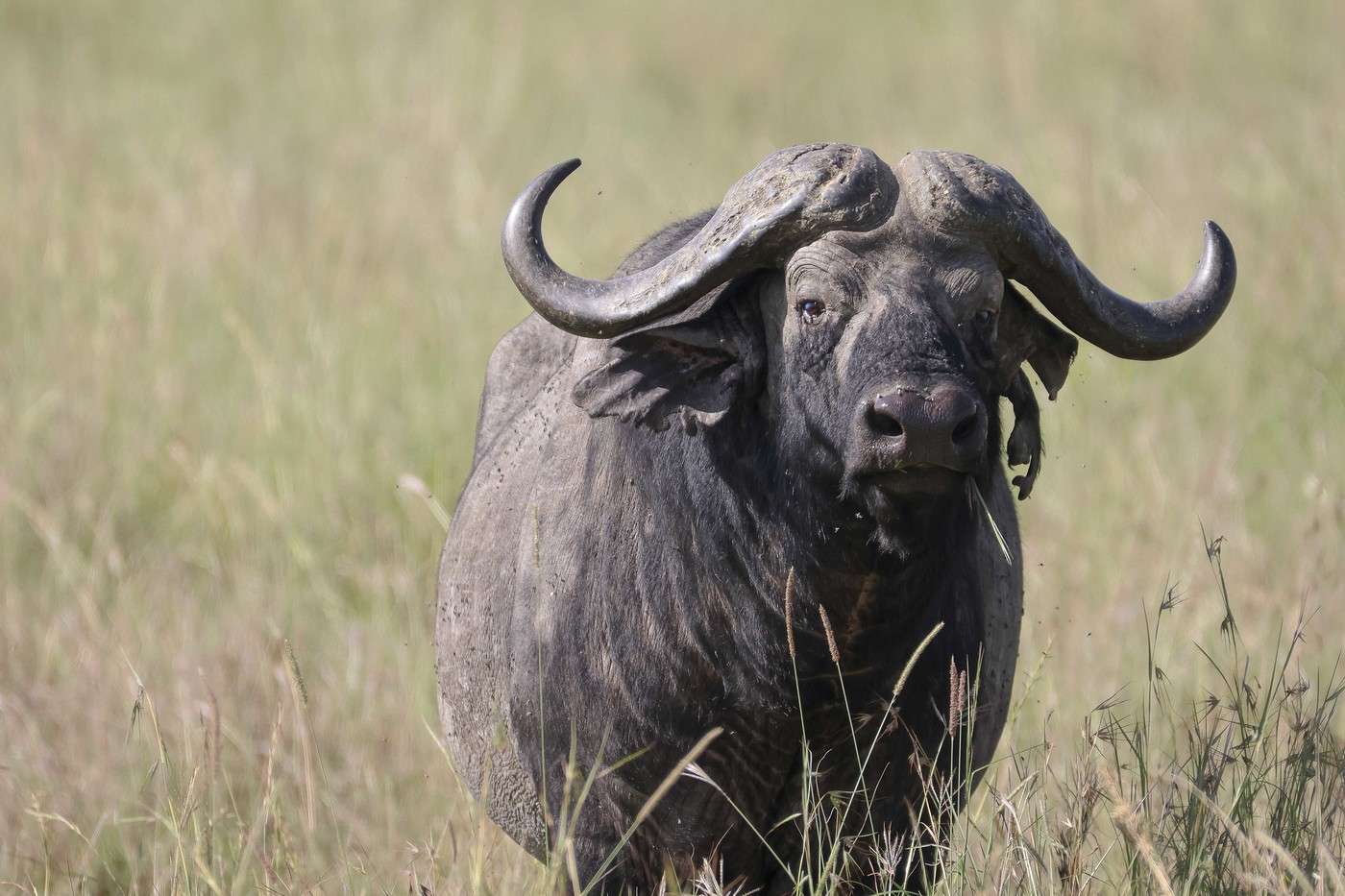
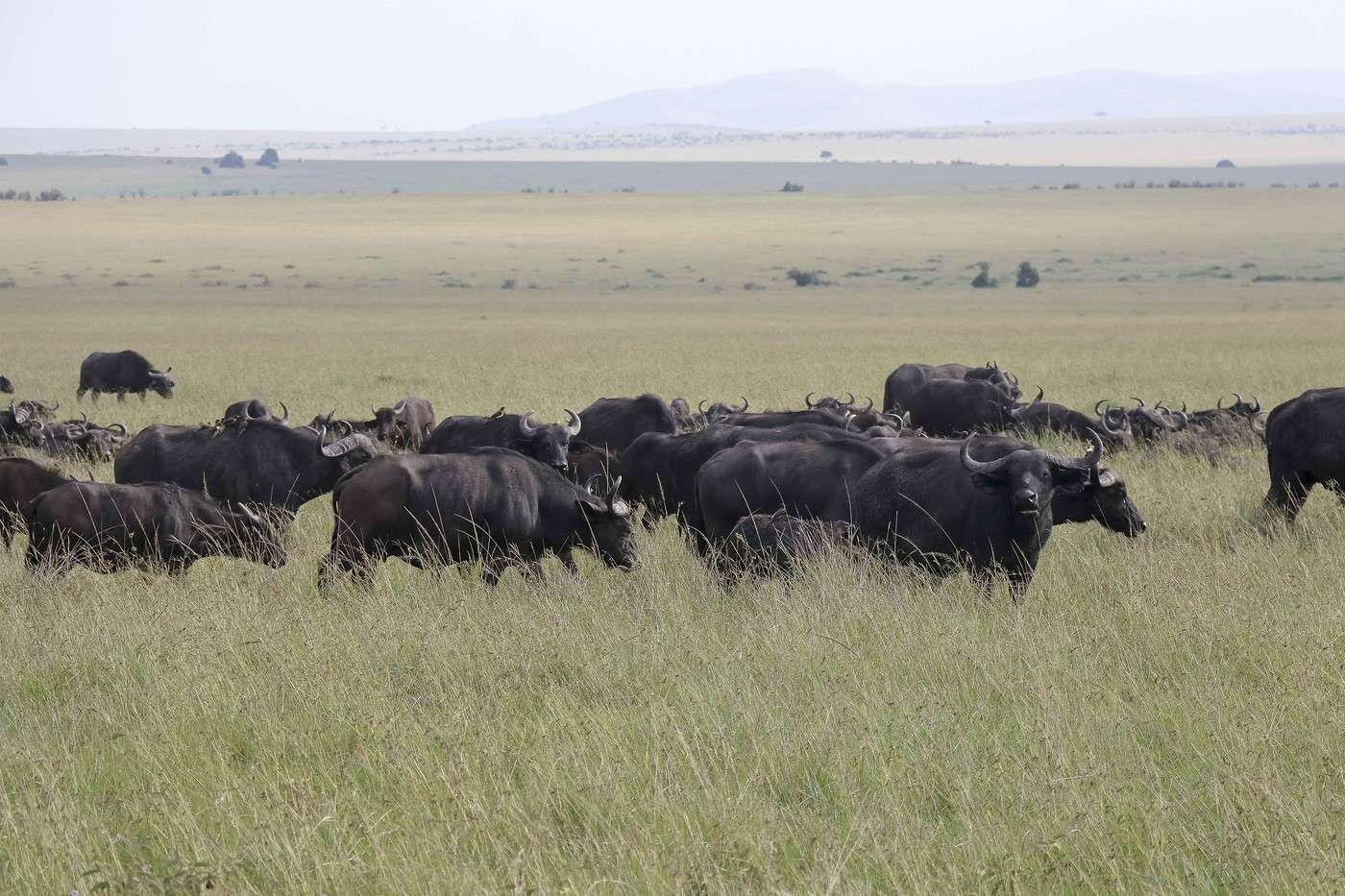
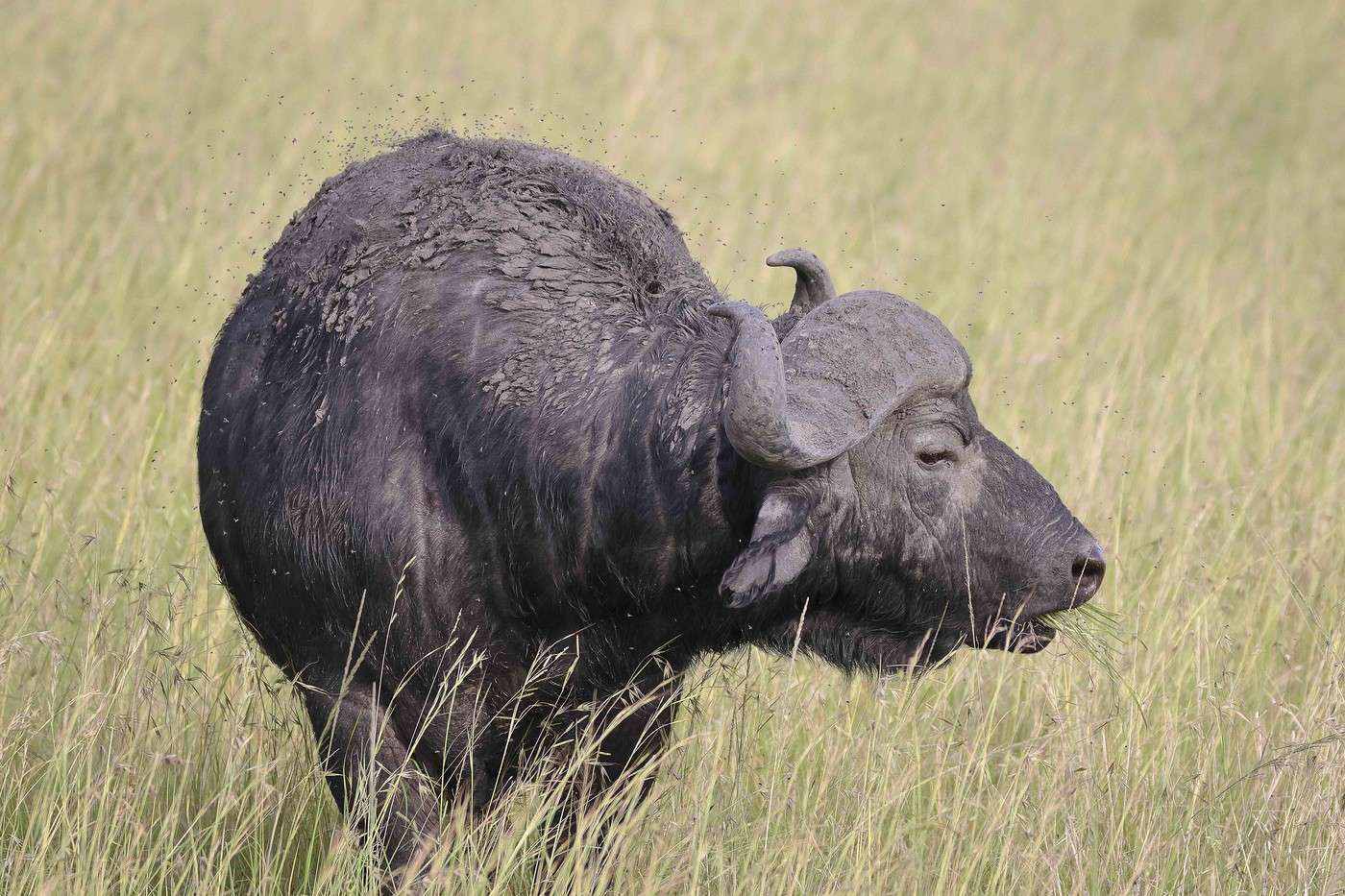
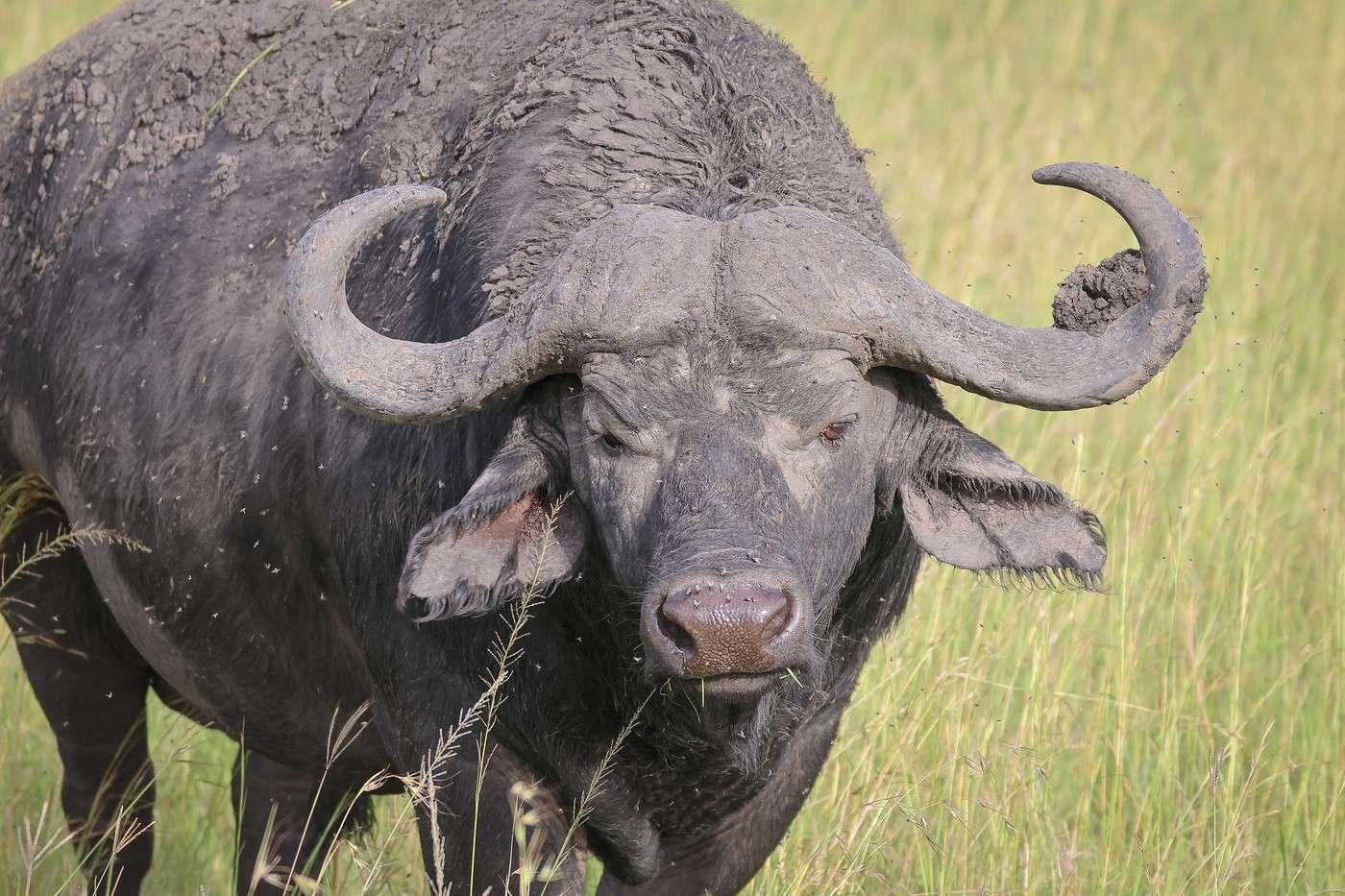
 buffalo...

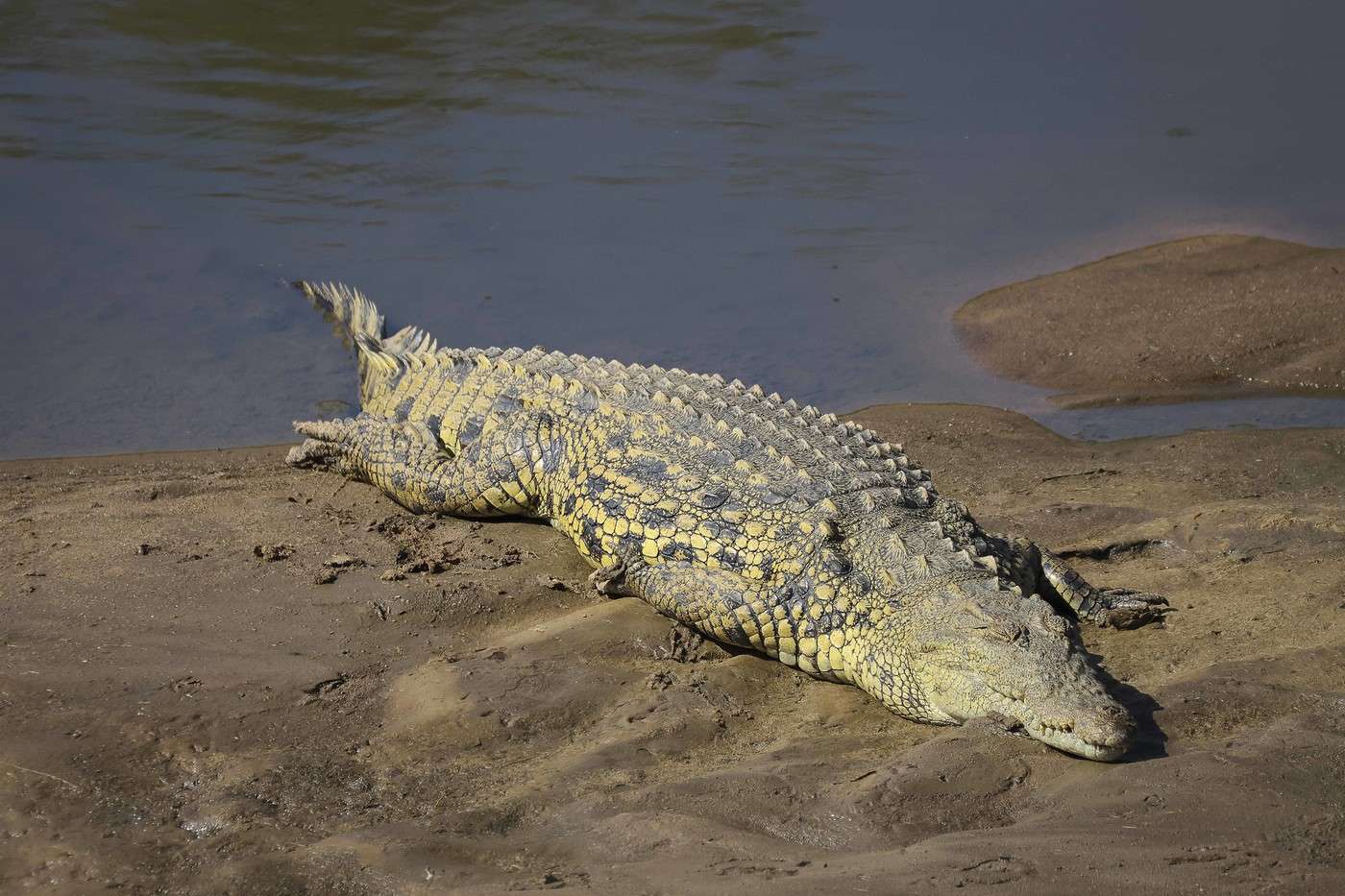
 crocodiles
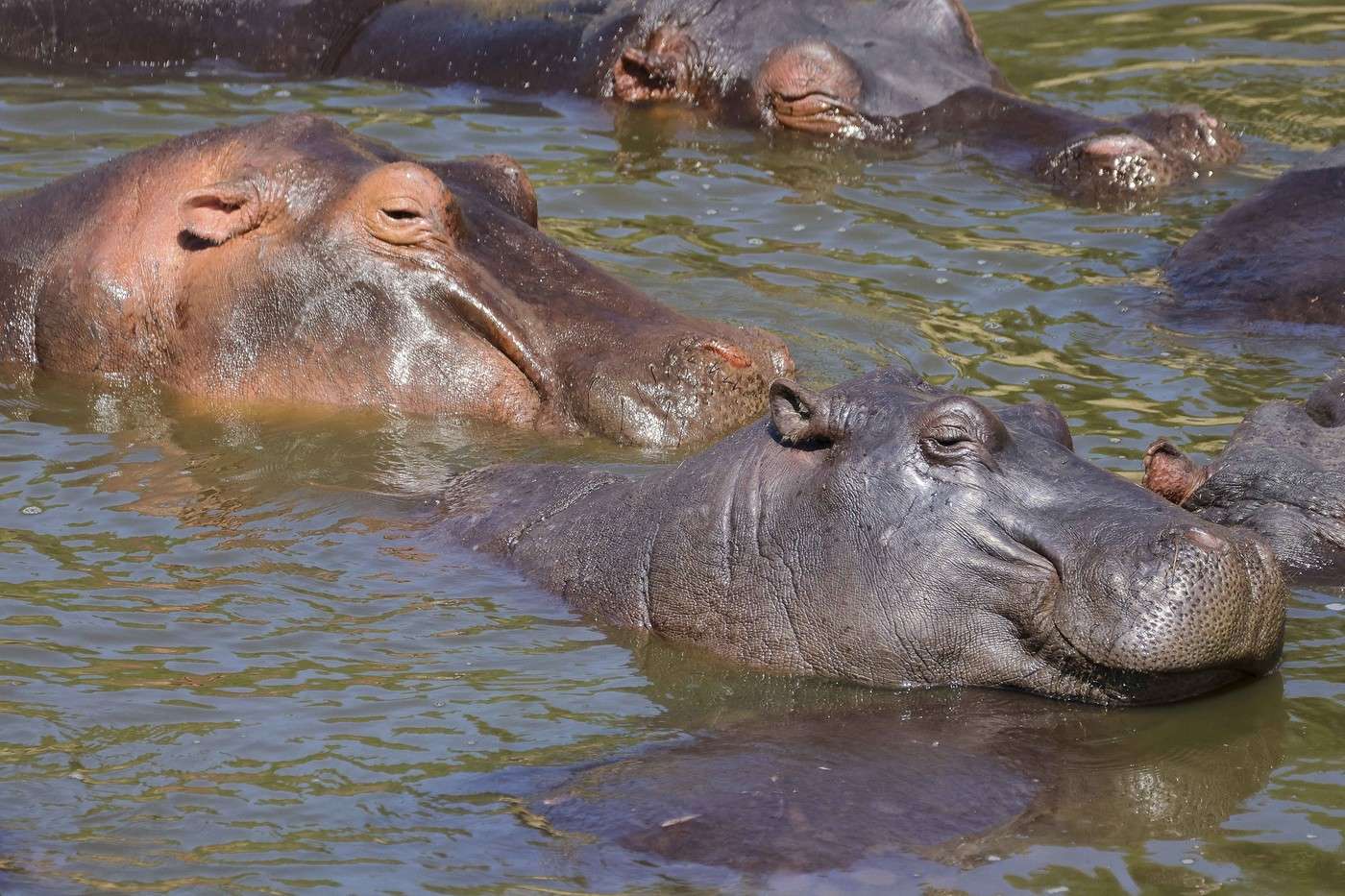
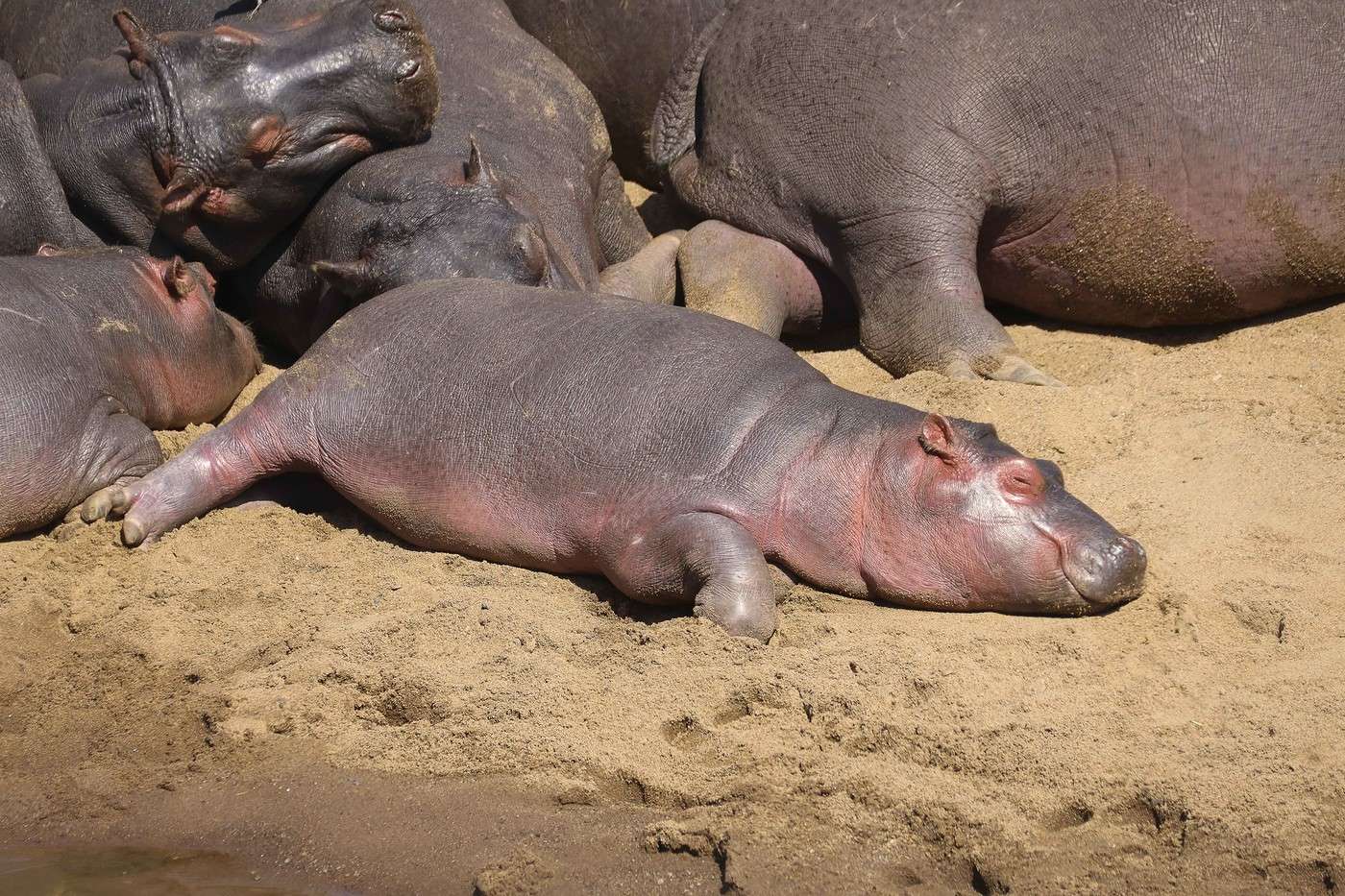
 and especially lots of hippos basking in the sun, either on the riverbank or partly submerged.


 elands,
 elephants

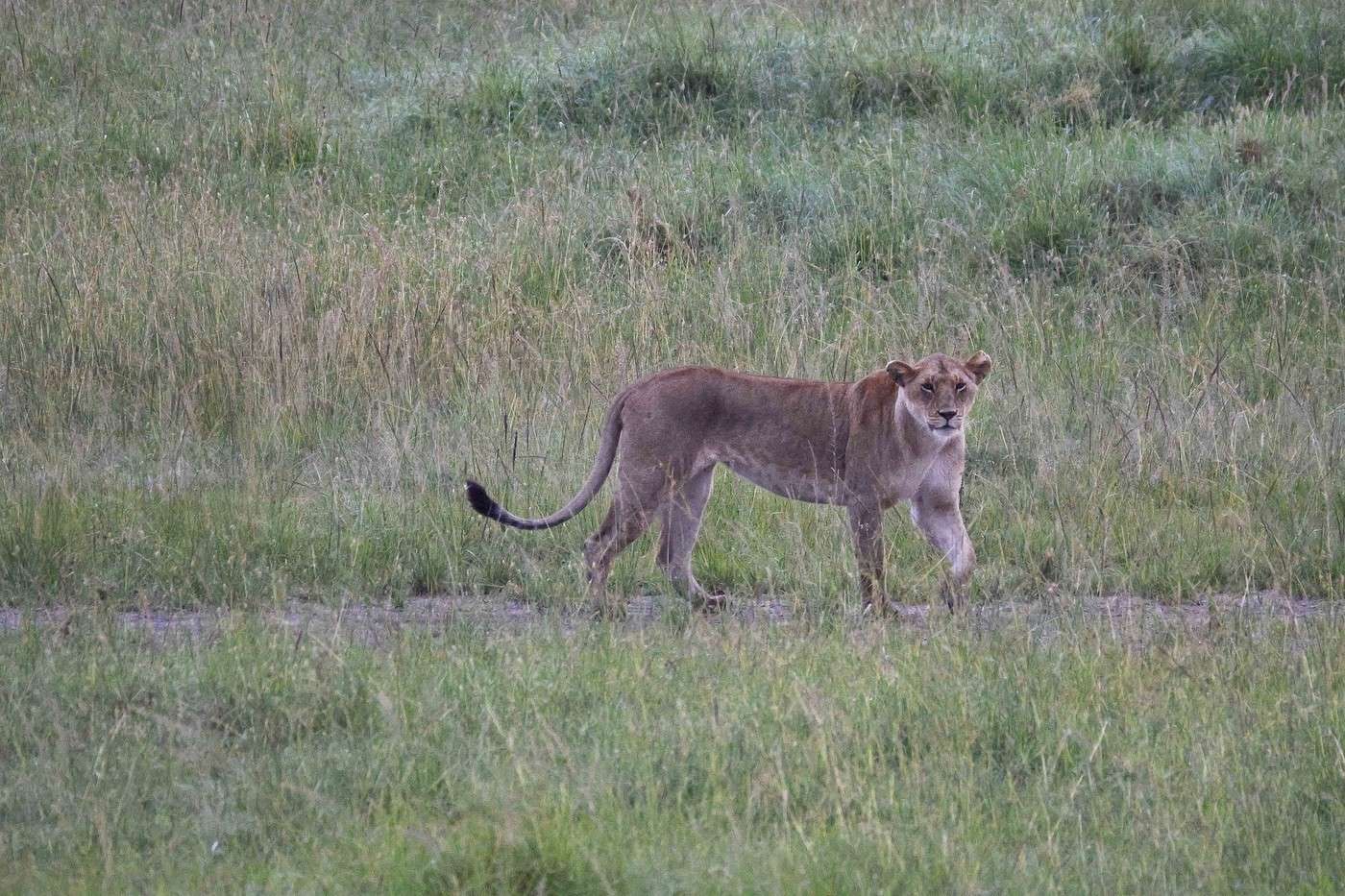
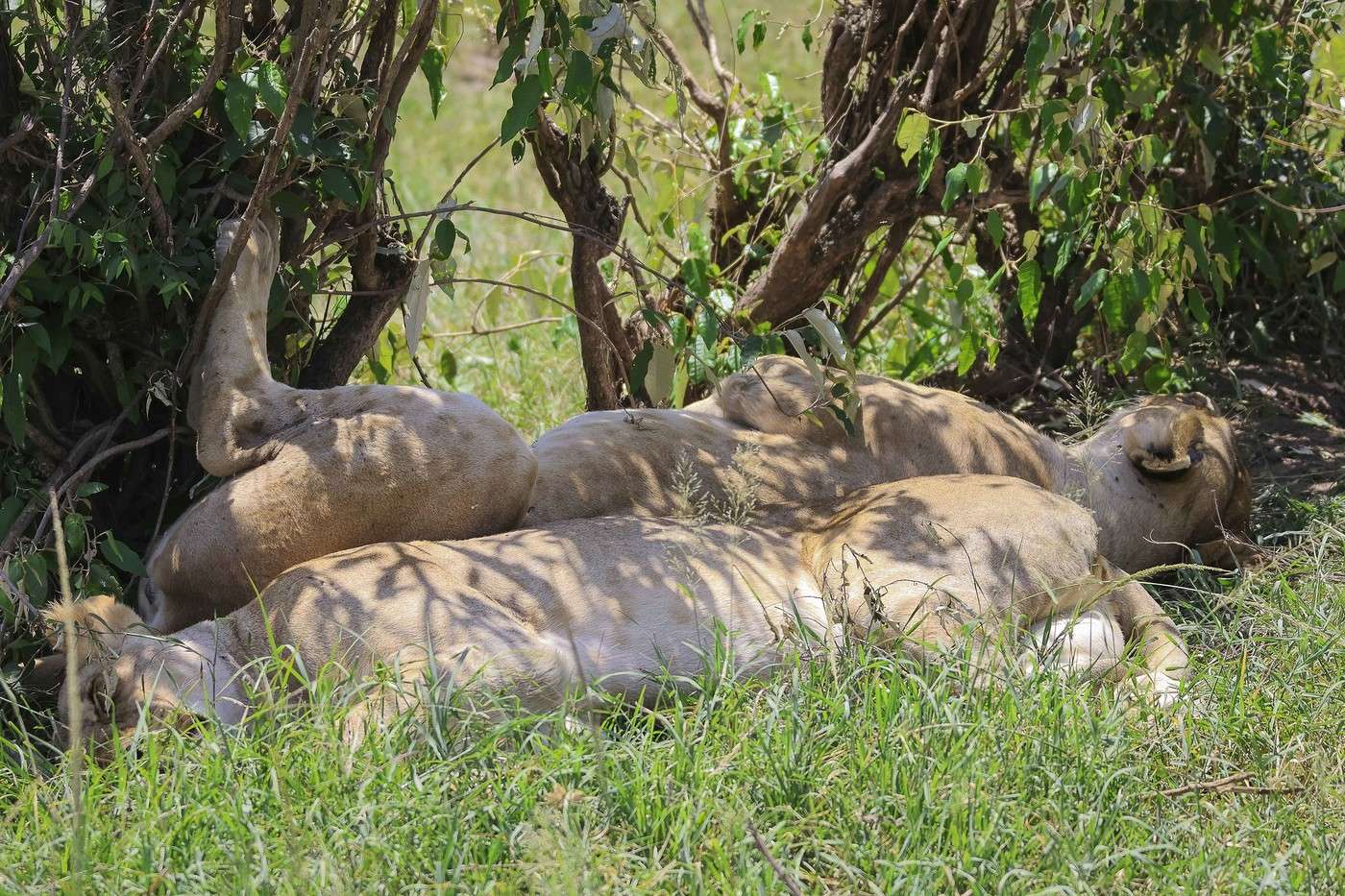
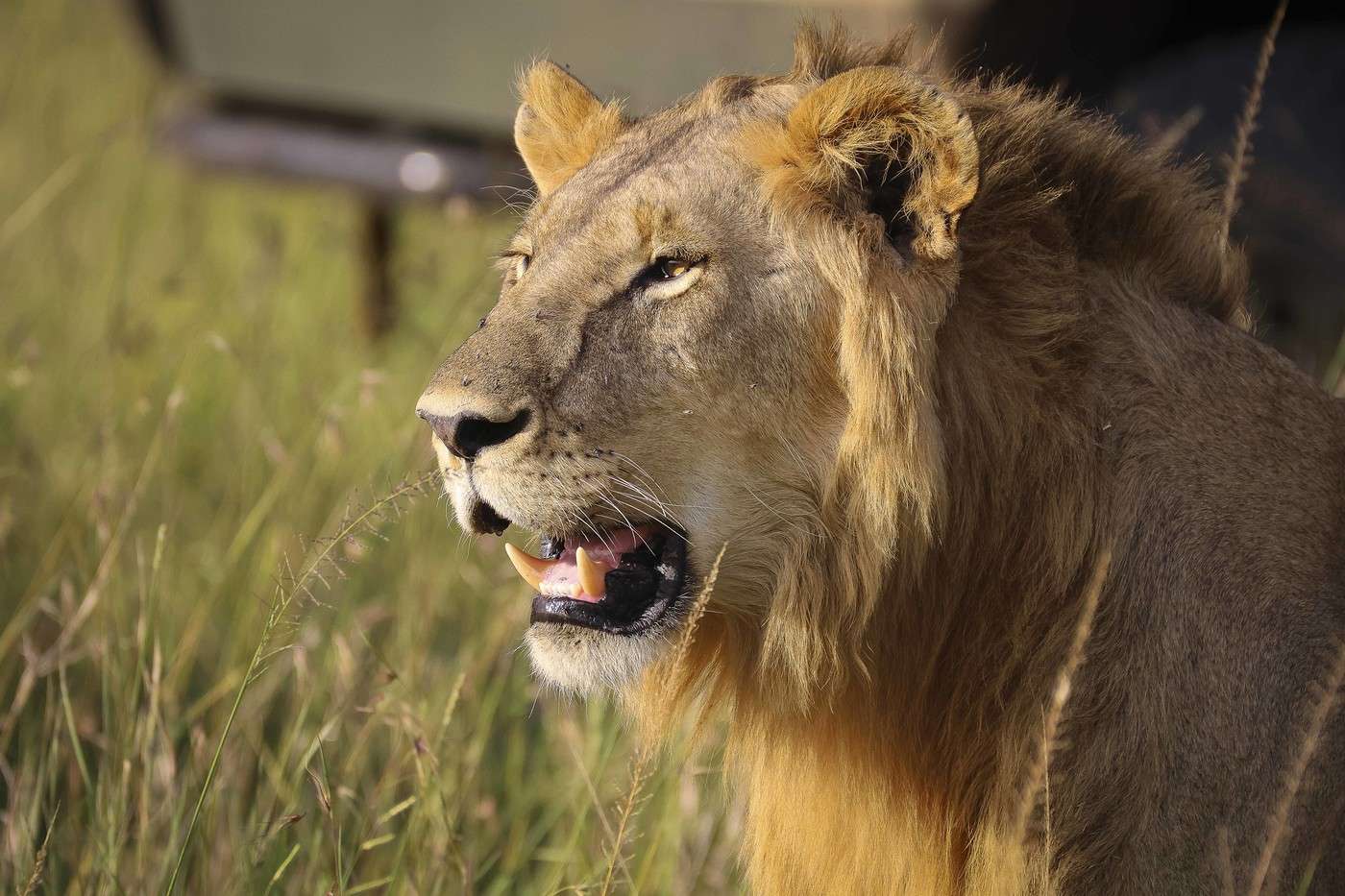
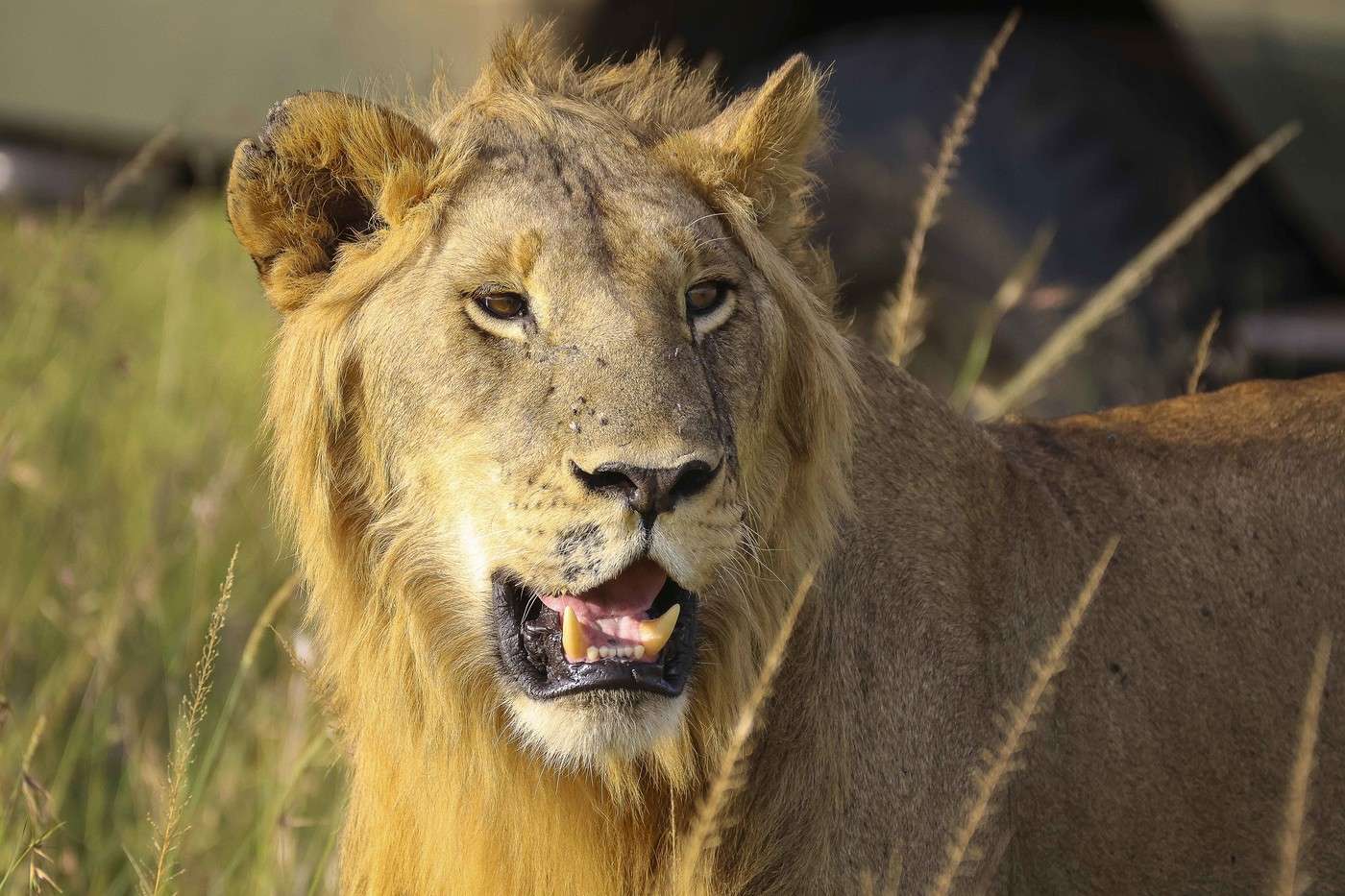
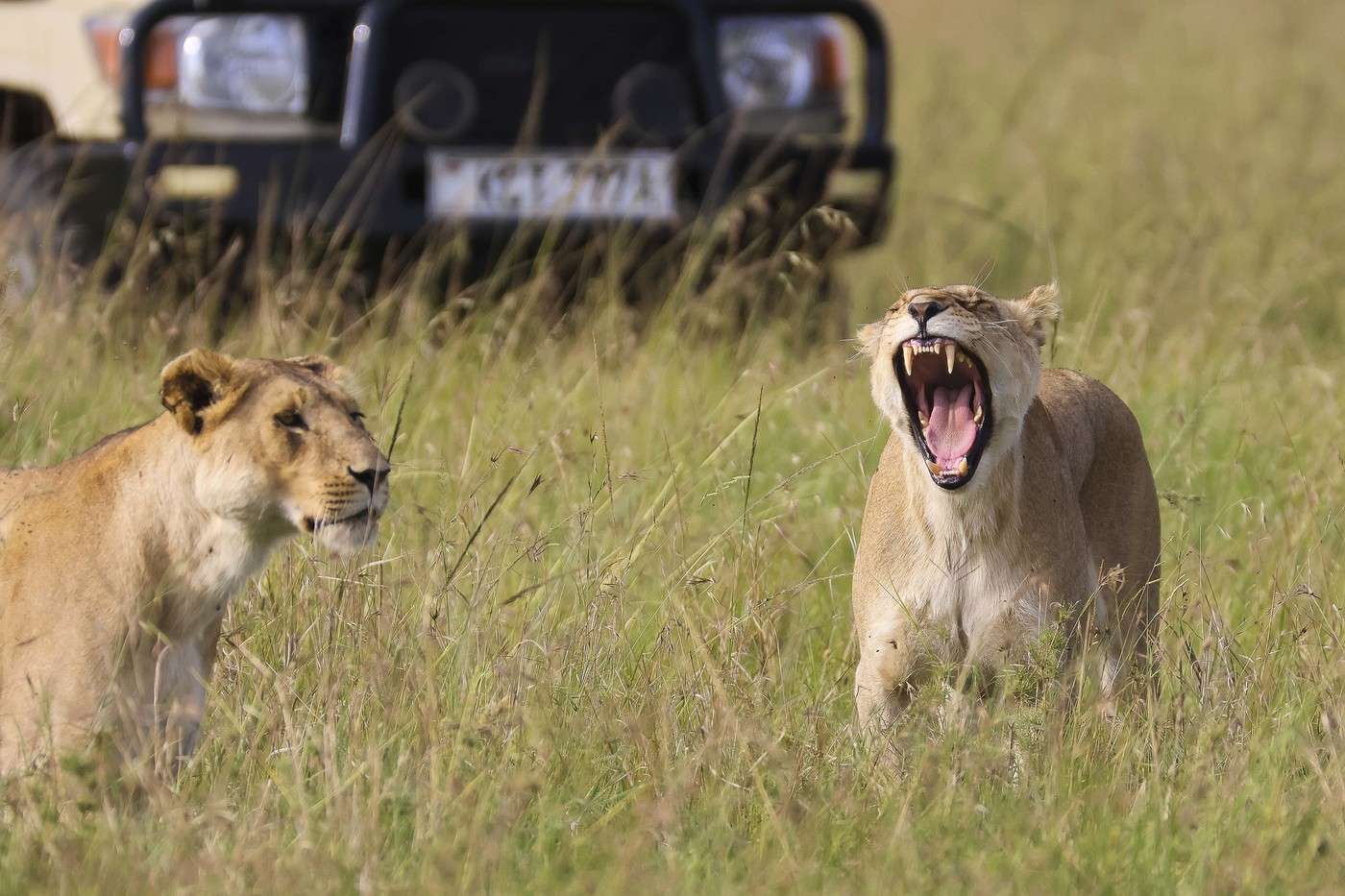
 and to finish things off, two lions resting under a bush—no chance they’ll move anytime soon given the heat.

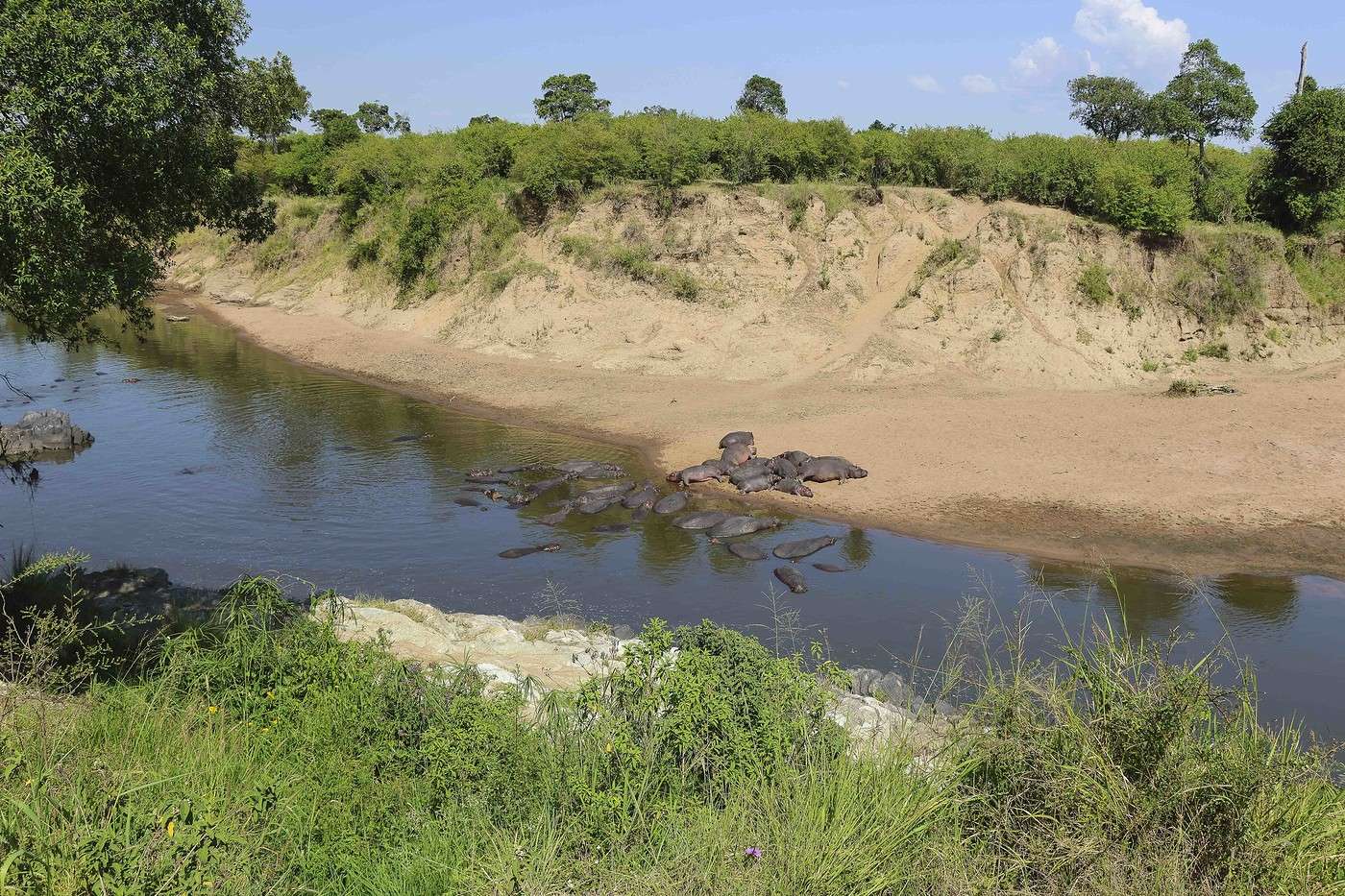
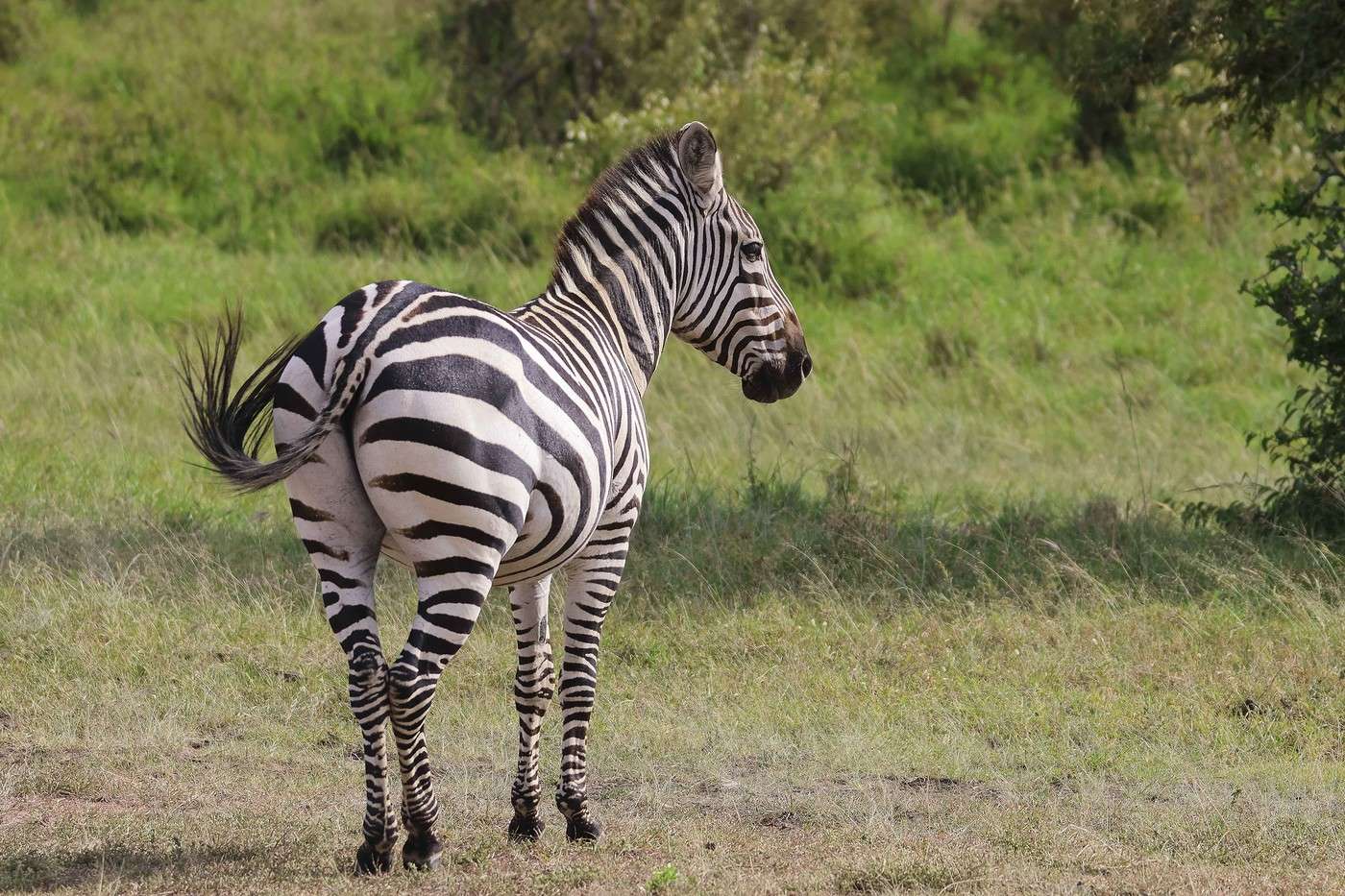
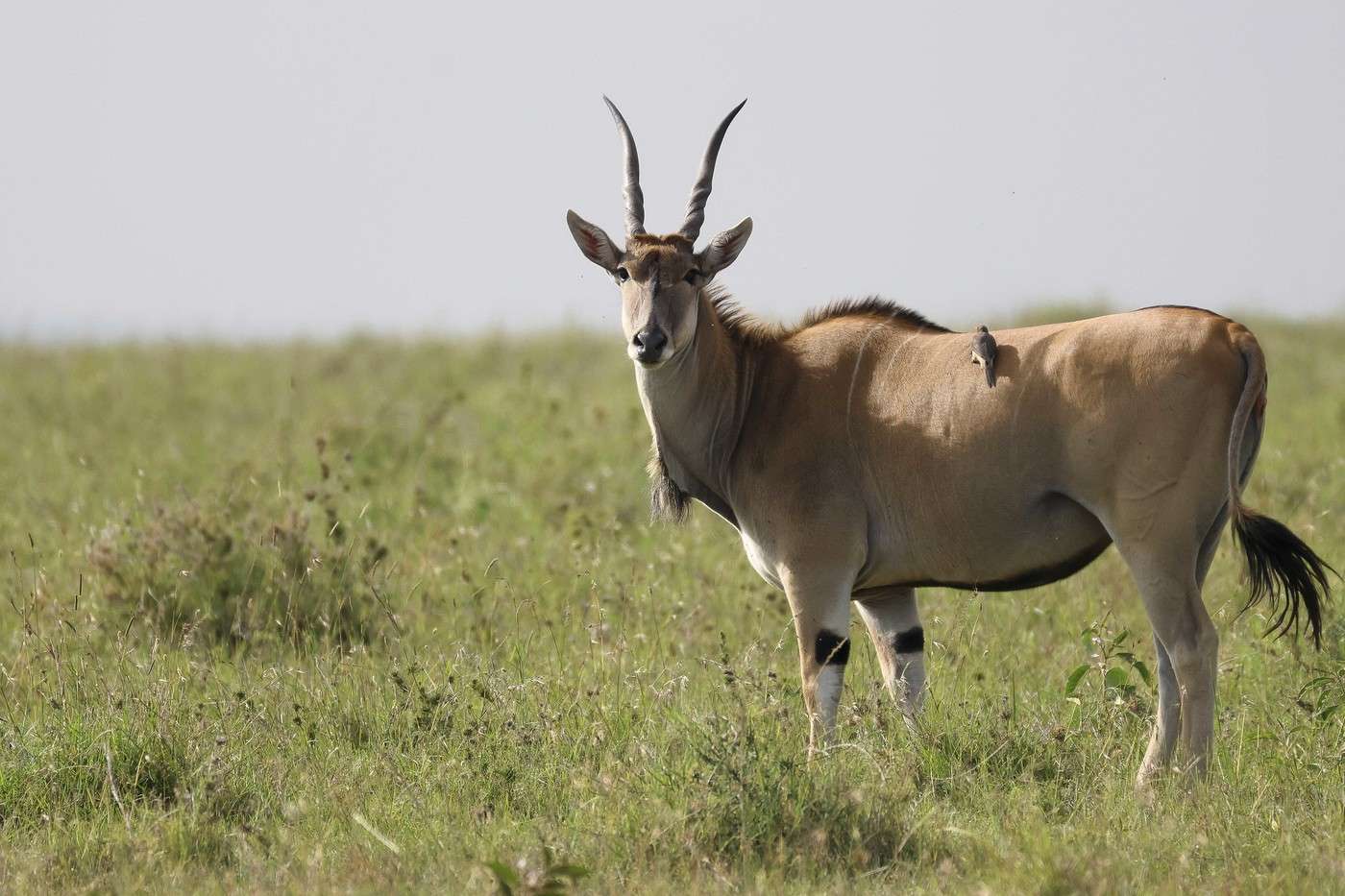
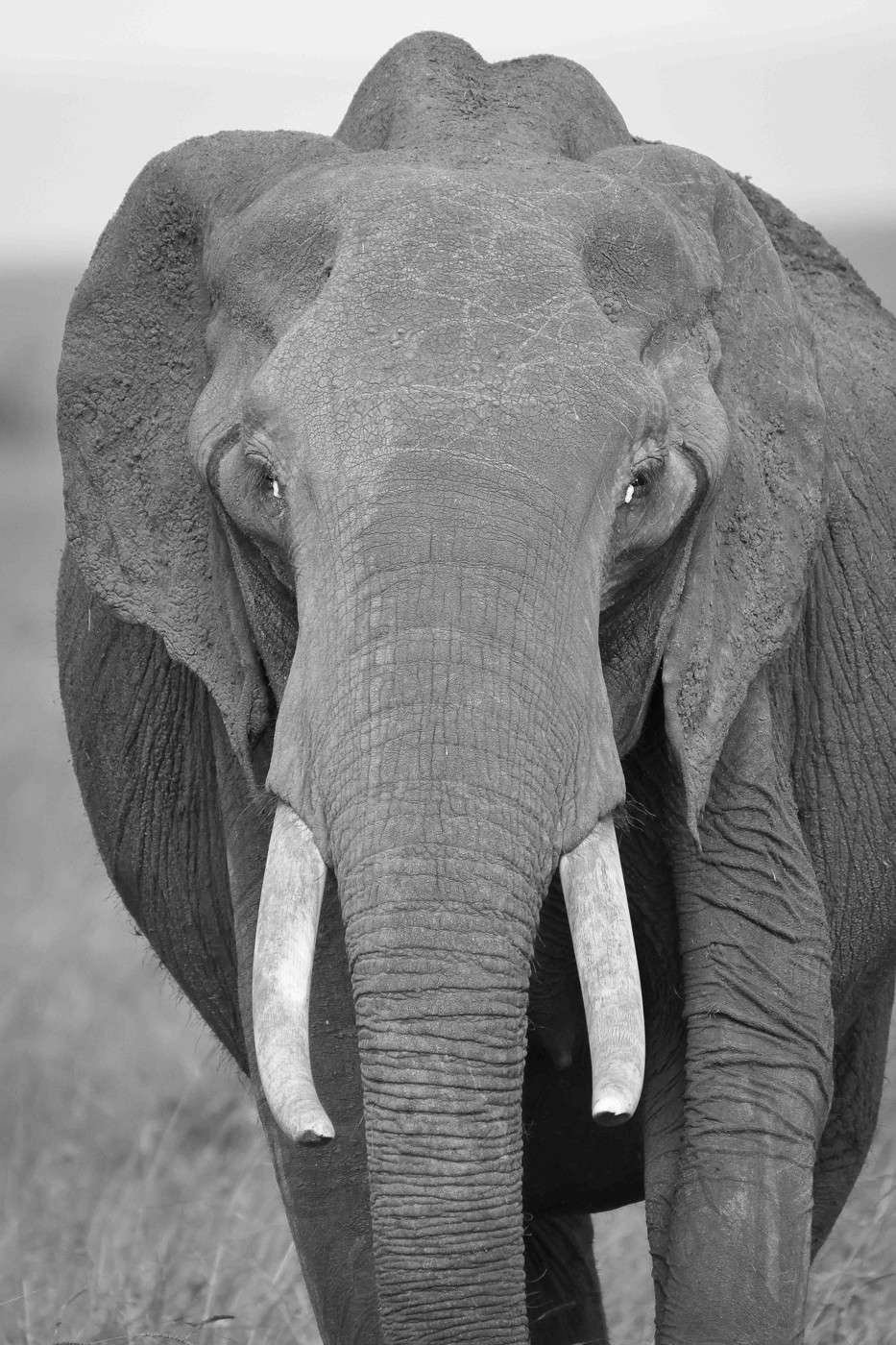
 some moving,

 others lying in the grass.


 We don’t know where to look first!

 Cameras are clicking nonstop.
 For nearly an hour and a half, we stay to watch them in exceptional conditions.

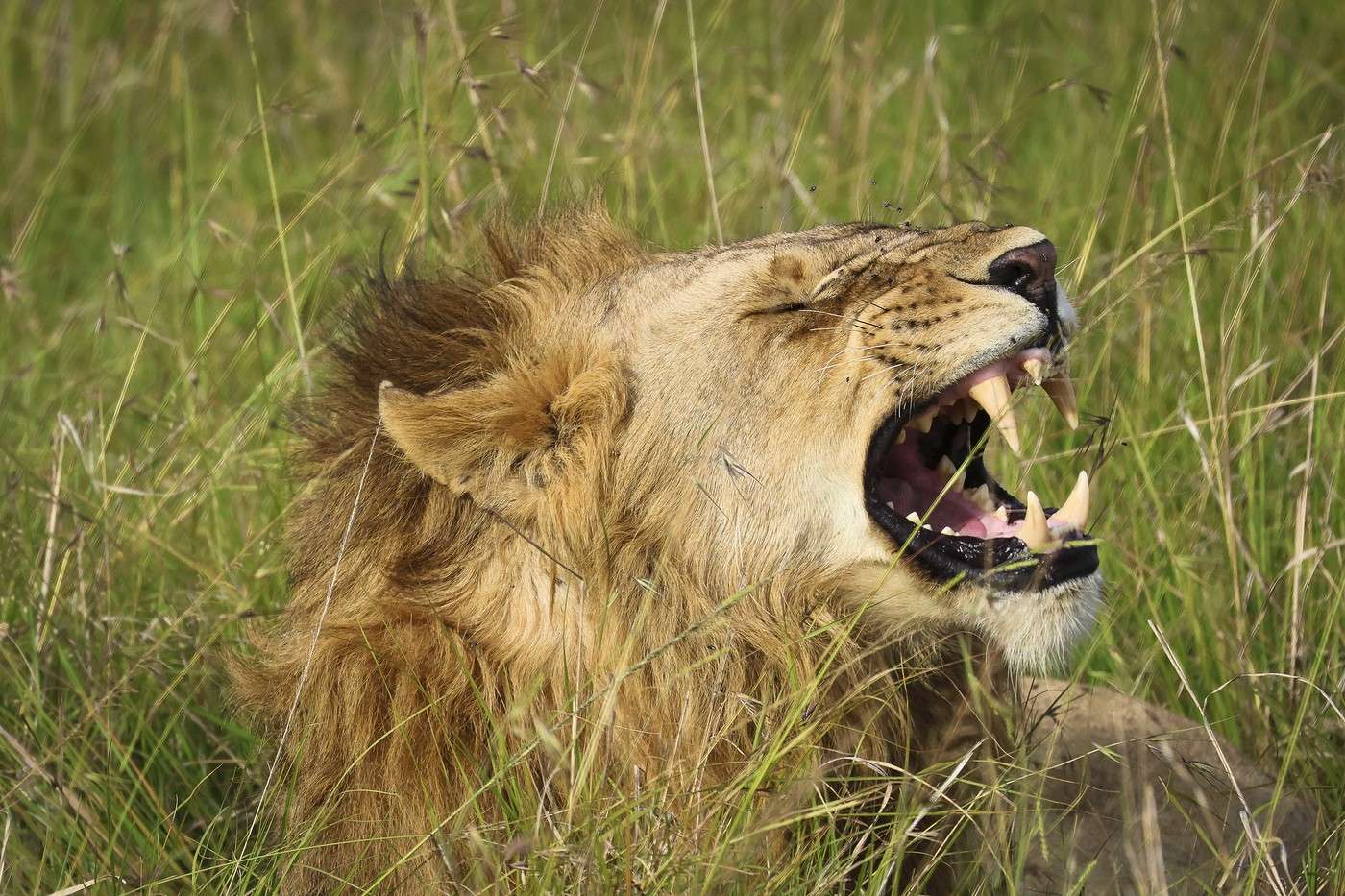
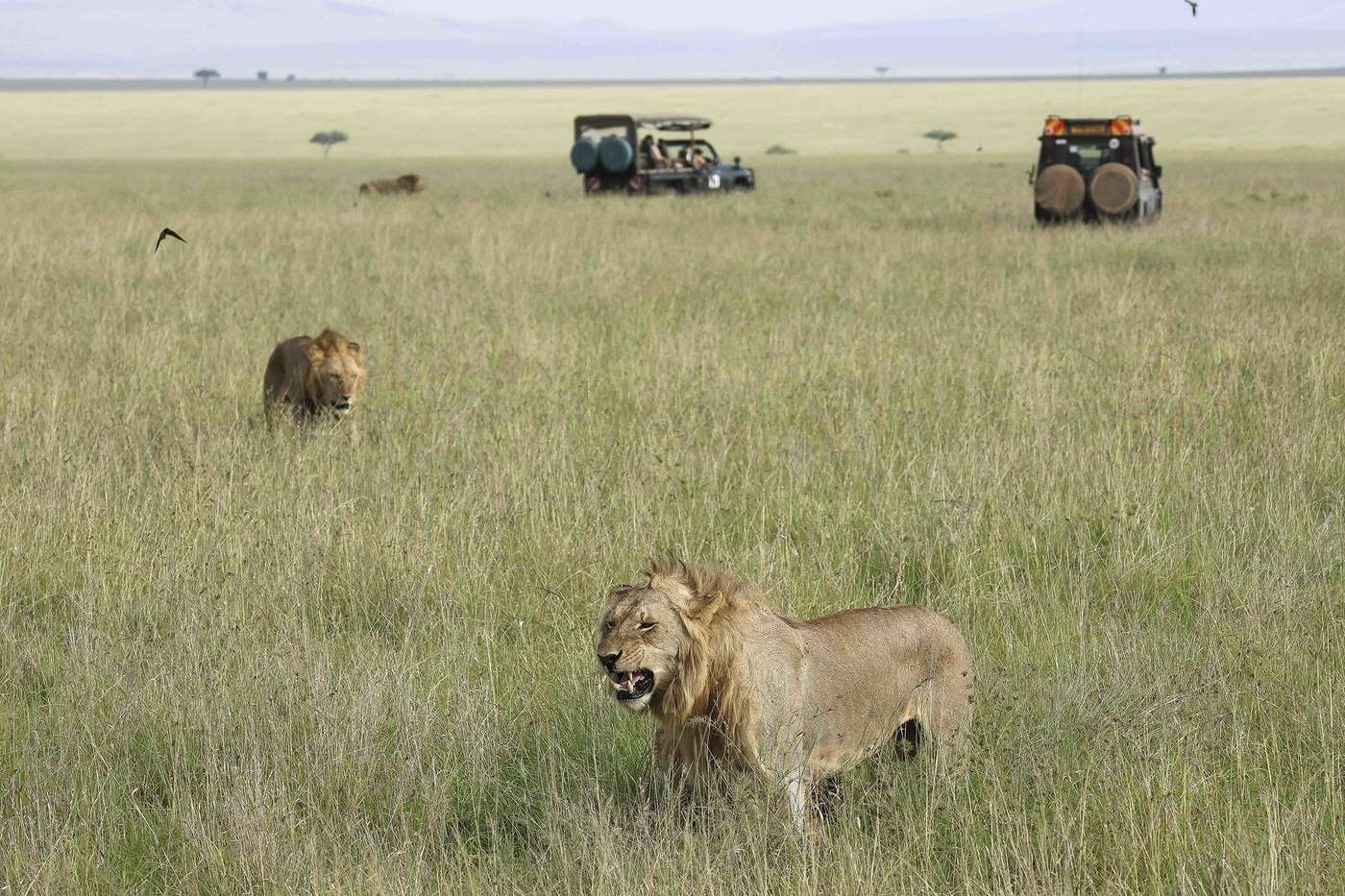
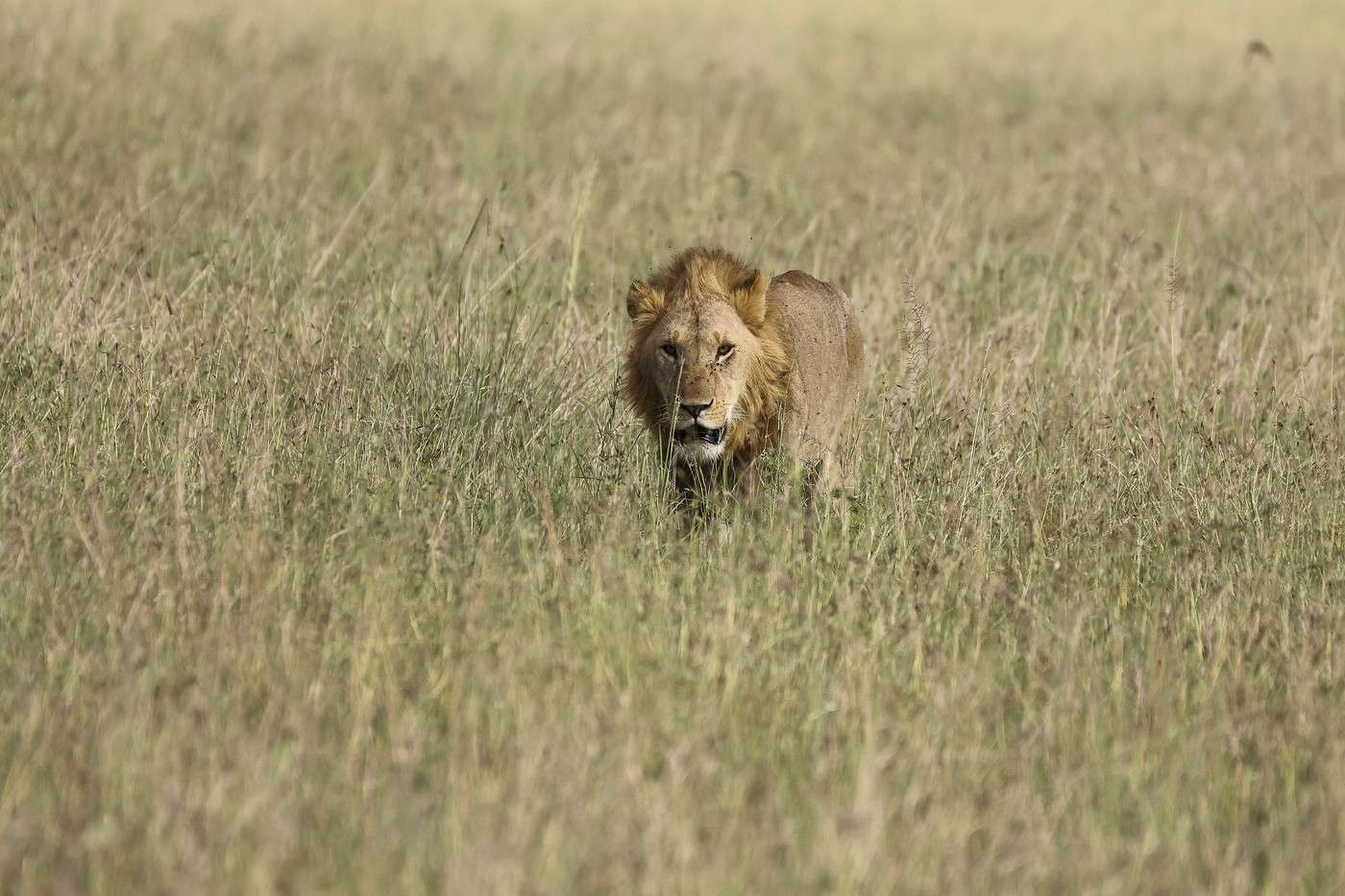
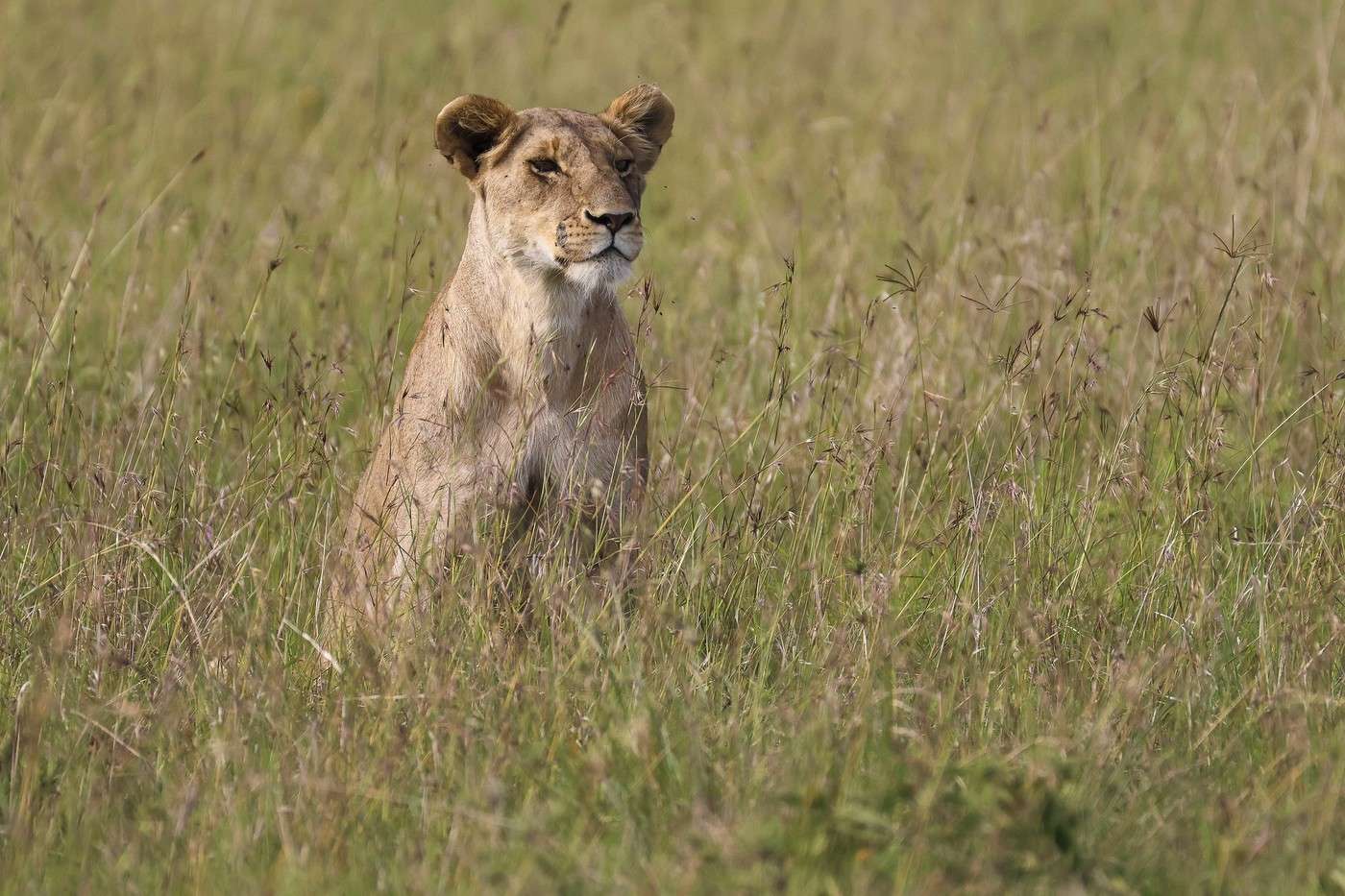
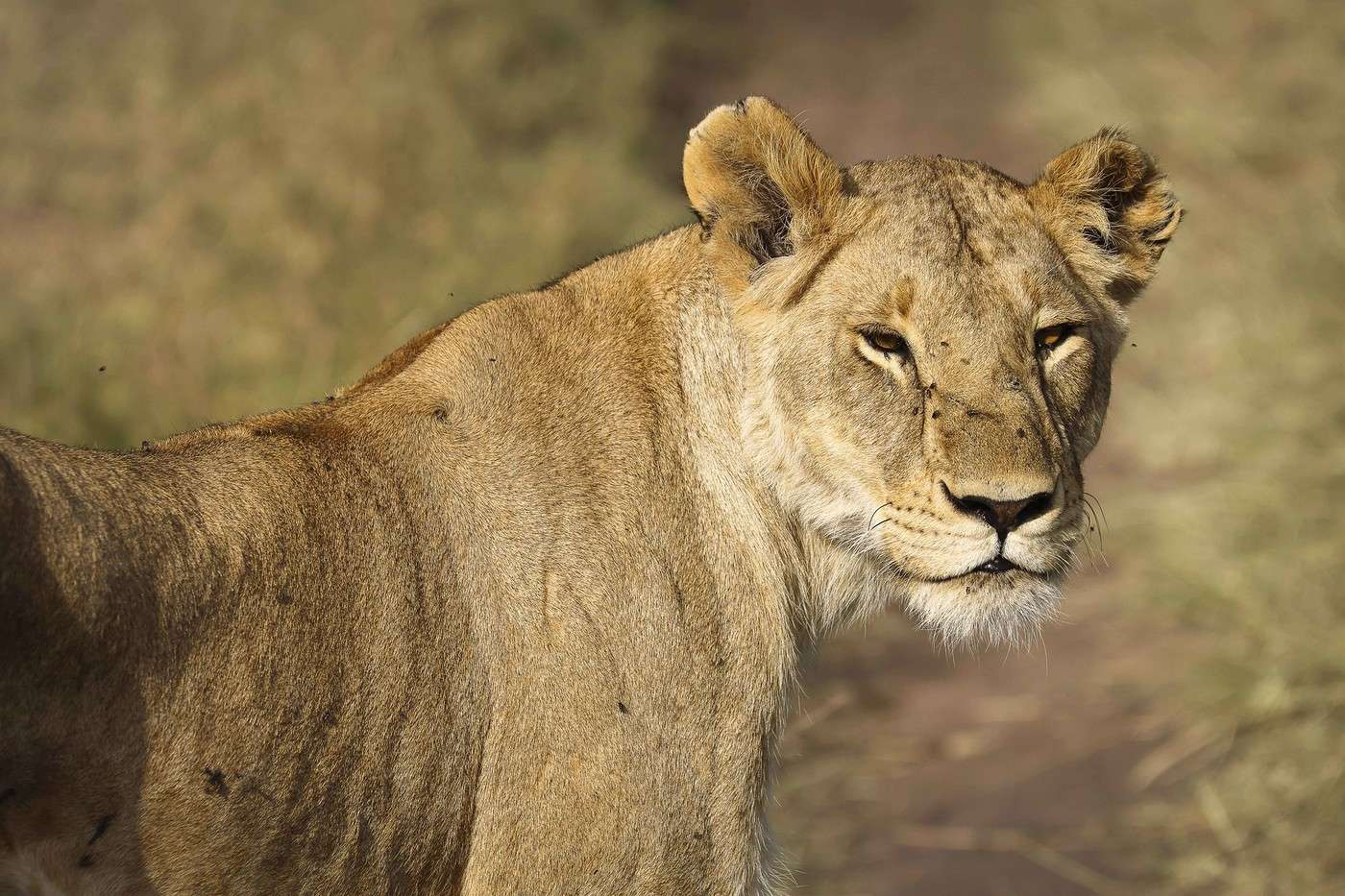
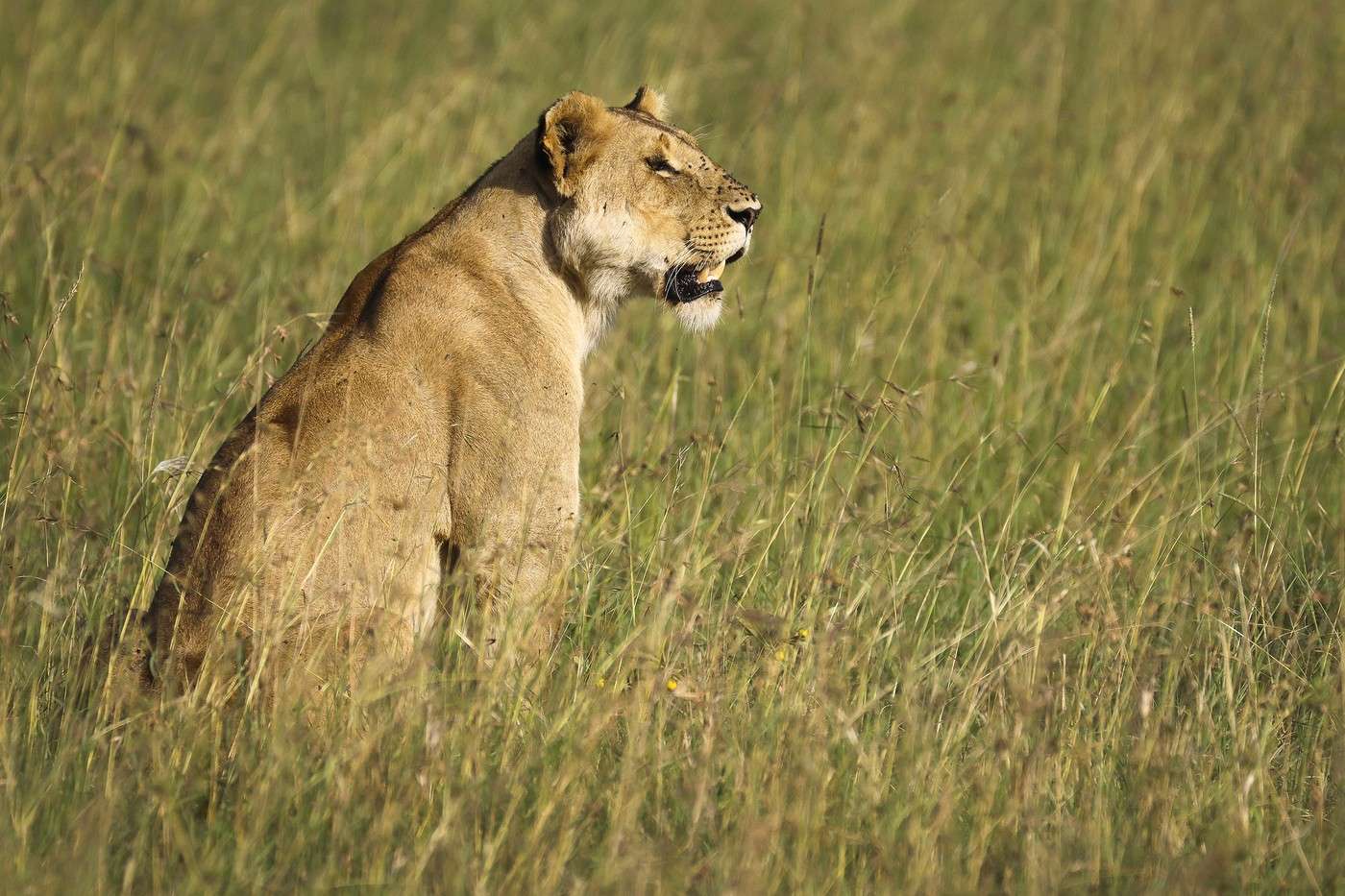
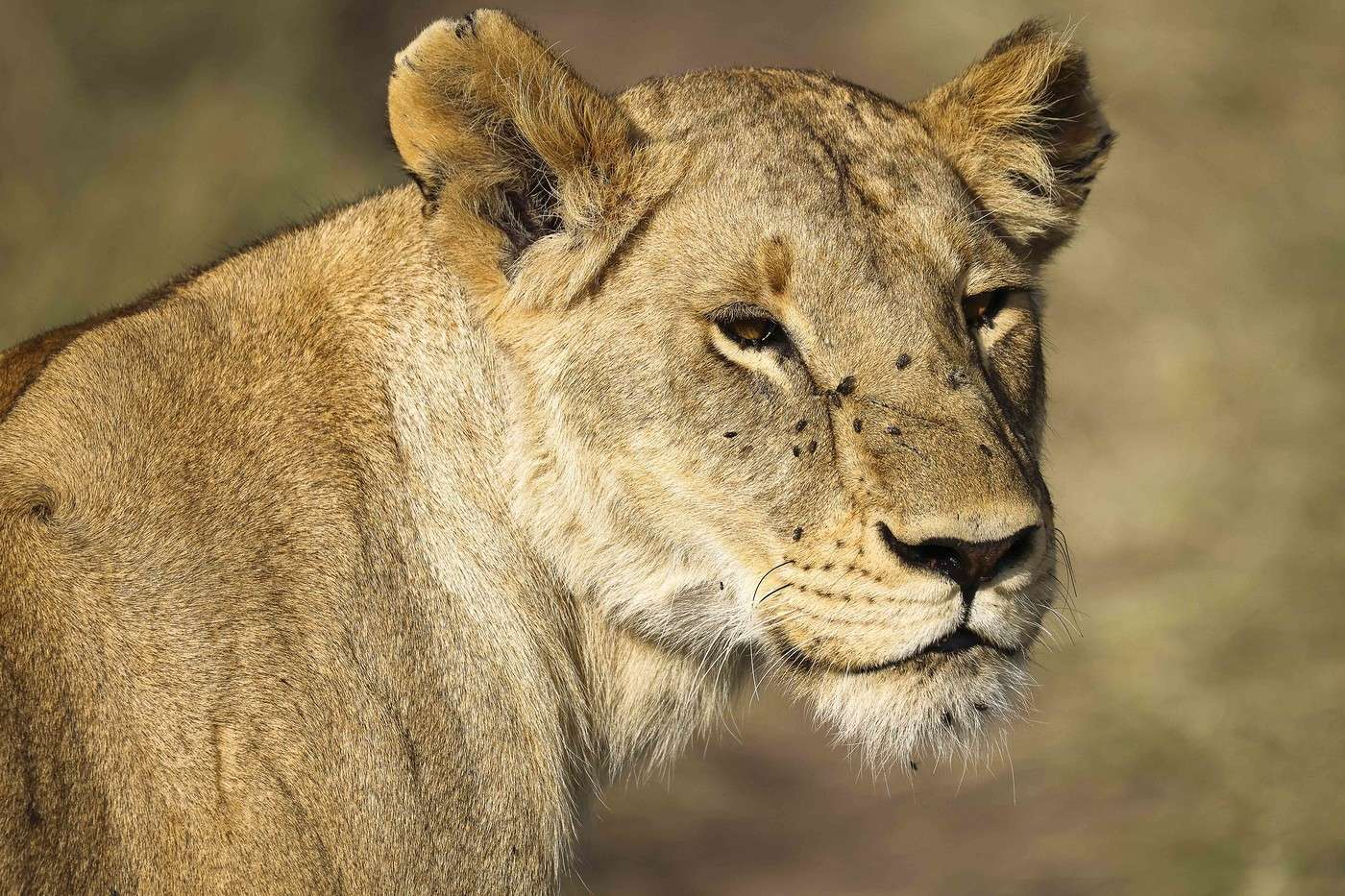
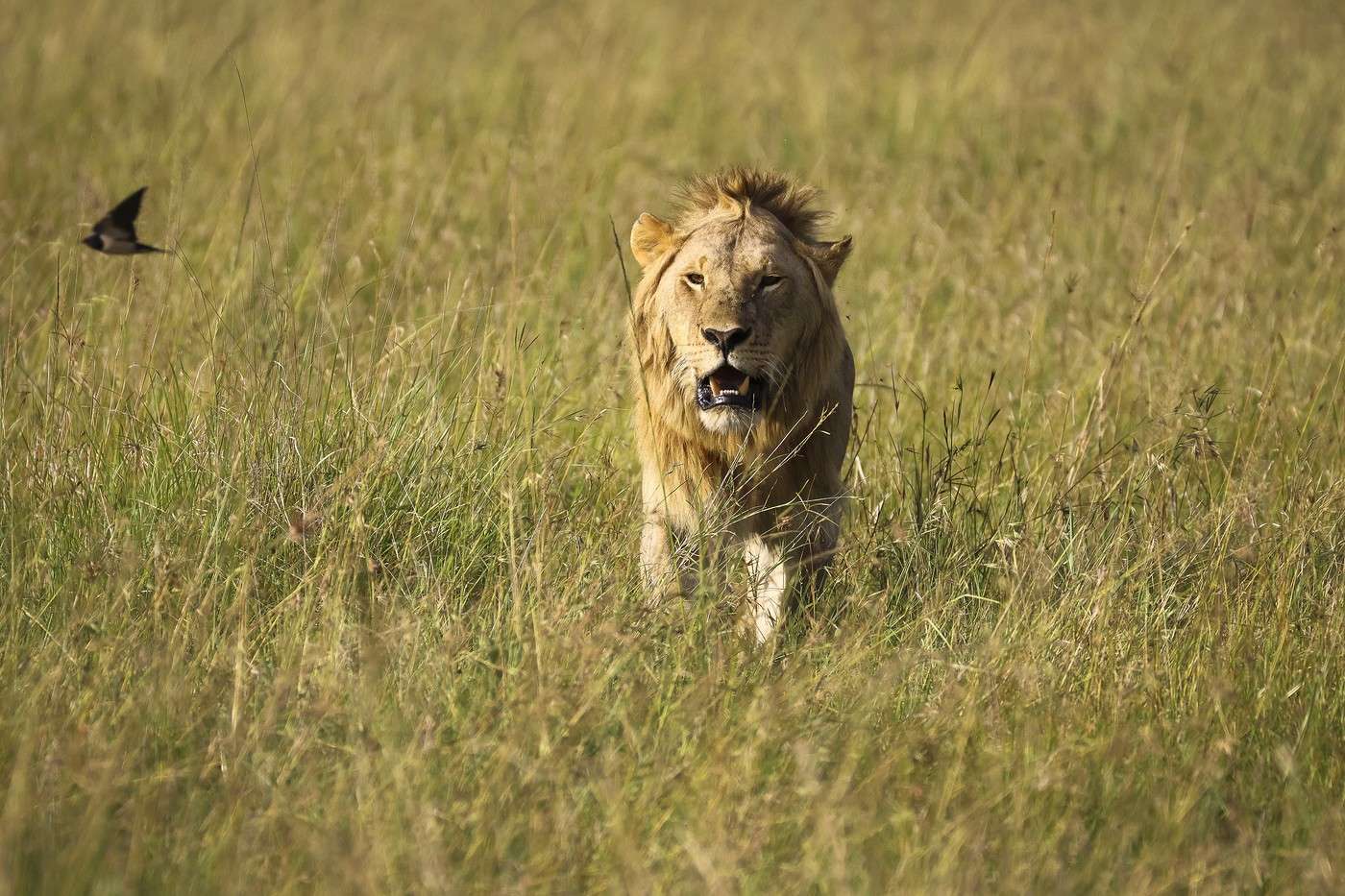
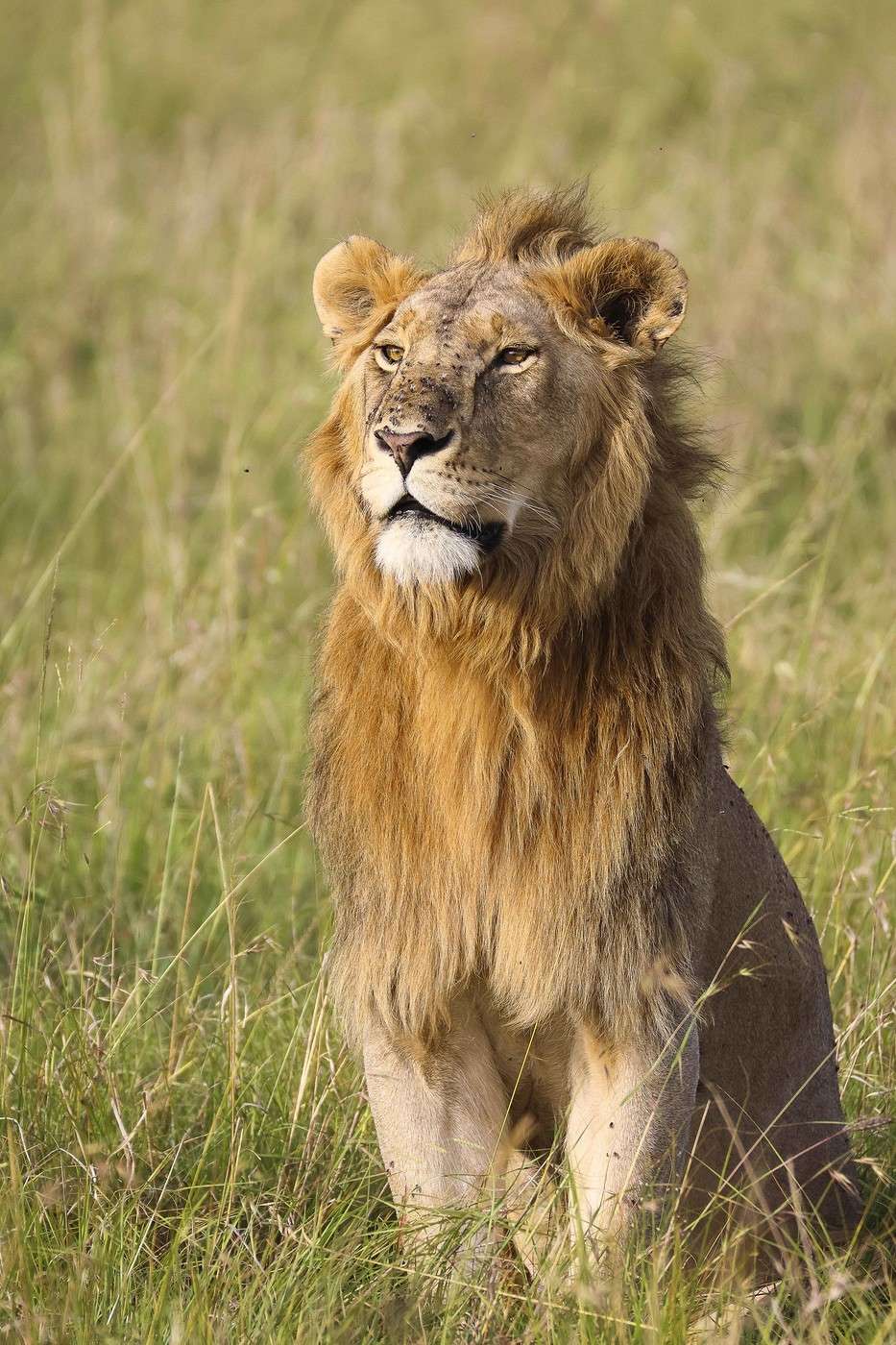
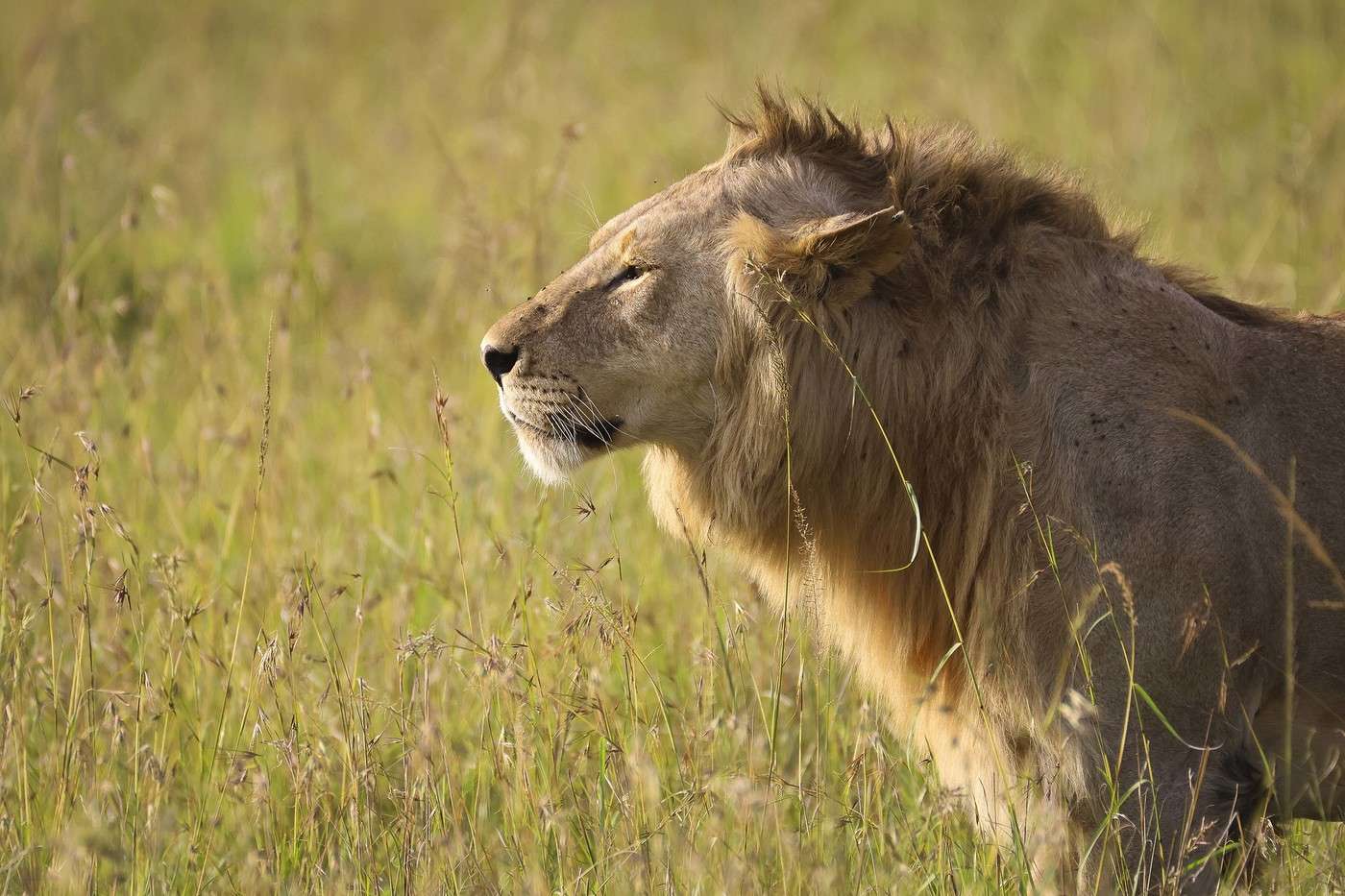


 before realizing that three of them have set their sights on two warthogs nearby. The lions line up for battle, and you can almost feel an attack coming—but then, for no clear reason, they abandon their prey.
Despite that, we had an incredible moment,

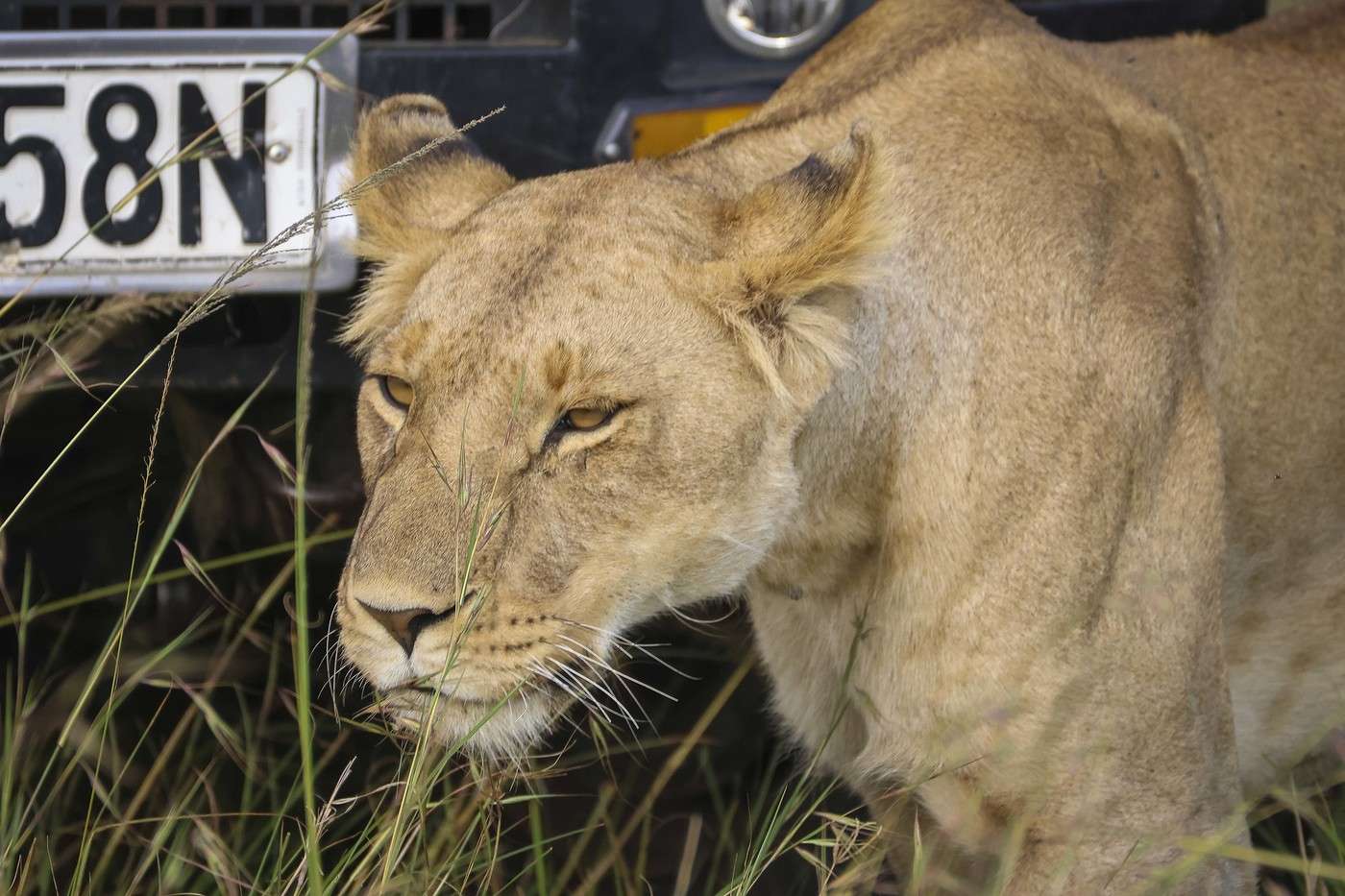
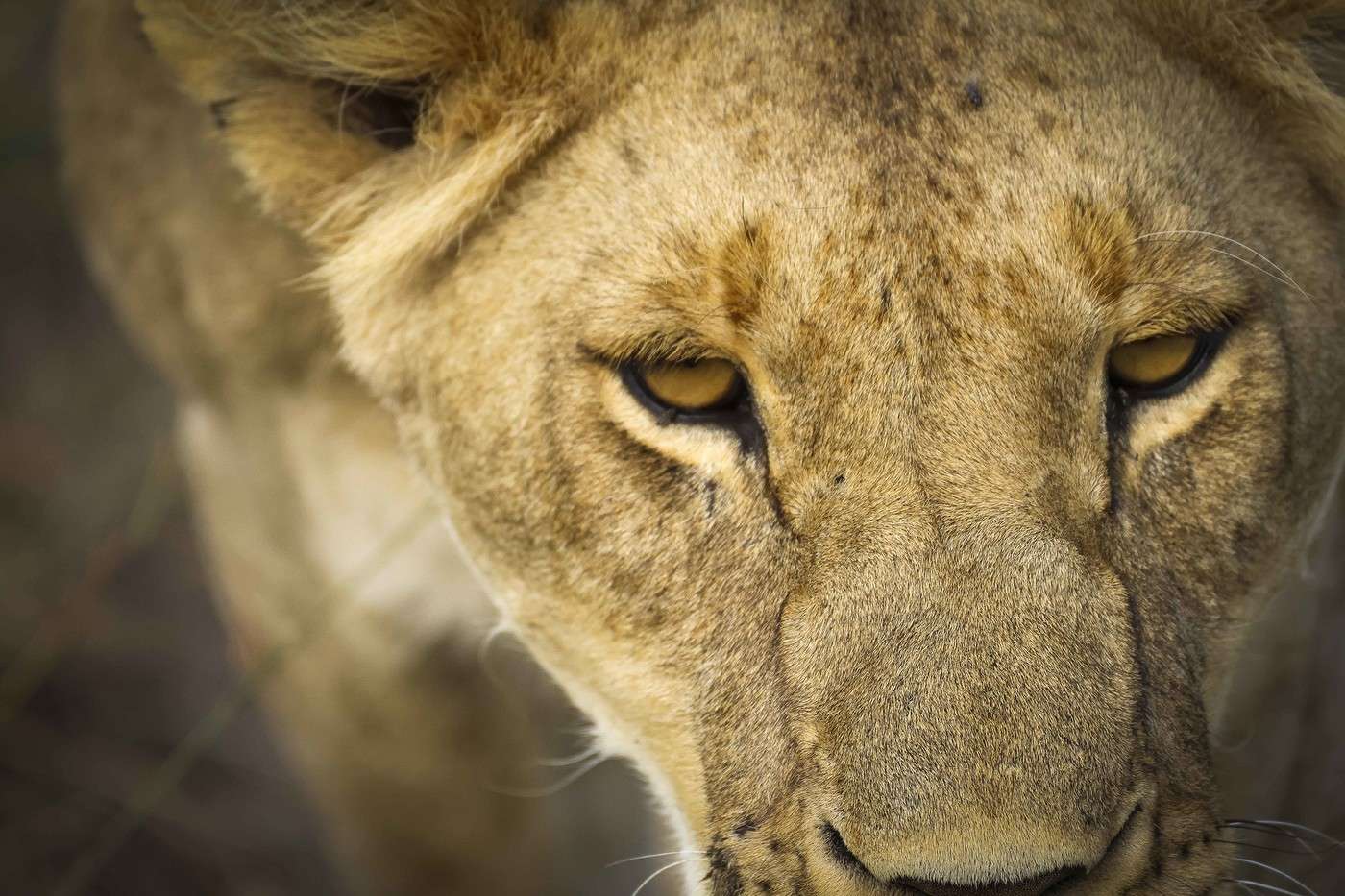
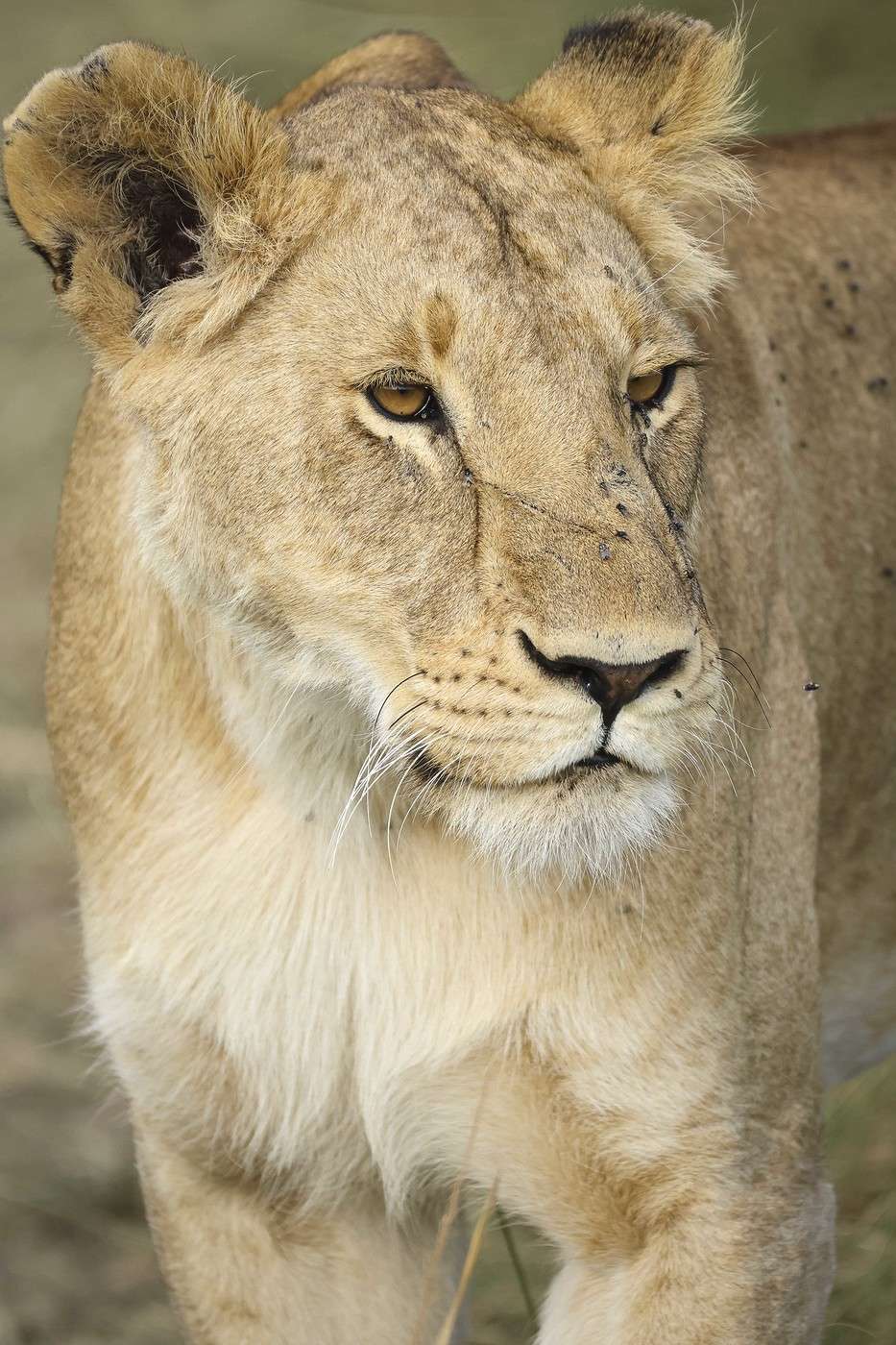
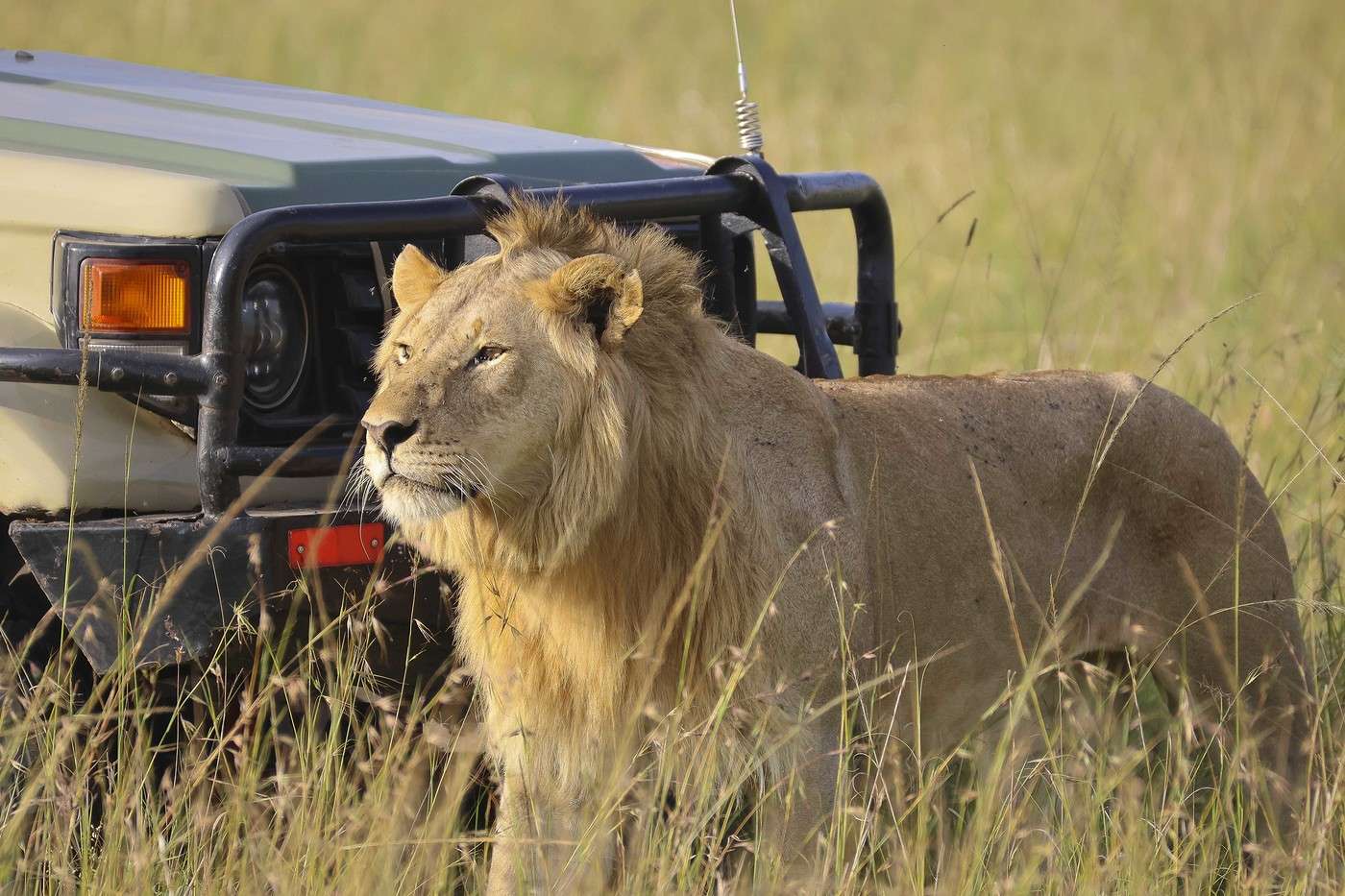
 with a rare closeness to the big cats,

 some of which passed just centimeters from us.


 We wrapped up the afternoon peacefully, without any other extraordinary encounters.
A few days before our trip to Kenya, I’d been chatting on social media with one of the Camp Oloshaiki team members, Kemboi. After checking my messages, I realize it’s actually Meissy, and I mention it to him during the aperitif—he confirms it.
VoyageForum — the largest community of French-speaking travellers.