New adventures from Perpignan to Ranchi (Jharkhand)
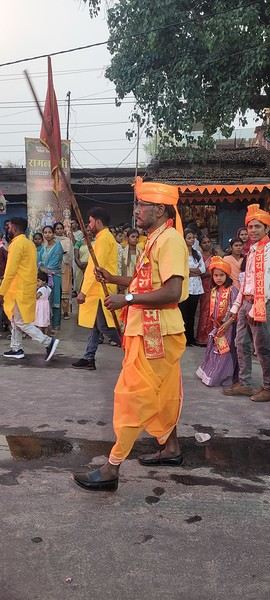
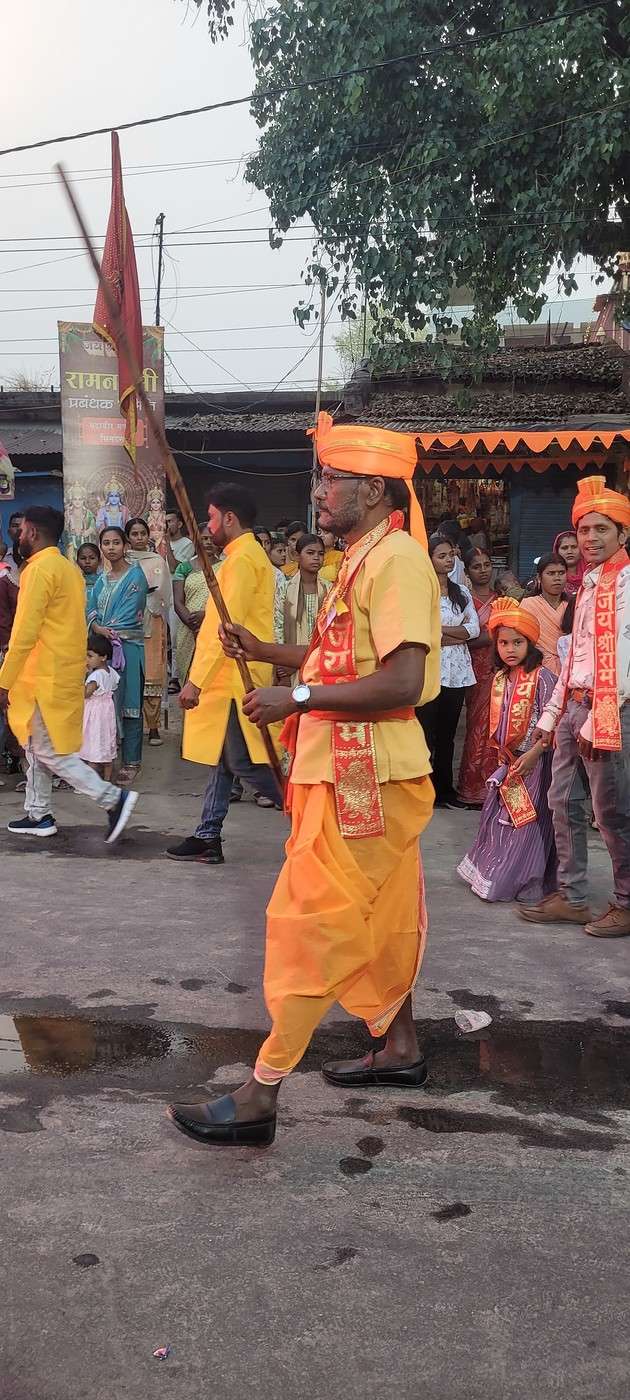
A little later, the Sarhul festival begins with a parade accompanied by music.
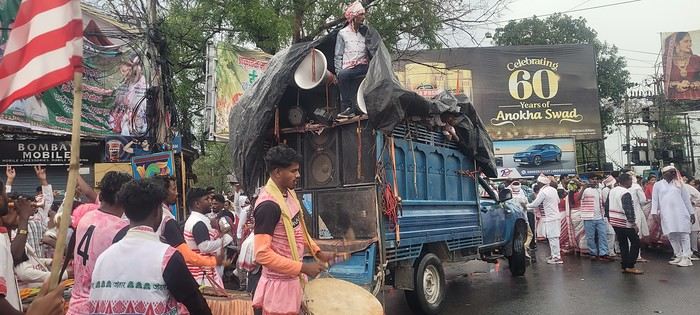
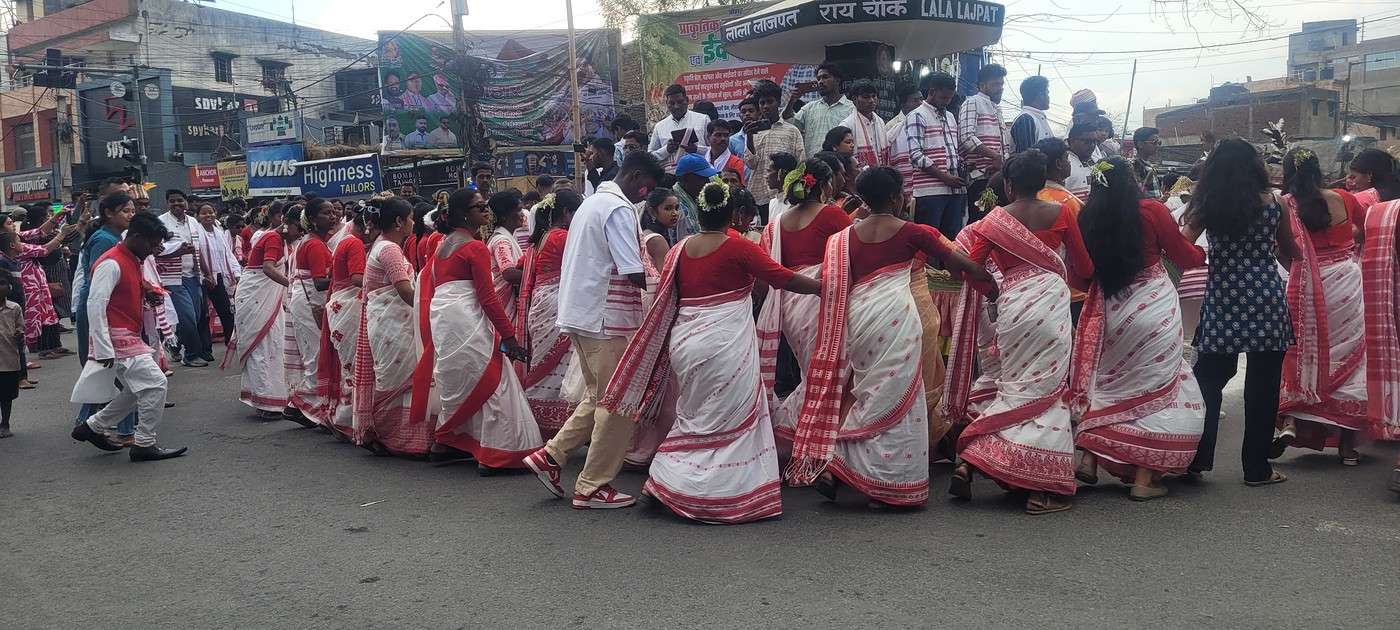
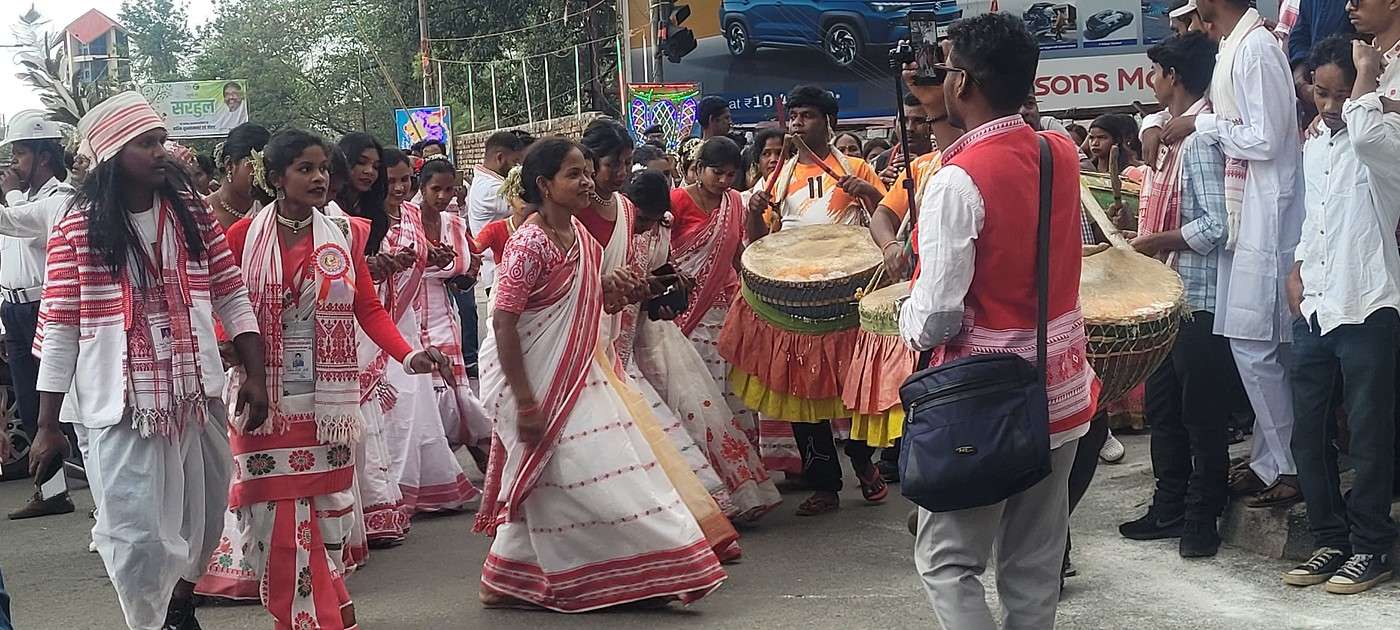
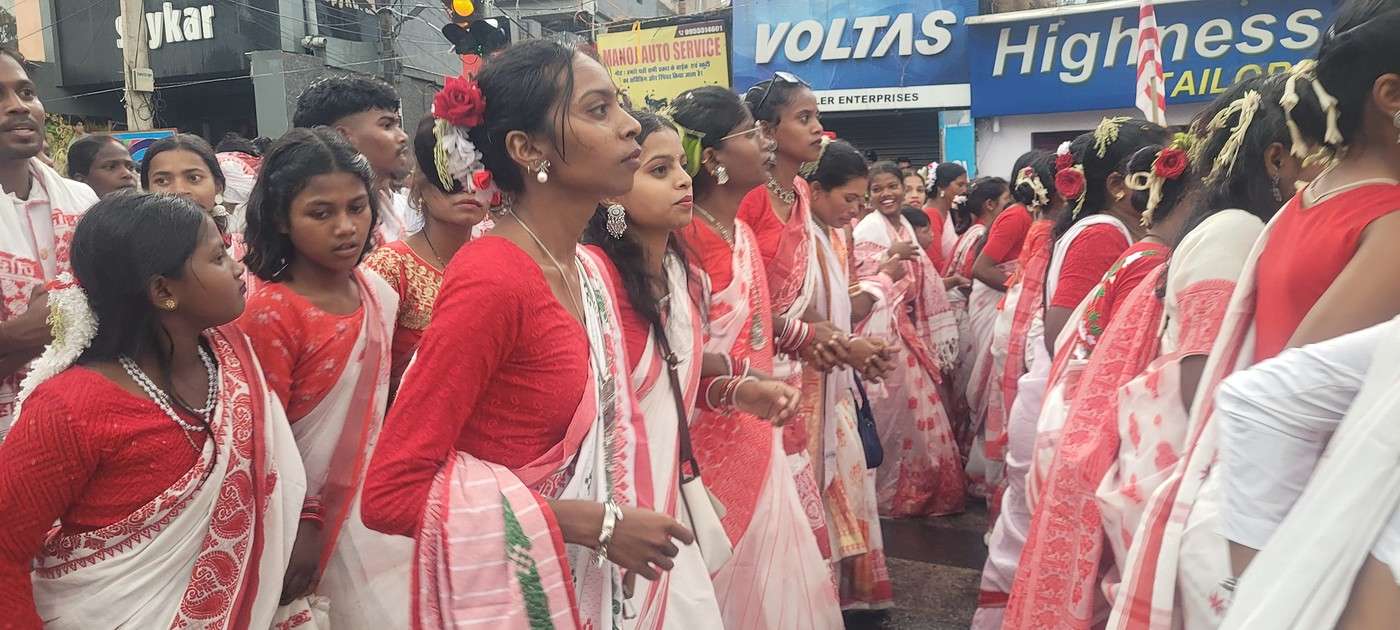
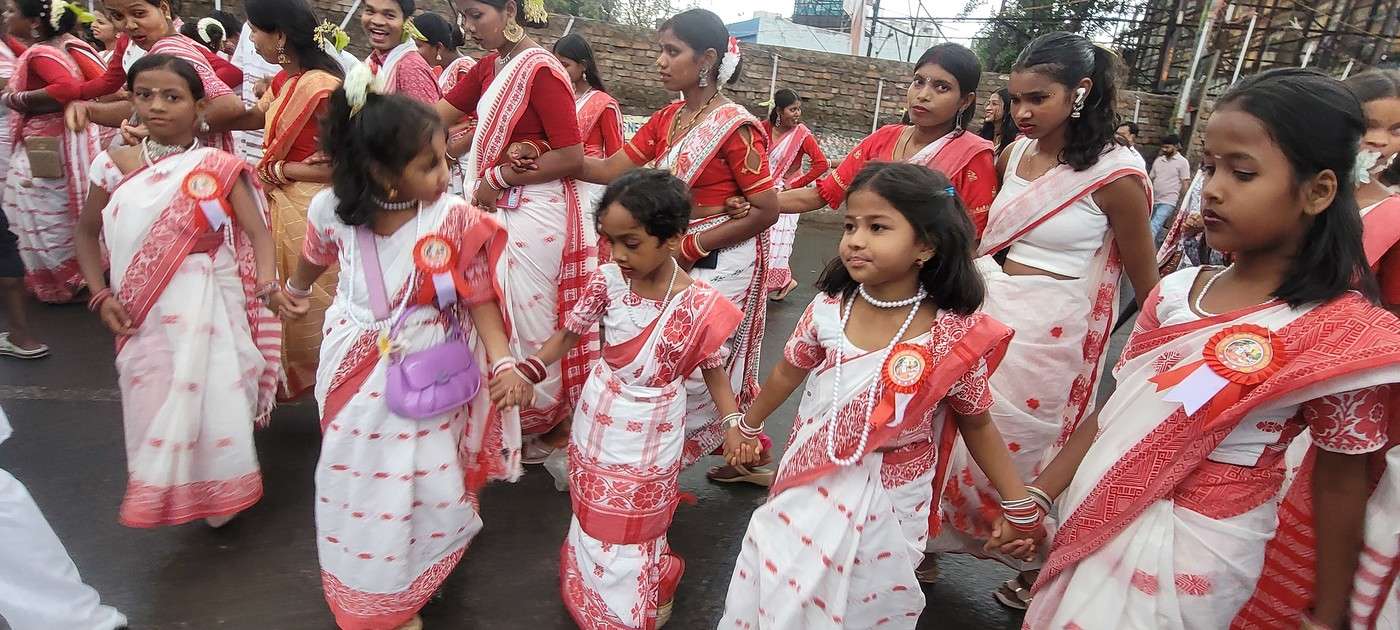
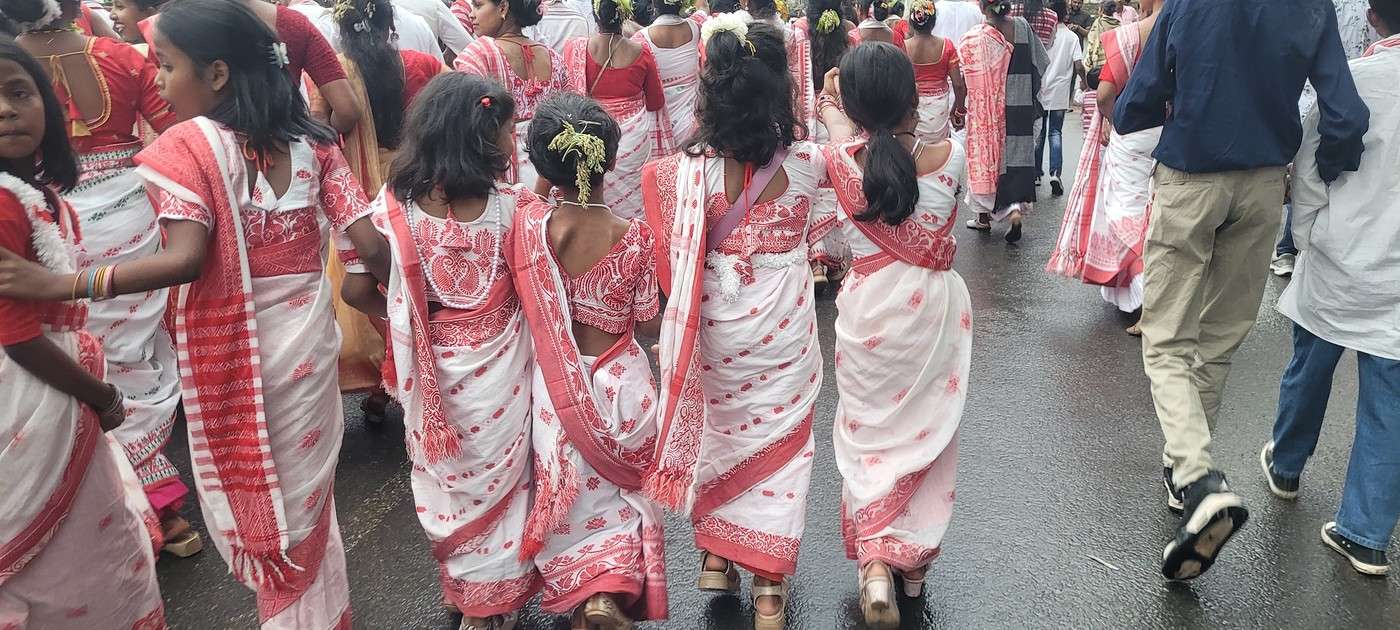
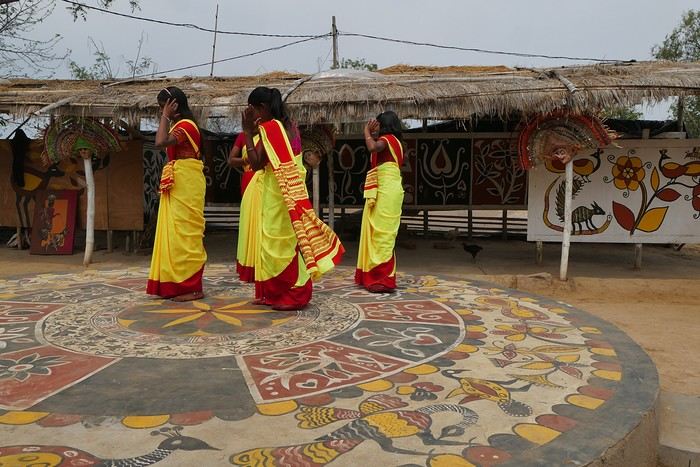
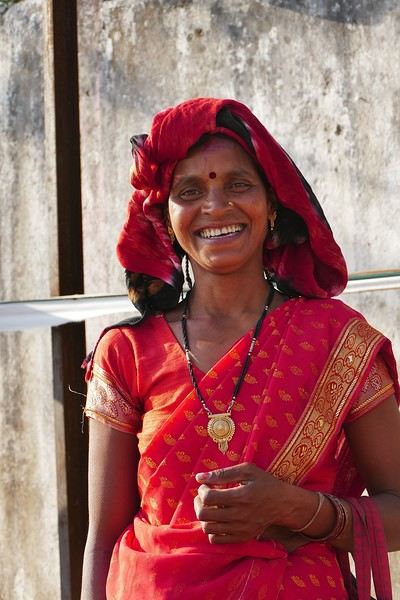
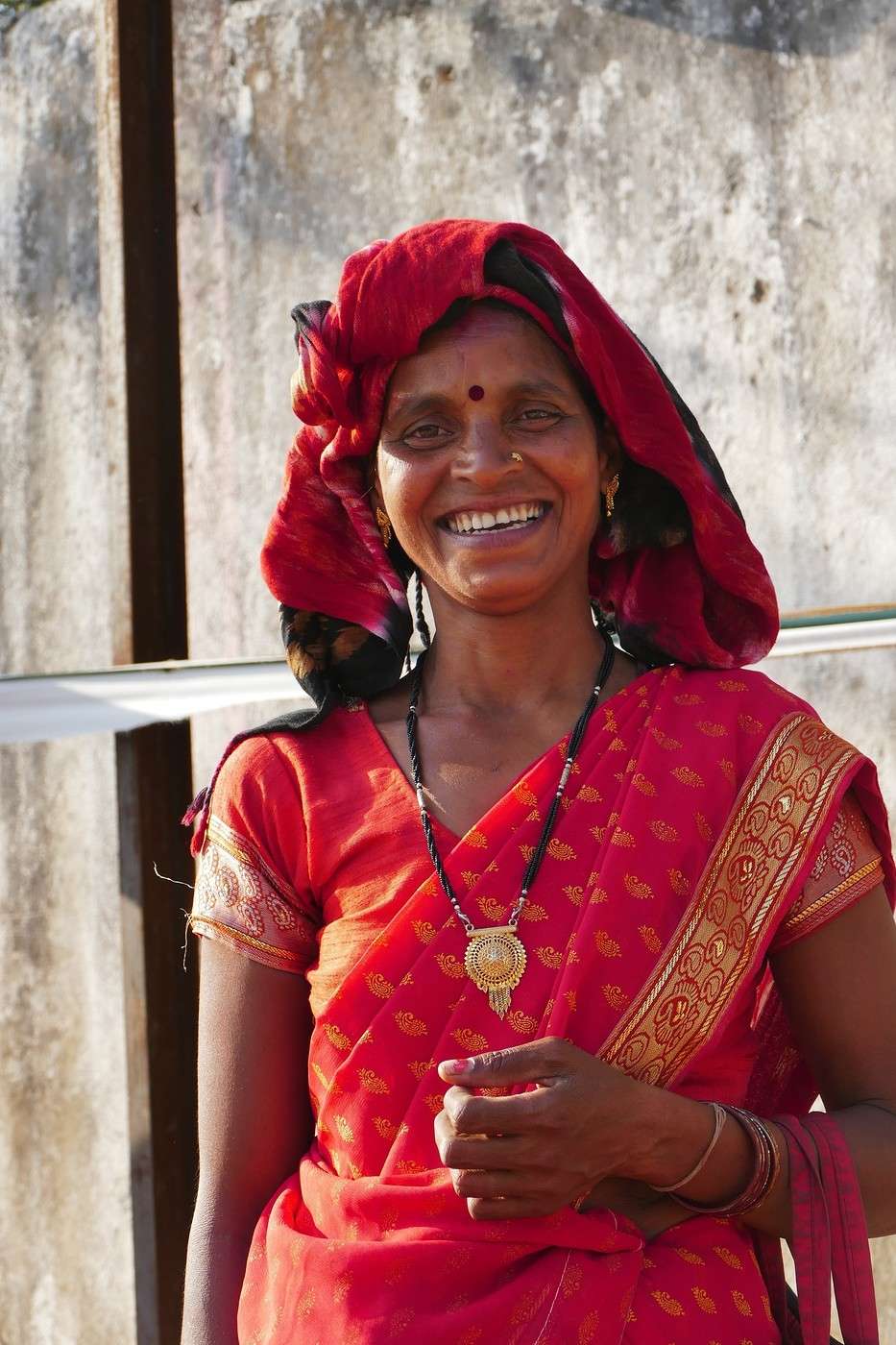
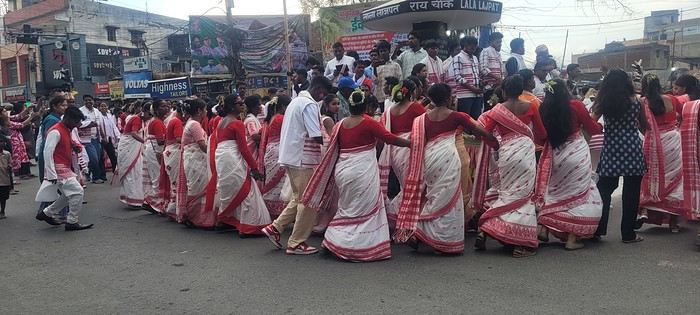
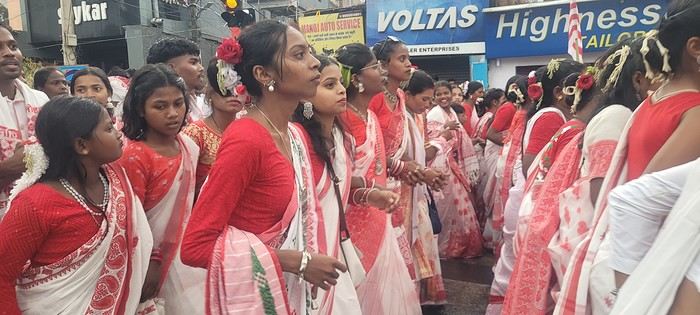
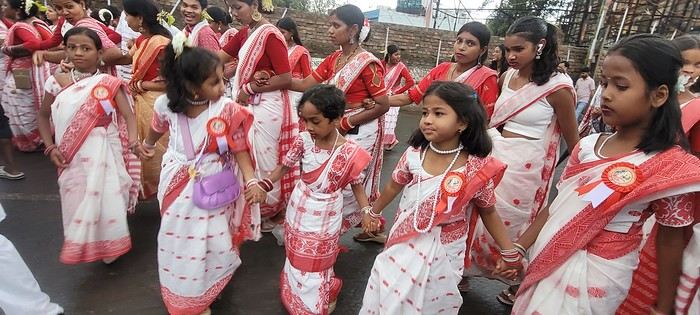
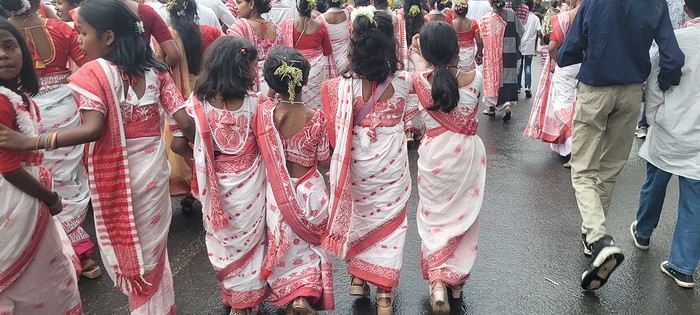
Sarhul is an ancient tribal festival celebrated mainly in Jharkhand, marking the worship of nature and the start of spring. The word "Sarhul" literally means the worship of the sal tree, which holds a central place in tribal beliefs as it’s considered the home of the goddess Sarna Maa. Women and young girls wear festival-specific saris in red and white.
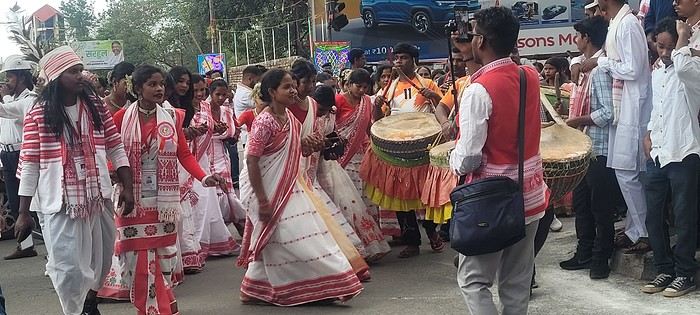
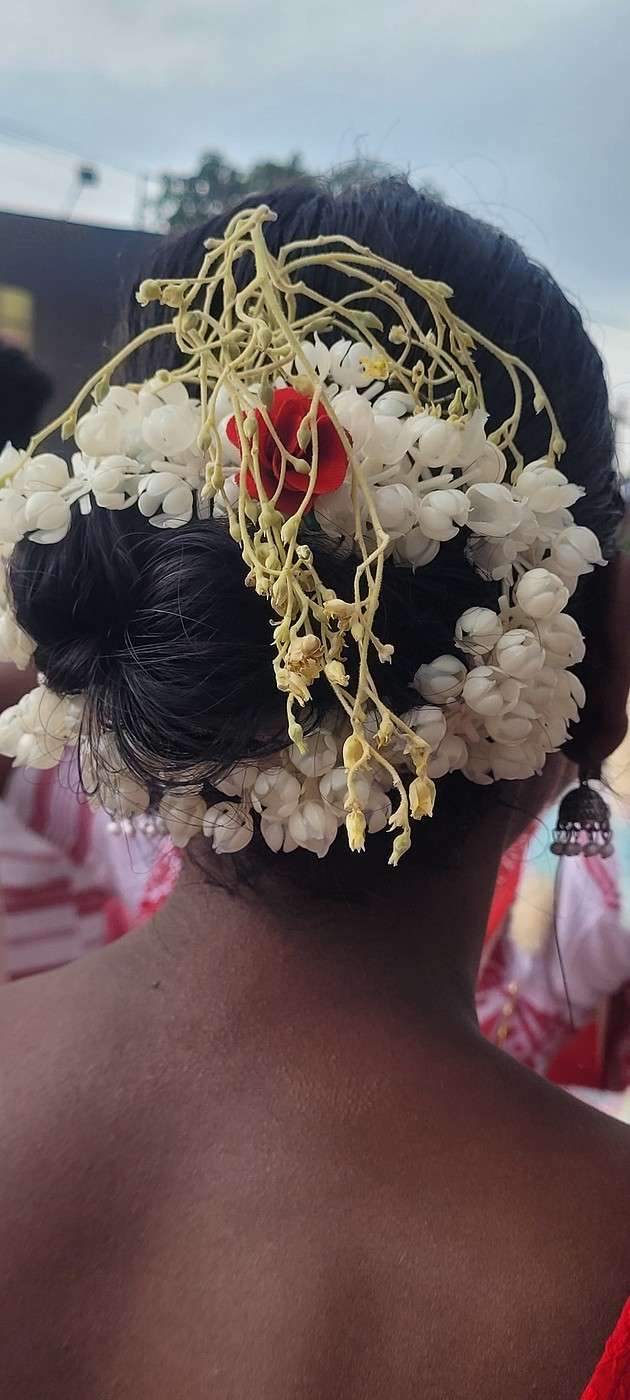
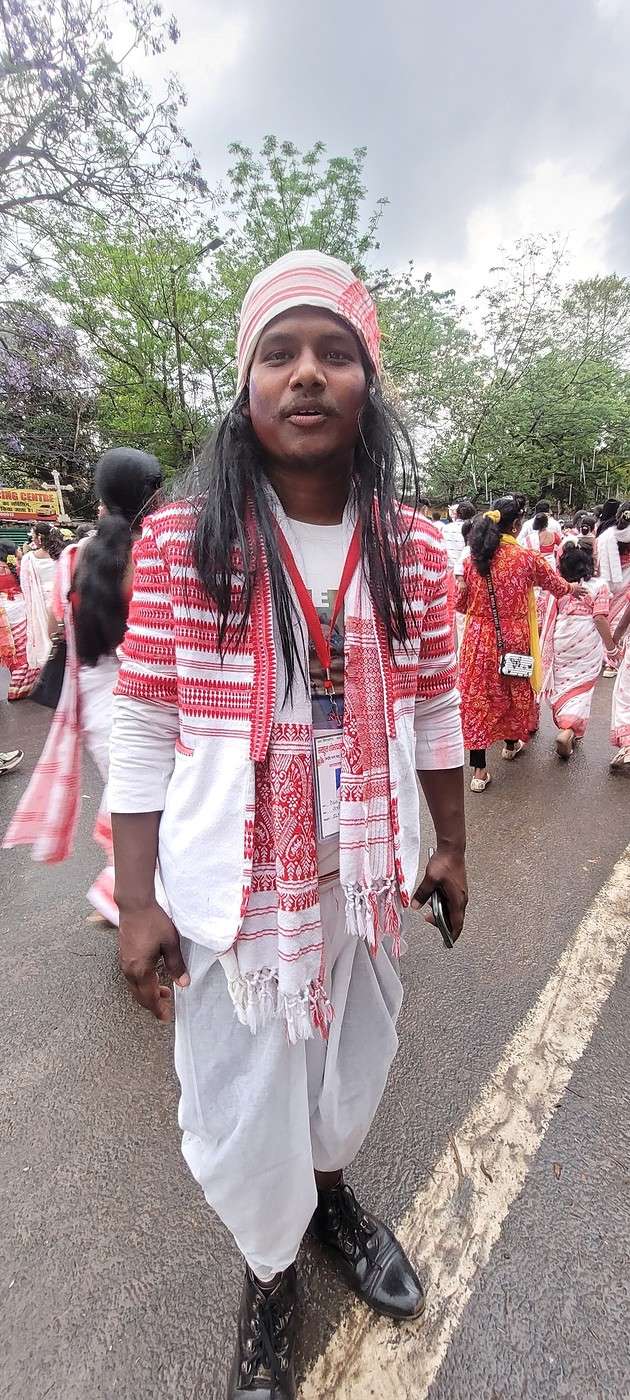
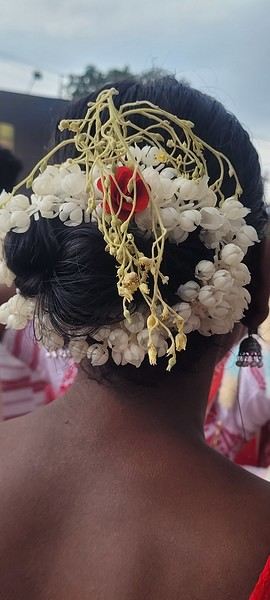
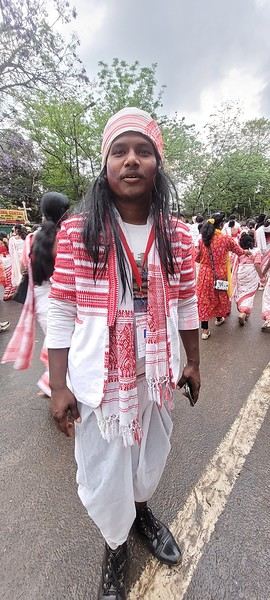
Women have flowers tucked into their hair, while men also sport red and white scarves tied around their heads.
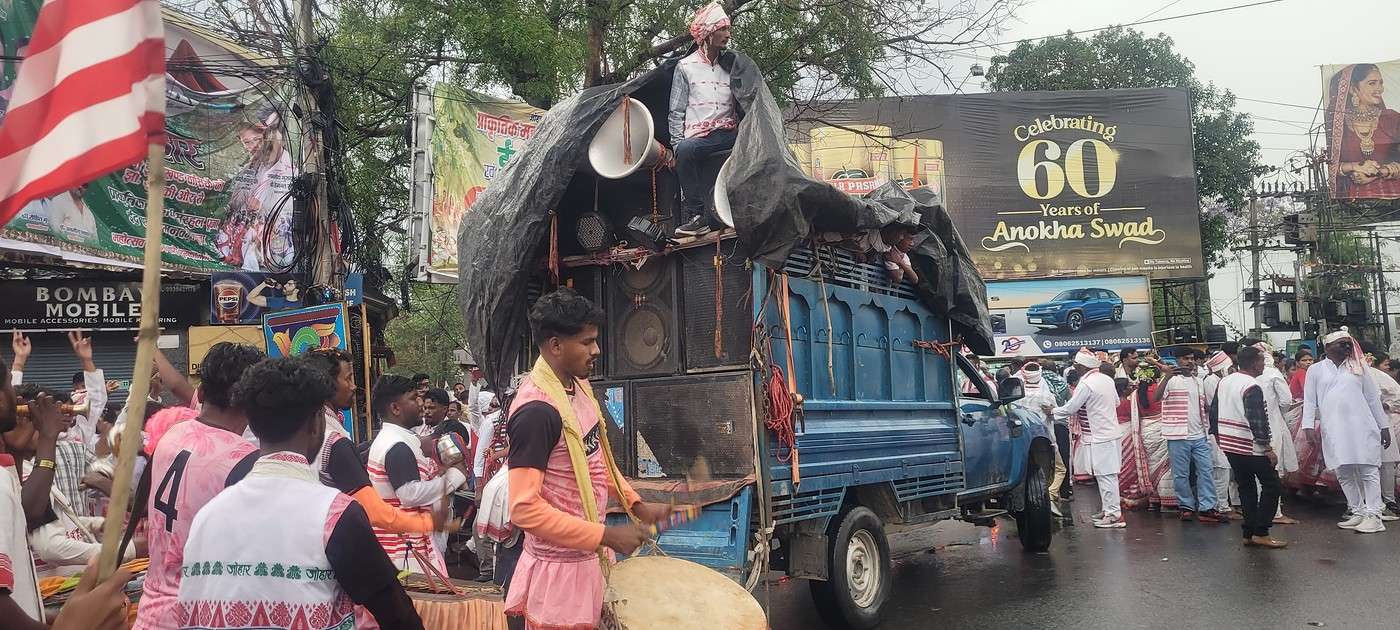
Trucks blasting music move slowly, and the whole crowd follows them. Women link arms to dance, forming moving chains. The atmosphere is joyful and lively, with everyone joining the procession in a kind of collective momentum.
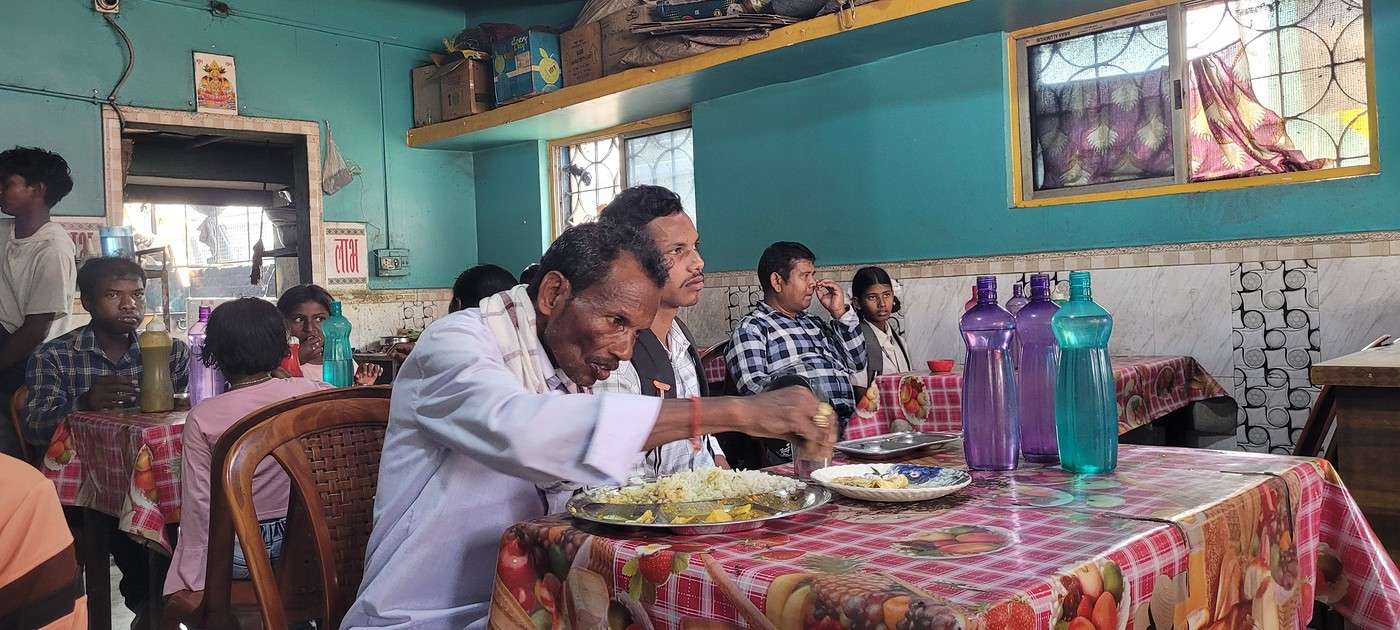
But the sudden arrival of a storm and rain unfortunately cuts the celebration short. I take shelter under a tarp as the road turns into a river. Once the downpour ends, everyone scatters, and I have to walk through the dirty water. I get back to the hotel soaked; my sandals and pants are covered in mud. I wash everything before taking a shower, then head out for dinner.
Sarhul is an ancient tribal festival celebrated mainly in Jharkhand, marking the worship of nature and the start of spring. The word "Sarhul" literally means the worship of the sal tree, which holds a central place in tribal beliefs as it’s considered the home of the goddess Sarna Maa. Women and young girls wear festival-specific saris in red and white.
Women have flowers tucked into their hair, while men also sport red and white scarves tied around their heads.
Trucks blasting music move slowly, and the whole crowd follows them. Women link arms to dance, forming moving chains. The atmosphere is joyful and lively, with everyone joining the procession in a kind of collective momentum.
But the sudden arrival of a storm and rain unfortunately cuts the celebration short. I take shelter under a tarp as the road turns into a river. Once the downpour ends, everyone scatters, and I have to walk through the dirty water. I get back to the hotel soaked; my sandals and pants are covered in mud. I wash everything before taking a shower, then head out for dinner.