in Entre deux voyages › Carnets de voyage
From Amman to Jerusalem (page 3 of 3)
Discussion started by Larri on 2026-09-28
54 replies
This thread has been translated into English.
From Amman to Jerusalem
Larri · 2026-10-15 · Message 41 of 55
J12 – Bethlehem (end); return to Jerusalem
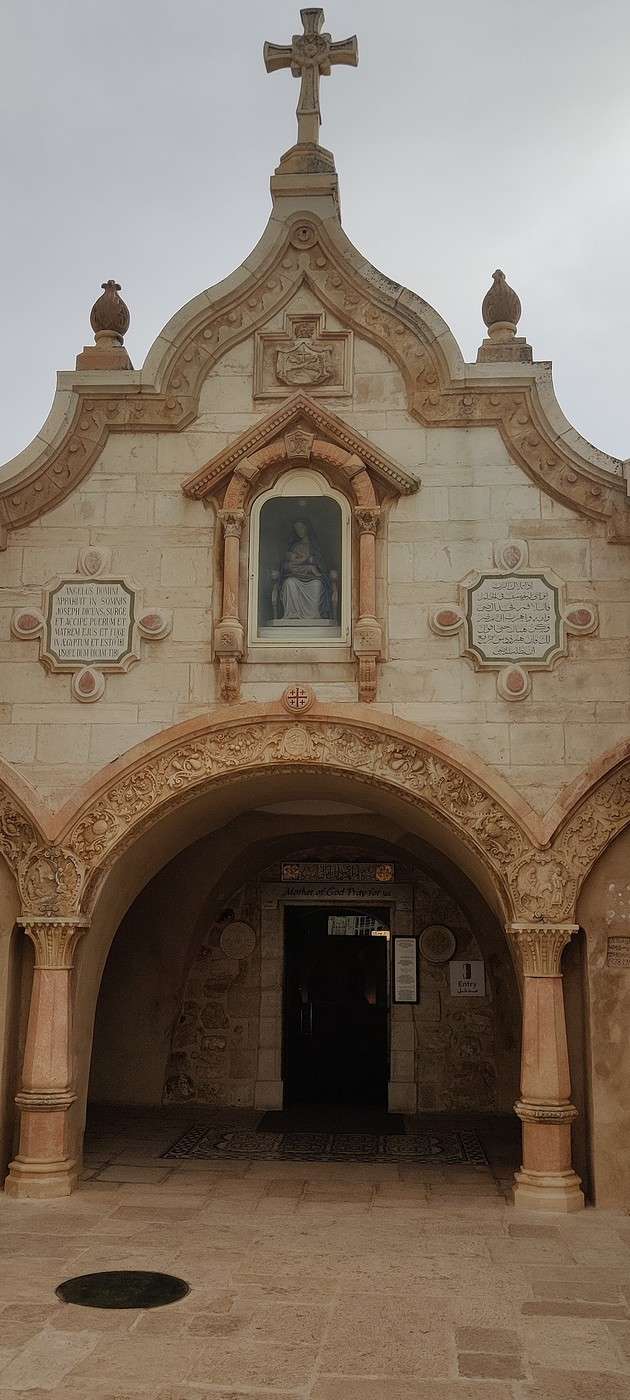
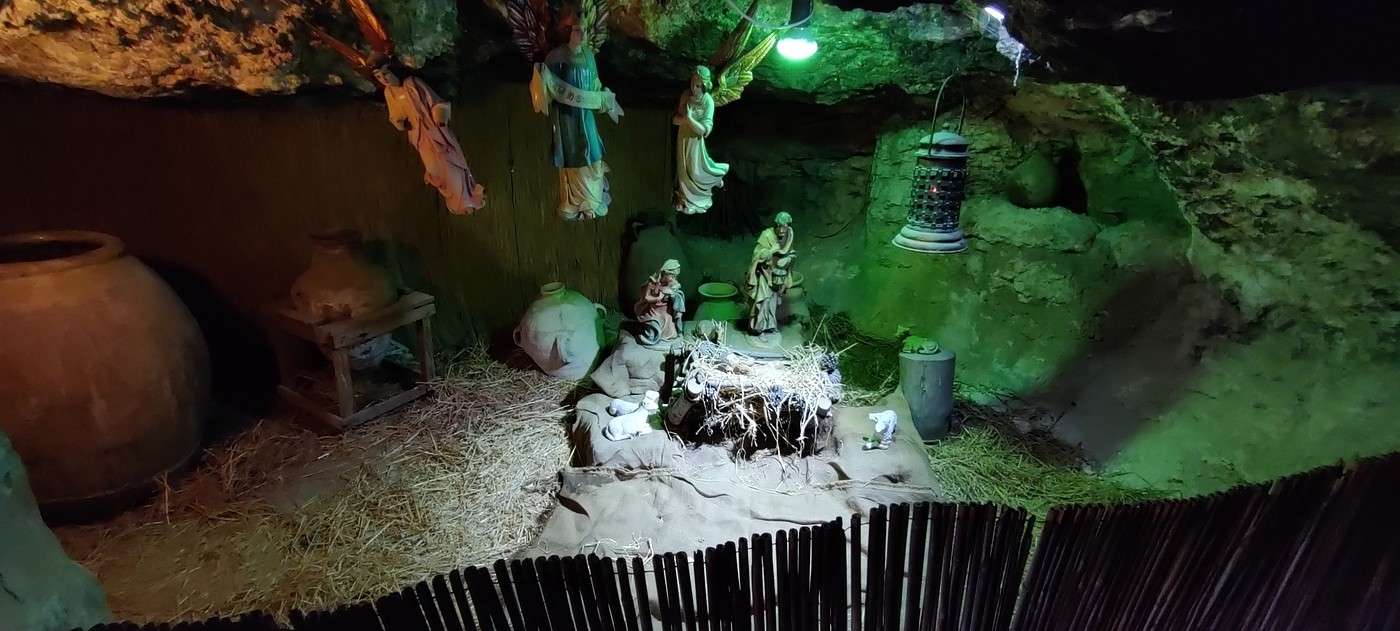
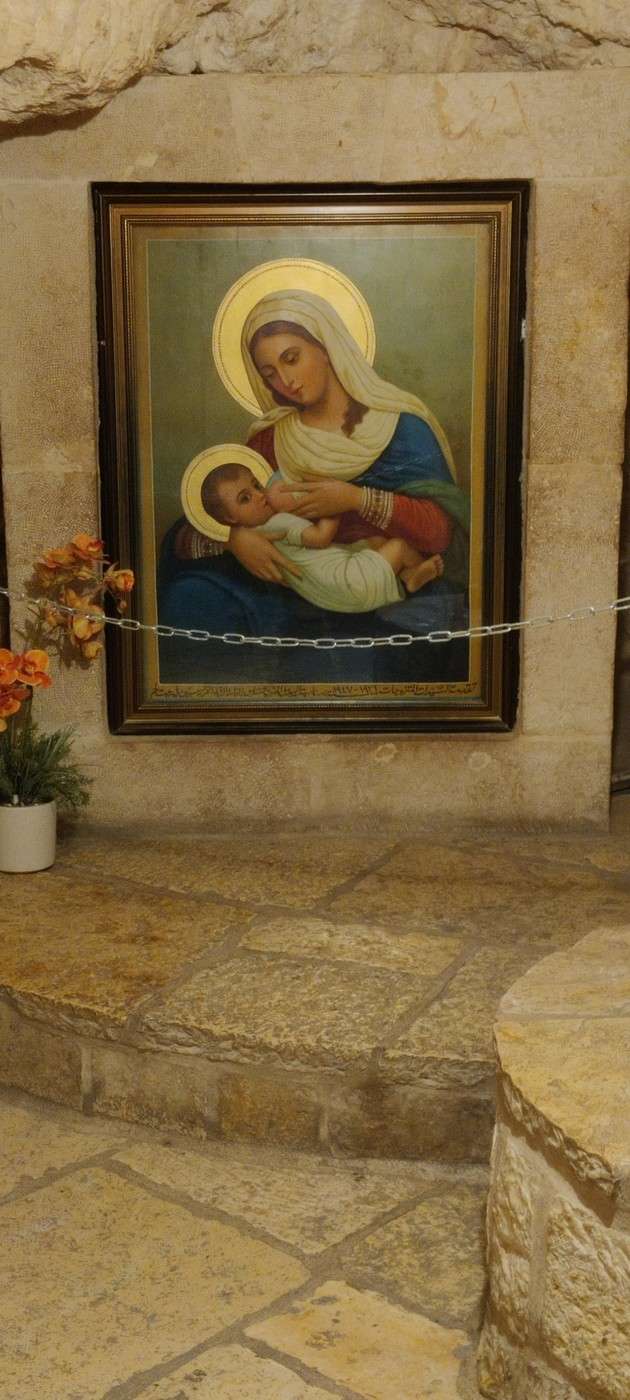
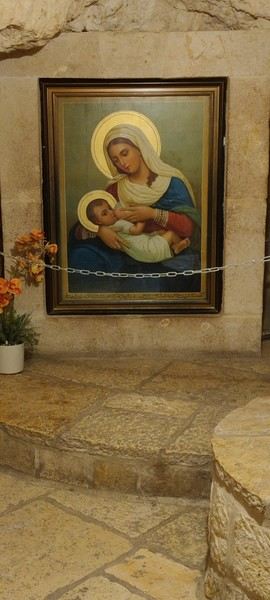
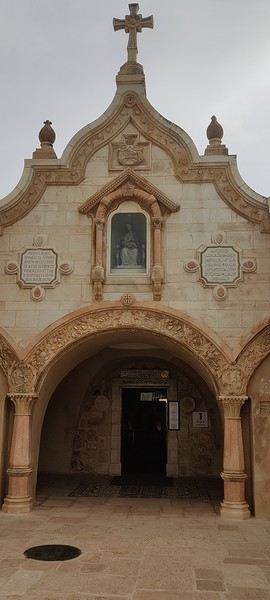
We then visit the Milk Grotto Church, where, according to tradition, Mary, Joseph, and Jesus took refuge to escape the Massacre of the Innocents. There, we discover a rather rare depiction of the Virgin Mary nursing the infant Jesus. According to the same legend, a few drops of the Virgin’s milk are said to have whitened the grotto. Today, the sanctuary is a place of pilgrimage, especially for couples hoping to have a child.
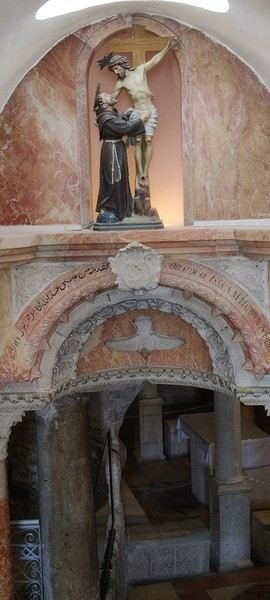
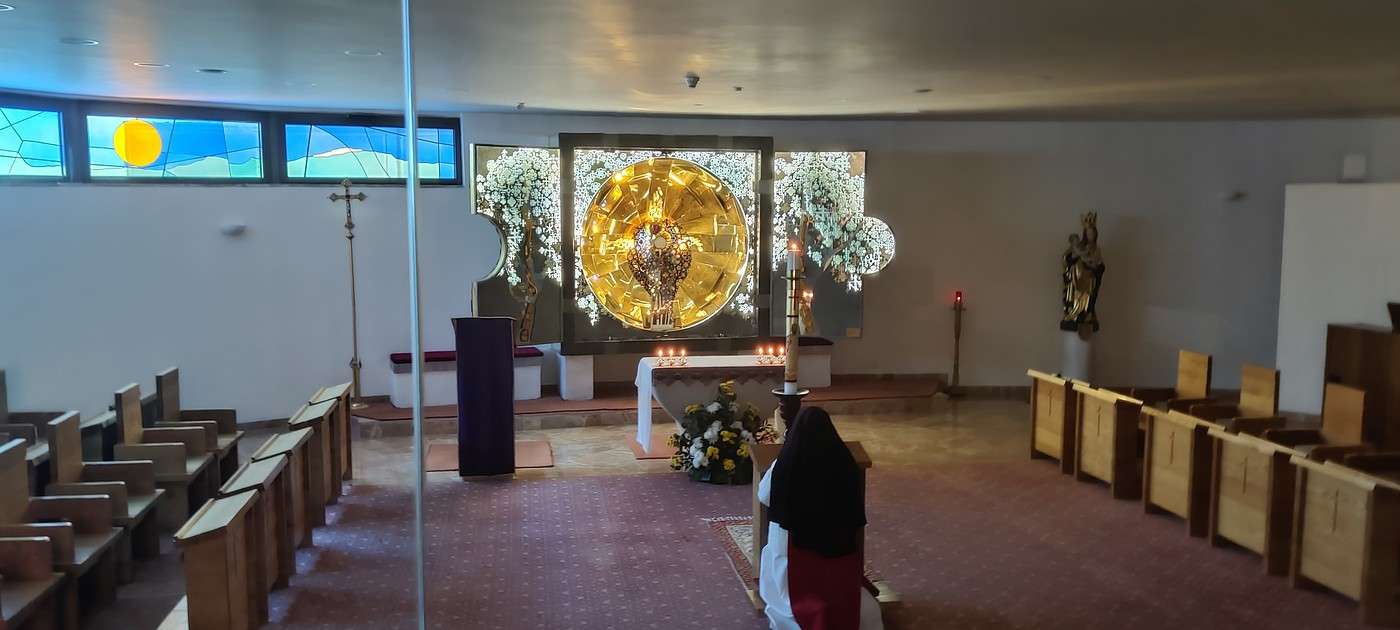
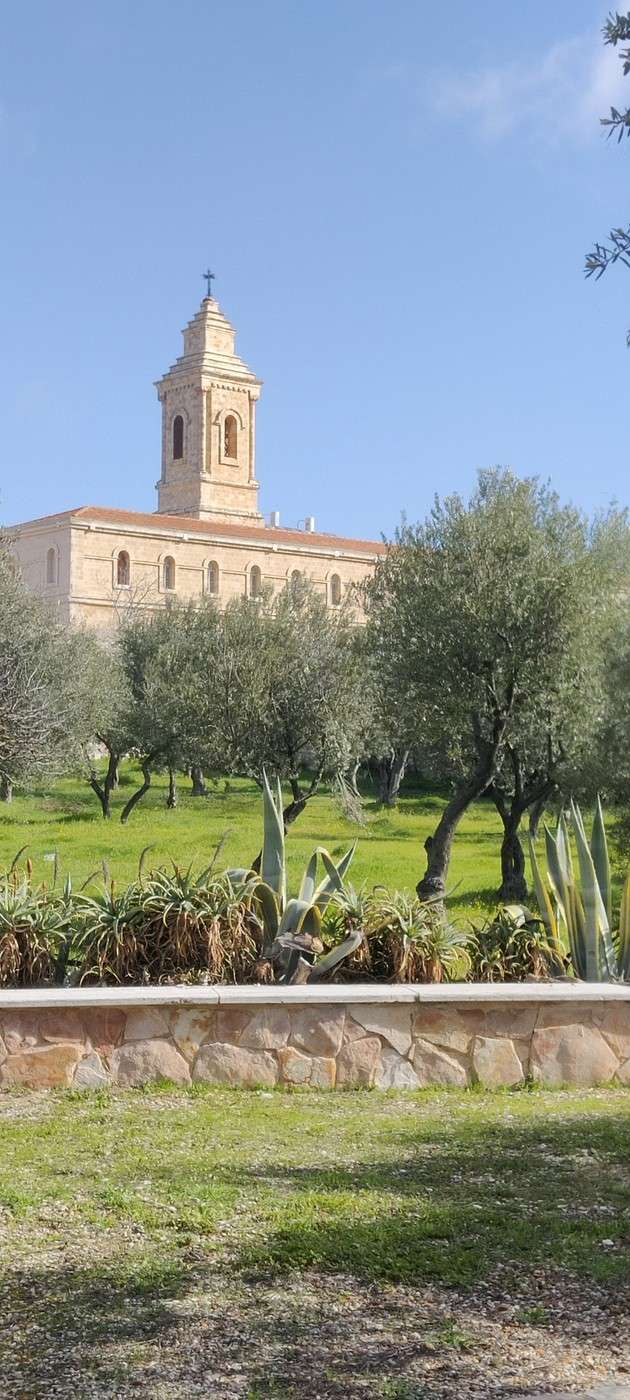
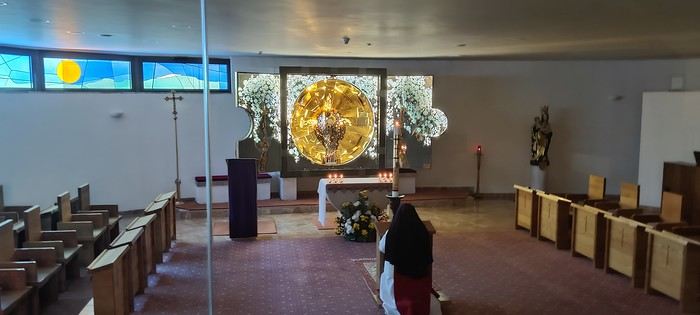
The church is complemented by an ultra-modern chapel.
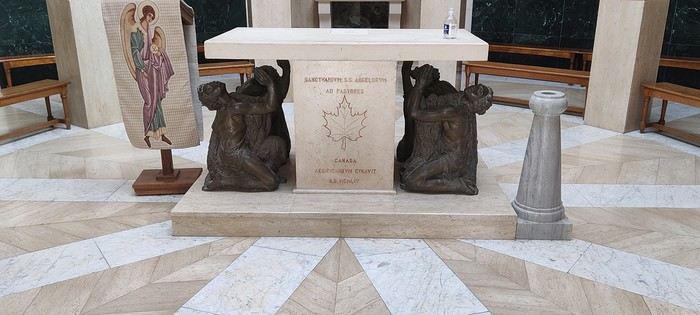
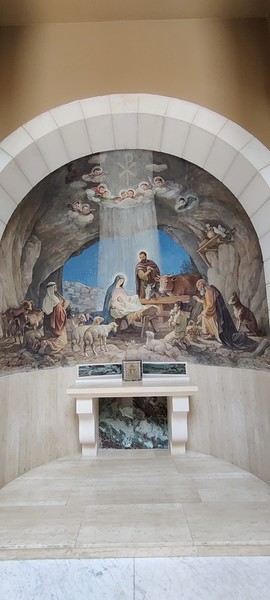
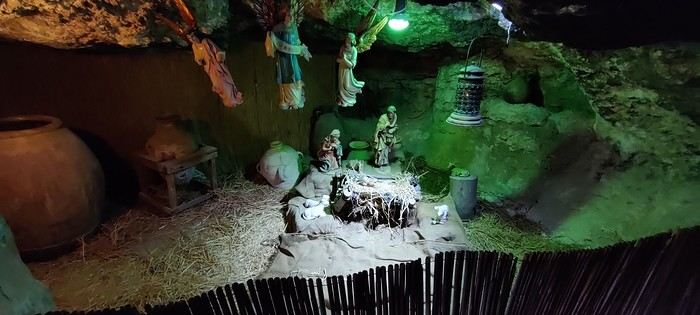
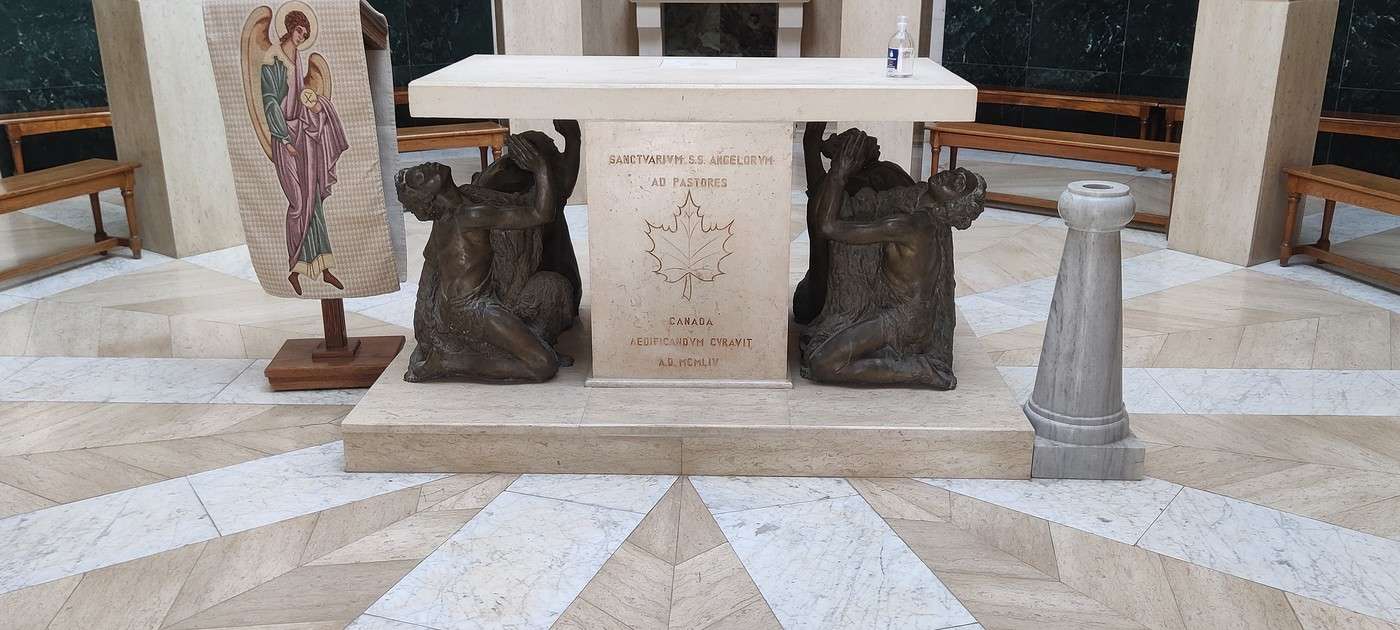
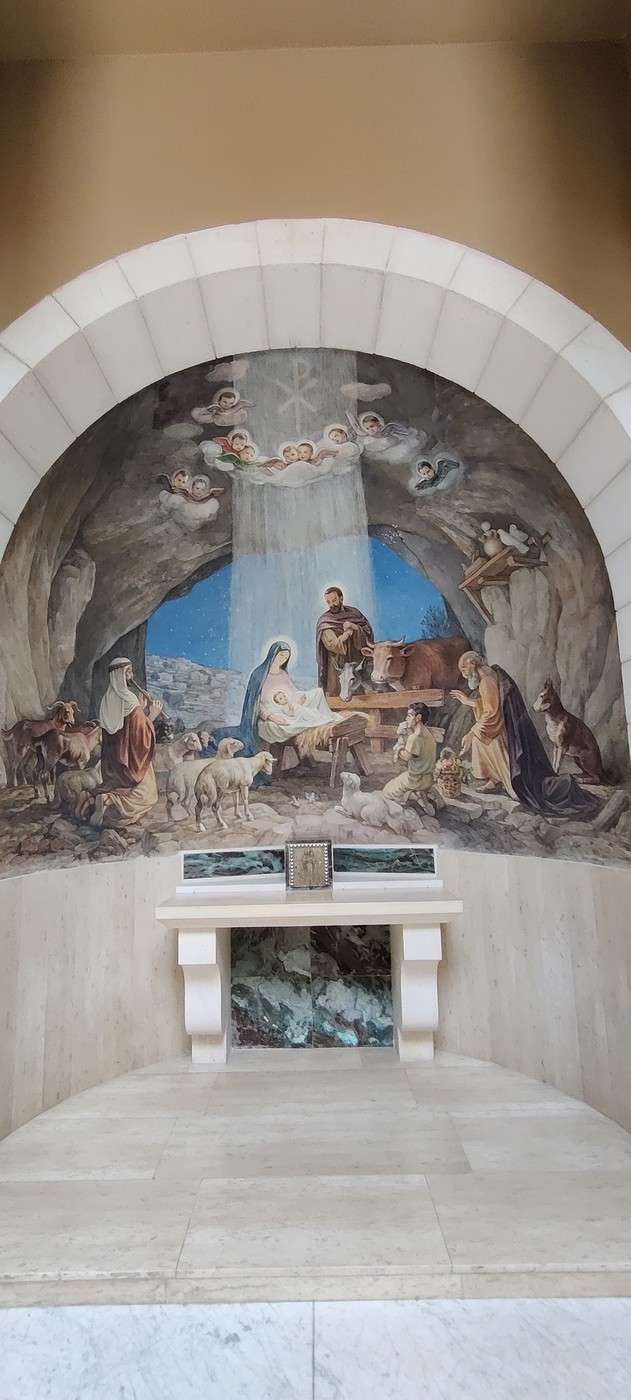
Finally, we stop at the Shepherds’ Field, another site associated with the birth of Jesus. It was here that the shepherds are said to have learned of Christ’s birth.
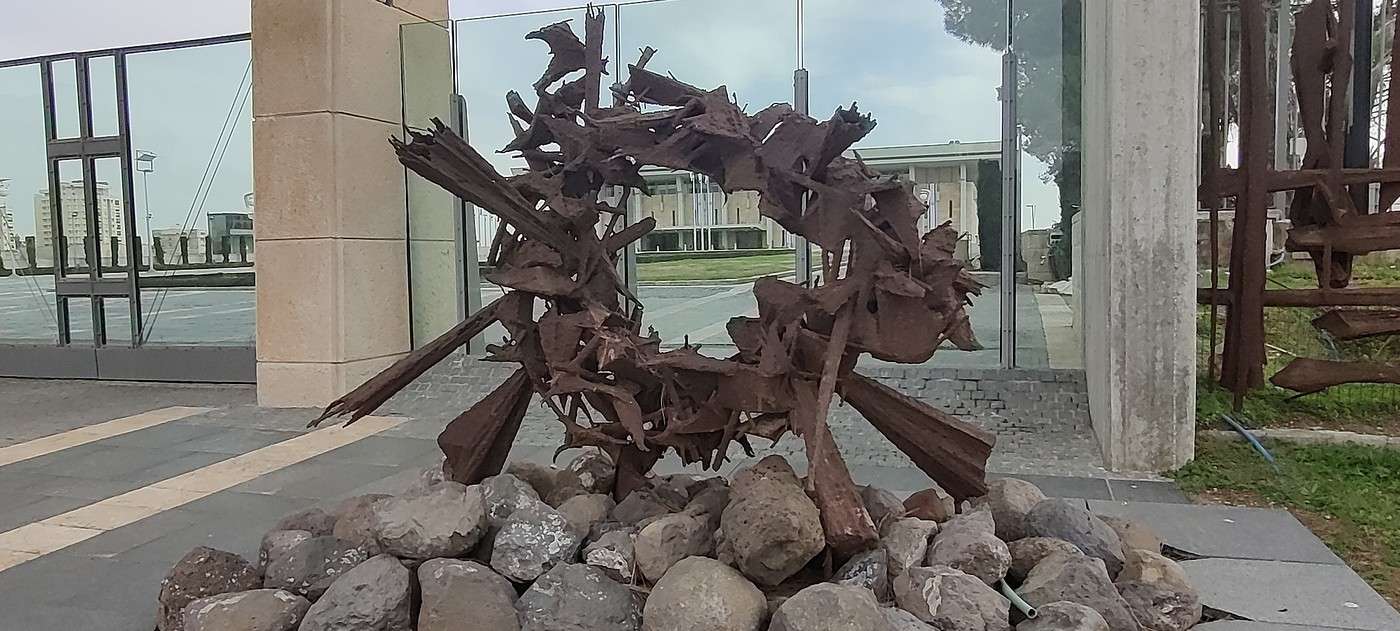
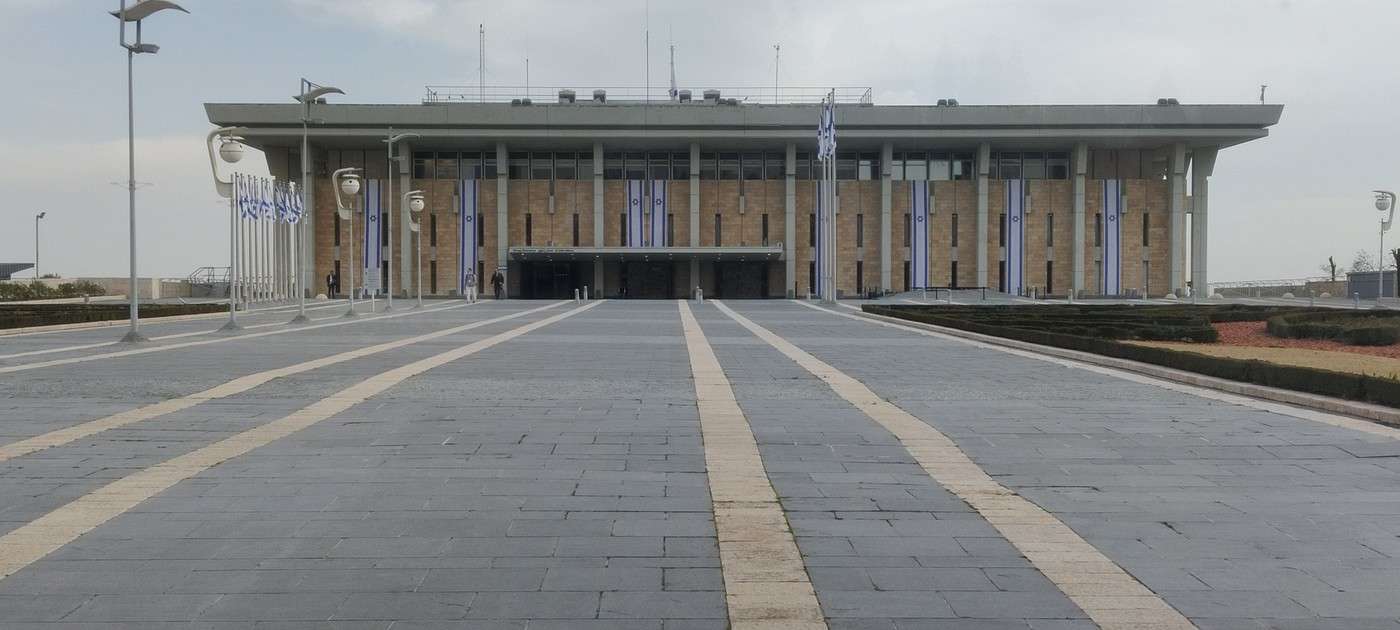
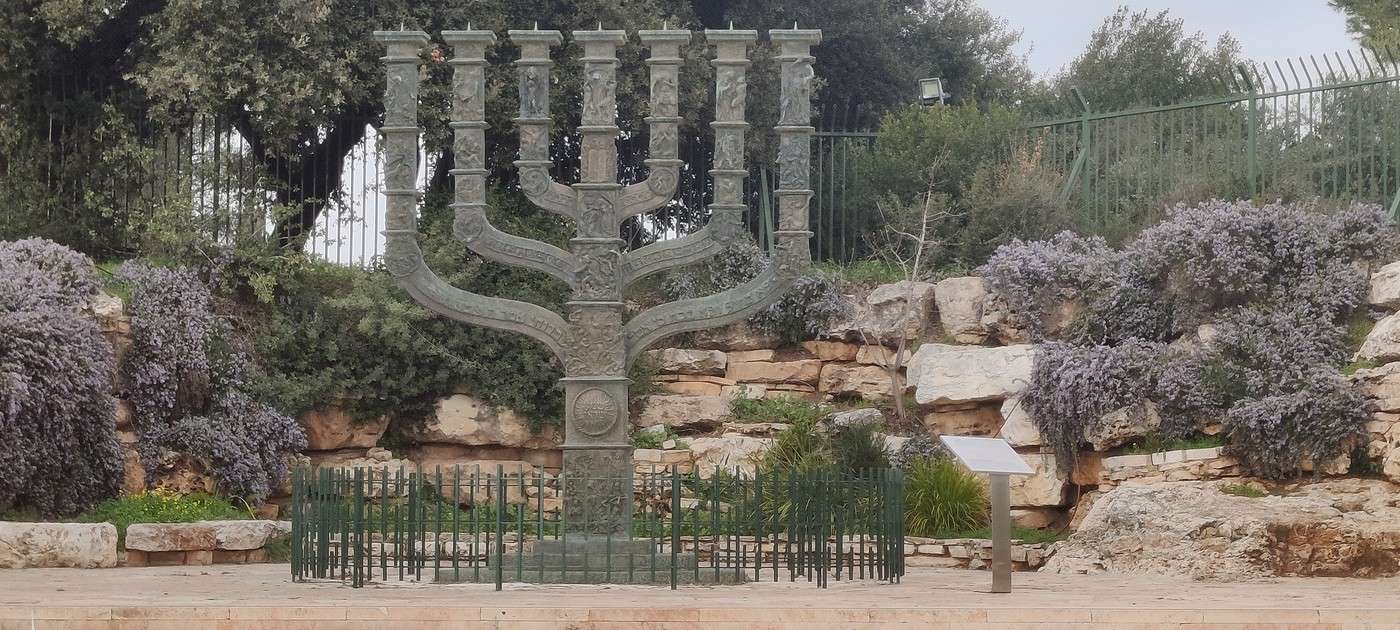
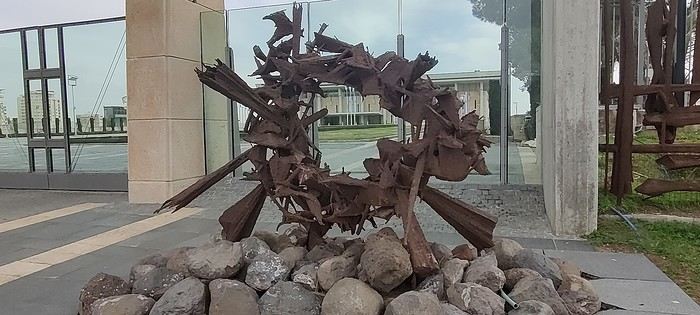
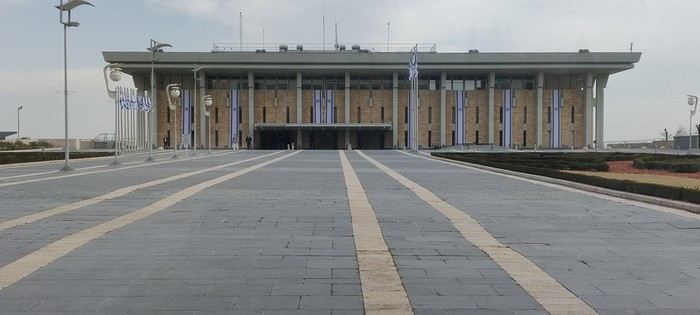
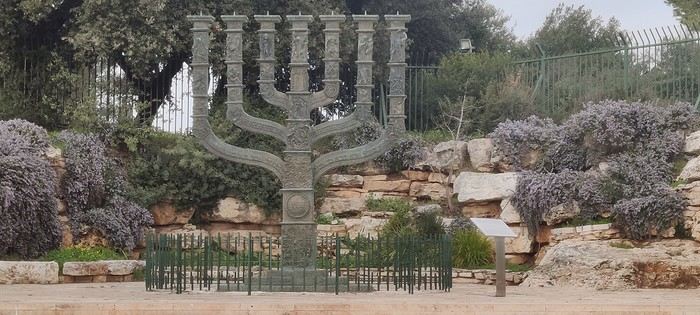
On the way back to Jerusalem, our driver shows us the modern city, with a stop in front of the Knesset, the seat of the Israeli Parliament since 1966.
From Amman to Jerusalem
Larri · 2026-10-17 · Message 42 of 55
Day 13 – Jerusalem: The Mount of Olives and the Old City surroundings
The agency provided us with a French-speaking guide for our day visiting the Old City of Jerusalem. The rate was $250 for the day, whether there were two or ten of us: it was expensive for two people, but our guide, Edmond, a Palestinian who speaks perfect French, turned out to be exceptional. He was actually thrilled to have clients—he hadn’t had a single one in two years because of COVID!
Highly knowledgeable, he showed us the Mount of Olives, the Old City, and Mount Zion. Before starting, he asked which religion we belonged to so he could tailor his explanations to our interests.
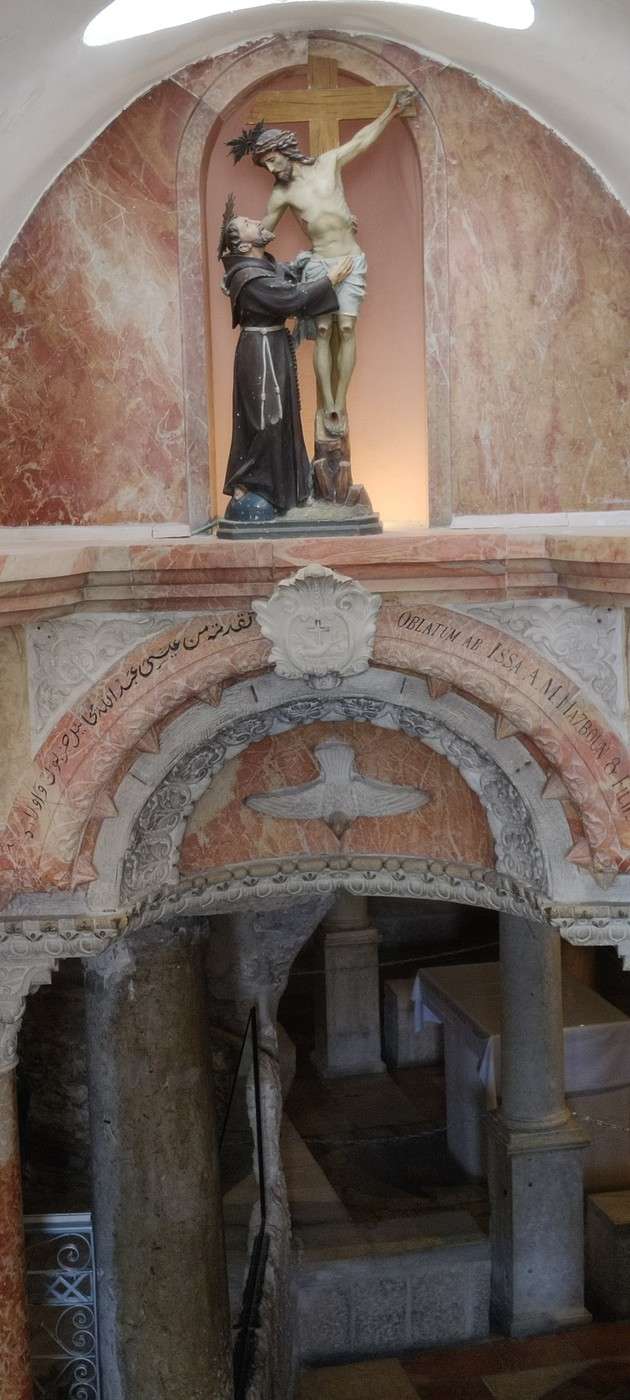
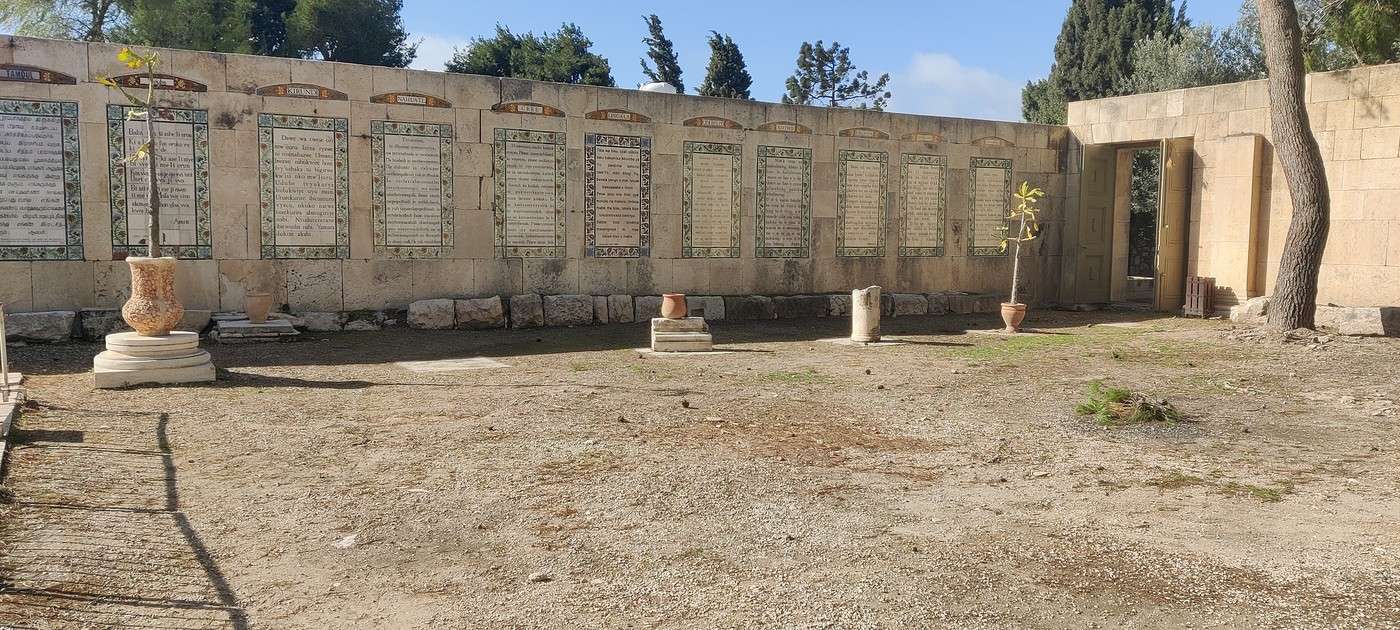
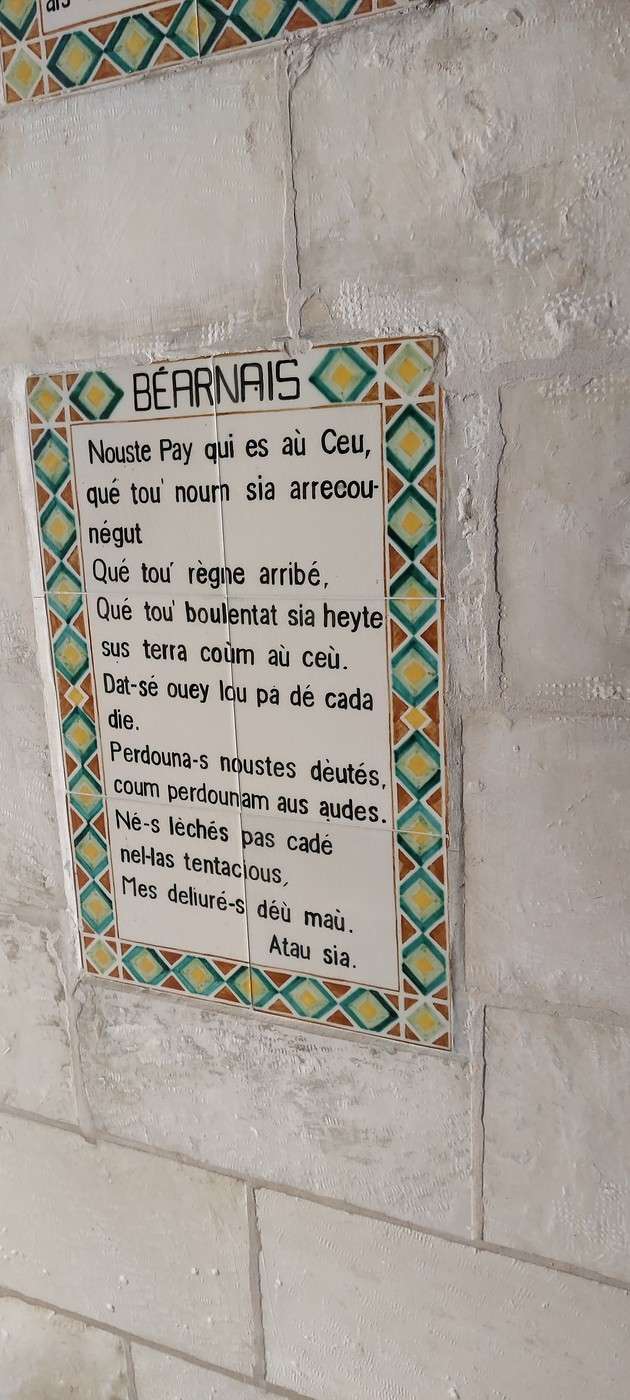
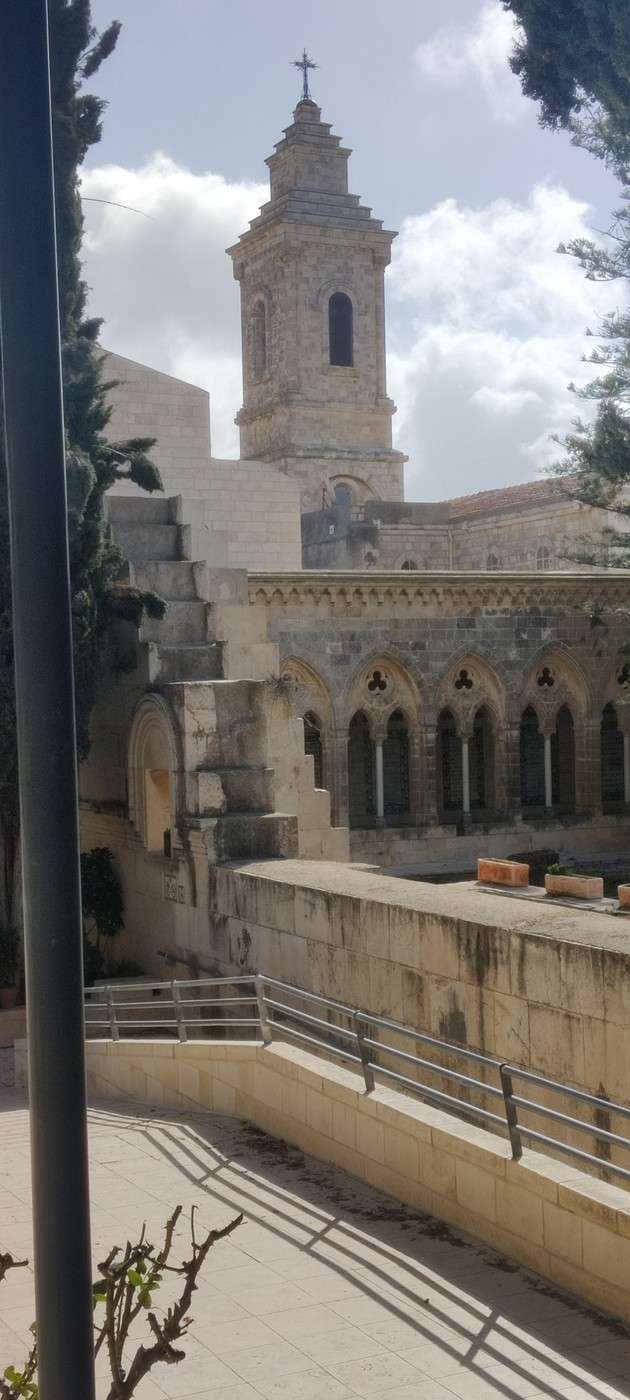
We began the visit at the Mount of Olives with the Church of the Pater Noster, where Christ is said to have taught the Lord’s Prayer to his disciples. Its unique feature: the prayer is inscribed on the walls in around 170 languages and dialects, making it a truly special place. Interestingly, this site, like three others, is under French diplomatic protection.
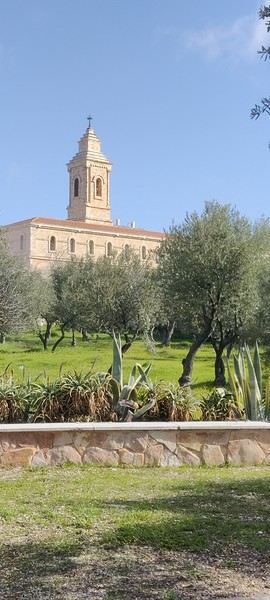
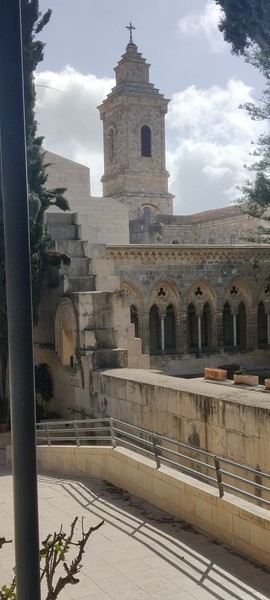
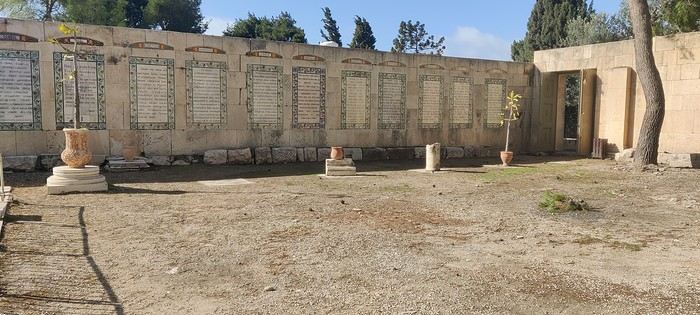
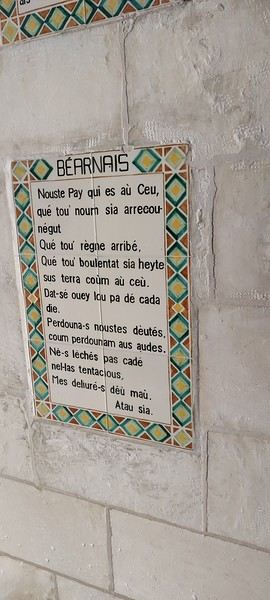
The other French national domains are the Church of Saint Anne, the Tomb of the Kings, and the Abbey of Abu Gosh.
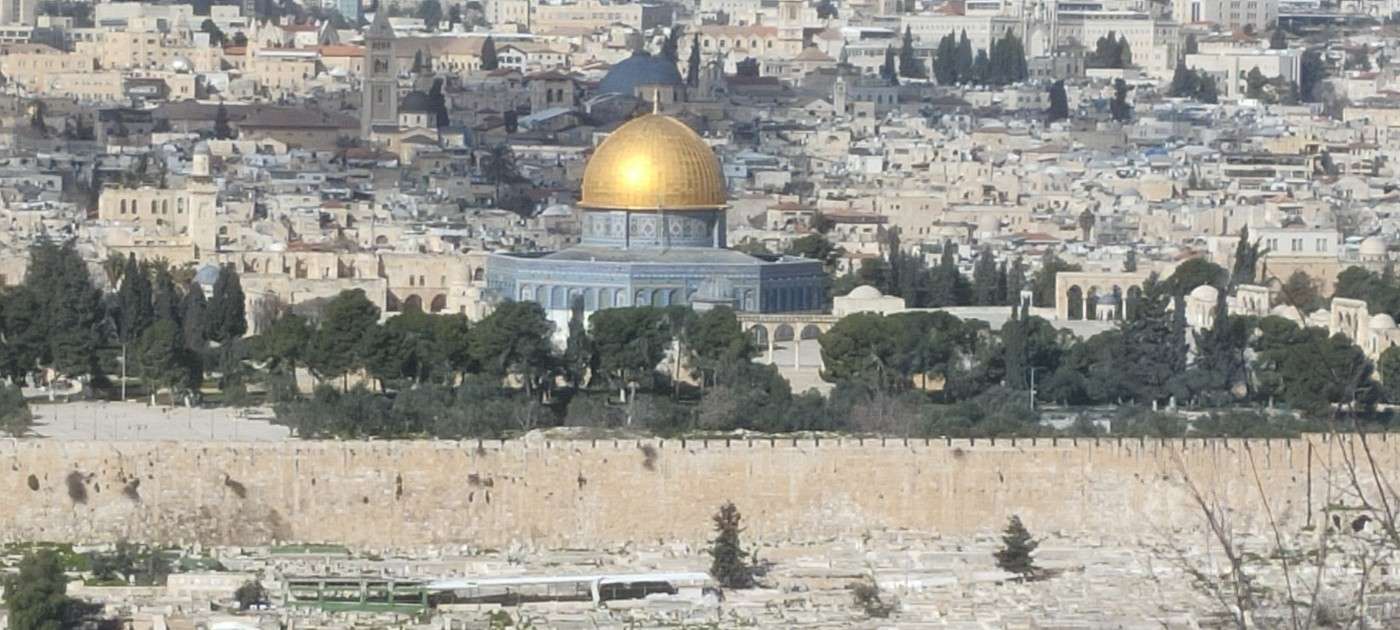
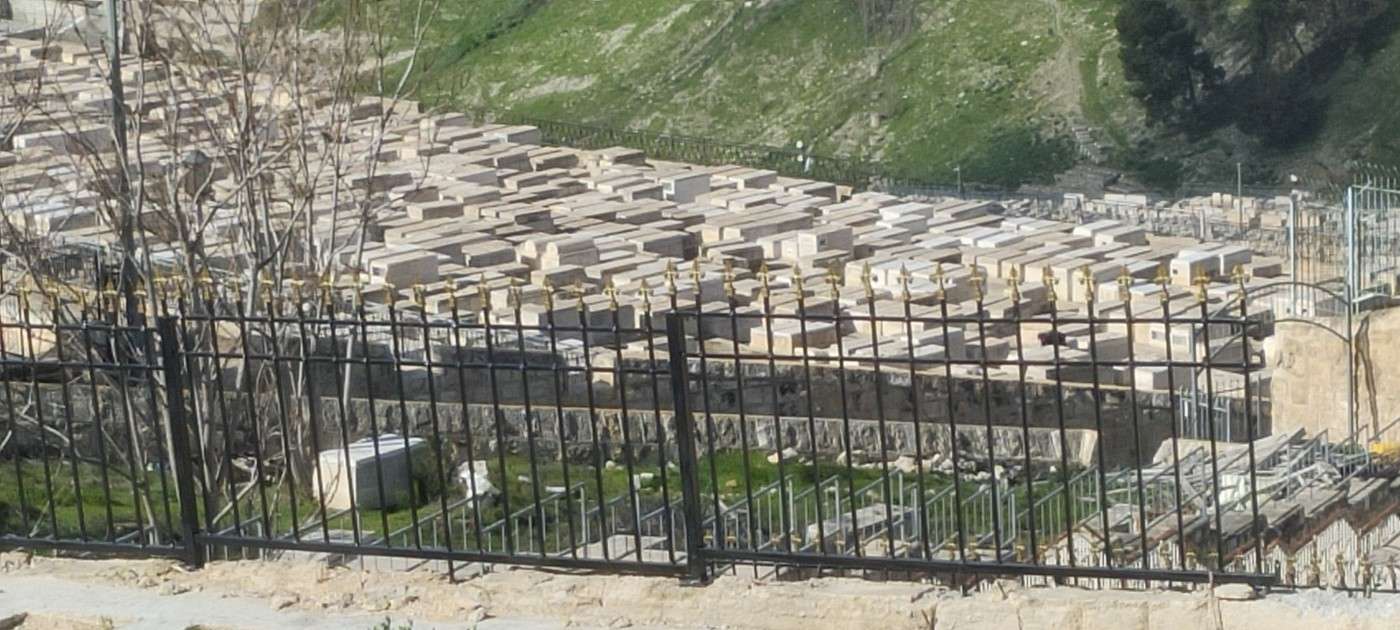
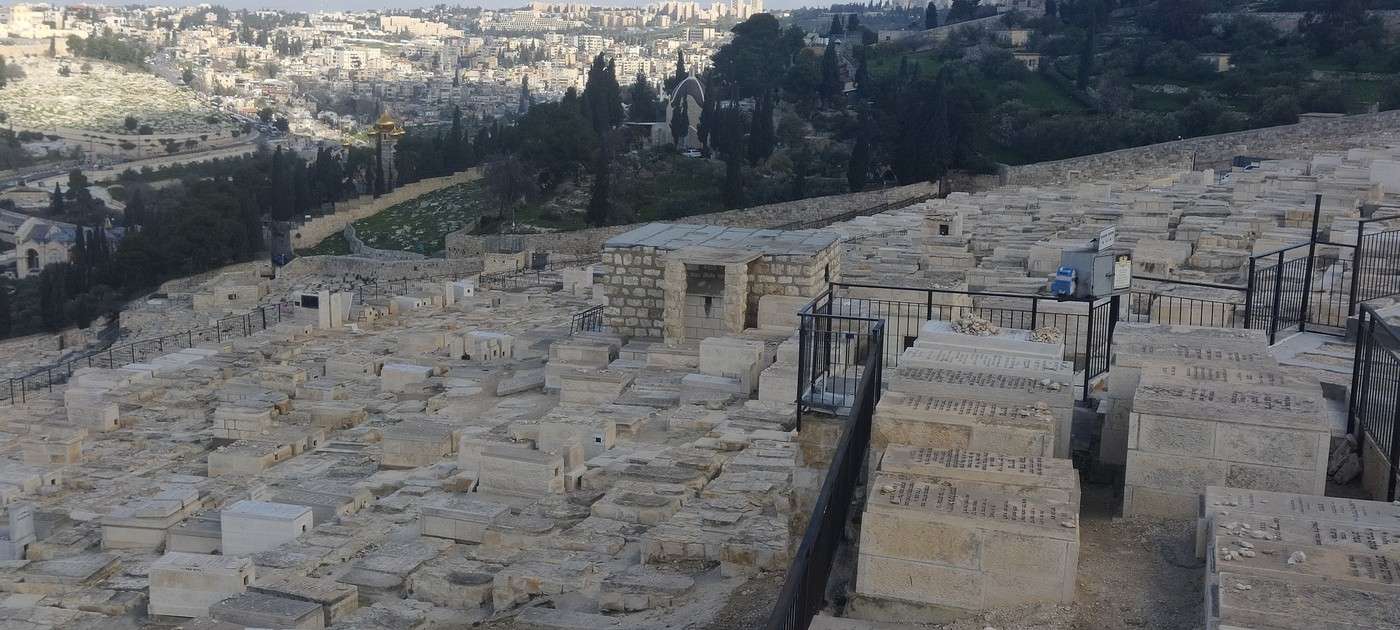
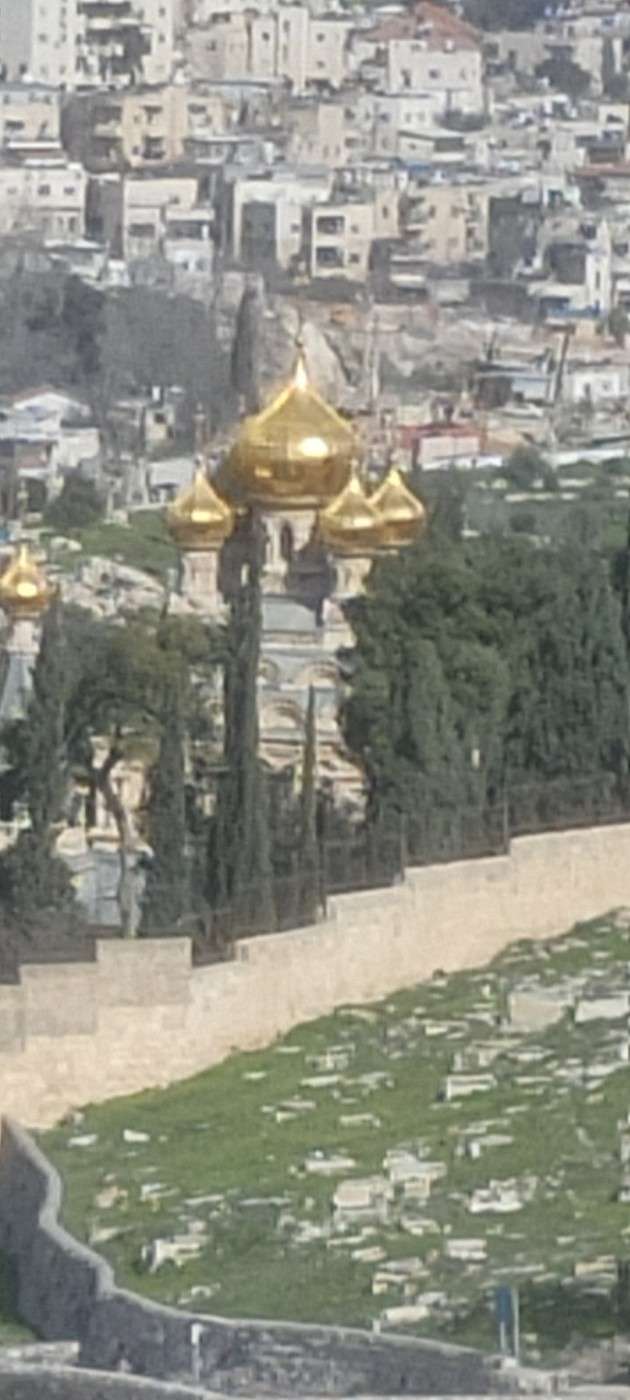
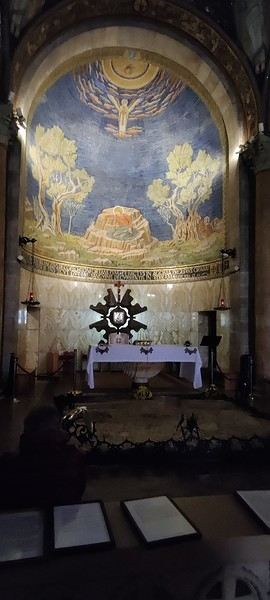
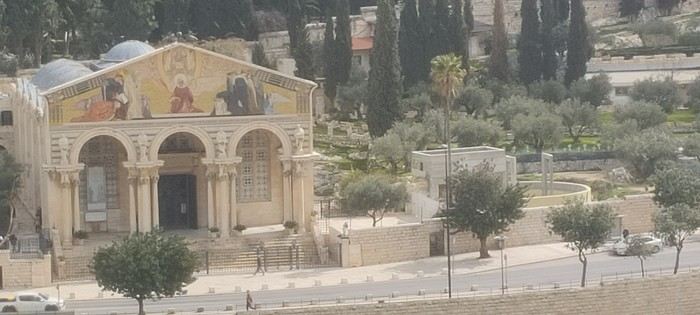
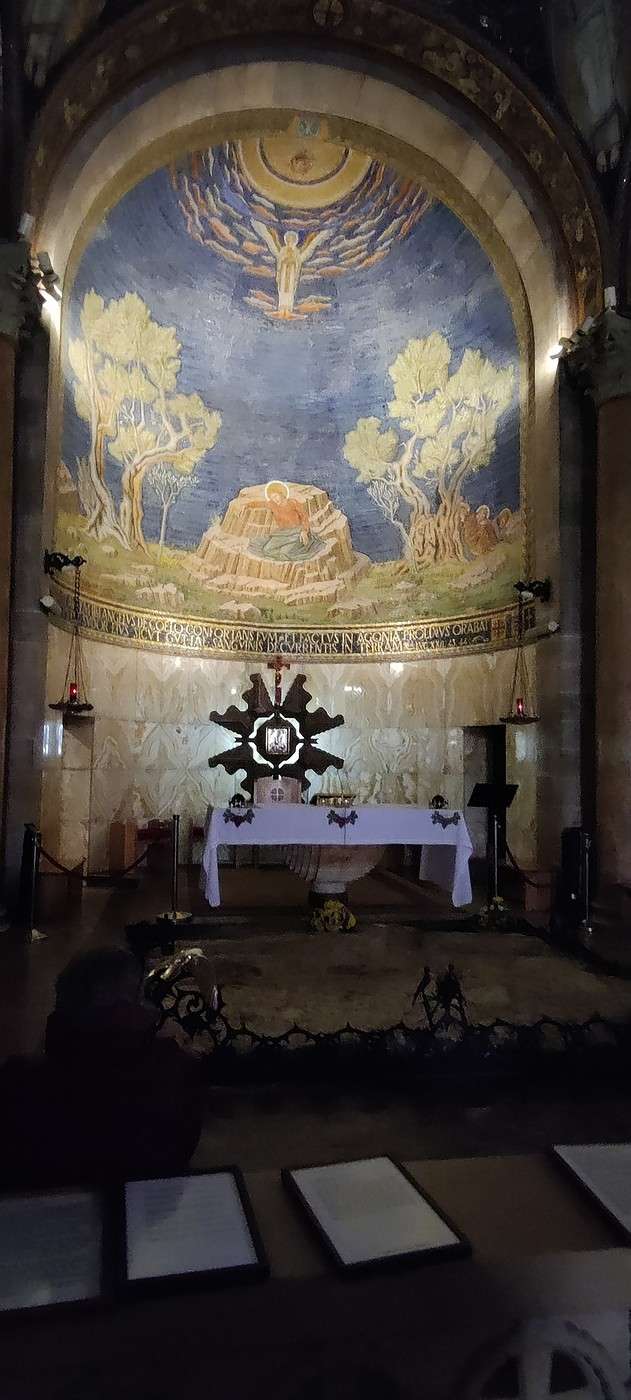
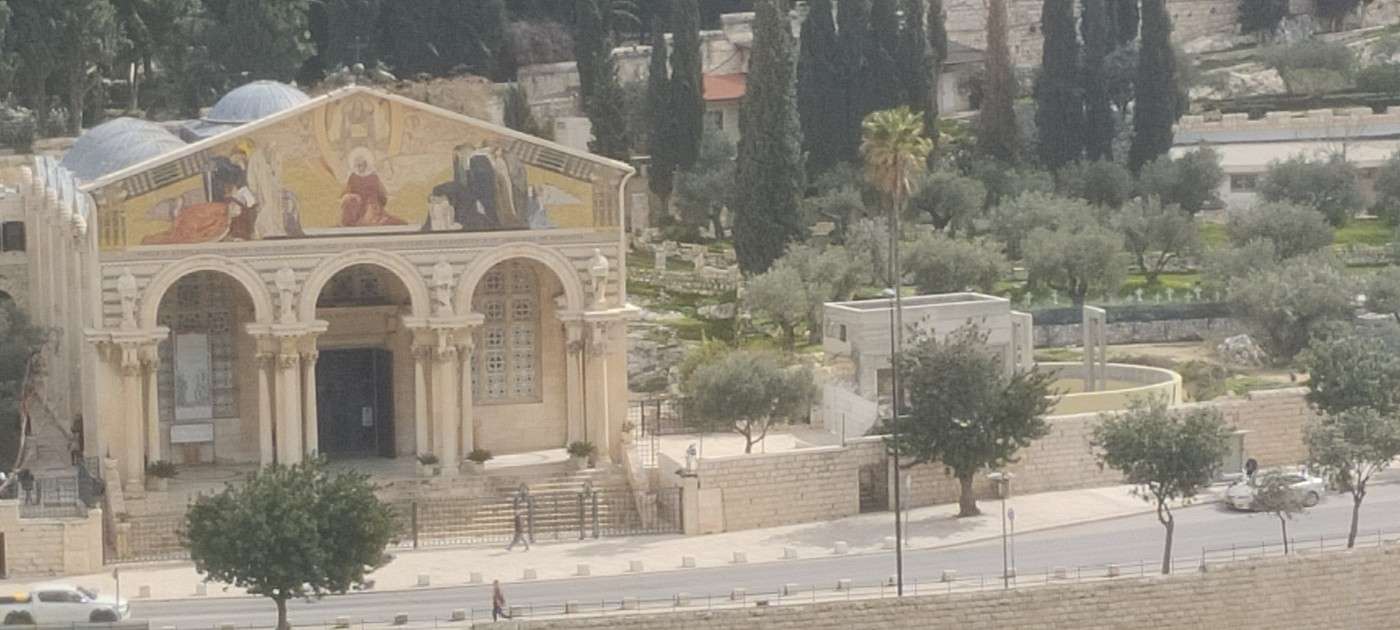
Then Edmond took us to a nearby promontory, where we had a stunning view of the Old City walls, the Dome of the Rock (accessible only to Muslims for prayer), the cemeteries of the three religions, the Orthodox Church of Saint Mary Magdalene, and the Catholic Basilica of the Agony (where Jesus is said to have prayed before his arrest), also known as the Church of All Nations.
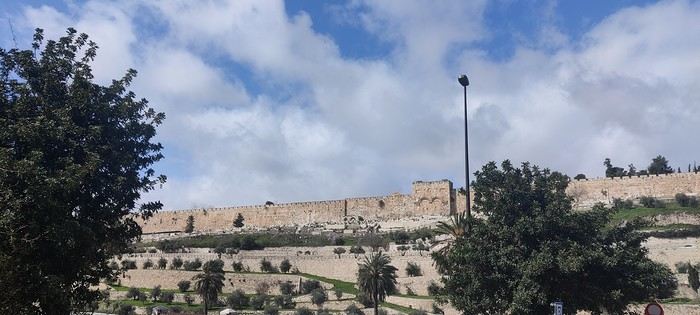
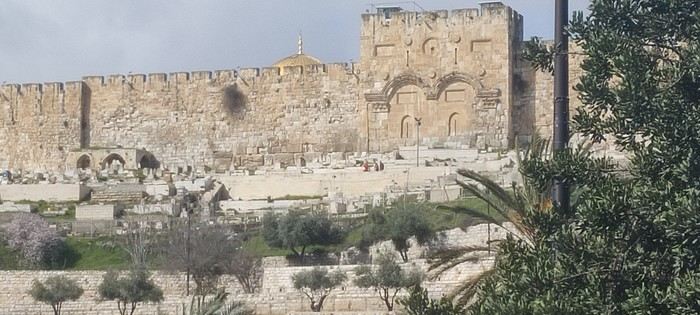
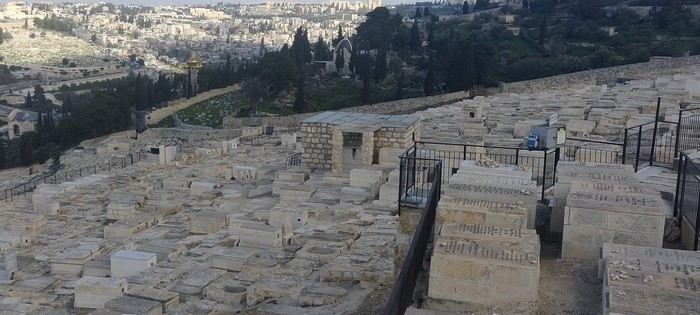
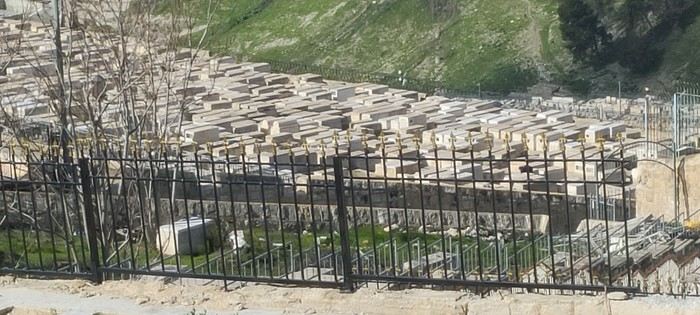
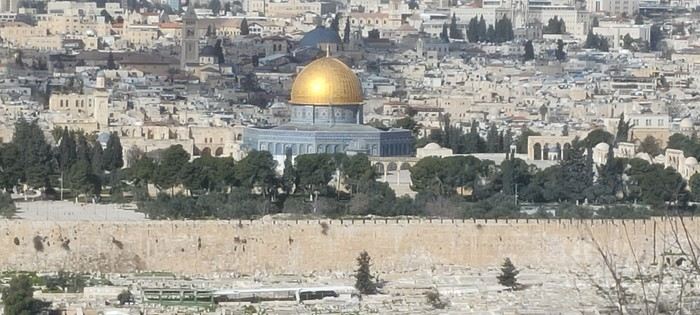
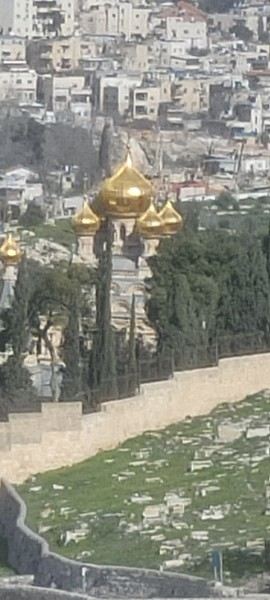
From Amman to Jerusalem
Larri · 2026-10-17 · Message 43 of 55
From Amman to Jerusalem
Mitch341 · 2026-10-17 · Message 44 of 55
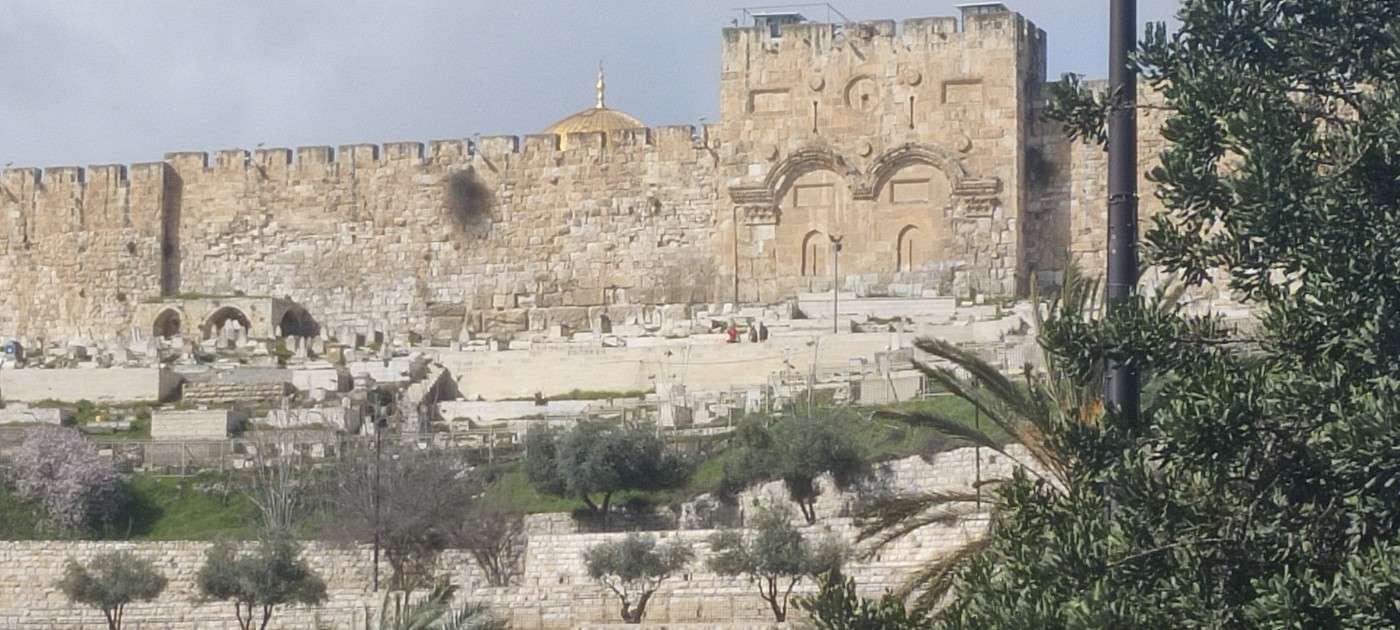
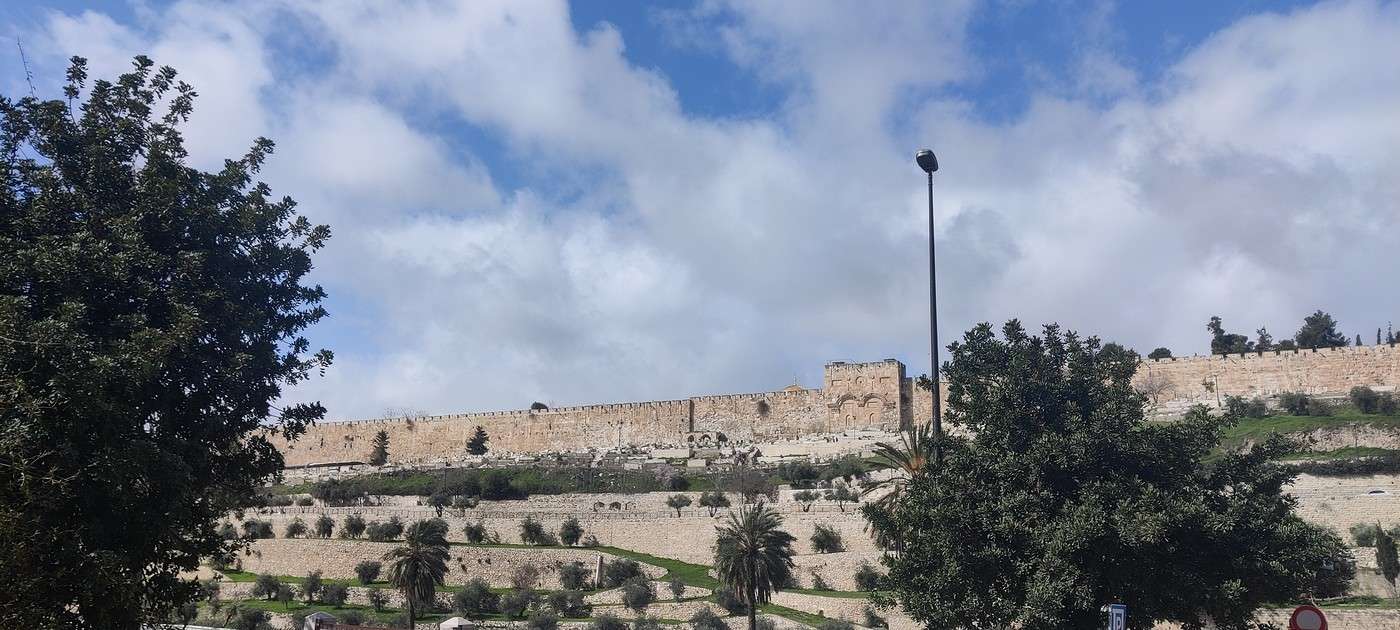
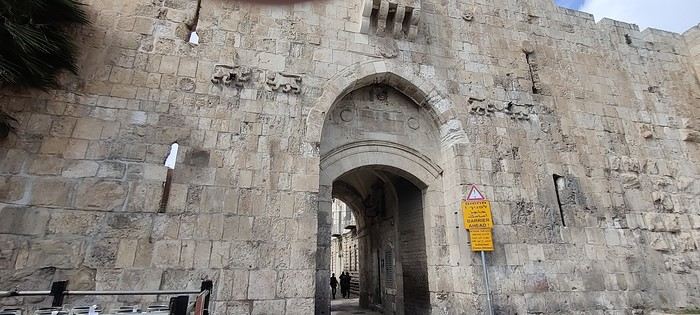
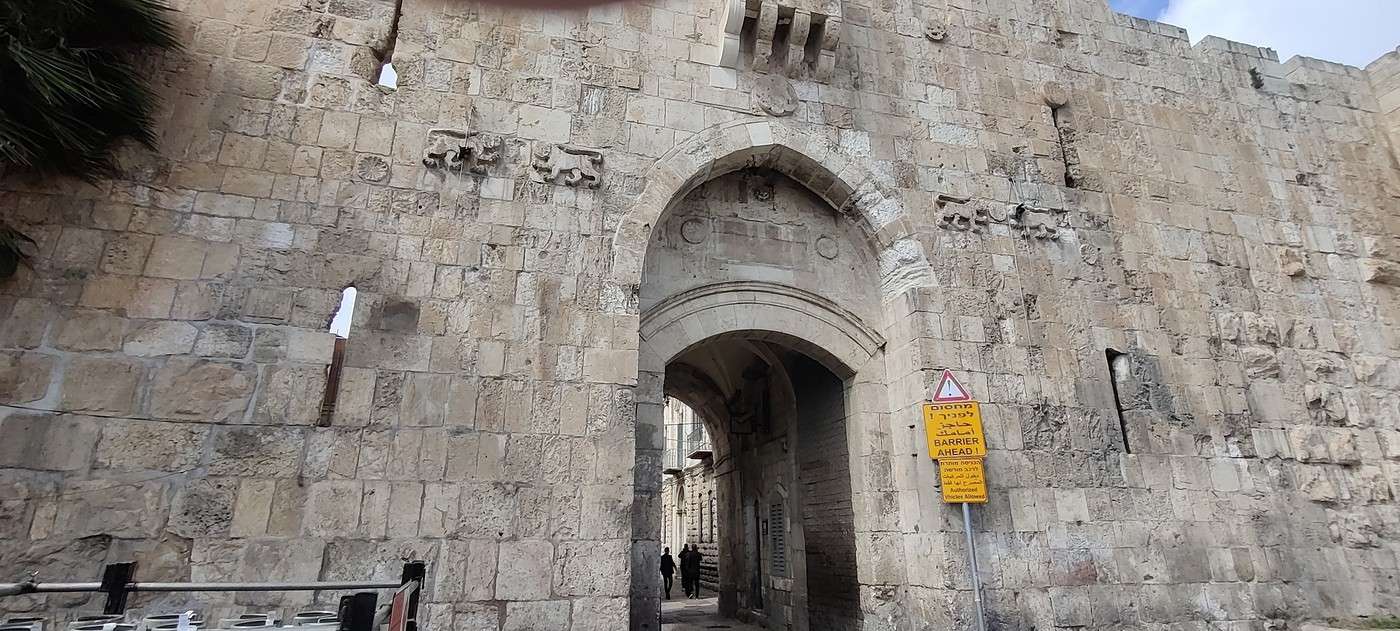
Are you sure the last gate is the Jaffa Gate? Or is it another one along the way?
Best,
From Amman to Jerusalem
Larri · 2026-10-17 · Message 45 of 55
Hi Michel,
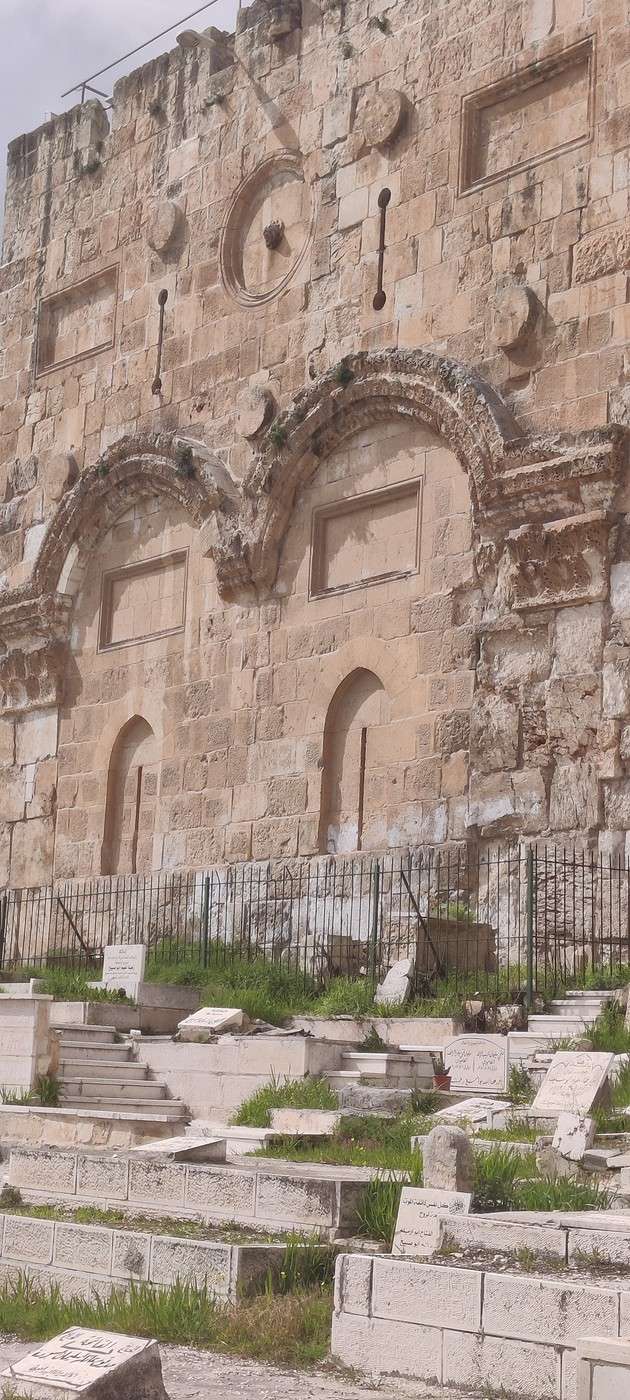
After checking, it looks like it’s the Sion Gate!
My mistake.
You can tell the expert here.
From Amman to Jerusalem
Mitch341 · 2026-10-17 · Message 46 of 55
Hi Michel,
After checking, it seems it’s the Zion Gate!
My bad.
You can tell the expert here.
To err is human 😅 Jaffa Gate is way more imposing. 🤓
From Amman to Jerusalem
Larri · 2026-10-18 · Message 47 of 55
Day 13 – The Old City of Jerusalem
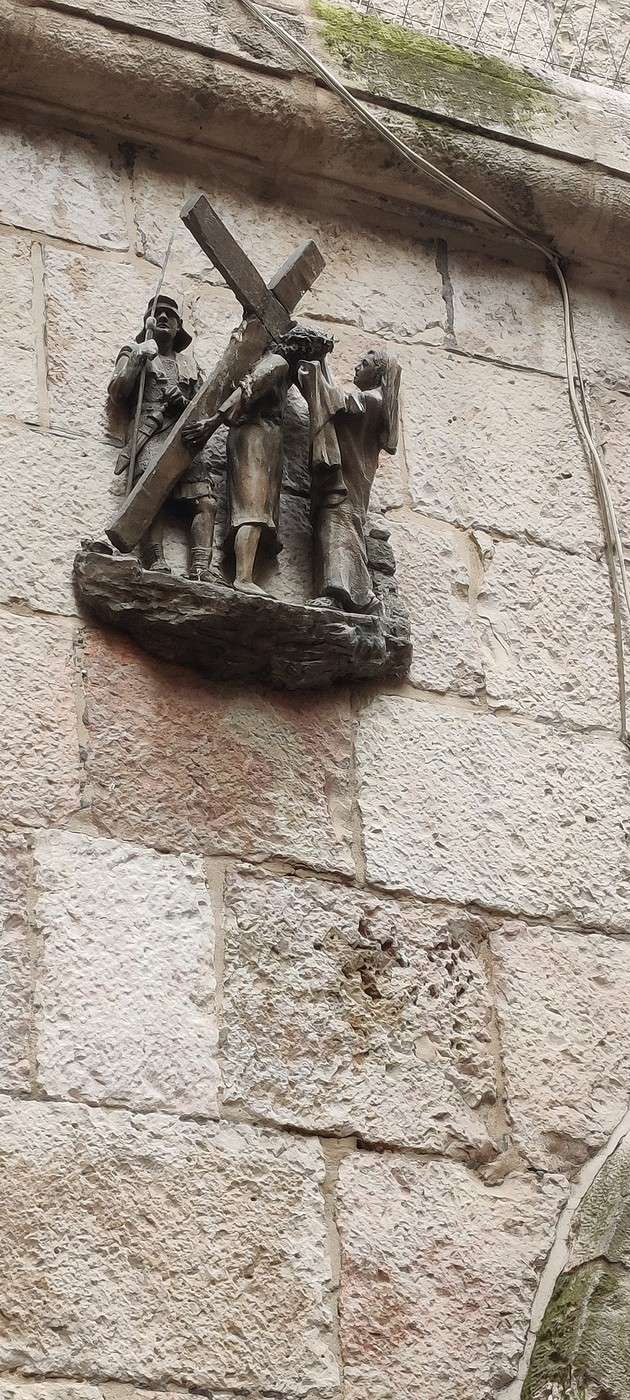
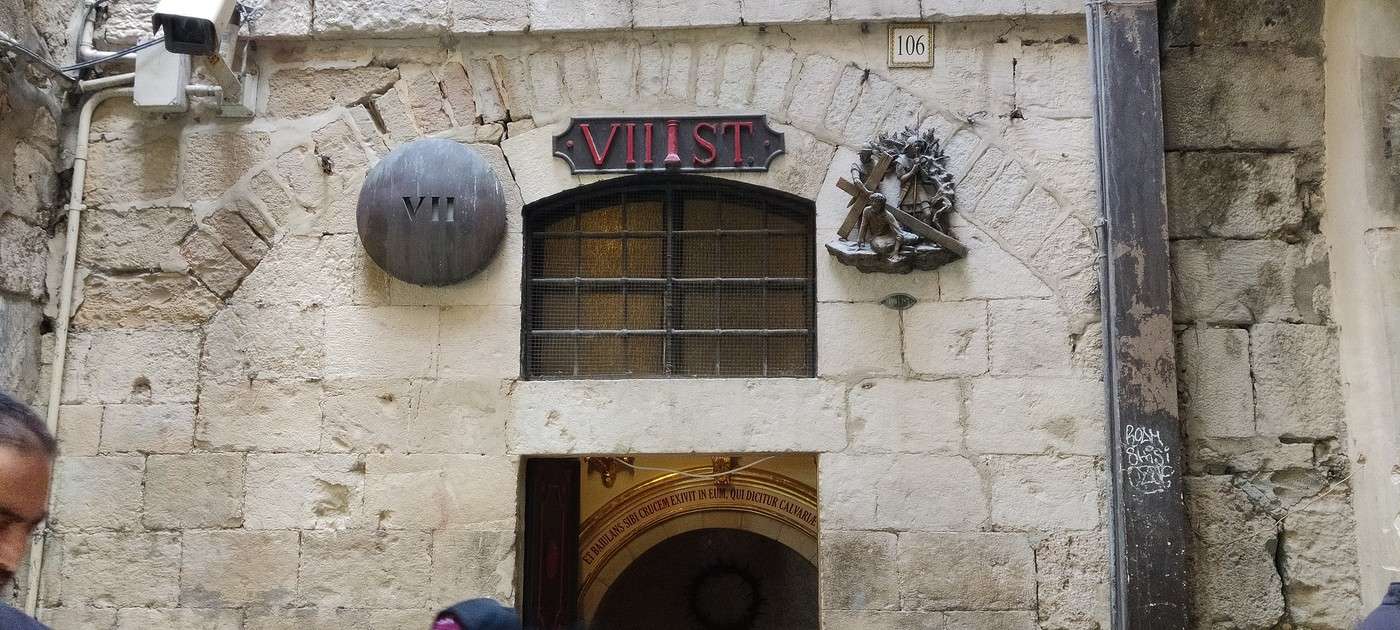
We walk the Via Dolorosa, the path Jesus is said to have taken before his crucifixion, passing through the different stations of the cross.
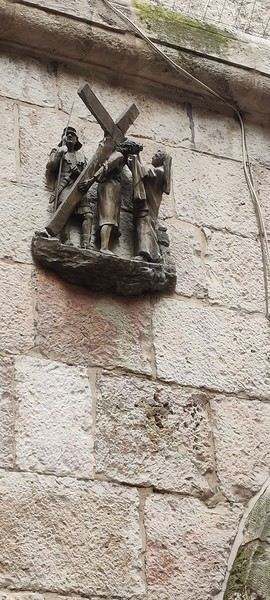
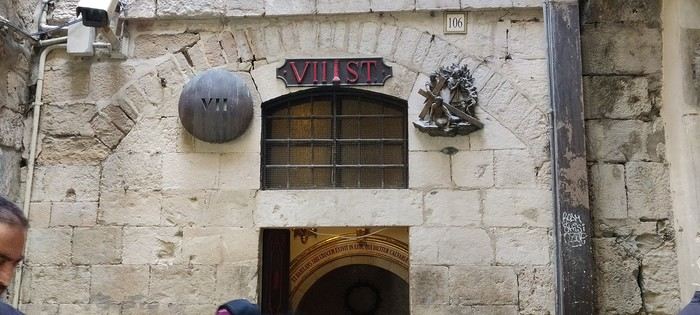
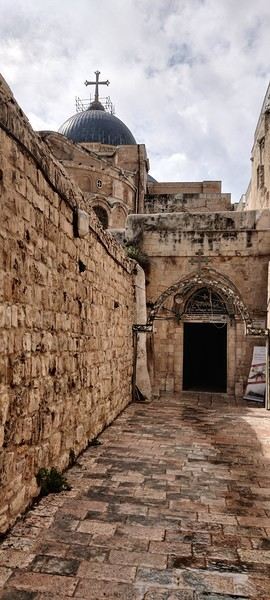
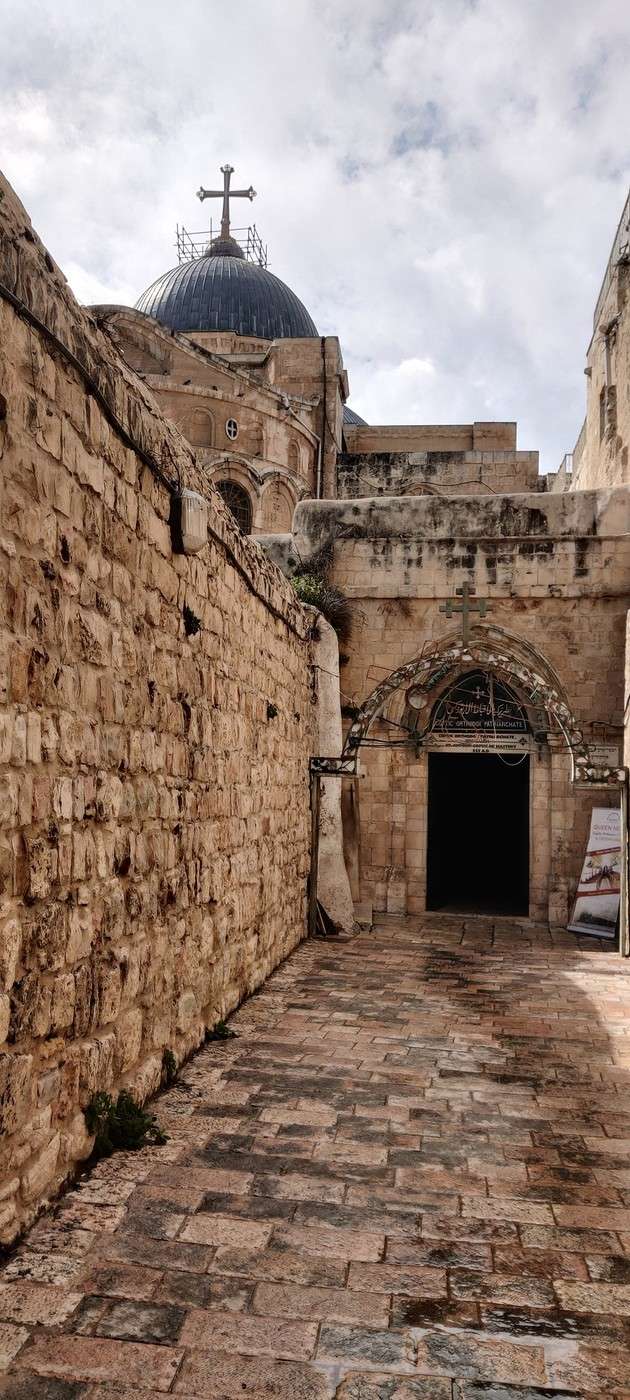
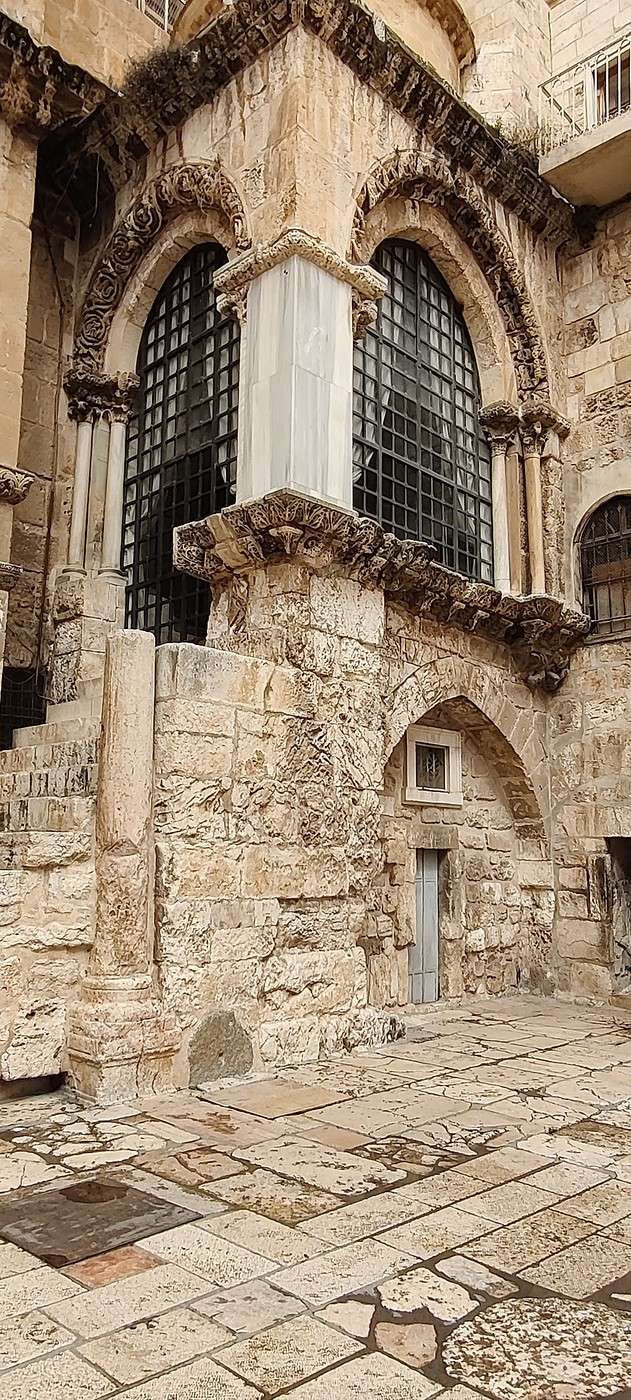
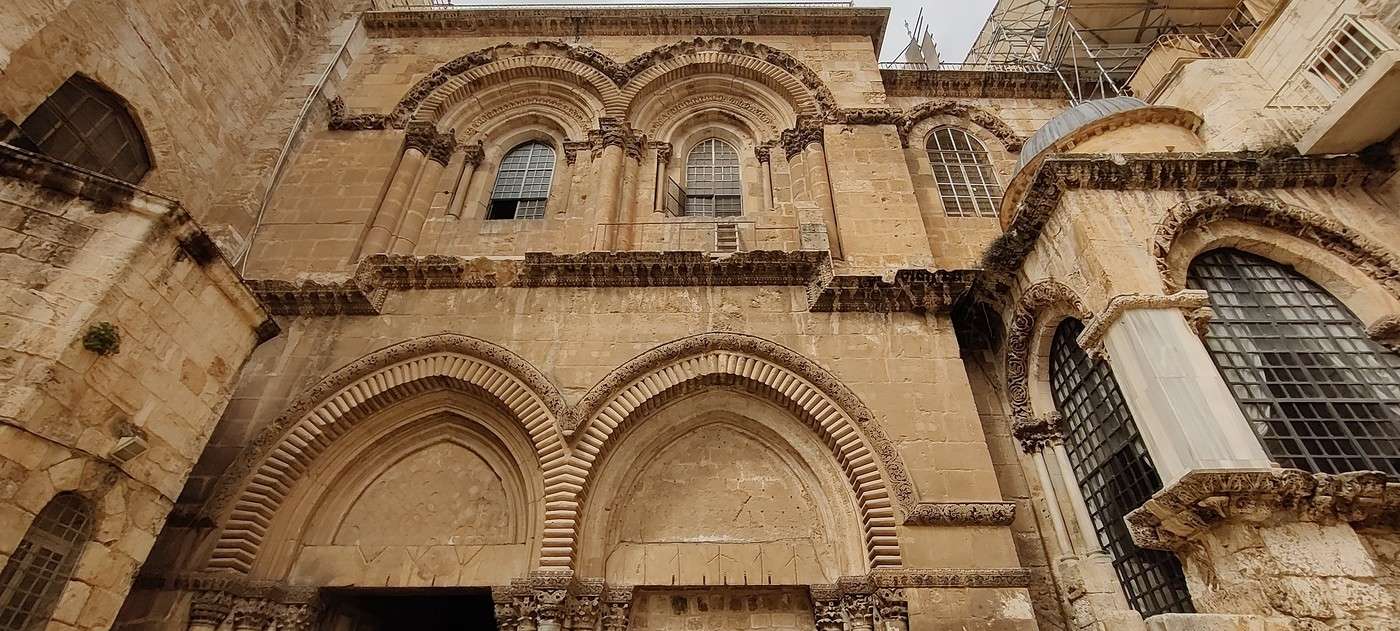
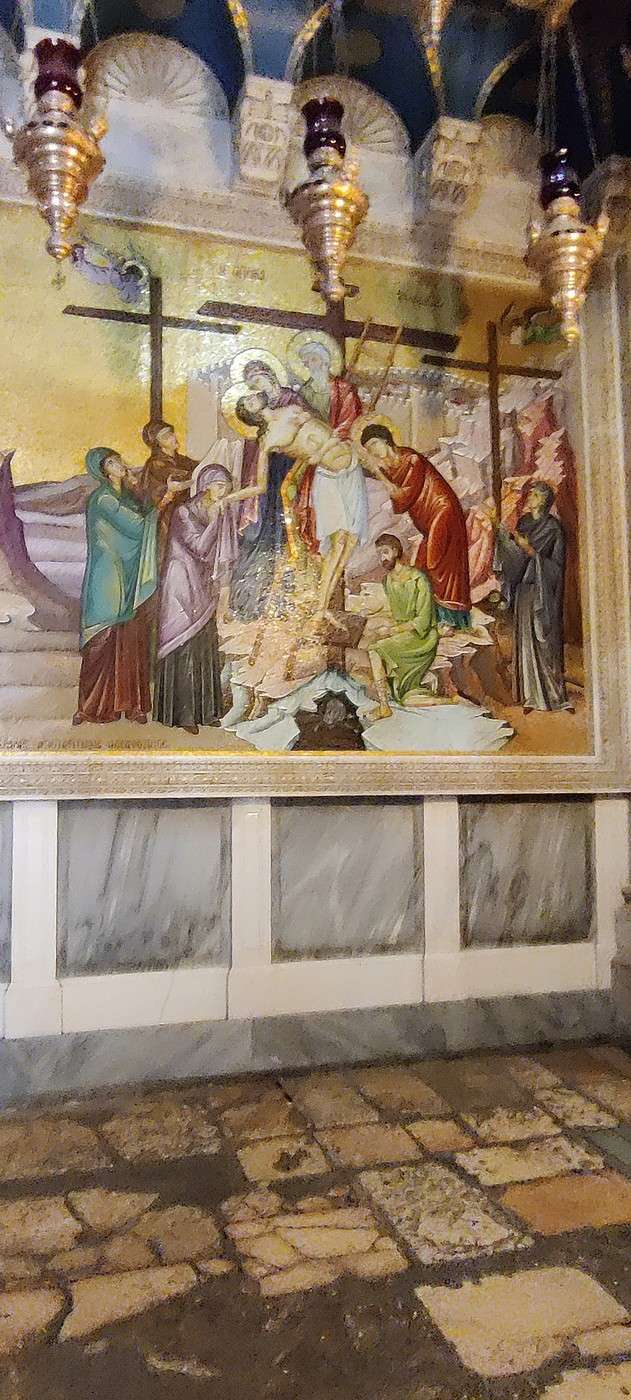
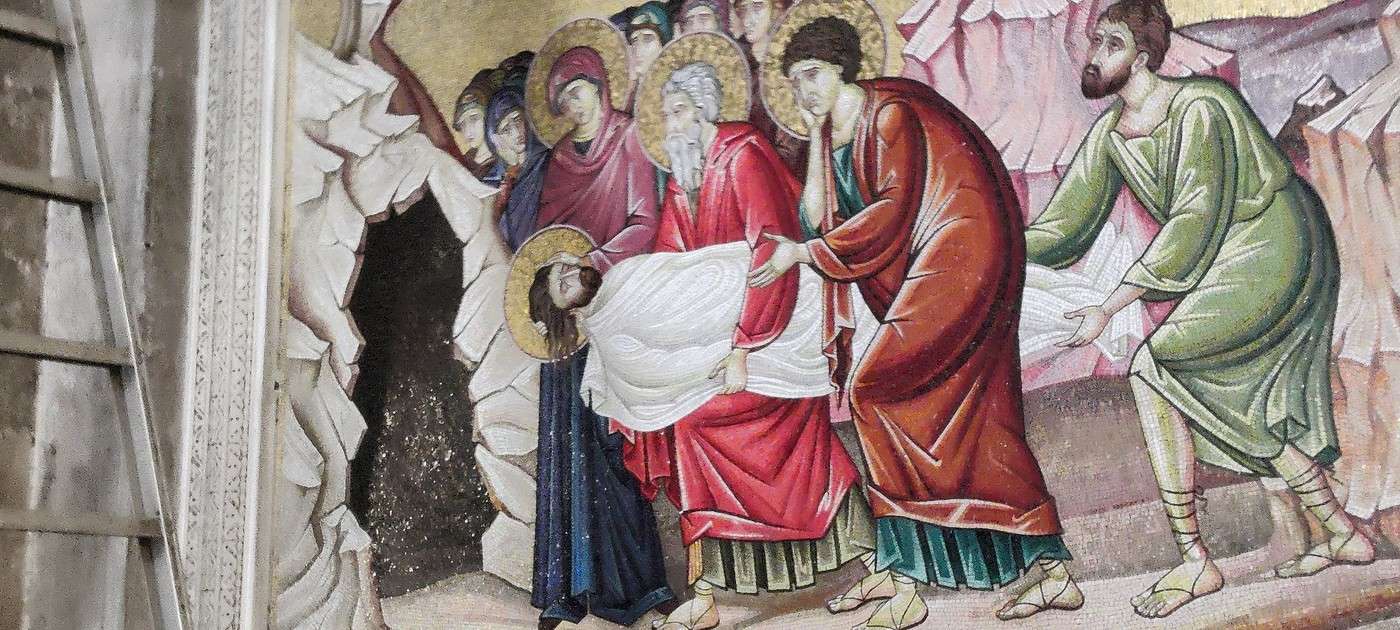
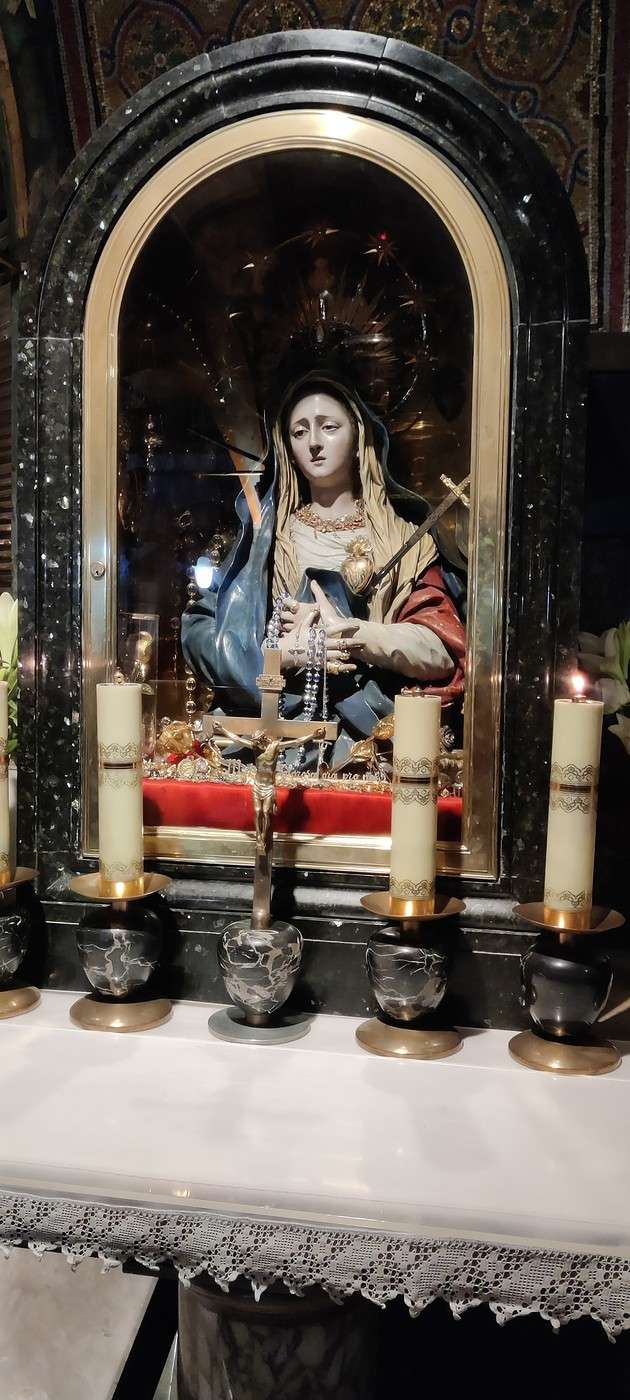
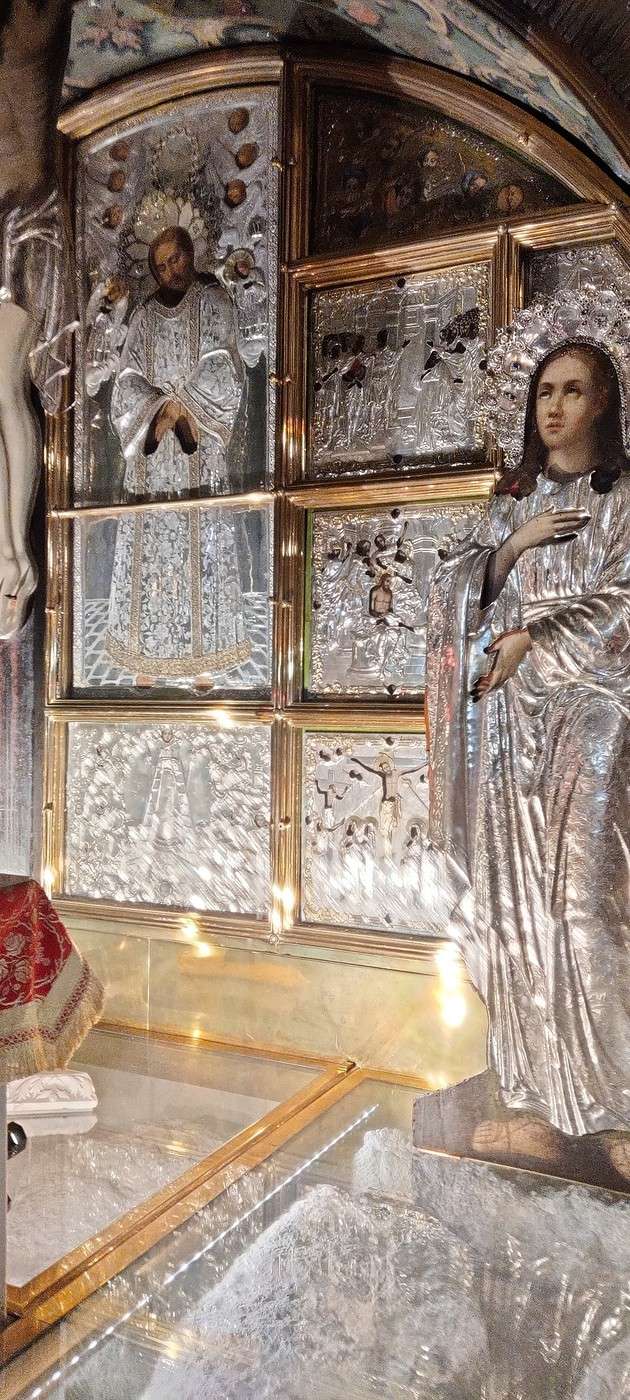
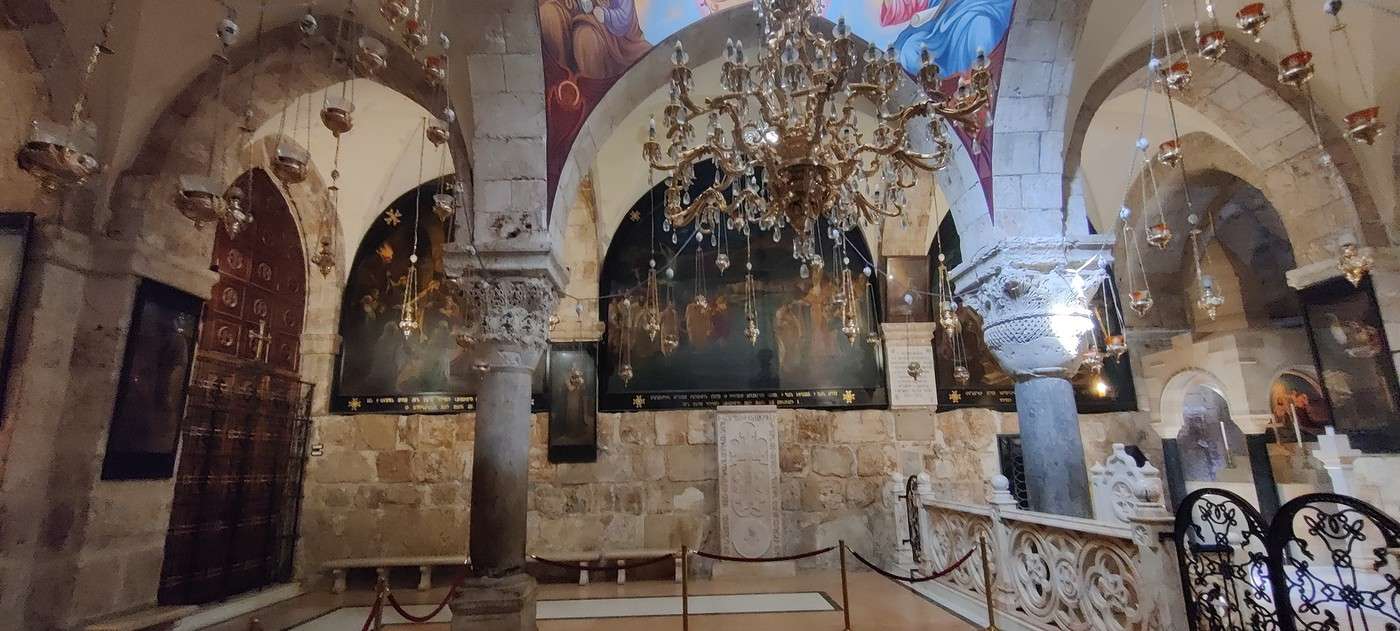
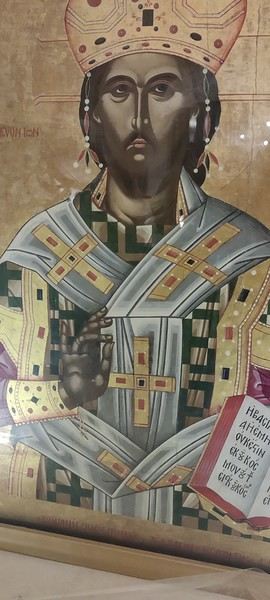
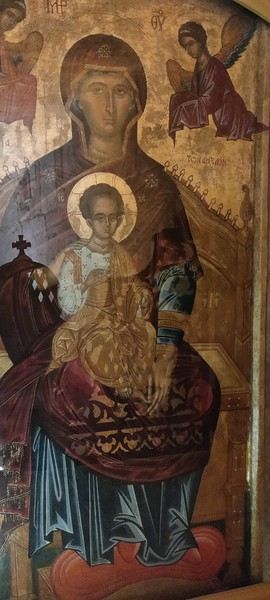
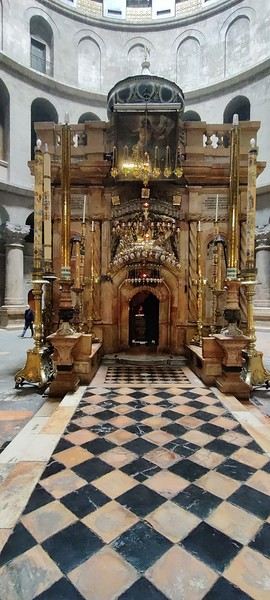
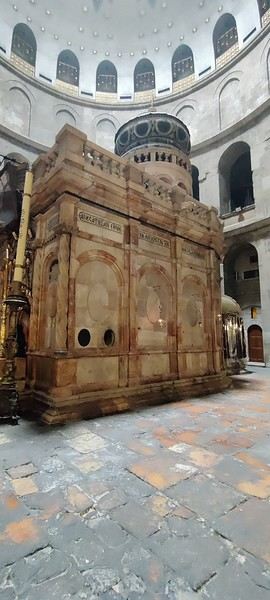
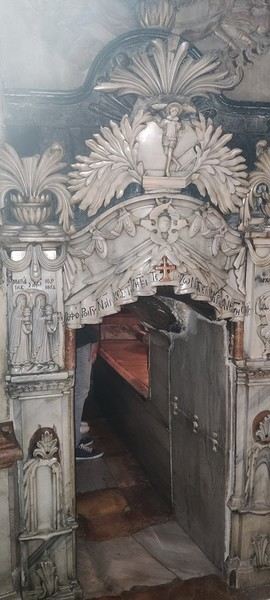
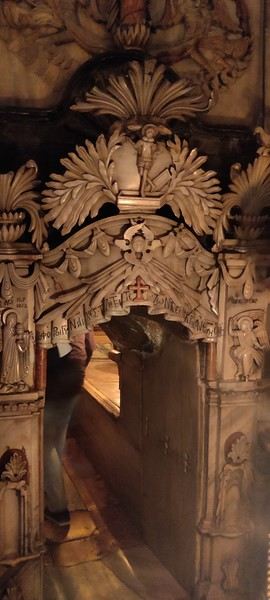
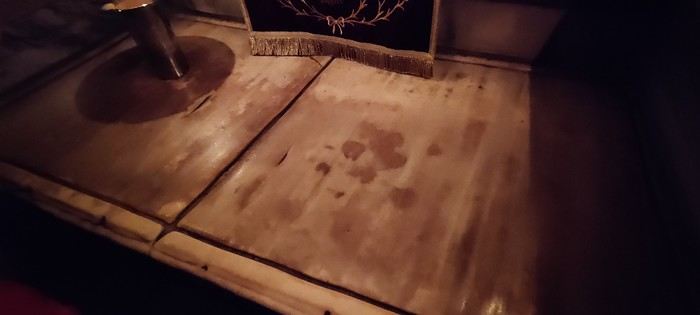
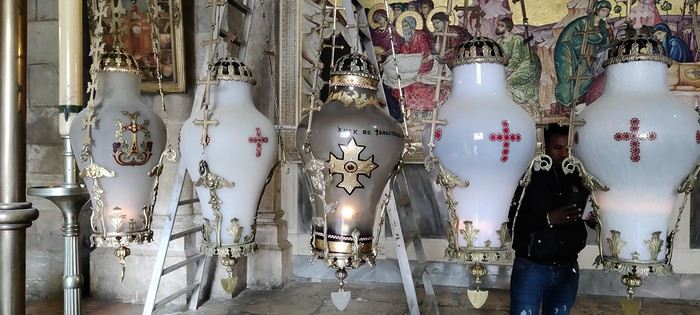
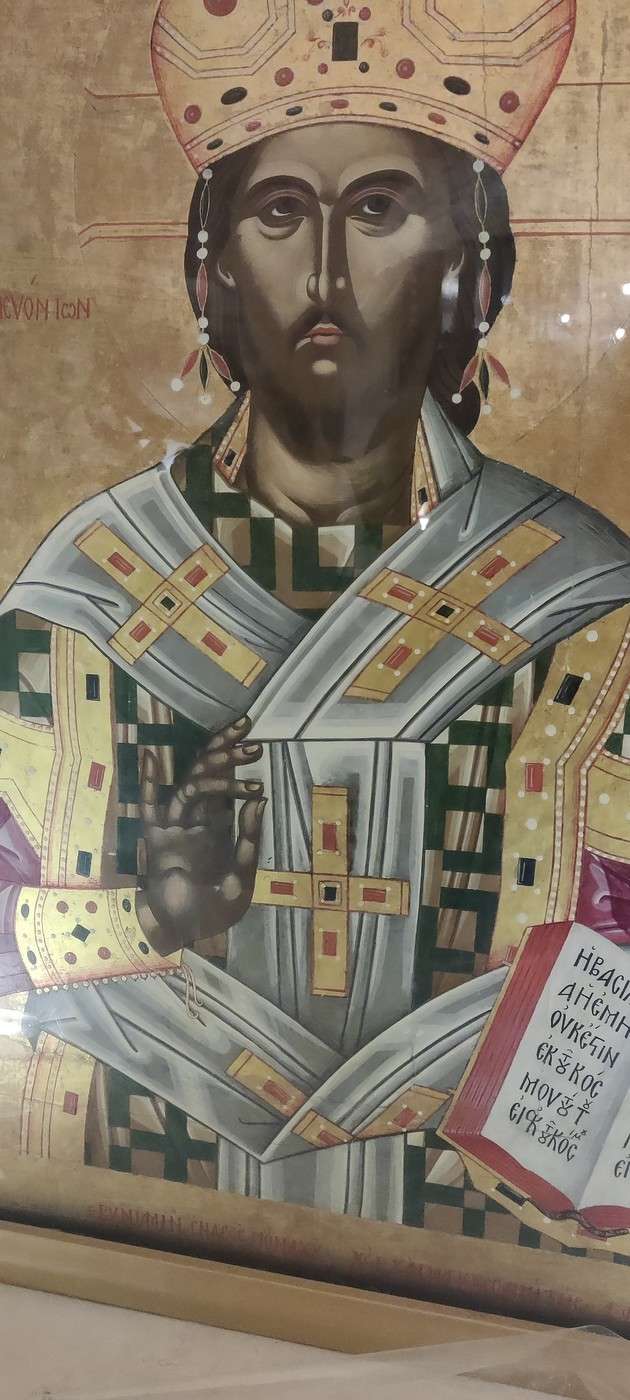
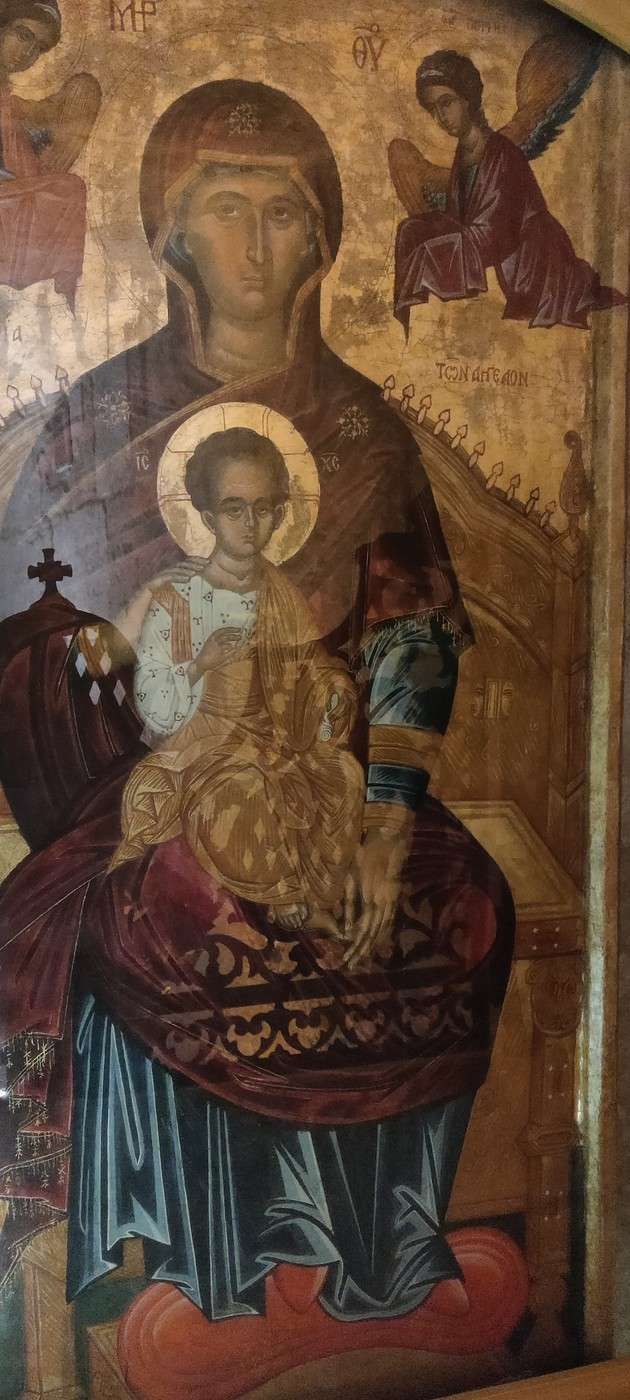
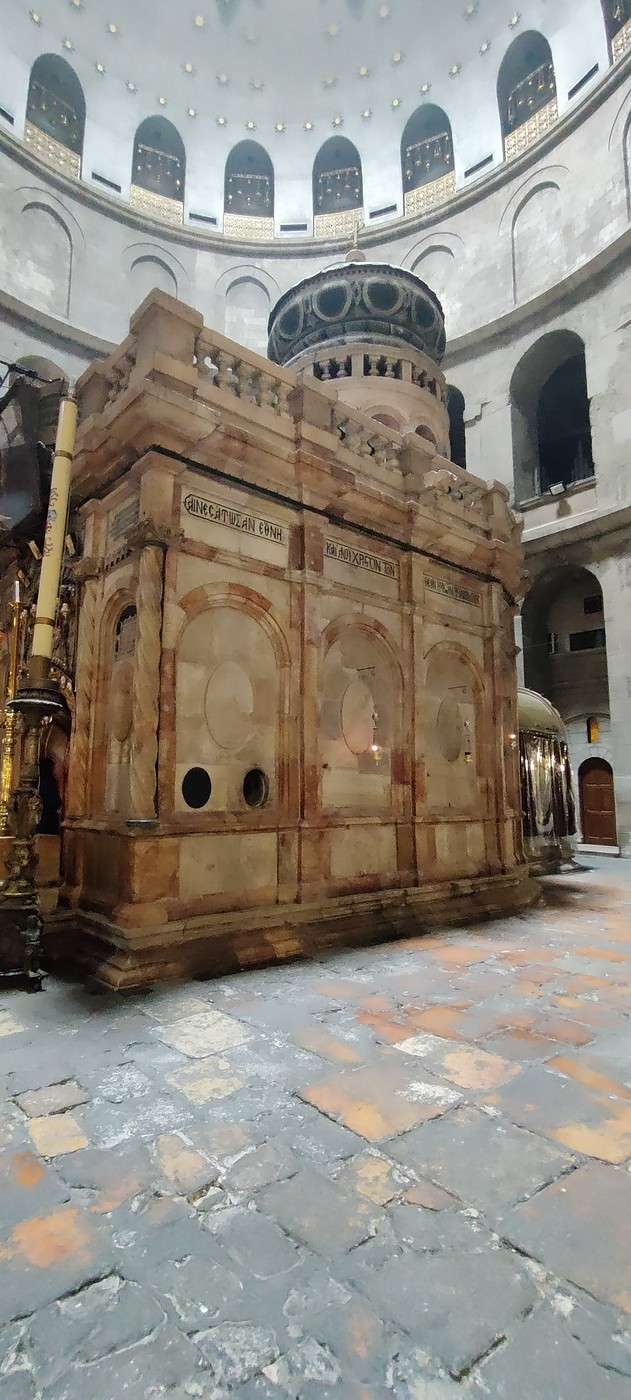
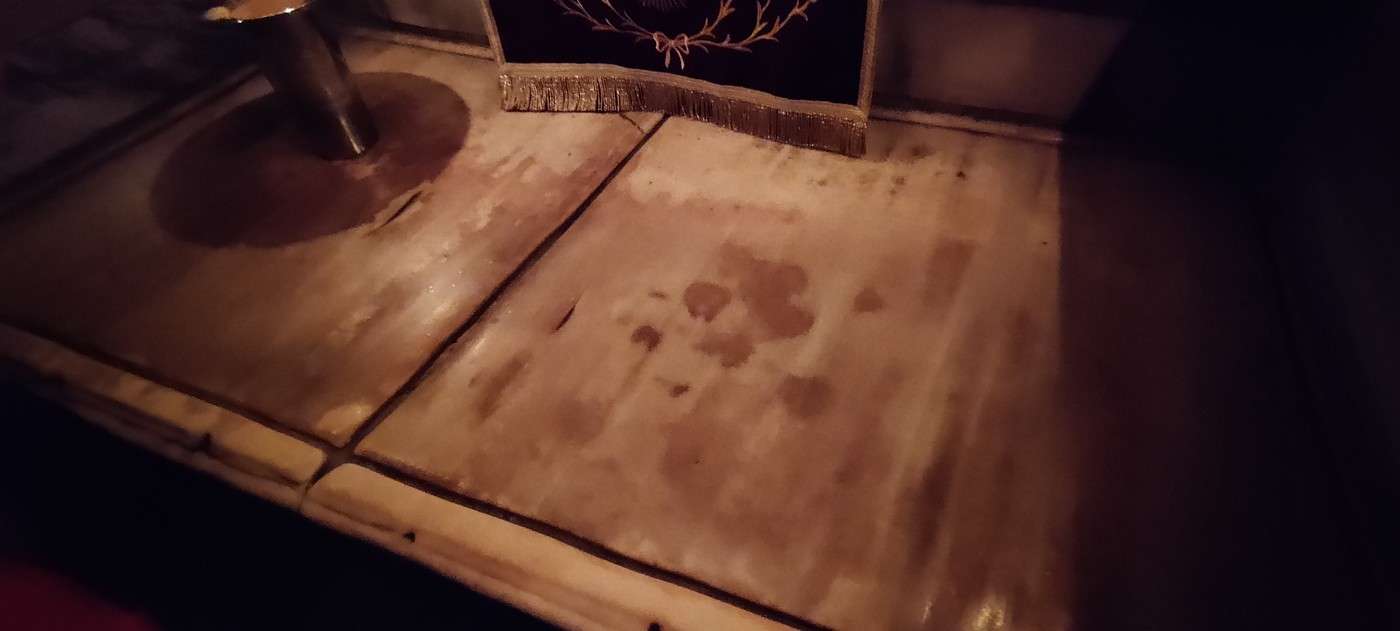
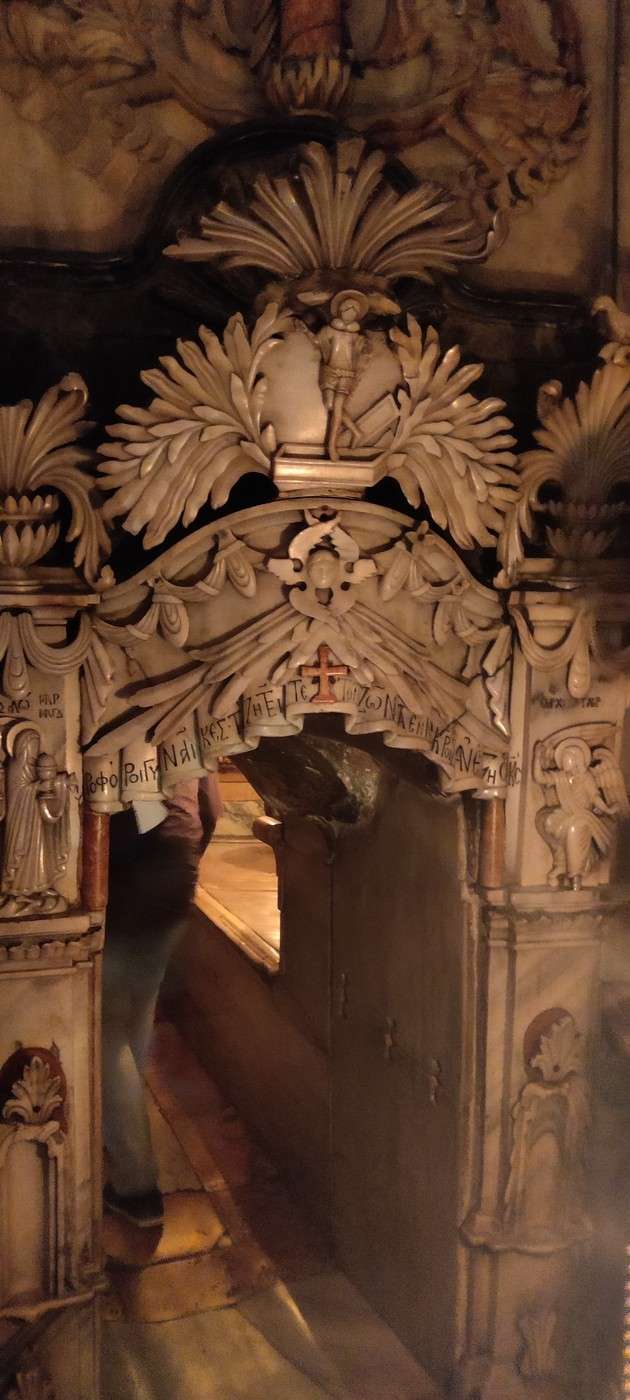
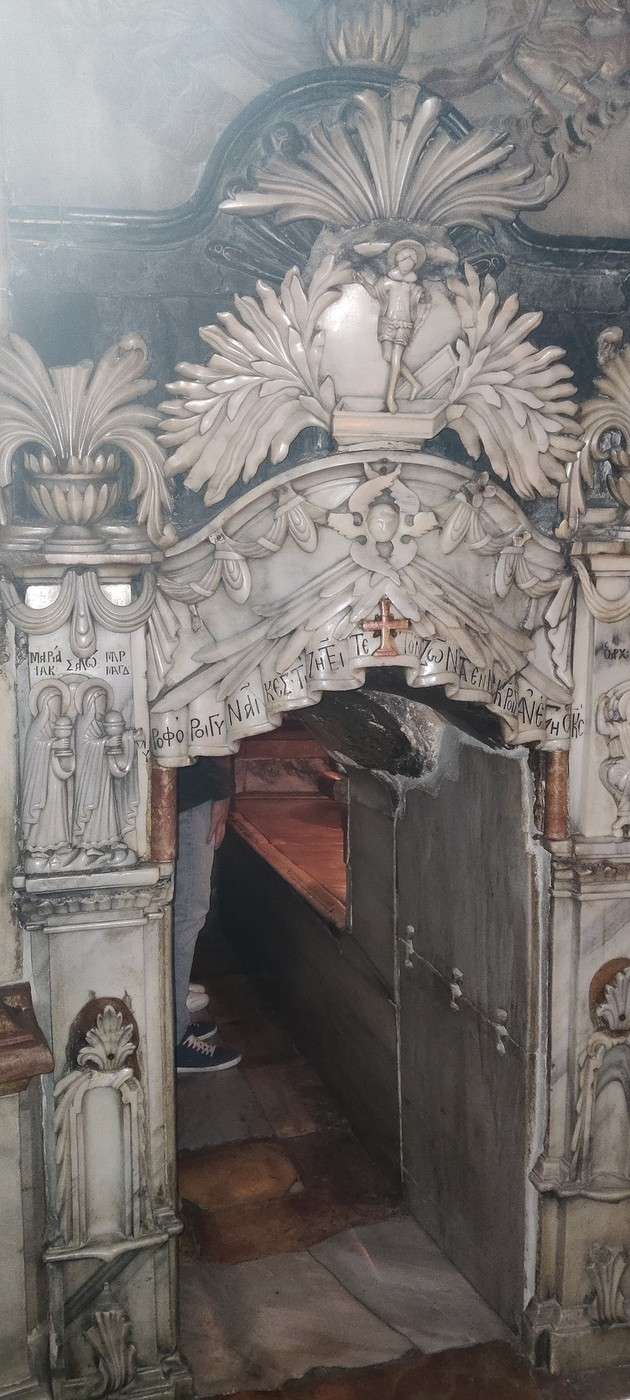
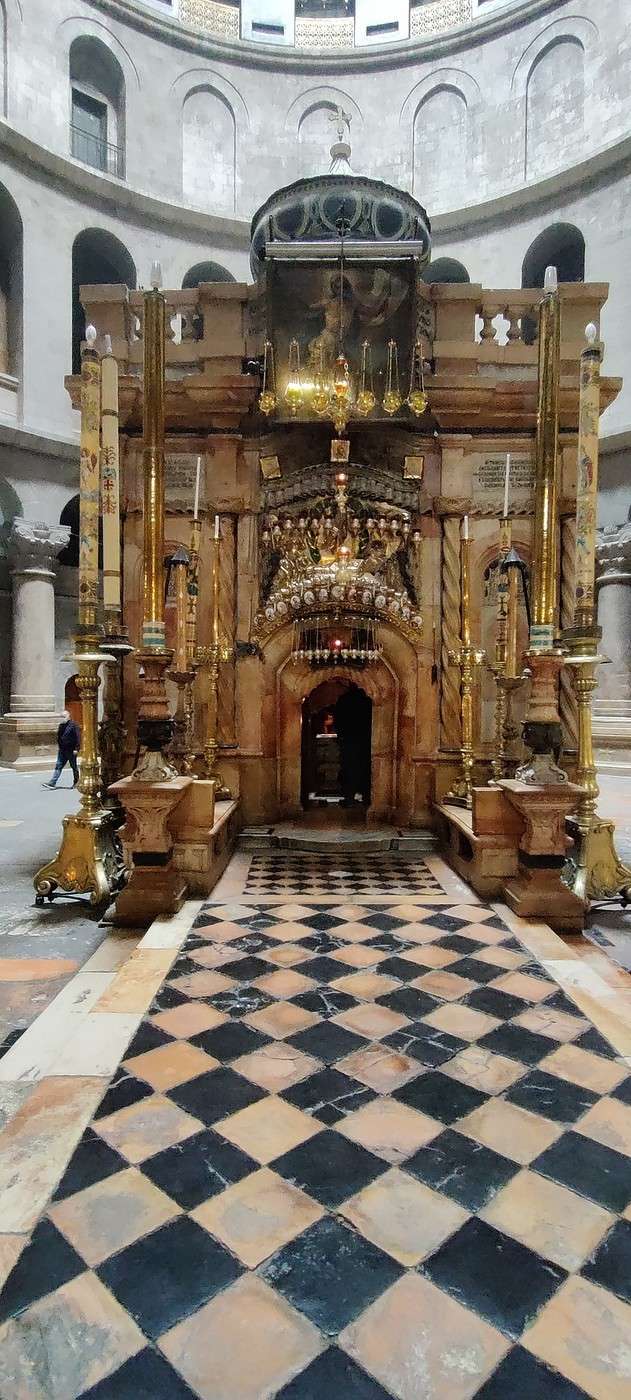
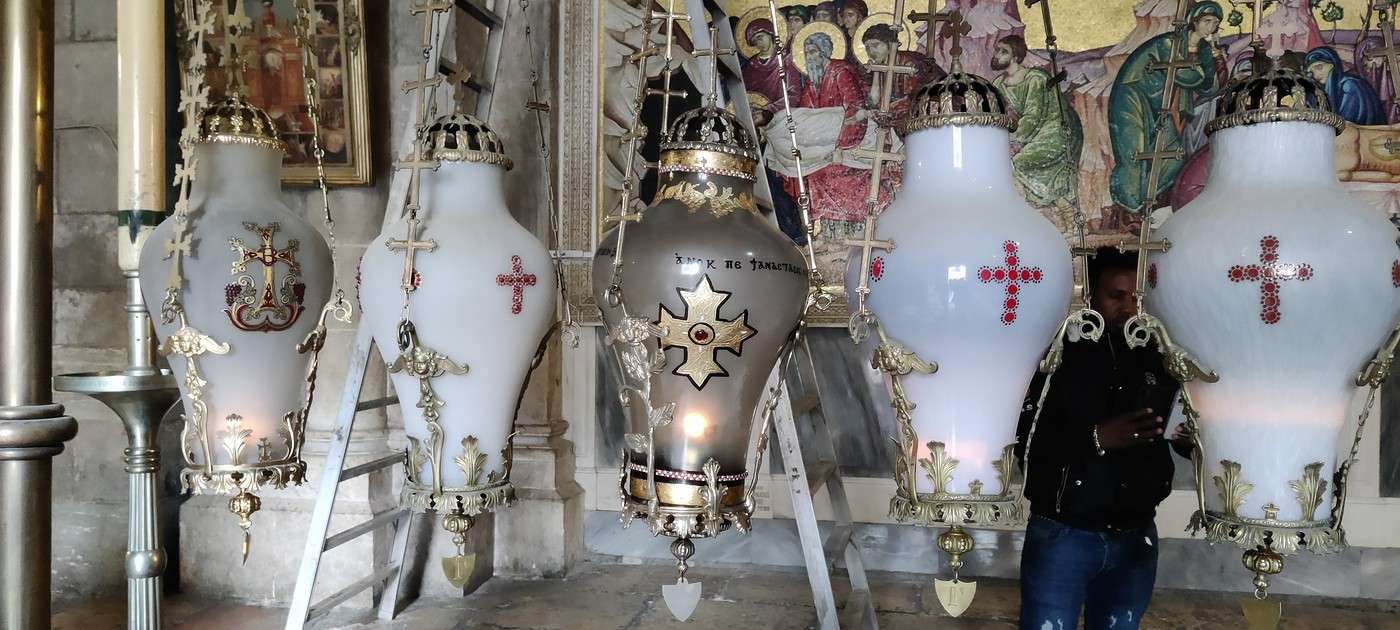
Without going into too much detail or in any particular order, we discover the Church of St. Anne, associated with the birth of the Virgin Mary, the Pool of Bethesda, the Basilica of Ecce Homo, and the very famous Church of the Holy Sepulchre, which houses Christ’s tomb.
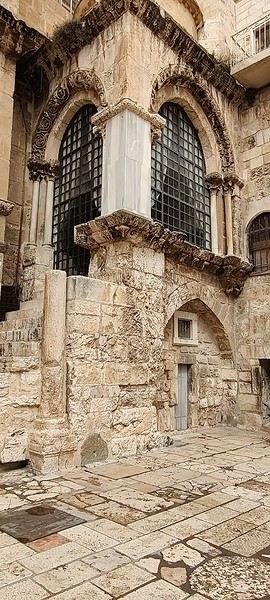
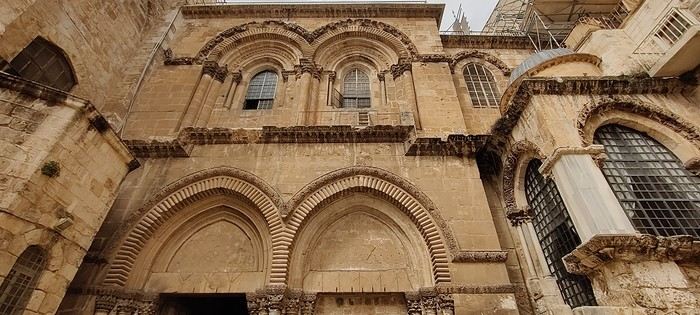
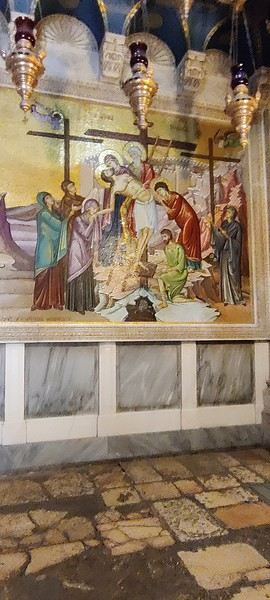
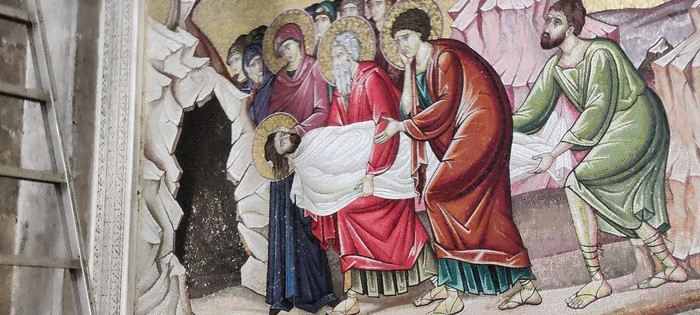
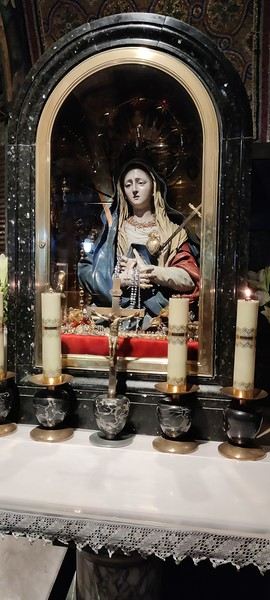
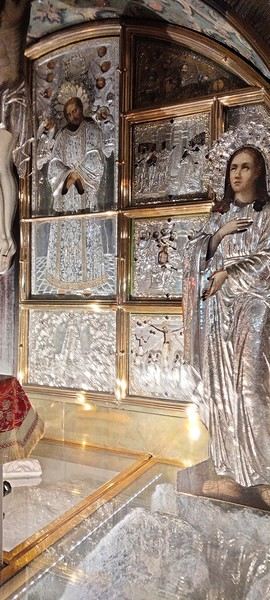
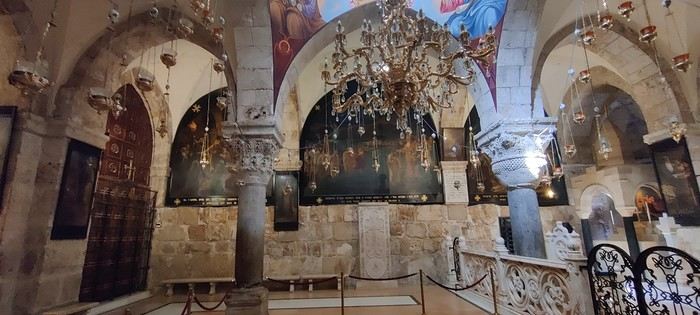
It’s shared among several Christian communities: Greek Orthodox, Roman Catholics, Armenian Apostolic, Coptic Orthodox, Ethiopian Orthodox, and Syriac Orthodox. Fun fact—the sharing isn’t always peaceful. It’s based on ancient rules, sometimes leading to surprising situations. Conflicts and disputes between these communities are frequent.
We enter this holy site without waiting and can explore it at our leisure, without rushing. Normally, it’s not uncommon to queue for two to three hours just to get in and then have to hurry at each point of interest.
During our trip, the ups and downs of Covid turned out to be a blessing for us!
From Amman to Jerusalem
Larri · 2026-10-18 · Message 48 of 55
From Amman to Jerusalem
Larri · 2026-10-19 · Message 49 of 55
Day 13 – End of the day in Jerusalem’s Old City
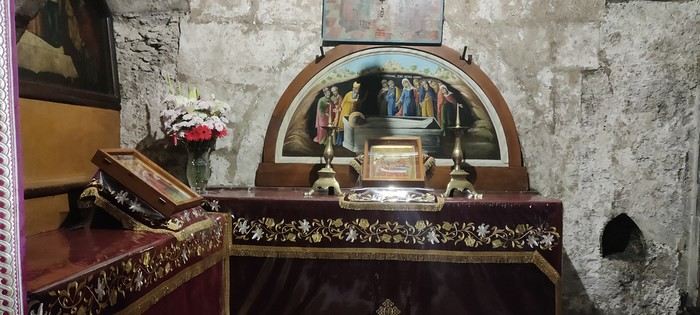
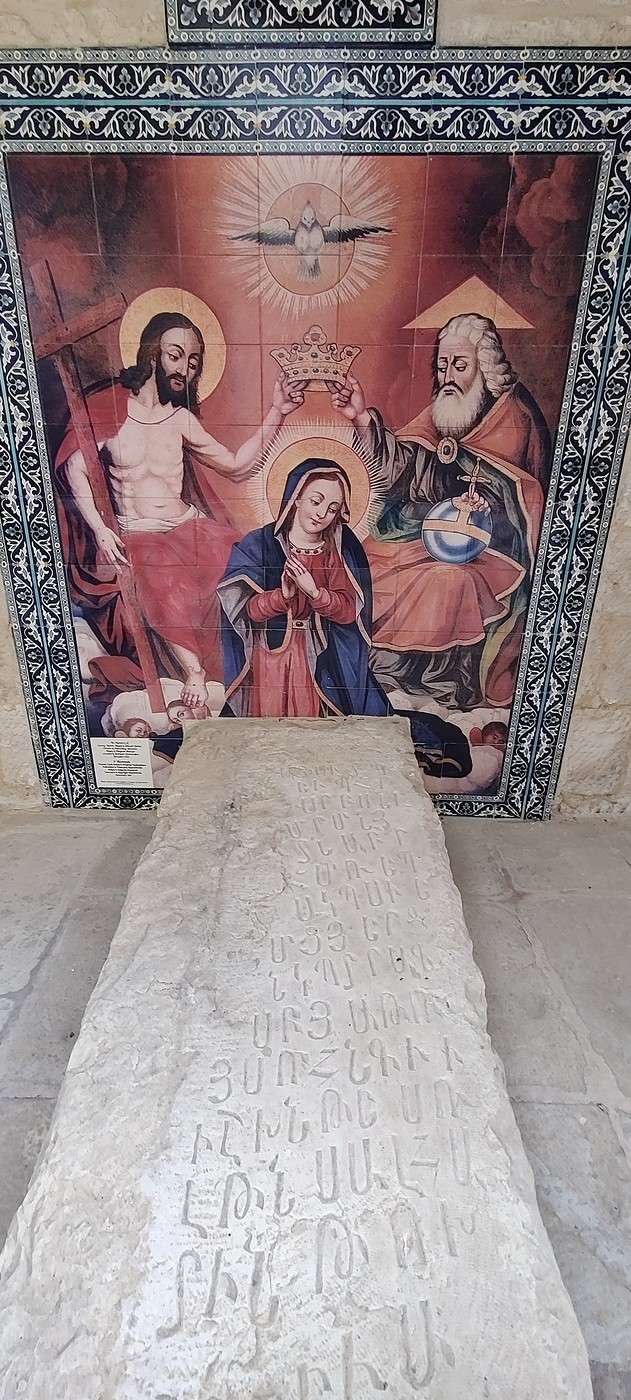
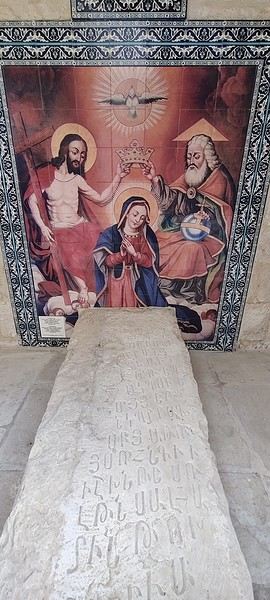
We continue our visit with the Lutheran church and the Abbey of the Dormition, where, according to Christian tradition, the Virgin Mary fell into her final sleep before entering eternal life. Then we head to St. James Cathedral, one of the main places of worship for Jerusalem’s Armenian community.
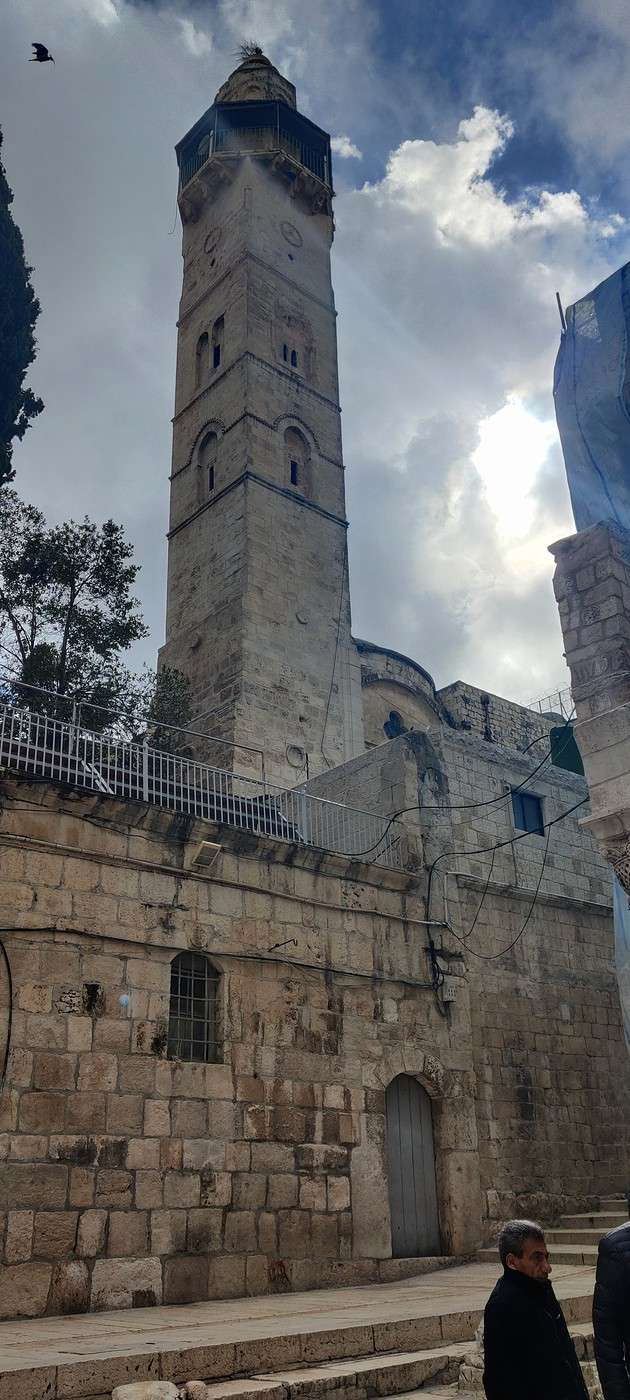
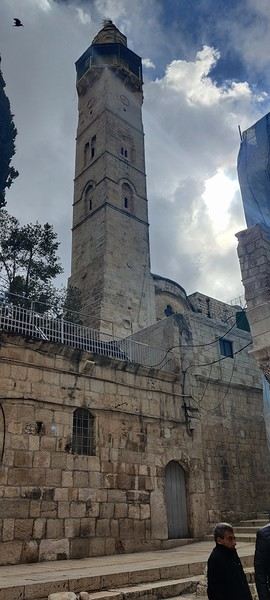
The Mosque of Omar:
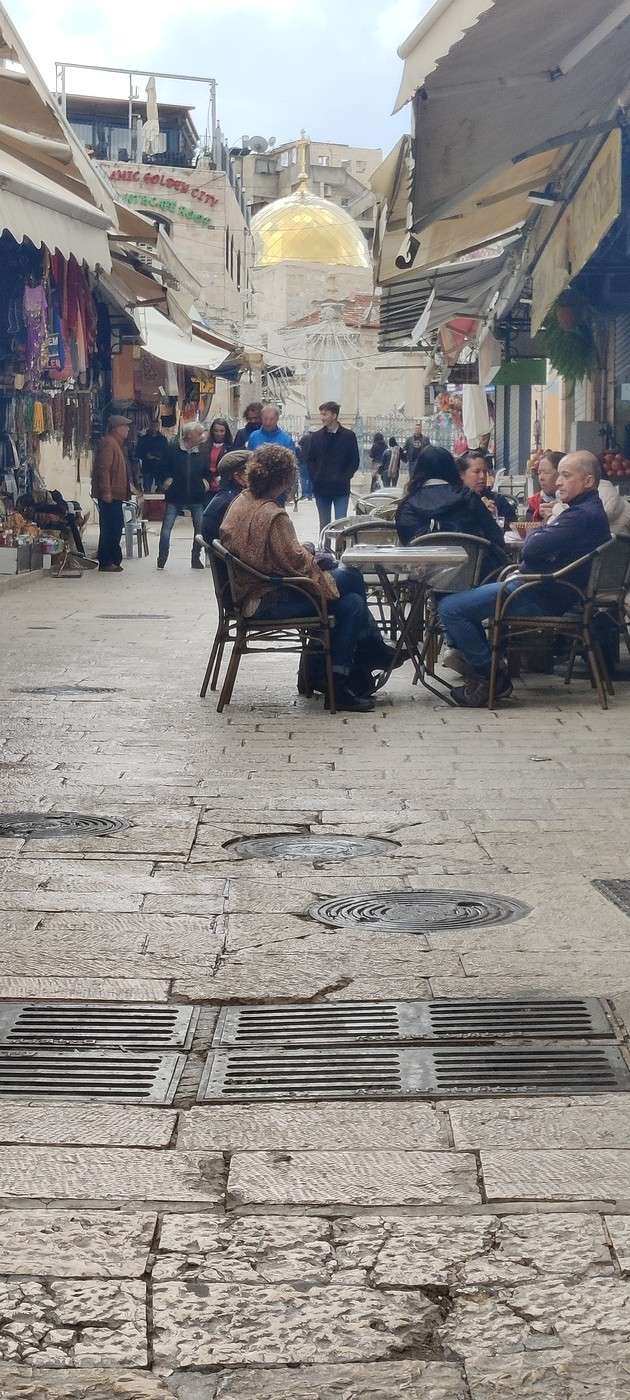
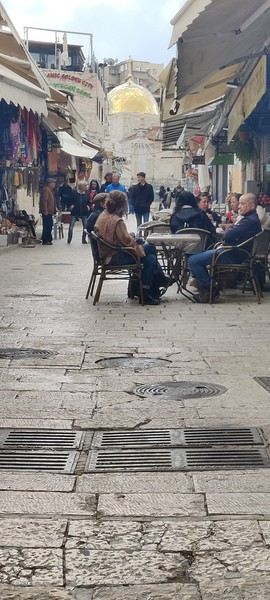
Afterward, we wander through the narrow streets of the Old City.
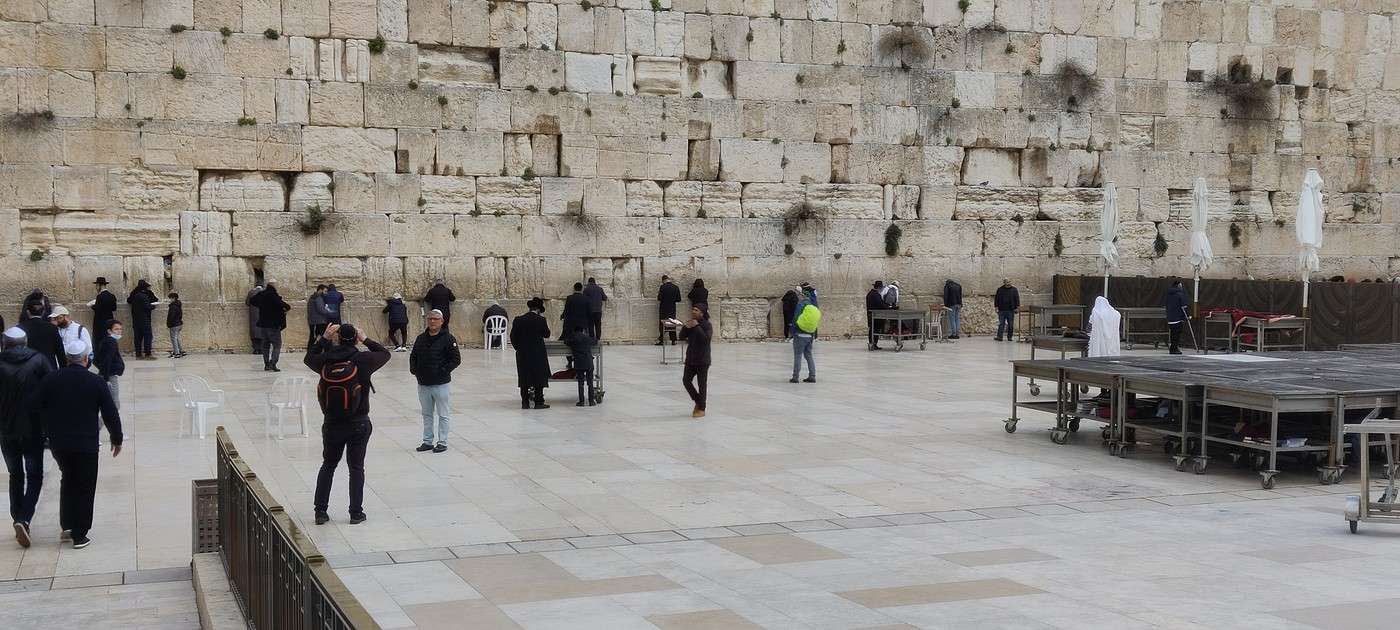
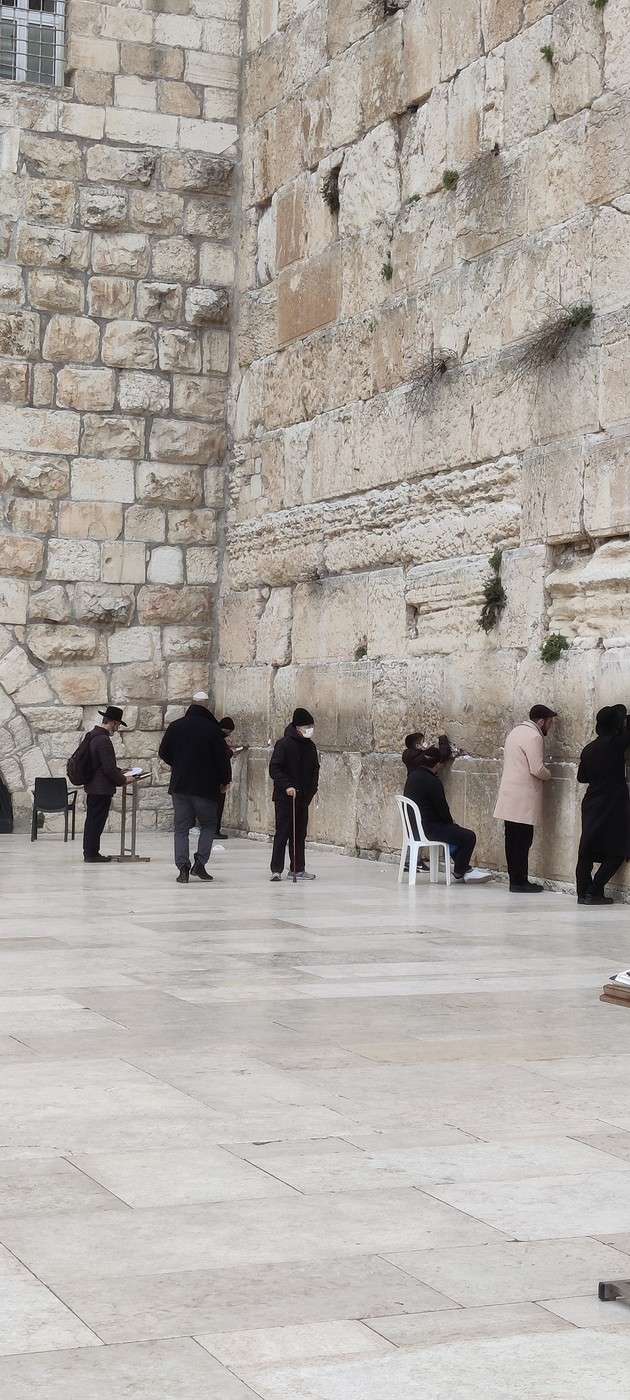
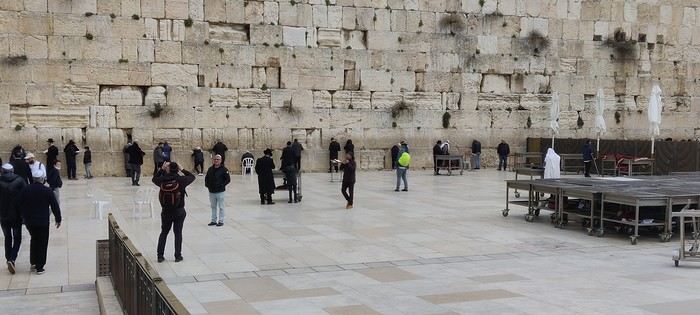
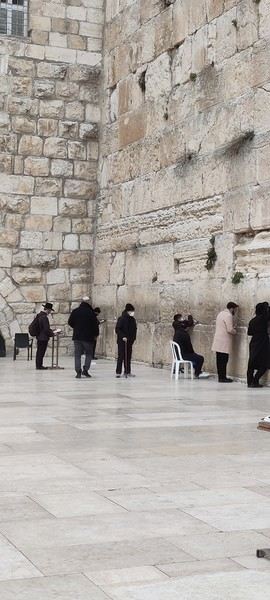
Our visit leads us to the Western Wall, a remnant of the retaining wall of the Second Temple esplanade and a sacred site in Judaism. Jews gather here to pray and slip small notes with their wishes or prayers between the stones.
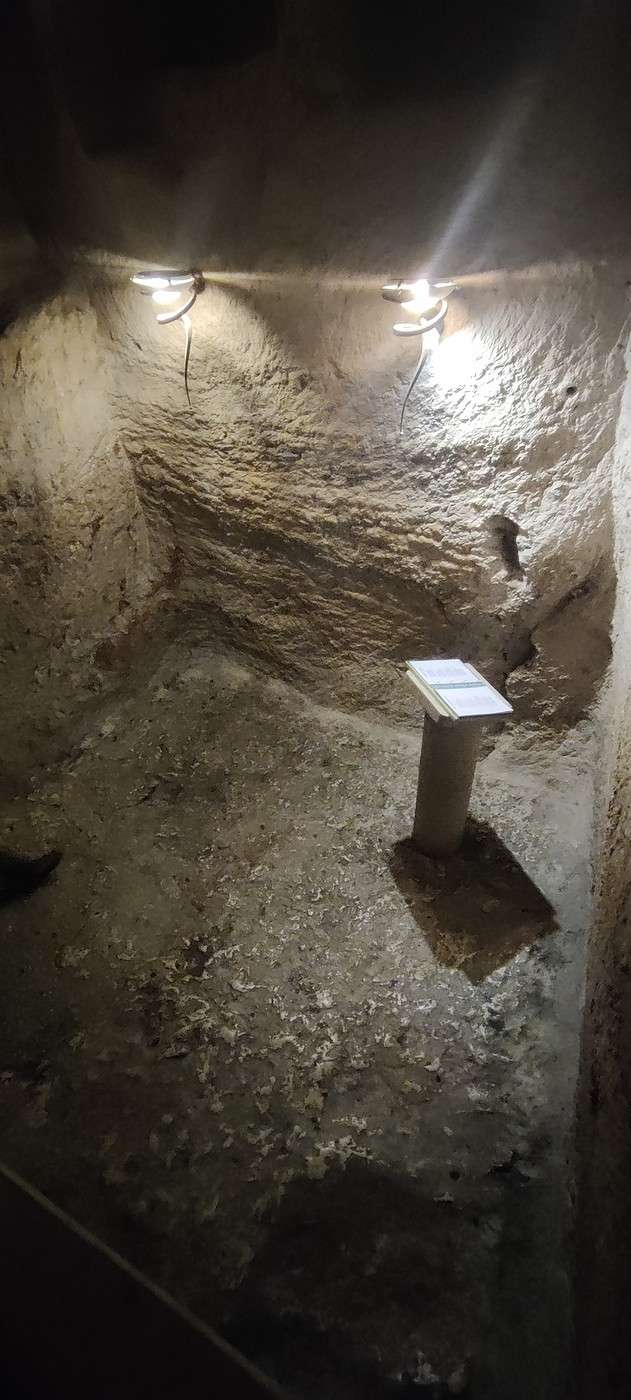
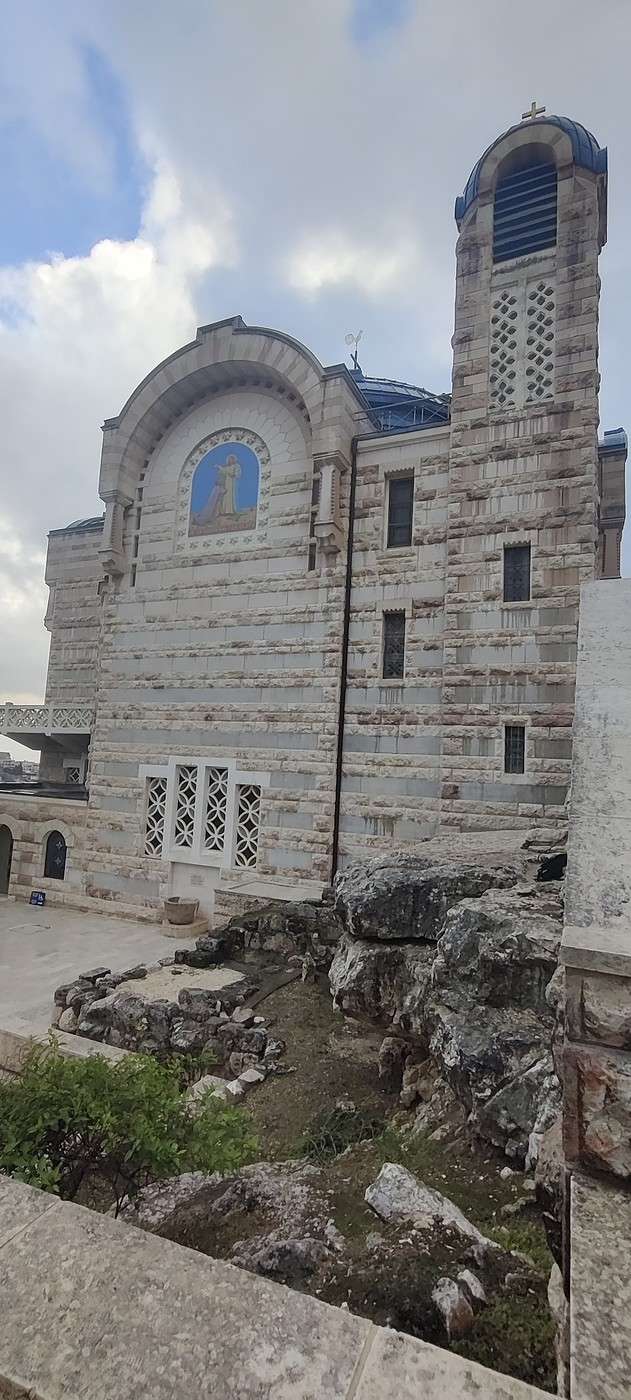
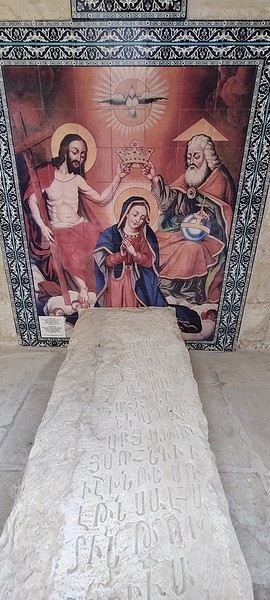
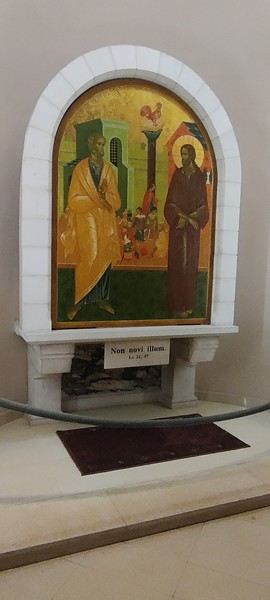
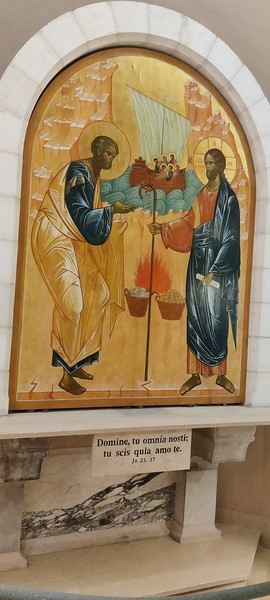
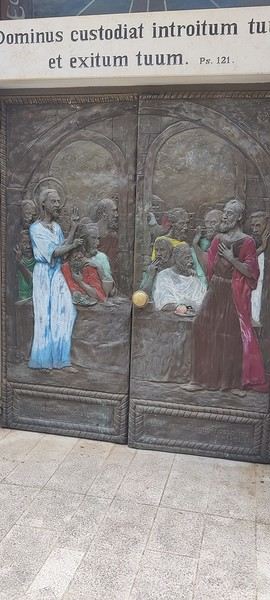
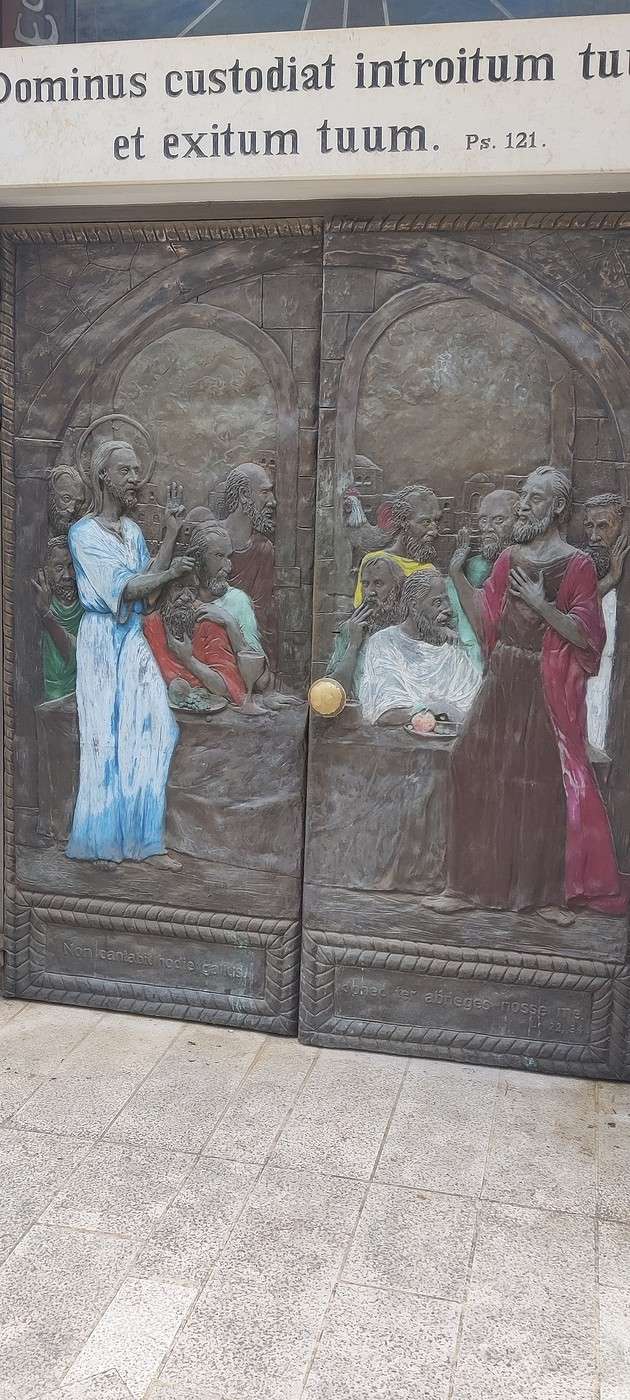
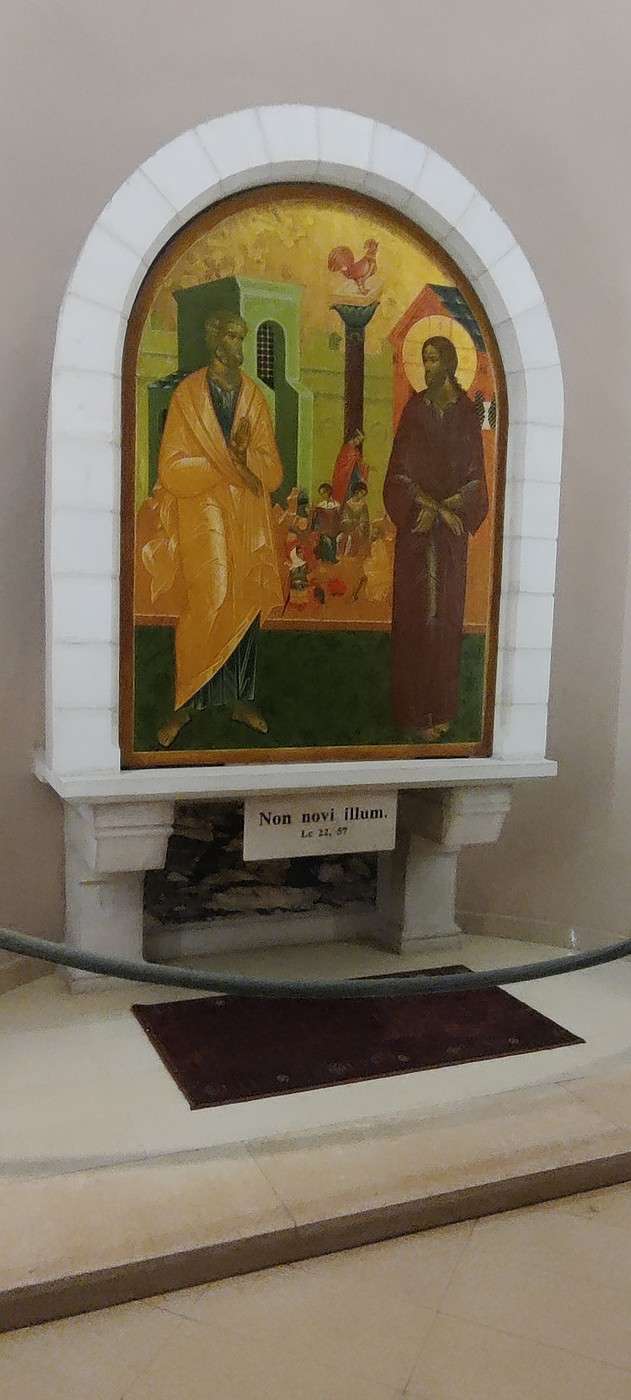
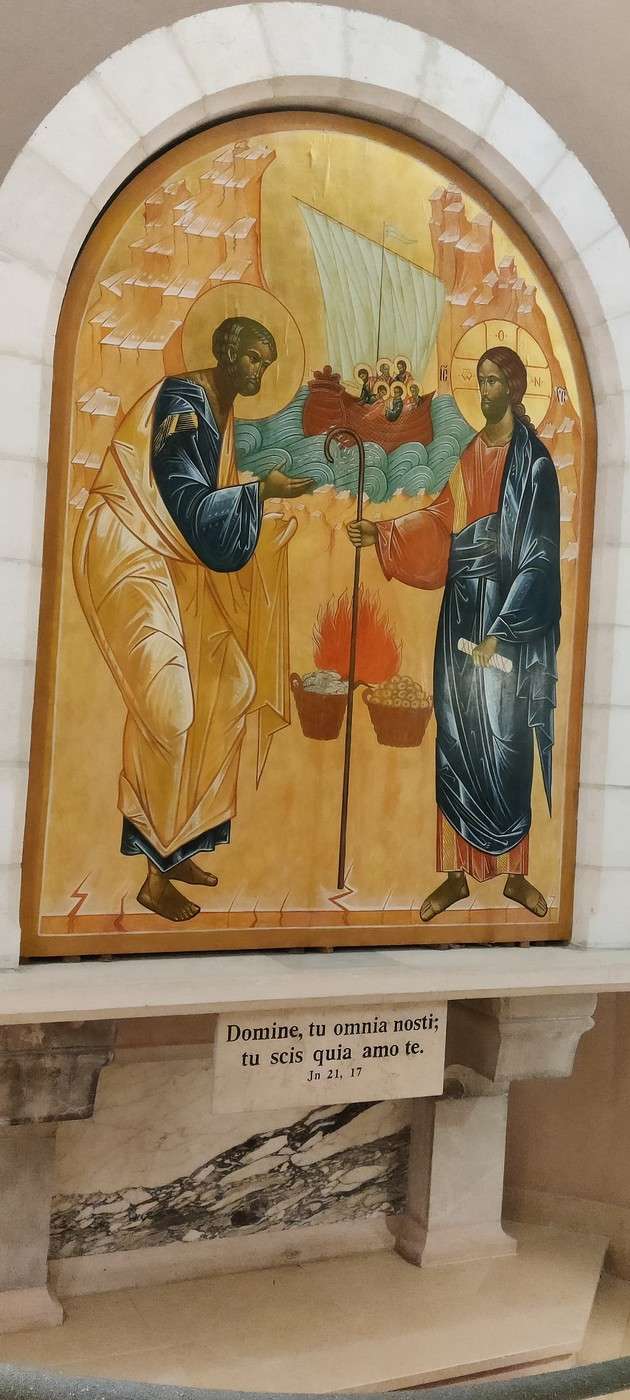
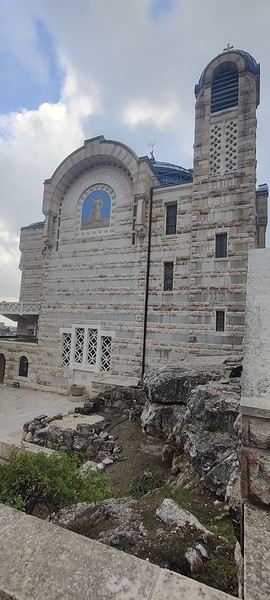
We end the day at St. Peter in Gallicantu, a site linked to Peter’s triple denial of Jesus, his last night in custody, and his condemnation to death.
This marks the end of our visit to the holy sites of Christianity (and a bit of other religions), made unforgettable by a passionate and knowledgeable guide.
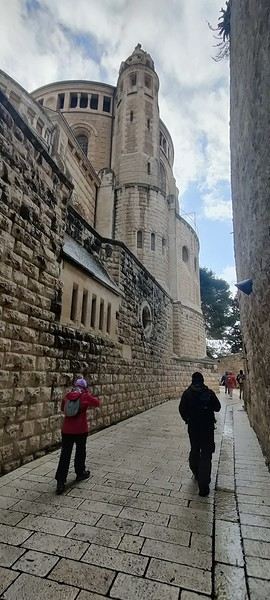
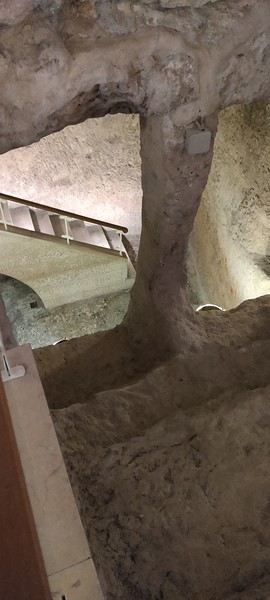
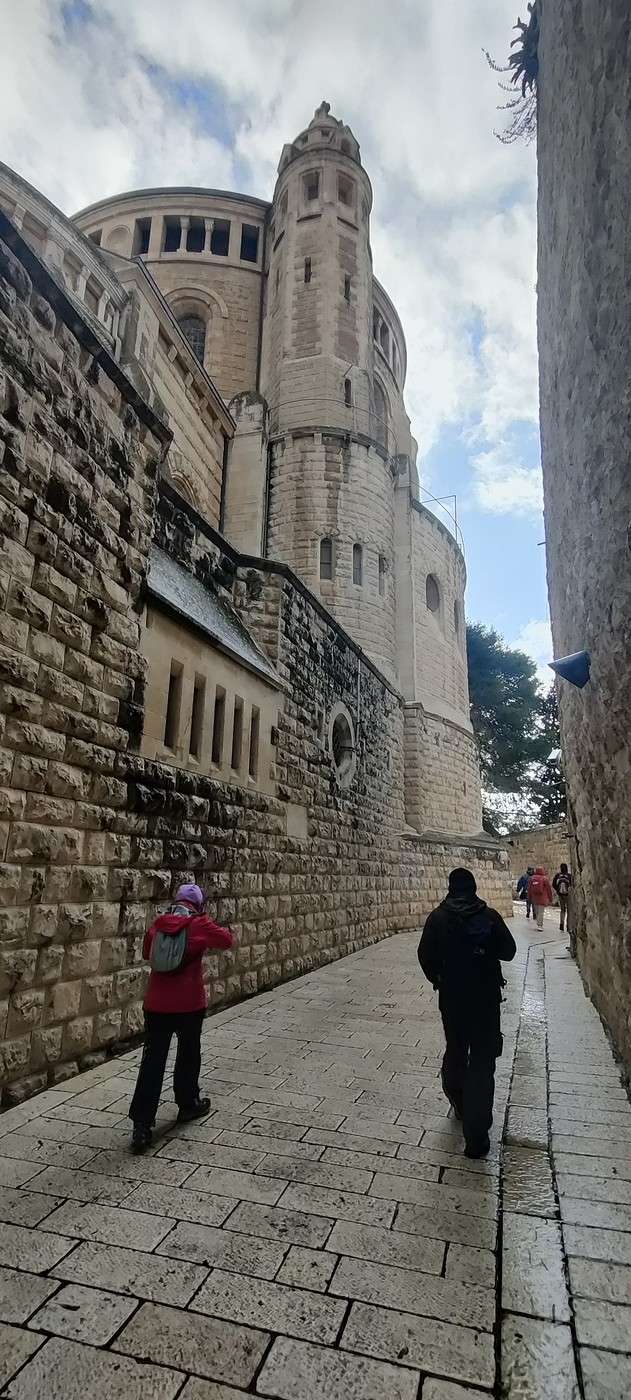
The Abbey of the Dormition
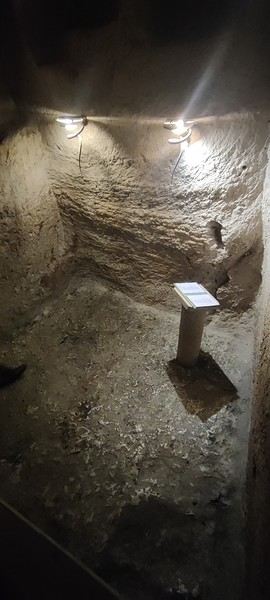
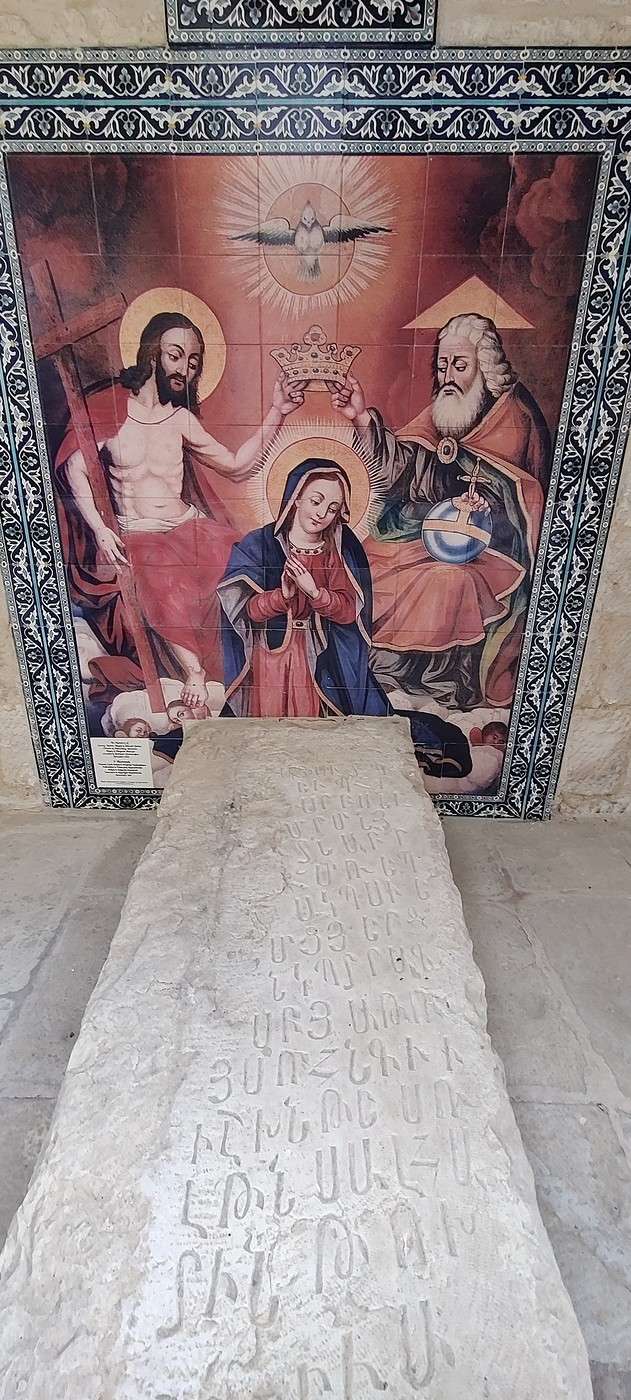
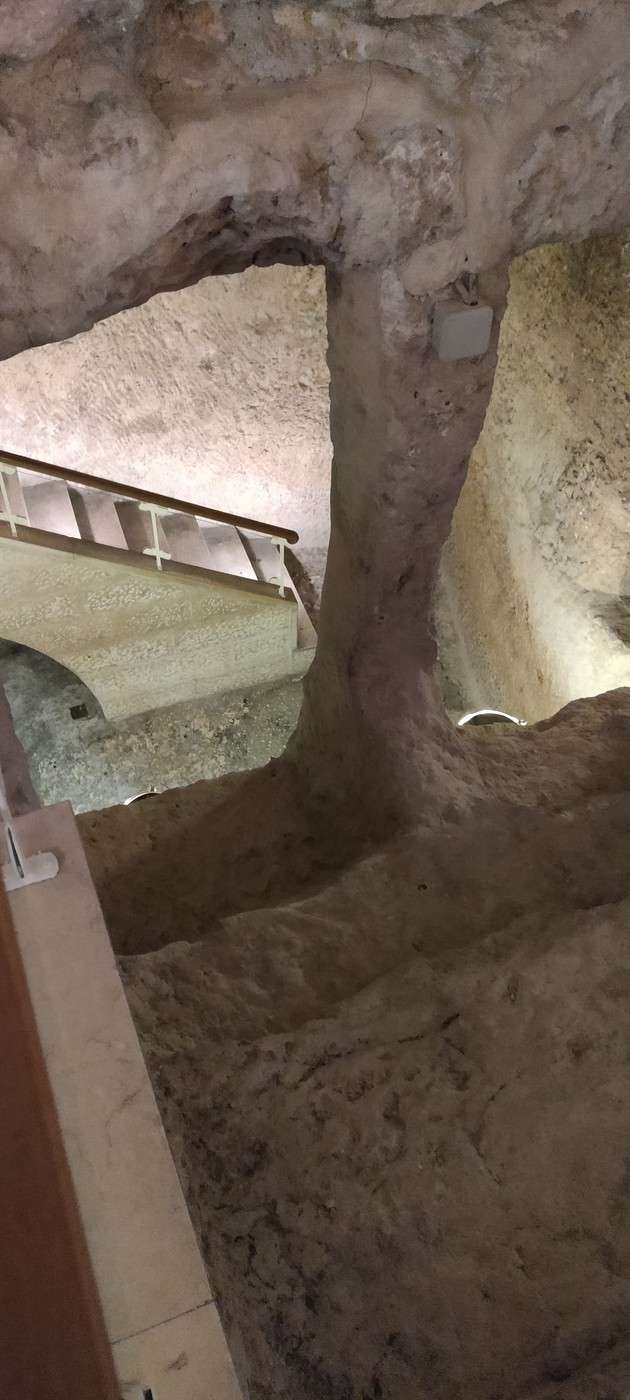
Site where Christ was allegedly judged and his cell
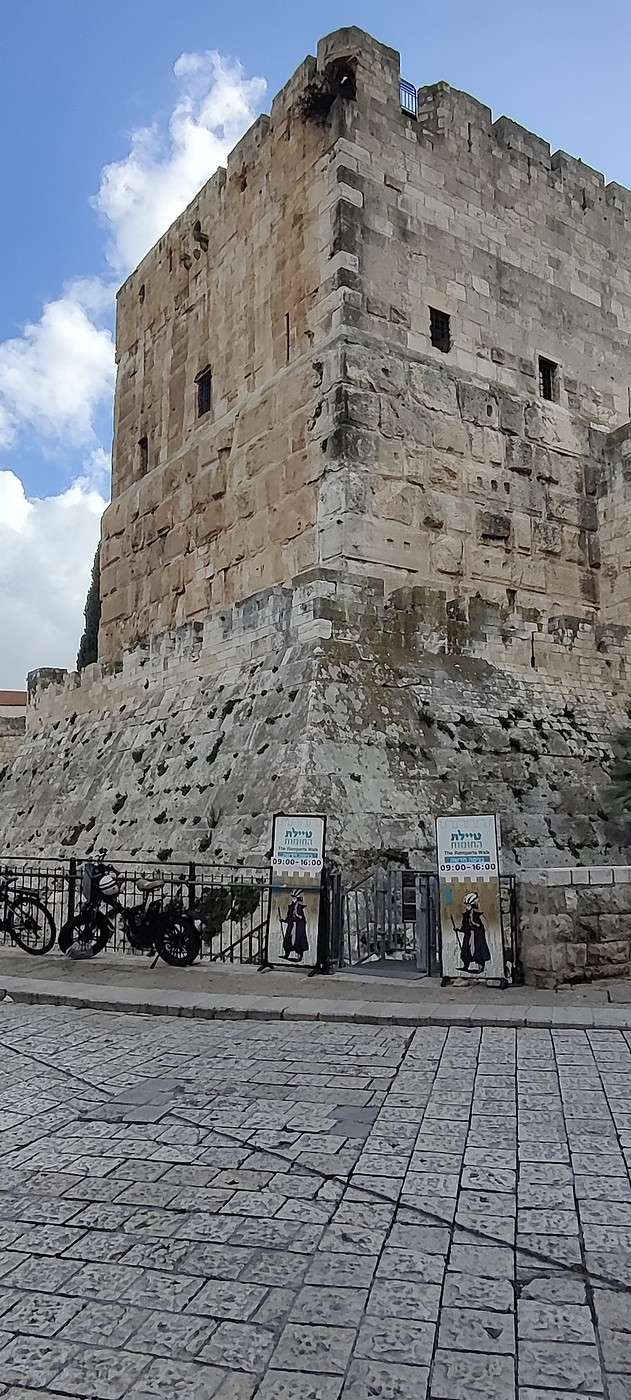
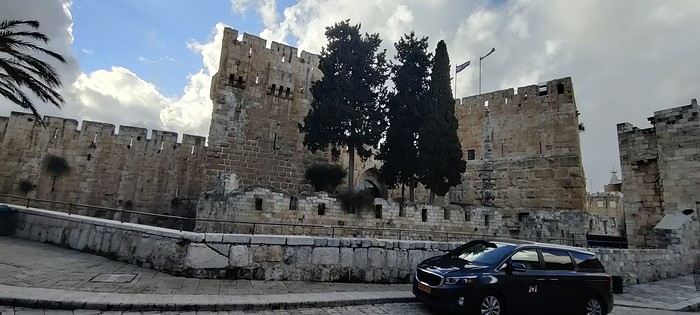
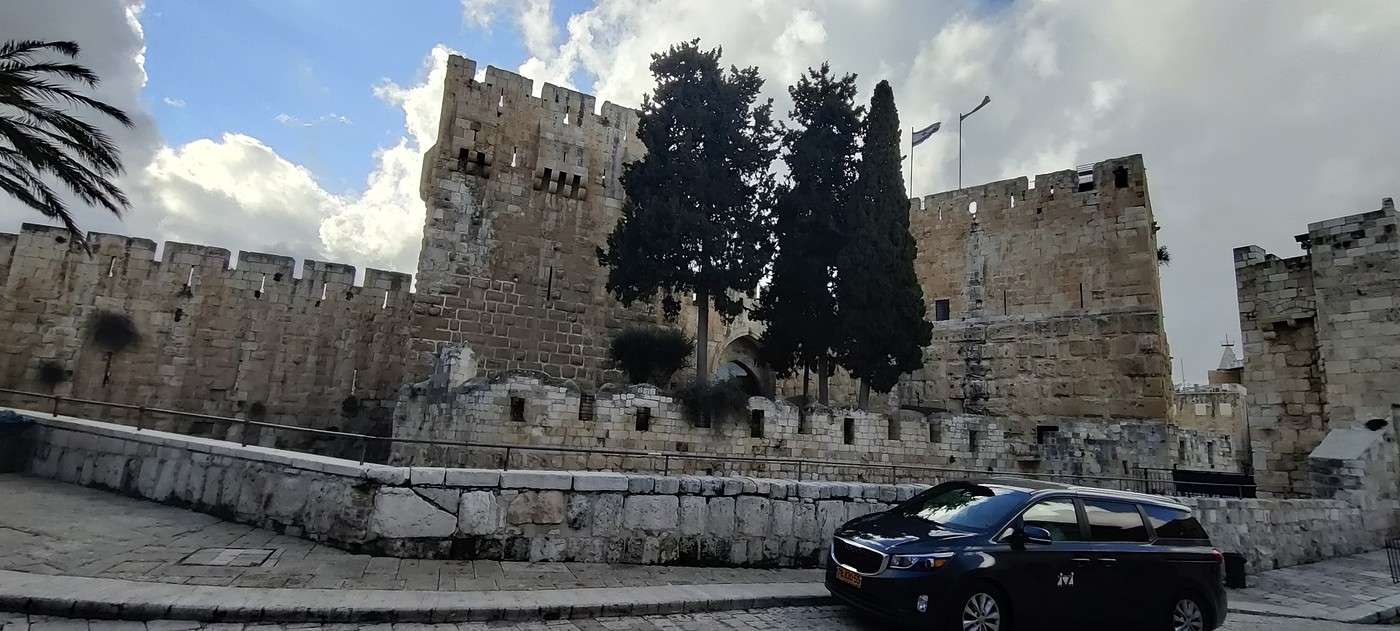
The Tower of David
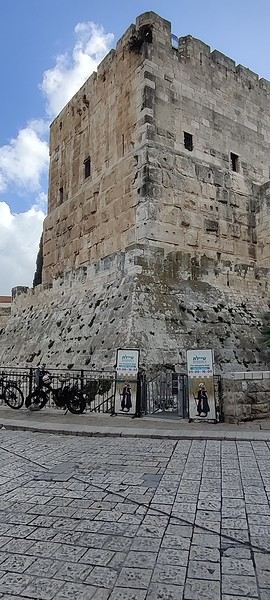
We’re exhausted, but above all, fulfilled!
From Amman to Jerusalem
Larri · 2026-10-19 · Message 50 of 55
From Amman to Jerusalem
Larri · 2026-10-19 · Message 51 of 55
Day 14 – End of the trip
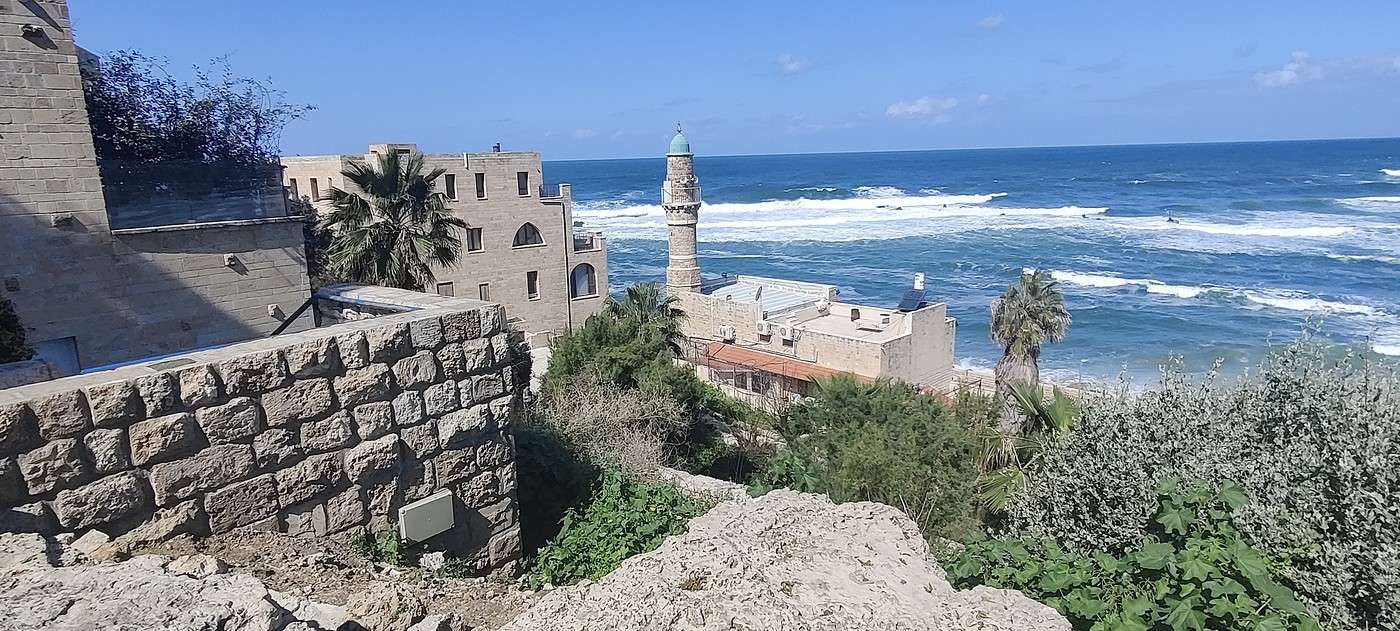
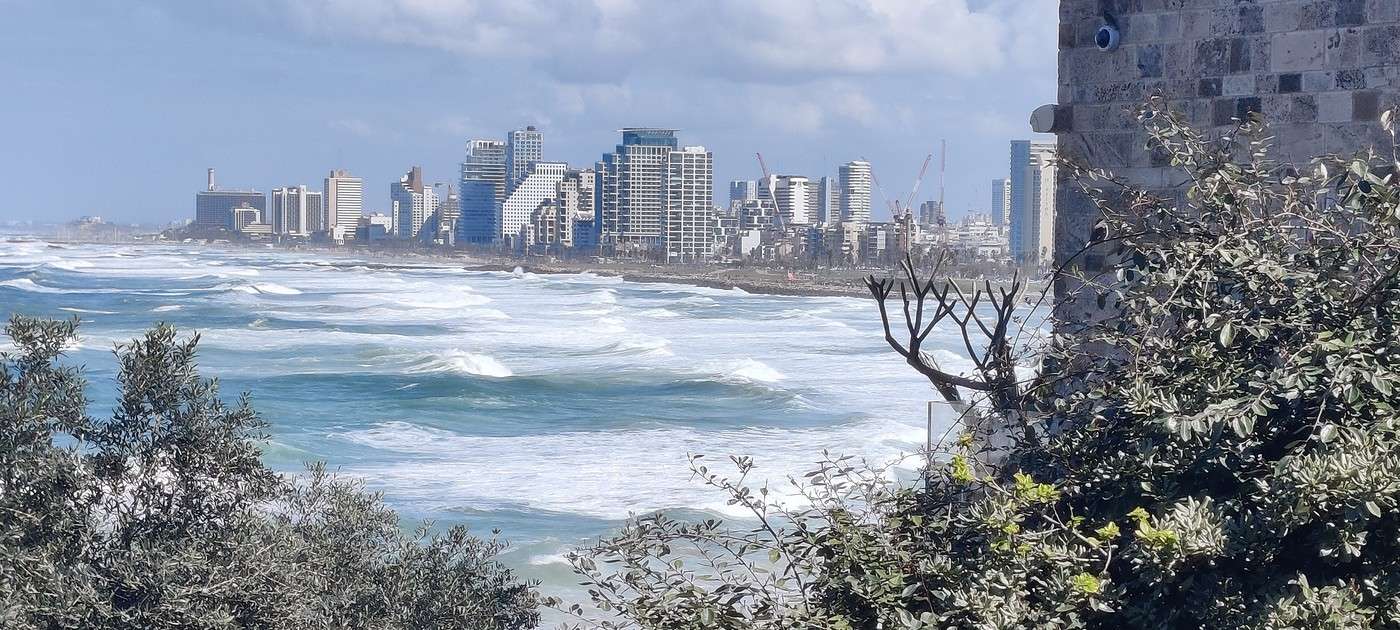
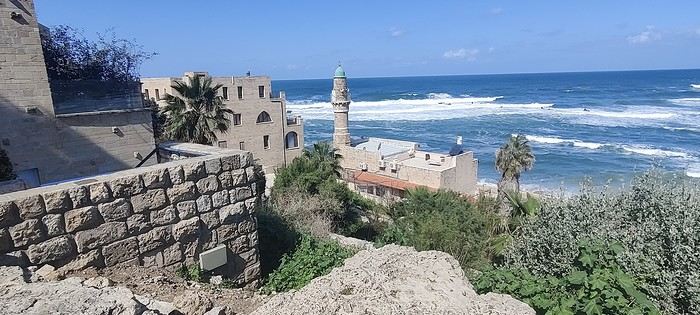
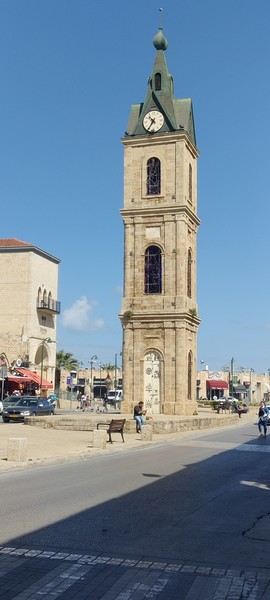
To wrap up our journey before catching our flight, we explored Tel Aviv, a very modern city with its seafront, then briefly discovered the bustling Jaffa before flying back to Paris.
View of Tel Aviv
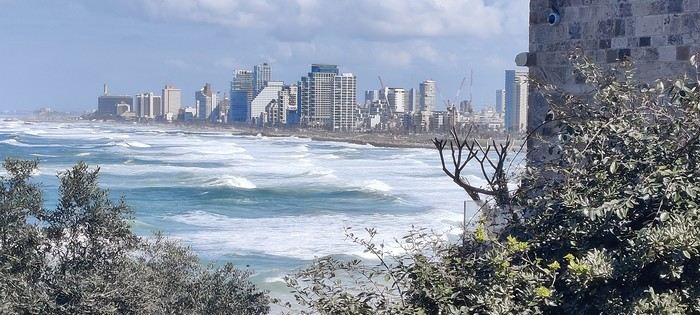
Jaffa
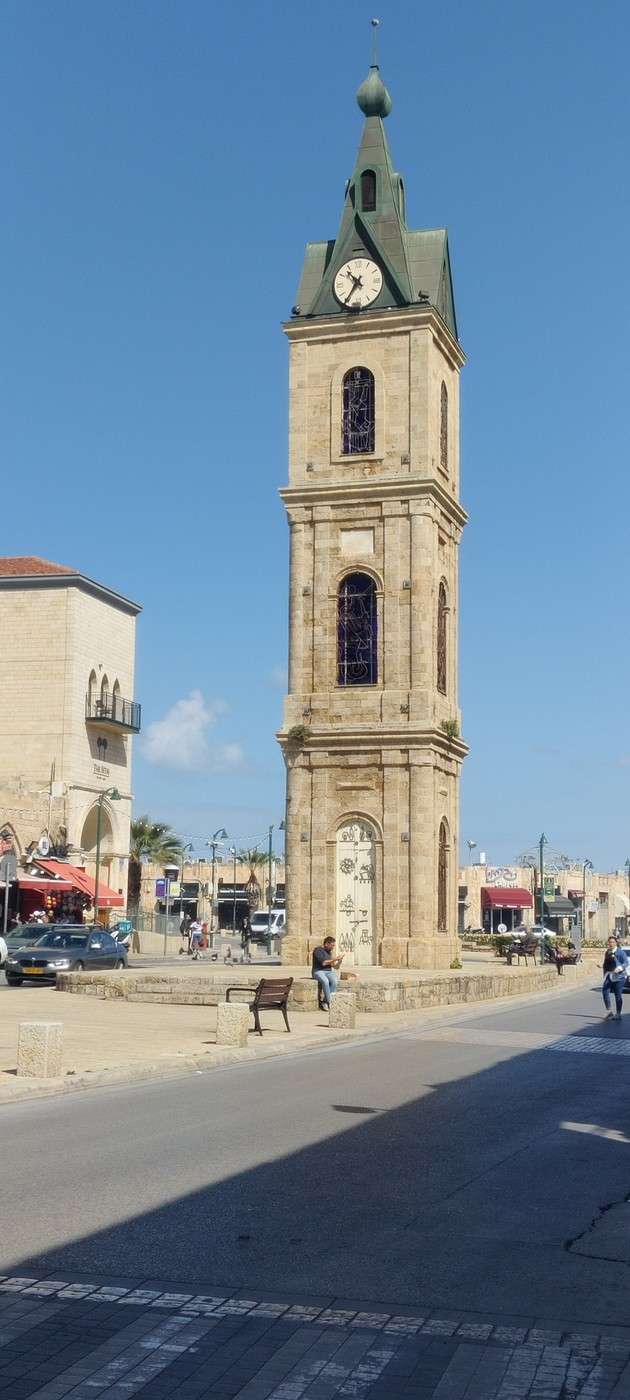
The Clock Tower
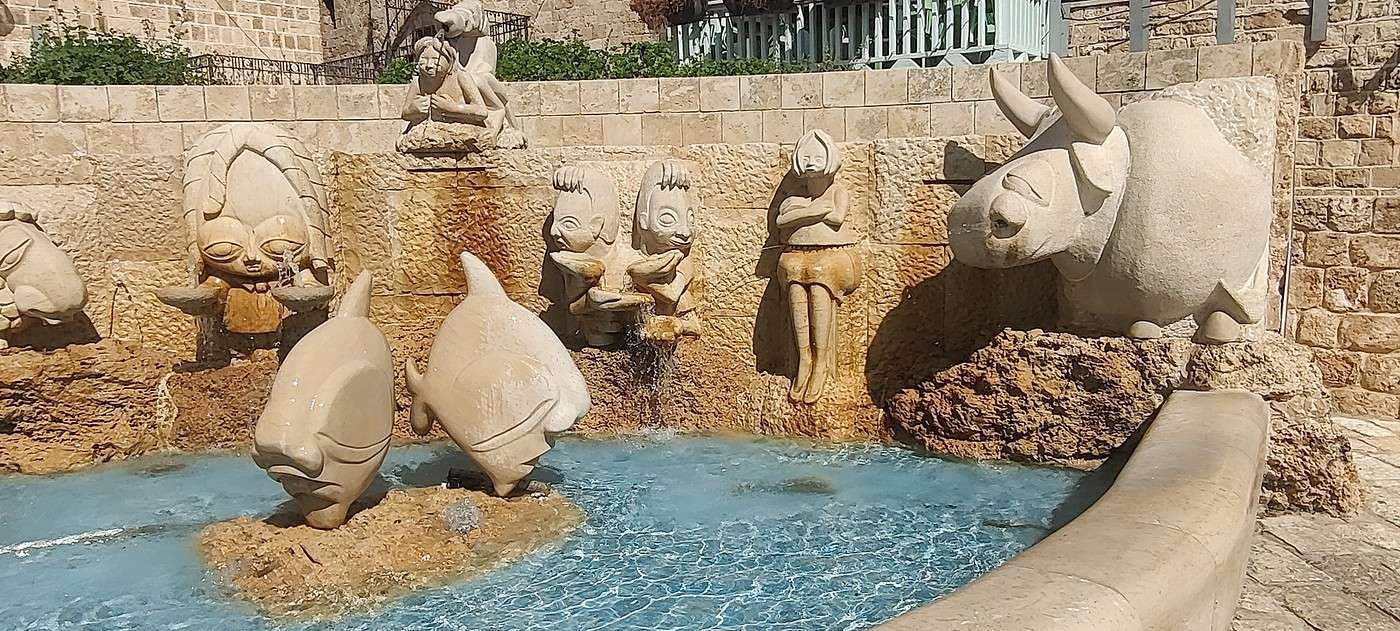
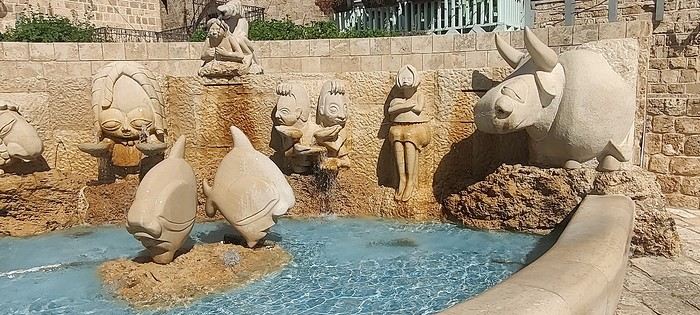
The Zodiac Fountain
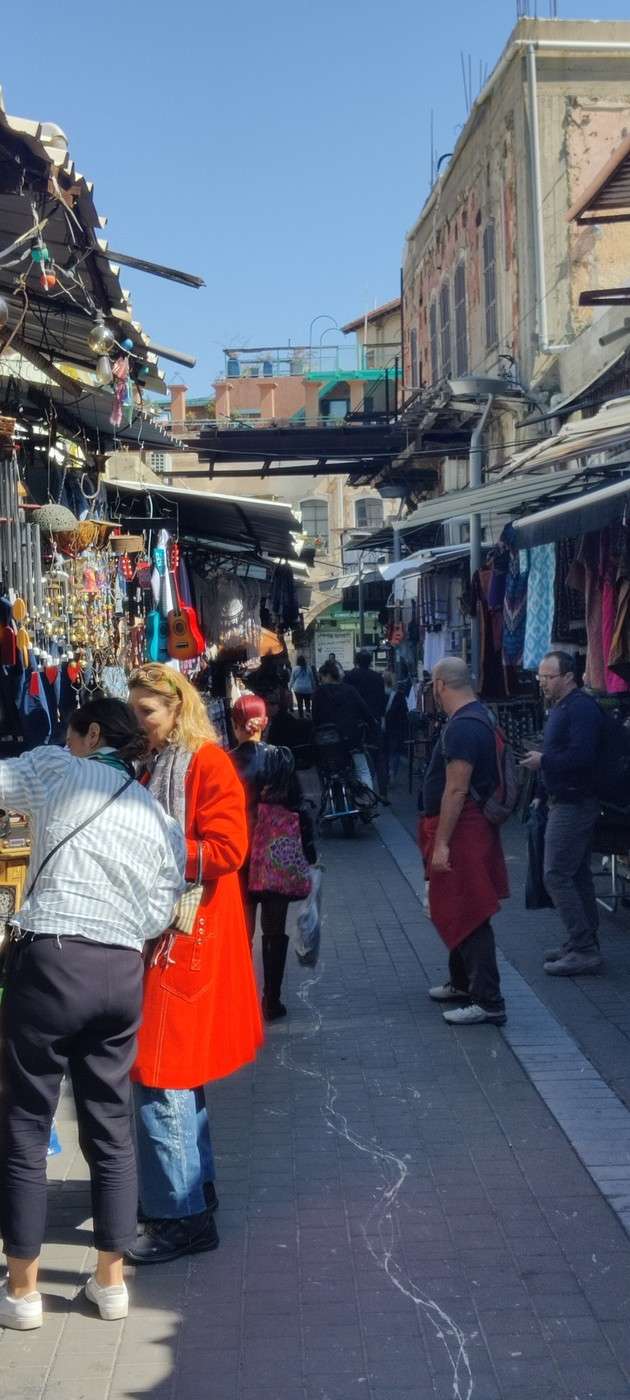
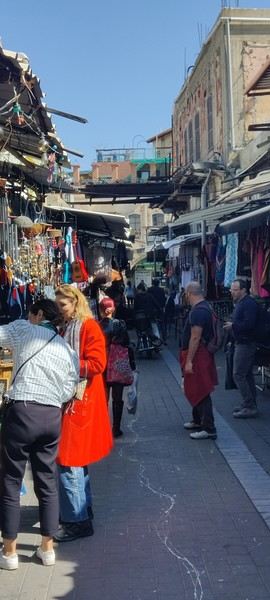
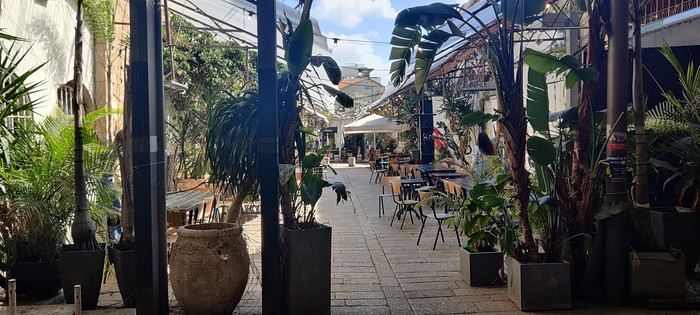
In the alleys of Jaffa
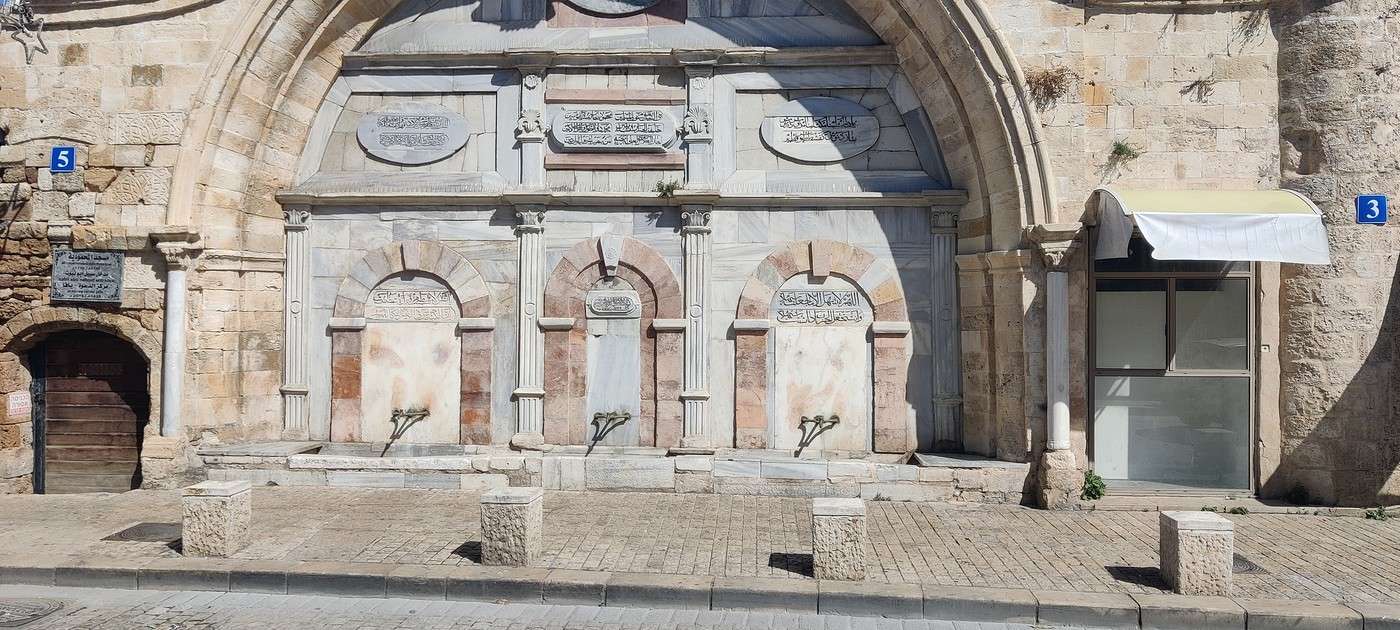
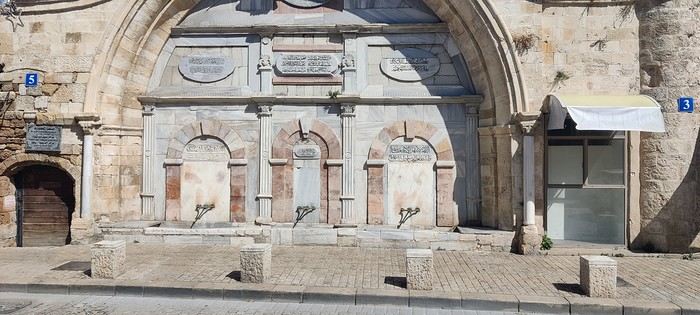
Sebil Suleiman Fountain
From Amman to Jerusalem
Mitch341 · 2026-10-19 · Message 52 of 55
Hello!
Well, so you got to see Jaffa Gate, the Jaffa Gate! It’s quite imposing, isn’t it? 😄
Just a friendly heads-up: we avoid calling it the “Wailing Wall.” That term, long used in French, can feel pejorative or reductive.
While it’s not always meant to be antisemitic, of course, it’s not the term I prefer.
So, what should we call it?
Thanks for asking such a great question—I’ll be happy to answer! 😊
In English, it’s called the Western Wall, and in Hebrew, Kotel, or more precisely Kotel HaMa'aravi, which means “Western Wall.”
But do you know why Jews come to pray at this wall?
To understand, we have to go back about two thousand years, to the time of the Second Temple in Jerusalem.
This Temple, the spiritual and religious center of Judaism, was destroyed by the Roman legions of Titus in 70 CE.
The Kotel isn’t part of the Temple itself but a section of the western retaining wall of the vast esplanade where it once stood.
For Jews, this place holds immense spiritual significance. It’s one of the closest accessible spots to where the Holy of Holies—the most sacred part of the Temple—once was.
According to Jewish tradition, the Divine Presence, the Shekhina, never fully left this place.
That’s why, for centuries, people have come here to pray, meditate, recite psalms, and slip small notes with their prayers and hopes between the stones.
But be careful—people don’t just come to the Kotel to mourn the Temple’s destruction. They also come to give thanks, celebrate, hope, and pass on traditions.
You can even witness Bar Mitzvahs here, in an atmosphere of joy and fervor that’s absolutely extraordinary!
So the Kotel isn’t just a wall steeped in memory. Above all, it’s a living place, a symbol of faith, continuity, and hope for the Jewish people.
There you go! Next time you visit Jerusalem, you might see those old stones in a whole new light! 😄
Cheers,
From Amman to Jerusalem
Larri · 2026-10-19 · Message 53 of 55
Epilogue
Throughout our journey in Jordan, we went from one surprise to another: stops to taste local specialties, meals offered, discoveries of places off the beaten track. The attentions were numerous and constant. The choice of restaurants was always judicious, and we won’t forget the wonderful welcome from Ahmad’s family in Madaba, nor the memorable meal they treated us to.
In the end, we had an unforgettable experience in a magnificent country. We were particularly touched by the kindness of the Jordanians we met—a sincere kindness that was felt at every moment.
We were able to discover the customs and traditions of the country, as well as the hospitality of its people. Throughout the stay, Ahmad was attentive to our desires, often anticipating them. Concerned about our satisfaction, he made sure to gather our impressions after each visit while seeking to improve the experience for his future clients. We also really enjoyed his many anecdotes, whether about his clients or his French-learning days in eastern France. We shared plenty of laughs.
On the Israeli side, the welcome felt different. The population seemed less open, and the political context doesn’t help. The tension was palpable in many places. The events that have occurred since have only reinforced my impressions. Despite this, the historical and religious richness of the places we visited, the kindness of our driver, and the erudition of our guide made this short trip unforgettable.
Financially, it’s worth noting that four days in Israel cost us as much as ten days in Jordan!
In conclusion, don’t hesitate to visit these two beautiful countries. Jordan is stunning, with a unique and particularly pleasant atmosphere. Israel, on the other hand, is steeped in history and offers an exceptional wealth of discoveries.
Combining both countries in the same trip was a great decision. Of course, each deserves more time, but that would mean a much larger budget. This approach allowed us to discover their richness and differences in a single journey, and we don’t regret it at all.
From Amman to Jerusalem
Larri · 2026-10-19 · Message 54 of 55
Hello,
You’re much more knowledgeable than I am on this topic. For the average French speaker, "Wailing Wall" is the most commonly used term. I’ll grant you that people don’t just come here to wail.
I’d noted that it’s the retaining wall of the Second Temple.
As for returning to Israel, given my age and the current events, there’s little chance I’ll go back. I still have so many other countries to see if my health allows it.
Thanks for reading, correcting me when necessary, and enriching my post.
Best regards,
Larri
From Amman to Jerusalem
Mitch341 · 2026-10-19 · Message 55 of 55
Epilogue
Financially, you should know that four days in Israel cost us as much as ten days in Jordan!
That’s definitely the most sensitive point. I was there in 2025—super expensive—and I’m going back in March 2026 to guide a friend (just Jerusalem), and later in July with family! According to a friend who’s there on assignment, prices have skyrocketed even more!
I’m flying with Transavia in March and EL AL in July—double the financial hit! And I’m not even talking about the hotel! 7 days for 1130 €—ouch!!!
Glad you enjoyed the country; there’s still so much left for you to discover.
As for the mentality of Israelis, don’t dwell on it too much. Once you break the ice, they’d give you the shirt off their back. Which they did for me, actually. And then some.
You know, the religious folks—especially the *payot* wearers—don’t talk to strangers. They even struggle to talk among themselves as Jews.😎 It’s a country of mind-blowing complexity! There are so many different communities that even a Jerusalem cat wouldn’t find her kittens.
Cheers.