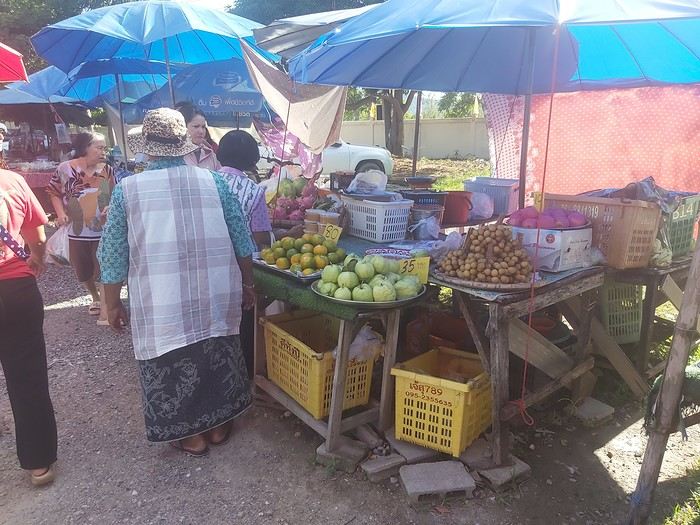
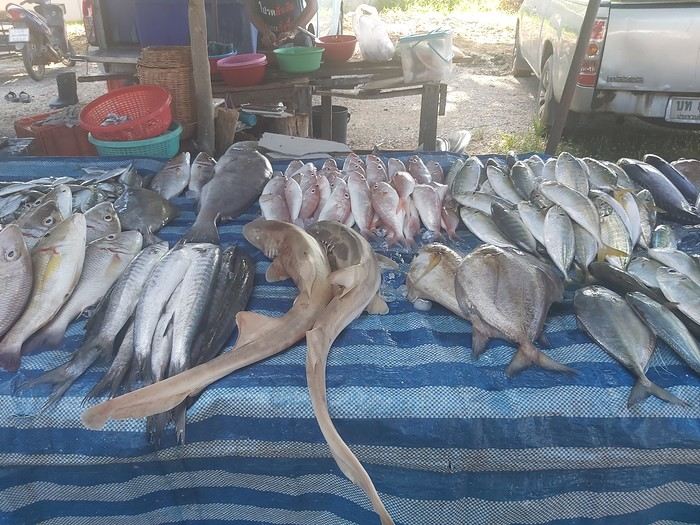
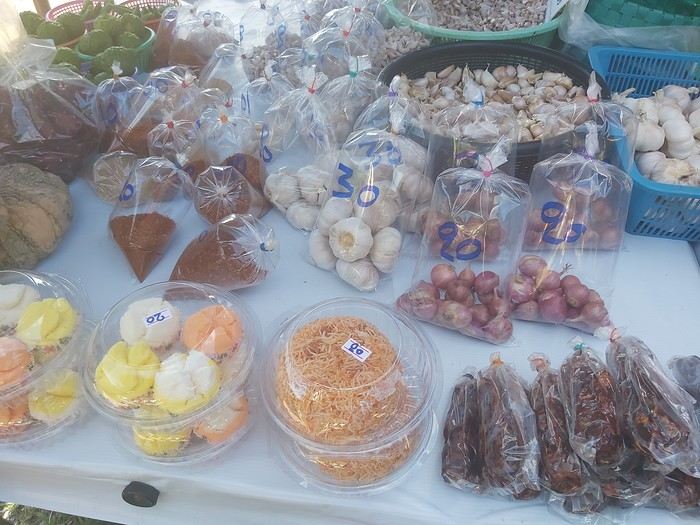
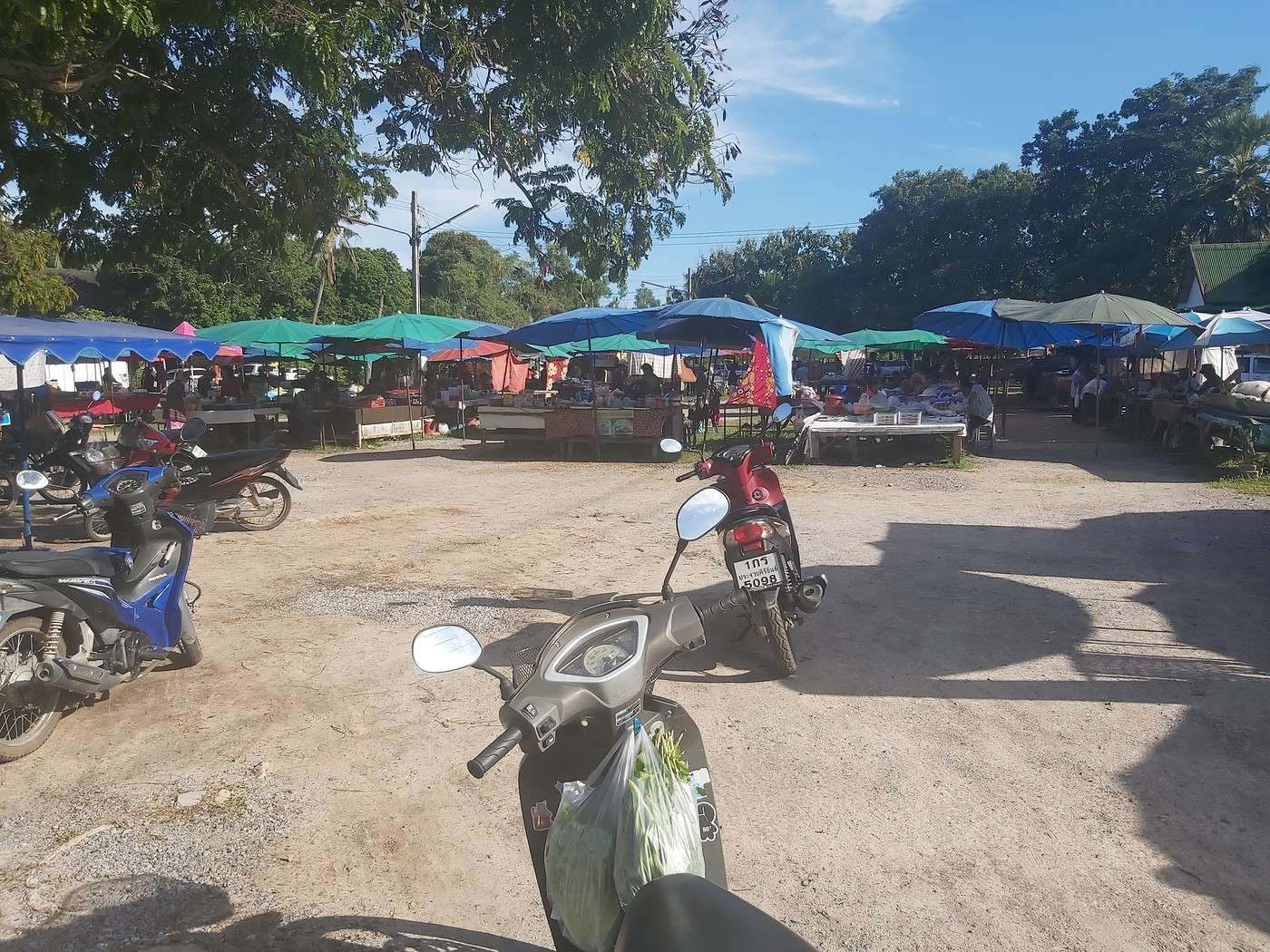
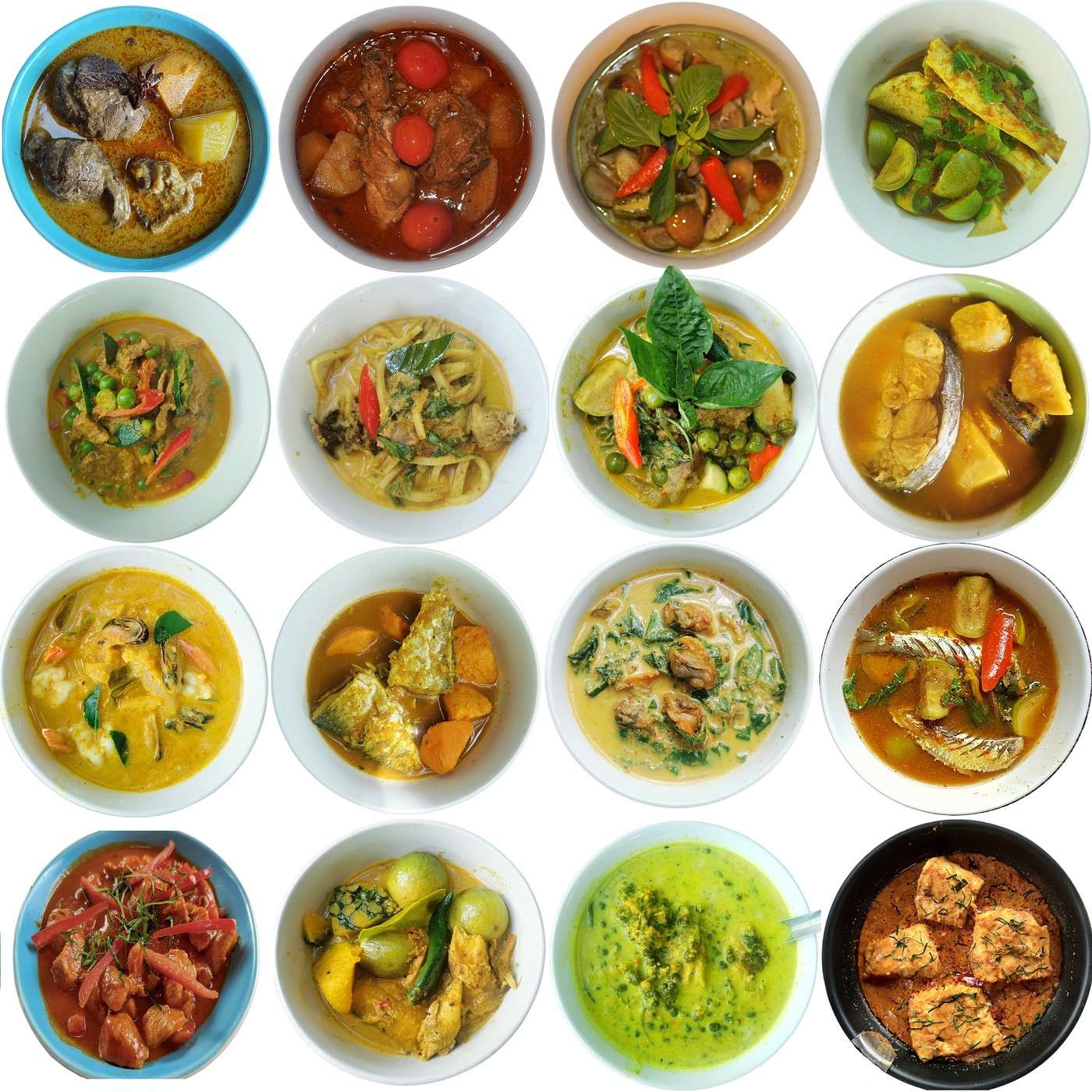
Alright, to please the post’s initiator—maybe I’ll run into you one day under the hills of Chumphon...
Under the hills or in a market—that’s where you’re most likely to spot me. 😏
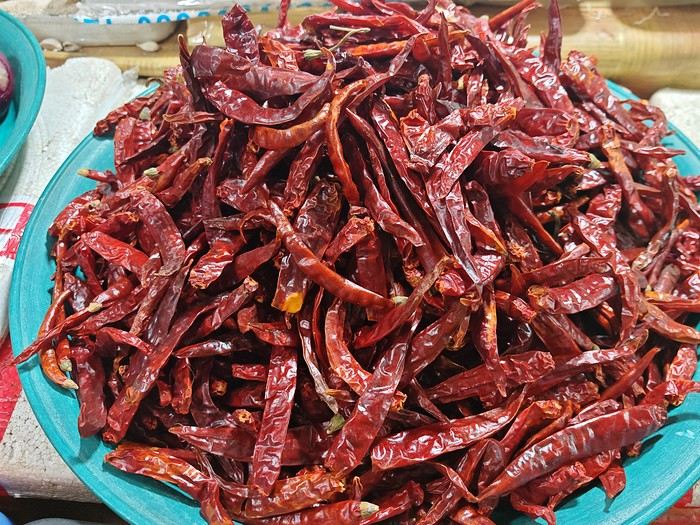
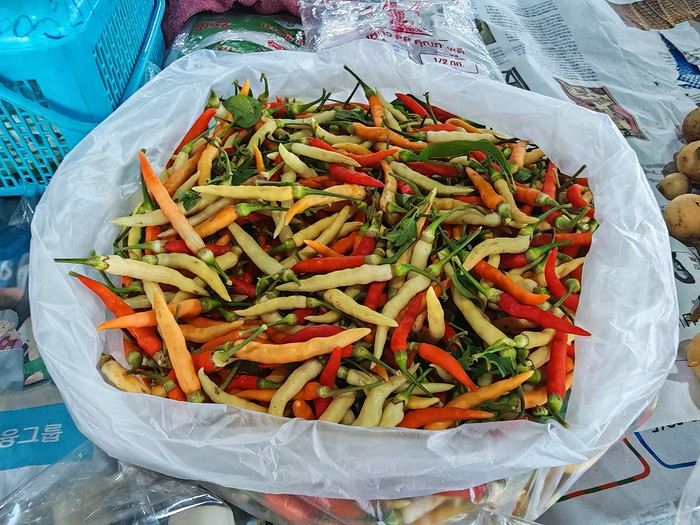
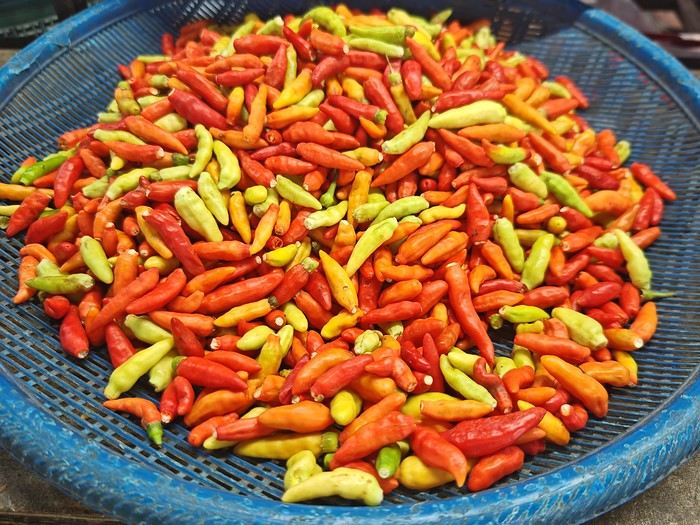
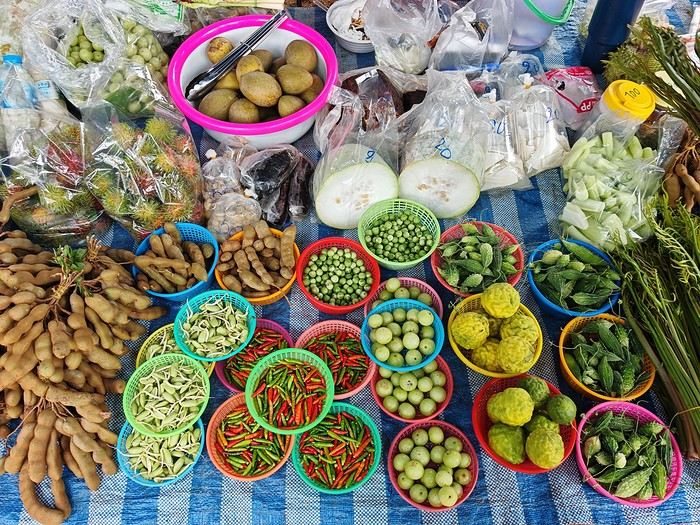
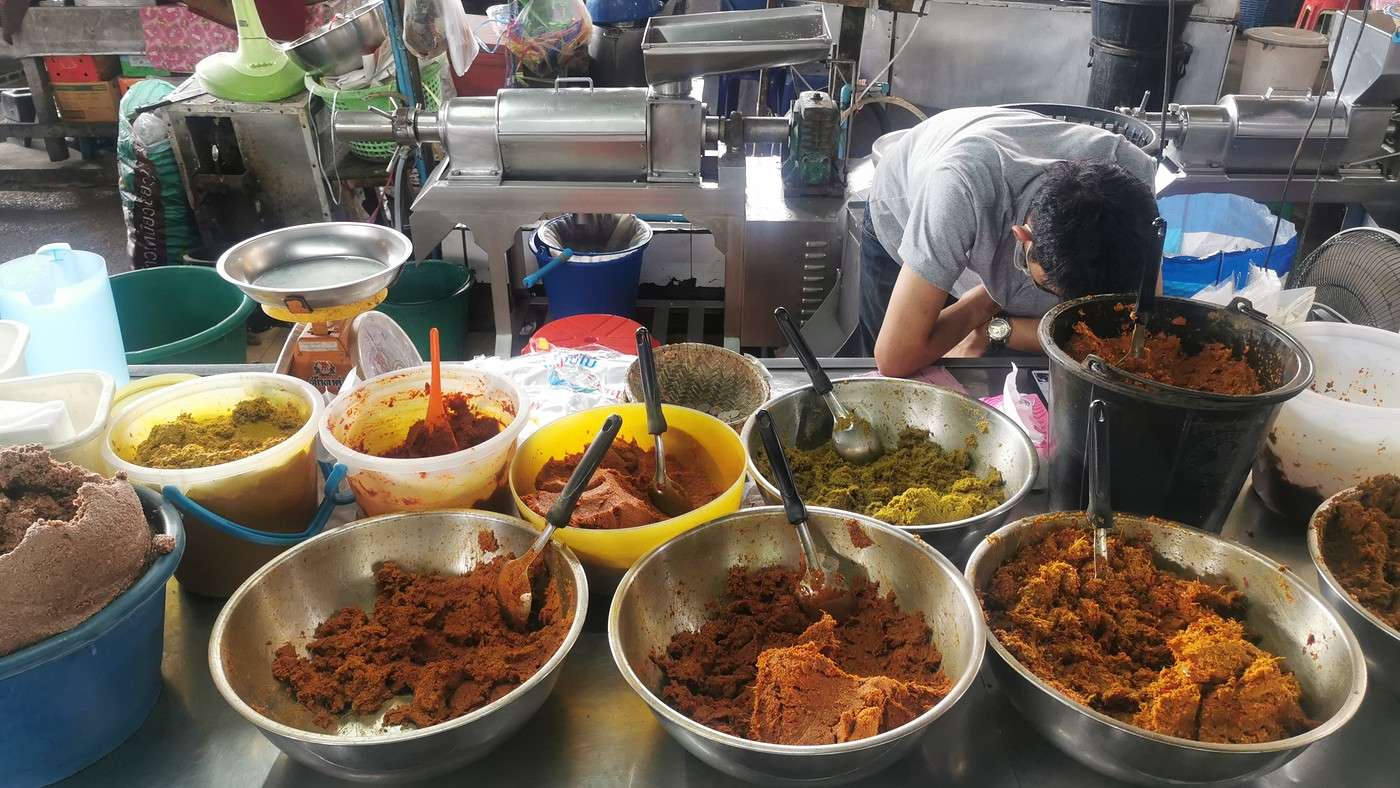
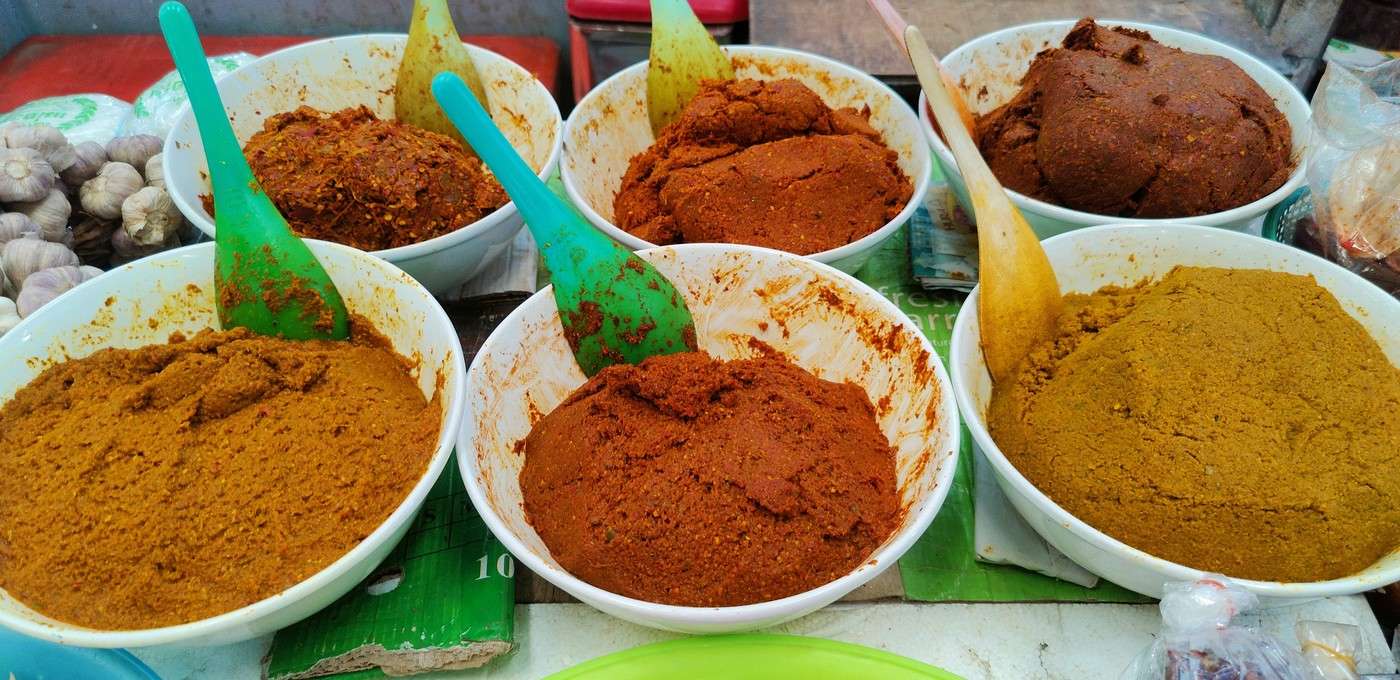
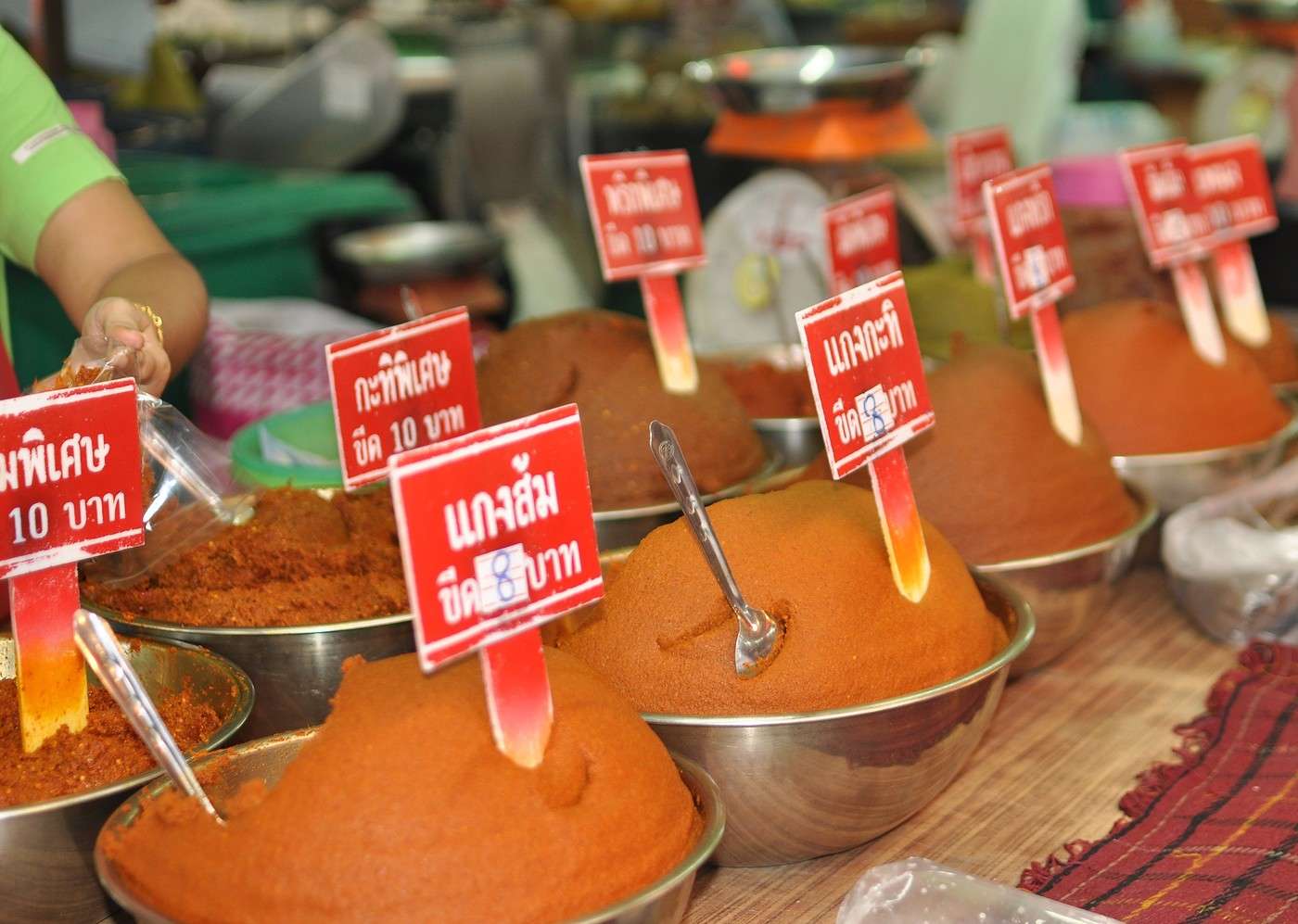
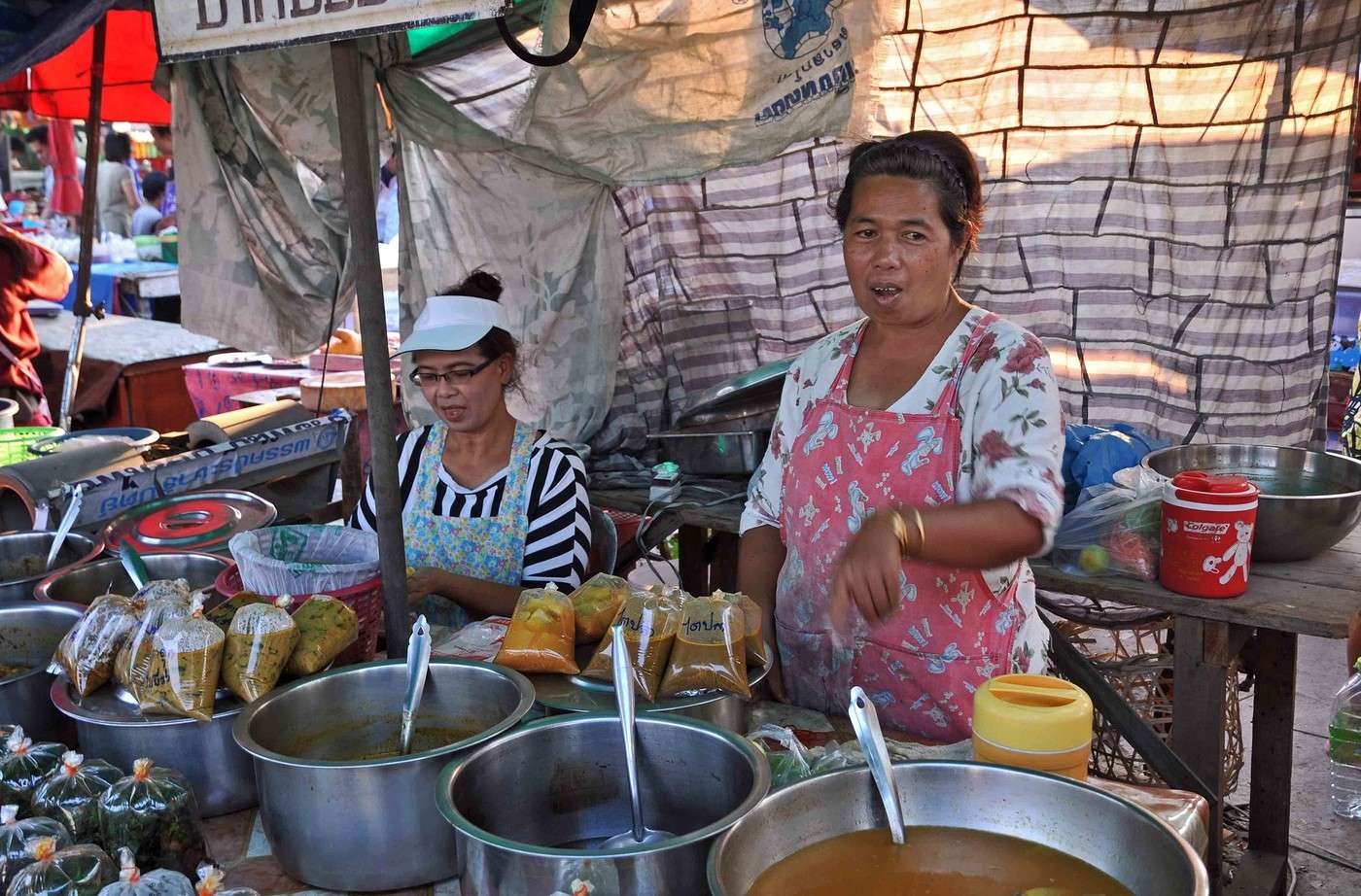
Otherwise, you’ve probably seen these products at the markets, but what are they? They’re obviously curry pastes, used to whip up those famous curry dishes.
I don’t know if, since moving to Thailand, I’ve gone two days in a row without eating one... At least not down south where I live. Fun fact: in Thailand, when greeting someone you know, we don’t always say "Sawadee"; instead, we ask, "What are you eating?" or "Have you eaten rice yet?" That translates to "Kin kao yang" or "Kin ray yang." And here, to show how central curry is to Thai culture, we even say "Kaeng ray," meaning "Which curry did you cook/eat?" Almost like a meal without curry isn’t really a meal... It’s the warmest way to say hello.
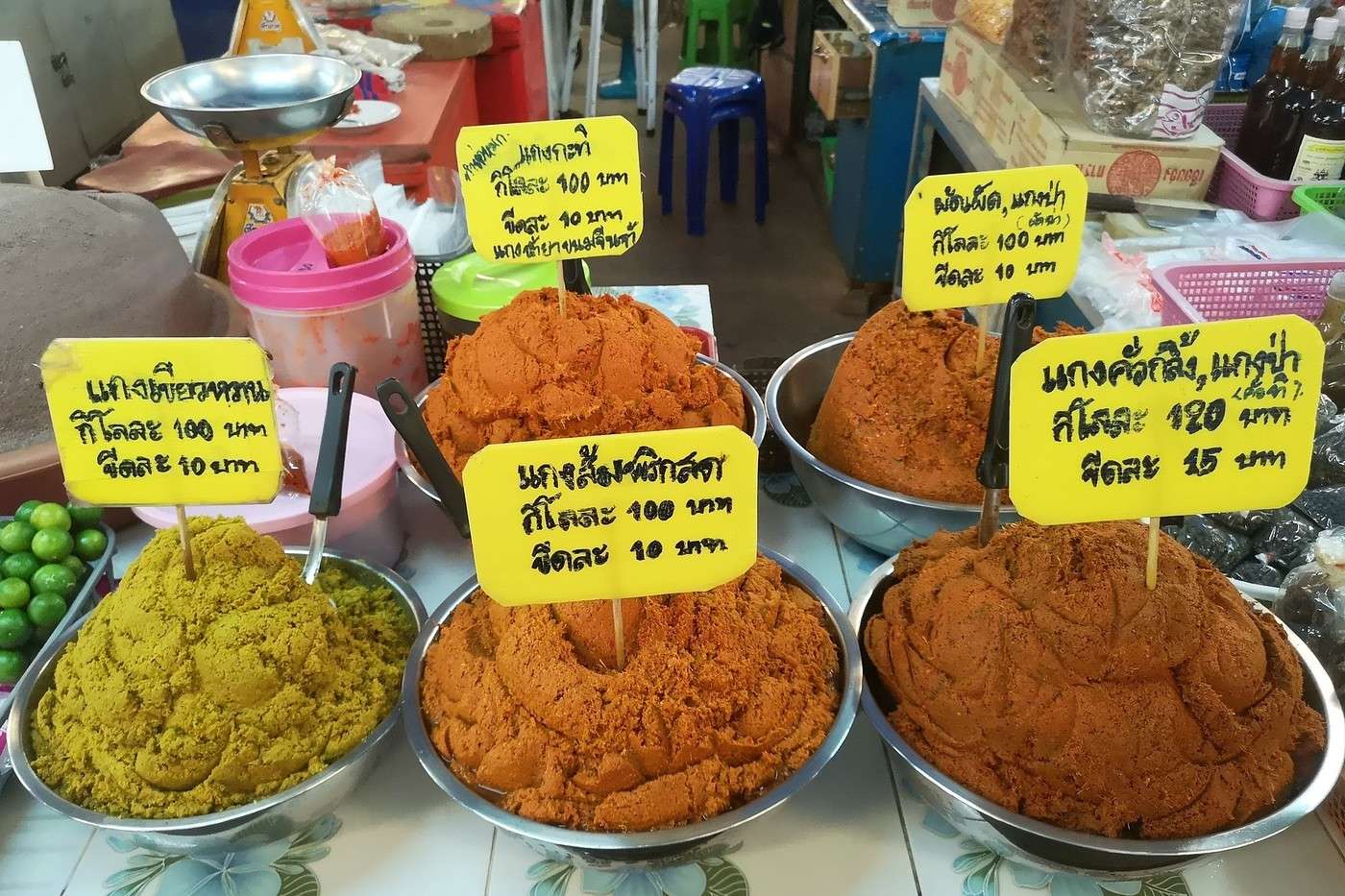
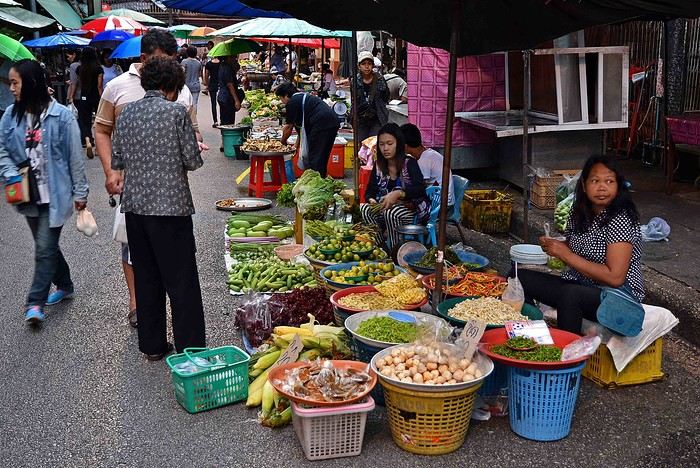
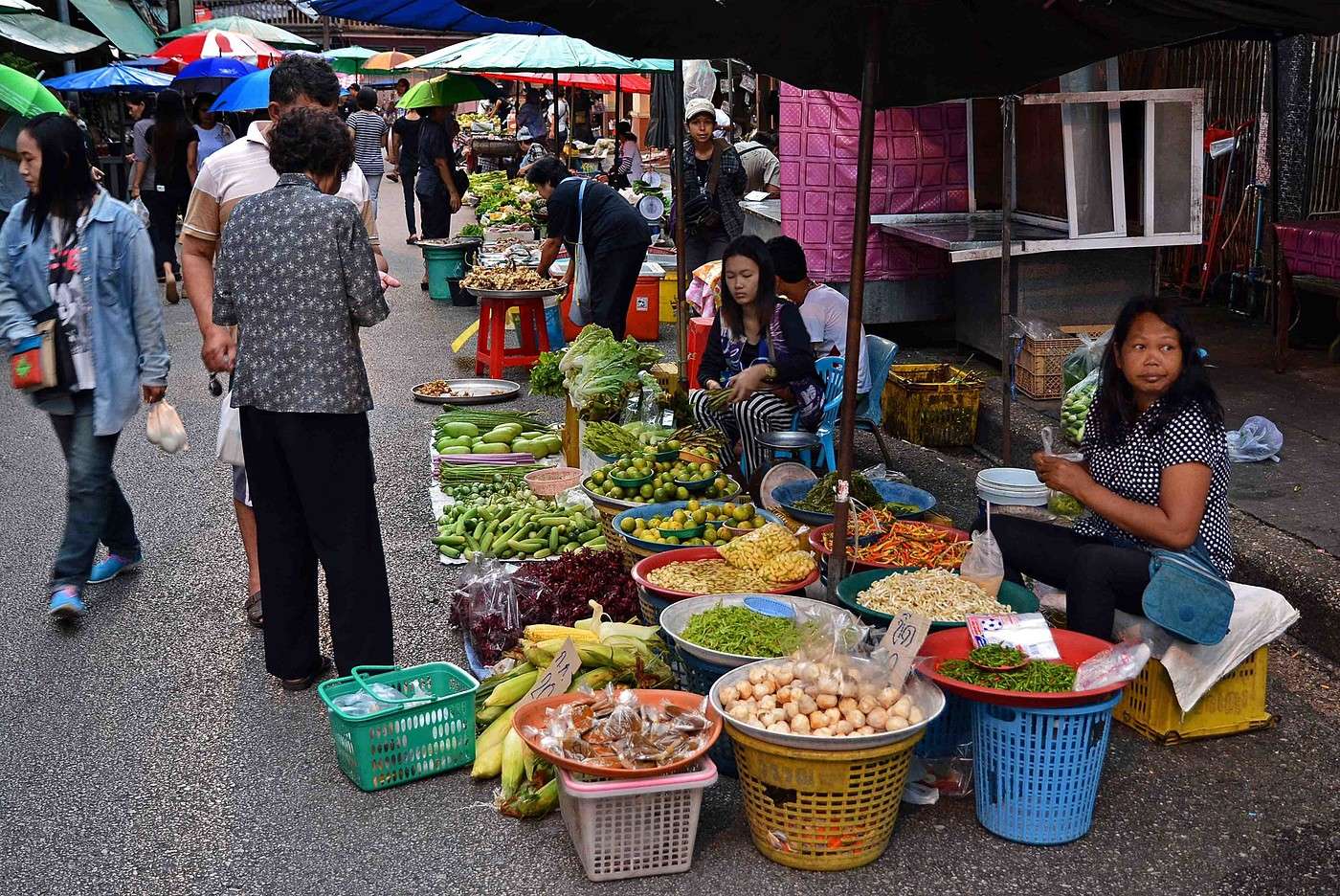
Here are a few stalls selling curry pastes (Krueng kaeng). Green curry paste is named after its color, but that’s not the case for red curry pastes—those are named after the dish you want to make. There are at least five different "red" curry pastes, each unique, so you don’t just ask for "a red curry paste" here... Not sure if that’s clear...😕
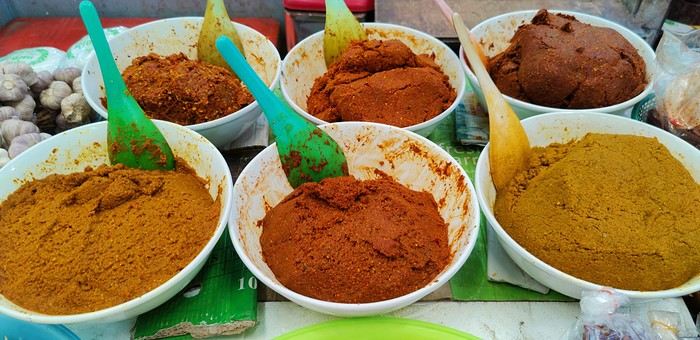
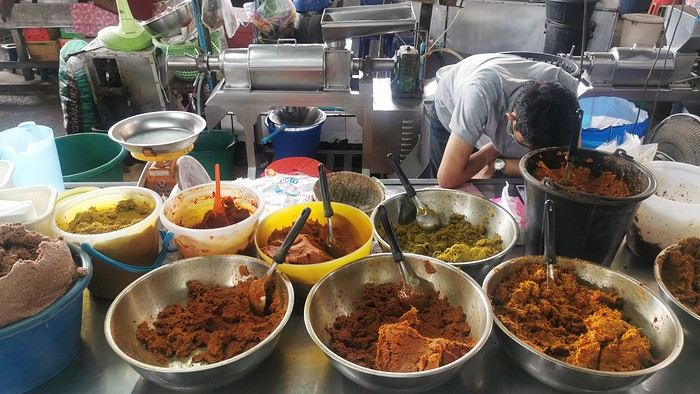
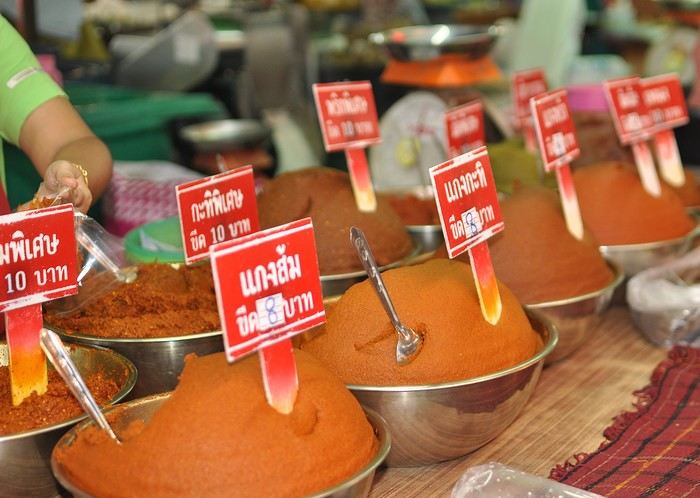
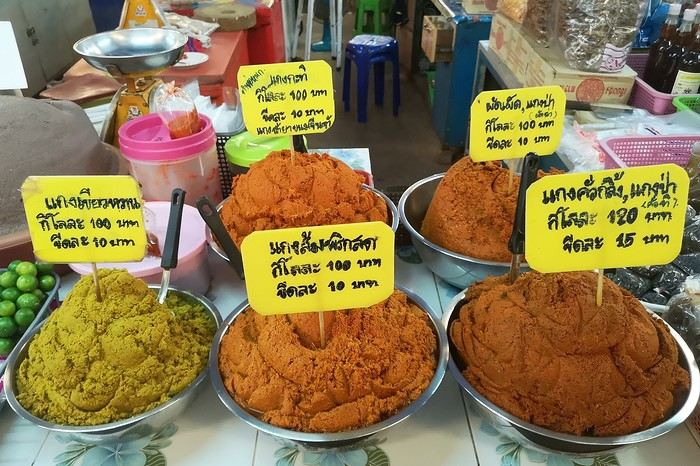
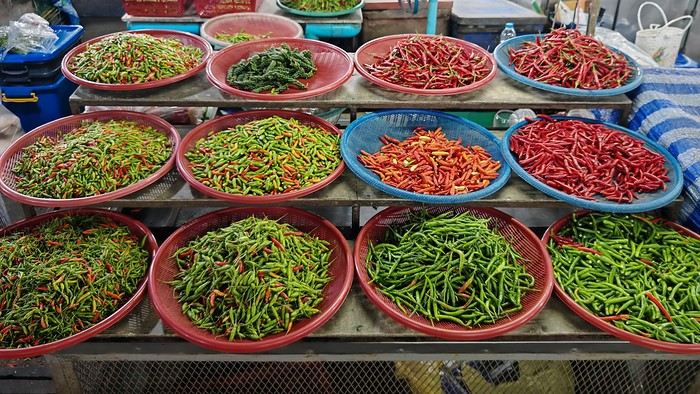
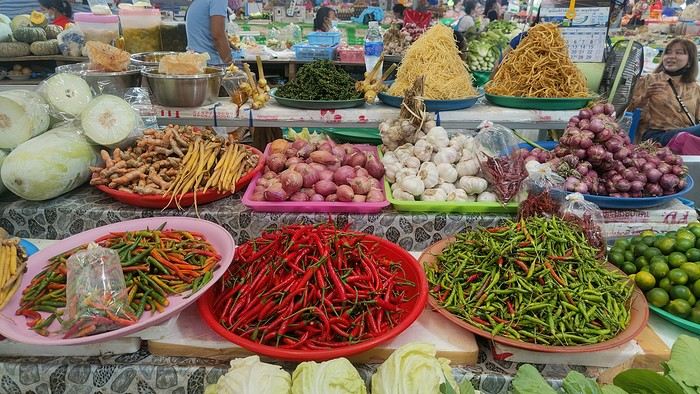
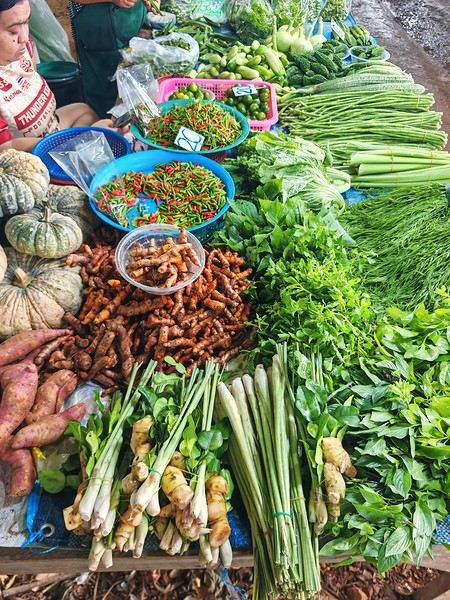
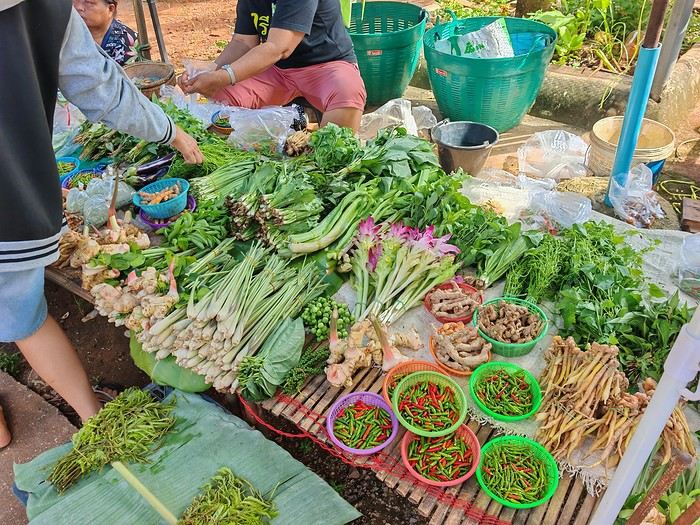
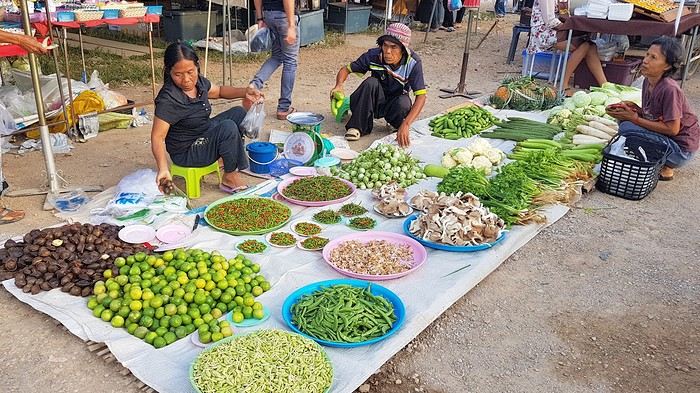
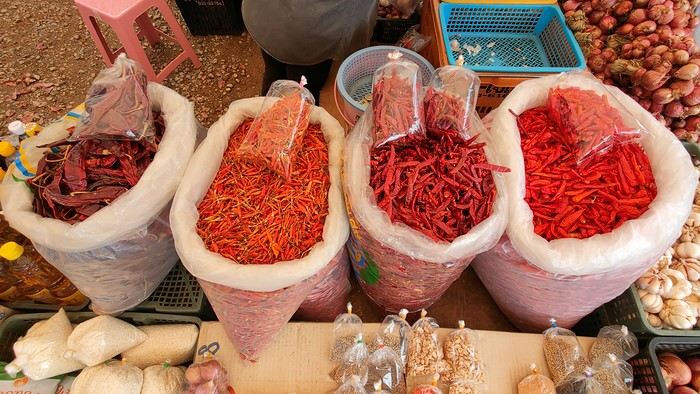
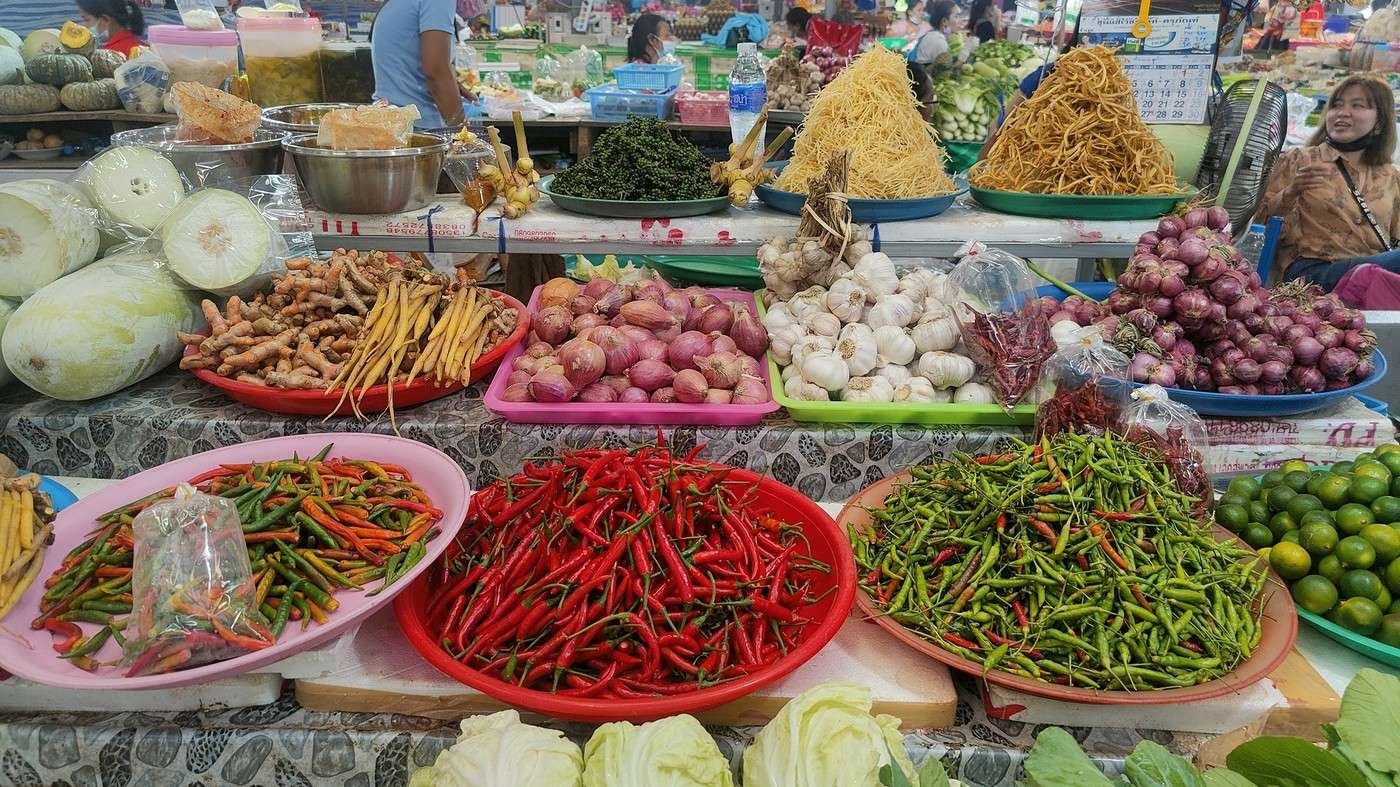
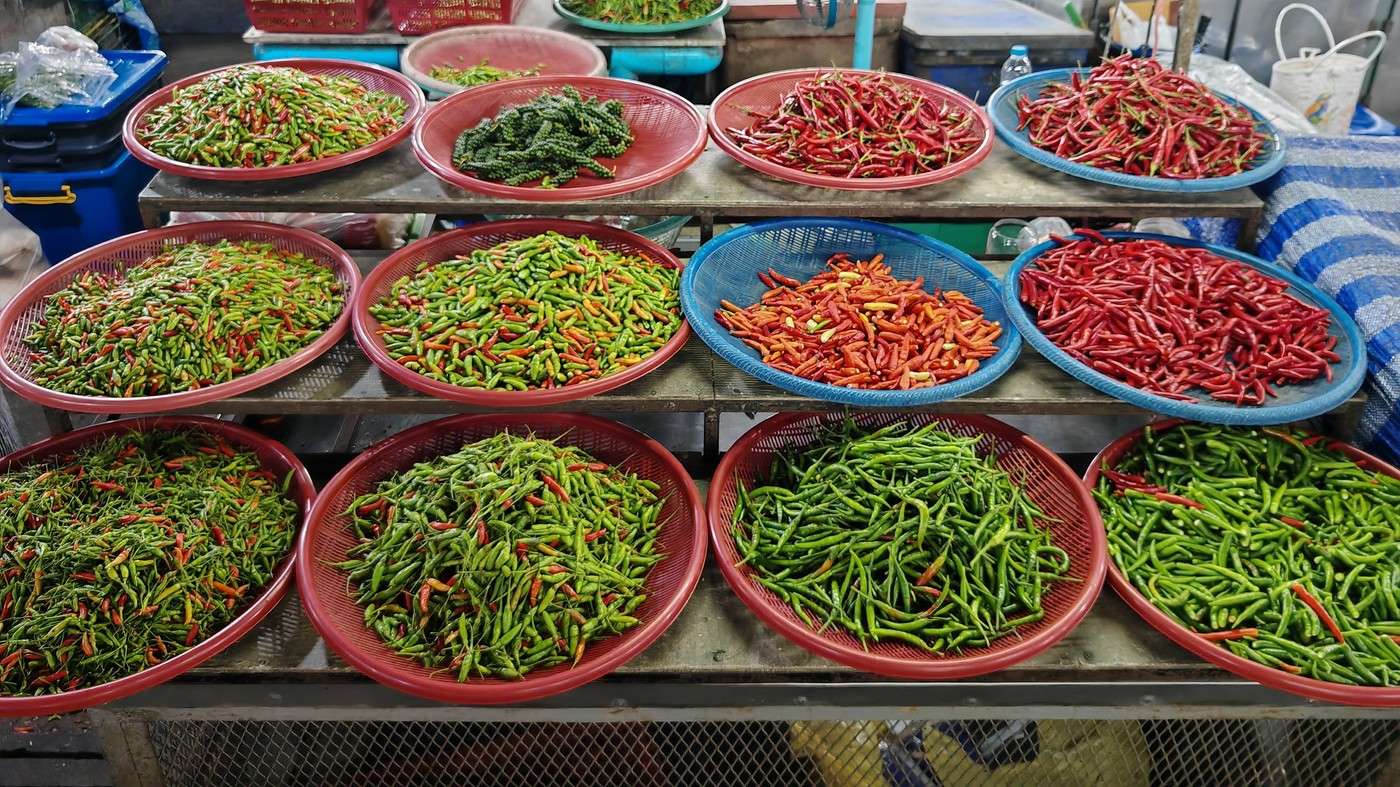
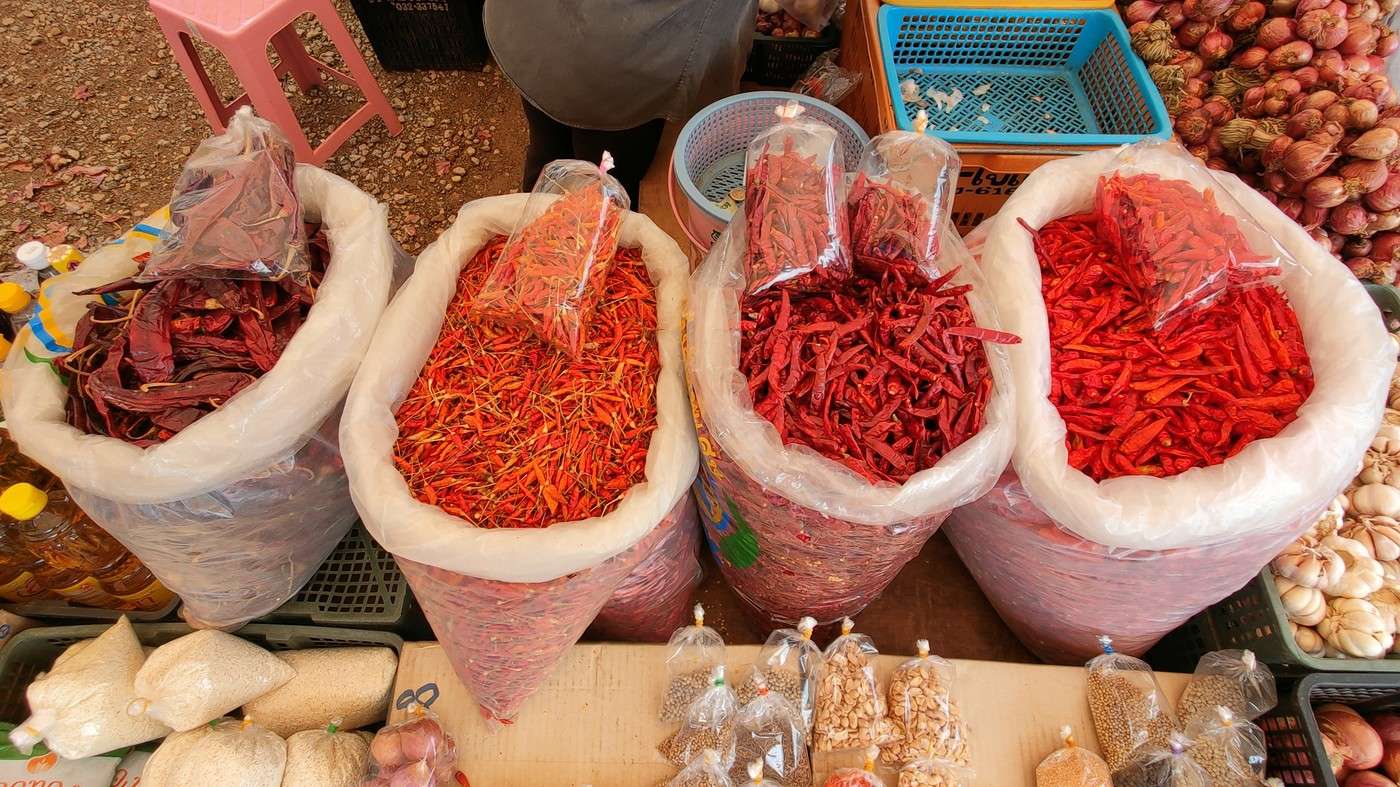
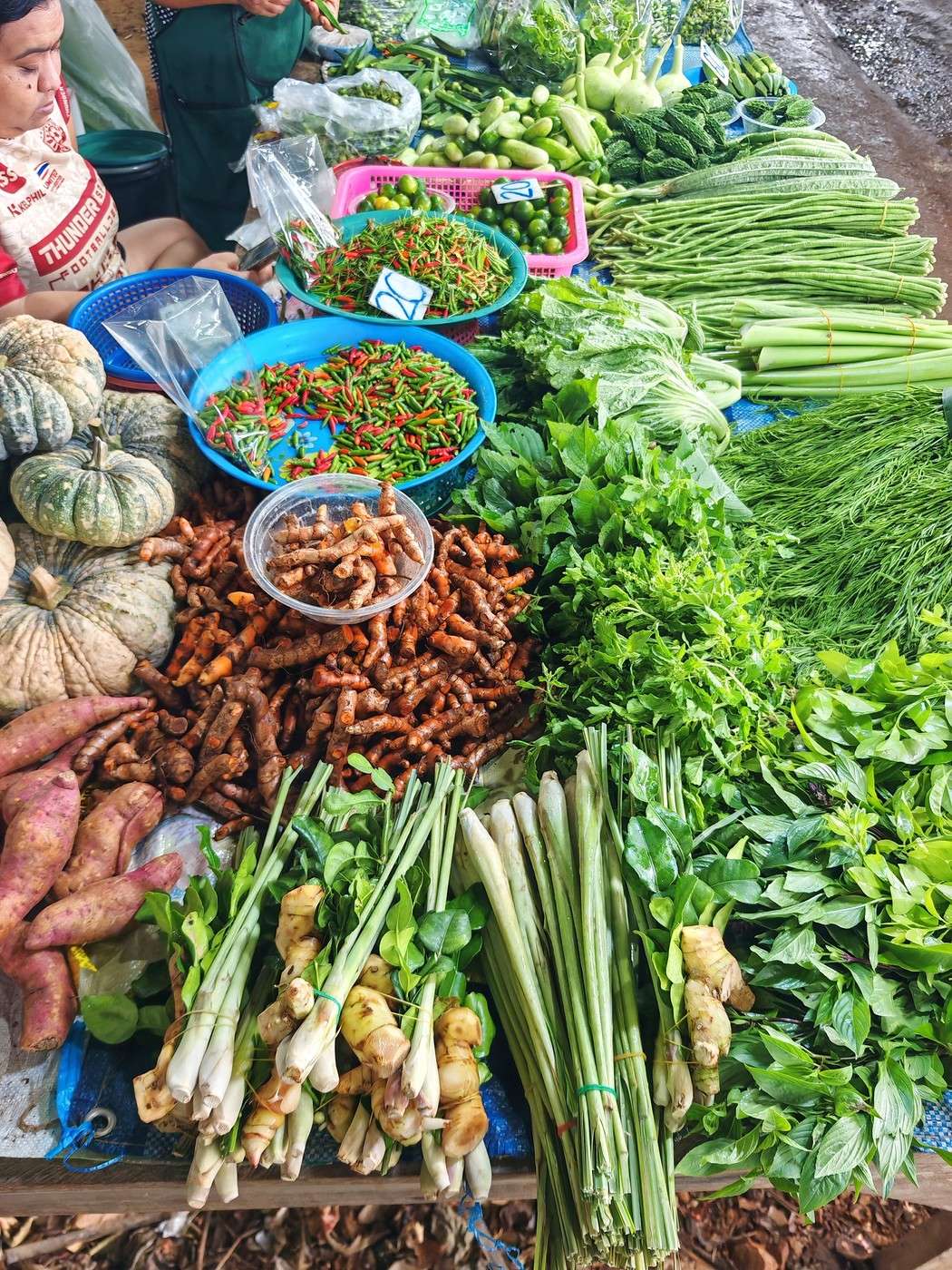
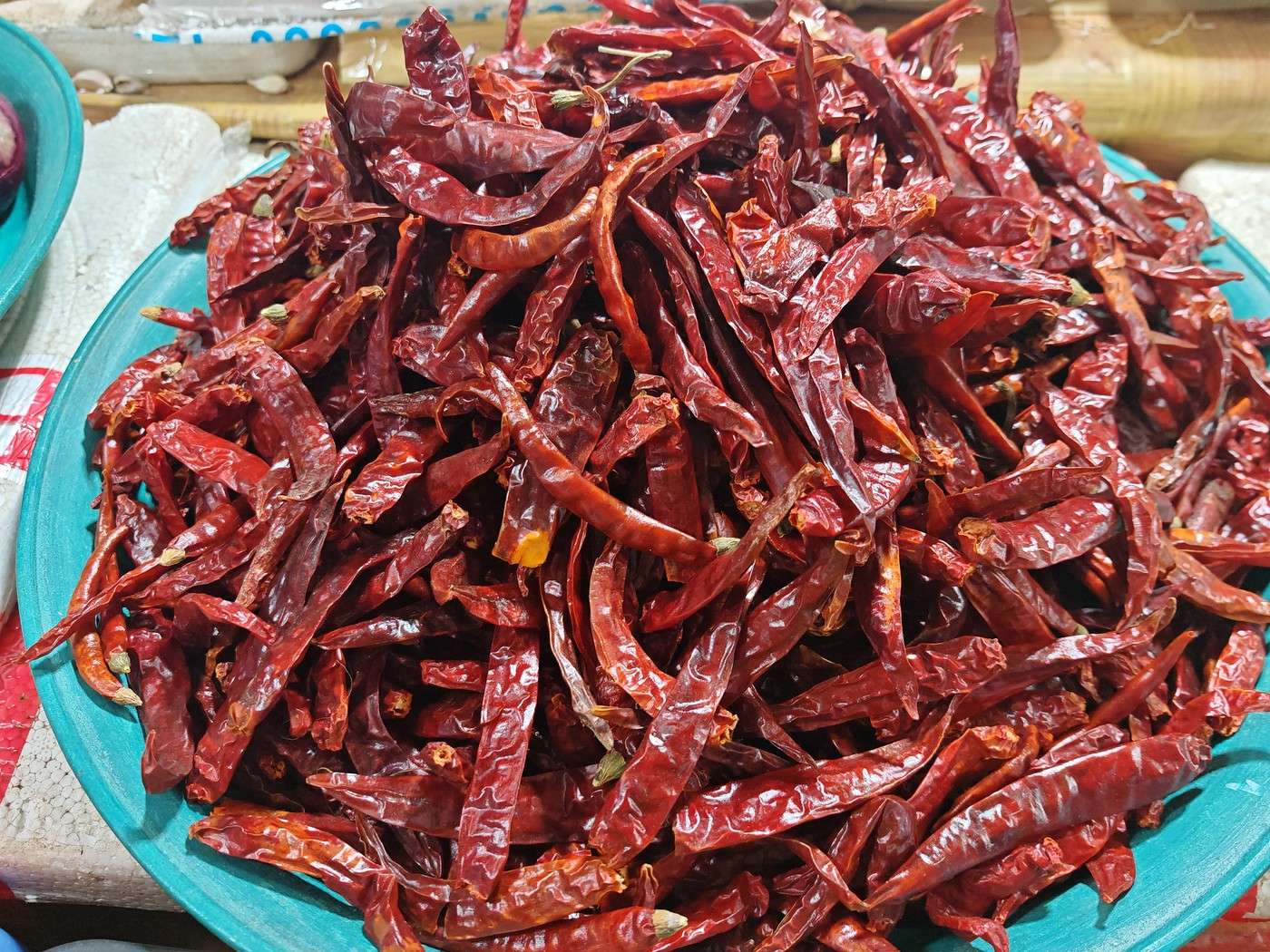
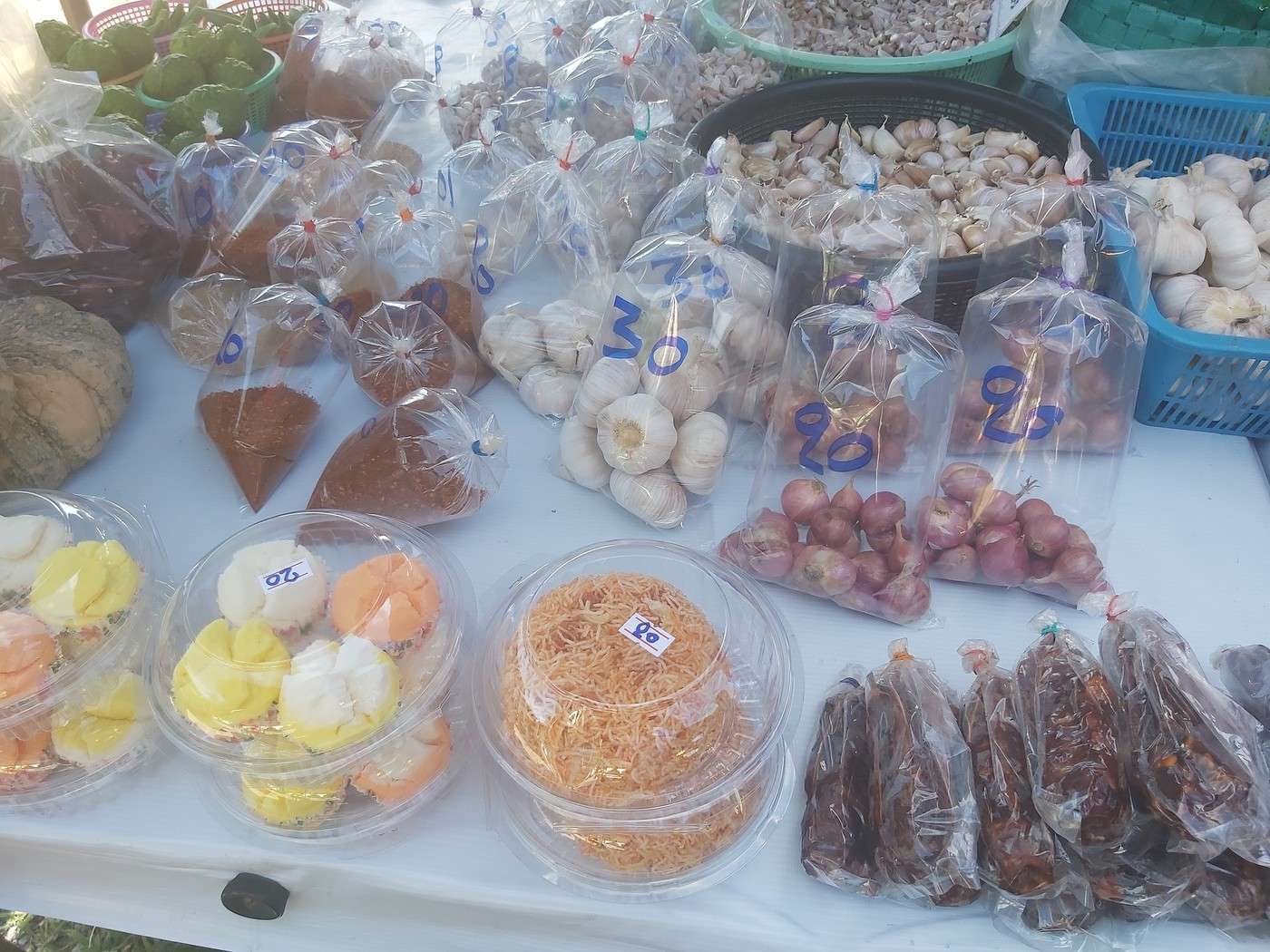
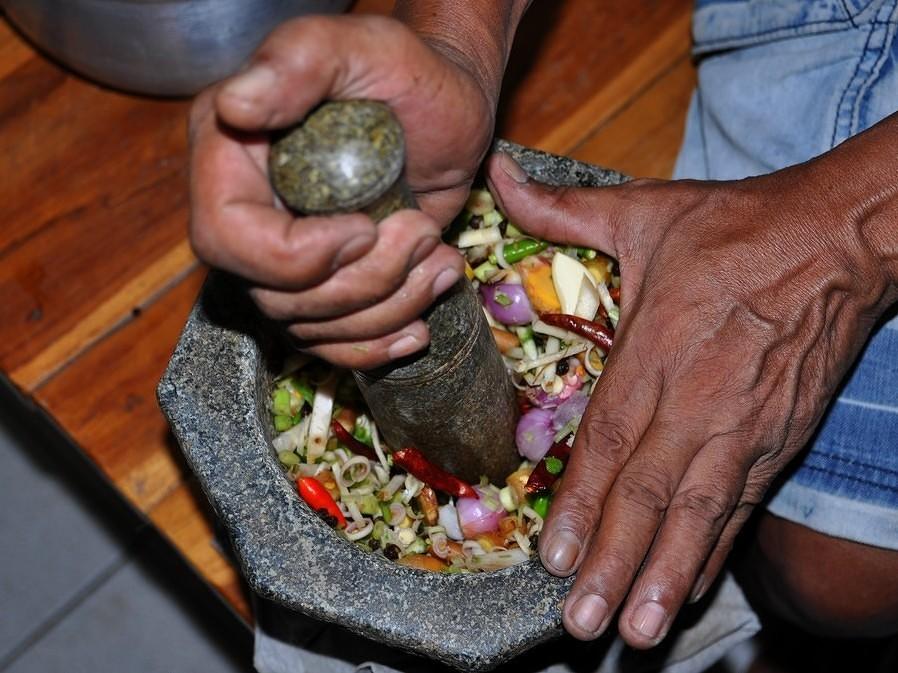
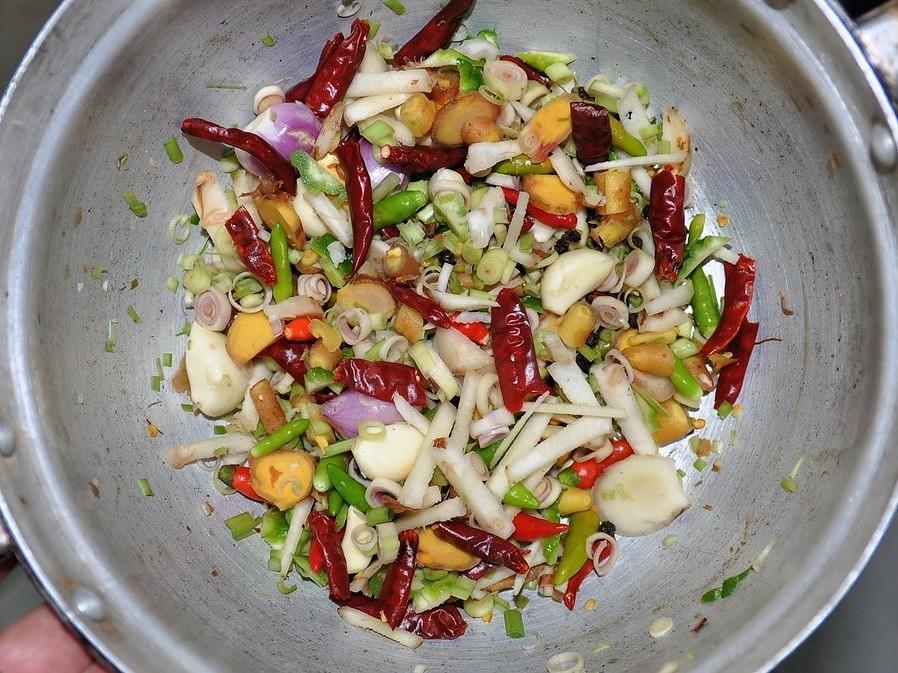
Thai curry pastes are incredibly complex. Most share common ingredients like chili, galangal, lemongrass, garlic, onion, and kaffir lime zest. Then, depending on the curry type, there are variations in the chili and dried spices (coriander, cumin, pepper, cinnamon, star anise, cardamom...). On top of that, each region adds its own twist. For example, in the south, turmeric is almost always included.
Some families still make their own curry paste, but let’s be honest—it’s way easier to buy it at the market, given the effort involved and the price.
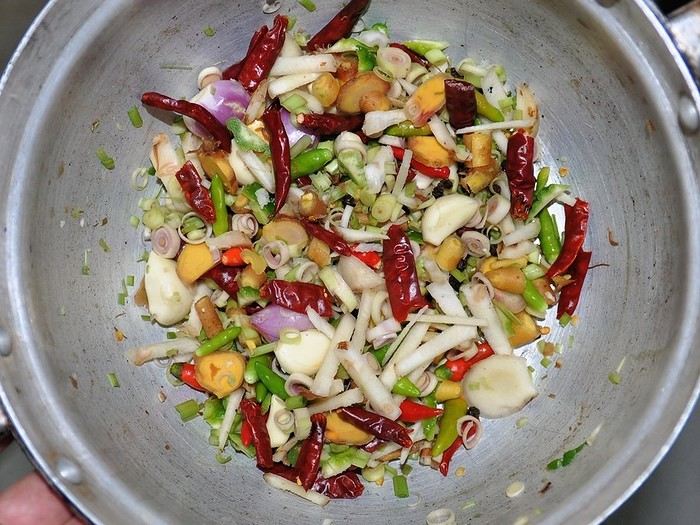
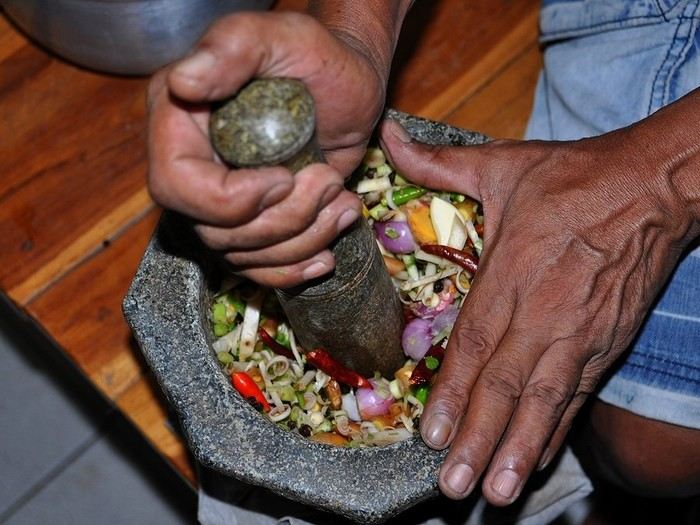
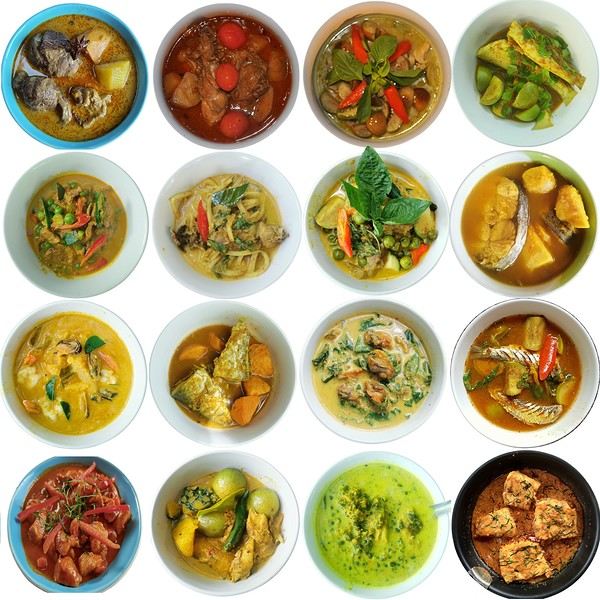
So, which curry should I cook for you?
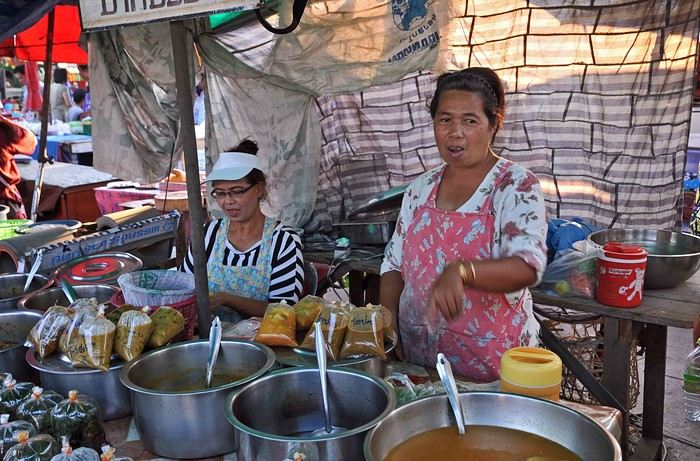
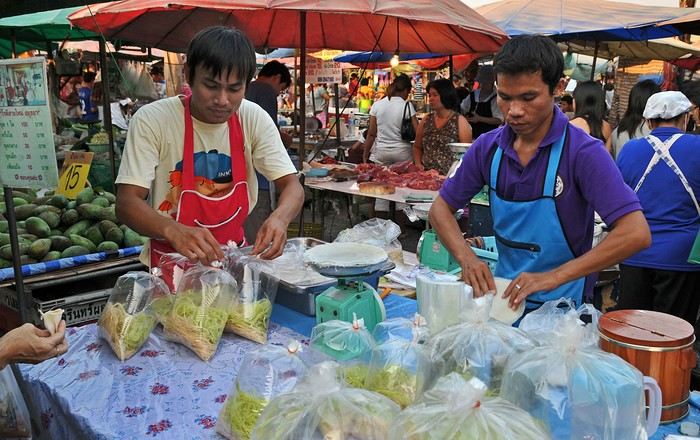
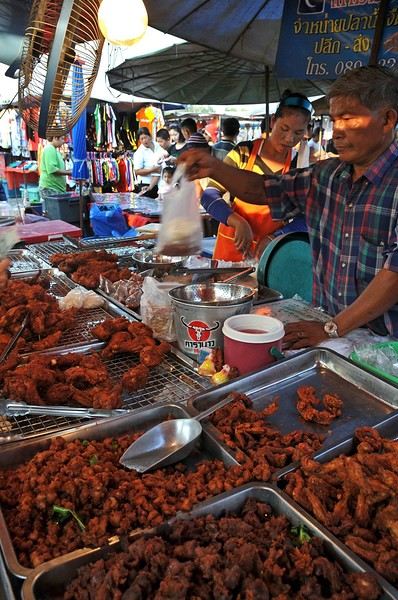
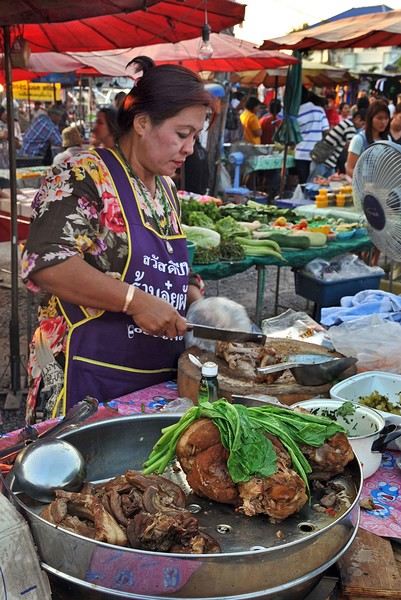
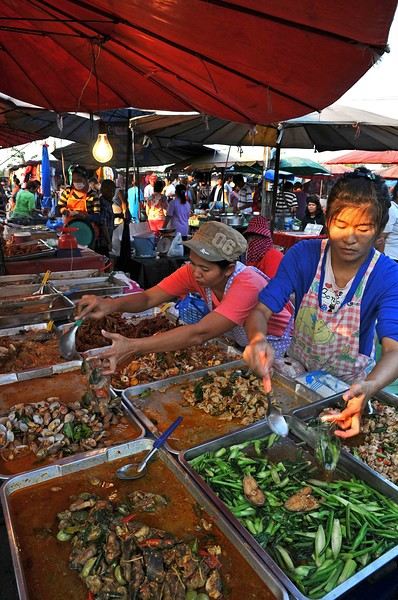
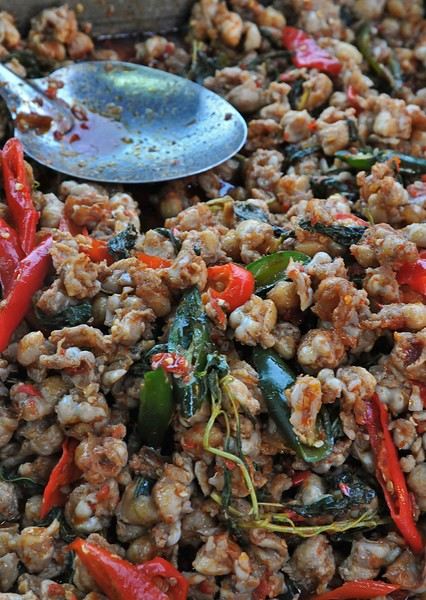
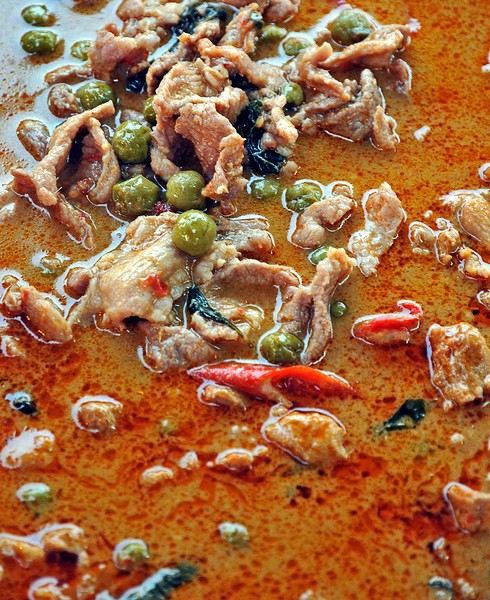
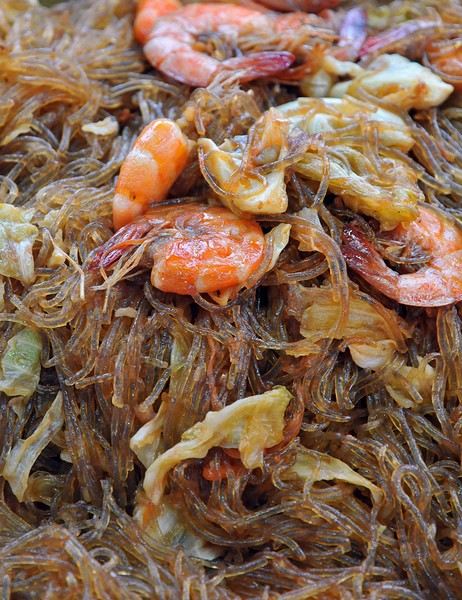
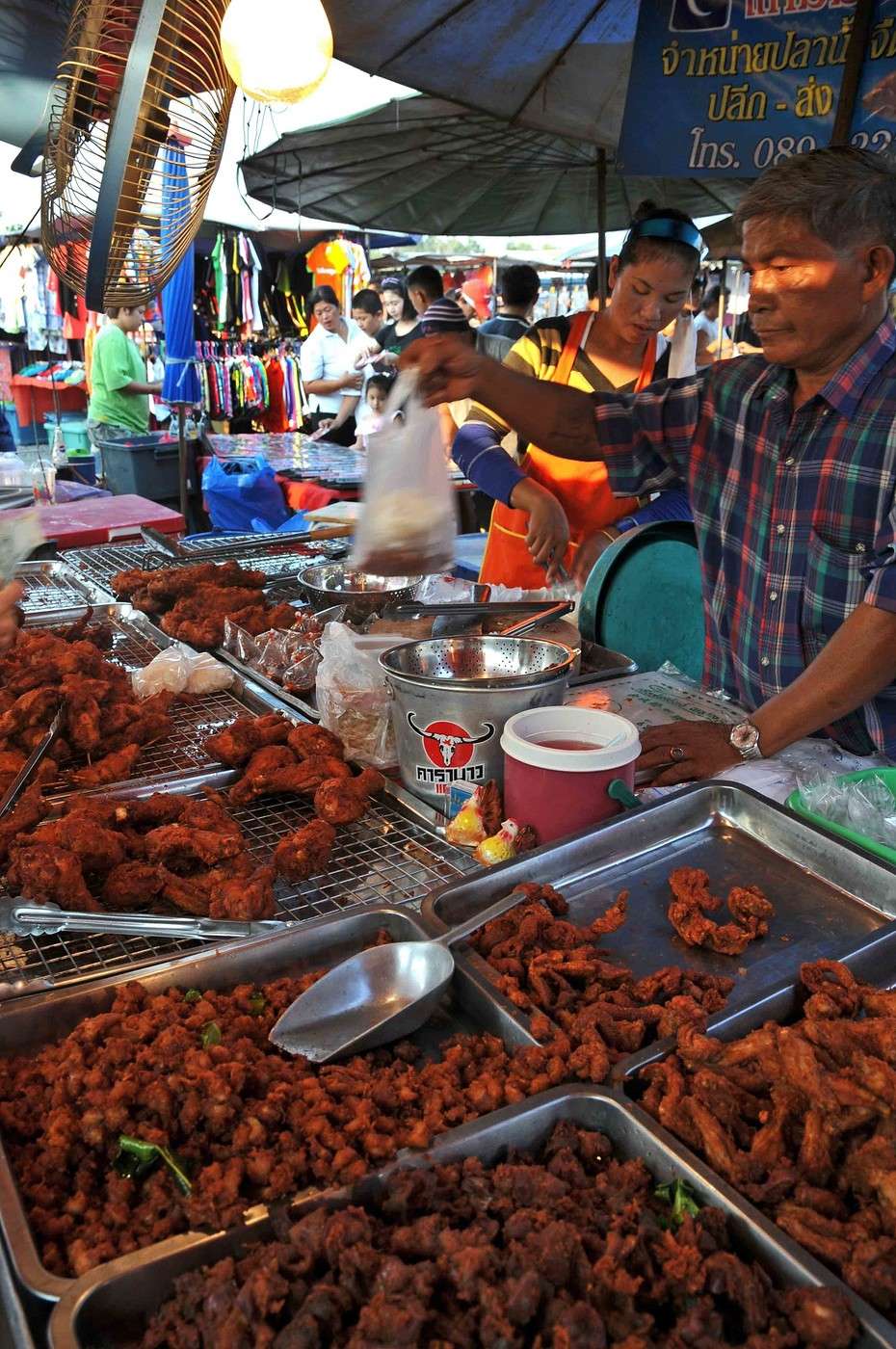
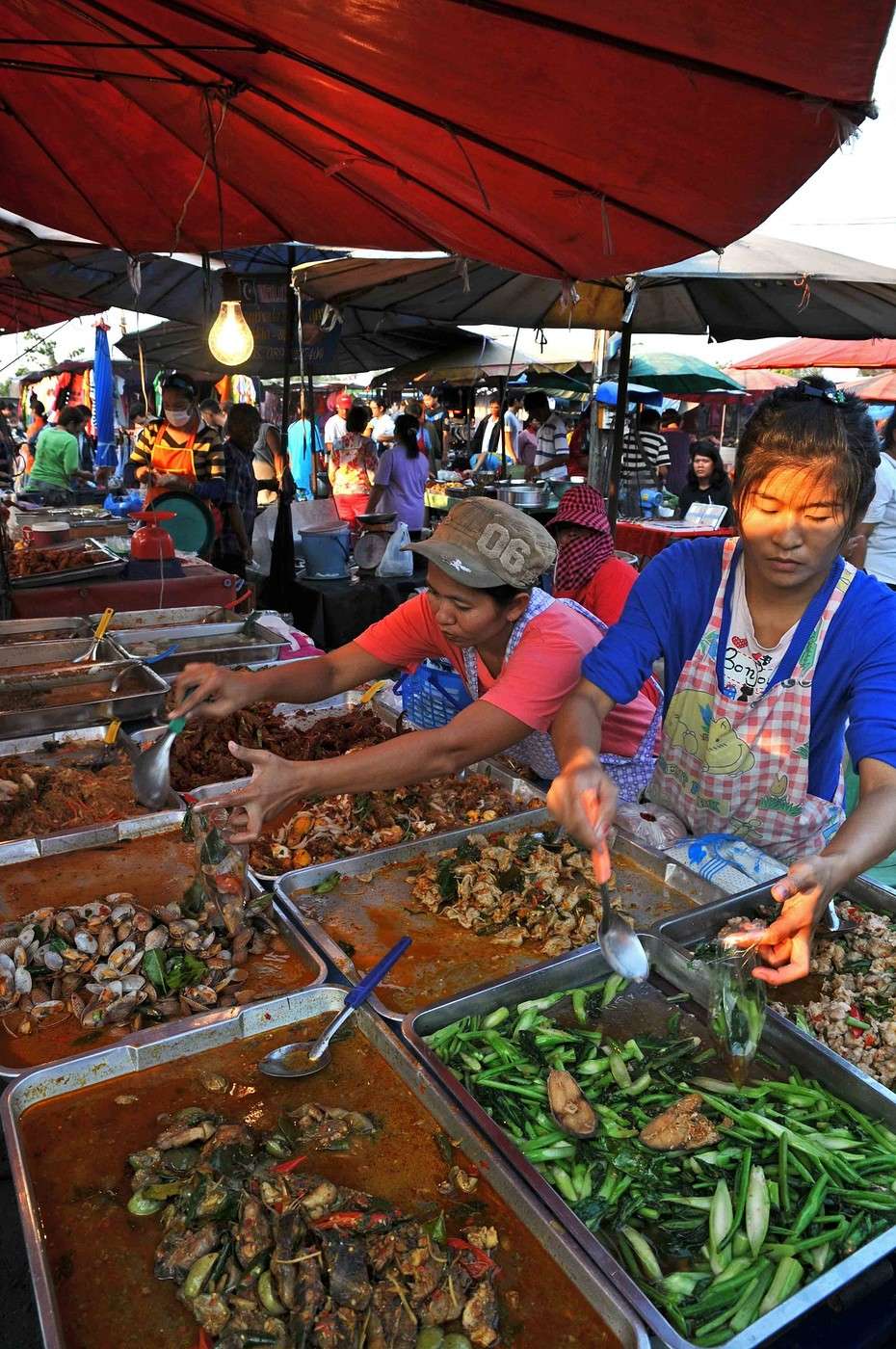
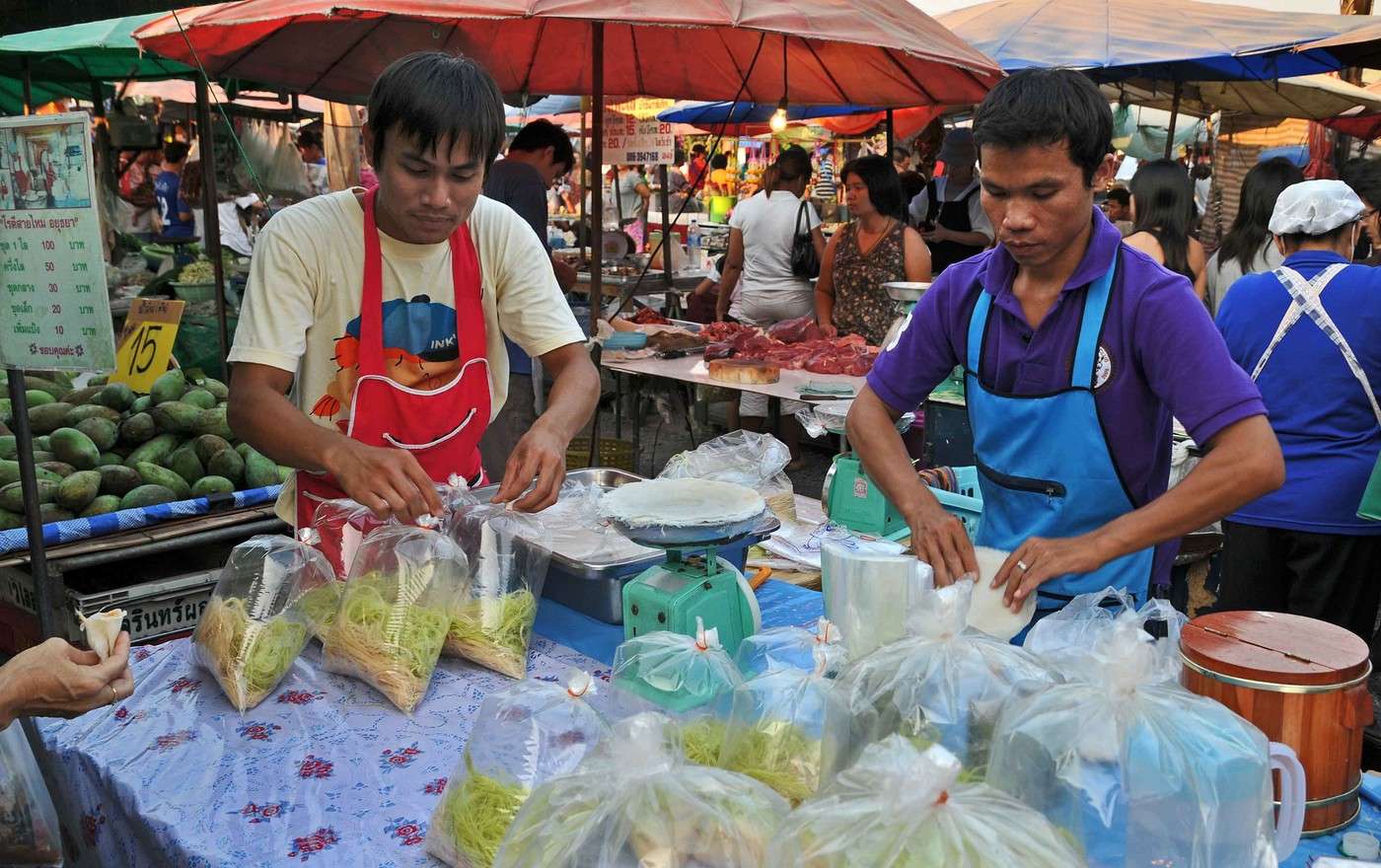
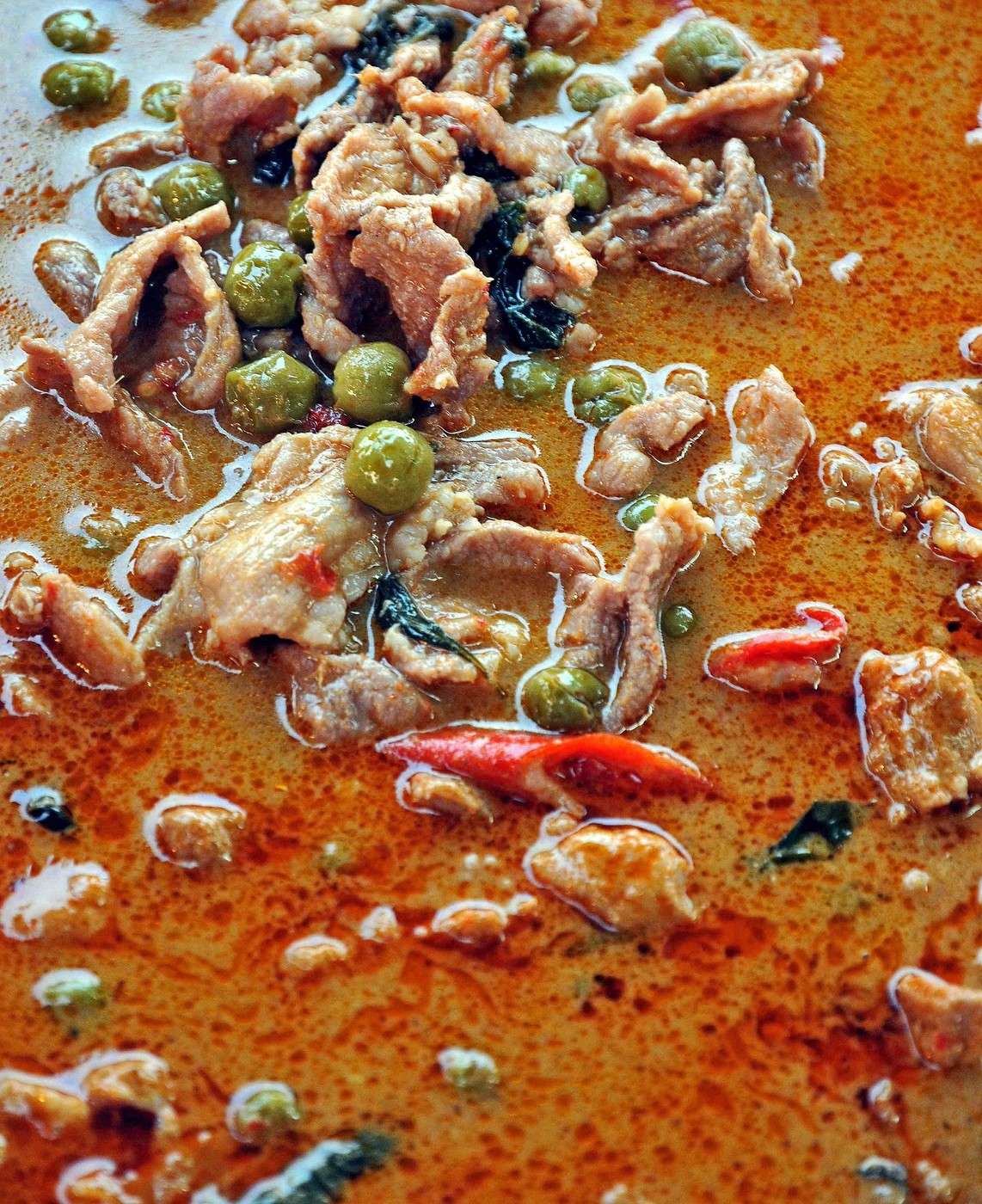
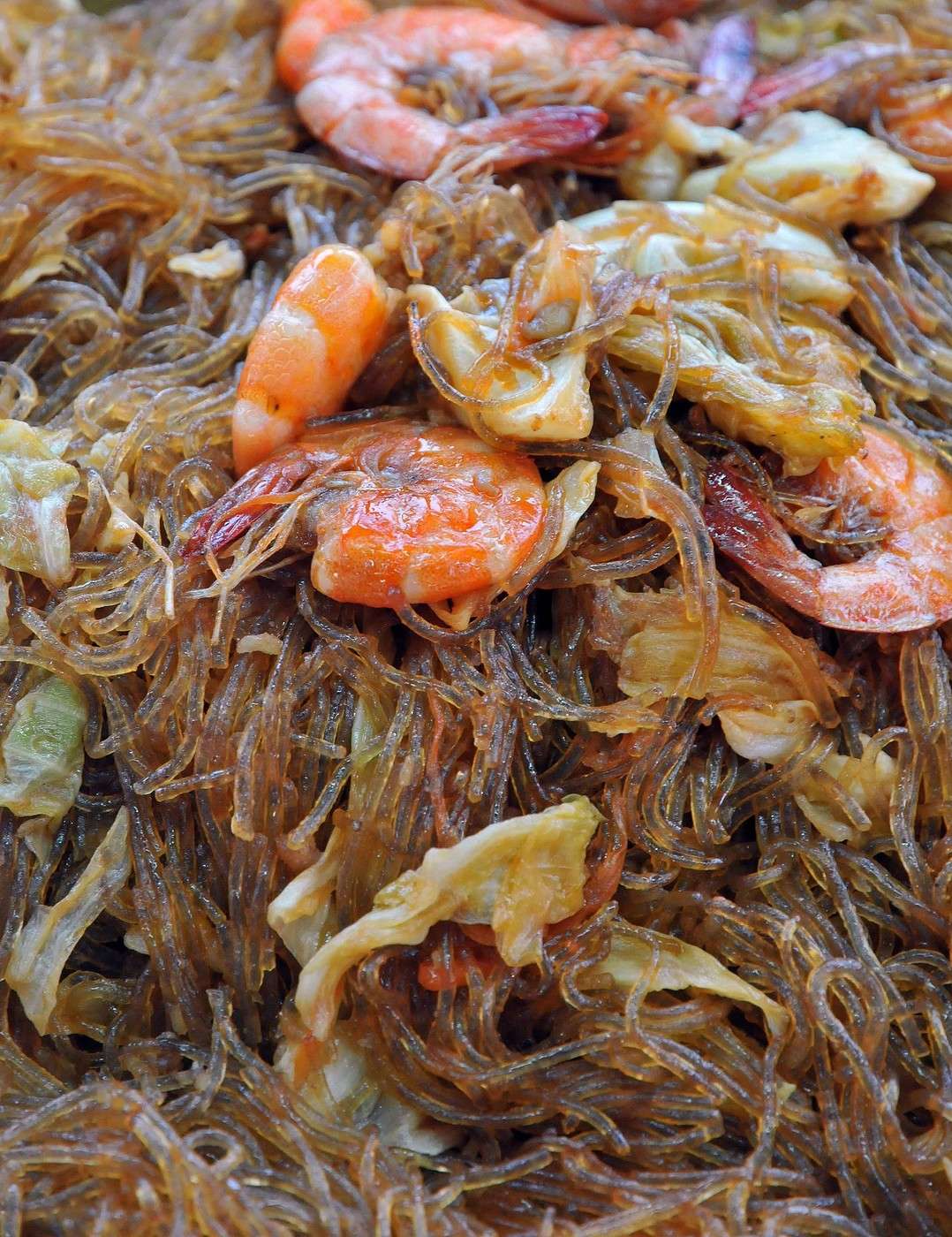
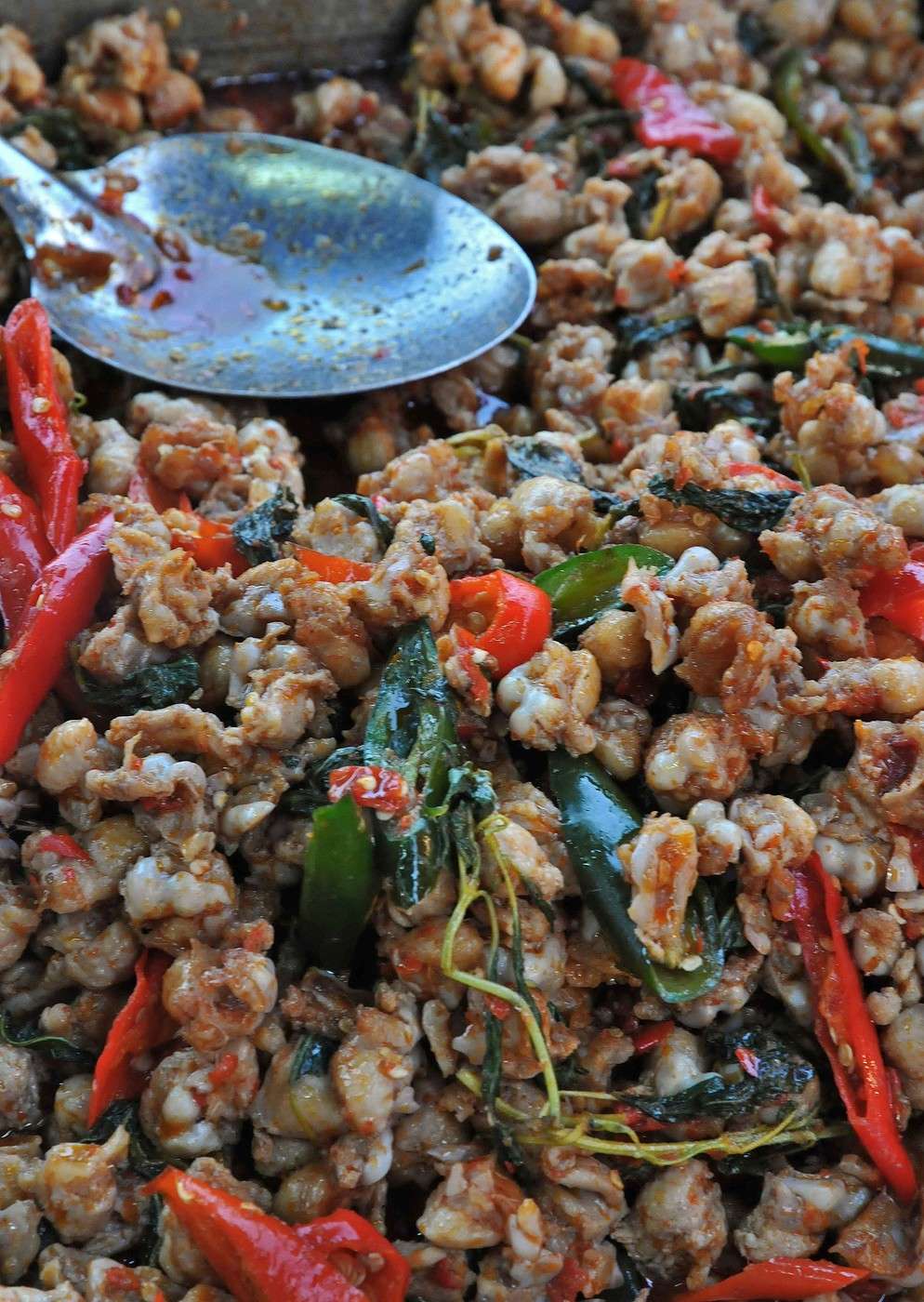
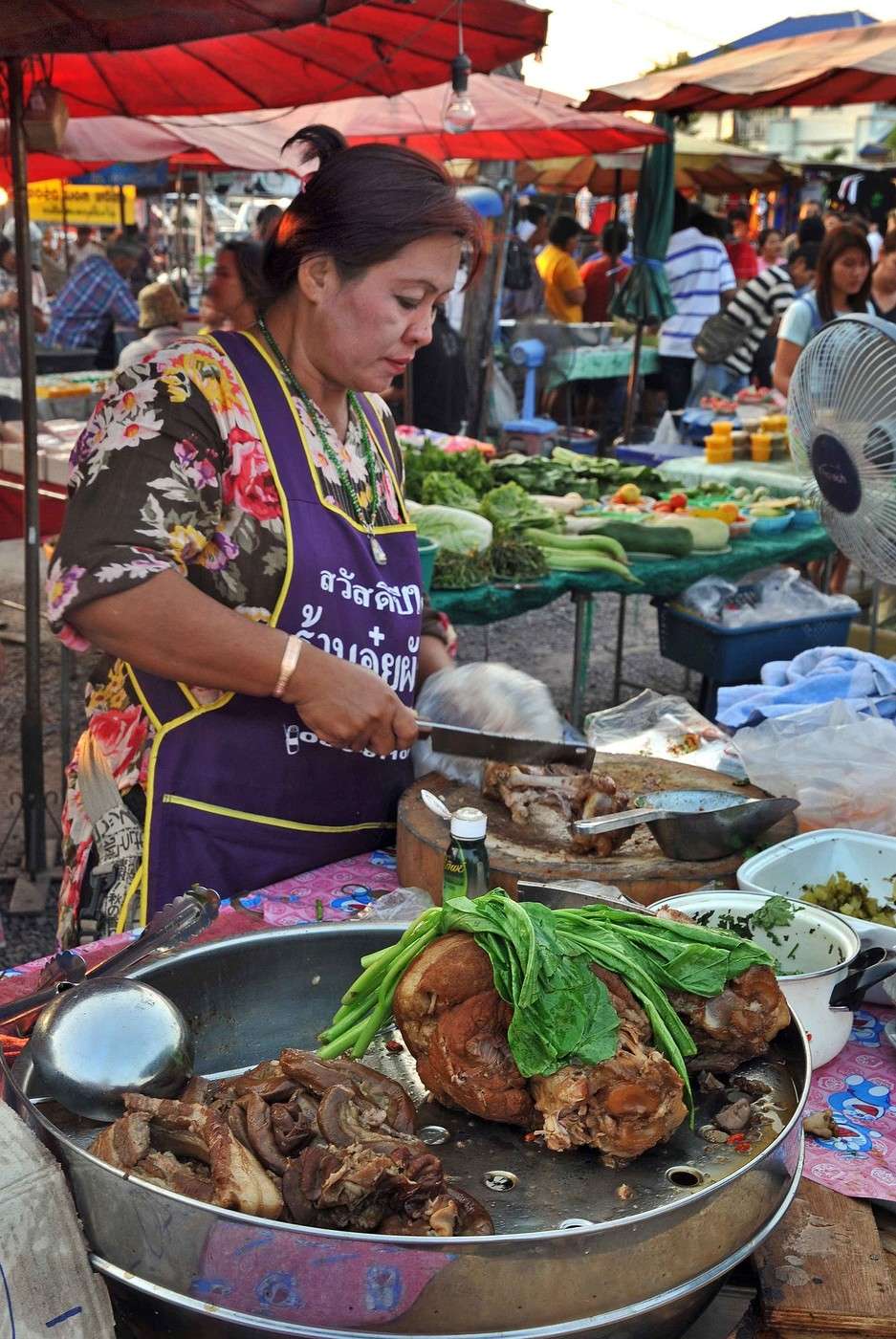
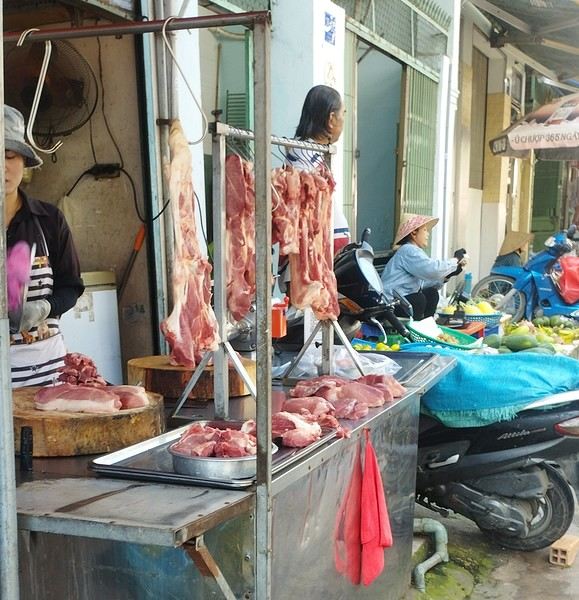
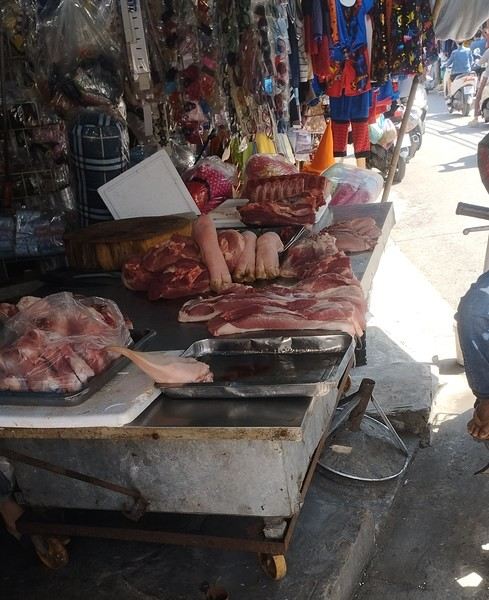
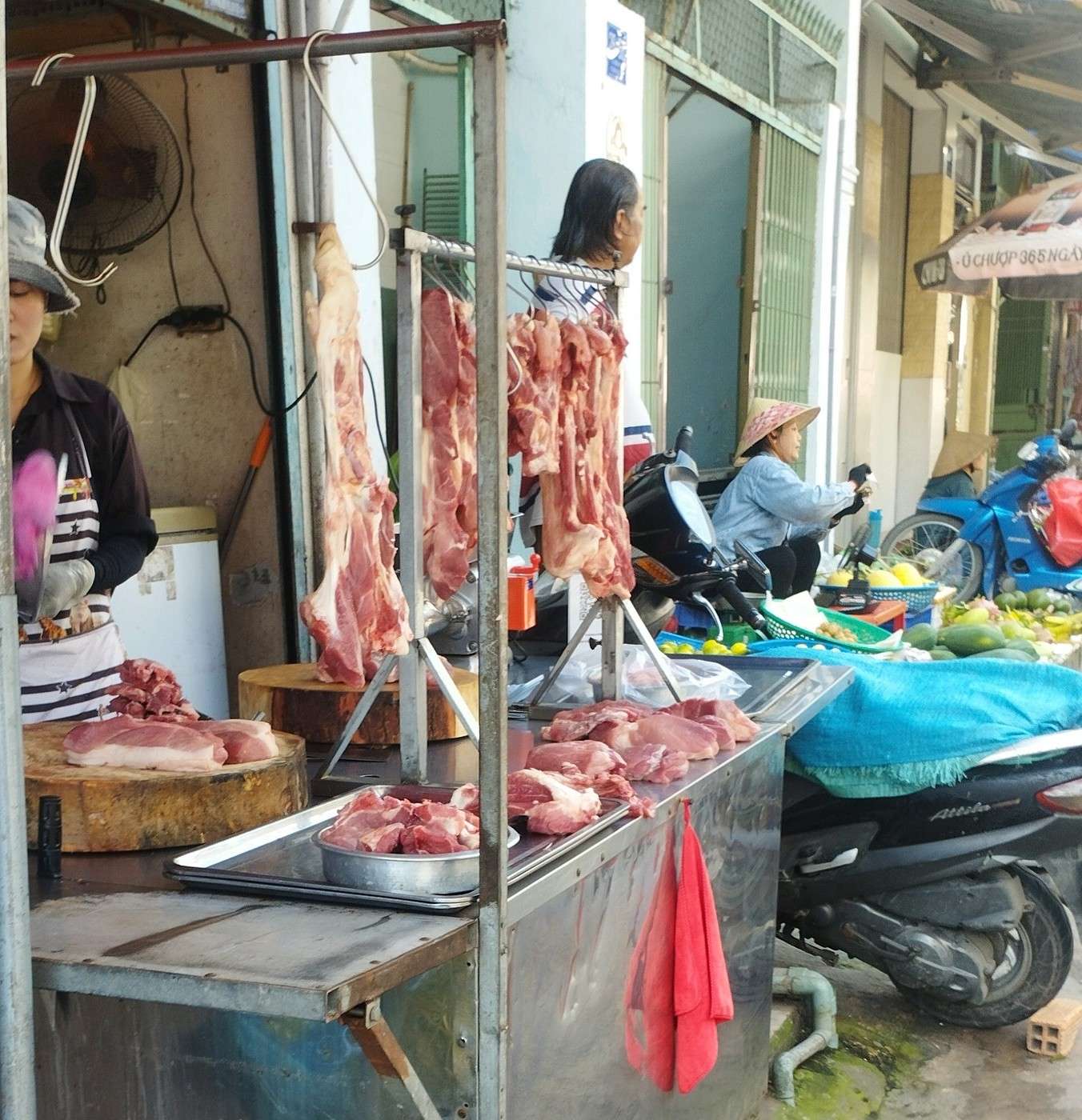
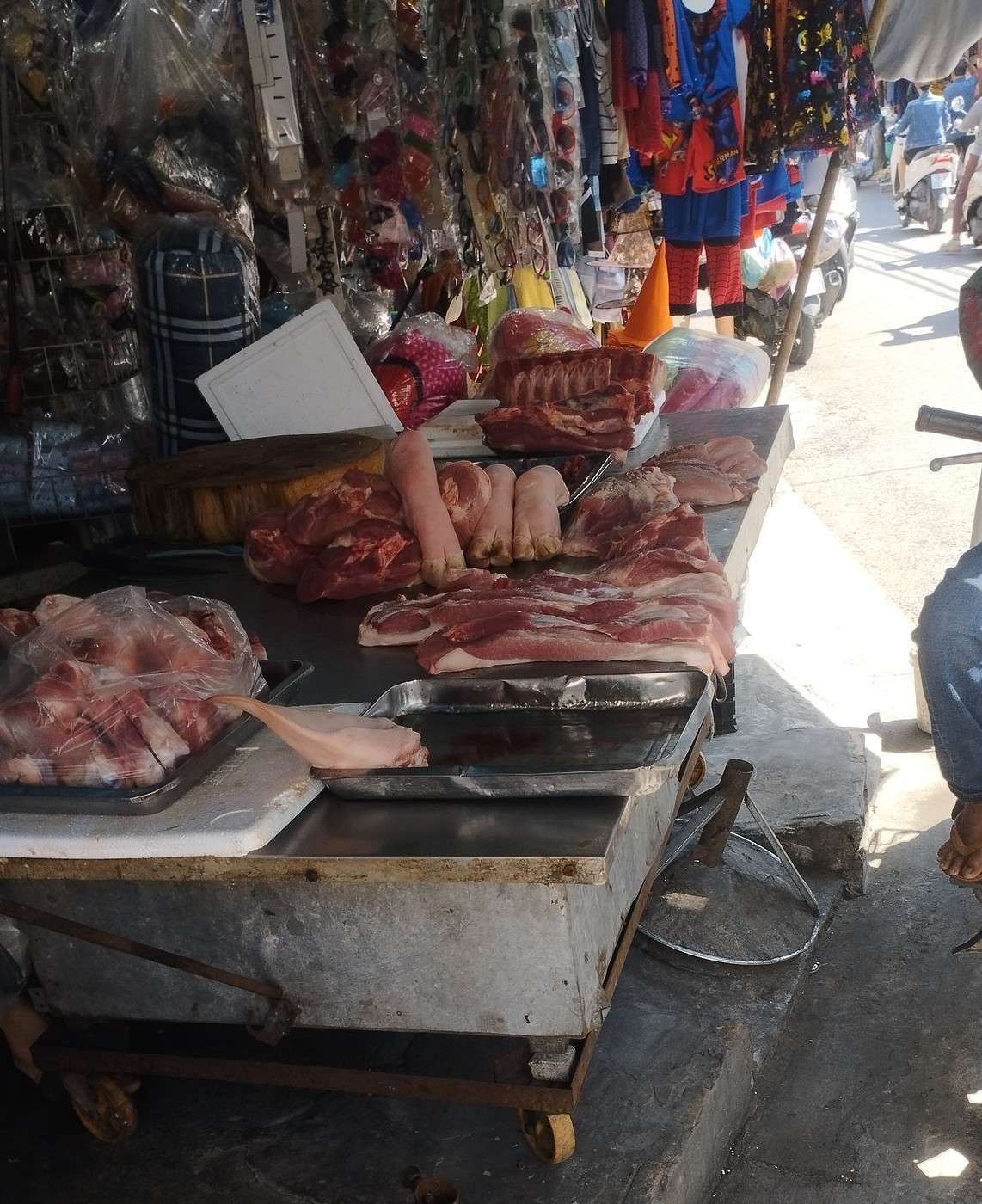
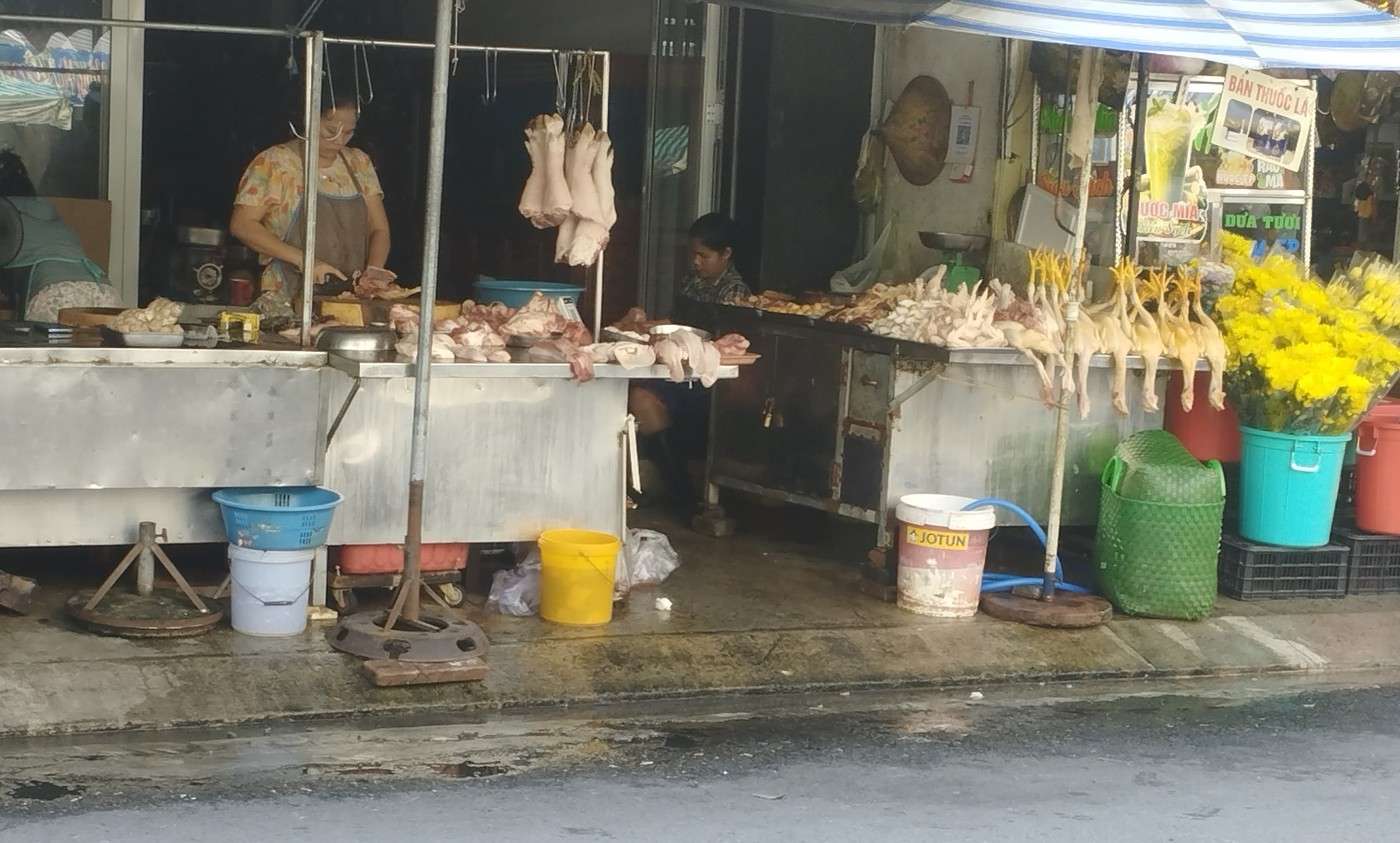
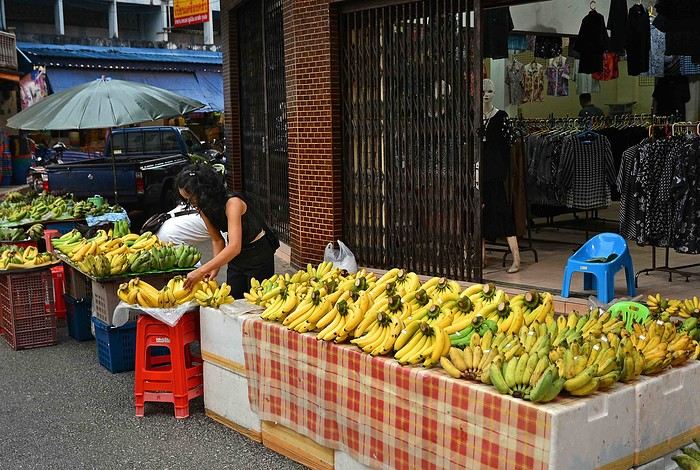
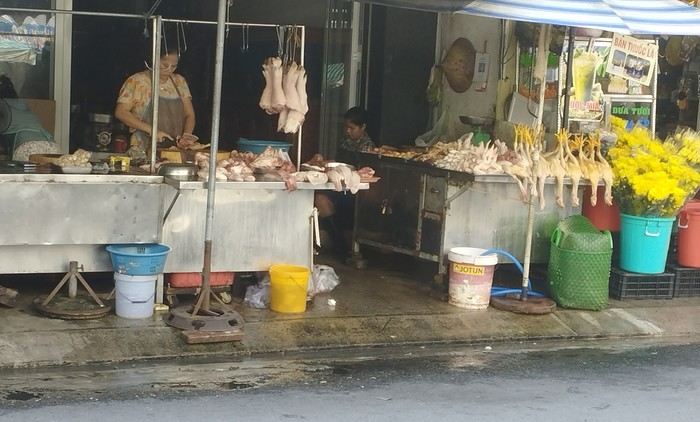 Hi, here are a few photos from this morning’s market near my place in Saigon.
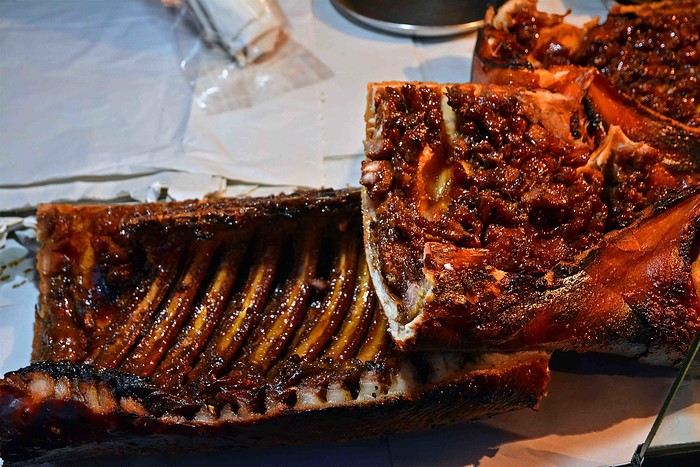
Fresh meat—the animals were alive yesterday, so it’s still best to avoid making steak tartare