Hello,
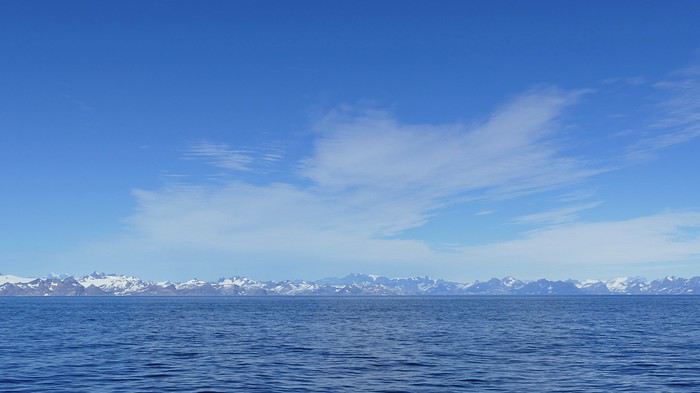
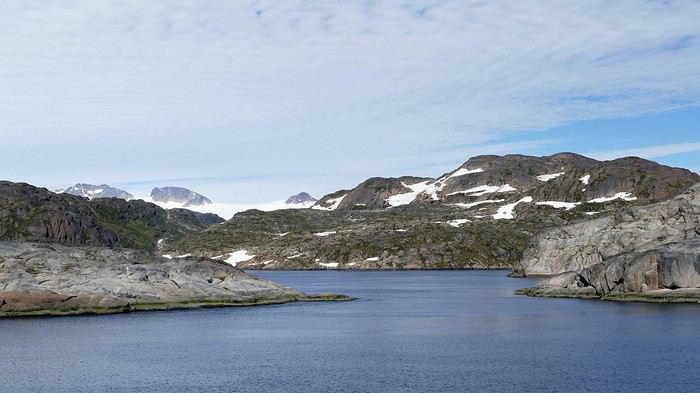
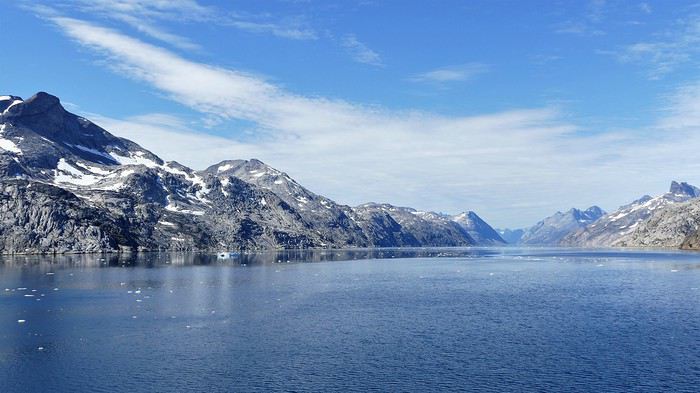
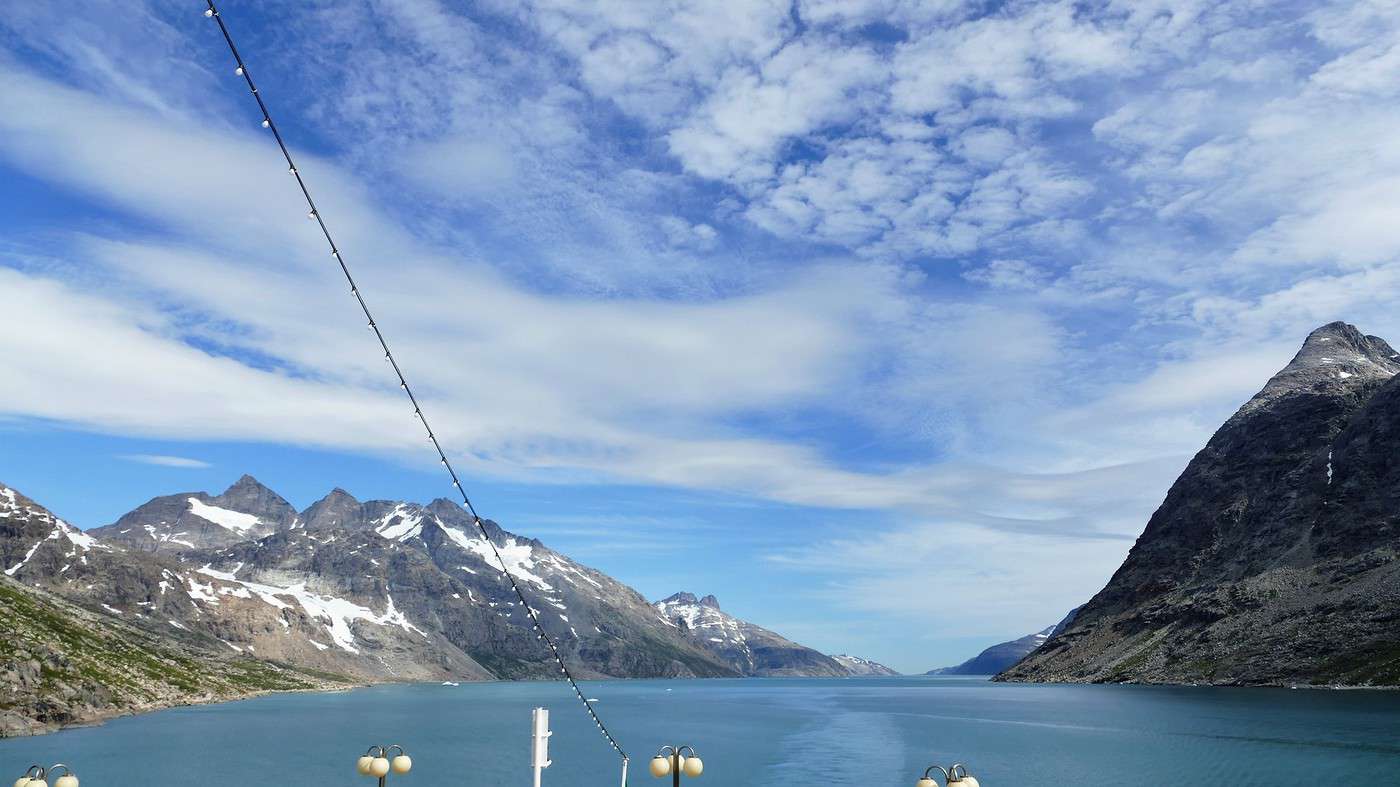
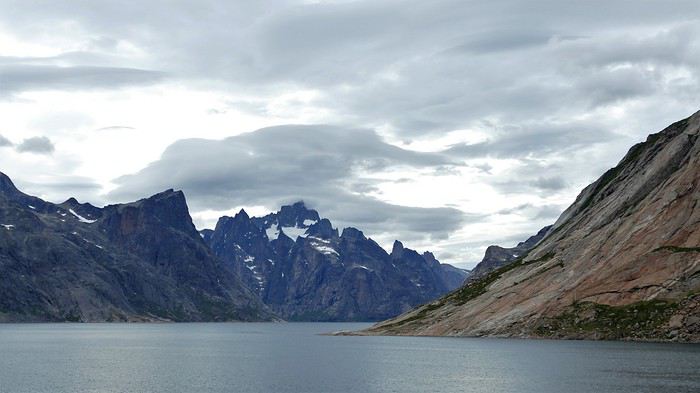
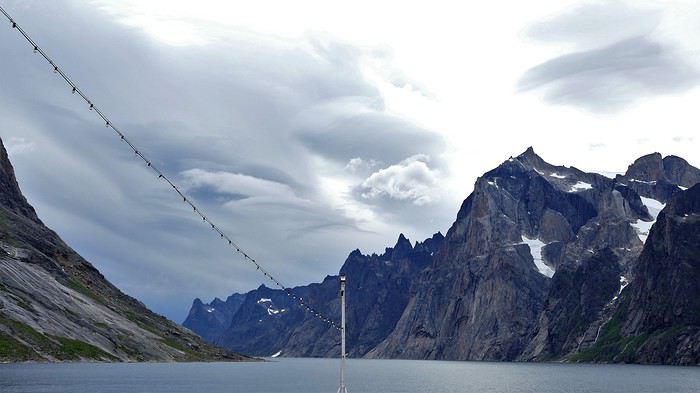
Thanks Isa, Sylvie, and Valérie for your messages—it’s true that these landscapes remind us of Alaska, and the blue sky is a gift!
Qaqortoq Sunday, August 12
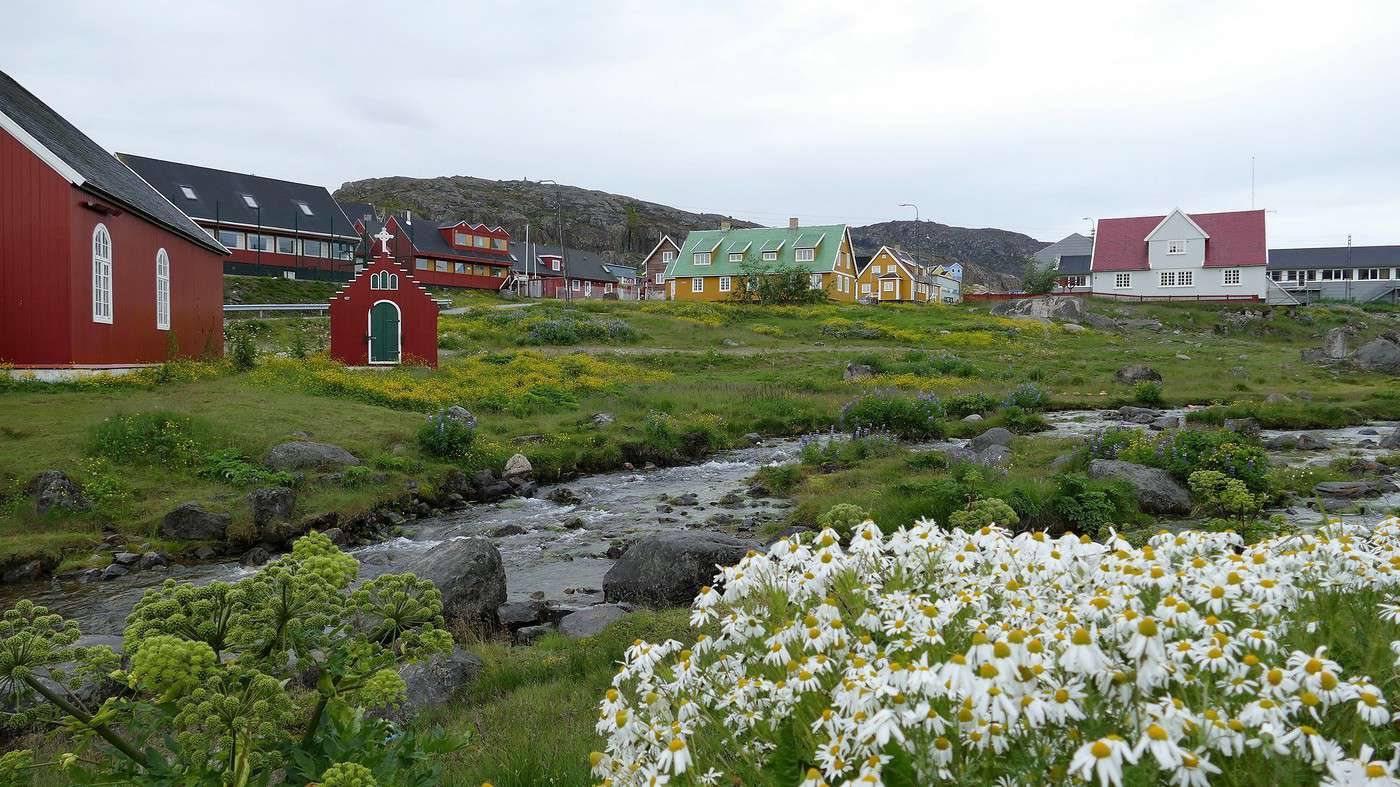
This stop replaced Narsaq, and the cruise director hyped it up as “Qaqortoq the White,” playing with words. The town’s nickname comes from the many daisies that bloom here, not the ice at this time of year.
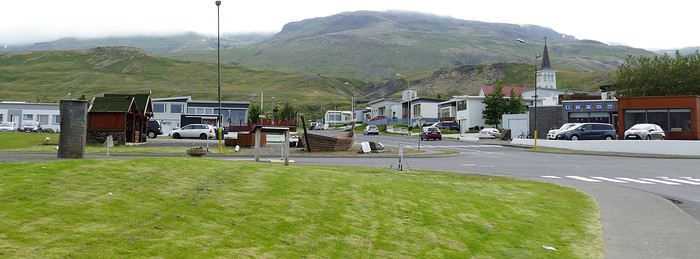
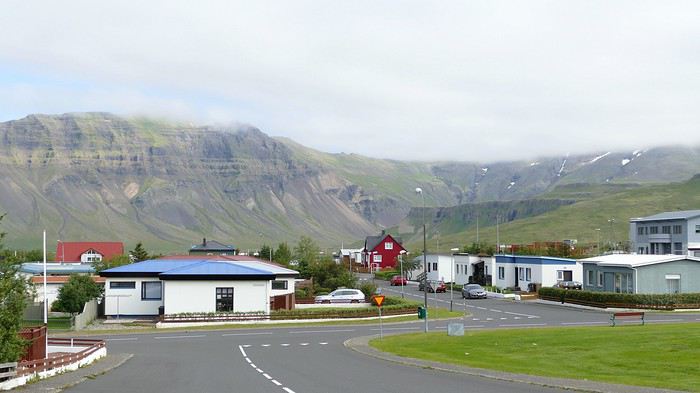
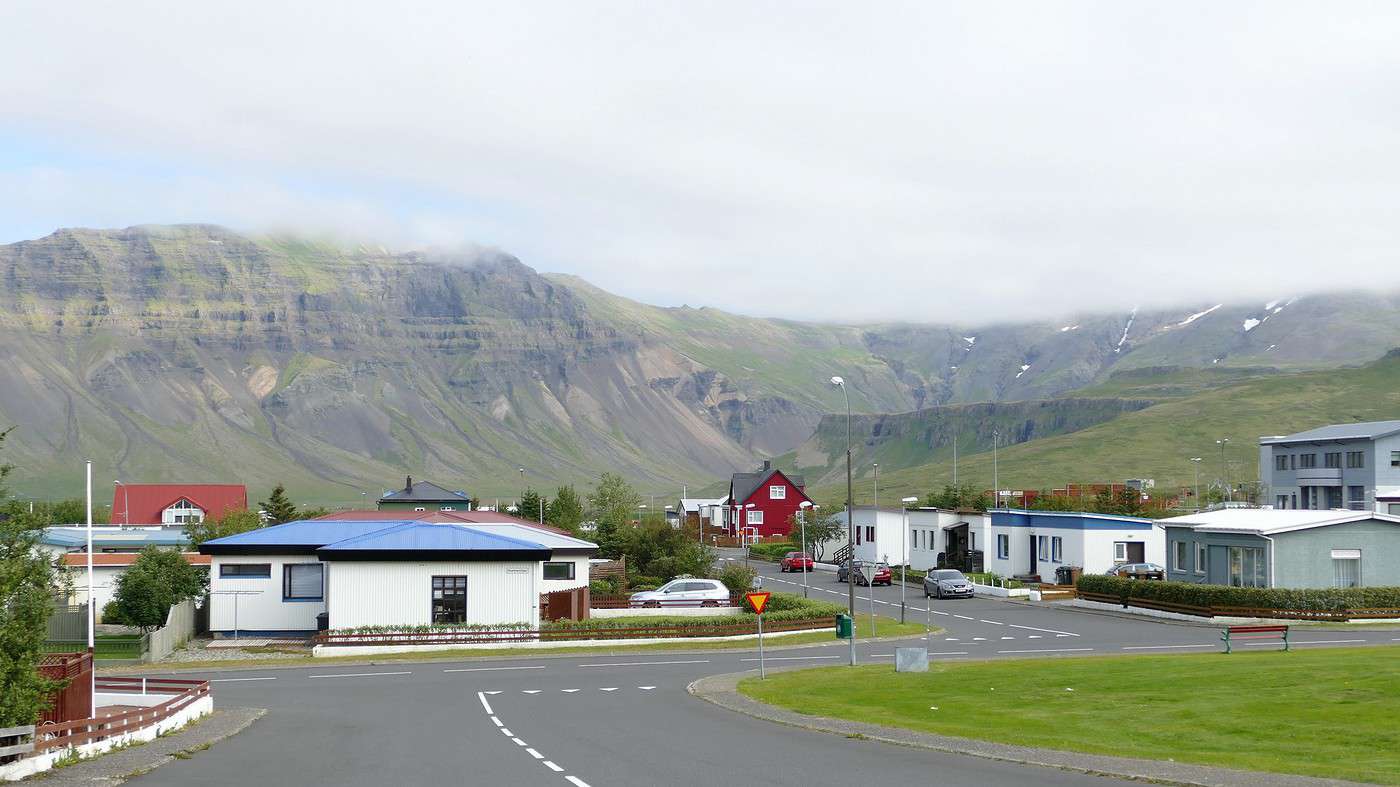
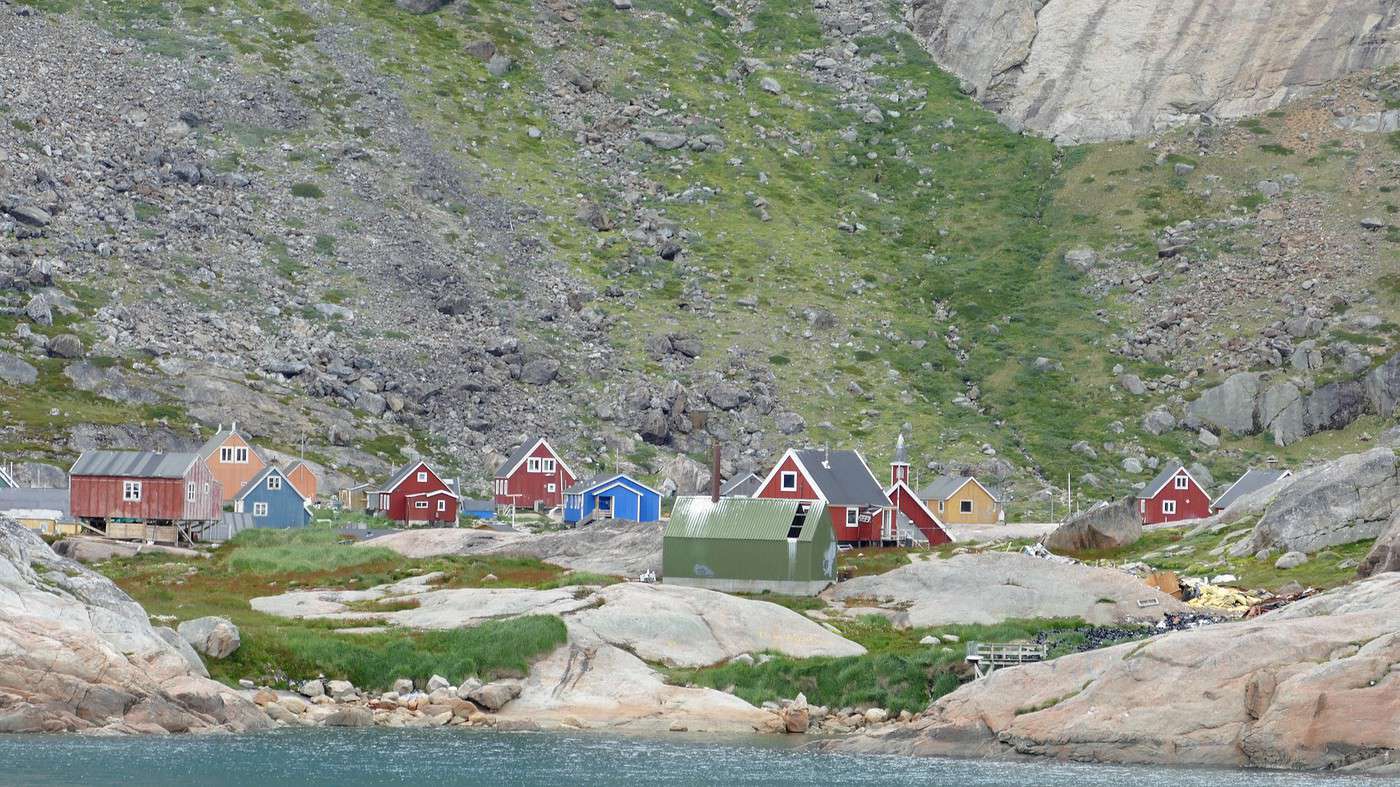
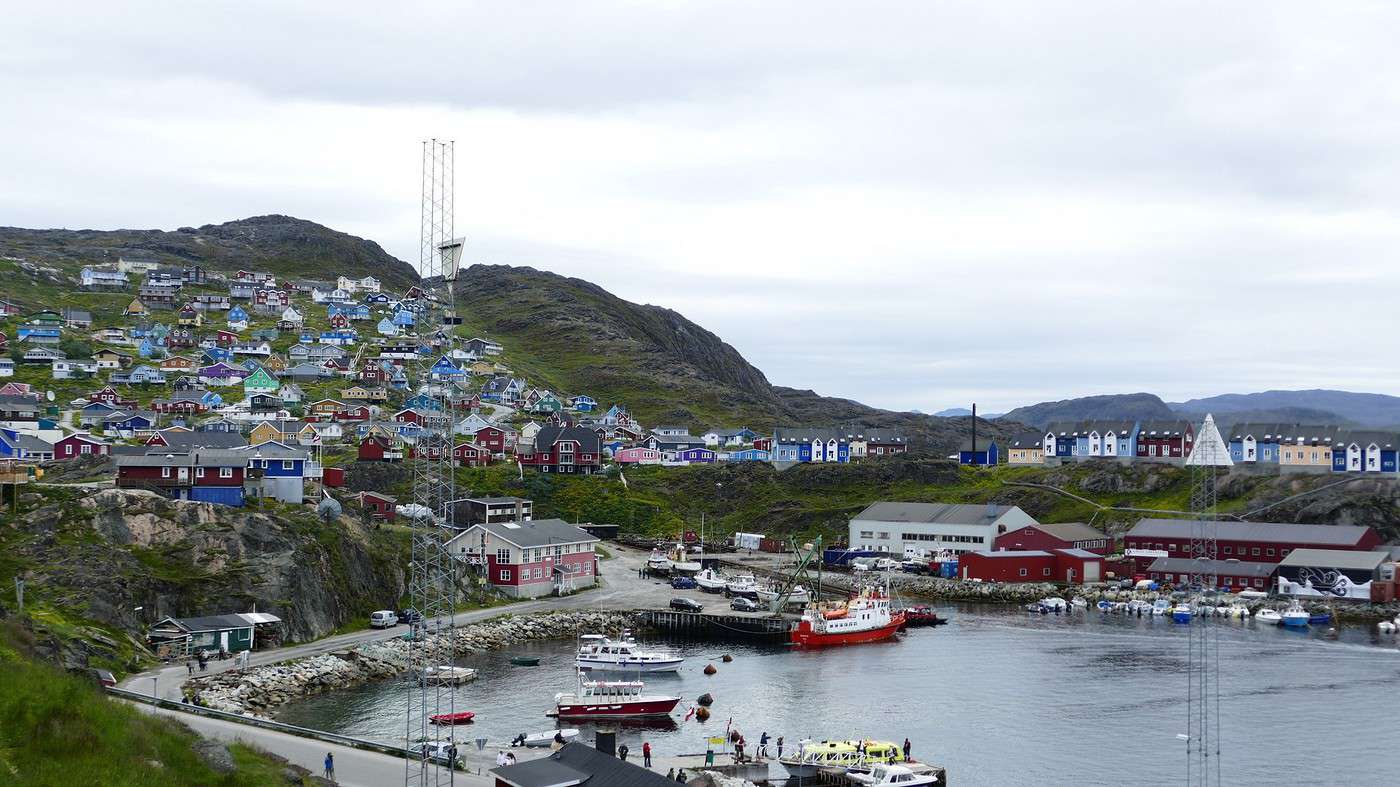
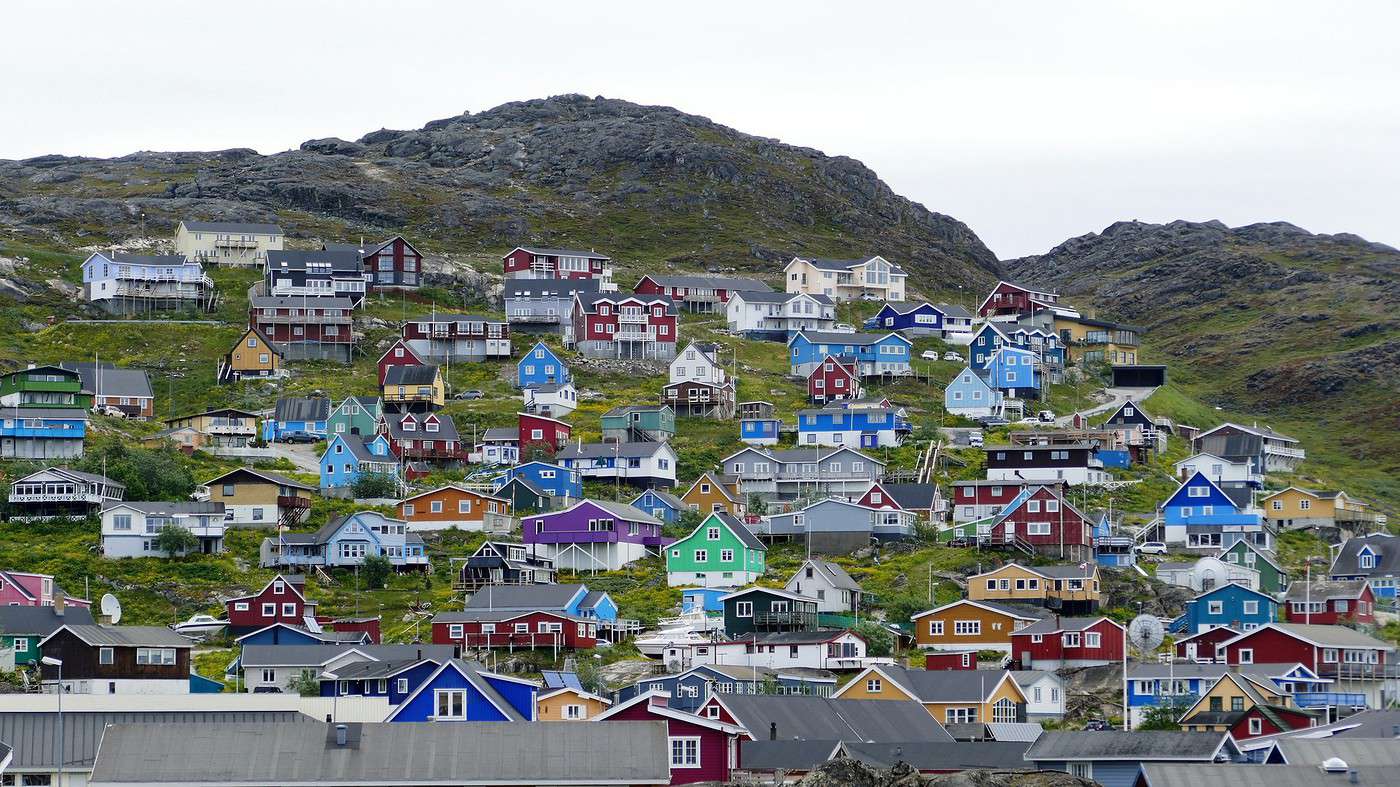
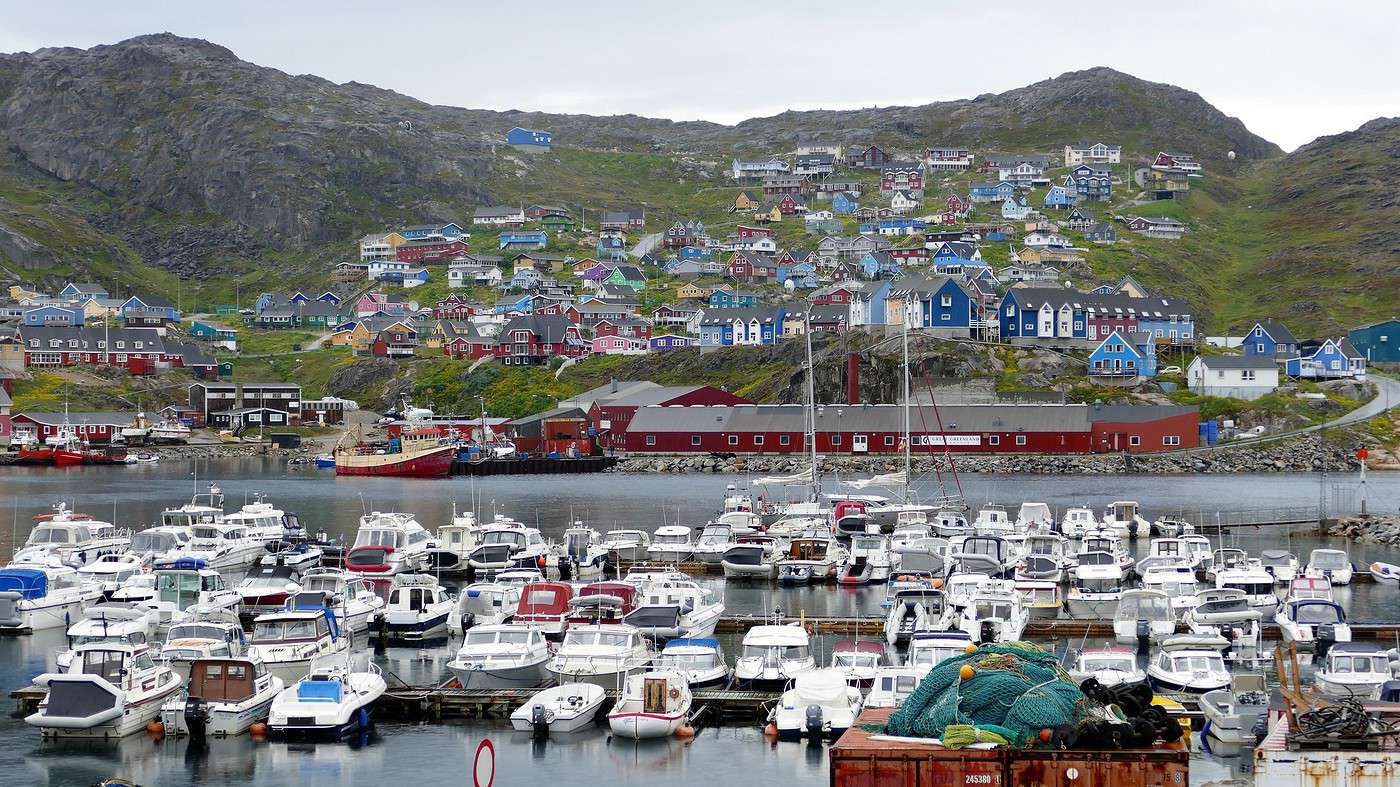
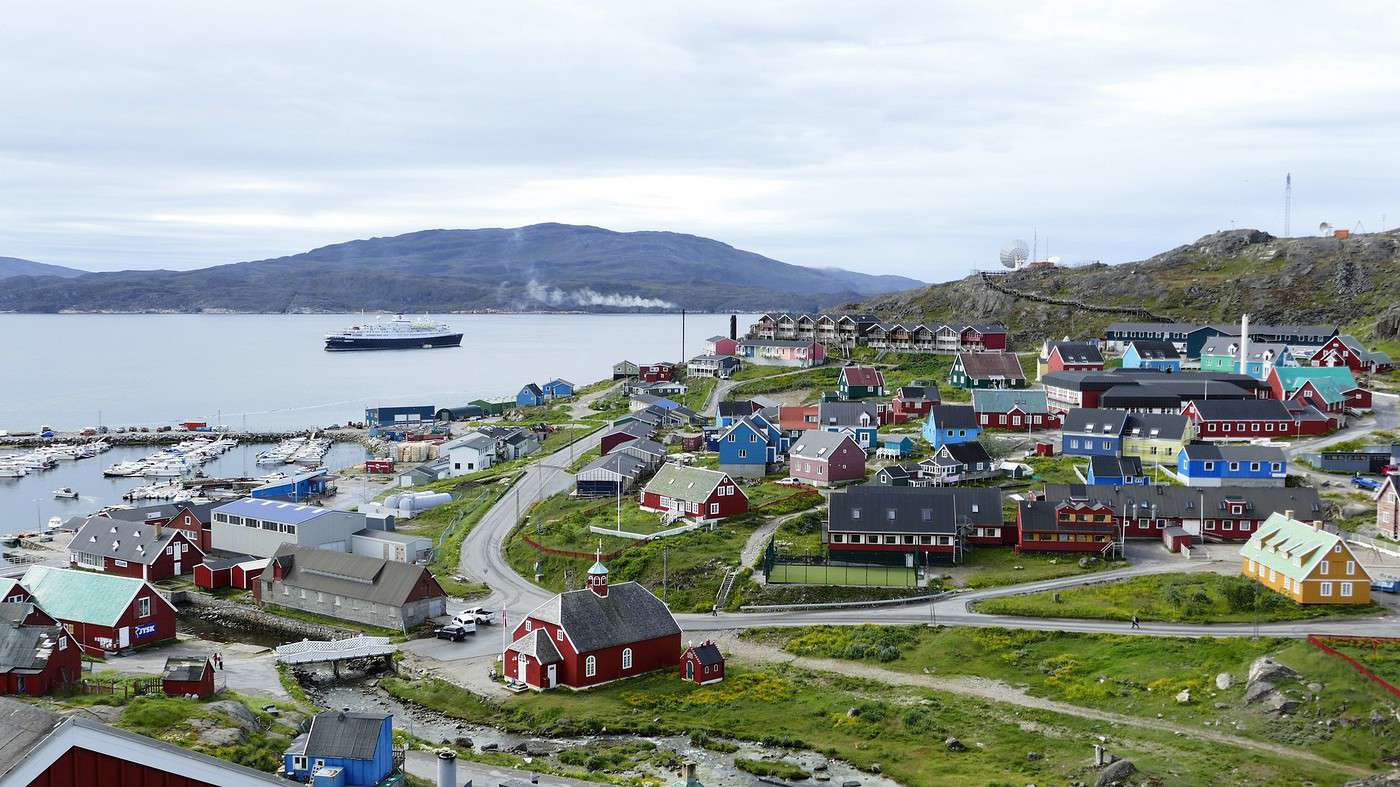
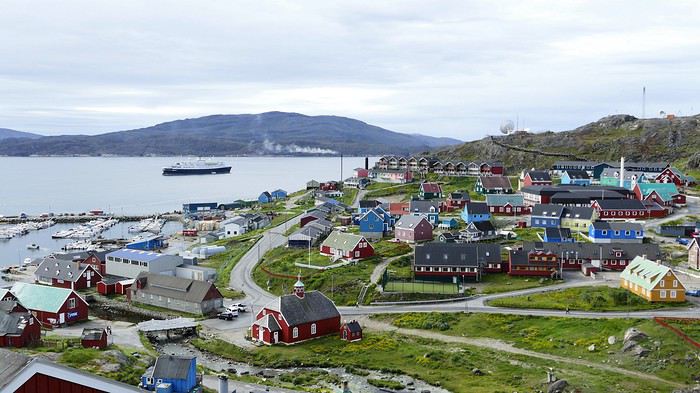
This charming village is Greenland’s fourth-largest city, known as the country’s most beautiful. It clings to and sprawls across the hills around the harbor.
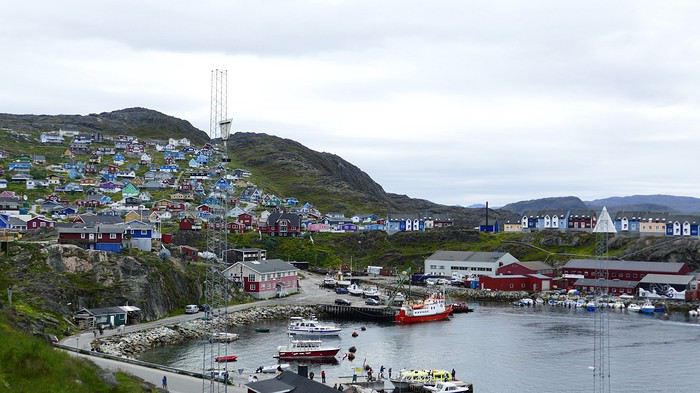
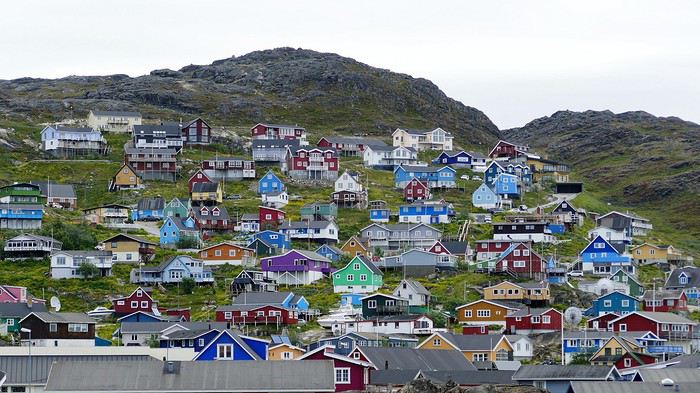
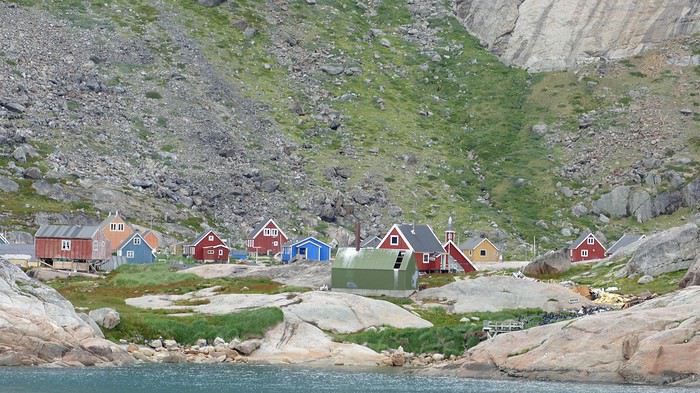
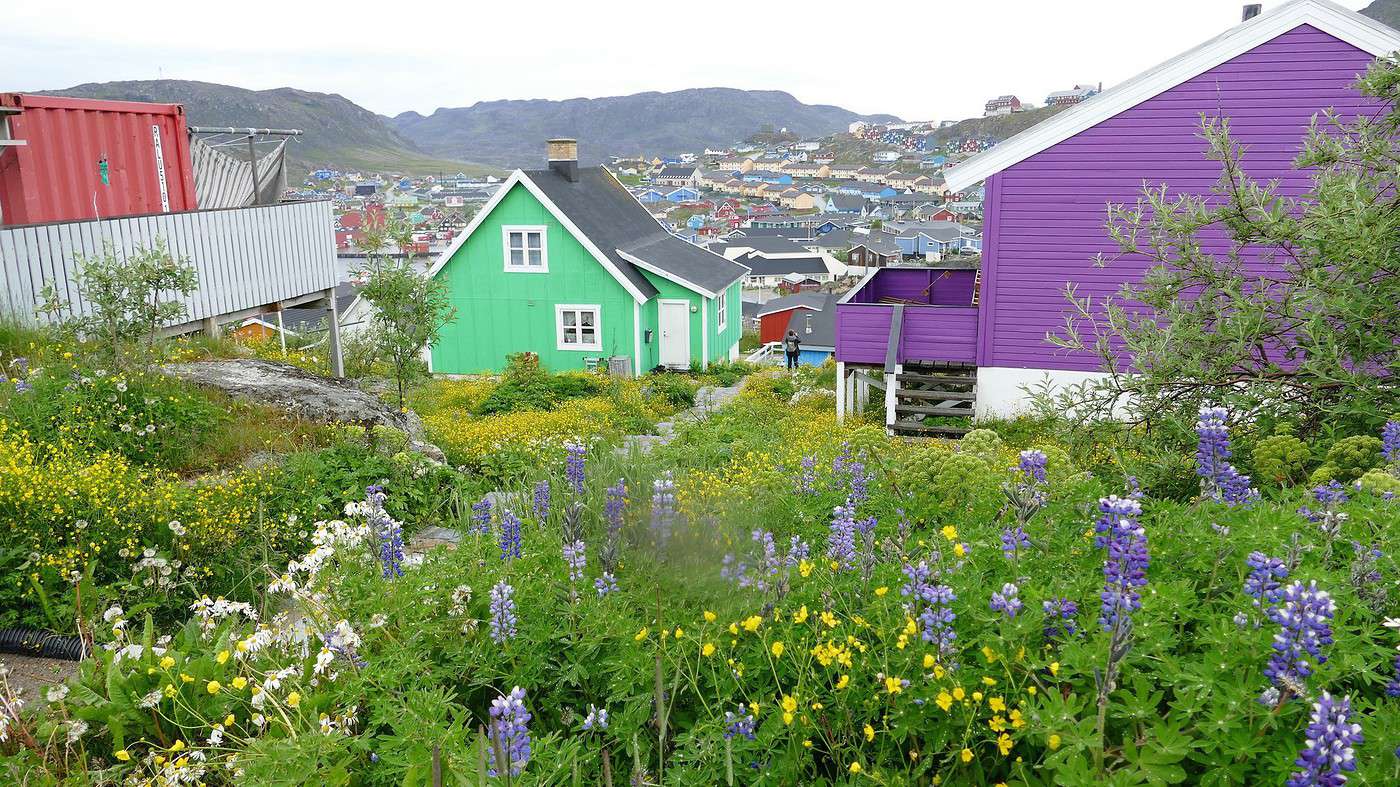
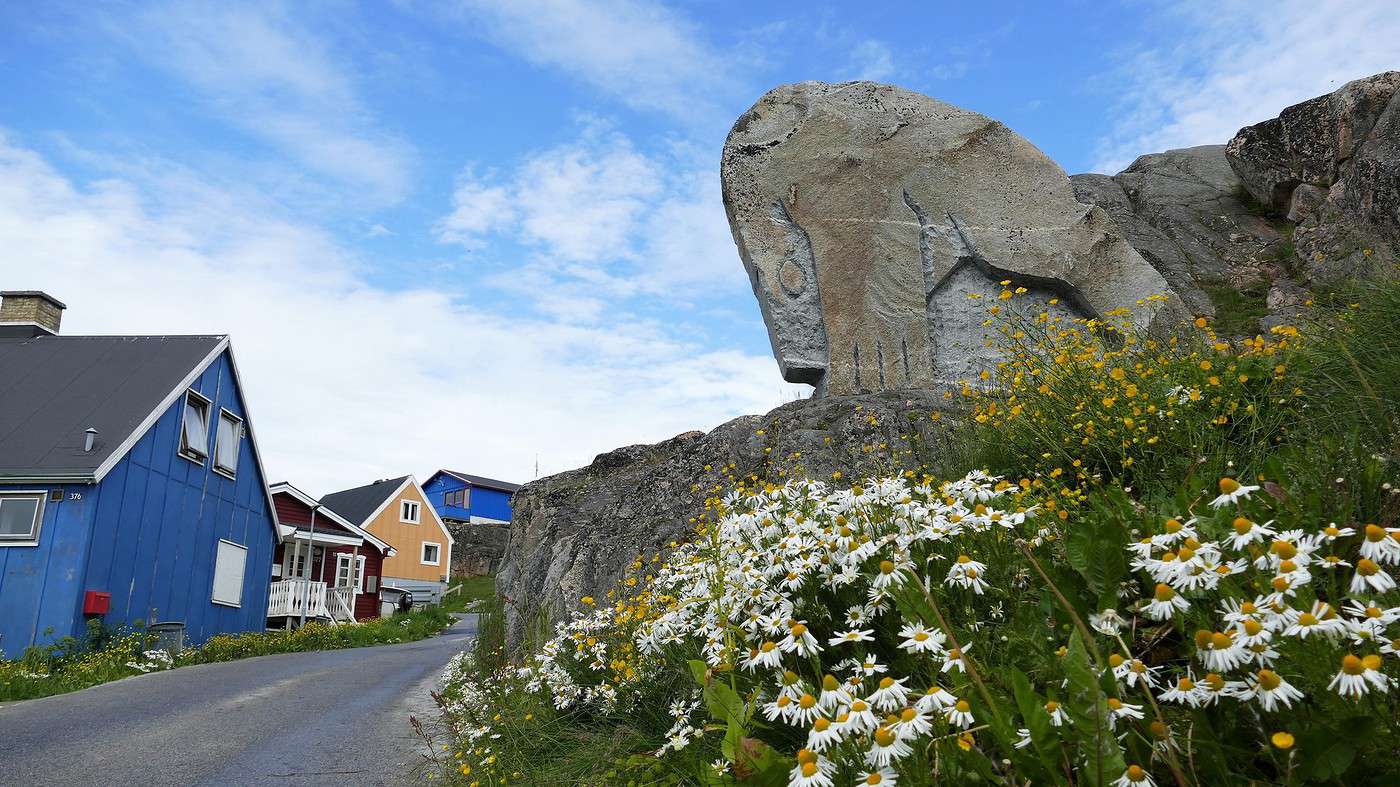
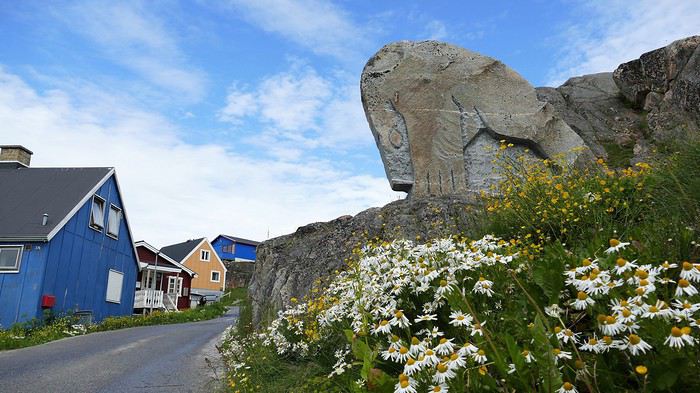
It’s really pretty with its brightly colored little houses and wildflowers overflowing the ditches.
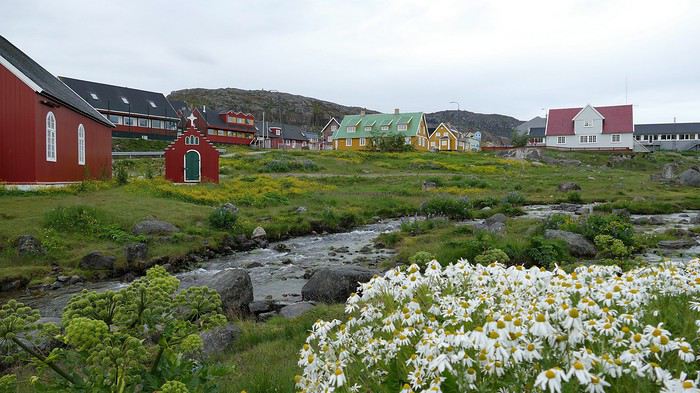
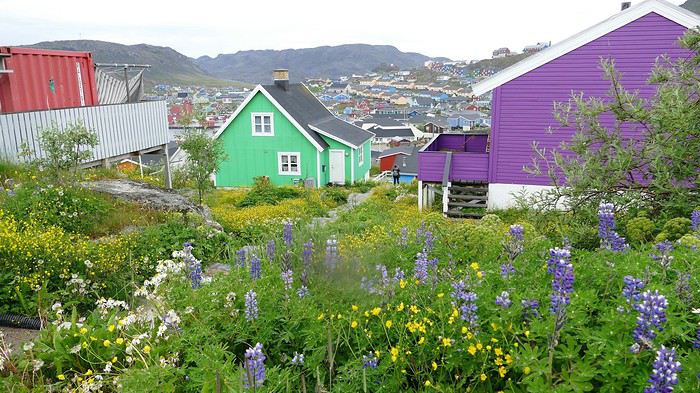
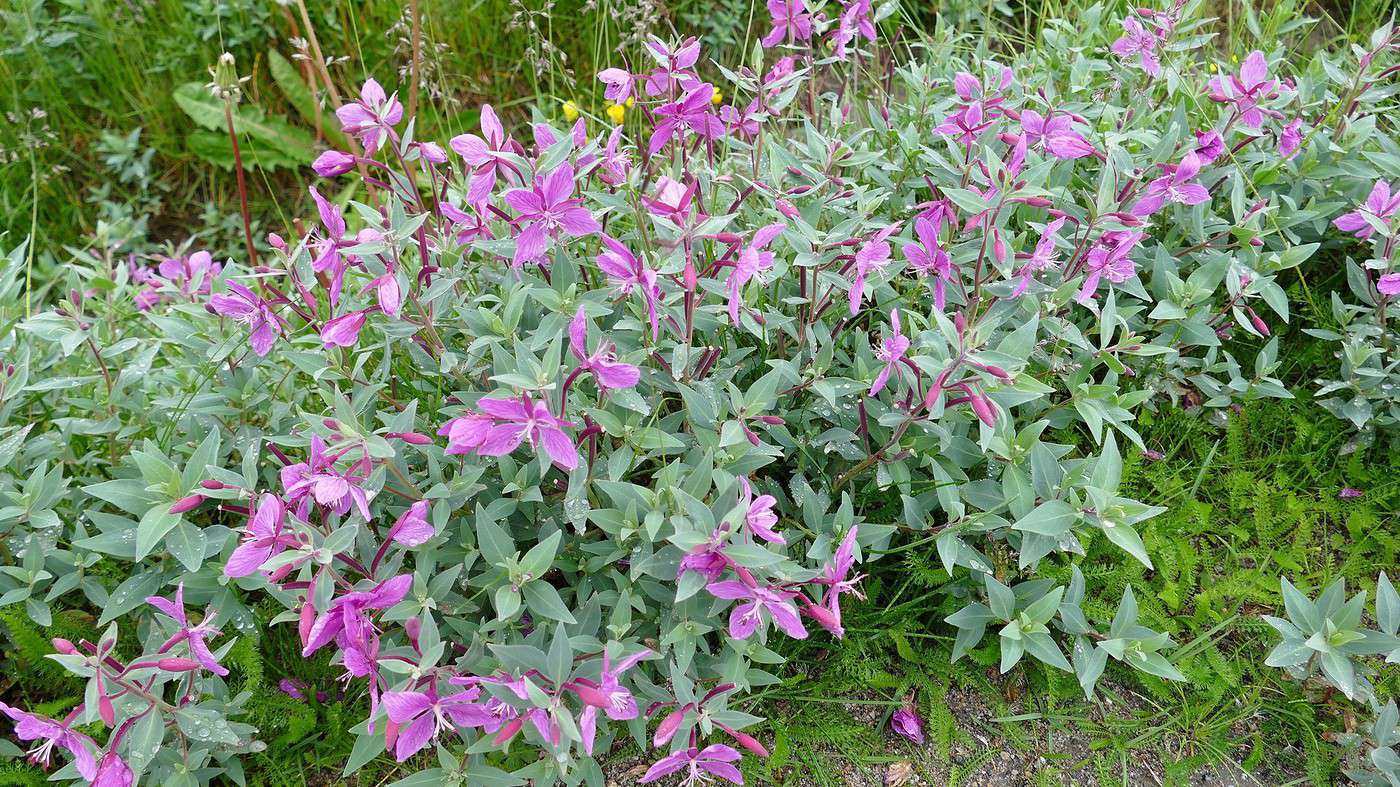
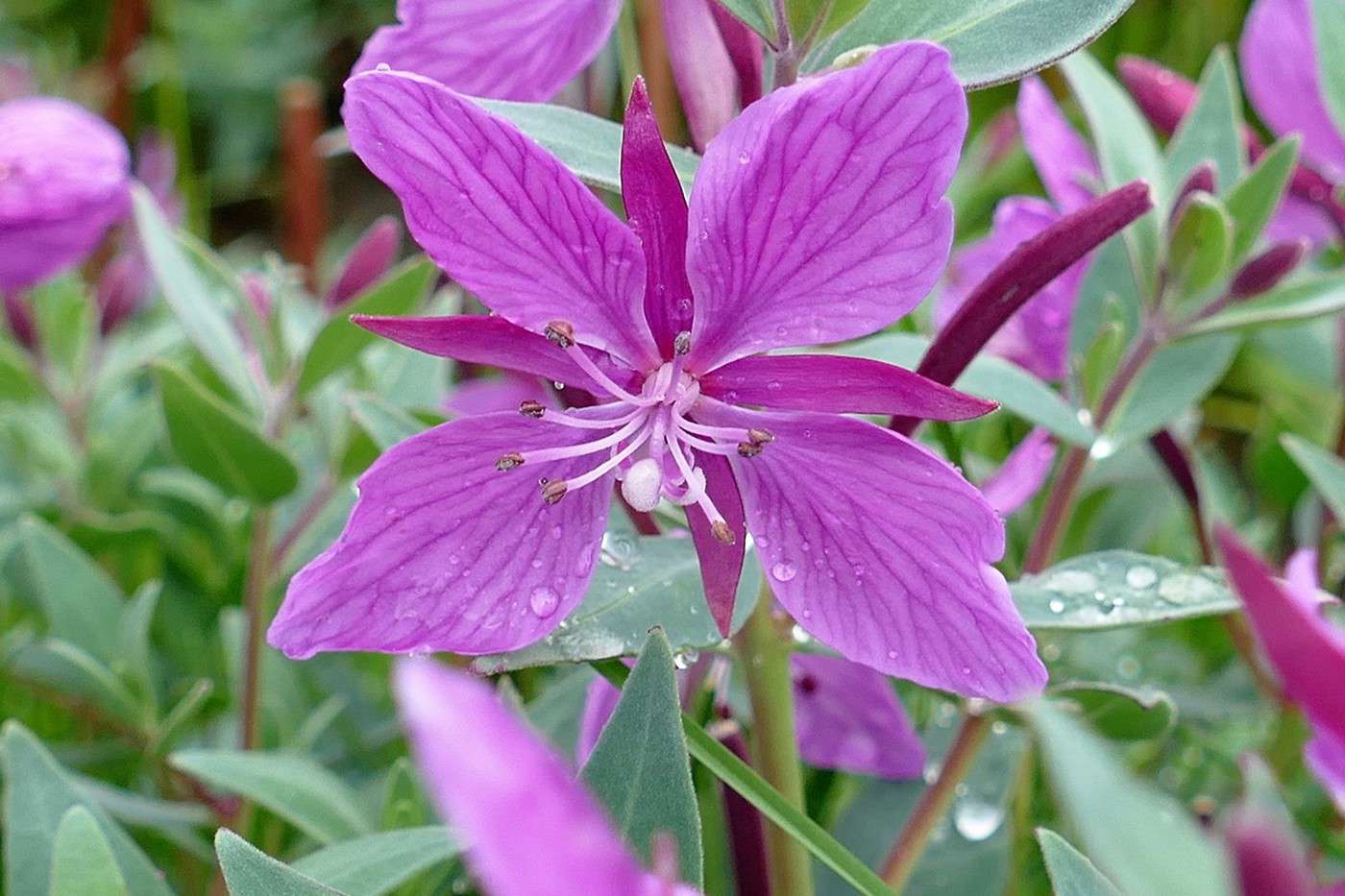
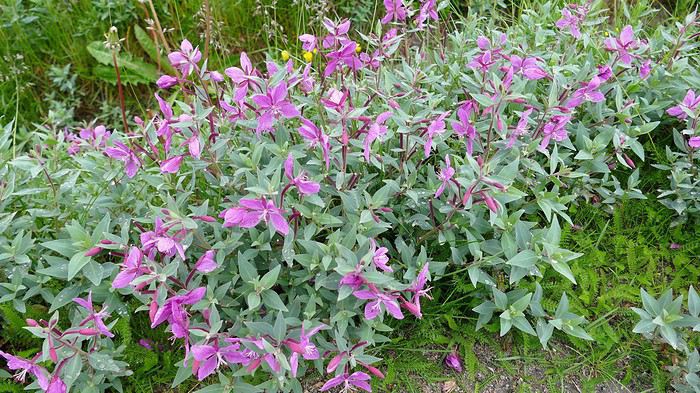
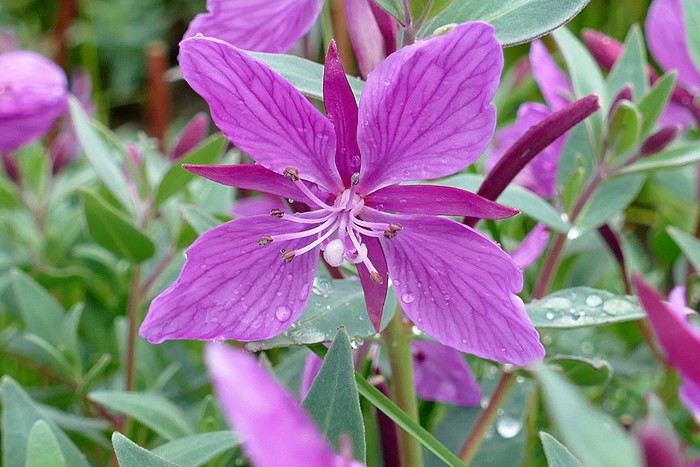
Lots of familiar flowers—daisies, buttercups, Icelandic poppies, lupins—but also *Niviarsiaq*, Greenland’s national flower, which means “young woman.”
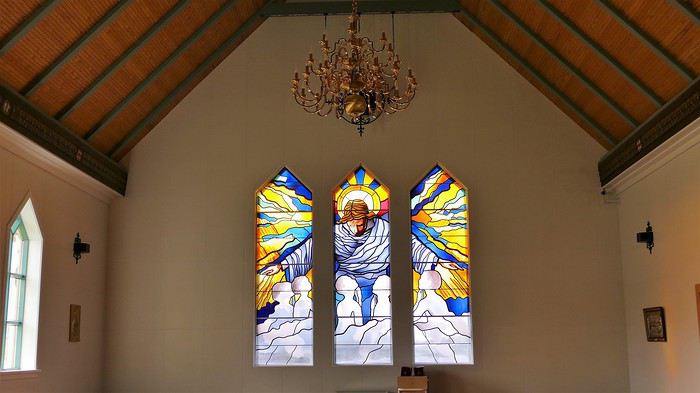
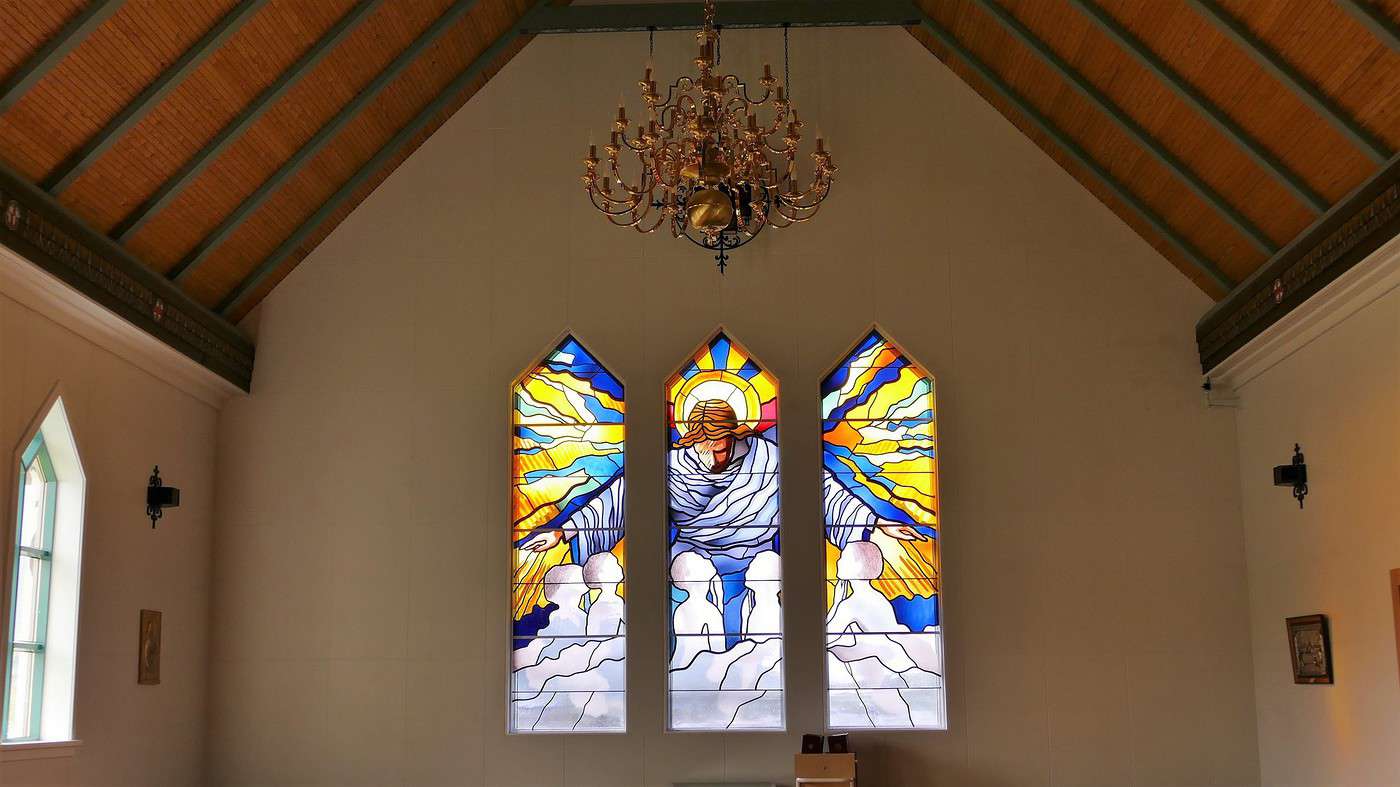
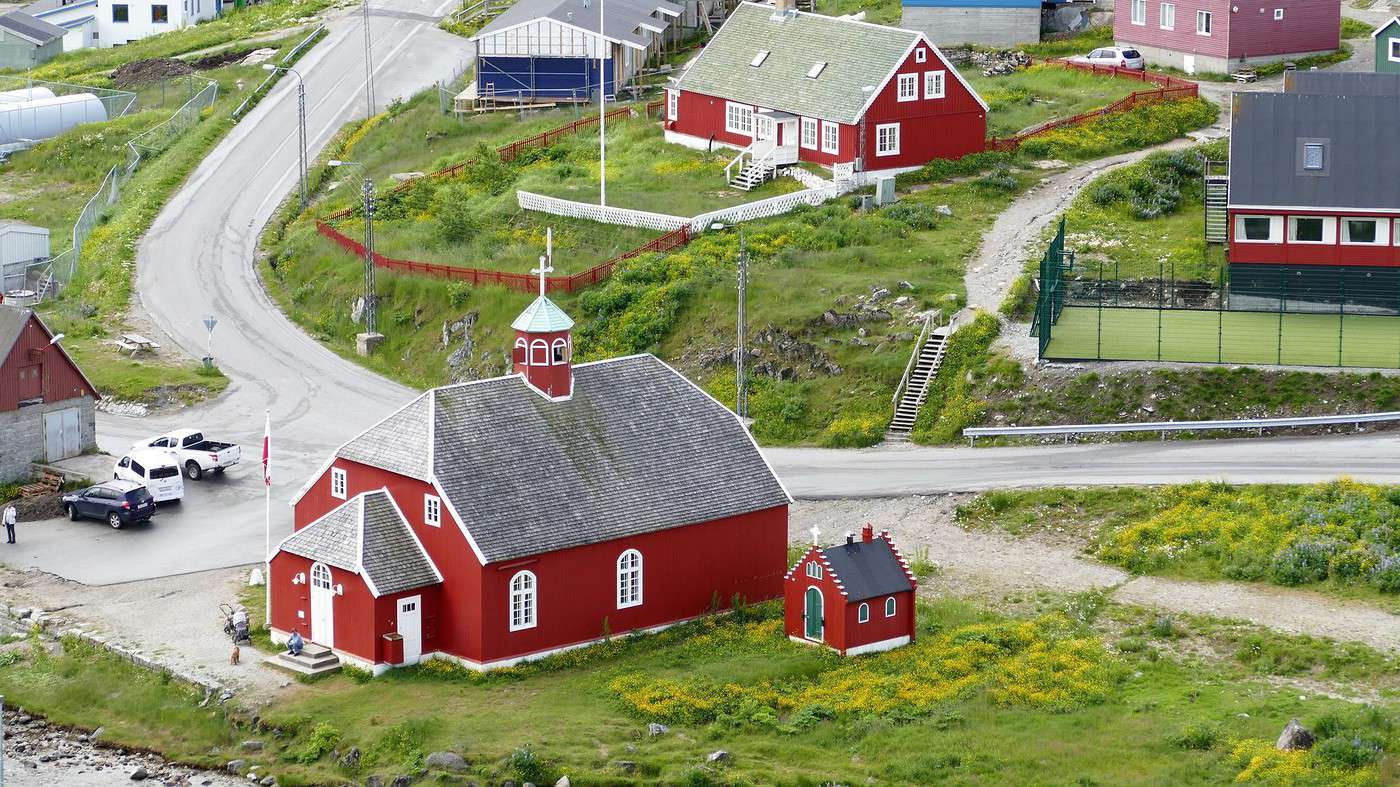
The open-air market, where hunters and fishermen sell their catches, is closed since it’s Sunday. Both churches are also inaccessible due to services. The oldest one was built in Norway, then shipped in pieces and reassembled here in 1832.
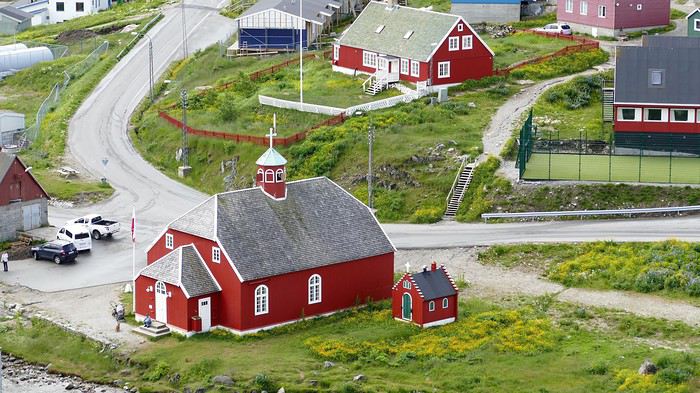
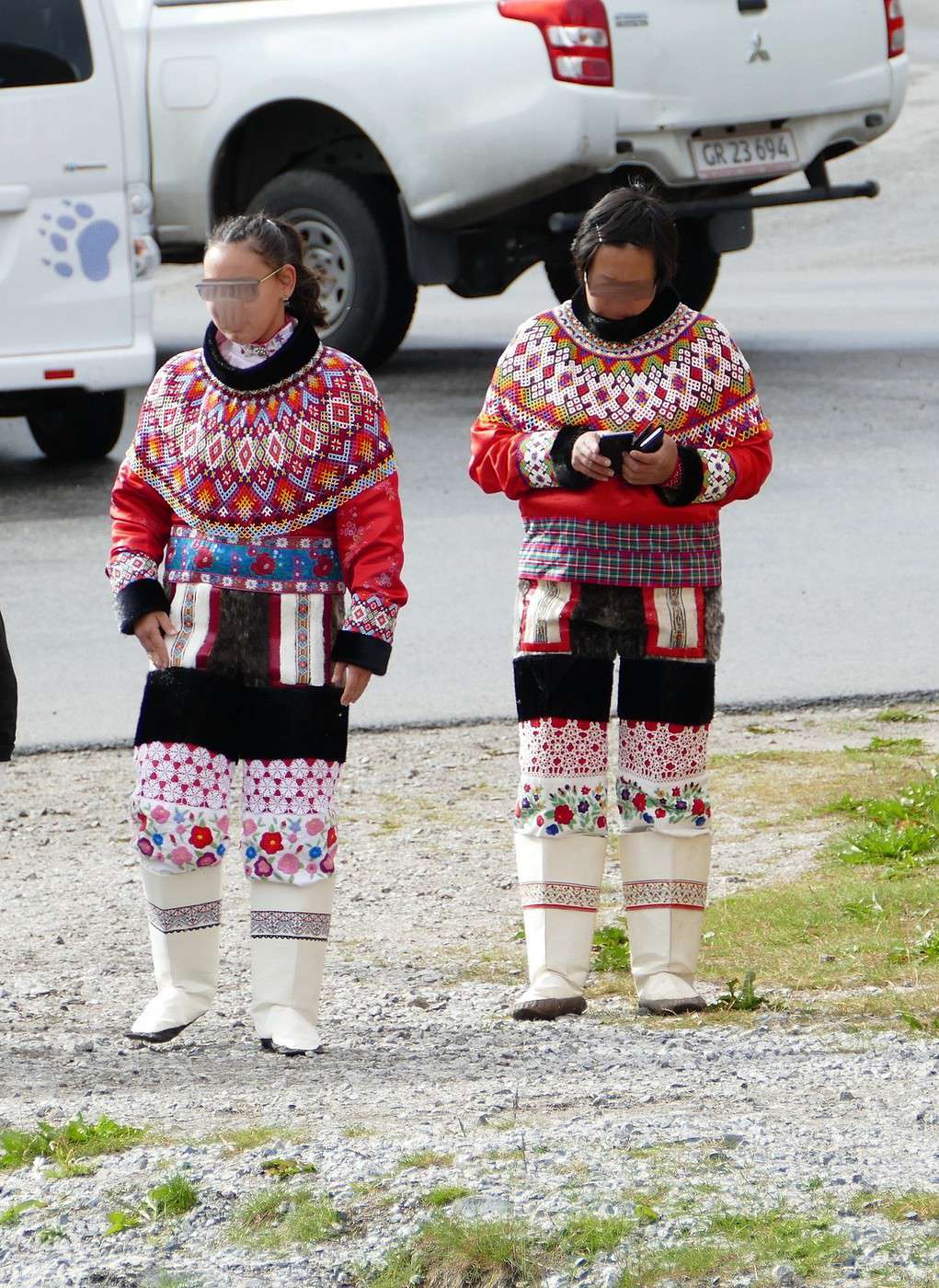
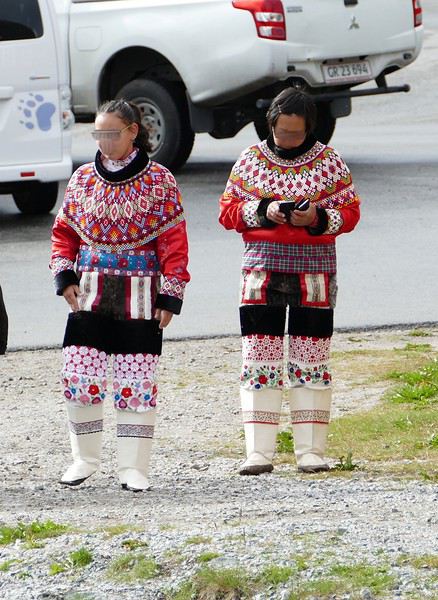
Two young women in traditional costumes are at the church entrance for a ceremony.
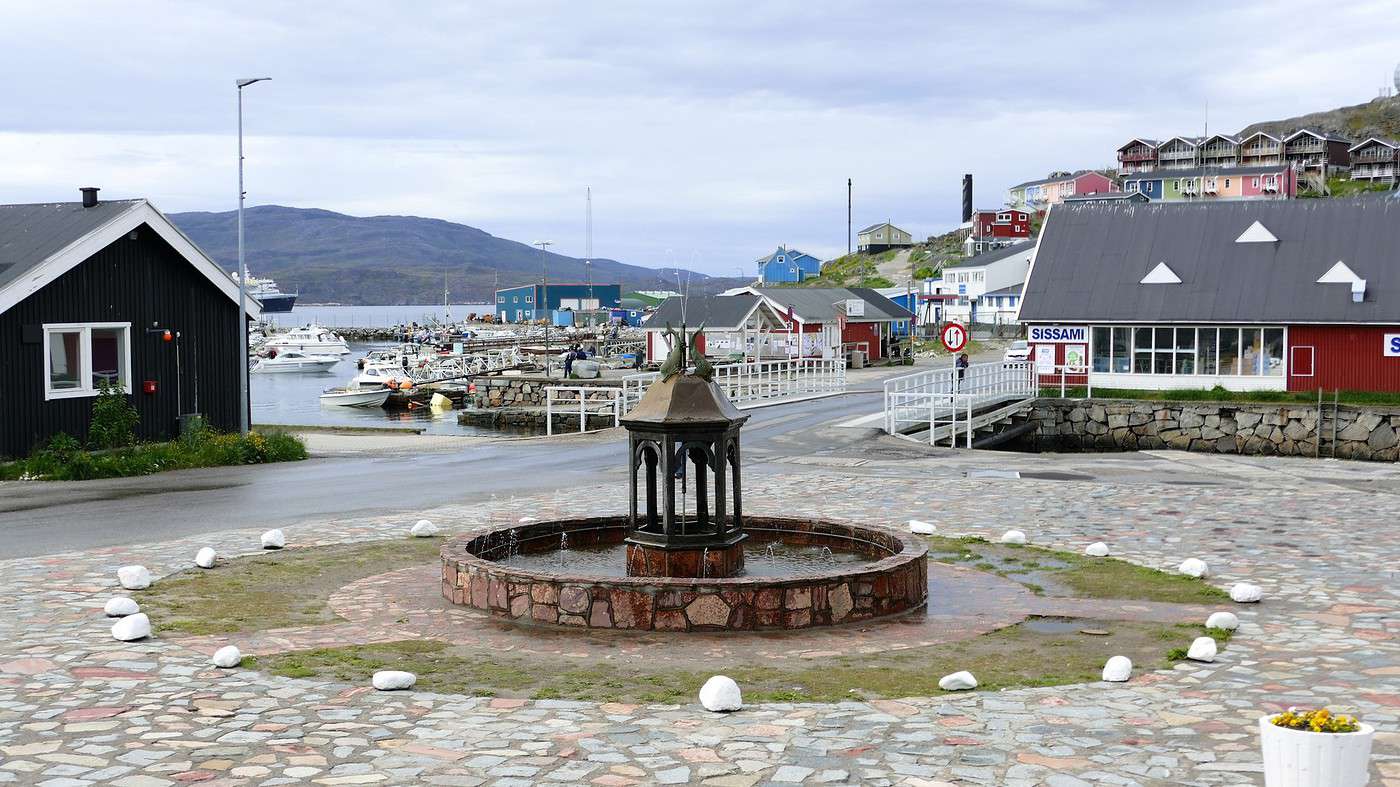
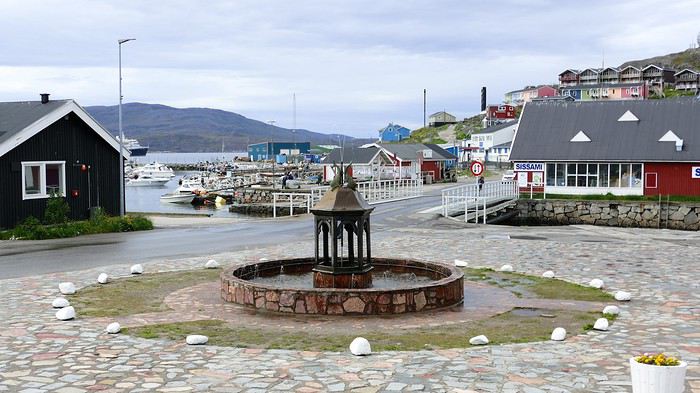
Greenland’s oldest fountain—and for a long time, the only one in the country.
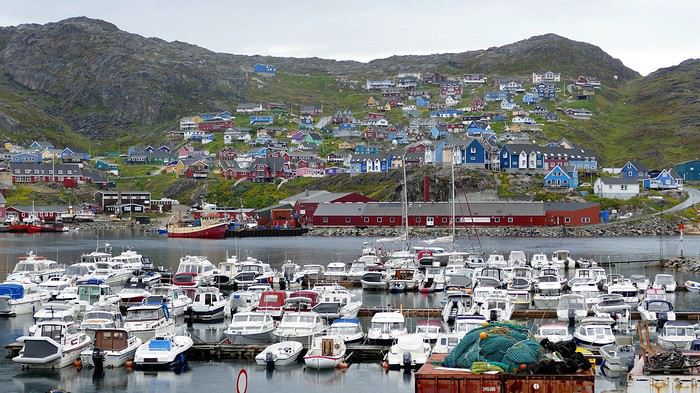
A few steps farther, the marina.
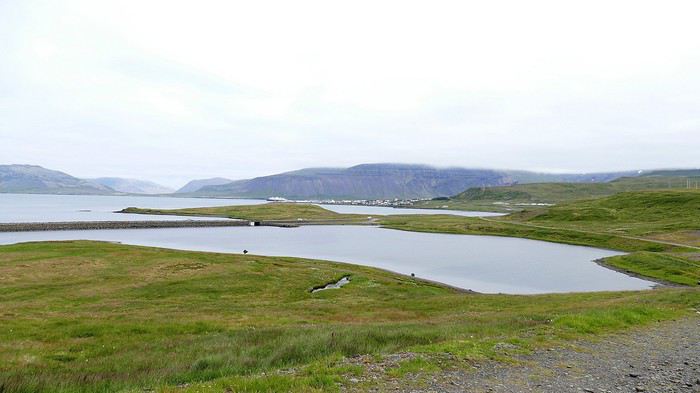
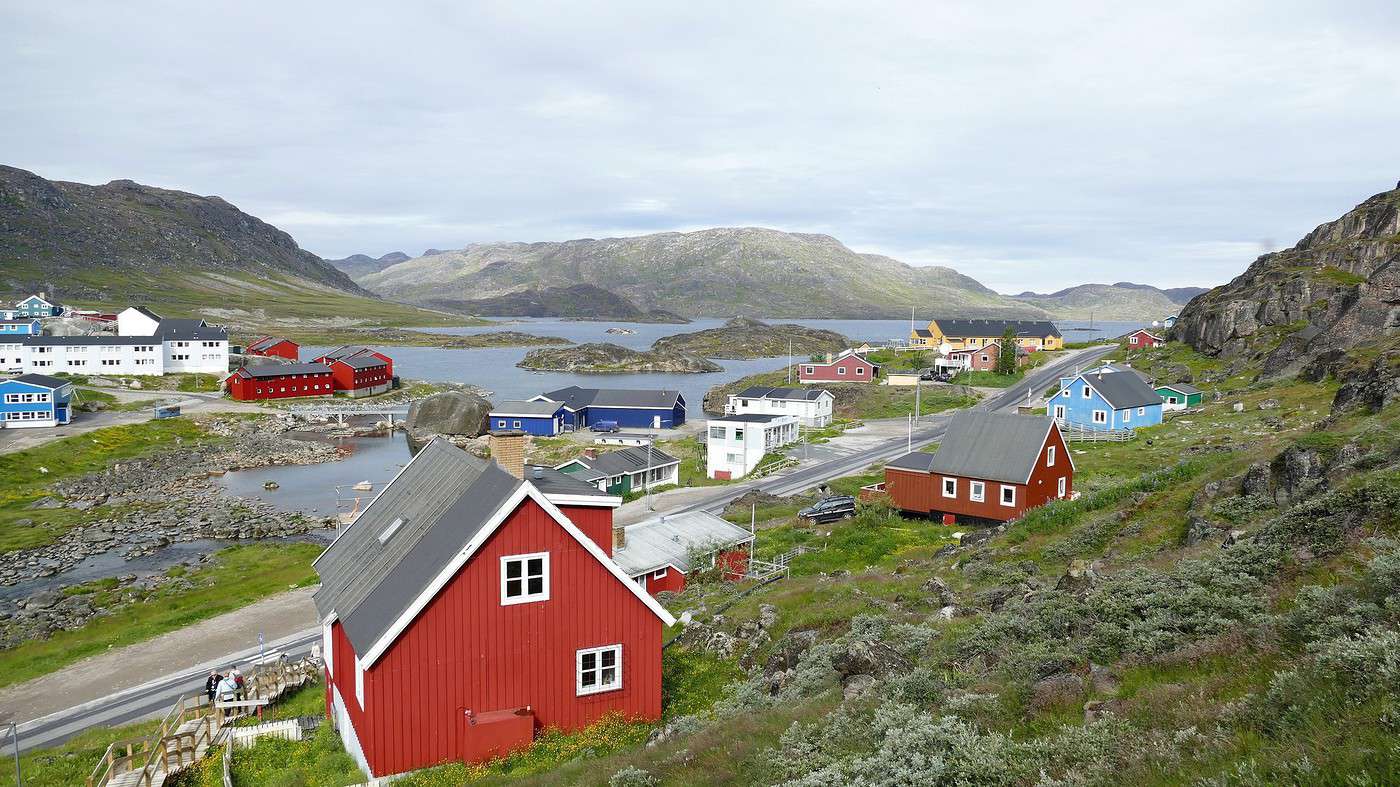
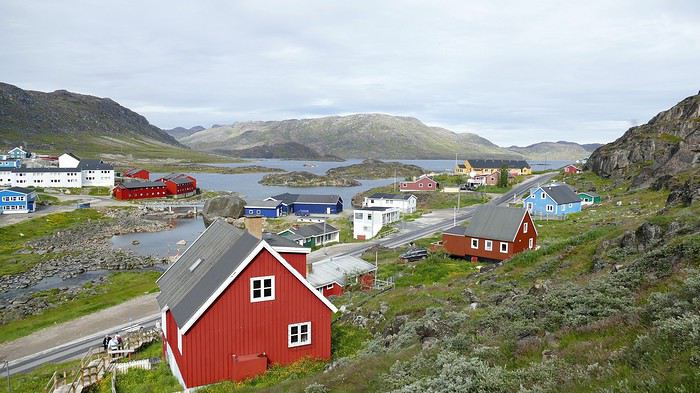
Wooden stairs make it easy to climb to the village heights for a lovely view of Lake Tasersuaq.
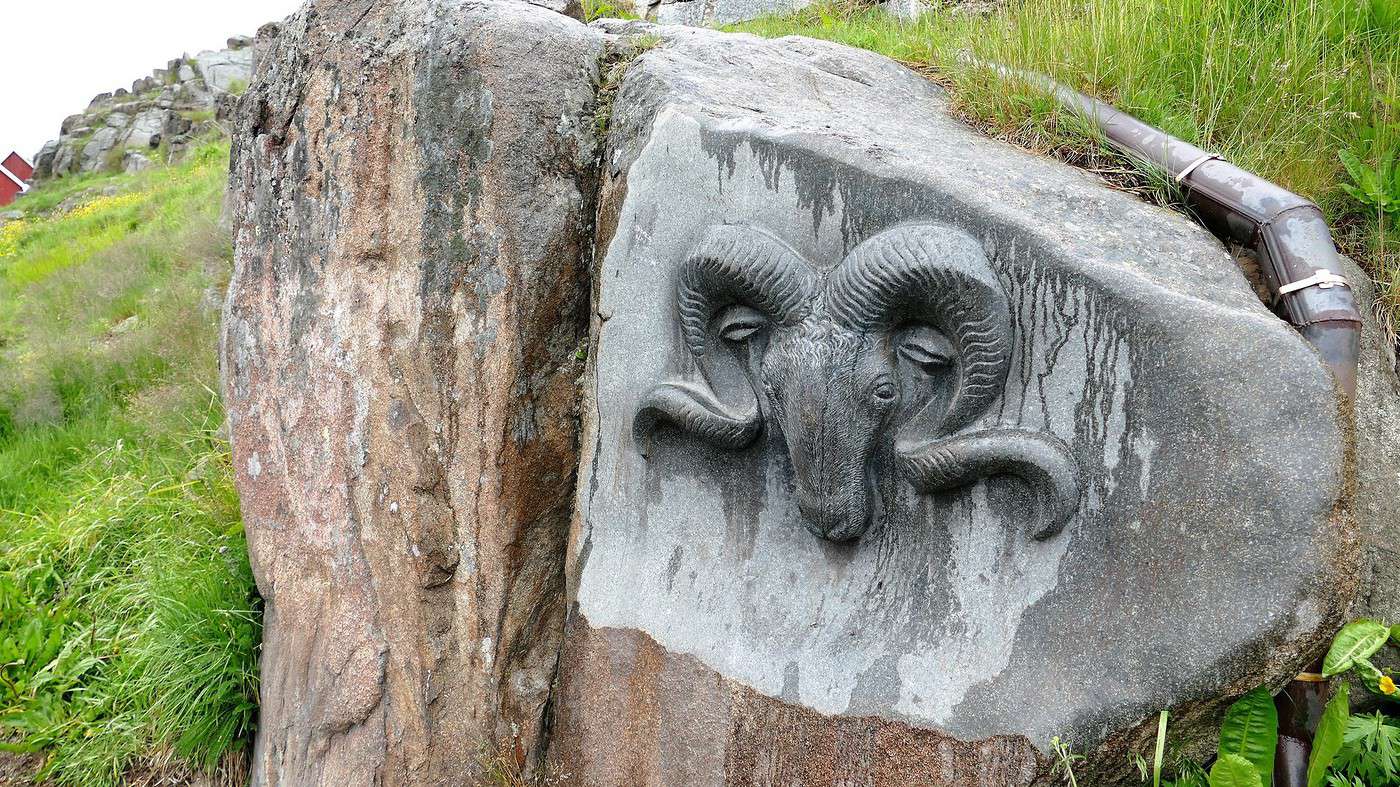
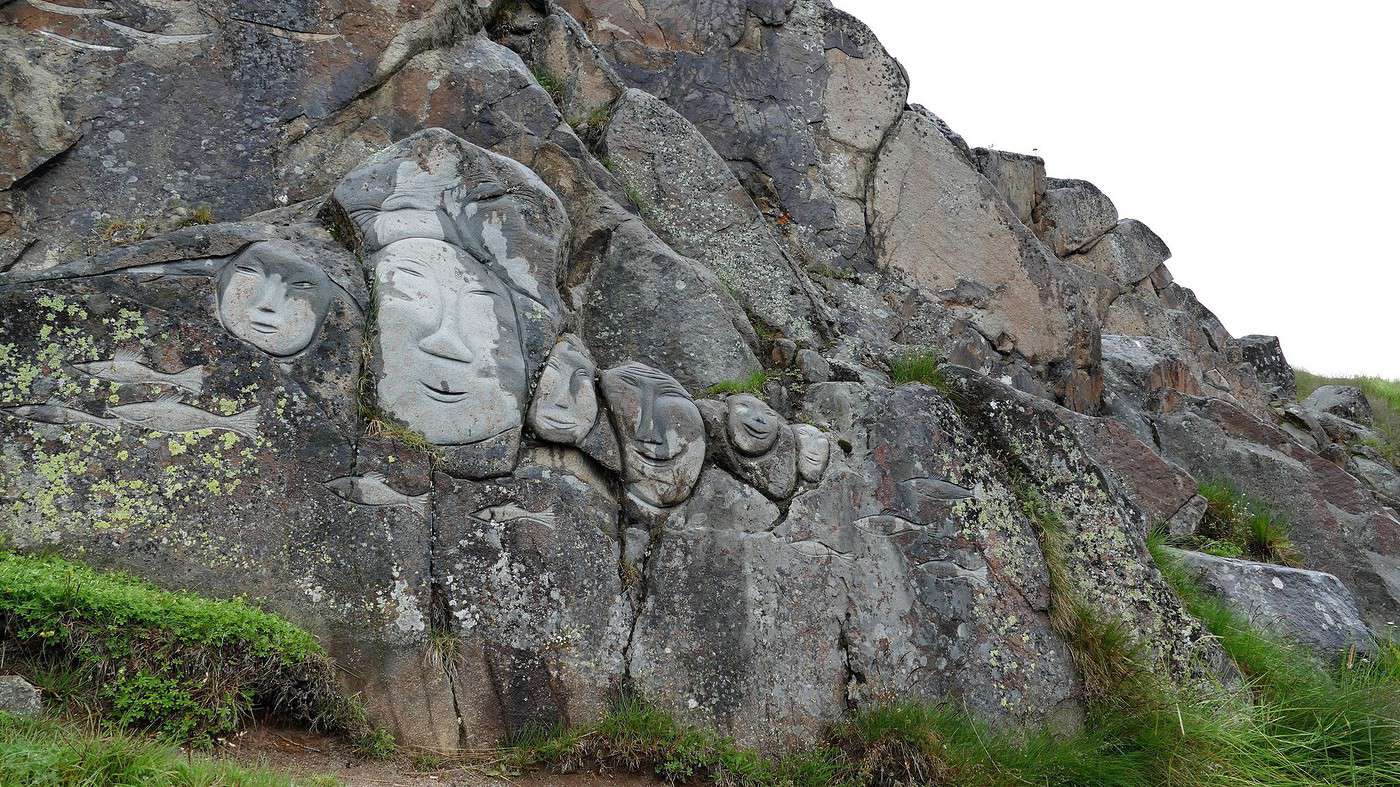
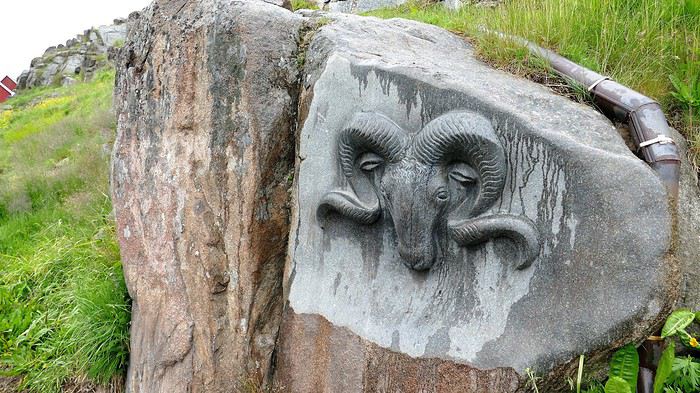
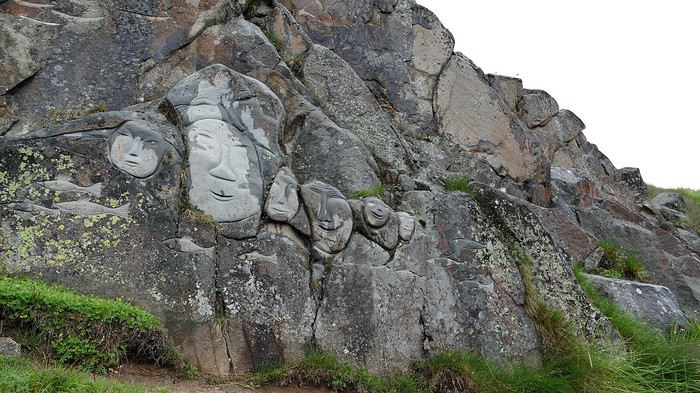
As we wander the streets, we pass an open-air sculpture exhibition created in 1993.
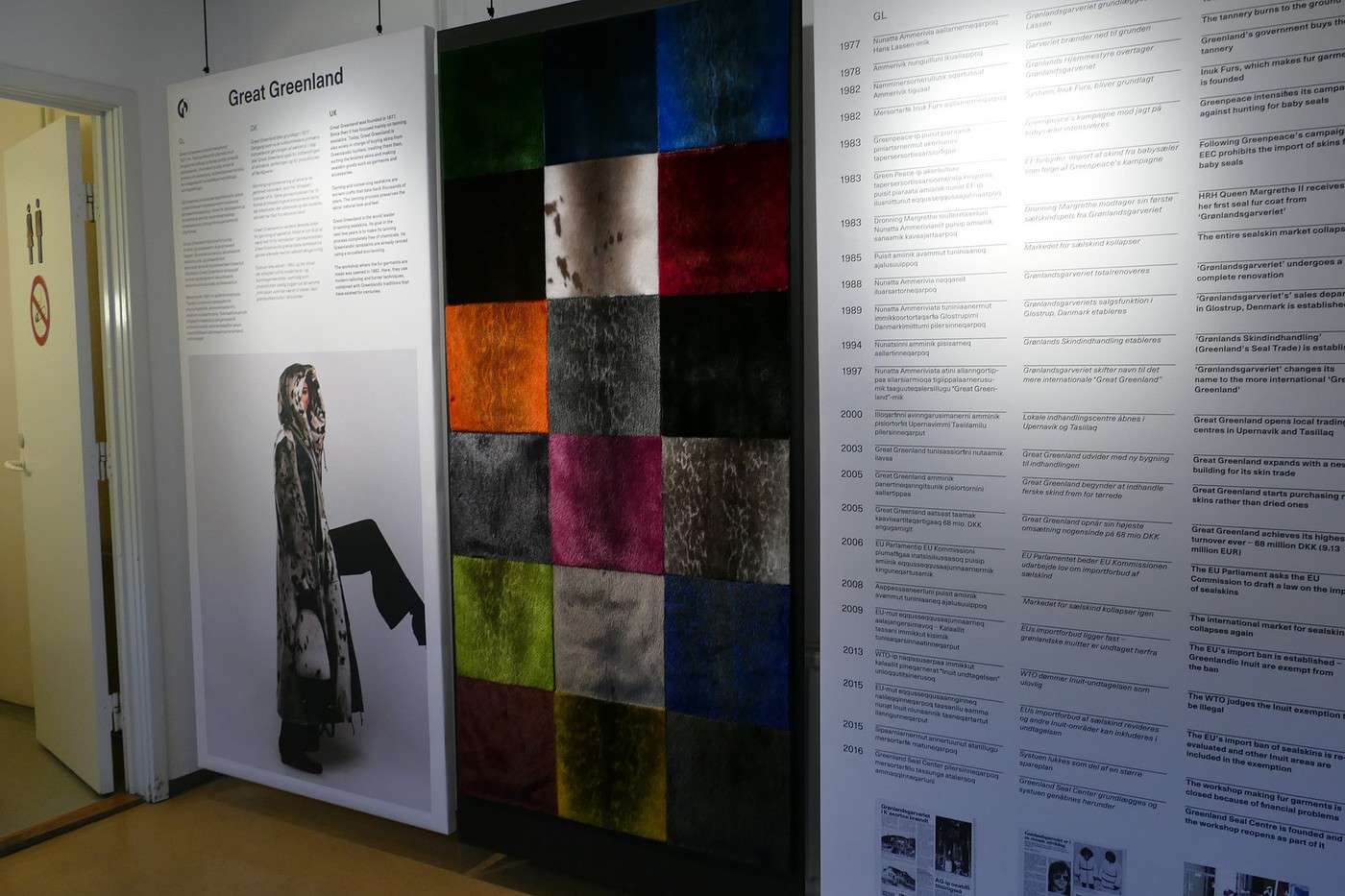
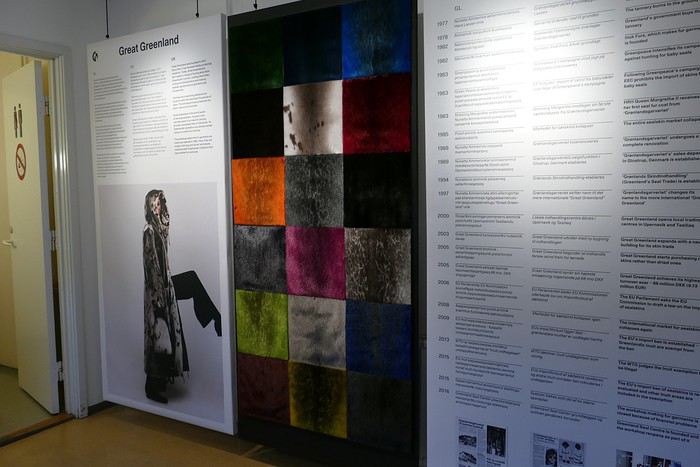
The locals live off fishing, the shipyard, and the only active tannery. The tannery opened its shop for us—the items made there are beautiful but very expensive, and they’re made from baby seal skins, at least that’s the image that comes to mind when I see them.
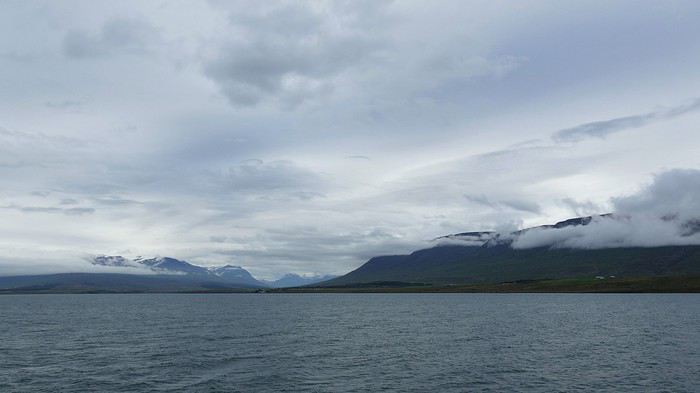
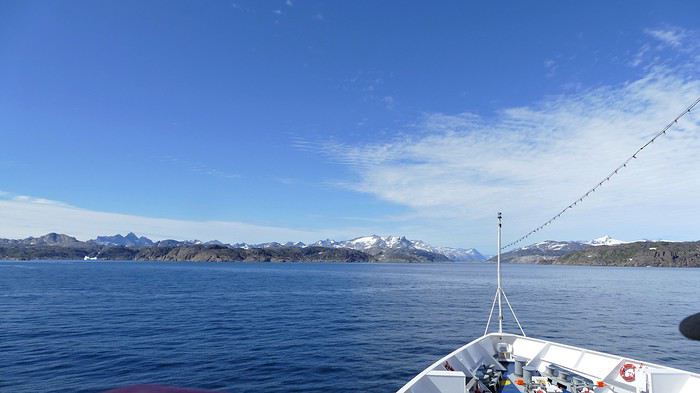
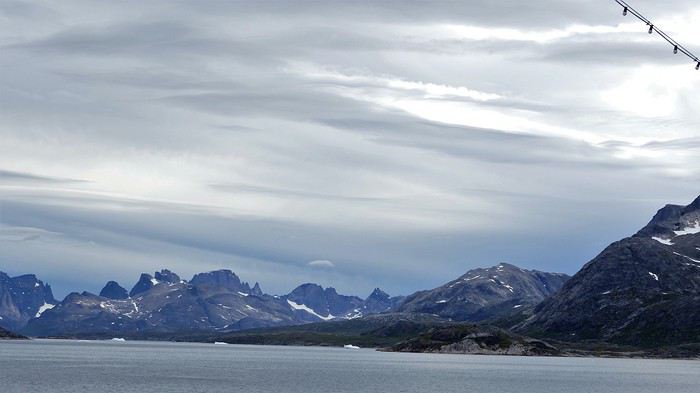
No icebergs in sight, and the weather’s so mild—it’s hard to believe Narsaq, just 20 km away, is icebound, as the cruise director told us.
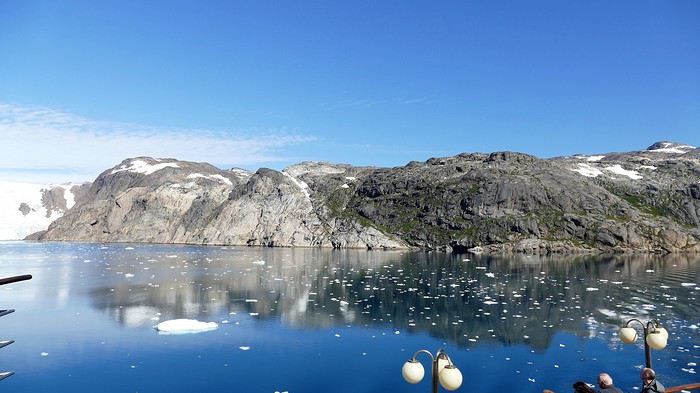
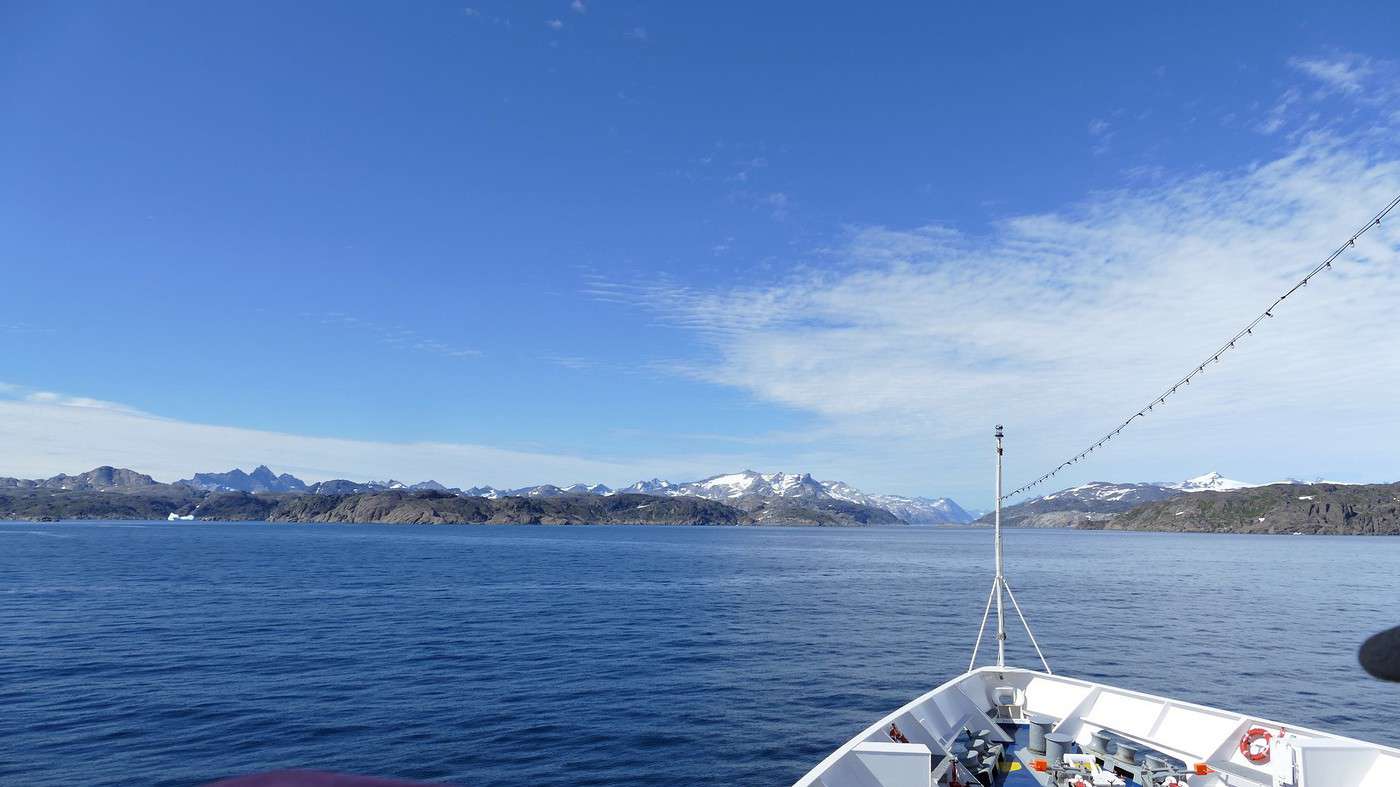
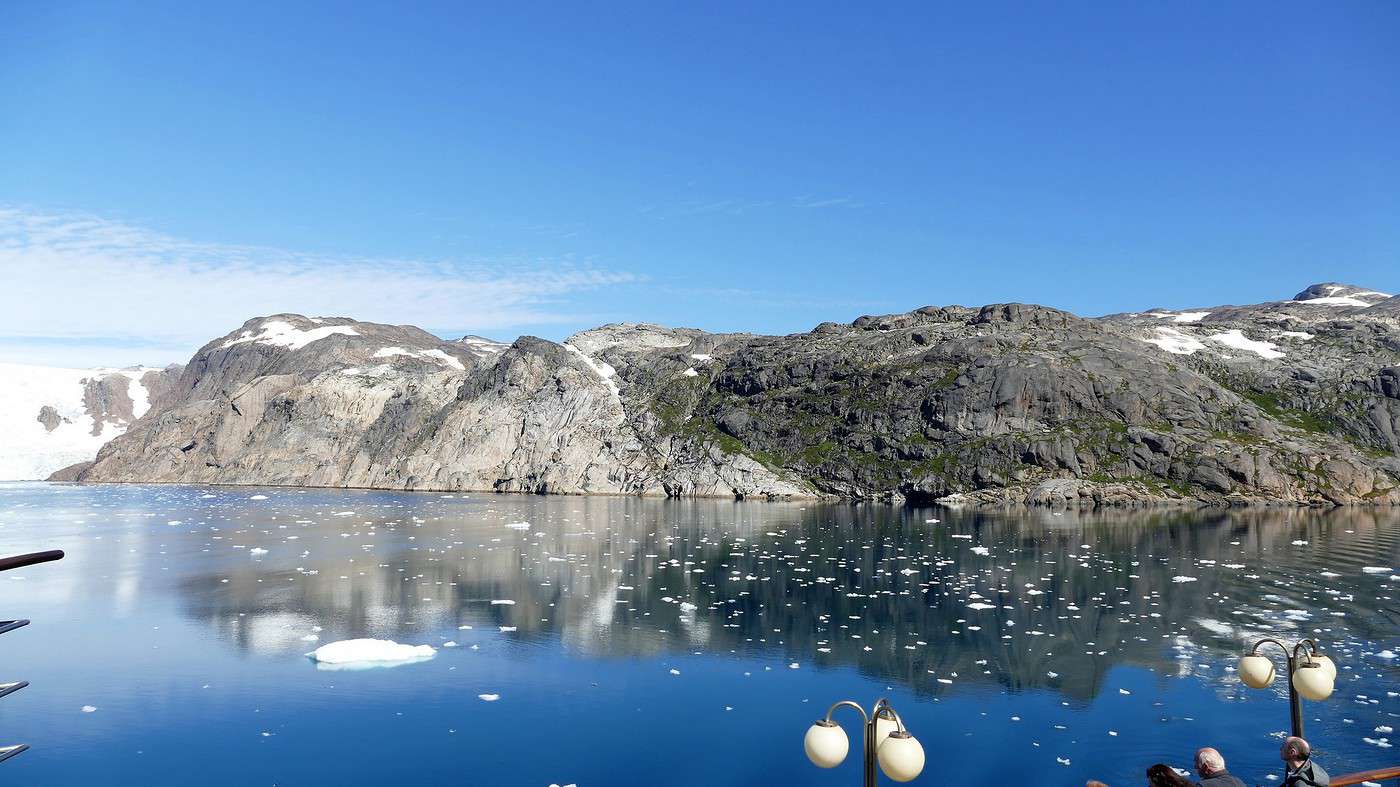
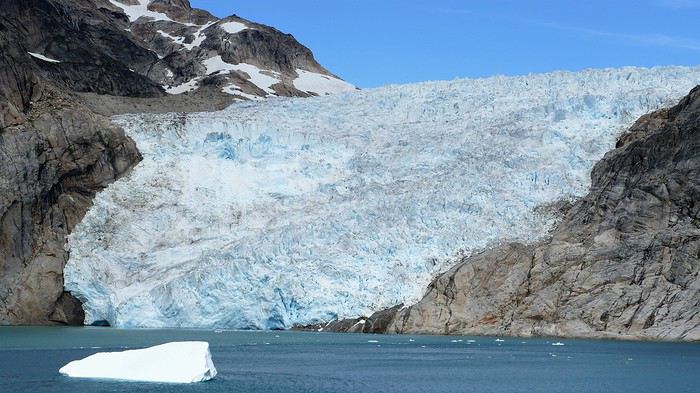
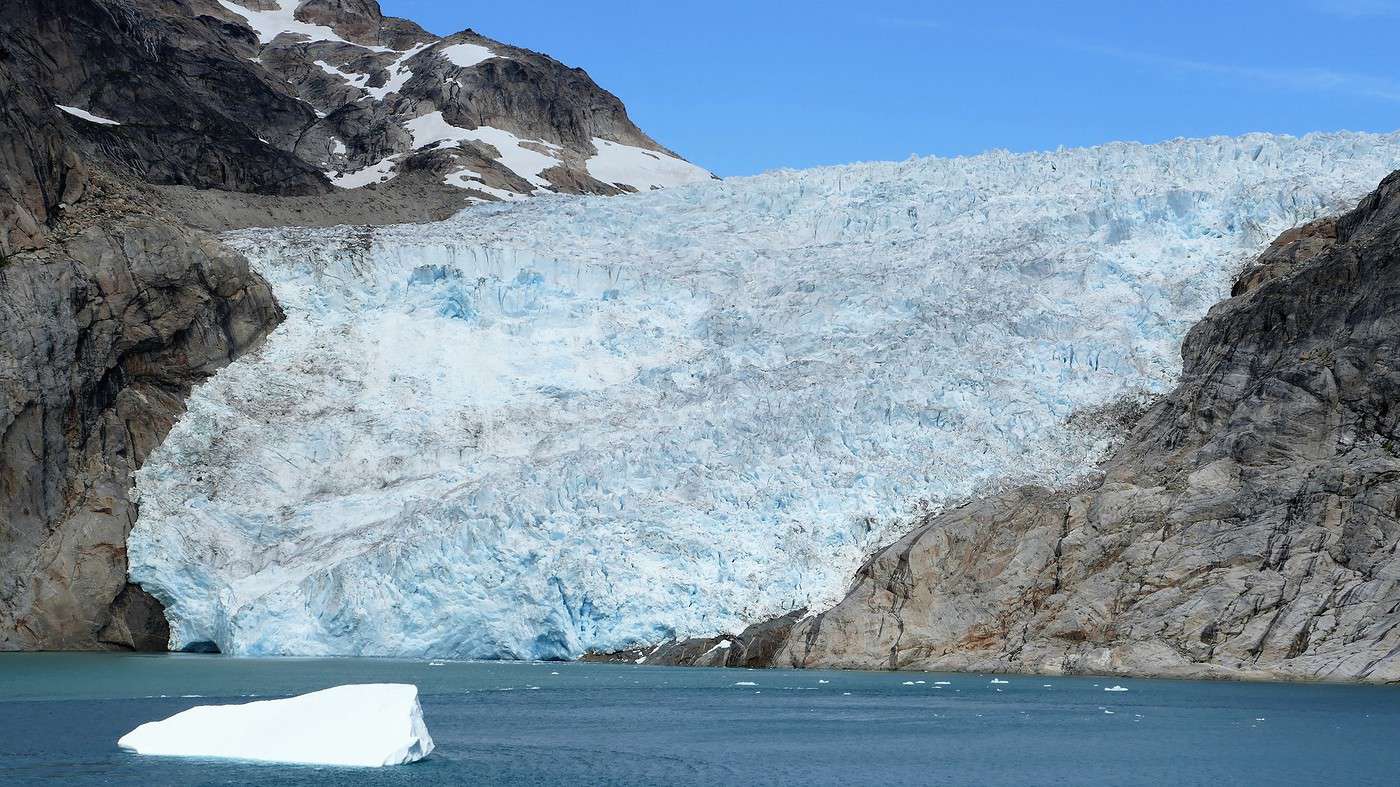
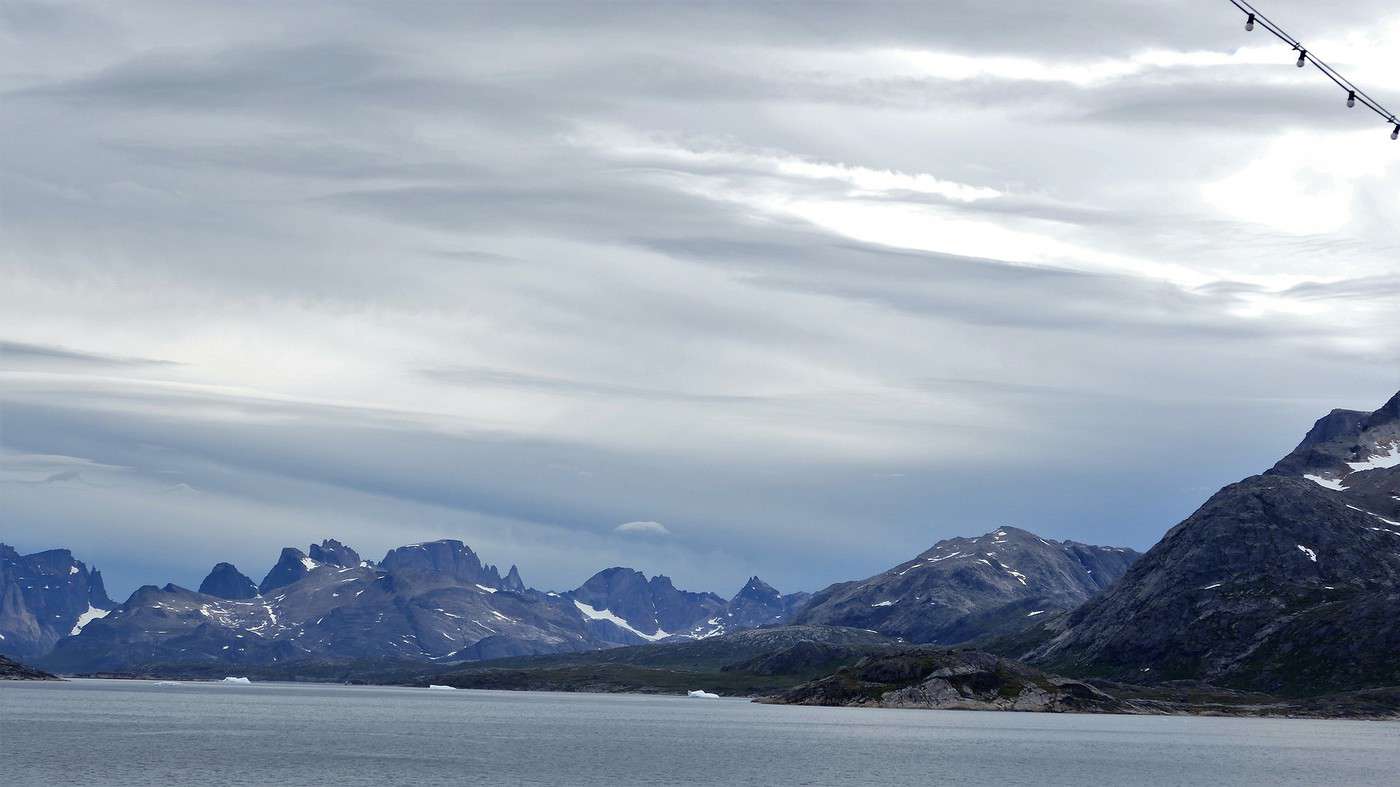
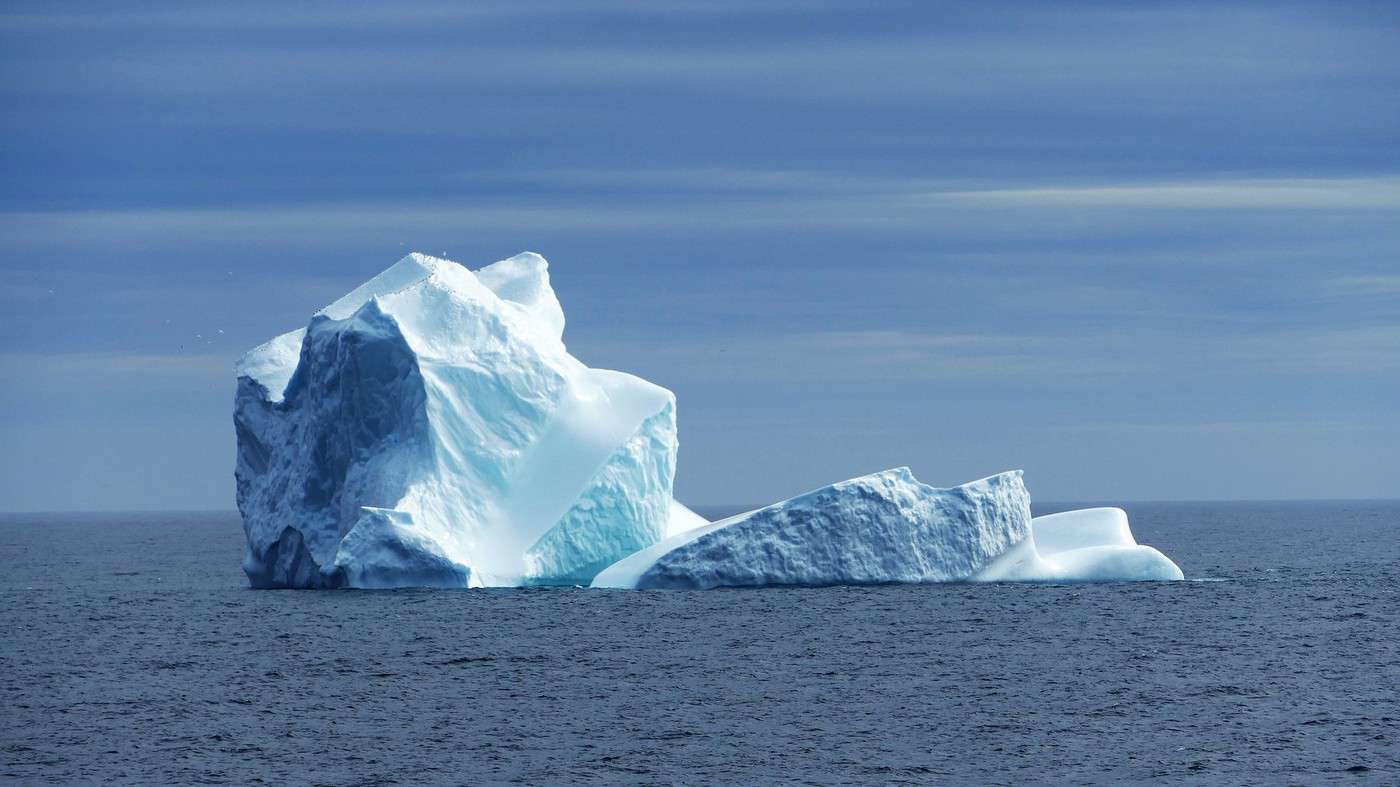
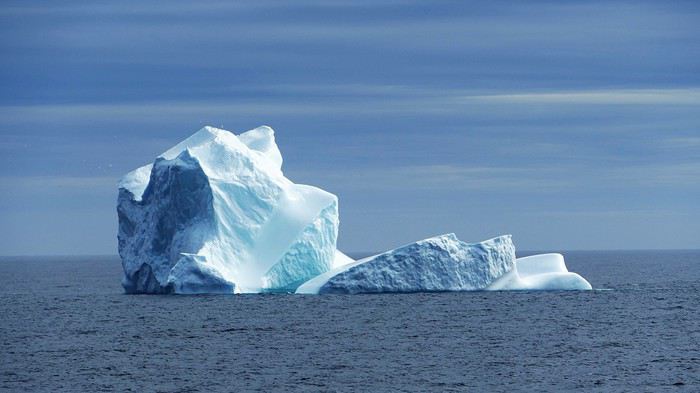
Two hours after leaving, we finally spot a small, lone iceberg.
Back in France, we confirmed our stop was canceled for administrative—or rather, economic—reasons. Another ship took our place by outbidding us for the port fees.