in Entre deux voyages › Carnets de voyage
Happiness Settles in the Heart of the Maasai Mara (page 3 of 7)
Discussion started by Jety34 on 2020-04-06
122 replies
This thread has been translated into English.
Happiness settles in the heart of the Masai Mara
Esethi · 2020-04-22 · Message 41 of 123
Thanks for the details, and can't wait for the rest!
Christine
Happiness settles in the heart of the Masai Mara
Pygmalion19 · 2020-04-23 · Message 42 of 123
Hi Jacky and Yolande,
Yes, we were sleeping in a tent on the roof in total immersion, under the cover of the trees—what really thrilled us, along with the occasional visit from the inhabitants of these woods. Listening to the rustling, growls, hyena laughter, and roars all nearby—it’s a concert perfect for drifting off to sleep.........Lol
So cool🙂! But was it comfortable? I had the chance to meet your guide and his partner at Montier-en-Der. Spending days in the bush like they do, taking photos—I’ve dreamed of that.
Happiness settles in the heart of the Masai Mara
Jety34 · 2020-04-23 · Message 43 of 123
Hi Eric,
Traveling with a roof tent is a great option, especially when, like us, you love spontaneity and don’t want to book your entire route in advance—which, by the way, wouldn’t be easy for a 6- to 8-week trip. We’ve been traveling this way for several years now, alternating between the very comfortable tent and solid accommodations, except in Ethiopia where these types of vehicles are rare or nonexistent, and in 2017 in South Africa where we rented a Bushcamper (you can sleep and even grab a bite inside the cabin, but there are only two seats in the front).
Spending half your life in the bush, photographing or just observing, is absolutely amazing—even on the roof of a 4x4. For meals, my friend MDH manages just fine, but he has to restock regularly, especially for water if his clients want to shower morning and night. We were much less demanding!
Best regards,
More to come.
Jacky.
Happiness Settles in the Heart of the Masai Mara
Jety34 · 2020-04-23 · Message 44 of 123
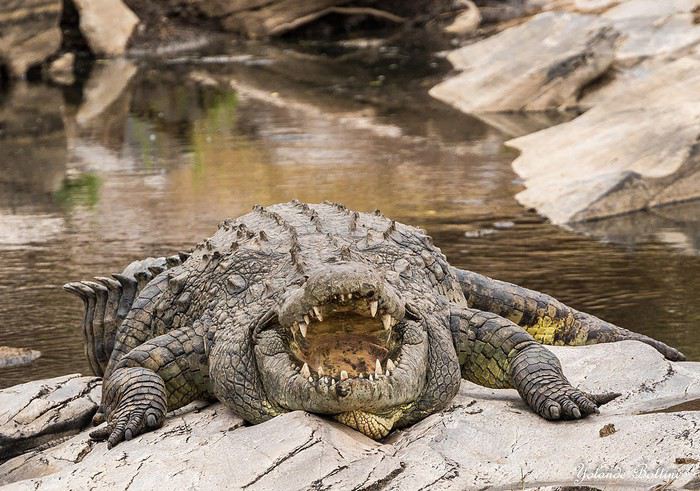
We wake up at 5:00 AM—the sky is clear, the wind has swept away the rain clouds, and it’s mild. Motoron tells us the herds are gathering in large numbers and shouldn’t be long before they start their wild stampede. They’re waiting for the signal to begin, which could happen today, tomorrow... or later! You can feel the crocodiles’ nervous energy; they’re lurking, moving back and forth in the still-clear waters of the Mara. At first glance, I count a good dozen, some enormous—over 4 meters long and weighing several hundred kilos. The bank on our side is low and easy to access, but across the way, it’s a 3- to 4-meter drop with thick bushes lining the edge. Our guide’s sharp eyes haven’t missed a single reptile; he points one out, lying on the sand under the cover of the shrubs. It’s actually a female guarding her nest. Spotting us, she stands up and slides—or rather, *launches*—into the water at lightning speed, disappears beneath the surface, then resurfaces with her snout turned toward us intruders before diving again. I’m always amazed by how quick these creatures are, but also fascinated.
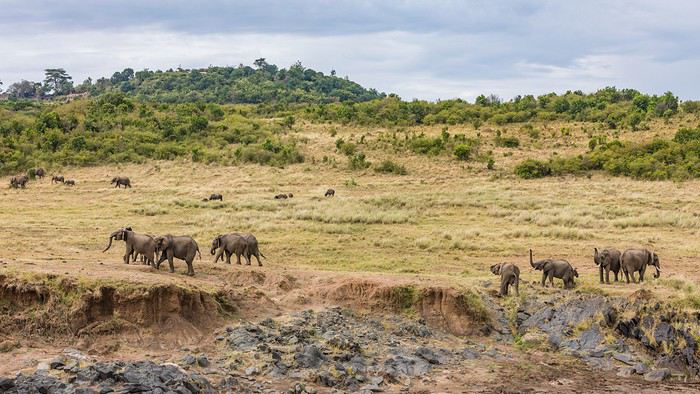
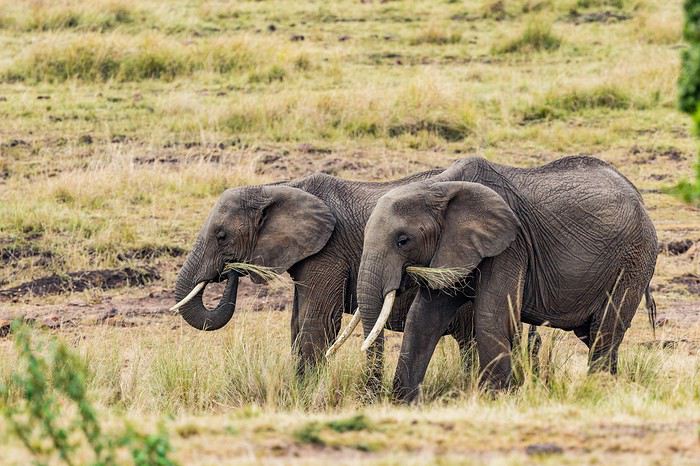
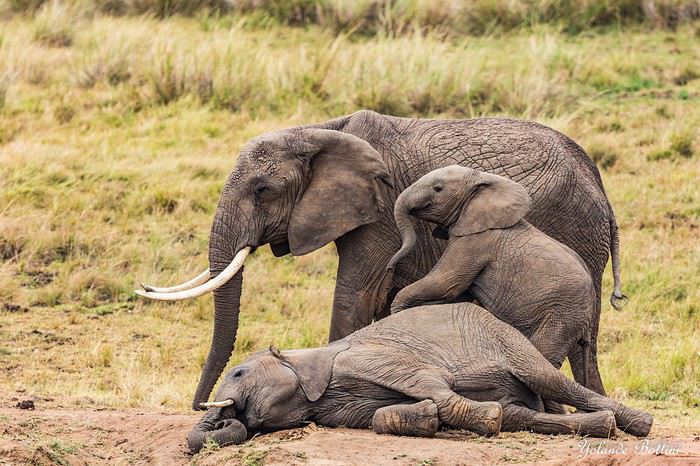
During these first hours of exploration, there’s nothing particularly unusual to capture—just the usual, which, all things considered, is more than satisfying: elephants everywhere, herds of buffalo, hippos that lingered for a snack and are now rushing back to the safety of the water, crocs at every crossing, giraffes, thousands of wildebeest, and even a secretary bird with surprisingly pale plumage. Plus, plenty of people searching for the leopard that’s made this territory its home. At Chinese Hill? Nothing but yellow grass...
Good morning and welcome!
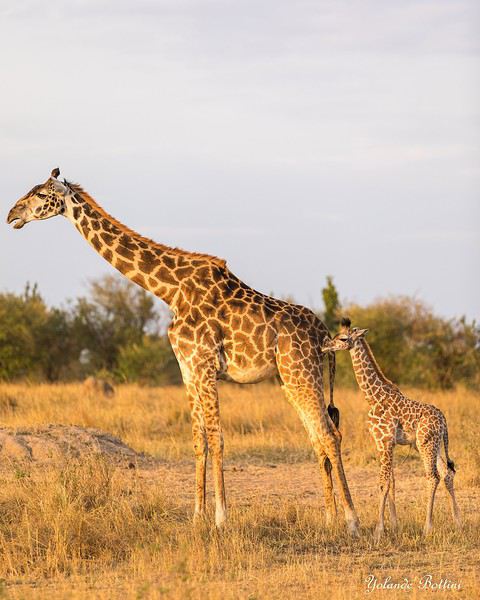
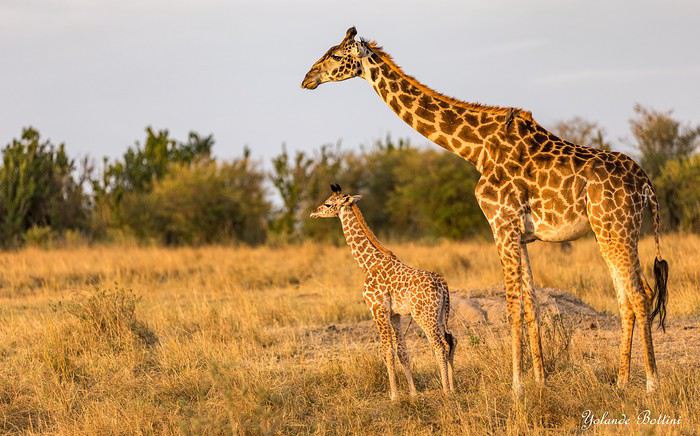
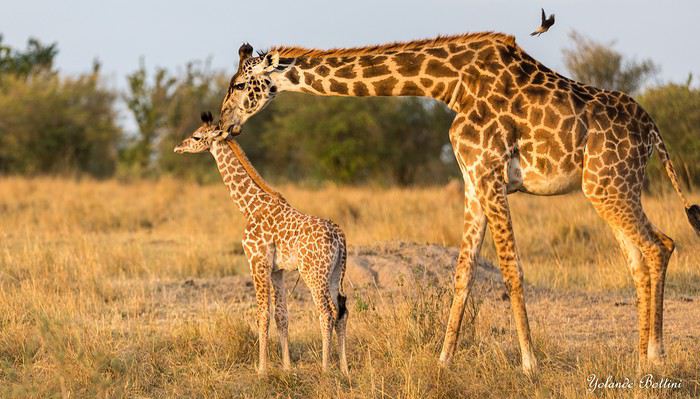
A giraffe calf still with its umbilical cord.
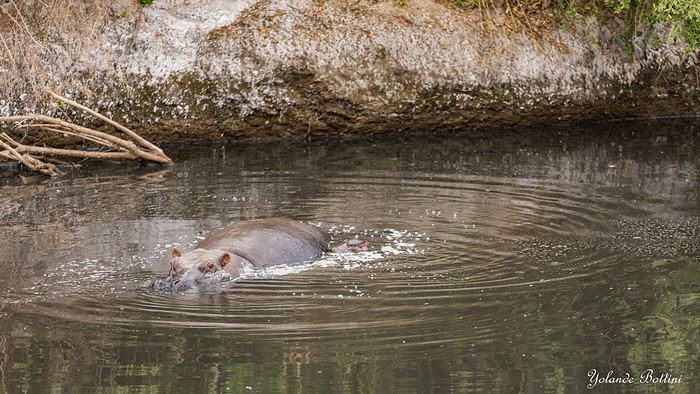
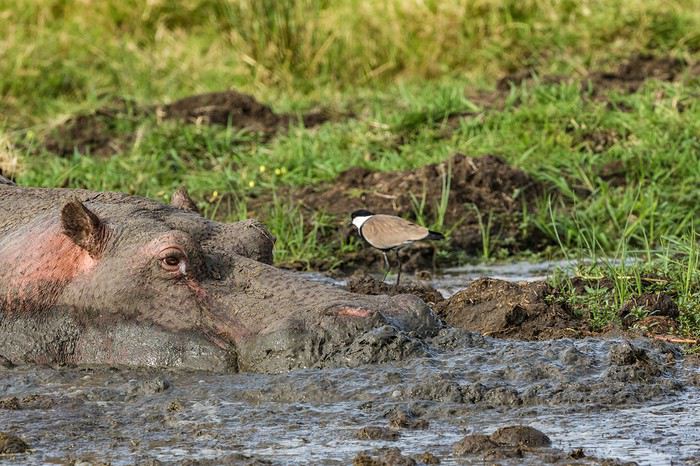
Mama hippo and her pink baby.
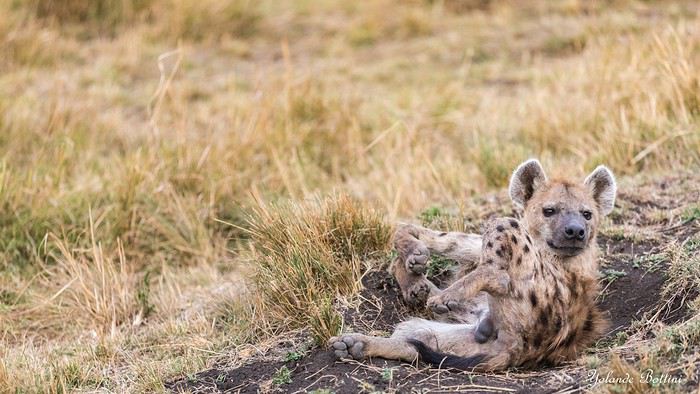
Cool....
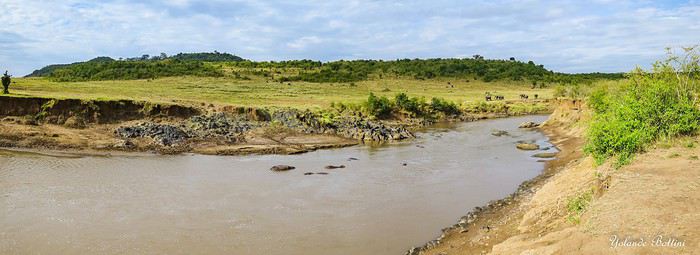
At 8:35 AM, we gather for a snack by the water, right below the terrace of Mara Serena Lodge, which has a stunning location. The scenery here is truly beautiful, framed in the distance by the foothills of the Oloololo Escarpment, dotted with rare umbrella acacias, and brought to life by numerous elephants, large herds of buffalo, and thousands of herbivores. You never get tired of an environment like this, and we lounge around for a while as our hosts run errands. Next, we head to the confluence of the Talek and Olare Orok Rivers, known for being a major crossing point. But all we find are hippos and crocodiles starting to get restless—a rare sight for these big reptiles. You can see them moving back and forth in the calm current of the confluence. Further on, a rocky ford lets us cross the river. The slope is steep and slippery, but the driver handles the vehicle like a pro. As we emerge from the curtain of trees lining the shore, we enter an immense plain teeming with animals—this is the highlight of our trip so far.
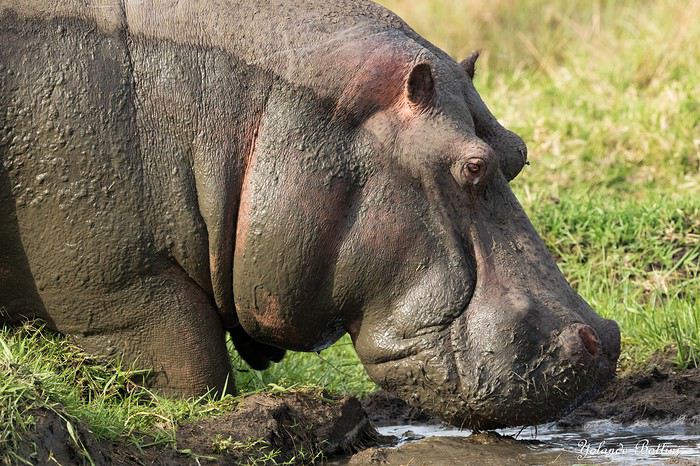
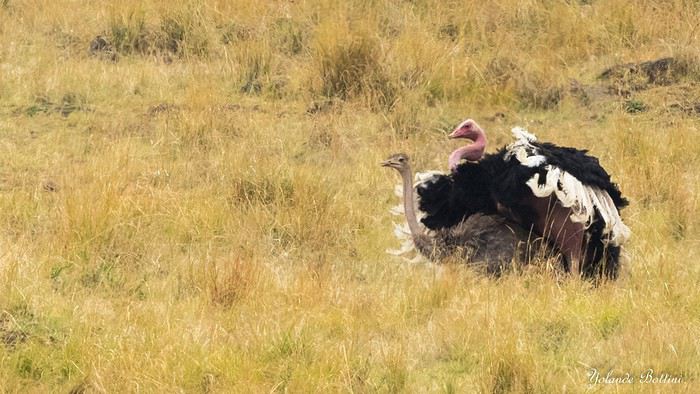
Mating seen for the first time.

Happiness Settles in the Heart of the Maasai Mara
Michel85200 · 2020-04-23 · Message 45 of 123
Interventions were rare...
We don’t always step in... we wisely enjoy the moment.
Happiness settles in the heart of the Maasai Mara
Jety34 · 2020-04-23 · Message 46 of 123
Afternoon (continued):
At 12:00 PM, we cross the Talek River again near Double-Cross, close to an unexpected football field and Olkiombo Airstrip. We’re at Mara Intrepids/Explorer Camps, where we need to pay for our entries for the next four days before lunch and the nap—same spot as Sunday.
At 3:15 PM, Michel snaps out of his daze and decides to take us to the Talek in search of the female leopard and her cub, but they remain invisible. Could we be the first guests who won’t see this magnificent creature? And yet, they were here not long ago, Motoron assures us, showing us the tracks and fresh bloodstains from her prey. At Mahira Bush Camp, we fill up the water tanks and stretch our legs near the marshes where invisible birds are singing. Not a soul around this bush camp—I find it a bit gloomy, but I think that among the dozens, maybe hundreds of places scattered across this reserve, the most magical ones, without comparison, are those from our nomadic adventure.
Let me introduce you to Jacky, Motoron, and Mickaël.
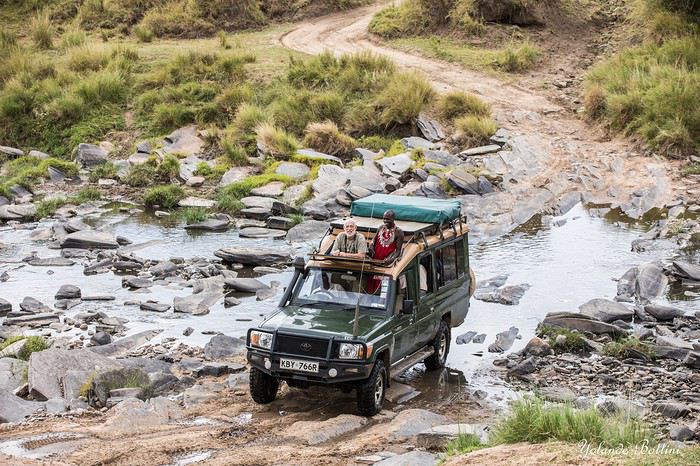
A break every 2 hours is a must!
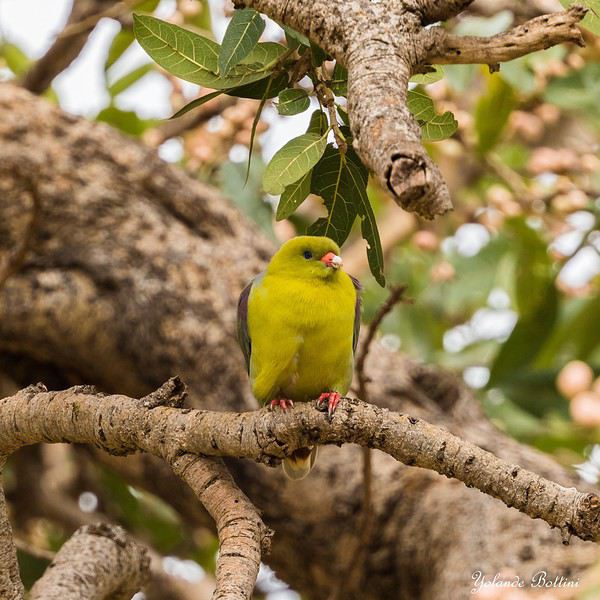
Isn’t that green pigeon Bernard?
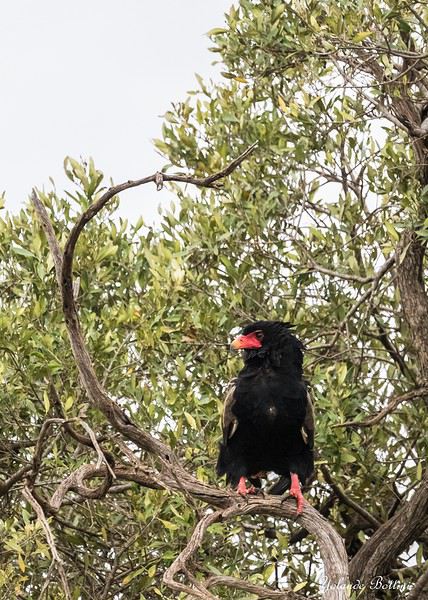
Bateleur eagle.
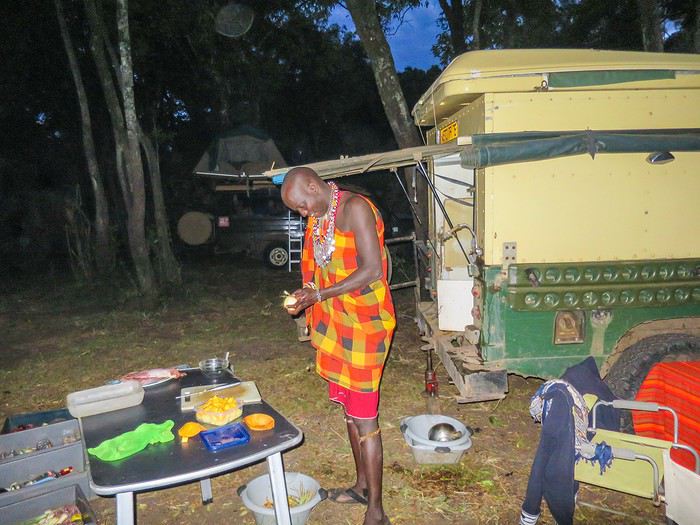
Motoron’s fresh fruit salads
morning, noon, and night: a treat! Yum.
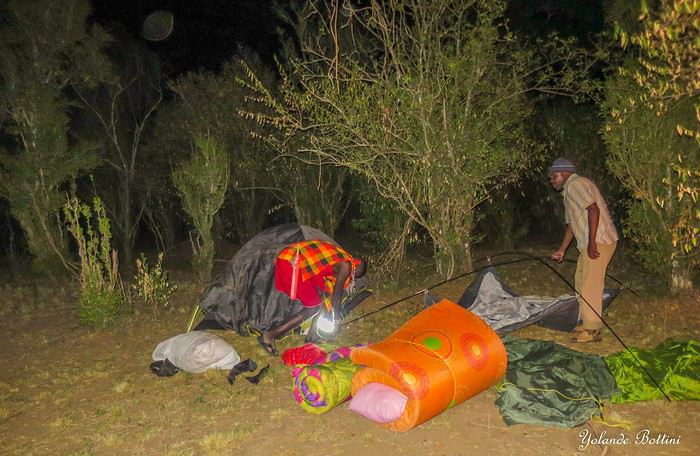
Tent-pitching contest between
Mickaël and Motoron.
Good night....
Happiness settles in the heart of the Maasai Mara
Blesl · 2020-04-23 · Message 47 of 123
Good evening,
Looking at Yolande’s photos, I really think Michel is being too harsh.
As for the *piafou*, it’s indeed an African green pigeon. In English: African Green Pigeon. In French, it’s the "Colombar à front nu", Treron calvus.
Take care,
BL
Happiness settles in the heart of the Maasai Mara
Jety34 · 2020-04-23 · Message 48 of 123
Hi Bernard,
Thank you, thank you—but I knew Michel was uncompromising. I went in with my eyes open; I’d asked him to be honest, no sugarcoating. Mission accomplished!
Anyway, I learned a lot, improved toward the end, and got a better handle on my gear.
His advice was spot-on. If I didn’t listen sometimes—because I’m a bit stubborn—well, *poof*… I’d miss the shot.
As Michel put it: “Pick your subject, not both at once.” And there goes the leopard climbing down the tree while I’m turning toward the lionesses that had snatched the prey. Grrr.
Great experience and great vibes. 🙂
Best regards,
Yolande
Happiness settles in the heart of the Maasai Mara
Pygmalion19 · 2020-04-24 · Message 49 of 123
Hello fellow travelers,
I particularly love the photo of the elephants and that crocodile with its mouth wide open—so, so close. Unless you zoomed in, of course. Yolande, you really took some serious risks just to make us happy, thank you! 😉 That eagle is a bateleur, or *Terathopius ecaudatus*—gorgeous, isn’t it? The colors lean toward yellow. How did you set up your camera?
Keep up the great work!
Happiness settles in the heart of the Masai Mara
Blesl · 2020-04-24 · Message 50 of 123
Hello fellow travelers and photographers,
I really love the photo of the elephants and that crocodile with its mouth wide open—so, so close. Unless you zoomed in, Yolande, you took some serious risks just to please us, thank you!😉.
Totally agree with you, Éric! But a life without risk lacks spice, doesn’t it?
The eagle is a Bateleur of the savannas or Bateleur, Terathiopius ecaudatus—pretty, isn’t it!
In French, it’s *Bateleur des savanes*; in English, just *Bateleur*, scientific name Terathopius ecaudatus.
A lovely name, indeed, which comes from the peculiarity mentioned in its scientific name: ecaudatus = tailless, giving it an unstable balance, like modern fighter jets such as the Rafale, allowing for the aerial acrobatics that earned it the name *bateleur*...
The colors lean toward yellow. How did you set your camera?
If Yolande shoots in RAW, the camera settings don’t matter—it’s in post-processing that you’d adjust the color temperature if needed. It does seem a bit warm on our calibrated screen, but only on certain photos (e.g., ostriches). It also depends on the time of day the shot was taken.
Keep up the good work!
Couldn’t have said it better! Take care of yourselves!
Cheers,
BL
PS: And *Terathopius*? *Terathos*—no issue, that’s ‘hunter’ in Greek. As for *opius*, if it’s with an omicron, ὀπίς (*opis* in Greek), it means ‘behind’ (because it can turn around?), or with an omega, ὤπιος (*ōpios*), it means ‘favorable, propitious, opportune’ (because it’s a good hunter?). Any insights?
Happiness settles in the heart of the Maasai Mara
Pygmalion19 · 2020-04-24 · Message 51 of 123
Hi Bernard,
My post was actually addressed to Yolande and Eric, and here you are, Bernard by first name, responding to me. Strange courtesy indeed. But we won’t take offense over such a small thing. However, responding on someone else’s behalf—even if it wasn’t your intention—is a lack of consideration... That’s the thing, you got lost, but luckily our duo didn’t; they’re still cruising and treating us to beautiful images and a text that sparks our imagination.
If Yolande shoots in RAW, the camera settings don’t matter—it’s in post-processing that you’ll adjust the color temperature if needed, which does seem a bit warm on our calibrated screen, but only on certain photos (e.g., ostriches). It also depends on the time of day the shot was taken.
It could also be a deliberate choice, having nothing to do with post-production but rather her aesthetic decision or camera settings. By the way, for your info, color can also be adjusted when taking the shot.
Bateleur or Bateleur des savanes! I prefer the poetry of words over the dictate of designation, even though I know a few bird names myself🙂. Bateleur des savanes has a nice ring to it. I’m wandering, just like our two companions, on terribly chaotic tracks. So, Bateleur des savanes it is—I also love its flight. That’s my choice!
Happiness settles in the heart of the Masai Mara
Jety34 · 2020-04-24 · Message 52 of 123
Good evening Eric and Bernard,
I love your very friendly banter—it adds a touch of whimsy to the replies and so much humor.
So, to sum up, yes, I took big risks for the croc. Exceptionally, Michel had allowed me to step down onto the rocks—he probably wanted to get rid of me. He didn’t succeed.
Not even true.
Yes, I shoot in RAW+JPEG at base resolution to remember the colors with a B of B in AWB, but sometimes I find it too dull, and in Lightroom, I switch to natural color, which actually adds a slight yellow tint. I try not to push the sliders too much, but I do add a bit of vibrance.
My settings for the croc: the 400 mounted on the 7D Mark II, so 640 at ISO 125, f/5.6 at 1/640s, and for the bateleur: ISO 500, f/6.3, 1/1600.
I wish you a great end to the evening.
Take care of yourselves too—see you tomorrow!
Yolande
Happiness settles in the heart of the Masai Mara
Blesl · 2020-04-25 · Message 53 of 123
Hello Yolande,
Once again, congratulations on the croc photo—great sharpness with a shutter speed of 1/125 s at an equivalent of 640 mm. The stabilization on the 7D II works well, but that’s not all...
I always read your partner’s posts (and yours) with great interest, and I enjoy your photos just as much, even if MDH judges them harshly (but fairly, right?).
You mentioned shooting in RAW + JPEG to remember the colors, which surprised me based on my own experience (which is extensive, though I should cut back a bit). The JPEG your camera produces doesn’t show the *true* colors—it’s the result of the RAW file being demosaiced by the camera’s built-in software, applying the settings you’ve chosen:
- Color temperature, which doesn’t just affect the "warm" (yellow) or "cool" (blue) tones but also the magenta/cyan balance
- Saturation in the selected style
- Rendering choices, like "skin tone"
- Color space (sRGB or Adobe RGB)
- Exposure—overexposure can distort colors by desaturating them
All these adjustments are possible when processing your RAW file and are fully reversible, with even more options, including additional color spaces (useful only for printing, not for screen viewing, where the monitor’s gamut is already limiting compared to the two standard spaces).
That said, if your shooting method follows the Master’s advice, ignore everything I just said—"Magister dixit!".
Michel mentioned some time ago (before he became a Fuji ambassador) that he locks his color temperature at 5600 Kelvin. Do you know if he still does that? He also secures all the settings he doesn’t use on his lenses with duct tape (pre-focus, AF mode, etc.).
And thanks for your amused indulgence—Éric loves teasing me, but always politely, right? And I’m certainly not without my own flaws.
Keep up the great work on your travel journal—again, it’s not just the active members who follow along; the silent majority is *very* large.
Take care of yourself and your loved ones, and
Vale!
BL
Happiness settles in the heart of the Masai Mara
Jety34 · 2020-04-25 · Message 54 of 123
Hello, hello!
The sky is clear and starry, the temperature much cooler than the previous days as we step outside. We’ve heard the leopard’s growl three times—it’s a large male, Motoron explains. He’s prowled around our perimeter, likely because human presence bothers him or because this territory is his. The photographers set off at 6:15 AM, and we follow a quarter-hour later after tidying up the camp’s surroundings, leaving only the wheel ruts and the remains of a fire behind. Only a sharp eye would notice that five people spent the night in this clearing.
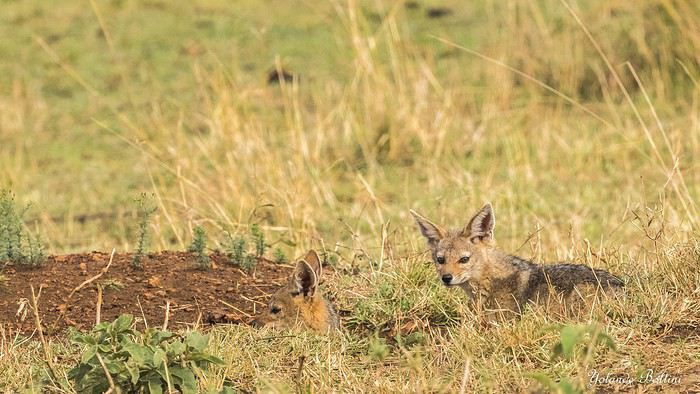
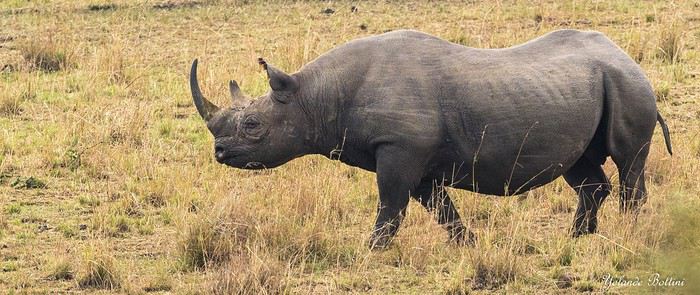
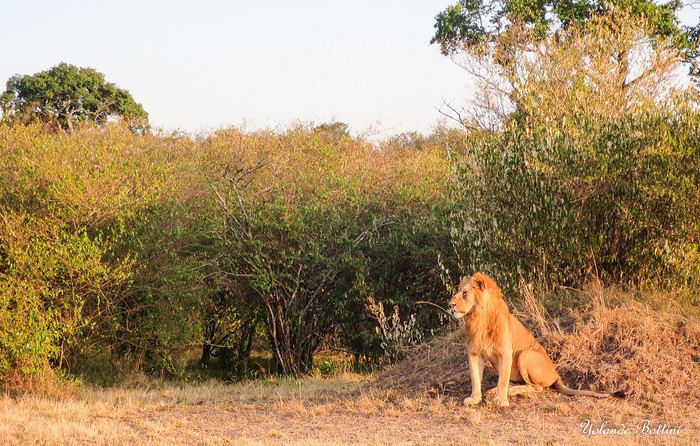
Wildlife wakes up slowly, with only the storks in the river bustling to prepare their breakfast. A magnificent lion, sitting just a few steps from the path, watches us yawning. I capture him with the compact camera Yolande lent me, but I don’t think this shot will make the front page! The topi seem to be the most active at the crack of dawn, as many mothers train their young to run while single males and females engage in astonishing displays—"flirting lessons," Motoron explains with a mischievous grin. We search in vain for the leopard spotted yesterday in the tangled vegetation along the stream. Mikaël drives slowly, attentive to his neighbor, who seems very observant. Suddenly, he points to a mound at least 200 meters away: "jackal." With my binoculars, I try to make out what he’s showing me but only spot two heads after a while. "No, no, next to it—there are four babies." Even with the quality of my gear, I see nothing. So, to make me happy, we venture into the bush. Sure enough, we’re near the family’s den. The parents are wary, but the pups, full of energy, pay us no mind—they’re absolutely adorable. I think this is the most mind-blowing sighting Motoron has found during this trip. Of course, we quickly left to avoid disturbing the canines, attracting other people, or getting into trouble with the authorities, since only professionals are allowed off-road.
Around 8:00 AM, we head up to the lookout for a panoramic view of the plain, the surrounding hills, and the legendary Mara. The slopes are covered in lush green grass, and grazers flock to feast. Yol and Michel didn’t find the jackals but spotted a black rhino, which they invite us to admire—these are so rare in Kenya. Maybe this beautiful creature owes its survival to the crowds that hound it all day, keeping poachers at bay? I count twenty-seven vehicles, most straddling the roadside. But let’s get back to our little rascals—they’ve drawn a crowd too, meaning twenty more cars have trampled the vegetation to watch the pups’ antics. In the chaos, the Land Rover couldn’t get close to the den, so its two passengers observe the mbweha family from a distance, in their playground.
We never get tired of it.

Happiness settles in the heart of the Masai Mara
Jety34 · 2020-04-25 · Message 55 of 123
Sorry, wrong move—I think today isn’t my day.
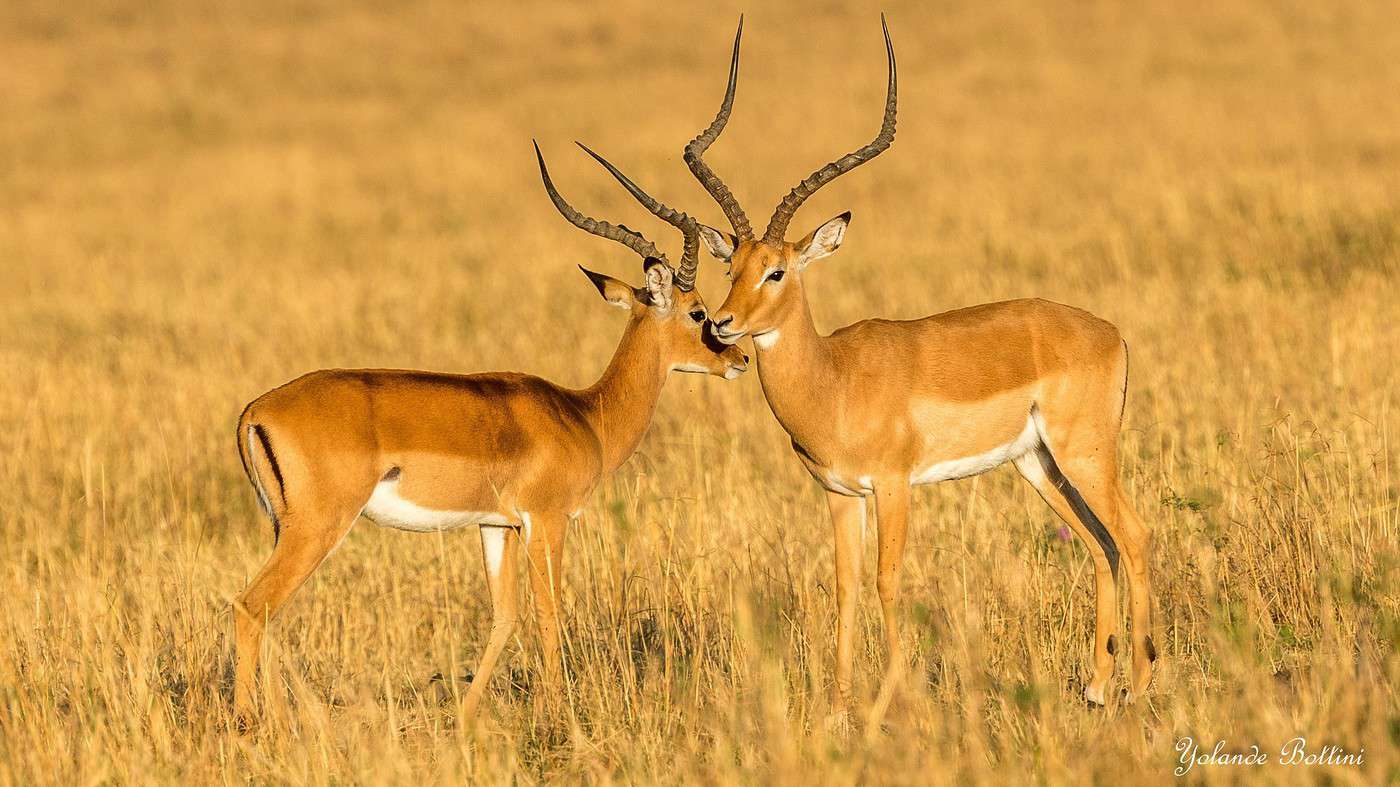
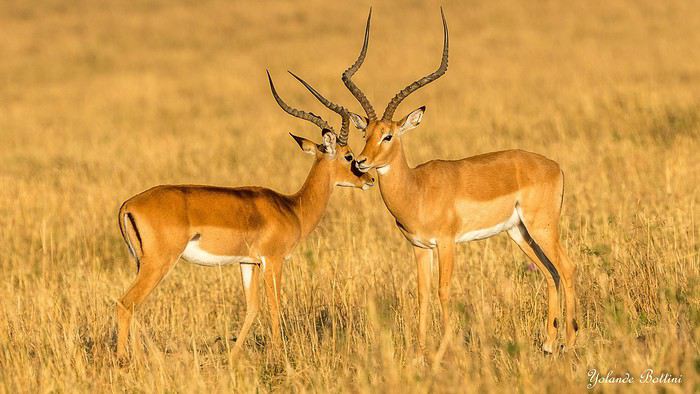
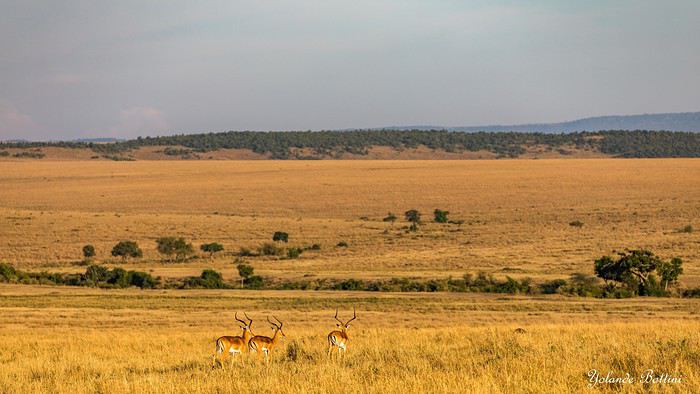
Impalas in the beautiful morning light
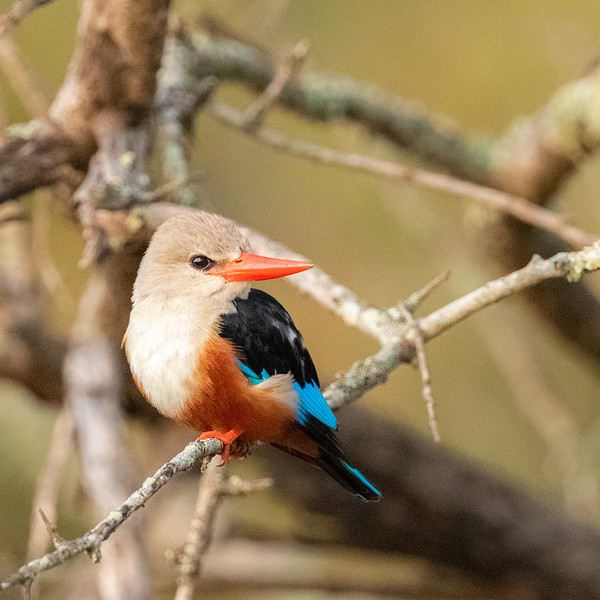
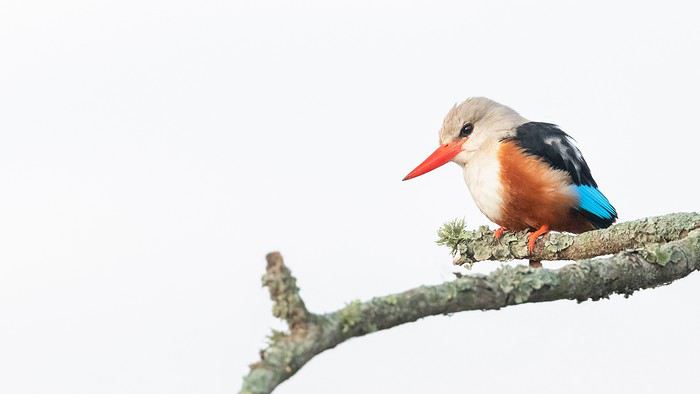
Grey-headed kingfisher (Halcyon leucocephala)
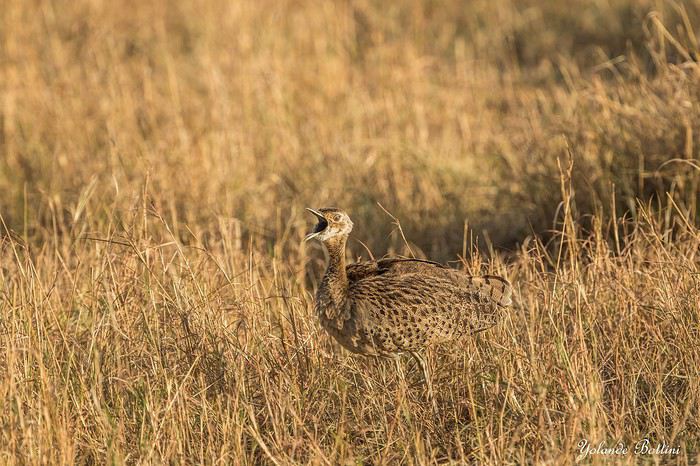
Bustard, but which one?
Some young black-backed jackals (Canis mesomelas)!
Black rhinoceros (Diceros bicornis)
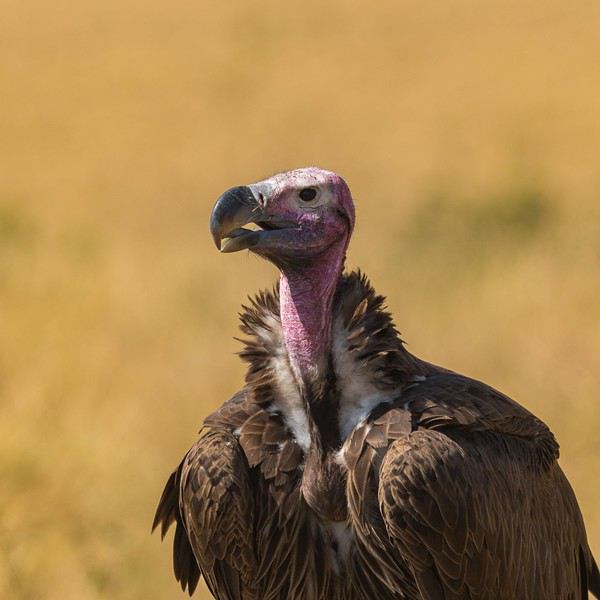
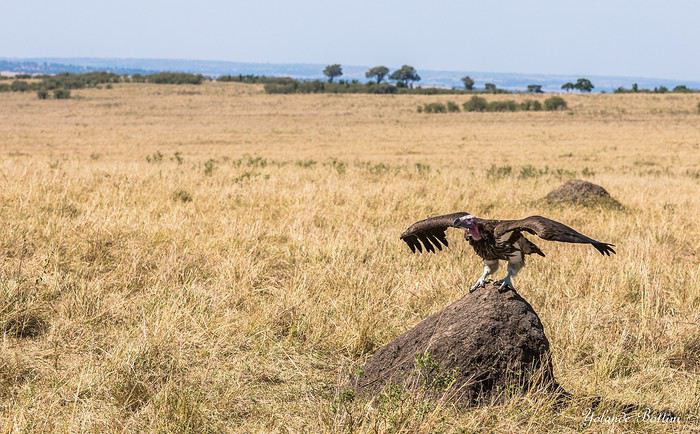
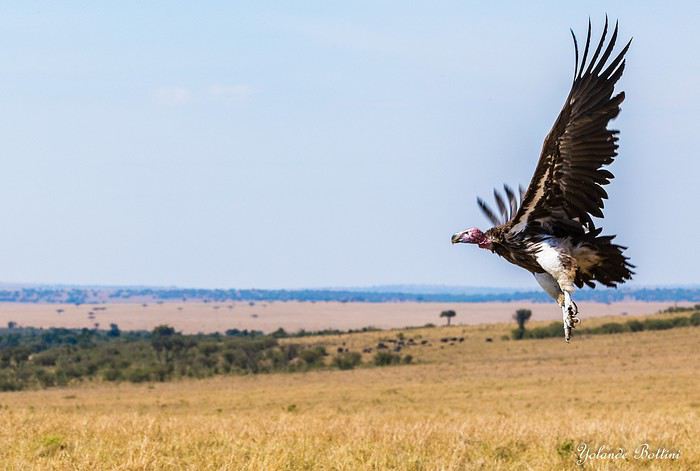
After coffee break at Look-out Hill, we head south—Tanzania and the Serengeti lie beyond the hills closing the panorama. A large group of Rüppell’s vultures has gathered around and on top of a termite mound, which isn’t common. These scavengers are usually solitary or in pairs, except during a feeding frenzy. Here, they waddle, preen, sniff each other, and stretch their wings without a sound, as this big bird is mostly quiet. Our African friends are surprised we’re interested in these bush cleaners! It’s true that this species, with its red head and bare neck, isn’t as pleasant-looking as the African white-backed vulture or the Cape vulture. Maybe they’re here because a cheetah is lurking in the area, and a potential feast might be on the horizon? The feline is calmly lying under a thorny bush, far from the path. Mikaël, encouraged by his teammate, ventures into the bush so I can get a proper look but quickly leaves this off-limits no man’s land.
By mid-morning, we skirt Ashnil Bush Camp and turn right onto a secondary track that winds into a hilly, wilder, and uninhabited landscape! We take another right onto a barely marked path leading to a dried-up river called Keekorok. We cross it and follow it downstream to a grove—our reward is there, lying in the grass, indifferent to our presence. It’s a moderately sized adult, so a female, the expert tells me. This feline is the most graceful in the animal kingdom, and I understand why it’s a visitor favorite. We inform the technical team of our discovery, but they’re slow to arrive. The access isn’t easy in this maze of paths and tracks, so we have to go meet them and lead them to the site, which we then leave immediately to avoid drawing attention. The tracker has done his job!
Rüppell’s vulture ready to take flight.
More photos from late morning to come.
Happiness settles in the heart of the Masai Mara
Rjulie95 · 2020-04-25 · Message 56 of 123
Do we have to wait to see the leopard now? Ughhh
Happiness settles in the heart of the Masai Mara
Blesl · 2020-04-25 · Message 57 of 123
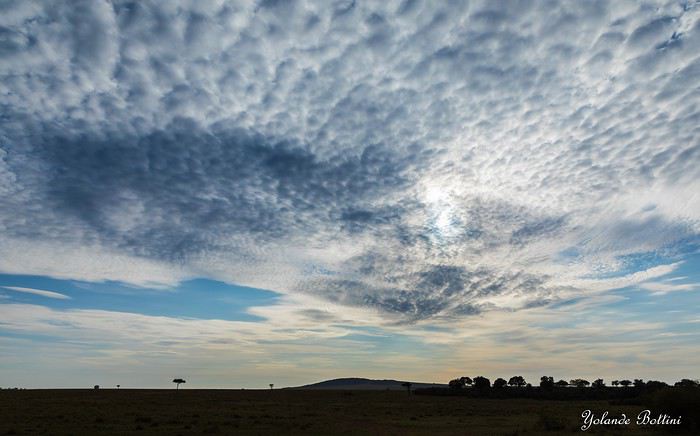
The sky is gorgeous!
For the bustard, my favorite consultant—my partner—points out a female Black-bellied Bustard, Lissotis (formerly Eupodotis) melanogaster. You might confuse it with a female of the nearly identical Hartlaub’s Bustard, but it’s less common in the Masai Mara.
Waiting for the photos—so much suspense—for Lady Leopard...
Happiness settles in the heart of the Maasai Mara
Jety34 · 2020-04-25 · Message 58 of 123
Next.
Ready for the hunt.
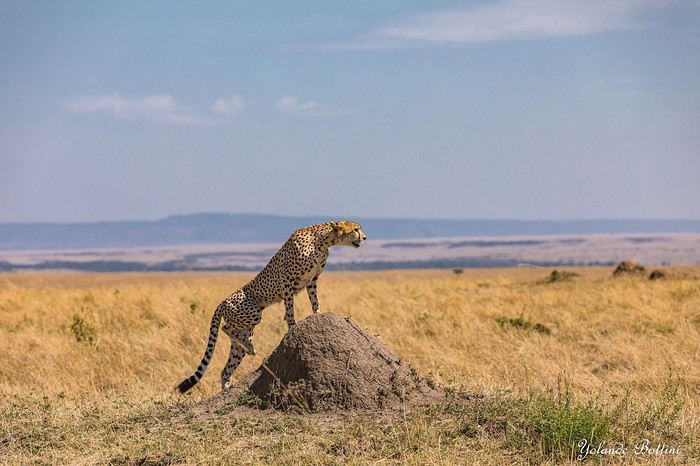
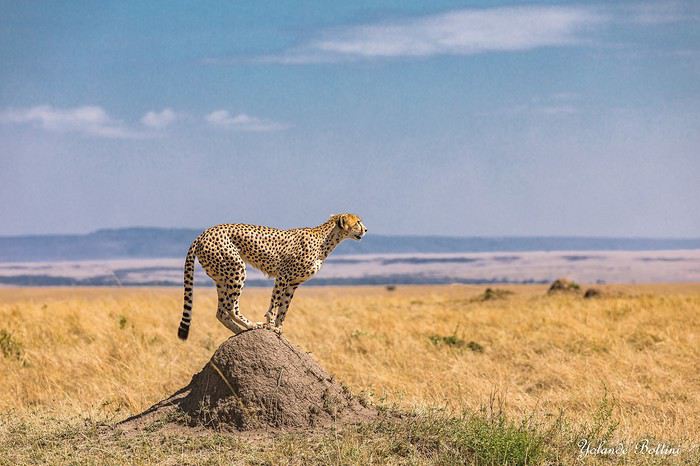
Meh... a bit too big.
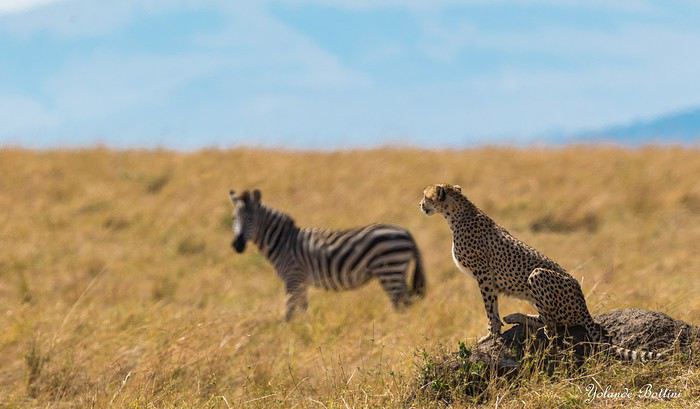
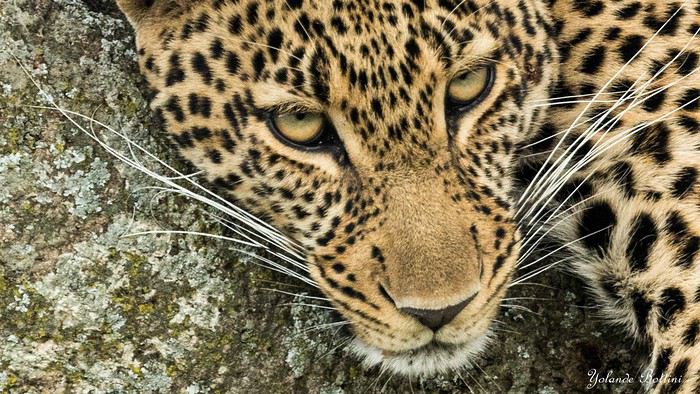
Back after my nap.
Happiness settles in the heart of the Masai Mara
Jety34 · 2020-04-25 · Message 59 of 123
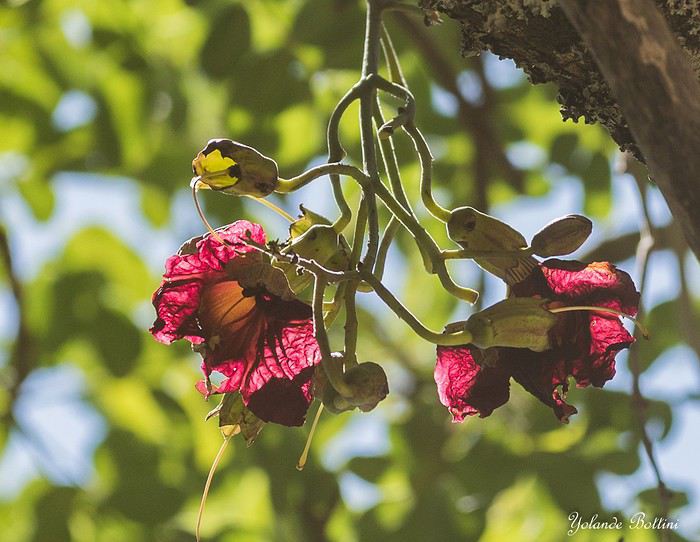
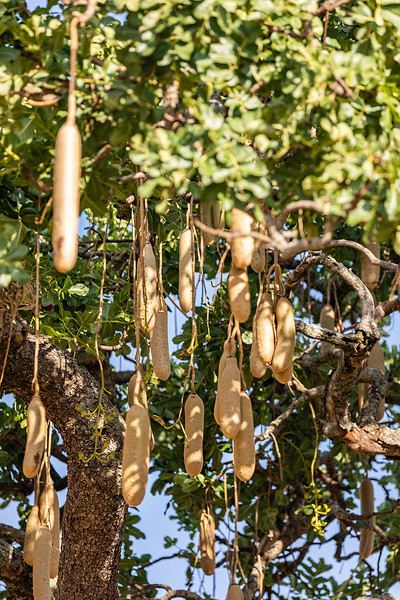
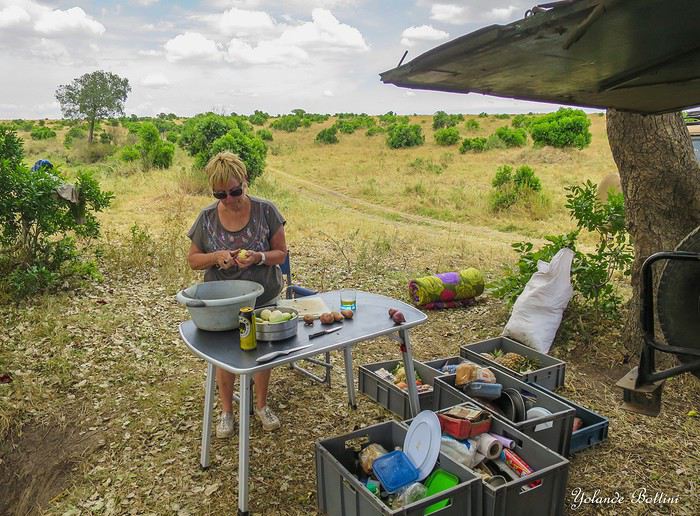
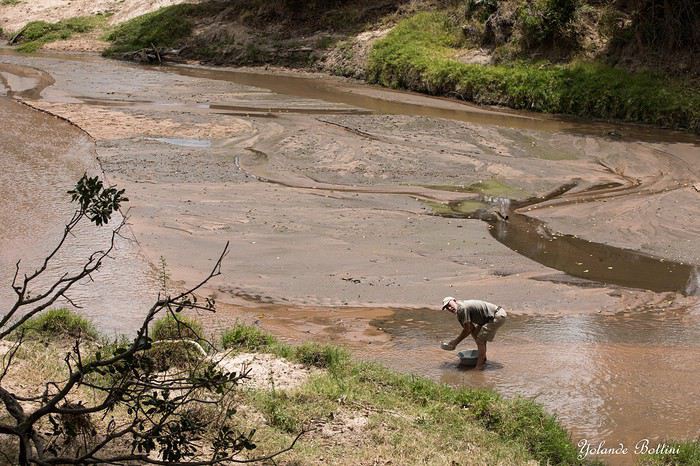
At noon, we park under a sausage tree, by the Sand River. The ground is strewn with flowers from this colossal tree, its fruits, as big as sausages, hanging from long stems. The spot is idyllic, peaceful, and deserted—what more could you ask for! The riverbed is wide, a rare, shallow, and crystal-clear stream gliding over ochre sand with dark brown effects. Zebras and a family of giraffes drink upstream while buffaloes lounge in a nearby puddle. The cook prepares lunch and dinner, helped by Yolande with the peeling; I volunteer to rinse the vegetables in the pure current!
We take advantage of this clear water to freshen up a bit in the basin—no sharing, though!
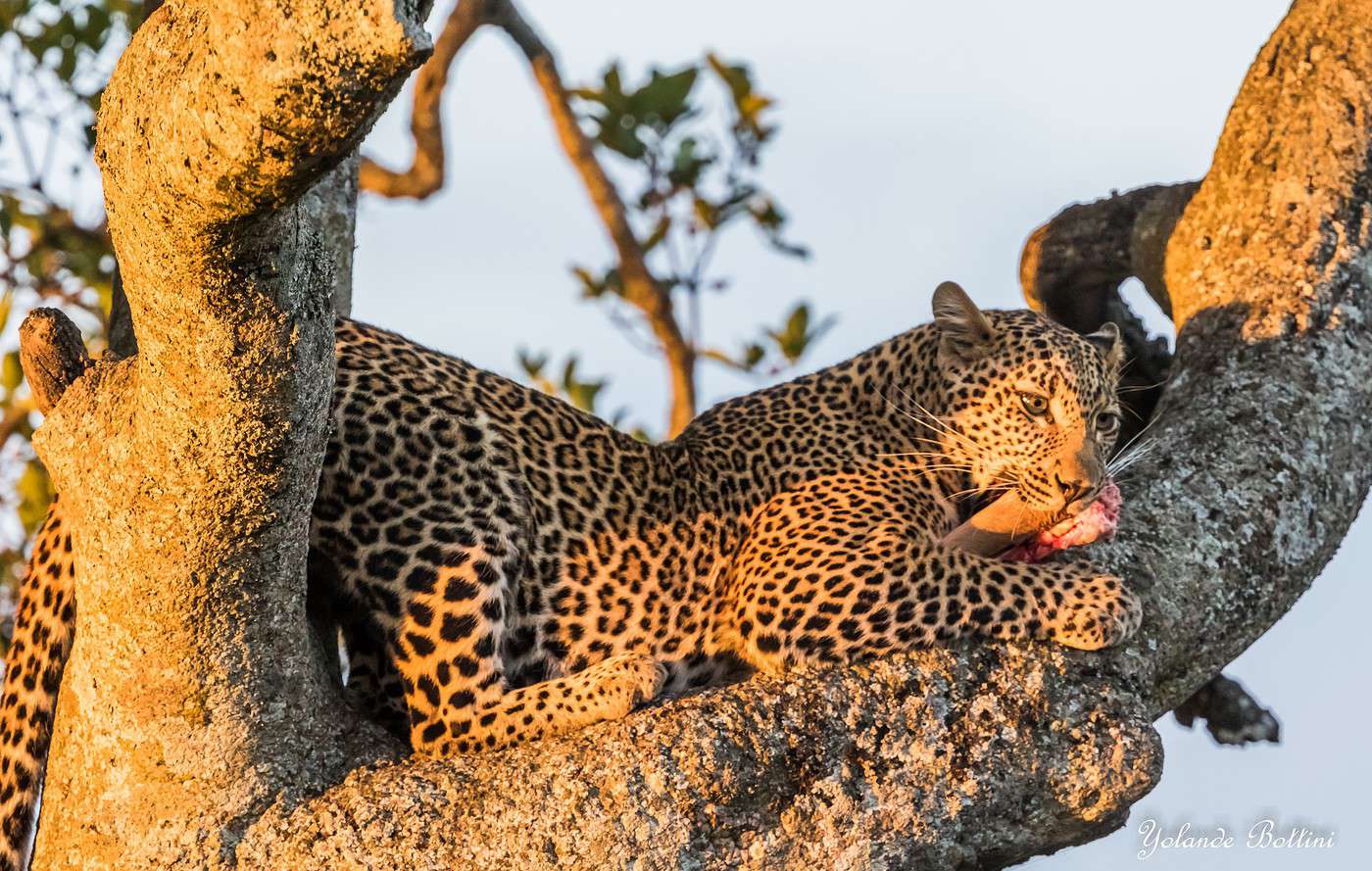
After our daily relaxation moment, we break camp—Yolande and Michel on one side, us on the other. Of course, it’s Lynx’s sharp eye that makes the first discovery near the Keekorok River: a lioness, then a second one on the opposite bank. The closer one seems very focused while her companion devours the remains of a baby eland but flees at our arrival. What I didn’t notice—but why we came here—is the leopard in a tree. It had its prey stolen by the two sisters: one eats while the other keeps watch. The operators take over as we head back to the trail about fifty meters away. The photographers stay until evening and observe that, taking advantage of a moment of inattention from the lionesses, the leopard climbs down from its perch to reclaim its meal and enjoy it quietly, perched on its branch.
The rangers who patrol the park looking for rule-breakers avoid these isolated areas, preferring spots crowded with tourists—it pays more!
Nearly 3 hours watching this marvel.
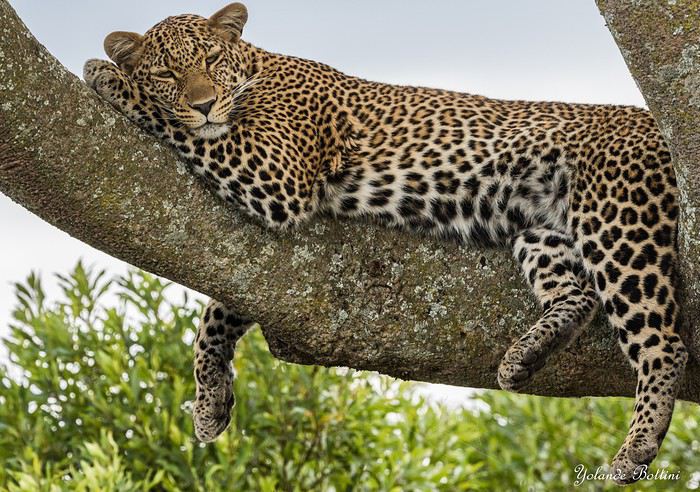
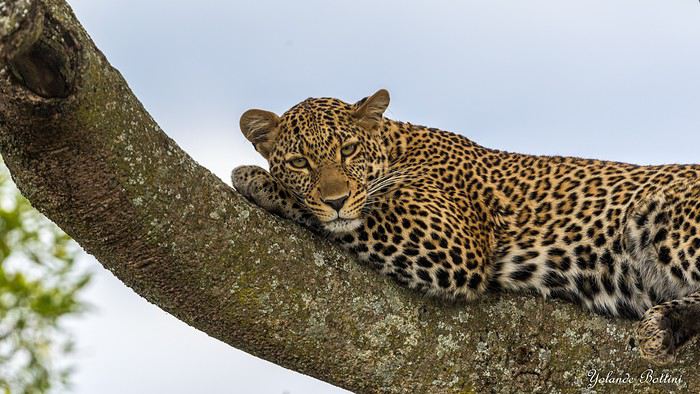
One of the thieves.
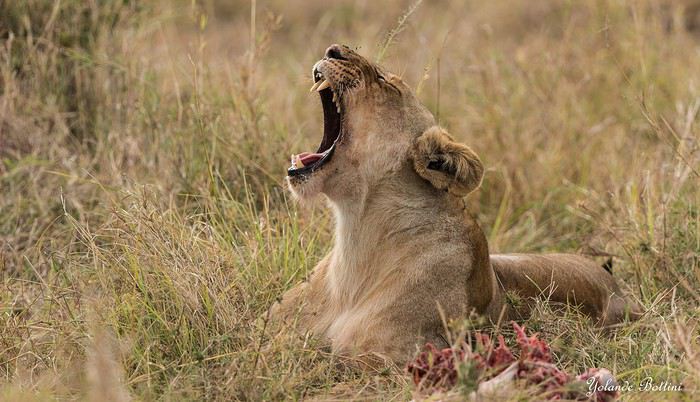
Backlit.
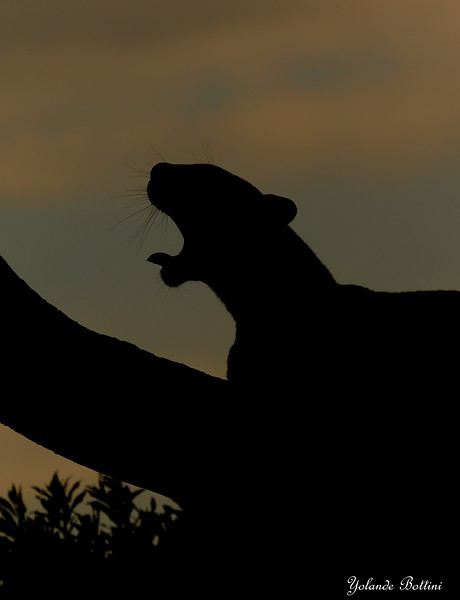
Of course, I missed the descent
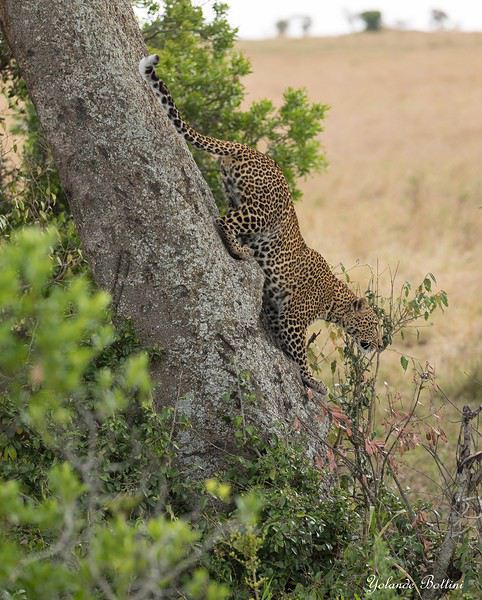
to retrieve part of its meal.
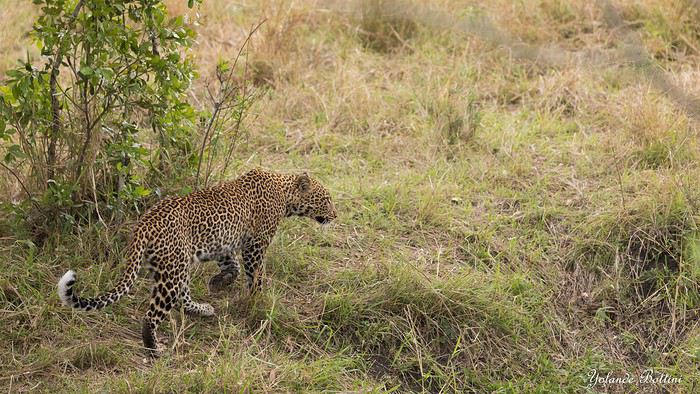
Under changing lights.
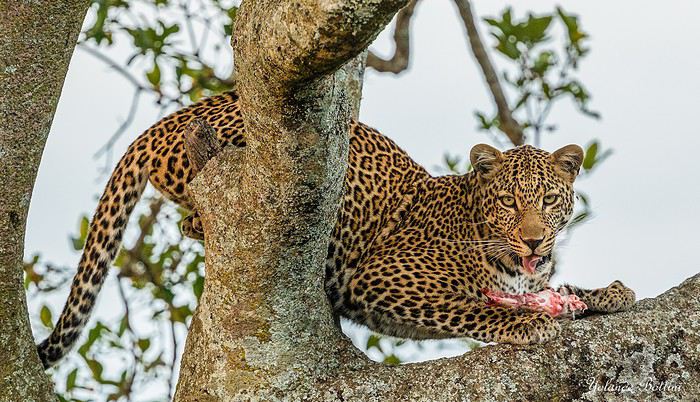
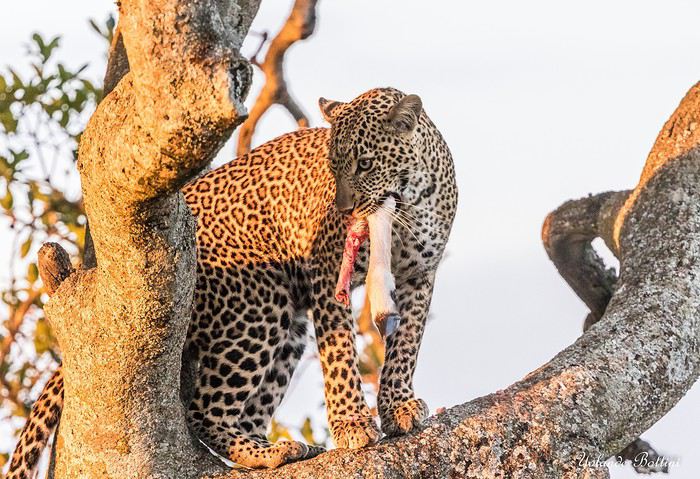
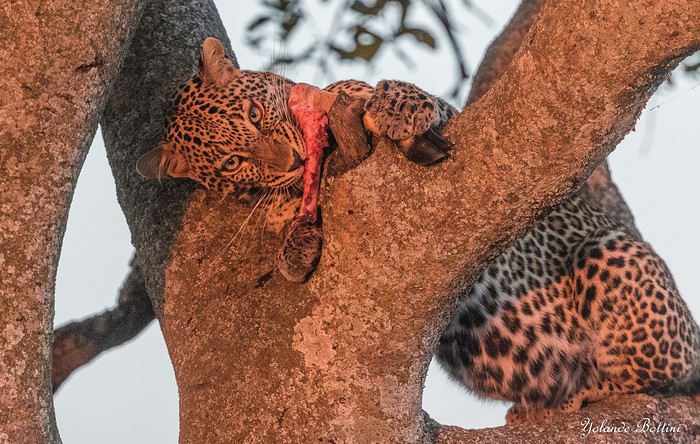
Time to go.
Happiness Settles in the Heart of the Masai Mara
Jety34 · 2020-04-25 · Message 60 of 123
Everything is a source of fascination for me, so we drive slowly, Mikaël stopping whenever I ask: for a buffalo carcass in a pond, bee-eaters—easily recognizable by their silhouettes and vibrant colors, as well as their distinctive chirps—two young lions lounging in the grass, buffaloes, hippos, and a crocodile all sharing the same watering hole.
As dusk falls, we arrive at our accommodation by the Sand River, actually just a stone’s throw from our midday picnic spot. Nothing indicates you can settle there, but Motoron knows the permitted spots for his boss inside out—this one is particularly beautiful and wild. We park the vehicles under the canopy of a massive tree and set up our gear toward the sunset. The butler, always attentive to his guests’ comfort, has gone down to the river to dig a hole where we’ll take our bath, saving the water tank and avoiding daily supply runs. Four buffaloes have decided to do the same—they’re 150 meters away, completely indifferent to human presence. Meanwhile, the *pot-au-feu* simmers away, just as it should, in its pot. Mikaël discovers and appreciates traditional French cuisine made with local ingredients like turnips, carrots, potatoes, cabbage, and leeks, not to mention tender, flavorful beef. A glass of Gevrey-Chambertin would’ve been a perfect pairing, but we only have a second bottle of champagne to toast with—just the right temperature. No complaints here, and we won’t be writing to Voyage Forum or TripAdvisor about the fridge’s shortcomings or the bath being two degrees off! You’re doing great on this one, my dear Maestro!
Gorgeous flowers from a bush in the savanna?
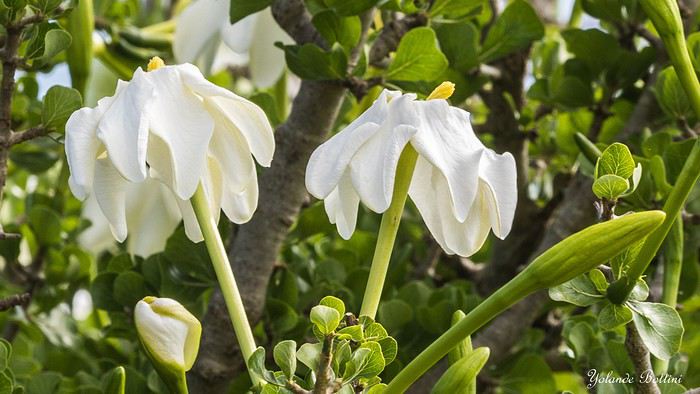
Flowers of the sausage tree (*Kigelia africana*).
Preparing the *pot-au-feu*.
Washing the vegetables in the Sand River.
Until next time...