Community travel journal for lovers of the American West!
hi there,
about stripes (stripes).
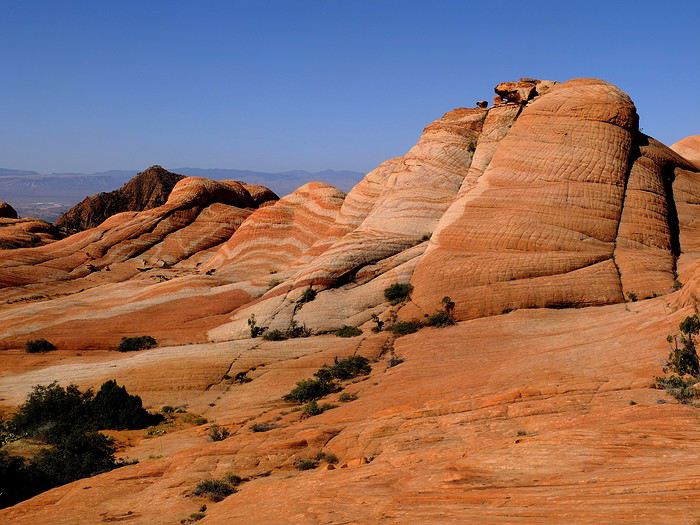
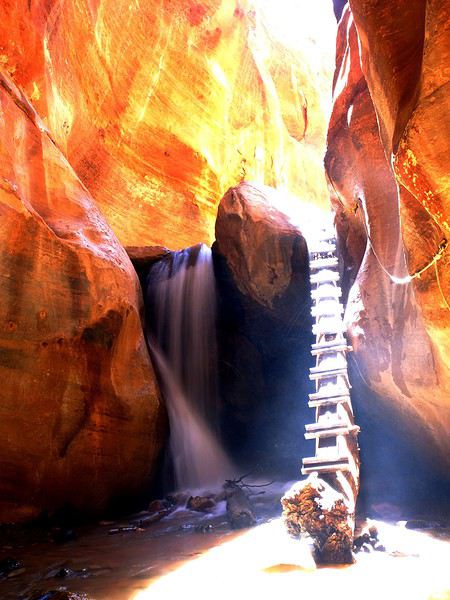
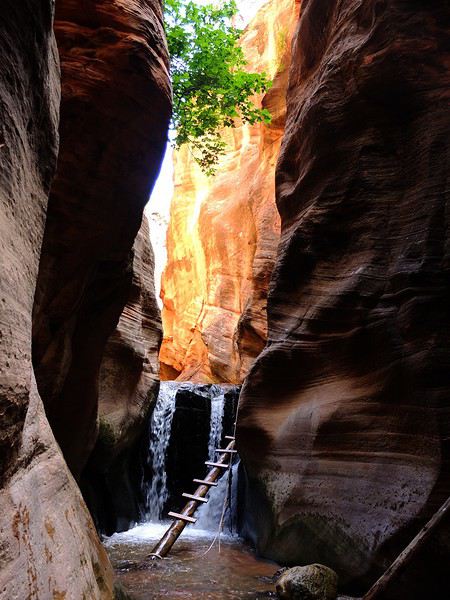
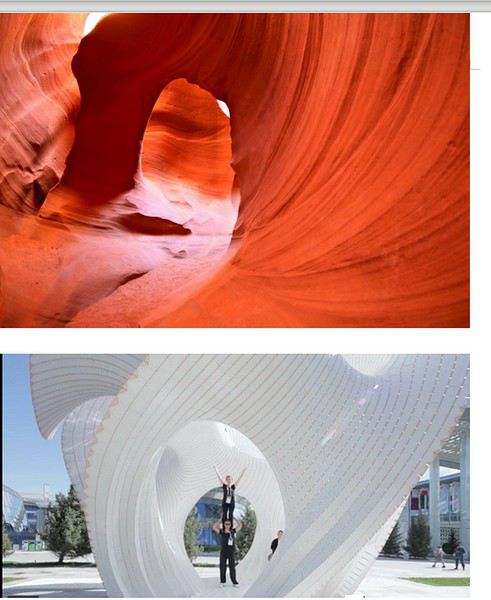
The colorful geological "stripes" are essential to the natural appeal of the Colorado Plateau—imagine the Plateau in solid colors 😐! But stripes in general sometimes produce effects that go beyond aesthetics. The famous French architect-designer based in New York, MARC FORNES, seems to have drawn direct inspiration from a famous canyon when designing the work created for the 2017 International Exposition in Astana, Kazakhstan... let’s compare:
more details:
The Stripes Effect on Vimeo
also worth checking out:
www.frameweb.com/...cture-to-maximum-fun
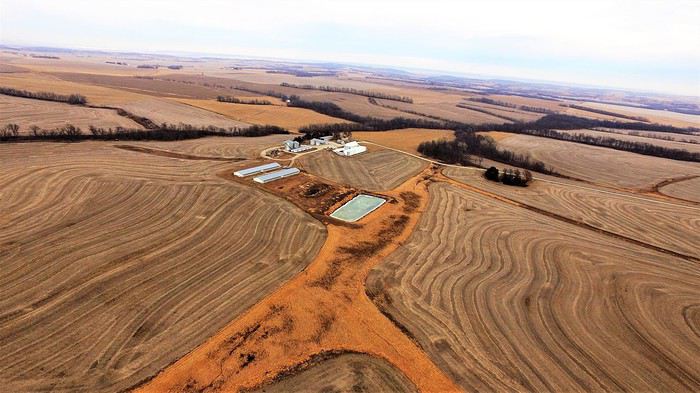
Other stripes are pedological, and you can only truly appreciate them from above—from a plane, for example. They form when plows or other tools till and churn the soil. The Great Plains can produce interesting patterns, like in this photo taken by a real estate agent in the northeast corner of Kansas from a drone:
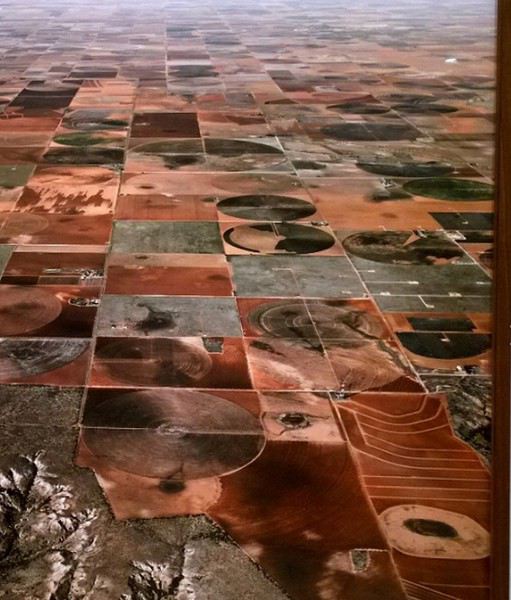
But it’s on the Llano Estacado, the High Plains of West Texas, where the palette is richest. In addition to the original hues, there’s the white of caliche, which develops irregularly from the bottom up in the soil. Combined with the green of irrigated areas by pivot, this creates an aesthetic that even scientists at the National Centre for Space Studies in Toulouse couldn’t ignore when they discovered photos from the Pléiades satellite a few years ago.
cnes | Agriculture in Texas: irrigation seen by the Pléiades satellite in O
This photo is from a plane in the same region:
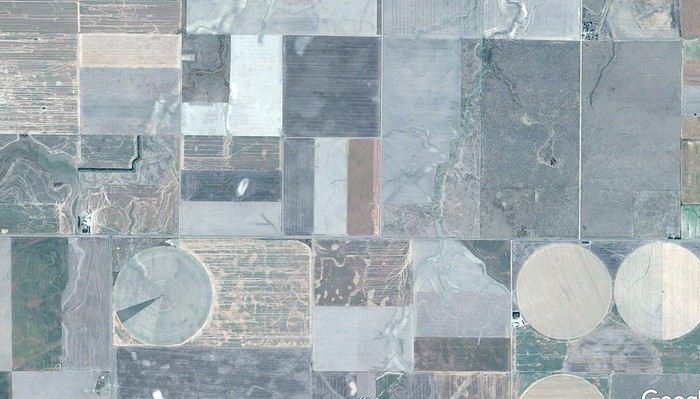
Sometimes the results of plowing seem to wink a welcome to the French, like here on the Denver-Dodge City route, just before arriving:
Stripe is beautiful!
about stripes (stripes).
The colorful geological "stripes" are essential to the natural appeal of the Colorado Plateau—imagine the Plateau in solid colors 😐! But stripes in general sometimes produce effects that go beyond aesthetics. The famous French architect-designer based in New York, MARC FORNES, seems to have drawn direct inspiration from a famous canyon when designing the work created for the 2017 International Exposition in Astana, Kazakhstan... let’s compare:
more details:
The Stripes Effect on Vimeo
also worth checking out:
www.frameweb.com/...cture-to-maximum-fun
Other stripes are pedological, and you can only truly appreciate them from above—from a plane, for example. They form when plows or other tools till and churn the soil. The Great Plains can produce interesting patterns, like in this photo taken by a real estate agent in the northeast corner of Kansas from a drone:
But it’s on the Llano Estacado, the High Plains of West Texas, where the palette is richest. In addition to the original hues, there’s the white of caliche, which develops irregularly from the bottom up in the soil. Combined with the green of irrigated areas by pivot, this creates an aesthetic that even scientists at the National Centre for Space Studies in Toulouse couldn’t ignore when they discovered photos from the Pléiades satellite a few years ago.
cnes | Agriculture in Texas: irrigation seen by the Pléiades satellite in O
This photo is from a plane in the same region:
Sometimes the results of plowing seem to wink a welcome to the French, like here on the Denver-Dodge City route, just before arriving:
Stripe is beautiful!


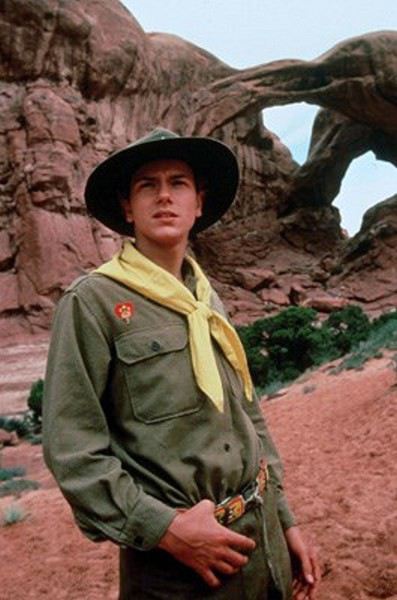
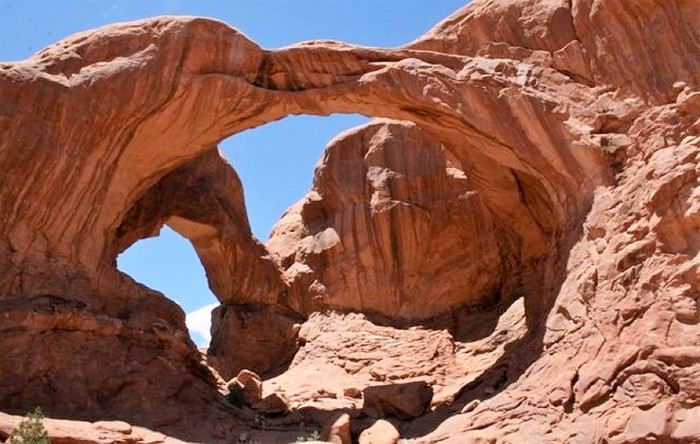 (Photo isn’t great in terms of quality, but it was taken with a tired little compact camera)


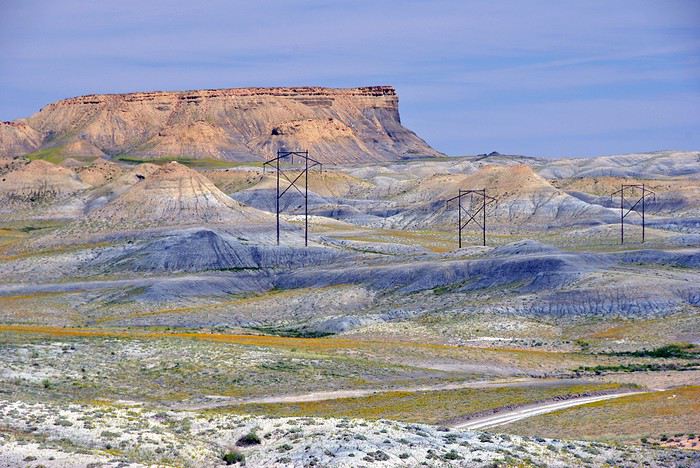
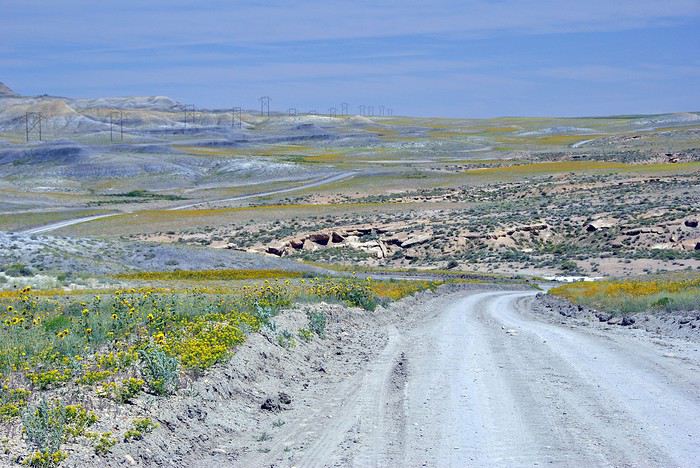
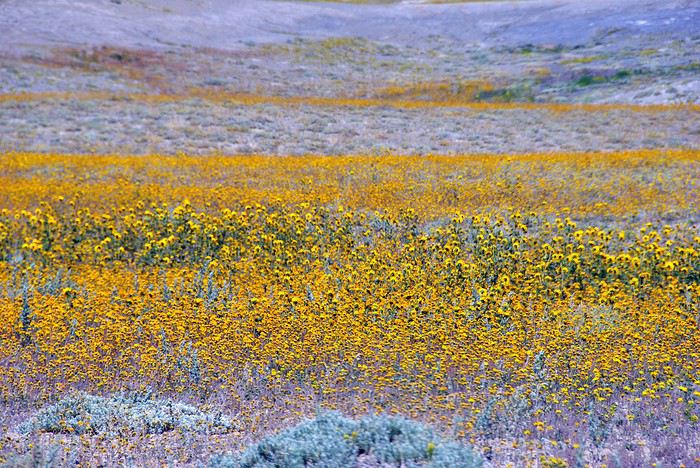


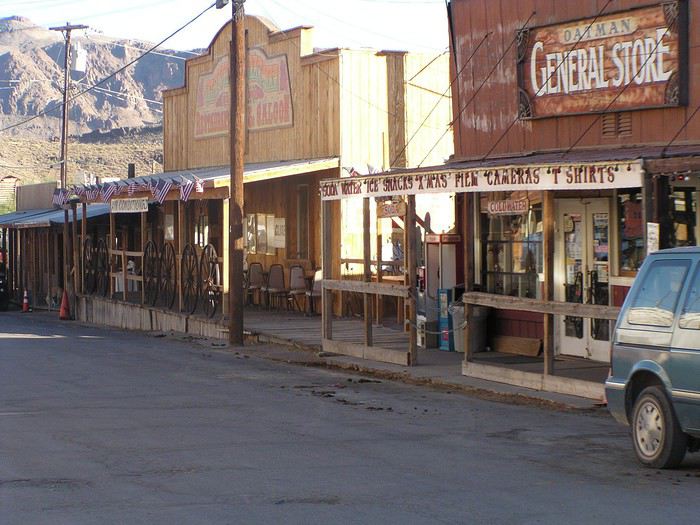


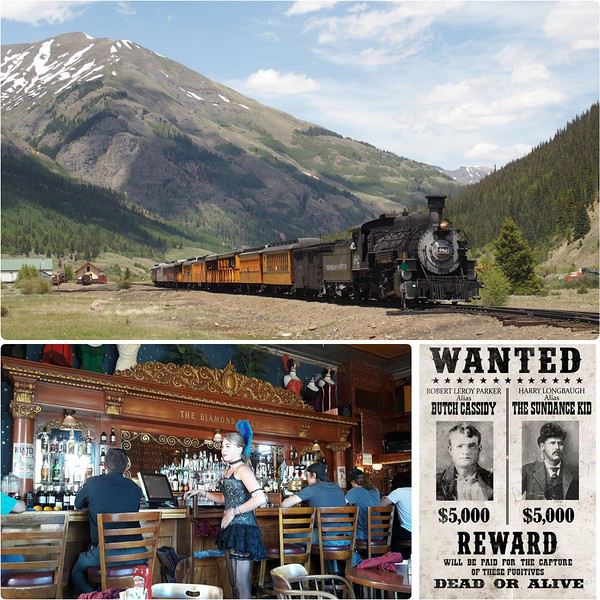 The train robbery near DURANGO, scene from the 1969 film "Butch Cassidy and the Sundance Kid"