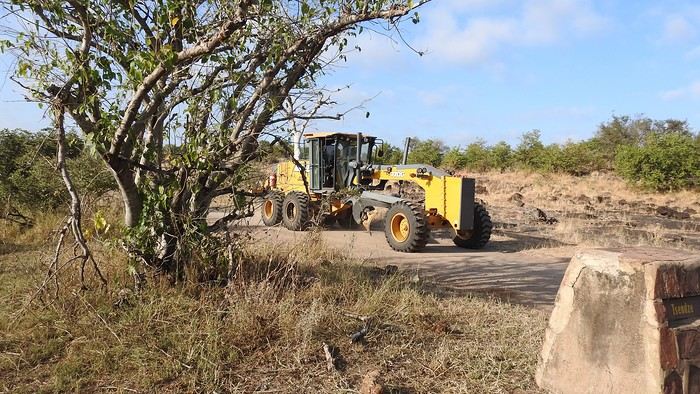
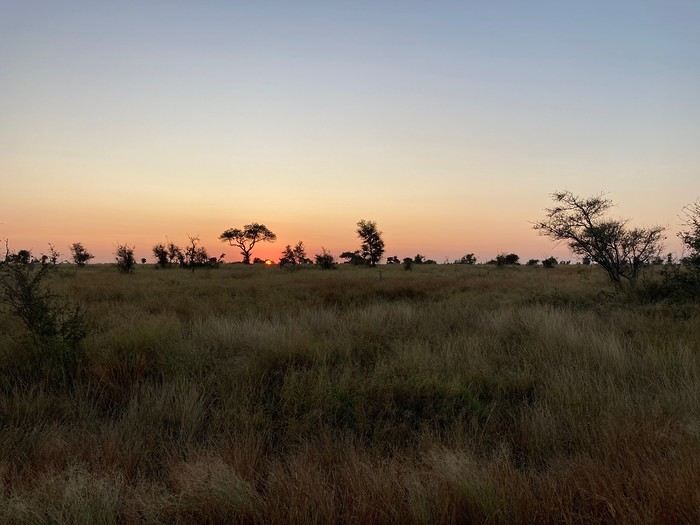
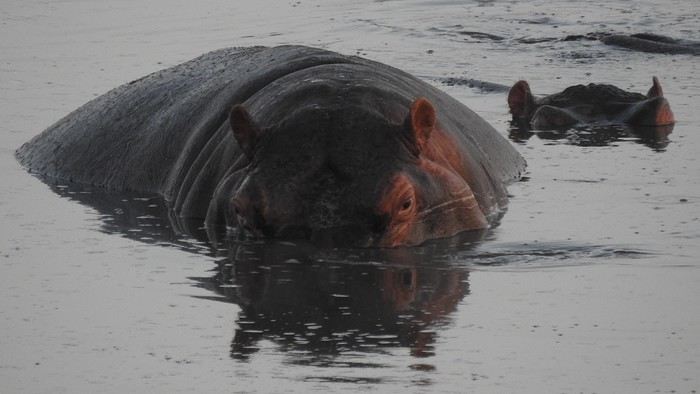
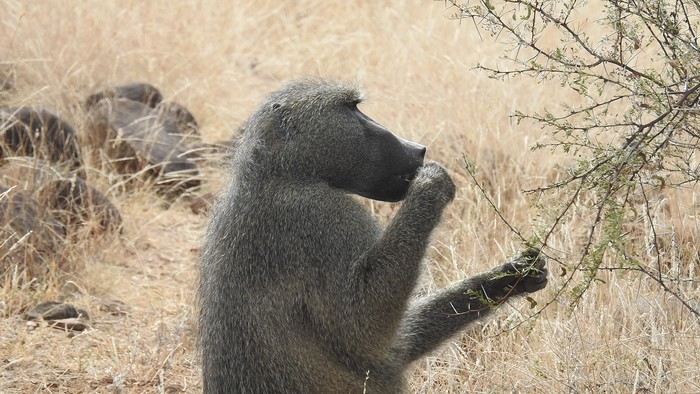
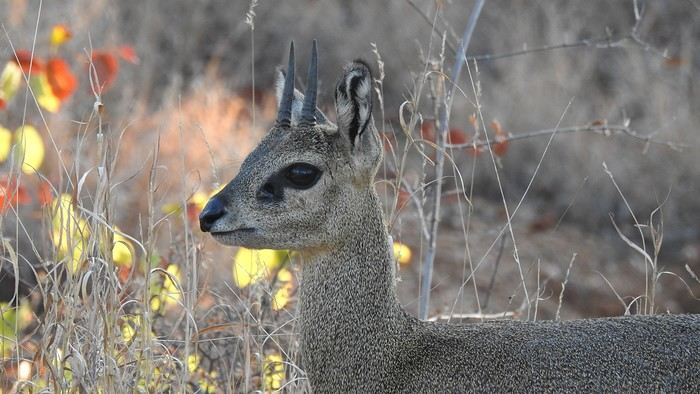
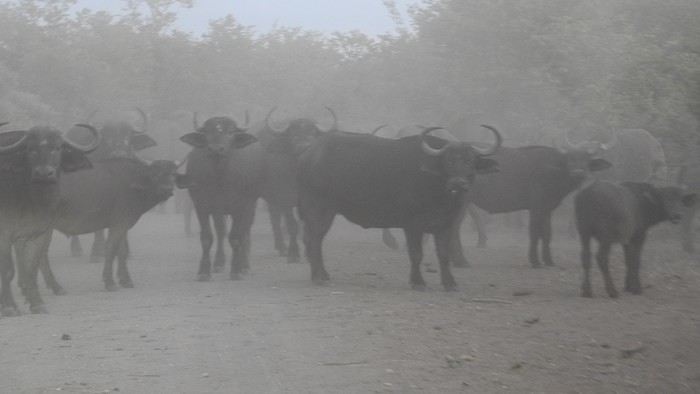
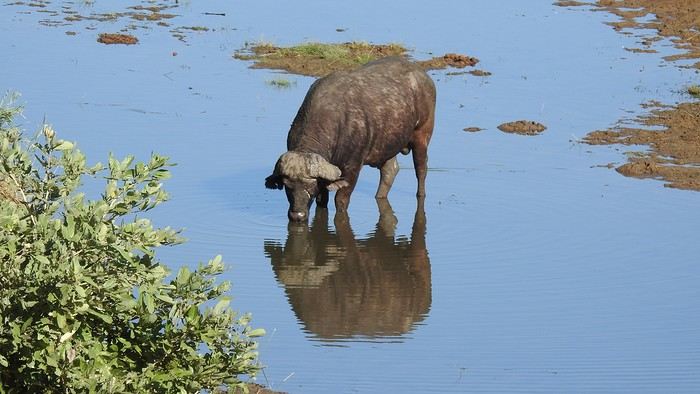
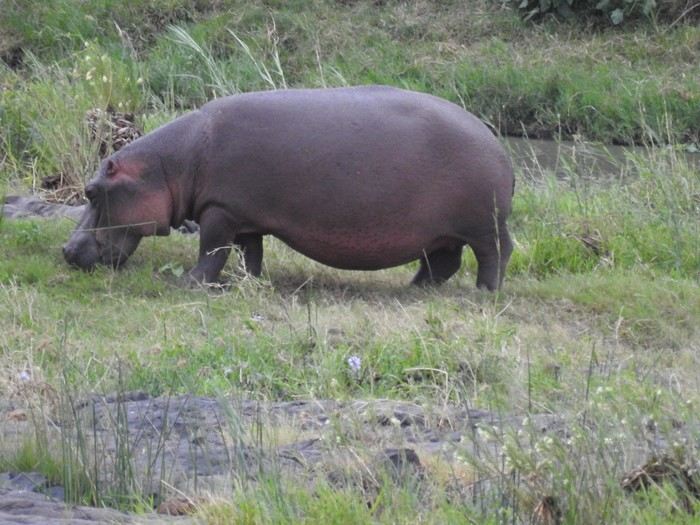
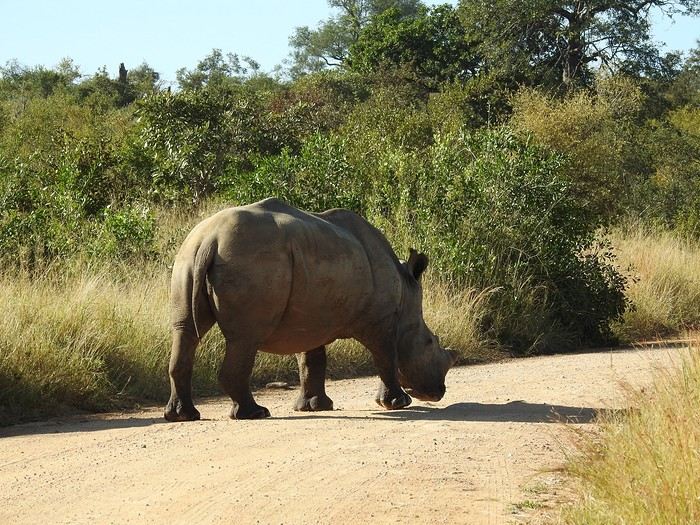
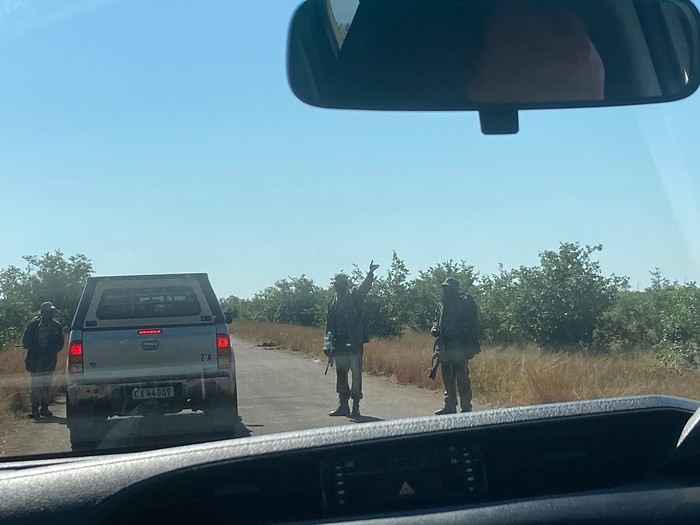
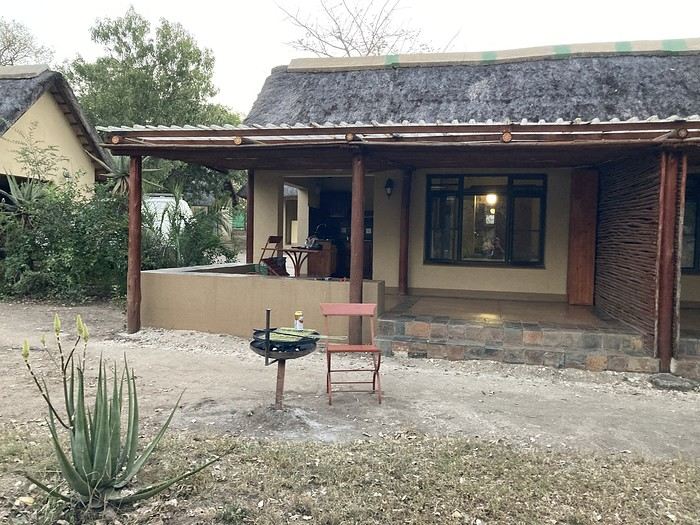
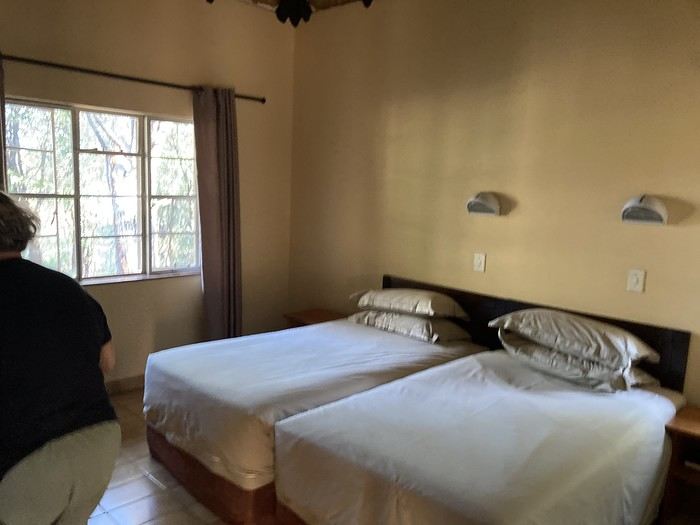
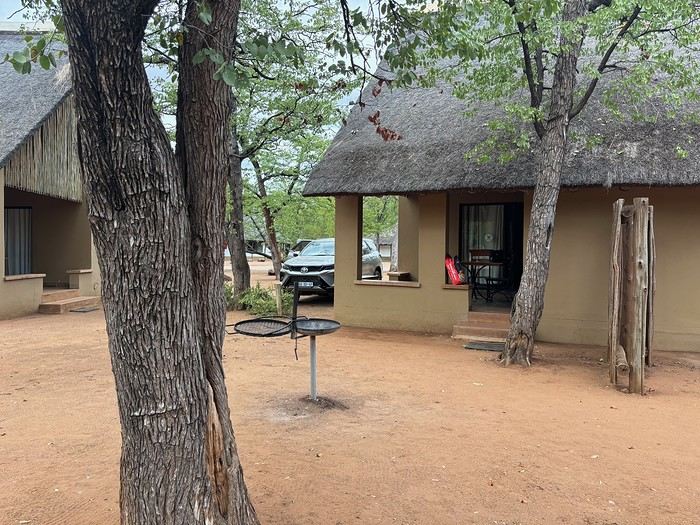
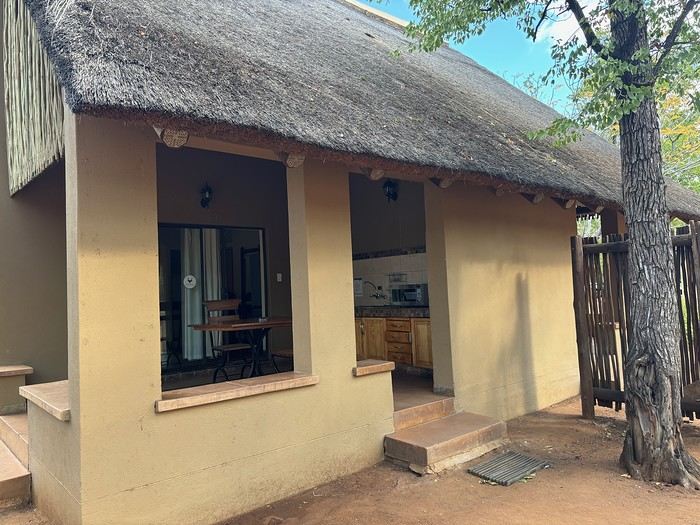
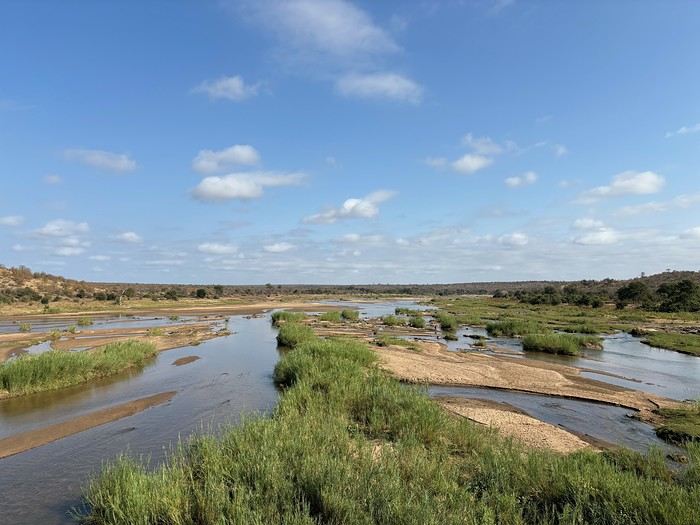
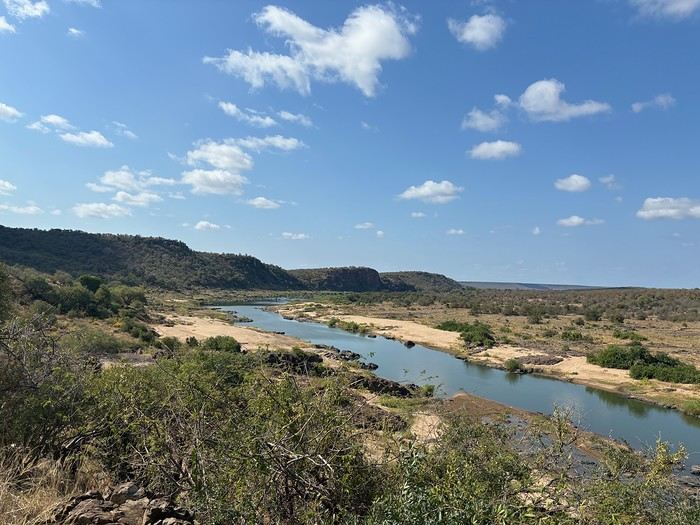
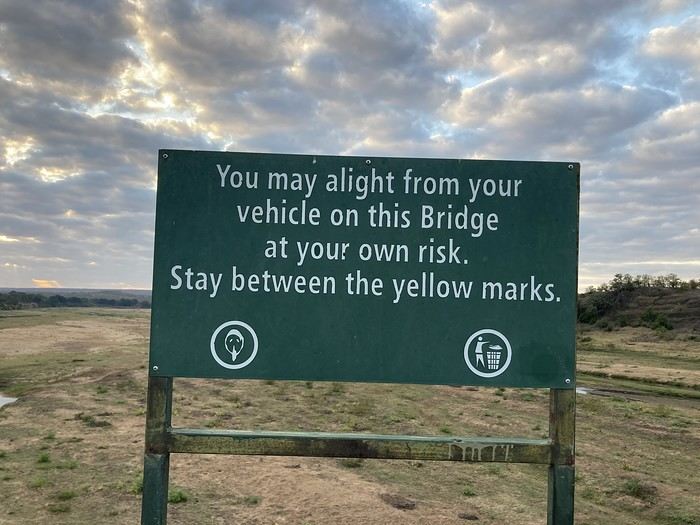
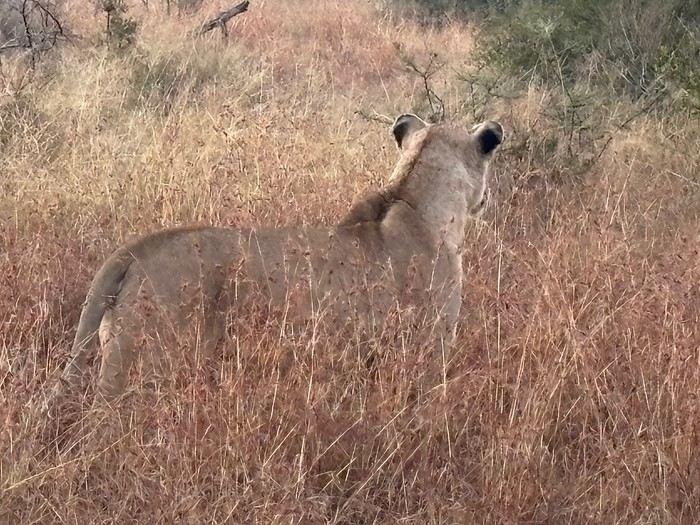
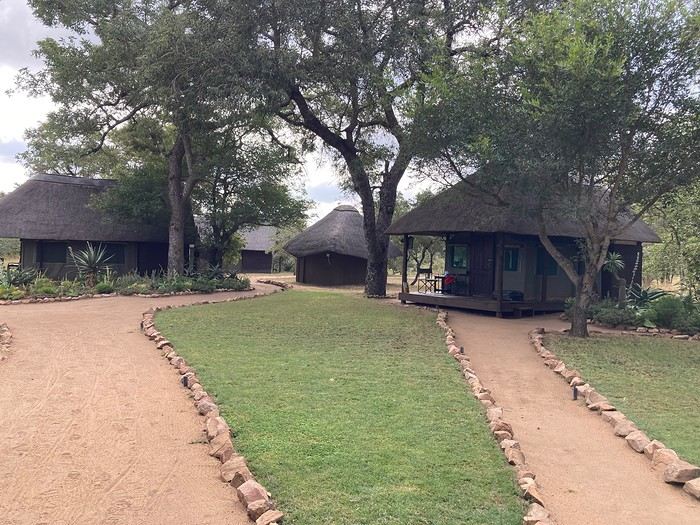
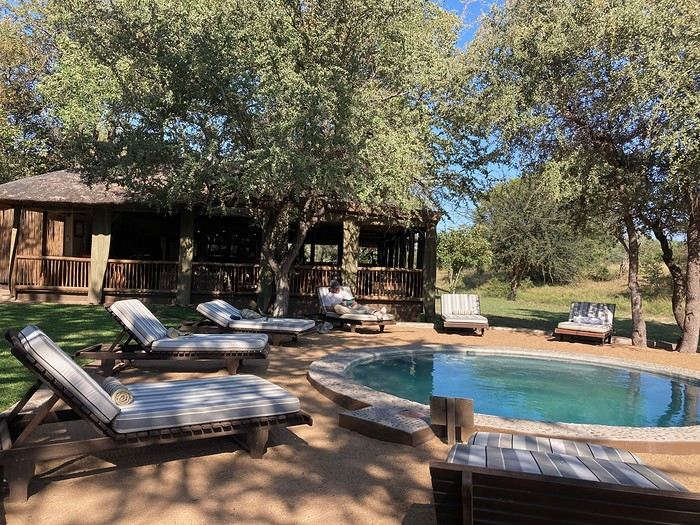
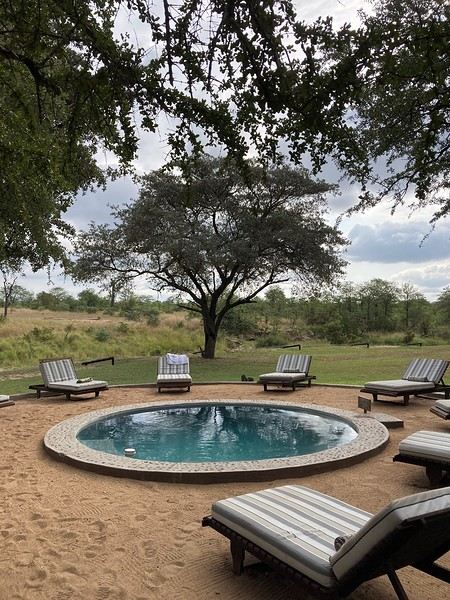
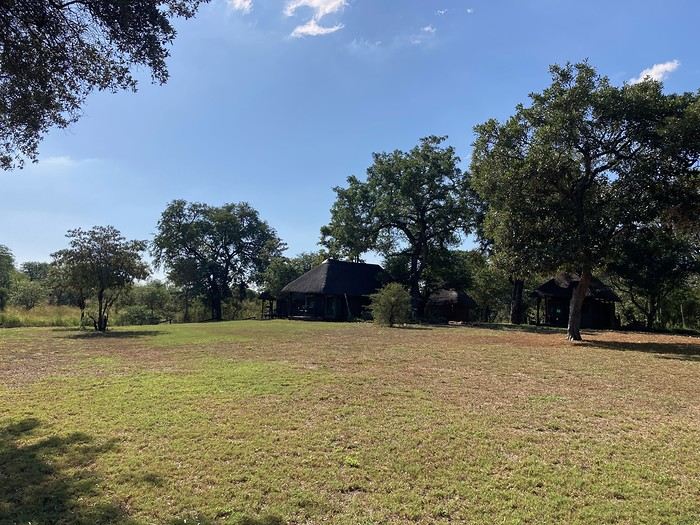
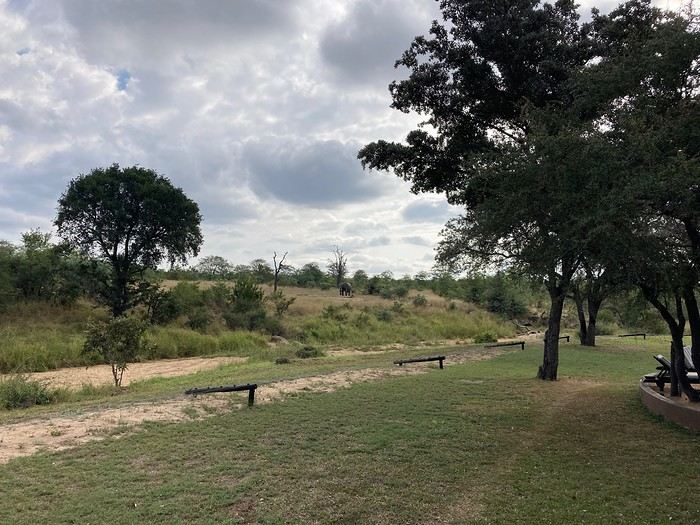
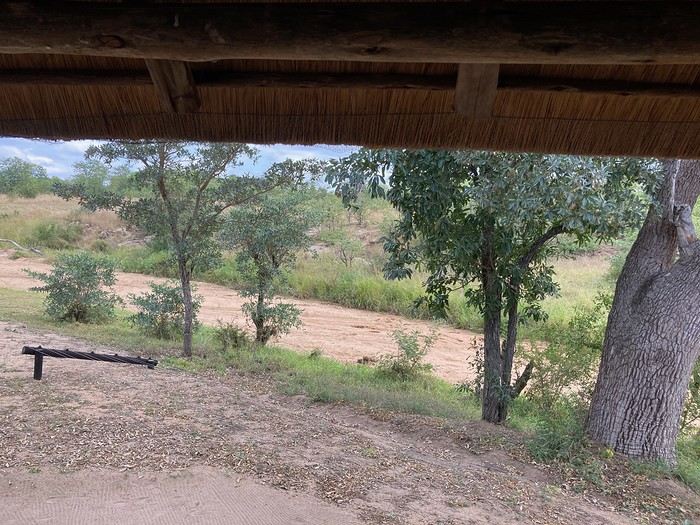
Back then, the area was barely developed (airport, roads, gates)... but now it's very well developed.
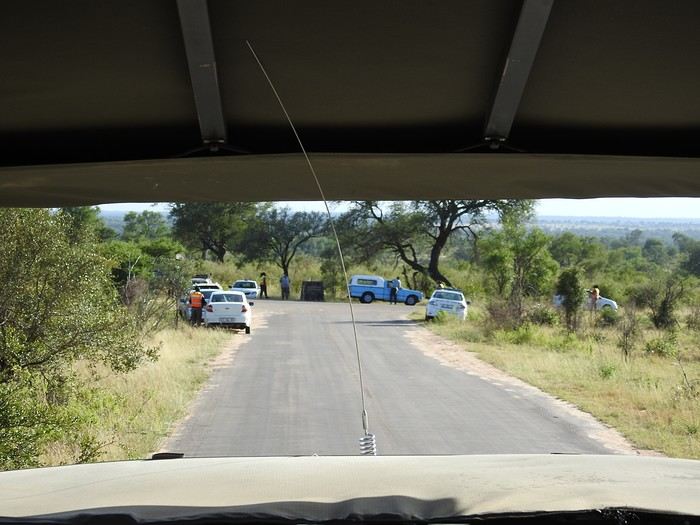
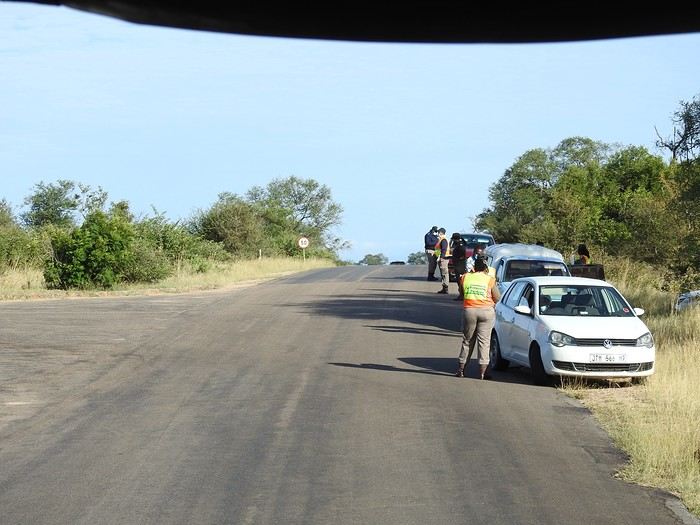
Long and beautiful road, modern airport (small but modern), Timbavati gate newly renovated.
This whole area has evolved ++++ thanks to tourism.
Here’s how it works:
You have one or two gates to enter the reserve (in this case, Timbavati)... sometimes you have to pay an entrance fee.
You’re now in a wild space open to Kruger National Park (KNP).
Either someone picks you up at the gate (you leave your vehicle there) or you do your first game drive solo in your vehicle to the concession (it takes almost an hour to reach Shindzela)... yippee!
You’re still expected to arrive before the evening game drive departs (so before 3 or 4 PM).
A typical day: Up at dawn, quick coffee, a rusk (dry biscuit), and off we go—into the open 4x4. Three hours with breaks for coffee, tea, or amarula in the bush...
Back for a full breakfast, and then?
Often, a game walk is offered midday.
Or you can relax, swim, read, or chat...
A light snack before heading out again...
And off you go for another 3 hours—roughly 2 hours in daylight, then a sundowner with drinks in the bush, followed by an hour of night driving.
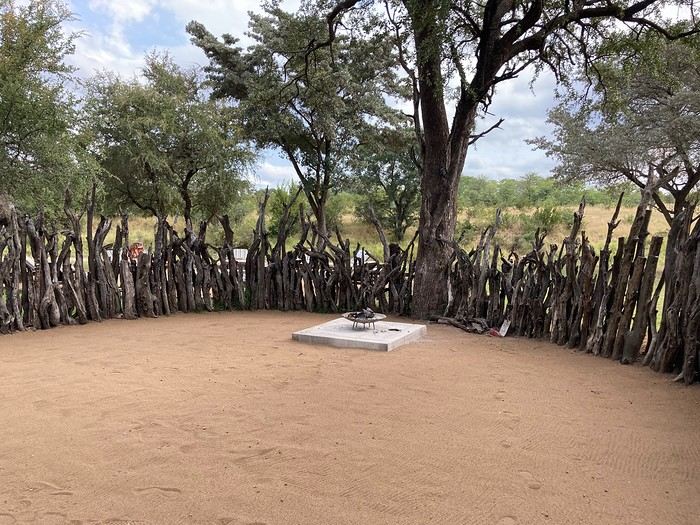
Back for dinner (either outside in the boma or inside... sometimes at the same table, sometimes separate tables per couple or vehicle... with or without the ranger), and then? Depending on how you feel, you might end the night by the fire or head to bed!
Be warned: it gets cold—really cold, even *very* cold—in an open vehicle, except maybe in the middle of summer. Don’t trust the daytime temperature!
Layers, a windbreaker, a hat... I’m telling you now!
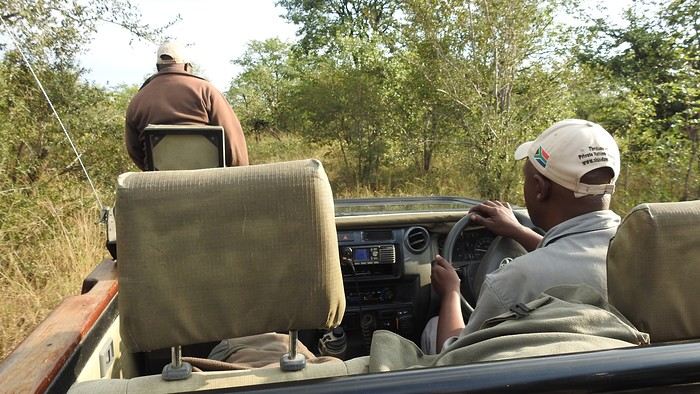
The tracker on the jump seat (there are fewer and fewer trackers these days).
If I tell you they’re there to track, you won’t be surprised!
The other person is the ranger...
**Anecdote**
My first game drive with a Black ranger, "Pete," at the old Djuma. Amazing!
Back then, rangers were mostly white (you also had to speak English well) and male...
Now it’s more diverse—there are even quite a few female rangers.
Trackers were all Black... today, they’re still mostly Black.
Tradition says the Shangaan are the best trackers... well, the Shangaan used to live all over this area before being pushed back by the Zulus.
To become a tracker or ranger, there are different schools... not all at the same level.
And not all "game reserves" necessarily hire real rangers or trackers...
(Example: Umkhumbe, where the "tracker" was from Zimbabwe, swept the floors, and handled the spotlight at night like a maniac... the ranger was at the same level).
To be a tracker on the jump seat, you’ve got to keep your cool... you’ll find plenty of videos online of rangers dealing with more or less nervous elephants, lions getting too close, or bold rhinos...
**Anecdote**
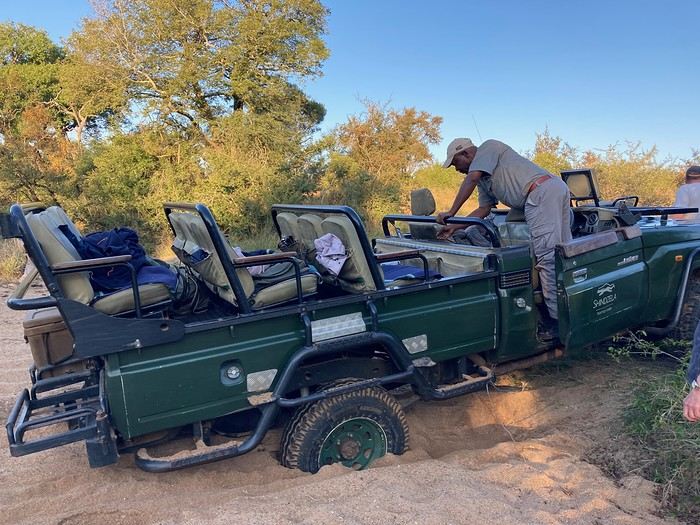
We regularly had to deal with the vehicle getting stuck in sand, stuck in a hole, a flat tire, or not starting...
If they ask you to get out, stay grouped and close to the vehicle, please...
Tradition dictates that animals are named in Zulu or Shangaan (on the radio between rangers when they cross paths and share info)... to keep tourists from getting too excited over a lion, leopard, or cheetah...
So now, my favorite game...
Speaking Zulu even with the Shangaan (who understand it very well)... catching them when they talk among themselves...
And the ultimate mischief...
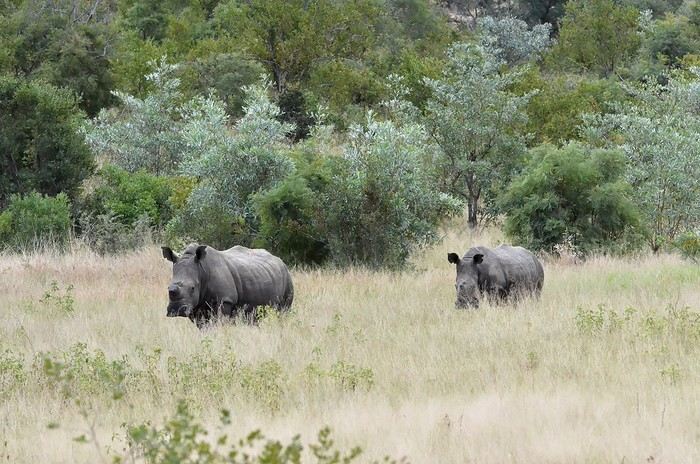
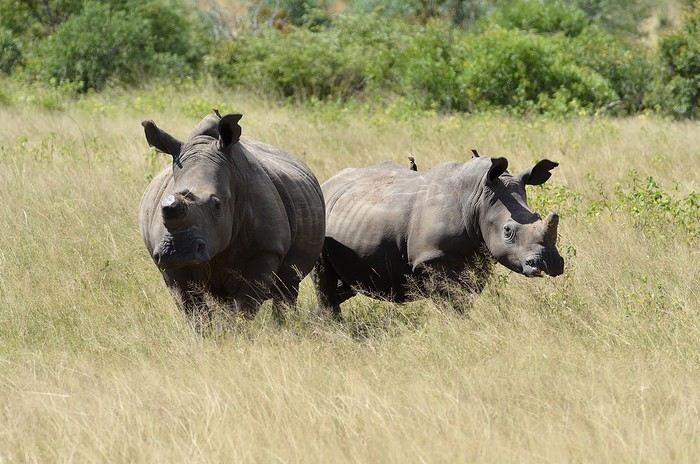
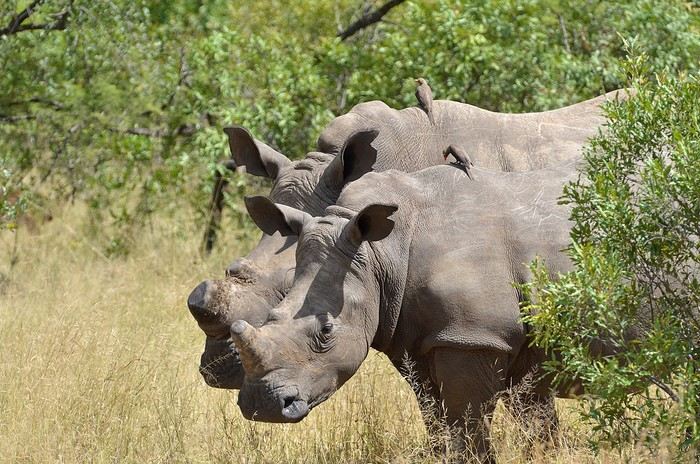
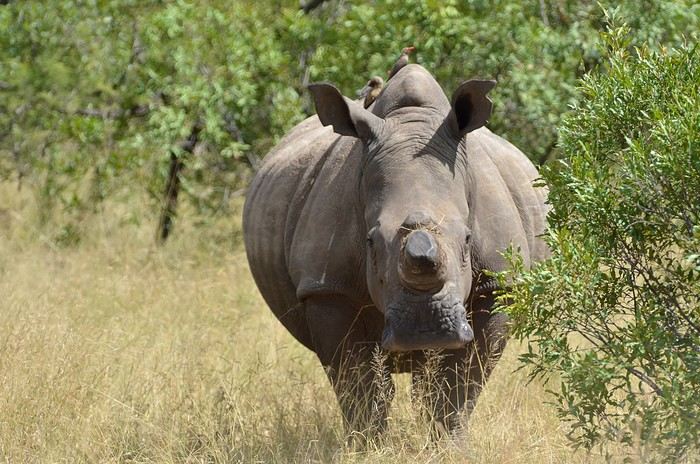
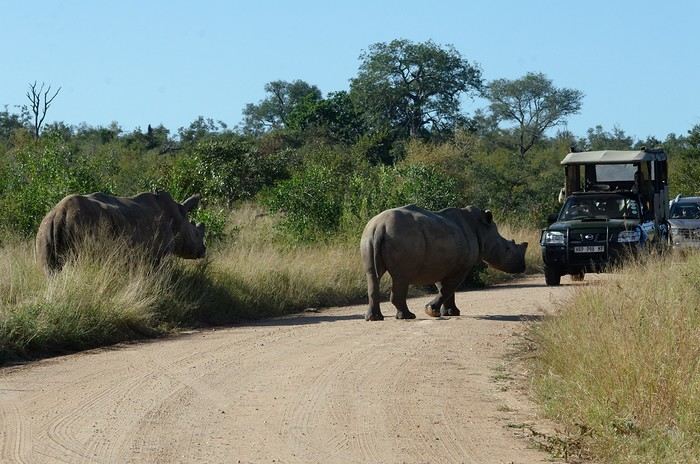
Kruger: 3 rhinos to the left of the road, 10 meters away. On the other side, a private ranger’s vehicle.
He also stopped.
I backed up a bit to give them space and turned off my engine. Same for him.
And our rhinos crossed calmly between our two cars.
Usually, they ignore tourists... but this time, he stopped, window down, and asked if we’d seen anything.
I answered in English but used the animal names in Zulu... (plus, the ranger was Black), and I saw a look of utter astonishment in his eyes...