New walks from Jodhpur to Narnaul (Feb 24)
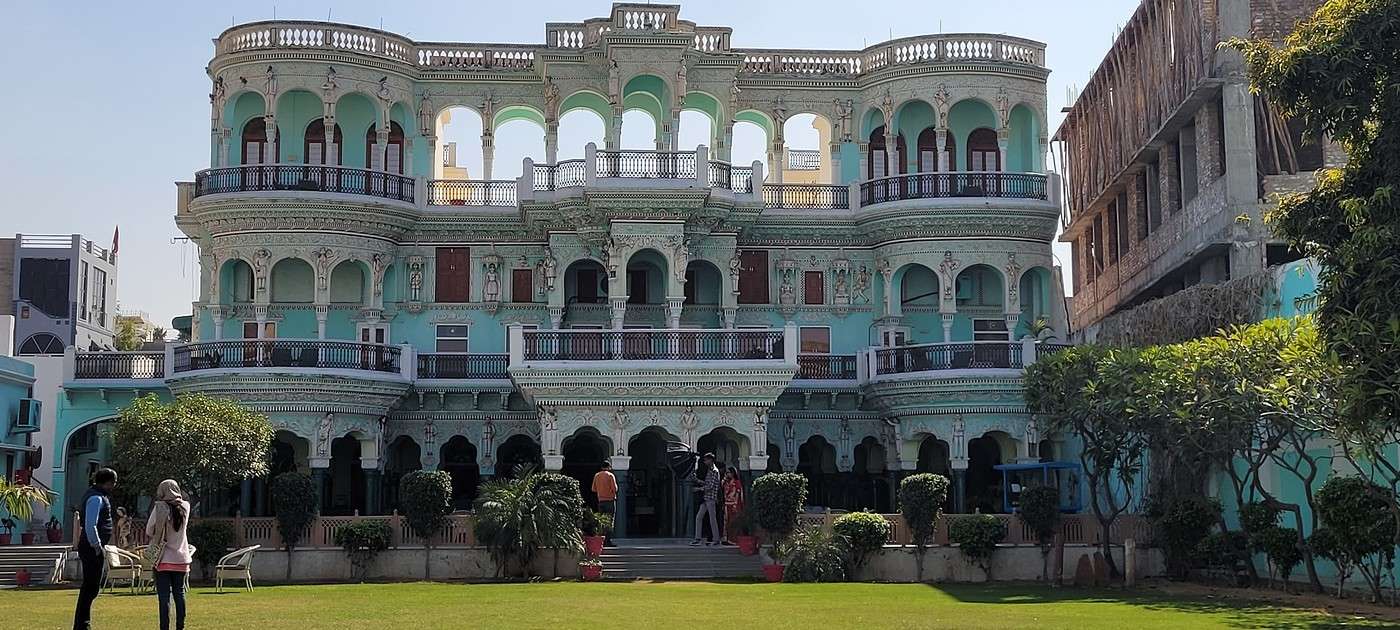
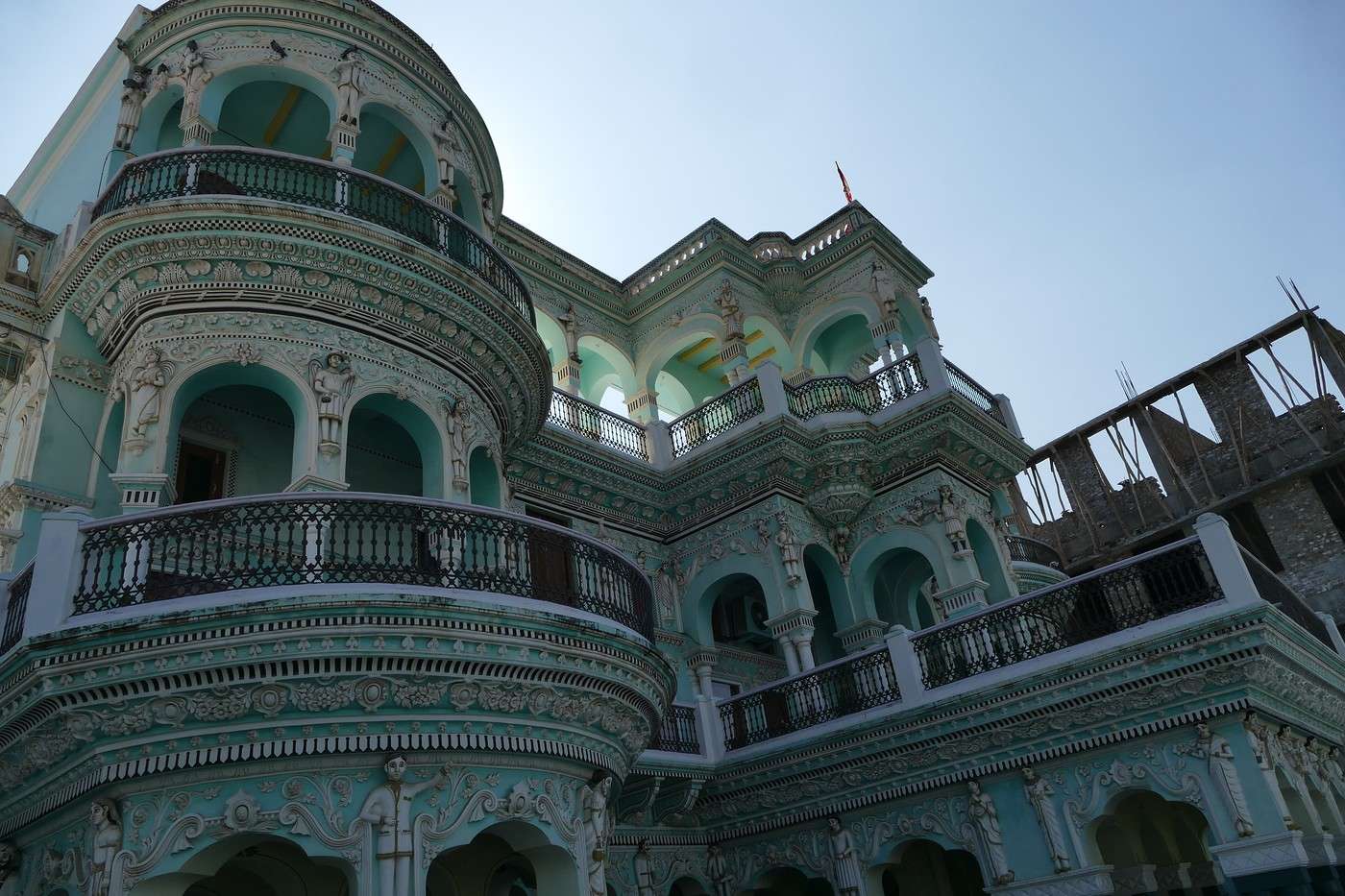
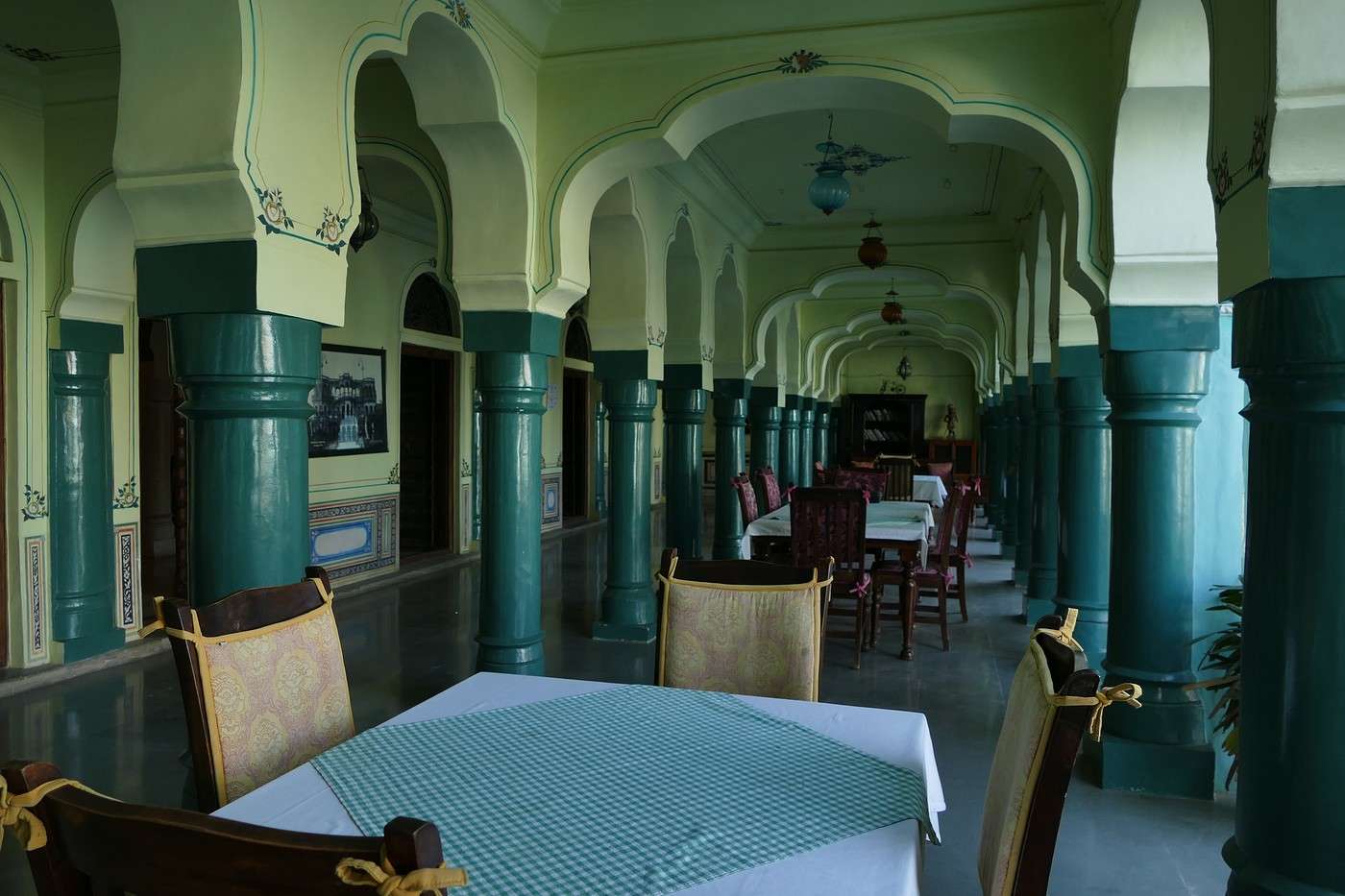
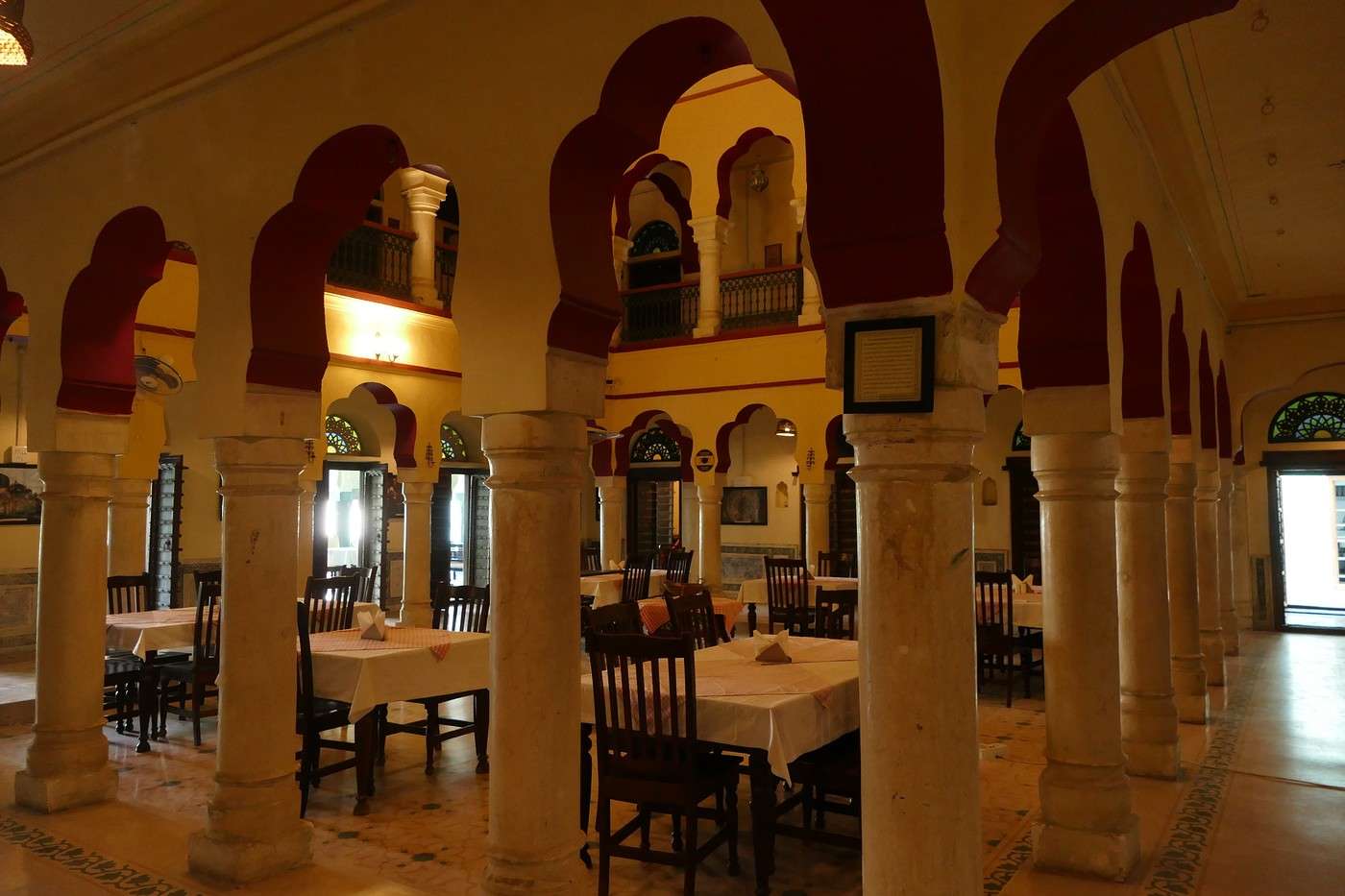
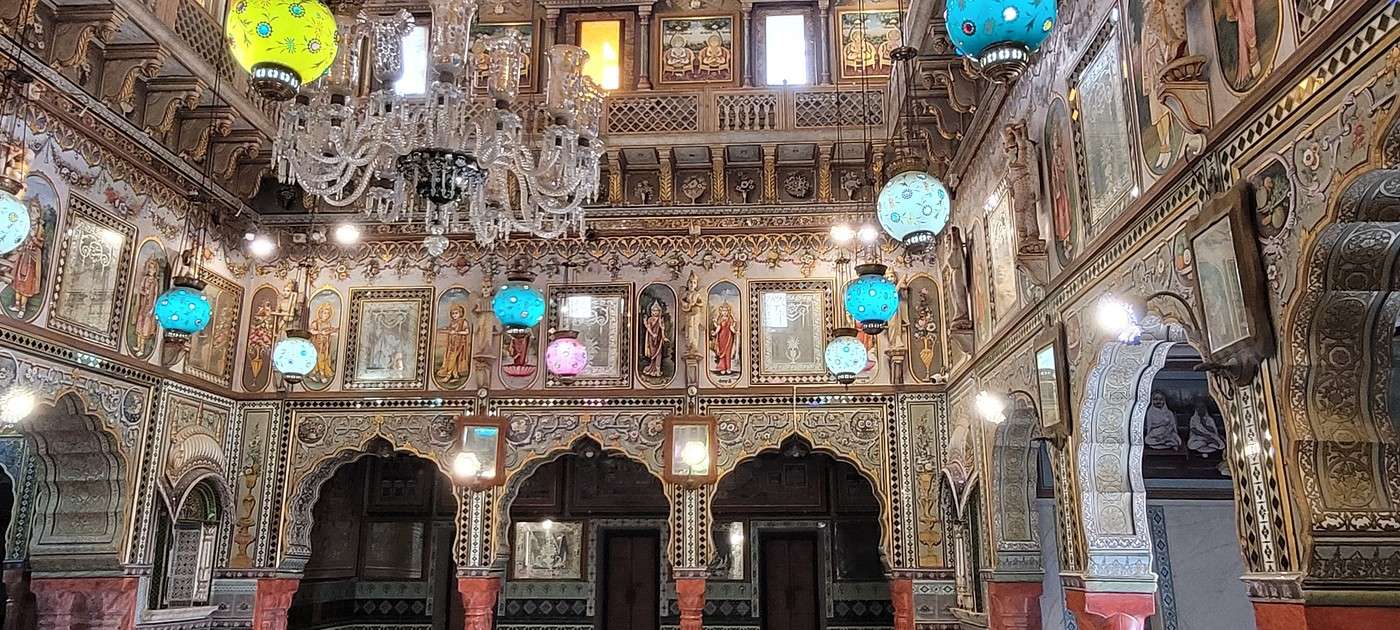
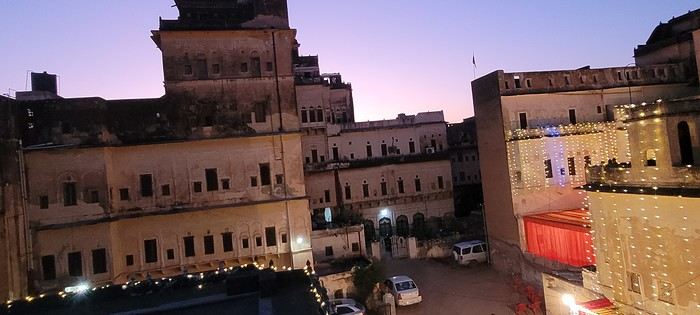
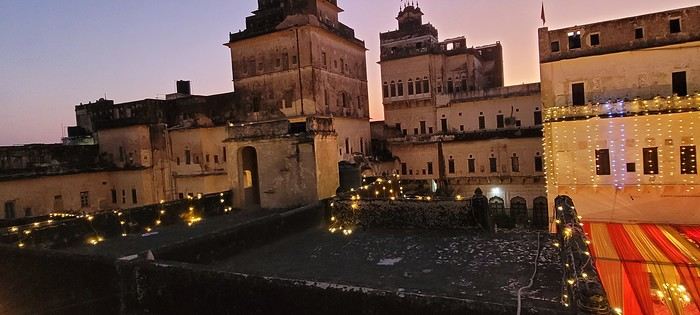
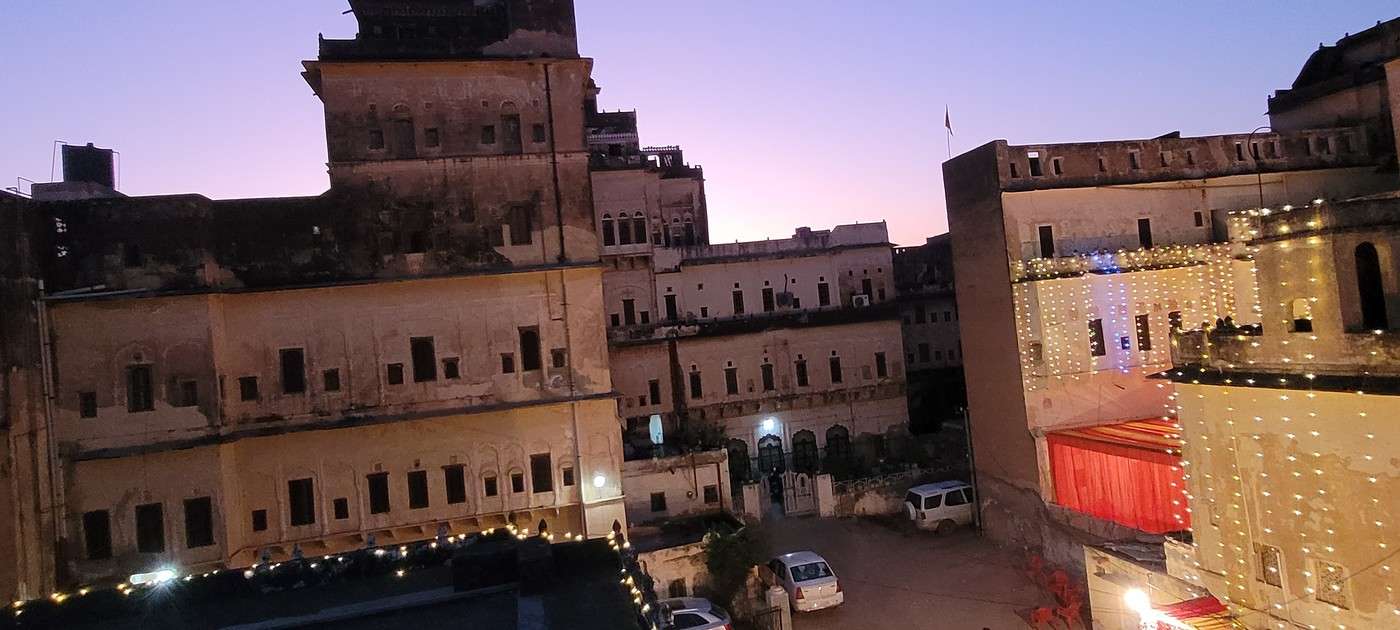
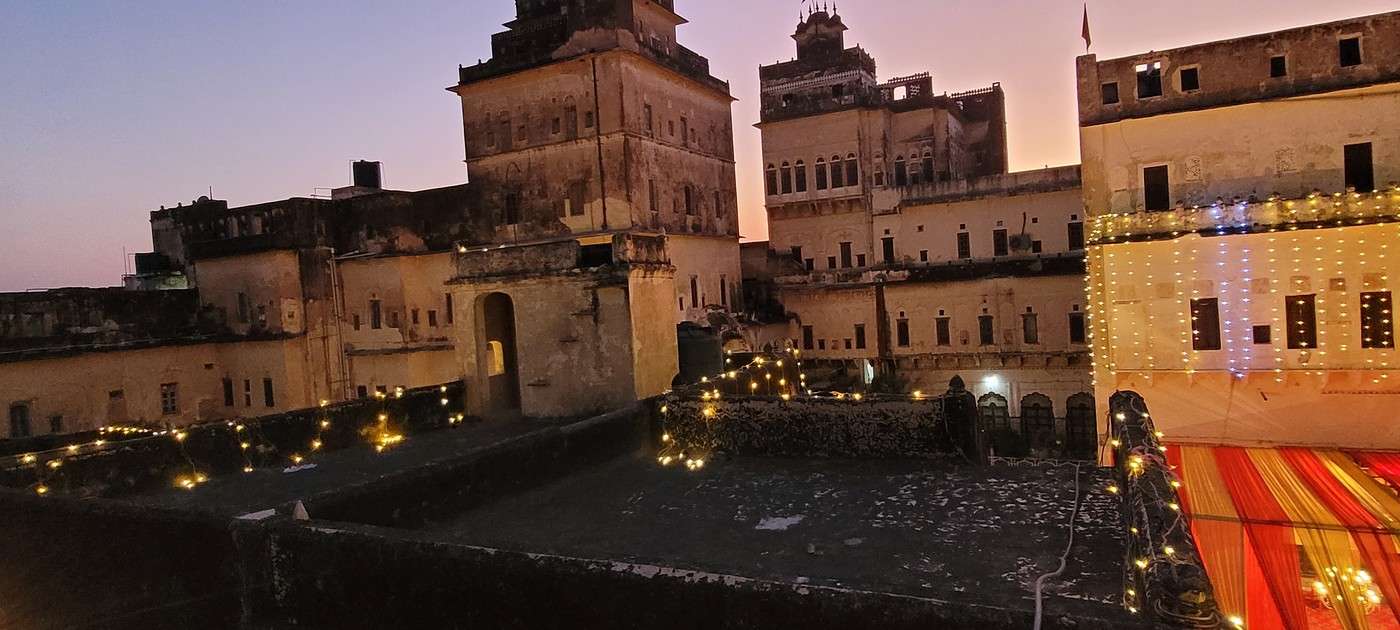
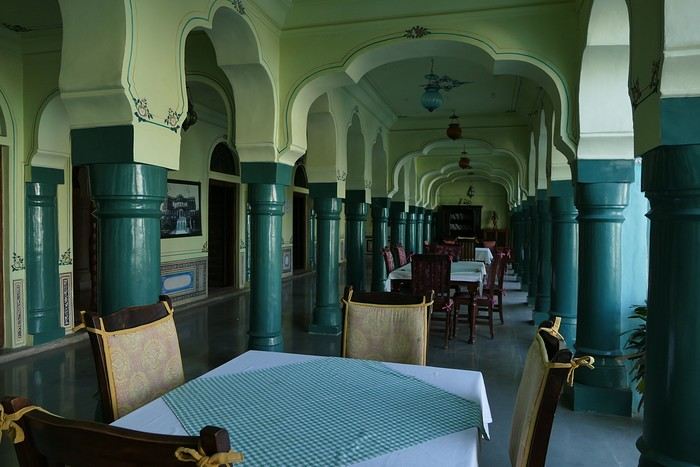
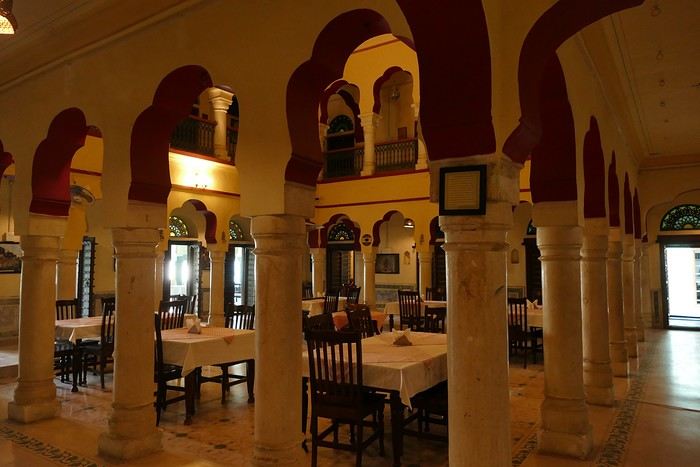
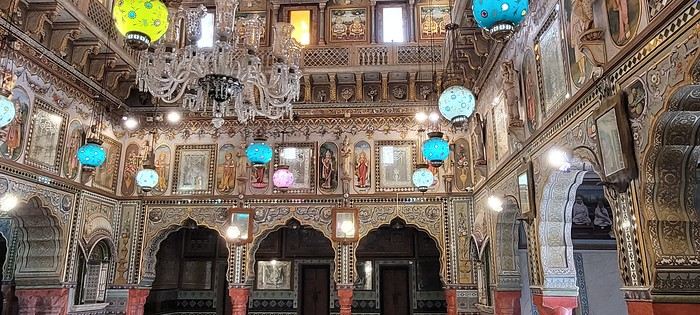
When we arrived, Mudita took me straight to visit a hotel, the Malji Ka Kamra, dating back to the 1920s. It’s Italian in style with Shekhawati-style frescoes, and the whole place is surprising and delightful.
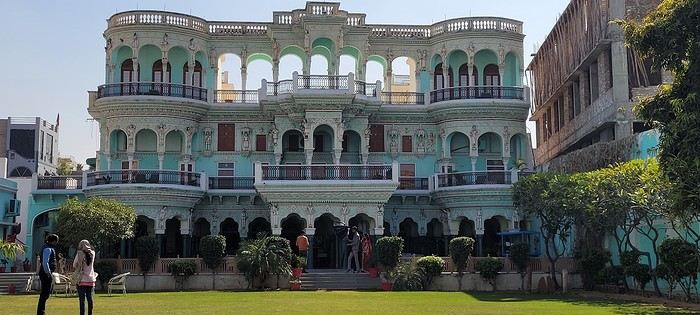
This is where you should stay😏
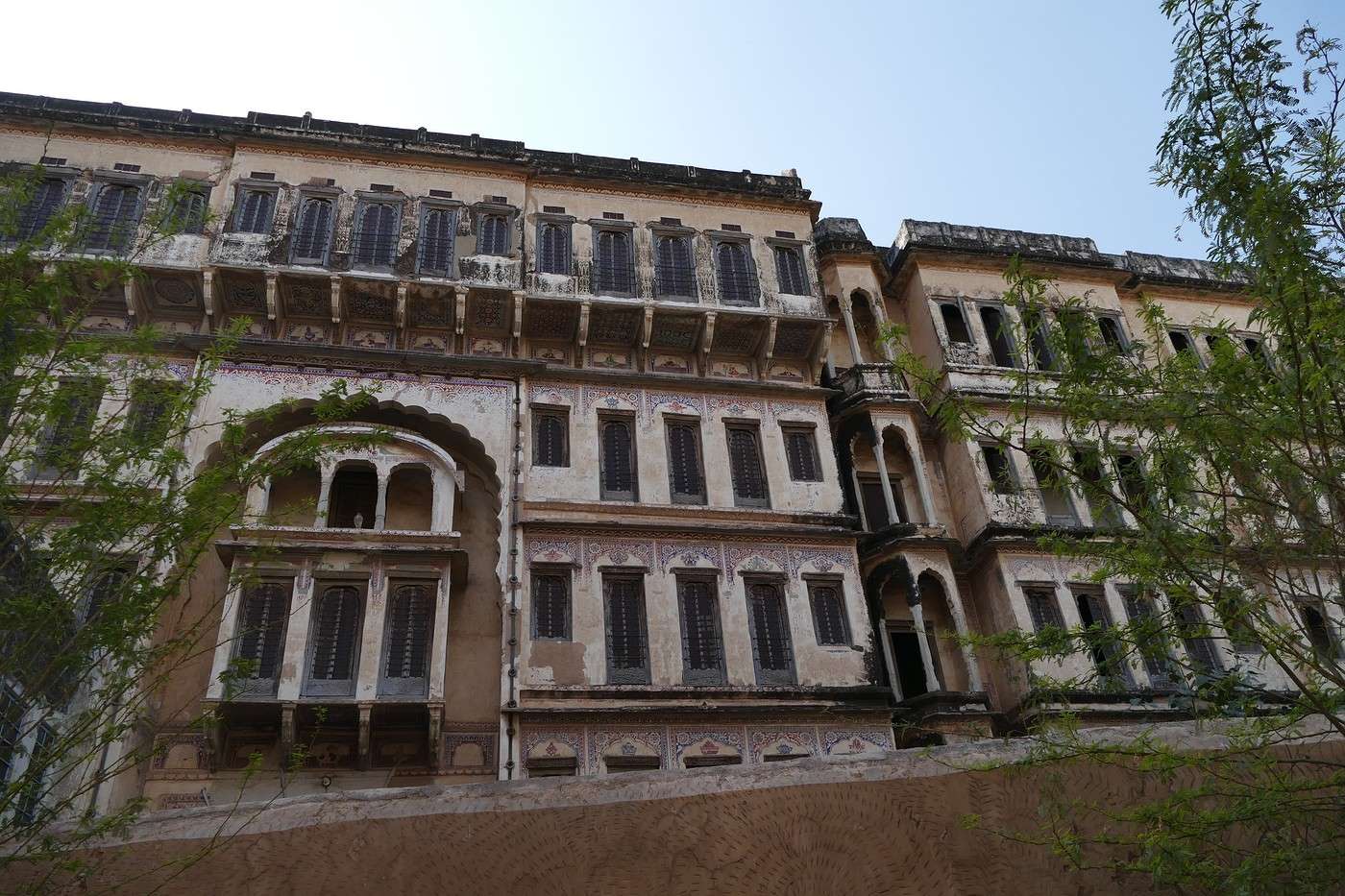
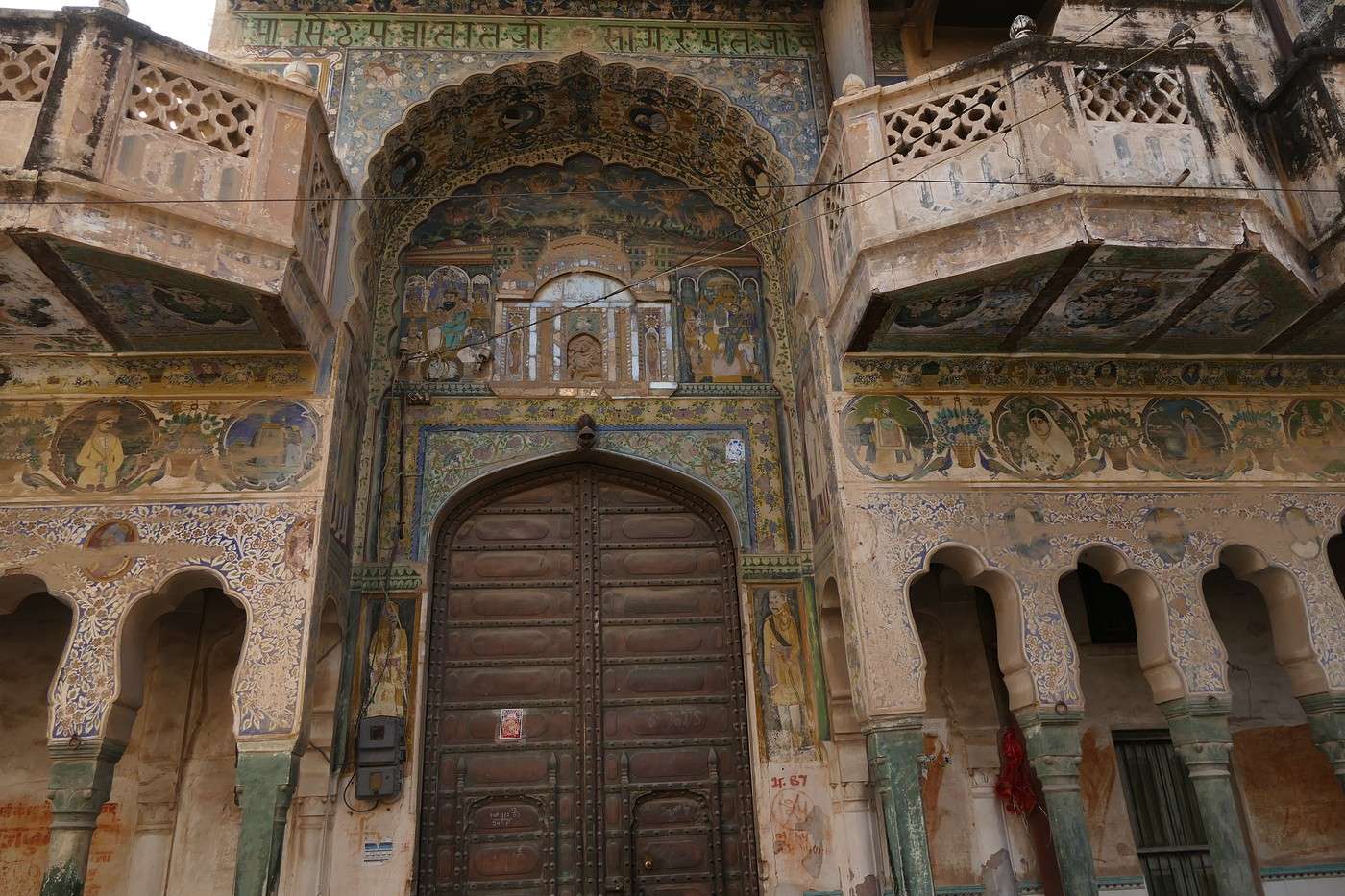
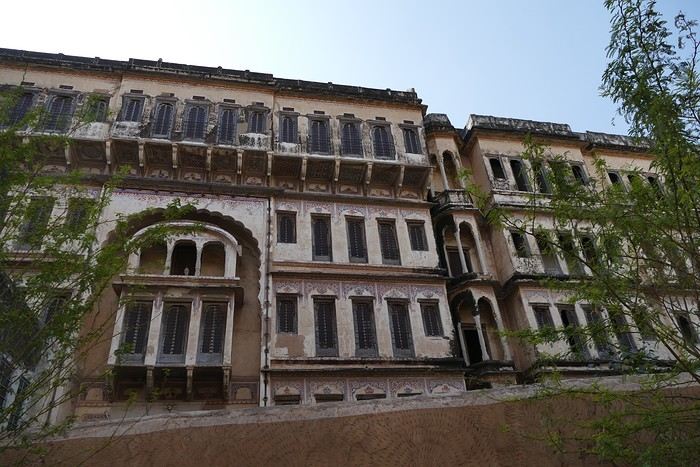
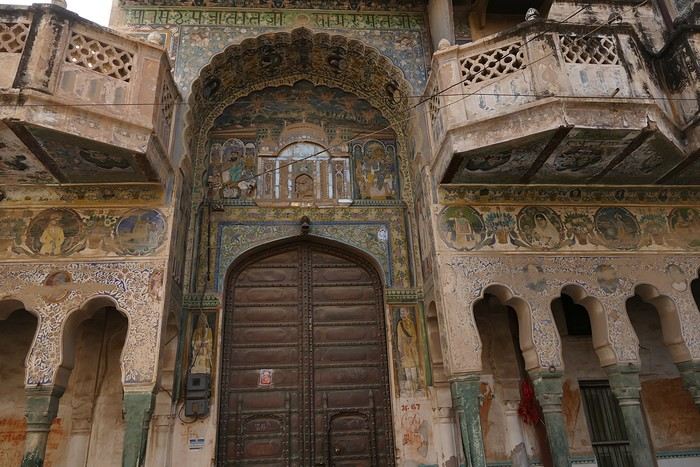
We continued our stroll through the havelis with their many small windows, similar to those you’d see in Chettinad (Tamil Nadu), and always with beautifully decorated doors.
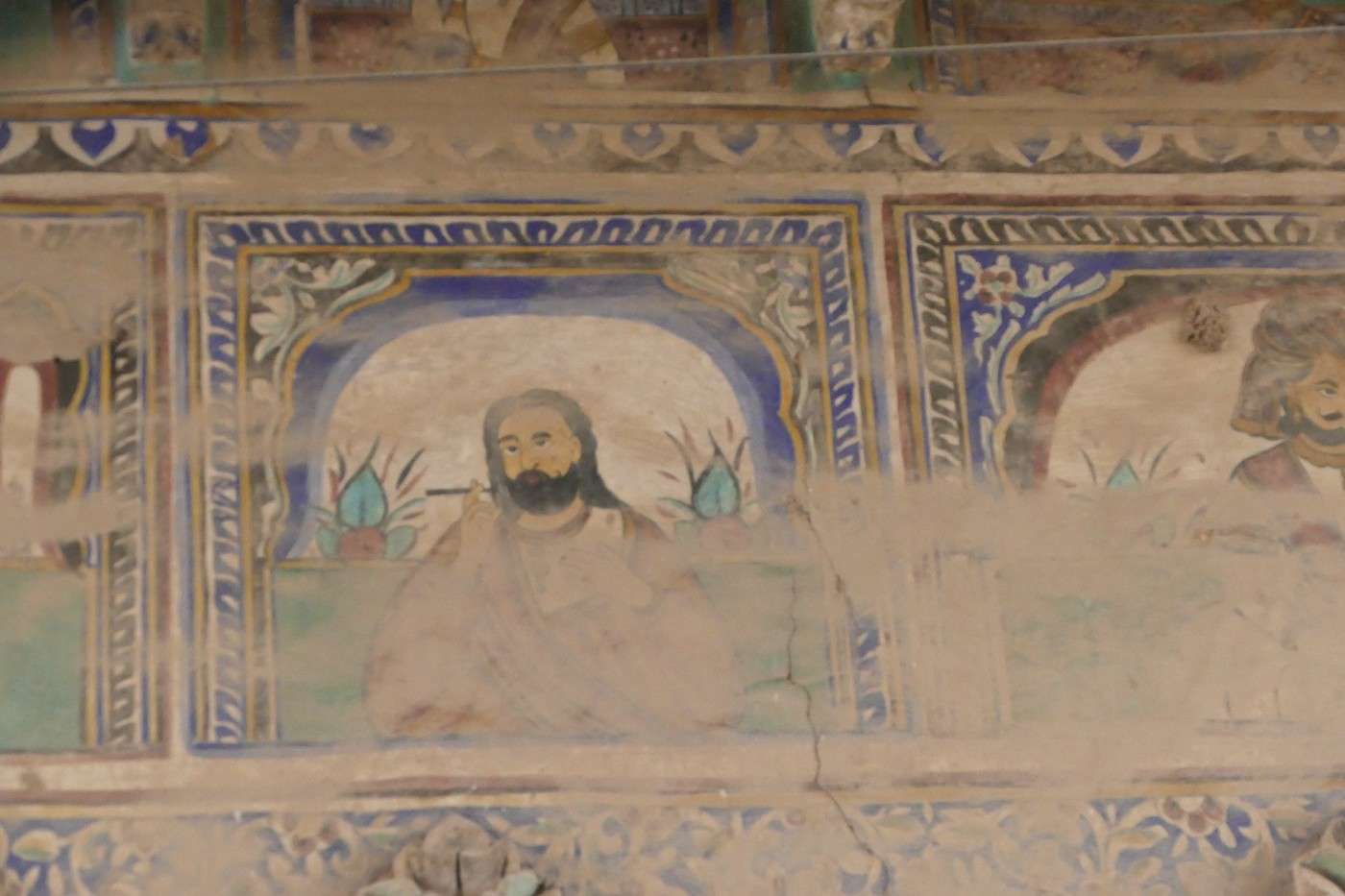
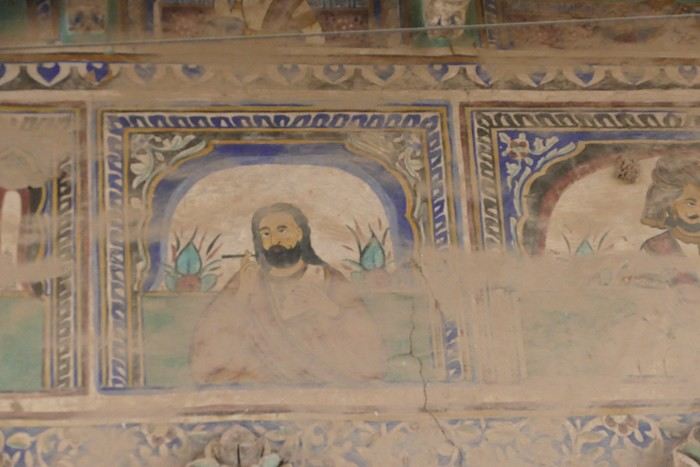
Amazing—the Christ smoking a cigar!
We passed by the Jain Digambar Temple, which was closed in the early afternoon. Mudita has an uncle who runs a shop nearby, and with his help, the guard came to open it for us. Thanks, Mudita, for your efficiency—it was worth it!
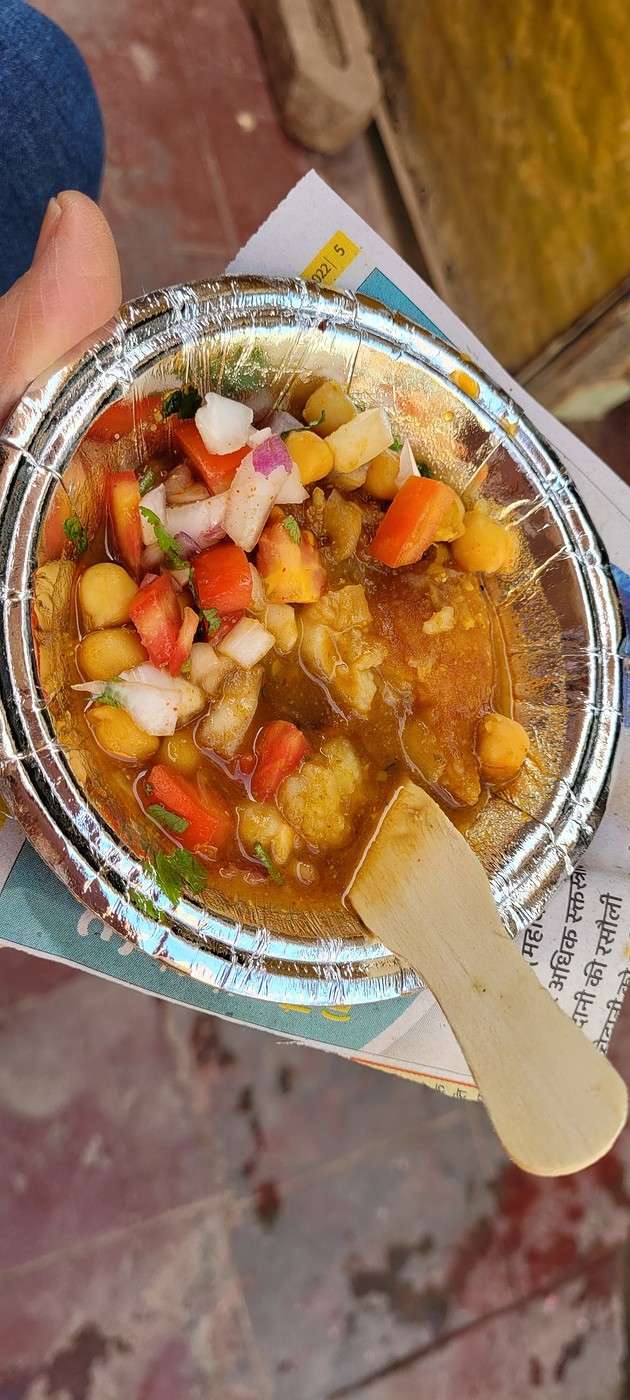
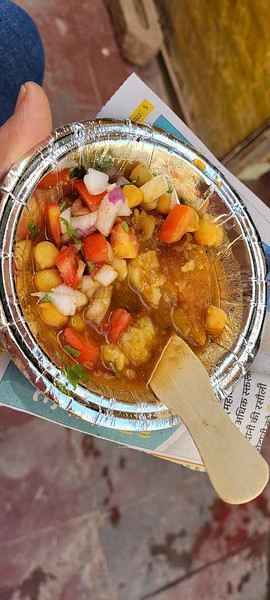
We headed to the market around the marble clock tower and had lunch on the street with lots of street food, including an aloo tekri (mashed potato balls with chickpeas, tomatoes, onions, and coriander—it was really good!)
We returned to Mahansar without any issues after another beautiful day. Mudita is a very friendly young guide who does her best to meet our wishes, and I highly recommend her—I have her WhatsApp number. She guides from Nawalgarh to Churu, and it was a great encounter.
This is where you should stay😏
We continued our stroll through the havelis with their many small windows, similar to those you’d see in Chettinad (Tamil Nadu), and always with beautifully decorated doors.
Amazing—the Christ smoking a cigar!
We passed by the Jain Digambar Temple, which was closed in the early afternoon. Mudita has an uncle who runs a shop nearby, and with his help, the guard came to open it for us. Thanks, Mudita, for your efficiency—it was worth it!
We headed to the market around the marble clock tower and had lunch on the street with lots of street food, including an aloo tekri (mashed potato balls with chickpeas, tomatoes, onions, and coriander—it was really good!)
We returned to Mahansar without any issues after another beautiful day. Mudita is a very friendly young guide who does her best to meet our wishes, and I highly recommend her—I have her WhatsApp number. She guides from Nawalgarh to Churu, and it was a great encounter.