A summer in the sun in... Iceland!!
Thanks for this travel journal—it’s a destination that really appeals to me, and the photos are gorgeous!
Family vacations are always the best! !
This thread has been translated into English.
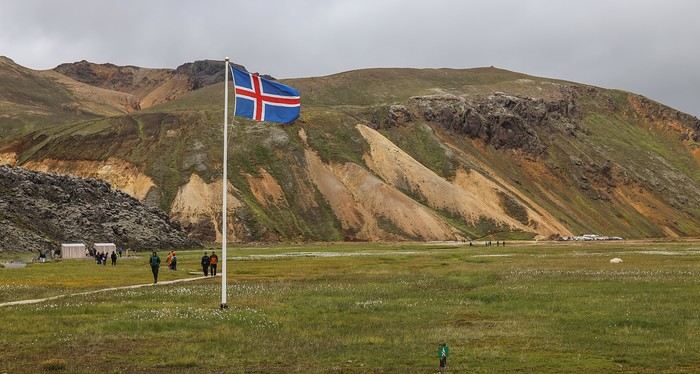
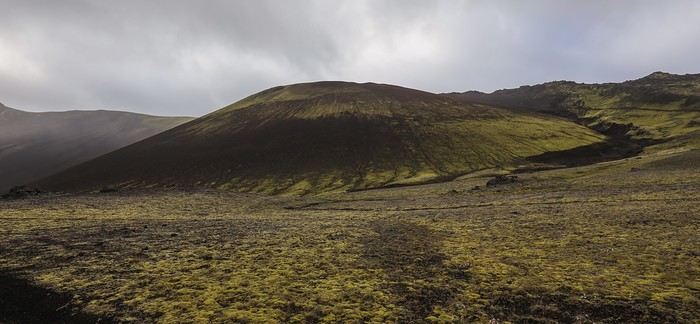
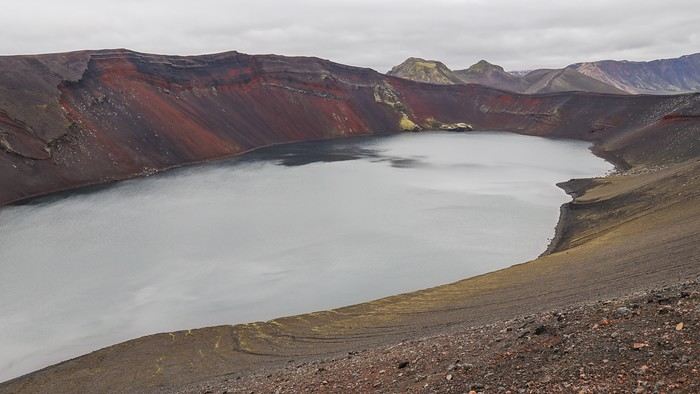 Then, just a few kilometers from Landmannalaugar, a small pass gives us a beautiful view of a lake and an extinct volcano, the Stútur Crater.
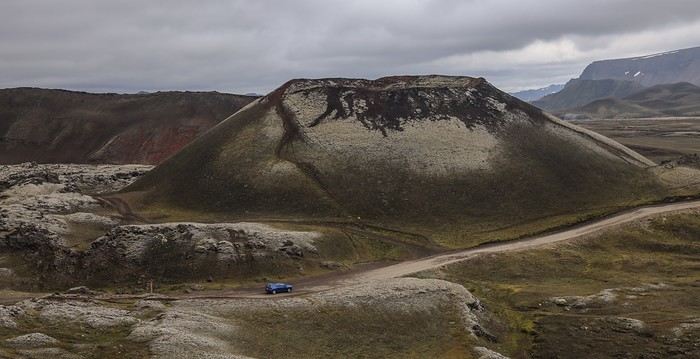
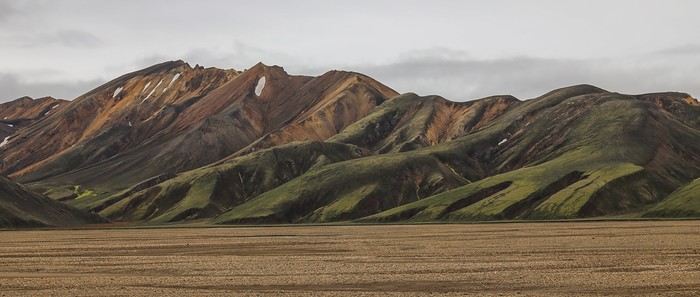
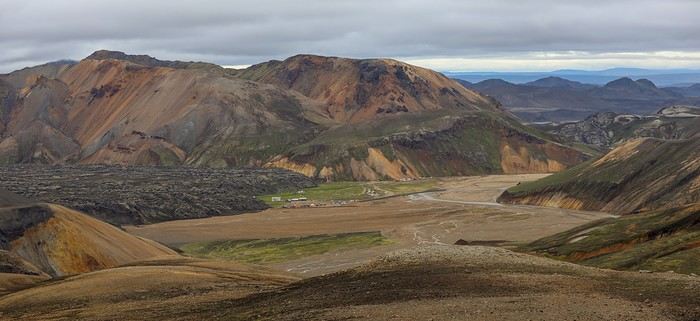
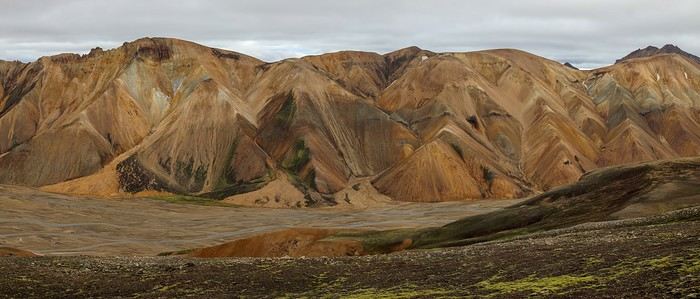 Some mosses take on an original fluorescent green hue without the sun.
At the end of the long climb, we’re rewarded with some gorgeous panoramas!
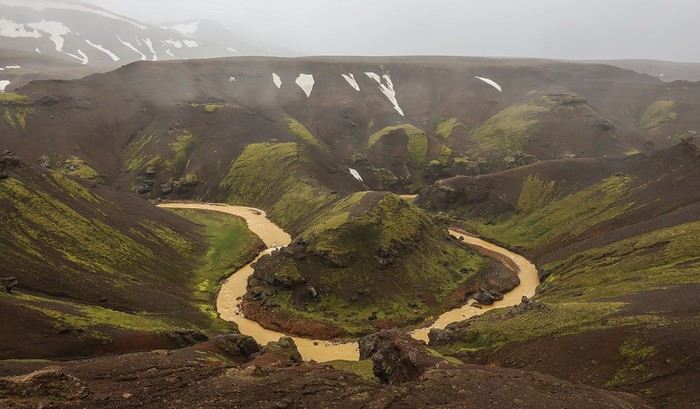
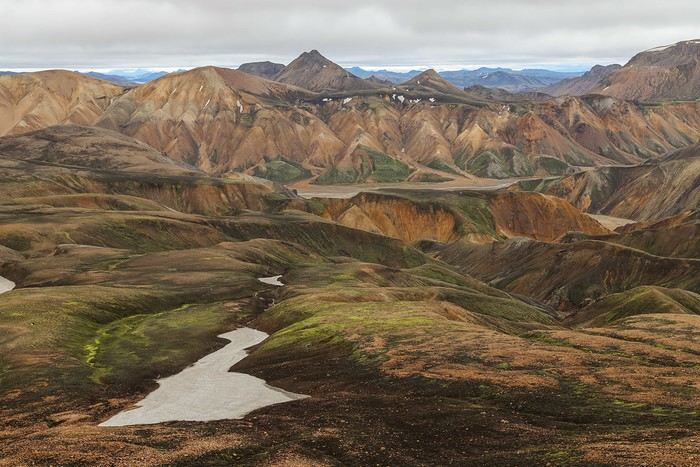 Like two days ago, as we approach the summit, it starts raining—but this time, we’ve got our ponchos, which we quickly put on. The reward is worth the effort, with beautiful views of the snow-capped peaks.
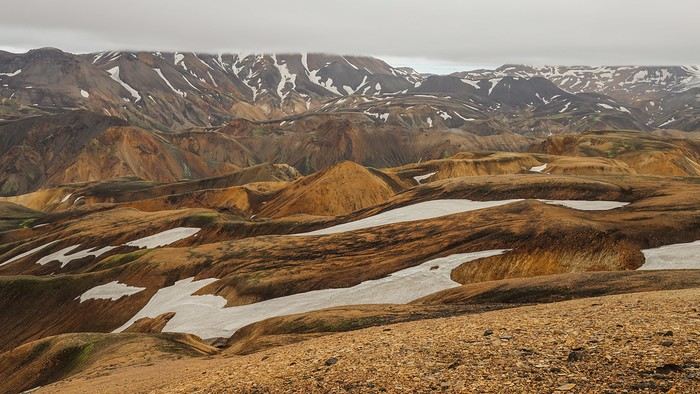
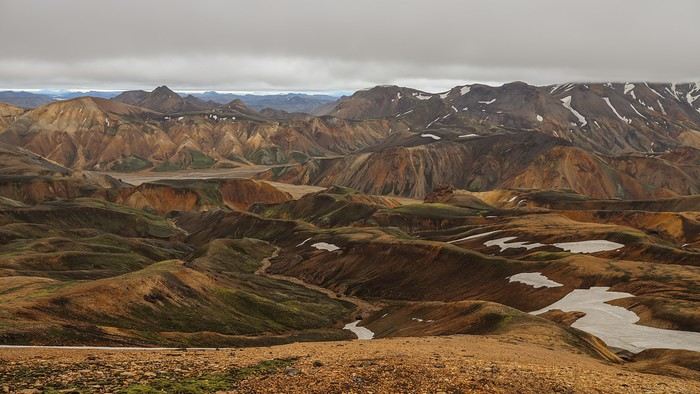 But the best is yet to come when we take the shortcut on the way back, plunging onto a ridge trail into the heart of the sculpted, multicolored rocks, right above Bláhnúkur!
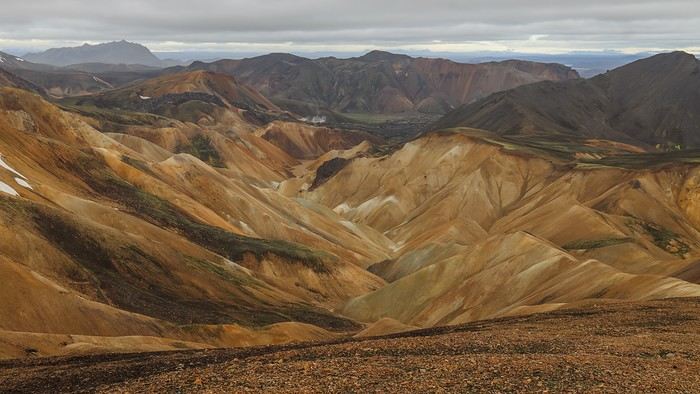 We soak in the multicolored viewpoints from the heights,
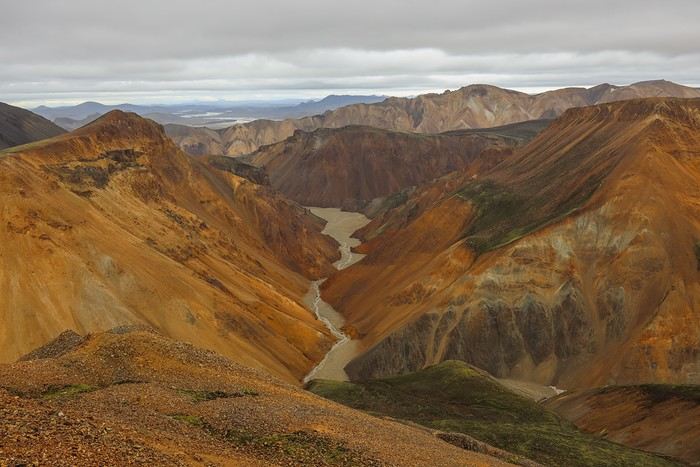


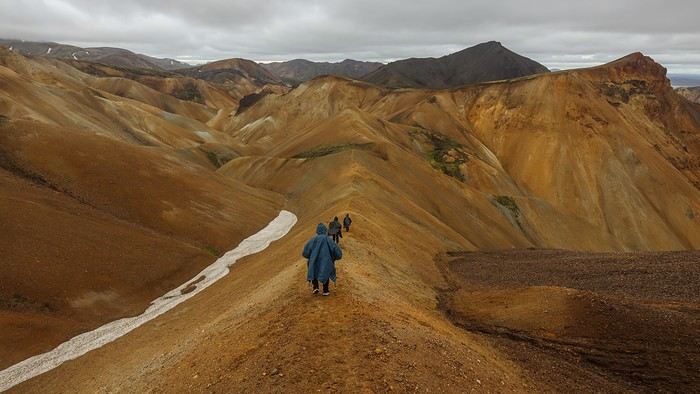 We can only imagine what this panorama would look like under a radiant sky. Even in the rain, it’s unforgettable!
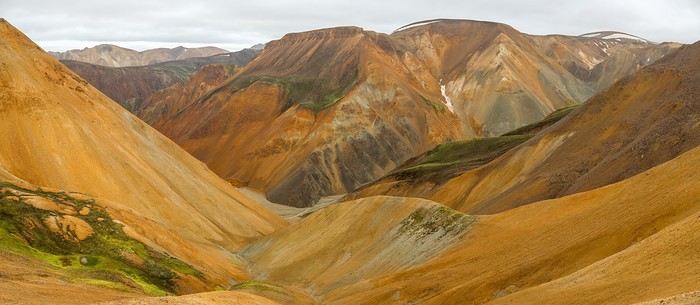 The colors become more varied as we approach Brennisteinsalda, with gray hues and a few fumaroles reminding us we’re in a volcanic zone.
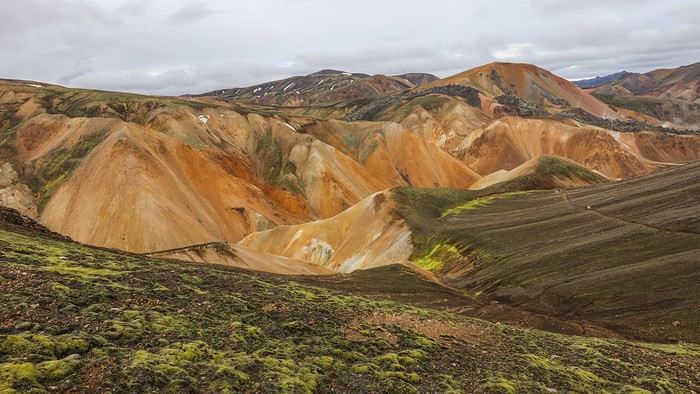 Brennisteinsalda, in the distance, stands out from the other mountains with its red and yellow colors.
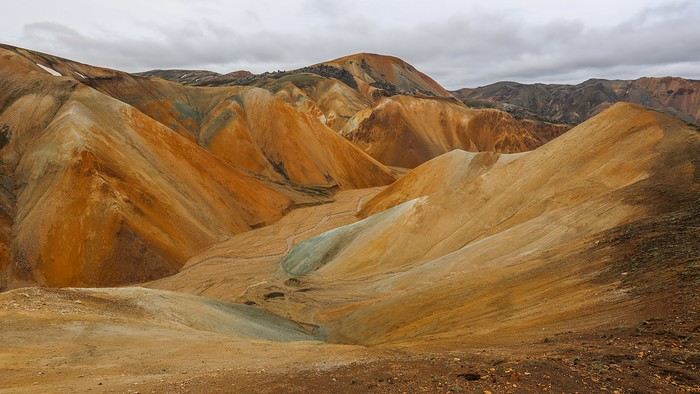
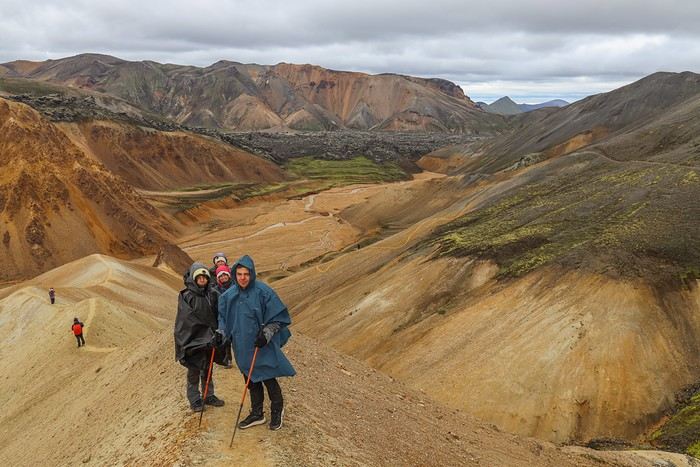 Oh right, I almost forgot—it’s still raining, and our feet are soaked 😏!
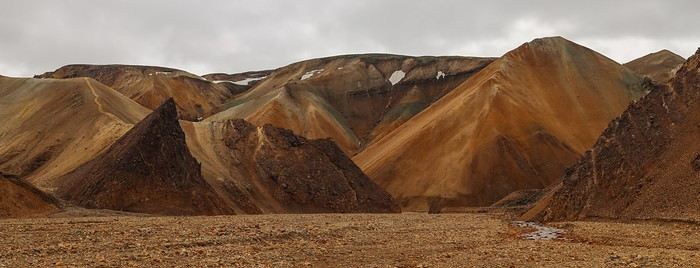
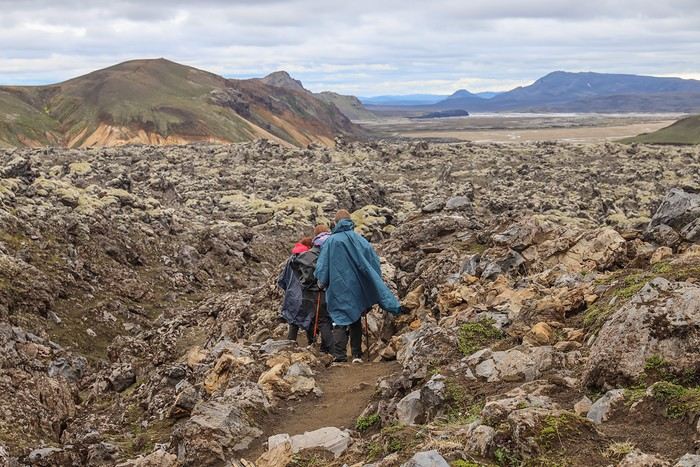
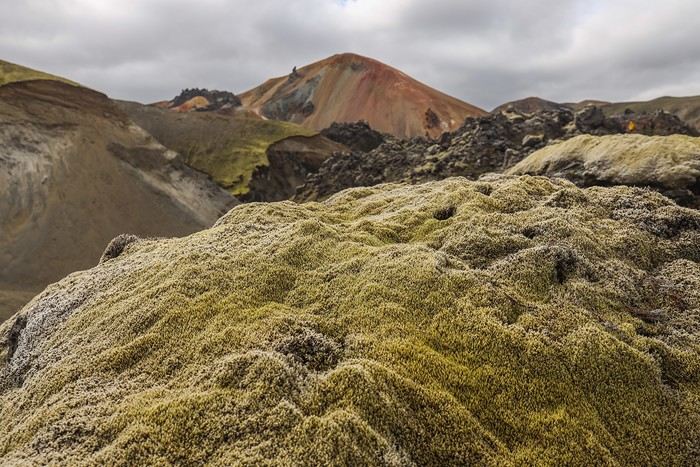 Some green rocks remind us of Death Valley in California.


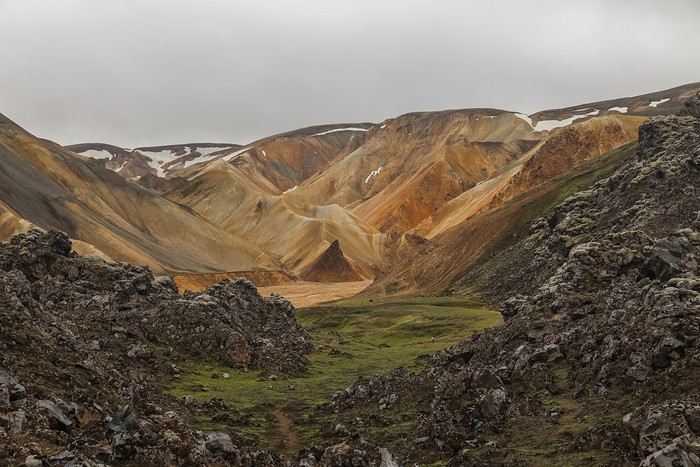
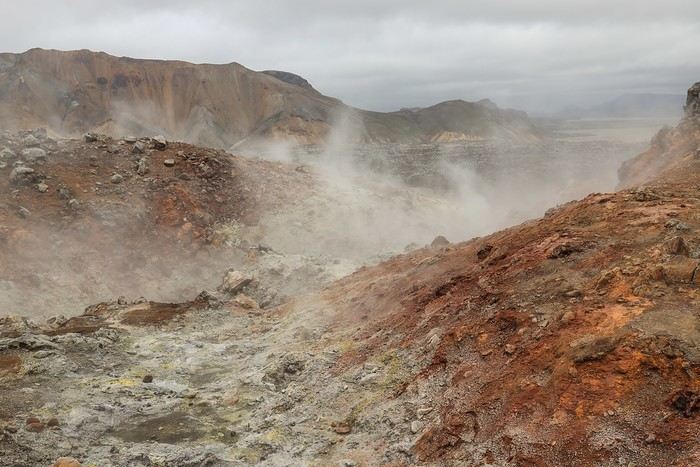
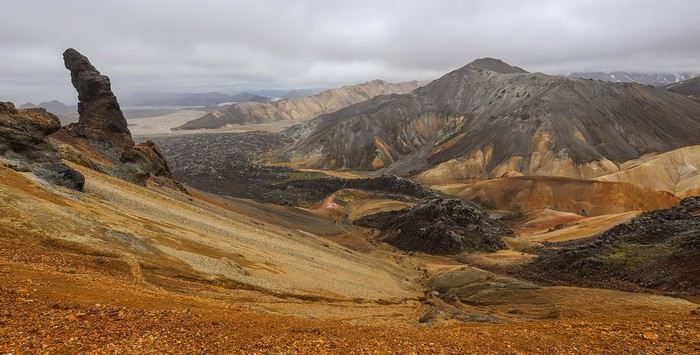 At the summit of Brennisteinsalda, the wind is almost as strong as on Bláhnákur! Despite the wind, we still enjoy the stunning colors of the massif !!
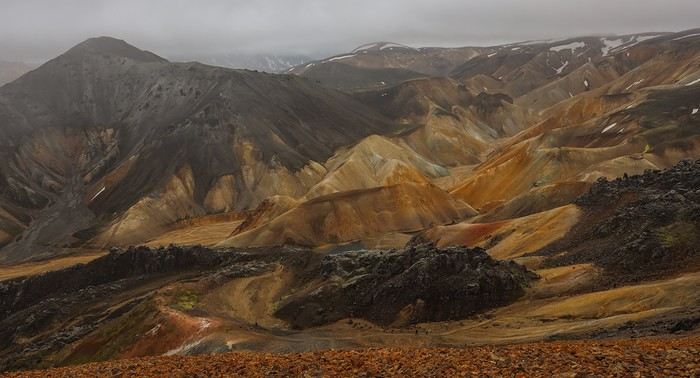
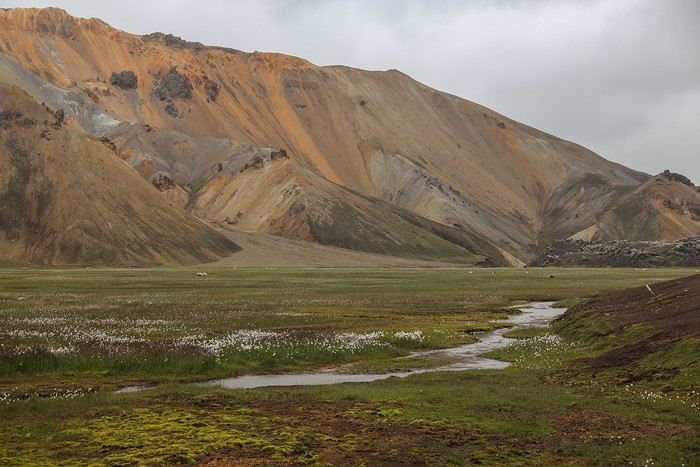 In the late afternoon, we warm up for a good hour in Landmannalaugar’s hot spring. One of the most pleasant of the trip—and free...
 Then, another dip in the geothermal springs at Secret Lagoon.
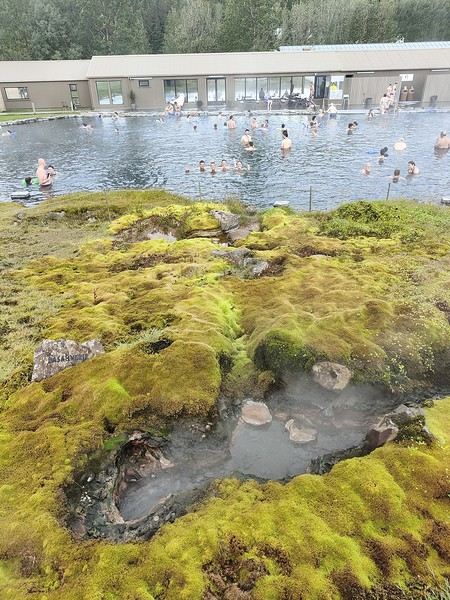
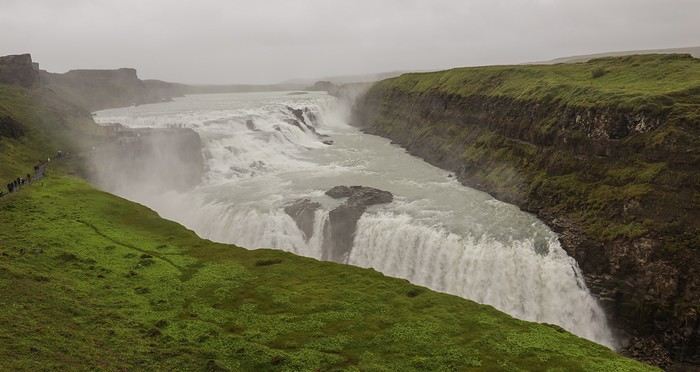


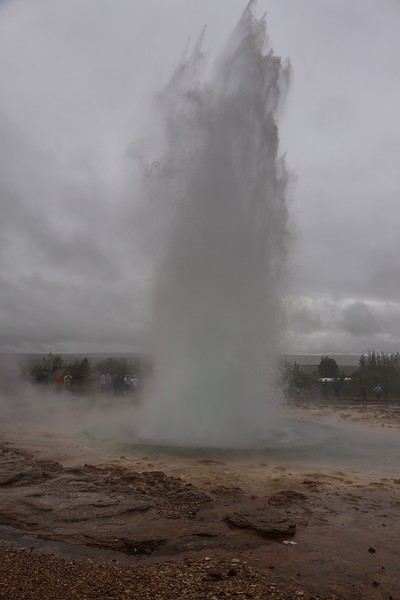 All around, there are pools and fumaroles—pale copies of what you can see in Yellowstone. But it’s still nice to walk around in this environment.
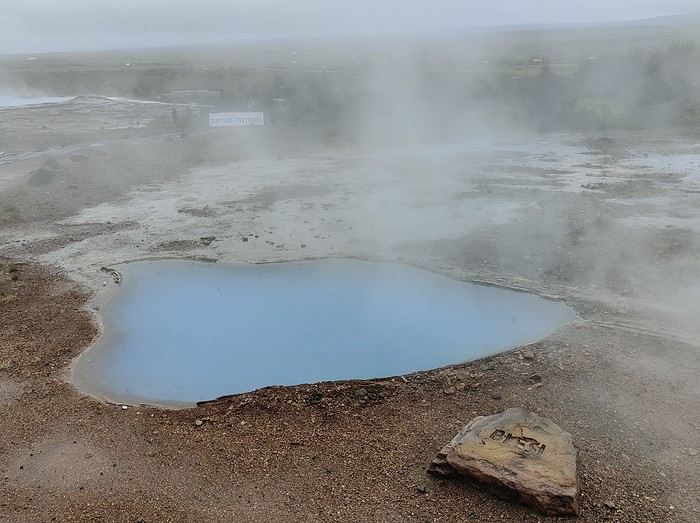
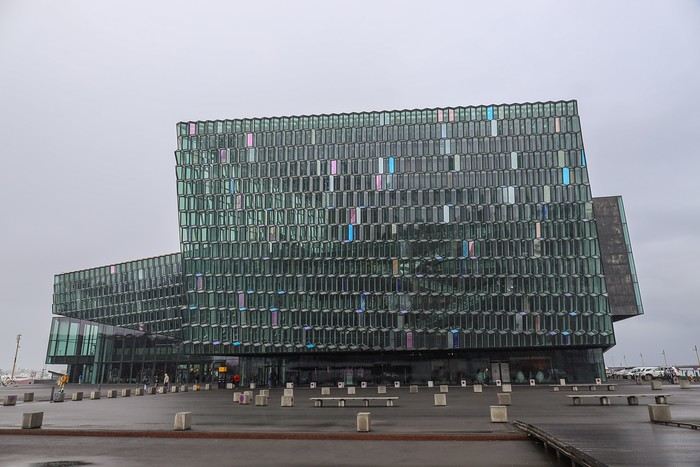
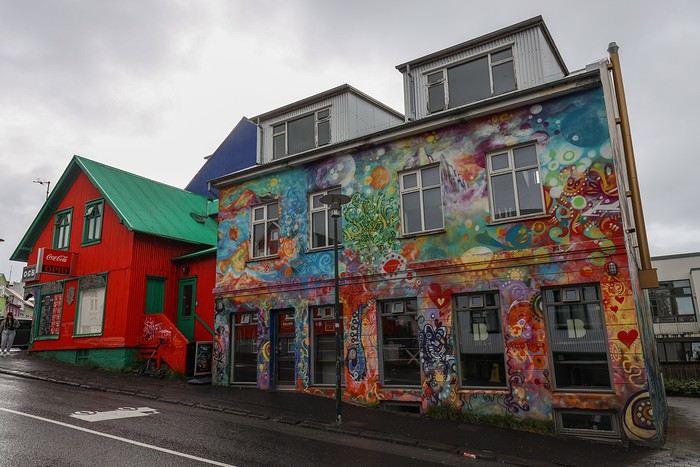
 What really stands out in the city is the street art. There are quite a few murals and graffiti decorating various houses.


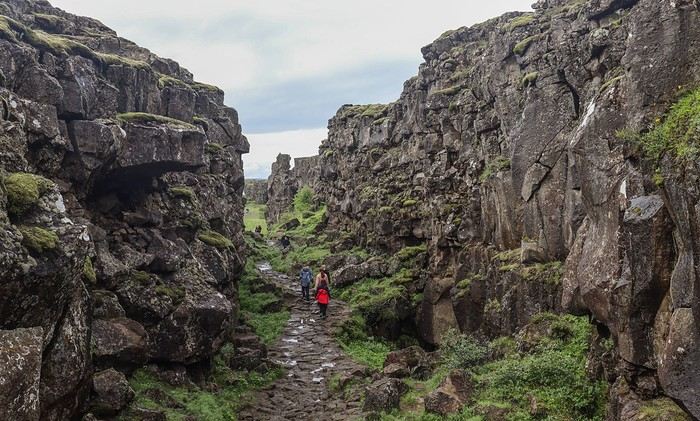
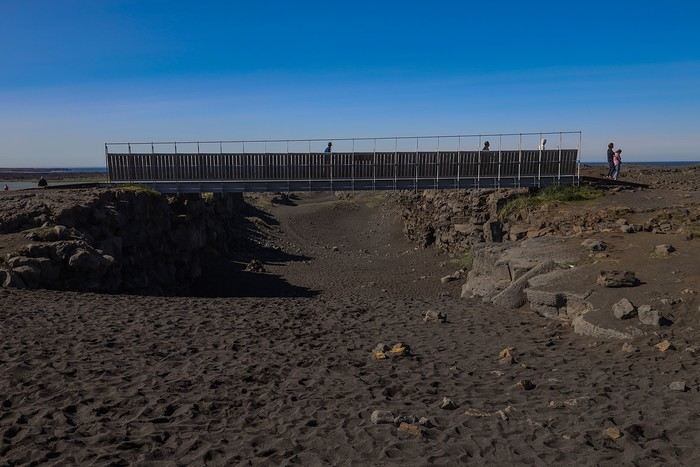
 Next, we visit the third site of the Golden Circle triptych, Þingvellir. This busy spot is known for the Althing, the site of the Icelandic Parliament from the 10th to the 18th century. But really, the main attraction is seeing the boundary between the two tectonic plates, with cliffs and fissures.
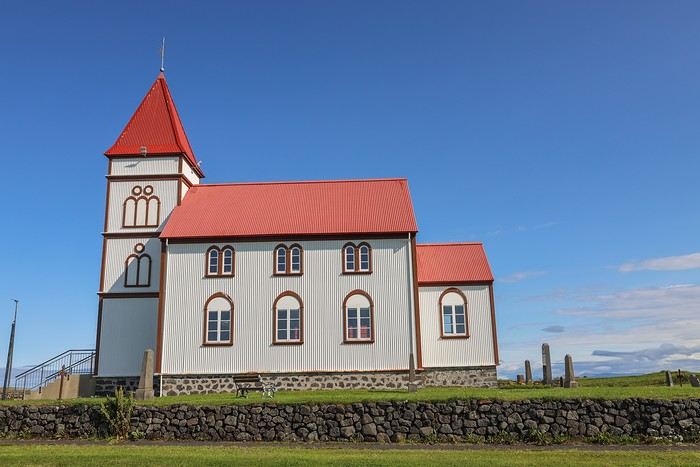
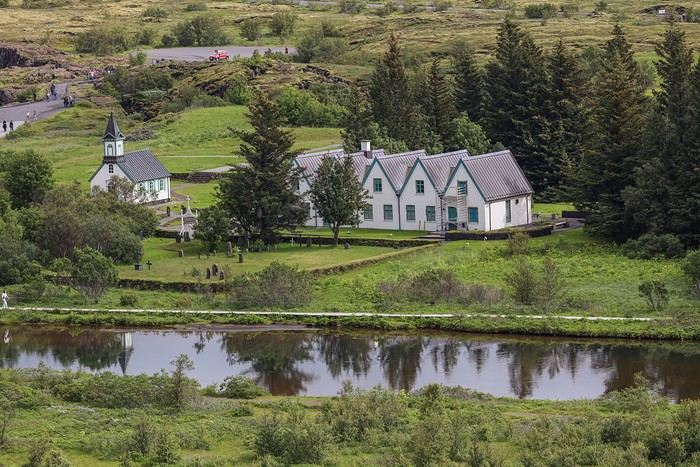 The church is closed to the public, but peeking through the windows, there’s nothing remarkable inside.
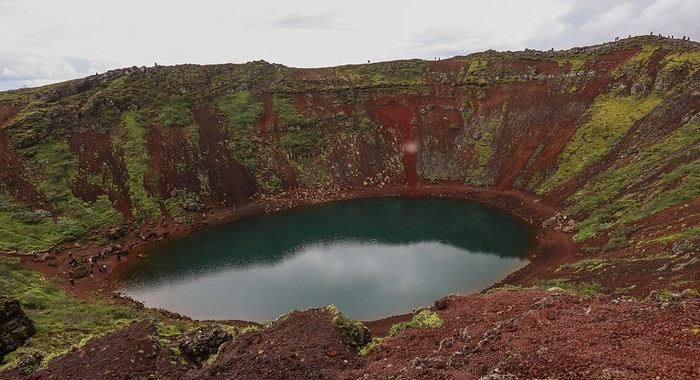
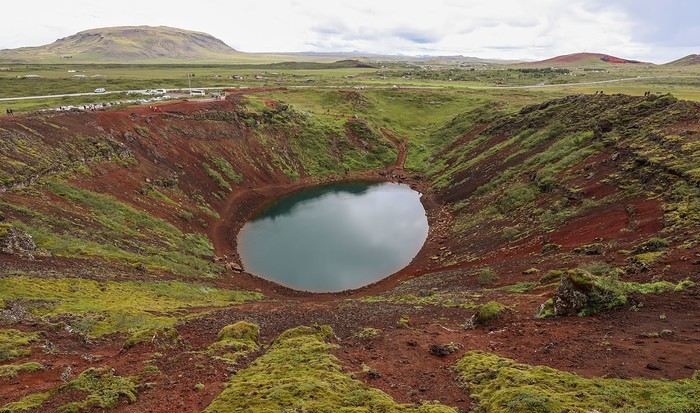 Our next planned visit is the Hveradalir geothermal area, but it’s a big letdown—there’s almost nothing to see except a few fumaroles...
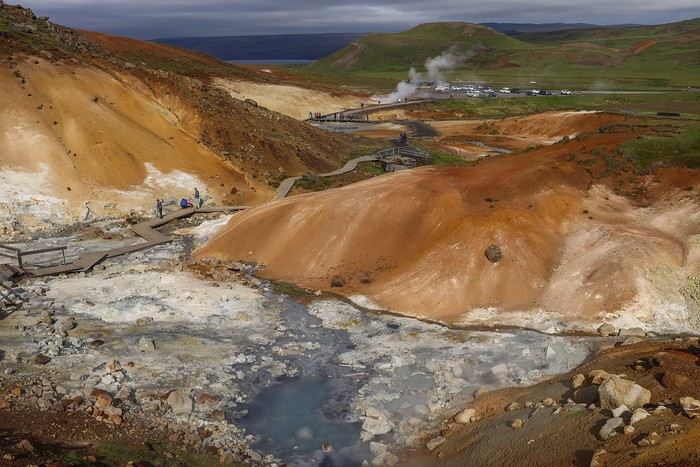
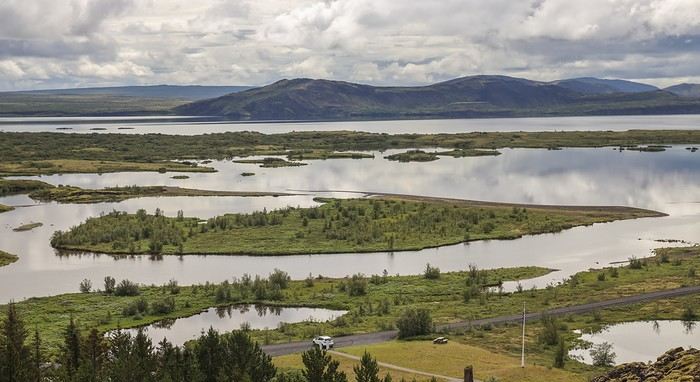
 On the way to Reykjavik, we make one last stop by a lake where Tim and Max have a skipping stones contest


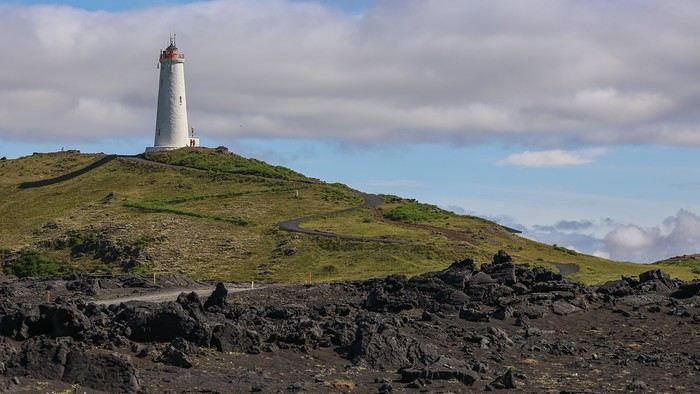
 a stroll along the seafront at the foot of a lighthouse,
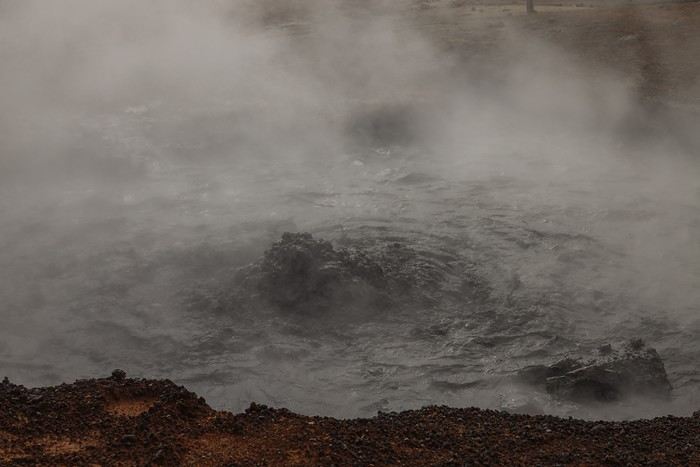
 and especially the geothermal area of Gunnuhver. It’s simply one of the hottest geothermal zones in the region, with temperatures recorded at 300°C. You’ll find mud pots and other fumaroles there.
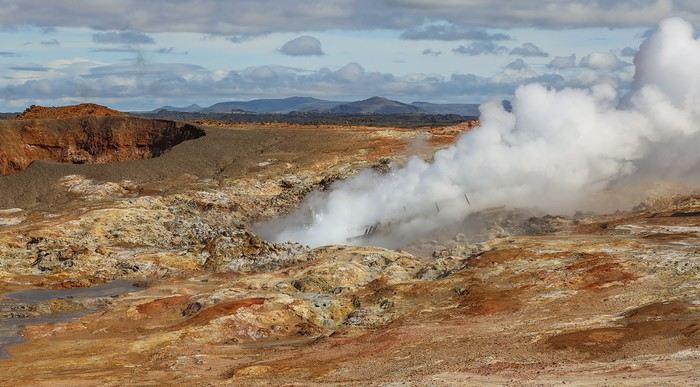 All this energy is harnessed by geothermal plants built right next to it.
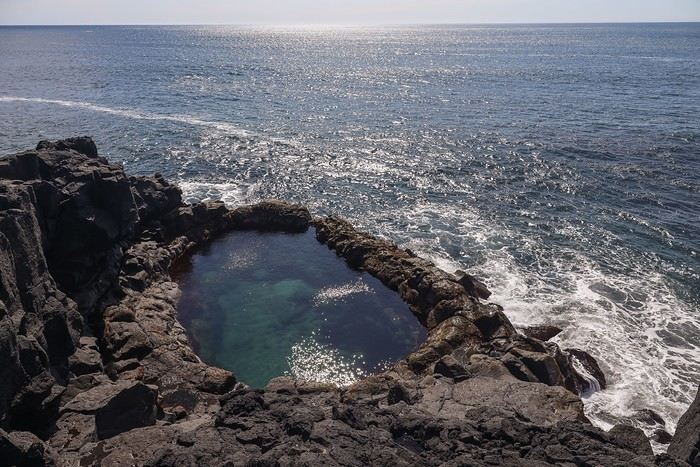 A few kilometers from the new lava field, and as we suspected, the road is blocked, preventing us from getting any closer. No question of breaking the rules, so we turn back and head to the western tip of the peninsula.
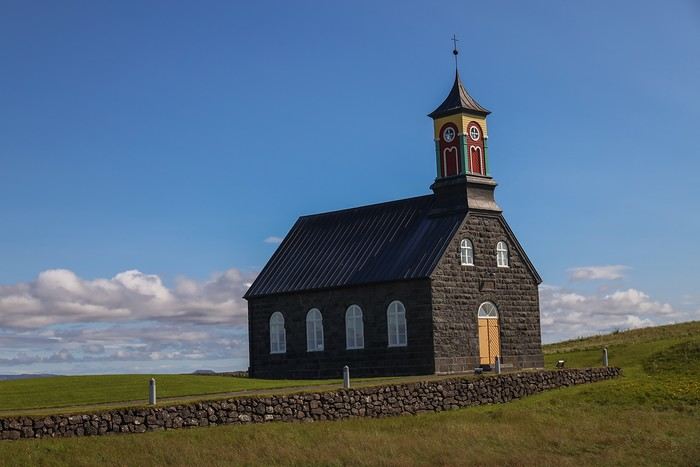
 and we visit one last remarkable church built from volcanic stone, Hvalneskirkja.
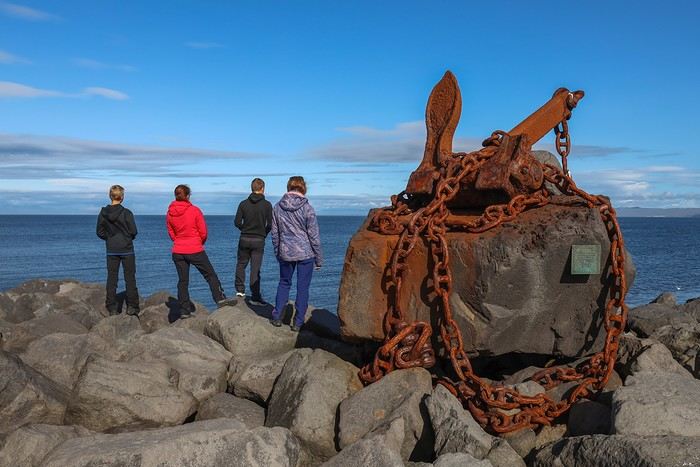
 We have lunch in the early afternoon at a Thai restaurant in Keflavik, then wander around the village looking for something to do. Not much to see except for a few murals, a walk along the pier with a nice anchor, and a restored boat.
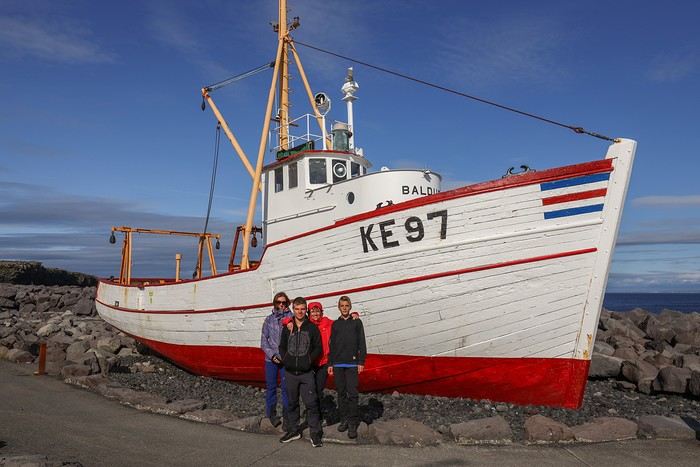 It’s then time to clean the car, return it, and calmly head to our return flight at 12:30 AM, bound for Frankfurt.


VoyageForum — the largest community of French-speaking travellers.