Thailand Travel Journal: From Chiang Mai to Bangkok, We Don’t Buddha Our Pleasure
Hello,
From the very first account, we told ourselves we’d make the most faithful summary possible of what really happened. There’s a practical side to it—we don’t need to invent or imagine stories that didn’t actually occur. Besides, it wouldn’t be honest.
Yes, that’s for sure, and it’s not necessarily interesting for you to write. 🤪
The beauty of anecdotes is that in a similar situation, they can give readers ideas. And sometimes, it’s good to know what to expect.
When I think back to your return to the hotel in the storm... I’ll admit I’m in no hurry to experience that situation myself, which just goes to show—if it were even necessary—how kind Thais are. 🙂
On the other hand, paying 10 baht for a few bananas? I’ve never gotten such a good price. The best deal I ever got on fruit was 20 baht for a whole pineapple, sold directly by the producer.
We can’t include everything: some parts are too private, others just aren’t that interesting.
Too bad—my eyes were already gleefully anticipating reading about those steamy erotic moments shared with Françoise... 😄 😄 😄
Once you’re proud of certain great moments or beautiful photos, you might as well include the less glorious stories that are part of the whole.
I write about the little anecdotes that don’t exactly paint me in a flattering light, whether they’re glorious or not. They’re often funny, or at least I try to make them funny—you’ve got to be able to laugh at yourself. Your story about returning to the hotel in the storm is a joy to read; it’s funny not because of you, but just because the story itself is amusing.
People can laugh at us or think we’re idiots....
Personally, I try not to judge people. The anecdote is either funny or instructive, and that’s just fine.
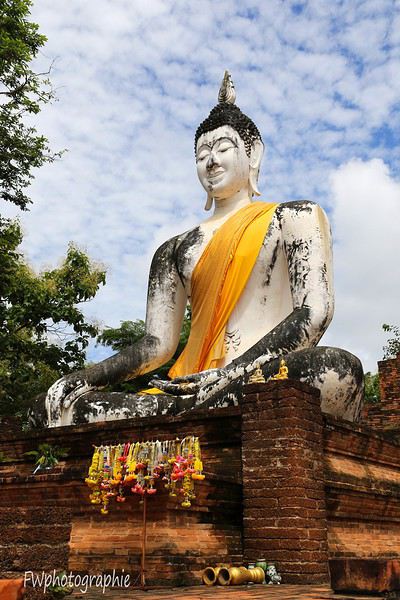
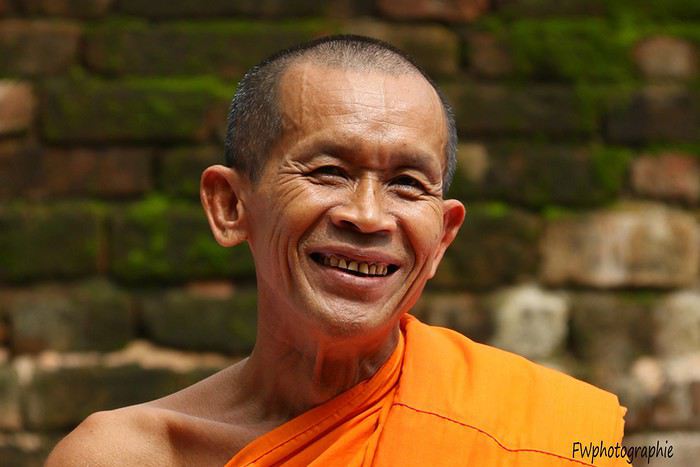
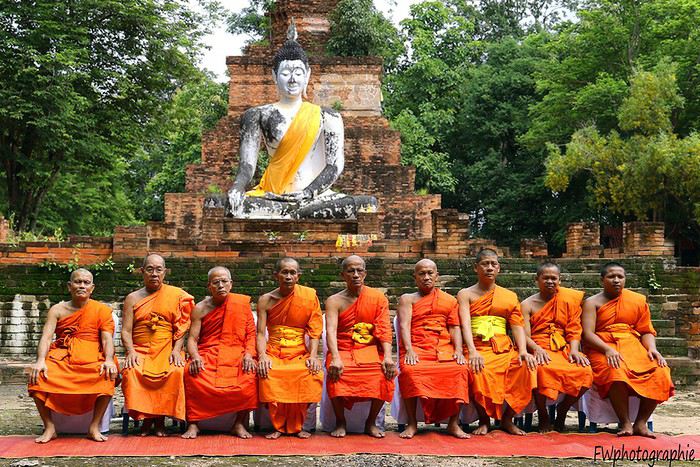
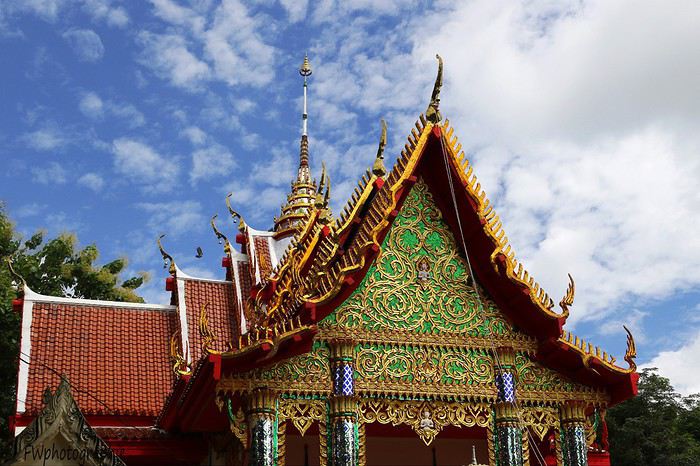
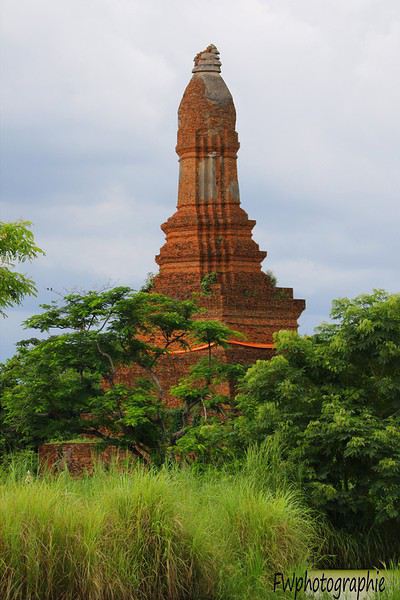
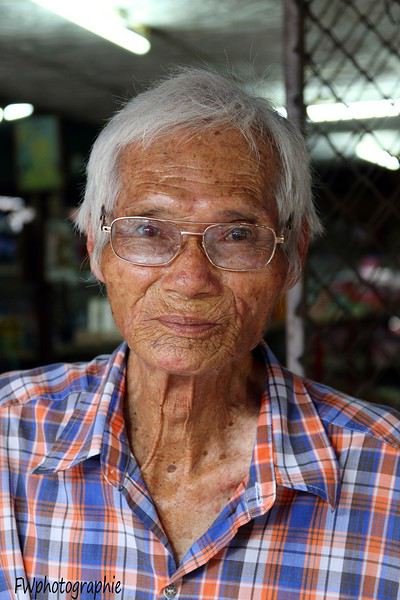
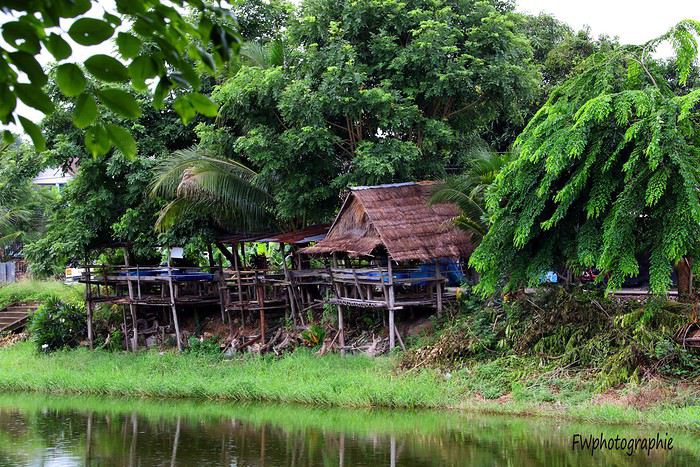
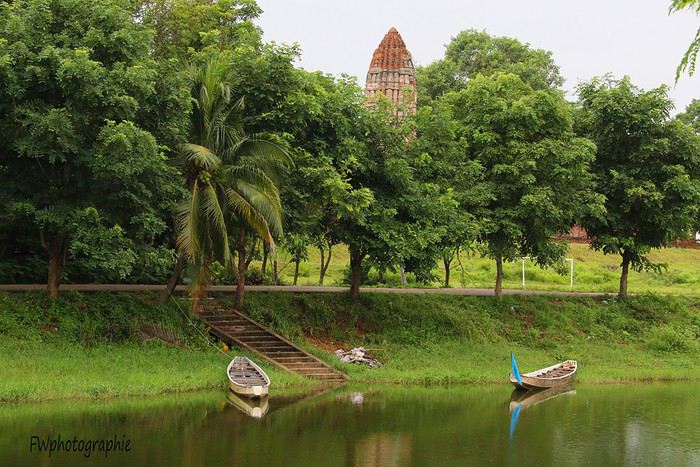
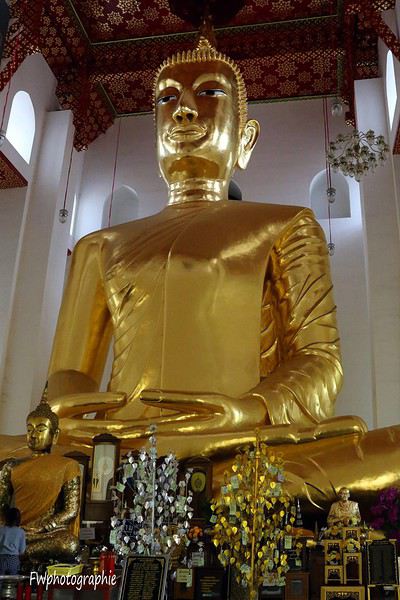
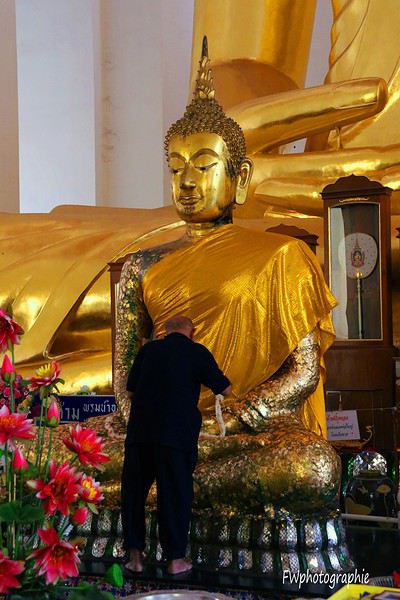
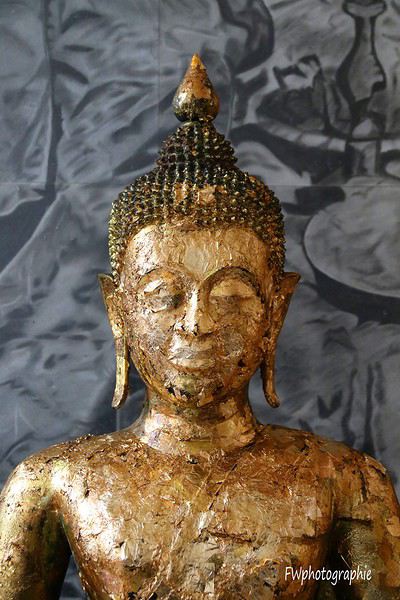
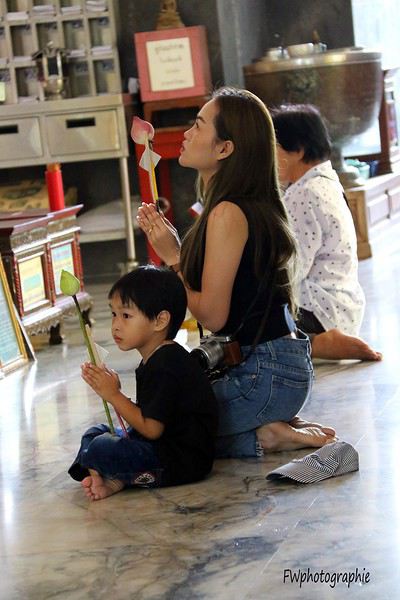
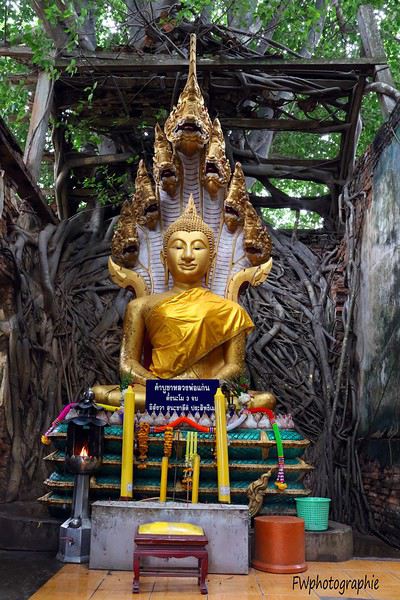
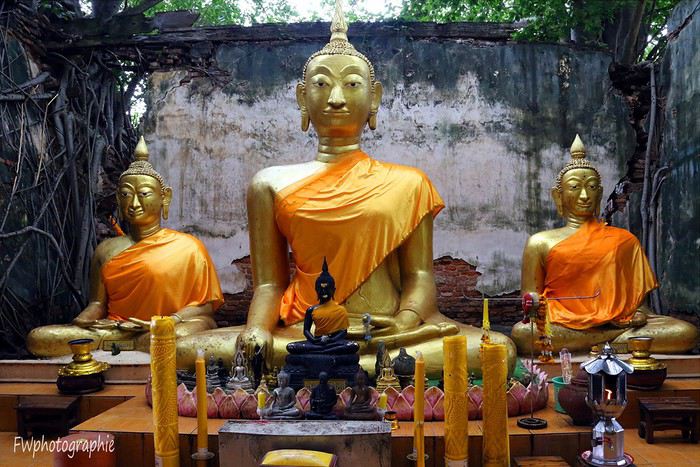
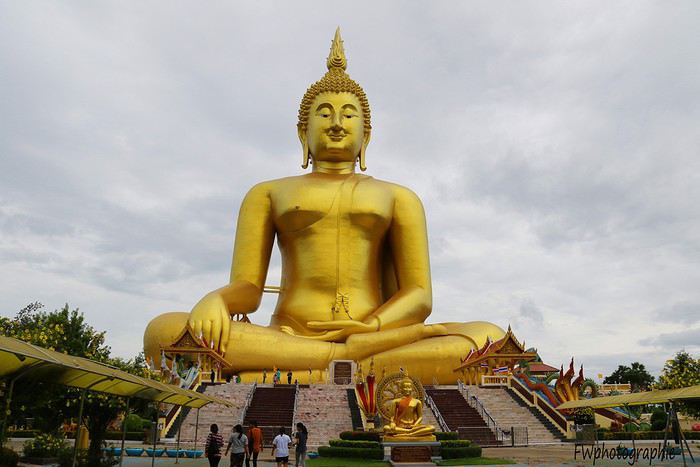
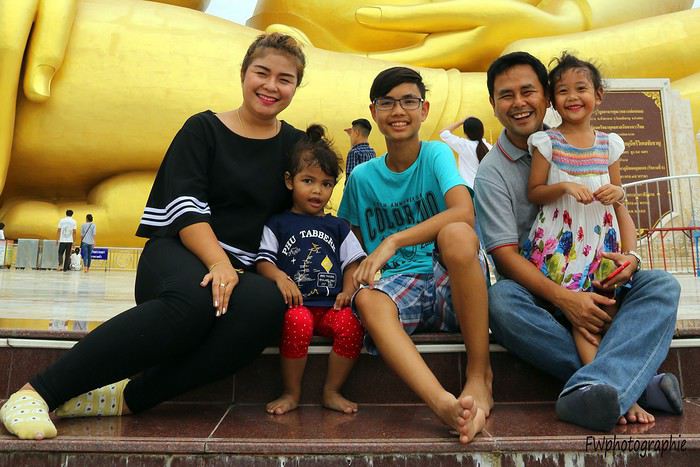
I also think some photos have something special—they capture something of Françoise and something of Thailand. So Jojoone is doubly happy!!
Isn’t that the point of life? To be happy? (As long as it’s not at others’ expense.)
You went, you had fun on the trip, and you came back happy—what more could you ask for? 🙂