I totally get why some people don’t want to visit Charleroi when exploring Belgium. It’s definitely not the country’s most beautiful city, and some stories might’ve unfairly darkened its reputation.
I felt like checking it out today, on a sunny December day.
Oh, I’ve passed through often enough, but always just to switch trains or head to the airport—not to actually visit.
Everything started back in 1666 when Charles II, the King of Spain, bought the seigneury of Charnoy, which became Charleroi in honor of the king. ...Two centuries later, in the second half of the 19th century, Charleroi and its surrounding area produced more than half of the country’s wealth, making Belgium the second-largest industrial power in the world, no less.
That wealth came from steel, metalwork, and glass production, all tied to coal mining.
In the 19th century, coal deposits were right at the surface, earning the region the nickname Pays Noir (Black Country).
In the 20th century, oil slowly but surely replaced coal, and by the late 1960s, the mines shut down one after another.
Before the mines closed, six slag heaps dominated the landscape. Today, they’ve turned into lush green hills, biodiversity hotspots, crisscrossed by the Ravel network, which offers walks on foot, horseback, and by bike.
ravel.wallonie.be/...arleroi-a-thuin.html
As you leave Charleroi-Sud station, you’re greeted by Spirou and his squirrel Spip (a statue by Luc Cauwenbergh).
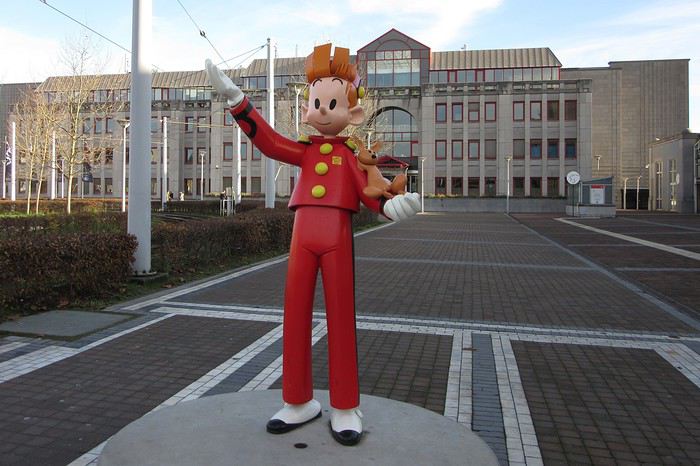
Around the city, you’ll find other statues of comic book heroes published by Dupuis (Les Éditions Dupuis were born in Marcinelle, part of Charleroi).
Another of these heroes is the Marsupilami, created by Franquin in 1952 for the *Spirou et Fantasio* series.
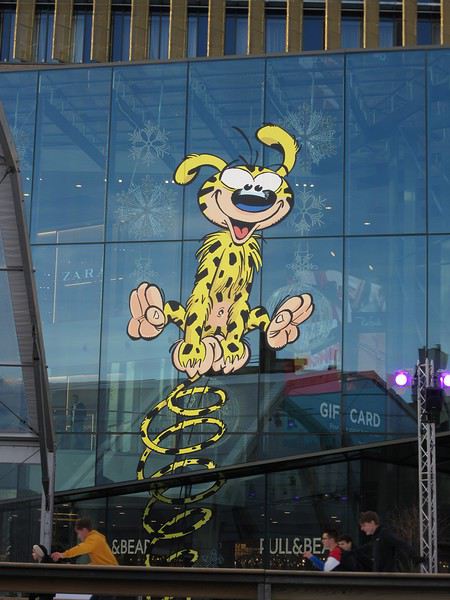
To reach the city center, just walk straight ahead, cross the Sambre via King Baudouin Bridge, and you’re there.
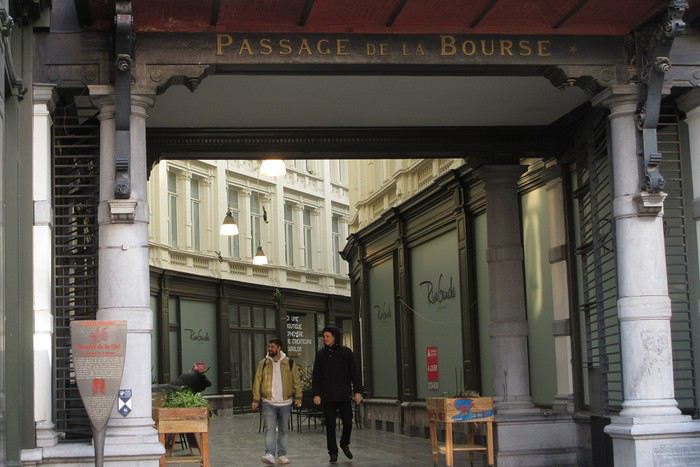
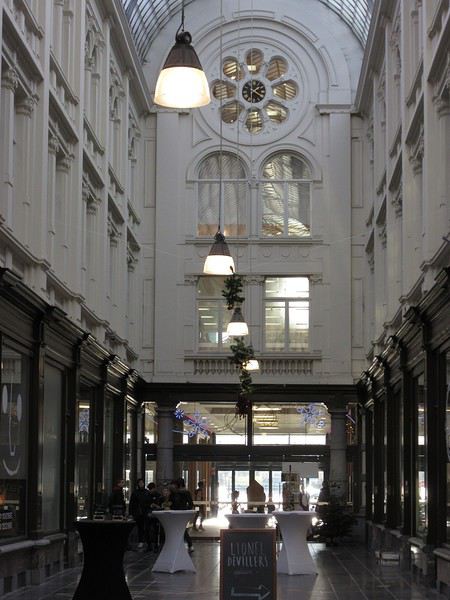
What immediately stands out is the number of closed shops, starting in the Passage de la Bourse in the lower city—one of Europe’s first shopping arcades, dating back to the late 19th century. It’s kept some of its old splendor, but its glory days are over.
A little further on, at the corner of Boulevard Joseph Tirou and Place Verte, the Old Charleroi Post Office has housed the Molière bookstore since 1996 (it originally opened in 1983). The bookstore was featured in a scene from the film *Odette Toulemonde*.
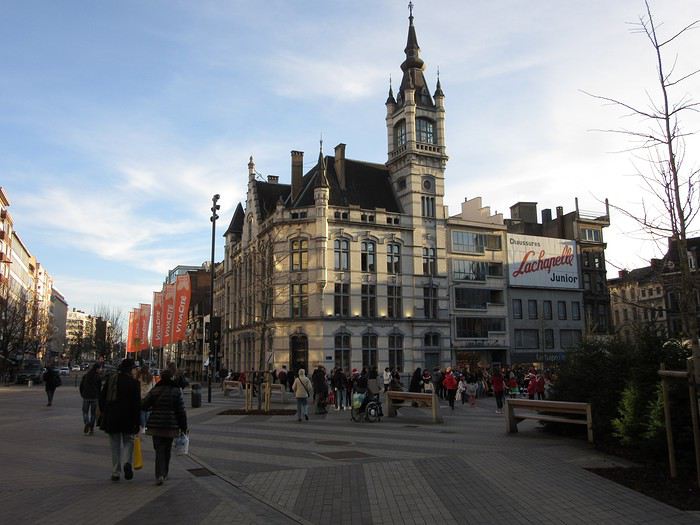
To get to the Upper City, you’ll need to climb up Rue de la Montagne. Here too, empty shops are everywhere. At No. 38, you can see sgraffito art by Paul Cauchie, in pretty rough shape.
At the top sits Place Charles II, home to City Hall, built in the 1930s, with its belfry listed as a UNESCO World Heritage site.
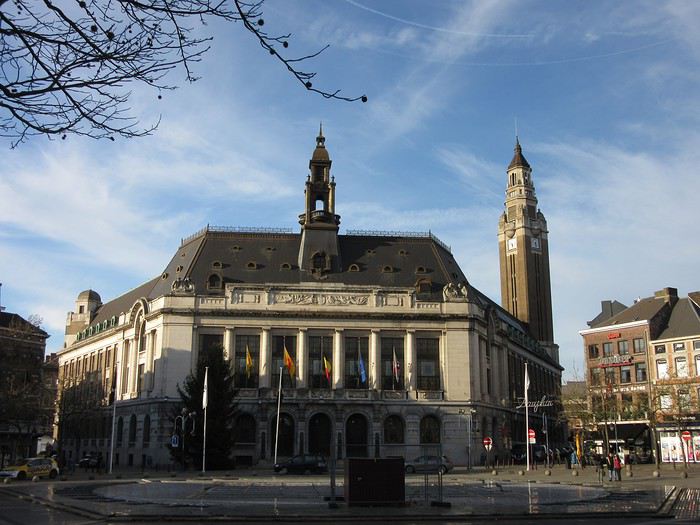
It used to house the Museum of Fine Arts, but that’s now on Place du Manège, just behind Place Charles II.
Place Charles II is also where you’ll find Saint-Christophe Church, an old garrison chapel.
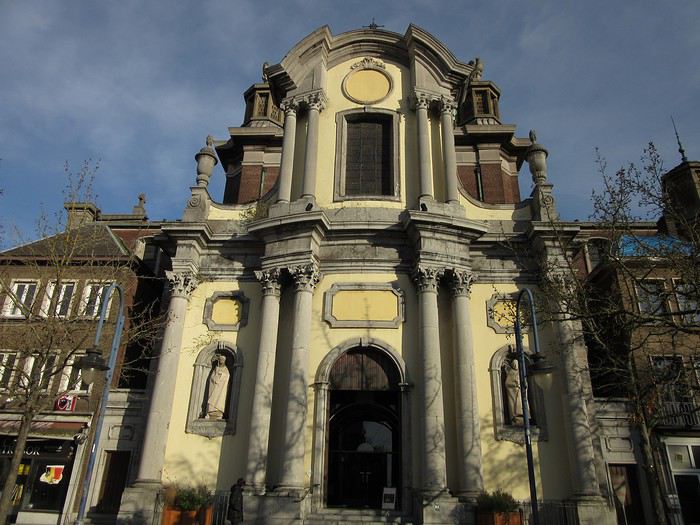
The choir of this Baroque church, modified over the centuries, now features a mosaic by Jean Ransy illustrating the Apocalypse of St. John.
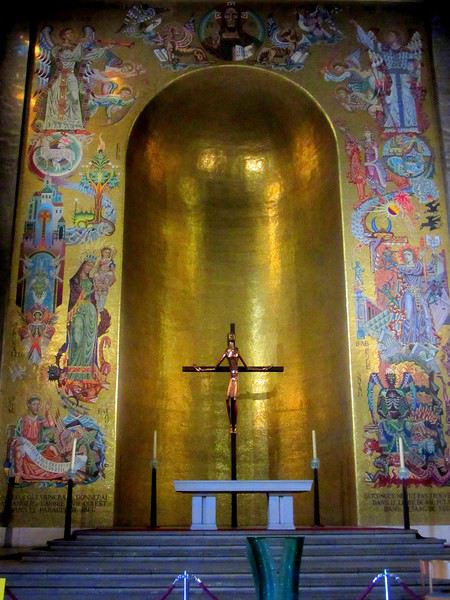
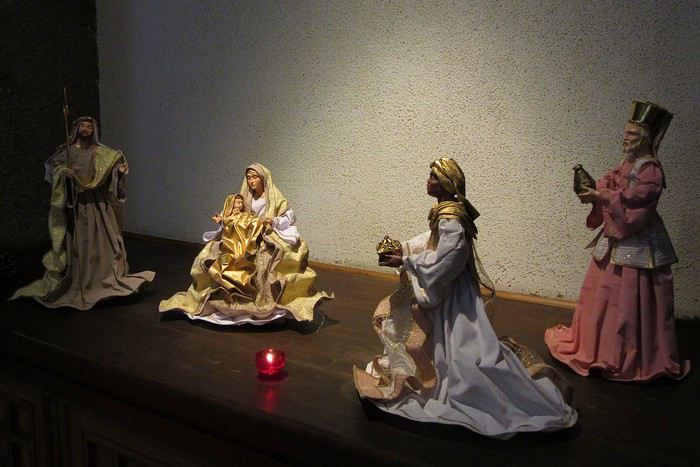
These days, the church is hosting a nativity scene exhibition.
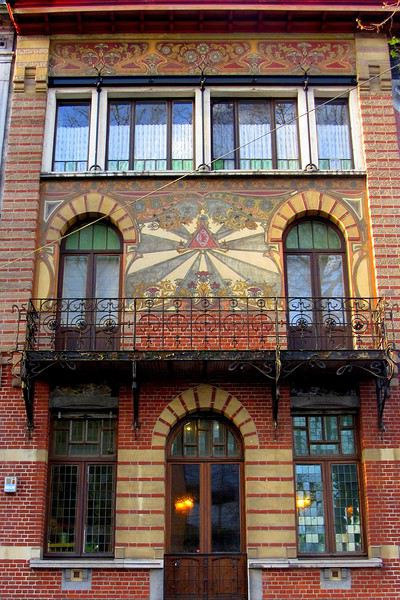
On one of the streets leading to Place Charles II, Rue Tumelaire, you’ll find the Maison Dorée at No. 15—an Art Nouveau gem that’s now a press house.
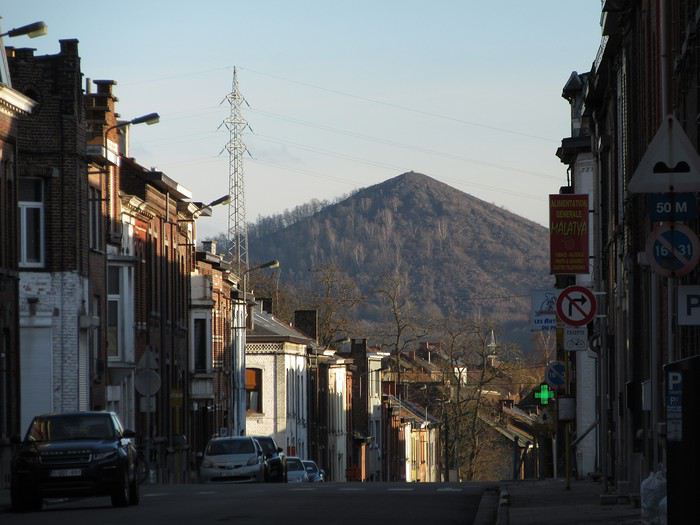
At the end of Rue Tumelaire, you can see a slag heap in the distance, where nature has reclaimed the land—just like at the end of other streets.
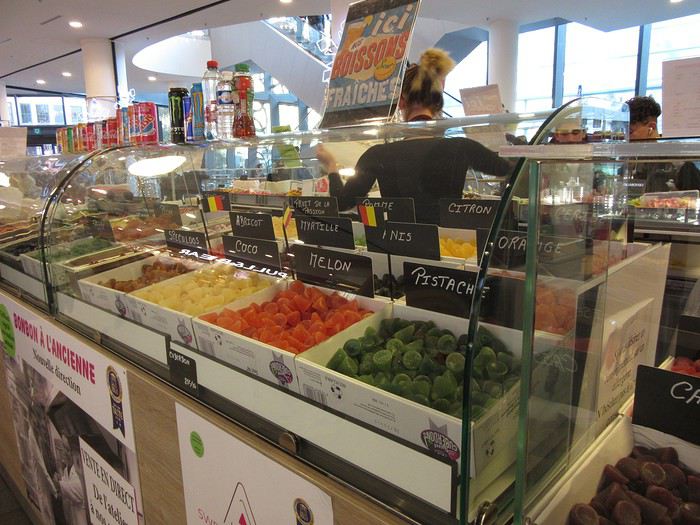
Before heading back, I’d recommend trying cuberdons, cone-shaped candies made of sugar, gum arabic, and fruity flavors—a Belgian specialty I spotted some great displays of here in Charleroi.
Also try Carabouillas, a Borinage specialty: black, crunchy anise candies mixed with other flavors. Originally throat lozenges, they’ve gained a reputation for keeping you healthy ;).
bonbonsdegrandmere.be/...44-carabouillas.html
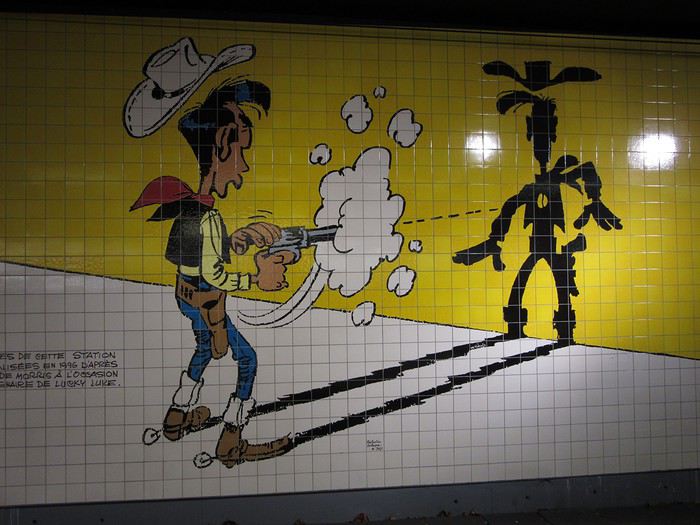
Along the way, you’ll pass Parc metro station, where "the murals were created in 1996 based on drawings by Morris to celebrate the 50th anniversary of Lucky Luke."
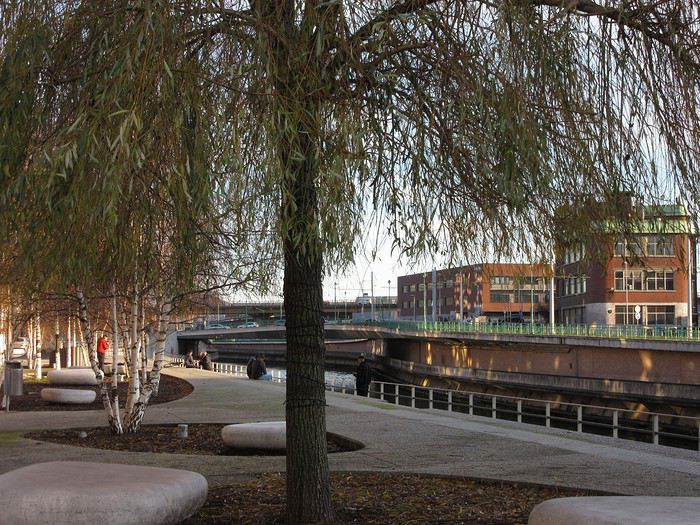
After that, all that’s left is to stroll along Quai Arthur Rimbaud by the Sambre. Rimbaud spent little time in Charleroi, but the city inspired three of his poems, including *Au Cabaret Vert*.
If you want to visit the Photography Museum, you’ll need to head a bit further out to Mont-sur-Marchienne.


