Hi there,
I followed your Nevada section with particular interest and was waiting for you to reach Tonopah to chime in...
Pioche... Tonopah... Now *that’s* off the beaten path, and in my opinion, it’s a fantastic way to understand the real Nevada—the state that remains the metal-mining capital of the United States, producing around 80% of America’s 250–260 tons of gold, which keeps the country fluctuating between third and fourth place globally. The Pioche district itself is primarily silver. Nevada alone would rank the U.S. fourth in global production.
Yet Nevada is the Silver State, while California is the Golden State... but that’s the legacy of a tumultuous and divergent past!
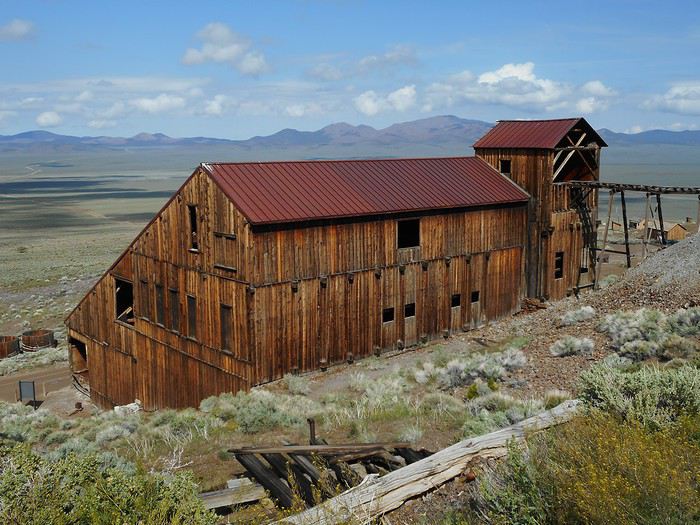
I thoroughly enjoyed exploring this Western state in a past life—maybe more than others—where traces, sometimes scars, of old mining operations are scattered everywhere. They’re a stronger testament than anywhere else that cattle ranching and mining were(indeed)instrumental in the nineteenth century in getting people to settle here.
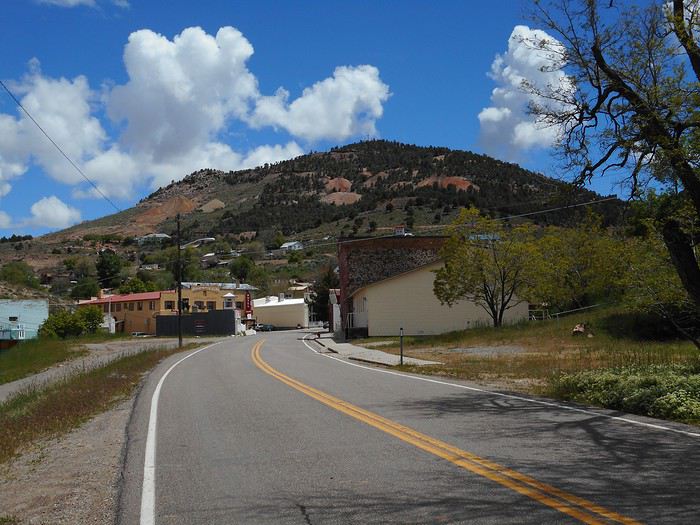
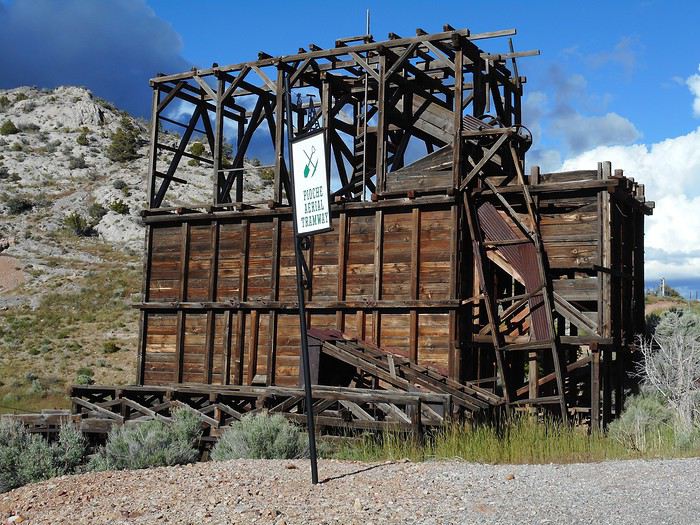
Pioche is a pretty typical case...
It emerged during the wave of major discoveries in the Sierra Nevada, sparked by California’s 1849 Gold Rush, followed by Nevada’s 1859 Silver Rush. A flurry of new finds turned Nevada into the Silver State, as prospectors and their burros spread east from the Sierra Nevada and, to a lesser extent, west from Utah.
To understand, here’s a bit of iconography:
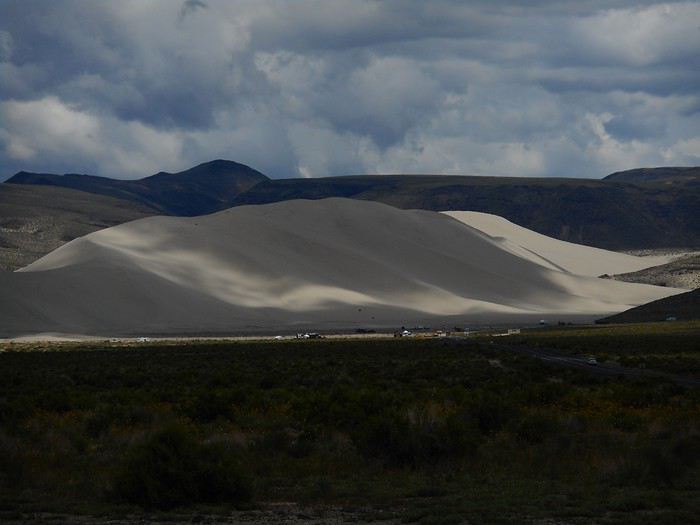
All of Nevada is structured around the Basin and Range geological province...
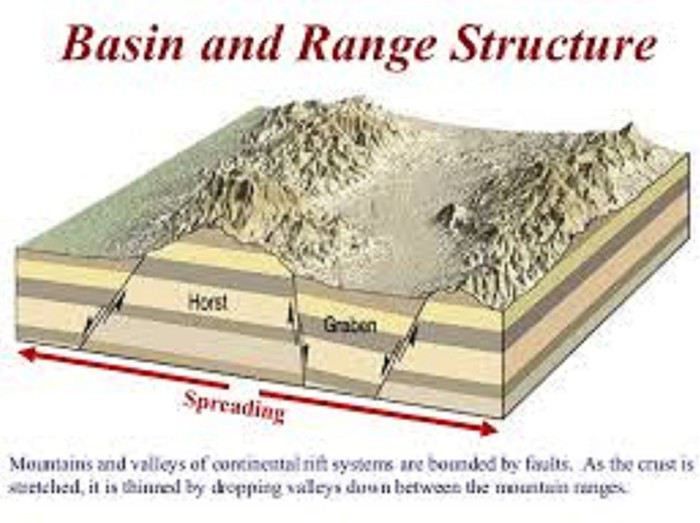
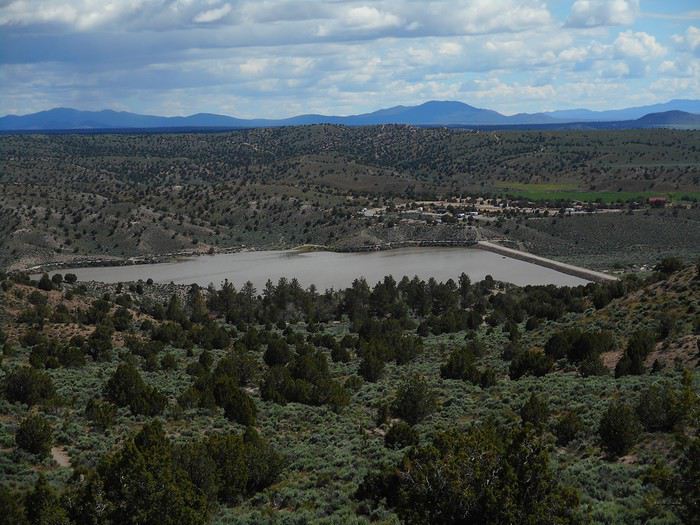
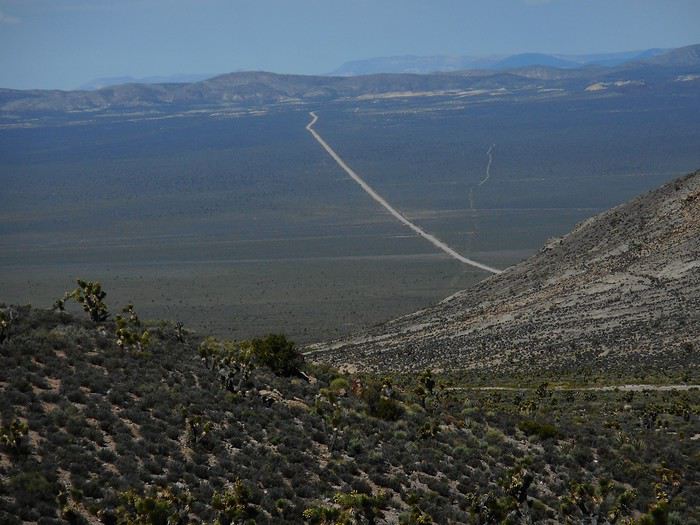
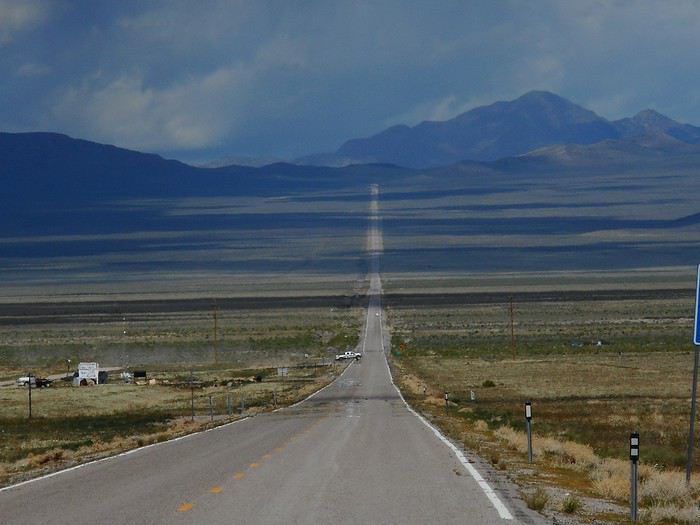
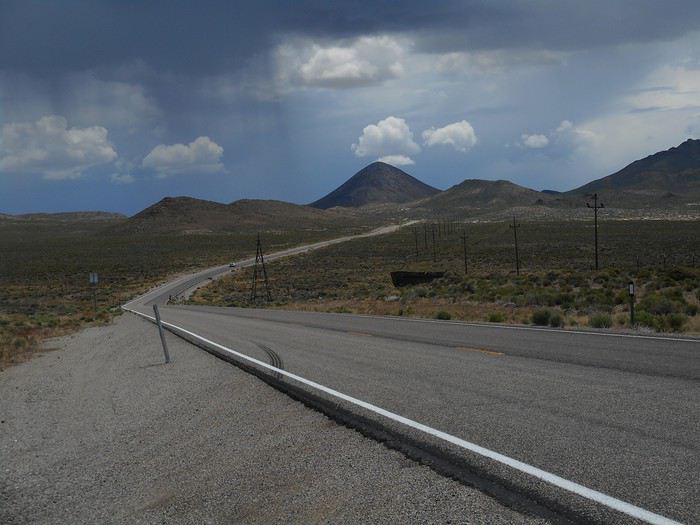
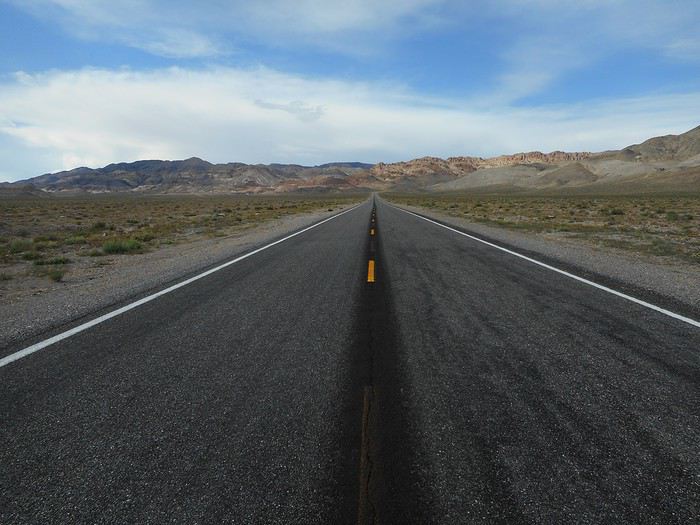
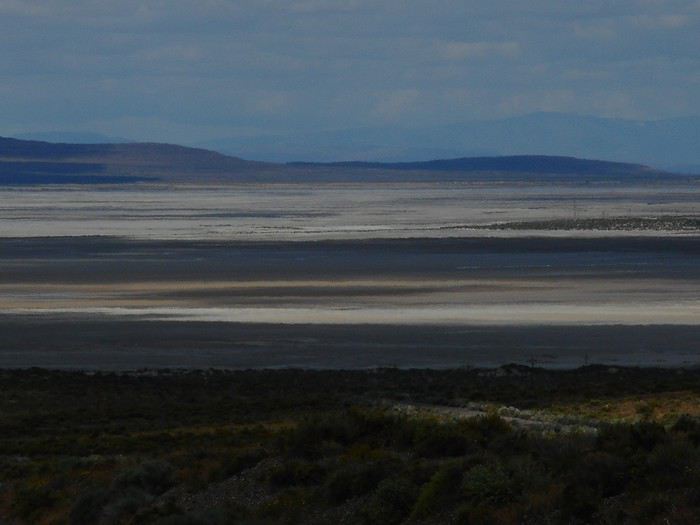
An alternating pattern of mountain ranges (*range*) and flat depressions (*basin*), which hold cultivated valleys and dried-up salt lakes—usually barren and strangely called *playas* in Spanish. For prospectors, playas were useless; they had to cross them as quickly as possible. The sun beat down hard, there was nothing to drink, and you could dehydrate (Hollywood imagery!). Today, it’s a bit different because these playas can contain lithium, which is increasingly useful as demand for electric car batteries grows.
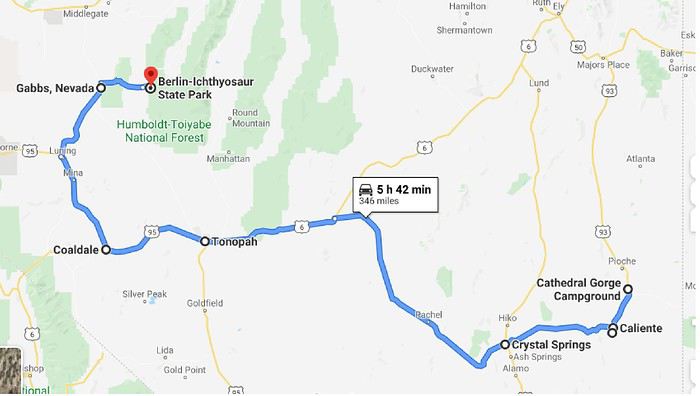
You can really see this alternation when driving east to west!
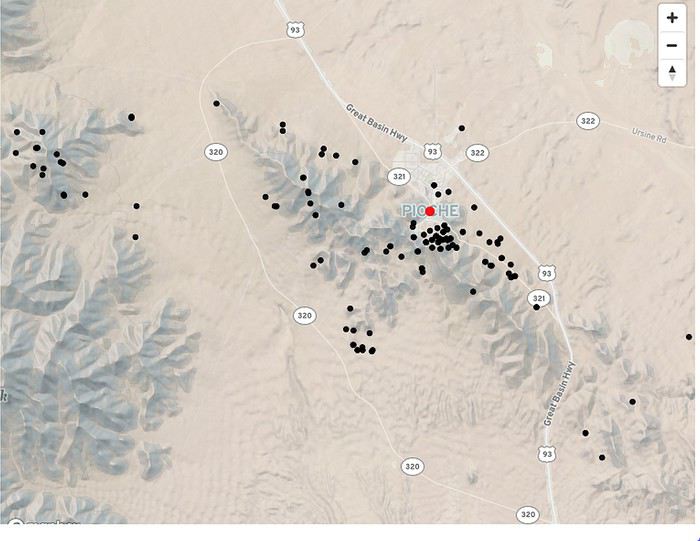
The interactive map—red dots for “mining towns,” black dots for “mines”—
Mines page
sums up Nevada’s mining history from the 19th to early 20th century.
Here’s a screenshot:
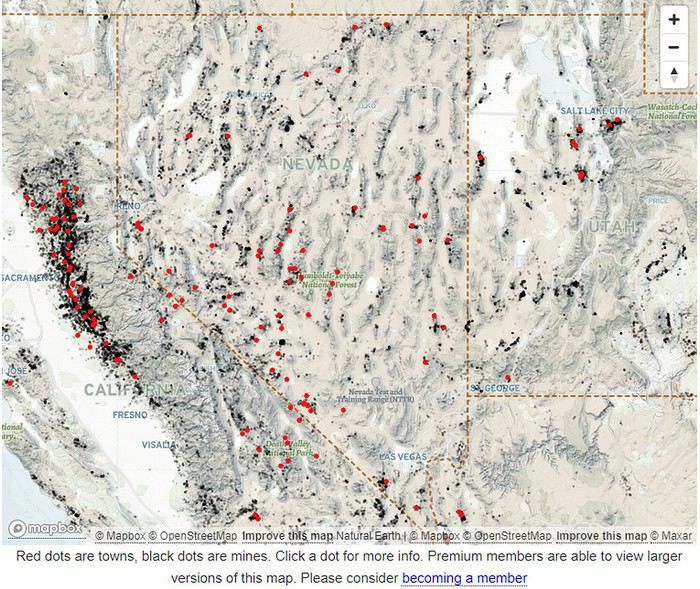
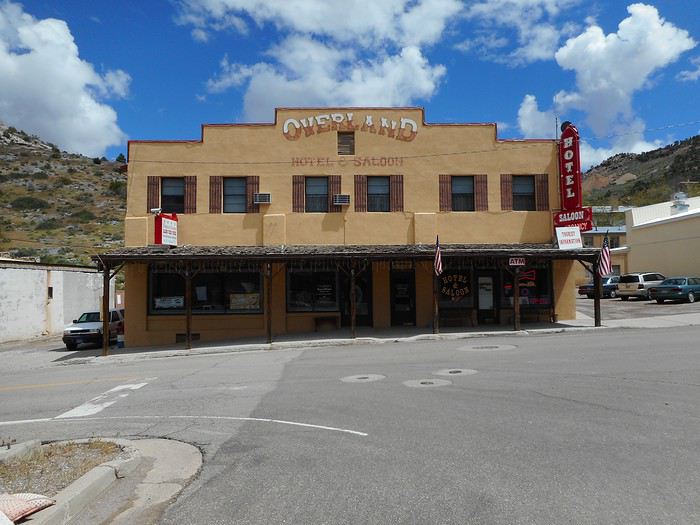
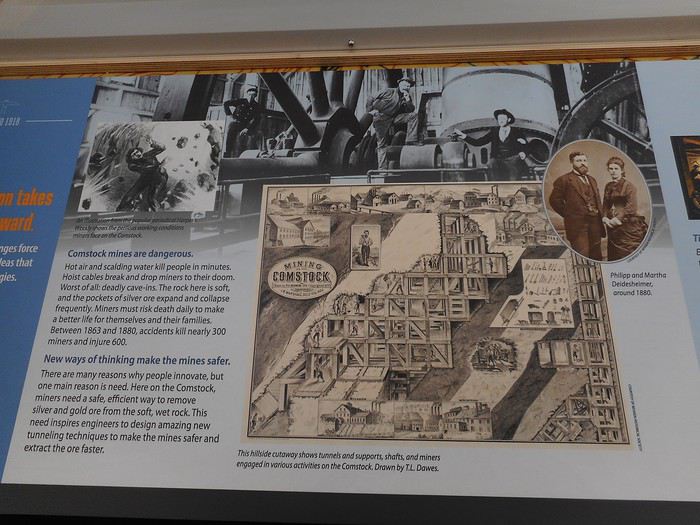
Lured by the ease of exploiting early Sierra discoveries in 1859—basically, mining Horn Silver, all you needed was a pick, a shovel, and a wheelbarrow (roughly speaking)—prospectors methodically explored every *range*, one after another. When a search paid off, a town replaced the canvas camps and hillside shacks, settling at the foot of the *range* for an uncertain duration. Most became ghost towns, but Pioche survived, and its location at the base of the hills reflects its origins.
“Pioche silver, known to the Paiute Indians for a long time” (a pronunciation exercise, by the way!), was revealed to a Mormon who brought the discovery to the modern world around 1864. Production began in 1869.
In the meantime, François Pioche entered the picture...
He’s one of those fascinating figures the 1849 Gold Rush produced.
Drawn to San Francisco like many adventurers, he wasn’t one of those who broke their backs in the Sierra chasing an uncertain fortune. At the start of the saga, in San Francisco, almost everything was still paid for in gold, and everything cost a small fortune—food, lodging, equipment, etc. So early on, he was among those who chose “to mine the miners rather than the hills”—taking gold straight from the miners’ pockets. It was less risky and... more comfortable!
And that’s how lasting fortunes were built...
That’s how John Studebaker started making wheelbarrows (an essential tool for miners) before founding his car company.
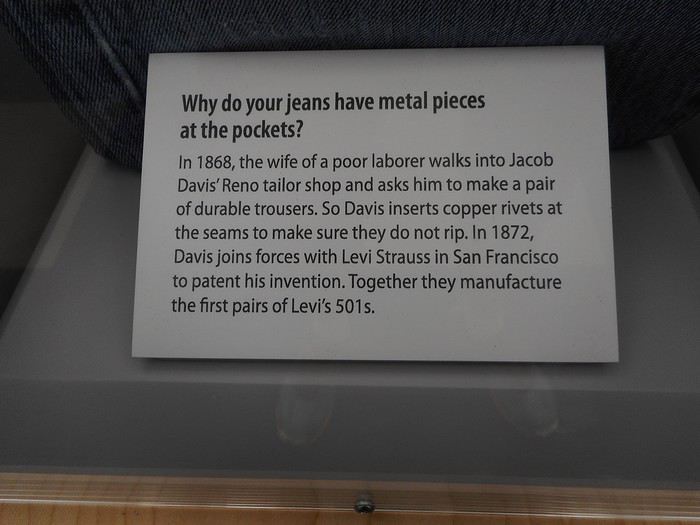
That’s how Levi Straussnever managed to sell his stock of wagon canvas from the East and came up with the idea of turning it into blue jeans. The miners themselves had given him the idea—they were unhappy with how quickly their pants wore out in the Sierra’s harsh conditions and had tried using Levi’s canvas. Turns out, Levi Strauss’s jeans were incredibly durable!
François Pioche set himself up as a wine merchant, importing French wines around Cape Horn and selling them... for a fortune, of course! He later became a banker with an English partner, and their bank ranked among California’s top institutions for at least two decades.
He then returned to Paris, where he raised several million francs, allowing him to move up a level and invest in railroads and mining—like in the new Pioche district.
It was... WHEN CALIFORNIA WAS FRENCH.
...
P.S. Incidentally, about the pronunciation—have you really heard locals say it the way you mentioned?
If the syllable “pi” (like the Greek letter, 3.14116) is pronounced “pie” as in “pie,” locals, as far as I remember, pronounce the pi in Pioche roughly like we do—that is, “pee” in English phonetics. So the full name doesn’t sound all that different from how we say it.
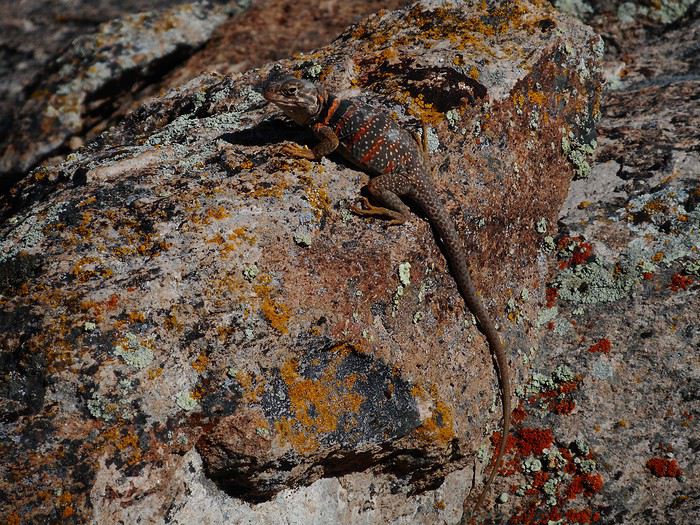
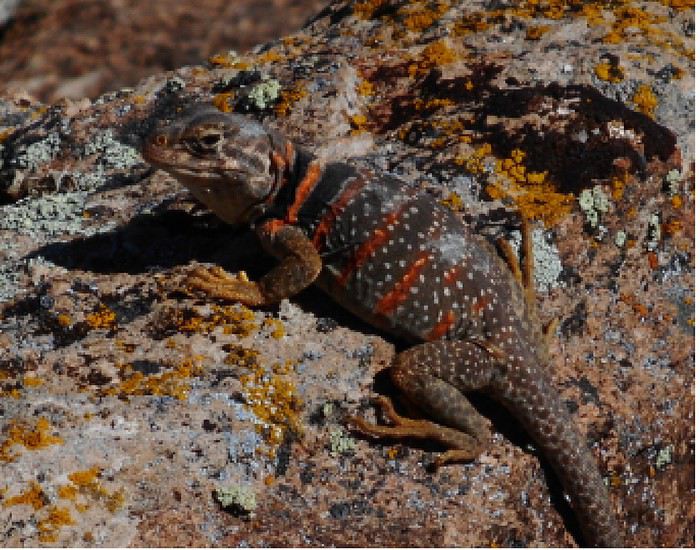
About the Western banded gecko:
Its Latin name, Coleonyx variegatus, is more telling.
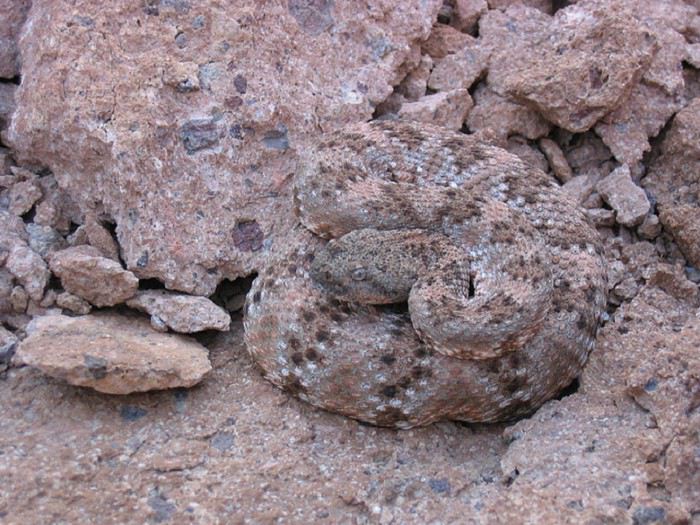
That said, I think some geckos can rapidly change their colors or shift hues with age, but it seems to me that the Western banded gecko’s colors mostly result from permanent adaptation to their environment—like certain rattlesnakes, which are their predators.
Especially this one, which thrives in rocky environments!
A Rattlesnake Rattles Loudly. Stock Videos (100 ...
Or this one, which lives in the El Dorado Mountains near Las Vegas on volcanic rocks (Xavier Glaudas):