Back to the discussion

in Entre deux voyages › Carnets de voyage

Three weeks in Japan with the family (page 5 of 9)

Discussion started by Bluequark on 2018-04-02

173 replies

This thread has been translated into English.


Three weeks in Japan with the family

Bluequark · 2018-04-22 · Message 81 of 174

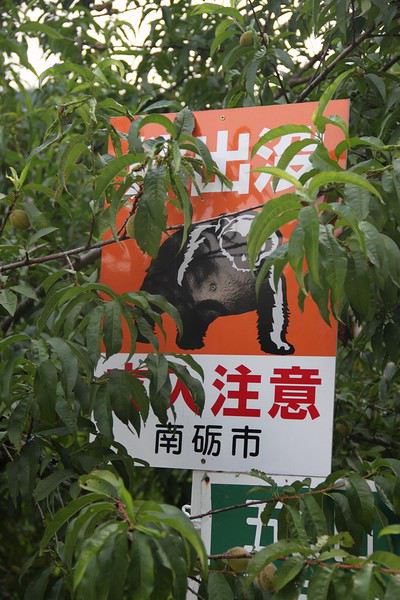
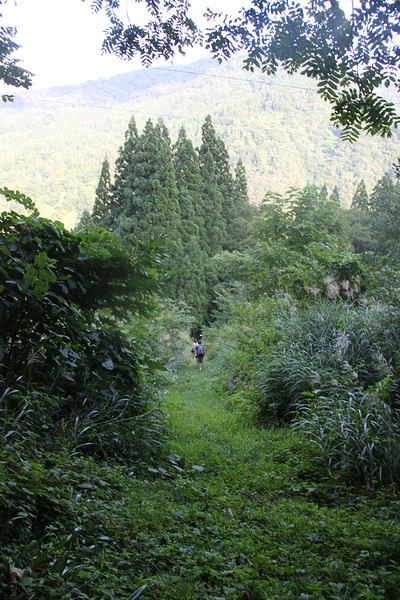
We climb up the mountain for a "great view of the village." In reality, no "great view of the village"—just a full-on mosquito attack (or something similar). "At least they’re not bears," I joke to the kids.


Oops! Maybe I shouldn’t be laughing.


The day ends with dinner seated on the floor in the common room. A few exchanges with the Japanese family, clearly surprised to find us there, cap off the feeling of a truly special moment.

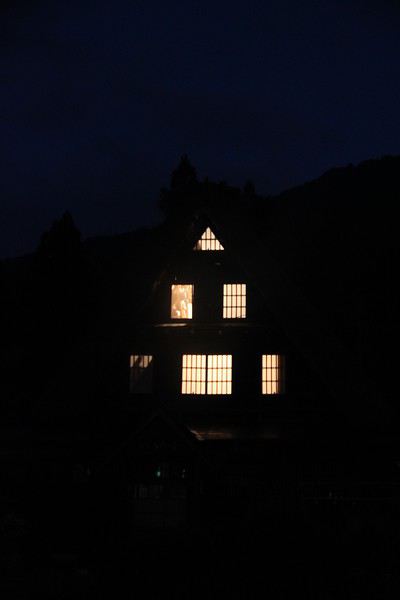
And off we go for another village stroll—this time, at night.


Three weeks in Japan with the family

Bluequark · 2018-04-22 · Message 82 of 174

Friday, August 12: Ainokura - Shirakawa-go – Takayama

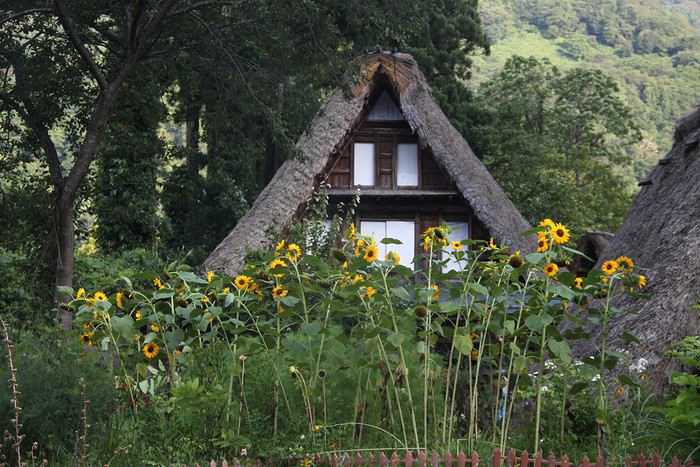
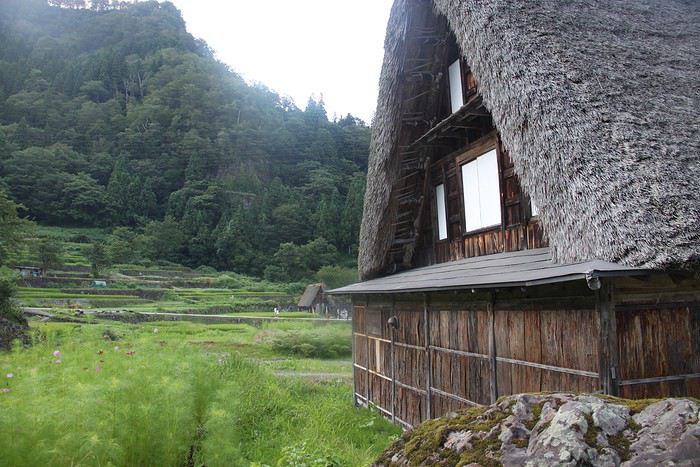
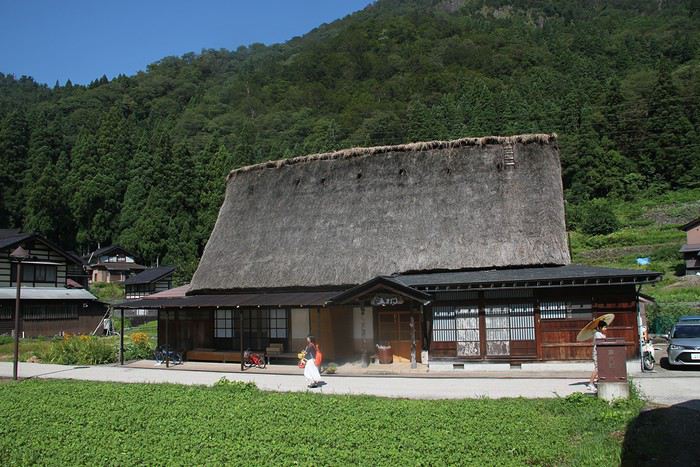
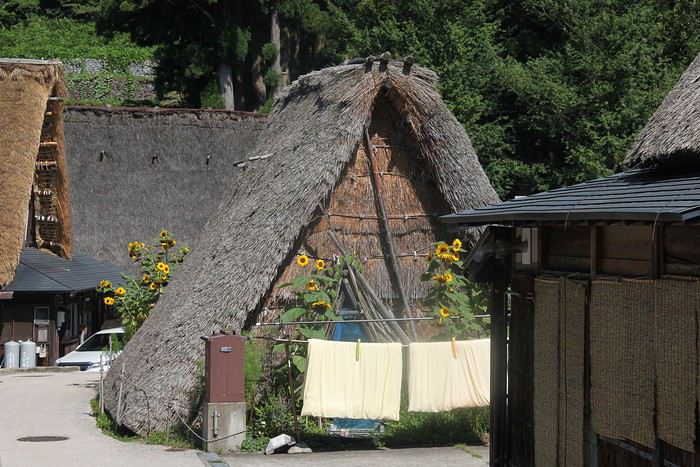
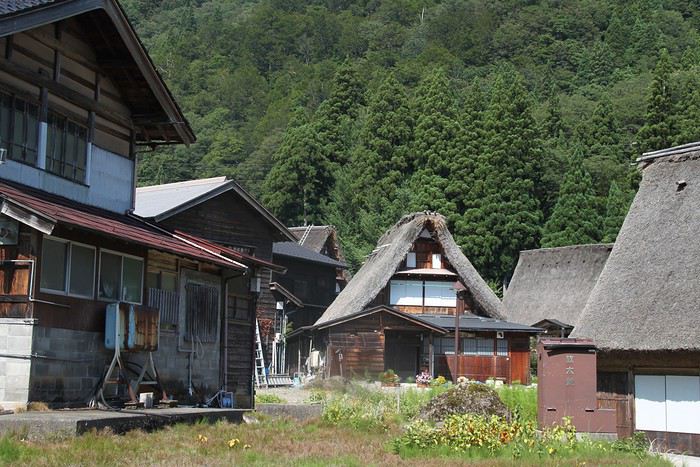
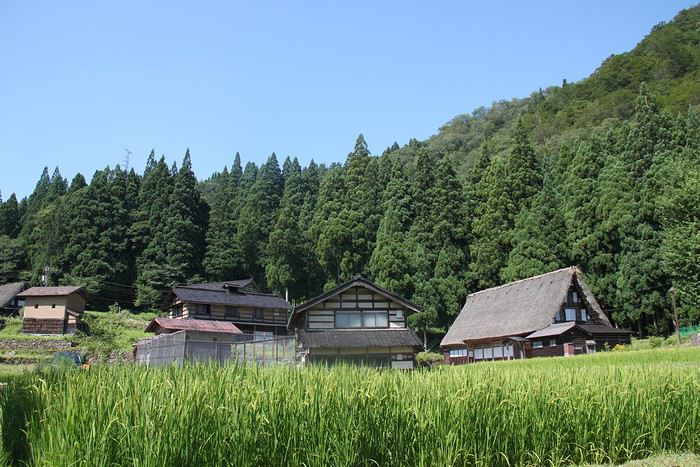
The day starts with a Japanese breakfast: rice, fish, and all. Not sure we’d do this every day, especially the cold grilled fish. It’s pretty disorienting for our palates, which are more used to something sweet at this time of the morning. The rest of the morning is spent walking around the village to retake ALMOST all the photos from the day before, this time with the houses in the sunlight.


Three weeks in Japan with the family

Bluequark · 2018-04-22 · Message 83 of 174

And we're off to Shirakawa-go! Given the short distance between the two villages, we decide to skip the expressway and take the "scenic route" to "enjoy the countryside and the landscape." What they call a "scenic route" turns out to be a massive tunnel carved straight through the mountain. In Japan, they don’t mess around—they don’t let terrain get in their way. It’s pretty brute-force, but effective.

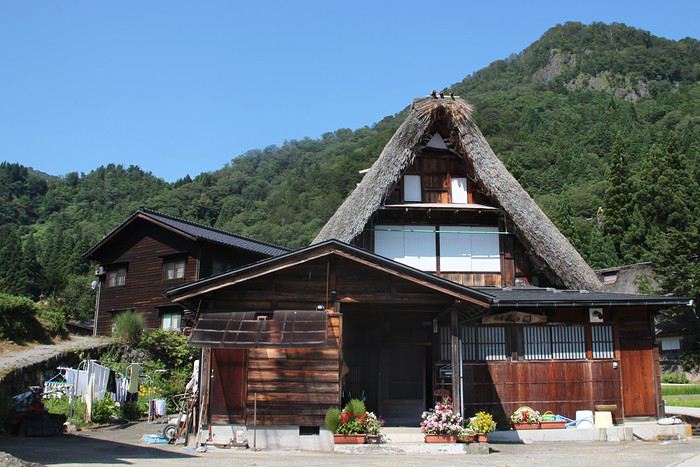
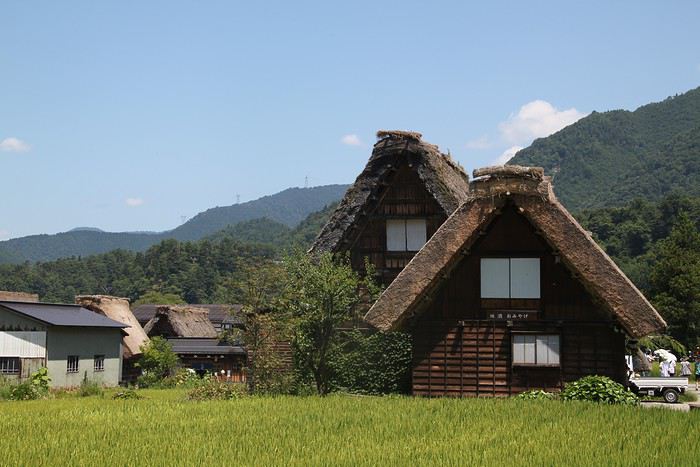
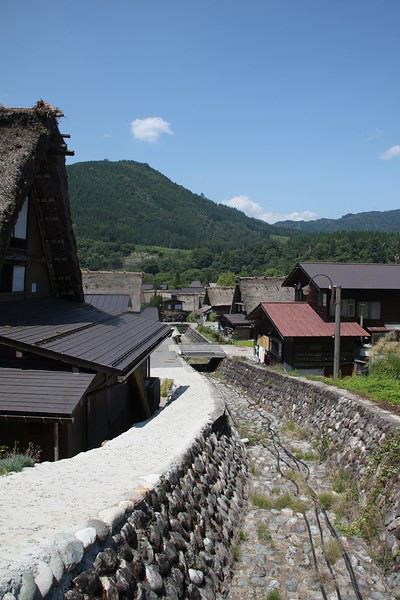
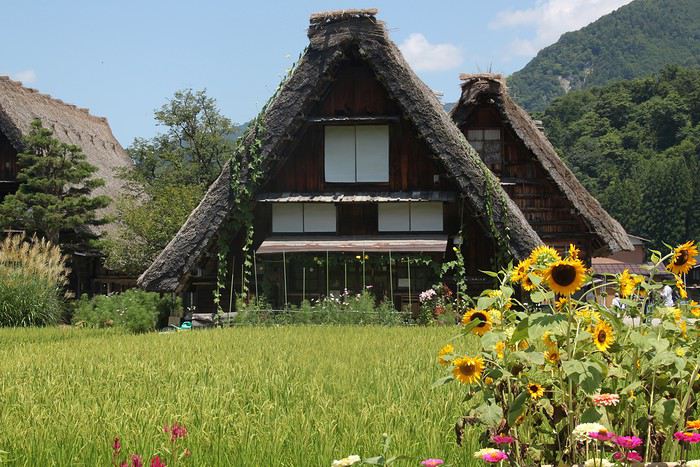
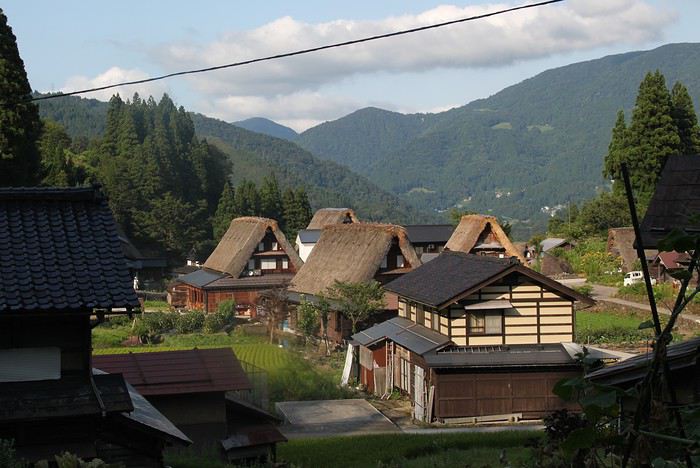
And here we are in Shirakawa-go. This village is much larger than Ainokura… and way more crowded. We feel more like we’re in a museum than a real village and don’t regret our stop from the day before, which we’d chosen a bit randomly. In the parking lot, we notice the perfect Japanese organization again: guides are there to point out available spots and prevent cars from circling endlessly.

With the heat, we don’t have the energy to climb up to the viewpoint, so we just wander between the houses. It’s still nice, though.


A quick drive later, and we’re in Takayama. After stopping by the station to pick up THE map—I’ve mentioned this before—we head out to eat and discover the famous Hida beef (Hida is a small town/village about 20 km from Takayama). Hida beef is from the same family as the famous Kobe beef, wagyu. Less well-known outside Japan than the latter, it’s still absolutely remarkable. Tender, flavorful, and ultra-marbled, it literally melts in your mouth. An experience not to be missed.

Three weeks in Japan with family

Bluequark · 2018-04-22 · Message 84 of 174

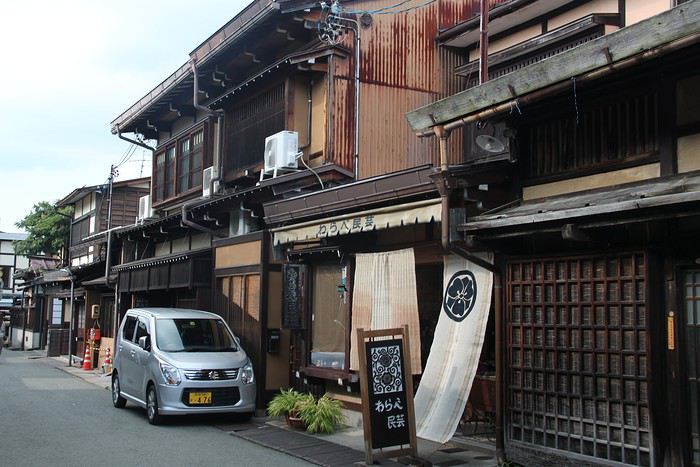
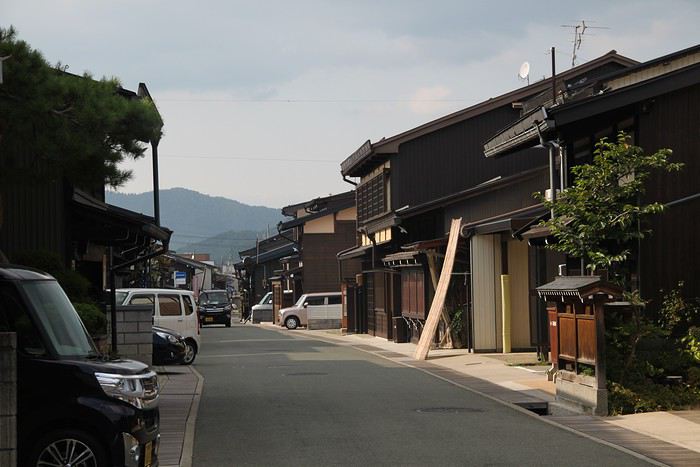
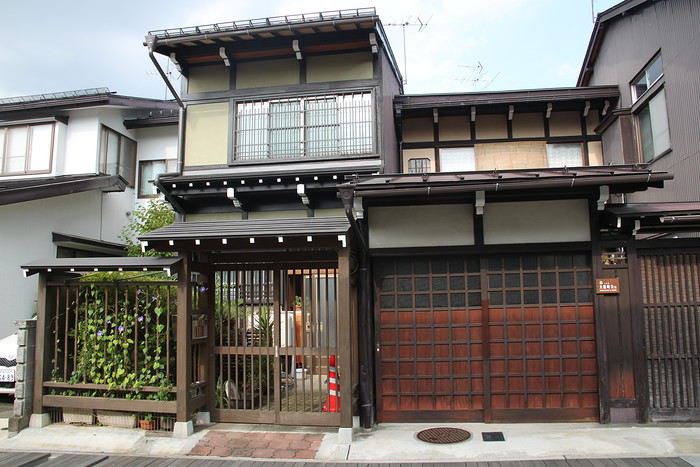
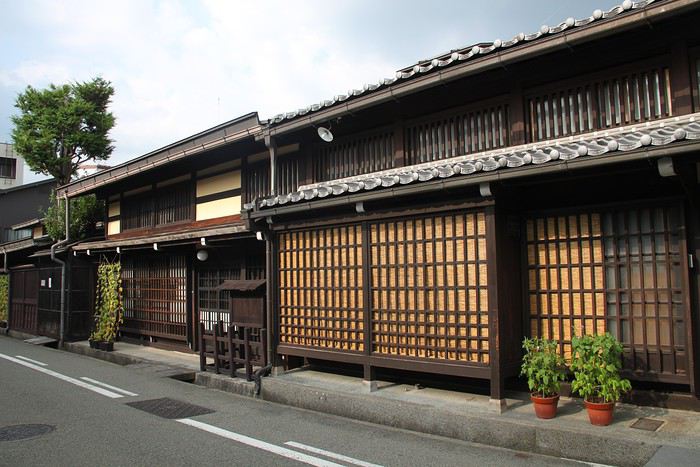
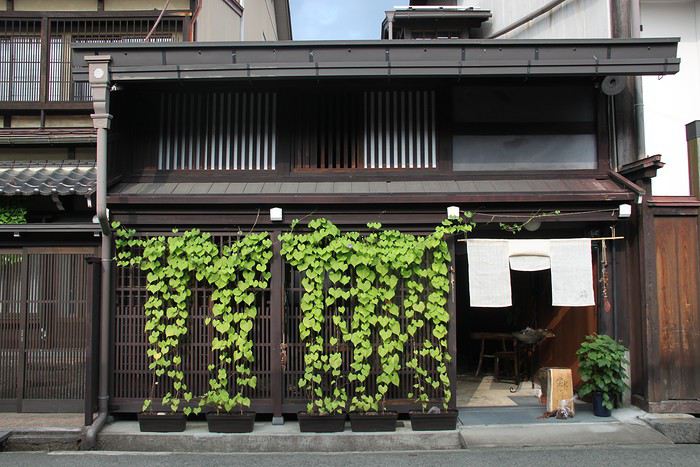
Let's go! With our bellies full, we're off to explore the "little Kyoto of the Japanese Alps." Once a feudal capital, Takayama is renowned for its wooden houses, former samurai residences, and Buddhist buildings. The craftsmanship of its carpenters was recognized throughout the country.

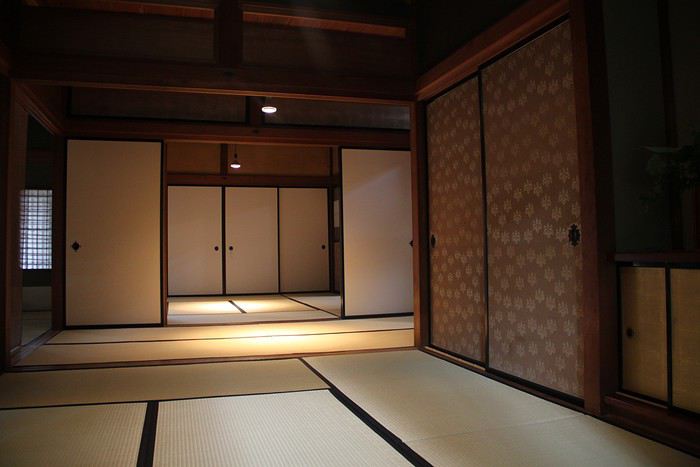
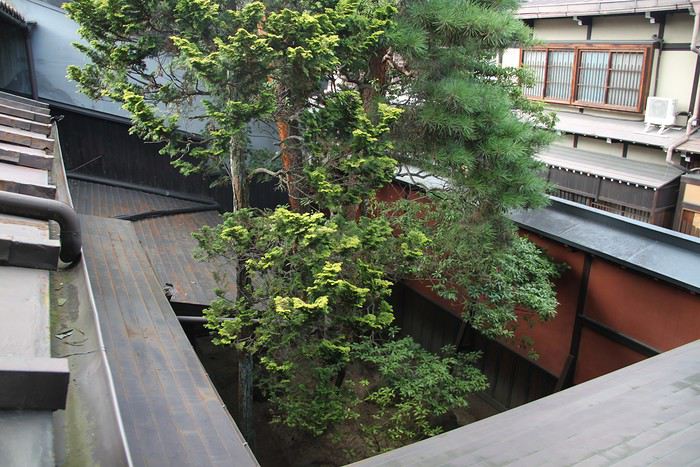
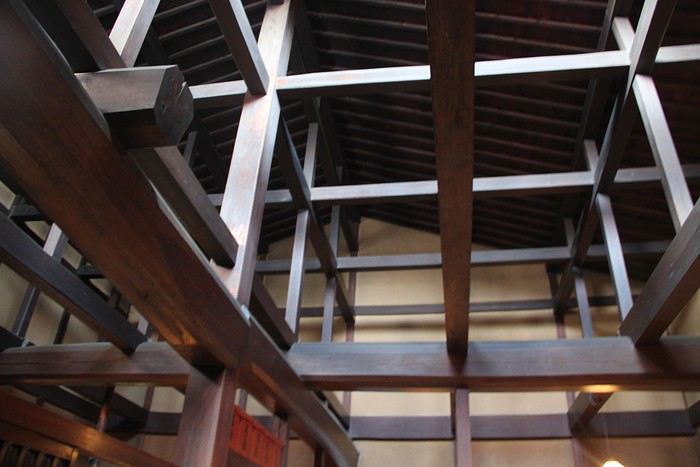
A stop at the Yoshijima House, dating back to 1907, lets us discover its interior and admire its extreme simplicity.


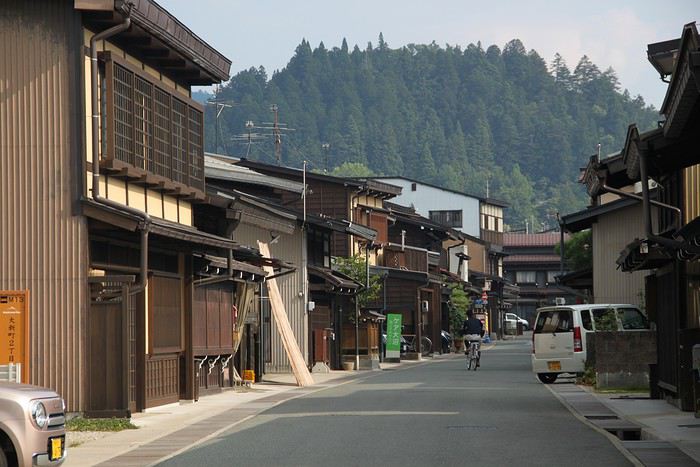
We continue our stroll toward the Shinonimachi Oojin machi district with its traditional houses.


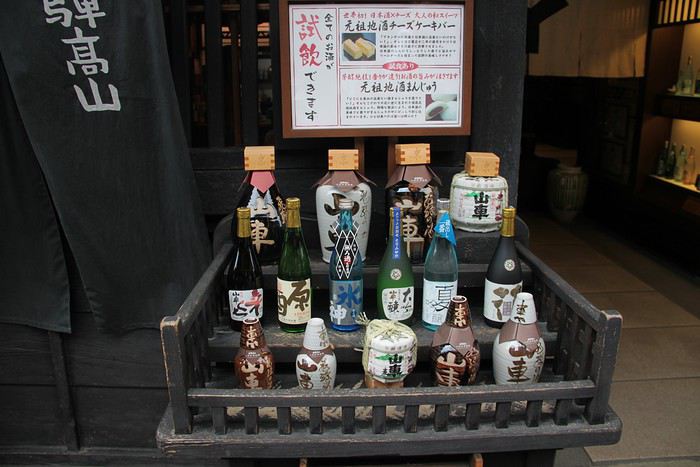
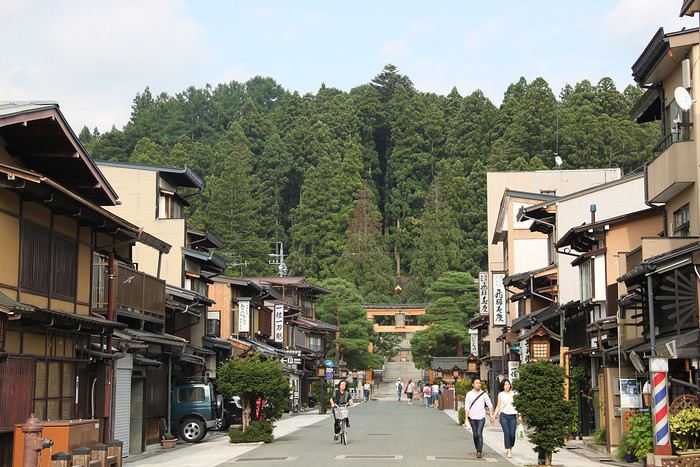
A quick turn leads us to Takayama’s more touristy street, where another local must awaits: sake. Takayama is also famous for its sake, and the city boasts no fewer than six breweries. Takayama—the city of good food and good drink, then. As is often the case in Japan.


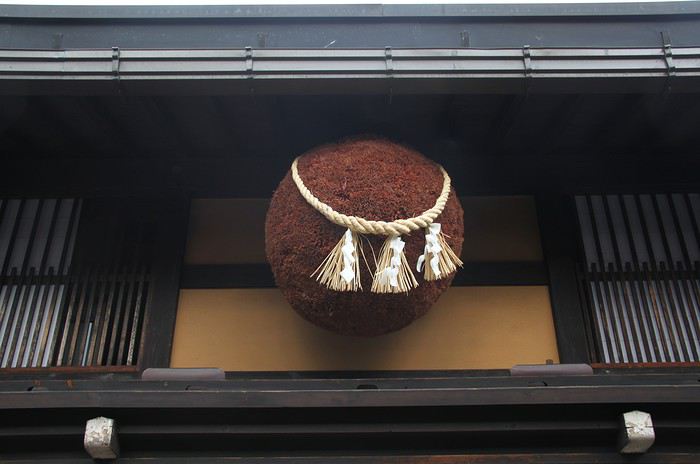
This ball made of cedar needles indicates a brewery.

Three weeks in Japan with the family

Bluequark · 2018-04-22 · Message 85 of 174

Since it’s Obon, the festival of the dead when Japanese people get four days off, the area is really packed. I actually had some trouble finding accommodations and had to make several bookings and cancellations to optimize my choice. In the end, we’ve got two different places for our two nights here—prices aren’t exactly cheap, but they’re not totally outrageous either. The catch is that both are outside the city center. No big deal, though—we’ve got a car.

For tonight, we’re staying at the Ryokan Murayama, where we’ve got a Japanese-style room waiting for us. This short stay at the ryokan lets us try out the o furo, the communal baths. Women on one side, men on the other. There *is* a private mixed-family bath, but after waiting a while, we give up. Off we go—my dear husband with our number two on his side, and me with our number one, who didn’t want to join in. We head down to the baths in yukata, which are always provided with the room. Once there, wicker baskets let you leave your things (you bathe naked). Then comes the washing part—because before you soak, you *have* to wash. The showers are lined up with plenty of free soap and shampoo bottles, plus little stools to sit on. The key is to wash thoroughly and discreetly, because in Japan, they take the washing part *very* seriously. Case in point: when I arrived, two women were already there washing, and by the time I’d soaped up THREE times (twice with extra care), they still weren’t done. Yep, afraid of looking like a “dirty foreigner” in front of my neighbors, I scrubbed myself from head to toe three times. By the third wash, I surrendered and slipped into the scalding bathwater. And hot? Oh, it was *hot*.

Meanwhile, the guys—well, mostly my dear husband—got cornered by a chatty Japanese man eager for a little conversation. The baths are also a social spot where people come to chat.

This is also where we discovered toilet slippers: when you enter the bathroom, you have to swap your regular slippers for the ones provided, which are *only* for the toilet. Of course, you switch back when you leave. It’s easy to mix them up at some point and commit a faux pas.
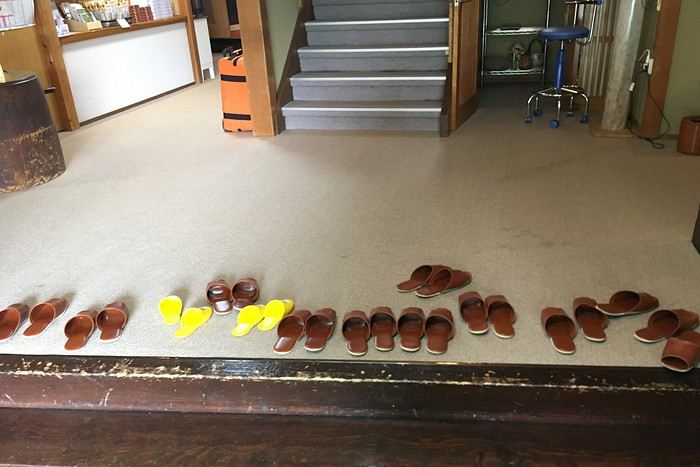


The non-toilet slippers provided for guests.

Alright, time to eat—back to the city center. It’s not even 8 PM, and almost everything is already closed. After driving around, we finally find a restaurant with later hours and more Western-style dishes than Japanese ones. Maybe that’s why it’s still open?
Three weeks in Japan with family

Lilevis · 2018-04-22 · Message 86 of 174

Good evening, It was with great pleasure that I just read your travel journal—it took me back a few months and brought back some wonderful memories. We were there on a guided trip. I see we had a few stops in common, but your story and photos introduced me to places I didn’t visit. My biggest regret was not making it to Miyajima during our free day, but we were exhausted from the travel, the jet lag, and our packed schedule. Thanks for sharing your experience. Liliane

Three weeks in Japan with family

Bluequark · 2018-04-22 · Message 87 of 174

Hi there,

Thanks for your message. So glad it brought back good memories and helped you discover new places. I really enjoyed your travel journal—I read it with so much pleasure. Don’t regret skipping Miyajima: it’s nice, but not better than so many other things you saw, and doing the round trip in a day would’ve been tough.

Three weeks in Japan with the family

Sainterose97 · 2018-04-23 · Message 88 of 174

hi,

We’re also heading to Japan with the family this summer—excited and a little nervous. Thanks for your awesome travel journal! We’d love to do the same and share our trip. What software did you use? Was it easy?

thanks :)

Three weeks in Japan with family

Bazima · 2018-04-23 · Message 89 of 174

We're heading to Japan next month—could you share some practical tips? Can we use our bank card, or should we bring cash in yen? I read in a guide that it’s tough to use your phone or smartphone there. We know it’s expensive. Thanks for your help—nothing beats the experience of fellow travelers!
Three weeks in Japan with family

Kujila · 2018-04-23 · Message 90 of 174

Can we use our bank card or not? Or should we bring cash in yen? I read in a guide that it was difficult to use your mobile phone or smartphone there. We know that the cost of living is high. Thanks for answering, because nothing beats the experience of travelers.
These questions really deserve their own thread... or a quick search of the forum since they come up so often...

You can withdraw cash at Seven-Eleven convenience stores, and bank cards are accepted pretty much everywhere these days (just bring some cash if you venture into the countryside).

Your guide must be outdated because current phones work just fine in Japan (it wasn’t always the case back when tri-band was needed, before smartphones...).

For the cost of living, browse the forum a bit. Basically, it’s the most expensive country in Asia, but on average, it’s still cheaper than France for most expenses.

Three weeks in Japan with family

Bluequark · 2018-04-28 · Message 91 of 174

Thanks for the compliment!

I typed my travel journal in a word processor (Word, in this case), then I copy/paste. I recommend you do the same to avoid losing the text if the download crashes. To upload photos, you have to go through VoyageForum’s editor ("add a photo to the message").

It’s not complicated. On the other hand, it’s very time-consuming.

To be continued

Saturday, August 13: Kamikochi

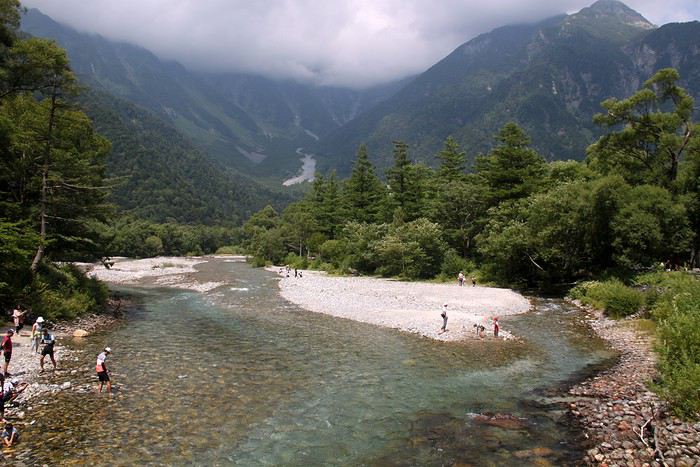
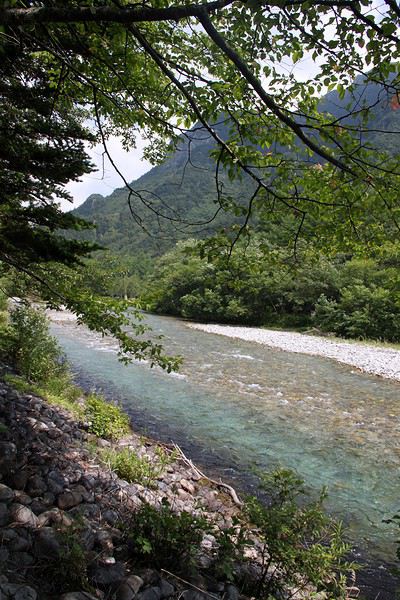
The goal of the day is Kamikochi, a renowned hiking spot our eldest found online. She’s absolutely set on going. Not that she’s a big hiking fan—far from it—but the blue of the Azusa River convinced her Kamikochi was a must-see.

No breakfast at the hotel: they only serve Japanese breakfasts and, well, how to put it? We’ll wait a bit before trying that again. Instead, I spotted the “best bakery in Takayama” online. But the crowd of dozens of people already gathered in front of the door before opening—have I mentioned how Japanese people have an astonishing ability to queue for hours for something good to eat?—made us give up. Another bakery let us find our happiness for breakfast and today’s picnic.
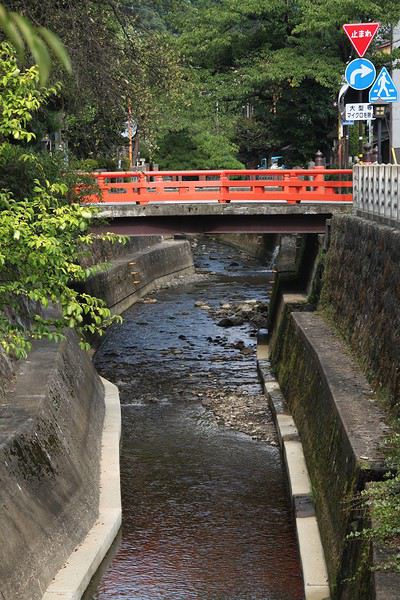
After stocking up, we head to Kamikochi. After a fifty-kilometer drive, we leave our car at Kasumi-zawa. This time of year, it’s not possible to drive all the way to the national park, so you have to leave your vehicle in one of the countless—but still packed—parking lots in the surrounding villages. From there, you can take a bus or a taxi to reach Kamikochi. We choose the latter, no more expensive than the bus for a group of four and faster.

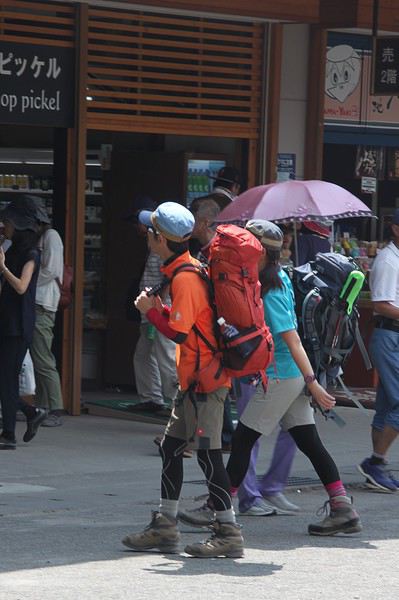
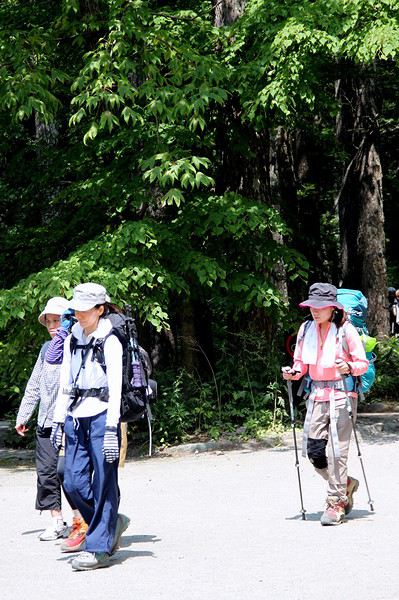
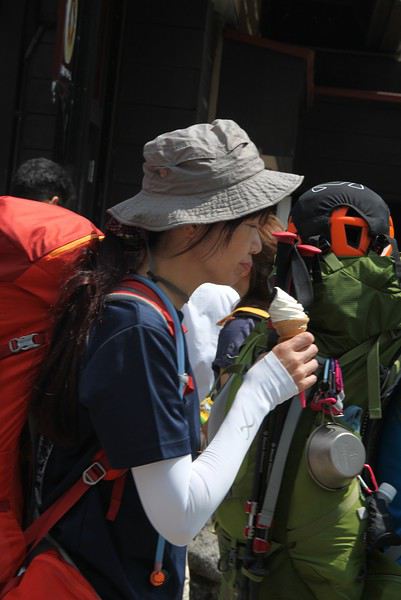
When we arrive at the information center, long-distance hikers—those doing multi-day treks—start coming down from the mountains. We marvel at the high-tech look of their clothes and UV-protective gear.


Three weeks in Japan with the family

Bluequark · 2018-04-28 · Message 92 of 174

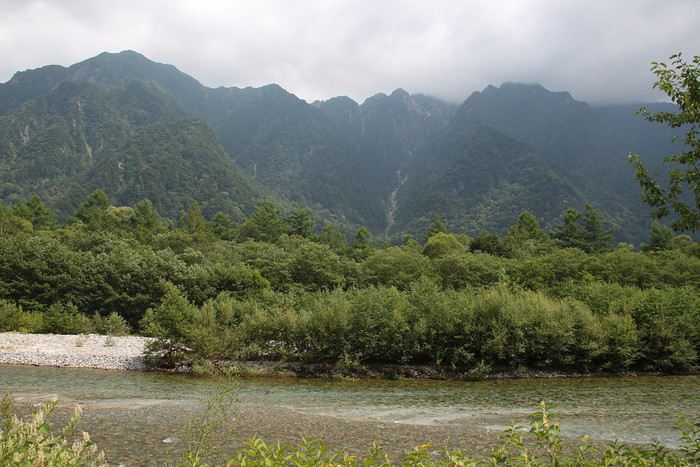
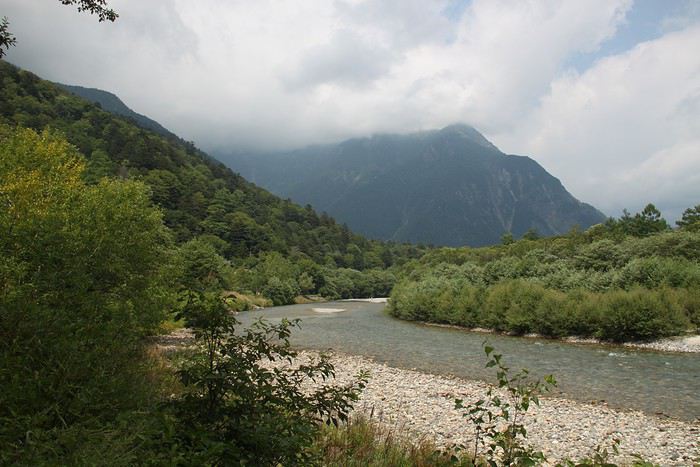
And we're off on a loop south towards the Taisho and Tashiro ponds (www.kamikochi.org/...amikochi_Leaflet.pdf).

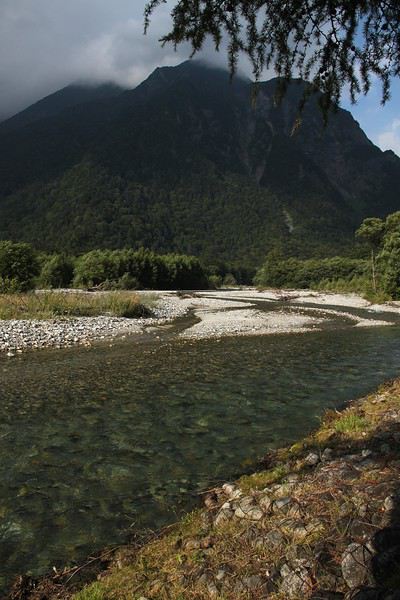
The Kappa Bridge lets you admire the intense blue of the Azusa River at your leisure.


Several hotels line the path.

After crossing the river again, the trail is set on wooden walkways to keep visitors from trudging through the marshy ground.


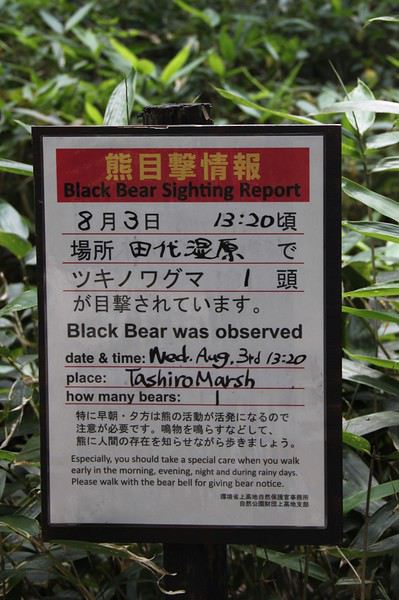
Watch out for bears! Many visitors carry bear bells—or rather, anti-bear bells. Given how busy the area is, I’d be surprised if any were lurking around at this time, but the bells are definitely a hit.


Three weeks in Japan with the family

Bluequark · 2018-04-28 · Message 93 of 174

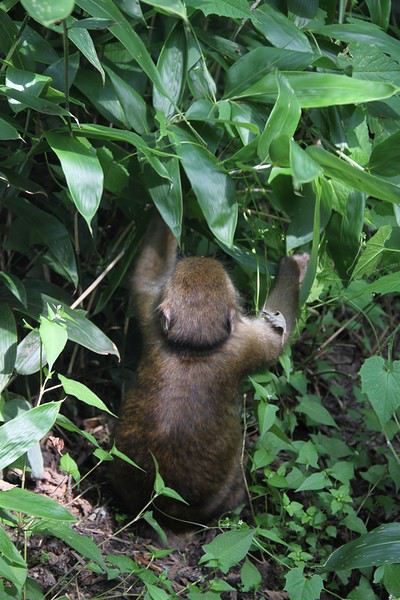
Oh! Look! Monkeys! A little tension in the family, which has already had a few run-ins with these kinds of critters. The amused brother to his tense sister: "Don’t worry, Marion! These are Japanese monkeys—they’re respectful." Still, we don’t linger too long... and we’ll regret it later.


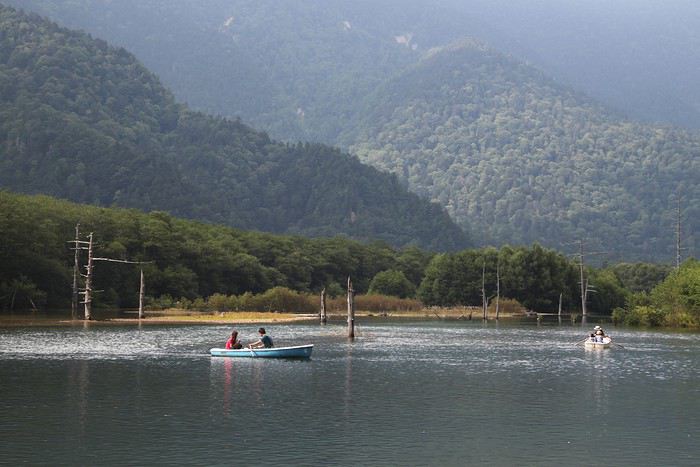
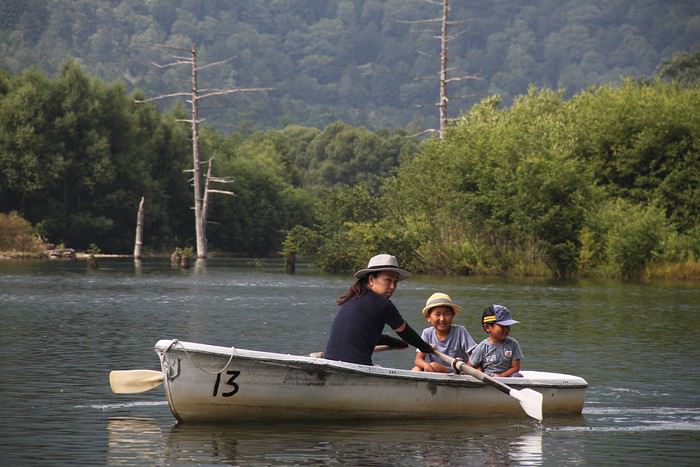
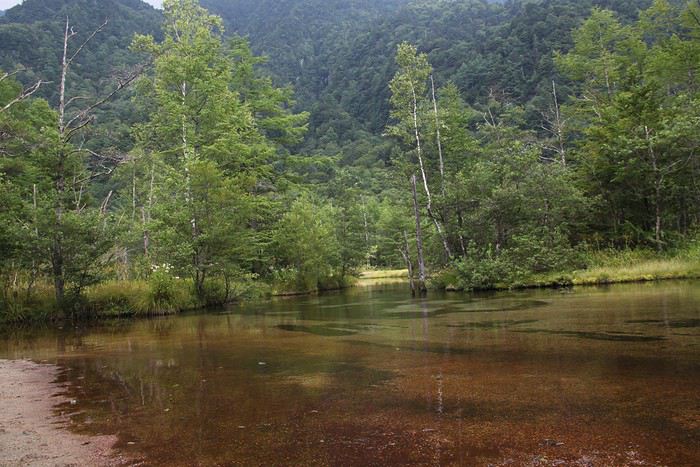
Taisho Pond and its rowers welcome us for a picnic.


And it’s time to turn back.

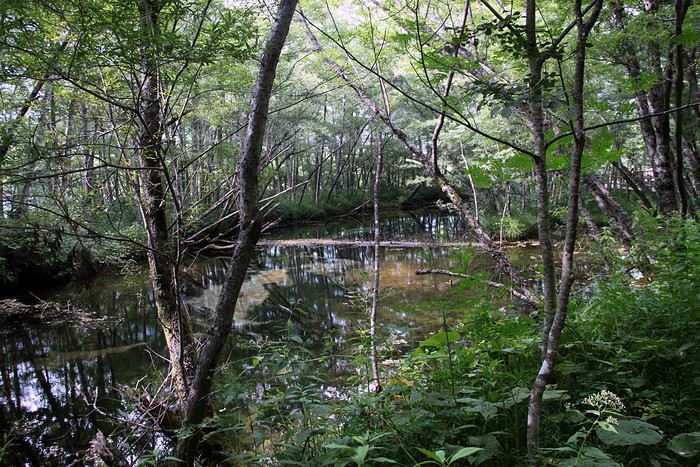
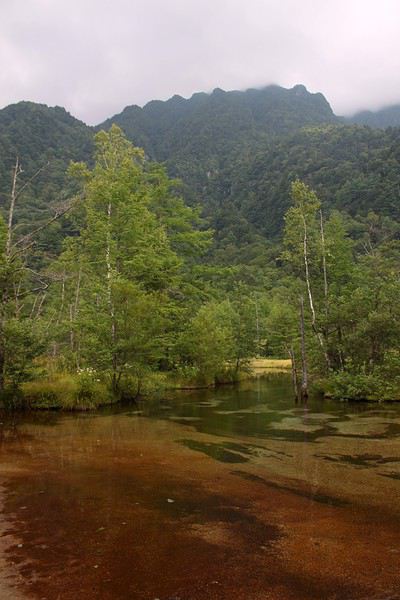
A stop by Tashiro Pond.
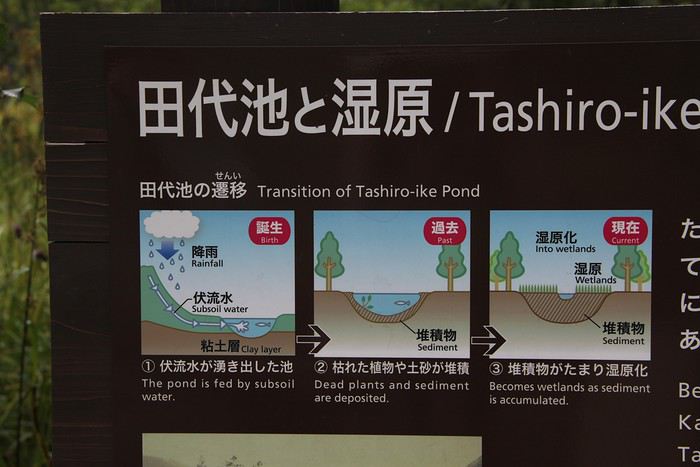


We pass by the Kappa Bridge again and take a little detour north to admire that blue. We never get tired of it.


The taxi driver who takes us back to our car has us dying of laughter... and vice versa. He asks if we’ve seen any kappas. Kappas? We have no idea what those are, and our guessing attempts end in fits of laughter. Such a fun moment—except the driver forgets to watch the road! Since then, we’ve looked it up: kappas are creatures from Japanese folklore. Sort of mischievous little imps between a turtle and a frog, they try, among a thousand other antics, to lure humans and animals into the water. Now I get why our driver was laughing—we were trying to identify real animals, listing them one by one and even miming them when needed.
Three weeks in Japan with the family

Bluequark · 2018-04-28 · Message 94 of 174

Tonight, a new Japanese room awaits us at the Guetshouse Soy. Great choice—it lives up to the reviews we found online. The place is tastefully decorated; the welcome is excellent; Tai is charming and wants to take us into town since the guesthouse is a bit out of the way. His mother and sister, even though they don’t speak English, are just as lovely. I was a bit worried about noise because of the road right next to it, but no problem (and I’m usually pretty sensitive to that).

For tonight, taking advantage of yesterday’s experience, we head into town early. More of that delicious Hida beef, this time as a barbecue.

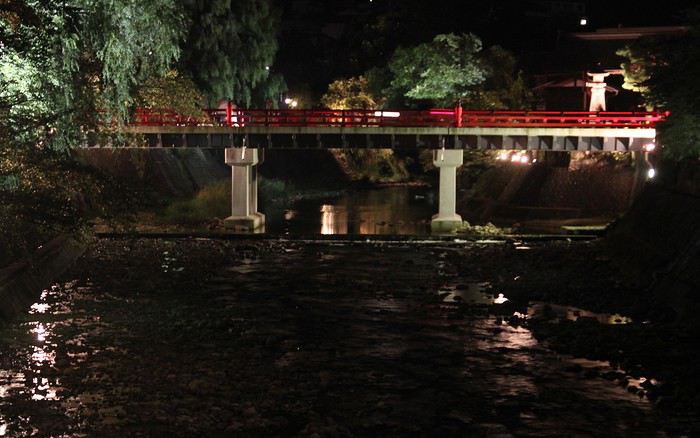
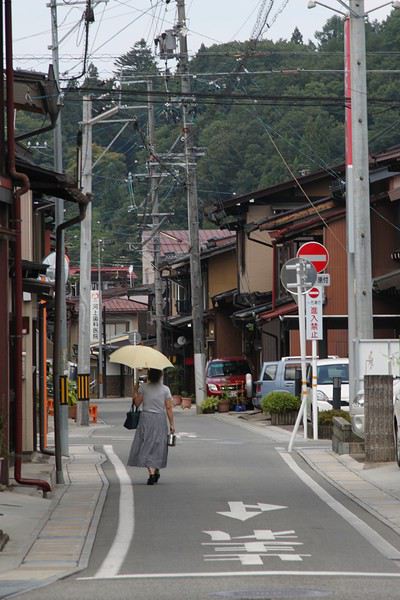
Naka Basui Bridge.


Three weeks in Japan with family

Bluequark · 2018-04-28 · Message 95 of 174

Sunday, August 14: Takayama – Kanazawa

After a hearty breakfast that was half-Western, half-Japanese (but no fish this time!), we continued exploring Takayama. But before we left, Tai, his sister, his mother—basically the whole family—lined up at the door to see us off and wish us a good trip. It felt like leaving my grandparents’ house.

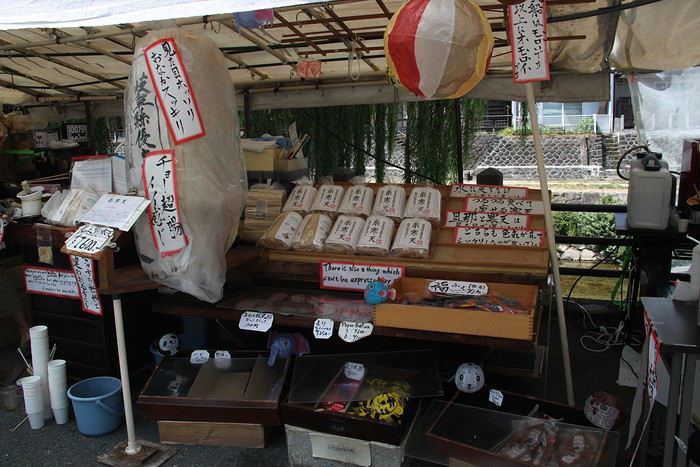
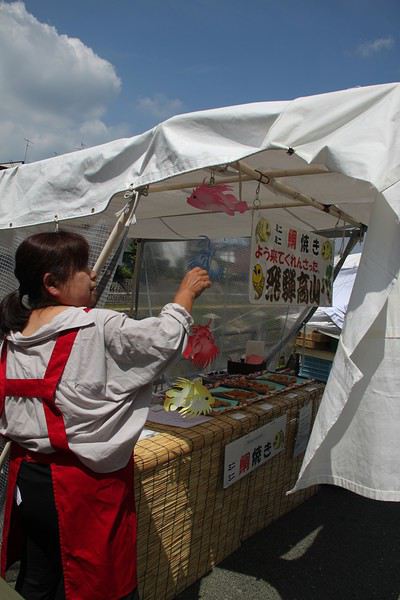
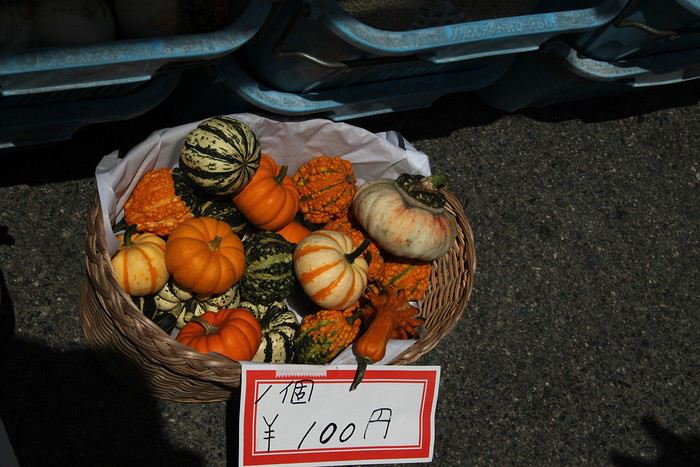
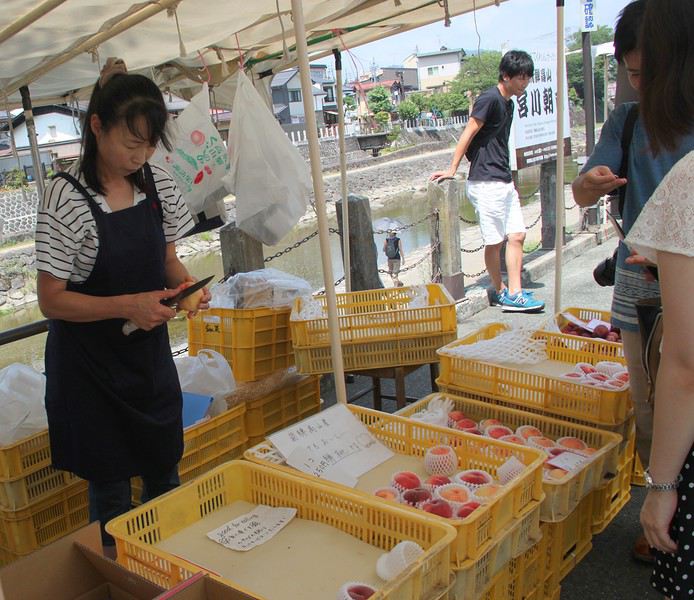
Our first stop was the morning open-air market along the Miyagawa River. Apparently, it’s one of the oldest open-air markets in Japan, dating back to the Edo period. They sell all kinds of fruits and vegetables, not to mention peaches you can have peeled for an immediate taste.


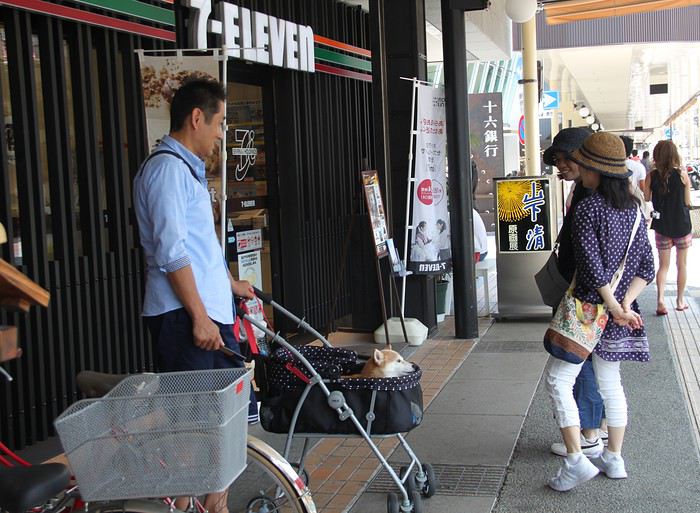
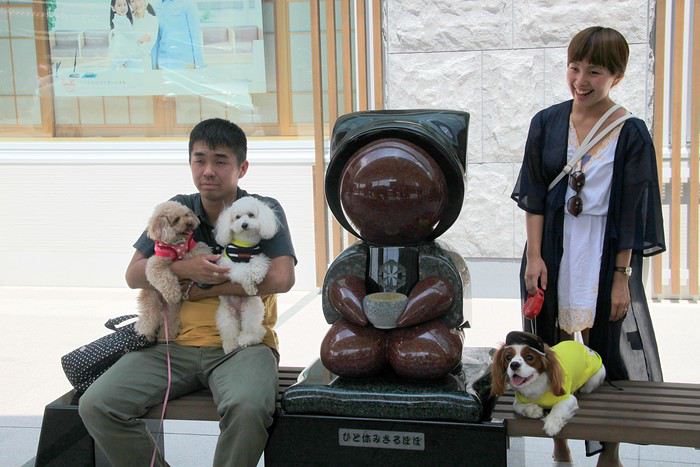
Dog walks!!


Three weeks in Japan with family

Bluequark · 2018-04-28 · Message 96 of 174

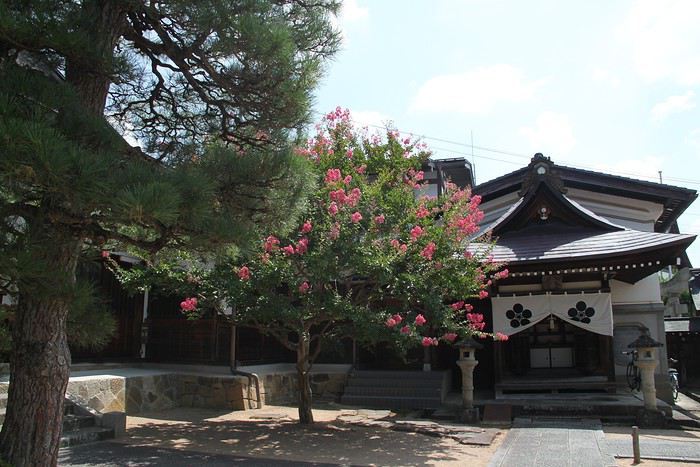
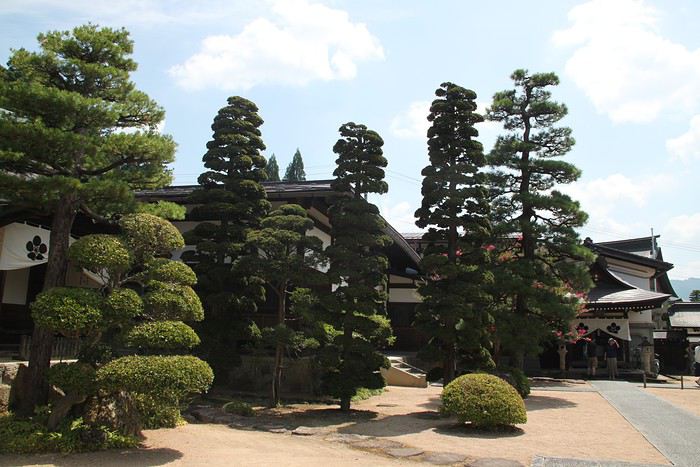
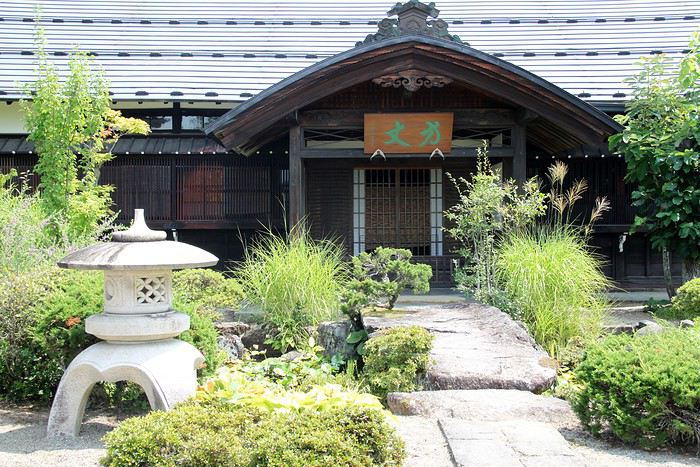
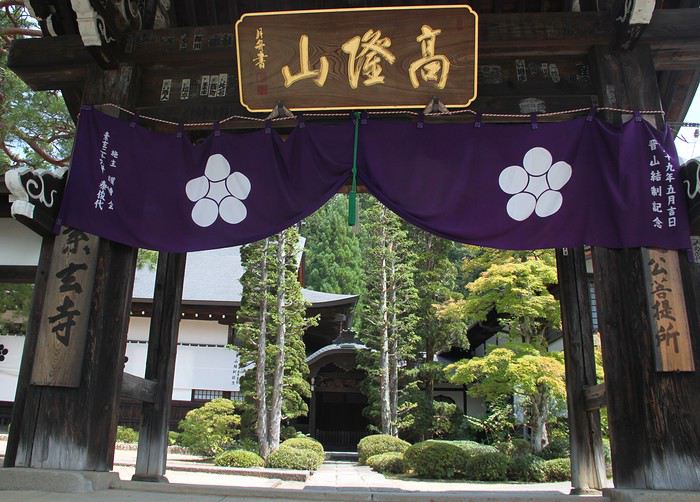
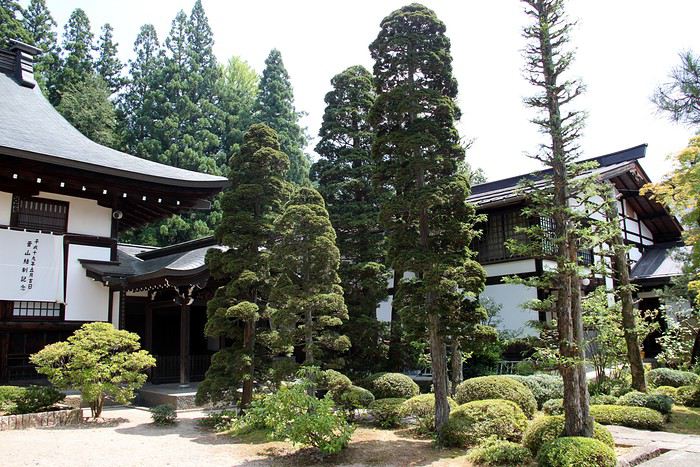
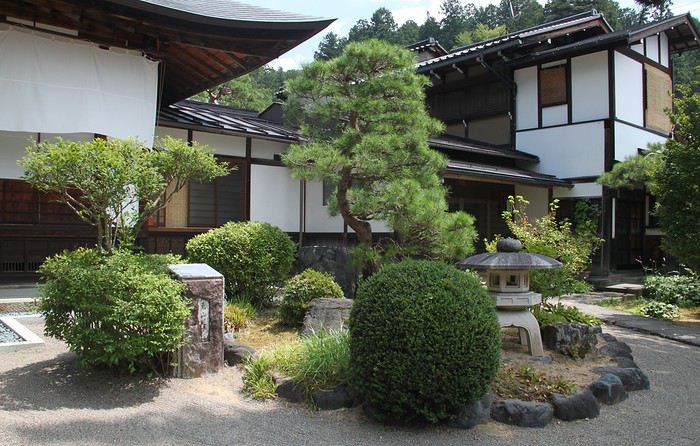
We continue our exploration with the walk (labeled “Higashiyama Walking Circuit” on the map) up in the hills, which we spotted in Nancy’s travel journal (thanks to her). A series of small temples surrounded by meticulously maintained gardens and pretty trees welcomes us. We’re pretty much alone here, far from the crowds on the “traditional houses” streets, and spend a moment full of tranquility and charm.


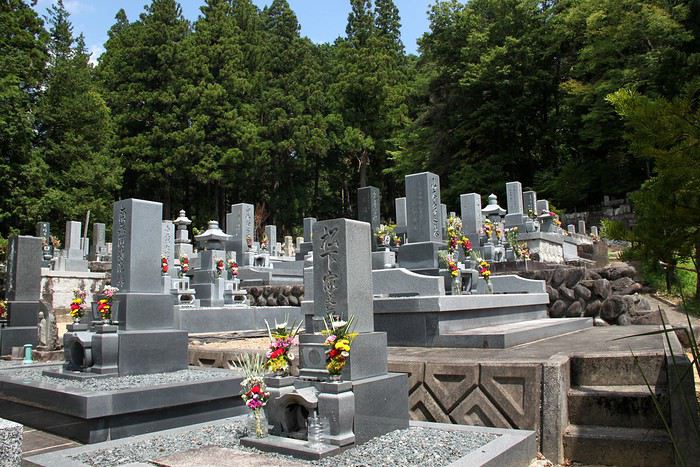
Obon just passed through here.


After the temples, we head back toward the center via the “small streets.” No traditional houses this time, but still a very pleasant little walk.


Three weeks in Japan with the family

Bluequark · 2018-04-28 · Message 97 of 174

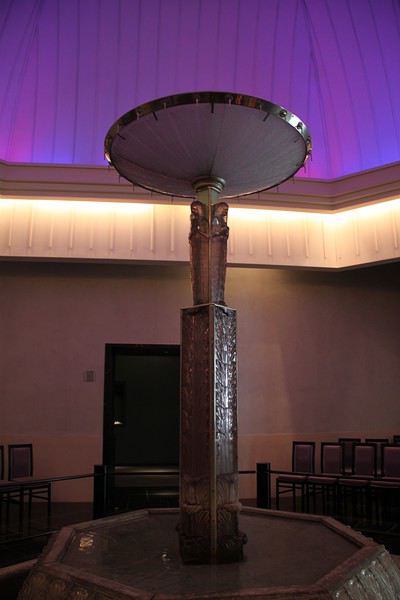
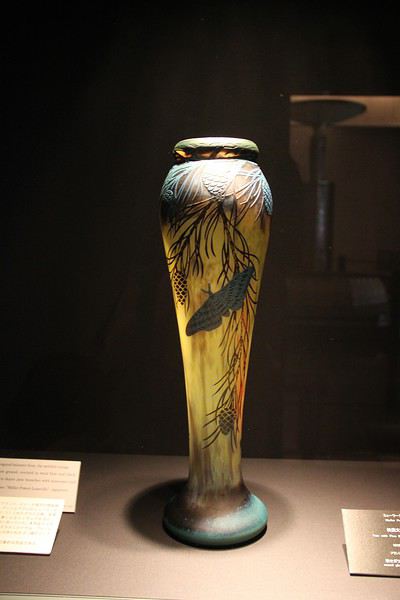
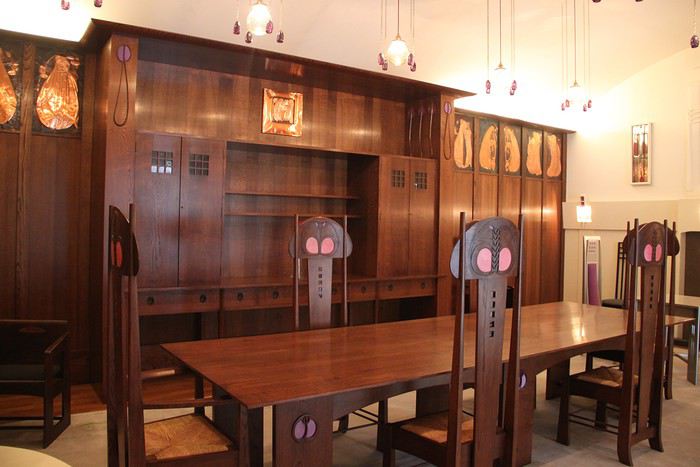
A short drive takes us to the district of the Hida Folk Village on the west side of the city. Our goal isn’t the village itself (we’ve seen the real ones), but the Hida-Takayama Museum of Arts, which has a very comprehensive collection of Art Nouveau and Art Deco. No, really! Thanks to the regulars on the forum who pointed out this unlikely museum. The adults love it, but our two post-teens are less impressed. "But Mom, they have the same thing at Le Bon Marché (editor’s note: a very *proper* Parisian department store), and on top of that, it’s free there."


Three weeks in Japan with the family

Bluequark · 2018-04-28 · Message 98 of 174

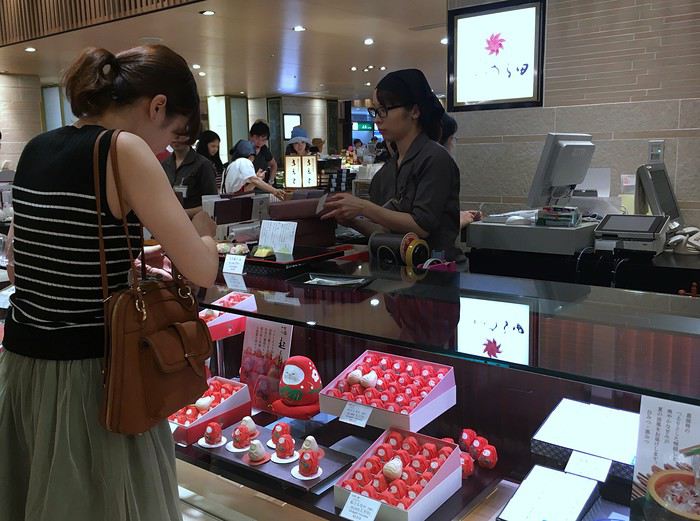
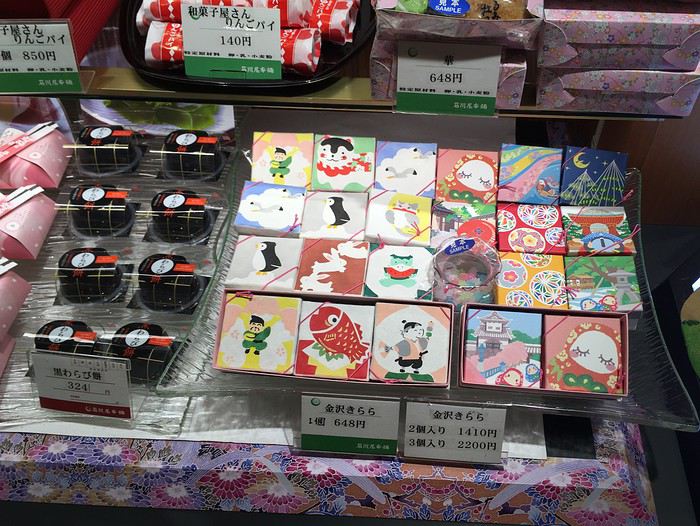
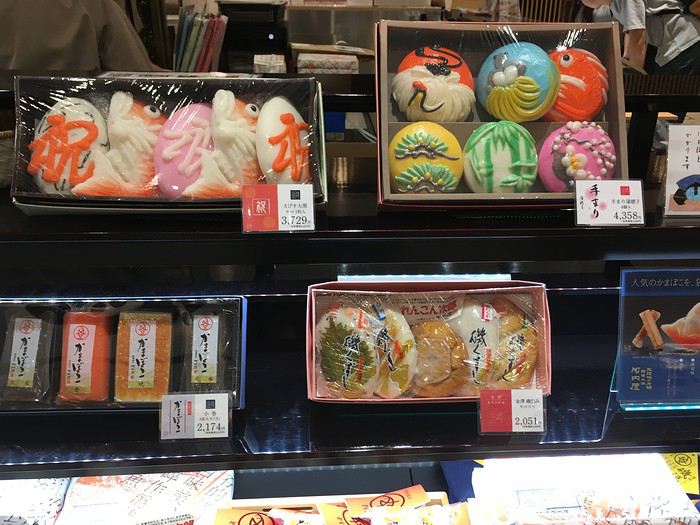
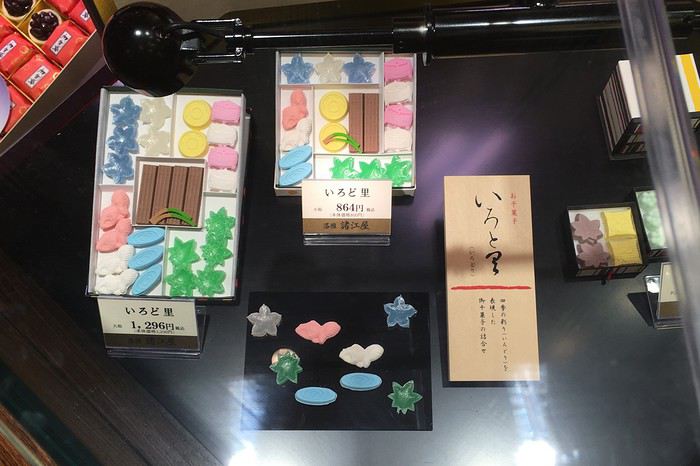
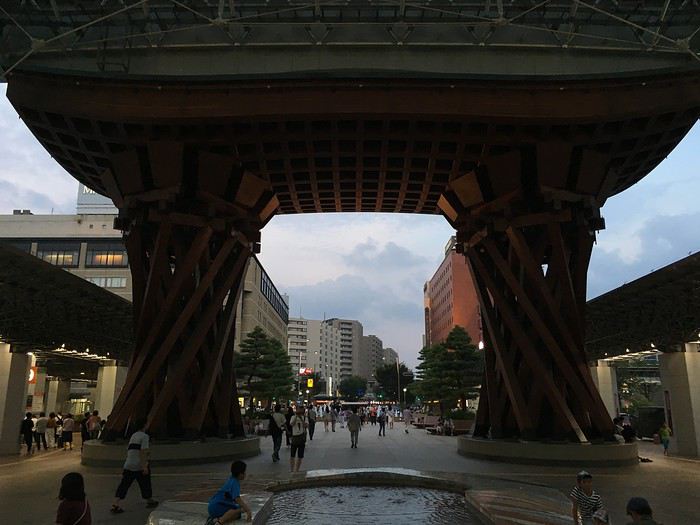
After a quick lunch, we hit the road again for Kazanawa. We leave our luggage and the kids at the Airbnb that’ll host us for the next two nights before returning the car. Stopping by the train station lets us stock up on supplies for dinner and breakfast, and most importantly, discover a real Alibaba’s cave: the shop selling bento boxes to hungry travelers and, above all, *omiyage*—those delicious souvenirs Japanese people bring back for loved ones when they travel (https://www.acouplefortheroad.com/fr/omiyage-a-token-of-japanese-gift-giving-and-travel-culture/). There’s every kind imaginable, each one cuter than the last. Plus, with the Obon holiday wrapping up, the place is packed, making for an amazing atmosphere.


Three weeks in Japan with family

Sissi57 · 2018-04-28 · Message 99 of 174

A quick practical question: in a market, or at a stall in a supermarket, how are prices displayed—per kilo? per 100g? per pound? Or maybe per item for fruits, vegetables, or fish?

Three weeks in Japan with family

Bluequark · 2018-04-28 · Message 100 of 174

Hi there,

Fruit by the piece is ridiculously expensive. For the rest, I can’t say—I mean, we just bought ready-made meals.

VoyageForum — the largest community of French-speaking travellers.