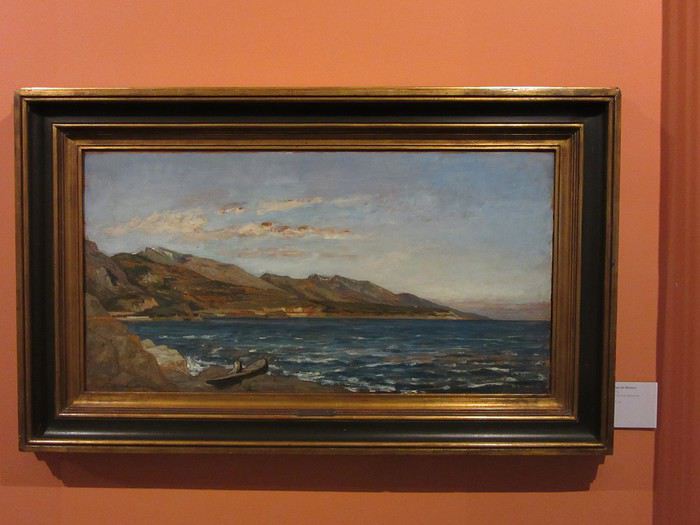
Another city well worth visiting is Liège.
If you're taking advantage of a trip to Belgium to also visit Aachen or Cologne in Germany, or Maastricht in the Netherlands, and you're traveling by train, you'll pass through Liège-Guillemins station, designed by architect Santiago Calatrava. It was inaugurated in 2009 after 9 years of construction. Its glass roofs cover 32,000 m², and its metal framework required 10,000 tons of steel!
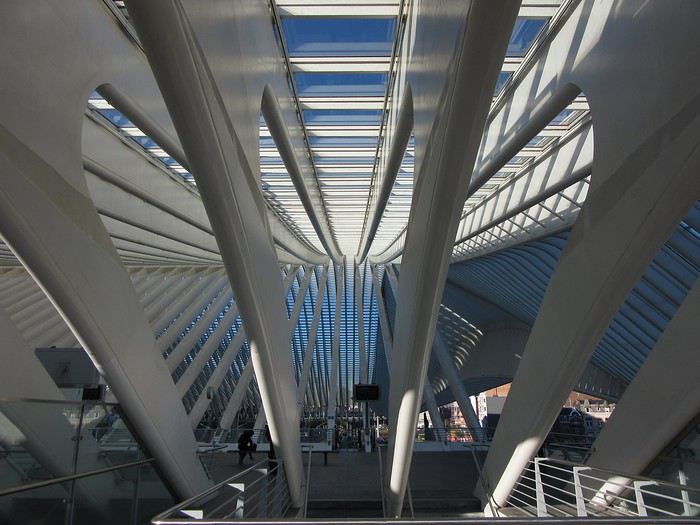
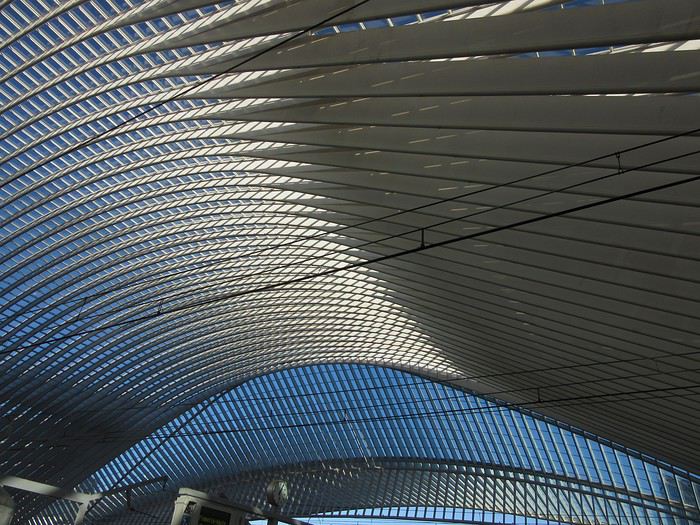
If you'd like to visit the city, I recommend taking one of the many trains that leave from Liège-Guillemins and stop at Liège-Saint-Lambert (with an intermediate stop at Liège-Carré). When you get off at Liège-Saint-Lambert, you'll be just steps away from Place Saint-Lambert, the historic heart of the city.
For 30 years, it was under construction, mainly due to archaeological excavations.
The massive building dominating the square is the Palace of the Prince-Bishops.
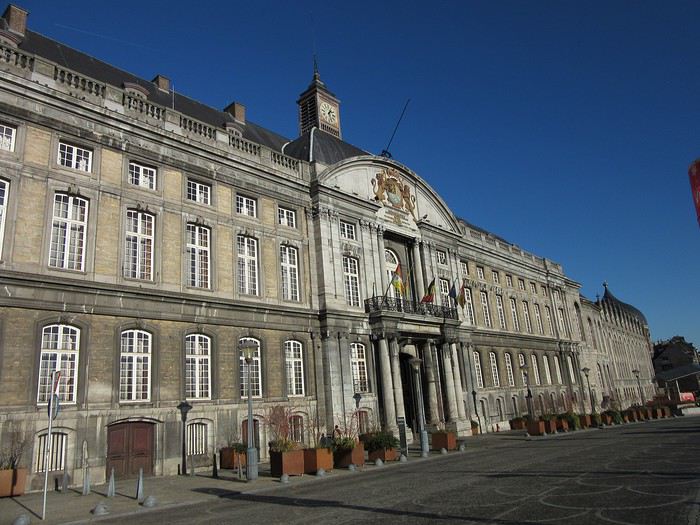
Since the end of the 10th century, when Bishop Notger established the Principality of Liège, this palace was the residence of the Prince-Bishops until they were driven out in 1789 during the revolution. Around the same time, the people of Liège themselves demolished their imposing cathedral, Saint-Lambert Cathedral, also built on Place Saint-Lambert.
The current "Palace of the Prince-Bishops" is a reconstruction from 1536, built around two courtyards.
It houses the Liège Palace of Justice as well as provincial services.
Access to the first courtyard is free. It's surrounded by 60 columns, all different.
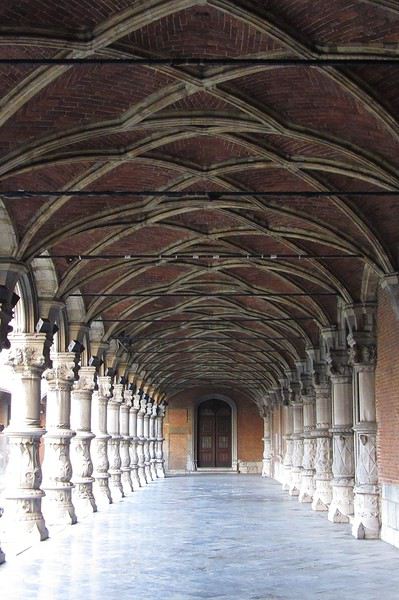
The first floor, where the former reception and banquet hall of the prince-bishops is located, can only be visited on rare occasions.
Under the square, since 2003, you'll find the Archeoforum, an archaeological museum displaying the results of excavations carried out on the site of the Notre-Dame-et-Saint-Lambert Cathedral since 1907. It's open every day except Monday, from 10 AM to 5 PM.
Just a few steps from Place Saint-Lambert, you'll arrive at Place du Marché. It's the perfect spot to sit on a terrace in any season, as they're heated in winter. This is where you'll find the town hall and also the perron and its fountain, which represents Liège's liberties.
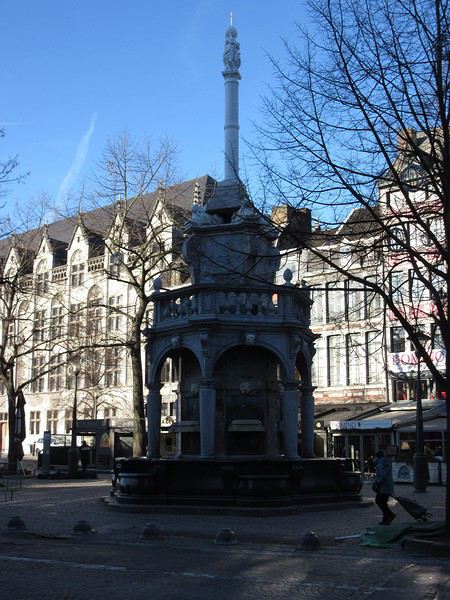
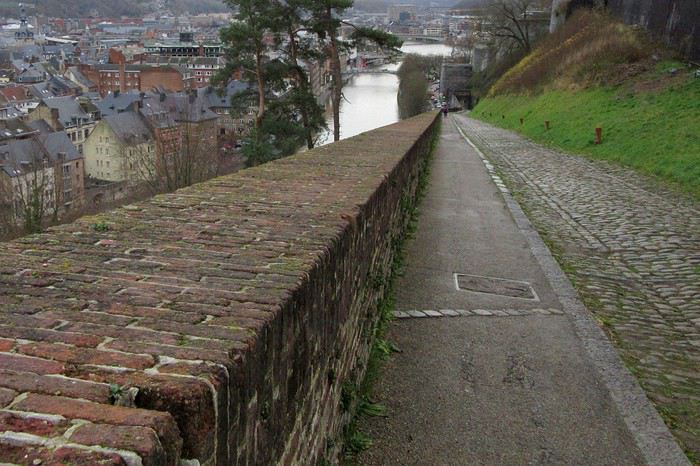
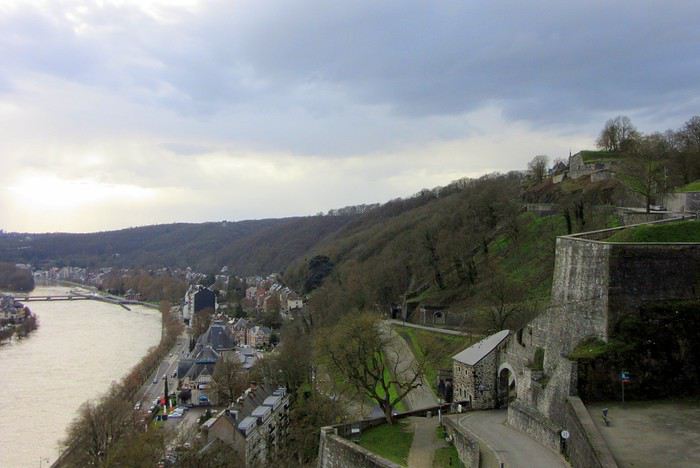
When you're on the left side of the Palace of the Prince-Bishops, you can see the Coteaux de la Citadelle up high. To get there, it's simple—just take the streets that go up ;).... You'll arrive at the foot of Montagne de Bueren and its 374 stone steps.
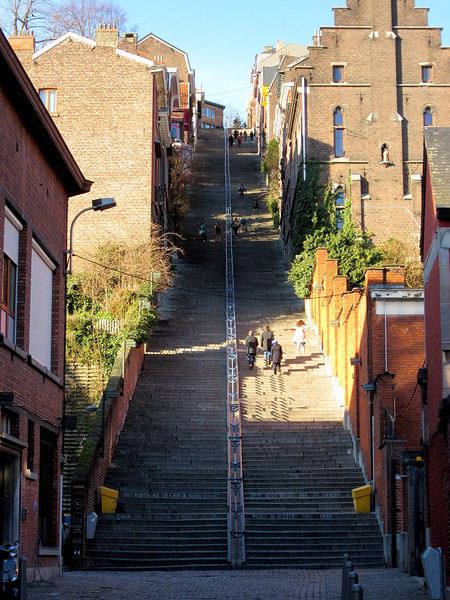
This staircase was built at the end of the 19th century to connect the citadel barracks to the lower part of the city without passing through the Pierreuse district.
It was named in memory of the 600 Franchimontois who, led by Vincent de Bueren, tried (unsuccessfully) to capture Charles the Bold at the end of the 15th century.
Instead of climbing all those stairs, I preferred to take a left right away into Impasse des Ursulines. You climb up a winding alley to the Coteaux.
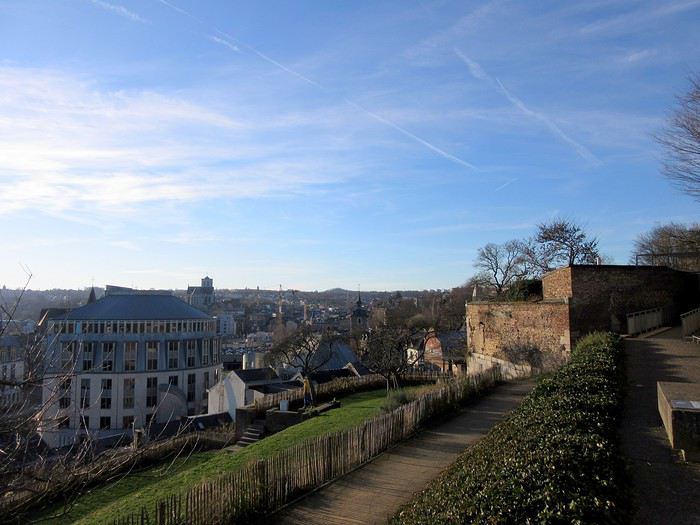
Up there, 4 walks are possible:
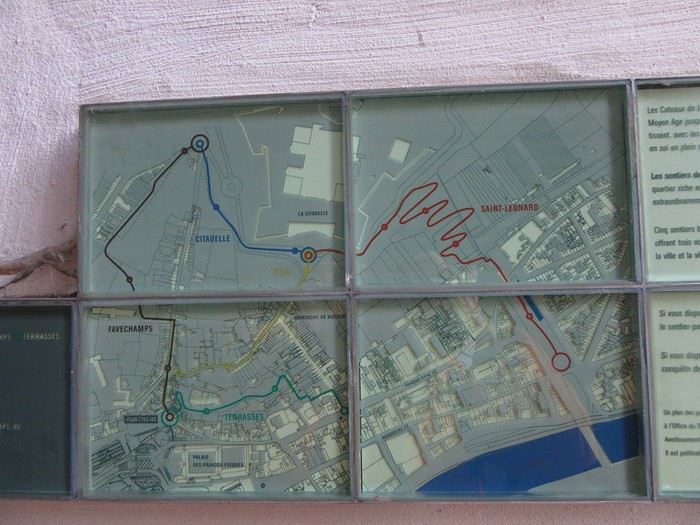
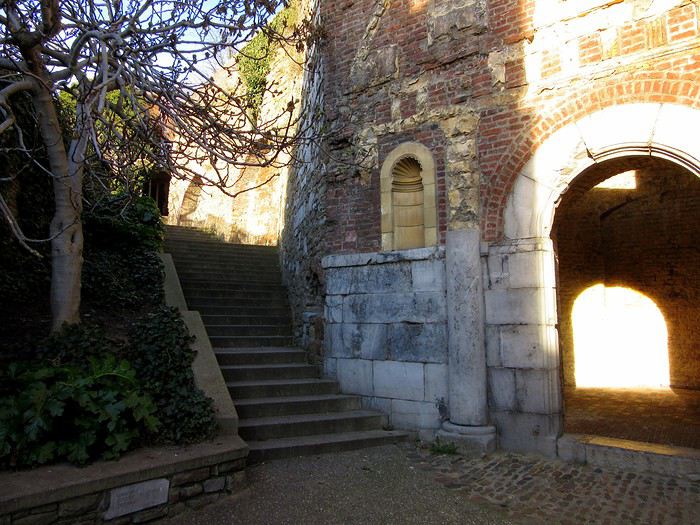
I took the green one. On the way down, you pass by the ruins of an old Minimes church (a mendicant order founded in the 15th century).
Back in the lower city, I headed toward the city center, which is mostly pedestrian, and Saint-Paul Cathedral. It existed in the 10th century as a collegiate church. It was rebuilt in Gothic style in the 13th century and became a cathedral in 1803, replacing the old Notre-Dame-et-Saint-Lambert Cathedral destroyed during the revolution.
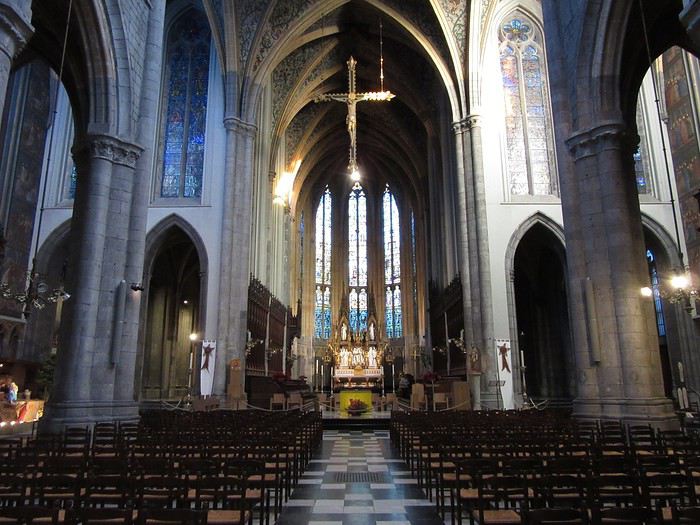
Its cloister houses the Liège Treasury, which includes some major pieces, like the reliquary of Charles the Bold and the bust-reliquary of Saint Lambert.
It's open every day except Monday, from 2 PM to 5 PM.
To reach the Outremeuse district, the neighborhood where writer Simenon grew up, you just need to cross the river via one of its many bridges:
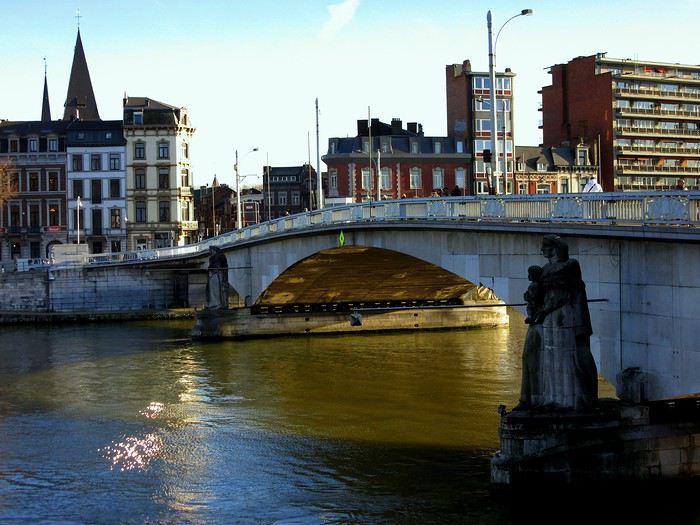
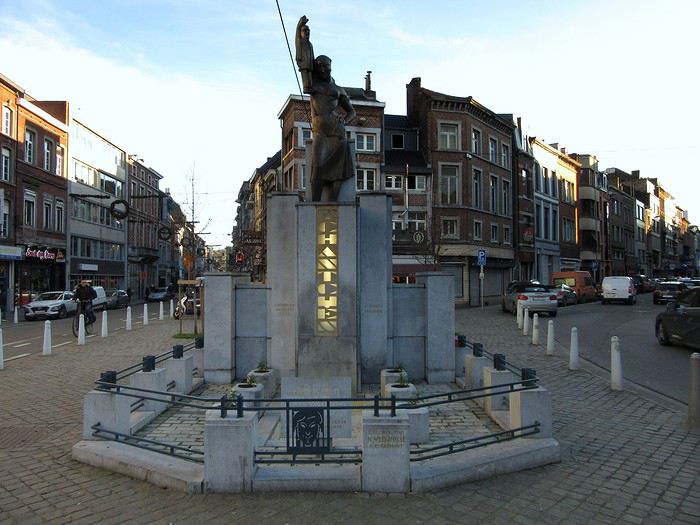
...like me, you'll come across the statue of Tchantchès while strolling, the hero of Liège's puppet theater who represents the spirited people of Liège.
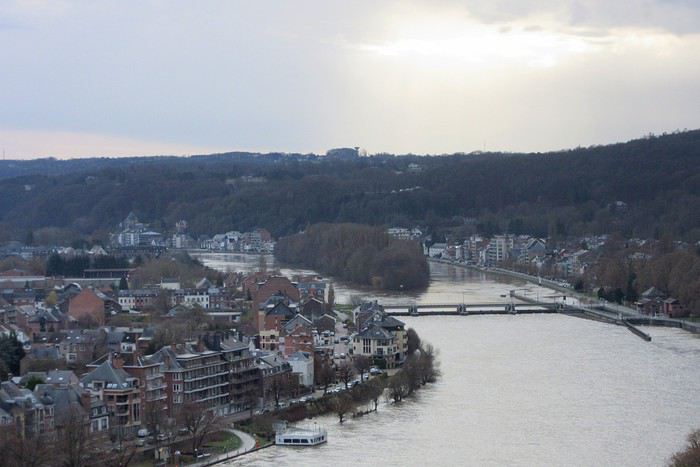
From this side of the Meuse, you can see the Grand Curtius Museum, which brings together "7,000 years of art and history" (it's the last building on the right in the photo)... while the two red-and-white towers on the left belong to Saint-Barthélemy Collegiate Church.
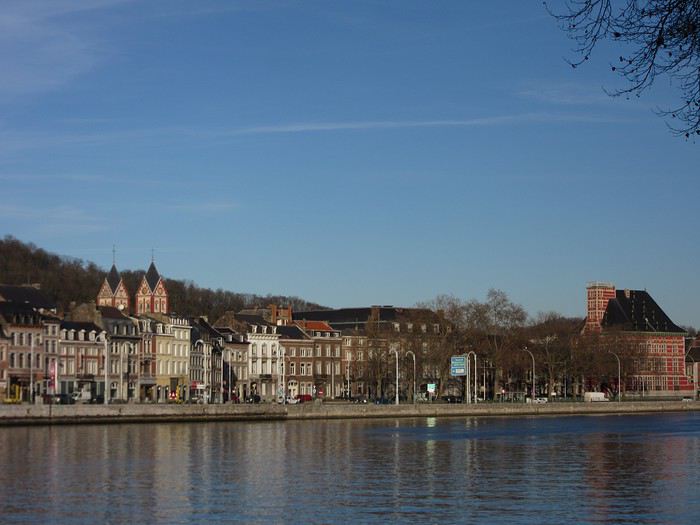
From March 30 to November 3, you can visit the city by river shuttle.
If you're interested:
https://www.visitezliege.be/fr/la-navette-fluvialeAs for me, I plan to come back in the spring and take advantage of the long days to do the three other walks on the Coteaux de la Citadelle ;).
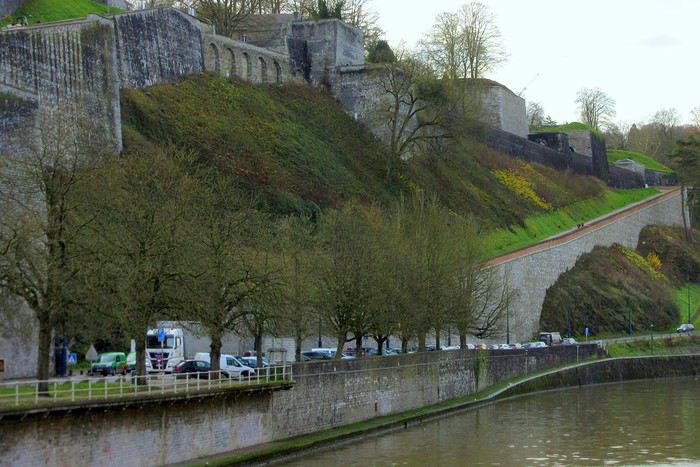 you cross the Sambre via the Museum Bridge or, even closer, the Pont de France, before starting the climb. The landslide in November 2019 required reinforcement work, and not all paths are accessible right now. So, it’s via the Rampe Verte that you reach the top of the Citadel.