Day 15 – August 24
What to do after an almost sleepless night to enjoy the sunrise at Bromo? If you’re voting for a proper night’s sleep and a rest day for our adventurers, press 1. If you want to vote for inflicting a second sleepless night in a row to catch another sunrise at an iconic site, press 2... "Sorry, Flo, the crowd has spoken—they’ve chosen to push the limits, and their verdict is final!"
So, no rest for the brave! The Indonesian SNCF announces our arrival in Banyuwangi station at midnight. The stationmaster’s whistle kicks off a night where everything happens in a blur! A shuttle to the base camp of Kawah Ijen volcano, a fake medical certificate obtained without even taking a test, oxygen masks, goggles, and headlamps... all to be ready in the starting blocks for the hike that officially begins at 2 AM.
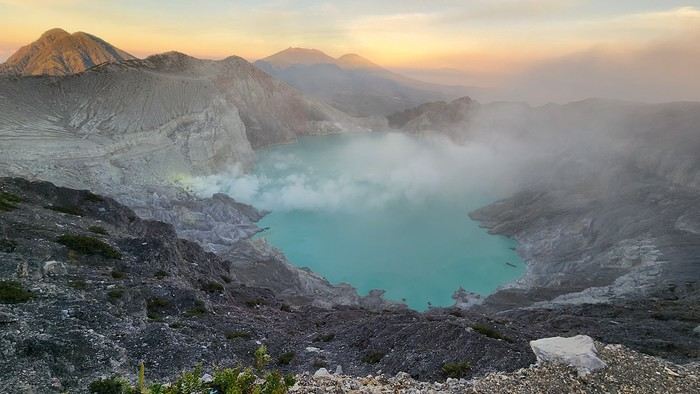
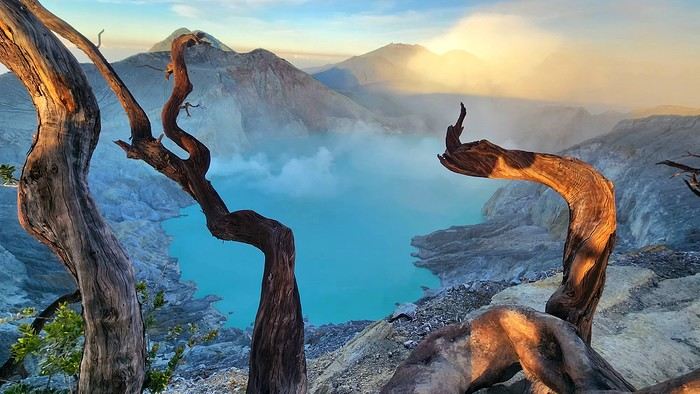
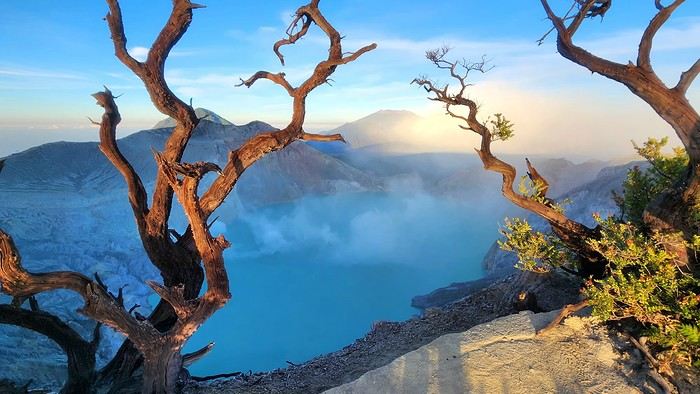
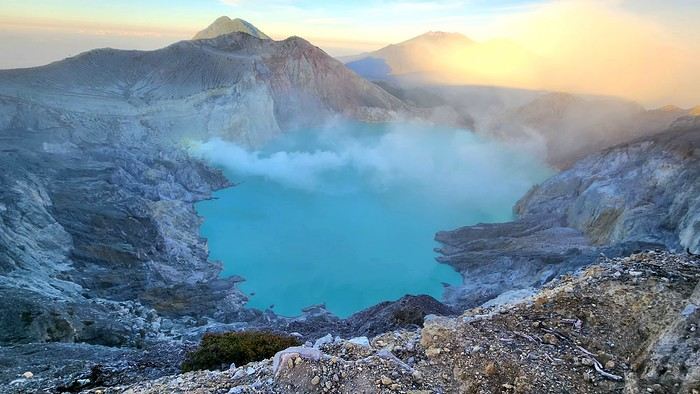
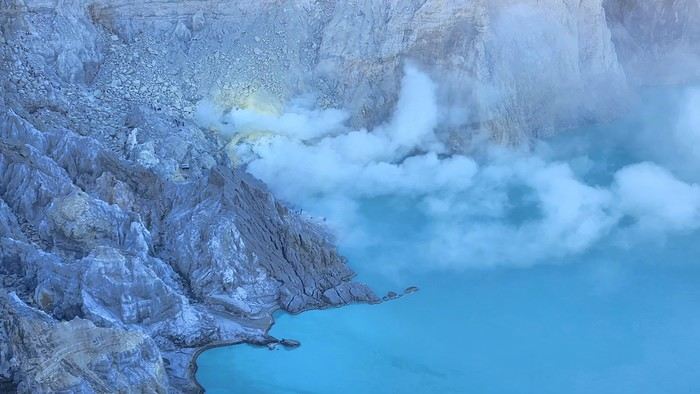
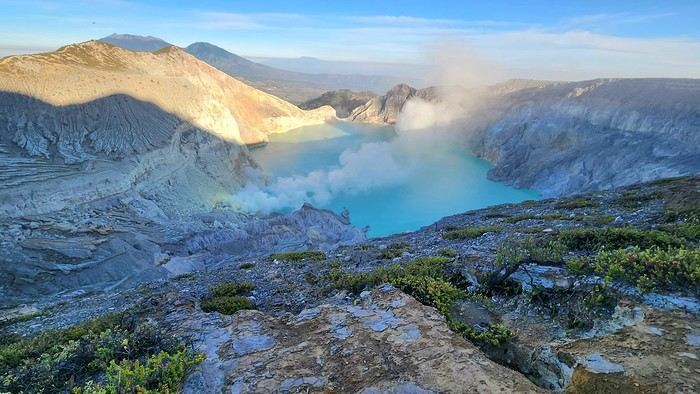
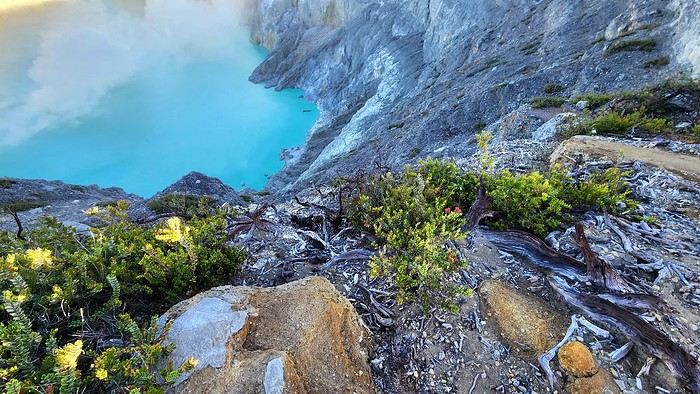
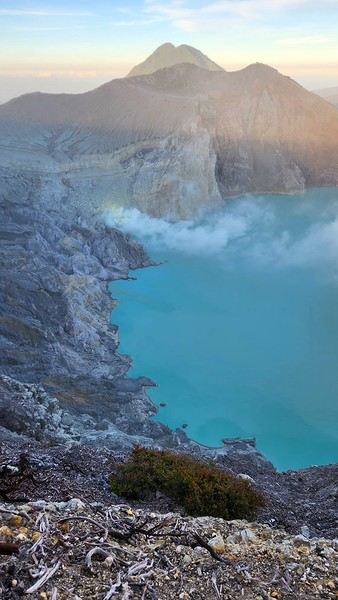
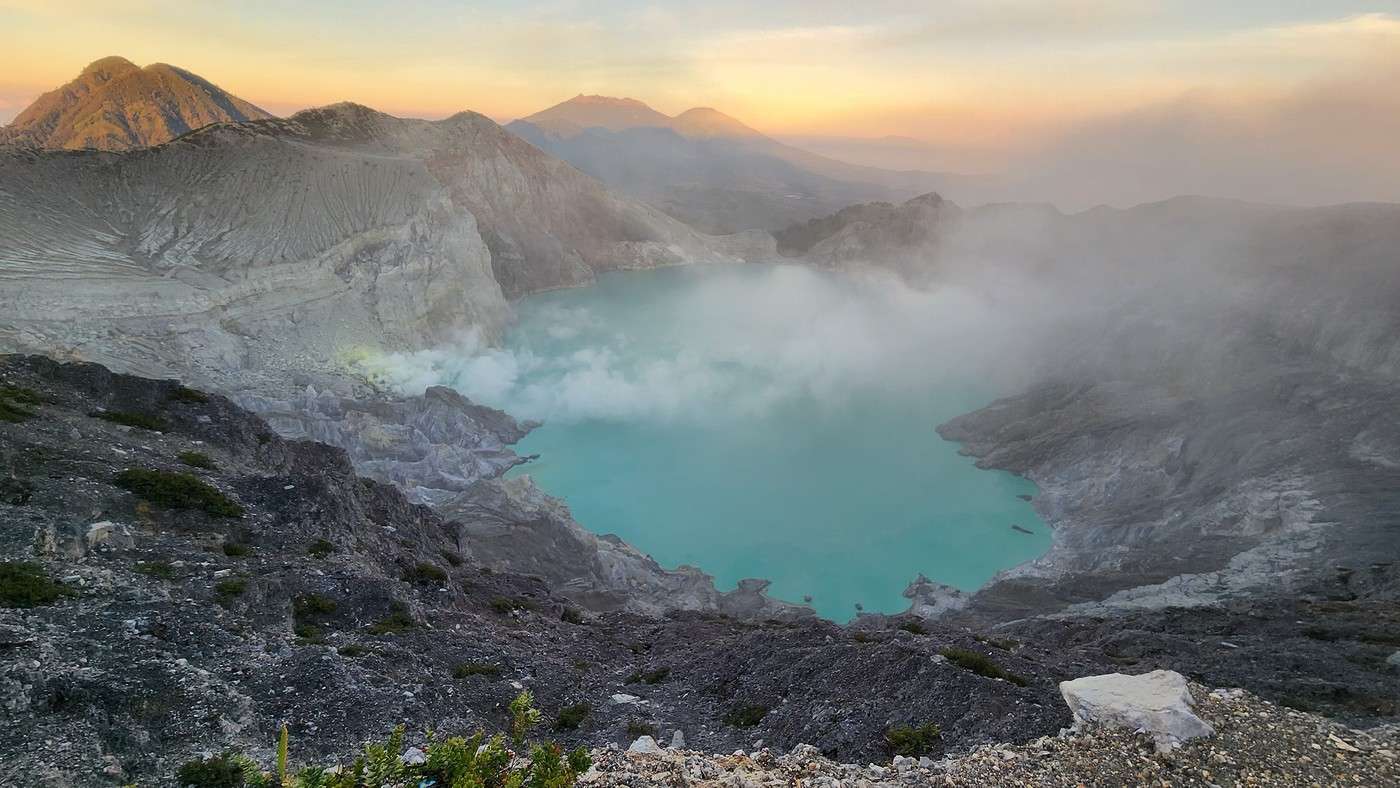
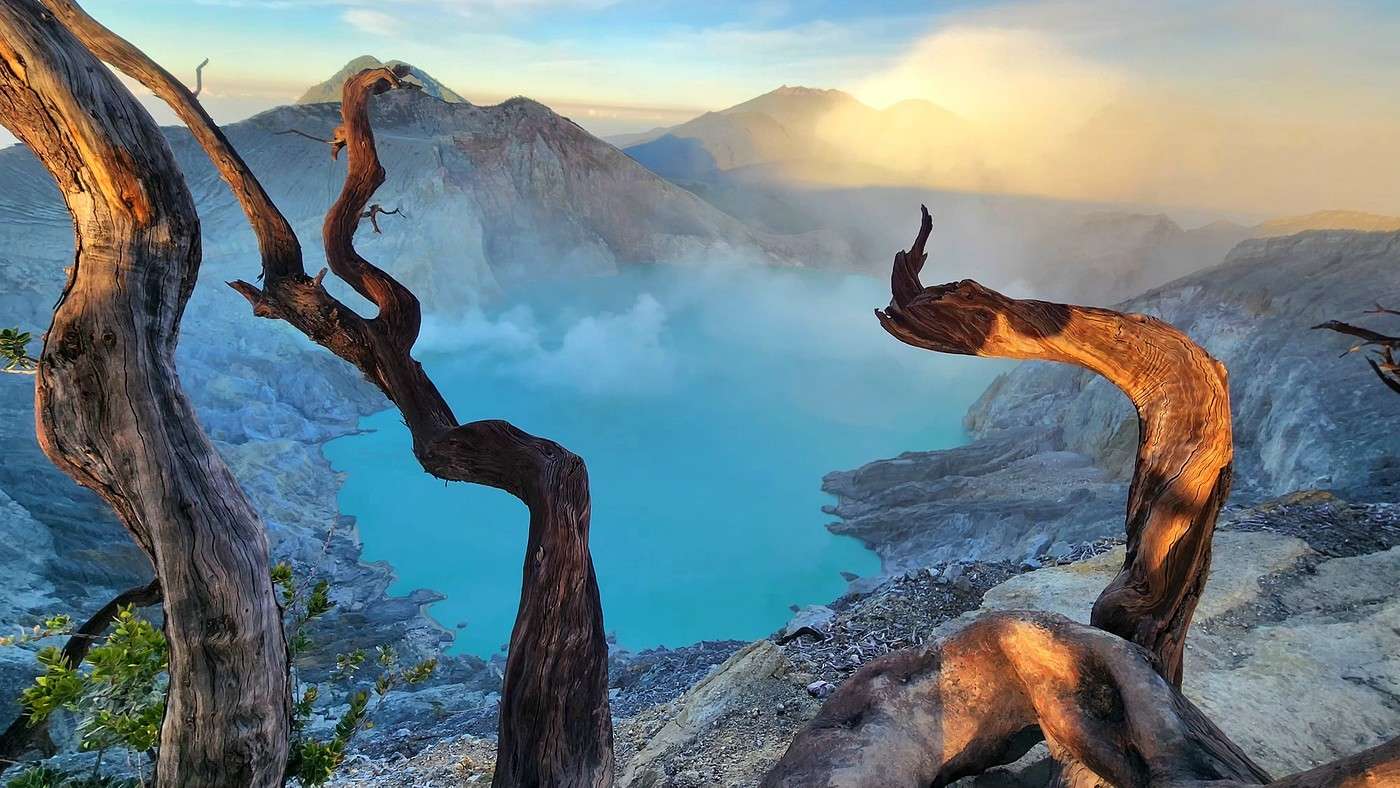
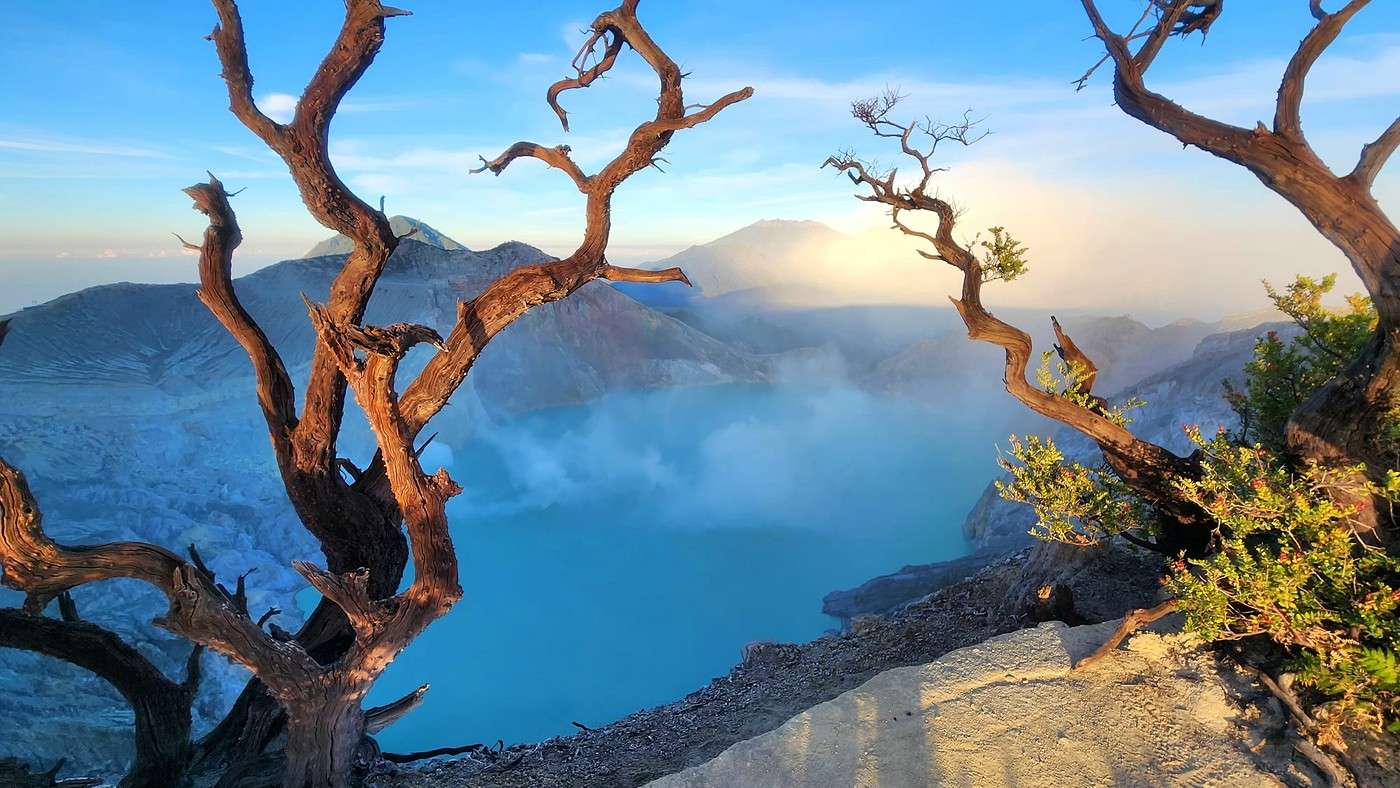
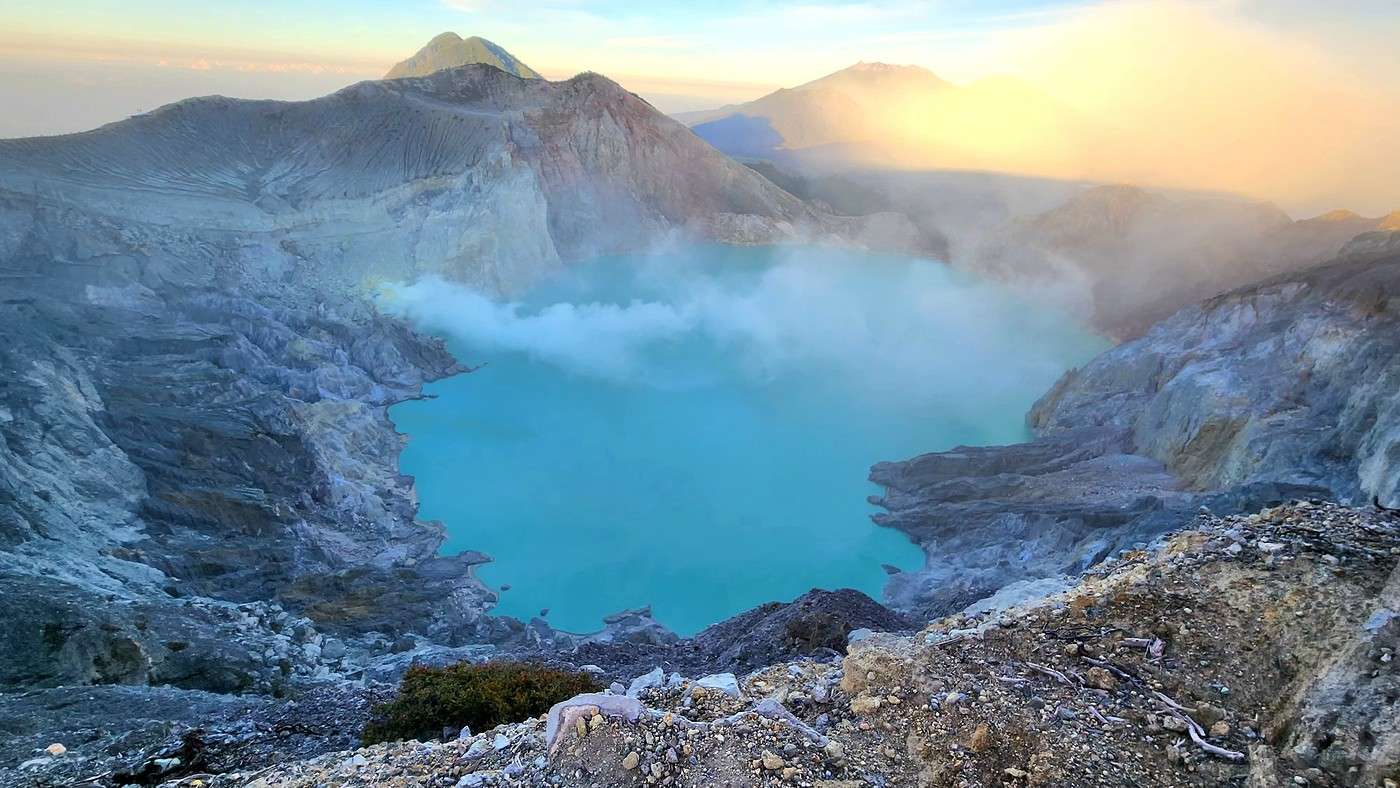
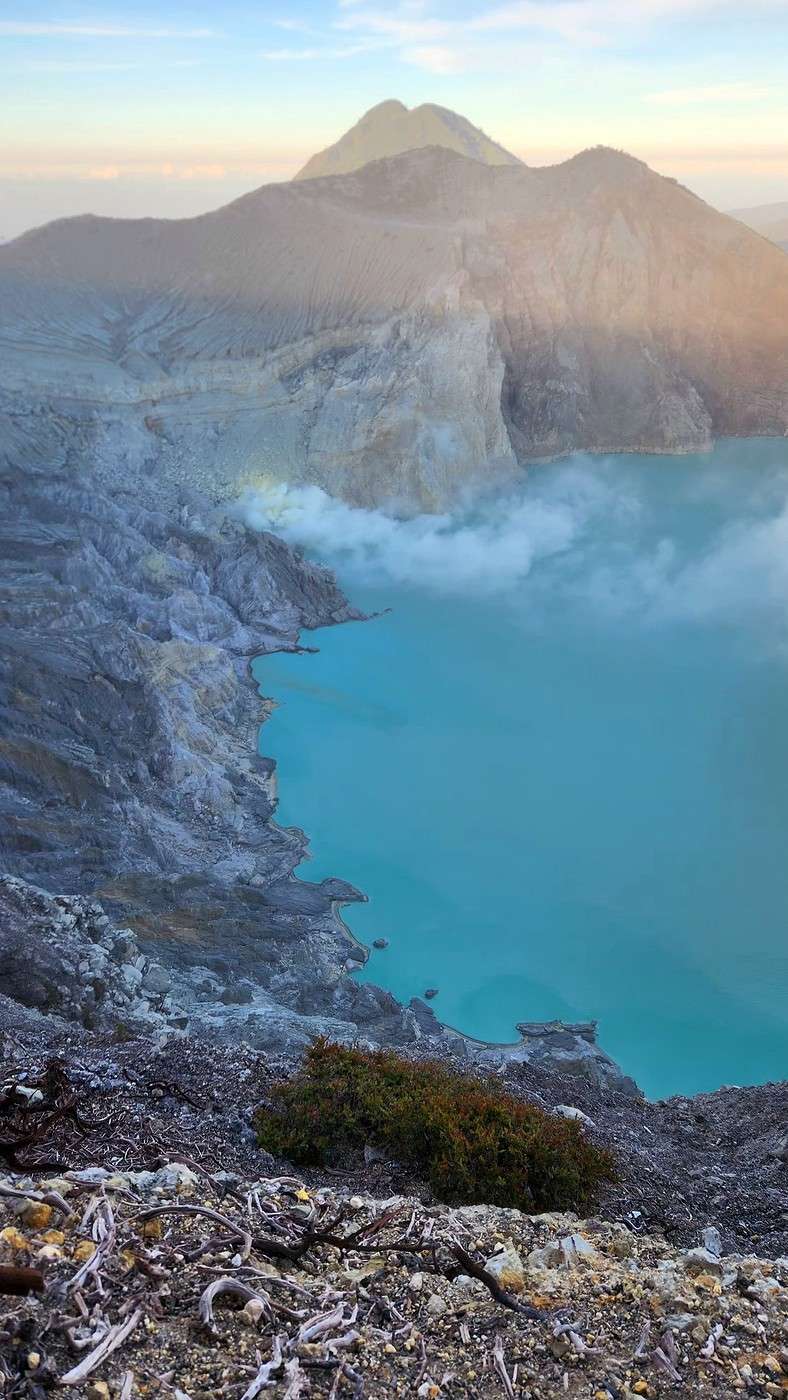
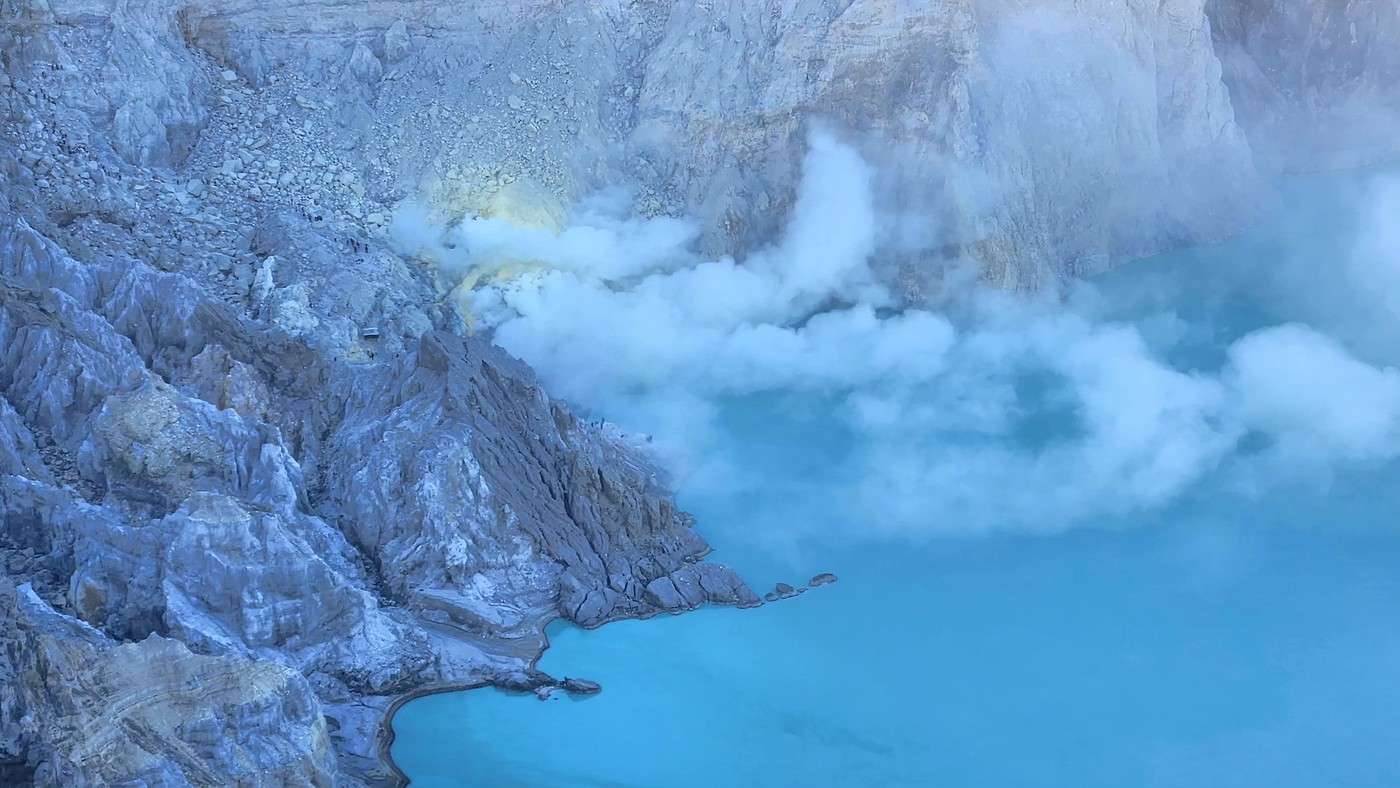
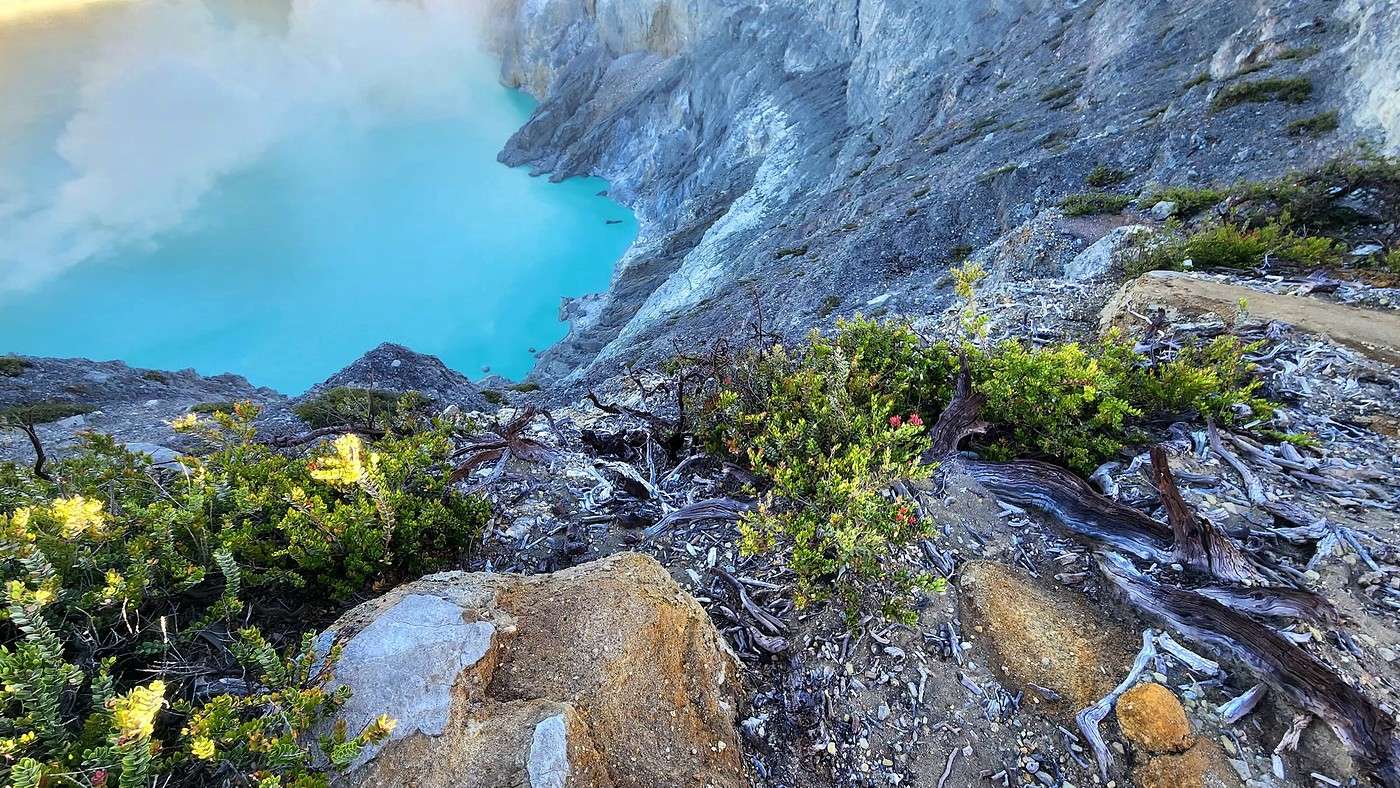
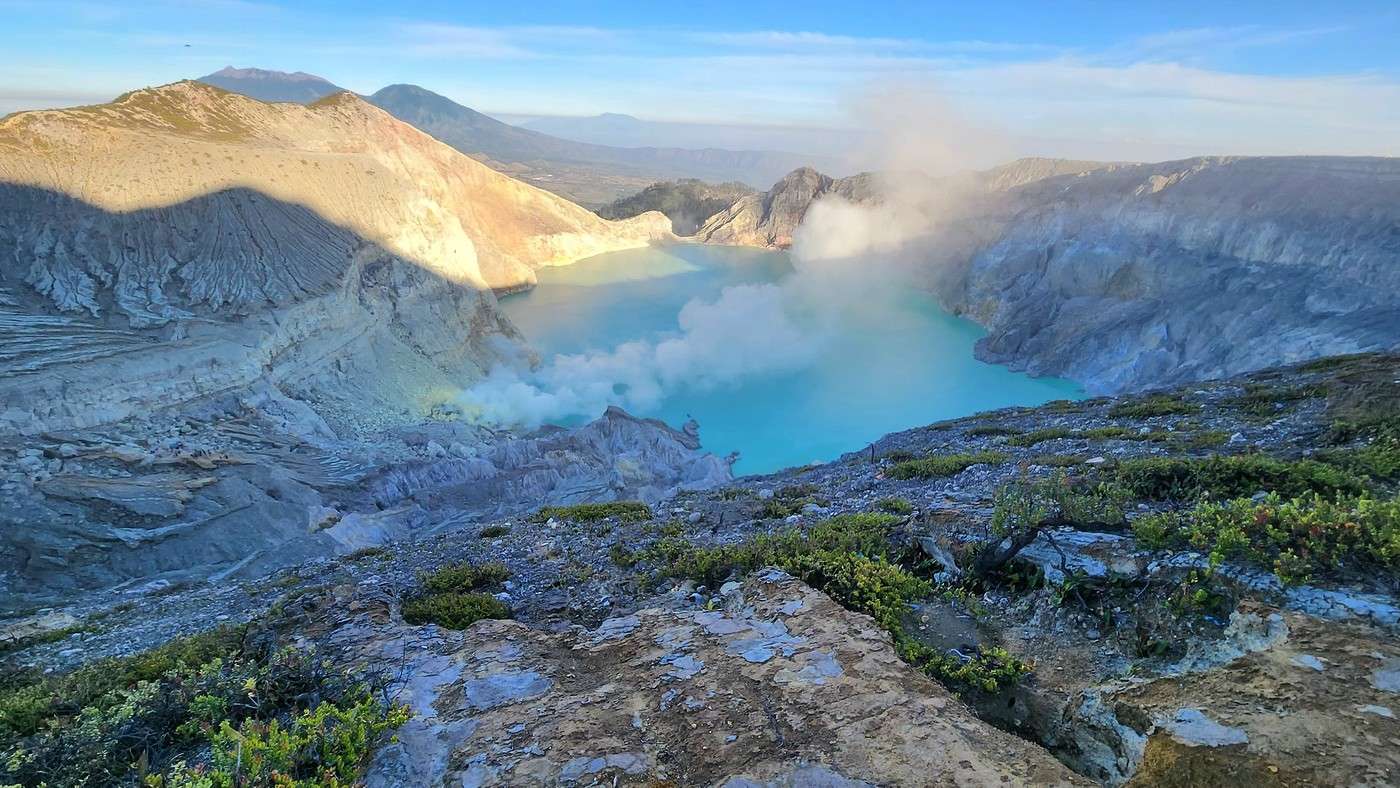
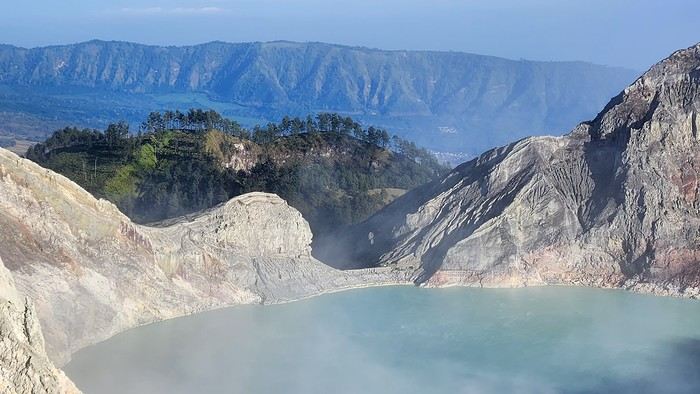
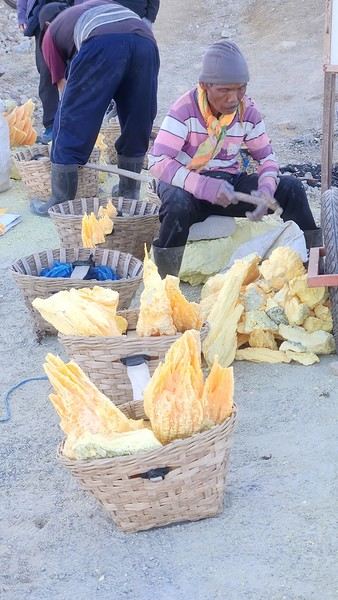
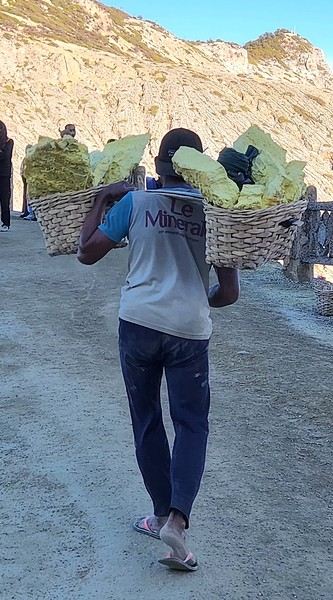
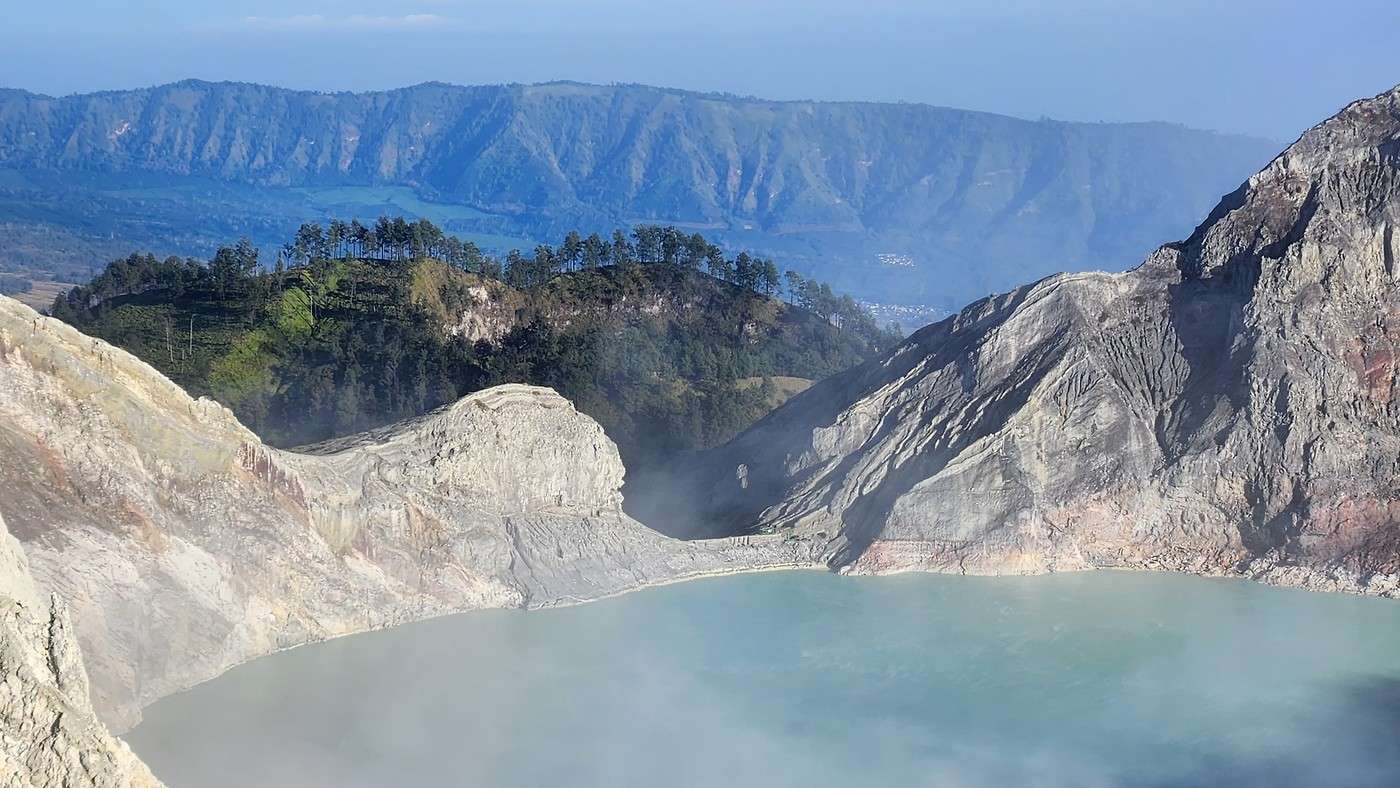
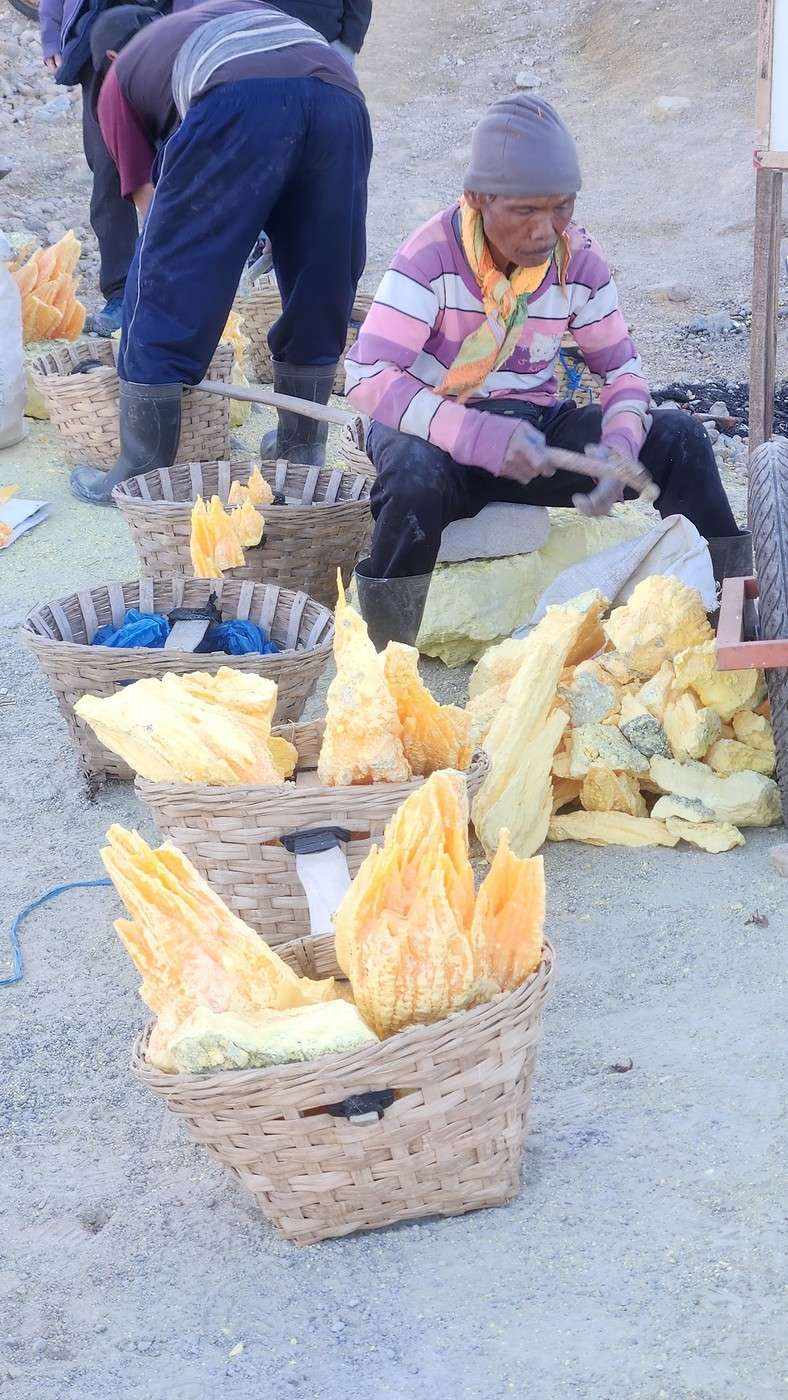
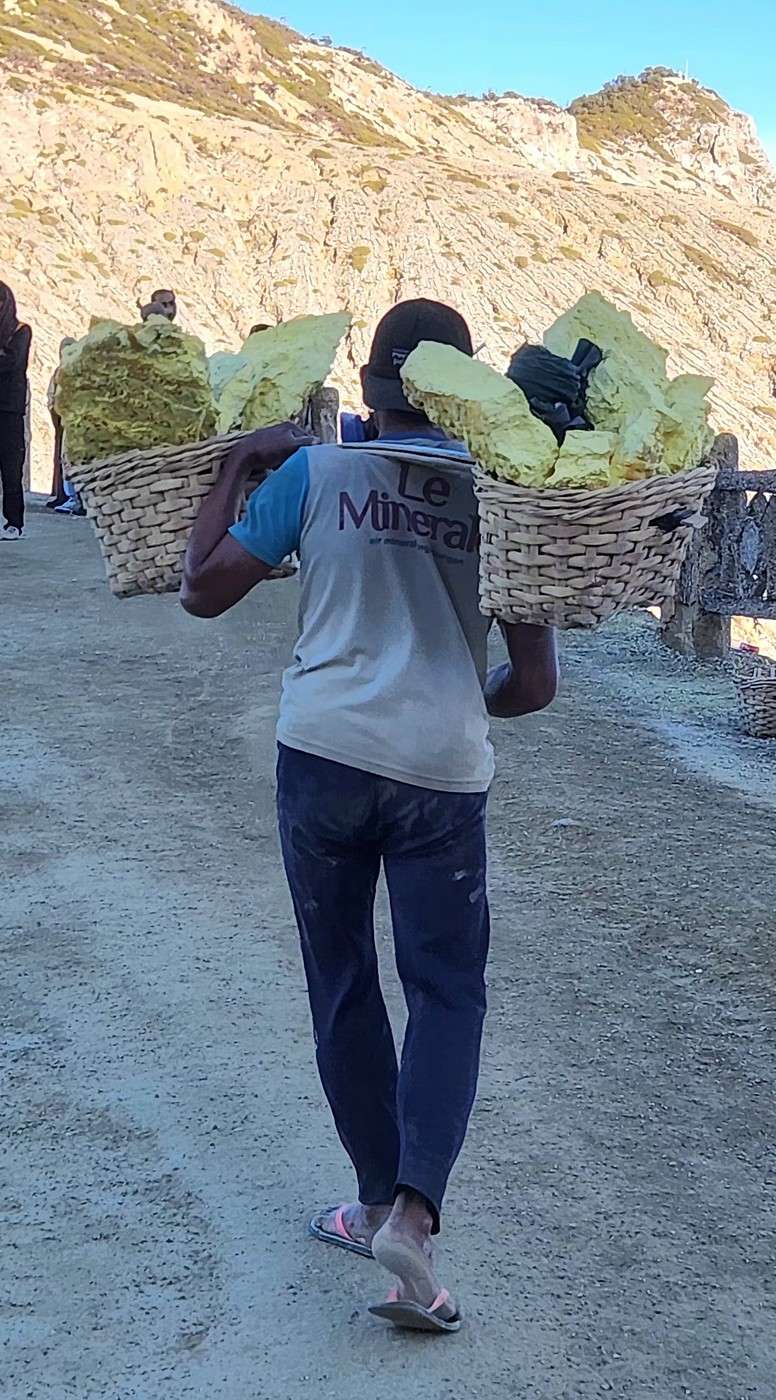
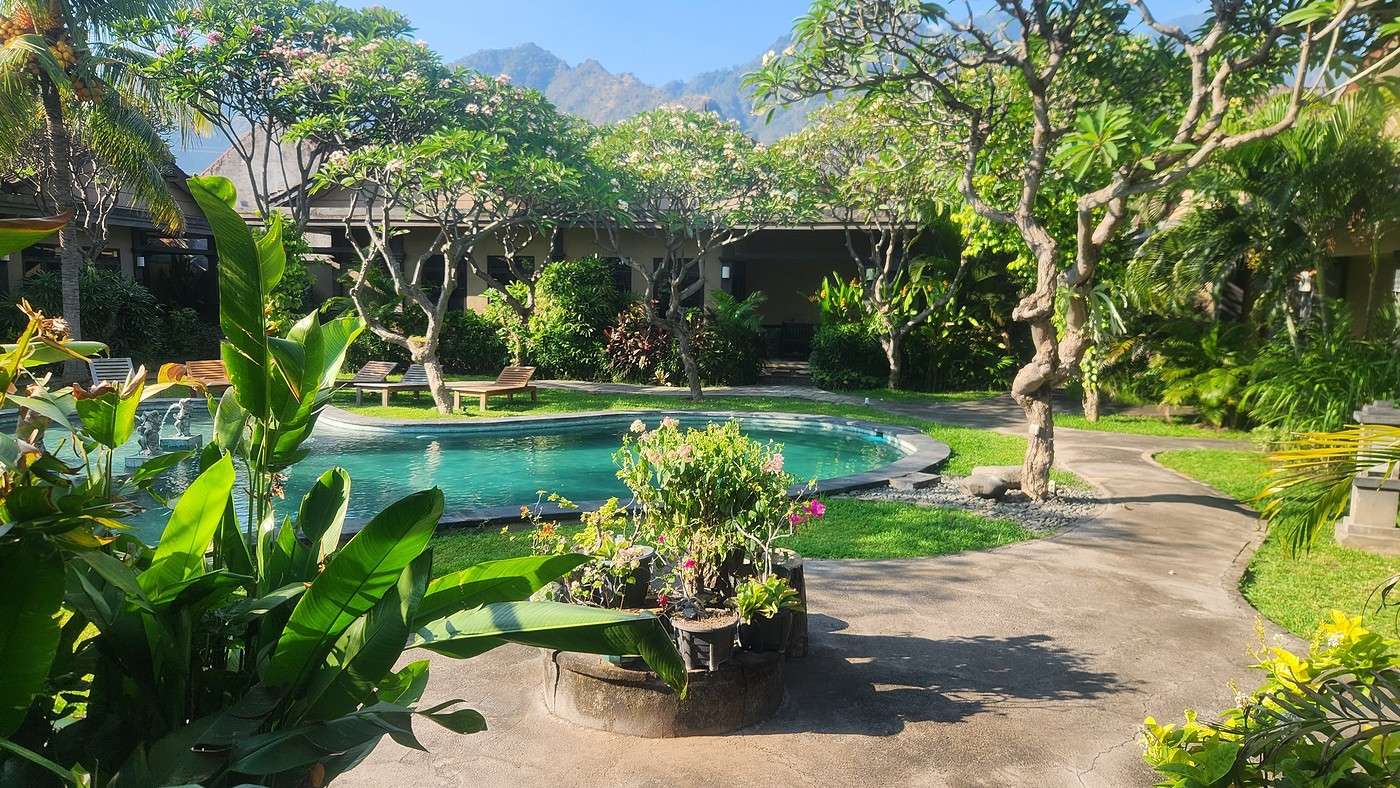
Now, to set the scene: Kawah Ijen is also an active volcano, world-famous for its stunning turquoise acidic lake—you’ve probably seen photos of it. In fact, it’s the most acidic natural lake in the world, according to those who’ve dipped their toes (or ex-toes) in it. A pH of 0.2, if you’re a budding scientist. Otherwise, just know it *stings* like crazy! The other feature that’s made Kawah Ijen famous is its solfatara. Once the liquid sulfur ejected by the volcano cools, it crystallizes into a characteristic yellow rock used in fertilizers and cosmetics. That’s where the extreme miners come in. These guys work like slaves, harvesting the mineral with simple metal picks and carrying it in large wicker baskets—*in flip-flops*, no less! And without oxygen masks or any protection other than a damp cigarette in their mouths. They’re looking for volunteers—want to apply? Here’s your job description: After breaking up large sulfur blocks, you load up your donkey with about 80 kilos per trip! You haul your load up to the crater’s edge, then back down to the weighing hut for about nine cents *per kilo*! If you’re brave enough to make two round trips in a day, you can earn a whopping fifteen euros—way more than the average Indonesian salary! So, off you go to the good life in Indonesia: cocktails by the pool, girls in bikinis, glamorous evenings under the coconut trees... Well, you’d better enjoy it fast, because the life expectancy of a Kawah Ijen miner doesn’t exceed 45 years. You’ve got to know what you want...
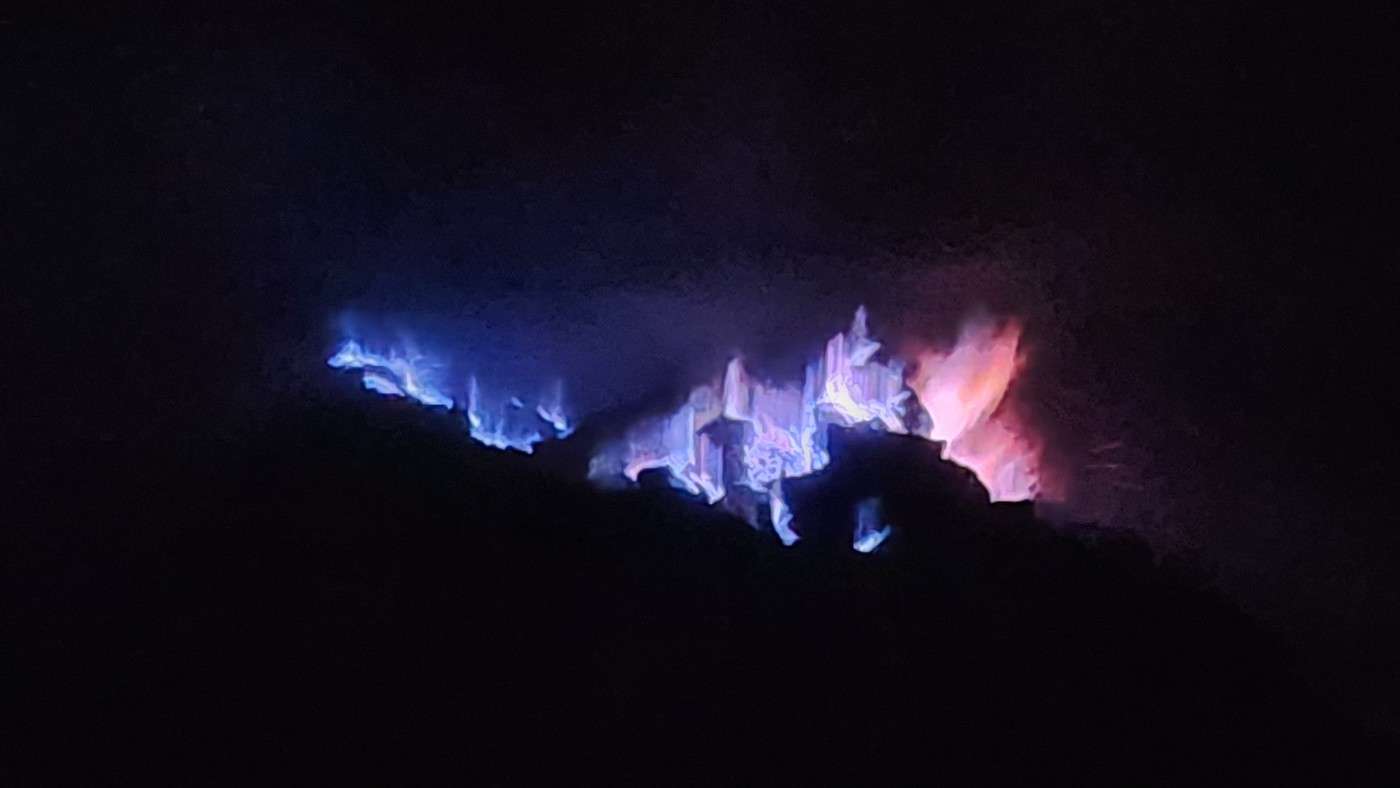
We can’t talk about Kawah Ijen without mentioning its blue flames. Wait—*blue* flames? What’s that all about? Can you explain, Jamy?... Actually, it’s simple chemistry! Gas loaded with sulfur dioxide and hydrogen sulfide escapes the crater at high temperatures and ignites on contact with air. Some of the gas condenses into liquid sulfur, which keeps burning as it flows down the crater walls before cooling and crystallizing. And since the flames are blue, it looks like rivers of blue lava.
Since these flames are only visible at night, you’ve figured out why we’re starting the hike so early—to see them flicker languidly before the crowds turn it into a circus. The goal is to reach the crater’s edge among the first to witness the phenomenon for a few precious minutes without the carnival atmosphere. After that, while the Chinese tourists elbow each other for selfies in front of the chemical show, we’ll climb back up to the crater’s rim to wait for yet another sunrise over this latest Javanese wonder.
Go—the starter’s whistle just blew! Poorly positioned on the starting grid of the Kawah Ijen Grand Prix, our French crew begins the climb with about 200 people ahead of us. Quickly, several Chinese teams can’t keep up and fall behind. The Indonesian duos are next in our sights, overtaken without much effort as the terrain gets steeper. The European teams are tougher, putting up a fight, but they eventually crack under the pressure of our French-made dragster! Statistically, the ascent takes between 45 minutes for ultrarunners and 3 hours for the Chinese handisport teams. We reach the summit, proud as French roosters, in 52 minutes flat—among the top five finishers!! Nelson Montfort would be proud of this *bleu-blanc-rouge* comeback, but he’d be even prouder of little Flo, who managed to stick to her hare’s pace all the way to the finish line!
A performance that, unfortunately, delivers a tiny blue mouse running in the crater—because the flames, while present, are *way* smaller than expected. It’s beautiful but *so* tiny and confined to a small area. Okay, you’ve got to give it your all... but was it worth it? For now, only the five of us in the lead group are enjoying it, but when I look back at the long line of headlamps snaking down the slope, I have my doubts about the phenomenon’s appeal given the effort involved!
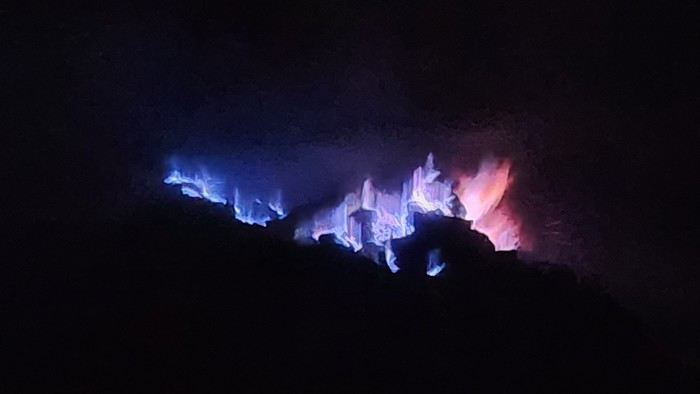
Anyway, before the crowd’s breath extinguishes the last of the blue flames, we decide to clear out and start our climb back up. That’s when we see the extent of the damage. We’re climbing a never-ending line of amateur hikers—tourists drawn by the lure of a blue-flame photo without realizing how tough the access is. There must be two or three thousand of them, maybe more. Many don’t have steady footing on this treacherous terrain, hiking in the dead of night in loafers, sandals, or espadrilles! Unbelievable! It’s a traffic jam, with pushing, slipping, and near-misses over the edge... The kind of mass-tourism chaos we hate! Why, instead of requiring a fake health certificate, don’t they make applicants take a hiking fitness test? Why don’t the authorities regulate access to the site? It’s all about the cash register, no doubt... until a serious accident happens—and trust me, it *will* happen sooner or later! Either way, what we’re seeing here completely ruins the magic of our Kawah Ijen adventure.
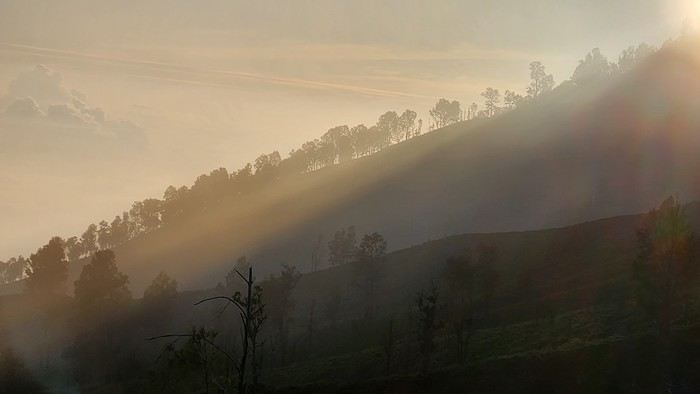
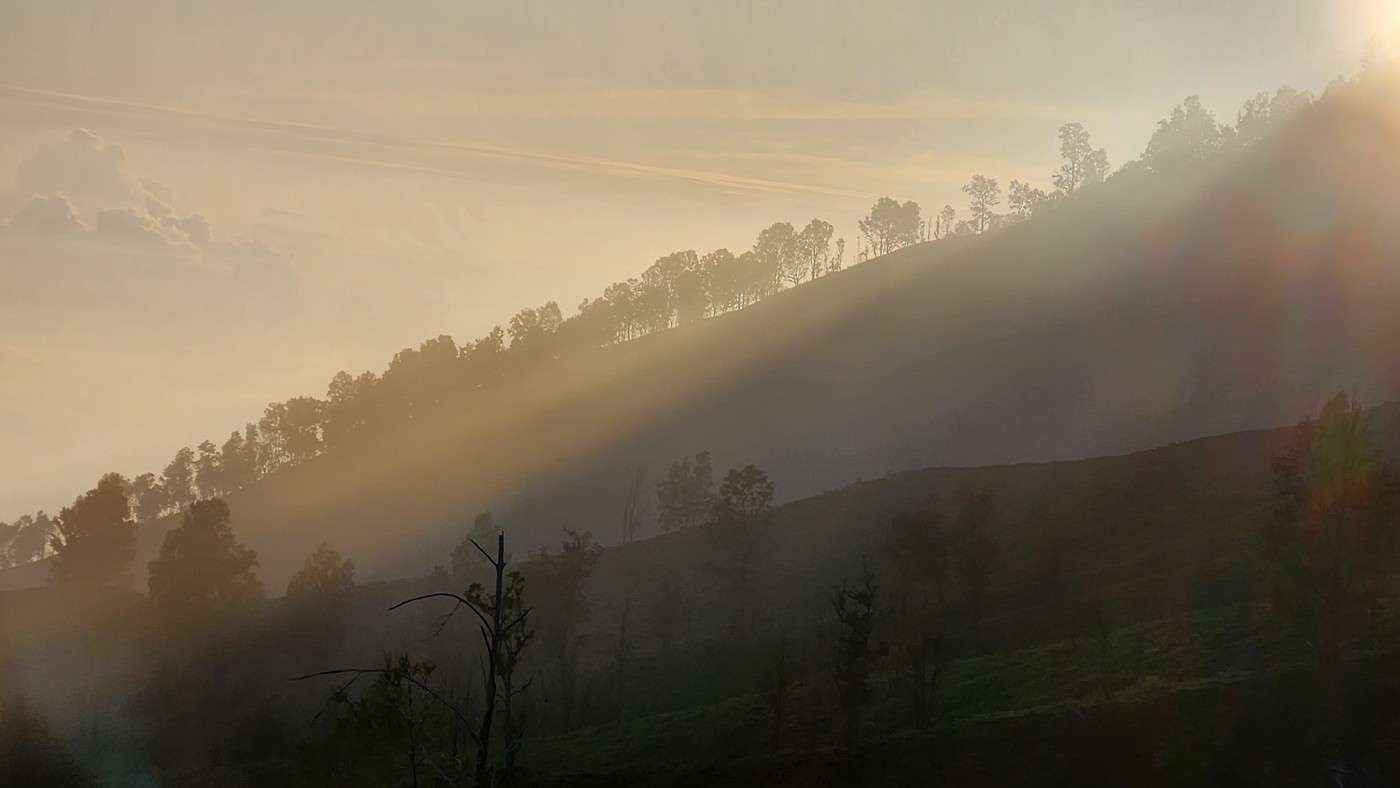
And the stunning sunrise we witness once we reach the crater’s edge again doesn’t change a thing. The magic just isn’t there. The crowds, the lack of sleep, maybe... Or maybe Kawah Ijen just can’t compete with the fantastical Bromo experience we had yesterday...