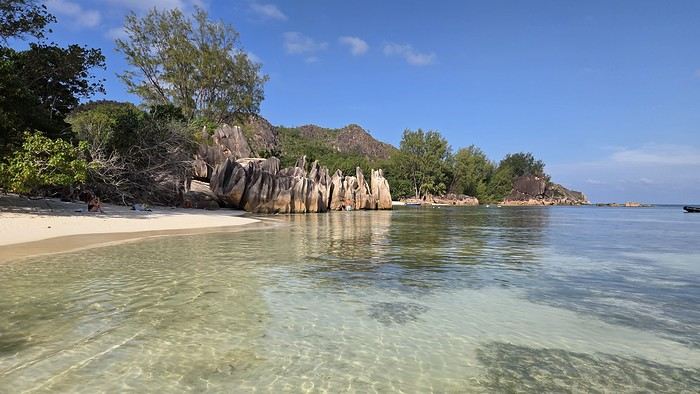
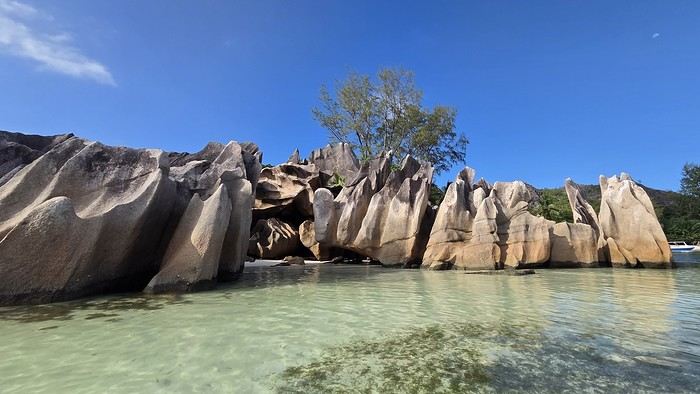
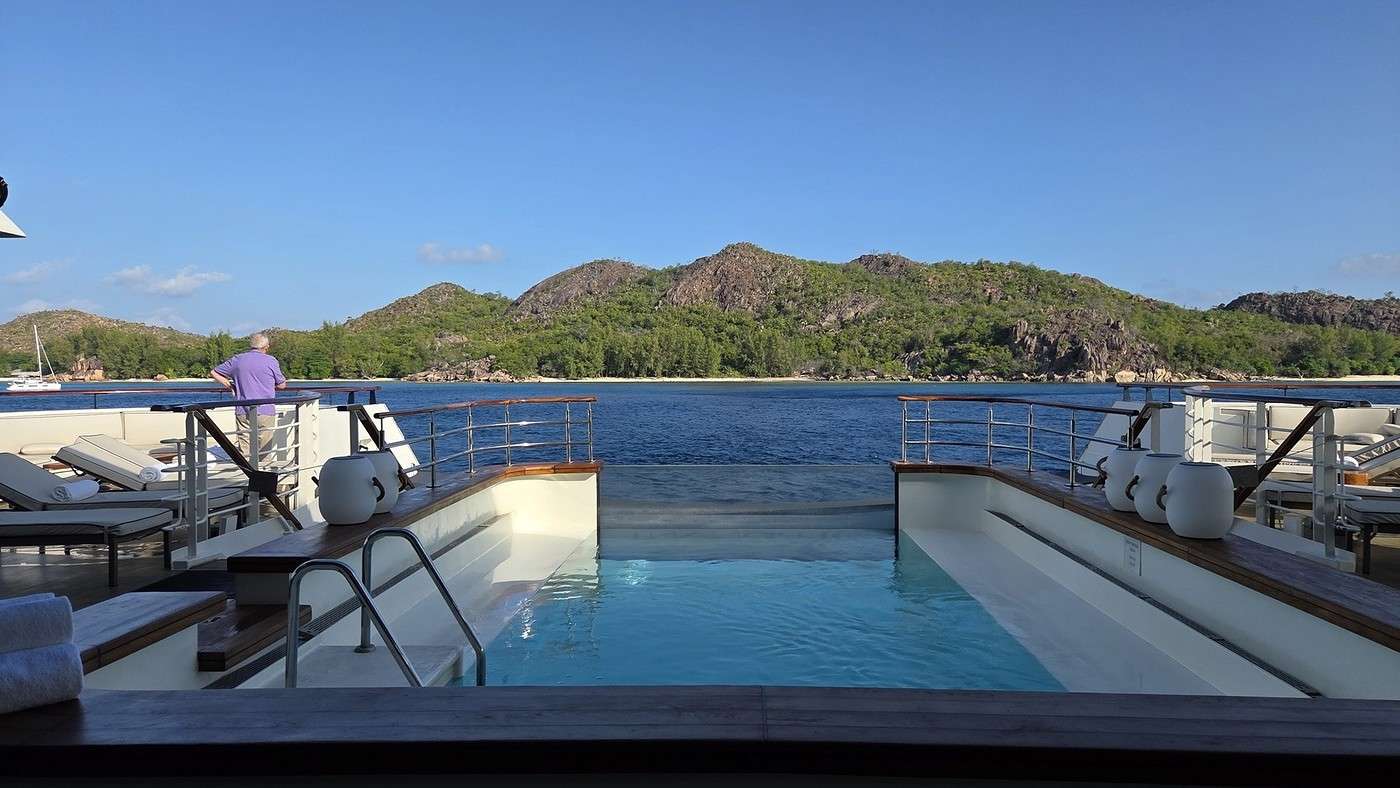
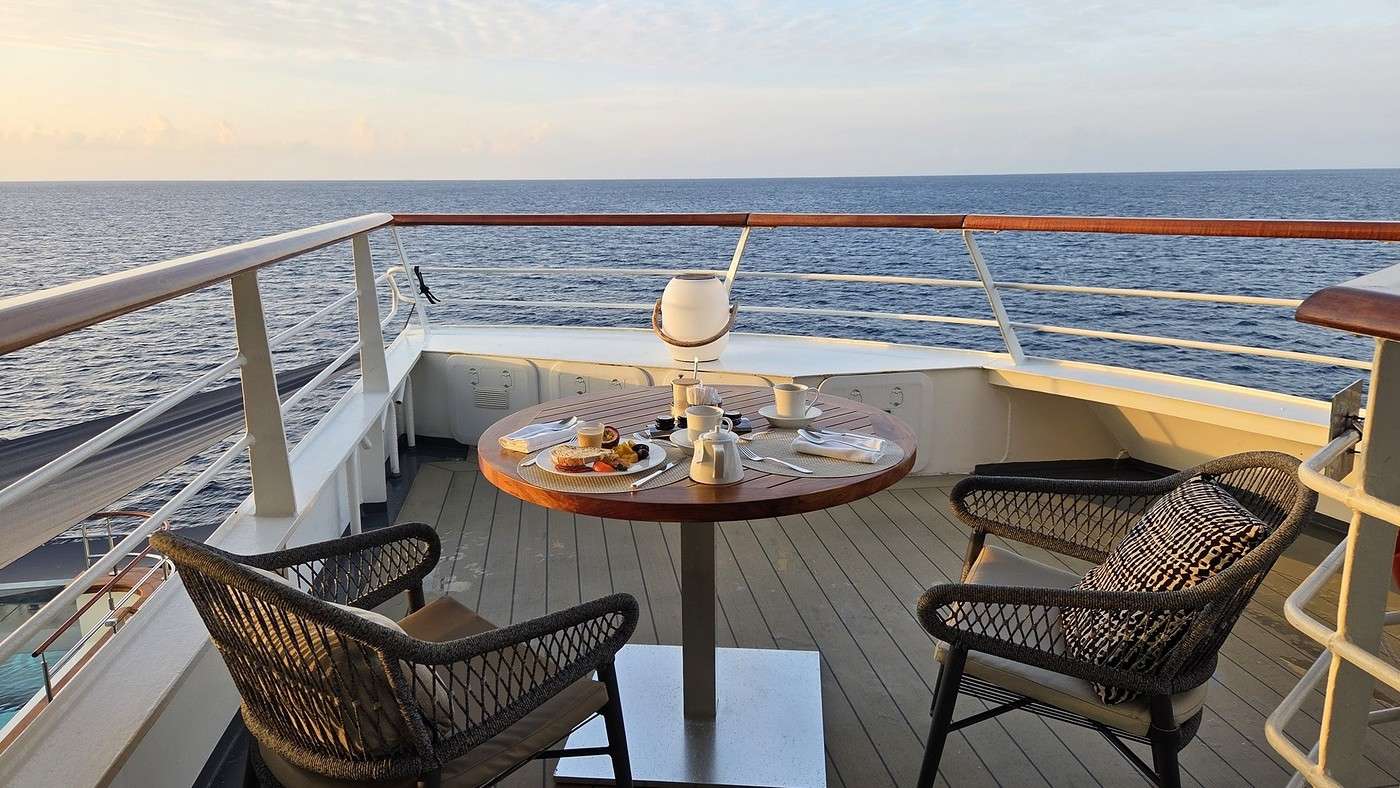
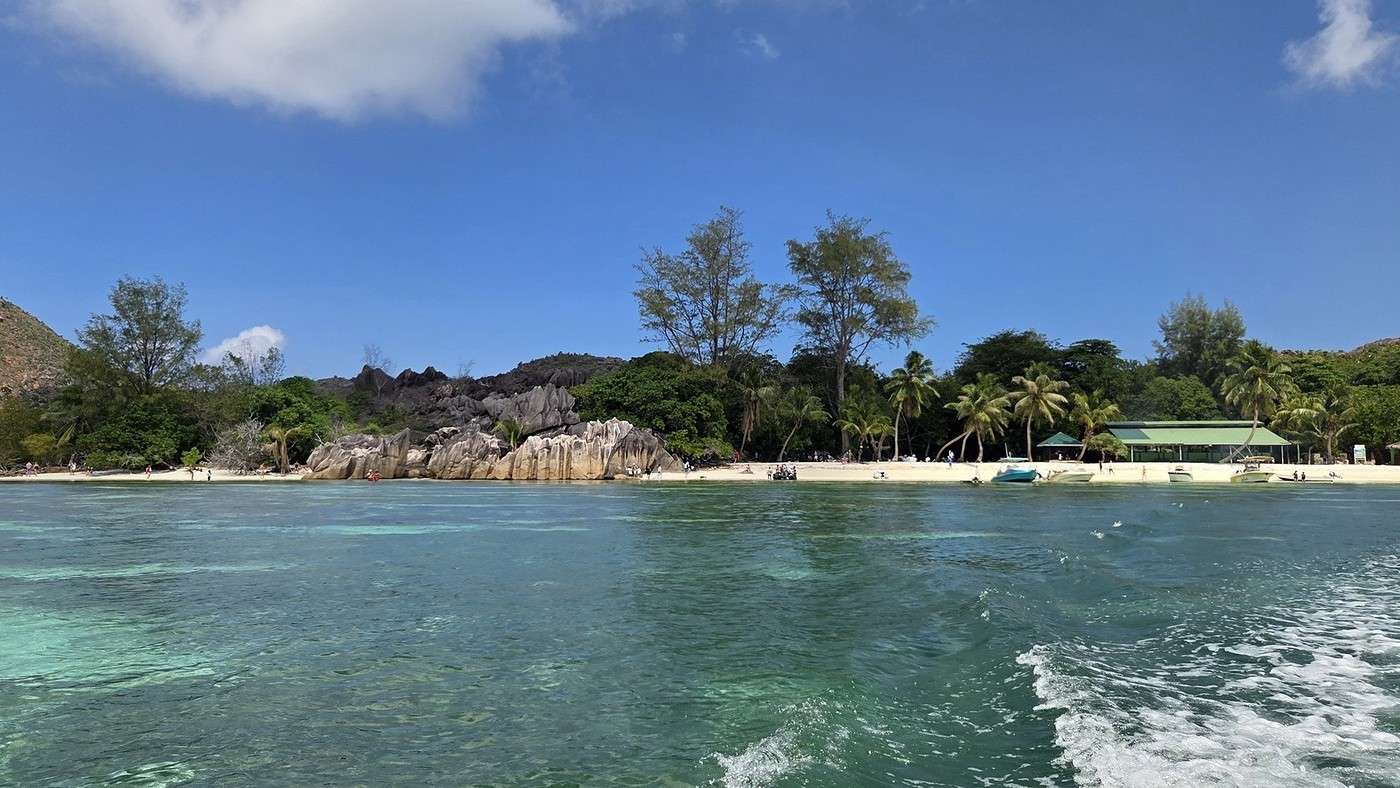
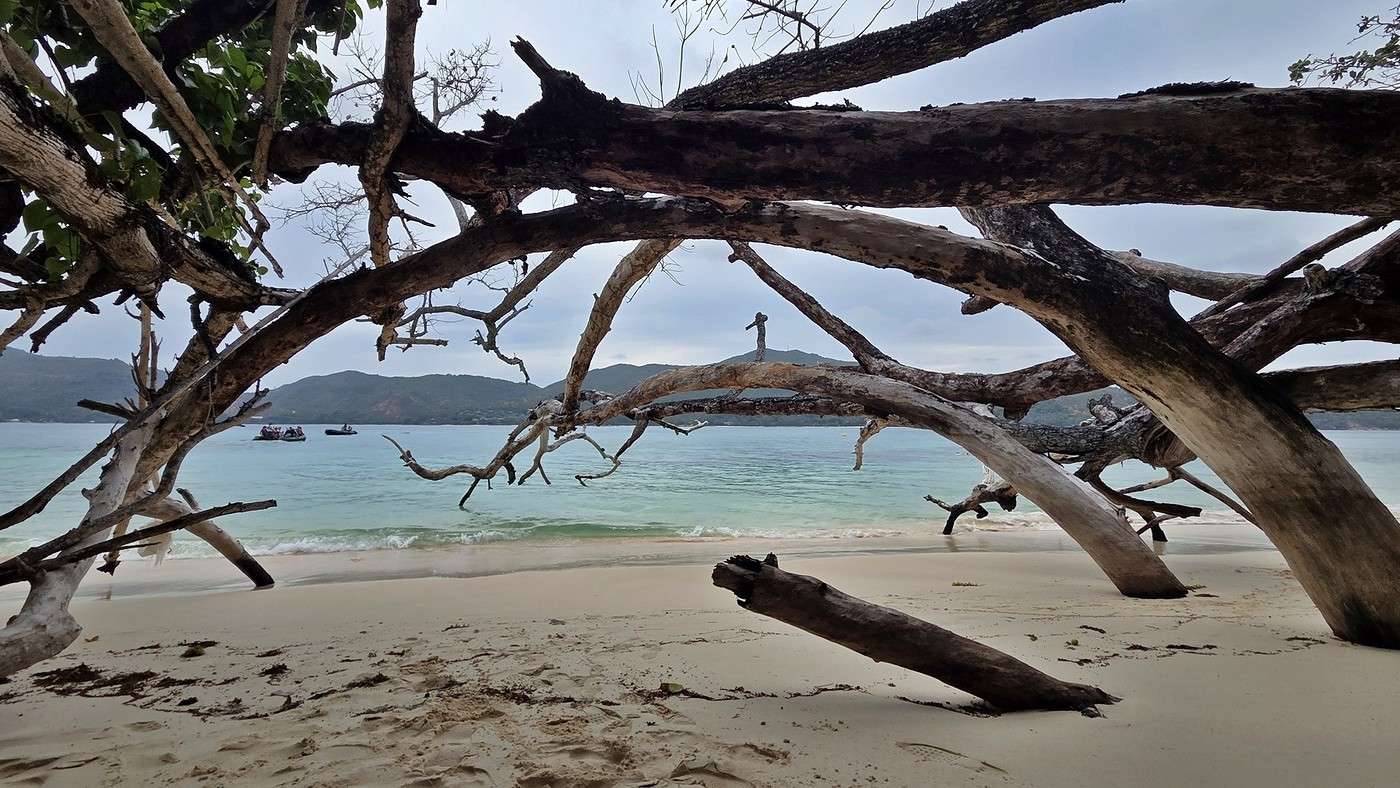
Thursday 29, Aride Island (morning) and Curieuse Island (afternoon)
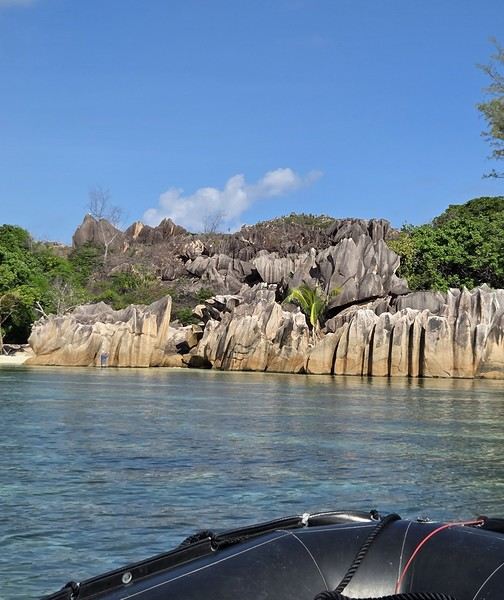
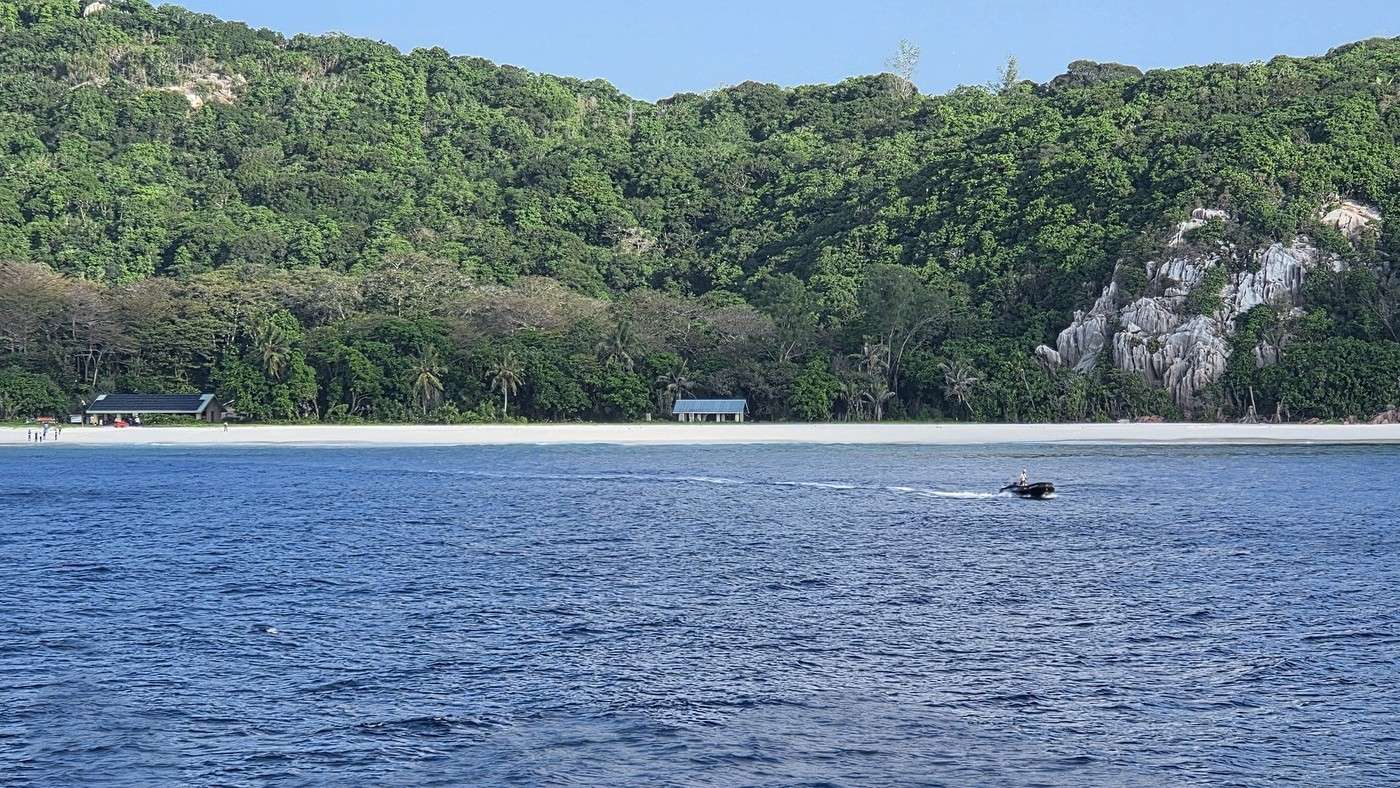
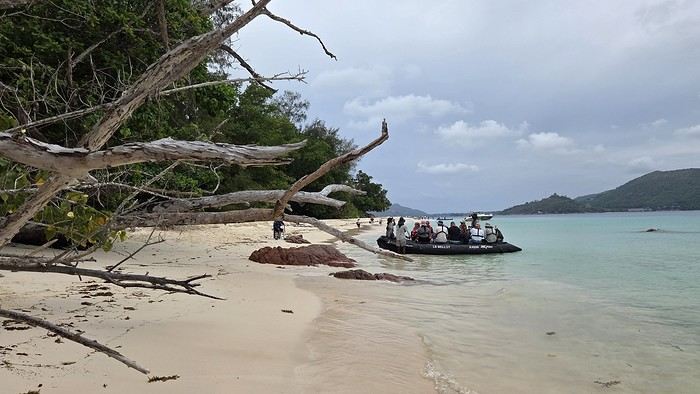
The weather is a bit cloudy this morning. During yesterday’s briefing for the stopover, we were warned that disembarking the zodiac on this beach is usually quite rough. A video showed us big waves crashing over the zodiac. We know what to expect.
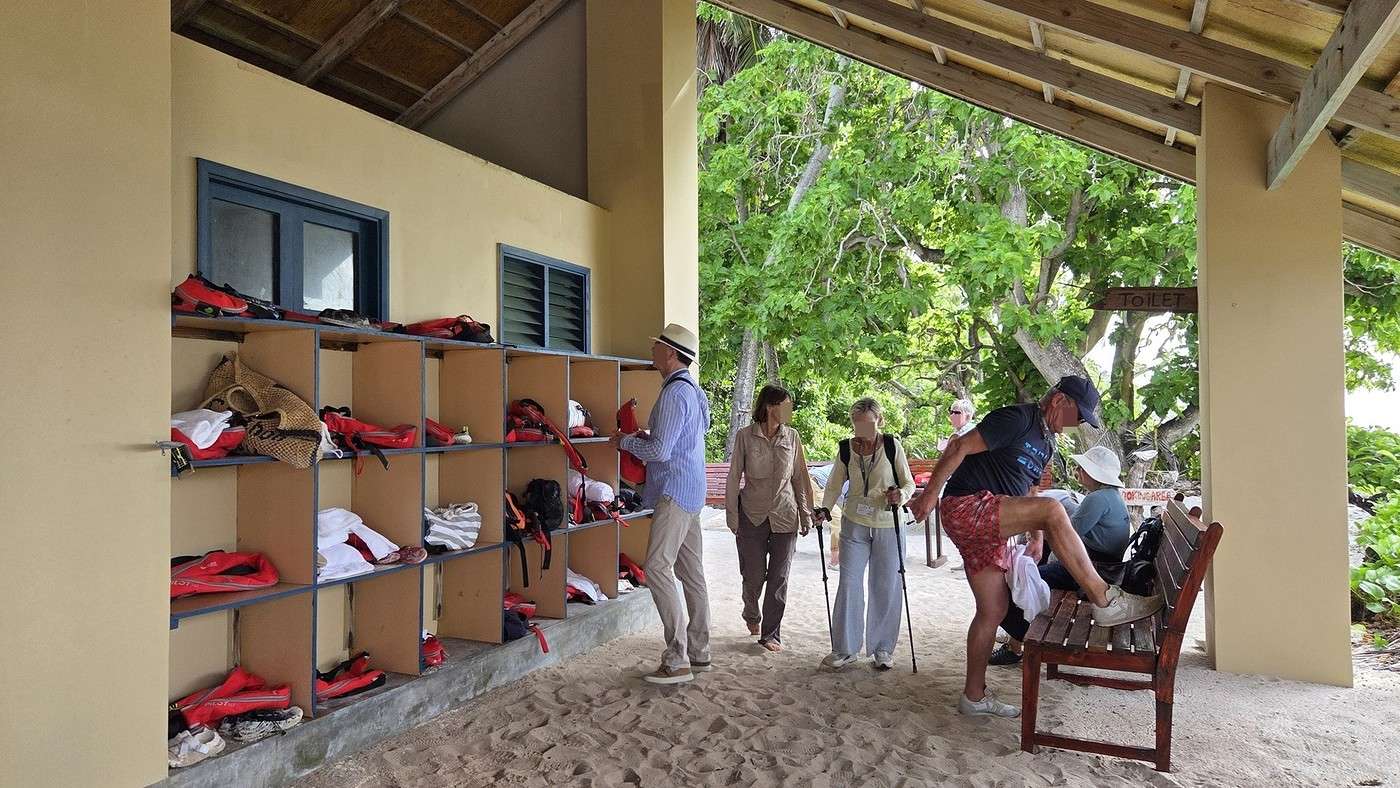
So we get ready for a trip that’s as watertight as possible. Aride is also a nature reserve, so we have to carefully prepare and clean our bags and shoes before going ashore. No outside pollution is allowed. Rangers from the island check our bags and the cleanliness of our shoe soles before we board the zodiac.
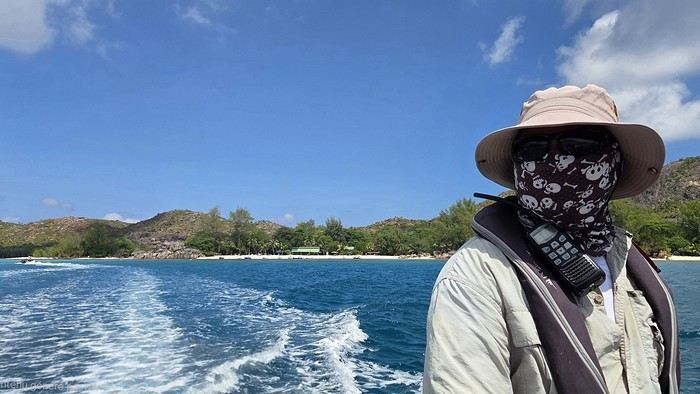
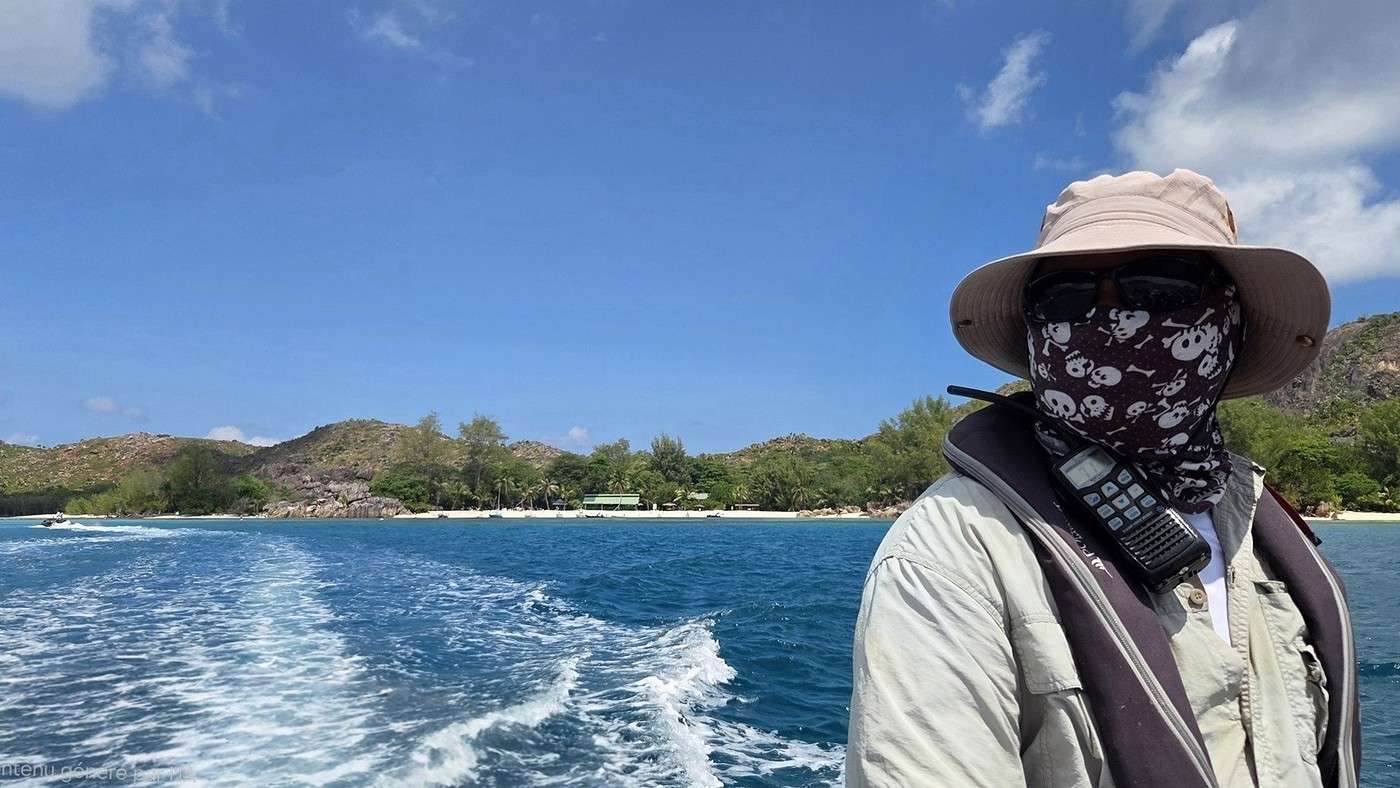
The sea is calm, with no swell, and our experienced driver knows how to avoid the seawater shower.
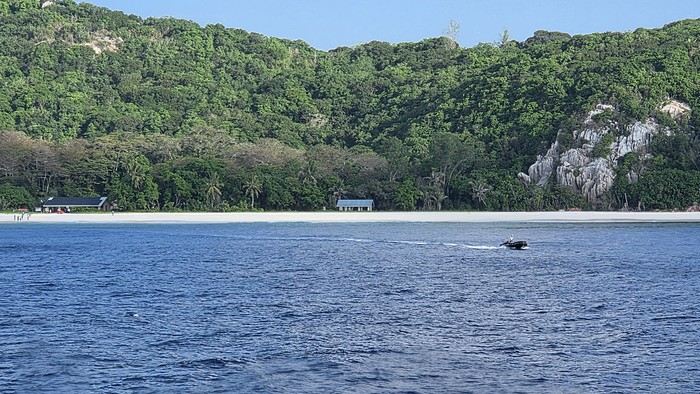
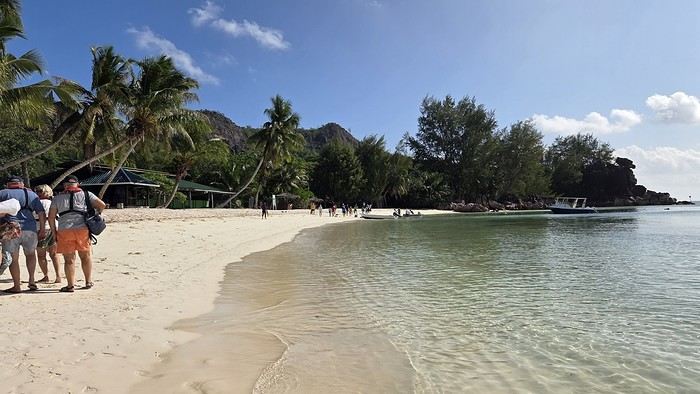
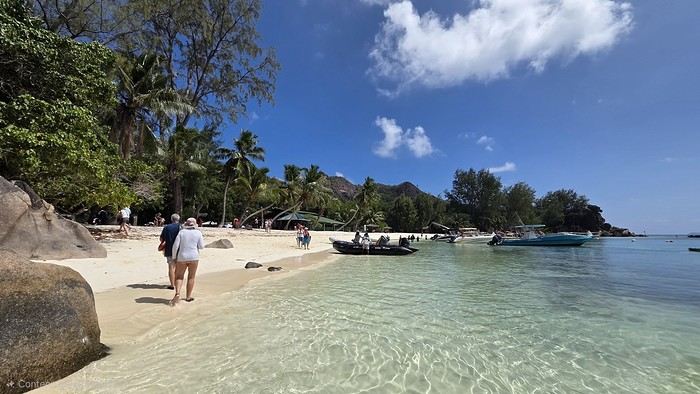
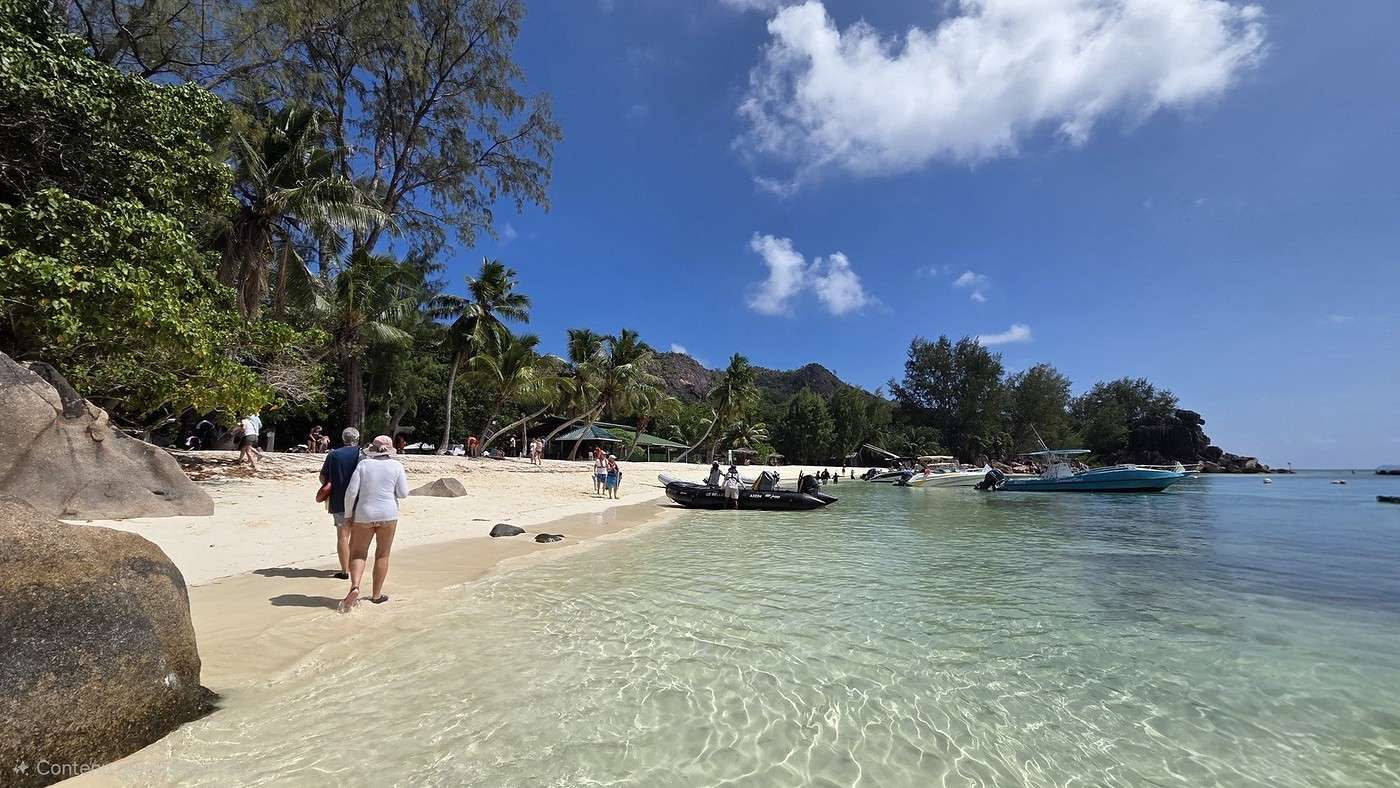
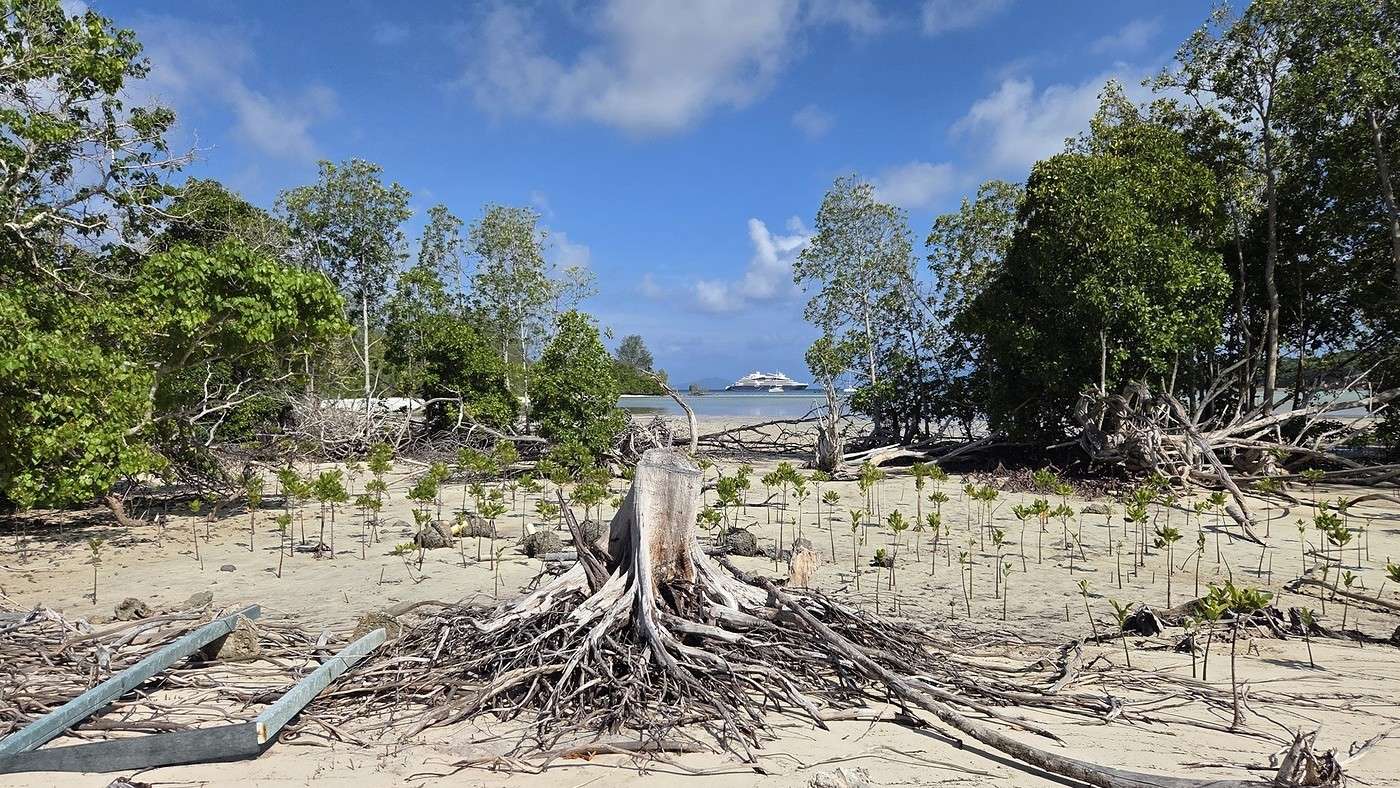
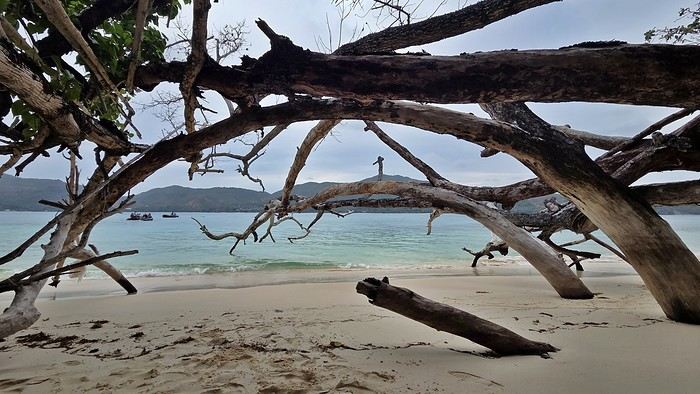
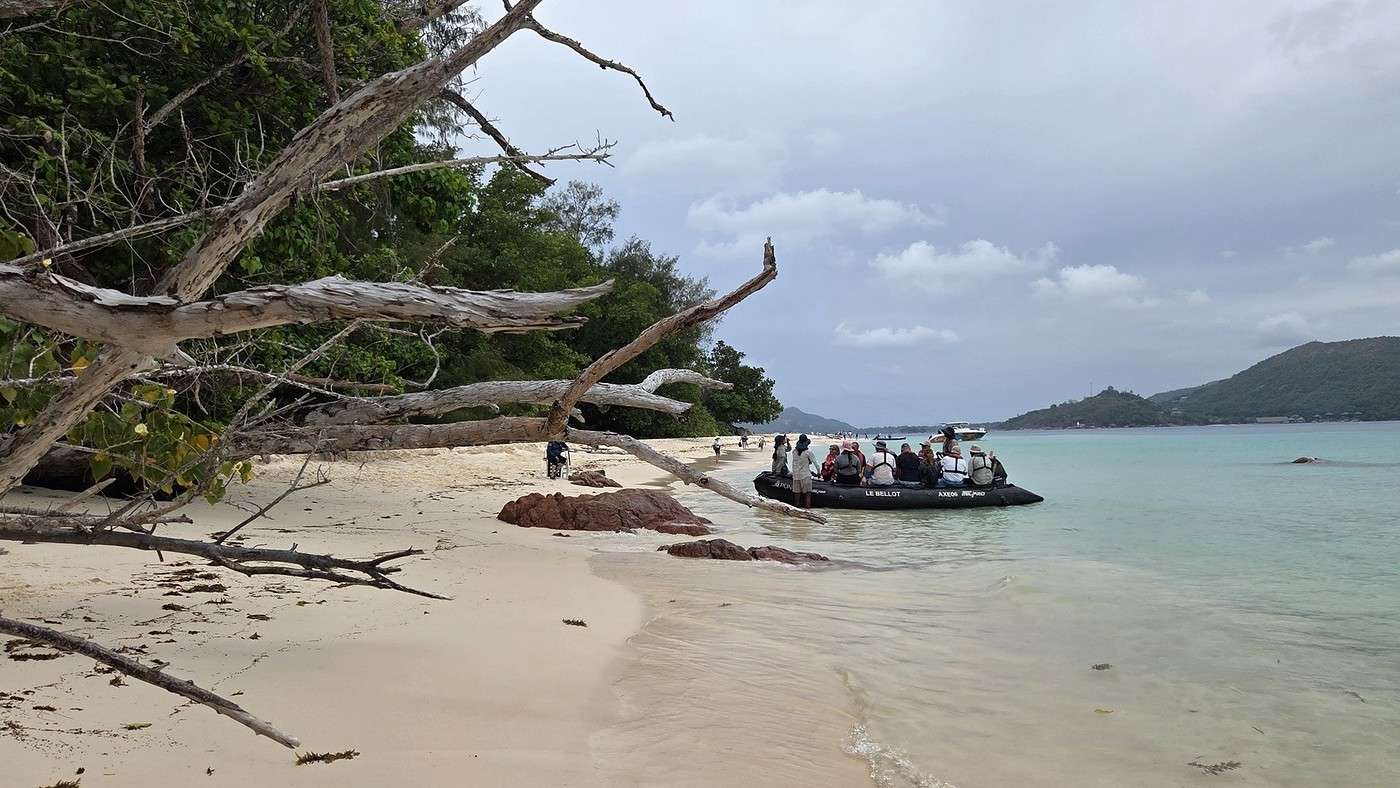
The welcome on the beach is very well organized—benches and small towels are available to clean our feet. Yes, because like every time, it’s a "wet landing," which means stepping into the waves on the beach. We also have lockers to leave our things.
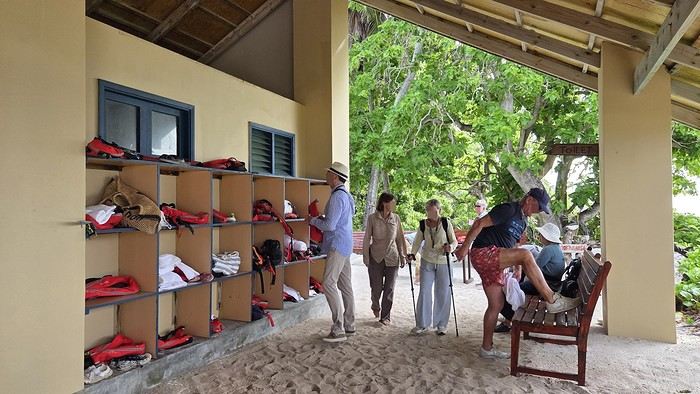
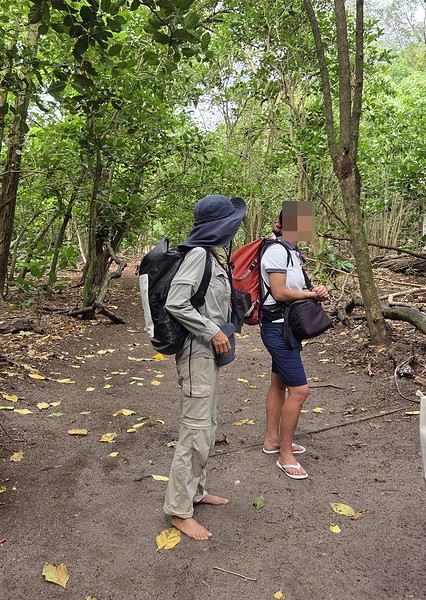
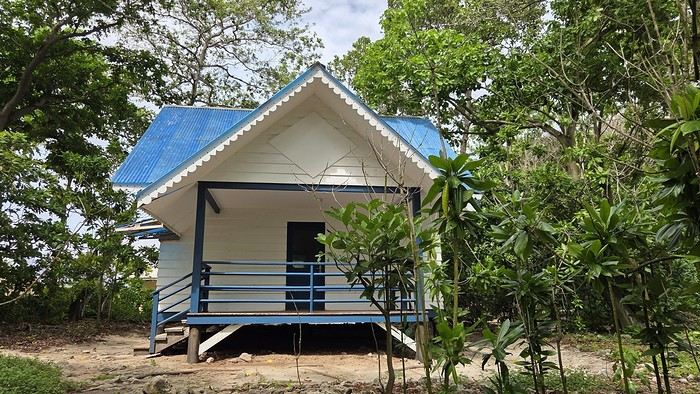
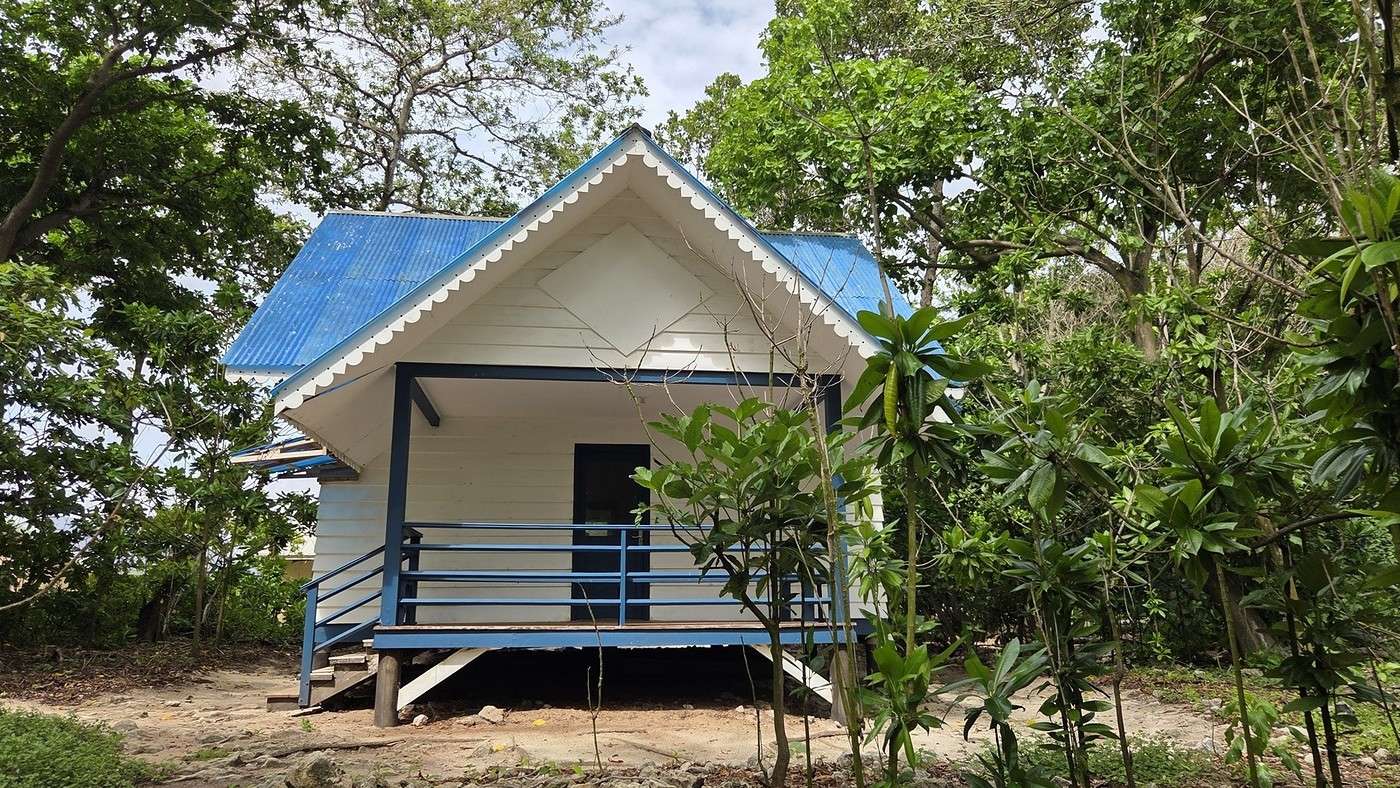
A female ranger who lives on the island guides us during the visit. Twelve people live here permanently to maintain the site, monitor, and count the birds.
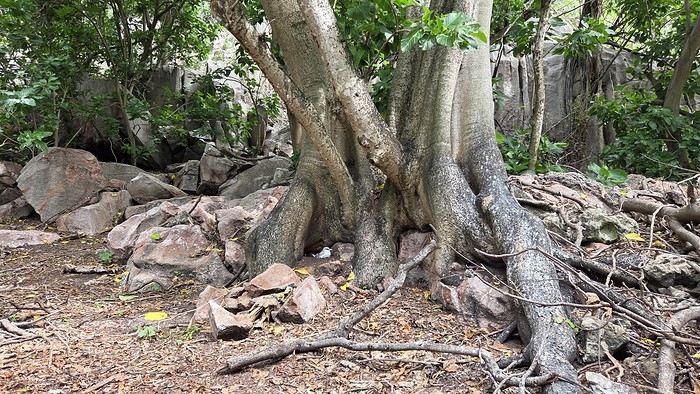
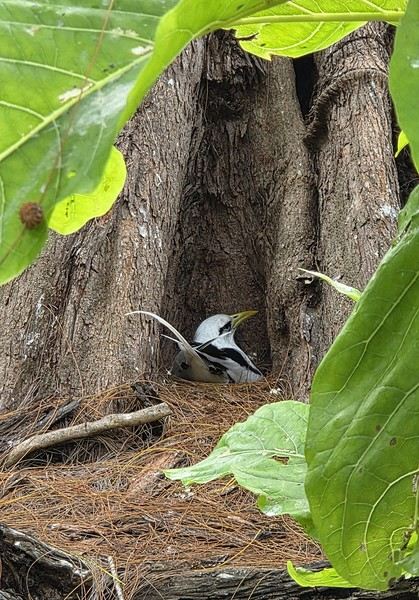
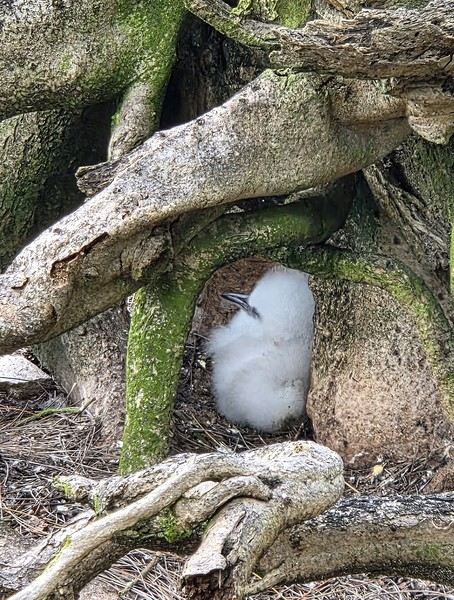
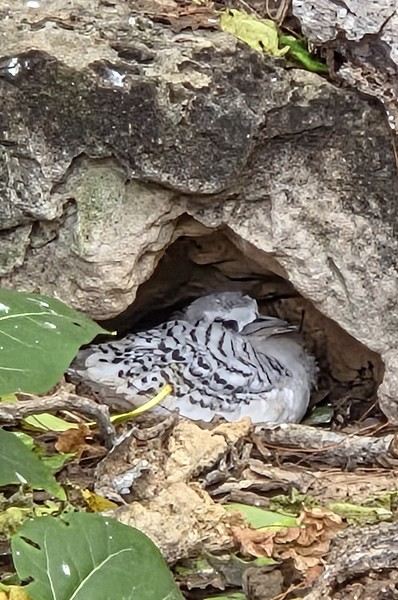
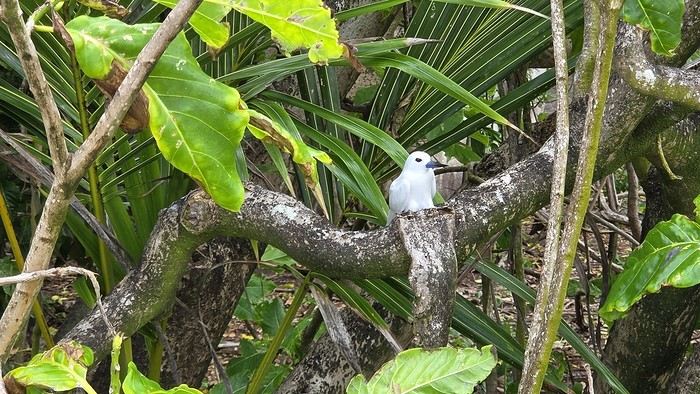
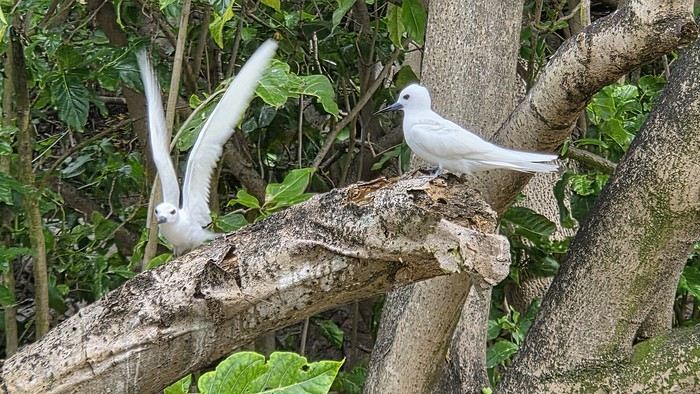
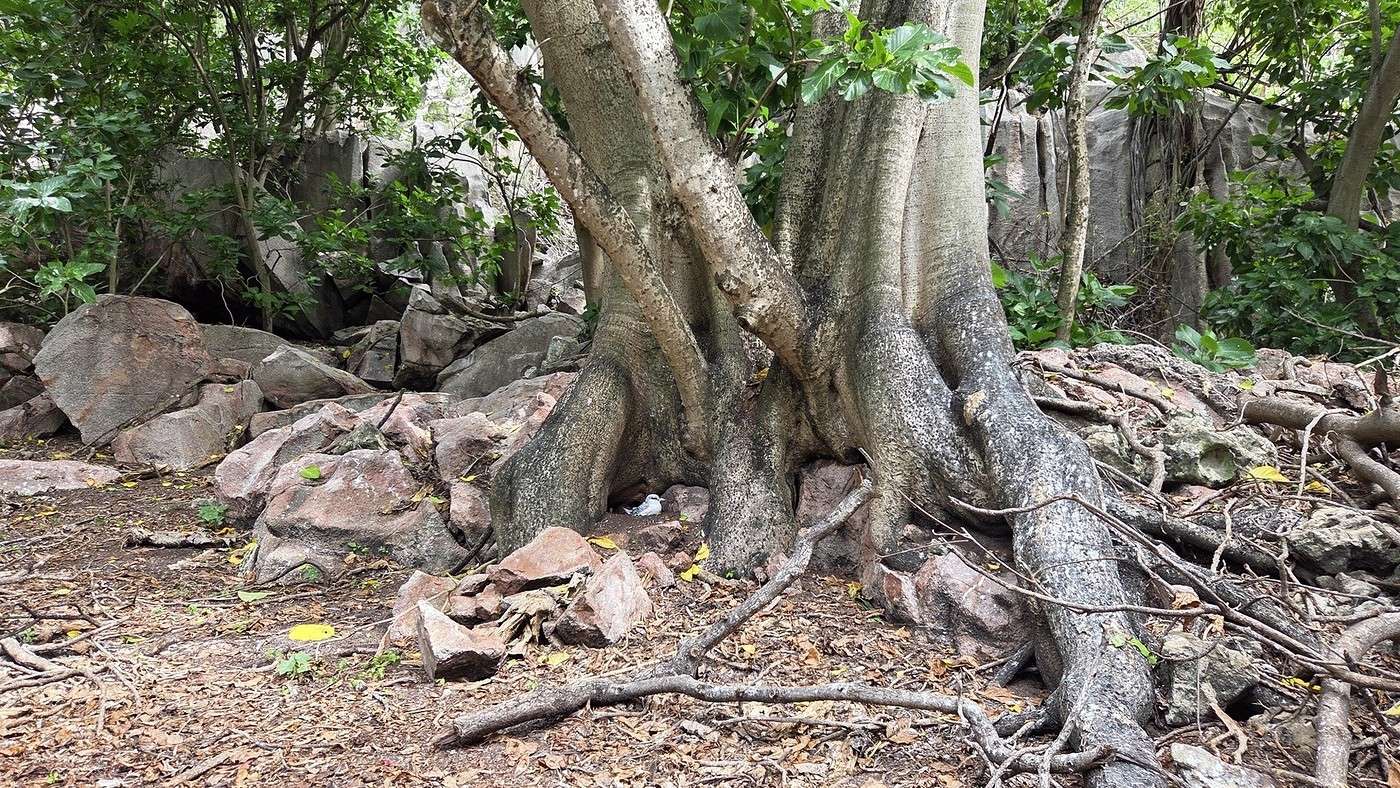
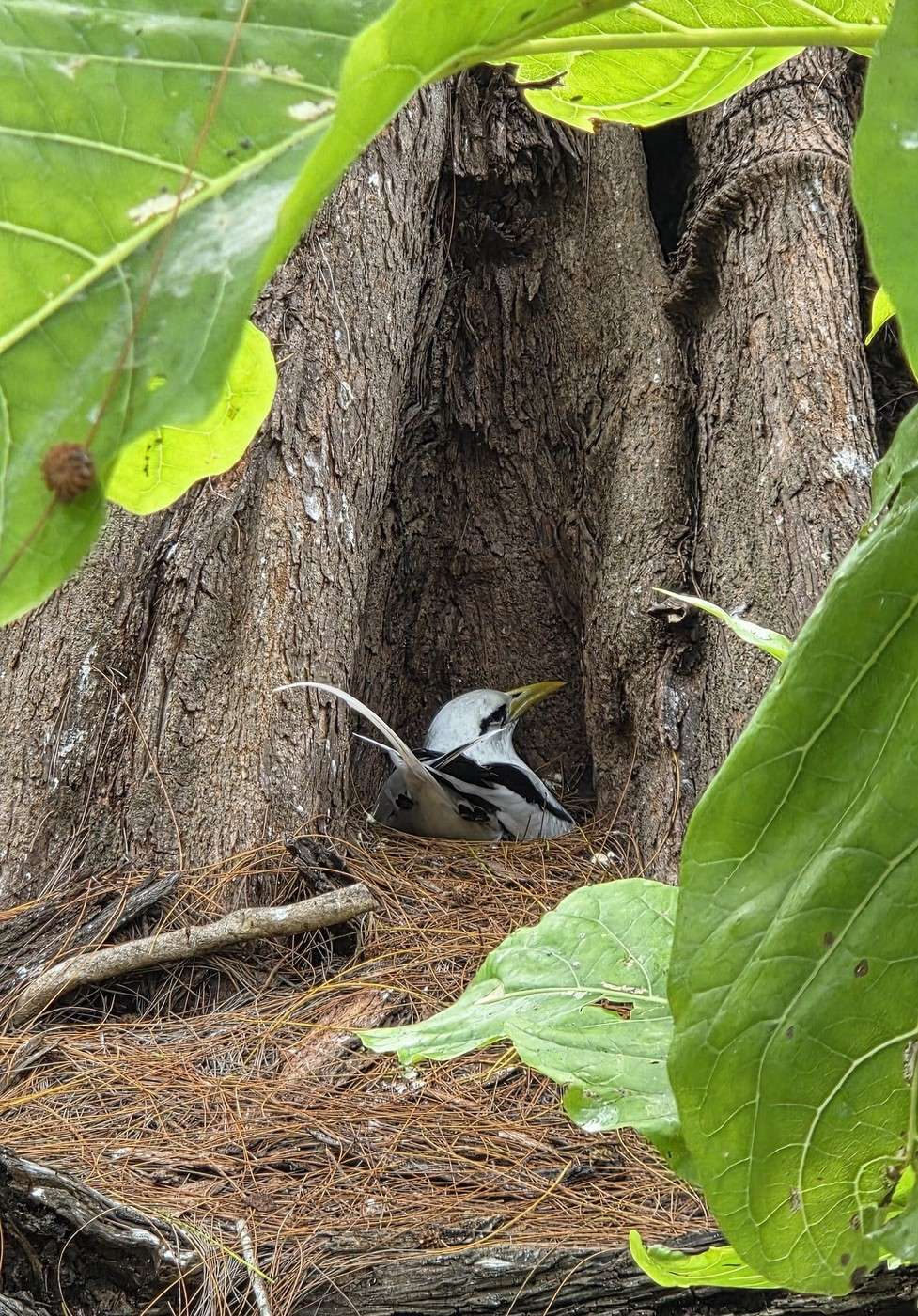
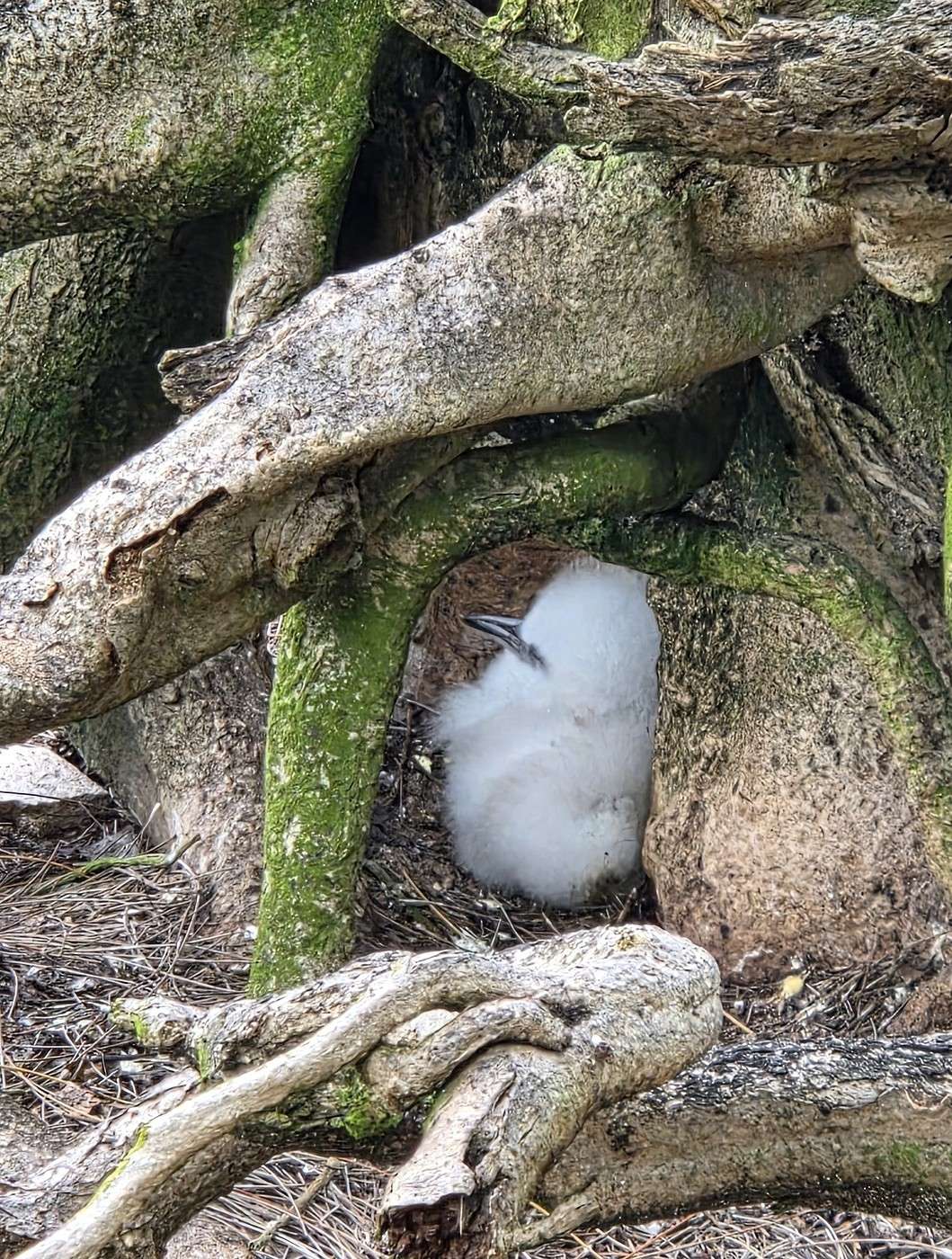
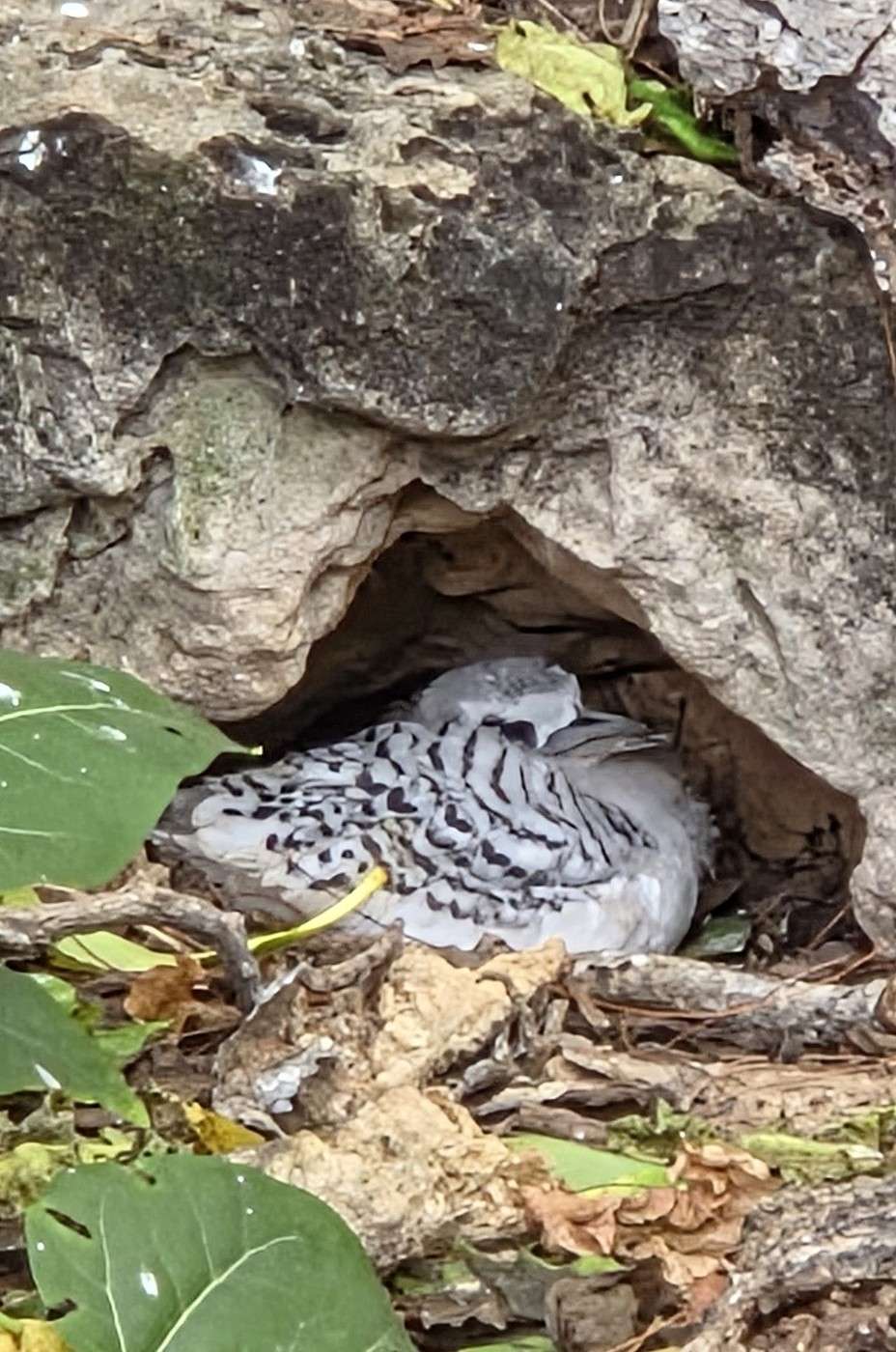
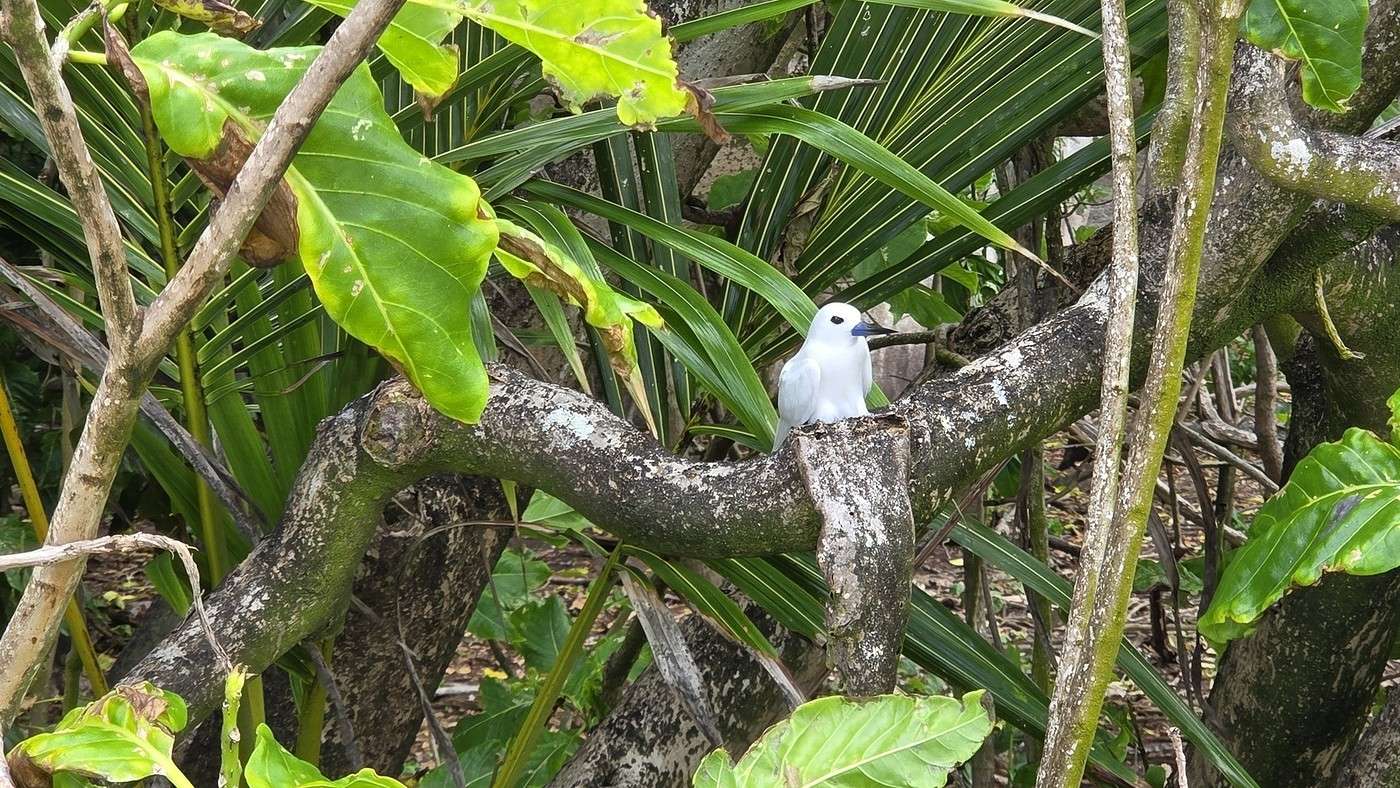
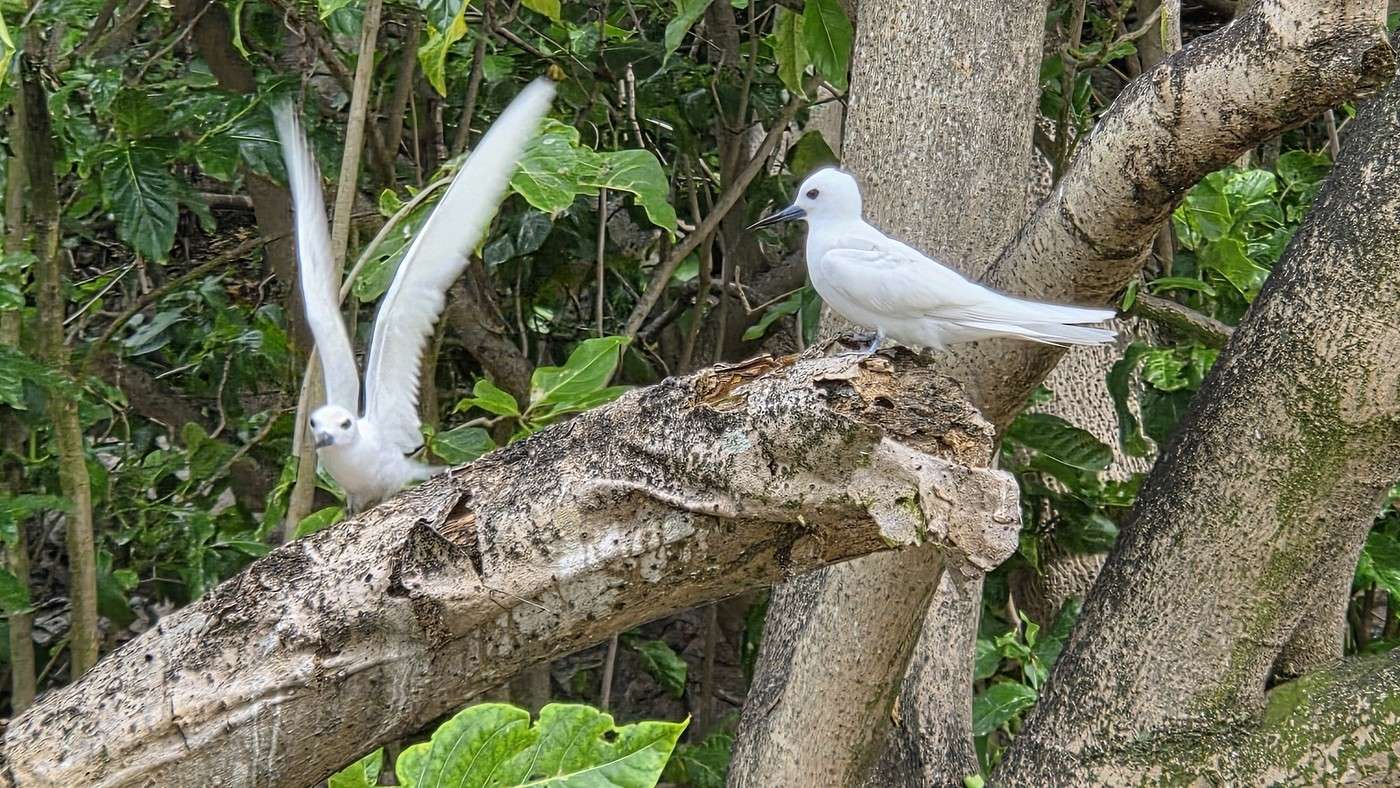
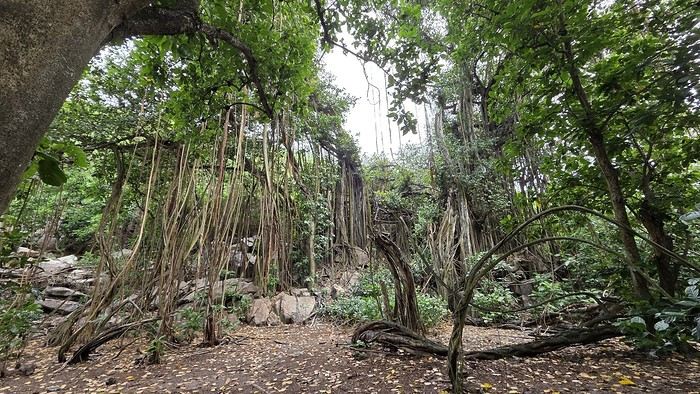
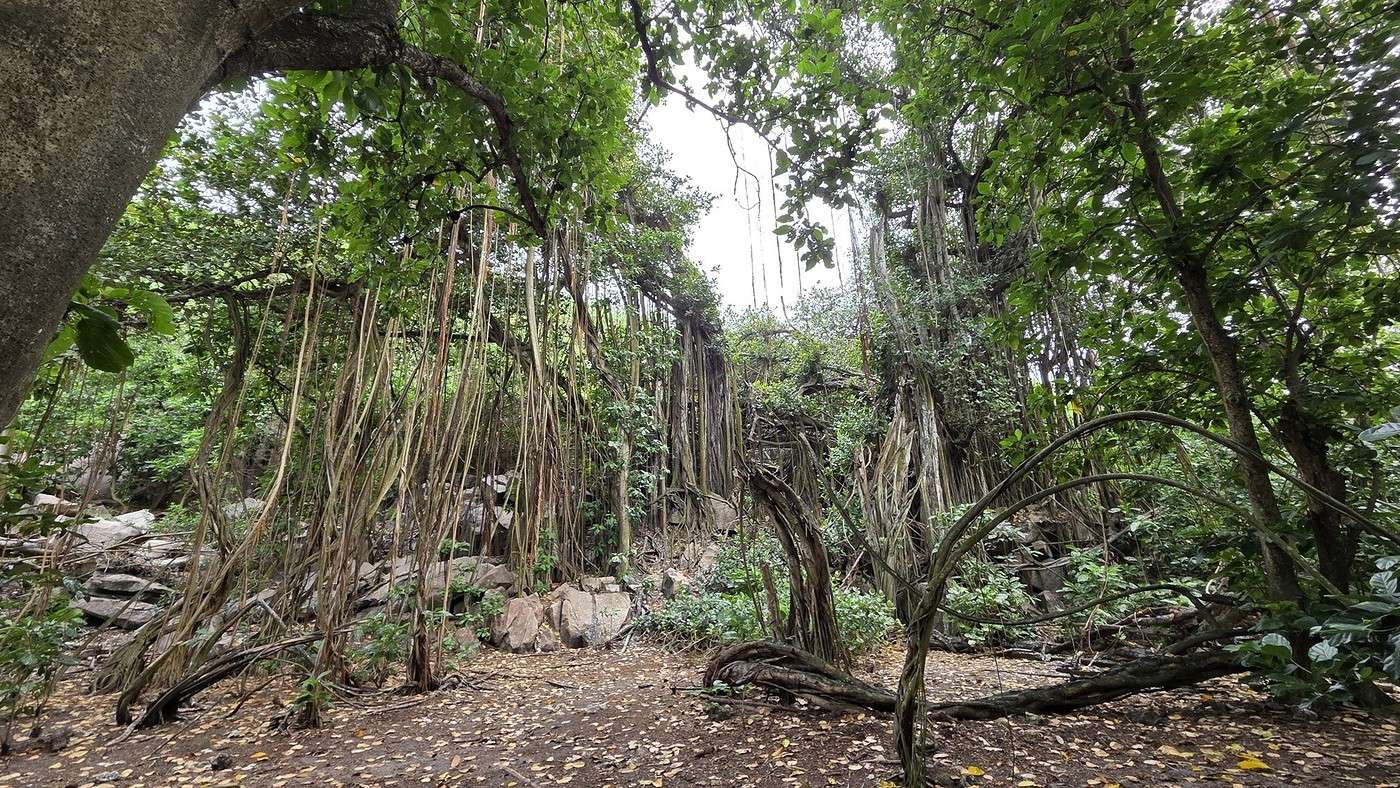
Aride is a nature reserve—one of the most important seabird colonies in the Indian Ocean, with half a million birds breeding here each year. The island is also home to rare endemic plants and reptiles. Visits are strictly regulated to keep Aride a preserved sanctuary.
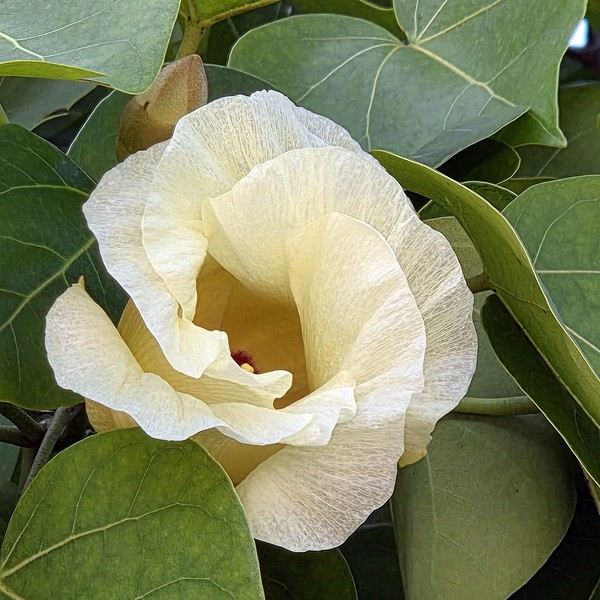
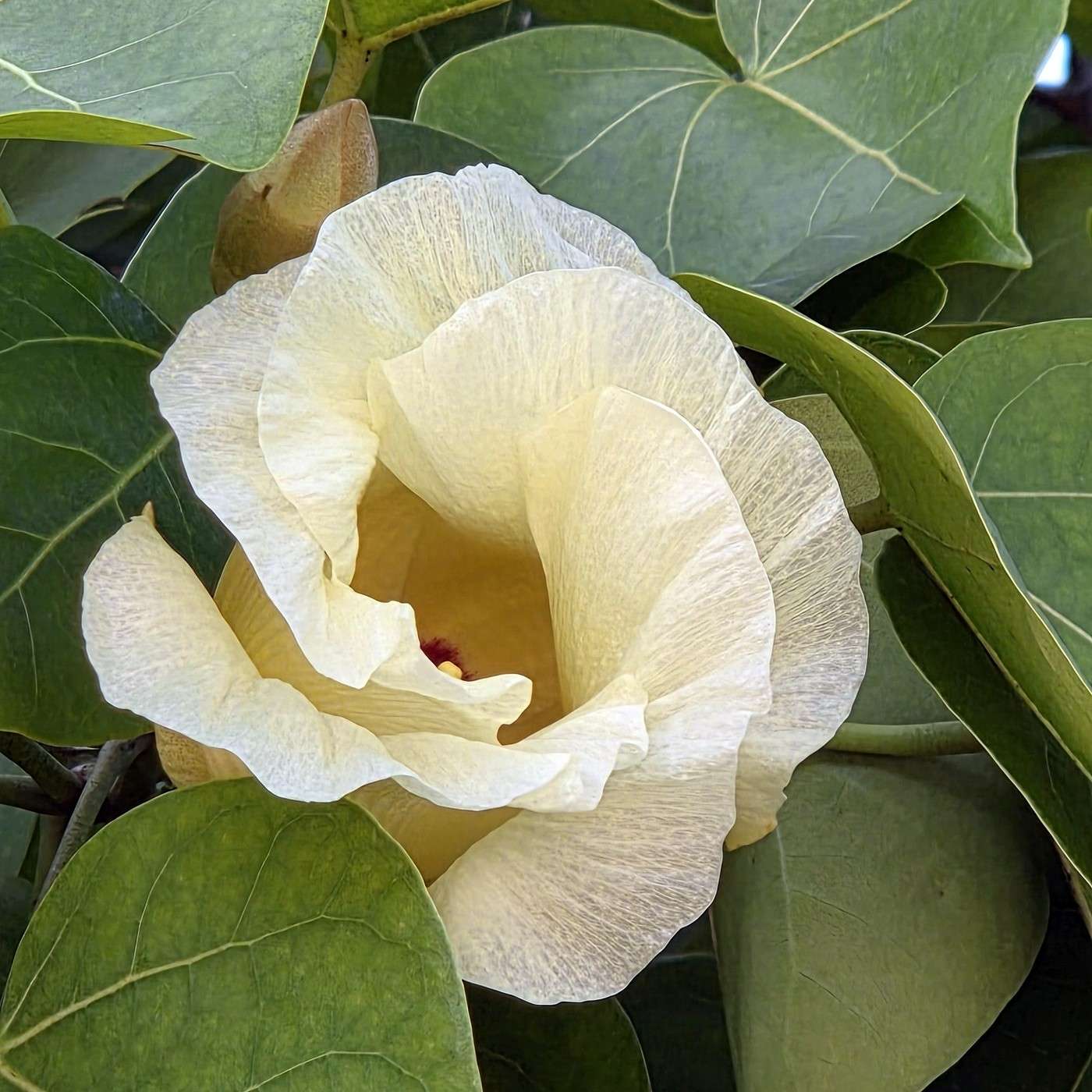
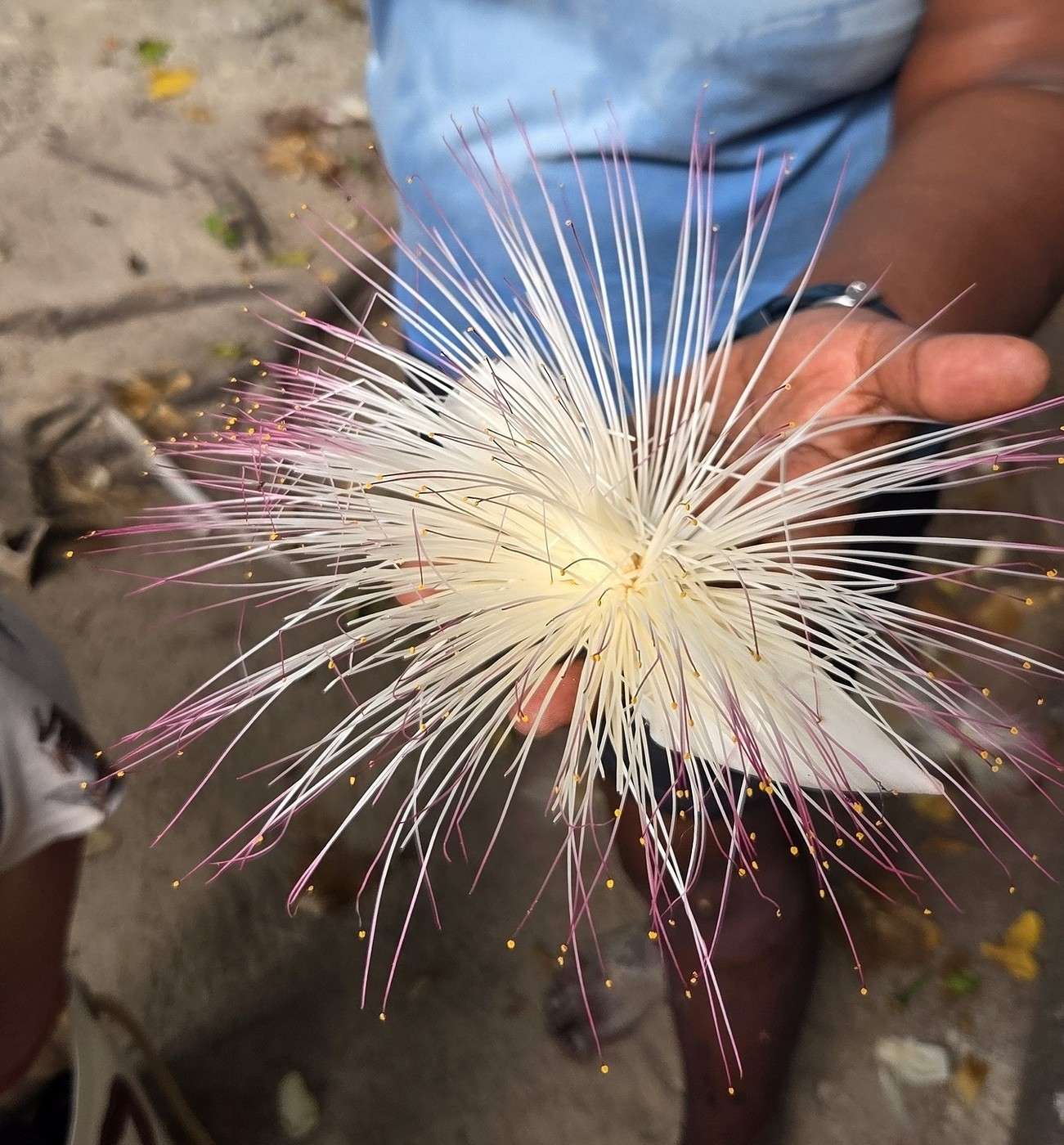
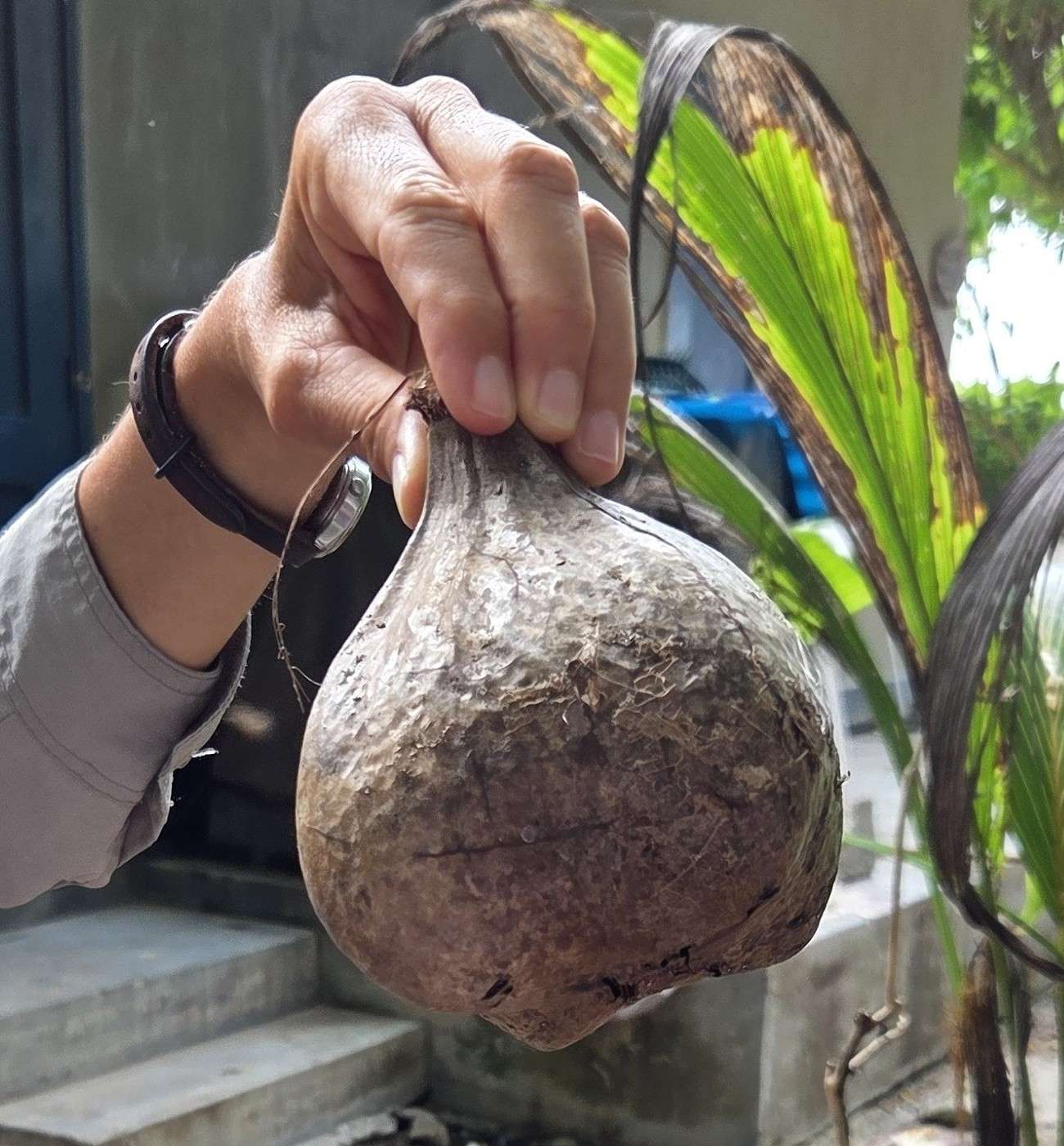
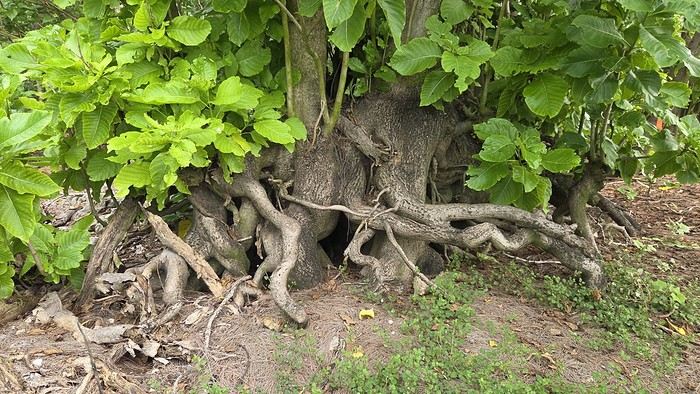
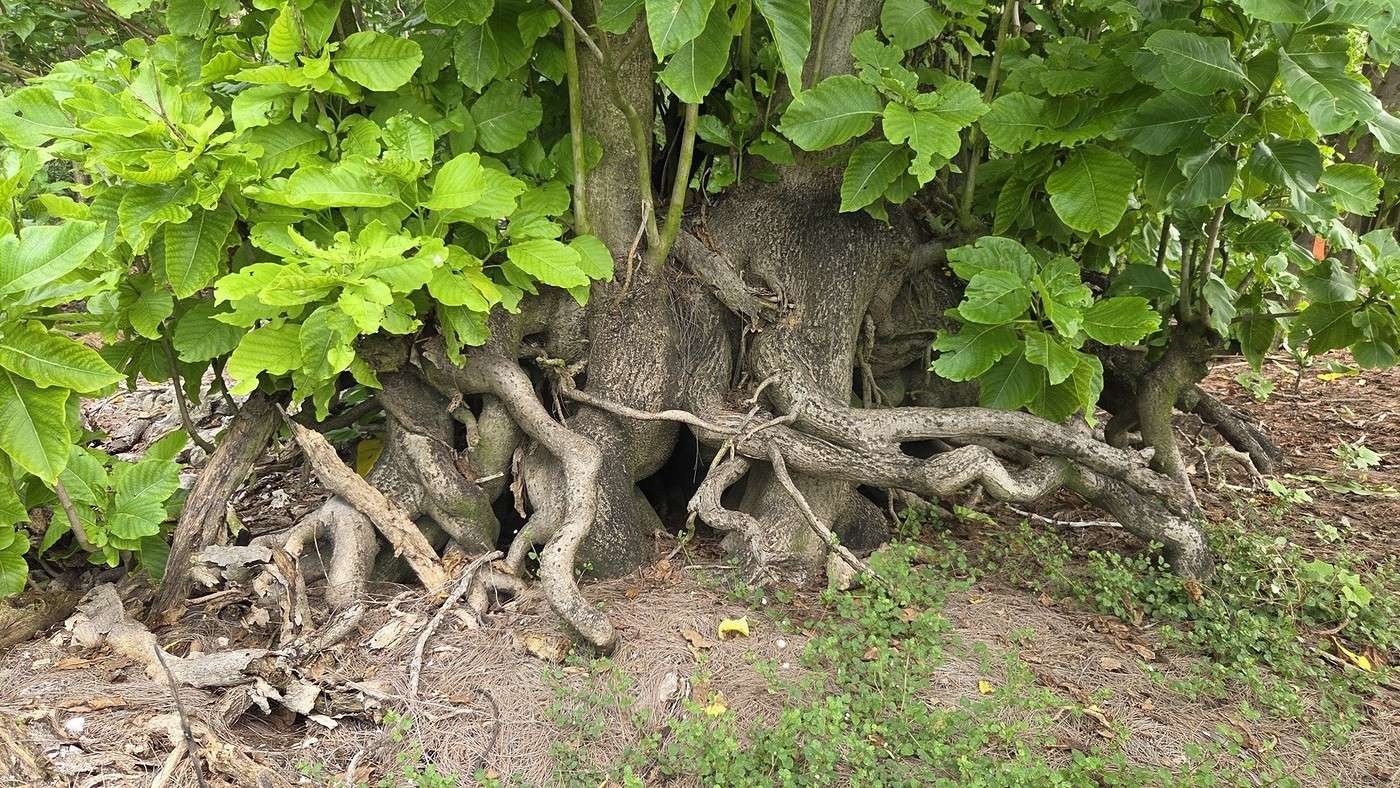
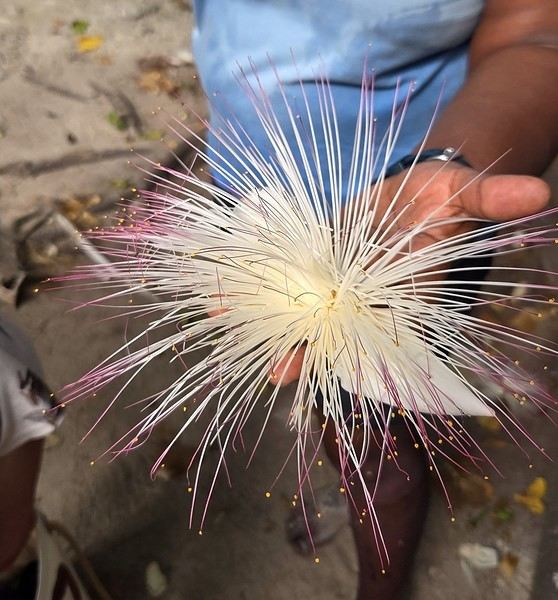
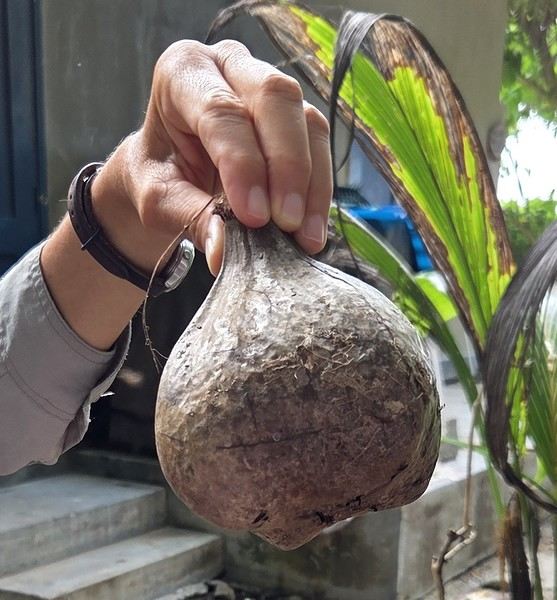
The poison tree produces distinctive fruits and very pretty flowers. The bark and fruits, when crushed, are used as poison for fishing—they stun or kill fish by asphyxiation while keeping their flesh intact. All parts of the tree are toxic.
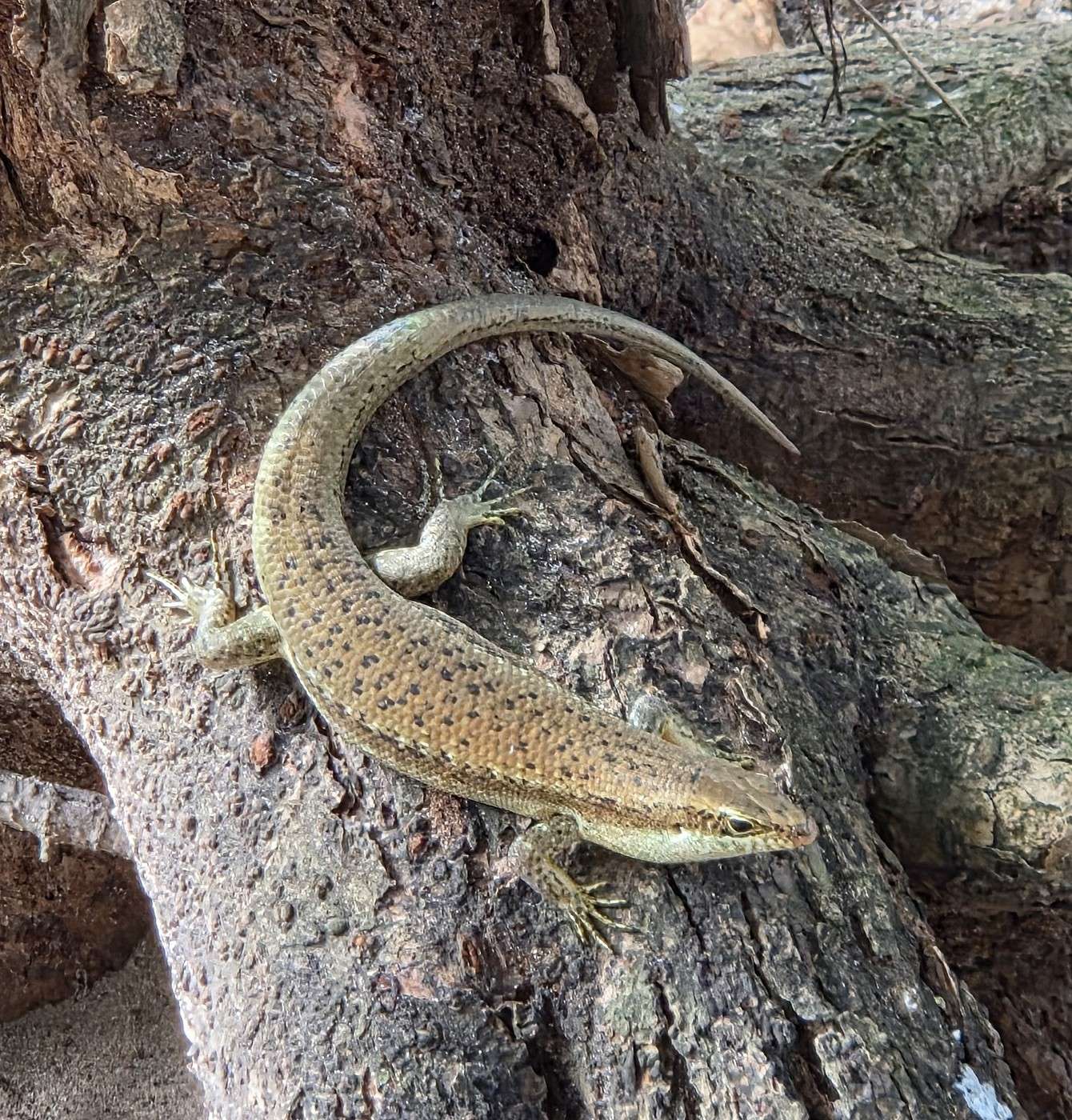
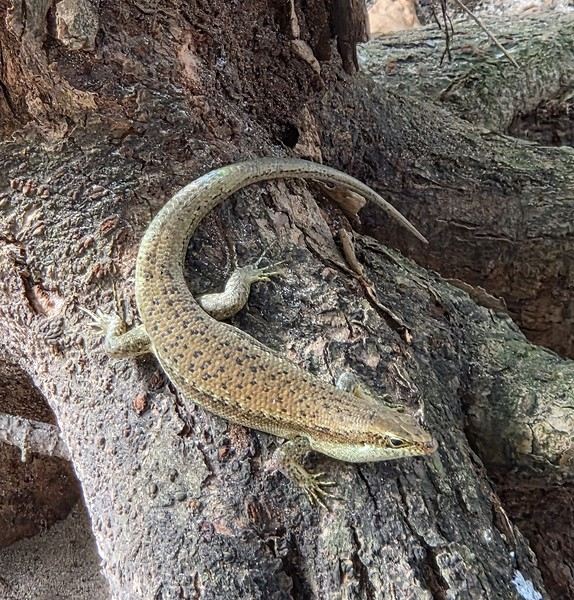
This lizard, often quite plump, is the Seychelles’ scavenger. It cleans up everything left behind, and we’re grateful it helps limit the number of mosquitoes.
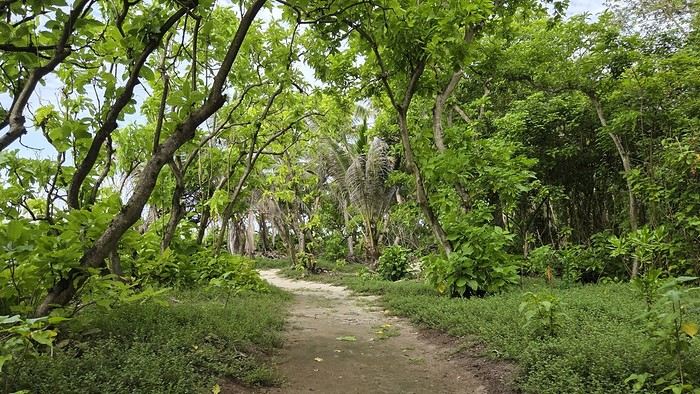
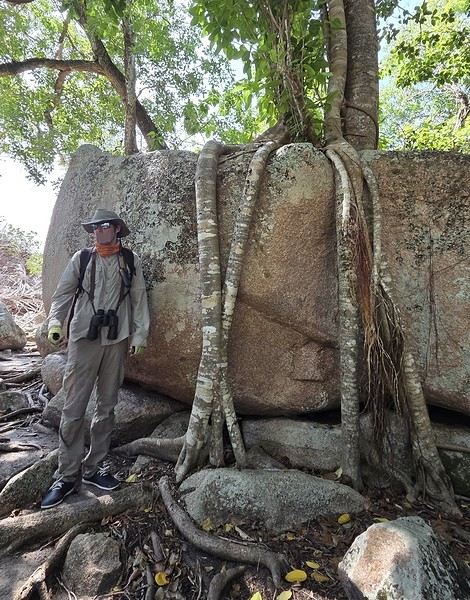
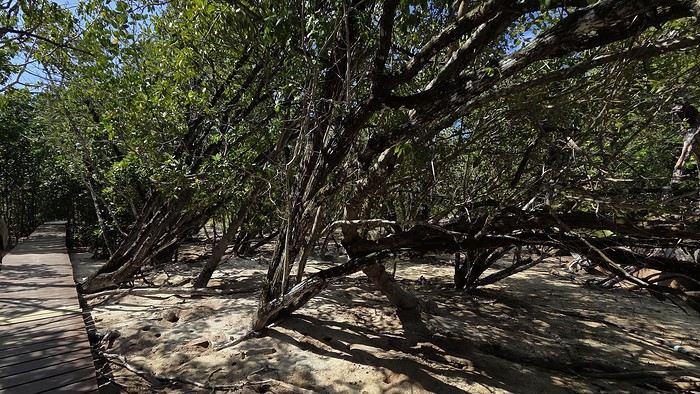
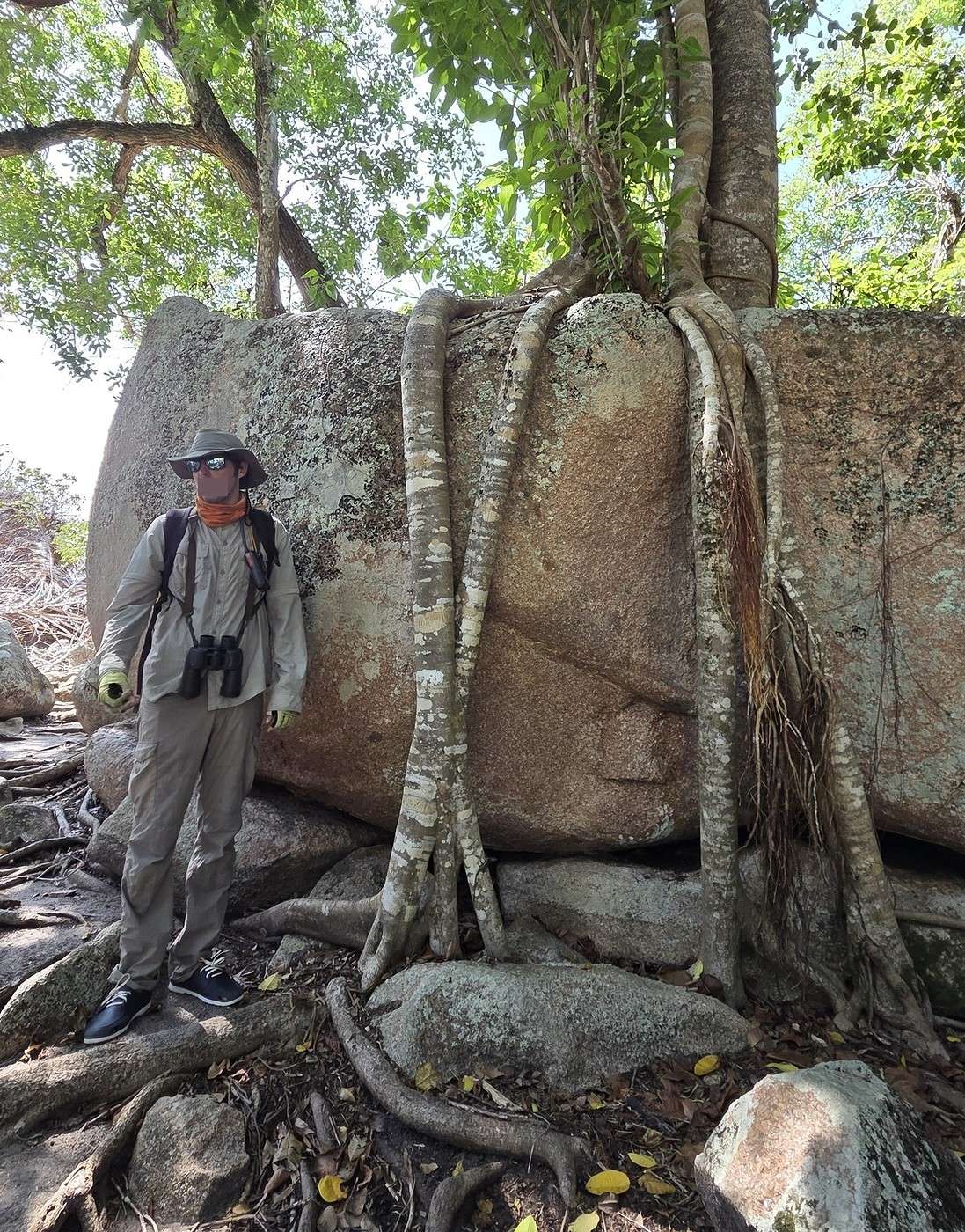
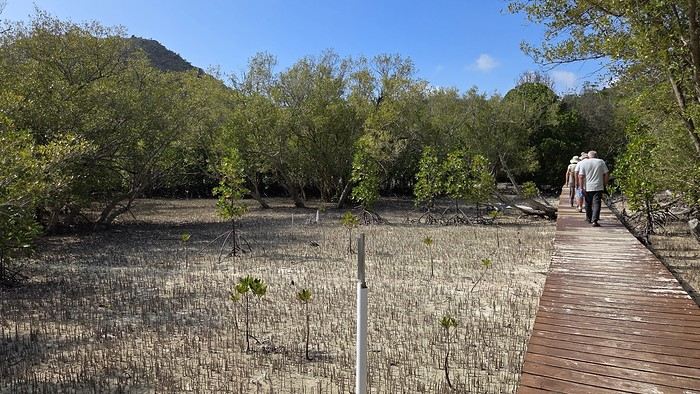
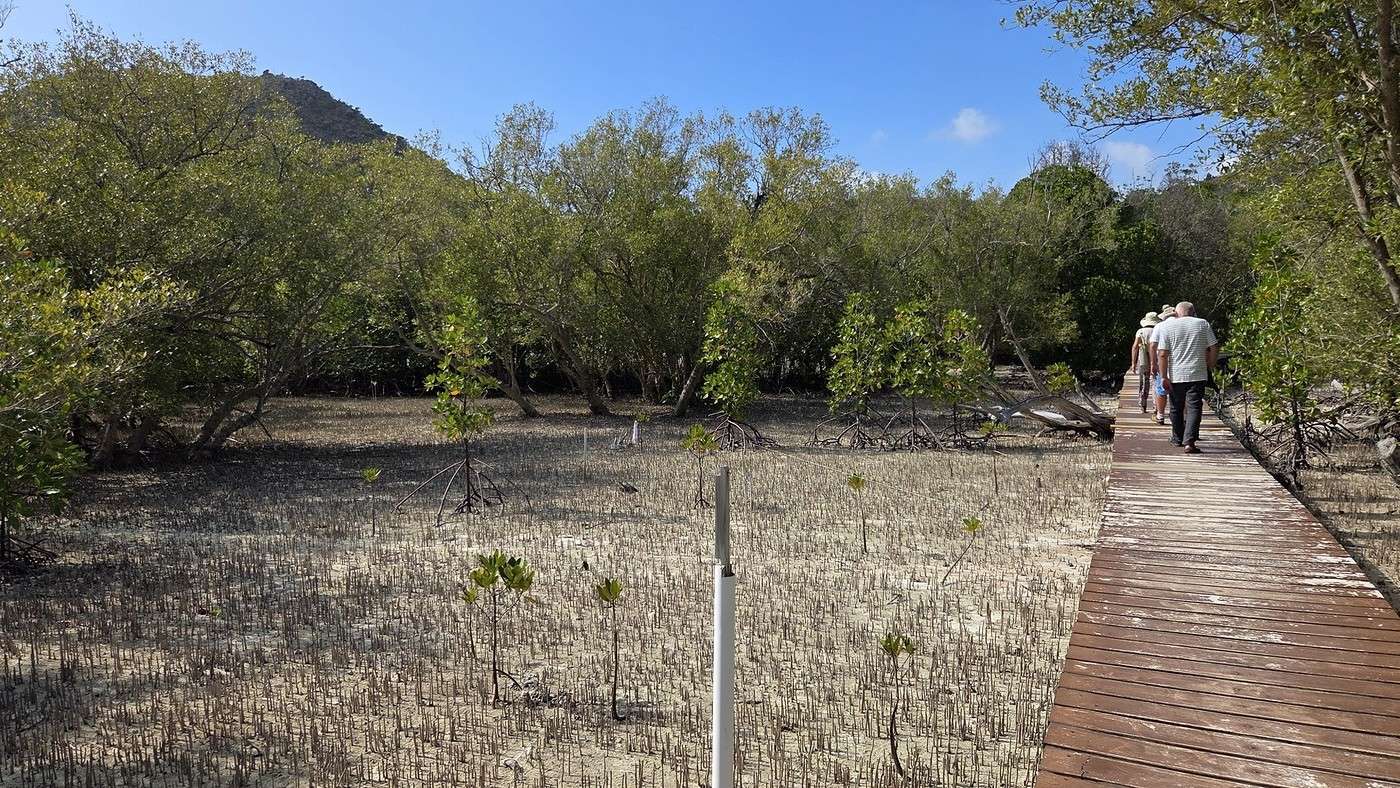
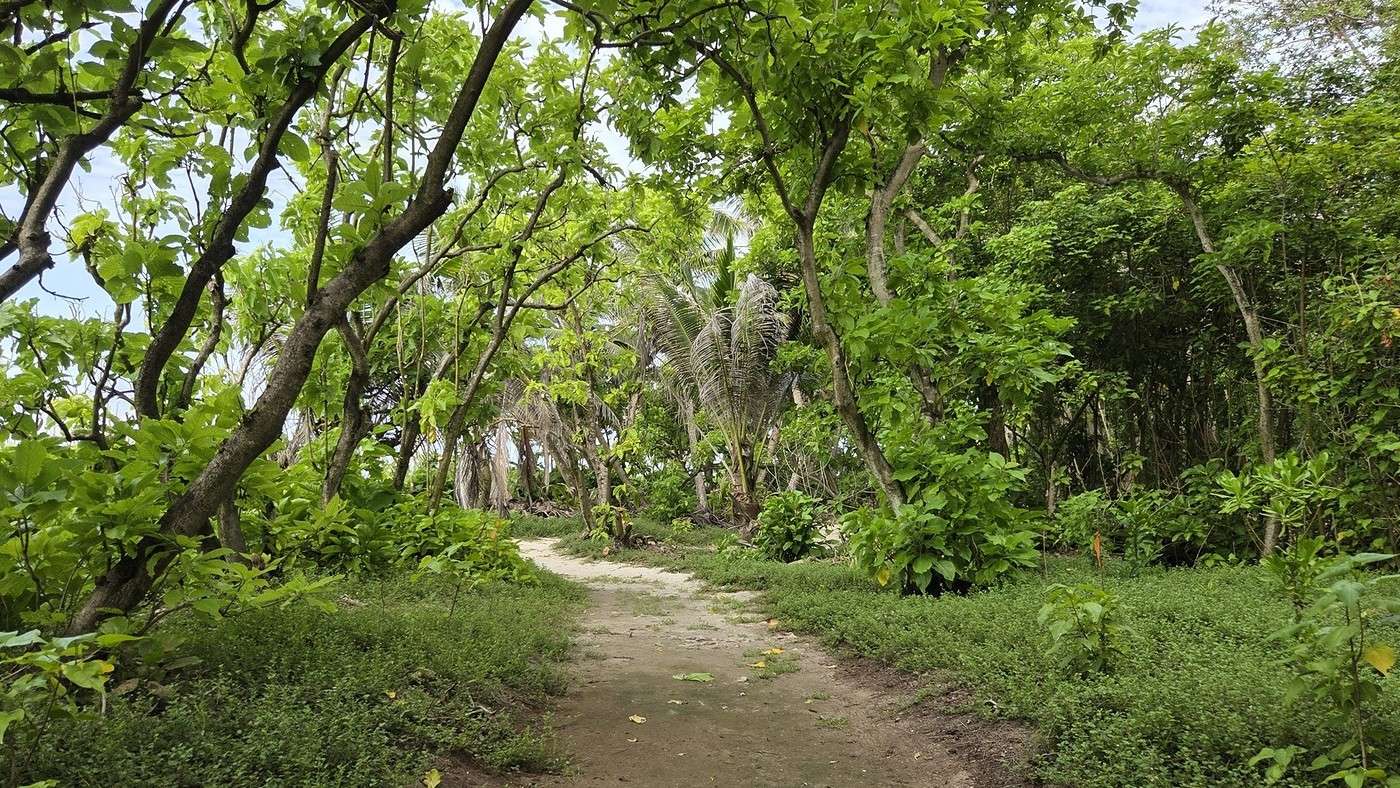
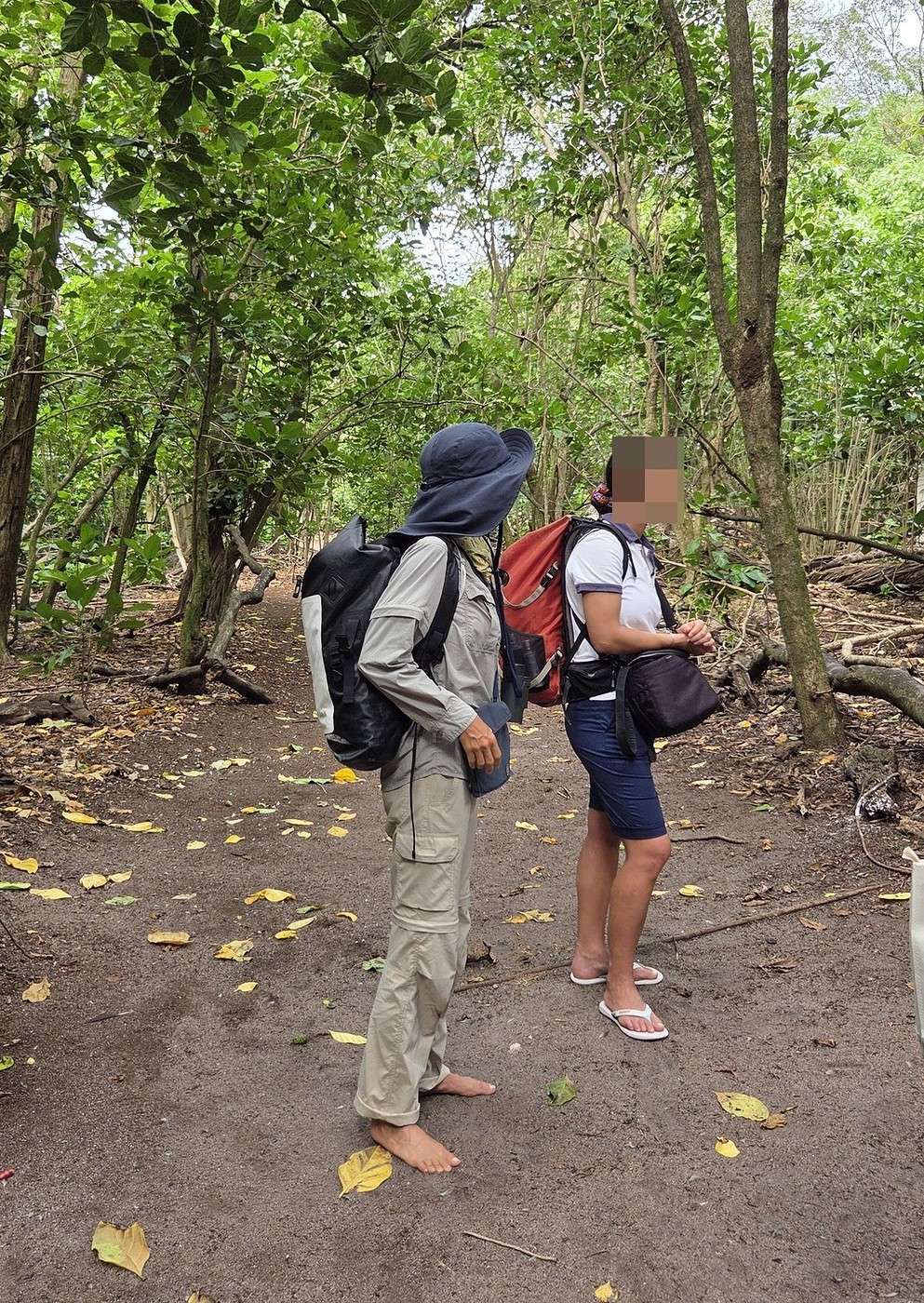
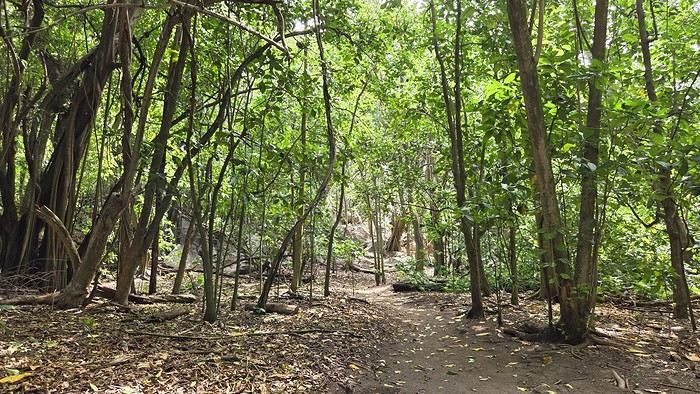
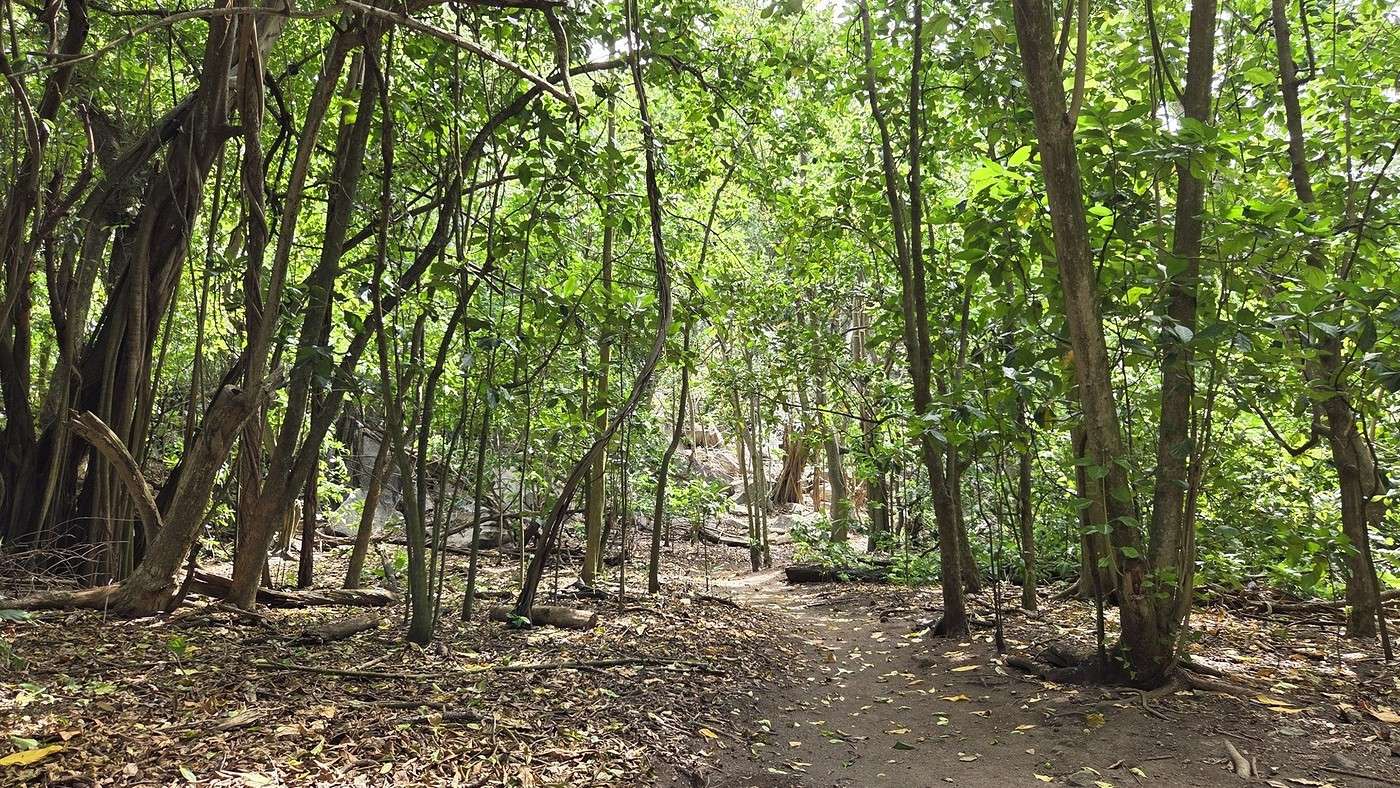
The walk continues. These outings, called hikes, are only one or two kilometers long, but stops are very frequent because there’s so much to see and so many explanations to listen to.