South Africa in Safari Mode: February/March 2026
Day 8: Satara/Olifants and night at Tamboti (continued)
We won’t see anything more on the way back to Satara.
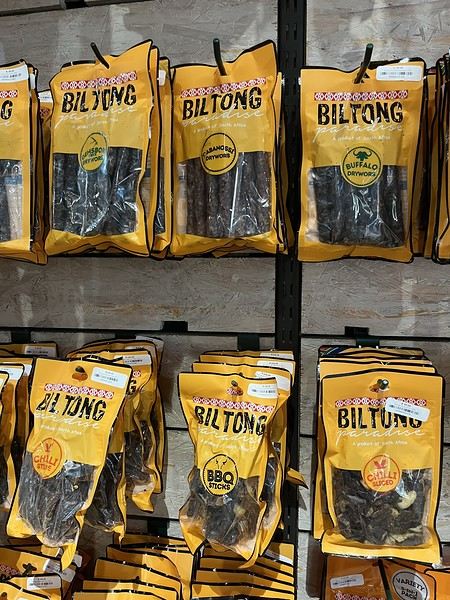
Quick stop at the camp shop. The snacks don’t look anything like what we buy back home.
We left Satara happy about the walk but disappointed by the area—it was really lacking in animal sightings, even though we had high hopes for this part of Kruger, known for its big cats. Satara was hit hard by the January floods: the camp has been fully restored, but the animals may have moved elsewhere. Even the herbivores like impalas, usually plentiful, weren’t around.
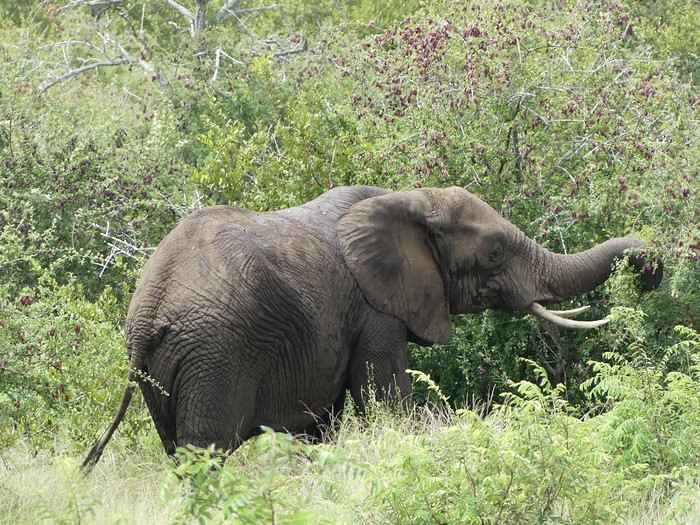
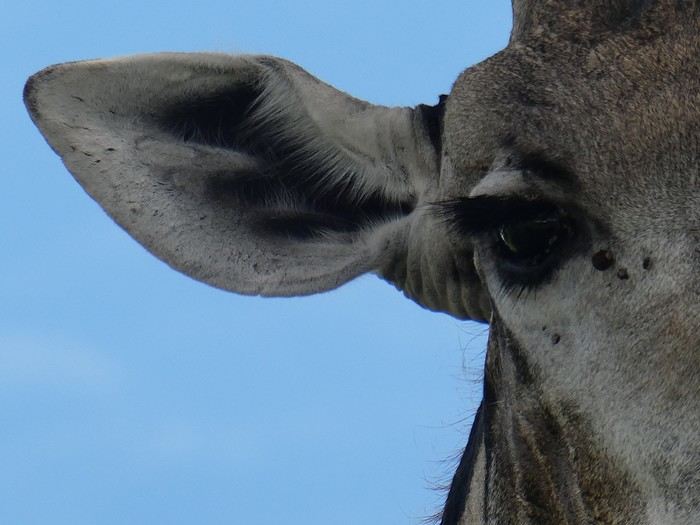
We decided to have lunch at Olifants. On the animal front, in two hours of driving, we spotted a white rhino very far off (the only one we saw in Kruger, actually), a small elephant, and a giraffe. The area is greener here.
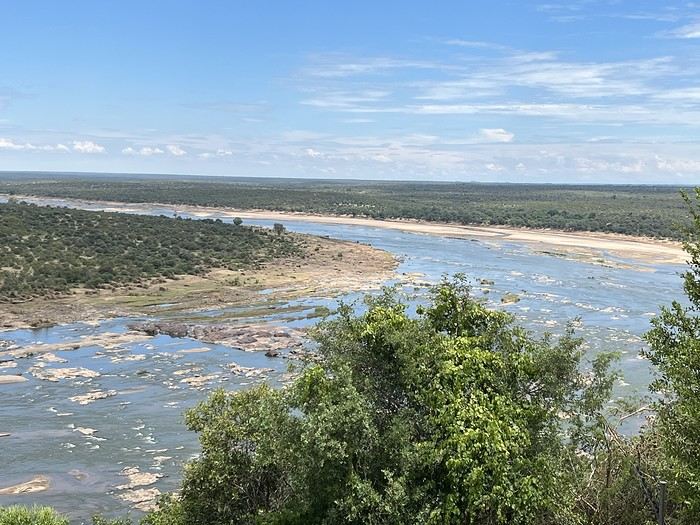
The Olifants area seemed even quieter in terms of wildlife. However, the restaurant (the same one as in Berg-en-Dal), besides serving good burgers, offers a stunning view overlooking the Olifants River. It’s surprising how low the water is during the rainy season, especially after last month’s floods.
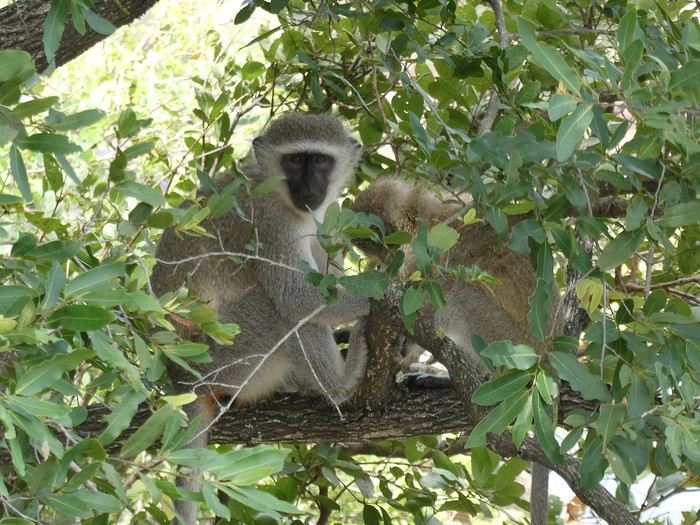
At the restaurant, you’ve got to stay alert because we’re being watched by vervet monkeys.
The Olifants camp was still under repair following the deluge the previous month. The shop was completely under construction in February/March.
Olifants will be the northernmost point of our trip. After lunch, we hit the road again—it’s tough driving in the heat with nothing to see.
We won’t see anything more on the way back to Satara.
Quick stop at the camp shop. The snacks don’t look anything like what we buy back home.
We left Satara happy about the walk but disappointed by the area—it was really lacking in animal sightings, even though we had high hopes for this part of Kruger, known for its big cats. Satara was hit hard by the January floods: the camp has been fully restored, but the animals may have moved elsewhere. Even the herbivores like impalas, usually plentiful, weren’t around.
We decided to have lunch at Olifants. On the animal front, in two hours of driving, we spotted a white rhino very far off (the only one we saw in Kruger, actually), a small elephant, and a giraffe. The area is greener here.
The Olifants area seemed even quieter in terms of wildlife. However, the restaurant (the same one as in Berg-en-Dal), besides serving good burgers, offers a stunning view overlooking the Olifants River. It’s surprising how low the water is during the rainy season, especially after last month’s floods.
At the restaurant, you’ve got to stay alert because we’re being watched by vervet monkeys.
The Olifants camp was still under repair following the deluge the previous month. The shop was completely under construction in February/March.
Olifants will be the northernmost point of our trip. After lunch, we hit the road again—it’s tough driving in the heat with nothing to see.