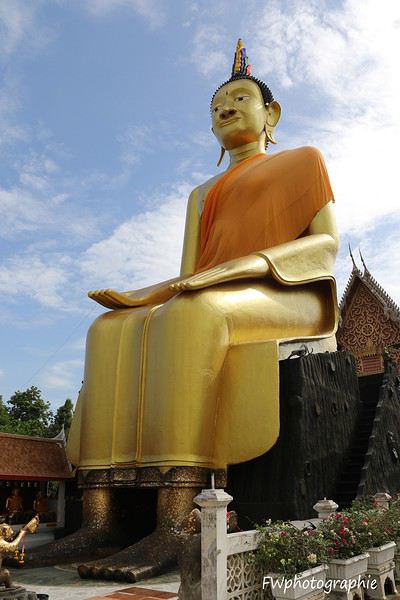
Thailand Travel Journal: From Chiang Mai to Bangkok, We Don’t Buddha Our Fun
Hello,
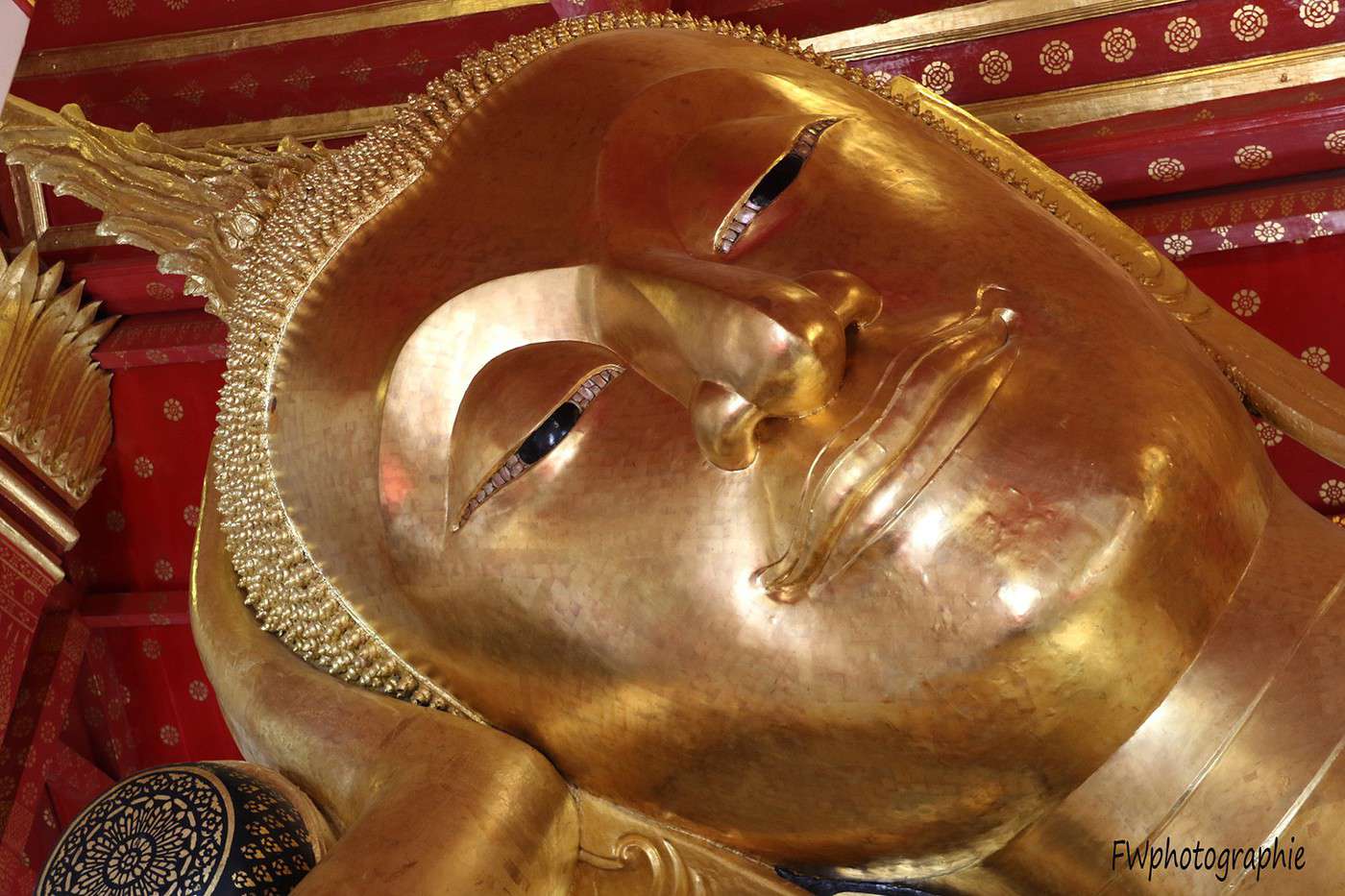
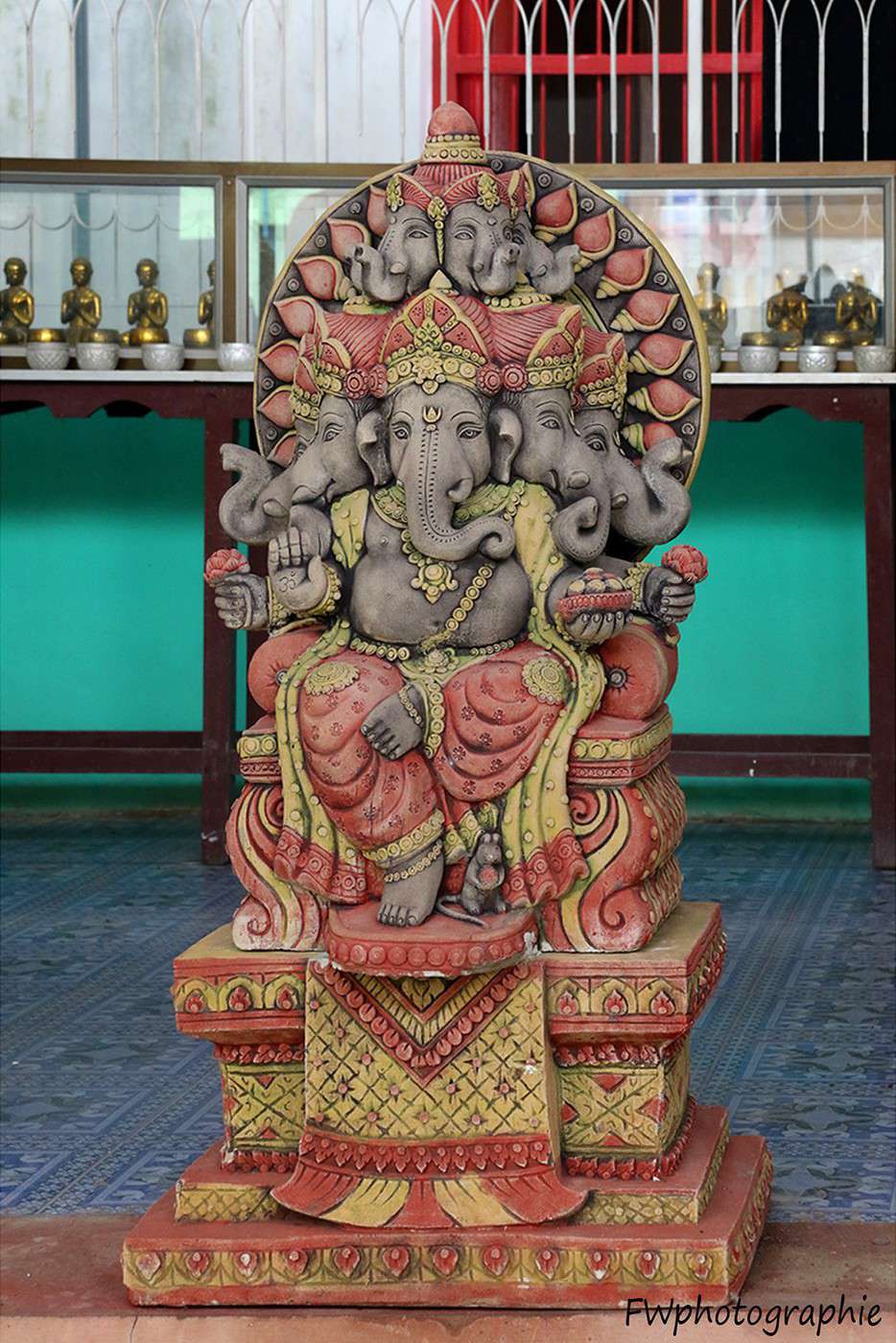
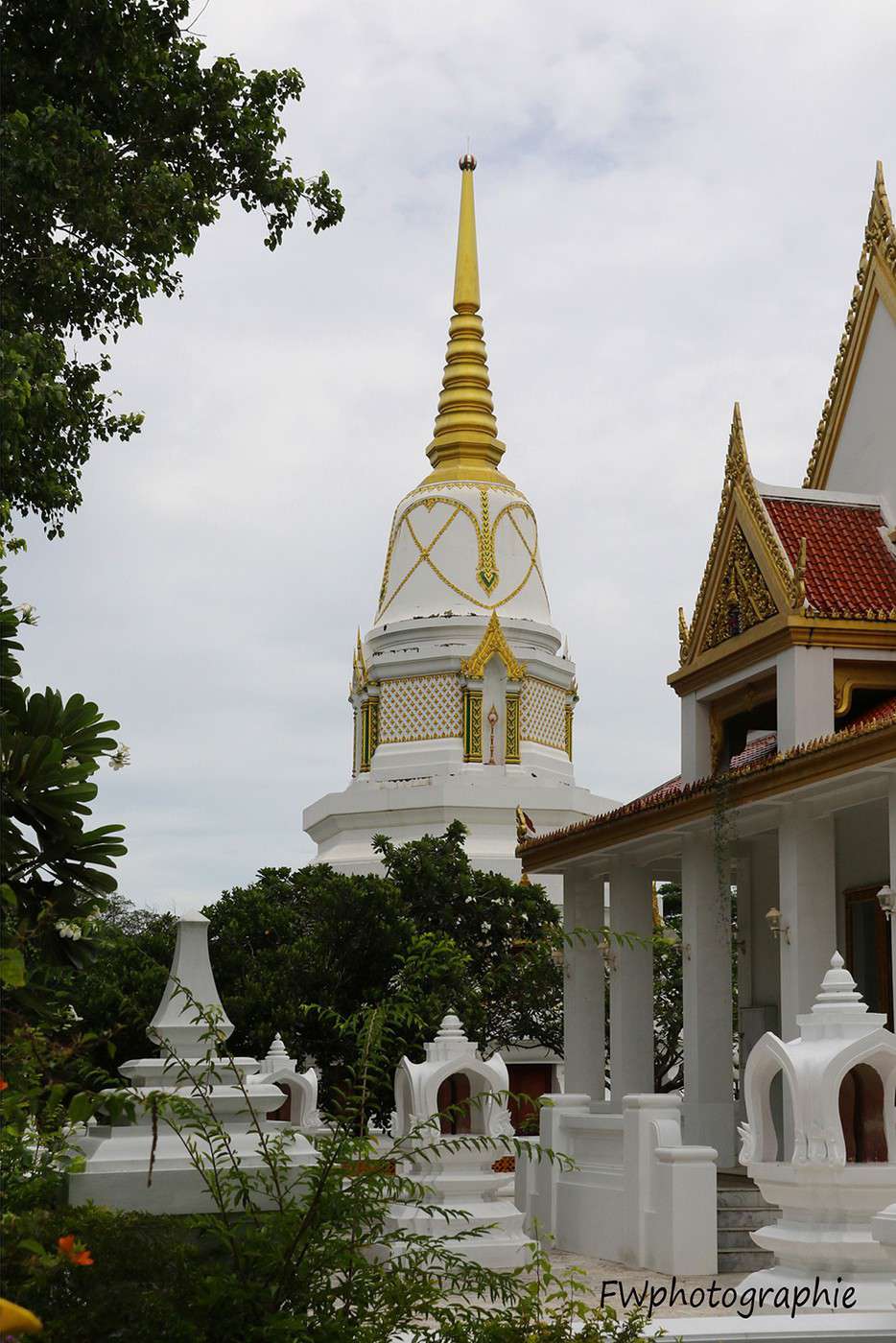
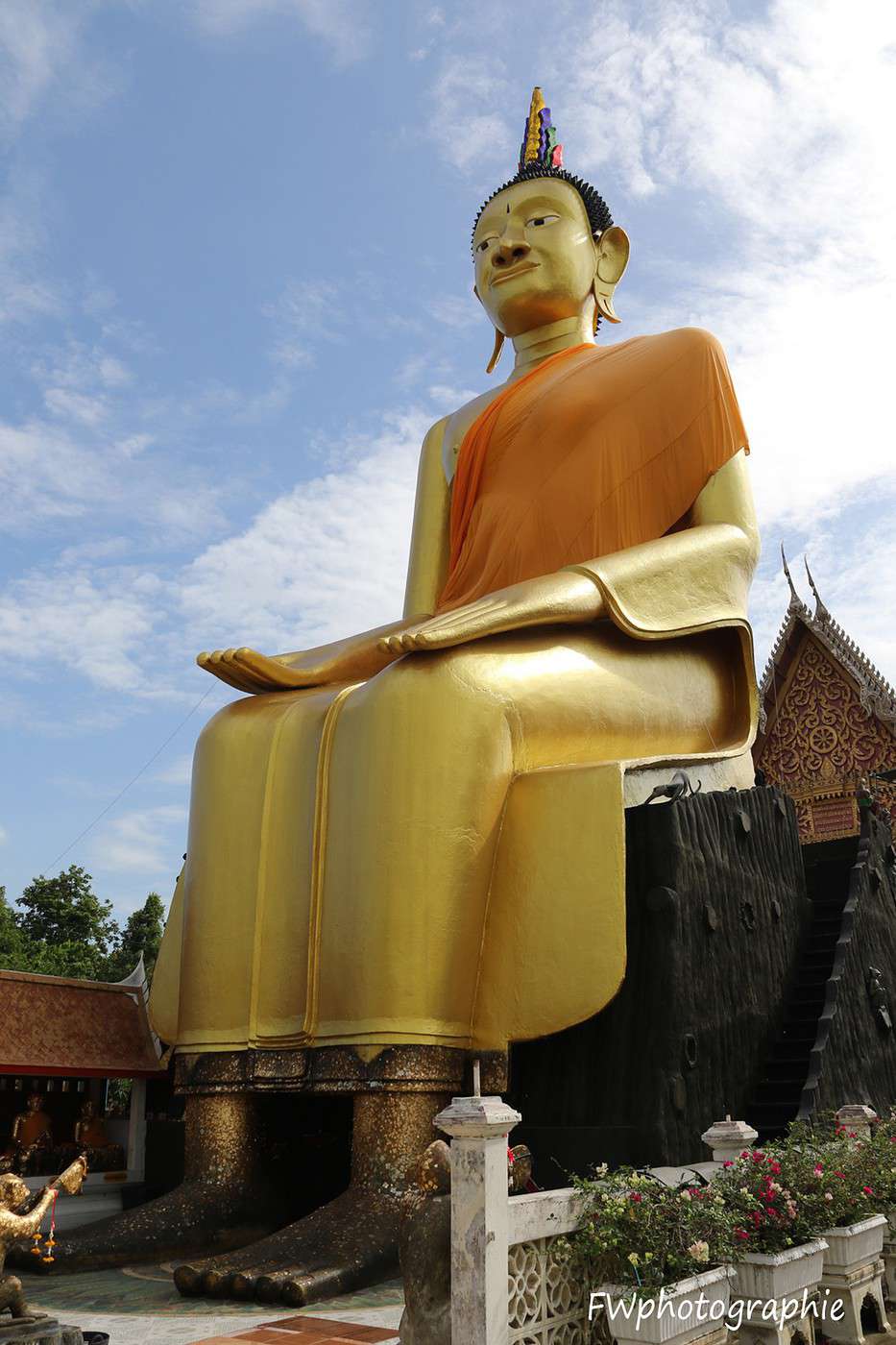
Thanks for joining in, though part of what you said went a bit over my head. I couldn’t even find the "Culture for Dummies" section. Sorry to put you through (?) this spiritual journey, but just so you know, "Buddha" is in the title of the travel journal—just in case you zoomed past on your motorbike… 😉 If only to guilt-trip the poor singles heading to Pattaya’s beach resorts, you deserve this penance! Take a look at the USA travel journals, and you’ll be dizzy from thousands of photos of red rocks, trucks, and hamburgers. Or check out the Africa journals, and you’ll come back here in tears after the thirtieth lioness and the twenty-seventh giraffe! As I mentioned before, we try to show a little of what we see all the time and as much as possible of what we see less—or not at all. And just to be clear: this story shows this because that’s what we saw! Not to mention the southern Issan saying: "She who doesn’t understand humor will search for it a long time yet"… yeah, I know, it’s an easy joke, but it’s still humor. 😛
Anyway, it’s not nice to tease Obeopai. I also raised an eyebrow at the phrase "compassionate charity of liturgy." It reminds me of when I’m researching a trip, stumble on a Thai website, and translate it with Google—the result is words that all make sense individually but together form a real mess. So, Mr. Obeo, be careful with copy-paste…
For my part, at least on VF this time, I’m producing original work. The sentences, photos, and videos are all ours. With their strengths and flaws. I’m the first to want to see other travel journals, but right now, the people who could prove their skills are on strike, sick, or stuck in poste restante…