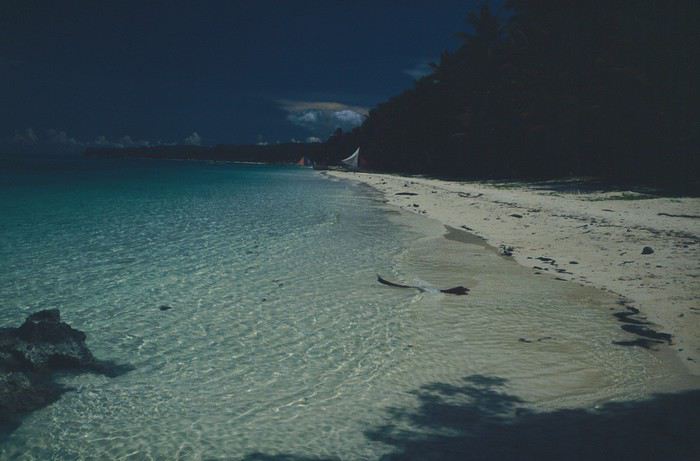
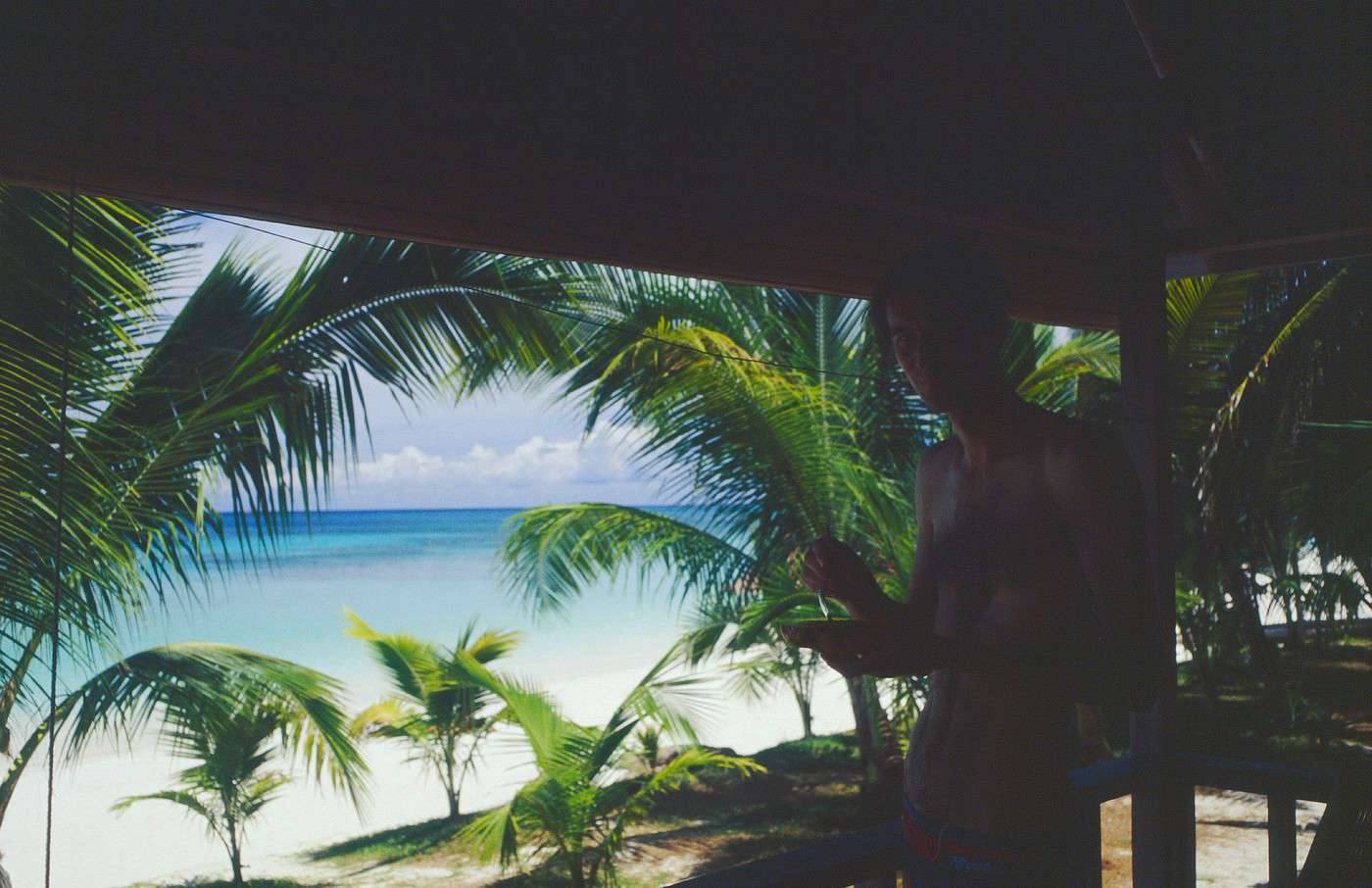
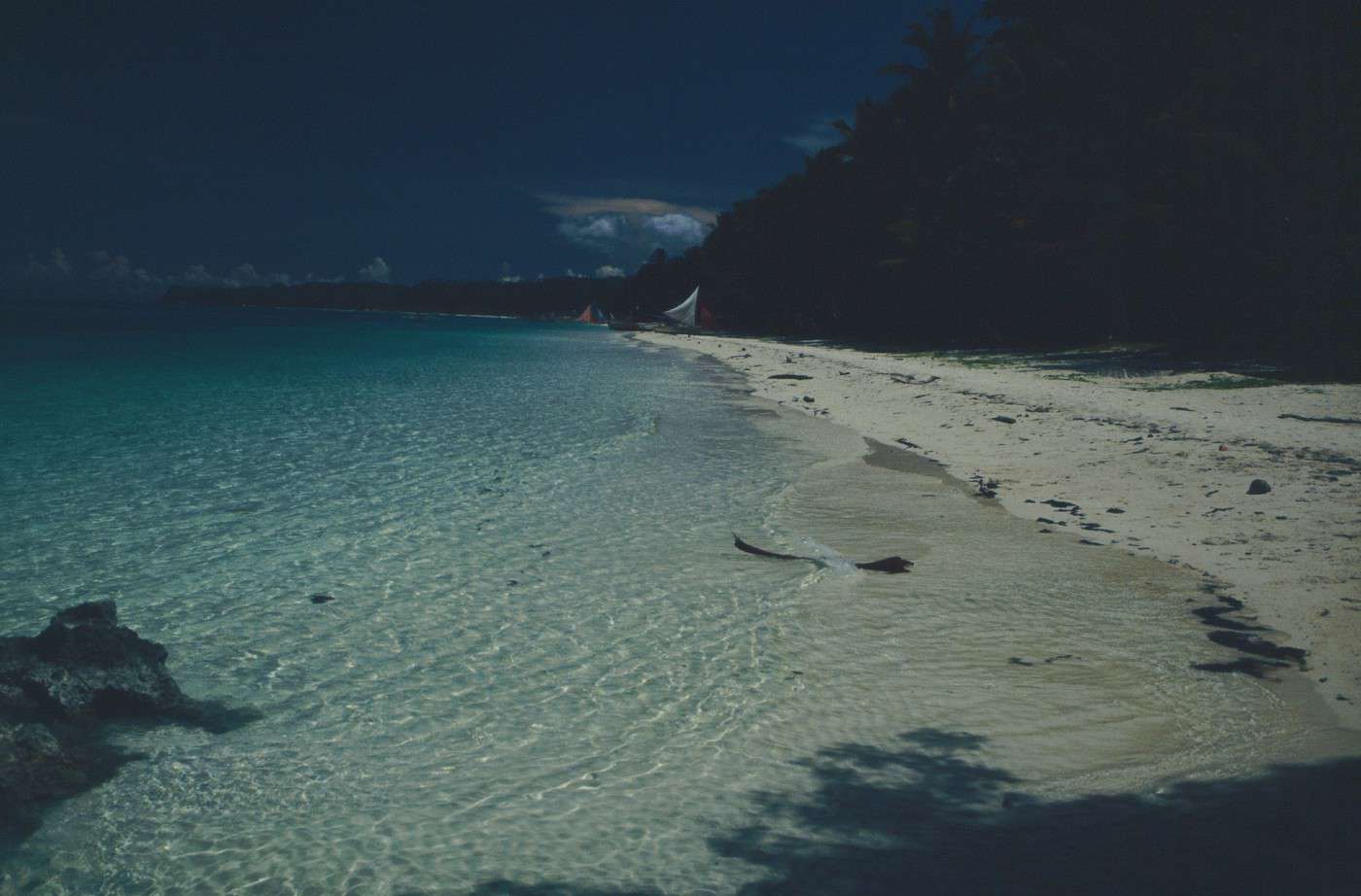
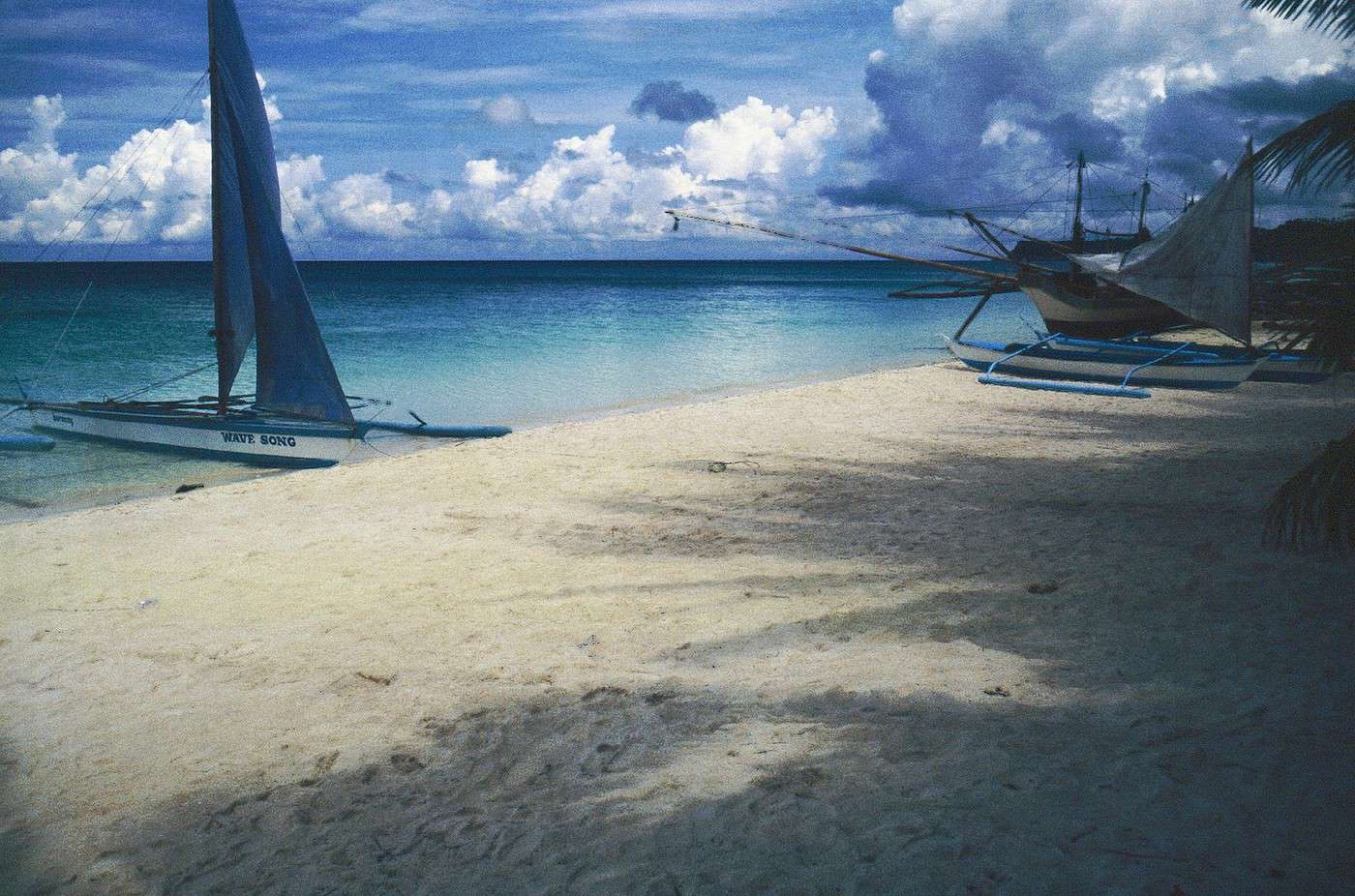
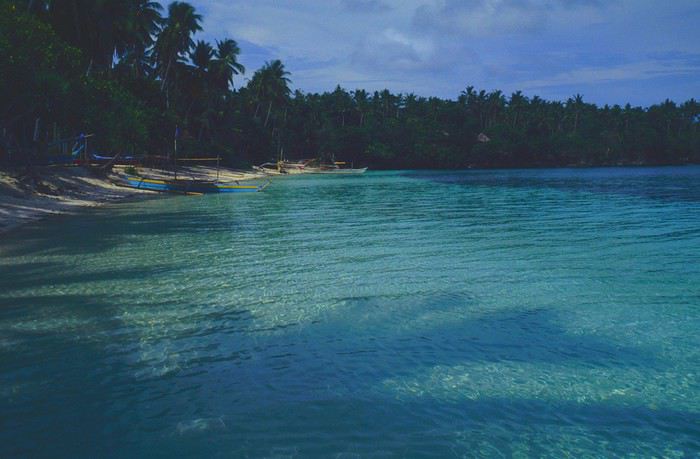
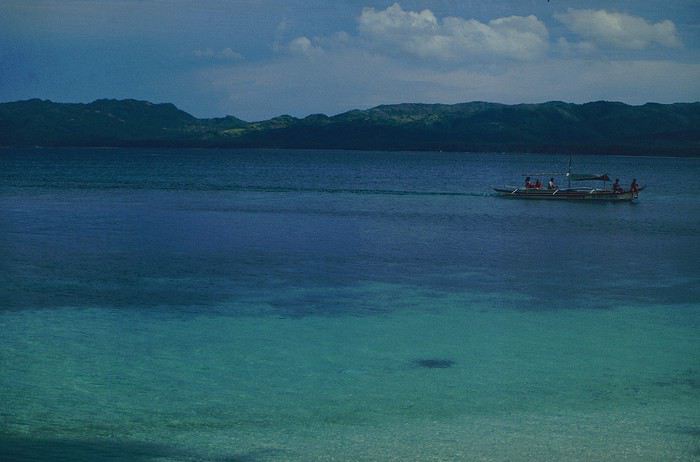
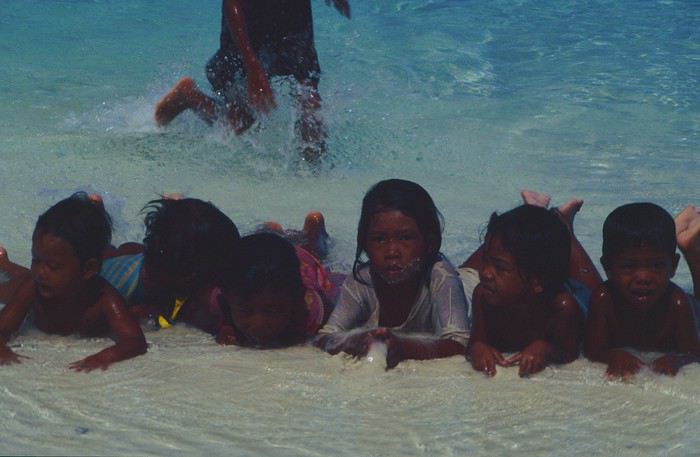
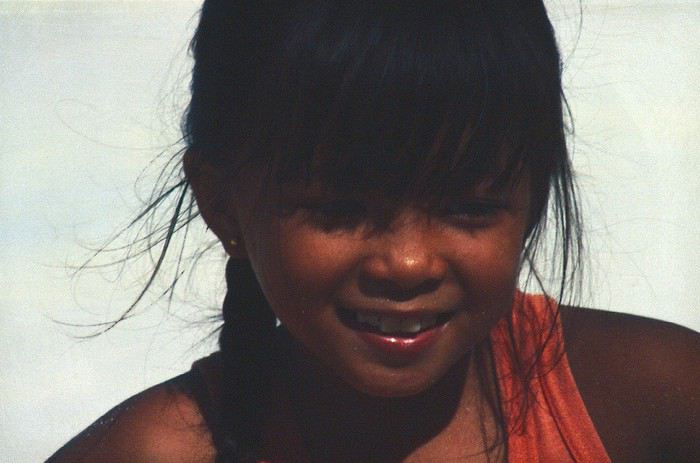
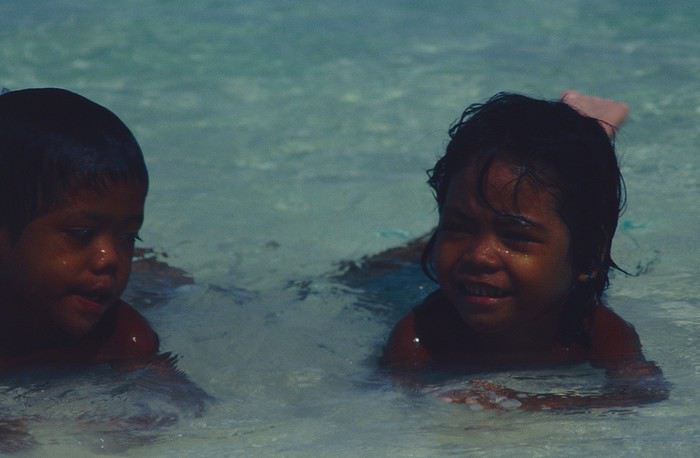
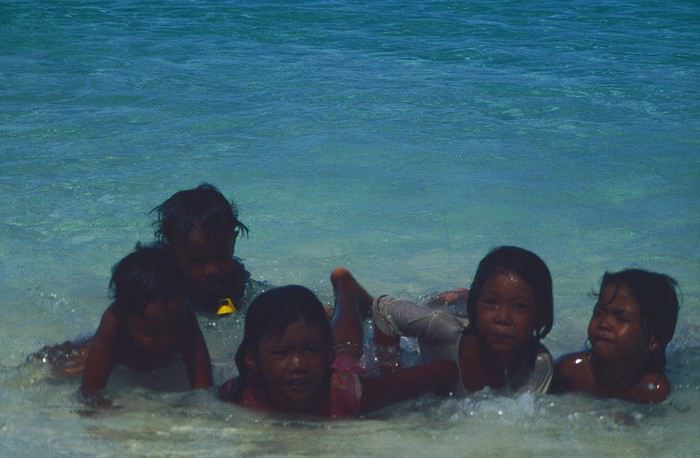
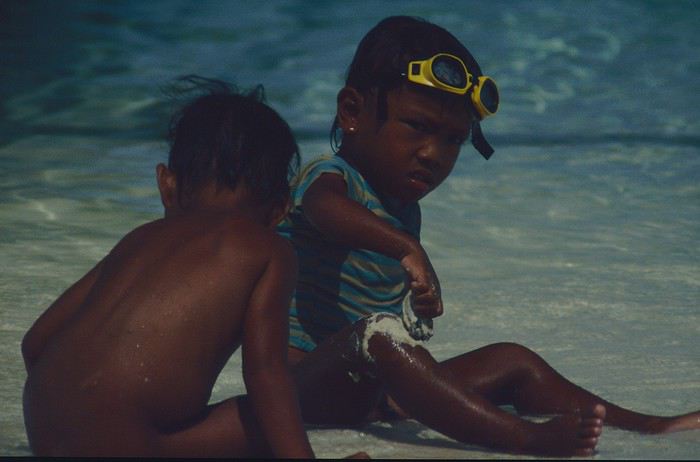
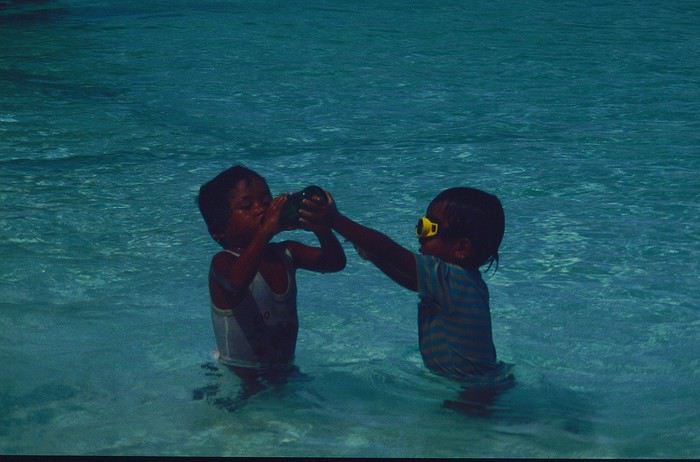
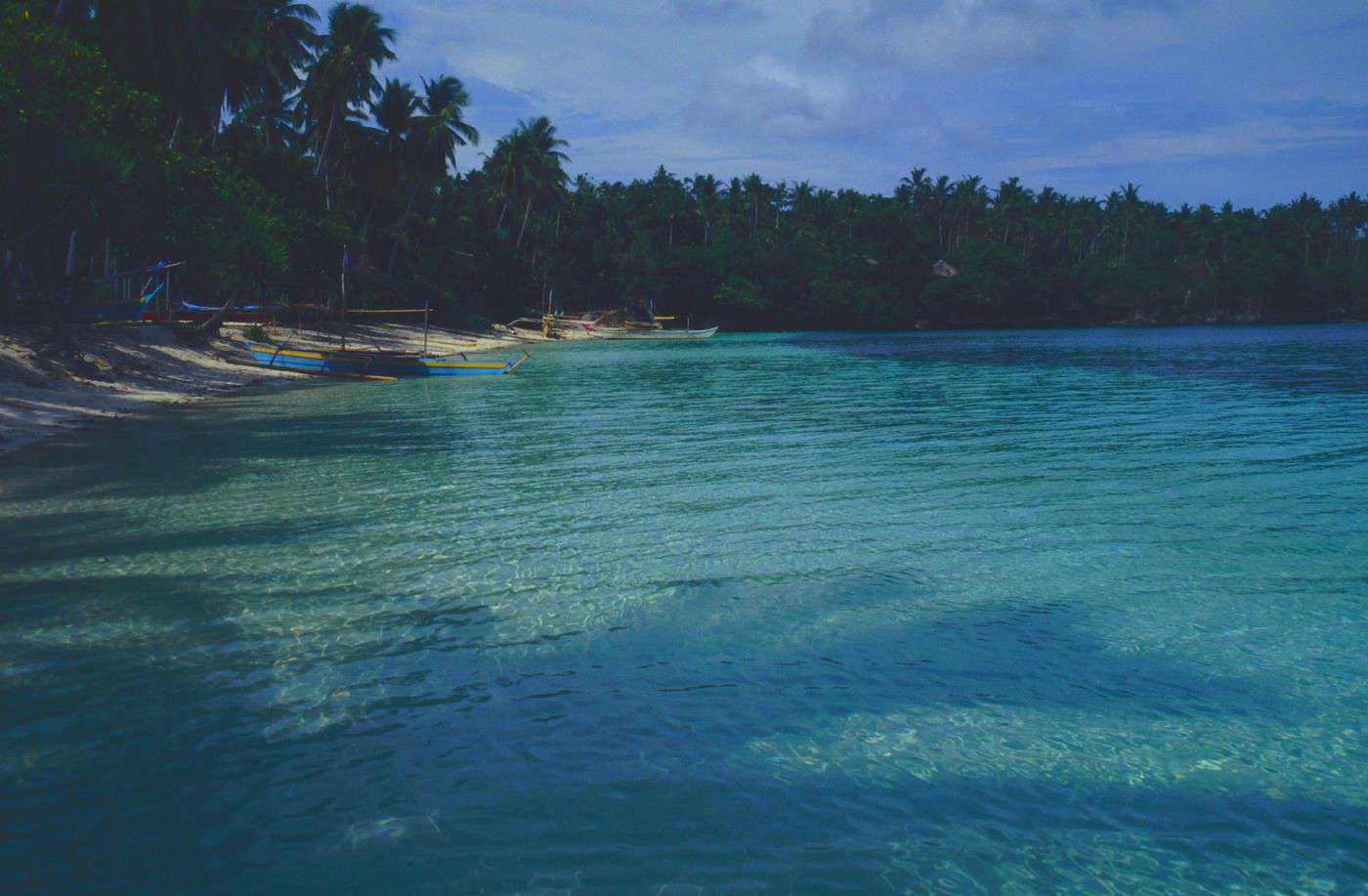
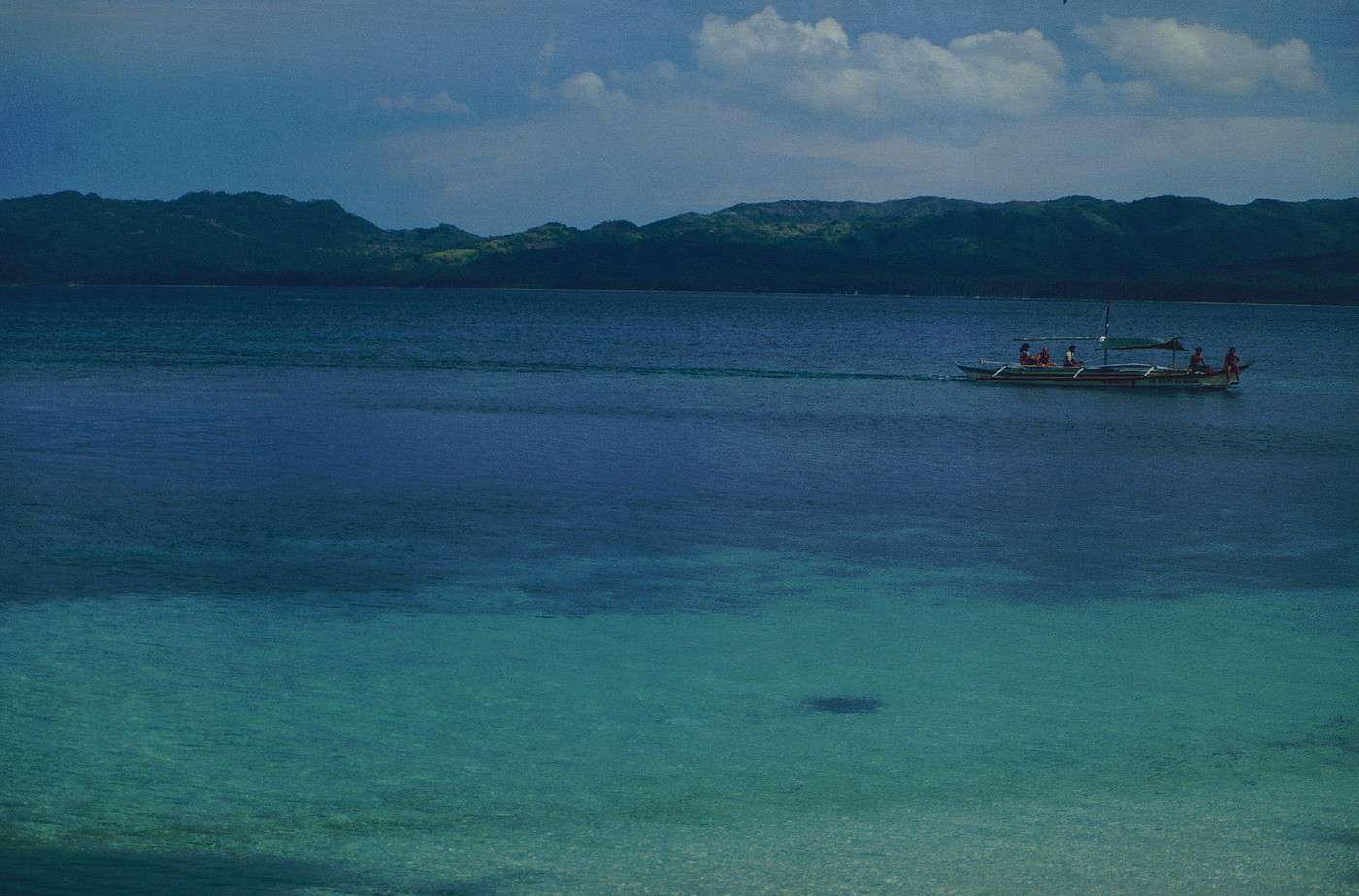
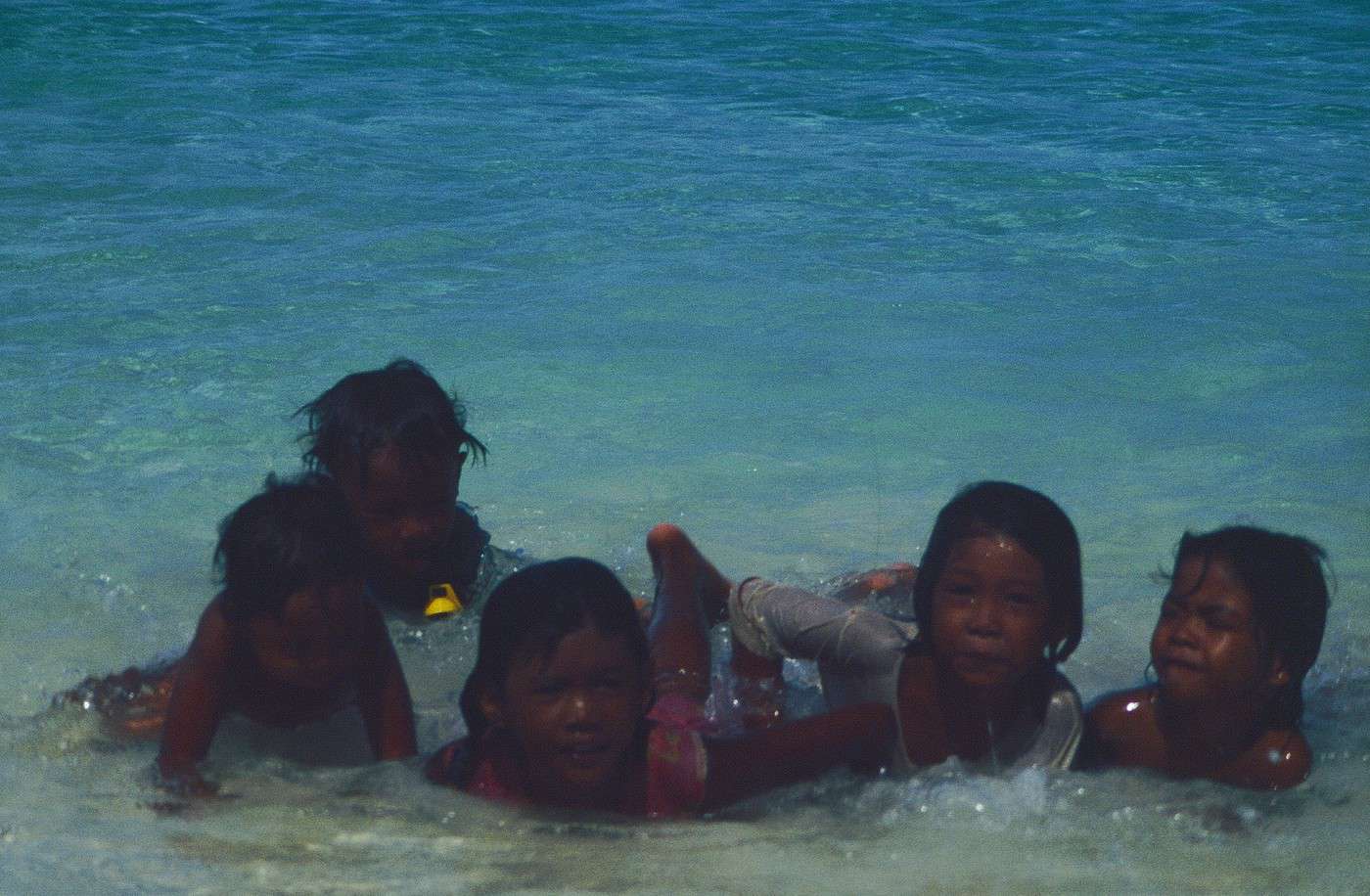
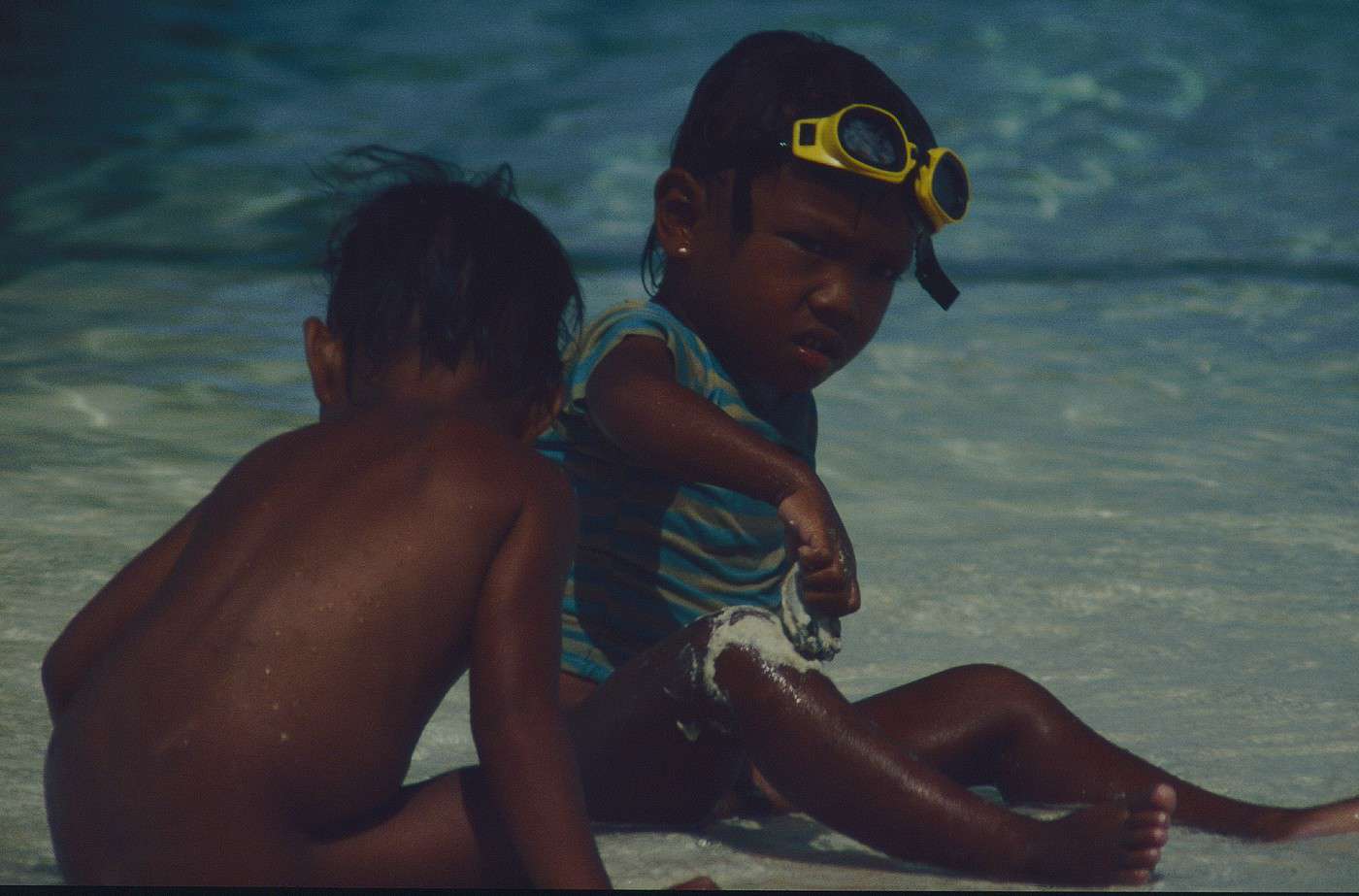
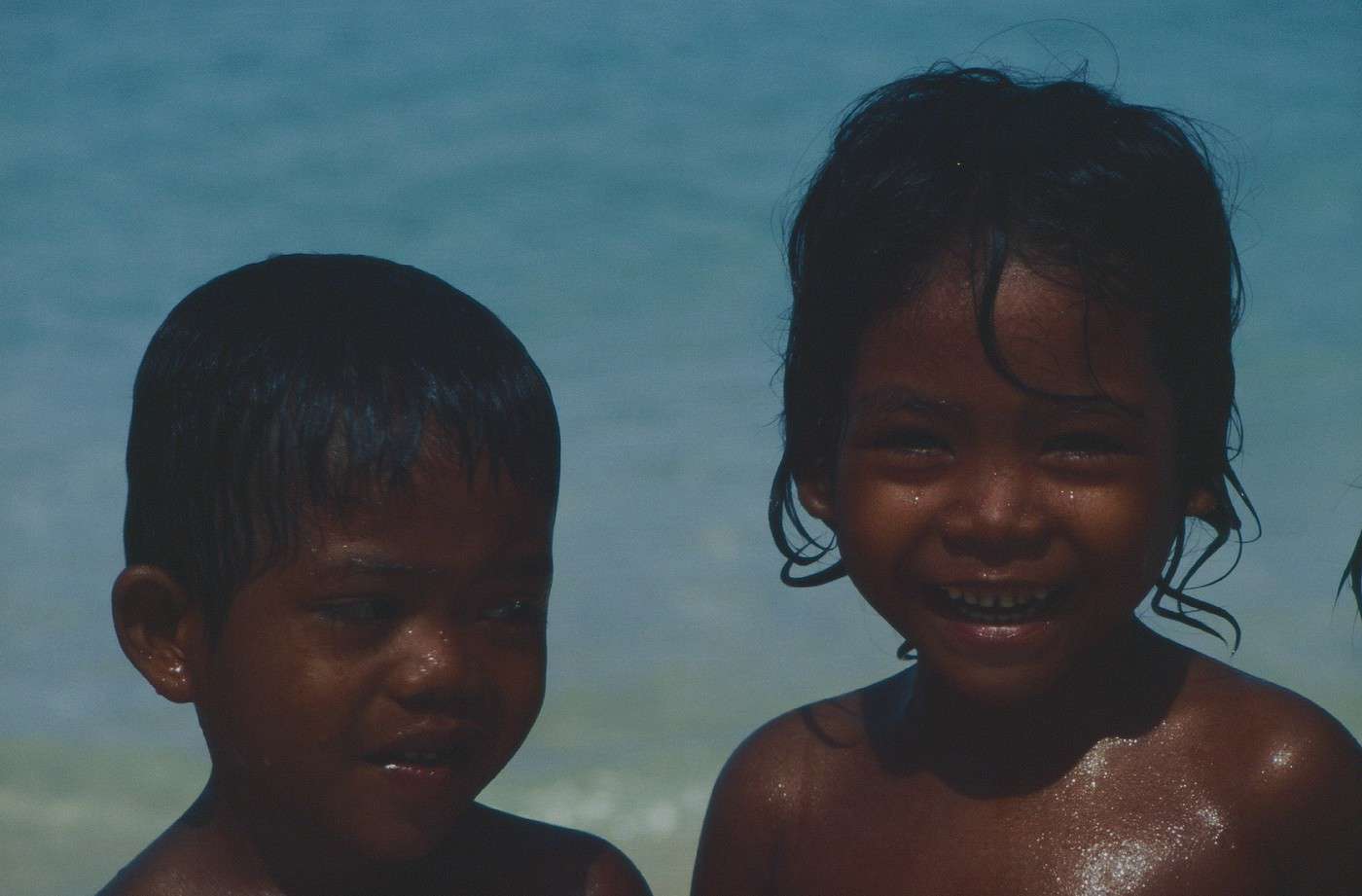
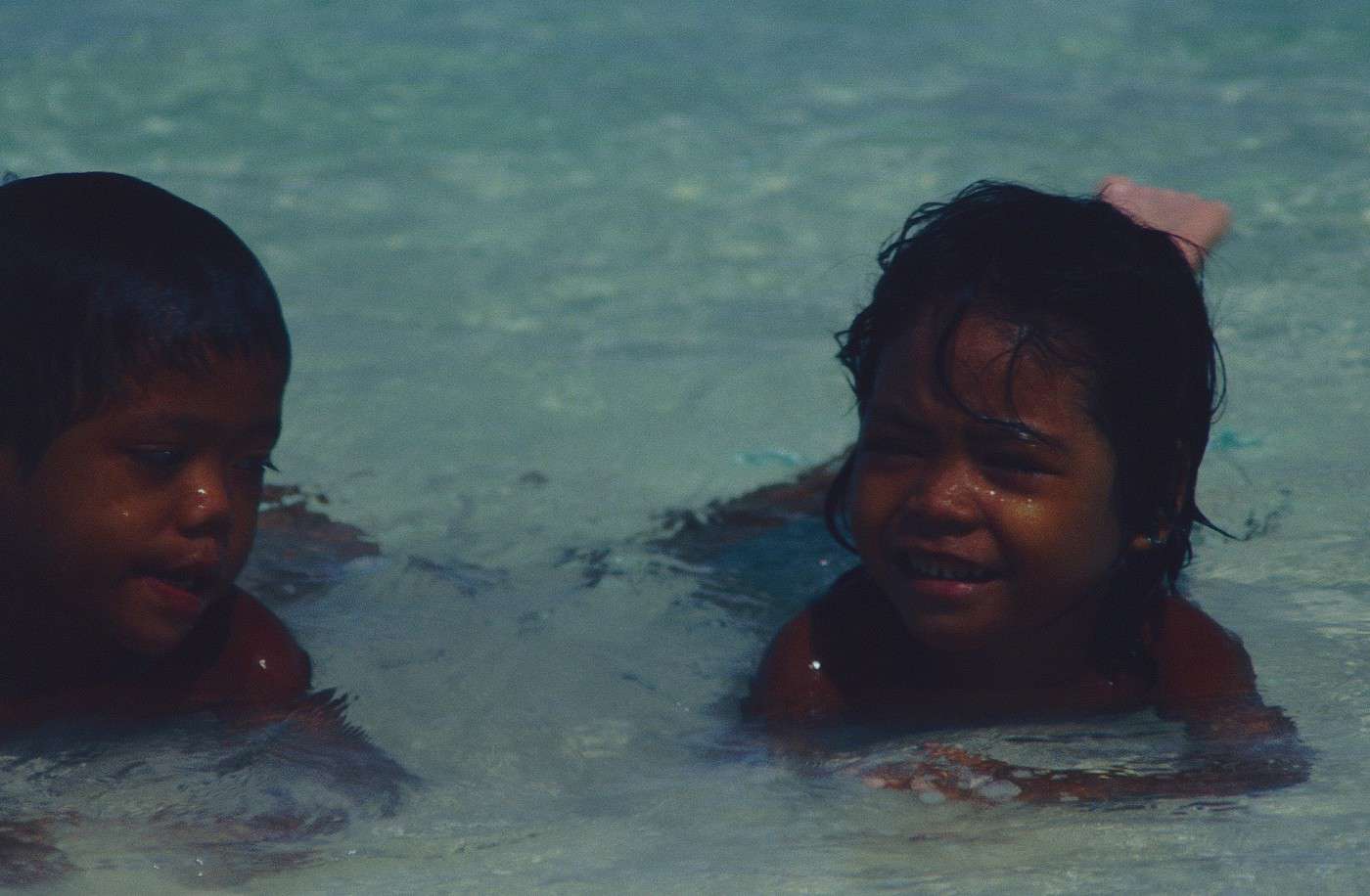
Boracay, the promised land
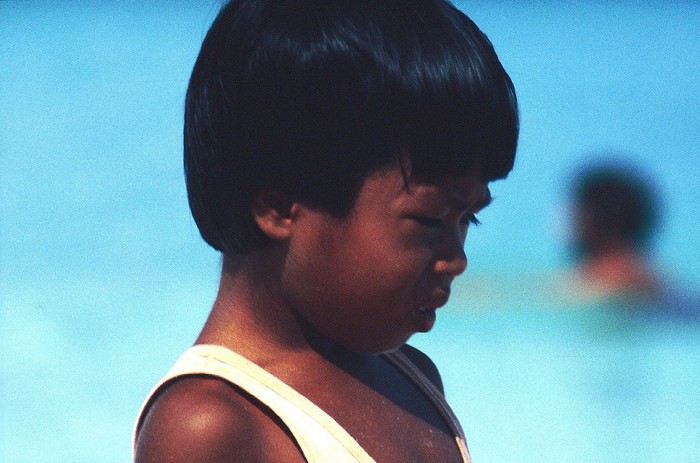
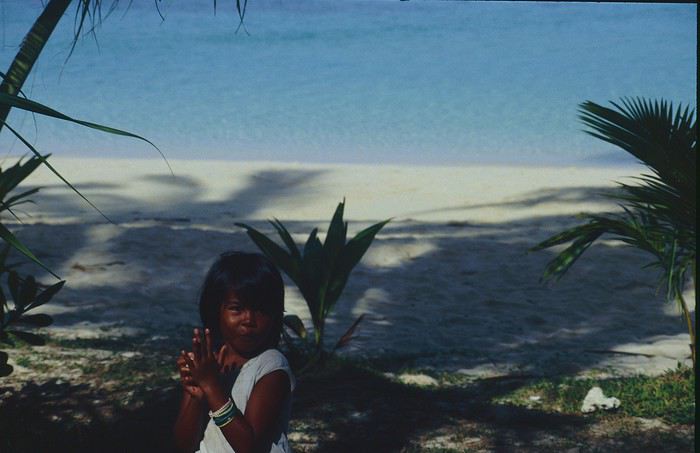
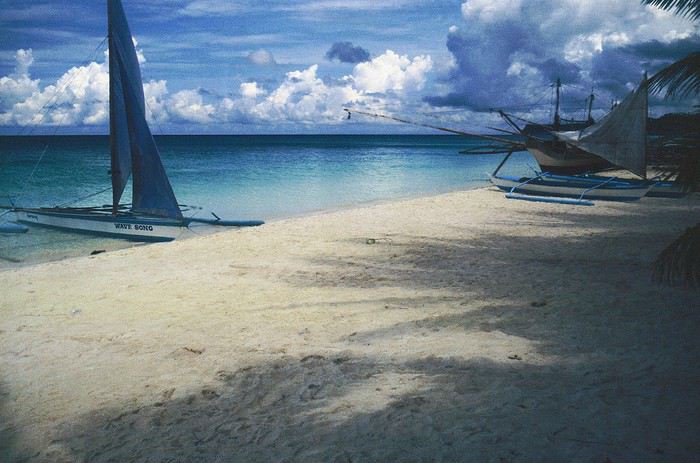
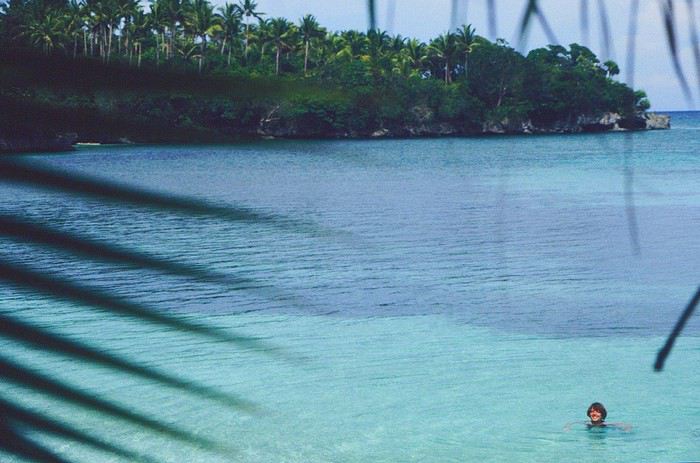
Now that we’ve become big snorkeling (or PMT) fans, we didn’t get to do any in Boracay—we hadn’t brought any gear (now we always travel around Asia with our PMT). But I don’t think you could find any to rent there anyway. I’m not even sure if Boracay has great PMT spots, especially not on that white-sand beach.
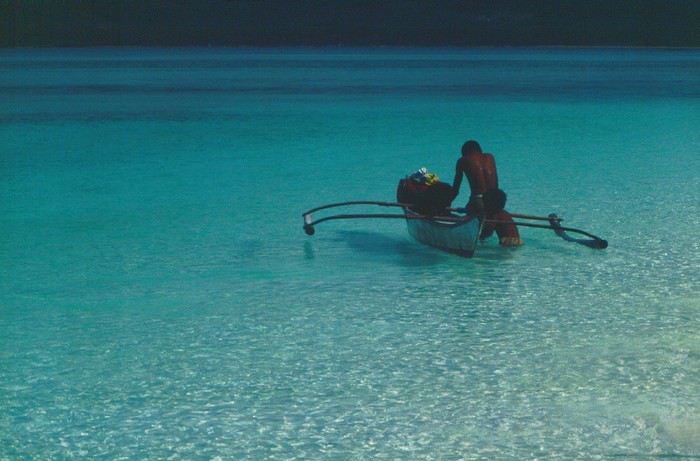
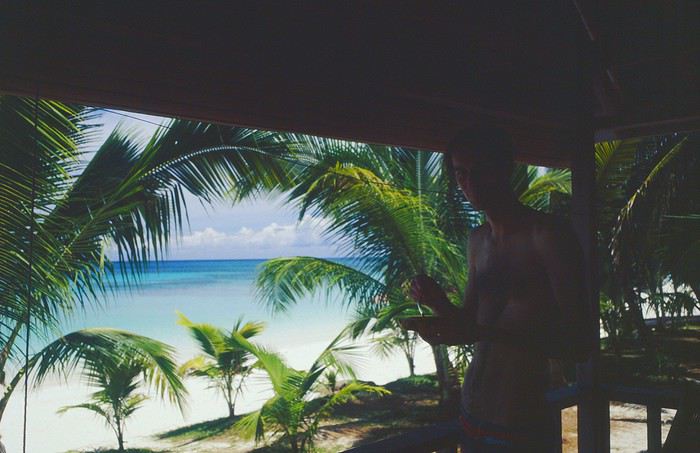
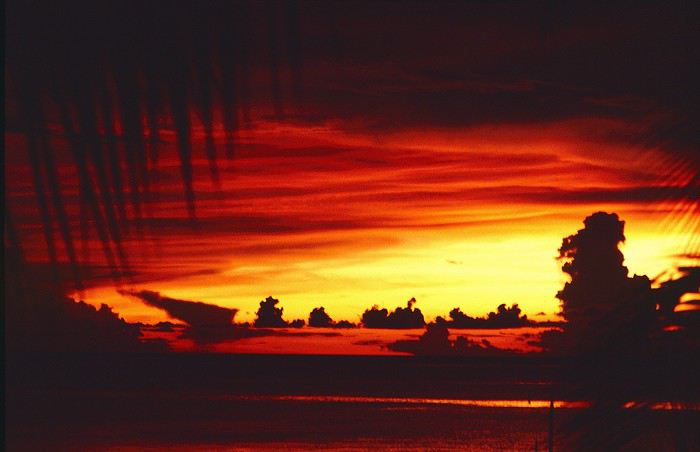
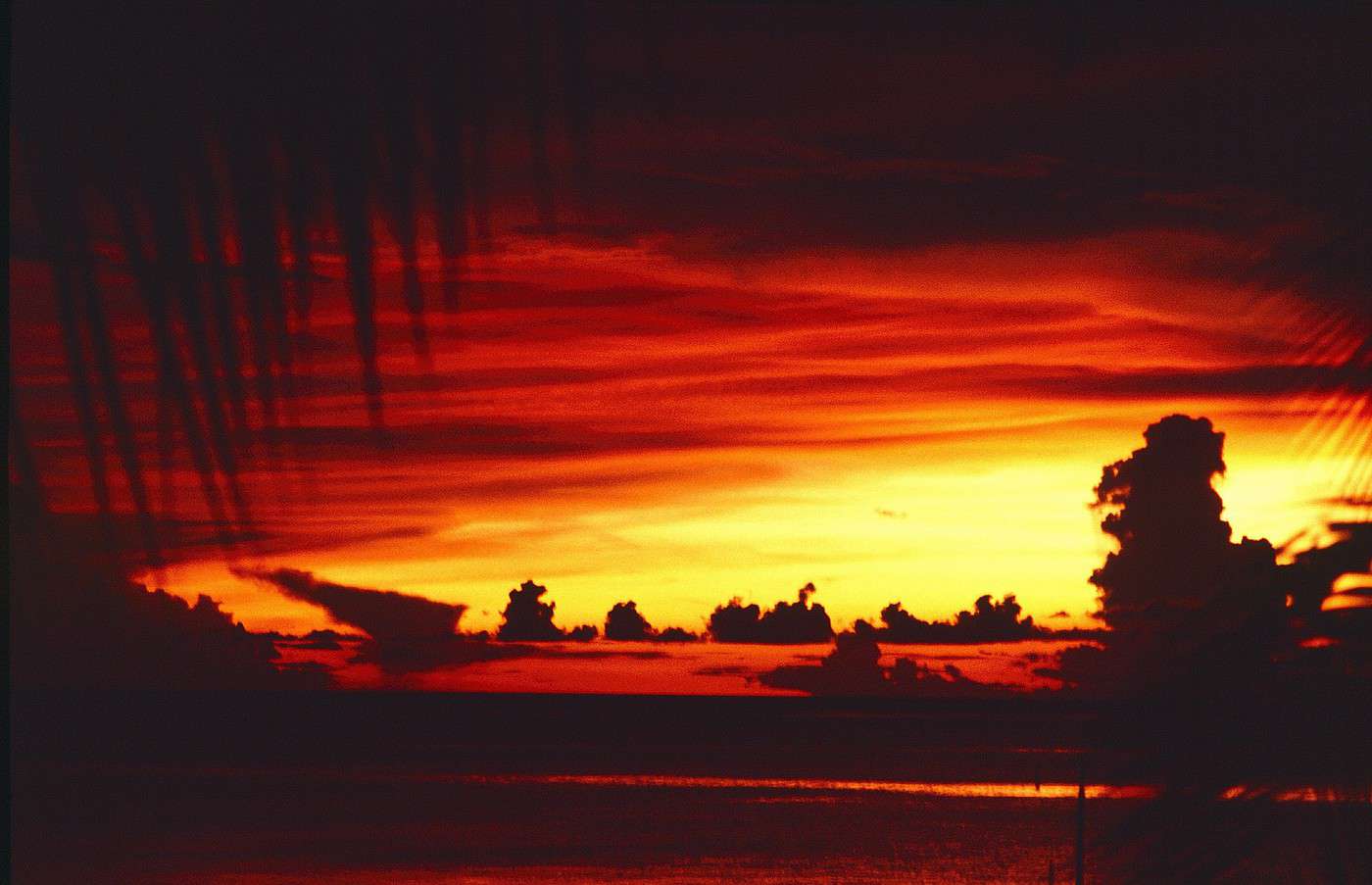
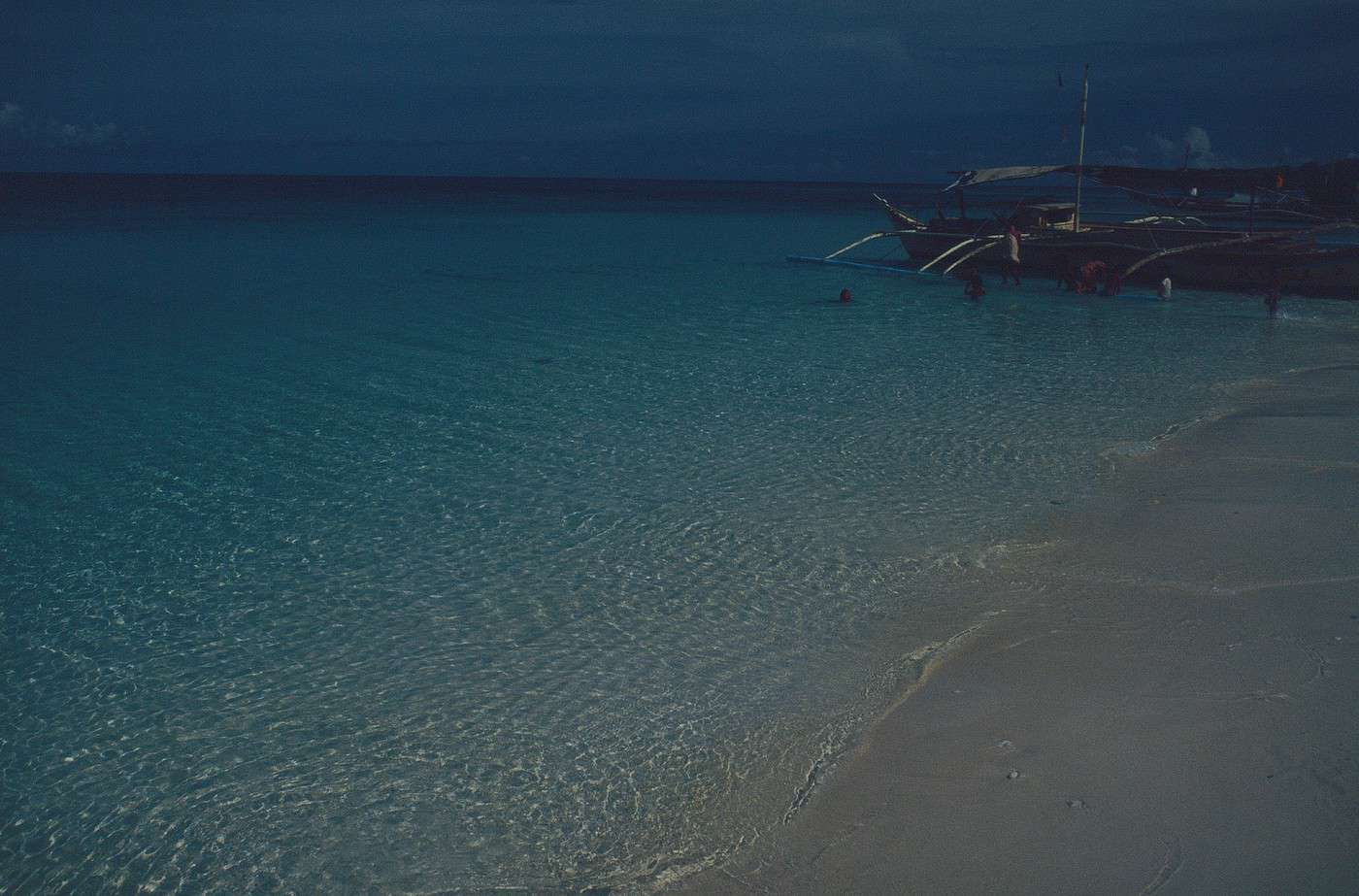
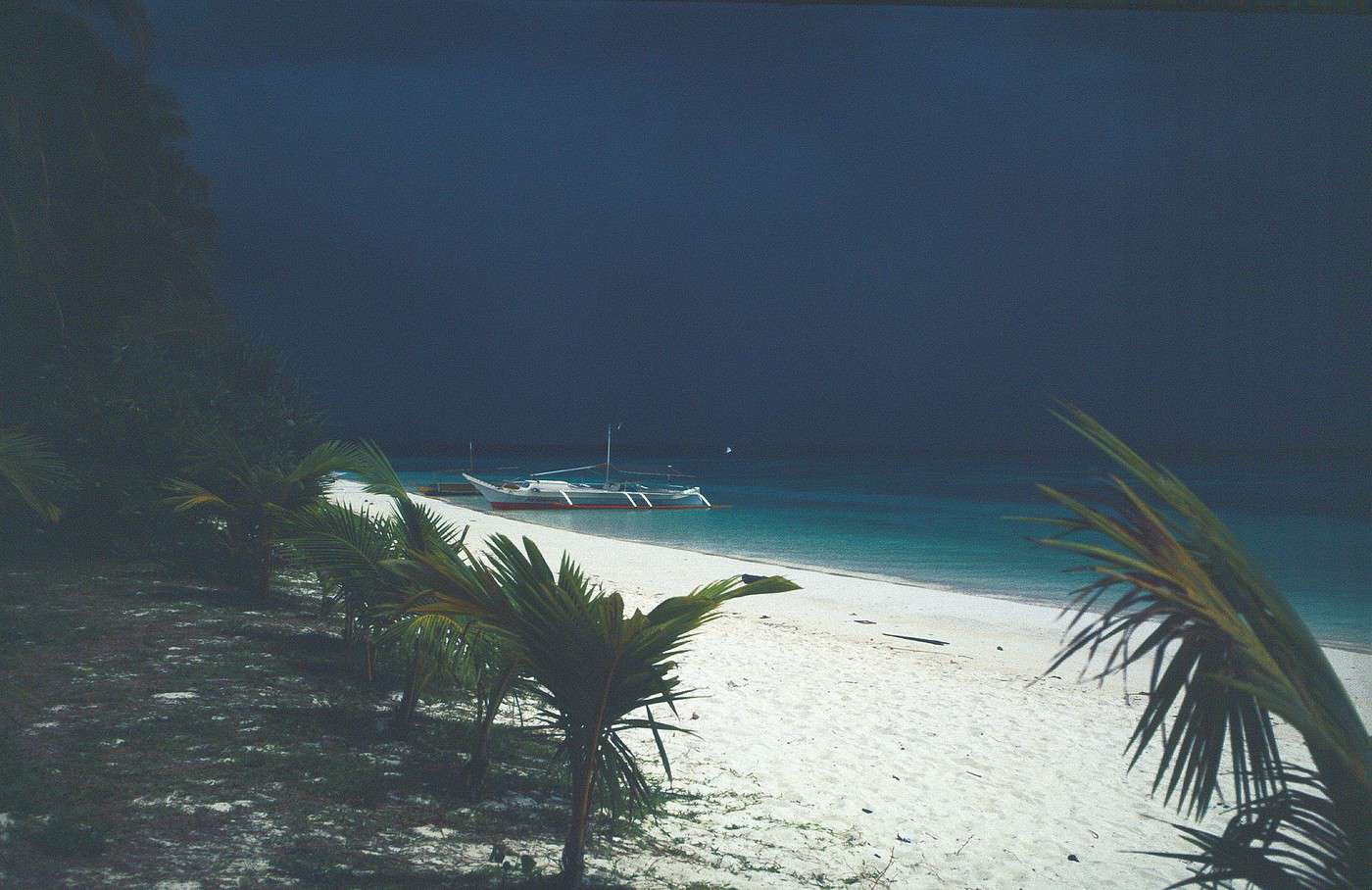
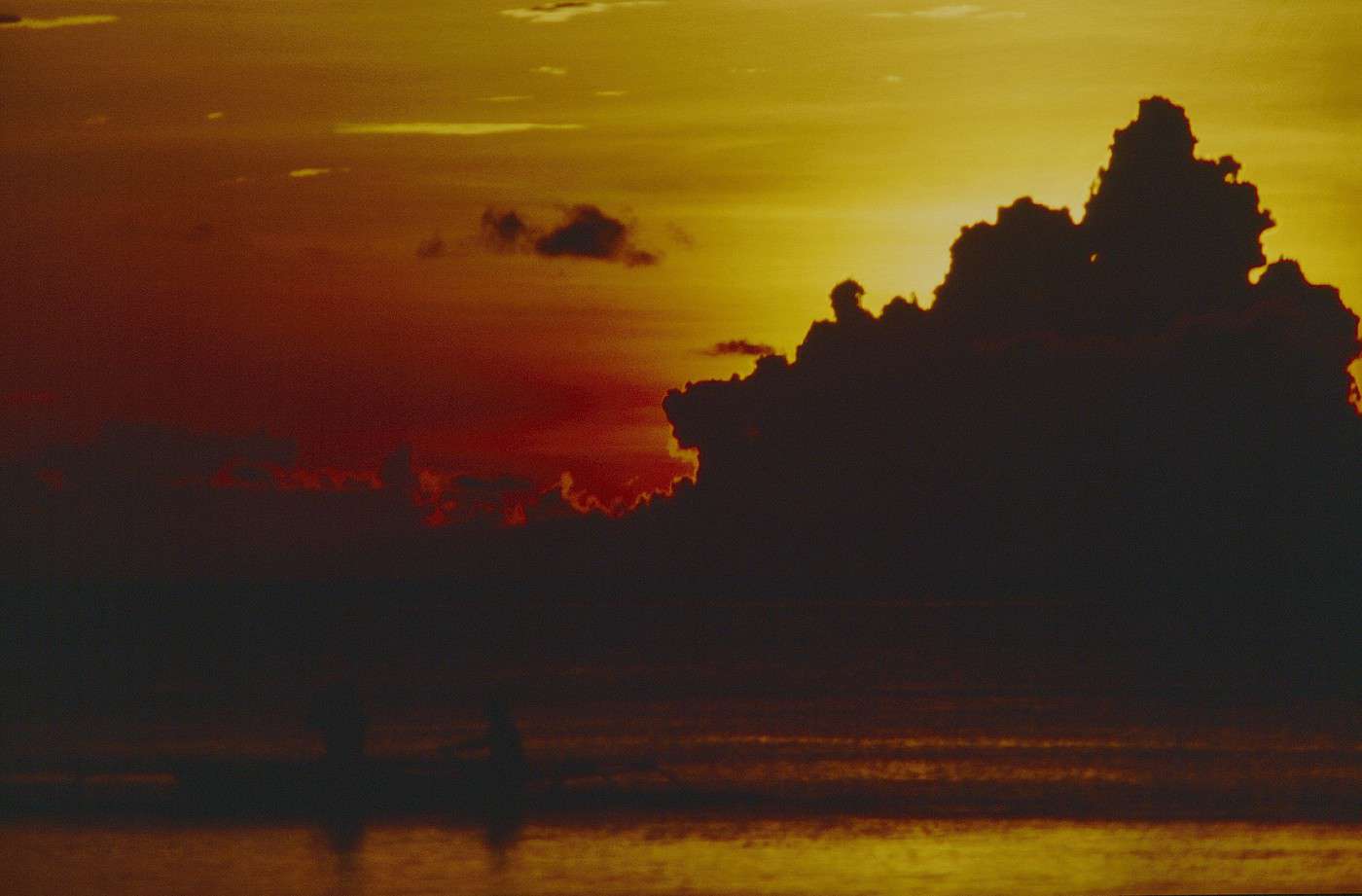
Tonight, the horizon looks especially dark from the bungalow.
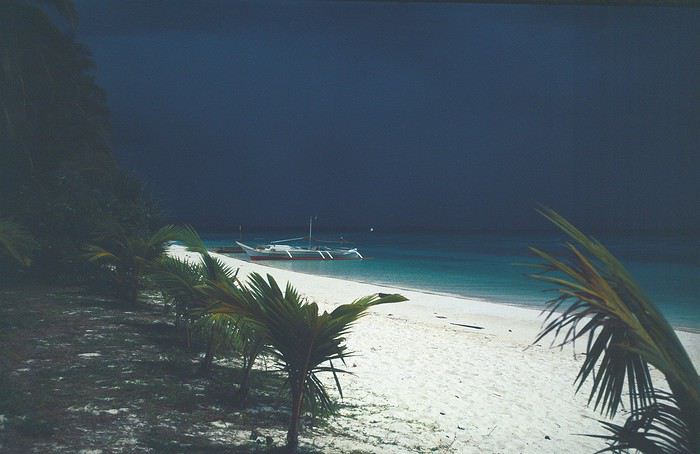
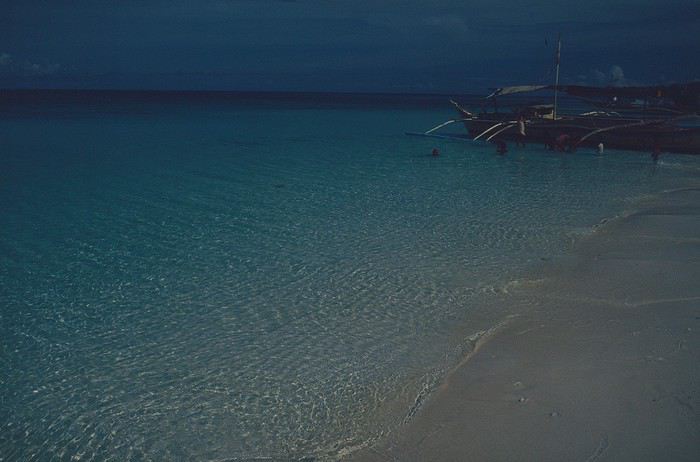
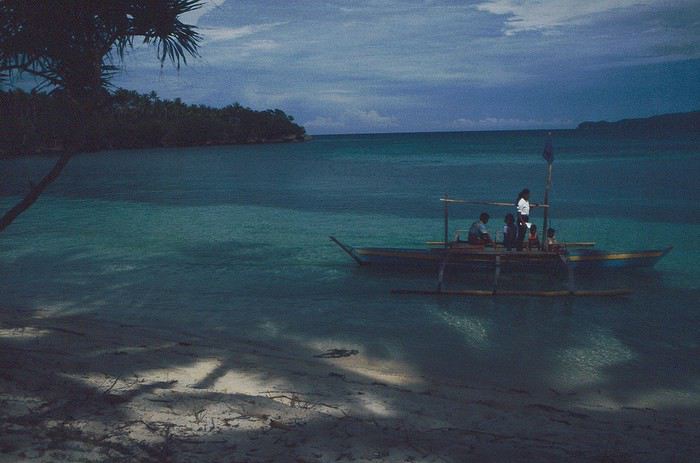
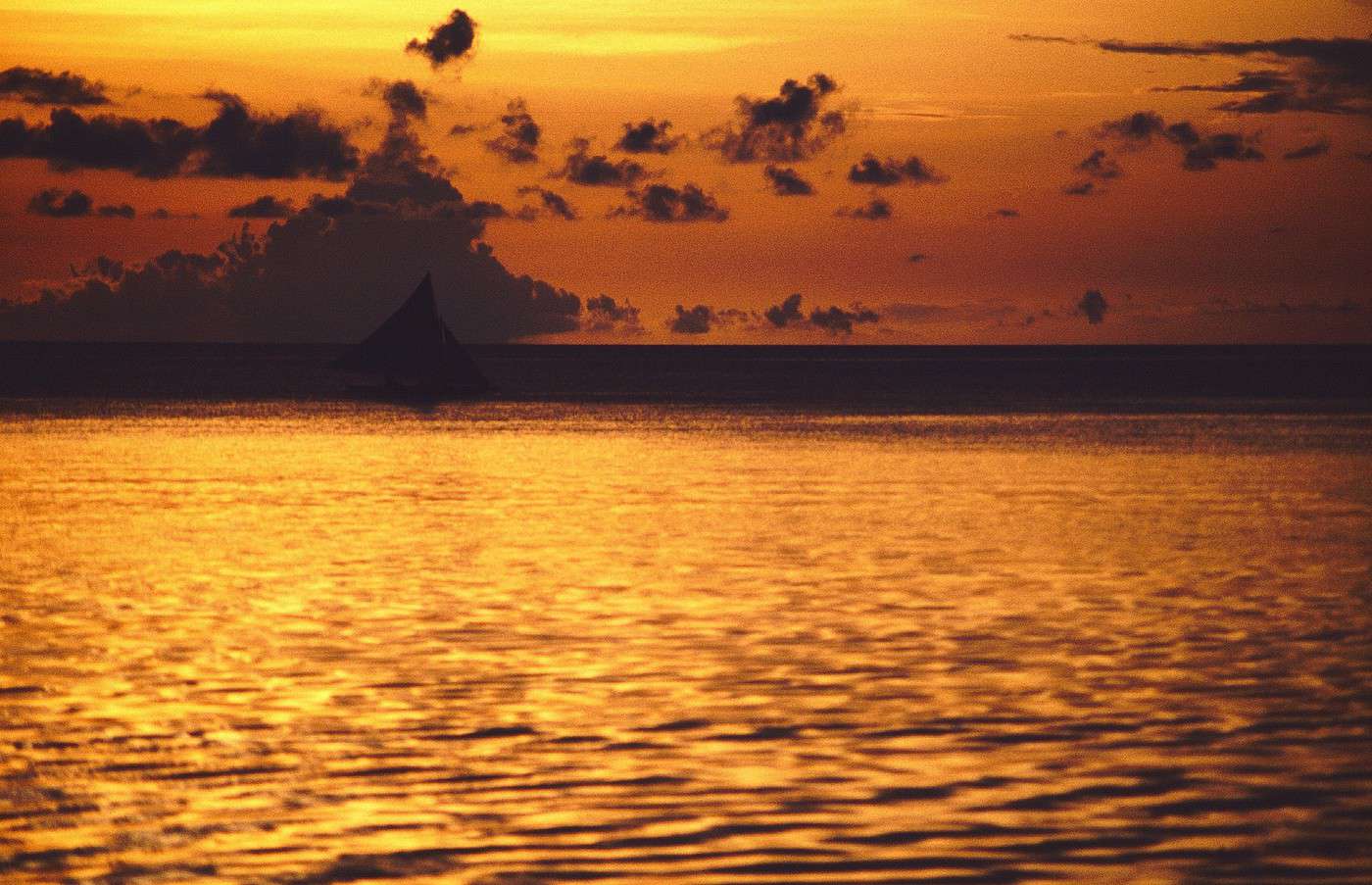
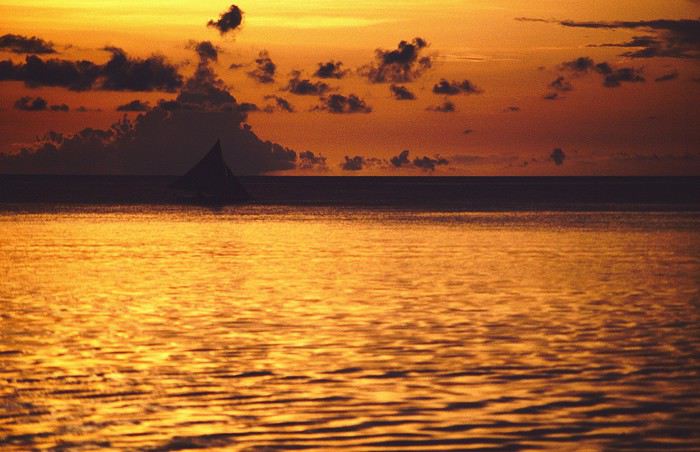
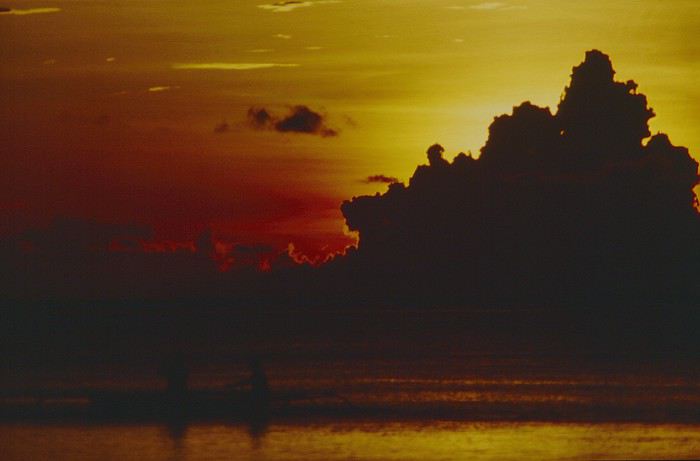
Sunsets with passing clouds and boats are always a deep red.
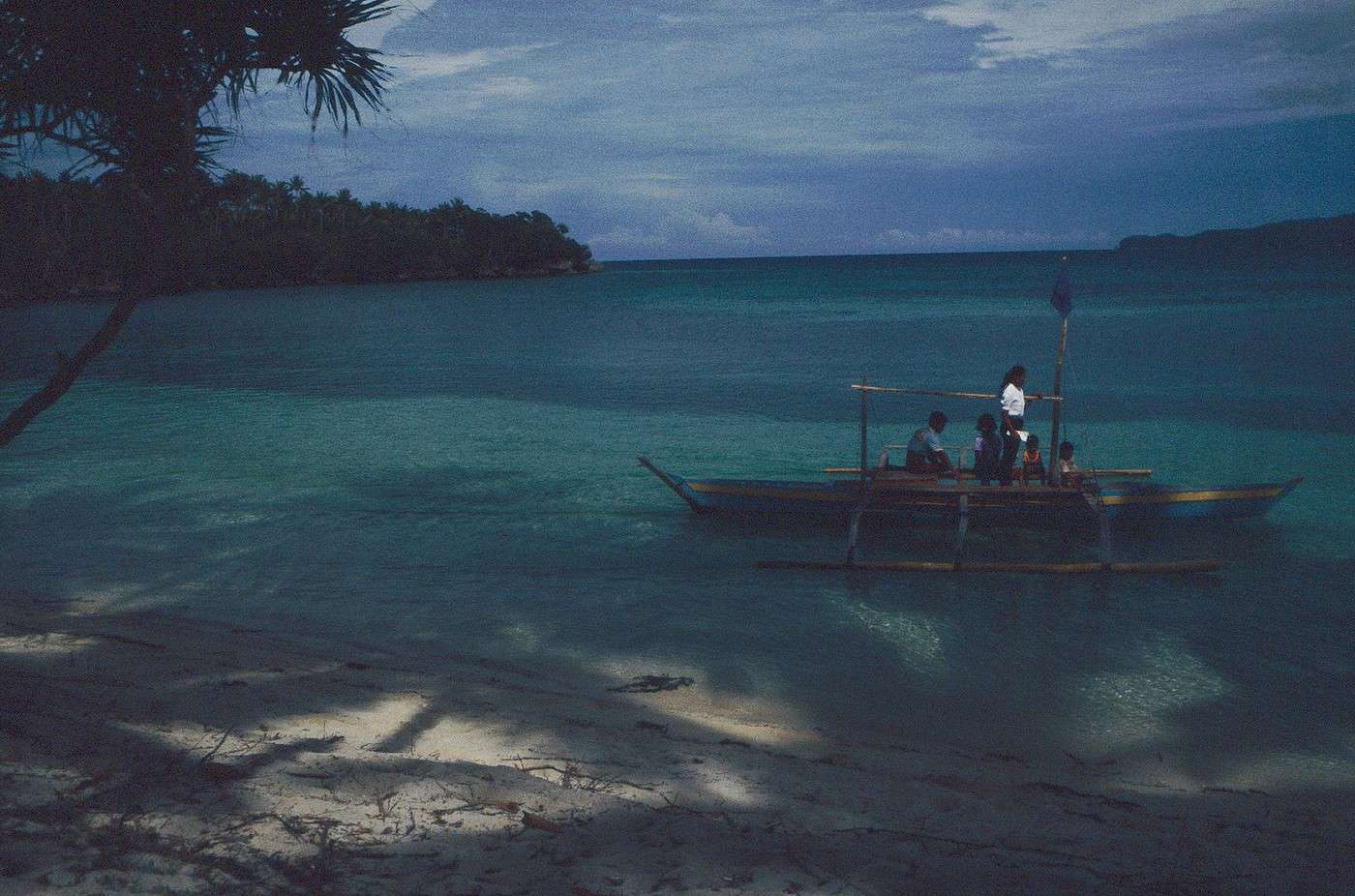
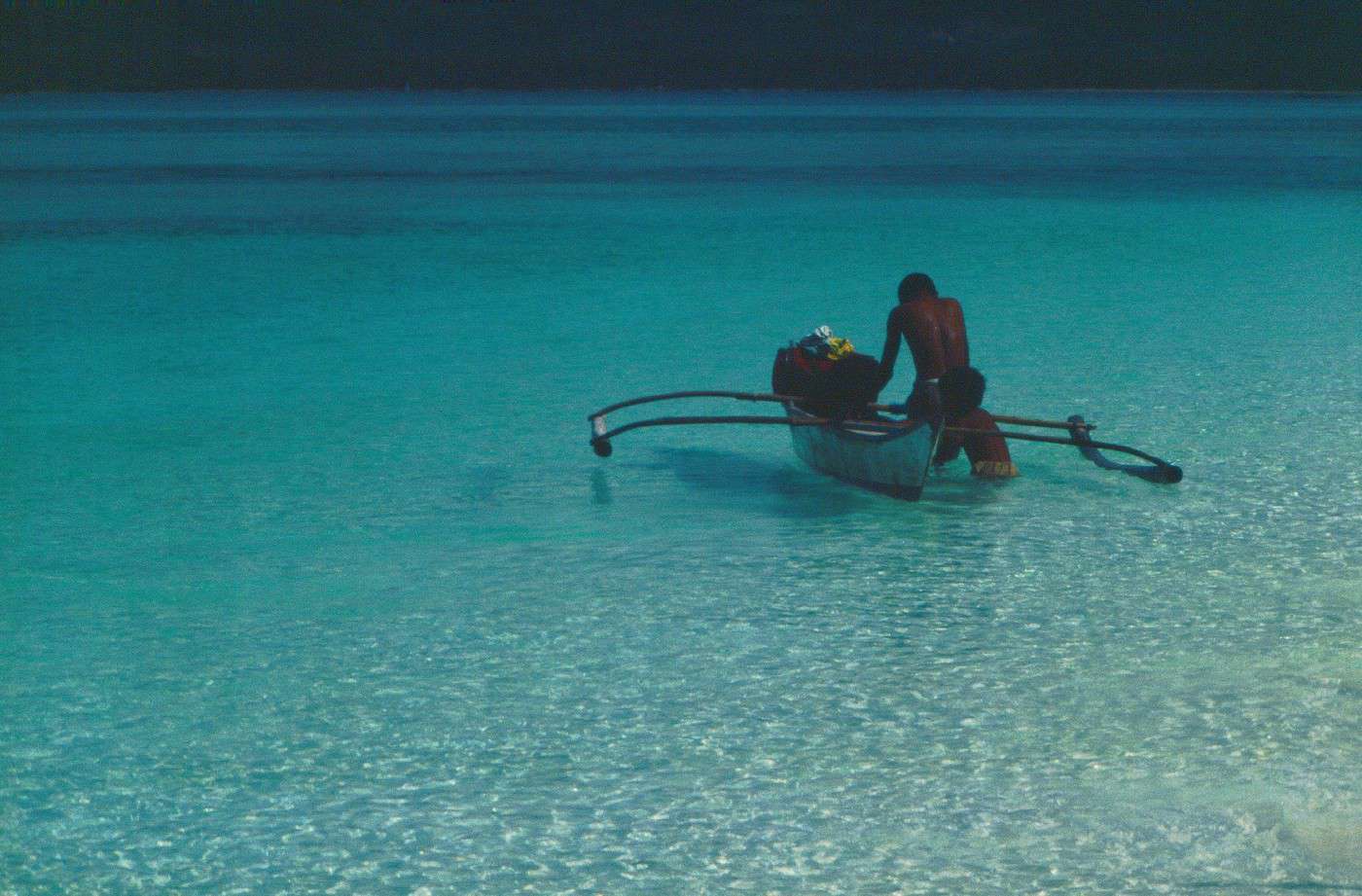
After this dreamy week in Boracay, it was time to head back: a 30-minute outrigger canoe ride, then an hour (or two or three?) in a jeepney to the Kalibo airport runway surrounded by coconut trees, followed by a flight to Manila, where we had to find a "normal" hotel—what a change from the cockroach-infested Indian hotel and the love hotel!
Judging by the state of some streets, the riots and crackdowns our young Filipino friend in Mambukal had warned us about must’ve happened. There were still military vehicles in Manila, but it was impossible to know what really went down—no one talked politics, and there was no free press. This wasn’t the era of smartphones where everyone could film. How many deaths? Injuries? Arrests? A mystery.
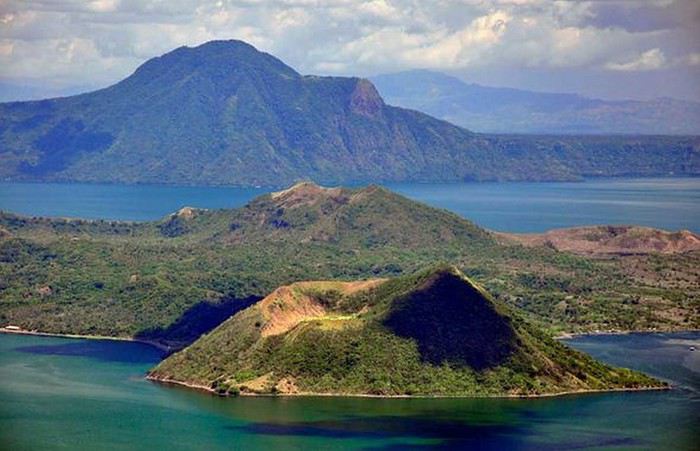
Instead of staying in a city under siege, we decided to spend our last day in the Philippines visiting Taal Volcano, not too far from Manila. It doesn’t look like a steep, perfect cone at all—its slopes are gentle, covered in crops like pineapples, avocado trees, banana trees, papayas, etc. The road climbs right up to the crater’s edge, where the bus dropped us off.
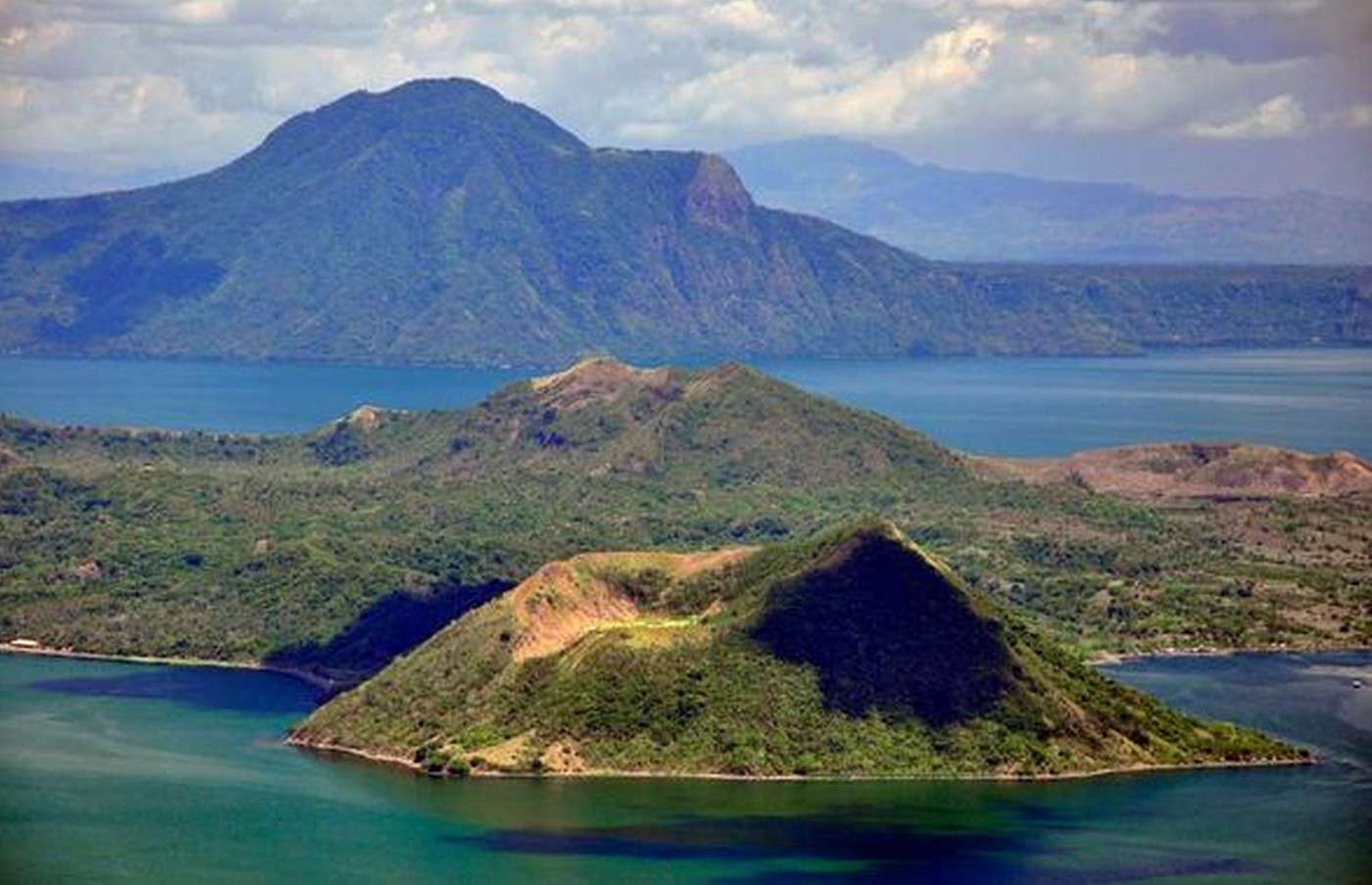
The caldera is huge, filled by a lake with a large island in the middle that has its own lake—it’s like a Russian nesting doll maker came up with the idea.
It’s considered extremely dangerous; its last eruption in January 2020 buried the entire region in ash:
https://www.lemonde.fr/planete/article/2020/01/21/apres-l-eruption-du-volcan-taal-une-ile-desertee-et-ensevelie-sous-les-cendres_6026739_3244.htmlToo bad I don’t have any photos—I borrowed one from the web to give you an idea:
For future travelers, I don’t think this excursion is worth it.
Back in Manila, I only remember two things:
- A huge cemetery where families spend Sundays because the tombs are like little houses with TVs. Since many people are poor and don’t have TVs at home, they make sacrifices to give their deceased loved ones one!
- Entering the business district, all shiny with modern buildings and banks, no slums in sight. But as you walk down the street, you pass a discreet police checkpoint meant to keep out the many beggars and poor people (i.e., a lot of folks!!). Hiding the poor.
And that’s it!
A few closing thoughts:
Looking back, even though almost all our trips have been amazing, I can say this one was exceptional—not just for the landscapes or what we saw, but for everything we lived through, all those wild situations packed into a single journey.
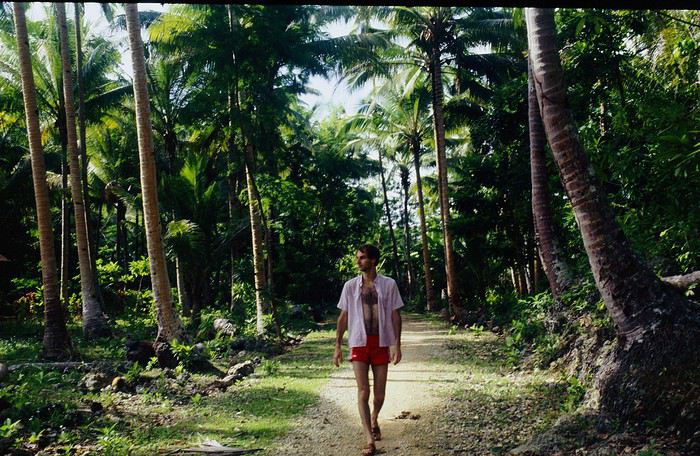
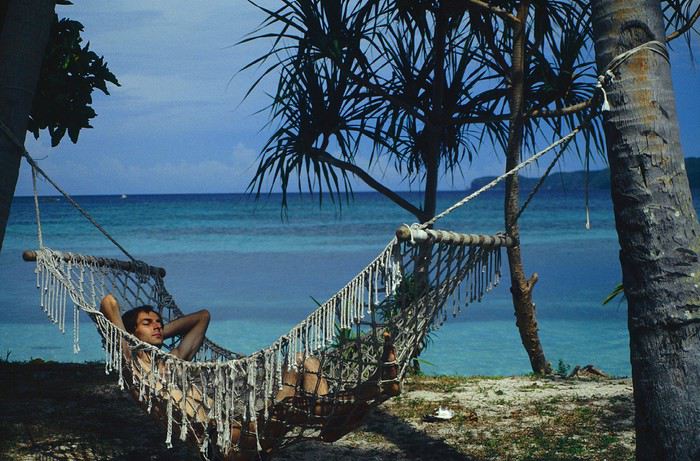
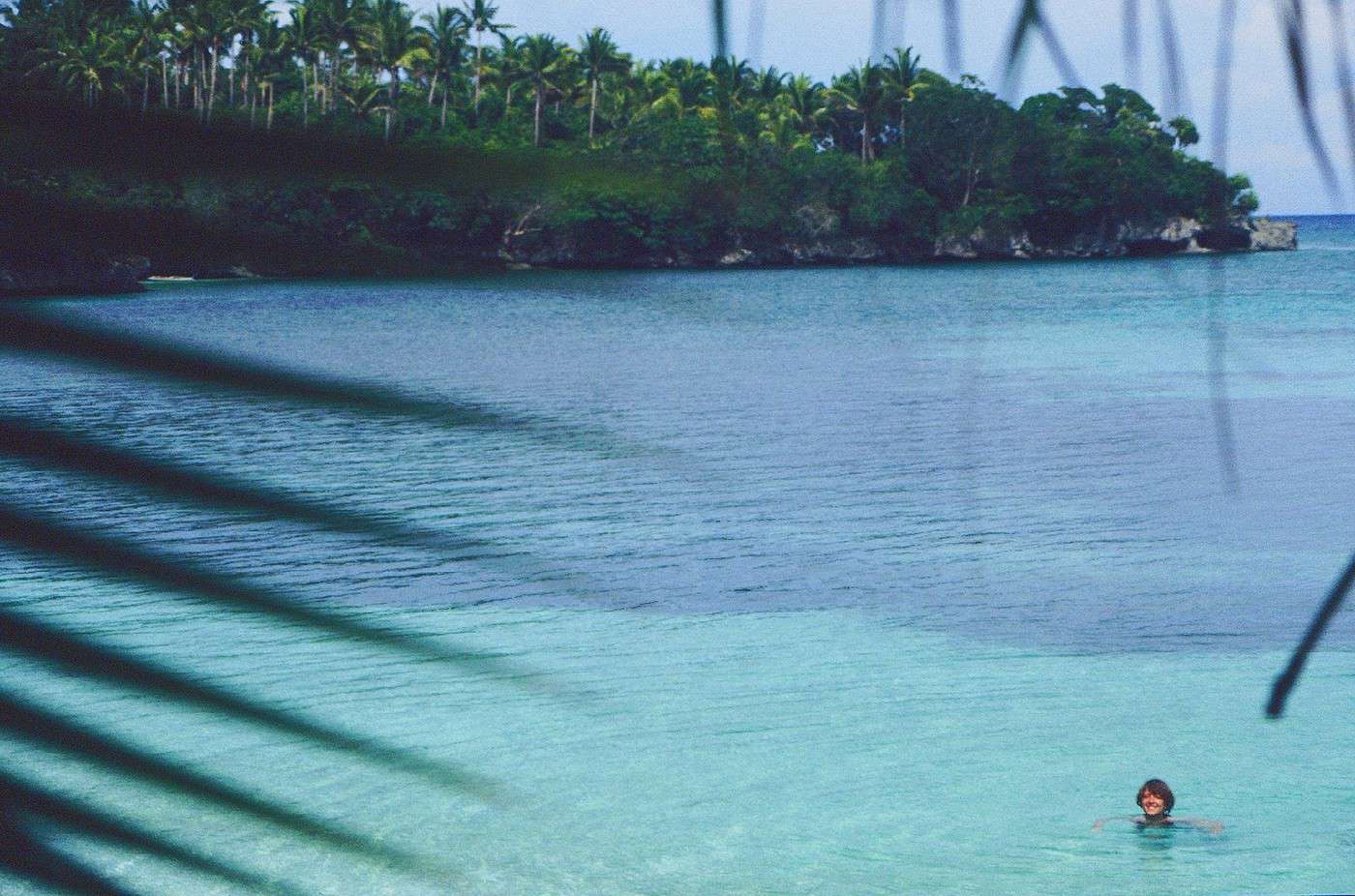
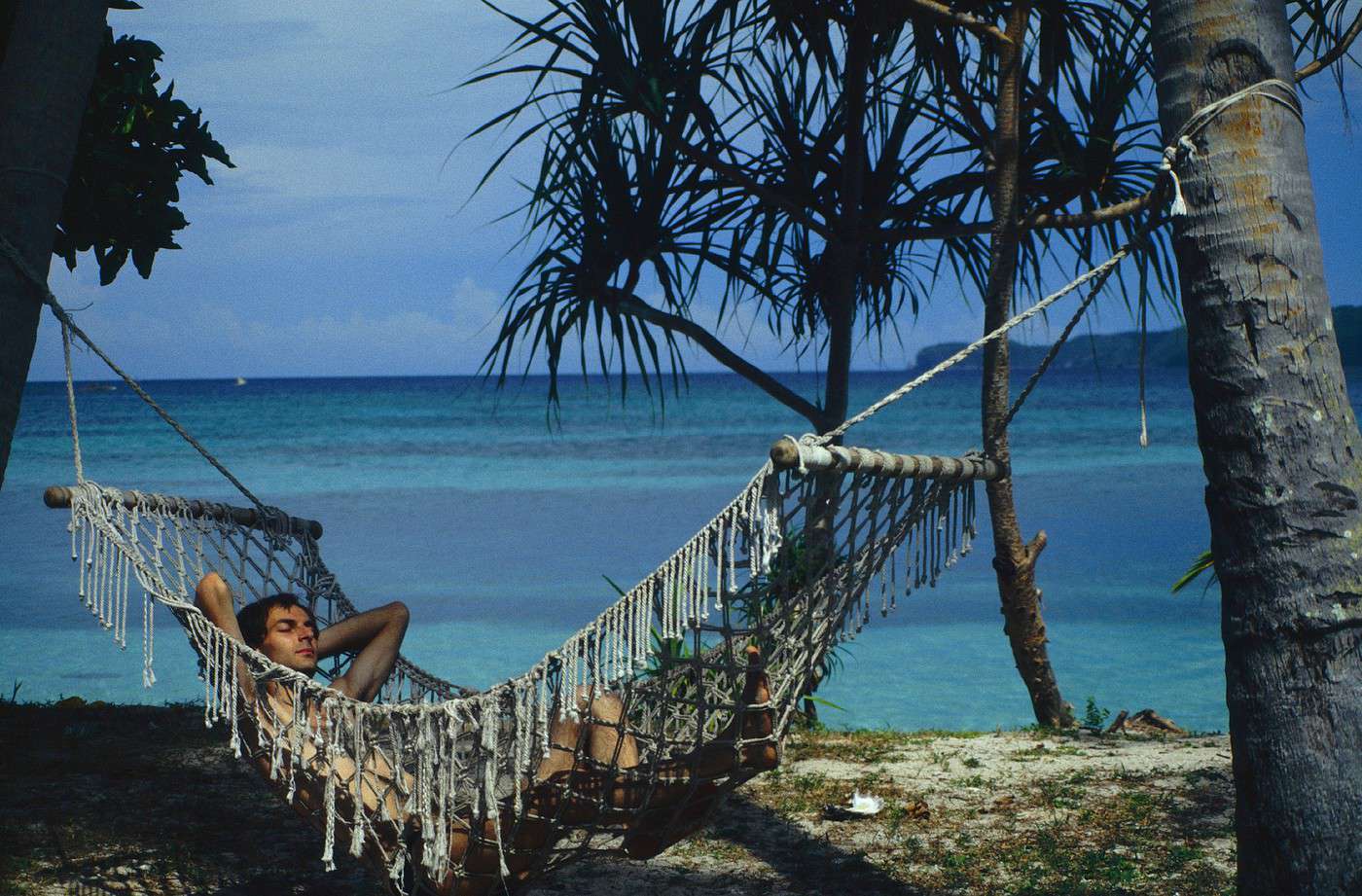
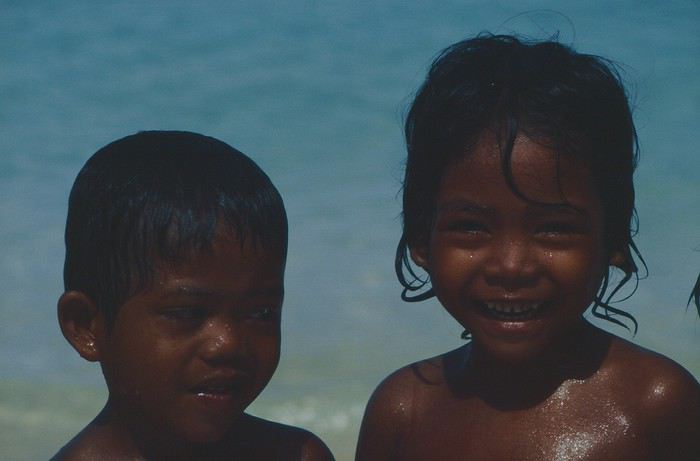
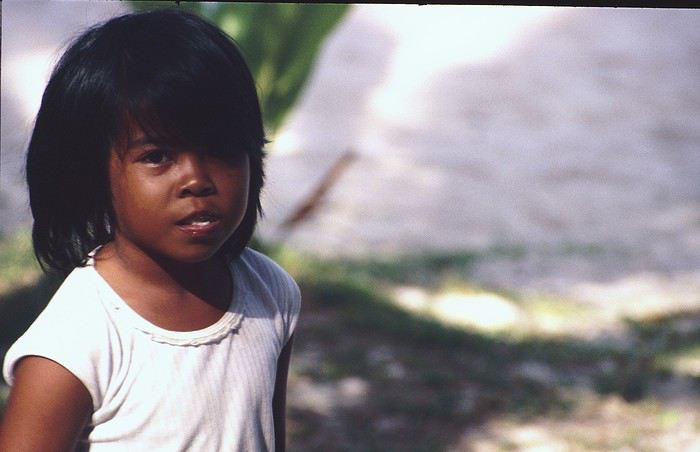
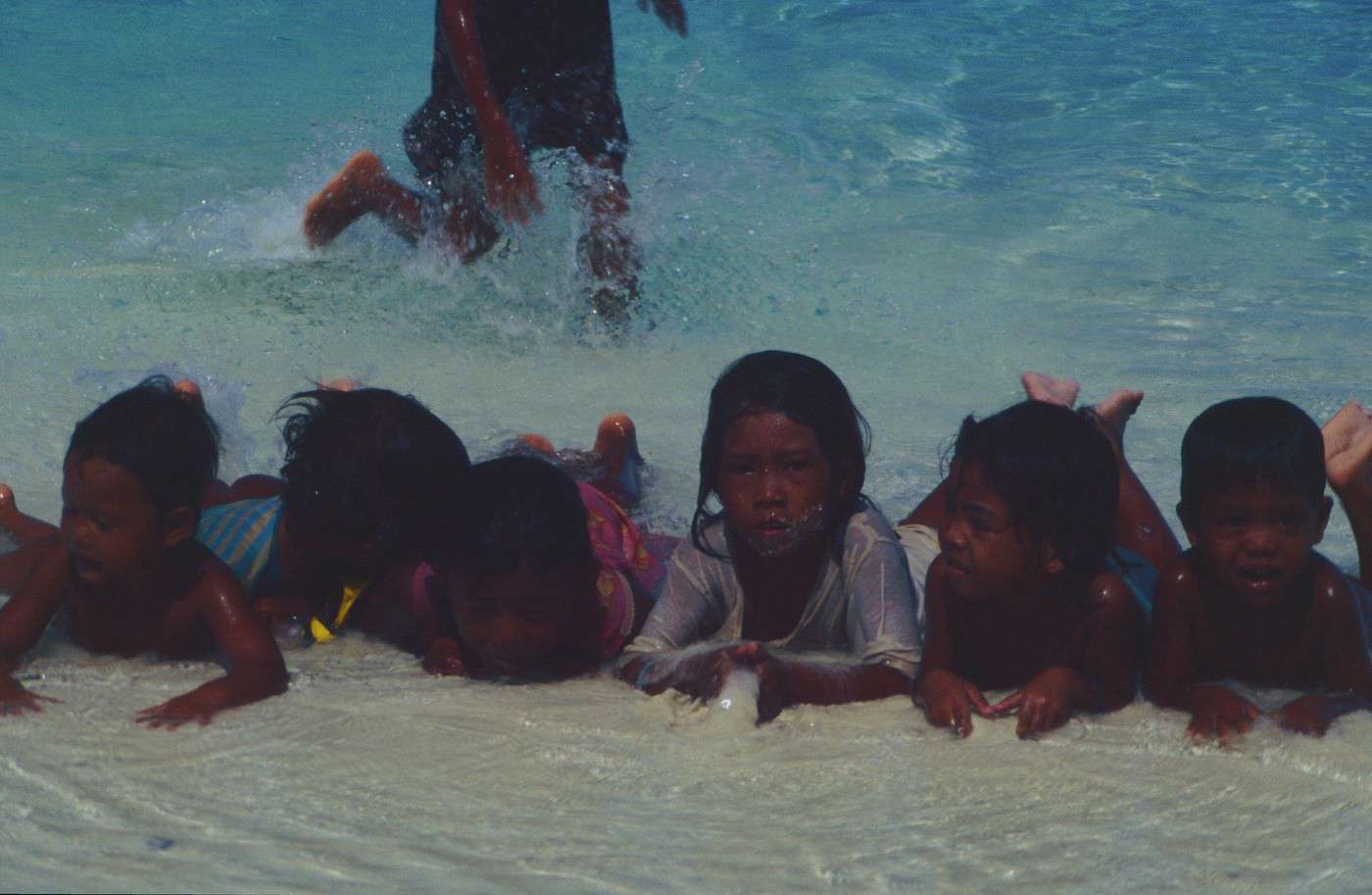
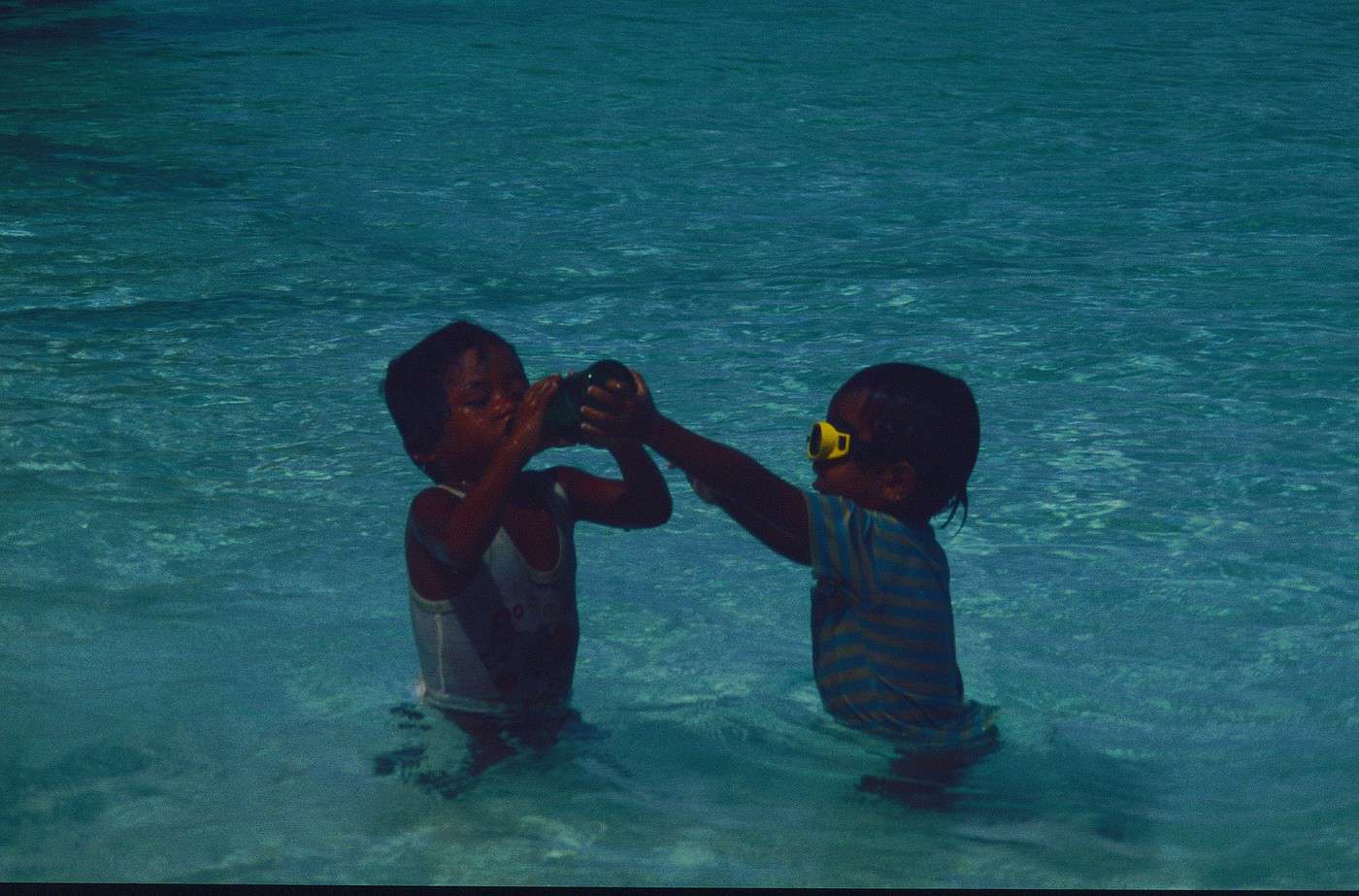
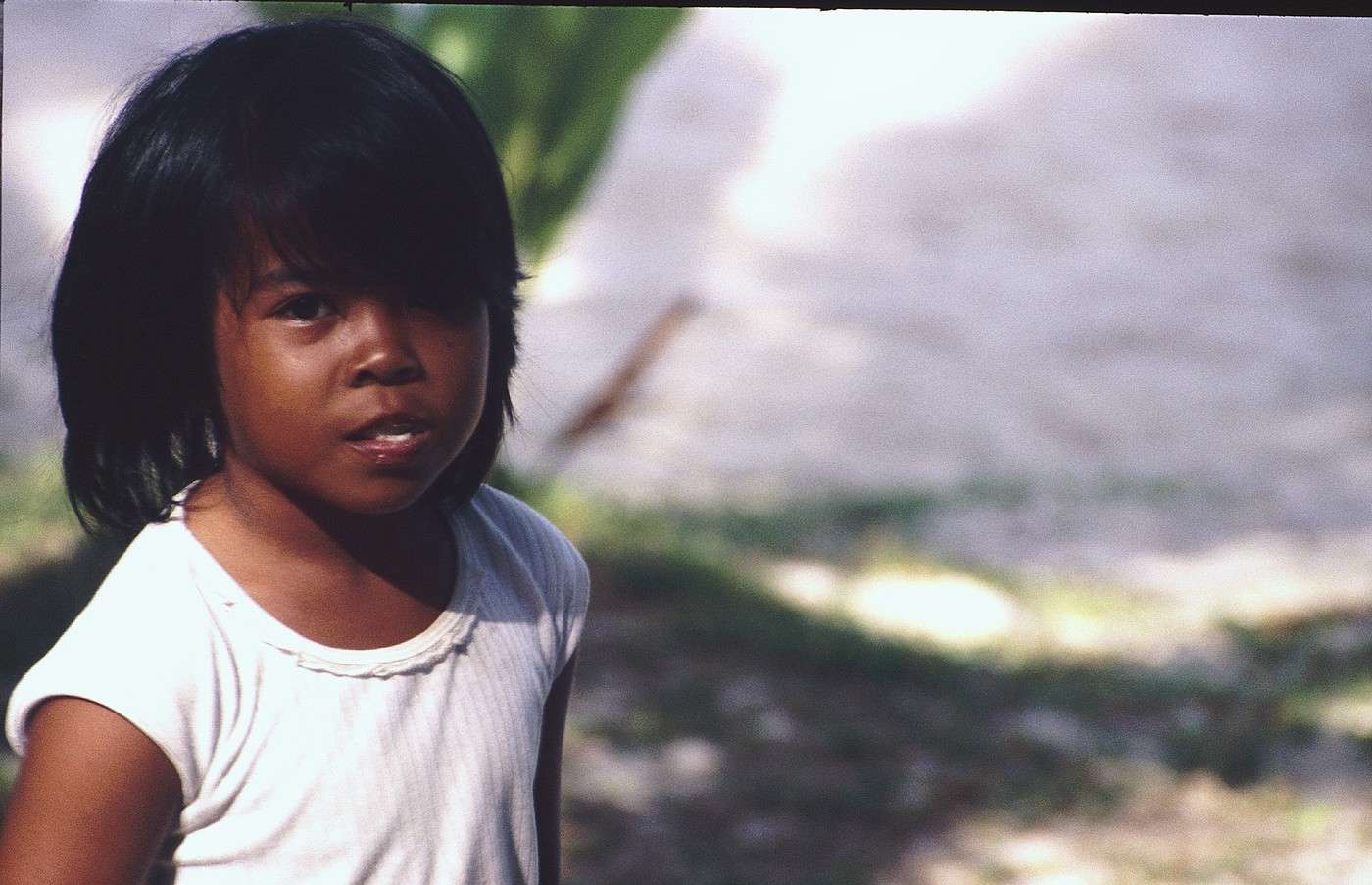
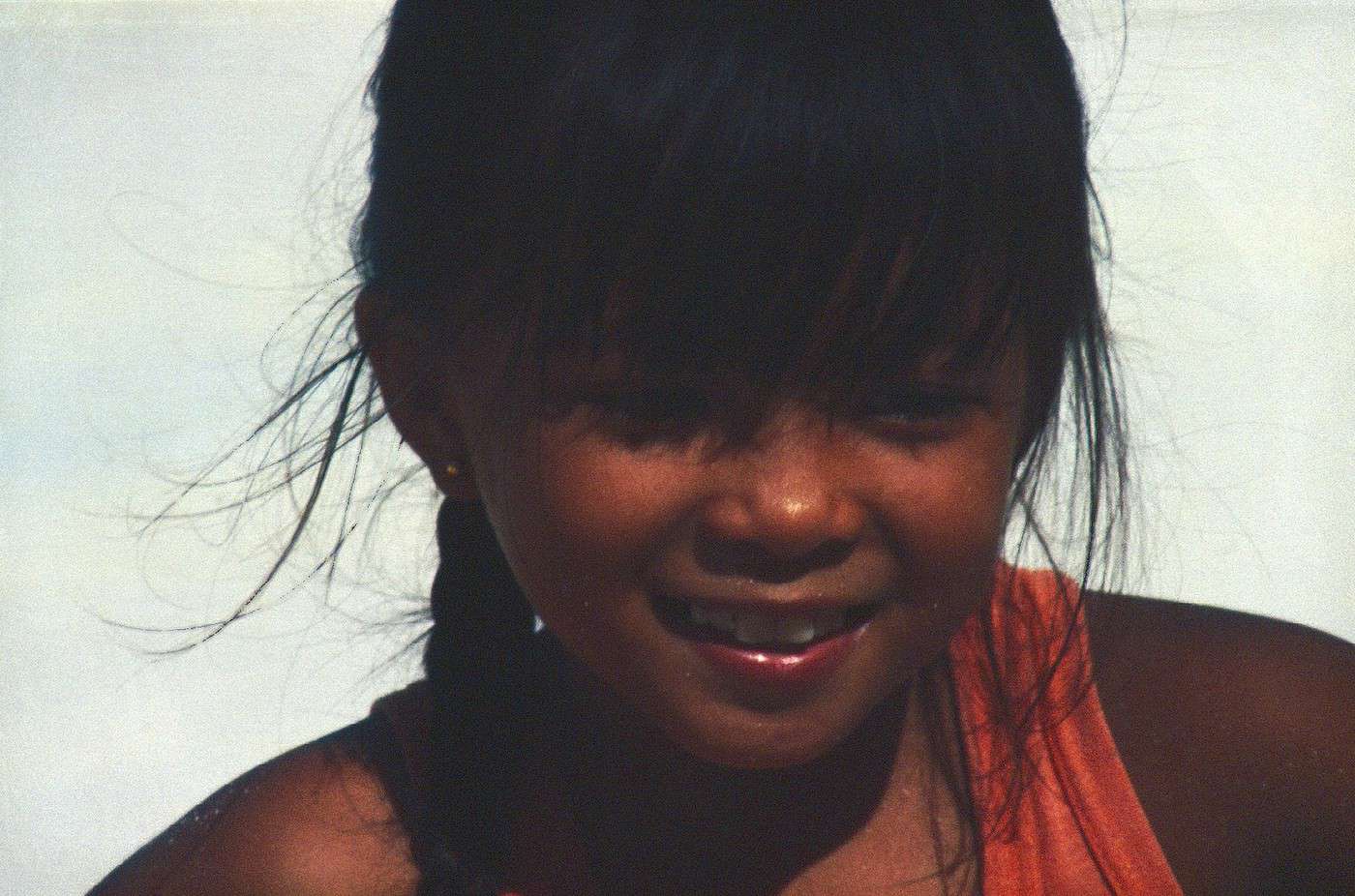
...and Boracay... in 1984, it was truly an extraordinary island, both for its beauty and its people.
Even compared to stunning islands like the Perhentians, the Togians, many Thai islands, Flores, or even the Moluccas (and they’re incredible 😎), Zanzibar, Mauritius, etc., Boracay was in a league of its own 🙂🙂
We still talk about this trip sometimes and think it’s unbelievable we experienced it: a country with no tourists, those crazy adventures, and that fabulous paradise of Boracay. It feels like a dream when we think about it... but it was 35 years ago. *sniff*
I’ve noticed that Boracay in the 80s has stayed in the memories of several contributors to this travel journal as a paradise 🙂
After this trip, we remember saying we’d probably never set foot in the Philippines again because of all the borderline, even dangerous, situations we’d been through.
We loved the trip, but it was *really* tough. In Thailand the year before (which wasn’t the Thailand of today!), everything was simple, perfect...
Since then, the country has developed, opened up to tourism, and "normalized," making a trip to the Philippines similar to traveling in any other Southeast Asian country.
One last thing: I remember we didn’t spend much at all because the cost of living was so low.
I hope you enjoyed reading this trip report from another era. I’ve never been back to the Philippines, and there’s probably not much left of what we experienced in 1984—development must’ve changed it a lot.
Thanks to all the contributors for your comments, encouragement, and shared experiences (we’re feeling like we’re at the Oscars 😏).
I’m obviously still available for any questions... though I don’t have any good restaurant or accommodation recommendations!
I’d set a goal to finish this journal by the end of France’s lockdown, and I beat it by 1.5 hours 😎